1/2
The Pros And Cons Of Switchable Smart Glass (& If It's Worth Your Money)
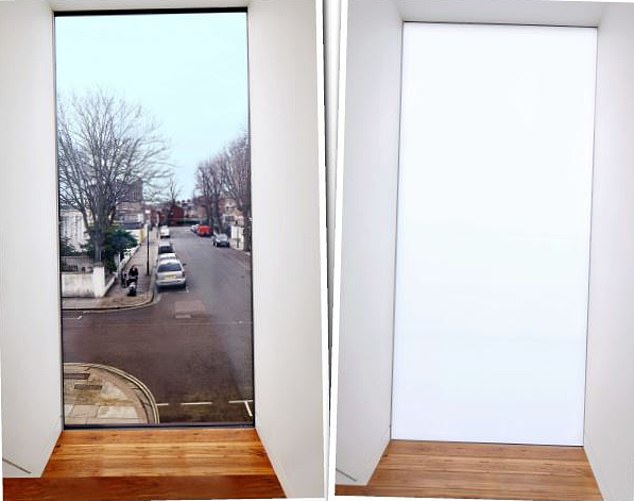
Switchable smart glass offers a unique solution for homeowners seeking both privacy and aesthetic appeal without compromise. This innovative glass type can transition from clear to frosted with a simple command, functioning by sandwiching PDLC film between two panes of glass. An electrical current controls the crystals within the PDLC film; when active, light passes through, making the glass transparent, and when the current is off, the crystals scatter light, rendering the glass opaque. This mechanism provides instant privacy and convenience, eliminating the need for traditional window coverings that might detract from a home's design.
Beyond privacy, smart glass contributes significantly to home preservation and energy efficiency. It effectively minimizes the transmission of UV rays, which are notorious for causing damage and discoloration to furniture, flooring, rugs, and artwork over time. This protective quality can extend the life and vibrancy of interior furnishings. Furthermore, smart glass is recognized for its durability, suggesting a long-term, cost-effective solution due to minimal maintenance requirements. Its ability to switch instantly from transparent to opaque also allows for dynamic control over natural light and views, adapting to varying needs throughout the day.
However, the adoption of smart glass comes with several considerations, primarily its high initial cost. The price can range significantly, from $350 to $3,000 per window, depending on size and specifications, making it a substantial investment, especially for homes with multiple or large windows. The installation process also demands specialized skills, adding to the overall expense, as it typically requires an expert. Another challenge is the current limited availability of smart glass technology. Finding suppliers might necessitate extensive research, and potential shipping costs, which could be as high as $1,200, further inflate the total expenditure.
A critical operational aspect to consider is the reliance of smart glass on a power source. In the event of a power outage, the smart glass windows will not be able to function, remaining in their last state (either clear or opaque) until power is restored. This dependency introduces a practical limitation that prospective buyers must weigh. Despite these drawbacks, the convenience, aesthetic flexibility, and protective benefits of smart glass offer compelling advantages. Homeowners must evaluate these pros and cons against their budget constraints and specific privacy needs to determine if switchable smart glass is a worthwhile investment for their property.
#SmartGlass #HomeImprovement #WindowPrivacy #InteriorDesign #UVProtection #SmartHomeTechnology #ResidentialInnovation #SmartGlass #HomeImprovement #WindowPrivacy #InteriorDesign #UVProtection #SmartHomeTechnology #ResidentialInnovation
0 comment in total
 No comments yet
You may also like
I Really Like These (Relatively) Budget-Friendly Smart Blinds

These Smart Blinds Are Great for Privacy—and for Your Energy Bill

Switchmate Smart Light Switch review

Soma smart shades review: Retrofitting your blinds for Google Assistant requires many compromises
Best Smart Blinds for 2025, Tested and Reviewed

ThirdReality Smart Blinds review: DIY motorized Zigbee shades

Rosie on the House: Choosing the right glass is important for your project

Smartwings Smart Roller Shades w/ Matter over Thread (review)


Smart bulbs vs. smart switches: The pros and cons of connected lighting

Best Smart Blinds for 2026, Tested and Reviewed
The 4 Best Smart Window Shades, Blinds, and Curtains of 2025 | Reviews by Wirecutter
SwitchBot Curtain 3 review: 3rd-gen curtain controller gets it right
Glass that frosts up at the touch of a button gives both privacy and light

8 Best Smart Blinds

Best smart shades: High-tech, high-fashion window treatments
Shutters vs blinds – what you need to know to dress windows beautifully and practically

Smart Blinds: Window Covering in the Matter Standard
7 Best Smart Blinds and Smart Shades, According to Pros

Budget Blinds smart cellular shades review: Affordably smart
SmartWings Smart Blinds Review: Quiet, Durable, and Flexible — But Setup Requires Patience