1/15
Home Interior Trends Reveal: Mobility Interiors
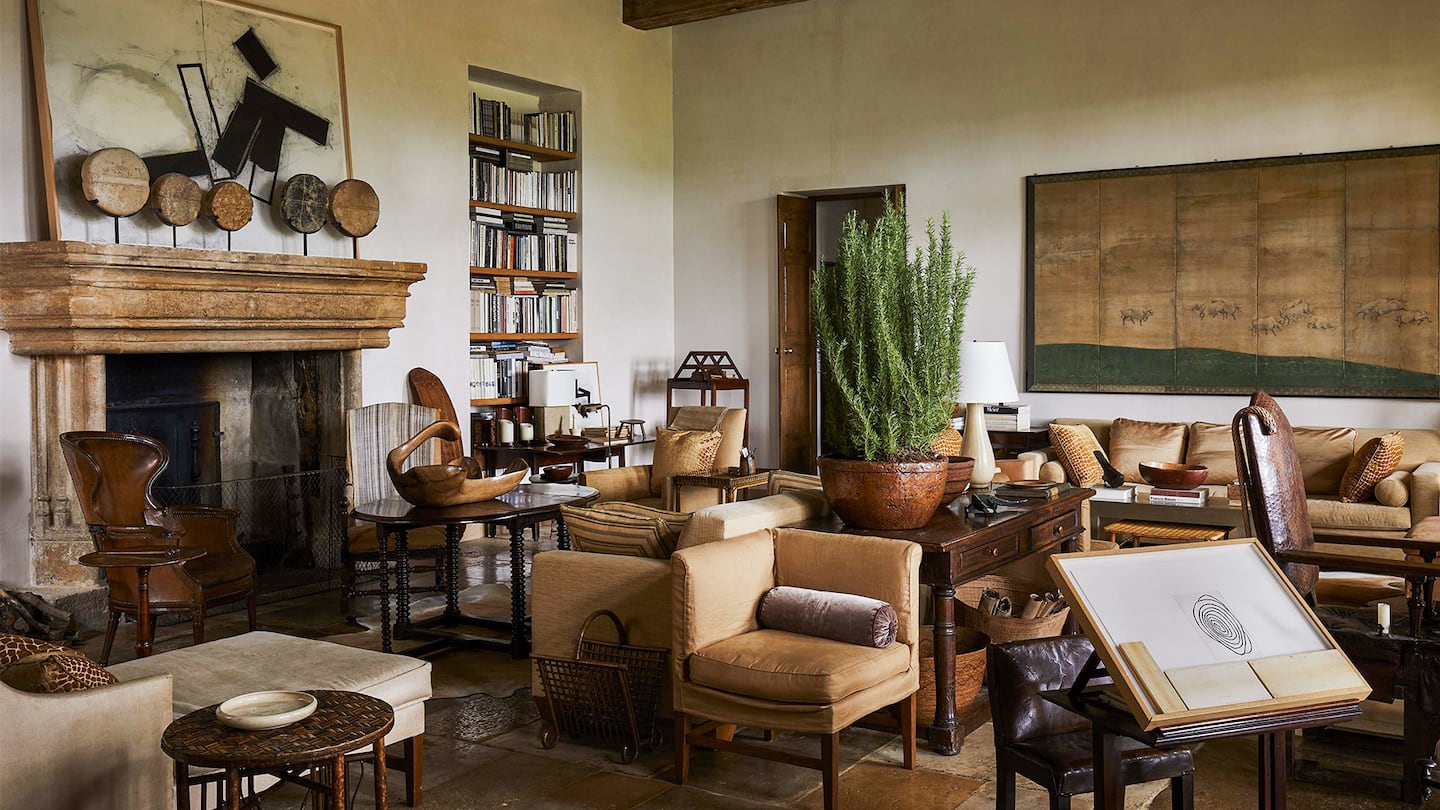
The article explores the convergence of home interior trends and mobility interiors, particularly in the context of advanced automotive technologies like electrification, autonomous driving, and connected features. It highlights how vehicle interiors are transforming into living and resting spaces, drawing parallels with current home design philosophies. The discussion is based on insights from Sang-Hoon Han, a space designer from 'Today's House,' an interior lifestyle platform.
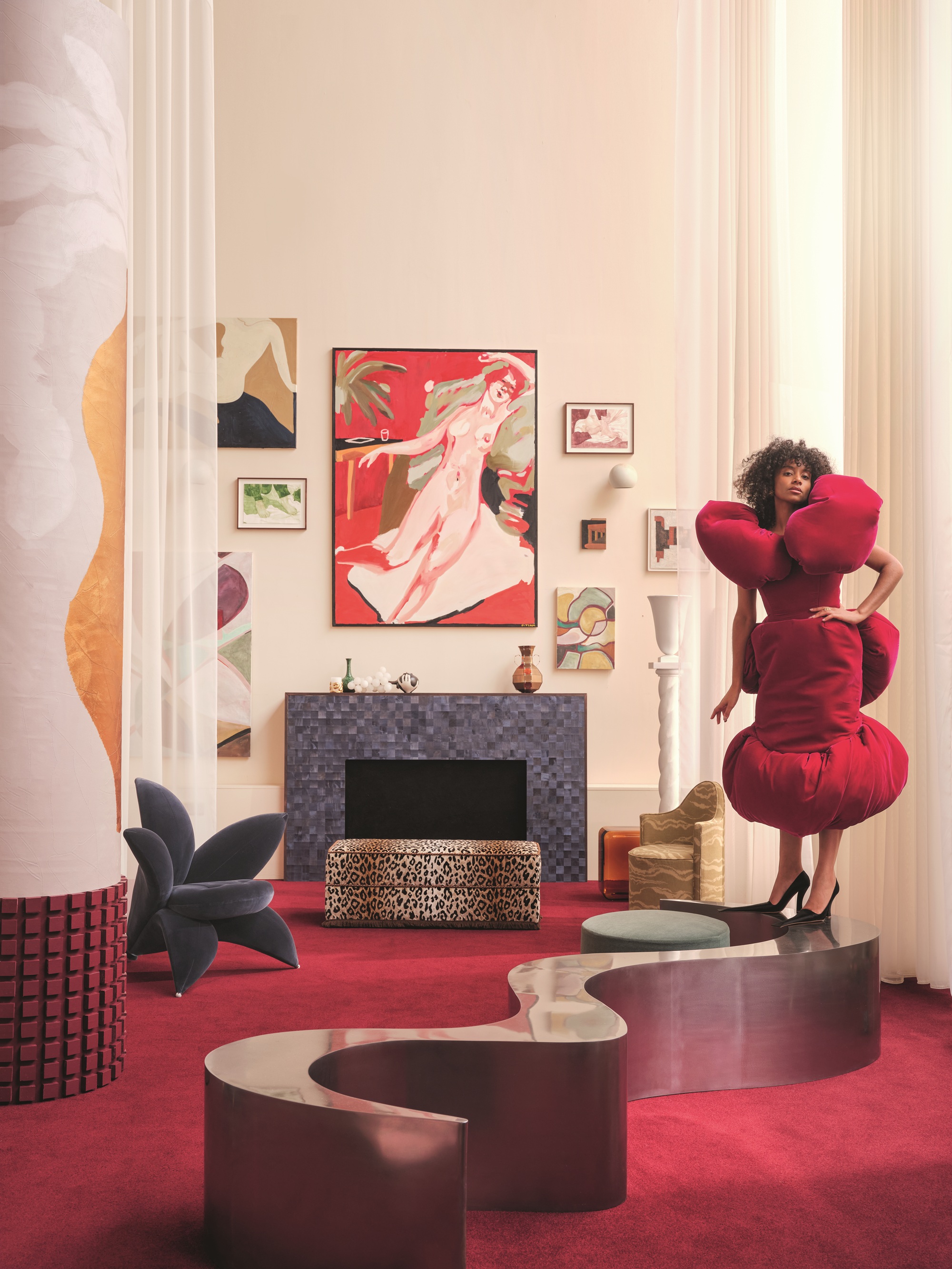
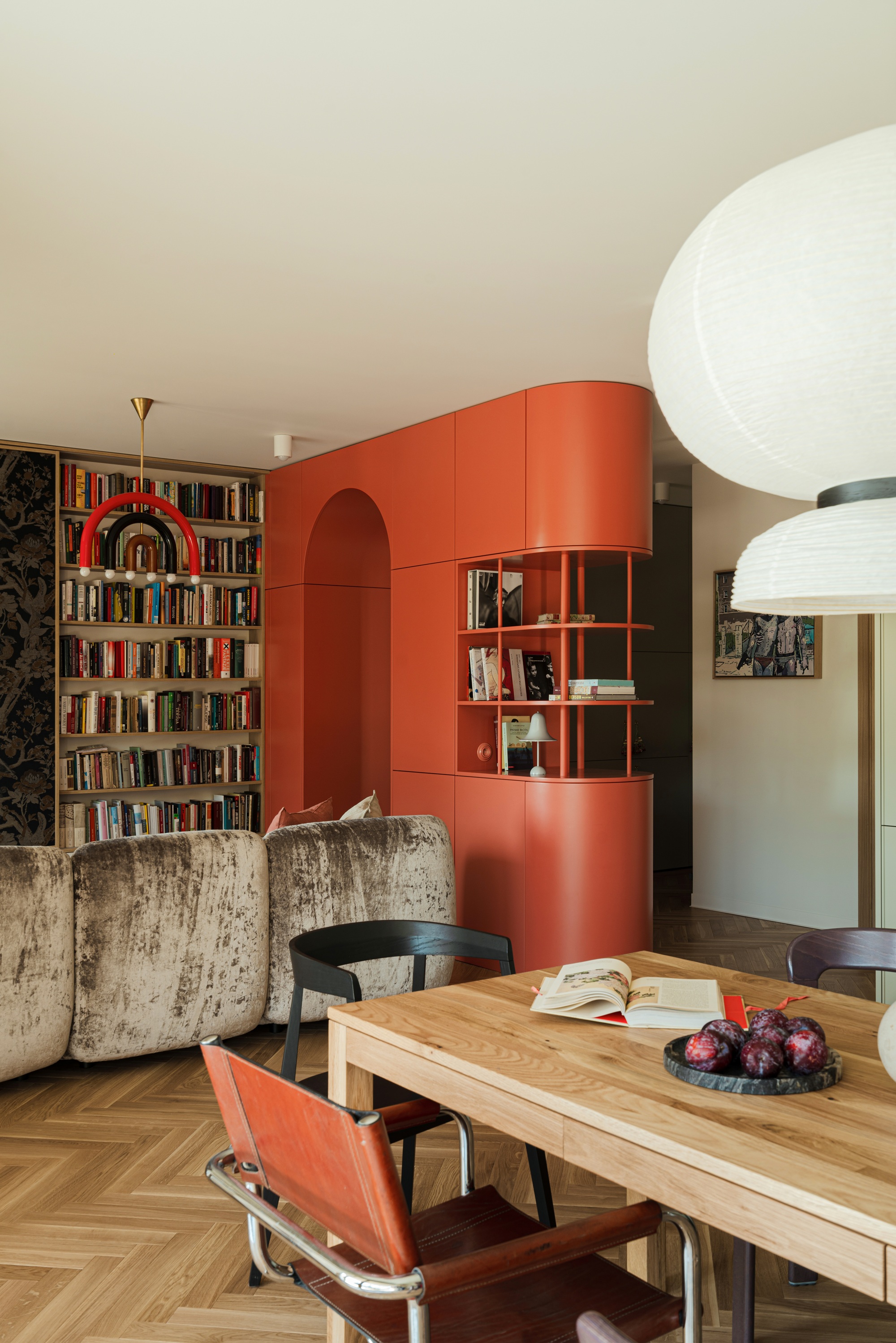
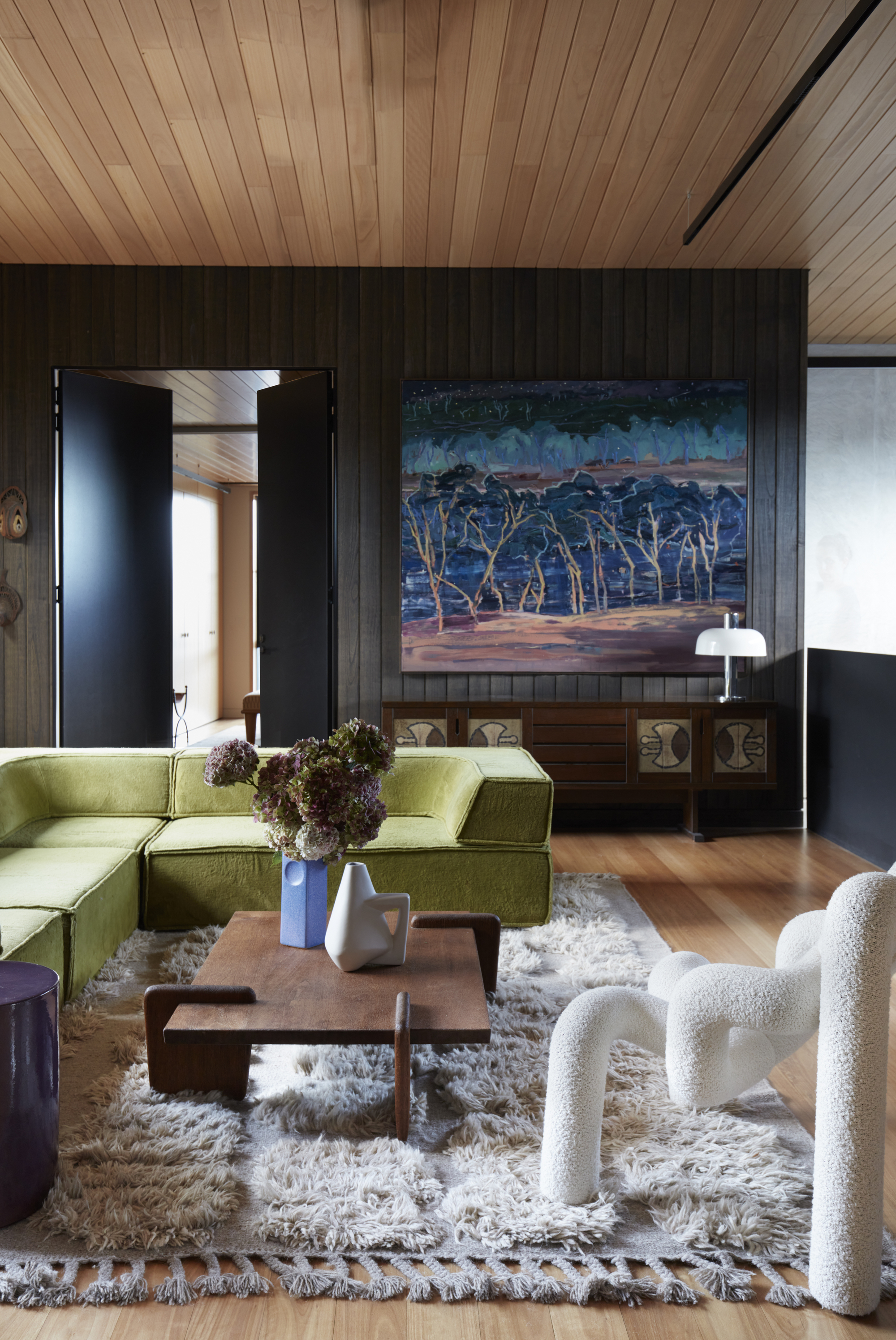
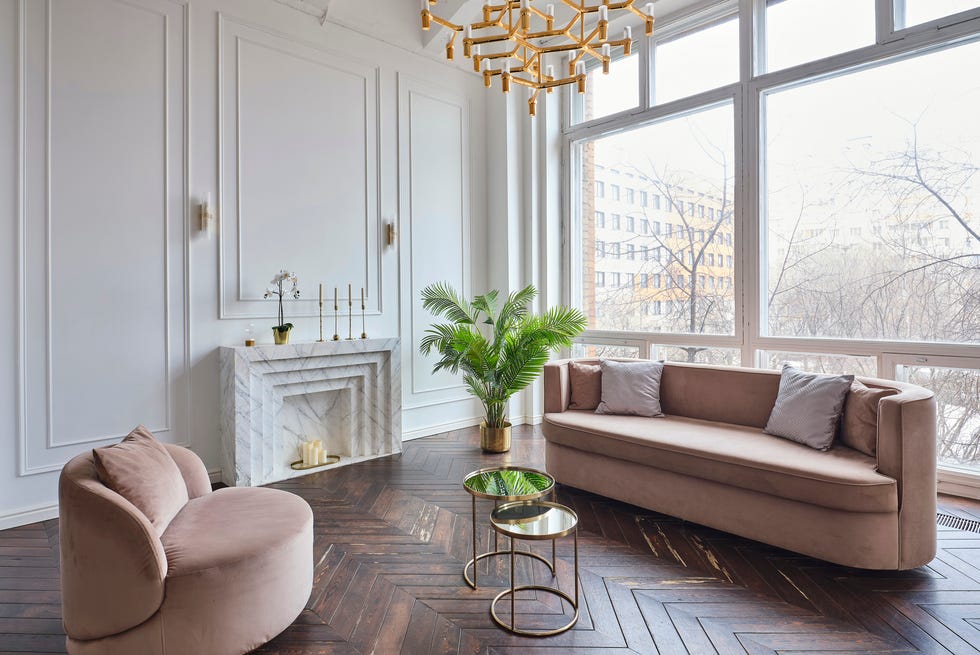
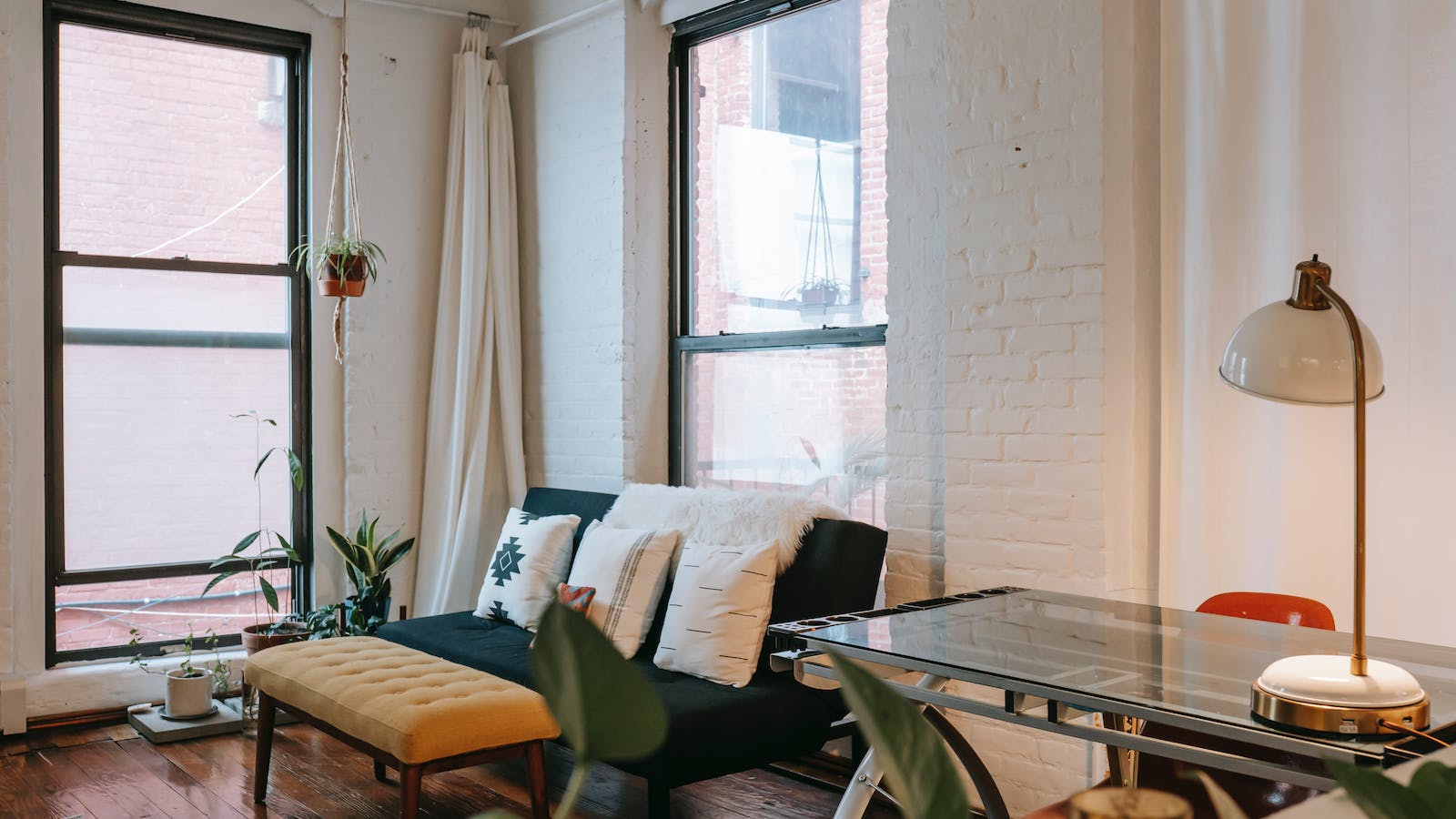
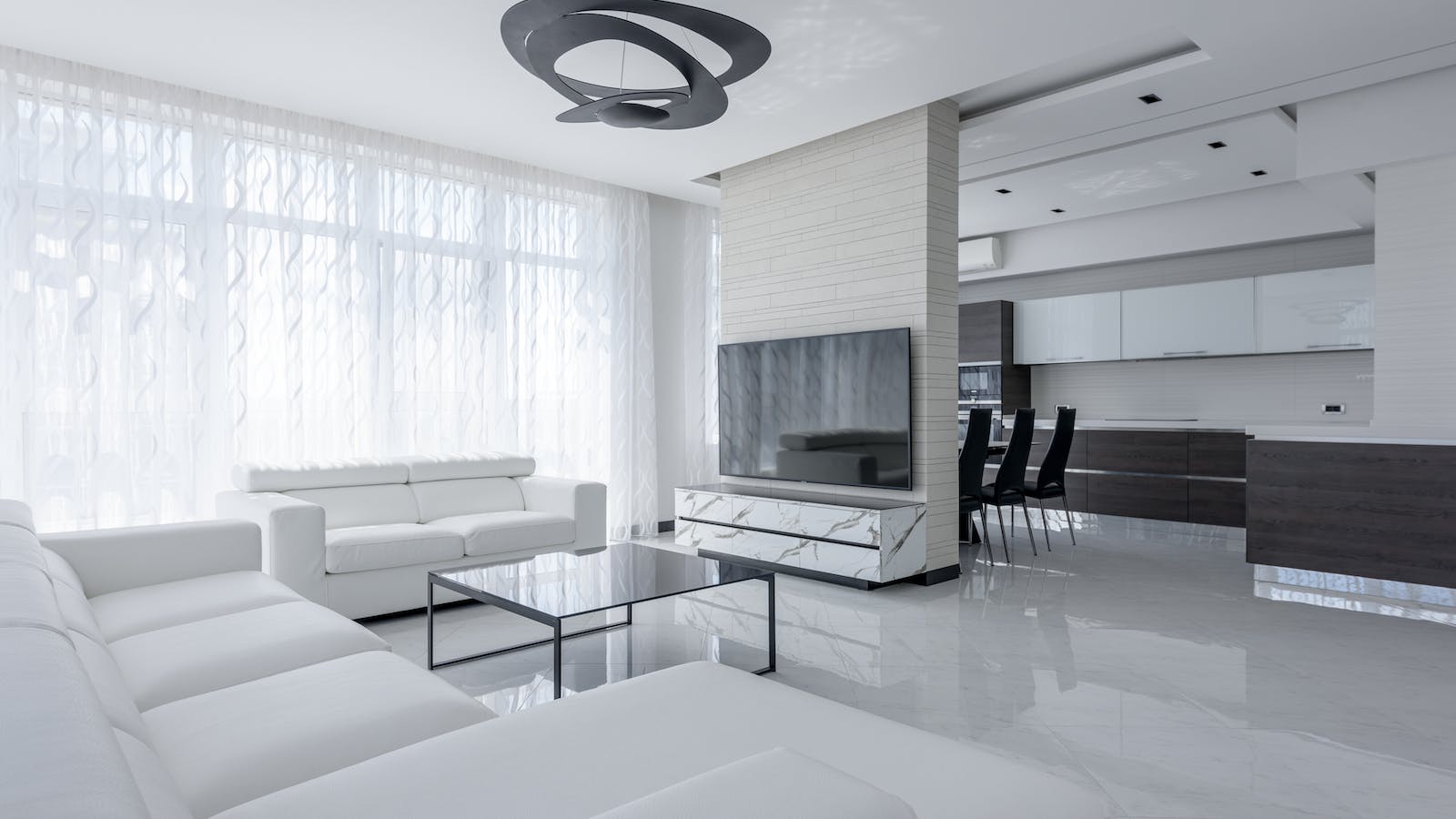
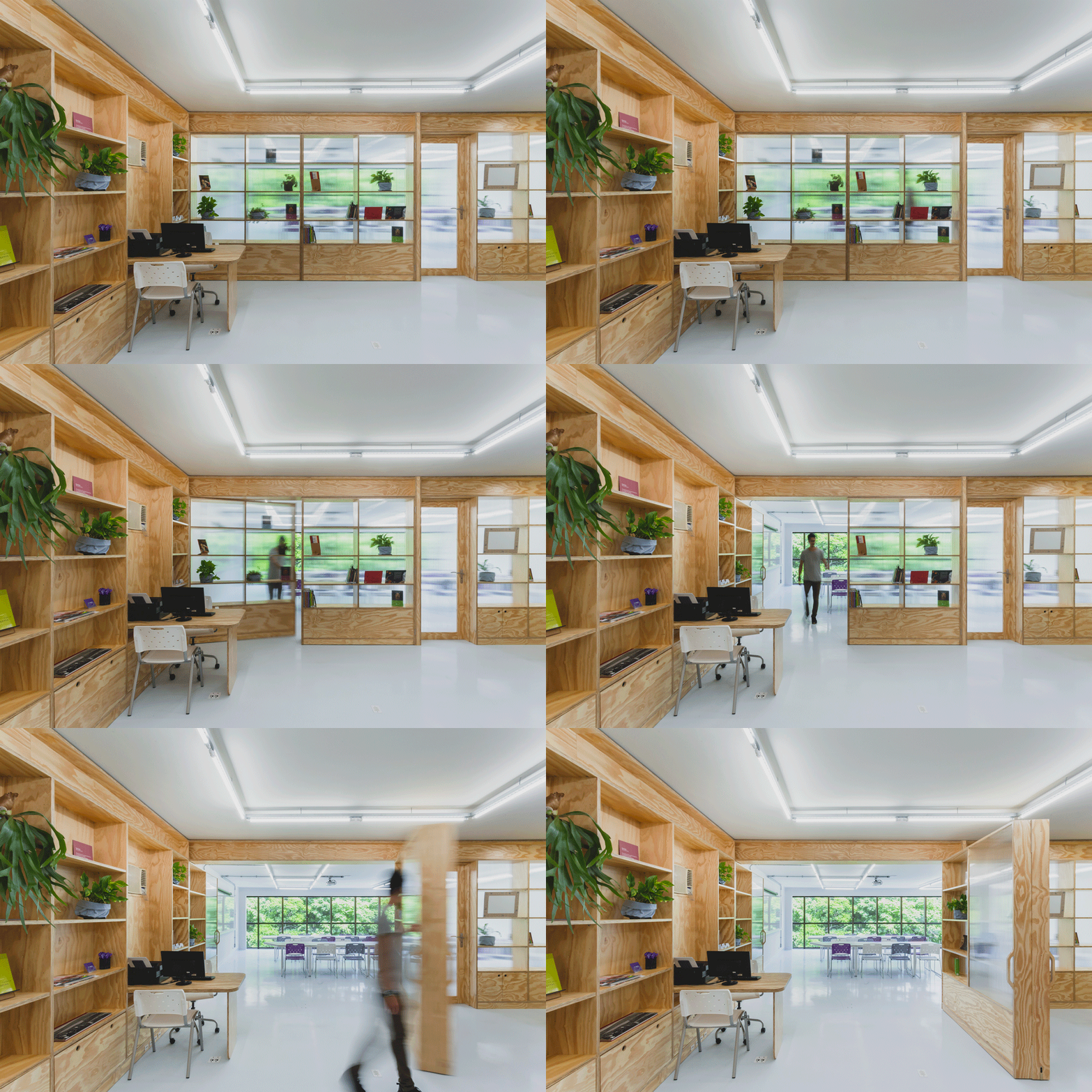
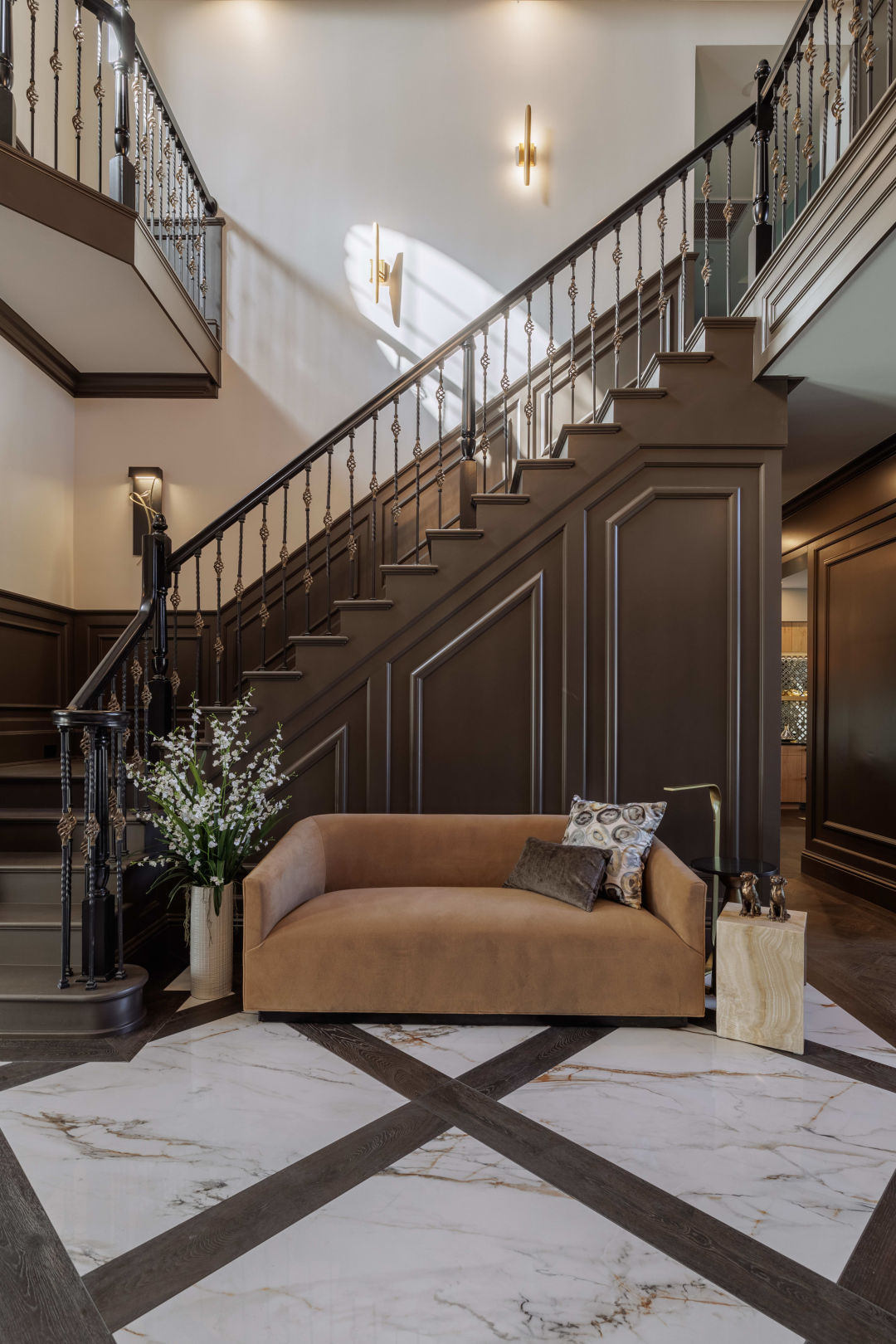
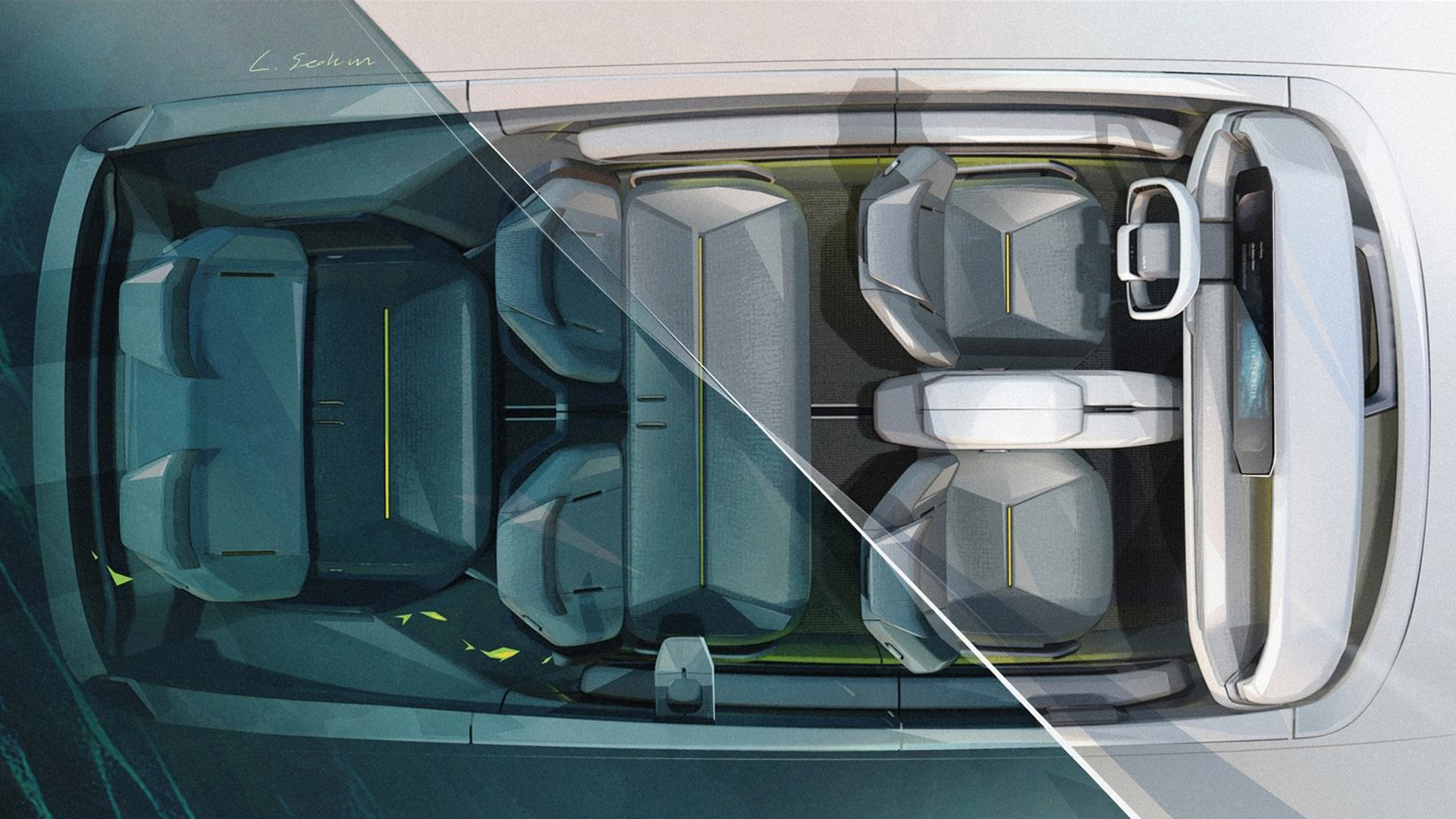
One significant trend identified is the 'layered home,' where a single space accommodates multiple activities such as work, leisure, and exercise, beyond just accommodation. This concept emerged partly due to increased time spent at home during the pandemic, leading to a greater interest in home interiors that serve diverse functions. Examples like 'Home Cafe' and 'Home Gym' illustrate this trend. The article posits that this multi-functional design philosophy is readily applicable to mobility interiors, enhancing their utility. It references Hyundai's Concept Seven, a large electric SUV concept, which incorporates features like swivel lounge chairs and a lounge bench seat to allow for flexible space utilization depending on driving or autonomous driving modes. The Concept Seven also includes residential elements such as a mini-refrigerator and a large vision roof display, reflecting the layered home idea. Kia's EV9 electric SUV concept further exemplifies this with three distinct seat layouts—Active Mode, Pose Mode, and Enjoy Mode—to cater to various activities, including leisure and social interaction within the vehicle or even extending to outdoor activities facilitated by features like V2L (Vehicle-to-Load) technology.
The second major trend discussed is the heightened focus on health and hygiene, accelerated by the COVID-19 pandemic. This has led to an increased demand for products like air purifiers and clothing managers in homes. In mobility, this trend is reflected in Hyundai Motor Seven's hygiene-focused features, including functional sterilization materials for seats and carpets, a hygiene air circulation system inspired by aircraft, and a UVC sterilization mode. Additionally, the Concept Seven integrates a shoe care space with sterilization, deodorization, and drying functions, emphasizing a clean cabin environment. The article also touches upon 'Cluttercore,' an interior trend that encourages personal expression through bold colors, patterns, and objects, suggesting that similar personalization could be applied to mobility interiors through attachable accessories.
Finally, the article addresses the growing emphasis on sustainability in both home interiors and automotive design. The Korean market, influenced by global furniture companies, has seen a rise in demand for eco-friendly furniture and materials, such as those made from certified wood with low formaldehyde emissions, vegan leather, and recycled plastics. Hyundai Motor Group is actively implementing these sustainable practices in its electric vehicles. The Ioniq 5, for instance, uses bio-oil-based paints and fibers from recycled plastic bottles and bio-PET yarns. The Kia EV9 Concept takes this further by utilizing waste fishing nets for flooring and recycled plastics and wool fibers for door trims and seat covers, along with vegan leather. The space designer expresses optimism for future mobility interiors, anticipating that autonomous driving and electrification platforms will enable even more adaptable and customizable spaces, offering new opportunities for space designers.
#HomeInteriorTrends #MobilityInteriors #HyundaiMotorGroup #LayeredHome #AutonomousDriving #ElectricVehicles #SustainableDesign #HygieneInDesign #KiaEV9 #HomeInteriorTrends #MobilityInteriors #HyundaiMotorGroup #LayeredHome #AutonomousDriving #ElectricVehicles #SustainableDesign #HygieneInDesign #KiaEV9
0 comment in total
 No comments yet
You may also like
Interior Design Trends — The 16 Defining Ideas for Decorating Homes in 2025

Are Interiors Headed for an Industrial Revolution?

Design Forecast: 10 Trends to Watch for in 2016

The Both/And Trend Is Here to Stay, Designers Say—and You Might Already Be Doing It
30 of the worst modern home trends that WILL go out of fashion | loveproperty.com

12 Home Trends That Will Be Everywhere Soon

Home Trends

The Zeitgeist Edit — The Design Moments an Editor Is Talking About in November

"Experimental, Futuristic, and Other-Worldly" — There's a Good Reason Space Age Interiors Are at the Fore of Design Right Now
Modern Elegance: Top Trends In Interior Design You Need to Know

Future-Proofing Design: How Interiors Will Evolve in 2023 and Beyond

The 8 Renovation Trends Designers Say Will Shape Homes in 2025 and Beyond

Designers Say This Room in Your Home Is Officially Outdated

Accessible Custom Furniture And Decor Is The Next Big Interior Design Trend

Interior Design Trends of 2024
These Are the Home Design Trends You Need to Know About in 2025
Elevate Your Space: Top Living Room Design Trends for 2025
Open plan living is over. Here’s why we all want walls again

People Are Exposing The Home Decor Trends That'll "Completely Fade Out" Sooner Than You'd Think

Opinion: Home Is the New Fashion