1/11
Eggshell vs satin – what's the difference, and what to use when, according to professional decorators
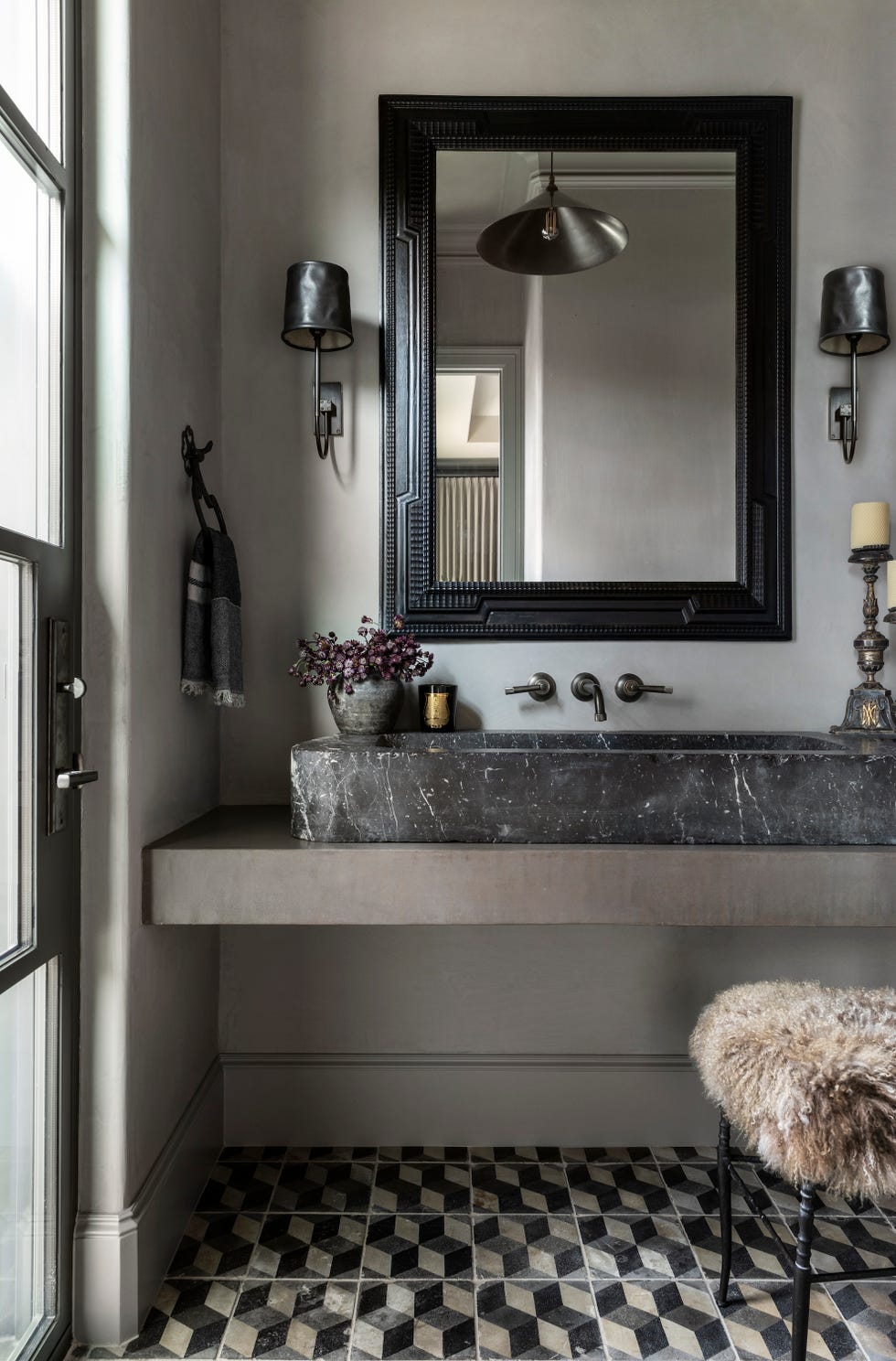
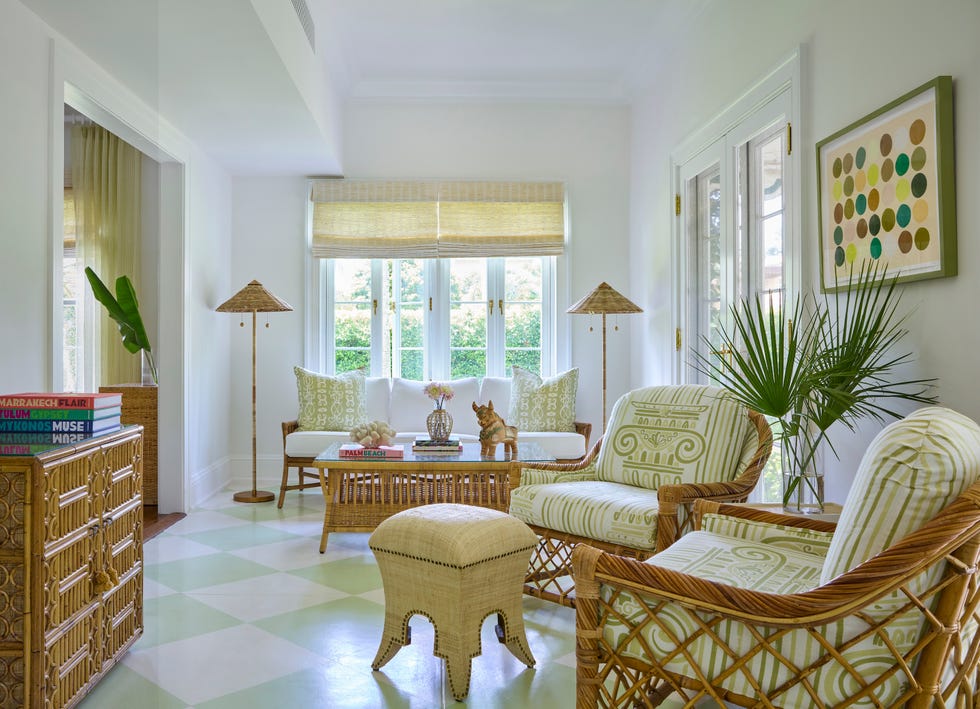
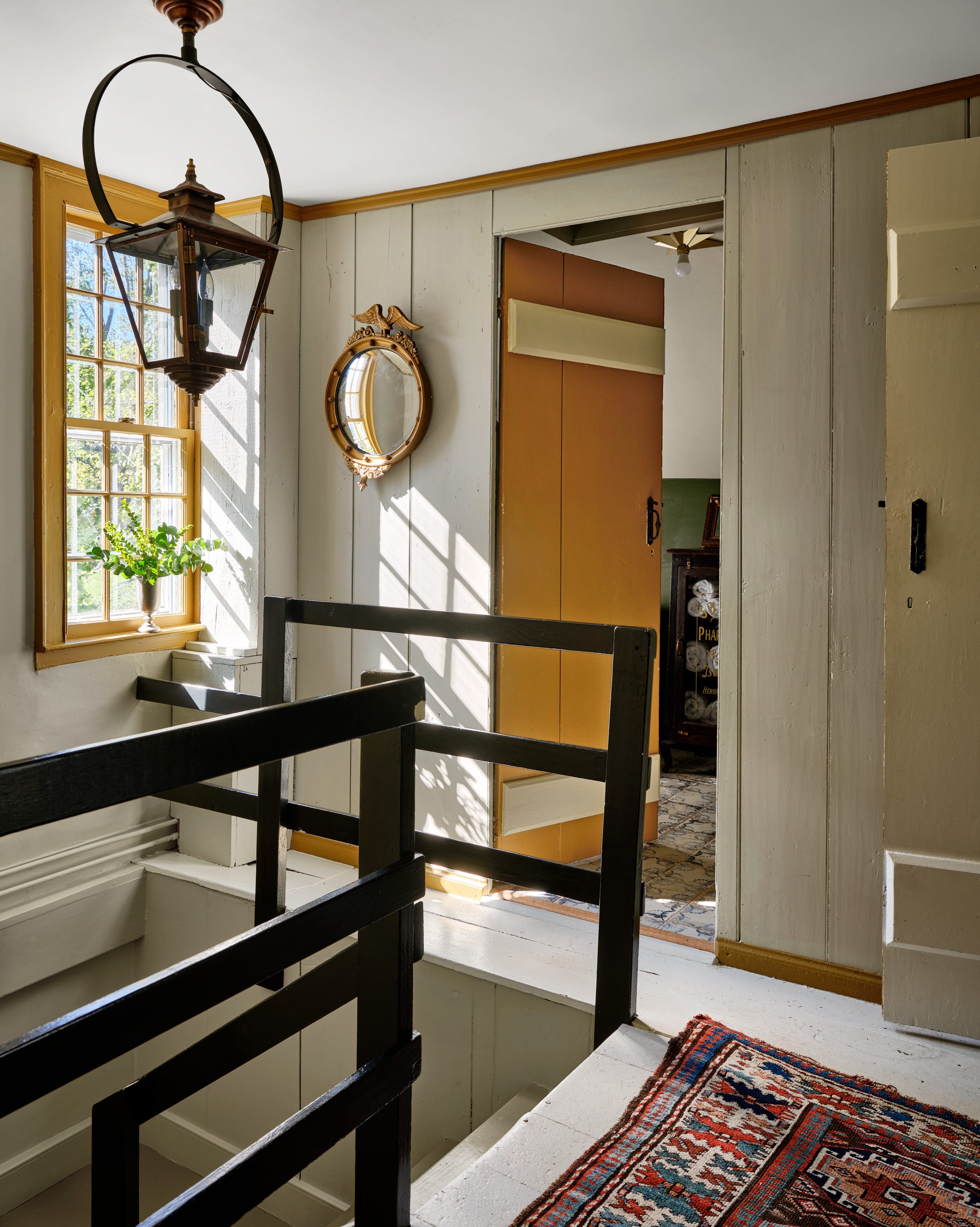
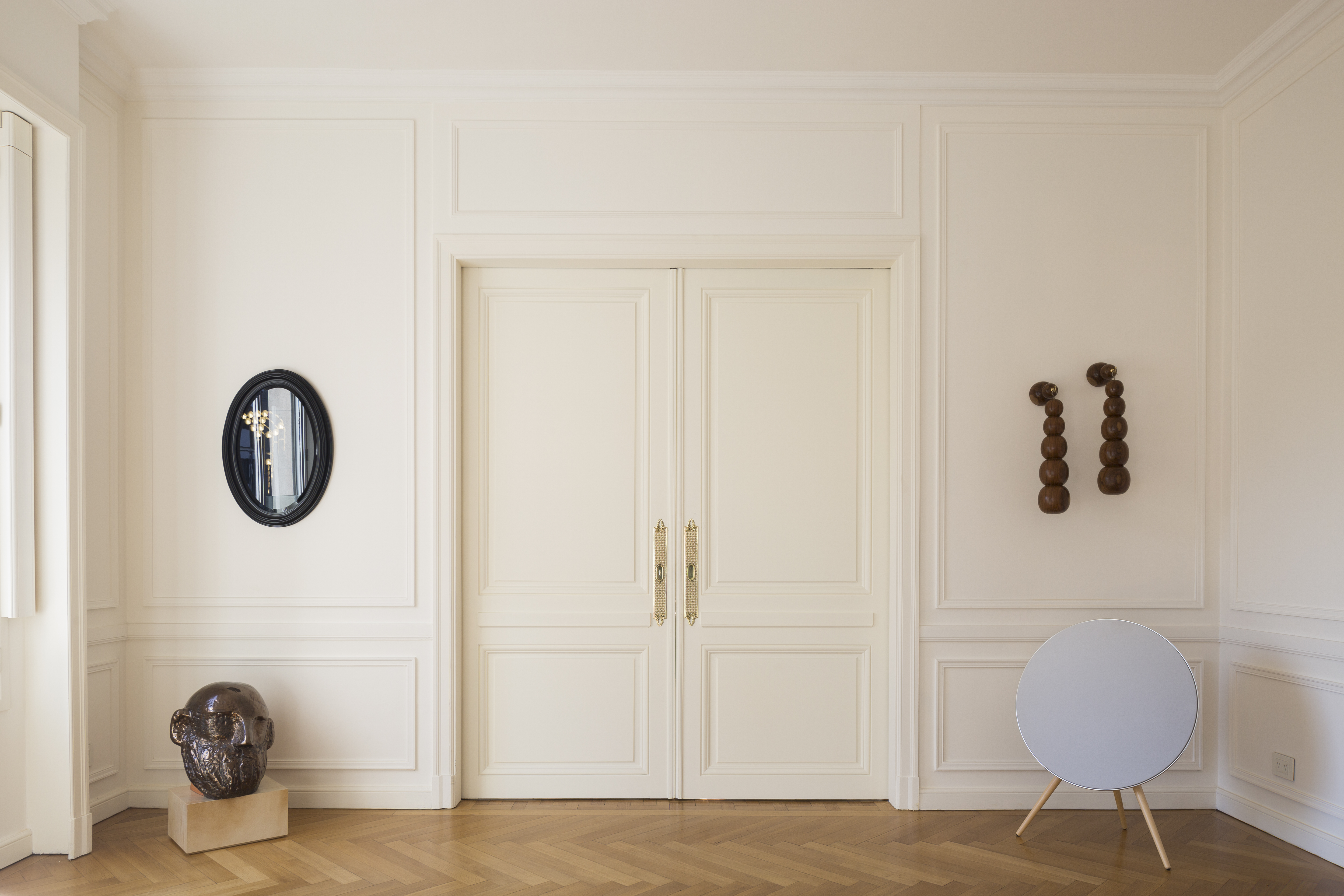
Choosing the right paint finish, specifically between eggshell and satin, is a critical decision in interior design, impacting both aesthetics and practicality. While both are popular for interior walls, trims, and doors, they possess distinct characteristics in terms of sheen, durability, and ease of use. Eggshell paint offers a low sheen and smooth texture, providing a refined and subtle elegance. Satin paint, conversely, has a slightly higher sheen, which enhances its durability and makes the surface more resilient.
The primary differentiation between eggshell and satin lies in their level of sheen or gloss. Eggshell presents a softer, more subtle sheen, whereas satin provides a bit more luster. It is important to note that while satin is glossier than eggshell, it is not comparable to full gloss paint. The exact sheen level can also vary significantly between different paint manufacturers and product lines, making it advisable to request a 'draw-down' sample to visually assess a particular product's appearance.
Regarding durability, satin paint generally surpasses eggshell due to its smoother, more resistant surface, which is easier to clean and better withstands wear and moisture. Modern paints undergo lab testing for durability, with satin typically being more resistant to scrubbing. Both finishes are washable, but satin's superior resistance makes it a better choice for high-moisture environments like bathrooms. The higher sheen of satin, however, means it is more prone to revealing imperfections in the wall or woodwork beneath, making eggshell or even matte paint often preferable for older homes or surfaces with less-than-perfect preparation. For textured walls, an eggshell finish is generally recommended, as a higher sheen would accentuate the texture.
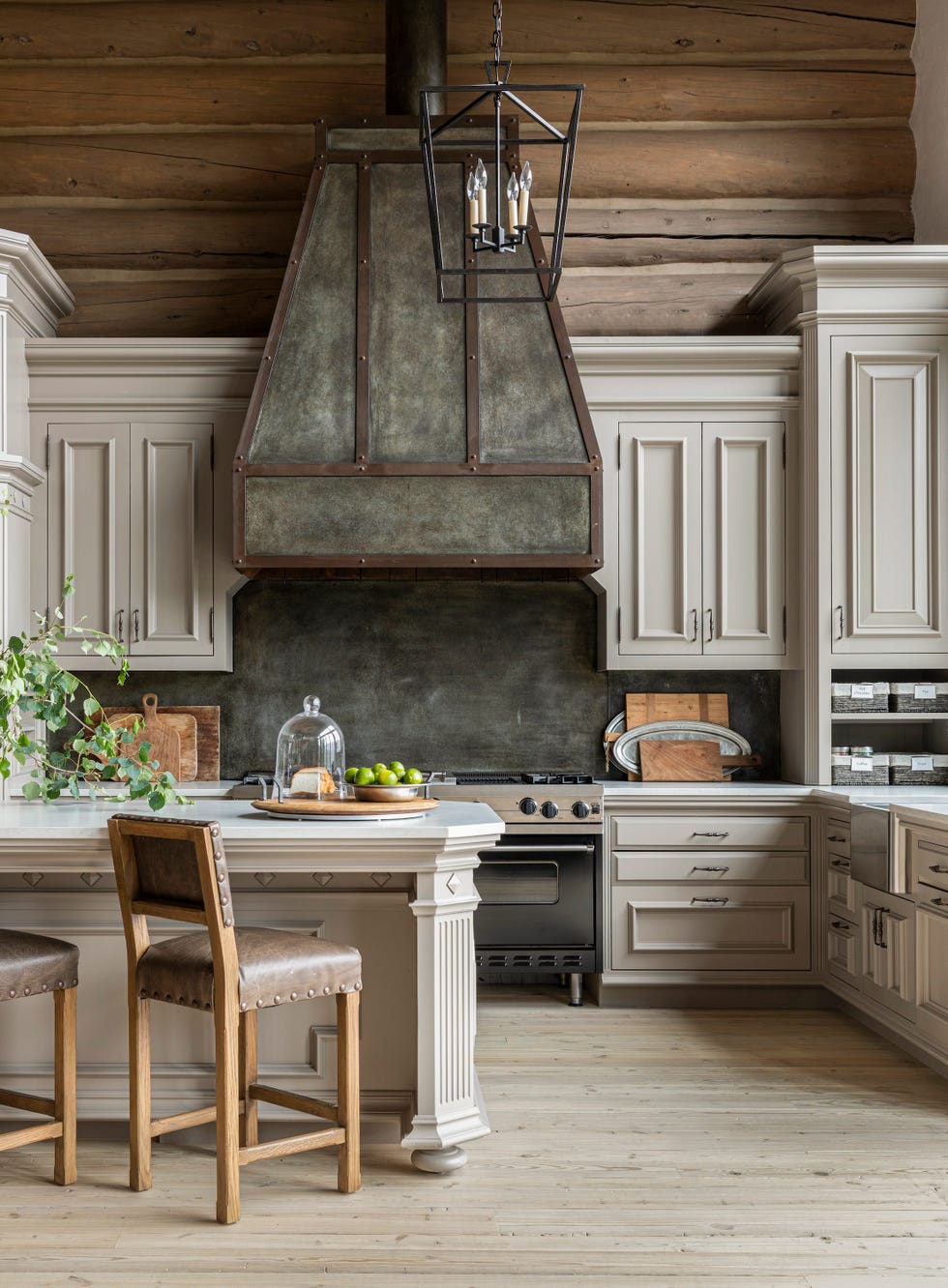
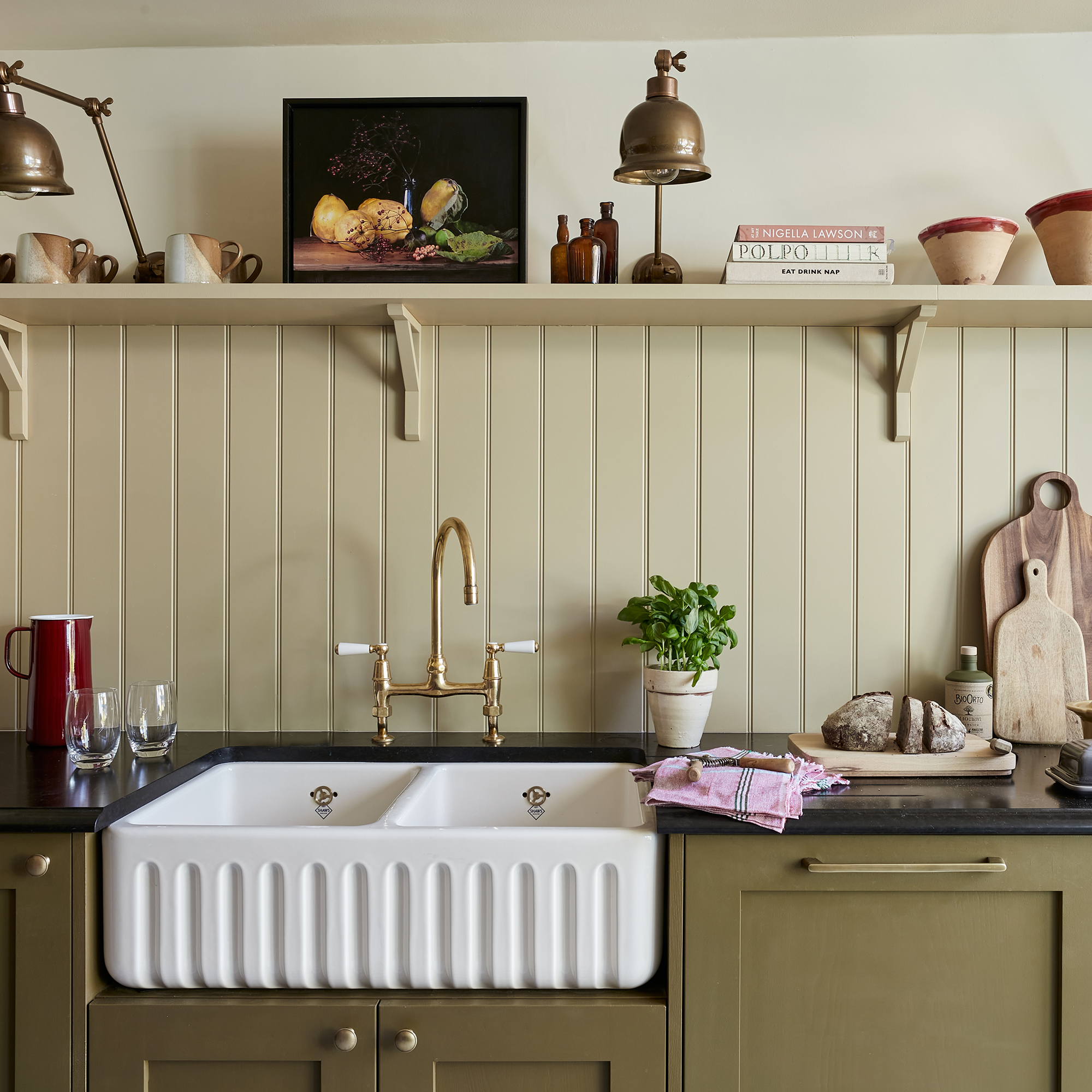
Strategic placement of each finish is crucial for optimal results. Eggshell is commonly used for wall paint, while matte is reserved for ceilings, and semi-gloss for woodwork or doors. Satin can be applied to walls or used as a less shiny alternative to semi-gloss for woodwork. It is generally advised to avoid satin finishes on ceilings due to their tendency to highlight imperfections. For high-traffic areas, trims, doors, and cabinets, satin is often recommended for its enhanced durability and resistance to stains, offering a balance between the practicality of semi-gloss and the understated look of eggshell. Ultimately, the choice between eggshell and satin depends on the desired aesthetic, the condition of the surface, and the functional requirements of the space.
#EggshellPaint #SatinPaint #PaintFinishes #InteriorDesign #HomeImprovement #PaintDurability #WallPaint #DecoratingTips #ProfessionalDecorators #EggshellPaint #SatinPaint #PaintFinishes #InteriorDesign #HomeImprovement #PaintDurability #WallPaint #DecoratingTips #ProfessionalDecorators
0 comment in total
 No comments yet
You may also like

One Designer Says She's Been Using This Paint Finish for Over 40 Years: 'I Never Get Tired of It'

This Is the Best Paint Finish to Use in Your Kitchen, According to Designers


The Right Paint Finish Can Actually Help Your Home Look Cleaner—Here's How

What paint finish should your kitchen walls be? Expert decorators give their tips for the perfect finish
This Surprising Paint Mistake Could Be Making Your Home Look Cheap (And It’s Not the Color)
5 different paint finishes, from flat to high-gloss, and when to use them
The Best Sateen Sheets of 2025

Paint sheen levels explained – everything you need to know

Paint finishes for bathrooms explained
The Difference Between Eggshell and Semi-Gloss Paint and How to Choose the Right Finish
A guide to eggshell paint – and when to use it
This Nickel Finish Is More Refined Than The Rest, According To A Designer

Farrow & Ball's New Perfectly In-Between Flat Eggshell Finish |

The Best Silk and Satin Sheets We Tested Are Luxuriously Soft and Comfortable — Prices Start at $24
Matte vs glossy