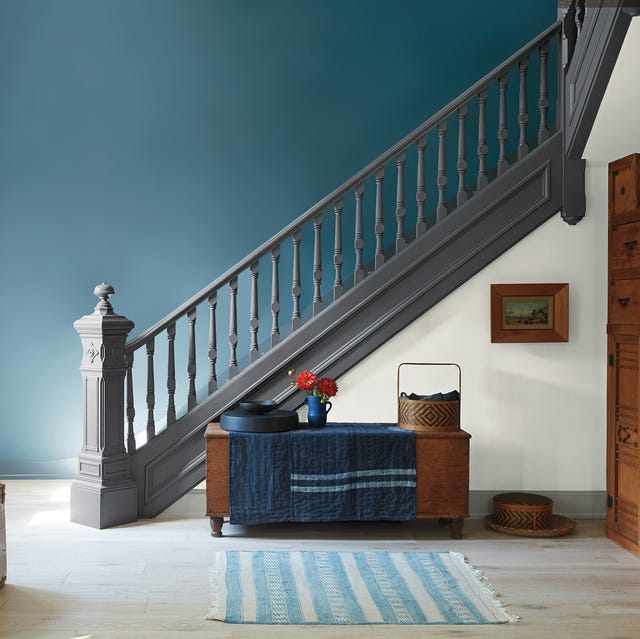
1/3
This Is the Best Paint Finish to Use in Your Kitchen, According to Designers
Choosing the right paint sheen for a home renovation project can significantly impact the final appearance of a chosen color. Paint sheens influence how color is perceived due to their light-reflecting properties. David Underwood, a project manager at Benjamin Moore, notes that lower sheen levels, such as matte or eggshell finishes, absorb more light, making the color appear slightly darker. Conversely, higher sheens reflect more light, which can make a color seem lighter and more vibrant. This concept is further explained through Light Reflectance Value (LRV), a measurement of how much visible light a surface reflects, scaled from zero (perfectly absorbing black) to 100 (perfectly reflective white). Sue Wadden, Director of Color Marketing at Sherwin-Williams, highlights that glossier finishes generally have a higher LRV because they reflect more light. The sheen, ranging from flat to high gloss, dictates light reflection and color perception.
This article specifically delves into the distinctions between eggshell and satin paint finishes, two common options in the market. The primary difference lies in their light reflectivity. According to Wadden, eggshell paint offers a reflection range of 10% to 25%, depending on the specific hue, while satin paint typically reflects between 25% and 35%. Eggshell provides a soft, low-sheen, smooth finish, reminiscent of an actual eggshell. Satin, on the other hand, is glossier, creating a smooth, velvety appearance with a more pronounced light reflection.
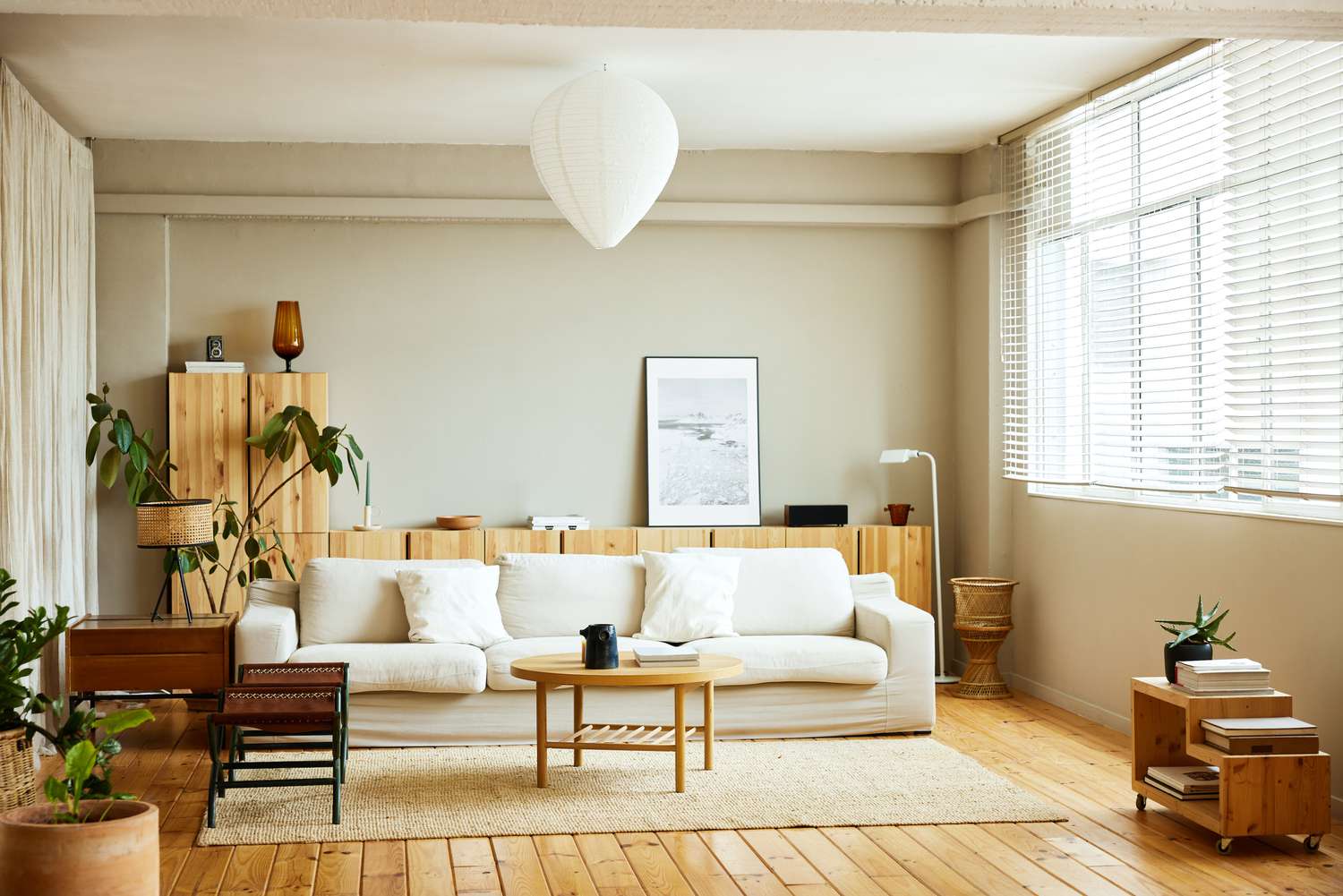
The nuanced differences in sheen dictate their suitability for various applications within a home. Eggshell paint is a popular choice for interior use, particularly for walls prone to imperfections, as its lower sheen helps to disguise flaws. Underwood emphasizes eggshell's durability and ease of cleaning, making it suitable for high-traffic areas like family rooms and hallways. It is especially effective in rooms that receive ample natural light, where the added gloss of a higher sheen is not necessary.
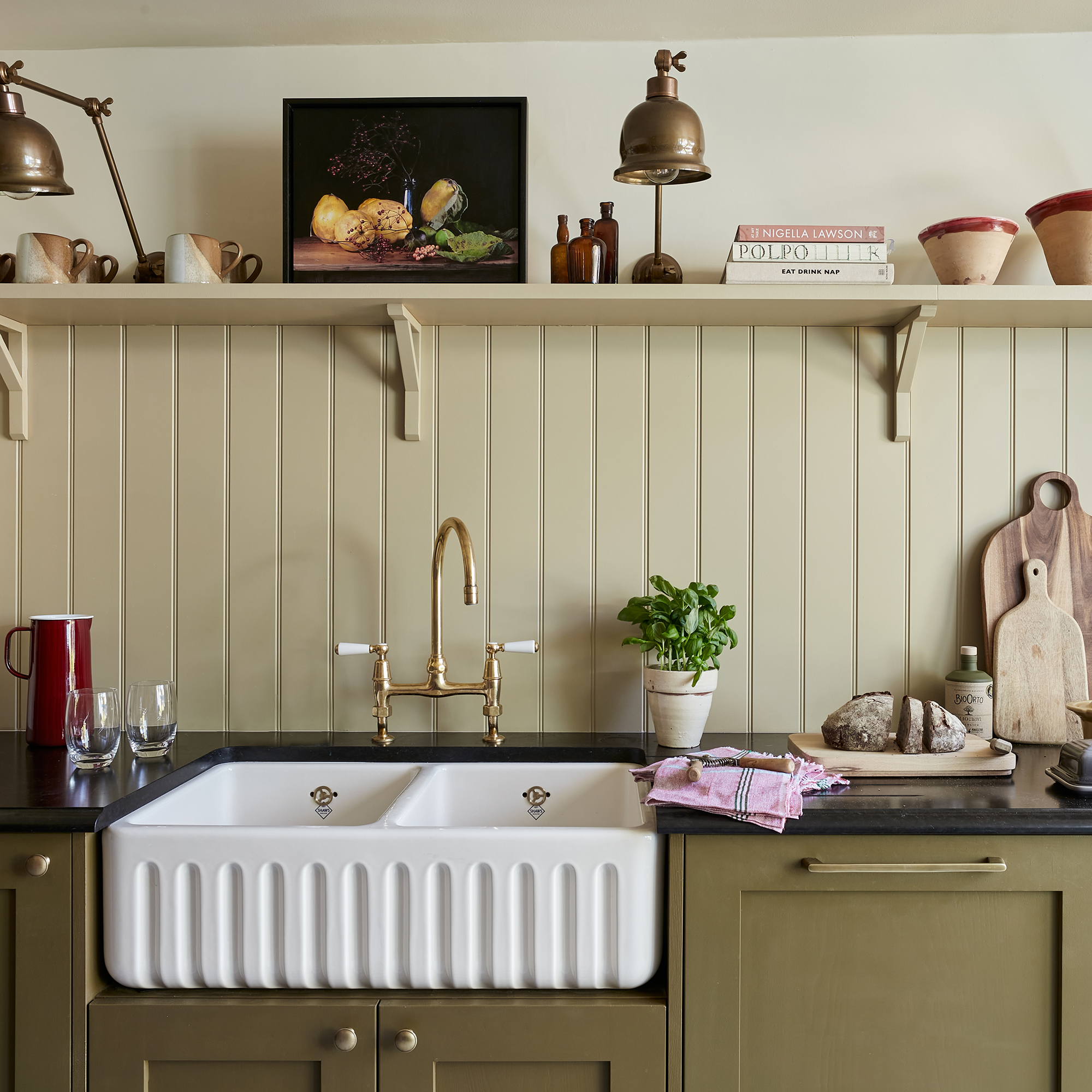
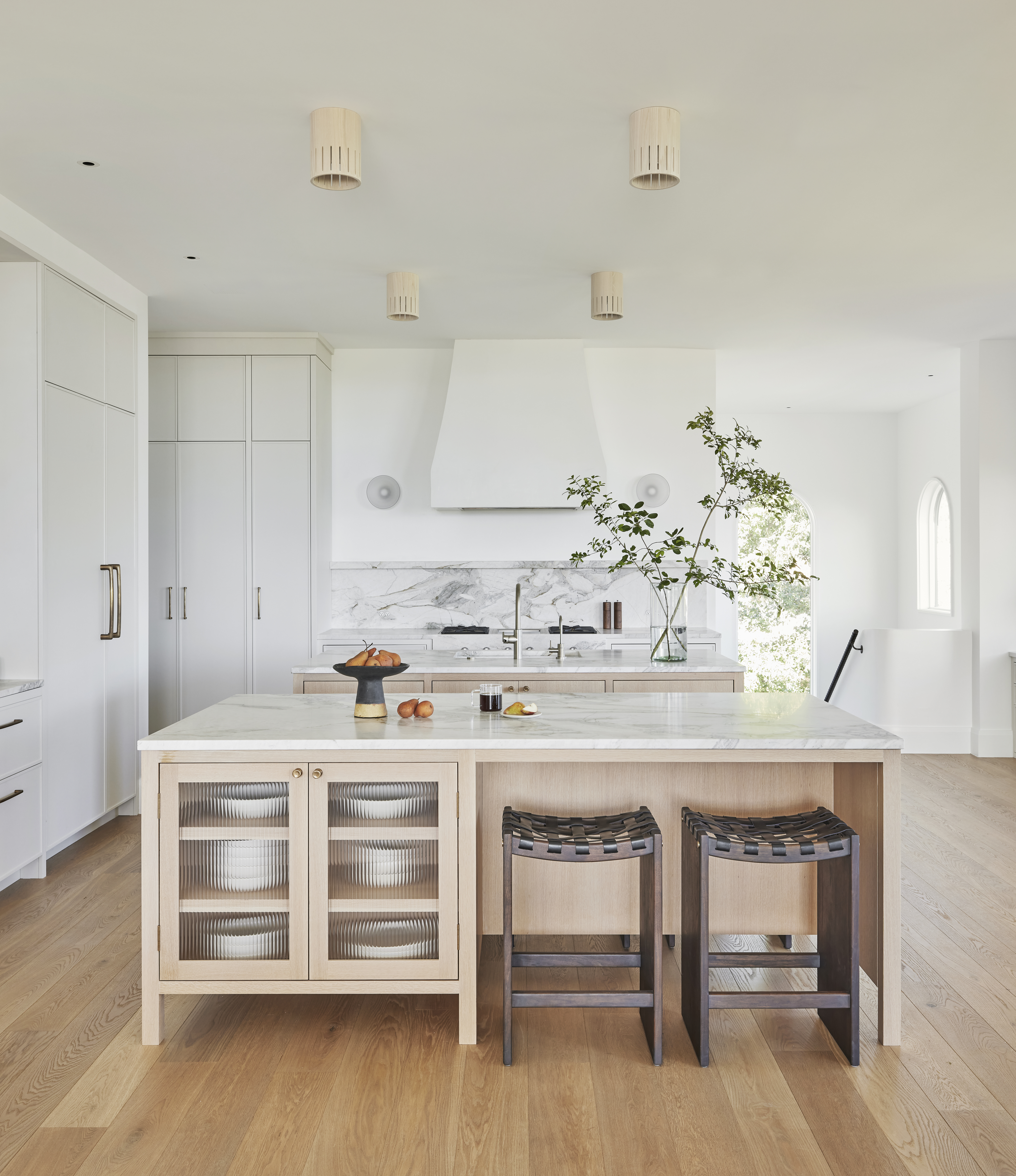
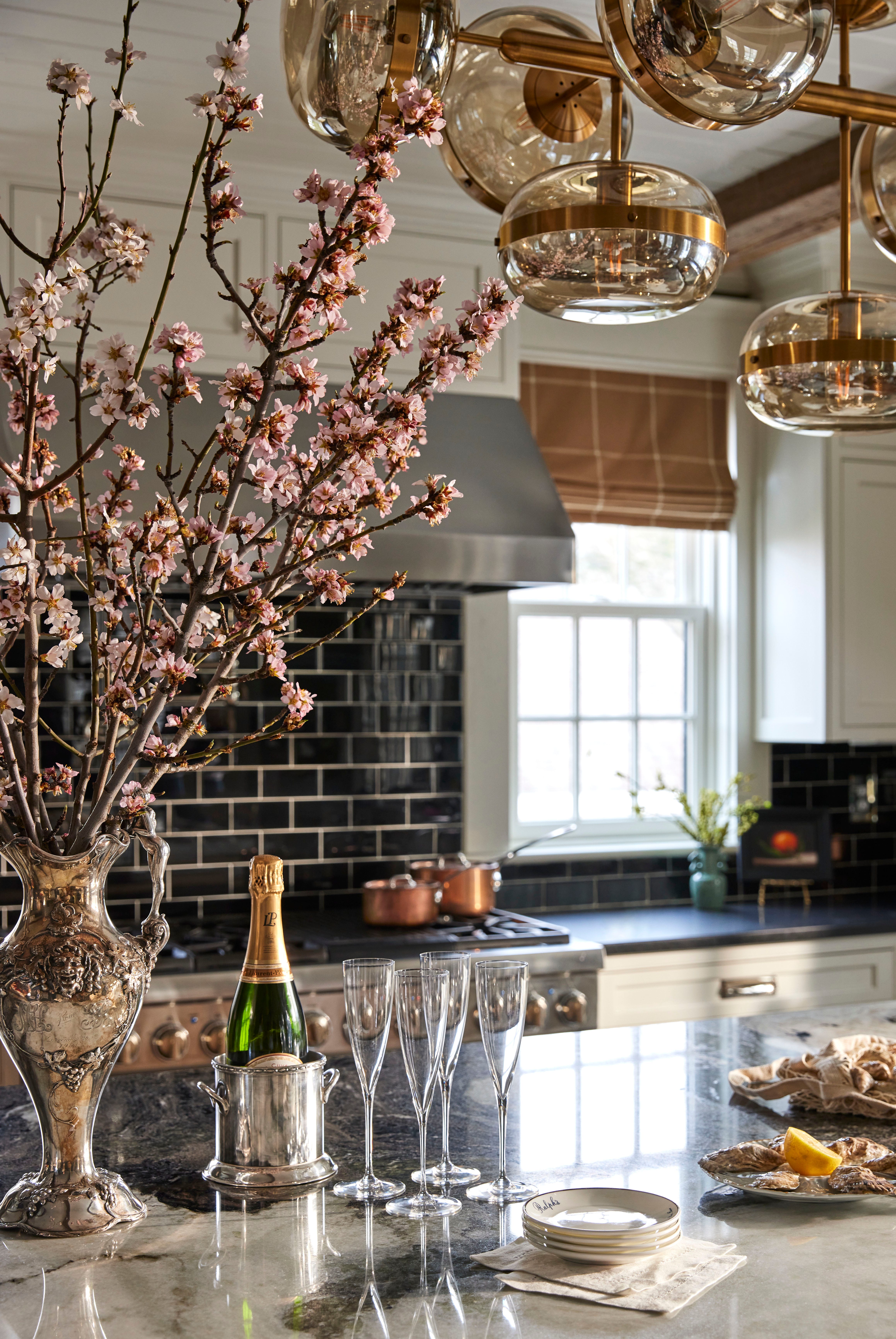
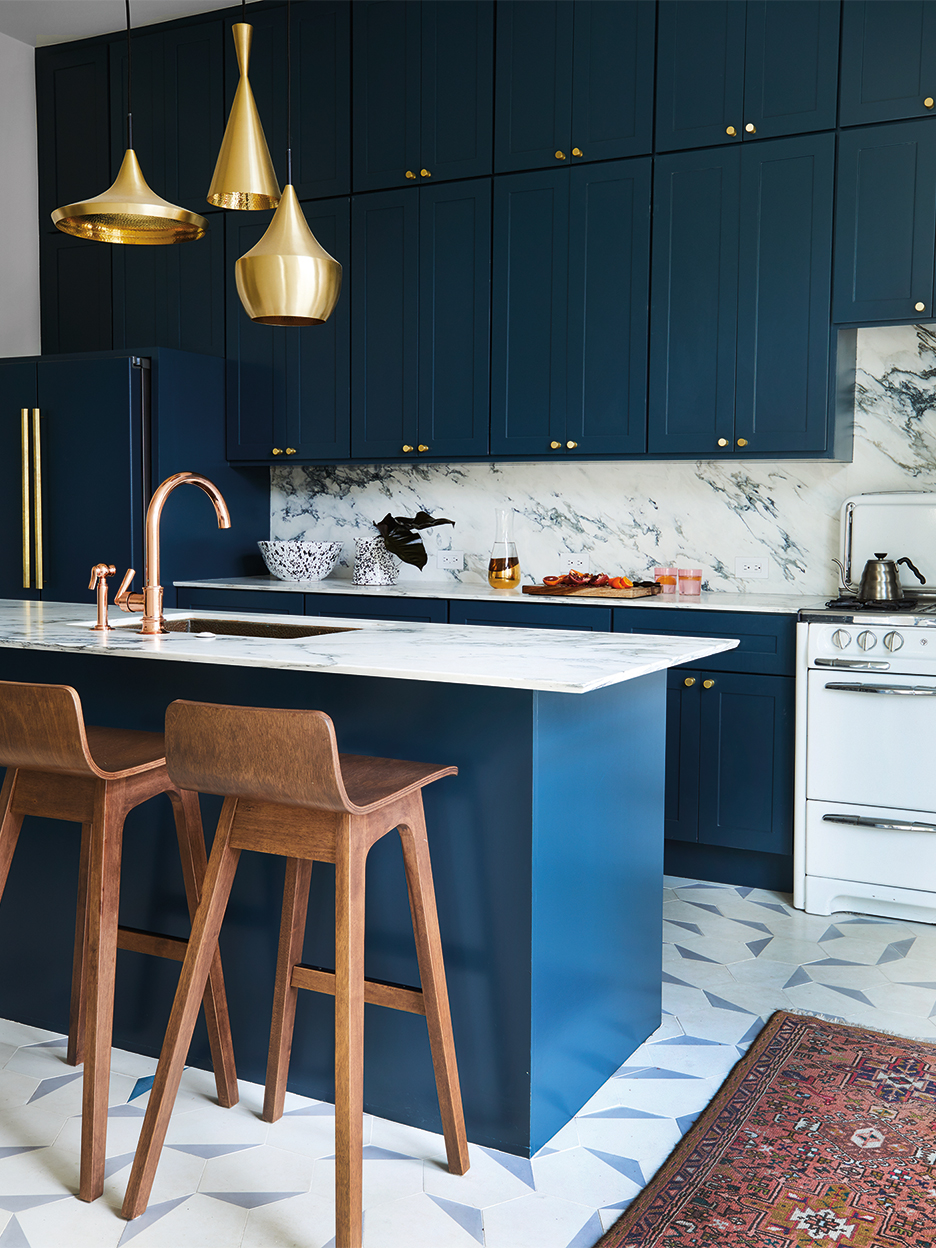
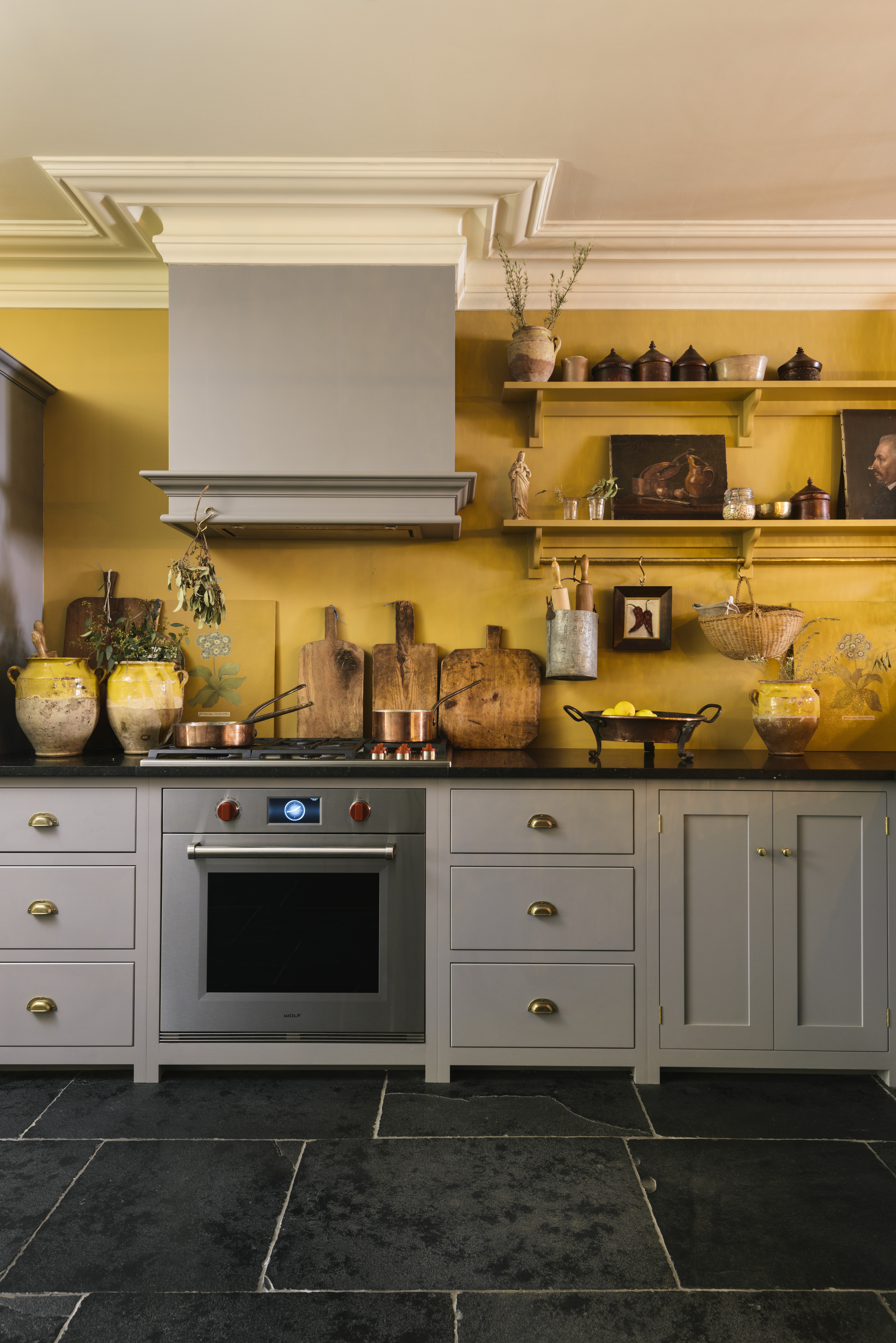
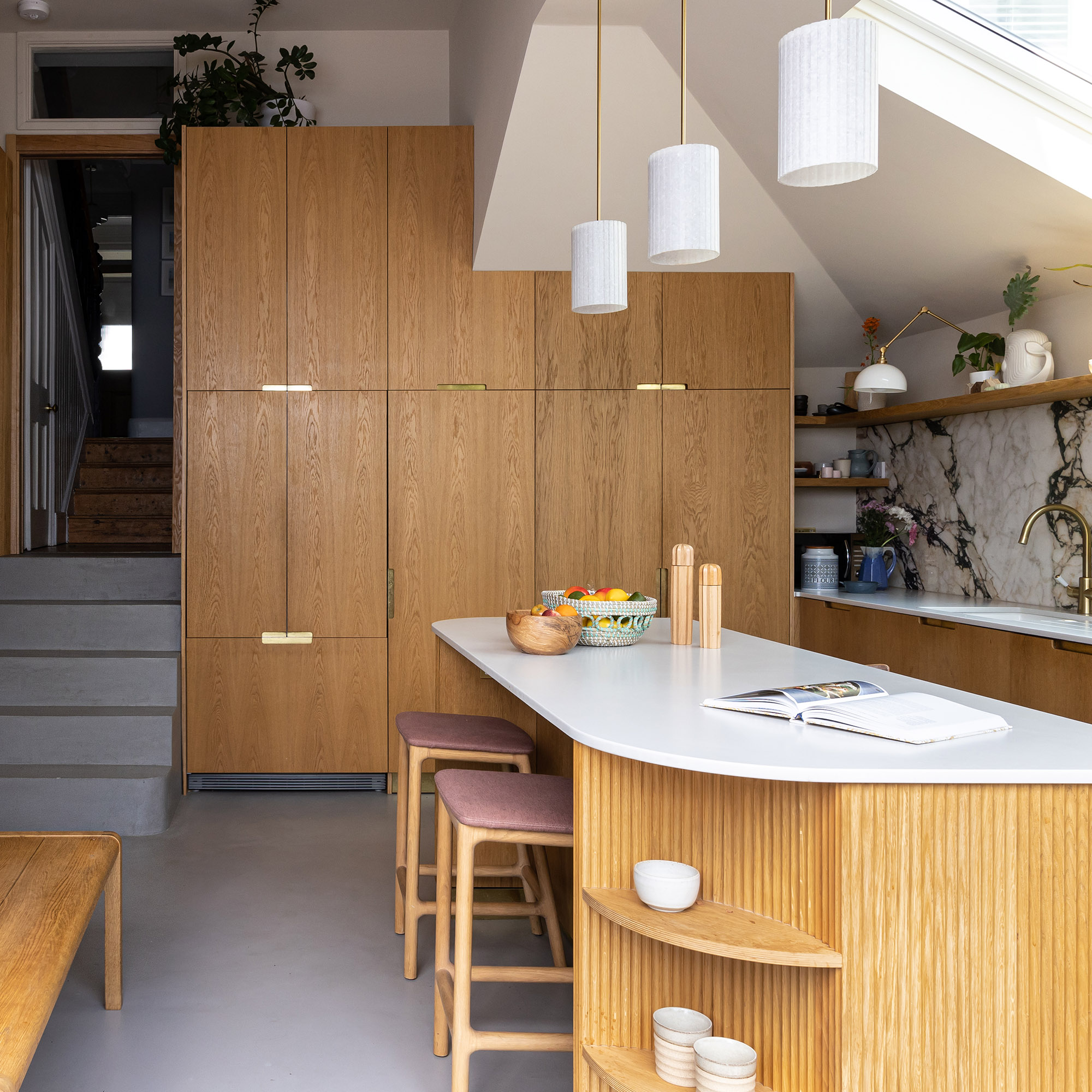
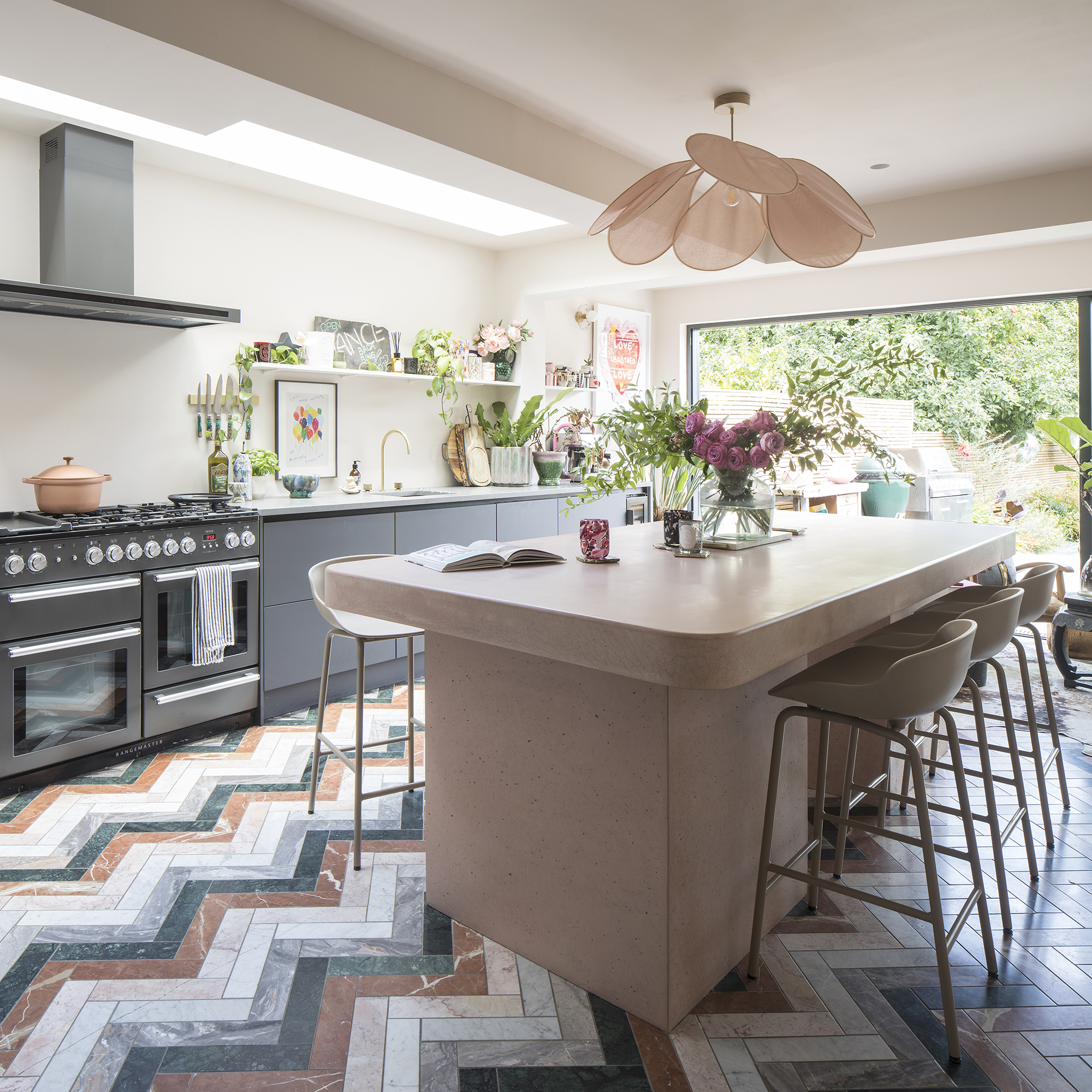
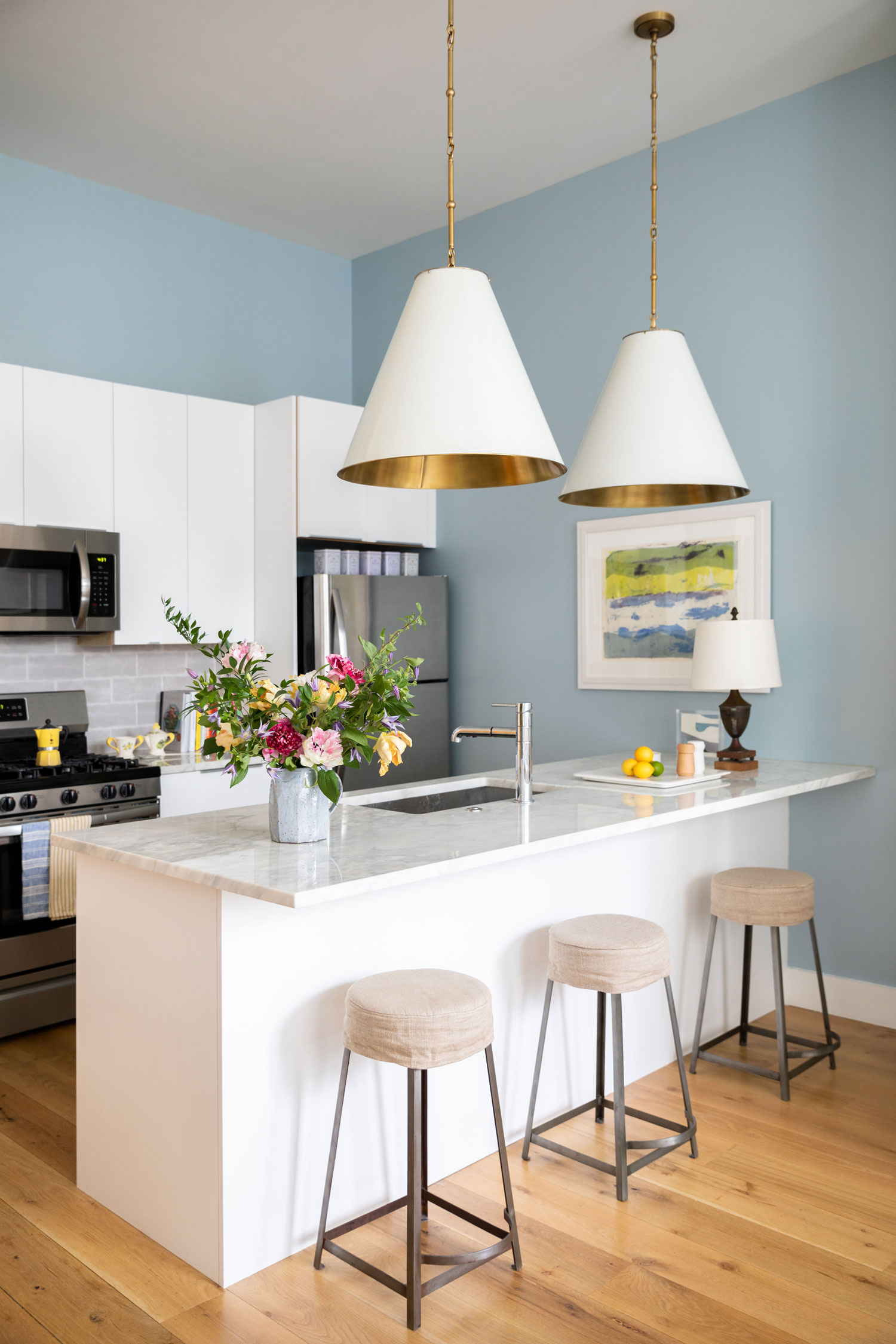
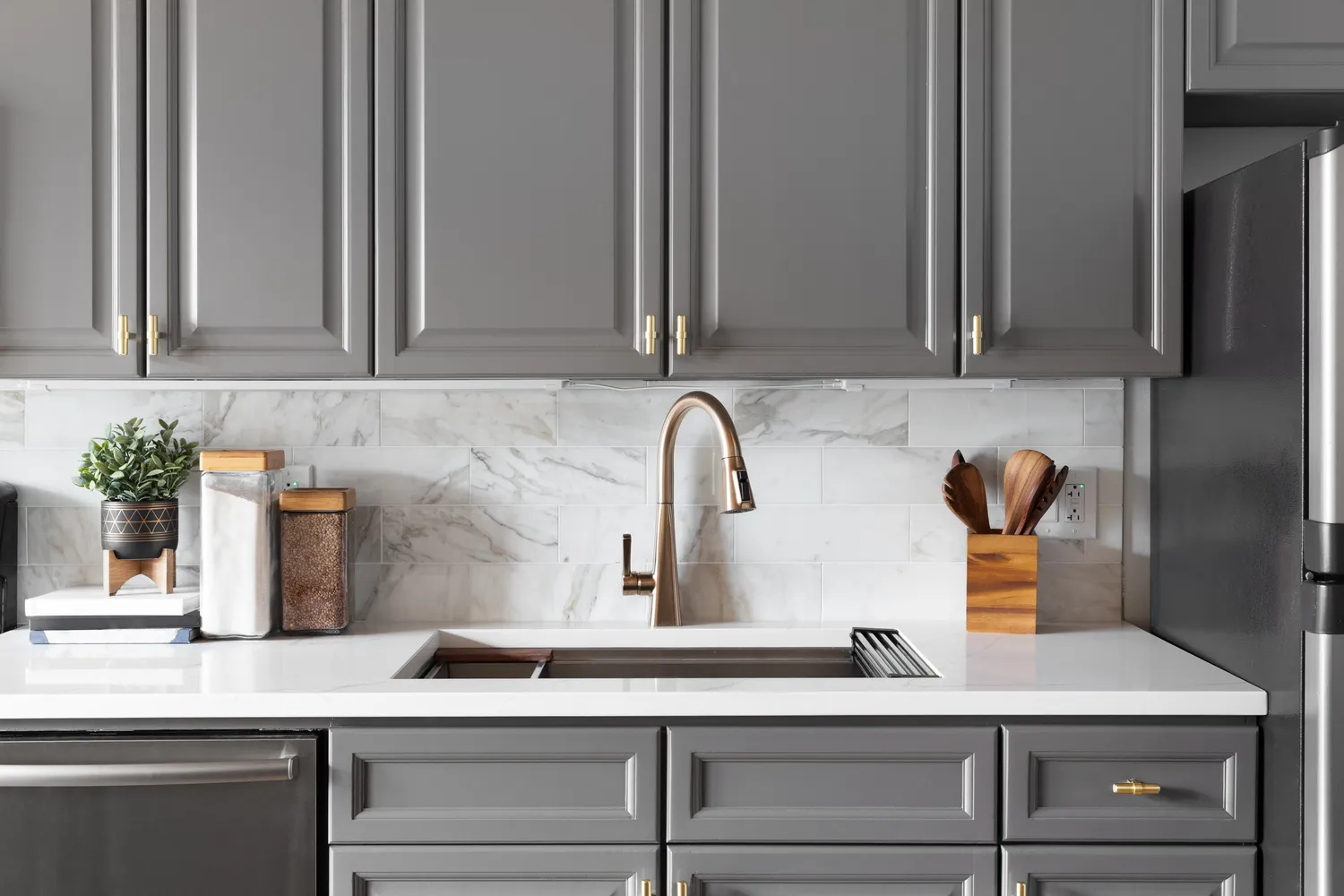
Satin paint, with its higher sheen and more wipeable surface, is ideal for areas that require frequent cleaning. Wadden recommends satin finishes for high-use spaces such as kitchens, bathrooms, hallways, and children's rooms due to their high durability and ability to withstand heavy traffic and cleaning. Additionally, satin paint is a good option for trim and doors, which are susceptible to scuffs and chips, benefiting from a more resilient coating.
#PaintSheen #EggshellPaint #SatinPaint #HomeRenovation #InteriorDesign #PaintChoices #LightReflection #HomeDecor #WallPaint #PaintSheen #EggshellPaint #SatinPaint #HomeRenovation #InteriorDesign #PaintChoices #LightReflection #HomeDecor #WallPaint
0 comment in total
 No comments yet
You may also like
It’s Official: These are the Best Kitchen Paint Colors, According to Designers
5 Designers Weigh In on the Best Brands of Paint for Kitchen Cabinets

The secret to making your kitchen island look more expensive, according to design experts
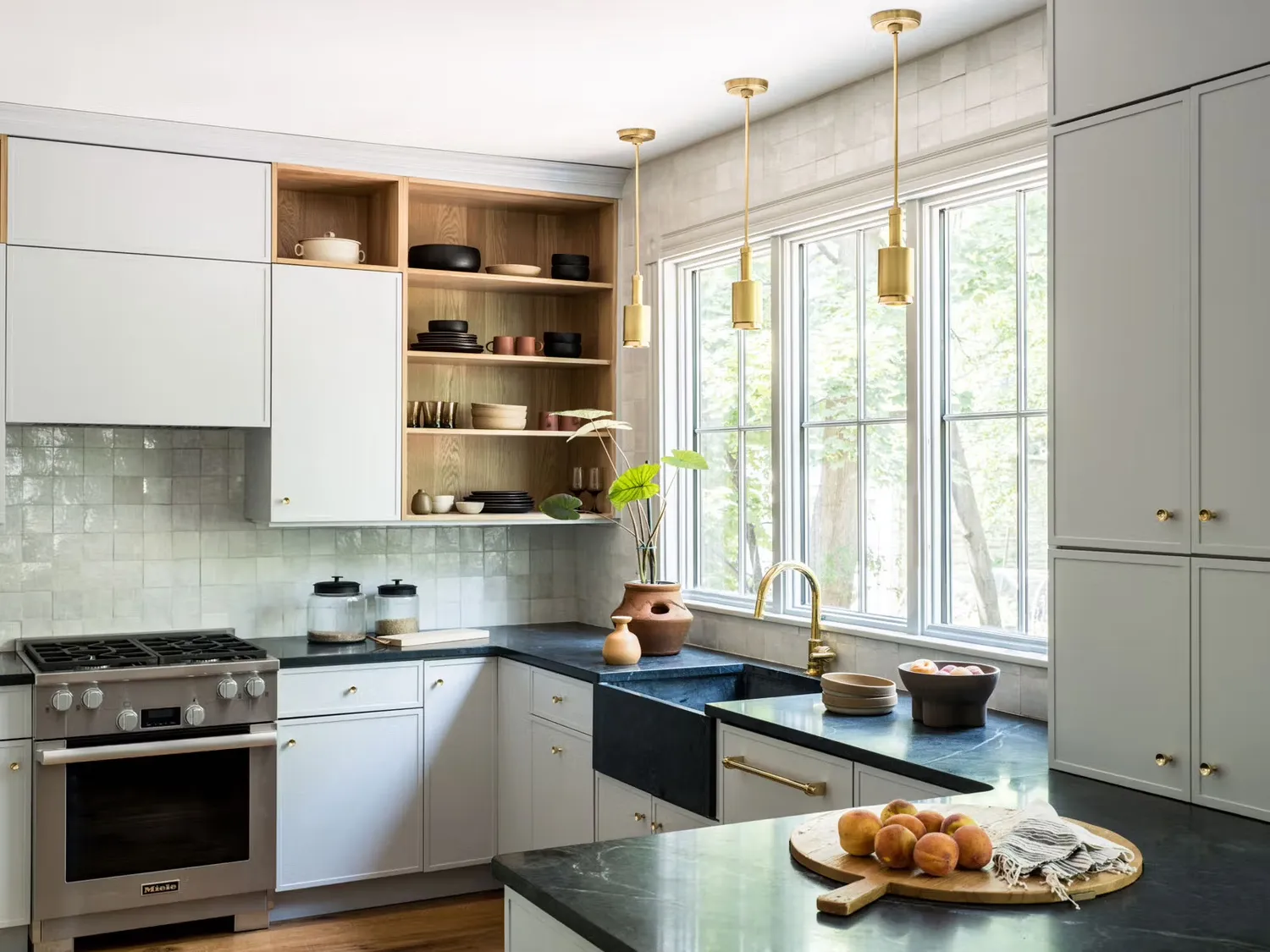
Want a Bigger-Looking Kitchen Instantly? Paint It One of These Designer-Approved Colors

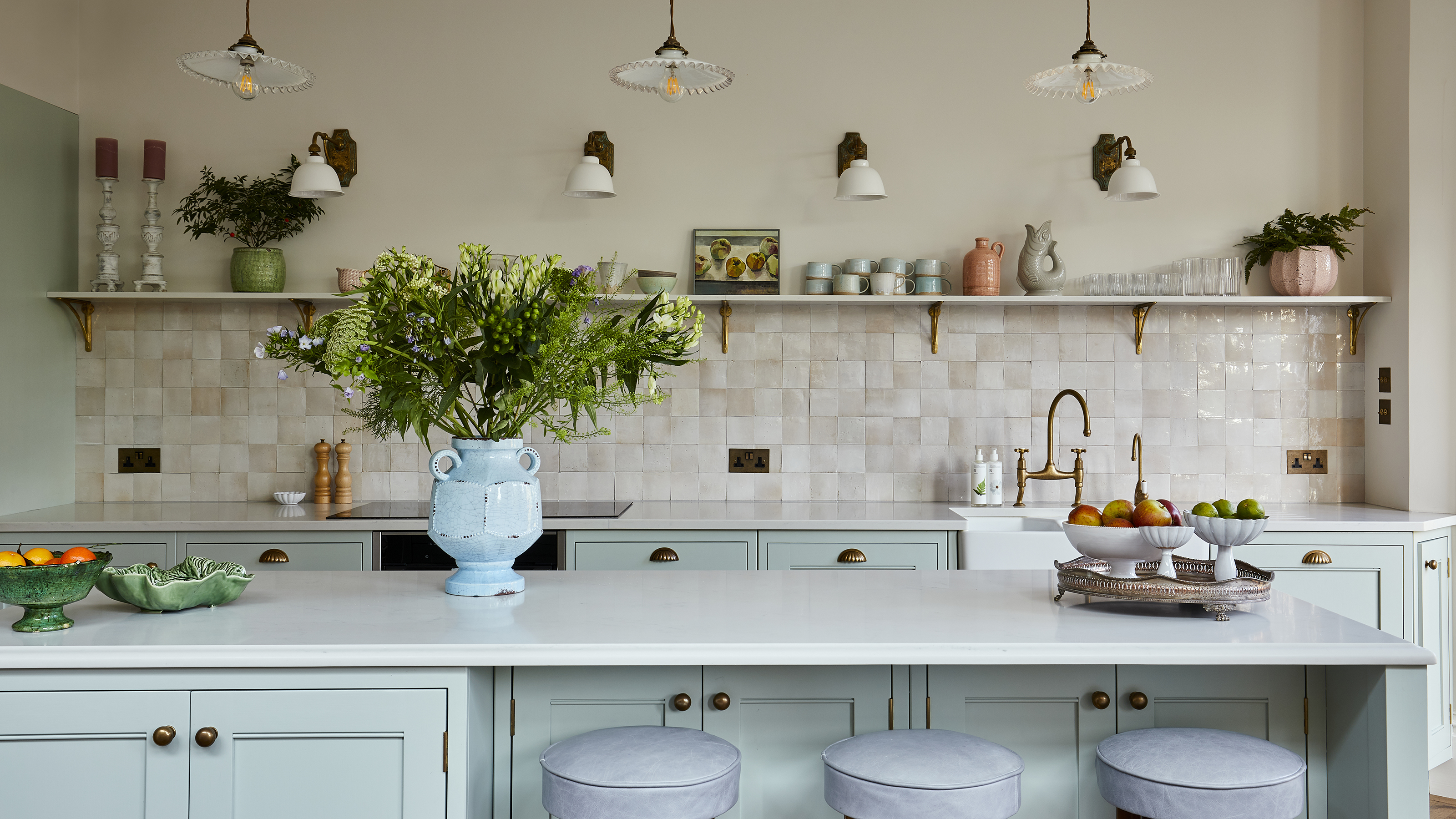
What paint finish should your kitchen walls be? Expert decorators give their tips for the perfect finish
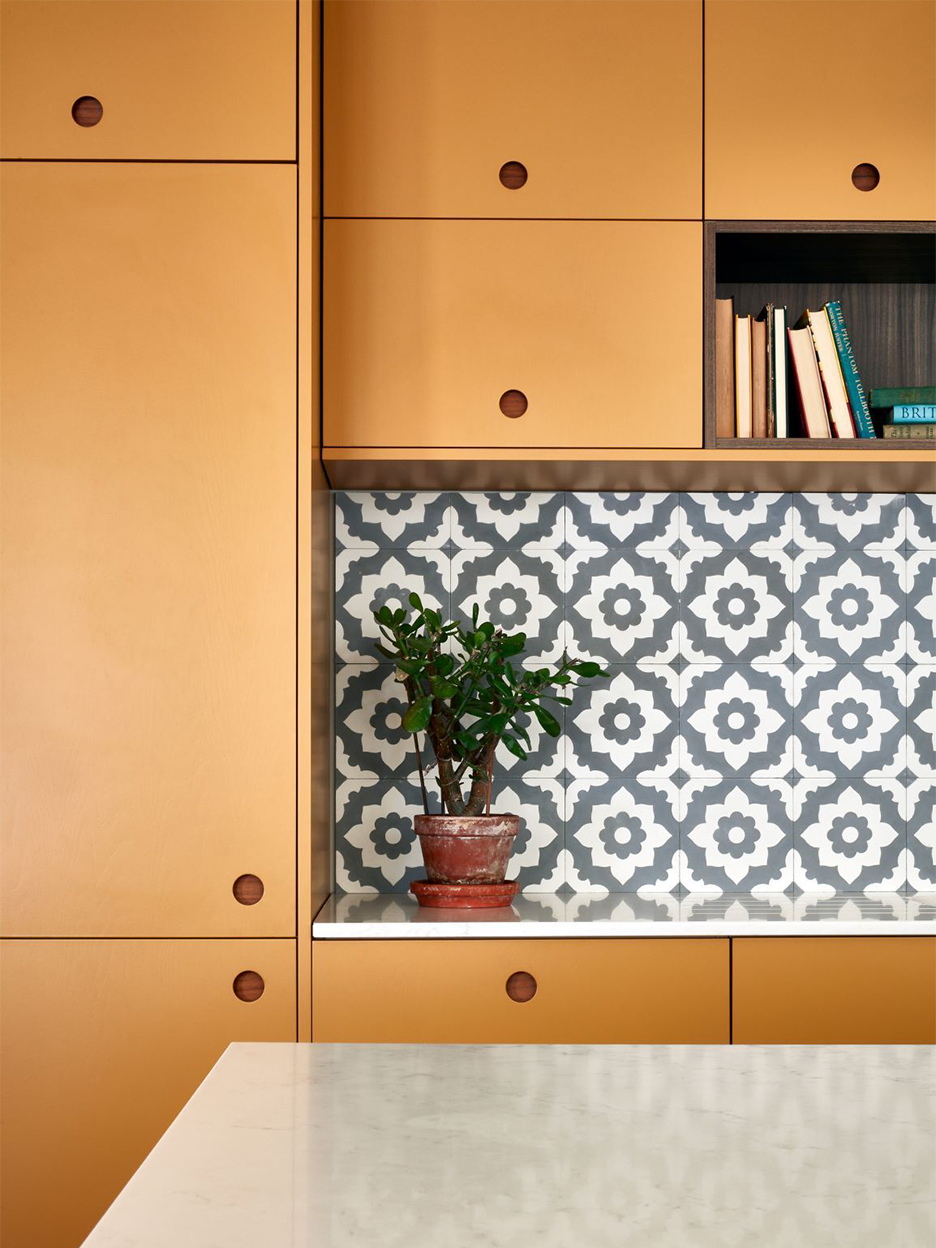
5 Designers Weigh In on the Best Brands of Paint for Kitchen Cabinets

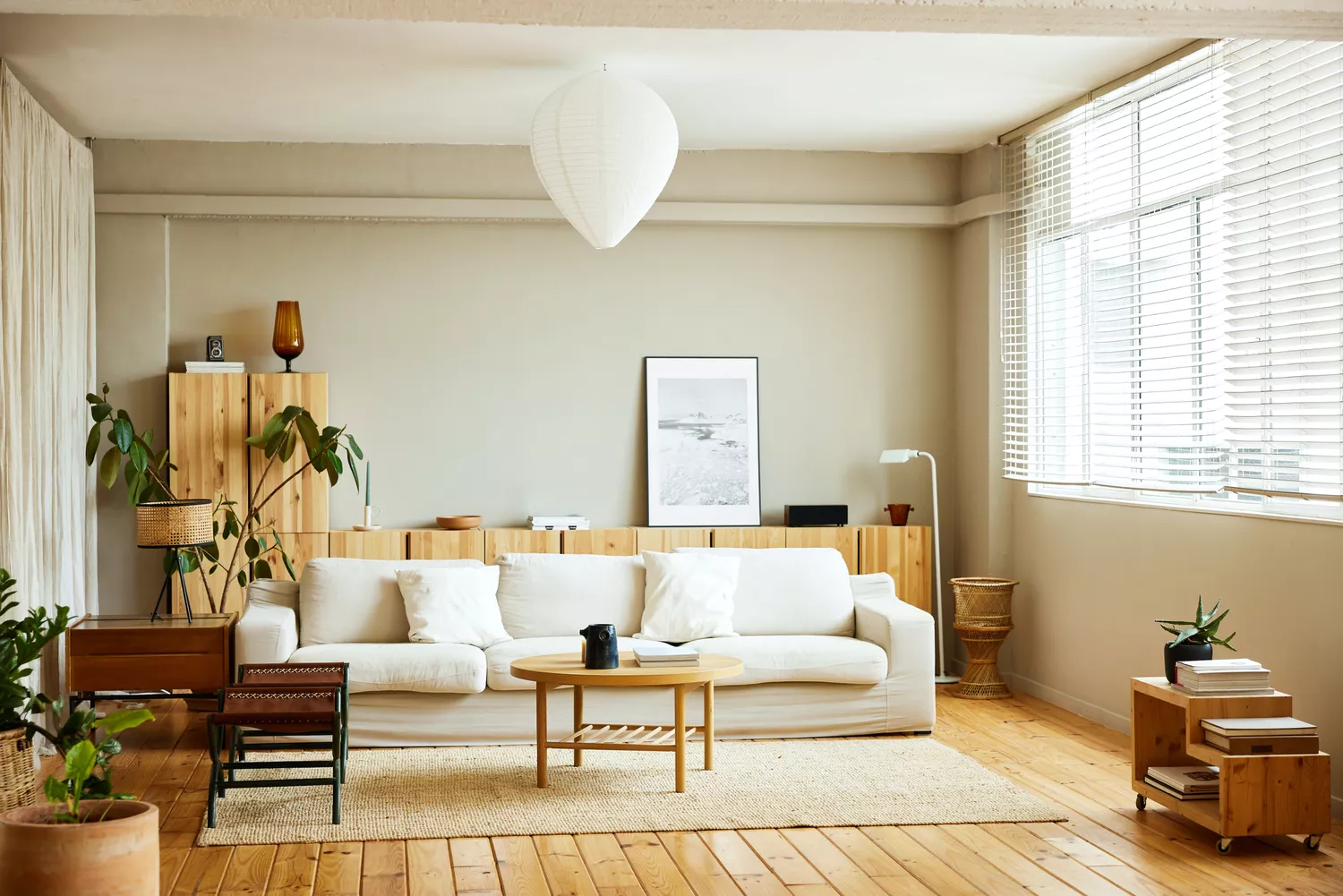
How to Choose the Best Paint Finish for Every Area of Your Home, From Kitchen Cabinets to Bathroom Walls
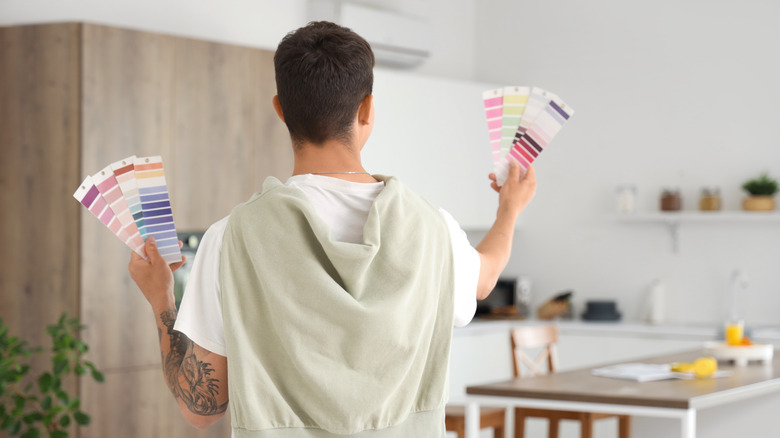
5 Gorgeous Paint Colors To Elevate Your Kitchen Cabinets In 2025


'Get This Element Right, and Add The Perfect Finish to Your Kitchen,' Say Designers

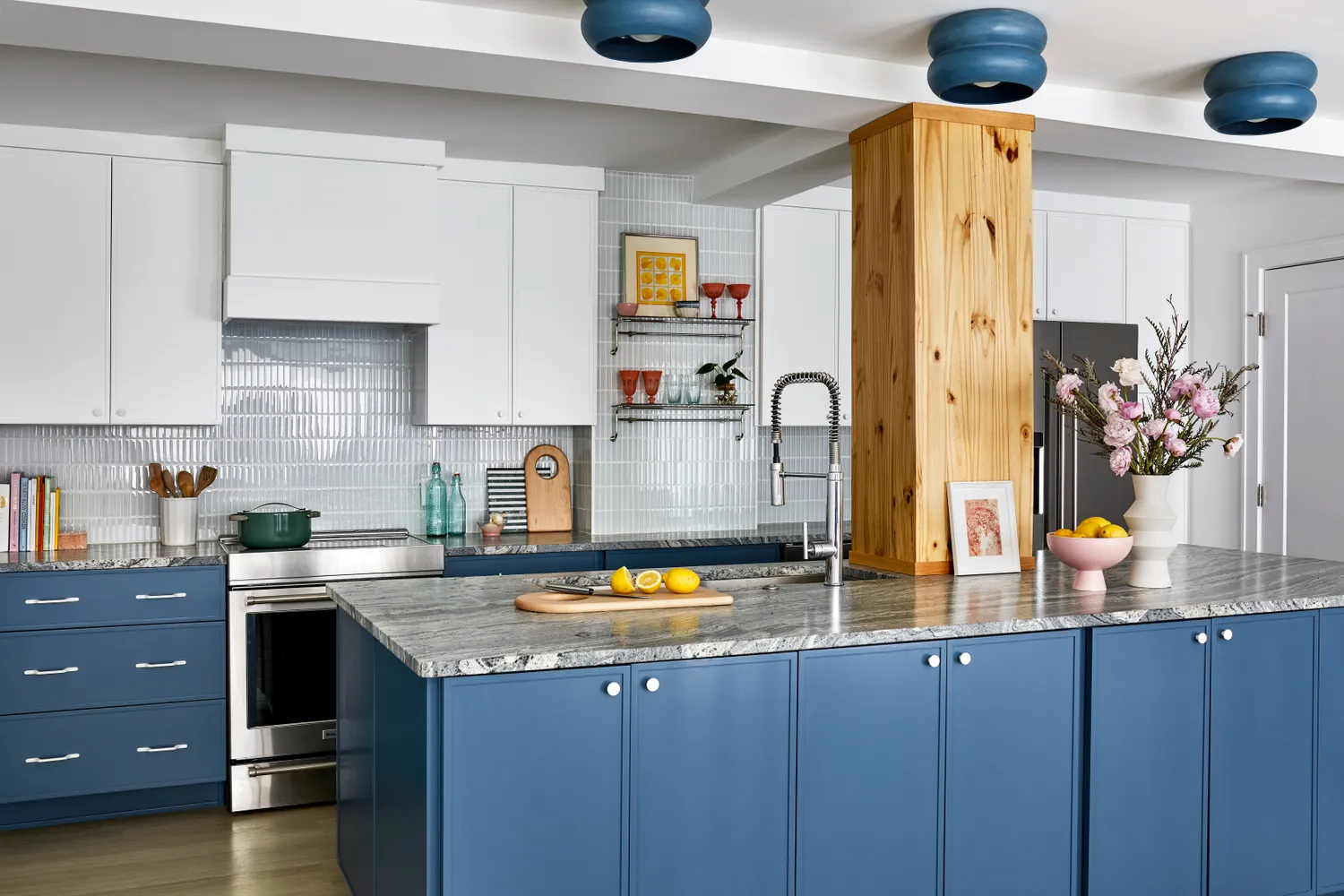
We Asked Designers for Their Favorite Kitchen Cabinet Paint Colors—and Not One Picked White

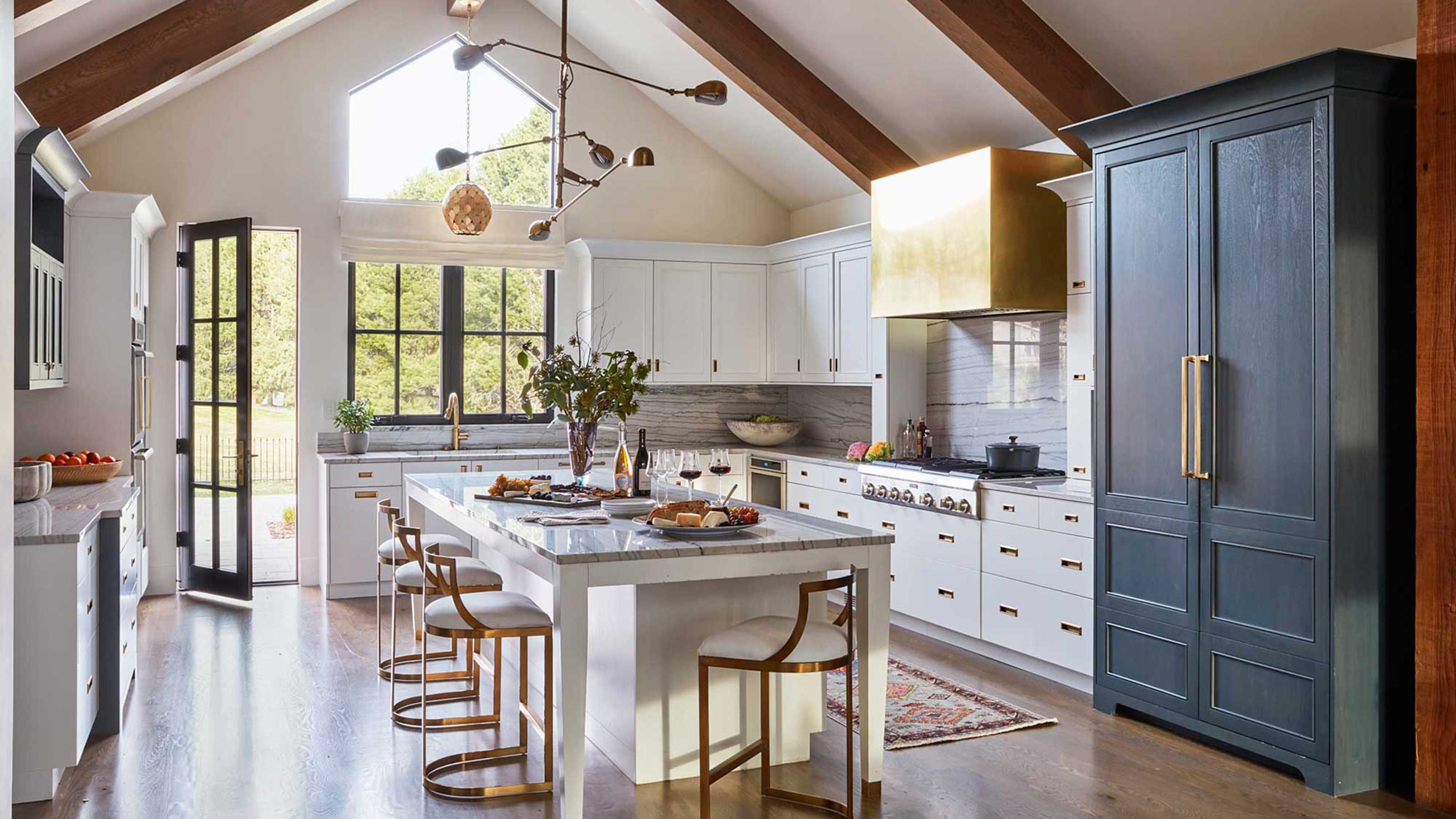
9 Colors That Designers Say Will Make Your Kitchen Look Much More Expensive
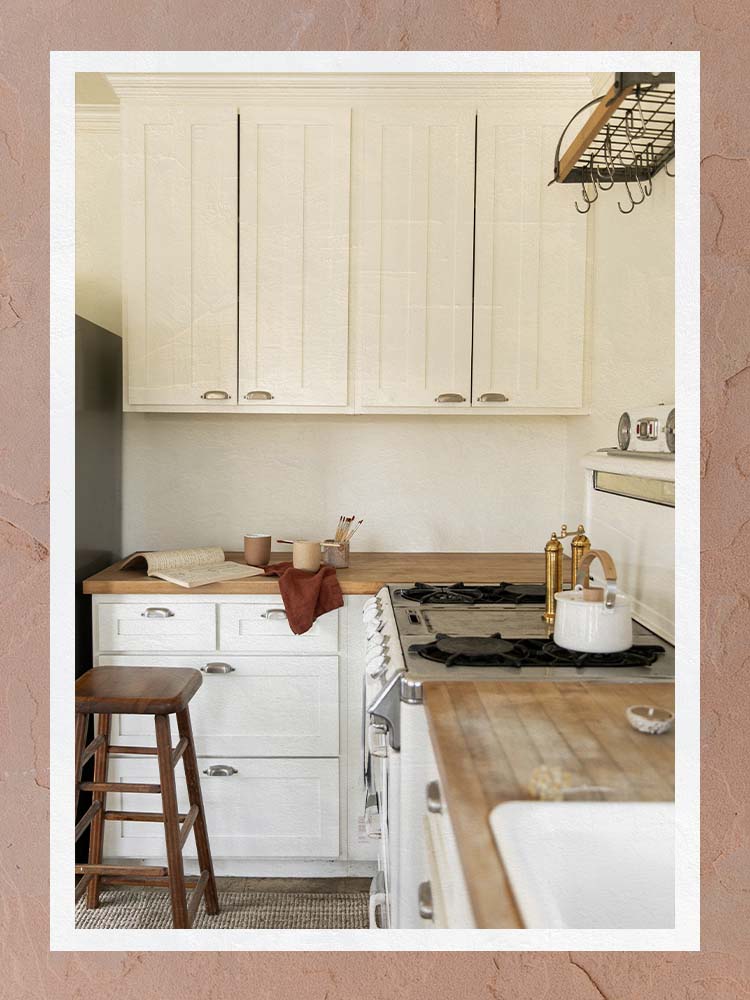
The Best Kitchen Paint Colors All Have This One Thing In Common
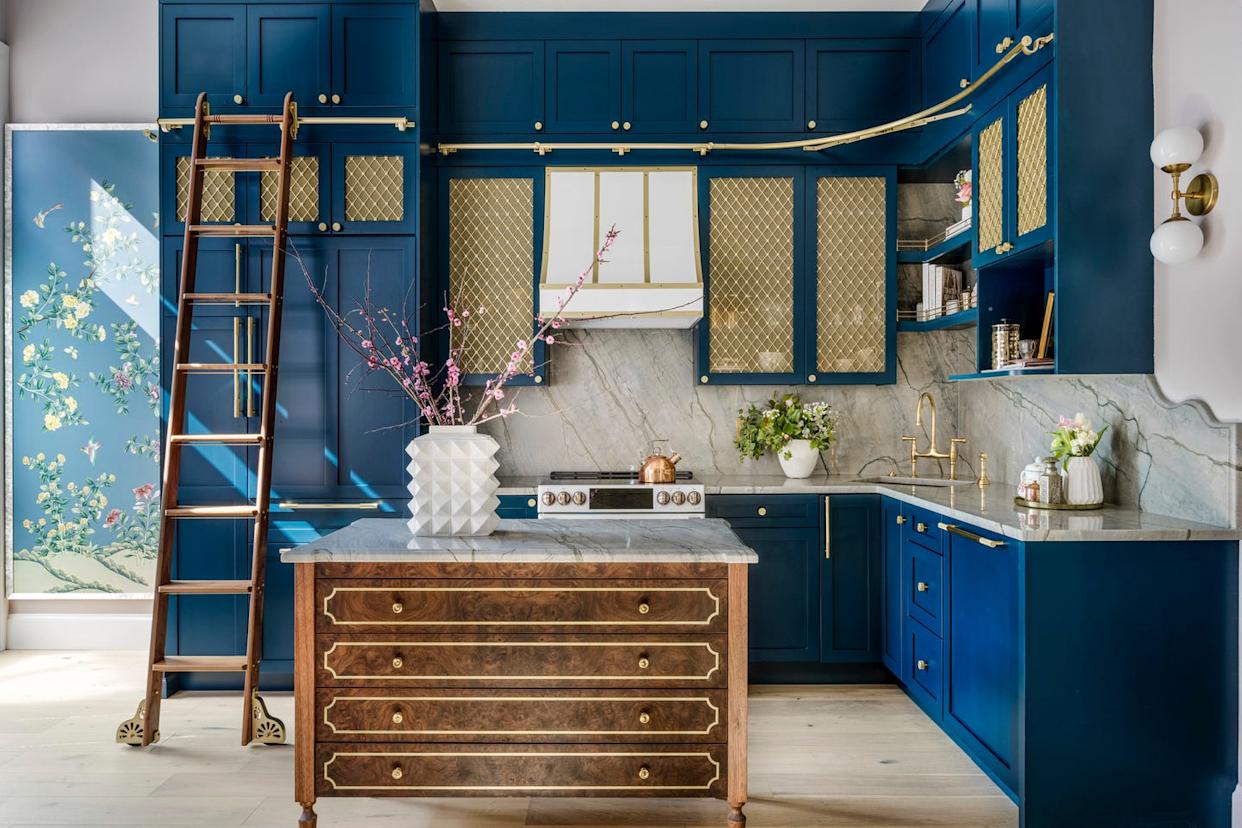
15 Cabinet Paint Colors That Look STUNNING in Any Kitchen

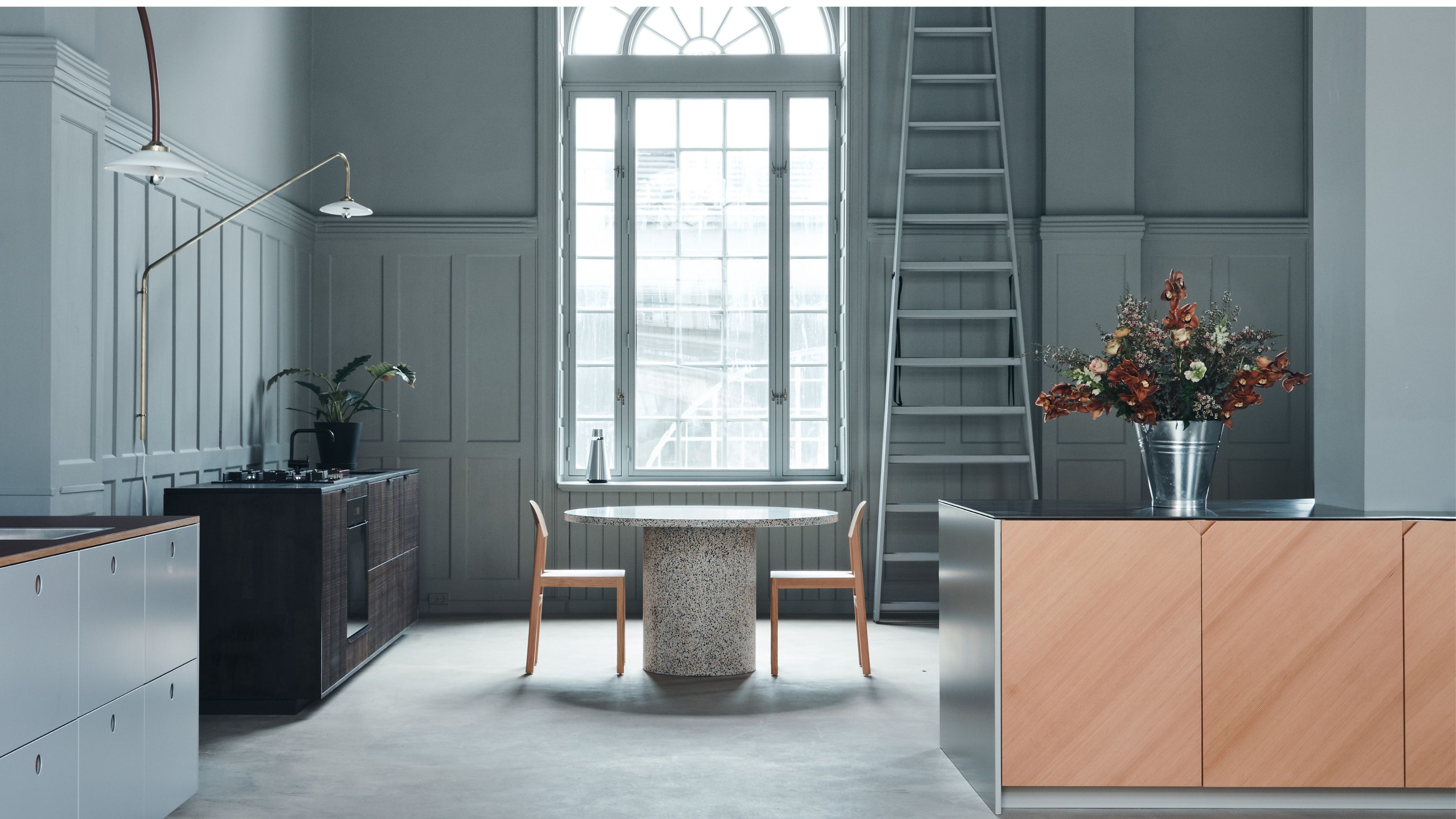
5 Reasons You Shouldn't Paint Your Kitchen Walls White — And the Alternatives You Need to Try
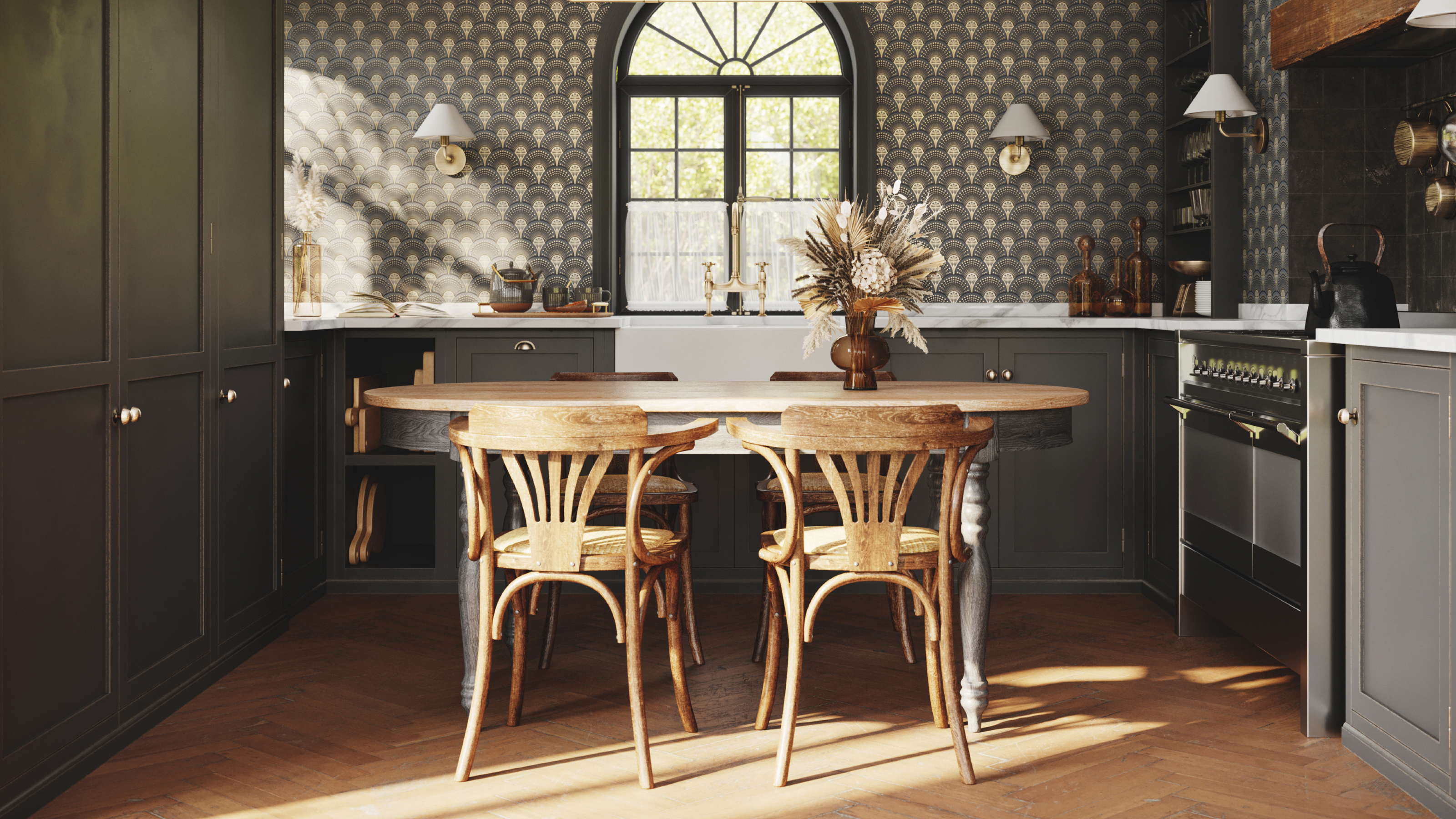
8 colors you should never paint kitchen cabinets according to the experts

11 Trendy Kitchen Paint Colors To Try In 2026

For a "Cool-Looking" Home, Designers Say Use This Finish

What's the Best Paint for Kitchen Walls? The Type, Finish, Color, and Even the Brand Professionals Always Pick
These kitchen paint colours will be everywhere in 2025 – and there's even one for neutral lovers
7 Outdated Cabinet Colors Designers Are Leaving Behind In 2026