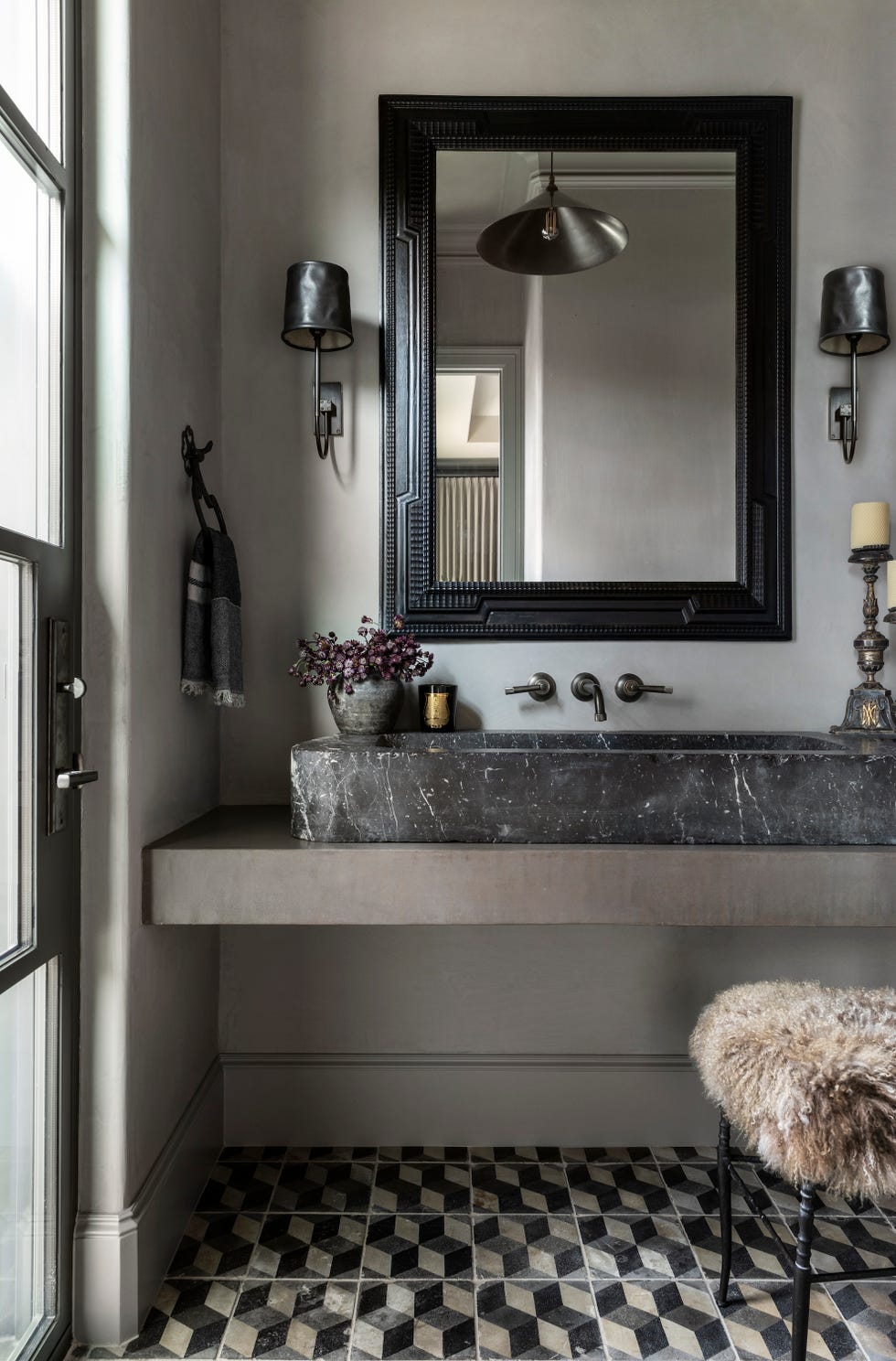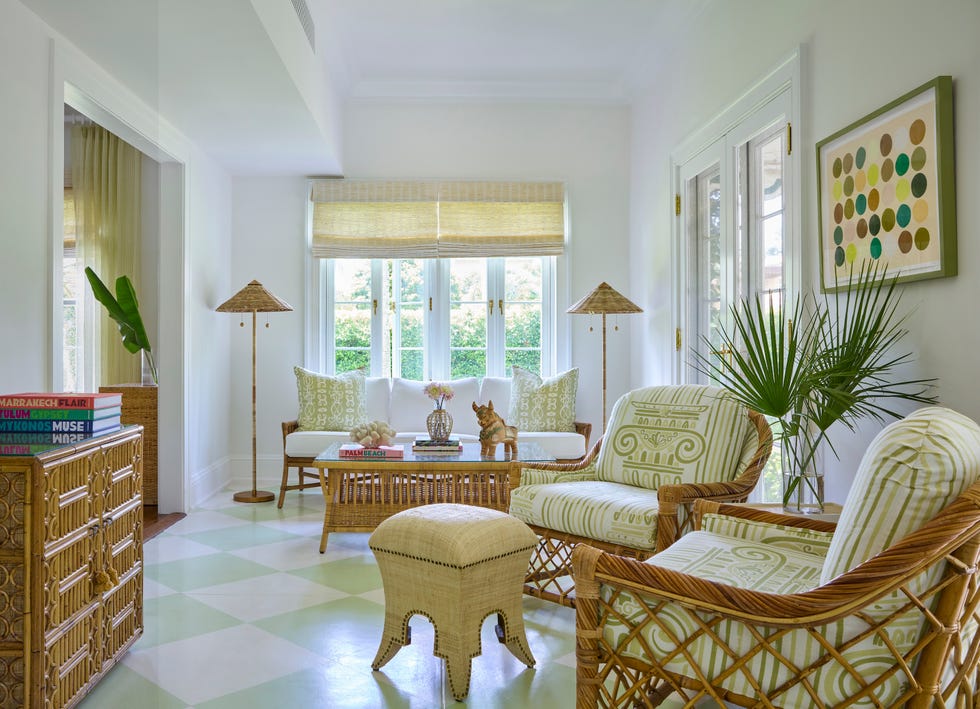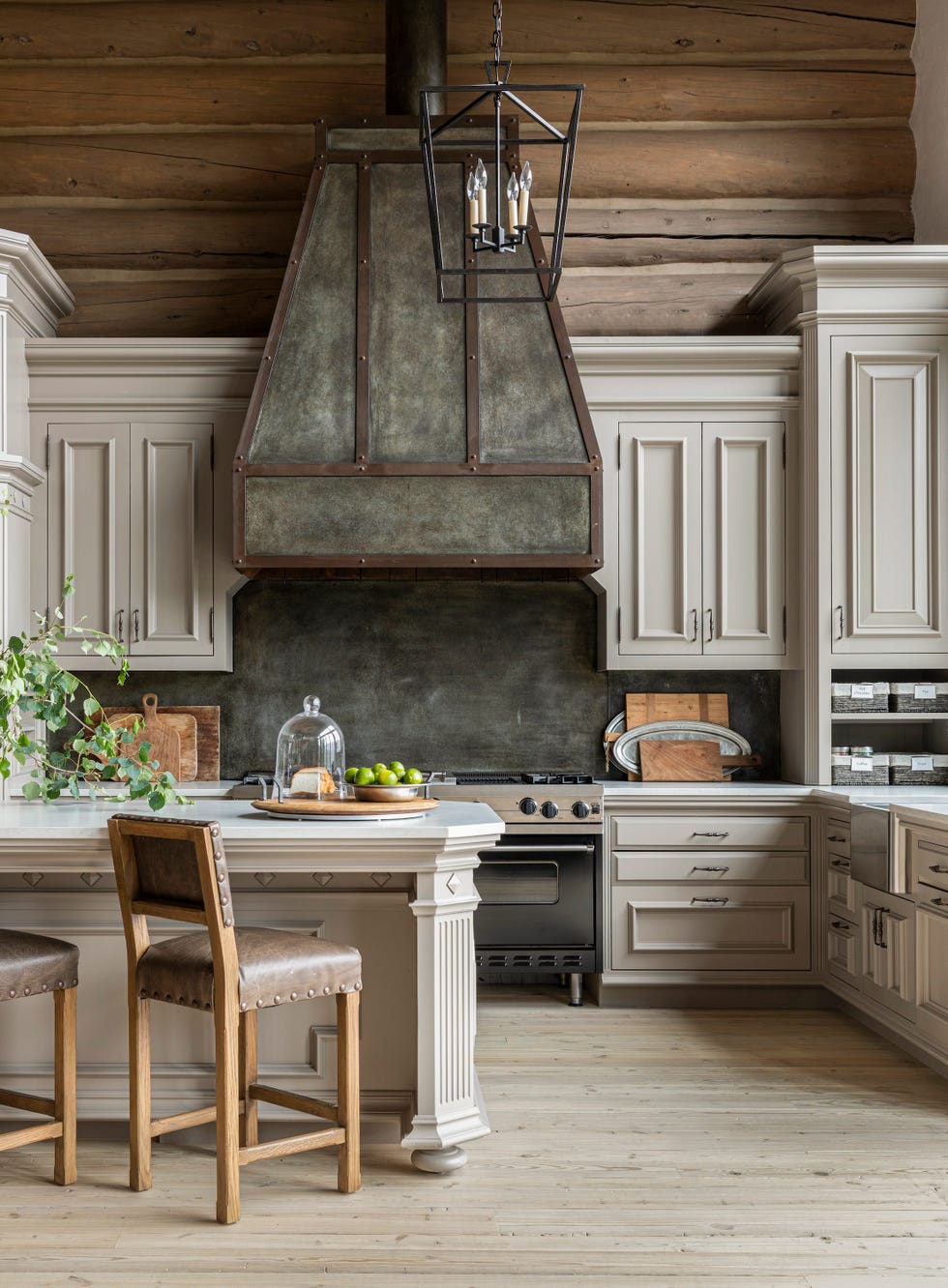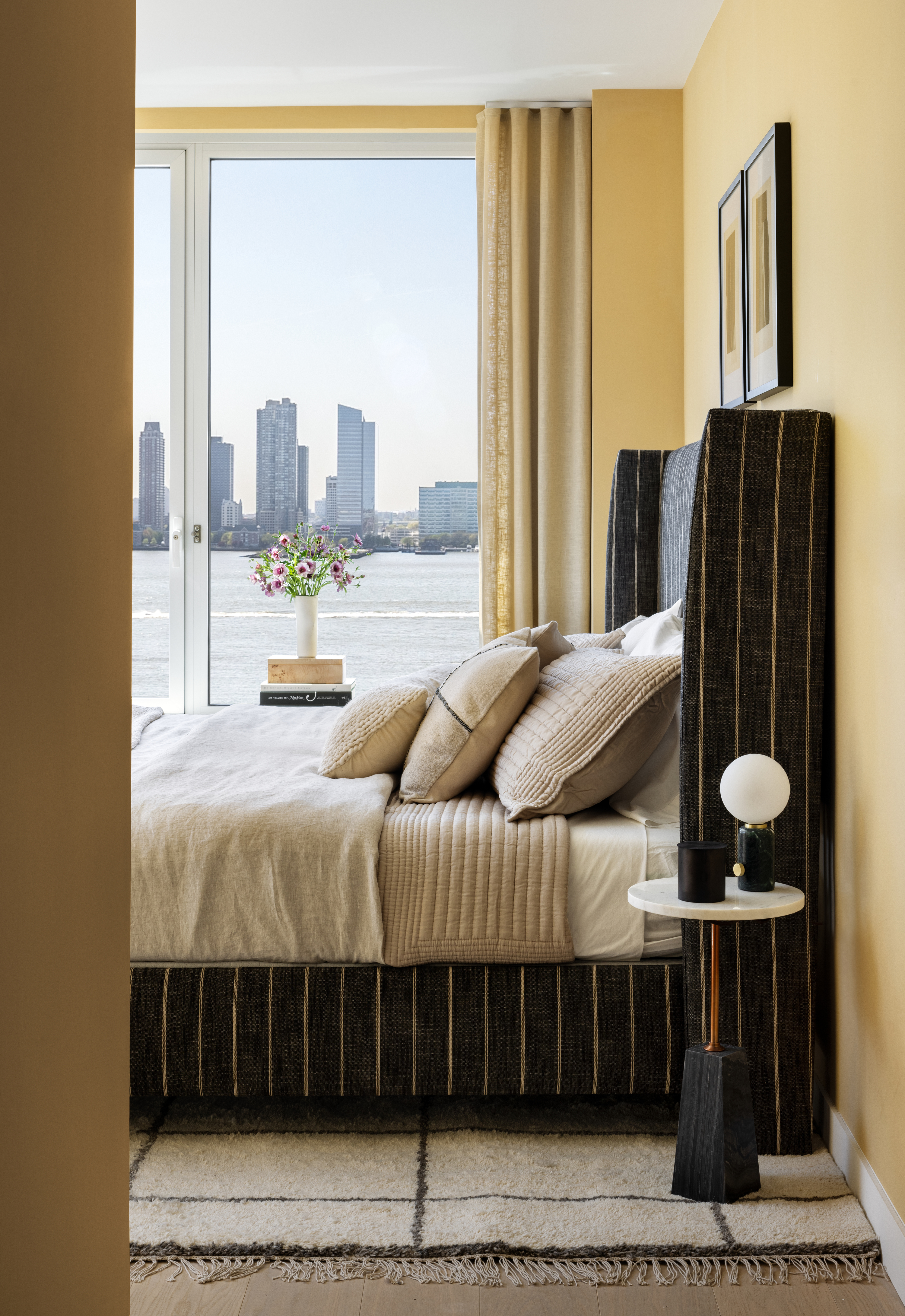
A guide to eggshell paint – and when to use it
Eggshell paint is a highly popular choice for interior decorating due to its exceptional resistance to everyday wear and tear, making it versatile for various areas within a home. While color selection often dominates decorating decisions, the choice of paint finish is equally crucial, as it not only enhances the aesthetic design but also contributes to durability and ease of maintenance. Eggshell paint, in particular, offers a low-sheen finish that resembles flat or matte paint but boasts significantly greater resilience.
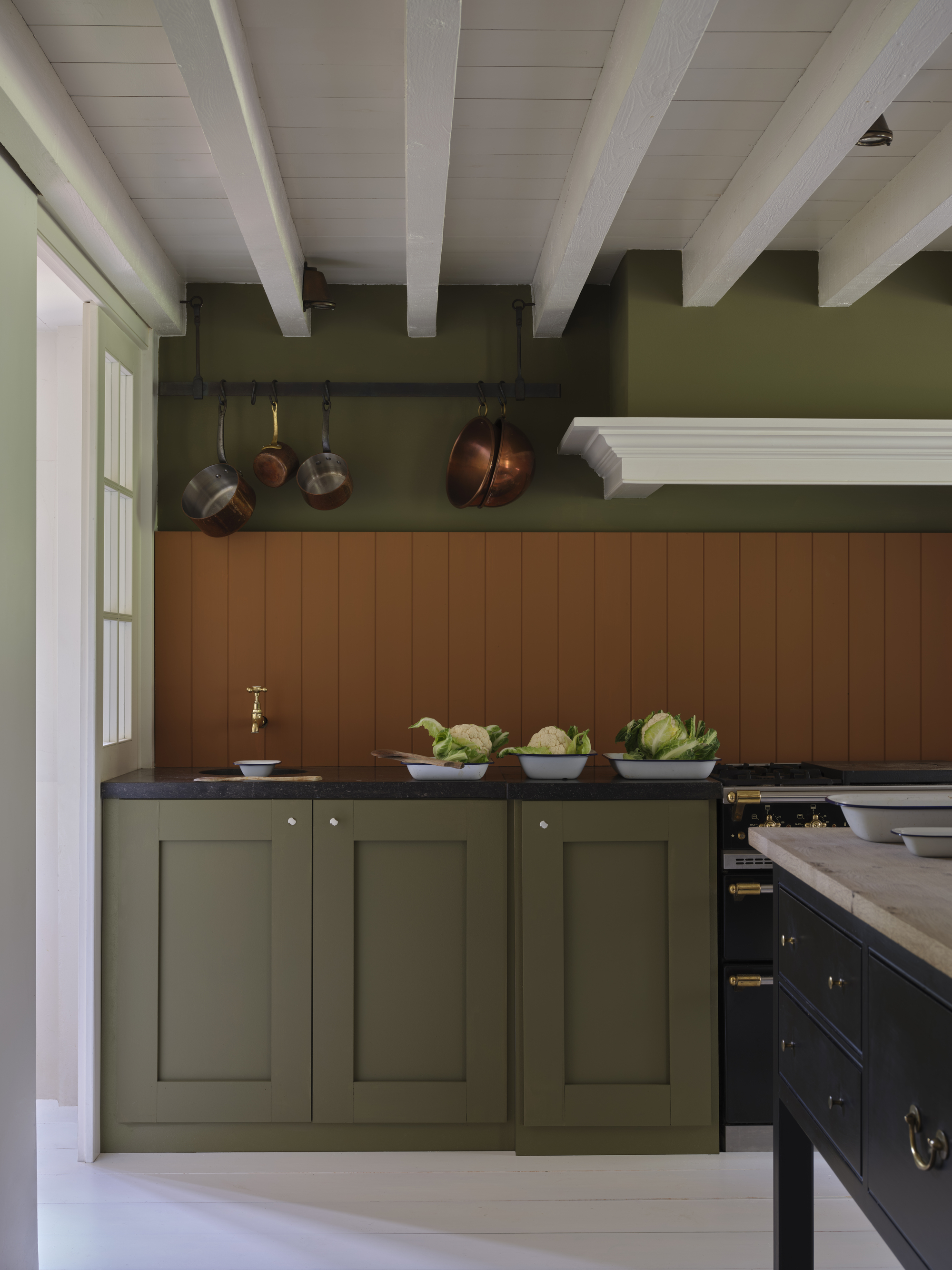
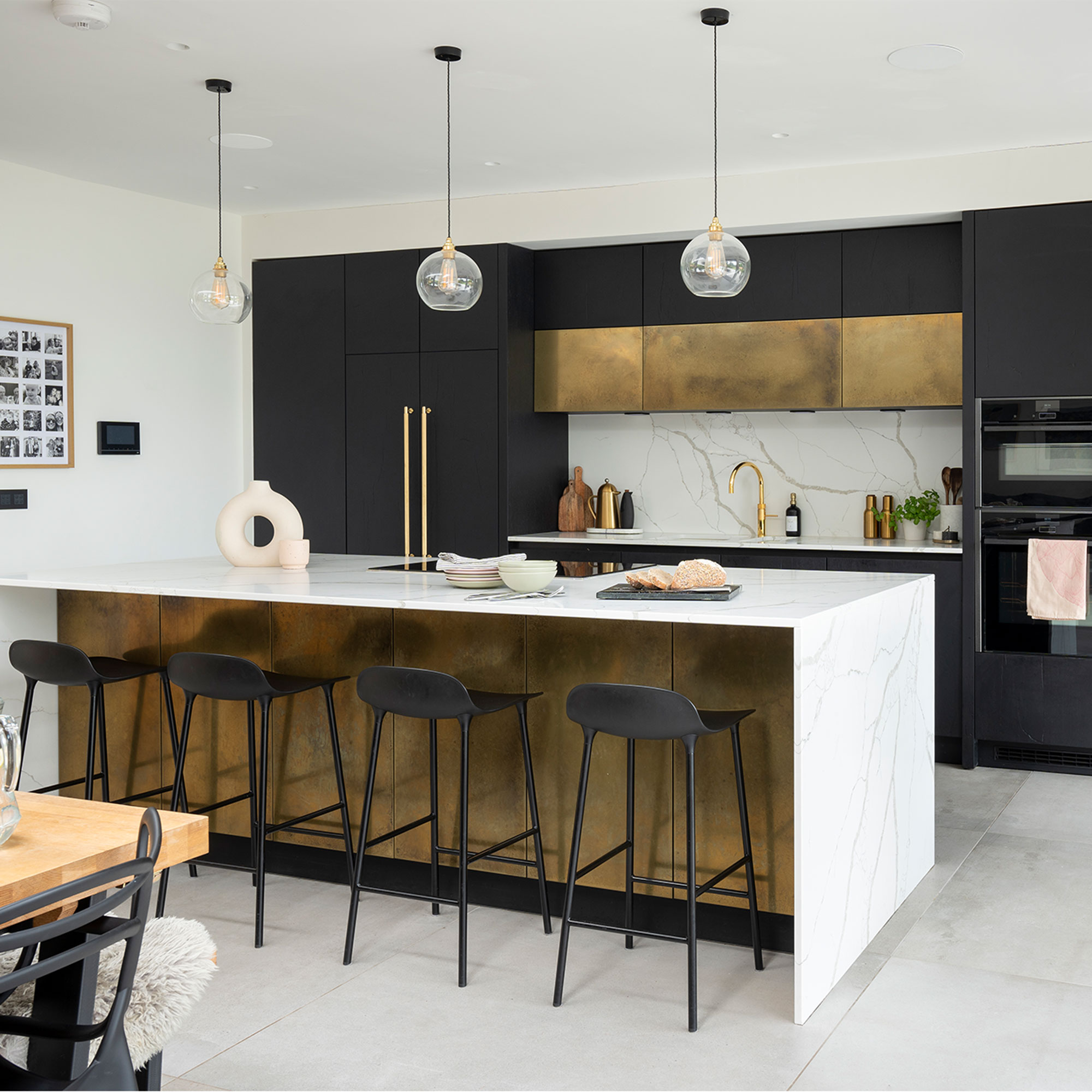
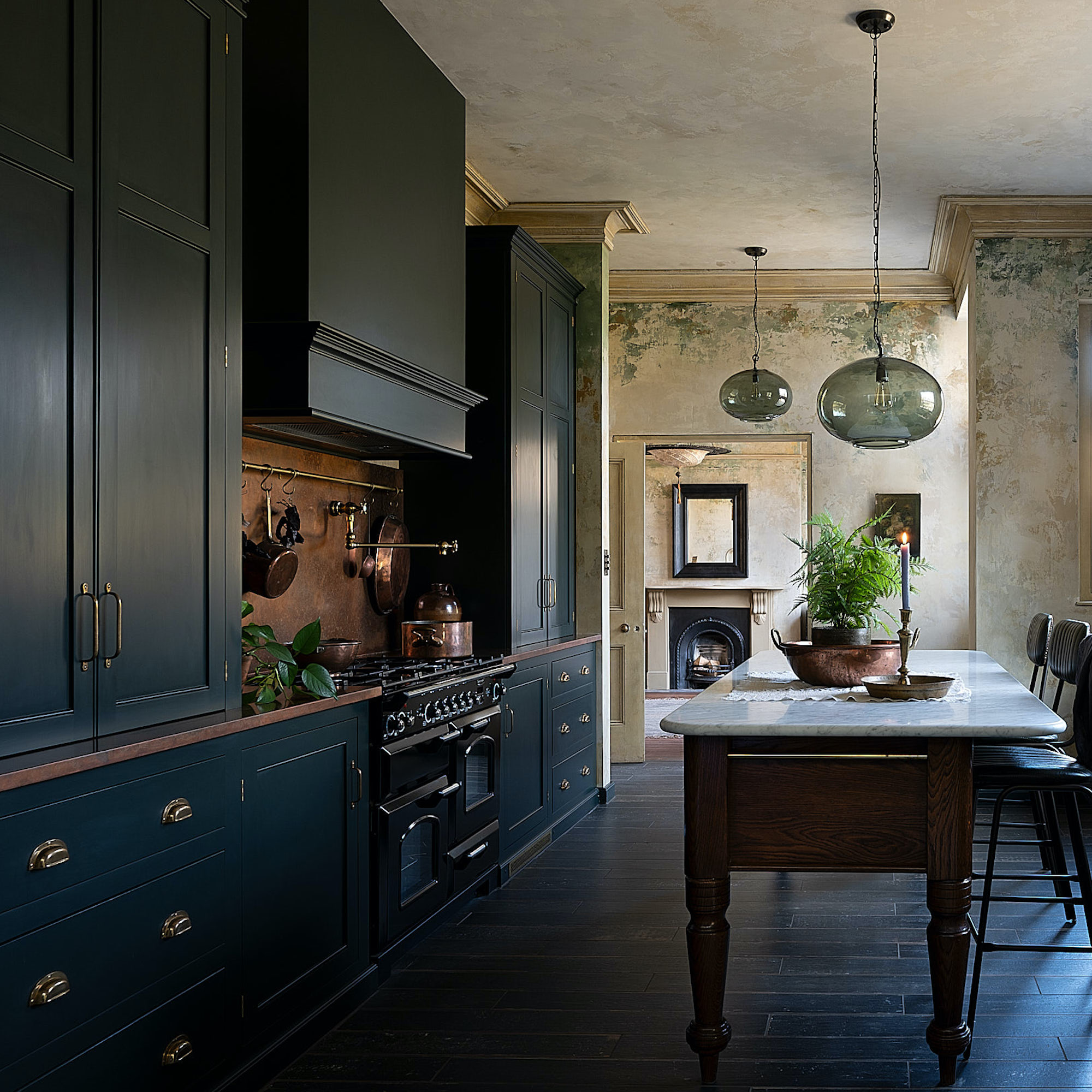
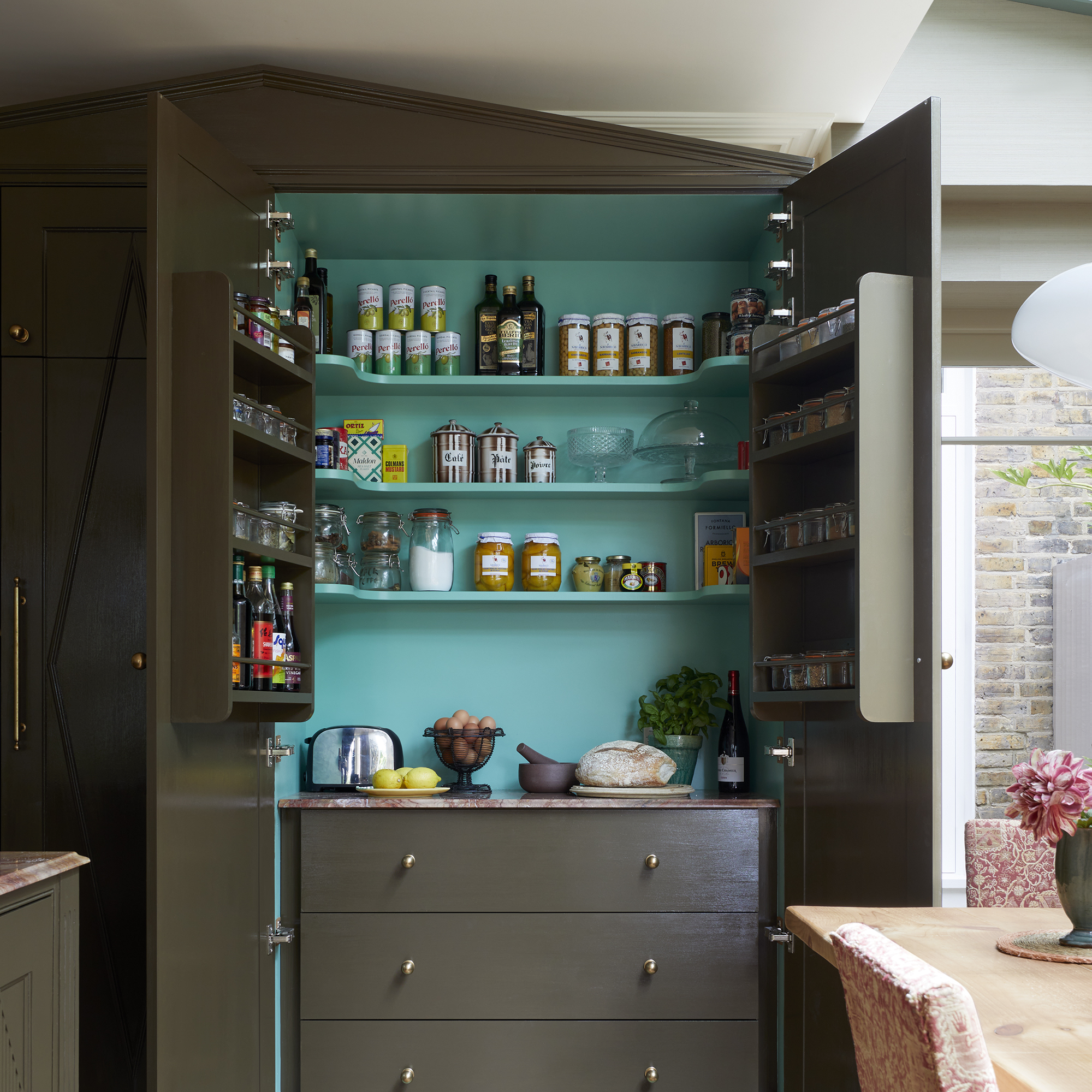
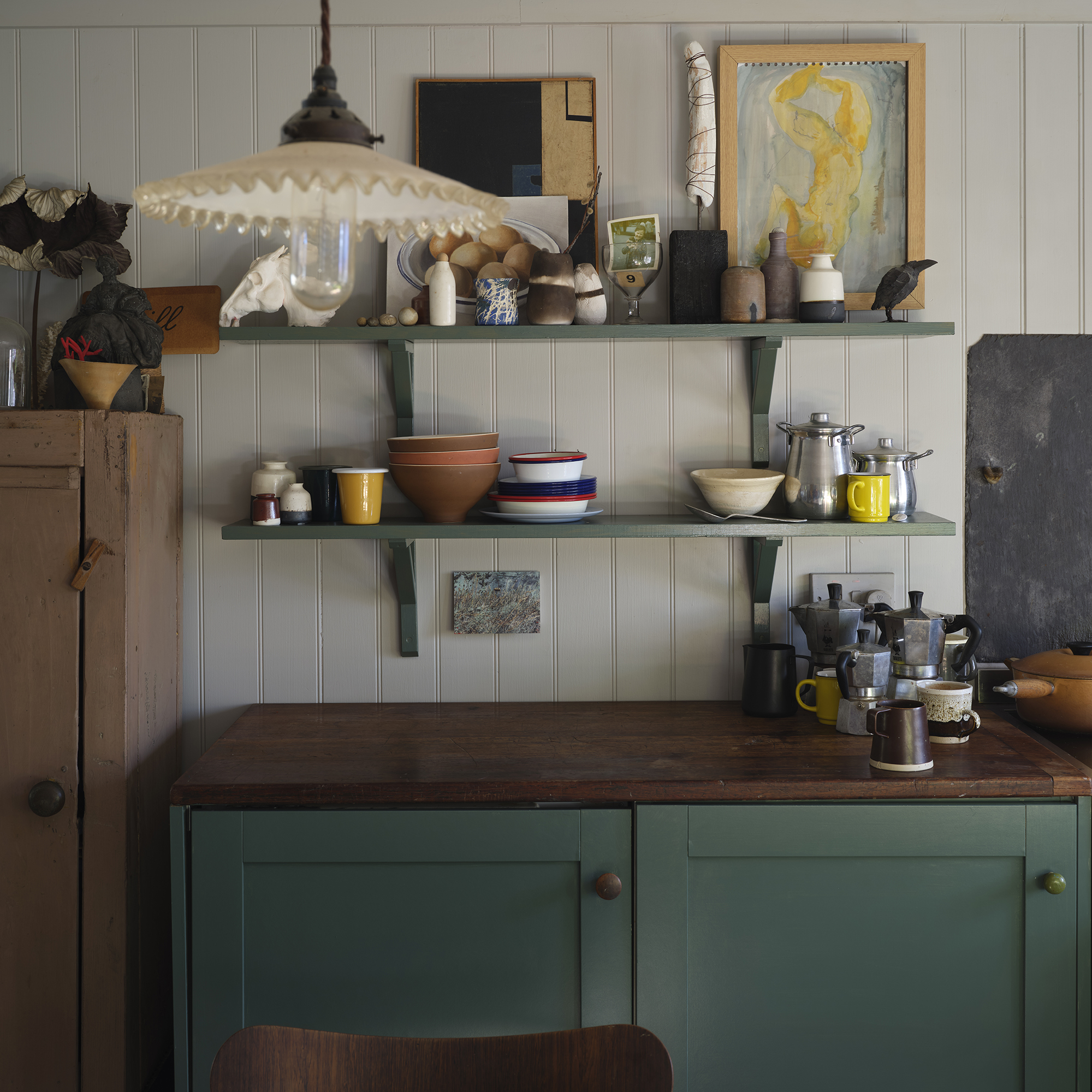
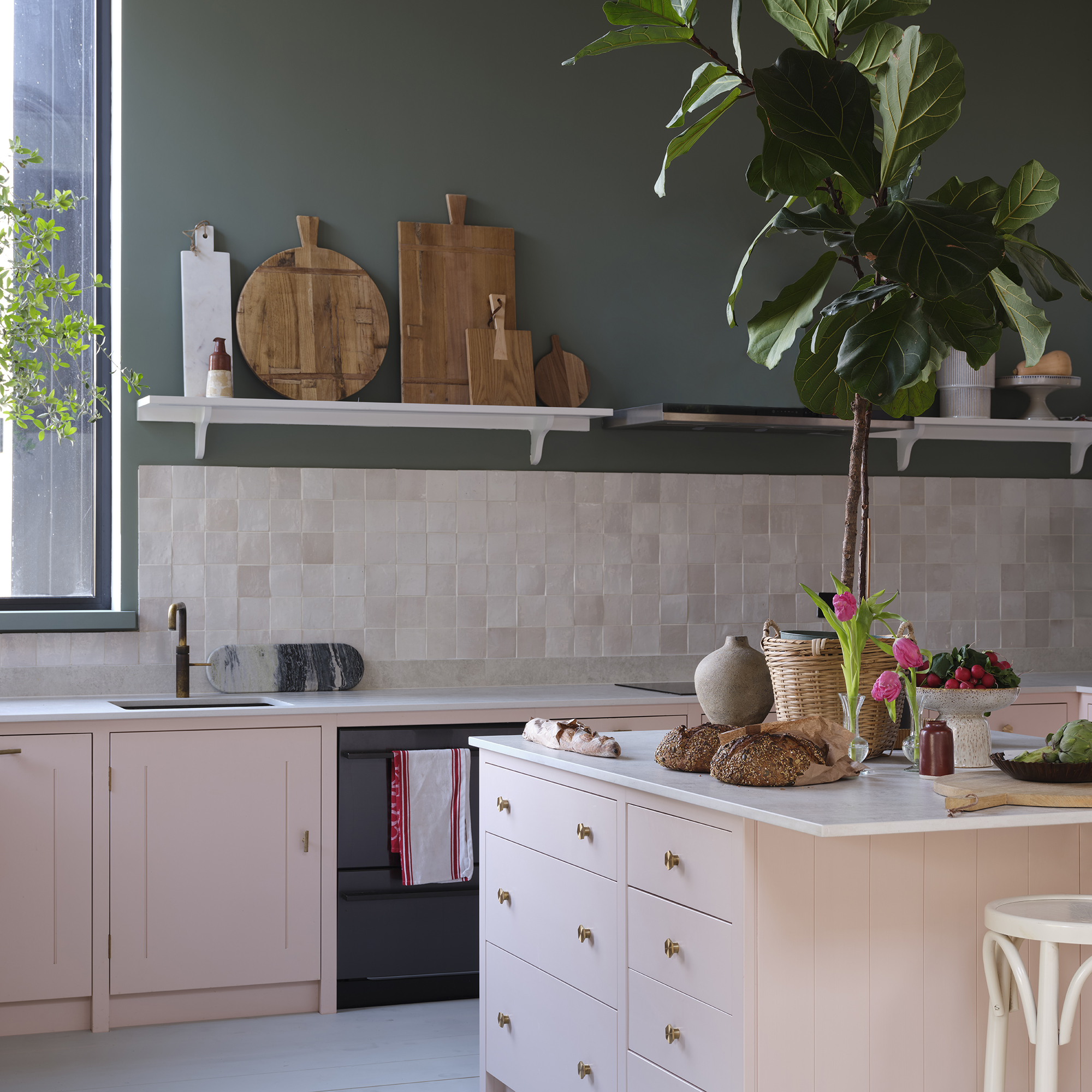
Professionals and DIY enthusiasts frequently favor eggshell paint for its ability to provide a smart, easy-to-clean, and nearly shine-free surface. It is particularly well-suited for high-traffic areas and surfaces prone to wear, such as kitchen cabinets and wood trims. The finish strikes a balance between matte and satin sheens, offering a subtle gloss that gently reflects light, imparting a delicate glow to rooms. This characteristic also helps in concealing minor surface imperfections like bumps or hairline cracks, making it an excellent option for older homes.
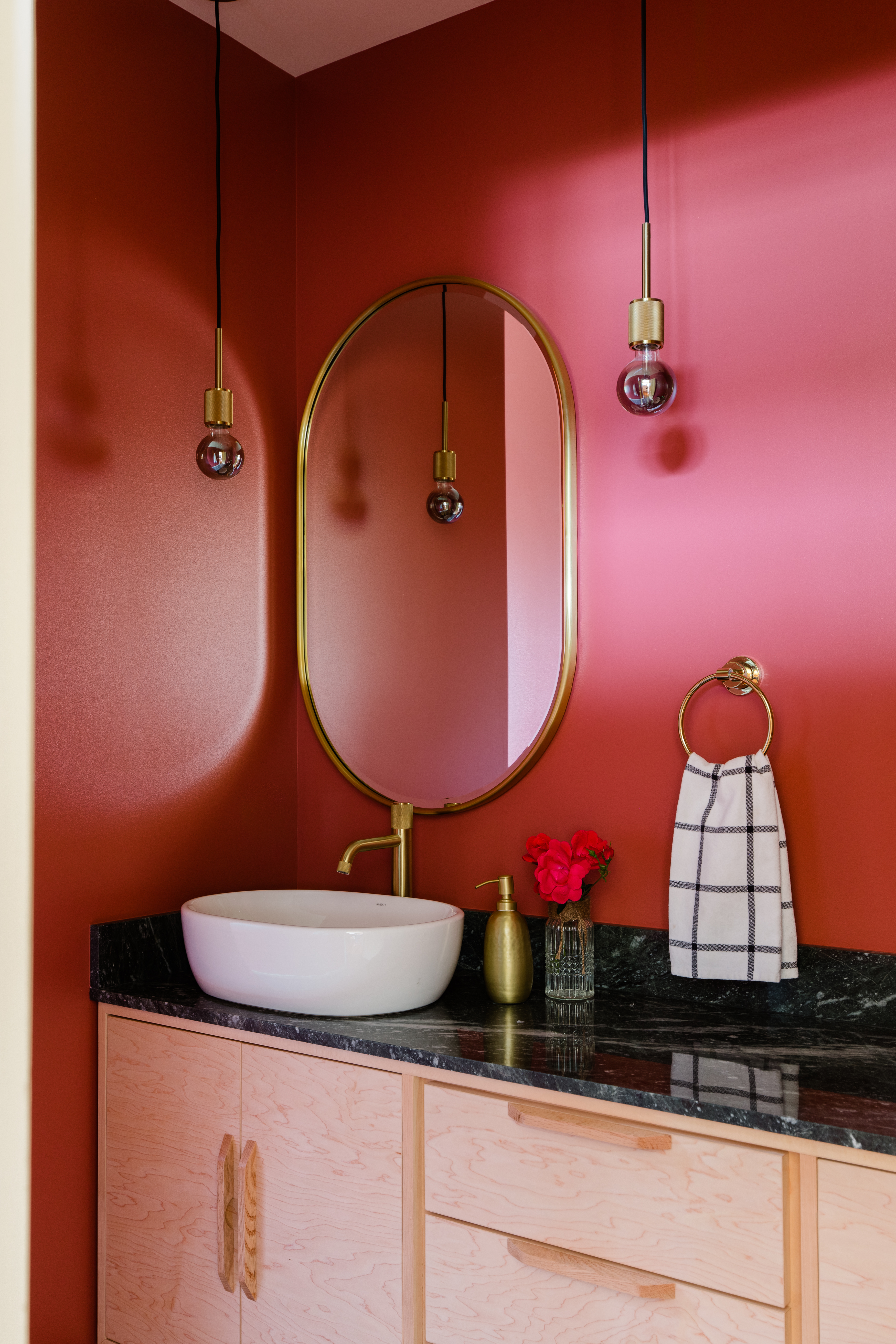
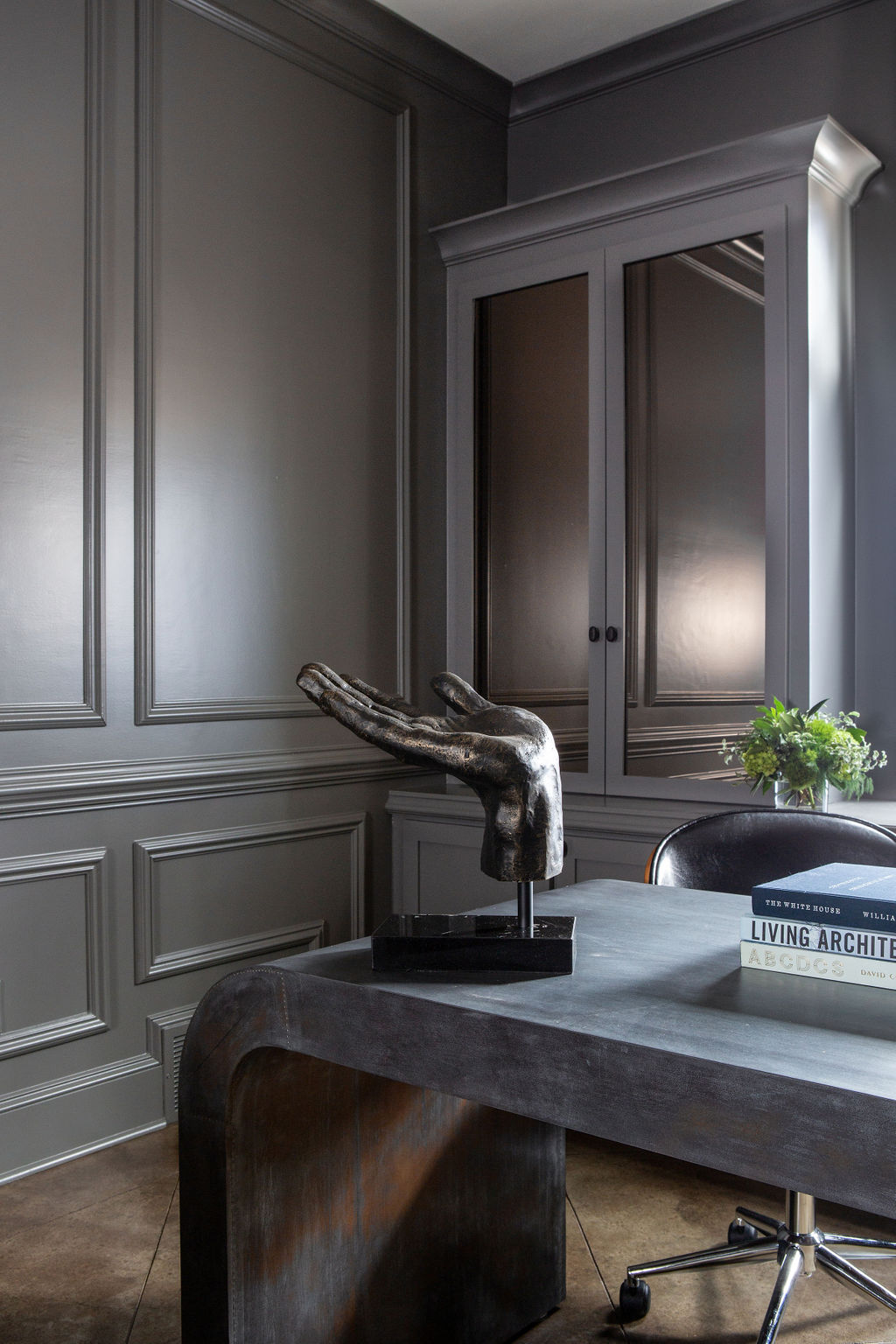
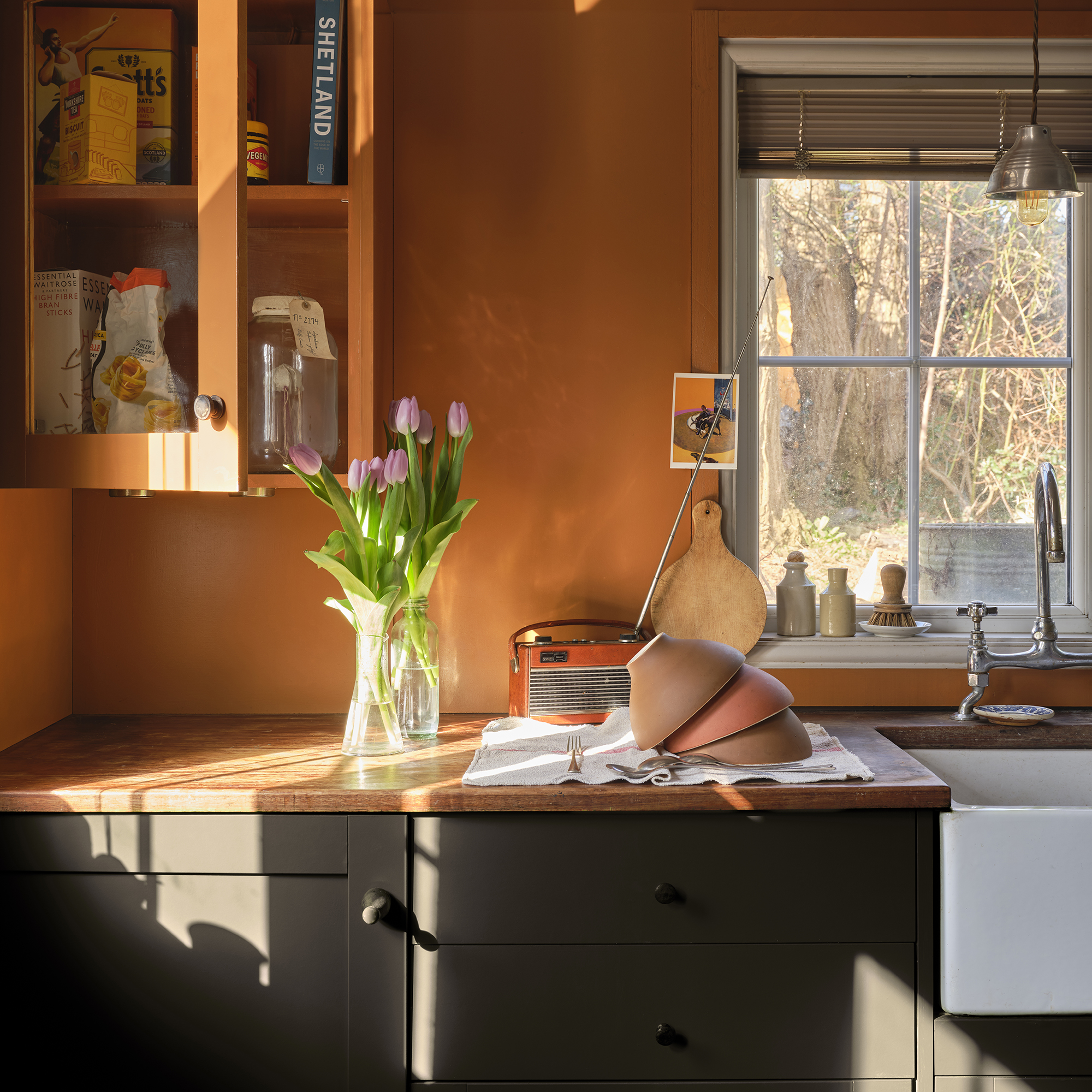
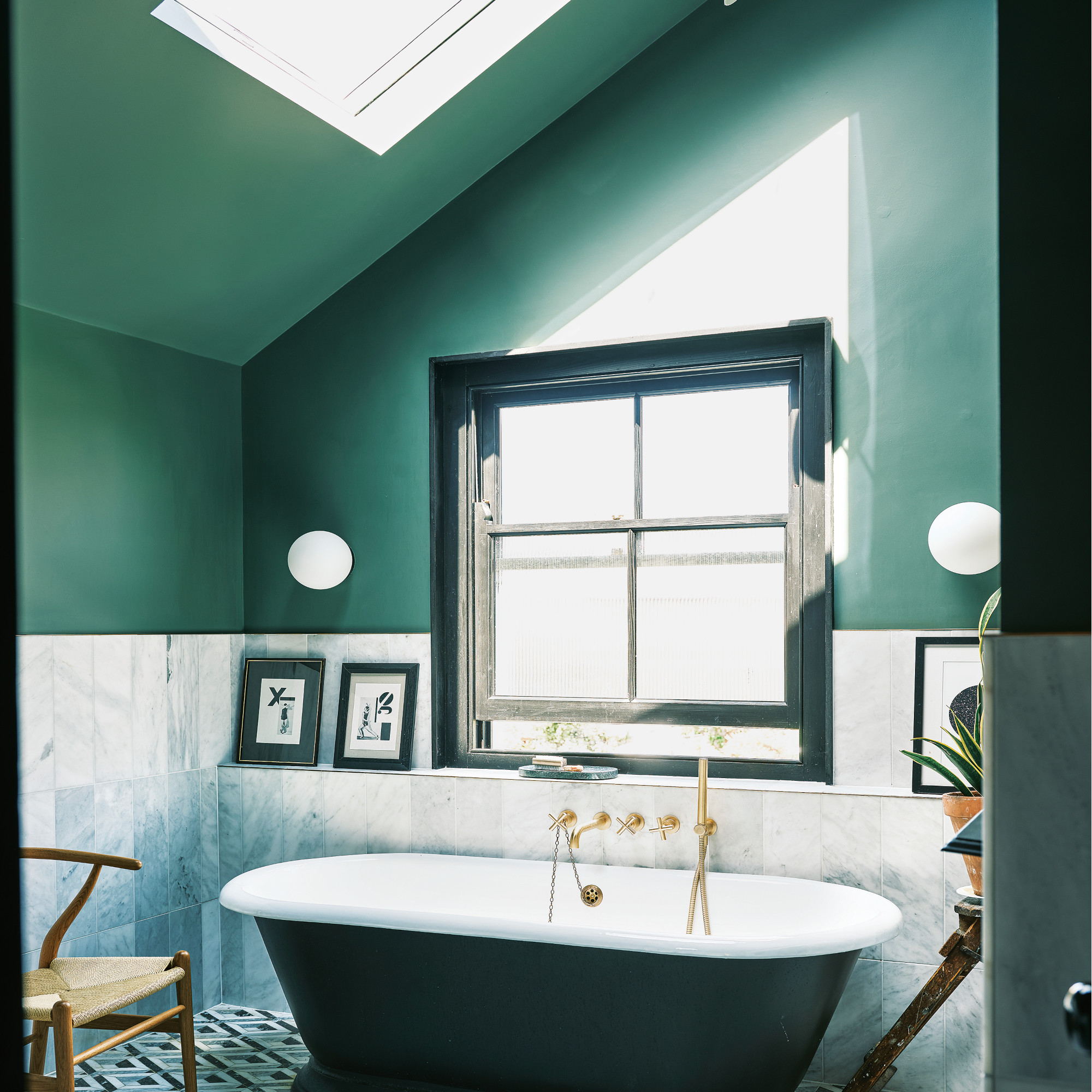
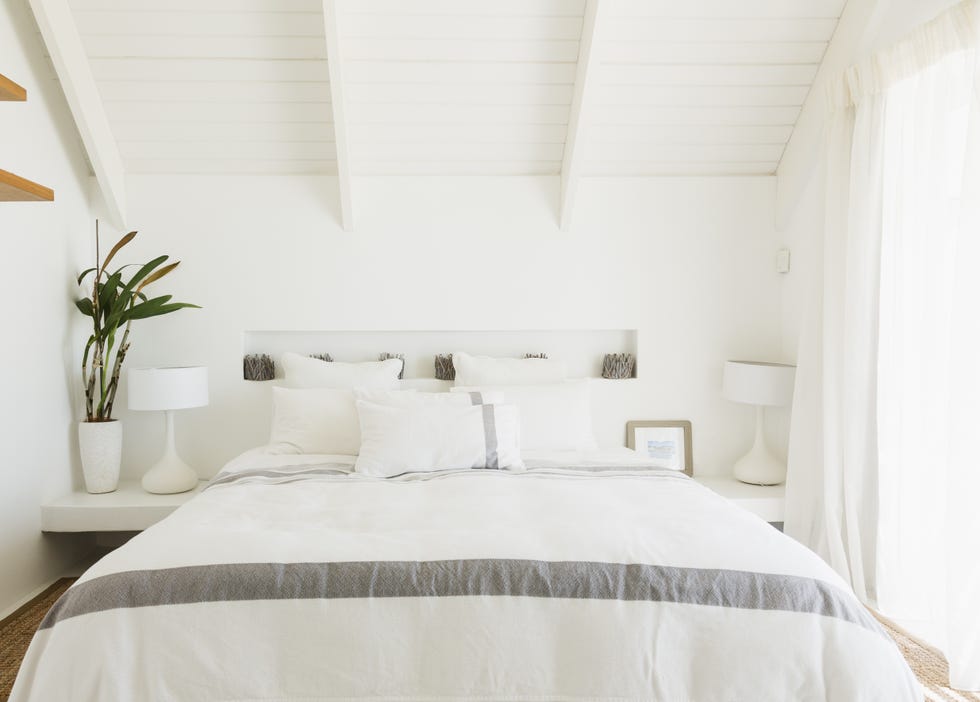
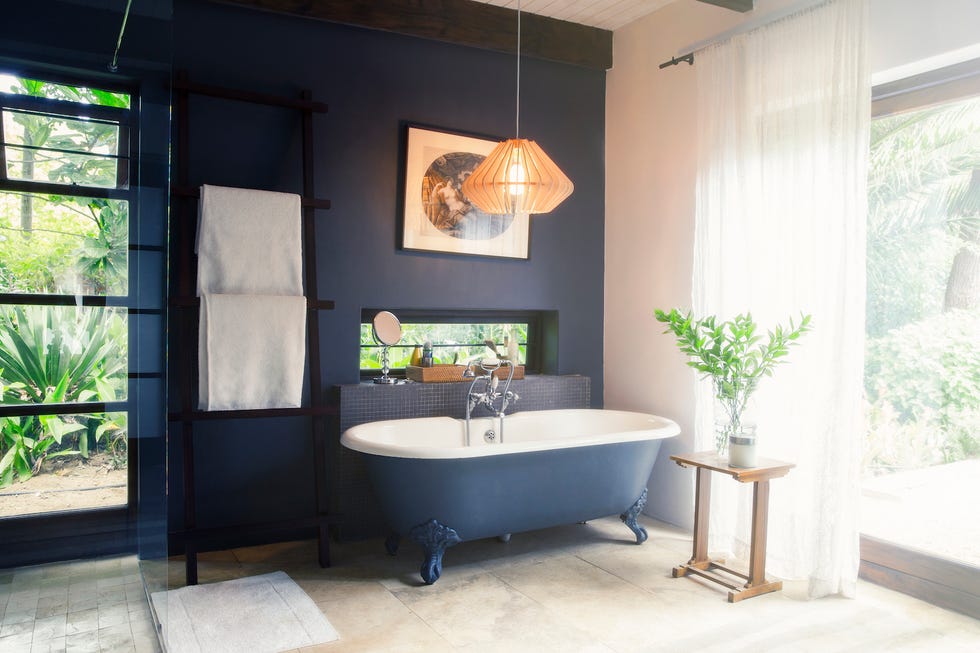
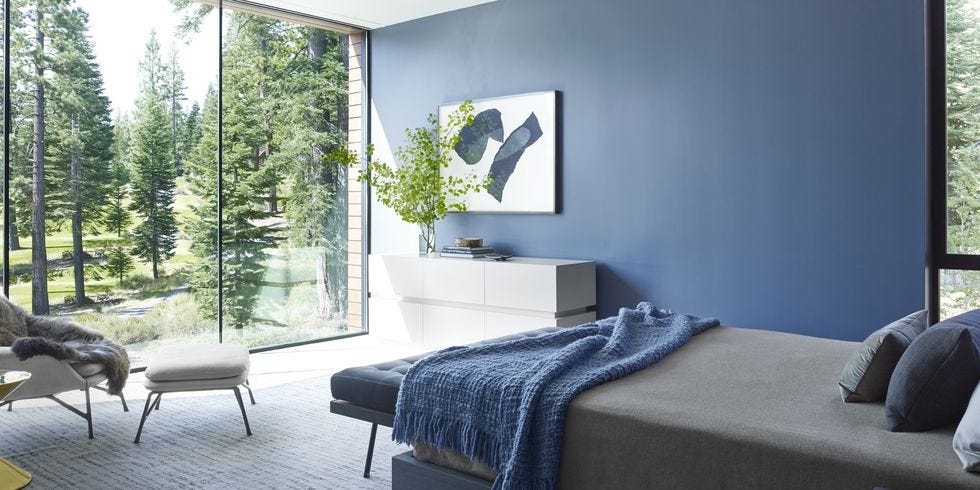
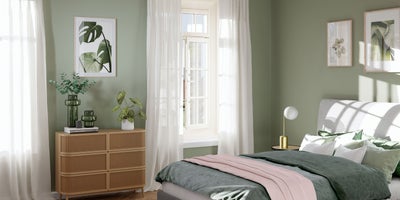
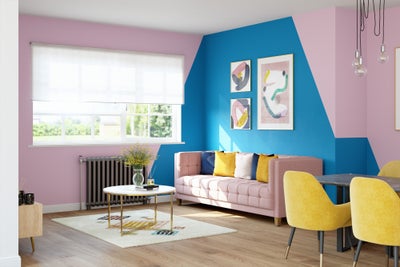
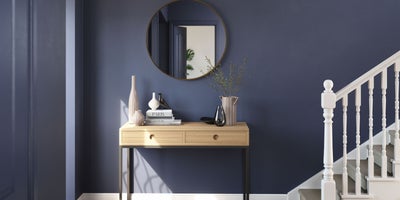
The applications for eggshell paint are extensive. It is recommended for walls in dining areas, hallways, home offices, basements, and bedrooms. It is also considered one of the best paint finishes for living rooms and can be effectively used in busy spaces like kitchens and even bathrooms, where durability and washability are essential. However, it is generally not advised for ceilings, which typically benefit from a flatter finish to avoid unwanted shine.
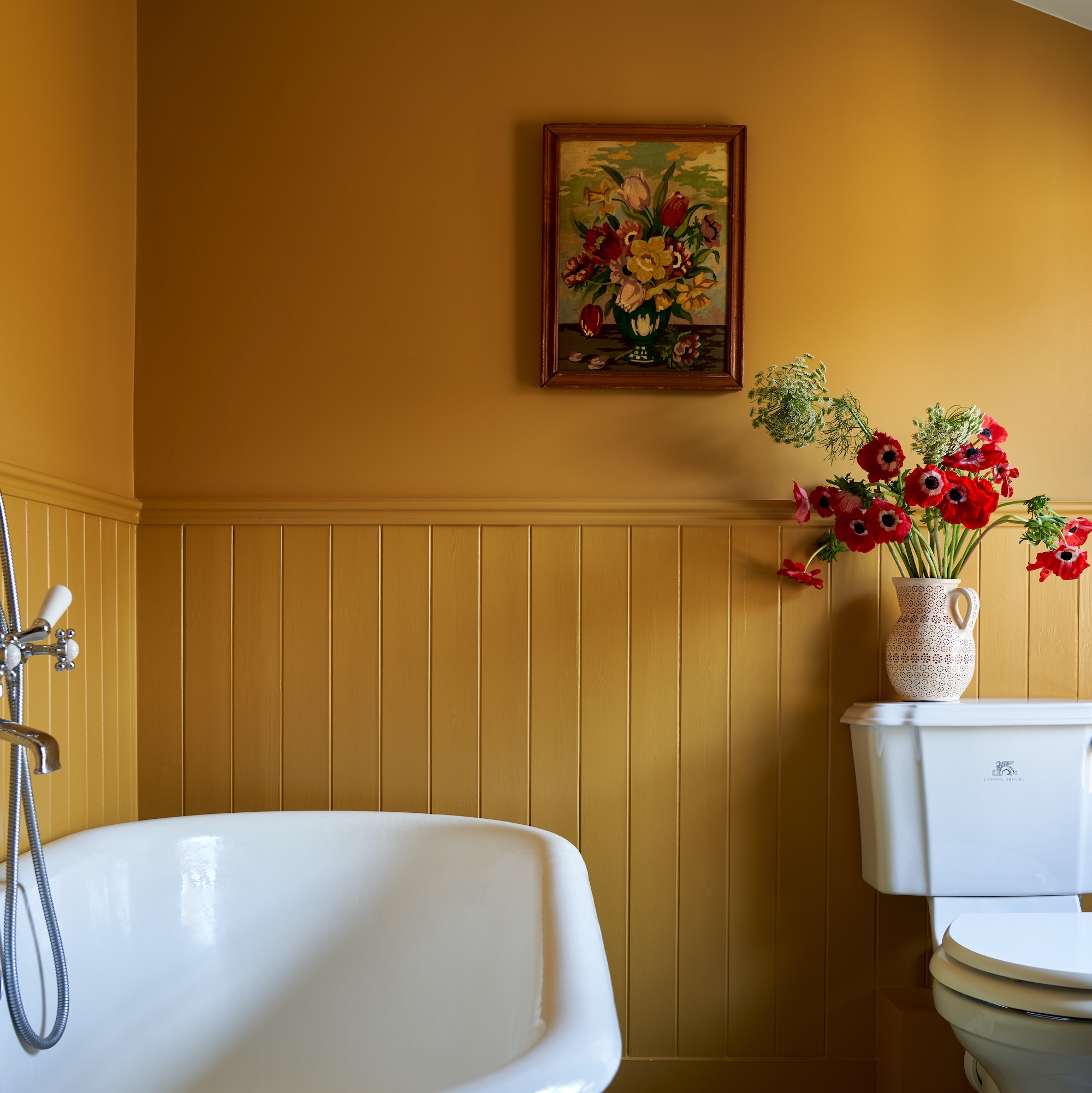
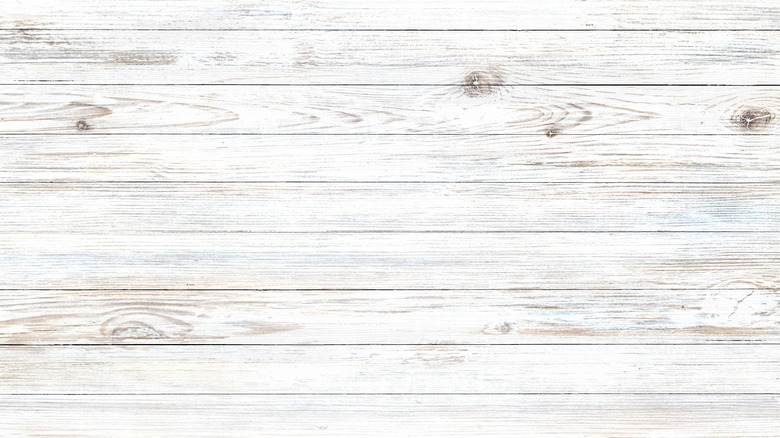
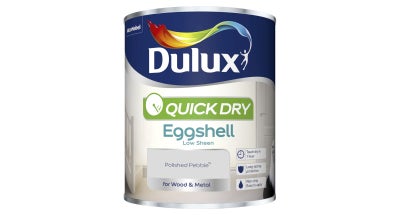
A significant advantage of eggshell paint is its suitability for wood surfaces, including doors, window frames, and furniture. Its traditional, tough, and washable qualities make it ideal for woodwork. Modern premium eggshell formulations are often water-based, offering a quick-drying and high-quality professional finish with reduced environmental impact compared to solvent-based alternatives. The less reflective nature of eggshell paint on wood helps to hide imperfections and enhances the richness and smoothness of colors.
Beyond its durability and aesthetic appeal, eggshell paint is user-friendly. Its low sheen means it is not excessively reflective, effectively masking any surface irregularities. Moreover, it is easier to apply than glossier paints, minimizing the common issue of overlapping marks. When comparing it to other finishes, eggshell sits between matte and gloss on the sheen spectrum. For instance, a typical eggshell paint might have a 35% sheen level, significantly higher than a 1% matte but lower than a 70% gloss. This mid-sheen characteristic contributes to its hardwearing nature, making it ideal for skirting boards, doors, radiators, and metal furniture.
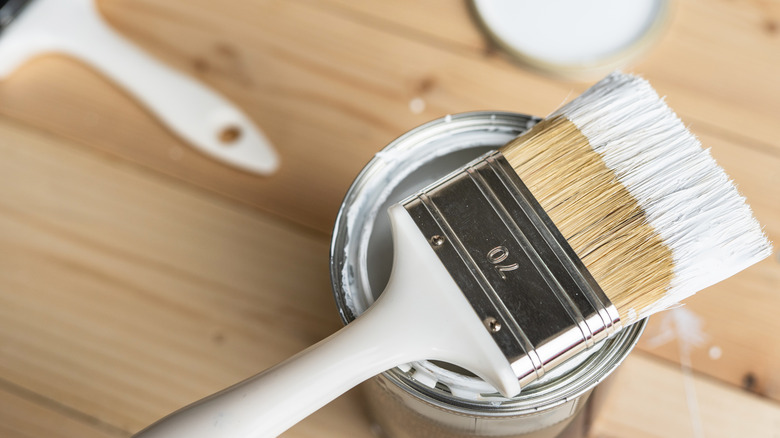
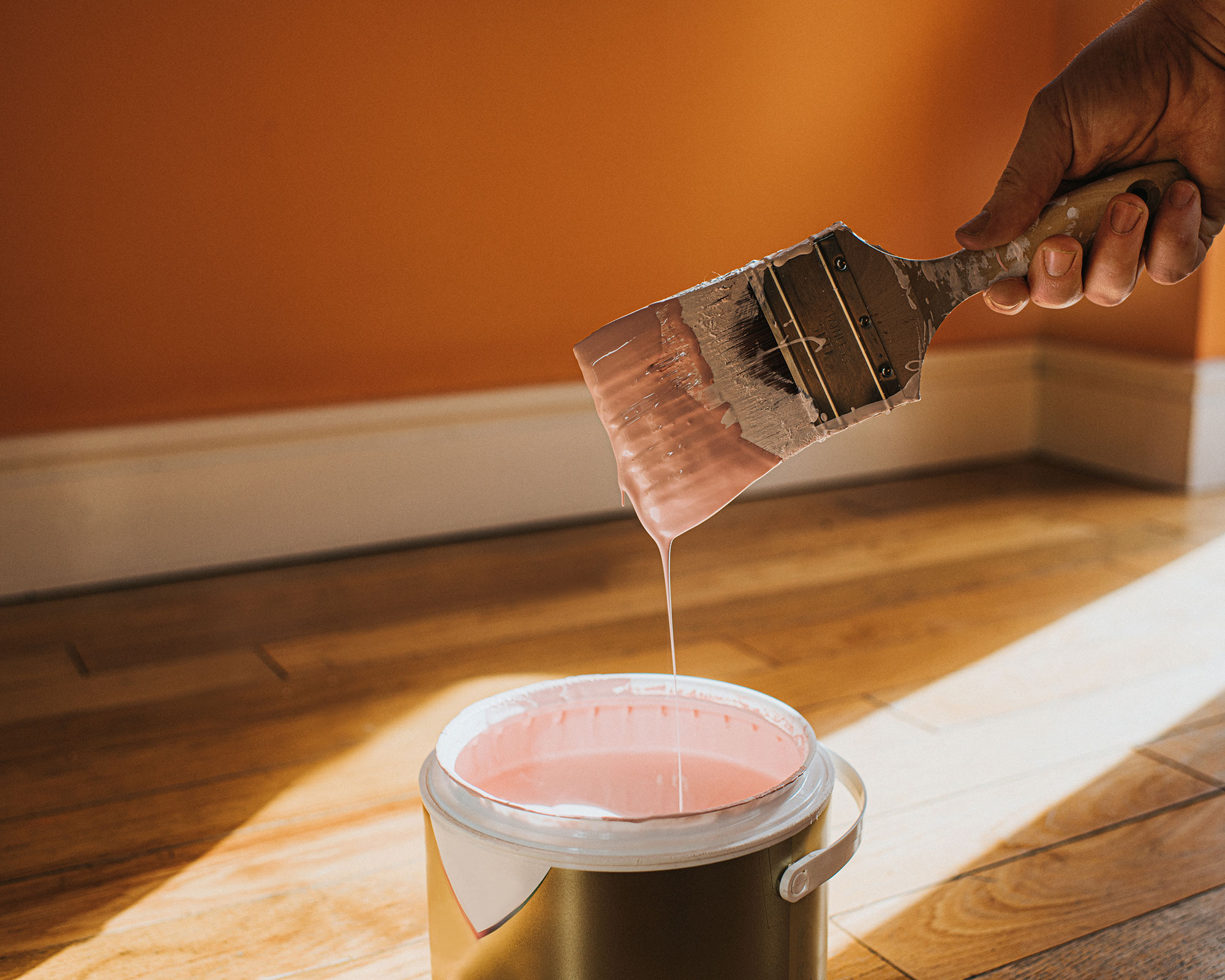
For optimal application, eggshell paint can be applied with a brush, roller, or spray. For untreated, bare wood, it is recommended to prepare the surface with a primer, lightly sand it, and then apply two full coats of eggshell. Sanding between dried coats further refines the finish, resulting in an exceptionally smooth surface. It is also advisable to use a face mask and exercise caution during dry sanding to ensure safety.
#EggshellPaint #PaintFinishes #InteriorDesign #HomeDecor #DurablePaint #WoodworkPaint #PaintApplication #HomeImprovement #EggshellPaint #PaintFinishes #InteriorDesign #HomeDecor #DurablePaint #WoodworkPaint #PaintApplication #HomeImprovement
0 comment in total
 No comments yet
You may also like
One Designer Says She's Been Using This Paint Finish for Over 40 Years: 'I Never Get Tired of It'

Cox & Cox launches its first wall paint range — and it's available in 16 beautiful colours

Seashell Decor Is Everywhere Right Now—Here's How to Decorate With It

Best paint finishes for living rooms explained – how to get an expert finish
Eggshell vs satin – what's the difference, and what to use when, according to professional decorators

The best paint finishes for dark colours in a kitchen
Paint sheen levels explained – everything you need to know
Decorating with paint

Try These Creative Egg Painting Ideas for the Most Unique Easter Decorations

The Right Paint Finish Can Actually Help Your Home Look Cleaner—Here's How

The Best Way To Paint Wood Paneling, According To An Expert
Understanding paint finishes
The Difference Between Eggshell and Semi-Gloss Paint and How to Choose the Right Finish
Farrow & Ball's new paint finish is set to be a game-changer for kitchens – it's their most durable yet
These Master Tips Will Help You Avoid Choosing The Wrong Type Of Paint
Undercoat & Primer Paints
Farrow & Ball's New Perfectly In-Between Flat Eggshell Finish |
What paint finish should you use in a bathroom? Experts agree this is the best finish for a high humidity space

You Can Make Marbled Easter Eggs With Shaving Cream and Food Coloring

Gloss paint – a guide to how and where to use it