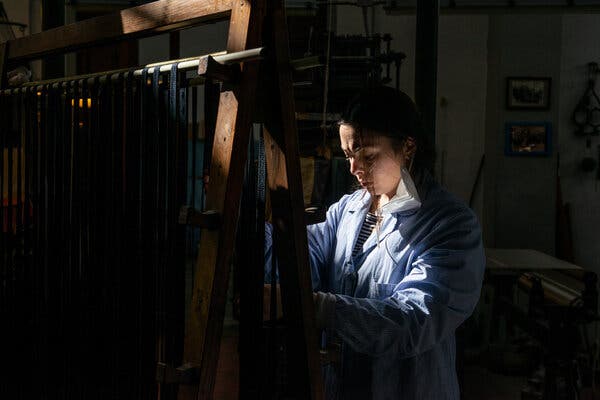
1/6
A Glimpse Inside a Florentine Silk-Weaving Workshop (Published 2022)
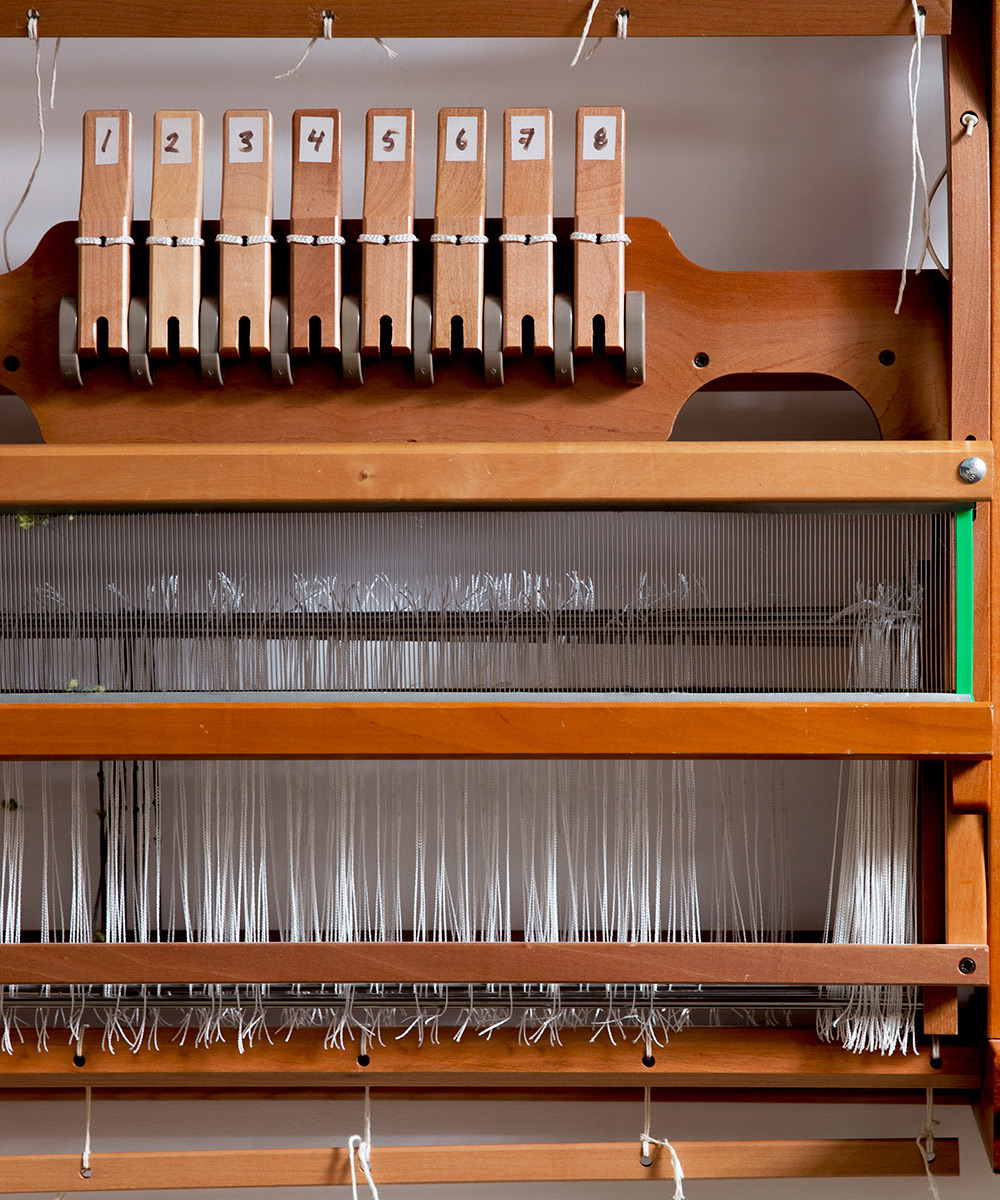
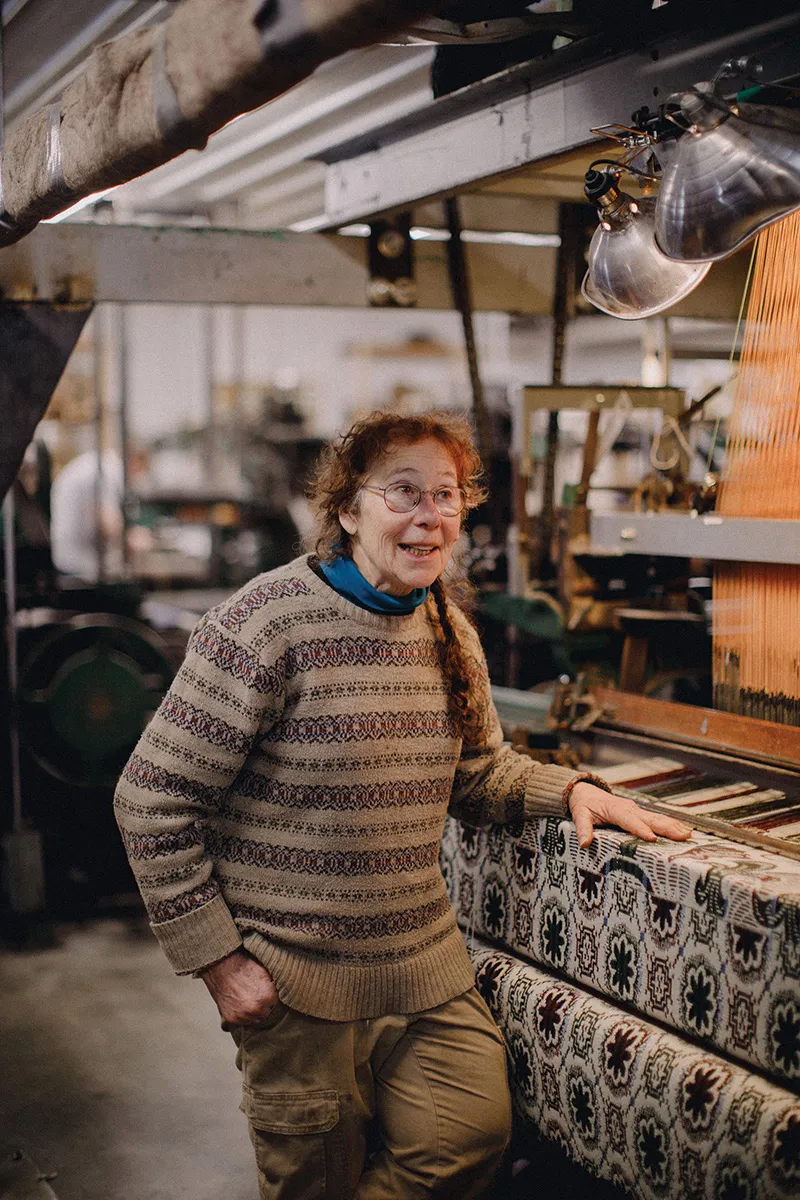
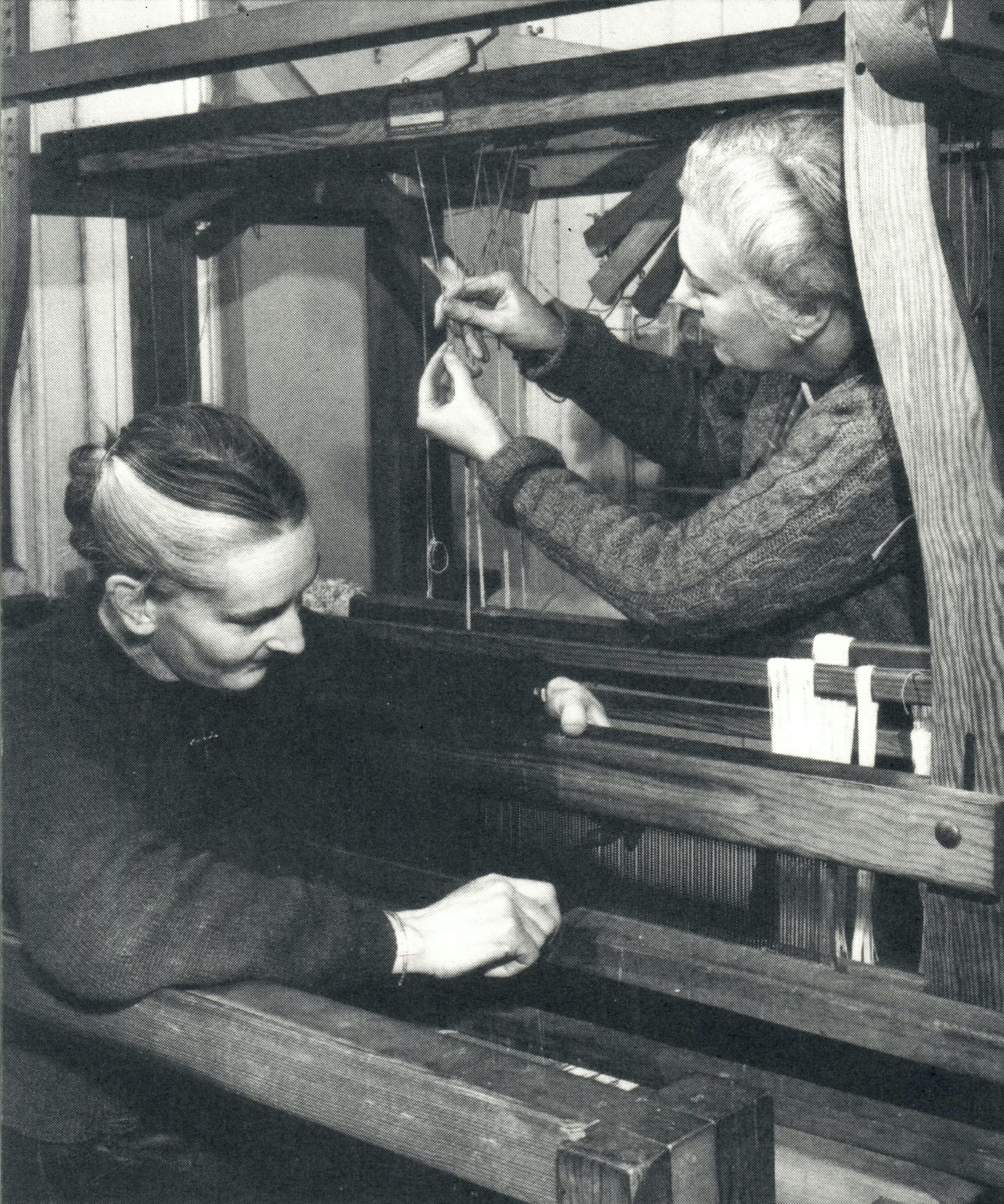
The Antico Setificio Fiorentino, or Antique Florentine Silk Mill, located in Florence's San Frediano district, has been producing textiles since 1786. The mill operates with 18th and 19th-century timber and iron looms, some of which are over 16 feet tall, and employs expert artisans who weave silk threads into various fabrics. The workshop, often described as a living museum, houses 12 looms in total, eight of which are still in production and were donated by noble families in the 1700s. The mill's history is deeply intertwined with Renaissance society, particularly the era of the House of Medici.
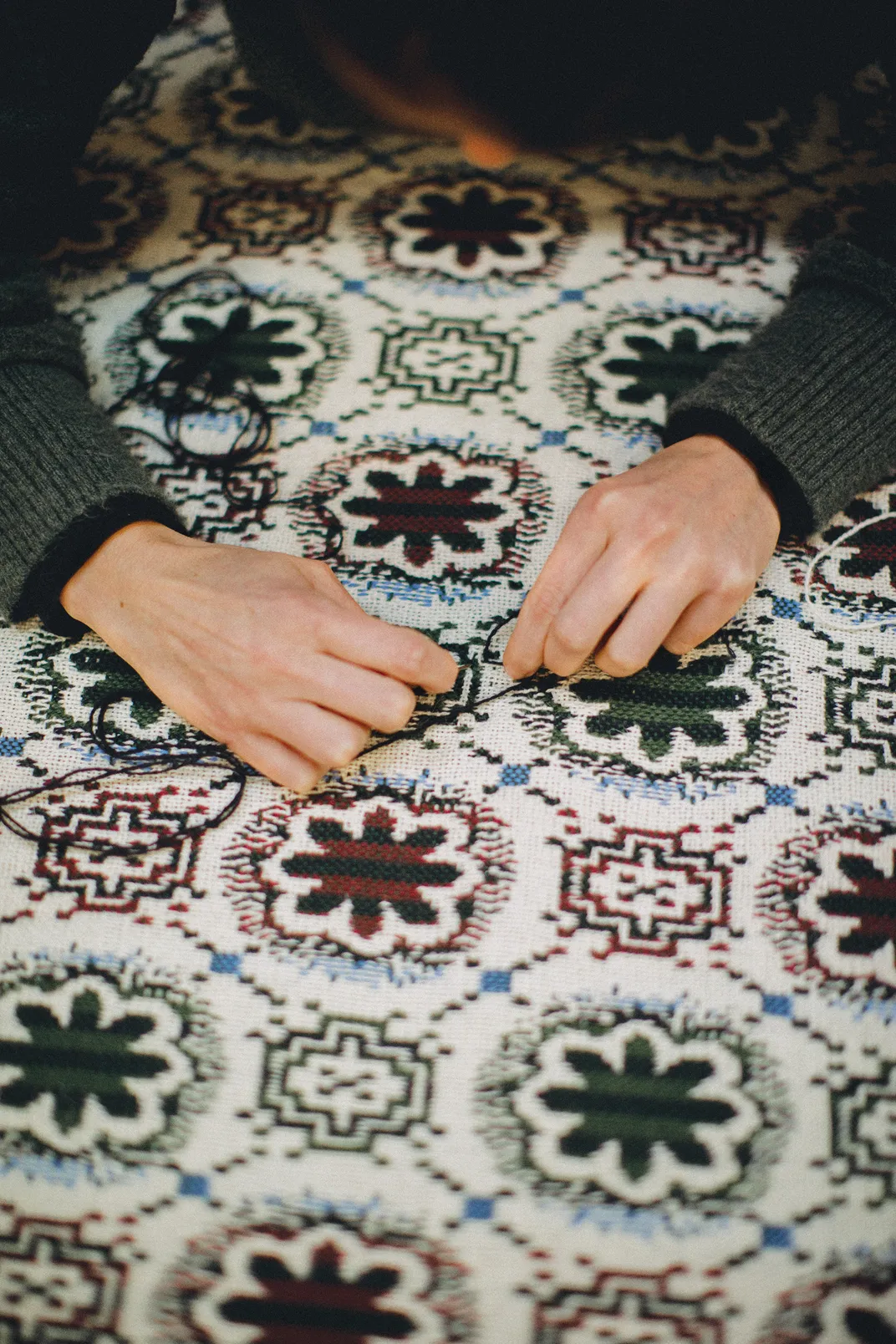
The mill maintains an archive of around 200 historical fabric designs, passed down through generations, many of which bear the names of Italian and European royalty and nobility. These include lampas for Princess Mary of England, brocatelle for families like Corsini and Guicciardini, and damask for Doria. During the Medici era, many of these families were involved in sericulture—the raising of silkworms and silk production—and silk weaving in Florence.
Silk was introduced to Italy around 1100 by Catholic missionaries from China. The art of silk weaving and sericulture flourished in Tuscany in the 14th century, with Lucca as a primary production center, eventually expanding to Florence, Venice, and Genoa. At its peak, Florence had approximately 8,000 operating looms; today, only a handful remain, with Antico Setificio Fiorentino preserving eight of them for production.
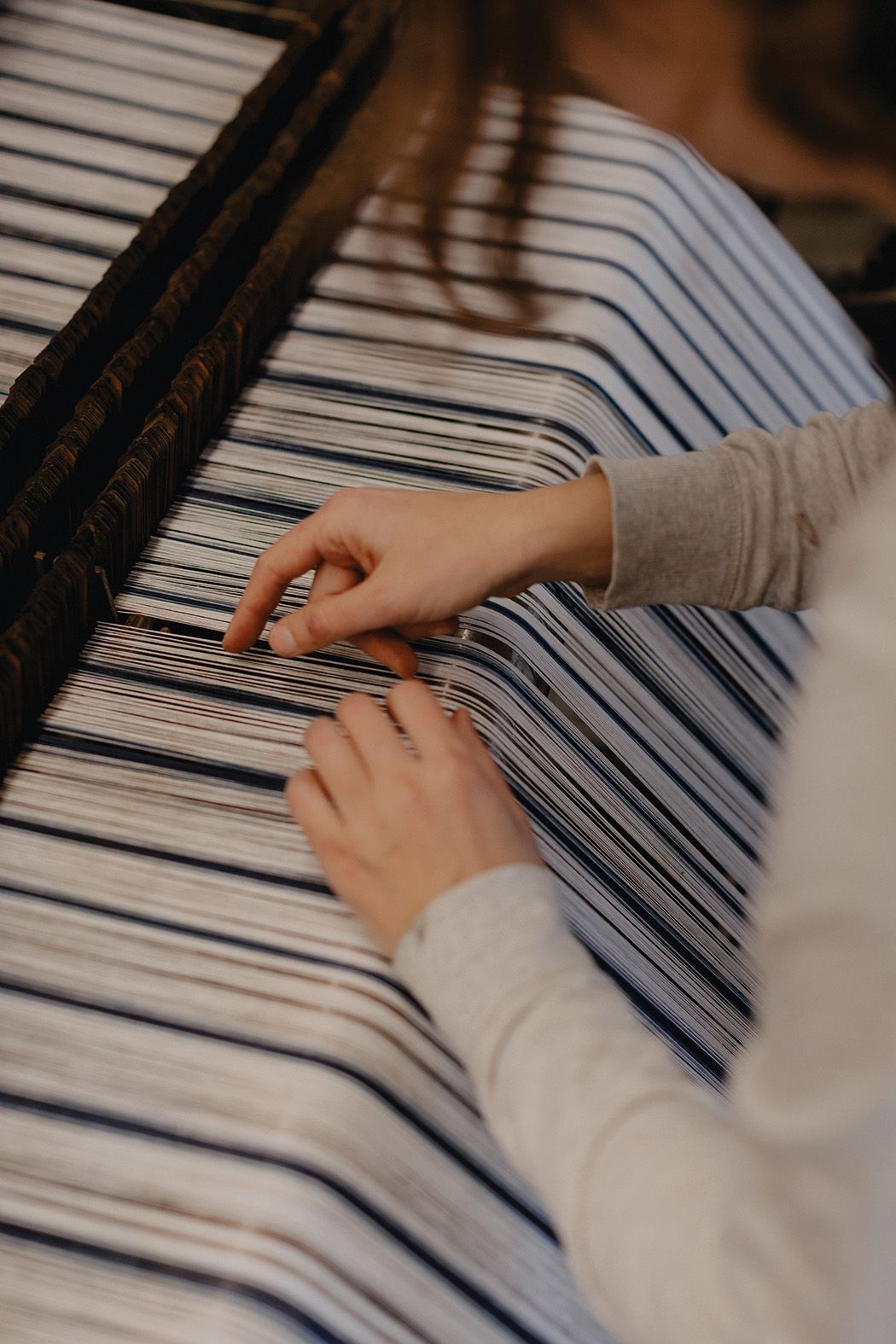
A central component of the silk mill is a vertical warper machine, built in the early 19th century based on original drawings by Leonardo da Vinci from 1485. This machine, operated by hand, meticulously aligns warp threads from spools onto a creel. These warp threads are then used to create trims, ribbons, cords, and braiding for a variety of products, including upholstery, furnishings, bed and bath linens, and fashion accessories. The technician and restorer, Fabrizio Meucci, highlights that the workshop is not merely a display but a fully functional mill.
The weaving process is time-intensive, especially for hand weaving intricate fabrics like damask, which can take an entire day to produce just 15 inches. Fabrics with thicker threads, such as the brocatelle Guicciardini used for upholstery, can be produced more quickly, achieving six or seven feet per day. The process begins with pure silk fibers, progresses through tinting, winding, spooling, and the creation of yarn skeins and bobbins, ultimately leading to the warp threads and the final weaving on the looms.
Dario Giachetti, a 30-year-old artisan with a decade of experience in the textile industry, recently joined the weaving team at the Antico Setificio Fiorentino. He describes the learning experience as profound and finds magic in witnessing raw materials transform into finished products. He emphasizes that the final product embodies not just technical skill but also the weaver's passion and dedication. This emotional investment, he argues, differentiates artisanal textiles from industrially manufactured ones, which are typically faster, easier, and cheaper to produce. The art of handmade textile production is increasingly rare outside such workshops, as most manufacturers prioritize cost-efficiency over traditional methods.
#FlorentineSilk #TextileWorkshop #Handweaving #ArtisanalCrafts #ItalianHeritage #RenaissanceHistory #LeonardoDaVinci #TraditionalCraftsmanship #FlorentineSilk #TextileWorkshop #Handweaving #ArtisanalCrafts #ItalianHeritage #RenaissanceHistory #LeonardoDaVinci #TraditionalCraftsmanship
0 comment in total
 No comments yet
You may also like
How to use woven fabrics to add texture to your interior space
When Hollywood Needs a Historically Accurate Outfit That Looks Just Right, It Turns to Rabbit Goody
Milan Design Week: the 7 best fashion installations
Woven Inspiration recovers the gilded age

Textile designer: Margo Selby

For This Italian Fabric Designer, Fantasy Comes in Patterns (Published 2013)

Where to Buy Fabric Now that JOANN is Closing for Good
The Best Online Fabric Stores Today
Knowing the Ropes Explores the Textile Through a New Lens
Quilt school - 4 Jun 2025 - Today's Quilter Magazine

7 best sewing machines to buy for beginners and intermediate sewers

The History of Printed Fabrics in Two Splendid Volumes
In Italy, a Fabric Designer’s Wildly Colorful Home (Published 2020)
Liberty presents two Futurism-inspired fabric collections

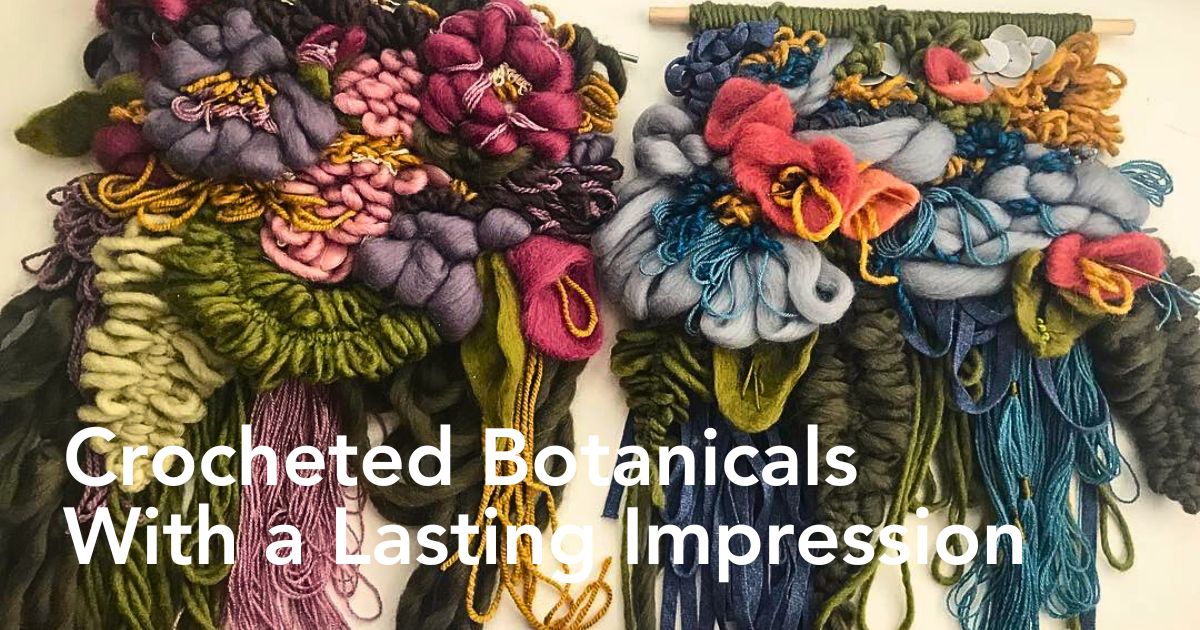
Woven Floral Wall Hangings by Alyssa Ki Will Last Forever

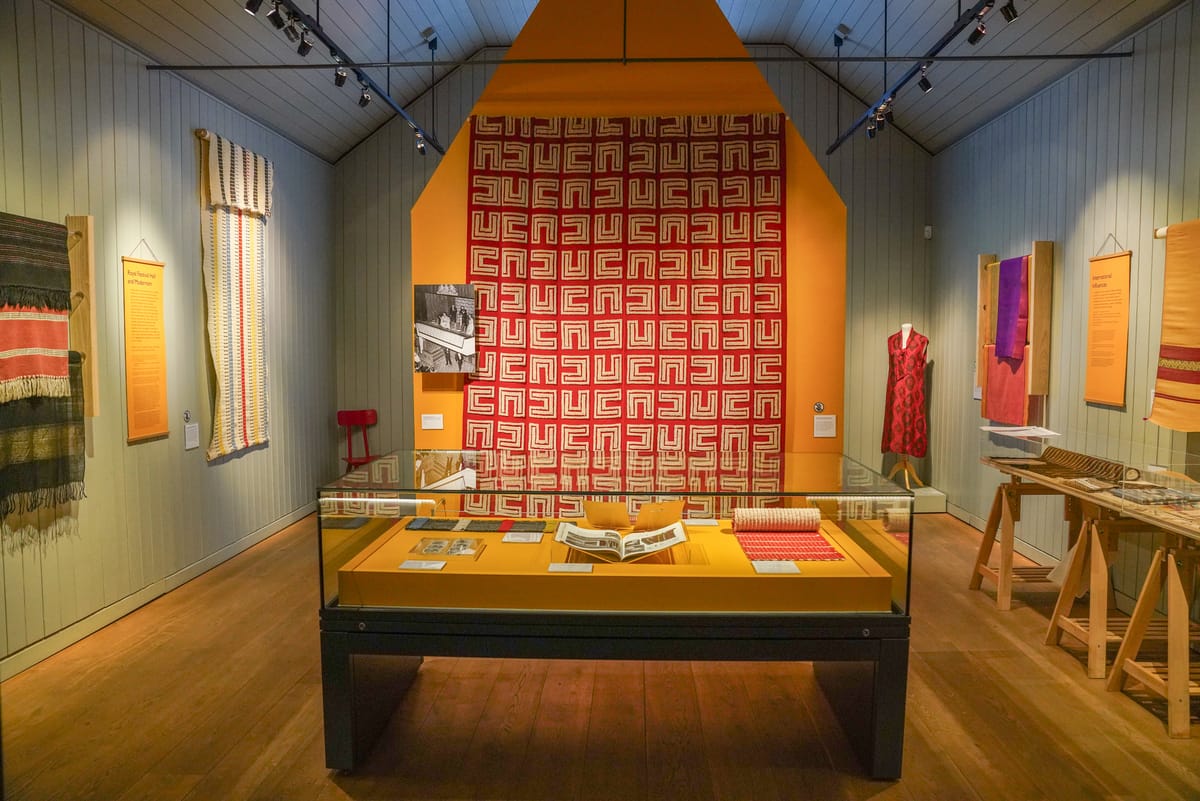
The Forgotten History of Bourne and Allen’s Mid-Century Textiles

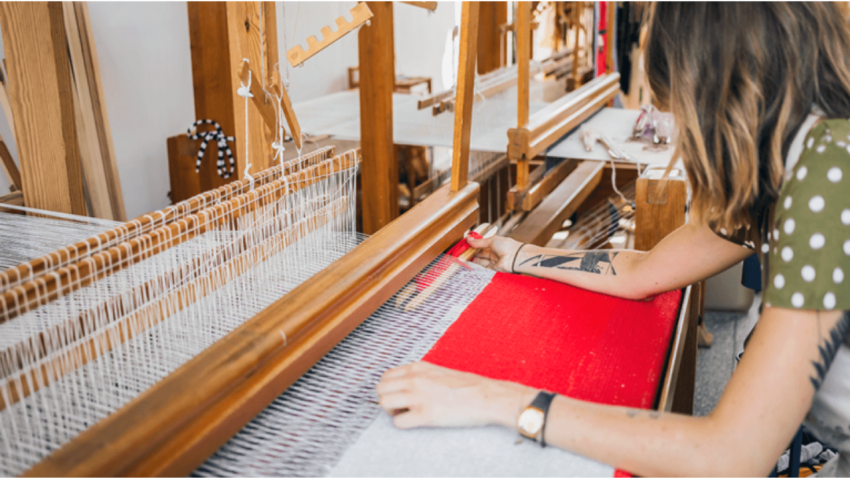
10 Places to Get Weaving Supplies for Your Business

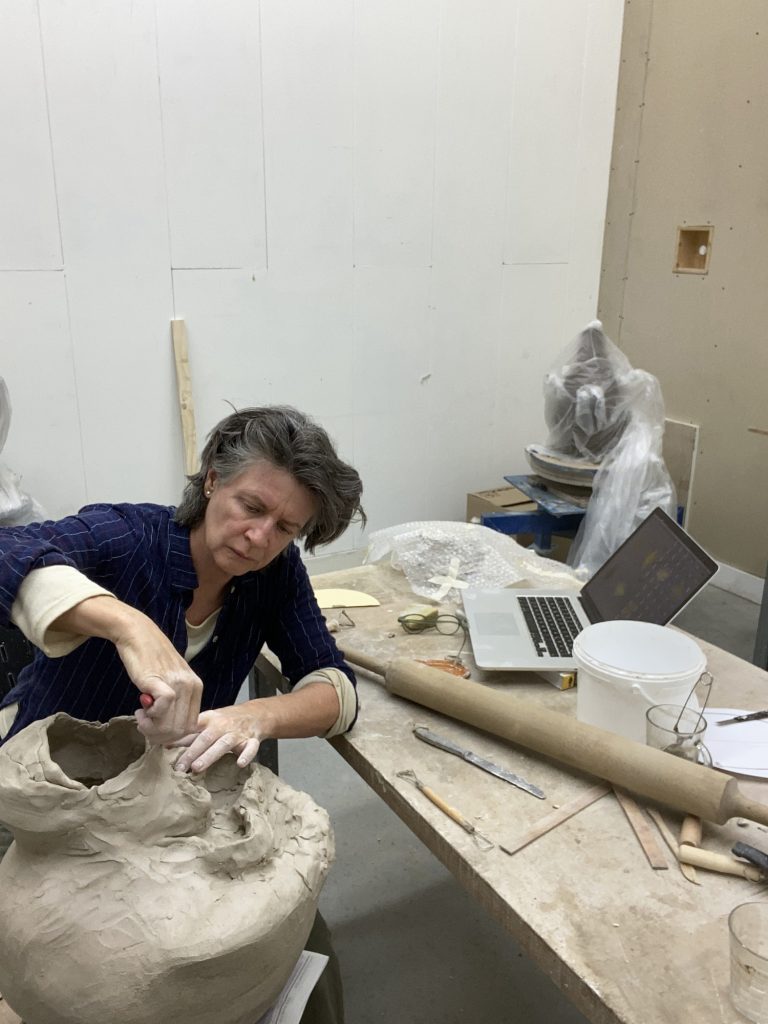
Hella Jongerius: Weaving Architecture

From Tech to Texture: Aurelie Tu of Craftedsystems
DIY: The art of indigo dyeing