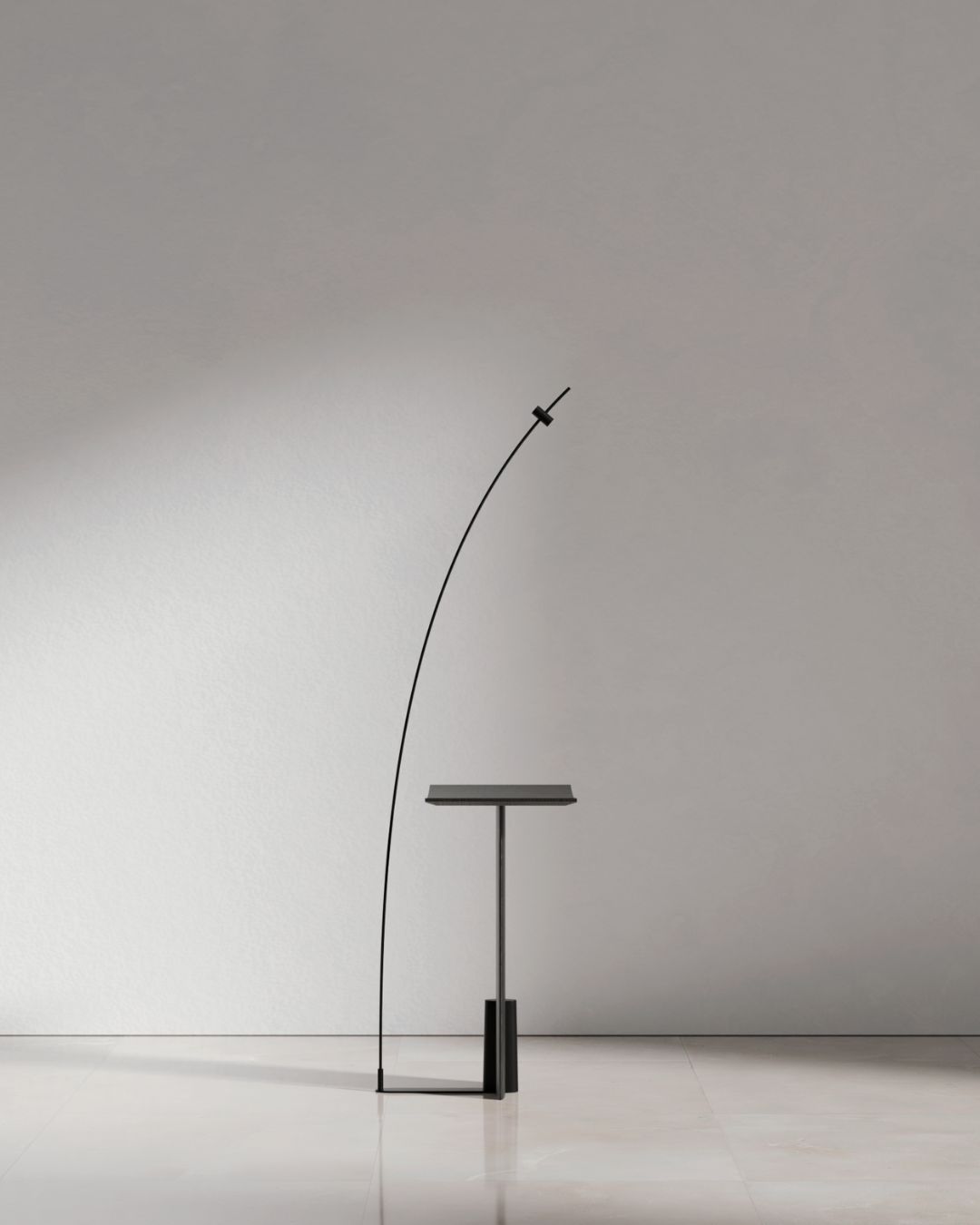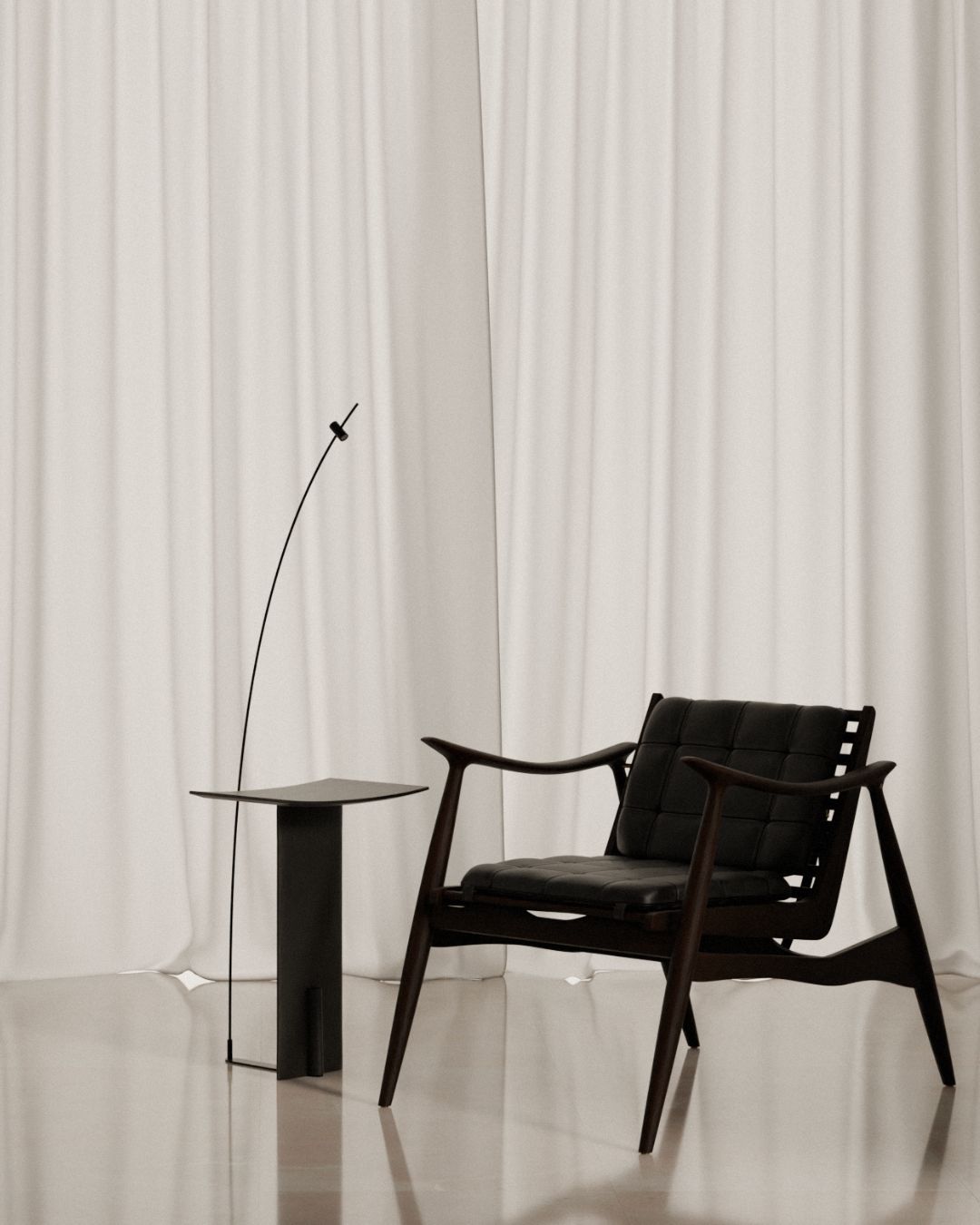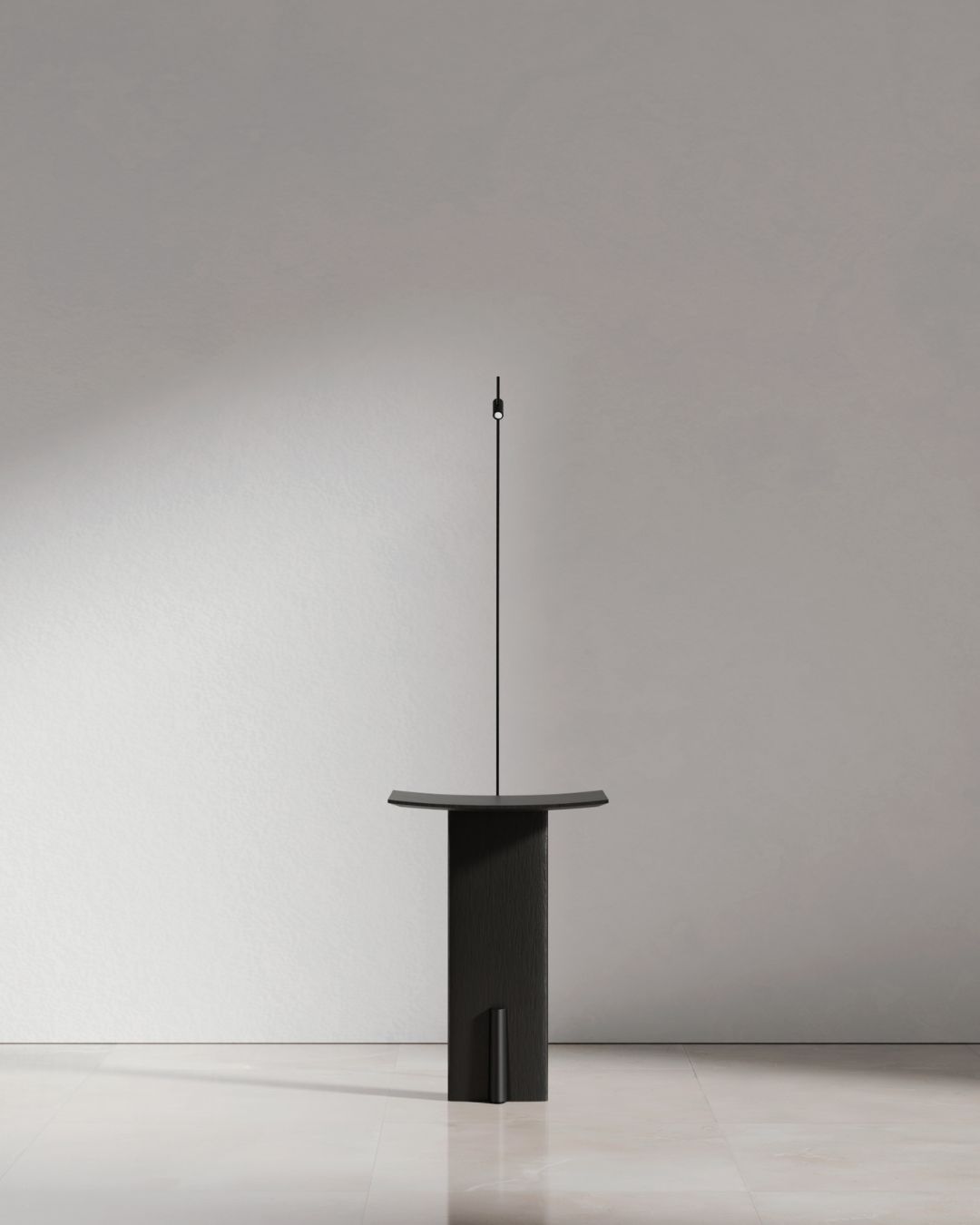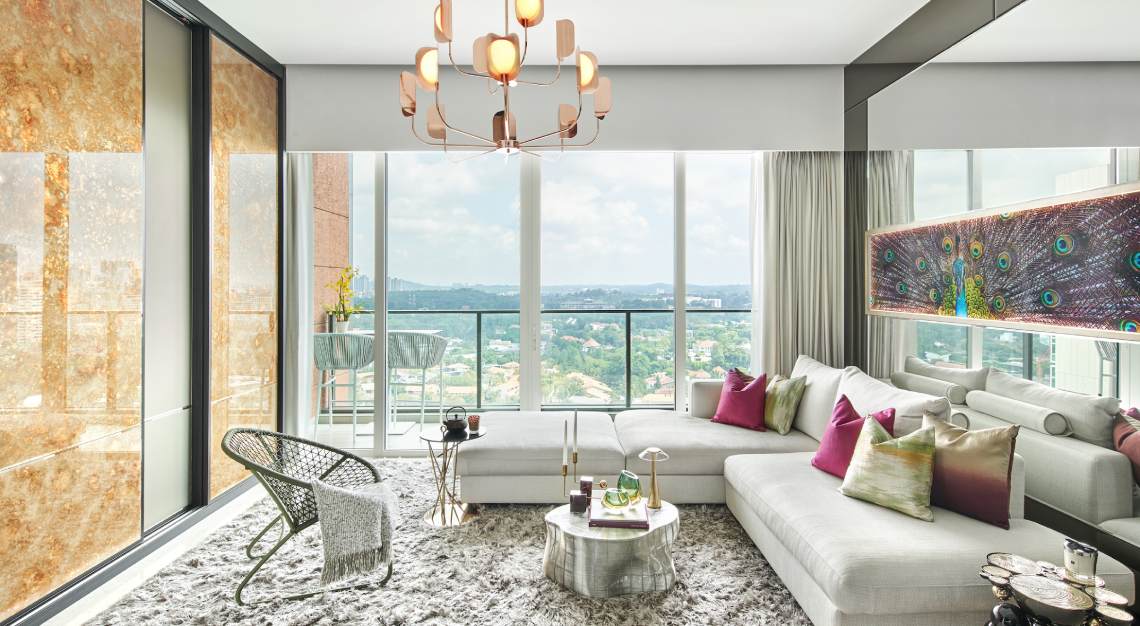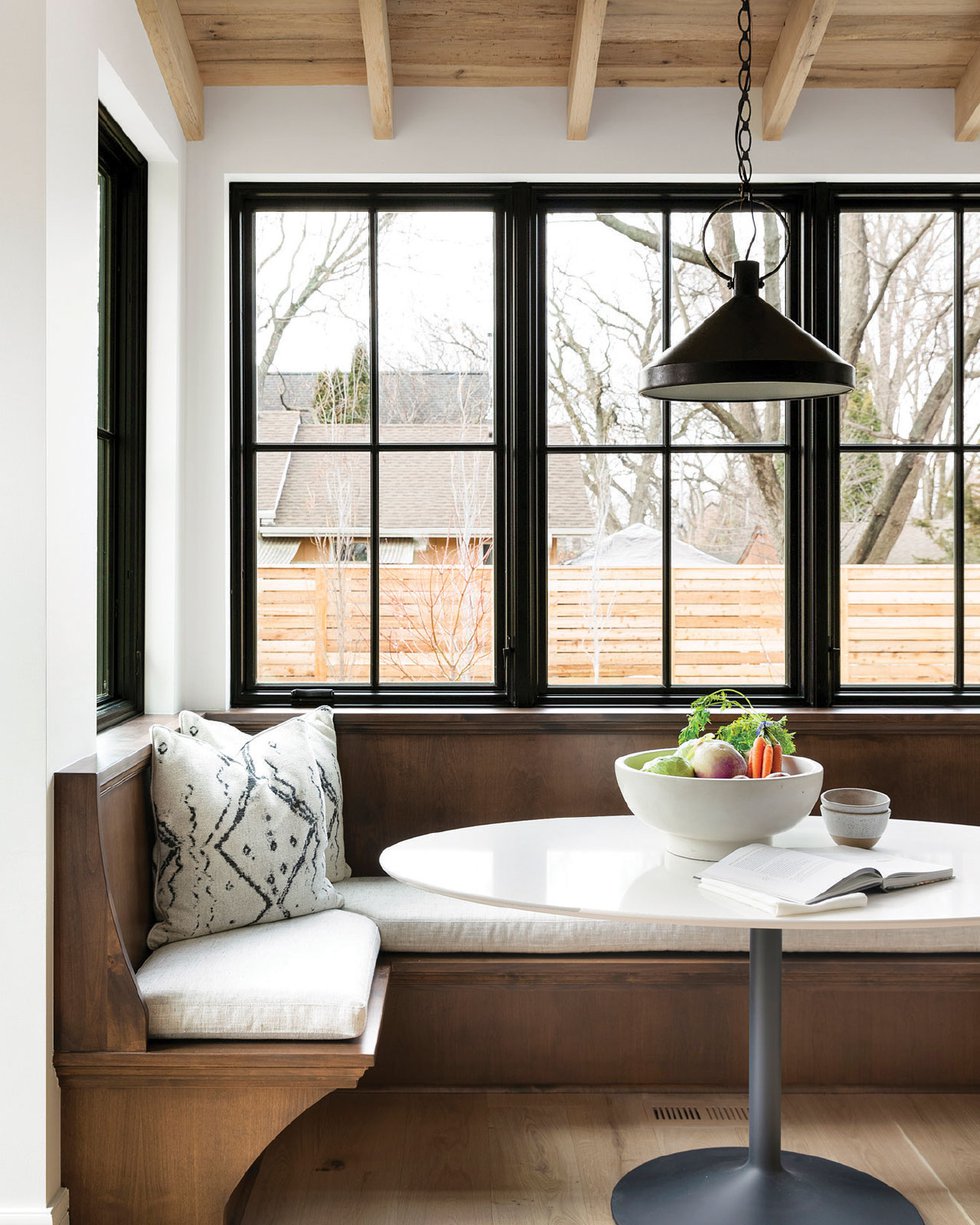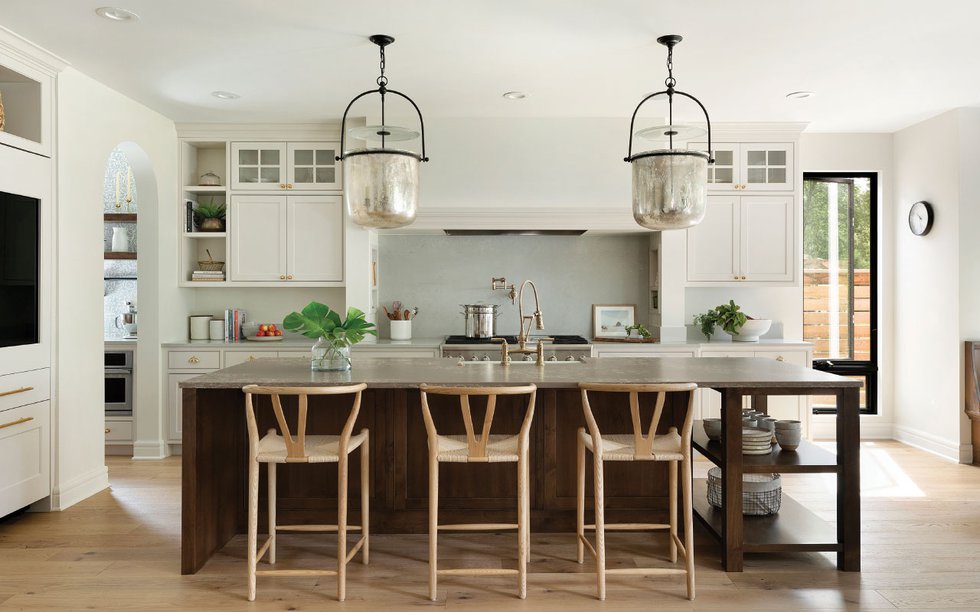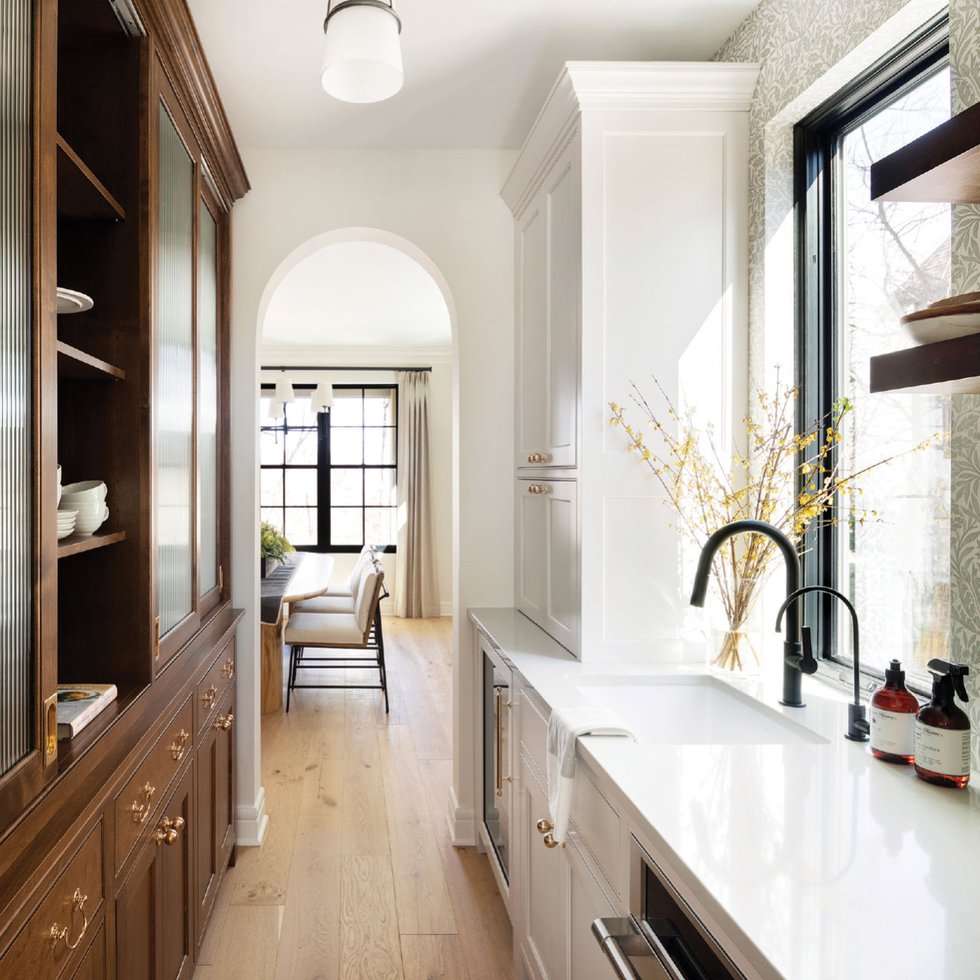
Good design deserves time
Clocks are increasingly becoming a stylistic choice rather than a necessity in home design, according to Markus Harris, communications director for the National Association of Watch and Clock Collectors. With digital displays prevalent in modern appliances and cellphones, household clocks now serve as an expression of personal style and decorative taste. Contemporary clocks feature diverse aesthetics, ranging from sleek, modern lines and retro Sputnik-inspired shapes reminiscent of mid-20th-century design to modern-farmhouse styles characterized by distressed wood and metal finishes. These designs are intended to endure, reflecting a shift towards timelessness in home decor.
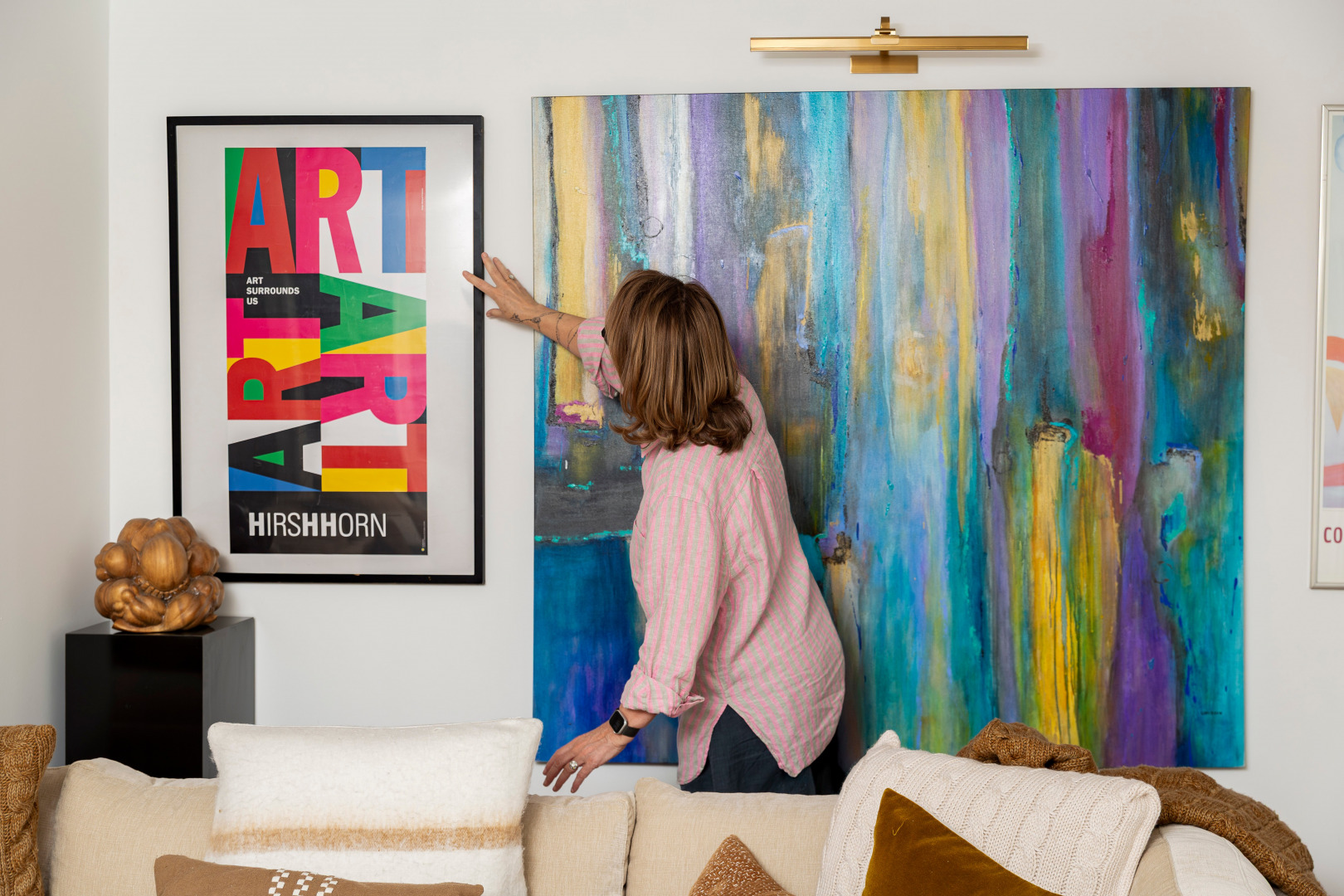
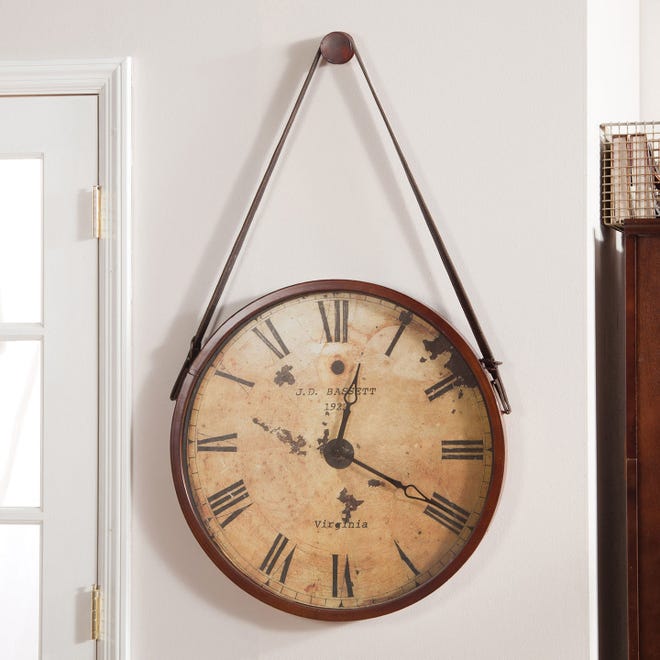
Karen Sullivan, Wall Decor Buyer for Hayneedle Inc., an online home store, notes that modern-style clocks are gaining mainstream popularity. She emphasizes that a clock naturally serves as a focal point on a wall and should complement, rather than clash with, other decor and furniture. Sullivan suggests that oversized clocks with floating dials are particularly timely, especially for expansive walls in modern homes with open-floor plans. She recommends hanging the clock first, then arranging frames and artwork around it, ensuring a unifying element like color, metal, or wood stain ties all pieces together.
There's a noticeable resurgence of interest in mid-century modern clocks, with reissued designs of iconic pieces like those by George Nelson becoming accessible to a new generation of homeowners. George Nelson, a prominent figure in American modernism, applied his design principles to everyday items, including clocks. While original collectible George Nelson clocks can be expensive, reissued versions offer a more affordable option, often identifiable by their battery operation instead of electrification.
Beyond modernistic styles, clocks with rustic or distressed finishes contribute character and warmth to a room. Sullivan observes that contemporary timepieces are generally less ornate, aligning with a more casual lifestyle. She highlights the declining popularity of floor clocks (grandfather clocks) and fireplace mantel clocks, noting that wall clocks with floating dials are particularly favored because the wall itself acts as the backdrop, eliminating the need to match the clock's frame.
Clock numerals vary from stylized Roman numerals to an absence of numbers altogether. However, there's a growing demand for clocks that integrate digital calendar and day-of-the-week features alongside time-telling functionality. Beyond their practical purpose, household clocks can evoke nostalgia and create a unique style statement. Harris recounts purchasing an emerald green Kit-Cat Clock for his wife, a nod to a fixture in her grandmother's home, appreciating its nostalgic touch and enduring design. He also points out that younger generations, particularly millennial steampunks, are rediscovering the mechanical complexity of well-crafted clocks, finding inspiration in the blend of past and present artistry. This appreciation for intricate horological works of art has even influenced entire decorating schemes.
#HomeDesign #ClockDesign #InteriorDecor #MidCenturyModern #WallDecor #HomeAccessories #DesignTrends #TimelessDesign #NostalgicDecor #HomeDesign #ClockDesign #InteriorDecor #MidCenturyModern #WallDecor #HomeAccessories #DesignTrends #TimelessDesign #NostalgicDecor
0 comment in total
 No comments yet
You may also like
Explore our visual compendium of timeless design, from classic to contemporary furniture, objects and lighting

Why Bad Design is Good

These Are The Top Design Trends Worth Trying

Magazine Archives Spotlight Why Timeless Design Is Sustainable Design
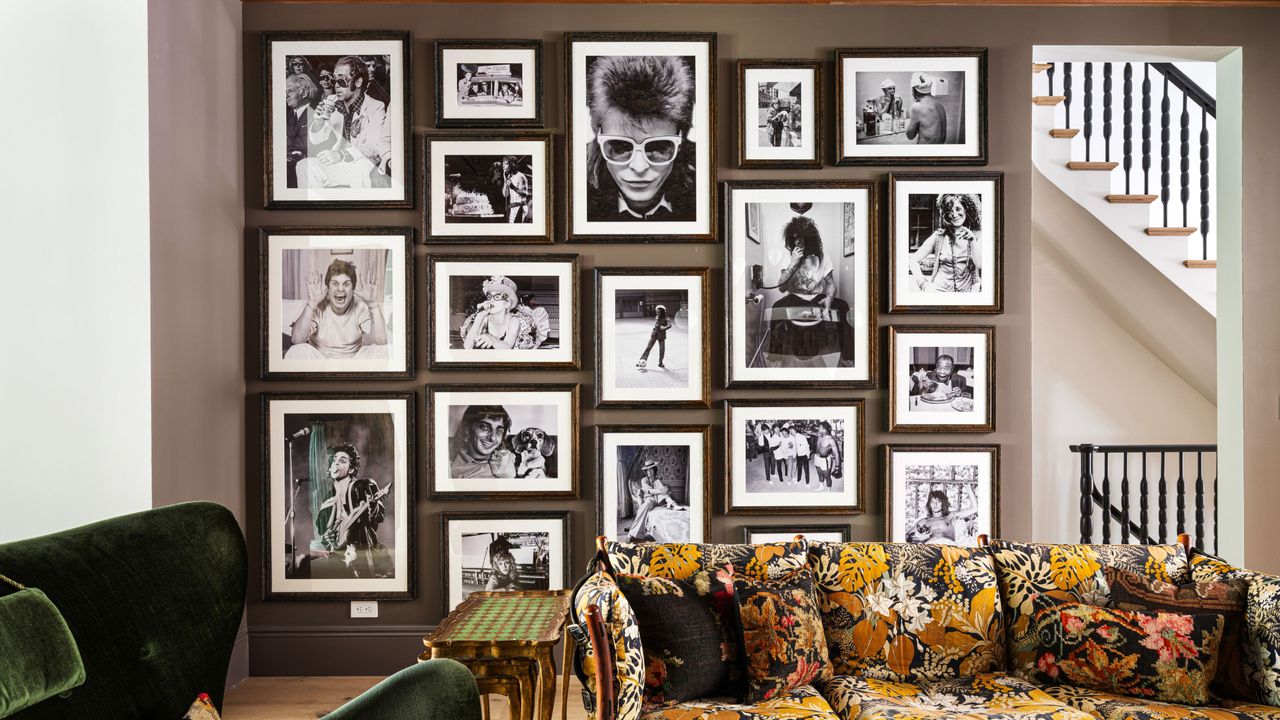
This Designer’s Take on a Once-Dated Trend Proves…
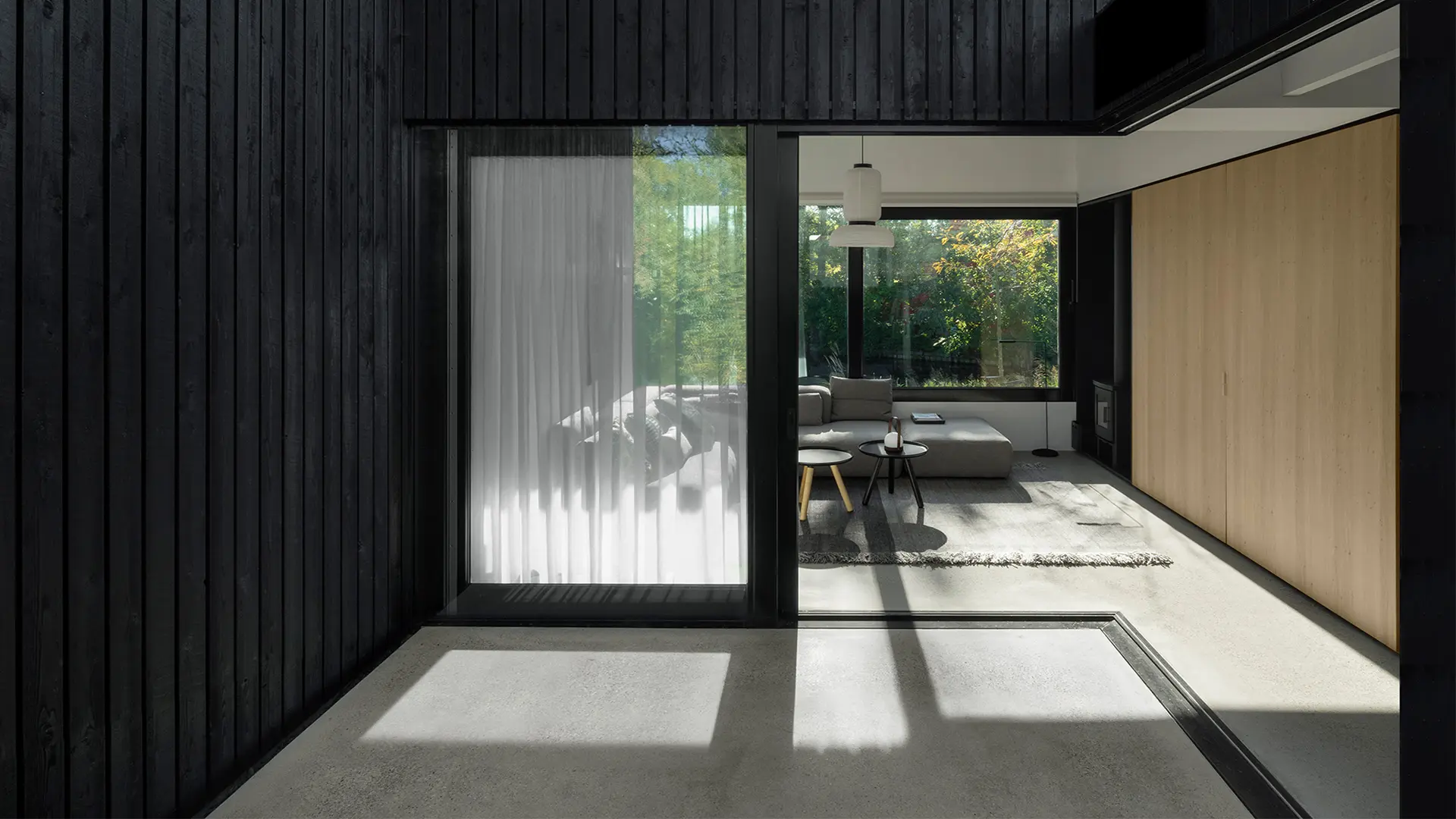
A wide variety of award-winning projects ranging from residential to exhibitions

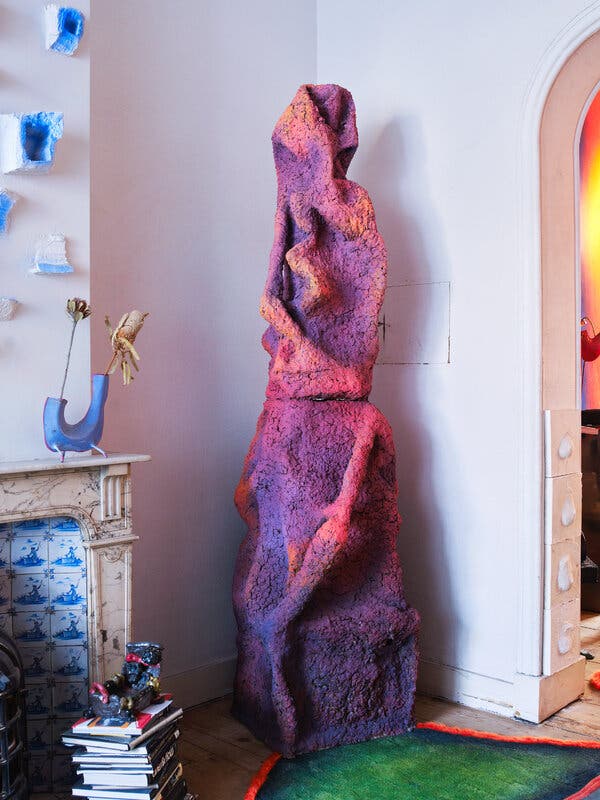
Design Doesn’t Have to Be Polite
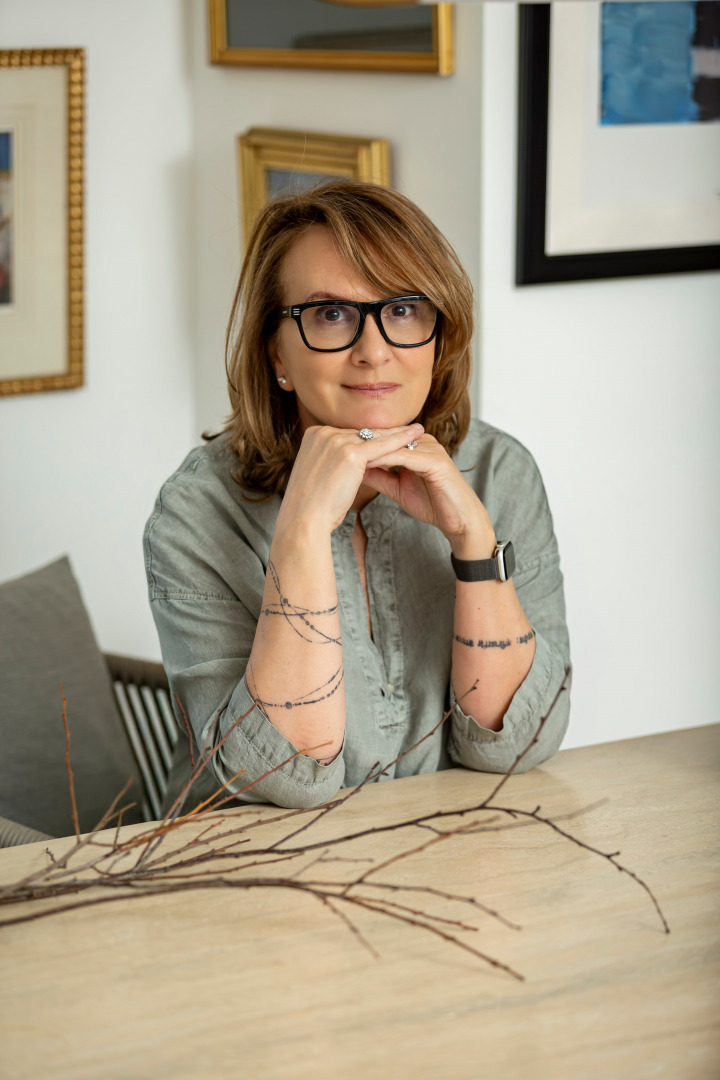
Meet Grania Murray | Interior Designer
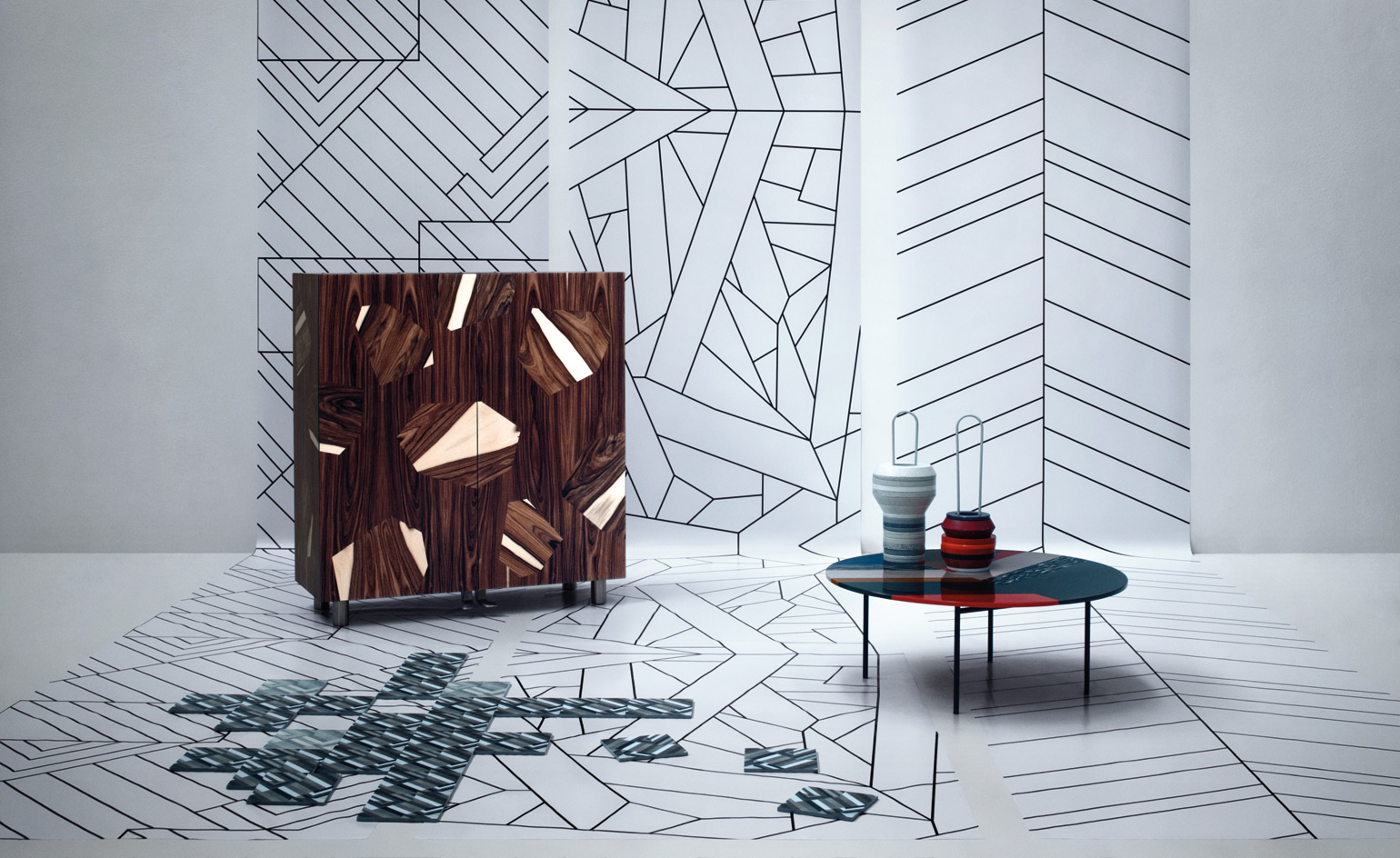
Design Awards 2013: best of the rest
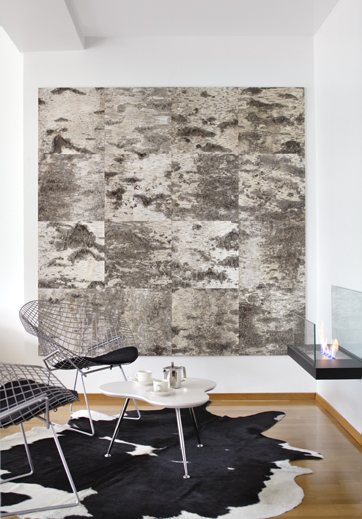
On Design | Those Fabulous Finns

We talk shop with Prestige Global Designs, an international award-winning interior design practice with an appetite for breaking conventions

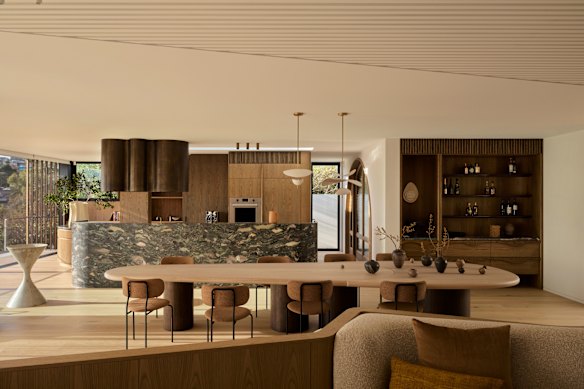
Seeking timeless interior design? The professionals break it down

Design Evolution


Architectural design to meet the needs of our time
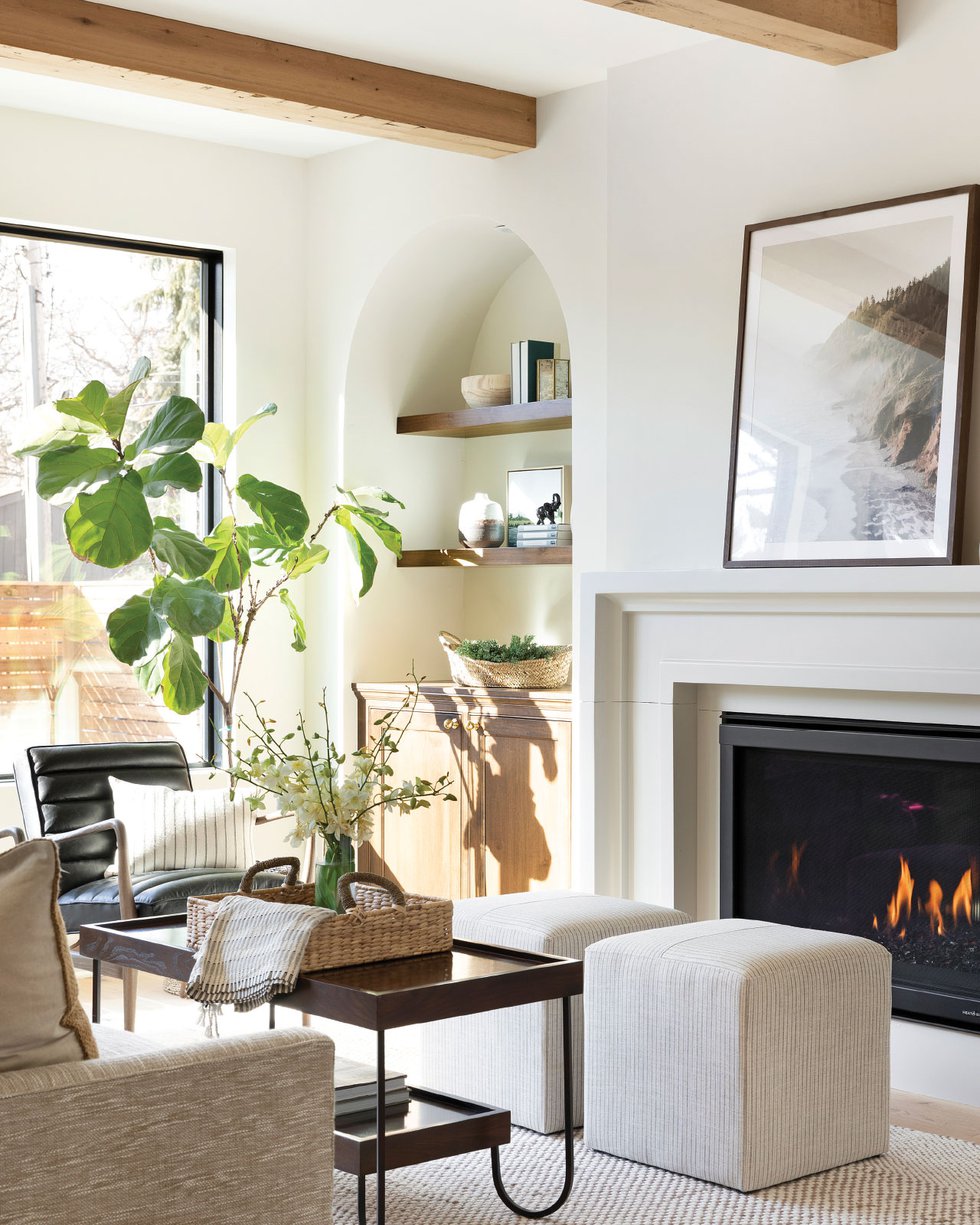
Home & Design | Built to Last

5 Things Interior Designers Wish You Would Do
Design Awards 2013: best of the rest

Returning to the essential is the real innovation in design
Rich colors and sumptuous textures are on designers' minds
The One Design Trend You Should Try, Designers Say (and It's Not Color Drenching)