1/5
Do You Have a Musty-Smelling House? 6 Worrying Causes — And What You Should Do to Get Rid of Them
A musty smell in a home can be a sign of underlying issues, particularly as holiday hosting opportunities approach and homeowners aim for a pleasant atmosphere. While scented candles and home perfumes can mask odors, identifying and addressing the root cause is crucial for a lasting solution. Cleaning experts highlight six common culprits behind persistent musty scents and offer practical solutions for each.
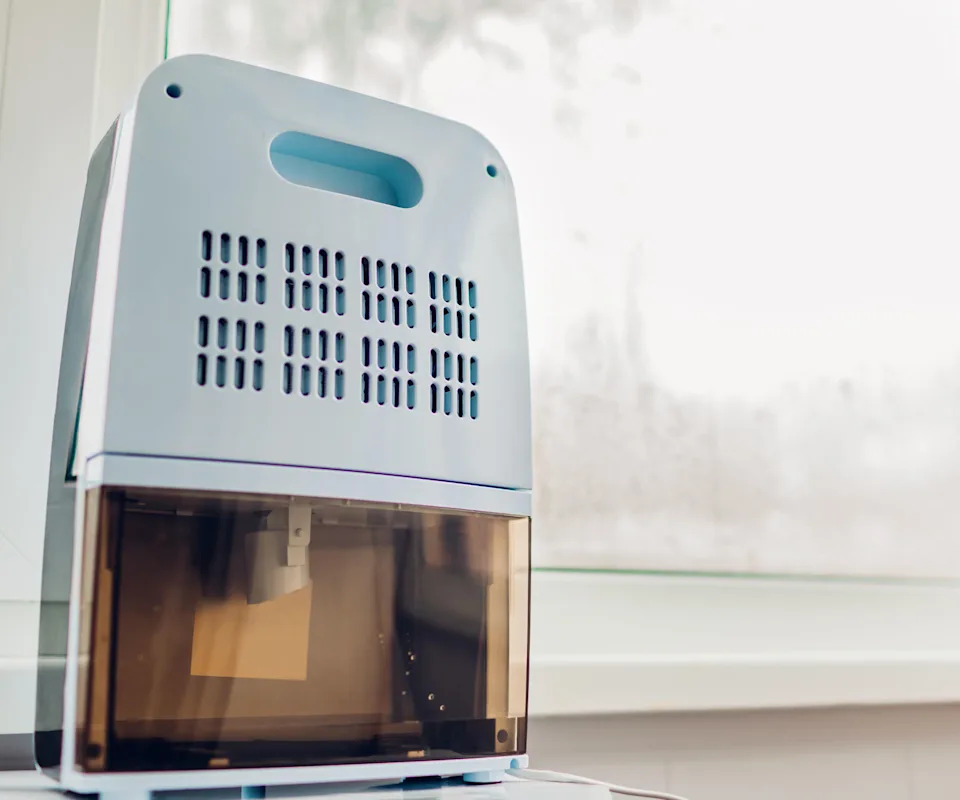
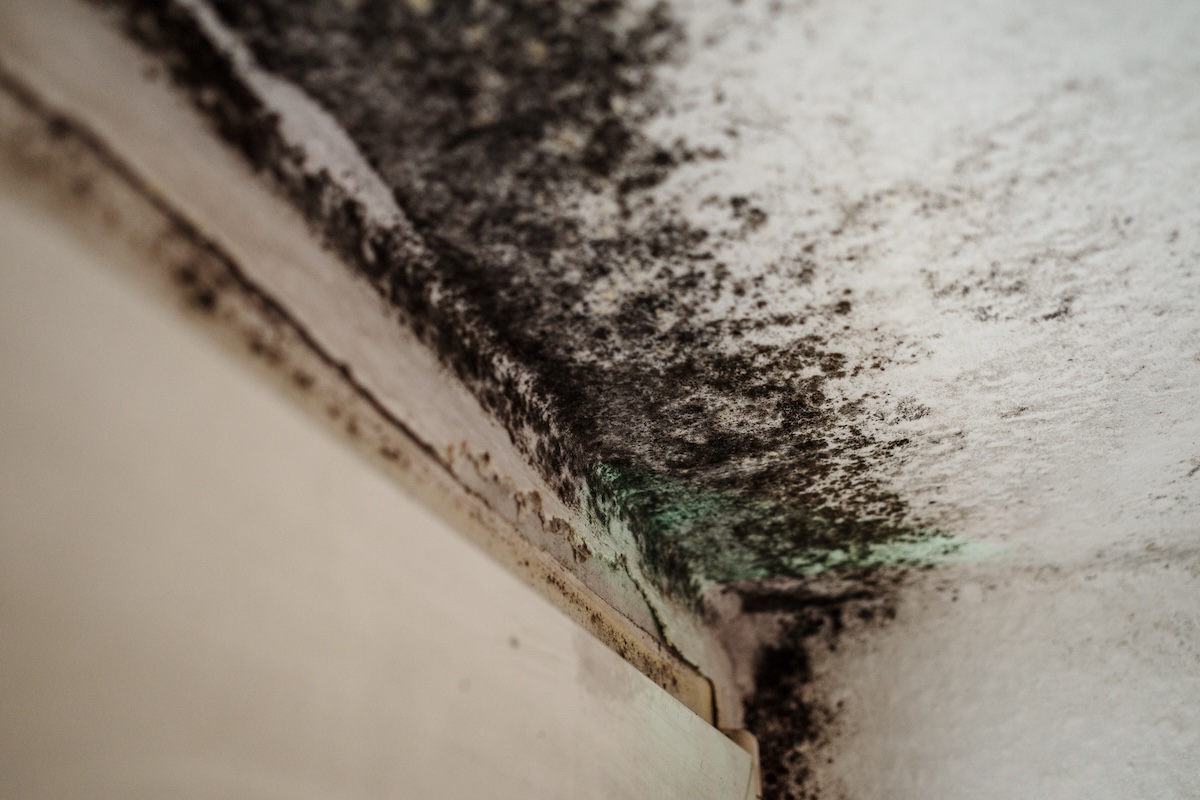
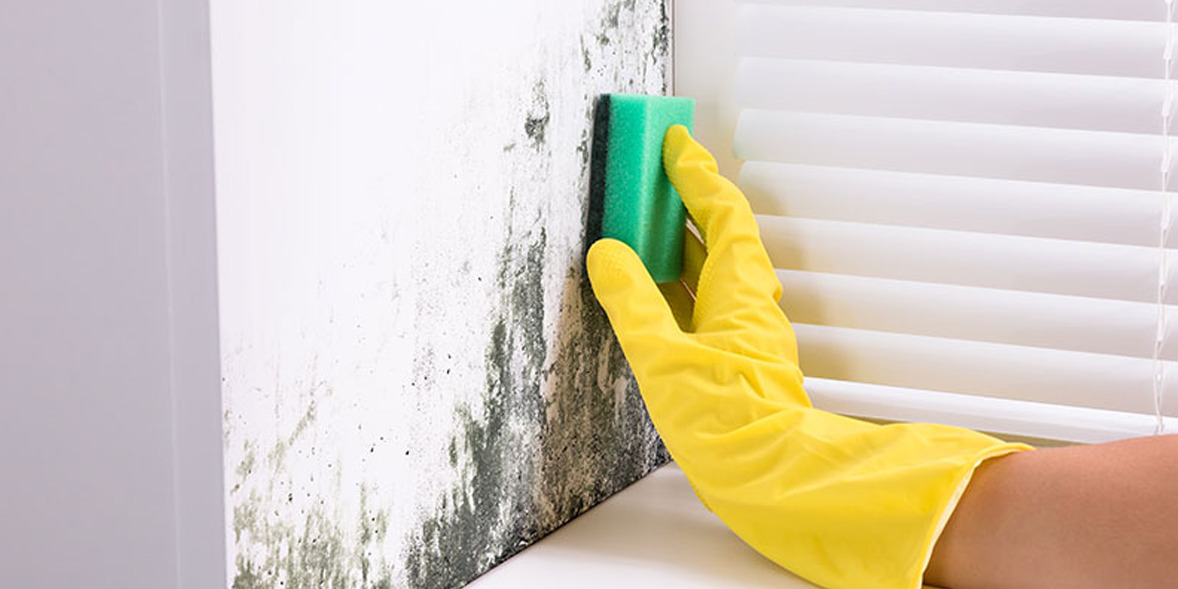
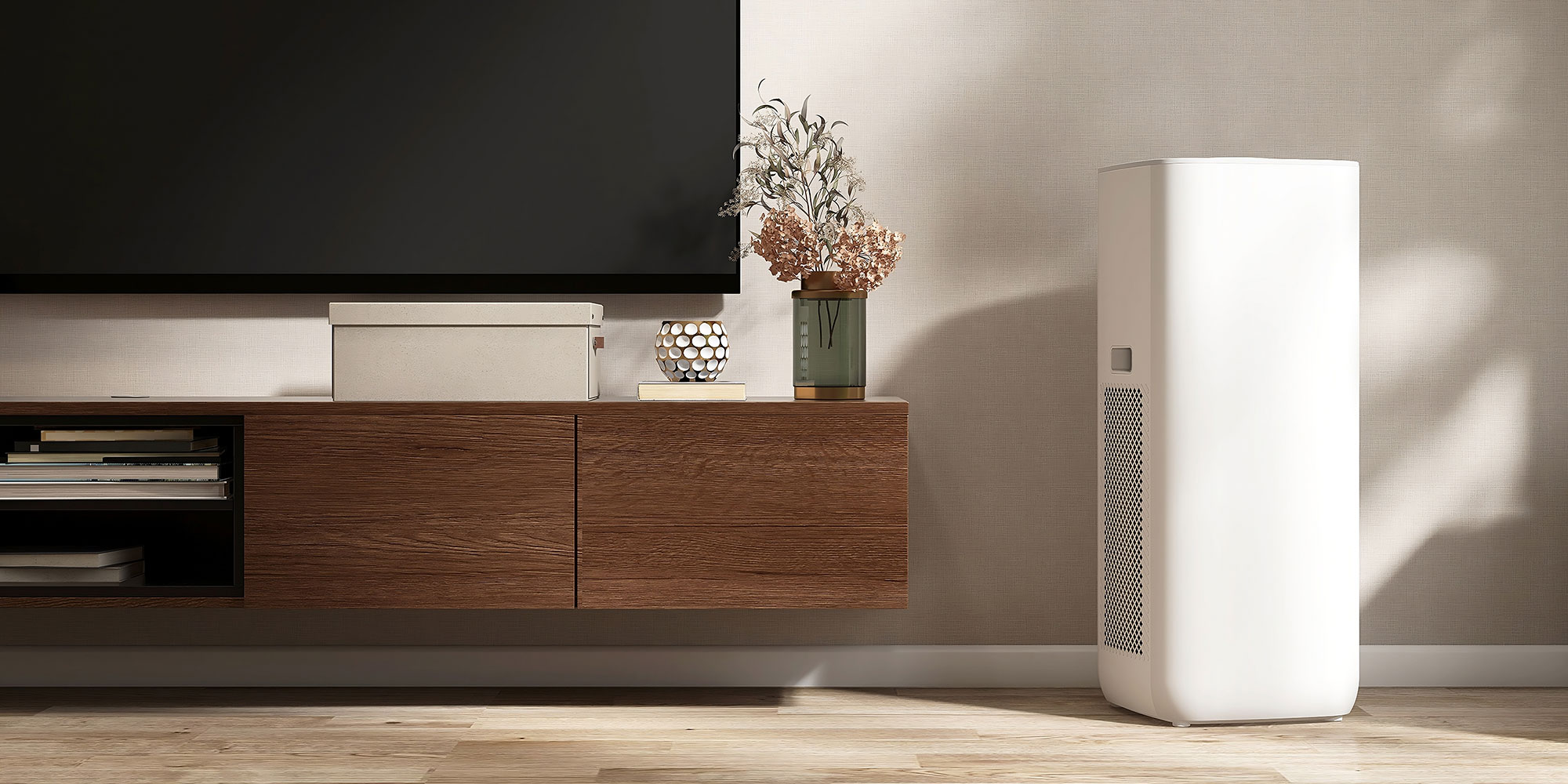
The primary cause of musty smells is often mold and mildew growth. These fungi thrive in damp, poorly ventilated environments like basements and bathrooms, releasing spores that produce a characteristic odor. The recommended solutions involve improving ventilation, using dehumidifiers to reduce moisture, and cleaning affected areas with mold-killing solutions. For persistent issues, professional mold remediation may be necessary. Investing in a dehumidifier and incorporating mold-preventing plants can help mitigate this problem.
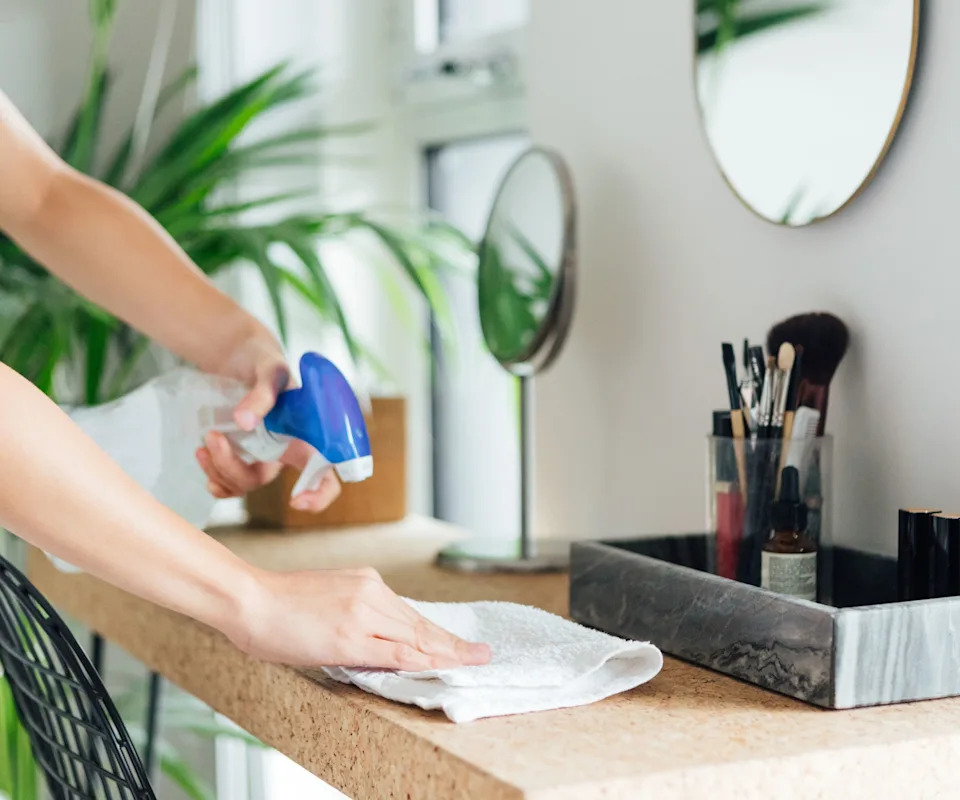
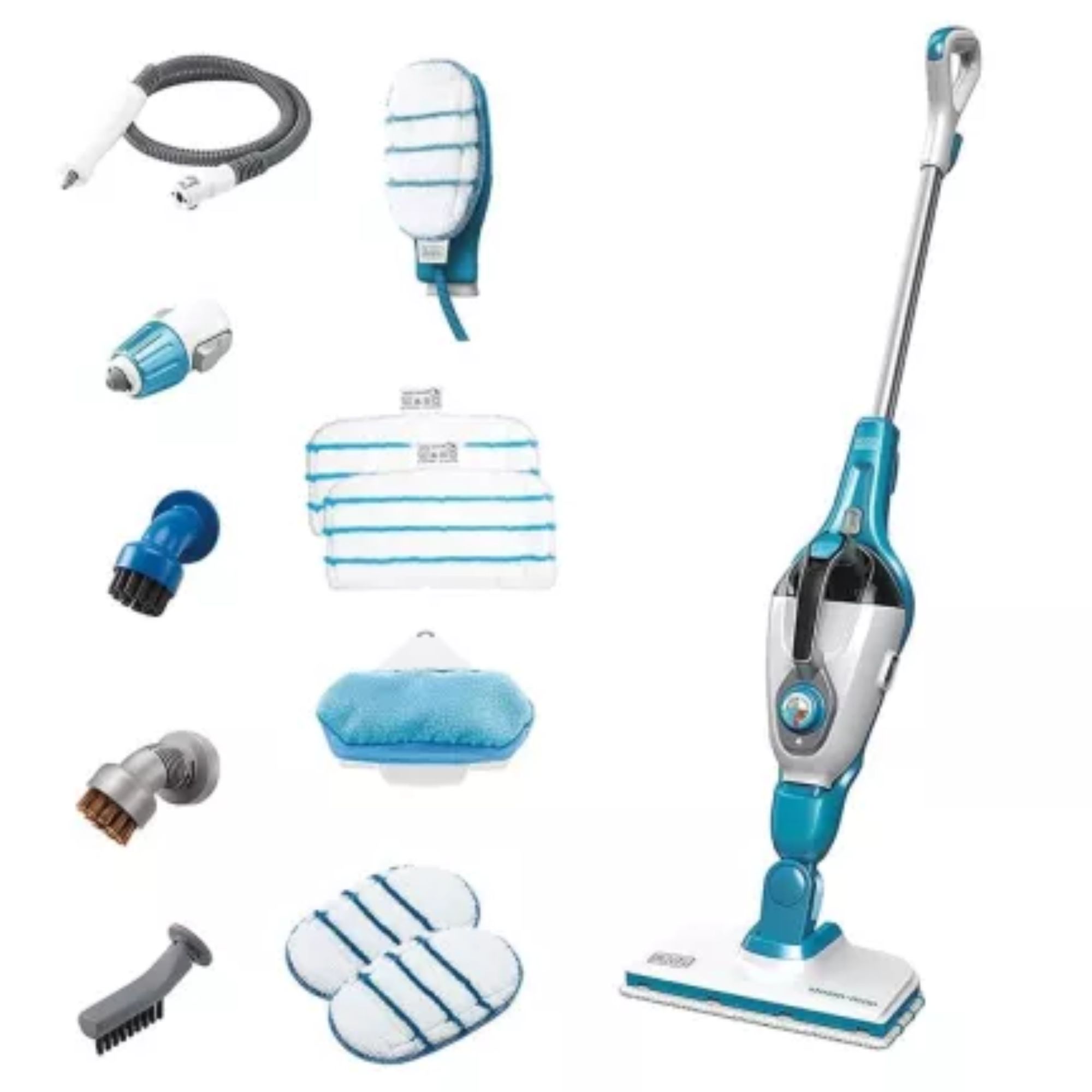
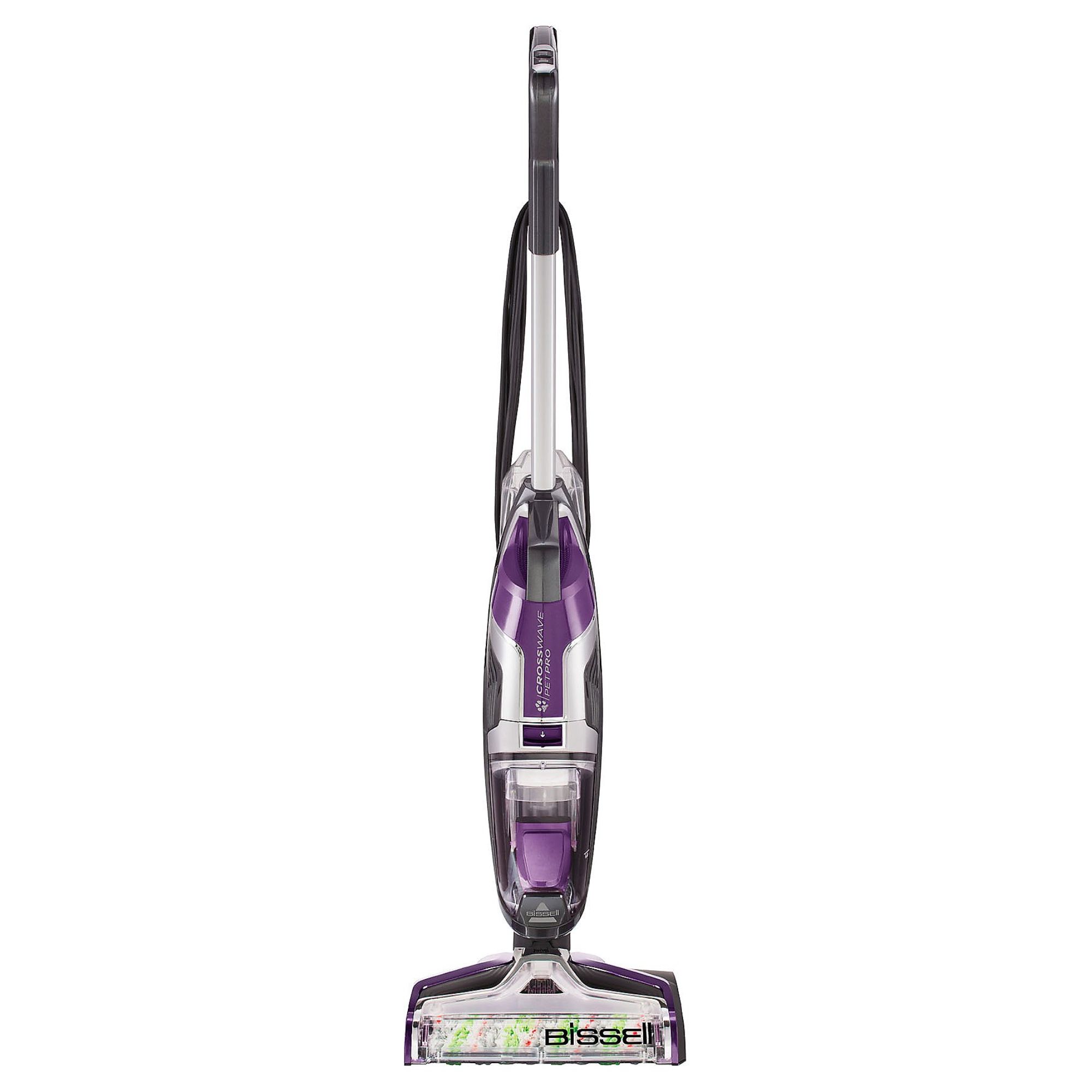
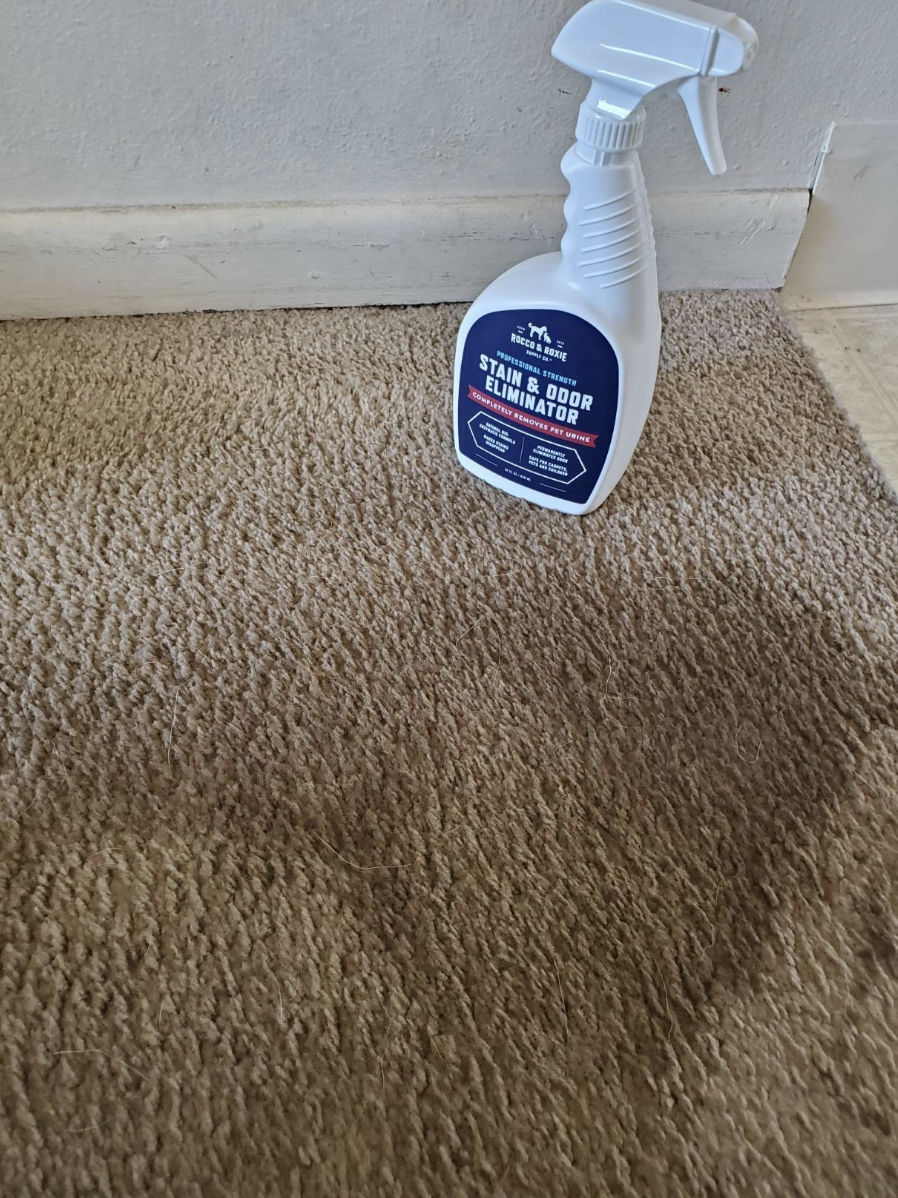
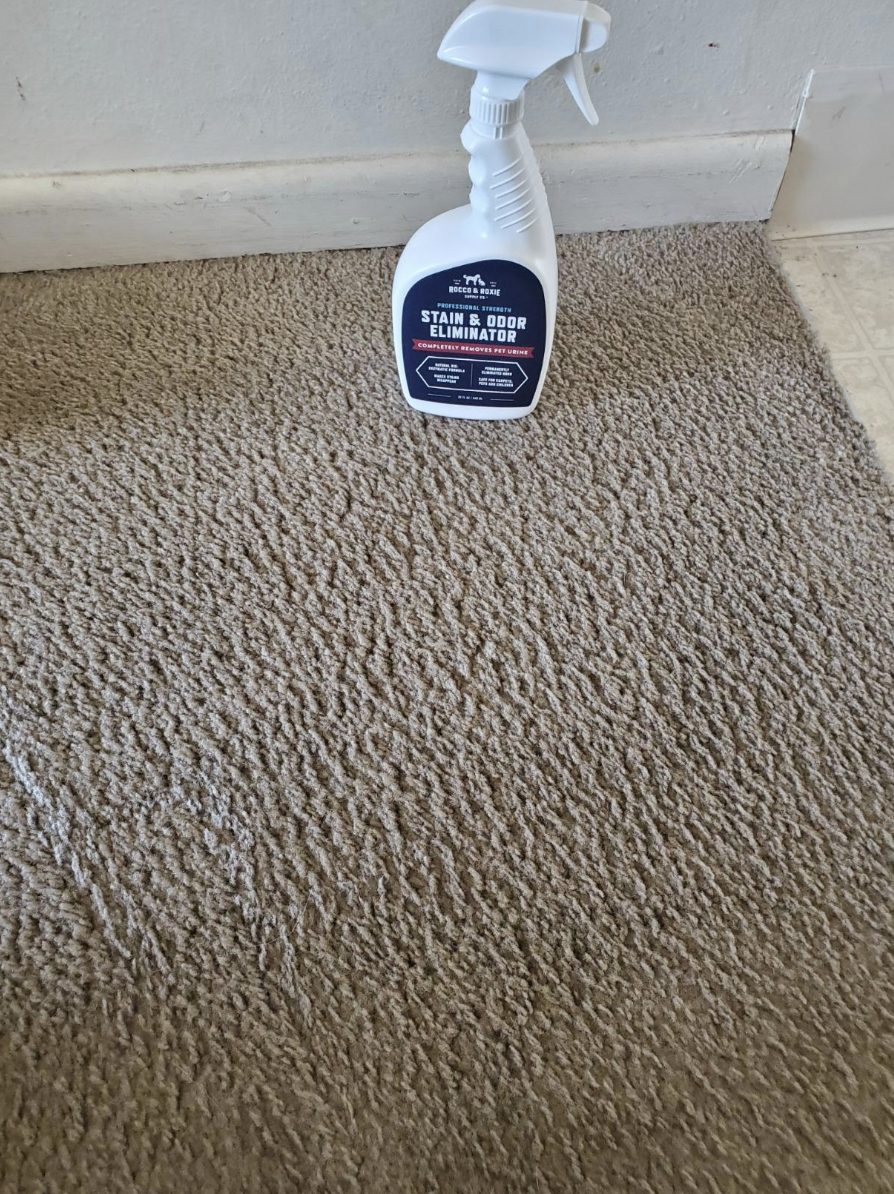
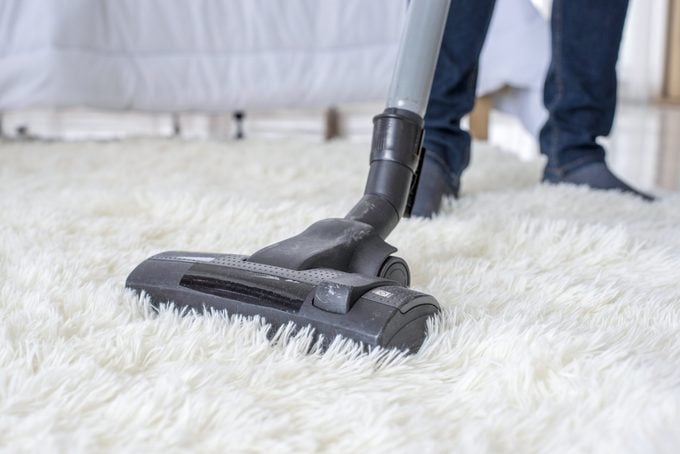
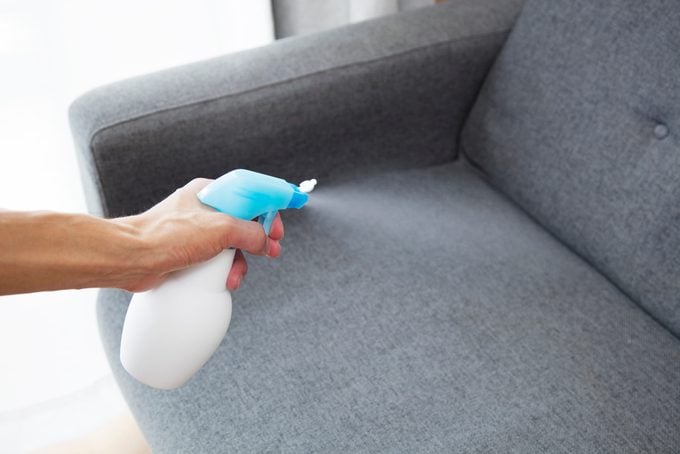
Another significant contributor is dirty carpets and upholstery. These materials can trap moisture, dust, and bacteria over time, leading to a musty scent. Regular vacuuming and deep cleaning of carpets and upholstery are advised to prevent odor buildup. Neglecting these items during routine cleaning can result in an oversight that contributes to an unpleasant home environment.
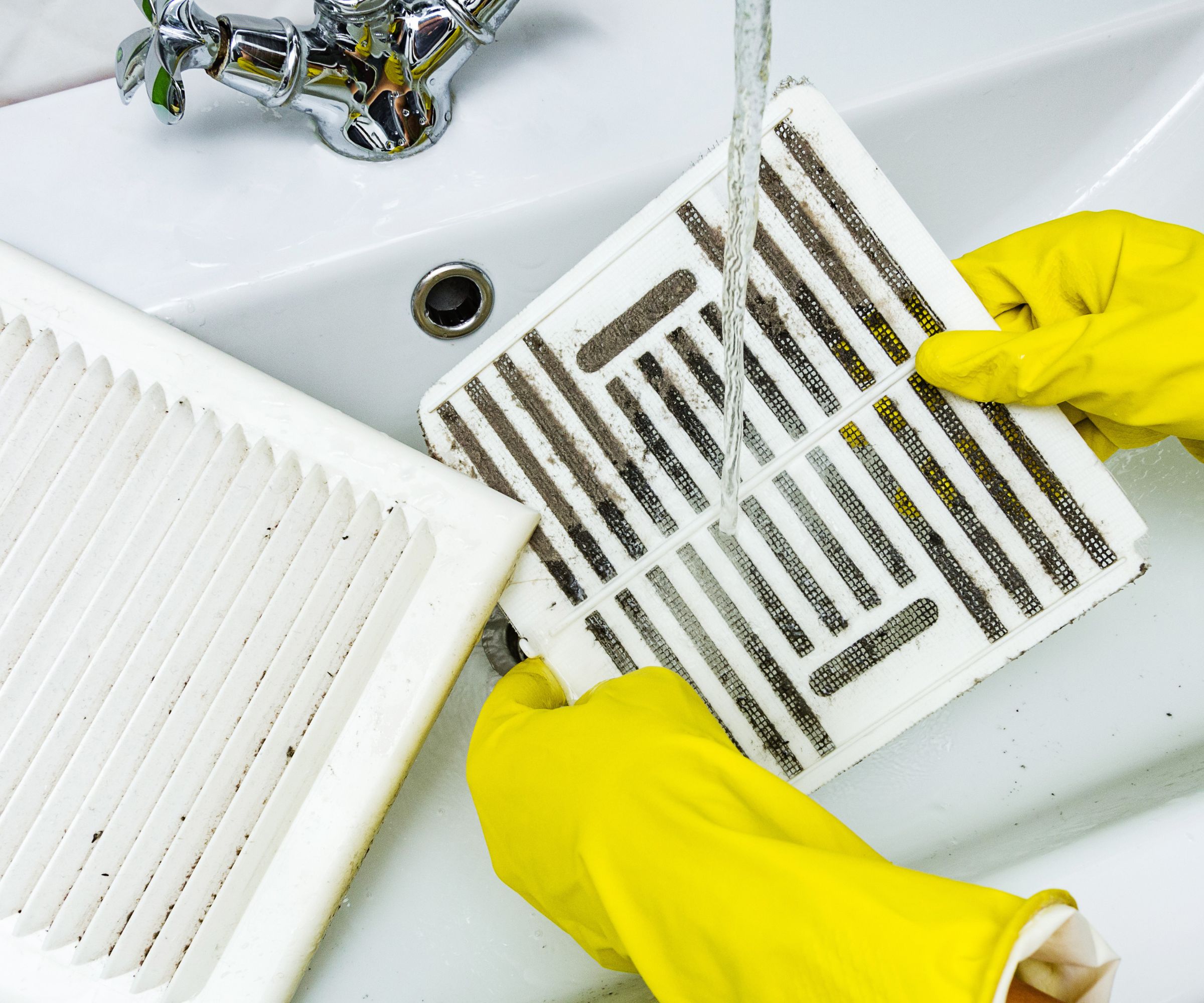
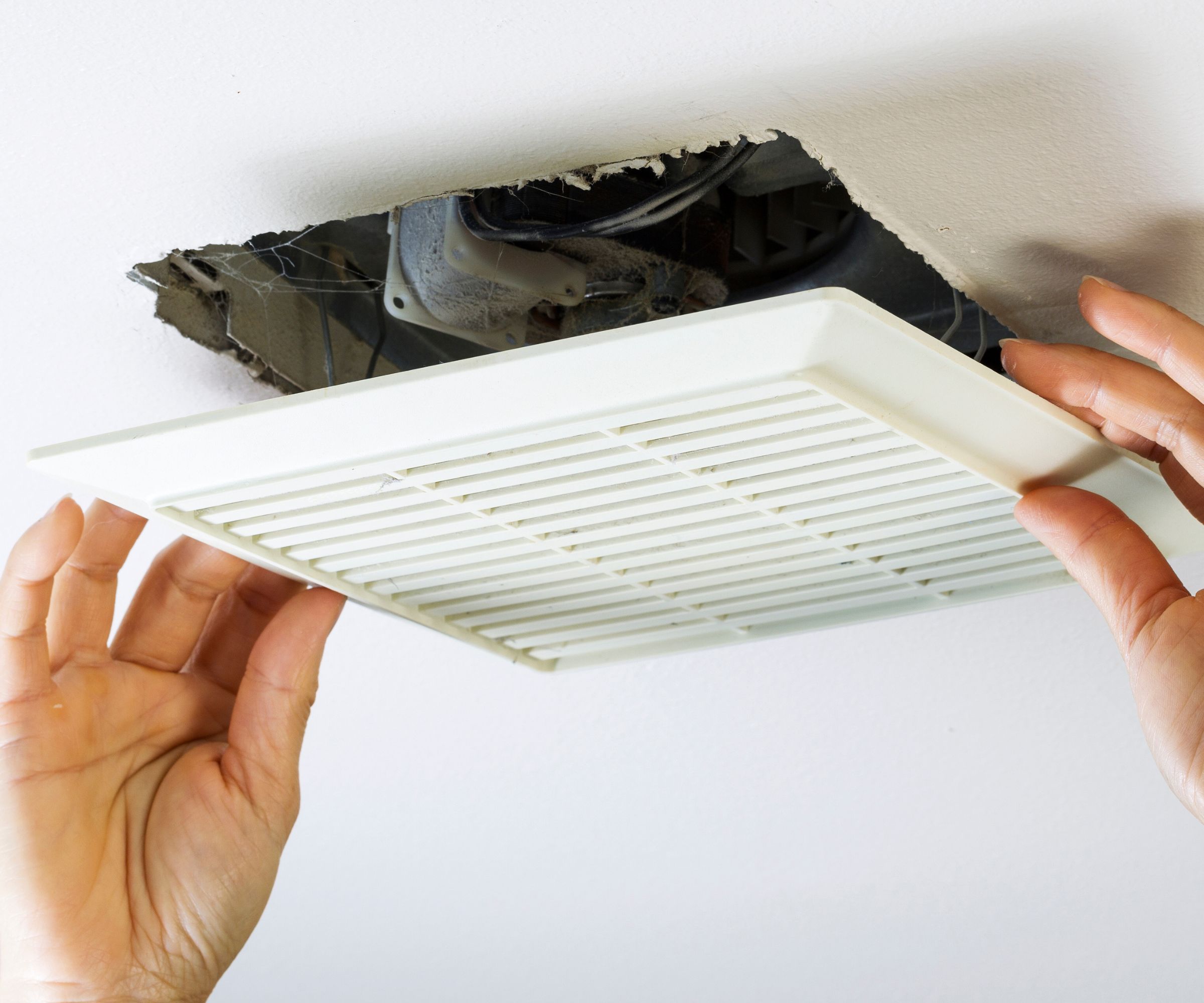
Clogged or dirty air vents also play a role in circulating stale air. Air ducts accumulate dust, dirt, and mold, spreading a musty smell throughout the house. Cleaning the air vents is the initial step, and if the odor persists, professional cleaning of air ducts might be required to eliminate deep-seated dust and mold. Decorative air vent covers can offer an aesthetic solution while maintaining functionality.
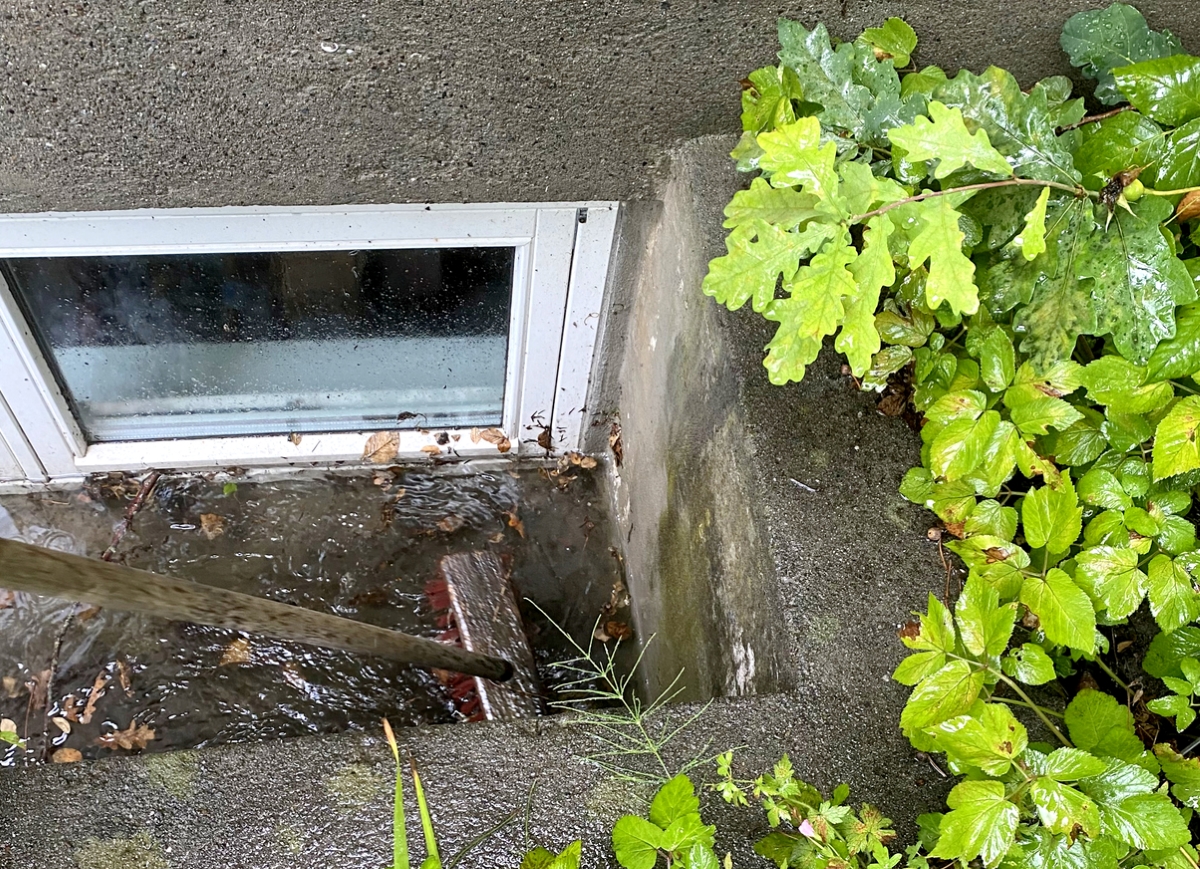
Leaky pipes, though seemingly a plumbing issue, can indirectly cause musty smells. Hidden leaks within walls or under floors create damp spots, ideal breeding grounds for mold growth. Promptly fixing any plumbing leaks and, for suspected hidden leaks, consulting a professional for a thorough inspection are critical steps to prevent both structural damage and odor development.
Poor ventilation is another factor, especially during colder months when windows remain closed. A lack of proper airflow, particularly in bathrooms and kitchens, traps moisture and fosters unpleasant odors. Experts recommend using exhaust fans, opening windows to promote air circulation, and even considering the installation of air exchange systems to maintain fresh air. Understanding the importance of opening windows even in winter can help prevent stale indoor air.
Finally, damp clothing left in laundry baskets or piles can develop a stale odor. Ensuring clothes are dried promptly after washing and avoiding leaving wet laundry in heaps can prevent this issue. Learning efficient indoor laundry drying techniques can be particularly useful for those without access to a dryer or ample outdoor space. Addressing these issues not only eliminates unpleasant odors but also contributes to a healthier living environment. Consistent exposure to musty smells, particularly from mold, can lead to health problems like respiratory symptoms, dry eyes, or allergic reactions, underscoring the importance of timely investigation and resolution of such odors.
#MustySmell #HomeOdors #MoldAndMildew #HomeCleaning #IndoorAirQuality #Ventilation #CarpetCleaning #PlumbingMaintenance #HouseholdTips #MustySmell #HomeOdors #MoldAndMildew #HomeCleaning #IndoorAirQuality #Ventilation #CarpetCleaning #PlumbingMaintenance #HouseholdTips
0 comment in total
 No comments yet
You may also like

How to get rid of musty basement smells – 6 ways to combat odors and their causes

Your home stinks. Here's how to fix it, according to experts

Experts say these 6 products will get rid of dog odor in your house

How to Get Rid of That Musty Basement Smell, According to Experts


'If you can smell it, there's a problem in progress' – 5 expert-approved ways to get rid of musty smells in an attic

The 10 Best Hacks To Control Gross Smells In Your Home


How To Get Rid Of That Musty Smell In Your Cabinets

5 mistakes you're making that are compromising your home's air quality – and how to fix it like a HVAC pro
How to Get Rid of the Musty Smell in Your Basement


10 Habits That Are Making Your House Smelly, According To Experts
23 Things To Help You Keep Your Home Free From Pet Odors

7 things people with nice-smelling basements never do
If Your House Smells Weird, It Might Be Due to One of These Common Problem Areas


6 bedroom storage mistakes that could be causing mould – and what to do instead
How to get rid of mould

How to Get Rid of Dog Smell from Everywhere in Your House


How to stop your shed smelling musty – 9 expert-approved methods to banish bad odors

Designers Share 6 Ways to Rid Your Home of Hidden Toxins
The 5 Best Basement Odor Eliminator Picks for Musty Cellars 2025


Old House Smell: What Causes It and How To Get Rid of It