1/7
How to Get Rid of Dog Smell from Everywhere in Your House
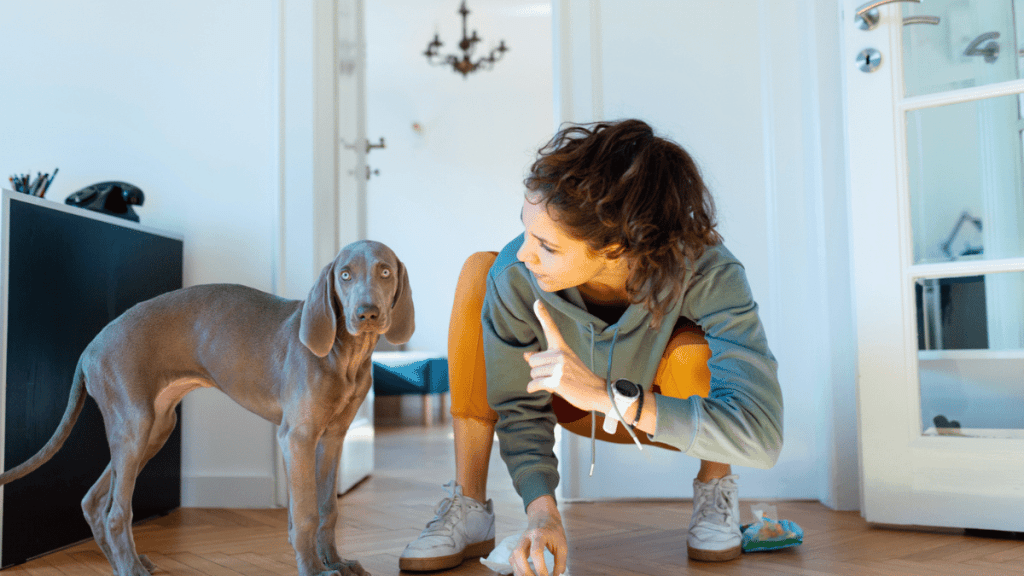
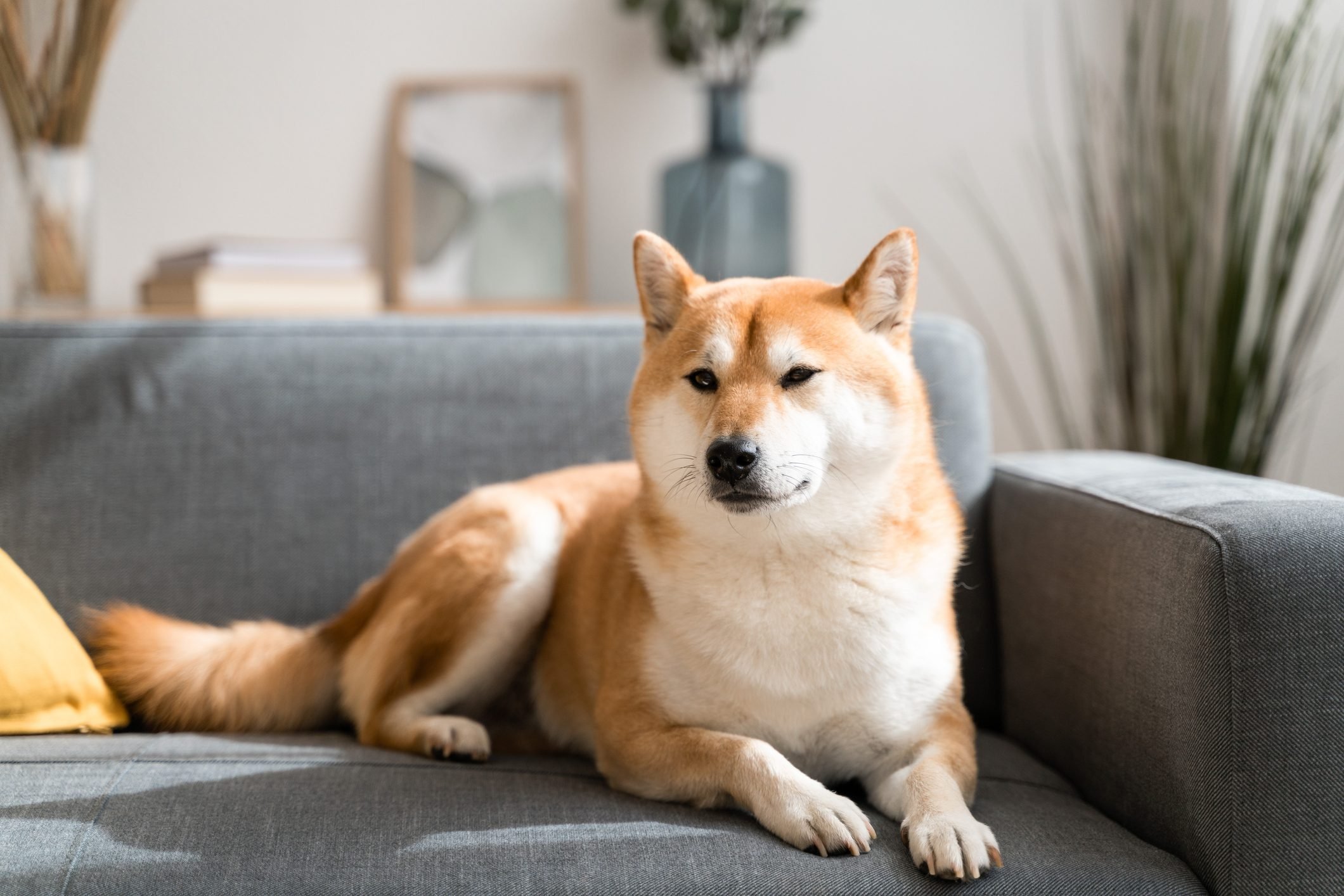
This article addresses the common problem of dog odor in homes, providing expert-backed strategies for effective removal. The authors, experienced in home cleaning and animal care, acknowledge the challenge of pet odors, especially when returning home after an absence. To address this, they consulted two veterinarians, Dr. Sarah Sprayberry and Dr. Chandler Hawk Higdon, who explained the biological and behavioral origins of dog smell. Dog odor is a combination of substances dogs track in from outside and natural bodily secretions. These secretions, from apocrine glands (producing pheromones), eccrine glands on paws (with natural microorganisms), ceruminous and sebaceous glands in ears (hosting yeast), the skin's bacterial flora, and anal glands (which can leak noxious fluid), are designed to be persistent for territorial marking and communication, making them difficult to eliminate. The article emphasizes that while each dog has a unique scent, an offensive odor can indicate a health issue, such as anal gland problems or dental/ear/eye diseases, necessitating a vet visit.
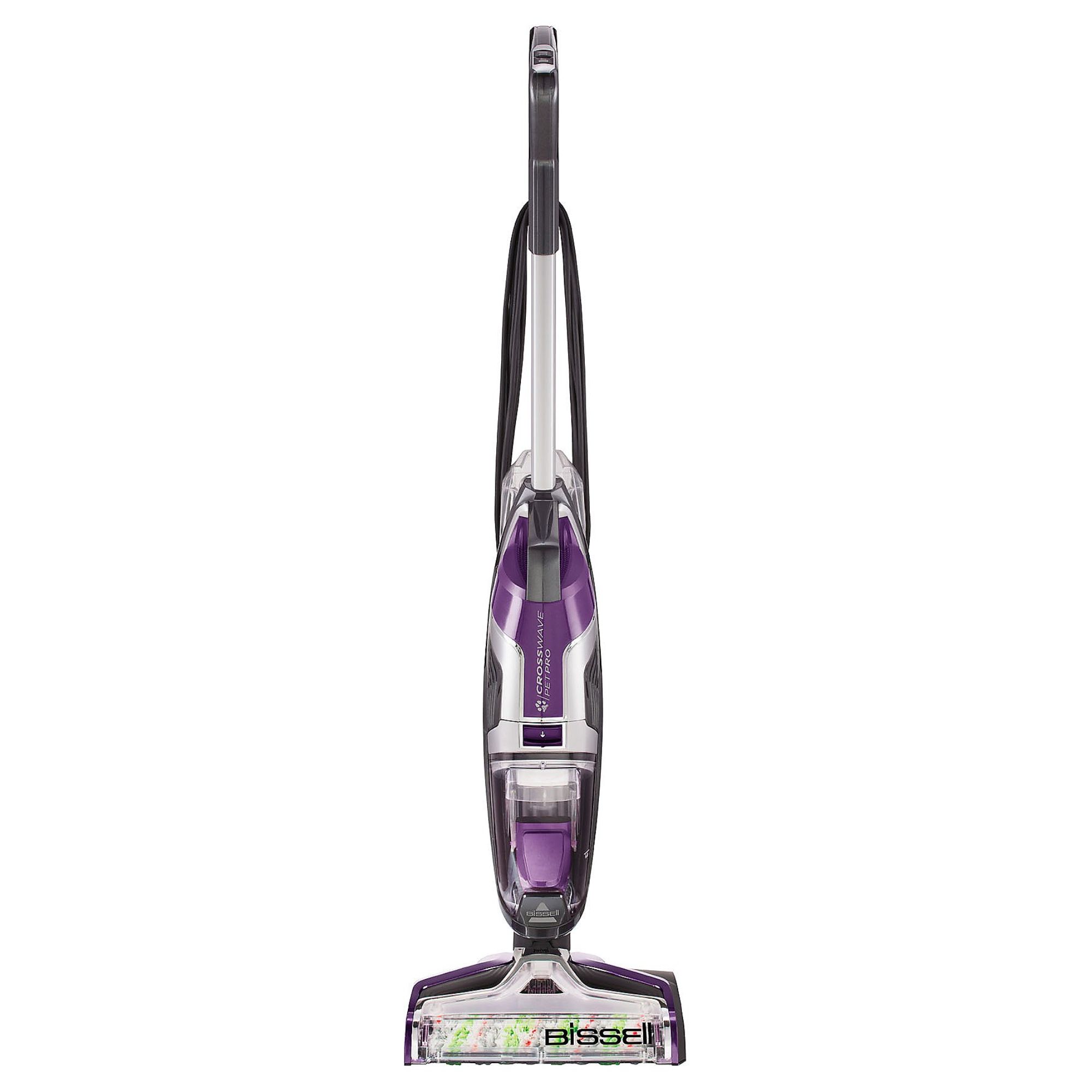
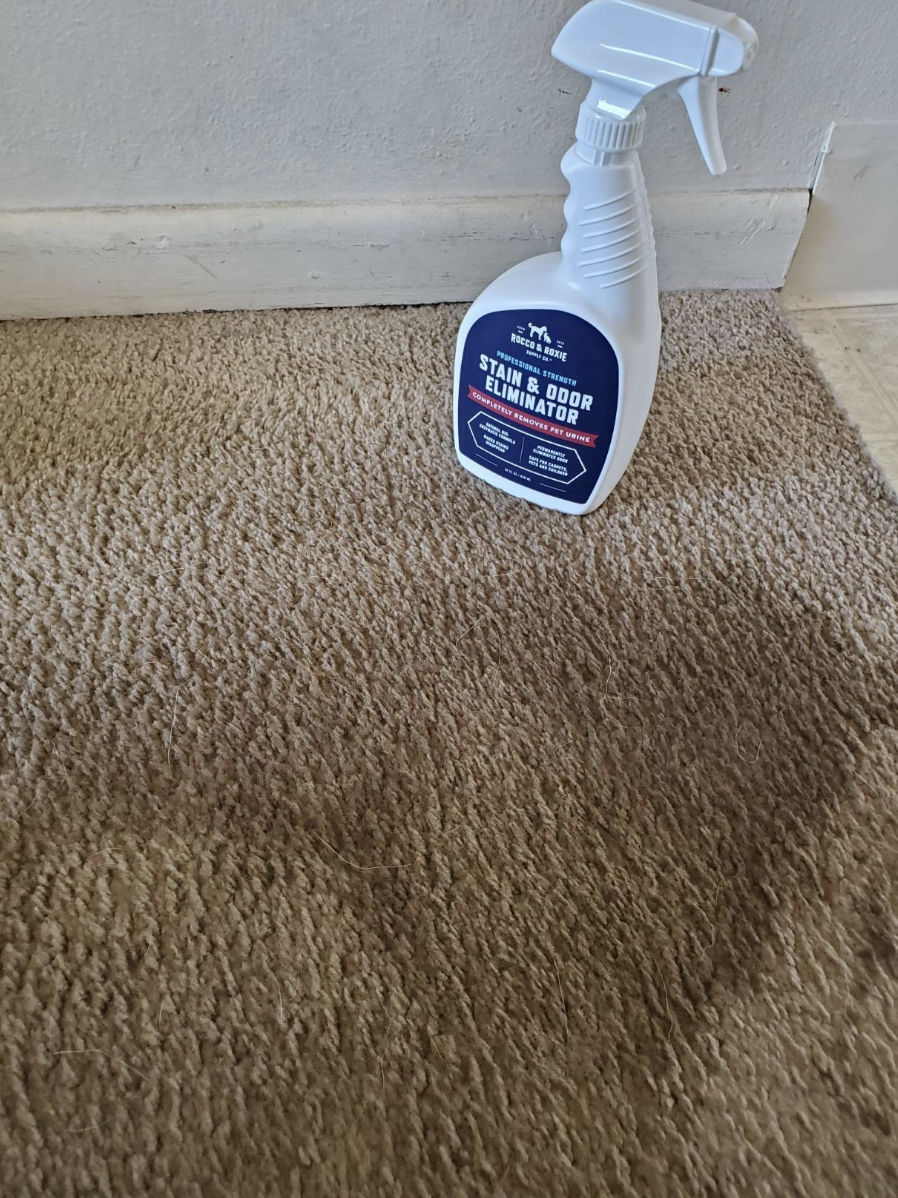
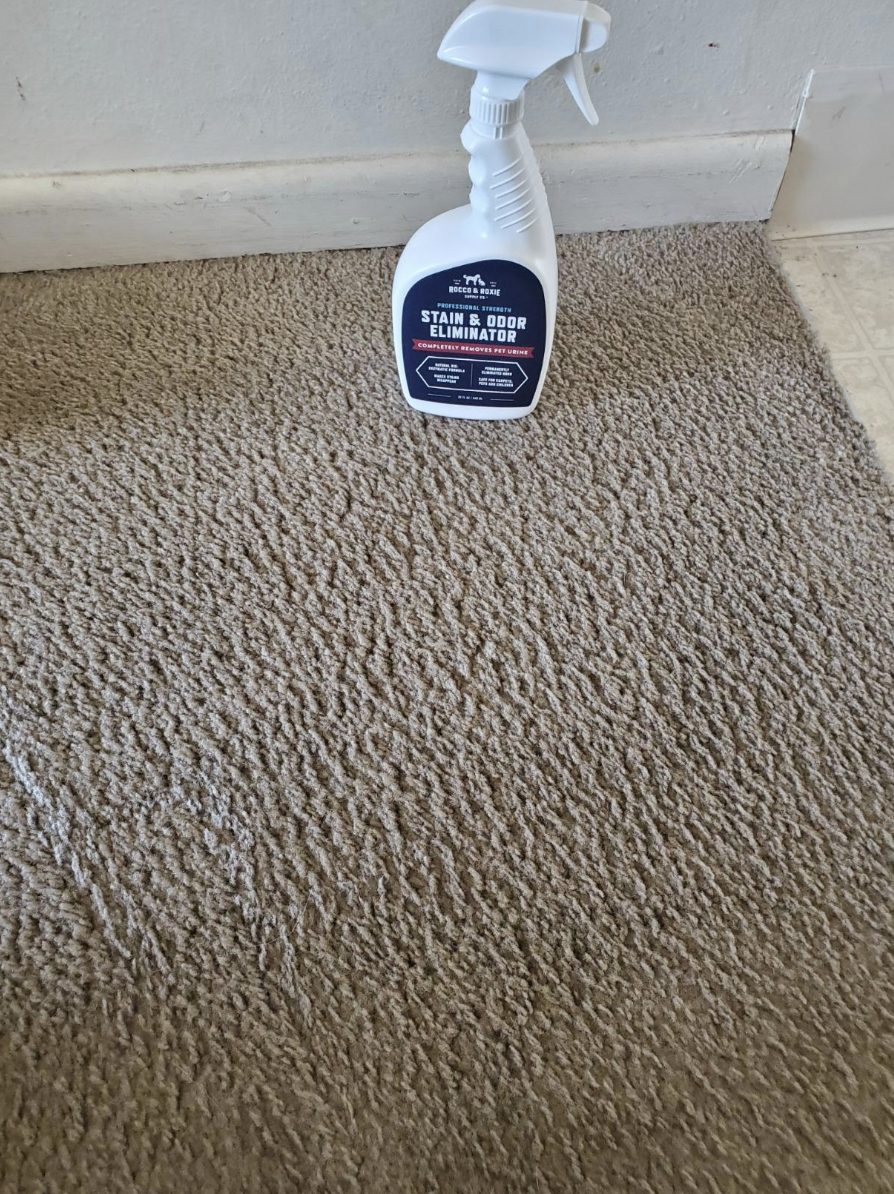
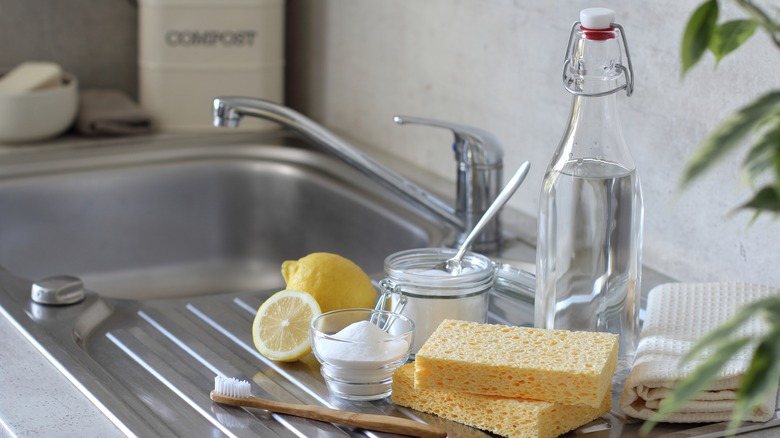
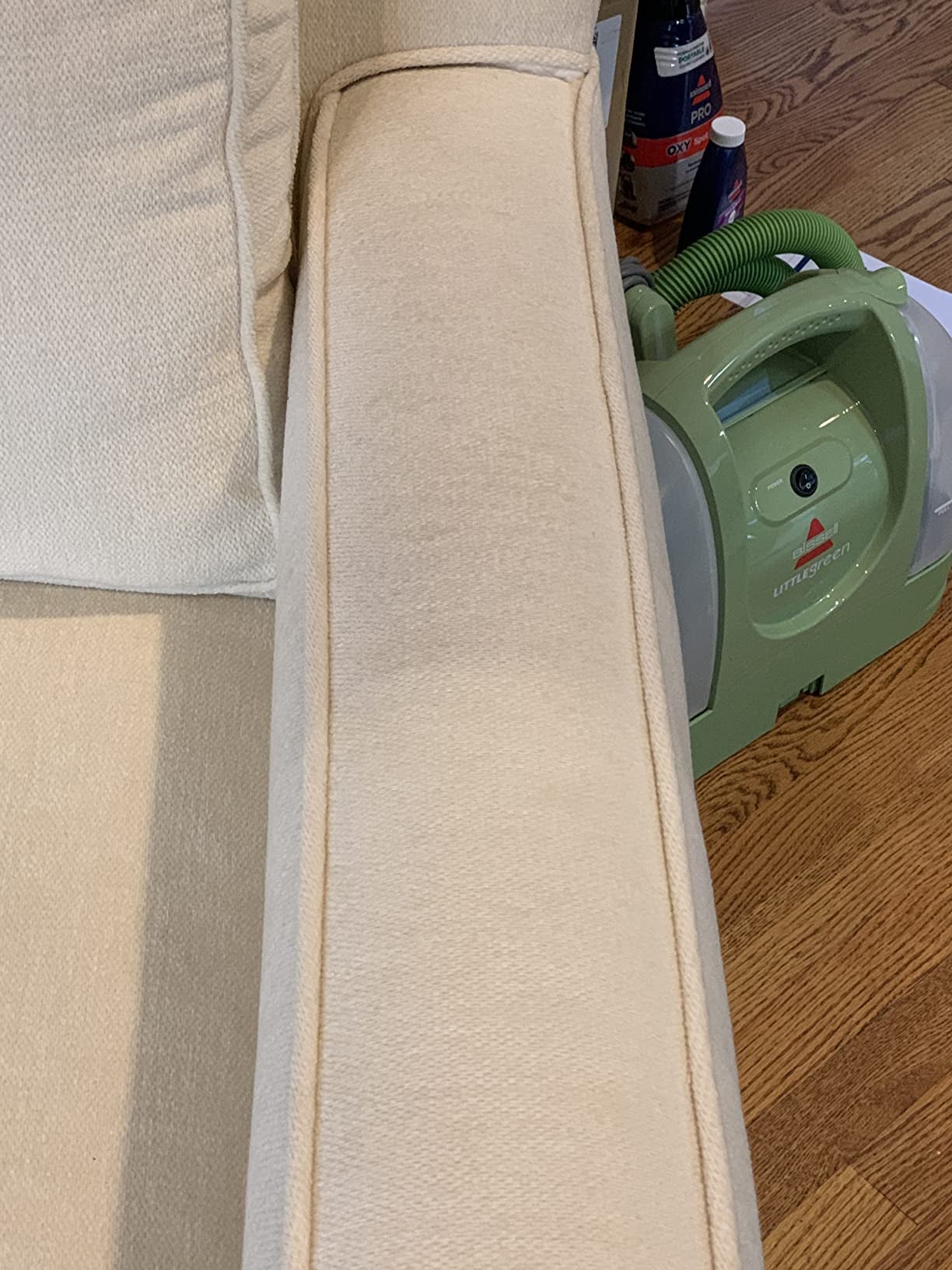
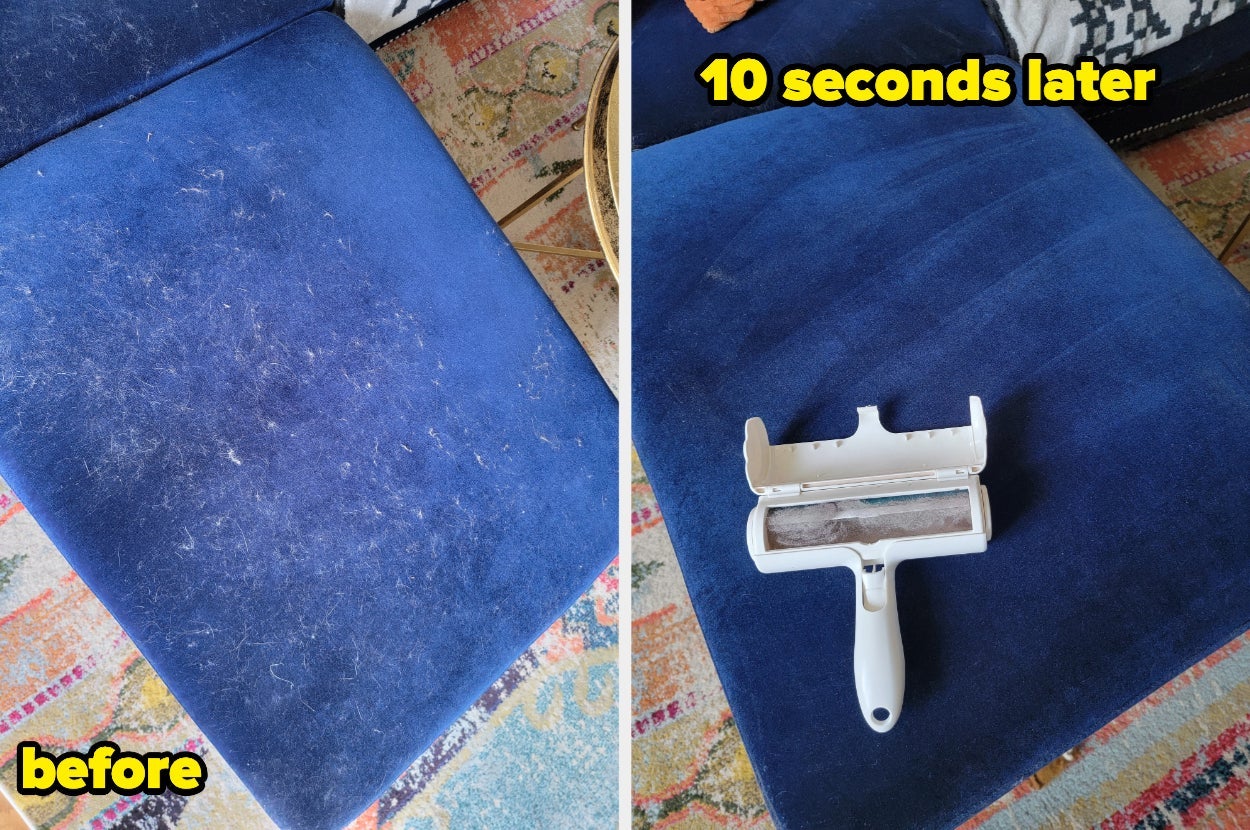
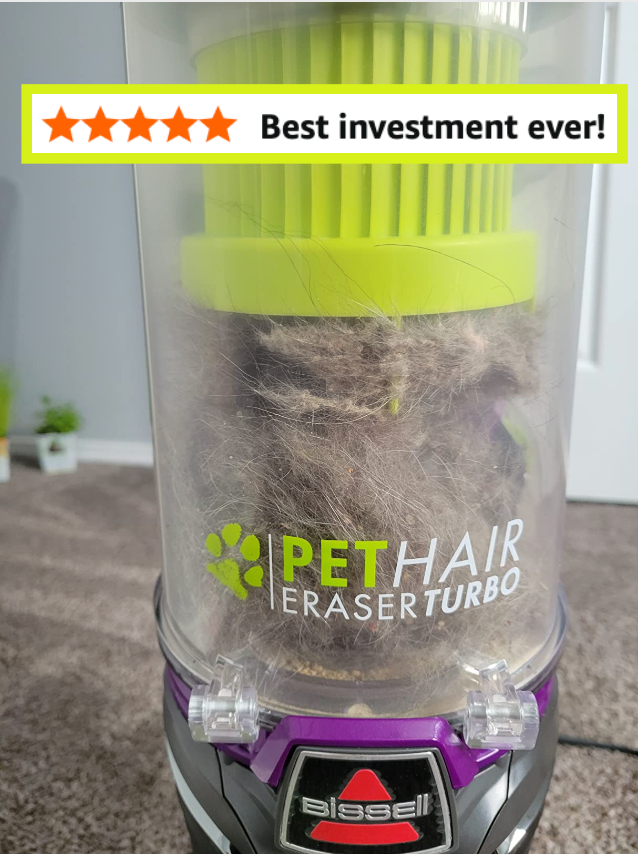
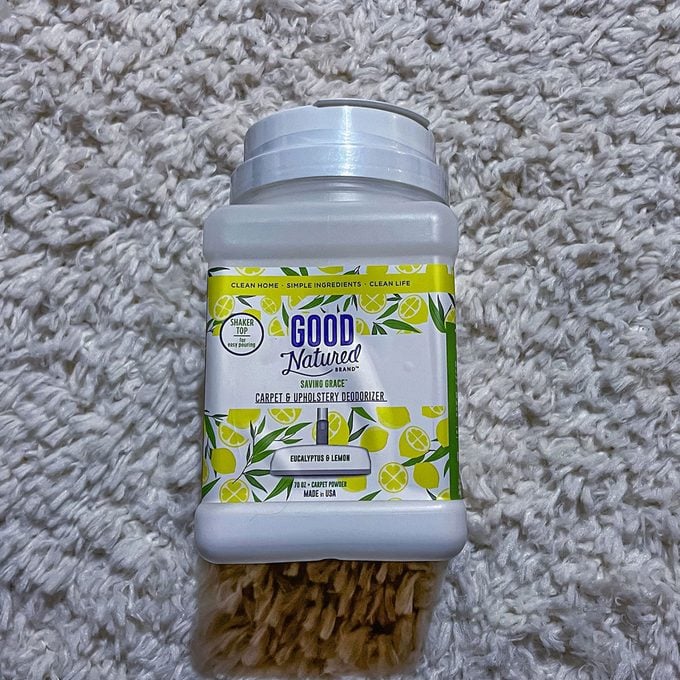
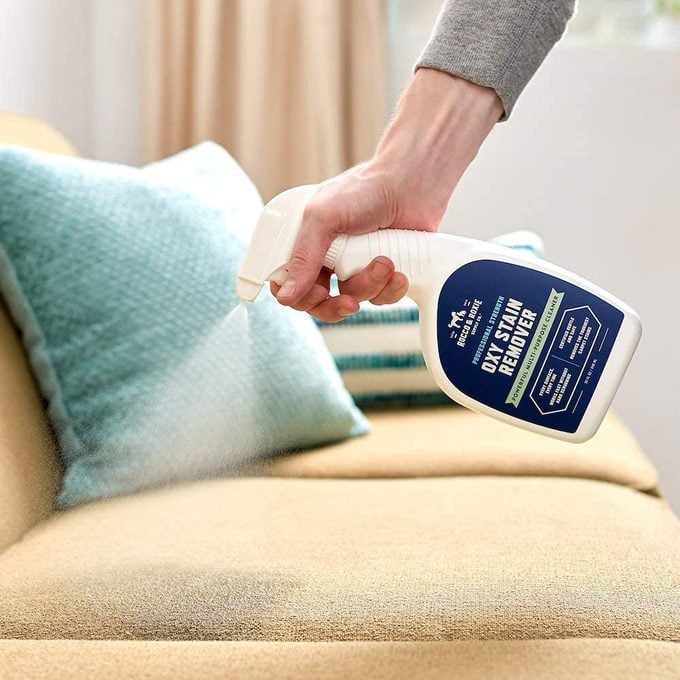
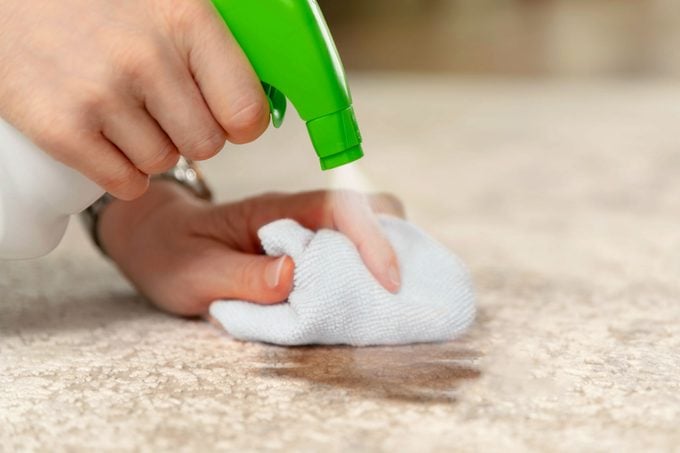
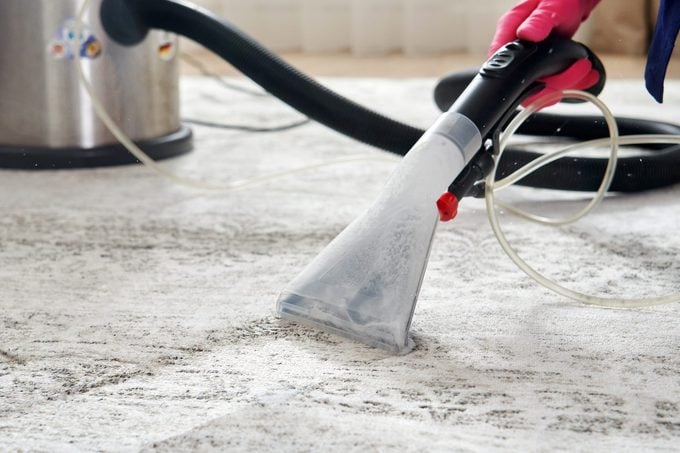
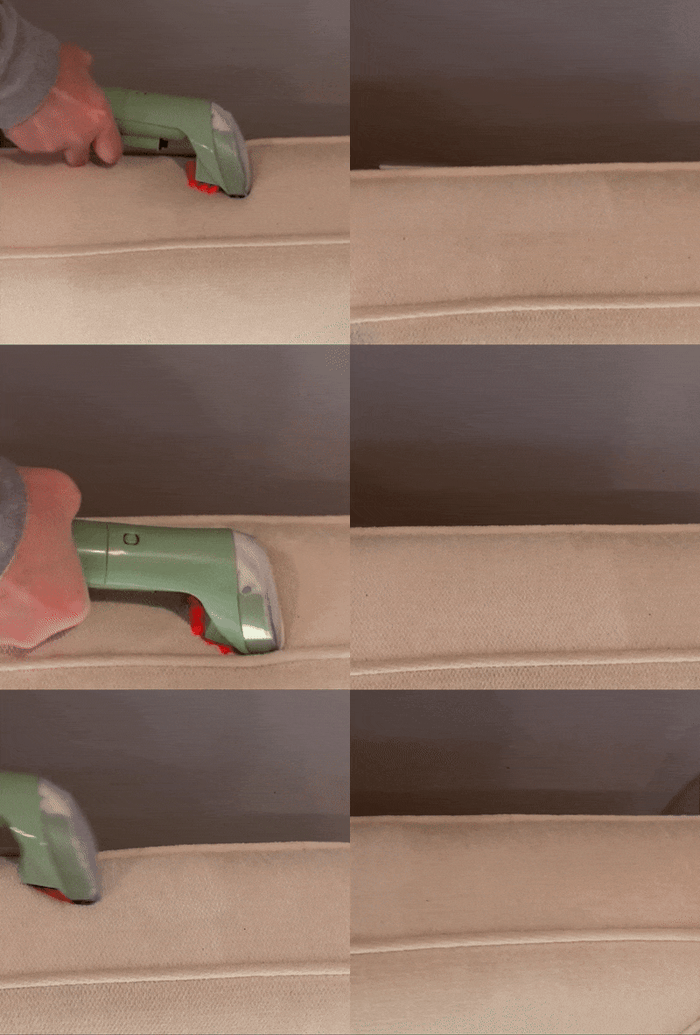
The article then details practical, expert-recommended methods for tackling dog smell in various areas of the home. For carpets, the primary strategy involves frequent vacuuming to remove fur and dander, which carry many odor-causing secretions. A specific routine using baking soda, allowed to sit for an extended period (15-30 minutes, or overnight for tough odors), followed by thorough vacuuming, is advised. For persistent odors, a pet-specific carpet shampoo is recommended. For couches and upholstery, which can absorb ambient dander and fur, the article suggests checking manufacturer cleaning codes first. The recommended method involves a light mist of equal parts white vinegar and water to neutralize odors, followed by a sprinkle of baking soda to absorb dampness and further neutralize scents. After drying, thorough vacuuming with an upholstery attachment is crucial. For stubborn odors, an upholstery cleaning machine with pet-specific solutions, like Bissell's handheld portable cleaner, is suggested. The author also notes that leather furniture tends to absorb less dog smell than upholstered items.
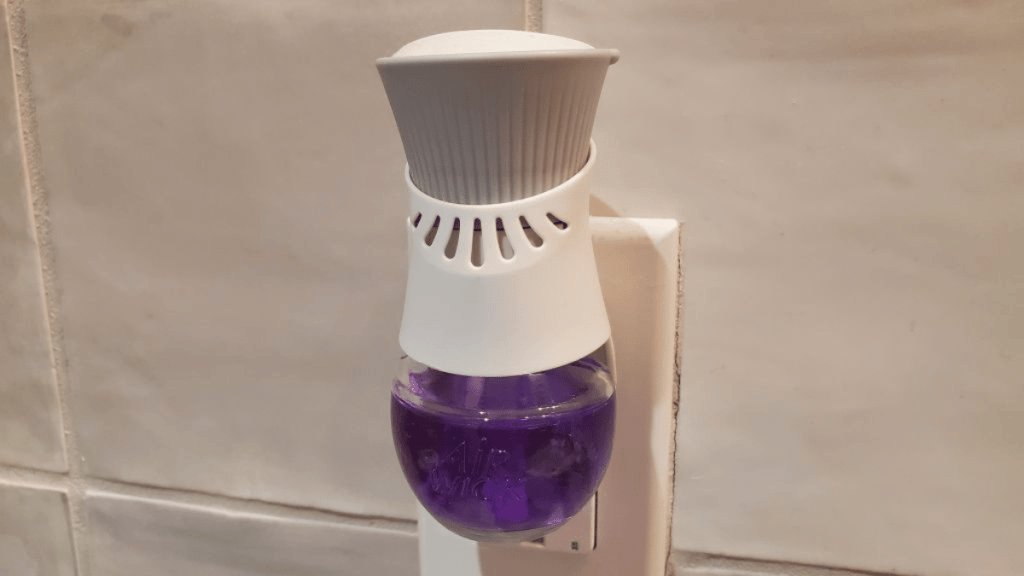
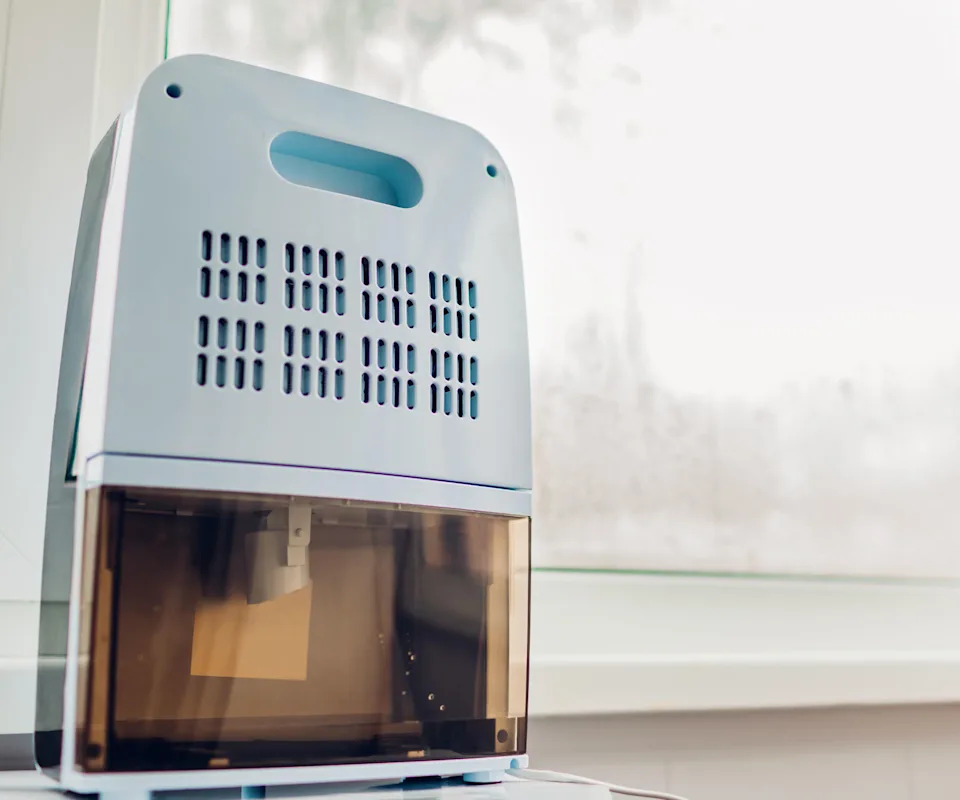
Regarding bedding, the article advises extra steps beyond regular washing. For dog-related bedding and human beds where dogs sleep, a wash cycle should be two-thirds full with regular detergent and the recommended water temperature. Crucially, a cup of white vinegar should be added to the rinse cycle (in the fabric softener or bleach compartment) to neutralize odors. While bedding washes, baking soda is sprinkled on mattresses and un-washable throw pillows, left for 15-30 minutes, then vacuumed off. The article also provides a pro tip for blankets, suggesting adding baking soda directly to the washer with detergent, and vinegar to the bleach compartment, to layer odor-neutralizing substances. To combat airborne odors, an air purifier with a HEPA filter is highly recommended to capture pet dander. Regular filter replacement is essential for effectiveness. Additionally, diffusers with essential oils like lavender or eucalyptus can create pleasant scents, though caution is advised with Febreze around pets.
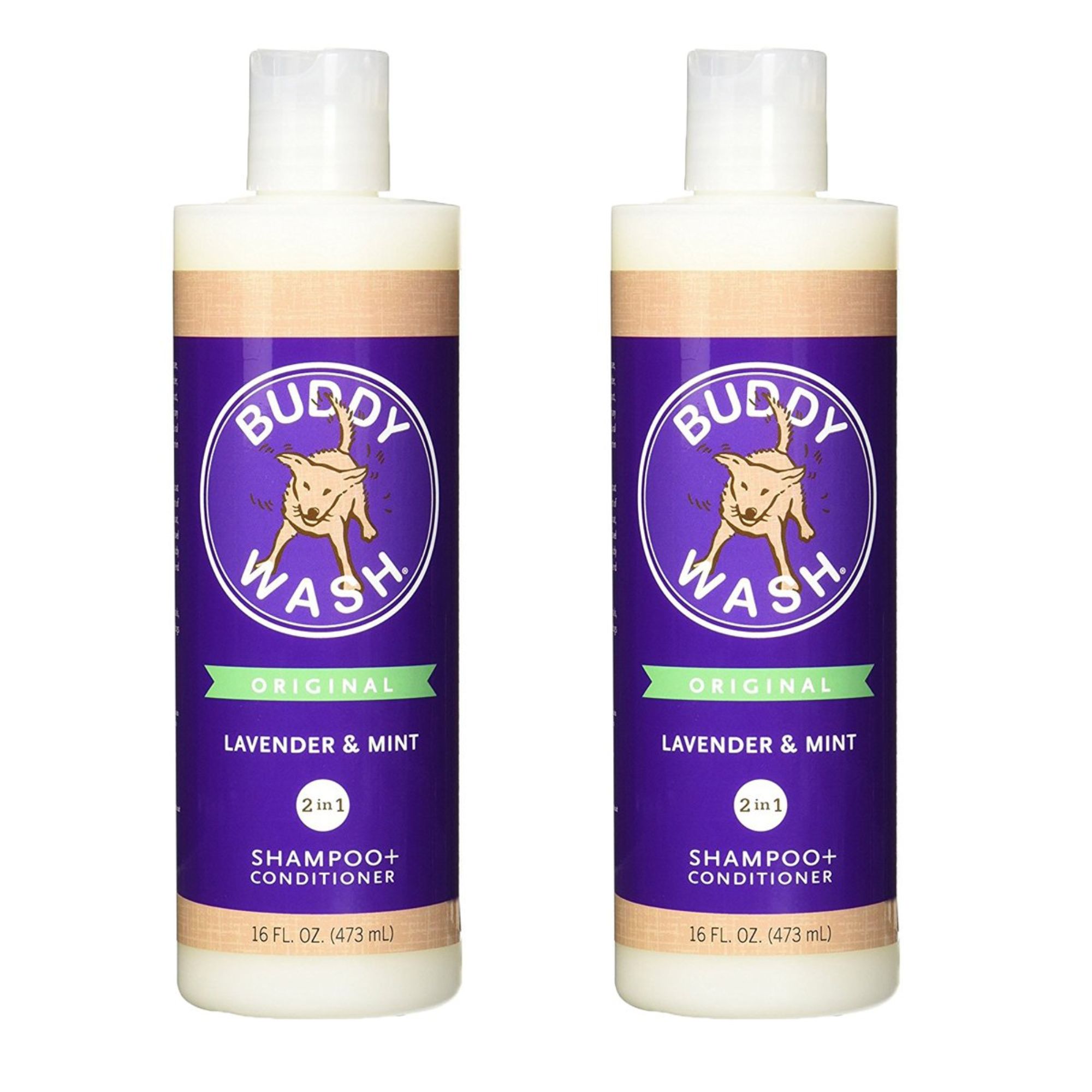
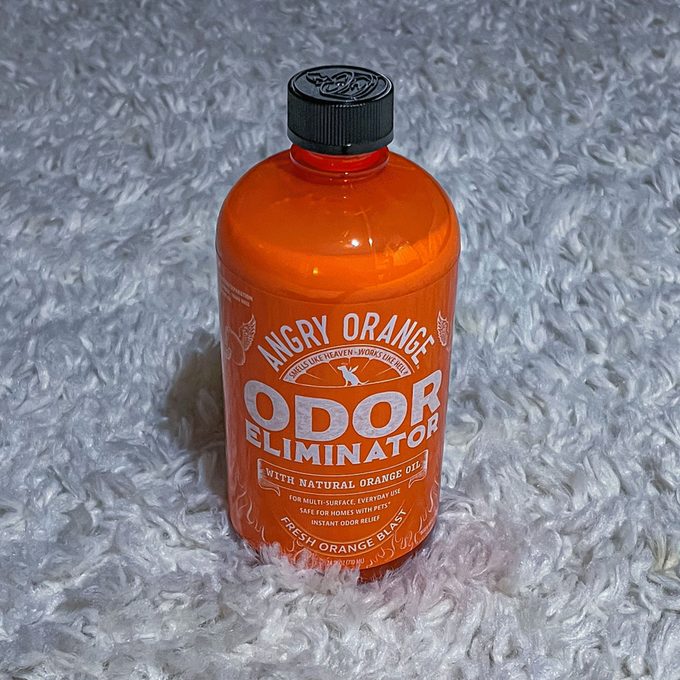
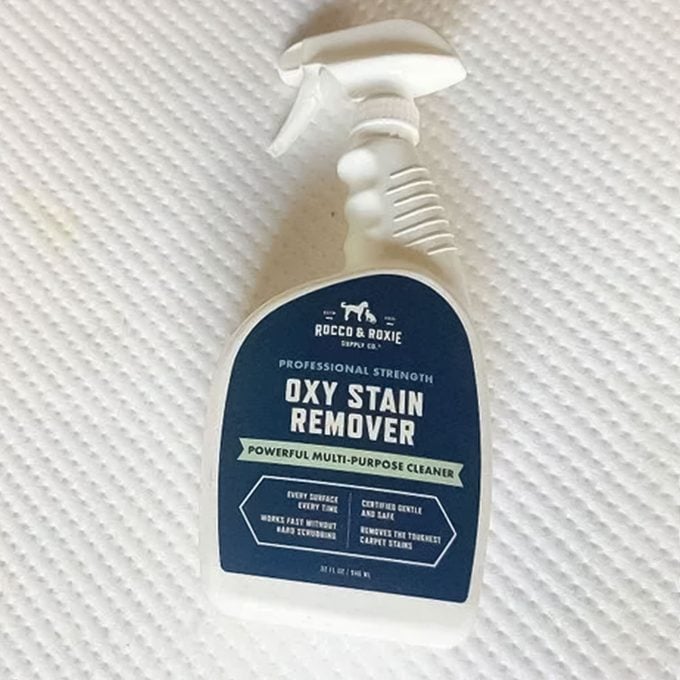
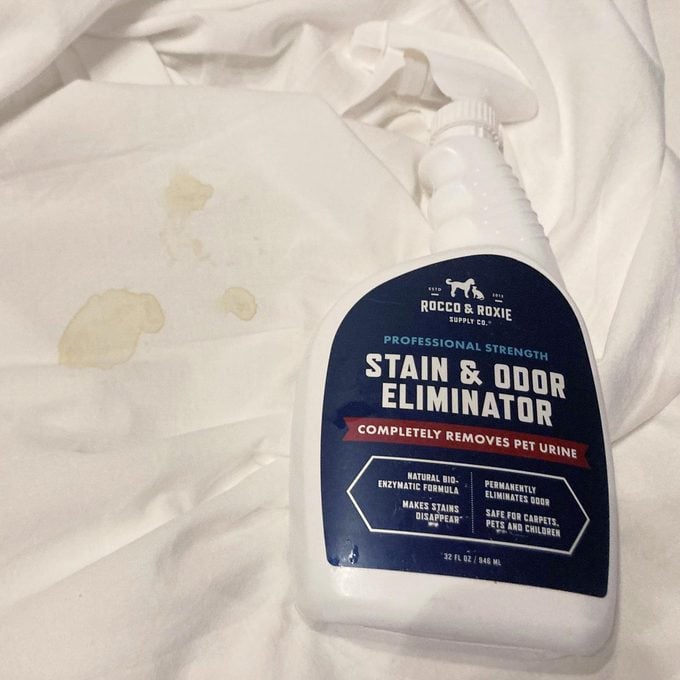
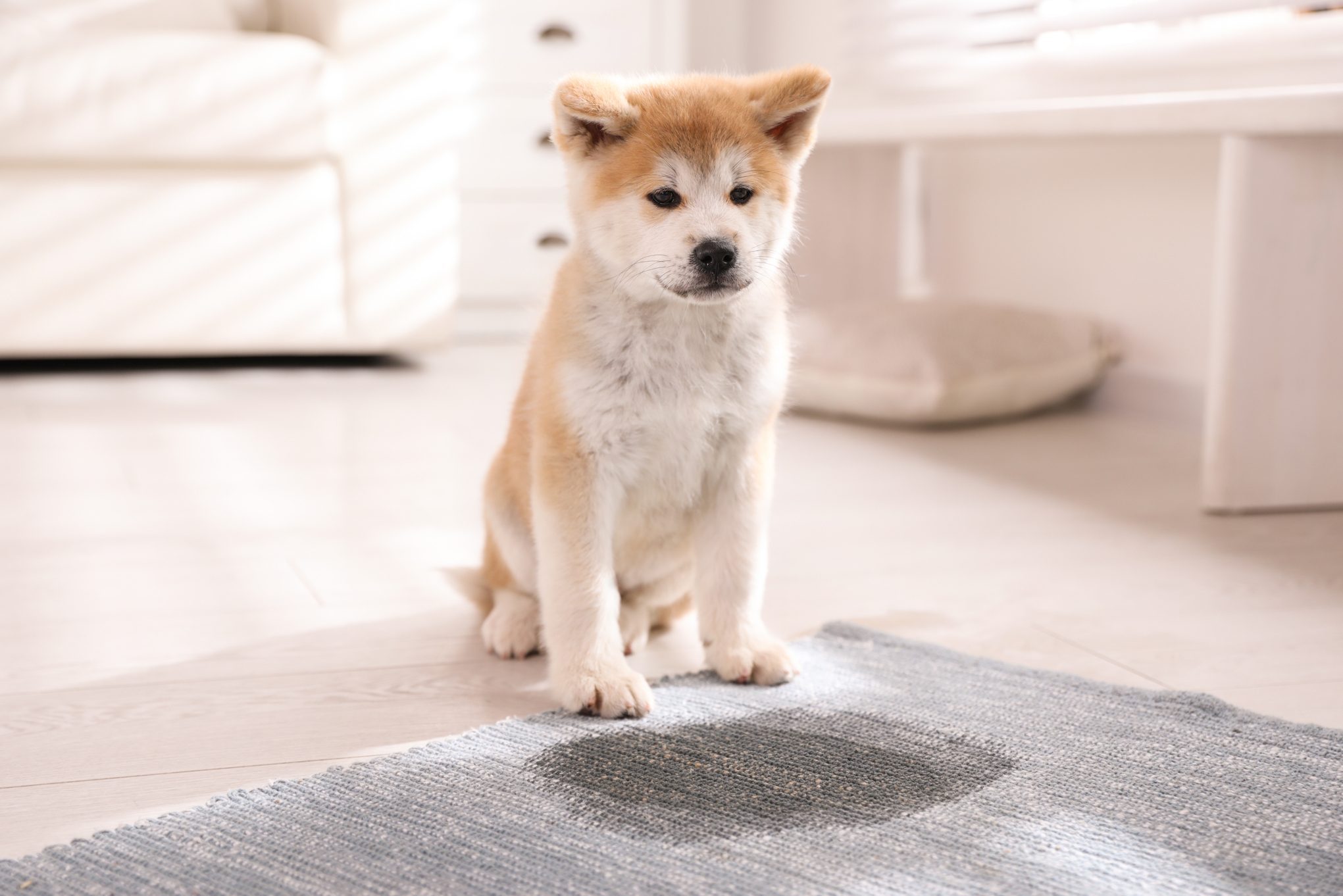
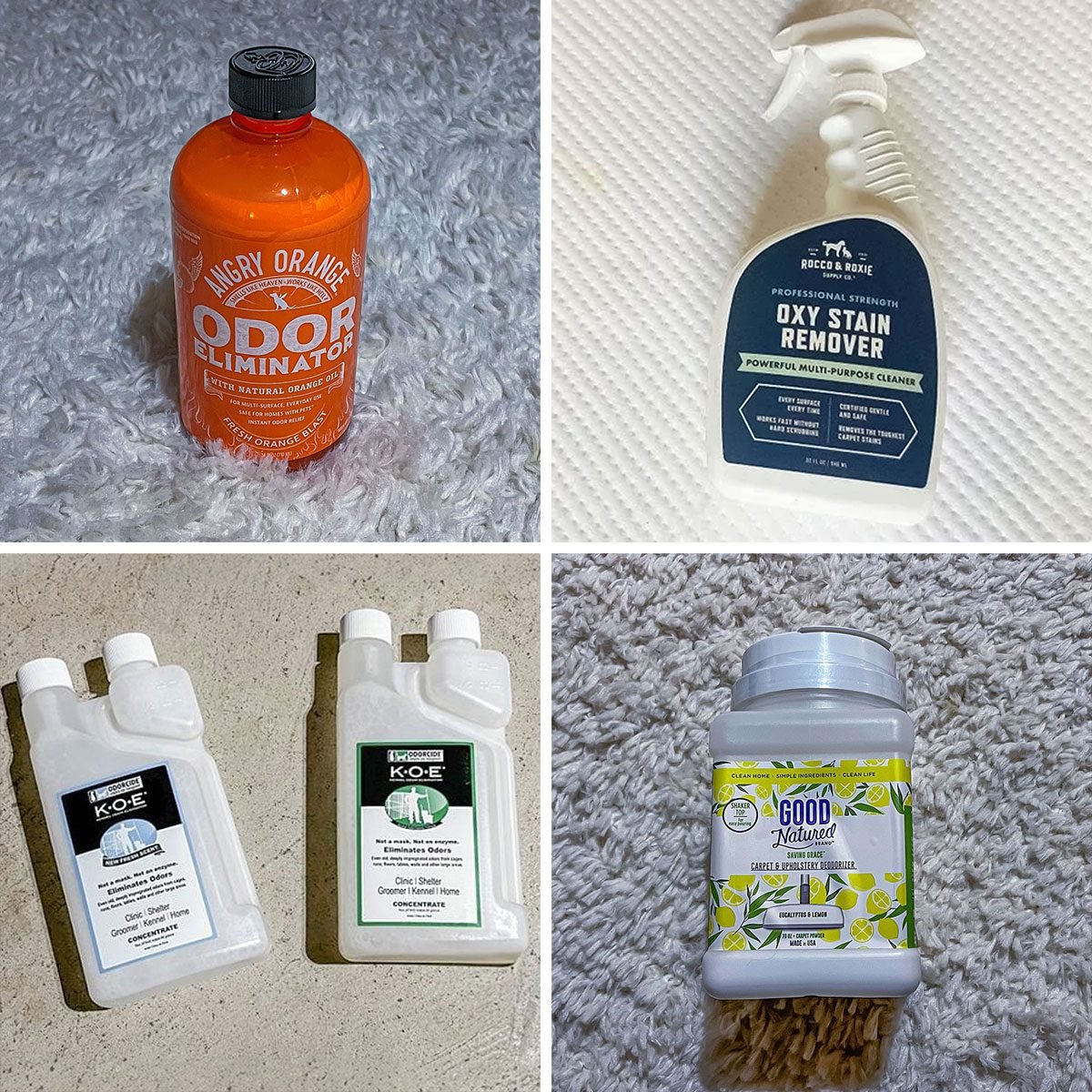
Finally, the article addresses dog pee and poop smells, stressing that enzymatic cleaners are essential because they digest odor-causing molecules, unlike regular cleaners that merely mask them. Tips to prevent dog smell include frequent bathing and grooming, maintaining good dog hygiene (dental care, cleaning skin folds), regularly washing all dog items (bedding, toys, food bowls), creating a relaxed environment for the pet to reduce stress-induced marking, and increasing airflow by opening windows. The article concludes by reinforcing the effectiveness of air purifiers with HEPA filtration for dander removal and baking soda as the best natural odor eliminator, emphasizing that baking soda should not be sprinkled directly on dogs due to potential caustic effects and stomach upset if ingested.
#DogOdorRemoval #PetCare #HomeCleaning #BakingSodaUses #VinegarCleaning #AirPurifiers #EnzymaticCleaners #PetHygiene #HouseholdTips #DogOdorRemoval #PetCare #HomeCleaning #BakingSodaUses #VinegarCleaning #AirPurifiers #EnzymaticCleaners #PetHygiene #HouseholdTips
0 comment in total
 No comments yet
You may also like
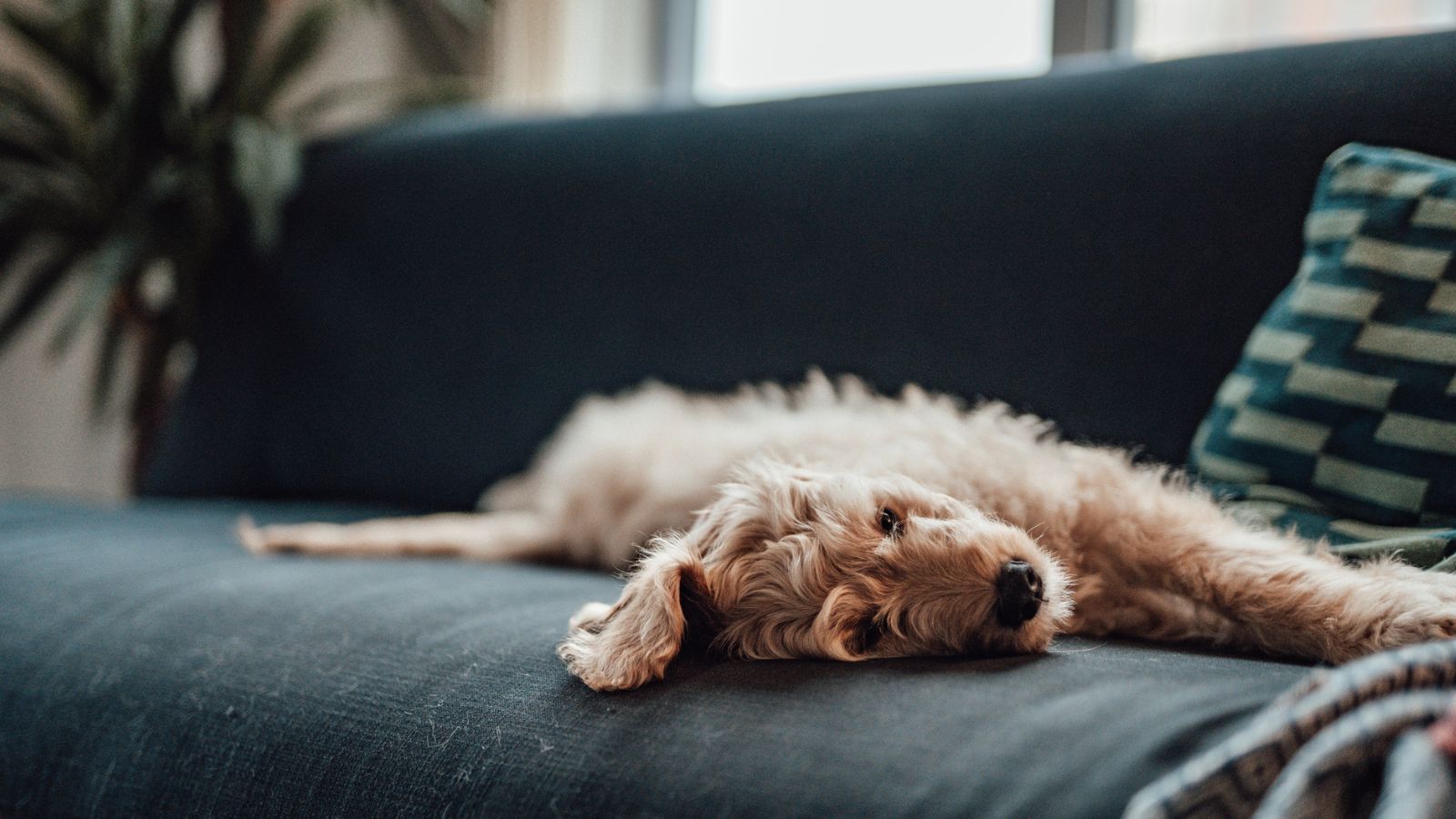
Experts say these 6 products will get rid of dog odor in your house

Your home stinks. Here's how to fix it, according to experts
How to Get Rid of the Musty Smell in Your Basement

How To Get Rid of Stink Bugs in Your Home for Good

23 Things To Help You Keep Your Home Free From Pet Odors
10 Best Odor Eliminators For Tackling Tough Smells In Every Room


7 tips to keep your house smelling good without air fresheners

How to get rid of musty basement smells – 6 ways to combat odors and their causes

The 10 Best Hacks To Control Gross Smells In Your Home


Old House Smell: What Causes It and How To Get Rid of It

11 Best Odor Eliminators to Deodorize Any Space

Rocco & Roxie Stain and Odor Eliminator: Amazon’s #1 Dog Stain Remover
The 6 best odor eliminators to rid your home of bad smells for good
7 Best Pet Odor Eliminators to Try in 2025


Do You Have a Musty-Smelling House? 6 Worrying Causes — And What You Should Do to Get Rid of Them

How to Get Dog Pee Out of Carpet and Other Accident-Prone Spots
20 Cleaning Products That’ll Help Prevent That Dreaded Pet Smell
Our Editor Tested the 4 Best Pet Odor Eliminators for Your Home, Yard and Kennel

What to Do When a Dirty, Smelly Dude Sleeps on Your Couch
Master odor removal with a little help from science