How To Get Rid of Stink Bugs in Your Home for Good
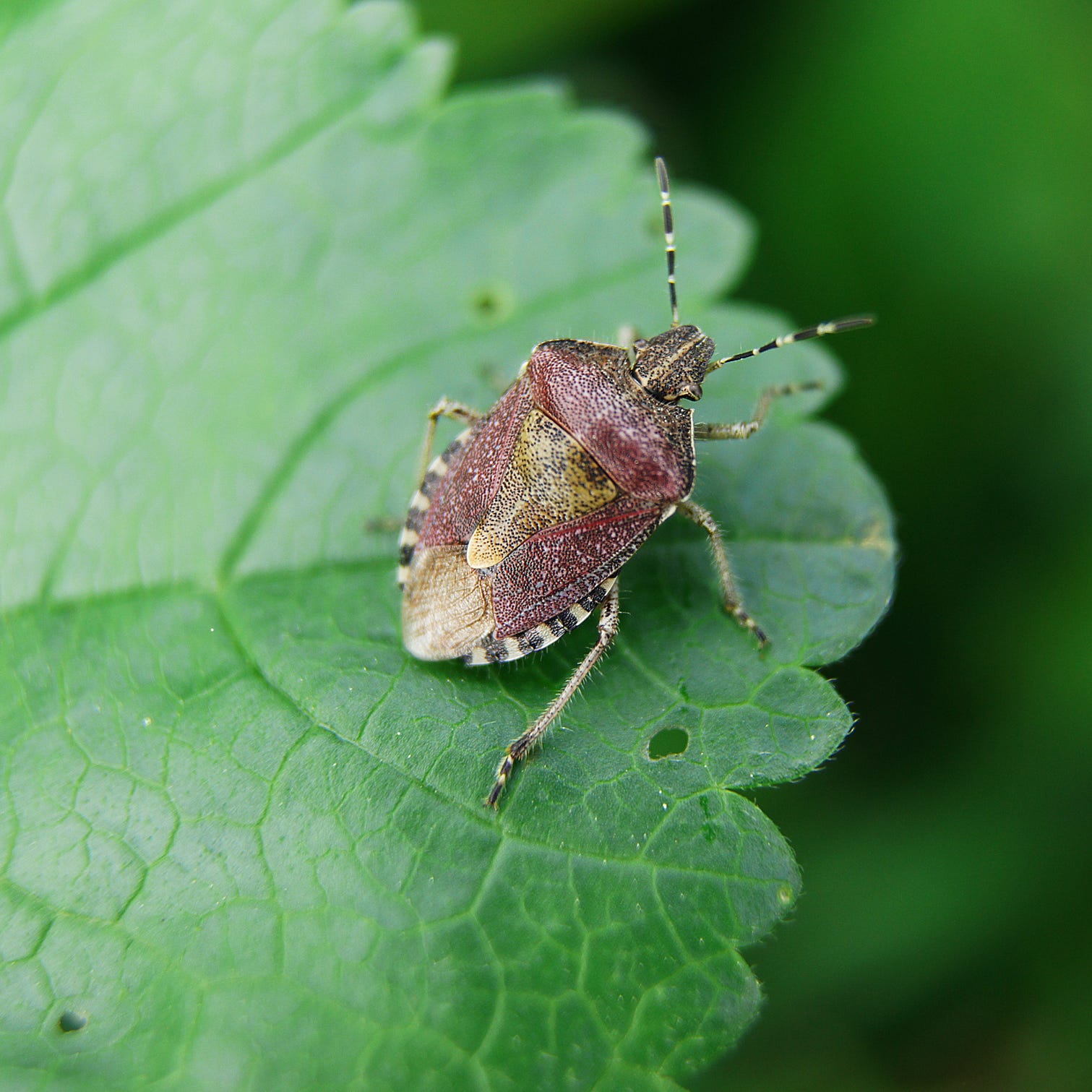
Stink bugs are a common household pest, particularly as temperatures drop in late summer and fall. These insects, primarily the brown marmorated stink bug, are known for emitting a pungent odor when disturbed or threatened. They are invasive and feed on various crops and plants, including fruits, vegetables, and grains. Unlike many other insects that lay eggs to overwinter, stink bugs seek warmth and light inside homes for hibernation during colder months and then lay their eggs in the spring.
The primary attractant for stink bugs to homes is the desire to escape the cold weather, seeking protected places similar to natural environments like tree holes or underbark. Therefore, homeowners often encounter them when the seasons shift from warm to cold. While insecticides might seem like a quick solution, experts emphasize preventative measures as the most effective strategy for managing stink bug infestations.
Pest control expert Dr. Chad Gore from Terminix highlights that Pyrethrin-based insecticides are generally not the most effective method because they require direct contact with the insect to kill it. Since most stink bugs are not easily accessible for direct spraying, the impact of such insecticides tends to be minimal. Instead, a multi-faceted approach focusing on prevention and non-chemical removal is recommended.
Prevention is key to keeping stink bugs out of the home. This involves sealing potential entry points, which is crucial before the cold weather sets in. Common entry points include windows, the fascia of buildings, and various cracks and crevices. Using a high-quality sealant, which offers better expansion and contraction properties compared to standard caulking, is advised for these areas. Additionally, installing mesh screens on attic vents and other openings between the outdoors and the interior of the home can block their entry. These screens should fit snugly and be free of holes.
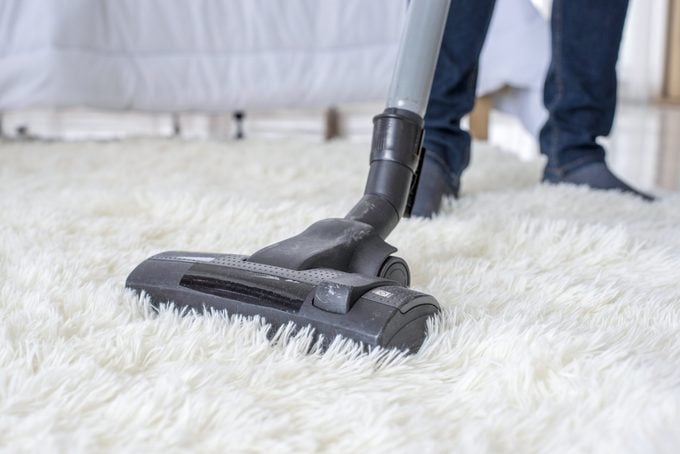
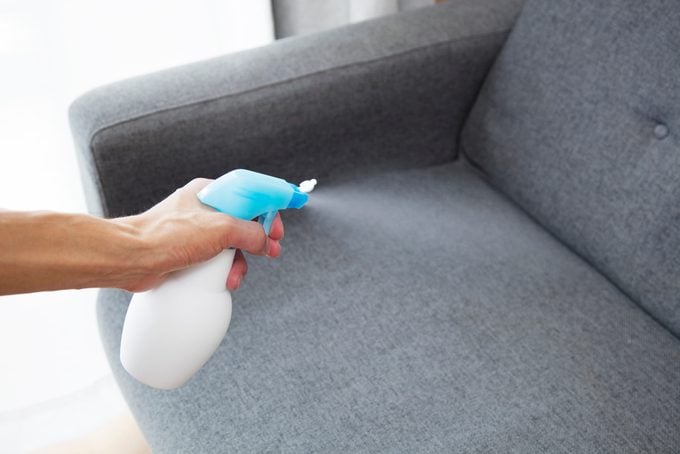
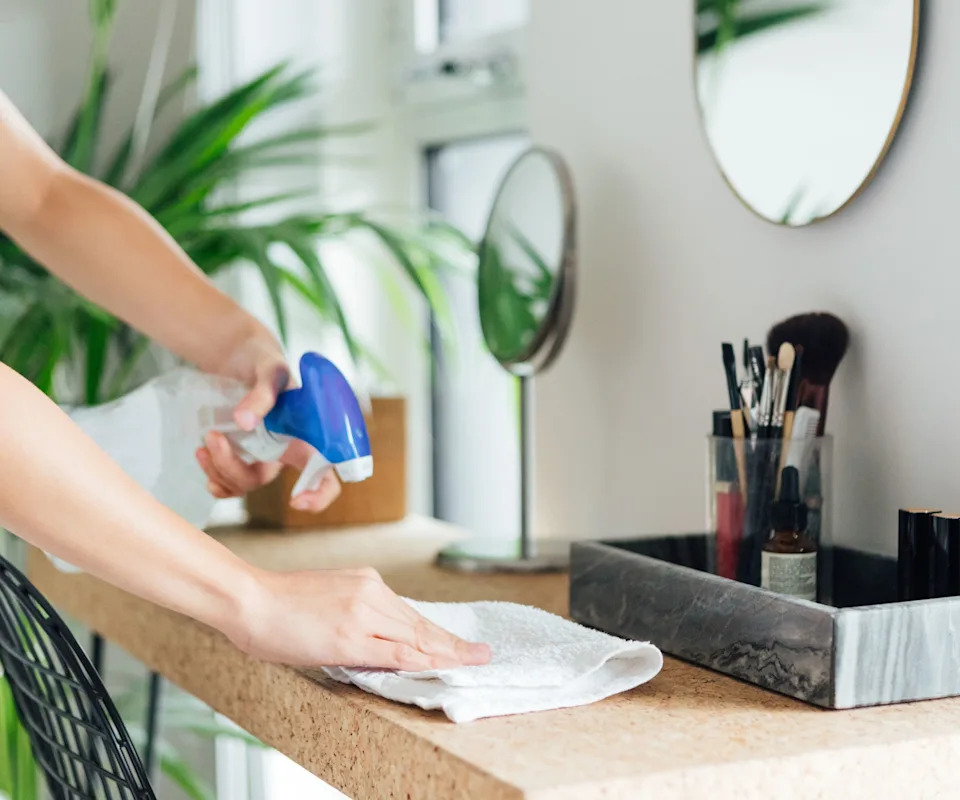
For existing stink bug issues, vacuuming is a recommended method for removal. After vacuuming, the contents should be immediately emptied into a trash bag and disposed of to prevent any residual odor from the disturbed bugs. Another natural repellent is garlic spray, which can be easily made by mixing two cups of water with four teaspoons of garlic powder and applied to common entry points like windowsills and doorways. Essential oils such as mint, lavender, and citrus also serve as natural deterrents. These can be mixed with water and sprayed around entry points or used in a diffuser.
By understanding the behavior of stink bugs and implementing these expert-backed preventative and removal strategies, homeowners can effectively keep these smelly pests at bay, ensuring a more comfortable and odor-free living space during the colder months.
#StinkBugs #PestControl #HomeMaintenance #Gardening #InsectRepellent #HomeProtection #FallSeason #NaturalRemedies #StinkBugs #PestControl #HomeMaintenance #Gardening #InsectRepellent #HomeProtection #FallSeason #NaturalRemedies
0 comment in total
 No comments yet
You may also like

The 10 Best Hacks To Control Gross Smells In Your Home


Designers Share 6 Ways to Rid Your Home of Hidden Toxins

Do You Have a Musty-Smelling House? 6 Worrying Causes — And What You Should Do to Get Rid of Them

3 Easy Ways to Get Rid of Drain Flies—and Prevent Them From Coming Back
Your home stinks. Here's how to fix it, according to experts
10 Best Odor Eliminators For Tackling Tough Smells In Every Room

10 Easy Ways to Keep Cluster Flies Out of Your House for Good This Fall

Experts say these 6 products will get rid of dog odor in your house


How to Get Rid of Dog Smell from Everywhere in Your House


How to Get Rid of That Musty Basement Smell, According to Experts

8 natural home remedies to remove lizards from your house this summer

Gross! Here Are the Best Ways to Remove Mildew for Good

The 6 best odor eliminators to rid your home of bad smells for good
How to Get Rid of the Musty Smell in Your Basement

How to get rid of musty basement smells – 6 ways to combat odors and their causes


Experts explain how to install a basement extractor fan to remove damp and musty smells for good
23 Things To Help You Keep Your Home Free From Pet Odors

'If you can smell it, there's a problem in progress' – 5 expert-approved ways to get rid of musty smells in an attic
20 Cleaning Products That’ll Help Prevent That Dreaded Pet Smell
How To Get Rid of Small Flies In Your Bathroom