How To Get Rid Of That Musty Smell In Your Cabinets
Musty odors in cabinets are a common household issue, primarily caused by moisture accumulation, rather than the age of the cabinets. Wood, being an organic material, reacts to moisture by expanding and contracting, which can trap dampness within its grain. This trapped moisture provides an ideal environment for the growth of bacteria, mildew, or mold, leading to the characteristic musty smell. Identifying and eliminating the source of moisture is the critical first step in addressing this problem.
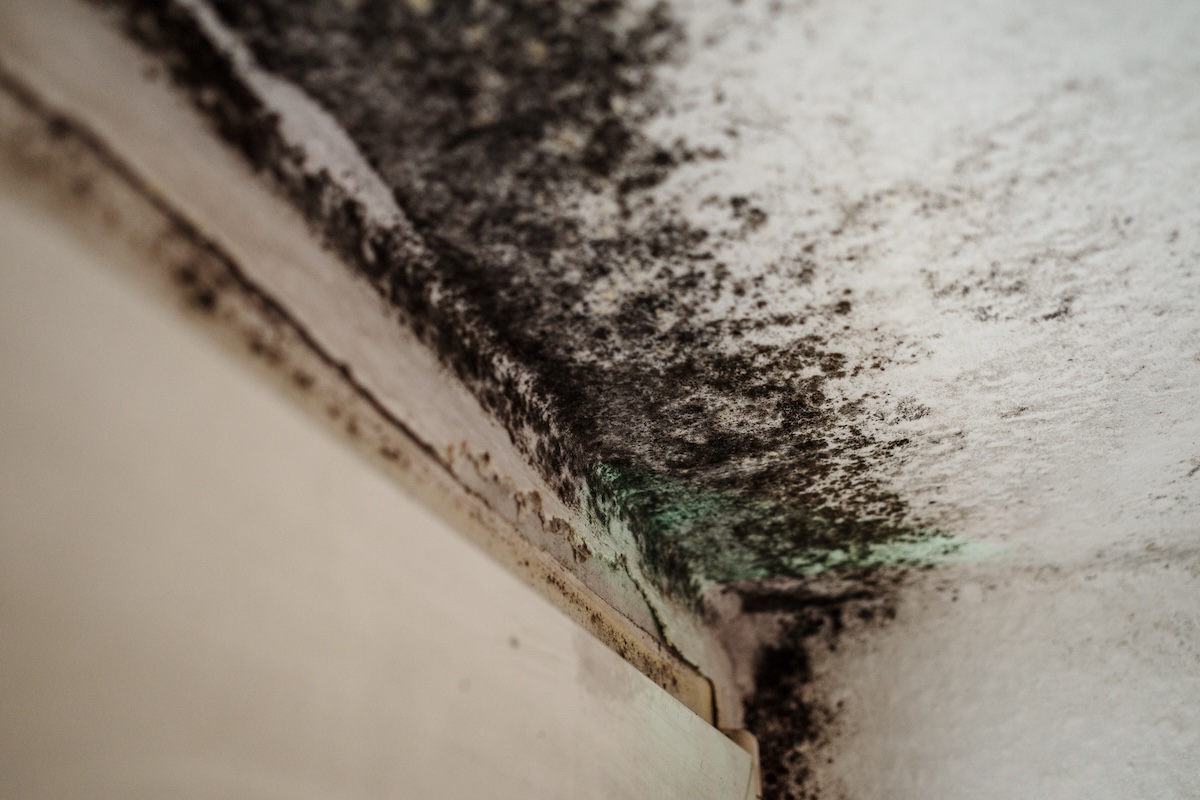
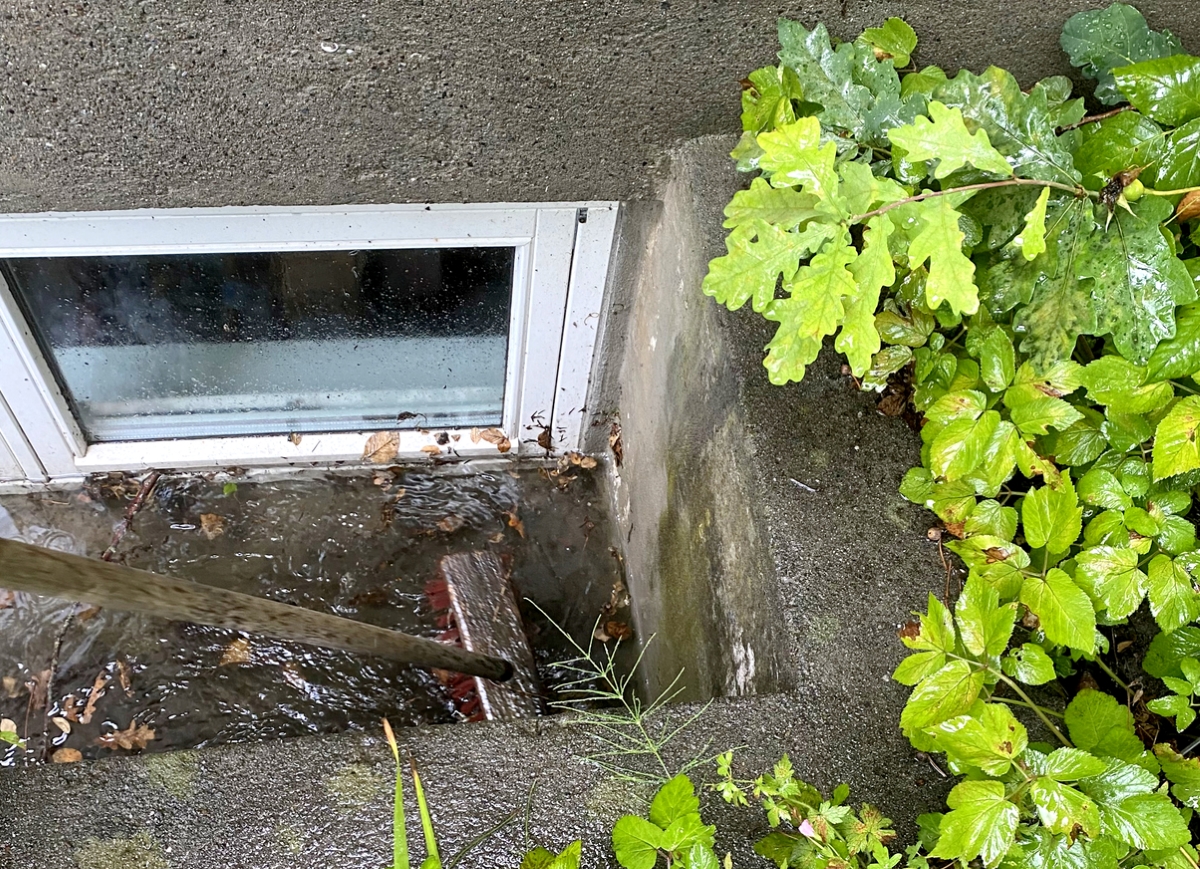
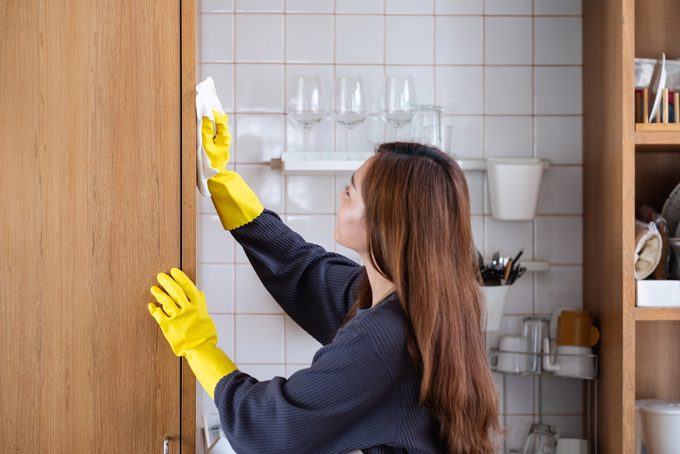
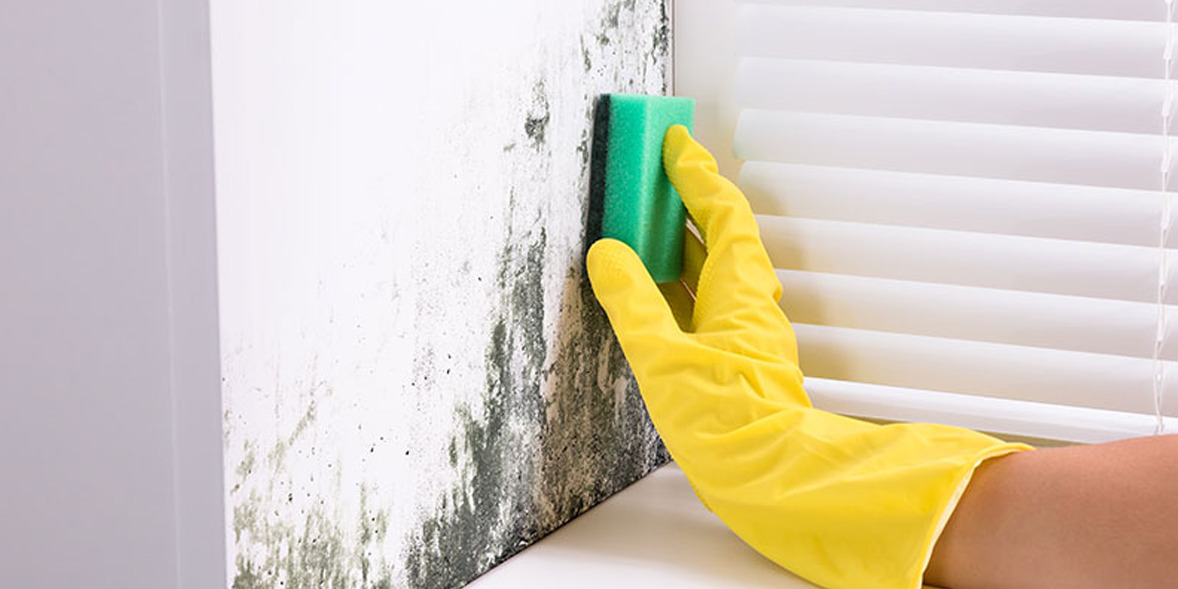
To effectively remove the musty smell, a systematic approach is recommended. The initial step involves a thorough inspection of the cabinets for any visible signs of moisture, such as spills or leaks from adjacent appliances like refrigerators or sinks. Once a moisture source is identified, it must be promptly addressed and rectified. Following the elimination of the leak, it is crucial to check for active mold growth. This can be done by using a flashlight to look for spores or, for more severe cases, by consulting a professional for an expert examination. If no active mold is present, the next step focuses on drying out the affected areas.
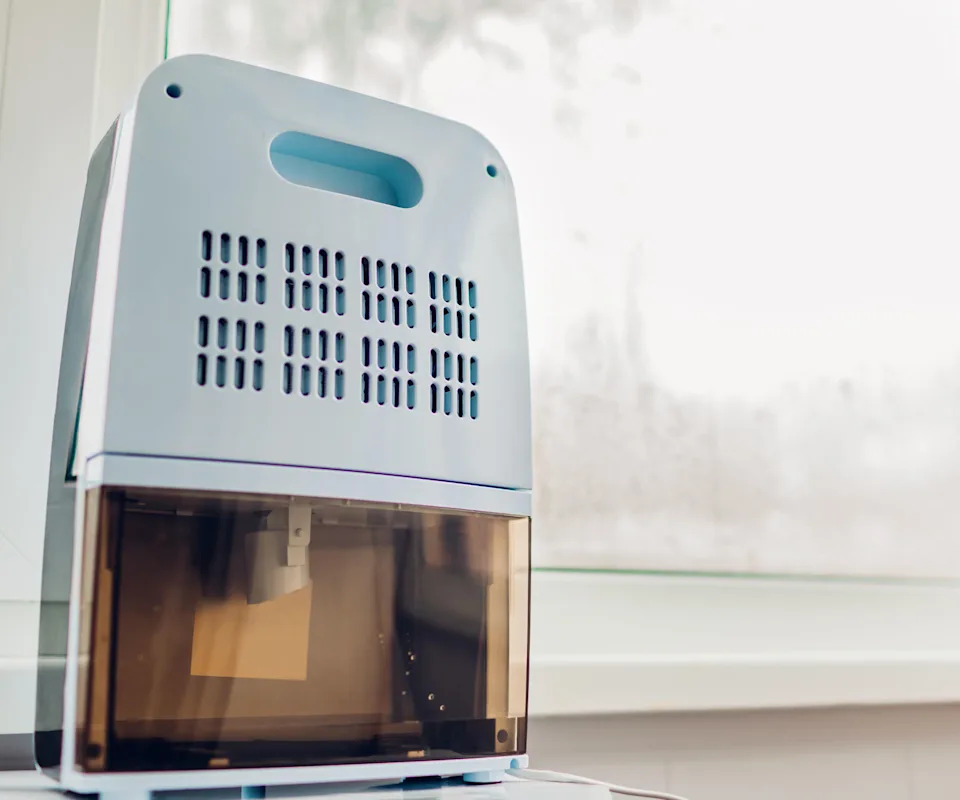
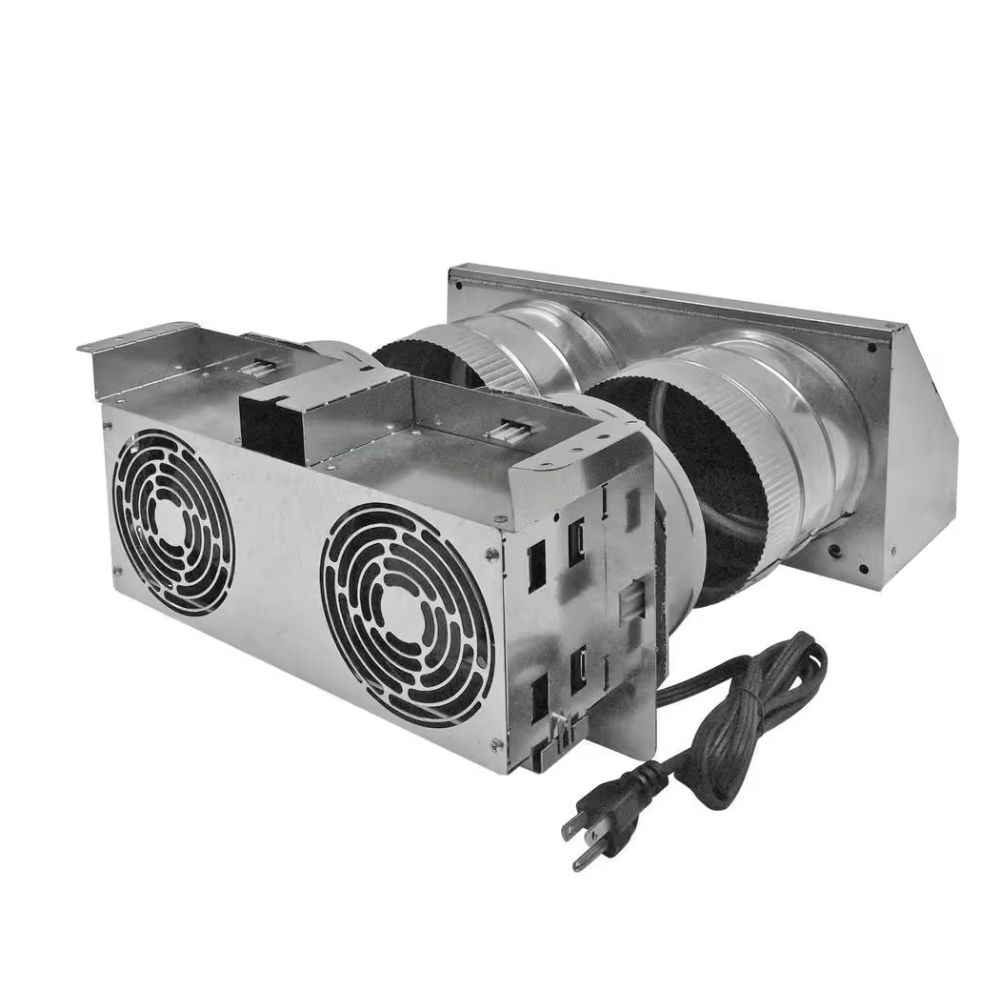
Adequate ventilation is essential for drying the cabinets. Using box fans to circulate dry air directly into the open cabinets can significantly accelerate the drying process. This may take several days, during which the cabinet doors should remain open to ensure maximum airflow. After the initial drying, a product like Damprid, a chemical designed to absorb and trap moisture from the air, can be strategically placed inside the cabinets. This product helps to further draw out any lingering dampness over an extended period, ranging from days to weeks.
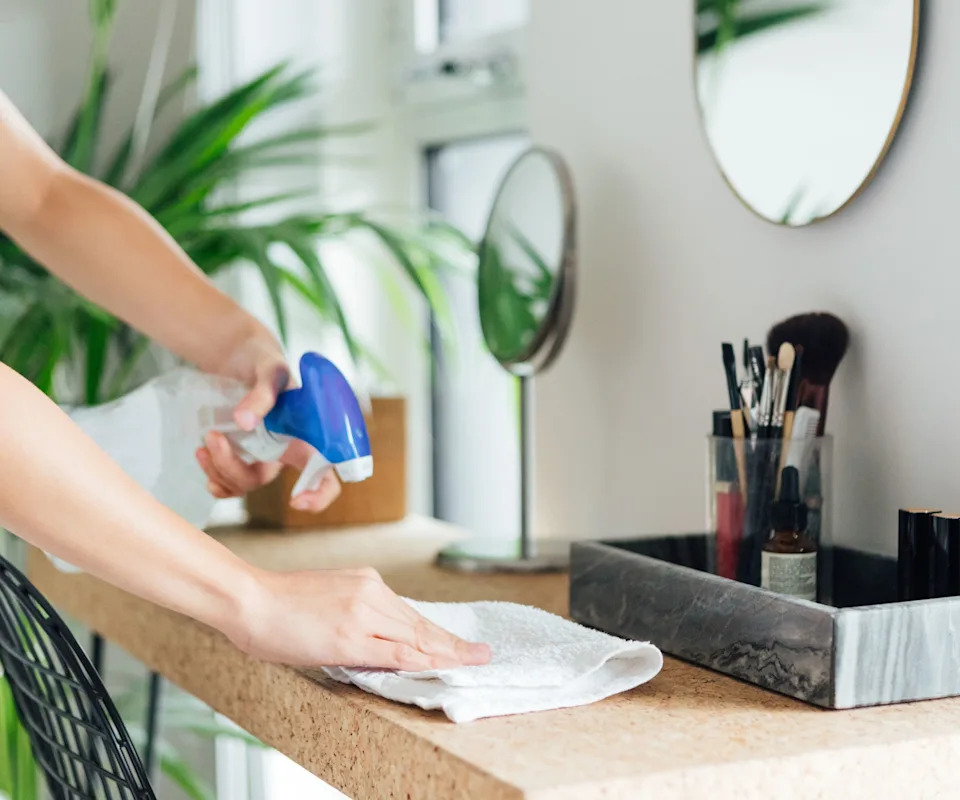
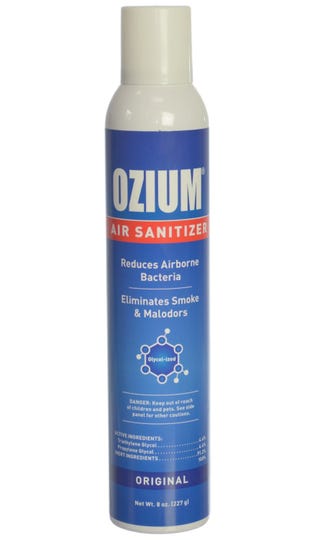
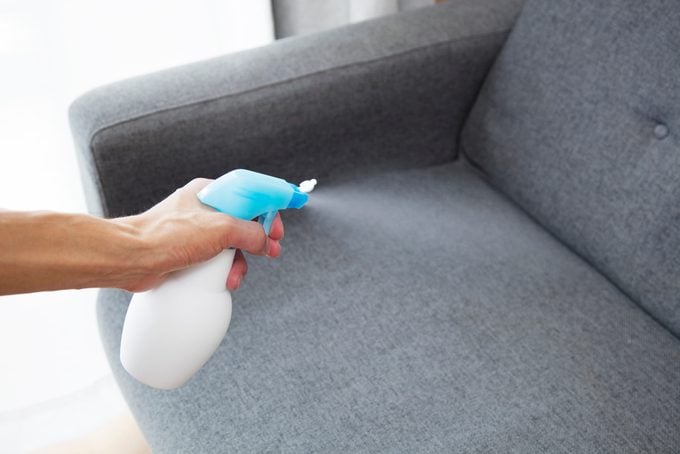
Preventing the recurrence of musty smells requires ongoing vigilance against moisture. It is important to avoid spraying air fresheners or other scented products directly into the cabinets as this can introduce more moisture, exacerbating the problem. Instead, once the cabinets are completely dry, shelf paper or other dry scented products can be used to mask any residual odors. Regular maintenance and quick action on any spills or leaks are key to keeping cabinets odor-free.
There are instances when the damage from moisture is too extensive, necessitating cabinet replacement. If more than 30% of the veneers or panels on most cabinets exhibit significant swelling, it becomes very difficult for them to return to a completely dry state. While structural compromise of materials like MDF or plywood is usually limited to extreme cases, extensive swelling indicates irreversible damage, signaling that it is time to consider replacing the affected cabinets to maintain a healthy and odor-free home environment.
#CabinetSmell #MustyOdor #MoistureControl #HomeMaintenance #MoldPrevention #CabinetCleaning #HouseholdTips #WoodCare #OdorRemoval #CabinetSmell #MustyOdor #MoistureControl #HomeMaintenance #MoldPrevention #CabinetCleaning #HouseholdTips #WoodCare #OdorRemoval
0 comment in total
 No comments yet
You may also like
How to Get Rid of the Musty Smell in Your Basement


'If you can smell it, there's a problem in progress' – 5 expert-approved ways to get rid of musty smells in an attic

The 5 Best Basement Odor Eliminator Picks for Musty Cellars 2025

How to Clean Kitchen Cabinets Inside and Out


How to get rid of musty basement smells – 6 ways to combat odors and their causes

Follow These DIY Steps to Remove and Refresh Your Kitchen Cabinets


Old House Smell: What Causes It and How To Get Rid of It

How to Get Rid of Dog Smell from Everywhere in Your House


Do You Have a Musty-Smelling House? 6 Worrying Causes — And What You Should Do to Get Rid of Them

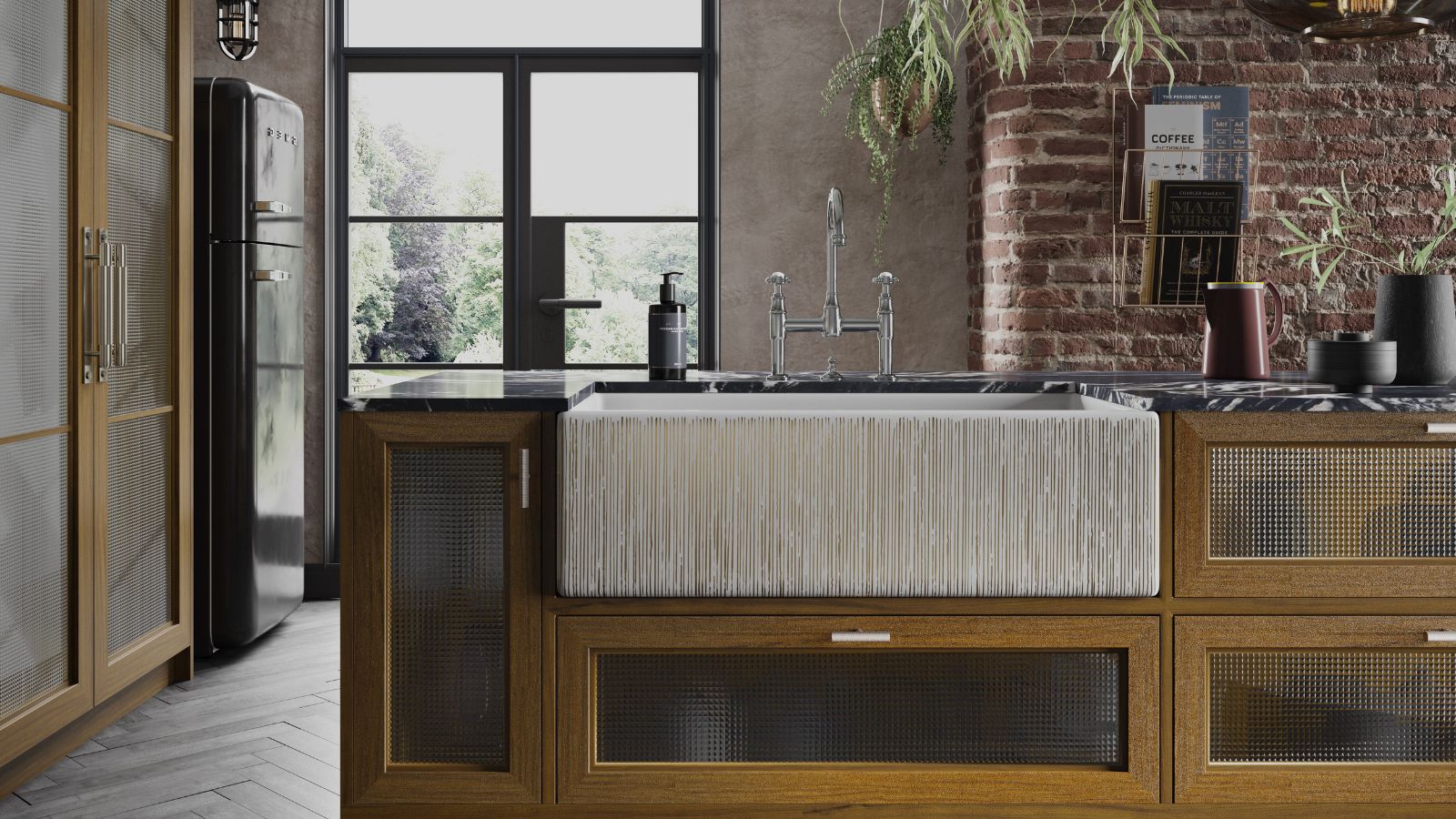
My under-sink cabinet always smelled musty, but this 1 natural trick with common kitchen ingredients fixed it without harsh chemicals
Your home stinks. Here's how to fix it, according to experts

Experts explain how to install a basement extractor fan to remove damp and musty smells for good
How to Get Rid of That Musty Basement Smell, According to Experts


The 10 Best Hacks To Control Gross Smells In Your Home

How to wash towels that smell – expert tips to banish damp and musty odours for good
How to get rid of mould

How to stop your shed smelling musty – 9 expert-approved methods to banish bad odors

What to Do When a Dirty, Smelly Dude Sleeps on Your Couch
10 Best Odor Eliminators For Tackling Tough Smells In Every Room


Master odor removal with a little help from science