1/2
My under-sink cabinet always smelled musty, but this 1 natural trick with common kitchen ingredients fixed it without harsh chemicals
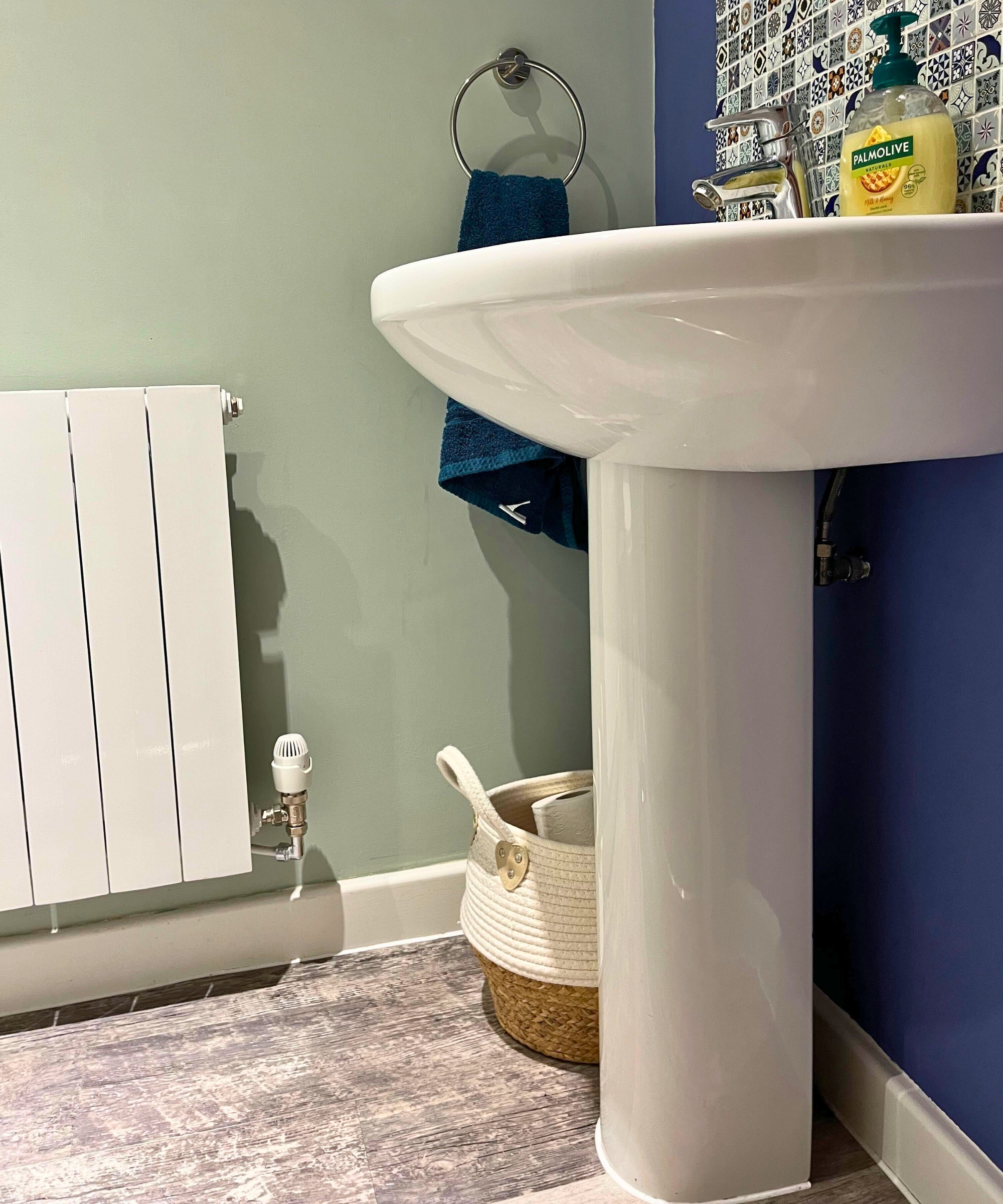
The author shares a personal experience of effectively eliminating a musty smell from an under-sink cabinet using a natural mixture of lemon juice and white vinegar. The smell originated from a combination of a cabinet-mounted trash can, moisture from sink pipes, and cleaning products. The author sought a solution that avoided harsh chemicals and successfully found it in this DIY cleaning method.
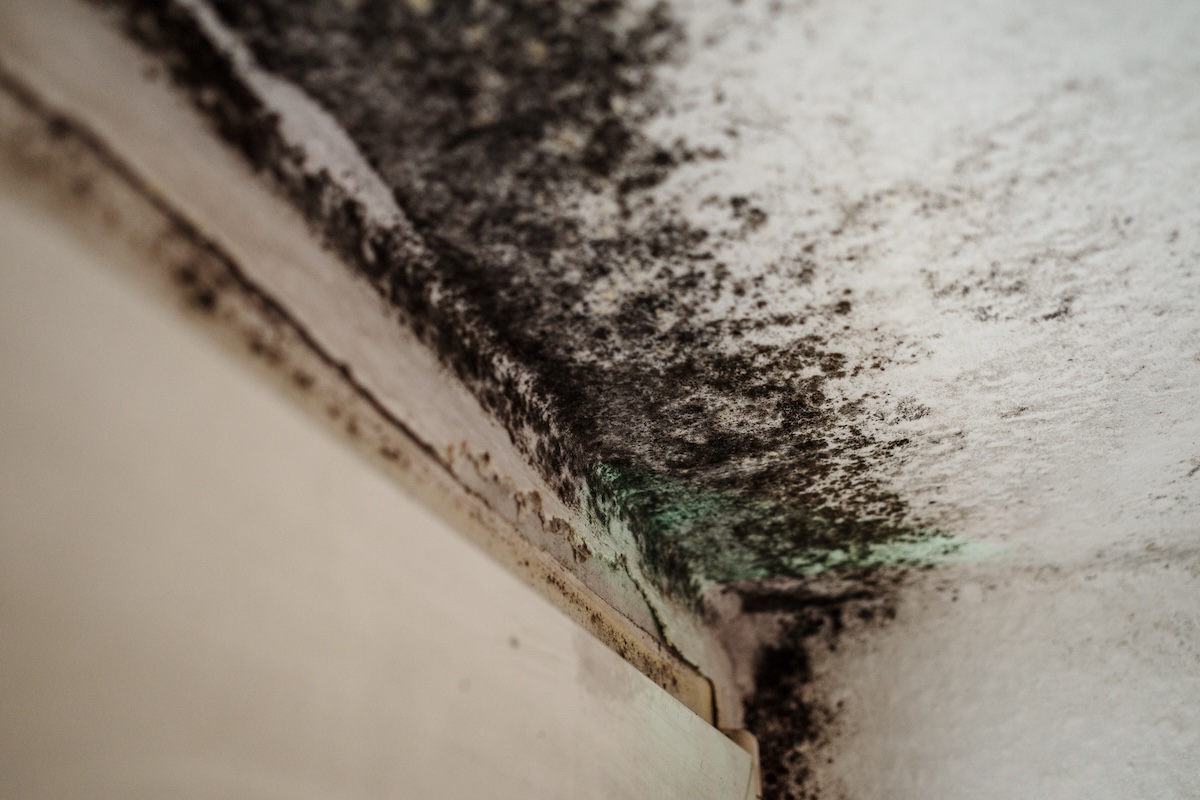
The article explains that the musty smell is primarily caused by mold, and vinegar is a powerful, non-toxic agent for killing it. To enhance the deodorizing effect and mask the strong scent of vinegar, lemon juice is added to the mixture. Cleaning expert Derek Christian, co-owner at All Star Cleaning, confirms that both lemon and lime juice effectively remove and mask odors while their mild acidity helps inhibit bacterial and mold growth. Combining these two acids creates a stronger cleaning solution without adverse effects. The lemon juice also serves to make the cleaning process more pleasant by counteracting the pungent odor of vinegar.
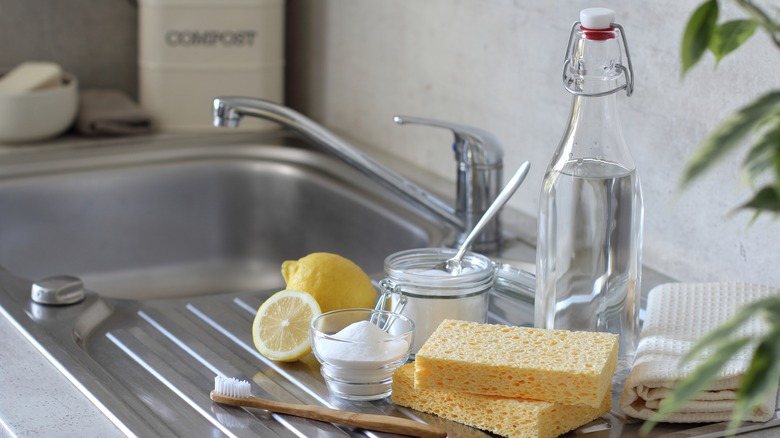
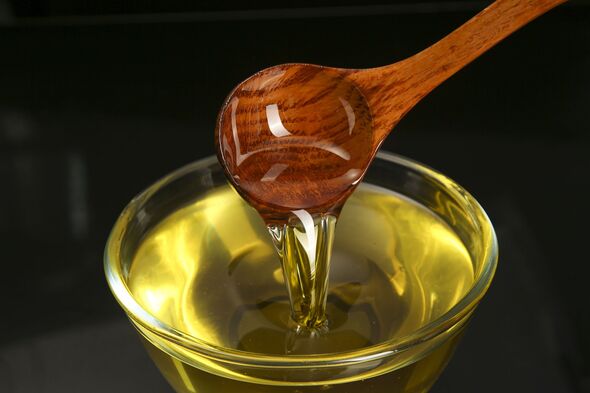
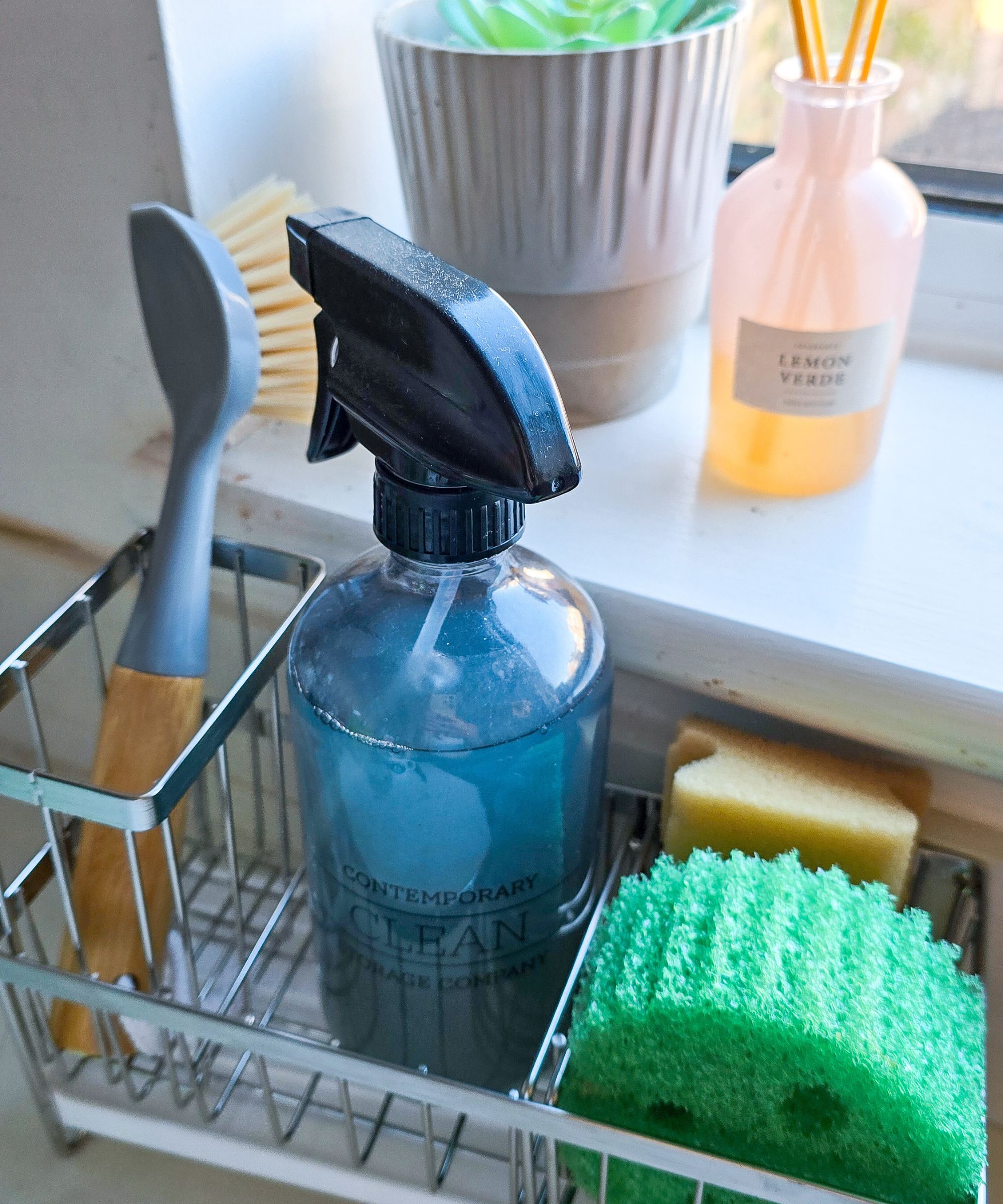
The essential ingredients for this natural cleaning solution include white vinegar (distilled to at least 5% acidity), fresh lemons, a spray bottle, and microfiber cleaning cloths or strong paper towels. The author recommends using fresh lemon juice for its potency. The process involves mixing approximately half a cup of 6% distilled white vinegar with the juice of one large lemon in a glass spray bottle. This mixture remains effective for about seven days. For those particularly sensitive to the smell of vinegar, a tip is provided to infuse the vinegar with fruit for a week or two prior to use, creating a more pleasant-smelling DIY cleaning solution. Alternatively, hydrogen peroxide can be substituted for vinegar, as it is also effective at killing mold and bacteria and breaks down into water and oxygen, making it safe for humans and animals.
The application process begins with decluttering the under-sink cabinet, removing old or expired cleaning products. The vinegar and lemon juice solution is then sprayed generously inside the empty cabinet and left to sit for 30 minutes to allow it to kill any mold present. The author notes that natural cleaning methods may require slightly longer or repeat applications to achieve the same results as commercial cleaners. After the waiting period, the cabinet is wiped clean with microfiber cloths, which are then immediately washed in a hot laundry cycle to sanitize them. The author also applied the DIY spray to the inside of the trash can, saturating jumbo cotton balls with the solution and placing them at the bottom of the can before re-inserting the trash bag to further mask odors.
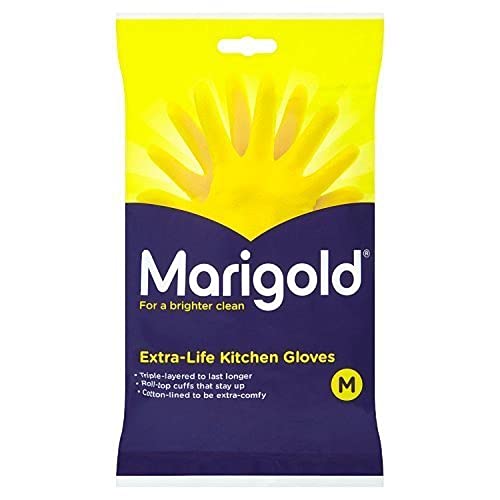
The article also addresses potential concerns regarding the use of vinegar. While effective, vinegar's high acidity can damage or wear down certain surfaces like rubber and natural stone over time. Furthermore, although non-toxic, inhaling large quantities of acetic acid vapors can cause eye and throat irritation, and it can be drying to the skin. Therefore, adequate ventilation and the use of rubber cleaning gloves are advised during application. The overall message emphasizes that effective home cleaning and odor elimination can be achieved through natural, non-toxic methods without resorting to harsh chemicals.
#HomeCleaning #NaturalCleaning #DIYCleaning #OdorRemoval #UnderSinkCabinet #VinegarCleaning #LemonJuice #MoldRemediation #NonToxicHome #KitchenMaintenance #HomeCleaning #NaturalCleaning #DIYCleaning #OdorRemoval #UnderSinkCabinet #VinegarCleaning #LemonJuice #MoldRemediation #NonToxicHome #KitchenMaintenance
0 comment in total
 No comments yet
You may also like

The 10 Best Hacks To Control Gross Smells In Your Home

Mum's simple hack to remove stains from wooden furniture using a common pantry item

How to get rid of mould on walls – 7 home treatments tried and tested by the experts
This DIY Spray Keeps Surfaces Dust-Free for Longer—and Uses Just 2 Pantry Ingredients

Your home stinks. Here's how to fix it, according to experts

How I made my bathroom smell like a luxury spa


7 tips to keep your house smelling good without air fresheners


What to Do When a Dirty, Smelly Dude Sleeps on Your Couch
I Just Discovered a Brilliant 2-Minute Cabinet Cleaning Trick (It Was Hiding in My Pantry!)
Banish musty smells from your towels by adding just a few drops of £2 ingredient

Do You Have a Musty-Smelling House? 6 Worrying Causes — And What You Should Do to Get Rid of Them

This Simple Kitchen Upgrade Helps Keep Germs From Spreading


How To Get Rid Of That Musty Smell In Your Cabinets

How to Get Rid of the Musty Smell in Your Basement


Why I store broken bath bombs in my shoes
Chemical engineer insists a kitchen staple removes all water stains from shower doors - only a teaspoon is needed


Stop Bedroom Damp with This 84-Cent Natural Home Fix

This bacteria-busting kitchen storage solution instantly tidied up my small sink area – it's chic and clever

I Cleared My Blocked Bathroom Drain in Minutes With This 'Spot On' Fix
Clean Pesky Winter Salt Stains in Just Minutes with This Simple Pantry Staple