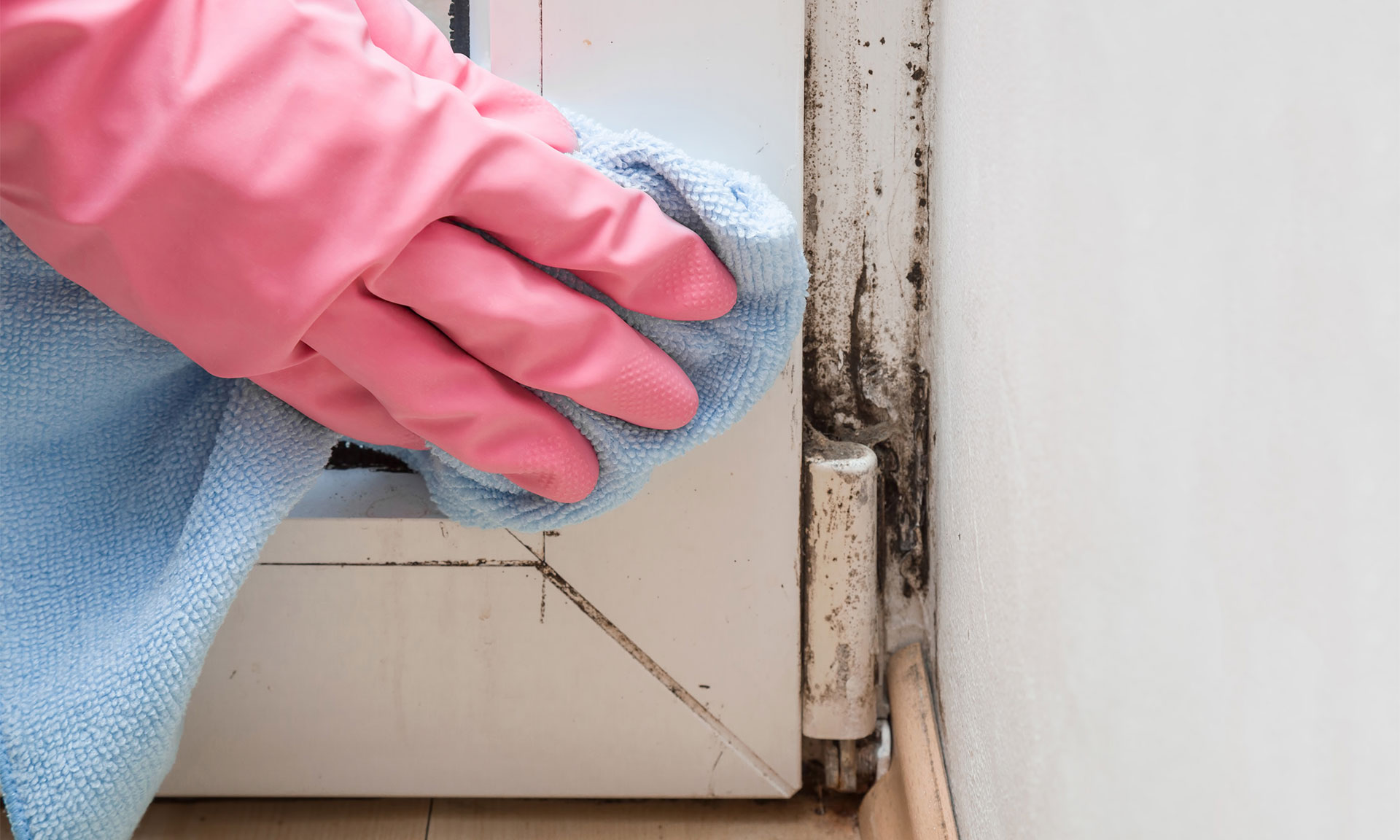
1/8
How to get rid of mould
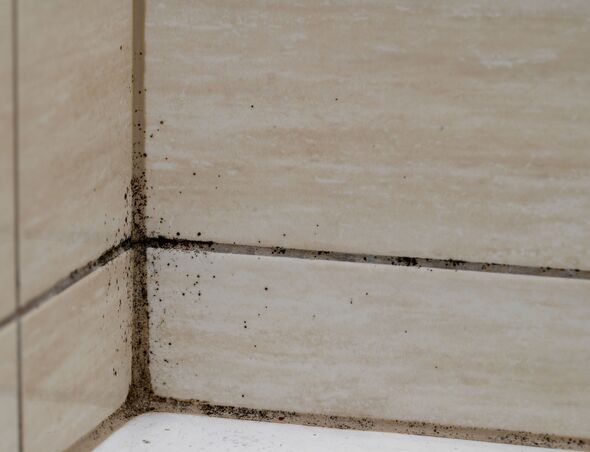
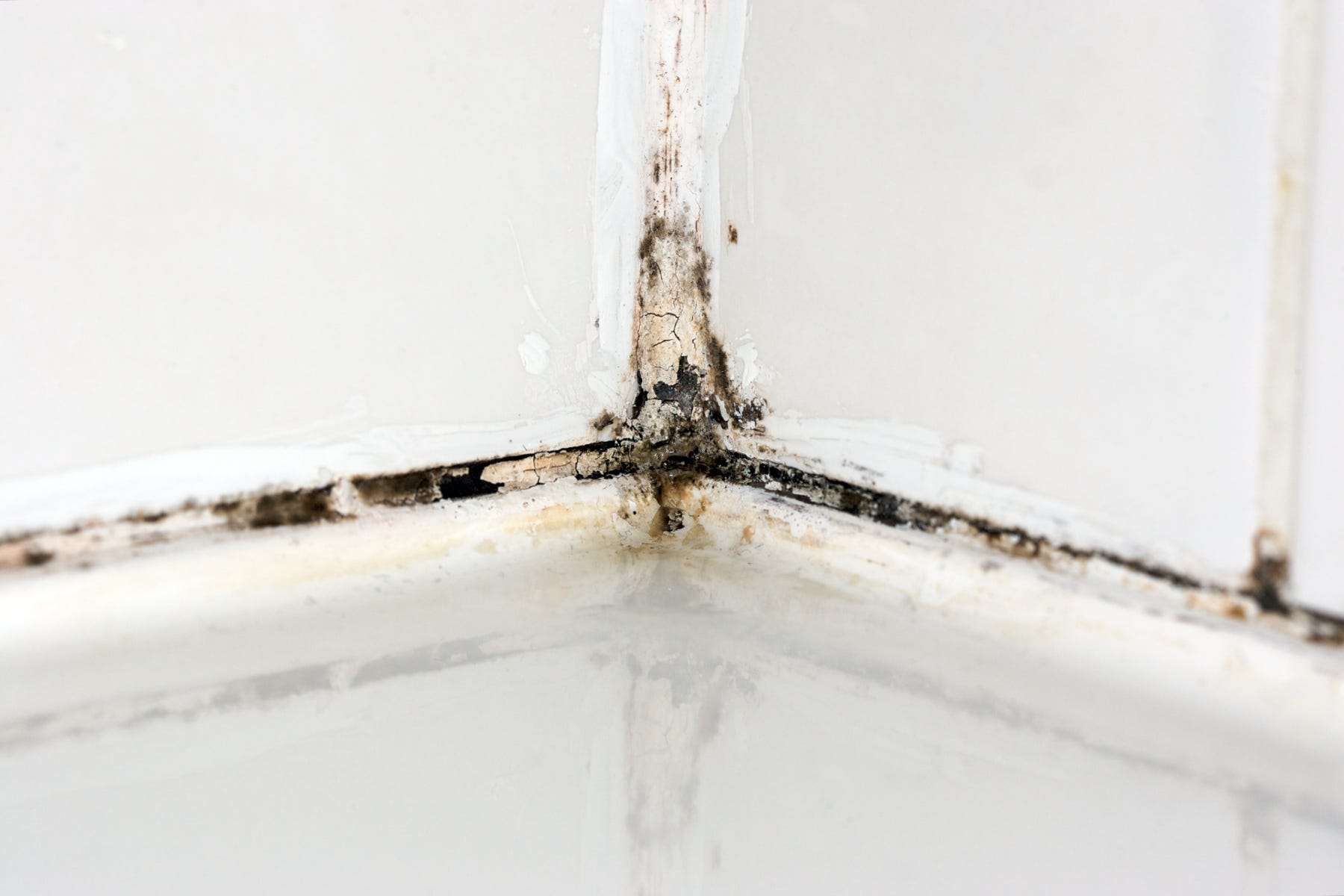
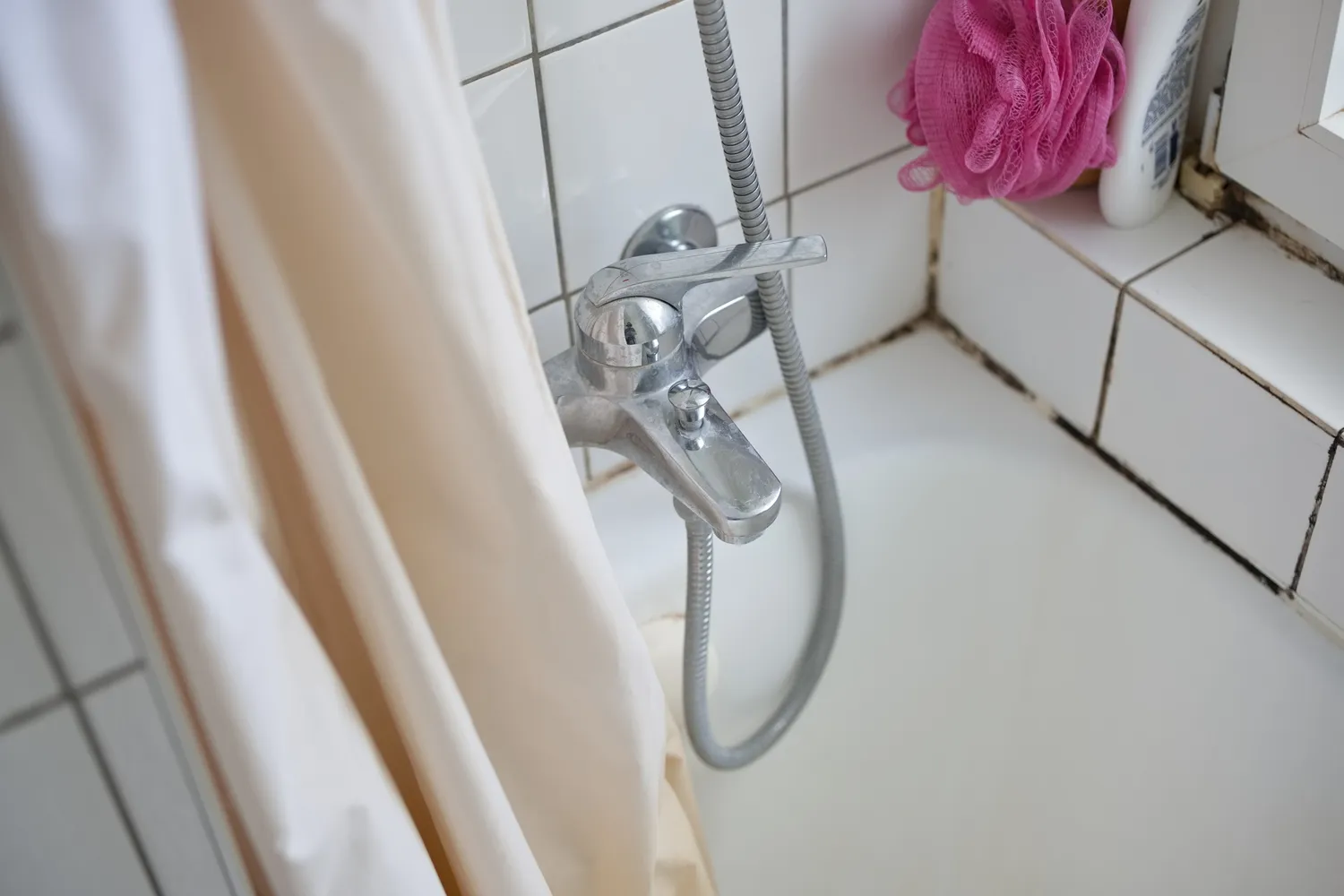
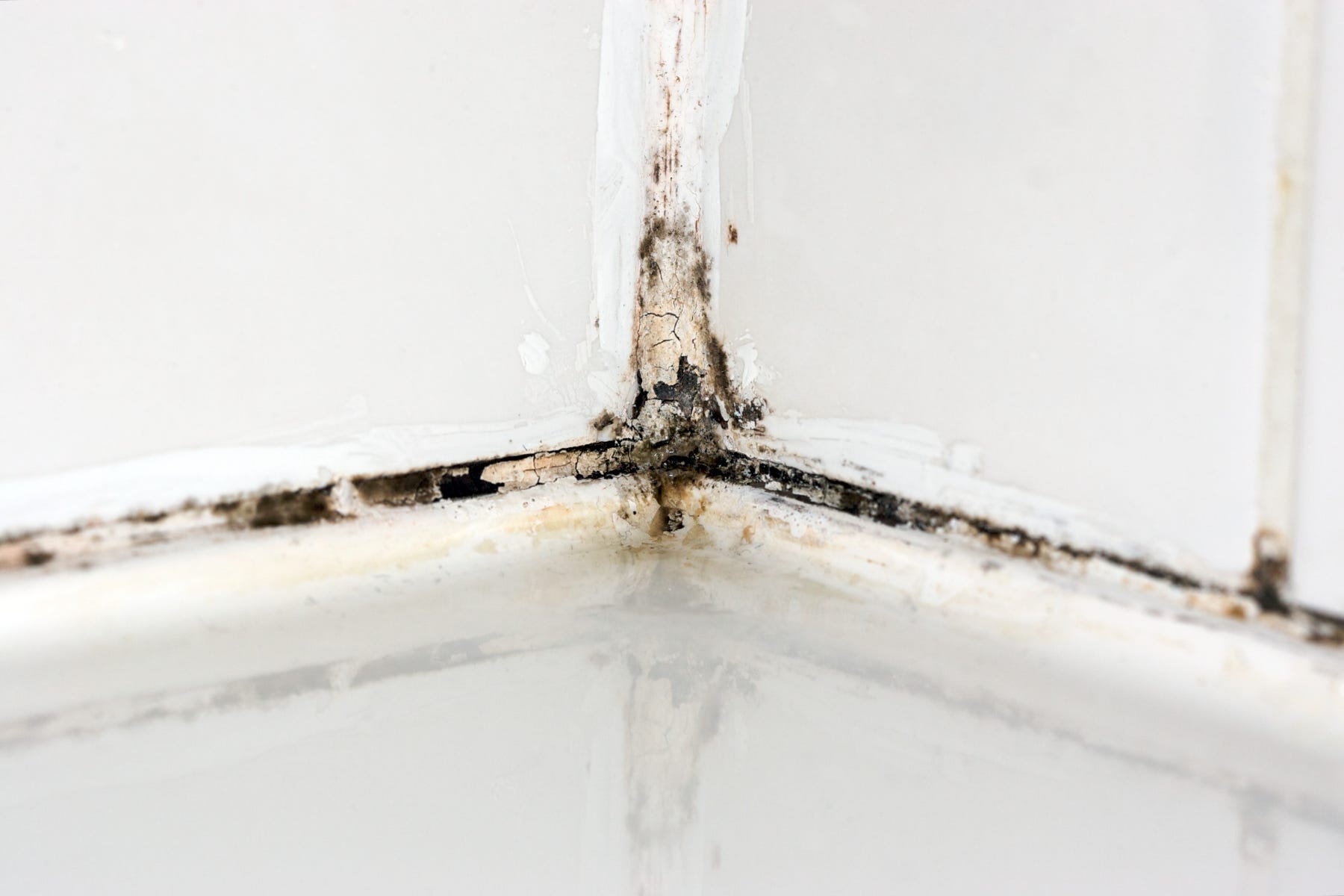
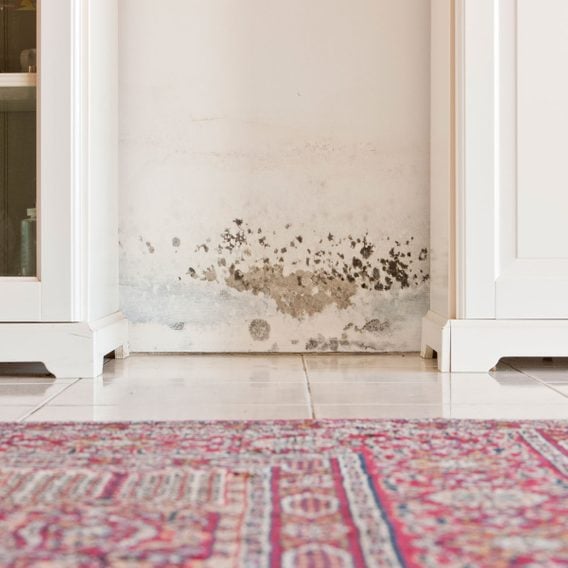
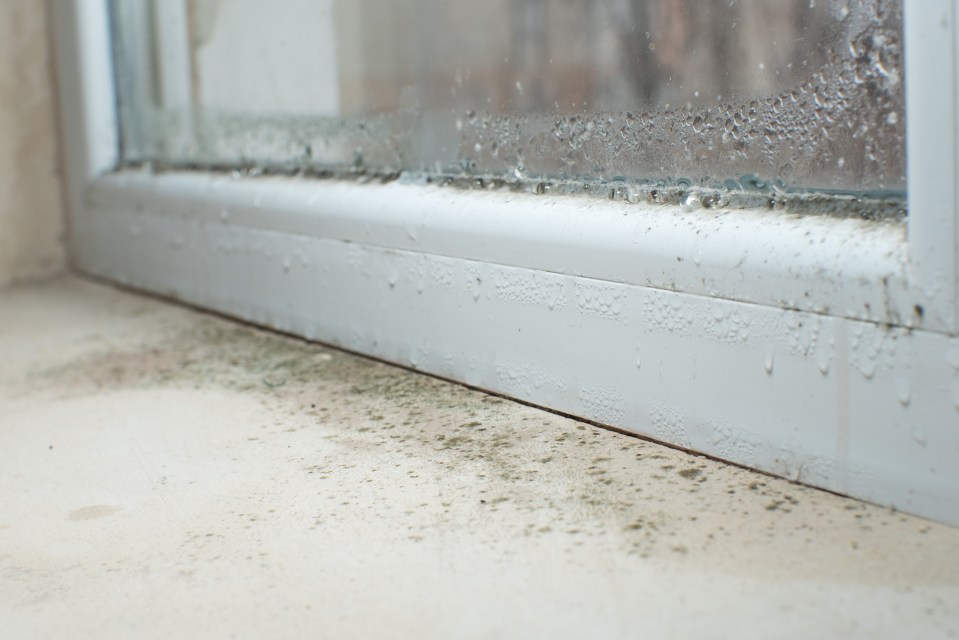
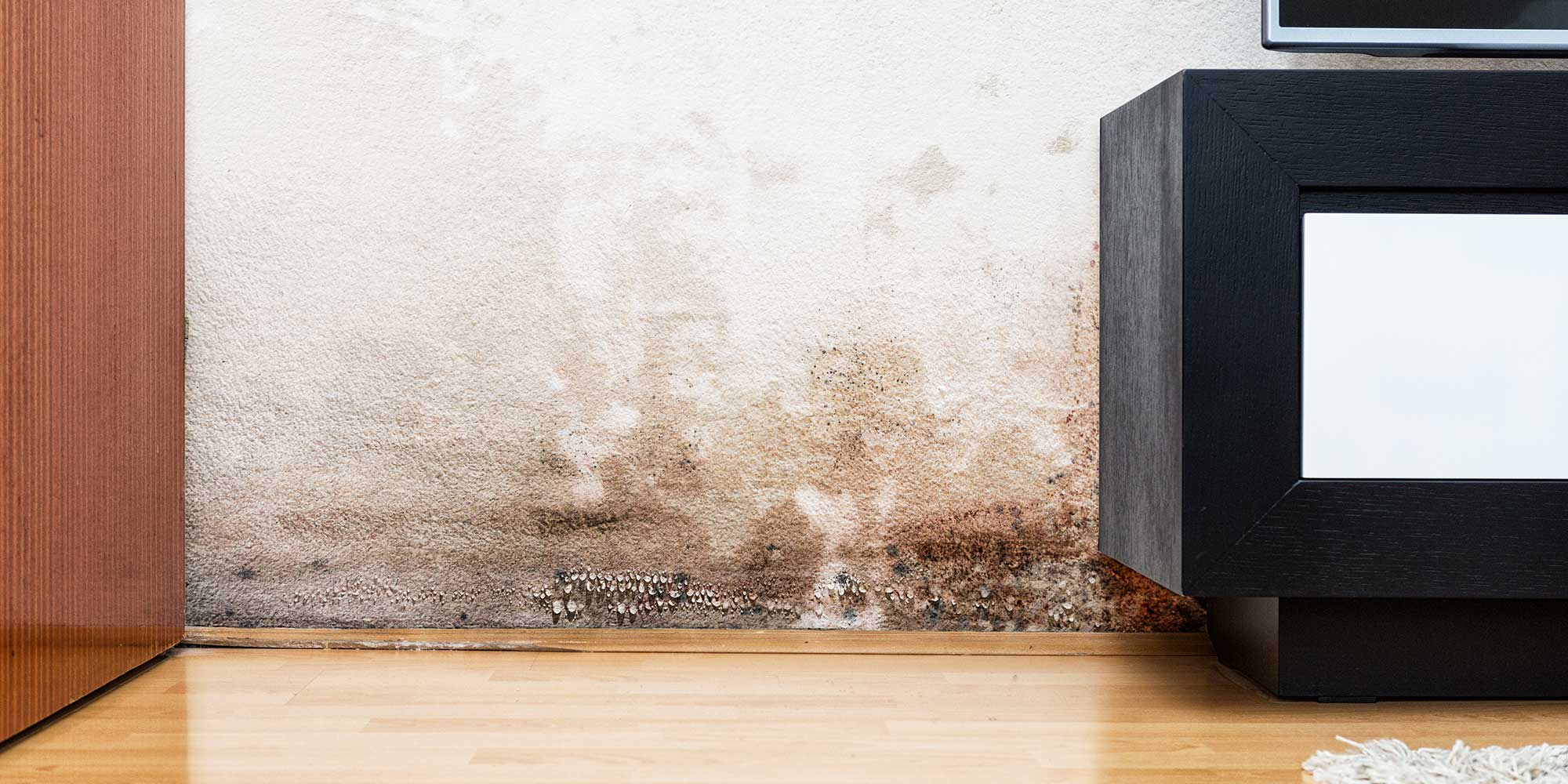
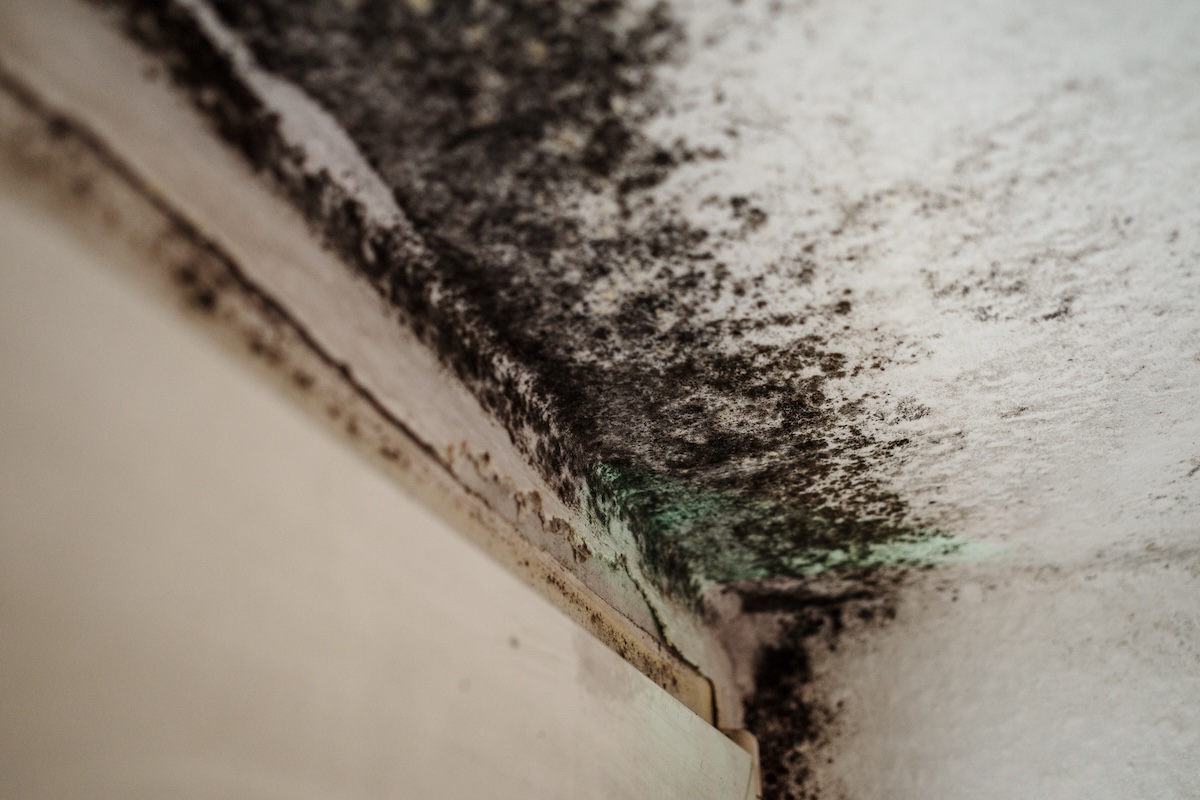
Mould in the home can pose significant health risks, particularly for individuals with respiratory issues, skin problems, or compromised immune systems, as well as the elderly and children. Addressing mould promptly is crucial for maintaining a healthy living environment. This guide outlines effective strategies for both removing existing mould and preventing its recurrence.
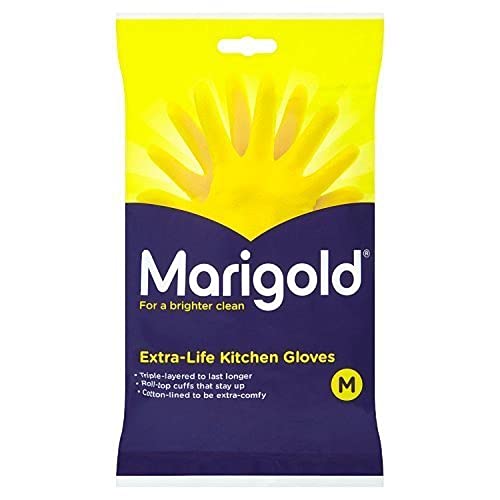
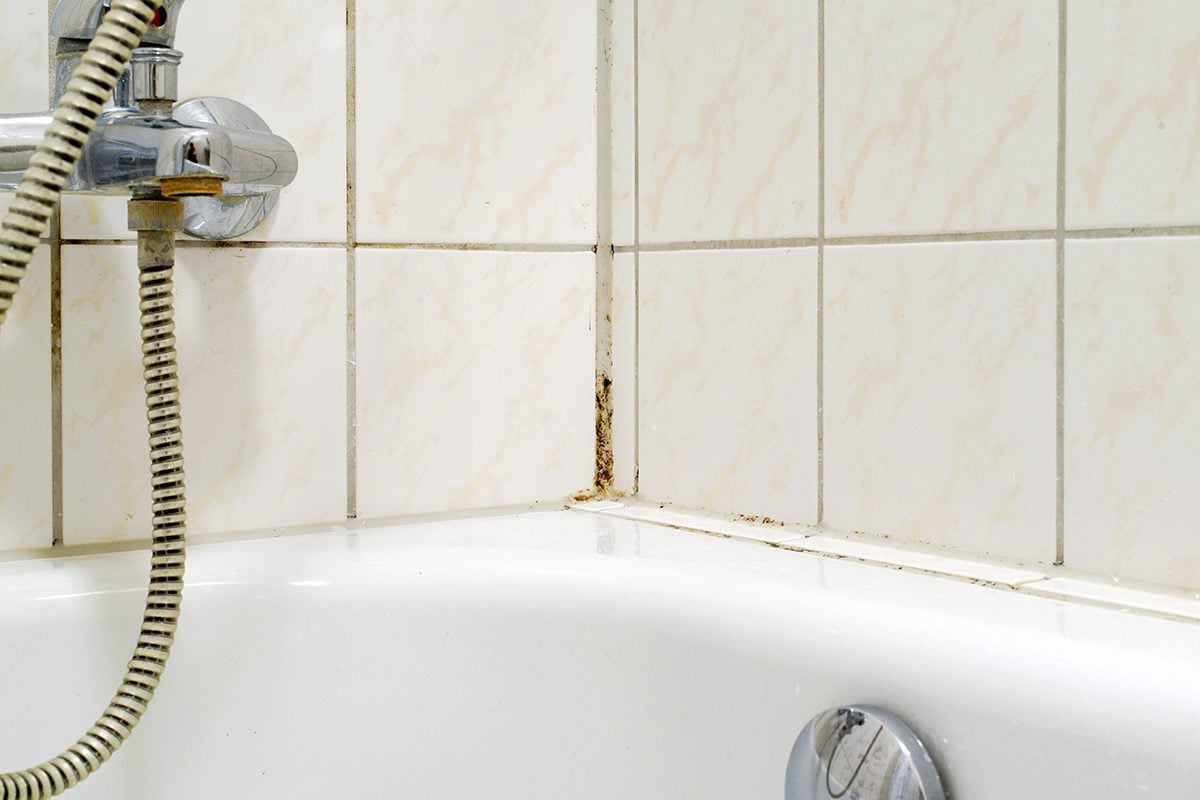
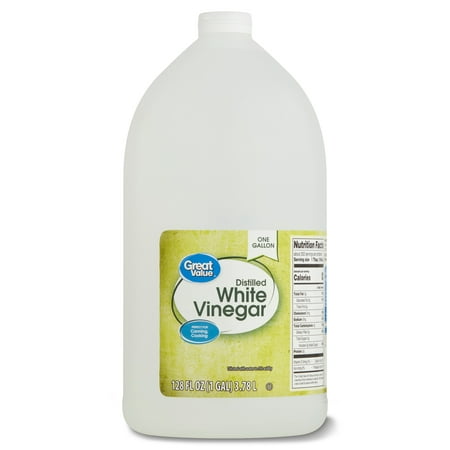
For small patches of mould, DIY removal is often feasible using common household items. It's essential to ensure good ventilation during the cleaning process and to wear protective gear, such as a mask, goggles, and rubber gloves, to prevent inhalation of mould spores. A simple solution of a few drops of washing-up liquid mixed with warm water can be applied to hard surfaces like walls and floors. For more stubborn mould, a 1:1 solution of white vinegar and warm water in a spray bottle can be effective, allowing it to sit for up to an hour before wiping away and air drying. However, it's important to note that vinegar is not suitable for all cleaning tasks.
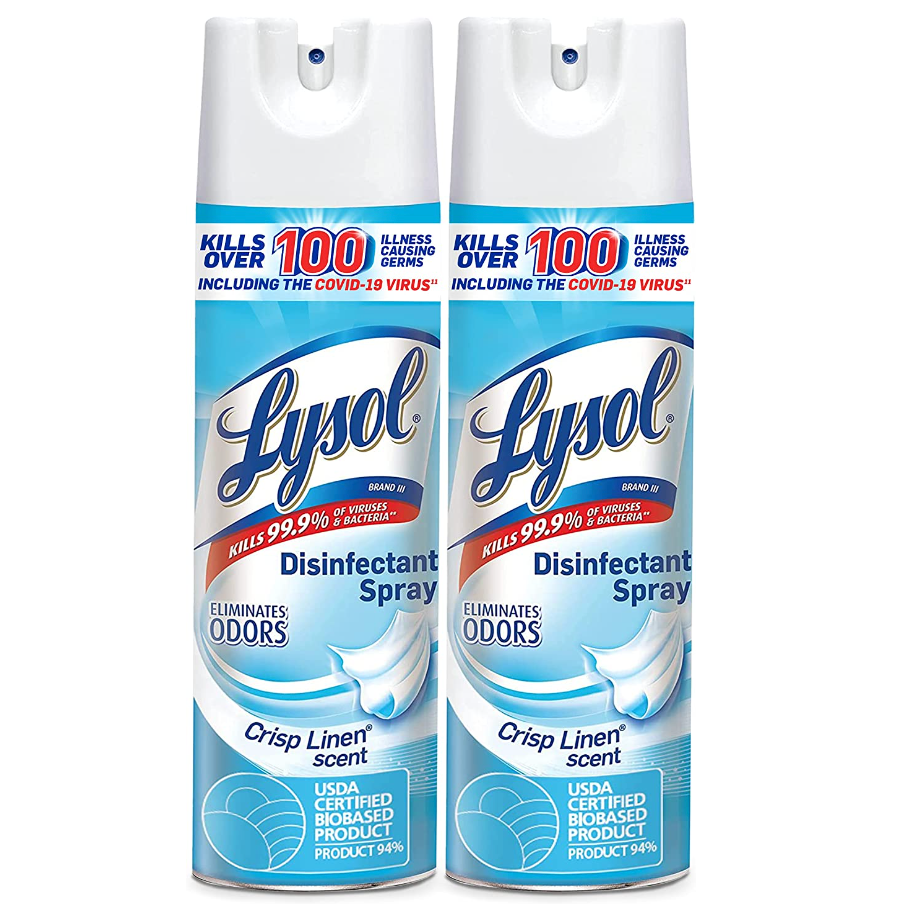
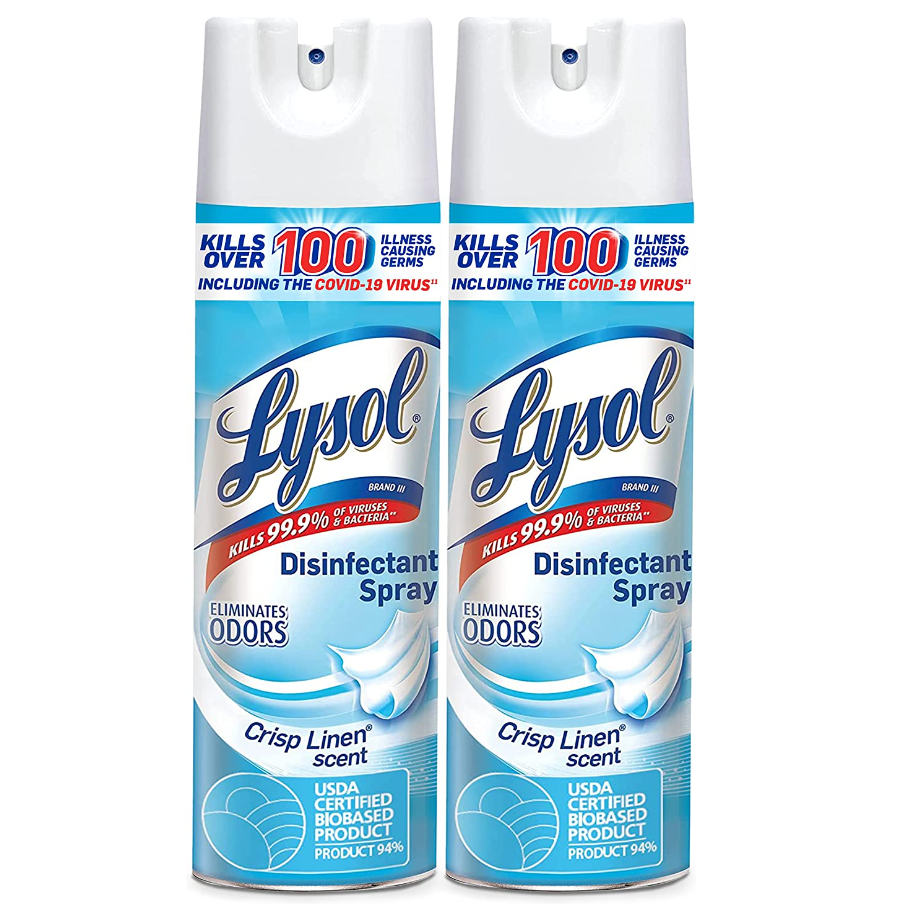
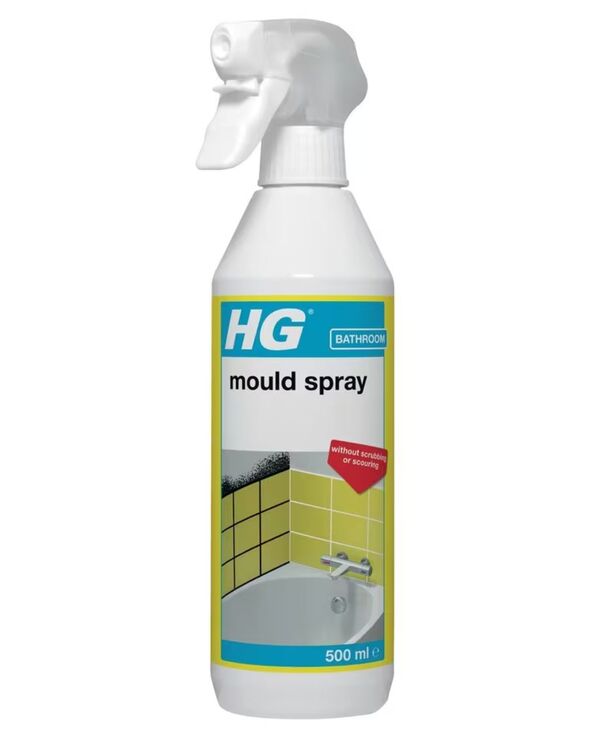
Dedicated mould removers, available in supermarkets and DIY stores, offer a convenient alternative. Users should follow manufacturer instructions carefully to ensure thorough mould removal, not just staining, and to select a product compatible with the surface being treated. For extensive or rapidly spreading mould, professional intervention from a mould and cleaning specialist is recommended. Services like Which? Trusted Traders can help locate reputable professionals.
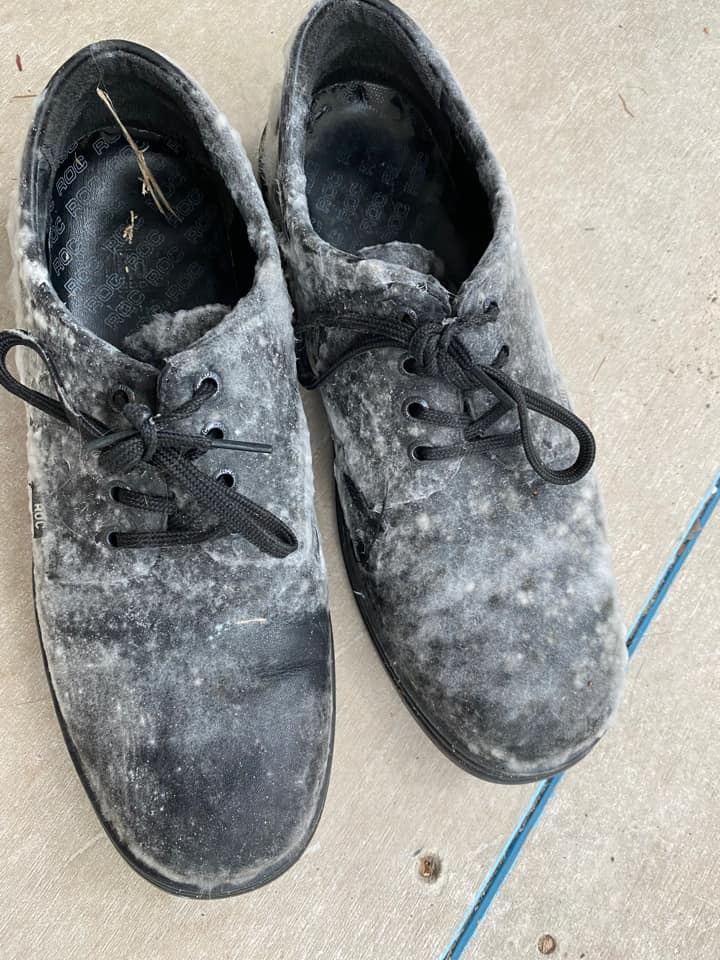
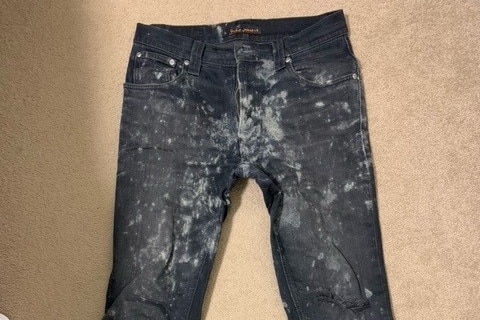
Removing mould from machine-washable fabrics involves brushing off loose mould outdoors, applying laundry detergent to the affected area, and washing at the highest recommended temperature. Air drying is crucial until complete mould removal is confirmed. To prevent mould and mildew on clothing, avoid leaving wet laundry in the washing machine for extended periods.
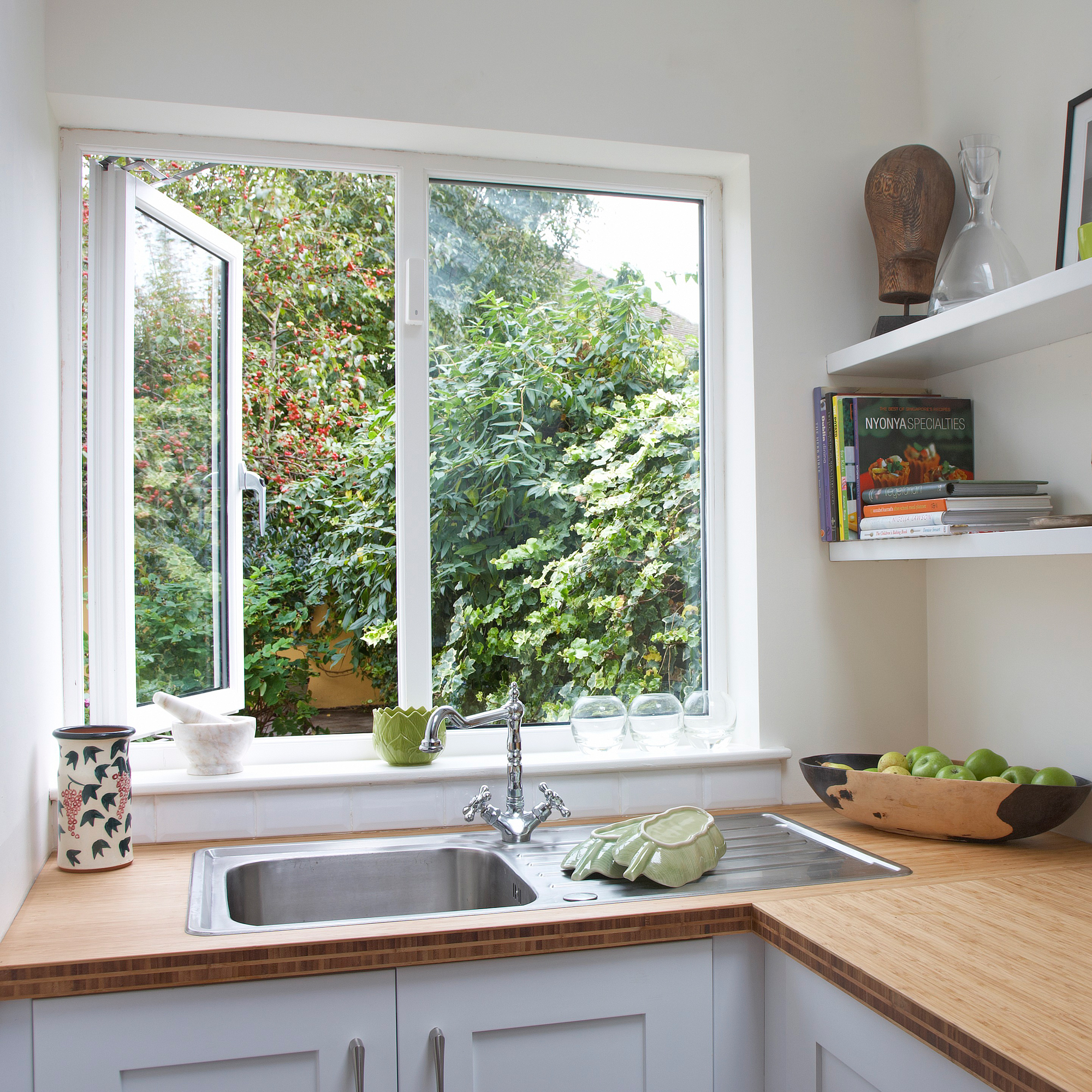
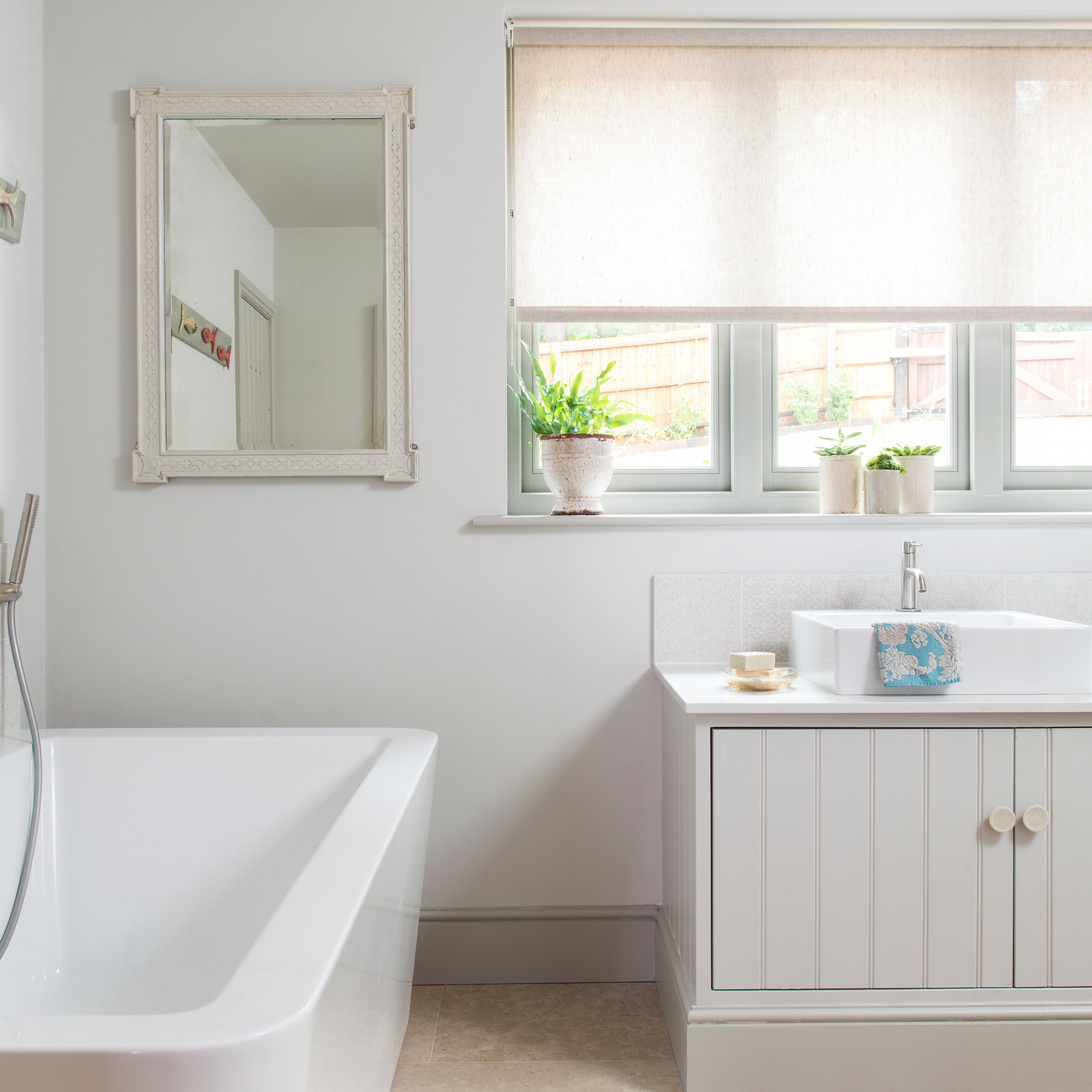
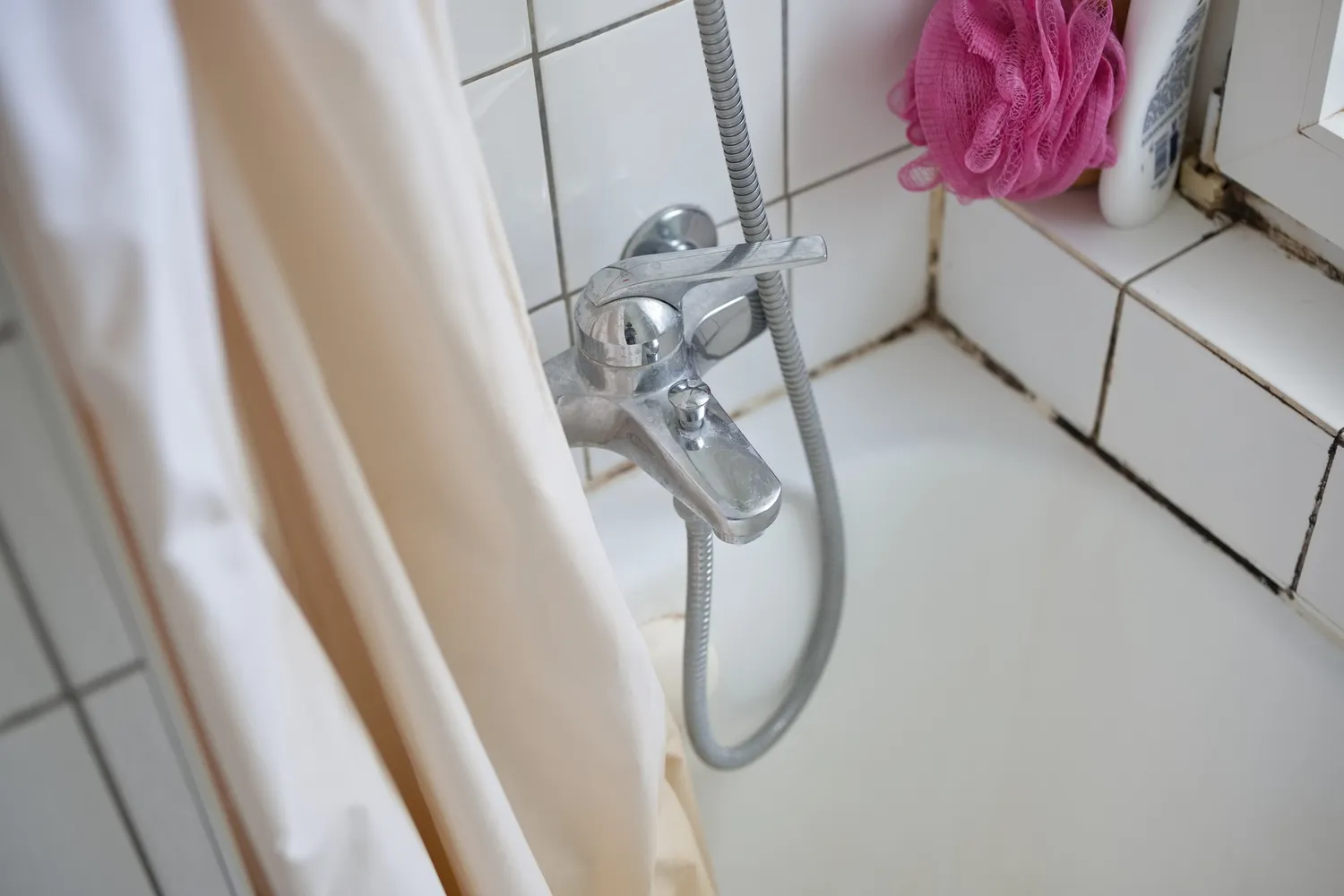
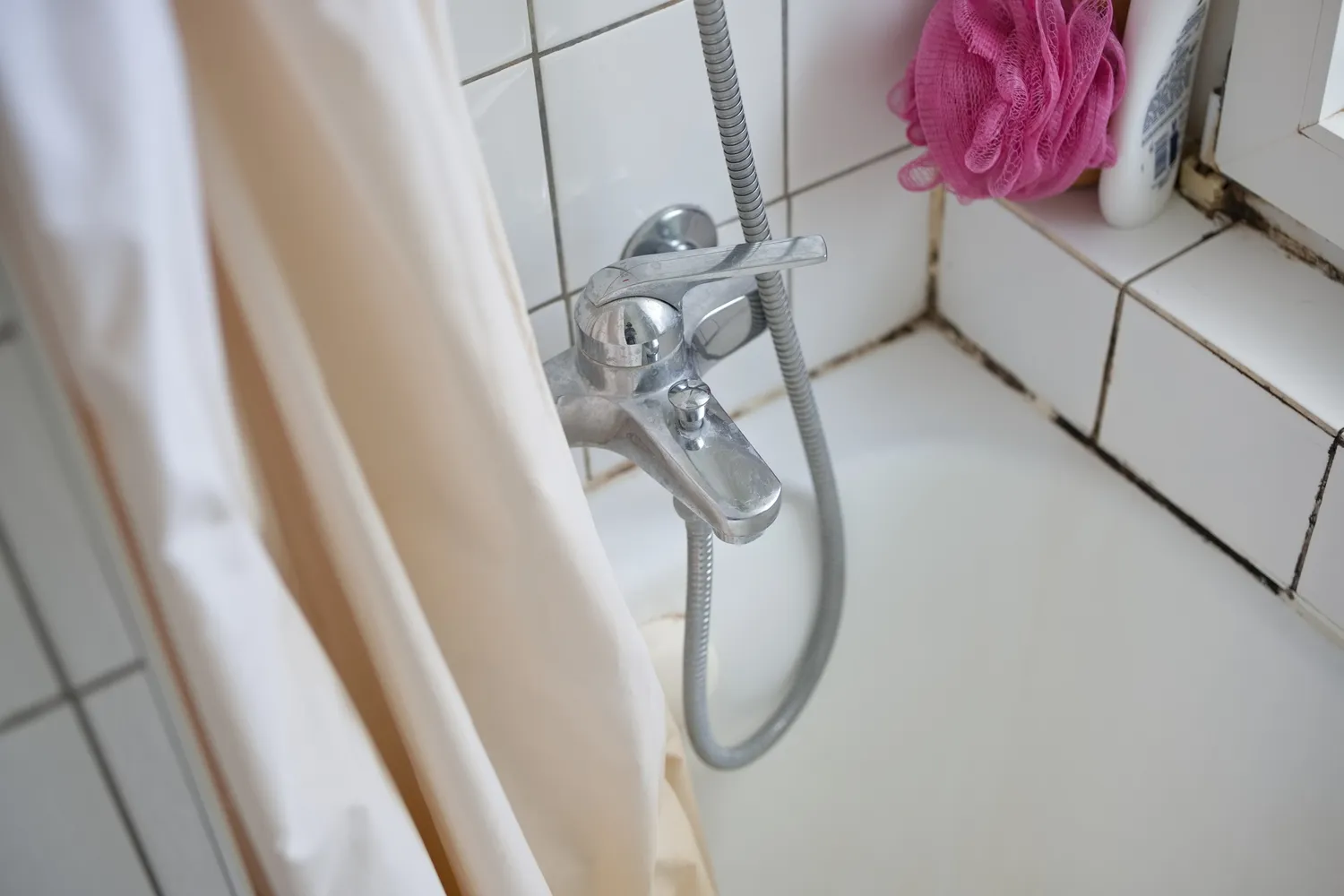
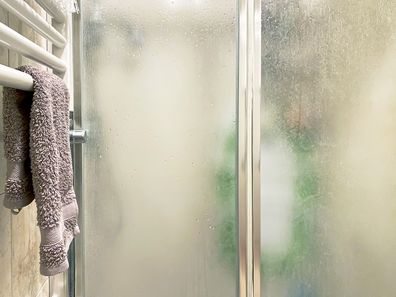
Preventing mould growth is a proactive approach that tackles the root causes. One key method is ensuring adequate home ventilation. Moist, warm conditions are ideal for mould, so opening windows daily, especially in bathrooms after showering, helps moisture escape. Drying surfaces, such as baths and shower screens, and hanging towels instead of leaving them damp are also important. Keeping the home tidy and clutter-free reduces hidden areas for mould growth, and regular dusting and vacuuming can remove dormant mould spores. Upgrading to a powerful vacuum cleaner can further assist in this regard.
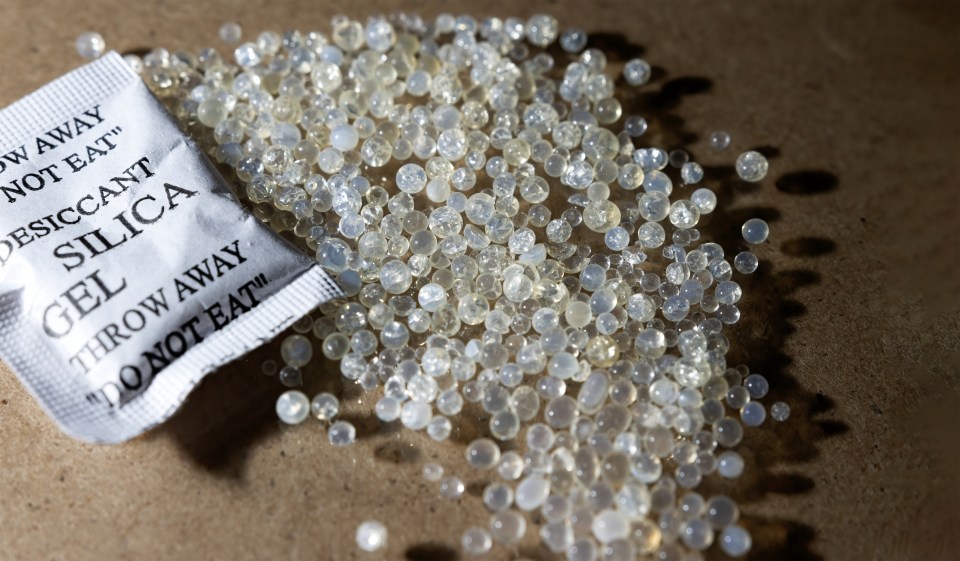
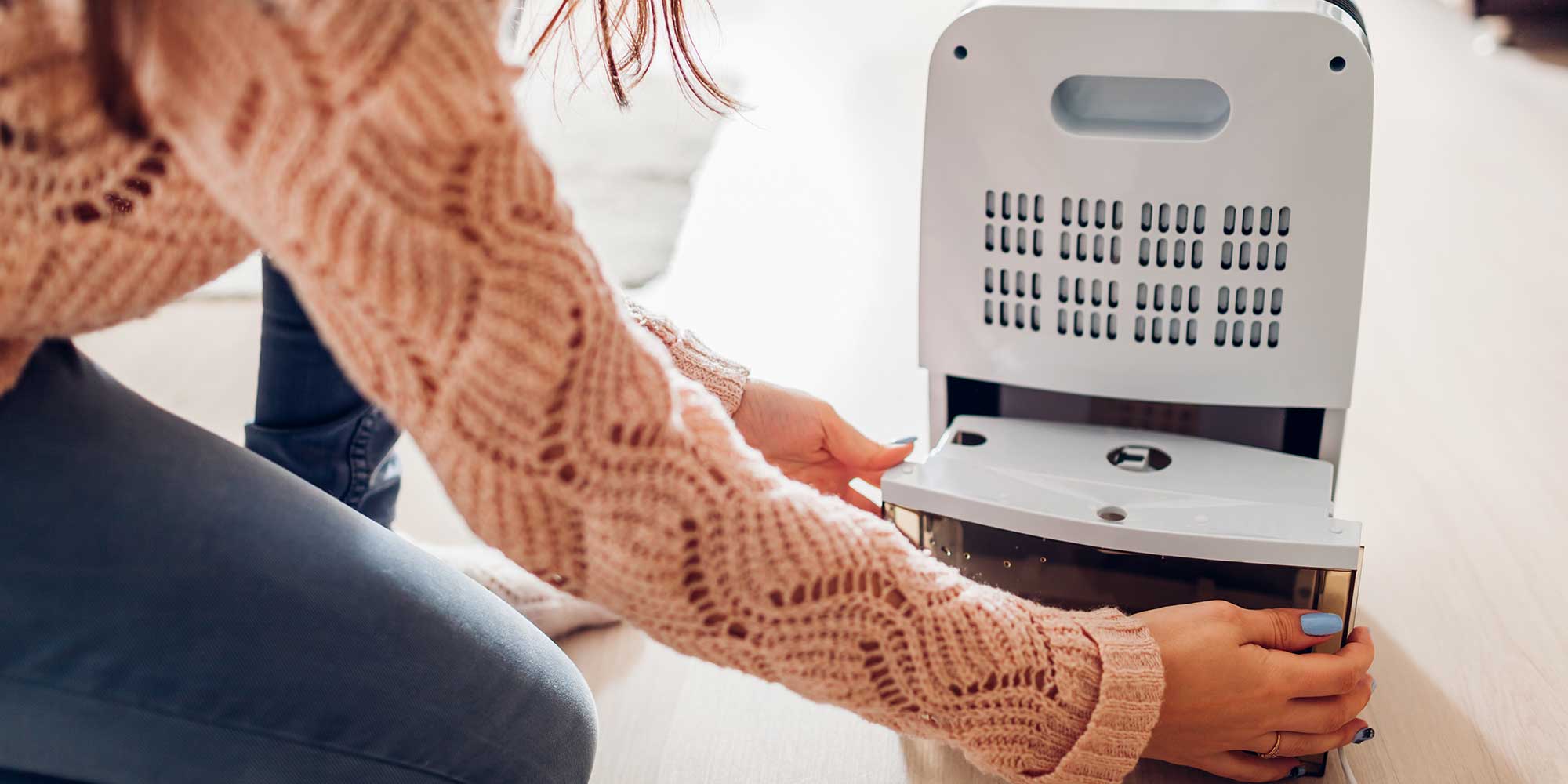
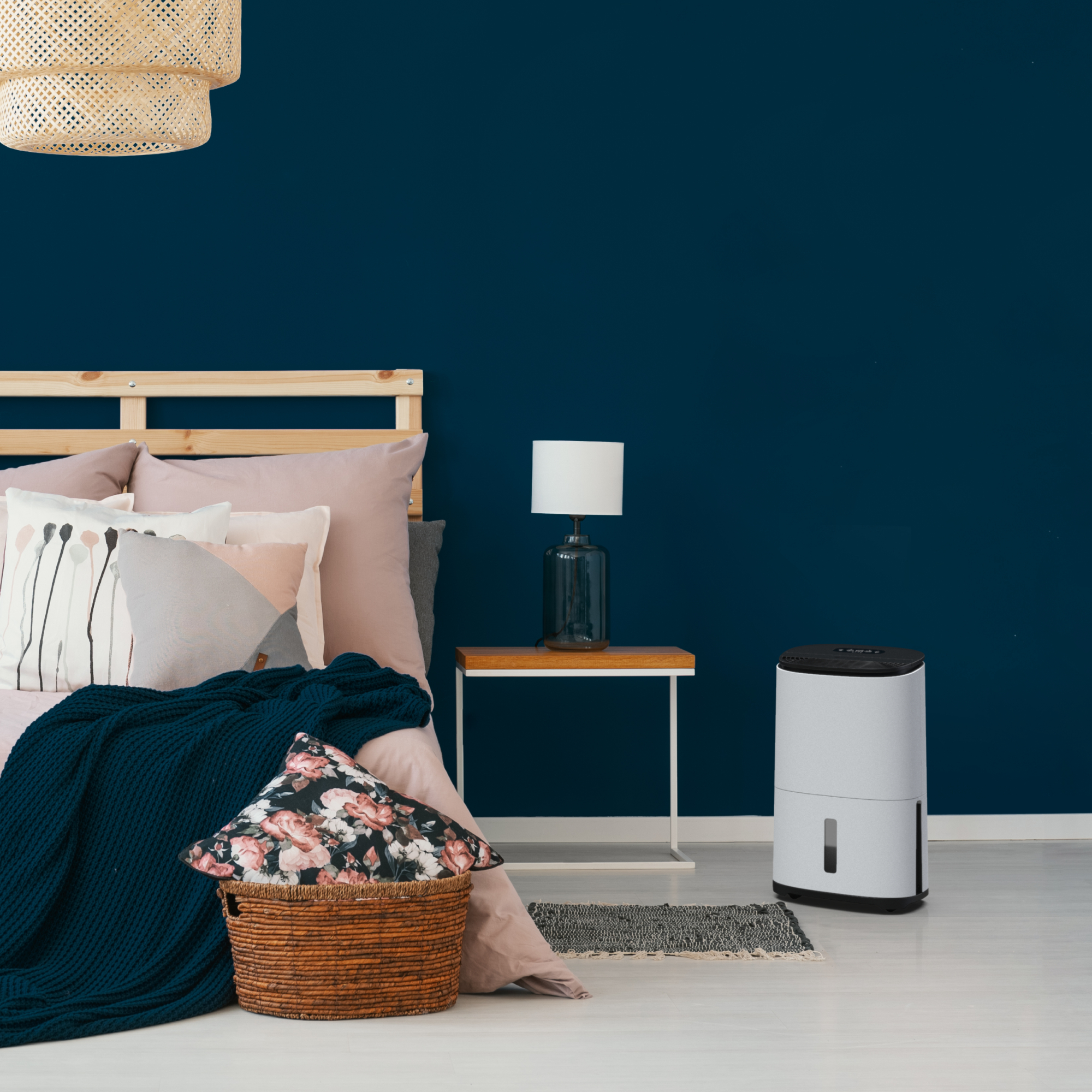
Dehumidifiers are highly effective in controlling indoor humidity, thereby preventing mould. Refrigerant (compressor) dehumidifiers are suitable for heated rooms, drawing air across cold coils to remove moisture. They should be placed centrally with internal doors open to draw moisture from multiple rooms. Desiccant dehumidifiers, which use an absorbent material, are better for colder environments. Proper sizing of the dehumidifier to the home's capacity is important, and keeping external doors and windows closed ensures efficiency.
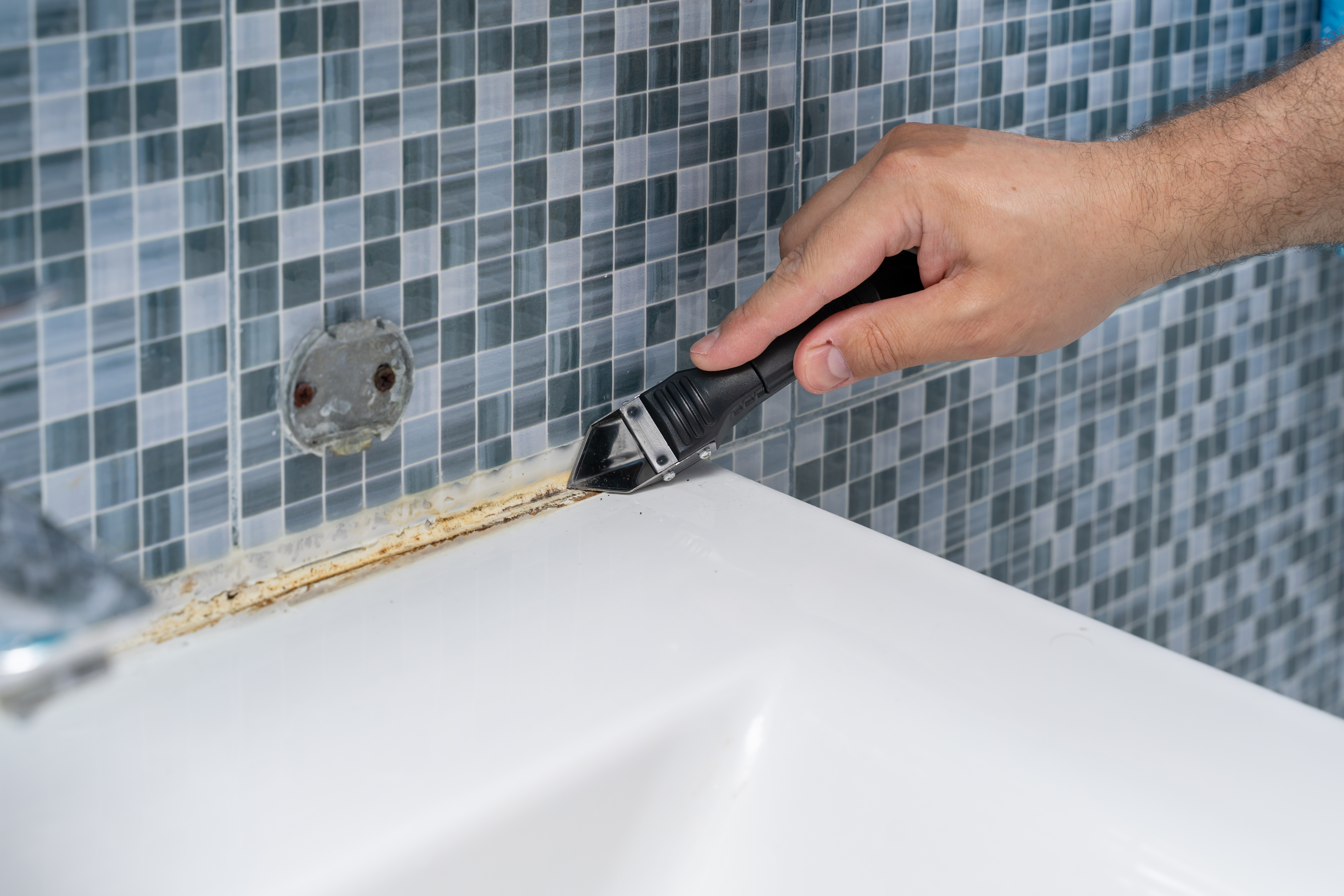
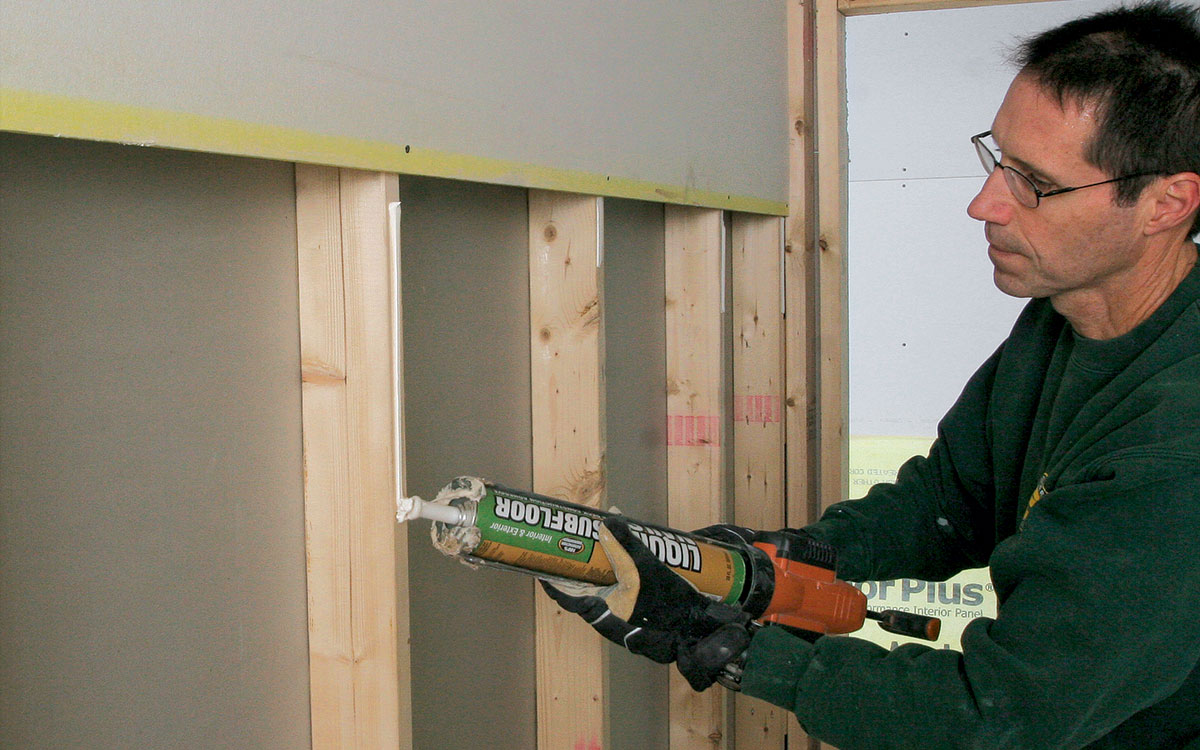
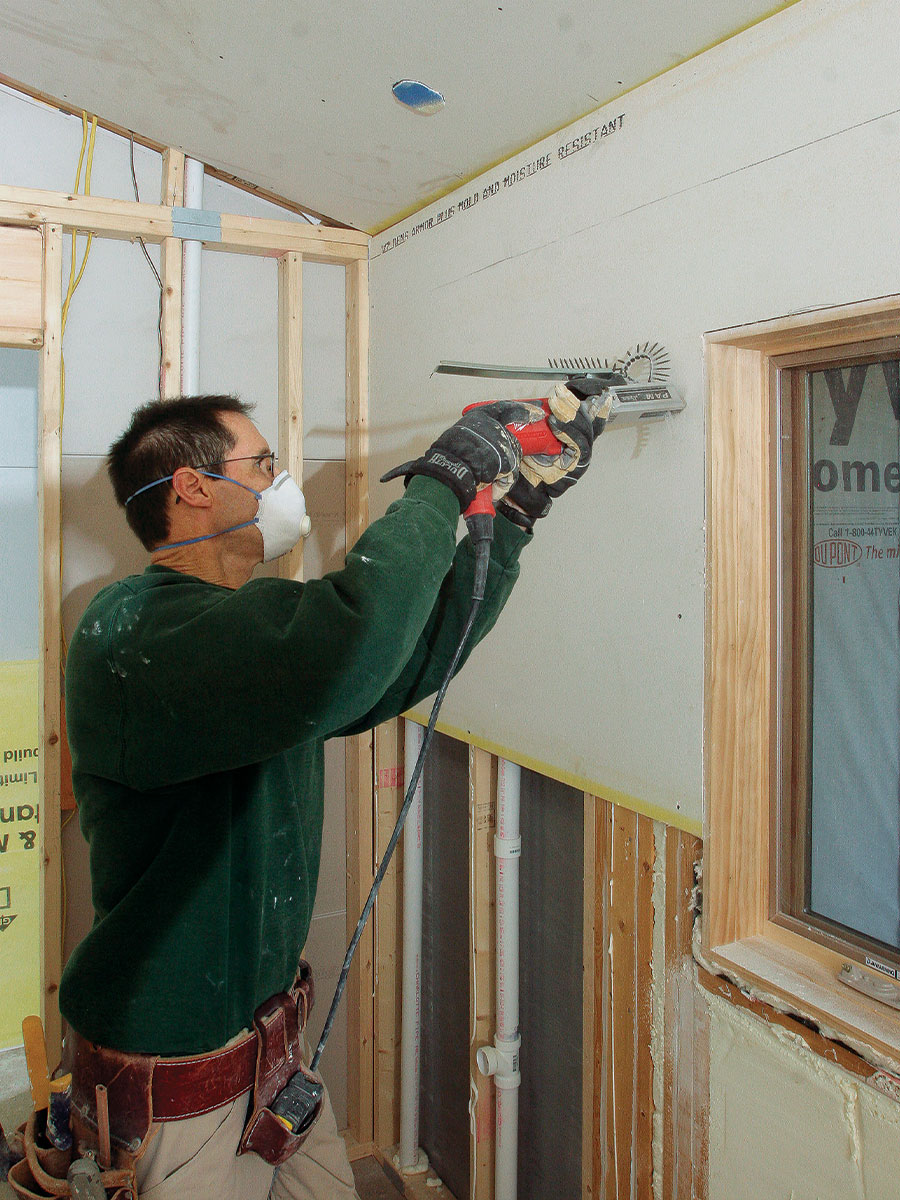
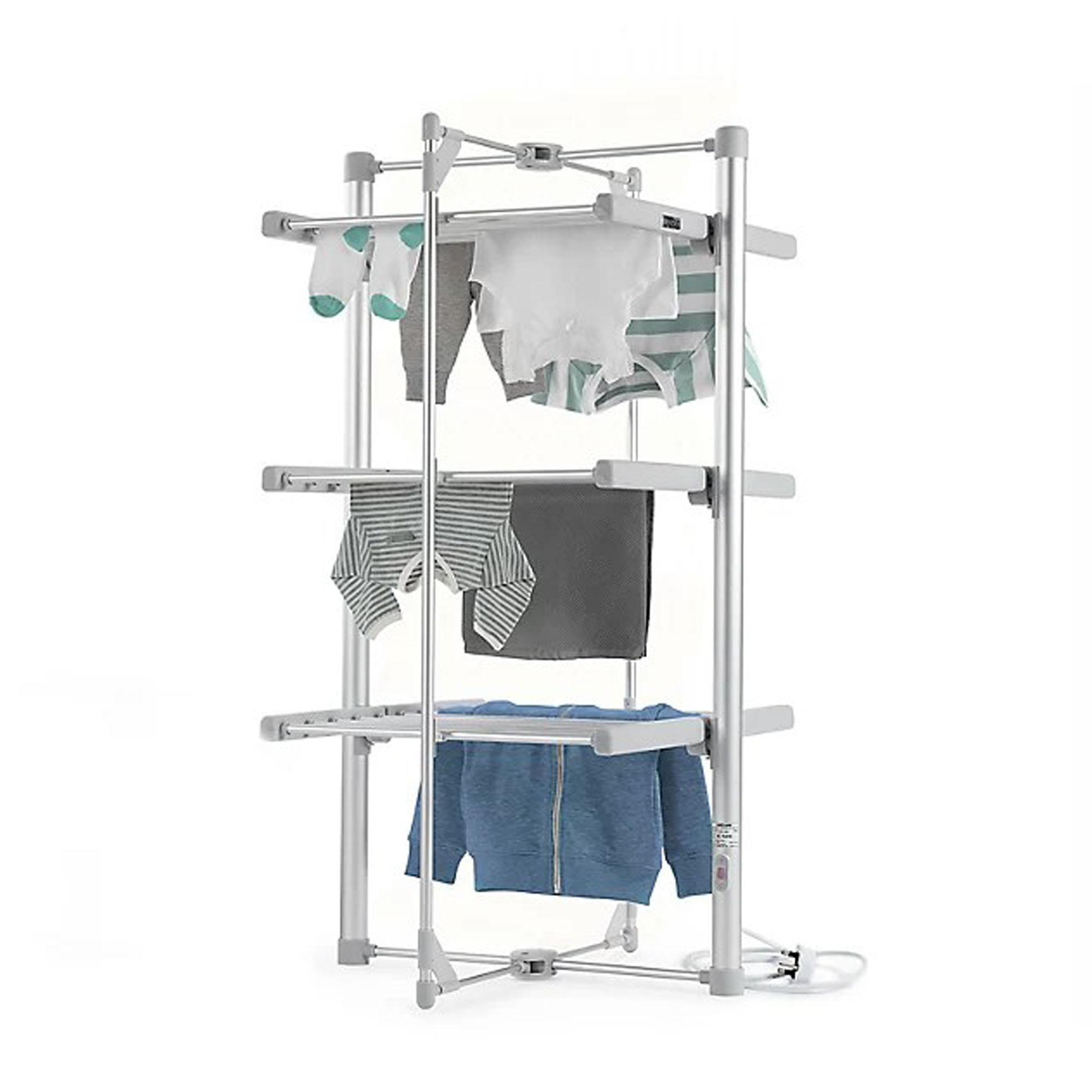
Avoiding indoor air-drying of wet laundry is also critical, as it releases significant moisture into the air. If indoor drying is necessary, open a window or use a dehumidifier, many of which have specific laundry settings. When cooking, using extractor fans that vent outside and covering pots and pans minimize moisture release. Closing kitchen doors during cooking prevents moisture from spreading throughout the house. Finally, maintaining adequate home heating and insulation is crucial. Cold rooms are prone to dampness, so heating them, even at a low level, can deter mould. Sealing cracked caulking and using mould-resistant paint can also prevent mould accumulation. Proper insulation and ventilation, as detailed in insulation advice guides, contribute to an energy-efficient home less susceptible to mould.
In rented accommodations, landlords are responsible for mould arising from structural issues like wall cracks, poor insulation, or plumbing problems. Tenants should notify landlords promptly, describing the mould's location and damage. Tenants, in turn, are responsible for appropriate ventilation and heating. Disagreements over responsibility can arise, and resources like Citizen's Advice offer guidance on renters' rights concerning damp accommodation.
#MouldRemoval #MouldPrevention #HomeMaintenance #IndoorAirQuality #Ventilation #Dehumidifiers #CleaningTips #HomeImprovements #TenantRights #MouldRemoval #MouldPrevention #HomeMaintenance #IndoorAirQuality #Ventilation #Dehumidifiers #CleaningTips #HomeImprovements #TenantRights
0 comment in total
 No comments yet
You may also like
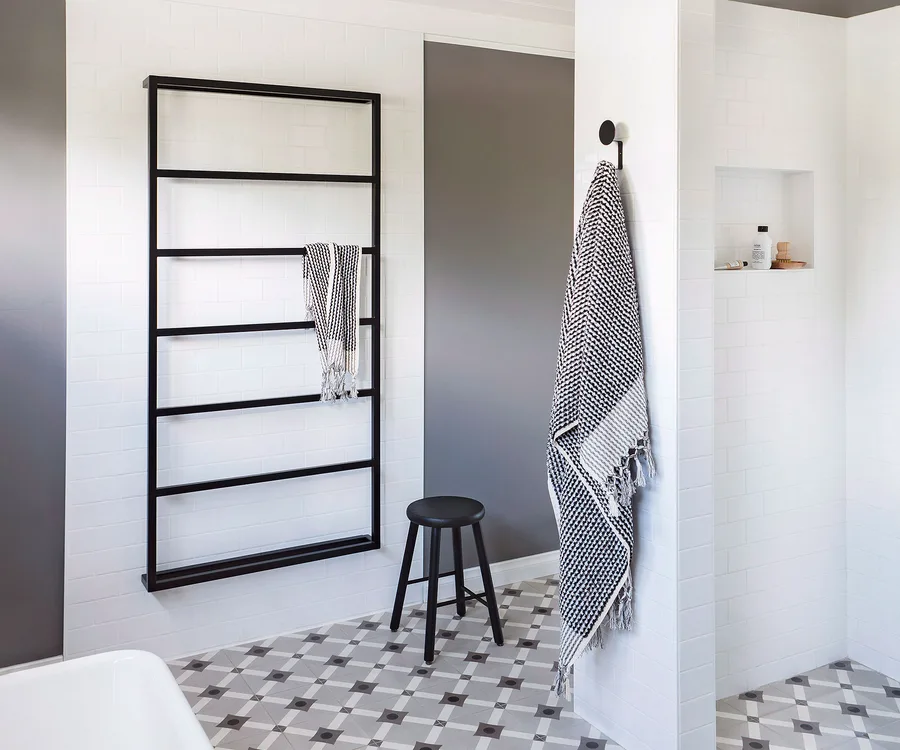
Expert-tested mould removal tips that actually work

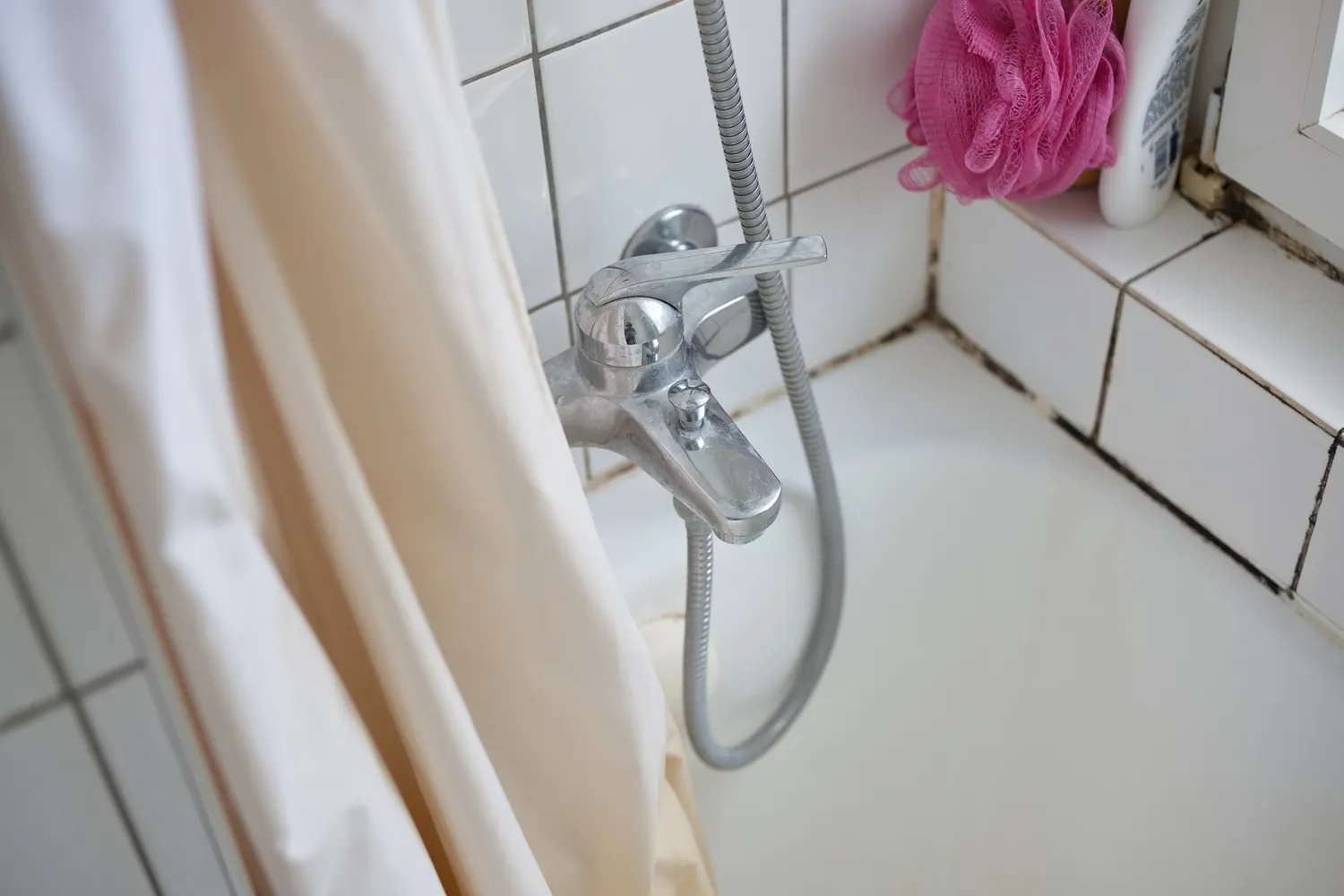
We Asked a Cleaning Pro How to Finally Get Rid of Mold in the Shower—And We're Trying This ASAP

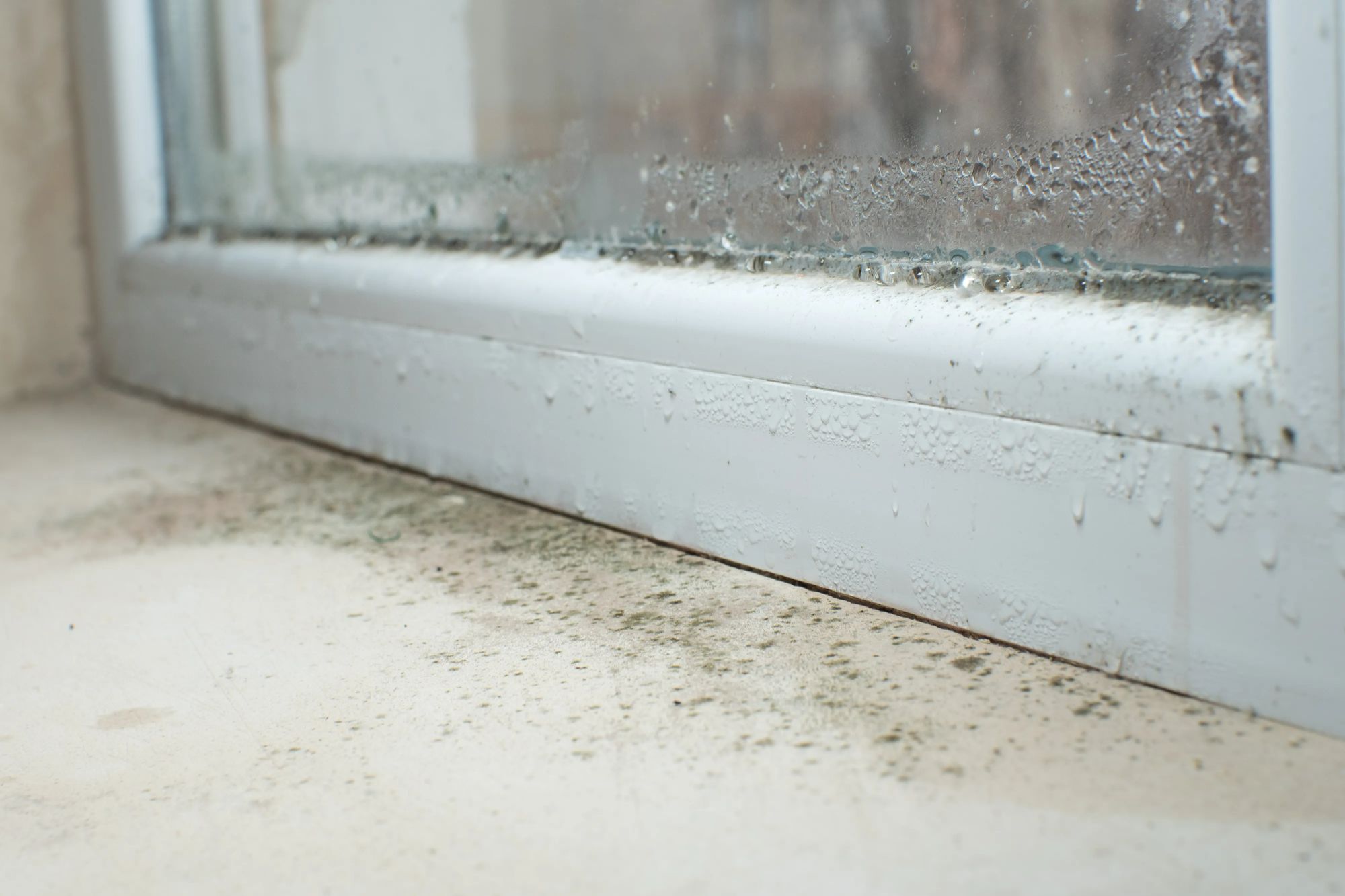
The free condensation-busting item which comes in the post - but you're binning

Say Goodbye to Moldy Shower Caulk with These 3 Easy Fixes

Lots of rain can mean mould, this is how to get rid of it. - ABC Emergency

The Best Way to Remove Mildew, According to Experts

Bleach is the ‘worst’ for silicone sealant mould - cleaner’s ‘magic’ item works way better

How to clean mold off outdoor cushions – refresh your outdoor seating in time for summer

How to get rid of mould on walls – 7 home treatments tried and tested by the experts
The B&M buy that melts silicone sealant mould in seconds with zero scrubbing


How to get rid of damp
How to Get Rid of the Musty Smell in Your Basement

Cleaner’s ‘fantastic’ spray to ‘melt away’ silicone sealant mould in 30 minutes

Mold and Mildew Cleaning and Repair

How to prevent mould in wardrobes - expert-approved tips to protect your furniture and your clothes
6 bedroom storage mistakes that could be causing mould – and what to do instead
Gross! Here Are the Best Ways to Remove Mildew for Good
Fight Mold With Paperless Drywall


How to stop damp in a bedroom - 10 foolproof ways to keep mould at bay

Gross habit we're all doing with our towels is causing mould, according to an expert