1/9
Best Gym Flooring Options to Build the Home Gym of Your Dreams
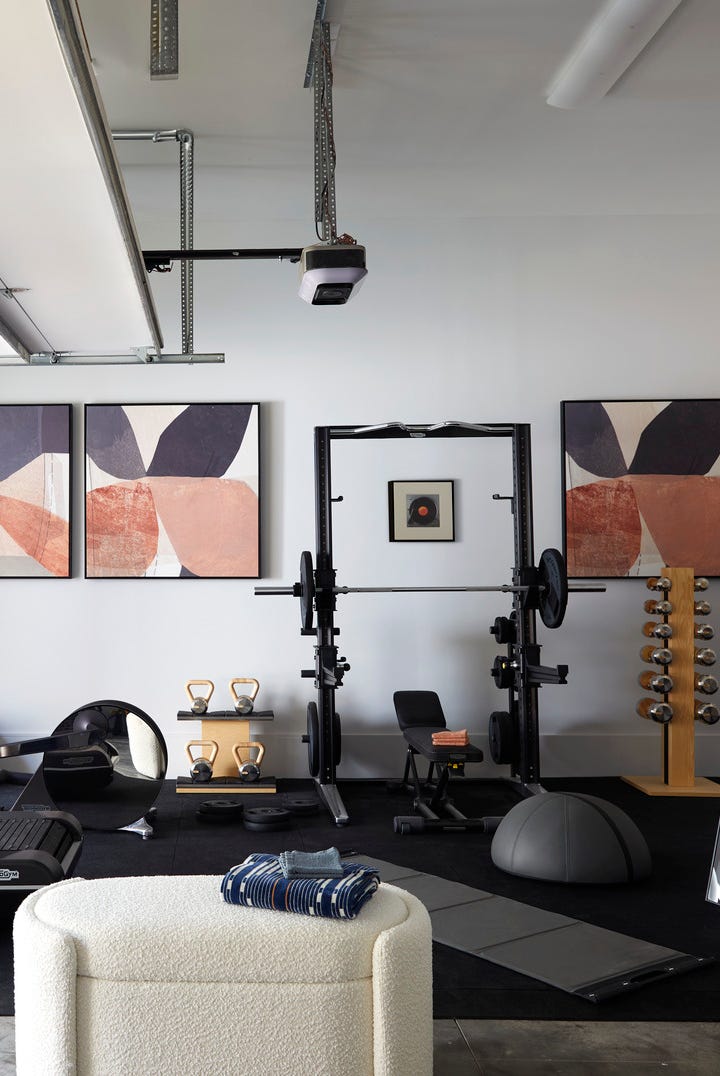
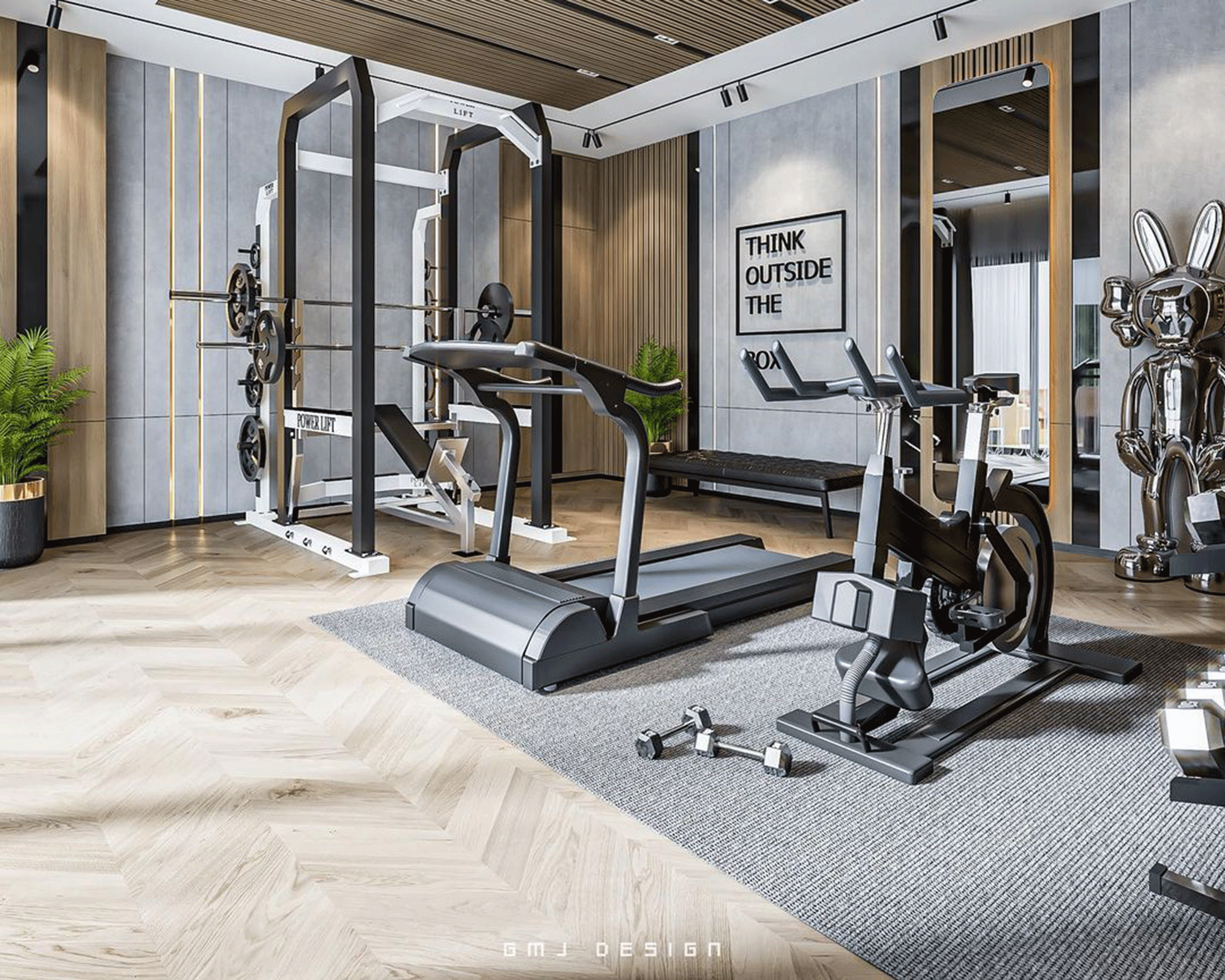
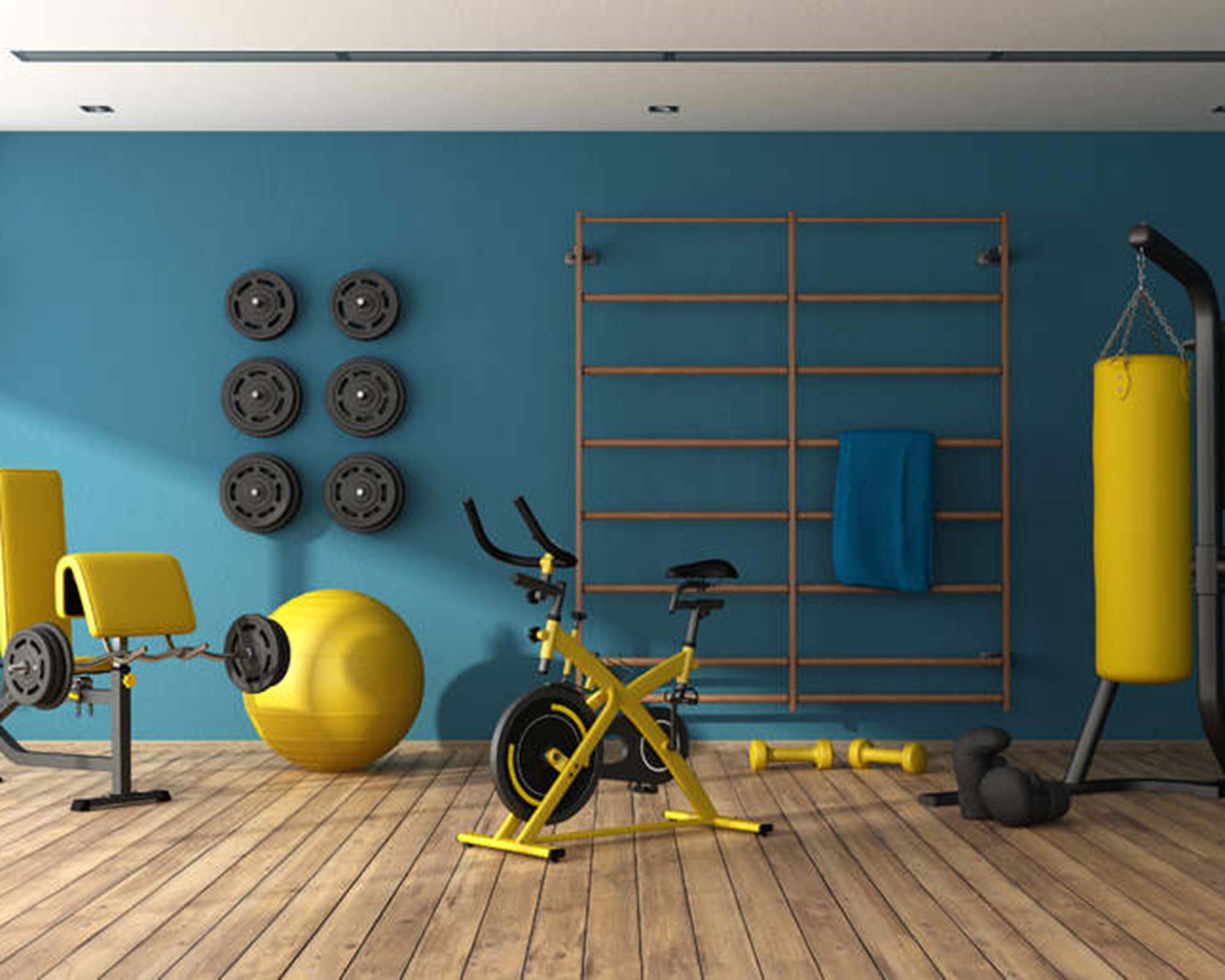
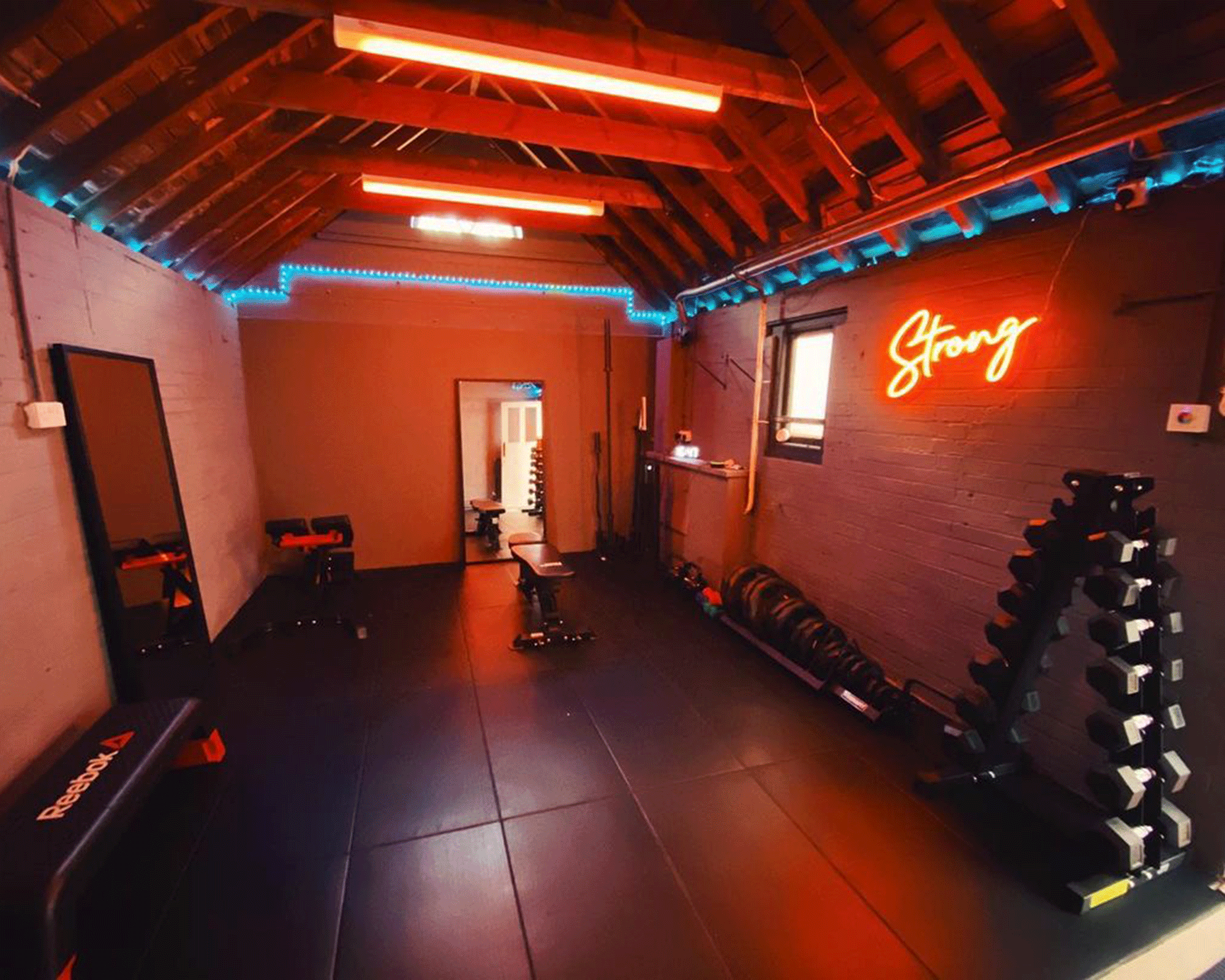
This article discusses the crucial role of selecting appropriate gym flooring when establishing a home gym, emphasizing its importance in protecting the home's foundation, reducing noise, cushioning equipment, and minimizing joint strain. It highlights that proper gym flooring is often overlooked but is a foundational element that should be prioritized, even before acquiring extensive fitness equipment. The author, an ISSA-certified personal trainer, and fitness equipment retail manager, draws on personal experience and expert insights from Chris Howell, CEO of SPX Fit, and Merrick Lincoln, CSCS, a physical therapist and strength coach, to provide comprehensive guidance.
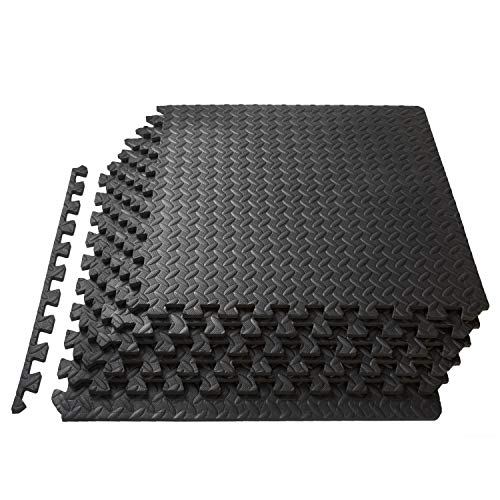
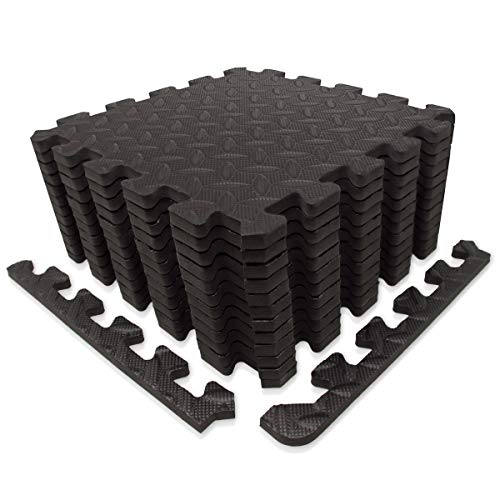
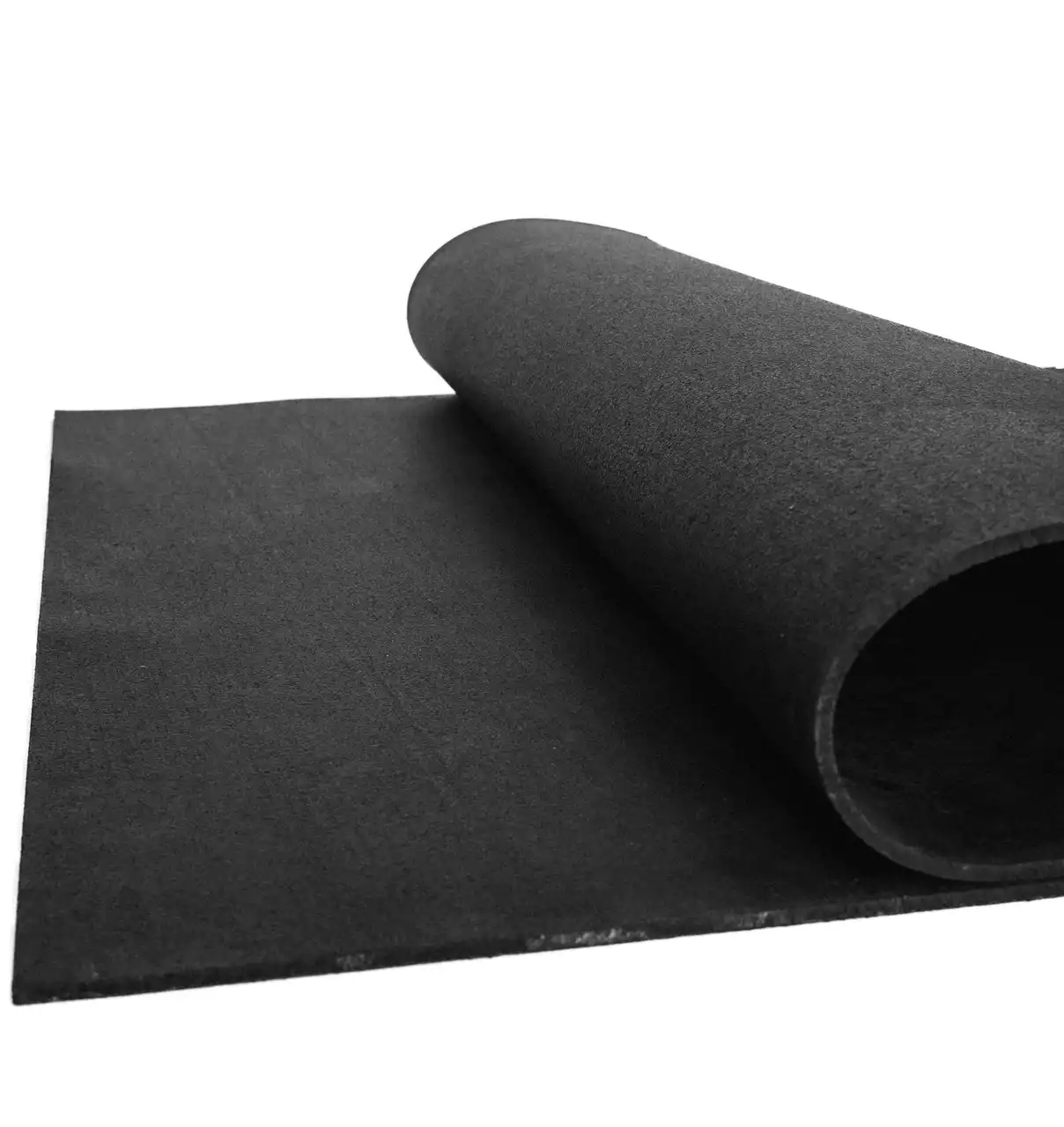
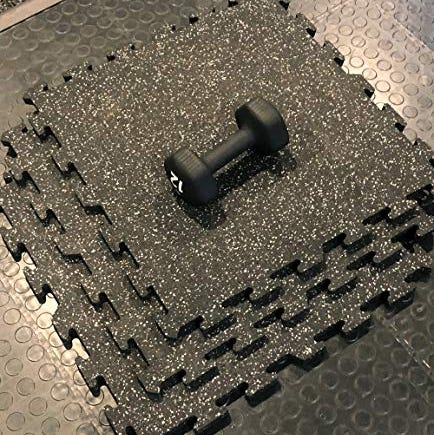
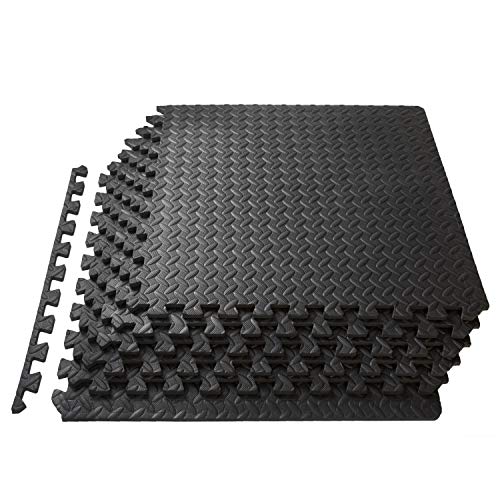
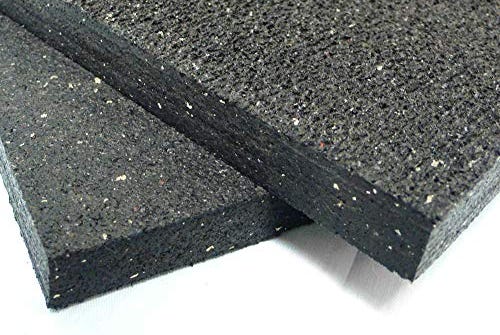
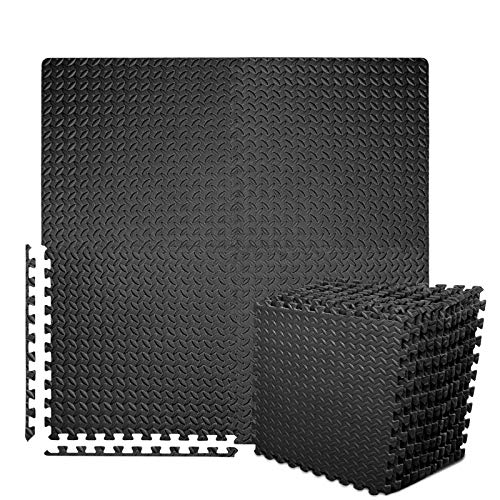
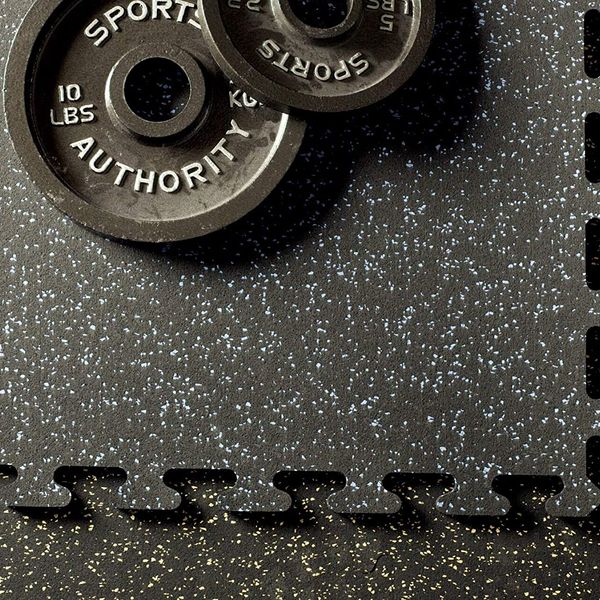
The article outlines key considerations for choosing gym flooring, focusing on material, thickness, and sound dampening. Rubber is identified as the gold standard due to its superior density and durability, offering better protection than foam or foam-rubber blends. It advises caution against generic online rubber mats, as they often contain lower-quality foam blends that compromise safety and effectiveness. Vinyl flooring, typically with a rubber base, is presented as an aesthetically pleasing option for low-impact activities, mobility work, and yoga, particularly in multi-functional spaces, though it is not suitable for heavy lifting. Carpet is generally discouraged for high-intensity training due to hygienic concerns and its tendency to wear out quickly.
Thickness is another critical factor, with a minimum of three-eighths of an inch recommended, and half-inch being ideal for most home gyms, including CrossFit. One-inch thick flooring is typically found in commercial gyms and college weight rooms. The appropriate thickness is vital for protecting the subfloor from damage caused by dropped weights. The article also addresses sound dampening, clarifying that while thicker flooring can contribute to noise reduction, achieving complete soundproofing is complex and often requires more than just flooring. Specialized crash cushions are suggested as a pragmatic solution for reducing impact noise from dropped weights.
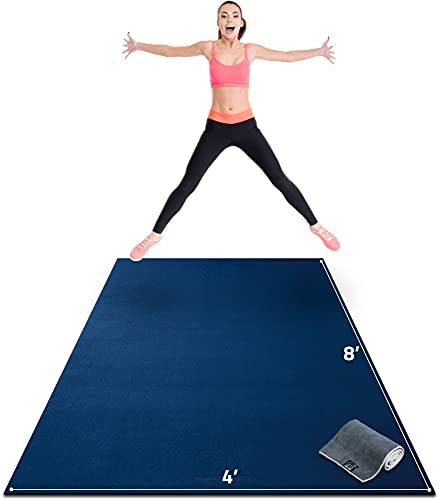
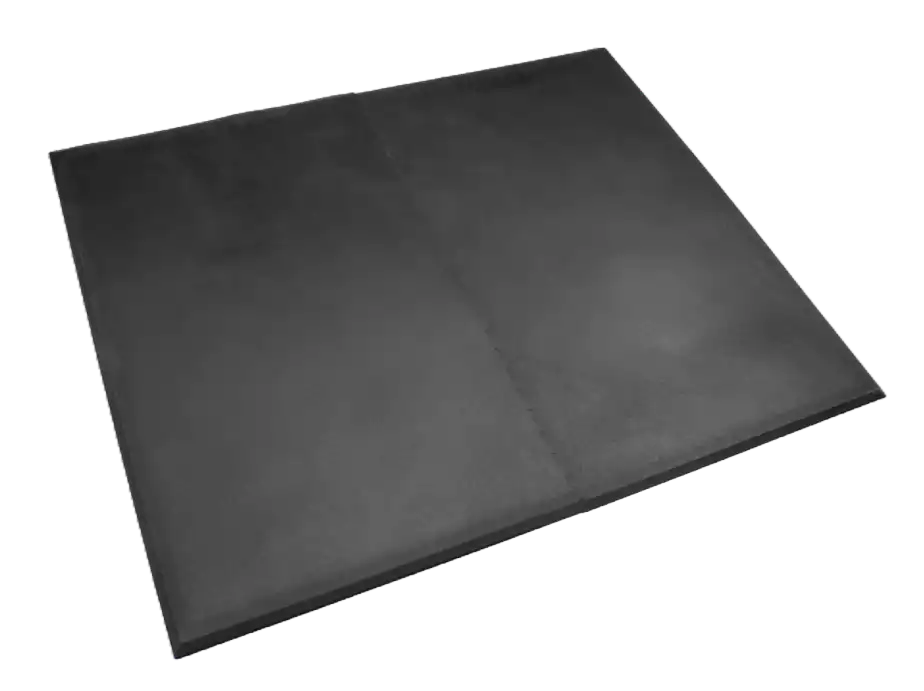
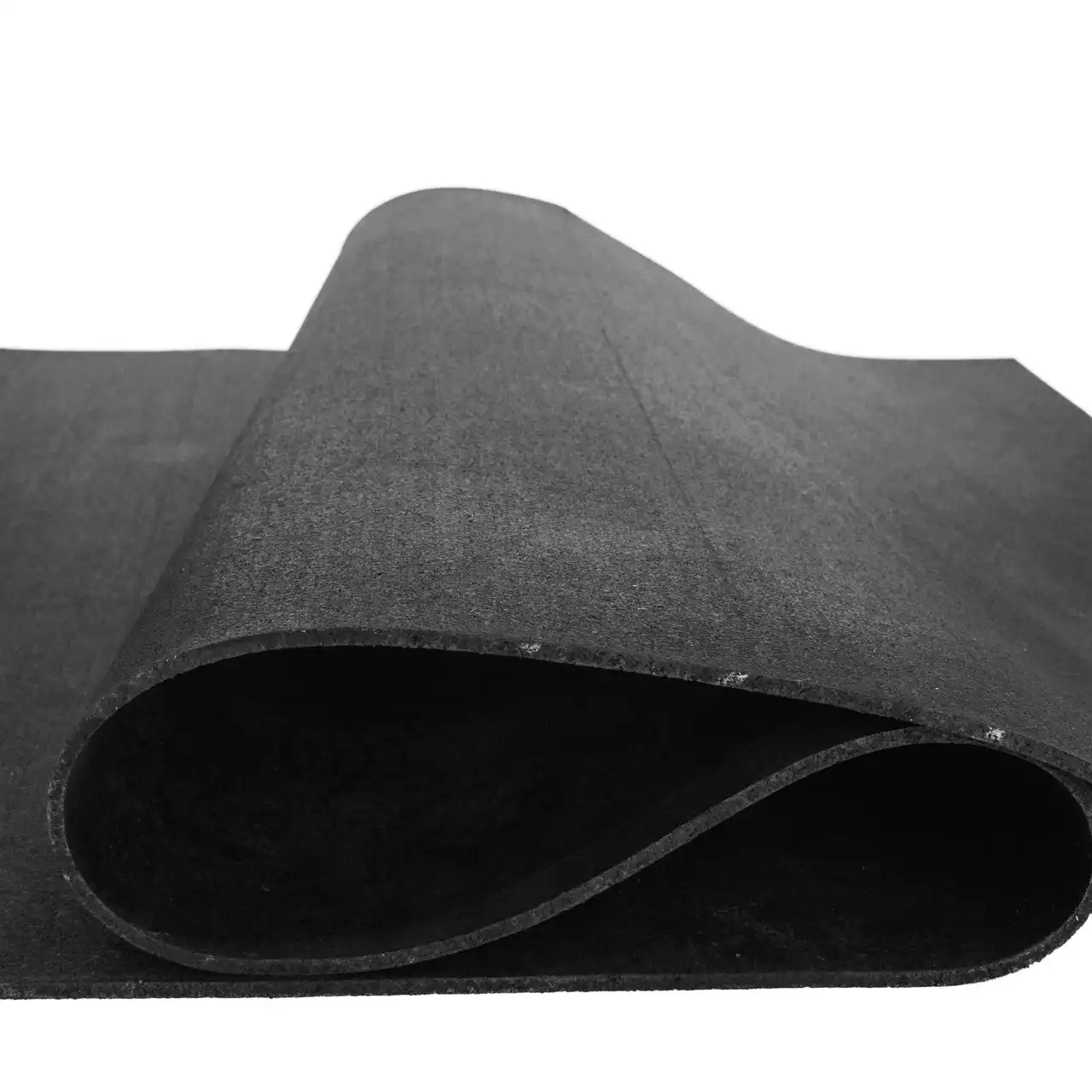
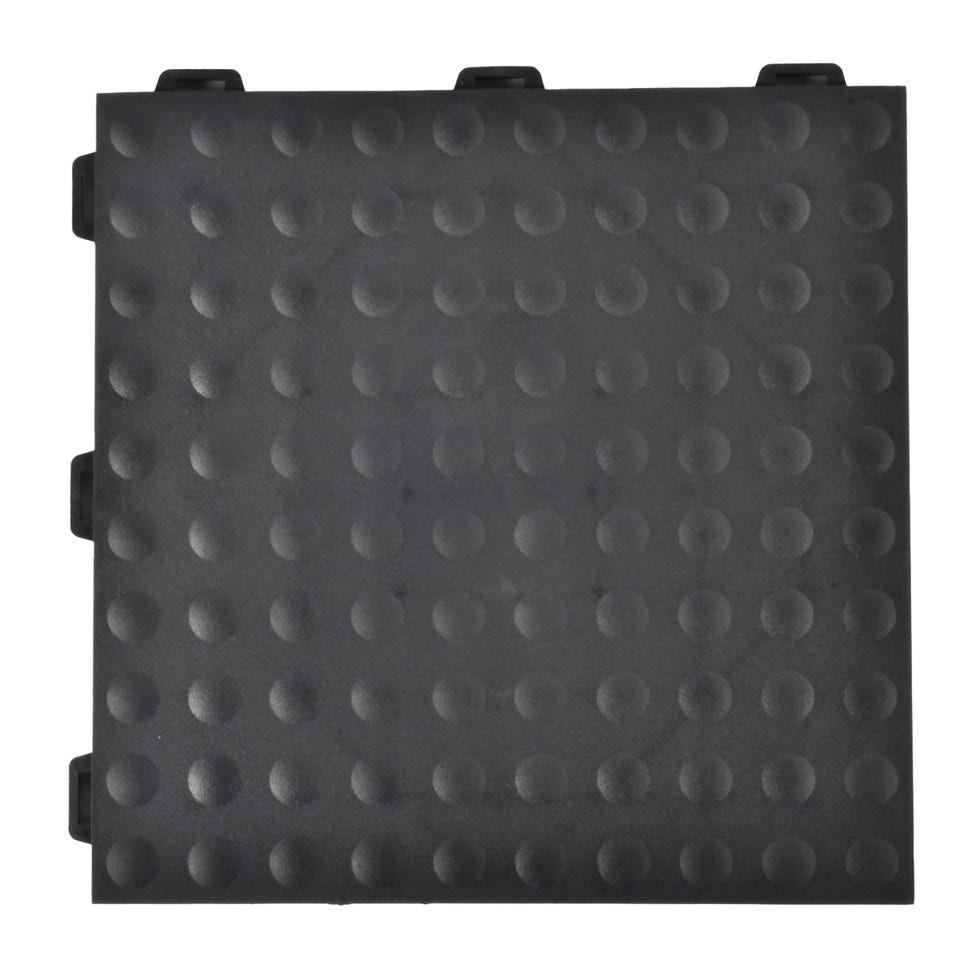
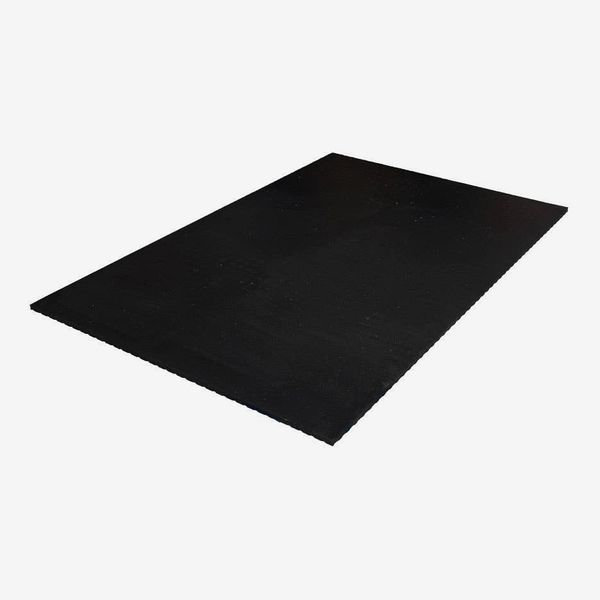
The article provides specific recommendations for various needs and budgets. American Floor Mats Warrior Rubber Gym Tiles are chosen as the best overall for their versatility and durability in 1/2-inch or 3/4-inch thicknesses. Ecore Performance Rally is highlighted for its commercial-grade quality, aesthetic options, and comfort for plyometrics. Eleiko Gym Floor Tiles are recommended for Olympic and powerlifters due to their substantial 1.18-inch thickness. Kodiak Sports Megatile Rubber Flooring is suggested for high-traffic home gyms, while Tractor Supply Company Thick Rubber Stall Mats offer a cost-effective, no-frills option. For specialized training, Plae's synthetic turf is presented for athletic-based workouts, and Ecore's Heritage Motivate Performance Vinyl for cardio and bodyweight exercises. Zandur Sustain Rubber Cork Flooring is offered as an eco-friendly alternative, and Ultimate Stand-Alone Gym Mats are recommended for space-efficient, barebones strength training. Finally, Rogue Crash Cushions are proposed as a practical solution for minimizing noise from heavy lifts. The overarching message is to invest in quality flooring to safeguard both the home and the user's body, preventing costly repairs and enhancing the overall training experience.
#HomeGym #GymFlooring #FitnessEquipment #RubberFlooring #HomeWorkout #ExerciseSpace #Weightlifting #SoundDampening #HomeImprovement #HomeGym #GymFlooring #FitnessEquipment #RubberFlooring #HomeWorkout #ExerciseSpace #Weightlifting #SoundDampening #HomeImprovement
0 comment in total
 No comments yet
You may also like
The 7 Best Home Gym Flooring Options for Every Exercise Routine

10 Gym Floors That'll Change The Way You Workout At Home
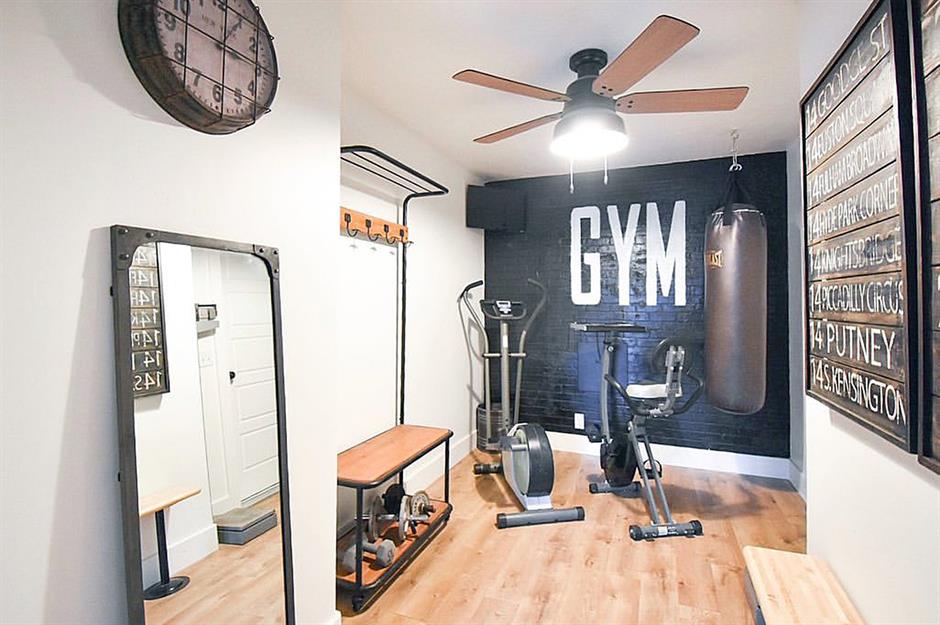
30 real workout rooms to inspire your home gym décor | loveproperty.com

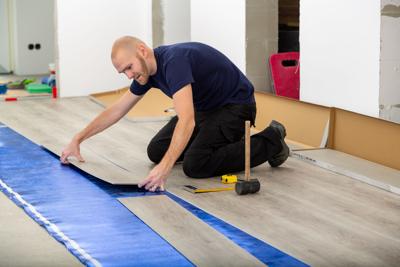
New options in flooring

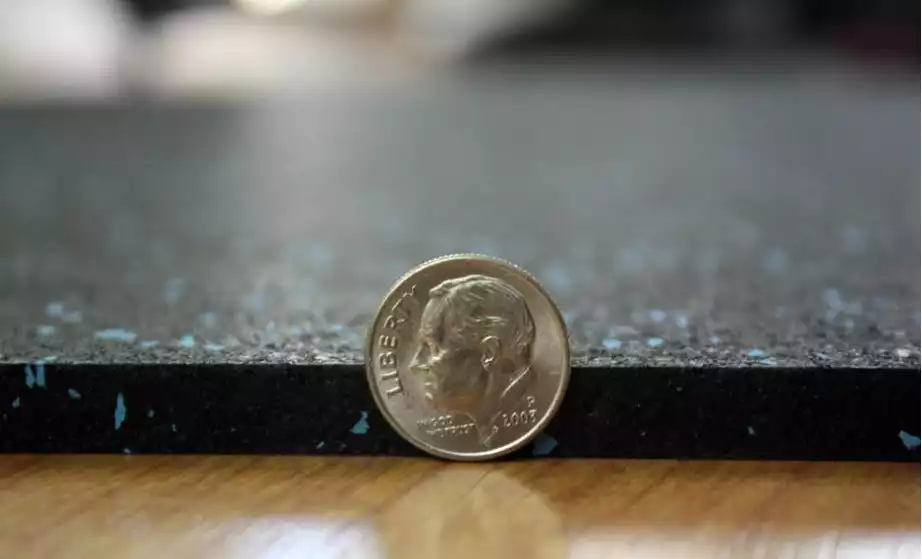
The Best Home Gym Flooring Options of 2024
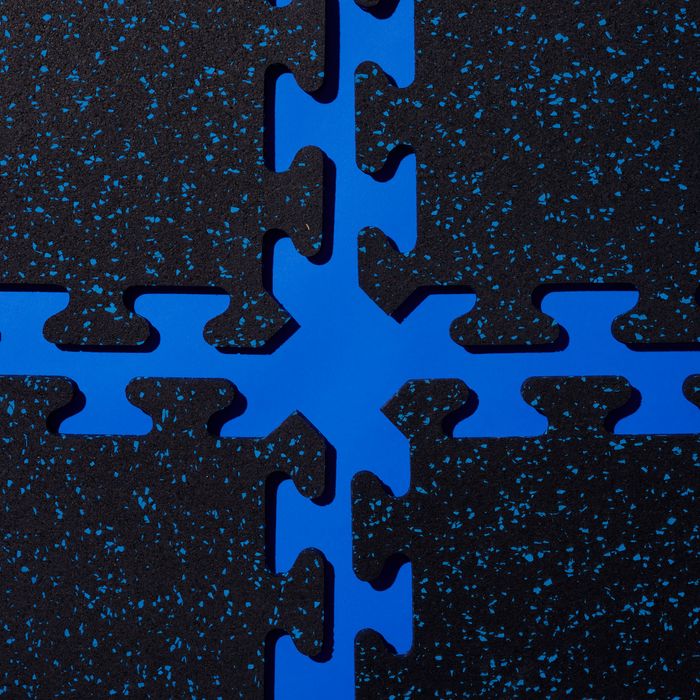
The Very Best Gym Mats

5 Flooring Choices Designers Completely Regret Using in Their Homes

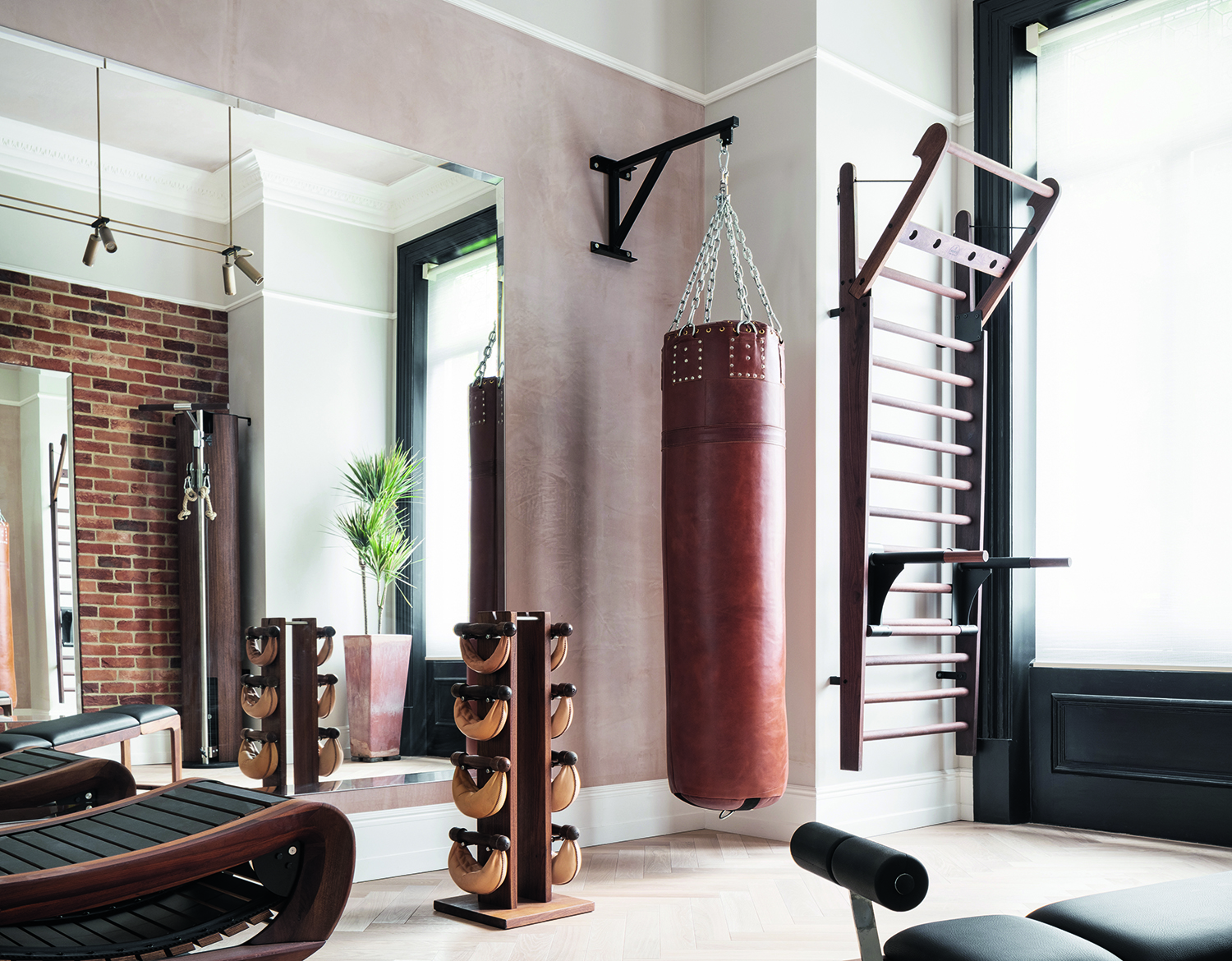
Home gym ideas that will make you look forward to your workout

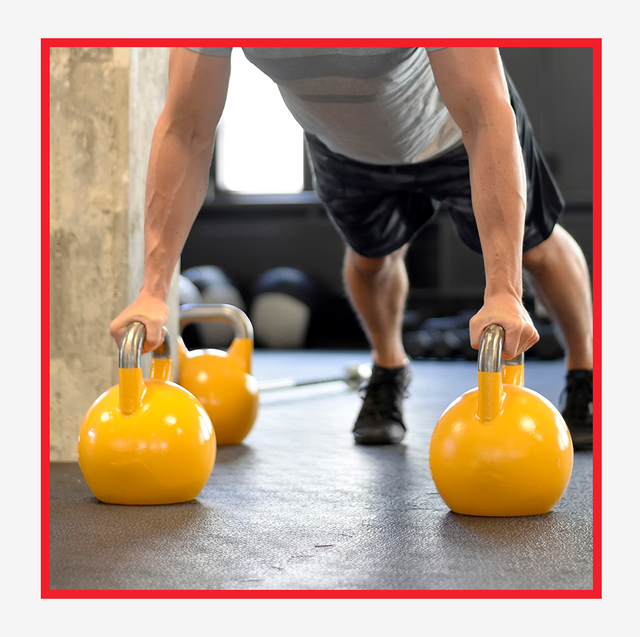
Spruce Up Your Home Gym with These Elite Floor Mats
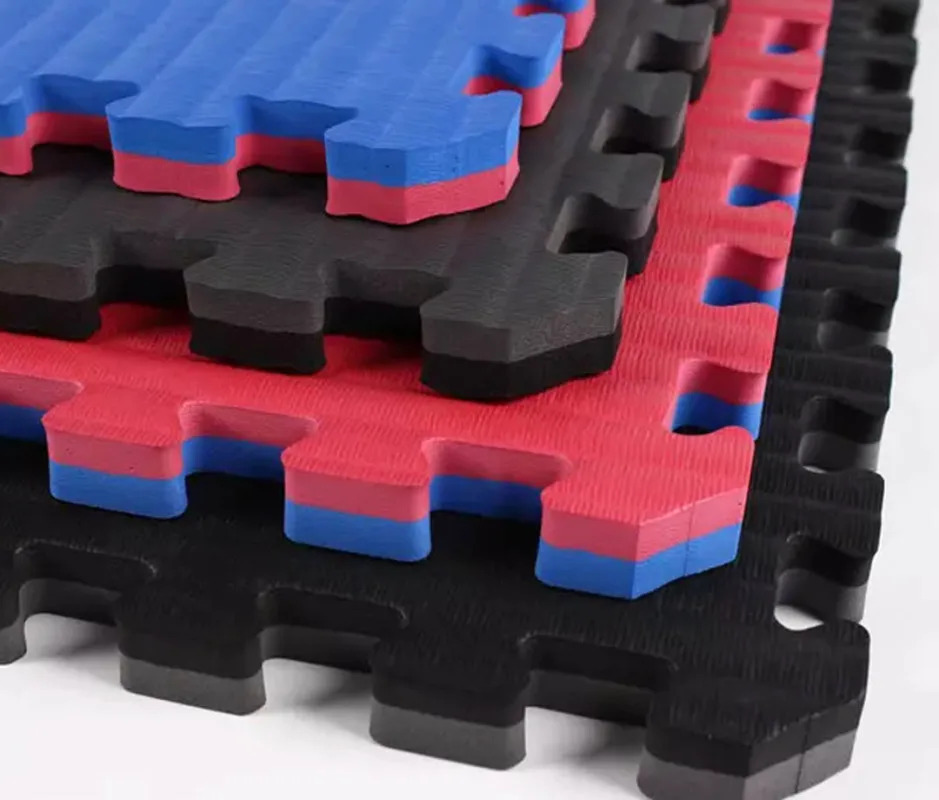
Strength Coach: These Are the 3 Best Home Gym Flooring Options
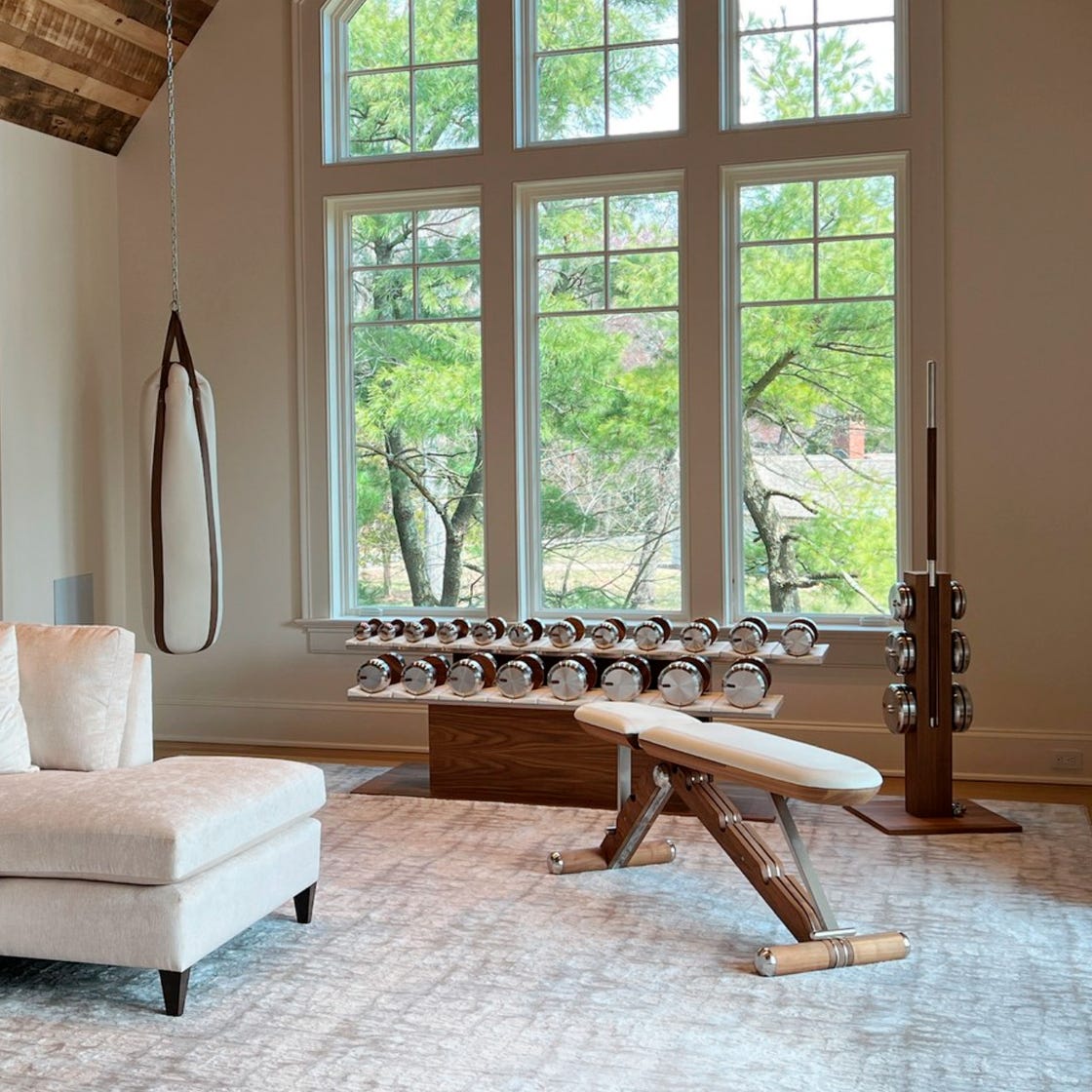
These Designer-Approved Home Gyms Prove How Stylish Wellness Spaces Can Be
Wood Flooring – Our Pick of the Best
The 5 Best Home Gym Flooring Ideas

The 6 Best Garage Floor Tile Options in 2025

Home gym ideas – 15 set up designs to get your sweat on in style


Best Garage Floor Tiles for 2022

This Home Gym Flooring Actually Stays Put On Carpeting, Hardwood, And Tile

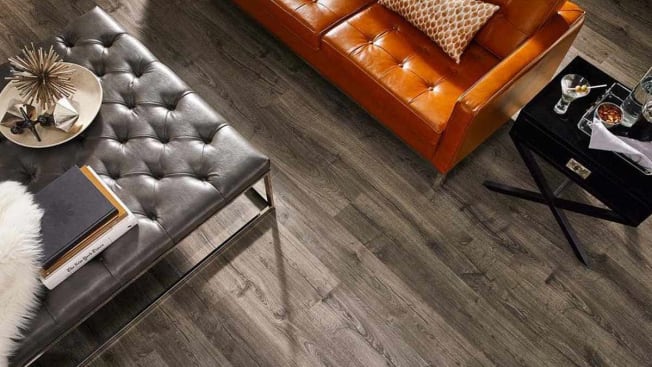
Best Flooring of 2025
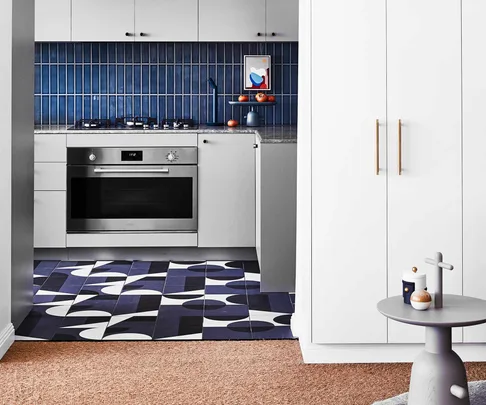
15 of the best flooring materials for the home and why they work

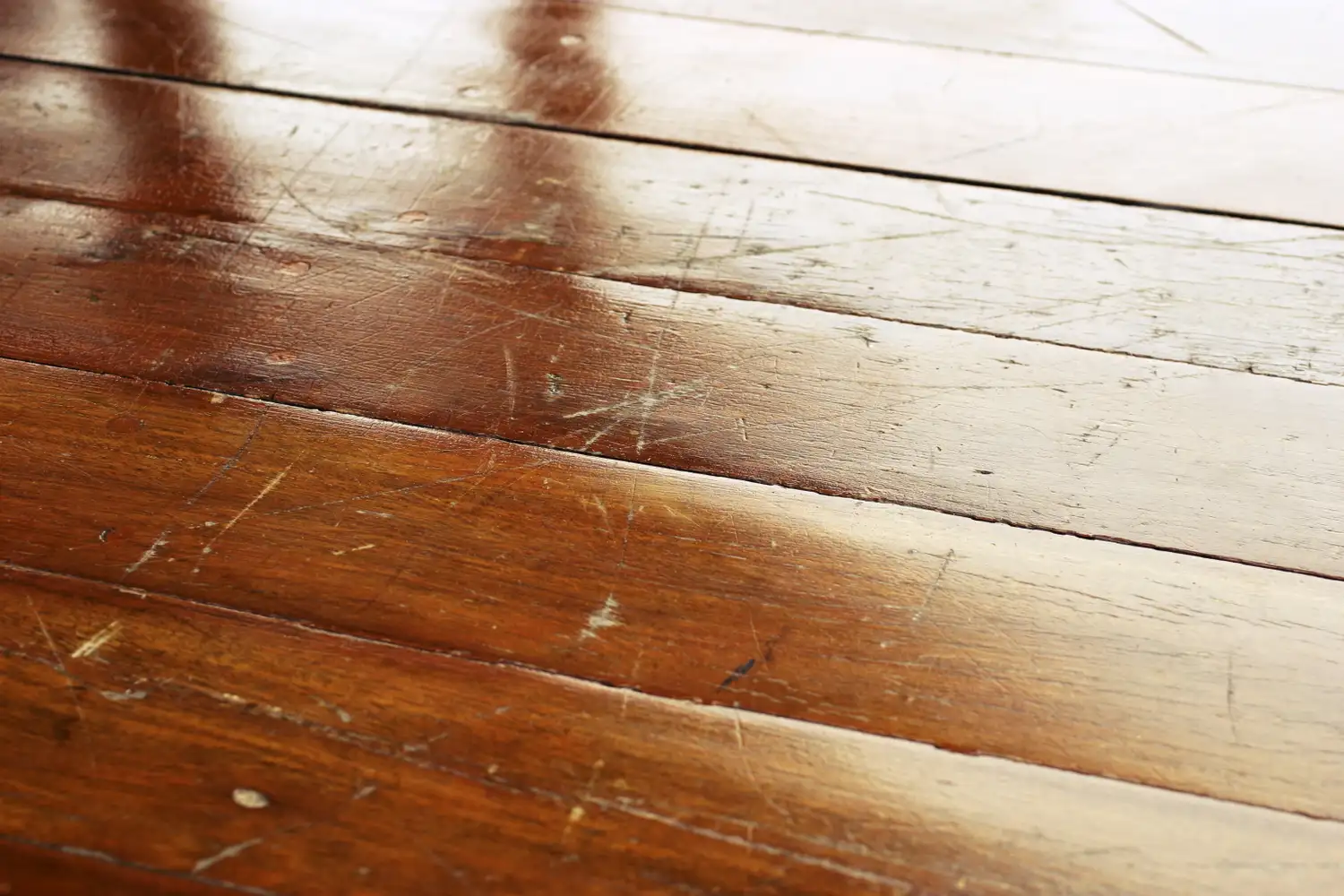
7 Flooring Choices That Always Show Dirt and Scuffs—No Matter How Often You Clean