1/11
Spruce Up Your Home Gym with These Elite Floor Mats
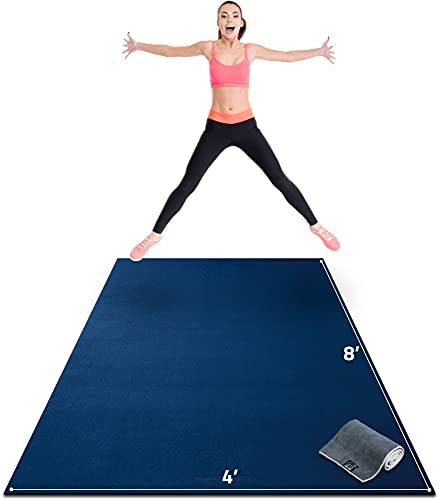
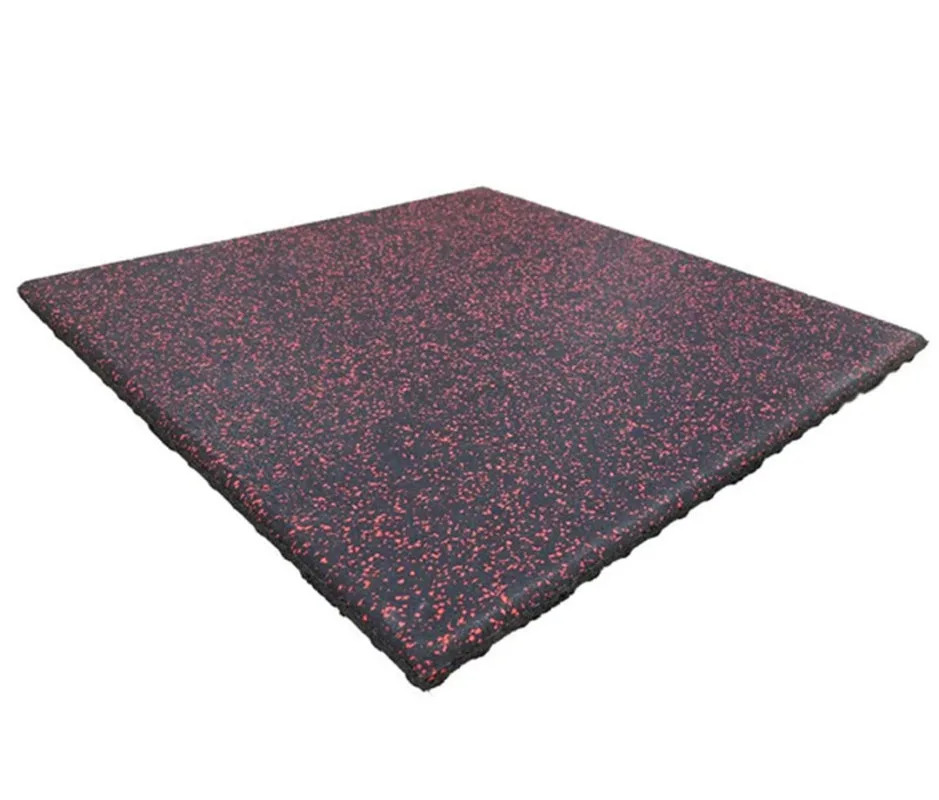
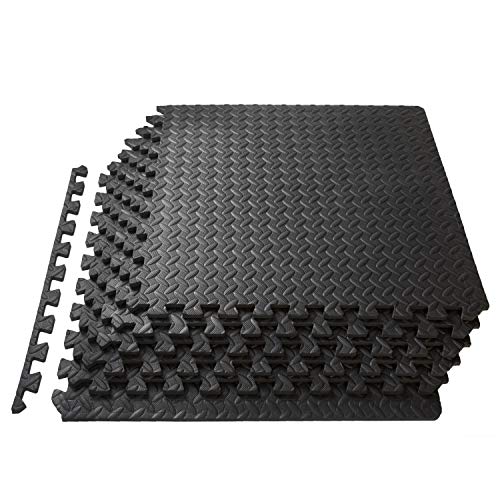
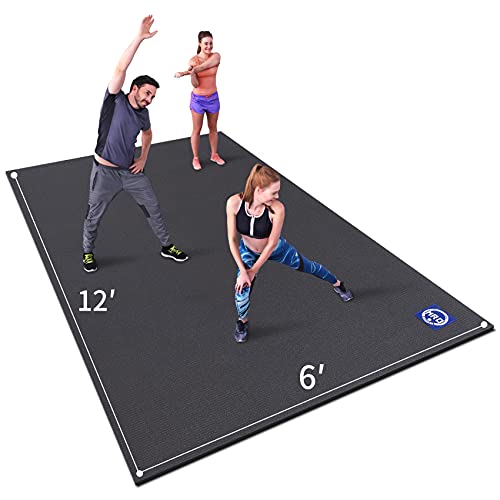
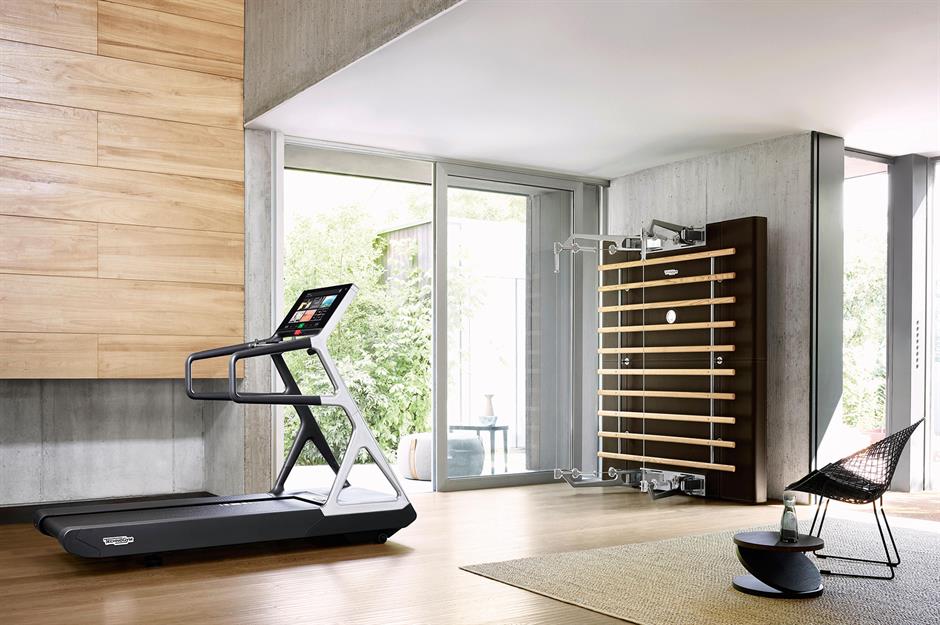
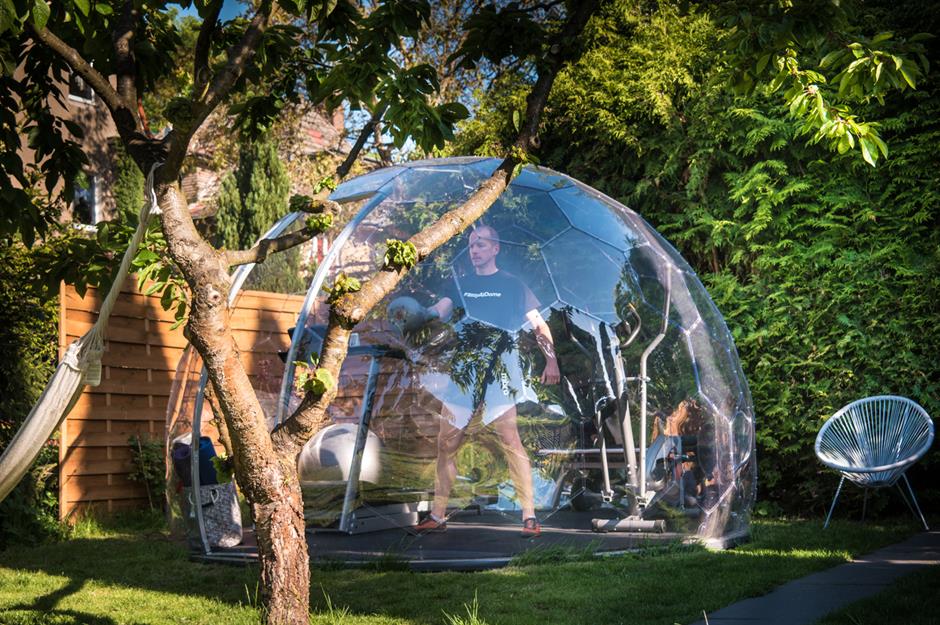
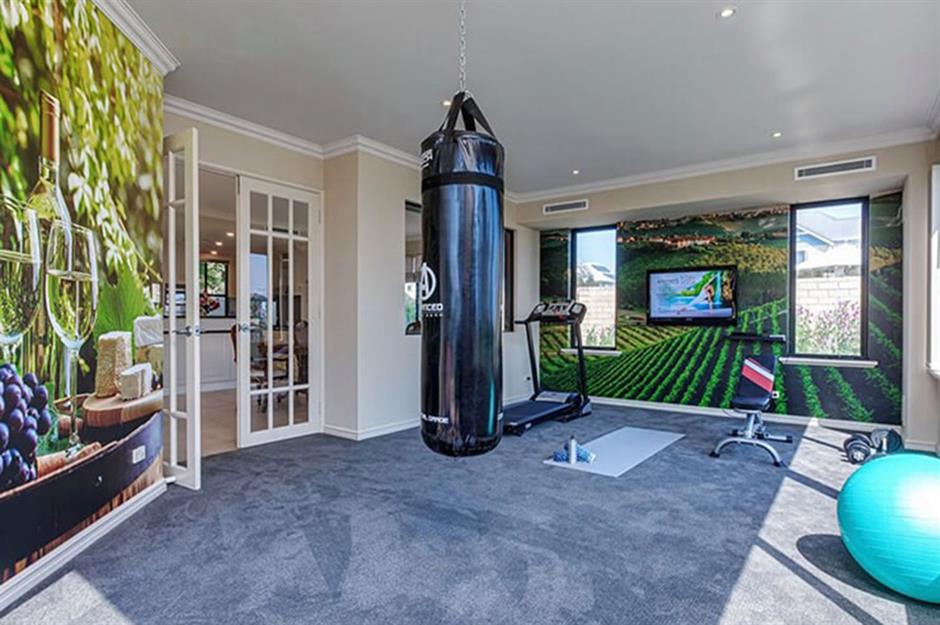
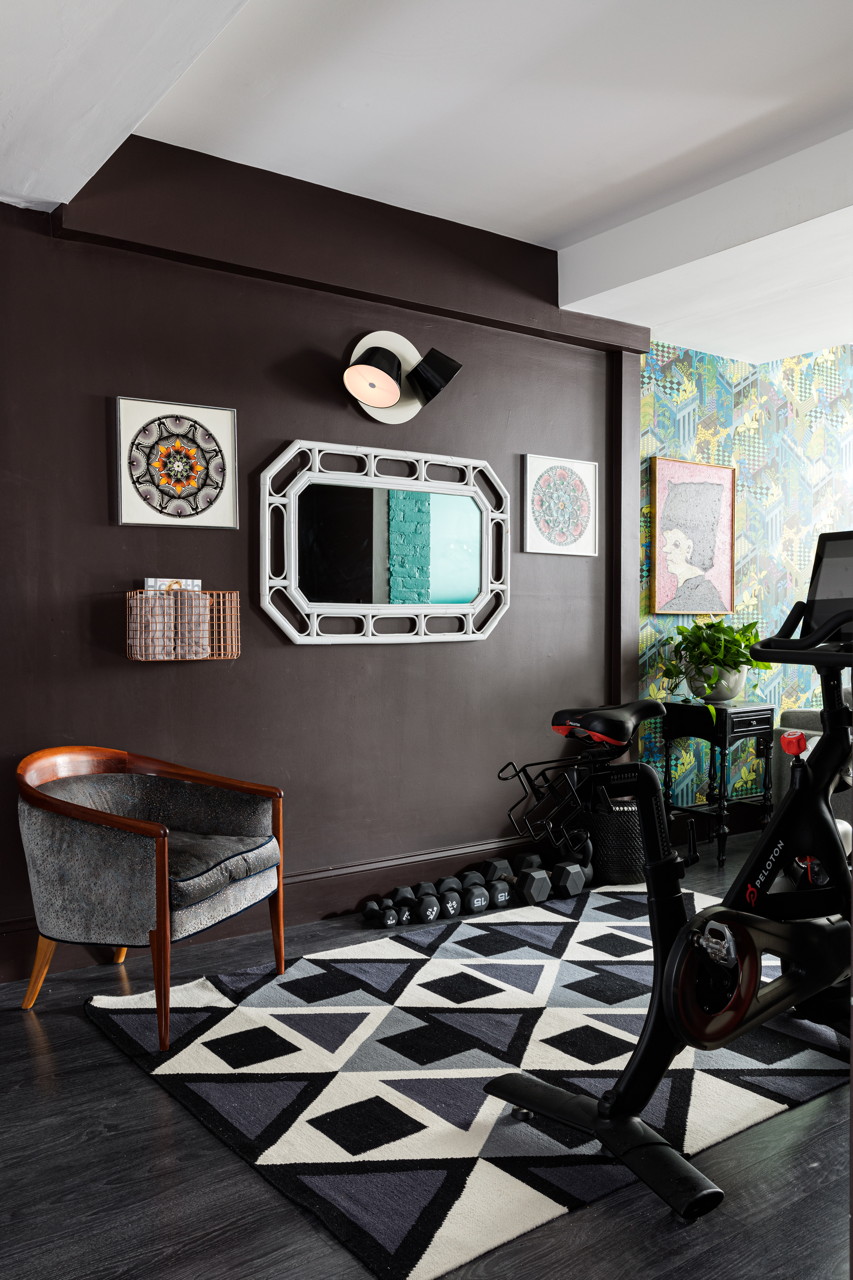
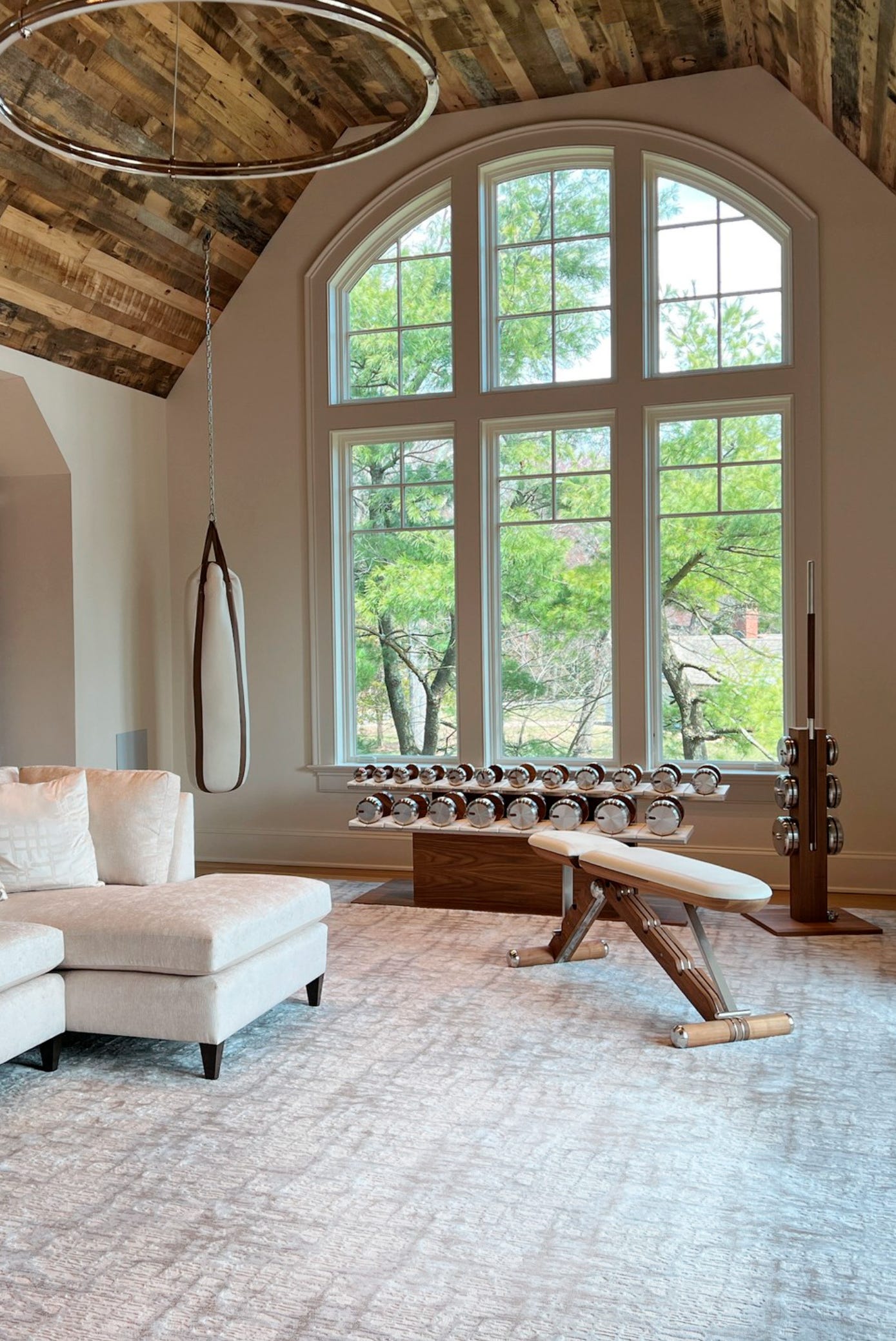
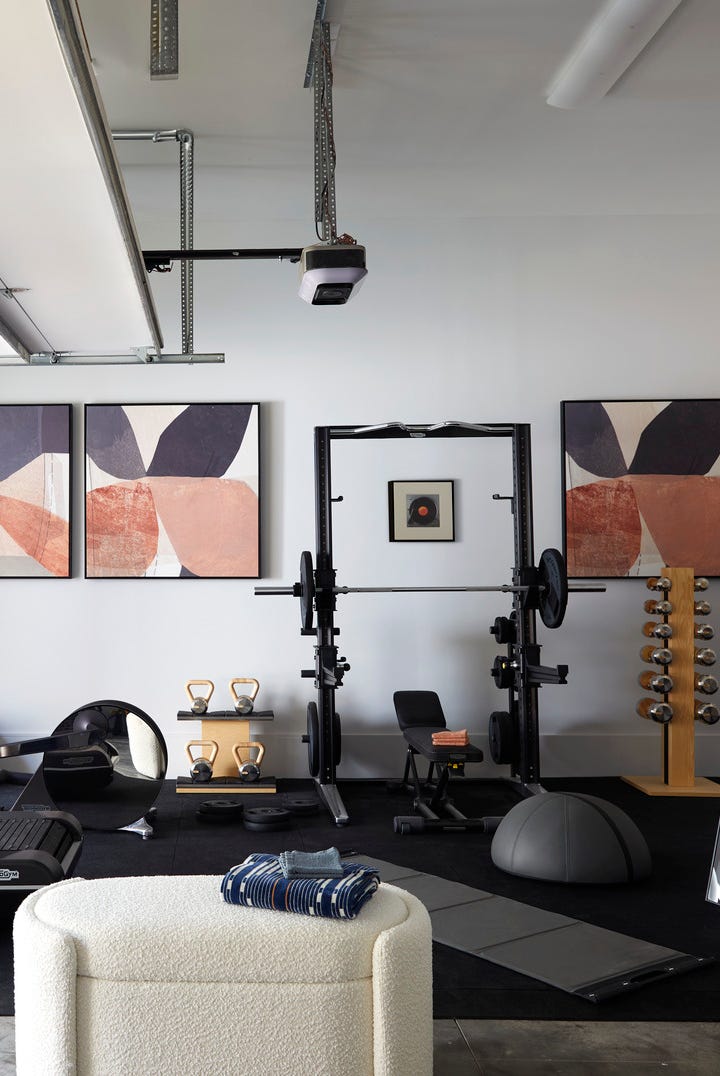
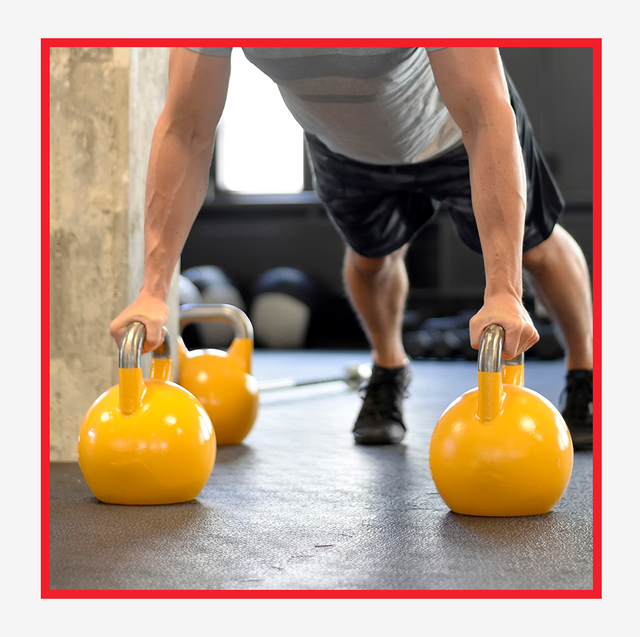
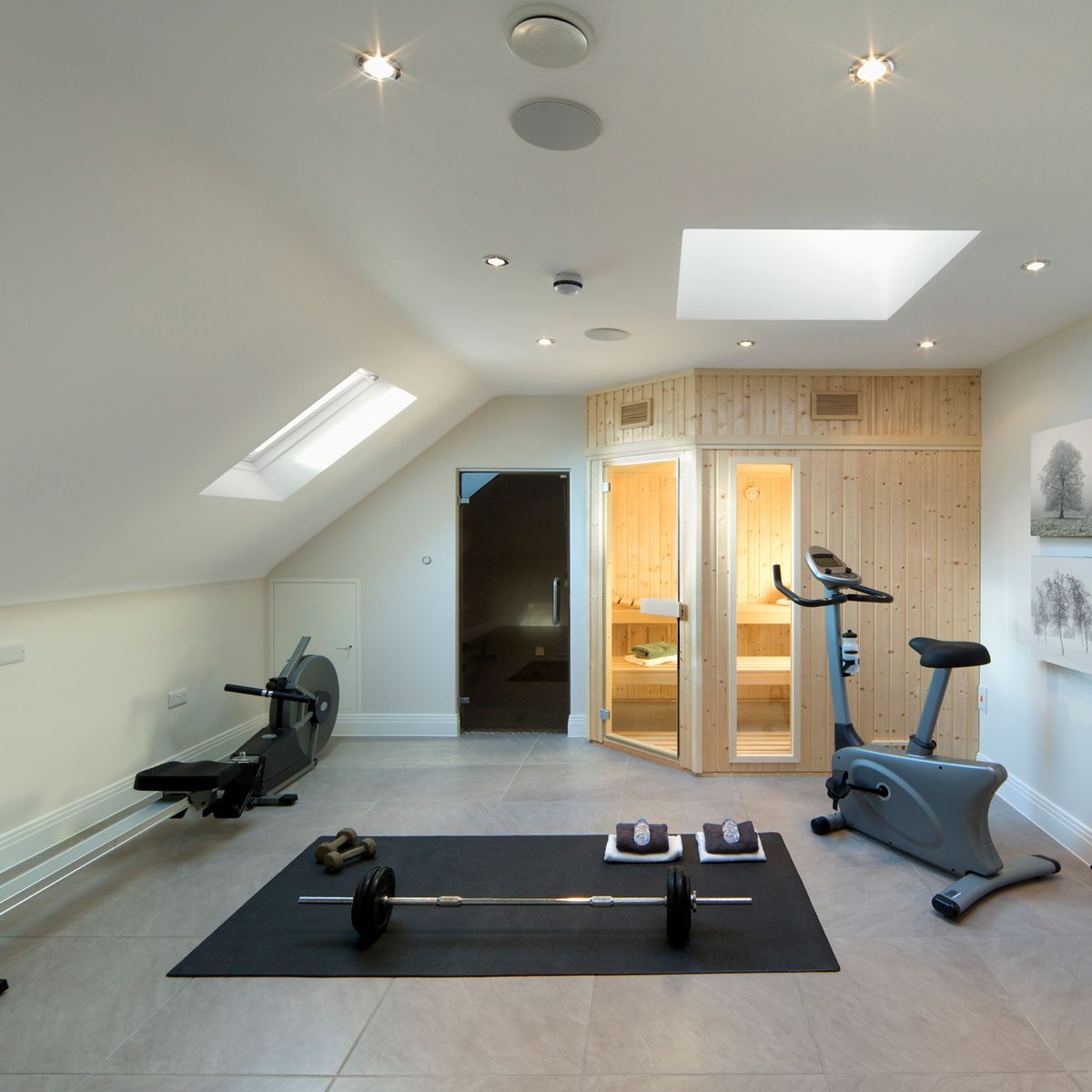
Establishing a fully-equipped home gym requires careful consideration, and one crucial yet often overlooked element is the flooring. While a simple yoga mat or existing home flooring might suffice, investing in specialized home gym floor mats can significantly enhance the workout experience. These mats offer additional cushioning and grip, which helps absorb impact during exercises, reducing strain on joints, and providing a stable foundation for various training activities. Furthermore, quality gym flooring acts as a protective layer, safeguarding the underlying floors from scratches and scuffs caused by fitness routines. In the context of remote work, appropriate flooring also plays a role in dampening noise from weightlifting and other high-impact activities, ensuring a quieter environment for others in the home.
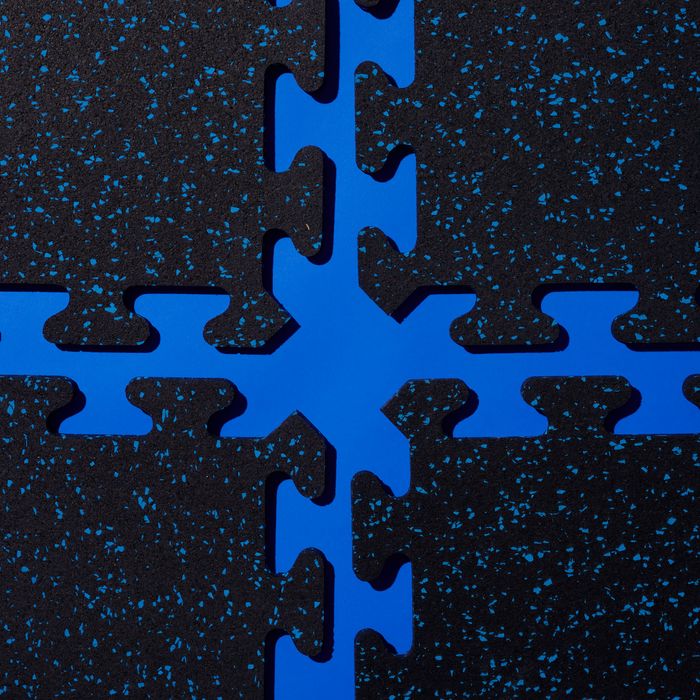
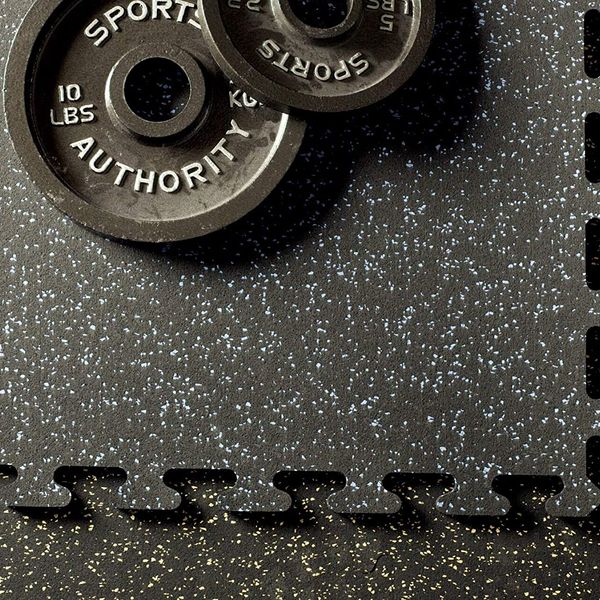
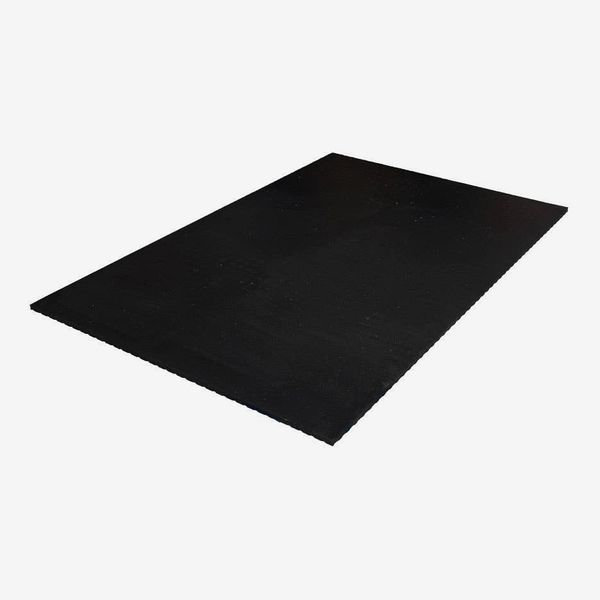
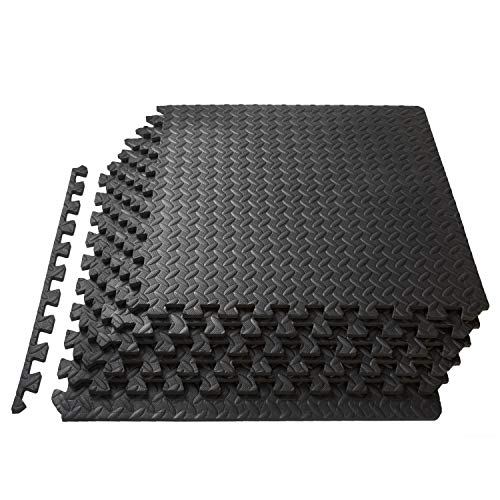
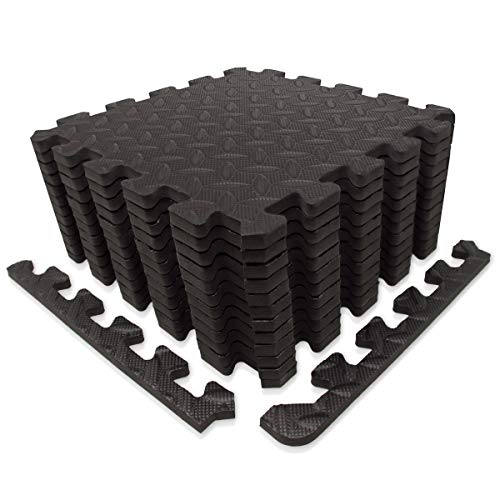
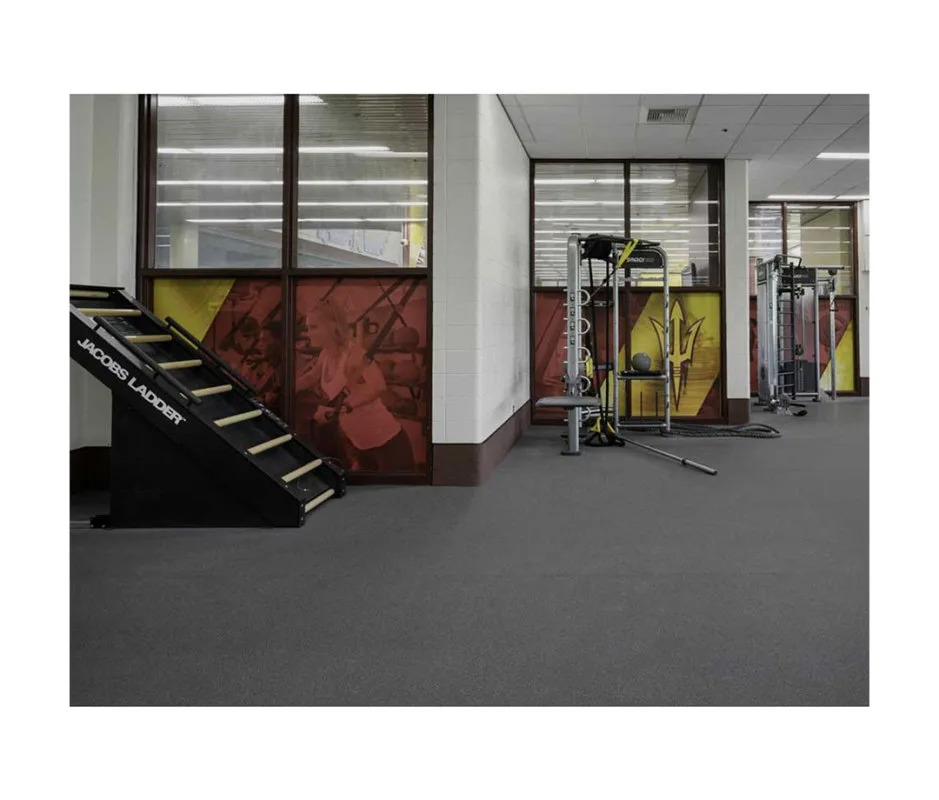
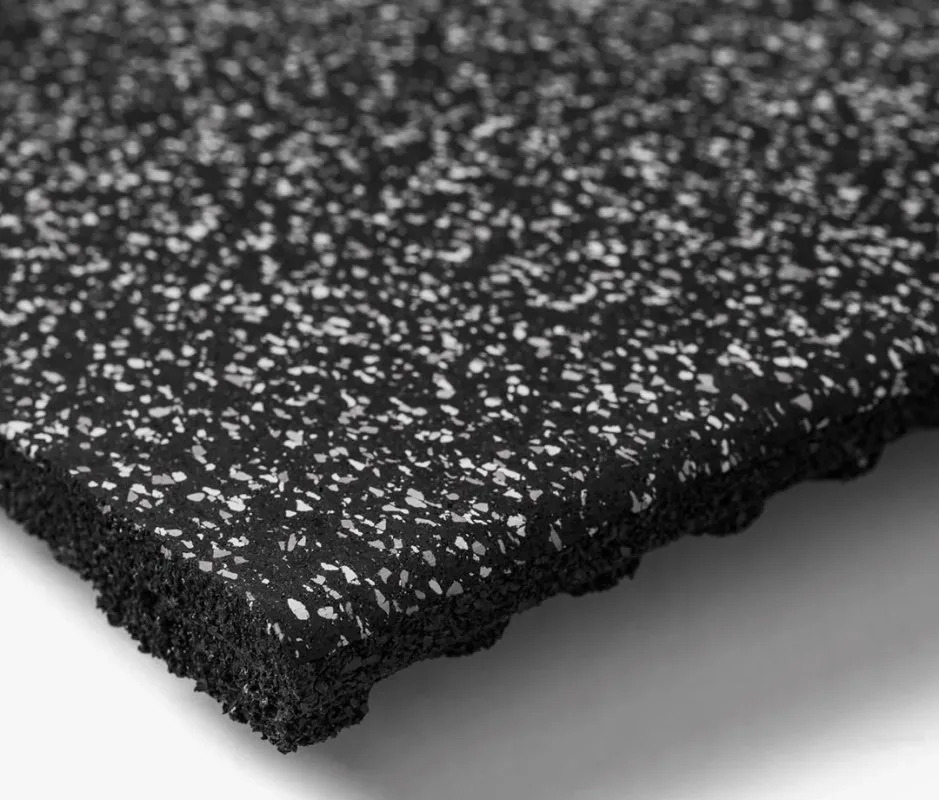
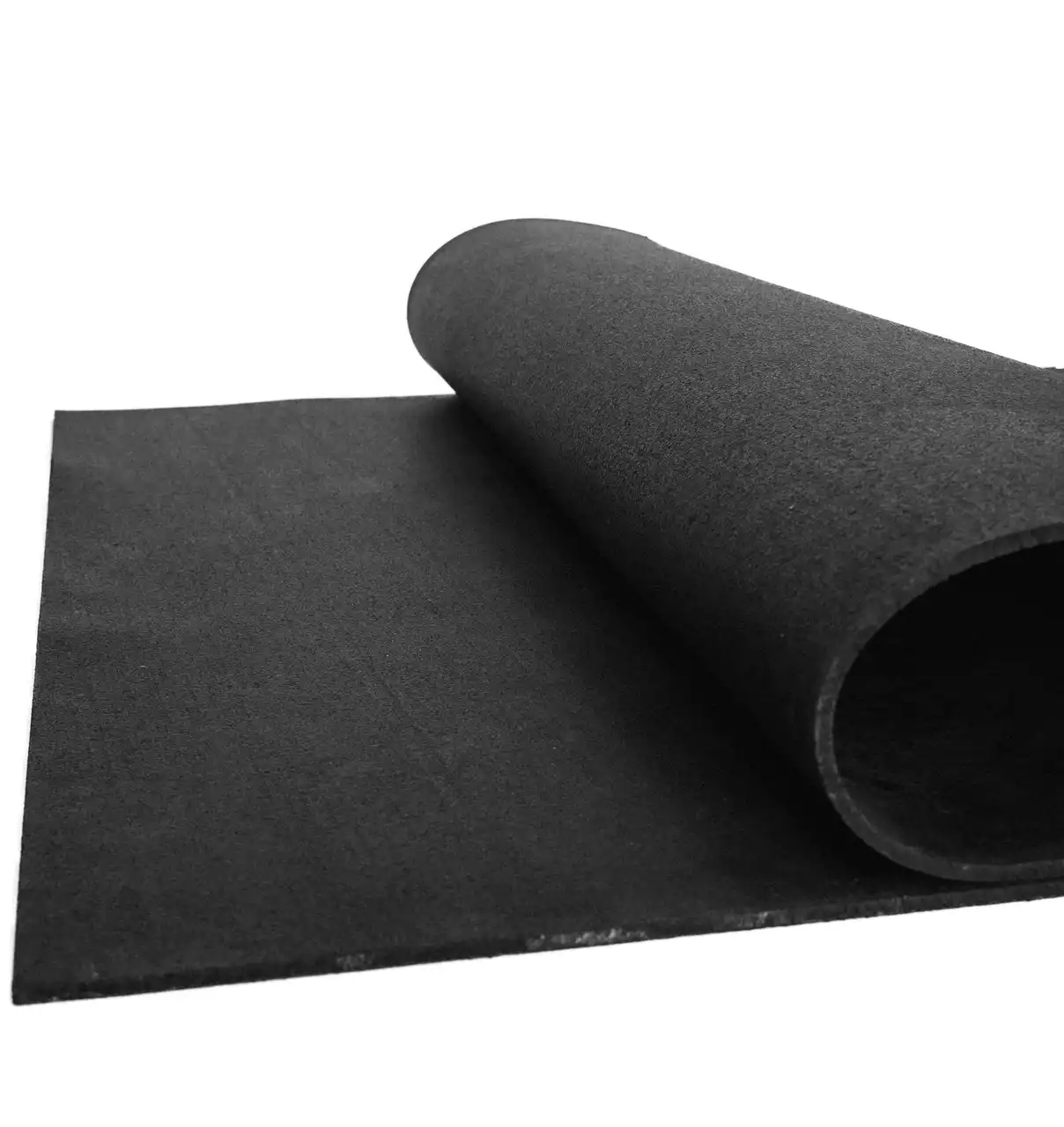
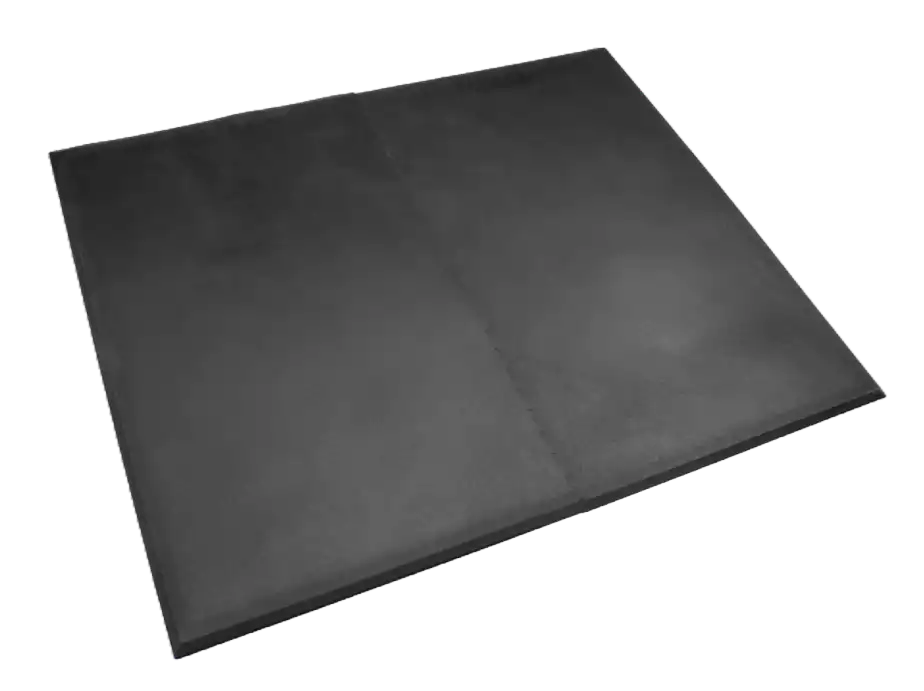
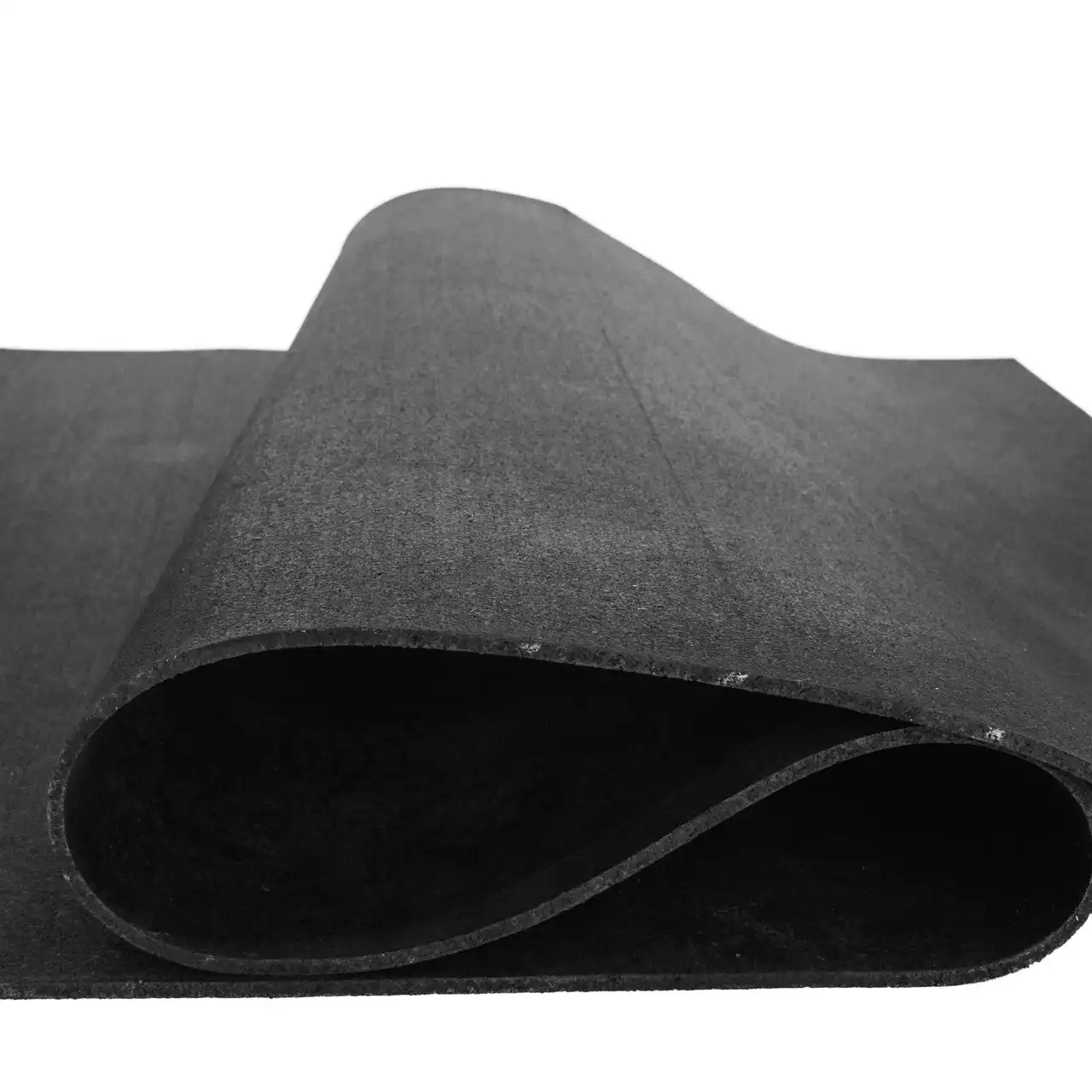
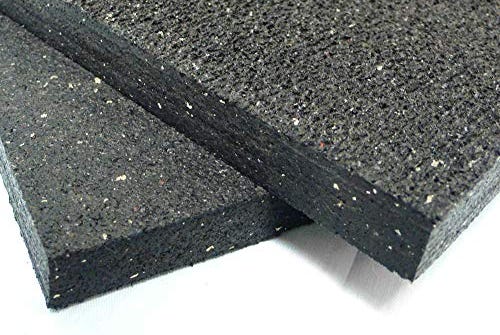
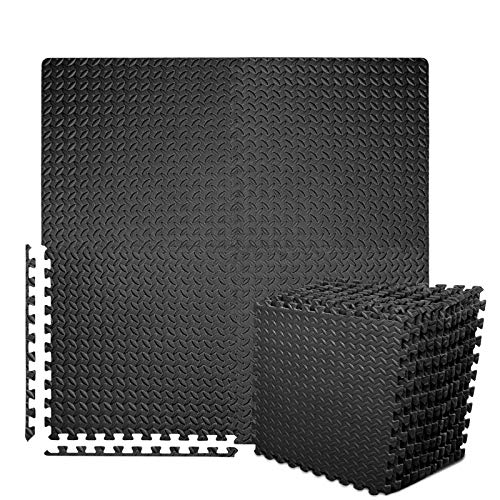
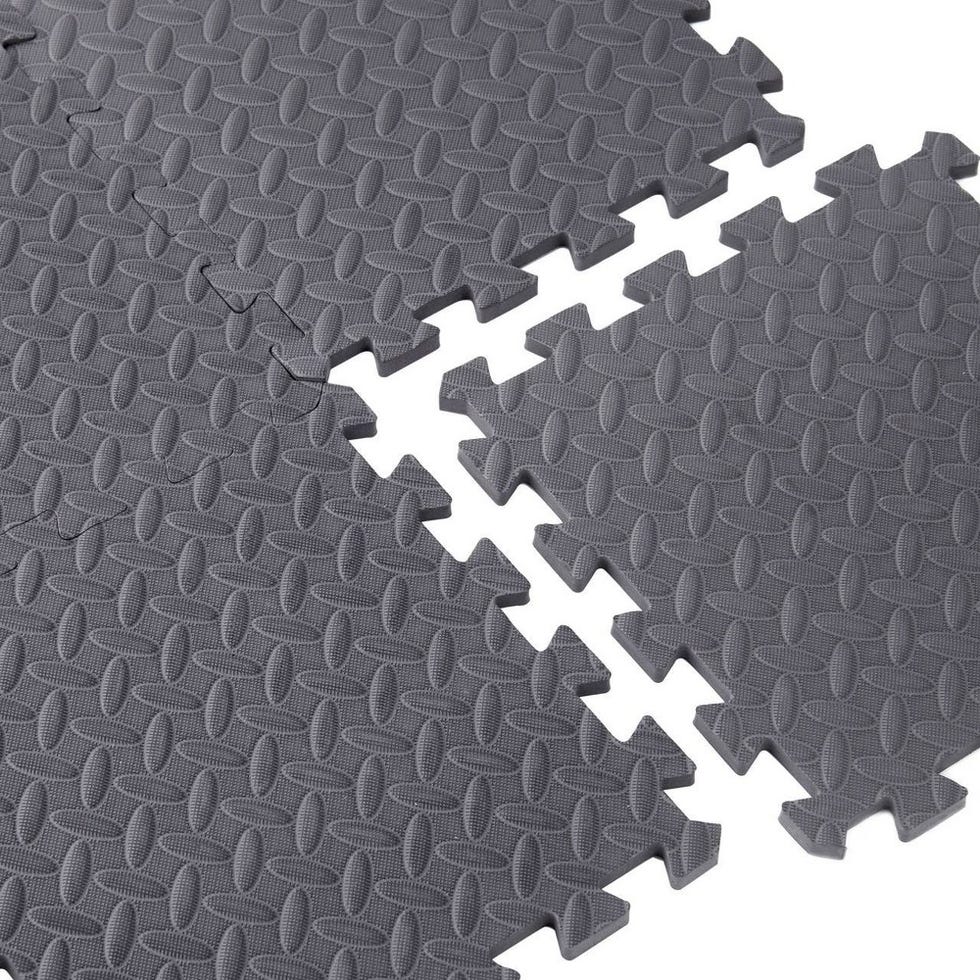
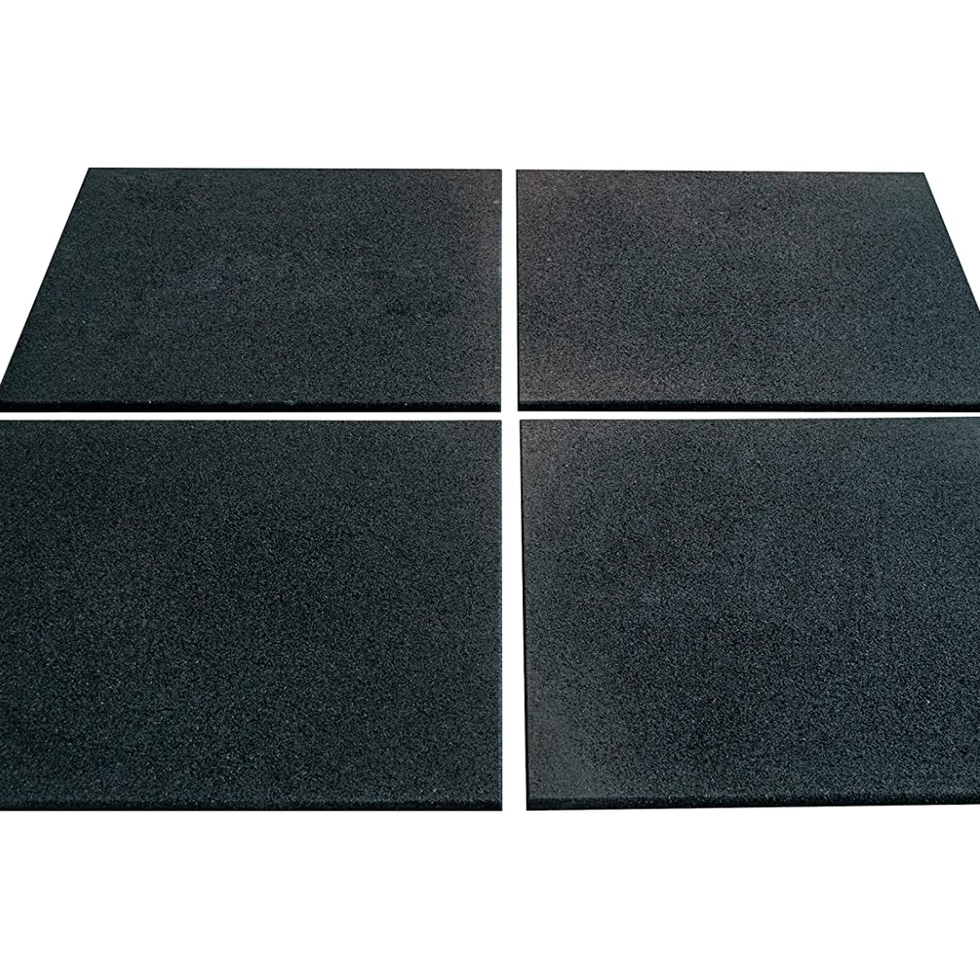
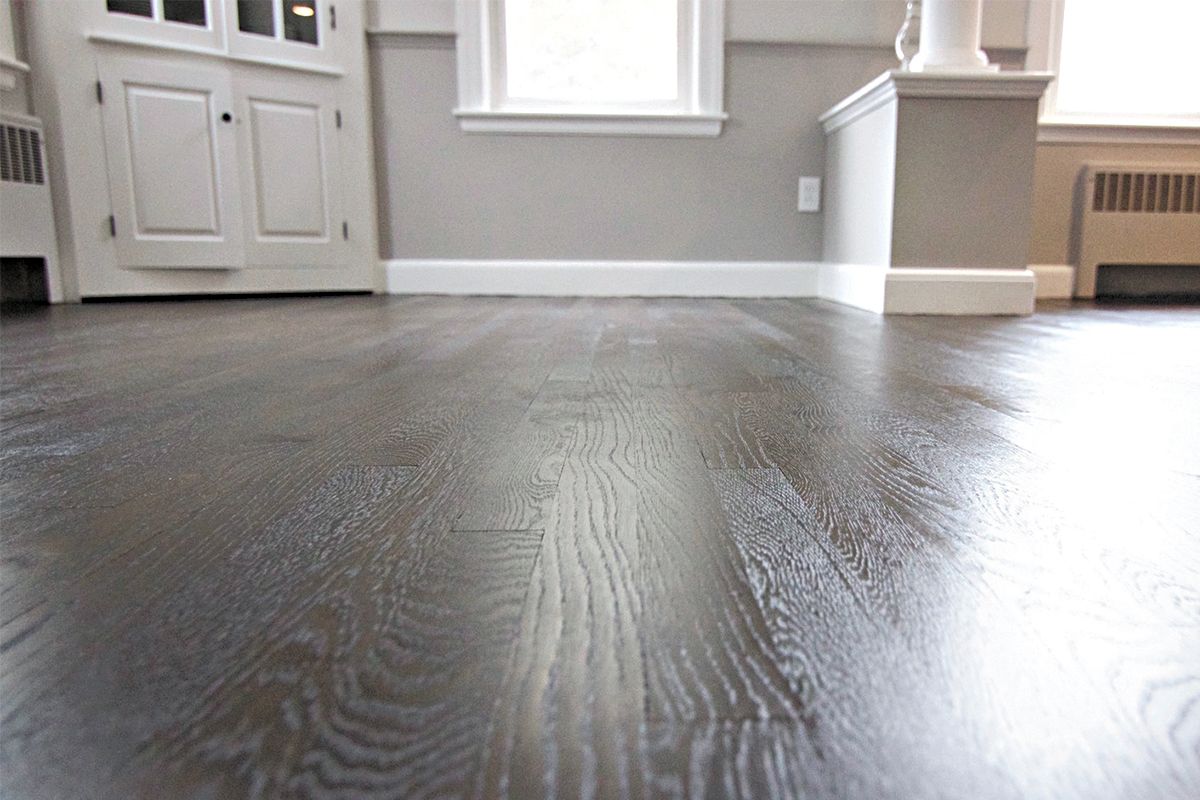
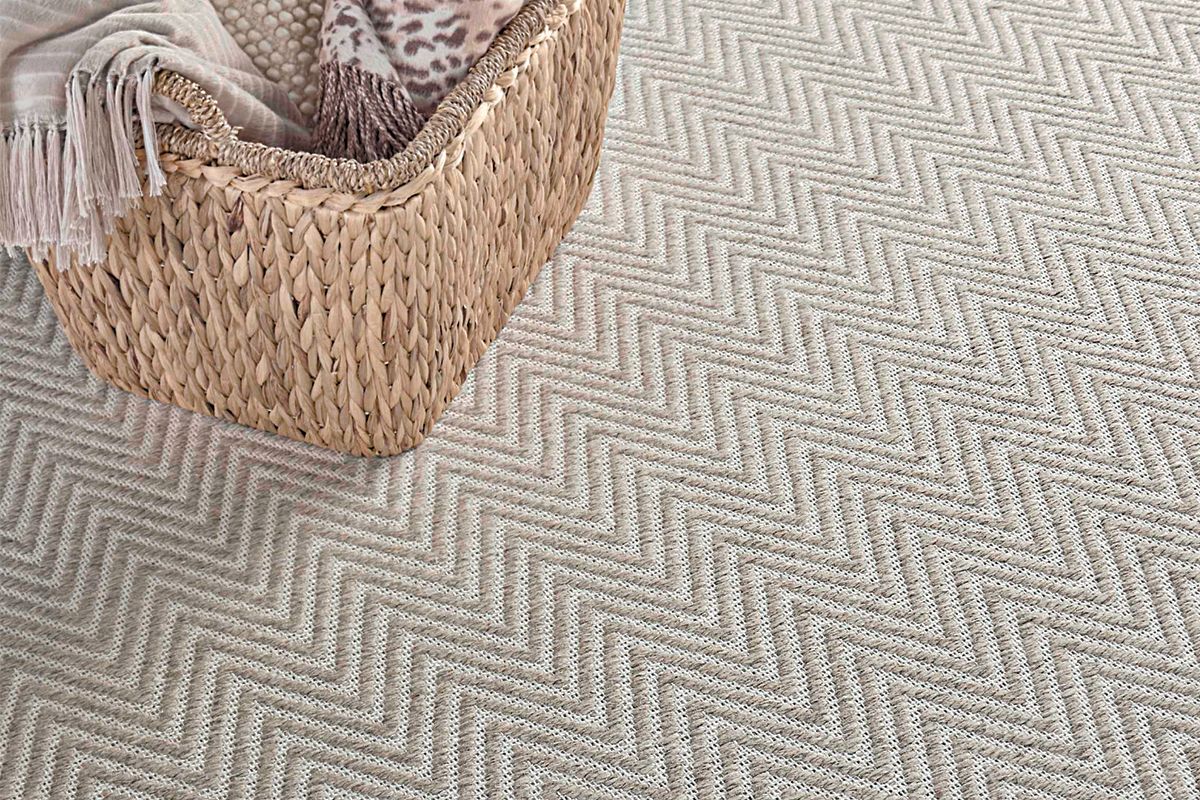
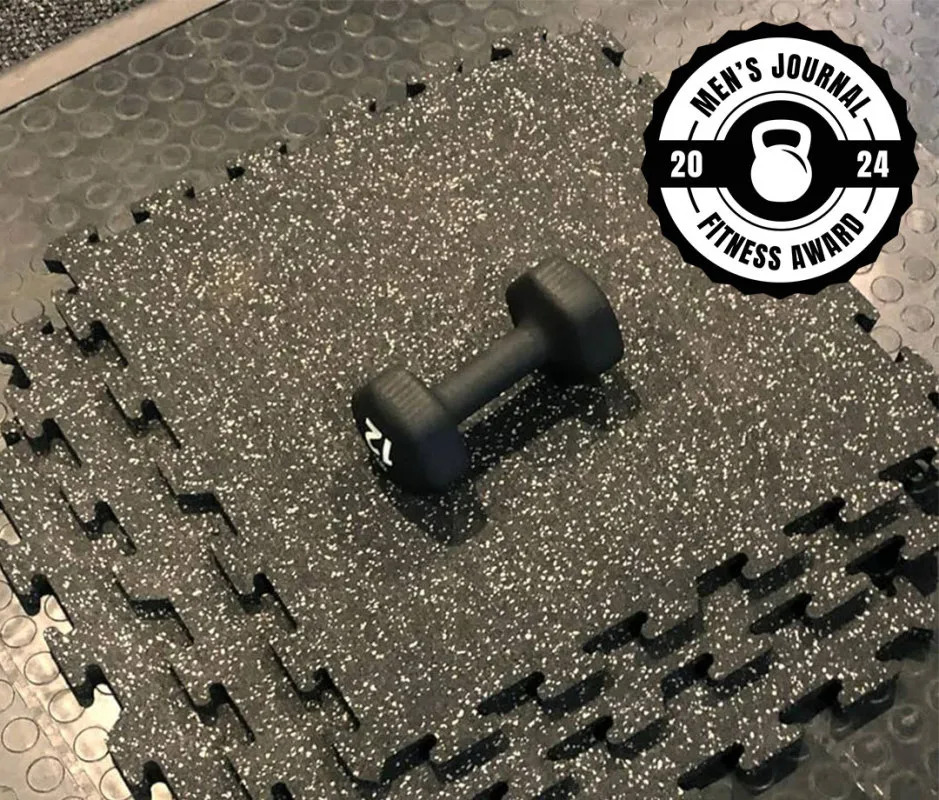
Selecting the best home gym flooring involves evaluating several factors: workout style, budget, the area to be covered, and environmental conditions such as potential for floods or direct sunlight. The market offers a diverse range of materials, including rubber, foam, cork, and turf, each with distinct advantages and disadvantages. Rubber flooring is known for its durability, shock absorption, water resistance, and soundproofing qualities, making it suitable for heavy-duty workouts and commercial-grade home gyms. Foam options, while less durable for heavy equipment, excel in comfort and shock resistance, ideal for floor-based activities like yoga and Pilates, and are generally more affordable and portable. Vinyl flooring offers versatility, water resistance, and ease of cleaning, making it suitable for basements, but it may lack the cushioning of foam and can be susceptible to punctures. Carpet, surprisingly popular for home gyms, provides comfort and soundproofing but offers minimal shock absorption and requires frequent cleaning to prevent odors and bacterial growth. Artificial turf is optimal for athletic training involving sled pulls and sprints, offering traction and durability, but it can be abrasive and more expensive than other options. Cork flooring, an eco-friendly choice, provides natural antimicrobial properties, insulation, and water resistance, though it can be prone to dents from heavy equipment and fading in direct sunlight.
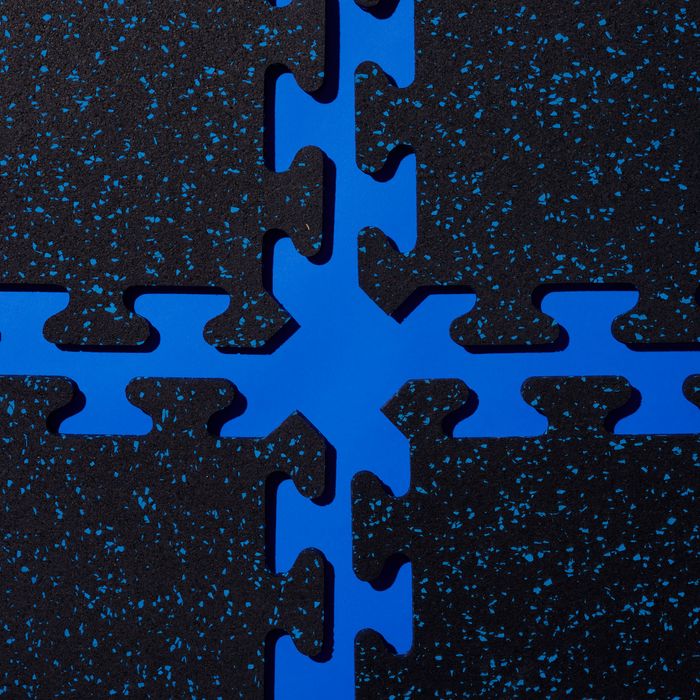
Installation ease varies by material; interlocking tiles are typically simple to set up and remove, while rubber rolls may require more effort. The thickness of the flooring directly correlates with its impact absorption, with thicker options recommended for high-impact exercises and heavy weightlifting to protect joints. The cost of home gym flooring varies significantly, from approximately $1.50 to $11.00 per square foot, with heavy-duty rubber being at the higher end. Cleaning protocols also depend on the material, ranging from regular vacuuming for all types to periodic deep cleaning for rubber and vinyl, and spot cleaning with disinfectant for turf and carpet. The safest and most enduring option depends on individual needs and workout types, but heavy-duty rubber and vinyl generally offer the best longevity and protection.
#HomeGymFlooring #WorkoutSpace #FitnessEquipment #RubberFlooring #FoamMats #CorkFlooring #ArtificialTurf #HomeWorkouts #GymDesign #InteriorFitness #HomeGymFlooring #WorkoutSpace #FitnessEquipment #RubberFlooring #FoamMats #CorkFlooring #ArtificialTurf #HomeWorkouts #GymDesign #InteriorFitness
0 comment in total
 No comments yet
You may also like
The Very Best Gym Mats
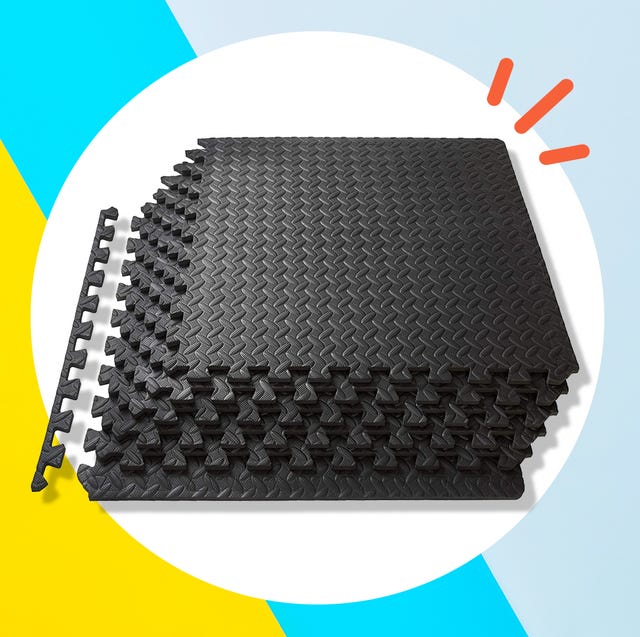
This Home Gym Flooring Actually Stays Put On Carpeting, Hardwood, And Tile


Set the Stage With These Flooring Options

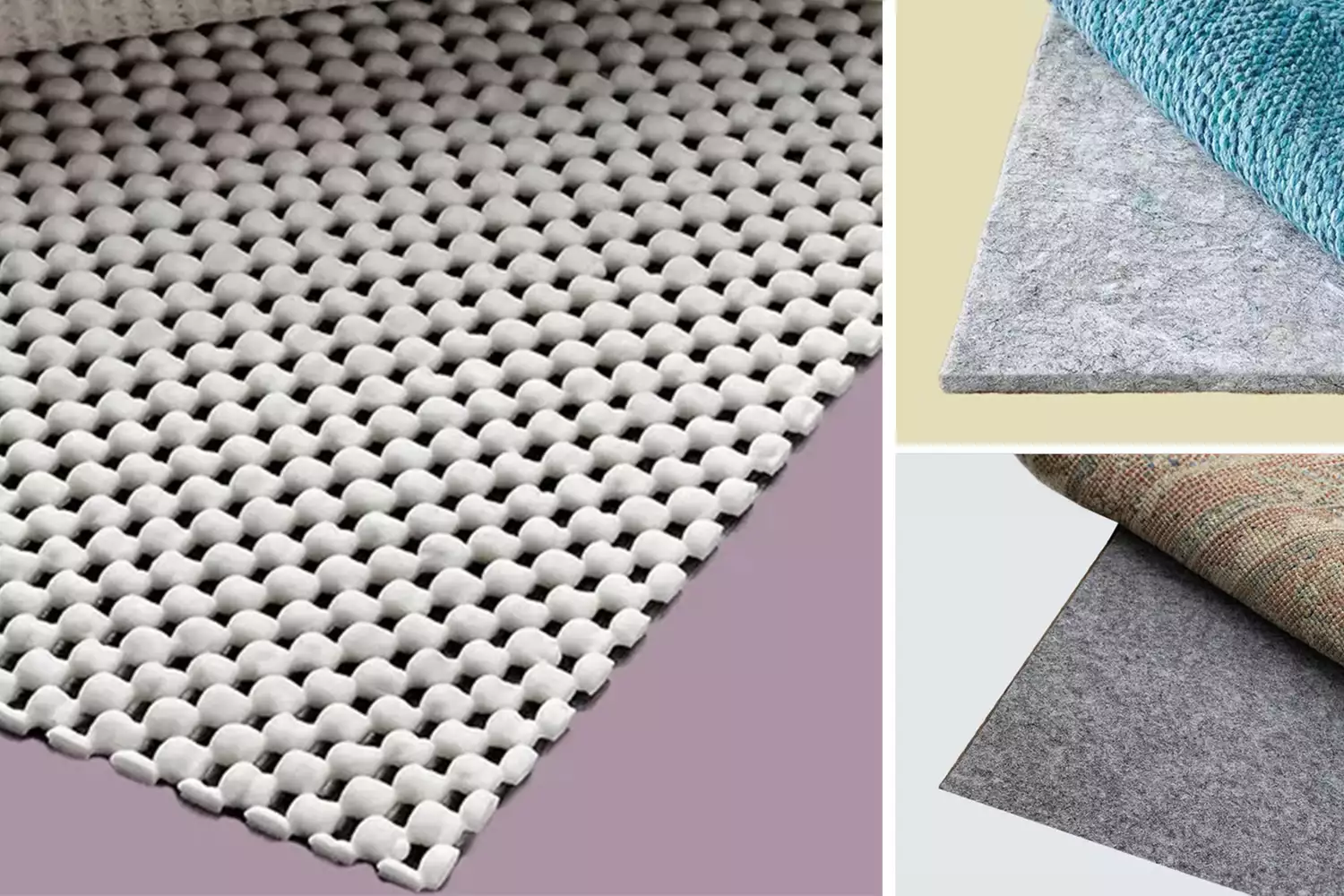
The 10 Best Rug Pads for Any Floor and Carpet Type

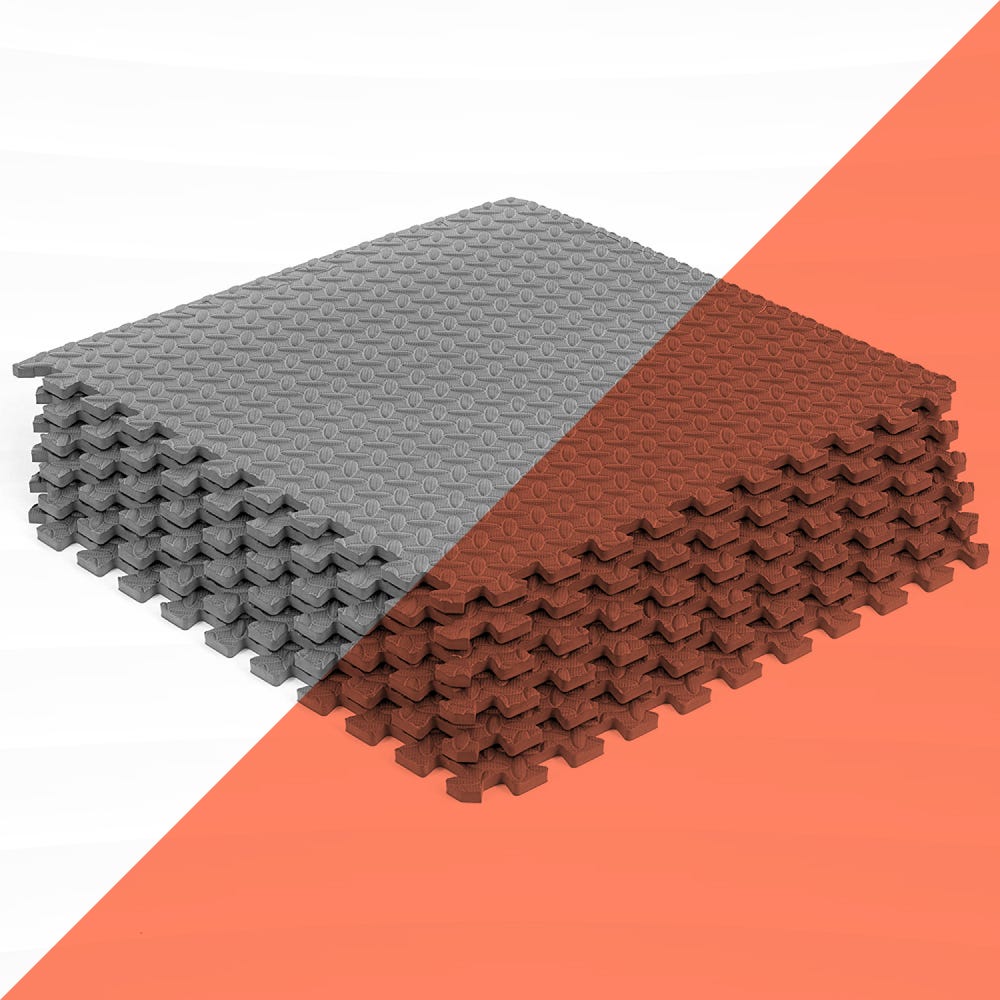
The 7 Best Home Gym Flooring Options for Every Exercise Routine

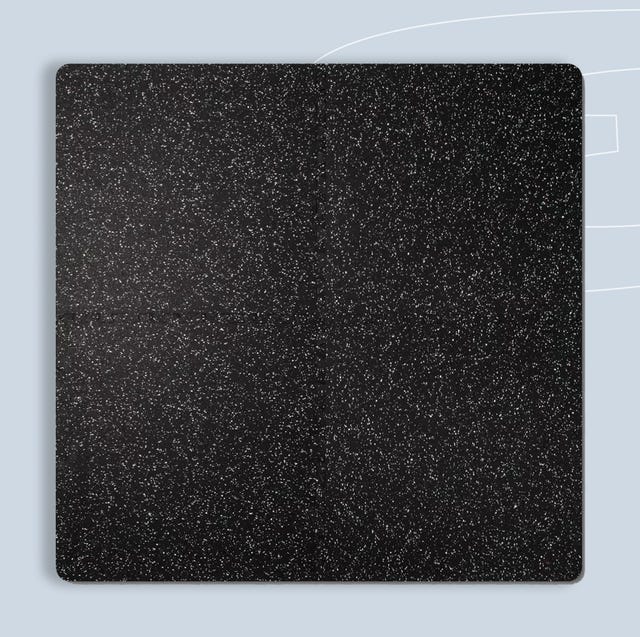
10 Gym Floors That'll Change The Way You Workout At Home
This One Flooring Trend Is Set To Rule Homes In 2026 (For A Good Reason)

Here Are 7 of the Best Rug Pads for Every Floor Type
Best Gym Flooring Options to Build the Home Gym of Your Dreams

The 5 Best Home Gym Flooring Ideas

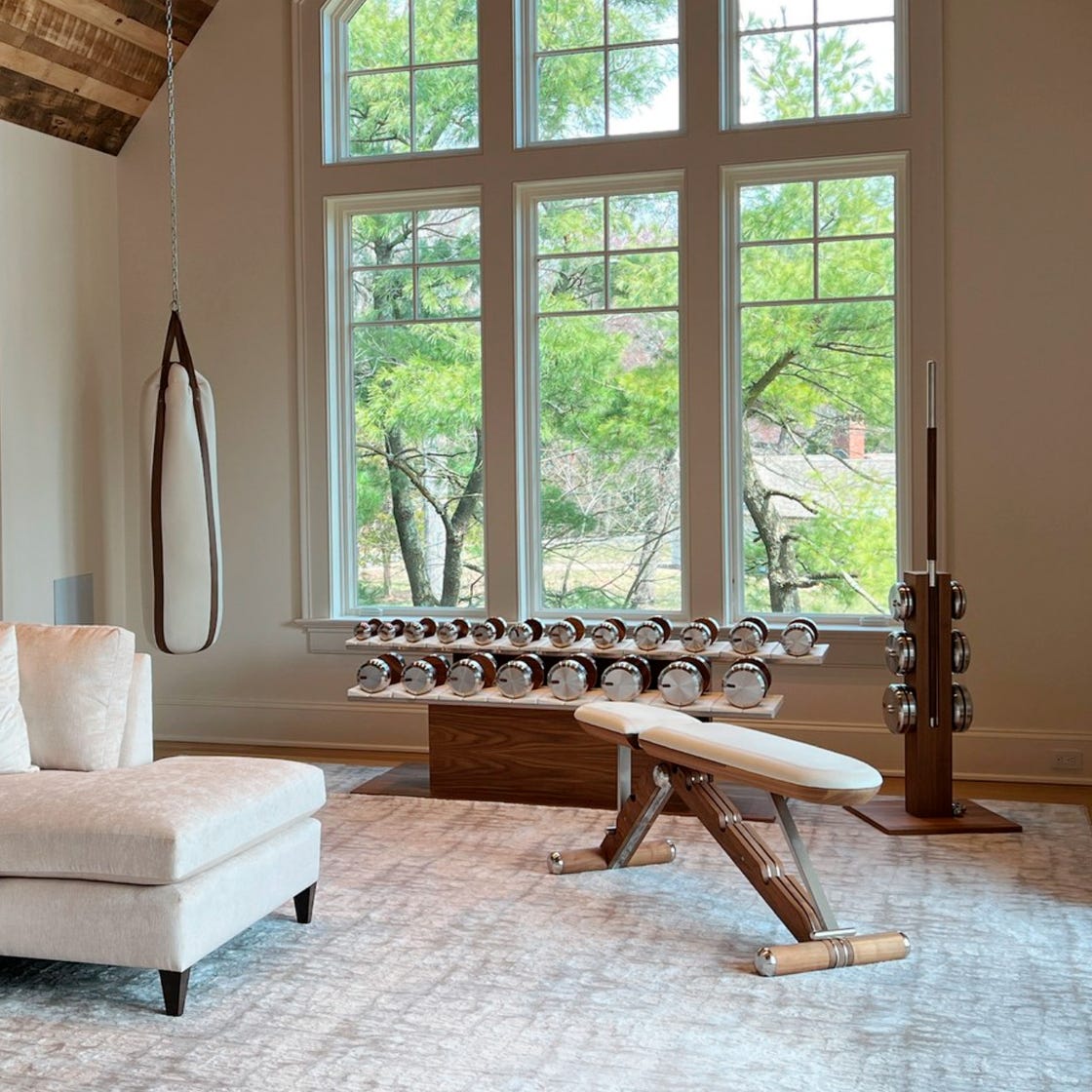
These Designer-Approved Home Gyms Prove How Stylish Wellness Spaces Can Be
Our Favorite Rugs For Every Room
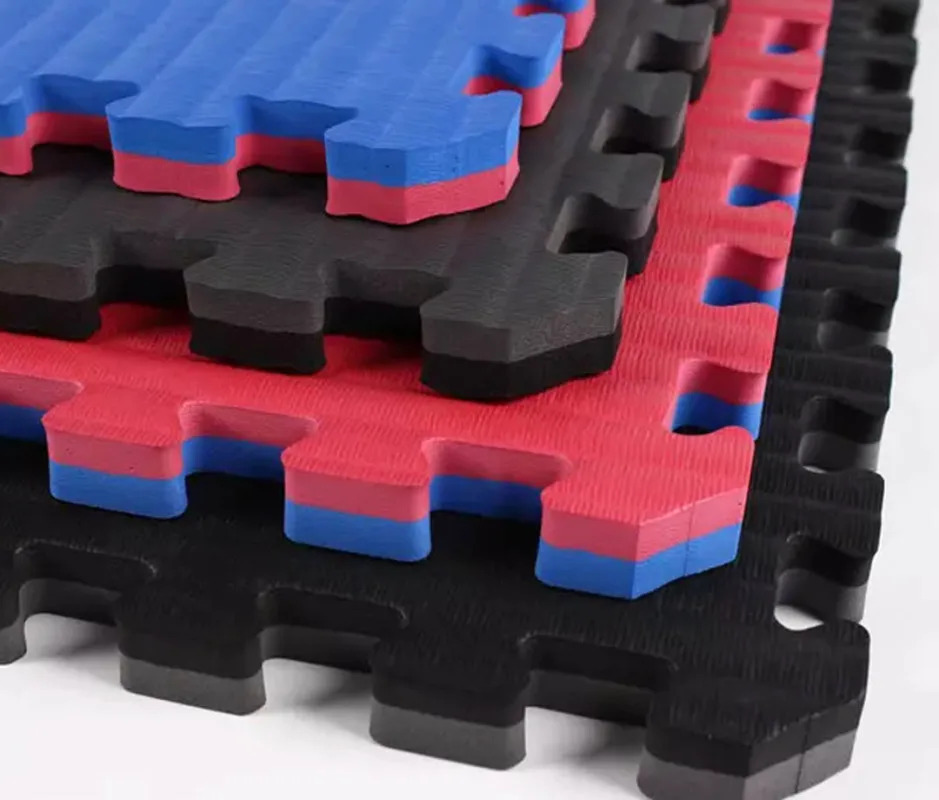
Strength Coach: These Are the 3 Best Home Gym Flooring Options
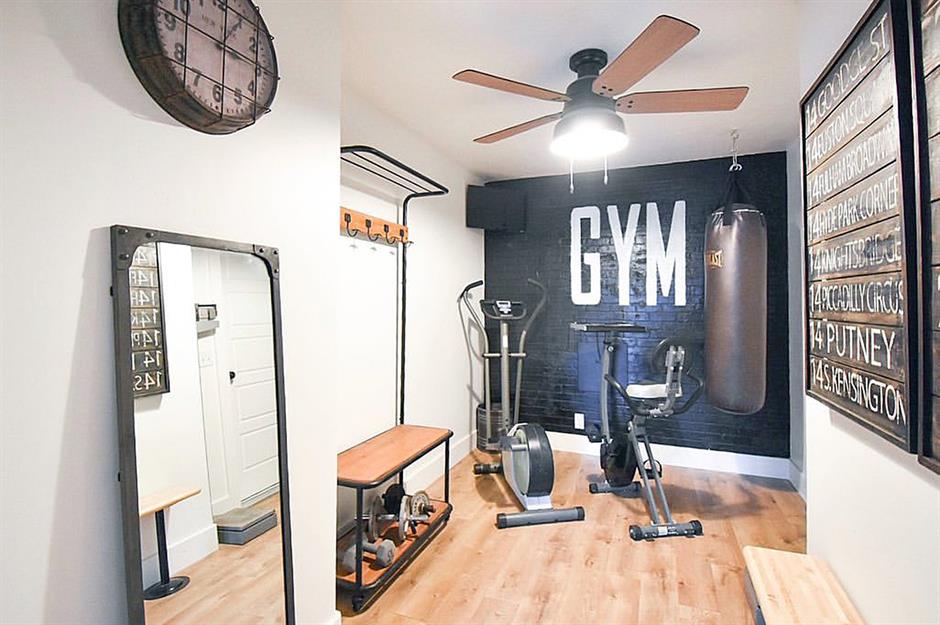
30 real workout rooms to inspire your home gym décor | loveproperty.com

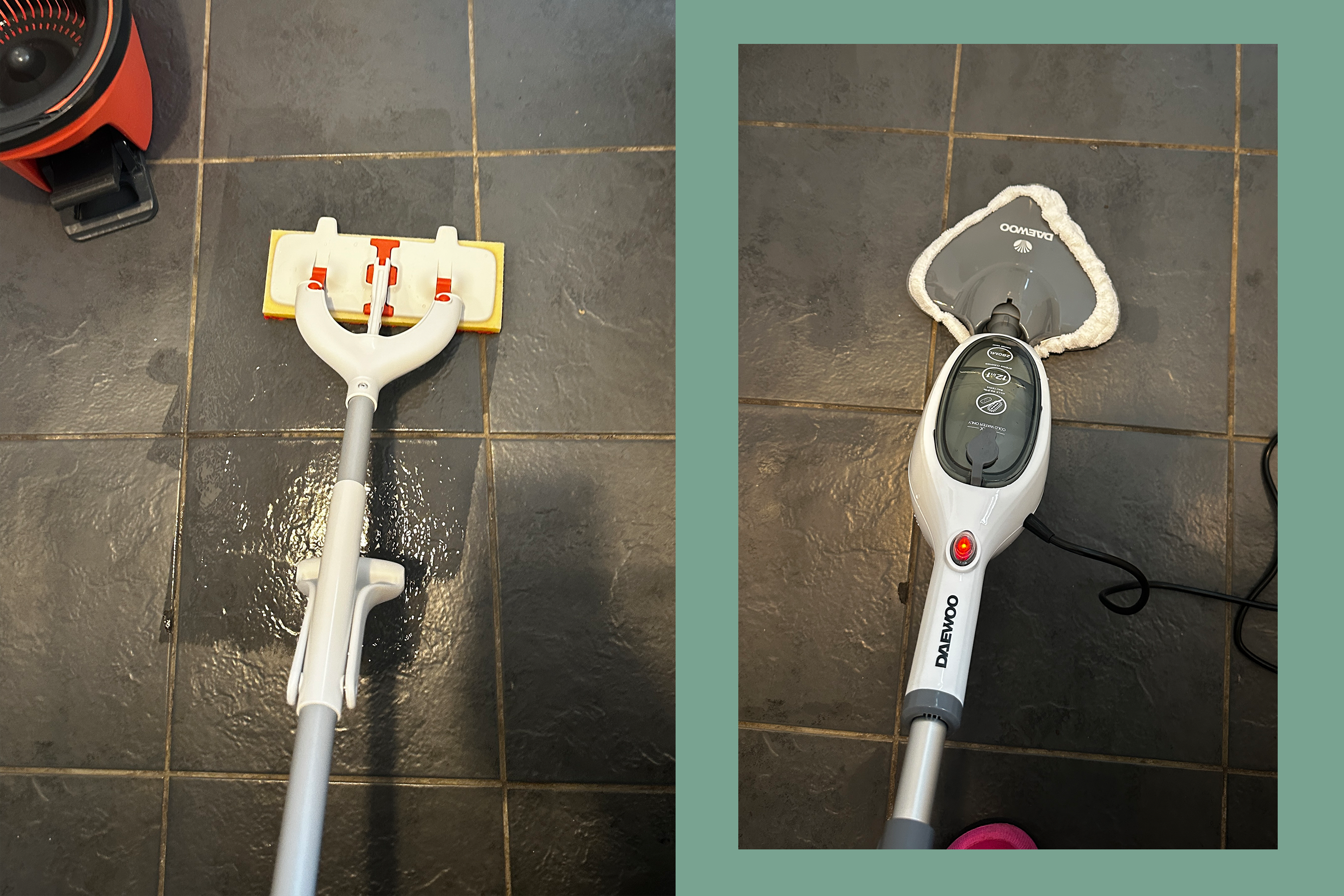
Best floor mops for sparkling results, tried and tested

Flooring

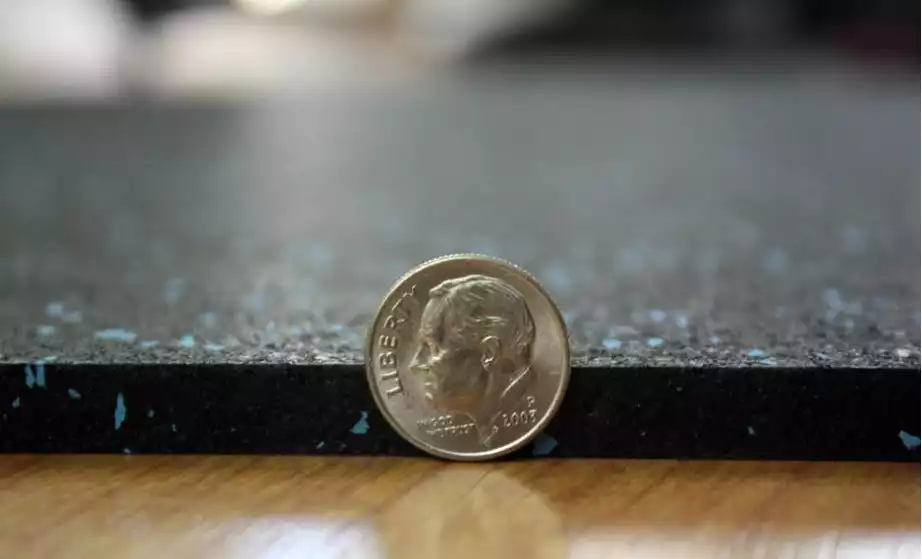
The Best Home Gym Flooring Options of 2024
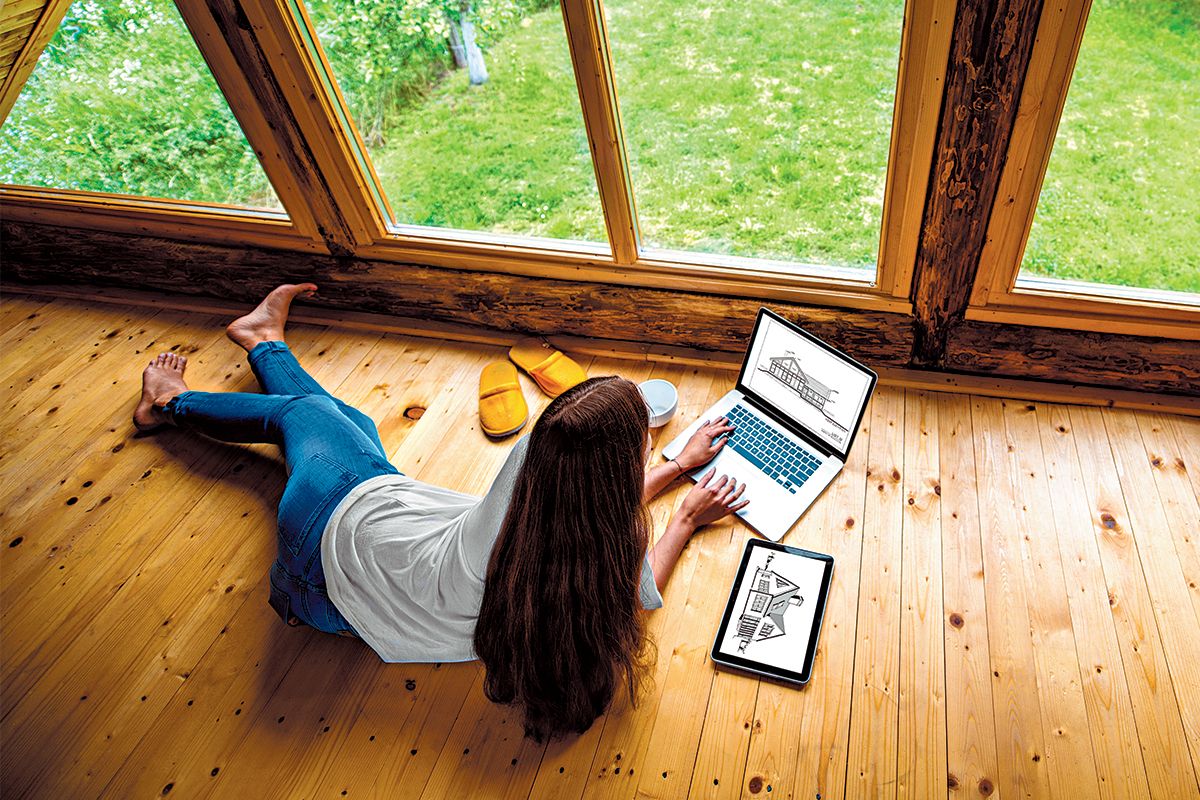
Add comfort and beauty to your home with new floors

Best Flooring of 2025
These Are the Best Desk Mats We Tested for a Smarter, Sleeker Setup (Instantly!)