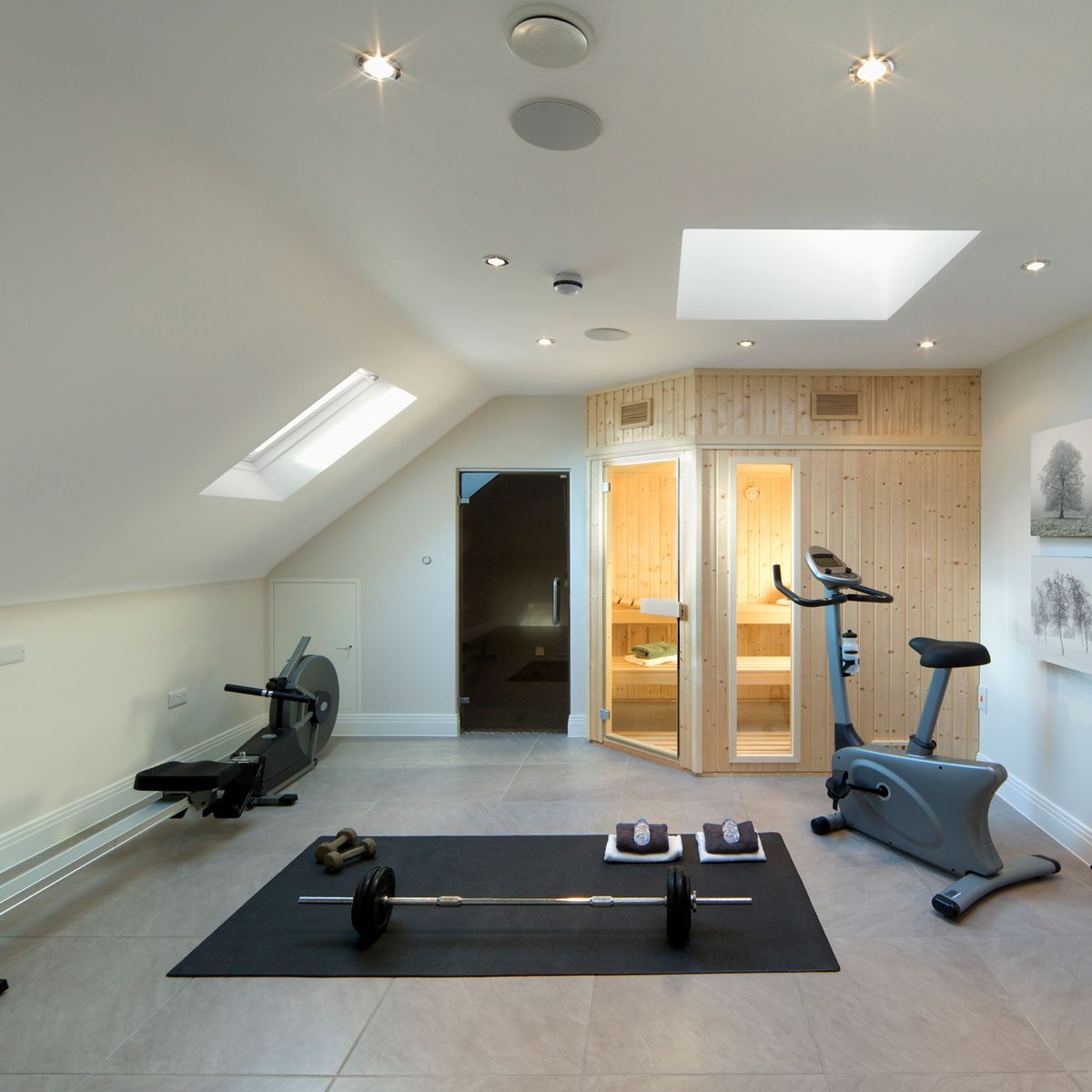
The 5 Best Home Gym Flooring Ideas
The selection of appropriate flooring is a critical aspect when setting up a home gym, as it directly impacts the effectiveness of workouts and user safety. The ideal flooring type is contingent upon the underlying surface and the specific exercise equipment and routines intended for the space. Key characteristics for any gym flooring include durability, adequate traction, and effective shock absorption to prevent slips, injuries, and chronic joint pain.
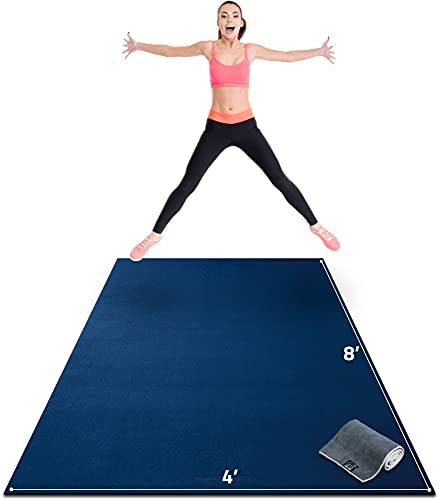
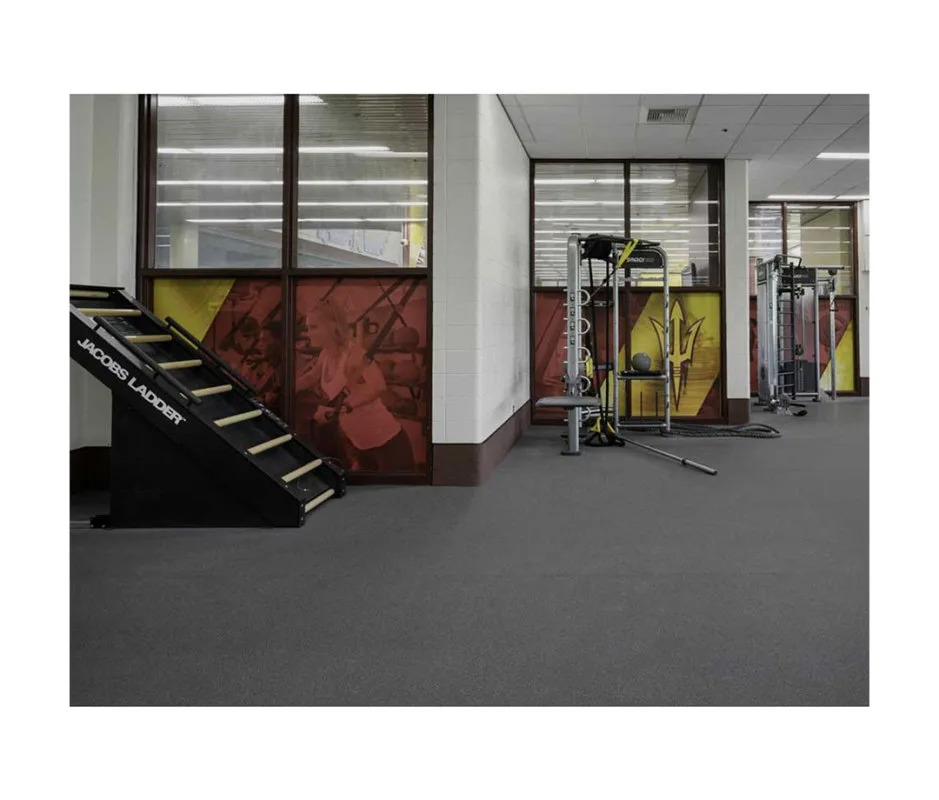
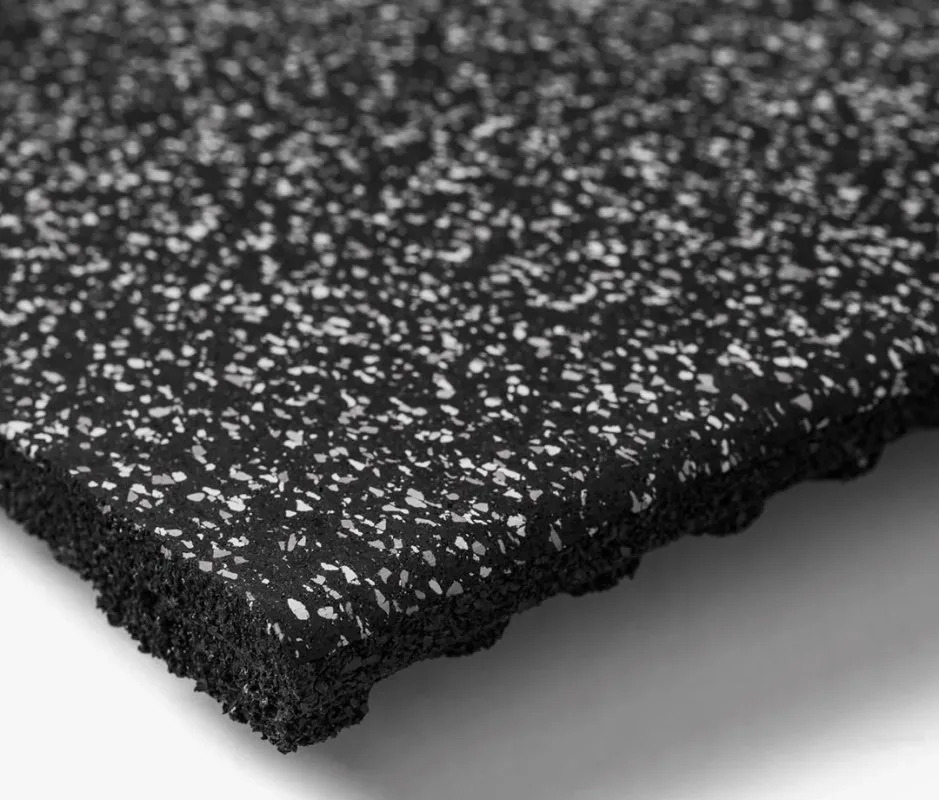
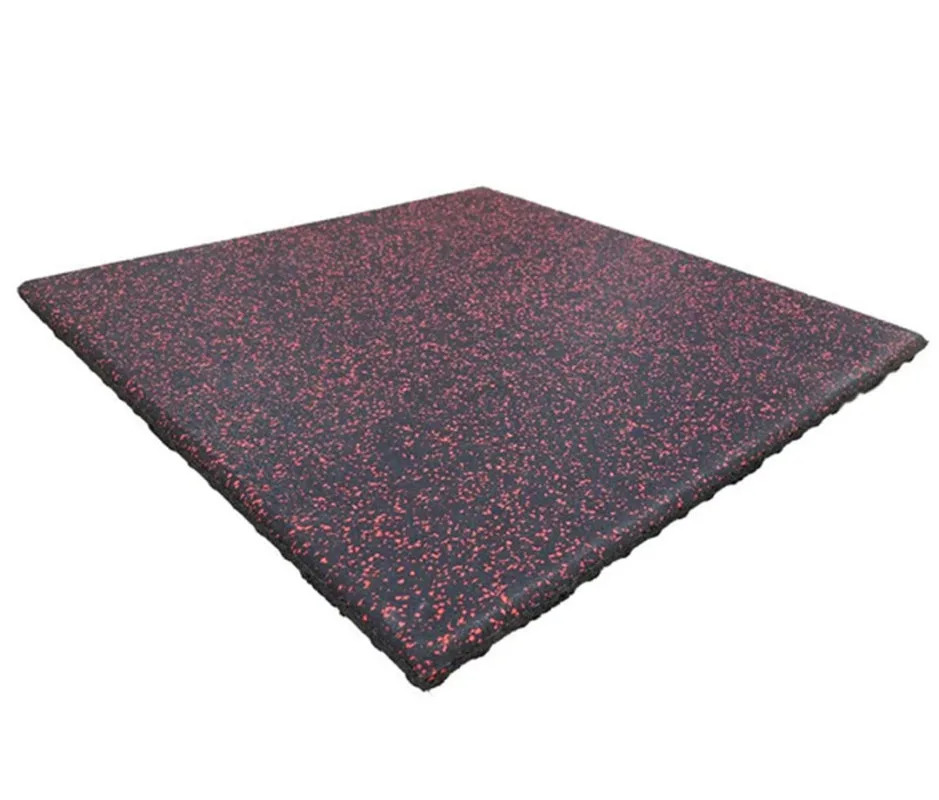
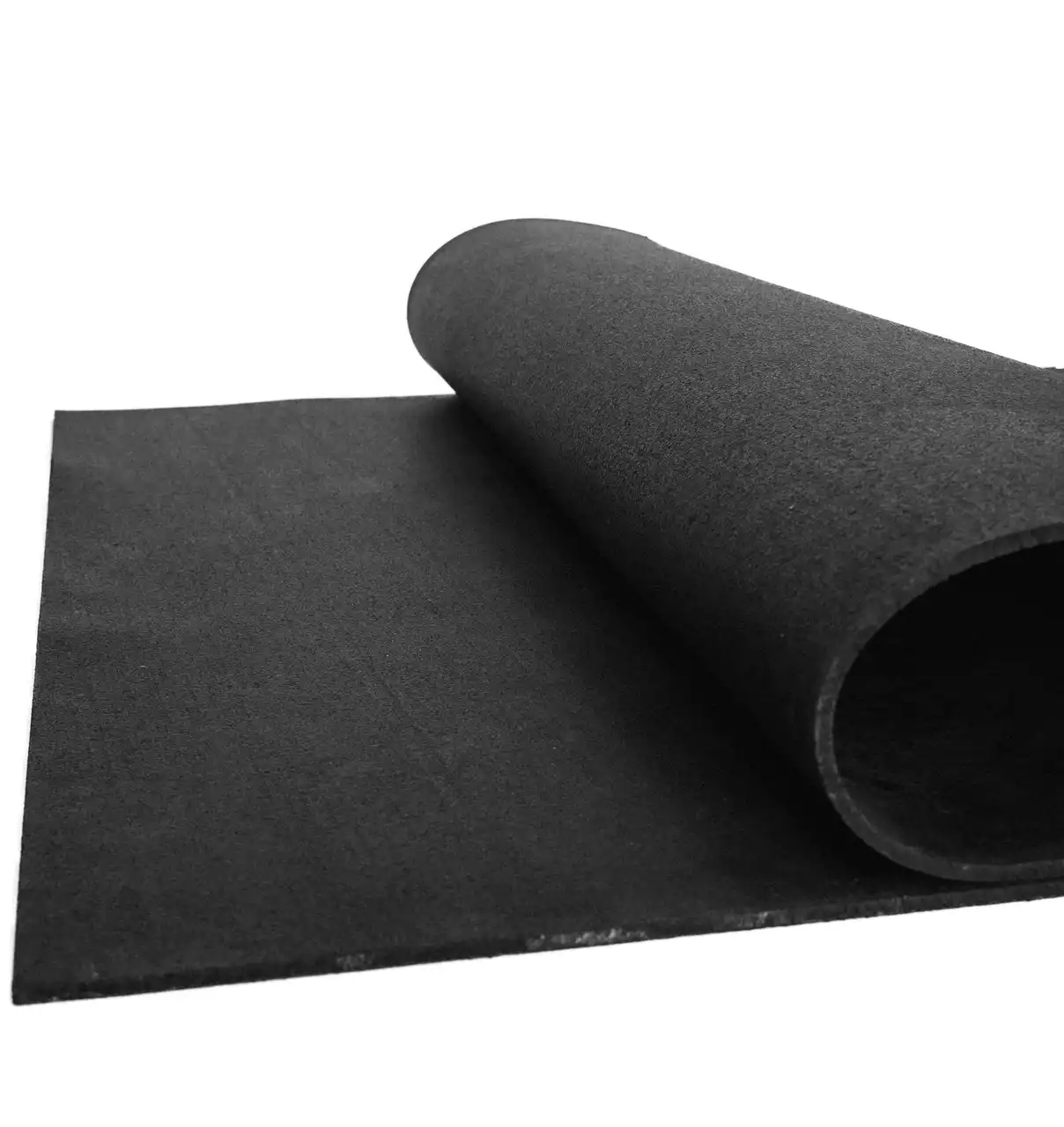
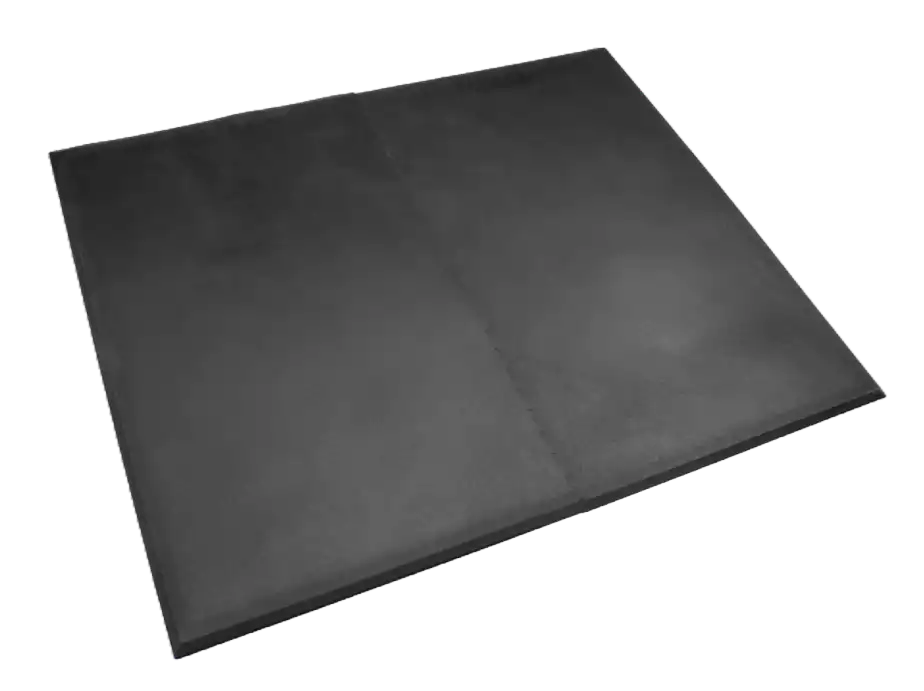
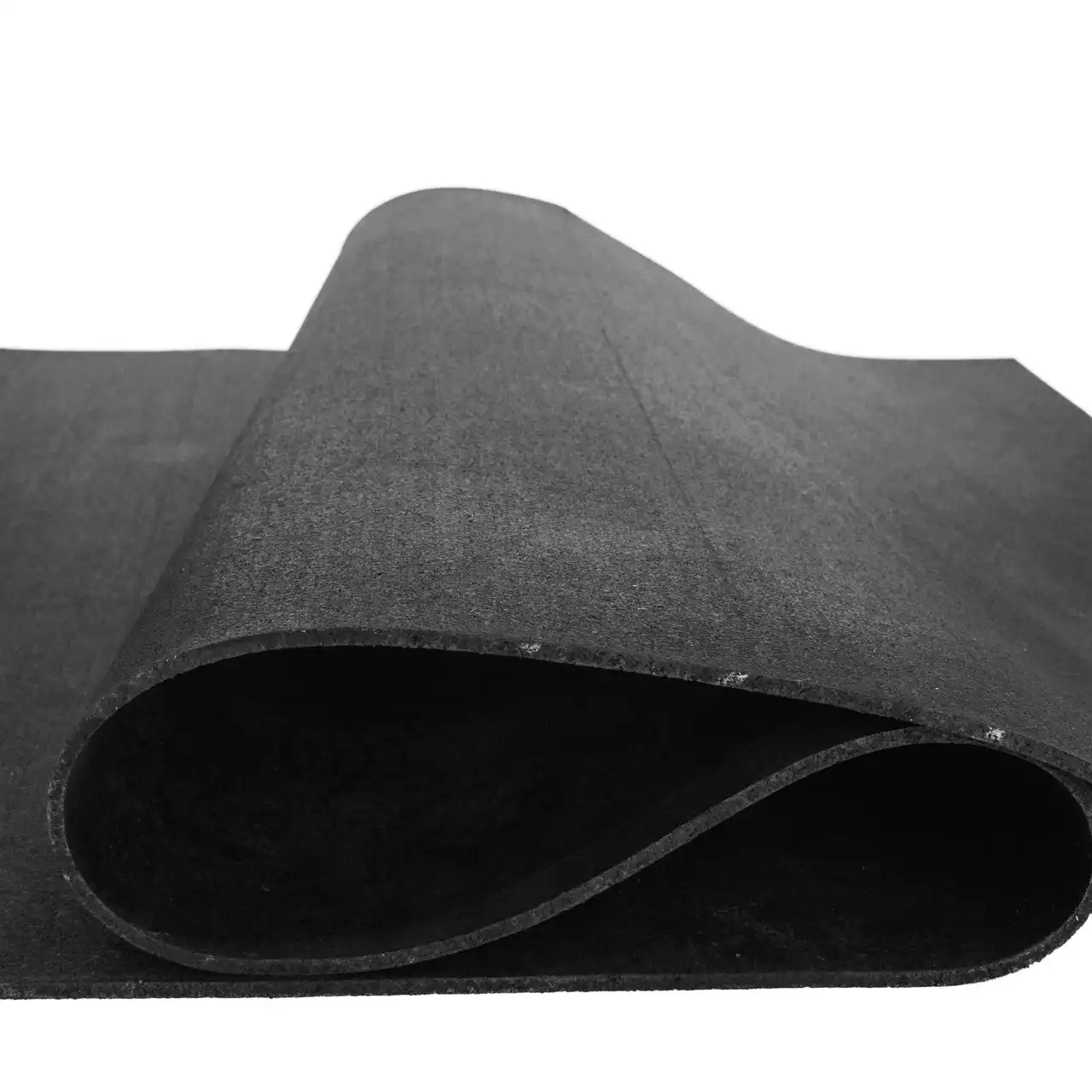
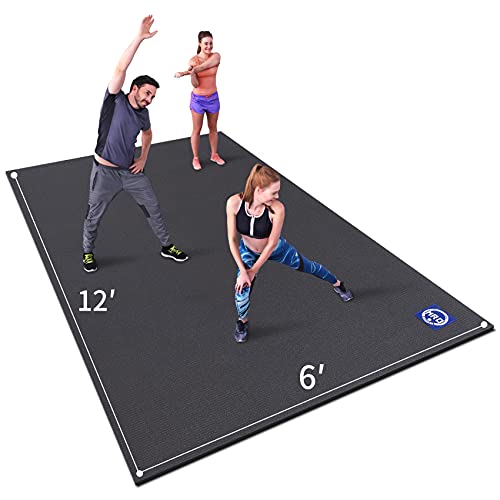
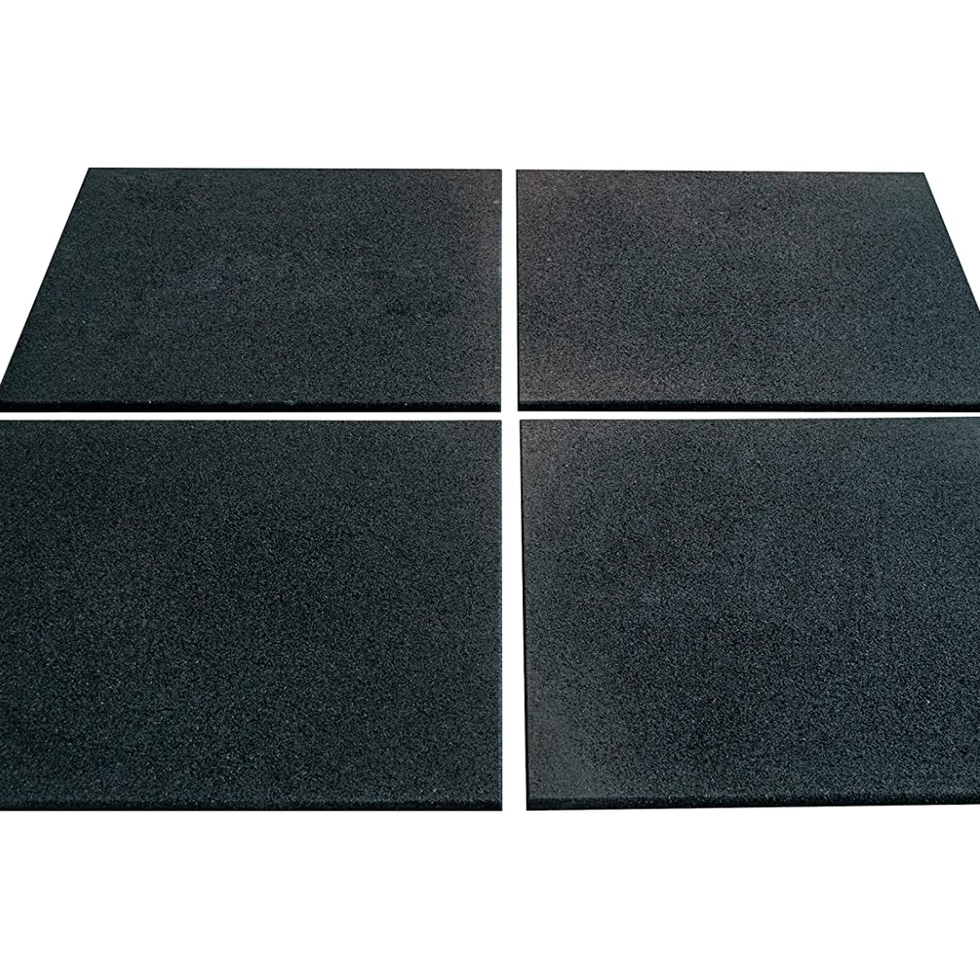
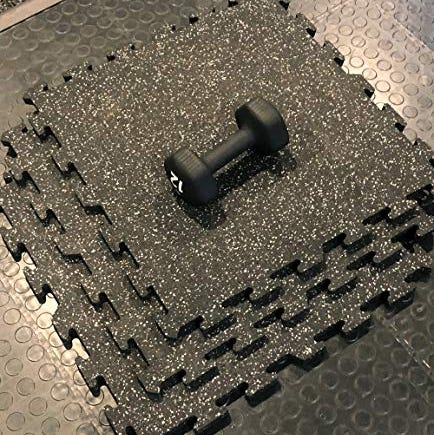
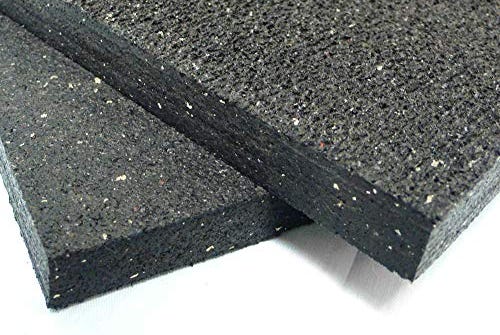
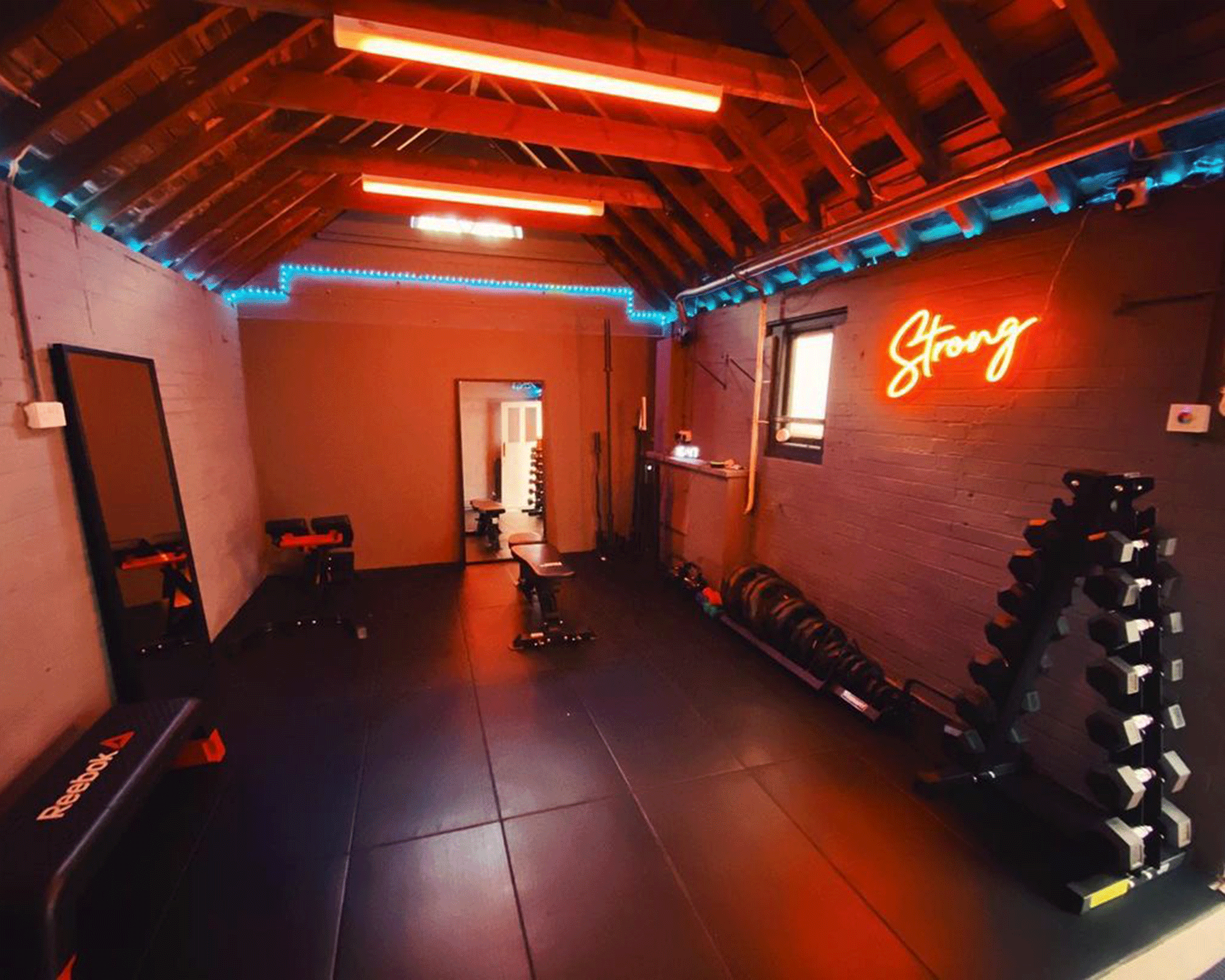
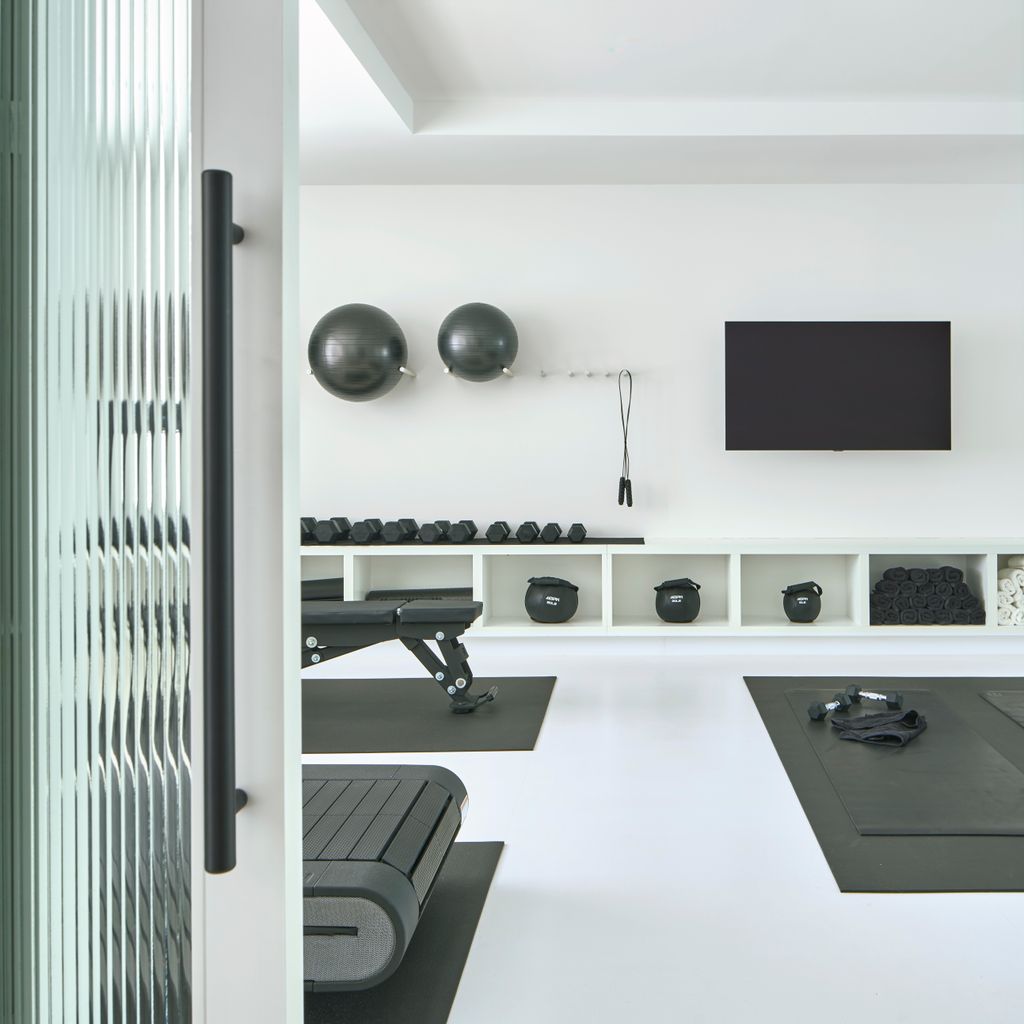
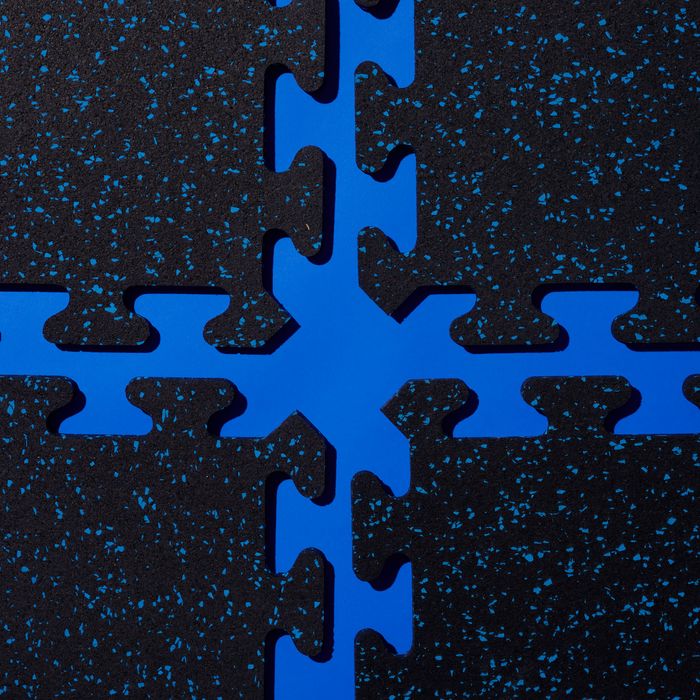
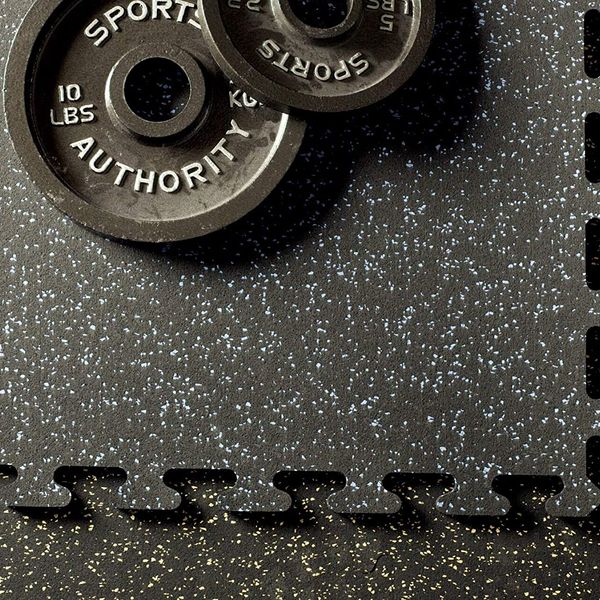
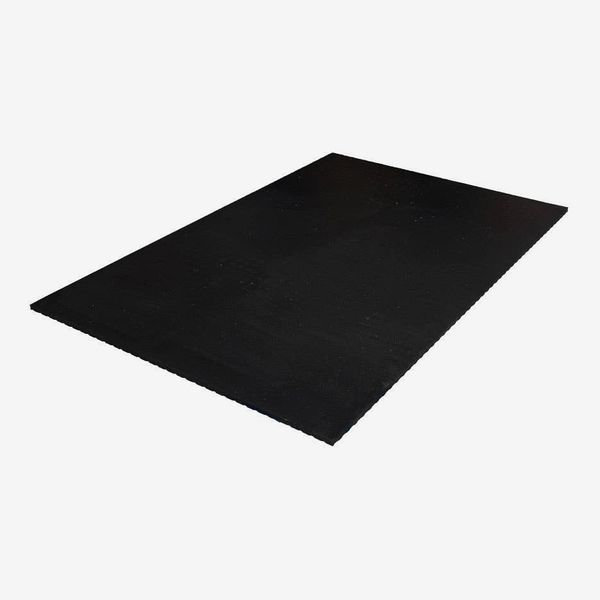
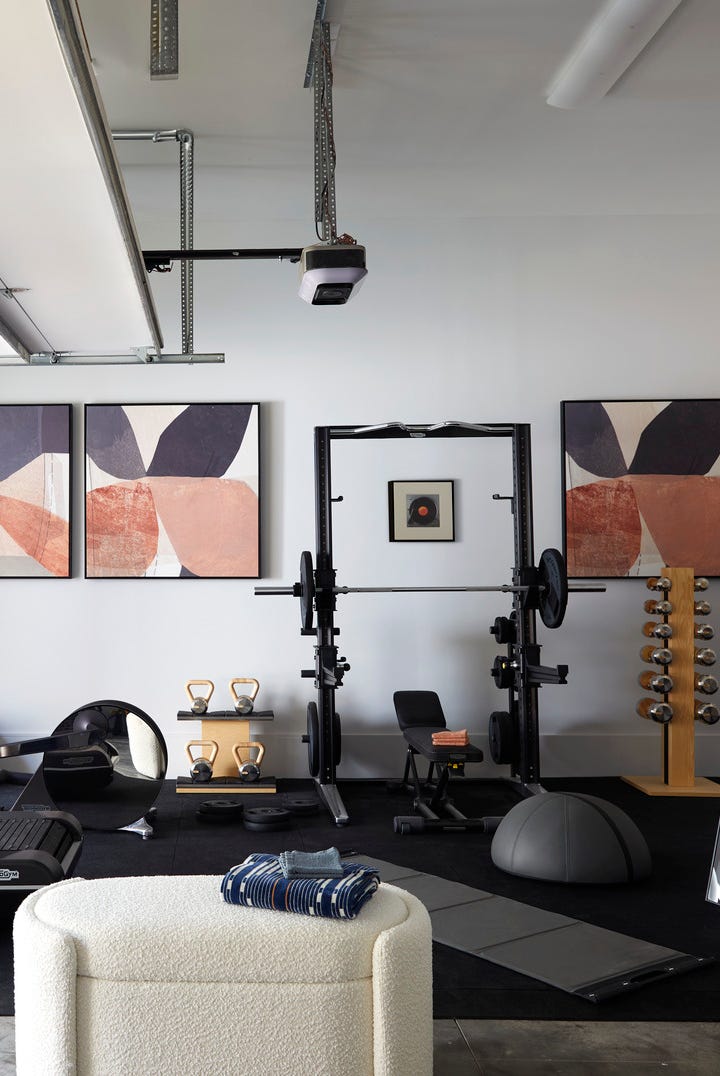
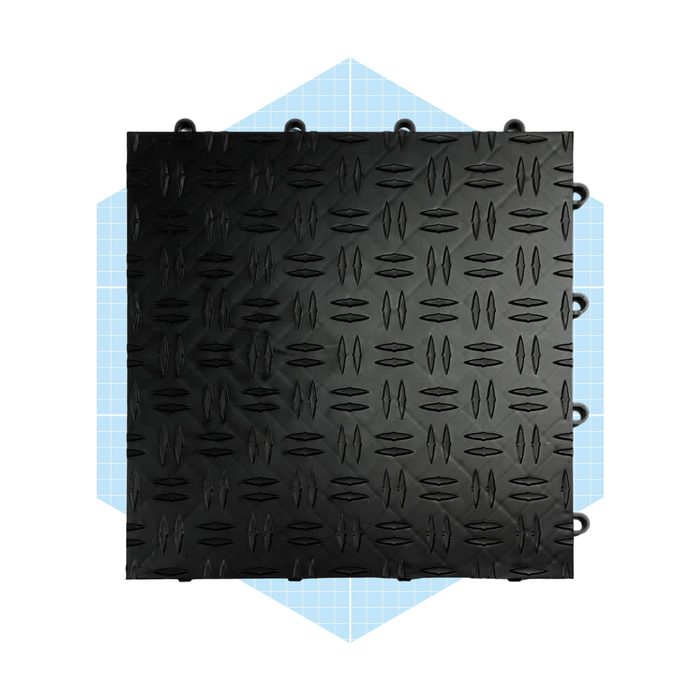
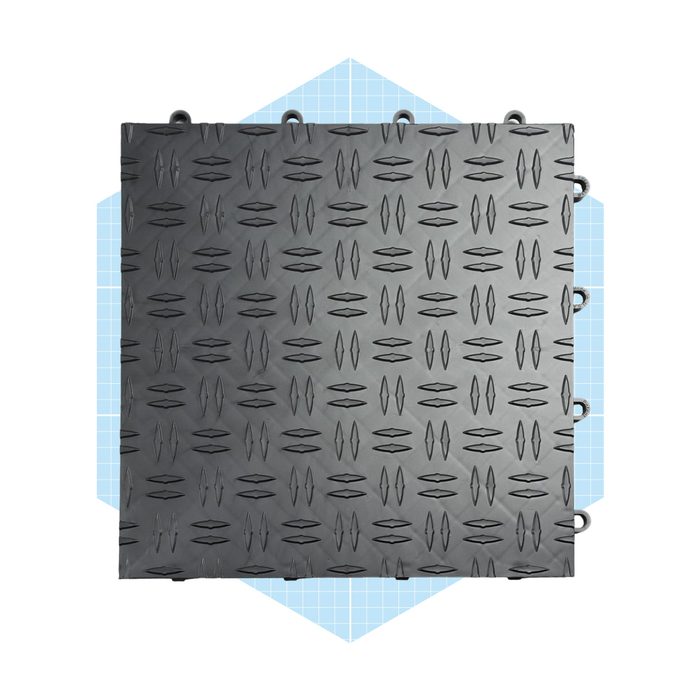
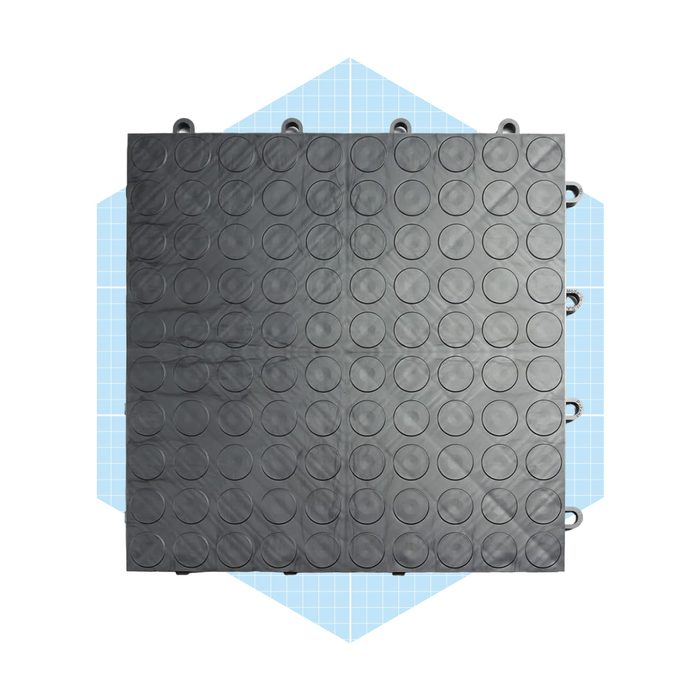
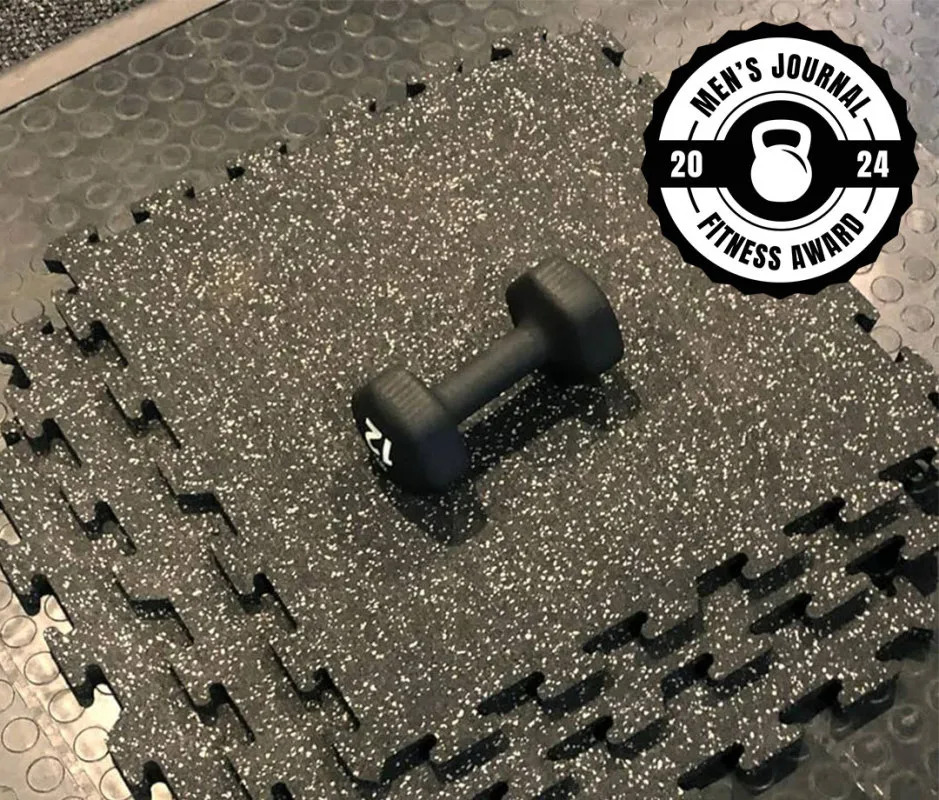
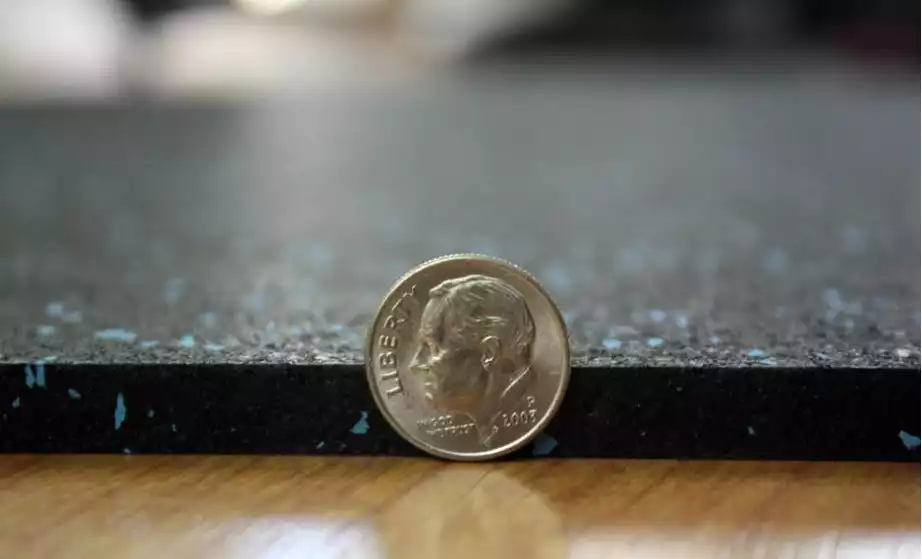
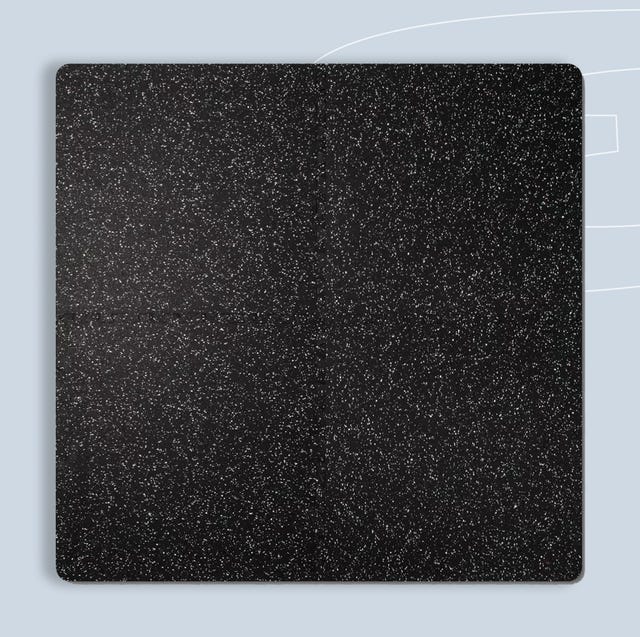
Rubber flooring stands out as a premier choice for home gyms due to its exceptional durability and superior shock absorbency. It is versatile enough to cover various surfaces, including concrete, and can withstand the weight of heavy exercise equipment. Available in rolls, mats, and interlocking tiles, rubber flooring offers flexibility in installation and sizing. For instance, options range from 4-foot by 6-foot rubber rolls to larger 8-foot by 6-foot mats, and interlocking tiles made from recycled rubber, providing solutions for different area sizes and budgets.
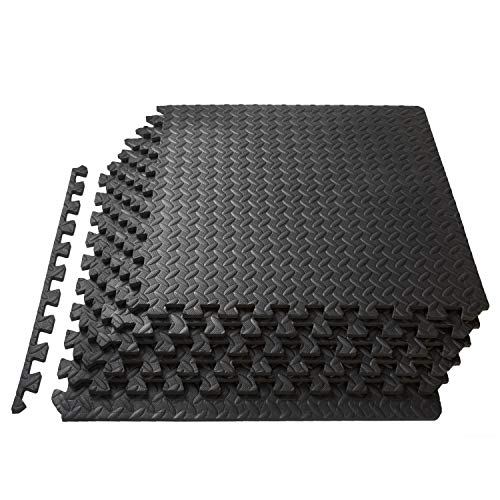
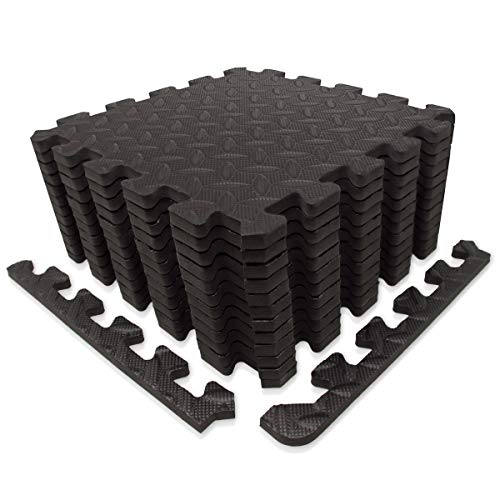
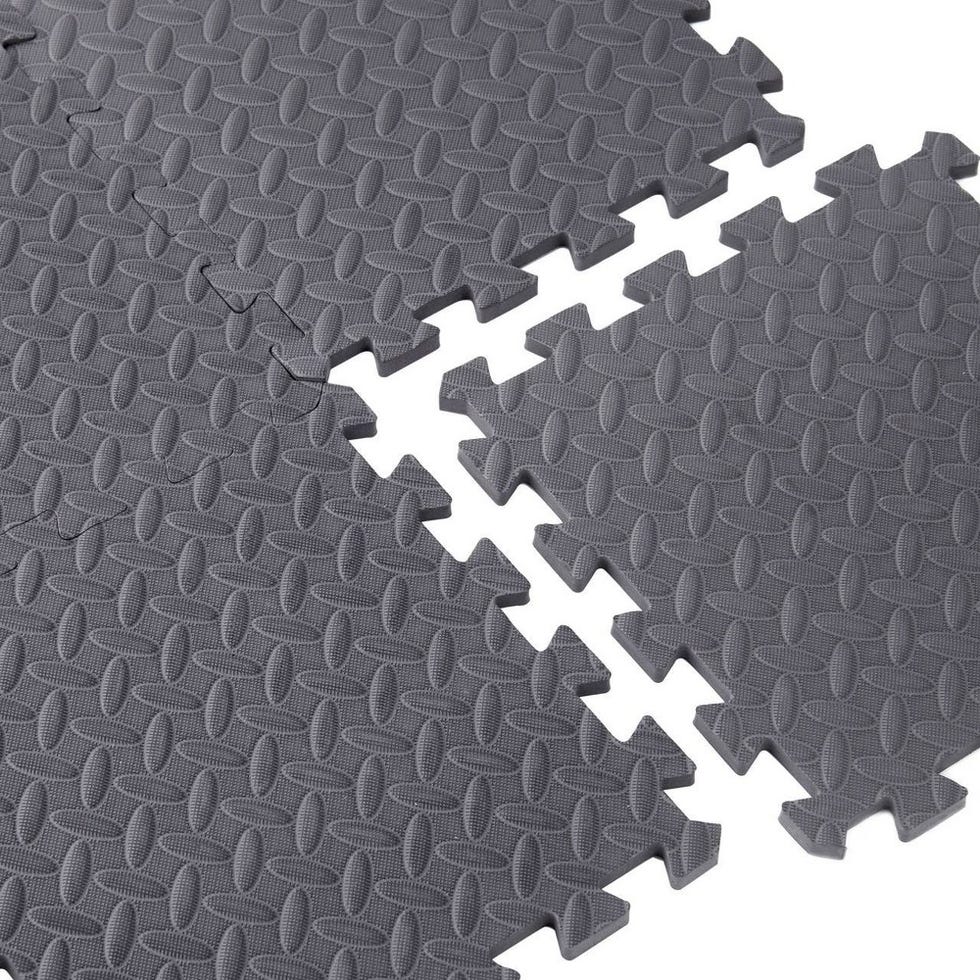
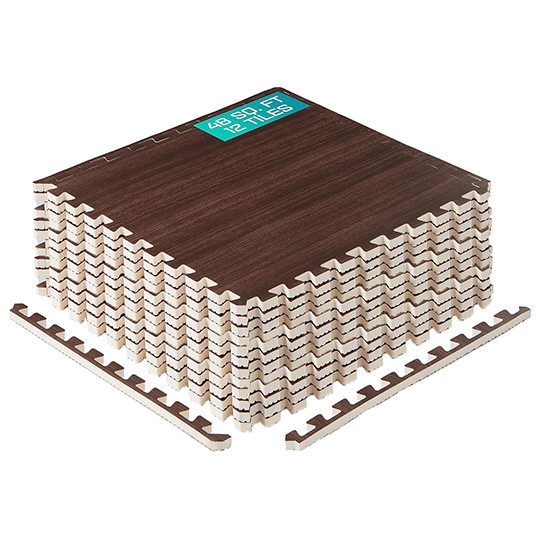
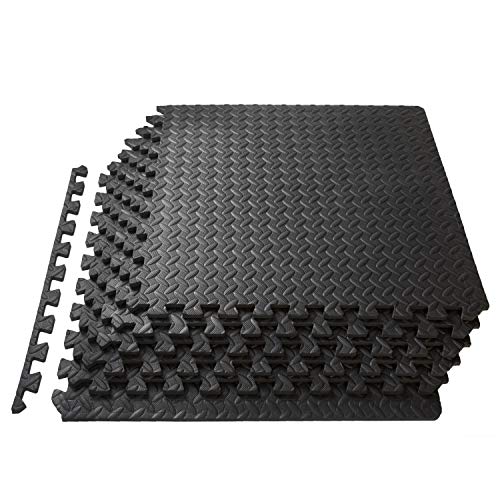
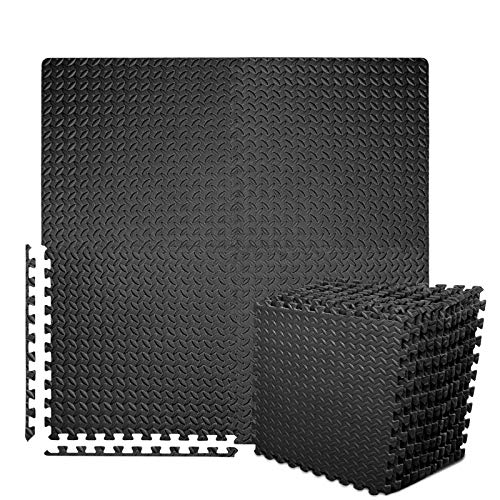
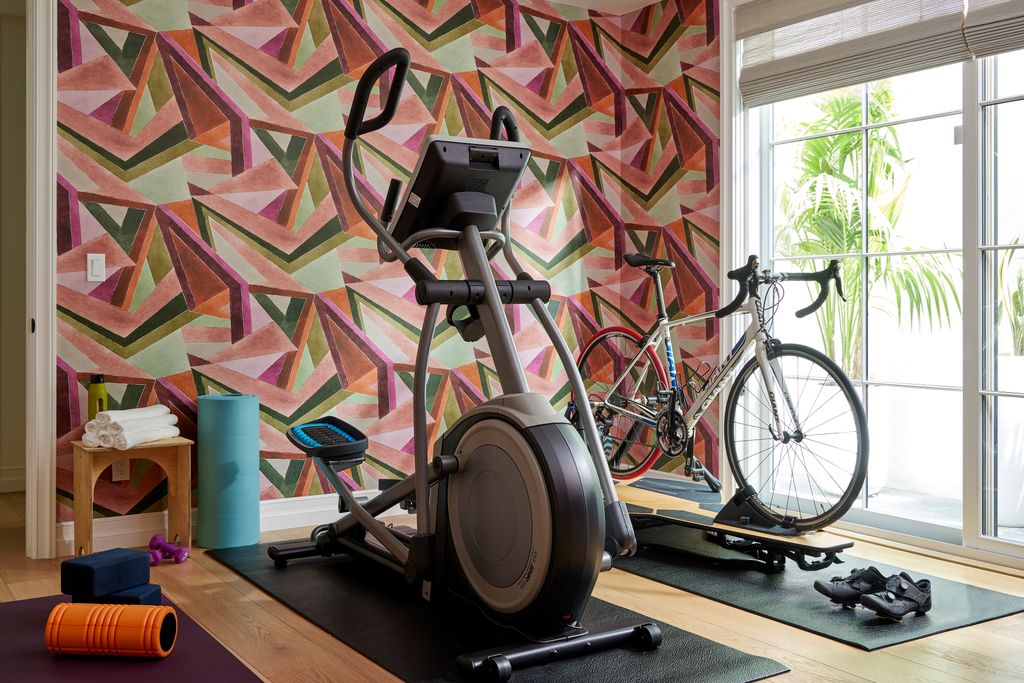
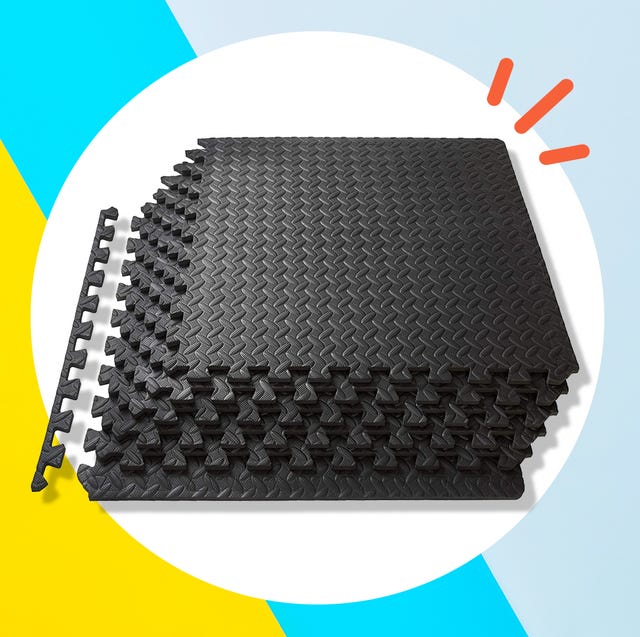
Foam flooring, resembling interconnected exercise mats, provides a more budget-friendly option, typically costing $1 to $4 per square foot. It is portable and easy to install, offering comfort suitable for floor exercises like yoga and Pilates. However, foam is less durable than rubber and is generally not recommended for heavy equipment, high-intensity workouts, or placement directly over hard surfaces like concrete. Foam tiles are available in various styles, including colorful designs, wood-look finishes, and options with a rubber top layer for enhanced durability.
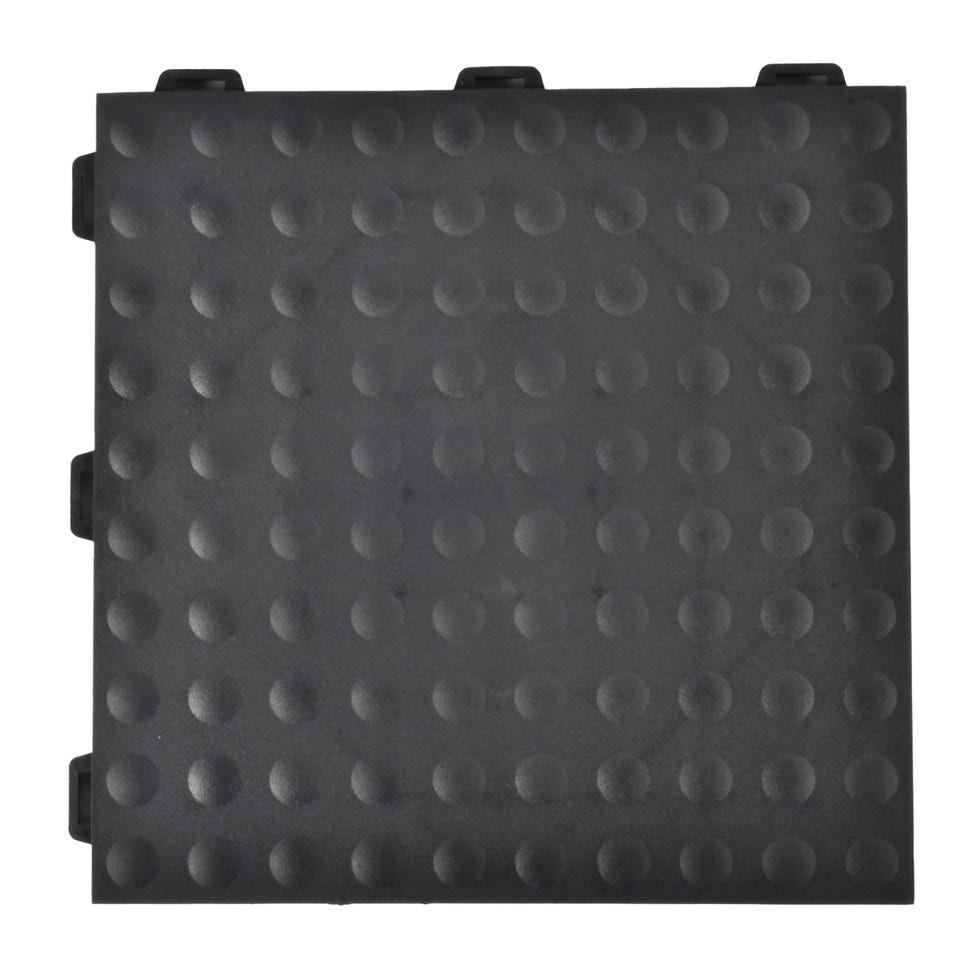
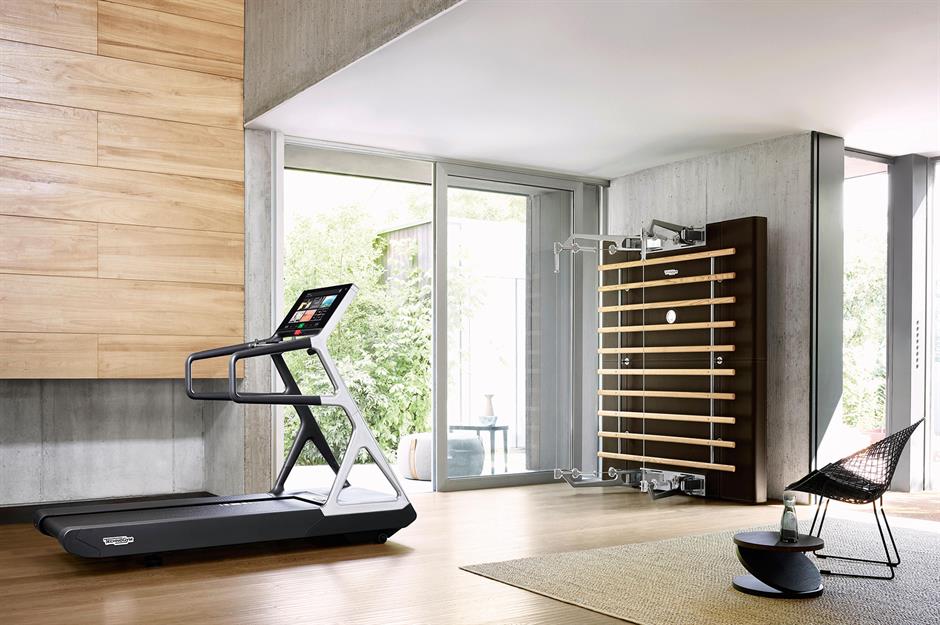
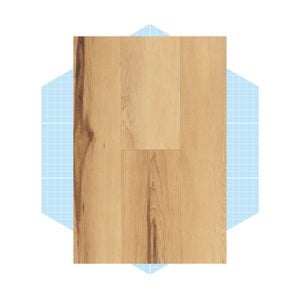
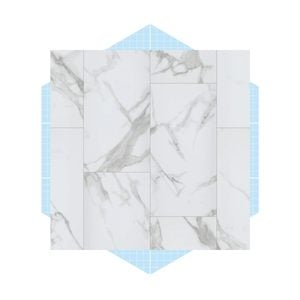
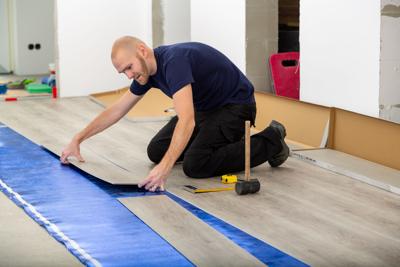
Vinyl flooring presents another viable choice for home gym setups, particularly favored for garage or basement gyms due to its water, mold, mildew, and moisture resistance. It is easy to clean and can seamlessly integrate with the home's aesthetics. Vinyl is highly durable and capable of supporting heavy gym equipment. A notable drawback, however, is its lower shock absorption compared to other materials. Vinyl options include mats for under heavy equipment and self-adhesive planks or tiles that mimic wood, offering aesthetic appeal alongside practicality.
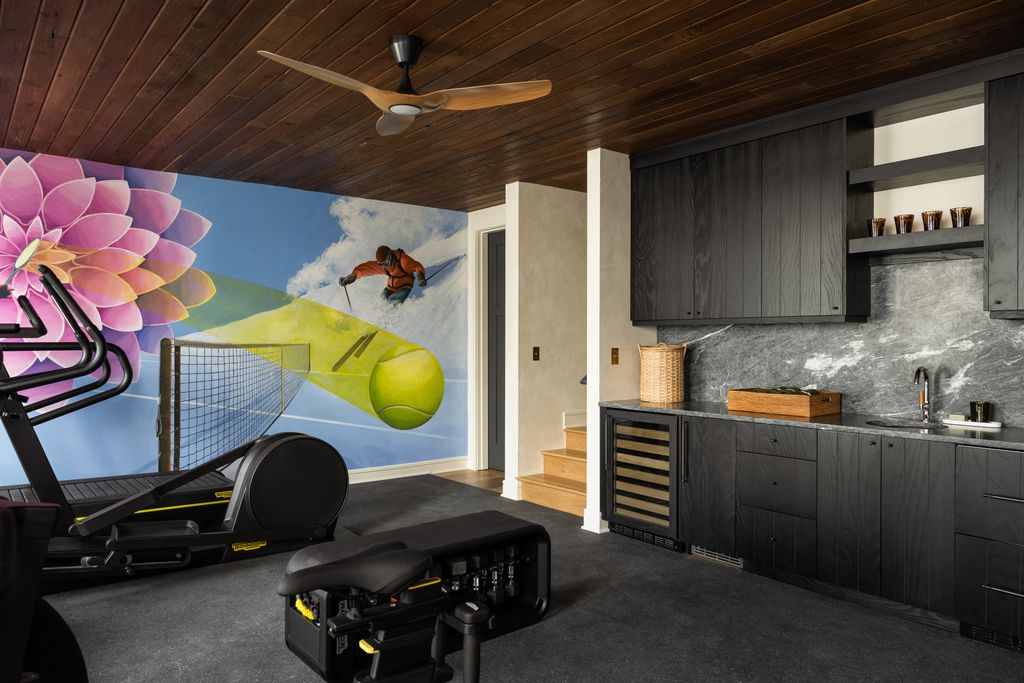
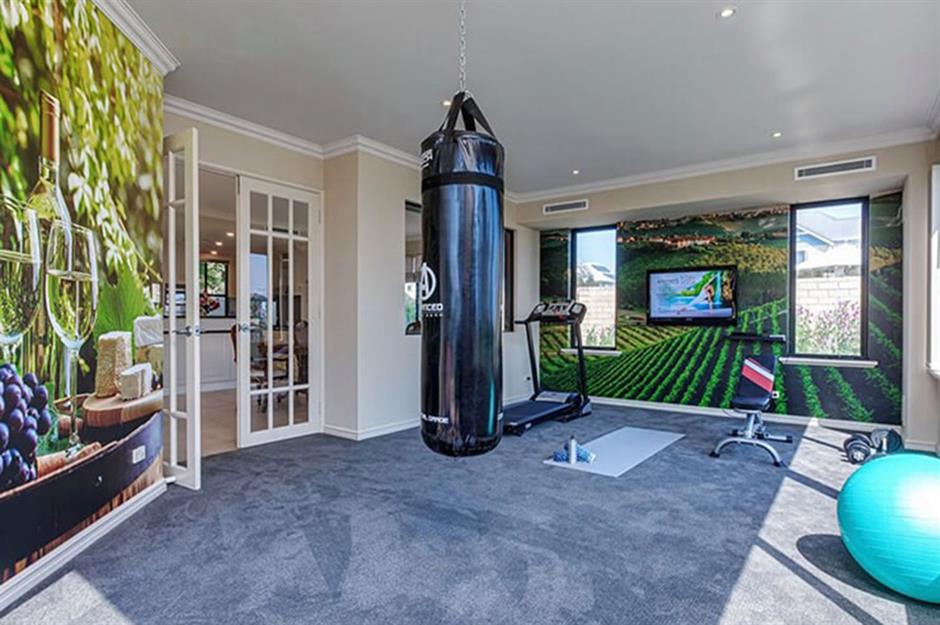
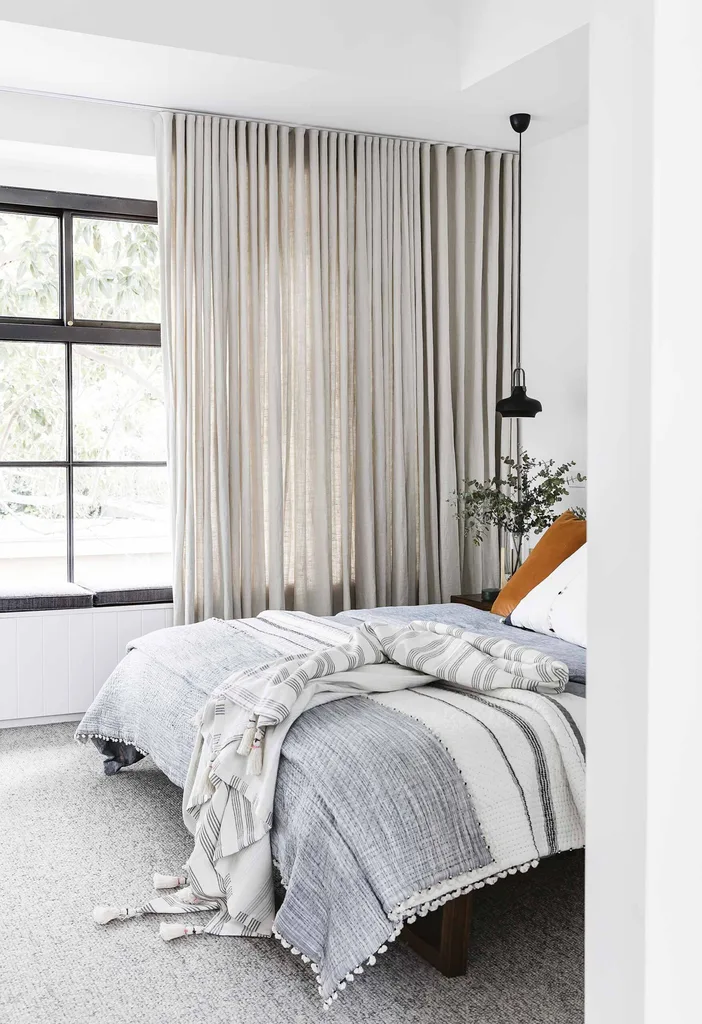
Carpet is a popular choice for home gyms, offering aesthetic integration with home decor. It can be installed wall-to-wall or as carpet tiles, facilitating DIY installation. For optimal performance, a low, commercial-grade pile is recommended to ensure good traction and stability. While carpet can support the weight of exercise machinery, it tends to trap sweat and moisture and provides low shock absorption. The inclusion of carpet pads can mitigate the shock absorption issue, and anti-fatigue carpet tiles are also available for improved shock absorbency.
Cork flooring is an eco-friendly option known for its high shock absorbency, making it suitable for intense workouts. It also boasts resistance to fire, mold, mites, and mildew, which makes it a good option for basements. However, cork is prone to fading when exposed to direct sunlight. For home gyms in basements or garages, floating cork floors are a fine choice. For areas with heavy machinery or free weights, a layered approach using glue-down cork tiles over a floating cork floor is advised, or considering an alternative flooring style.
#HomeGym #FlooringIdeas #RubberFlooring #FoamFlooring #VinylFlooring #Carpet #CorkFlooring #HomeWorkout #ExerciseSpace #HomeGym #FlooringIdeas #RubberFlooring #FoamFlooring #VinylFlooring #Carpet #CorkFlooring #HomeWorkout #ExerciseSpace
0 comment in total
 No comments yet
You may also like
The 7 Best Home Gym Flooring Options for Every Exercise Routine

Spruce Up Your Home Gym with These Elite Floor Mats
33 Fabulous Home Gym Ideas That Make Working Out a Joy

New options in flooring

Best Gym Flooring Options to Build the Home Gym of Your Dreams

This Home Gym Flooring Actually Stays Put On Carpeting, Hardwood, And Tile

7 Flooring Choices That Always Show Dirt and Scuffs—No Matter How Often You Clean

15 of the best flooring materials for the home and why they work

The Best Home Gym Flooring Options of 2024
16 Inspiring Home Gym Ideas That Will Motivate You to Get Moving
30 real workout rooms to inspire your home gym décor | loveproperty.com

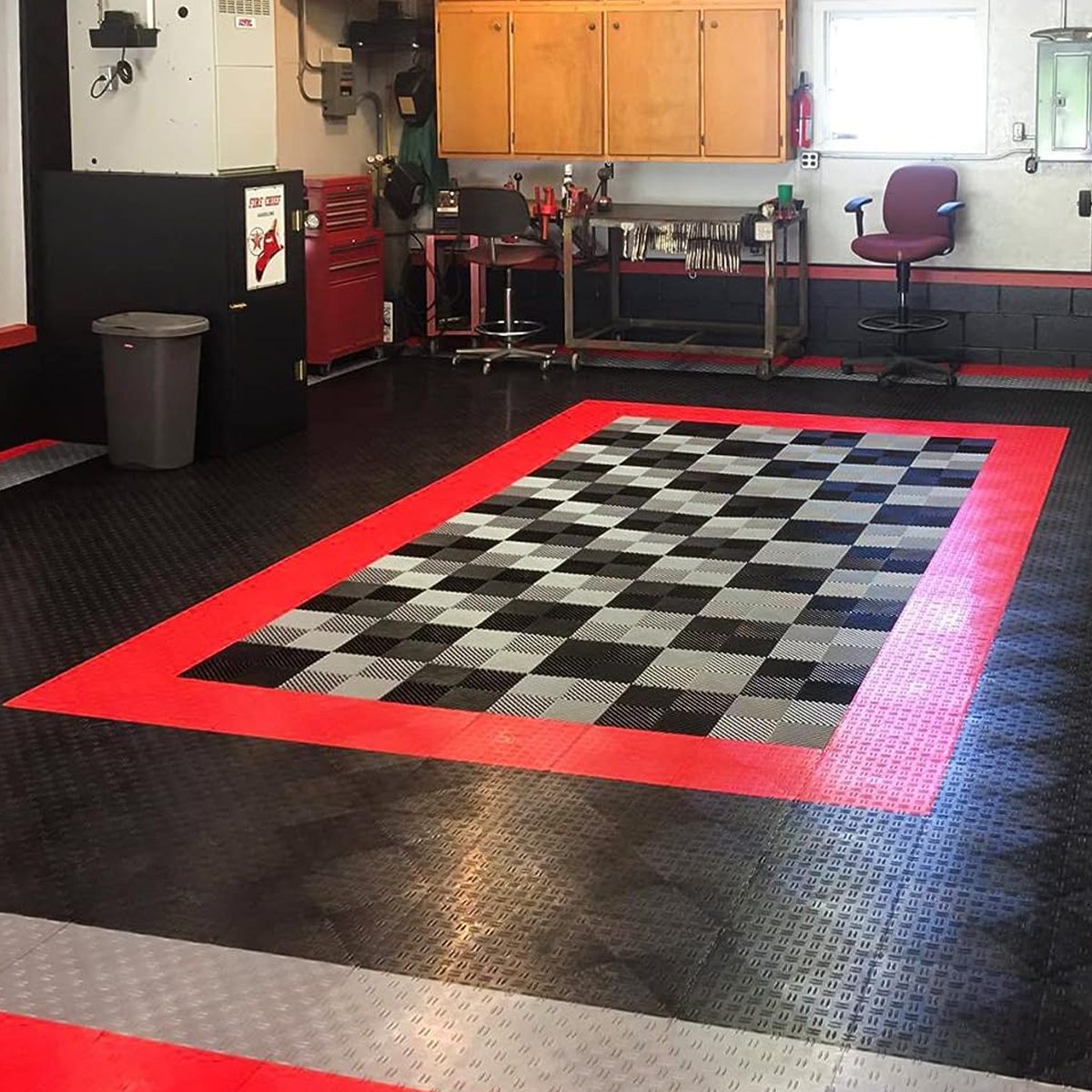
The 6 Best Garage Floor Tile Options in 2025
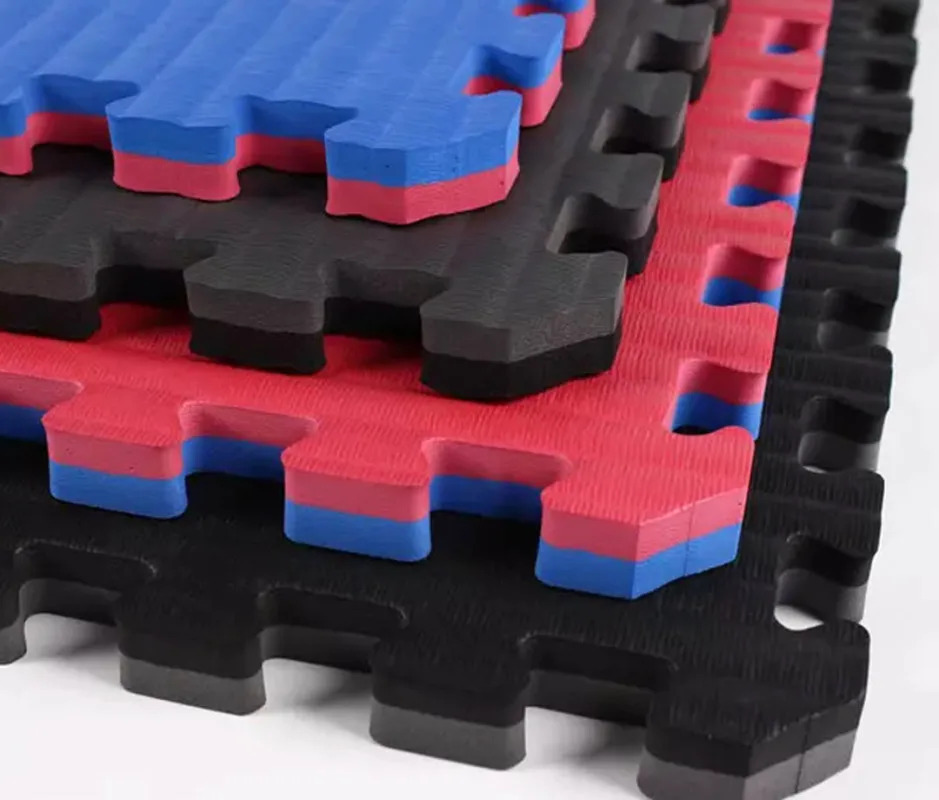
Strength Coach: These Are the 3 Best Home Gym Flooring Options

Home gym ideas – 15 set up designs to get your sweat on in style

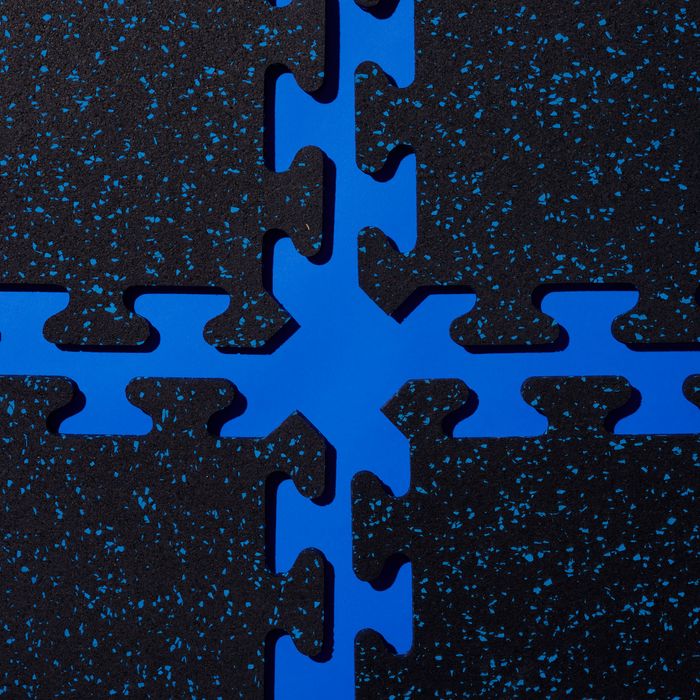
The Very Best Gym Mats
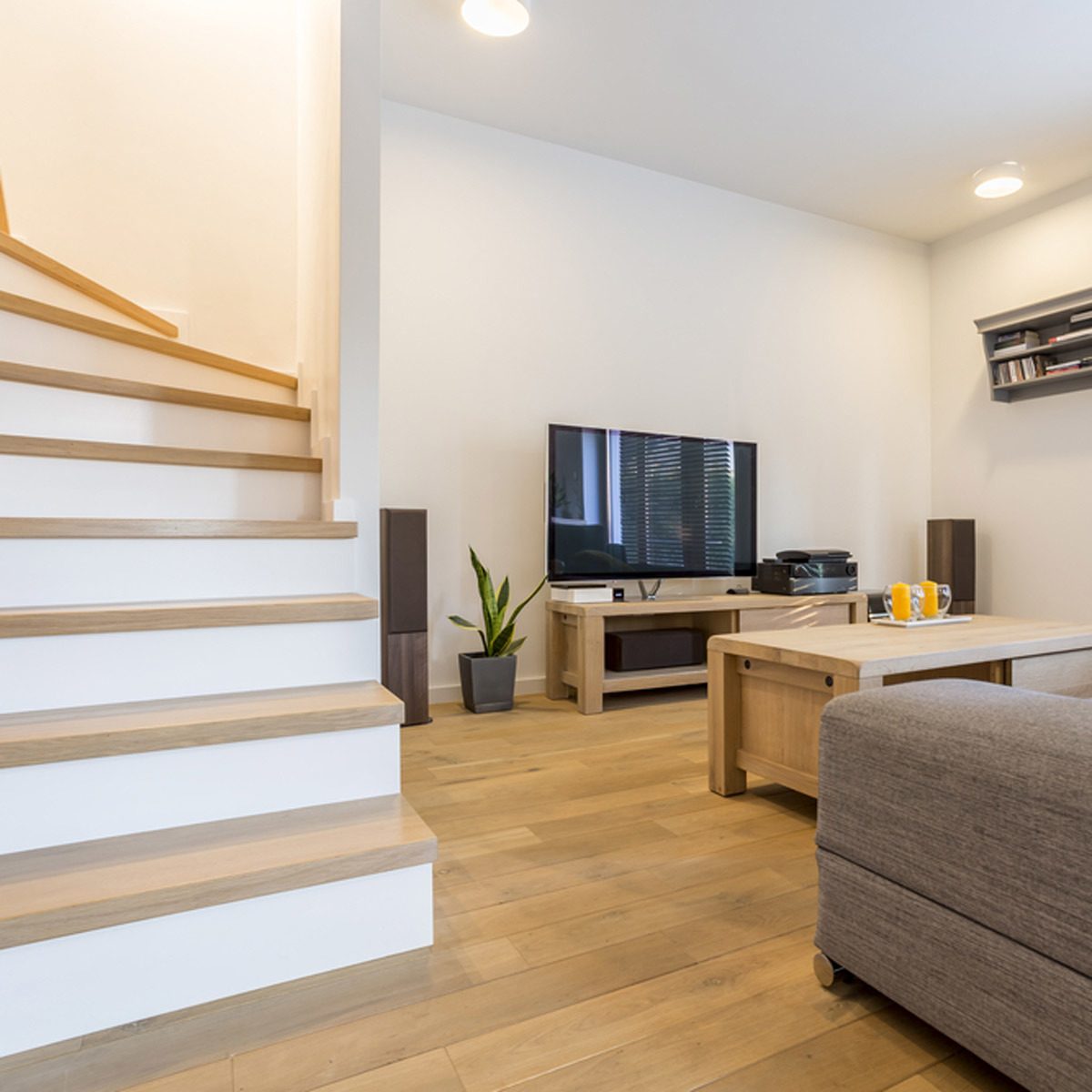
5 Best Types of Flooring for Your Basement in 2022
10 Gym Floors That'll Change The Way You Workout At Home
Home gym ideas that will make you look forward to your workout

These Designer-Approved Home Gyms Prove How Stylish Wellness Spaces Can Be
15 Kitchen Flooring Ideas For A Practical And Stylish Space