1/11
This Home Gym Flooring Actually Stays Put On Carpeting, Hardwood, And Tile
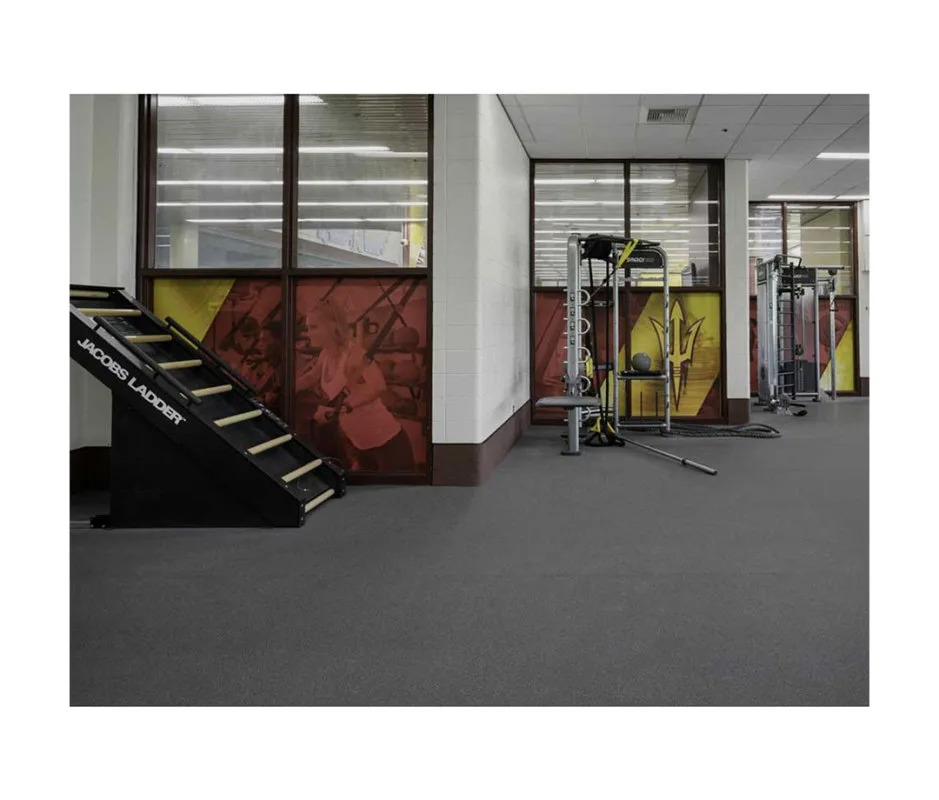
Setting up a home gym involves careful consideration of flooring to ensure safety, noise reduction, and overall atmosphere. Many homeowners initially focus on equipment like dumbbells and resistance bands, but the right flooring is crucial to prevent injuries, protect existing surfaces, and minimize disturbances to others. Patrick Regan Sr., vice president of procurement for Life Time fitness clubs, emphasizes that flooring contributes significantly to the gym's ambiance and, more importantly, safety. Additionally, proper flooring can absorb workout-related noise, which is particularly beneficial for apartment dwellers to avoid disturbing neighbors.
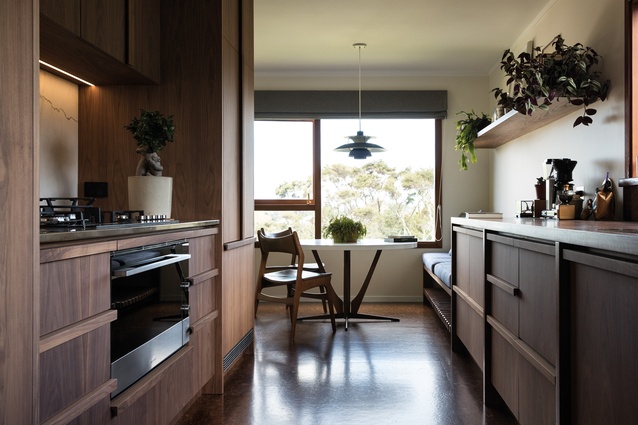
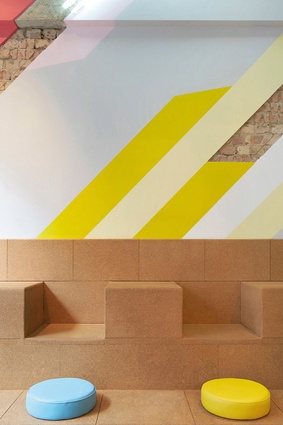
Choosing the best flooring material depends on individual fitness goals and specific needs. The market offers a variety of options, each with distinct advantages, disadvantages, and price points. For instance, cork, while versatile and non-toxic, may lack durability over time. Rubber flooring is highly durable but less portable due to its weight. Foam, conversely, offers portability but may not be as long-lasting. The decision between these materials often boils down to whether the home gym is a permanent fixture or a temporary setup requiring easy storage. For a dedicated workout space, heavy-duty rubber might be ideal, whereas foam tiles are convenient for temporary arrangements.
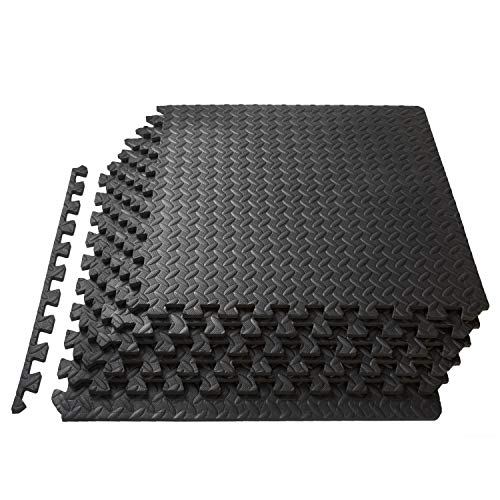
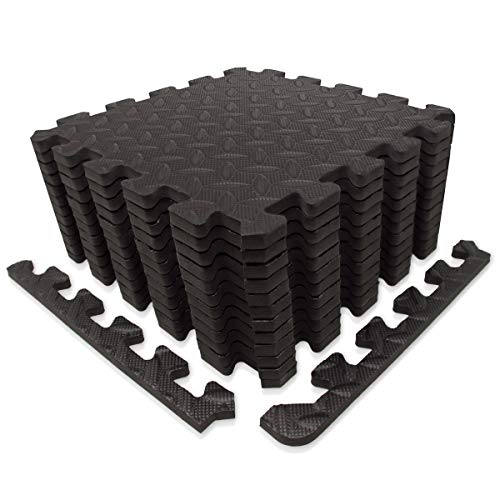
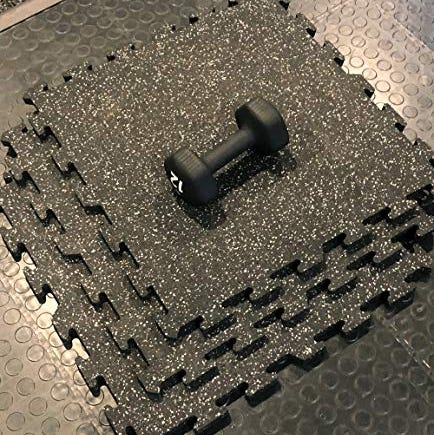
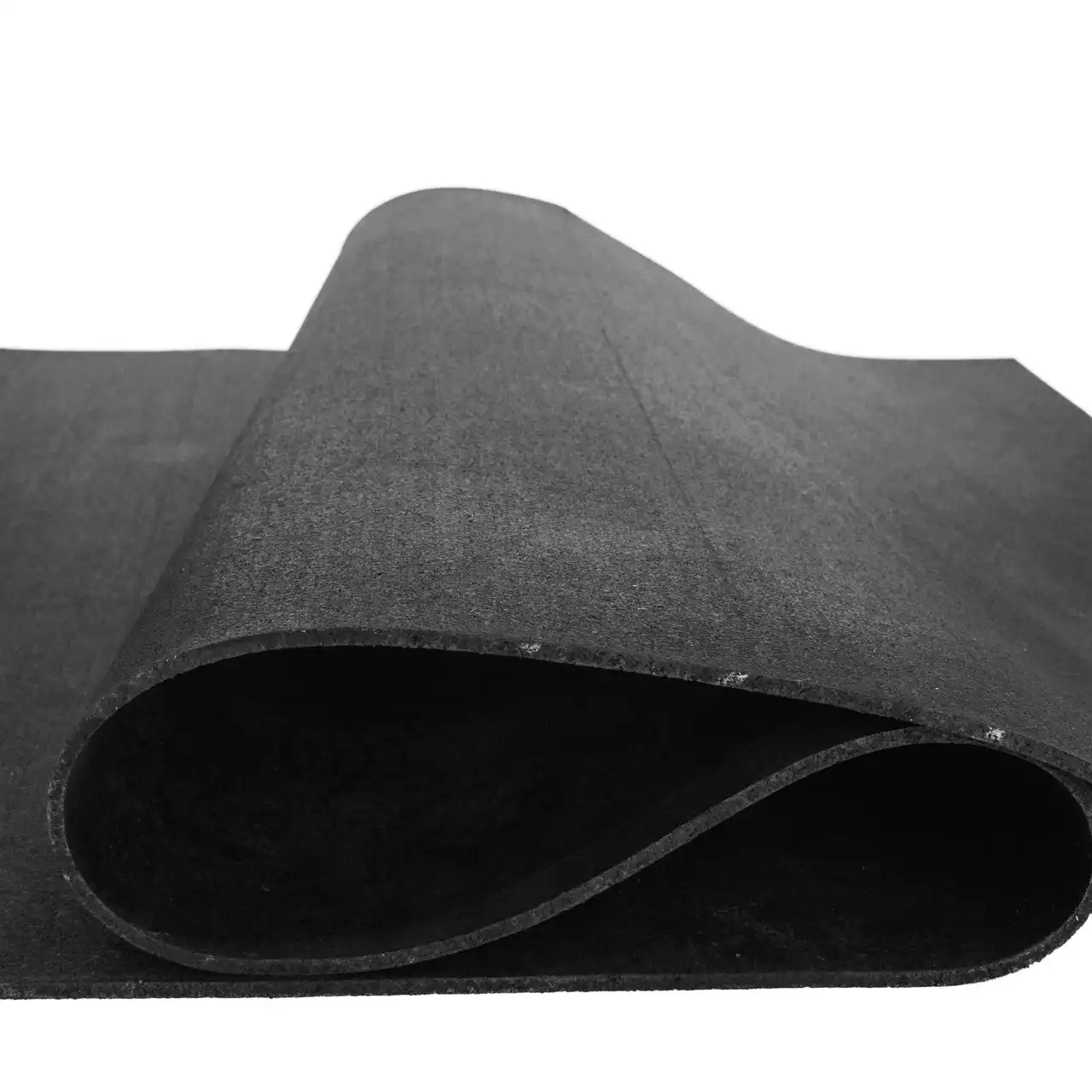
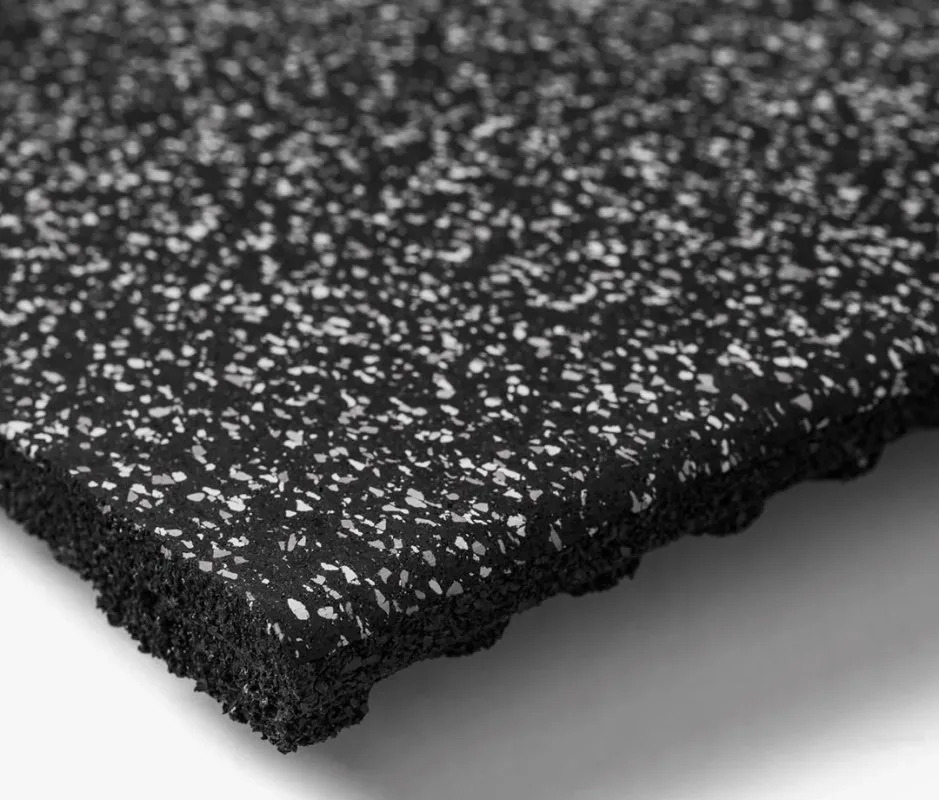
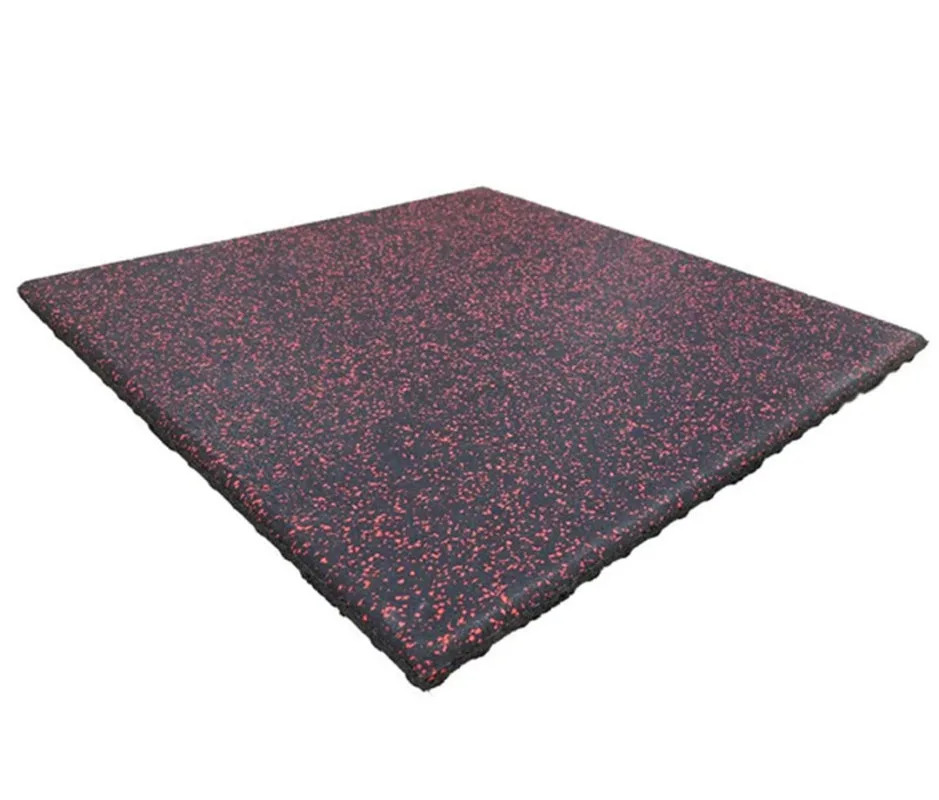
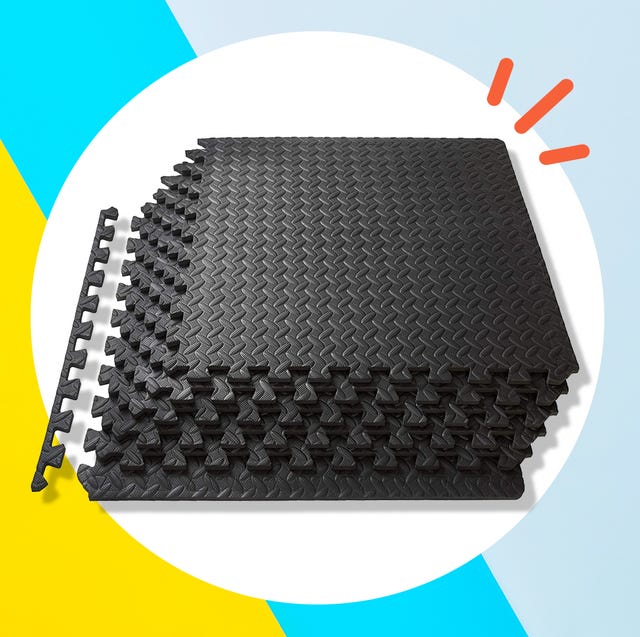
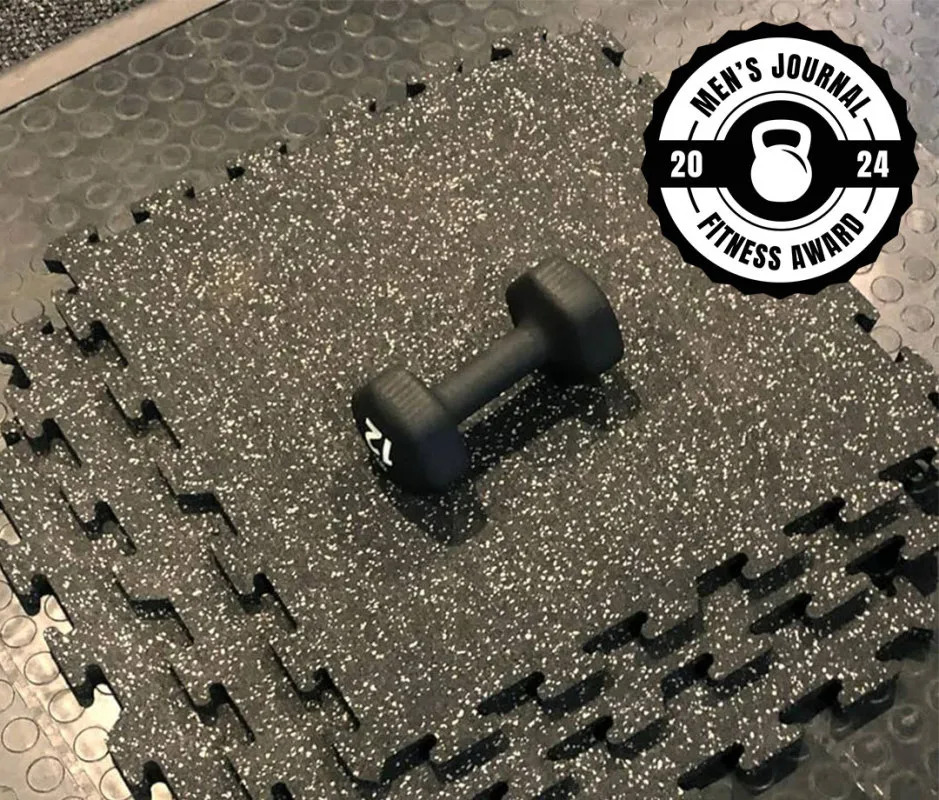
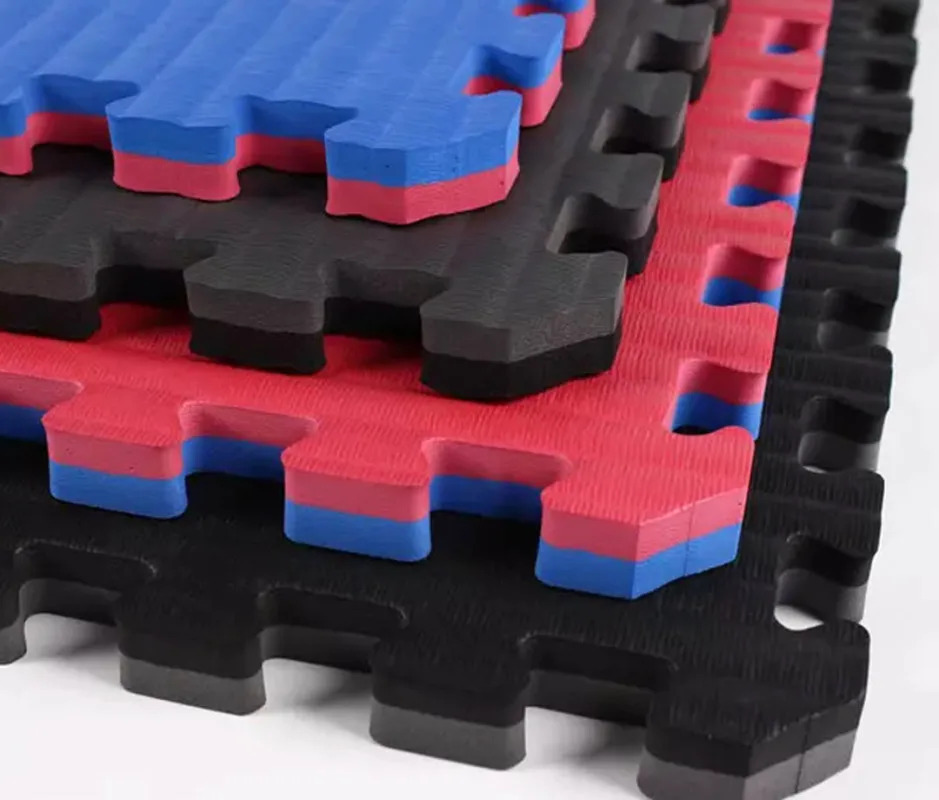
This article highlights ten top-rated home gym flooring options suitable for various spaces and budgets. The selections include foam interlocking puzzle mats, known for being water-resistant, noise-canceling, easy to assemble, and lightweight, making them versatile for different uses, including children's play areas. Durable rubber mats made from recycled tires are also featured, offering robust protection against heavy weights and high-intensity workouts, though they are very heavy and less portable. Extra-light foam puzzle mats are recommended for their portability and ease of setup and breakdown, suiting temporary workout zones.
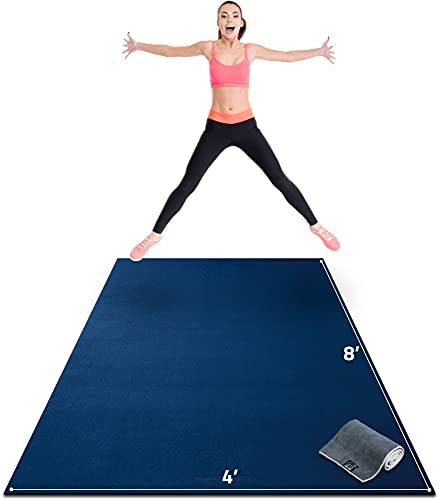
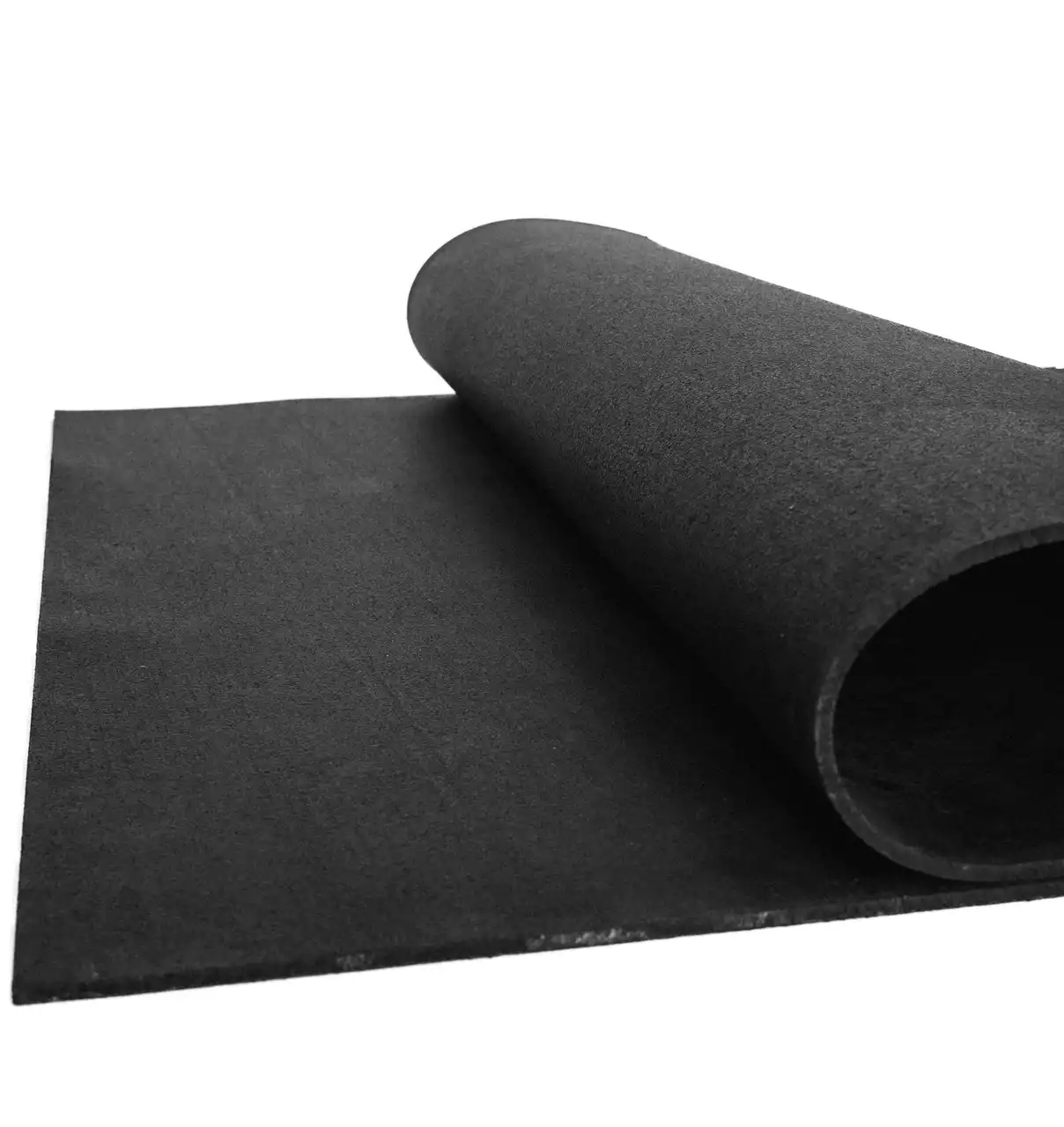
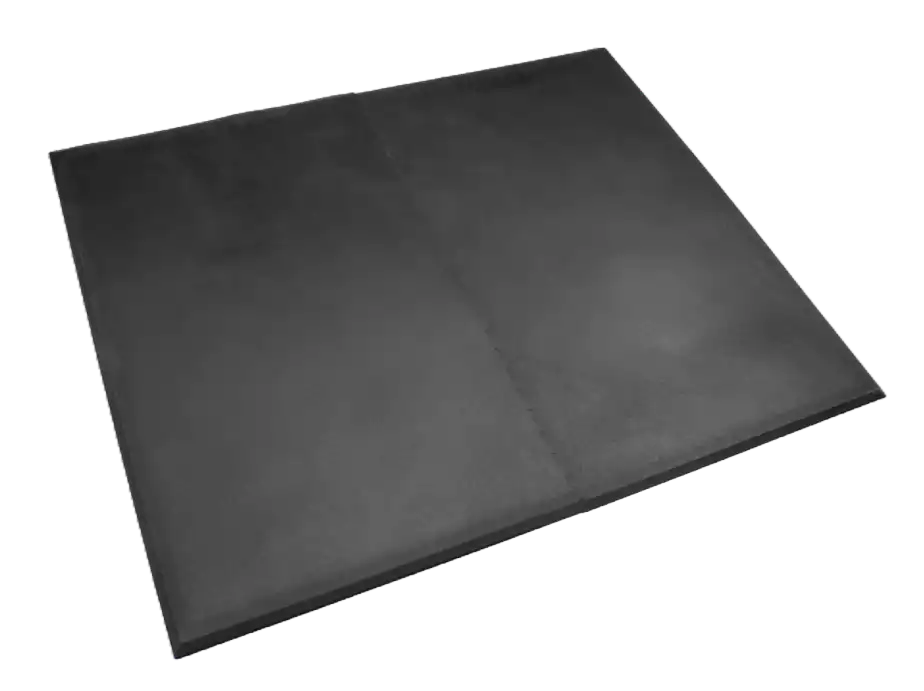
Kid-friendly foam tile play mats with colorful designs provide a thick, soft surface for lower-intensity activities like stretching and yoga. Budget-friendly EVA foam mats are presented as a cost-effective solution for covering larger areas while still offering adequate padding. Large exercise mats made of double-sided, nonstick micro-foam are ideal for use over carpeted or hard surfaces, providing cushioning and grip for intense workouts. Premium rubber gym flooring mats, also made from recycled tires, are noted for their sturdiness and slip resistance.
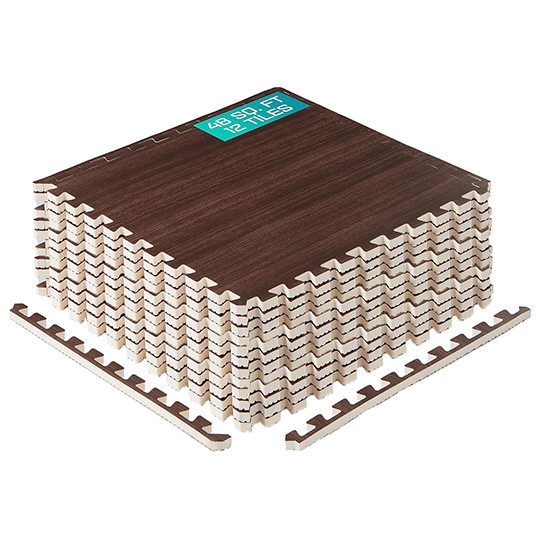
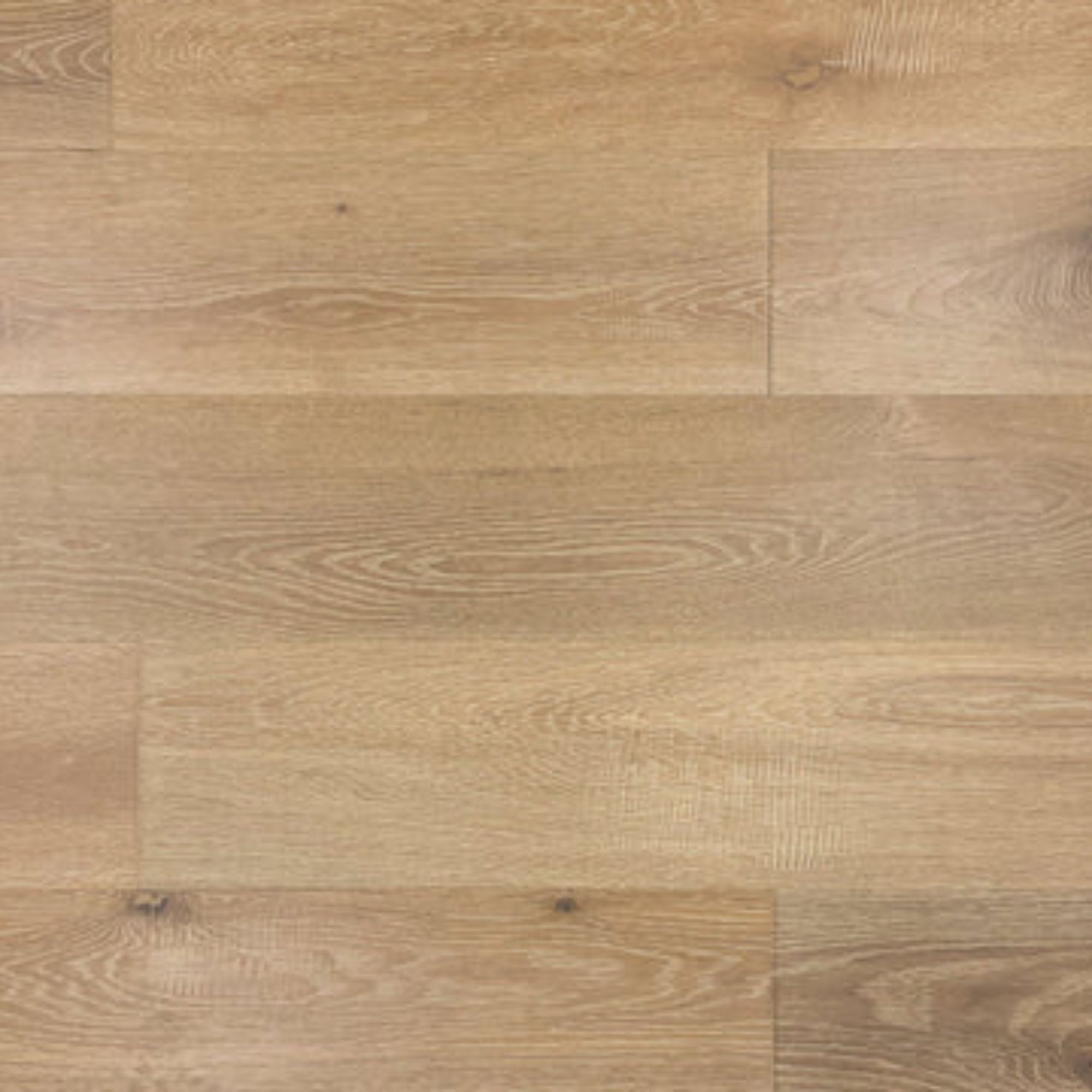
For those seeking an aesthetic appeal, interlocking wood print foam tile floor mats offer a realistic wood look without the risk of scratching actual hardwood. Artificial grass interlocking turf tiles provide a realistic turf feel, though they require an even surface to prevent slipping. Finally, cork yoga mats with non-toxic rubber backing are suggested for smaller spaces, offering a non-toxic, biodegradable, and recyclable option with excellent grip, particularly when slightly damp from sweat. Each product is accompanied by reviewer insights to provide practical perspectives on their performance and suitability.
#HomeGymFlooring #WorkoutMats #RubberFlooring #FoamTiles #HomeFitness #ExerciseEquipment #NoiseReduction #HomeImprovement #HomeDesign #HomeGymFlooring #WorkoutMats #RubberFlooring #FoamTiles #HomeFitness #ExerciseEquipment #NoiseReduction #HomeImprovement #HomeDesign
0 comment in total
 No comments yet
You may also like
The 7 Best Home Gym Flooring Options for Every Exercise Routine

Best Gym Flooring Options to Build the Home Gym of Your Dreams

Walk on by: flooring focus
7 Flooring Trends Designers Don't Want to See in 2025

Spruce Up Your Home Gym with These Elite Floor Mats
Carpets Central

The beginners guide to hard and soft flooring options

Set the Stage With These Flooring Options

The Best Home Gym Flooring Options of 2024
Strength Coach: These Are the 3 Best Home Gym Flooring Options
Six surfaces and tiles designed to enhance floors in interiors
5 things designers look at to compare carpet vs hardwood floors – they'll help you choose the right one for your room

The 5 Best Home Gym Flooring Ideas

Flooring

Flooring trends 2023: 18 popular design choices for stylish floors

15 of the best flooring materials for the home and why they work

9 Durable Kitchen Flooring Finishes That Interior Designers Swear Will Look Good for Longer

All Flooring | Wood, Vinyl & Laminate Flooring
Types of wood flooring
Different Types of Wood Flooring and What to Consider Before Installing