1/15
We Tested the 9 Best Exterior Caulks. Here Are Our Top Picks to Keep Your Home Dry
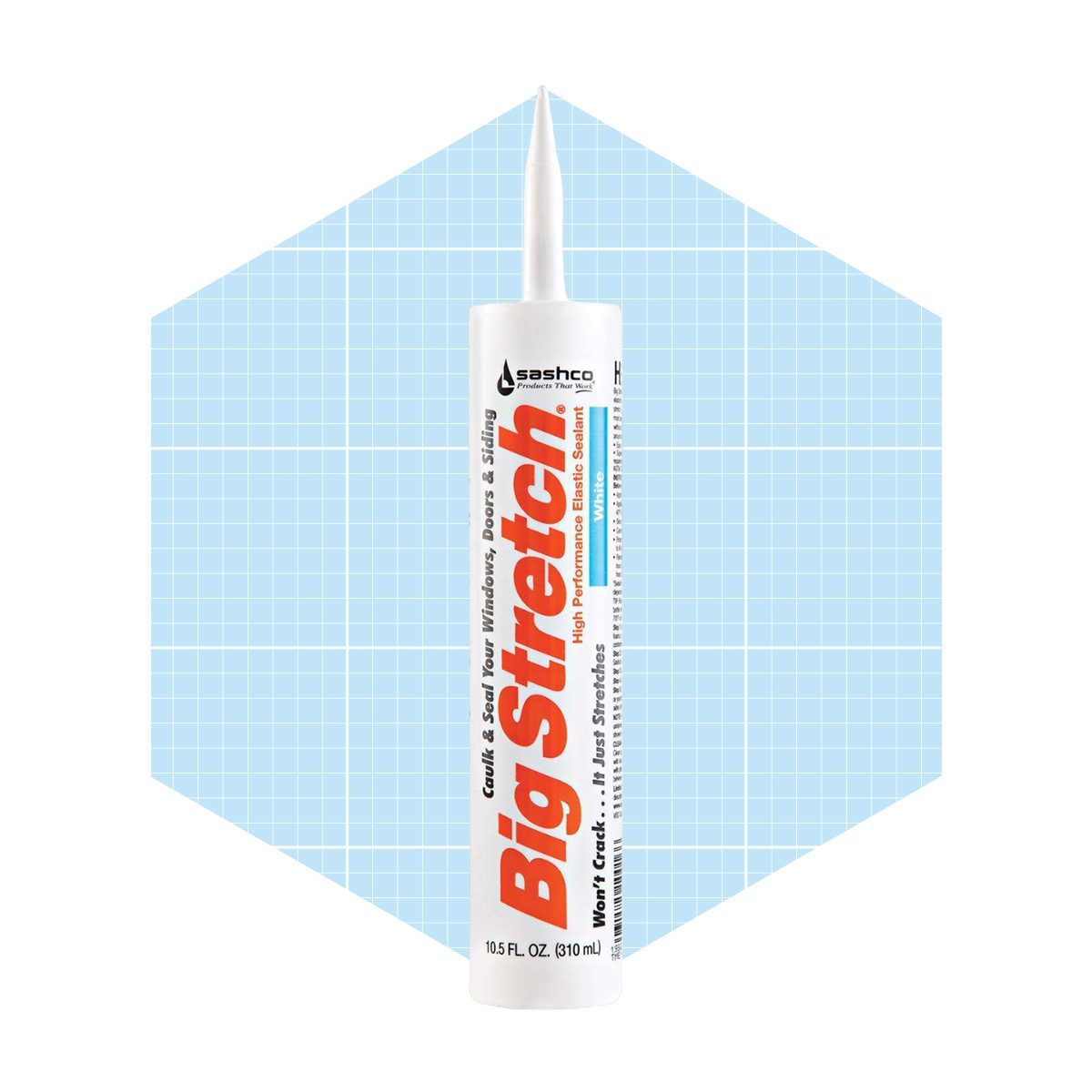
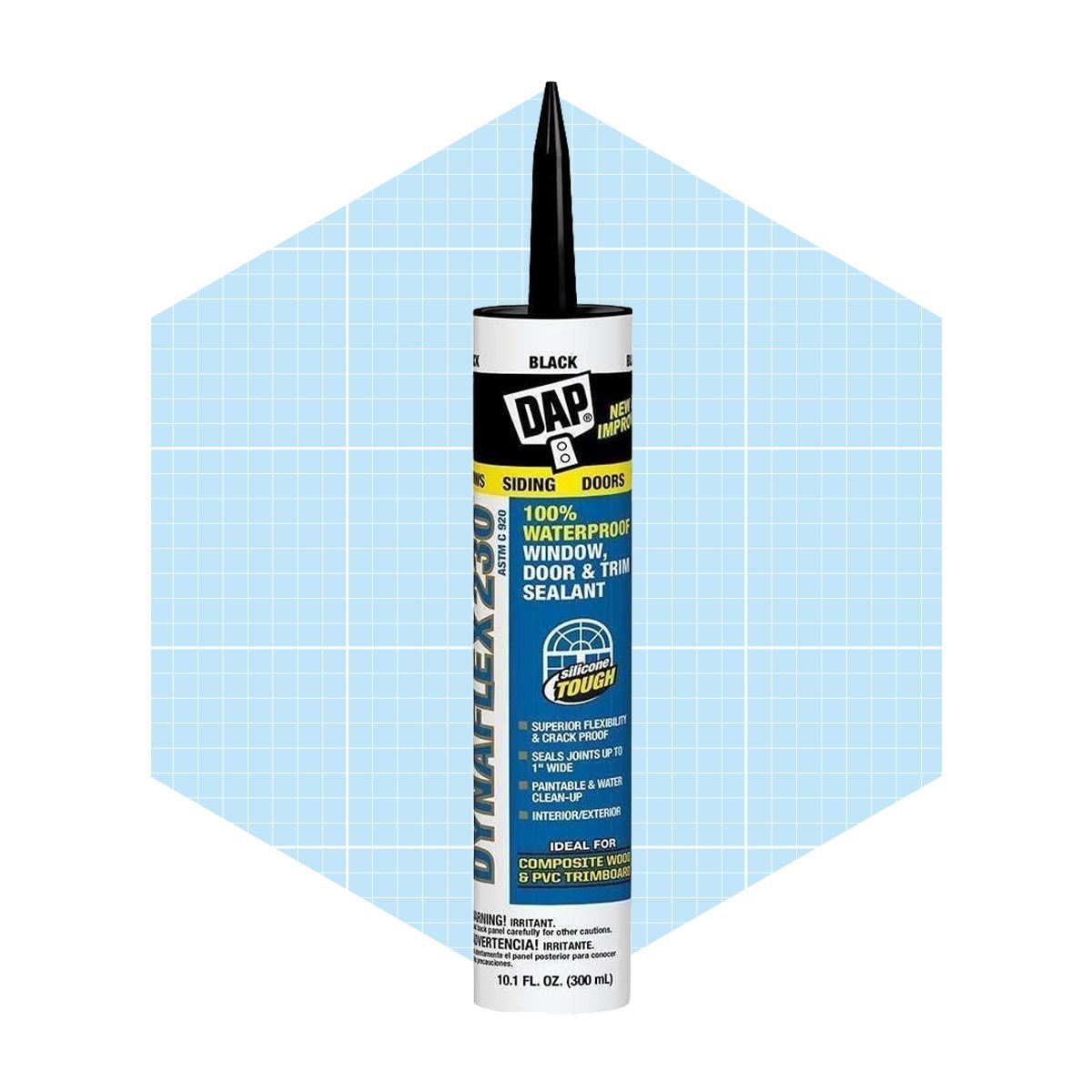
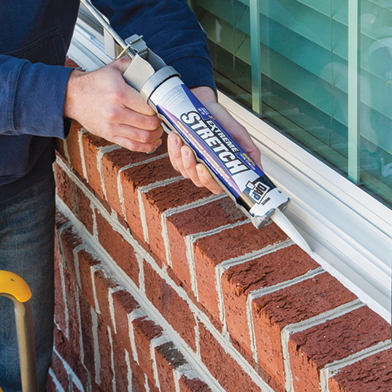
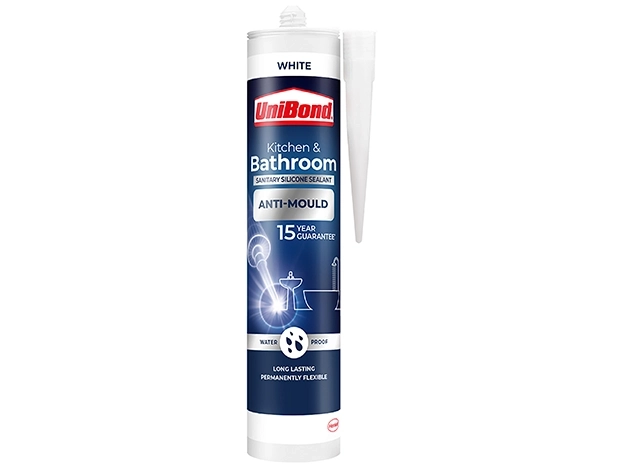
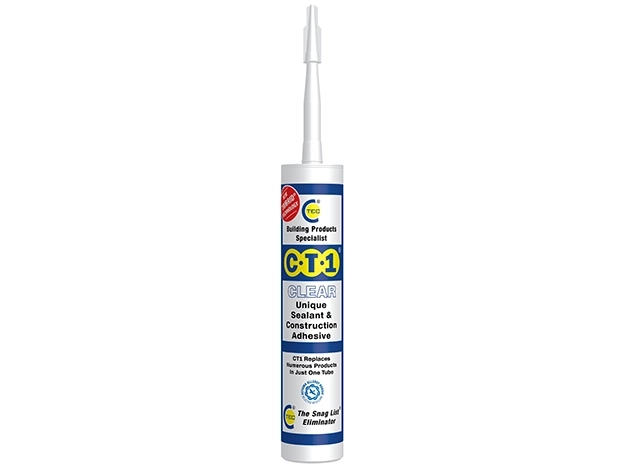
Exterior caulk is a viscous solution used to seal seams in various parts of a home's exterior, including windows, doors, siding, gutters, brick, concrete, and roofing tiles. This helps to waterproof the home and deter pests. The selection of the appropriate caulk depends on the specific area to be sealed, the materials involved, the size of the gap, and whether the caulk needs to be paintable or comes in a pre-made color. This article provides a comprehensive guide to choosing the best exterior caulk, based on expert consultations and hands-on testing.
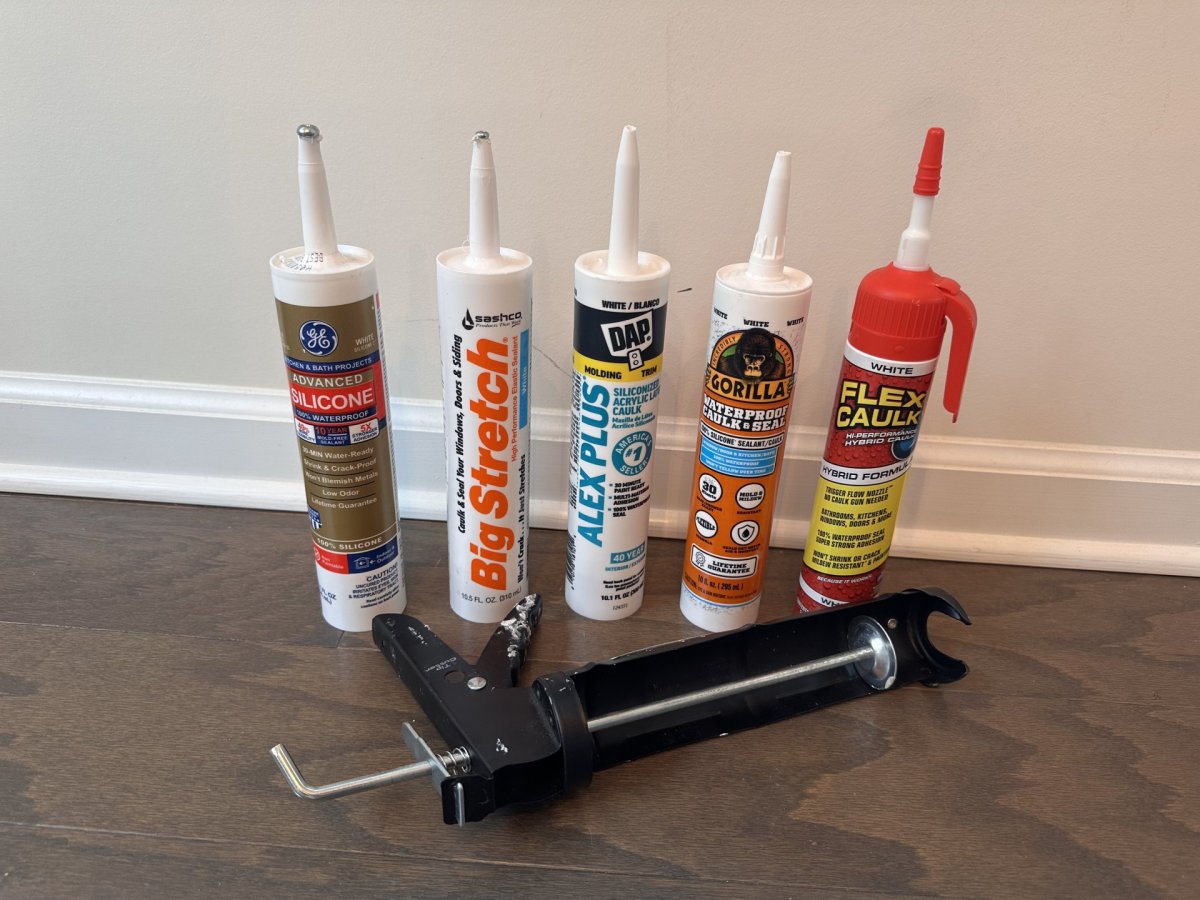
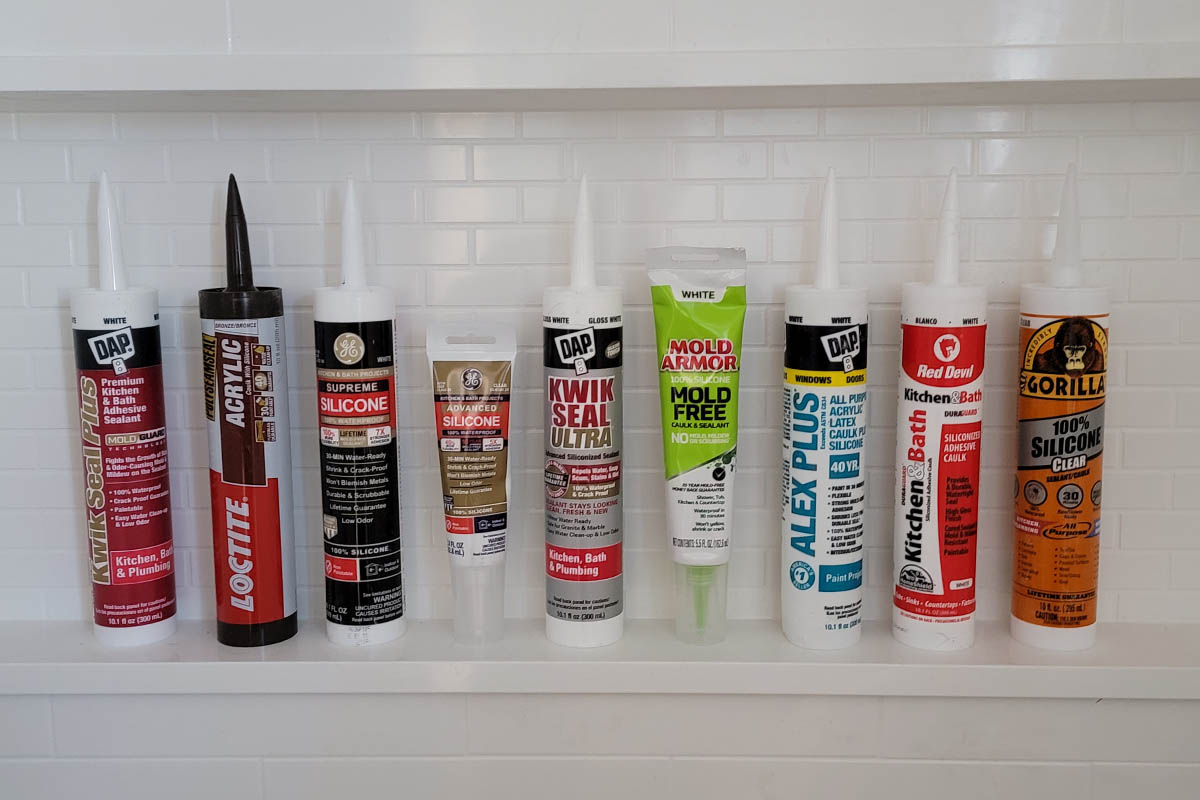
The testing process involved evaluating products based on ease of application, drying time compared to manufacturer's suggestions, and overall performance on various home surfaces like windows, concrete, brick, and gutters. Expert advice emphasizes looking for caulk that is paintable, flexible, offers high adhesion, is mold and mildew resistant, and is not prone to cracking or crumbling.
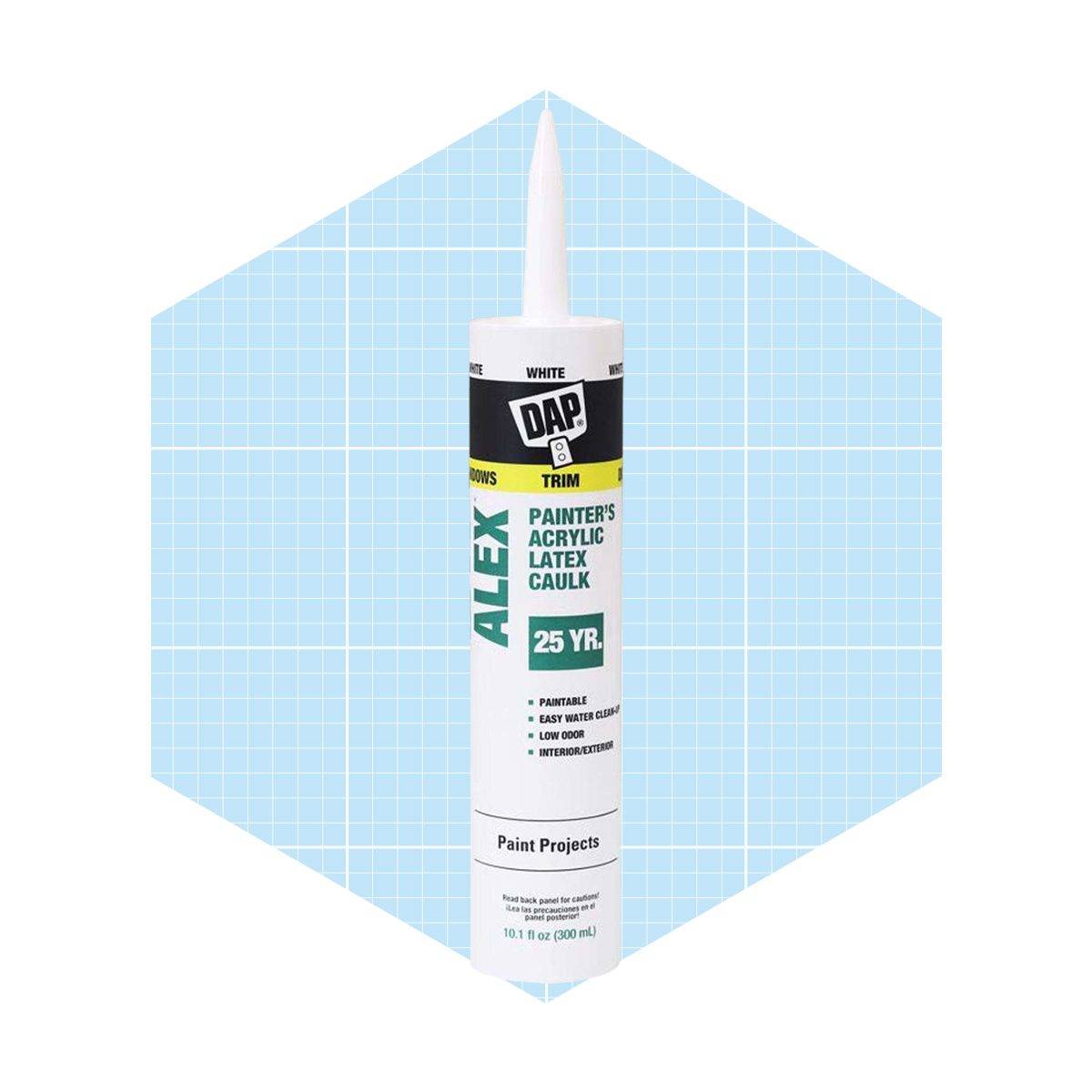
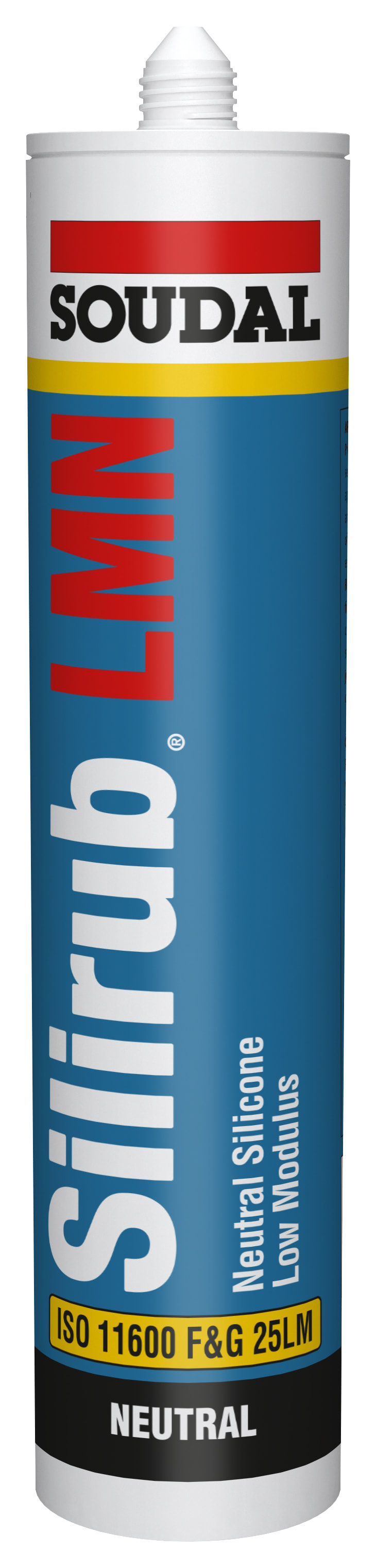
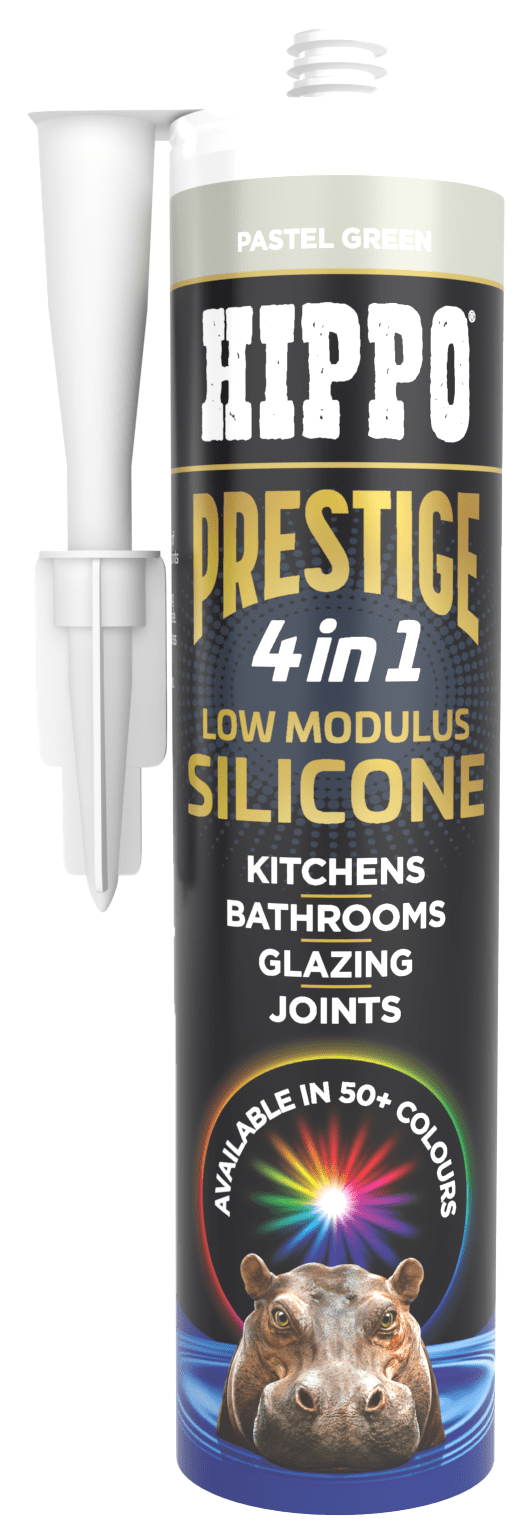
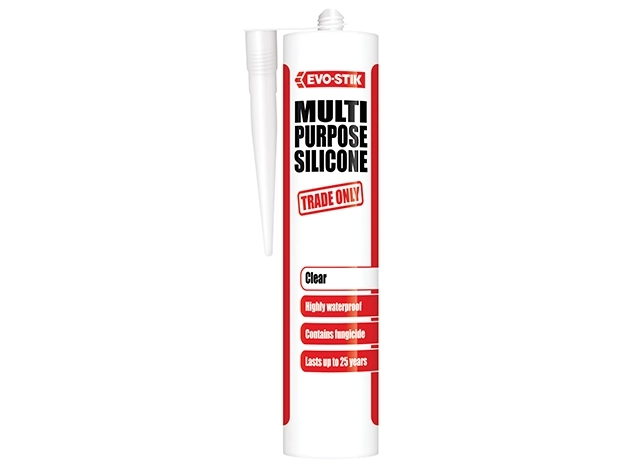
Several types of exterior caulk are available, each with distinct characteristics. Latex caulk is suitable for areas with consistent temperatures but is the least durable and requires more frequent replacement. Acrylic latex caulk offers improved water resistance and durability compared to standard latex, is paintable, and works well on various materials, though it also shrinks during curing. Silicone caulk is highly durable and water-resistant, maintaining flexibility even after curing, making it ideal for windows and doors. However, it typically doesn't adhere well to wood and is difficult to paint. Polyurethane caulk is an excellent choice for exterior sealing due to its UV resistance and flexibility, comparable to silicone, and it can be painted. It is, however, thicker and more challenging to apply. Butyl rubber caulk, primarily used in commercial settings, is highly UV-resistant and flexible, suitable for gutters and foundations, and can be applied in various temperatures, but requires solvents for removal.
Key considerations when choosing caulk include durability, with silicone, polyurethane, and butyl rubber offering superior longevity compared to latex and acrylic latex. Usability is also important; while latex and acrylic latex are easier to apply, denser products like silicone and polyurethane require more control. Color is a factor, especially for silicone caulks which are often not paintable, so matching the caulk color to the home's exterior is crucial. Curing time, the period for the caulk to fully dry, varies significantly by type, location, humidity, and bead thickness, typically ranging from 30 minutes to an hour for initial drying to several days for full cure.
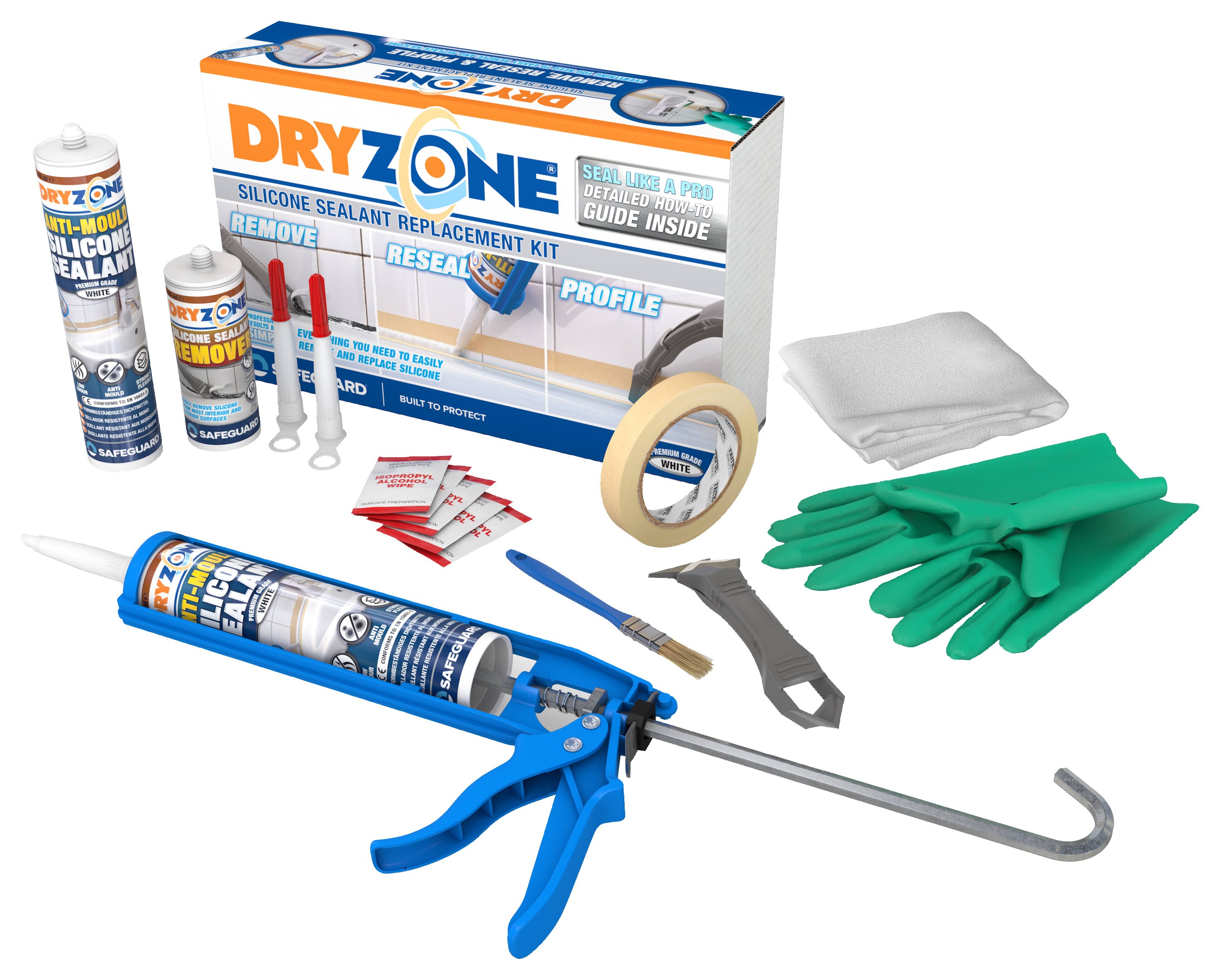
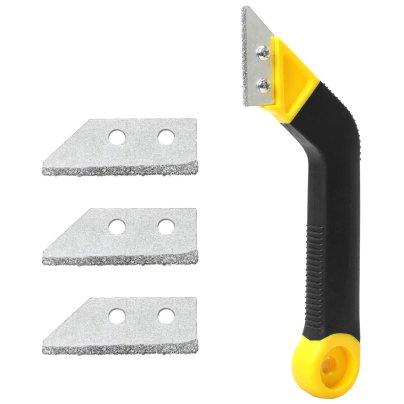
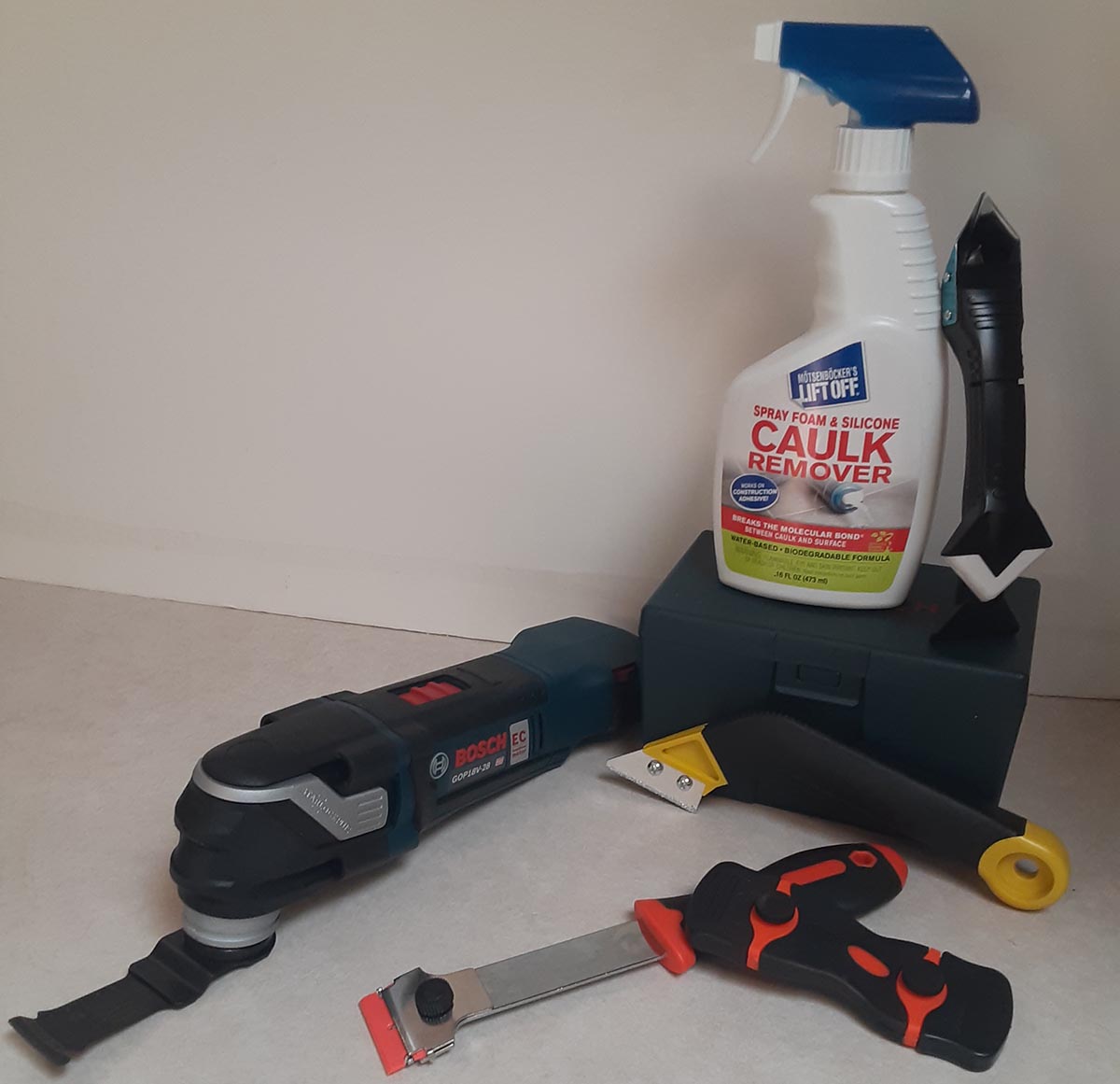
Effective caulk application involves thorough preparation, including removing old caulk with a utility knife and putty knife to ensure proper adhesion. The caulk gun should be held with both hands to maintain control and prevent errors. Caulk should not be used for gaps wider than ¼ inch; for larger gaps, a foam backing rod should be used to provide support and filler. It's also advised not to caulk over old caulk as it can lead to poor adhesion, moisture penetration, and an uneven finish. For new homes, re-caulking after the first year is recommended, and every five years thereafter for all other homes. Different caulks also have specific temperature ranges for optimal application, which should be checked against manufacturer recommendations.
#ExteriorCaulk #HomeMaintenance #DIYProjects #Waterproofing #Sealant #HomeImprovement #CaulkingTips #ProductReview #BuildingMaterials #ExteriorCaulk #HomeMaintenance #DIYProjects #Waterproofing #Sealant #HomeImprovement #CaulkingTips #ProductReview #BuildingMaterials
0 comment in total
 No comments yet
You may also like
Best Caulk & Sealant Guide: Popular Types of Caulk and How To Choose

These Are the Best Caulk Options for Baseboards According to Our Tests
In Depth: Caulks, Sealants & Adhesives

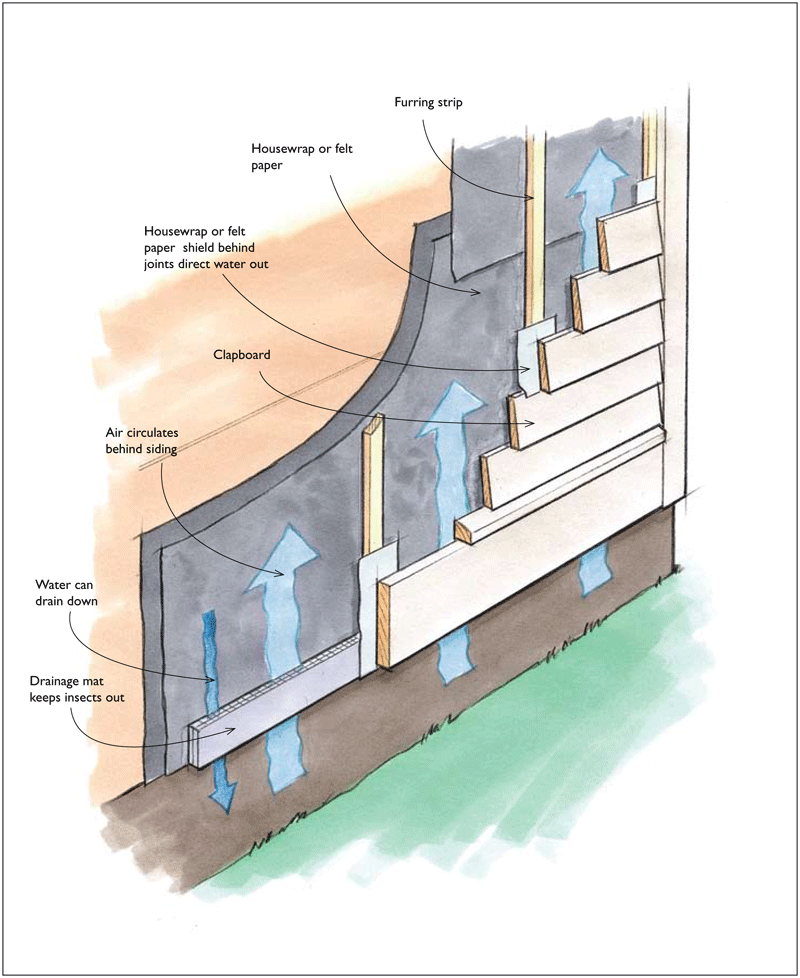
The Best Way to Ventilate Siding


Podcast 209: Exterior Caulk, Tub Drains, and Adding Insulation to Leaky Walls


Roof & Gutter Sealants

Four ‘simple’ DIY methods to draught-proof windows for under £5 - keep the cold air out
Sealants

We Put the 7 Best Deck Sealers to the Test. Here's How They Performed—and Which You Should Choose

The 5 Best Caulk Guns for Home Improvement Projects

We Tested the 9 Best Outdoor Doormats and Our Top Pick Surprised Us All
We Tested 7 Top-Rated Roof Sealants for 2 Weeks to Find the Best Products for Your DIY Roof Repair
The Two Best Caulks for Small Home Projects
The 5 Best Basement Sealers to Waterproof Your Space
We Tested The Best Caulk Removal Tools: These Are The Must-Haves For Your Tool Kit
See Our Top Picks For The Best Grout Sealers, Including Some Expert Tips
After Researching Over 20 Options for Exterior Walls Insulation, There is One Clear Winner
12 exterior areas of your home that are prone to leaks in rainy season – and how to prevent moisture getting inside

The Best Caulk for Perfectly Sealed Showers and Tubs
After Testing, We Love These 9 Comfortable, Durable Outdoor Cushions