1/18
Waterproof Your Windows with Liquid Flashing
This article outlines a detailed method for waterproofing windows using a liquid-applied flashing system, specifically Prosoco’s R-Guard system, which includes Joint & Seam Filler, FastFlash, and AirDam. The approach is based on the understanding that all windows will eventually leak, necessitating a robust water management strategy rather than simply preventing water entry. The system emphasizes creating a completely waterproof opening with a clear path for water to escape.
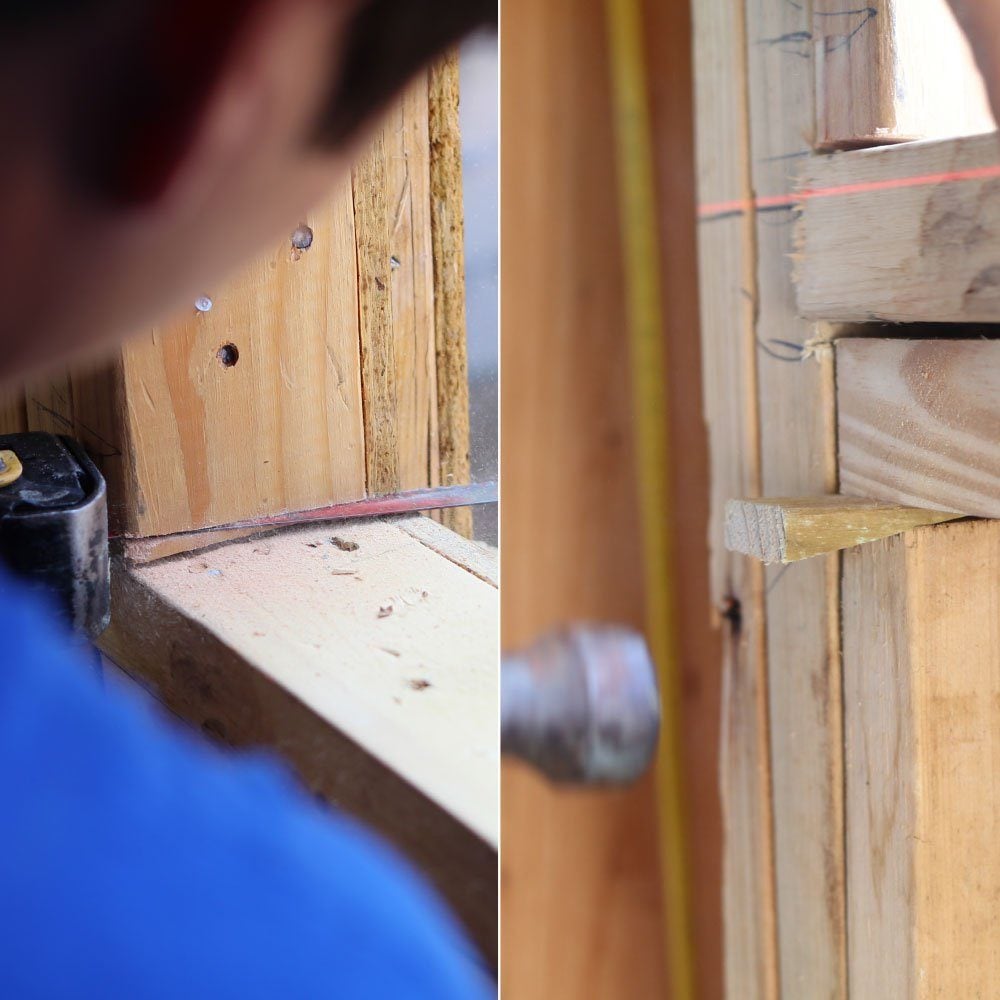
The process begins with preparing the rough opening. This involves ensuring the sheathing is flat and stable, trimming it flush with the framing, and removing any plastic remnants. A crucial step is installing a piece of bevel siding on the sill to create a pitch that directs any intruding water away from the window opening and onto the exterior drainage plane formed by the water-resistive barrier (WRB). The article notes the importance of accounting for this added height in the rough opening dimensions.
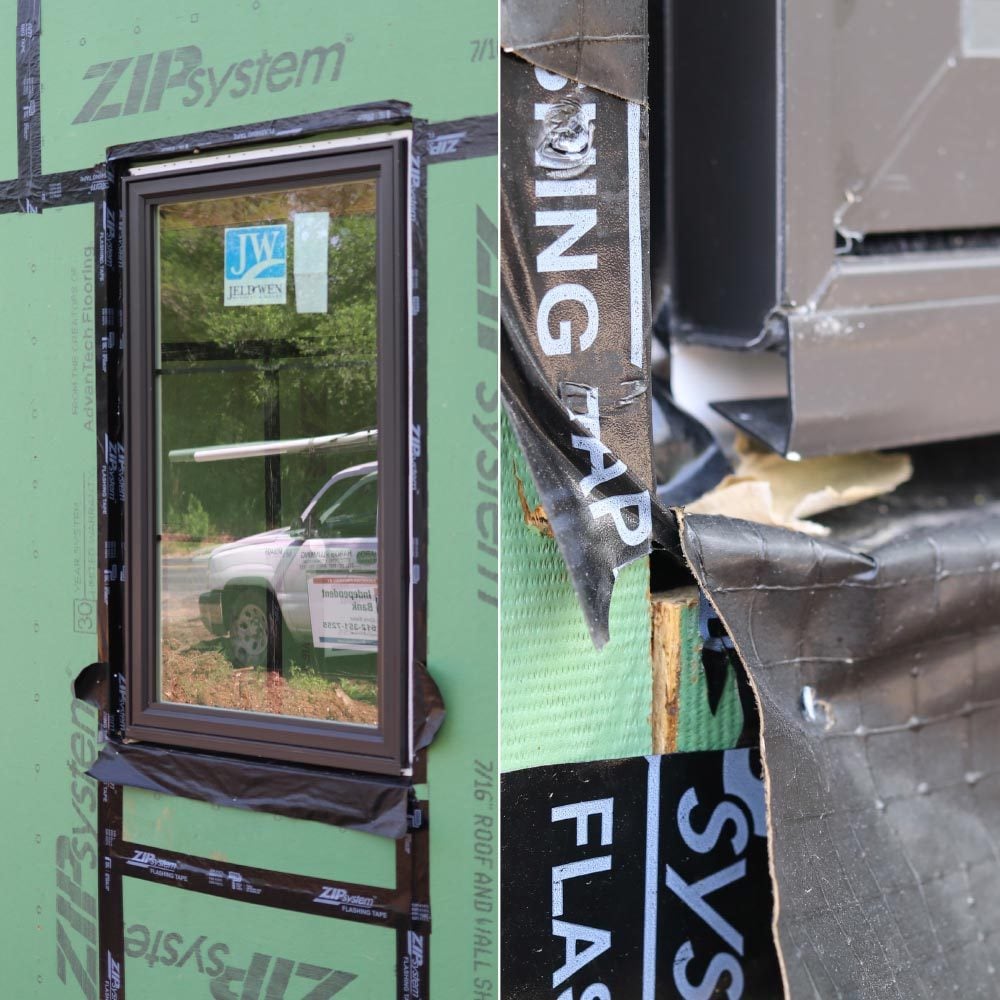
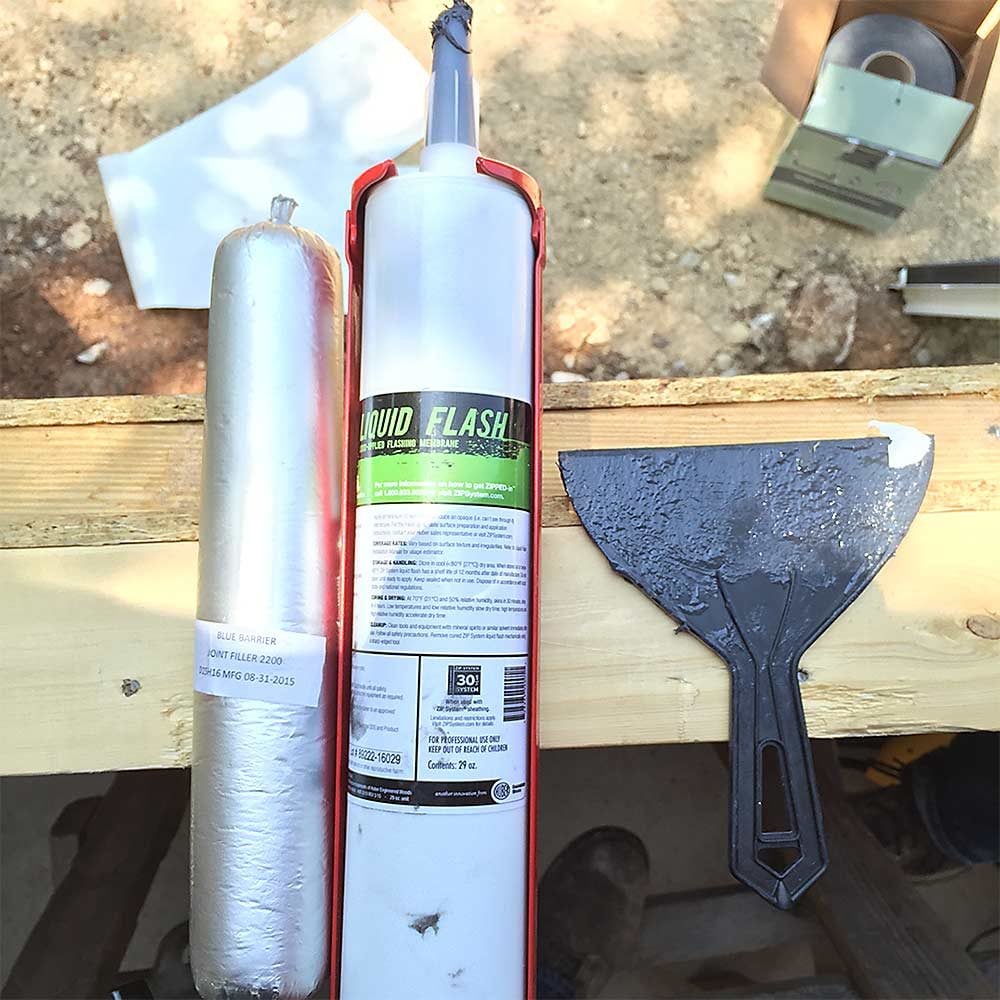
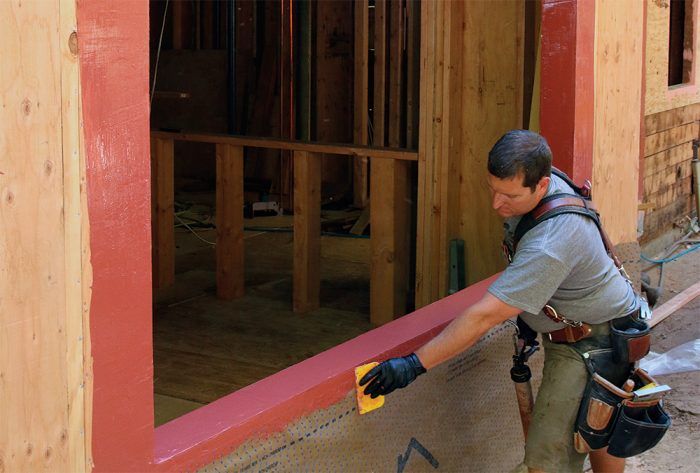
The first liquid product applied is R-Guard Joint & Seam Filler, used to cover nail heads, joints, and seams, creating a smooth, unbroken surface for subsequent applications. This step can often be performed while walls are on the ground for new construction. After adequate drying time, FastFlash, a smoother liquid, is applied as an impermeable barrier. It extends into the rough opening past the inside of the window frame and onto the sheathing, with the extension onto the plywood informed by research on wind-driven rain. An extra piece of WRB is installed below the sill, sealed with FastFlash to integrate it into the system.
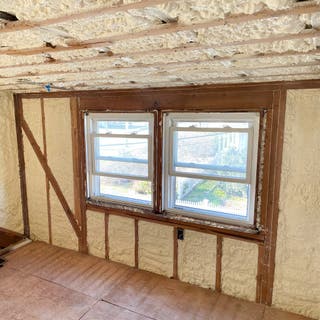
The installation continues with inspecting the dried FastFlash for any voids, which are then touched up. Windows are installed according to manufacturer specifications, but with crucial modifications: they are gapped slightly off the sill and forward off the sheathing. This intentional gap serves as a critical escape path for any water that bypasses the window. Sealants or tapes are explicitly avoided at the lower exterior edge to maintain this drainage. For flangeless windows, tape is used to bridge the exterior gap, while flanged windows involve applying FastFlash under and over the flange.
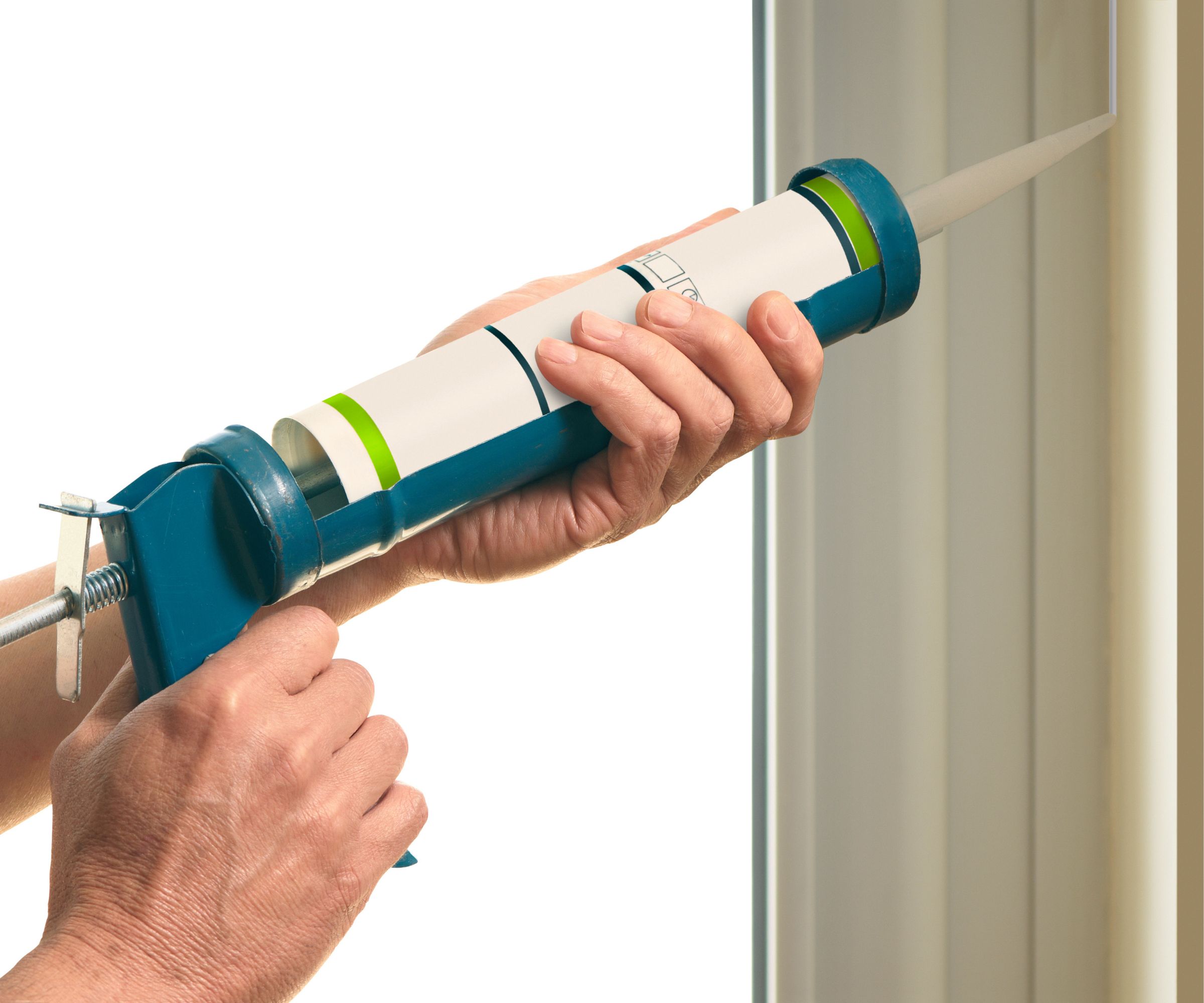
Finally, R-Guard AirDam is used to create a continuous seal along all four inside edges of the window, acting as a final line of defense against water and air intrusion. Backer rod is installed in larger gaps before applying AirDam. The article also describes the method for flashing a head casing, which involves traditional metal flashing sealed at its top edge with FastFlash or Joint & Seam Filler, embedding it into the liquid product, and then sealing the WRB flap with tape. The author, initially skeptical, concludes that this method provides a reliable, inspectable, and effective solution for window waterproofing, particularly beneficial for complex window shapes and embraced by movements like Passive House due to its emphasis on air-sealing.
#LiquidFlashing #WindowInstallation #Waterproofing #BuildingScience #MoistureManagement #HomeConstruction #ProsocoRGuard #ExteriorEnvelope #RoughOpening #LiquidFlashing #WindowInstallation #Waterproofing #BuildingScience #MoistureManagement #HomeConstruction #ProsocoRGuard #ExteriorEnvelope #RoughOpening
0 comment in total
 No comments yet
You may also like
The Ins and Outs of Working with Liquid Flashing


Best Security Window Film for Glass
7 Best Window Well Covers
7 Things Your Windows Are Trying to Tell You

6 places you shouldn't caulk around windows – and expert tips for caulking correctly

Leak-Free Skylights


Glass in Wet Spaces
Cool White Polymer Coatings based on Glass Bubbles for Buildings

This is the only thing keeping my windows condensation-free

Part 1: Prepare a Rough Opening for a Nail-Fin Window over Zip System Sheathing

12 exterior areas of your home that are prone to leaks in rainy season – and how to prevent moisture getting inside
Home Window Installation, Parts and Repair

Part 1: Prepare a Rough Opening for a Nail-Fin Window over Housewrap
The Best Window Films Tested for Privacy and More


How to Seal Your Drafty Windows for Less Than $50
'I Tried Artscape's Stained Glass Window Film and Here's My Full Review'

10 bathroom window dressing ideas to add style and privacy to a wash space

How to draught proof a window - easy ways to keep heat inside your home this winter

The $54 Frost Fix That Stops Drafty Windows – and Looks Great
Four ‘simple’ DIY methods to draught-proof windows for under £5 - keep the cold air out