1/9
How Beni Ourain Rugs Made It From the High Atlas Mountains to Our Homes
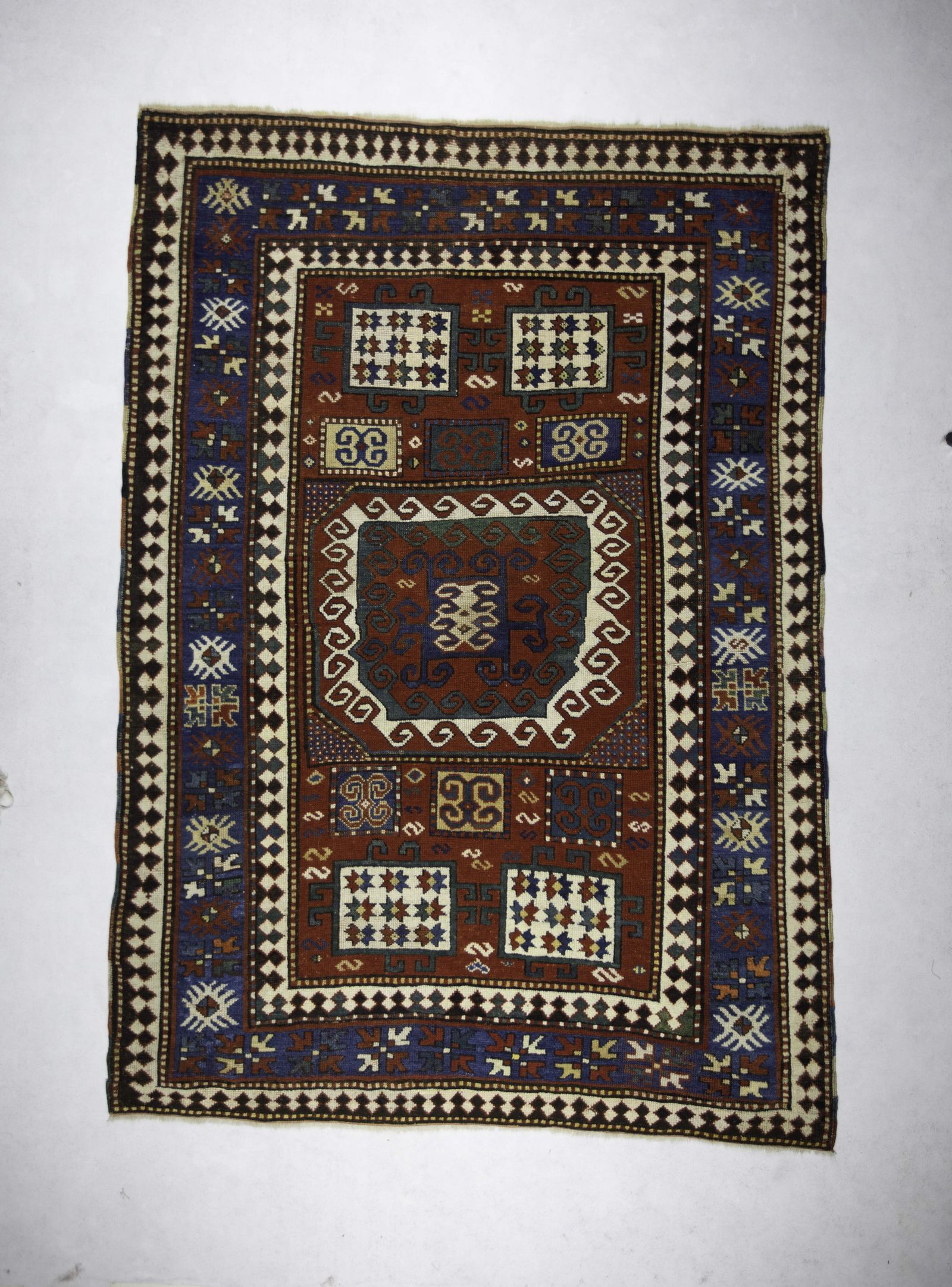
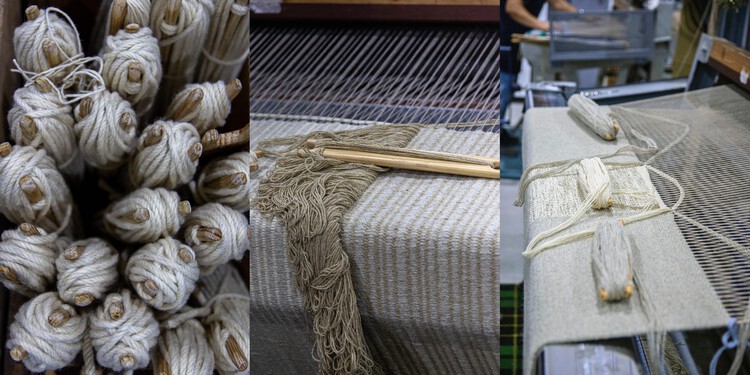
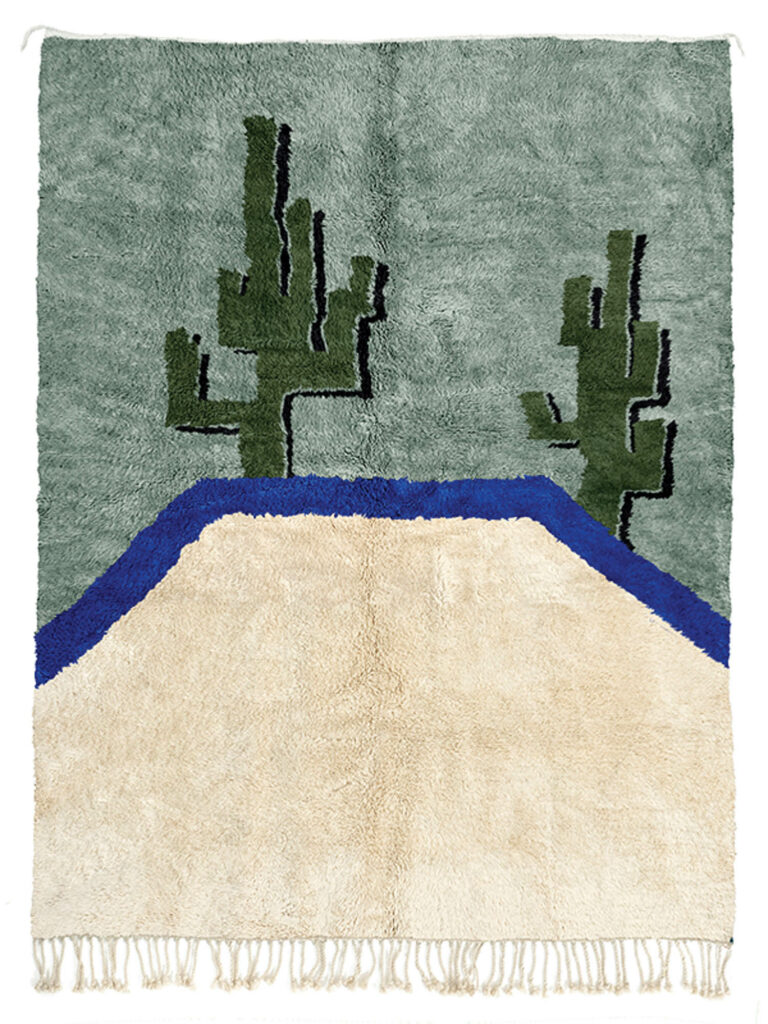
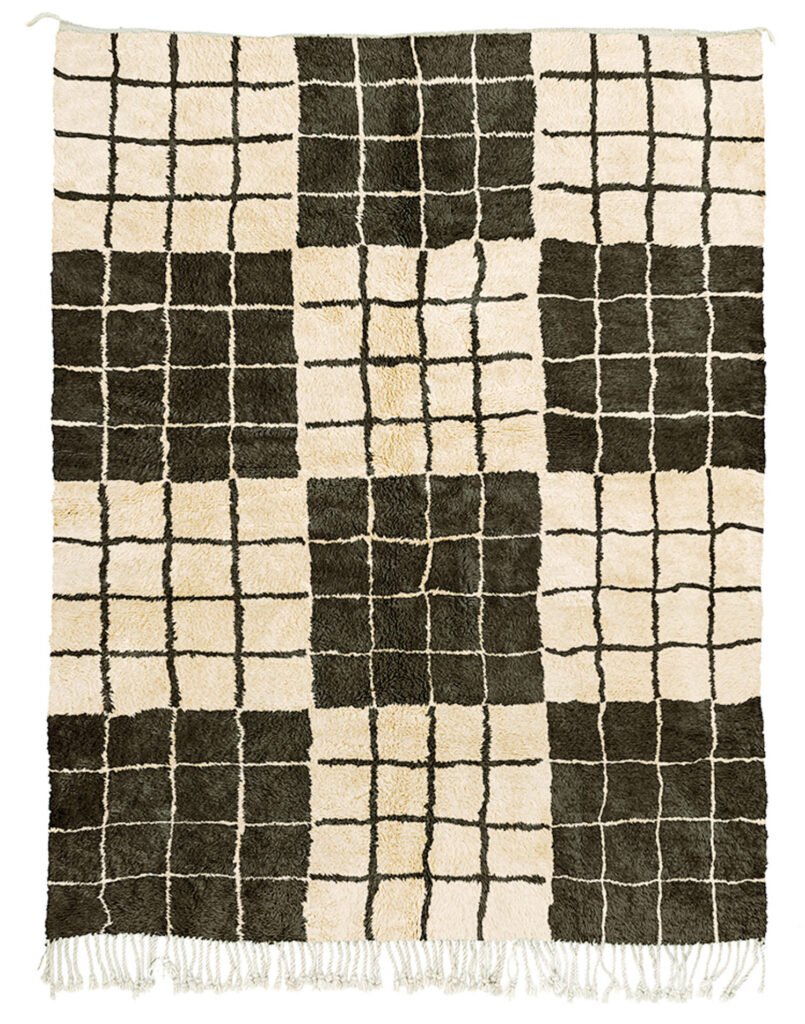
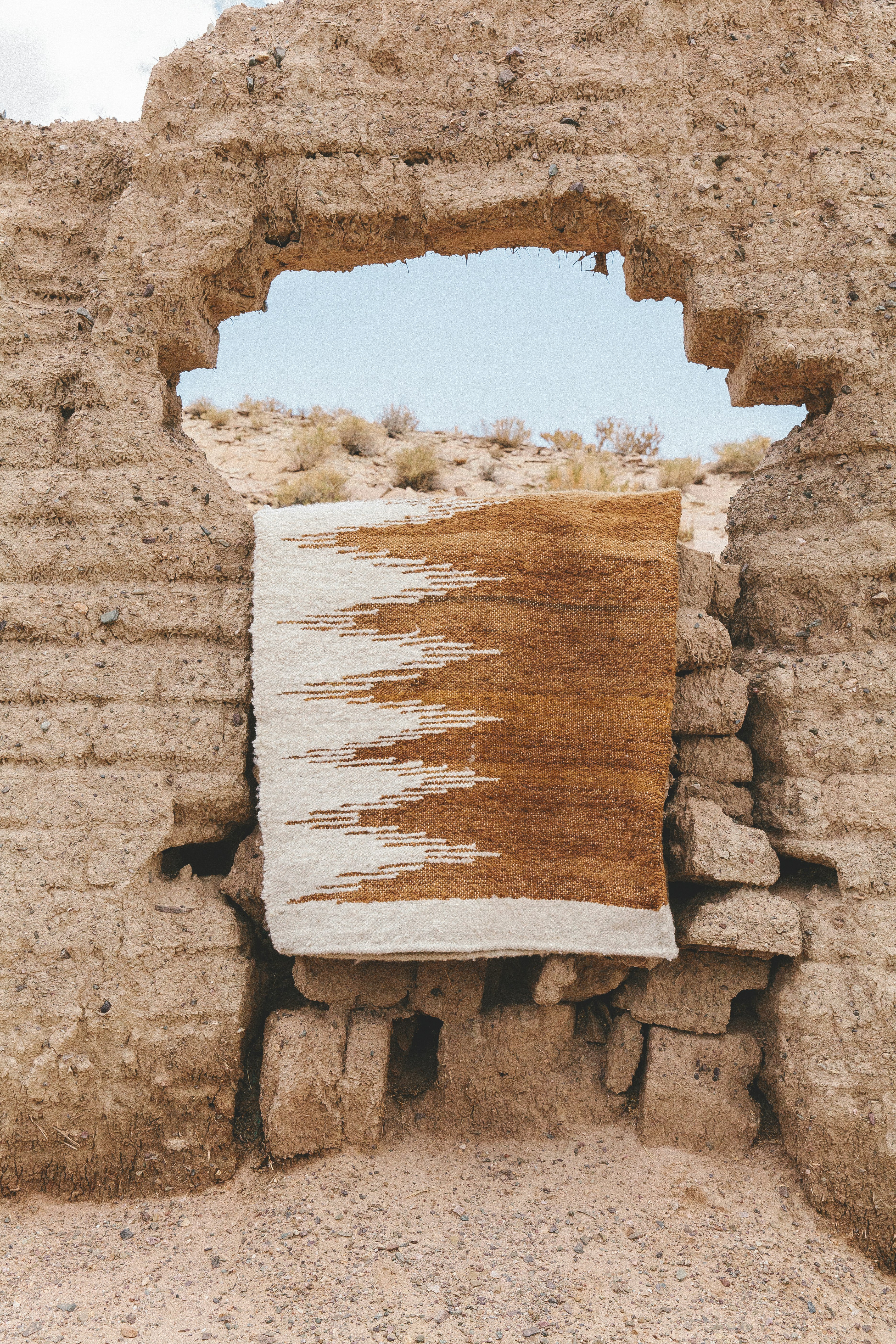
The article explores the cultural significance and journey of Beni Ourain rugs, originating from the semi-nomadic Berber peoples of North Africa, into modern home interiors. Weaving has been a centuries-old tradition for the Berber community, with women traditionally crafting rugs and tapestries from wool or recycled textiles. These handmade items are characterized by their deliberate imperfections, including crooked lines and asymmetrical compositions, which impart a unique blend of geometric and soulful, minimalist yet lively aesthetics. Historically, these rugs served practical purposes, such as blankets and shawls in the High Atlas Mountains, where the Beni Ourain tribes have resided since the ninth century AD.
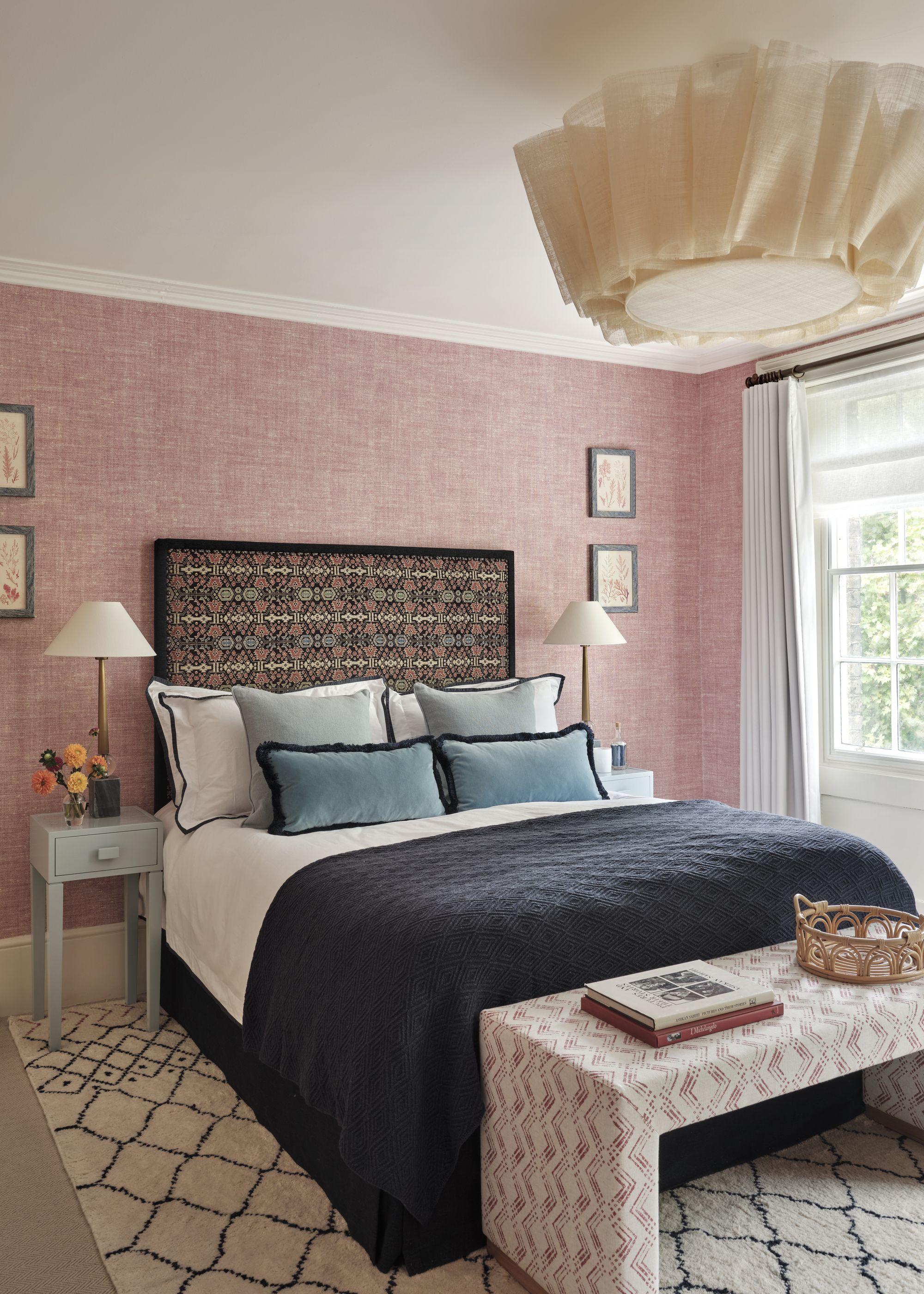
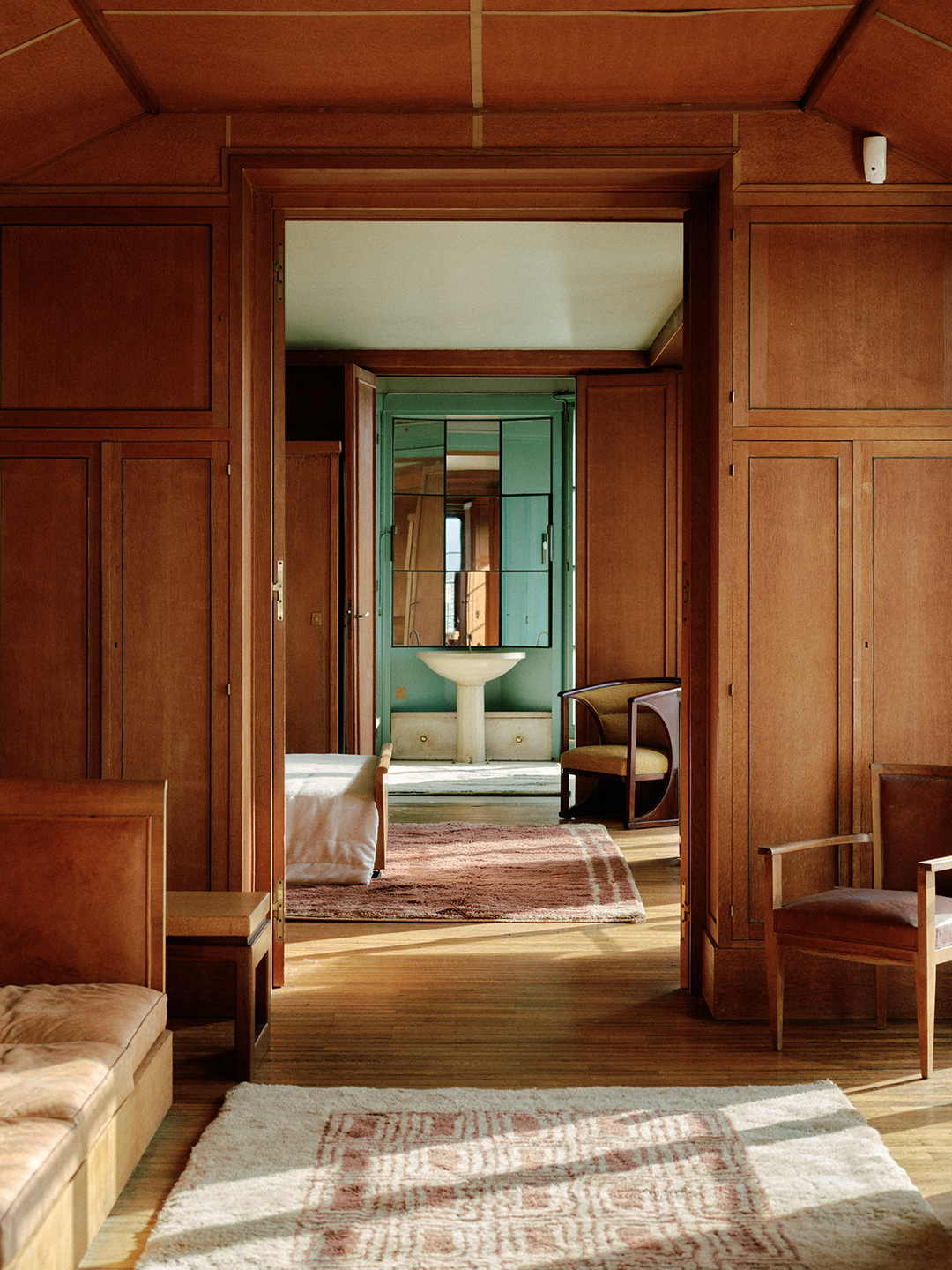
The global appeal of these traditional weaves began to shift around the 1920s when European modernists recognized their aesthetic value. Influential architects like Le Corbusier, Alvar Aalto, and Frank Lloyd Wright incorporated Beni Ourain carpets into their iconic designs, such as Villa La Roche, Villa Mairea, and Fallingwater, respectively. This recognition by leading figures in modern architecture helped propel Berber rugs into the mainstream design world, making them symbols of understated elegance and warmth in austere, modernist spaces.
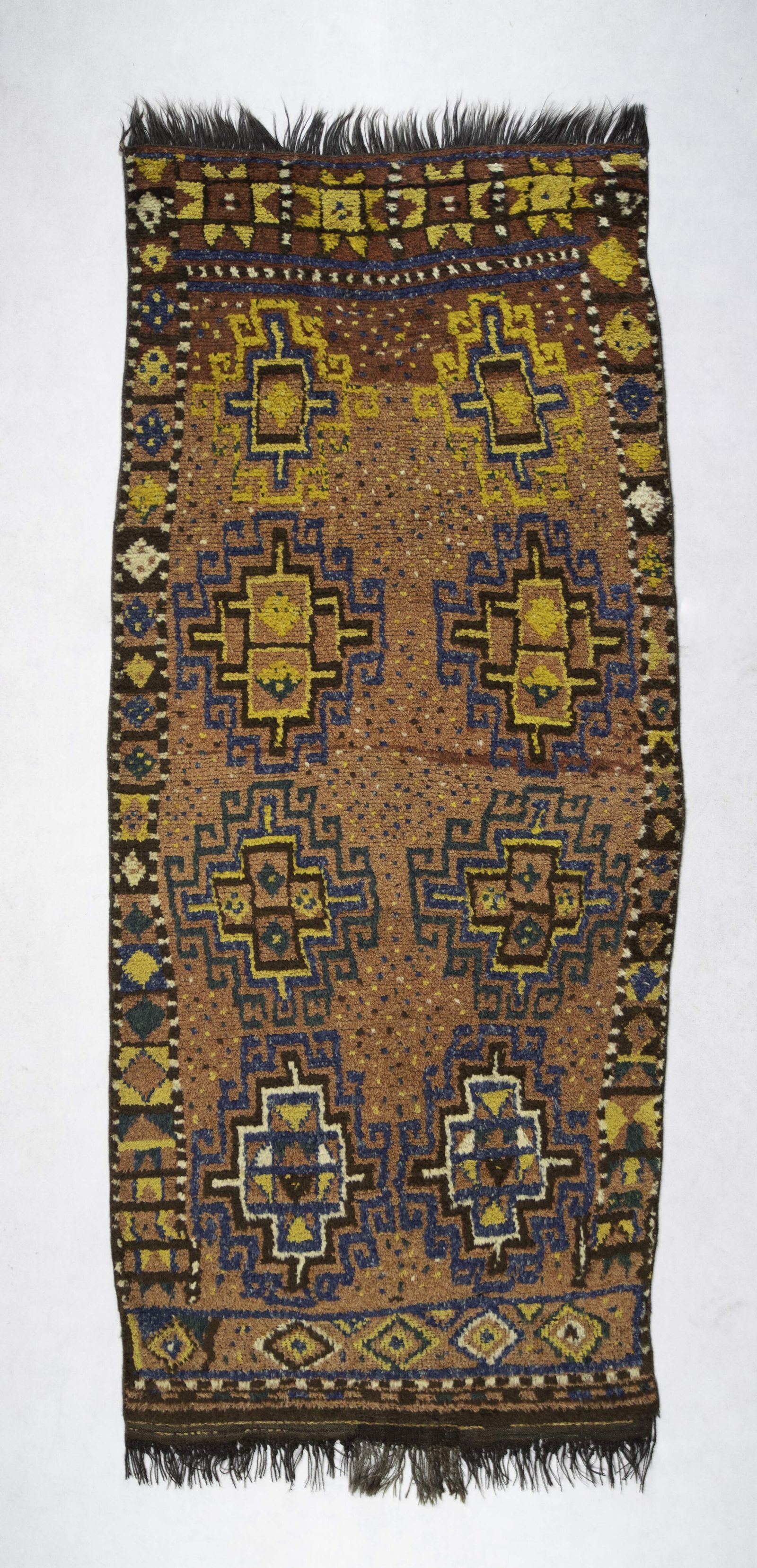
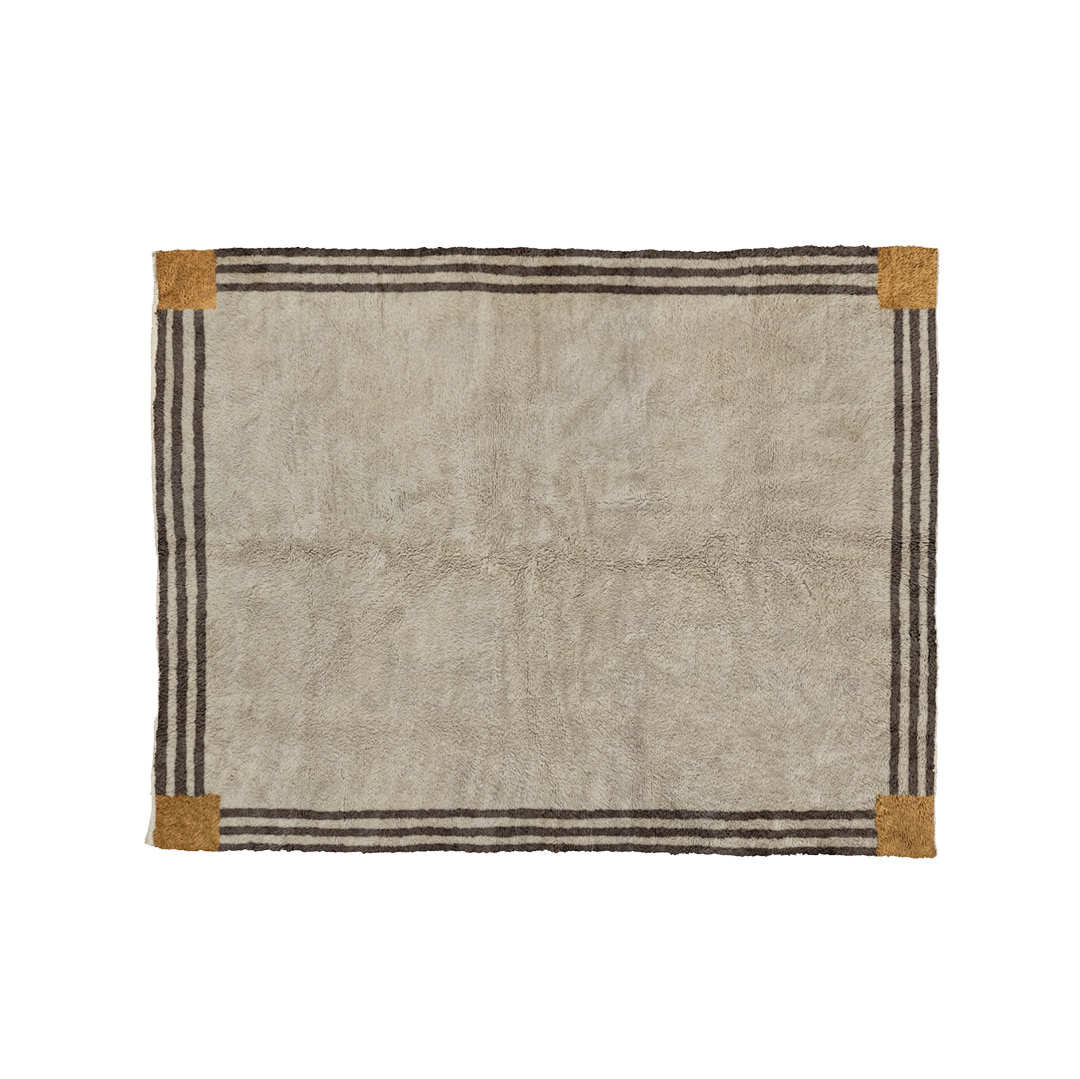
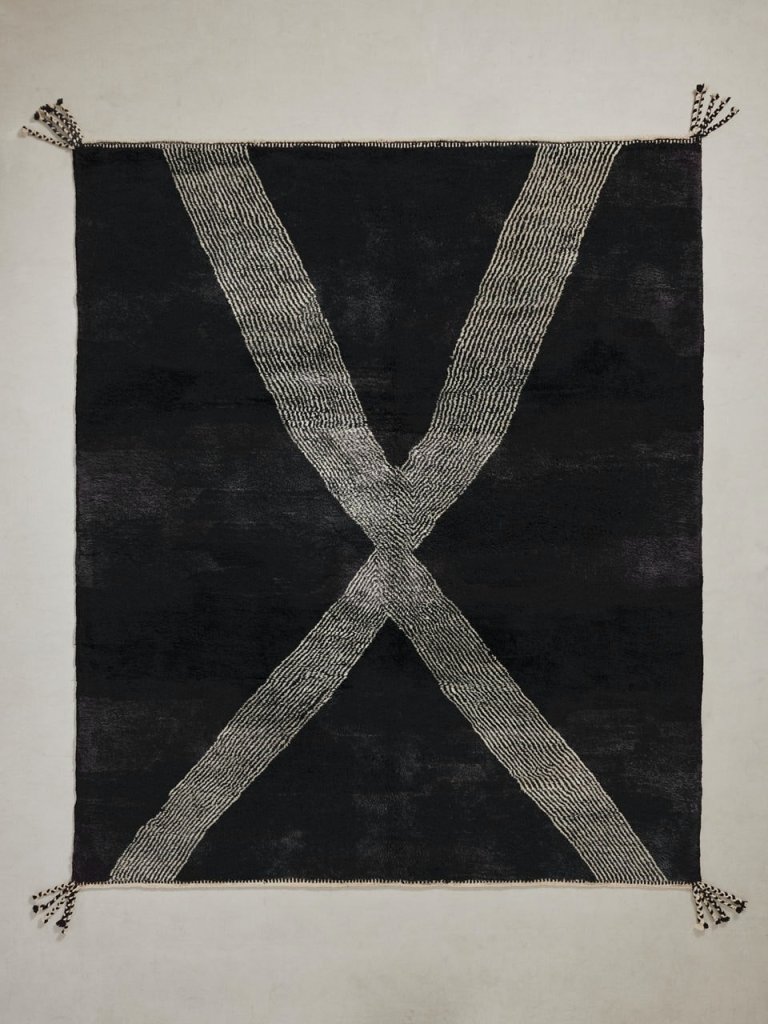
Beni Ourain rugs are distinguished by their thick, pilewoven, cream-colored wool, typically sourced from the ancient breed of Beni Ourain sheep. They often feature thin black lines arranged in a diamond pattern, which Amy Elad-Echariti, founder of Laith & Leila, explains symbolizes peace and harmony. Elad-Echariti, who is married into a Berber weaving family, actively collaborates with Moroccan craftspeople to preserve and promote their ancestral techniques. The article also highlights Azilal rugs from the Atlas Mountains, which use similar creamy wool but are more expressive, featuring free-moving abstractions and crawling patterns rich with symbolism, including protective motifs like the Hand of Fatima or the evil eye. The dyes for these rugs are derived from local plants and berries.
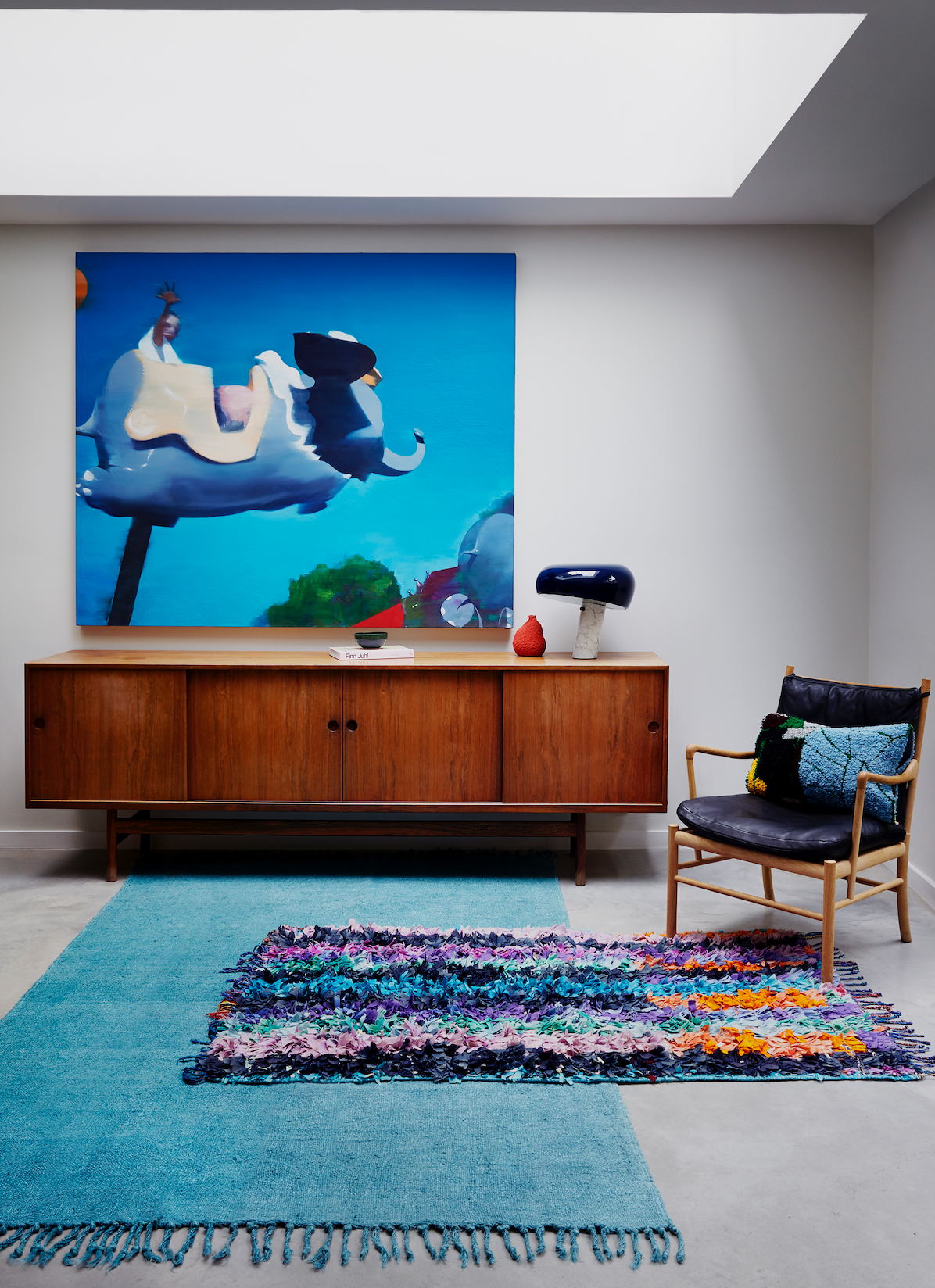
Another significant type discussed is the Boucherouite rug, which stands apart as it does not exclusively use wool but incorporates recycled textiles. These rugs are produced across Morocco, particularly in areas where wool is less accessible, and are described as a more universal weave not attributed to a single Berber group. Ella Jones, founder of A New Tribe and The Rug Trade, emphasizes her direct collaboration with Berber weavers, traveling to Morocco biannually to source and purchase these unique textiles. The article underscores the handmade nature of these rugs, noting that they are traditionally woven by women without formal training, often from memory, resulting in improvised and asymmetrical designs. This inherent individuality is precisely what makes them cherished additions to contemporary interiors, injecting a much-needed sense of tactility and history into modern homes.
#BeniOurainRugs #BerberWeaving #MoroccanRugs #HomeInteriors #TextileArt #ArchitecturalInfluence #HandmadeDecor #CulturalCraftsmanship #DesignHistory #BeniOurainRugs #BerberWeaving #MoroccanRugs #HomeInteriors #TextileArt #ArchitecturalInfluence #HandmadeDecor #CulturalCraftsmanship #DesignHistory
0 comment in total
 No comments yet
You may also like
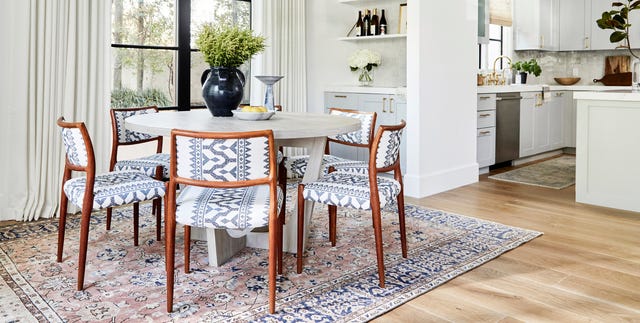
Top Designers Reveal the Carpet Trends We'll See in 2020
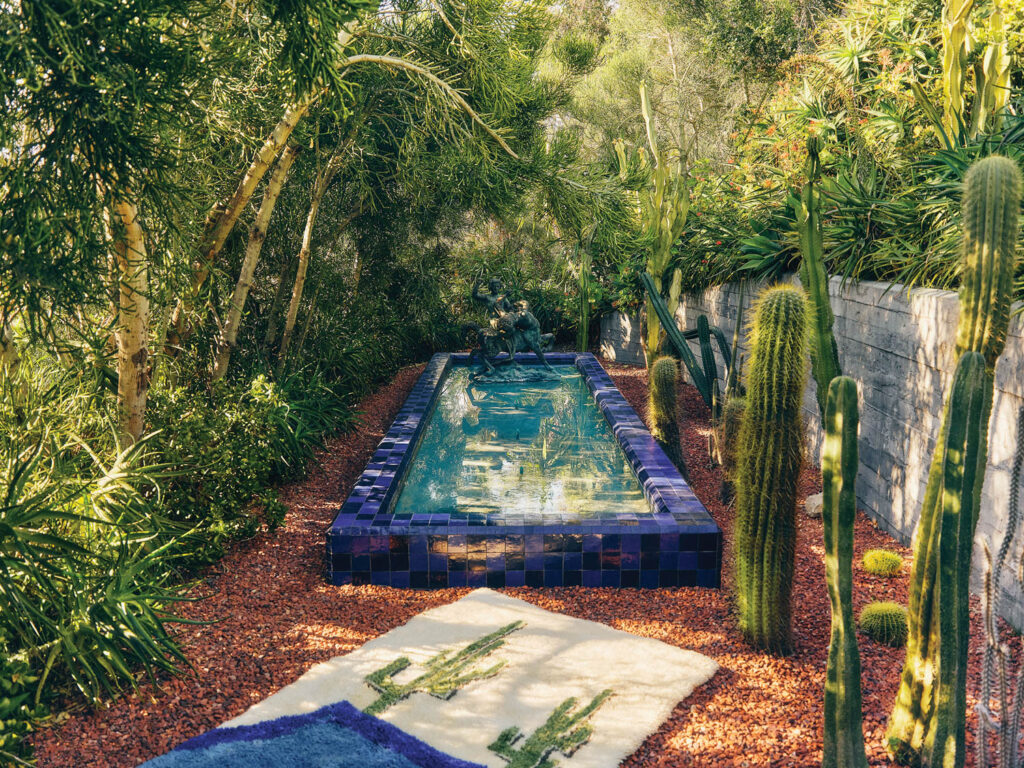
A Character-Filled L.A. Home Inspires Beni Rug’s New Line

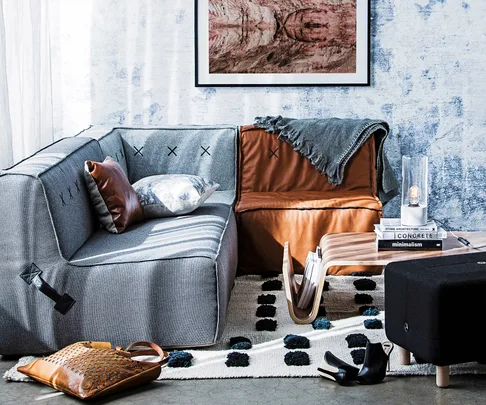
9 ways to add texture to your home

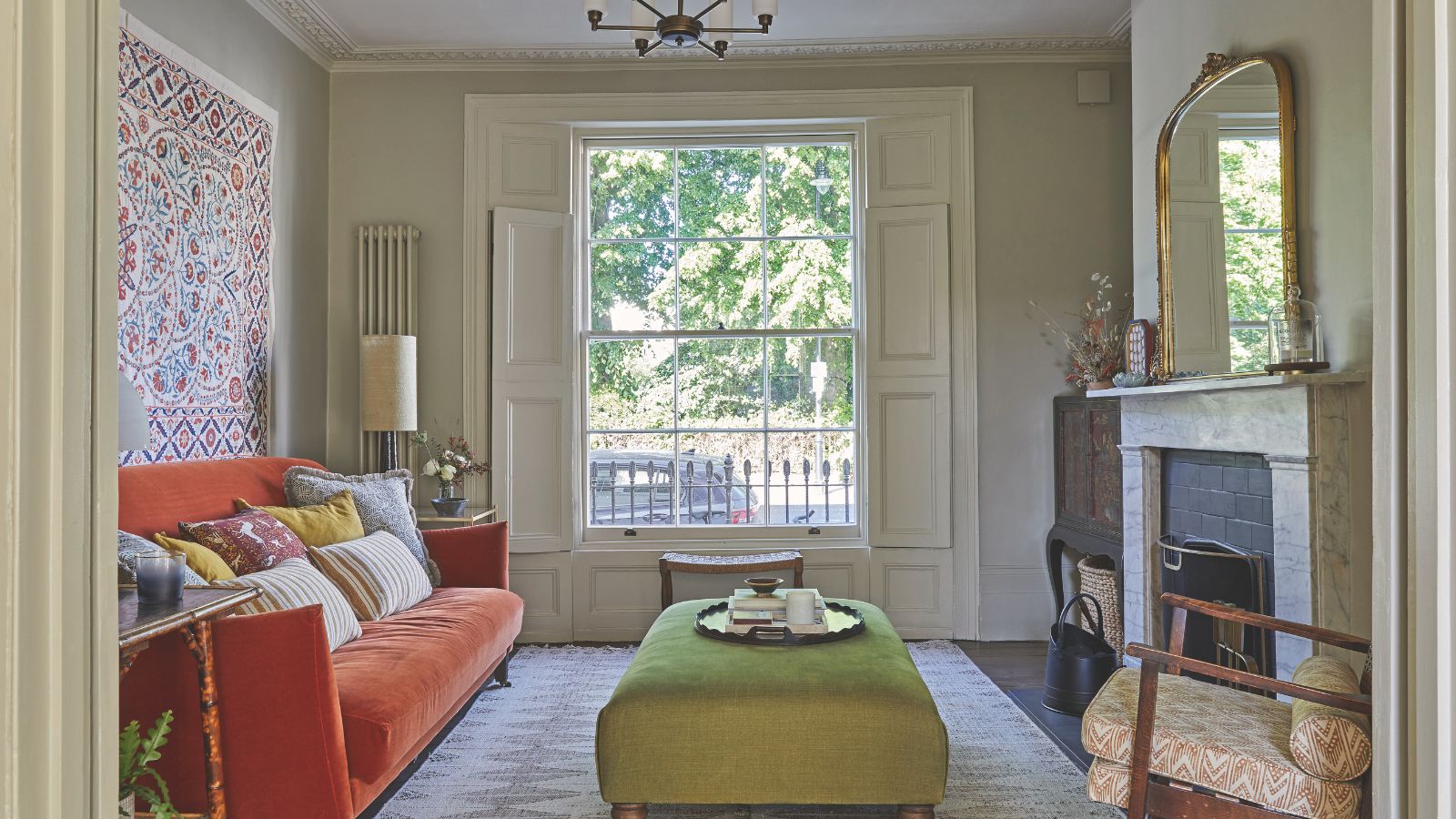
The 4 Vintage Rug Styles Every Designer Swears by for a Truly Timeless Look

Meet Bengaluru’s secret carpet collector with an enviable collection and knowledge of rugs

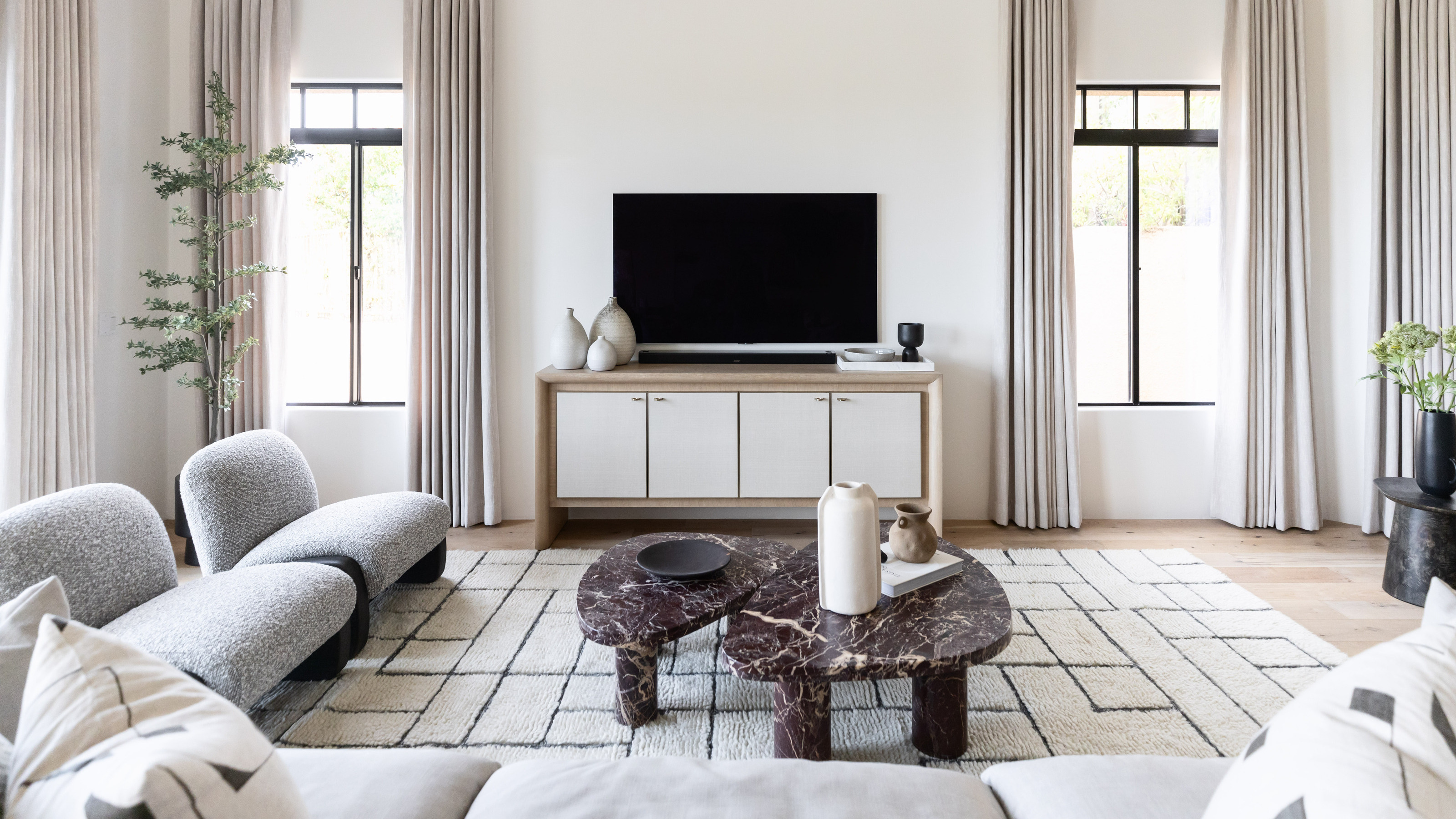
Berber Rugs Used to Be in Every Stylish Home — This is the Design-Forward Style That I Think Has Replaced Them in 2025

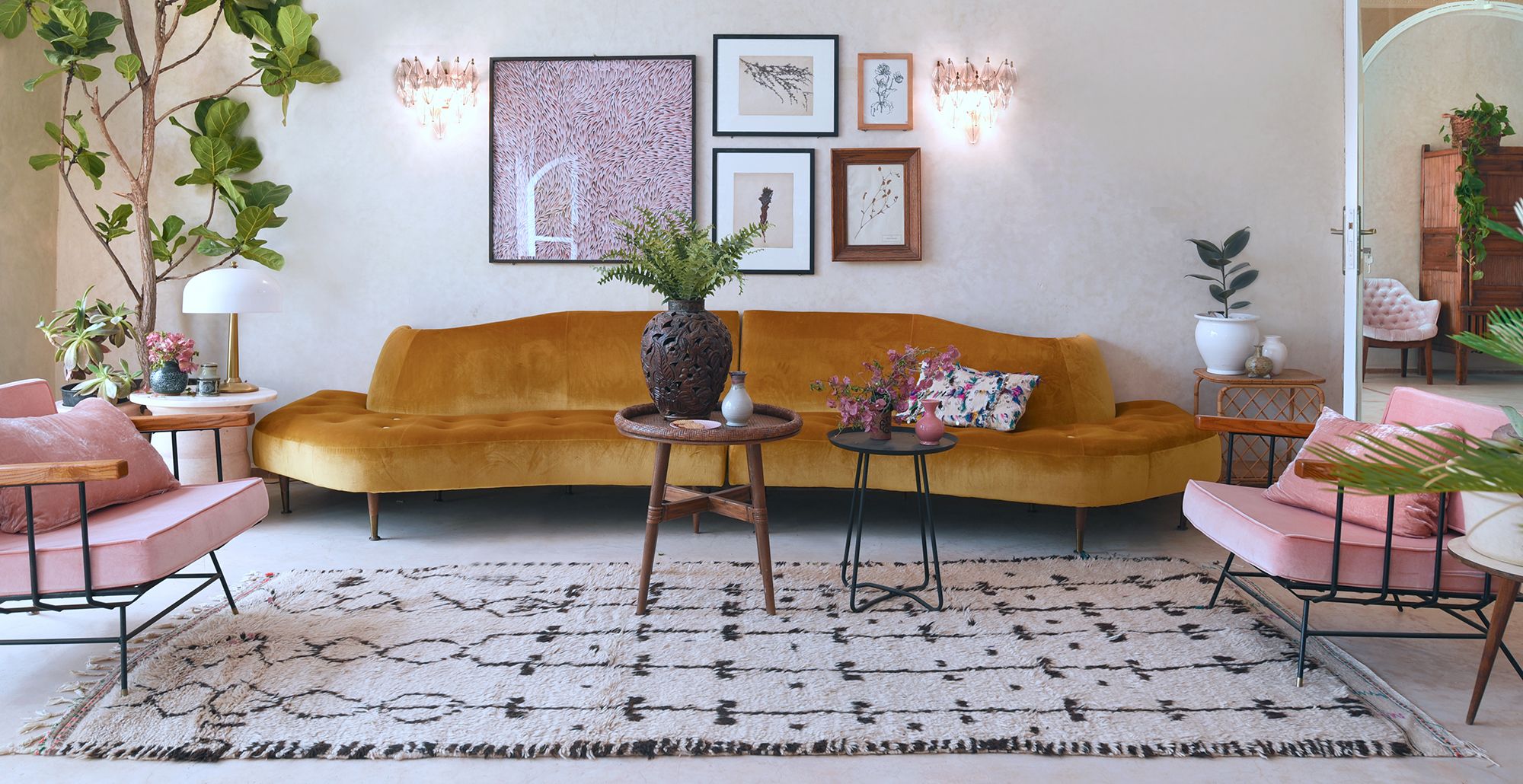
How to Buy, and Style, a Vintage Moroccan Rug
Your Next Great Cashmere Throw Might Be From—Wait for It—Banana Republic

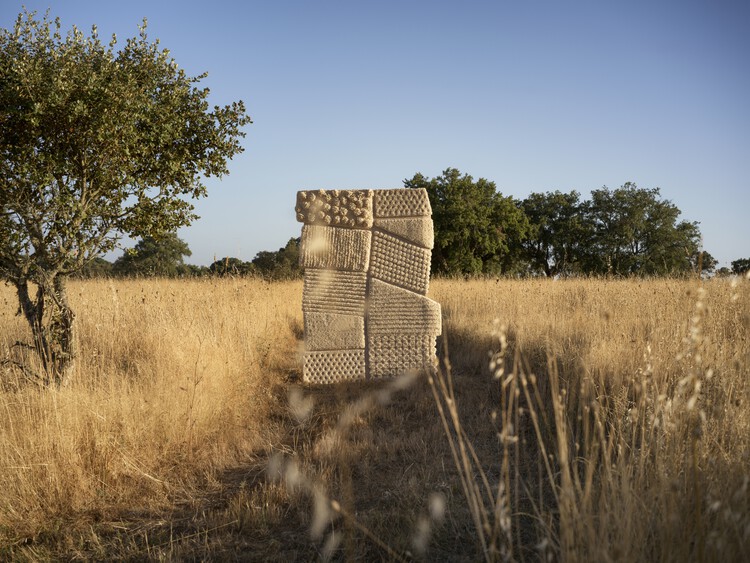
Rugs as Woven Memory: How Origin and Materiality Shape Interiors

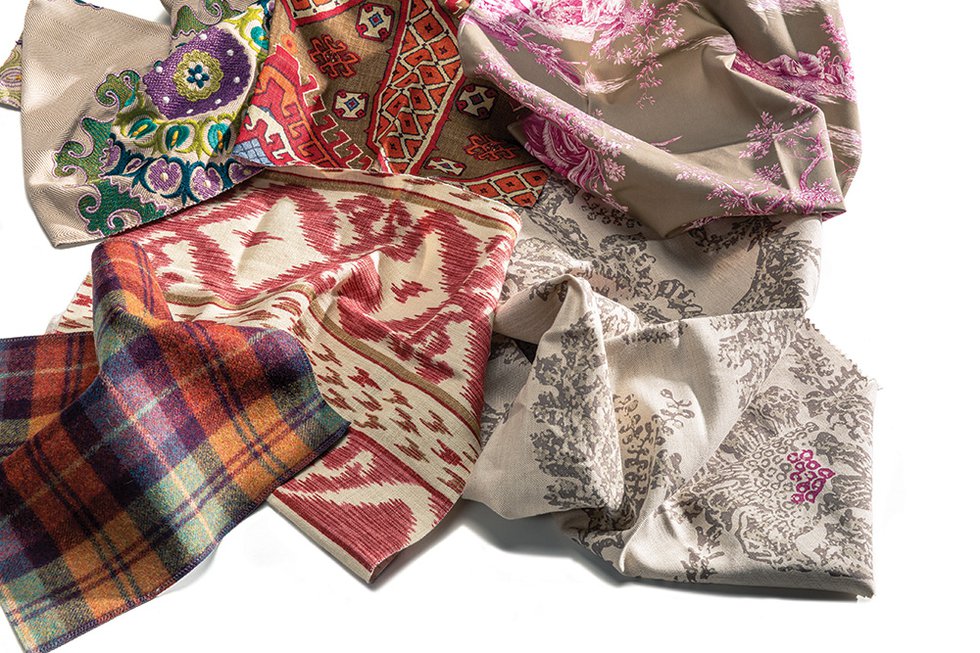
5 global textile techniques still seen in modern fabrics


Uplift Your Home’s In-Between Spaces With These Handmade Rugs
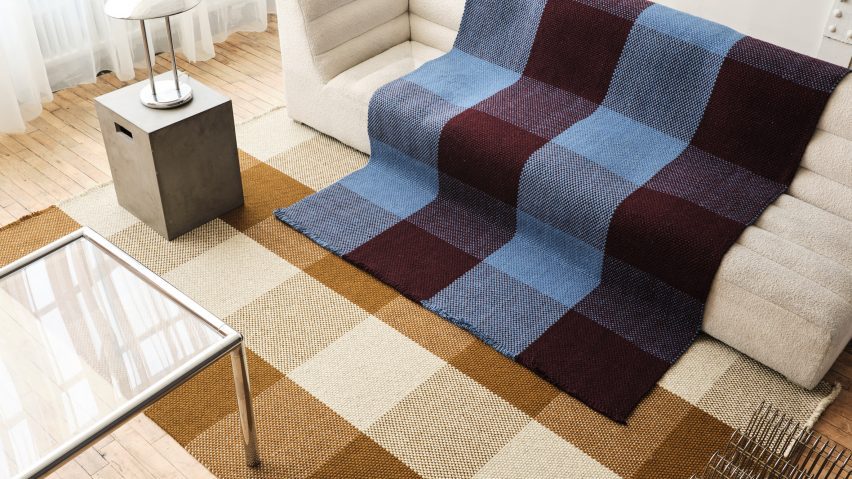
Tartan Shuttle Weave rugs by Cicil
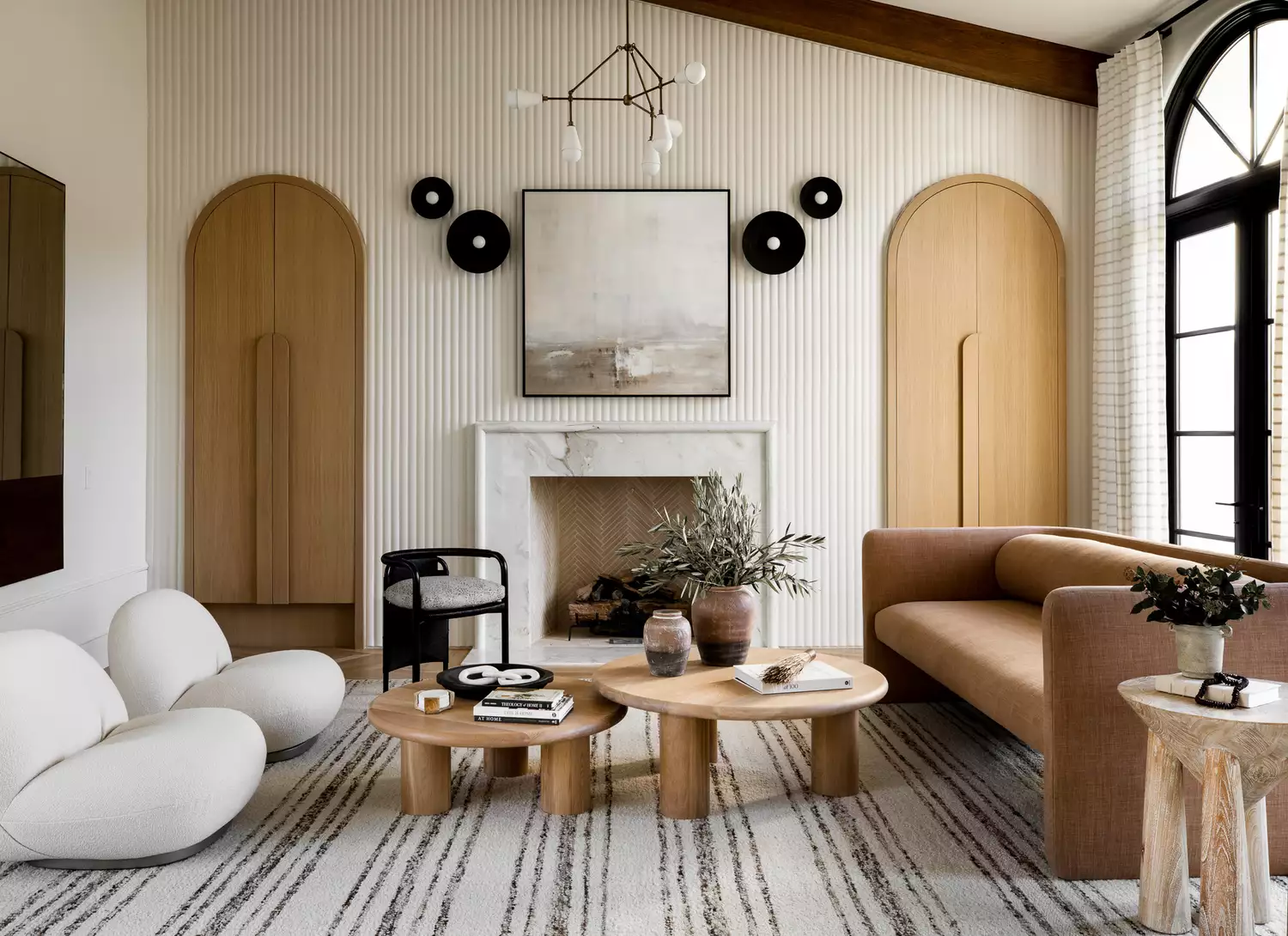
6 Carpet Trends for 2025 That Will Transform Every Room in Your Home

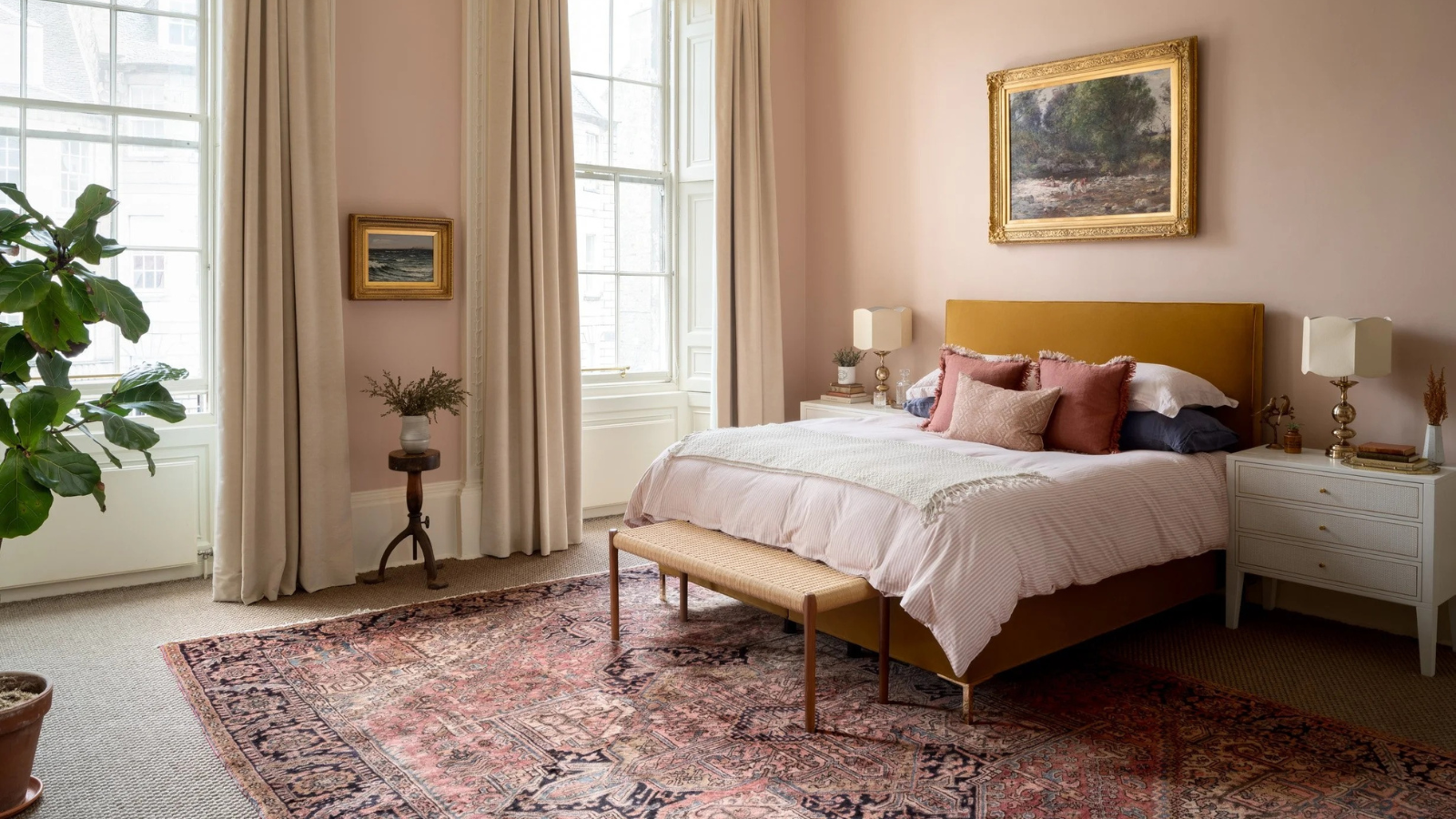
These 10 Spaces Prove That Nothing Can Top the Timeless Elegance of Decorating with Vintage-Style Persian Rugs
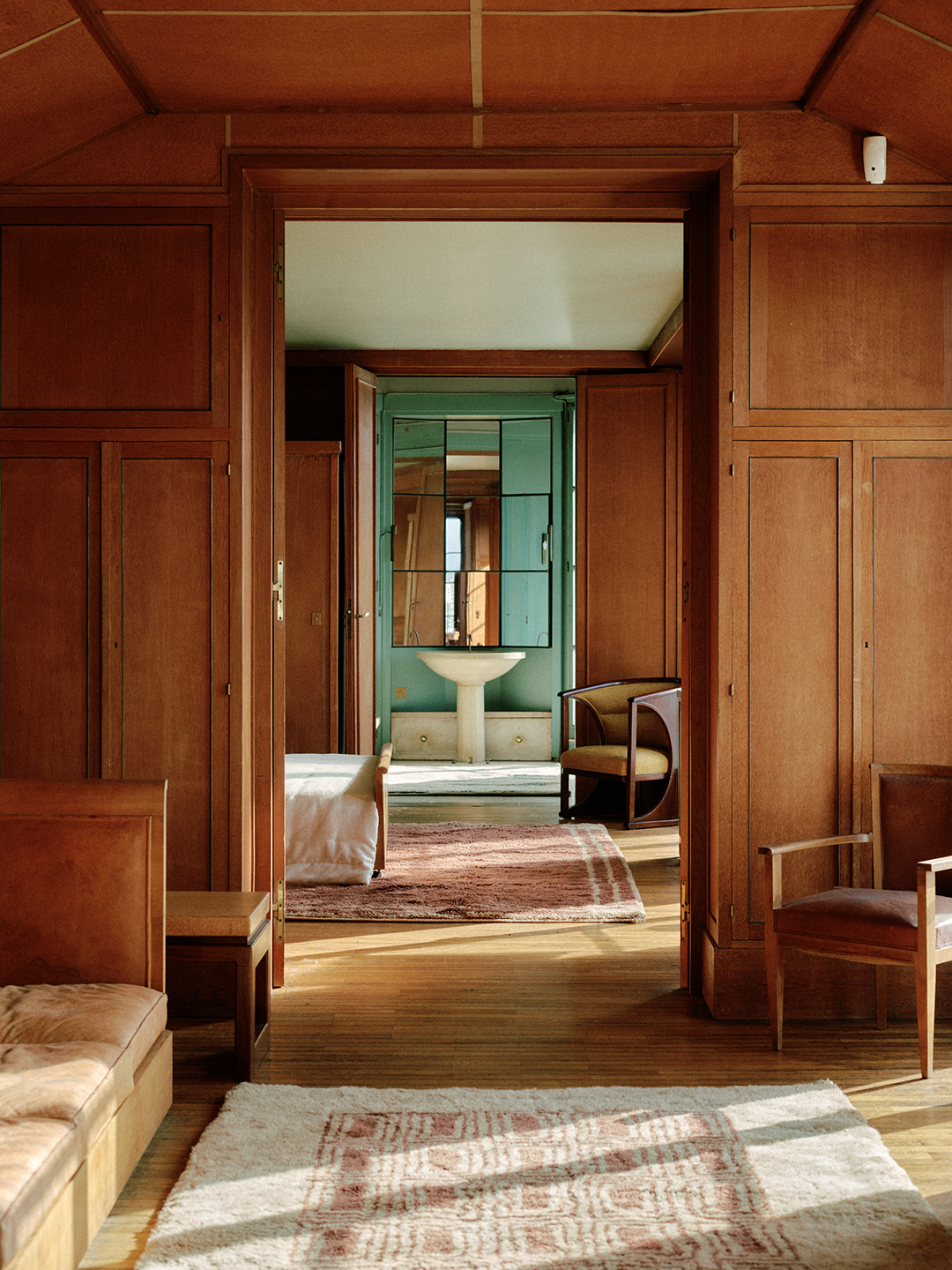
The Edgy Detail We’re Spotting on the Best New Rugs Makes Them Borderline Art
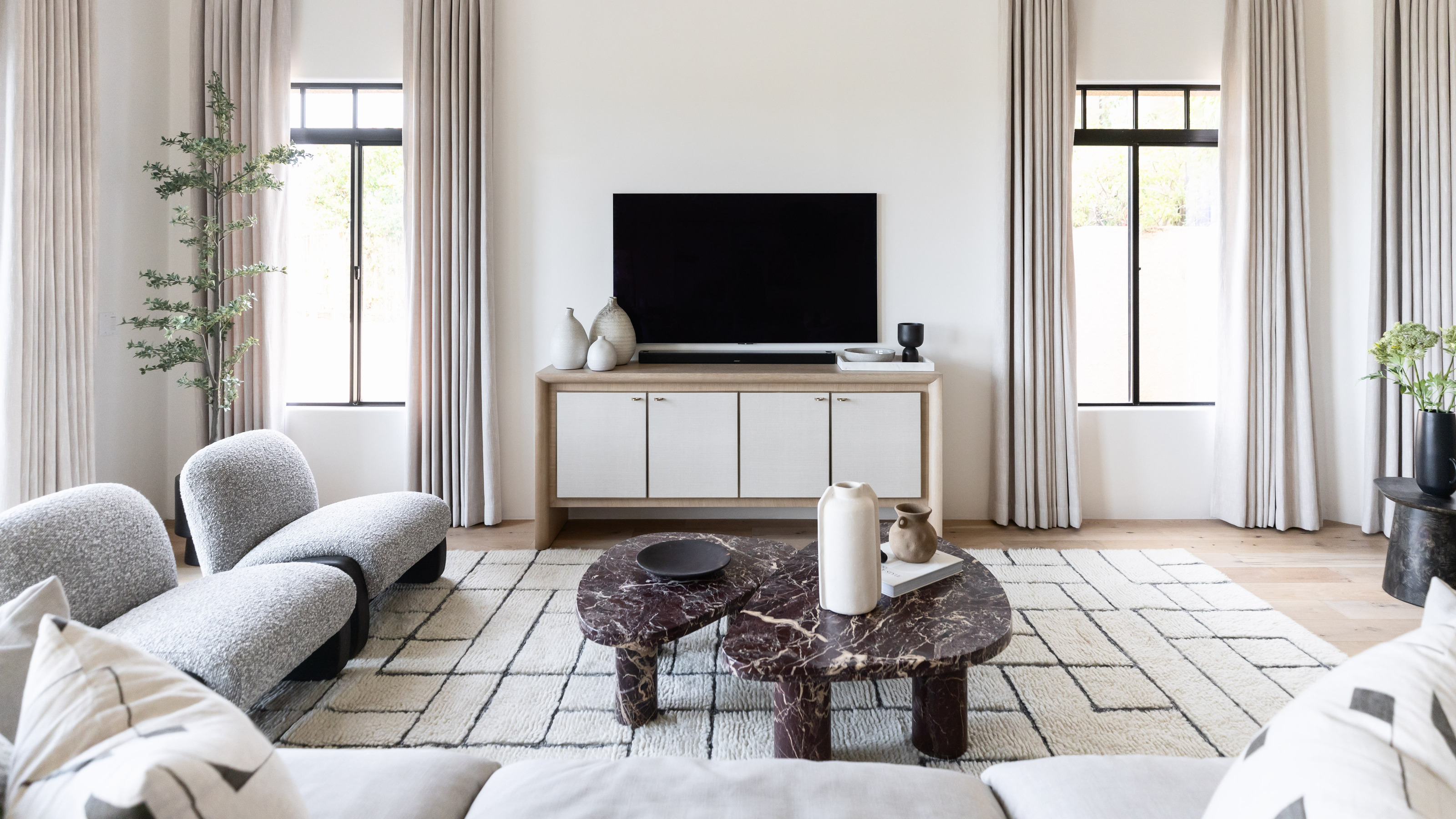
What's Replacing the Berber Rug in 2025?
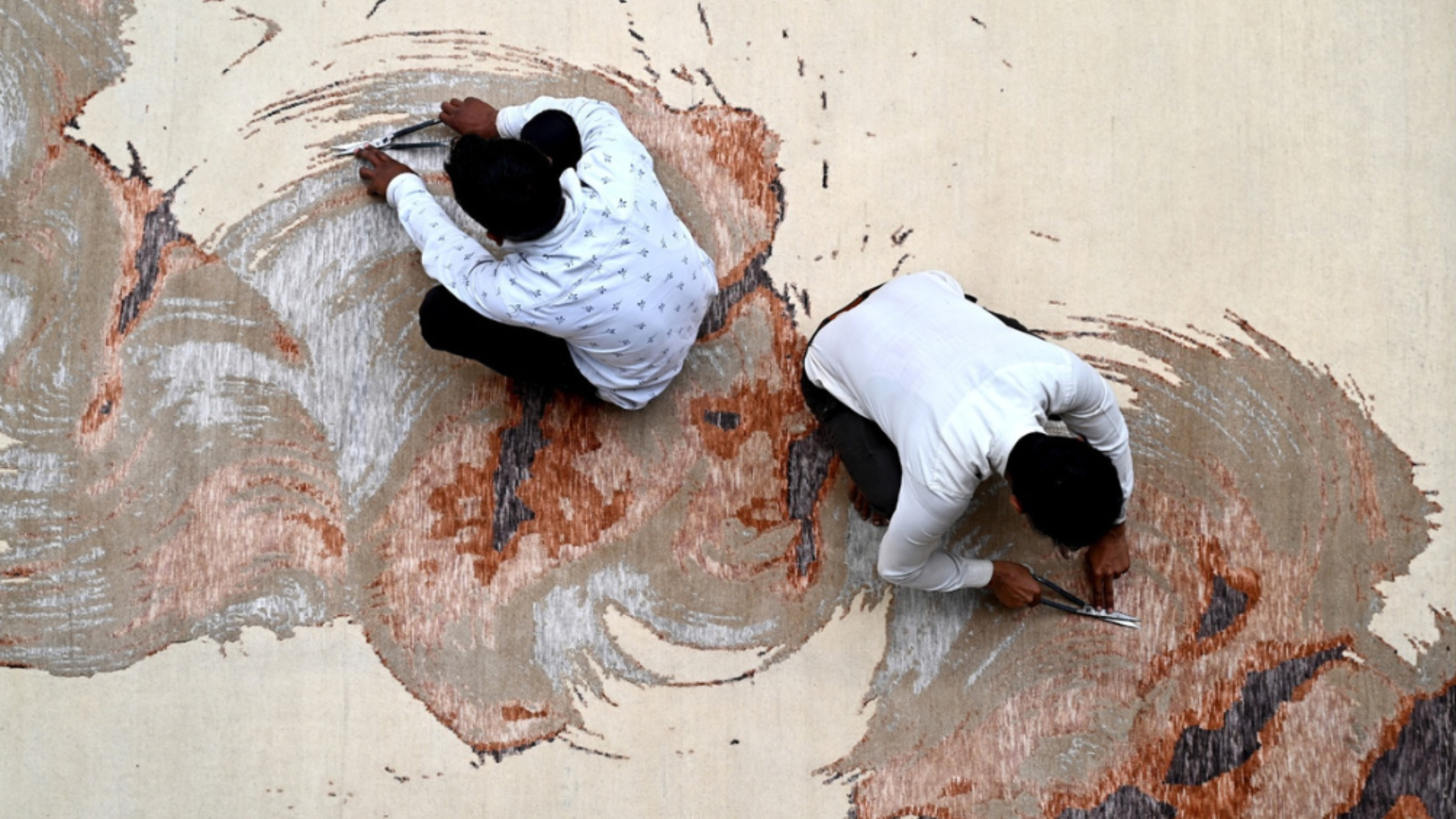
The Ambiente, Handcrafted Rugs
How To Take Care of Vintage Rugs, a Nine-Point Plan