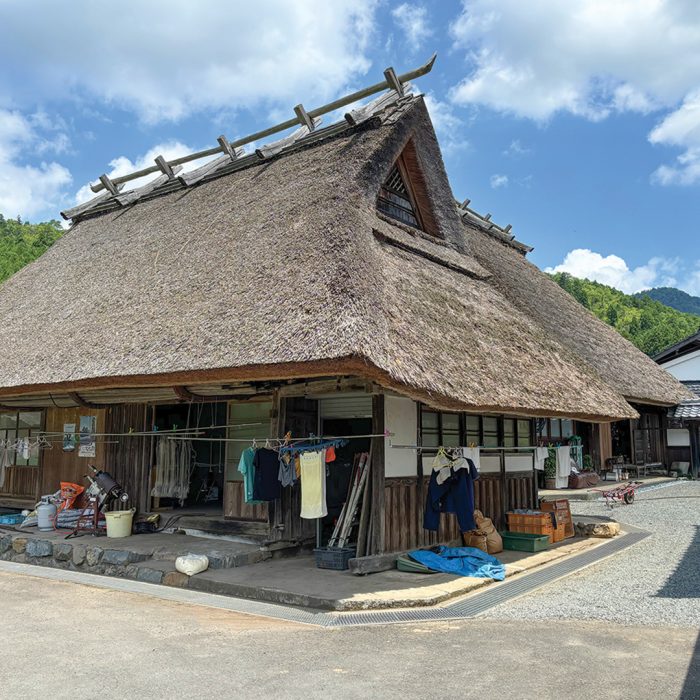
Japan’s Ancient Building Technique Joins Wood Without Glue or Nails
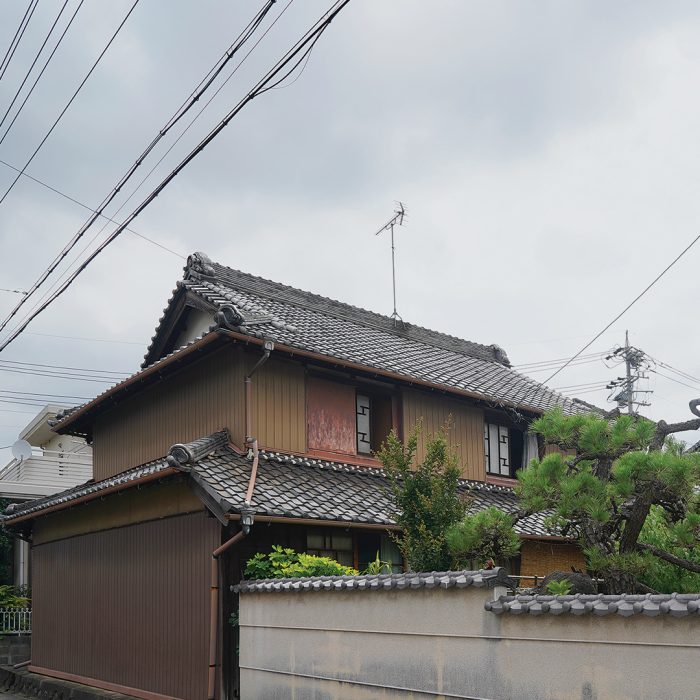
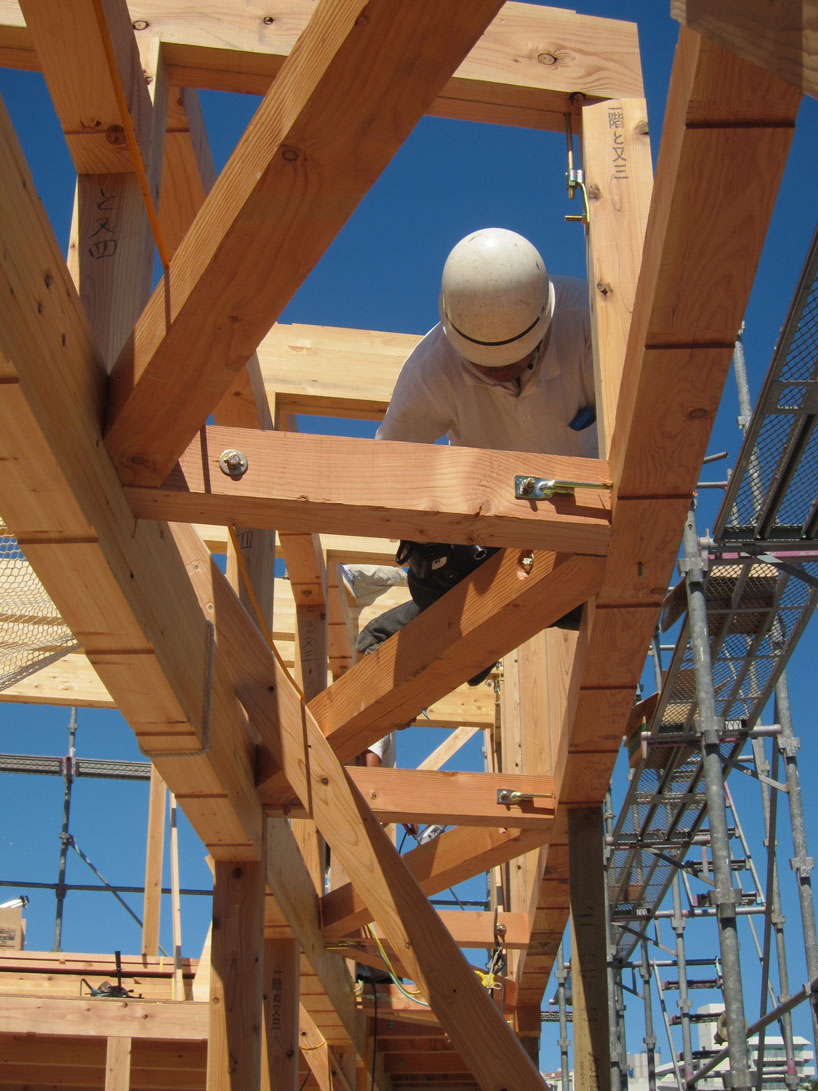
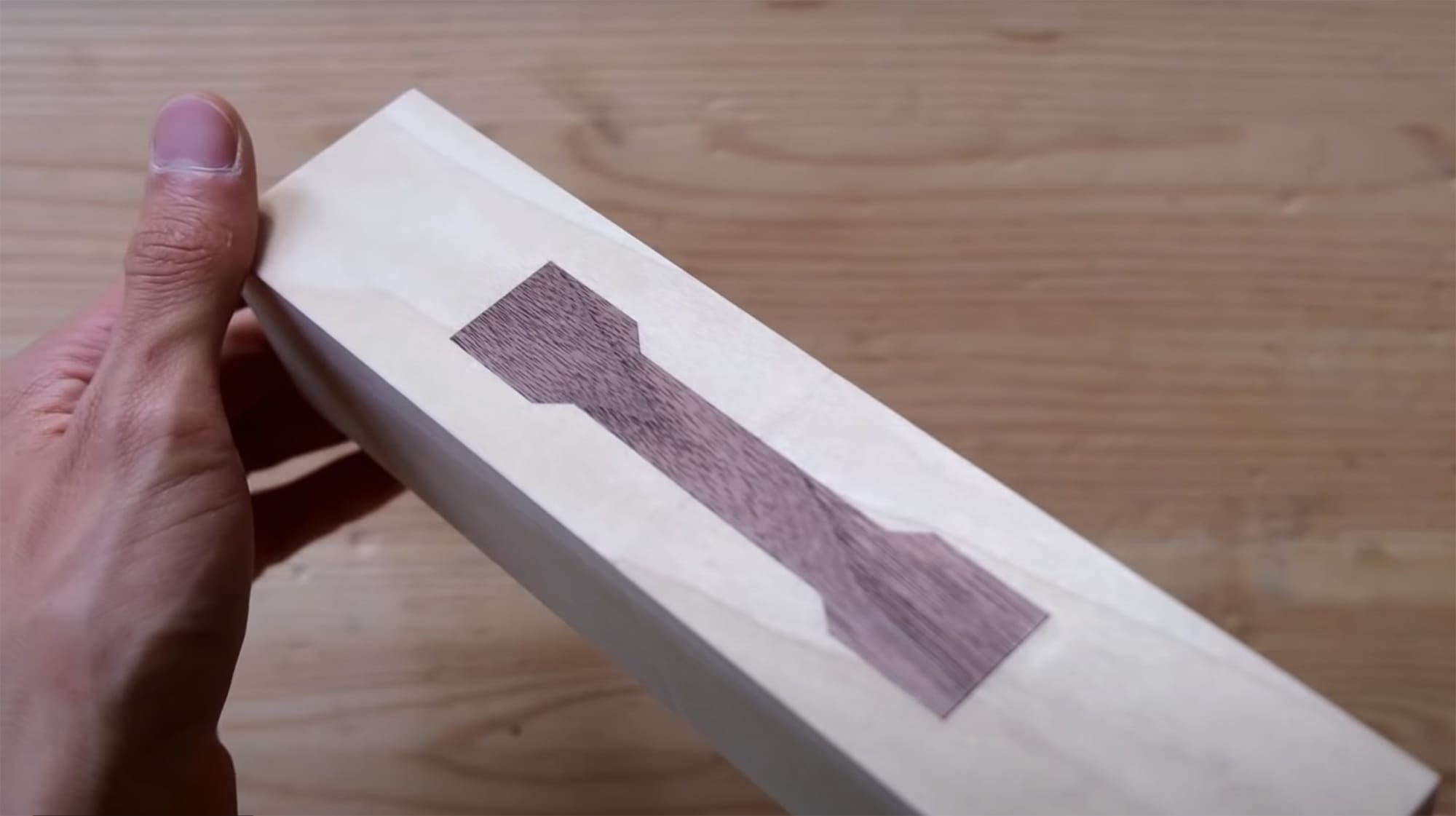
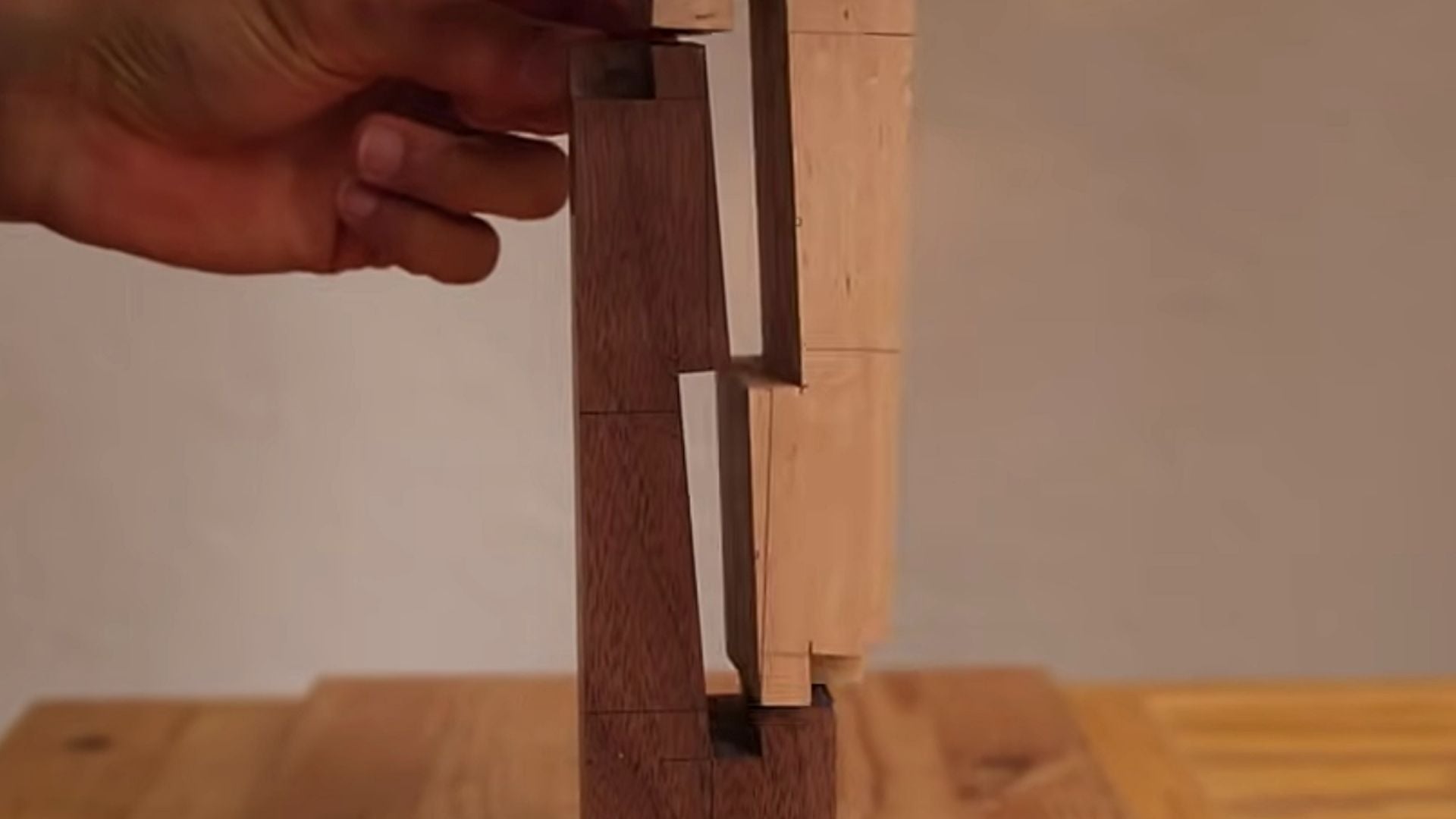
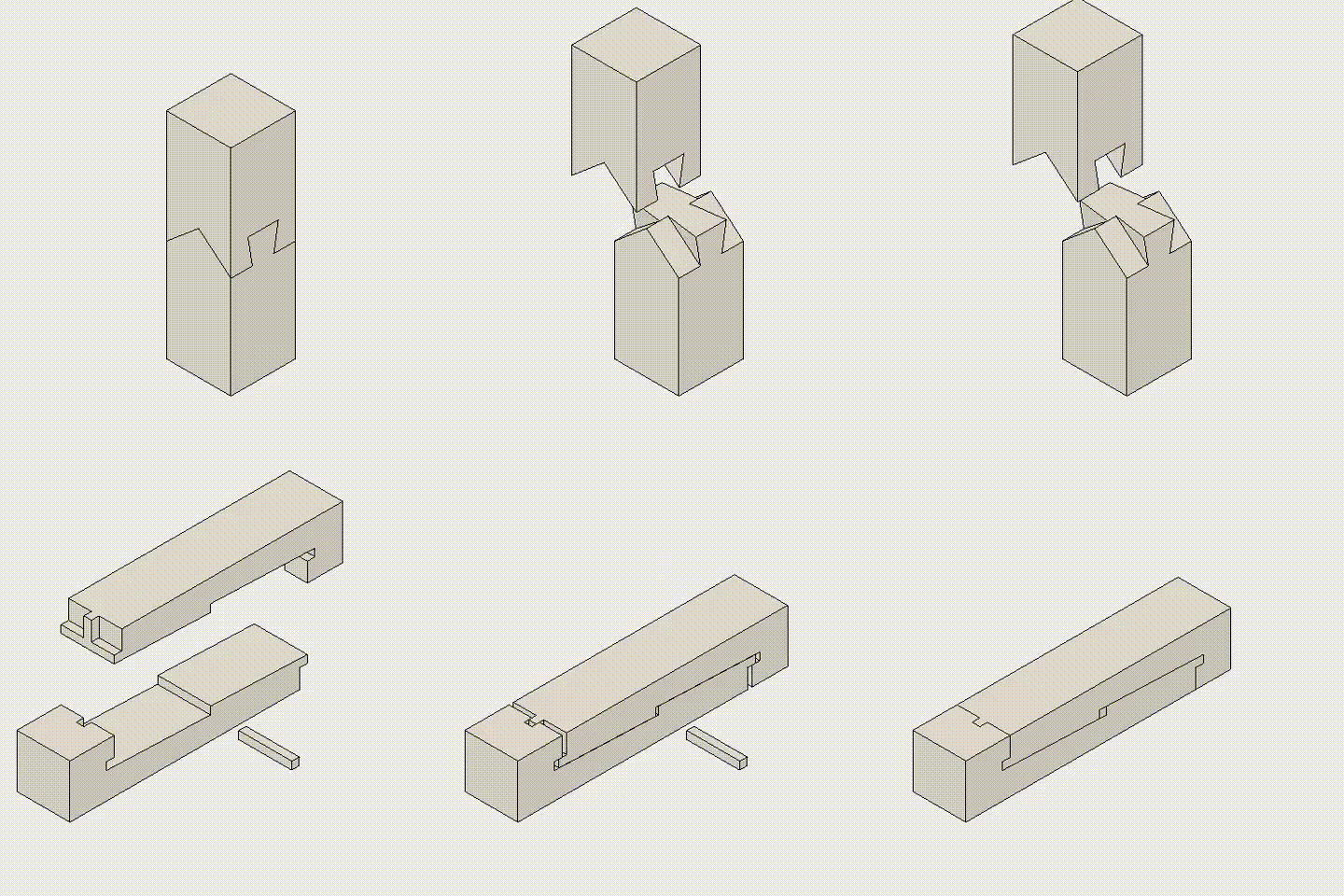
The article delves into an ancient Japanese woodworking technique known as kanawa tsugi (金輪継), which allows for the joining of wood pieces without the use of glue, nails, or screws. This method, a type of scarf joint, was developed and perfected by a specialized class of Japanese carpenters called miyadaiku (宮大工) roughly a thousand years ago. These artisans were responsible for constructing and maintaining the shrines and temples of Japan, and their work stands as a testament to the durability and ingenuity of kanawa tsugi.
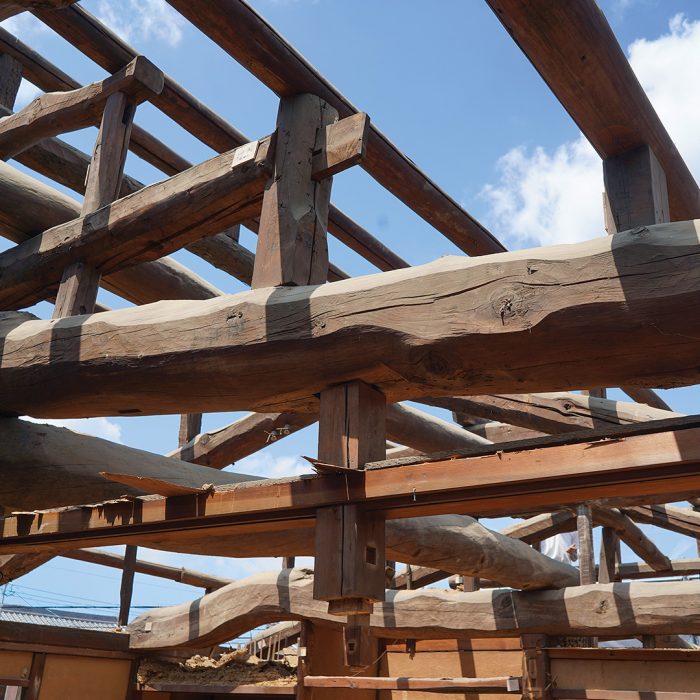
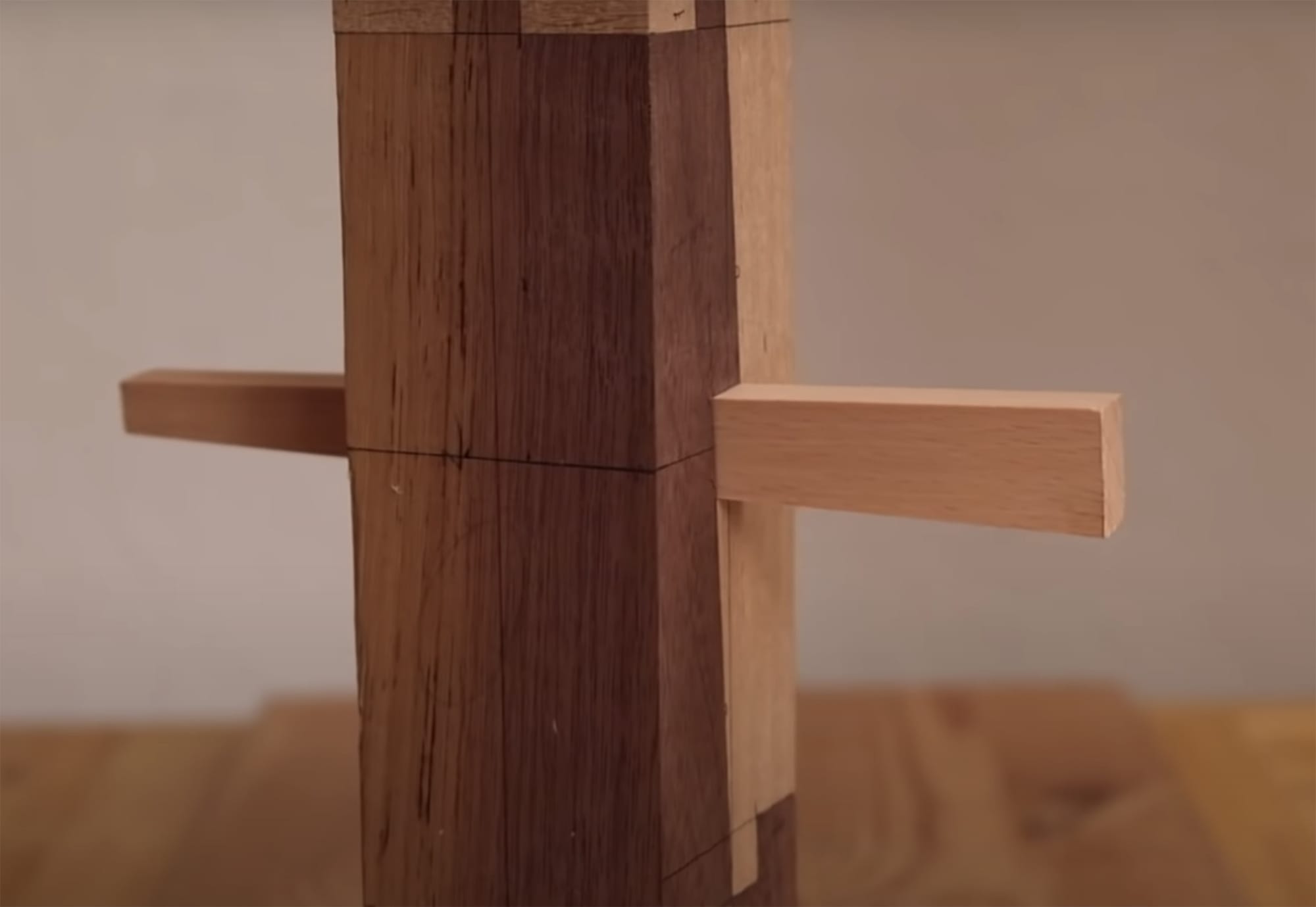
The scarcity of iron in ancient Japan necessitated the development of sophisticated woodworking skills to create robust structures. Kanawa tsugi emerged as a solution, transforming a material limitation into an art form. The core of this technique lies in a meticulously designed system of interlocking wood joints. Unlike modern methods that often rely on adhesives for structural integrity, kanawa tsugi achieves its strength through precision cuts and the strategic use of a wedge. This wedge is hammered into specifically designed open slots within the wooden pieces, effectively locking them together.
The process of creating these joints demands a high degree of detailed woodworking, reflecting the craftsmanship and dedication of the miyadaiku. The advantage of kanawa tsugi extends beyond merely circumventing the need for external fasteners. By joining wood in this manner, the technique ensures a congruent distribution of strain across the entire beam. This is a significant improvement over certain glue joining techniques, which can introduce potential shear planes, points of weakness that could lead to structural failure.
Historically, kanawa tsugi was the standard method for all Japanese architectural construction. This enabled the creation of larger spans for roofs and the construction of taller structures without the need for additional, external supports, leading to architectural marvels that have endured for centuries. While the industrial revolution has introduced numerous advancements in building techniques and materials, the article highlights that traditional methods like kanawa tsugi continue to be practiced and valued by groups seeking to maintain construction practices that are in harmony with nature.
The durability and aesthetic appeal of structures built with kanawa tsugi demonstrate the profound understanding of material science and engineering possessed by ancient Japanese craftsmen. This traditional technique not only showcases an alternative approach to modern construction but also emphasizes the potential for long-lasting, resilient structures through skilled joinery.
#JapaneseArchitecture #WoodJoinery #KanawaTsugi #AncientBuildingTechniques #Miyadaiku #TraditionalCraftsmanship #SustainableBuilding #JapaneseArchitecture #WoodJoinery #KanawaTsugi #AncientBuildingTechniques #Miyadaiku #TraditionalCraftsmanship #SustainableBuilding
0 comment in total
 No comments yet
You may also like
See the Mesmerizing Interlocking Geometric Patterns Produced With This Ancient Japanese Woodworking Technique
Furniture joints can make or break an entire design project

bakoko: onjuku beach house
Crafted by Nature, Cast by Hand

Designer Creates Furniture Using Only Forces of Tension, No Nails Needed


Kominka: A Traditional Japanese House Comes to America

This Japanese Wood-Burning Technique Can Upgrade Any Wood Furniture—Here's How

Glue-Laminated Timbers
The Kanna Finish: How to Get Glass-Smooth Surfaces in Wood Without Sandpaper or Varnish

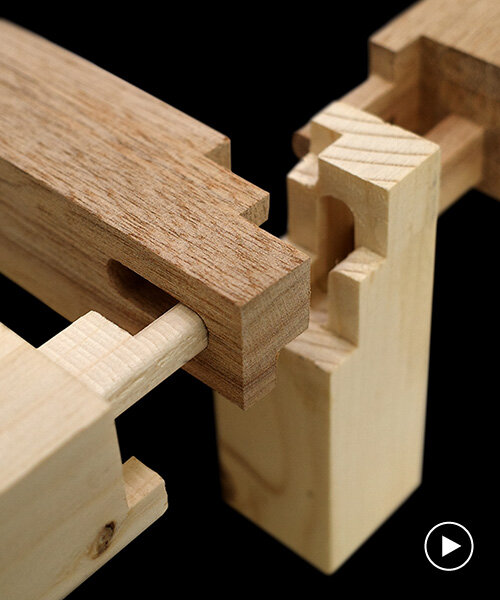
free interactive software easily creates complex japanese wooden joints + furniture
Timber

Woodworking Magic
These Mesmerizing GIFs Illustrate the Art of Traditional Japanese Wood Joinery

Slow uses charred wood to clad "hut-like" home in Japan

Another Foot-Operated Door Opening Mechanism: A Quick-to-Install Hack from Japan

Burning Lumber as a Finishing Technique


From oil diver to exotic timber craftsman

A Guide to Shou Sugi Ban and 8 Homes Featuring the Japanese Technique

Dive Into the Incredibly Satisfying Art of Japanese Wood Joinery

kuo duo experiments with traditional woodworking techniques in 'word play' furniture series