1/10
9 Design Trends From 2024 You’ll Still See Everywhere in 2025, According to Experts
The dynamic nature of interior design trends means some fads fade quickly, while others demonstrate remarkable staying power. This article identifies nine key interior design trends from 2024 that industry experts anticipate will continue to be prevalent and influential throughout 2025, highlighting their enduring appeal and versatility. These trends move beyond fleeting viral moments, representing shifts in aesthetic preferences and functional considerations that resonate deeply with designers and homeowners alike.
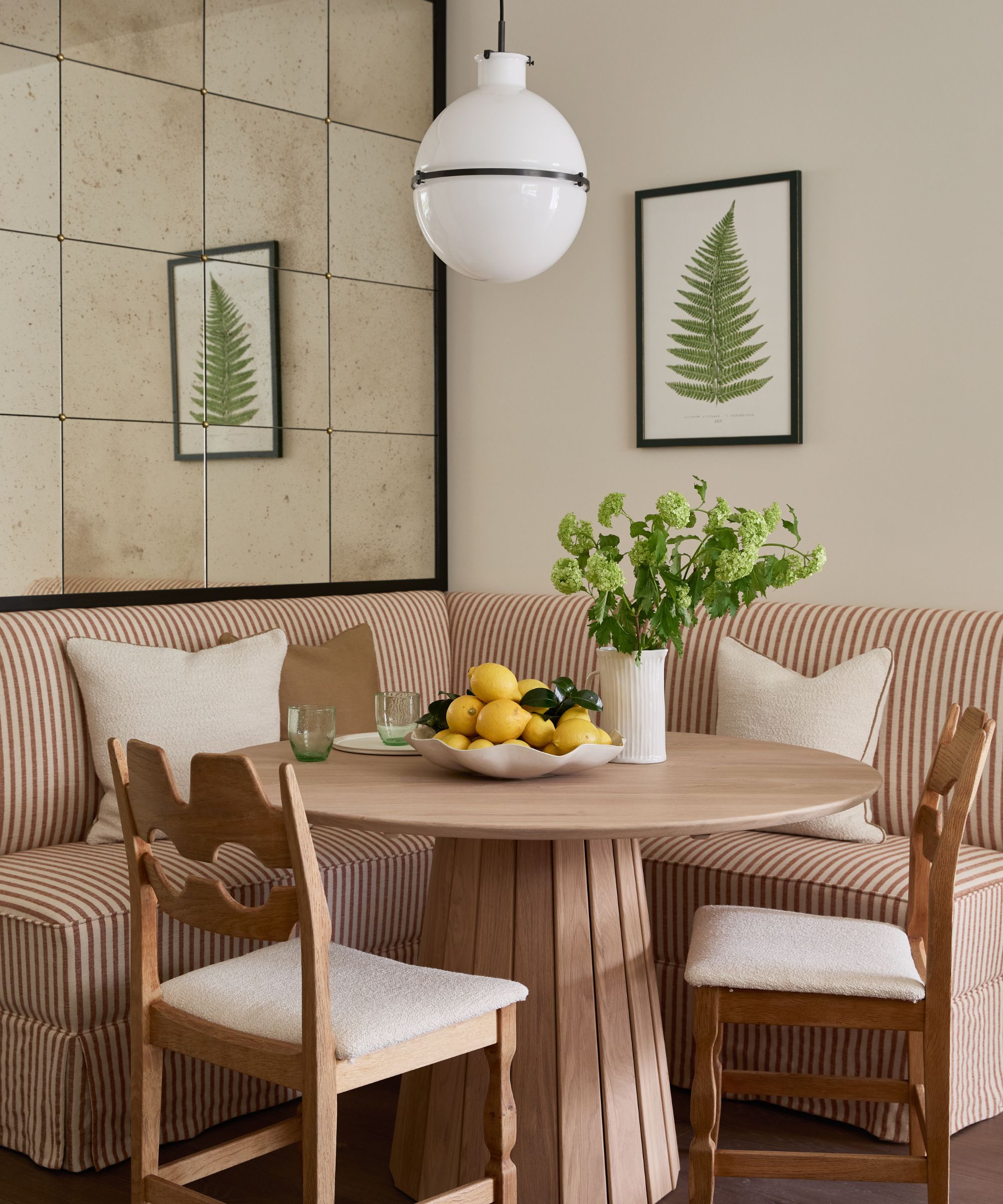
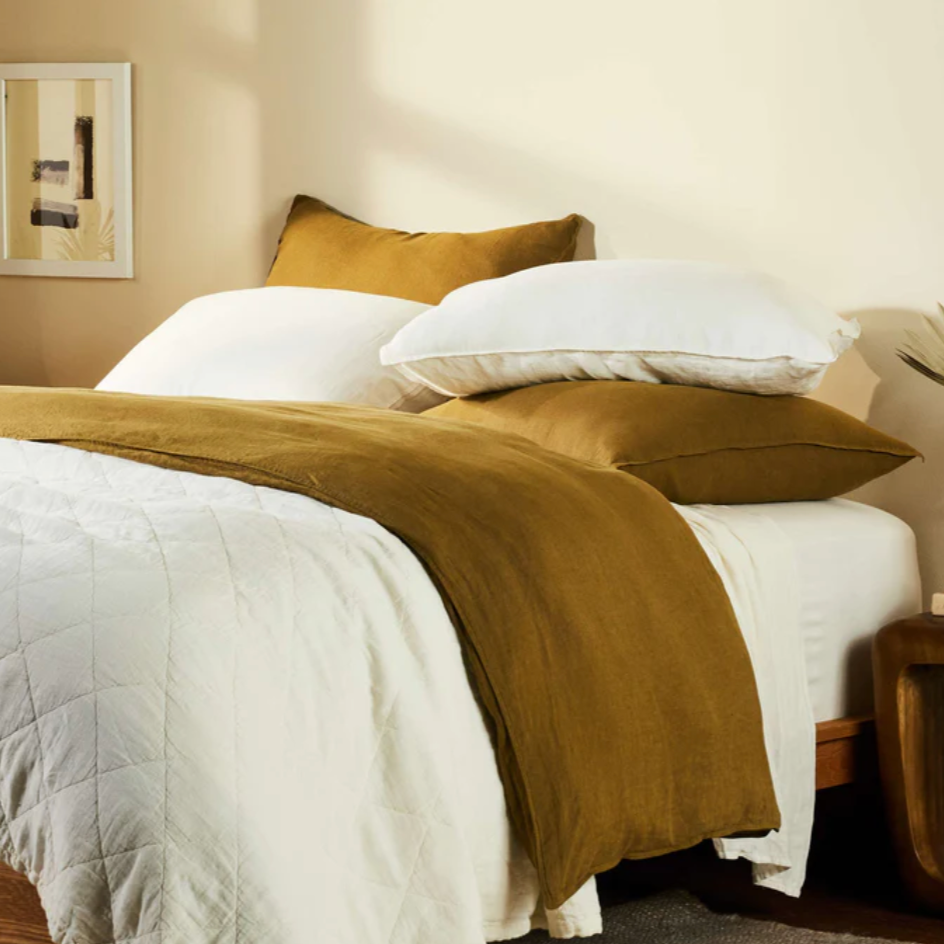
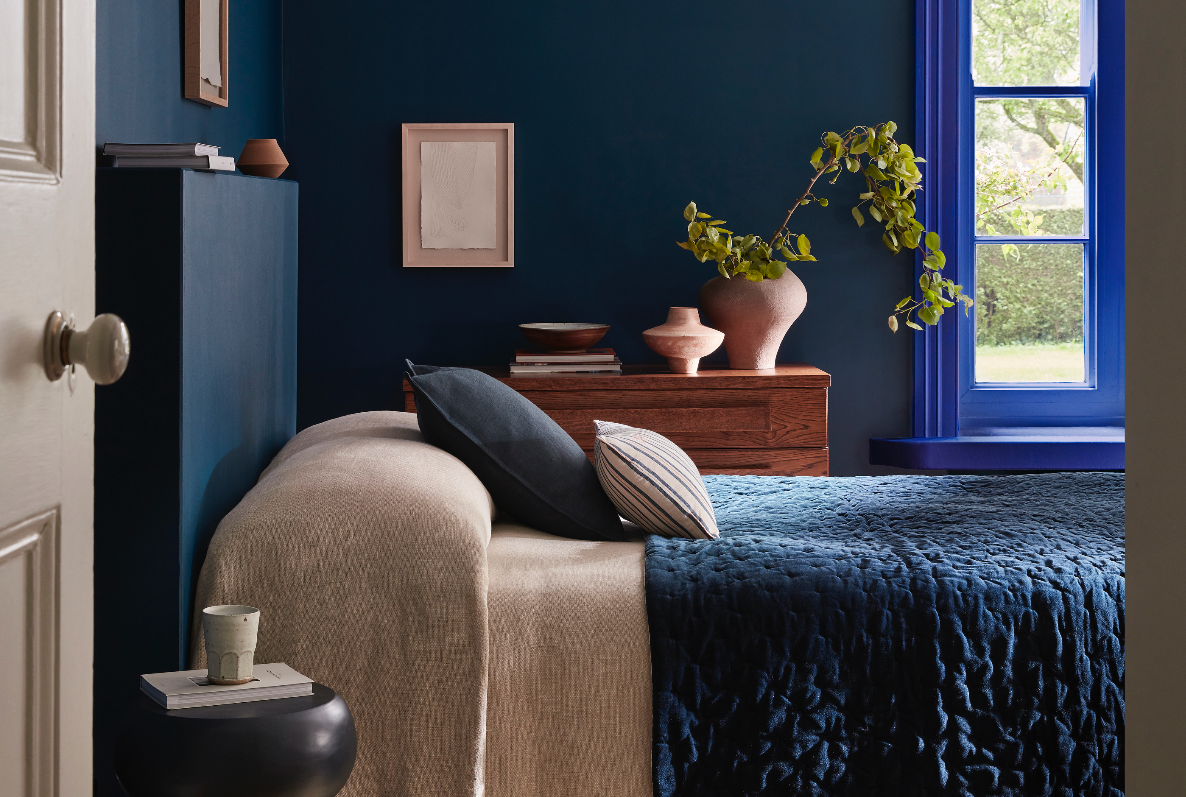
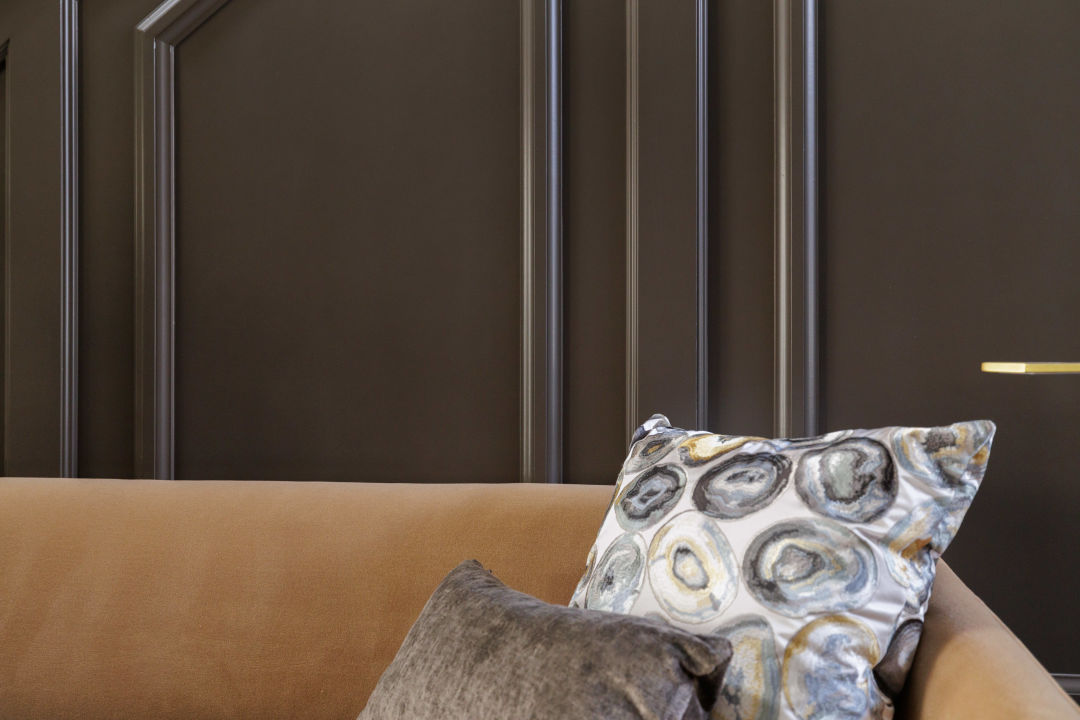
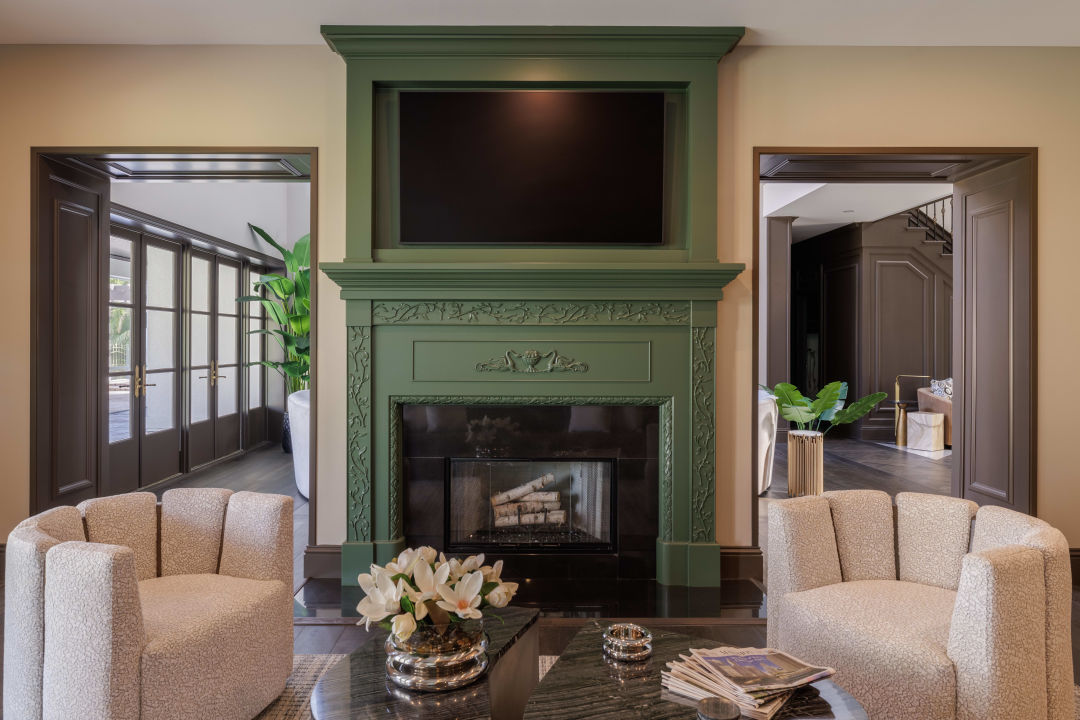
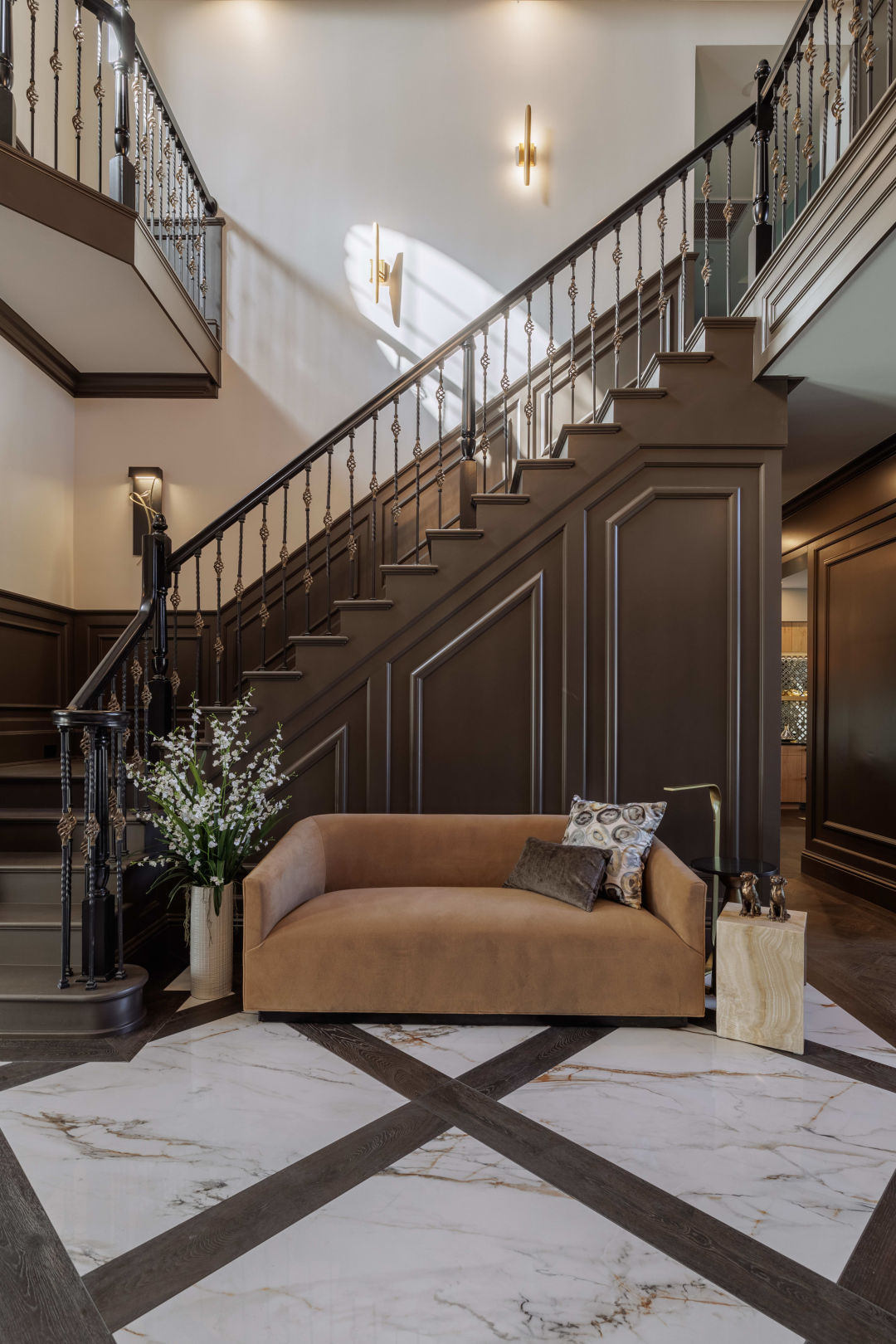
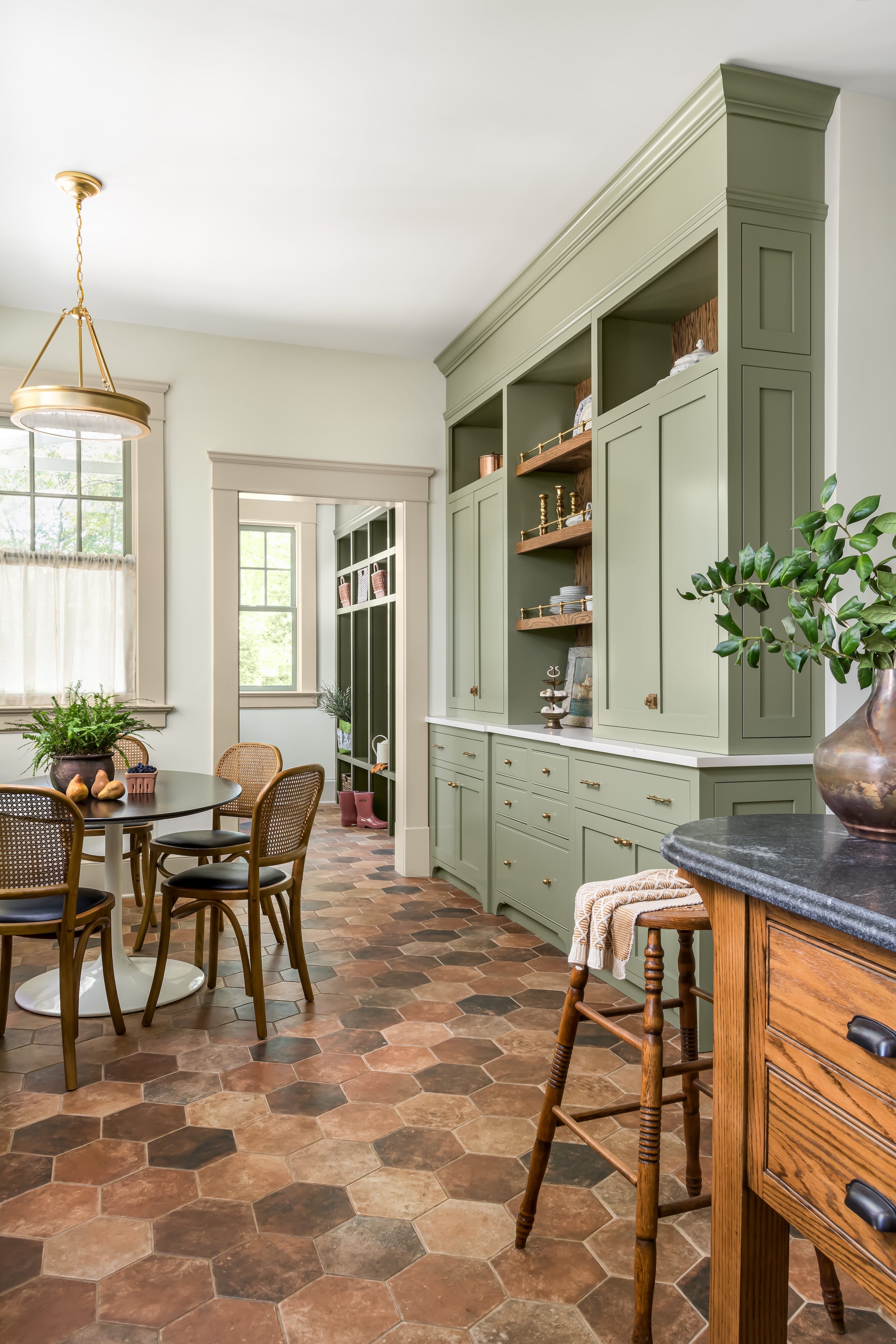
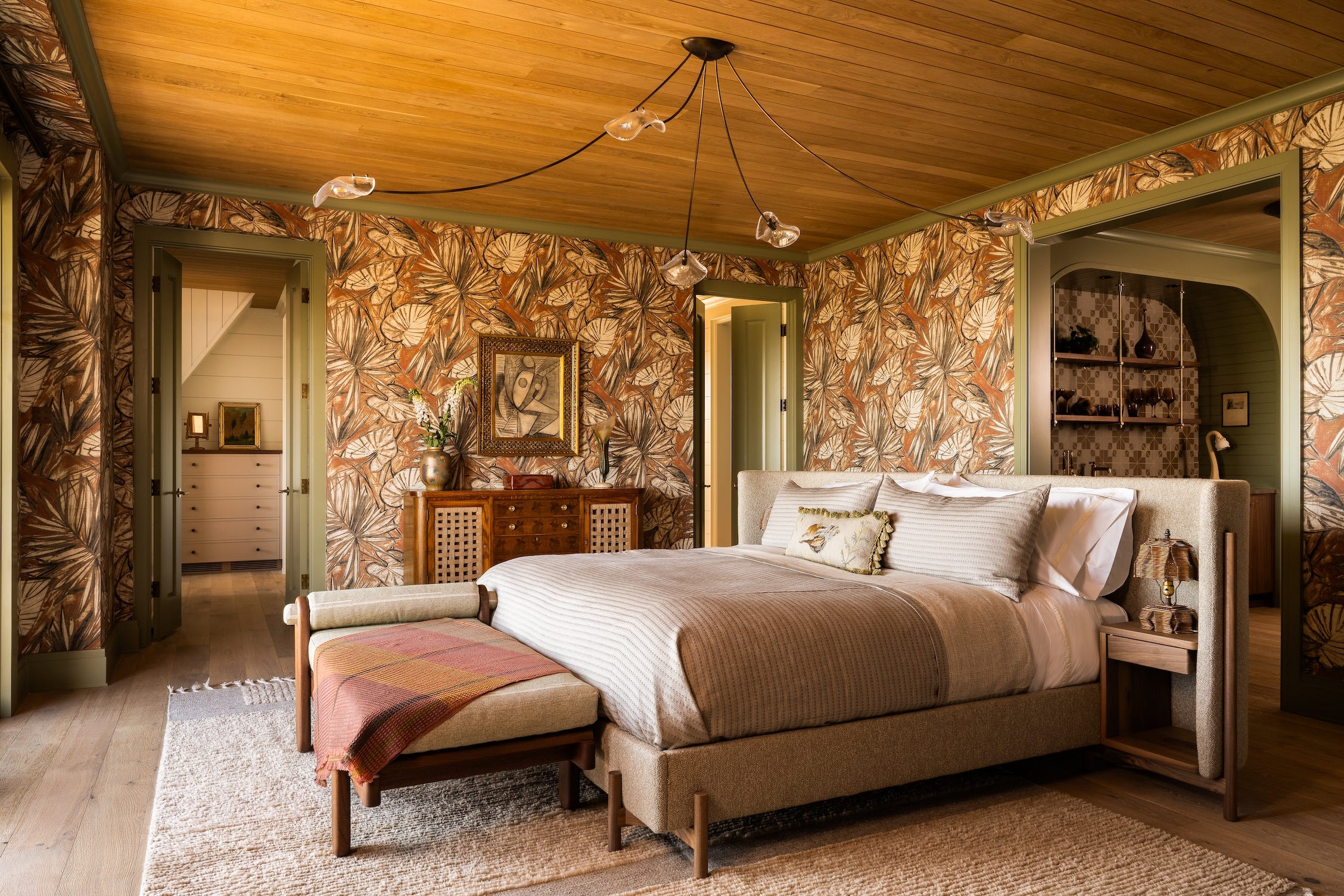
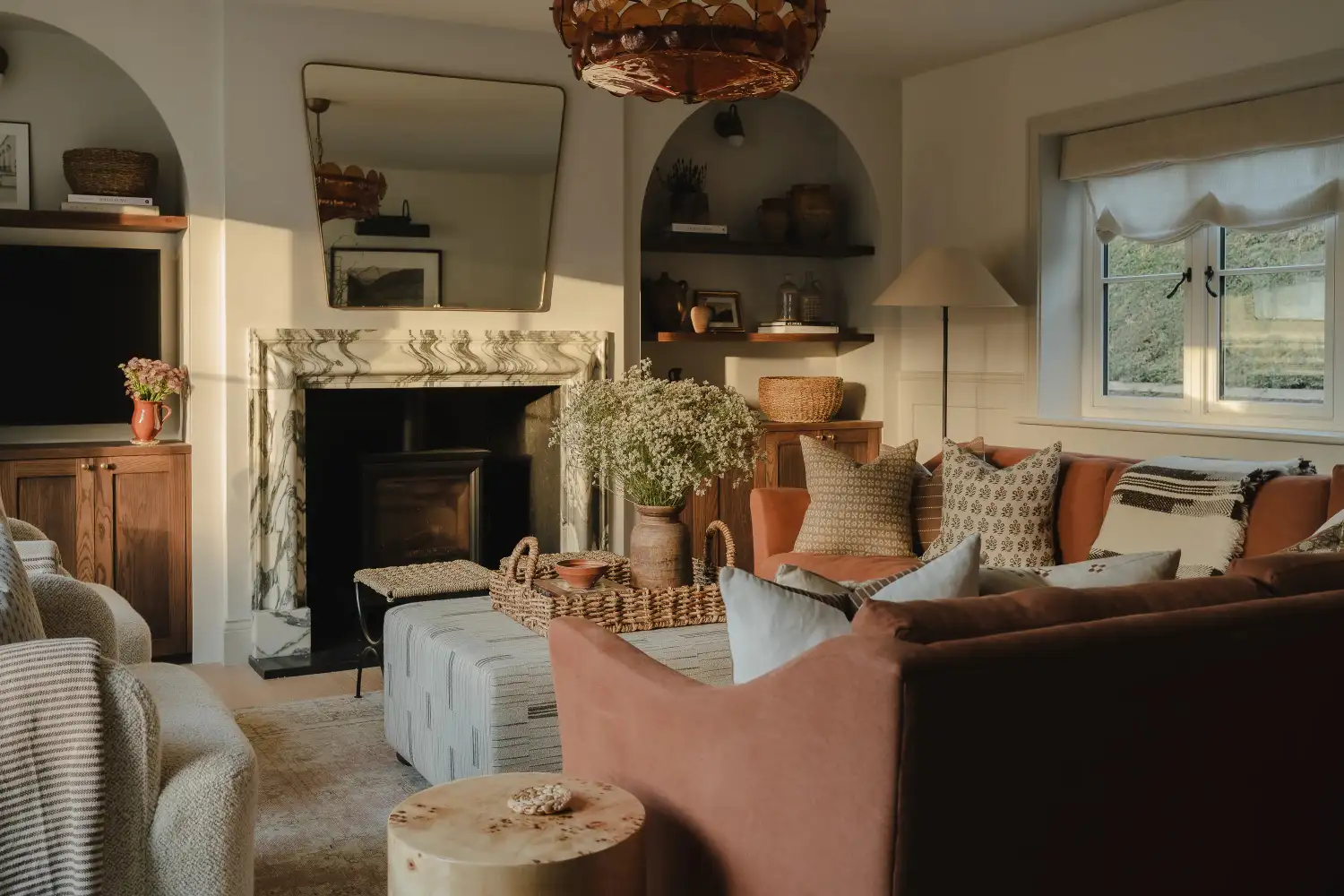
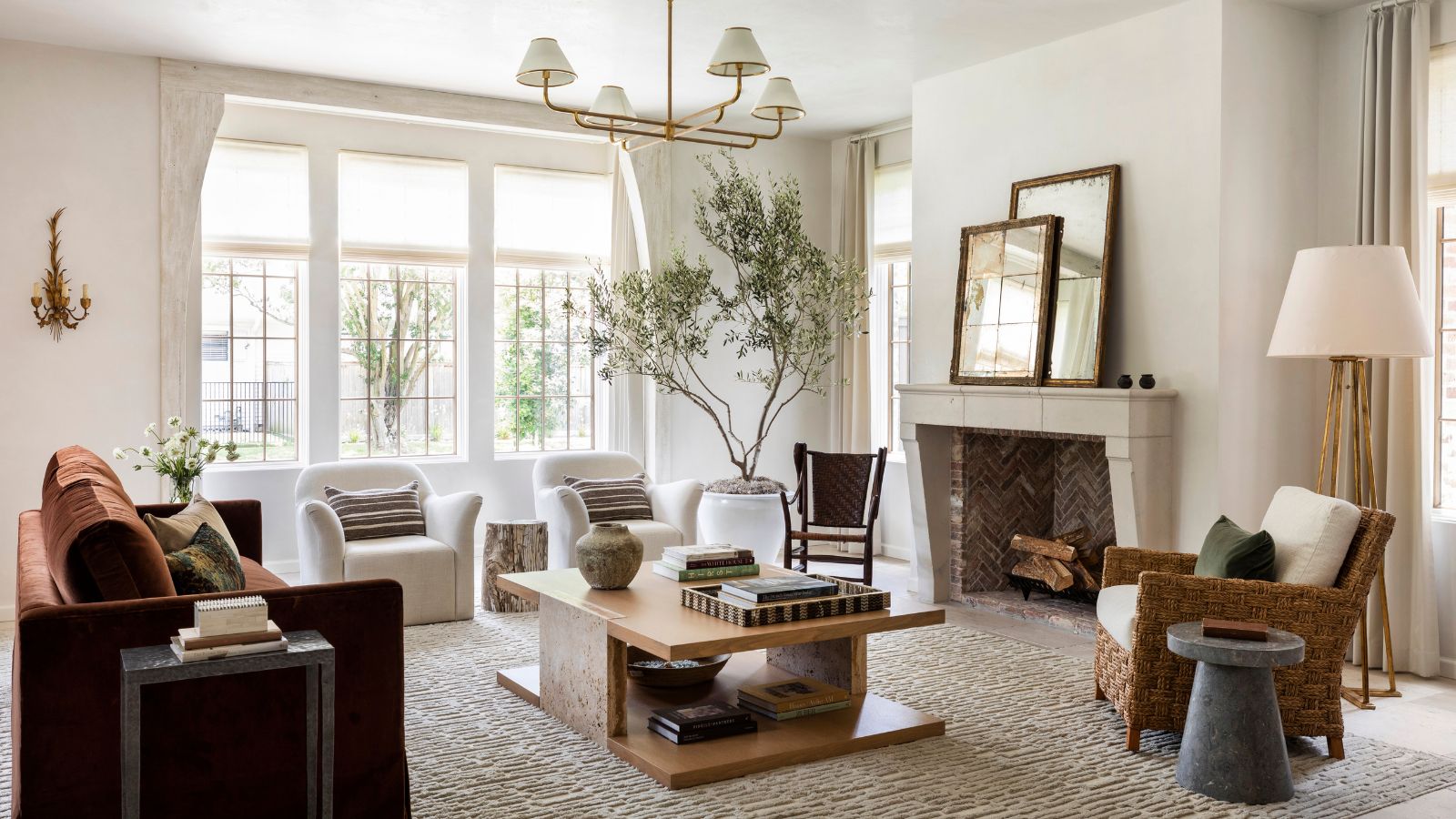
One significant trend is the increasing use of warm browns as a dominant color palette. Designers appreciate how brown introduces sophistication, warmth, and visual interest into a space. Its inherent elegance and effortlessly chic feel are particularly evident when layered with tonal shades, contributing to restorative and inviting environments. The incorporation of red/purple-based browns is also gaining traction, especially in spaces like dining rooms, offering a daring yet refined aesthetic.
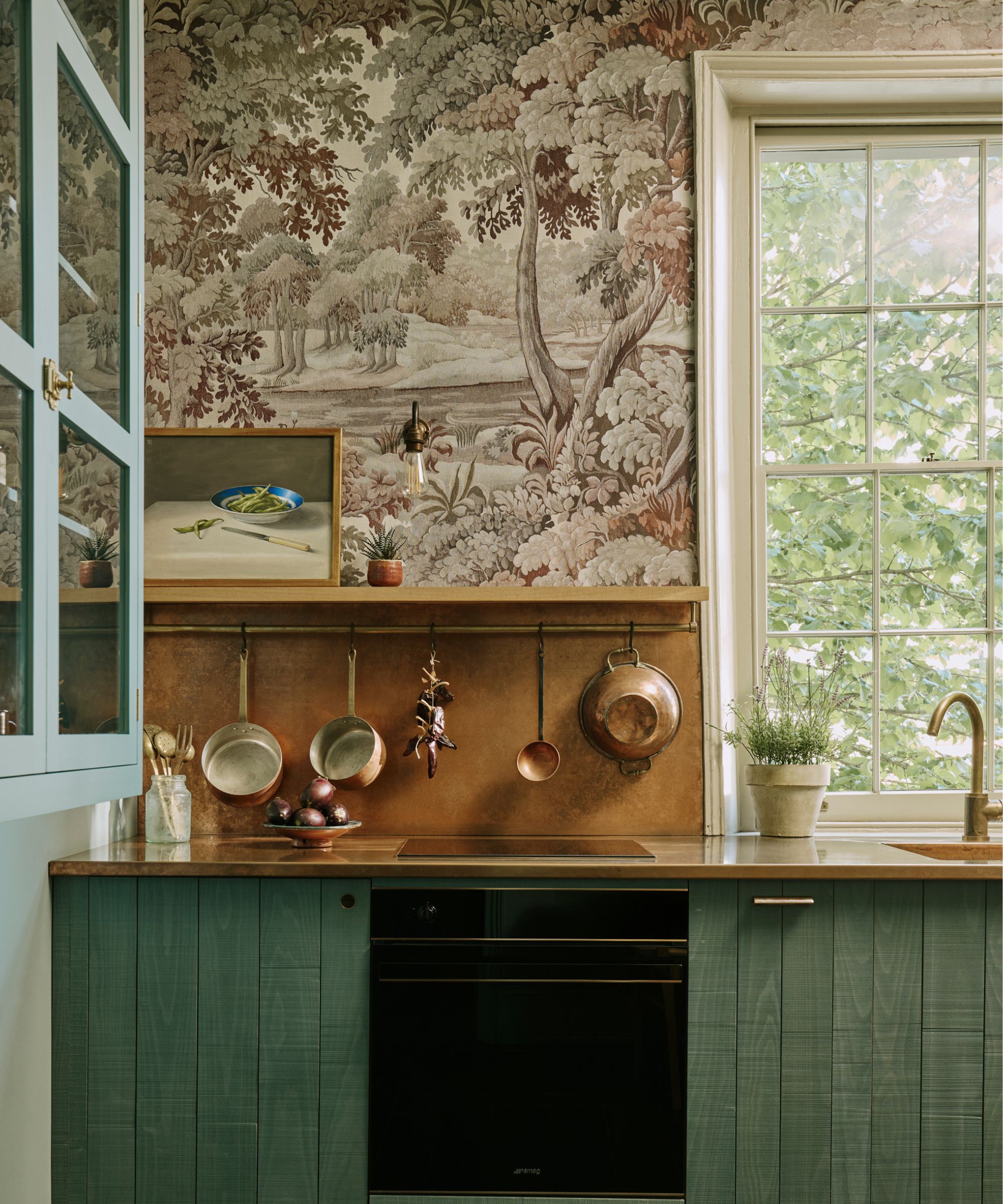
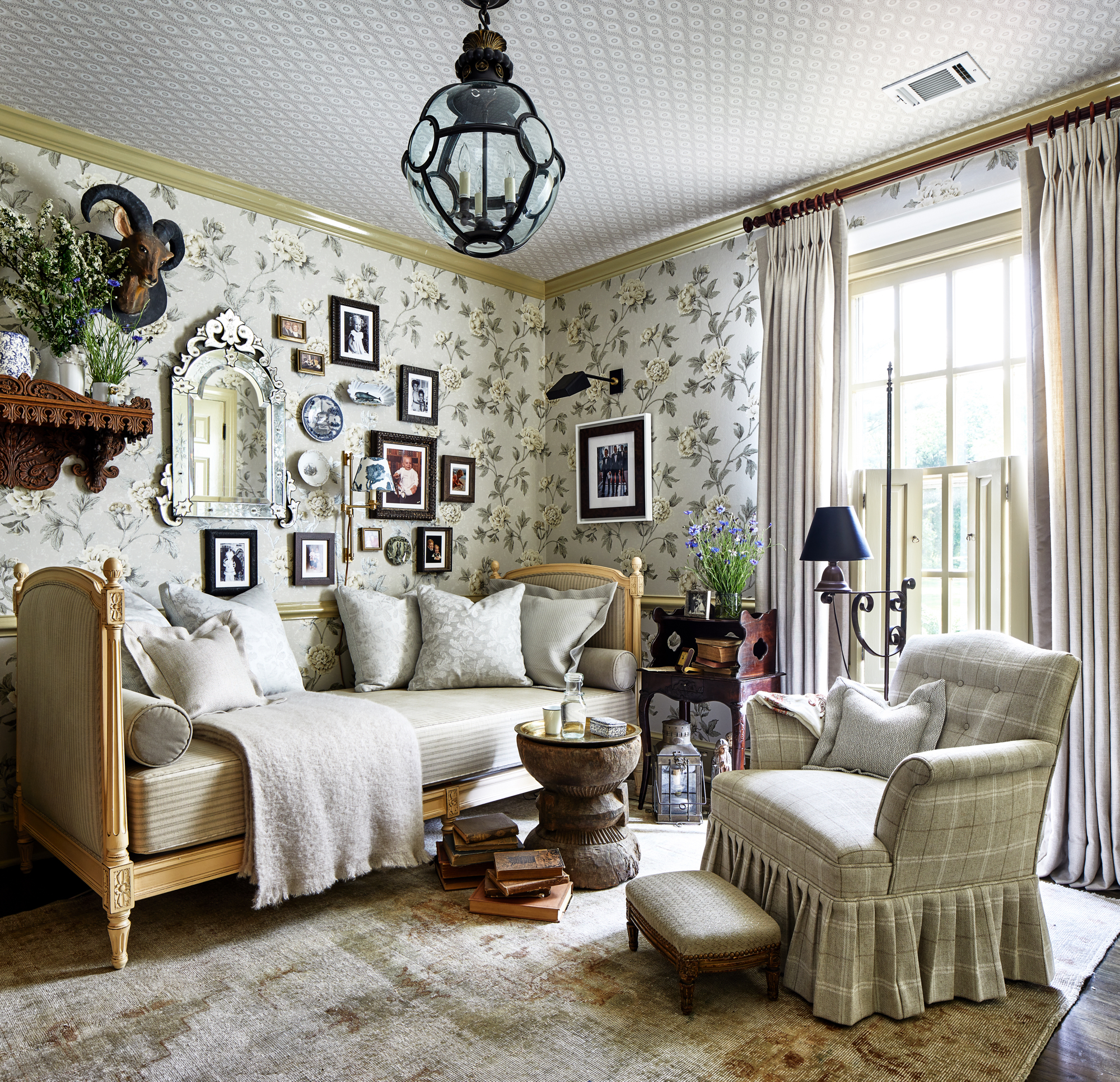
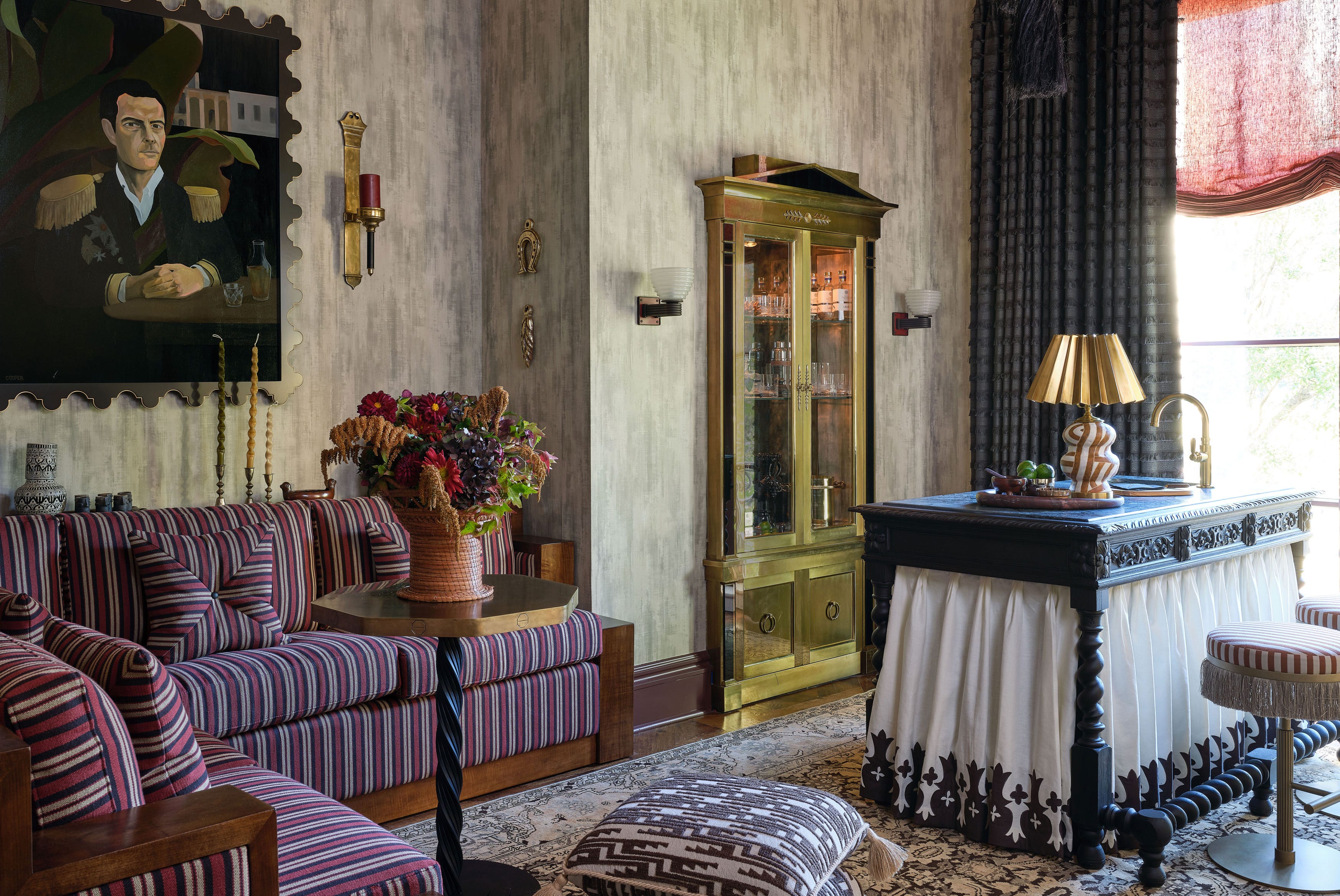
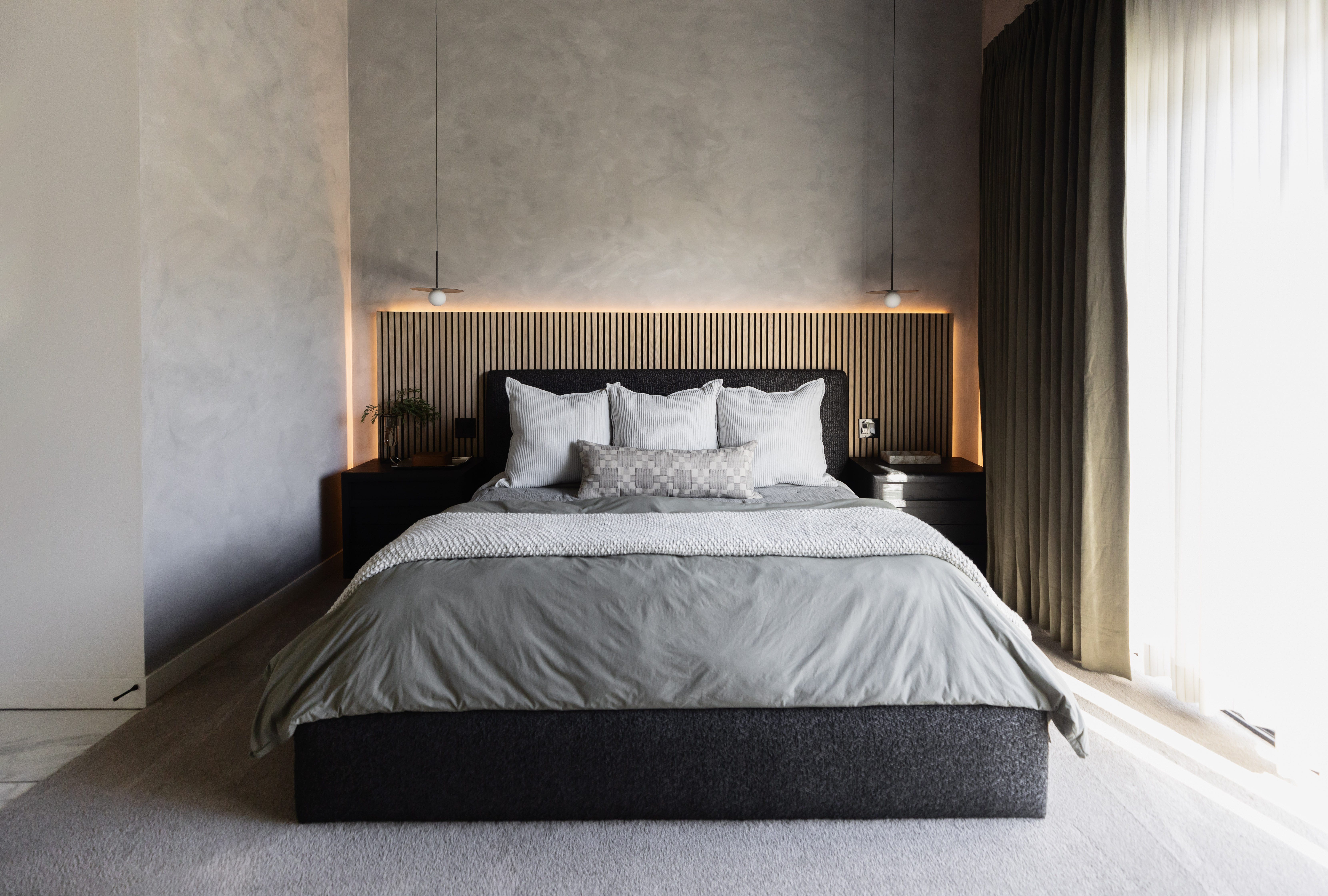
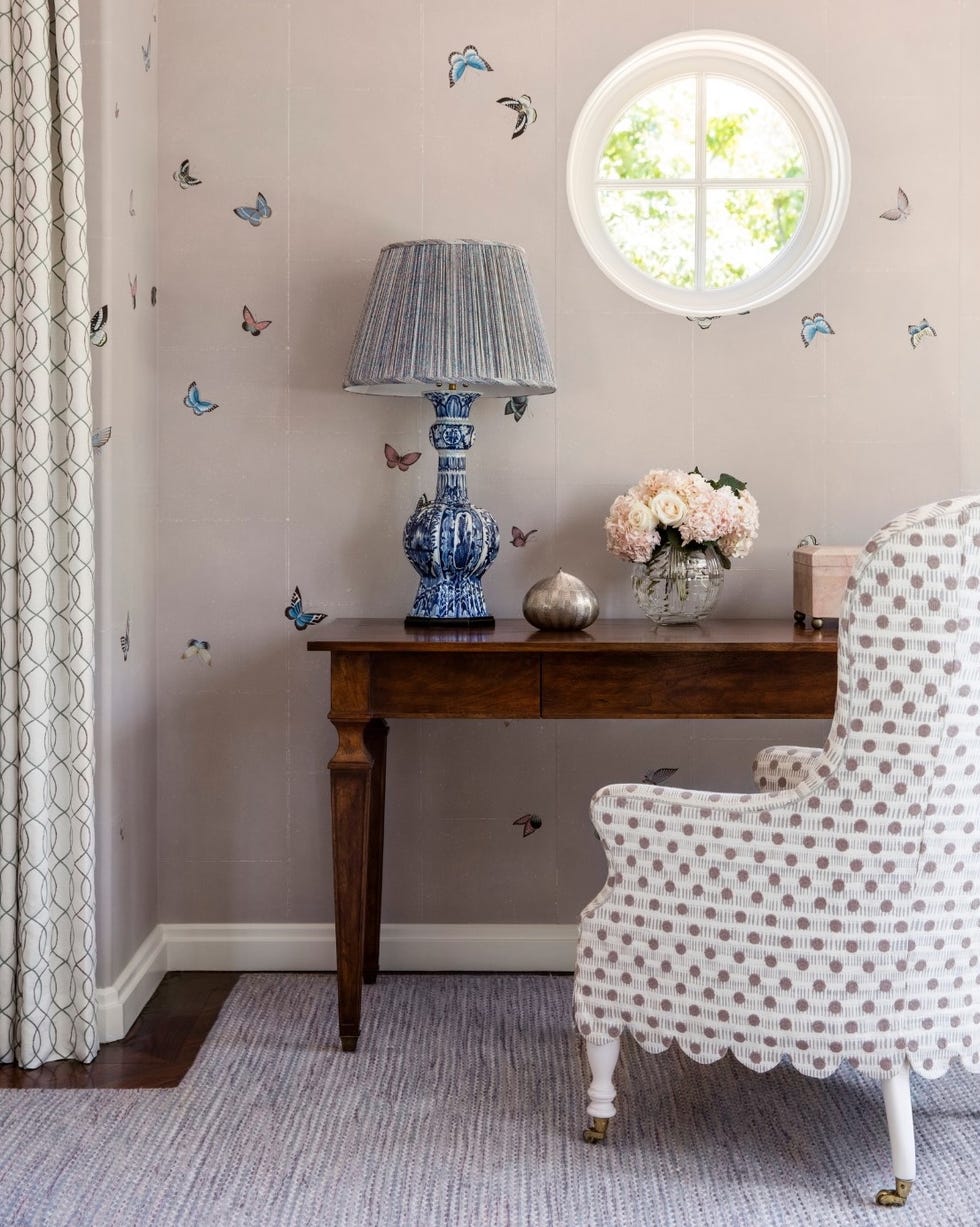
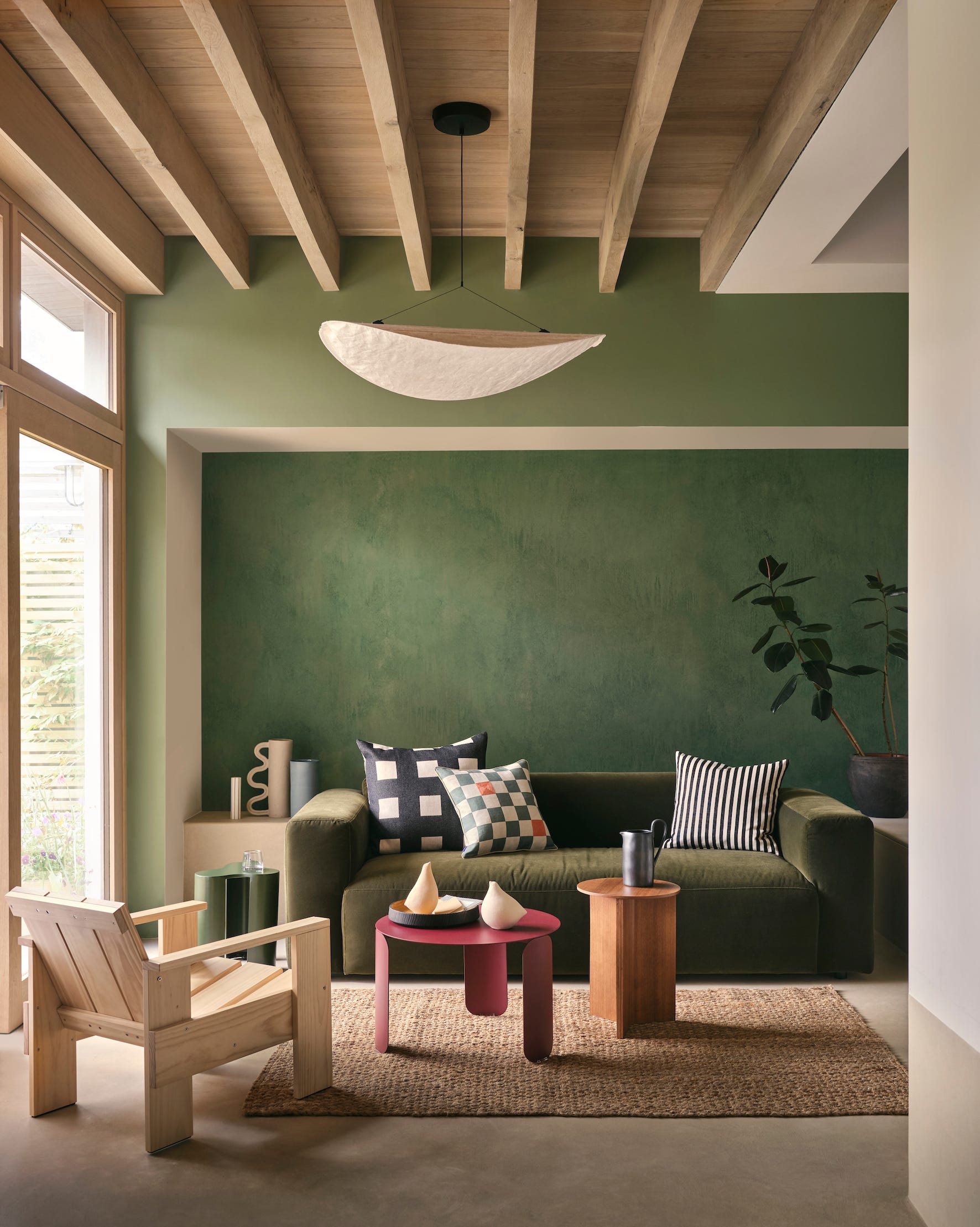
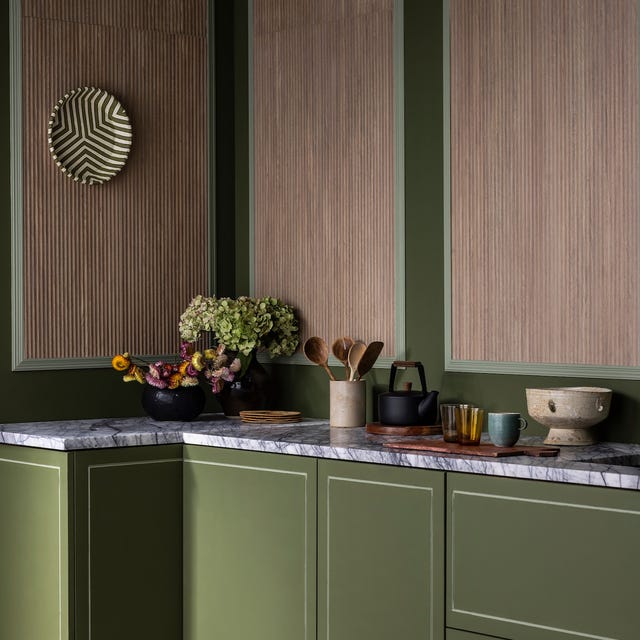
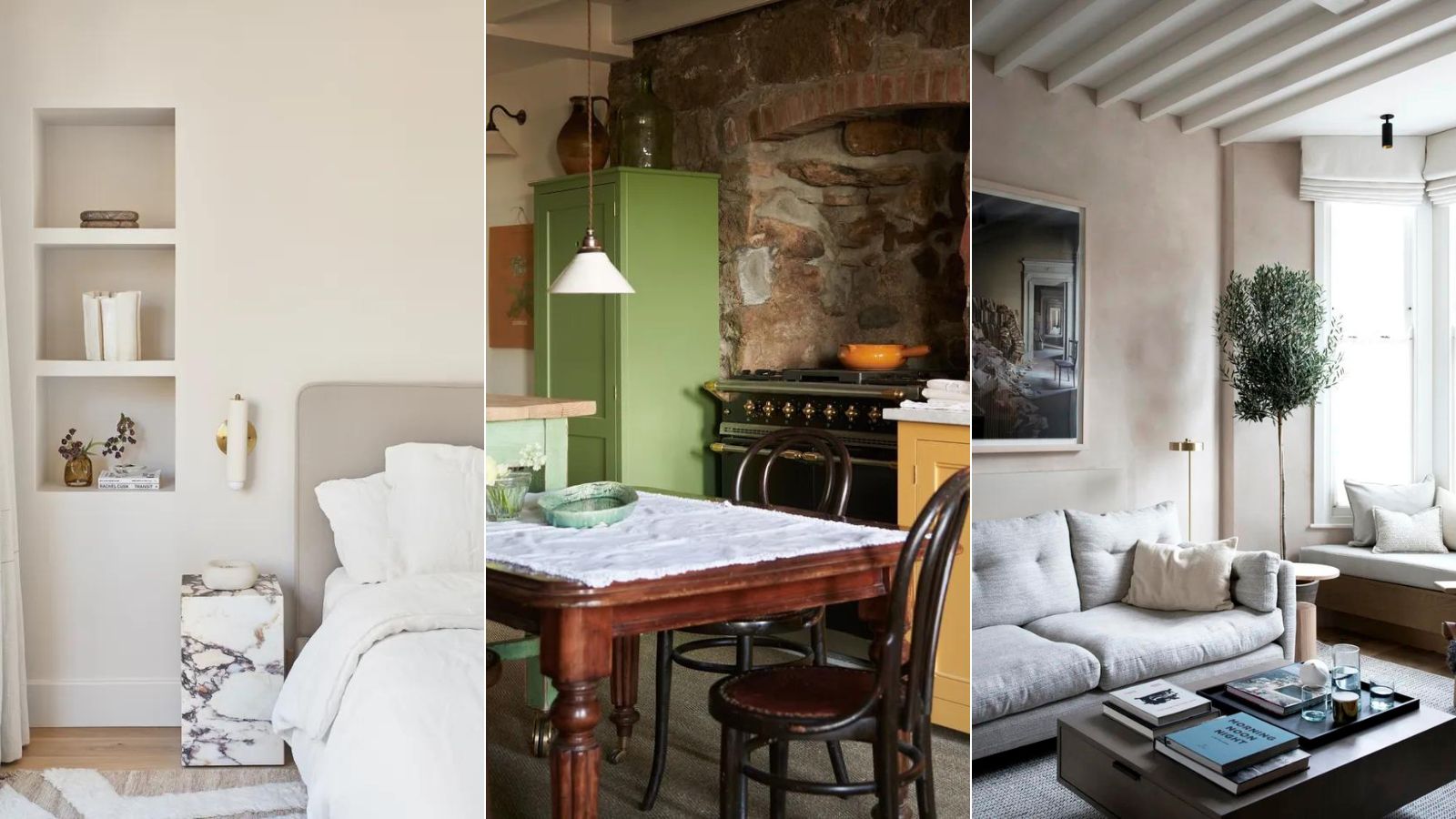
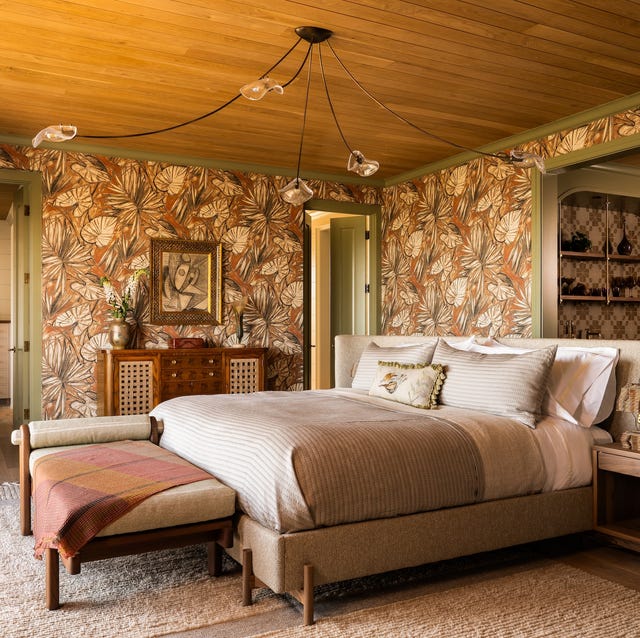
Textured walls are experiencing a resurgence, moving away from past decades dominated by neutral and minimalist beige looks. This trend includes a renewed embrace of wallpaper, limewash, and Roman clay finishes. Designers are experimenting with new patterns, murals, and color combinations to modernize these textures, making them feel current and impactful in 2025.
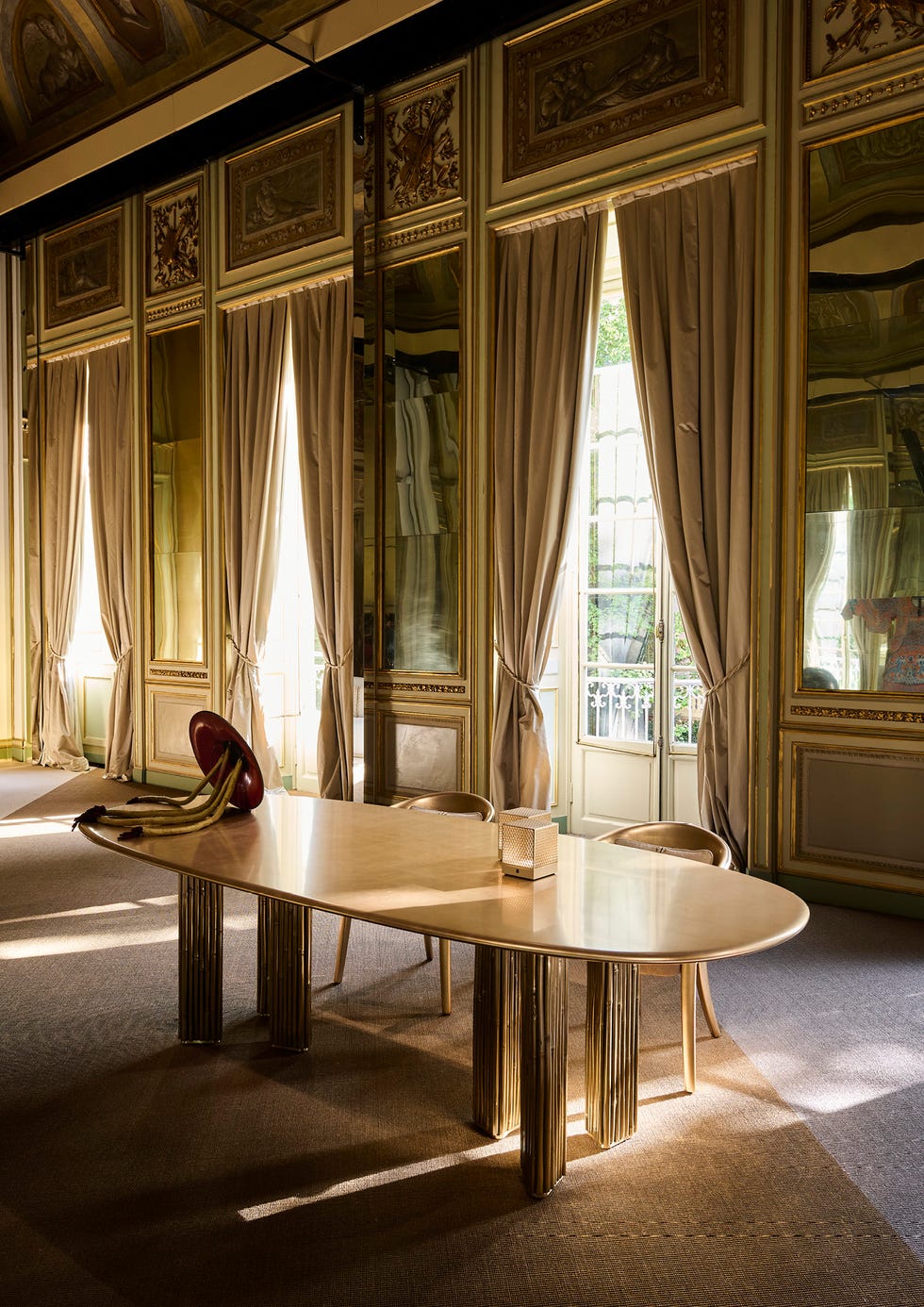
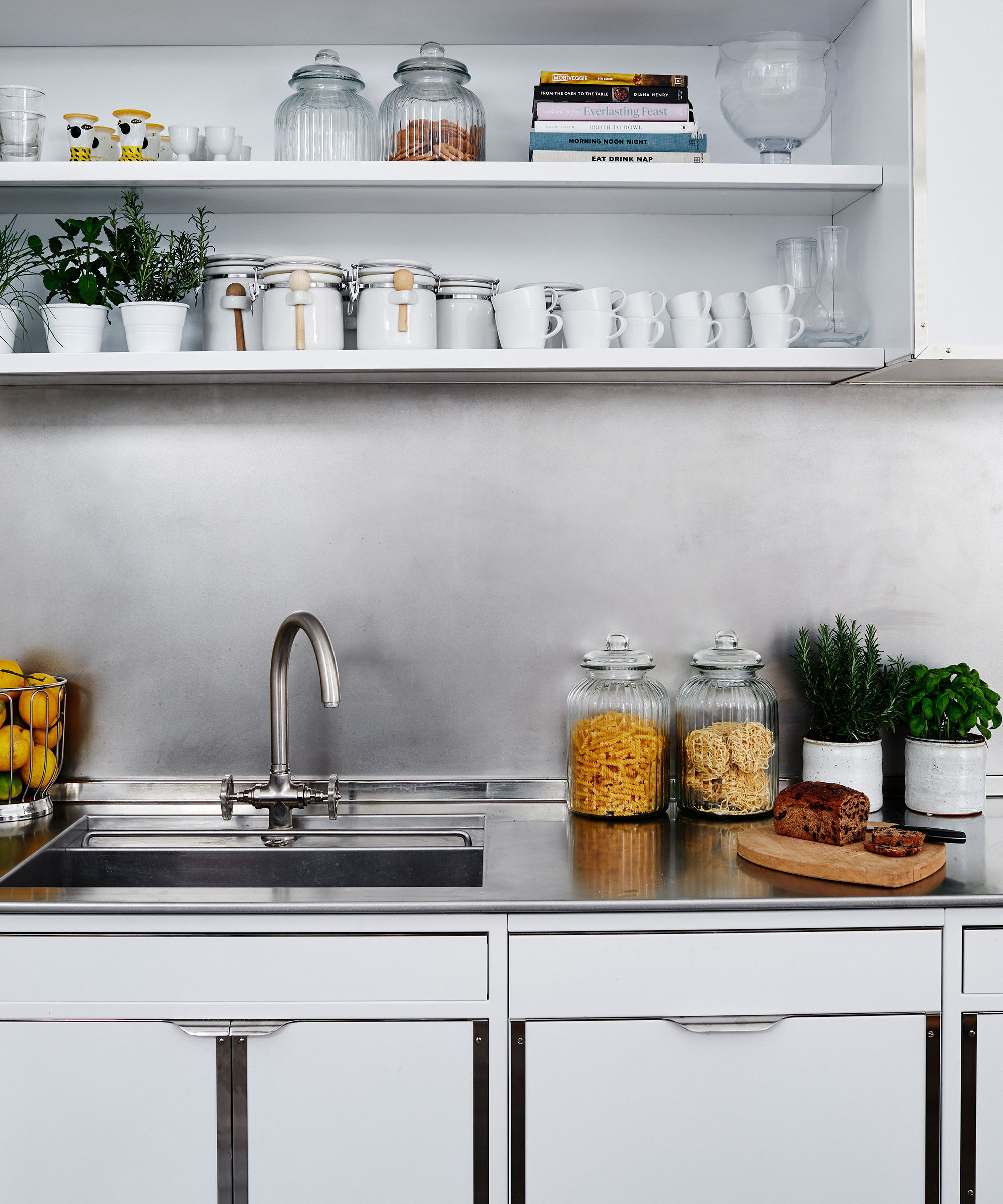
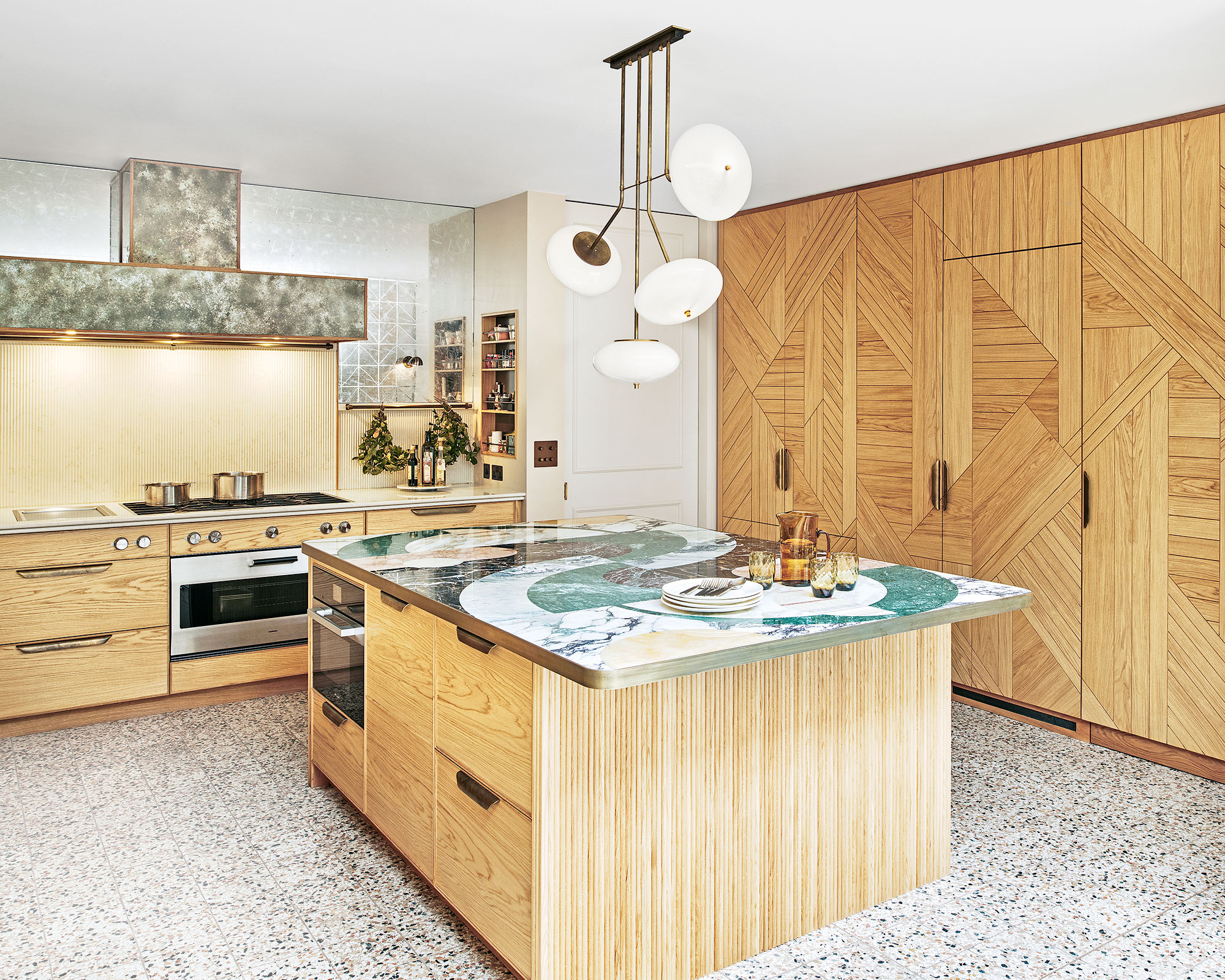
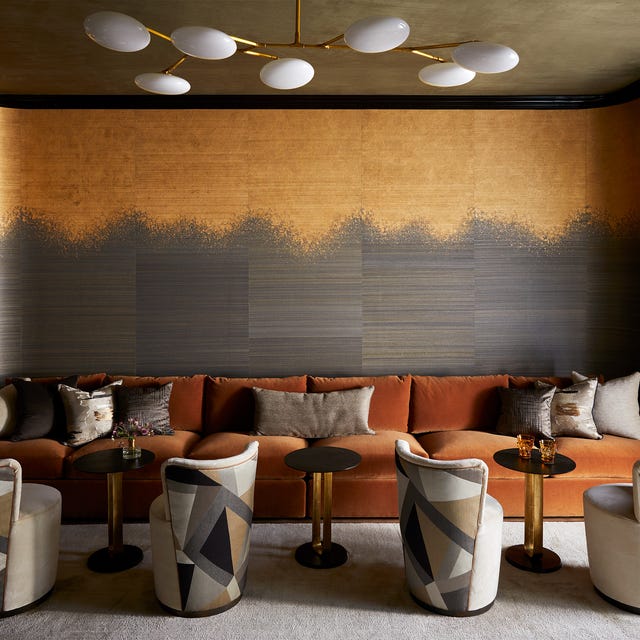
Silver accents are making a comeback, balancing the recent prevalence of brass. This reintroduction of silver in décor and architectural finishes provides a versatile element that strikes a balance between modern and traditional styles, offering an unexpected pop and fresh dynamic.
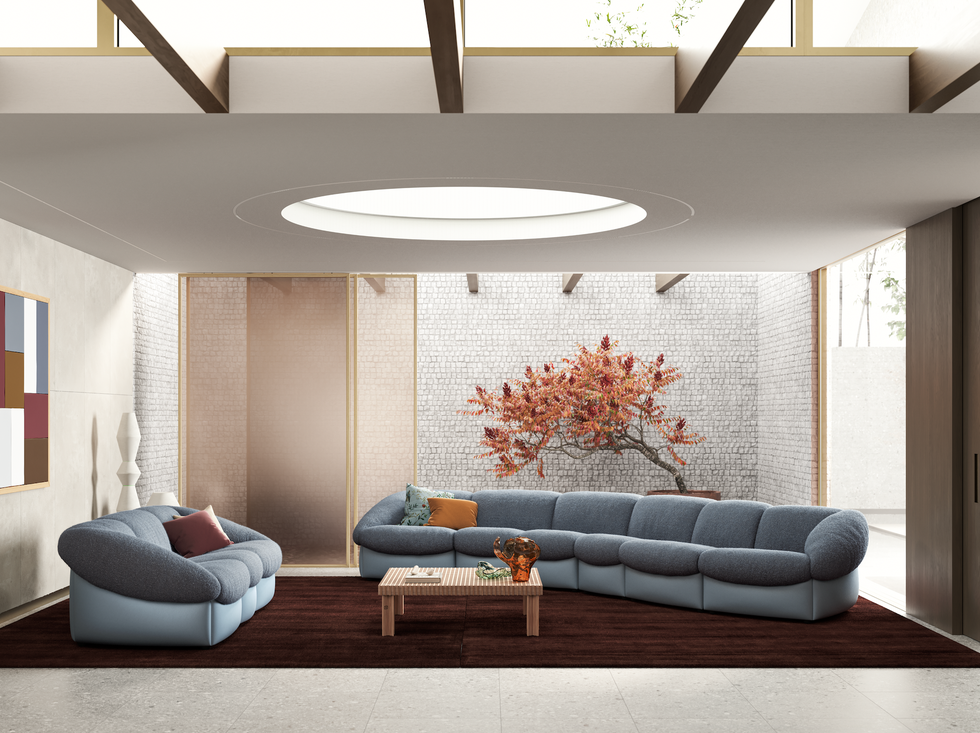
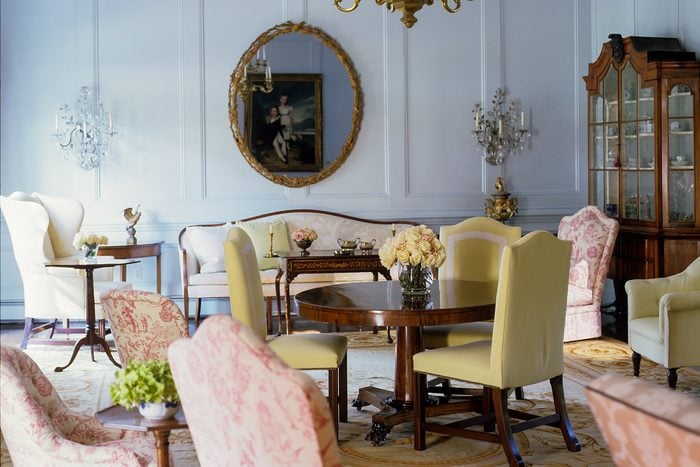
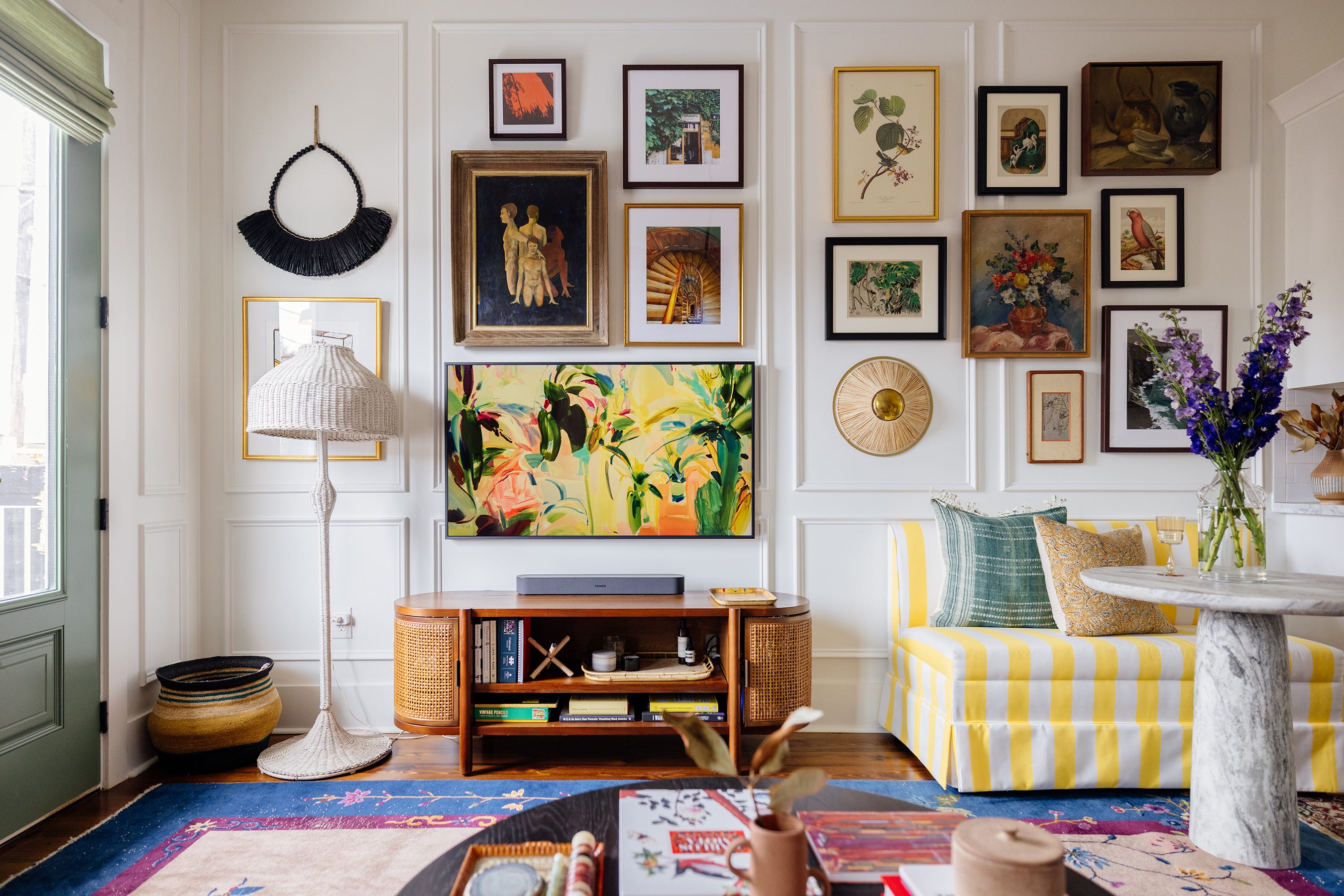
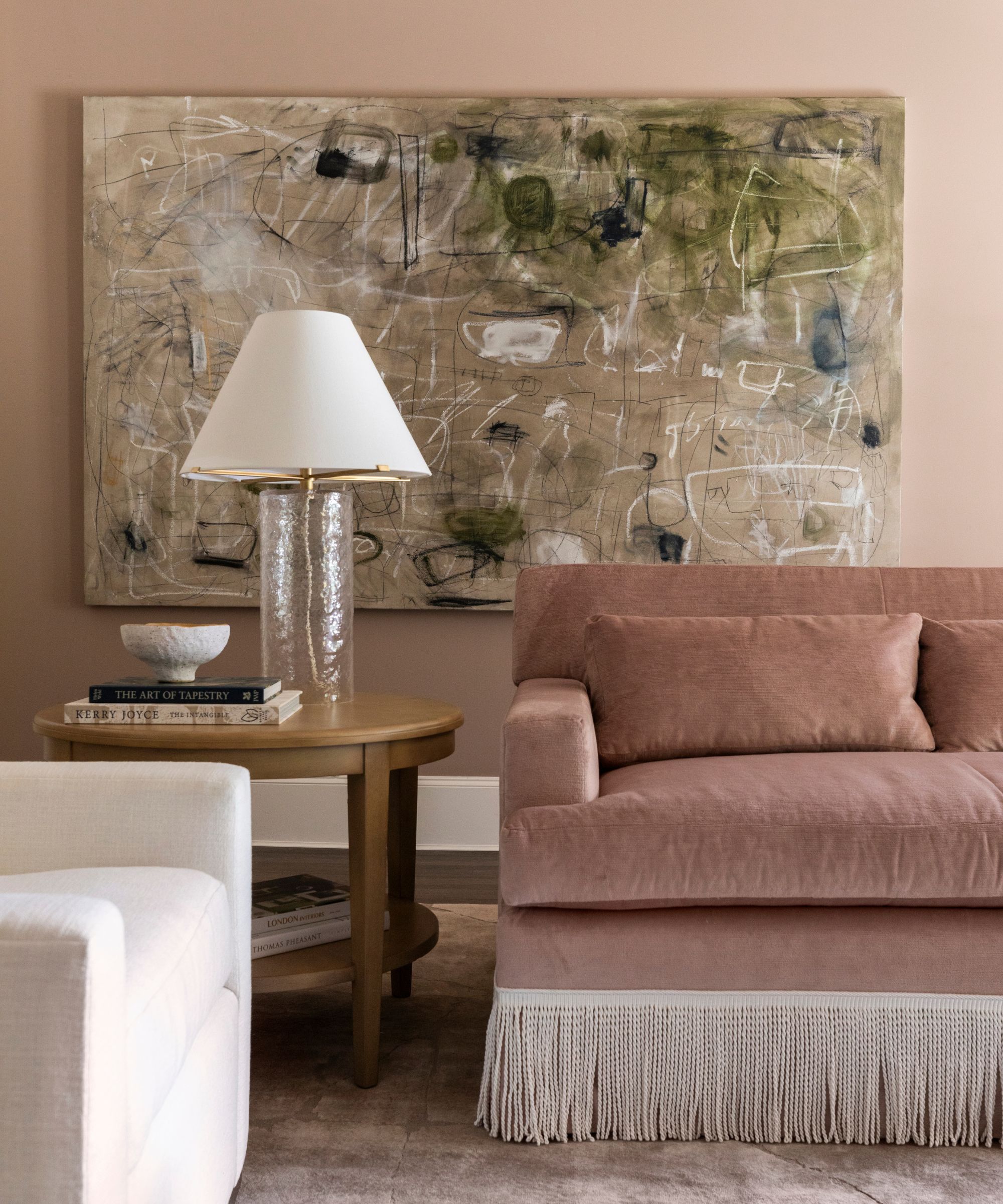
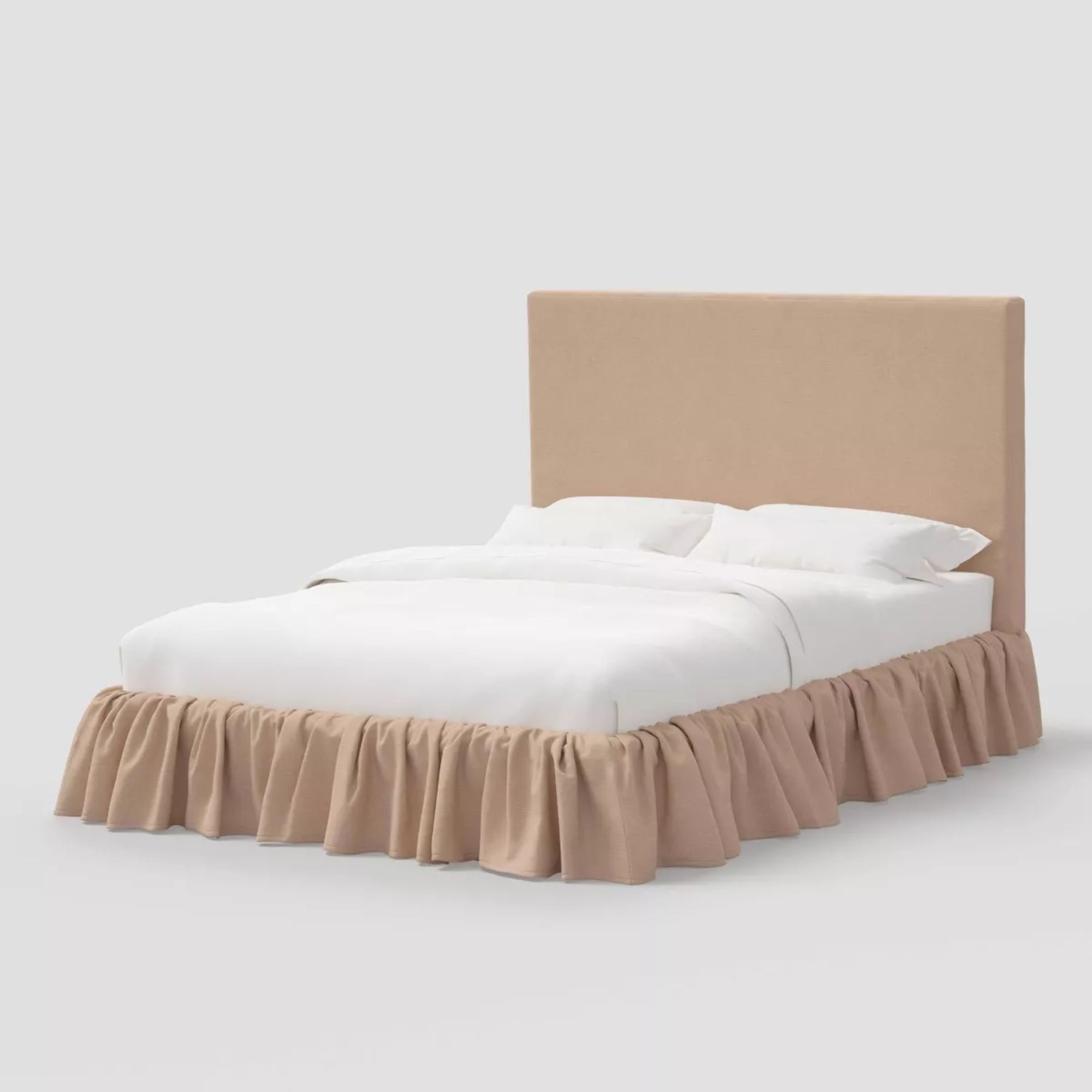
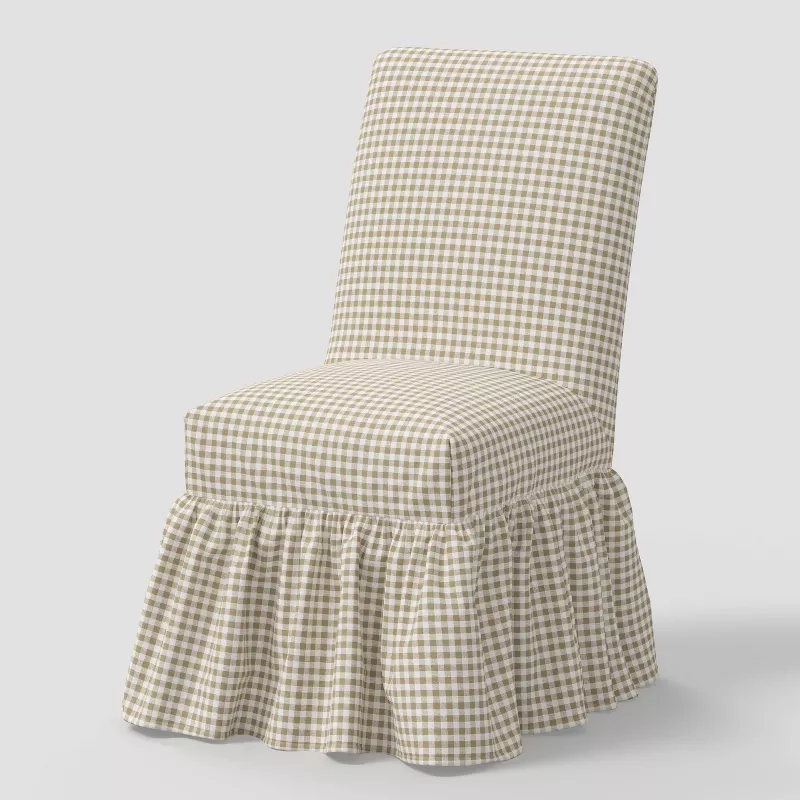
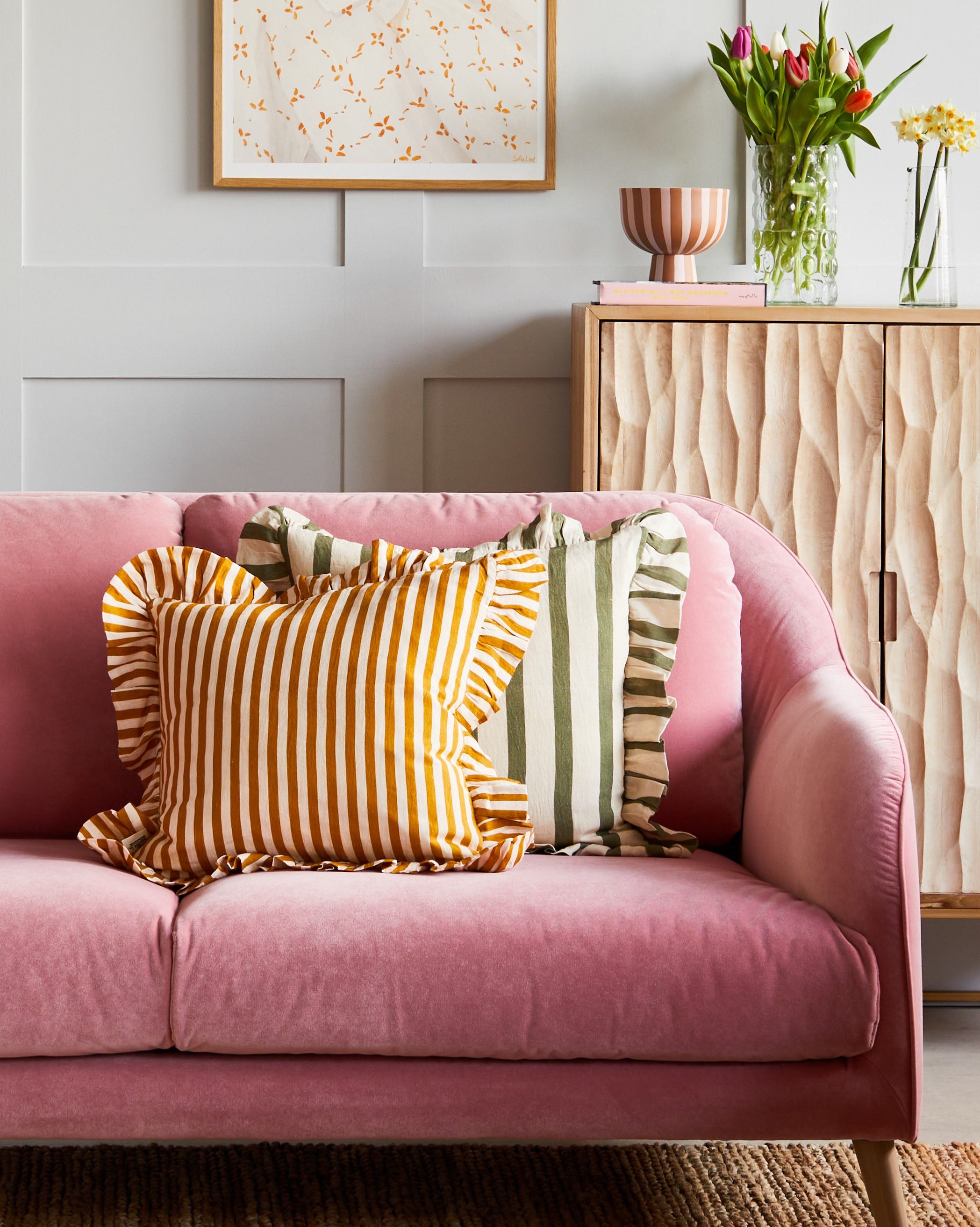
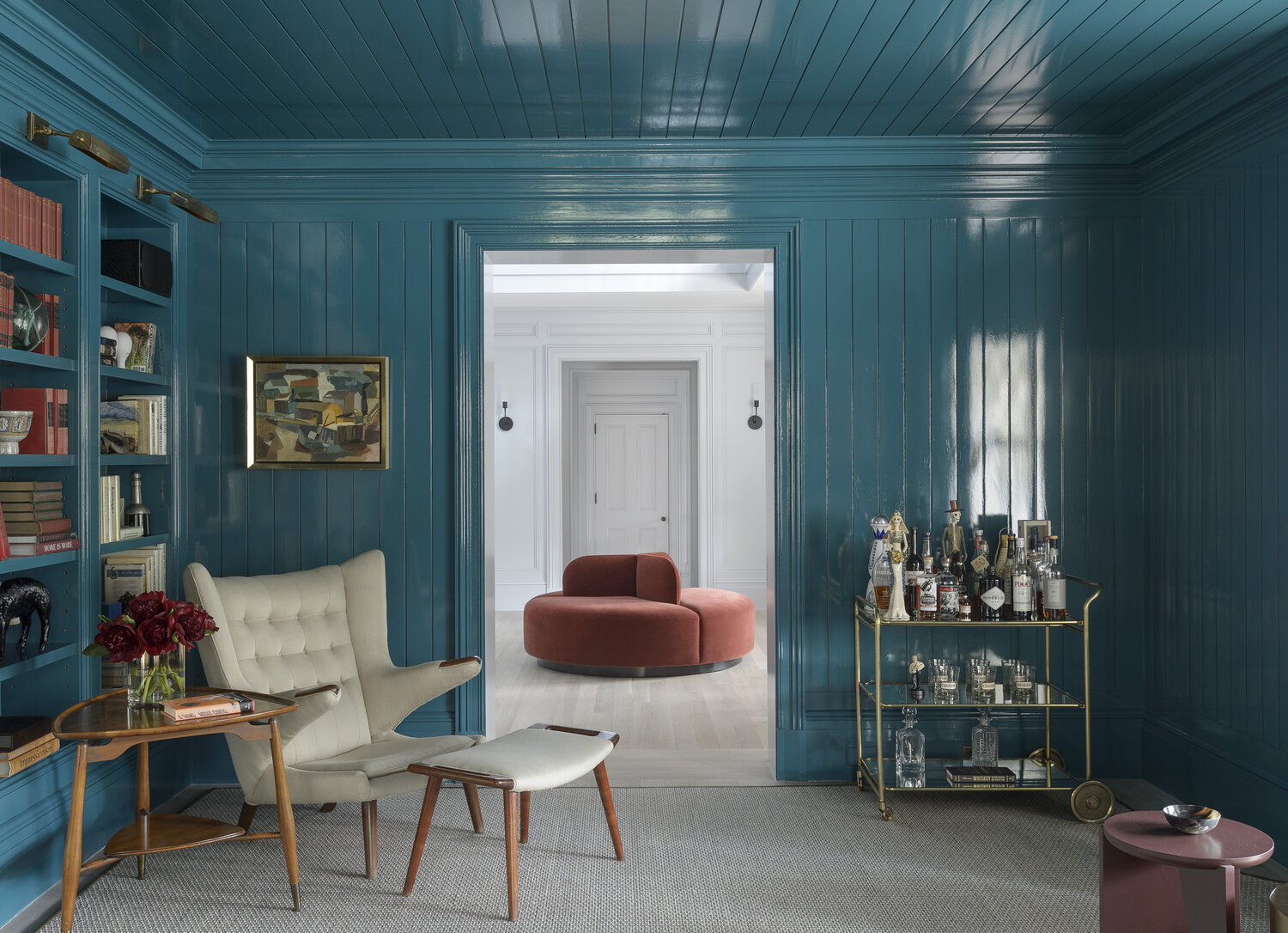
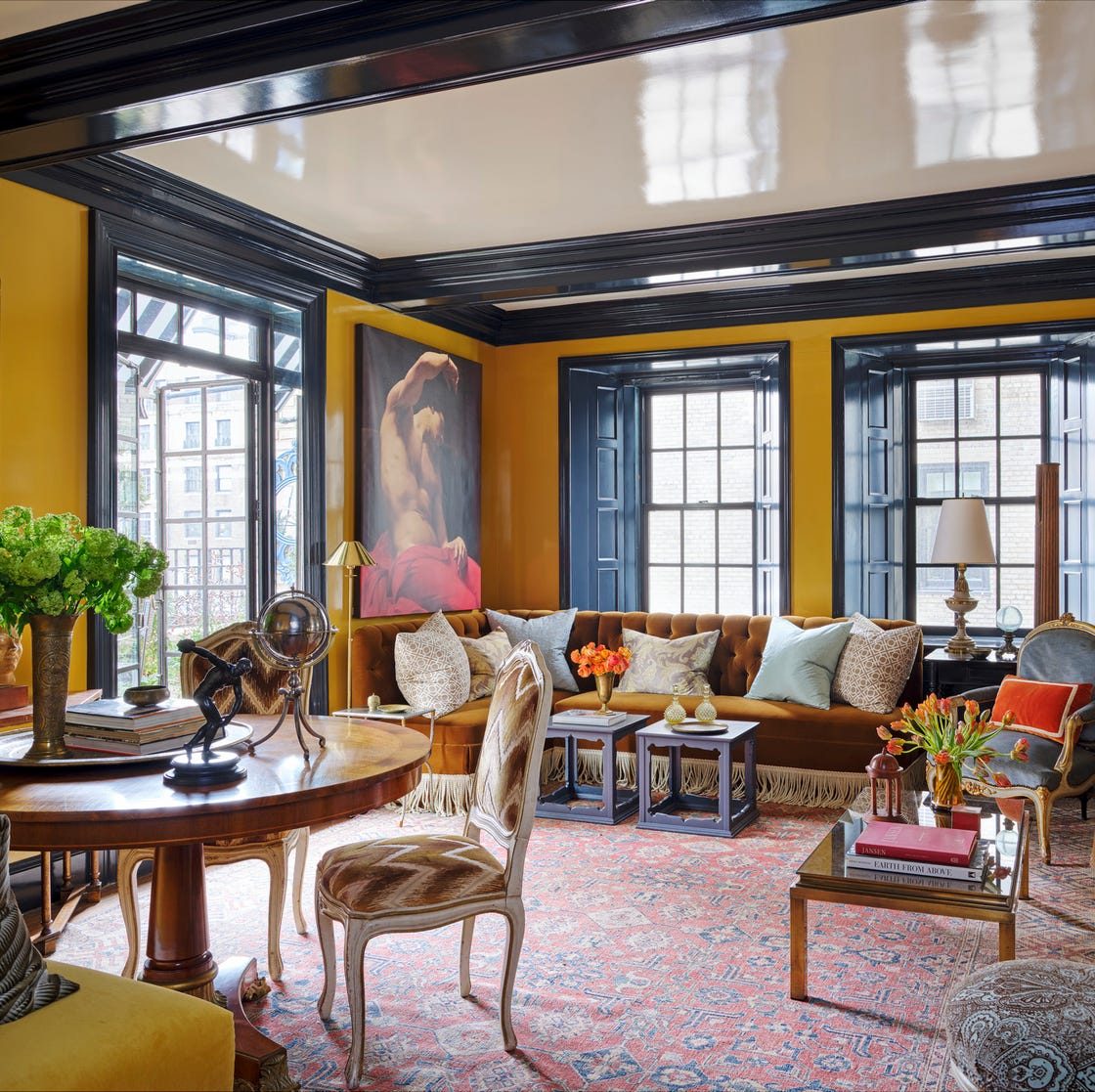
Colorful furniture and upholstery mark a departure from all-white walls and neutral furnishings. There's a growing inclination towards moody and rich colors and patterns, encouraging experimentation with unexpected color combinations and bold contrasts to infuse personality and vibrancy into living spaces.
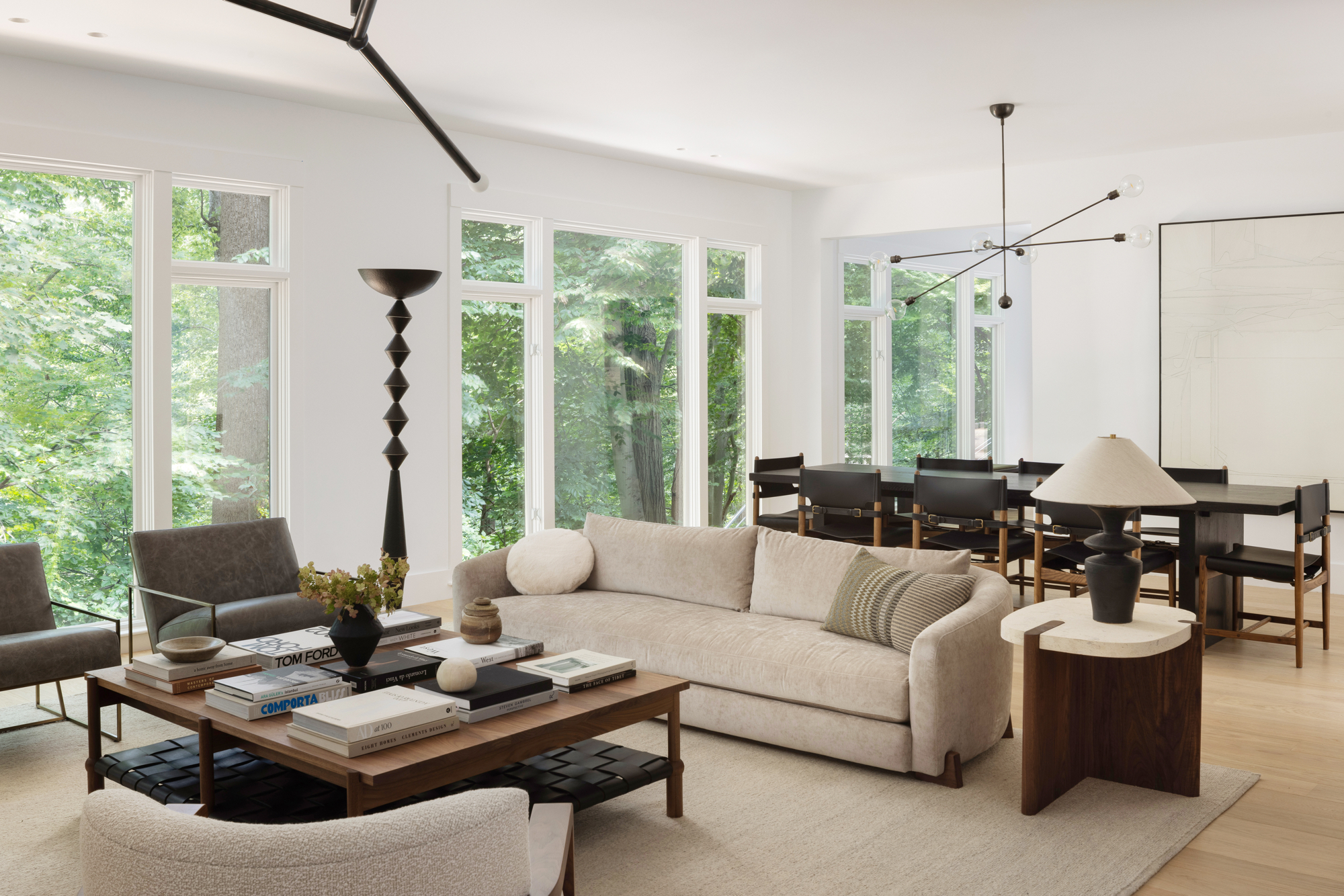
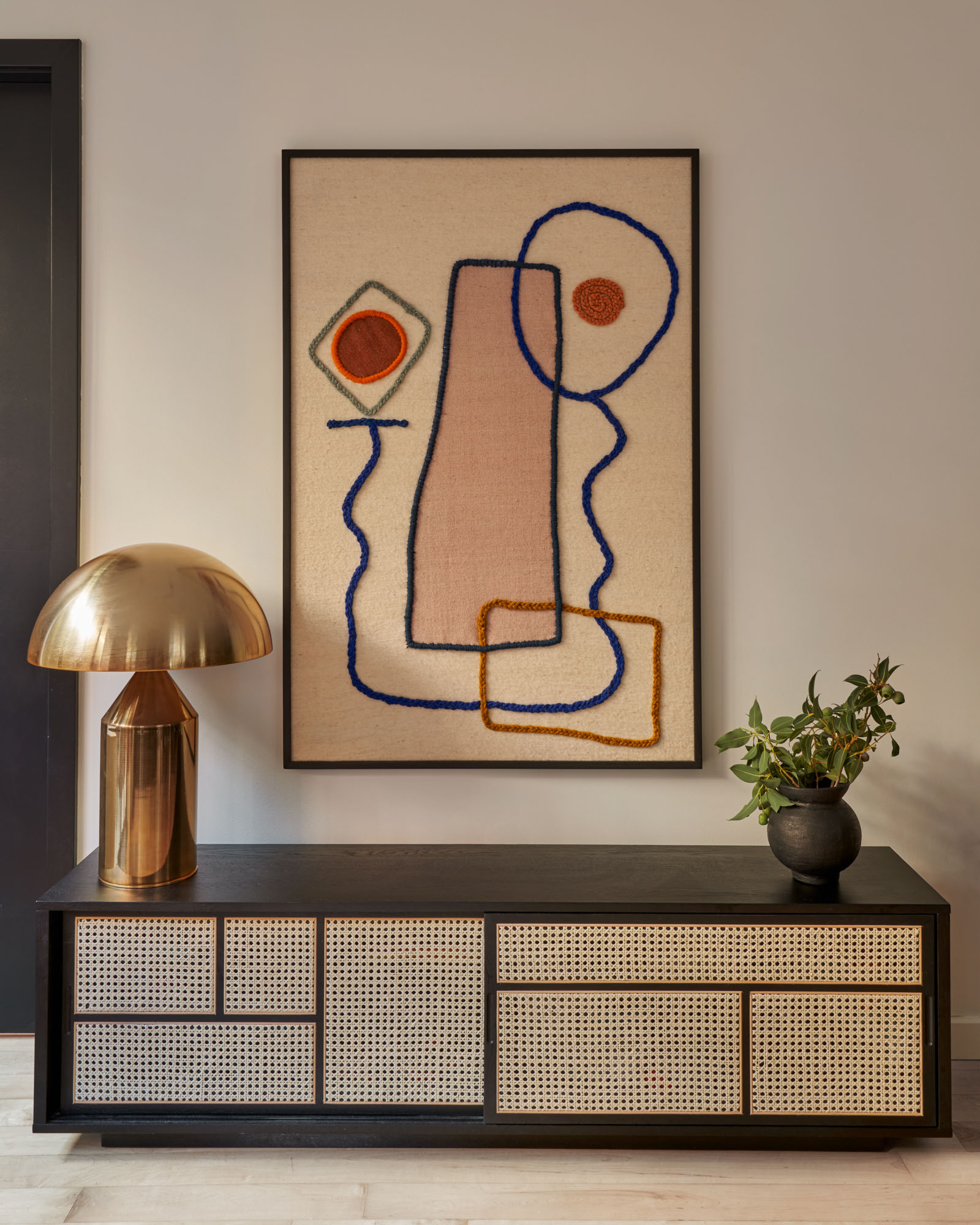
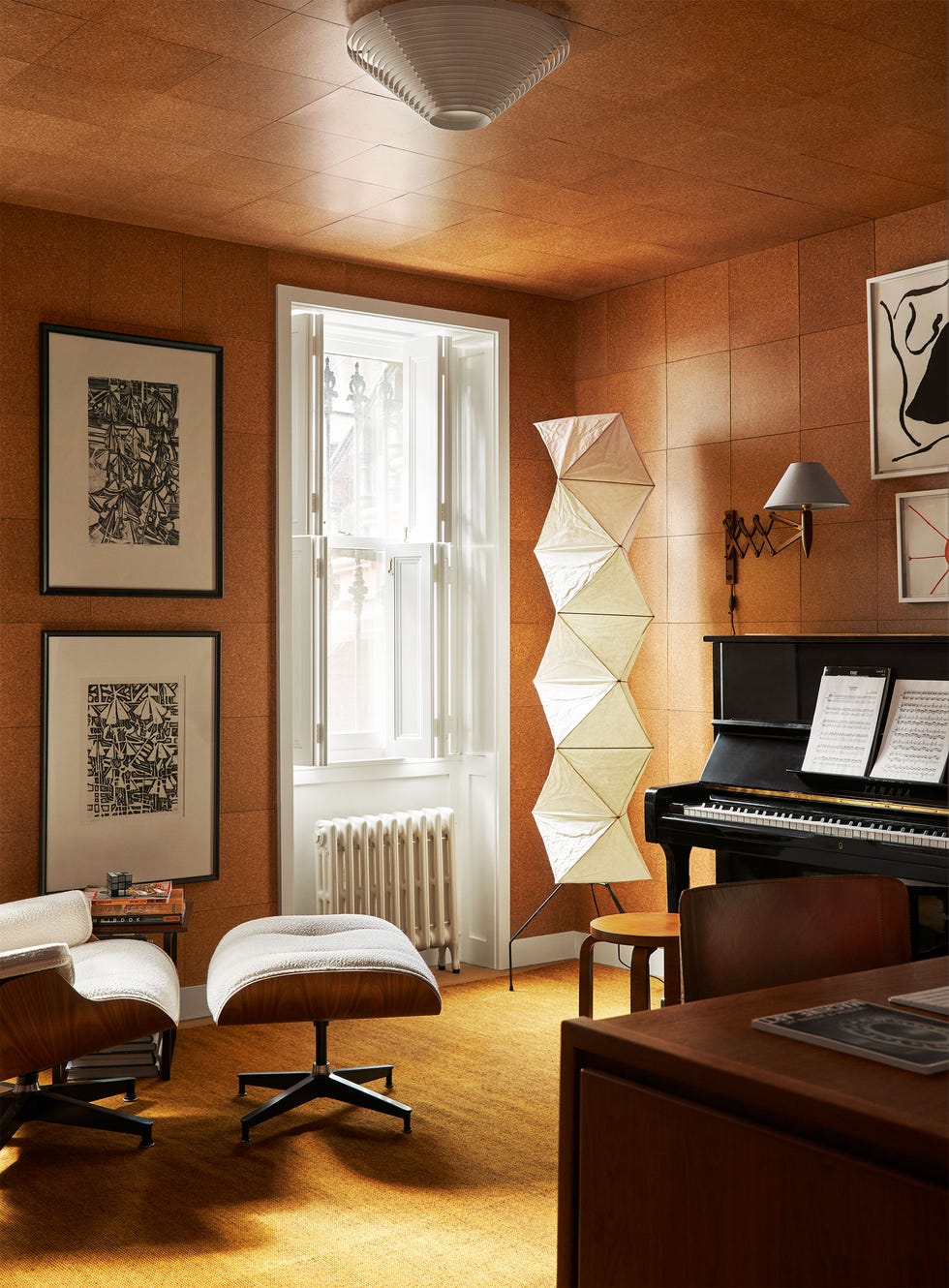
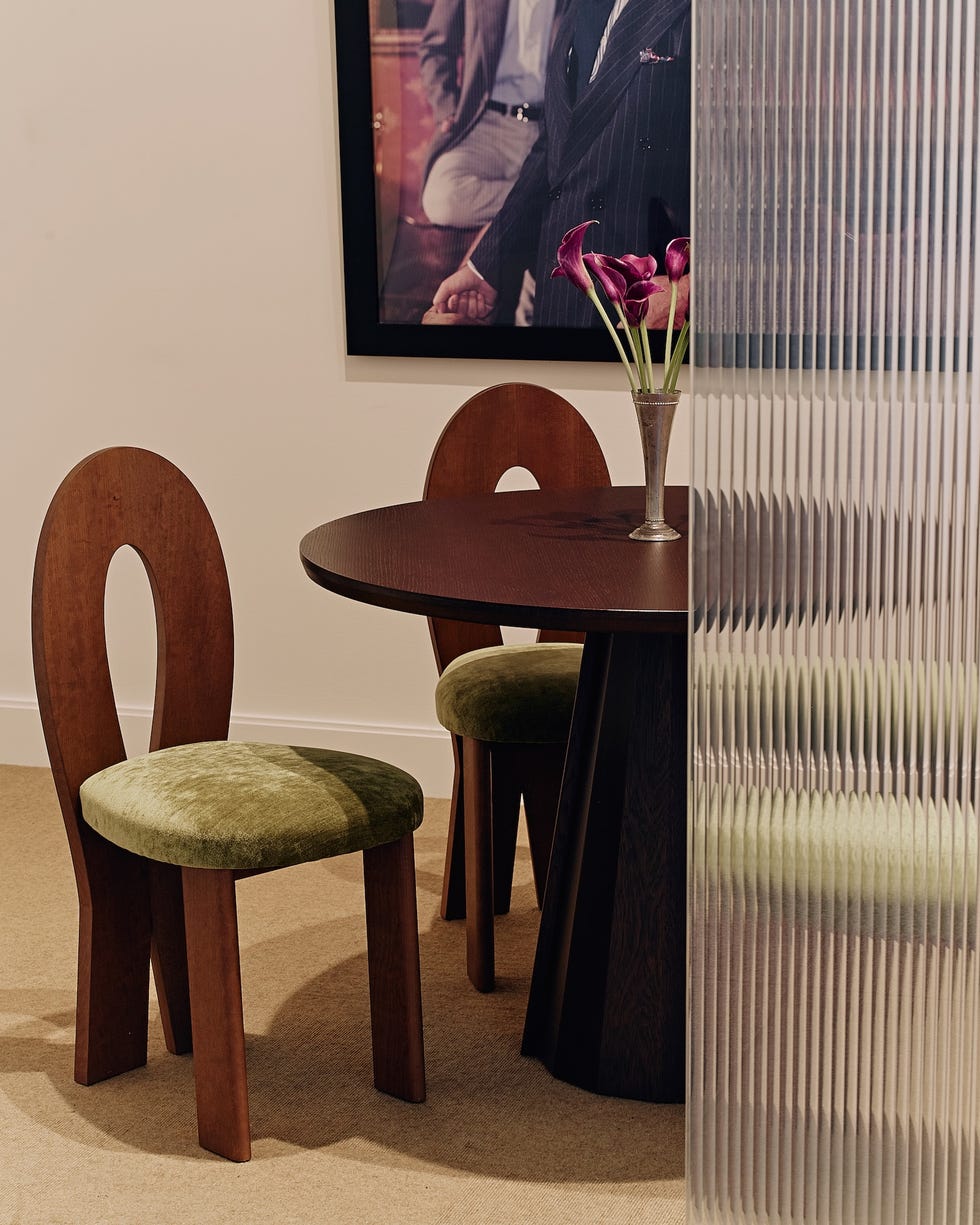
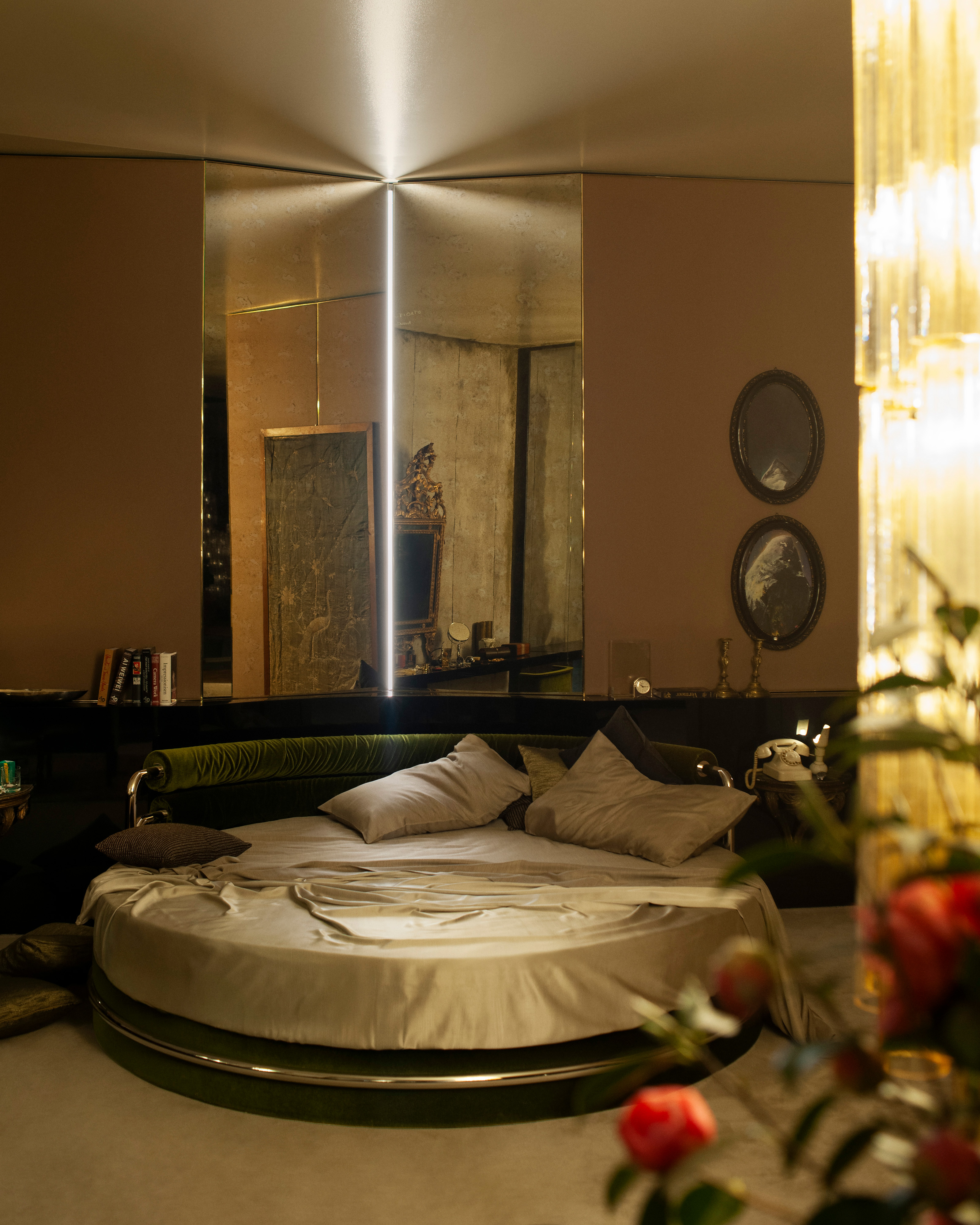
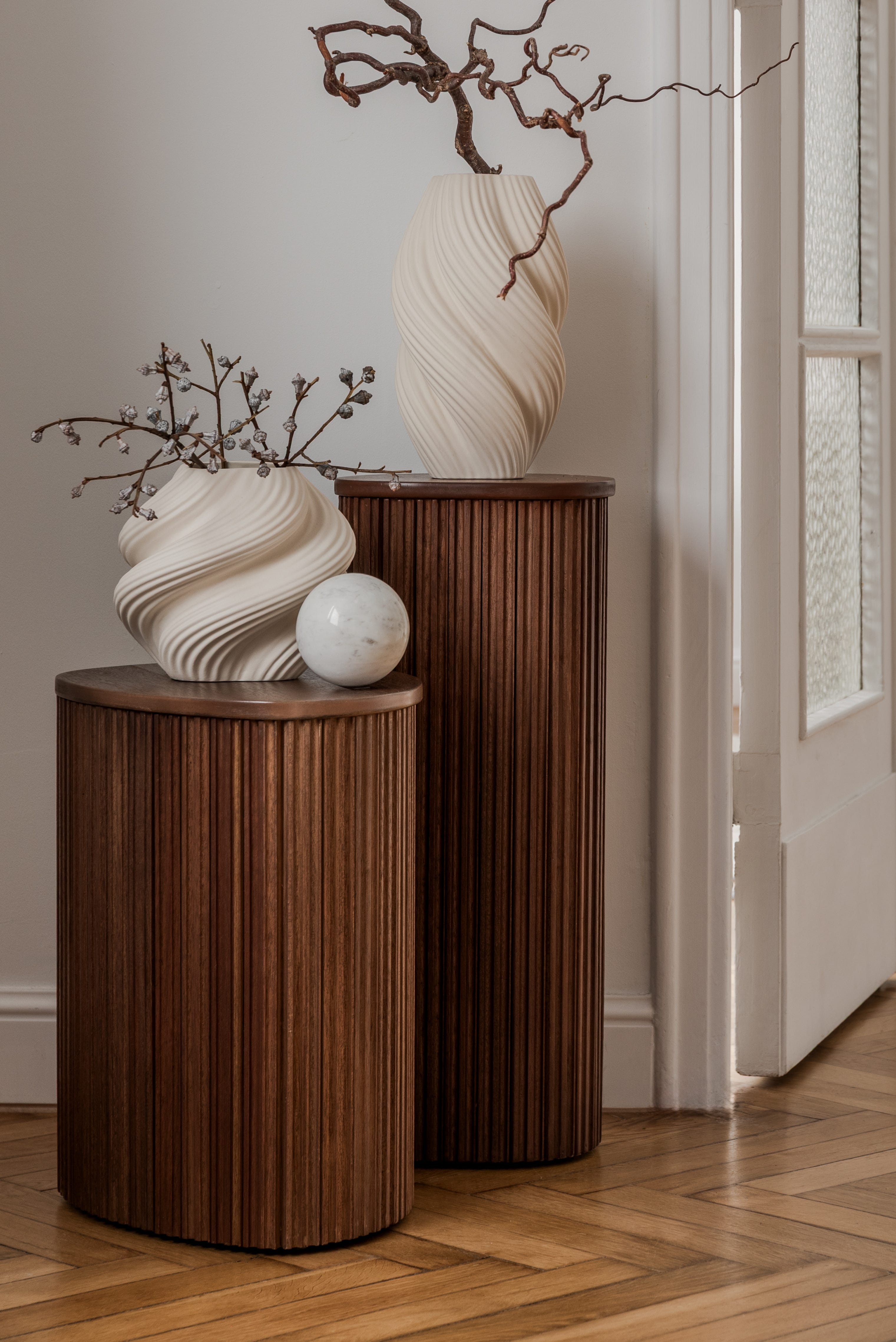
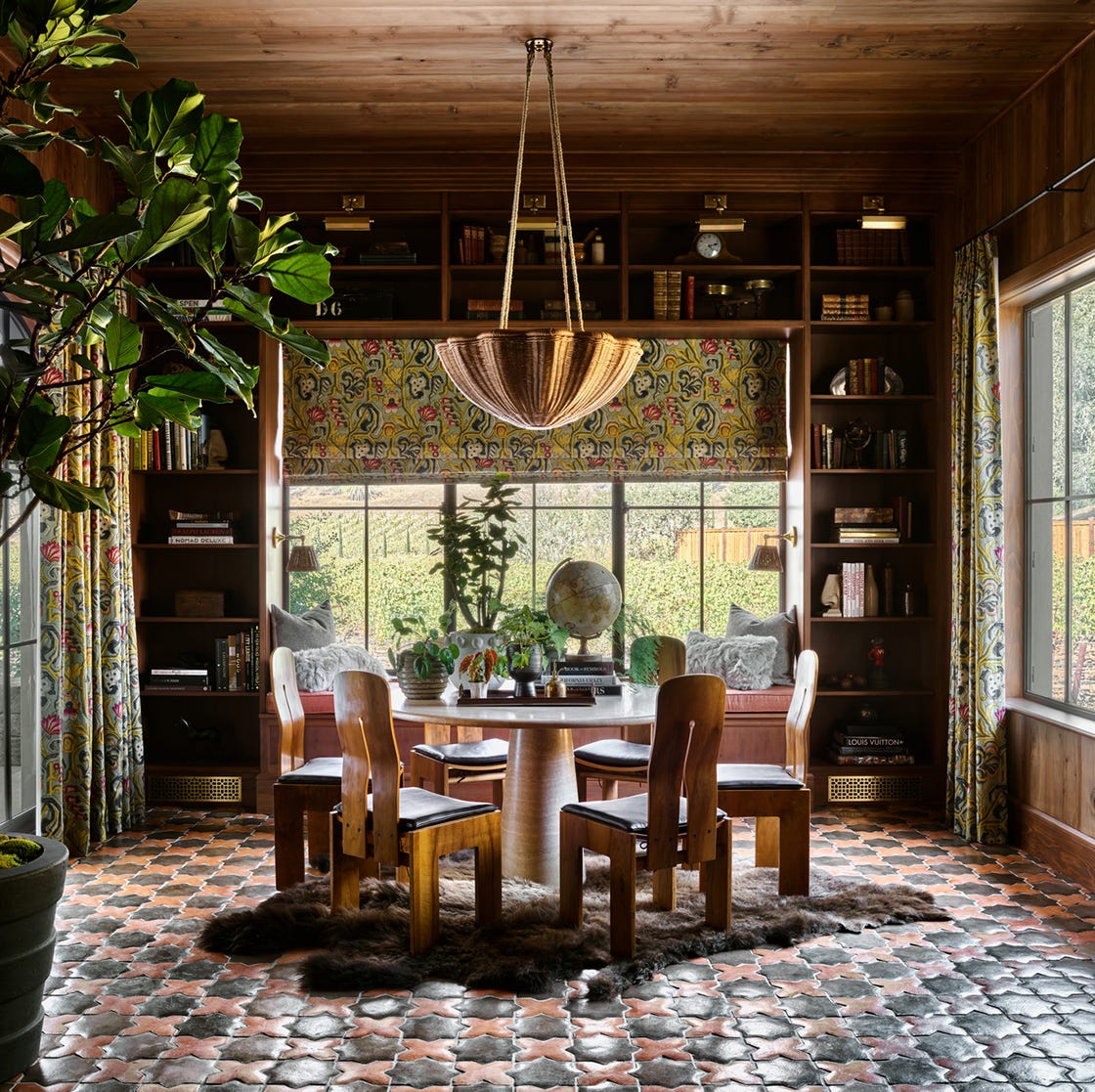
Mahogany and darker woods, such as walnut, are re-emerging, bringing with them a sense of coziness and depth. The utilization of these darker tones, balanced with complementing yet contrasting colors and similar undertones, creates environments that encourage lingering and appreciation.
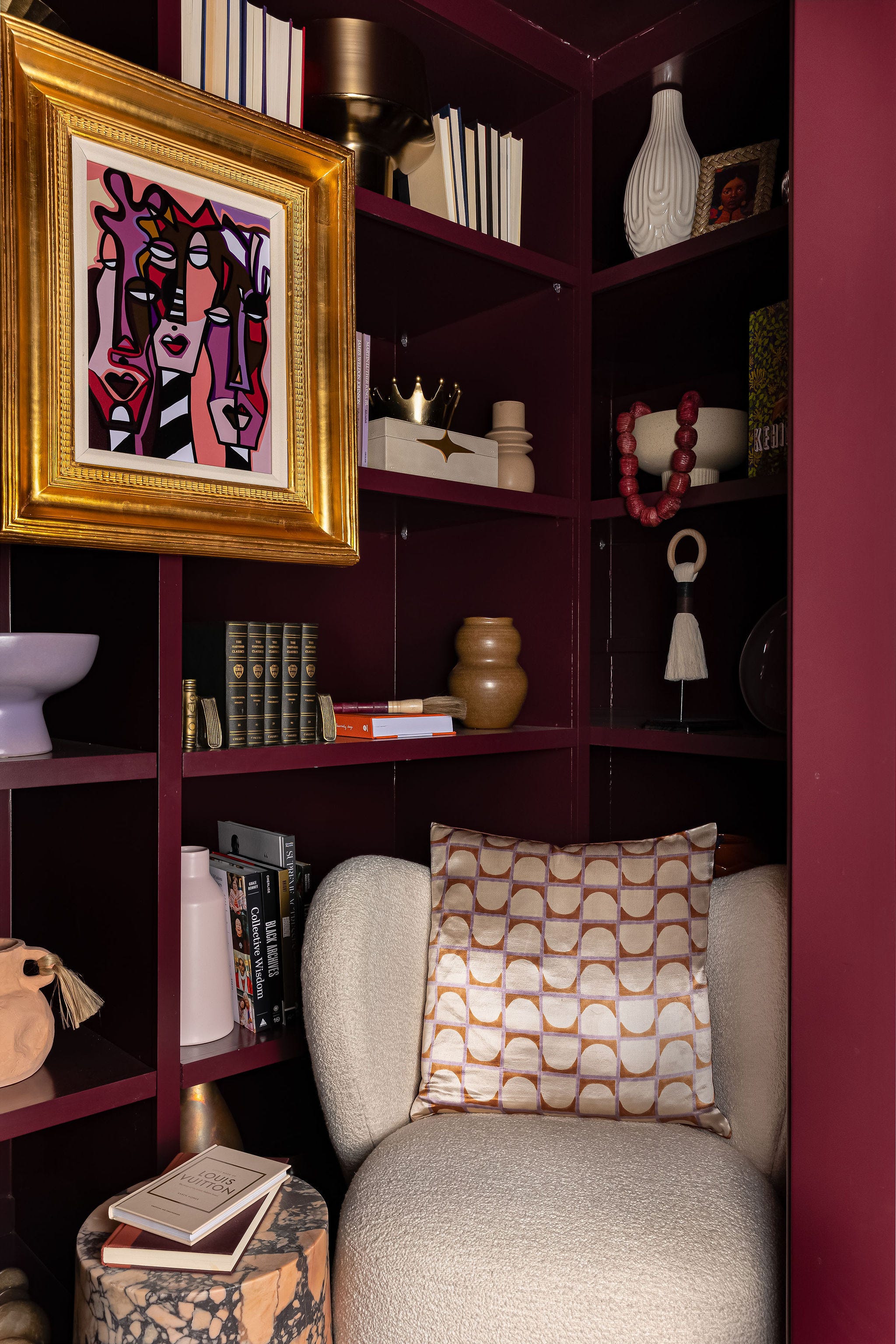
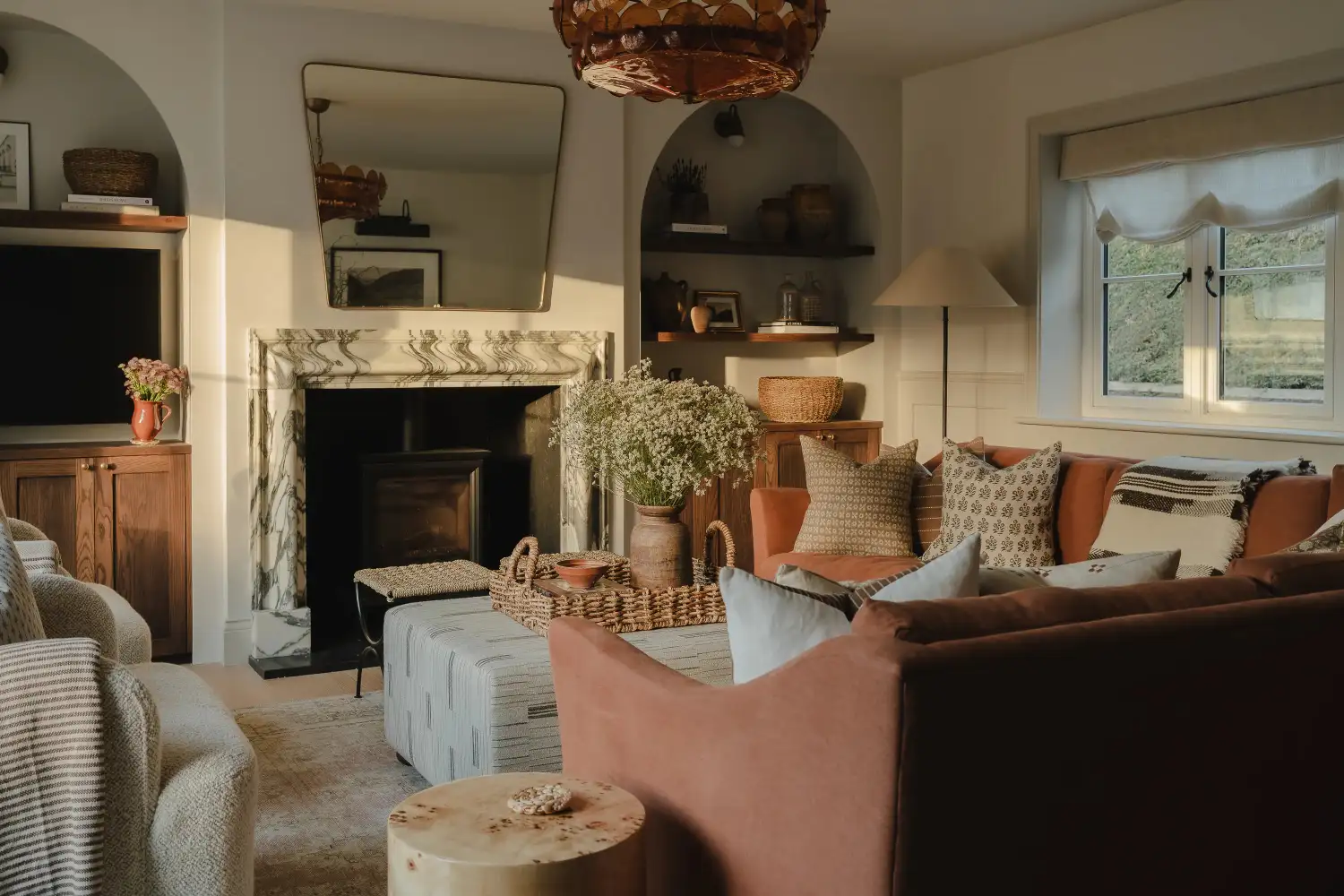
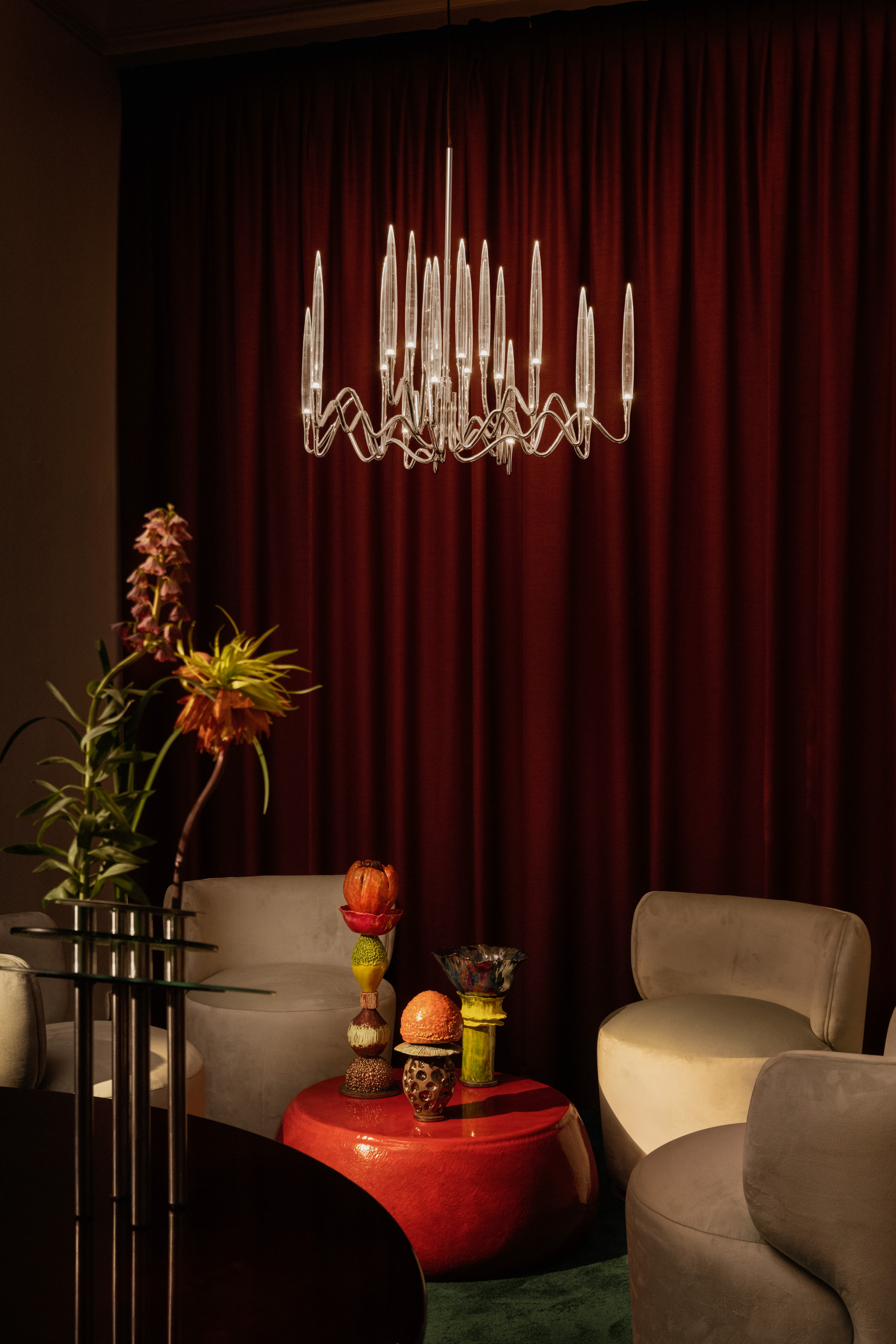
Burgundy hues, particularly in paint, are a favorite trend that designers have been drawn to for years. To maintain a fresh and contemporary feel, burgundy is being incorporated with a mix of materials and lighter accents, including natural wood, textured fabrics, and metallic details. This approach creates a balanced aesthetic that is both modern and grounded, adding warmth and richness without overwhelming a room.
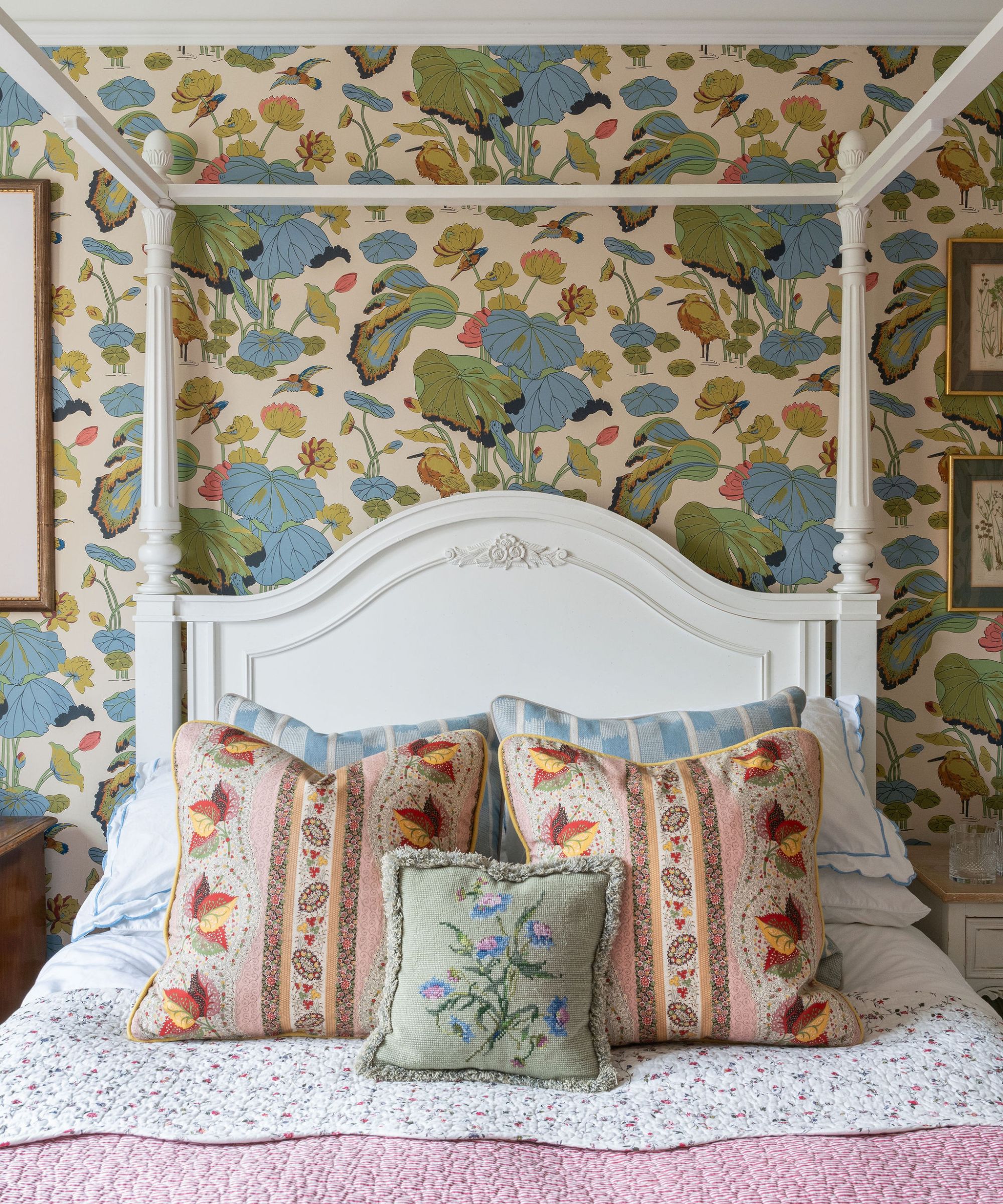
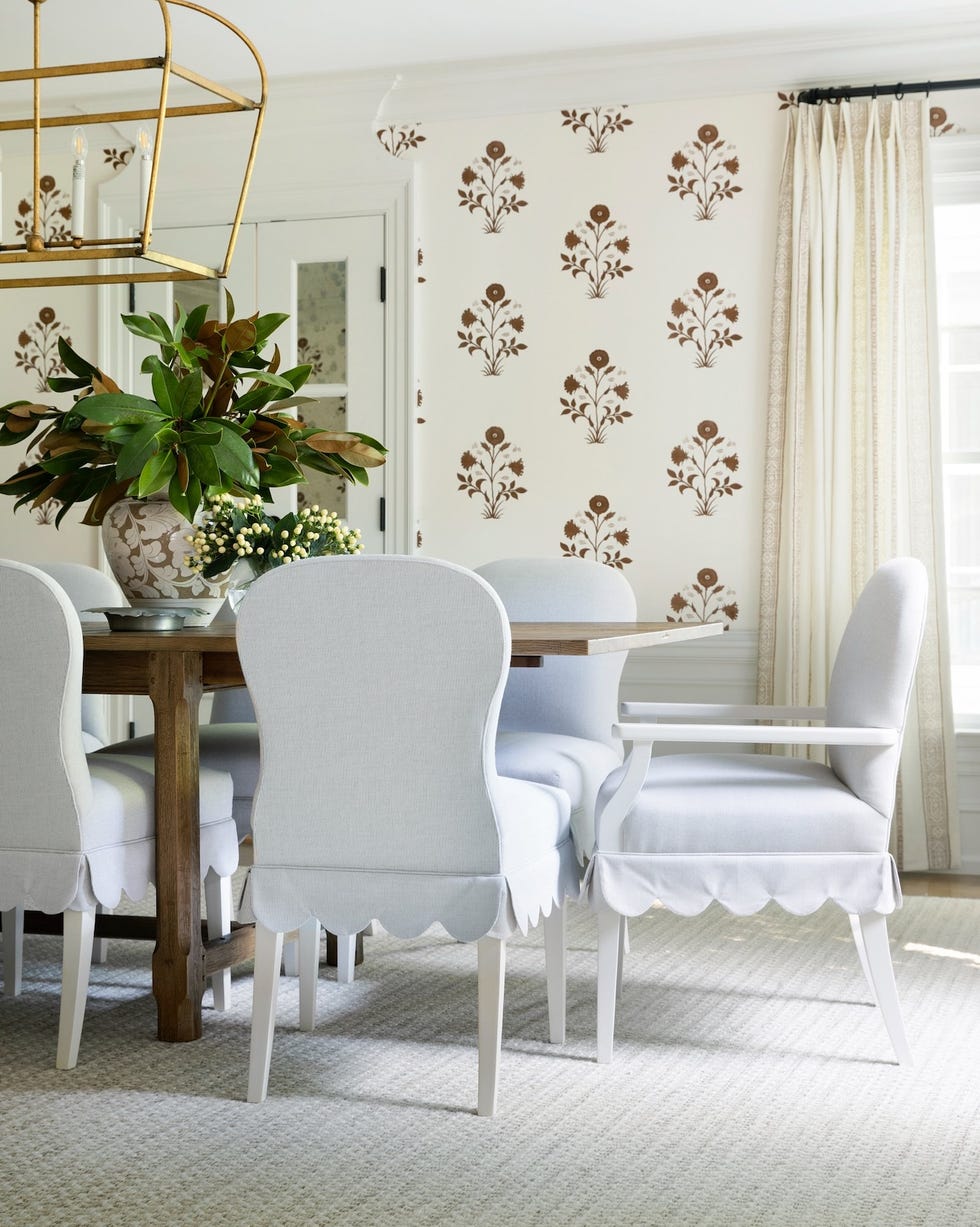
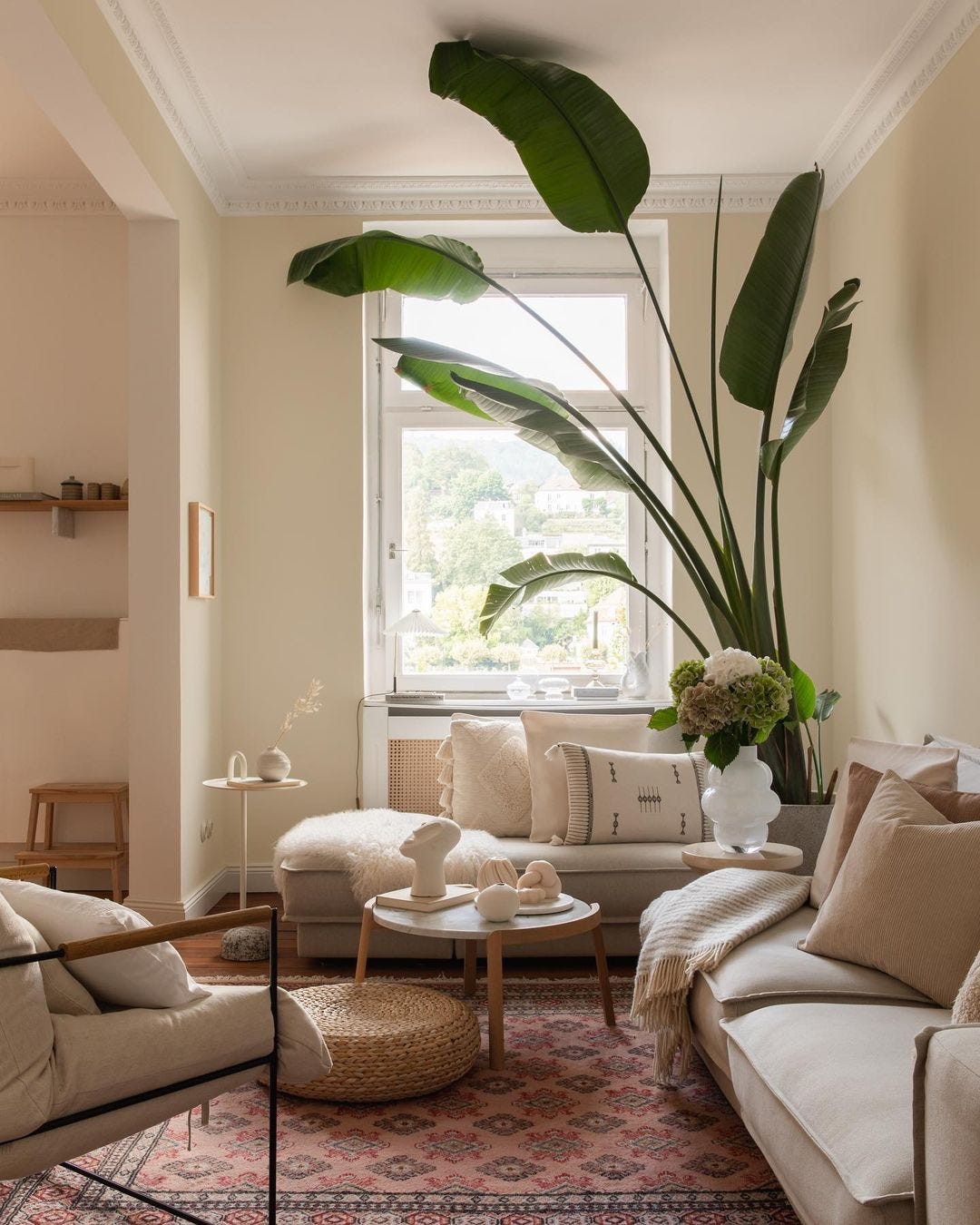
Layered interiors emphasize the art of mixing textures and patterns to introduce visual interest, depth, and character into a home. This trend moves away from strict neutral minimalism, embracing richer, more saturated colors and vibrant pops of color through various textures and patterns, pushing design boundaries with a modern twist.
Stained glass, characterized by classic gem tones and deep concentrated colors, is also noted as an enduring inspiration. This trend reflects an appreciation for rich color palettes that are consistently chic, and the belief that a blend of old and new, such as incorporating perfect vintage items with modern, sleek elements, creates timeless appeal.
Finally, the mixing of metals is a trend that adds freshness and an intentional yet unexpected layering to interiors. Combining elements like brass and nickel creates a dynamic and sophisticated look.
#InteriorDesignTrends #HomeDecor #ColorPalettes #TexturedWalls #FurnitureDesign #WoodFinishes #LayeredInteriors #MetalAccents #StainedGlass #InteriorDesignTrends #HomeDecor #ColorPalettes #TexturedWalls #FurnitureDesign #WoodFinishes #LayeredInteriors #MetalAccents #StainedGlass
0 comment in total
 No comments yet
You may also like
These are the biggest pattern trends designers are using in 2025 and beyond

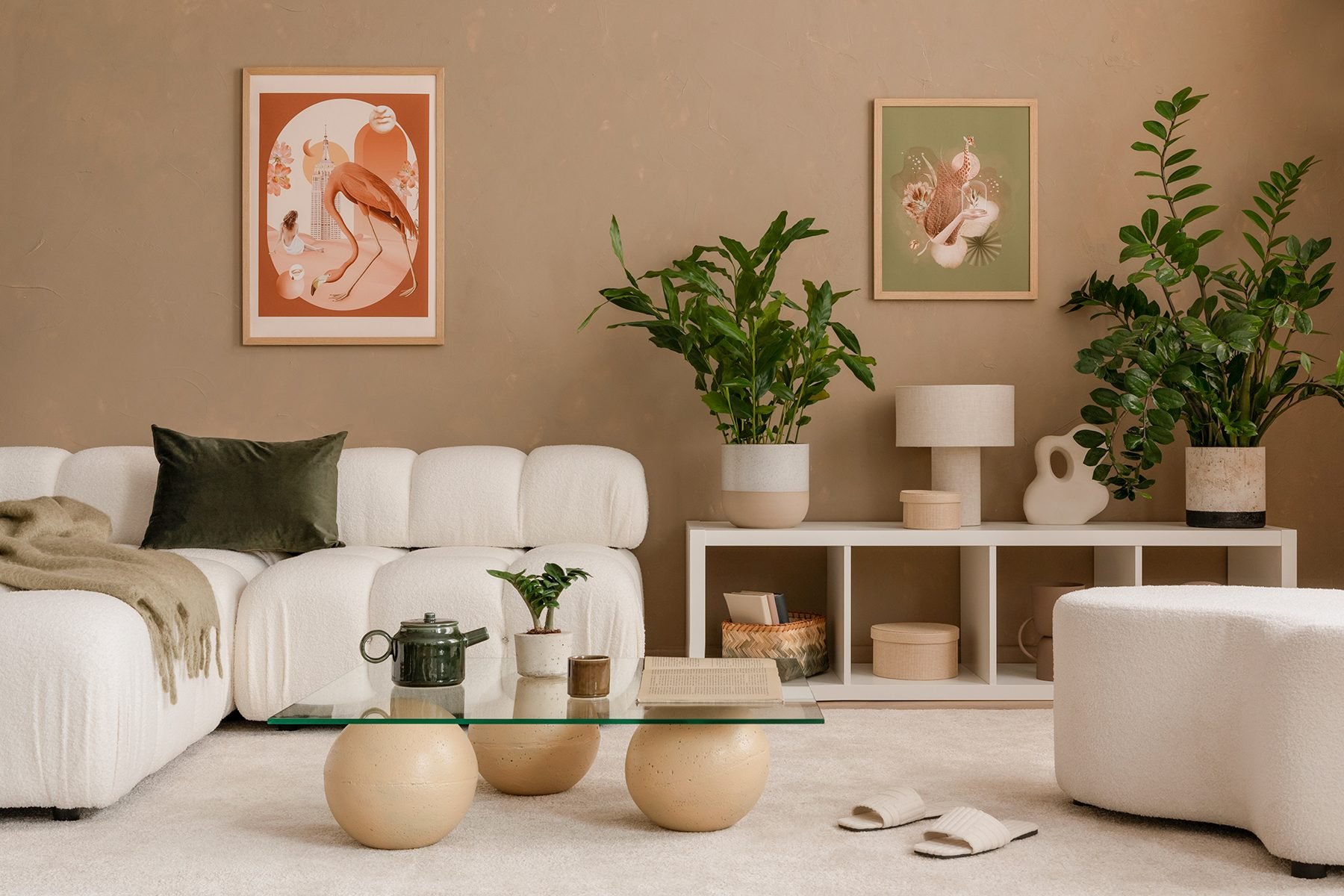
Design Forward: 4 Must-Know Interior Trends for 2025

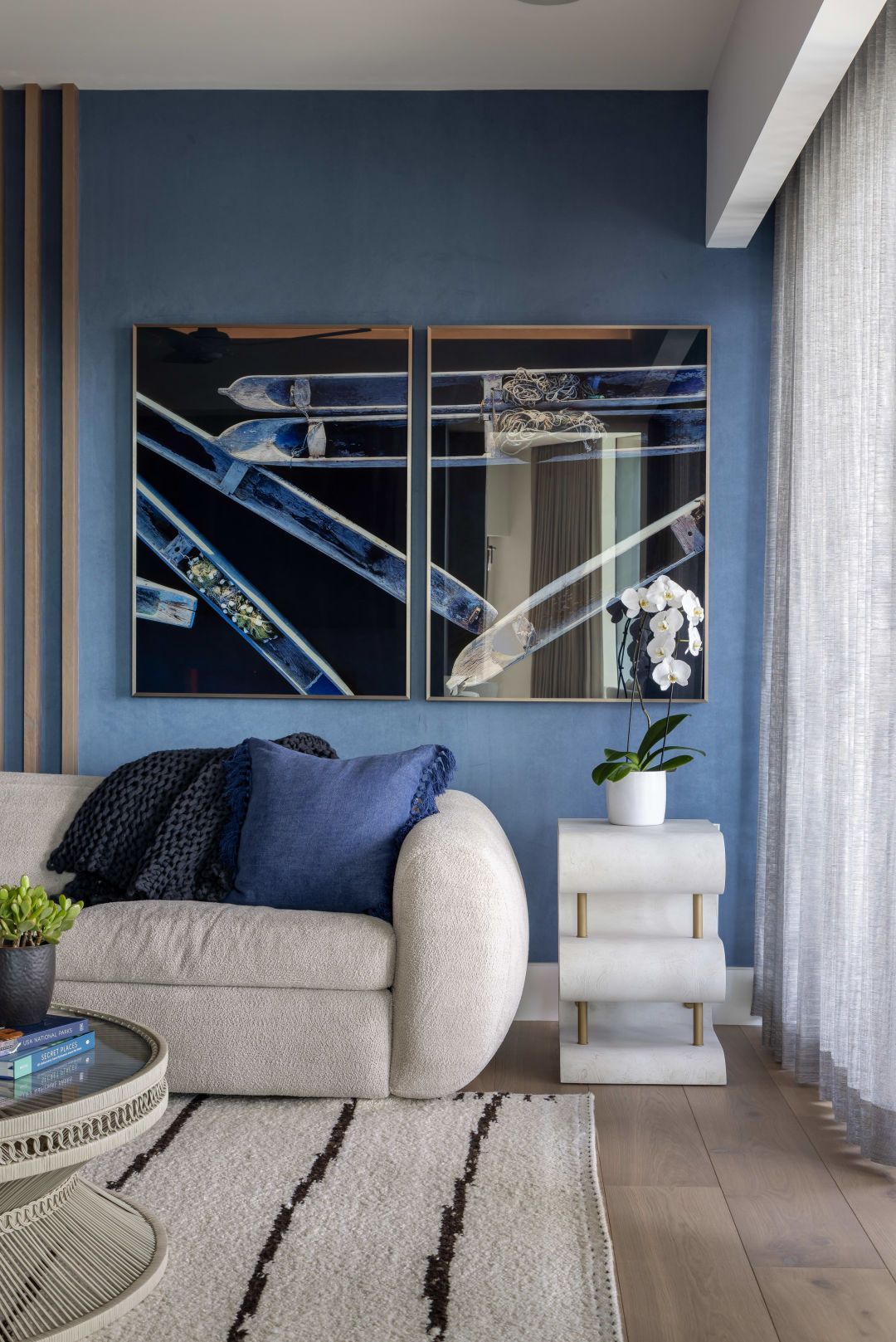
These Are the Home Design Trends You Need to Know About in 2025
7 interior-design trends you'll see everywhere in 2024, and 5 that'll disappear
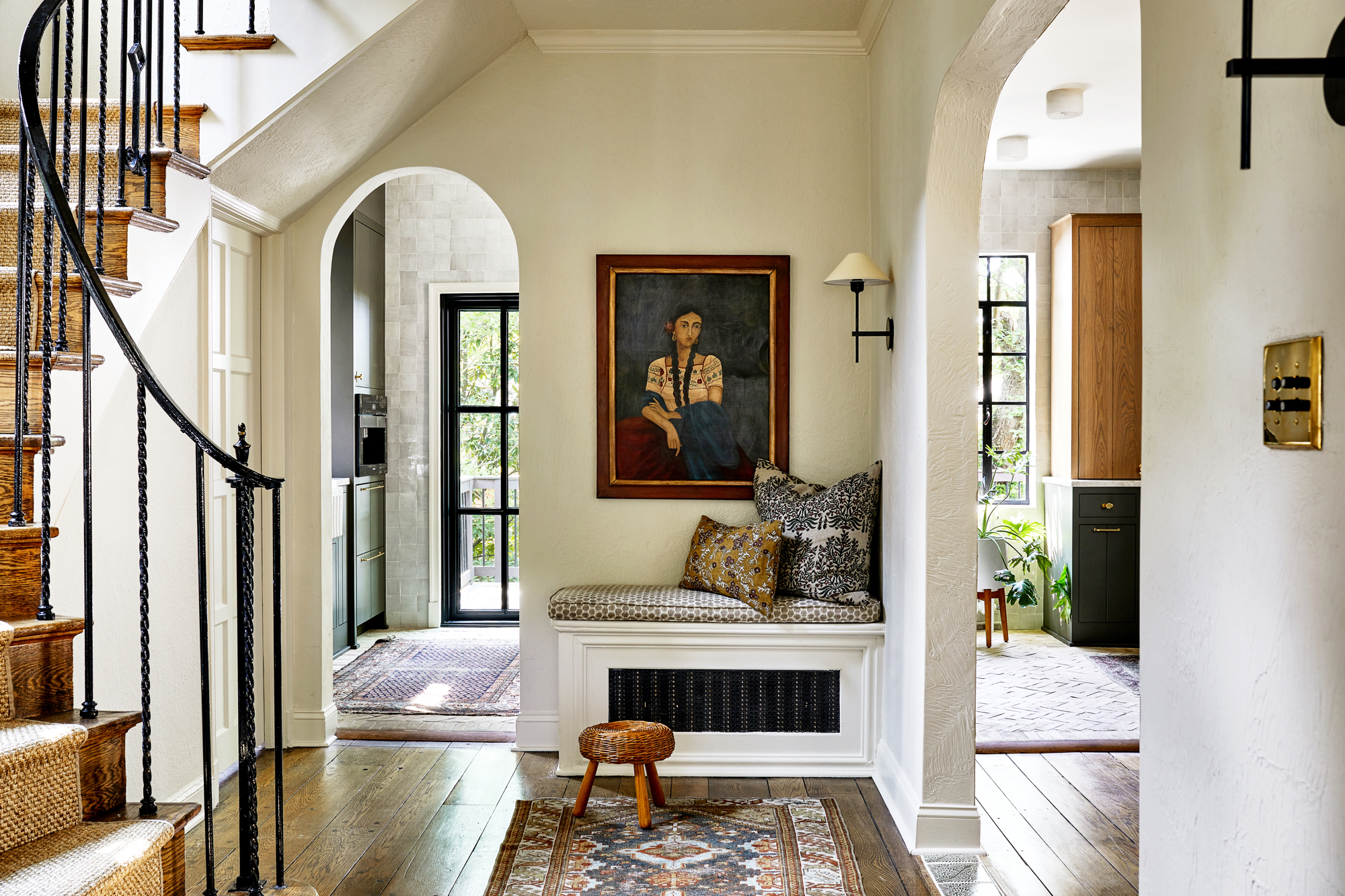
Home-Design Trends You’ll See Everywhere in 2024

Designers Predict These 7 Interior Design Trends Will Be Everywhere in 2025

8 Design Trends Designers Think Are Finally Back in 2026

The new interior design trends: 24 looks for 2024

Interior Designers Say These Decor Trends Will Be Everywhere in 2024
2025 Design Trends We're Loving
This Centuries-Old Pattern Is the Next Big Design Trend for 2026 – Here Are 24 Pieces That Prove It
The Biggest Interior Design Trends for 2025

These Will Be the Biggest Design Trends of 2025
5 outdated '90s interior design trends that everyone will be decorating with again in 2024, and experts agree
10 furniture trends that designers are loving for 2025
Designers Are Calling It: These Interior Design Trends Will Be Everywhere in 2026

The Biggest Design Trends of 2024—Spotted at Milan Design Week and Beyond
The Pros Have Spoken: These Interior Design Trends Will Define 2025

12 Furniture Trends That Will Dominate 2025, According to Designers
Designers Say These Furniture Trends Will Be Everywhere In 2024