1/7
What is Coastal Design? Here's 9 Ways Designers Are Channeling This Relaxed and Timeless Aesthetic
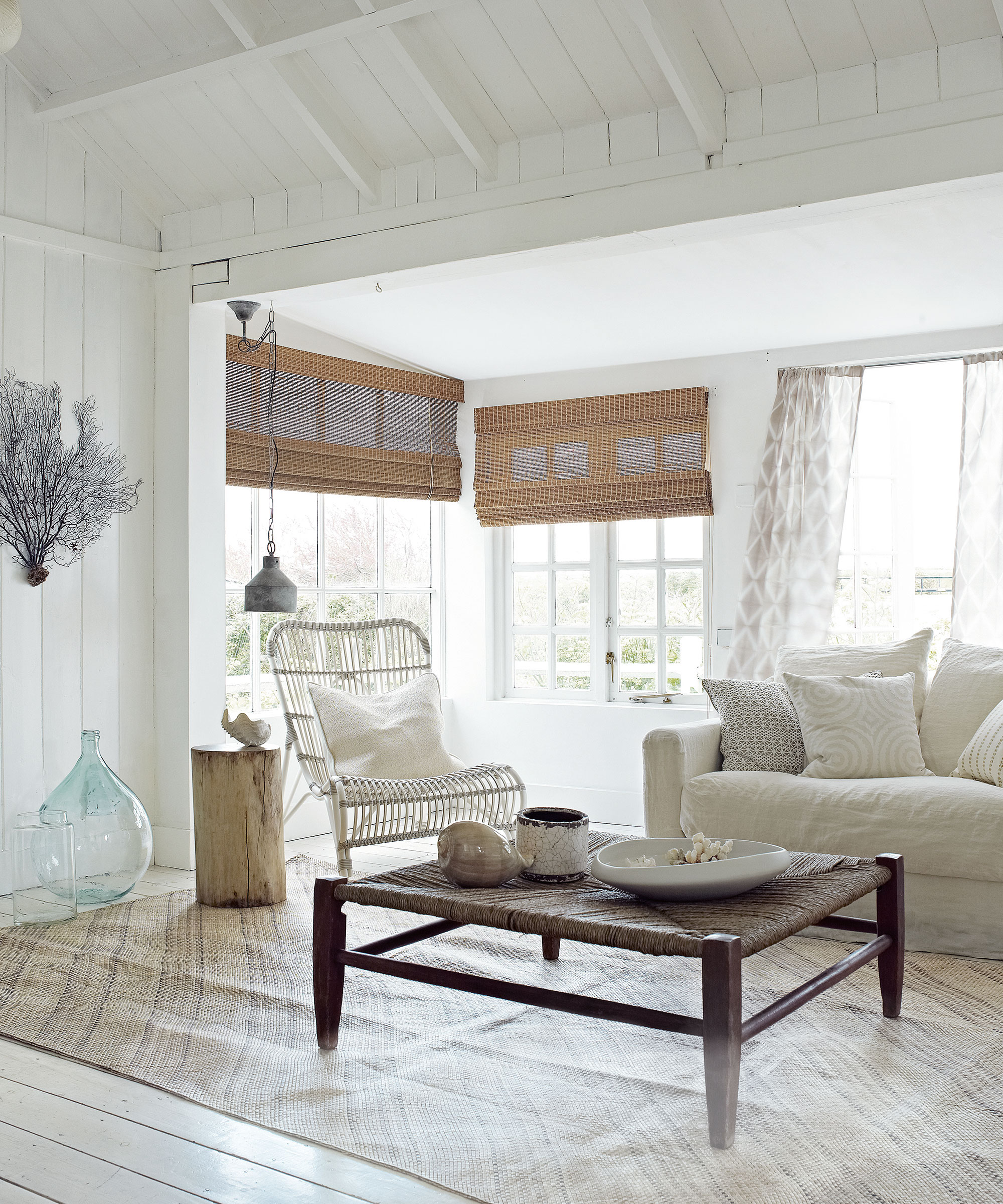
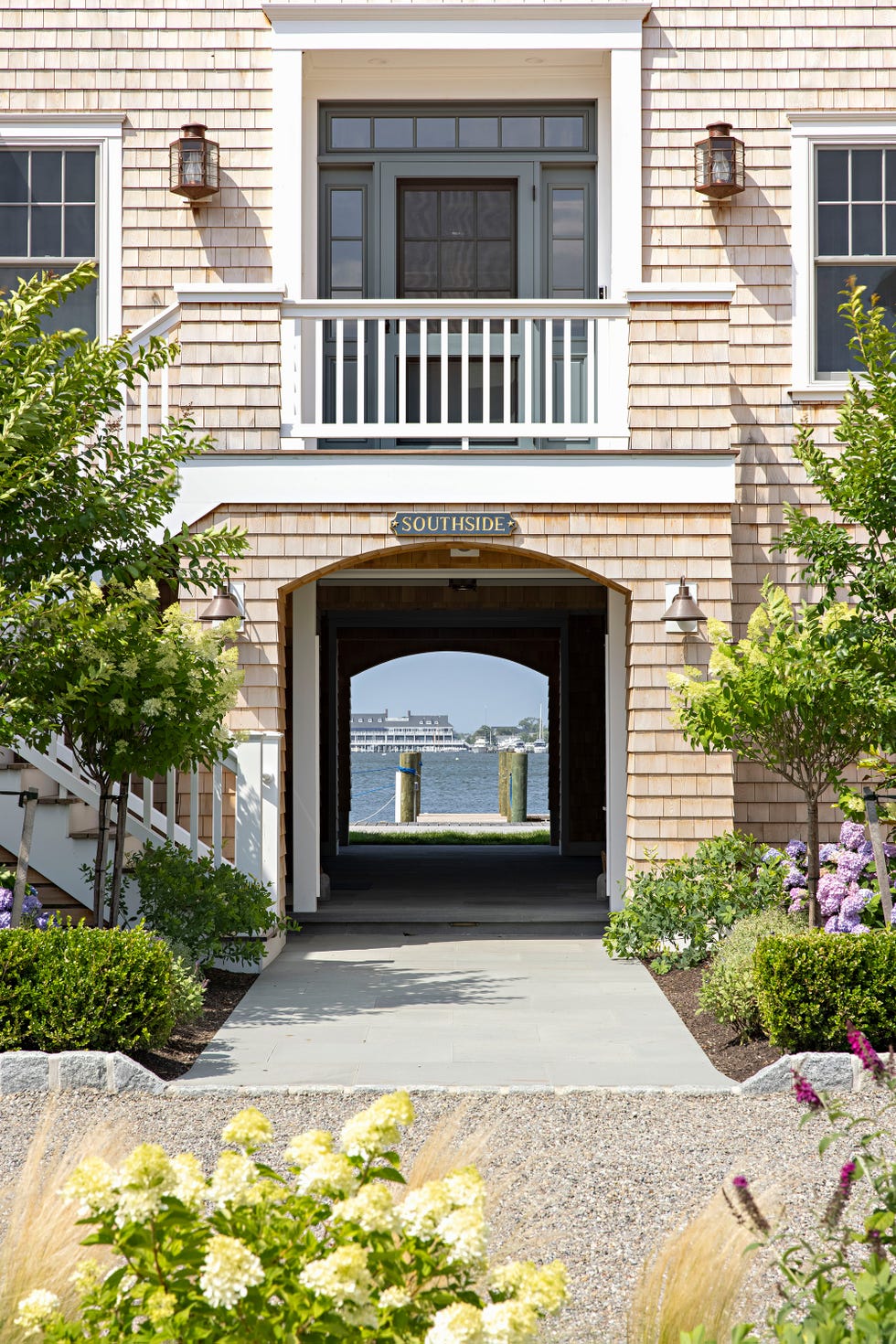
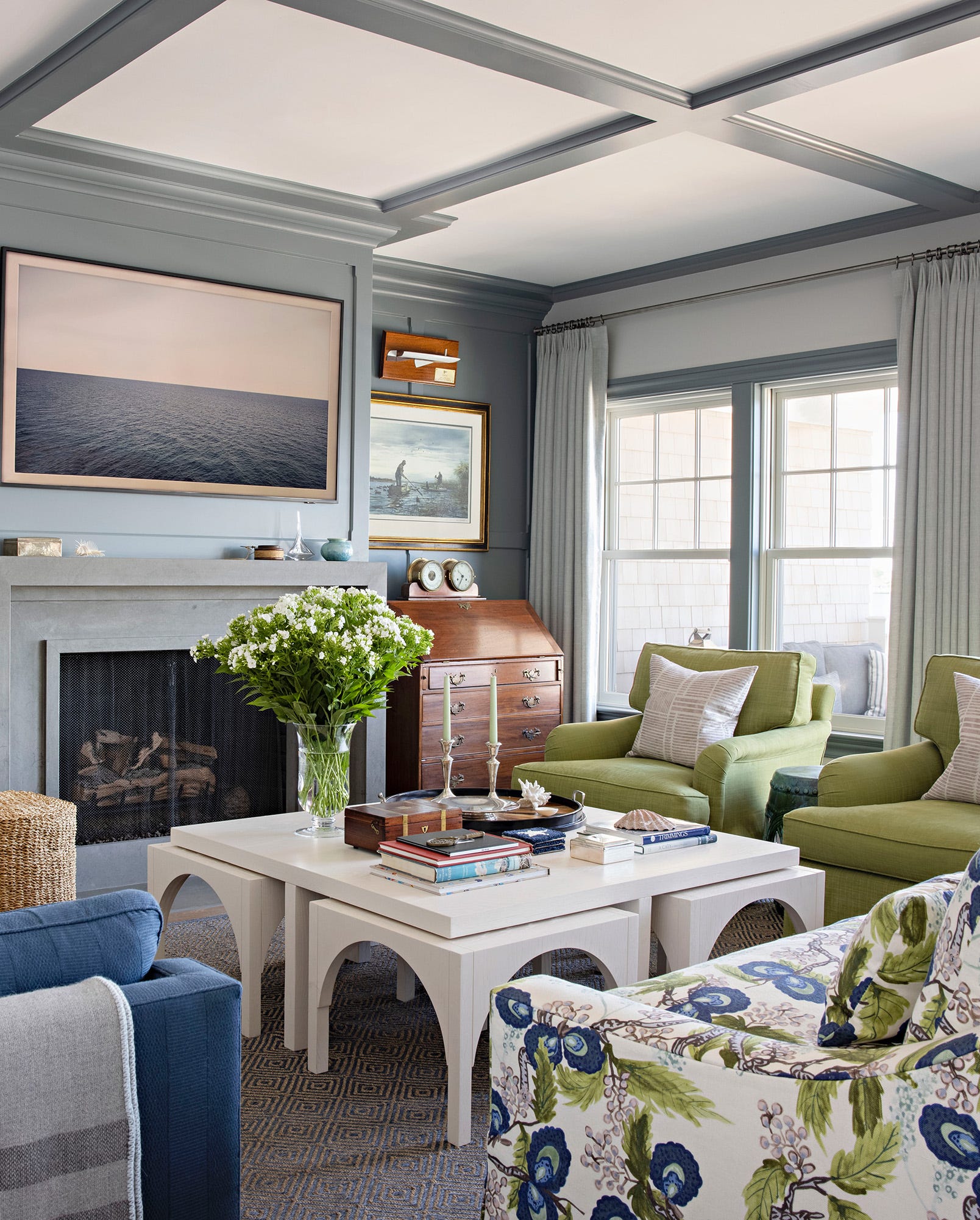
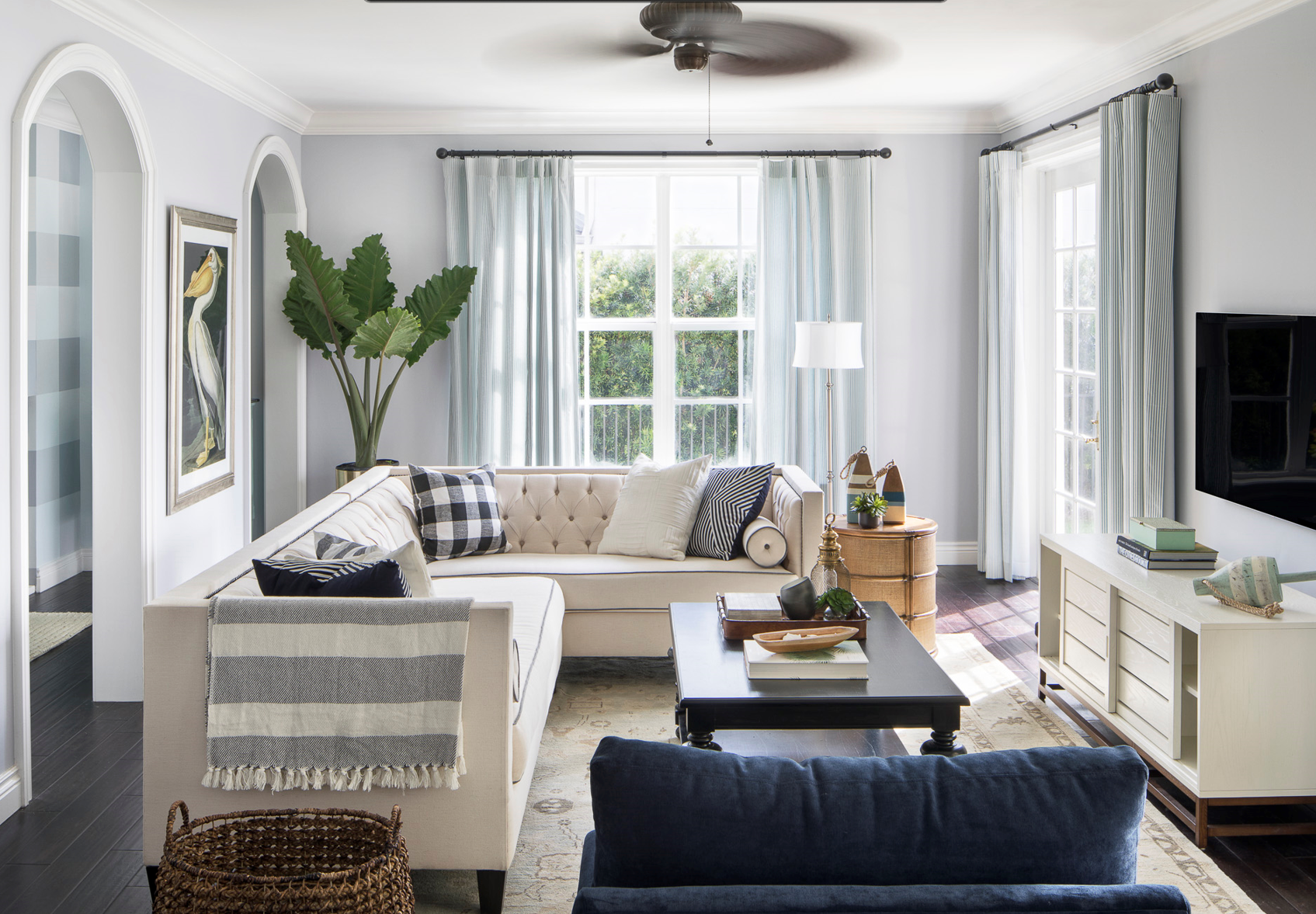
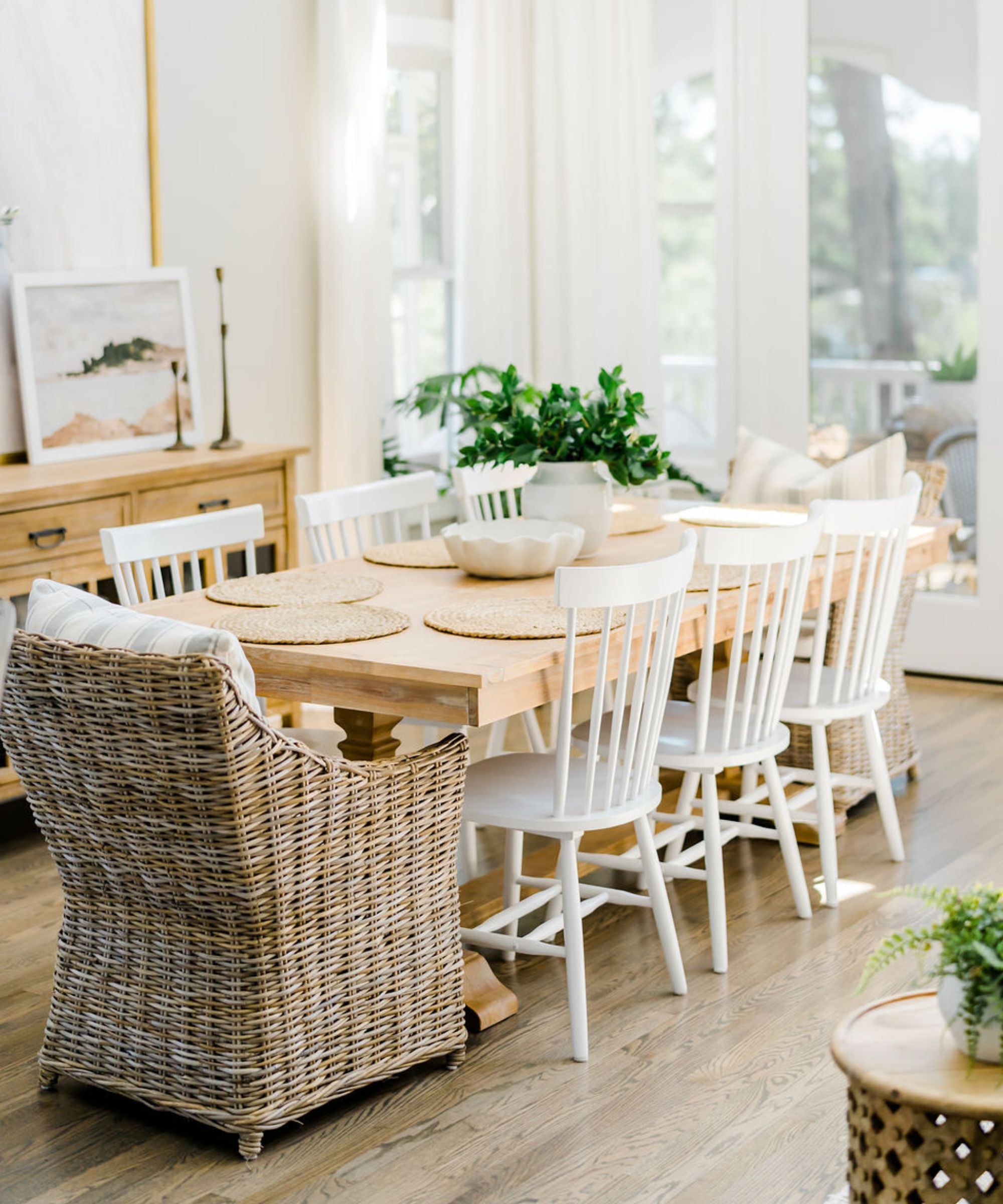
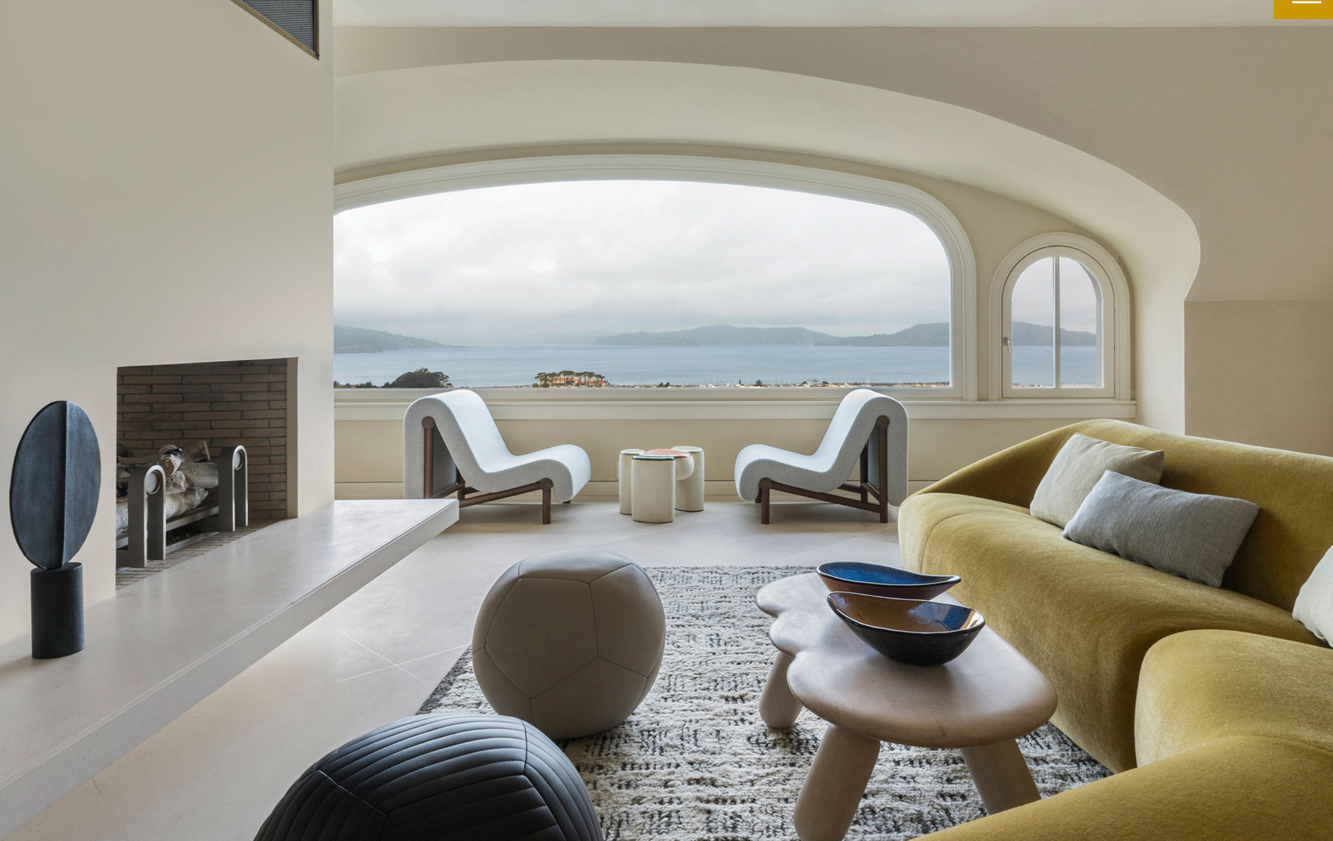
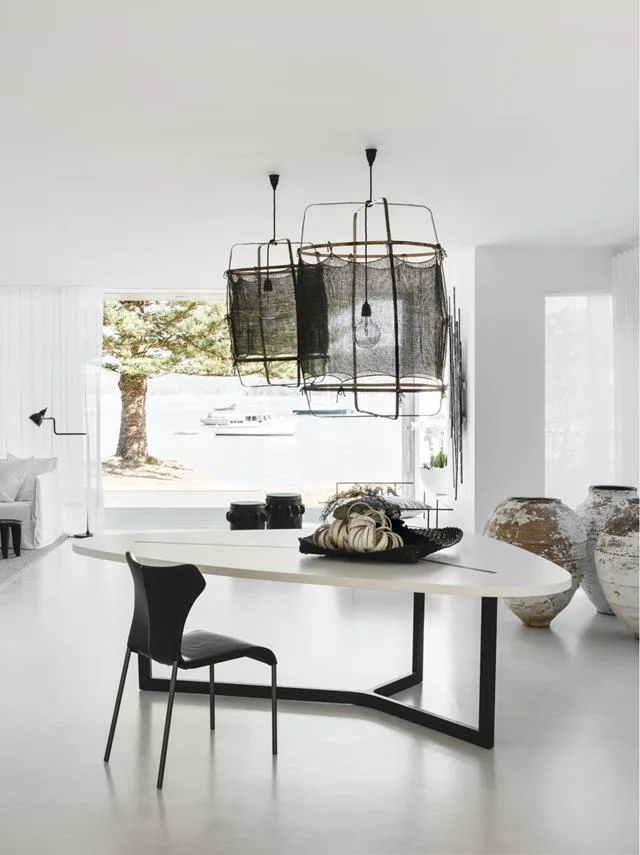
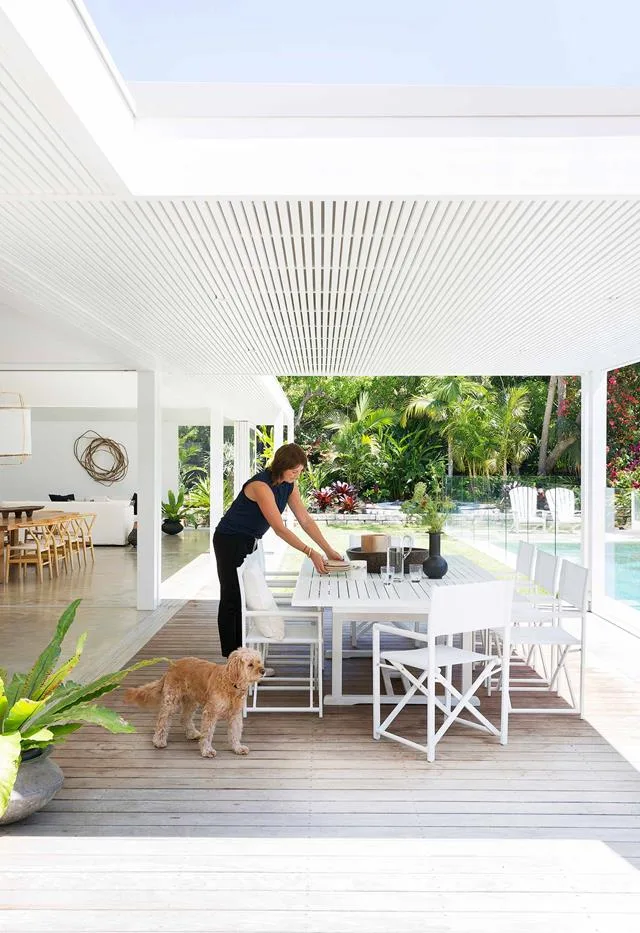
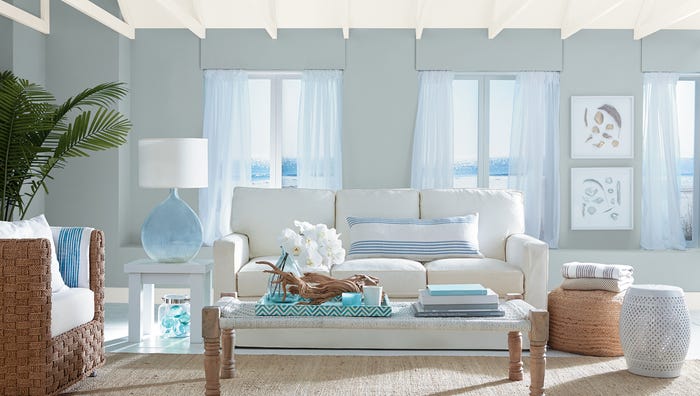
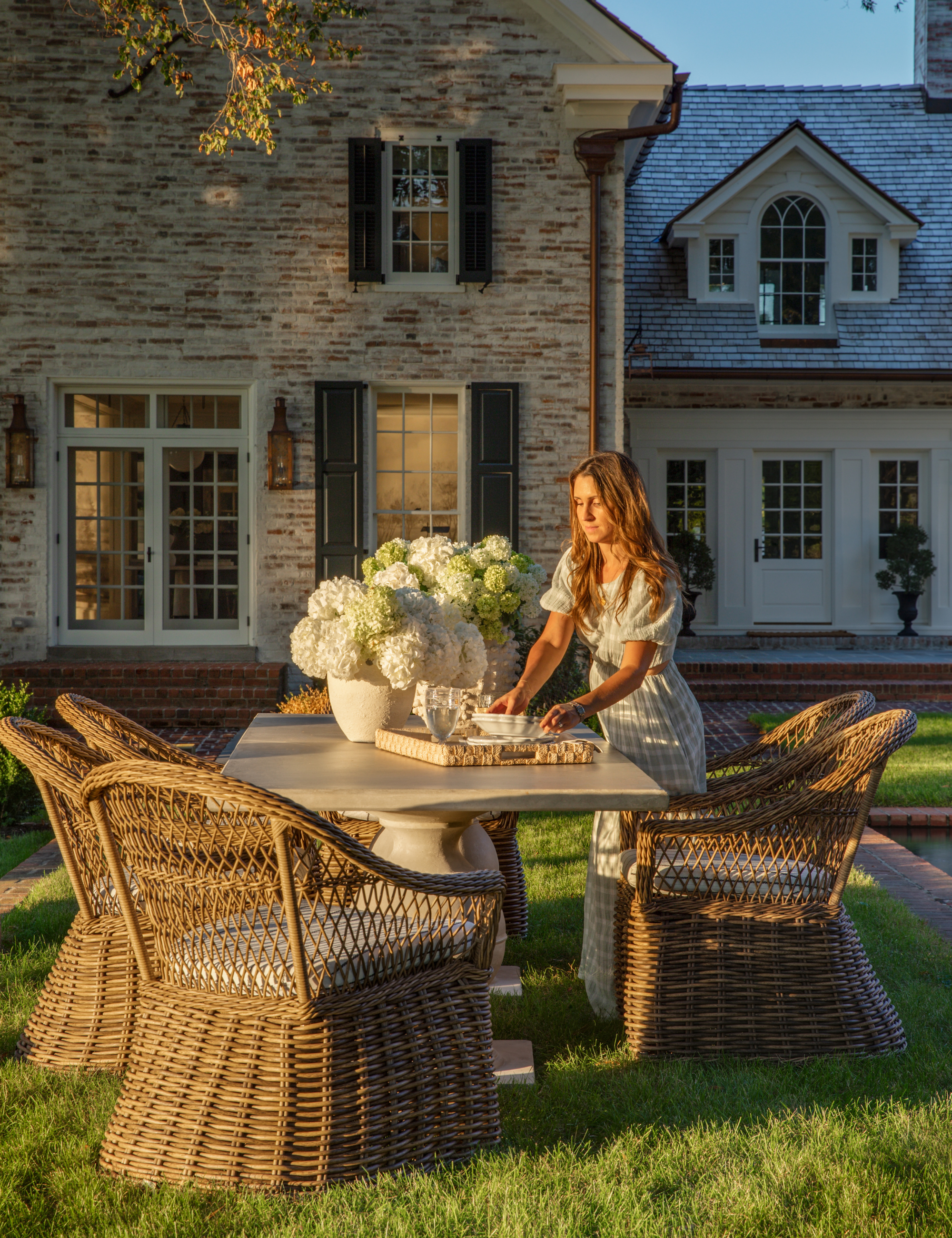
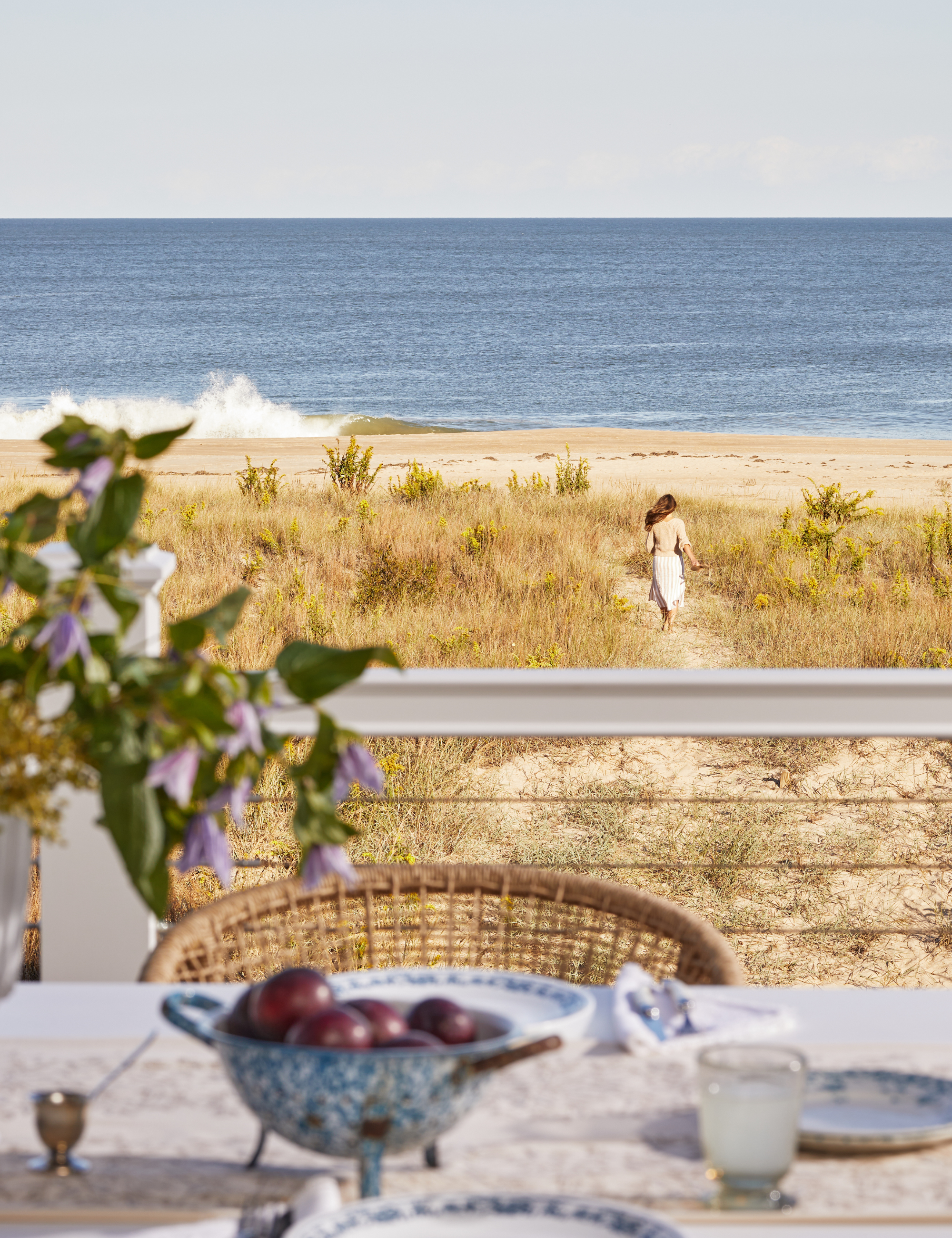
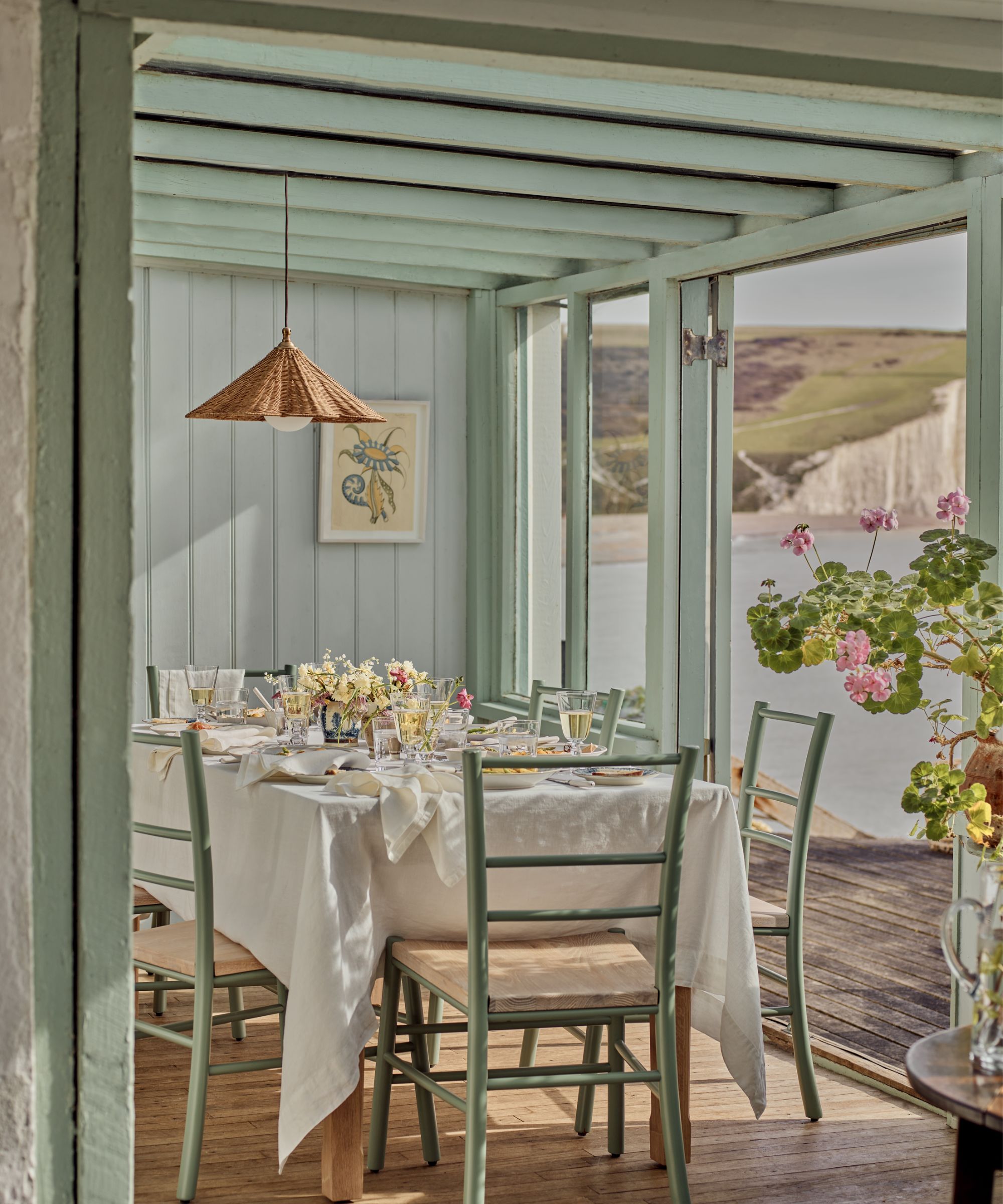
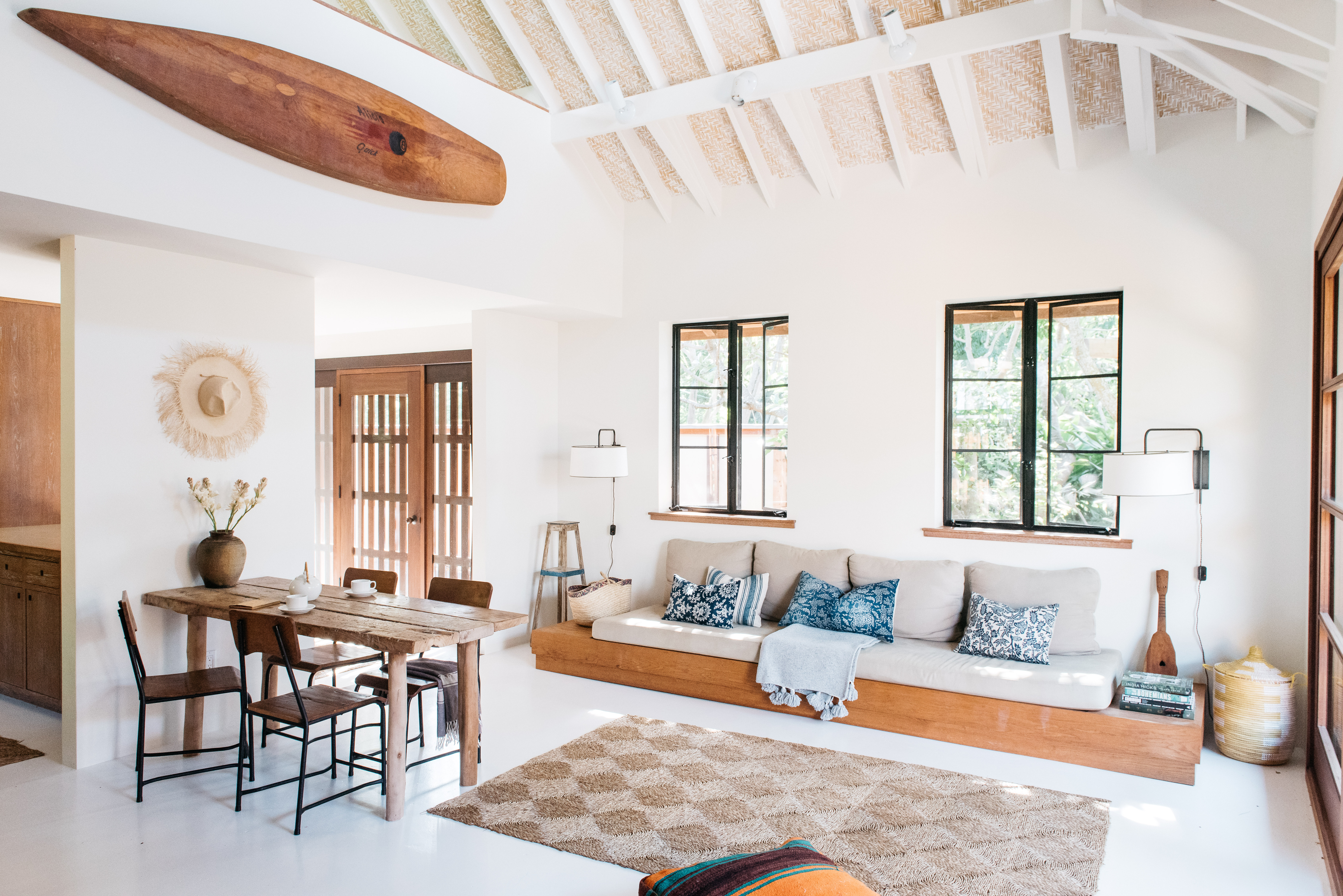
Coastal interior design, characterized by its relaxed and timeless aesthetic, can transform any home into a tranquil retreat, whether or not it's situated by the ocean. This design philosophy emphasizes a deep connection to nature, focusing on functionality, durability, and a sense of effortless living. A primary aspect of coastal design involves integrating outdoor and indoor spaces seamlessly, encouraging residents to enjoy different times of the day and various weather conditions. Architectural elements like varied exterior spaces, outdoor showers, and direct outdoor access to bathrooms are essential for maximizing enjoyment of the natural environment and accommodating a beach lifestyle. Interiors are kept serene and simple, often featuring hardwearing materials that require minimal maintenance, thus promoting a relaxed atmosphere where one doesn't need to be overly concerned about wear and tear. Natural materials that echo the surrounding environment are favored, combining practicality with a strong sense of place.
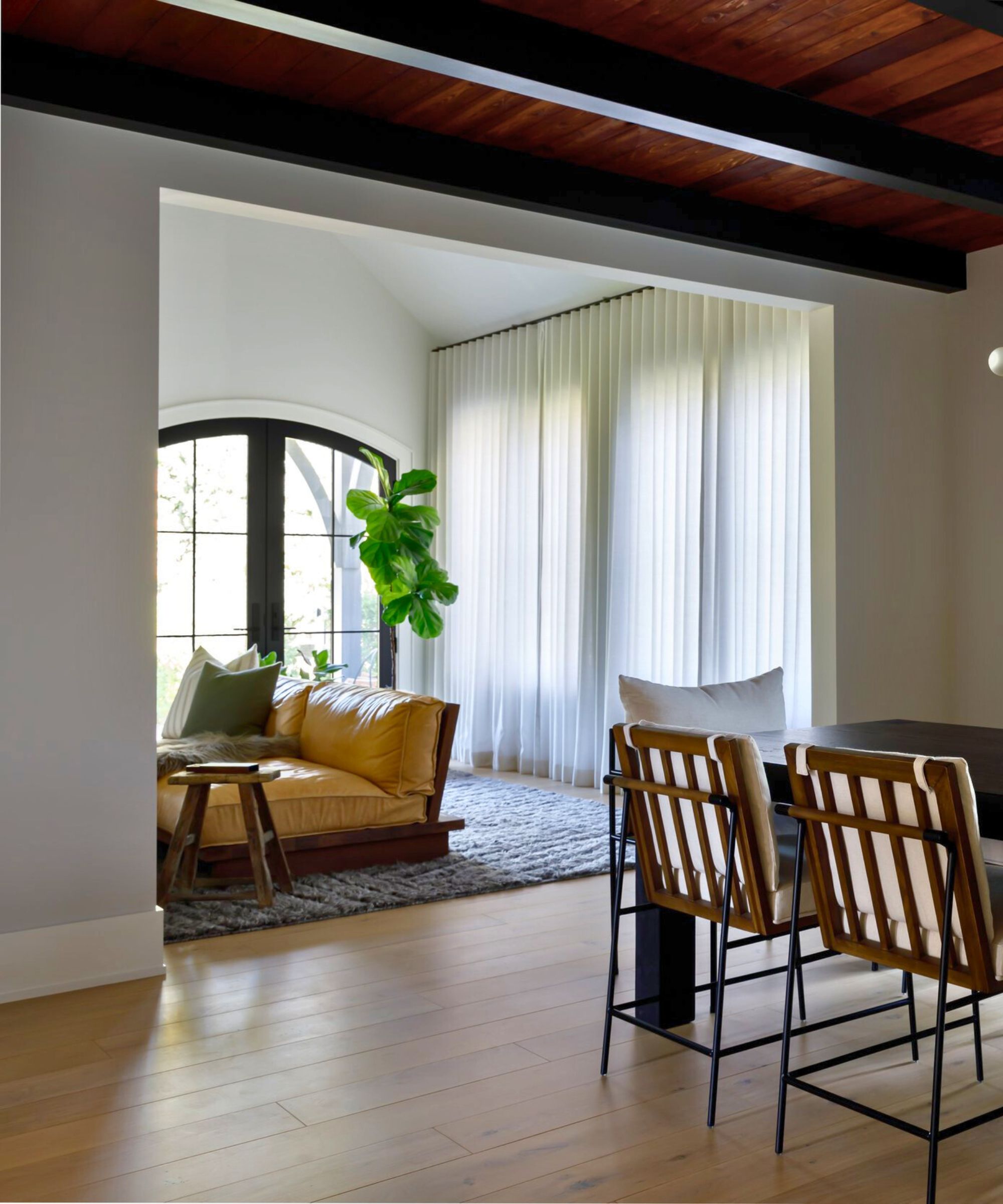
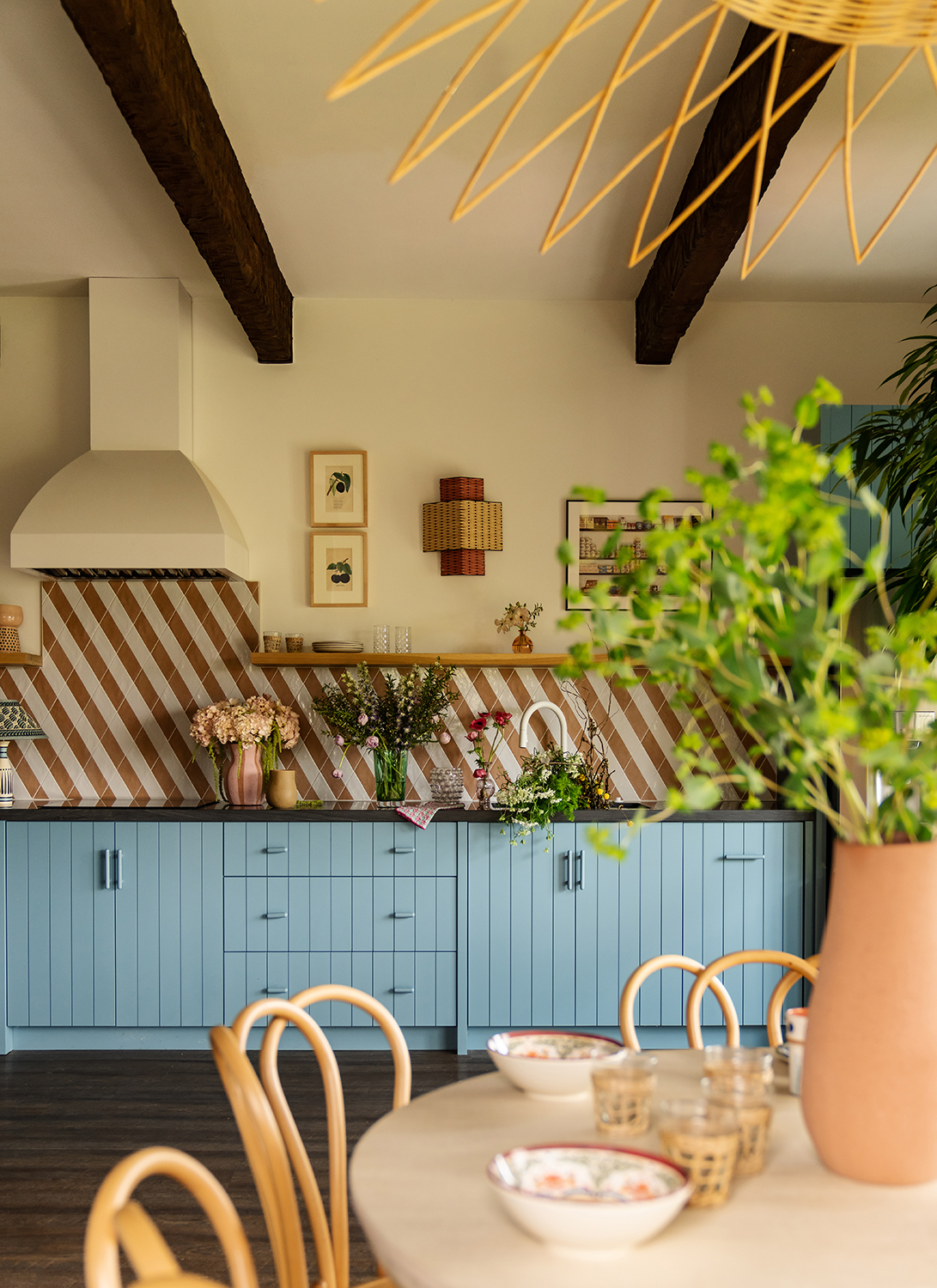
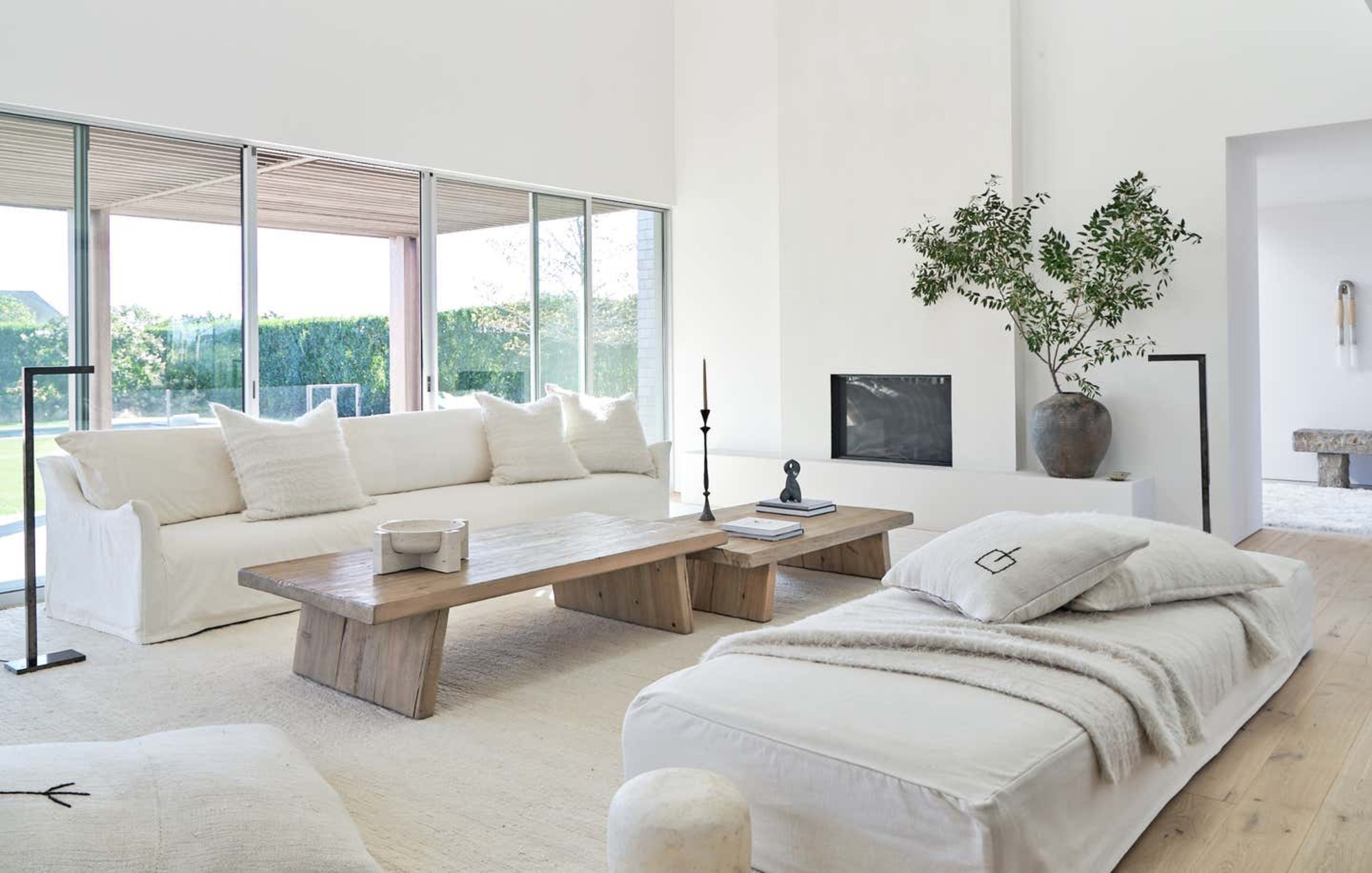
Practical considerations significantly contribute to the comfort and functionality of a coastal home. Ample built-in storage and numerous hooks are crucial for managing belongings, especially in homes that frequently host guests. Daybeds in living rooms can serve a dual purpose, functioning as seating during the day and as extra sleeping spaces for visitors. Casual entertaining areas, such as rustic outdoor kitchens with sinks, are highly valued for their utility in preparing meals, cleaning fish, and supporting outdoor activities, all while making the most of scenic views. When it comes to furniture, fuss-free, streamlined shapes and durable materials are preferred, reflecting the functional requirements of a coastal setting. A modern daybed, for instance, embodies this principle by offering essential comfort without unnecessary embellishments, blending natural materials like knotty pine and flagstone with a minimalist approach to decor.
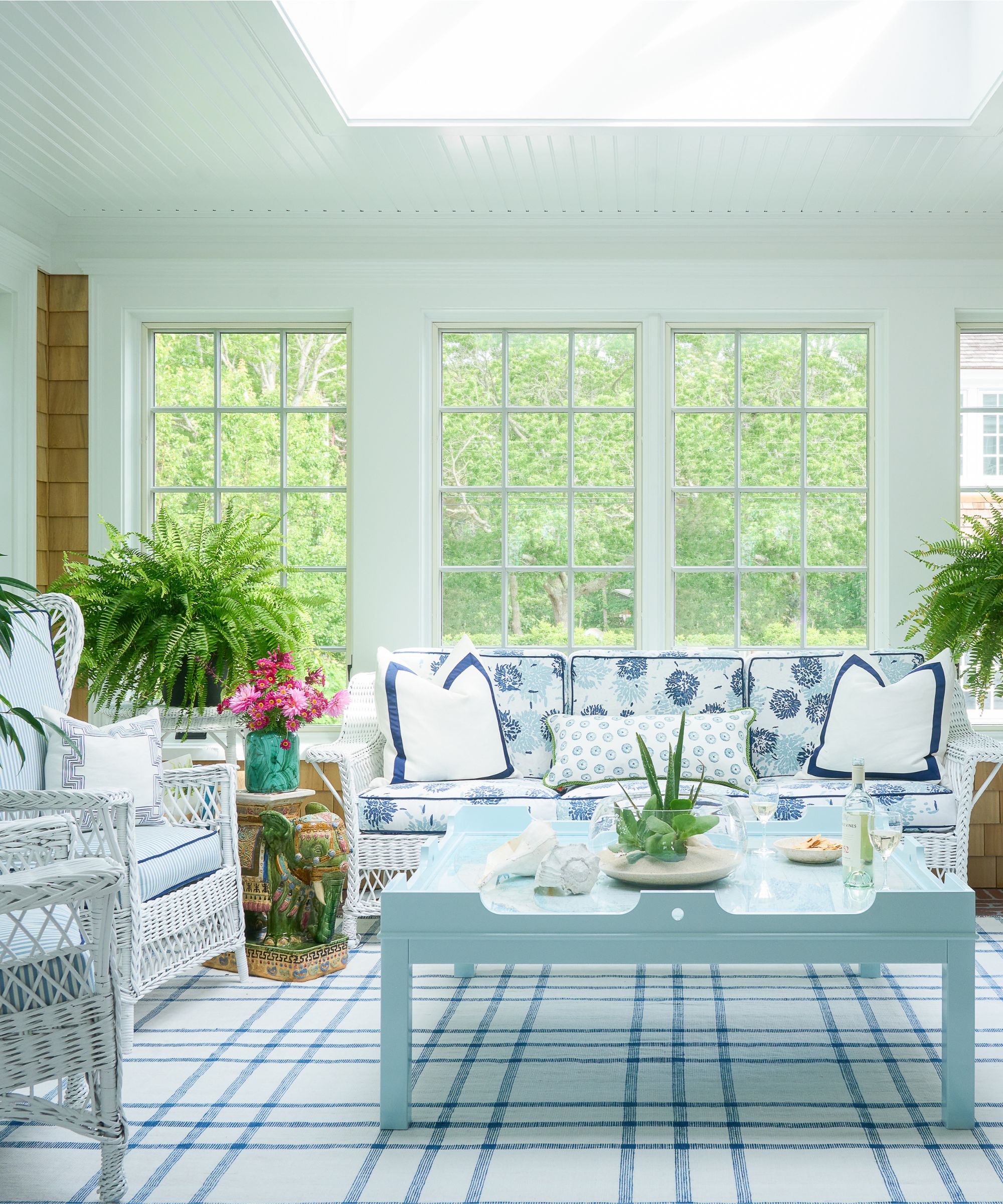
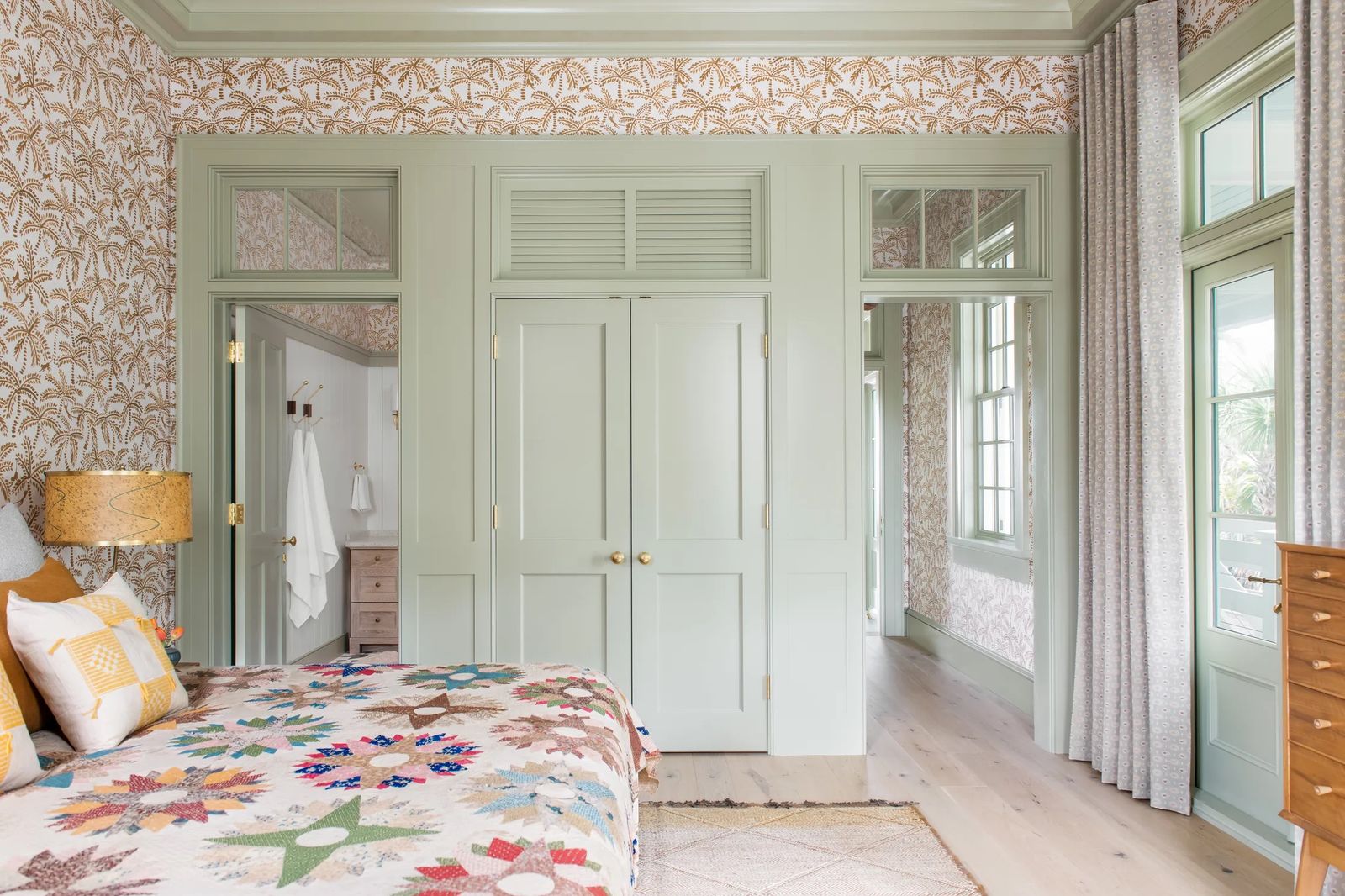
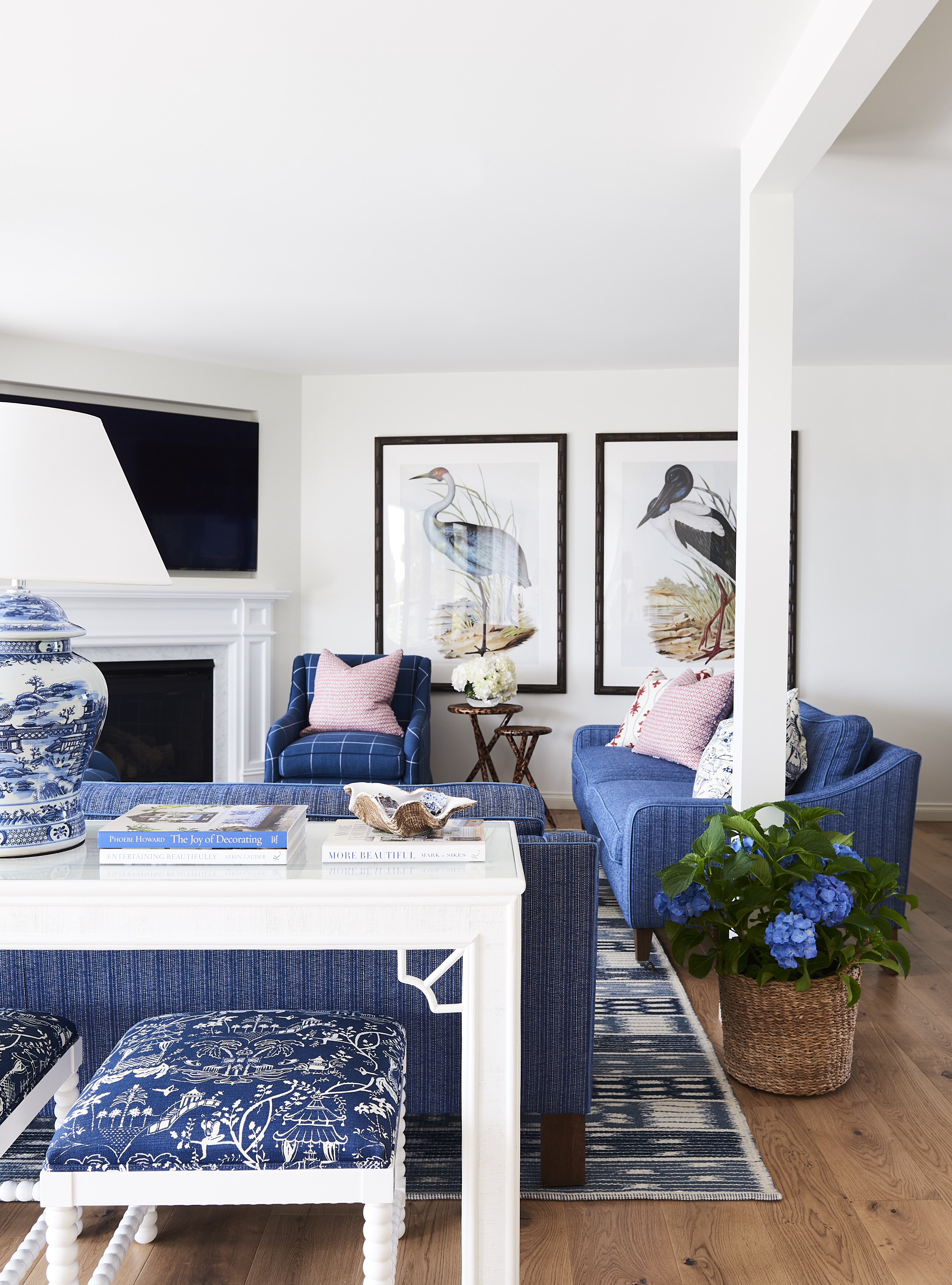
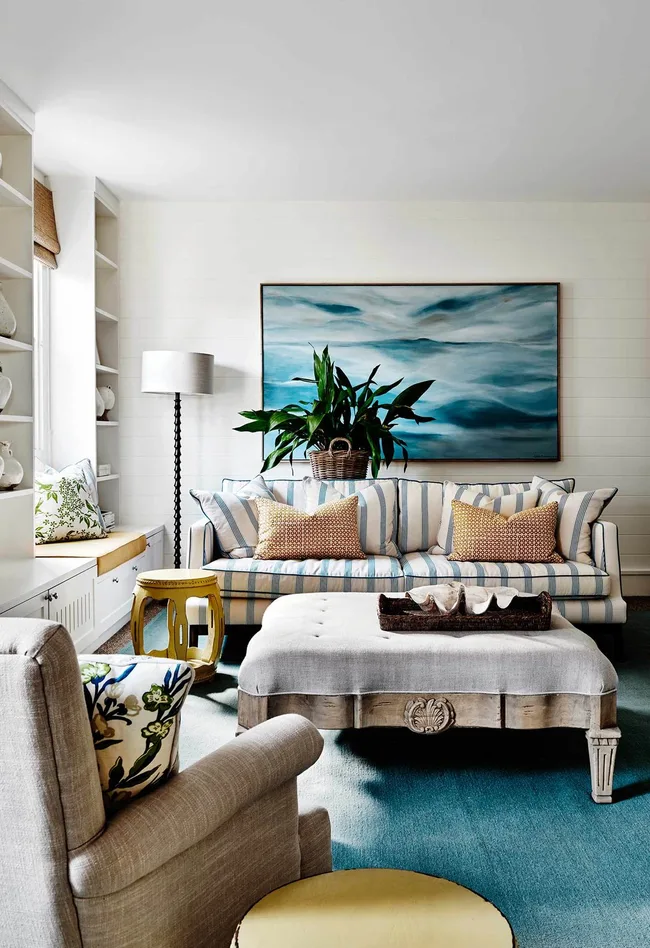
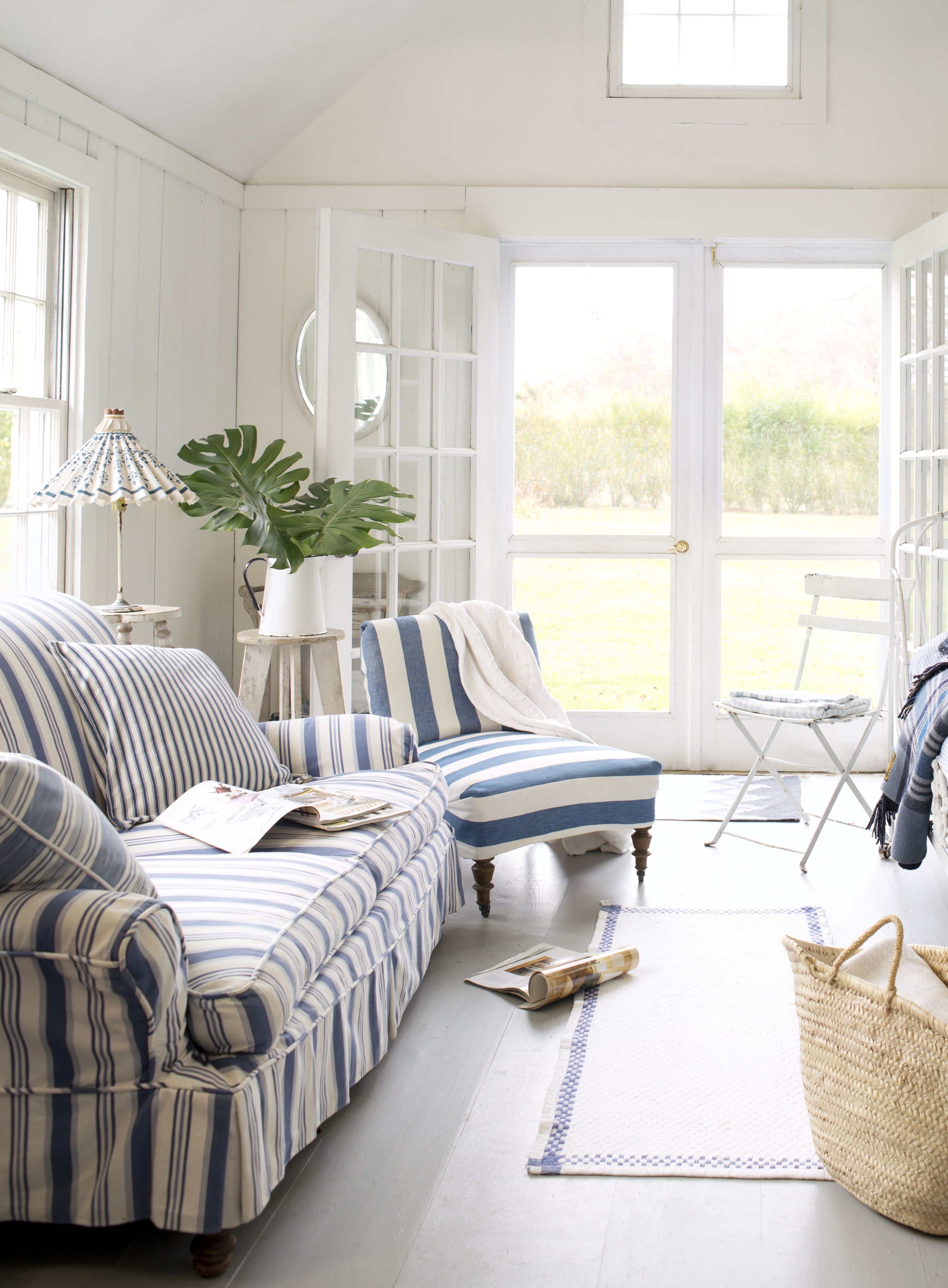
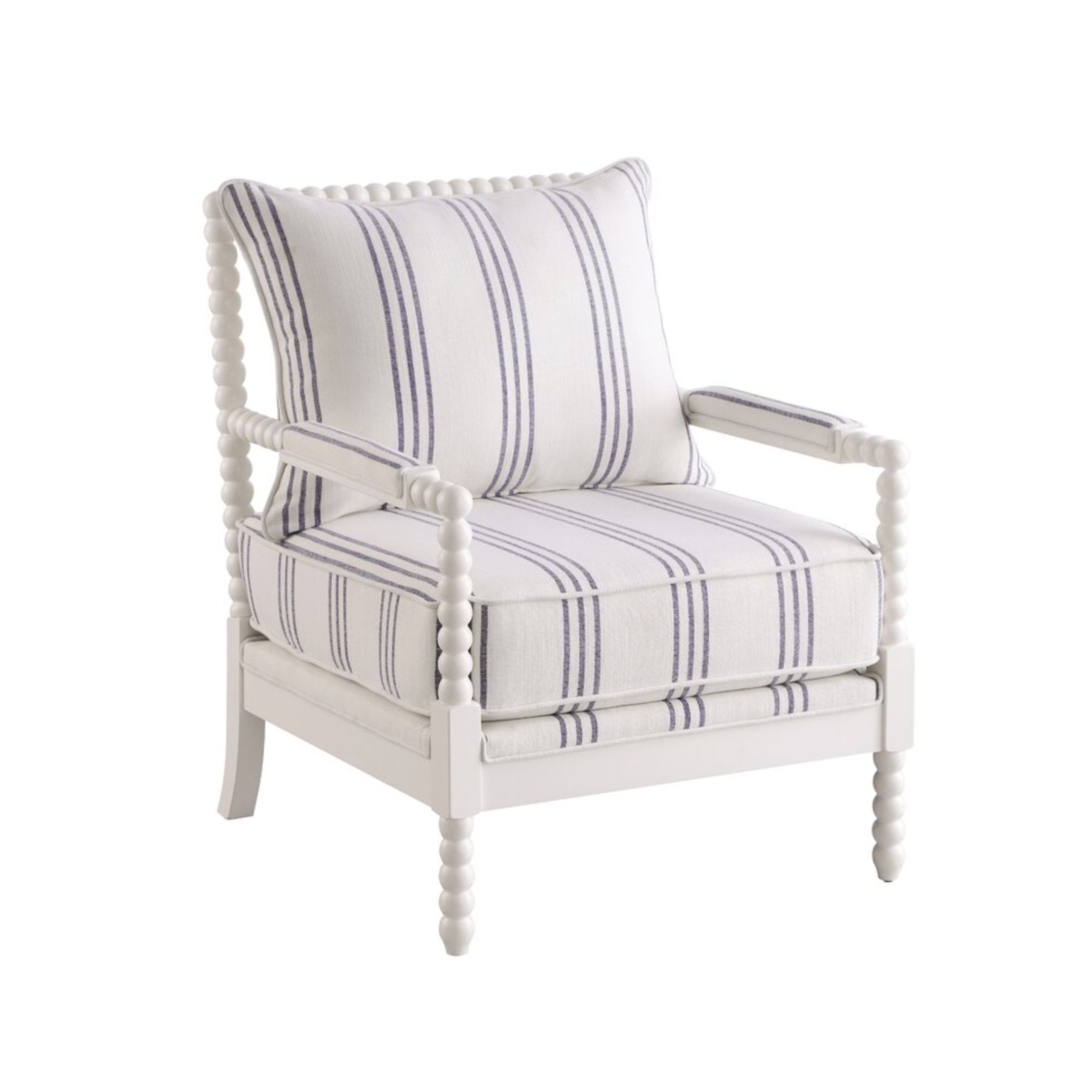
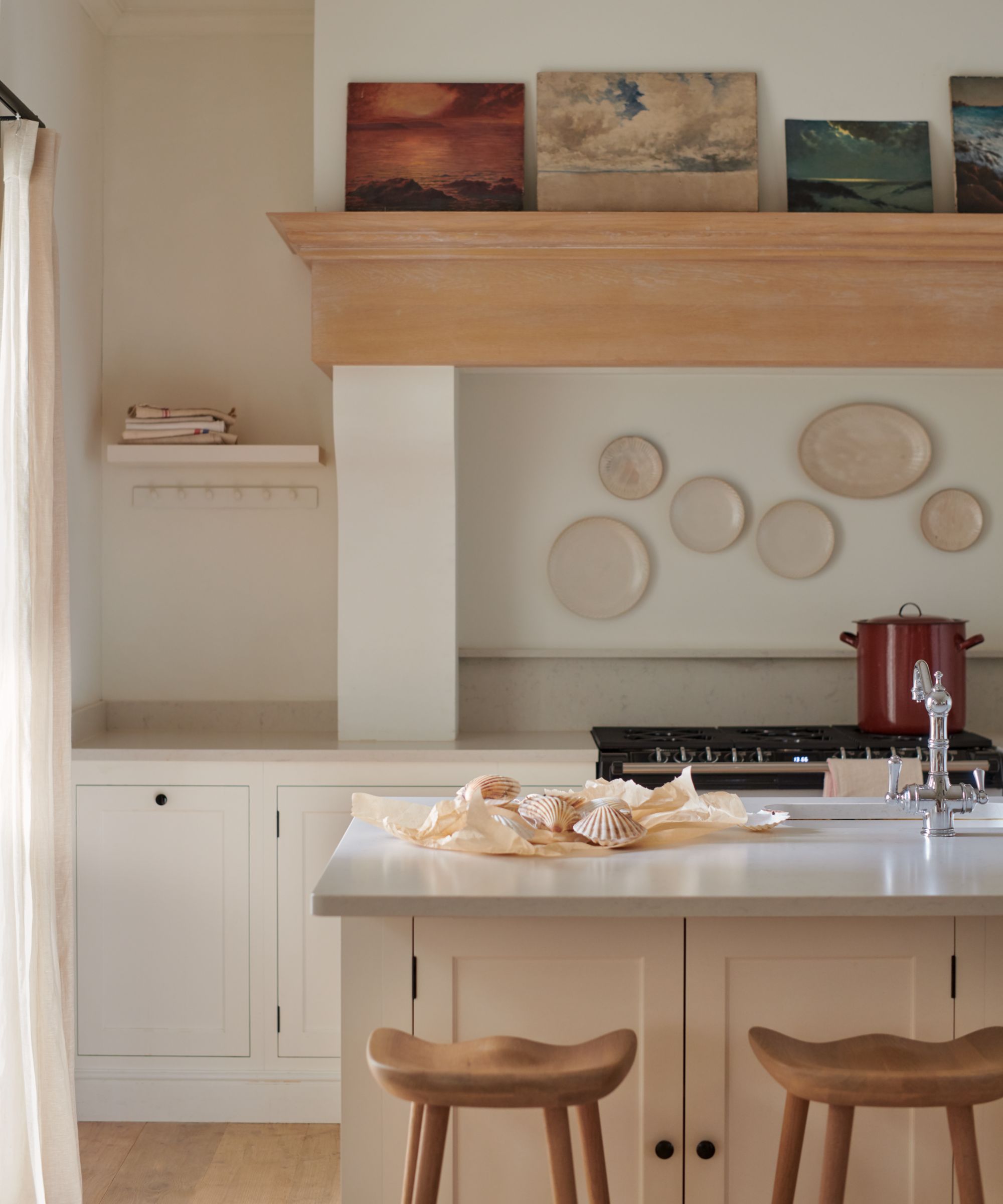
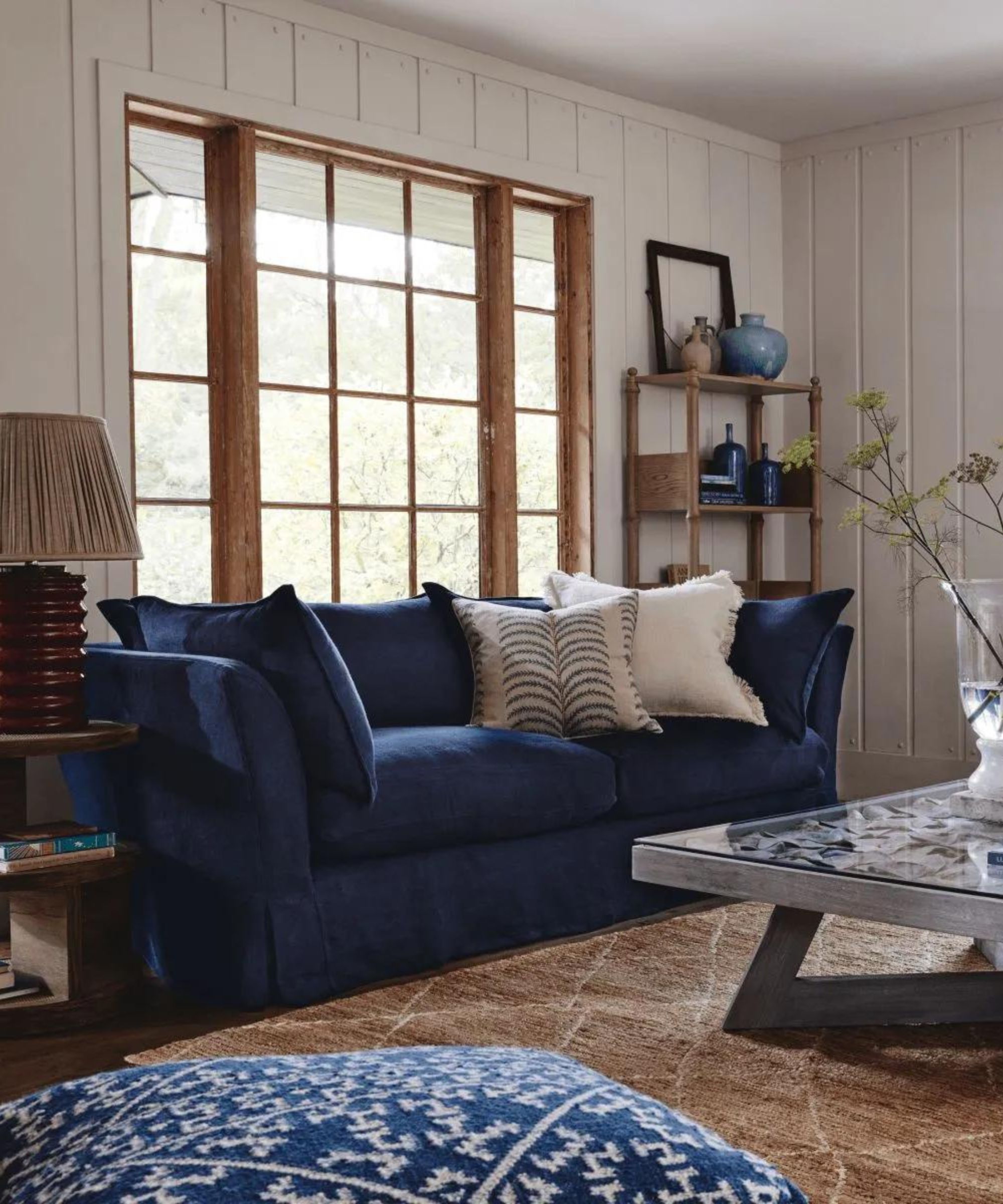
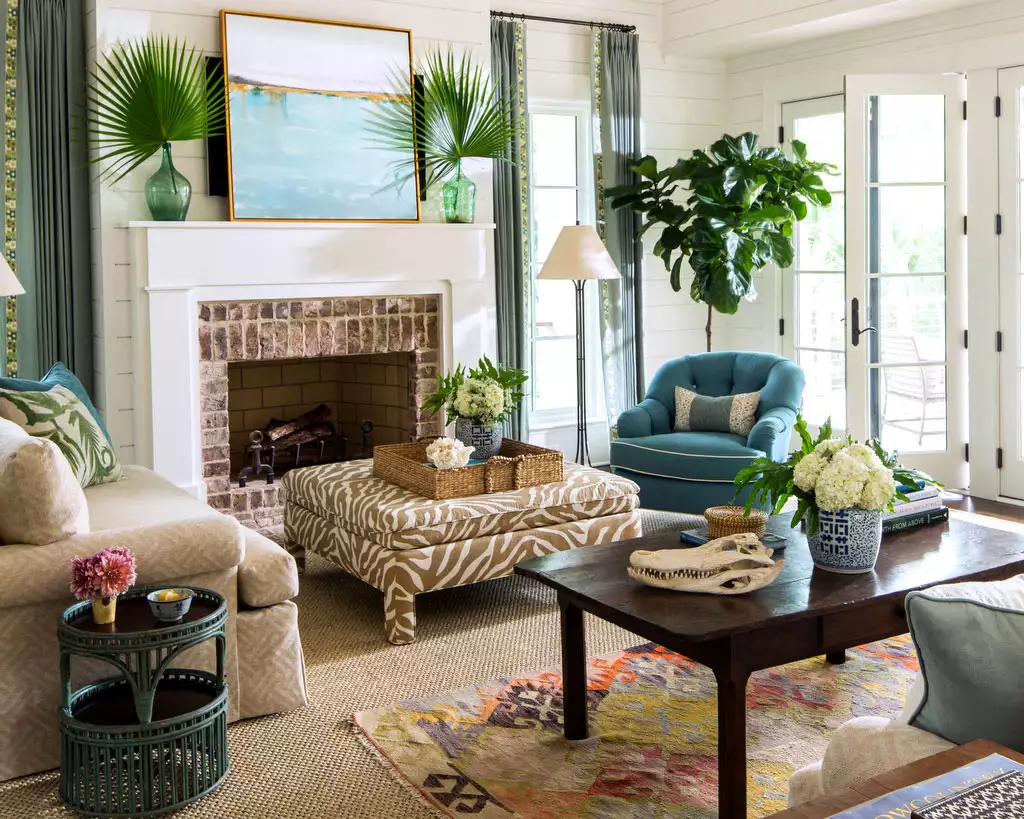
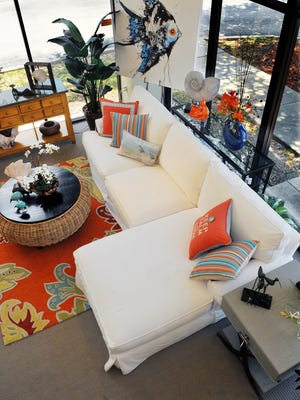
Embracing a lived-in look is key to authentic coastal interior design, shying away from overly manicured spaces. Soulful touches, collected objects, and practical pieces contribute to the character of a well-loved beach house. Natural materials such as wicker and rope, along with slipcover sofas and painted furniture, create a sense of history and warmth. The aim is for interiors to feel personal and reflective of journeys and memories, rather than sterile or mass-produced. Choosing character over cliché means moving beyond stereotypical nautical themes. While subtle nods to the sea are acceptable, the focus should be on creating a personalized space. For example, a renovated beach house might combine a wood-and-white color scheme with French modernist furniture, reflecting the owners' passions and creating a unique, characterful home.
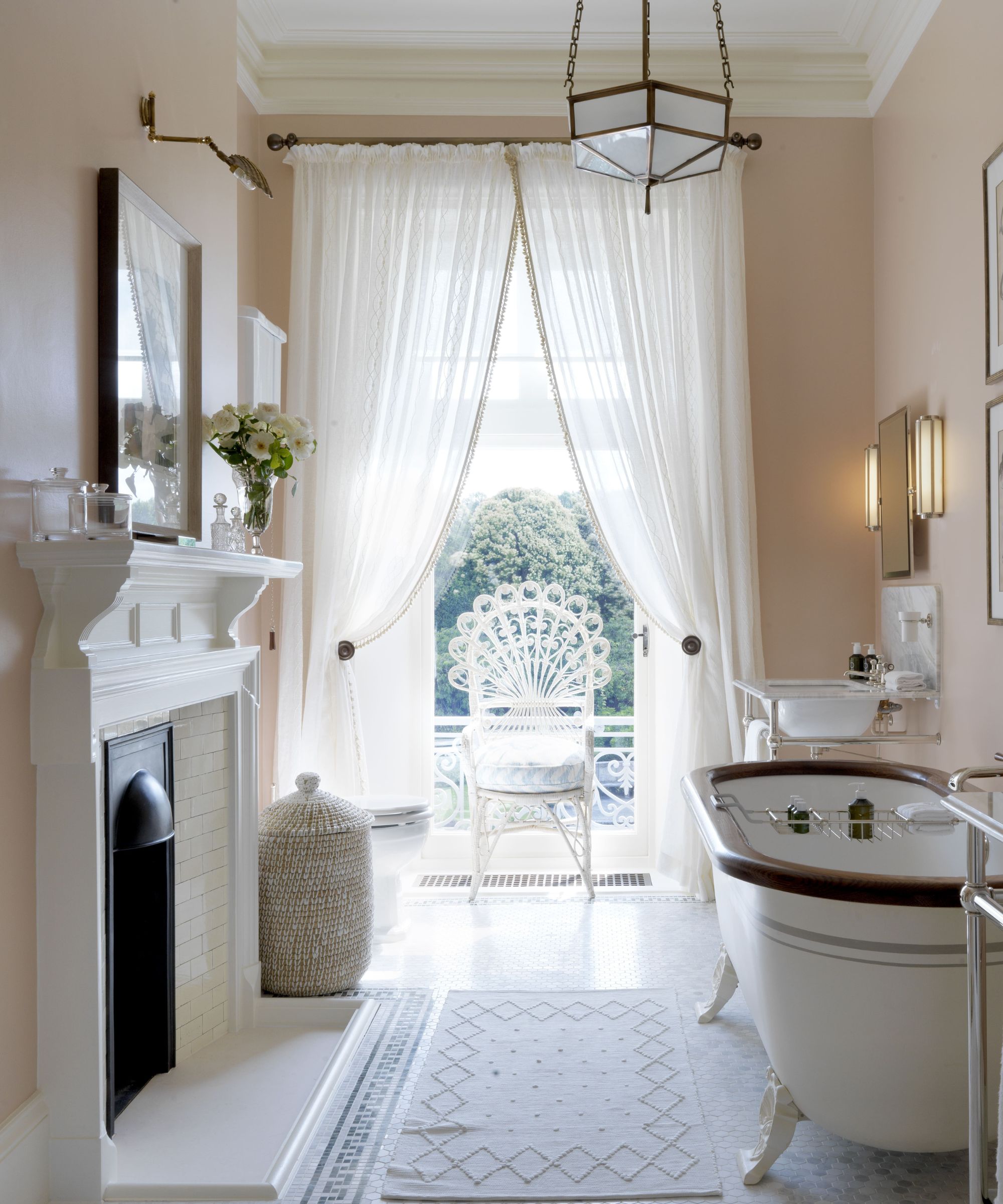
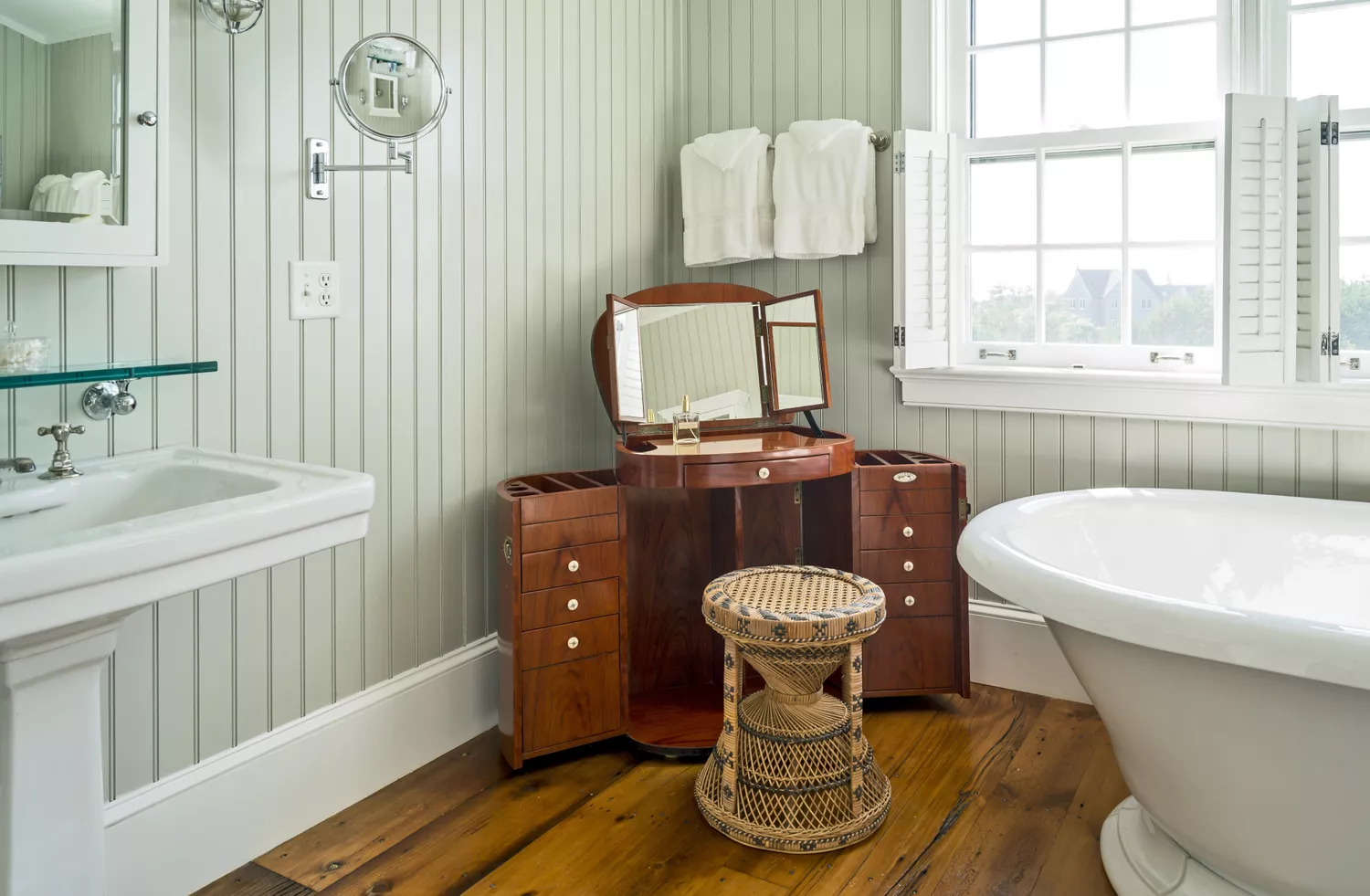
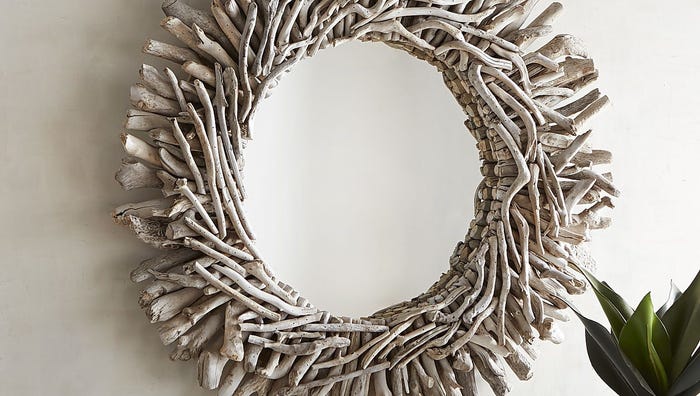
Incorporating utilitarian elements enhances the connection with nature and promotes a simplistic yet luxurious feel. A bathroom designed to maximize natural light and views, featuring a robust steel bathtub, exemplifies how functional elements can create a serene and element-connected experience. Harnessing the beauty of timber is another cornerstone of coastal design, with locally harvested wood and natural finish materials used extensively. Whitewashed cedar boards, Douglas Fir floors, and millwork, complemented by soft, fog-grey furnishings, create a casual, unfussy, and timeless palette. This approach integrates the interior with the external landscape, maintaining a connection to the environment.
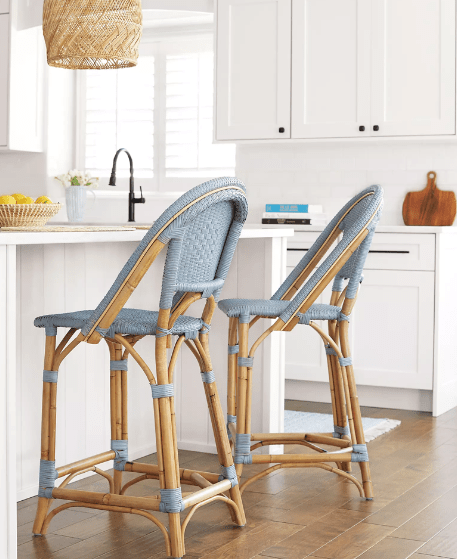
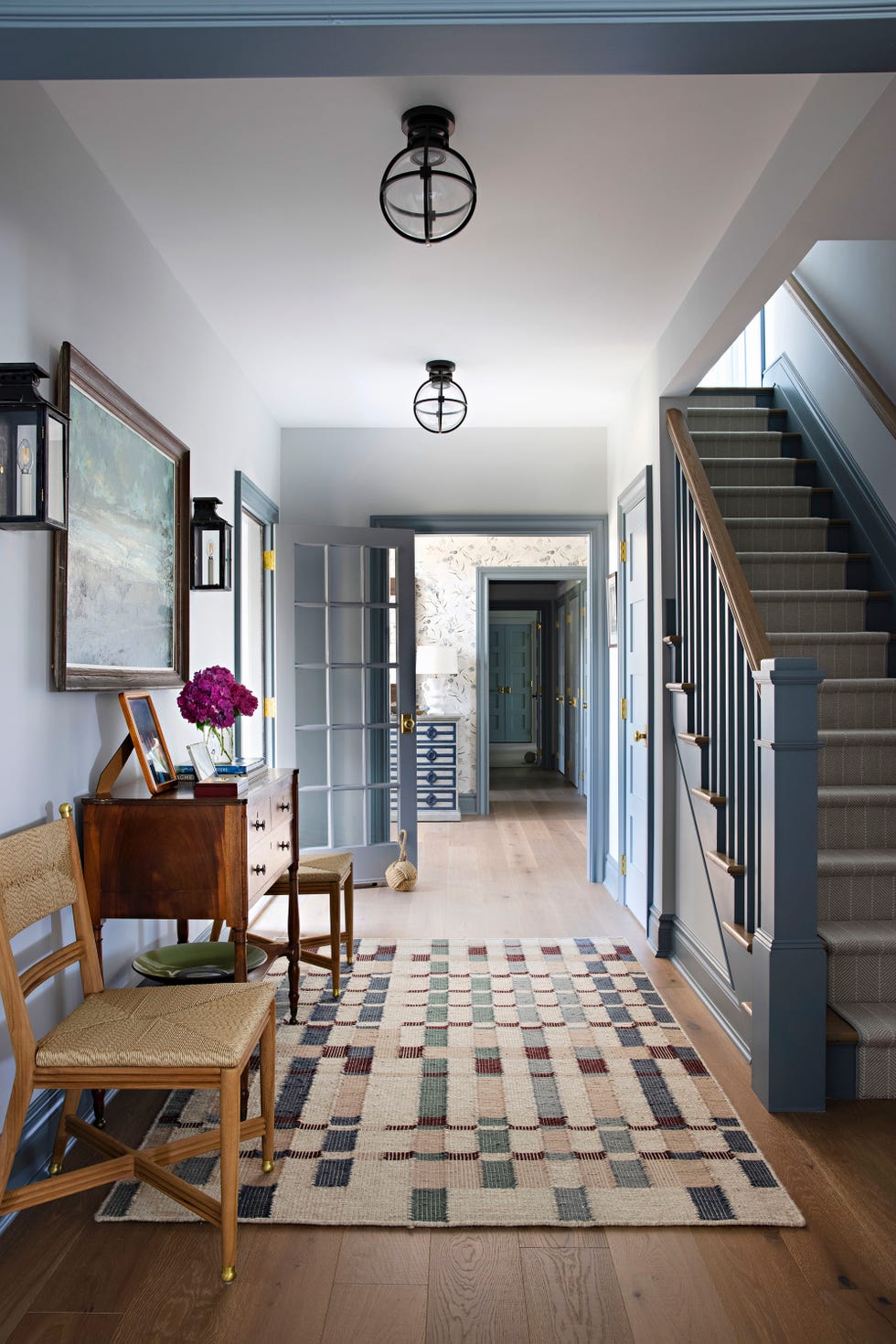
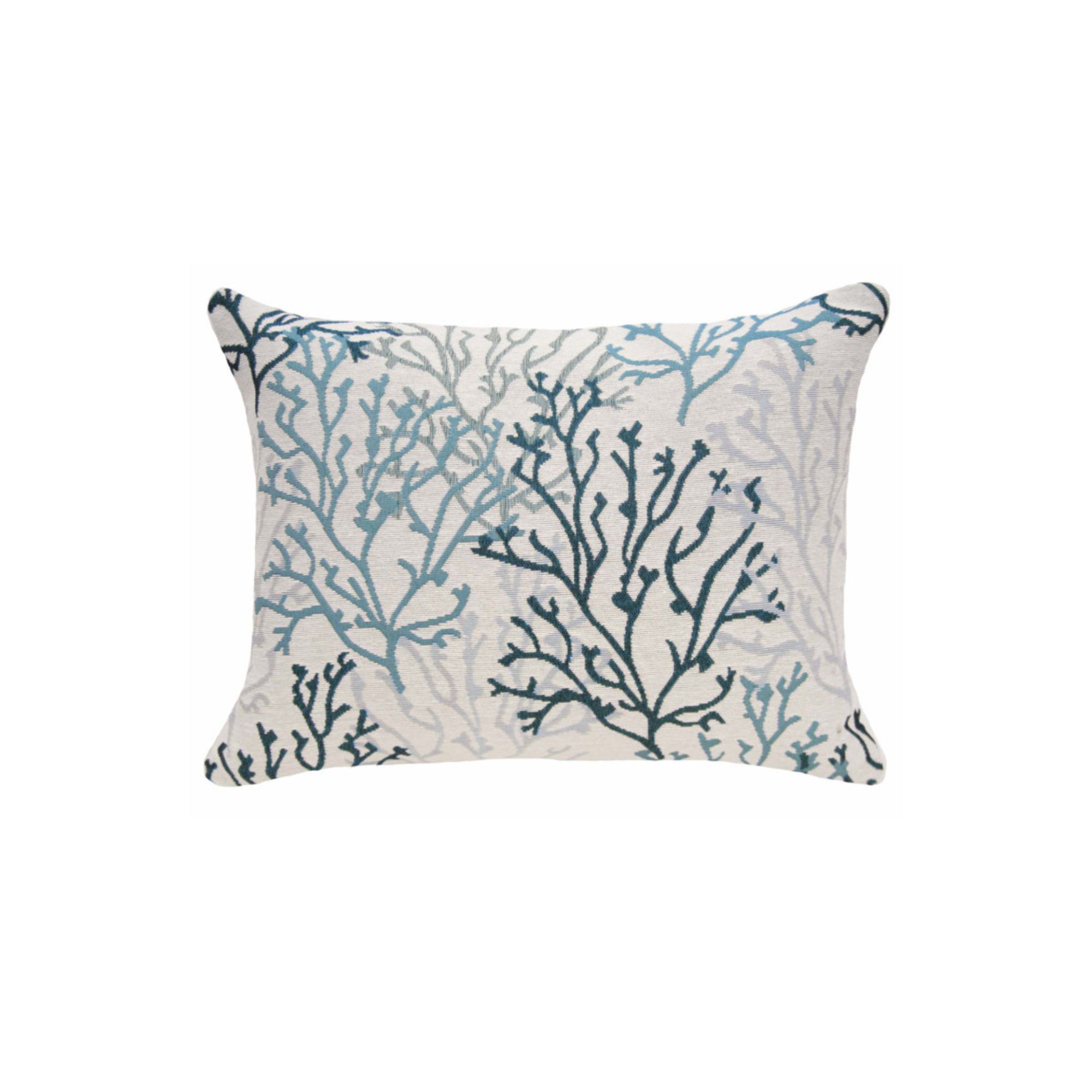
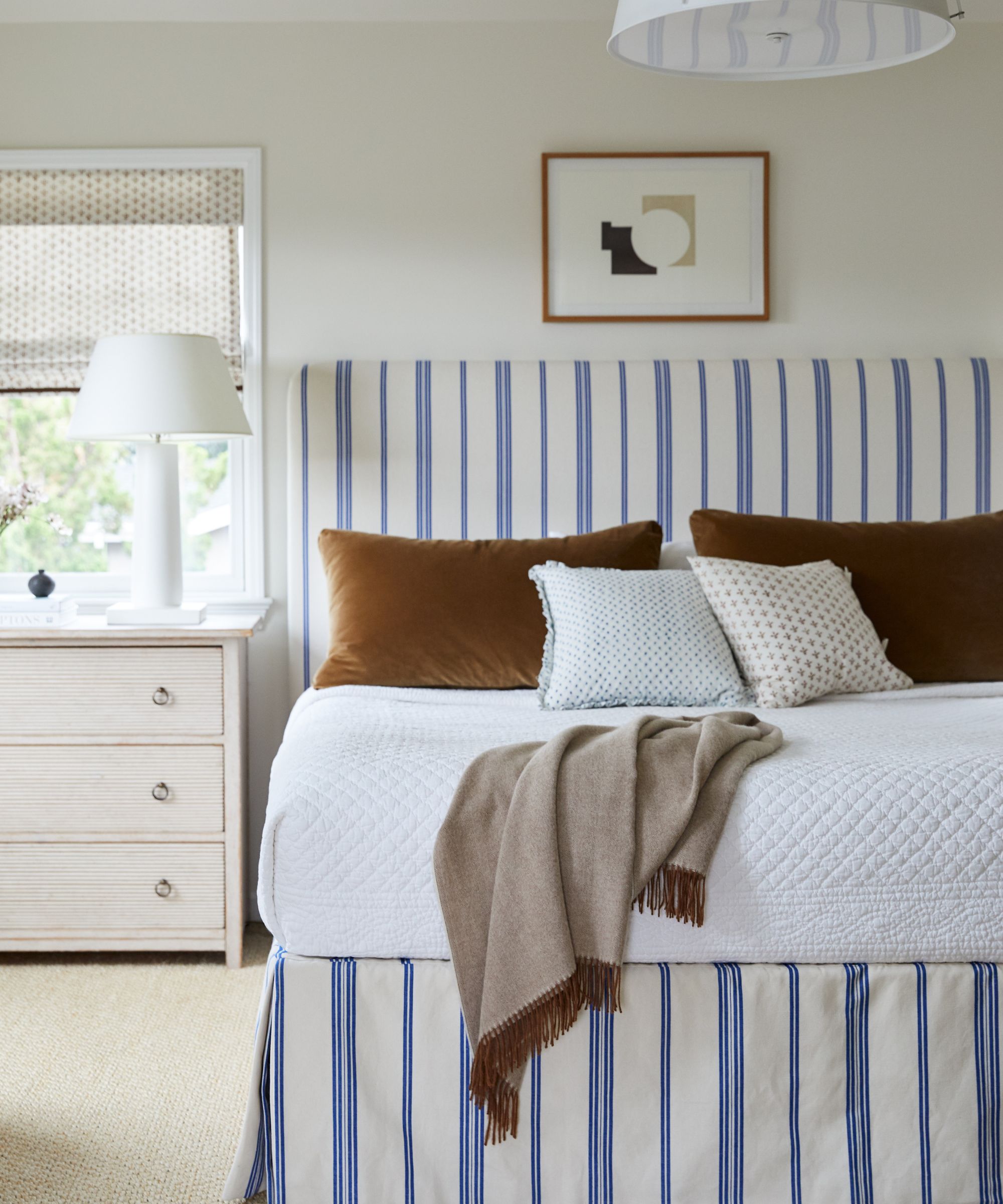
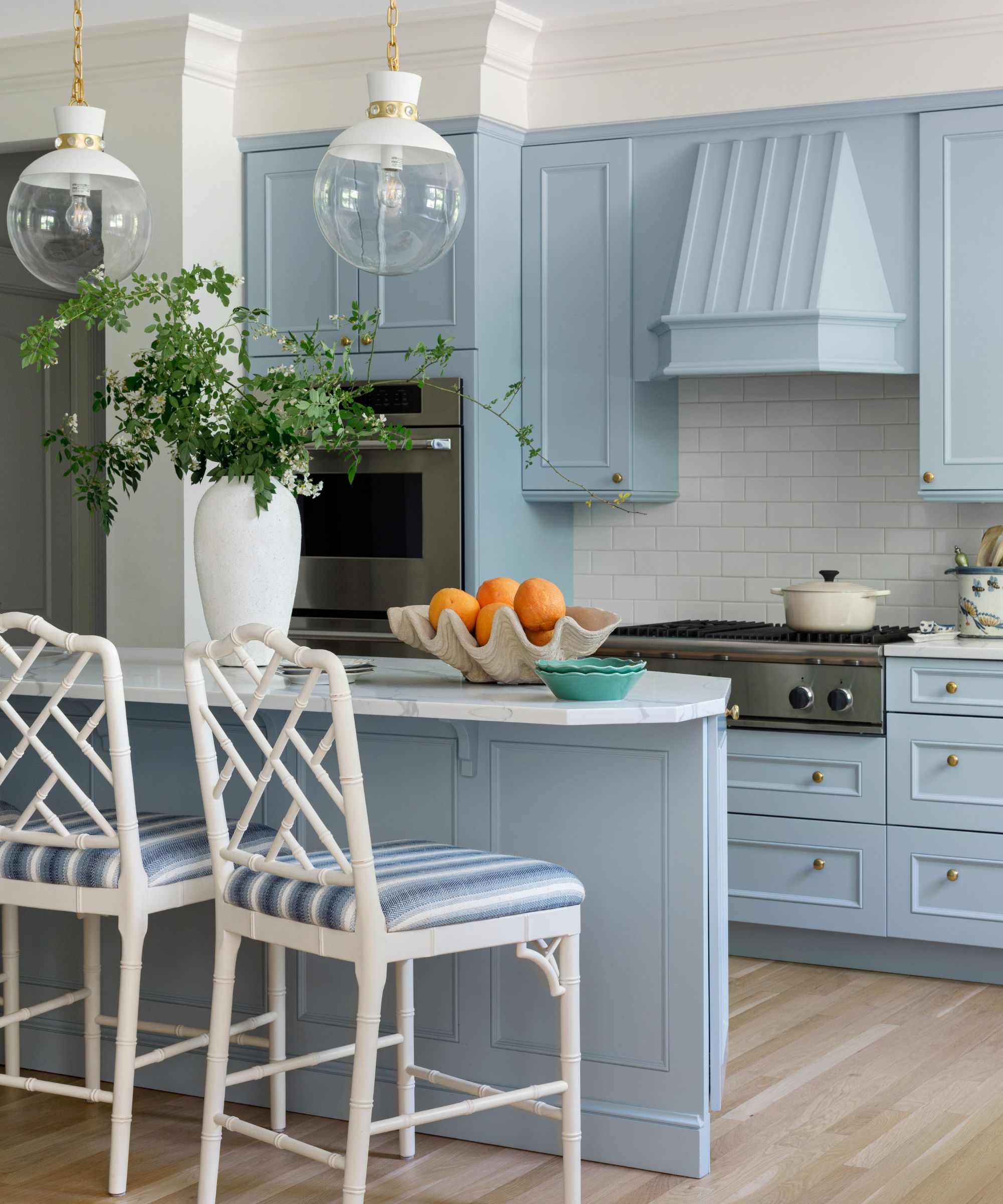
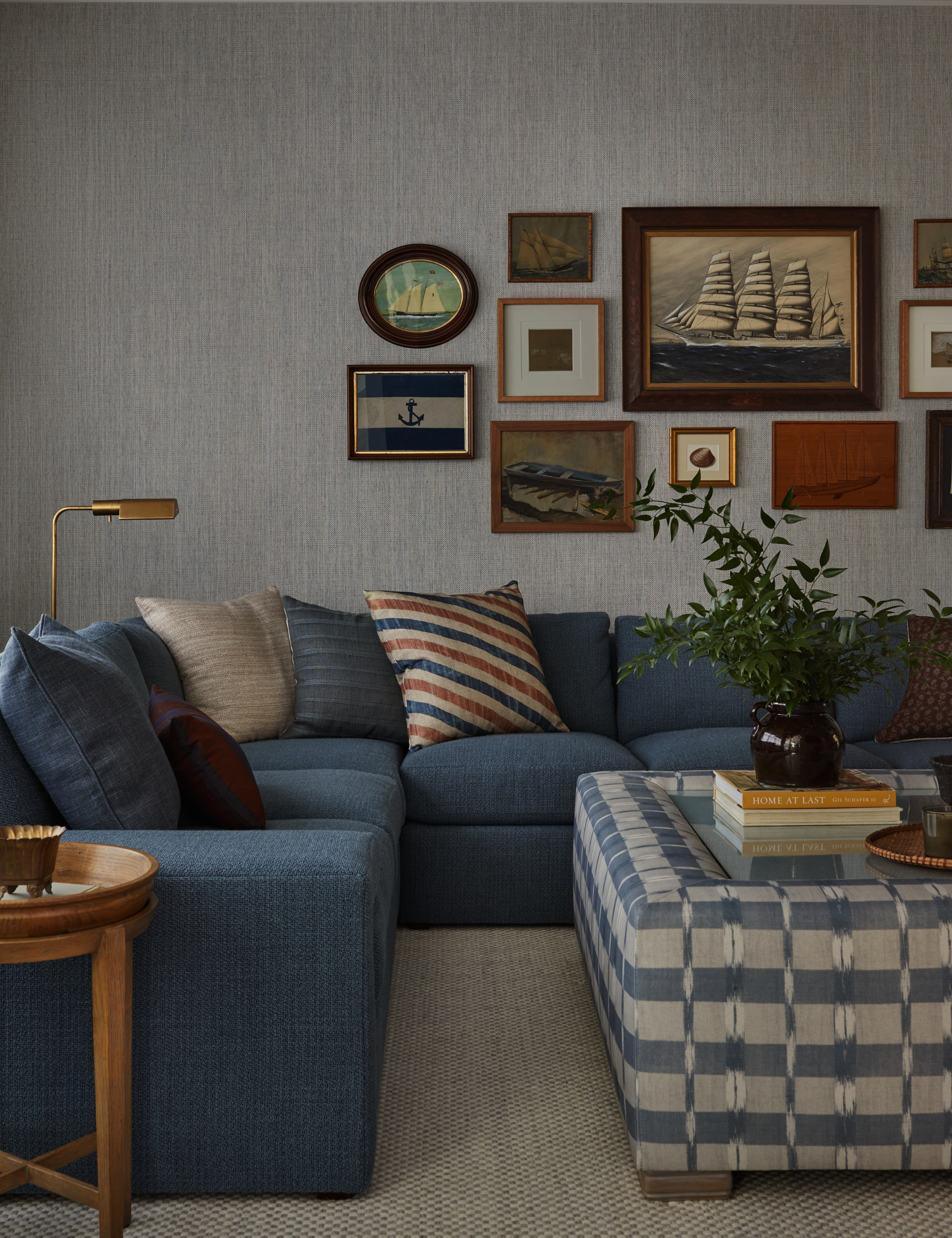
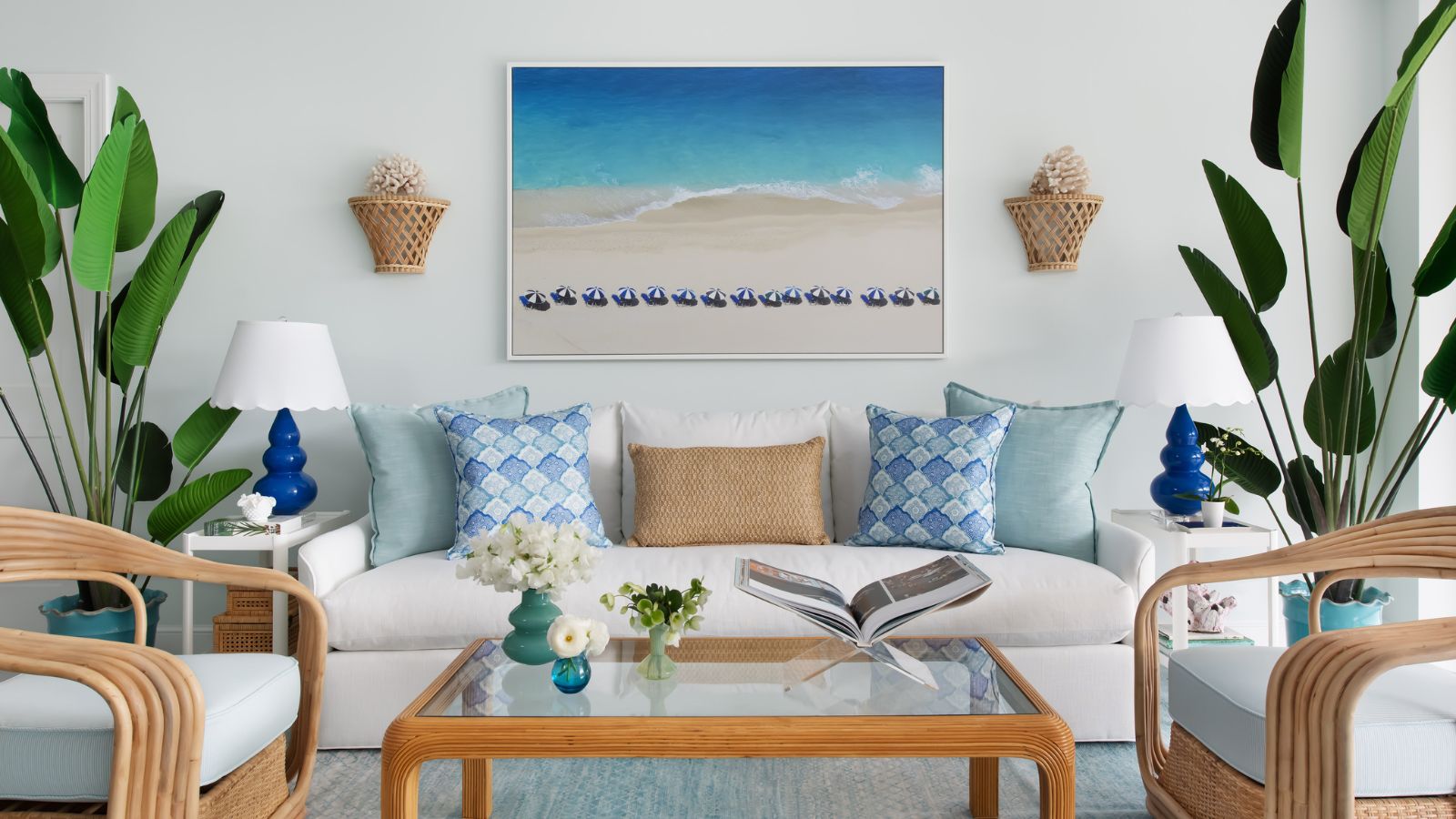
Subtle nautical touches are preferred over overt maritime motifs. Playing with primary colors and statement stripes in a restrained manner, such as through banquette seating and cushions, can achieve a sophisticated coastal-cool aesthetic. Natural materials continue to be paramount, with teak floors, jute rugs, and woven textures like basket-style pendants providing warmth and textural contrast against airy, white backdrops. This creates a blend of Californian style and modern luxury, reflecting the natural surroundings. Simple solid shutters, rather than traditional plantation styles, offer a robust and unfussy window treatment, aligning with a pared-back coastal interior and reinforcing a sense of shelter. Finally, weaving in vintage pieces adds depth and history, making a home deeply personal and reflective of cultivated collections. Combining vintage furniture and art with new custom pieces, along with practical considerations like accommodating children and pets, ensures the home is both stylish and livable, embodying a unique and authentic coastal aesthetic.
#CoastalDesign #InteriorDesign #HomeDecor #NaturalMaterials #FunctionalFurniture #TimelessAesthetic #OutdoorLiving #VintageDecor #SustainableDesign #CoastalDesign #InteriorDesign #HomeDecor #NaturalMaterials #FunctionalFurniture #TimelessAesthetic #OutdoorLiving #VintageDecor #SustainableDesign
0 comment in total
 No comments yet
You may also like
Coastal Decor: Pro Decorating Tips | How to Do Coastal Design Right

'Coastal elegance' is the end-of-summer trend to know about – designer Kathy Kuo shares how she creates the effortless look

10 different coastal-style looks for the home

20 Best Coastal Design Tips From The Pros
15 coastal decor ideas that are chic not clichéd
Coastal Interior Design Is Done Best by These 19 AD PRO Directory Members

Coastal Interior Design: 5 Hallmarks of the Seaside Style

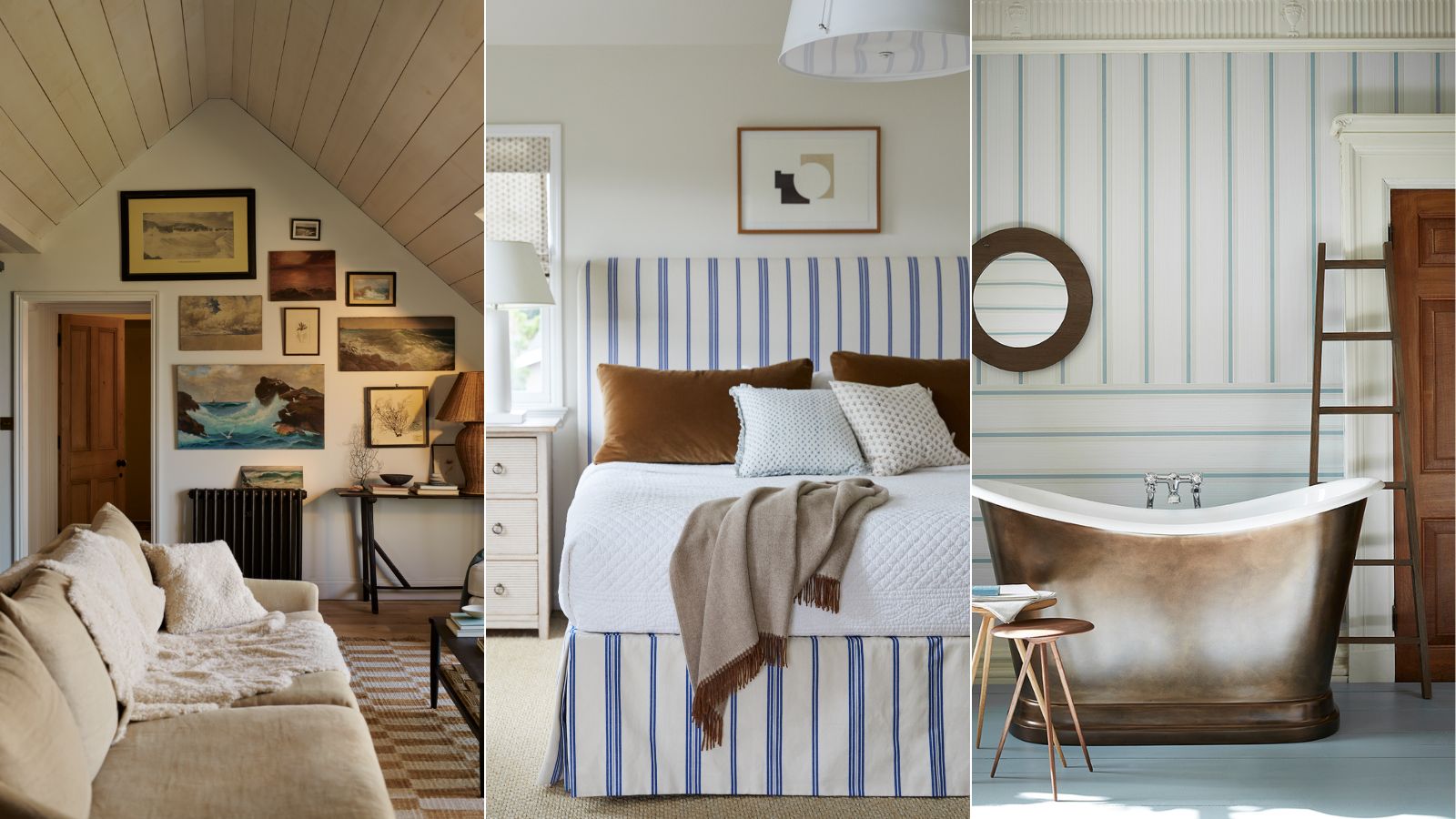
Coastal Auntie is the new fresh, youthful (and slightly cooler) version of Coastal Grandmother style – here's why she's here to stay
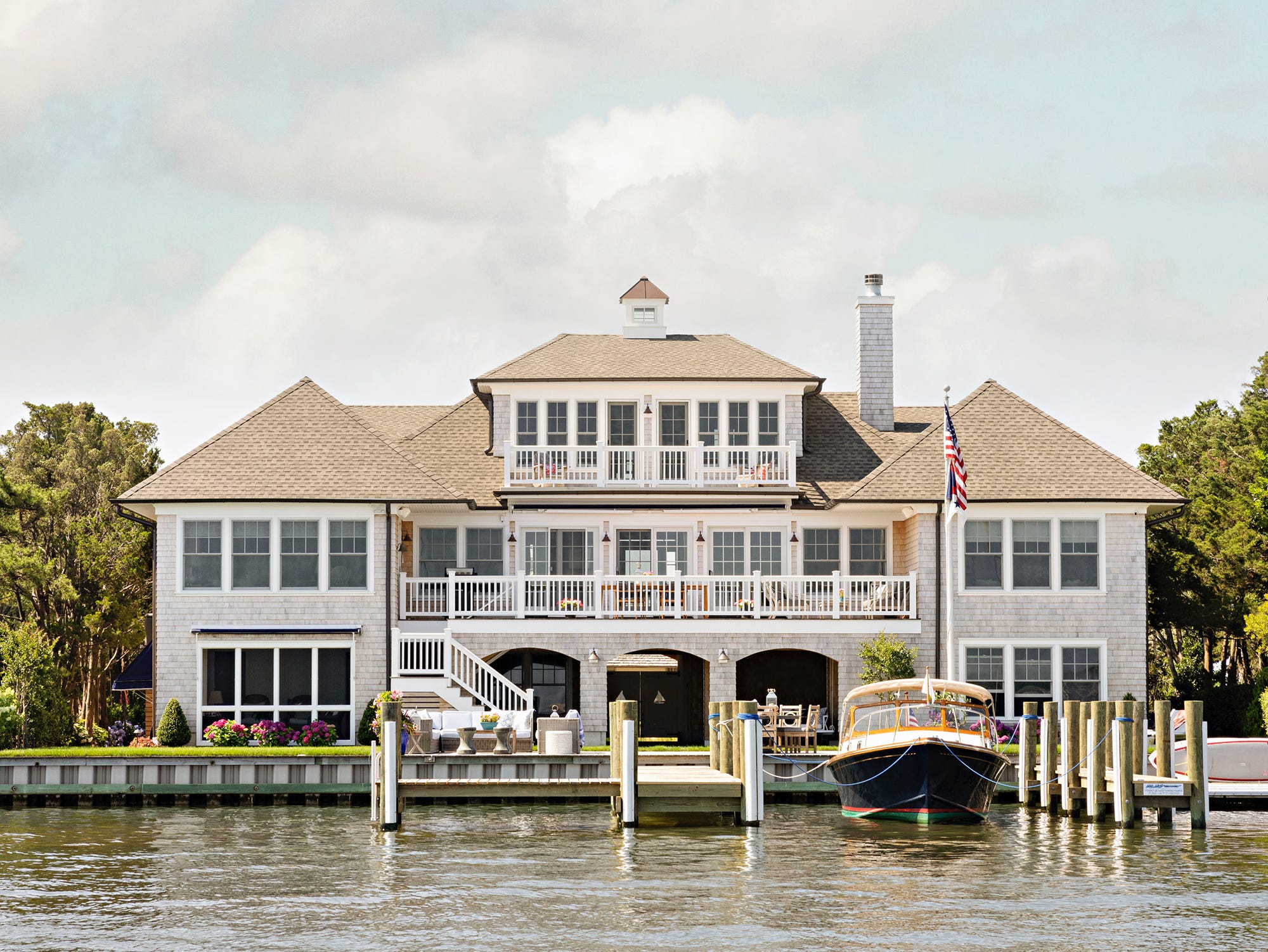
Steal This Designer's Tricks to Master the Modern Coastal Aesthetic

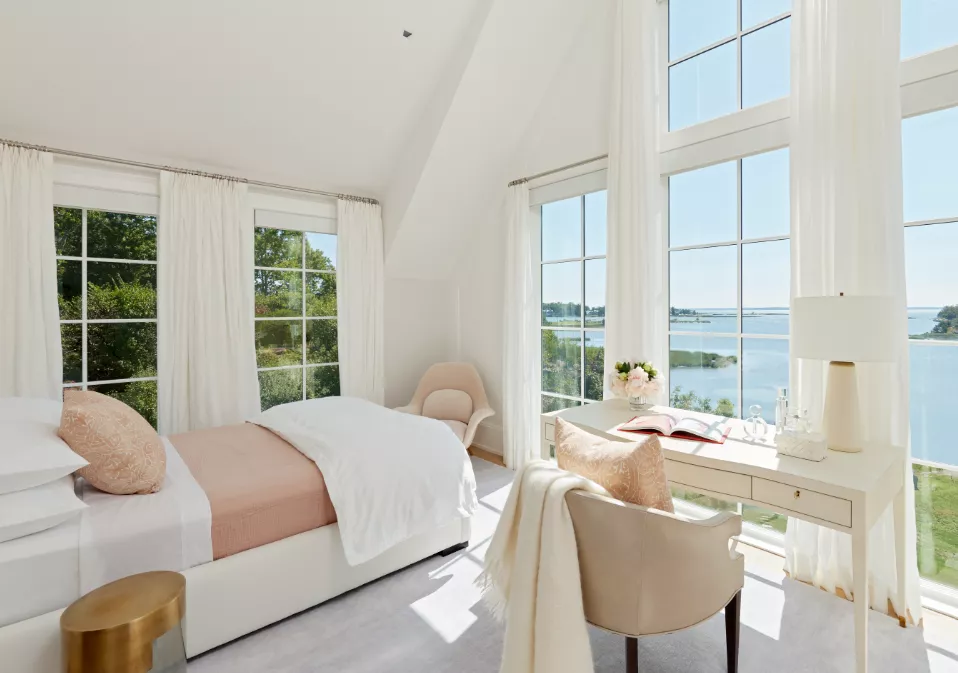
36 Coastal Decor Ideas to Make Your Home Feel Like a Day at the Beach

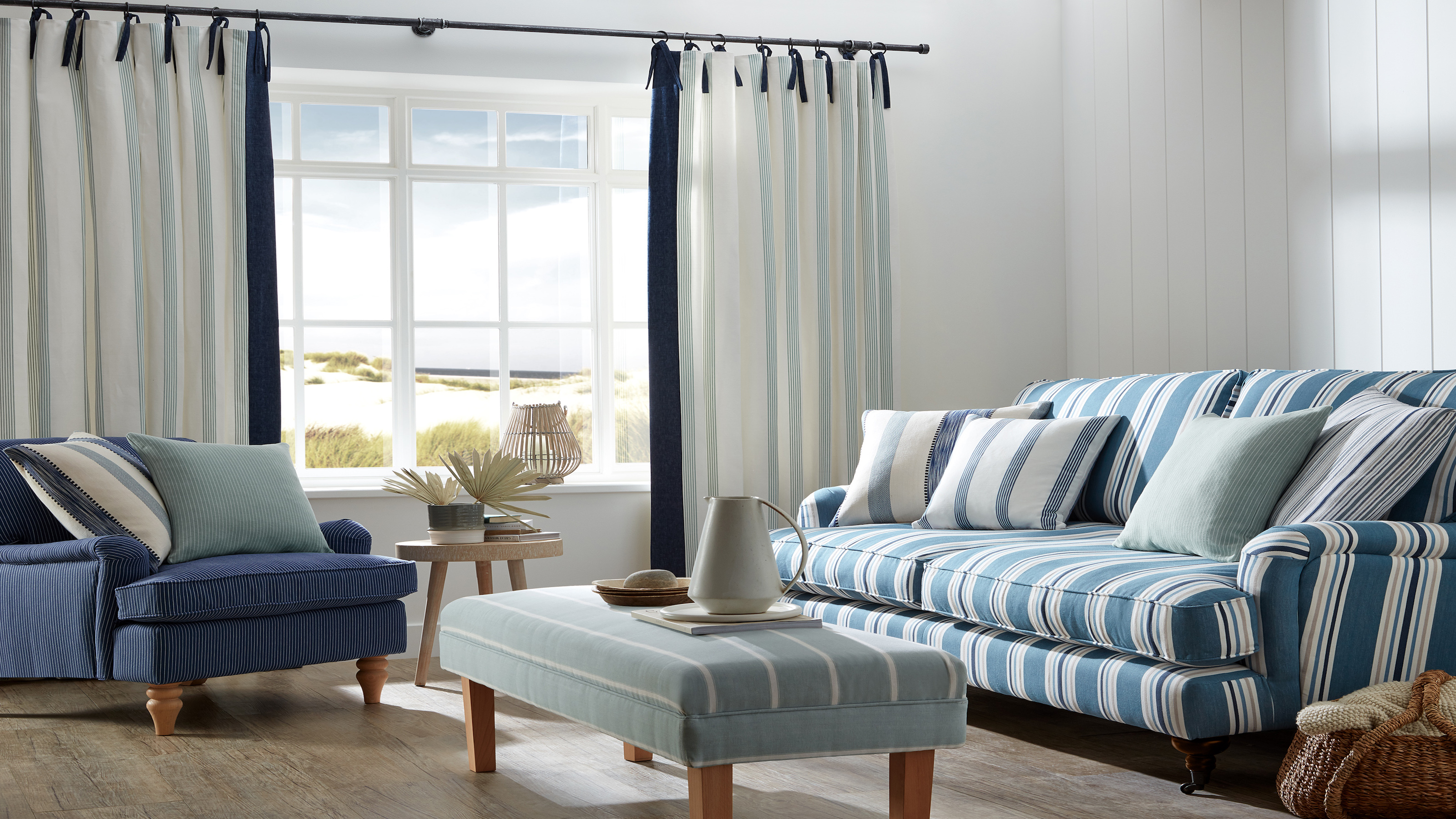
7 easy coastal living room ideas for year-round beach vibes at home

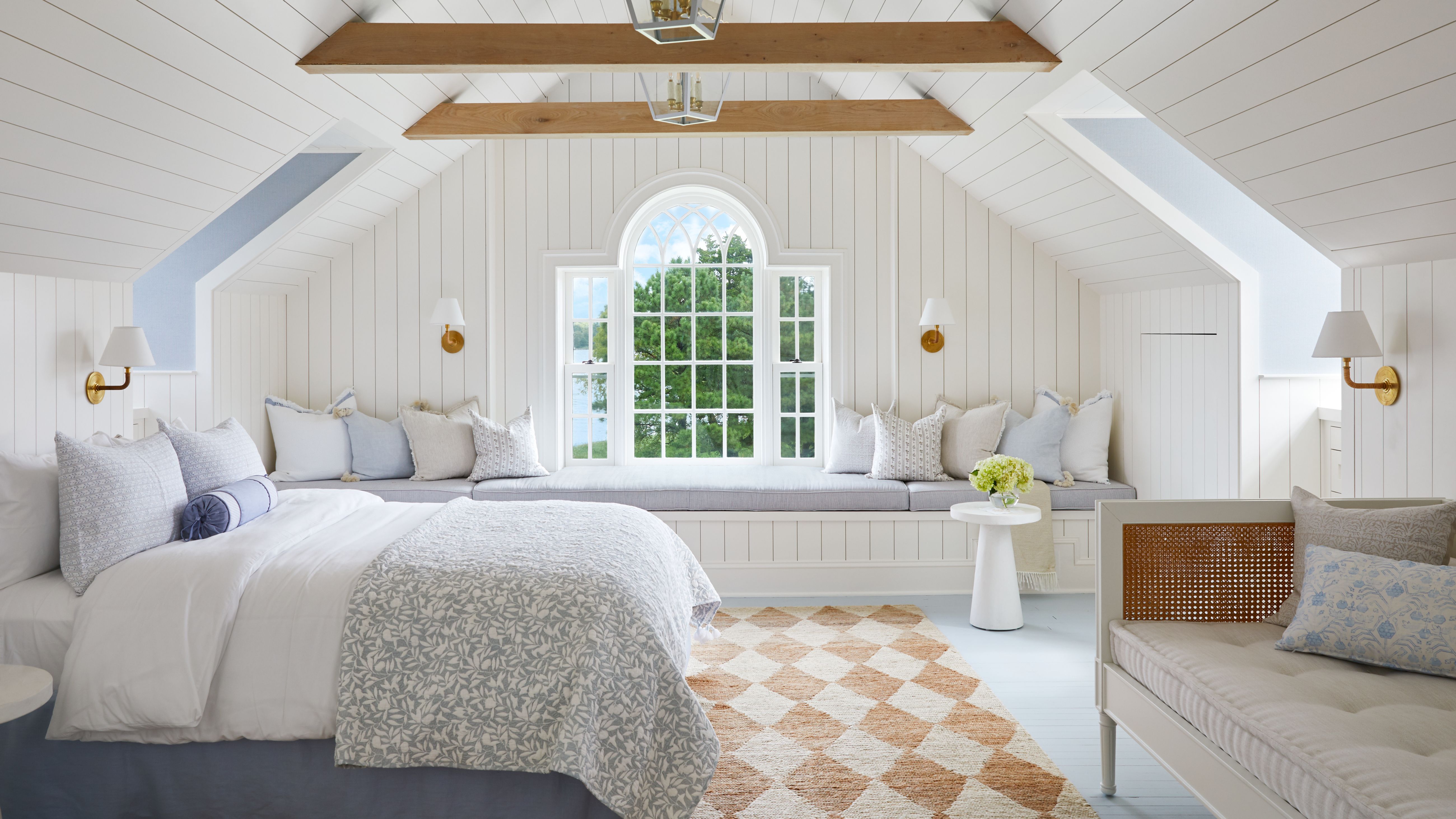
'It's where heritage tradition meets the barefoot ease of living near the water' – this is how to nail the 'Eastcoastal' aesthetic, according to a designer who lives it year-round
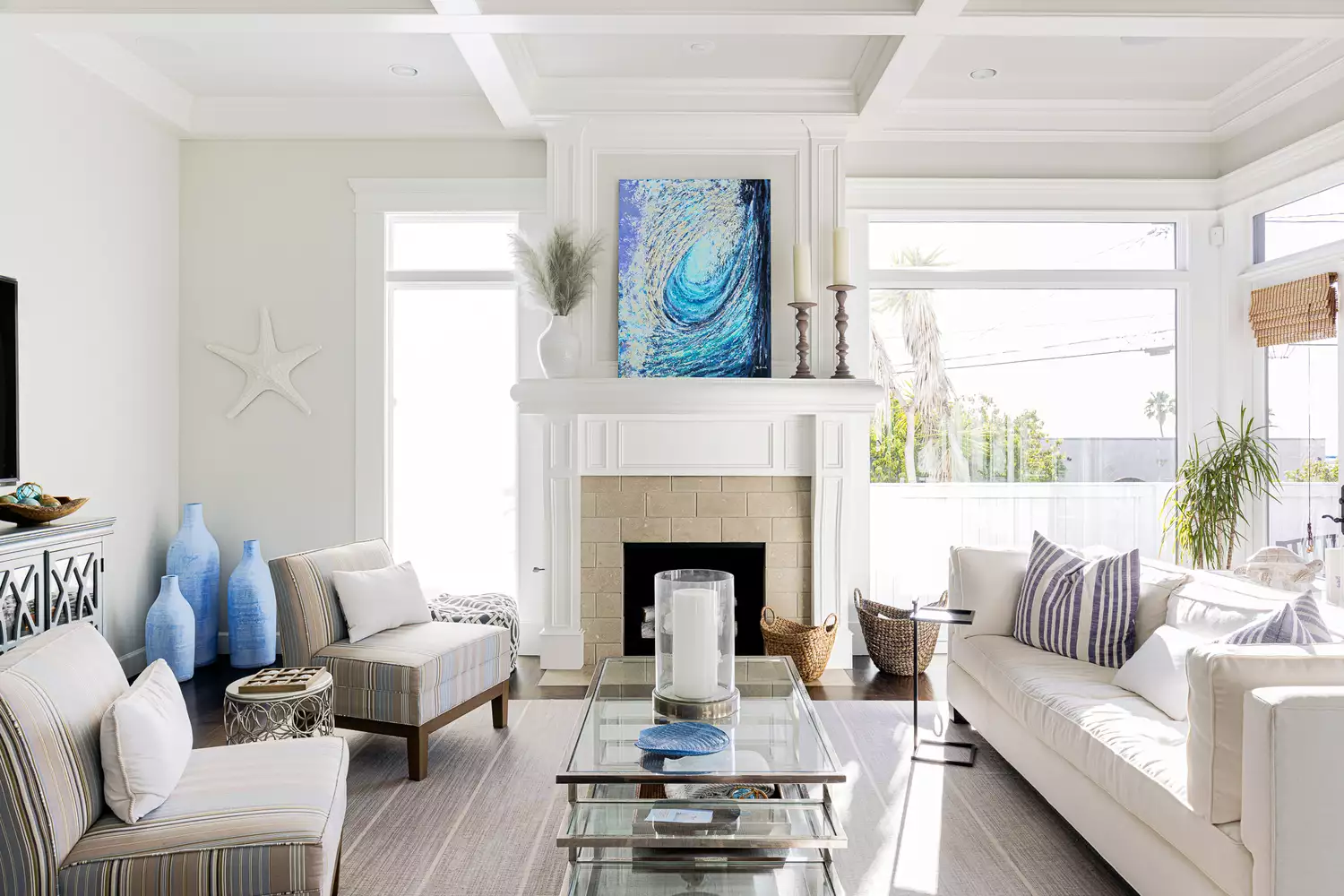
Getting To Know Coastal Style Decorating
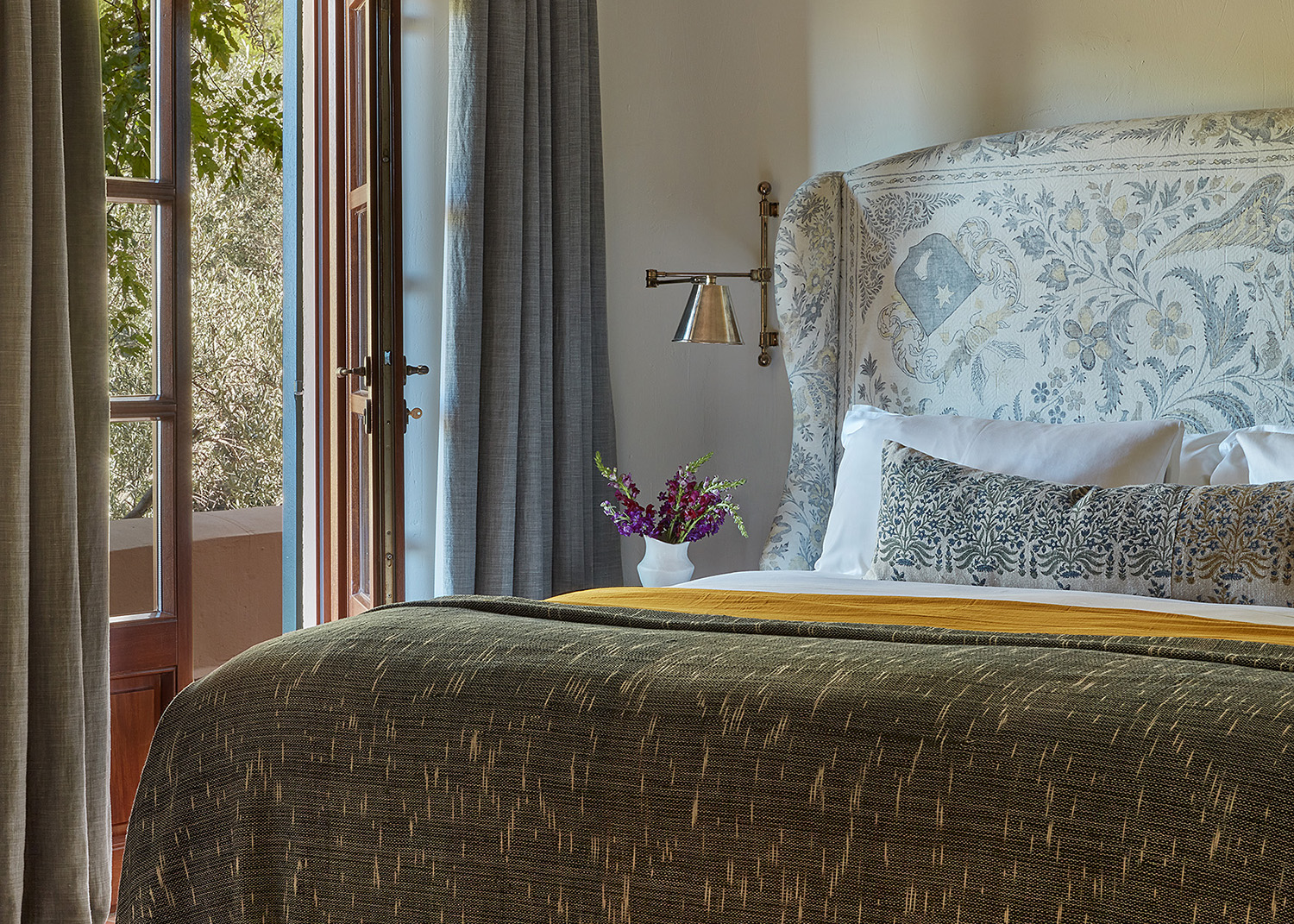
9 Contemporary Coastal Color Palettes Designers Love Which Make Rooms Feel as Relaxing as a Vacation
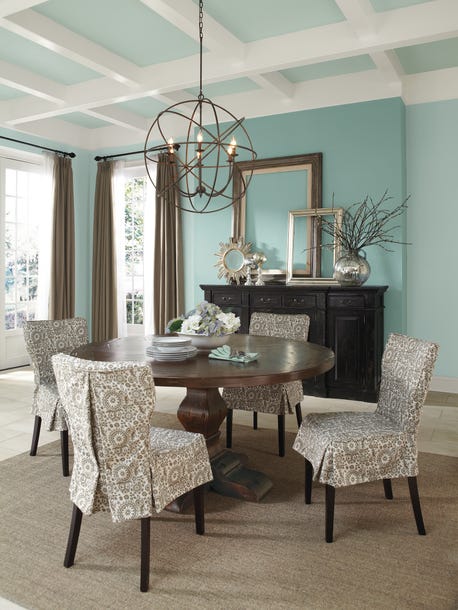
Easy and breezy: Coastal decor
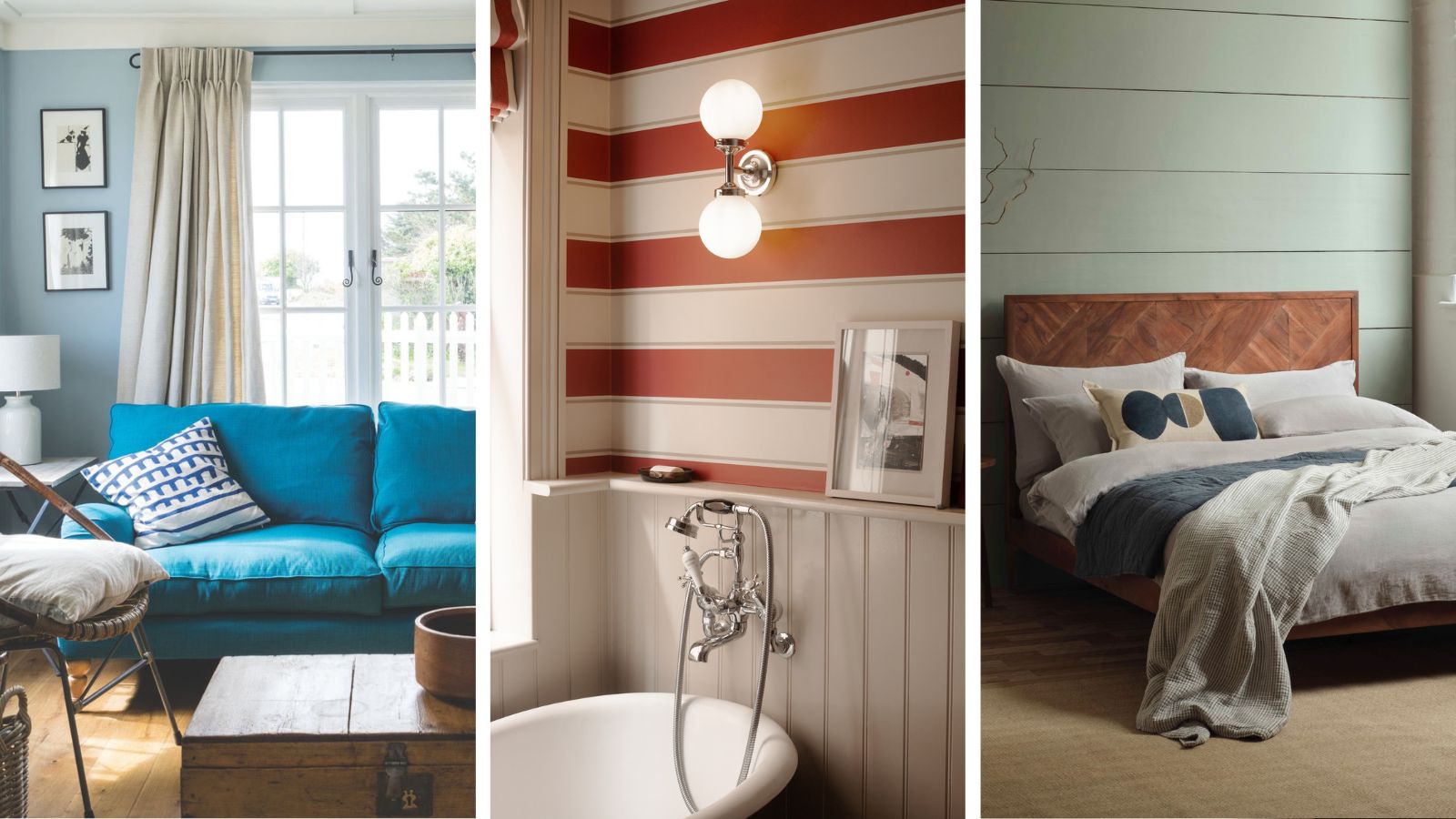
6 coastal color schemes for a calm and tranquil home, no matter how far from the ocean you are
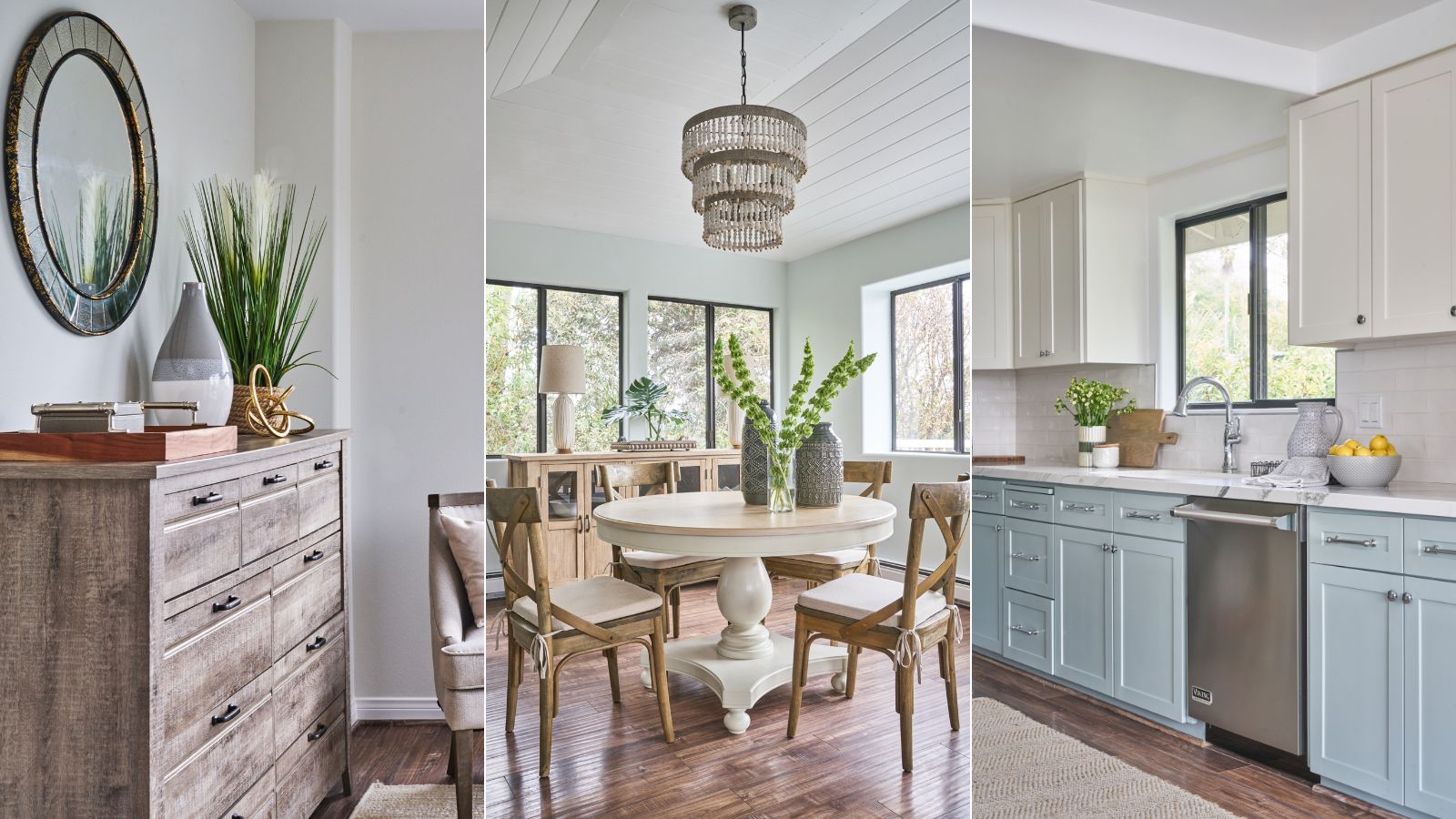
Is coastal decor still on trend? Interior designers decide whether this style is a classic or cliché
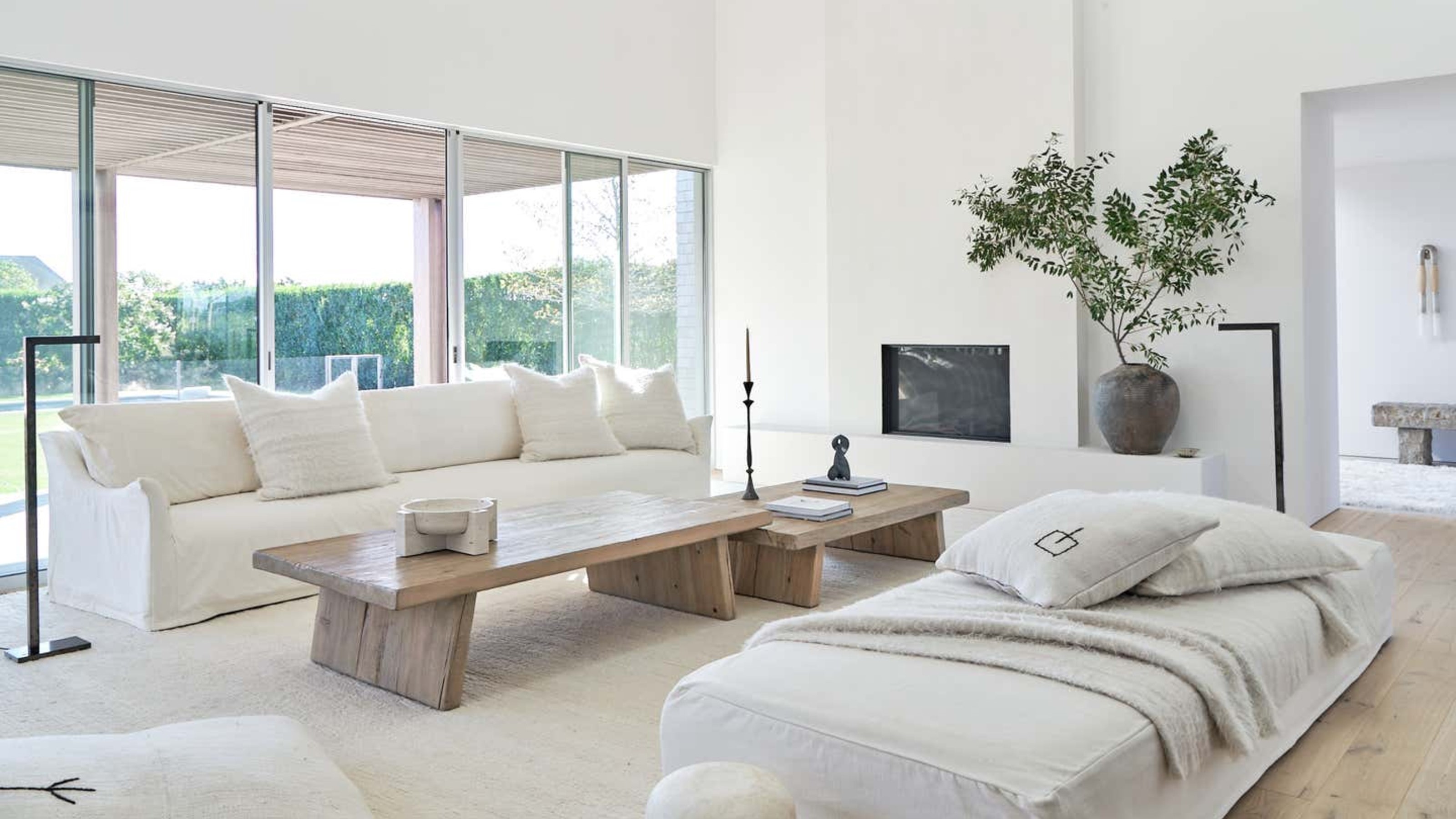
The "Cape Cod aesthetic" is our summer design crush – here's how to get the look of this modern coastal style
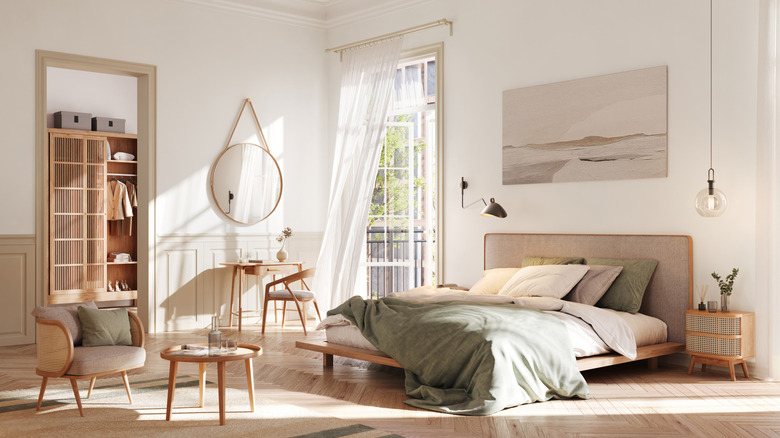
'Coastal Scandifornia' Is The New Design Trend That Combines The Best Of Two Aesthetics
Going coastal: Melbourne shop delivers ocean-inspired decor