Coastal Interior Design: 5 Hallmarks of the Seaside Style
The contemporary coastal aesthetic transcends the traditional reliance on overt shell-shaped motifs, embracing instead a sophisticated integration of natural elements and nature-inspired hues. This evolving style, according to Trish Becker of Trish Becker Design, shifts focus from literal seaside objects to a more nuanced use of materials and colors to define the environment. Margaret Donaldson, a Charleston-based interior designer and founder of MDI Luxury Design, emphasizes that the mindset behind coastal design is equally crucial. She notes that the light, airy colors and natural textures characteristic of coastal decor foster a serene atmosphere, which is particularly appealing in today's fast-paced world.
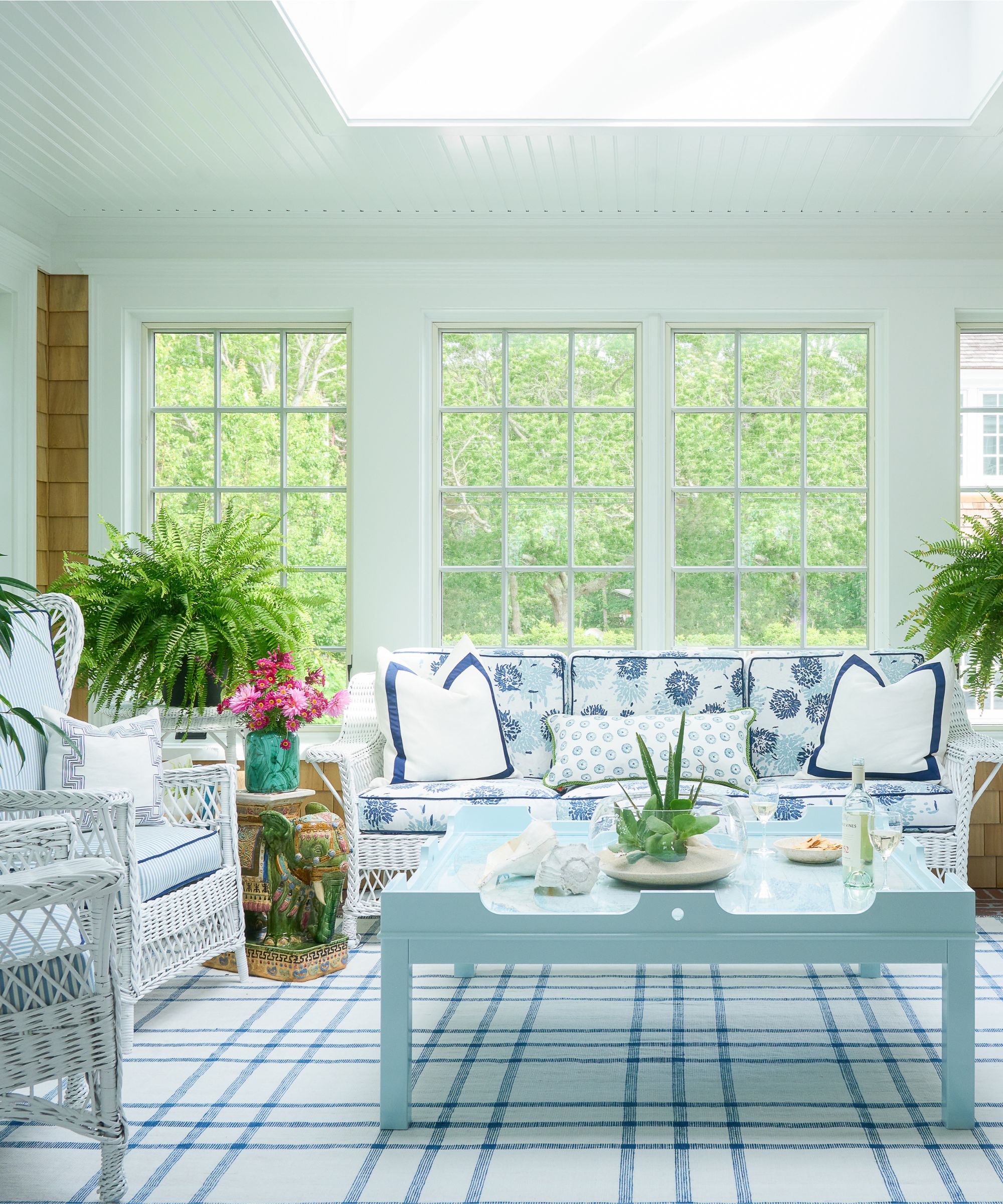
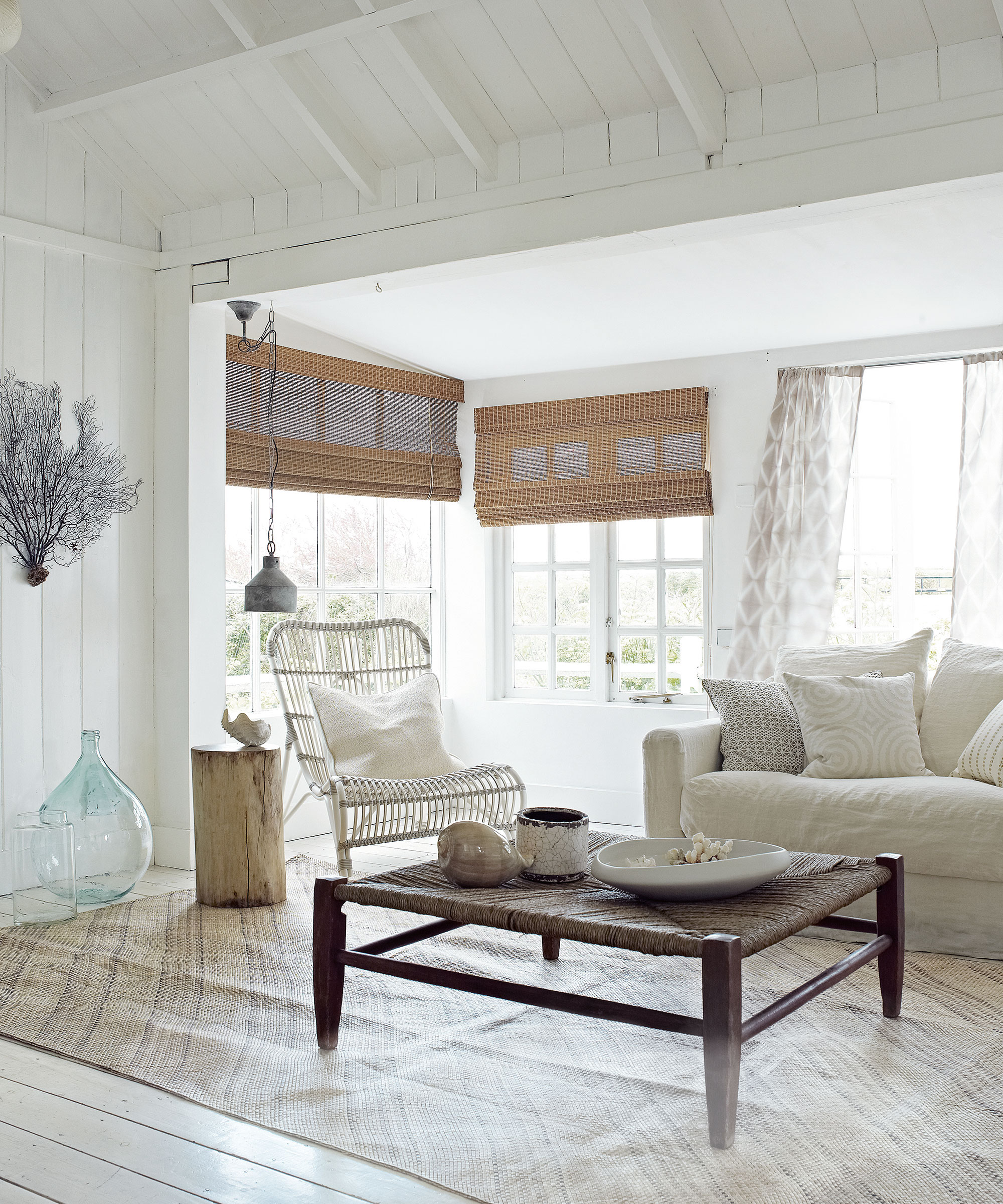
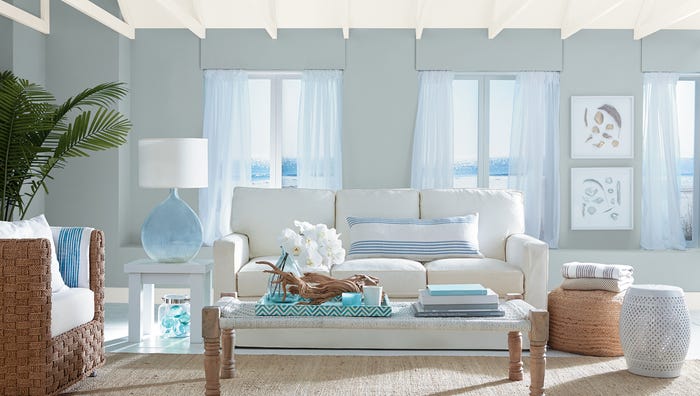
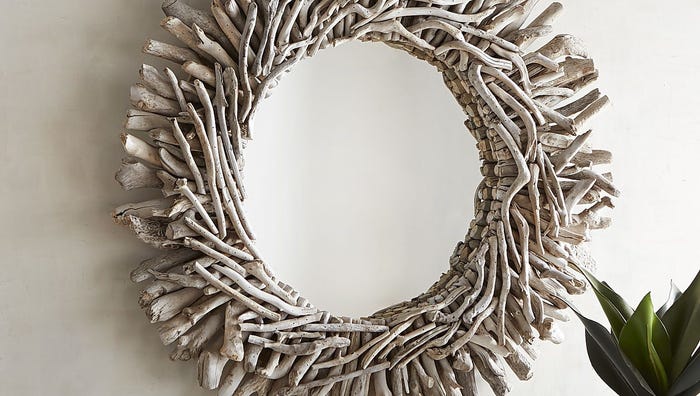
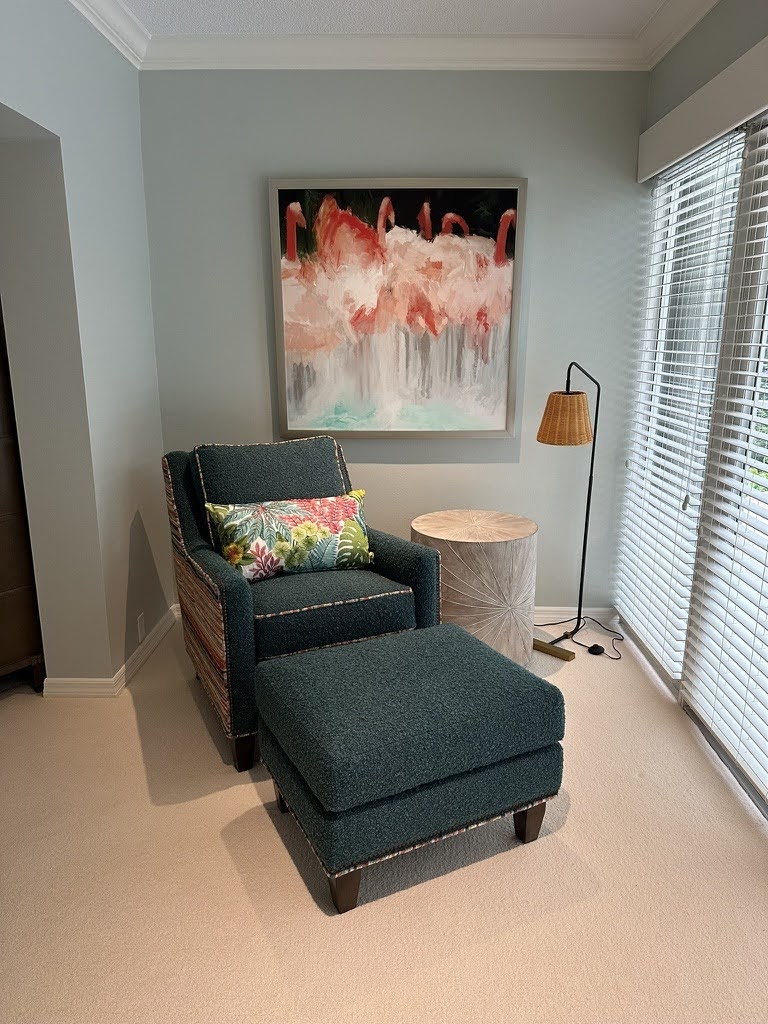
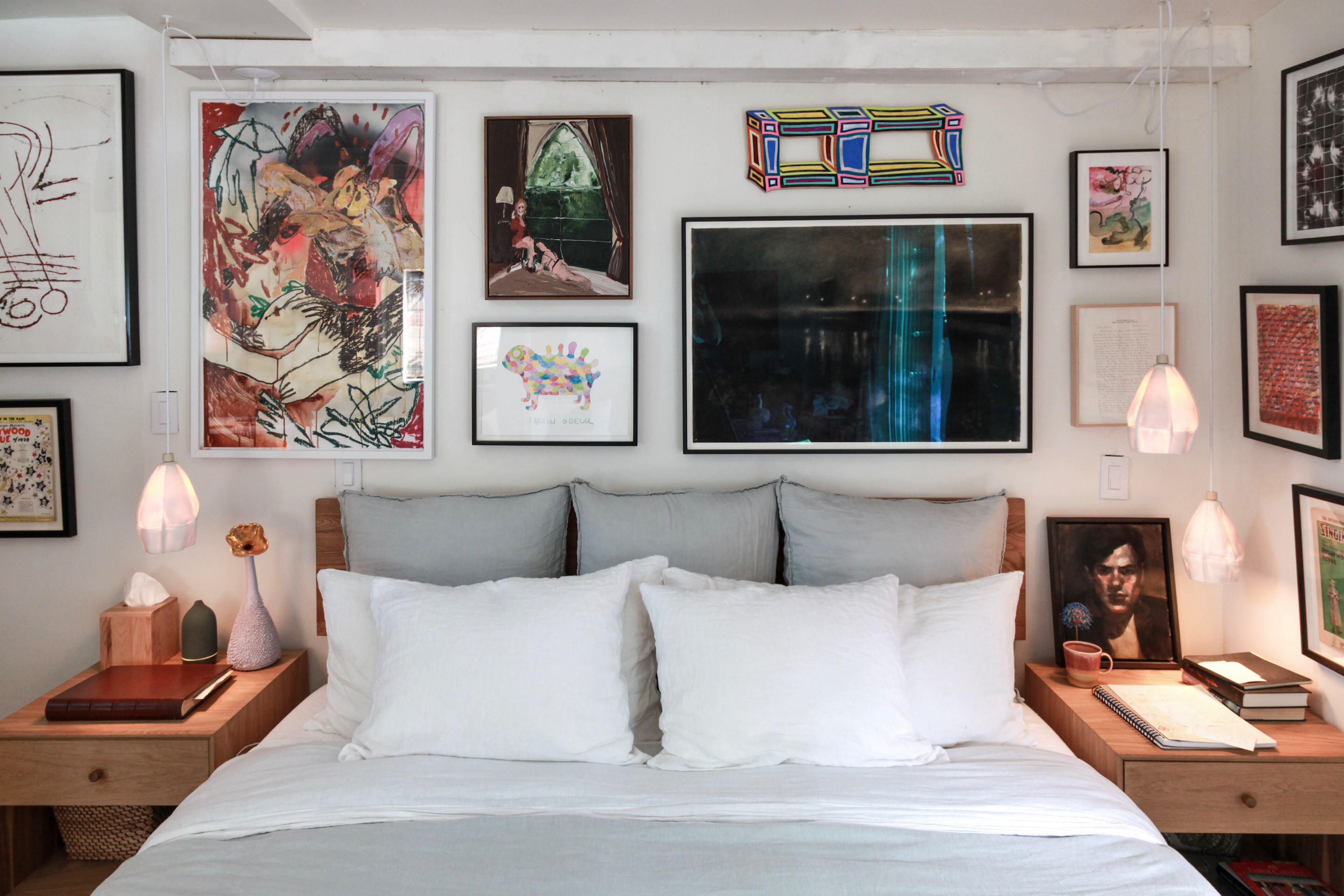
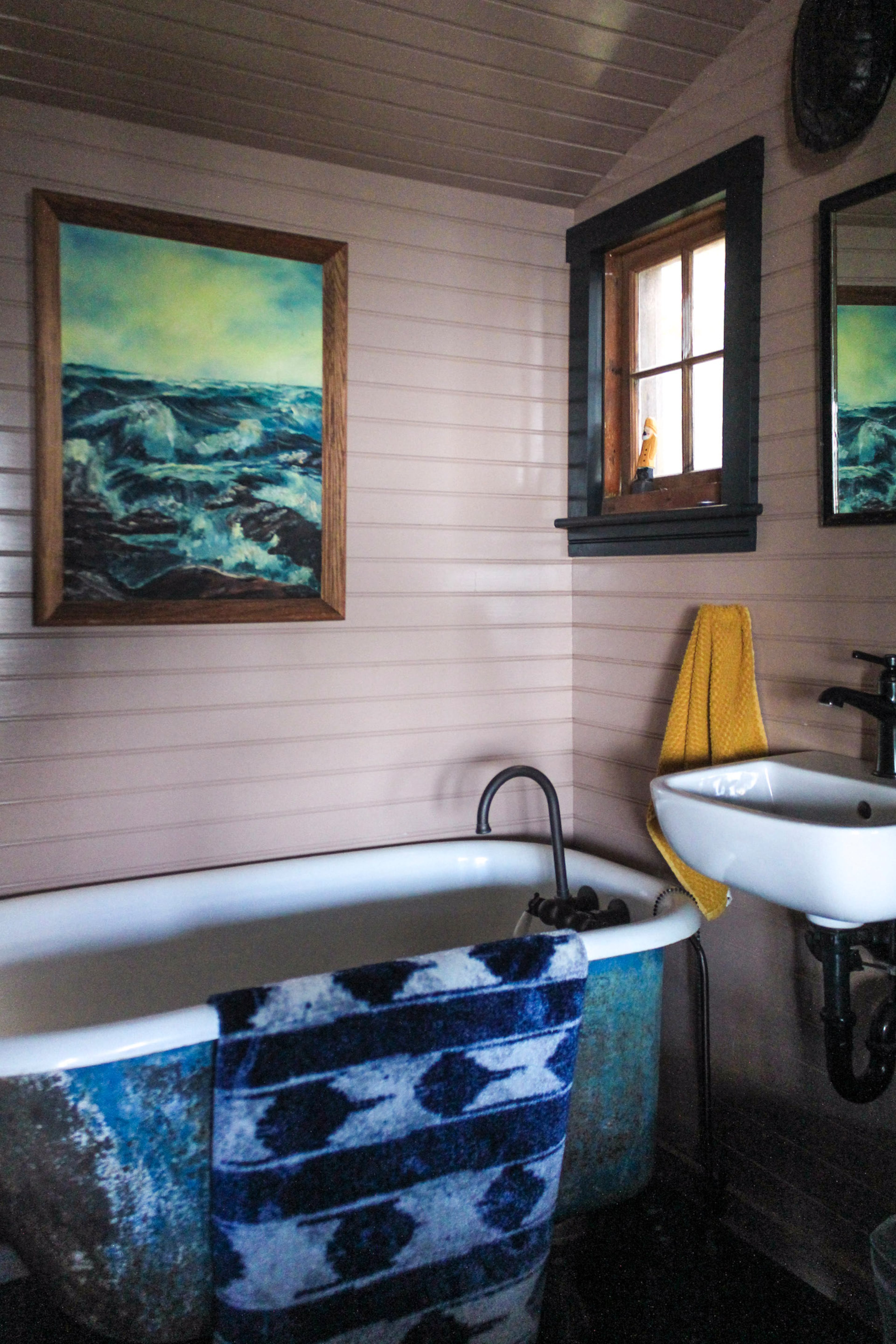
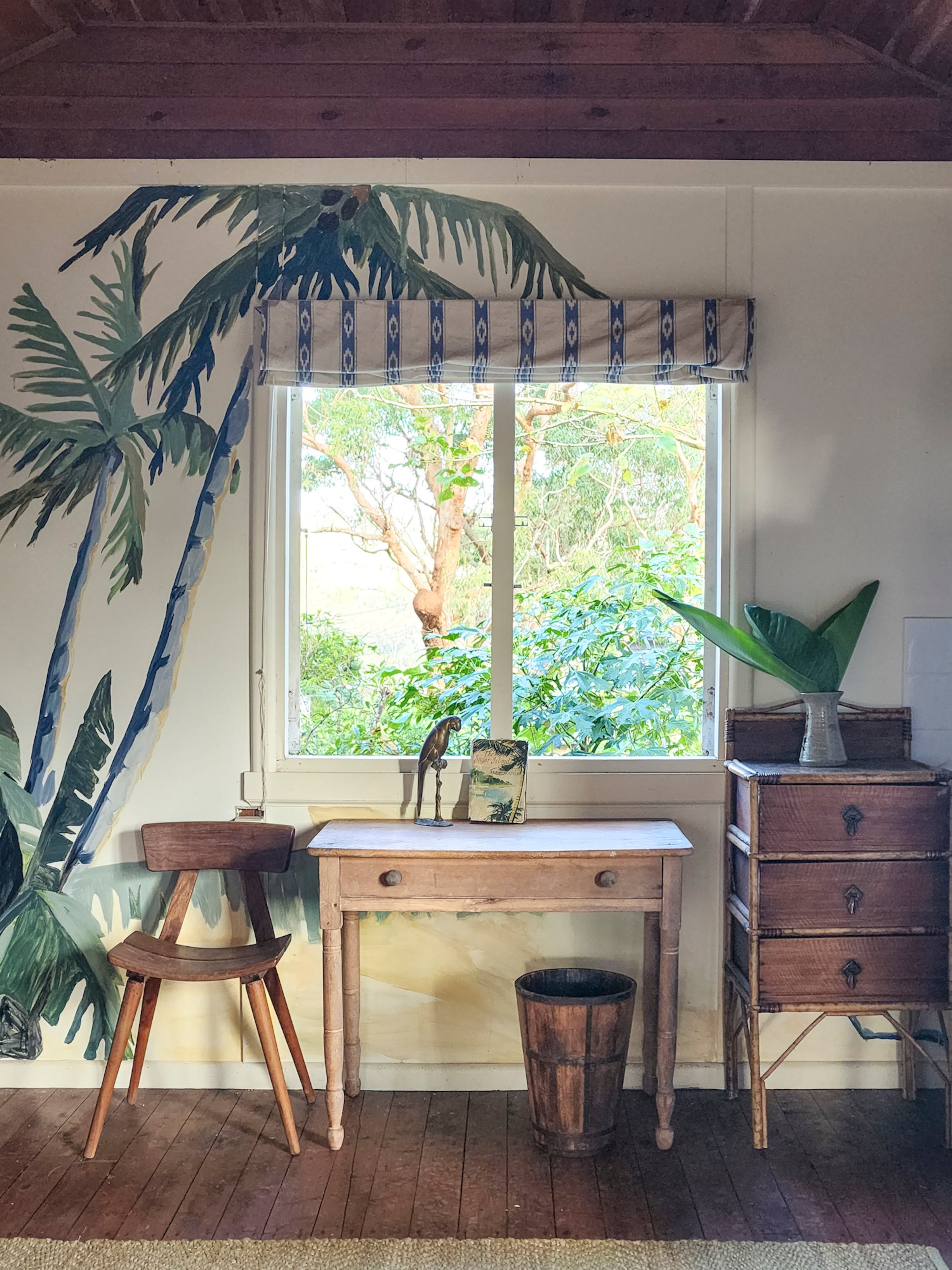
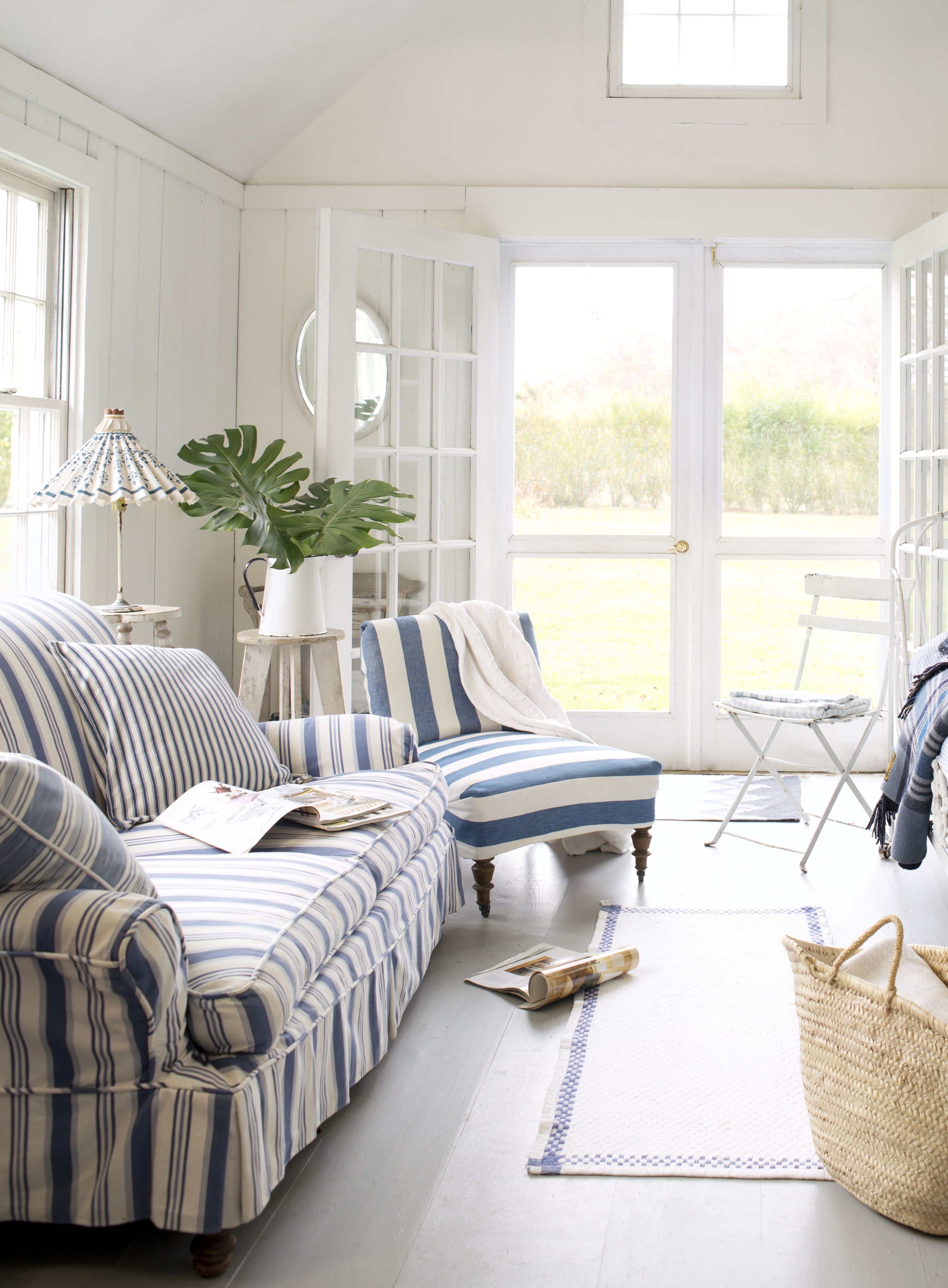
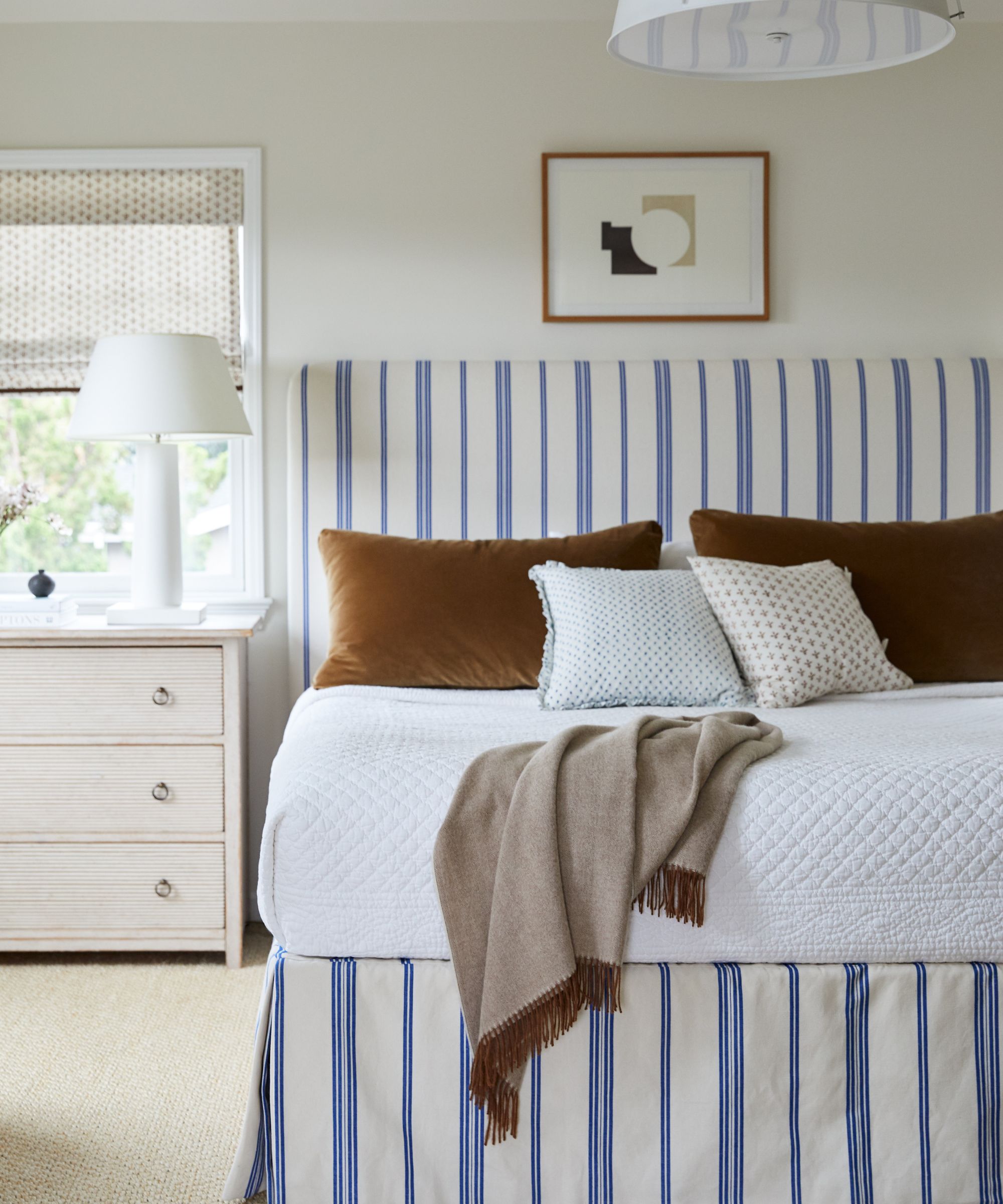
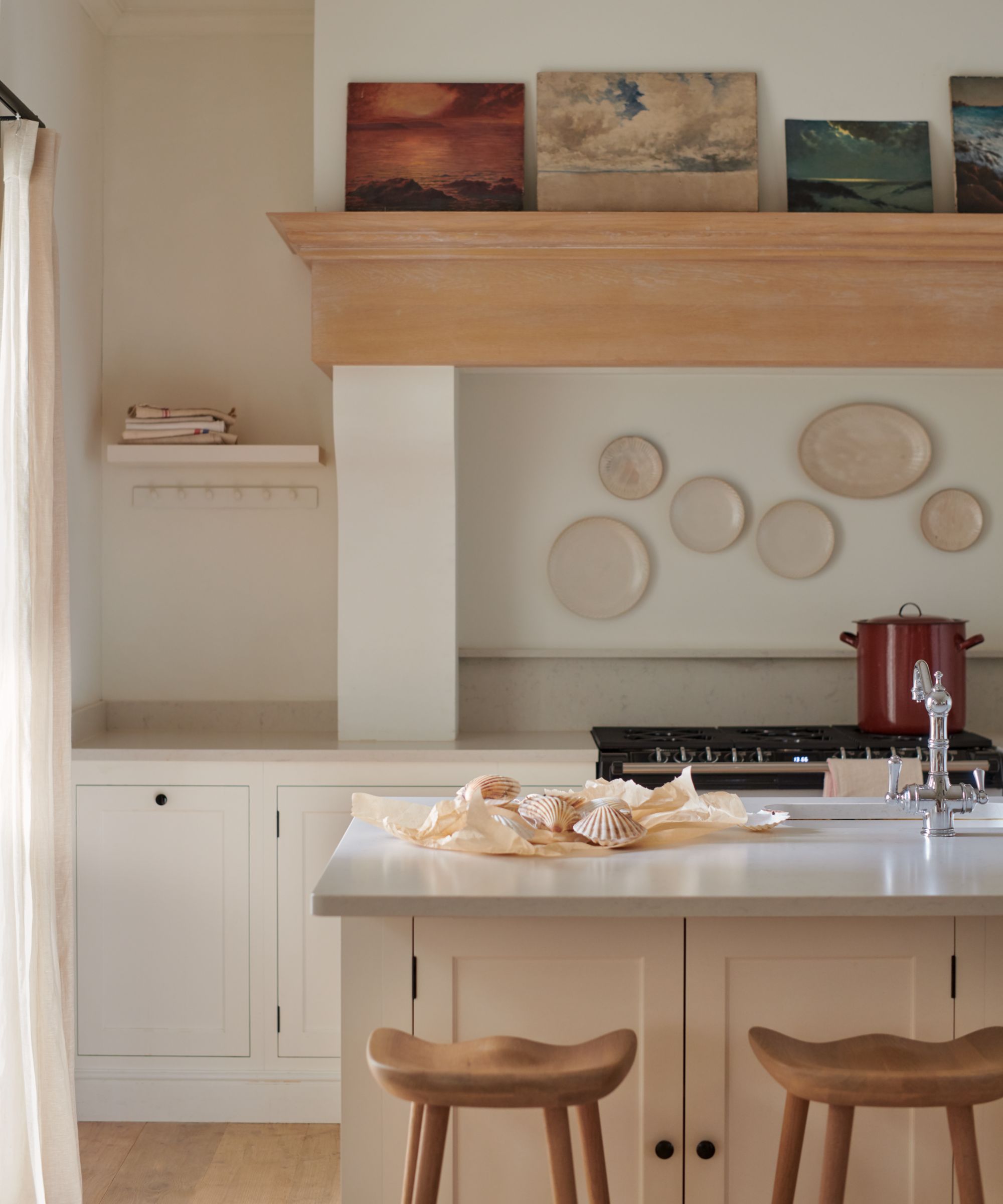
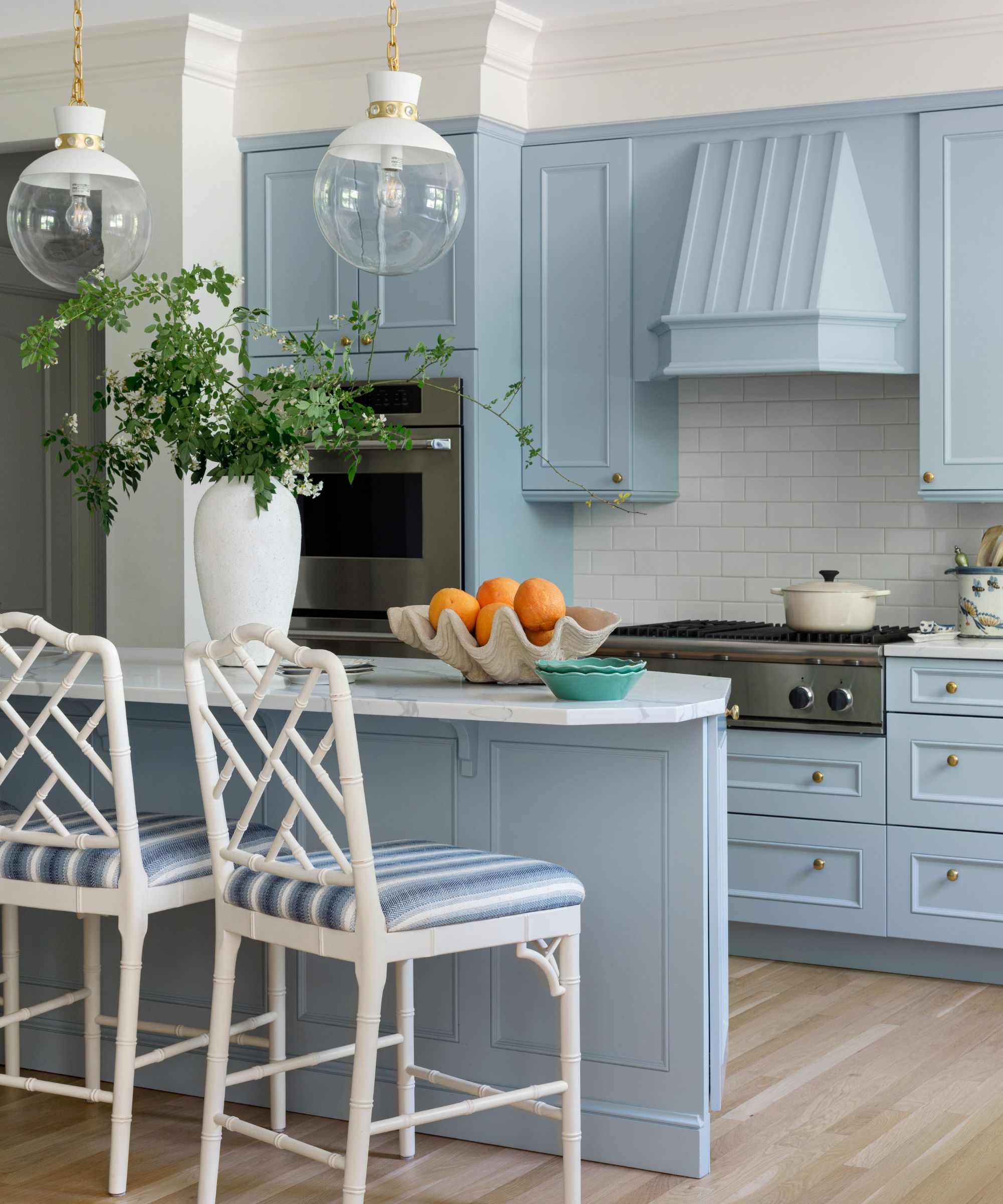
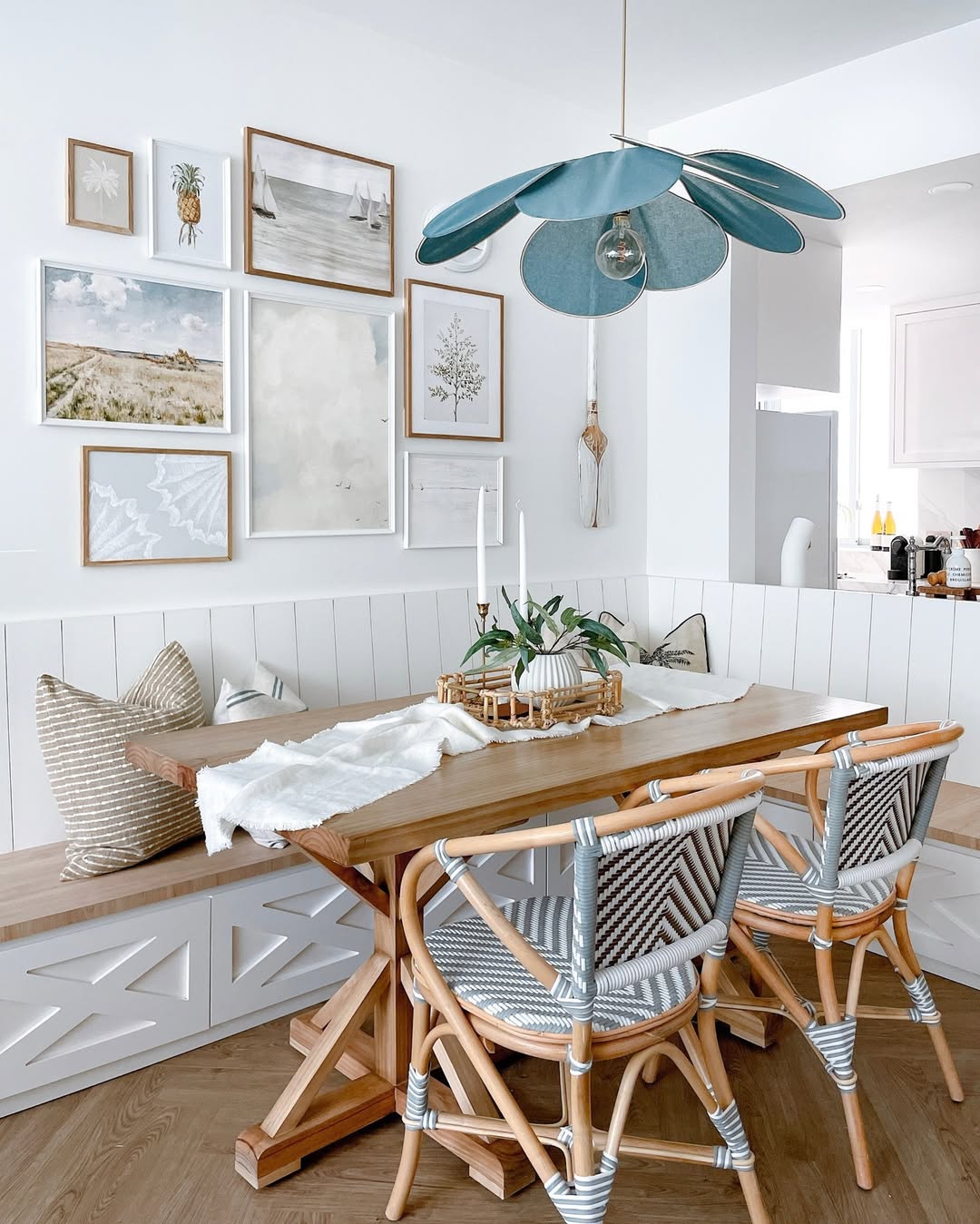
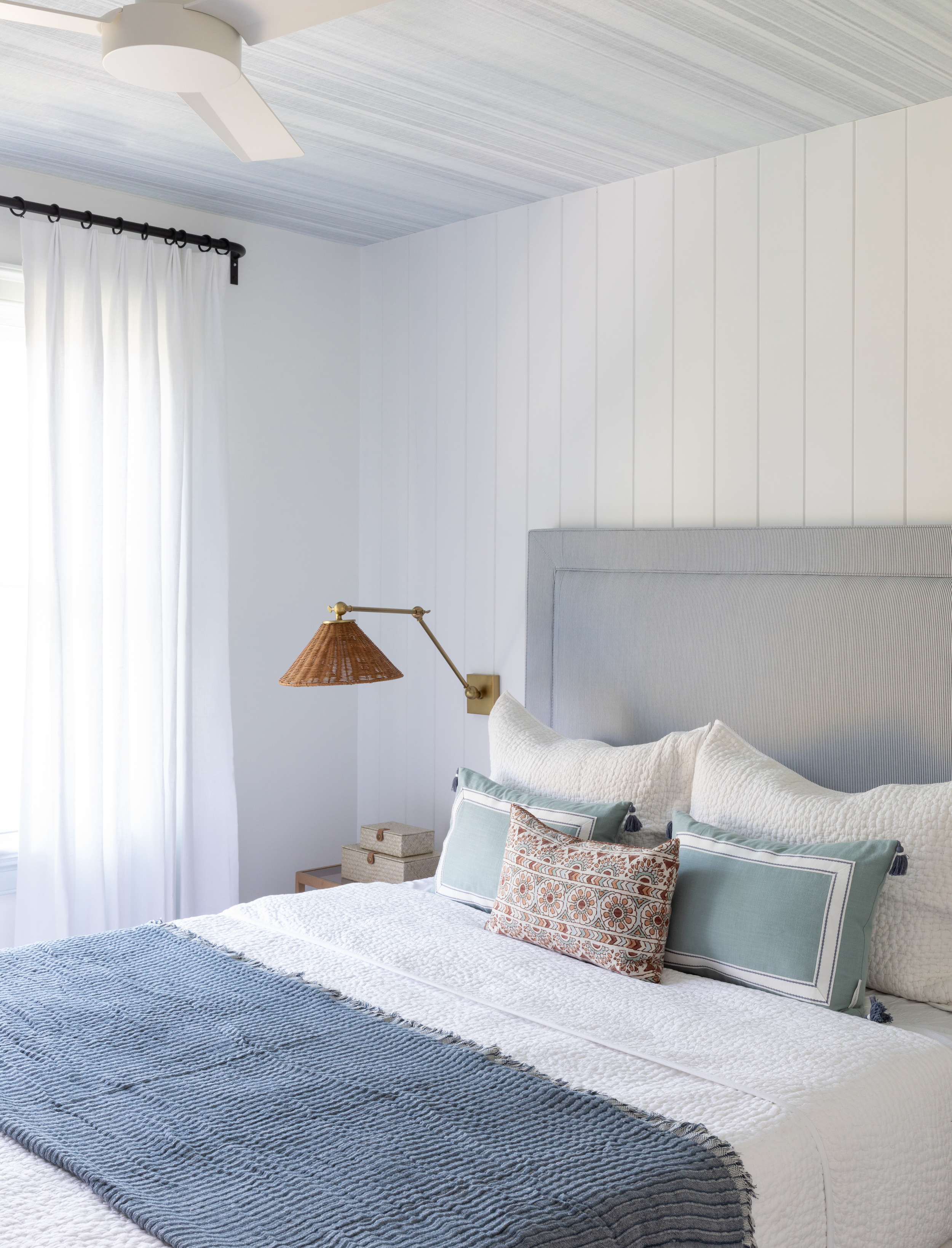
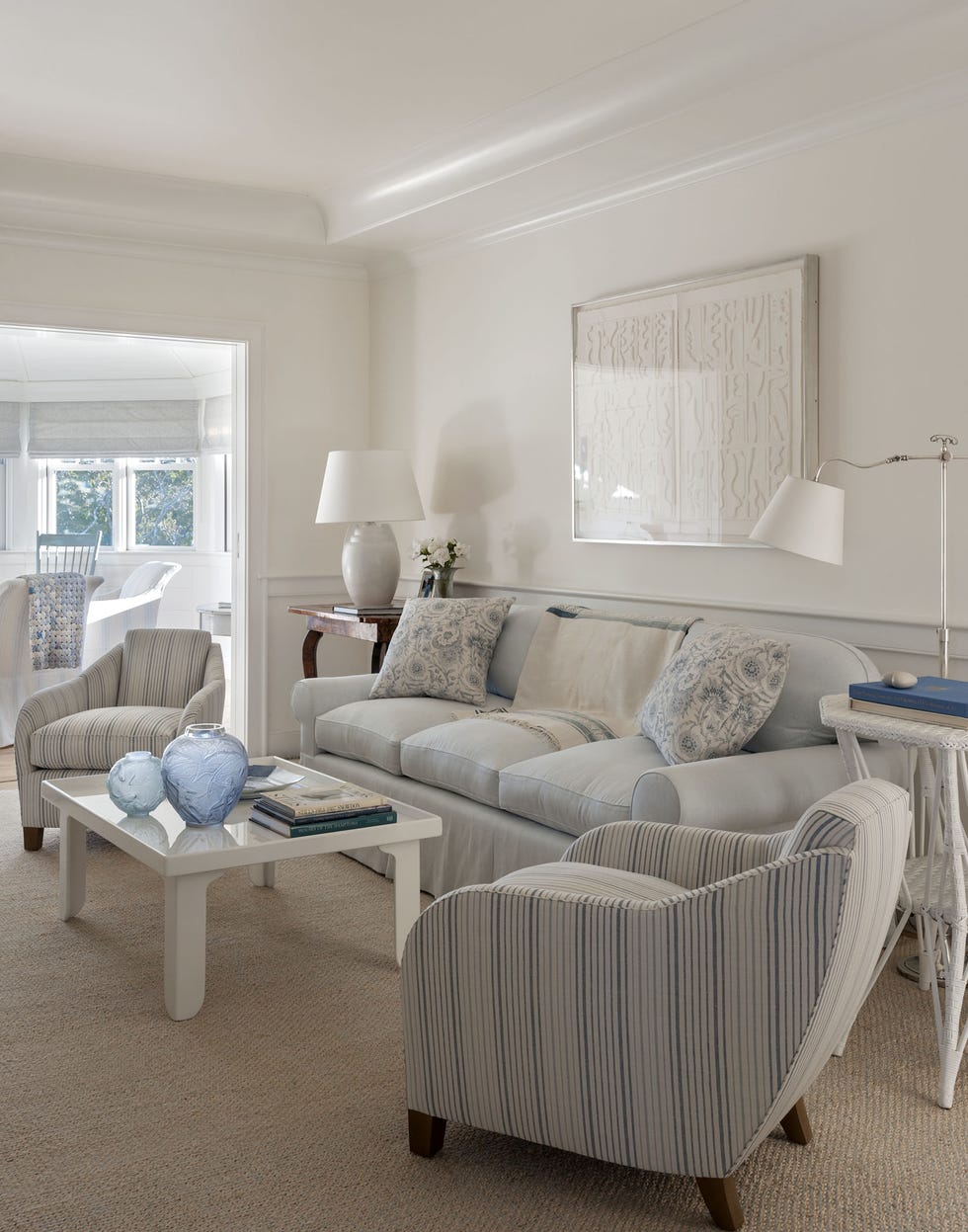
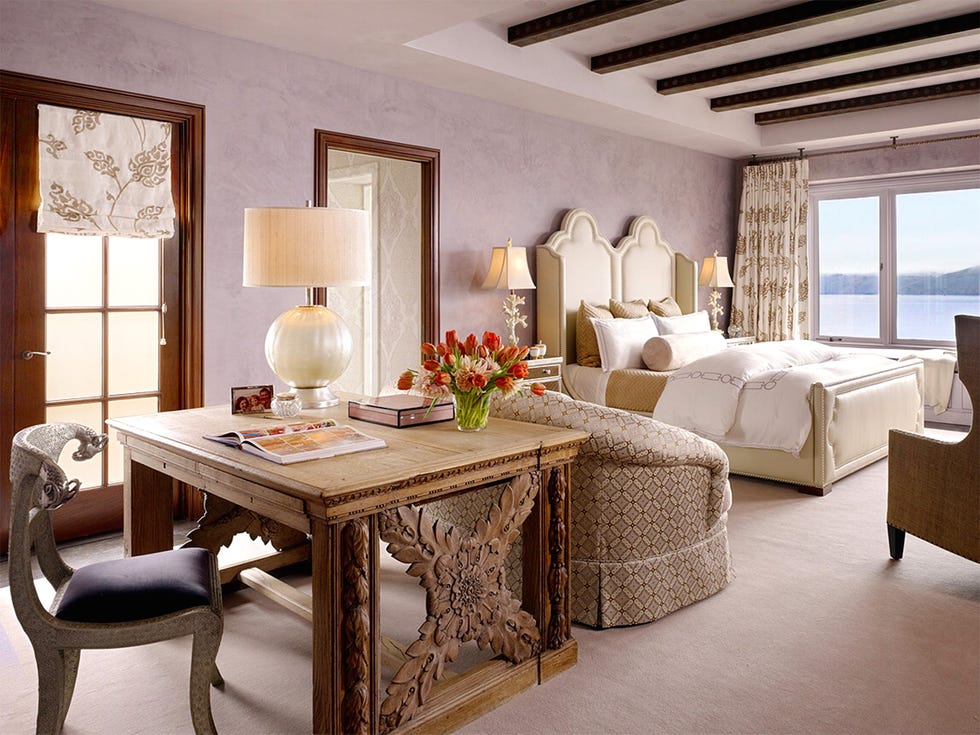
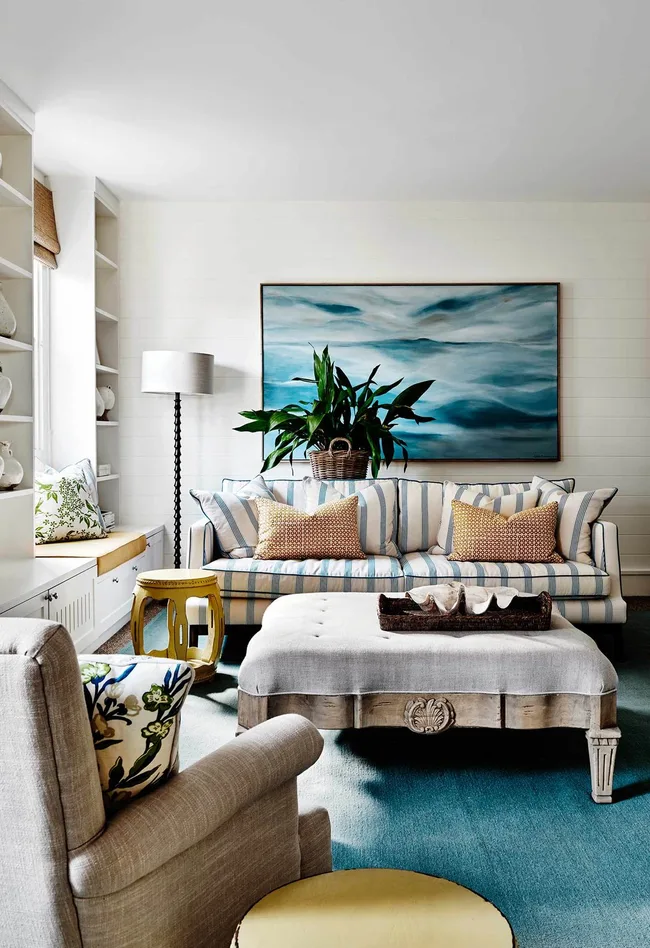
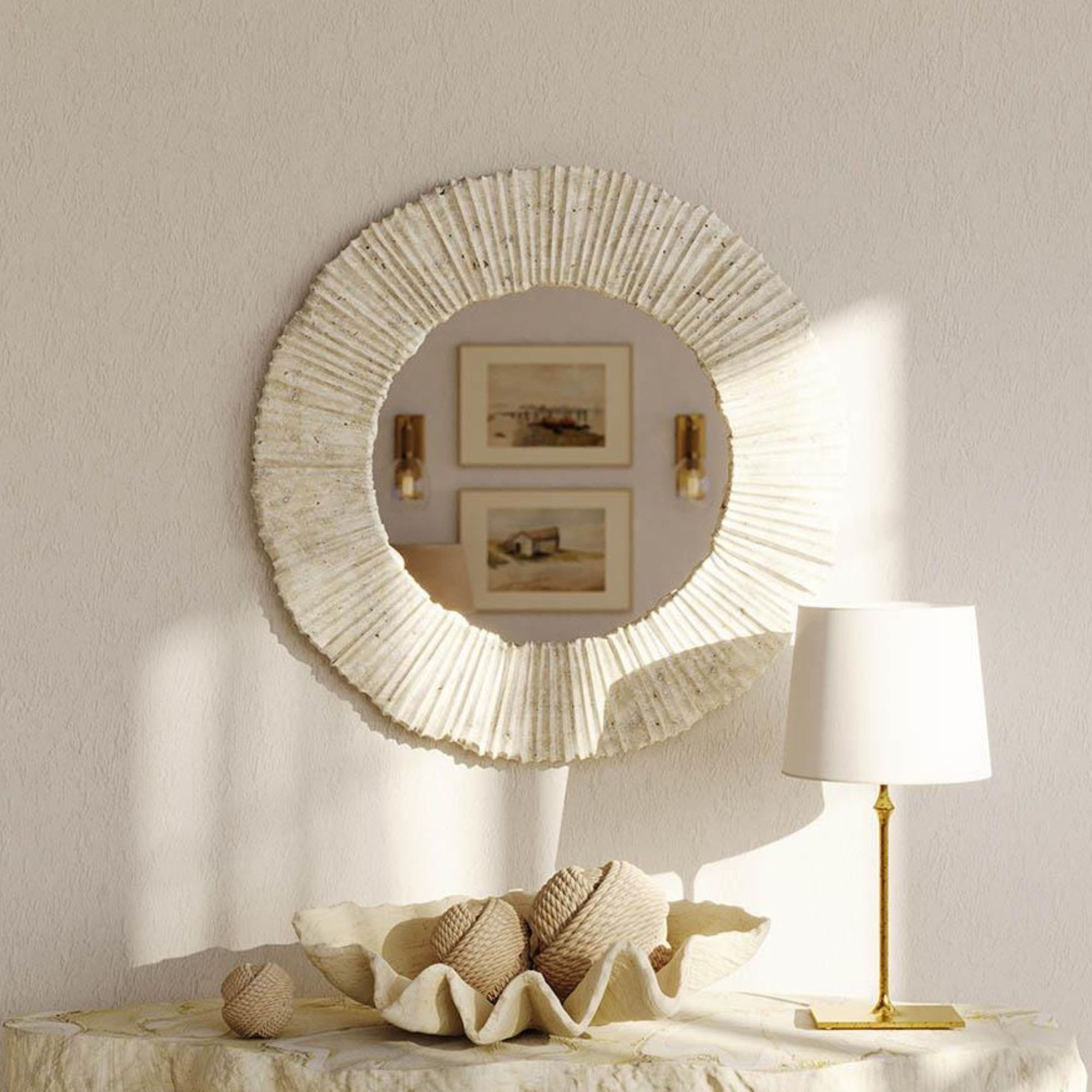
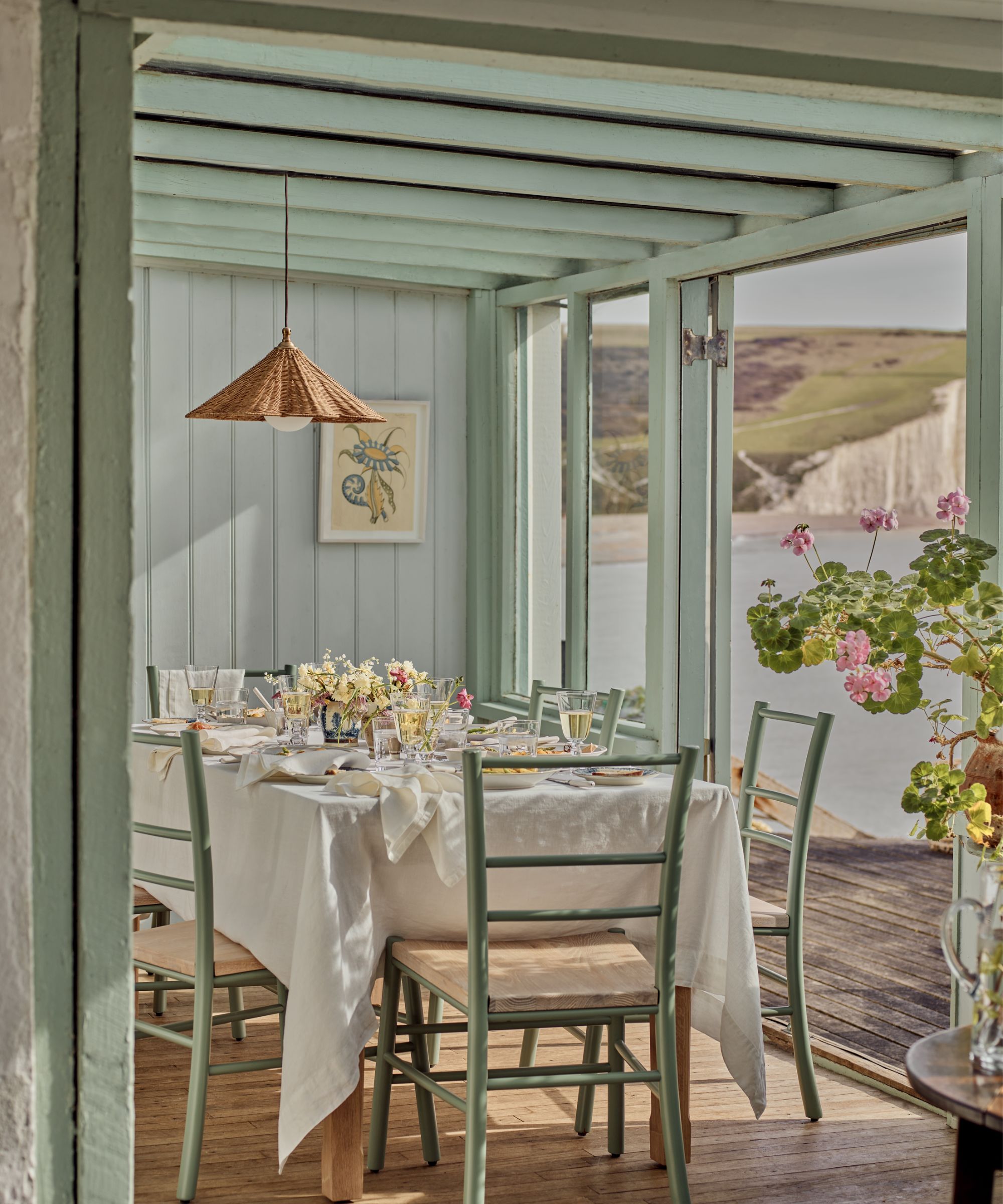
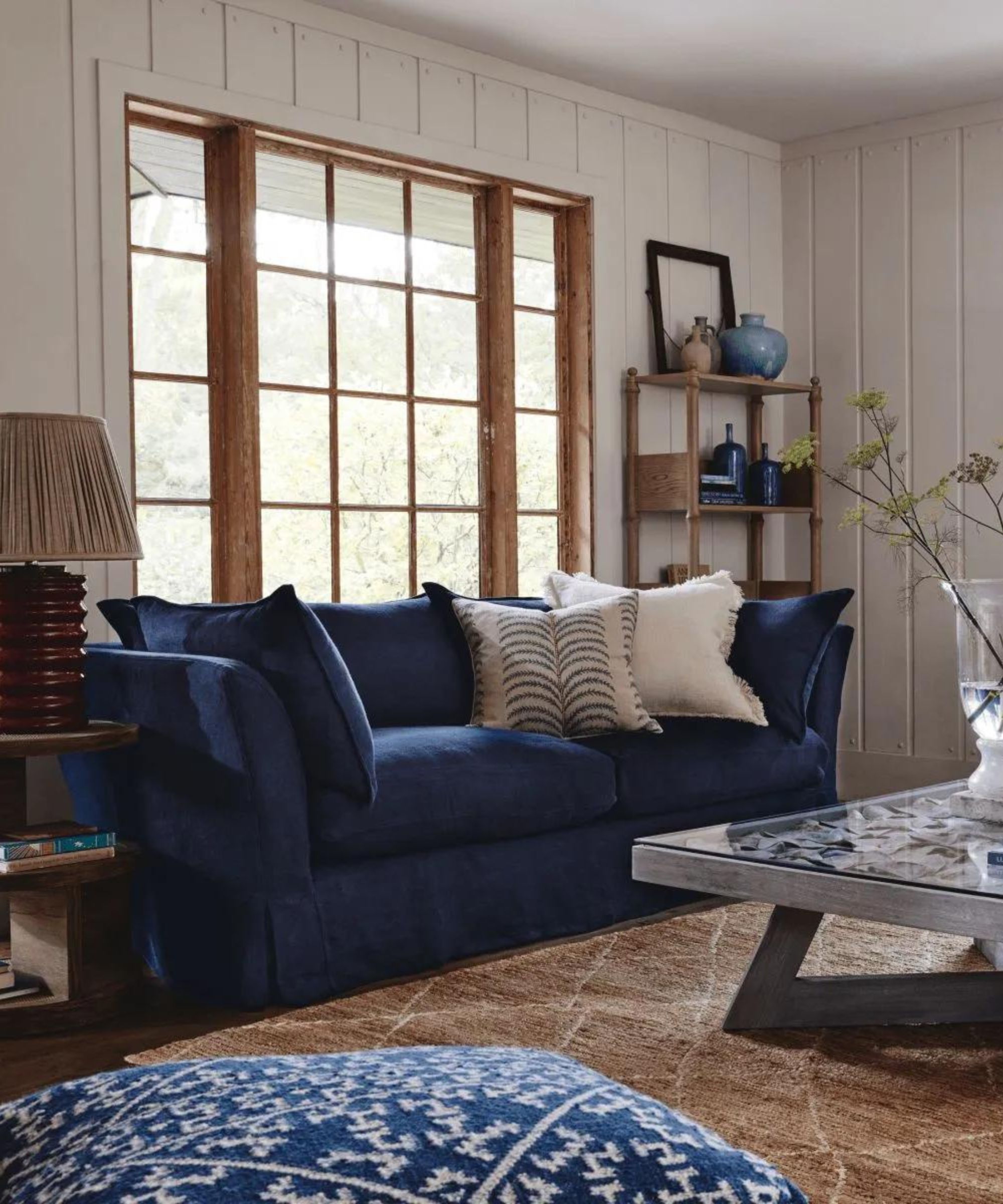
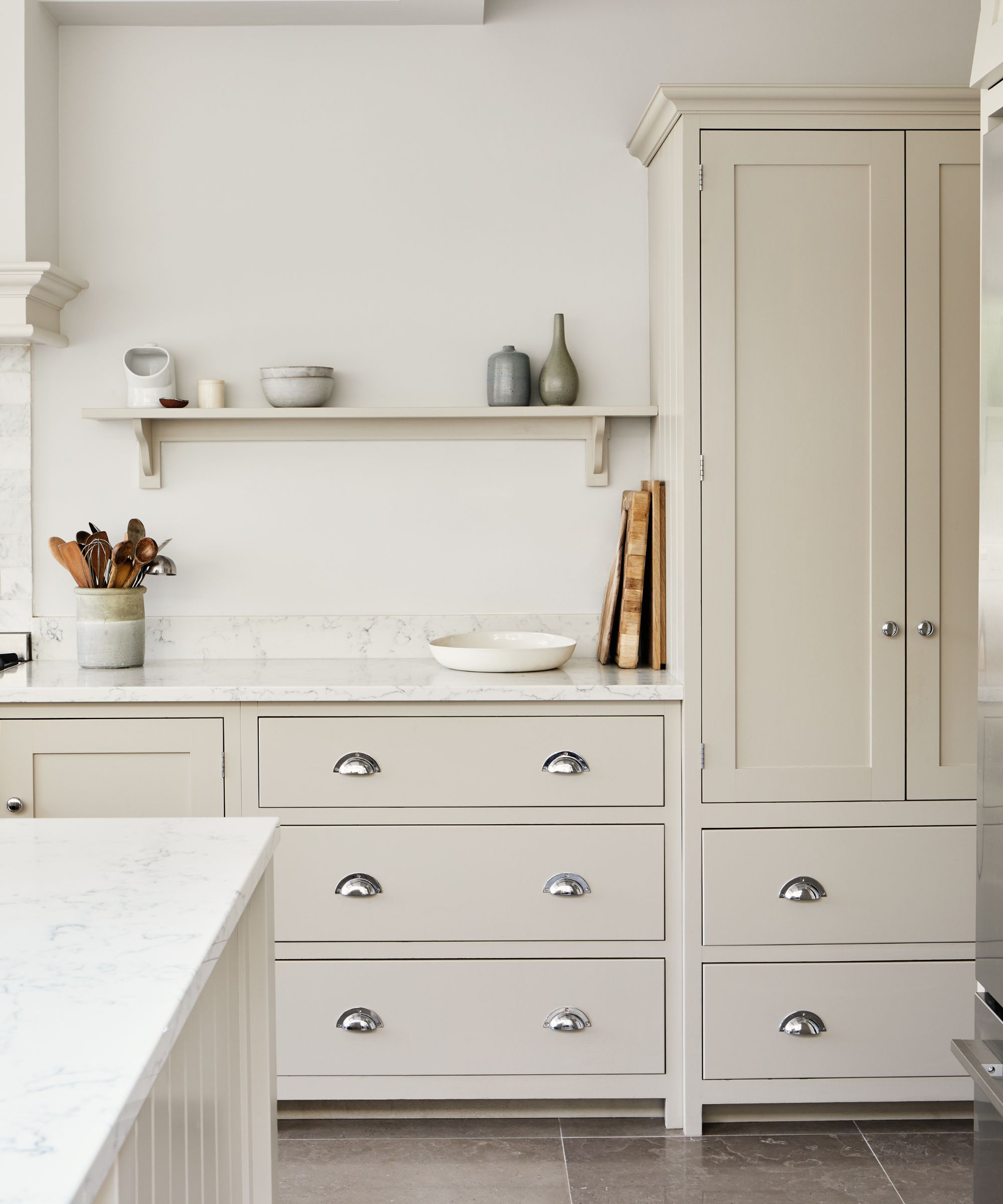
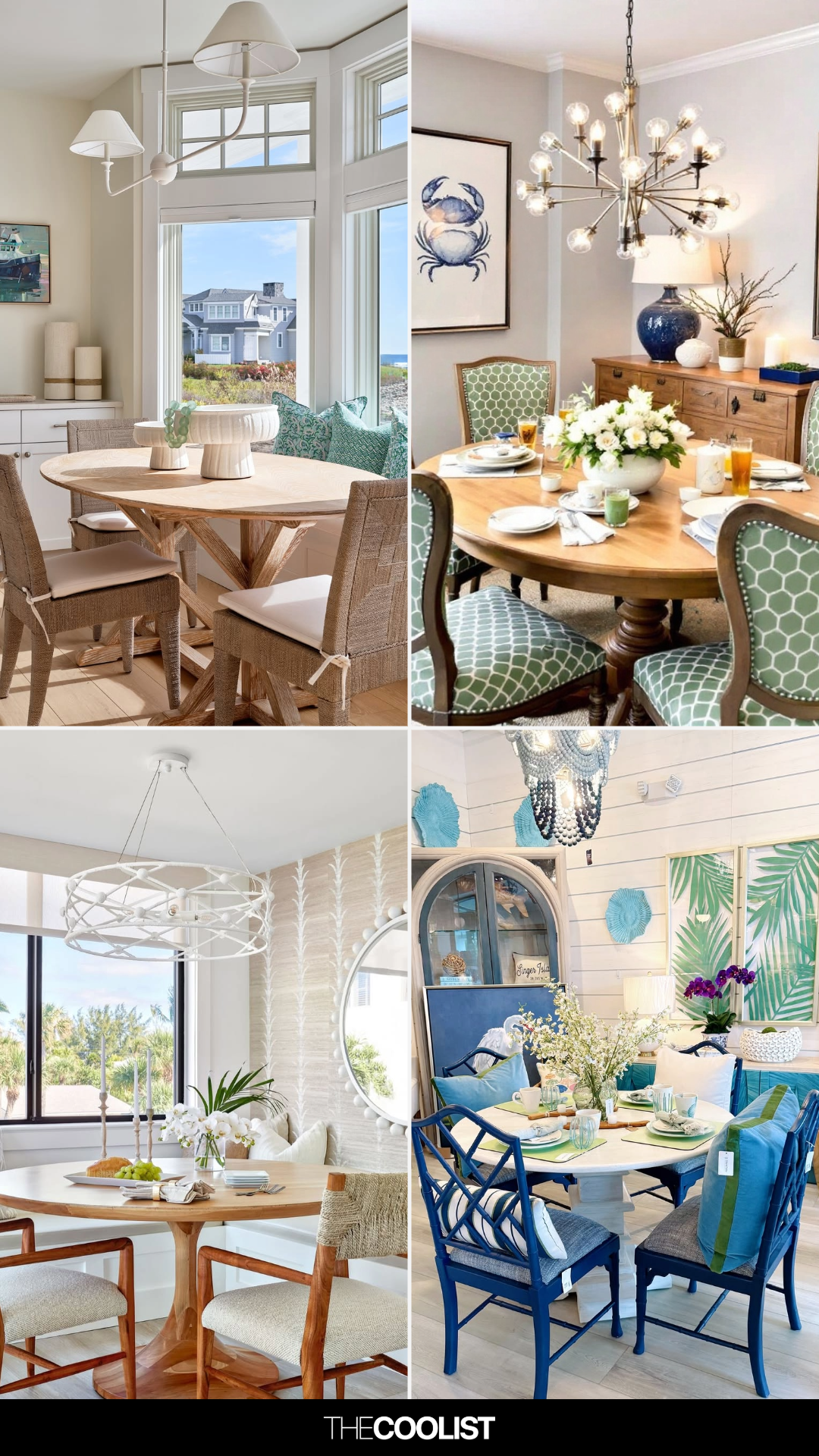
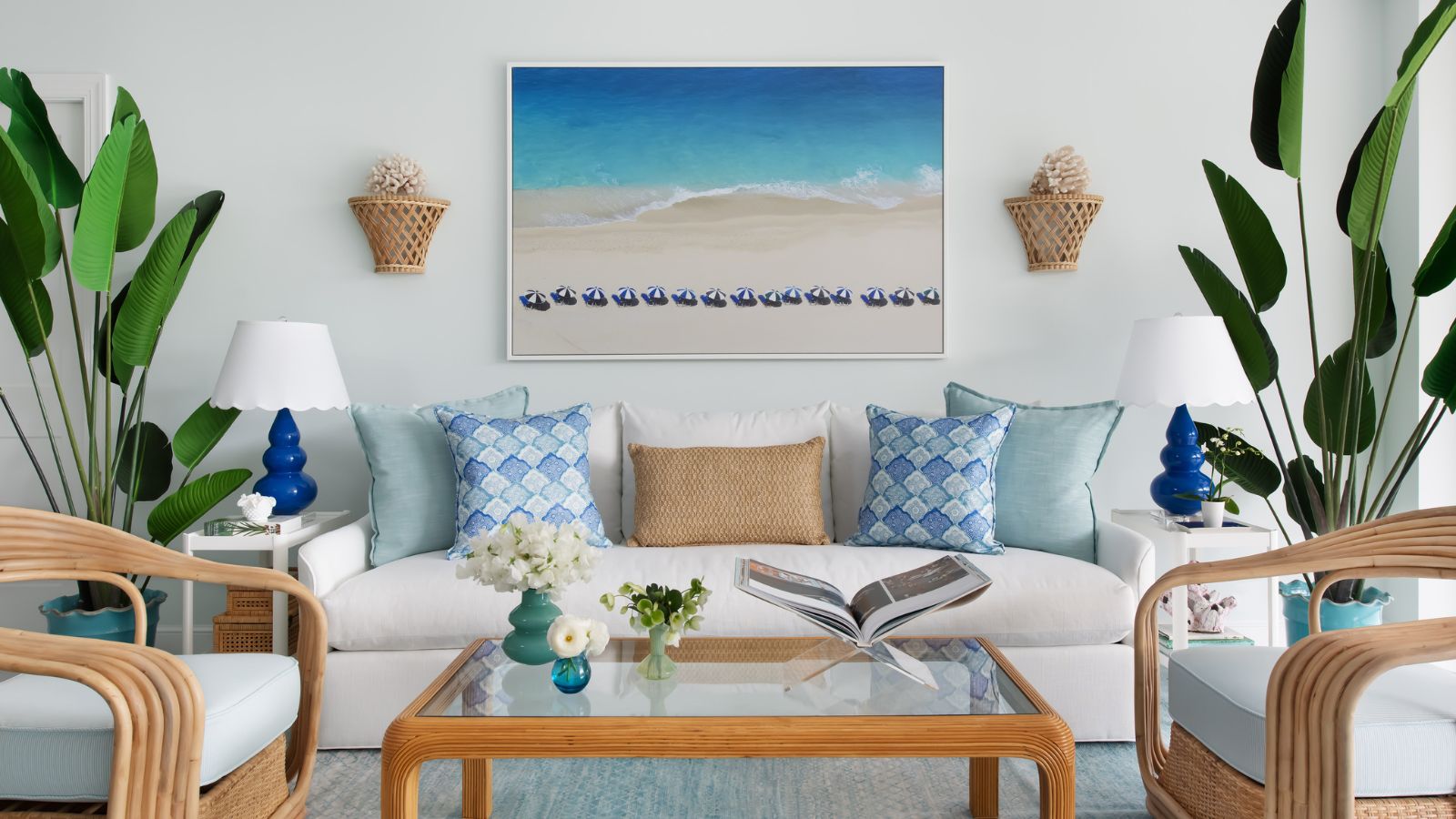
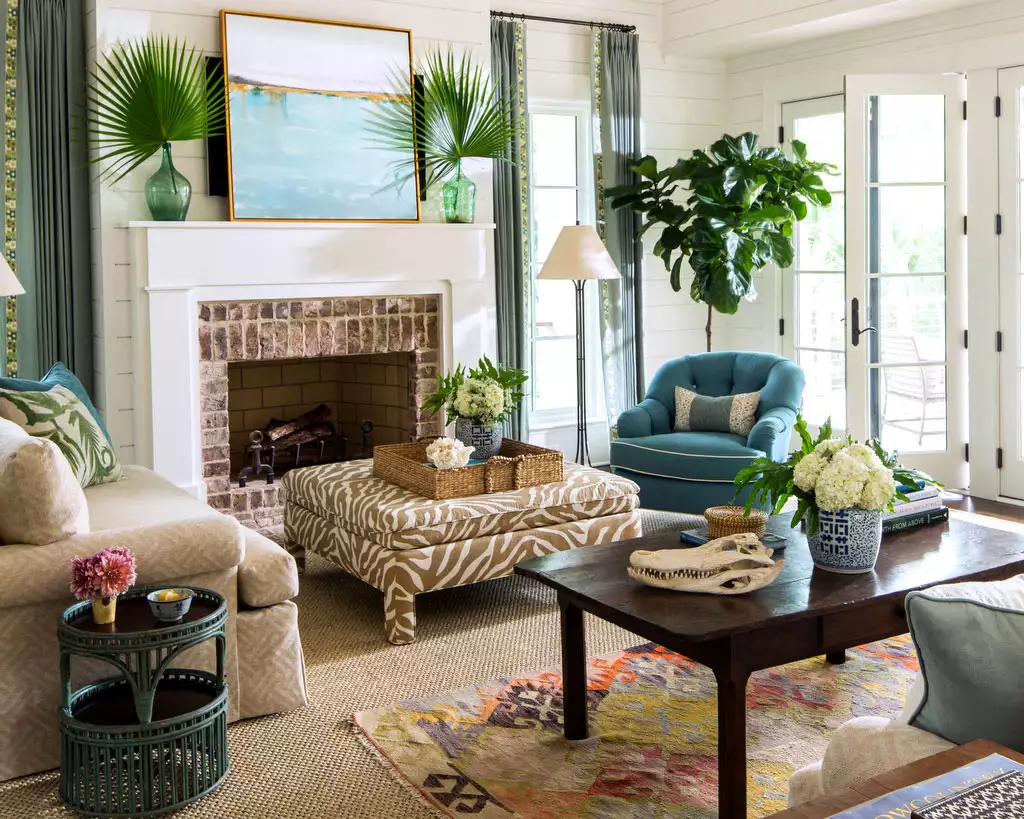
Crafting a coastal-inspired look involves careful attention to details, from material selection to color palettes. The first hallmark is choosing a nature-inspired palette. While blues and greens are common, the approach is broader, often starting with white walls to maximize light reflection. Color is then layered through art, decor, and furnishings, drawing inspiration from the entire spectrum of nature's coastal elements, such as the greens of coconut groves, various shades of ocean blues, the lavender of a sunset sky, the deep navy of a midnight sky, the dark brown of seaweed, the light gray of driftwood, and the pinks, oranges, and reds of sunrises and sunsets.
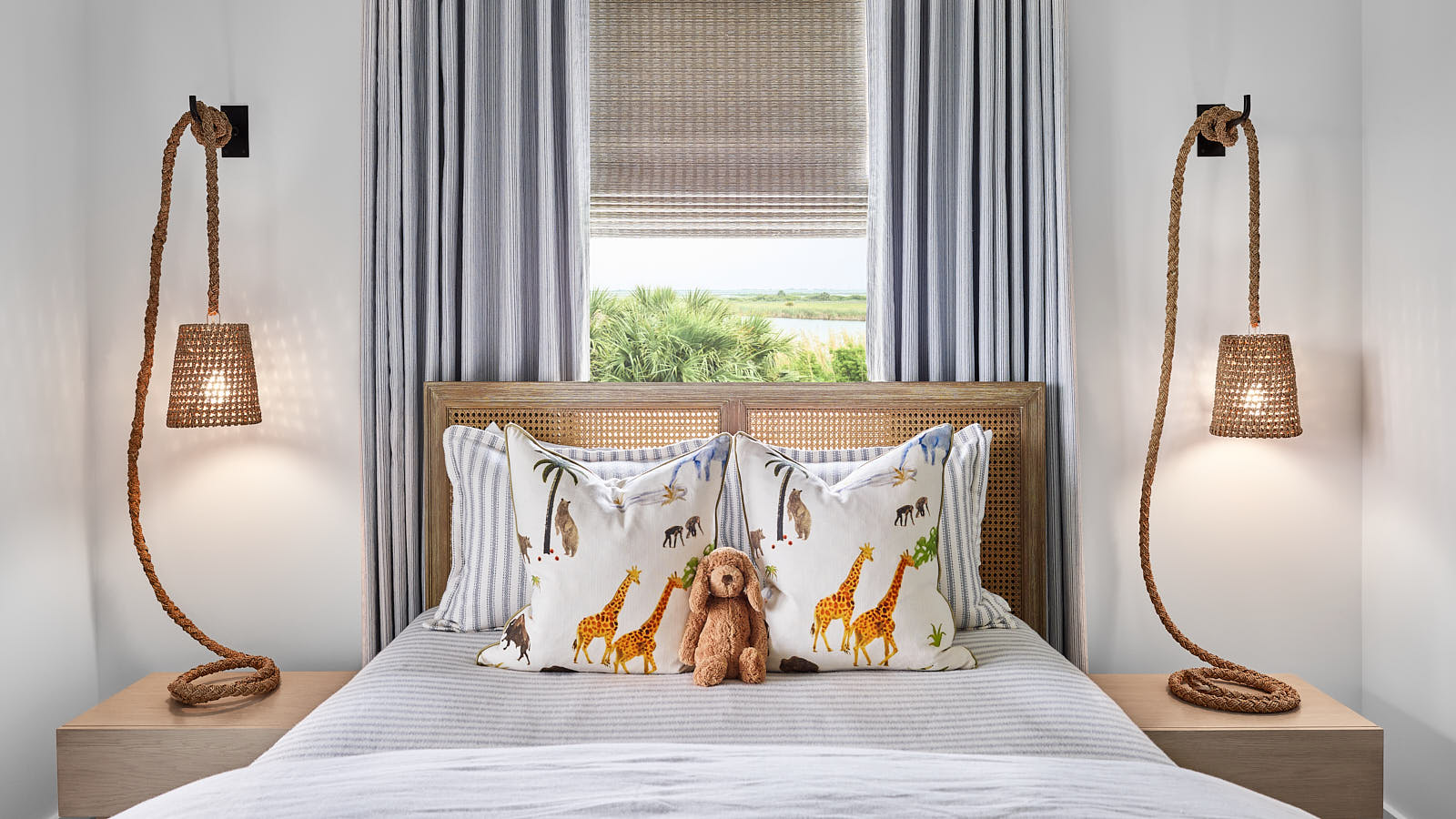
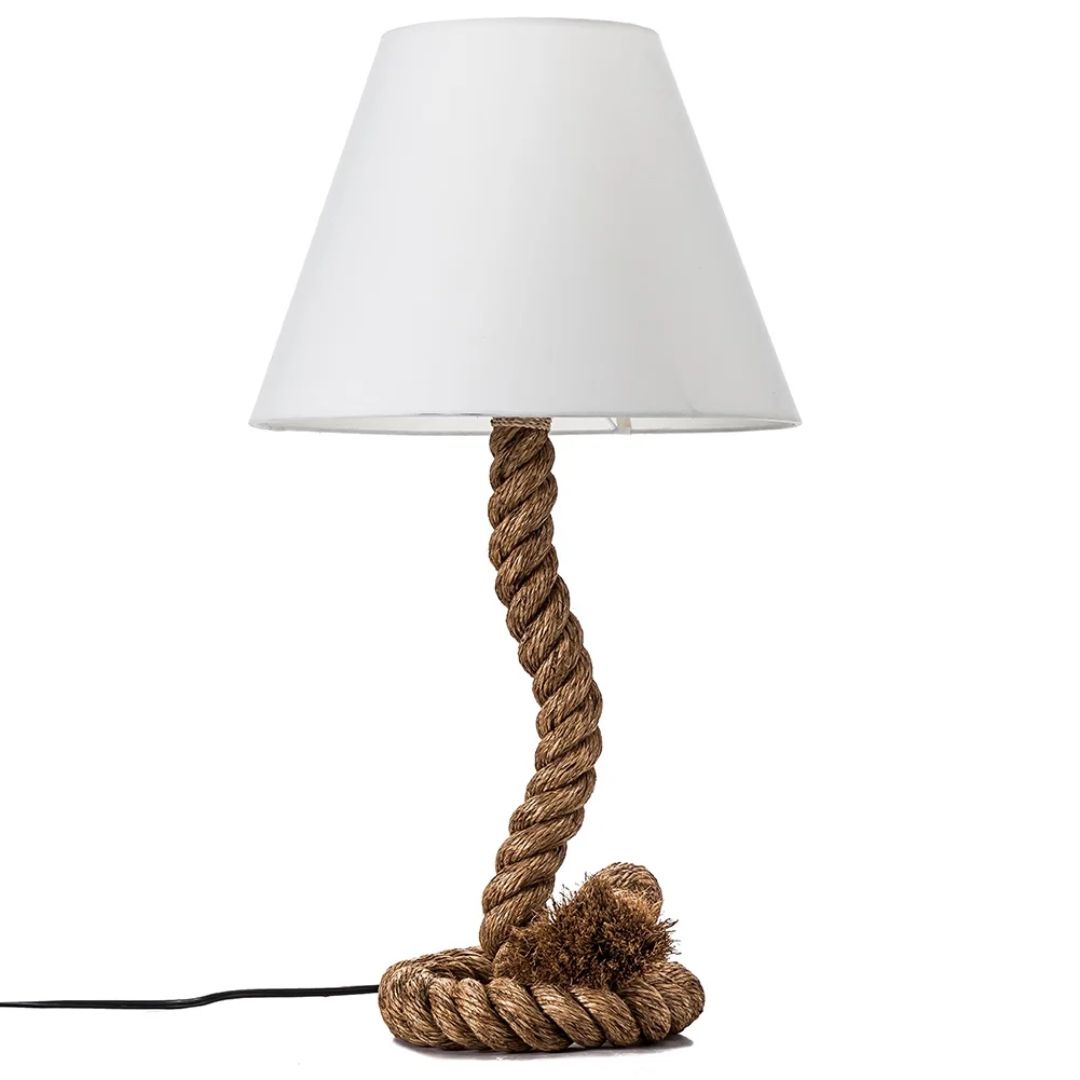
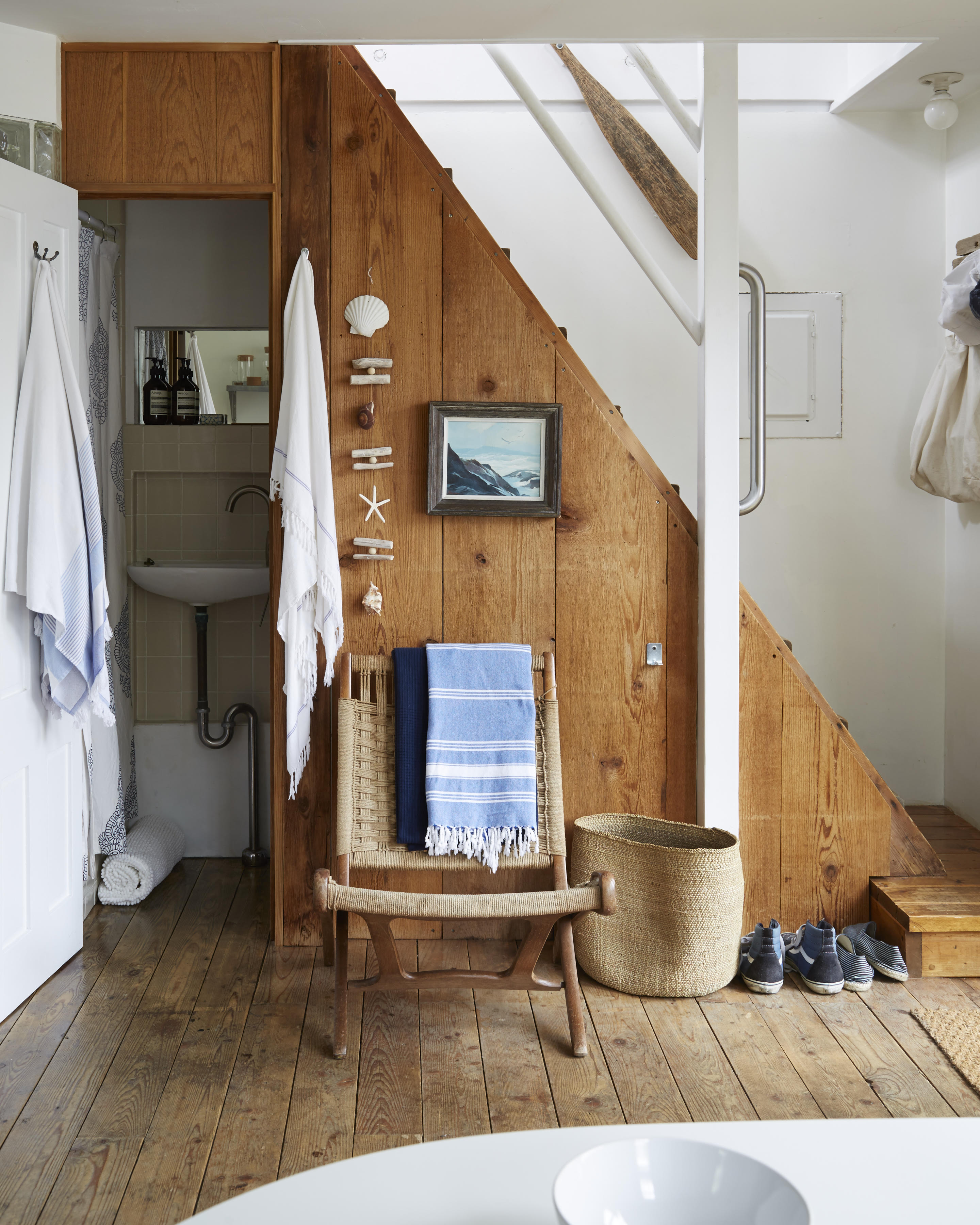
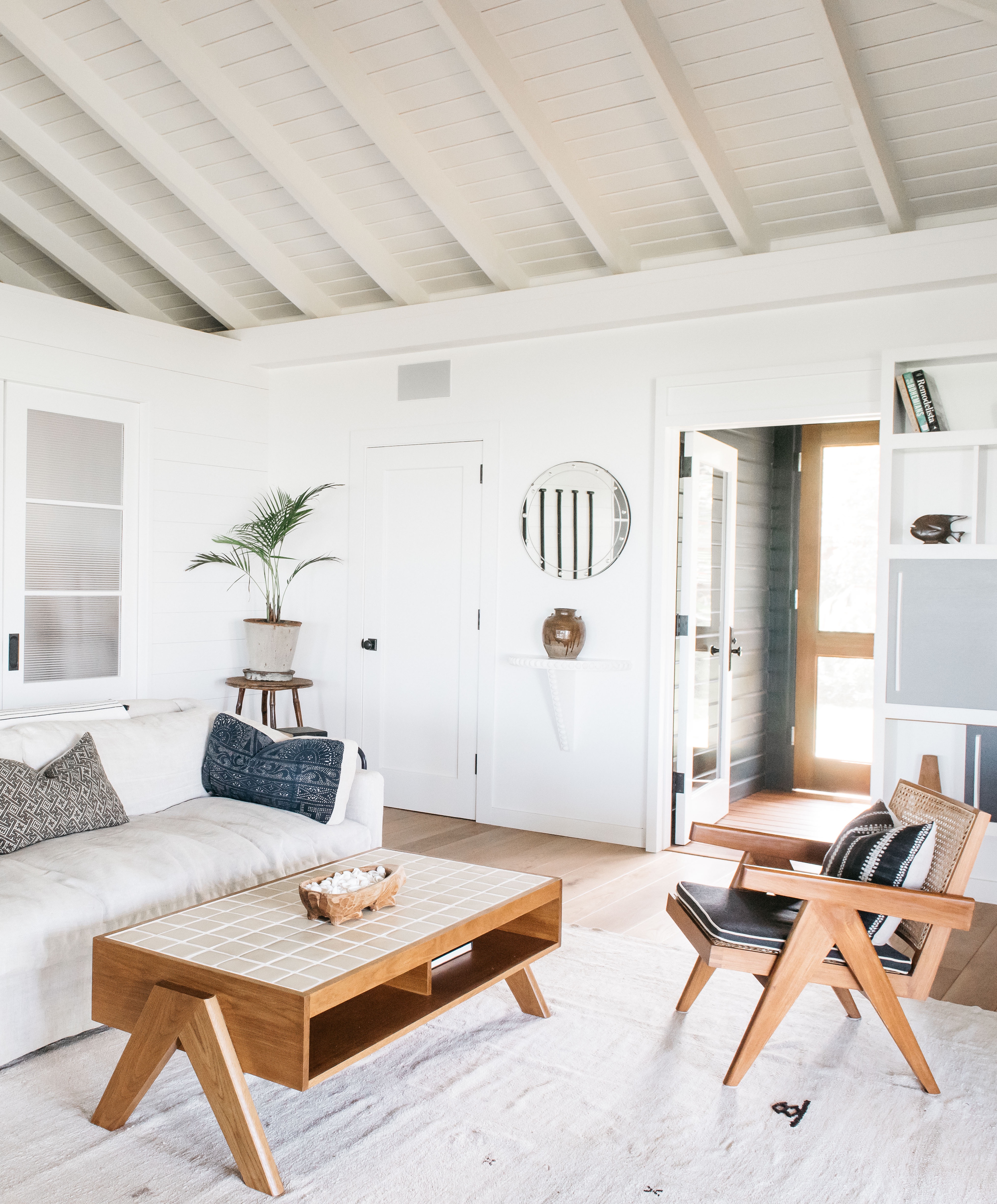
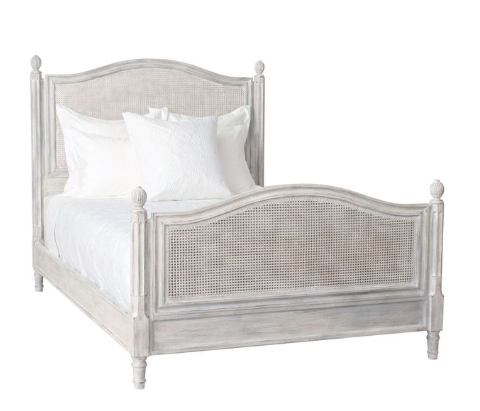
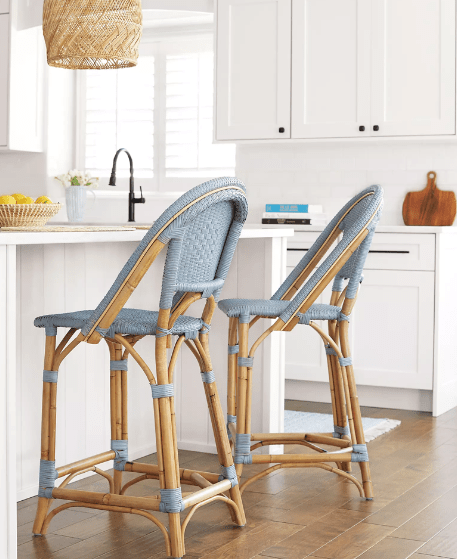
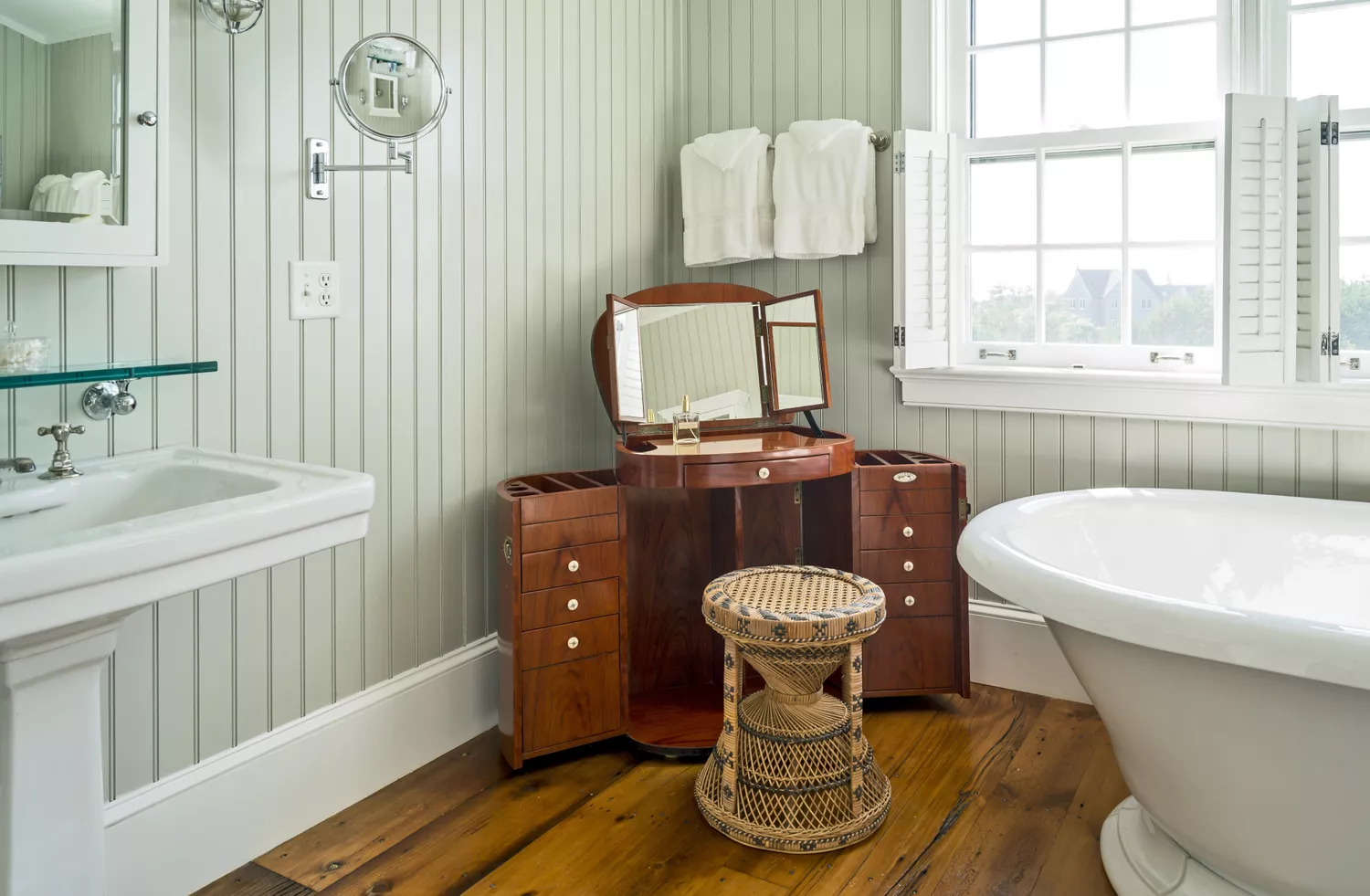
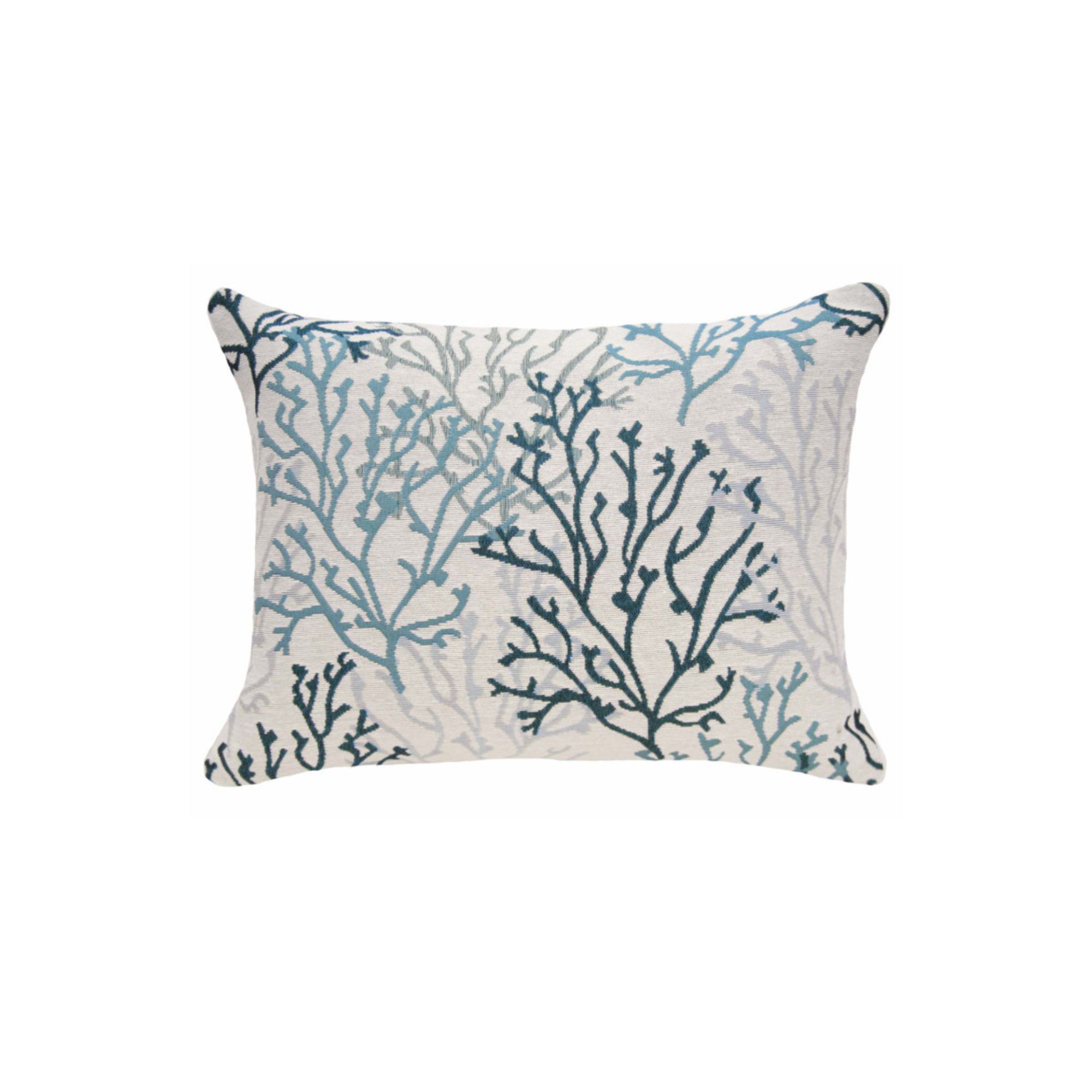
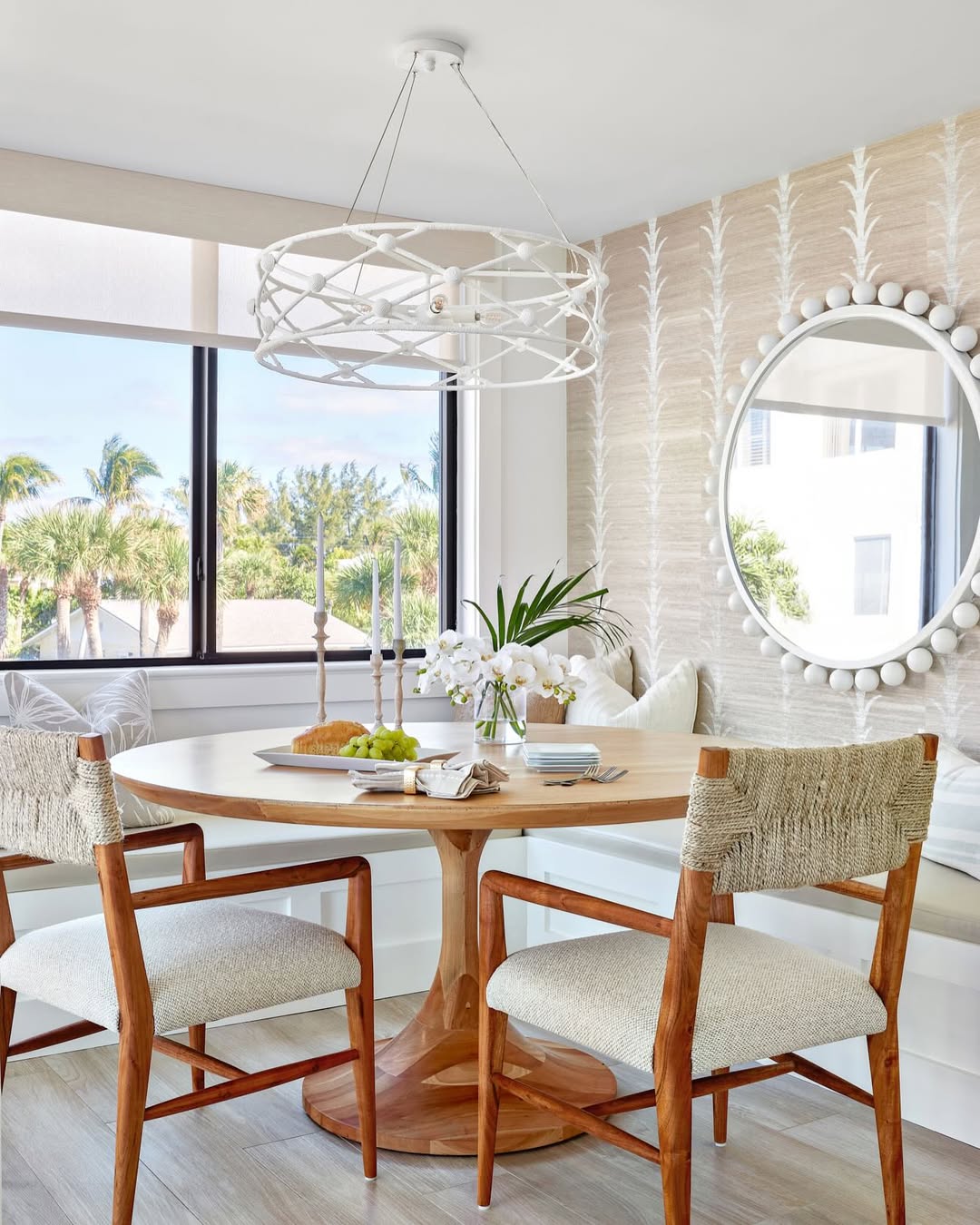
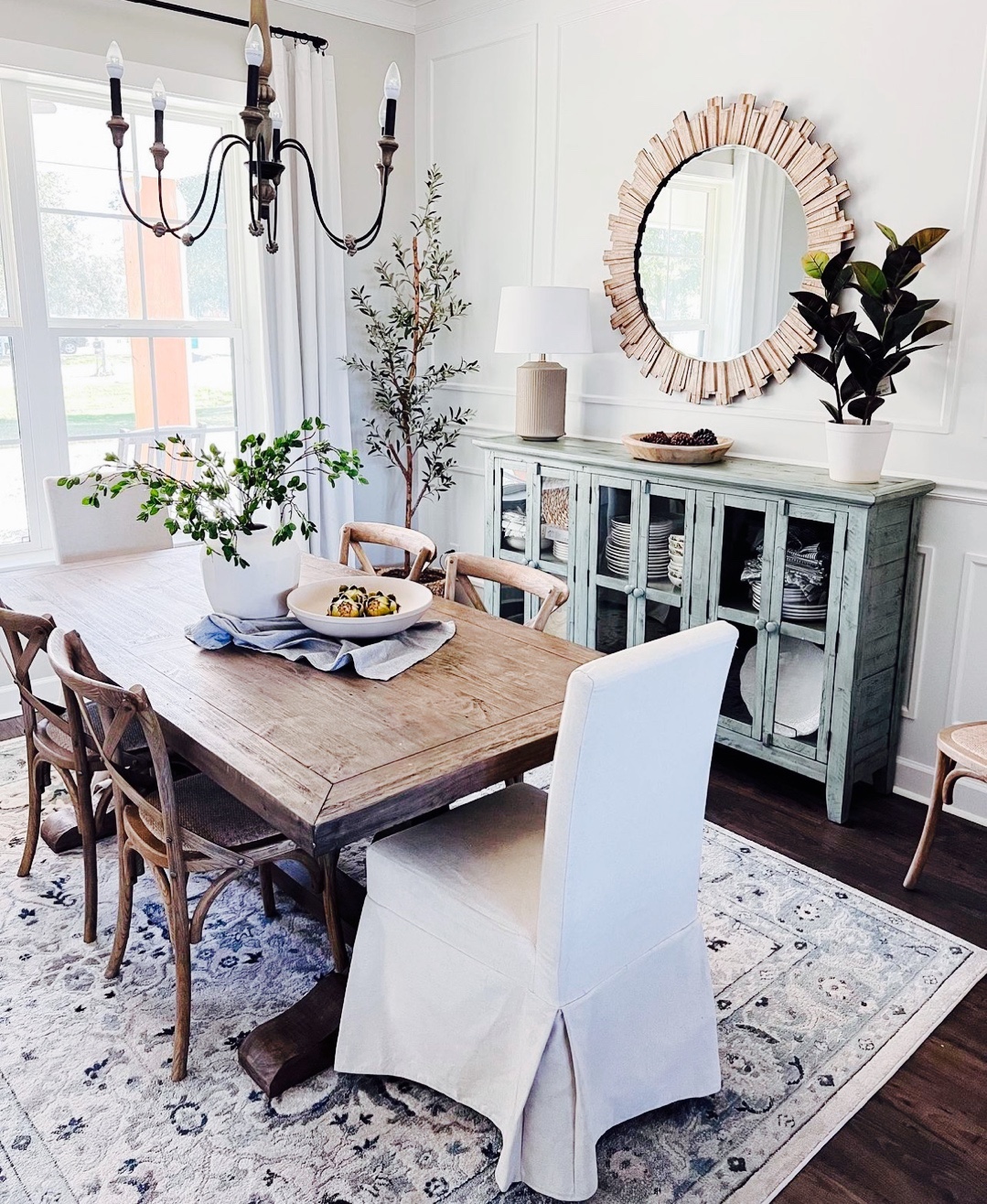
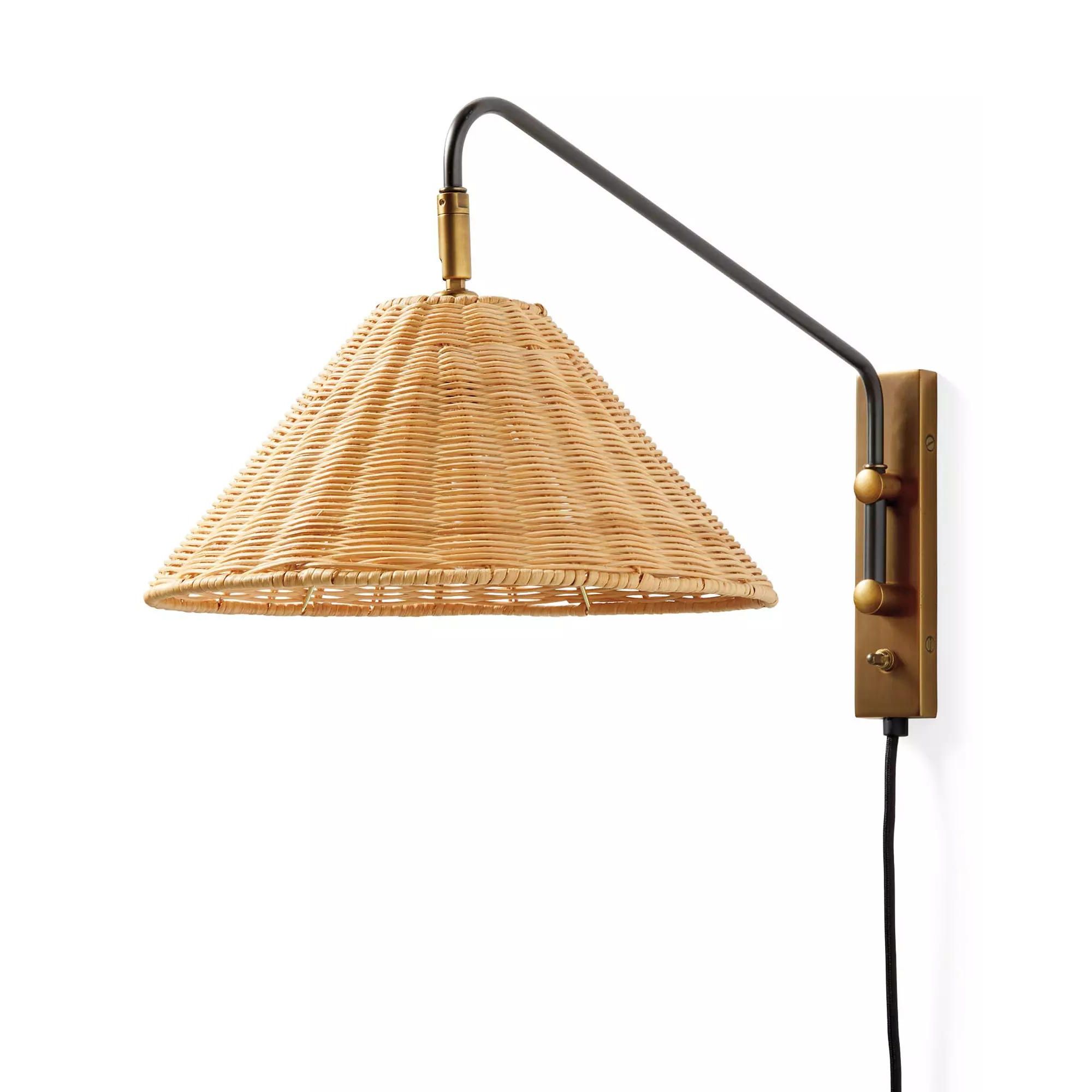
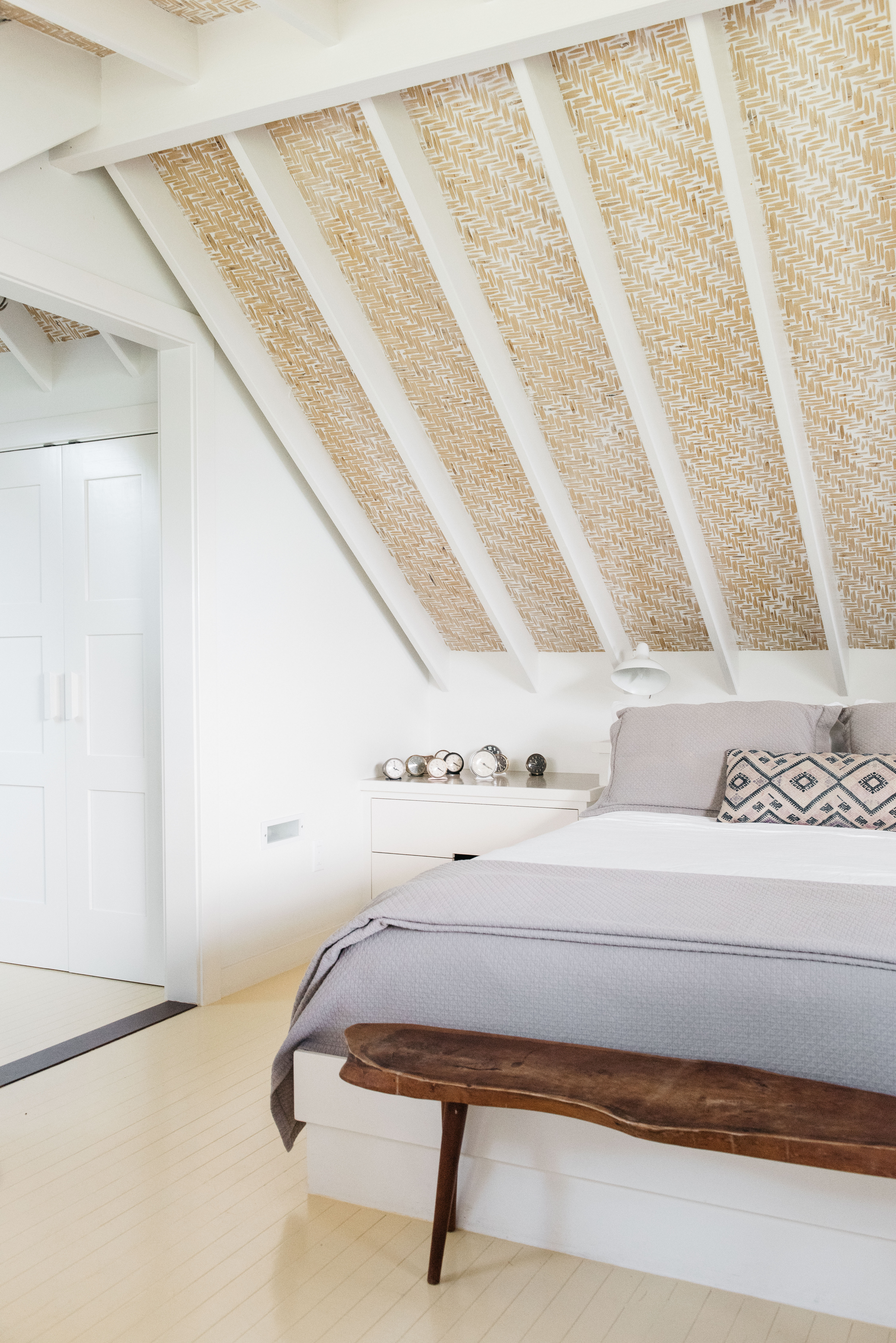
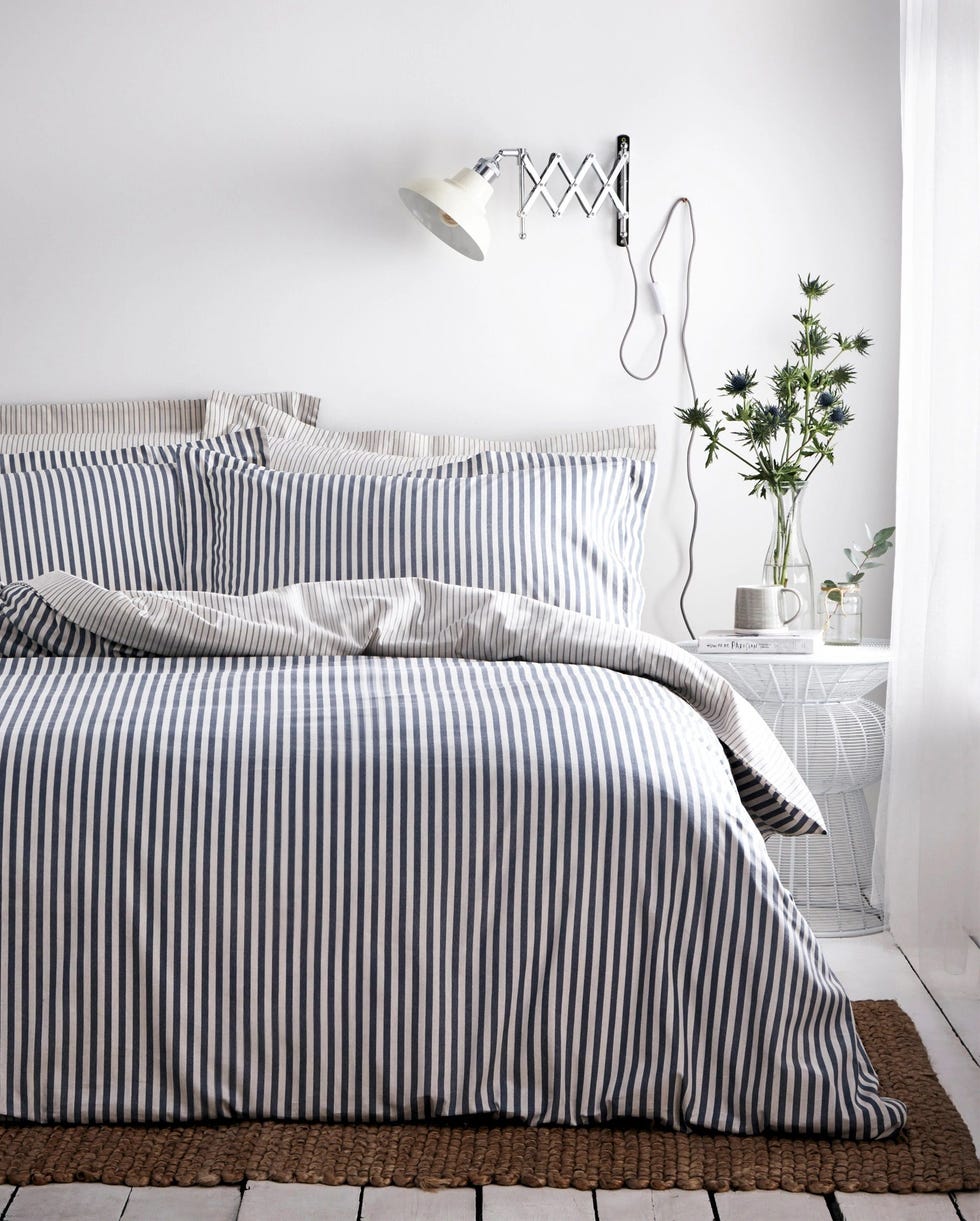
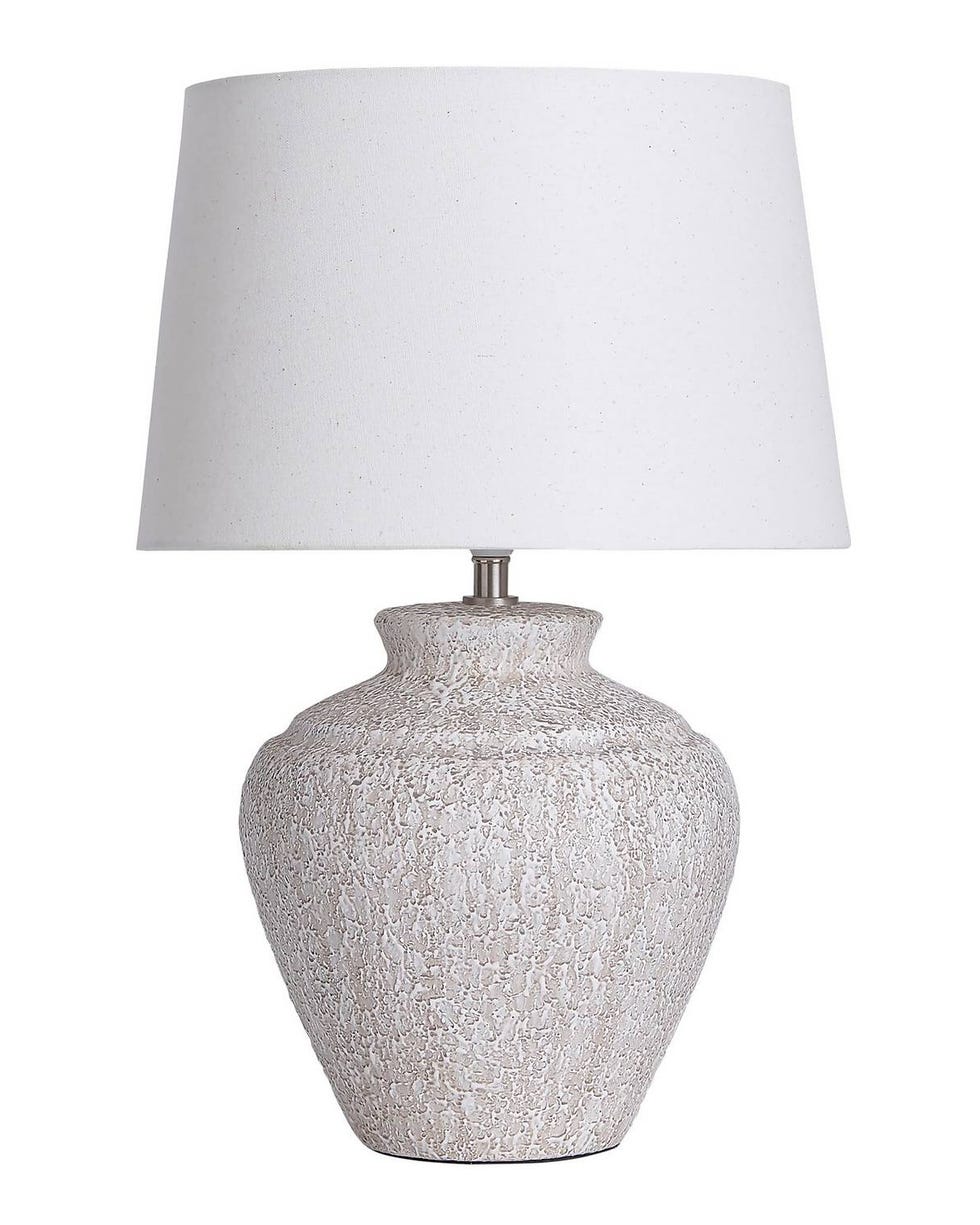
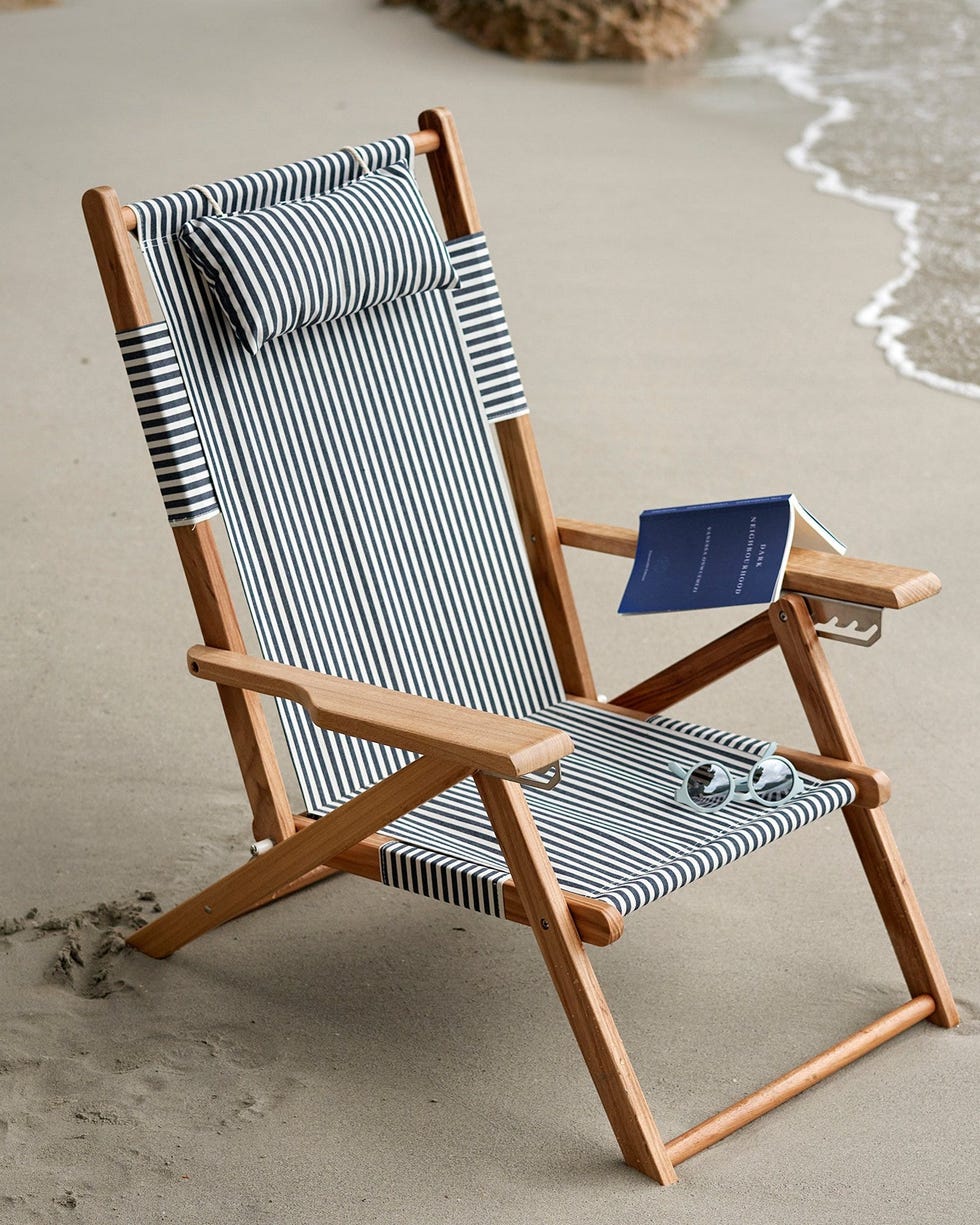
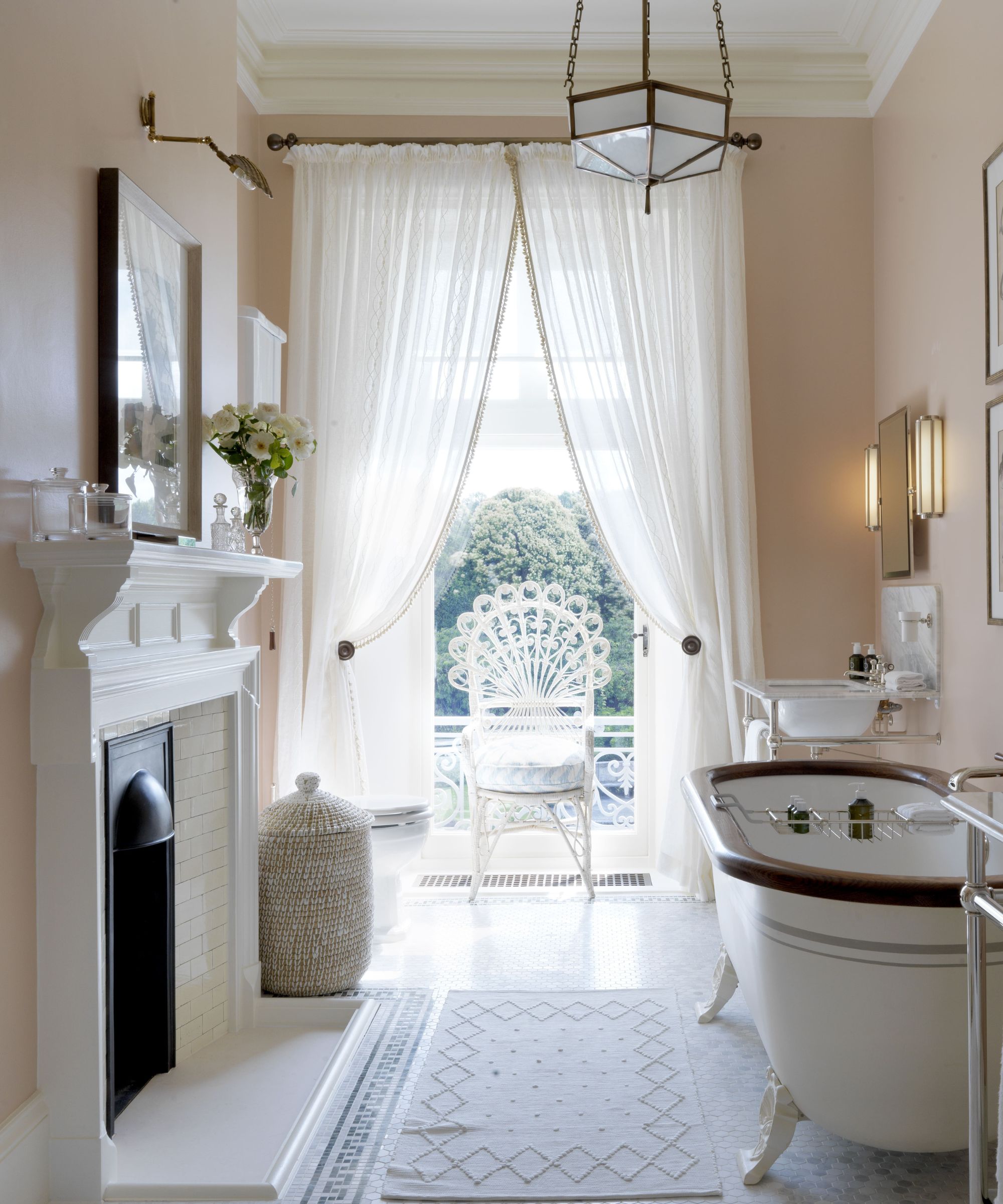
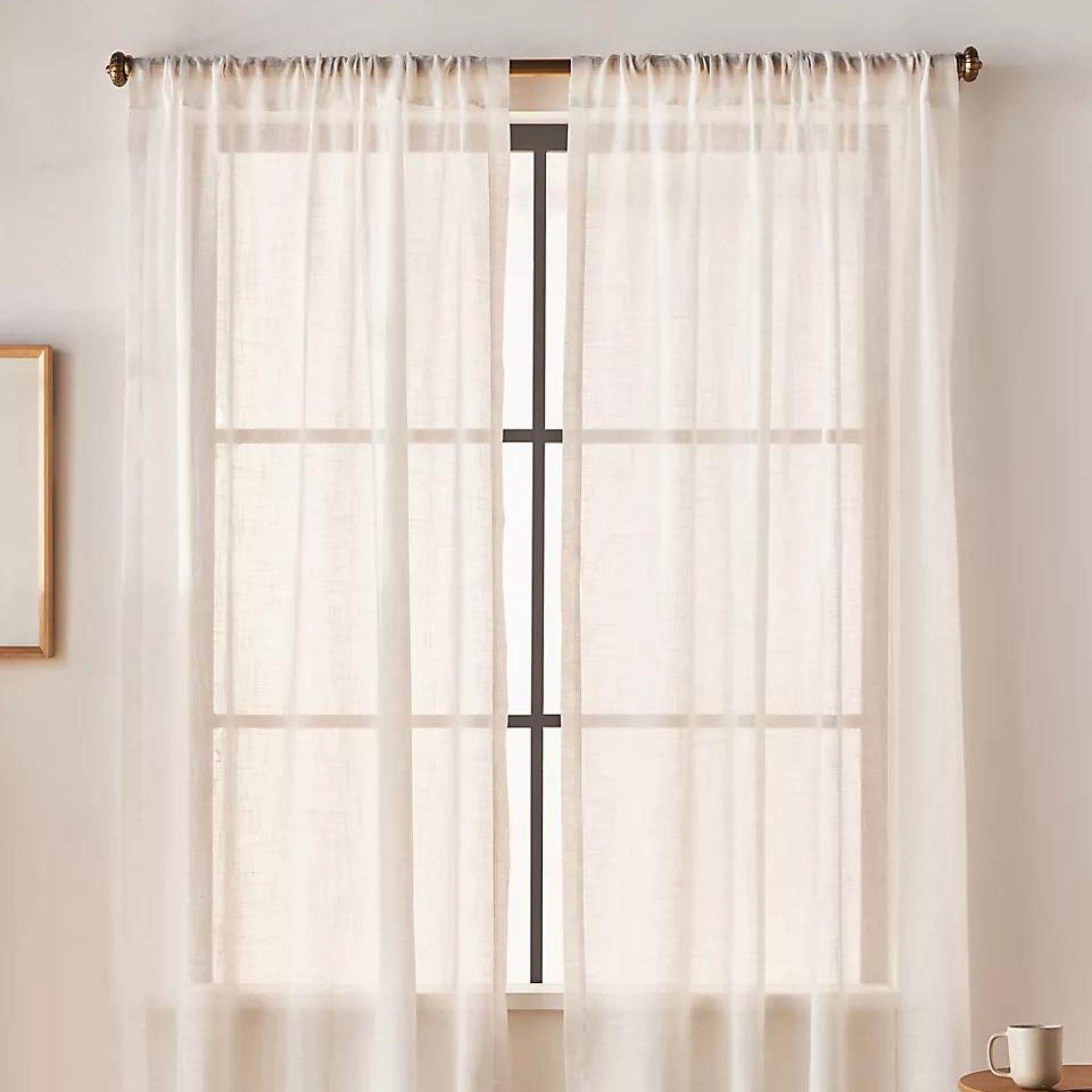
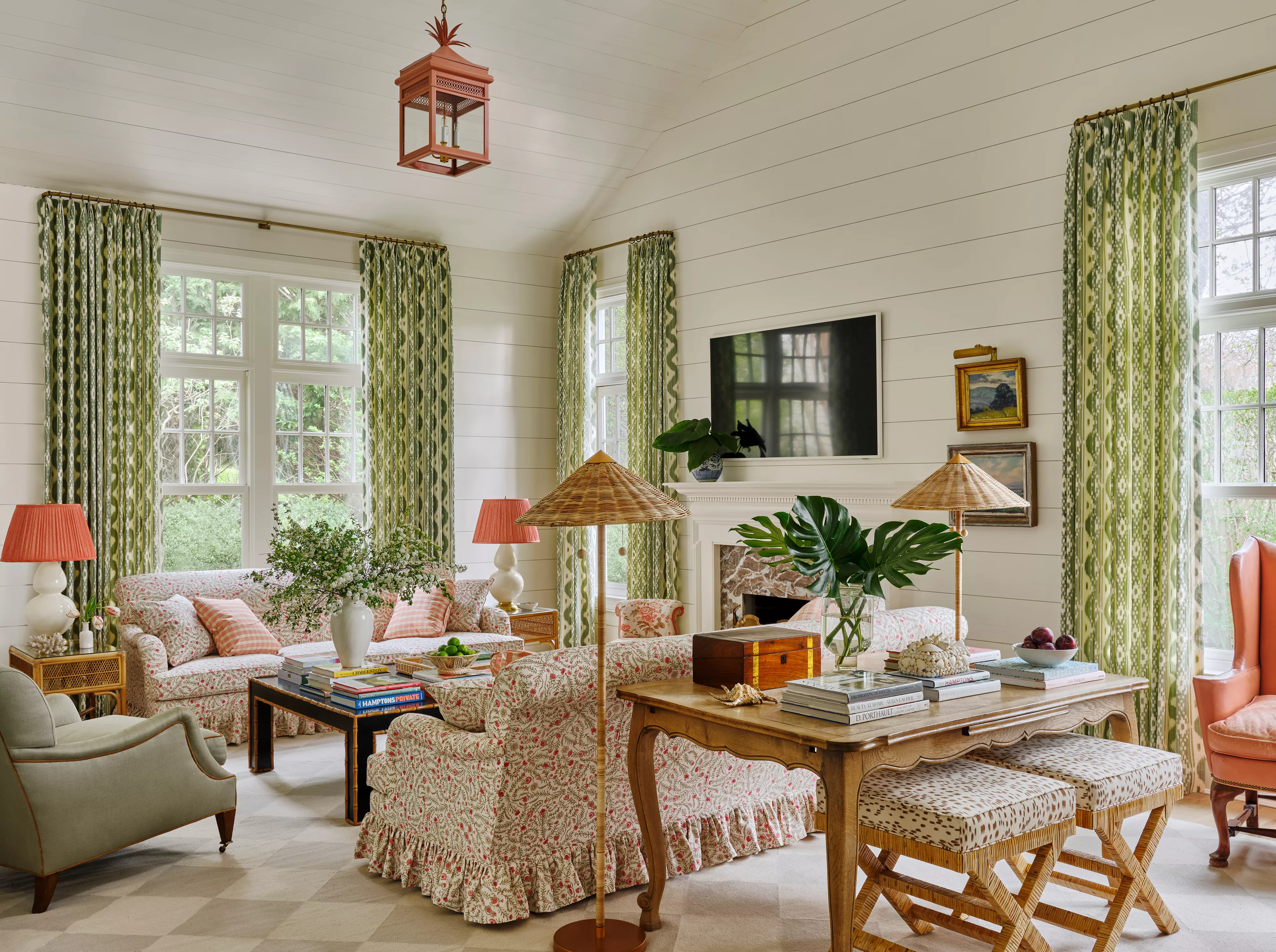
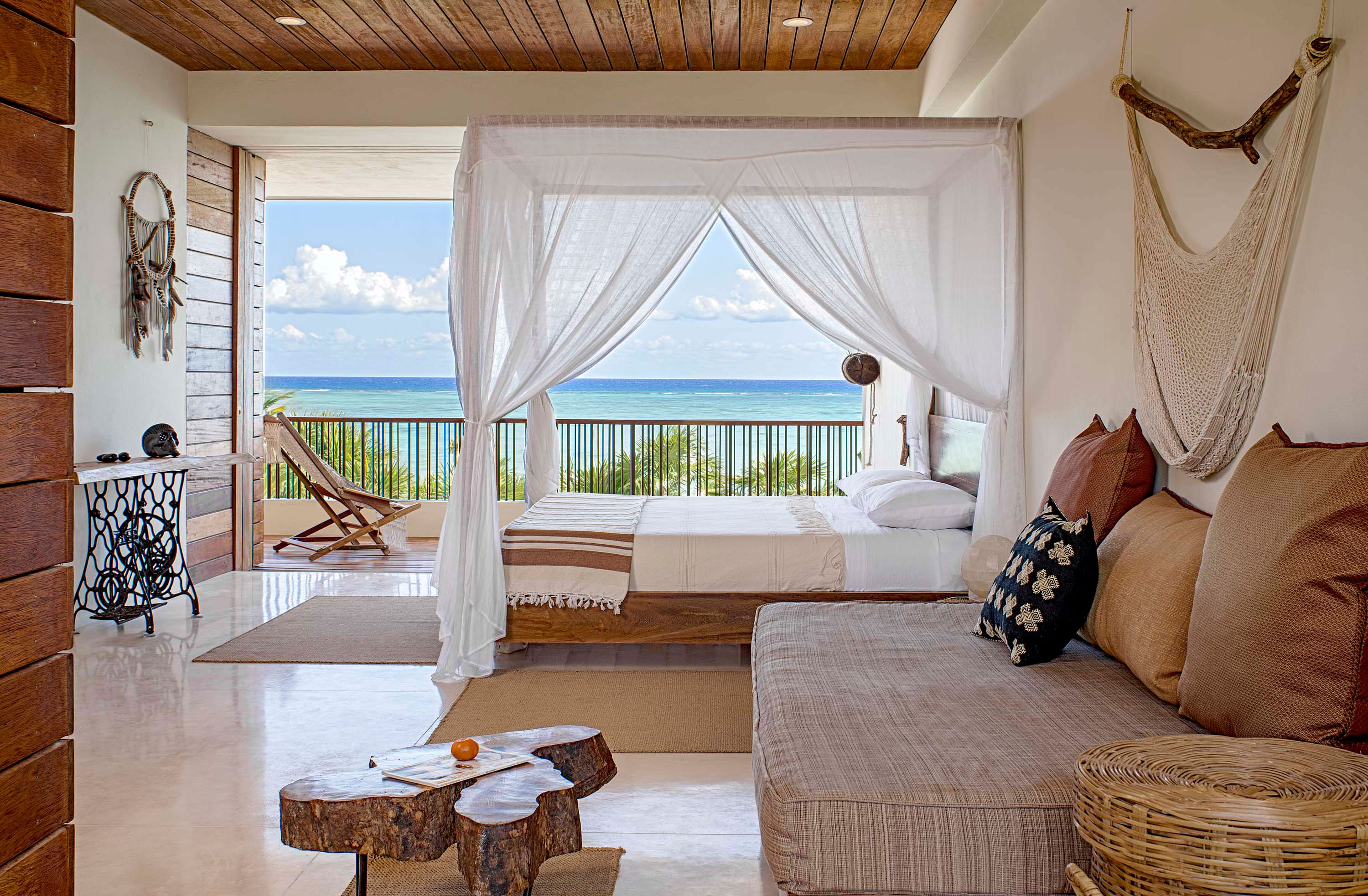
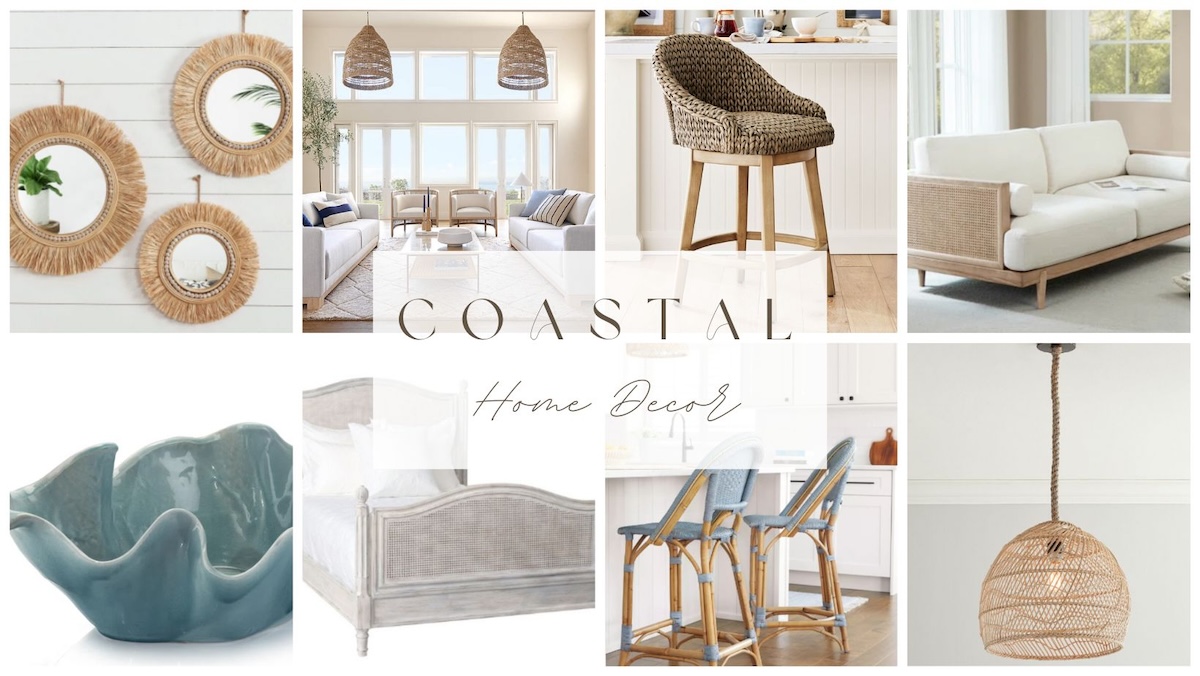
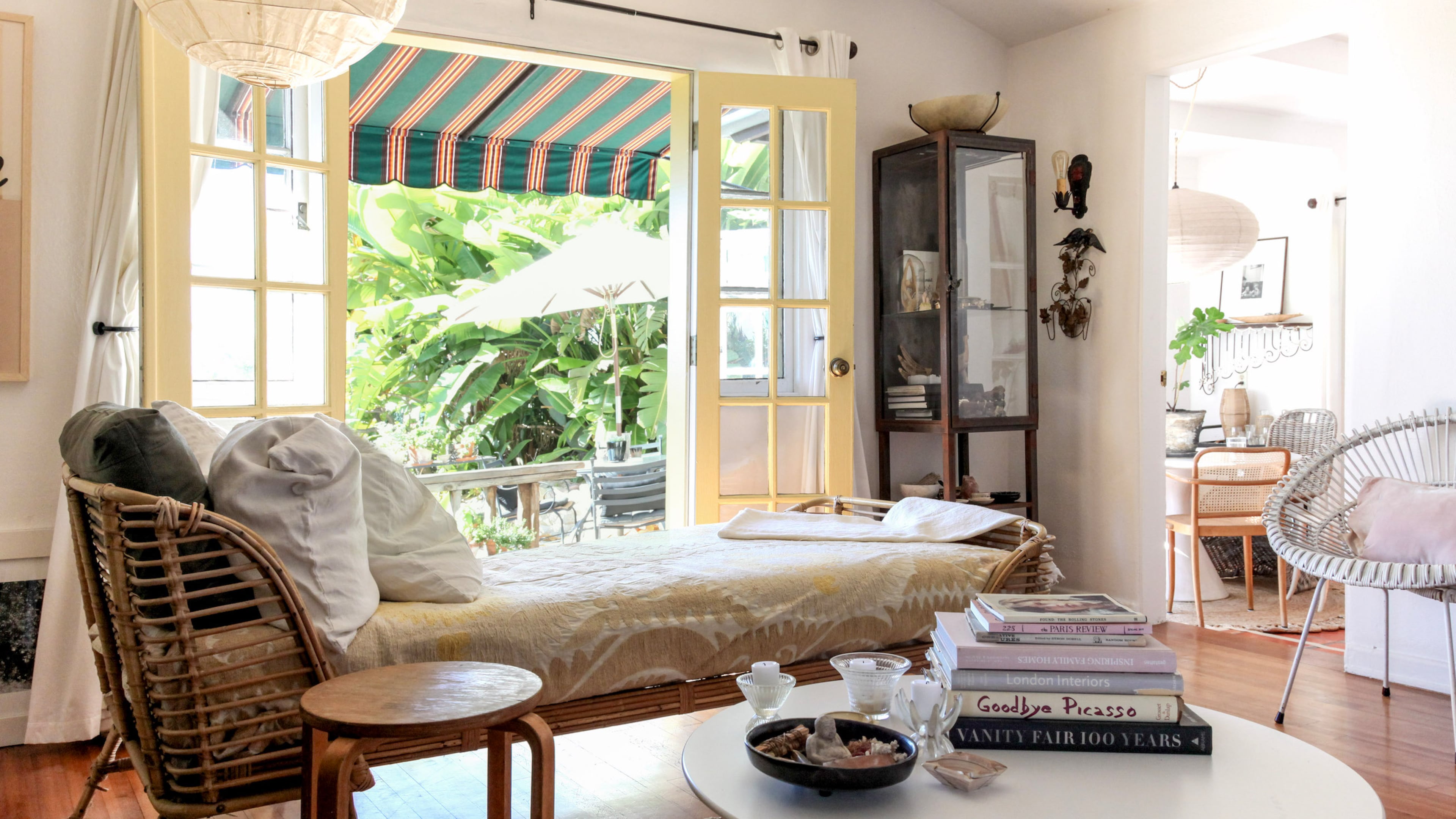
The second hallmark centers on textiles and materials: cotton, linen, jute, and rattan. Modern coastal design prioritizes subtlety and engaging all senses, with touch being as important as sight. Texture is achieved by layering these materials, patterns, and finishes. Examples include rush carpets, rattan chairs, cotton hand-printed pillows, and bleached wood tables, which convey a coastal feel without explicit nautical symbols. Rattan, in particular, is highly versatile, appearing in various forms from furniture to wall decor. Sourcing vintage rattan pieces is recommended for an affordable and characterful addition to any space, whether in urban or coastal settings.
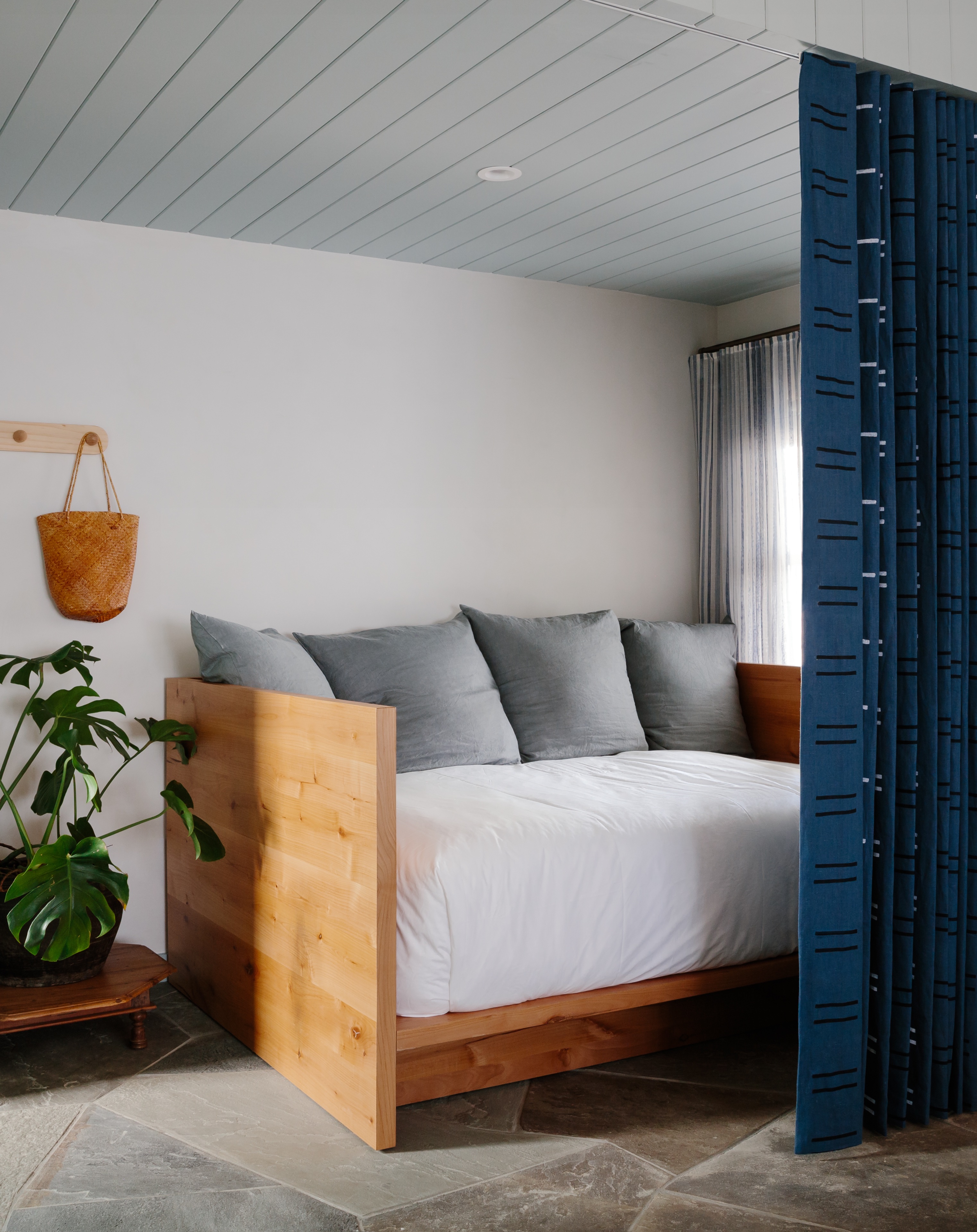
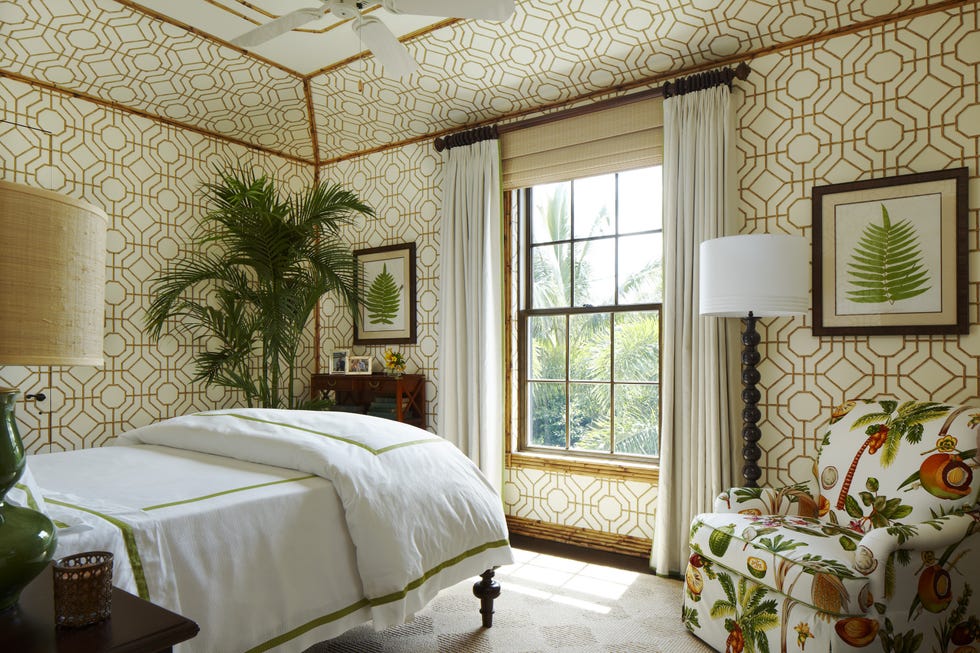
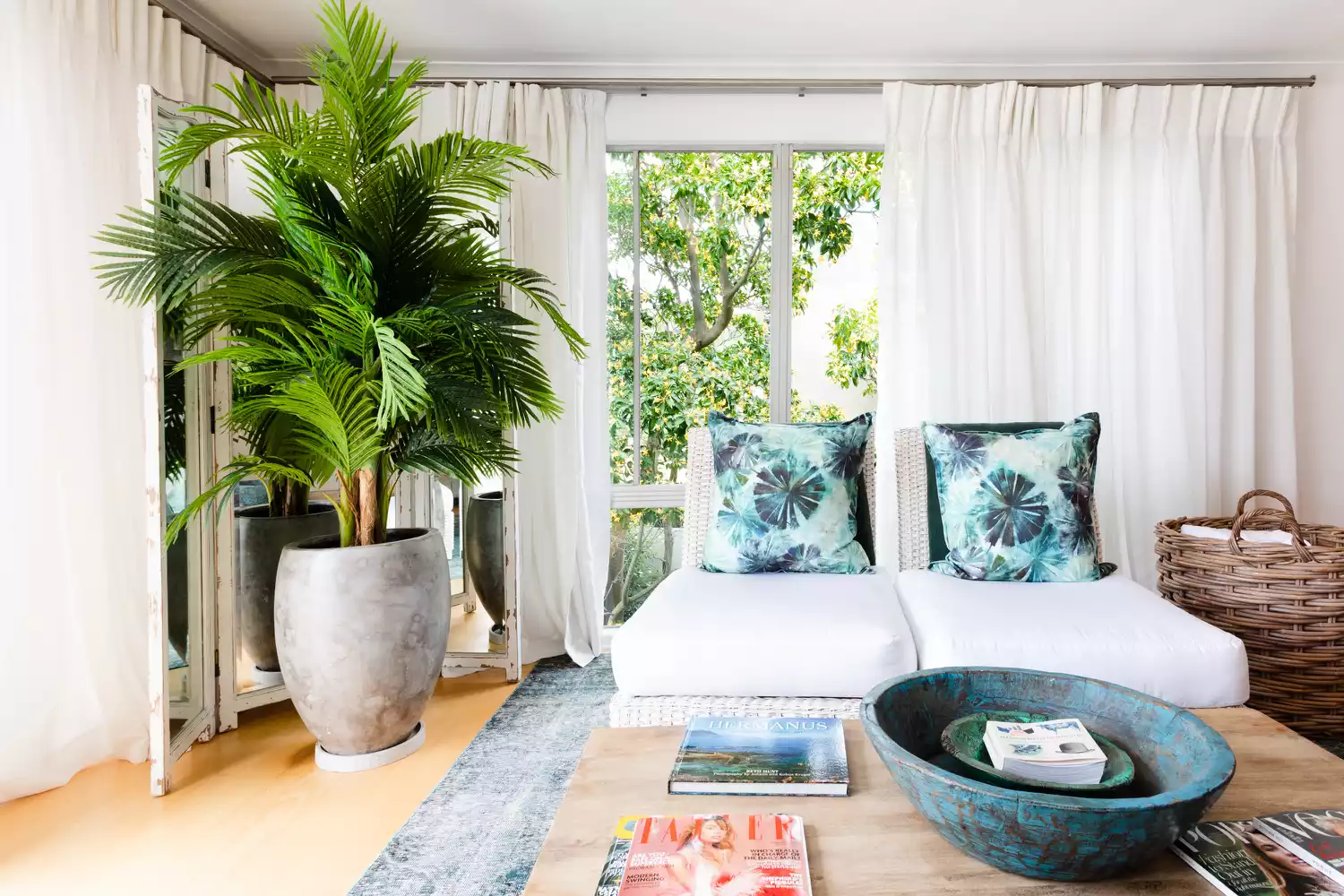
Bringing nature indoors is the third key element. The innate human attraction to light, water, and nature—core components of coastal style—contributes to a sense of happiness and tranquility. This can be achieved by incorporating outdoor elements that subtly reference the sea, such as vases filled with fresh-cut large-leaf plants or palms. The vibrant green shades not only add color but also reinforce the subtle seaside theme.
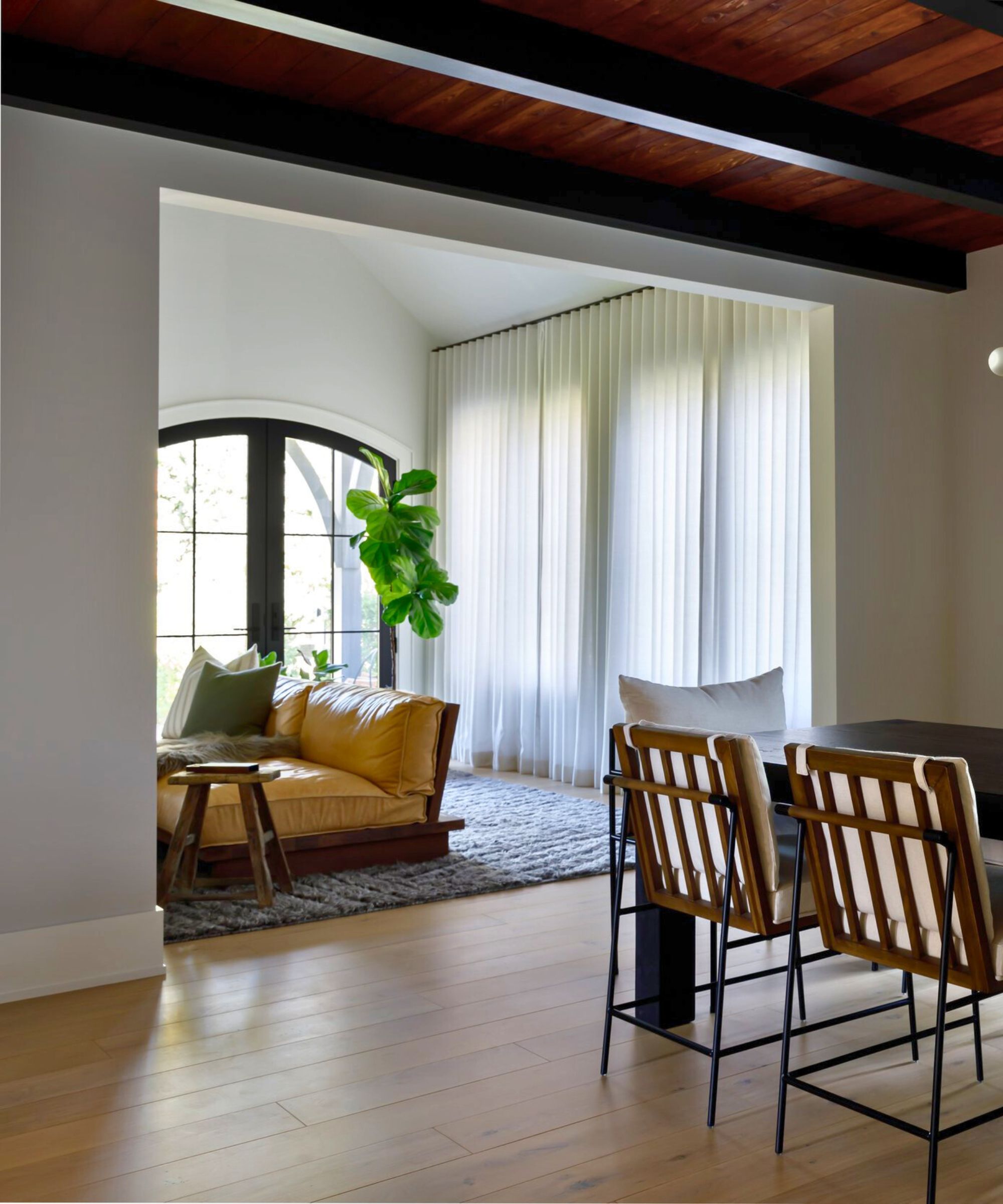
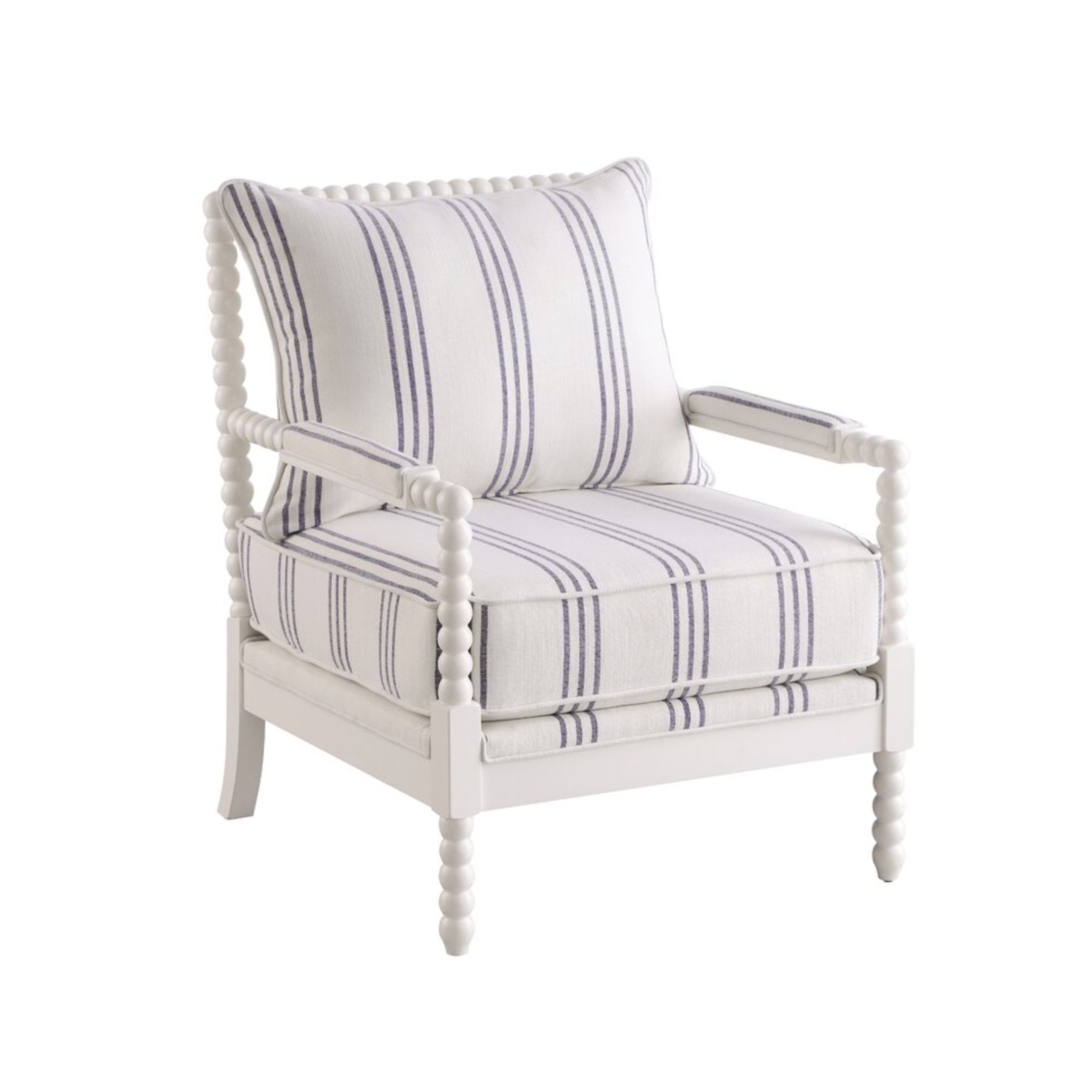
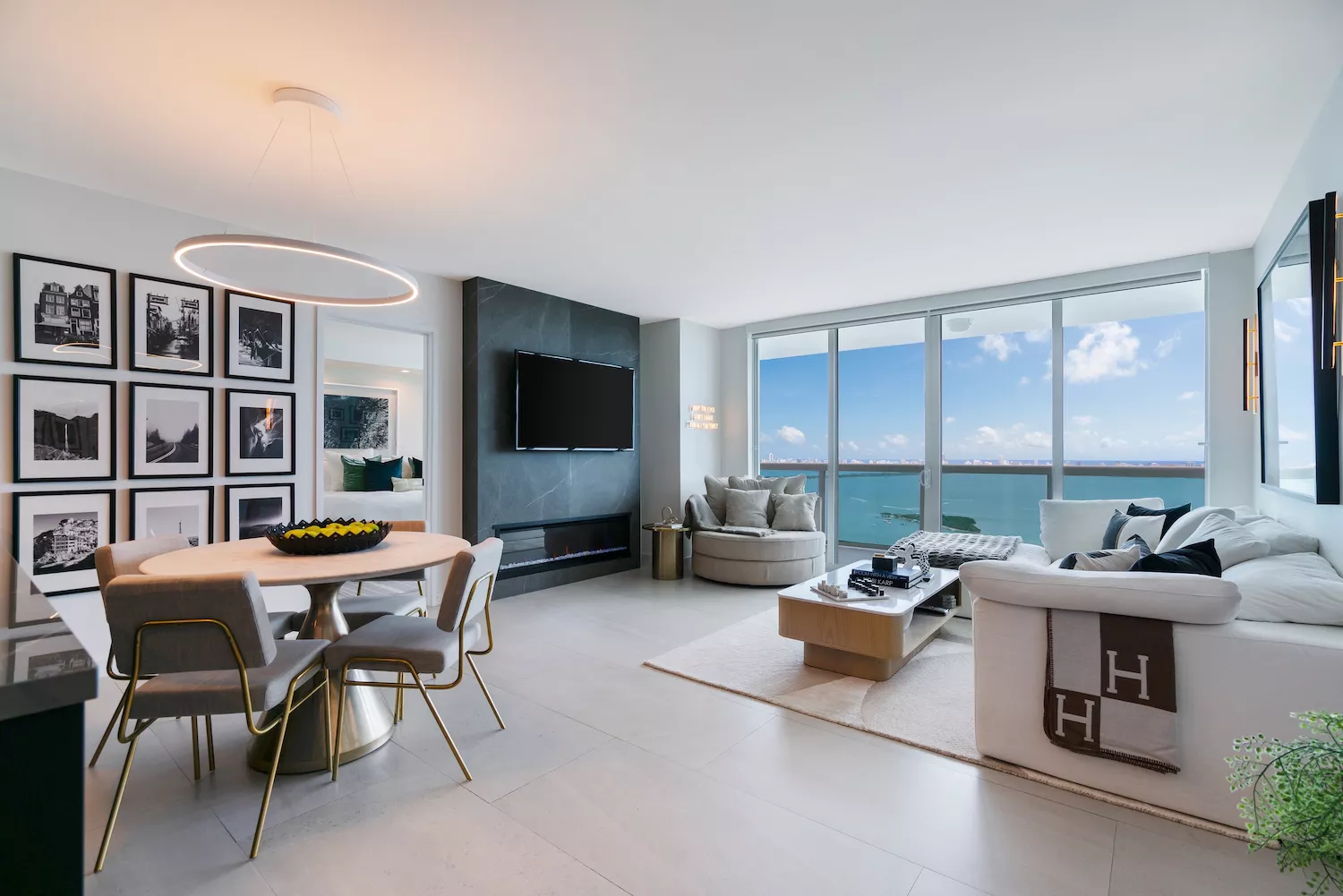
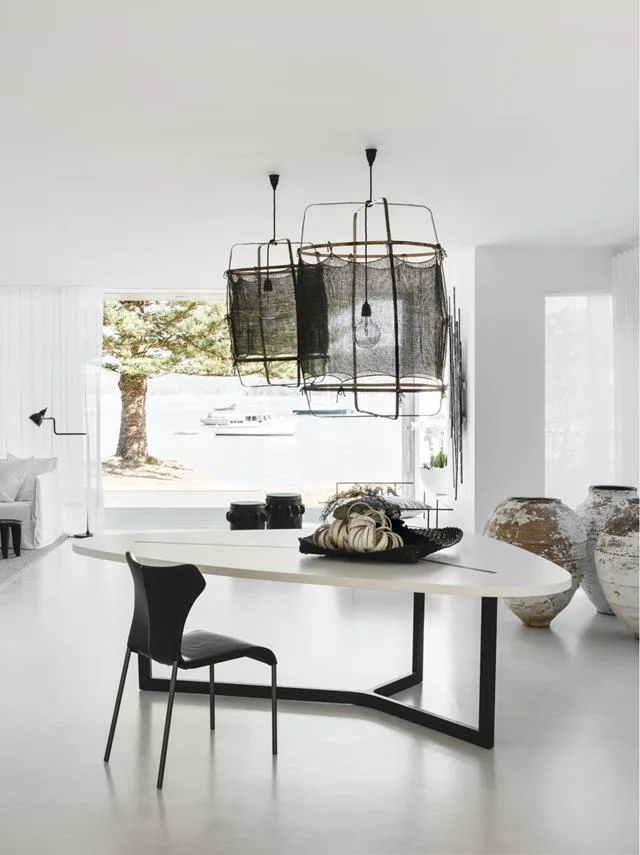
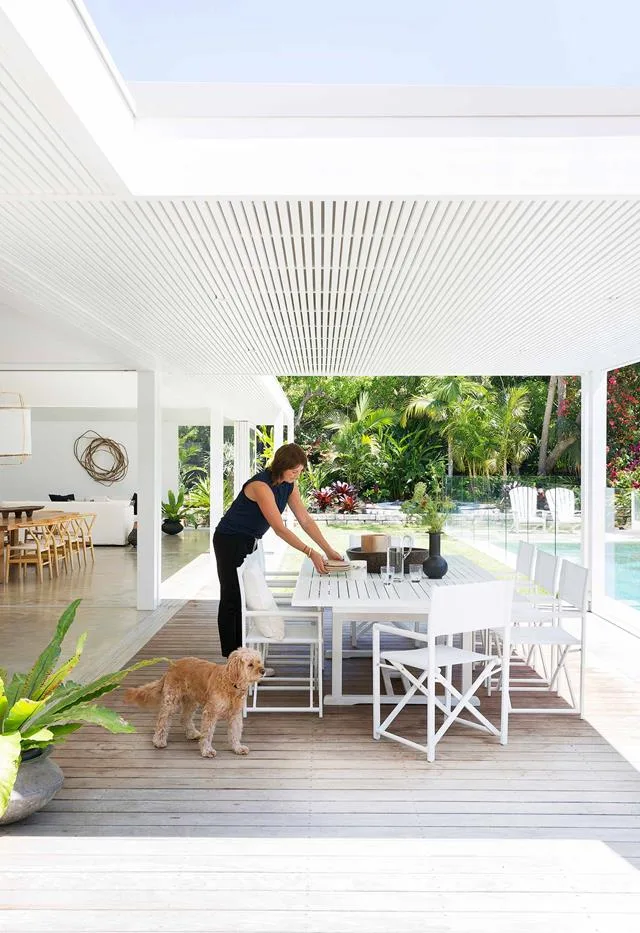
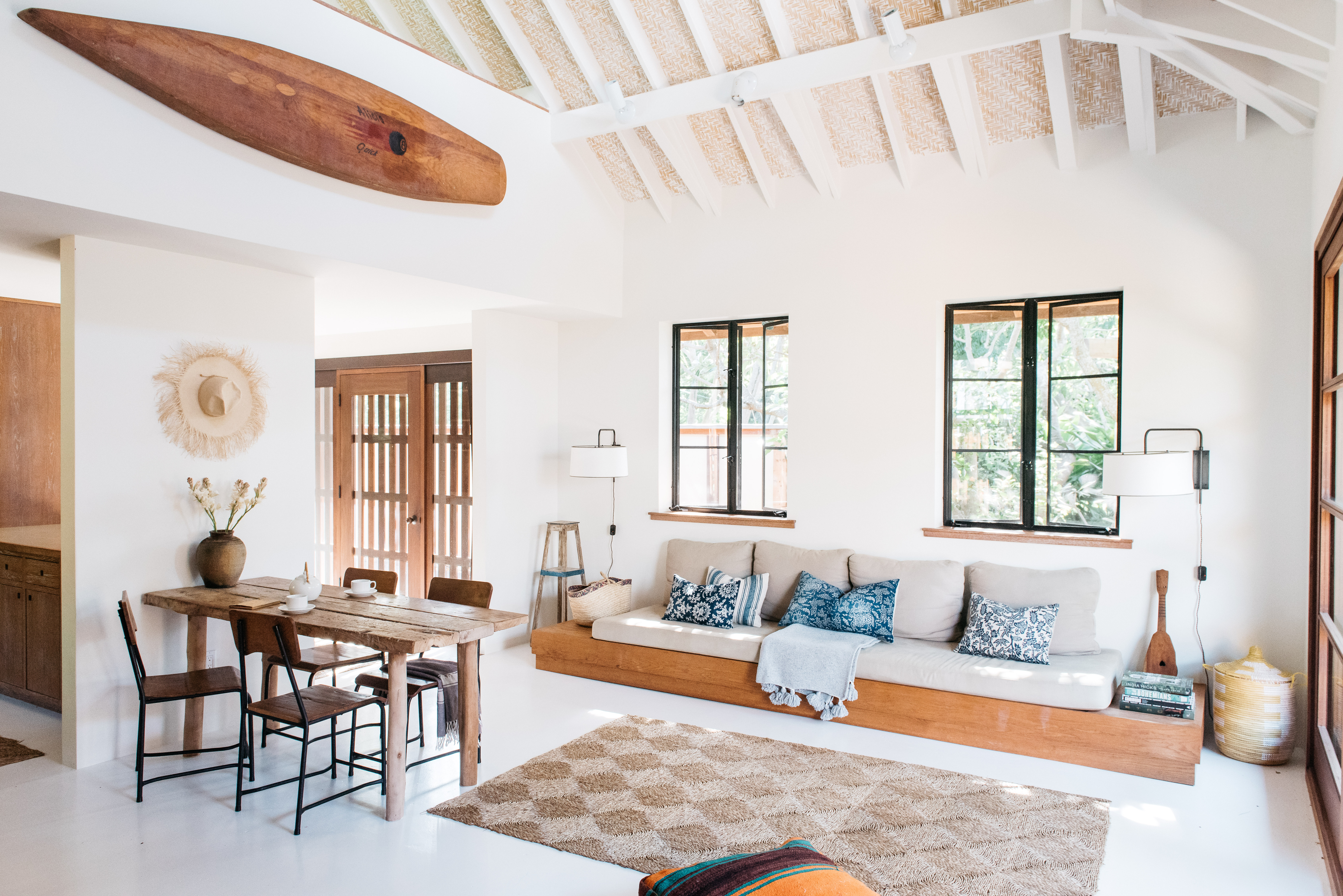
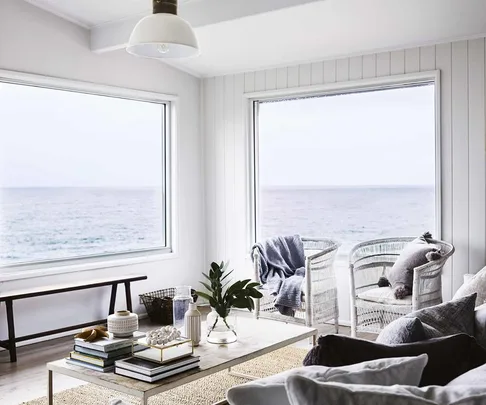
The fourth hallmark is the beauty in symmetry, primarily observed in coastal architecture. Historically, the symmetrical design of old coastal homes maximized cross breezes for natural cooling before the advent of electricity. This involved large openings between public rooms and aligned windows and doors to ensure effortless airflow. The final hallmark extends this architectural principle to furniture arrangement. Even without building a new house, adopting a "room-to-breathe" mindset when placing furniture can create a coastal ambiance. Functional spaces in coastal design feature open layouts, maximizing natural light and airflow, with furniture arranged to promote relaxation. Furniture with clean lines and a relaxed vibe, complemented by abundant natural light, is preferred to enhance this airy, serene atmosphere.
#CoastalInteriorDesign #HomeDecor #NaturalMaterials #NatureInspiredPalette #RattanFurniture #TexturalDesign #SymmetryInDesign #OpenLayouts #SereneSpaces #CoastalInteriorDesign #HomeDecor #NaturalMaterials #NatureInspiredPalette #RattanFurniture #TexturalDesign #SymmetryInDesign #OpenLayouts #SereneSpaces
0 comment in total
 No comments yet
You may also like
5 Coastal Decor Ideas That Feel Chic, Not Cliché, for Homes on the Shore

Coastal Decor: Pro Decorating Tips | How to Do Coastal Design Right

21 Coastal Dining Room Ideas That Bring Beachy Vibes and Elegance to Your Home
Going coastal: Melbourne shop delivers ocean-inspired decor
What is Coastal Design? Here's 9 Ways Designers Are Channeling This Relaxed and Timeless Aesthetic
11 tips for bringing a modern coastal look to your home
32 Beach House Living Rooms to Transport You to the Coast

10 different coastal-style looks for the home

15 coastal decor ideas that are chic not clichéd

36 Coastal Decor Ideas to Make Your Home Feel Like a Day at the Beach

5 Coastal Bedroom Ideas That Are as Soothing as the Sound of Waves as You Drift Off to Sleep
'Coastal elegance' is the end-of-summer trend to know about – designer Kathy Kuo shares how she creates the effortless look
Getting To Know Coastal Style Decorating
7 easy coastal living room ideas for year-round beach vibes at home

18 of the best coastal-inspired pieces for a breezy beach house look
6 coastal color schemes for a calm and tranquil home, no matter how far from the ocean you are
Easy and breezy: Coastal decor
Coastal Auntie is the new fresh, youthful (and slightly cooler) version of Coastal Grandmother style – here's why she's here to stay
This Is What "Beach Decor" Looks Like In Five Different Coastal Cities
20 Best Coastal Design Tips From The Pros