1/7
'It's where heritage tradition meets the barefoot ease of living near the water' – this is how to nail the 'Eastcoastal' aesthetic, according to a designer who lives it year-round
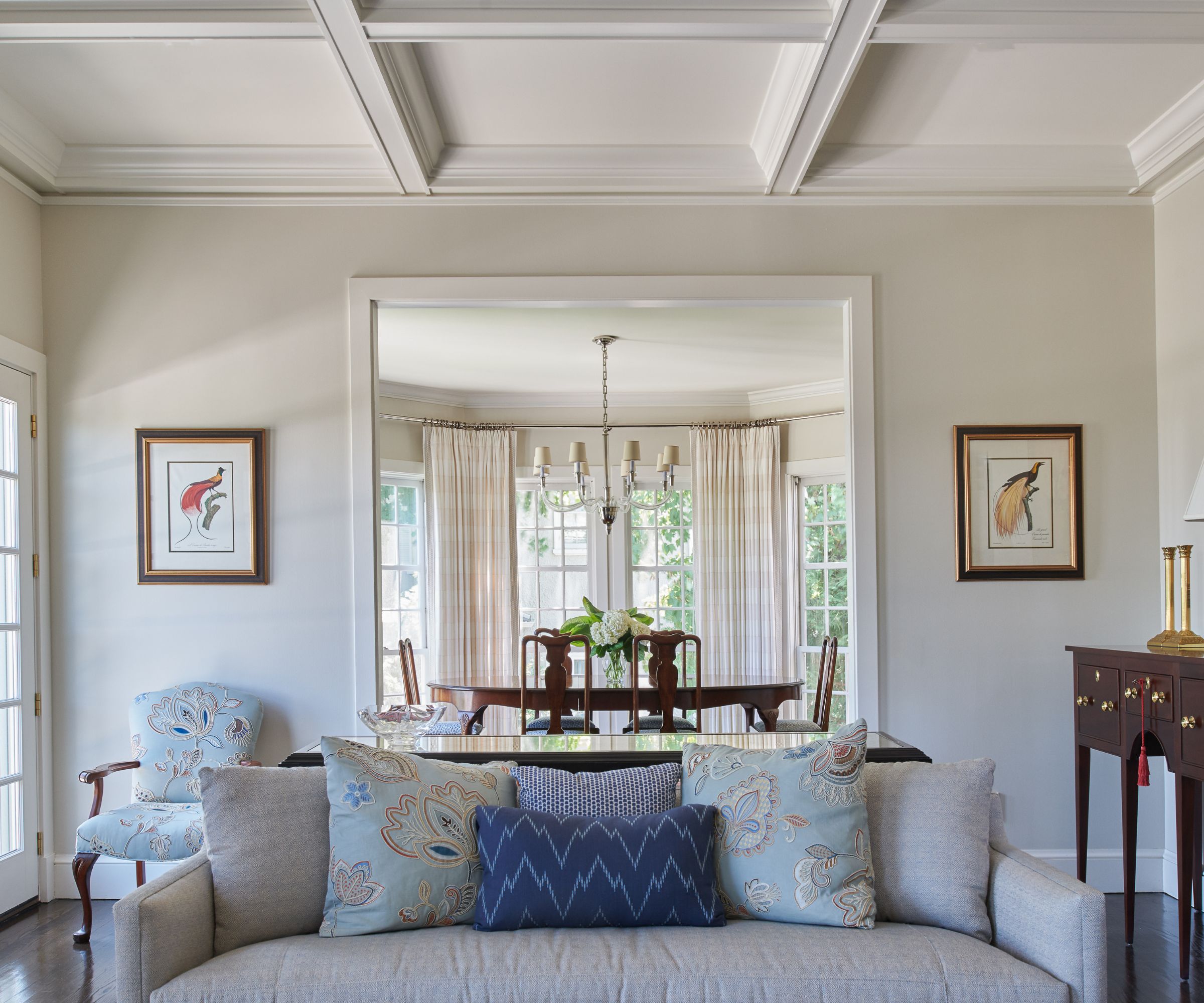
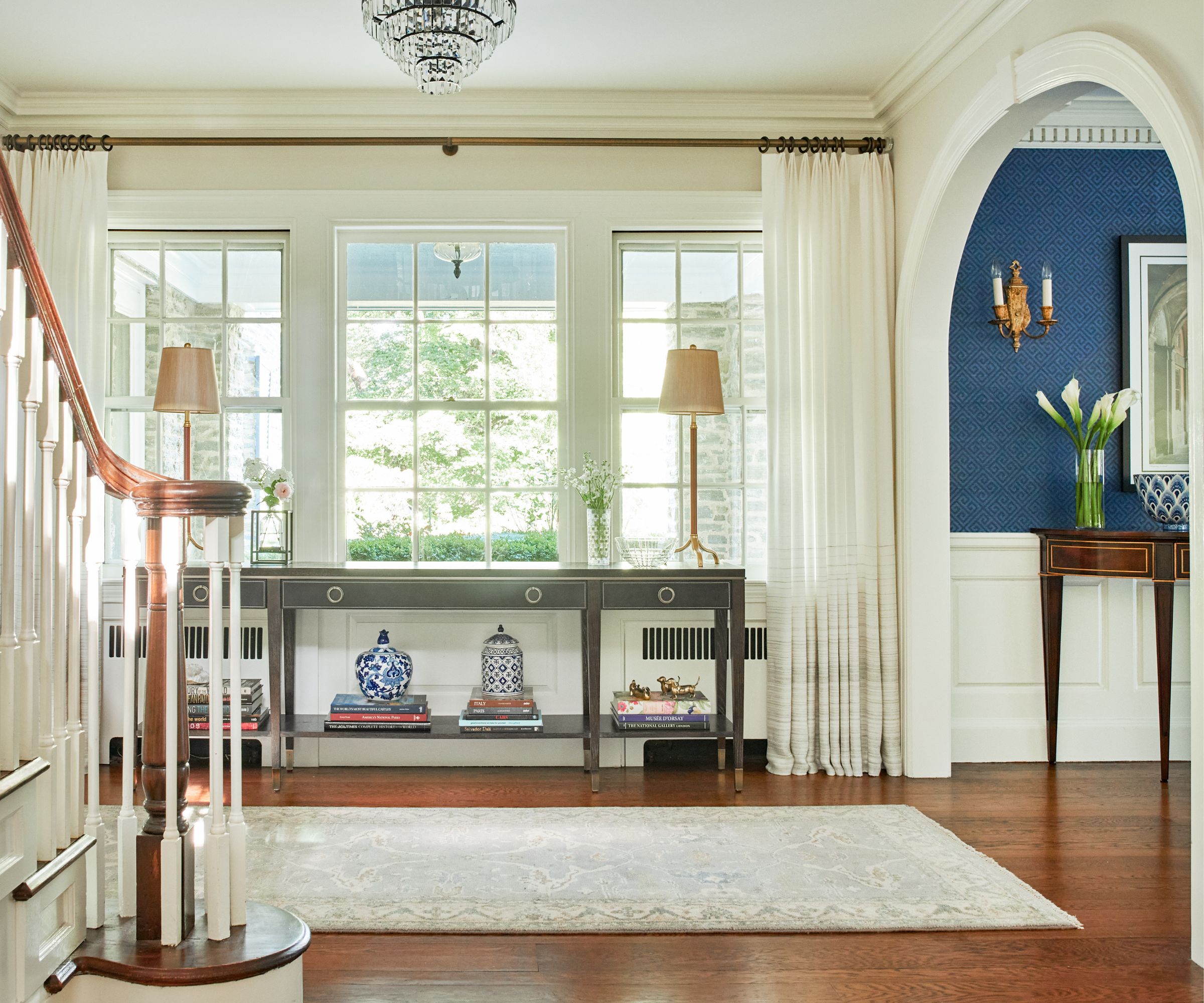
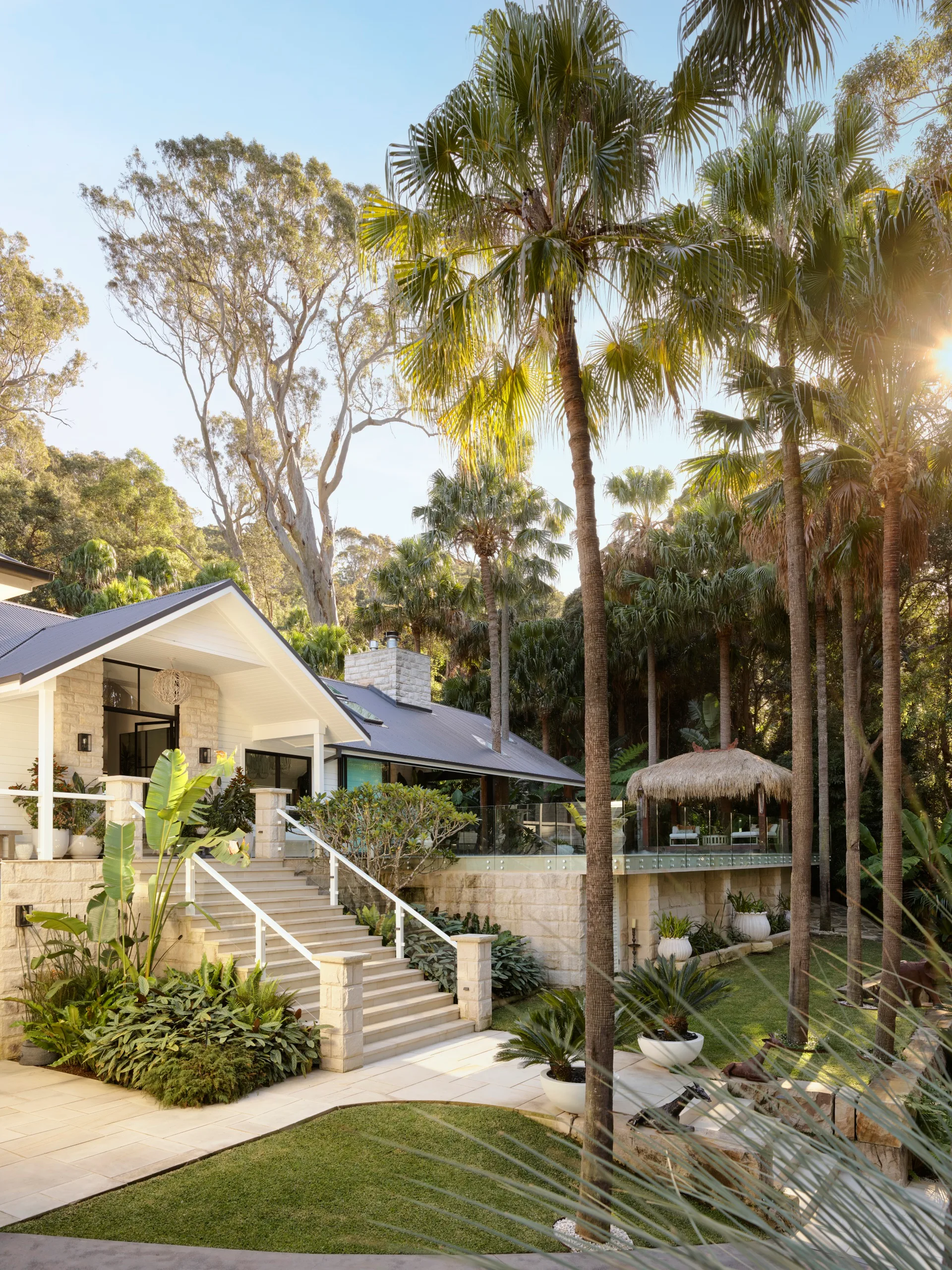
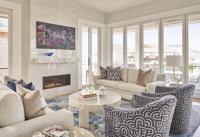
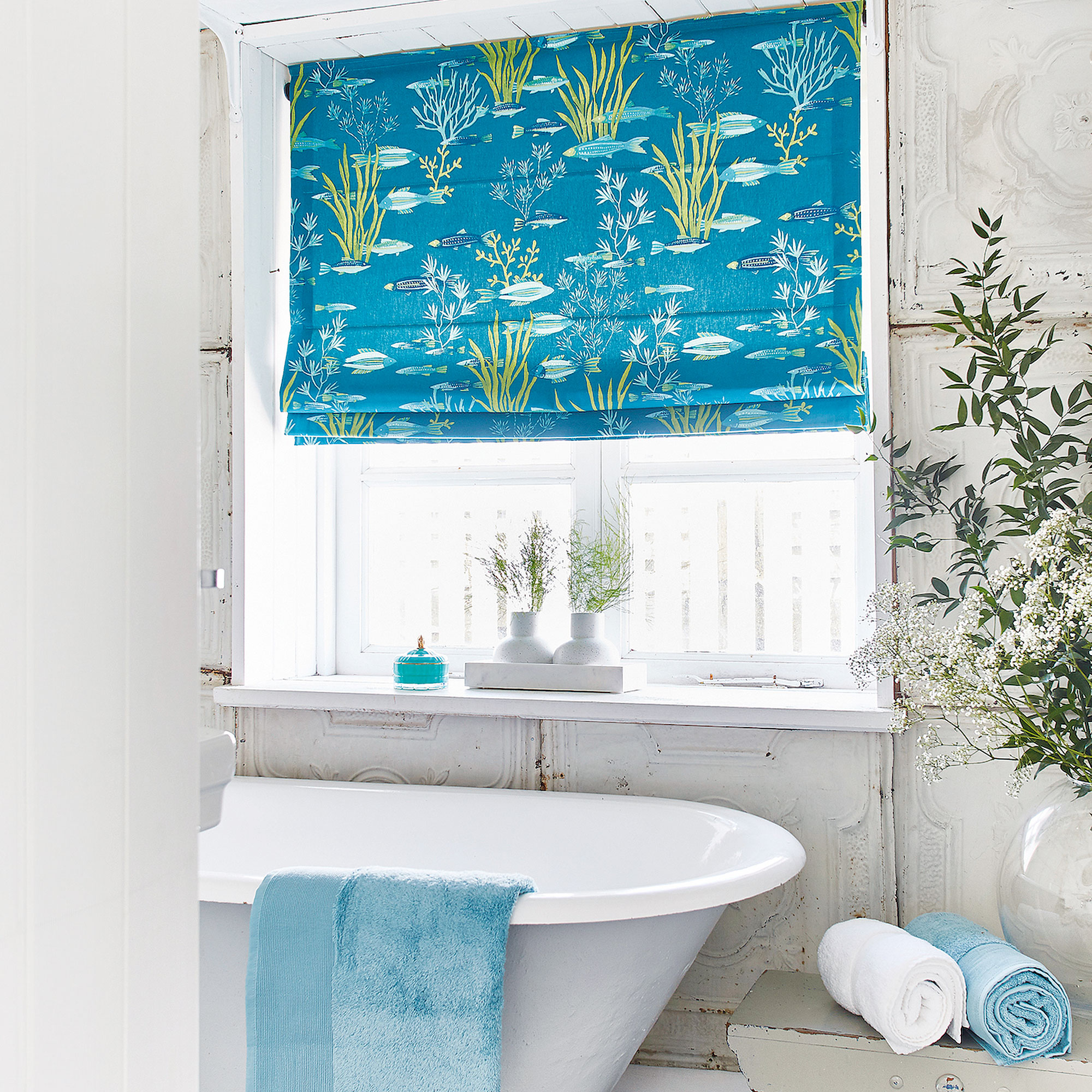
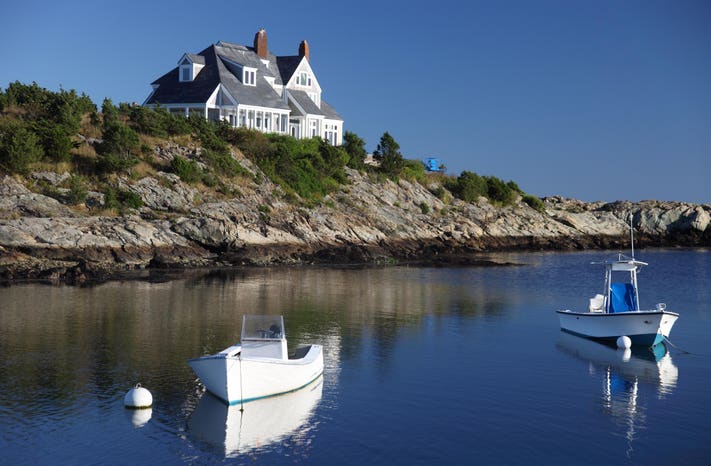
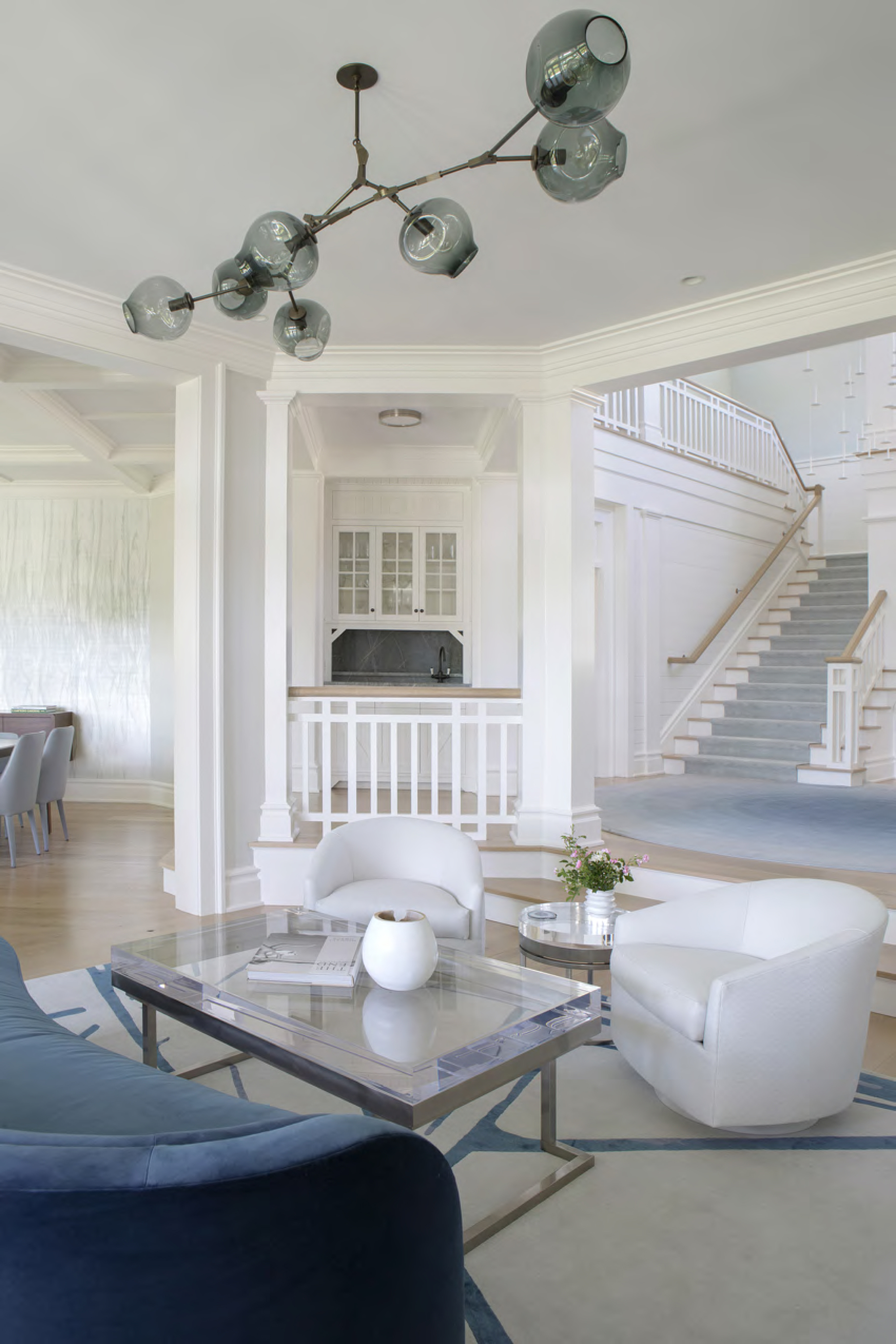
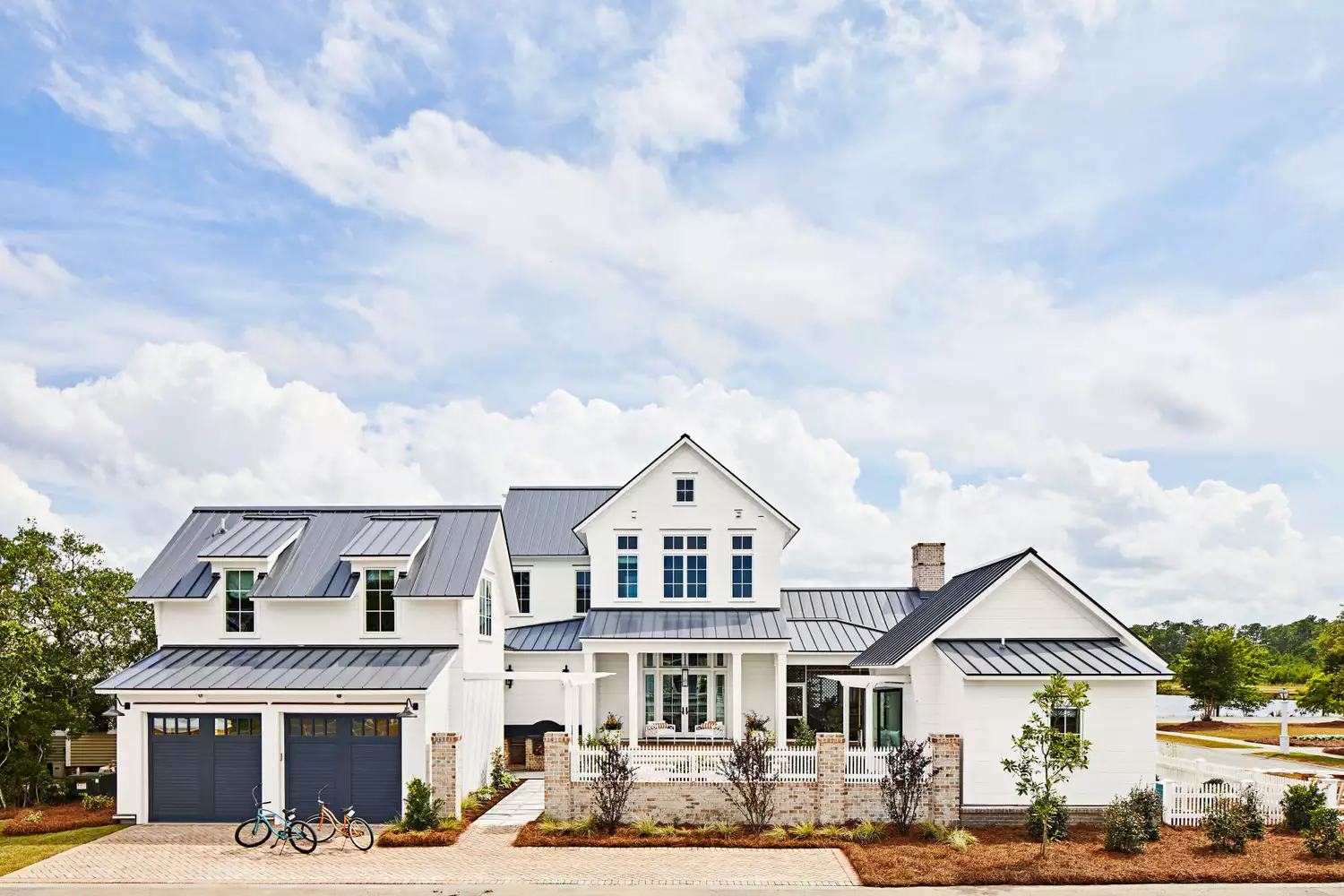
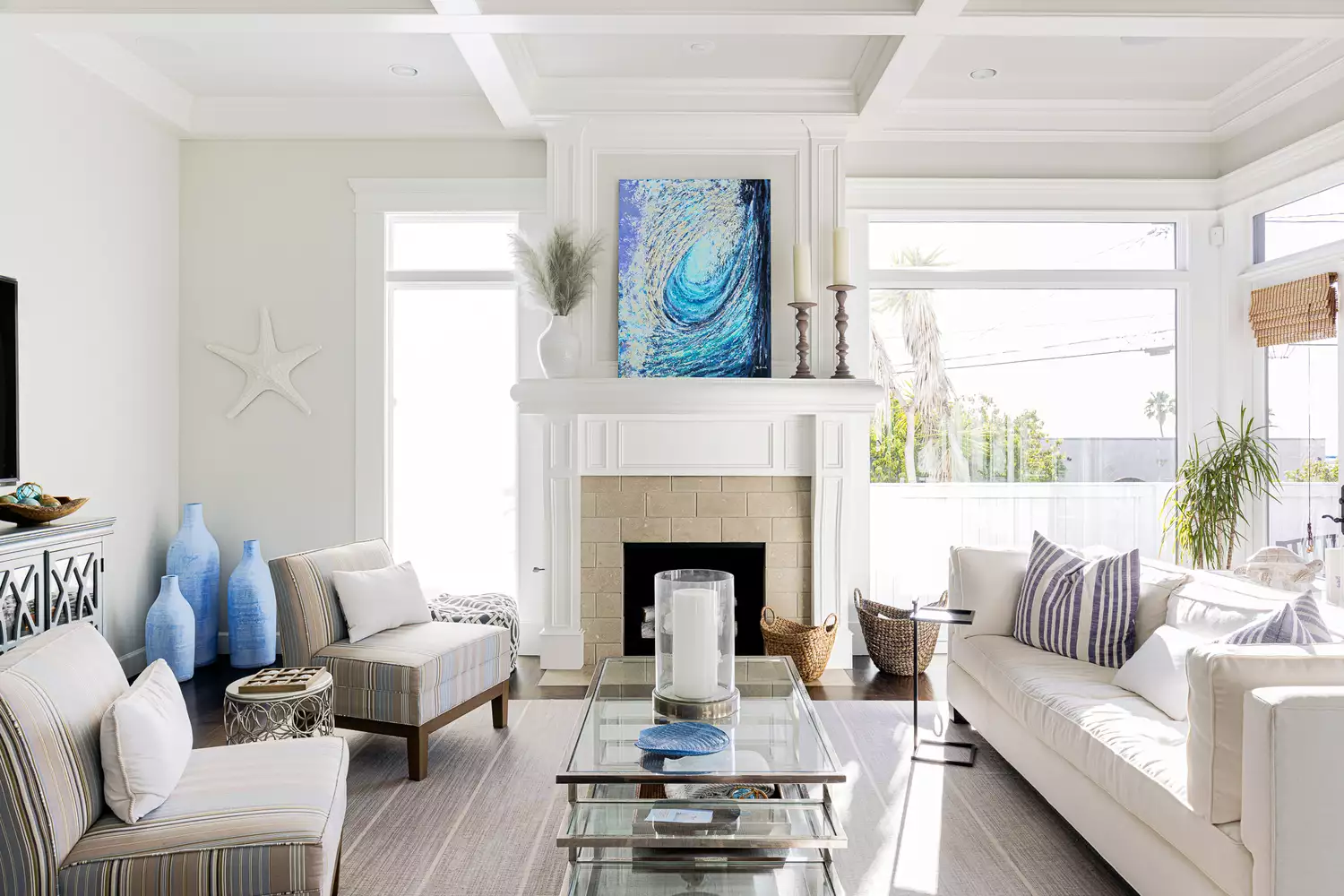
The 'Eastcoastal' aesthetic, a blend of heritage tradition and the casual ease of living by the water, is becoming increasingly popular in interior design. This style moves beyond stereotypical coastal motifs, focusing instead on a mood that layers old-world charm with a lived-in feel. Jess Weeth, principal and co-founder of Weeth Home and an Eastcoastal native based in Rehoboth Beach, Delaware, offers insights into achieving this nuanced look.
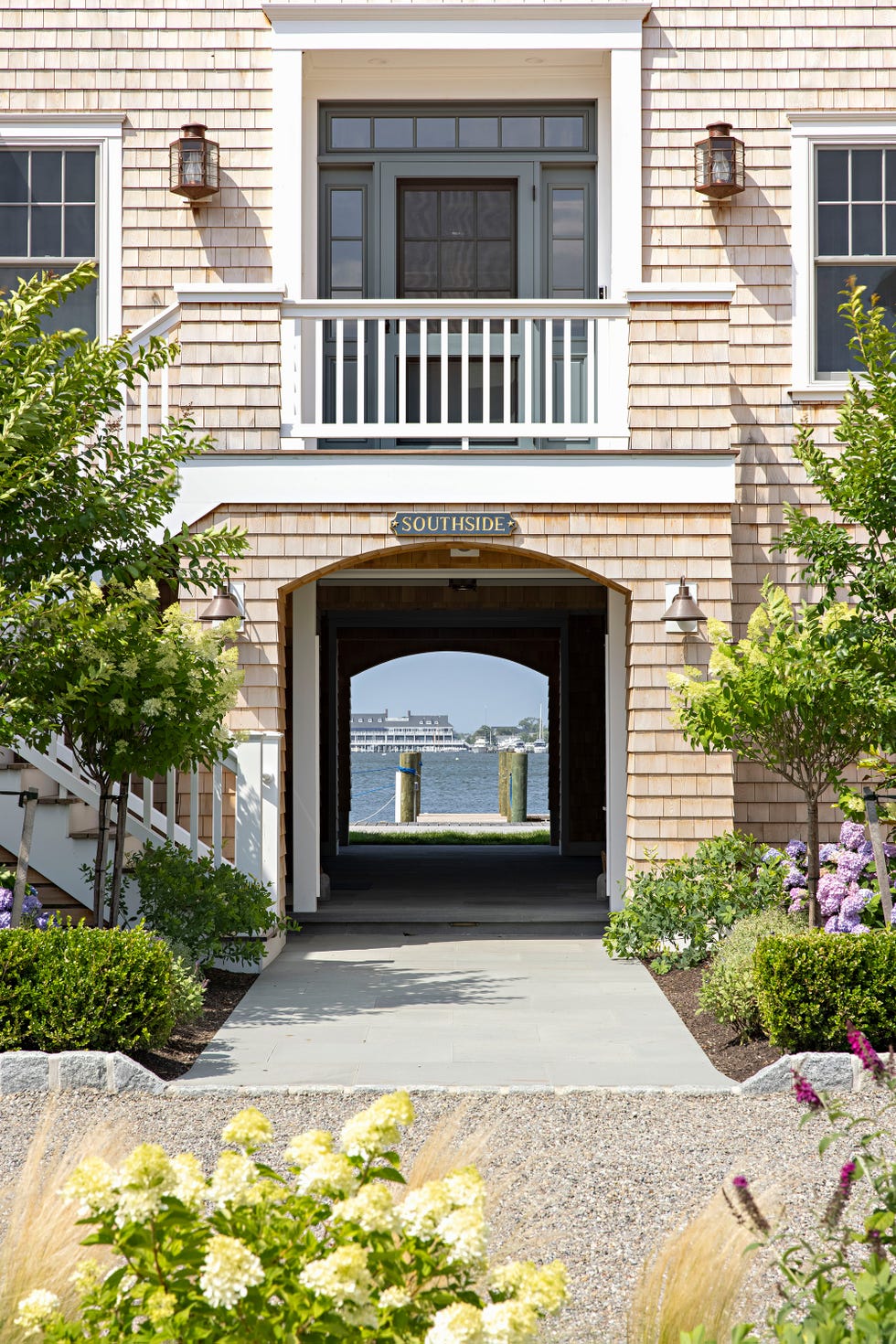
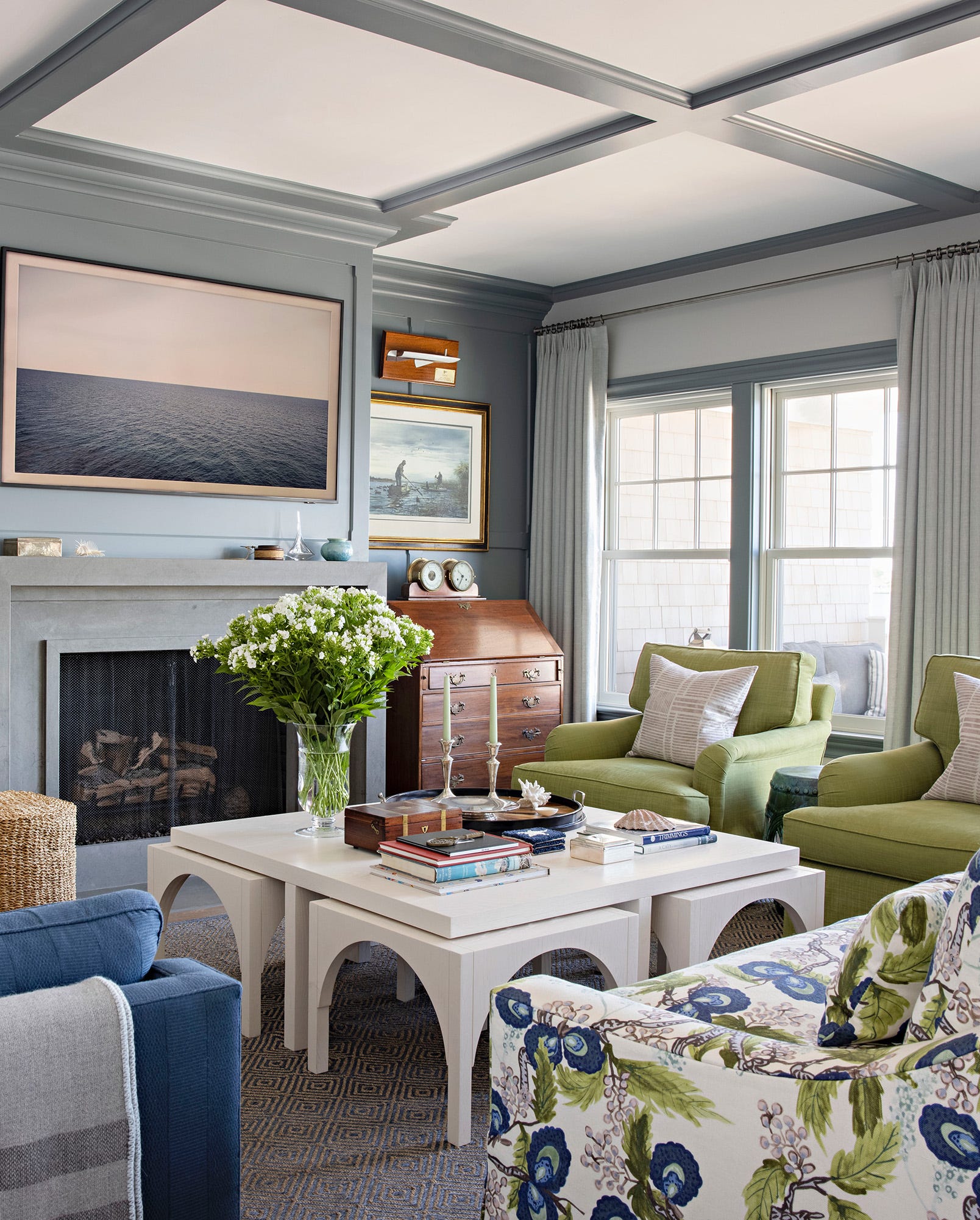
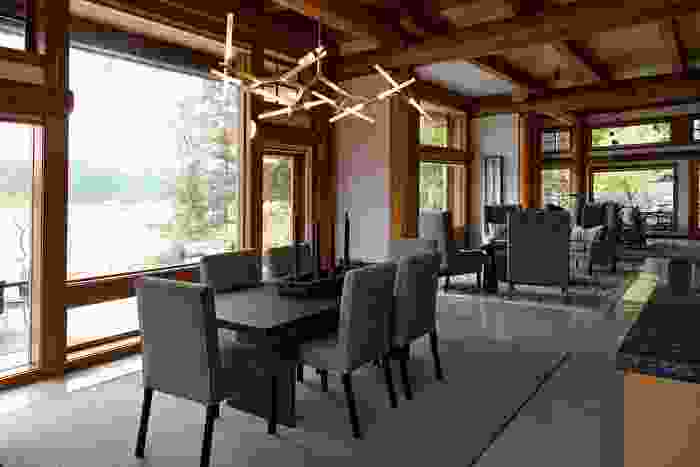
Weeth describes Eastcoastal as a harmonious meeting point between classic architectural elements and comfortable, unfussy interiors. It’s about creating spaces that feel timeless, as if they have evolved over generations, much like the homes featured in films such as *Something’s Gotta Give* (2003) and *The Holiday* (2006). The aesthetic draws inspiration from both the traditional, preppy elements of the northern East Coast and the more rustic, casual vibes found further south, providing a unique blend that offers an escape from urban life.
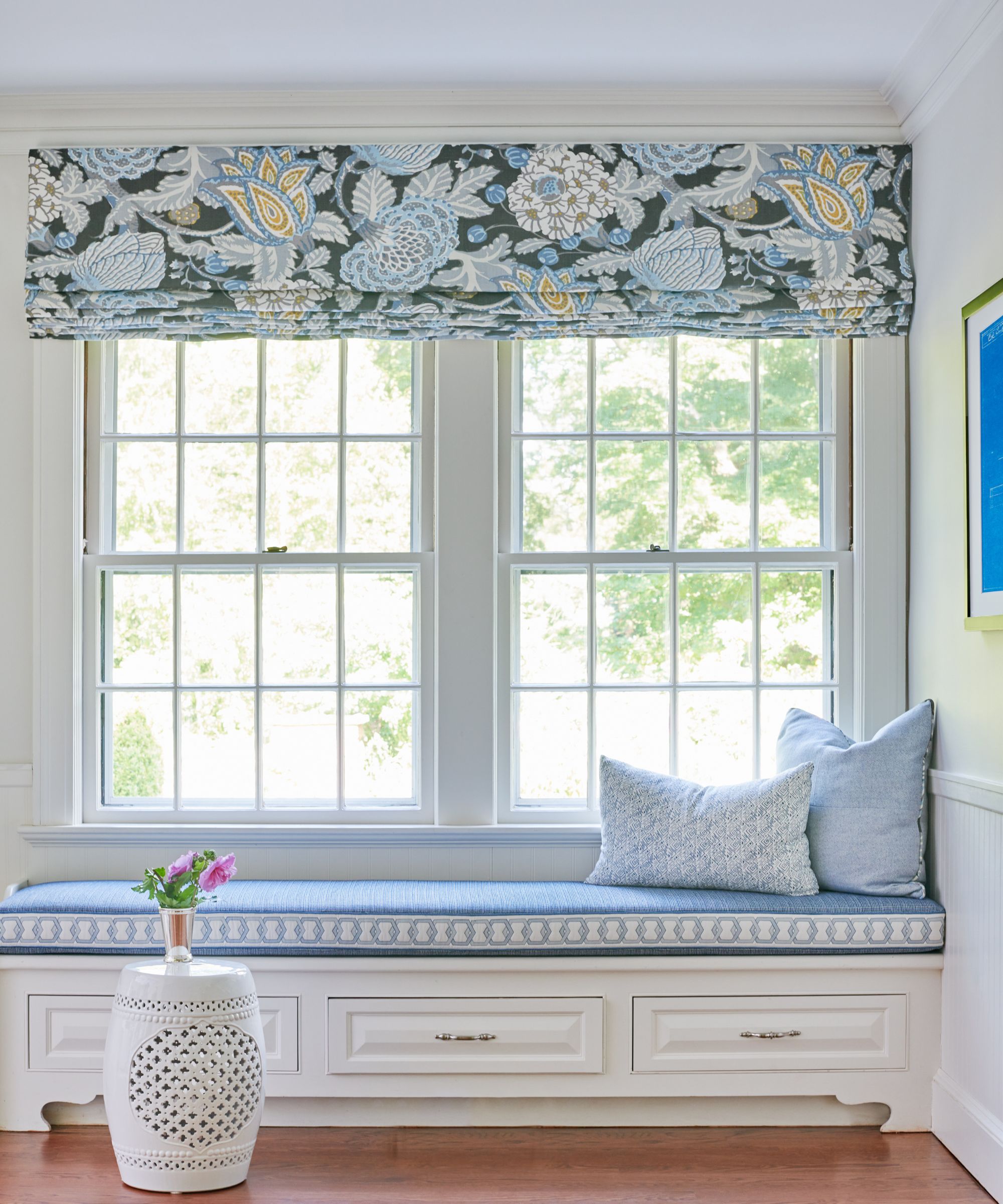
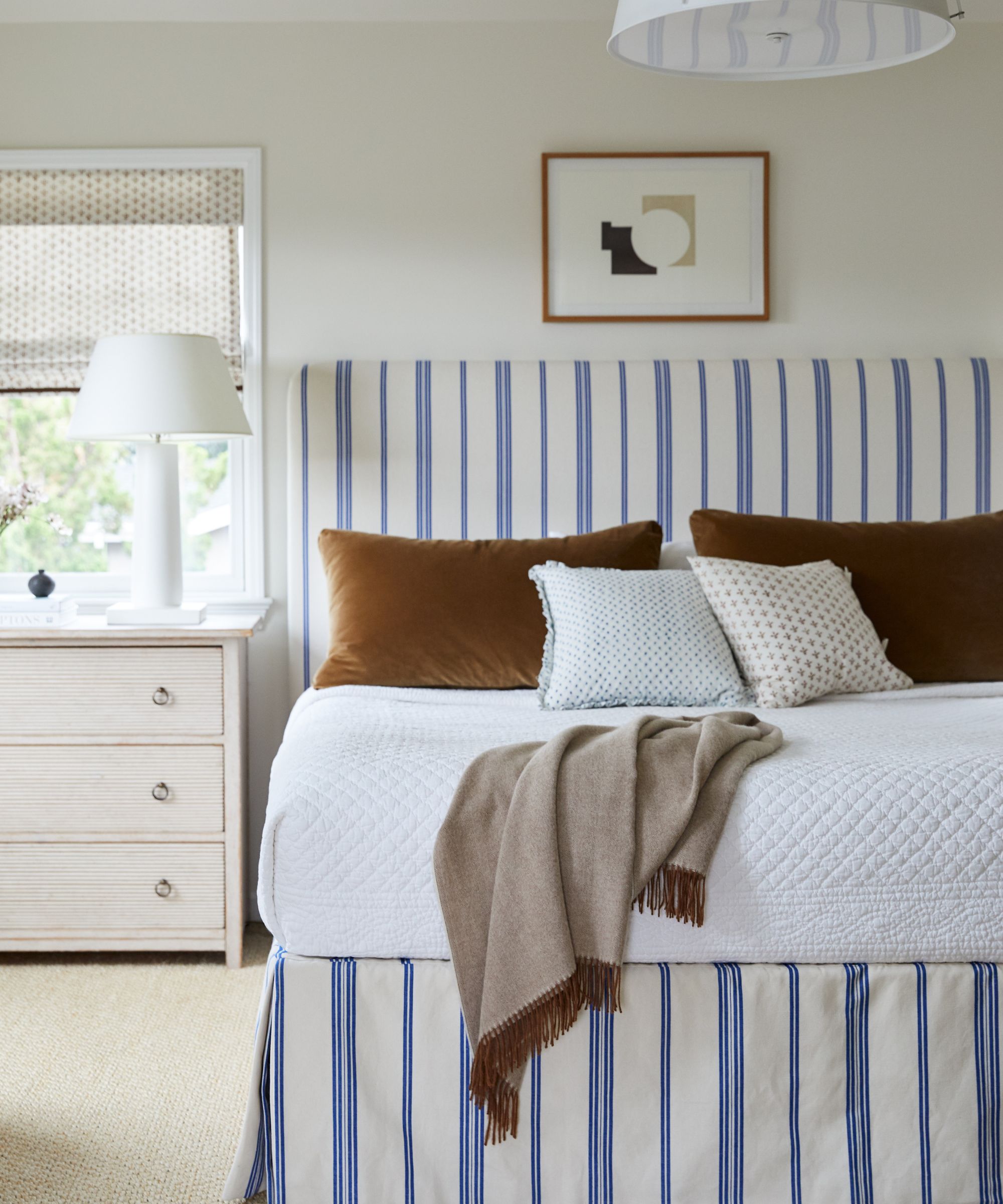
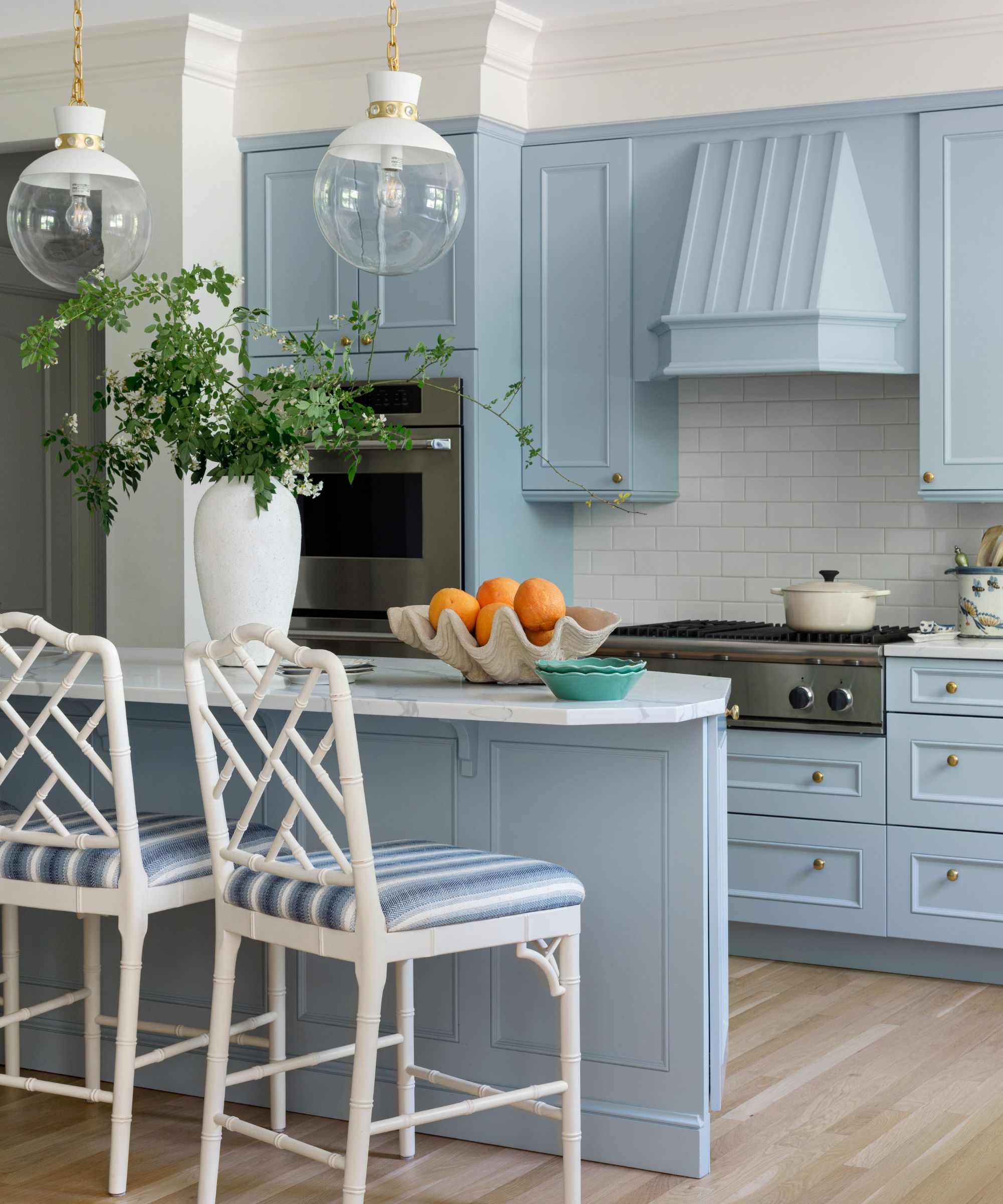
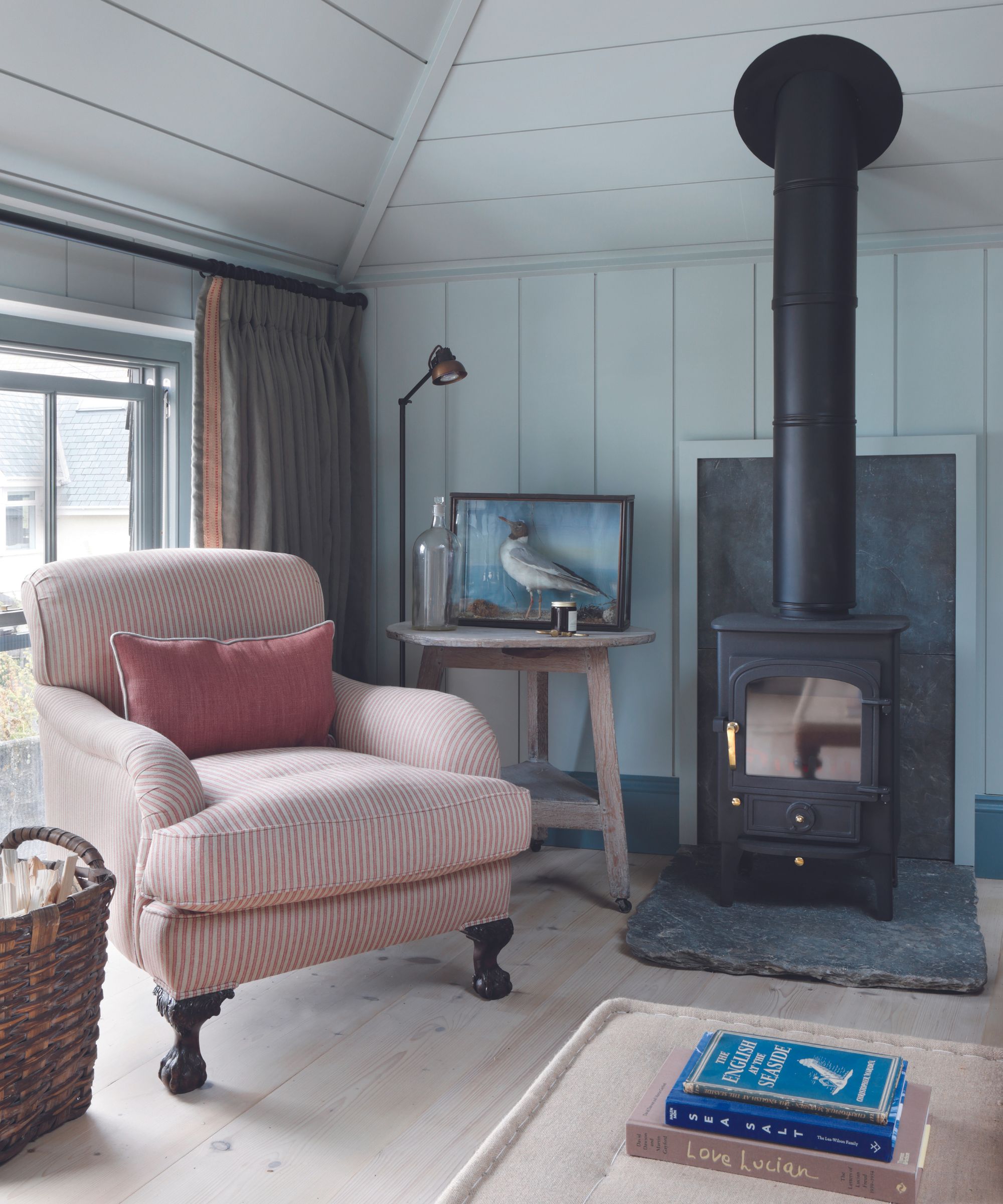
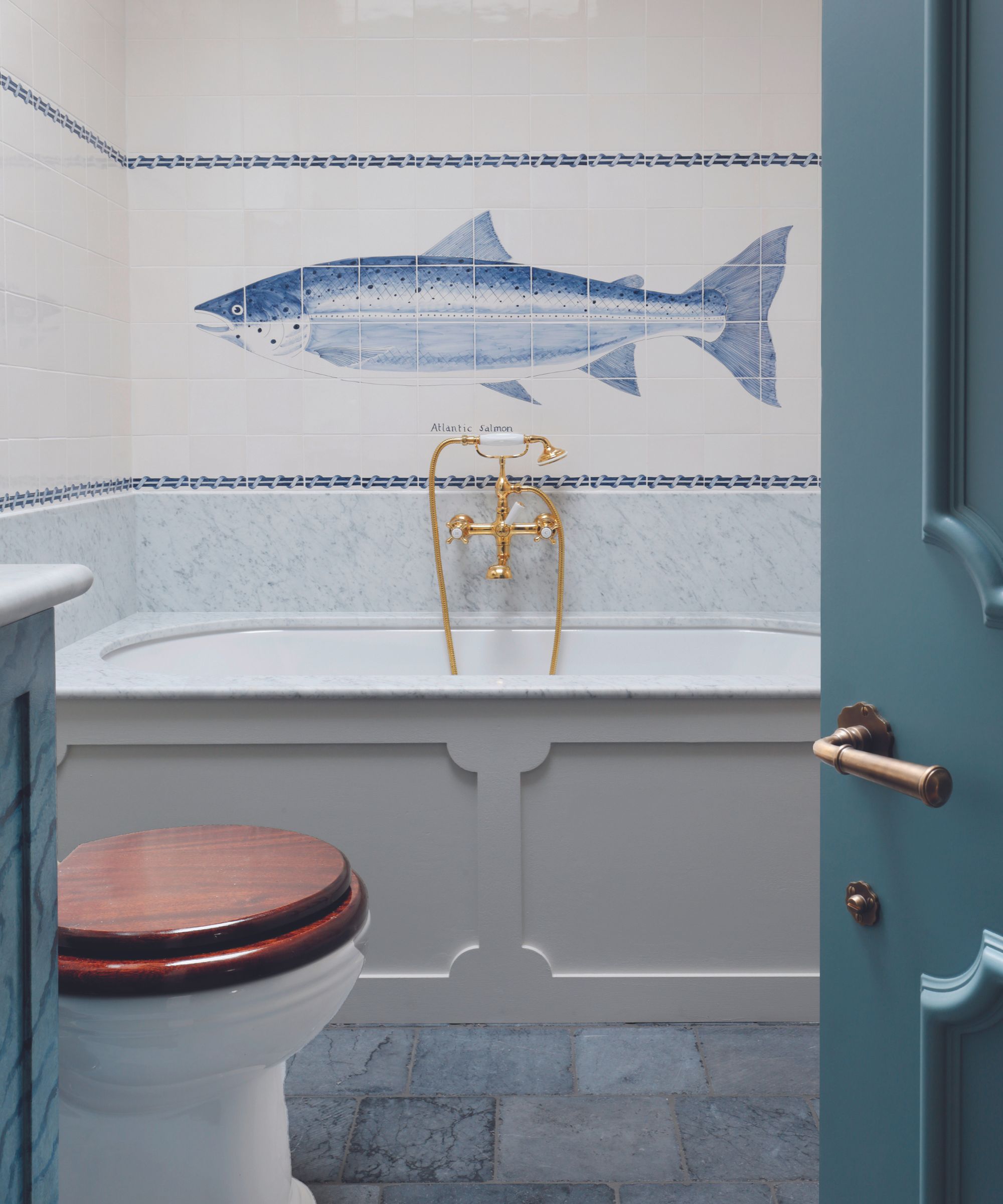
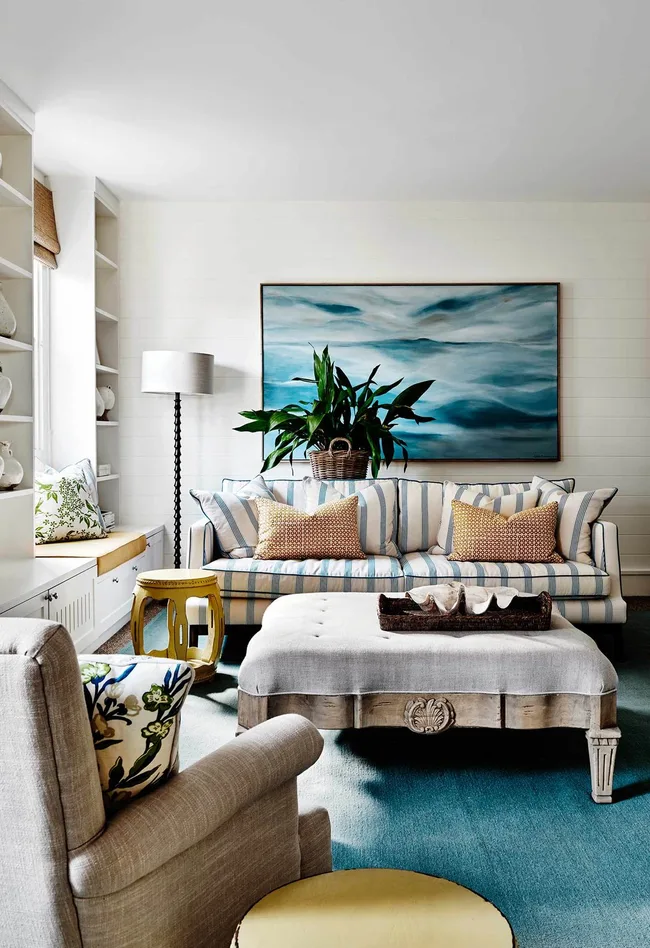
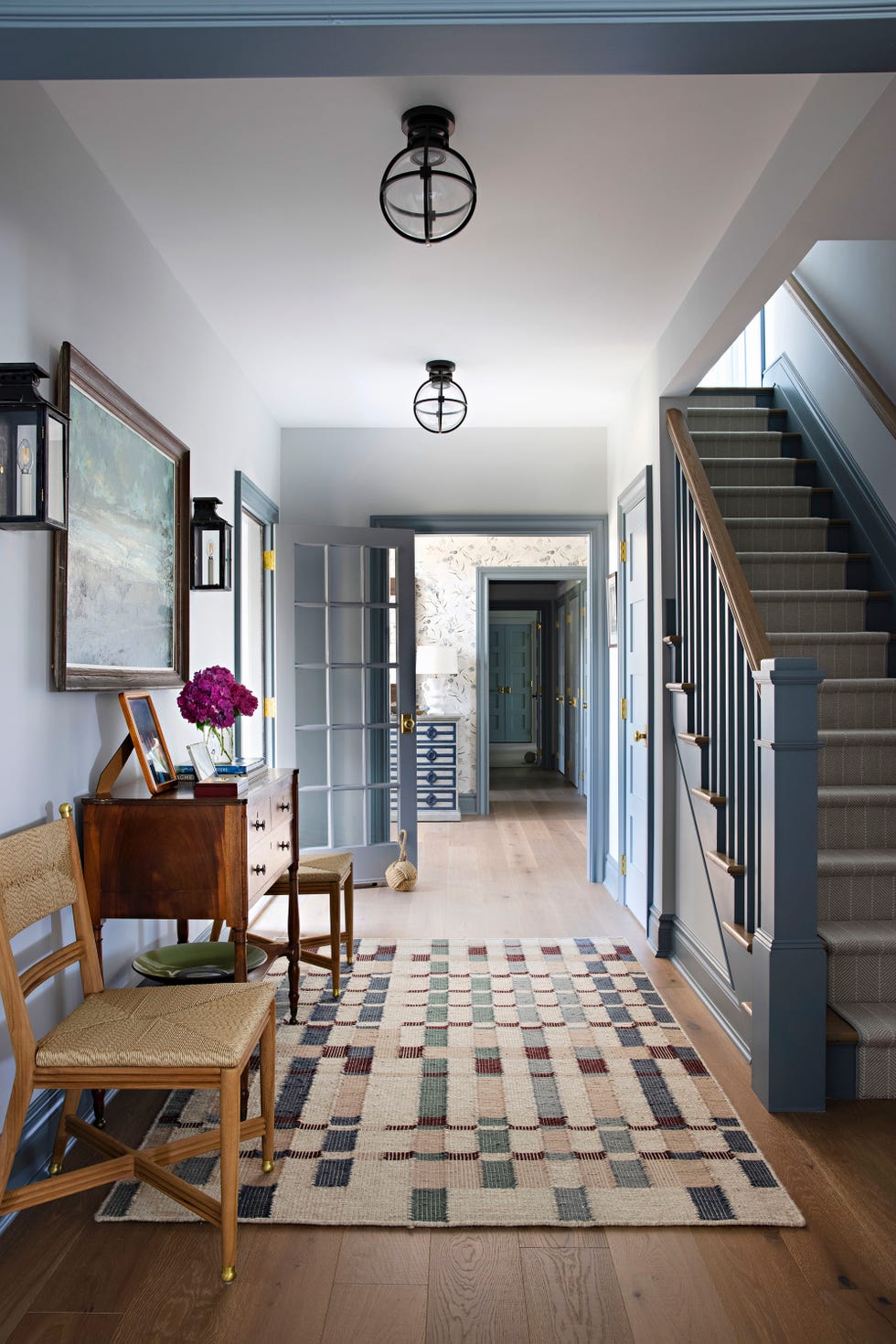
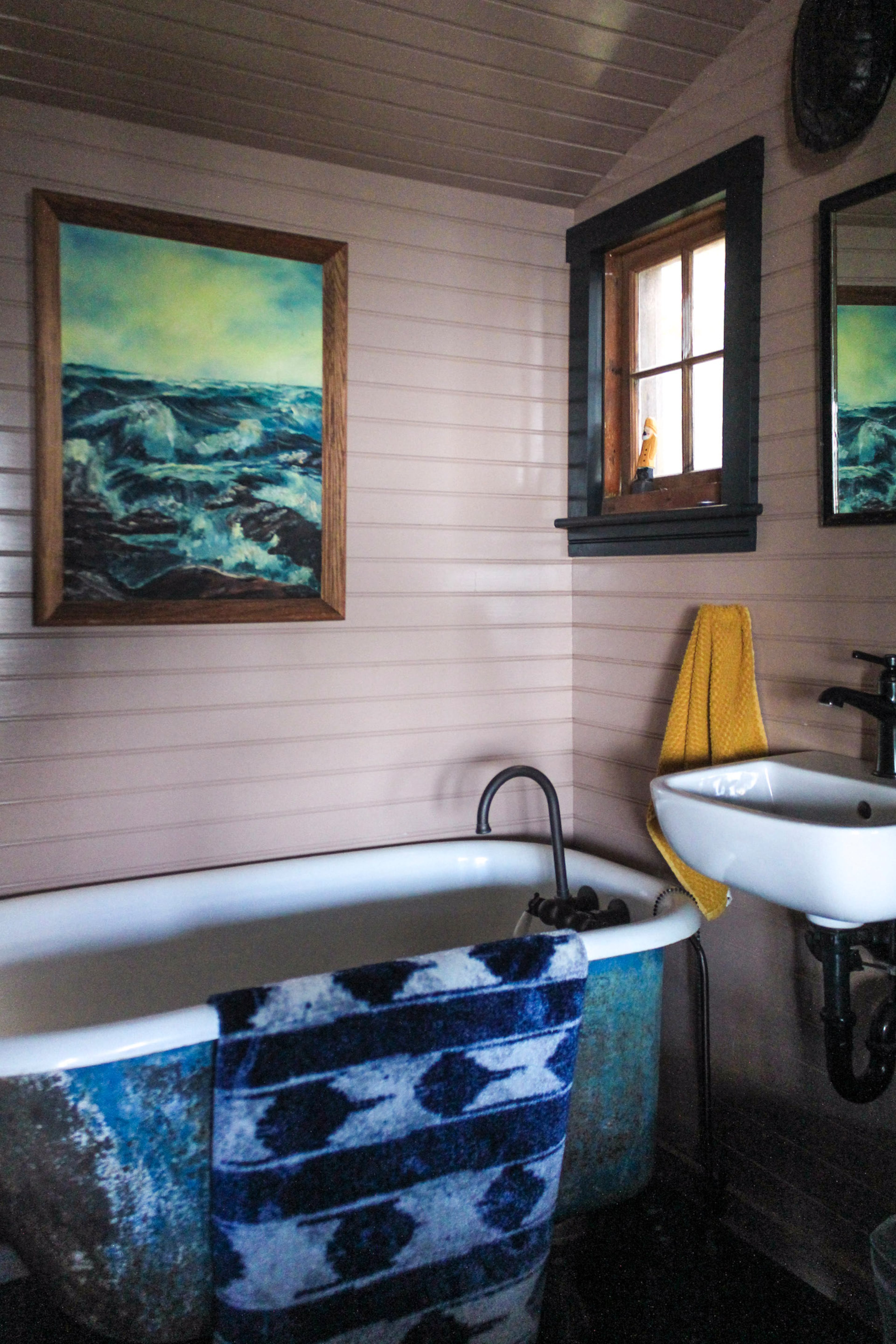
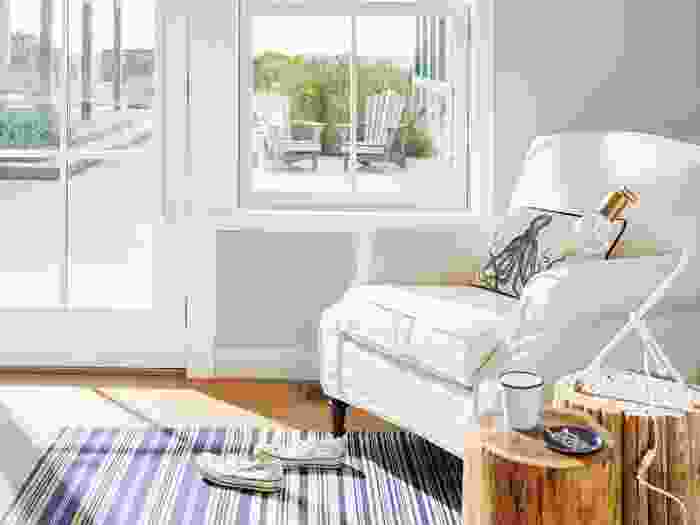
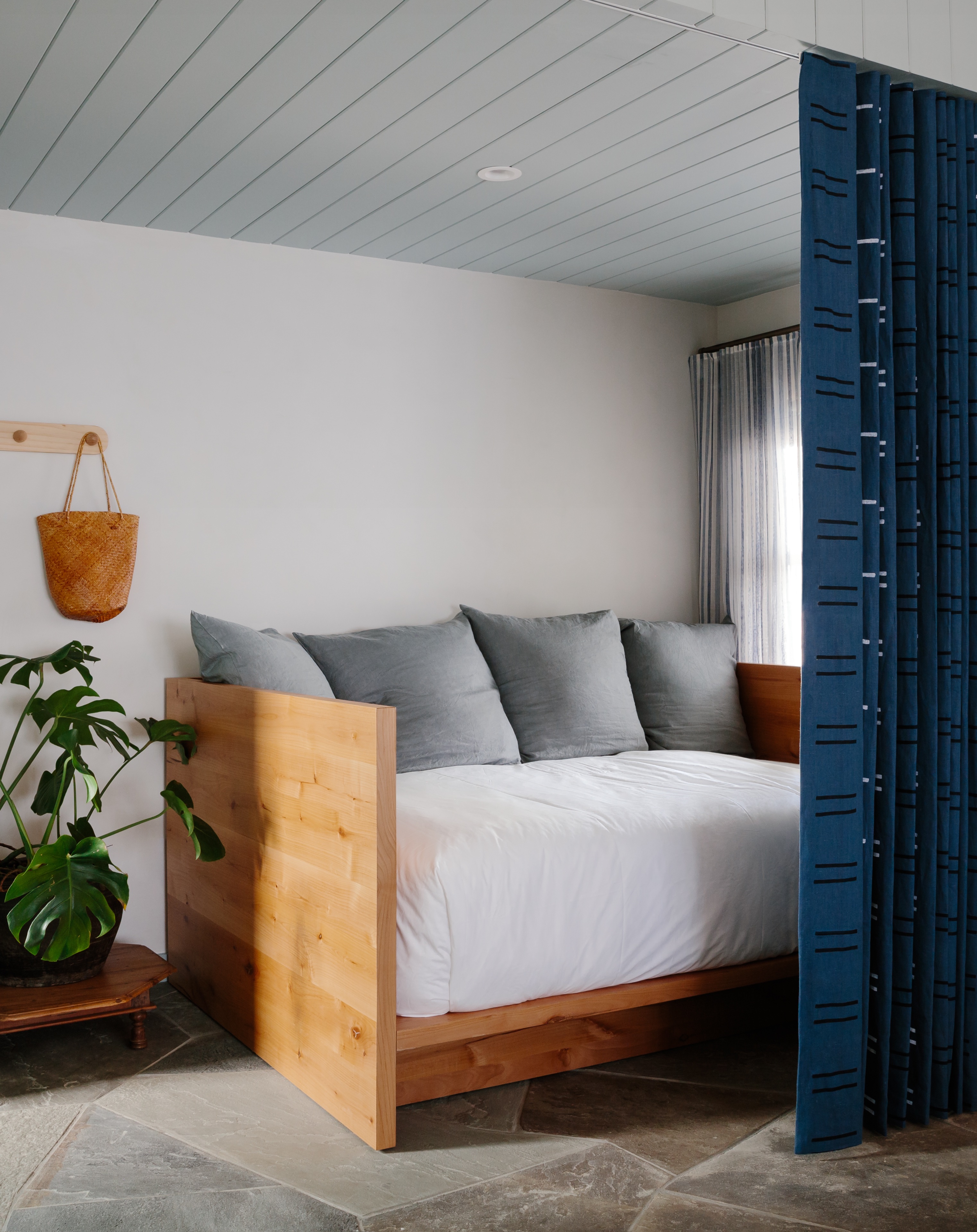
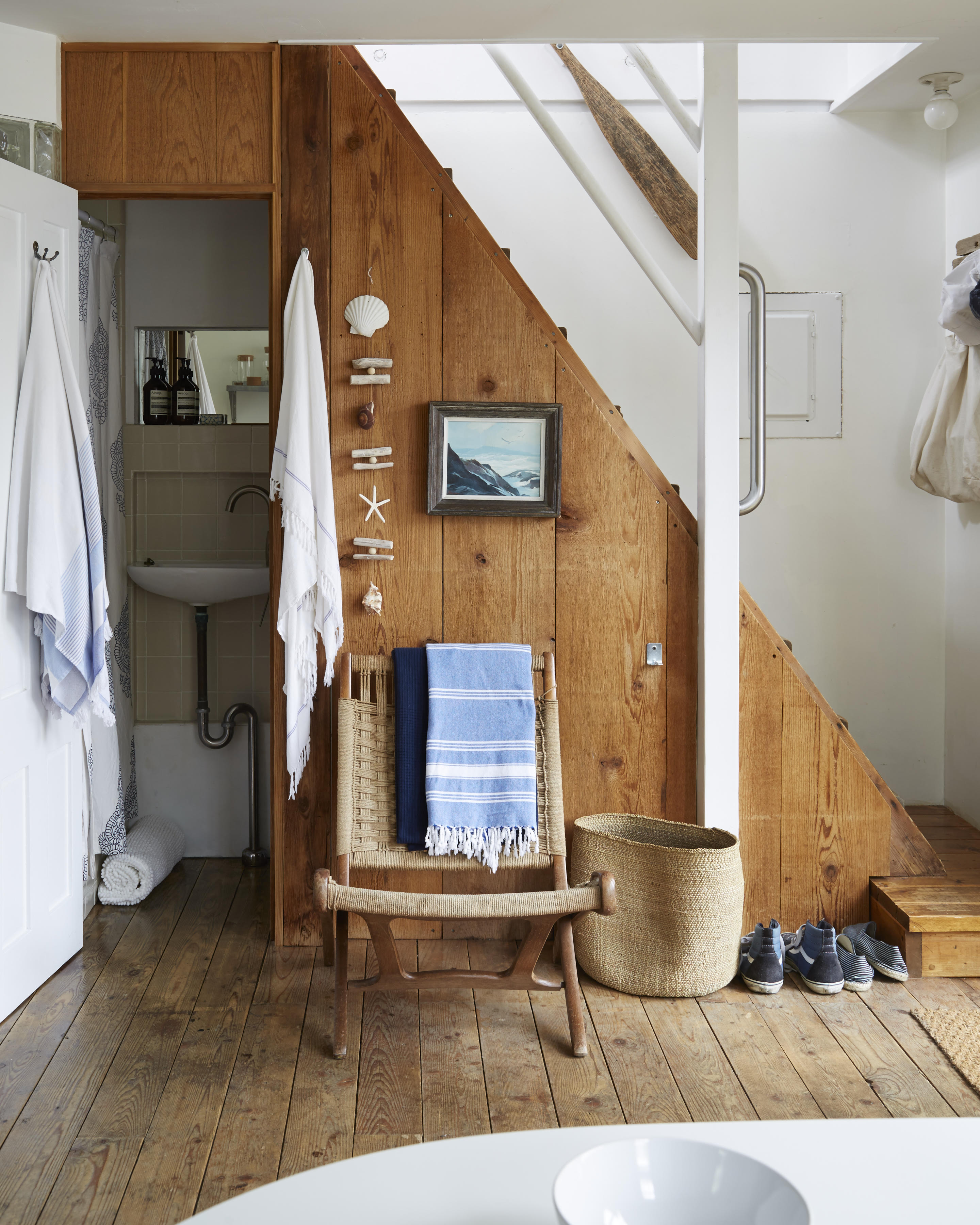
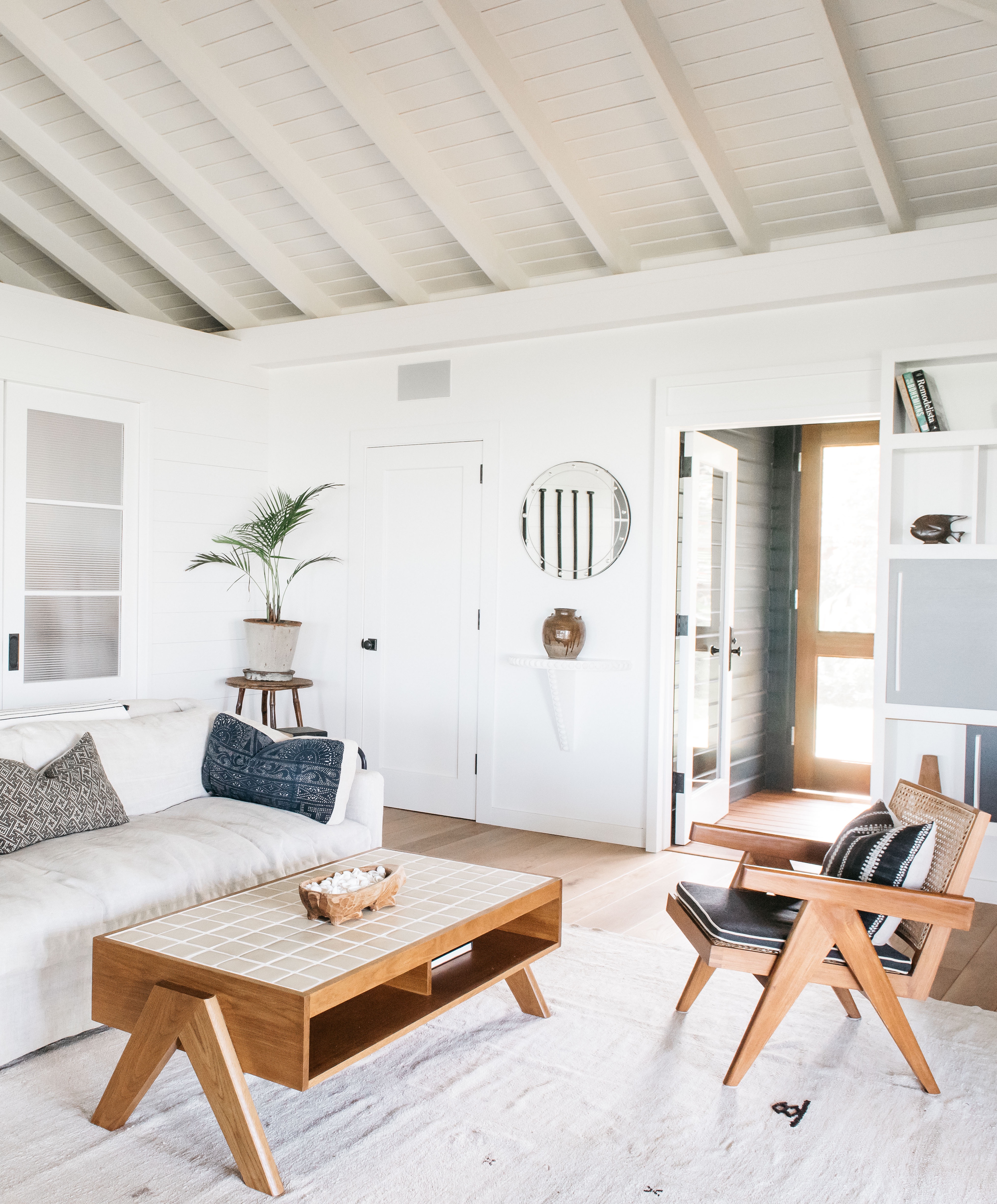
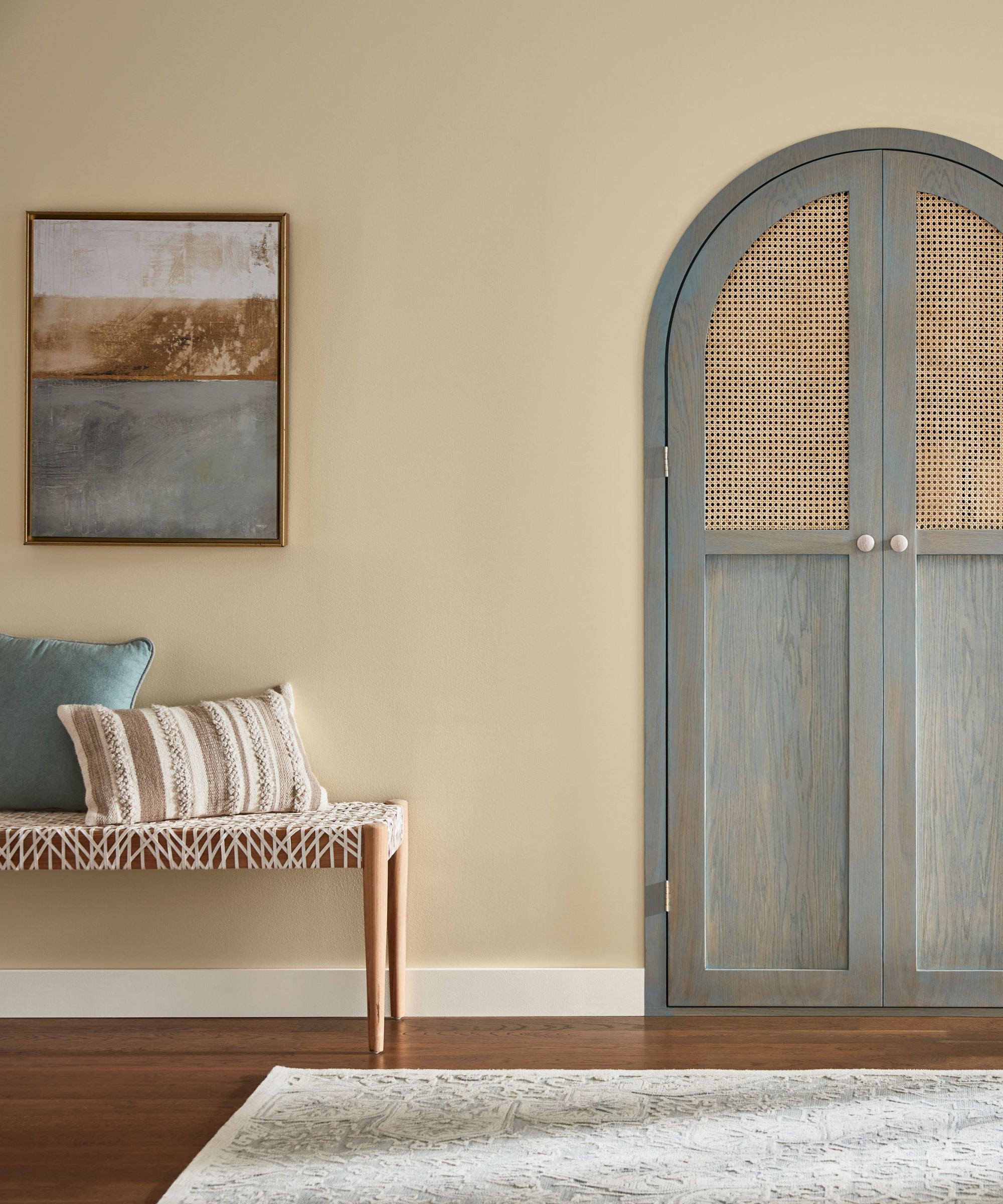
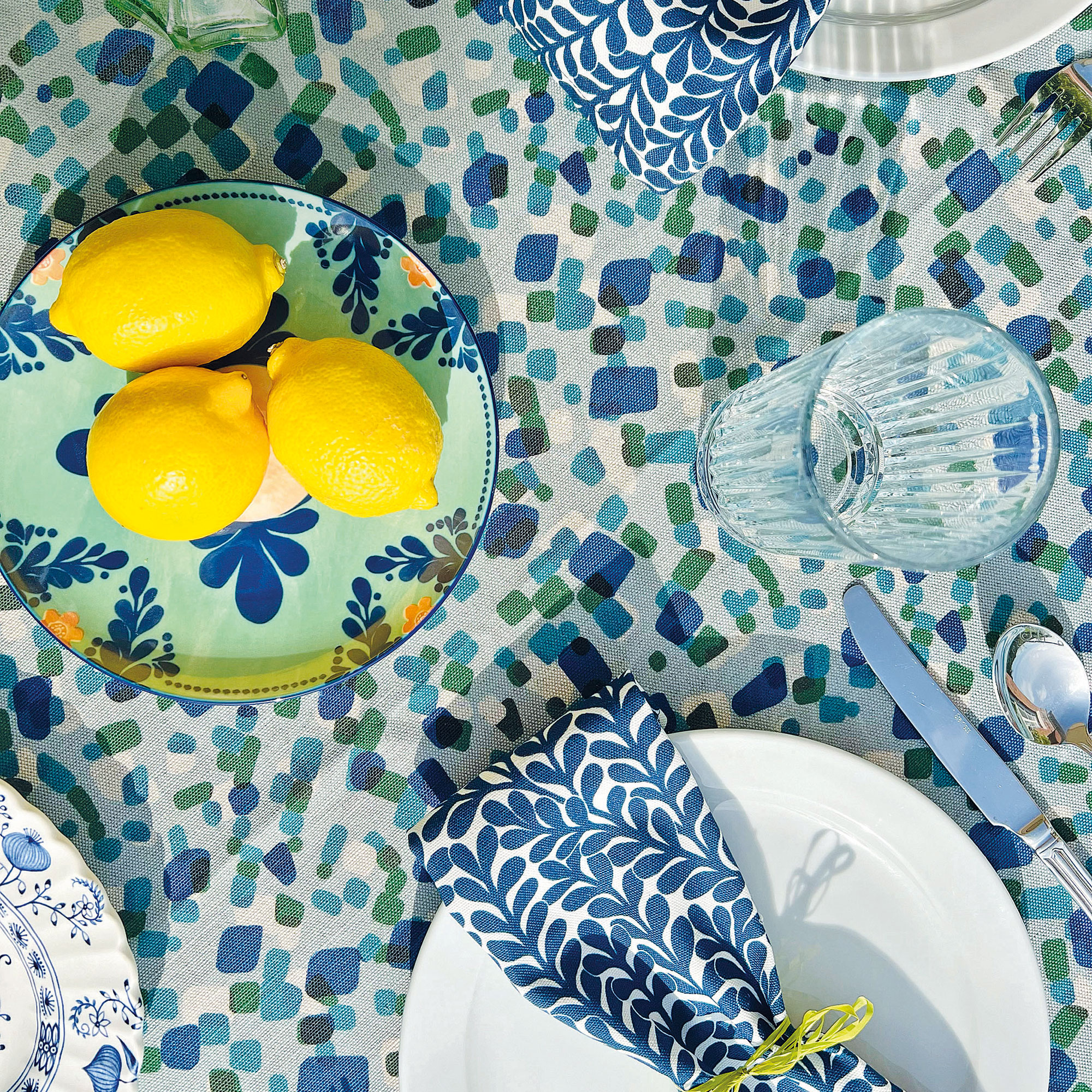
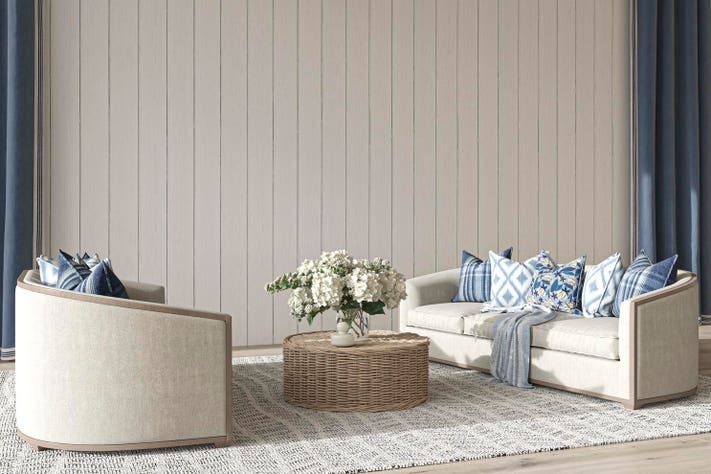
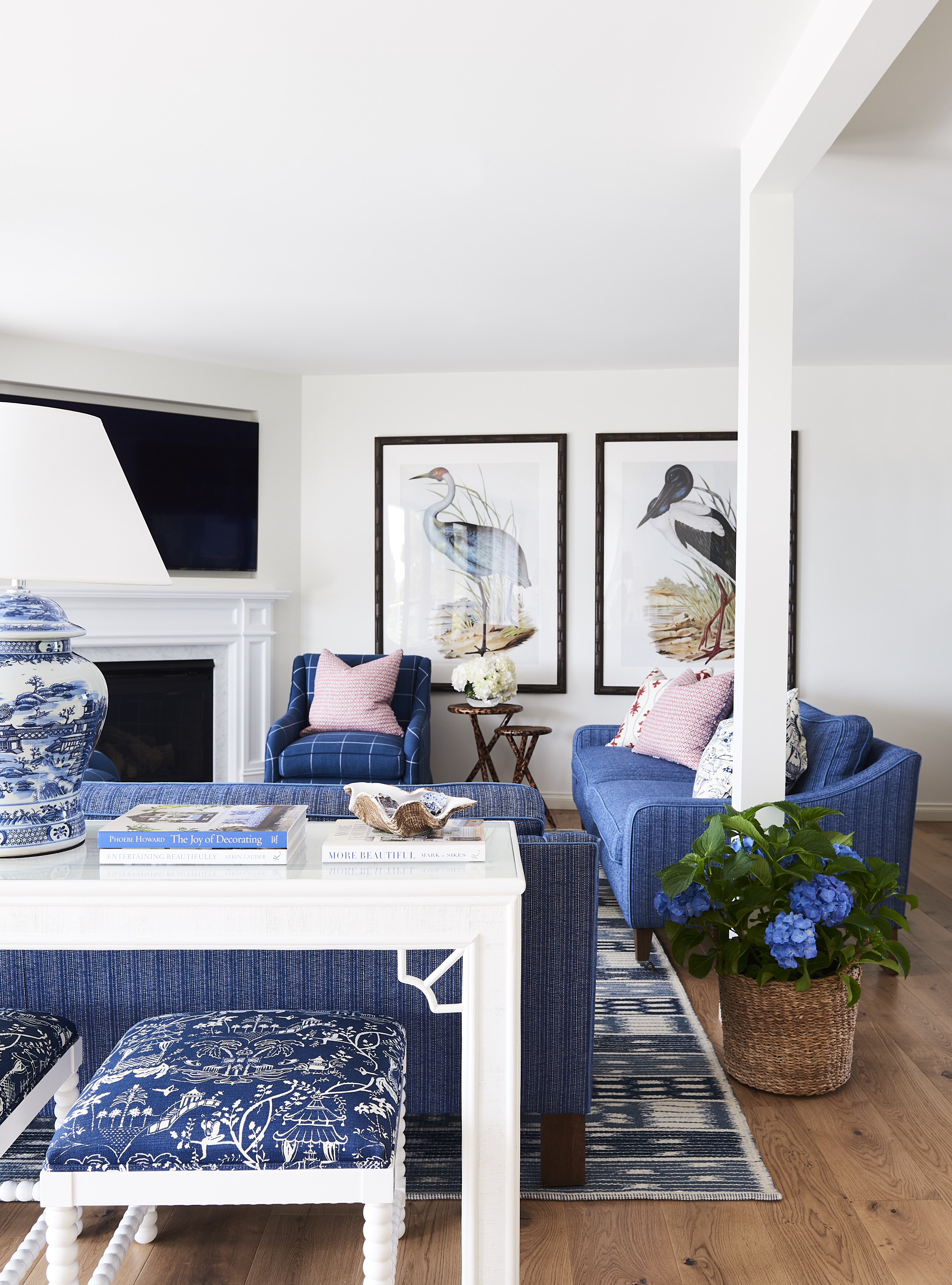
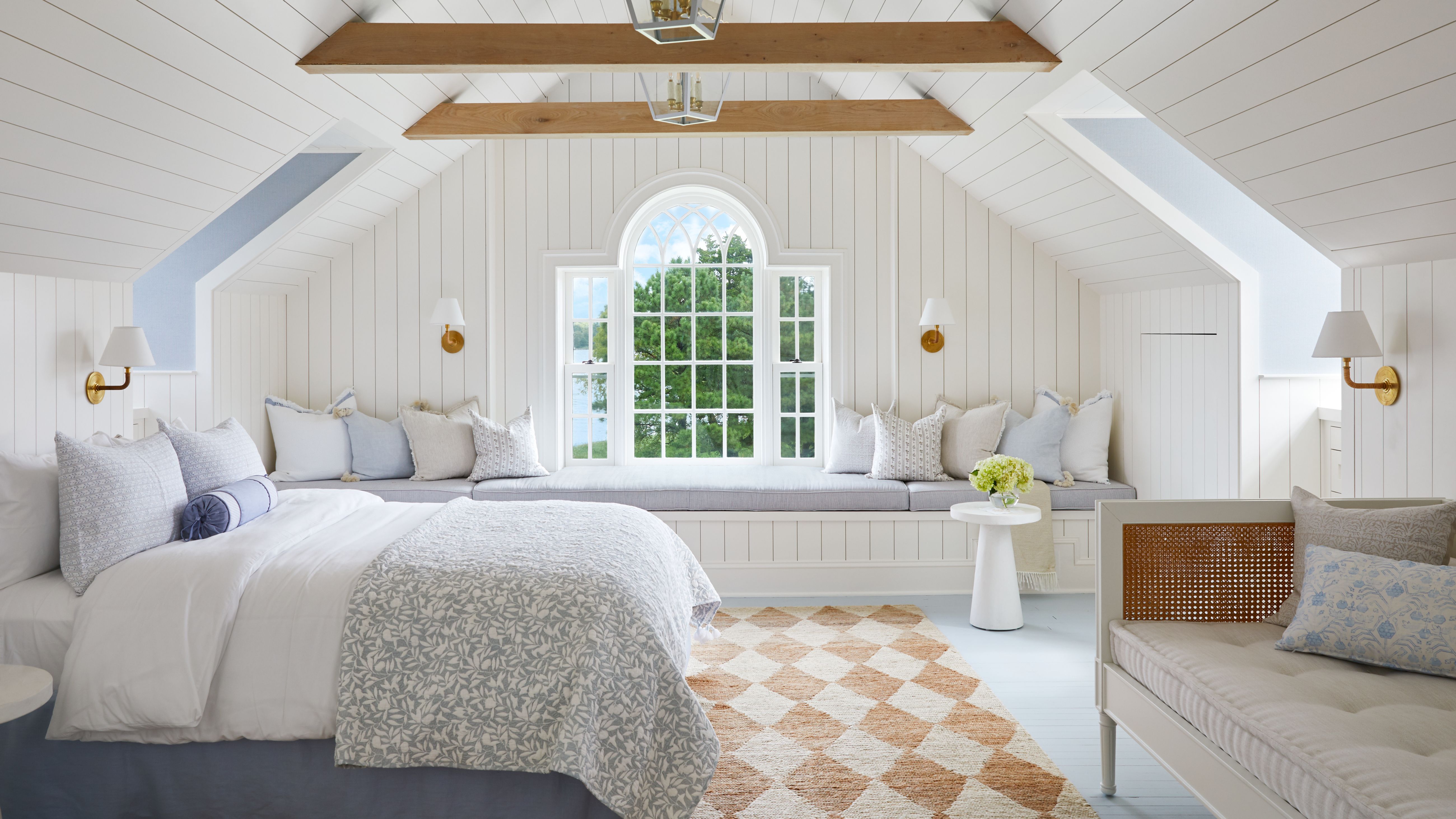
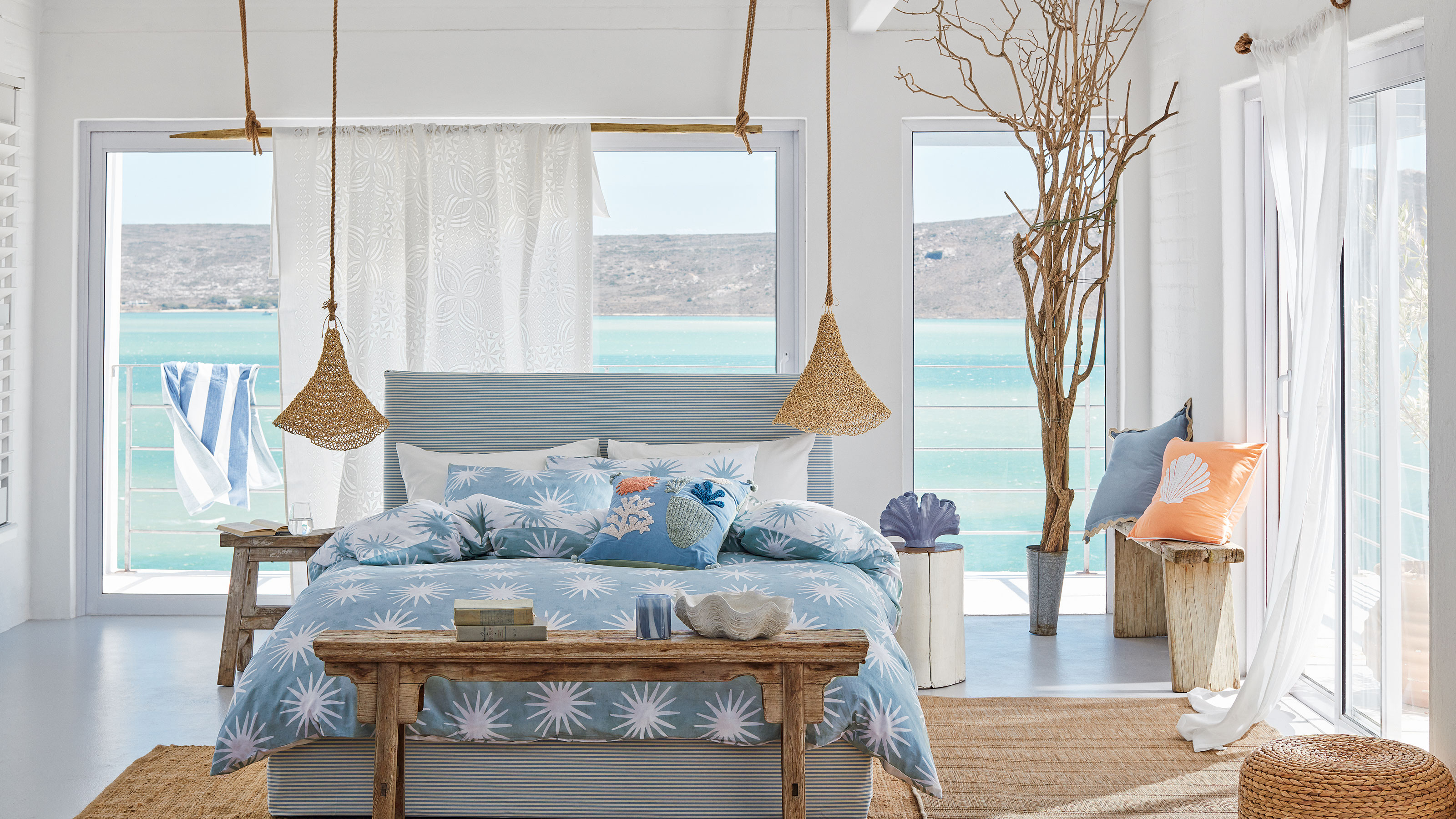
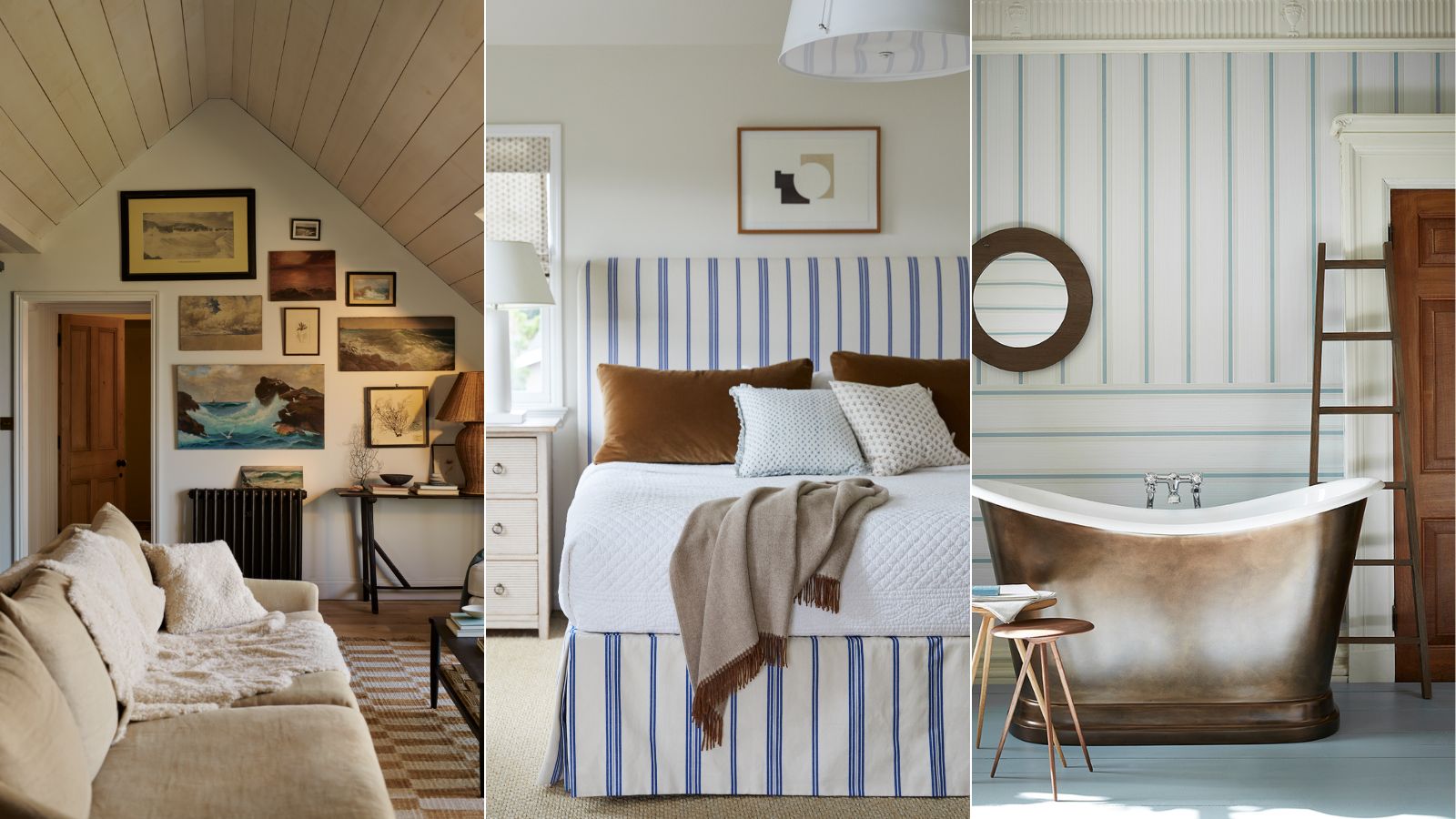
Six key elements contribute to successfully integrating the Eastcoastal aesthetic into a home. First, stripes are essential, but with a twist. Instead of bright blue and crisp white, the focus is on softer colors and unexpected patterns, such as a floral motif repeating to create a 'non-stripe stripe,' adding depth without being clichéd. Second, blue is used in an 'unexpected' way, favoring moody and complex shades like Benjamin Moore's Water's Edge or Boothbay Gray, which can appear blue, grey, or green depending on the light, rather than bright, punchy nautical blues. These subtle blues can be incorporated in unexpected places, such as flooring.
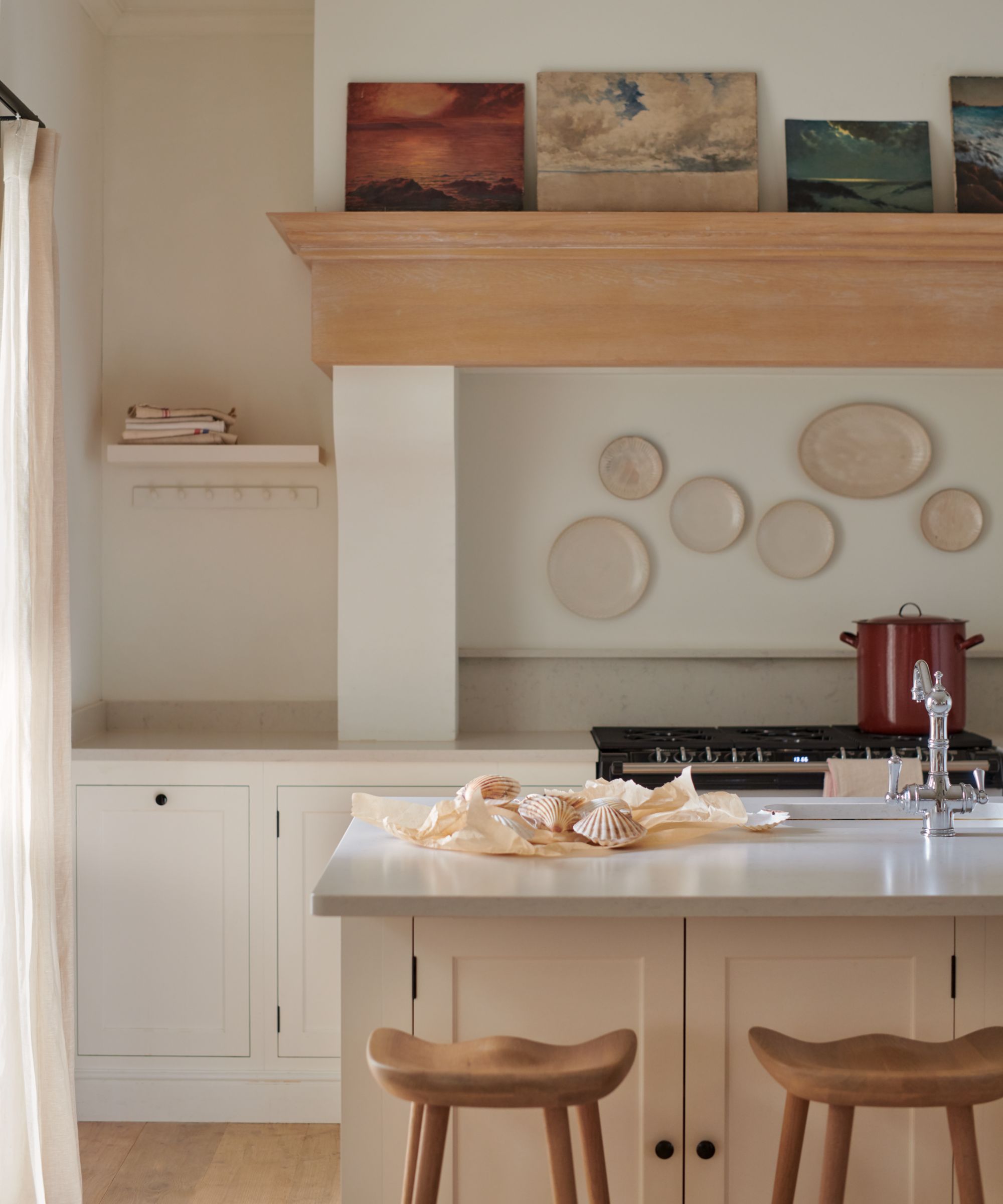
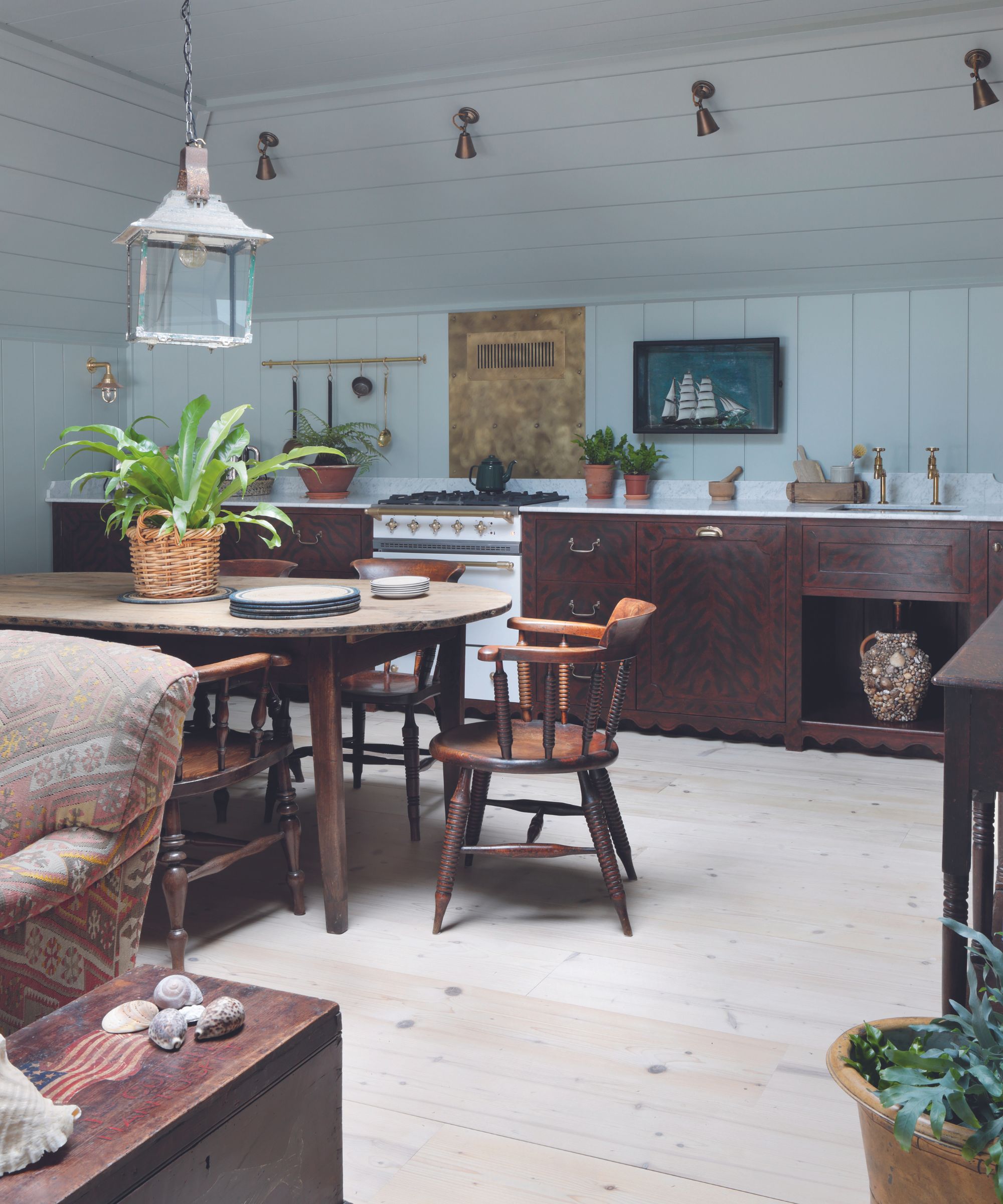
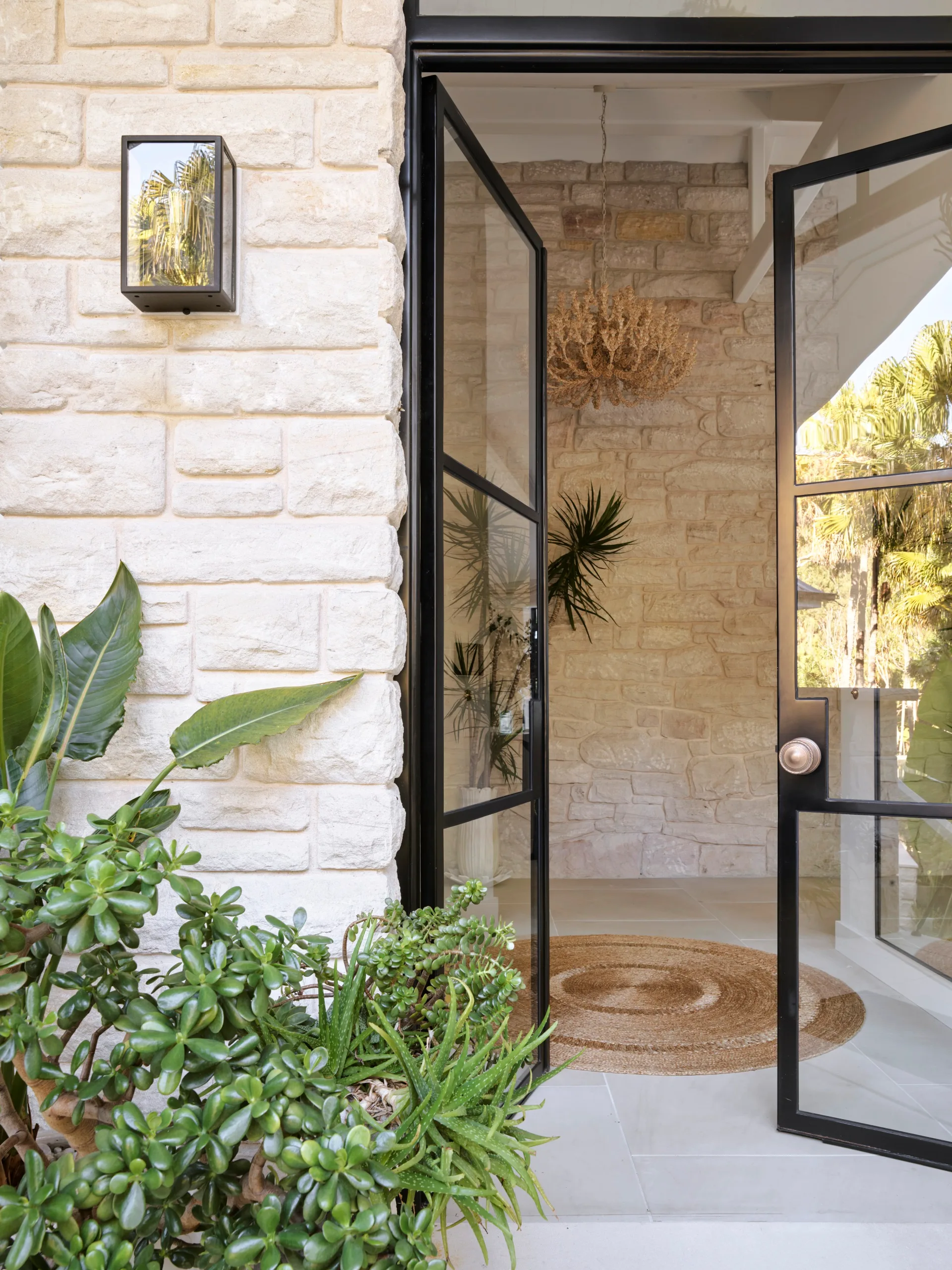
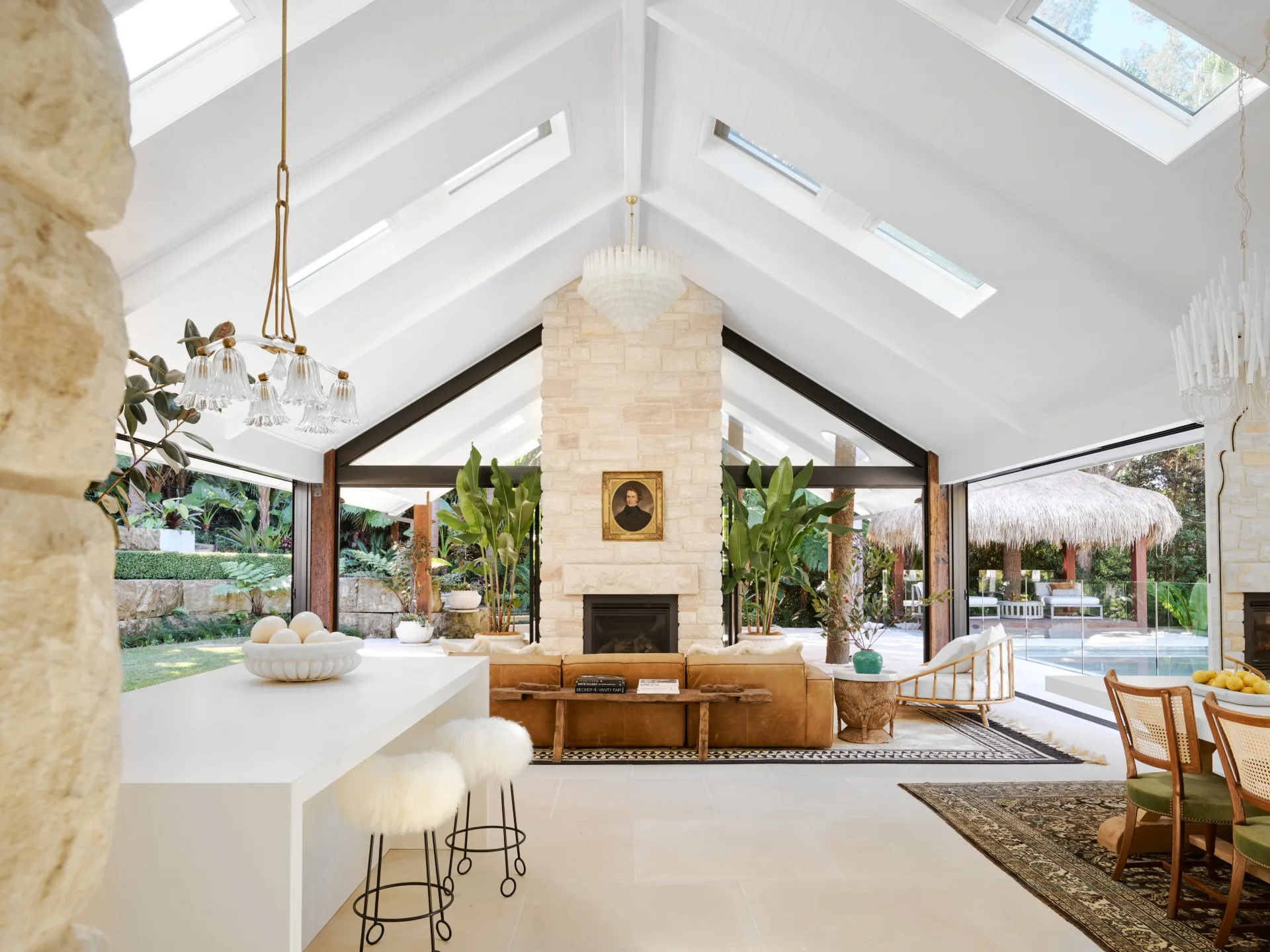
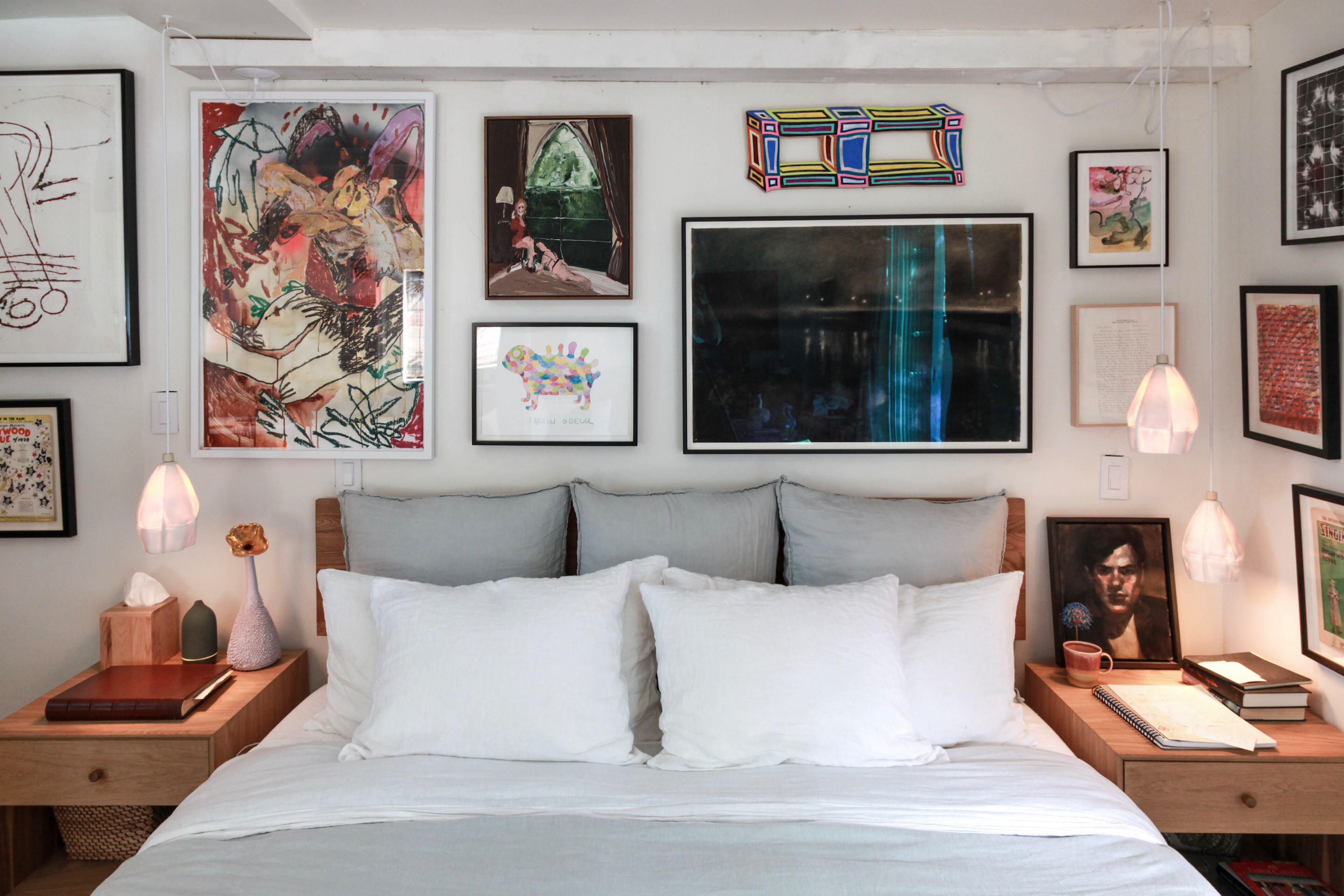
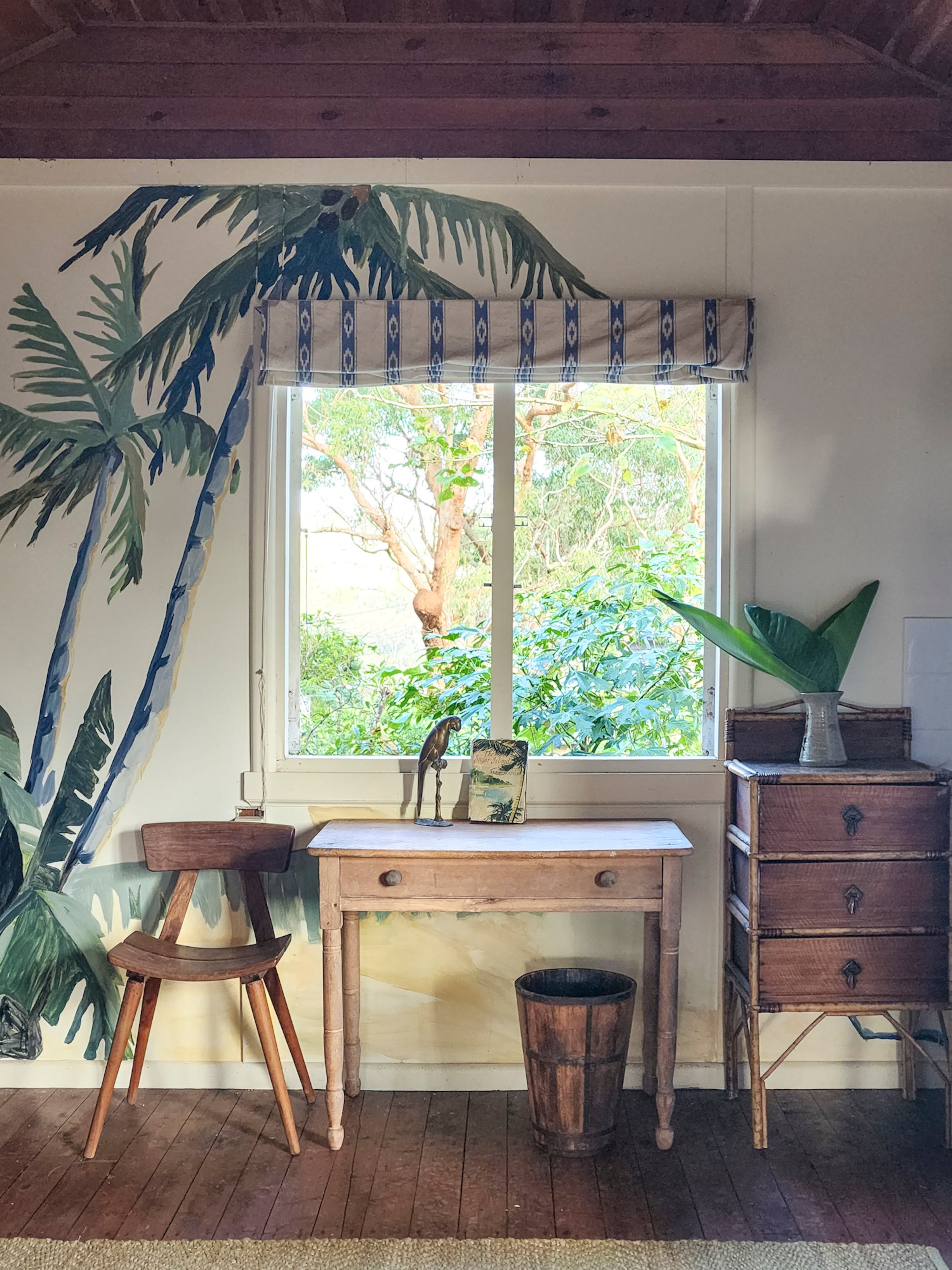
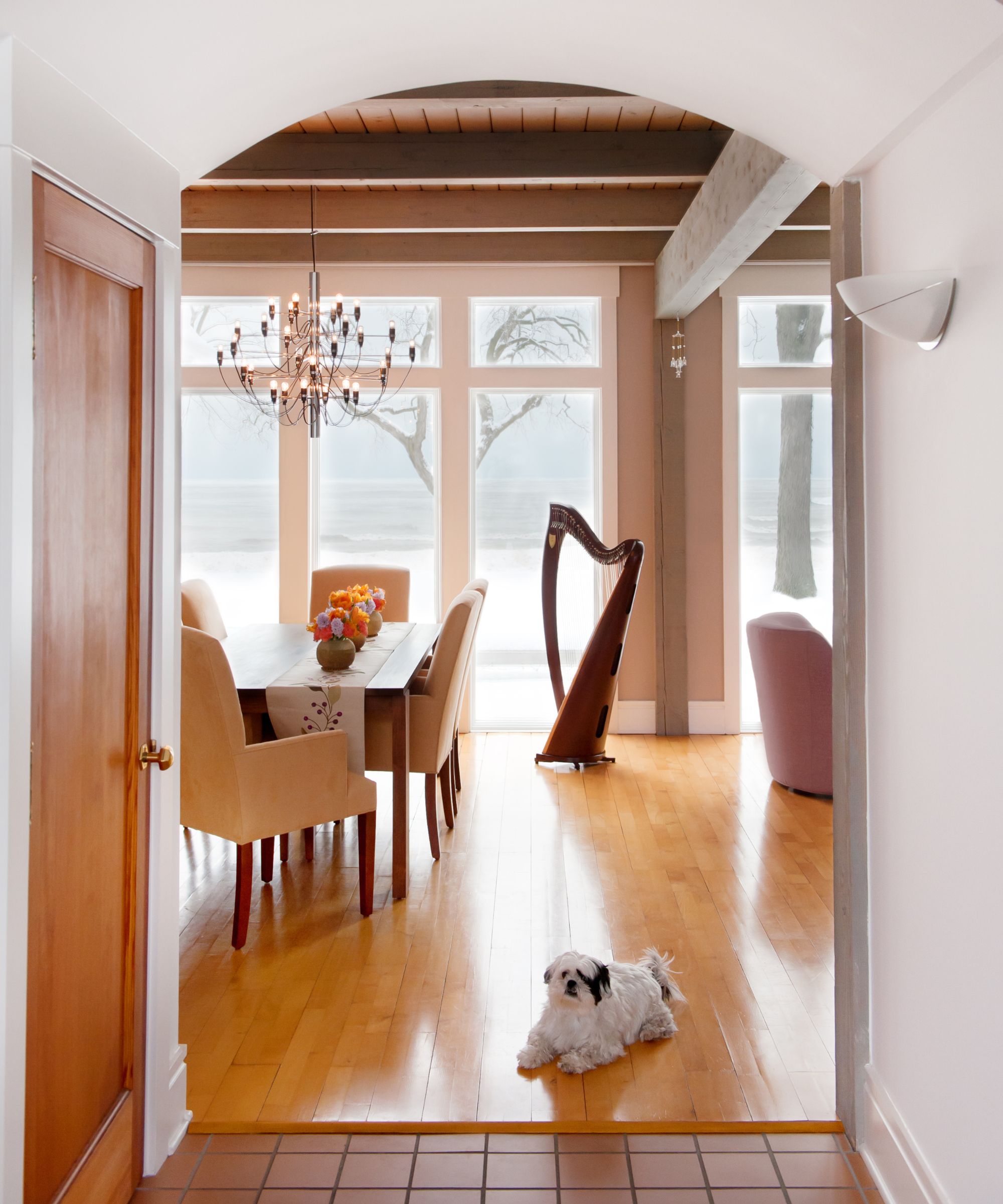
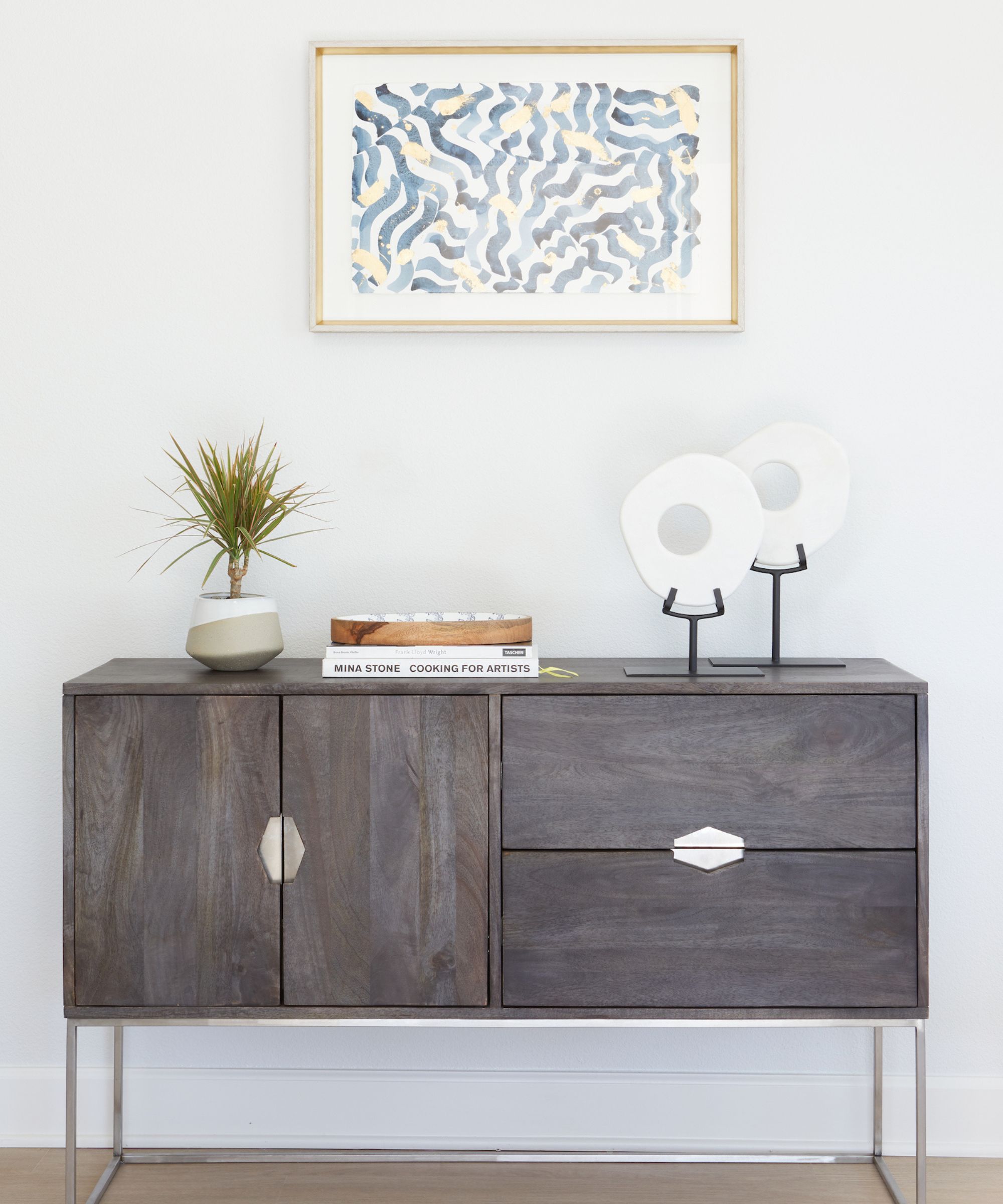
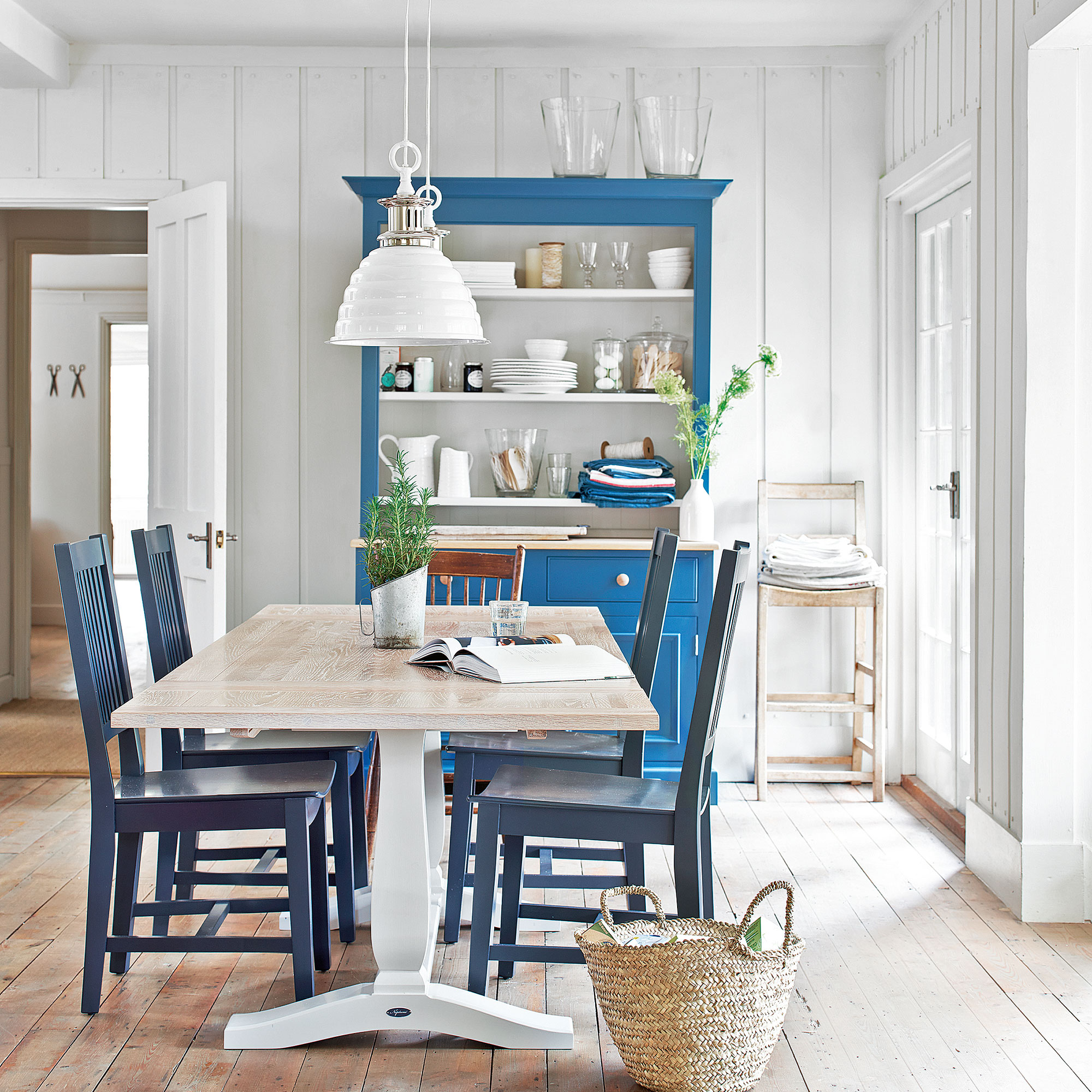
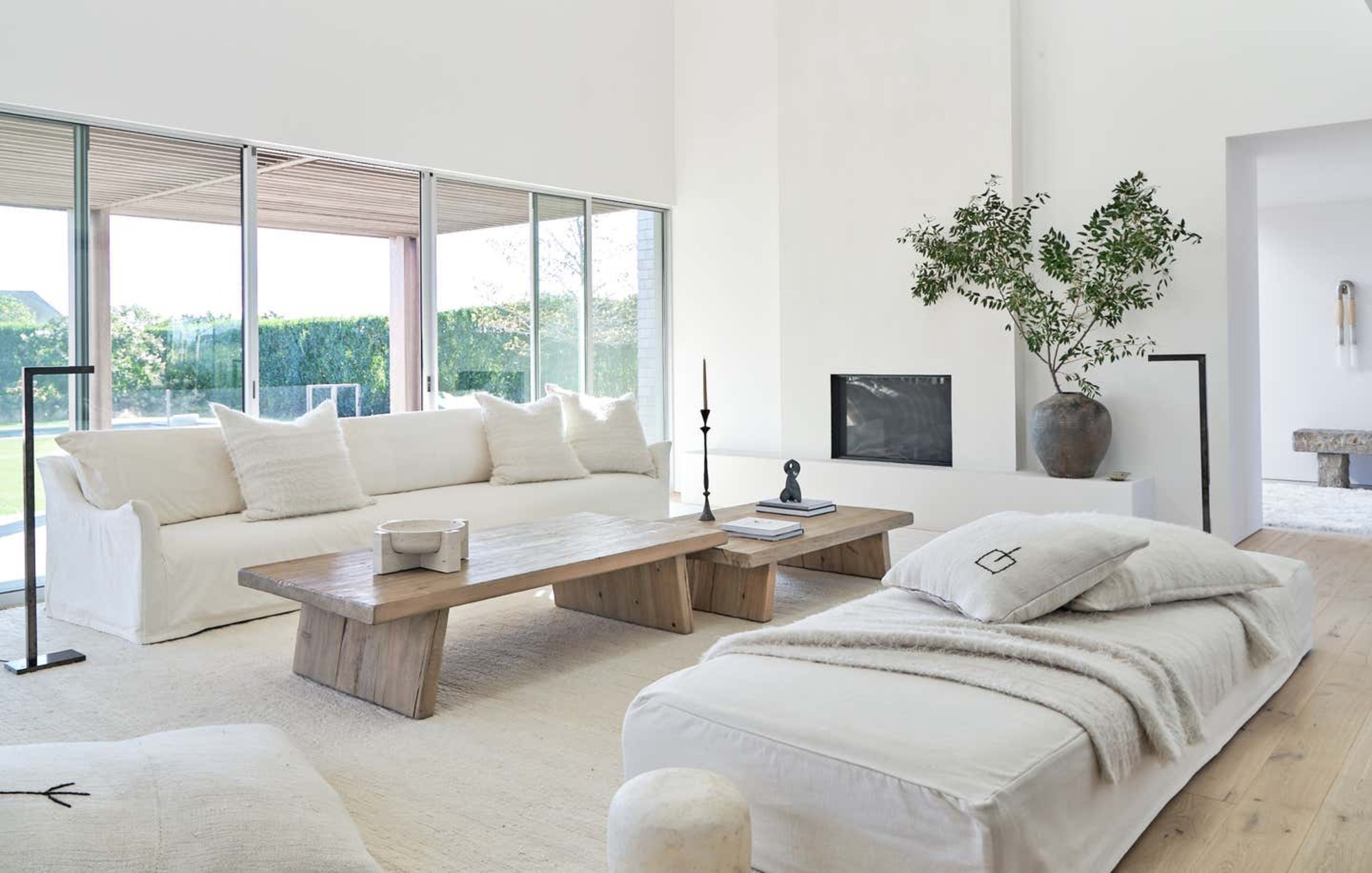
Third, woven textures are crucial for adding warmth and an informal, casual feeling. Despite a neutral color palette, layers of jute rugs, vintage rattan lamps, and rush seating introduce visual interest and depth. Fourth, warm wood tones are preferred over cleaner white oak, which tends to lean more West Coast. Richer stains in walnut or antique wood pieces are used to ground a room and create a cozy atmosphere, contrasting beautifully with creamy millwork and crisp fabrics.
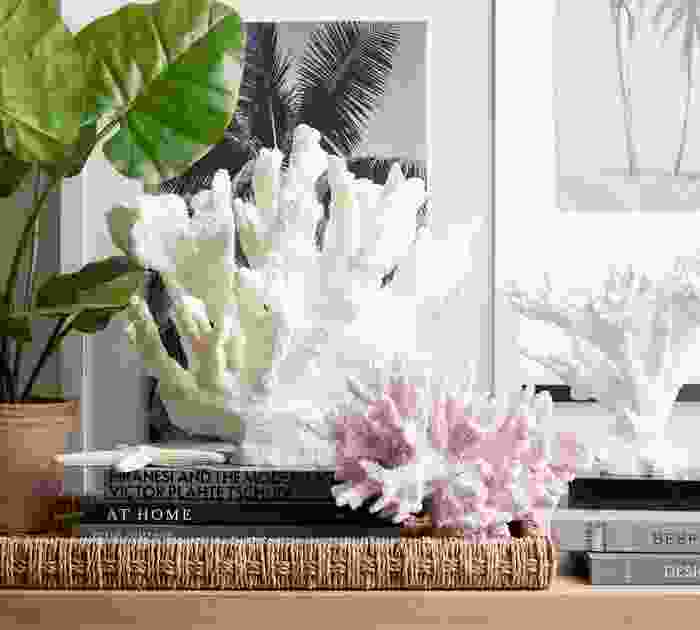
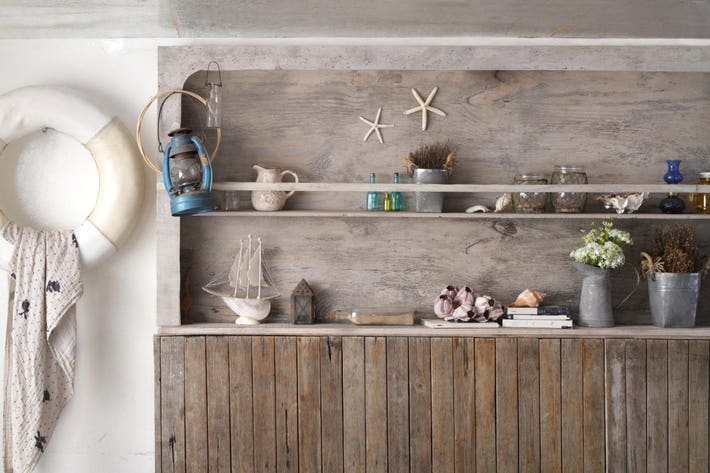
Fifth, embracing old or 'dated' interior features tells a story that cannot be replicated with new items. Limewashing brick for a textured, brighter yet weathered finish, or painted floors, are examples of incorporating existing elements. For those without such features, decorating with vintage pieces—from flea markets and estate sales to online platforms—is recommended. The emphasis is on embracing imperfections and collections of found objects rather than striving for perfection. Finally, shells are used strategically and subtly. Rather than obvious, carved motifs, the Eastcoastal aesthetic incorporates soft, muted shells, or shell motifs in fabrics or antique engravings, avoiding overt beach-themed decor. Vintage shell dishes are recommended as practical and decorative catch-alls.
These design principles allow for the creation of spaces that are sophisticated yet relaxed, embodying the spirit of East Coast living, where tradition and ease coexist seamlessly.
#EastcoastalAesthetic #InteriorDesign #HomeDecor #CoastalLiving #JessWeeth #WeethHome #DesignTrends #LayeredInteriors #EastcoastalAesthetic #InteriorDesign #HomeDecor #CoastalLiving #JessWeeth #WeethHome #DesignTrends #LayeredInteriors
0 comment in total
 No comments yet
You may also like
How to create the old money coastal style in your home – one of this year's biggest summer design trends
Palm trees grow from within this nature-filled Northern Beaches sanctuary

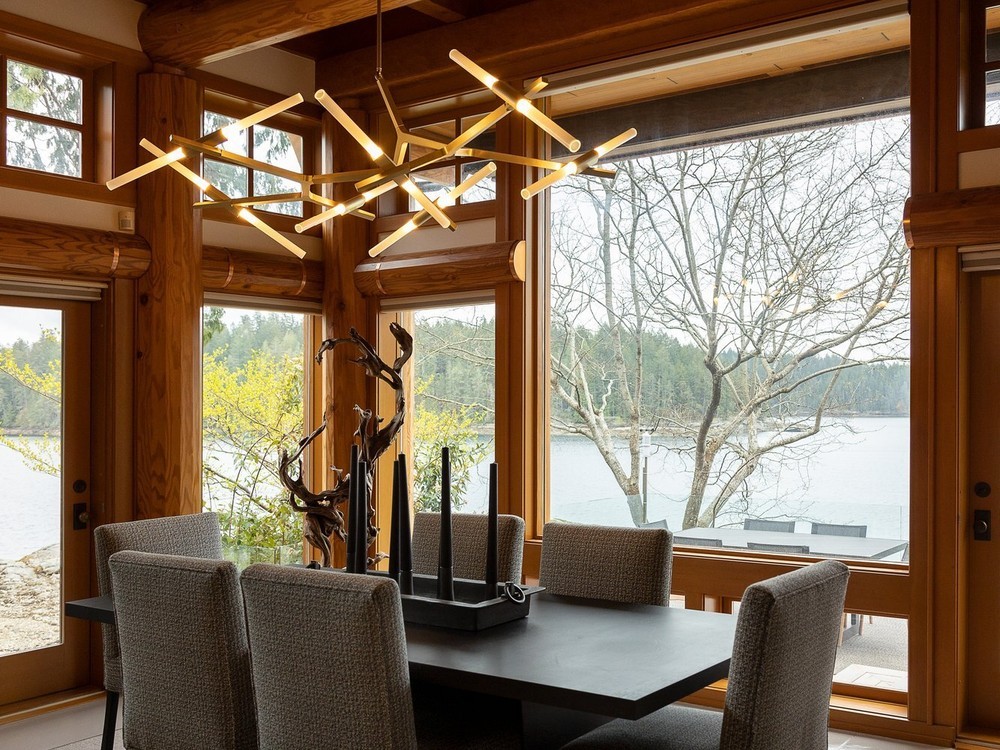
Embracing Pacific Northwest coastal style where 'winter storms double as art'

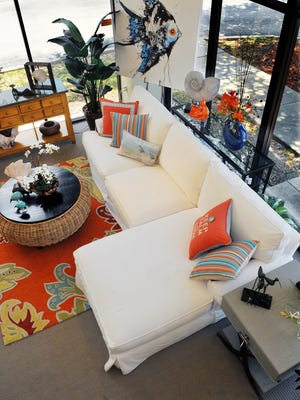
Going coastal: Melbourne shop delivers ocean-inspired decor
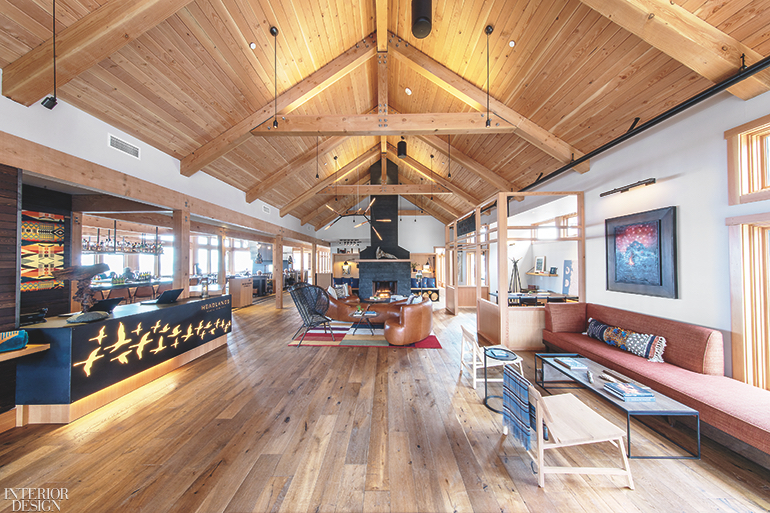
At Headlands Coastal Lodge & Spa, EDG and Scott Edwards Embrace Oregon’s Essence

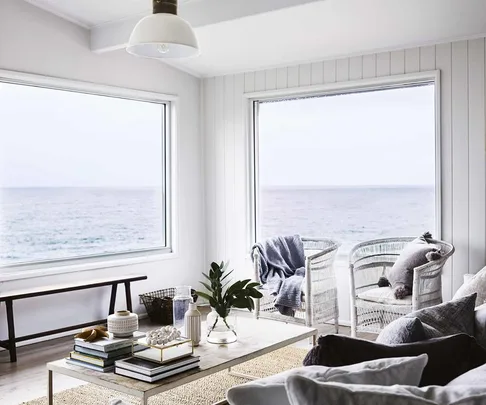
10 different coastal-style looks for the home
5 Things To Consider When Building A Coastal Home
How to style the coastal charm trend in a home to give it timeless appeal, according to a stylist
Coastal Auntie is the new fresh, youthful (and slightly cooler) version of Coastal Grandmother style – here's why she's here to stay
Getting To Know Coastal Style Decorating

What is Coastal Design? Here's 9 Ways Designers Are Channeling This Relaxed and Timeless Aesthetic

Top 8 Interior Design Trends, According To Newport Designer Melissa Breen


Get inspired by the Rivergum Homes’ new Bondi design
Steal This Designer's Tricks to Master the Modern Coastal Aesthetic

Builder-Architect-Designer Team Transforms Dream Home
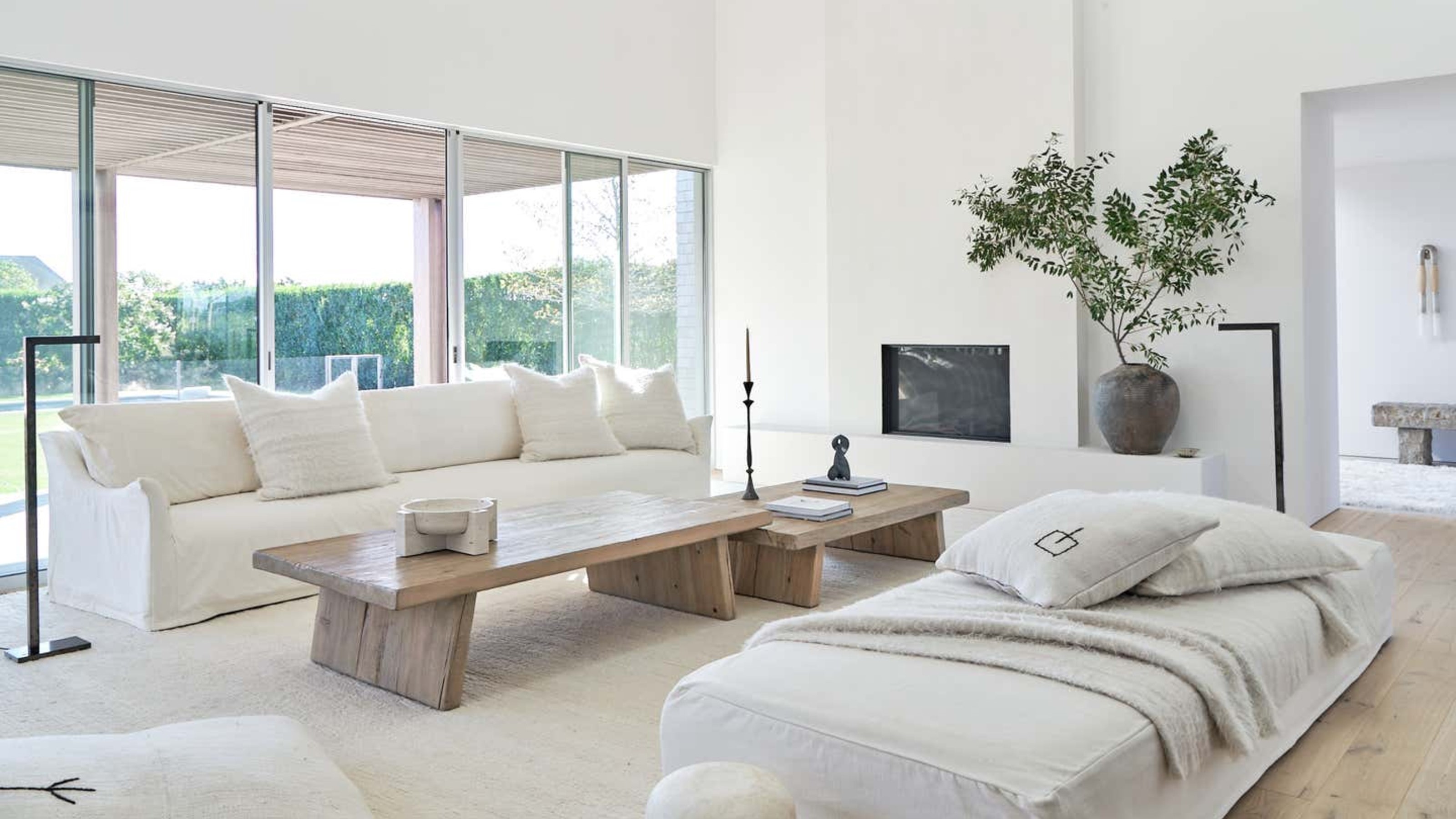
The "Cape Cod aesthetic" is our summer design crush – here's how to get the look of this modern coastal style
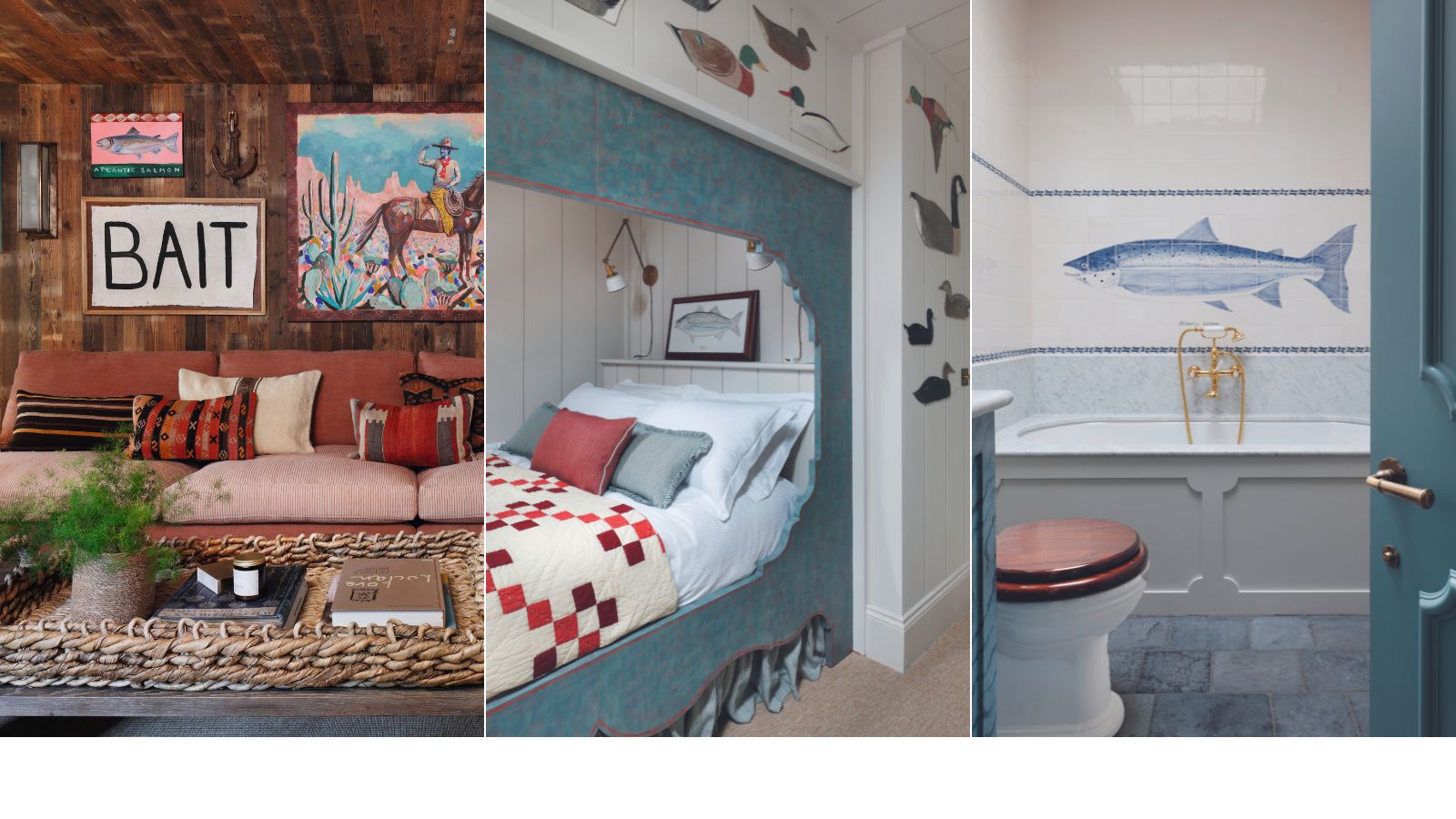
This fisherman's cottage shows how coastal style should really be done – chic with a dose of whimsy
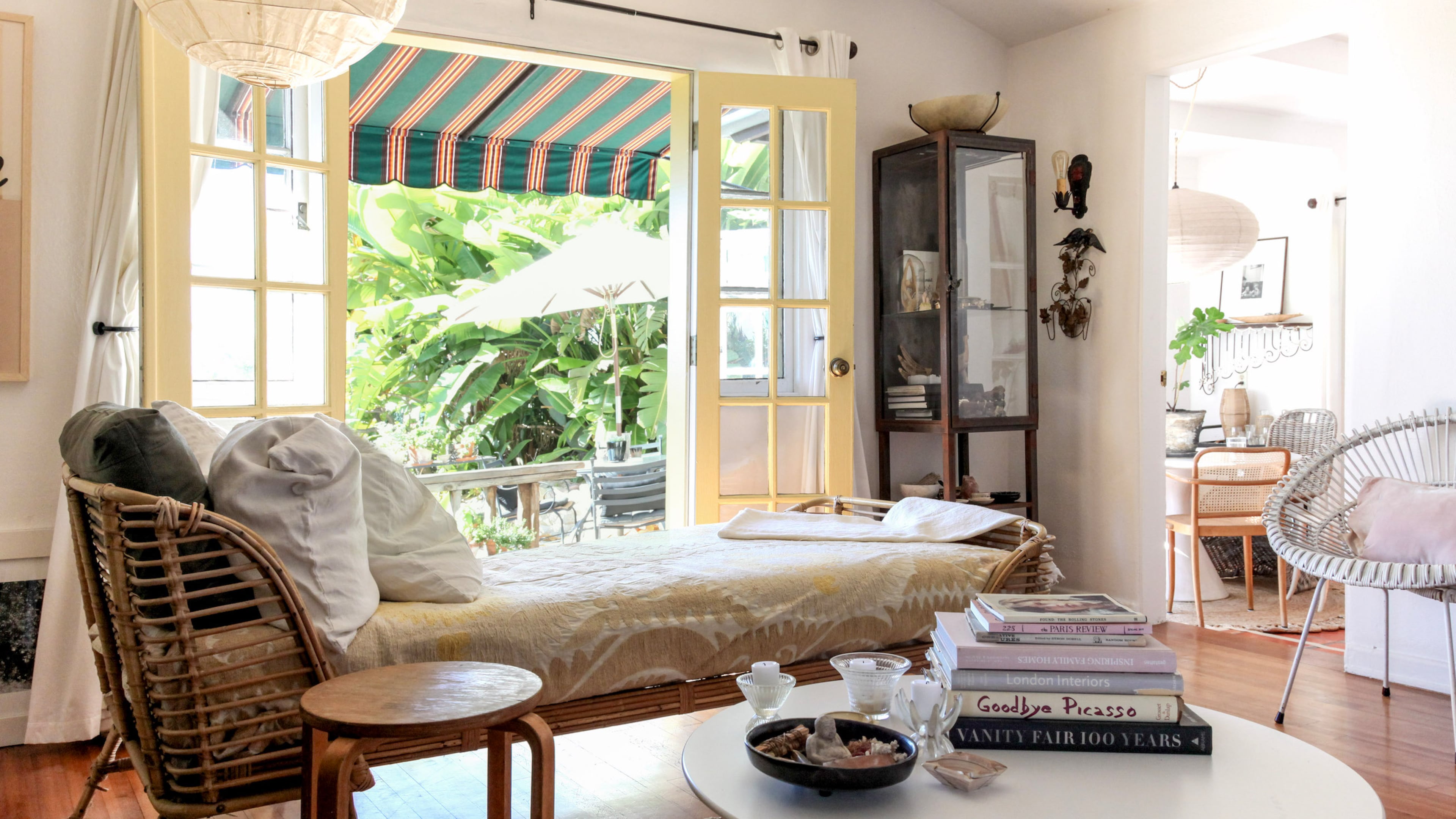
11 tips for bringing a modern coastal look to your home
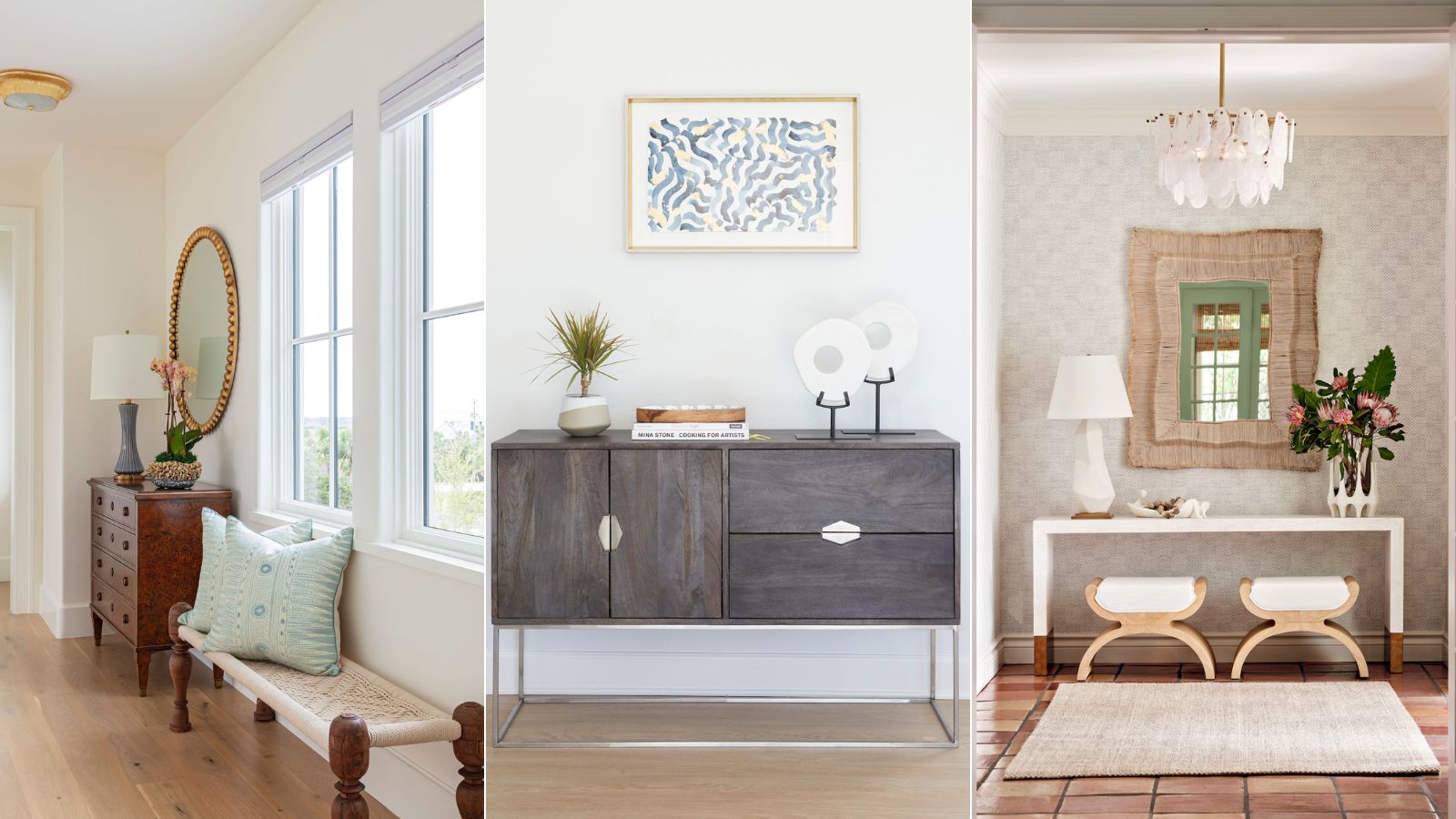
7 coastal entryway ideas to create an airy and inviting welcome to your home
13 Luxurious Australian Coastal Homes That Inspire A Sea Change