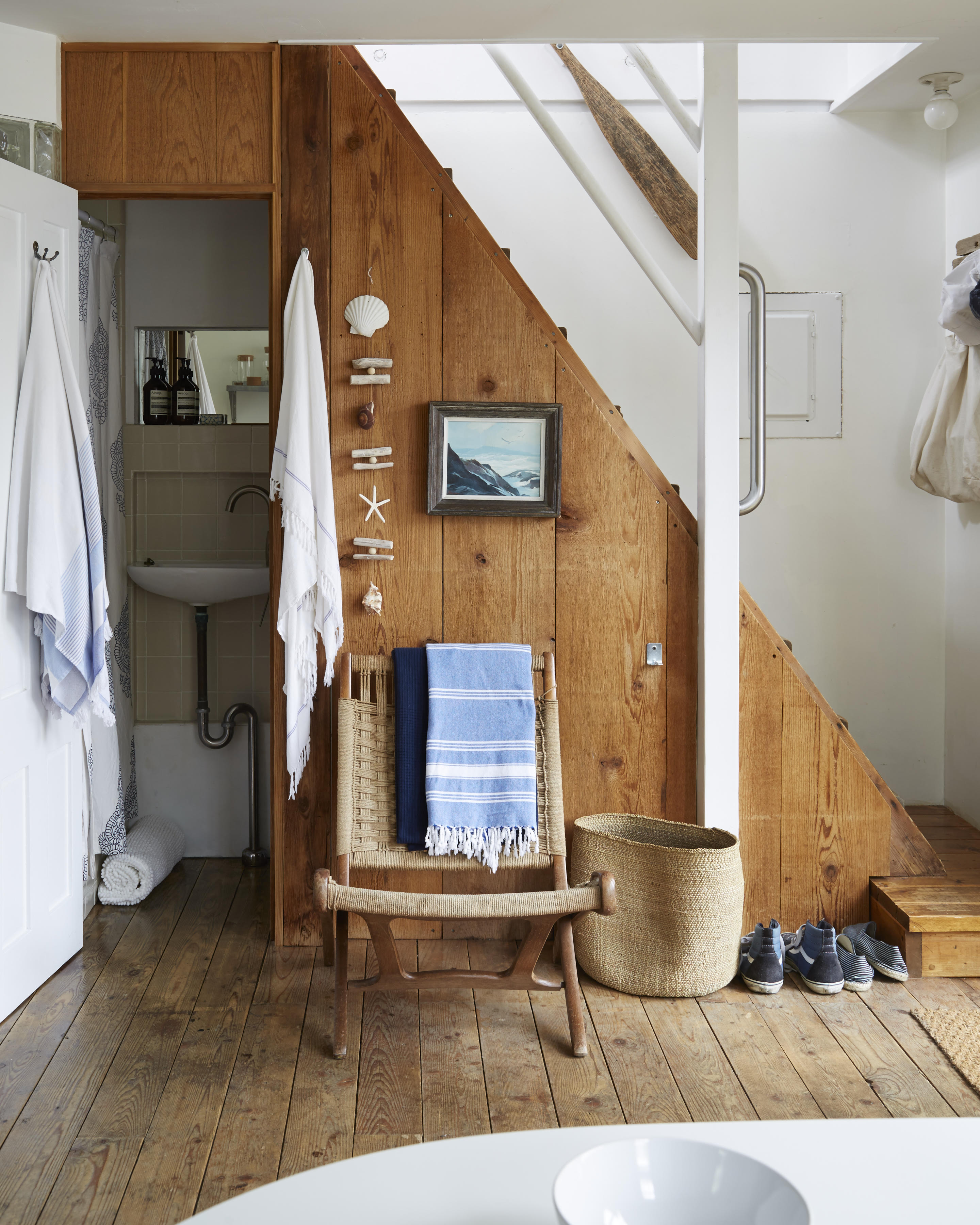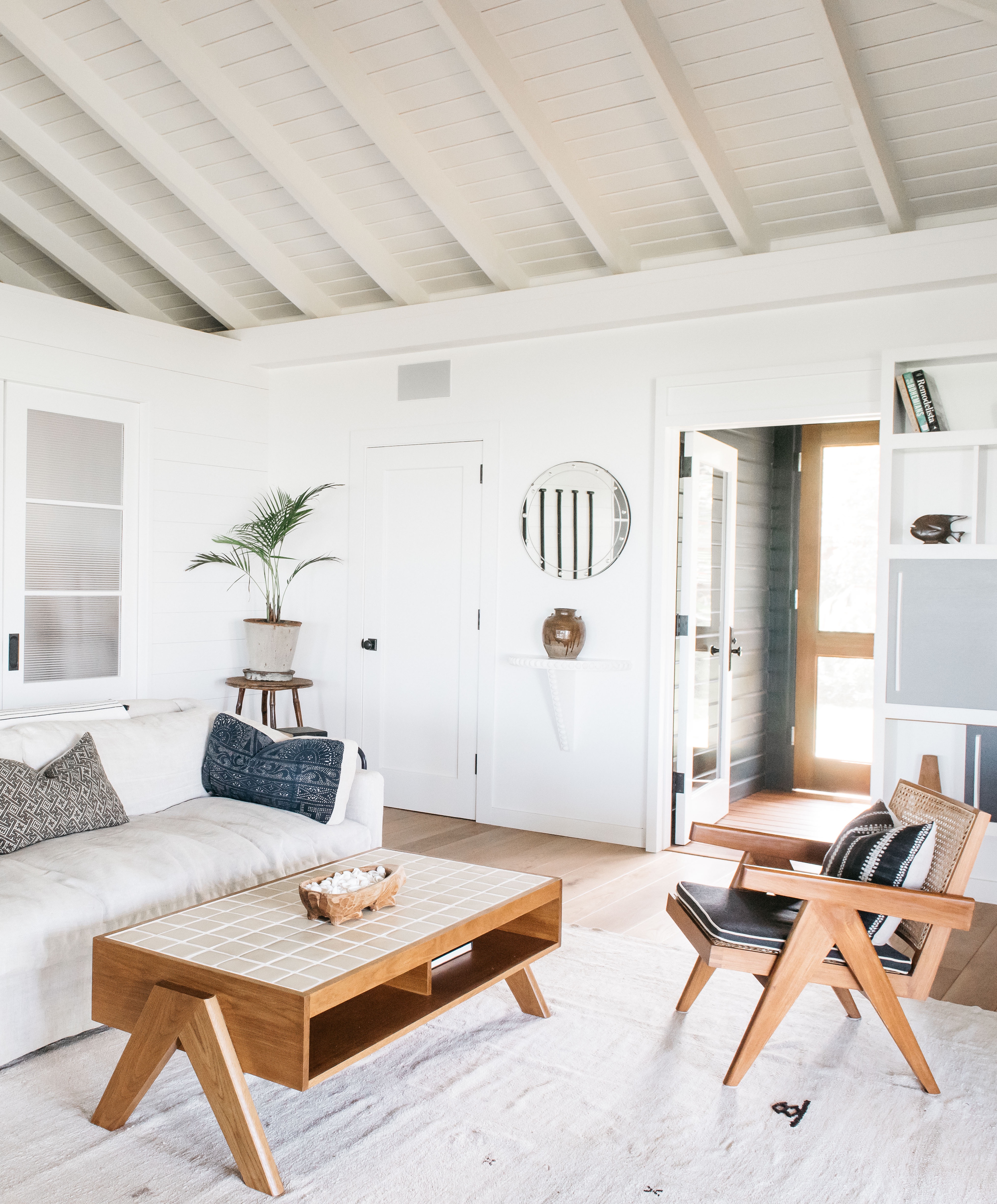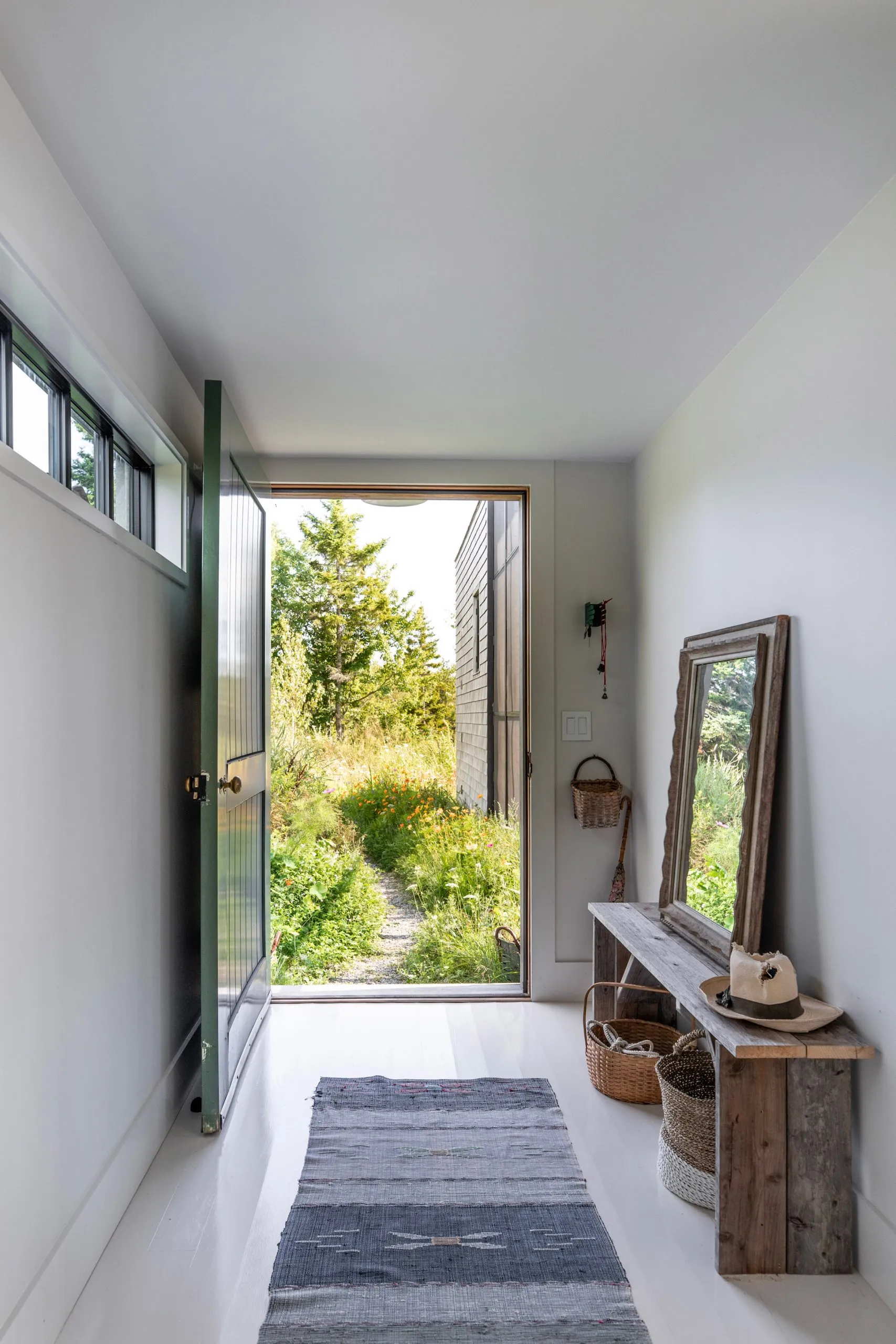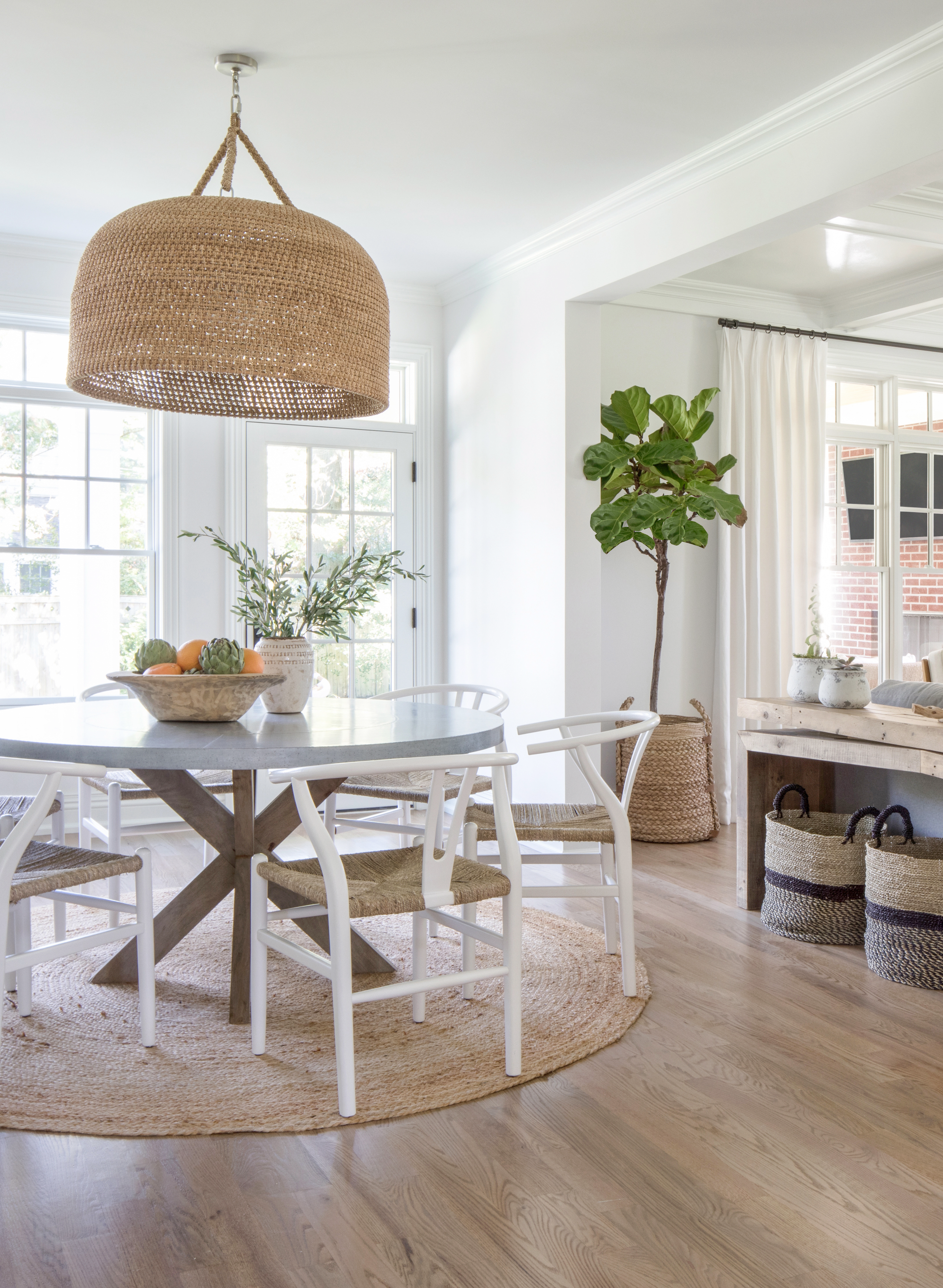
5 Things To Consider When Building A Coastal Home
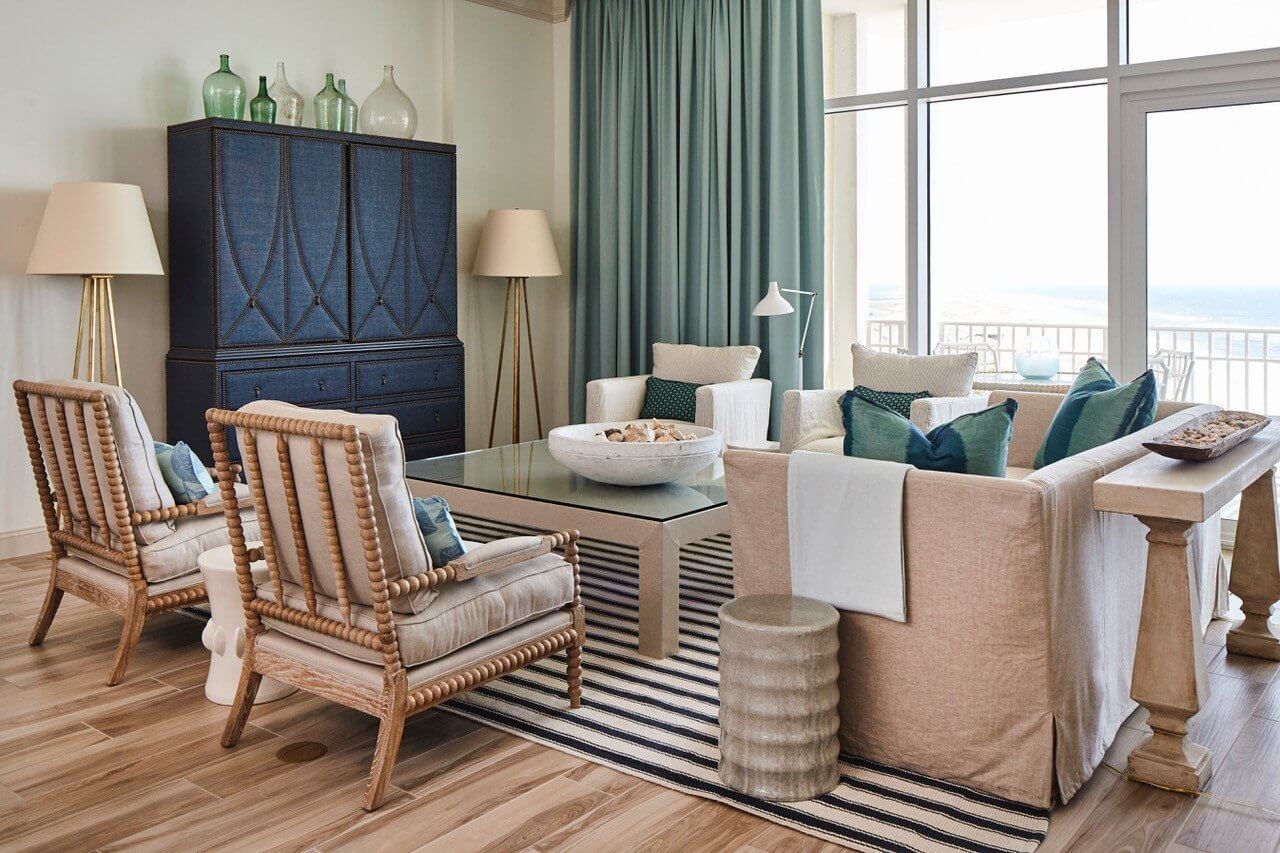
When constructing a coastal home, it is crucial to carefully consider its architectural and interior design to reflect the local landscape and regional lifestyle, alongside the homeowner's individual needs. Coastal residences, much like mountain or lake properties, often serve as retreats from daily life, emphasizing the surrounding environment as a primary motivator for their existence. These homes are designed to facilitate both serene introspection and lively social gatherings.
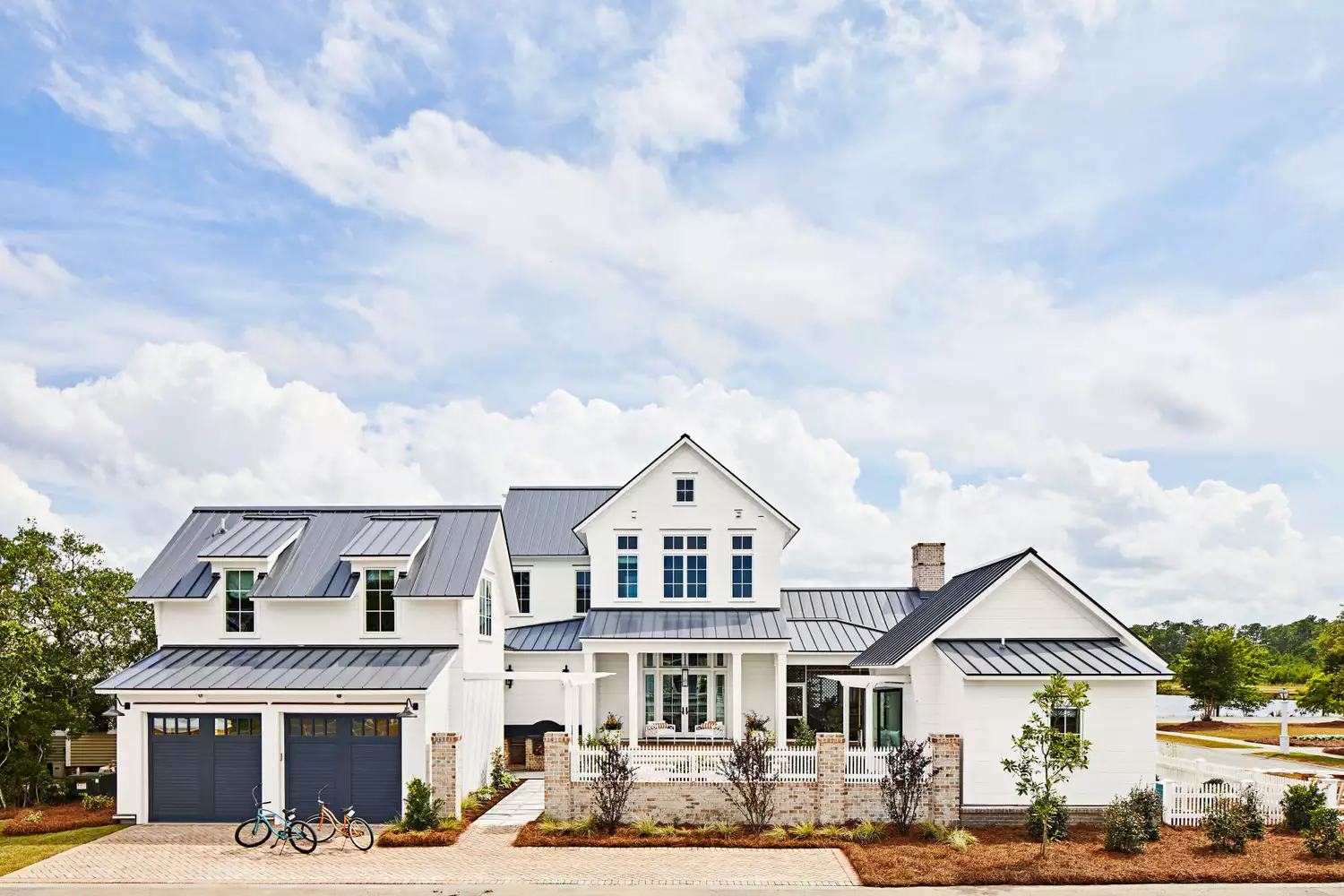
The 2022 Southern Living Idea House, situated in River Dunes, Oriental, North Carolina, exemplifies these principles. Located on a prime corner lot overlooking the Neuse River and Pamlico Sound, this 4,125-square-foot North Carolina home was conceived by a team of architects, designers, and builders to be a communal space, seamlessly integrating indoor and outdoor living. Architect William Court of Court Atkins Group offers key advice for optimizing a dream coastal escape.
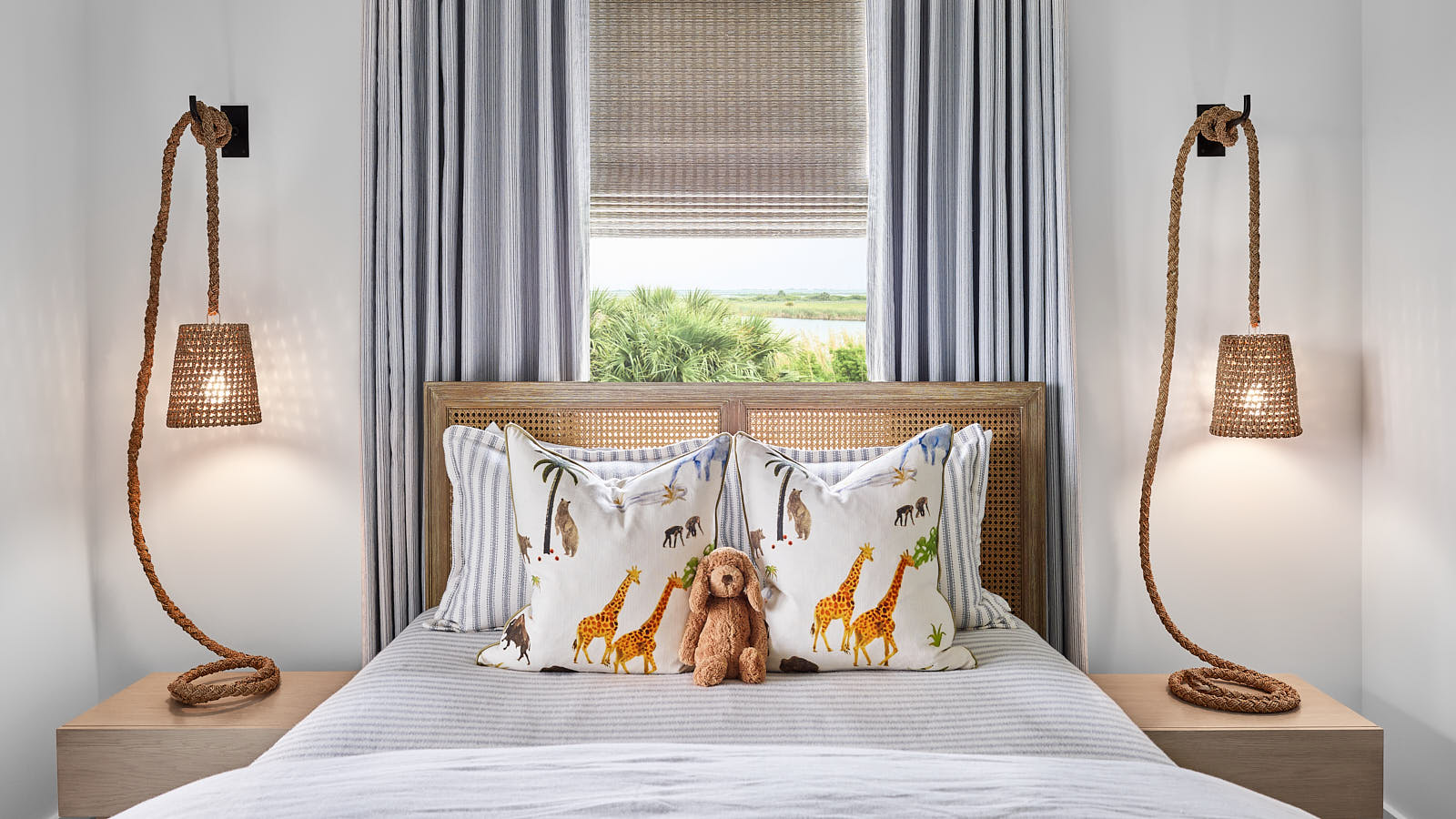
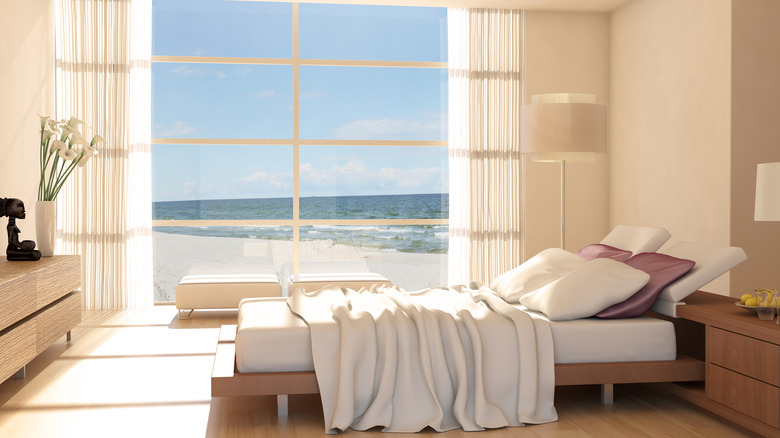
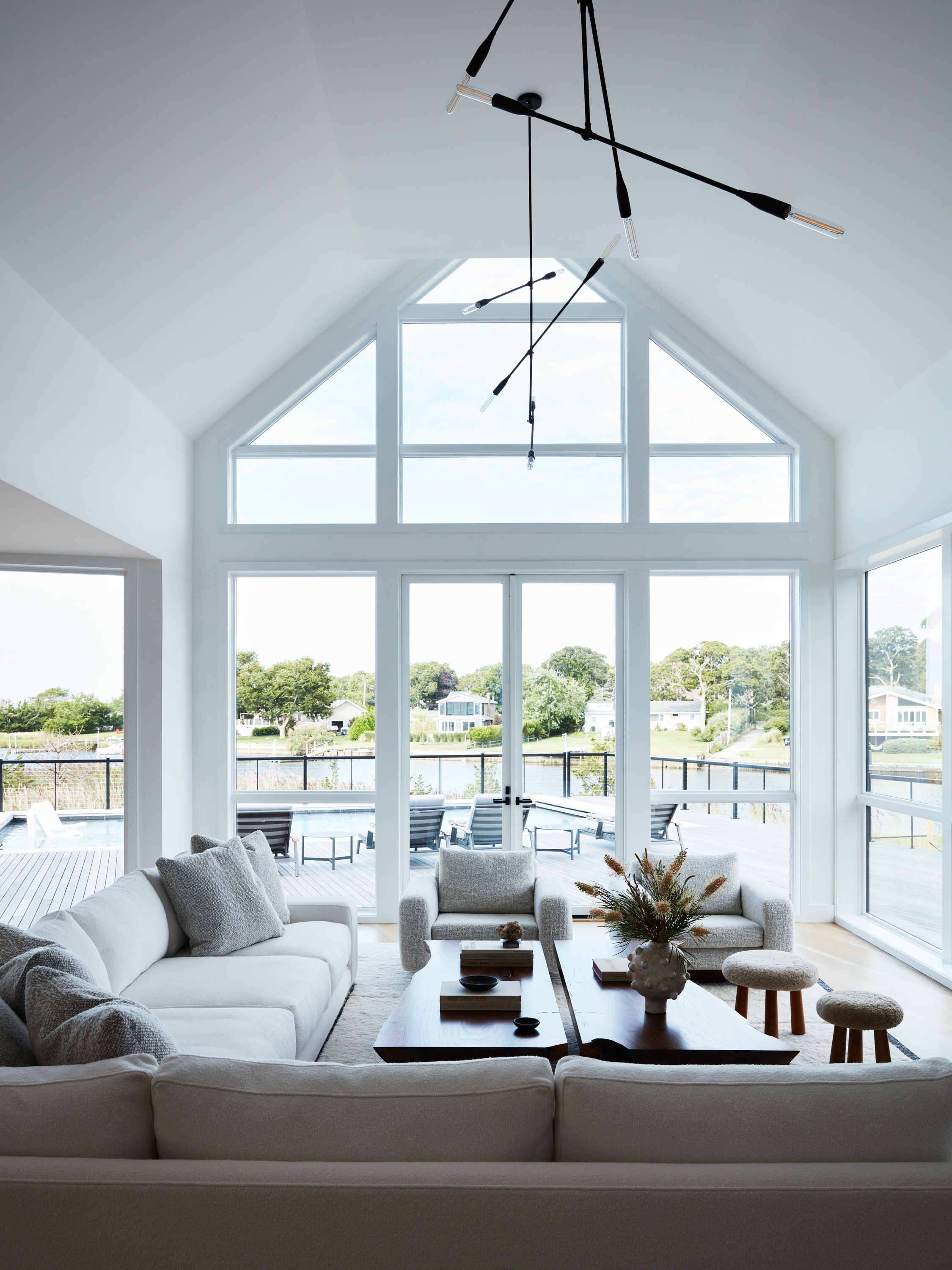
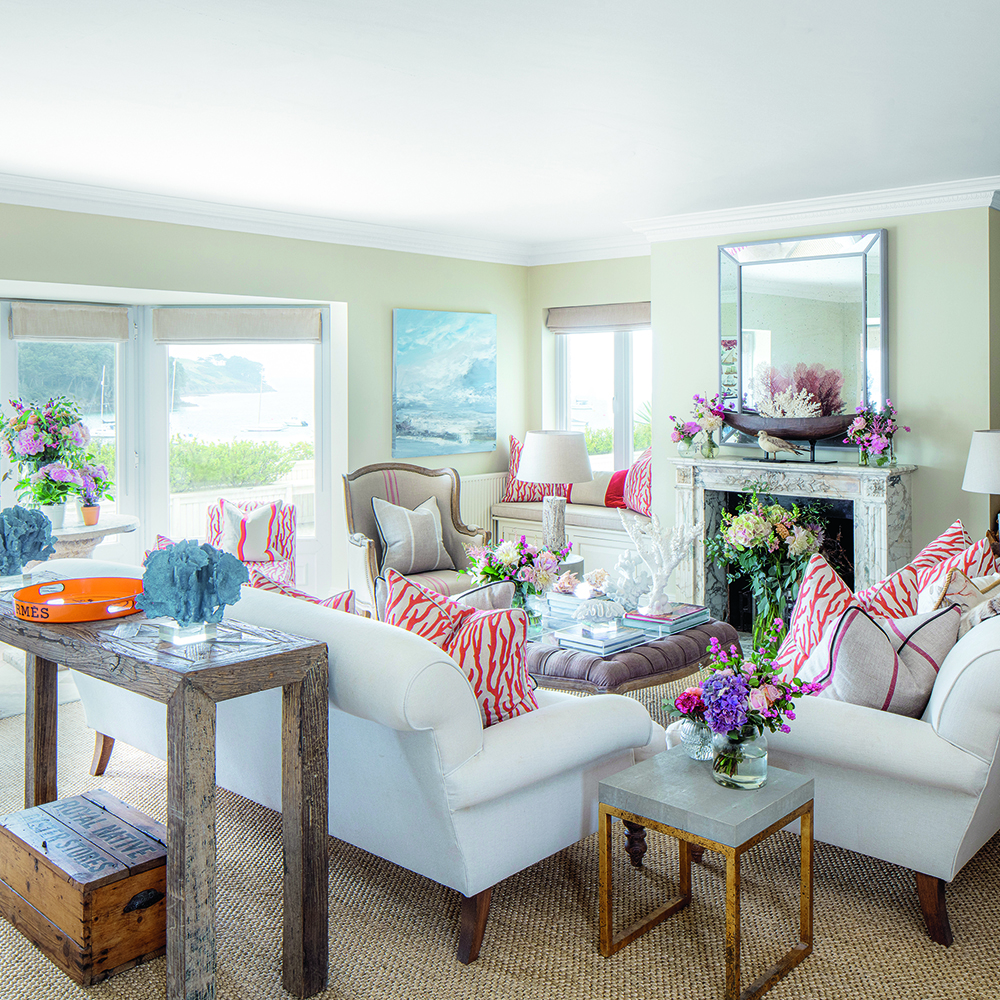
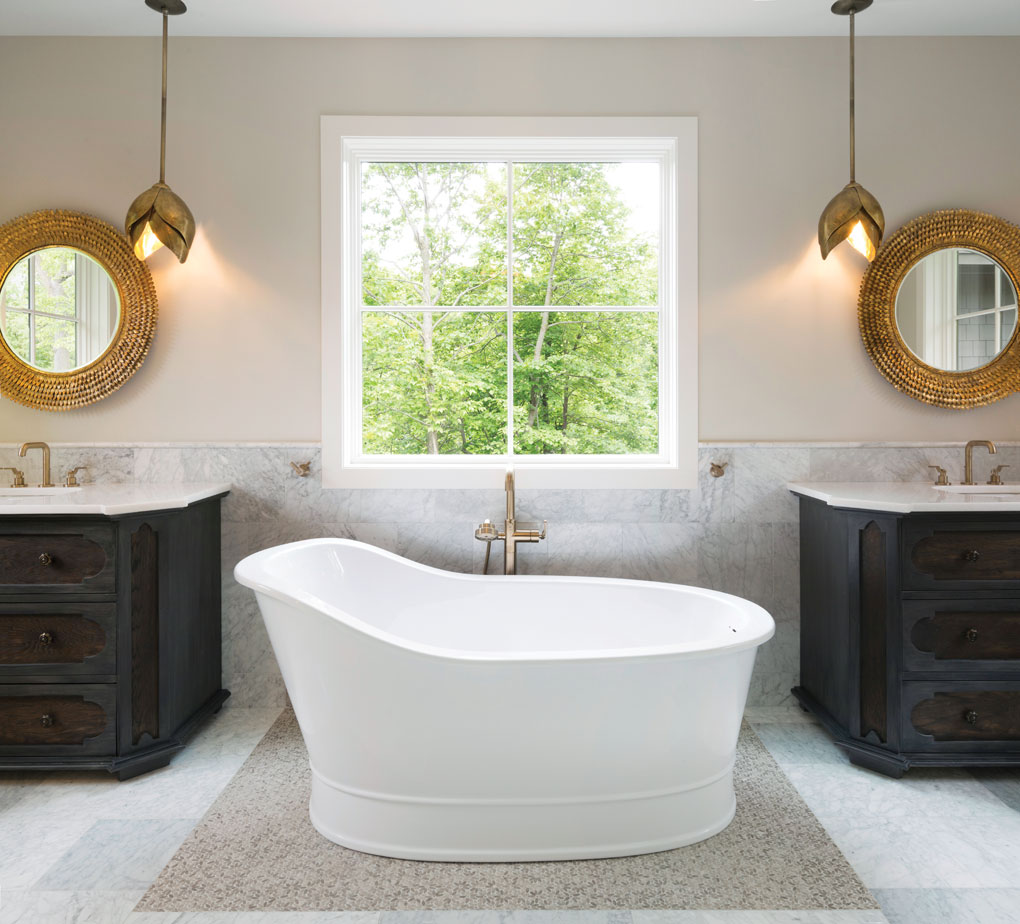
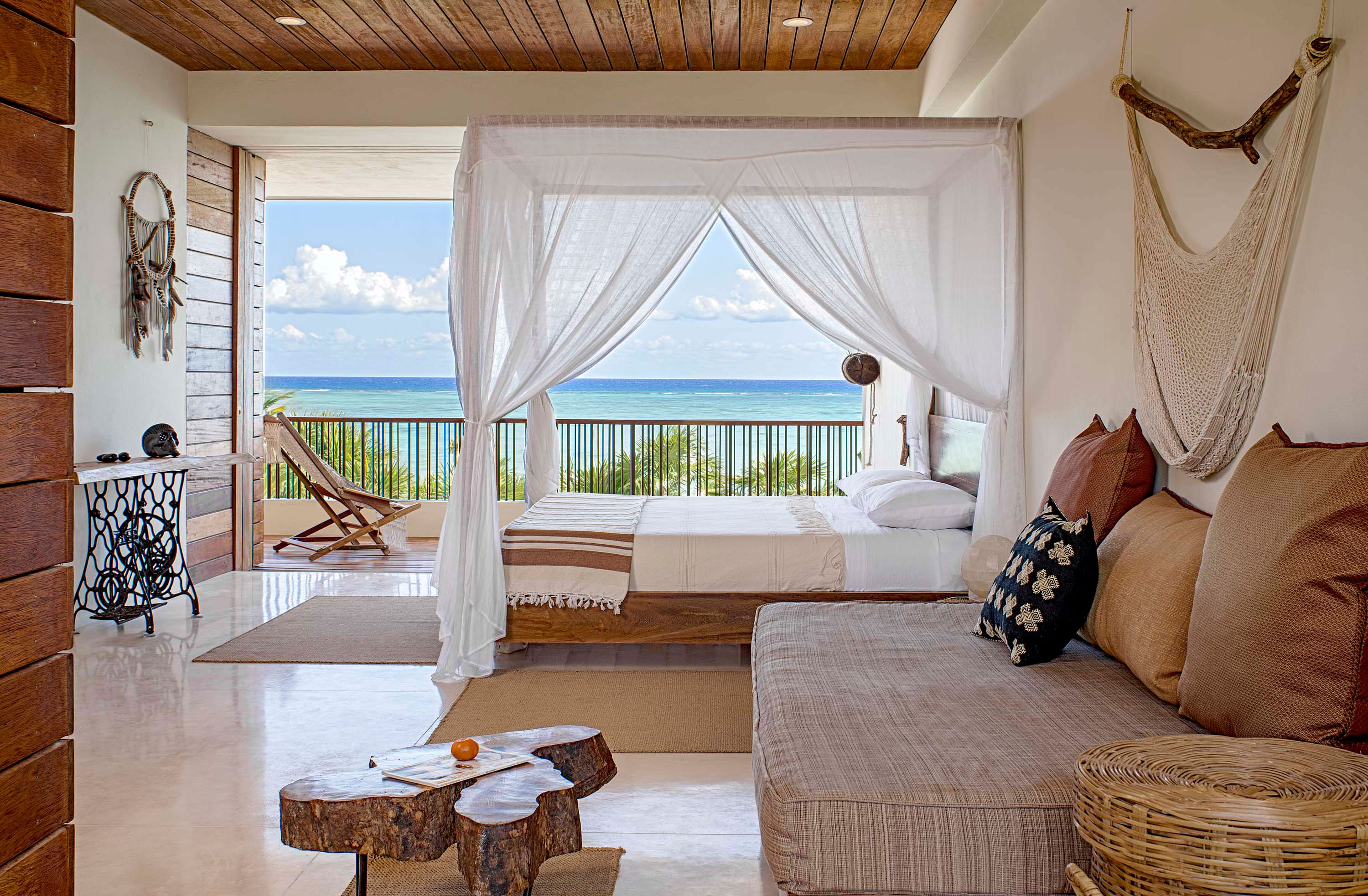
Maximizing views is paramount for coastal homes, especially those directly on the water. Strategic positioning of the house on the lot is essential, as are decisions like placing the primary bedroom suite on the second floor or orienting a guest bedroom's soaker tub to capture specific natural light or sunset views. Creating adaptable family rooms that can expand by opening French doors to a covered porch or deck also enhances the connection to the outdoors.
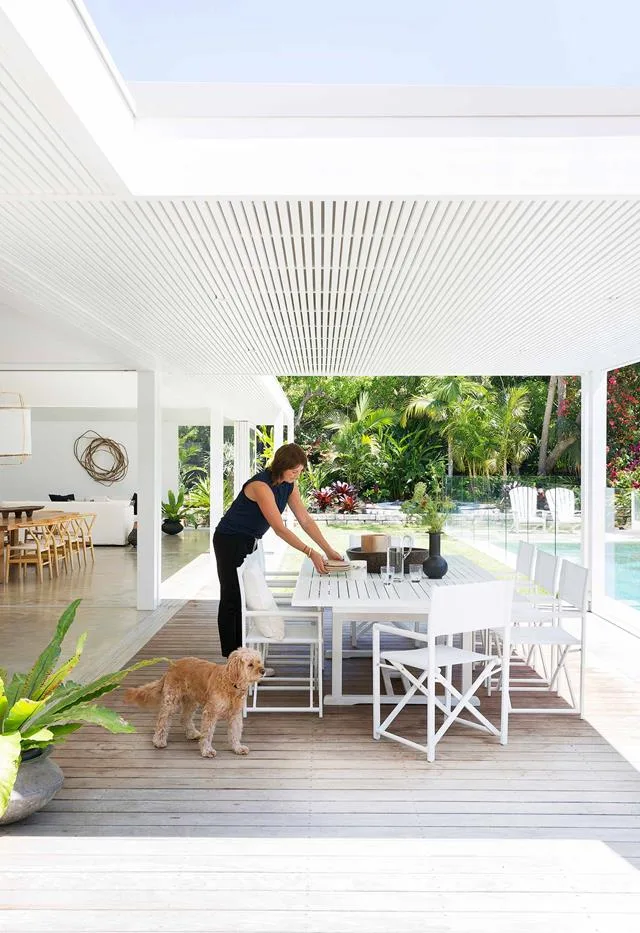
Porches are considered vital components of coastal homes, particularly in Southern climates where heat and insects necessitate outdoor living spaces with protection. Options include decks, patios, screened porches, and covered verandas. Wraparound porches or those spanning multiple sides of the structure are frequently incorporated to boost airflow and visibility, allowing occupants to enjoy different views and weather conditions throughout the day and year.
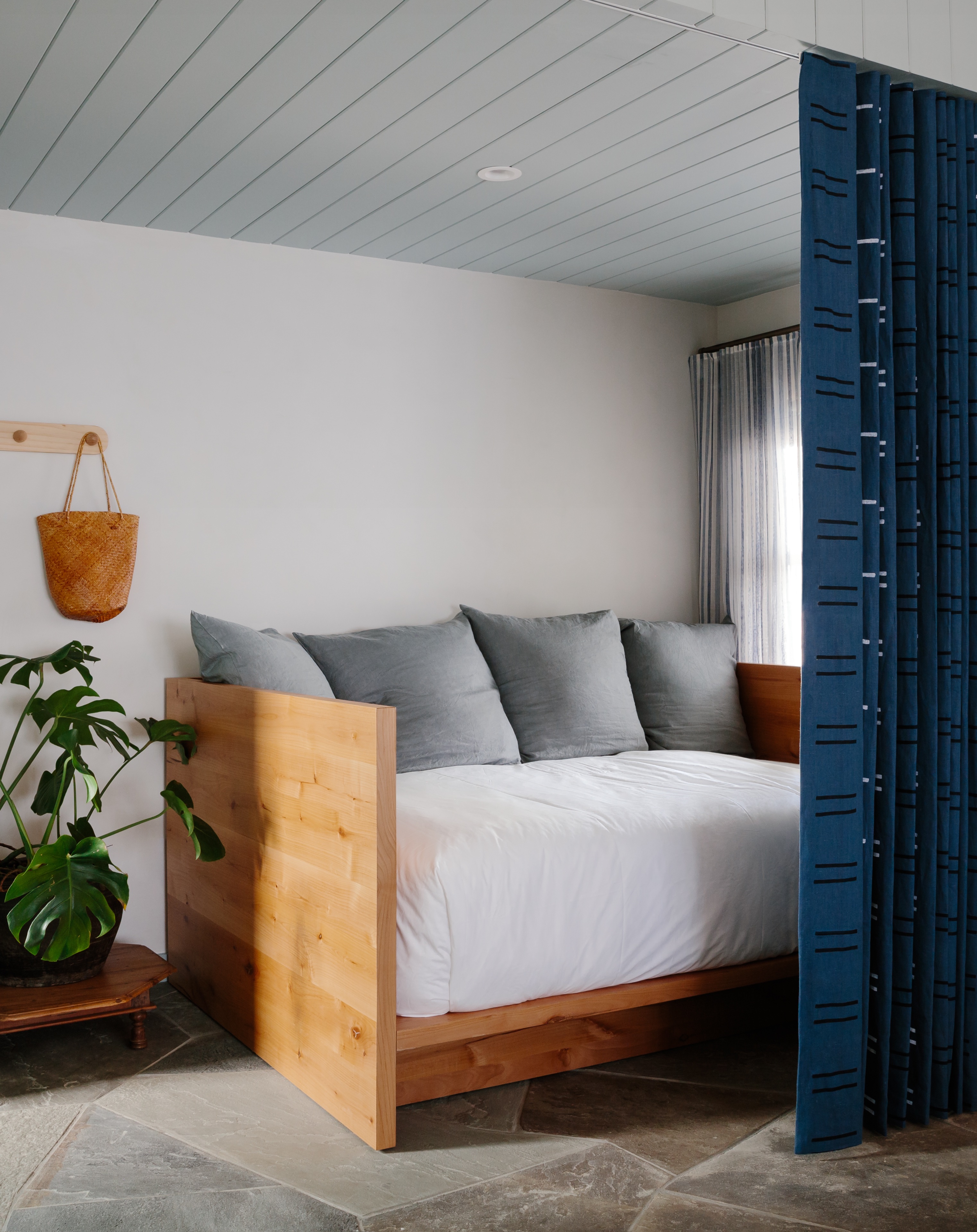
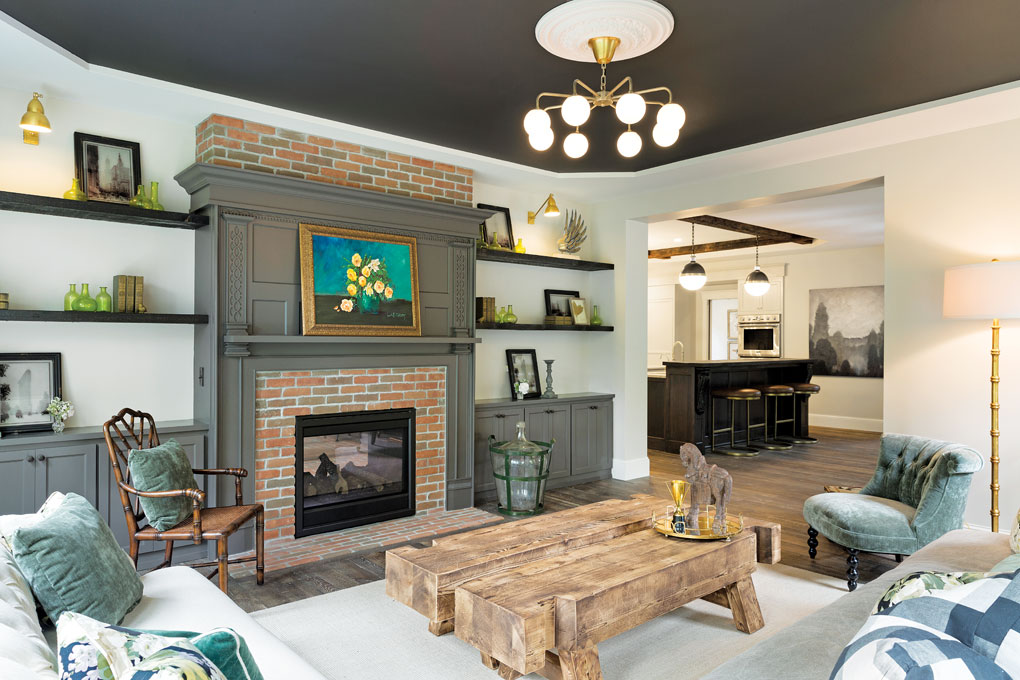
Coastal living often embraces a more relaxed lifestyle, making multifunctional spaces essential for home livability. Unlike traditional homes with distinct, formal rooms, coastal residences benefit from flexible areas that can adapt to various needs throughout the year, such as accommodating visiting family or different seasonal activities. This design approach ensures the home functions efficiently and supports a casual, adaptable way of life.
The selection of appropriate materials is critical for coastal homes due to challenging environmental conditions such as high humidity and salt air. While historic wood-sided homes possess charm, they demand constant maintenance. Modern alternatives like Hardie plank and synthetic porch decking provide the aesthetic of traditional wood without the rigorous upkeep, offering durability and longevity in harsh coastal environments.
Incorporating regional influences and vernacular design is also a key consideration. The term "coastal" encompasses a wide range of styles, varying significantly from one region to another, even within the same state. For instance, the architectural style of the River Dunes community, while coastal, draws heavily from nautical and maritime themes, reflecting a boat-specific lifestyle. The goal for projects like the Southern Living Idea House is to blend seamlessly with the local architectural narrative while introducing a contemporary interpretation of coastal design, rather than simply replicating historical styles. This approach ensures the home is anchored to its location's unique identity and heritage.
#CoastalHome #HomeDesign #Architecture #SouthernLiving #OutdoorLiving #MultifunctionalSpaces #BuildingMaterials #RegionalDesign #IdeaHouse #CoastalHome #HomeDesign #Architecture #SouthernLiving #OutdoorLiving #MultifunctionalSpaces #BuildingMaterials #RegionalDesign #IdeaHouse
0 comment in total
 No comments yet
You may also like
11 tips for bringing a modern coastal look to your home
The Secret Behind Galveston’s Dreamiest Beach Houses
What is Coastal Design? Here's 9 Ways Designers Are Channeling This Relaxed and Timeless Aesthetic

Channel the Hamptons with These Coastal Home Decor Tips From the Pros

5 Coastal Decor Ideas That Feel Chic, Not Cliché, for Homes on the Shore
10 different coastal-style looks for the home

20 Best Coastal Design Tips From The Pros
Oregon Coast-Inspired Home by Aspect Design Build

Tasteful Beach Design: A Second Home on the Coast

Coastal Interior Design: 5 Hallmarks of the Seaside Style
Coastal Farmhouse Ideas — 5 Inspiring Ways Designers Mix the Styles to Create Rustic Seaside Charm
Designers love the coastal-cottage aesthetic – here's how to re-create it in your home

These Top 25 Coastal House Plans Were Made for Waterfront Living
Coastal Decor: Pro Decorating Tips | How to Do Coastal Design Right

Beachside home with interiors every bit as special as the stunning coastal views

My No-Fail Formula for Beach House Decor That Feels Fresh, NOT Kitschy

How To Design Your Beach House Without Cliché Coastal Decor, According To An Expert
This Hamptons Beach House is a Masterclass in Calm, Coastal Decor - Here are 5 Lessons to Take Away
Beach house decor – 10 ways to give your home seaside style
13 Luxurious Australian Coastal Homes That Inspire A Sea Change