1/2
How to Landscape a Sloped Yard
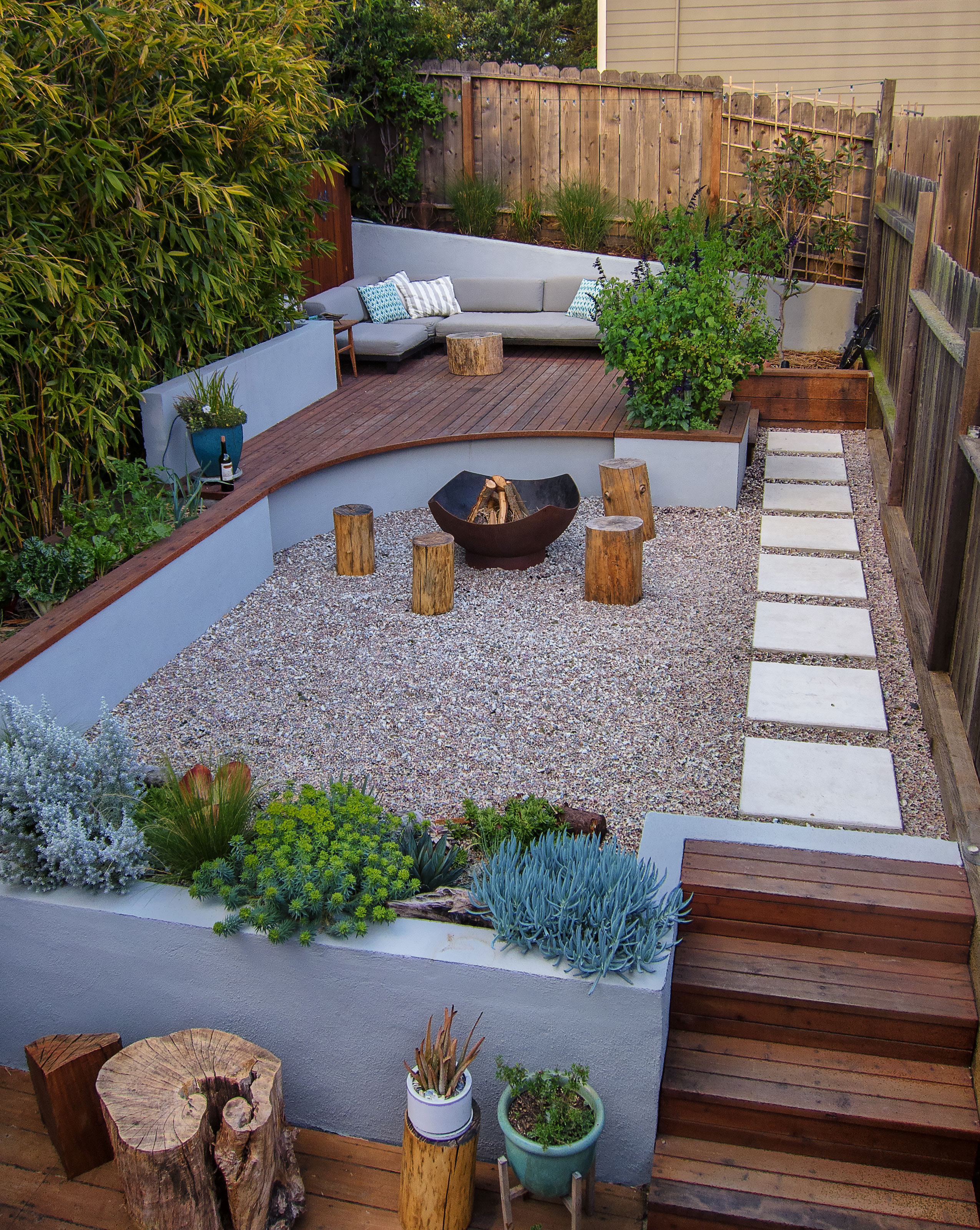
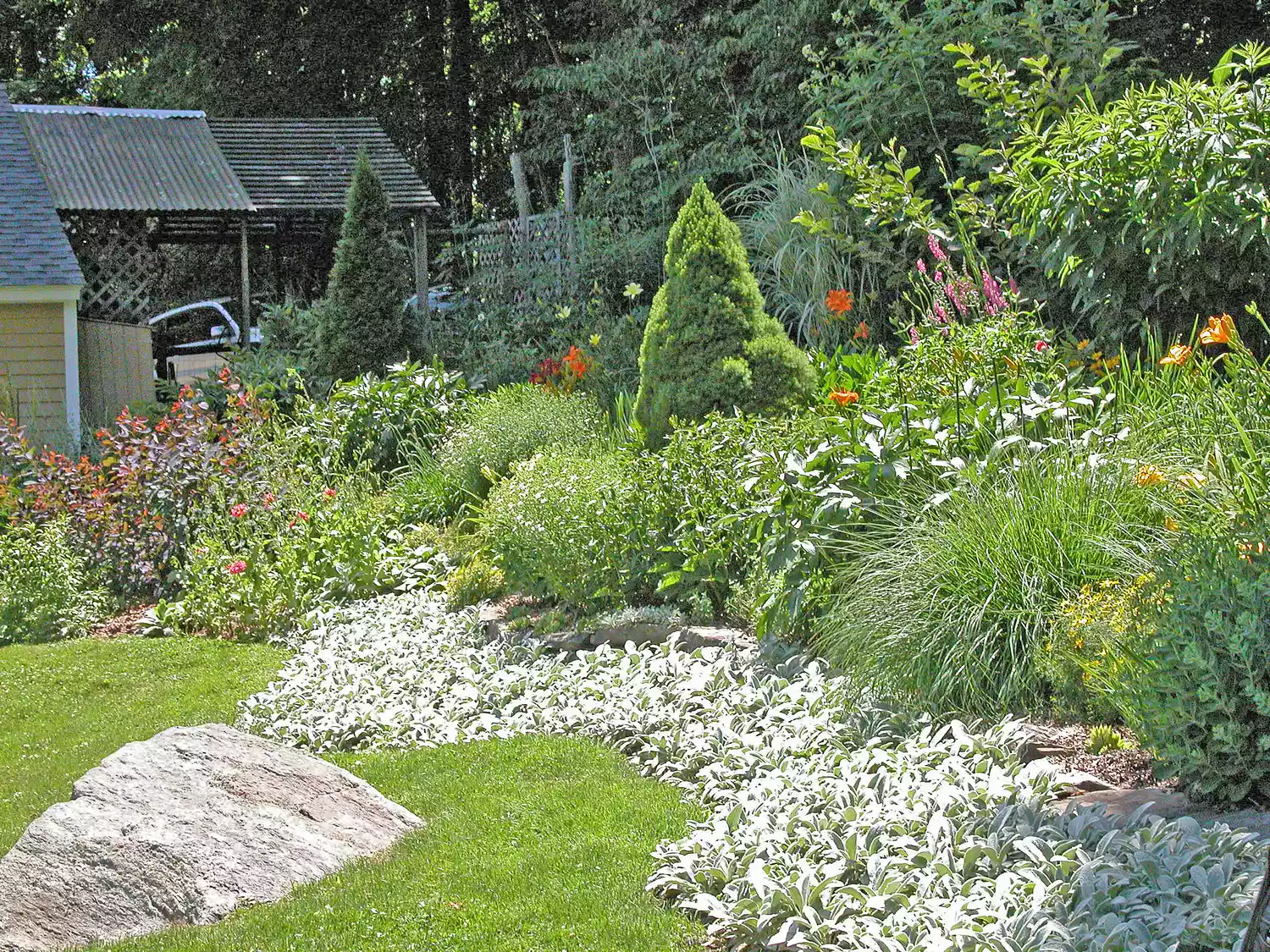
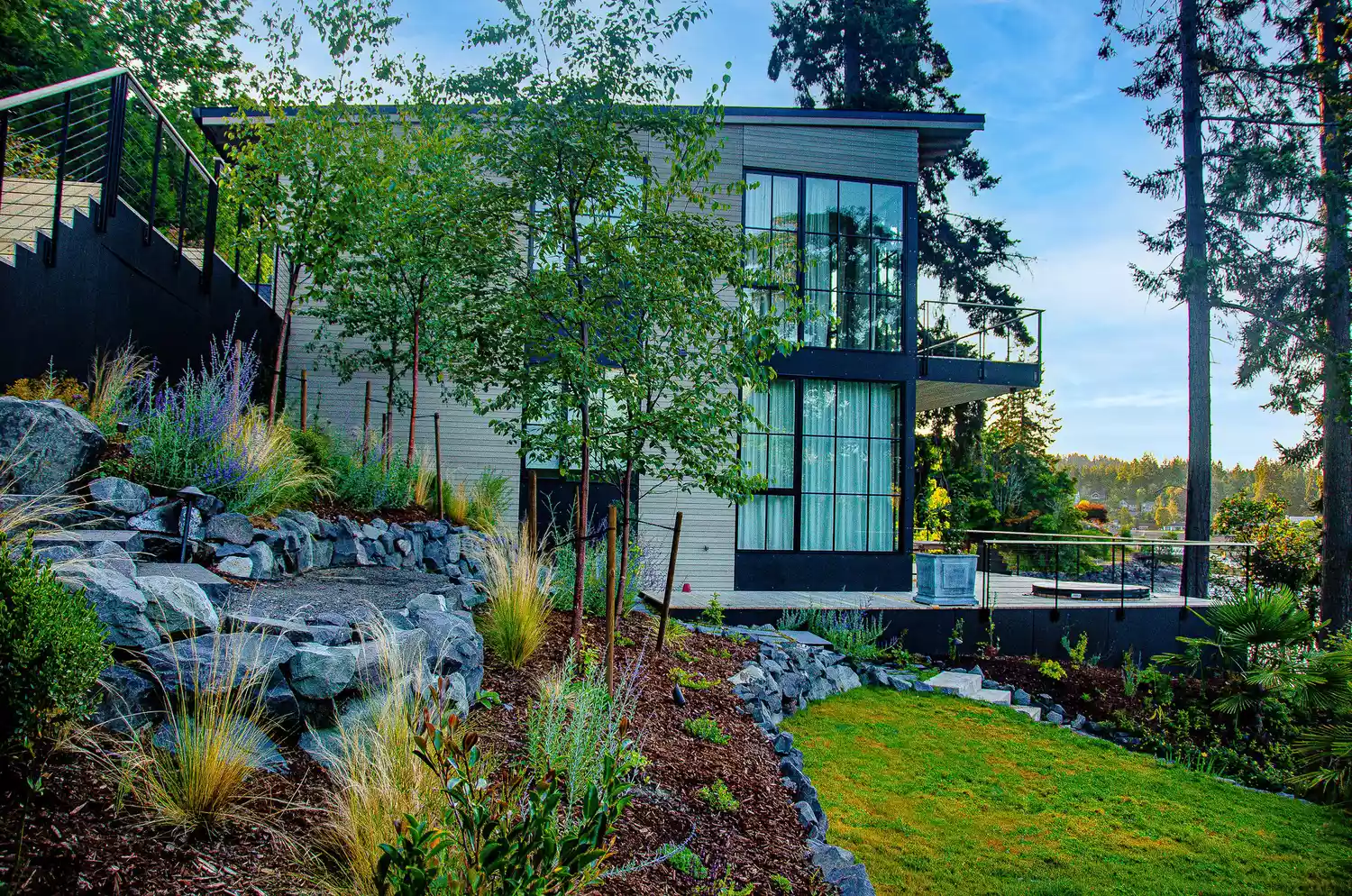
Gardening on a slope presents both challenges and unique opportunities for landscape design. The primary difficulties include potential soil erosion and navigation issues, while benefits encompass built-in views and the creation of visually dynamic landscapes. Effective management of a sloped garden involves stabilizing the hillside to prevent water runoff and maintain soil integrity. This can be achieved through various methods, such as contour rows, terracing, or raised beds. For steep slopes, retaining walls made of wood, rock, or concrete blocks are crucial to hold soil in place. When installing retaining walls, especially on slopes exceeding 50% or 45 degrees, incorporating a good drainage system behind the wall is essential to prevent cracking or collapse.
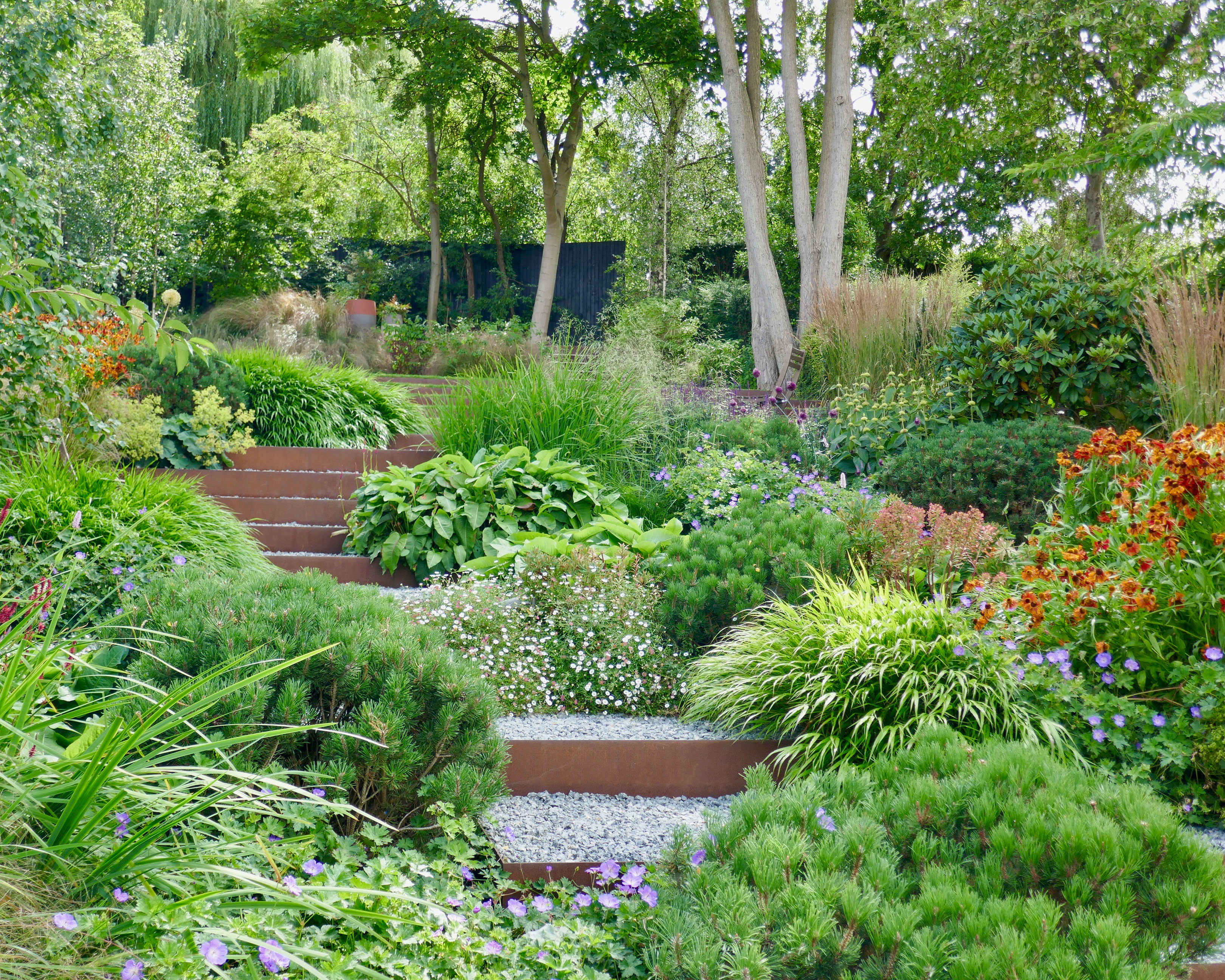
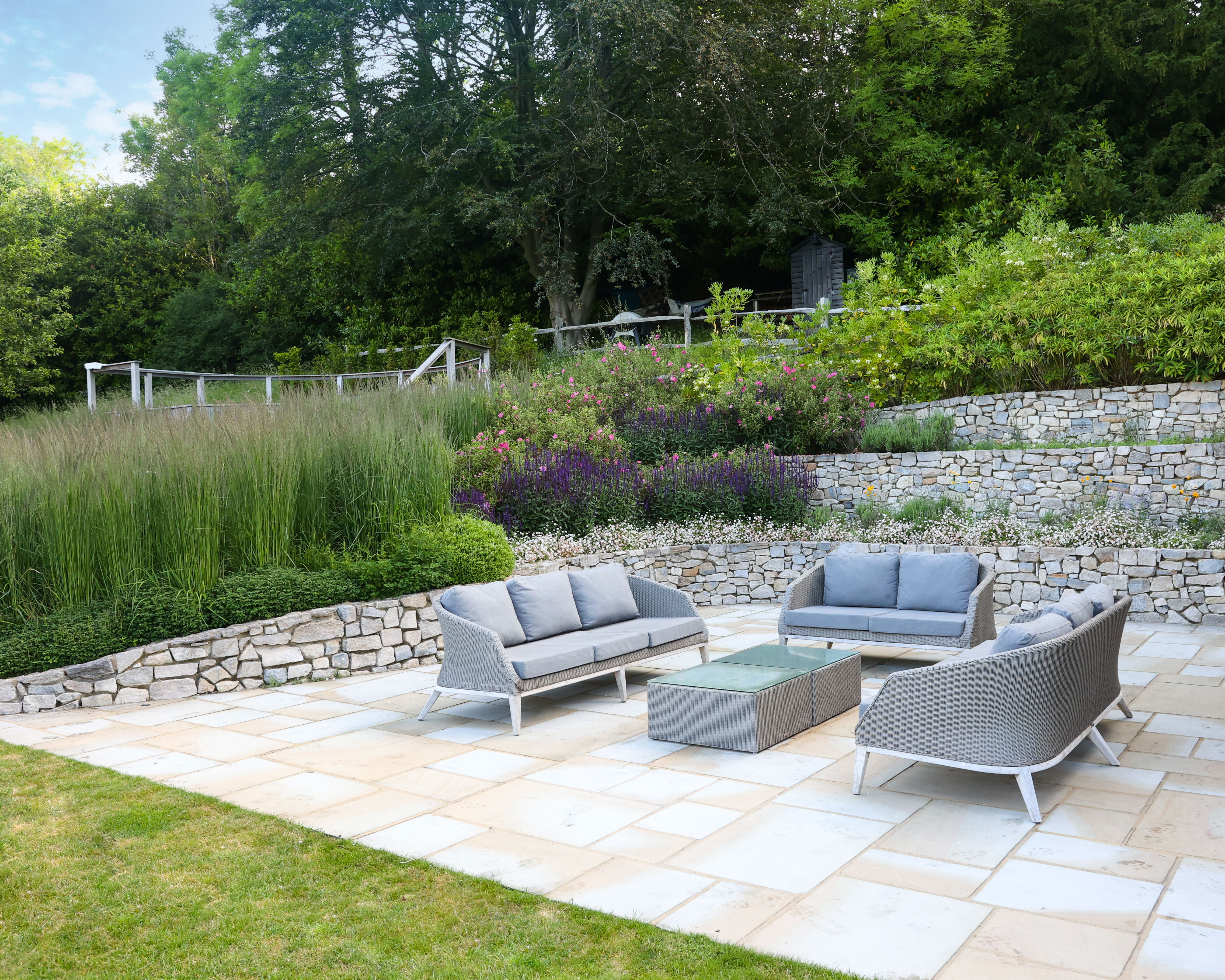
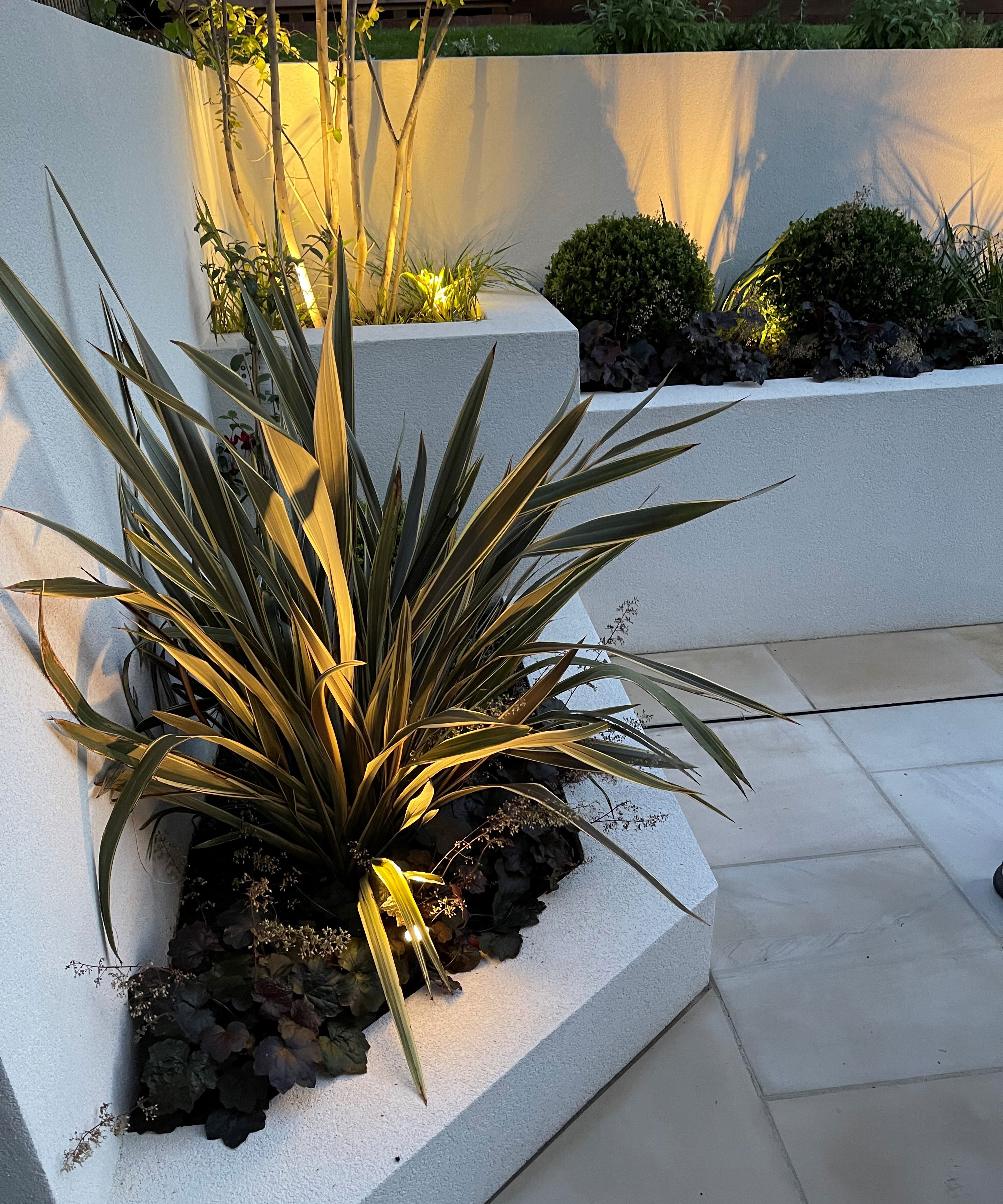
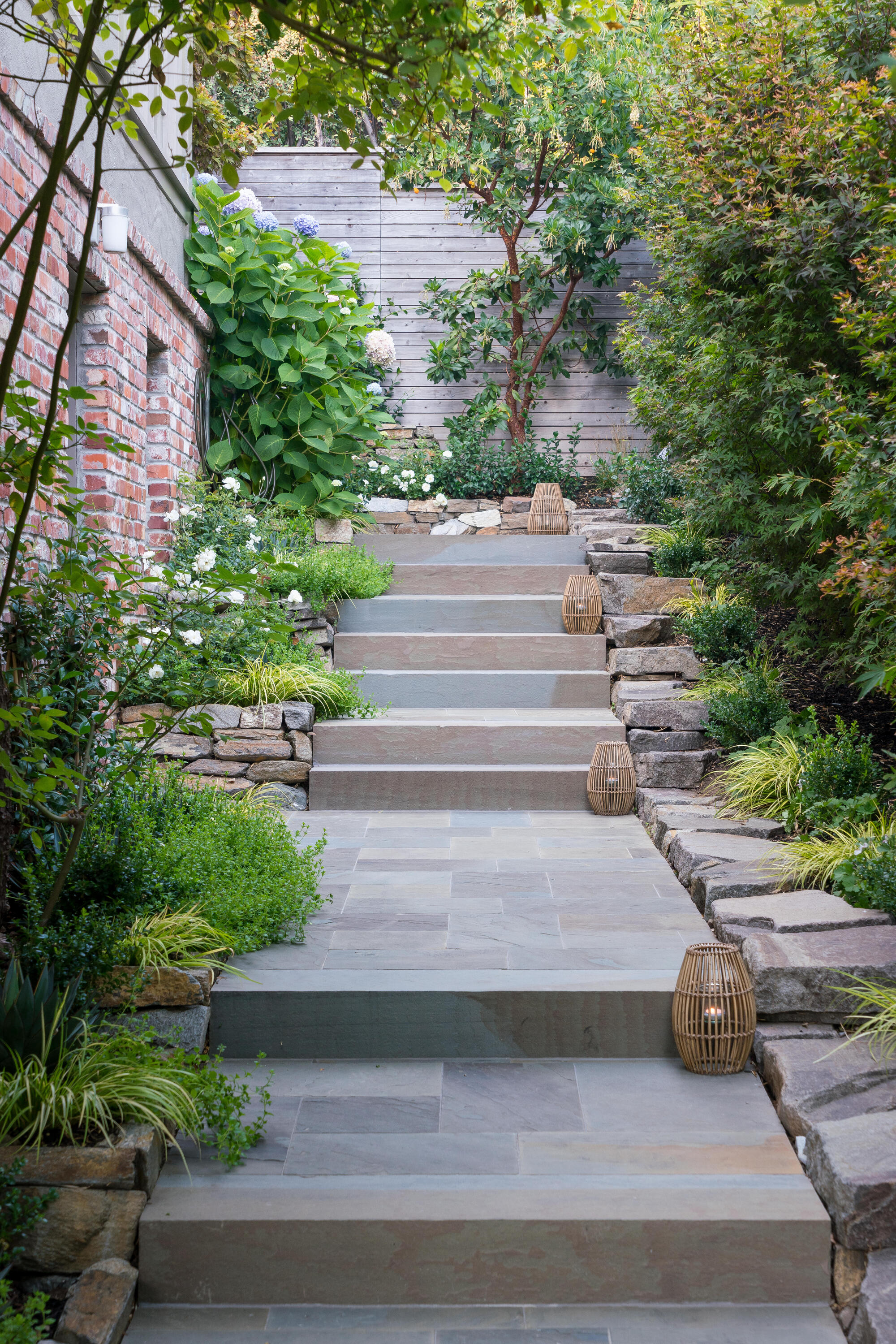
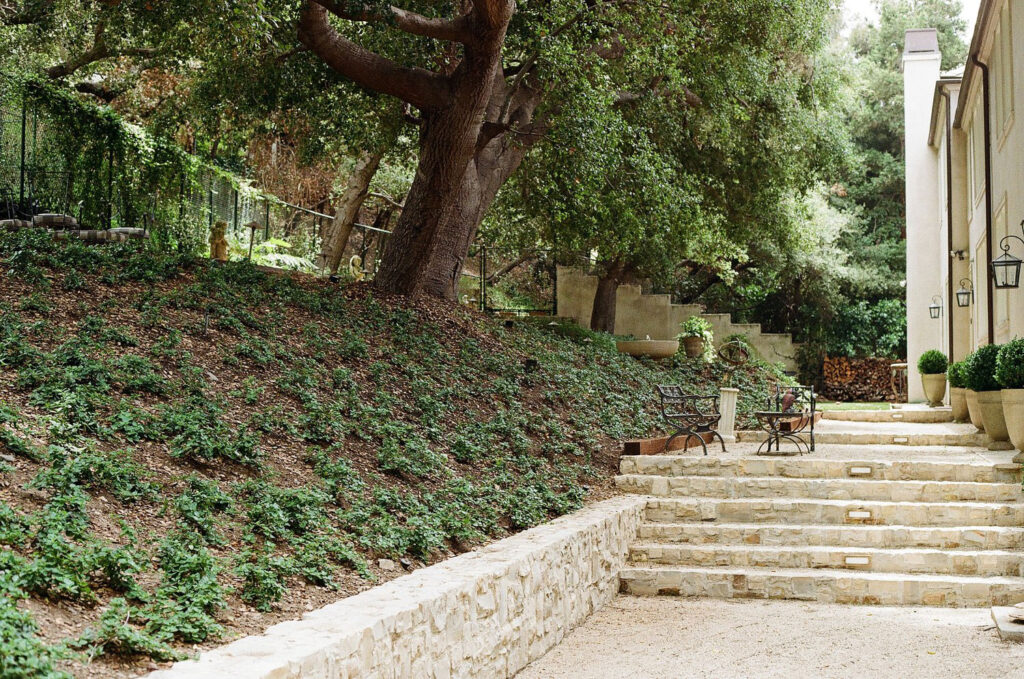
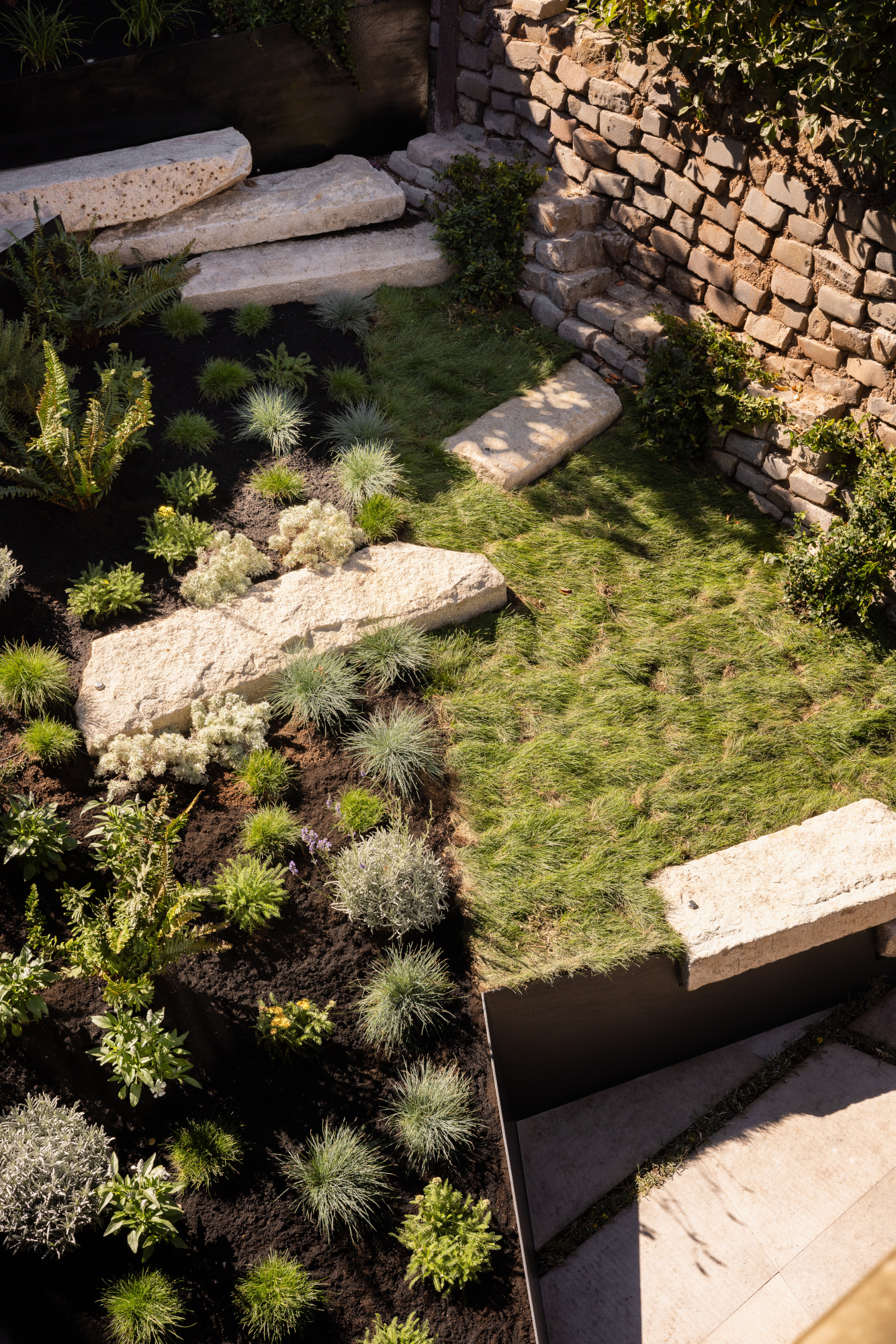
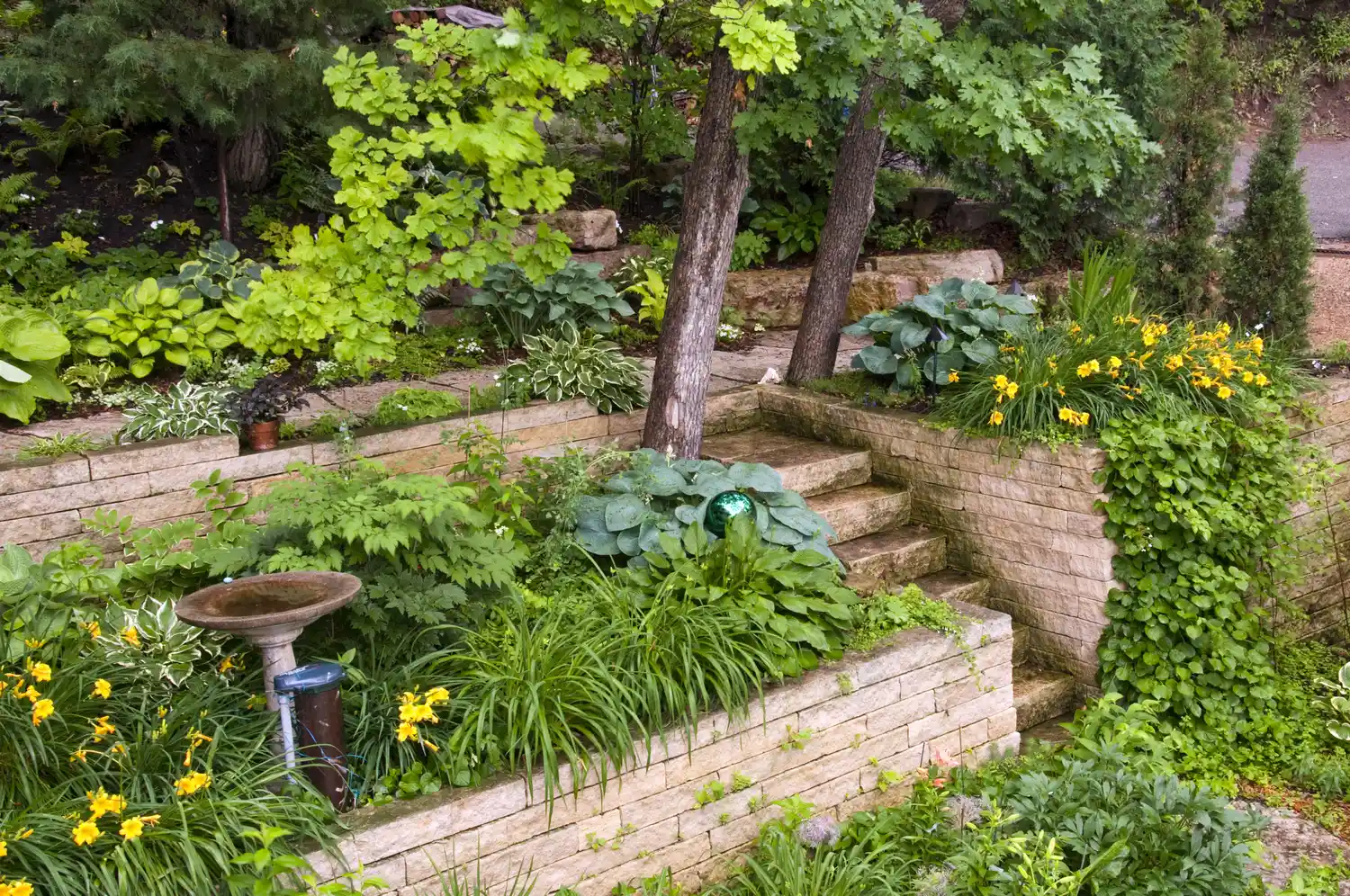
Terracing is a common and effective technique for managing sloped gardens. It involves creating flat, level sections, which are particularly beneficial for vegetable gardens, especially south-facing ones, as each row receives direct sunlight. Pathways are a necessity in terraced vegetable gardens, and drip irrigation can help with water supply challenges. Stone walls are a classic, durable option for terracing, creating functional and attractive structures. These walls can establish planting areas wide enough for easy maintenance and create microclimates that expand planting possibilities by retaining heat. For extreme slopes, integrating stairs and creating manageable planting boxes near living areas can provide accessible gardening spaces and even define outdoor rooms.
Soil quality on hillsides is often poor due to erosion, making it necessary to create planting pockets and add soil for plant establishment. Using hardy, workhorse plants like astilbe and hosta that can thrive in less ideal conditions is effective. Incorporating large rocks and boulders can help anchor the soil, particularly when terracing isn't feasible, and can contribute to a natural rock garden aesthetic. When landscaping roadside slopes, tough, low-maintenance plants like shrubs and evergreens are ideal, with lower-growing perennials like hosta and ferns used in front to maintain visibility.
For natural scree or rocky hillsides, an alpine garden can be created by repositioning existing rocks to form steps and platforms. Artificial limestone (hypertufa) can blend seamlessly with natural stone, and pea gravel serves as an effective mulch to prevent runoff and unify the color palette. Large evergreens provide visual weight, while self-sowing perennials like corydalis can soften rocky edges. Transforming a hillside into a garden walk involves terracing the walkway and using stepping stones with traction, while elevated planting areas create an immersive experience. Containers and pot stands can add focal points and level changes, enhancing the visual appeal for both walkers and passersby.
To ensure year-round attractiveness, especially for hillsides framing a view of a house, colorful, low-maintenance shrubs like Summersweet, California lilac, and prostrate rosemary are excellent choices, offering four seasons of interest and effective erosion control. For gentle slopes or berms connecting wooded areas to open lawns, groundcovers that naturalize, such as creeping phlox, alpines, perennial geraniums, and tiny bellflowers, create a smooth transition and a colorful carpet. These plants, often in white and soft pastels, maintain a woodland feel and are suitable for quick-draining soil. Lastly, selecting plants that anchor the hillside, such as shrubs, ornamental grasses, and prairie plants like coneflower, is crucial for preventing runoff, especially near driveways. These plants form dense root mats, require minimal maintenance, and can offer winter interest, transforming any slope into a focal point.
#HillsideGardening #SlopedLandscape #SoilErosionControl #TerracingIdeas #RetainingWalls #GardenDesign #PlantSelection #OutdoorLiving #LandscapeArchitecture #HillsideGardening #SlopedLandscape #SoilErosionControl #TerracingIdeas #RetainingWalls #GardenDesign #PlantSelection #OutdoorLiving #LandscapeArchitecture
0 comment in total
 No comments yet
You may also like
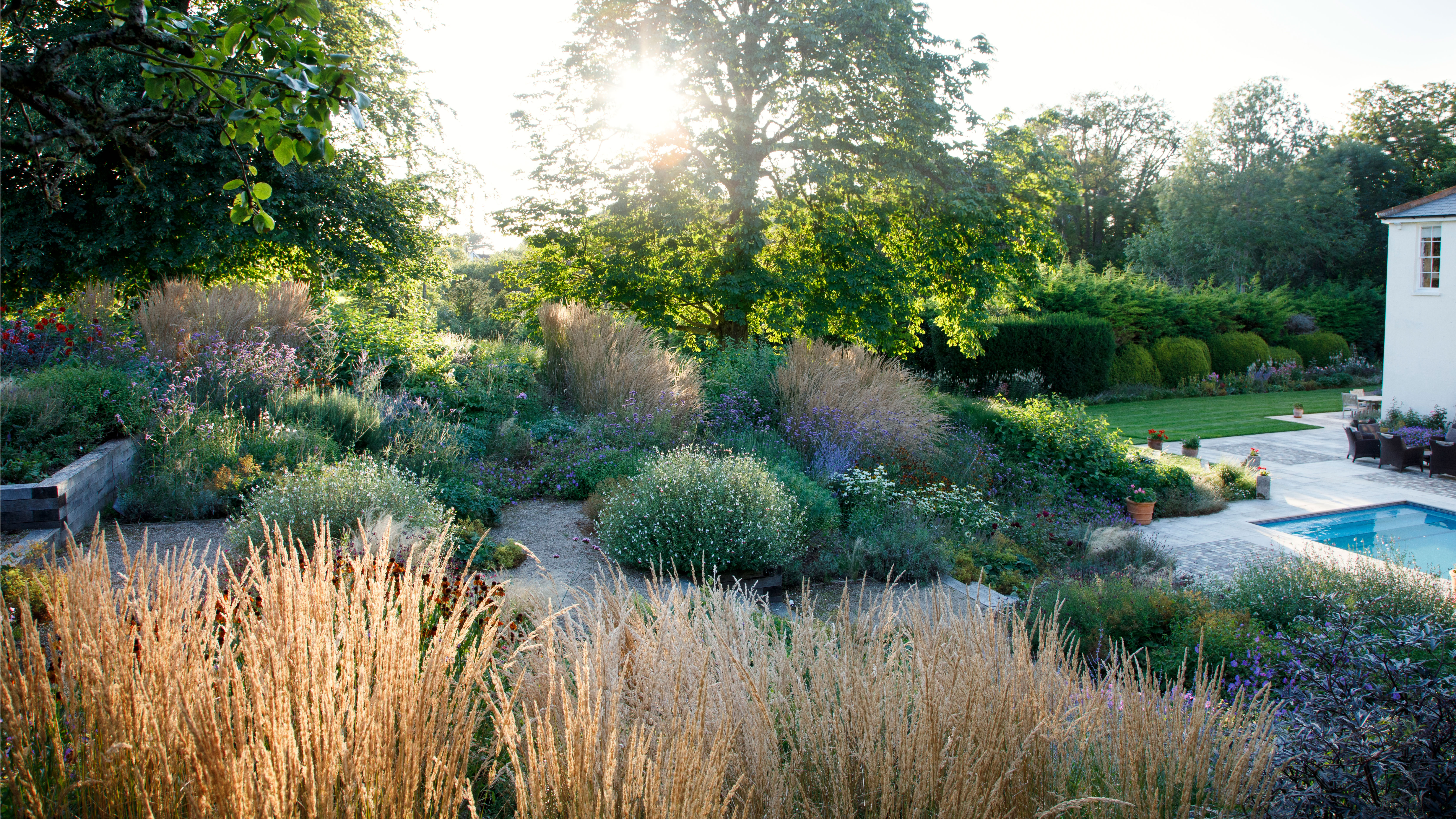
Sloped backyard ideas – 15 expert design tips for a terraced garden

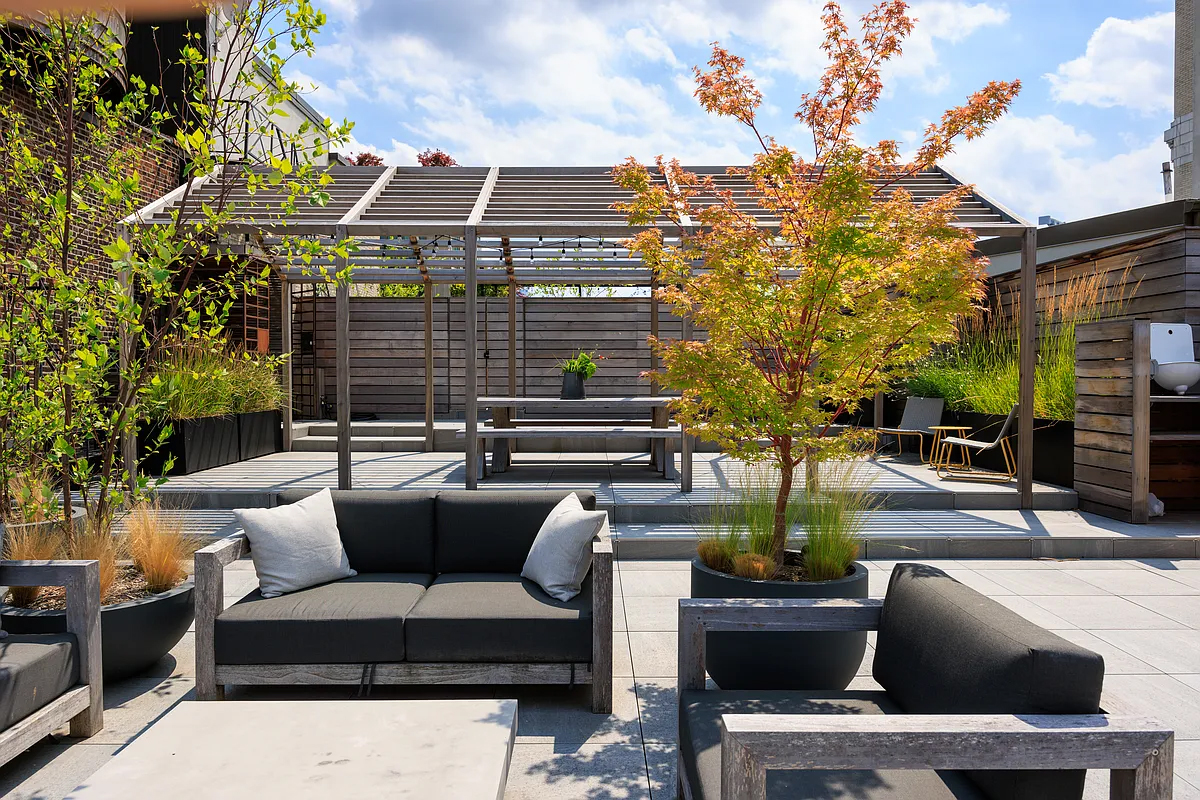
6 Easy Design Ideas to Add Height to a Backyard That Feels Flat

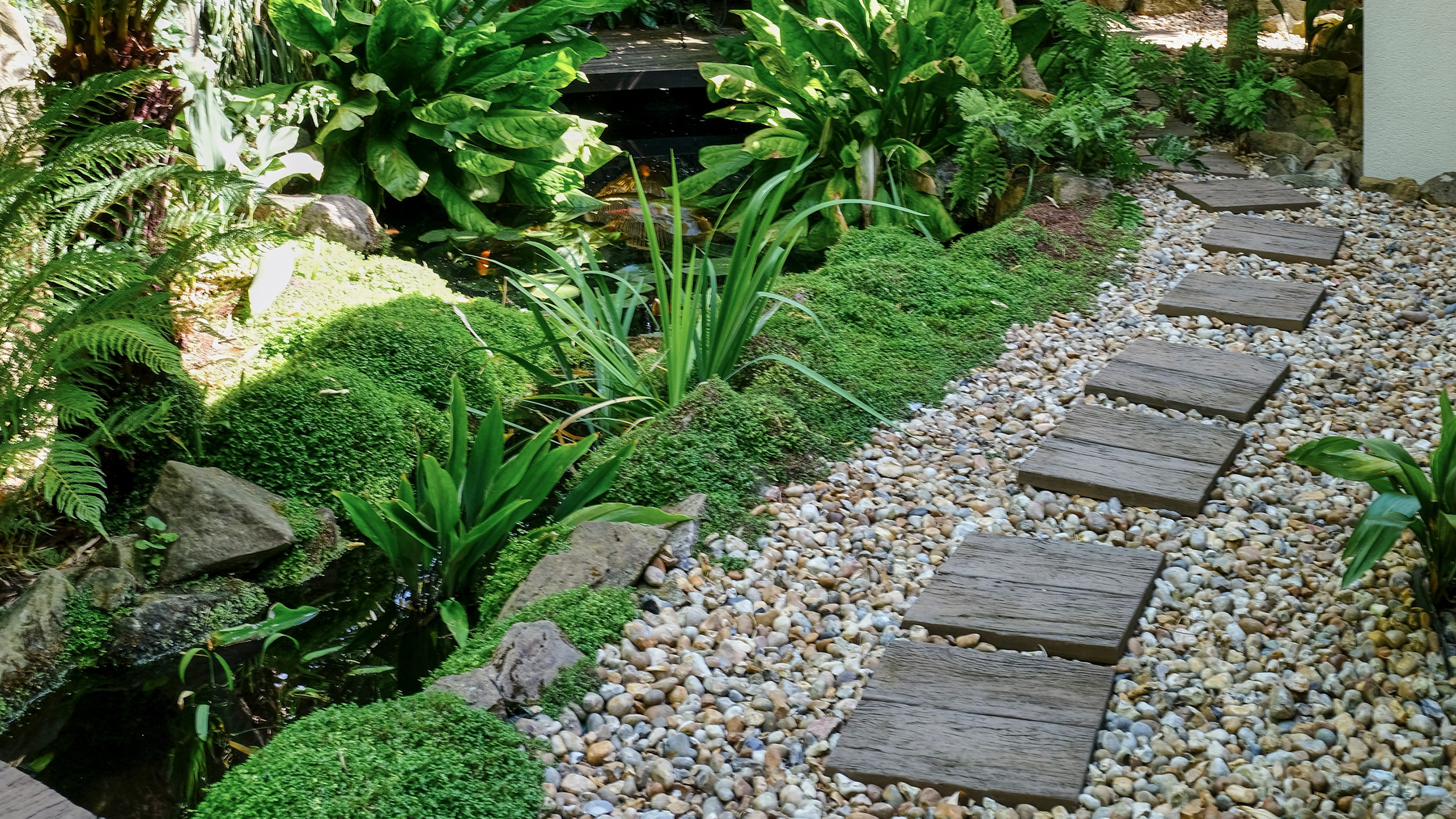
Front garden path ideas to up your kerb appeal
10 Retaining Wall Ideas That Add Style and Support to a Sloped Backyard

L-shaped garden ideas to help you create a visually pleasing space

How to lay a garden path

10 Small Front Yard Landscaping Ideas That Make a Big Impact, According to Designers
'It mimics nature's randomness' - this simple gardening trick is how landscape designers make a backyard look more put together
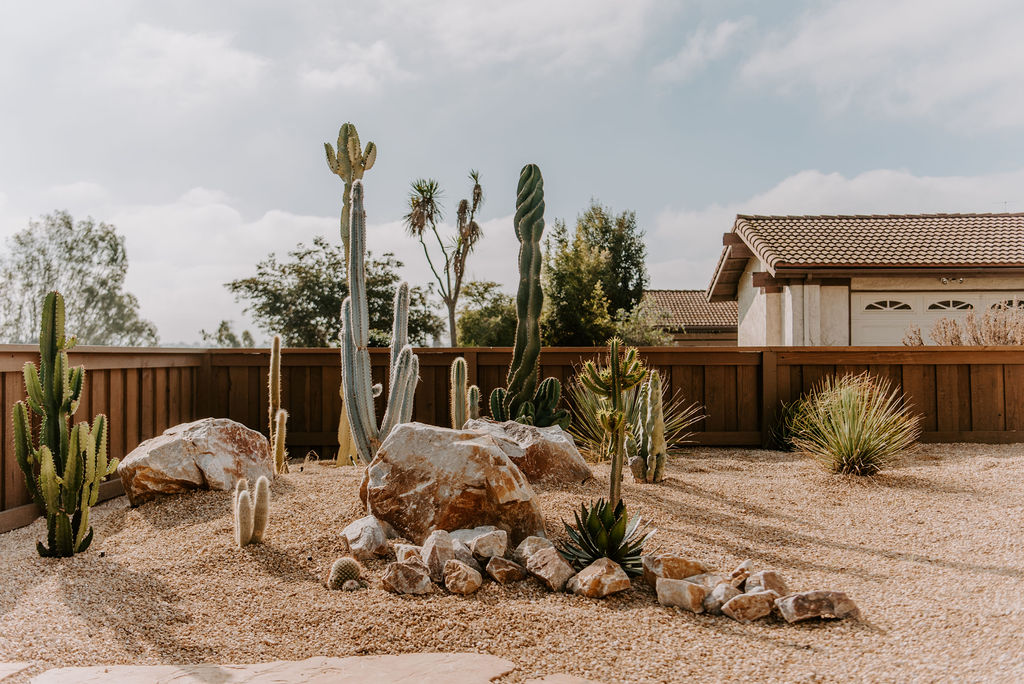
10 gravel landscaping ideas that have me convinced this is the lawn alternative to elevate modern backyards
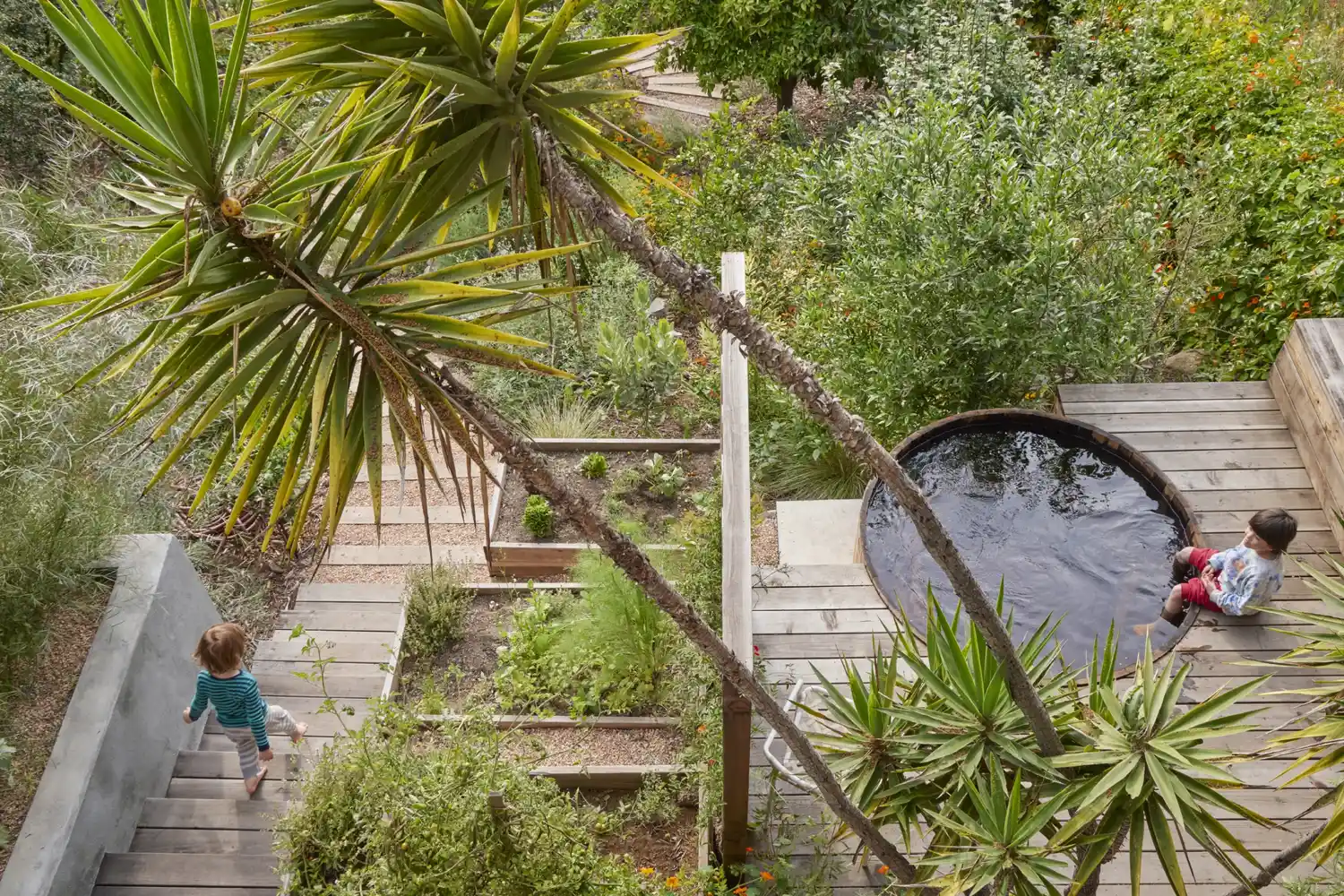
9 Down-Sloped Backyard Ideas That Turn a Tricky Space Into a Showpiece
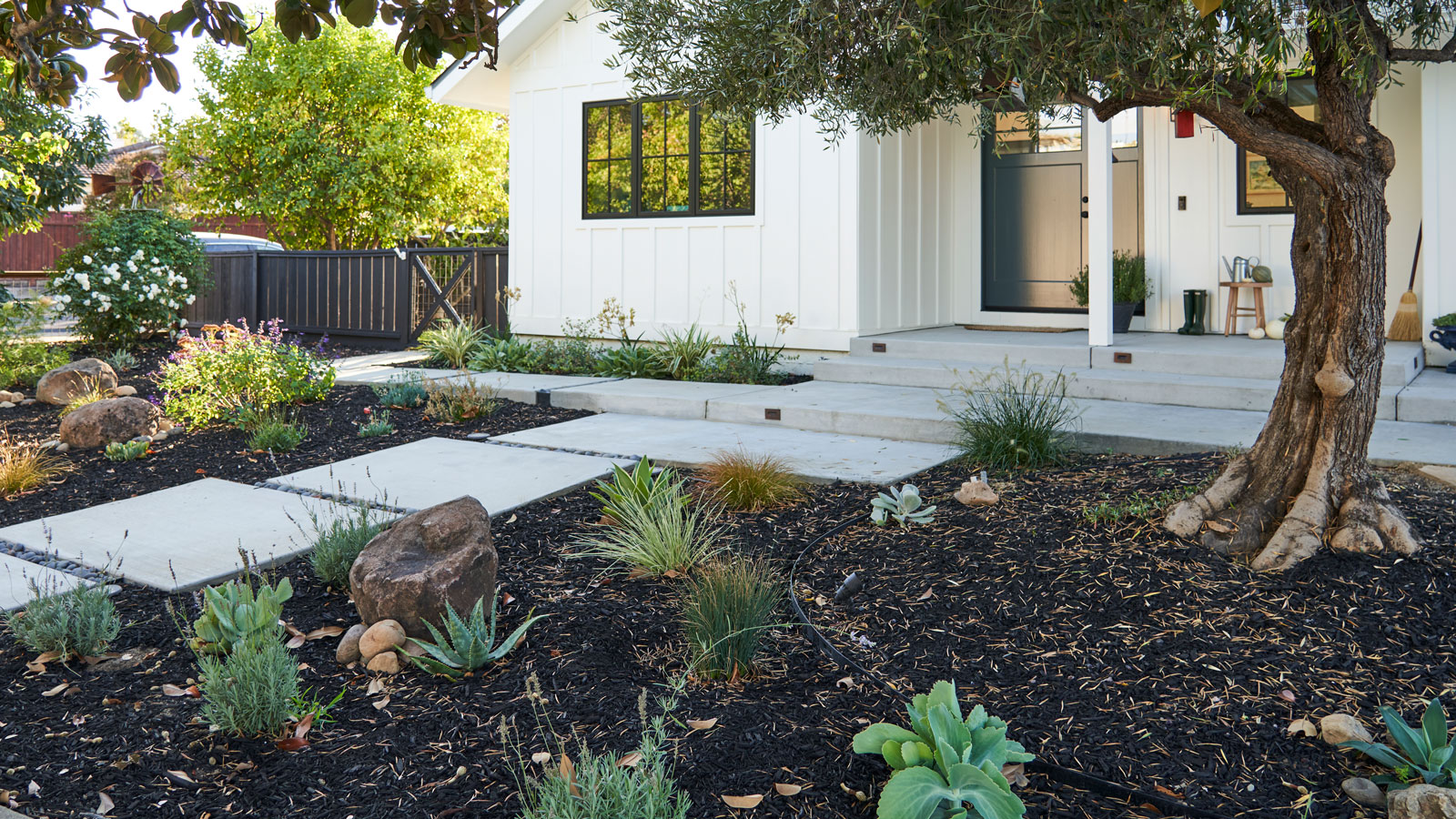
Front yard landscaping with rocks and mulch: 8 expert ideas
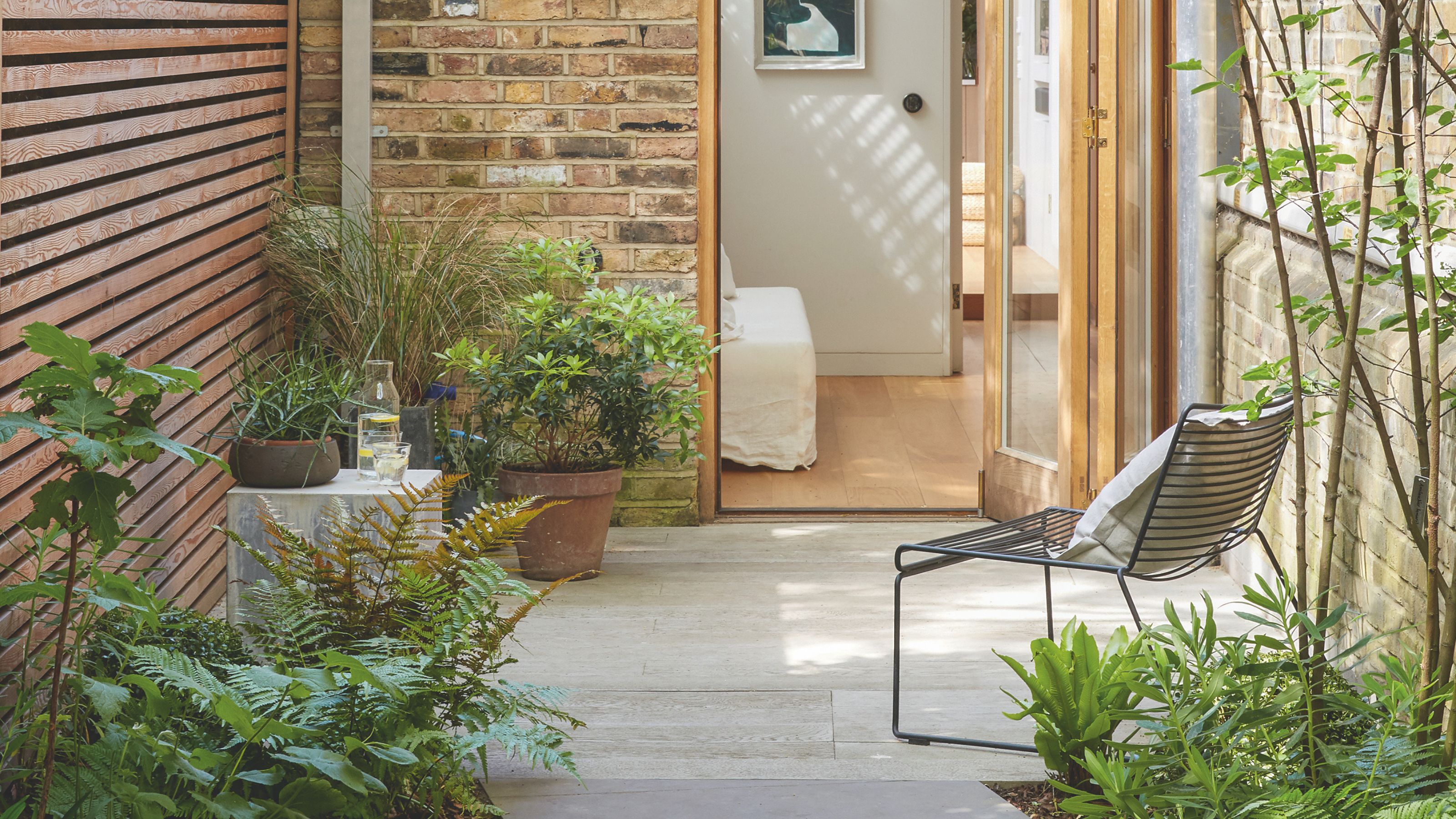
Side return garden ideas – 7 clever ways to transform this overlooked space
Don't Miss Out on Space—15 Sloped Backyard Ideas That Make the Most of Every Inch
This Is Your Sign to Rip out Your Concrete Backyard and Turn It into a Lush Retreat
10 easy DIY landscaping ideas to elevate your backyard

How to lay a patio

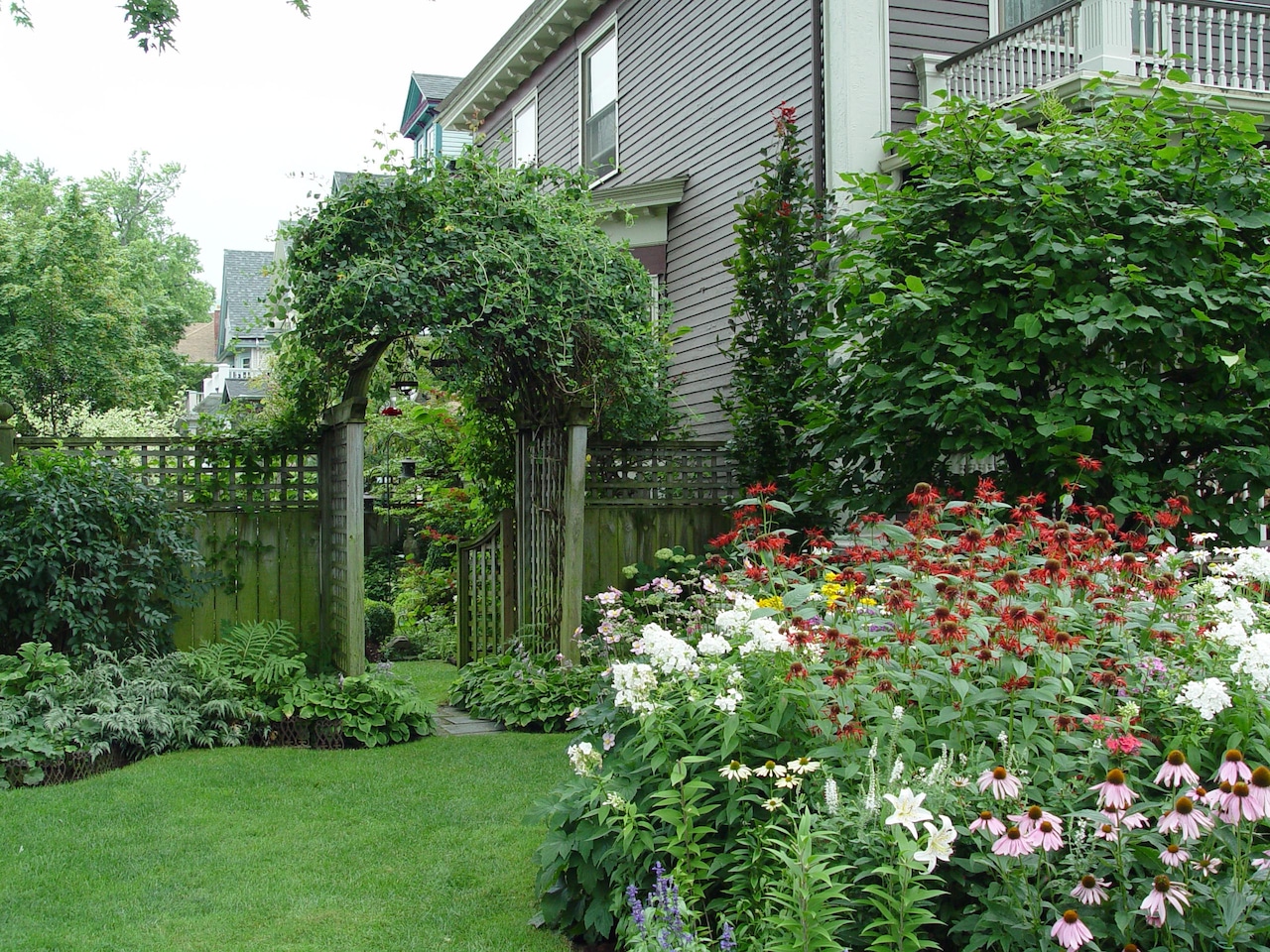
Great landscaping ideas for ‘regular people’ from a design expert
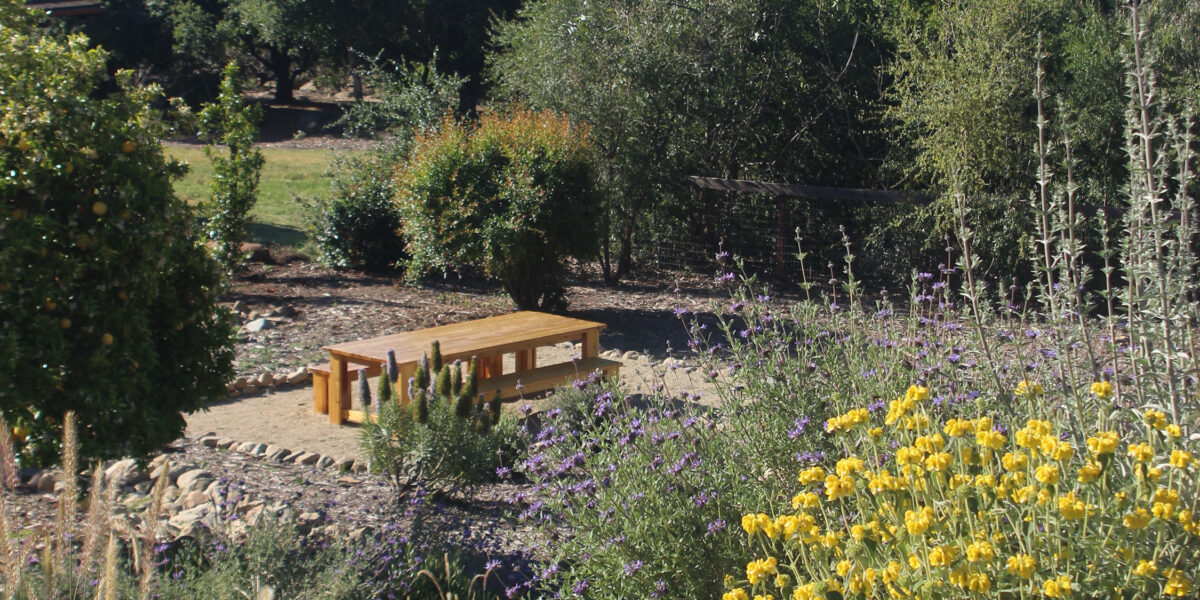
How to Design a Backyard That Feels 10 Degrees Cooler
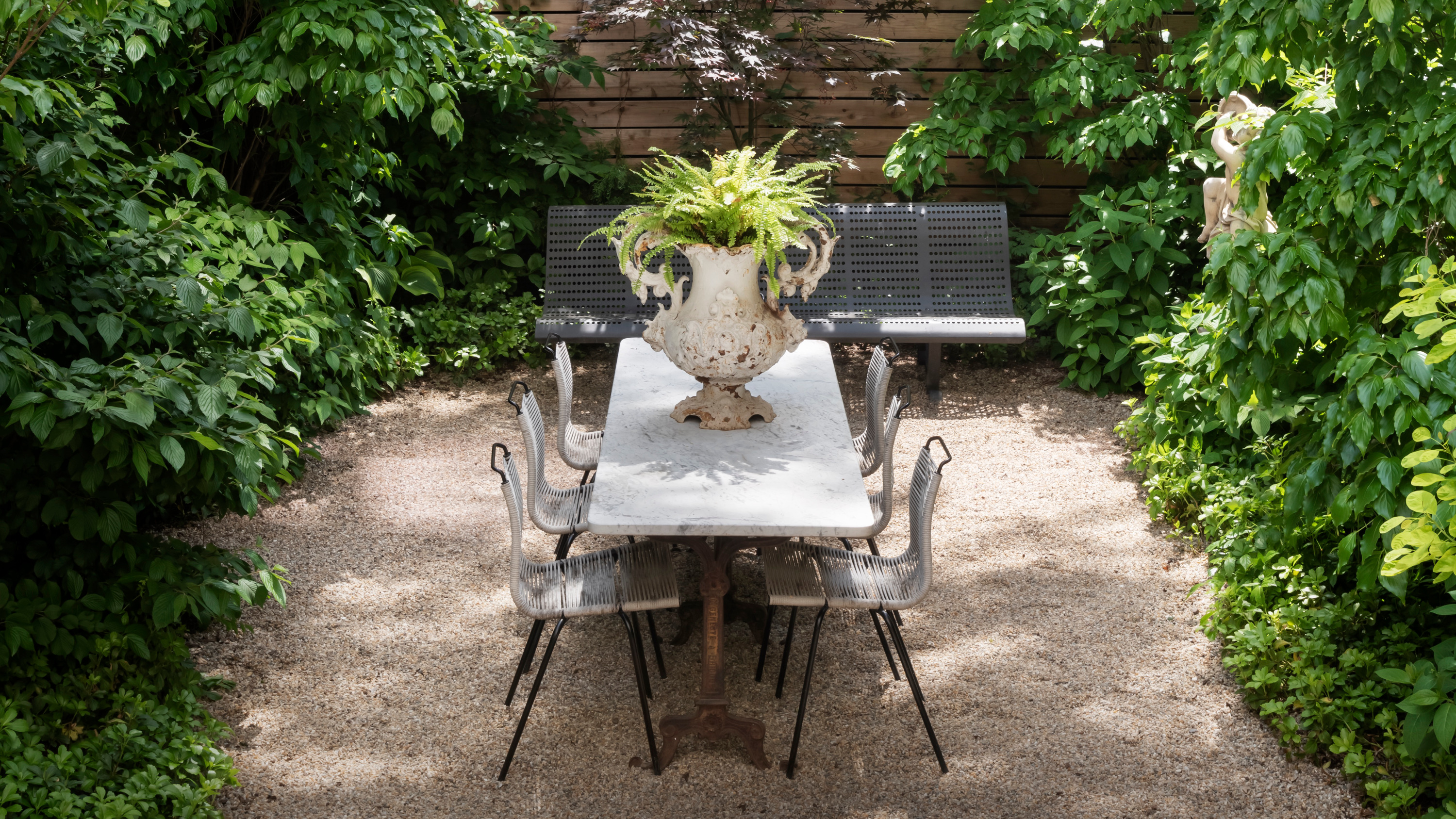
5 Outdated Backyard Designs That Landscape Designers Have Left Behind – And What They're Doing Now Instead
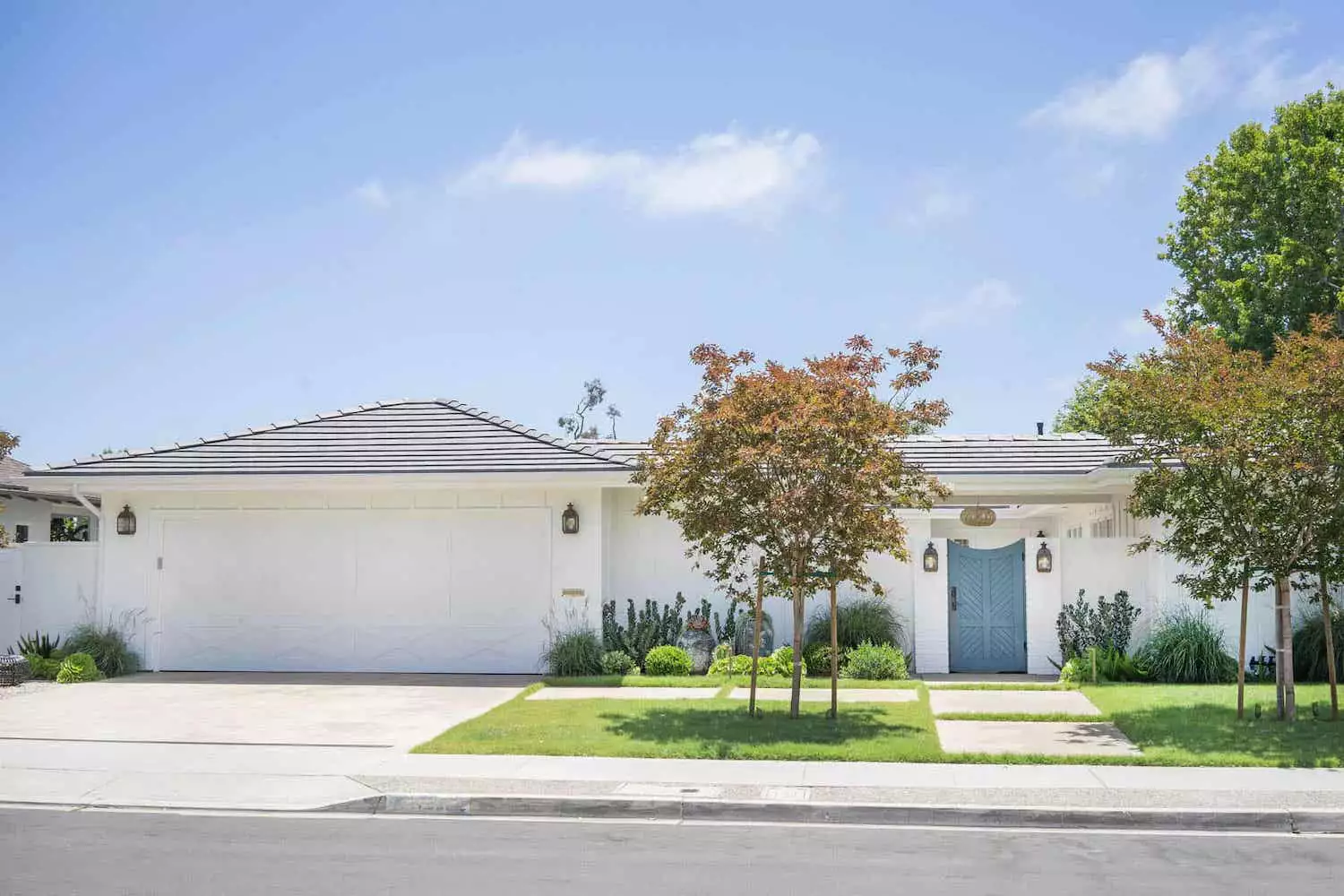
82 Landscape Ideas for the Front Yard For Instant Curb Appeal