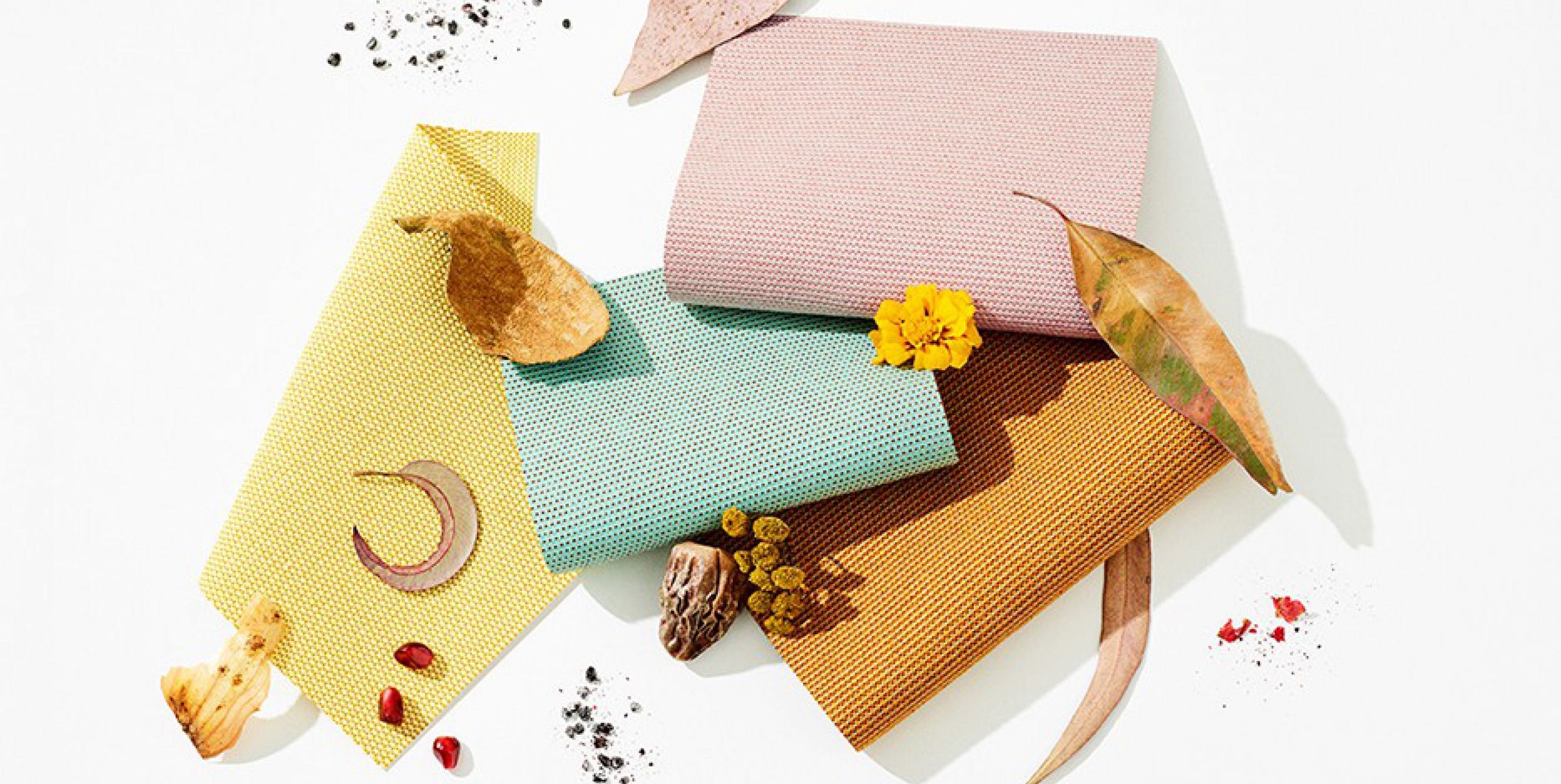
1/9
These Fabric Manufacturers Are Planning to Save the World
The article discusses the growing expectation among consumers for eco-conscious products across various industries, especially in light of the climate-change crisis. It highlights how the interior design sector, traditionally reliant on chemical treatments for functionality in textiles, is now witnessing a shift toward sustainability. Many fabrics used in home environments are often treated with environmentally unfriendly substances, but innovative brands are beginning to challenge these traditional practices.
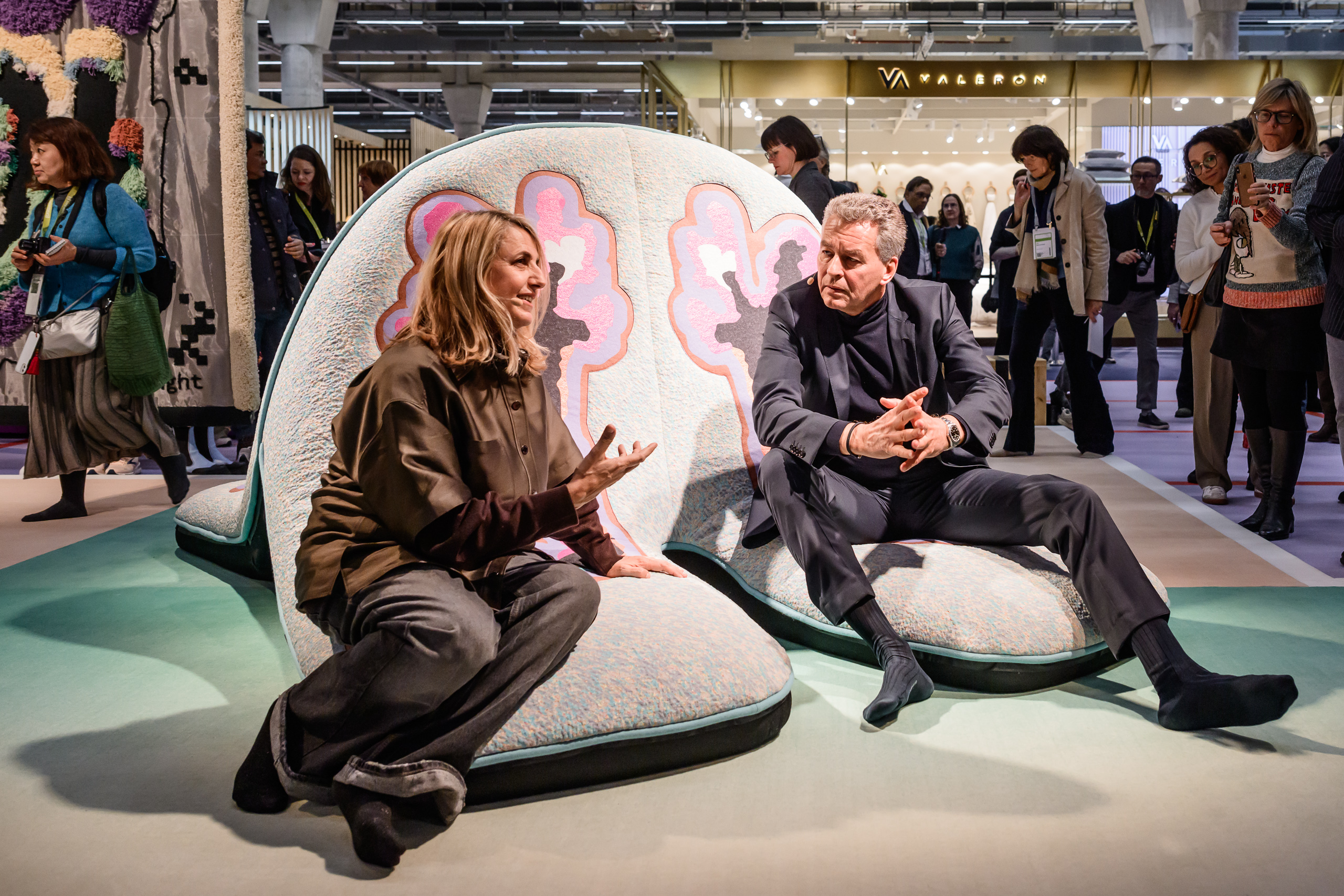
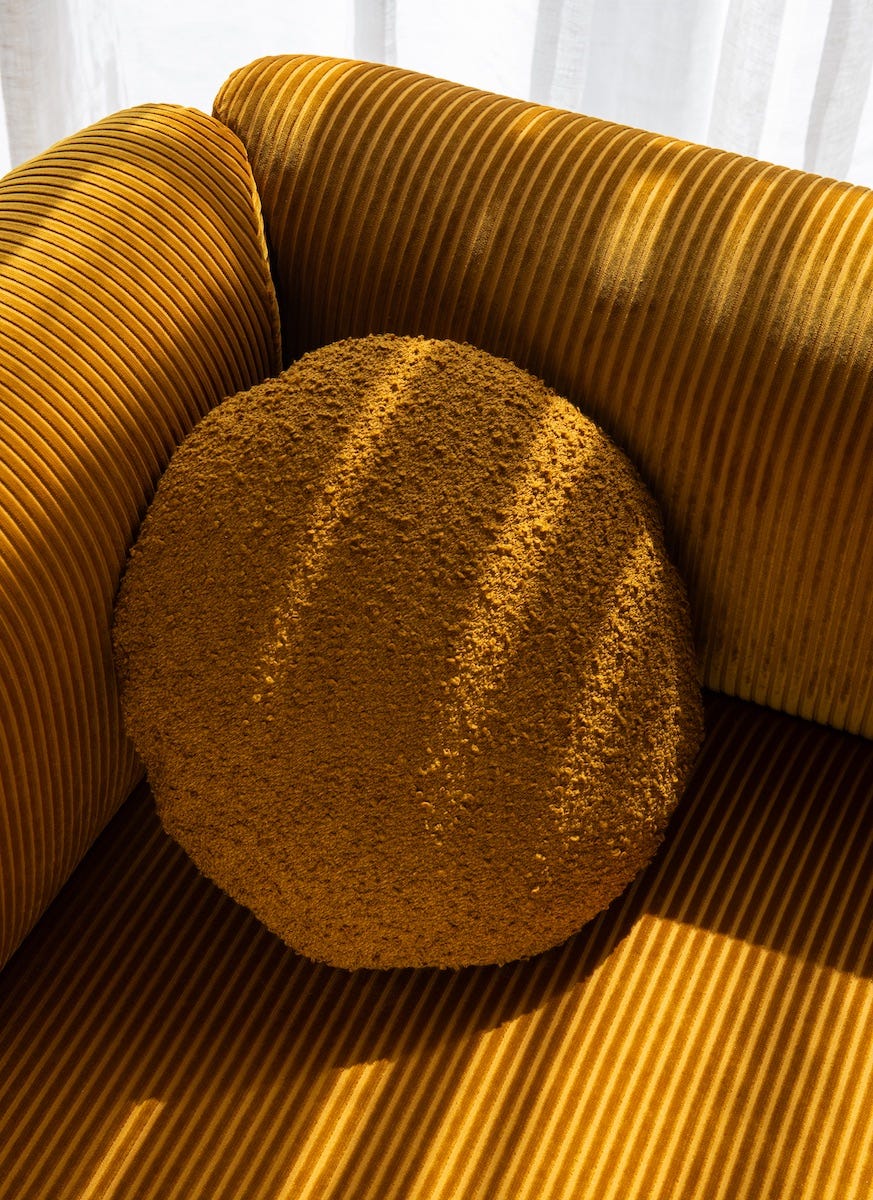
The piece showcases eight fabric manufacturers that are leading the way in sustainable textile production. Kvadrat's Re-Wool, for instance, incorporates 45 percent recycled wool, reducing environmental impact by minimizing transportation, farming, and dyeing costs and emissions. Knoll's Micro panel textile is made entirely from recycled materials, contributing to a significant reduction in the company's landfill waste and greenhouse gas emissions. Maharam offers bio-based, recycled content, and Greenguard-certified textiles, demonstrating that sustainable options can also be bold and colorful, as seen in their 'A Band Apart' collection.
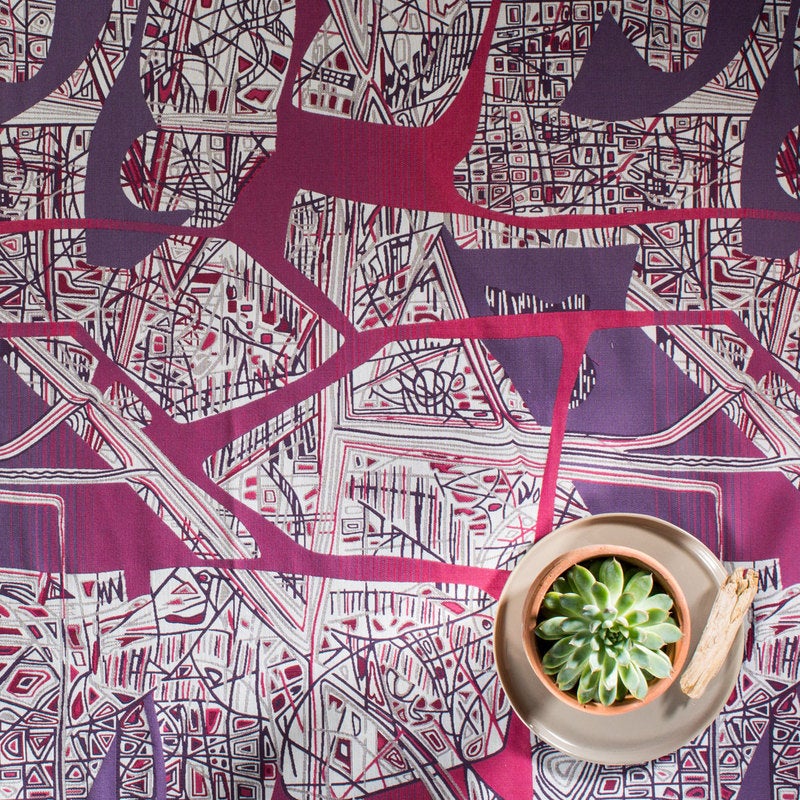
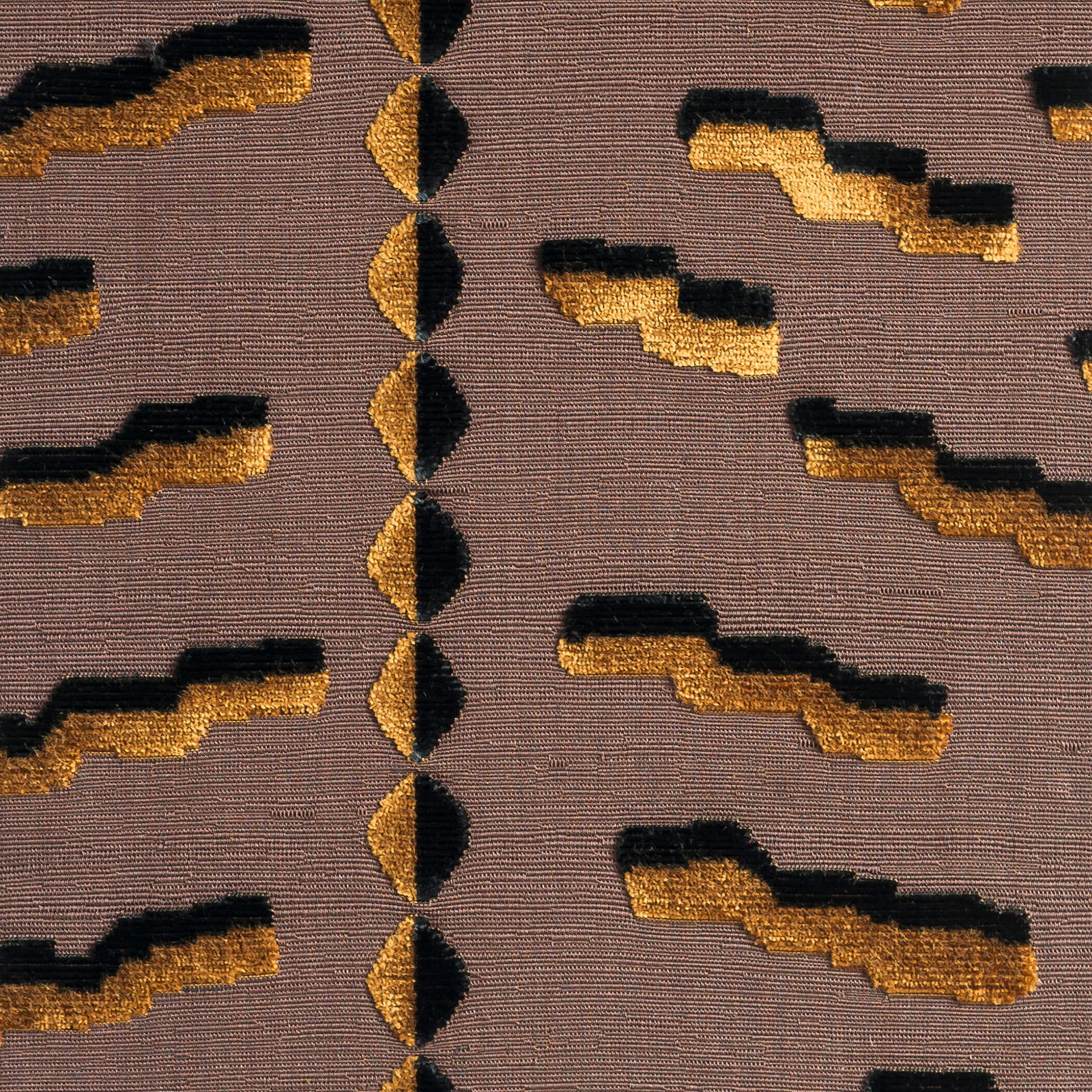
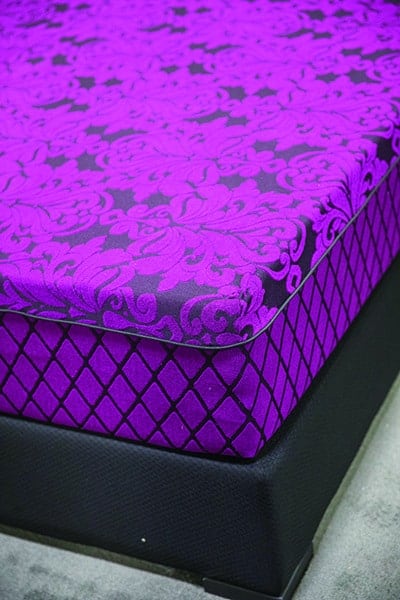
Carnegie's Xorel Kaleidoscope is a high-performance textile derived from sugarcane, offering a fossil-fuel-free alternative for various interior applications without compromising quality or environmental integrity. Kvadrat's Patio provides a sustainable solution for outdoor fabrics, which typically require chemical treatments, by using a water-repellent coating based on fat-modified compounds, thus maintaining functionality while being eco-friendly. Pollack Fabrics introduces 'Snake Charmer,' a 100 percent recycled fabric with a unique jacquard pattern created using varying weights of polyester yarn.
HBF Textiles' Crafted Cloud exemplifies sustainability through the use of natural, rapidly renewable resources like wool, simplifying the approach to eco-conscious material selection. Lastly, Sunbrella's Renaissance line addresses textile waste by giving new life to leftover fibers and yarn cutoffs from the manufacturing process, creating a new fiber composed of at least 50 percent recycled material combined with new materials to meet performance standards. These examples illustrate a broader trend in the interior design industry towards reducing carbon footprints and adopting more responsible manufacturing practices.
#SustainableFabrics #EcoFriendlyDesign #InteriorTextiles #RecycledMaterials #GreenDesign #TextileInnovation #HomeDecor #EnvironmentalImpact #SustainableManufacturing #SustainableFabrics #EcoFriendlyDesign #InteriorTextiles #RecycledMaterials #GreenDesign #TextileInnovation #HomeDecor #EnvironmentalImpact #SustainableManufacturing
0 comment in total
 No comments yet
You may also like
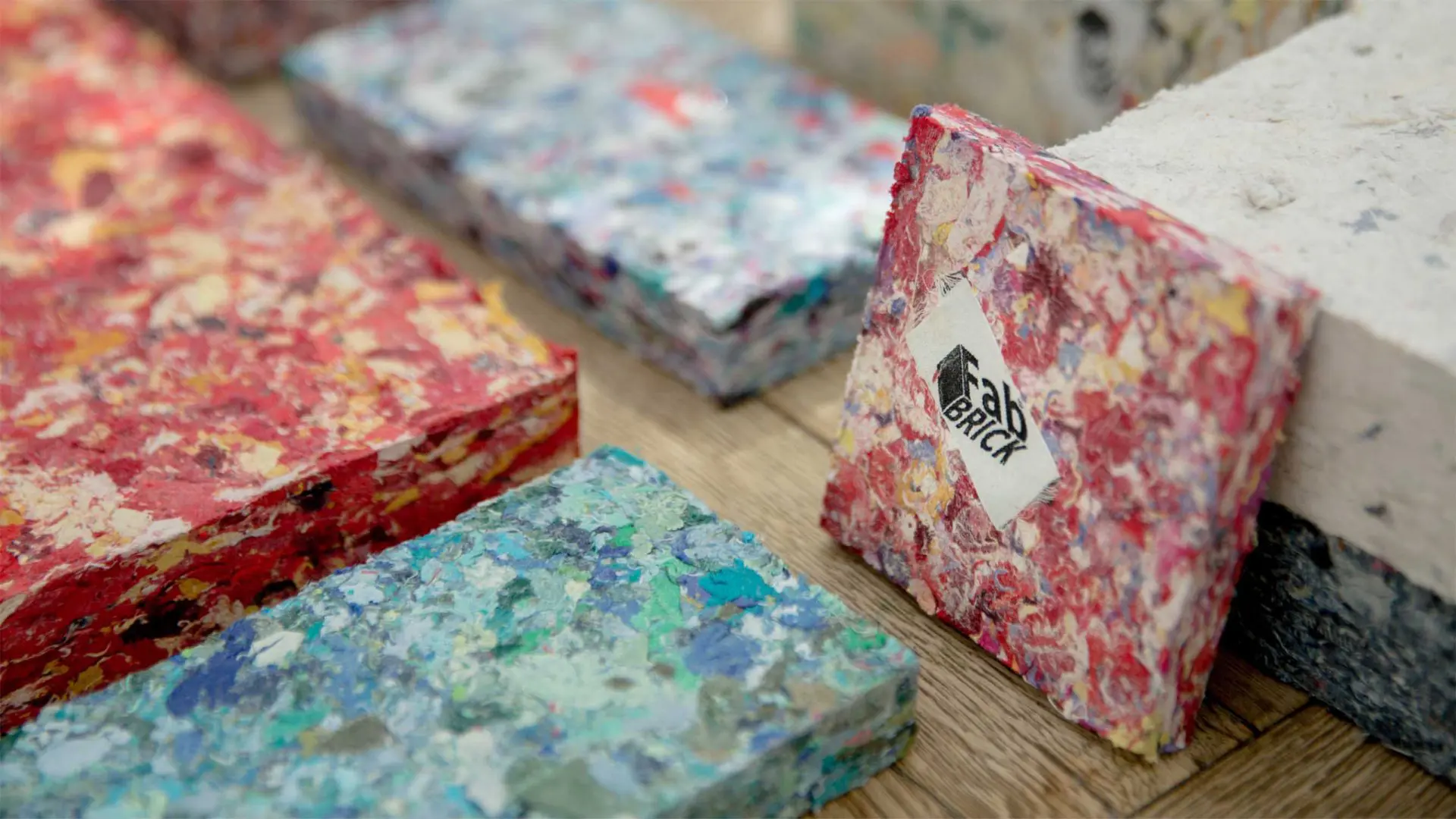
FabBRICK reinvents construction materials with recycled textile waste

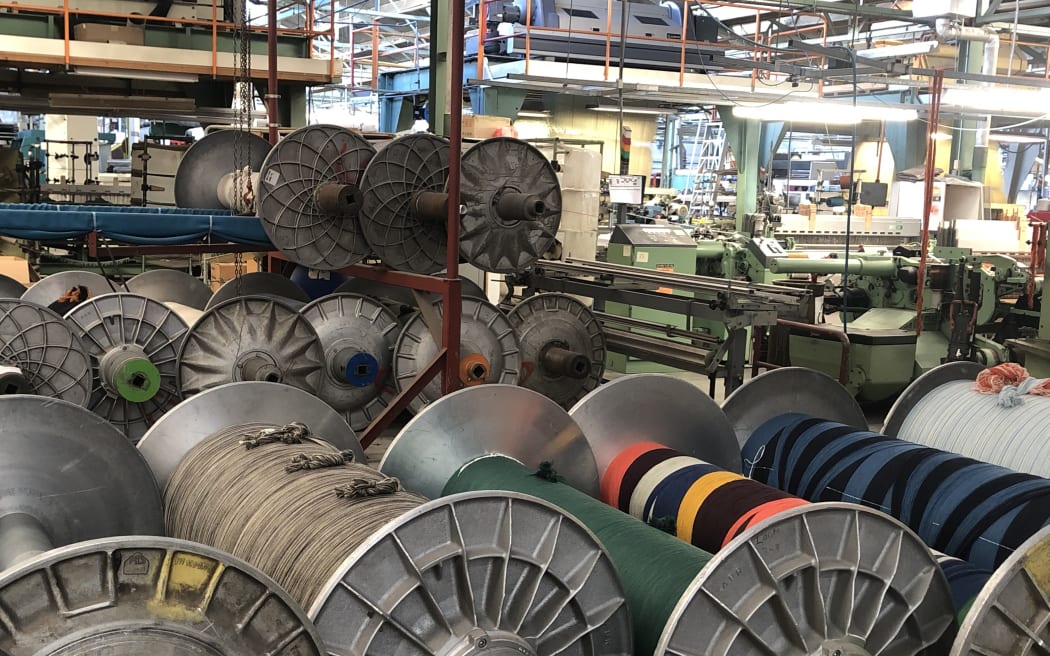
The last NZ company weaving our wool

10 reasons to make natural-fiber textiles your go-to fabrics

Q&A with eco-dyed textile designer Joanne O'Rourke

15 highlights from Heimtextil: spot the textile trends for 2025

Ticking Trends: What’s New, Now, Next

Could ‘seawool’ – a textile made from mussel waste – be part of the future of sustainable design?
BekaertDeslee Showroom Innovation Textiles: A Look into Design, Sustainability & More
New Upholstery Fabrics as an Expression of Environmental Responsibility and Creativity
RISD profs' tool allows anyone to create custom woven fabrics online

Fluff Stuff

All Sewn Up: Cut-And-Sewn Covers' Growth Zips Along

Reliance to enhance fire retardant and sustainable properties of Recron® FS using Nofia® Technology

Making the rounds
Meet the designers using revolutionary eco materials

Artist Uses Recycled Textile Waste to Handcraft Ocean-Inspired Rugs and Tapestries

Camira + SEAQUAL Turn Ocean Plastic into Upholstery Fabric
The Best Online Fabric Stores Today
32 Spectacular Fabrics and Trims Coming to Market This Year


David Heiman | Sales Director | Agora