6 Porch Design 'Upgrades' That Will Lower Your Home's Value—and What to Do Instead
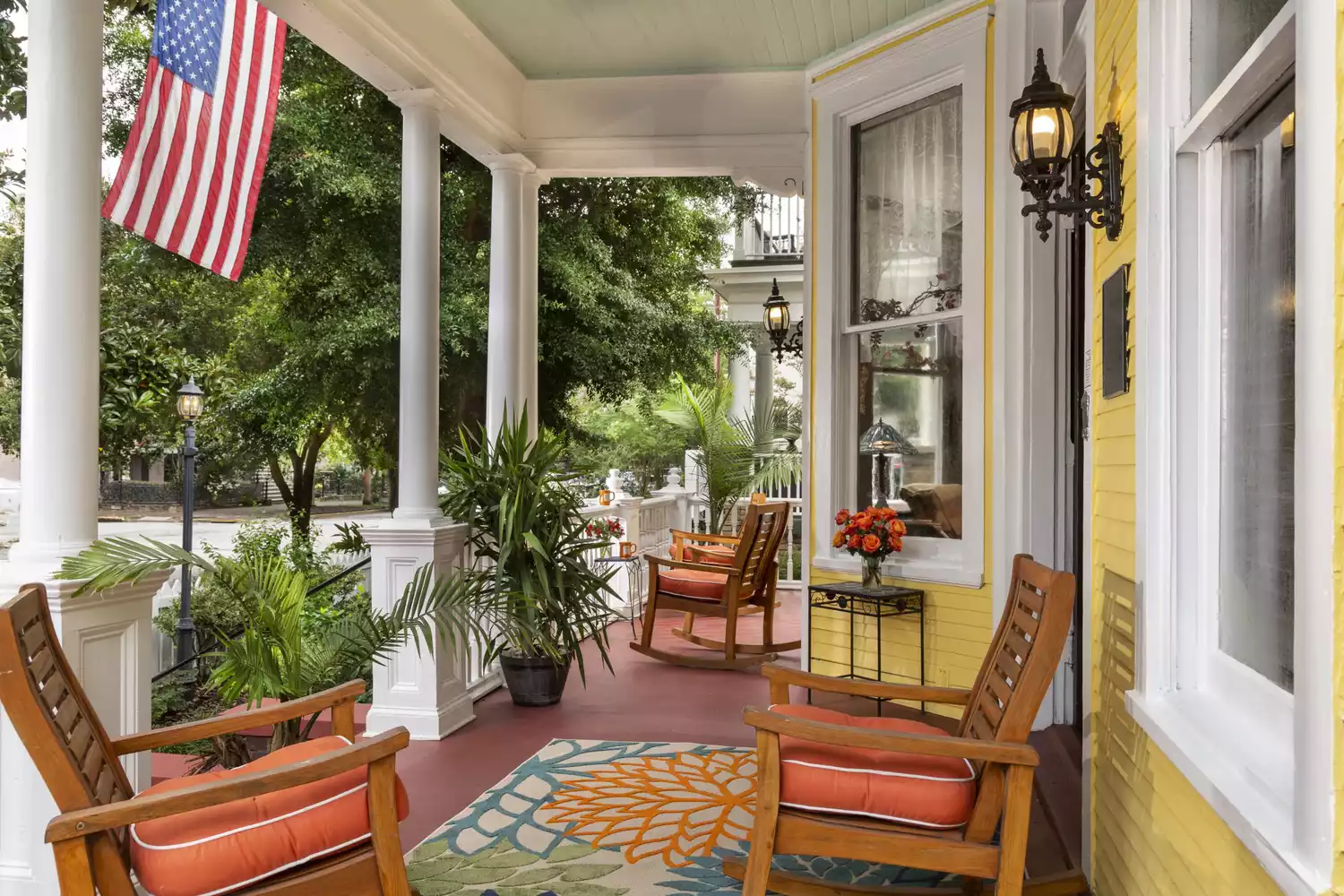
A front porch serves as a critical component of a home's curb appeal, often creating the first impression for visitors and potential buyers. While homeowners might intend to enhance their property's value through porch renovations, certain design choices can inadvertently diminish it. This article highlights six common porch 'upgrades' that experts advise against, along with alternative approaches to maintain or increase home value.
One significant mistake is enclosing a front porch to gain interior square footage. Interior designer Mikel Welch notes that this practice sacrifices the open, welcoming character of the home, while Kerry O'Duibhir of New Wave Design & Contracting points out that it often removes the charm and social function, especially in historic properties. The recommendation is to preserve the porch's open and airy nature to ensure a spacious and inviting feel.
Another pitfall involves using bright, bold colors. While personal preferences vary, vibrant hues like neon brights or overly saturated blues and greens can distract from the home's overall design and appear jarring. These colors might lead potential buyers to assume questionable taste or deferred maintenance inside the home. Instead, experts like Brittny Button suggest opting for a soft, muted palette, including neutral tones, alabaster shades, creams, soft blues, and greens, which offer a timeless quality often seen in historic European architecture.
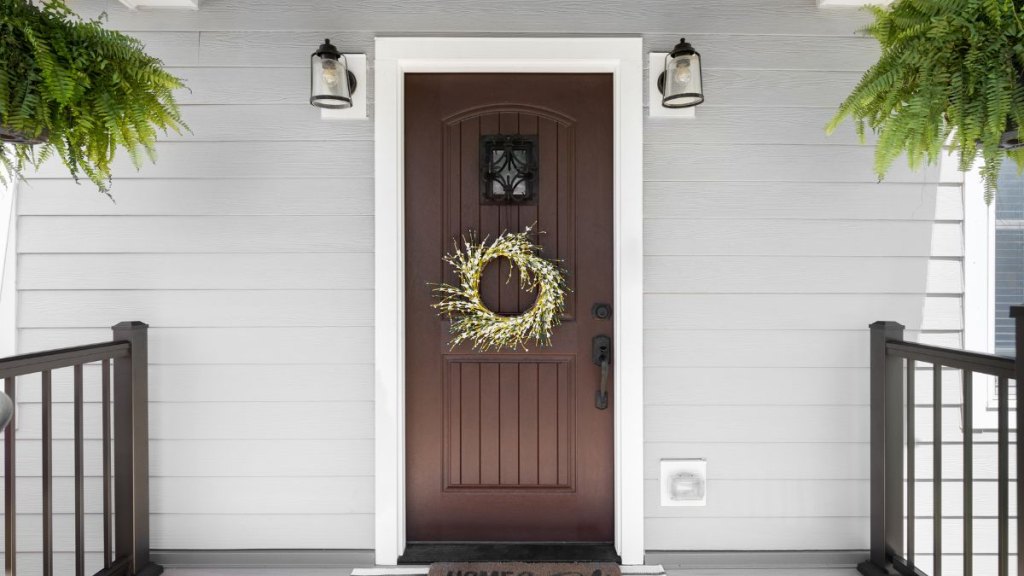
Incorrectly scaled lighting can also negatively impact home value. Lighting should not be an afterthought, as ill-proportioned fixtures, whether too small or too large, can cheapen the home's facade. It is crucial to select lighting that harmonizes with the architectural style of the home; for instance, swapping classic sconces for industrial floodlights can make a porch feel harsh. Prioritizing appropriate scale and style prevents a decrease in property value.
Themed décor, while appealing to some, can easily cross the line from curated to tacky. An excess of seasonal decorations, specific novelty items like tiki torches or farmhouse signs, and fake ivy walls can clutter the space. Brittny Button specifically advises against written words displayed on boards at the front of a home, deeming them outright tacky. The general principle is that less is more; one or two carefully chosen decorative elements are acceptable, but an abundance can overwhelm the porch and reduce its appeal.
Distracting landscape elements also play a role in curb appeal. Overly large hedges or dense walls of potted plants that obstruct the view of the porch from the street defeat its purpose. For those desiring greenery, hanging one or two plants can add lushness without obscuring the porch. This approach ensures that the porch remains visible and integrated with its surroundings.
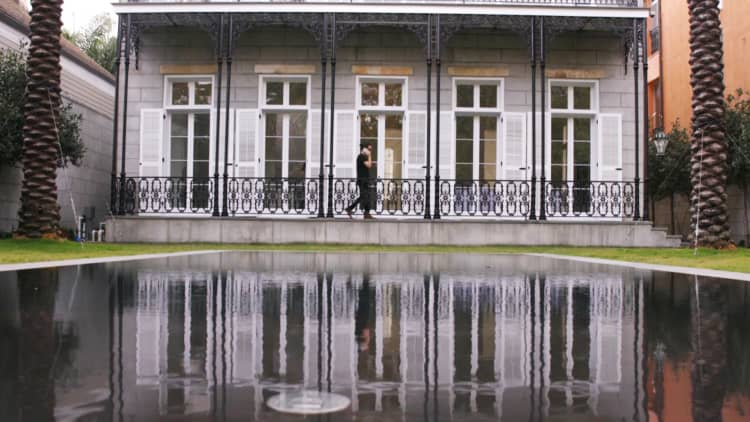
Finally, decorative columns, if not thoughtfully designed, can detract from a home's value. Oversized or excessively ornate columns can appear out of place, especially on smaller homes, and compete with the existing architecture rather than complementing it. A minimalist approach is recommended for these architectural features, ensuring they enhance rather than overwhelm the porch's aesthetic.
#PorchDesign #HomeValue #CurbAppeal #HomeRenovation #InteriorDesign #ArchitecturalElements #Landscaping #ExteriorLighting #ColorPalette #PorchDesign #HomeValue #CurbAppeal #HomeRenovation #InteriorDesign #ArchitecturalElements #Landscaping #ExteriorLighting #ColorPalette
0 comment in total
 No comments yet
You may also like
Experts warn these 7 DIY home improvements will devalue it – plus what to do instead

These Easy Home Updates Could Add $6,000+ to Your Selling Price

6 Pricey Kitchen Upgrades That Aren't Worth It

This Design Mistake Could Lower The Resale Value Of Your Home

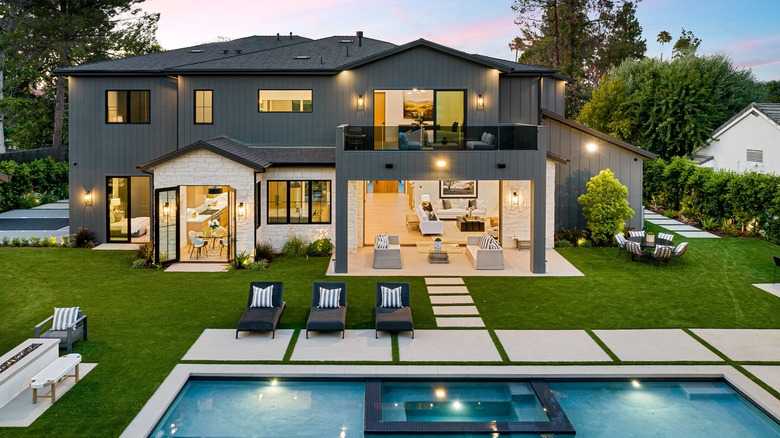
Backyard Design Choices That Are Making It Harder For You To Sell Your House
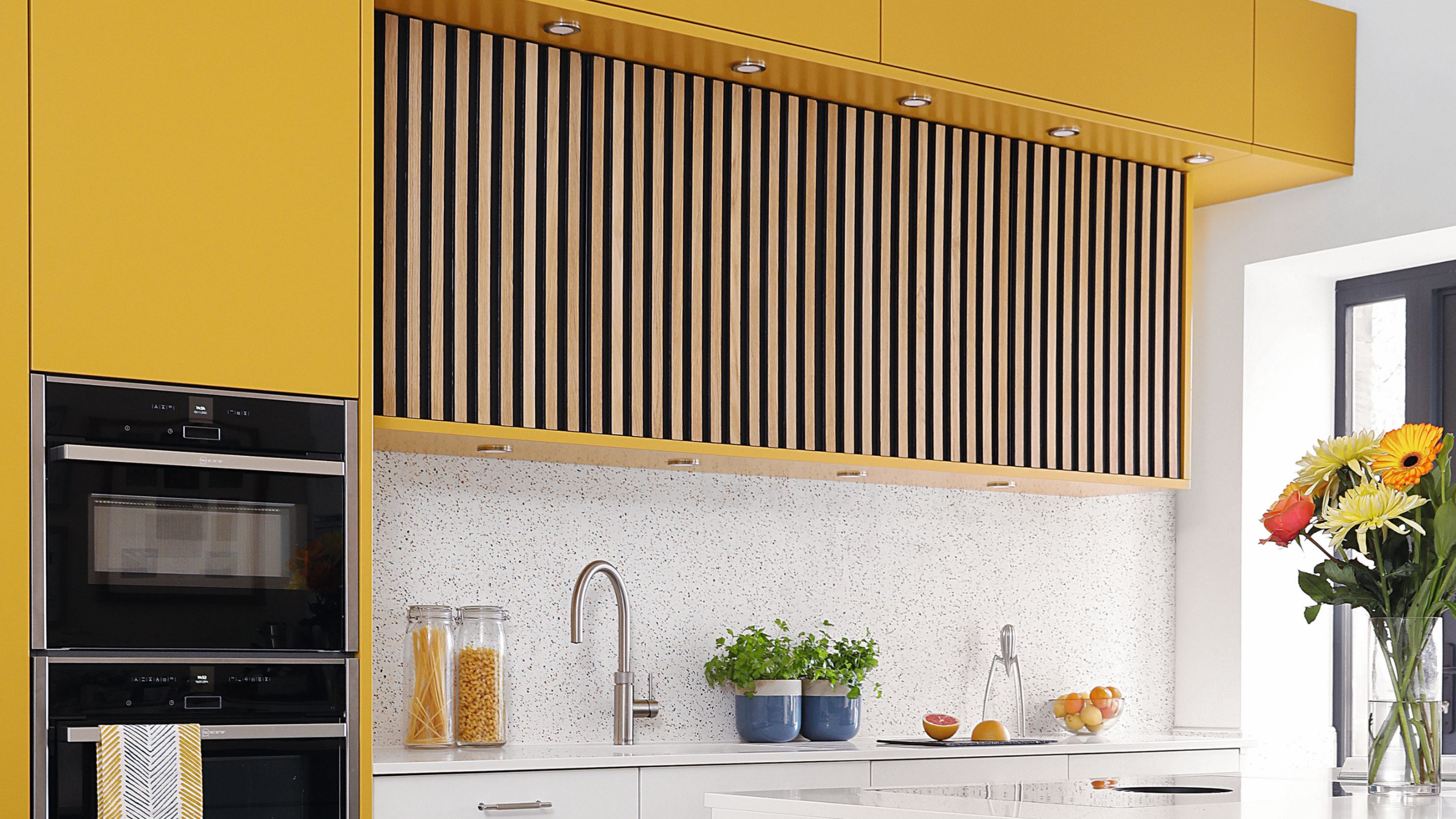
'Potential buyers may see it as a DIY job gone wrong' – this popular interior trend may be devaluing your home
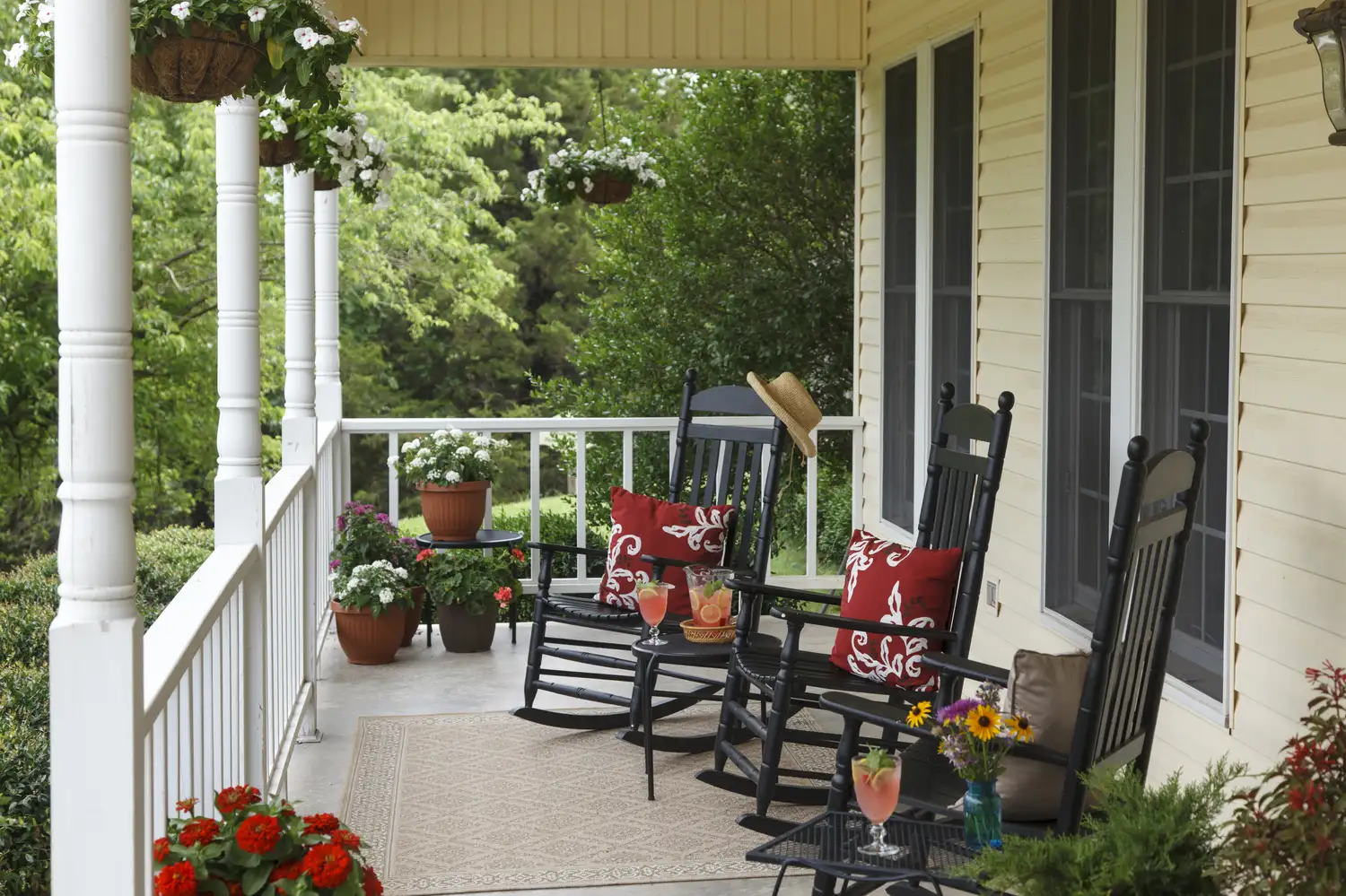
6 Things That Make Your Front Porch Look Tacky, According to Designers
Contractors Swear By These Weird Things That Make Your Home Look Way More Expensive

Upgrading THIS Simple Feature Makes Your Home Look More Expensive, According to Designers

7 Porch Design Mistakes That Are Ruining Your Curb Appeal
This SURPRISING Feature May Make Your Home Harder to Sell, According to Designers
5 Kitchen Upgrades to SKIP if You're Trying to Sell Your Home, Warn Designers

5 Backyard Design 'Upgrades' That Lower Your Home’s Value—and What to do Instead
Money-wasting home improvements to avoid
This One Outdoor Upgrade Can DRAMATICALLY Boost Your Resale Value

3 affordable features that can increase the value of your home


10 retro design trends that could be devaluing your property by thousands
Designers say this 1 unassuming and affordable feature will make your home look more expensive
6 things you should look past when viewing a property, according to real estate experts and interior designers
7 "Stylish" Decor Trends That Are Secretly Hurting Your Home’s Value, Real Estate Pros Say