1/28
Making it Pop: 24 Residential Interiors that Embrace Color Blocking
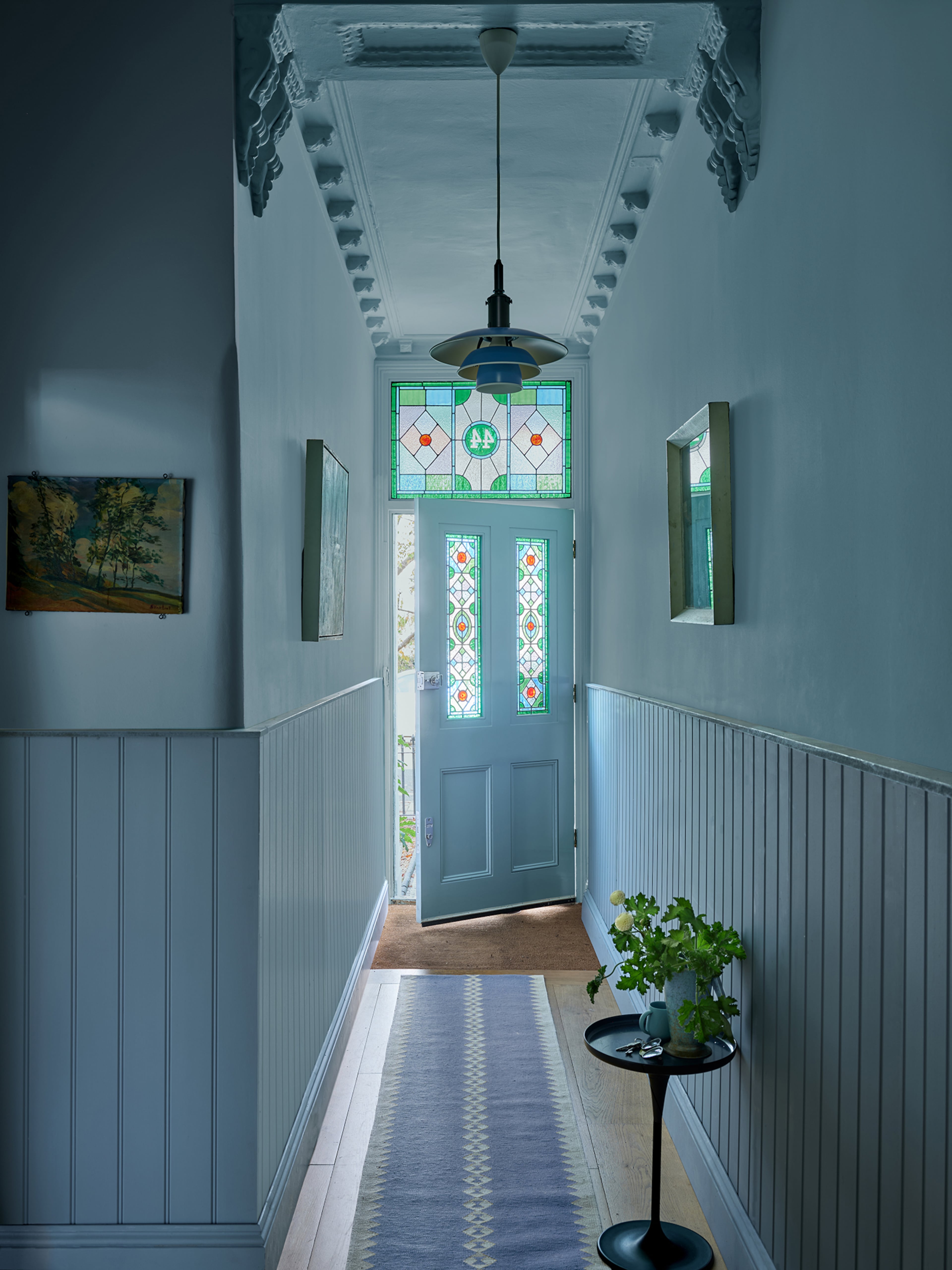
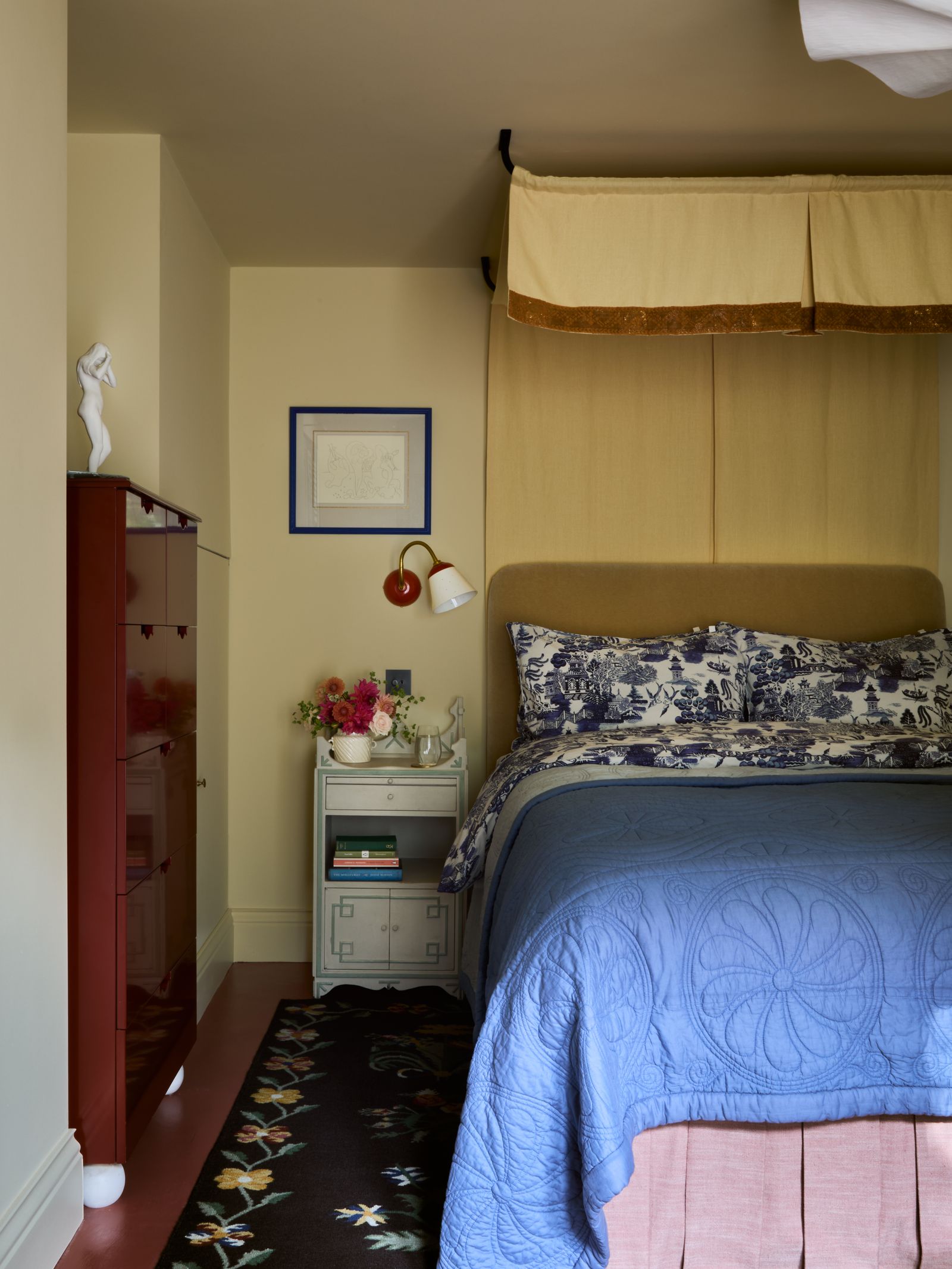
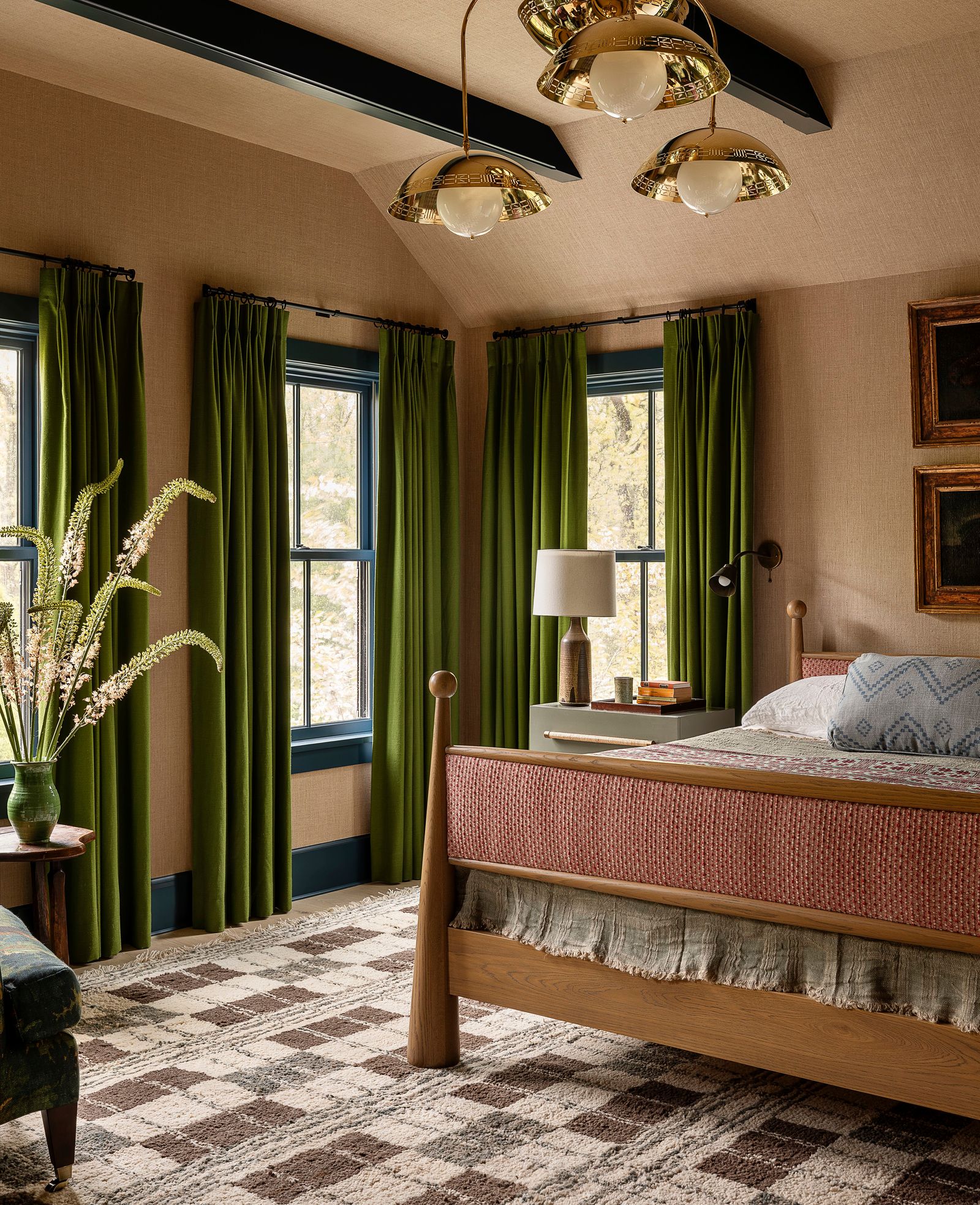
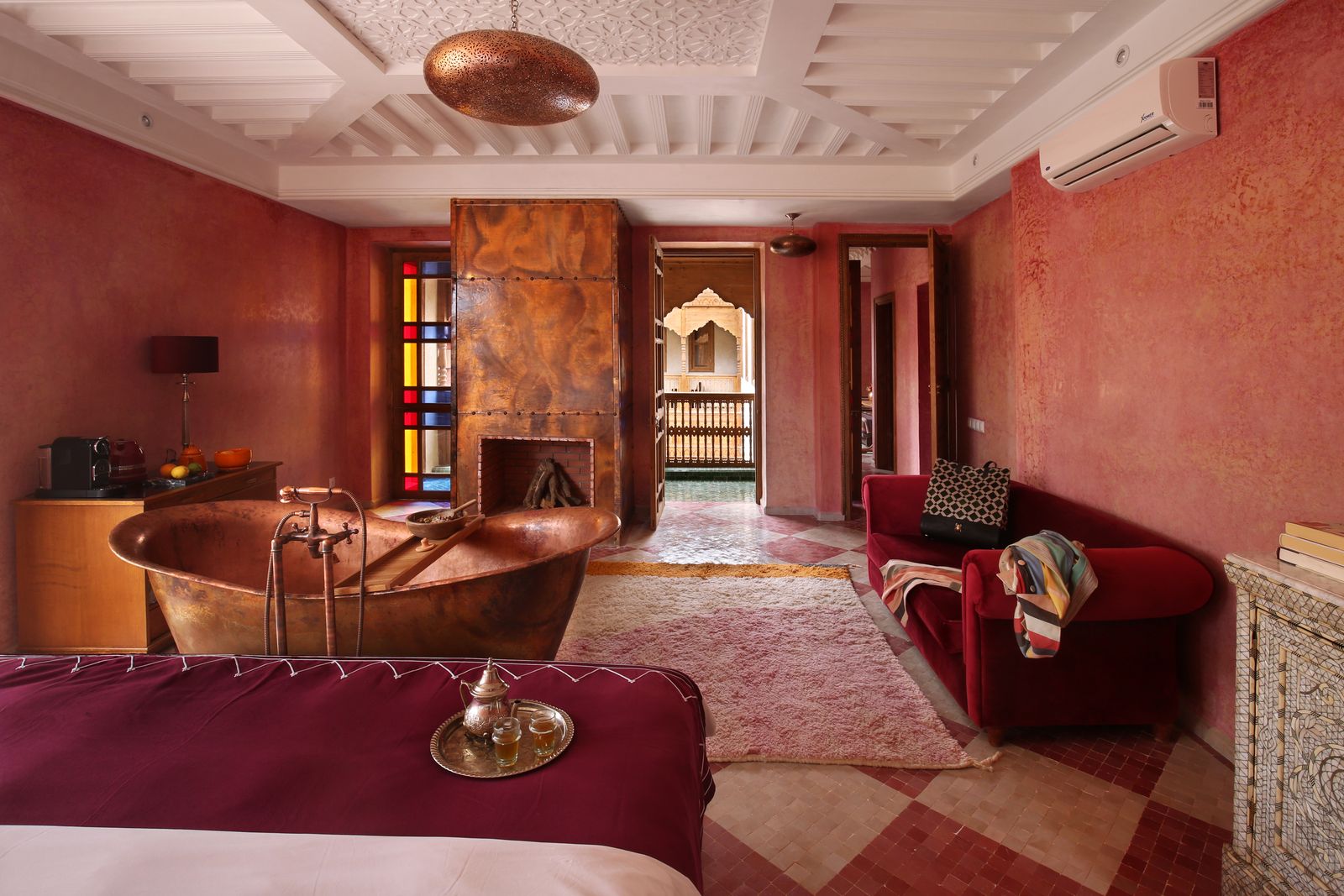
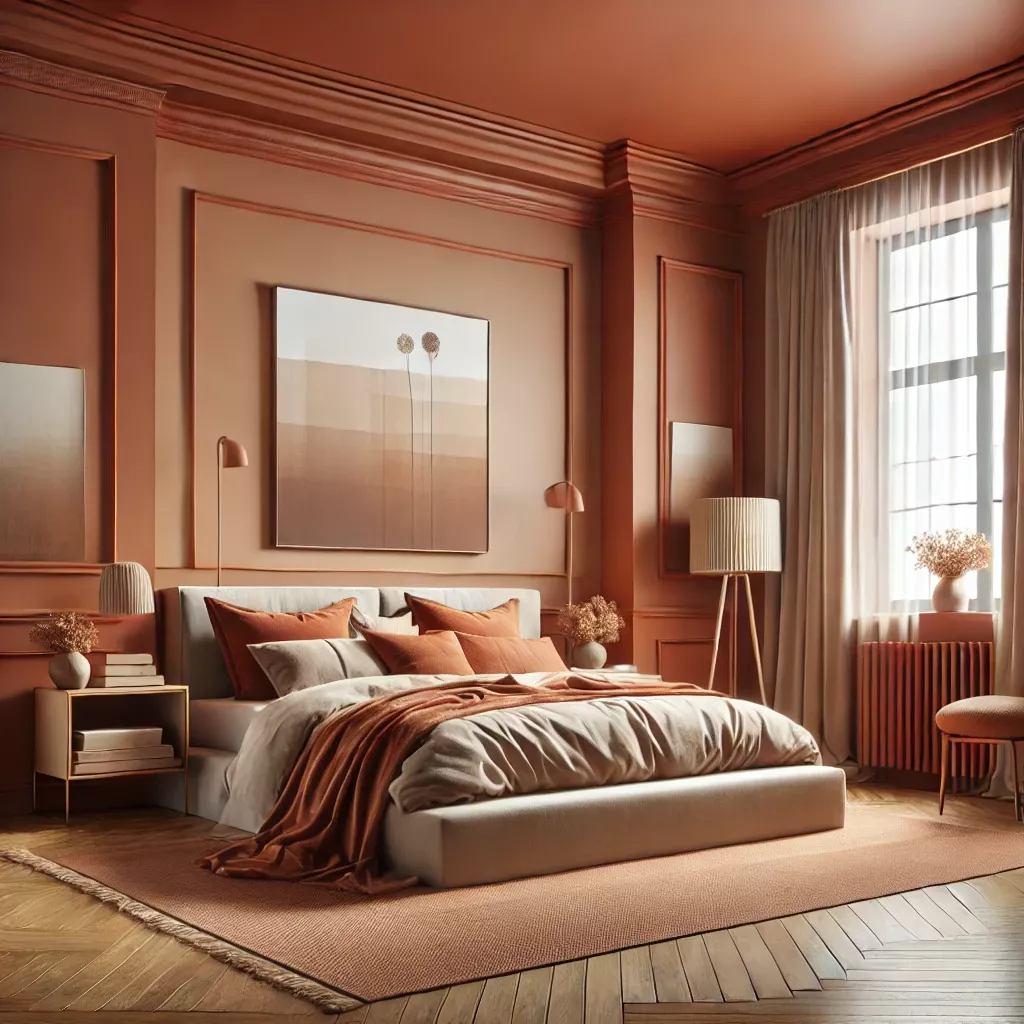
The perception and impact of color are fundamental throughout human life, influencing feelings and contributing significantly to design. Even newborns, contrary to older beliefs, can distinguish between different shades, and vibrant visuals evoke strong responses. Architects and designers strategically utilize color in interior spaces to achieve various objectives, such as highlighting architectural features, establishing specific moods, delineating areas within open-concept layouts, and adding finishing touches that brighten a room. Among these applications, the technique of color blocking—the combination of multiple bold shades—stands out as a powerful tool when executed effectively.
The history of color in design dates back to Isaac Newton's arrangement of the visible spectrum on a color wheel, a foundational concept for understanding color relationships. In visual arts, painter Piet Mondrian was a pioneer of color blocking, famously limiting his palette to primary colors, which subsequently spurred the technique's popularity in design and fashion from the 1960s onward. Le Corbusier, an influential Swiss architect, also recognized color's crucial role in orchestrating spatial effects, a principle evident in his Pavillon 'Gesamtkunstwerk'. This historical context underscores the enduring significance of color theory and its practical application in creating visually engaging and functionally distinct environments.
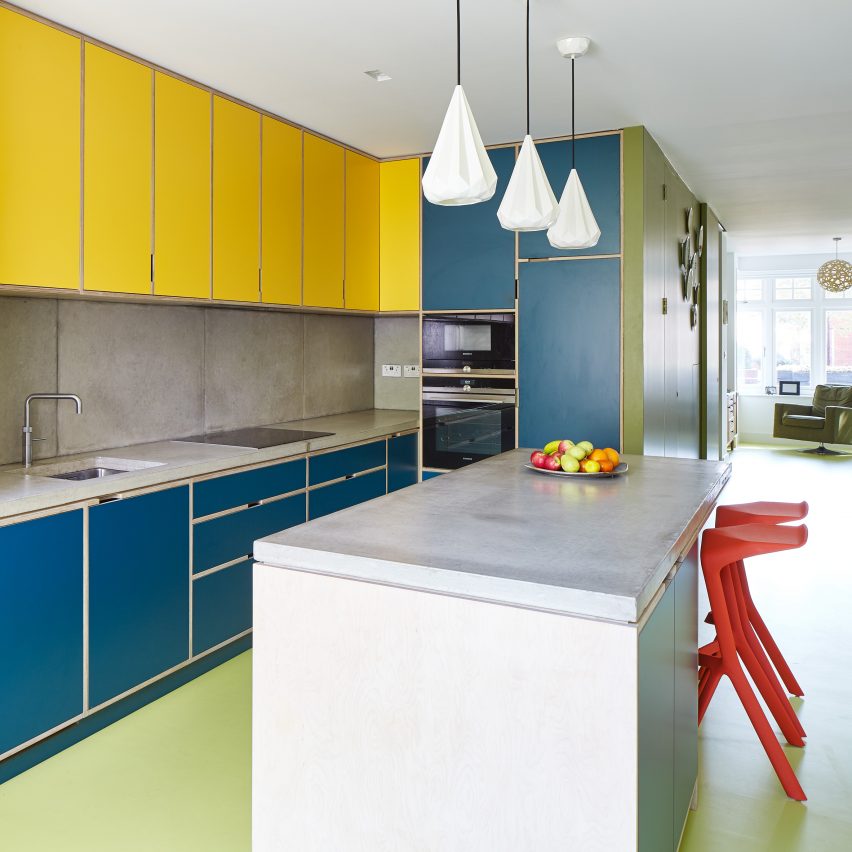
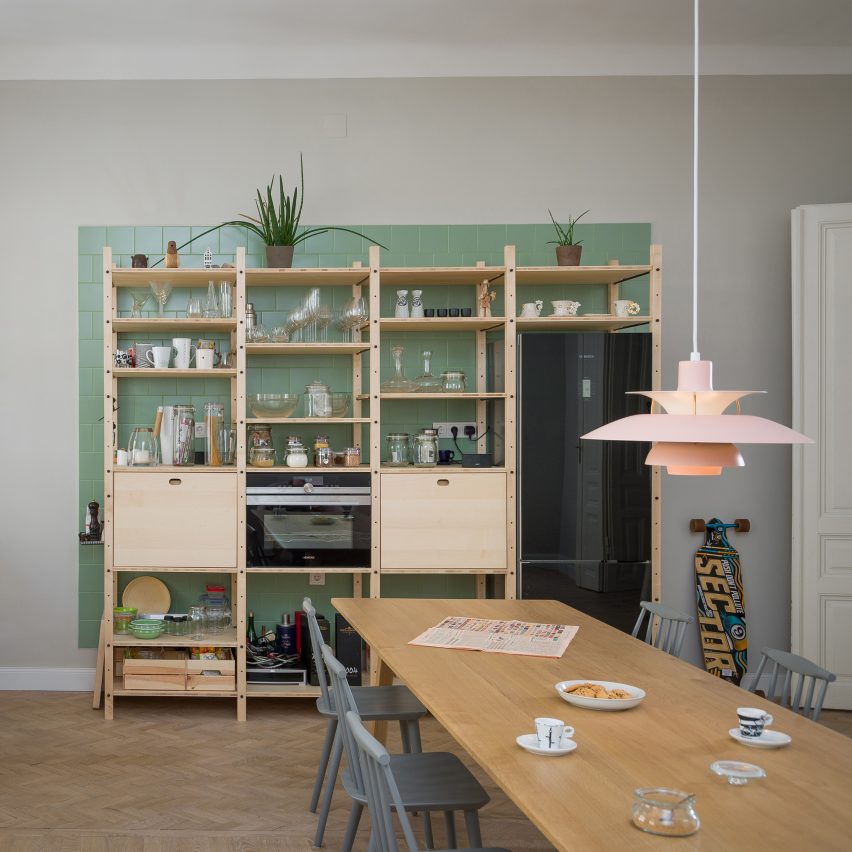
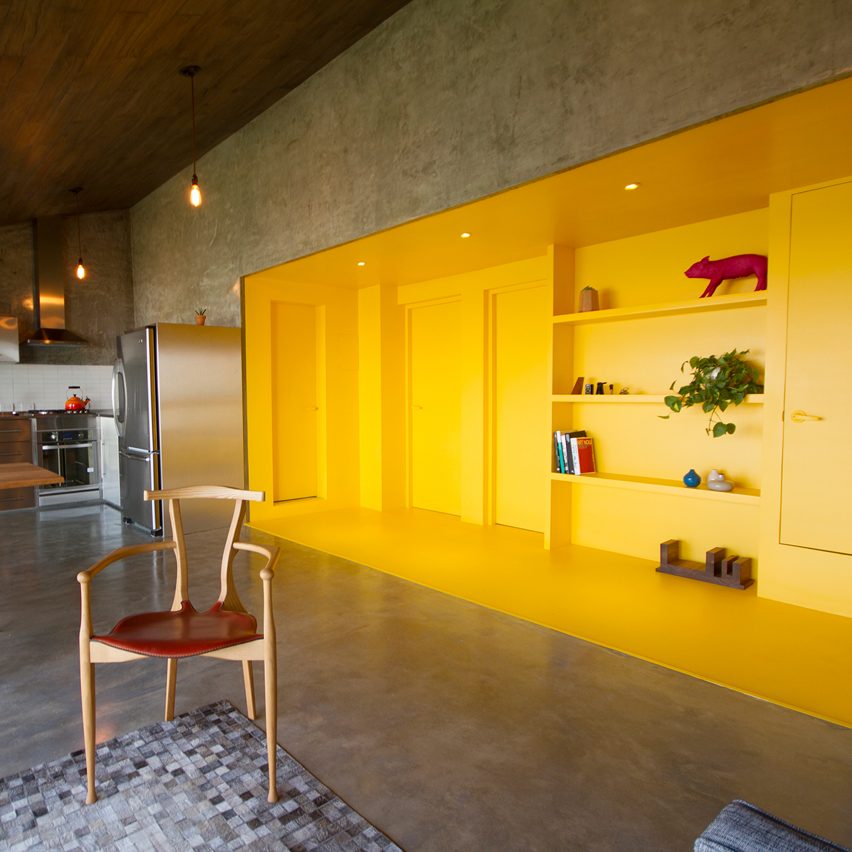
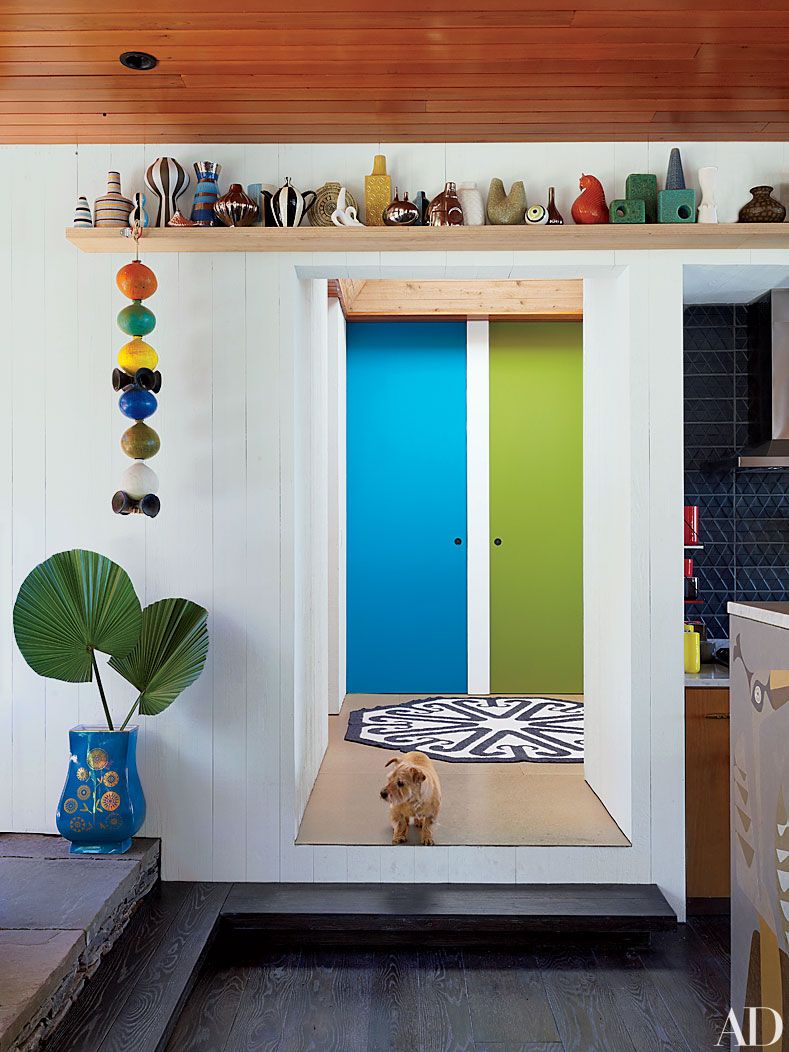
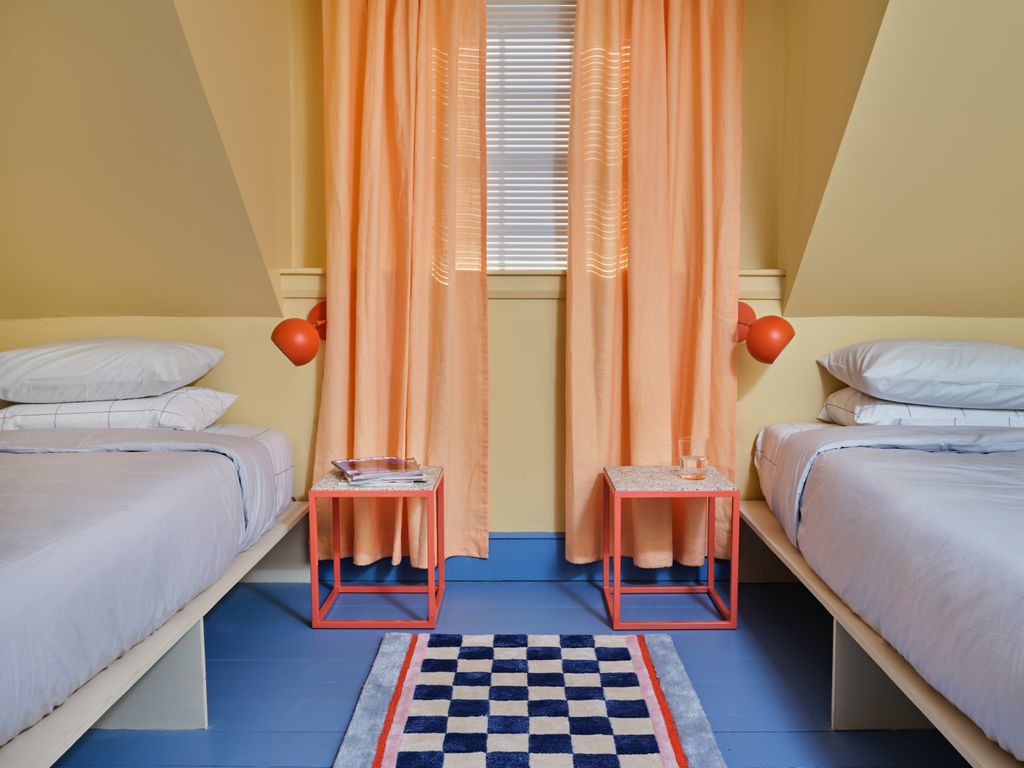
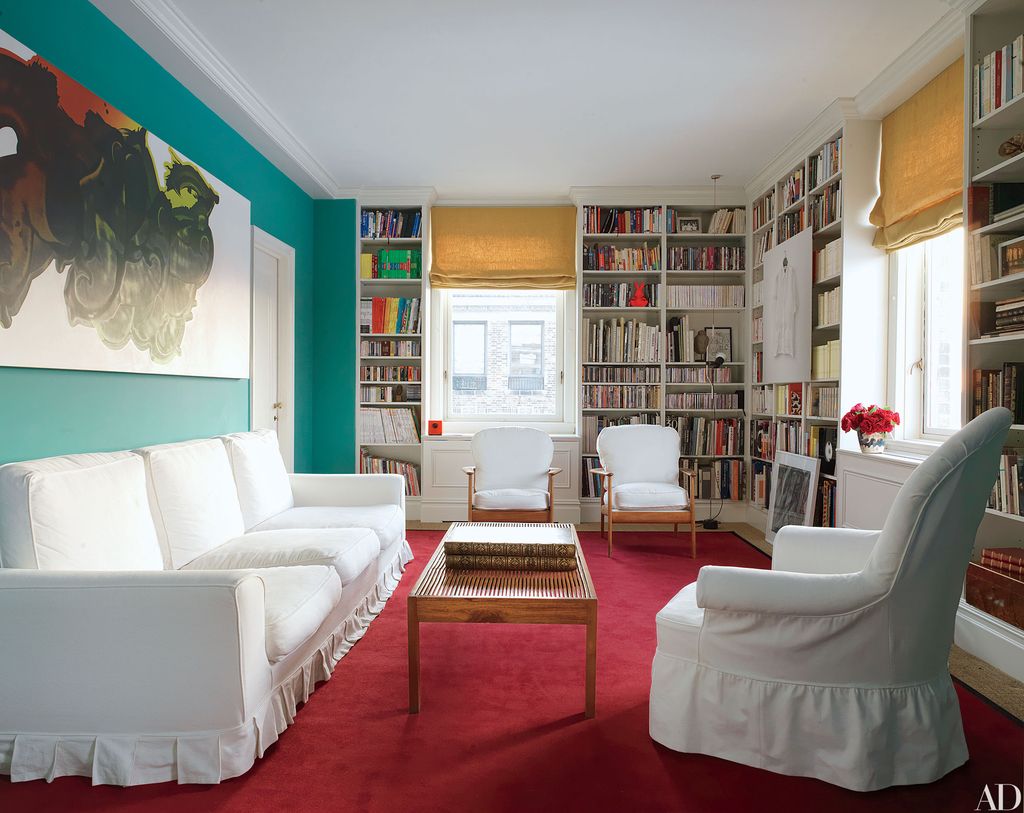
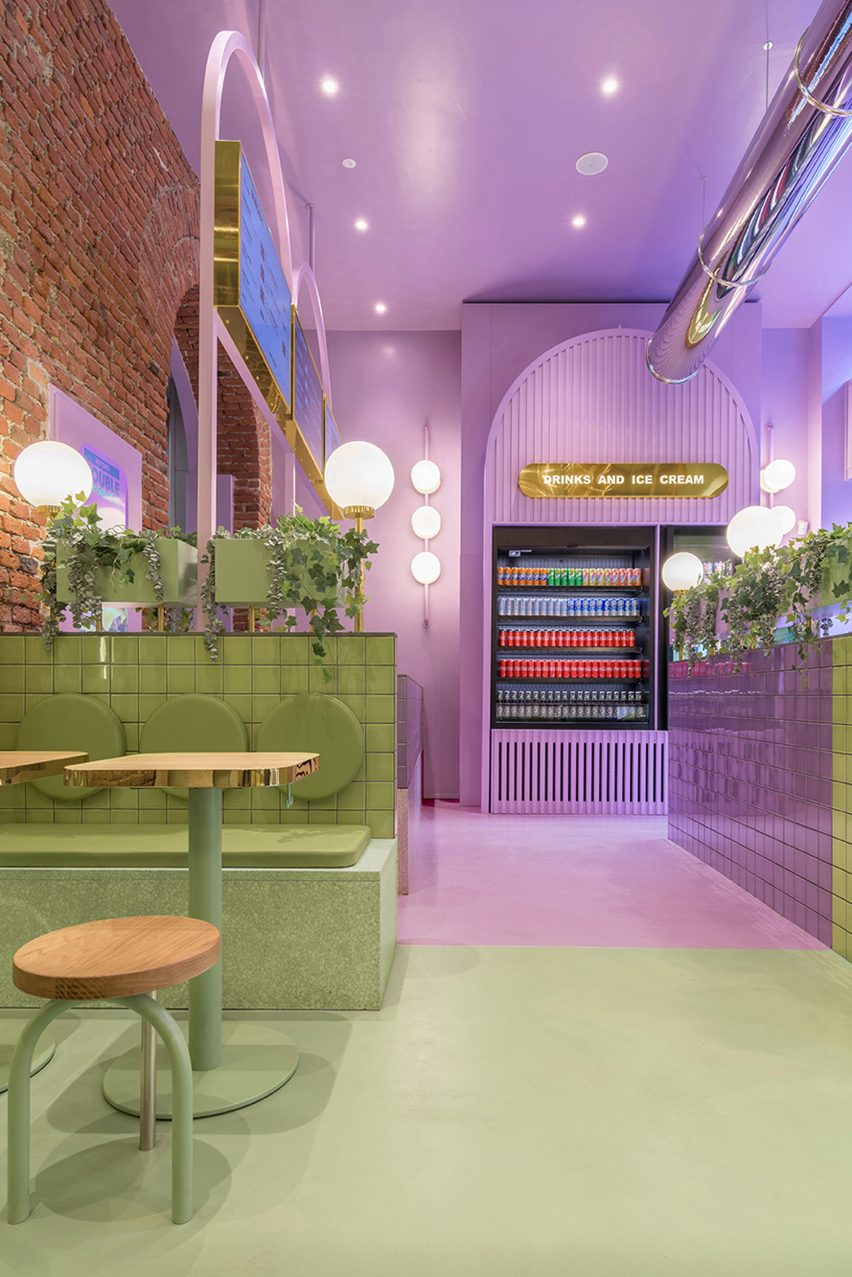
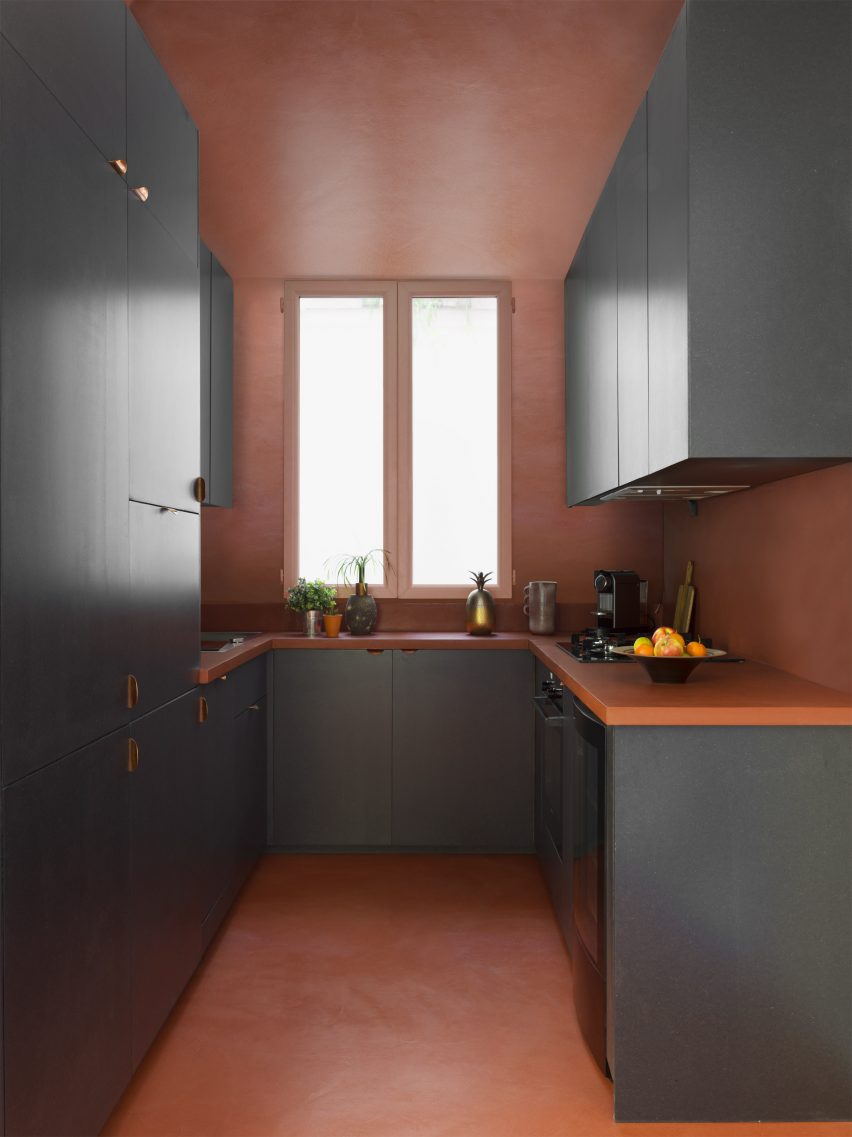
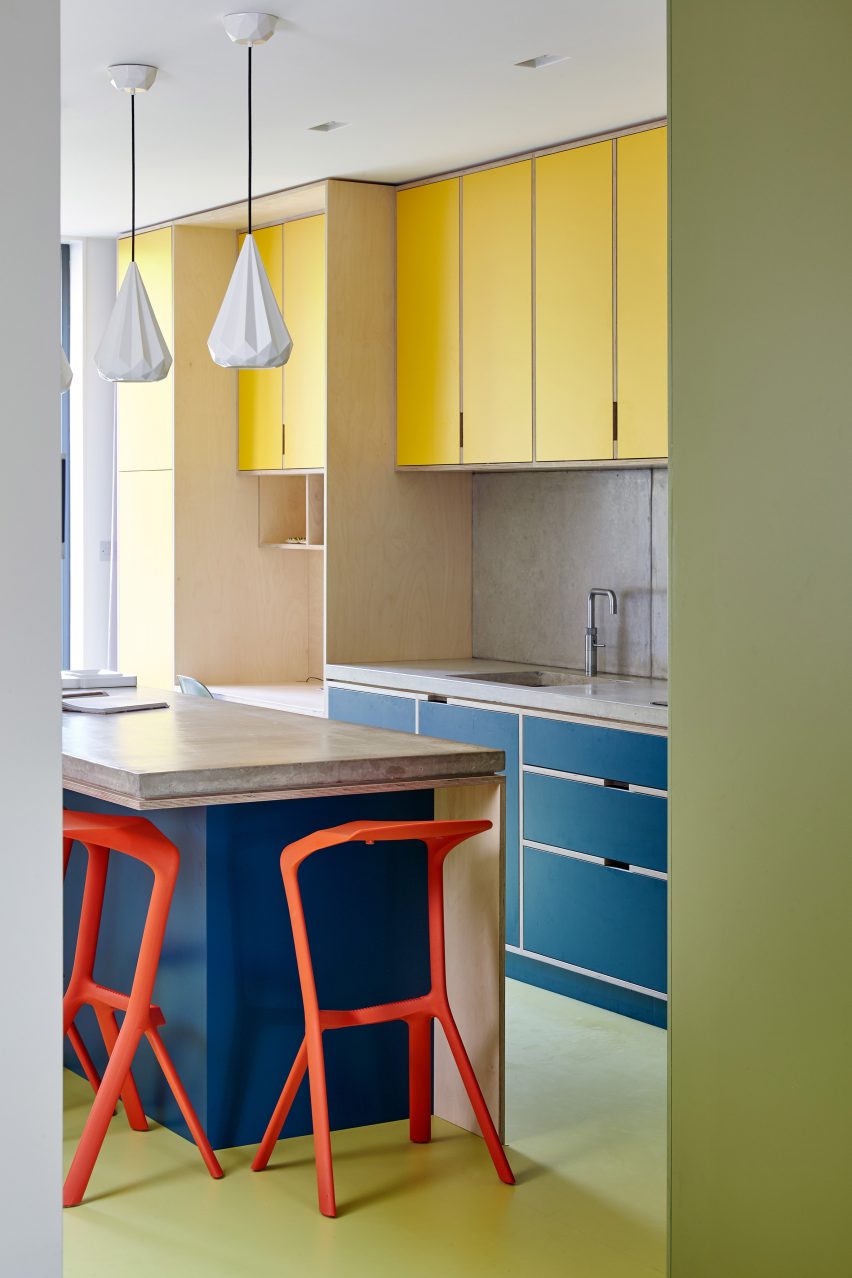
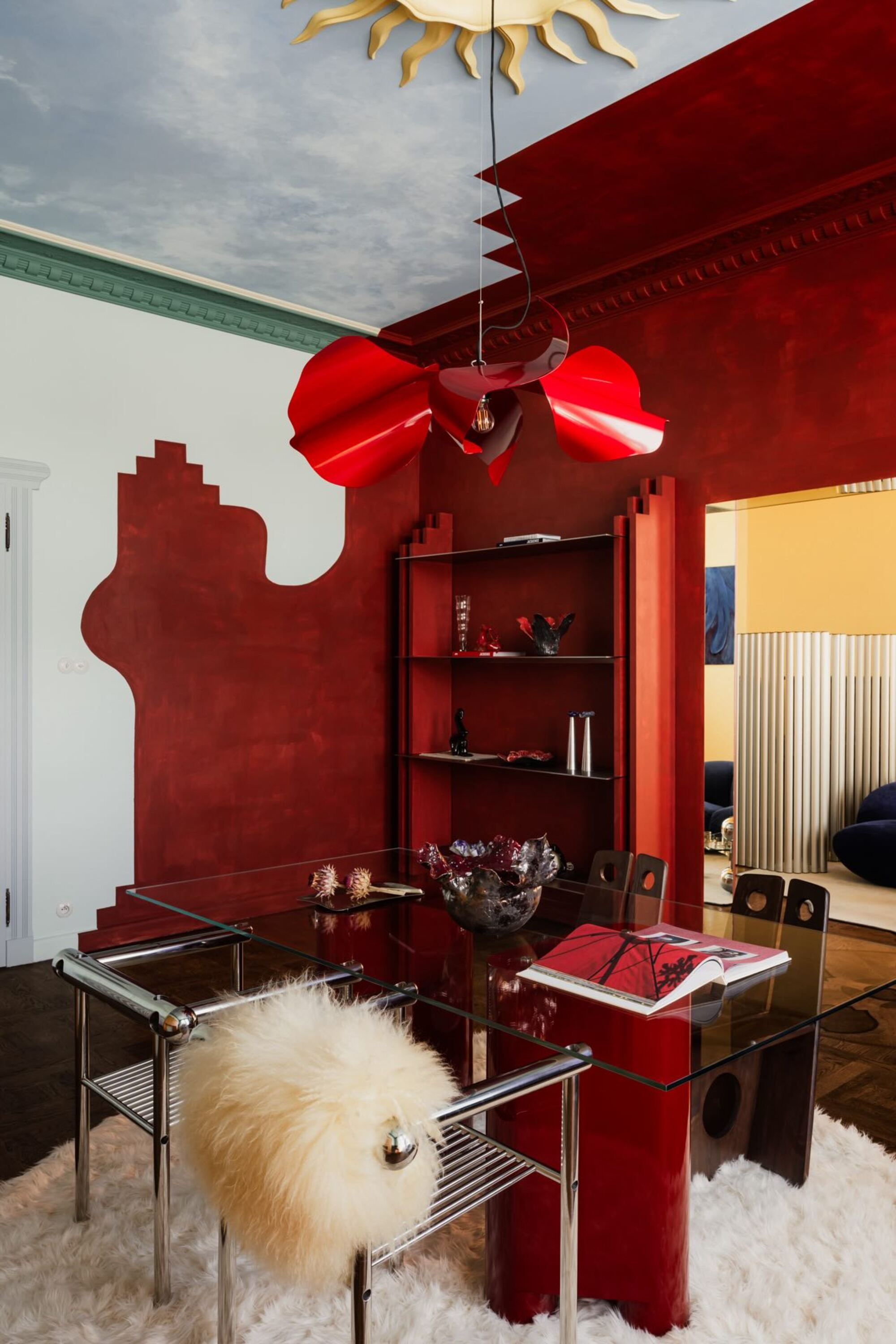
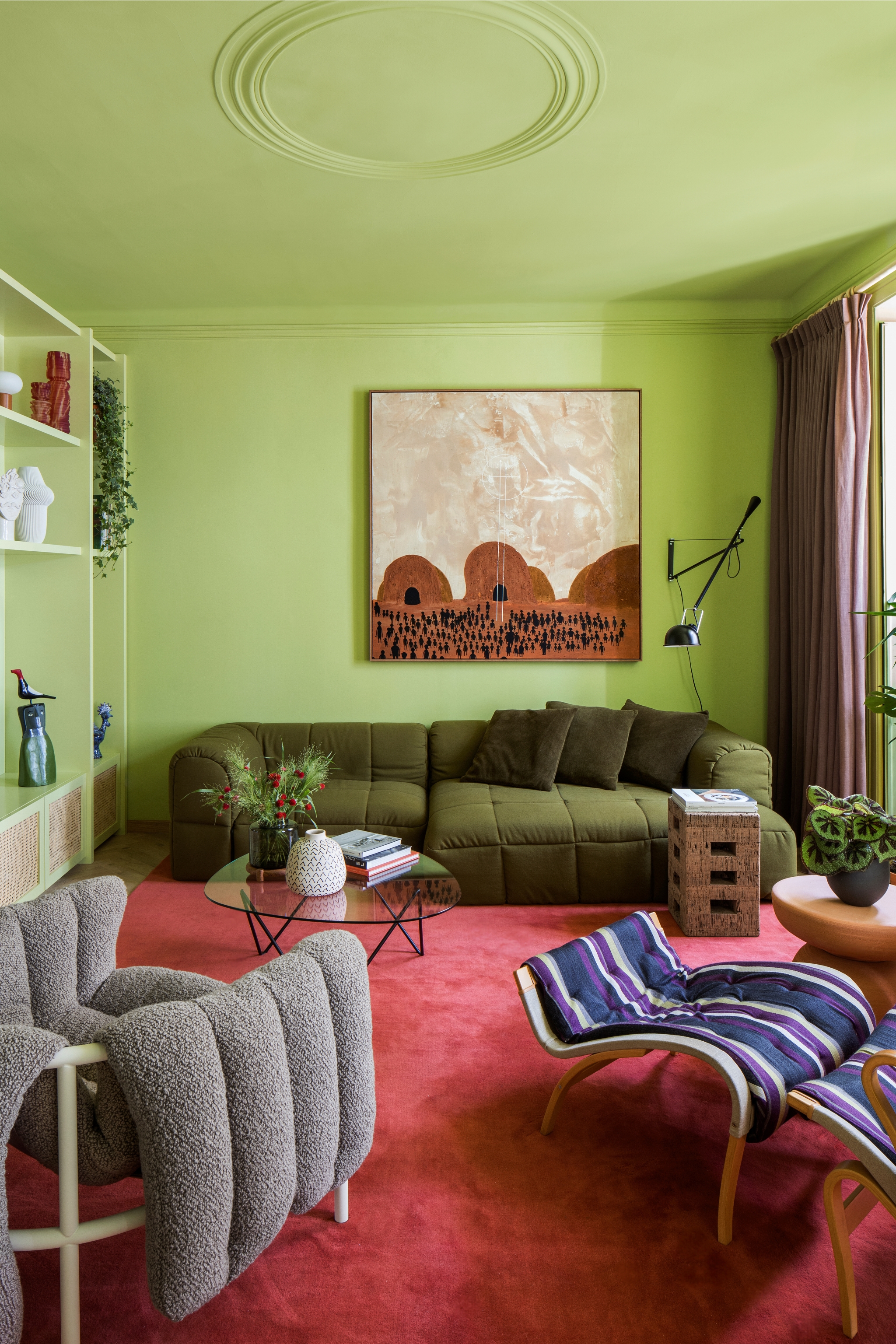
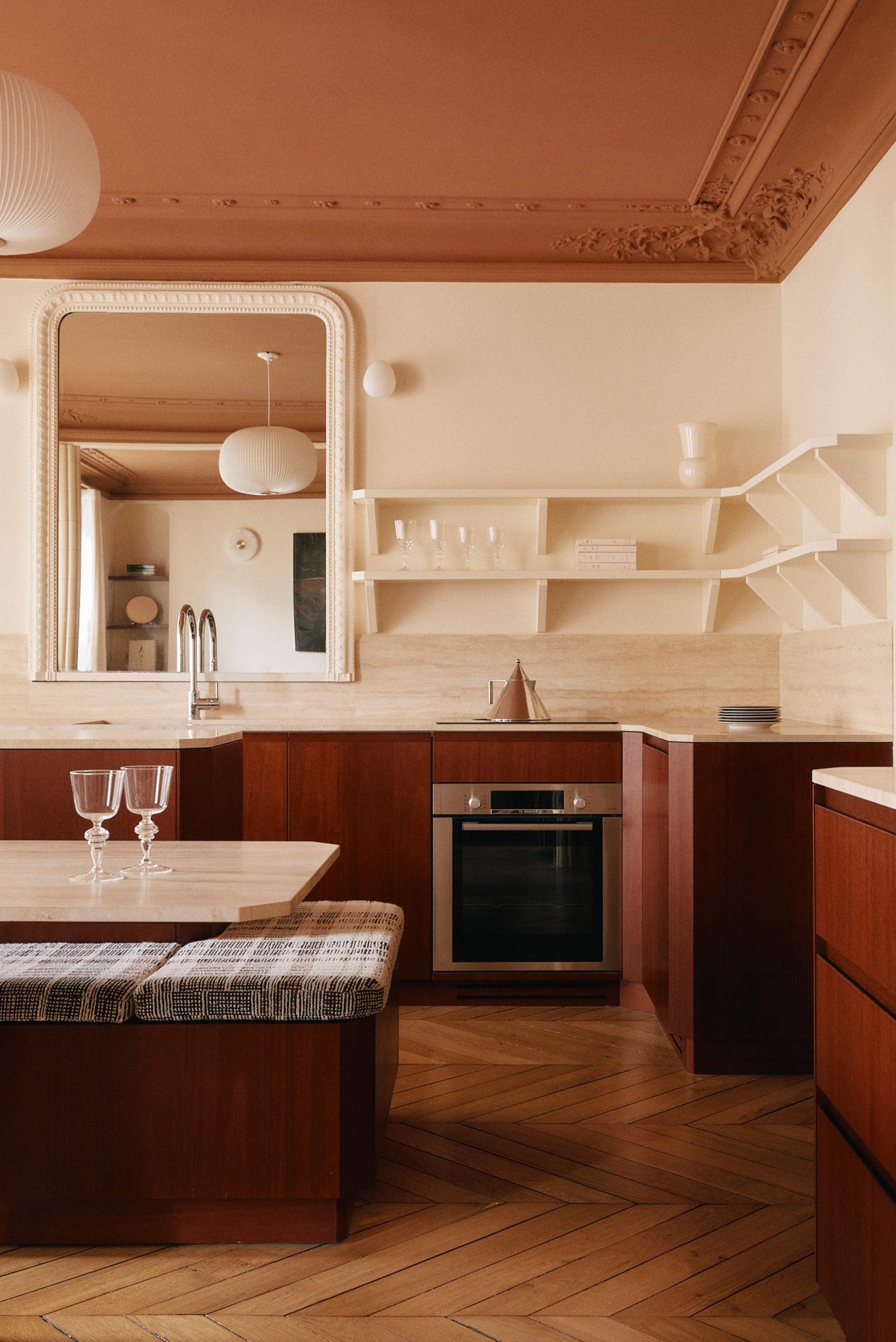
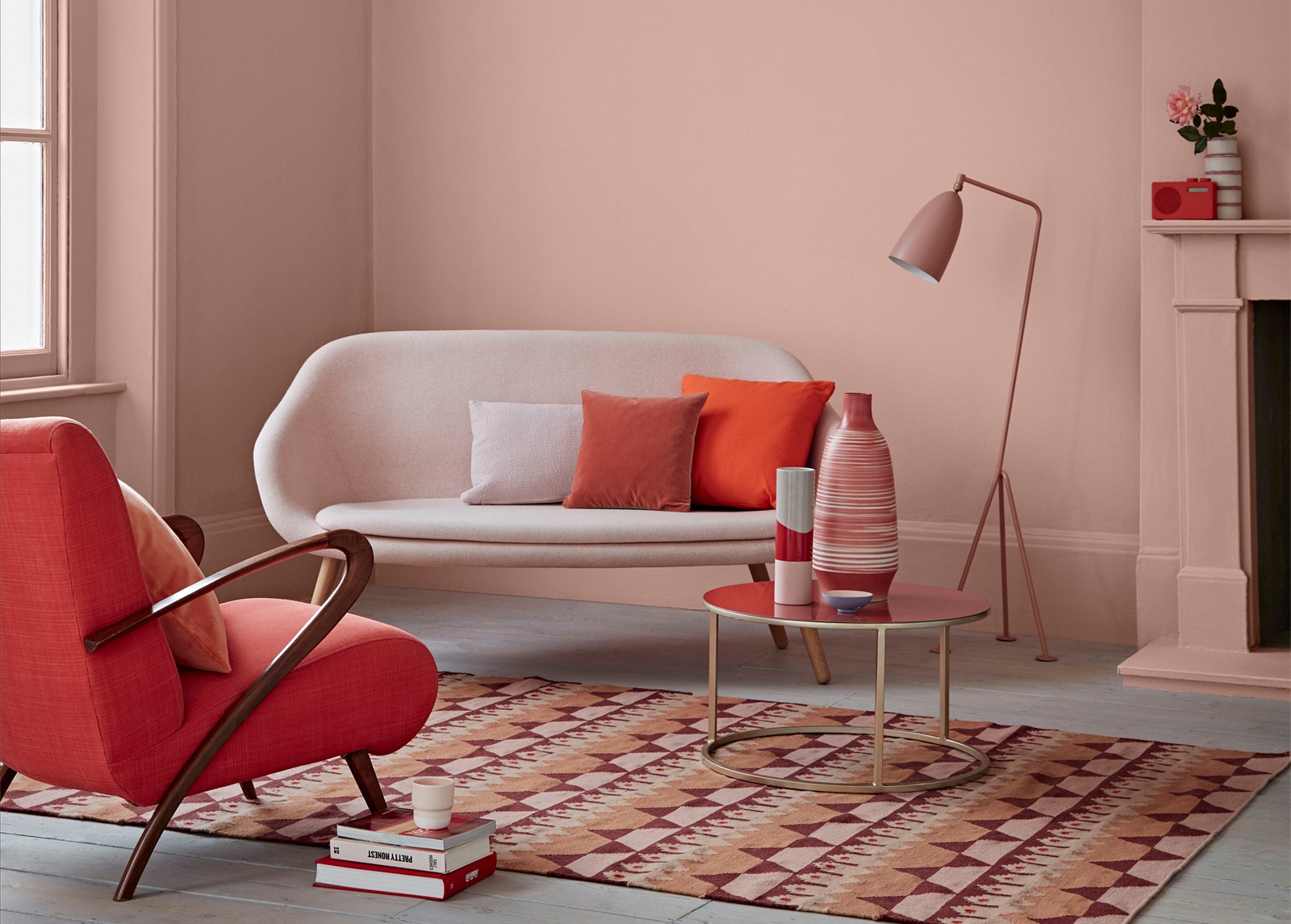
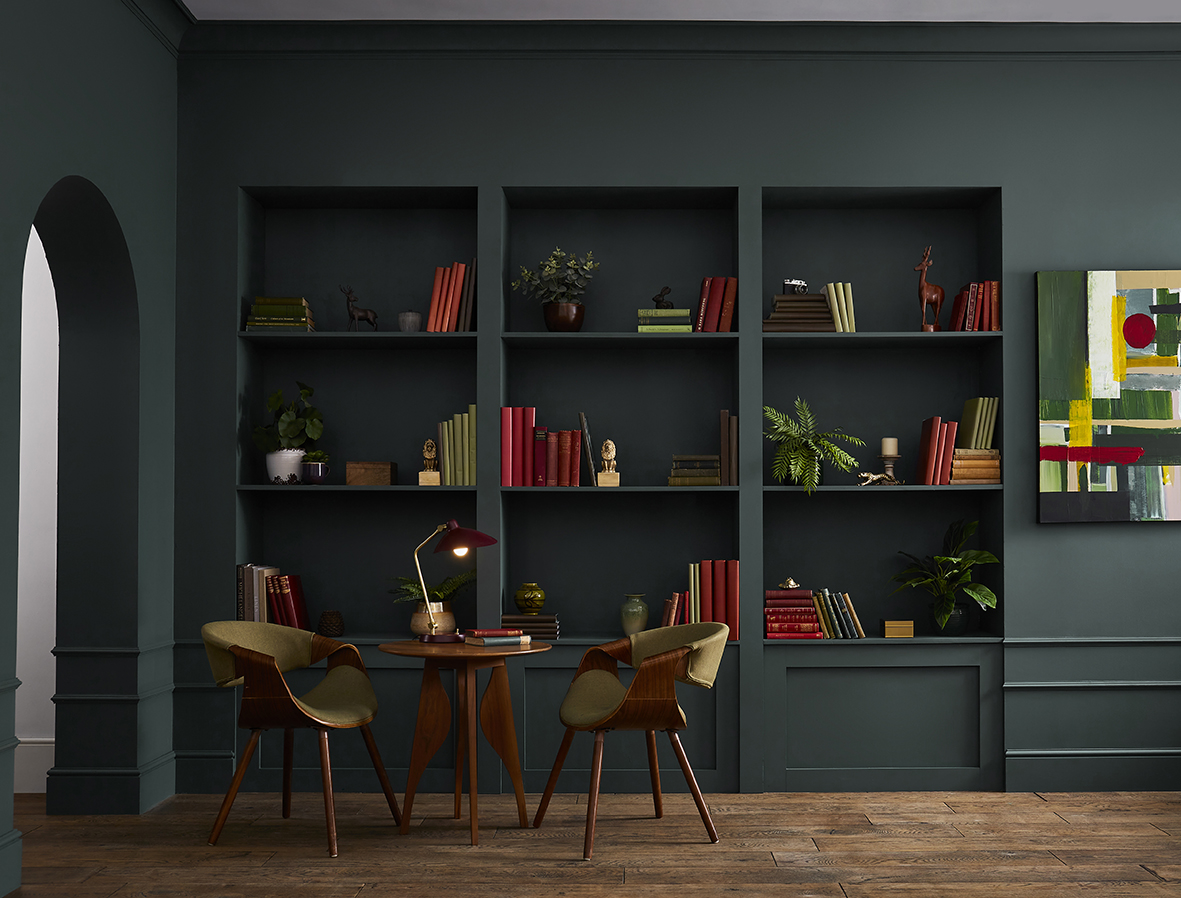
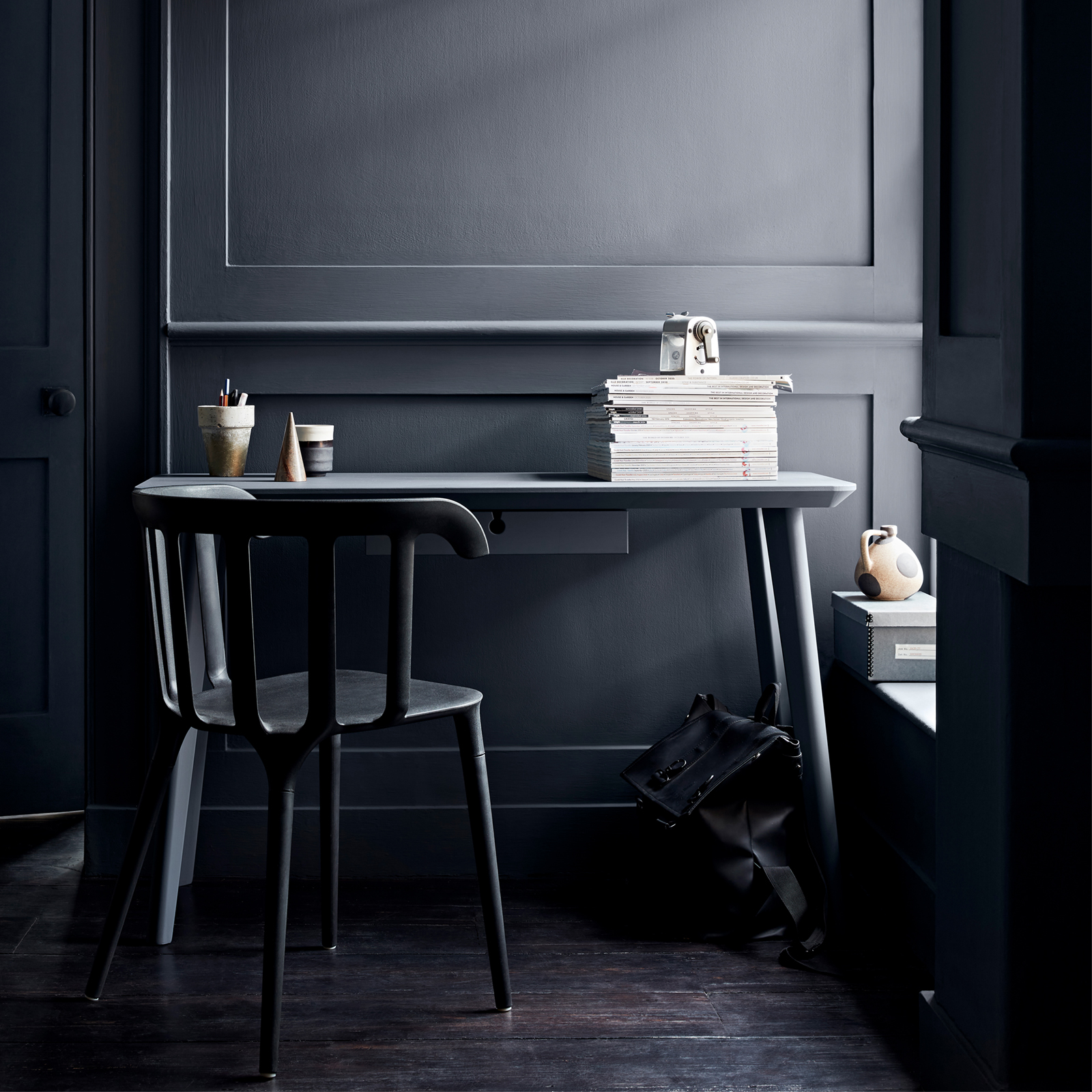
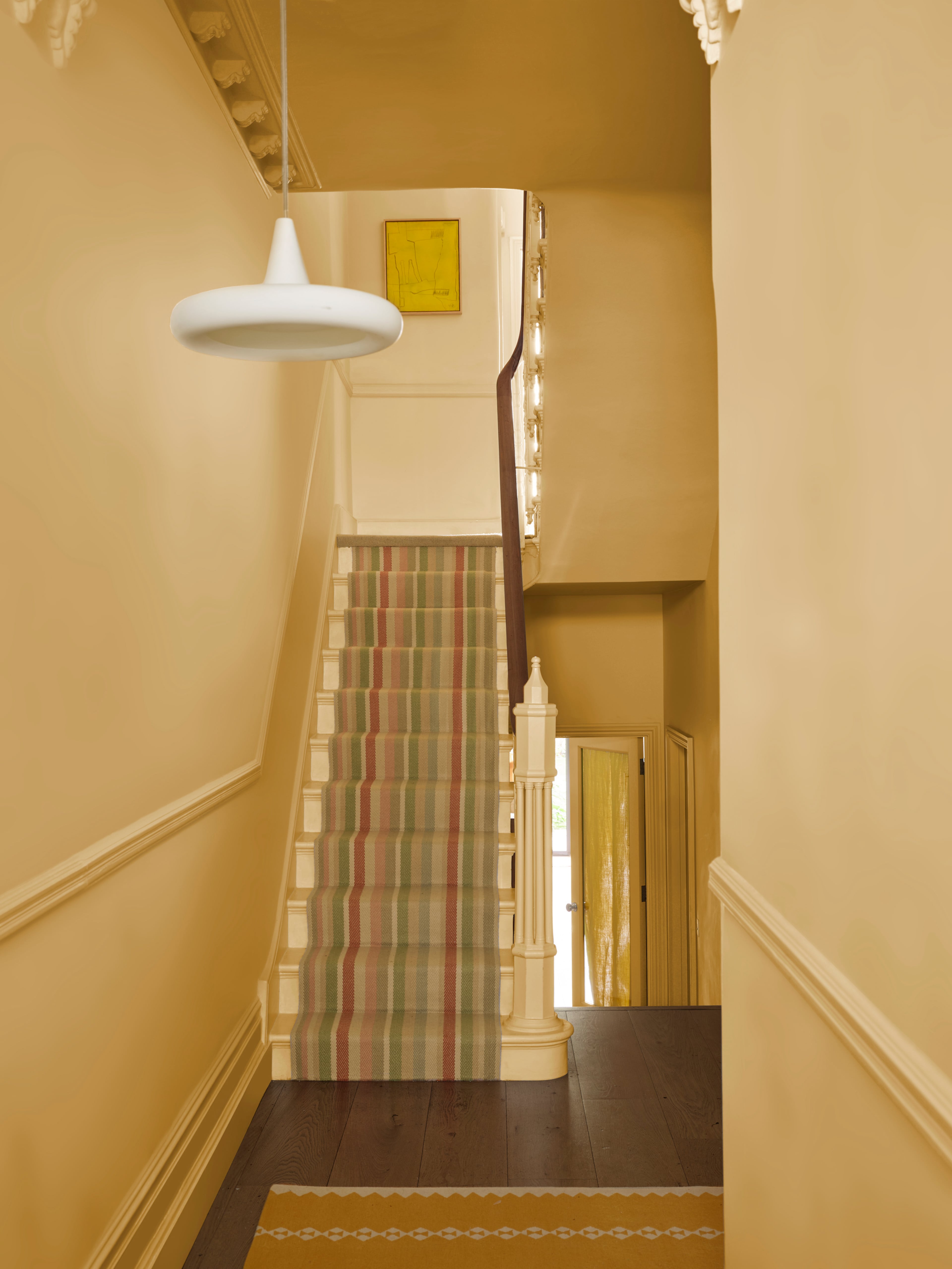
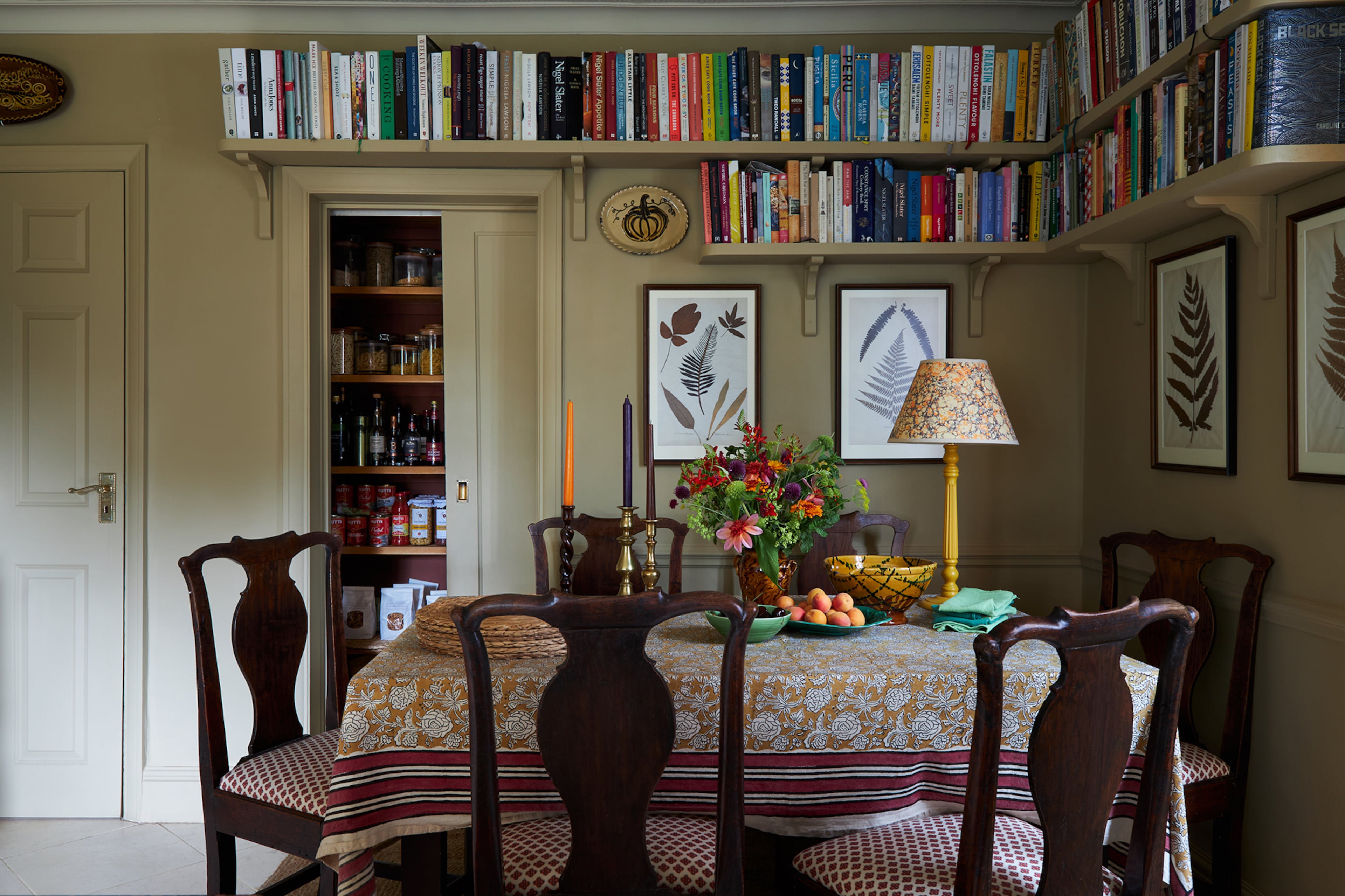
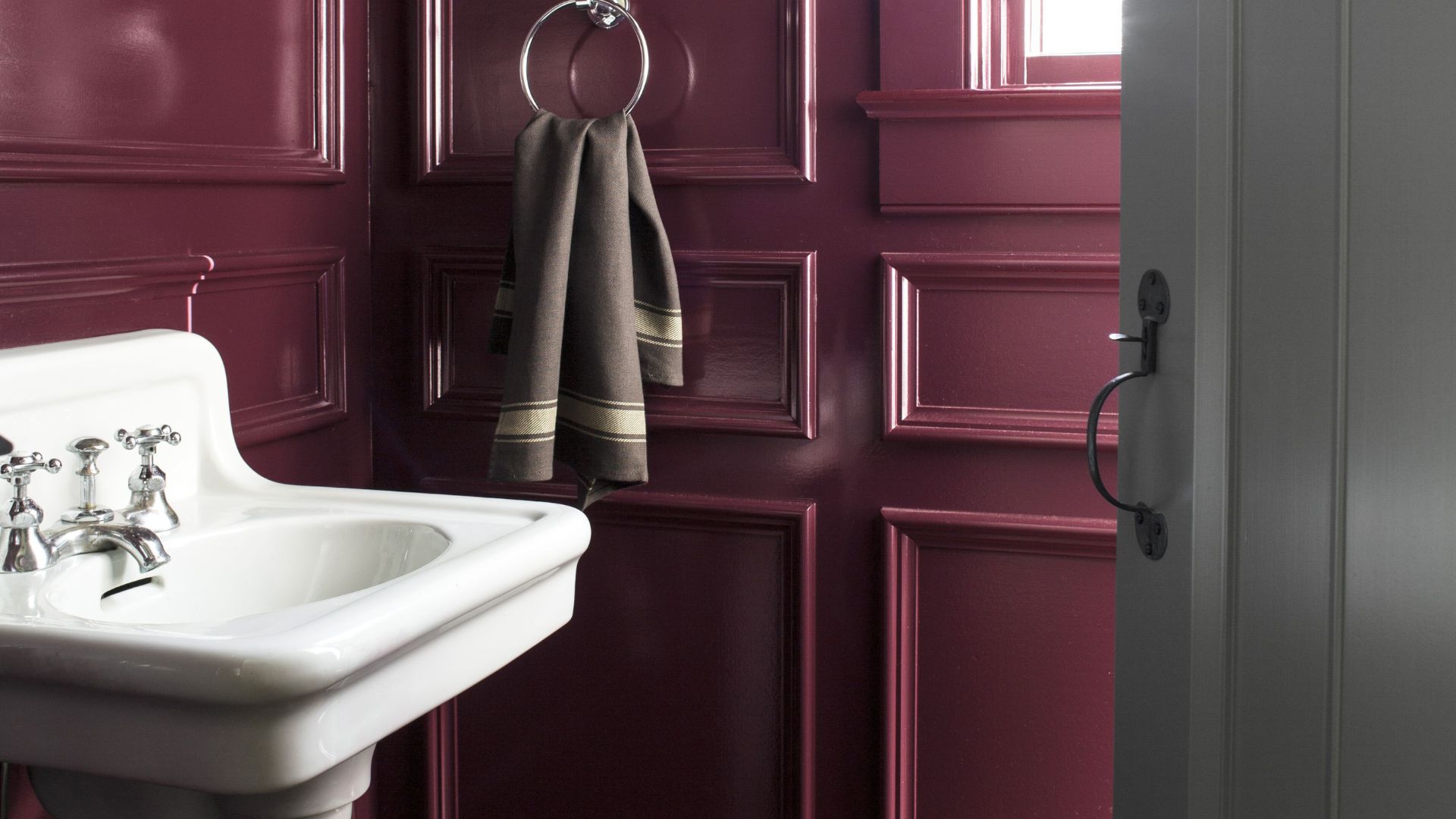
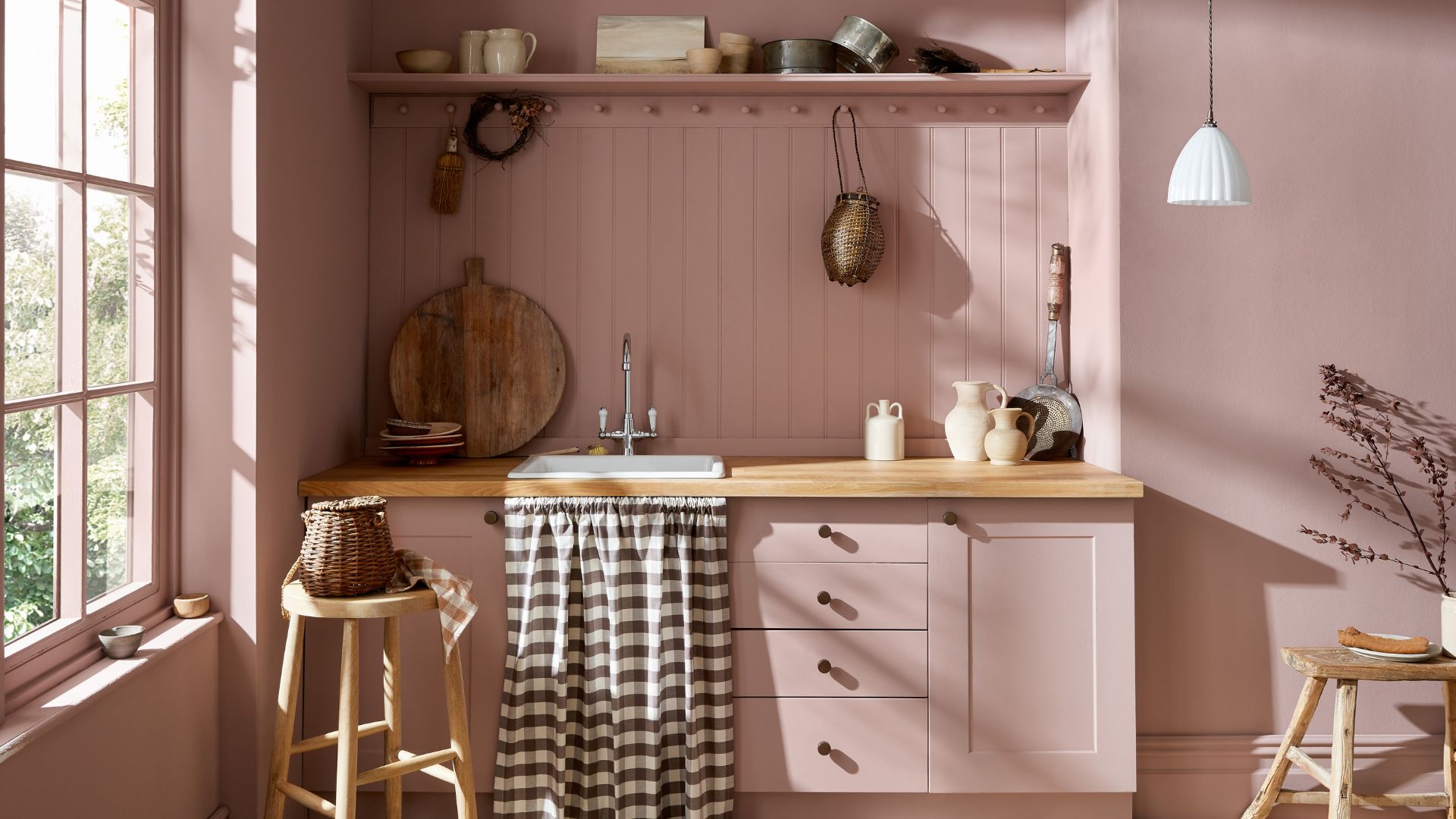
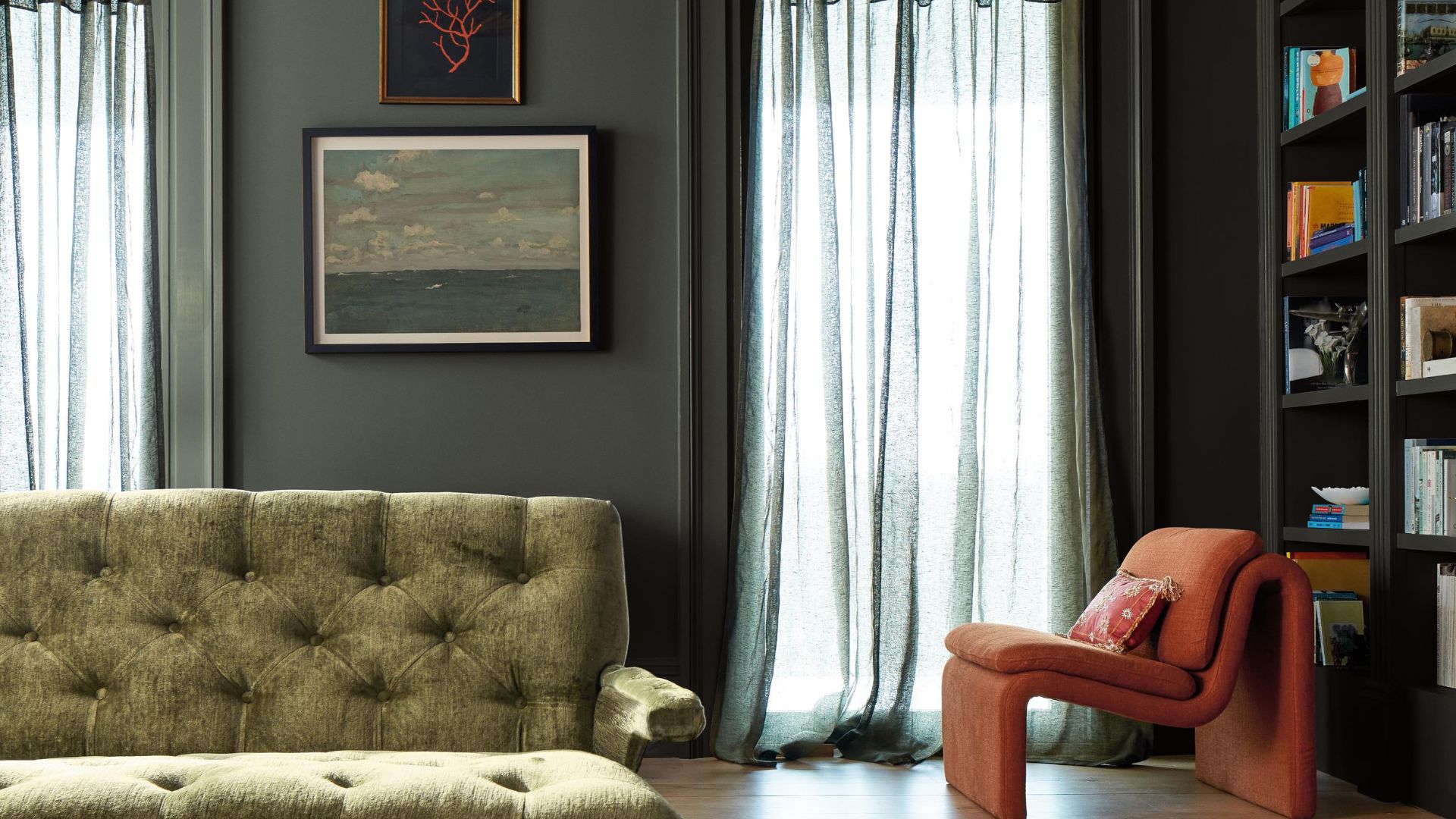
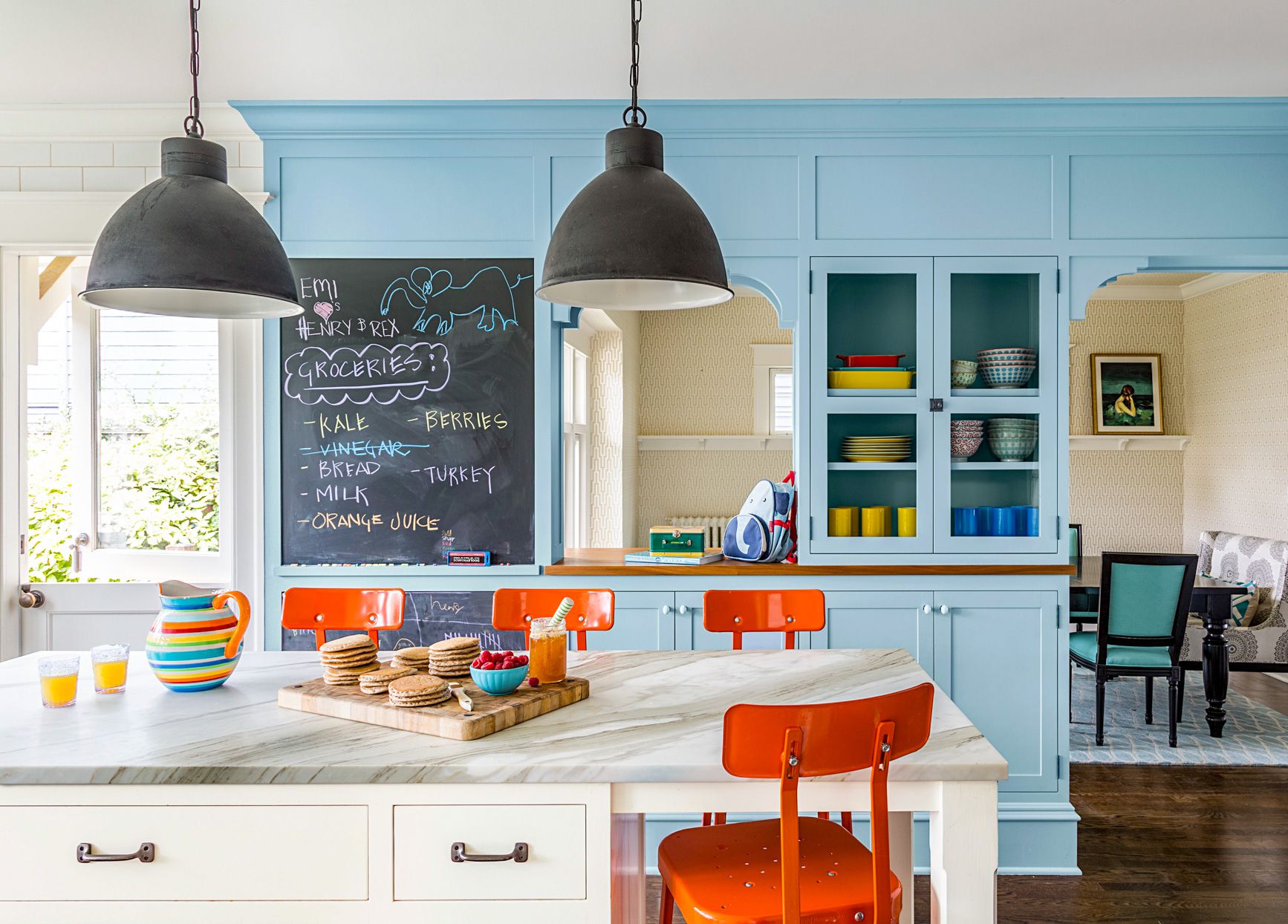
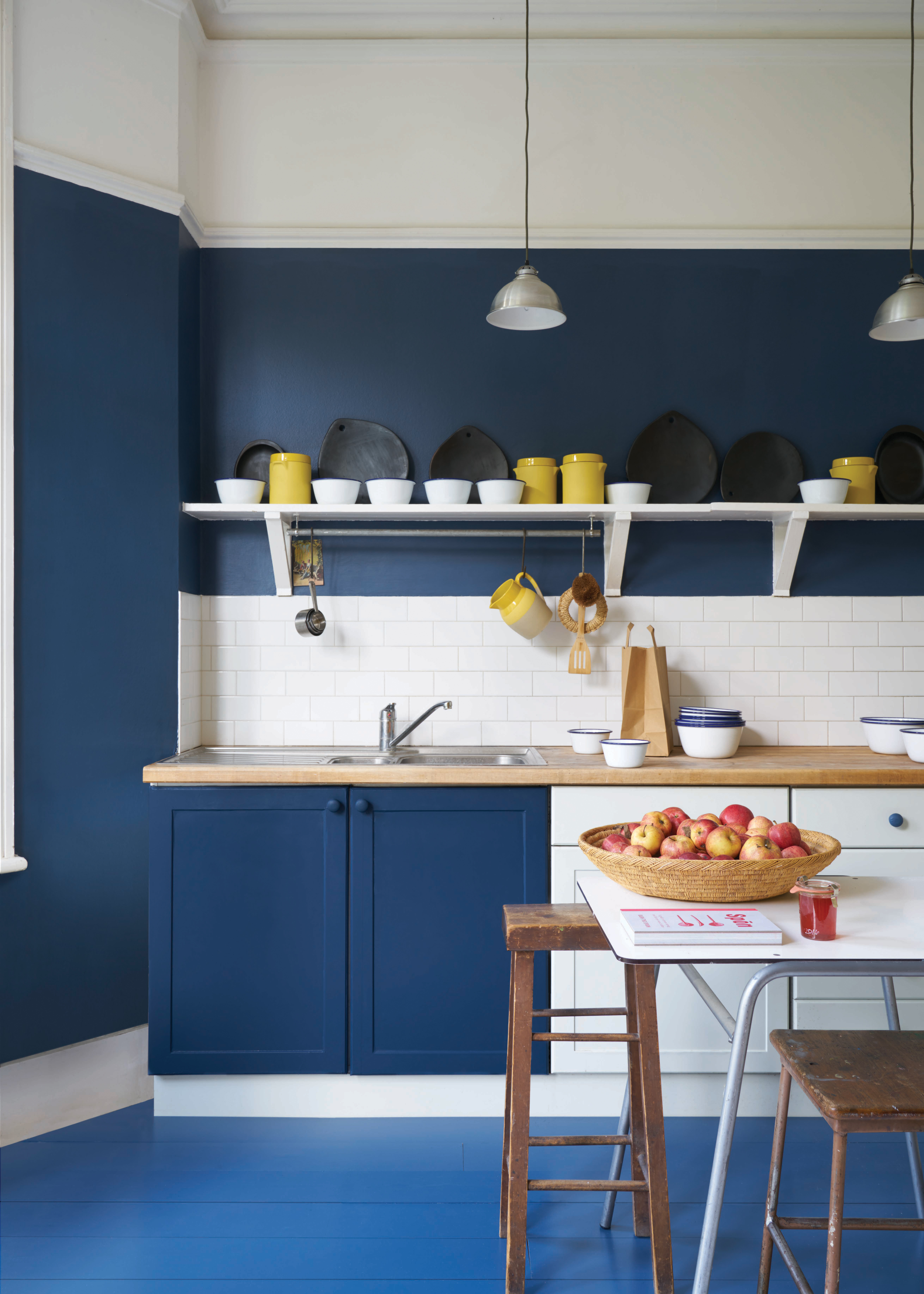
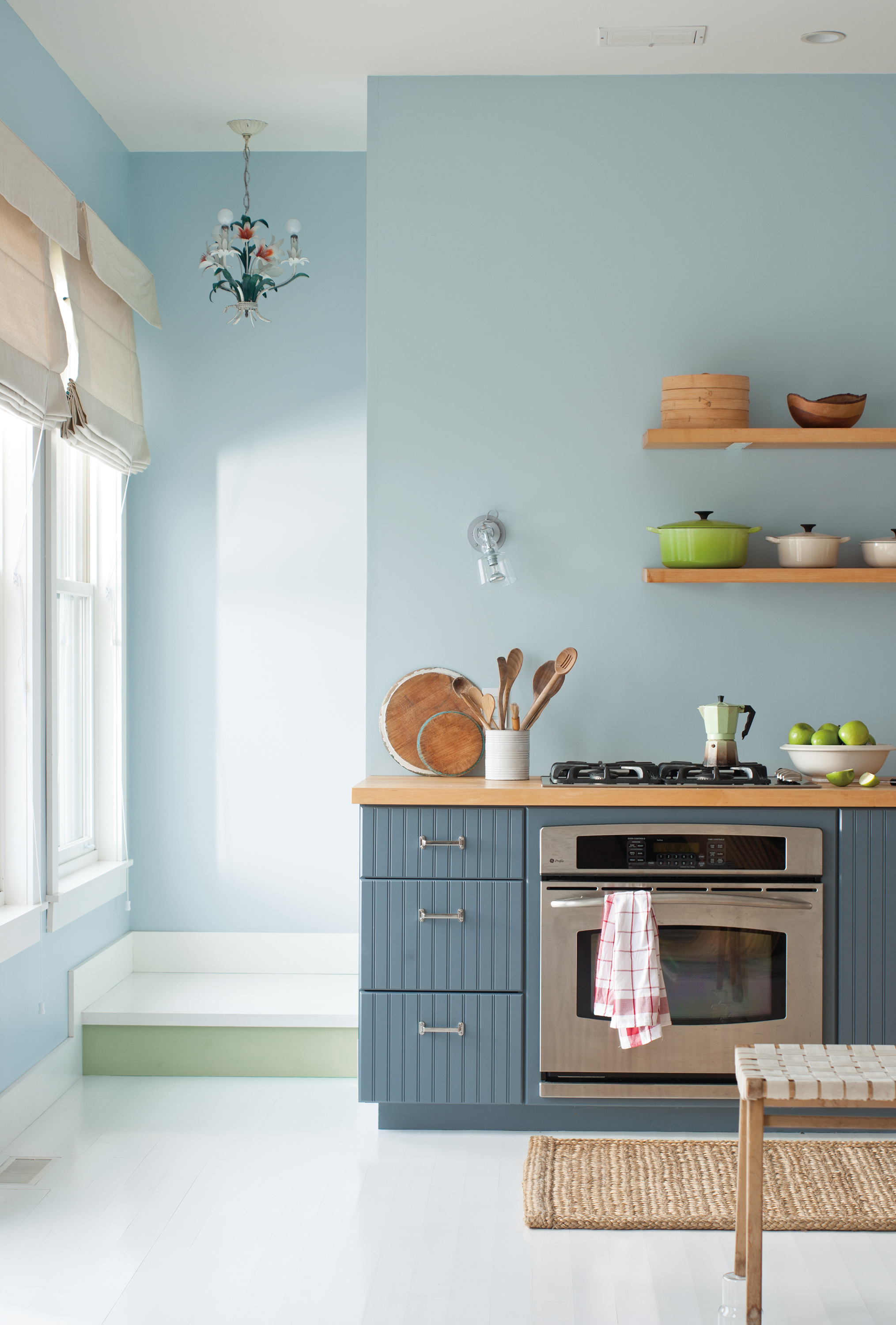
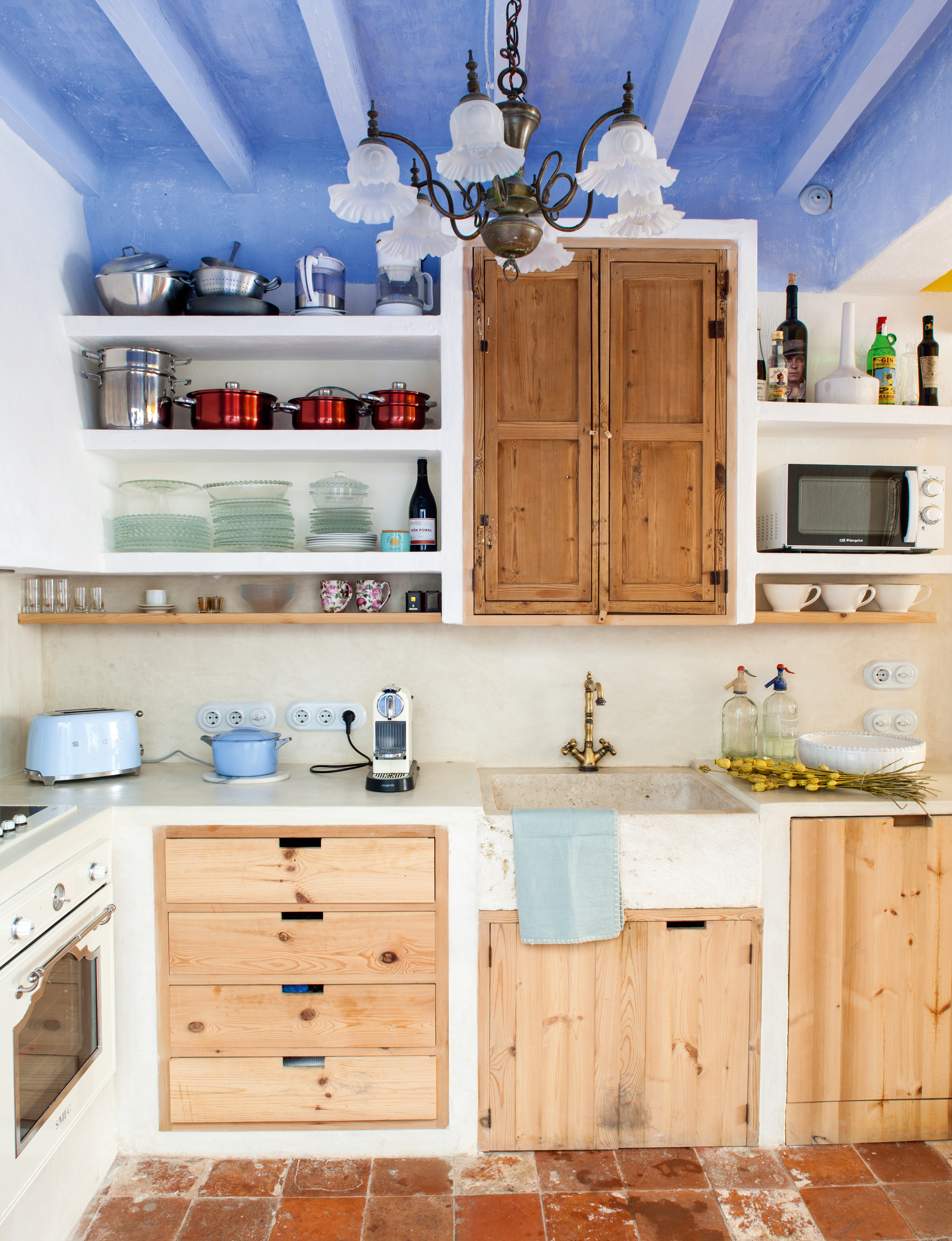
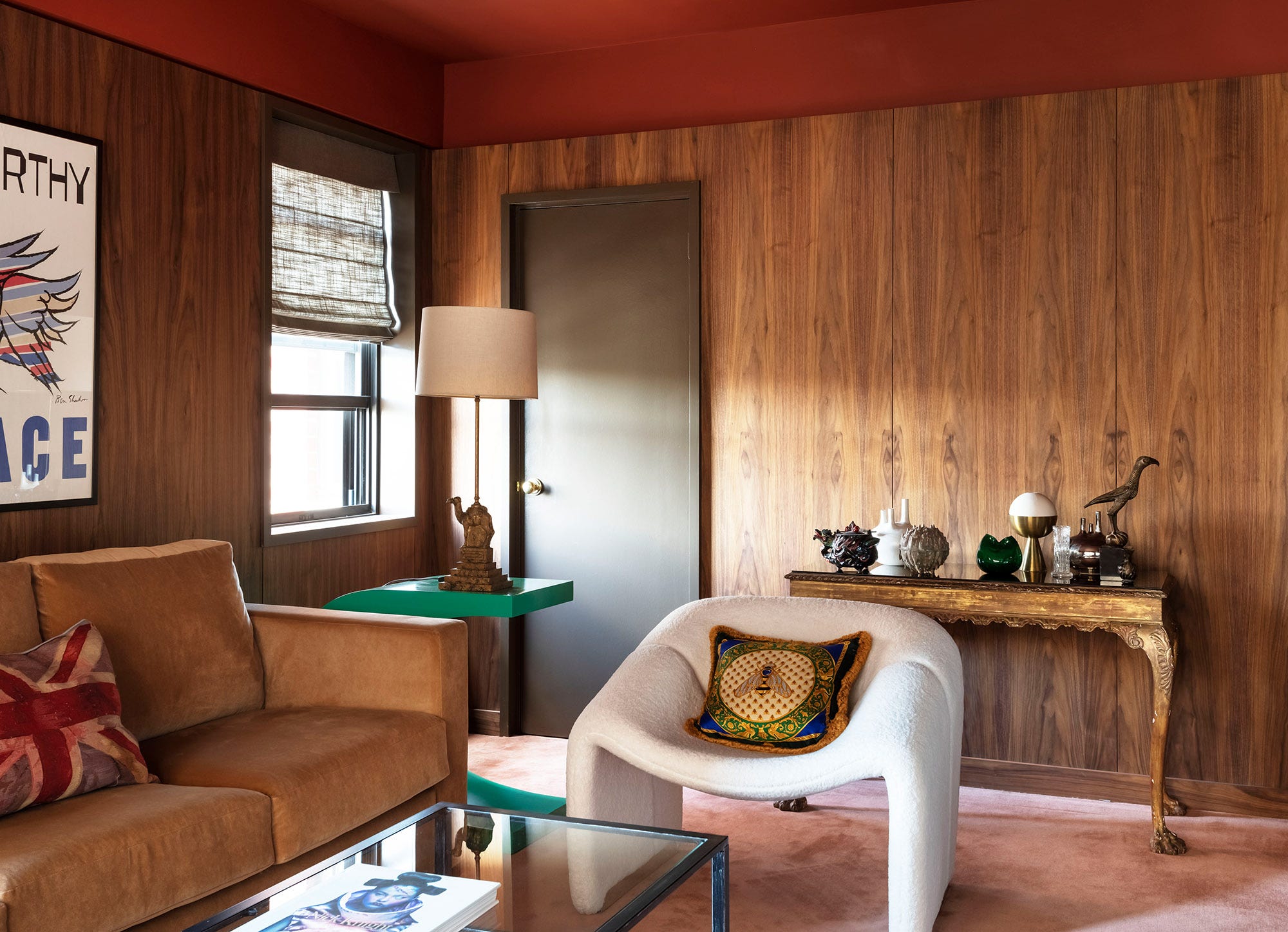
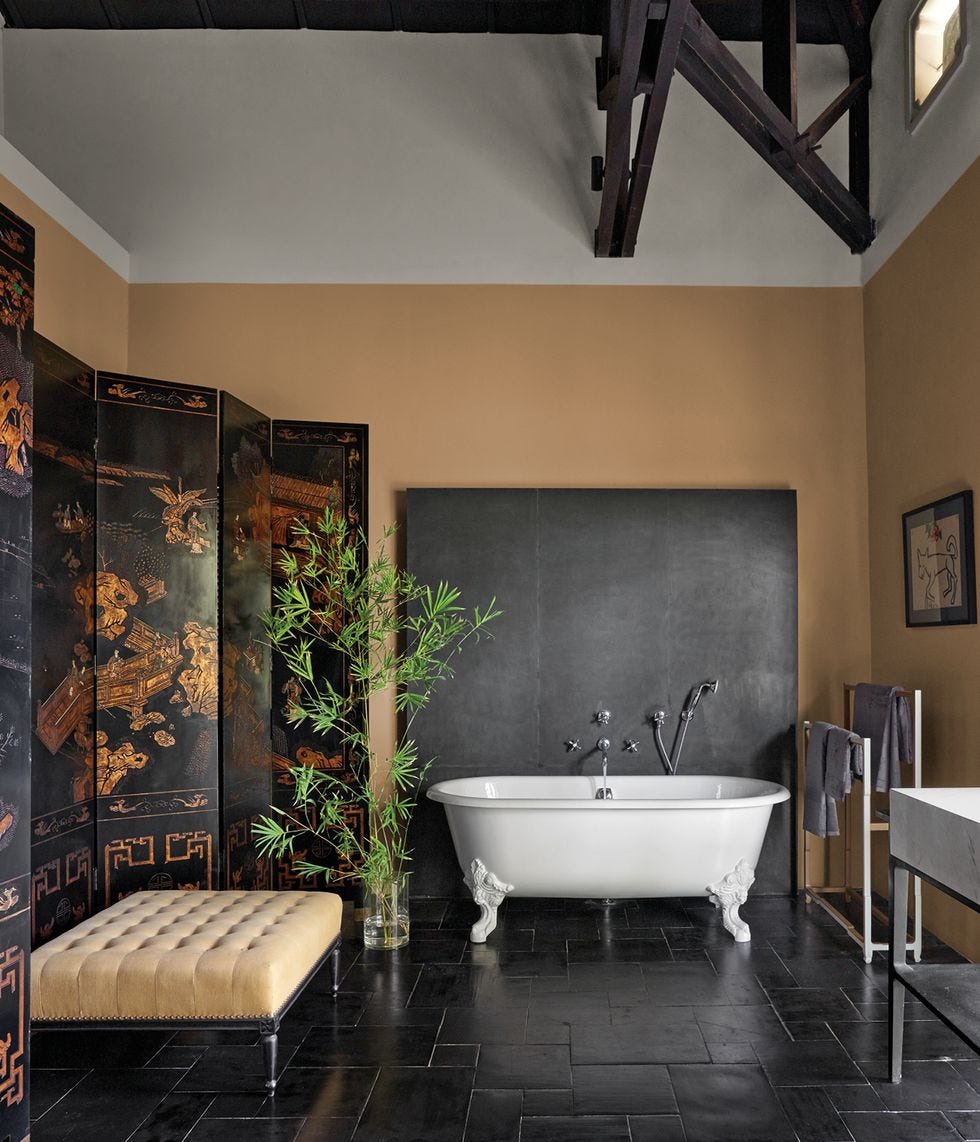
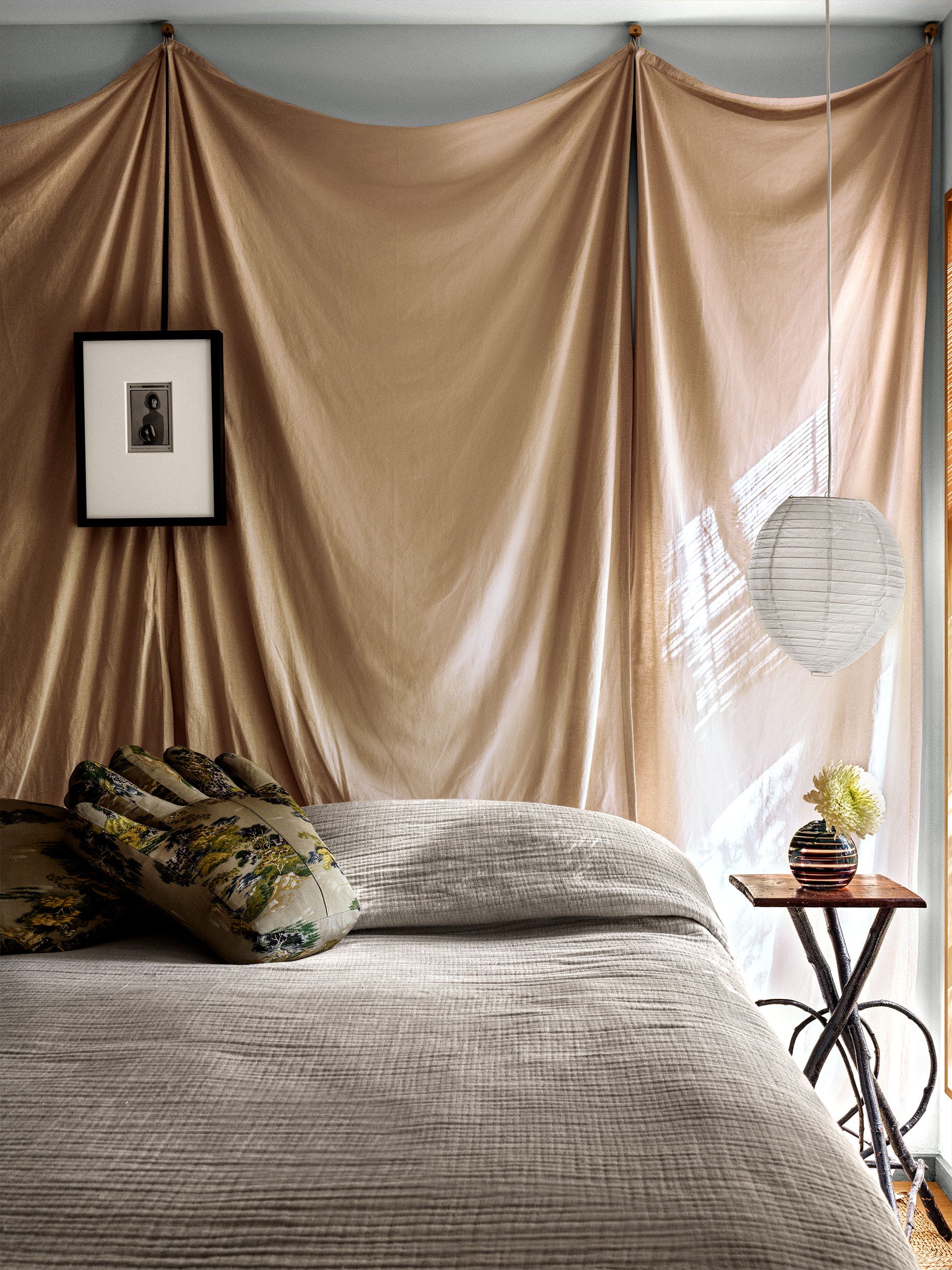
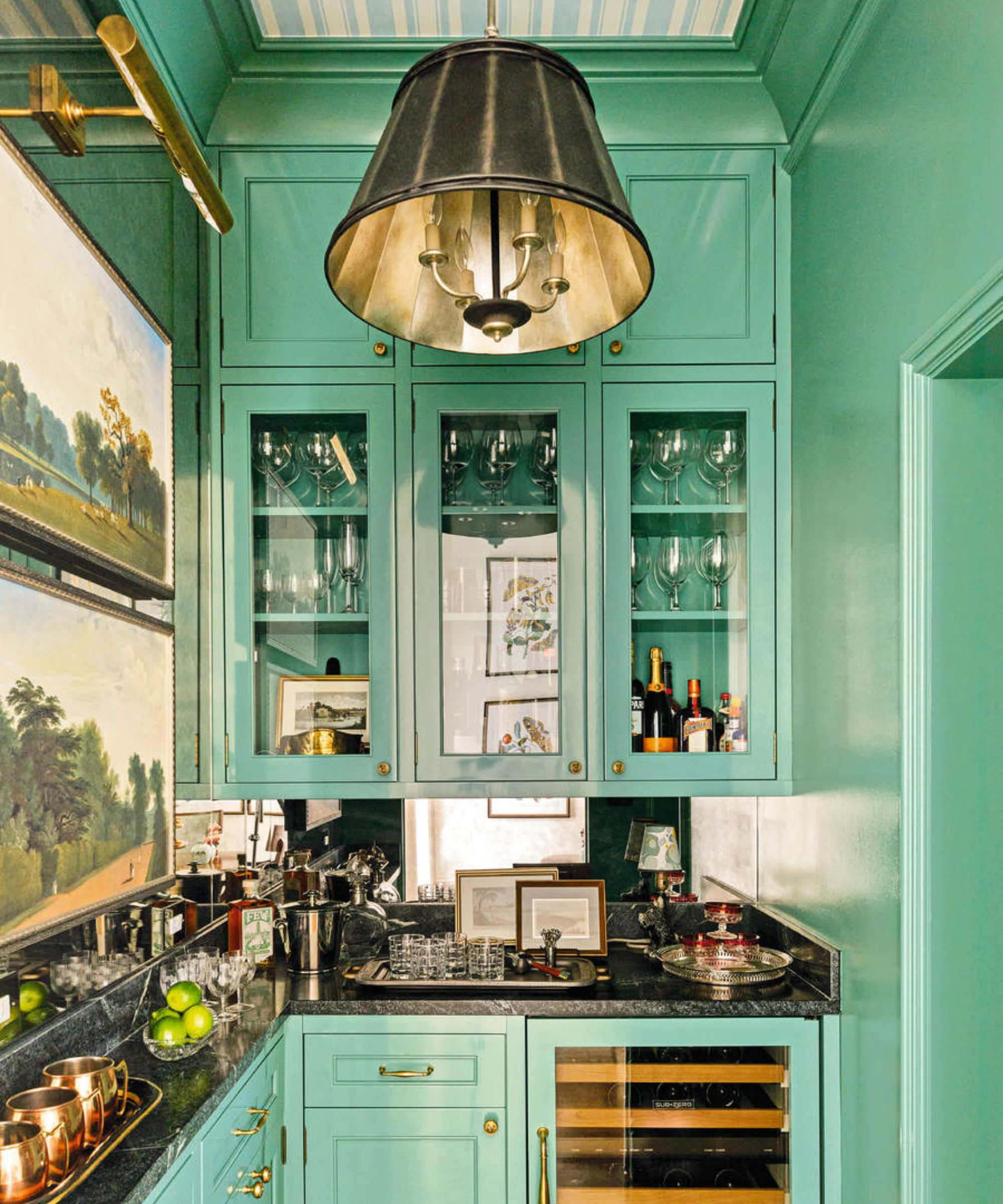
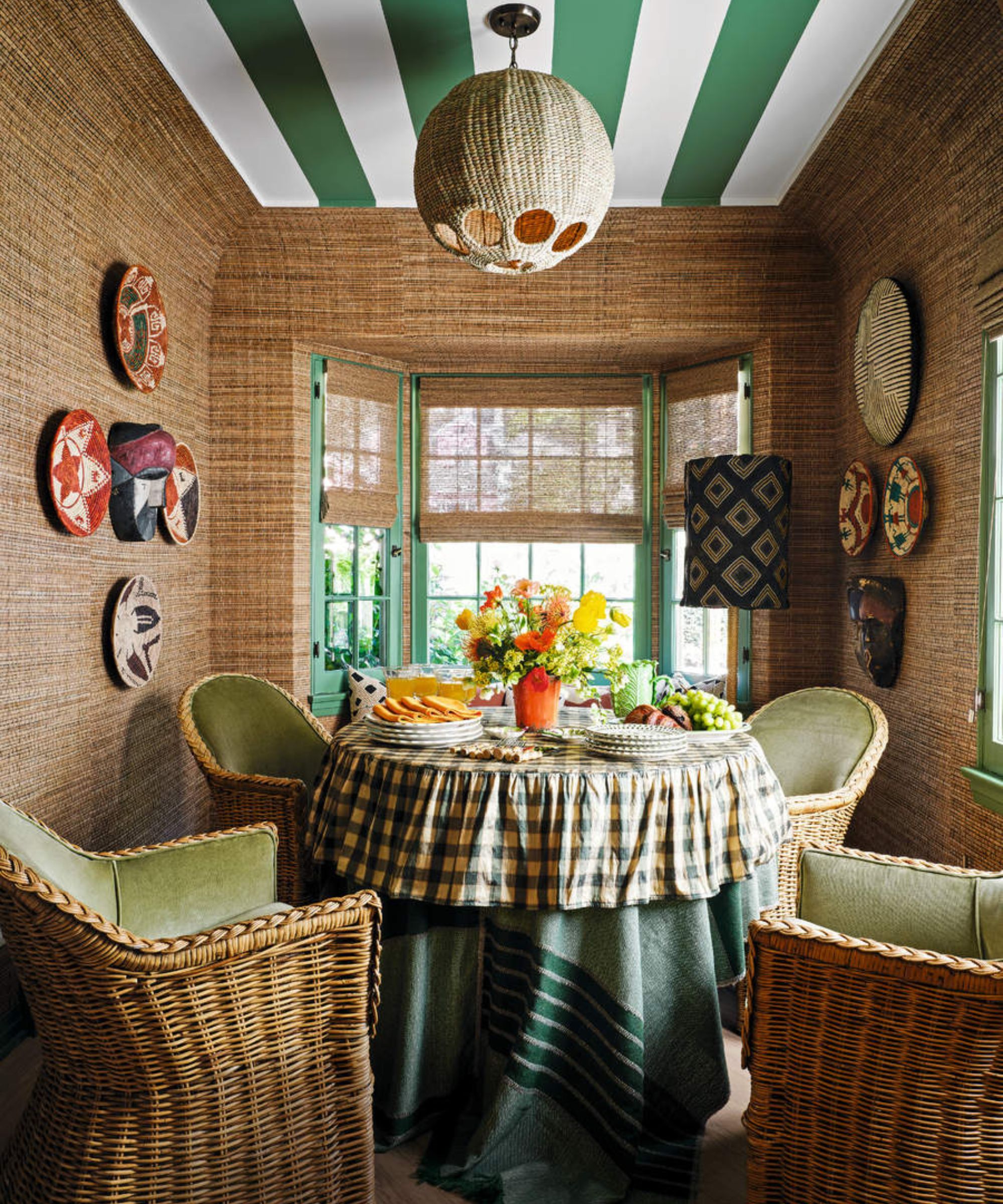
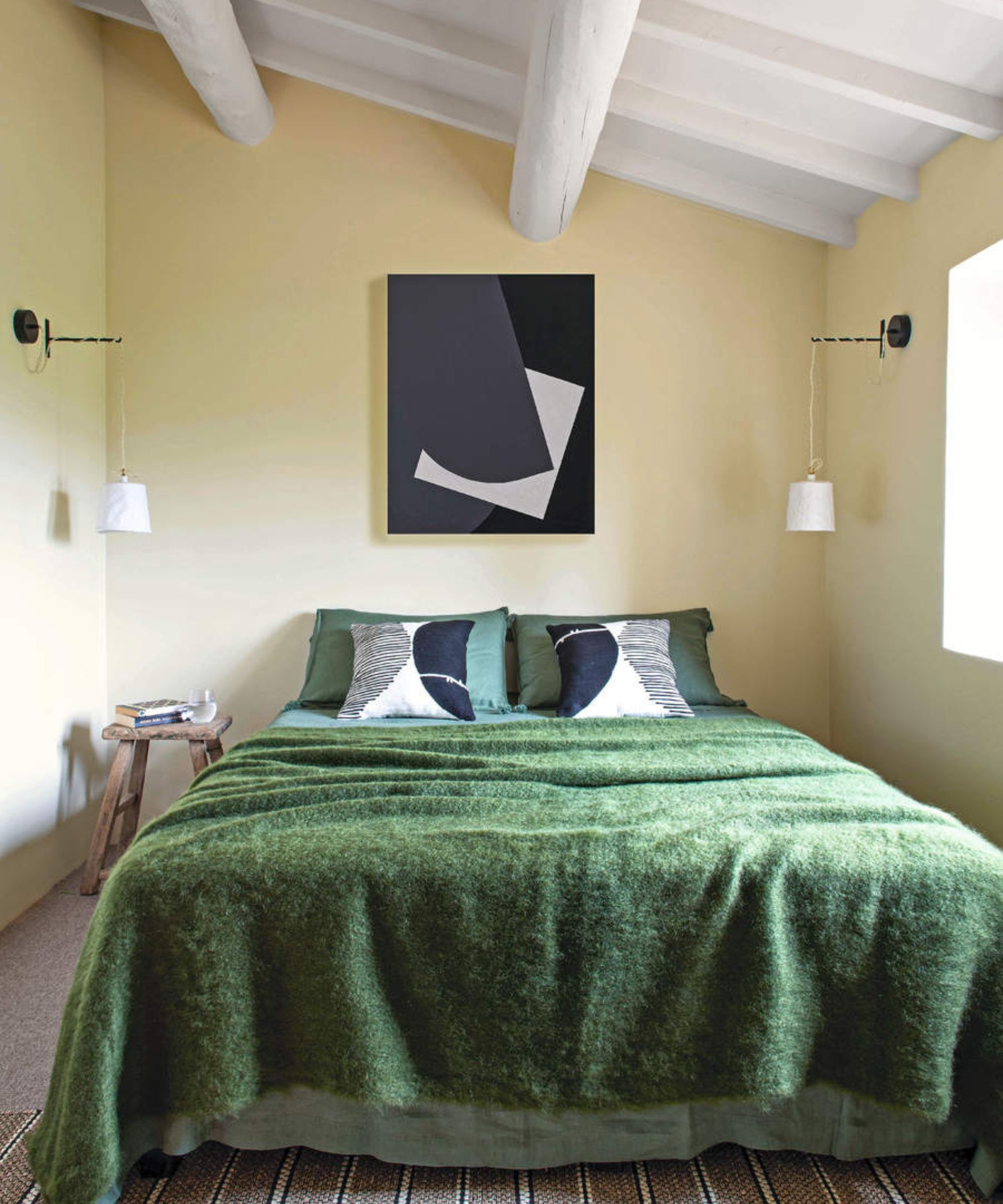
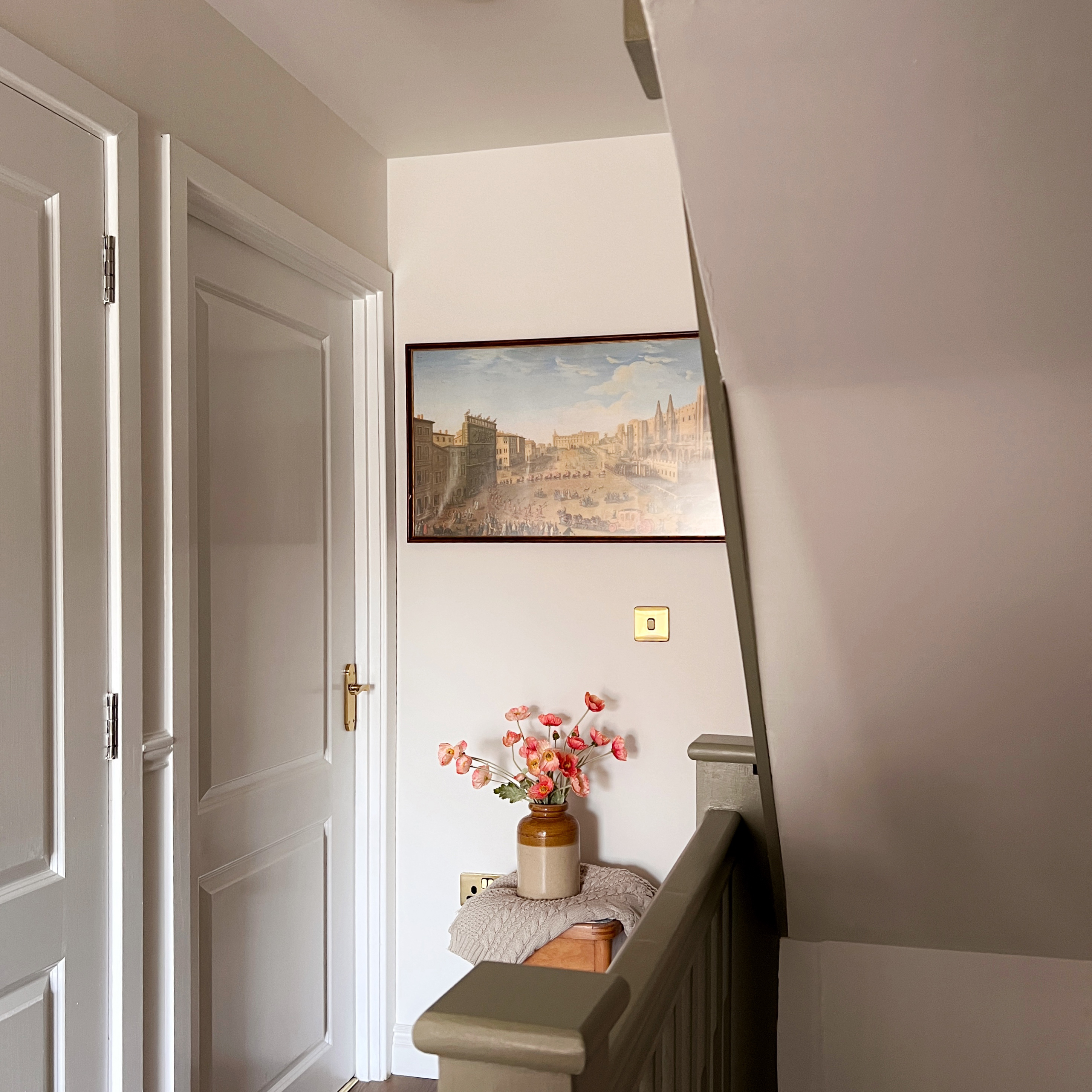
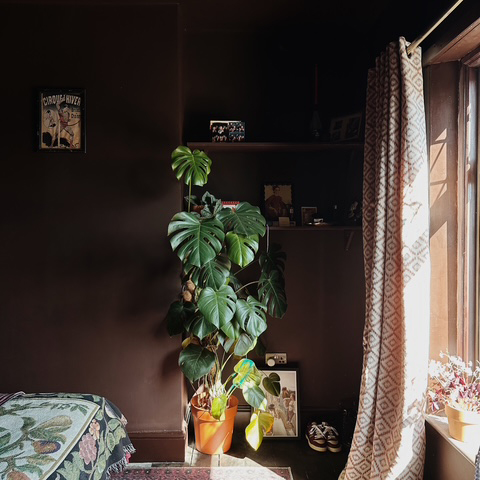
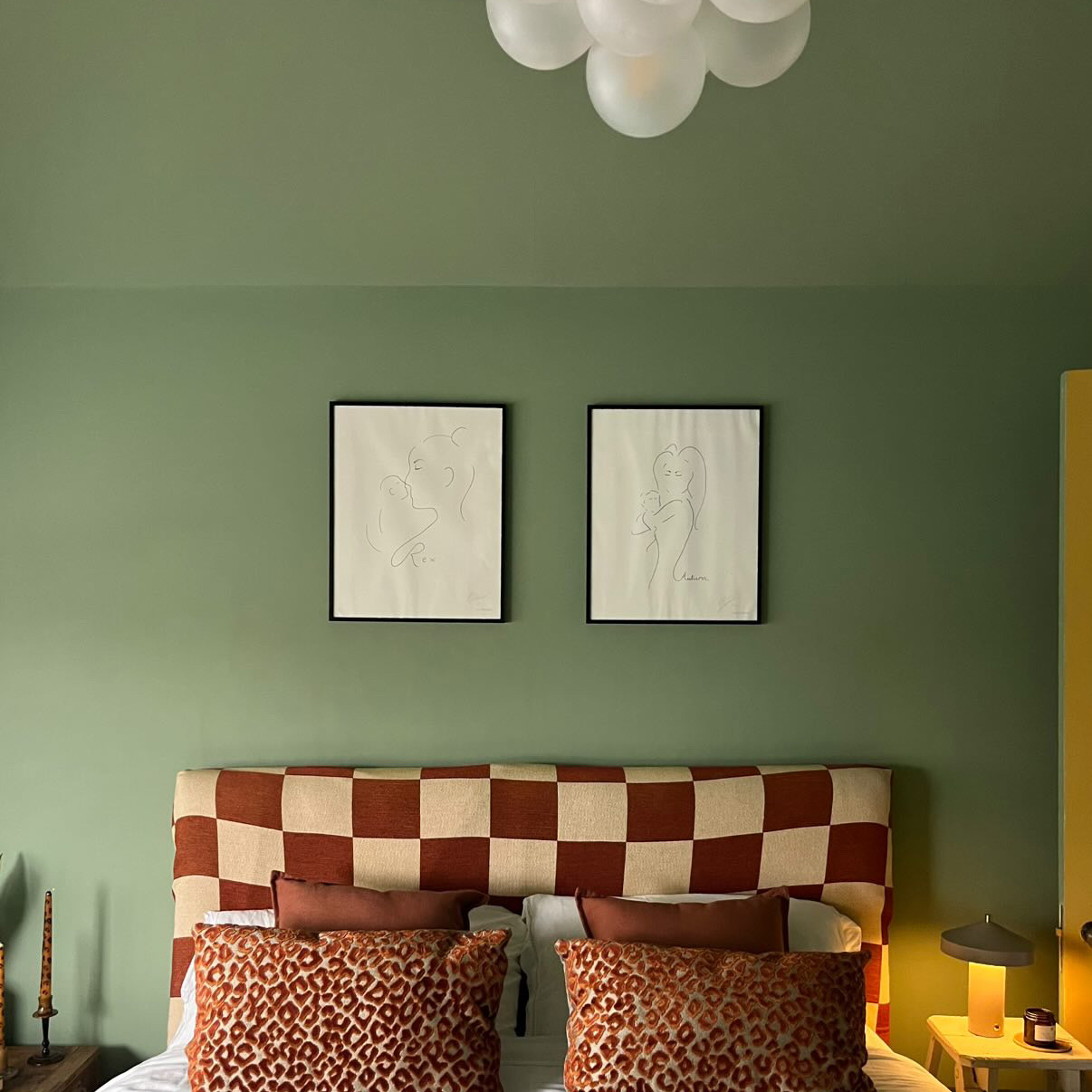
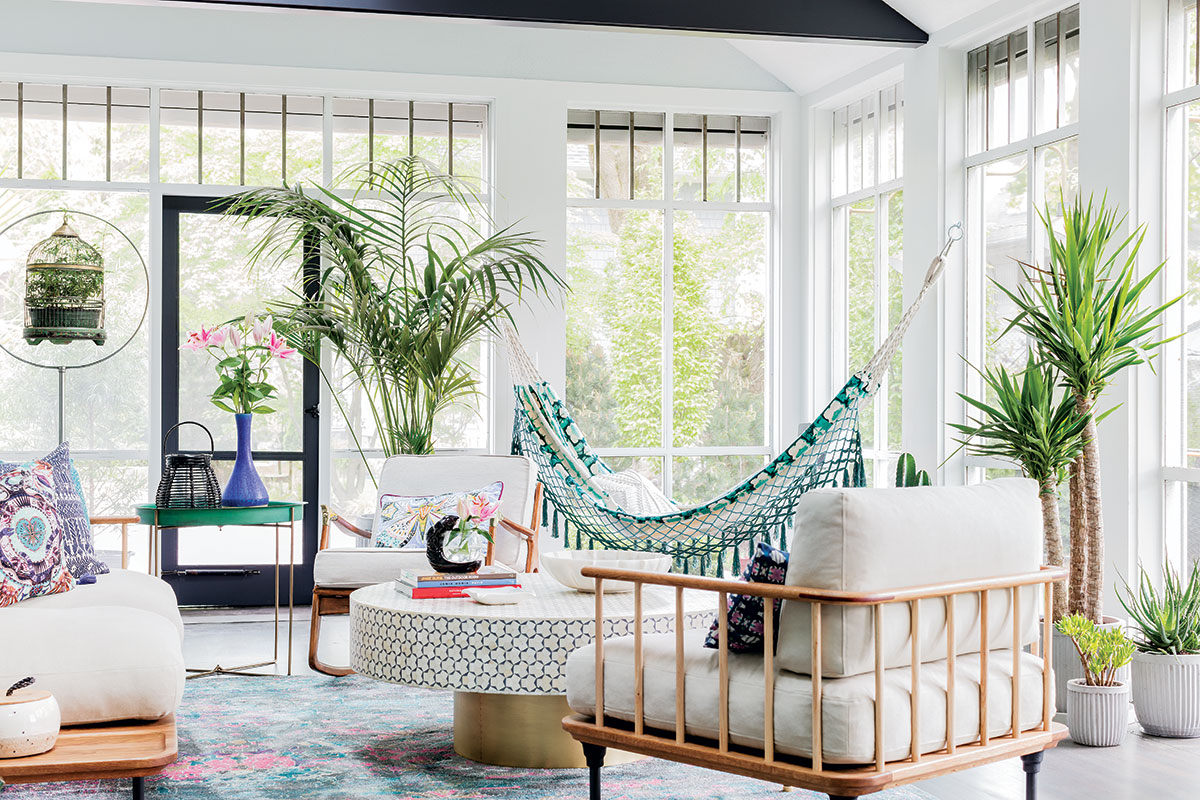
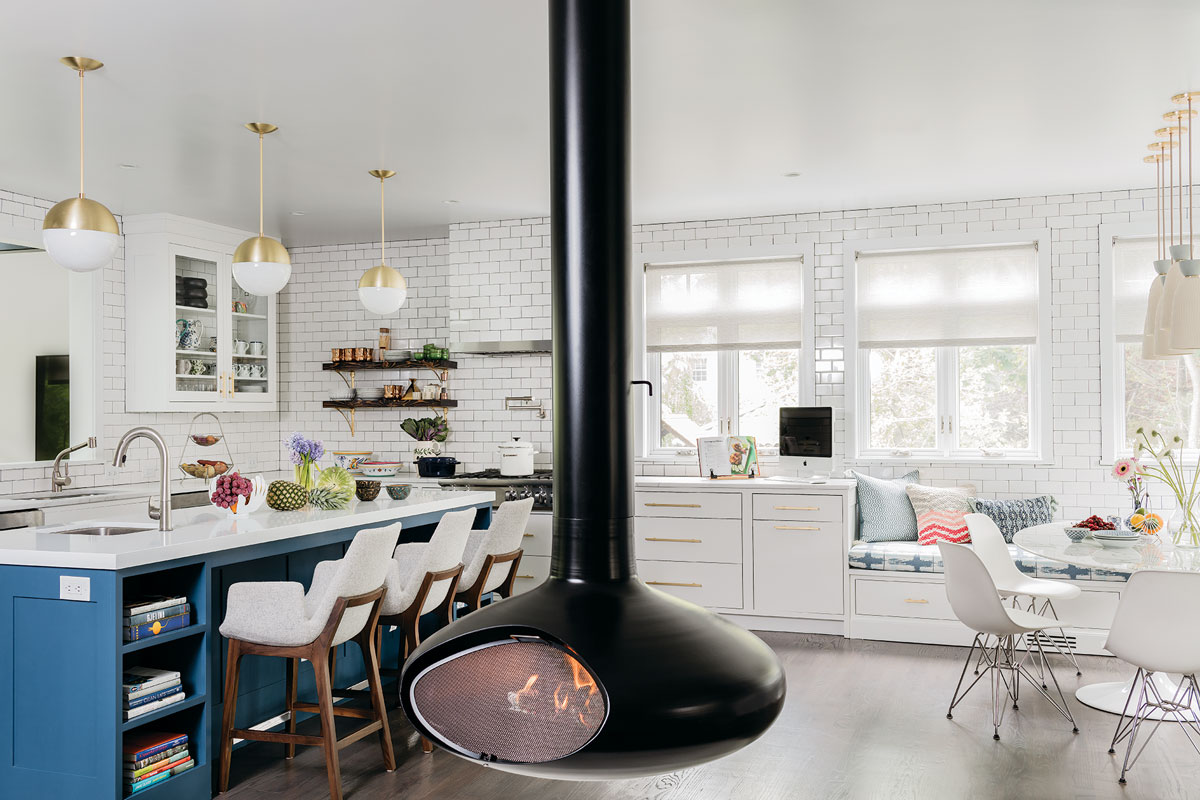
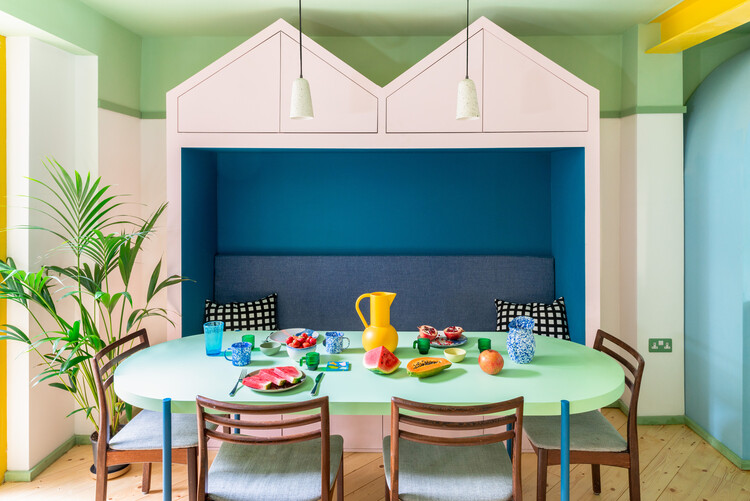
Color blocking in residential interiors involves the deliberate use of contrasting or complementary colors in large areas or distinct blocks. This method can transform an ordinary space into a dynamic and vibrant one, offering a way to infuse personality and modernity. The article showcases 24 residential interiors that exemplify successful color blocking. These examples demonstrate diverse approaches, from bold primary color pairings to more subtle, yet impactful, combinations. The technique allows designers to create focal points, define zones in multifunctional rooms, and introduce visual interest without relying on complex patterns or textures. The careful selection and placement of colors are paramount to achieving a cohesive and aesthetically pleasing result.
Effective color blocking often involves understanding color relationships, particularly those on the color wheel, to ensure harmonious yet striking contrasts. Designers might choose analogous colors for a serene yet varied look, or complementary colors for maximum impact and energy. Beyond aesthetic appeal, color blocking can also serve practical purposes, such as making small spaces appear larger or adding depth to monotonous areas. The article illustrates how different residential projects leverage color blocking to enhance their unique architectural and interior design visions, ranging from minimalist modern homes to more eclectic spaces. The featured projects highlight various scales of application, from entire walls to smaller architectural elements or furniture, proving the versatility of this design approach.
Ultimately, color blocking is presented as a sophisticated design strategy that leverages the psychological and aesthetic power of color. It moves beyond simple decoration, becoming an integral part of the architectural narrative of a space. The showcased residential interiors serve as a testament to the transformative potential of this technique, offering inspiration for designers and homeowners seeking to create visually compelling and emotionally resonant living environments. The success of these projects lies in the thoughtful integration of color choices with the overall spatial design, creating interiors that are both lively and thoughtfully composed.
#ResidentialArchitecture #InteriorDesign #ColorBlocking #ColorTheory #ModernInteriors #ArchitecturalDesign #HomeDecor #SpatialDesign #ResidentialArchitecture #InteriorDesign #ColorBlocking #ColorTheory #ModernInteriors #ArchitecturalDesign #HomeDecor #SpatialDesign
0 comment in total
 No comments yet
You may also like
10 homes that feature colour blocking
Understanding colour blocking

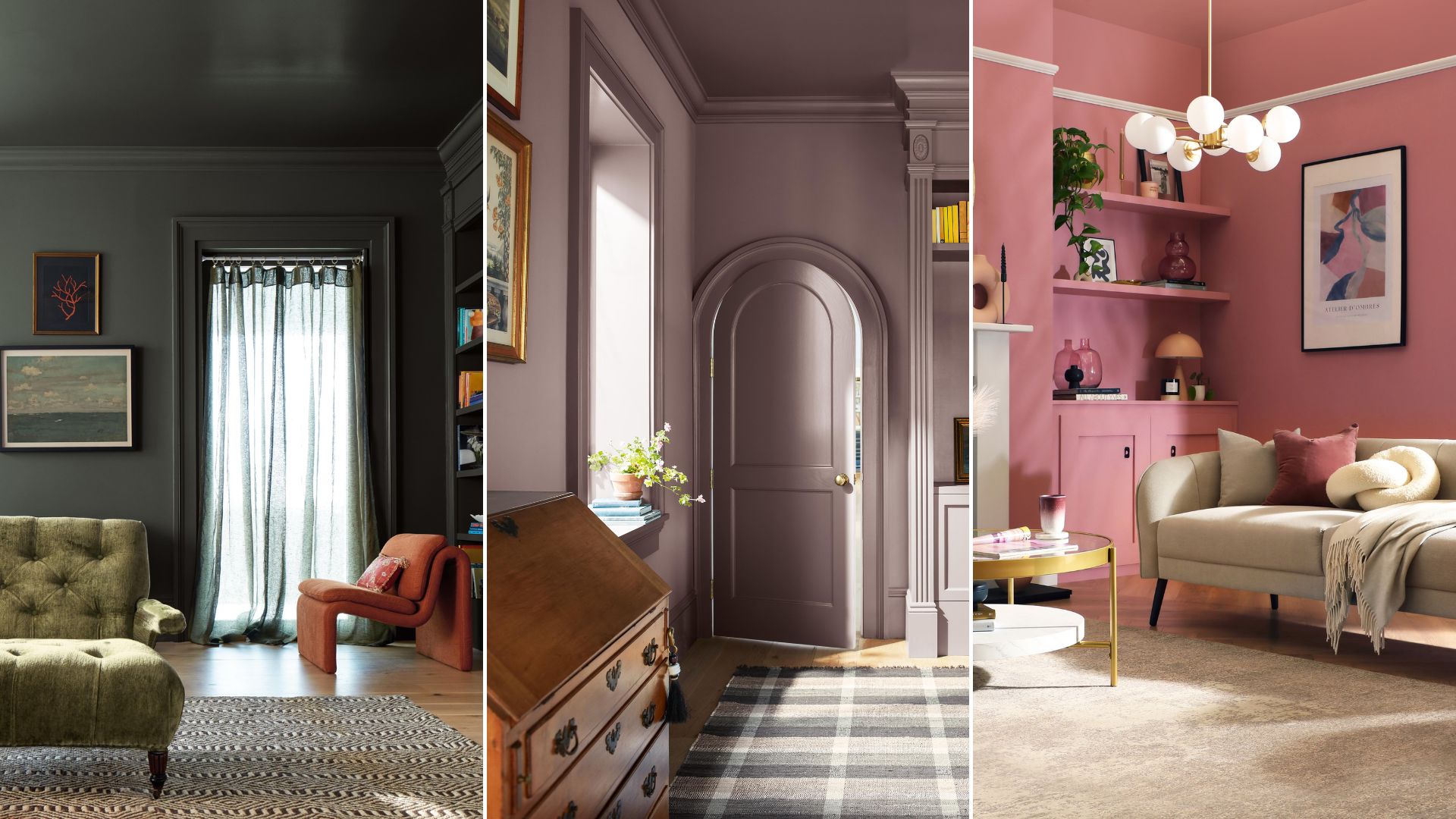
Experts explain the 'colour drenching' trend – sharing 7 thoughtful ways to try it in your home

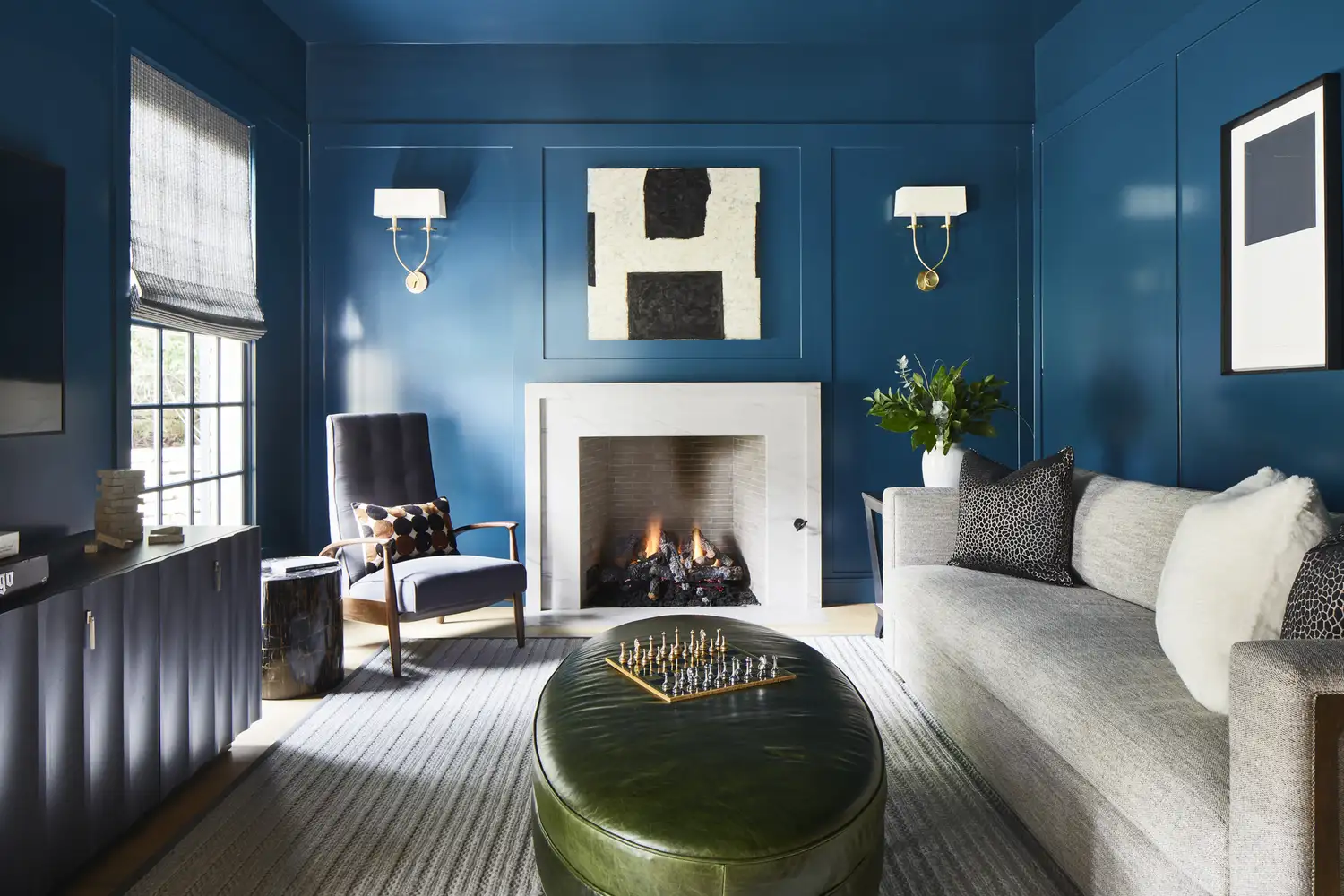
Say Goodbye to Neutrals: Color-Drenching Will Define 2026 Interiors

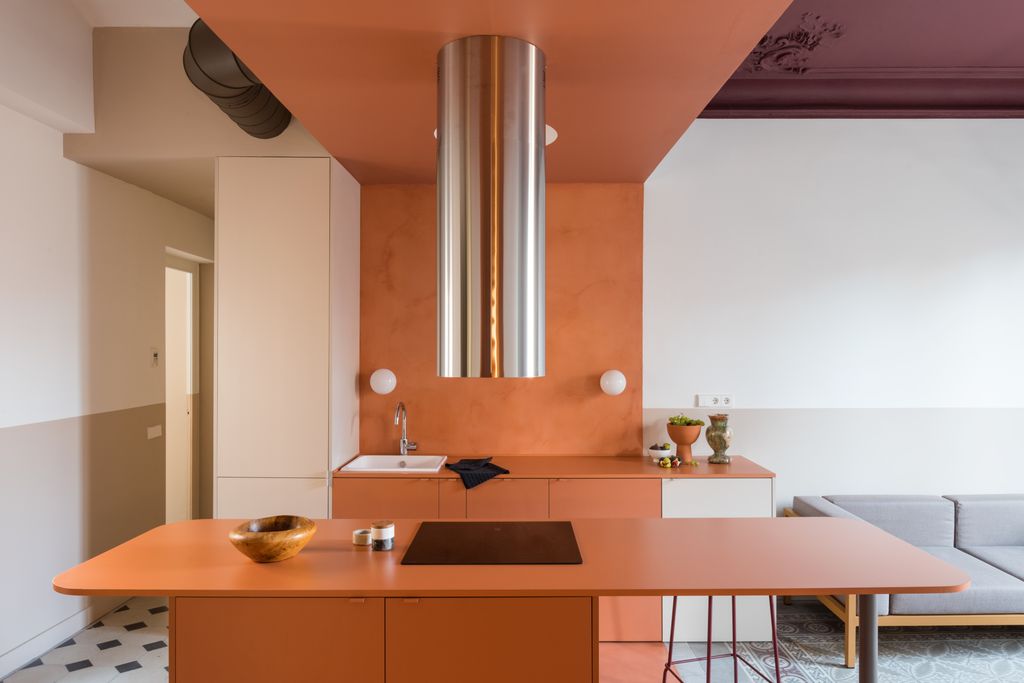
9 Color Blocking Ideas for a Bright, Cheery Home

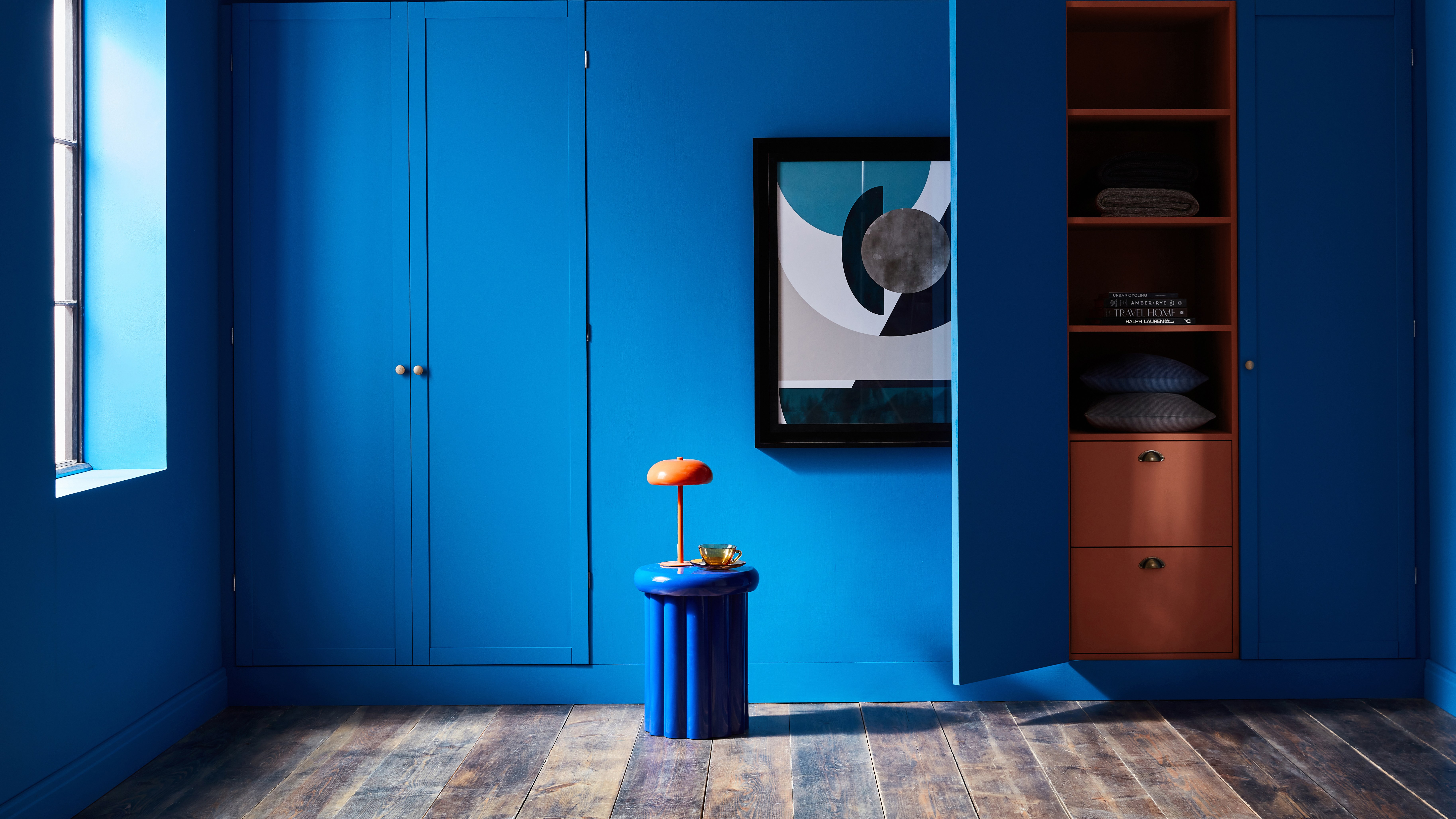
How to transform your rooms with colour drenching
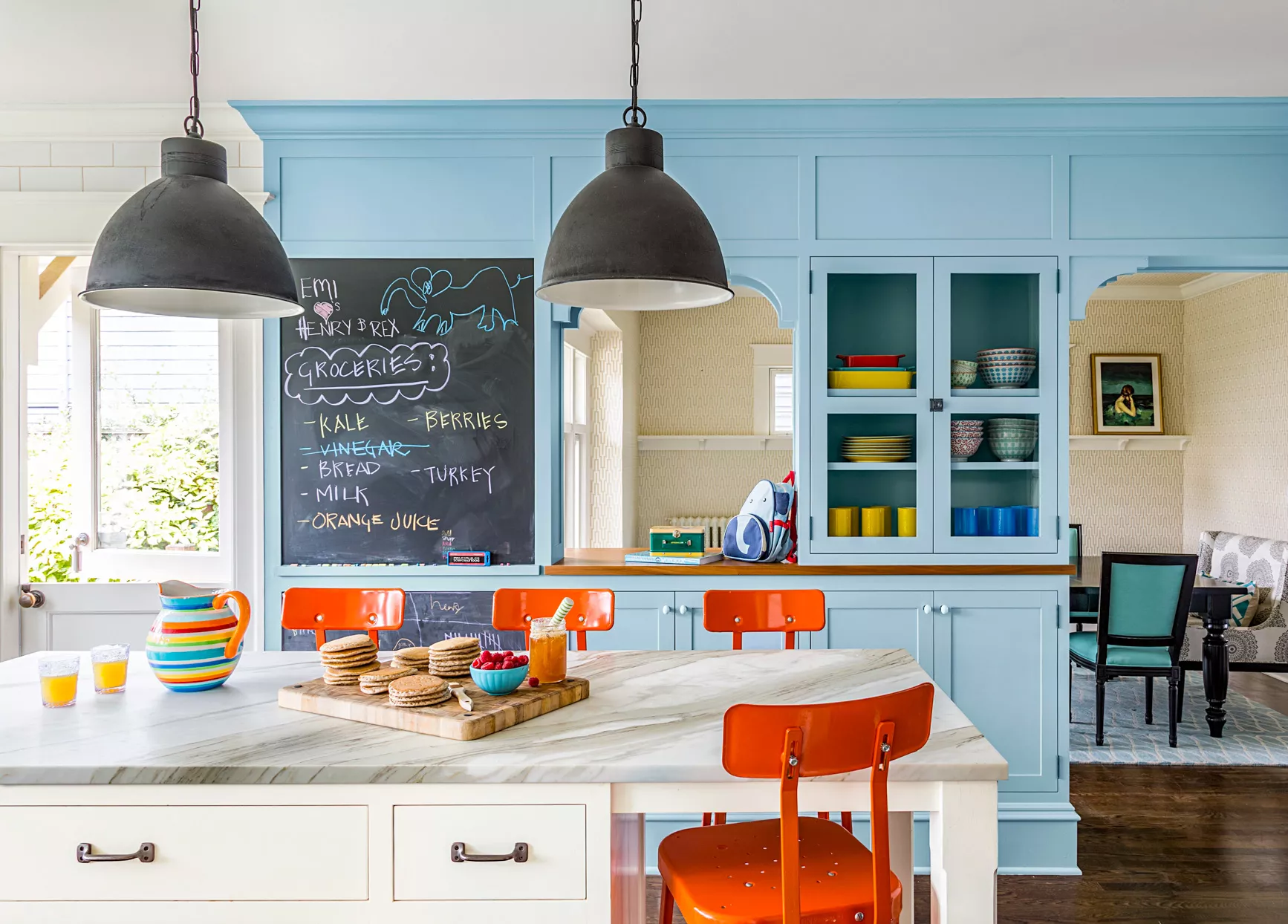
24 Complementary Color Schemes That Will Make Any Room Pop

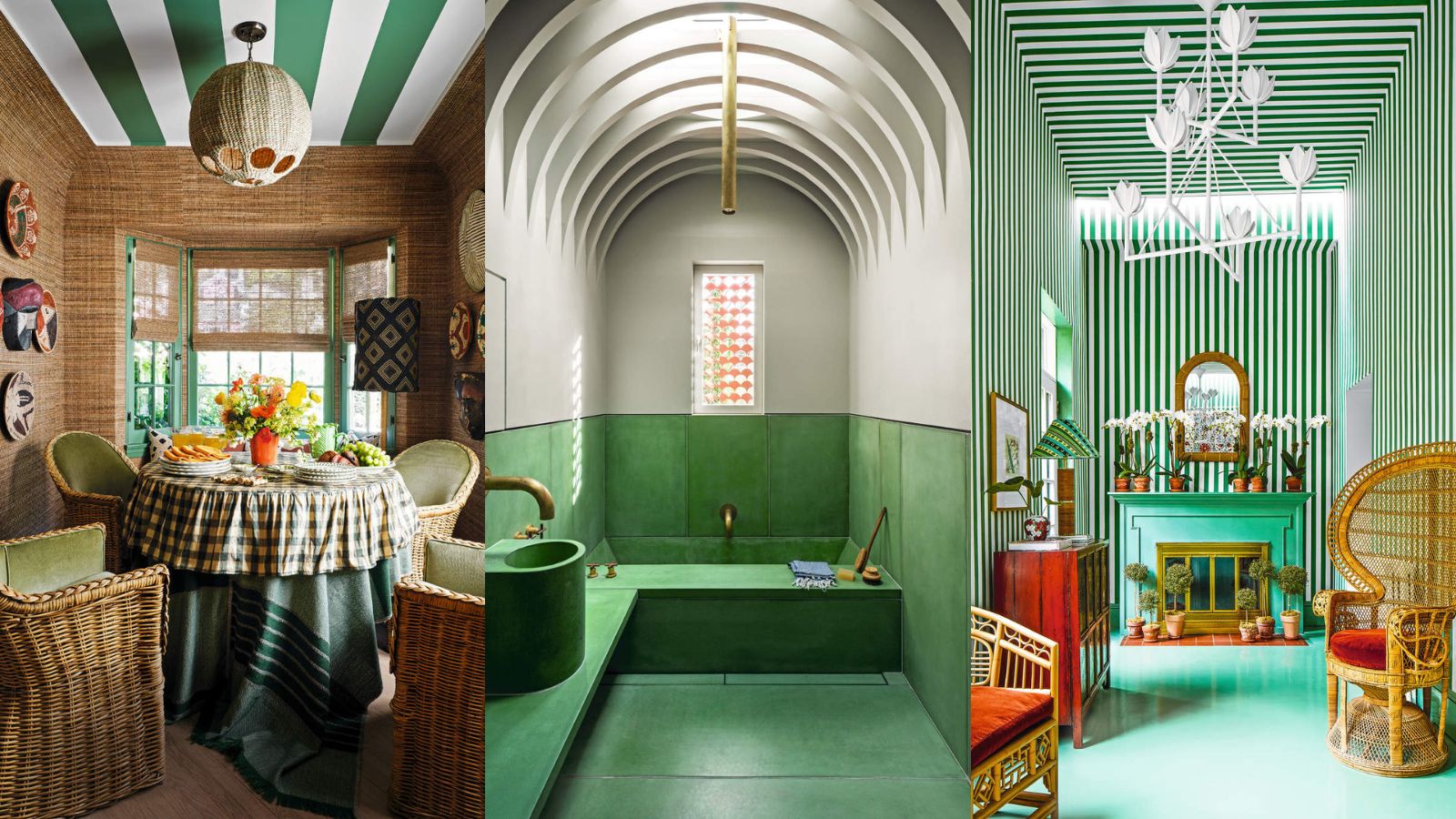
Green is the color of 2023 – these designer-approved ways to use it are bold and beautiful

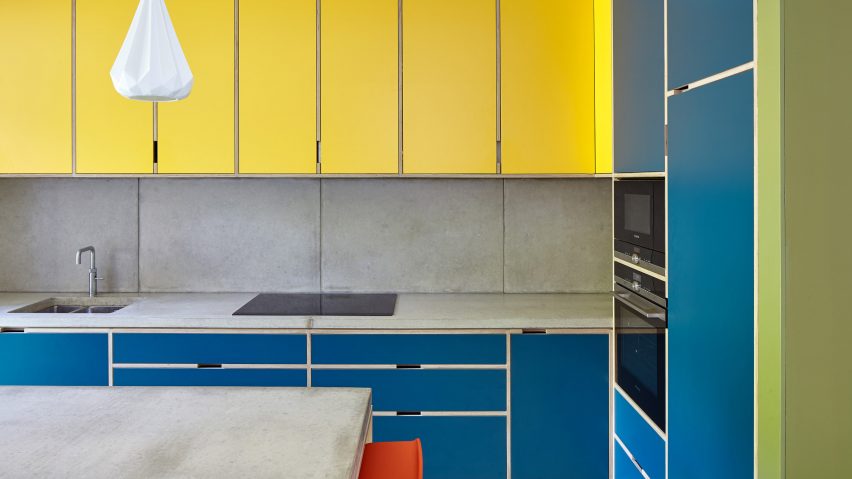
Ten bright and bold interiors that make use of colour theory
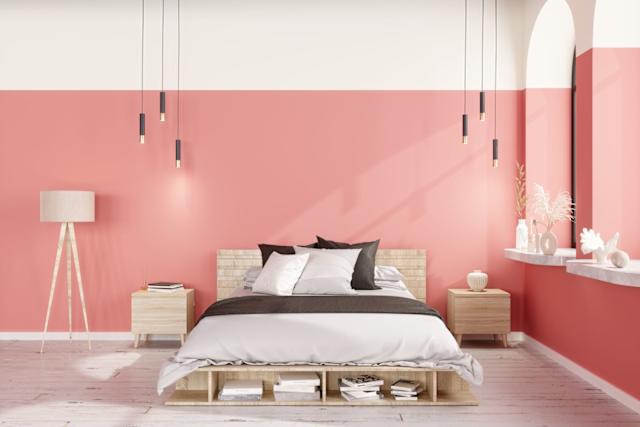
Design Pros All Agree: The Color-Blocking Trend Is One to Try

Incorporate Color Drenching Into Your Home Design

Is colour drenching really a radical new way to decorate, or is it just lazy decorating?
Design Pros All Agree: The Color-Blocking Trend Is One to Try

Bold, edgy color drenching is going to be big in 2024
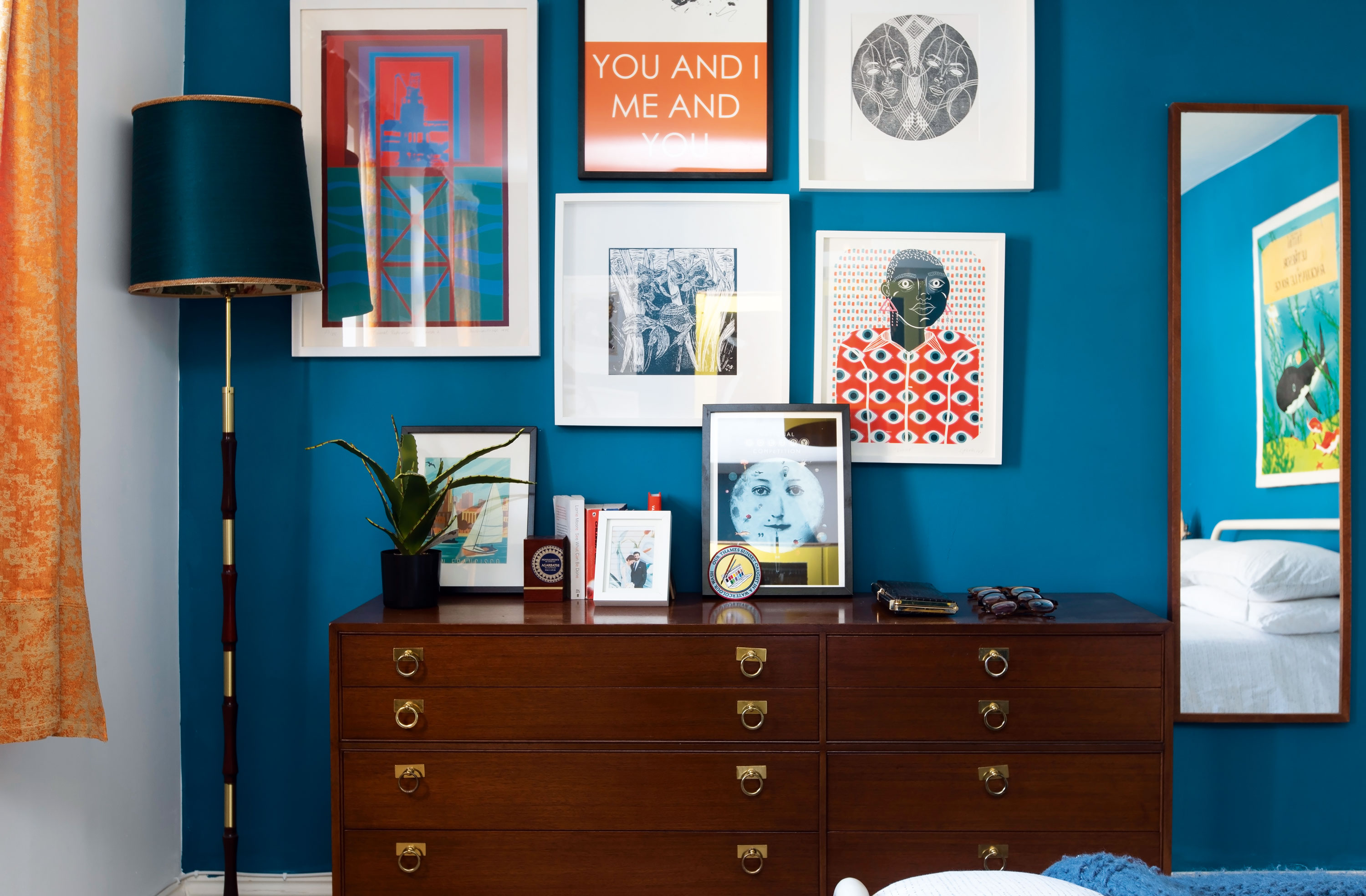
Feeling blue about your current space (figuratively)?

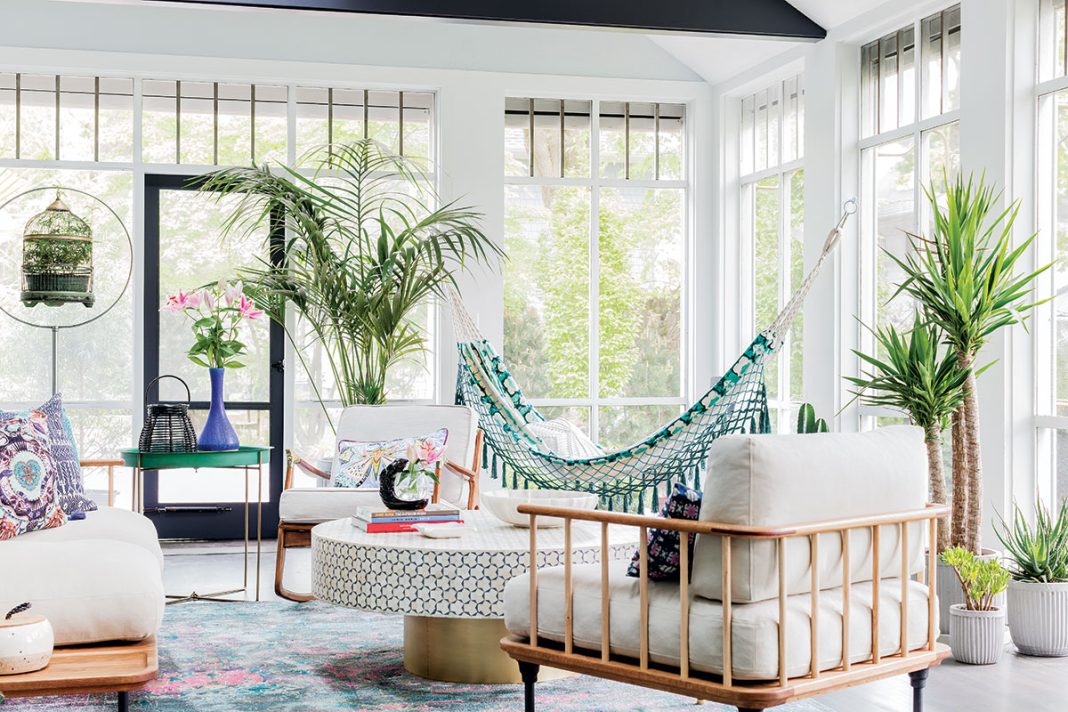
Creative, Captivating Use of Color Helps This Home Redesign Shine
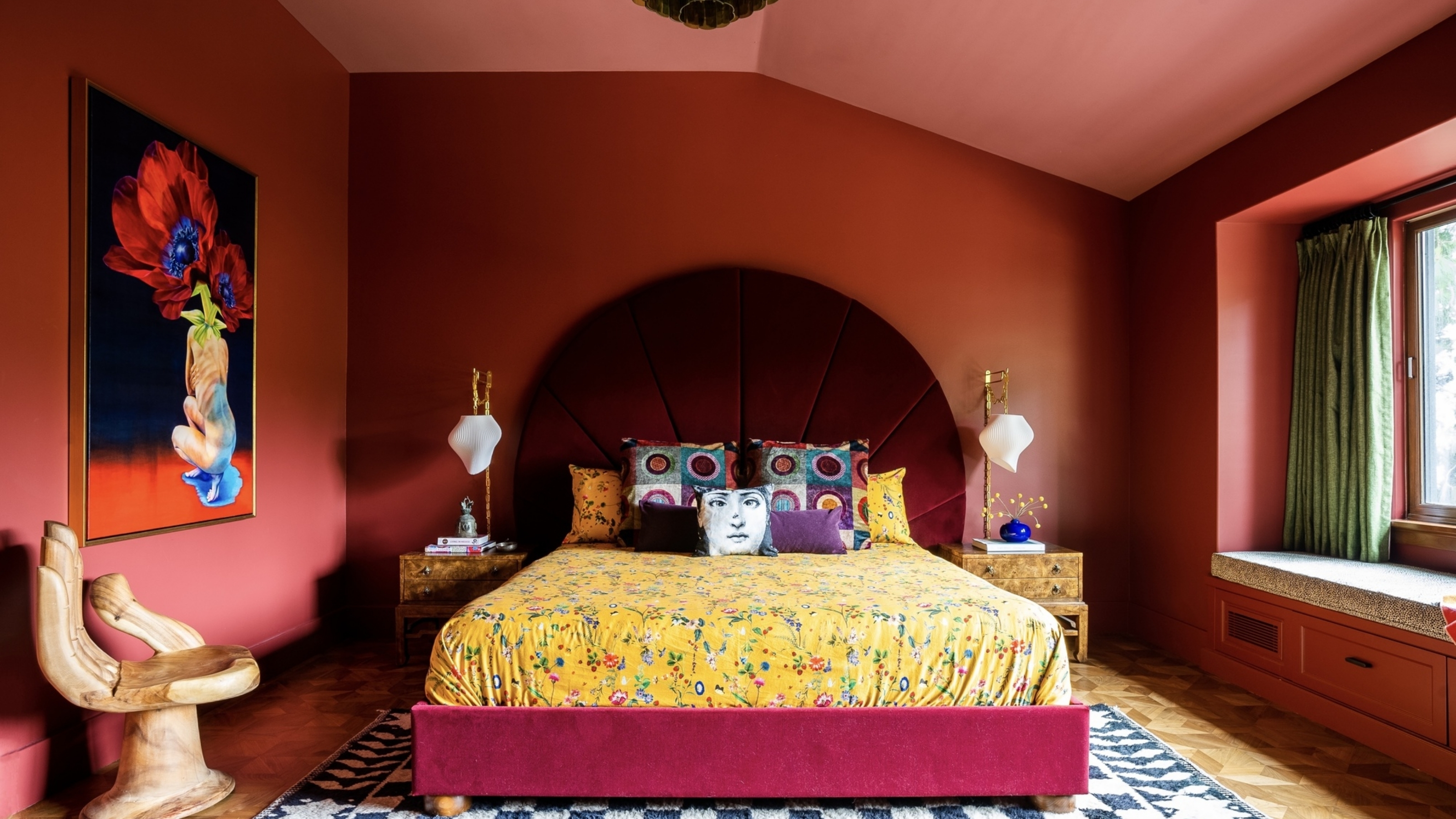
OMG — Is Color Blocking Actually Cool Again?

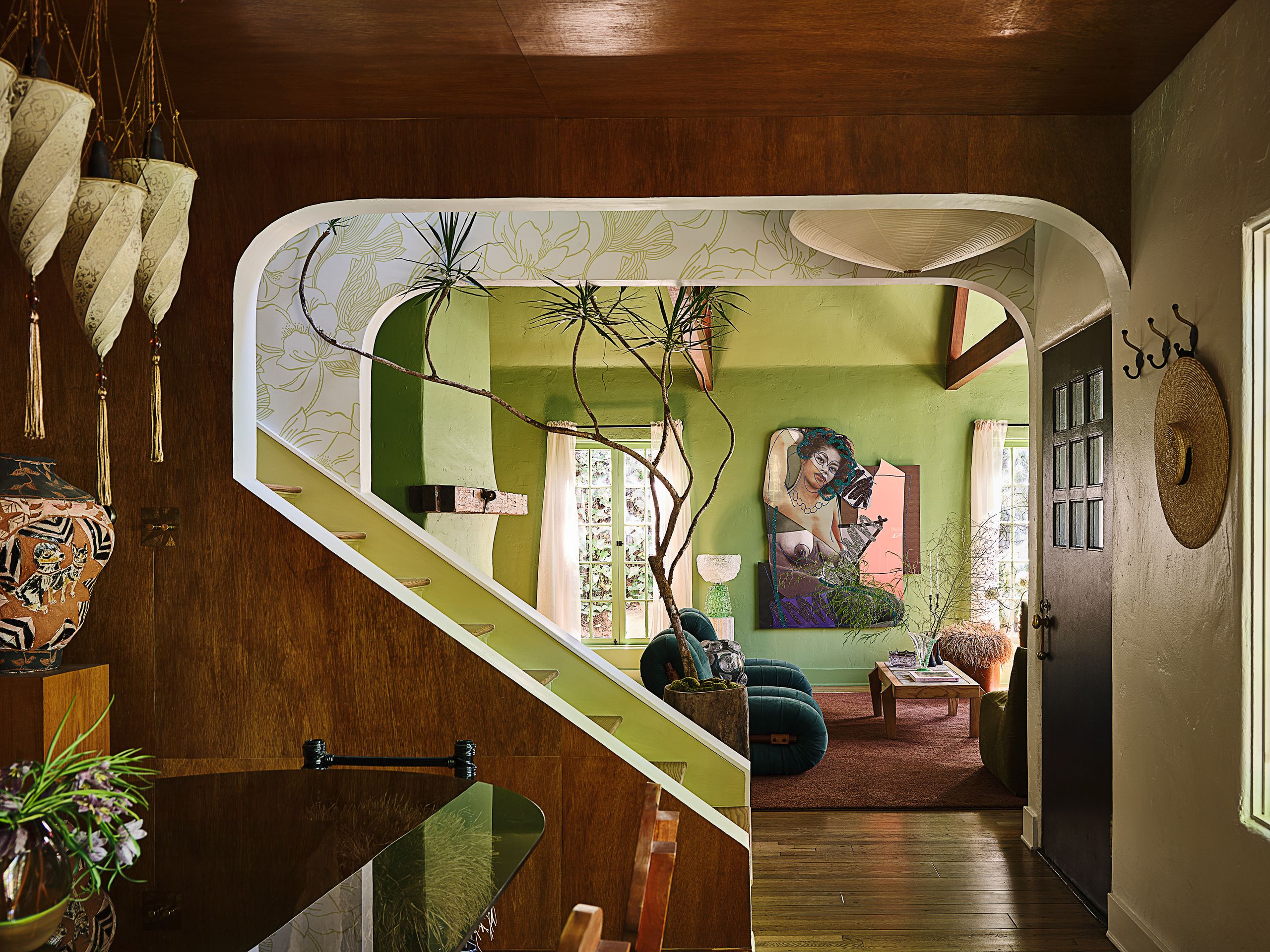
These Colors Will Be Everywhere in Interiors in 2025
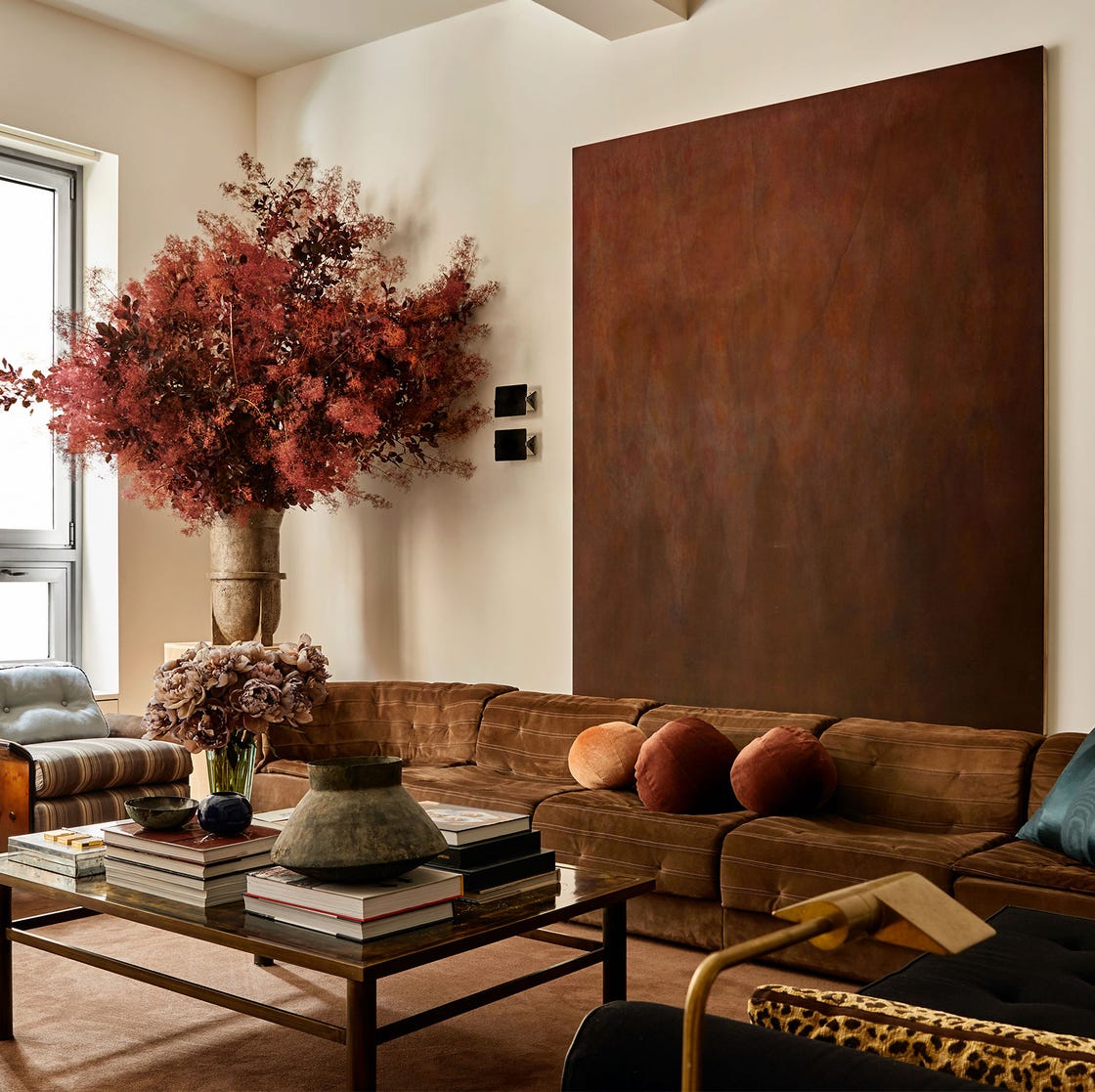
What Colors Go with Brown? Here Are 15 Complementary Shades to Try Now
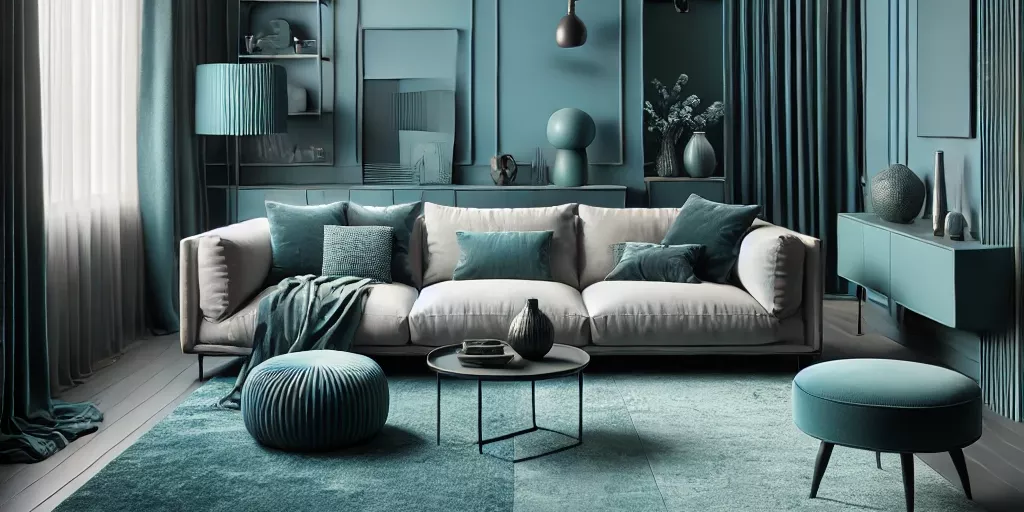
Colour drenching: the interior design trend everyone’s talking about