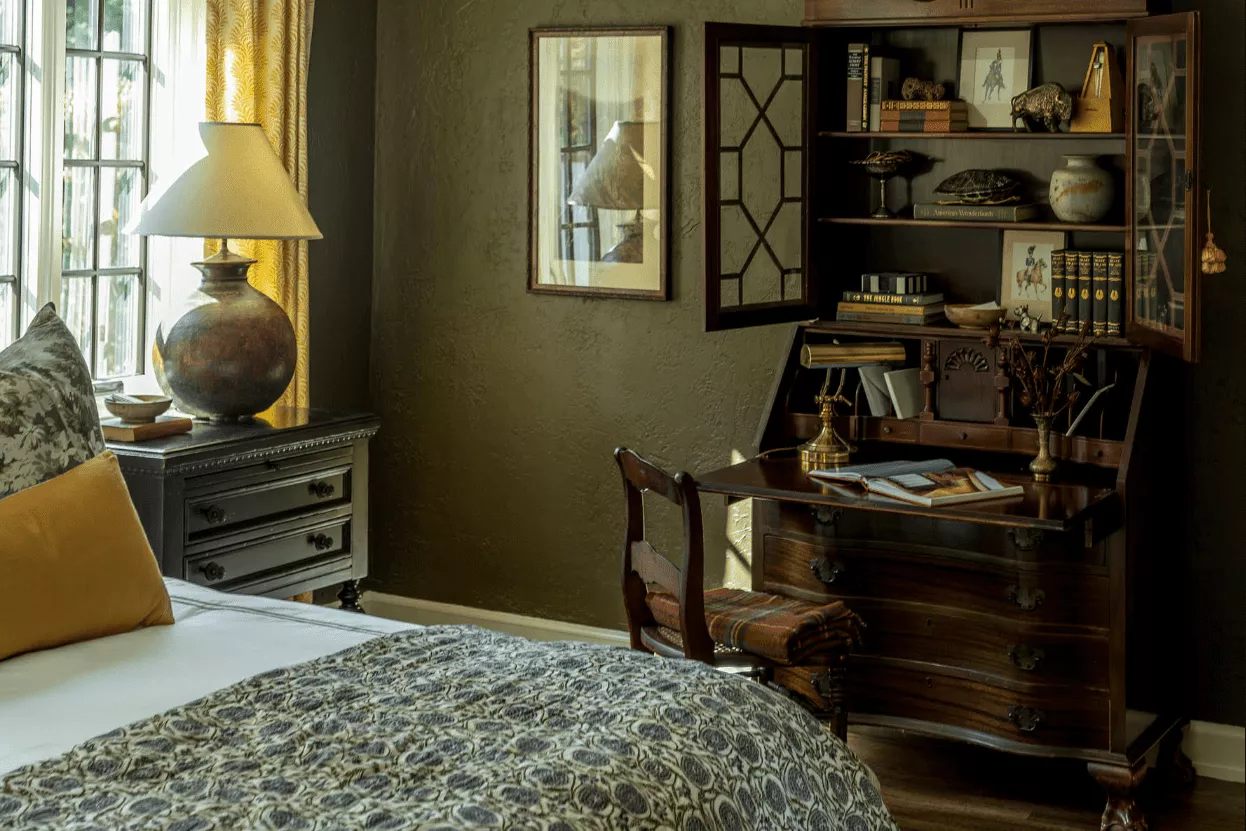
9 Things Designers Would Never Buy New
In the realm of home decor and furnishings, the adage "They just don't make them like they used to" often holds true. This sentiment particularly applies to the quality of older, solid wood furniture compared to modern, mass-produced pieces made from materials like MDF. When seeking unique and personality-filled decor and styling items, the secondhand market frequently offers unparalleled finds. In fact, some designers advocate for exclusively acquiring certain pieces vintage, rather than from new retailers. This approach not only provides superior quality and distinct character but also promotes sustainability.
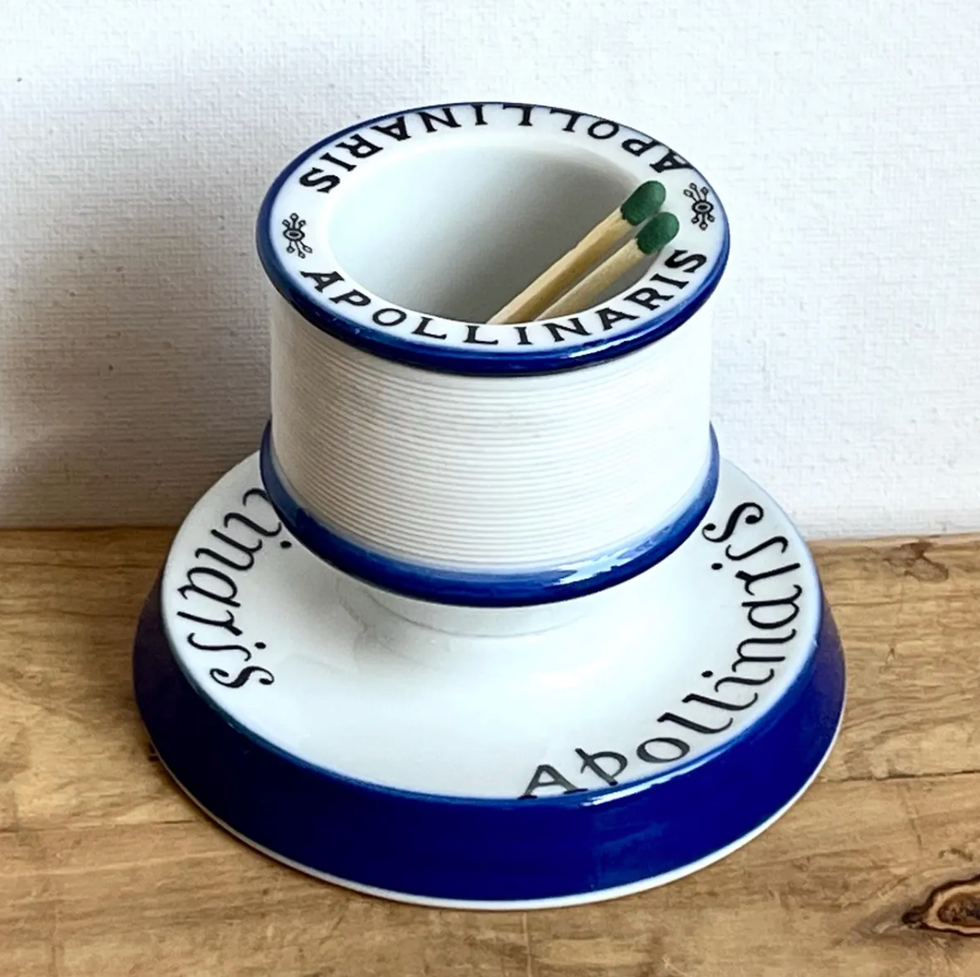
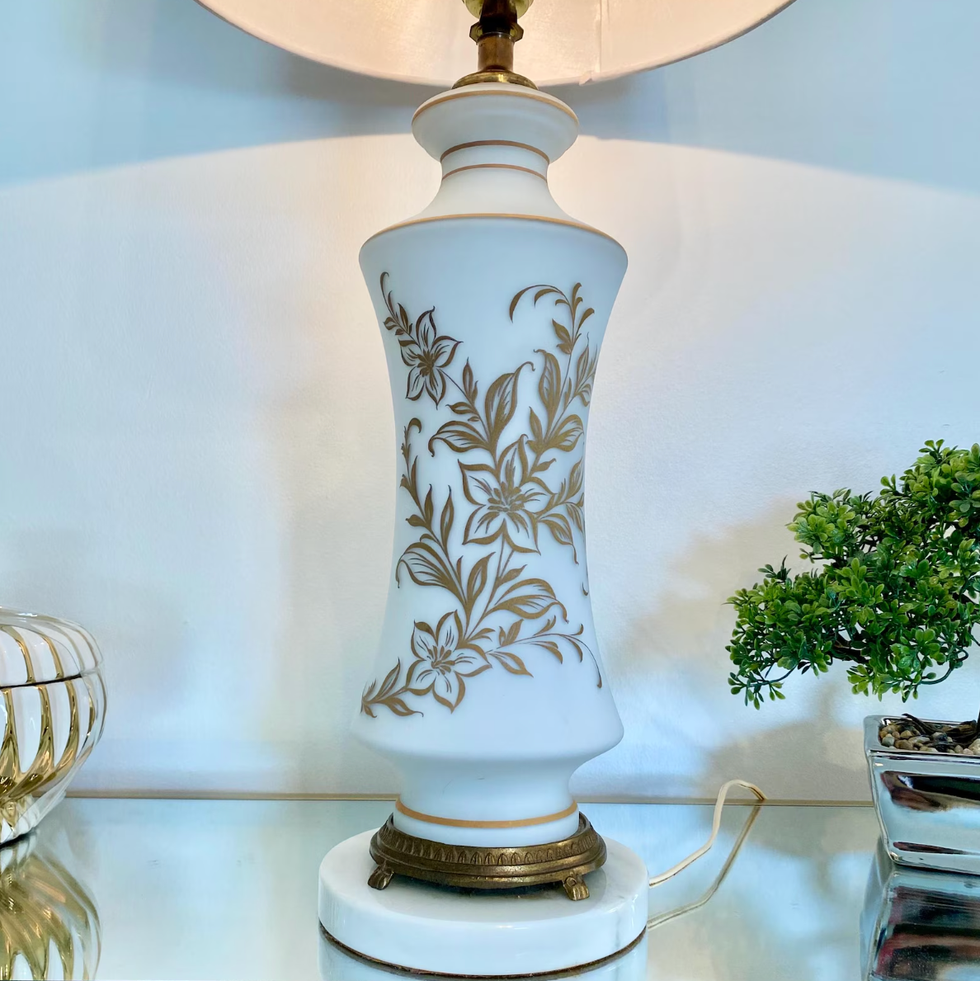
Designers consistently opt for vintage china cabinets and hutches, citing their inherent charm and gravitas that contemporary pieces often lack. Whether sourced from online marketplaces or antique stores, these secondhand items offer a more authentic aesthetic. Similarly, display plates are rarely purchased new. The appeal lies in collecting one-off, hand-painted porcelain or ceramic pieces that contribute to a curated, "found-over-time" quality, transforming them into art that naturally fits a collector's home.
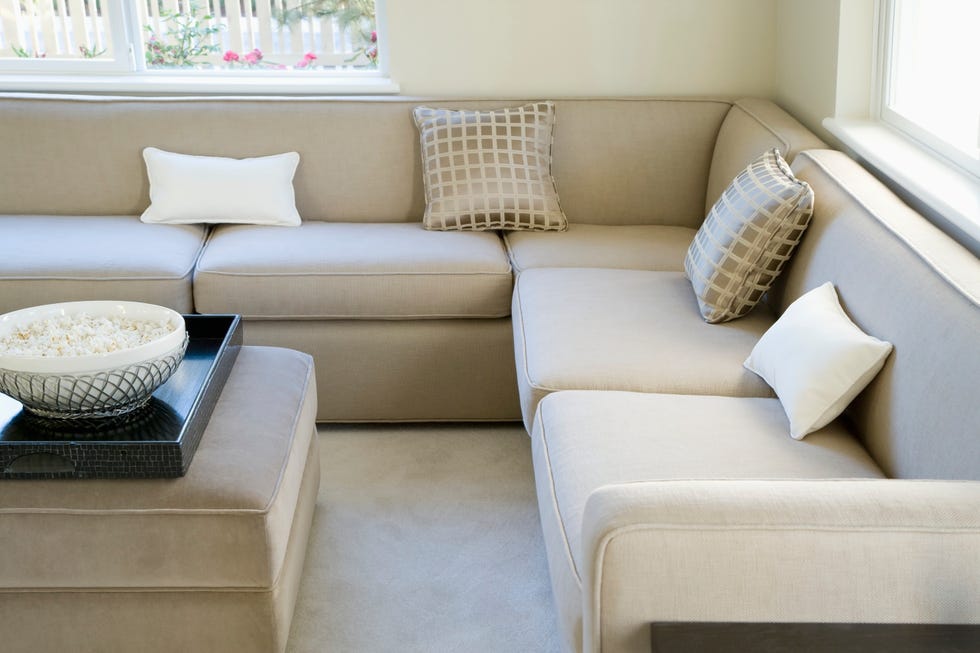
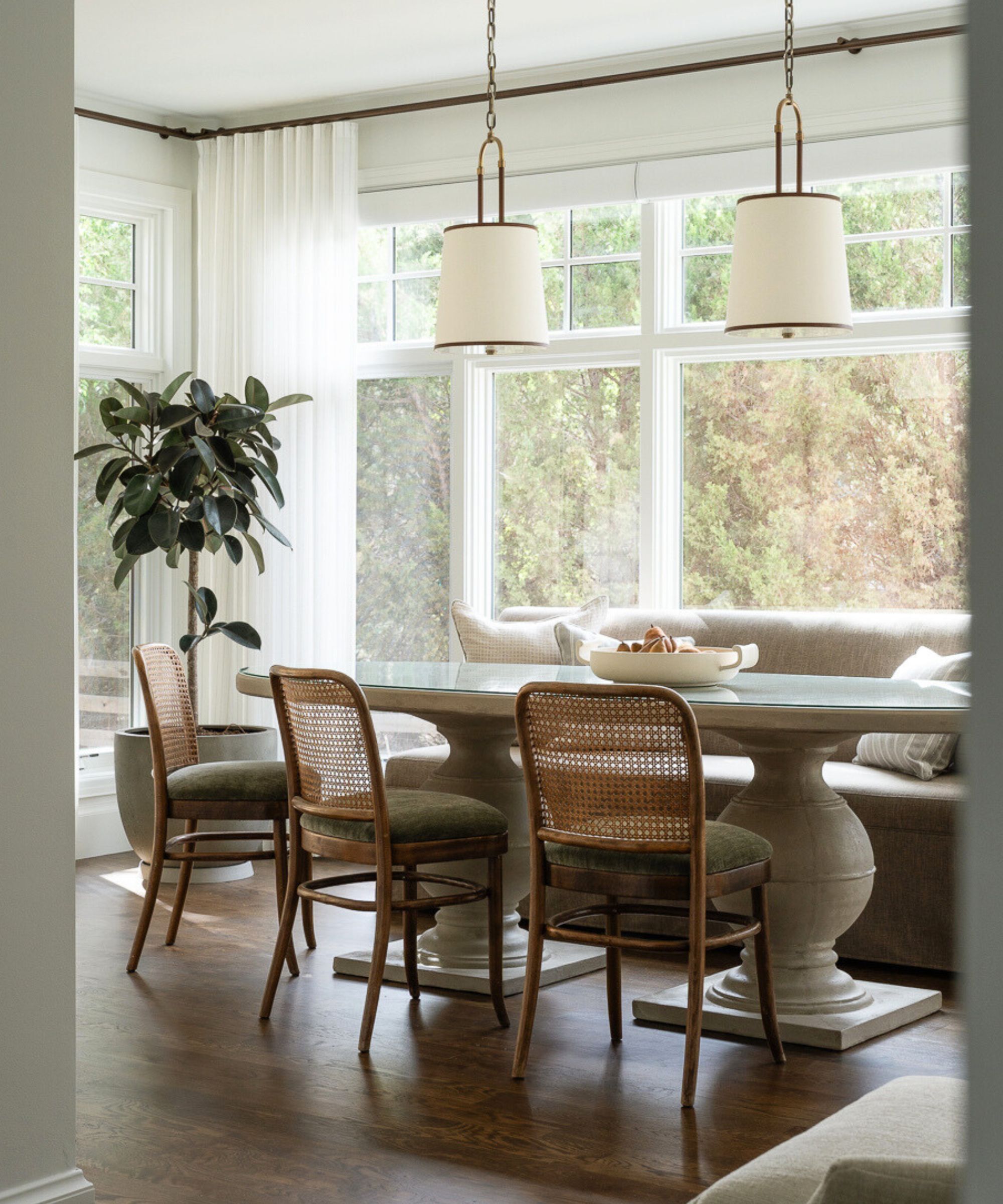
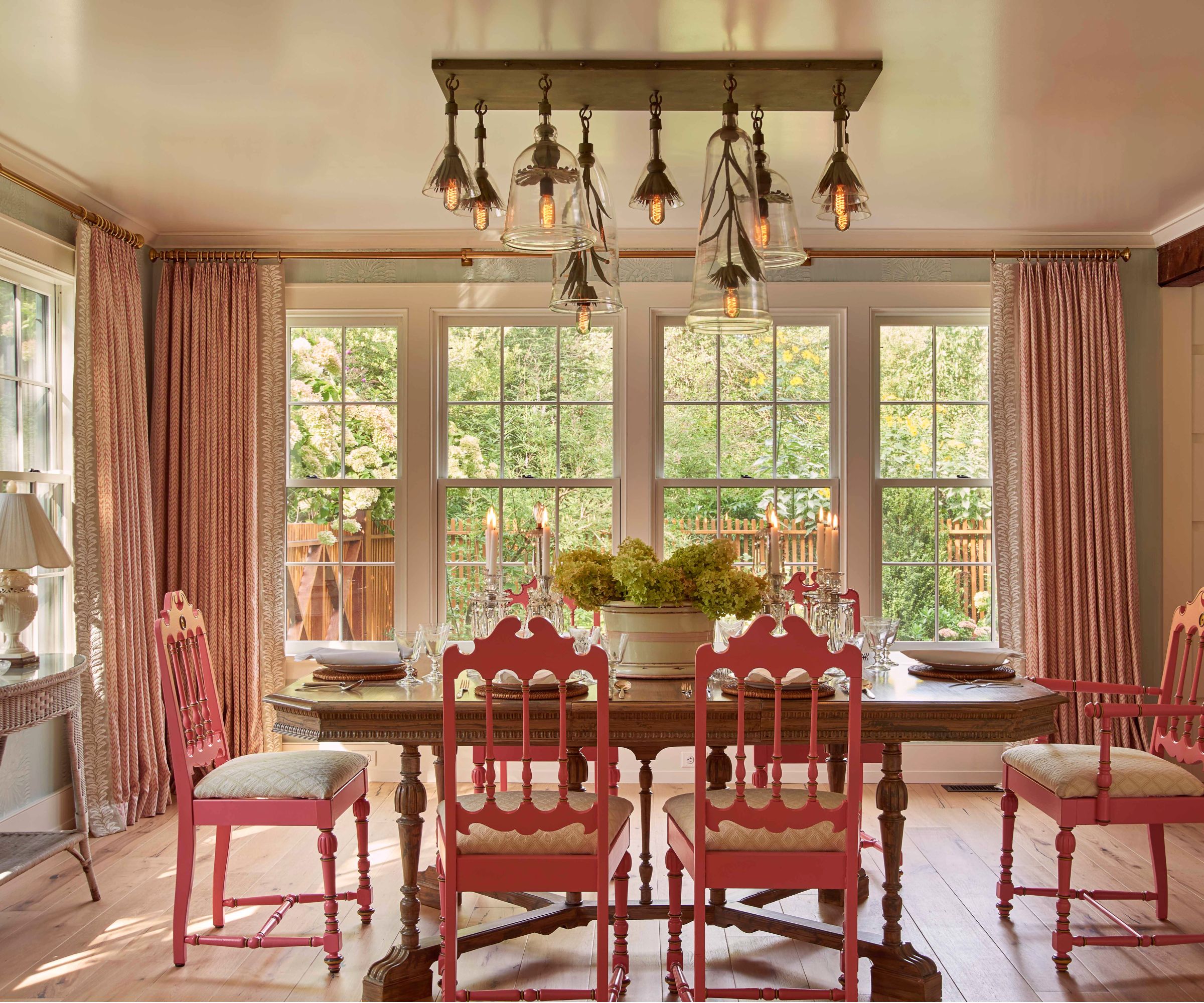
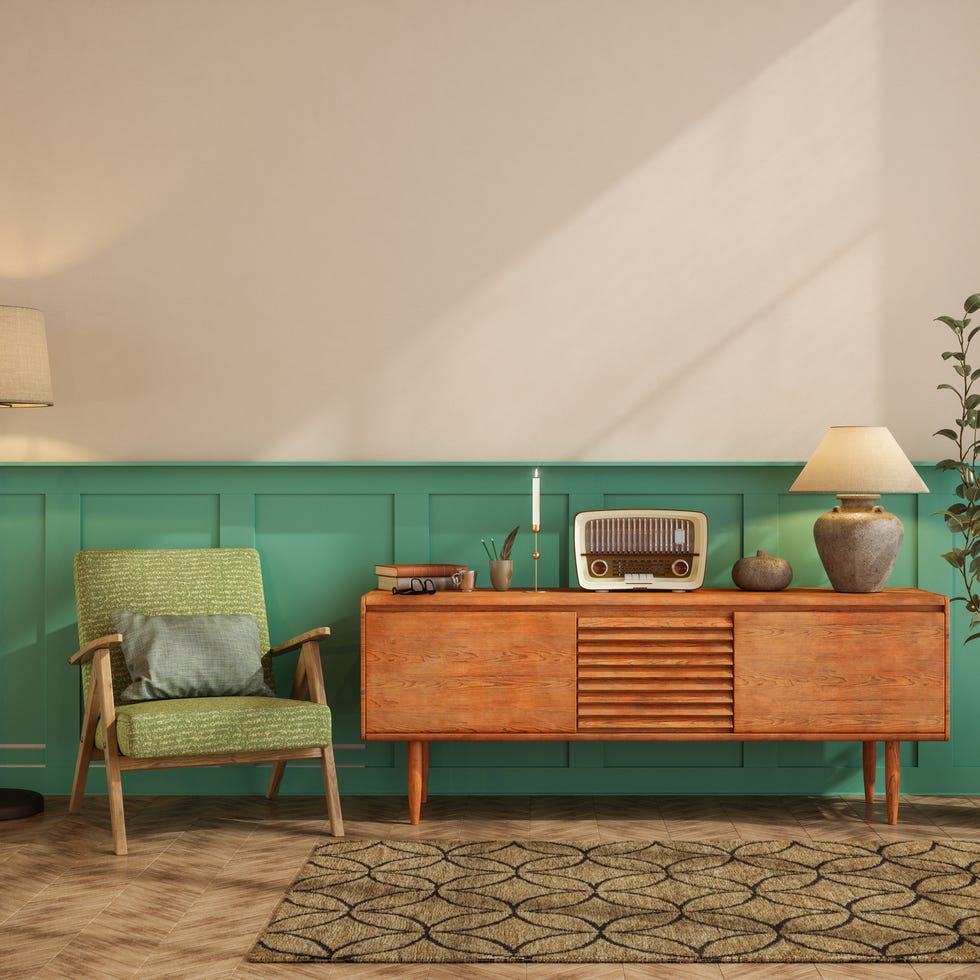
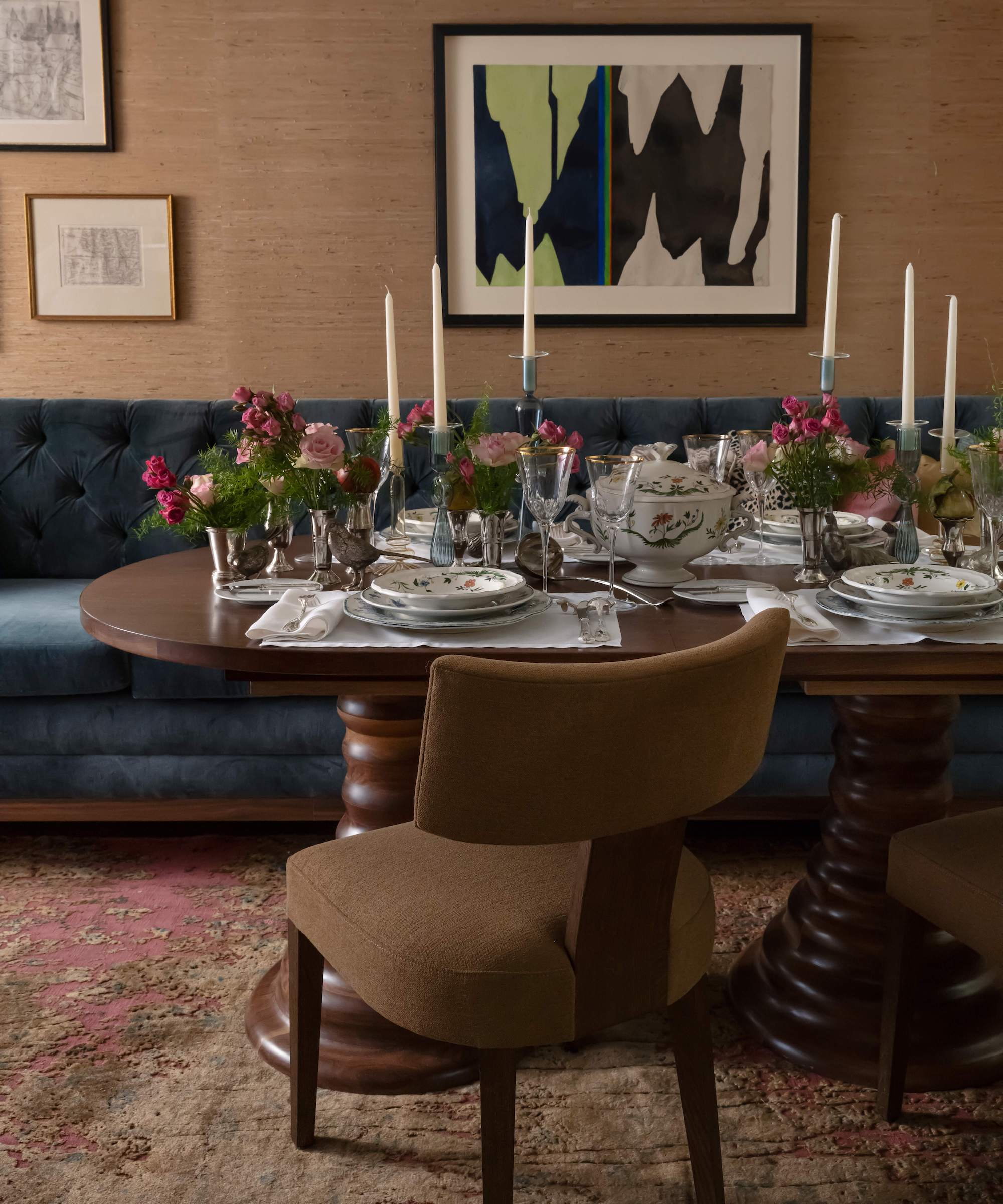
While new seating is sometimes necessary for specific sizes or immediate use, vintage seating is highly valued for its quality and style. Designers recommend seeking out pieces with sturdy frames and striking silhouettes, as these can be completely revitalized through reupholstering. This method not only offers better craftsmanship but also allows for personalized fabric choices. Casegoods, such as secretaries, dressers, and chests, are almost exclusively bought secondhand by designers. Vintage and antique casegoods typically feature superior craftsmanship, often made from solid wood instead of MDF. They possess unique character and a rich patina that new furniture cannot replicate, and they are frequently more affordable and environmentally conscious.
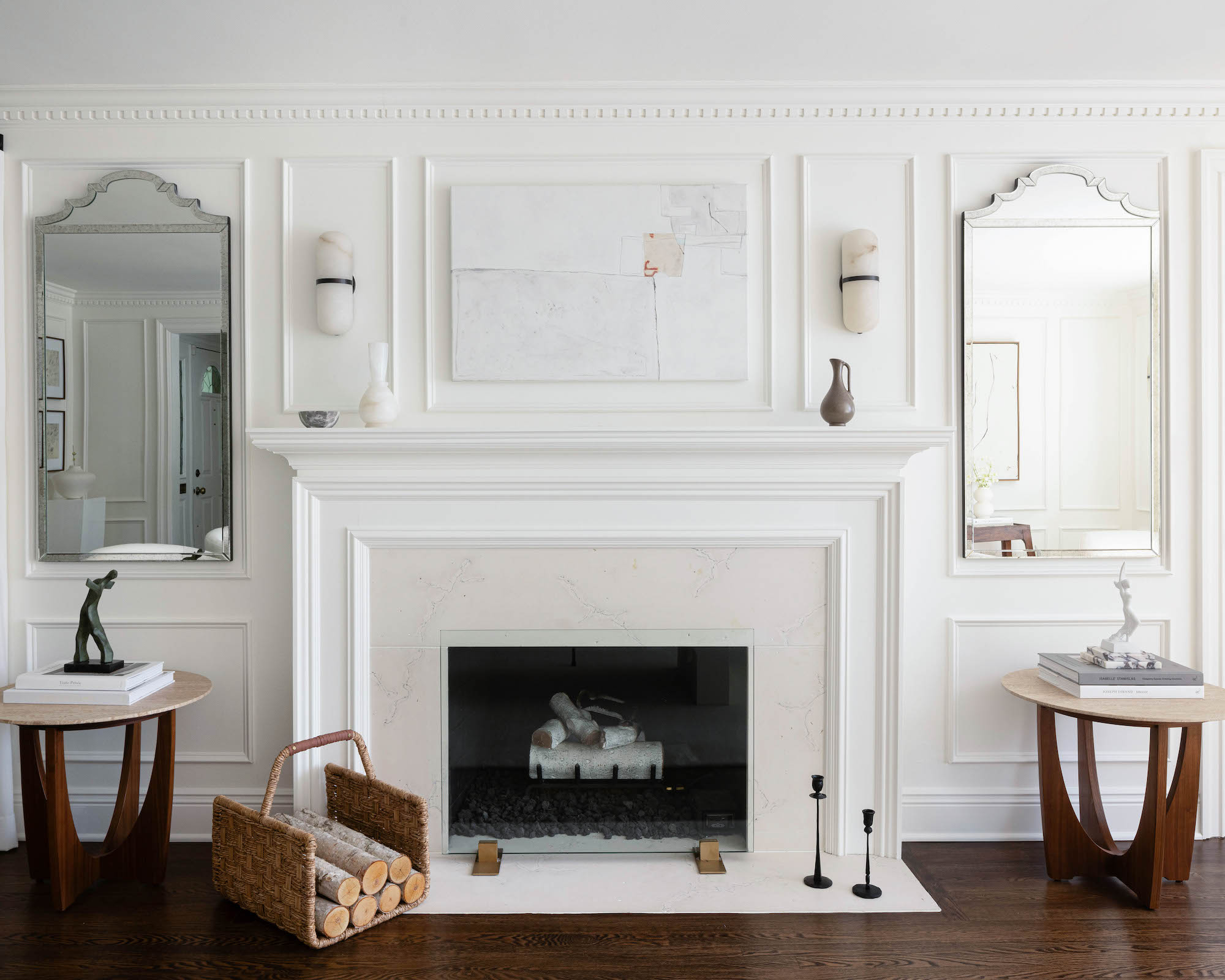
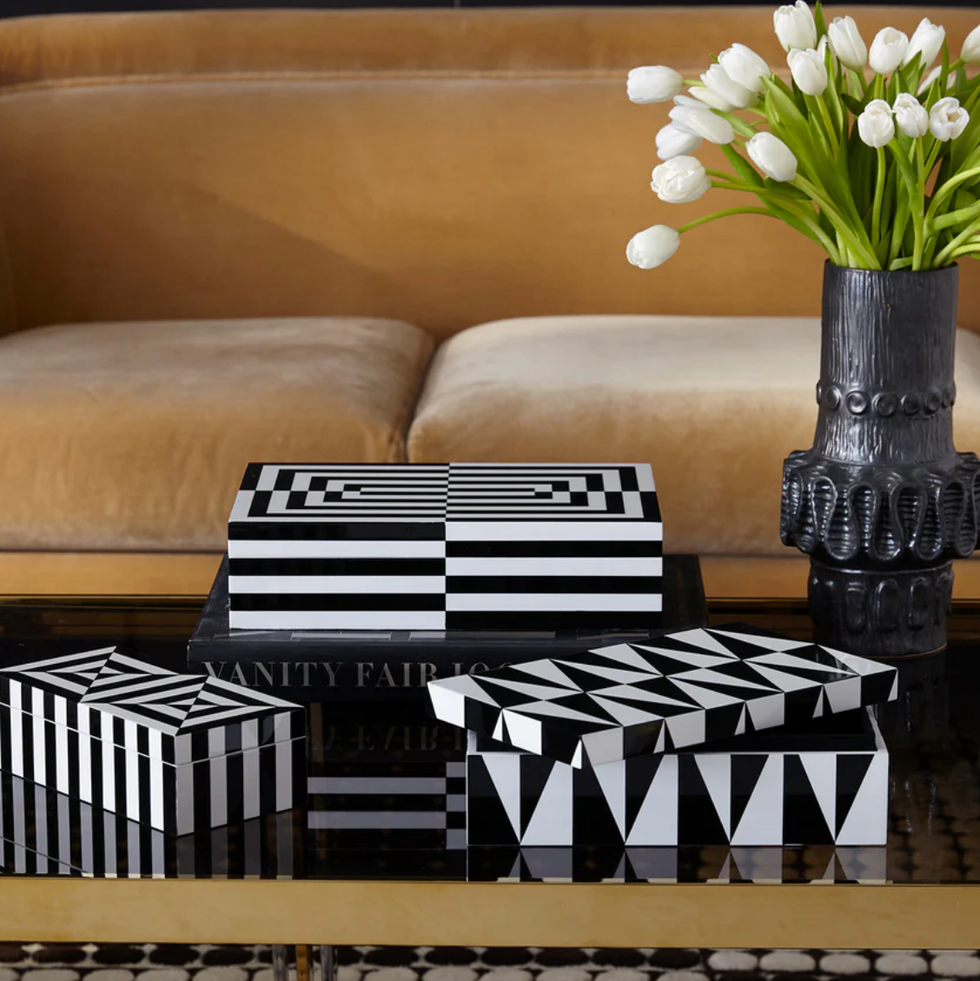
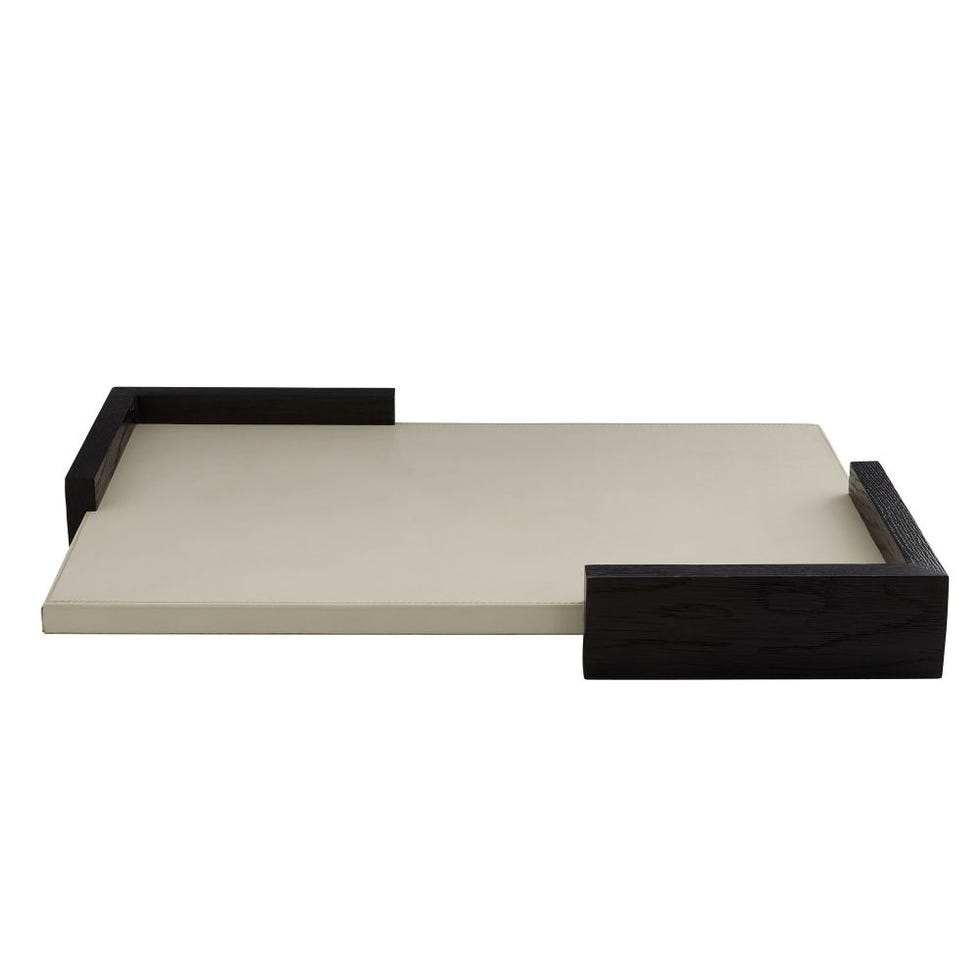
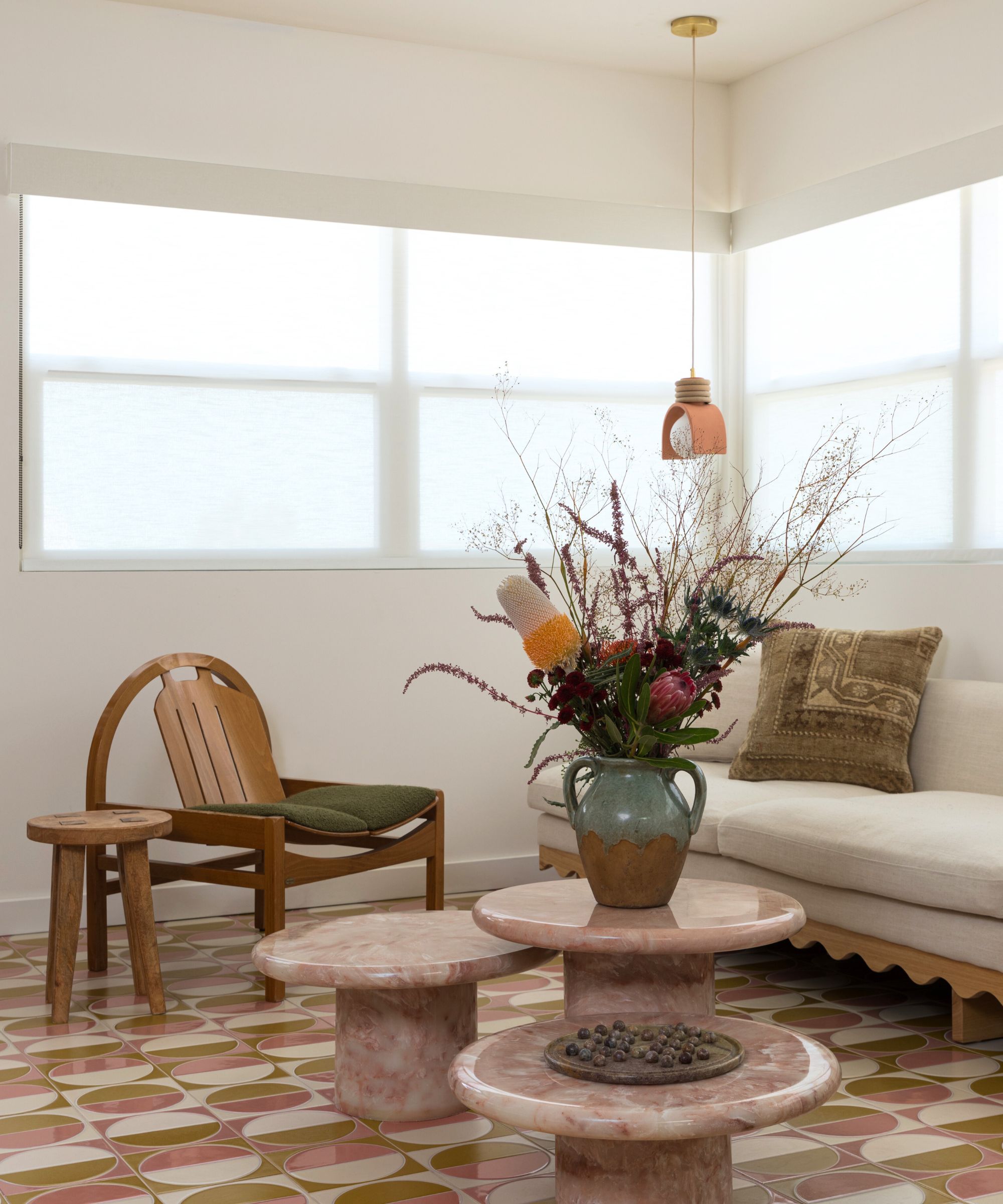
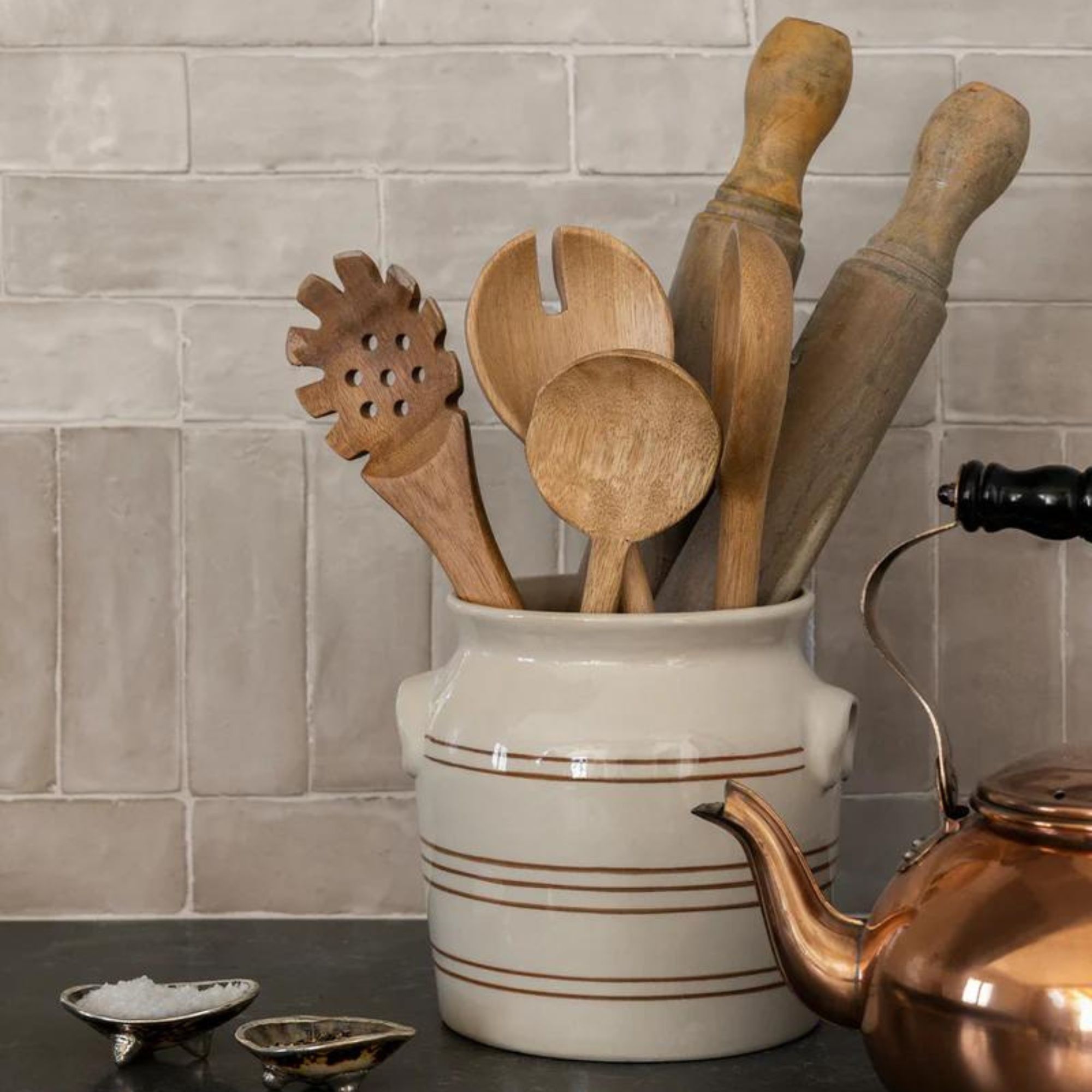
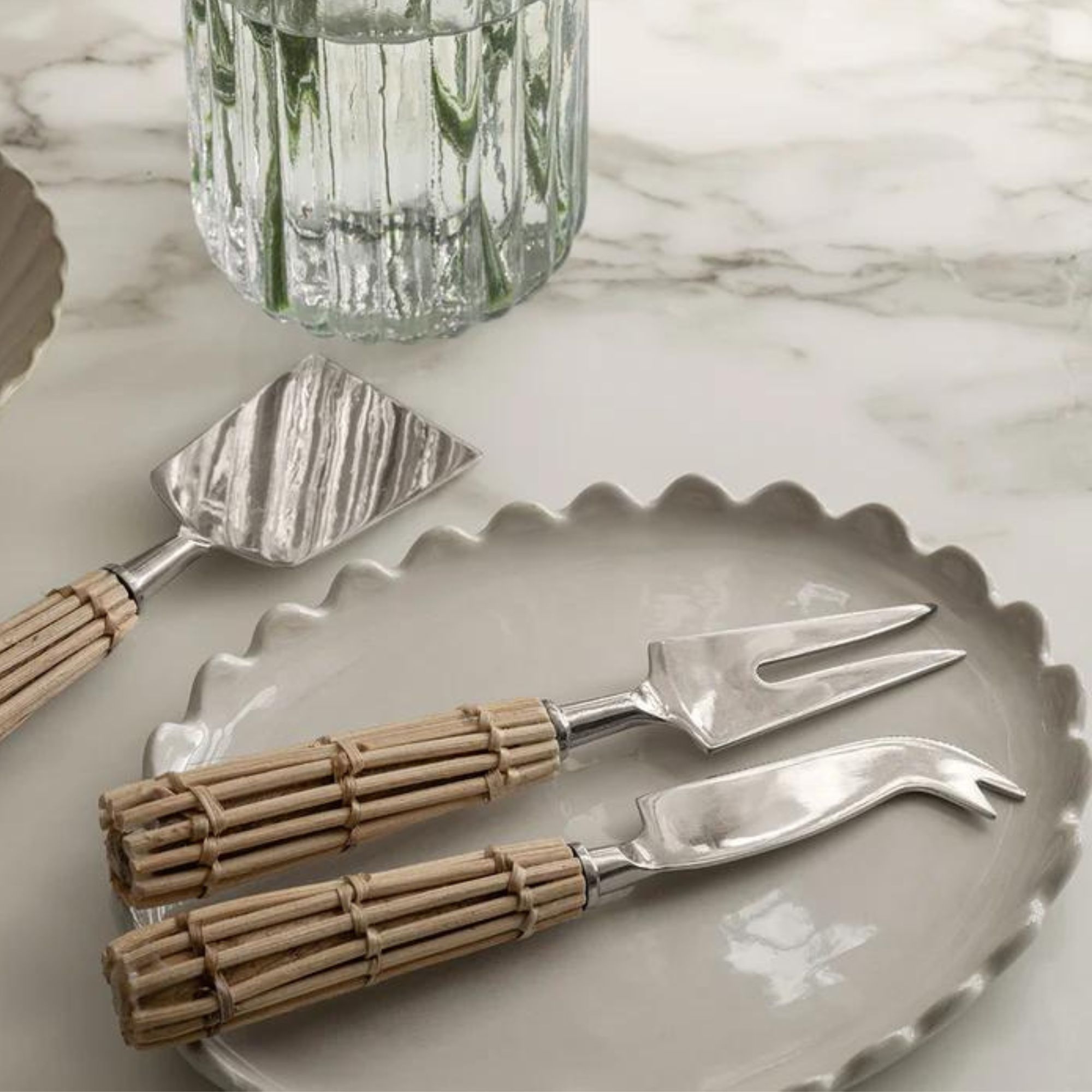
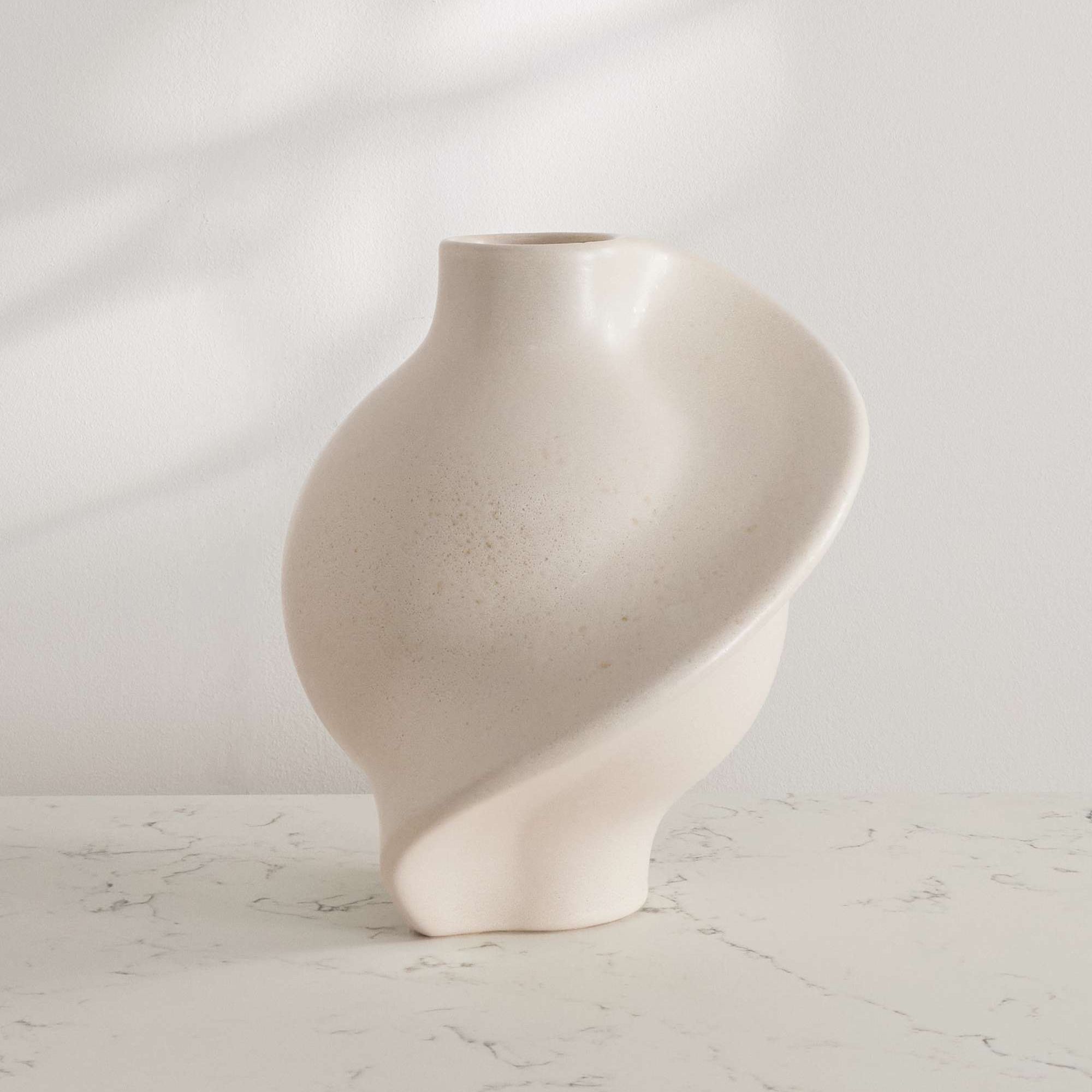
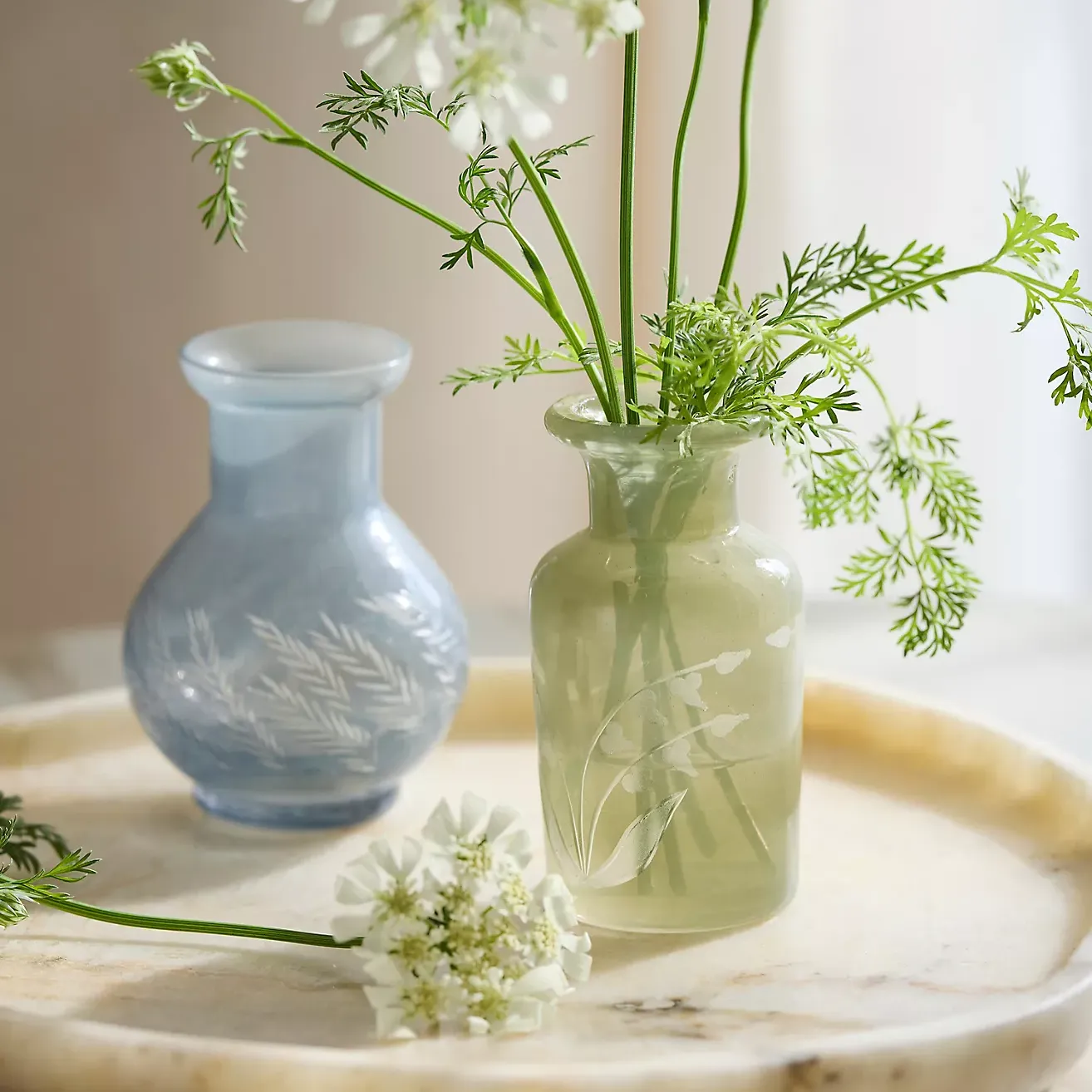
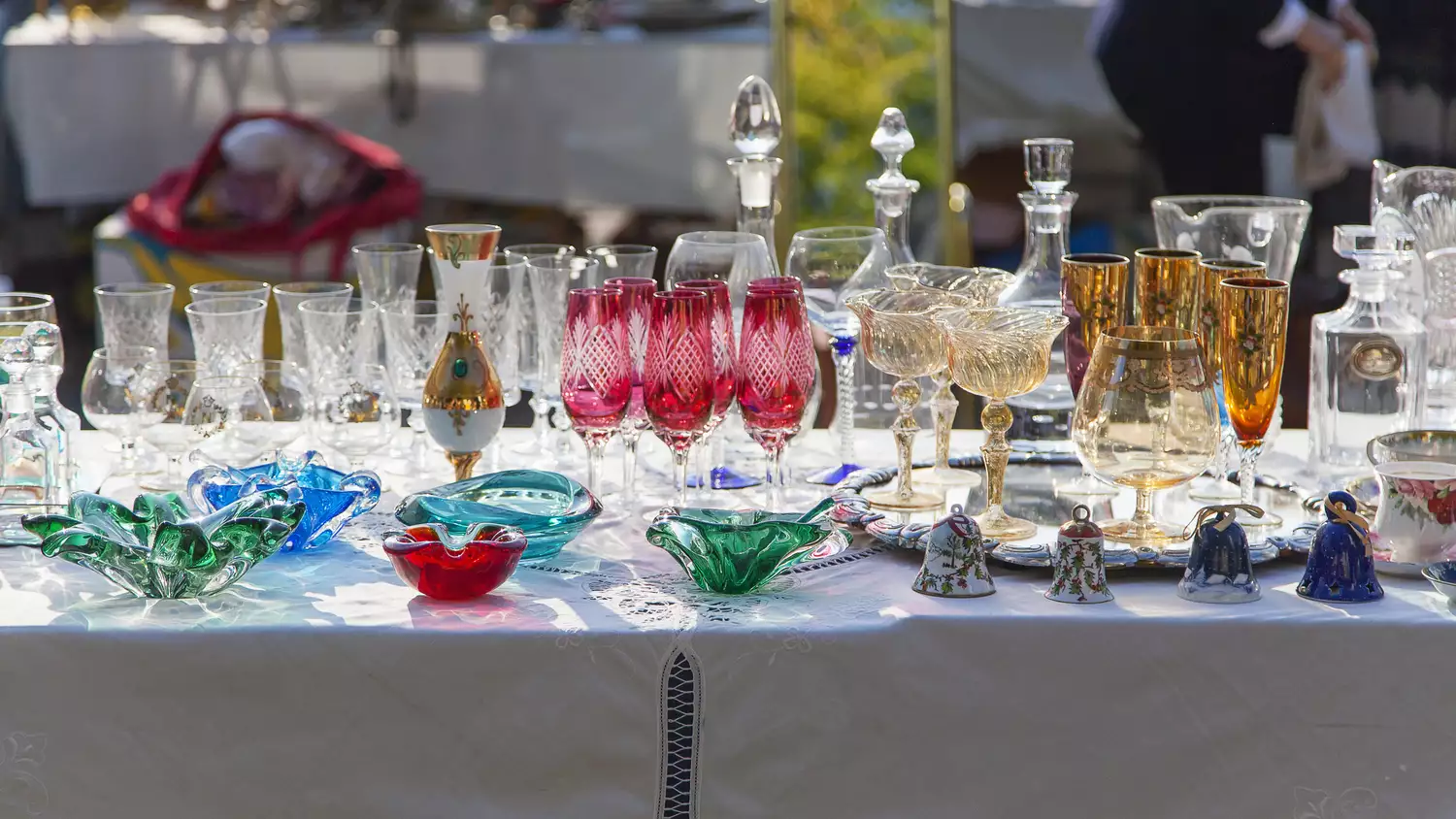
For styling items that adorn tables, shelves, or bookcases, designers bypass mass-market retailers in favor of thrift stores. Secondhand sourcing excels in providing finishing touches that add warmth, texture, and personality, creating a layered and lived-in feel. Woven bowls, small-scale sculptures, natural texture trays, and brass or stone objects are examples of items that are often less expensive and more interesting when found vintage. Ceramic and pottery also fall into this category. Handmade ceramics with interesting forms or glazes, frequently found in thrift stores, offer more character and unique artistry than mass-produced alternatives.
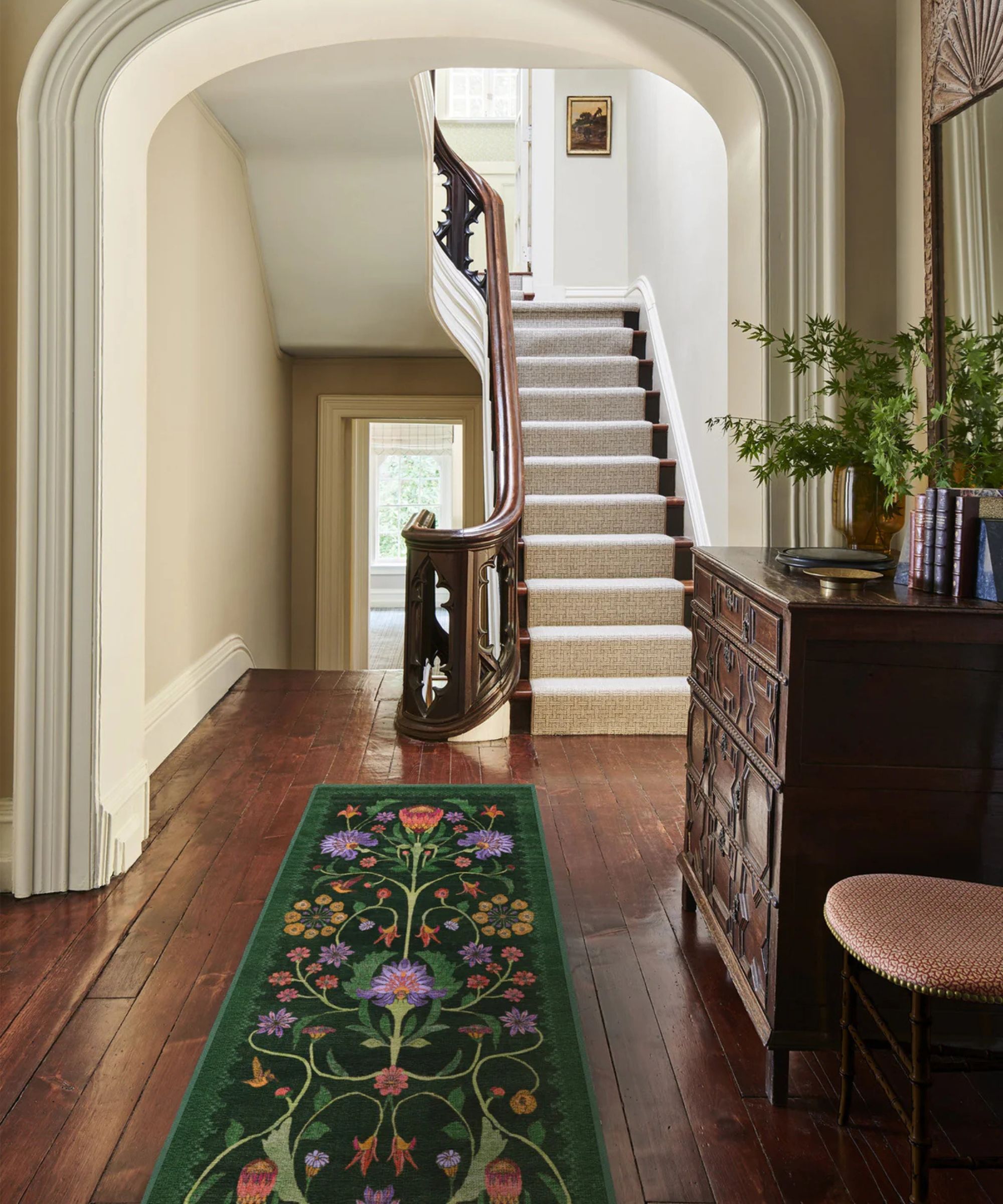
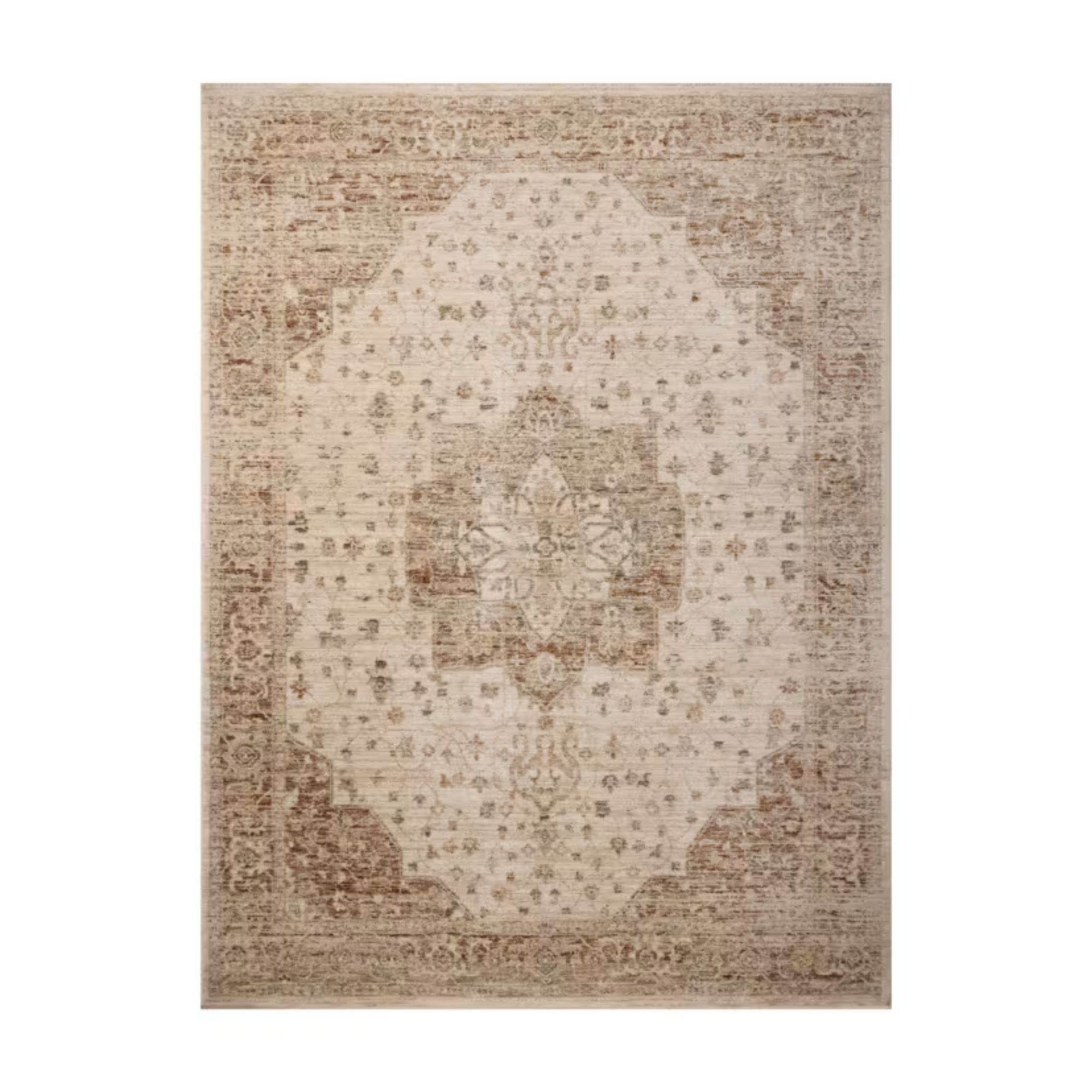
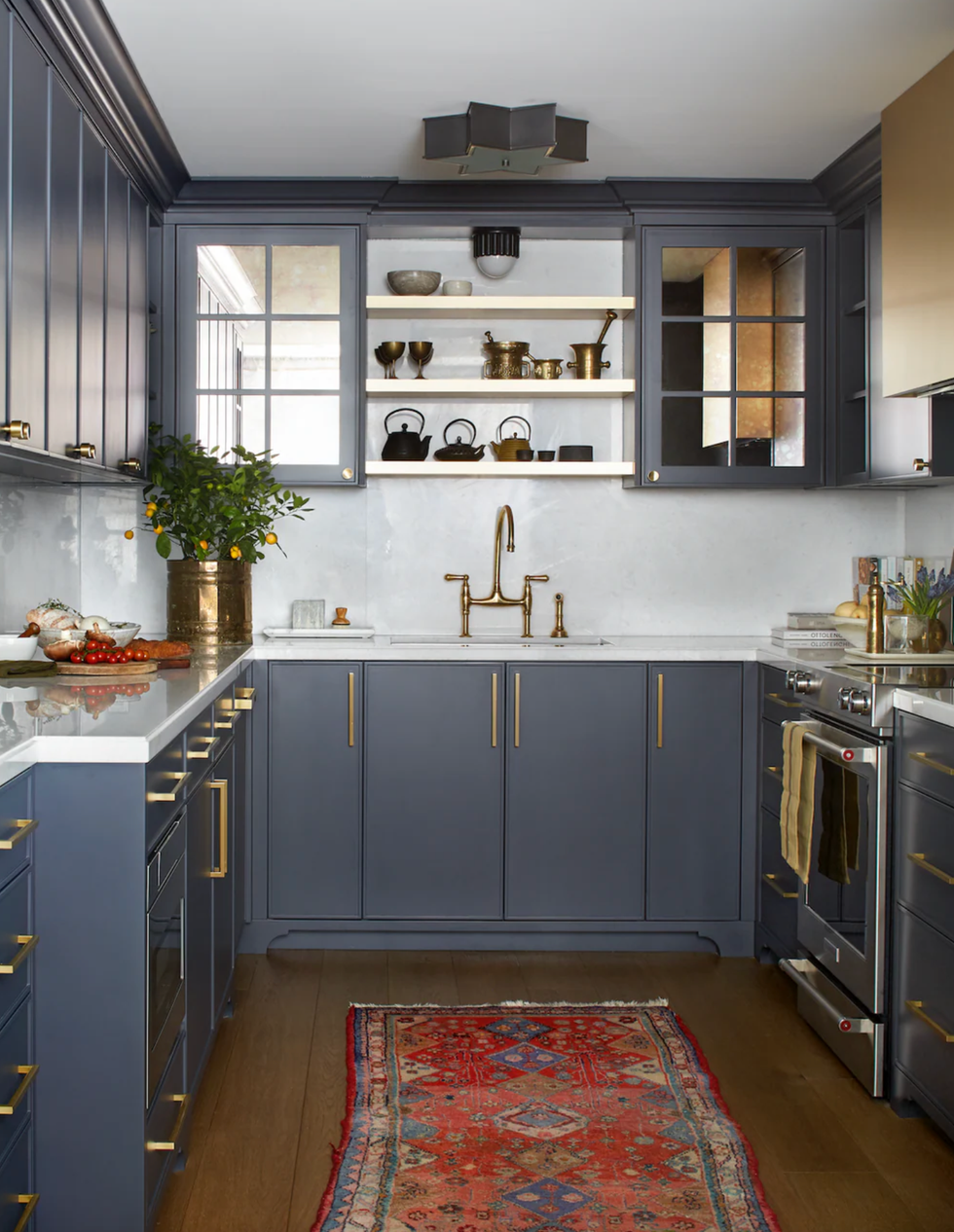
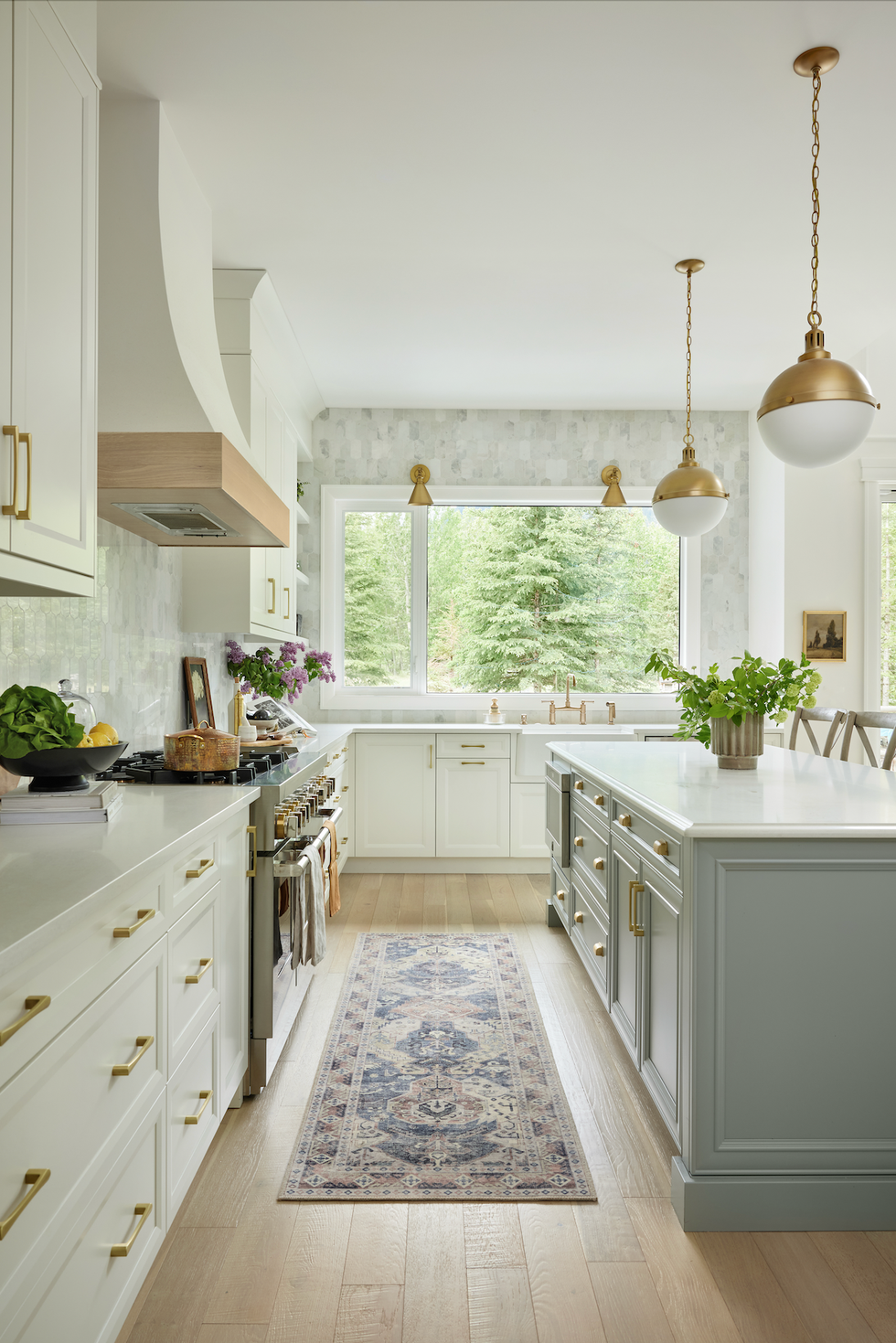
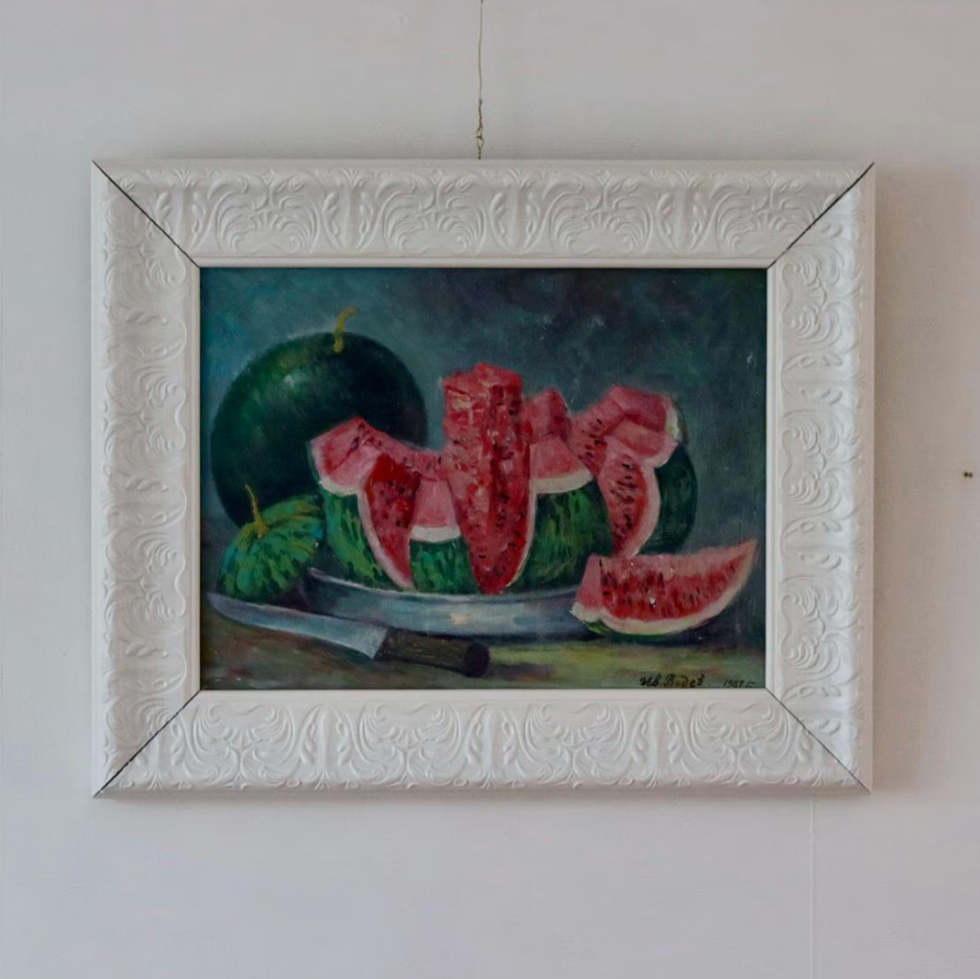
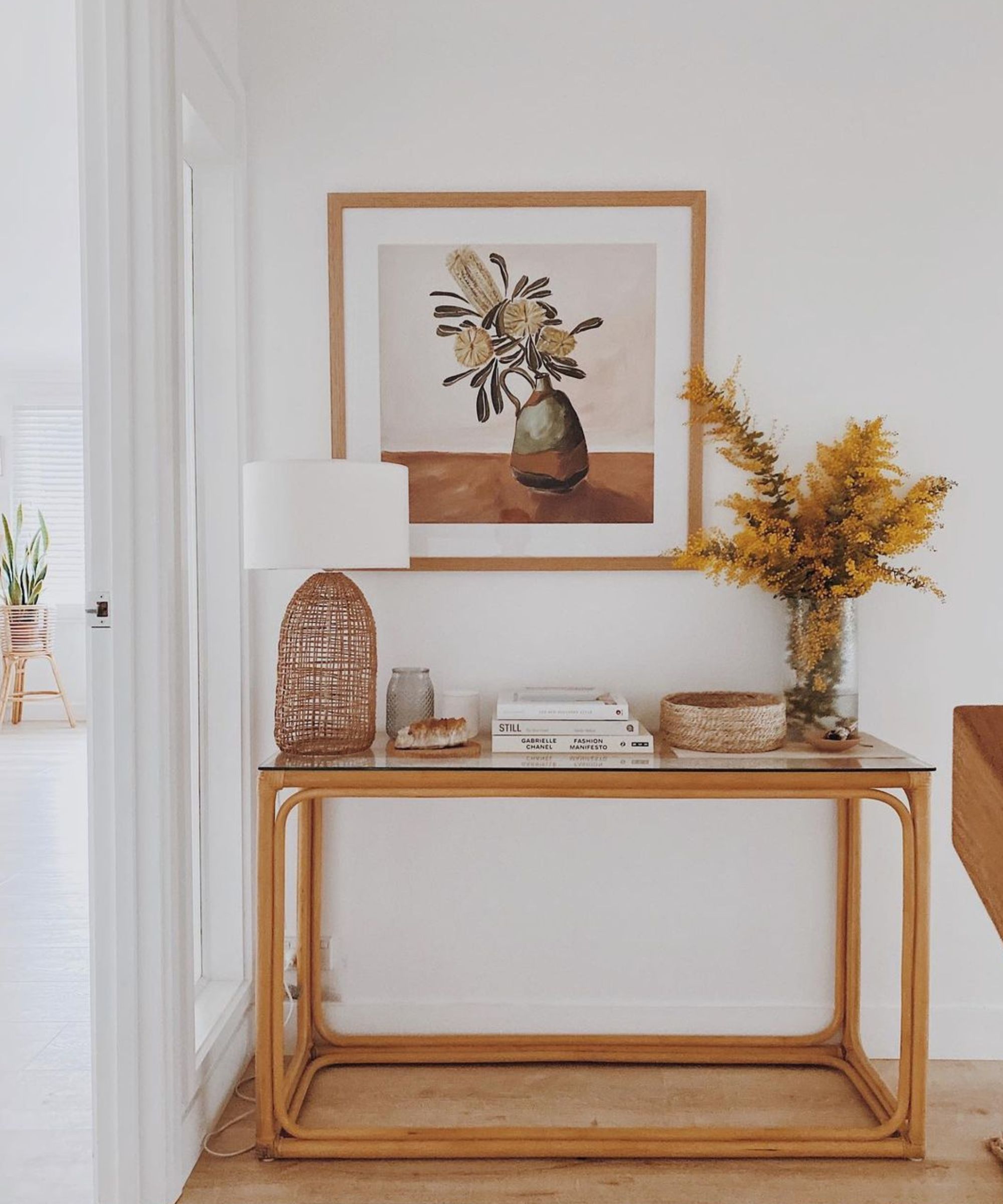
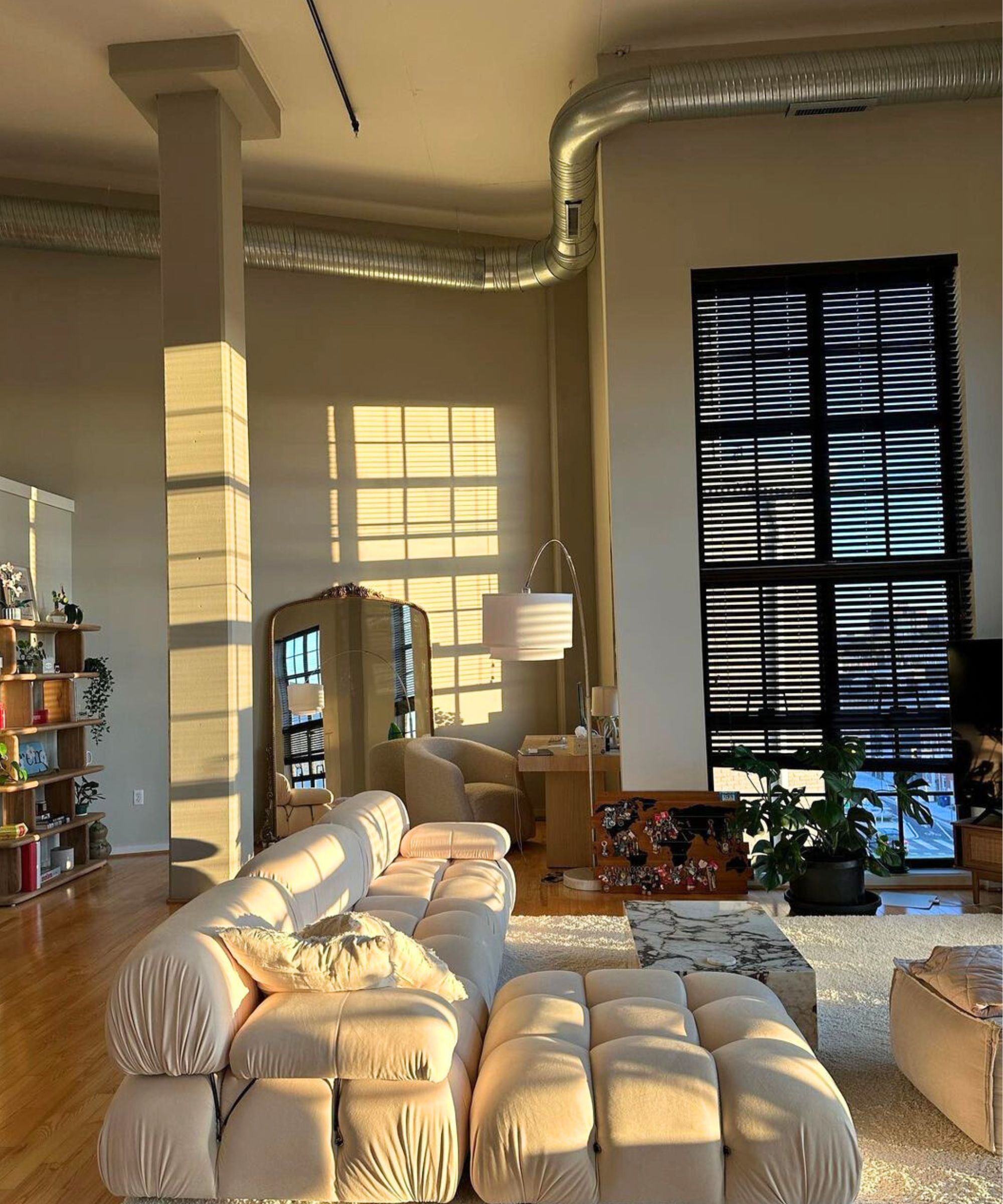
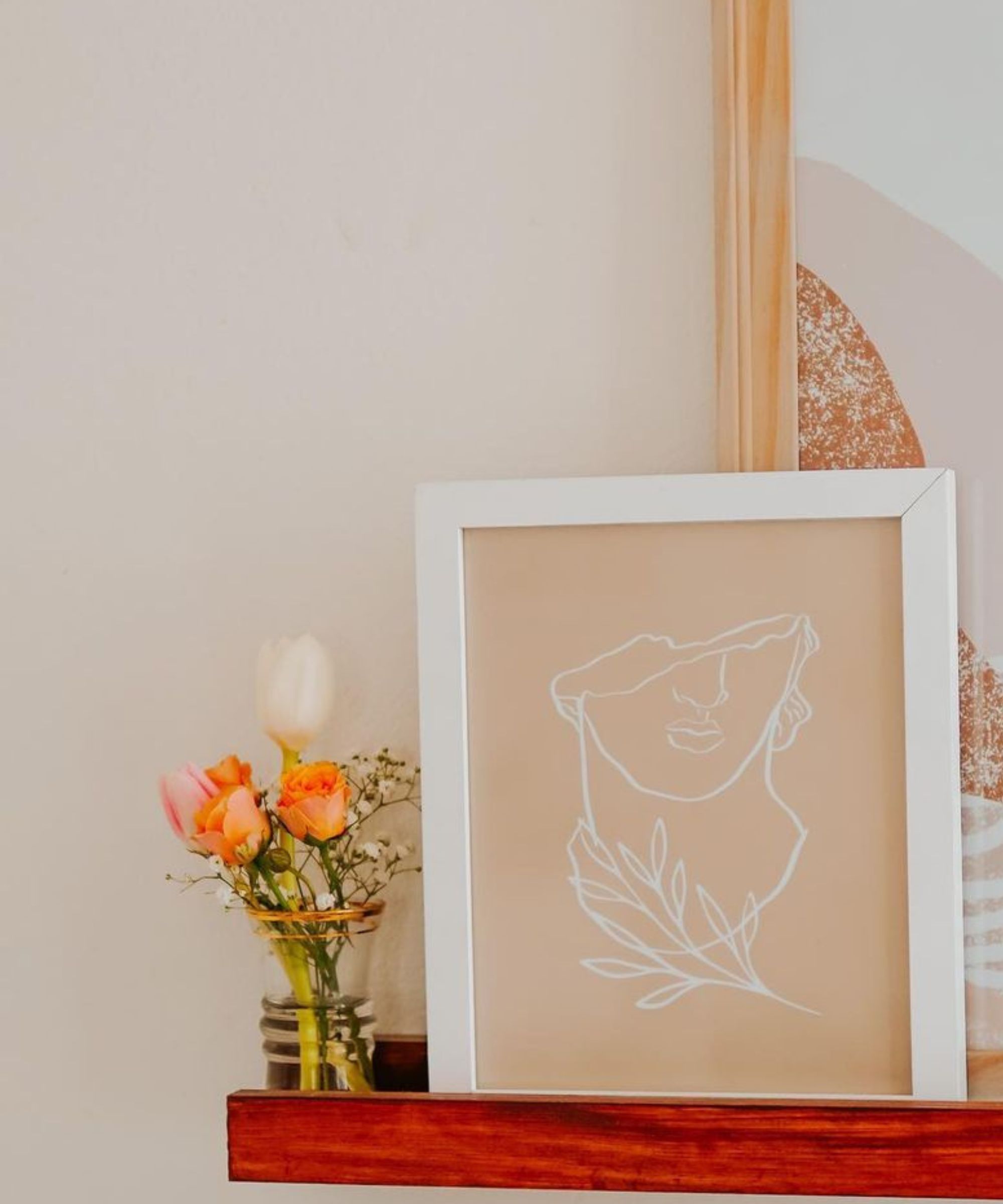
When it comes to books, designers distinguish between current bestsellers and volumes for decorative purposes. For styling bookshelves and adding visual interest, vintage books with beautiful spines are preferred over new ones. Similarly, framed art is a common secondhand purchase. Vintage shops and antique stores are often abundant with original framed art and old photographs. Designers favor these unique, storytelling pieces over generic prints from big box stores. Finally, wool rugs are another item designers recommend buying vintage. High-quality, well-maintained vintage wool rugs have proven their durability over time, making them a sustainable and stylish long-term investment that new rugs cannot immediately replicate.
#HomeDecor #InteriorDesign #VintageFurniture #Secondhand #SustainableLiving #ThriftStoreFinds #AntiqueShopping #HomeStyling #DesignerTips #HomeDecor #InteriorDesign #VintageFurniture #Secondhand #SustainableLiving #ThriftStoreFinds #AntiqueShopping #HomeStyling #DesignerTips
0 comment in total
 No comments yet
You may also like
9 CONTROVERSIAL Decor Choices Designers Secretly Wish You’d Stop Making

9 things designers always look to buy at an estate sale

5 things to never put on your kitchen island, according to interior designers
12 things a seasoned interior designer would never have in her own space
8 Things Designers Would NEVER Add to a Kitchen in 2025
Stop! Step Away From the Paintbrush — Here's 4 Things Interior Designers Would Never, Ever Paint Around the Home

14 Controversial Things Interior Designers Would Never Have in Their Homes

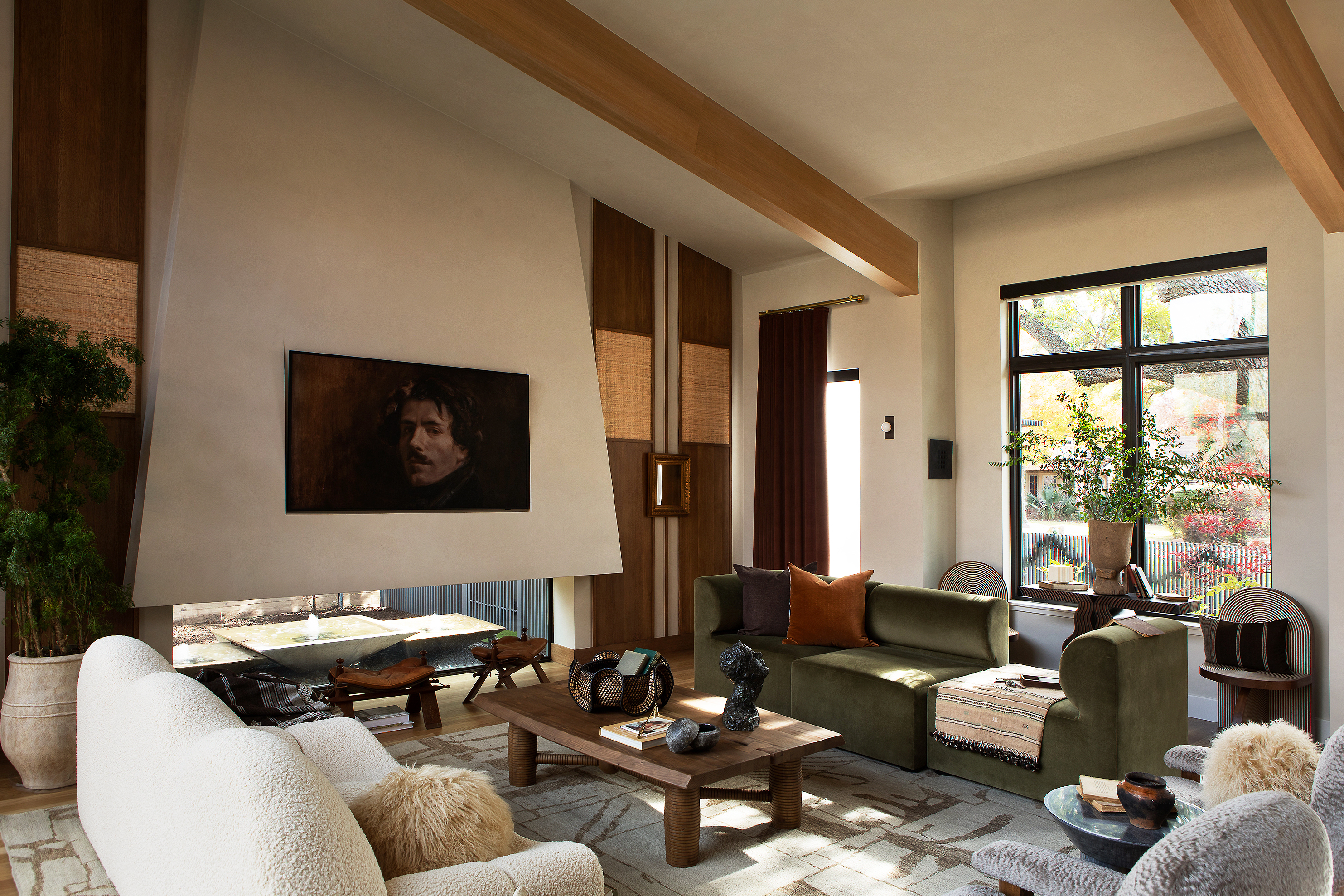
9 colors designers won’t be using in their living rooms in 2025
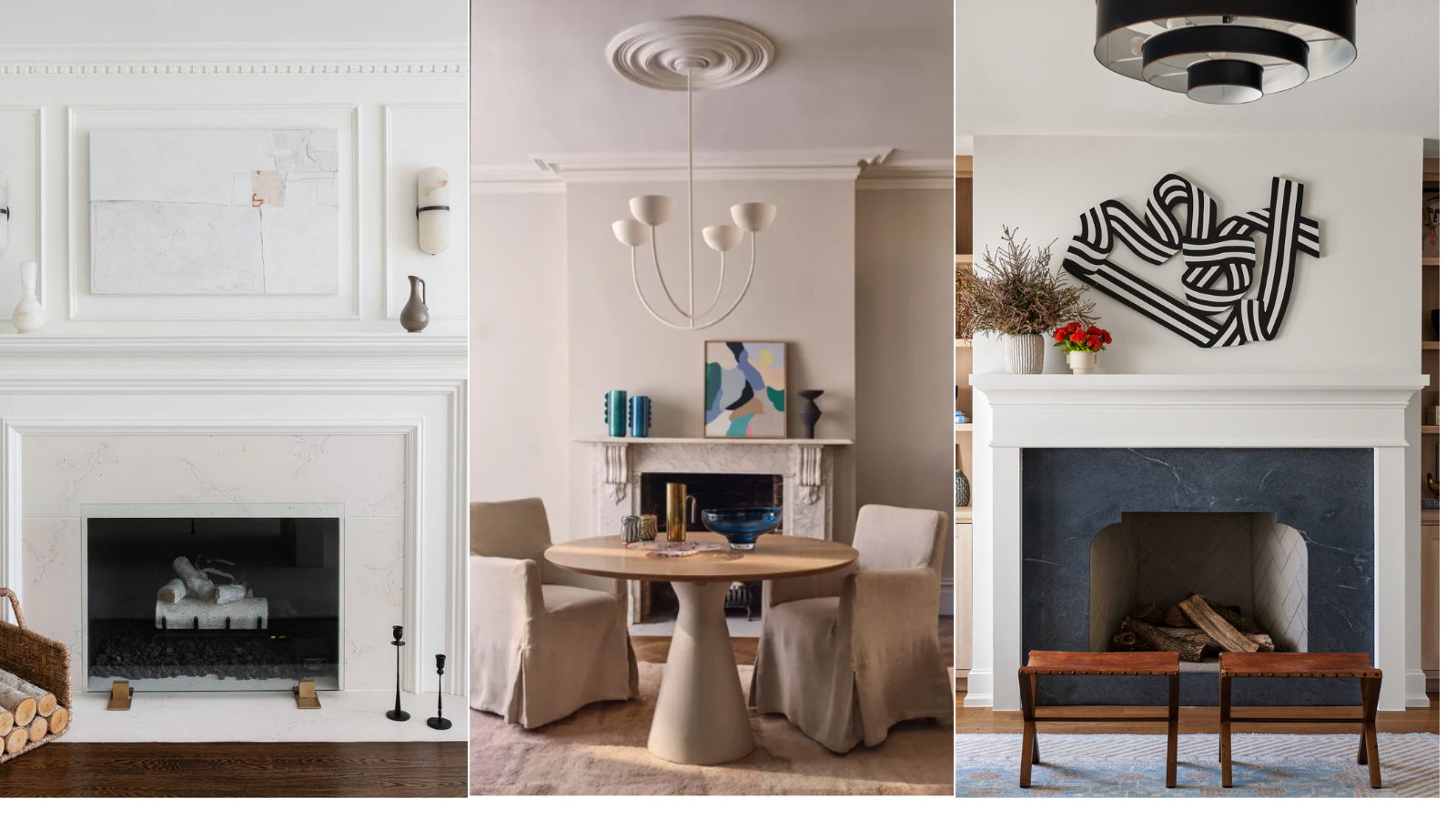
5 things designers say you should never put on a mantel
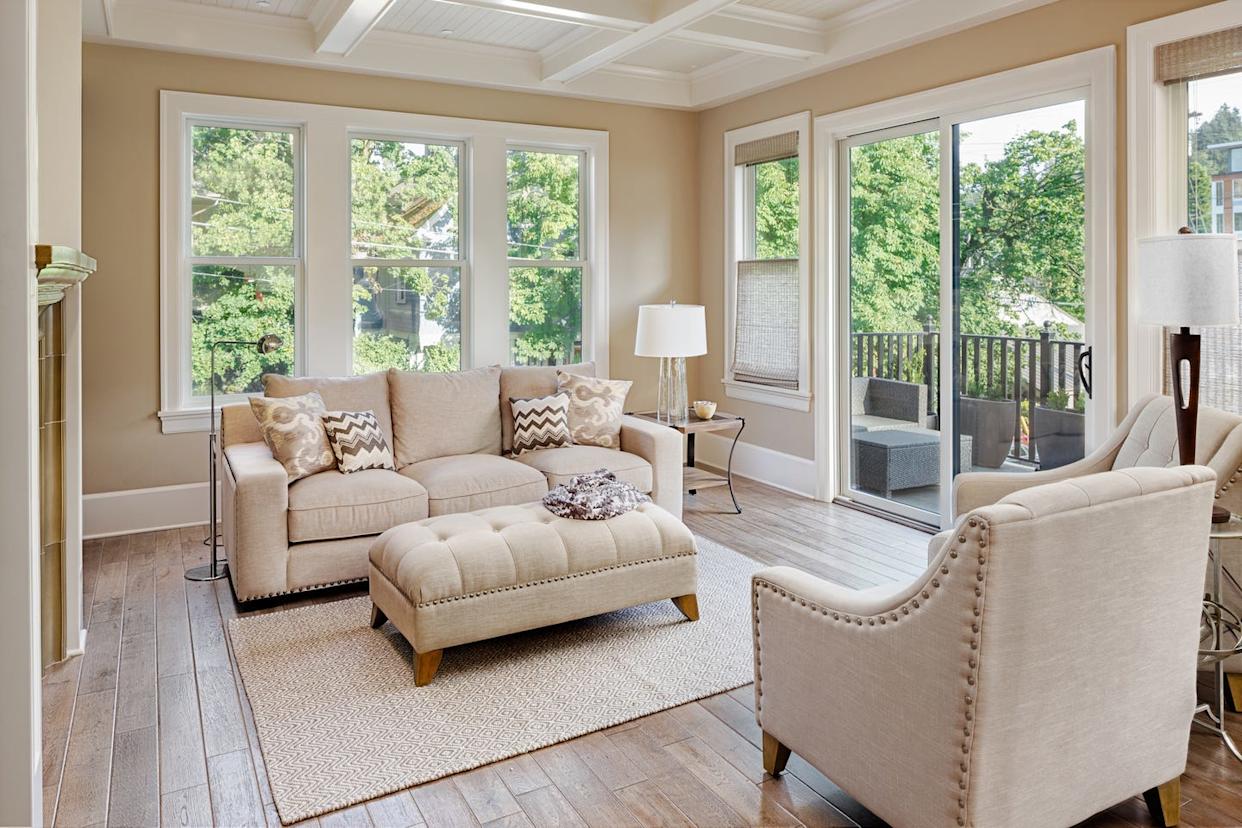
Designers Say They’d Never Do These 9 Things at Home

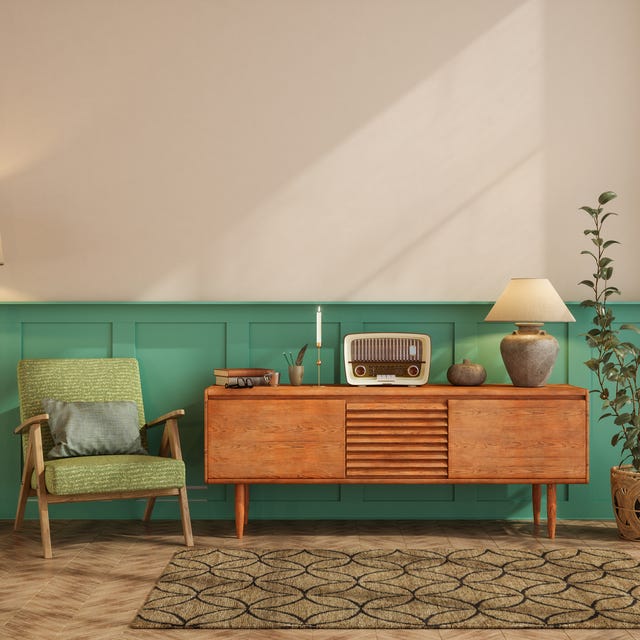
8 Tacky Home Trends That Designers Say Are TRAGICALLY Dead
8 items interior designers never have in small bathrooms

6 Popular Design Choices Designers Would Never Put in Their Own Homes

6 things to never put in an entryway, according to interior designers
17 Secret "Affordable" Stores Interior Designers Don't Want You to Know About
6 things you should never put on your dining room table, according to interior designers
23 Things Designers ALWAYS Buy for Their Homes
5 Kitchen Renovations Designers Wish Their Clients NEVER Asked for Again
7 things interior designers never have in small living rooms

5 Things Designers Always Buy At Garage Sales, Even for Their Fanciest Clients