1/3
What To Consider Before Creating An Exposed Ceiling In Your Space
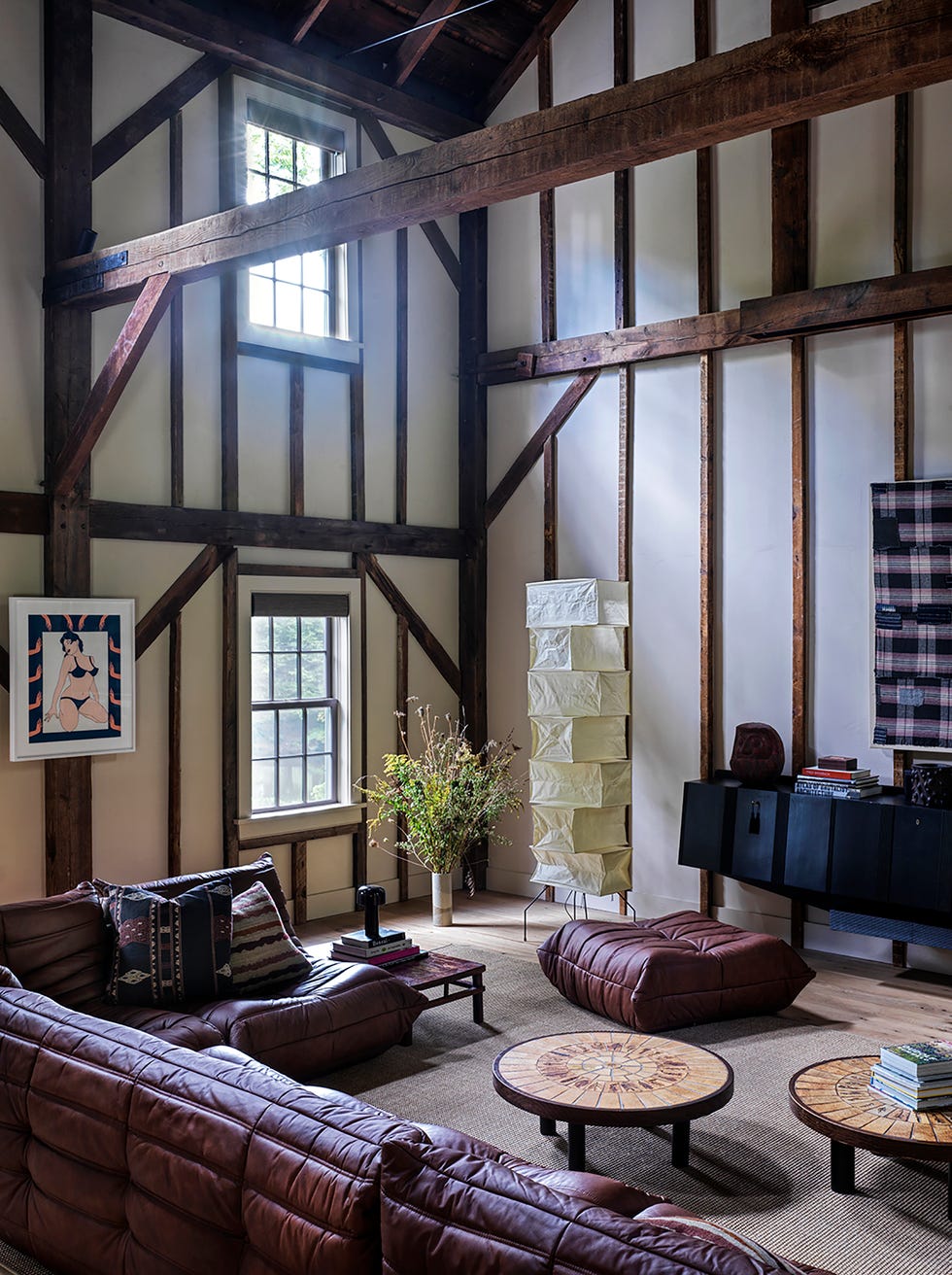
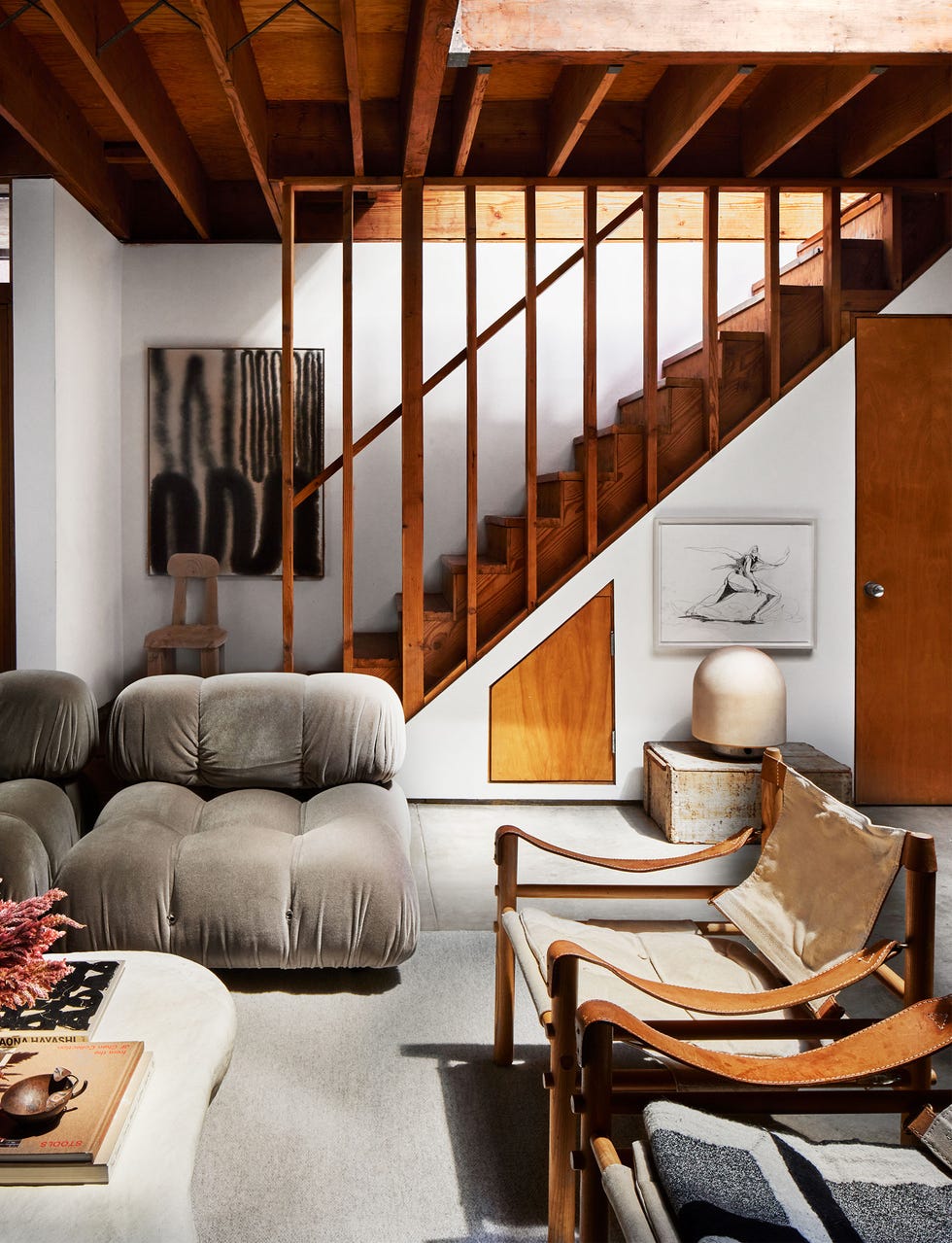
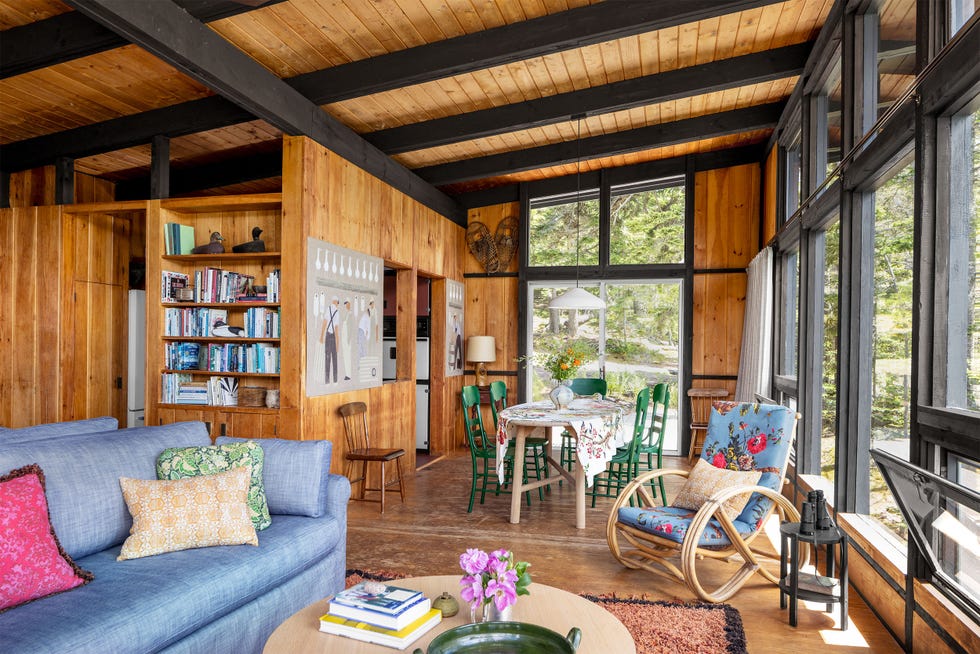
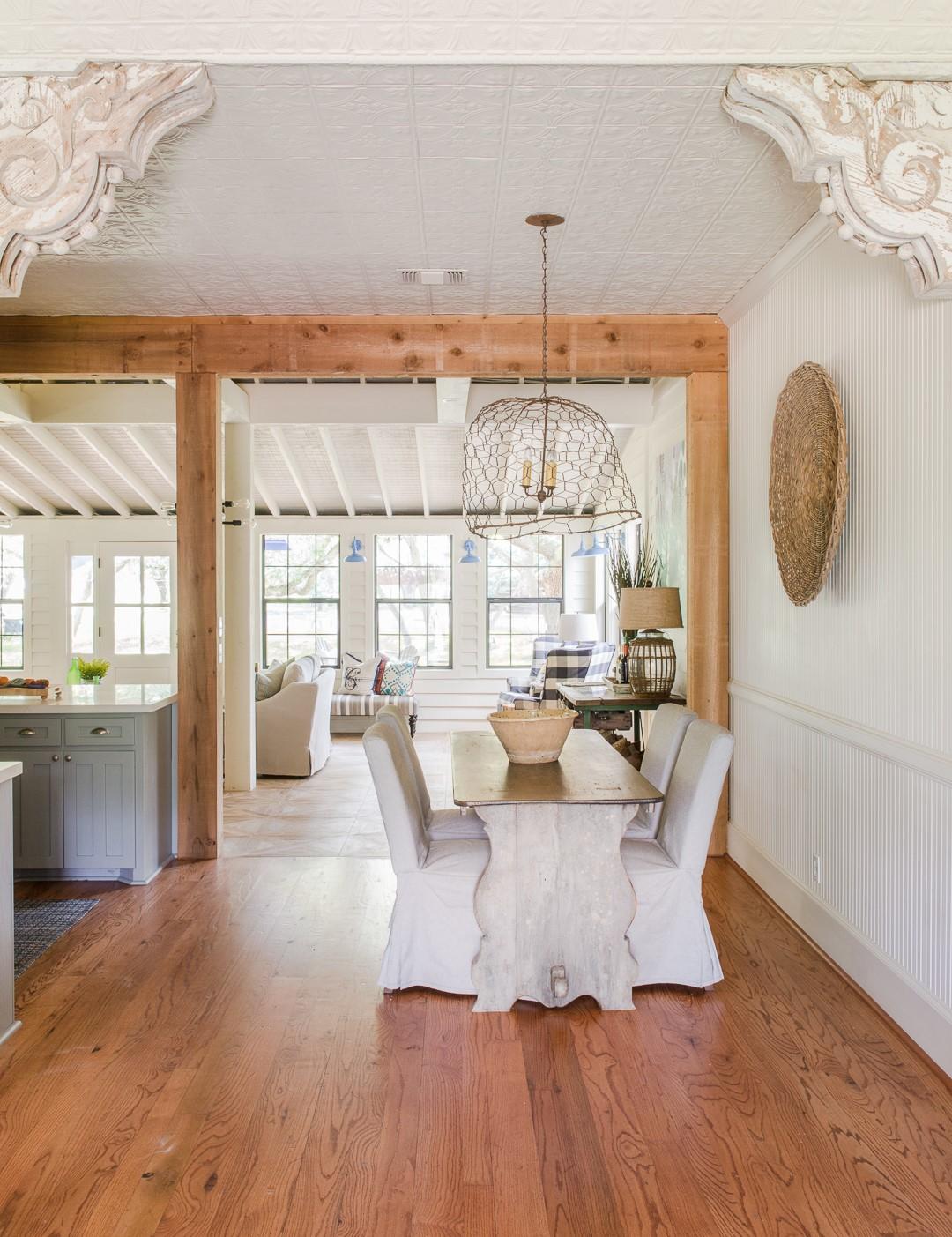
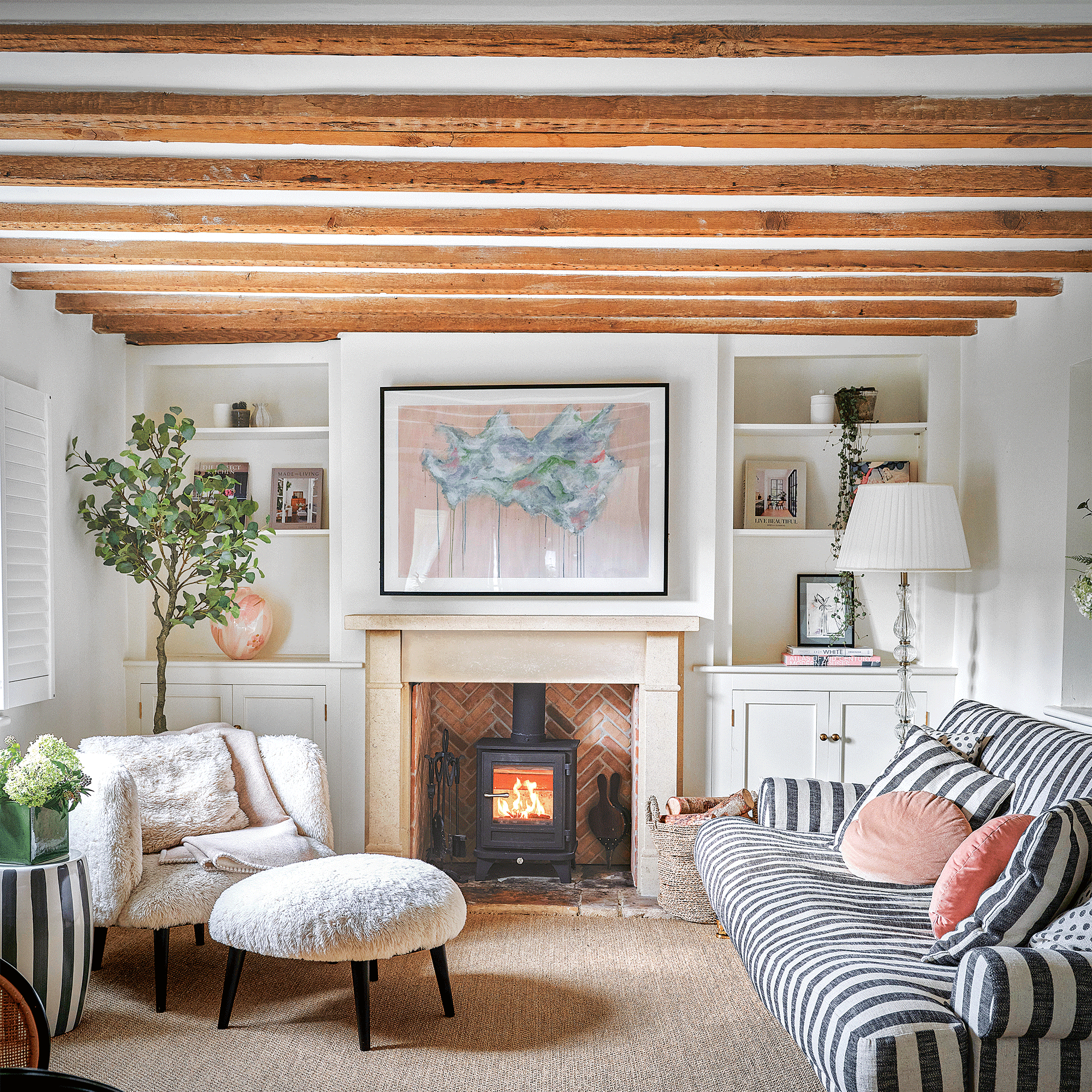
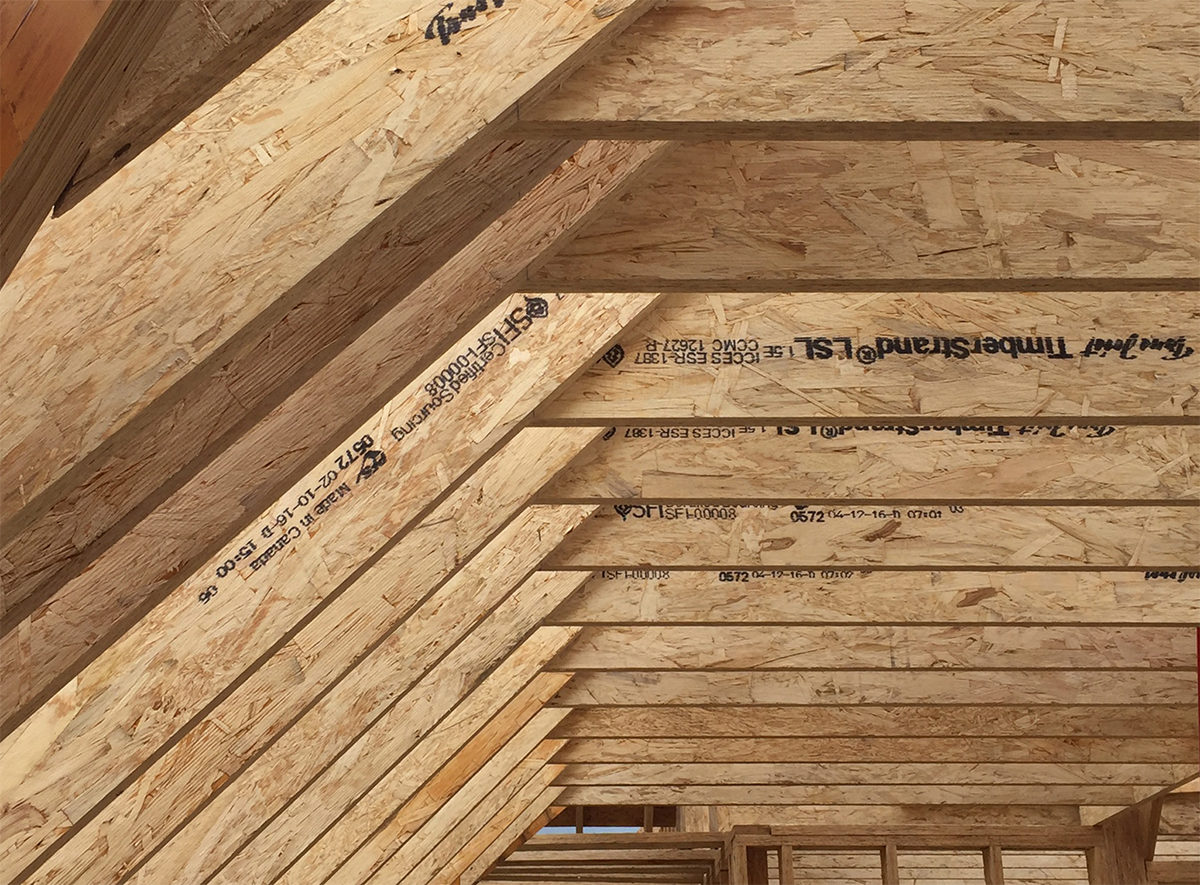
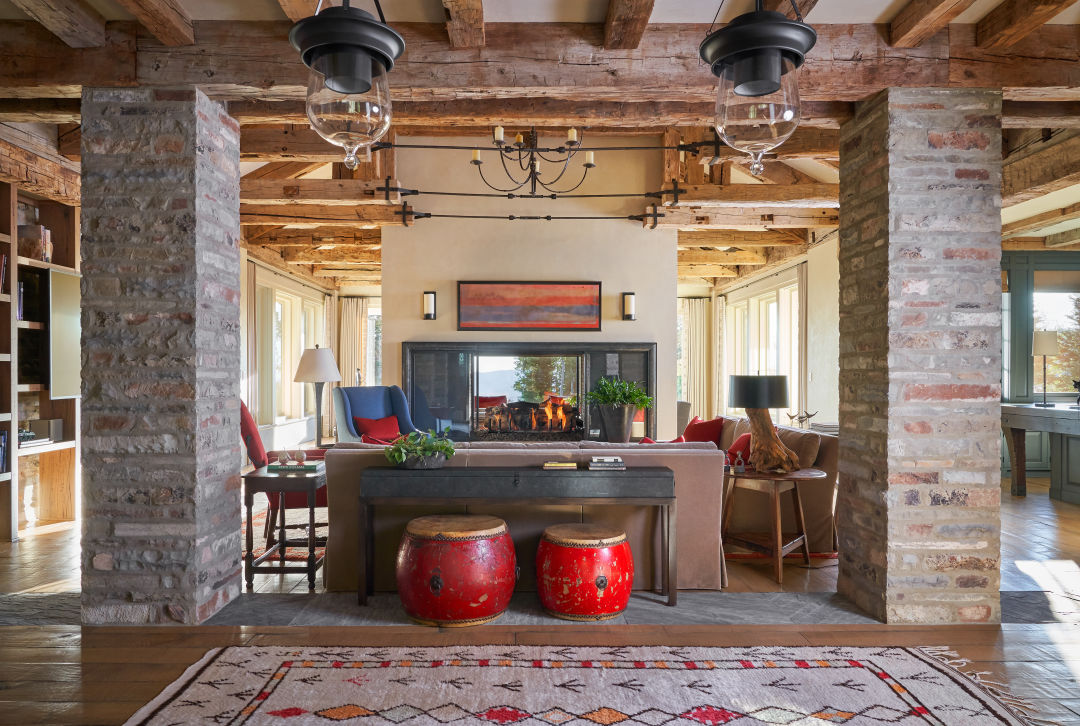
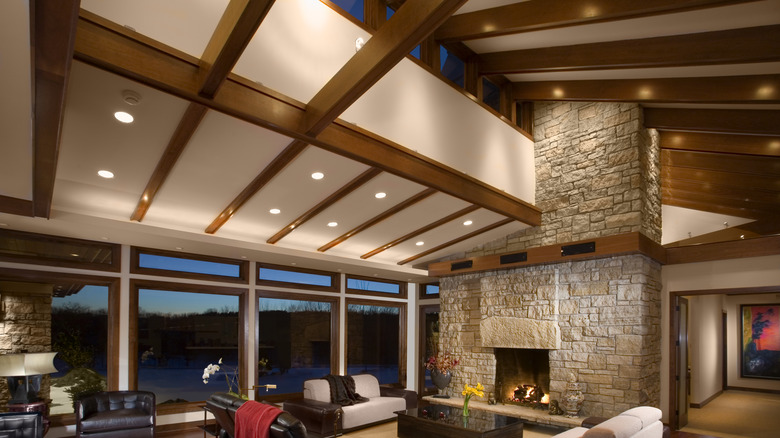
Exposed ceilings, characterized by visible beams, pipes, or ducts, offer a distinctive aesthetic that can transport observers to a different era, evoking industrial or rustic charm. This design trend is gaining popularity, with its versatility allowing for its integration into various rooms, from bedrooms to living and dining areas, to enhance depth and dimension. Architecture and design historian Sarah Bilotta highlights several advantages of exposed ceilings, noting their ability to create a utilitarian, industrial feel, and to convey unpretentiousness by revealing the building's internal workings. This approach is reminiscent of brutalist architecture, which intentionally showcases engineering elements. Beyond aesthetics, exposed ceilings can foster an extended sense of vertical space, adding to a room's perceived openness, and can also help preserve a building's historical character, especially in older structures.
However, the decision to implement an exposed ceiling comes with significant drawbacks, primarily concerning thermal insulation. Bilotta explains that an exposed ceiling lacks the insulation typically found in conventional ceilings, allowing warm air to escape readily during colder months and outside heat to penetrate easily in warmer seasons. This lack of insulation can lead to substantially higher heating and cooling costs, a critical consideration for homeowners, particularly in regions with extreme temperatures. The financial impact of increased energy consumption due to poor insulation can be considerable, potentially costing hundreds of dollars more per month depending on the room's size and the local climate. Additionally, cold winters can lead to the formation of ice dams on the roof, posing structural risks to the building.
Another practical consideration is the potential impact on a home's resale value. While some prospective buyers are drawn to the unique charm of exposed beams or industrial elements, others may find exposed pipes or an unfinished look unappealing. This preference divergence means that an exposed ceiling, while desirable to some, could deter others, potentially affecting the property's marketability. Therefore, homeowners should weigh the financial implications, both in terms of energy costs and potential resale value, against the desired aesthetic.
For those considering an exposed ceiling, especially in an industrial building renovation, Bilotta suggests that omitting insulation in the ceiling can initially save money. However, this saving is typically offset by increased long-term energy expenses. She advises that exposed ceilings are not always the most practical option for everyday homes due to the substantial cost trade-off. Homeowners in areas with particularly cold winters should be especially mindful of the higher heating costs and risks of snow and ice accumulation. As an alternative, Bilotta proposes creating a "three-season room" with an exposed ceiling, which can be sealed off during winter to mitigate energy losses. Ultimately, the decision should balance personal aesthetic preferences with financial prudence, the local climate, and the overall design coherence of the home.
#ExposedCeilings #HomeDesign #InteriorDesign #ArchitecturalTrends #HomeImprovement #EnergyEfficiency #BuildingRenovation #ResaleValue #ExposedCeilings #HomeDesign #InteriorDesign #ArchitecturalTrends #HomeImprovement #EnergyEfficiency #BuildingRenovation #ResaleValue
0 comment in total
 No comments yet
You may also like
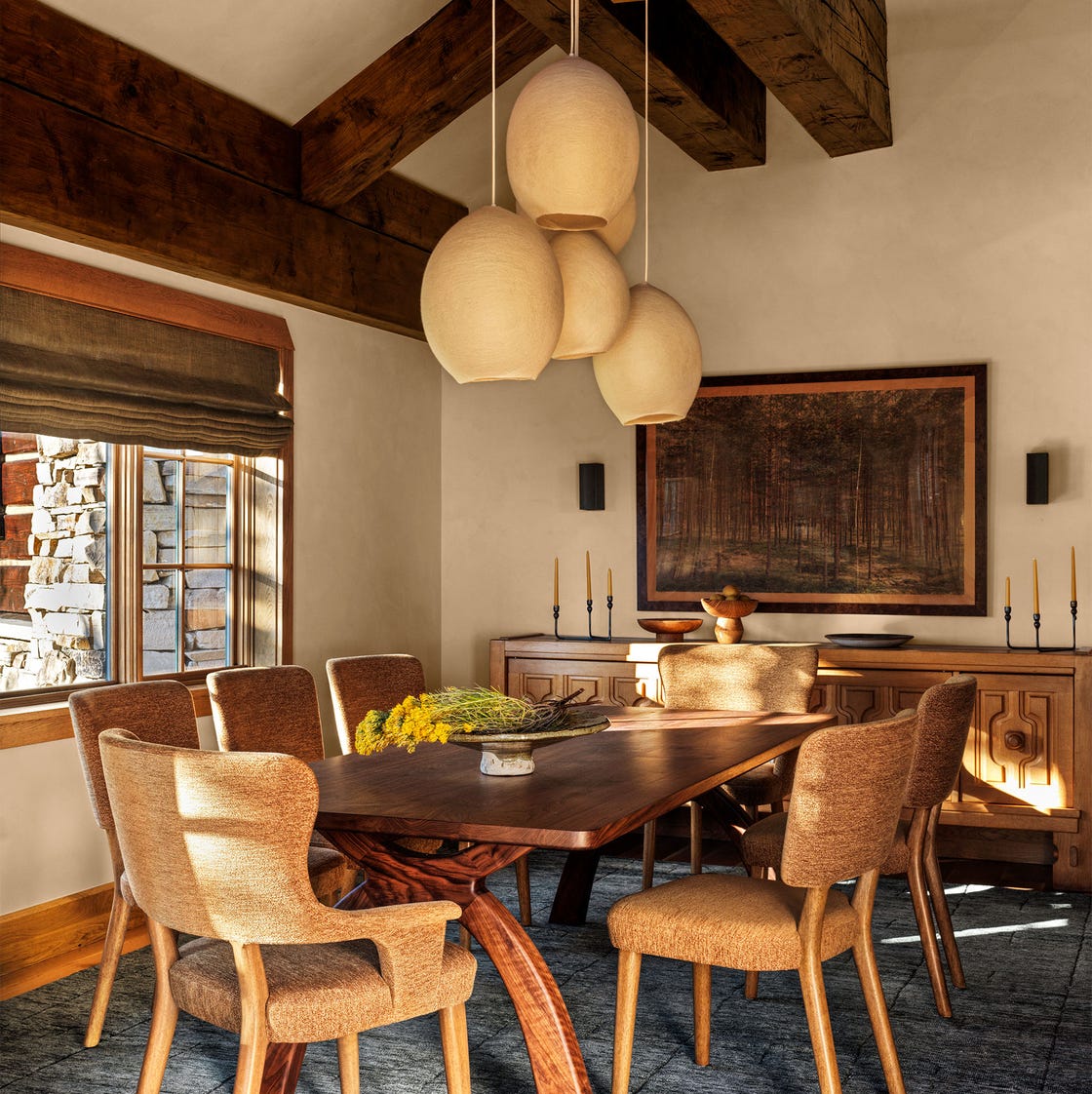
Exposed Beam Ceilings: What You Need to Know Before Committing


When designing a room, don’t overlook your ceiling

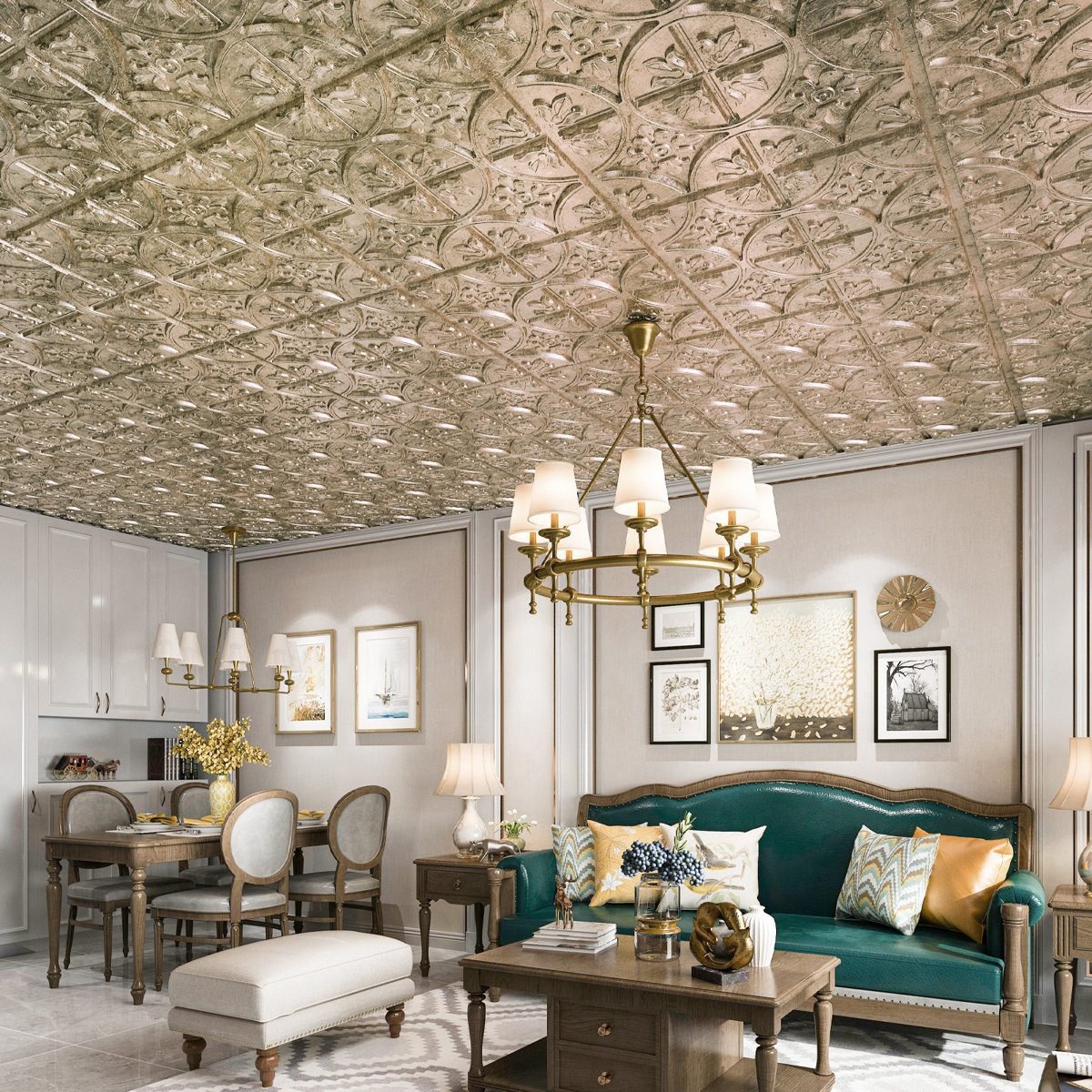
10 Ways to Cover a Hideous Ceiling That Anyone Can Do

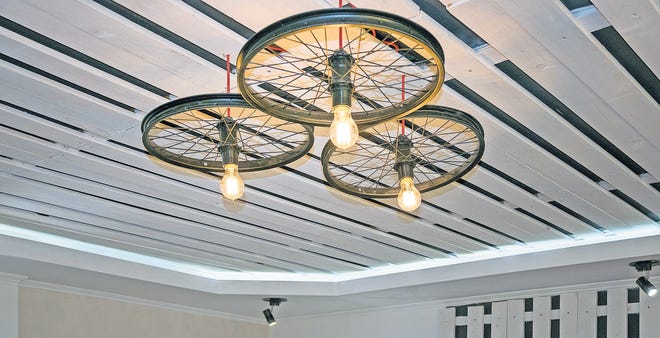
Appealing ceilings: Design future is looking up

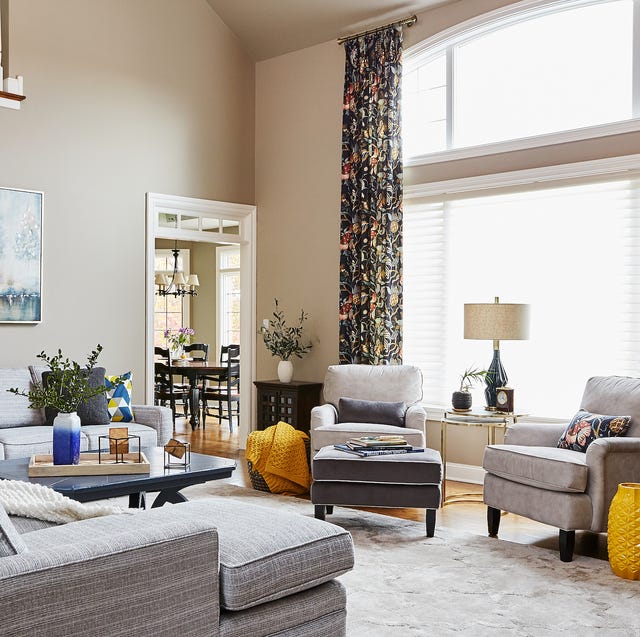
Designer-Approved Tips to Make the Most of High Ceilings

How to make your ceiling more attractive – 7 ways to turn the neglected fifth wall into a beautiful feature
Examining some of the important factors when choosing products for ceilings and roofs


How to make your ceiling light up the room


The ceiling is the most important wall in your home – and as a designer, this is how I get them right

Remember ceiling when decorating rooms
How Decorating Your Ceiling Can Transform Your Entire Room

Statement ceilings: Pay attention to the fifth wall to create a finessed space
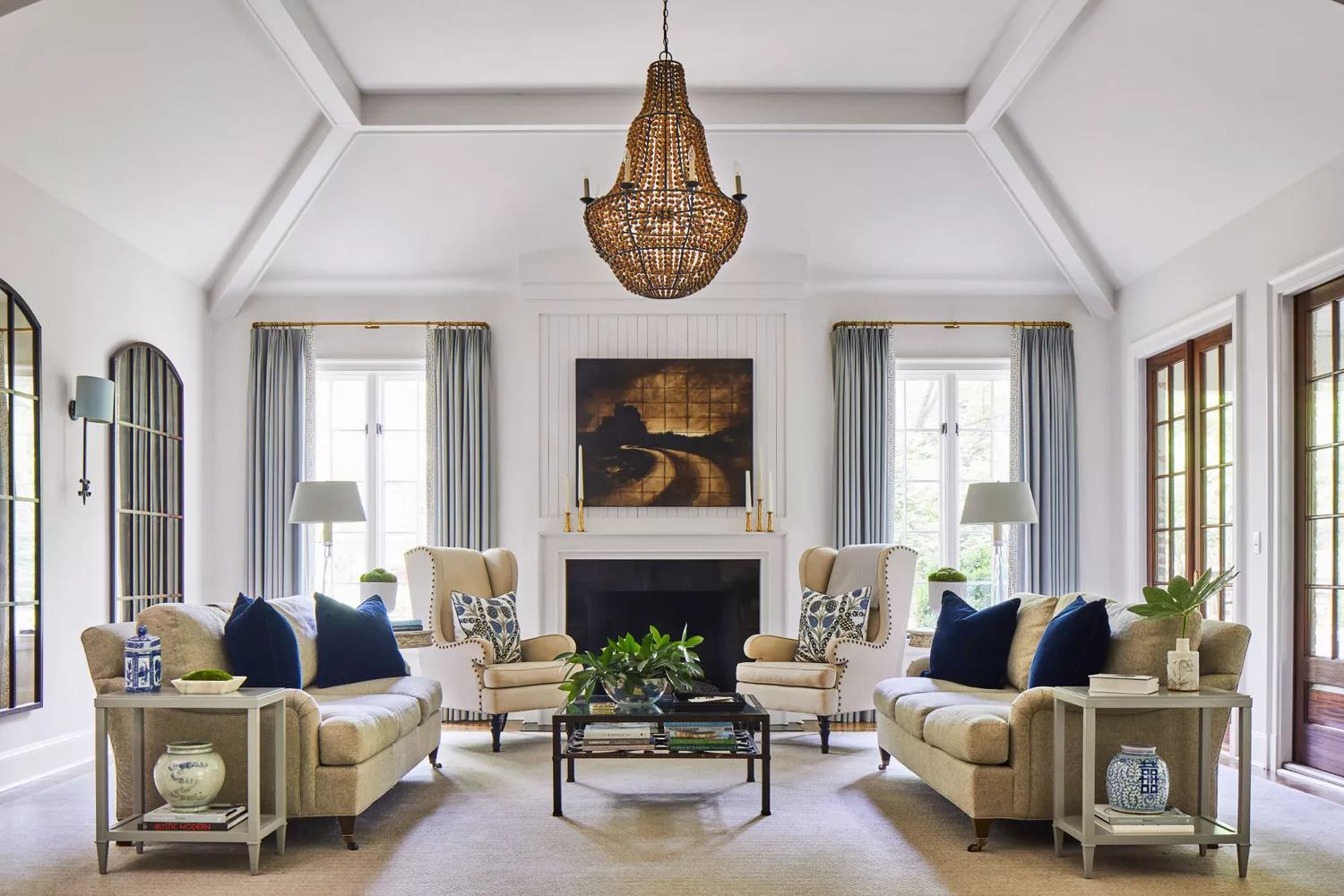
13 Ceiling Design Ideas That Make An Impact
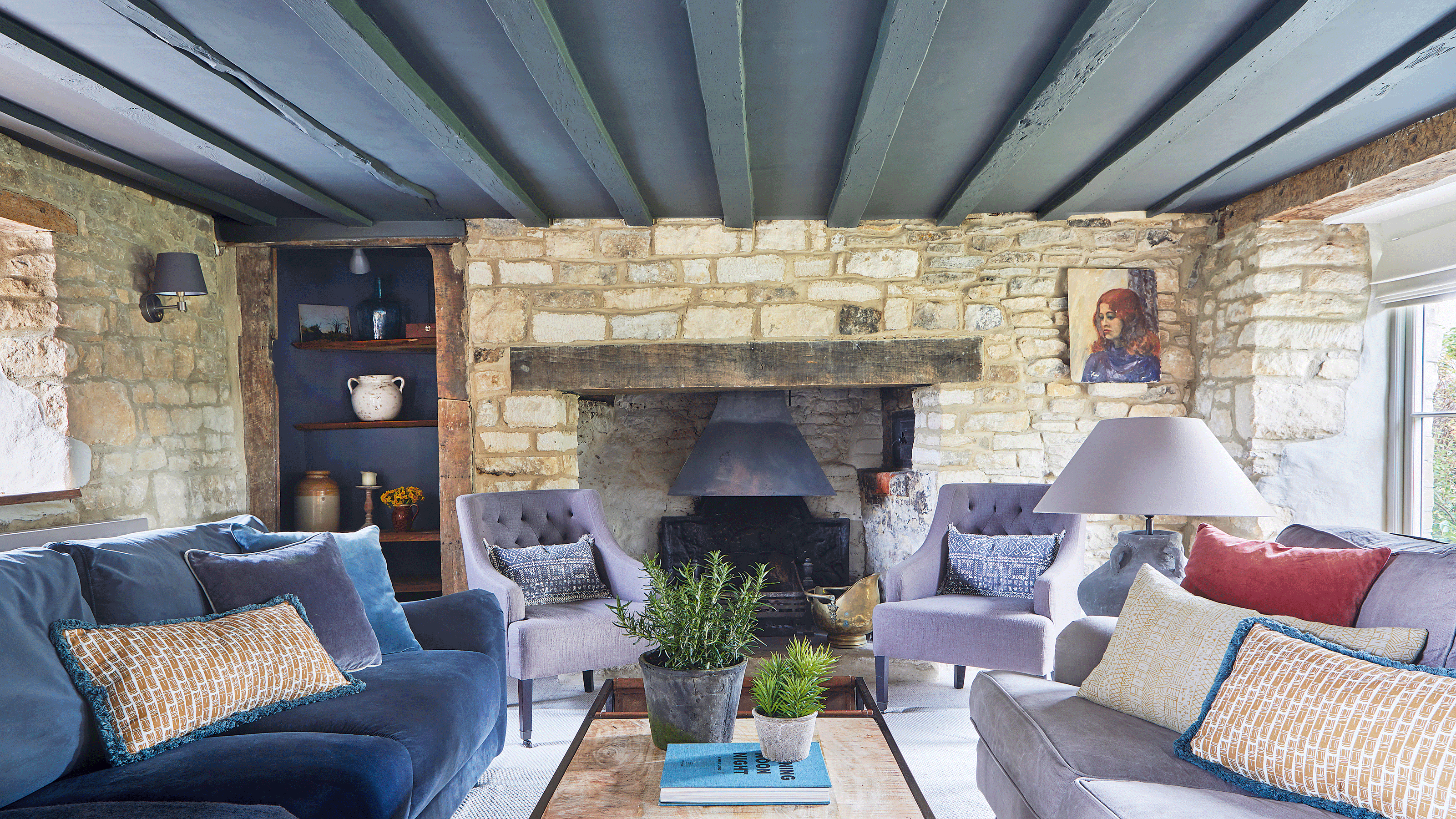
Living room ceiling ideas – perk up your 5th wall with our expert advice
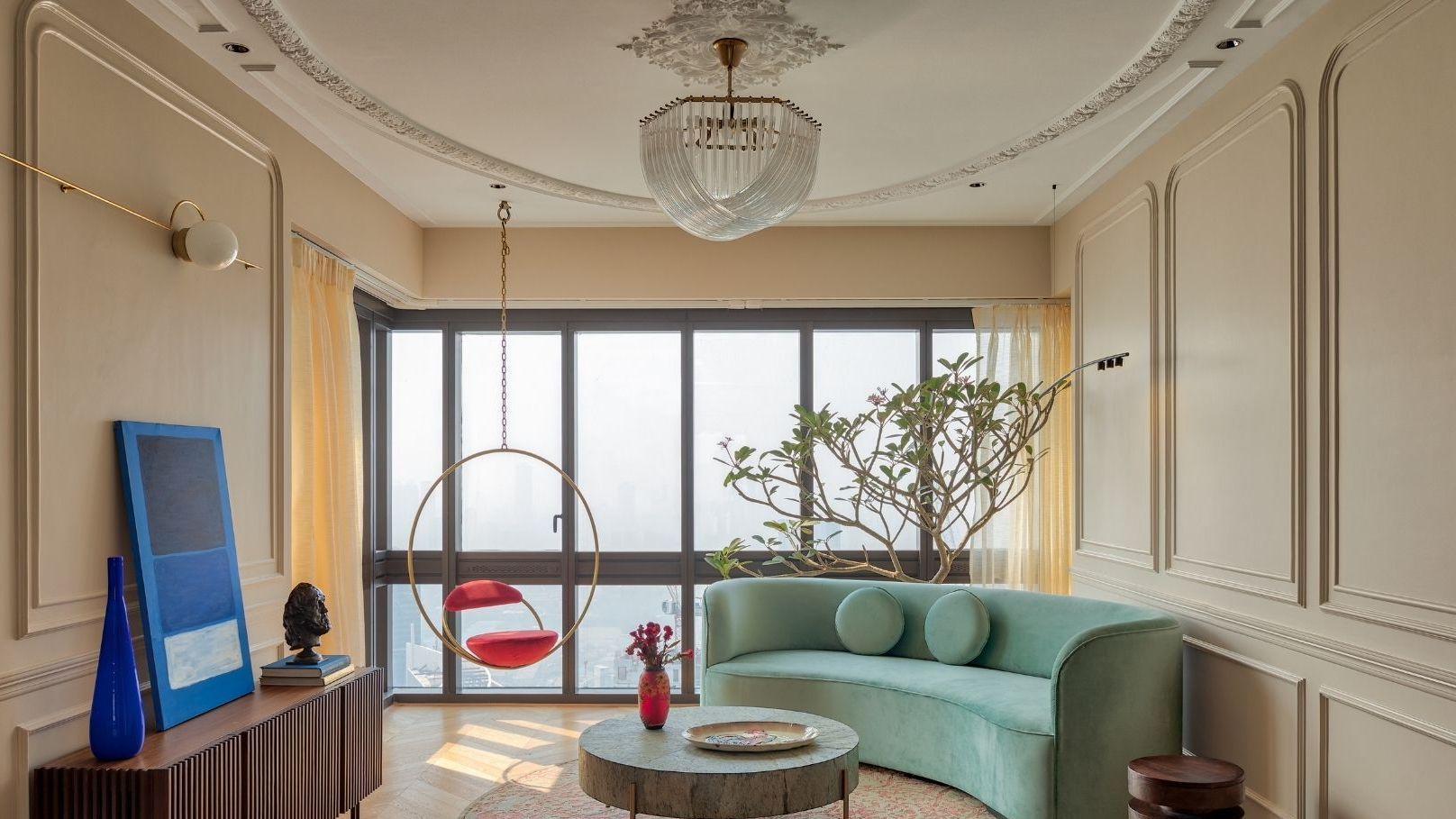
7 ceiling design ideas to add character to your home

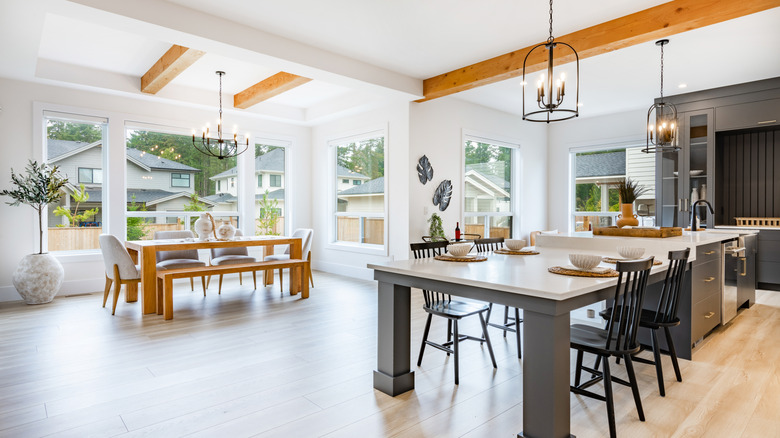
Top Ceiling Trends You Can Expect To See More Of In 2025

12 Stunning Ceiling Design Ideas That Will Have You Looking Up All Day Long

Should You Put Wallpaper on the Ceiling? Here’s What Designers Recommend
Trend Alert: Here’s How To Perfect The Painted Ceiling Look
Handyman Hints: Creating the coffered ceiling