1/13
How to get white right: 12 lessons we've learned from country homes
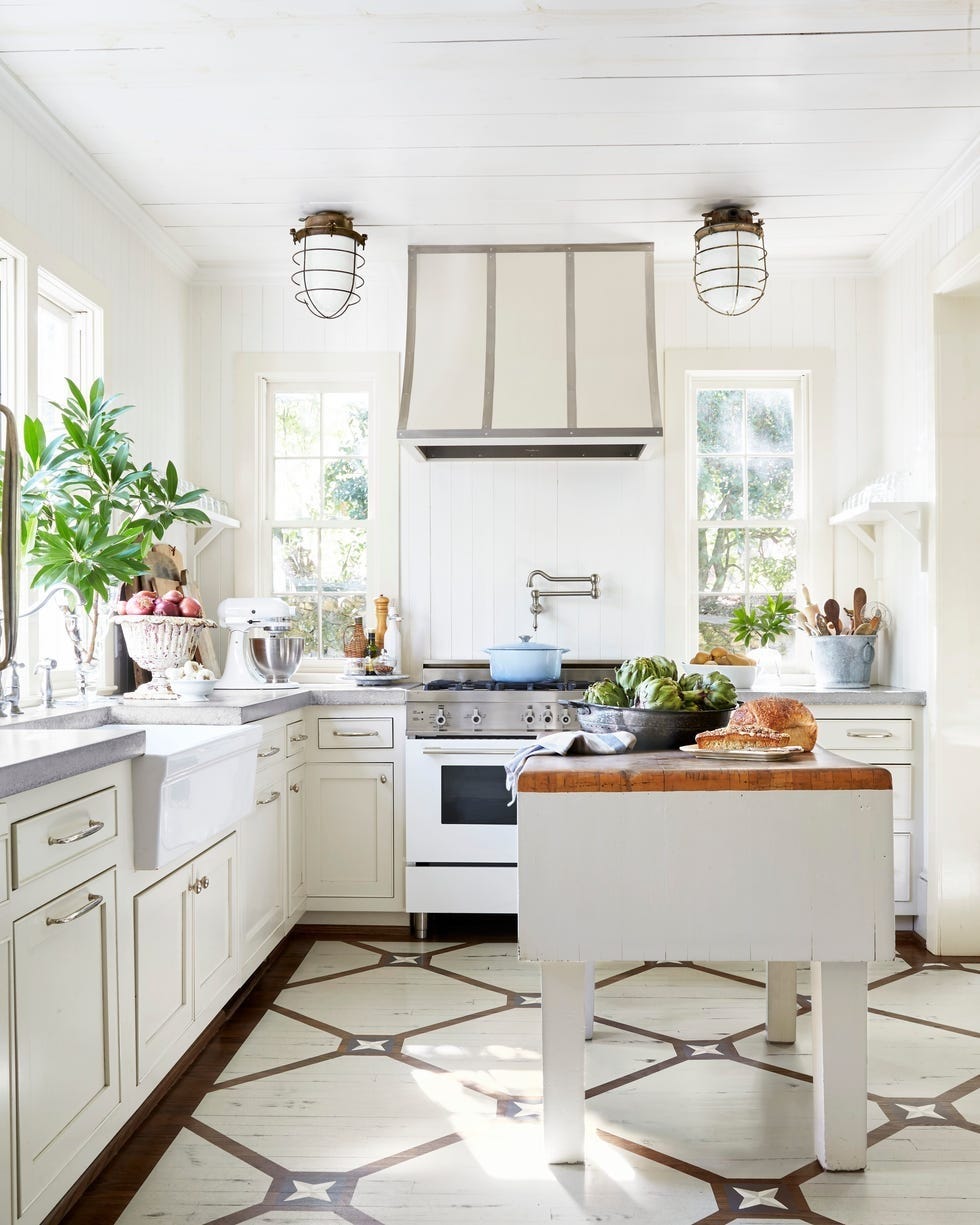
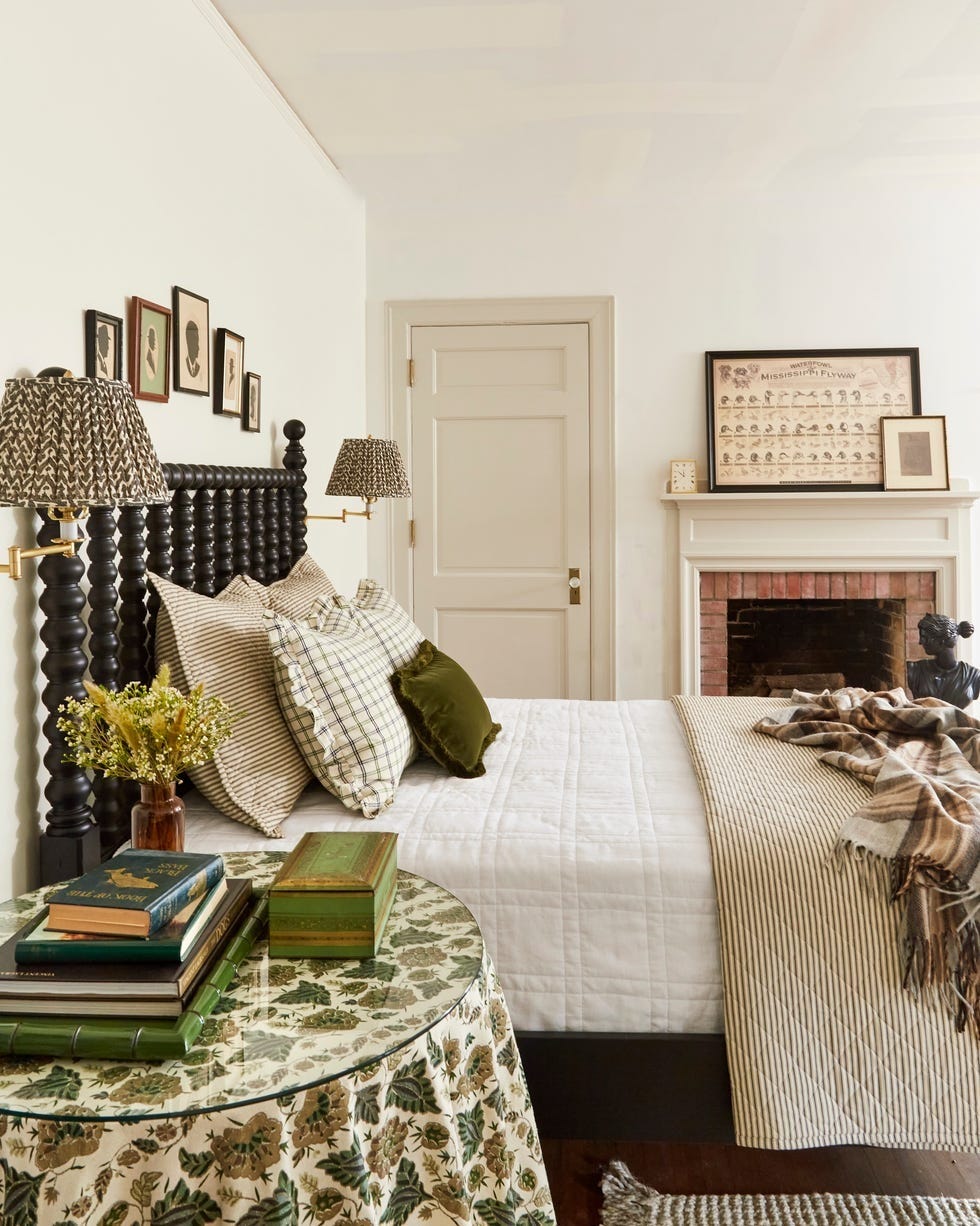
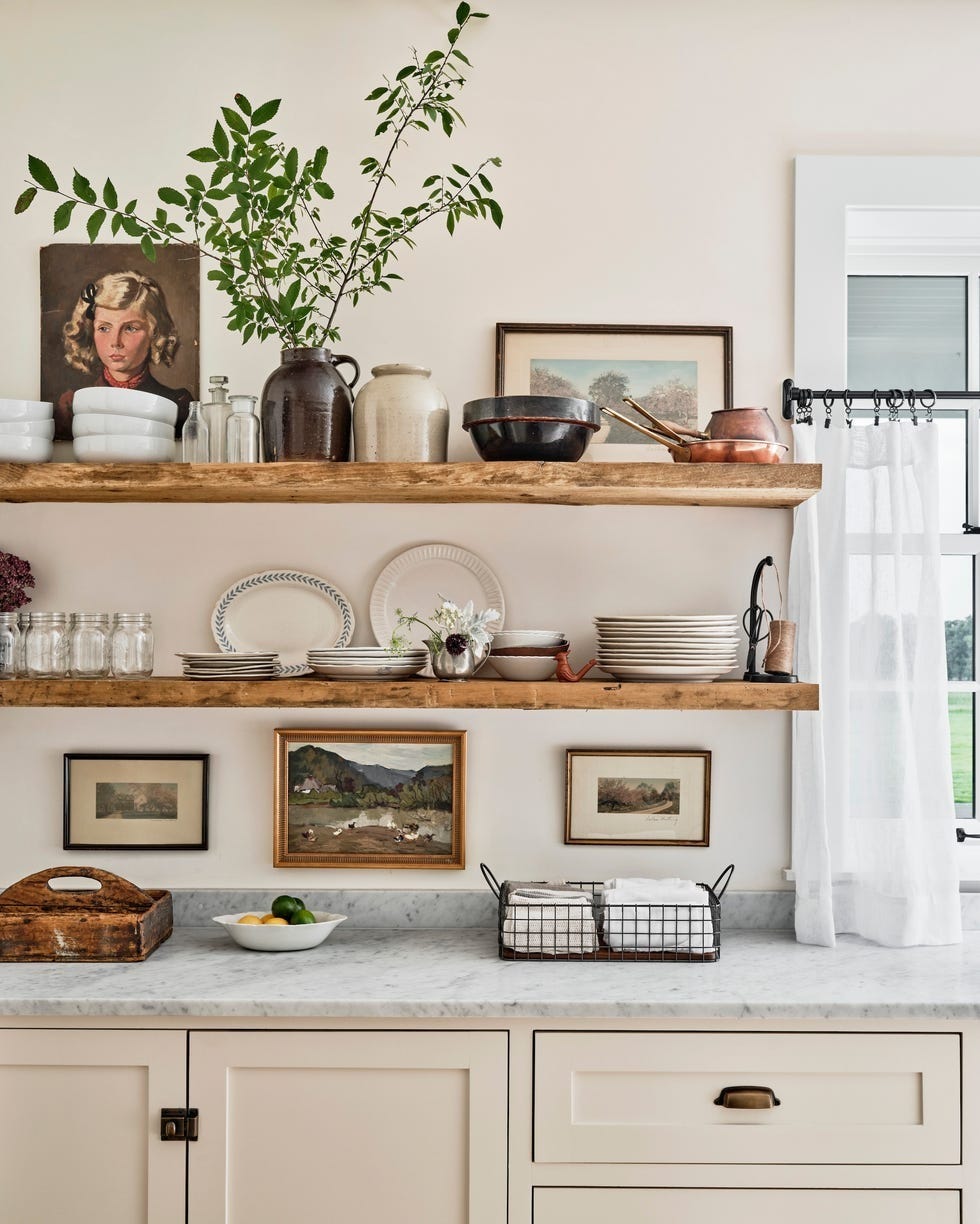
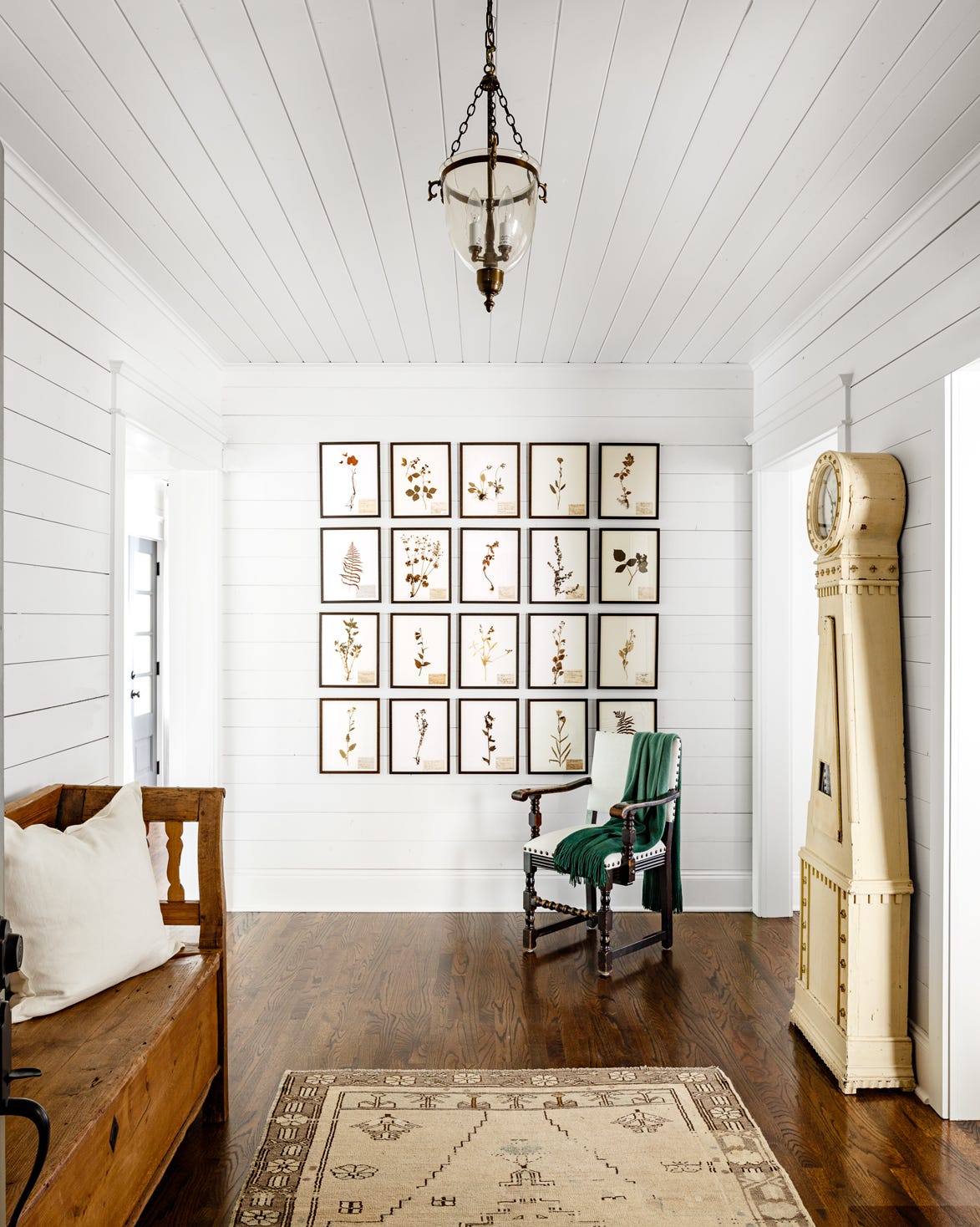
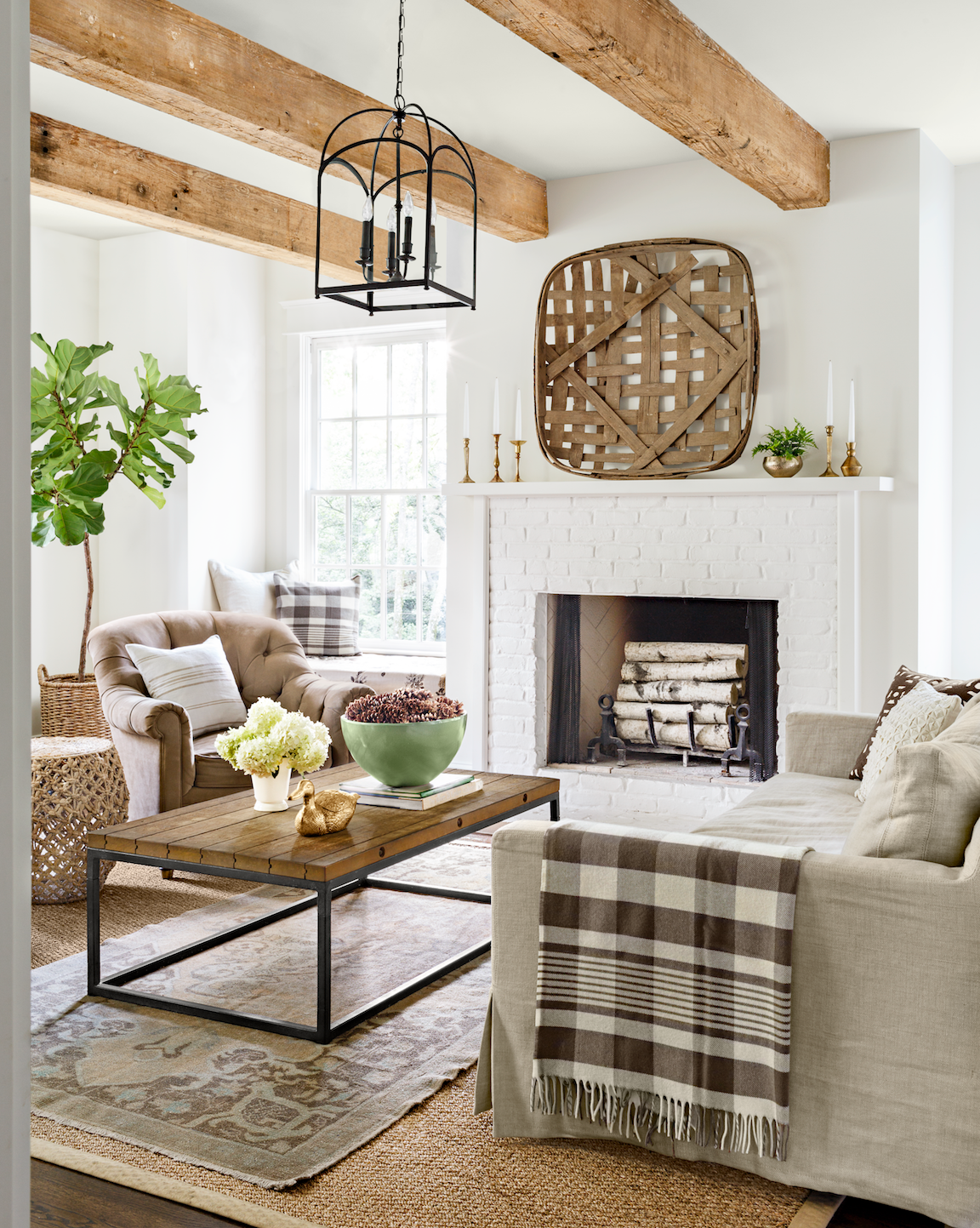
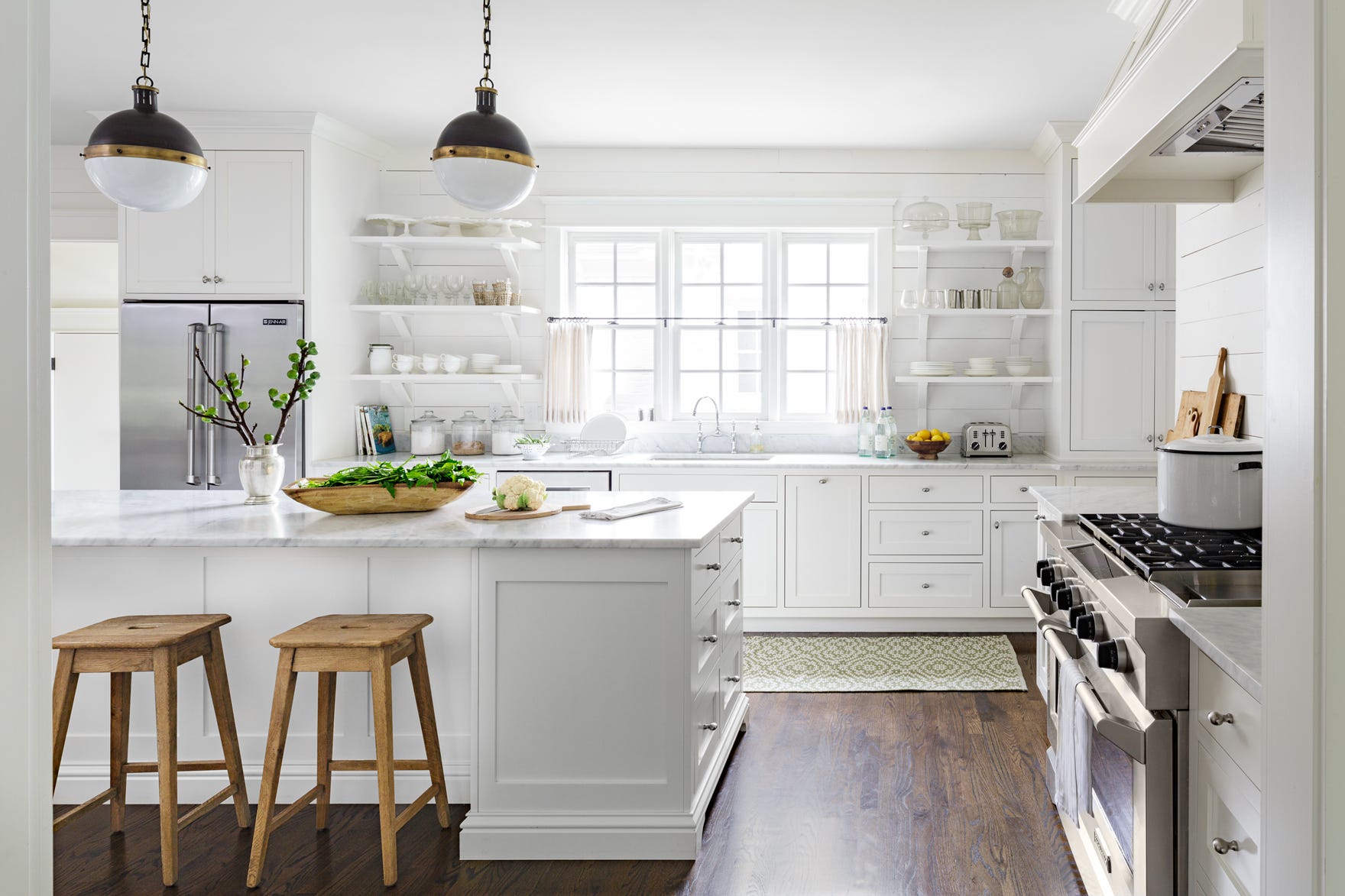
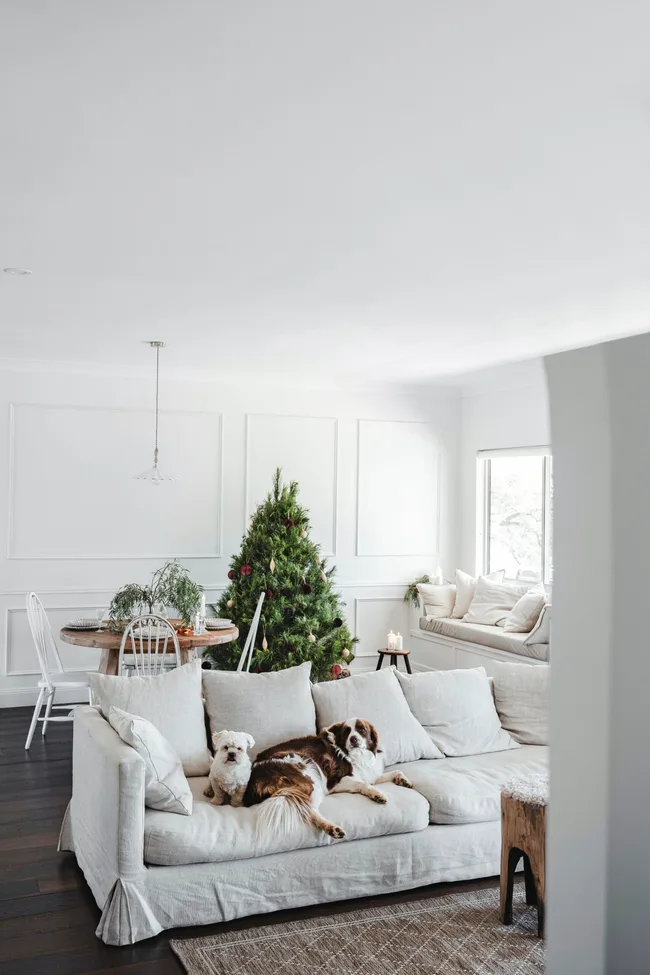
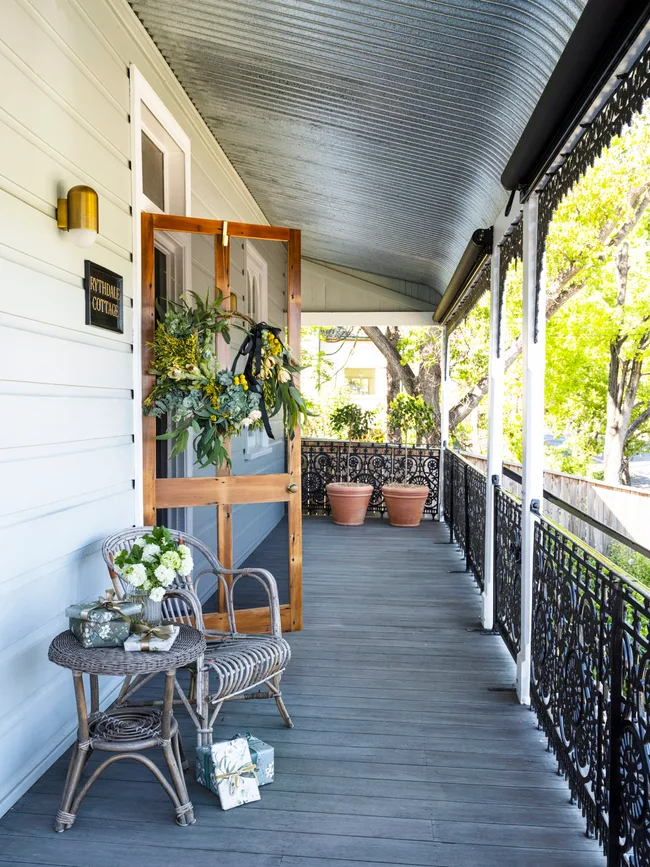
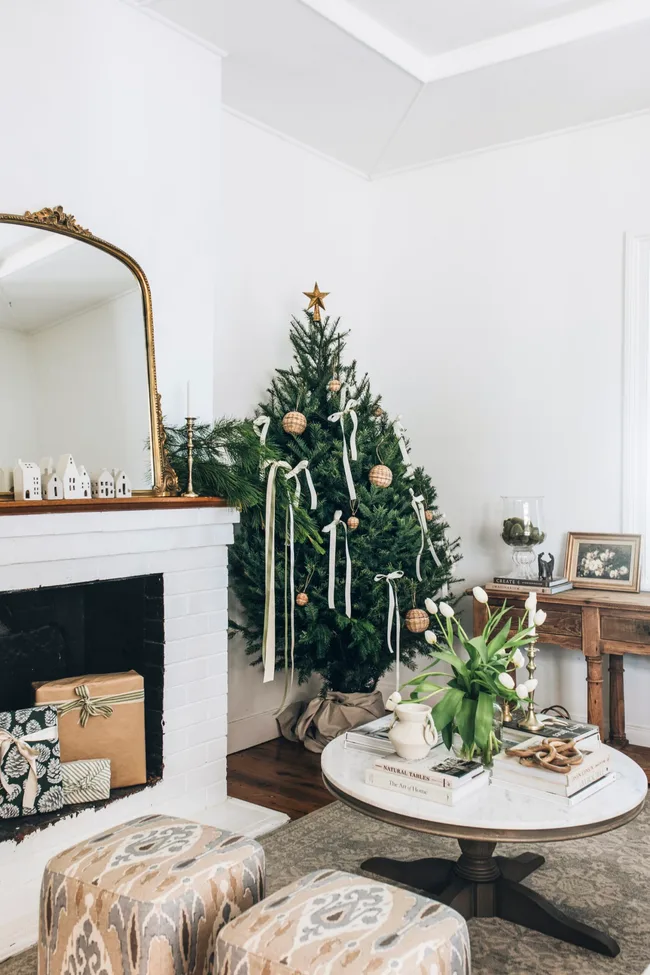
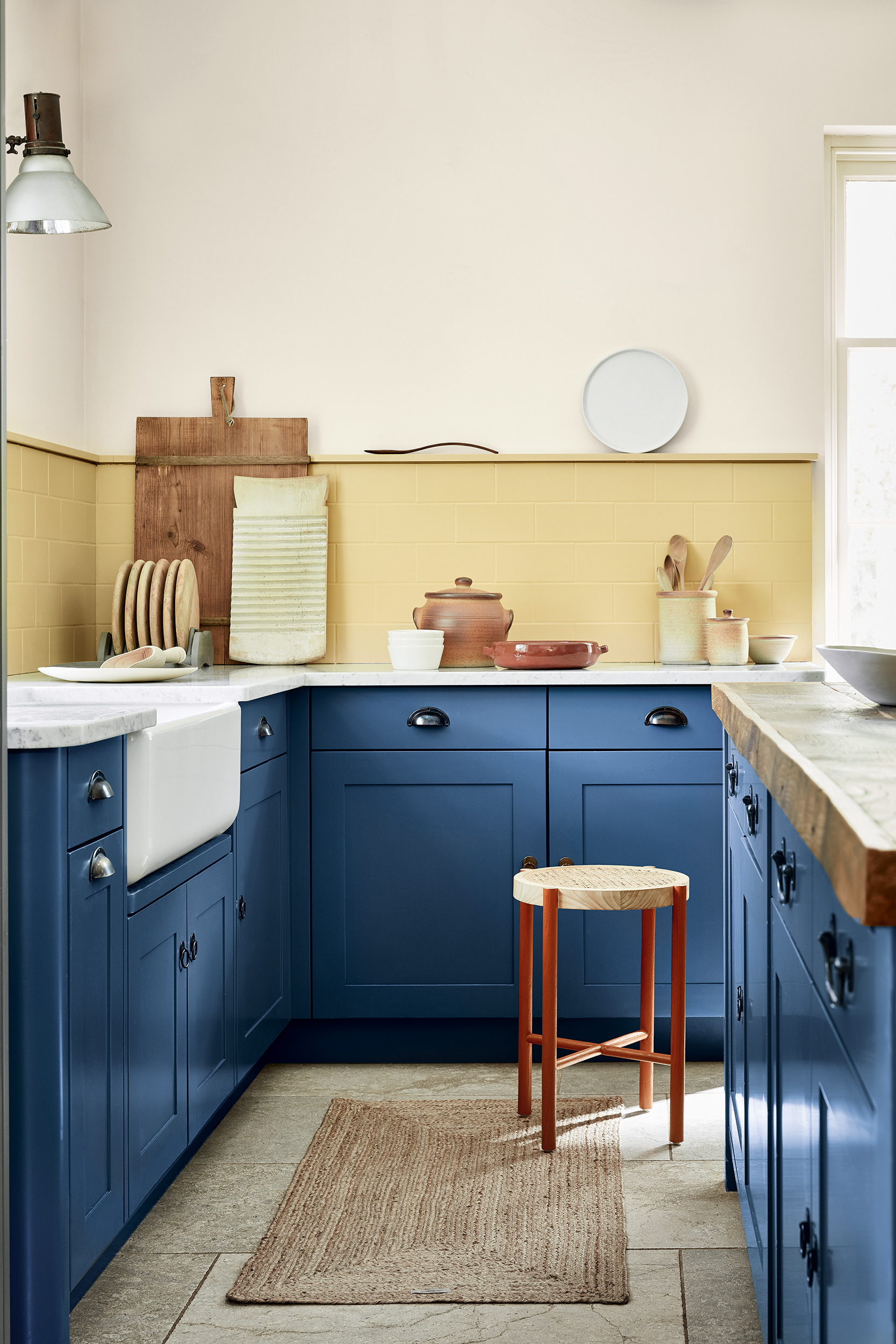
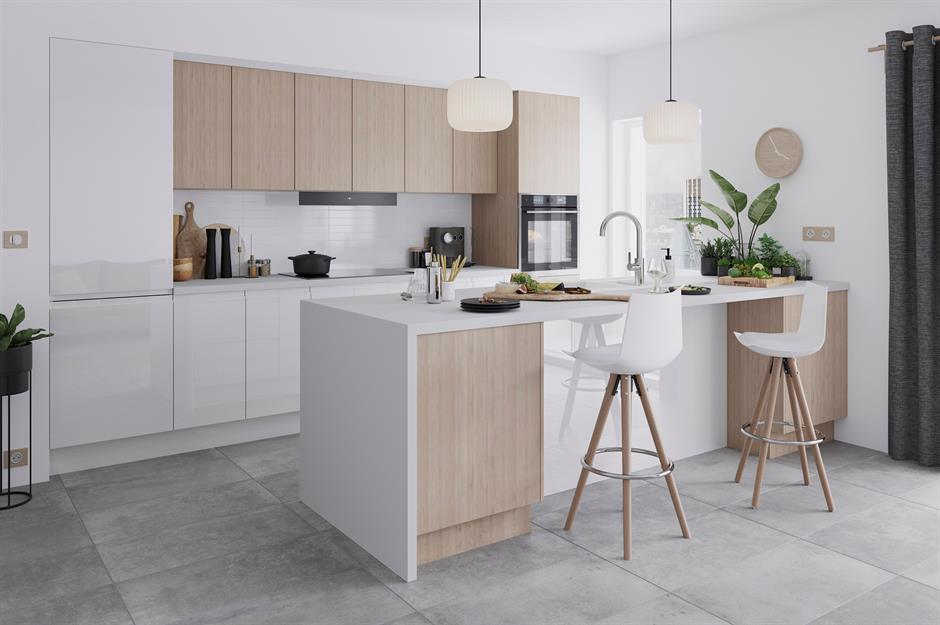
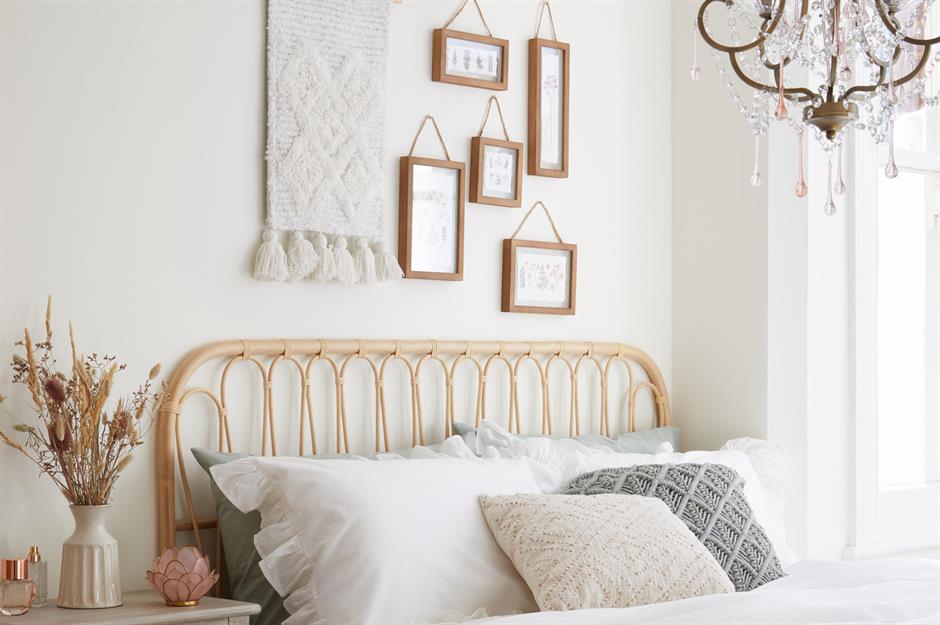
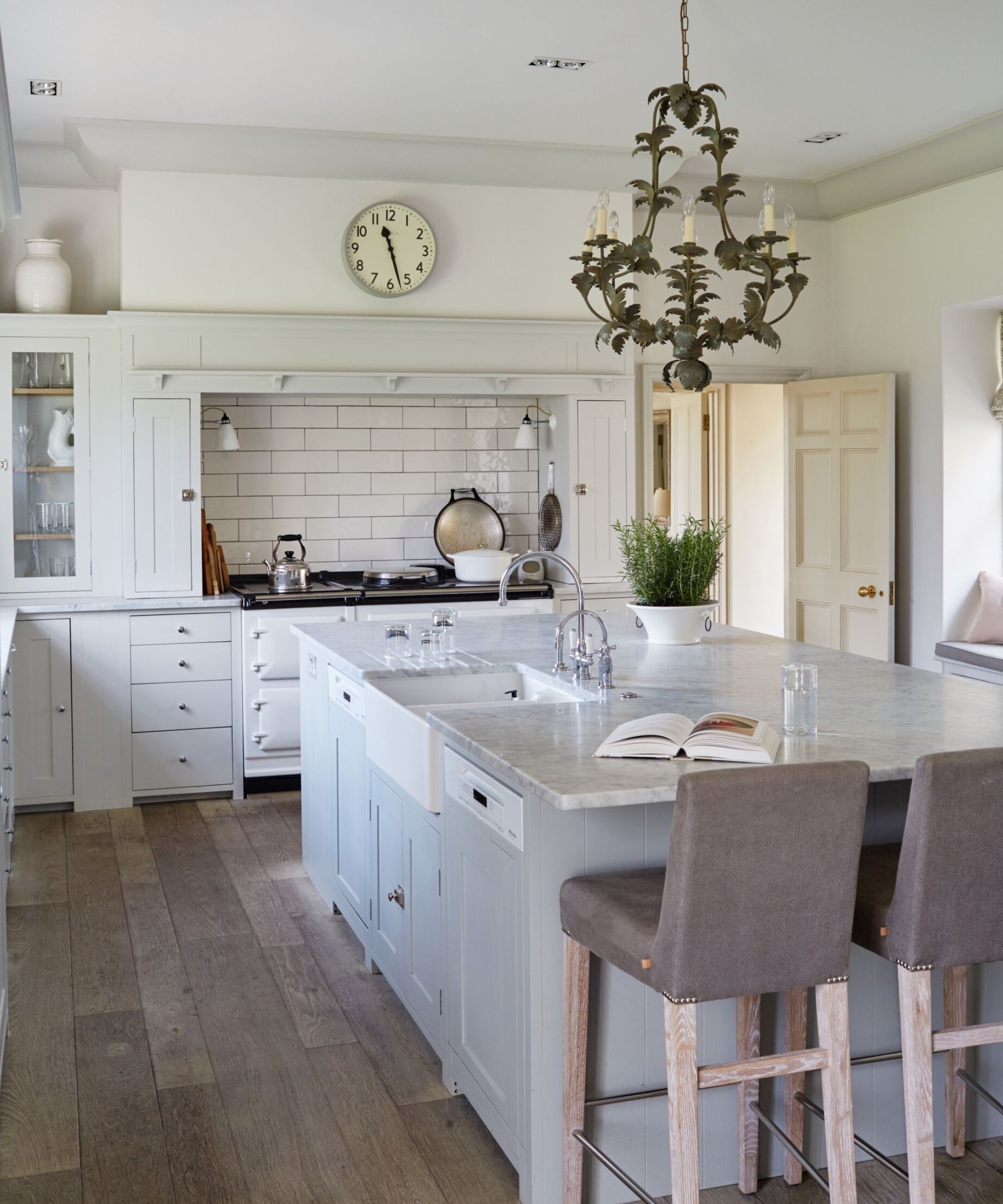
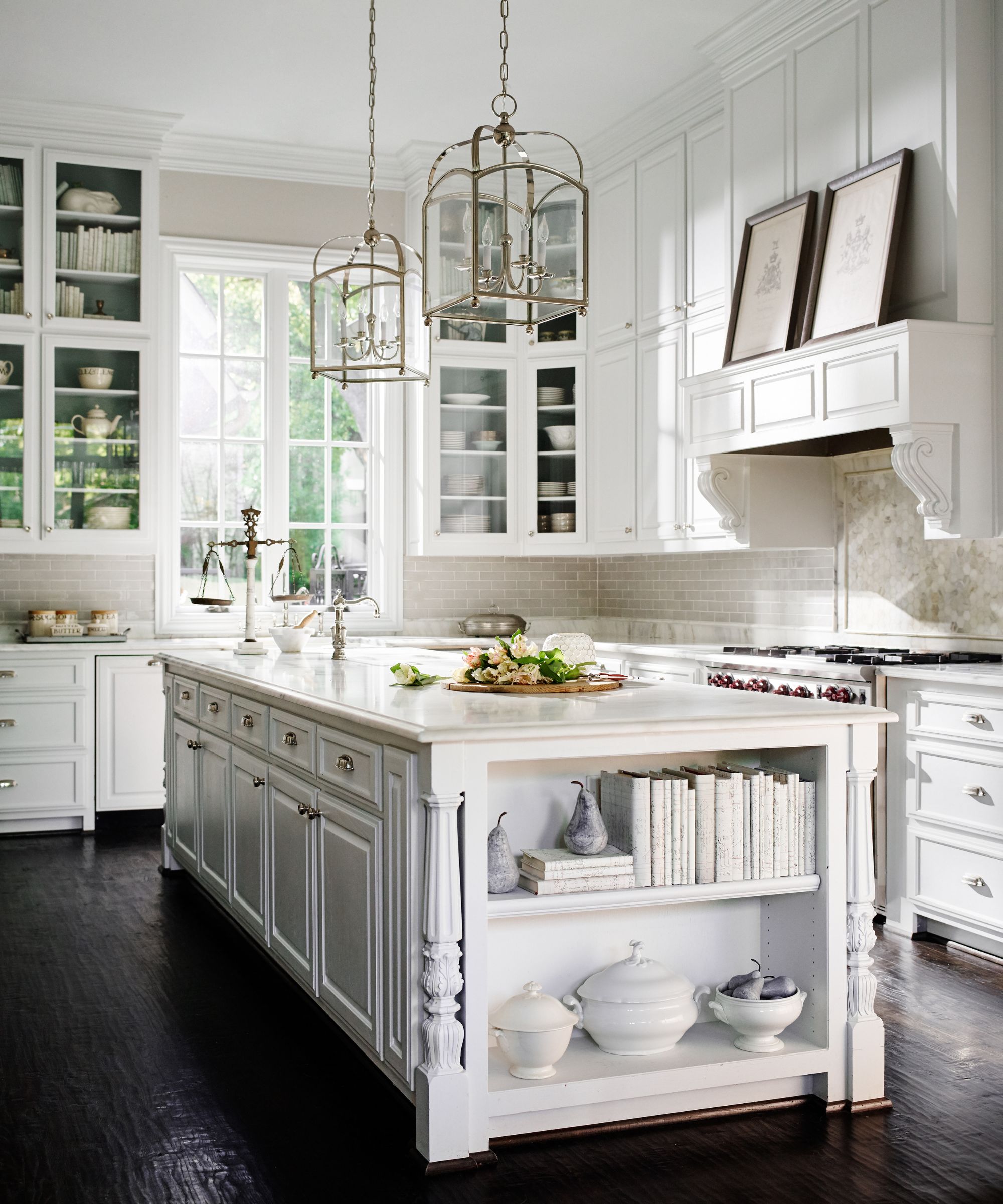
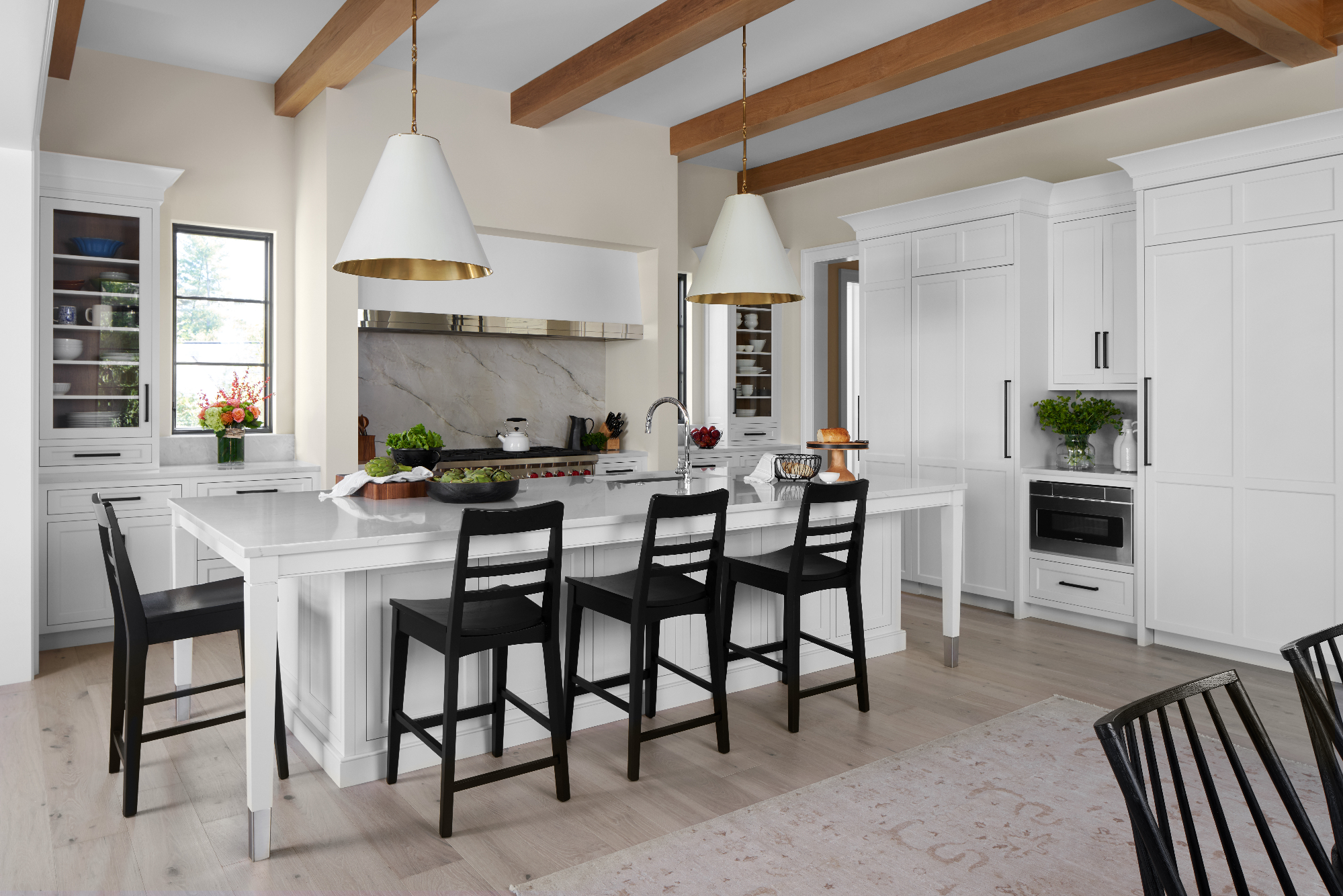
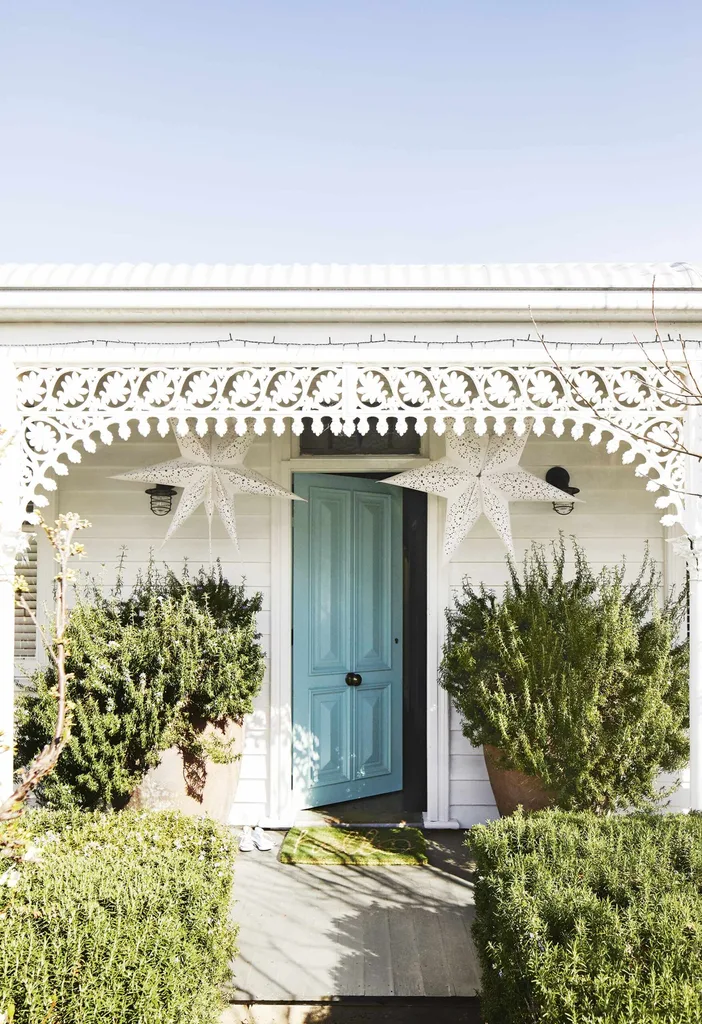
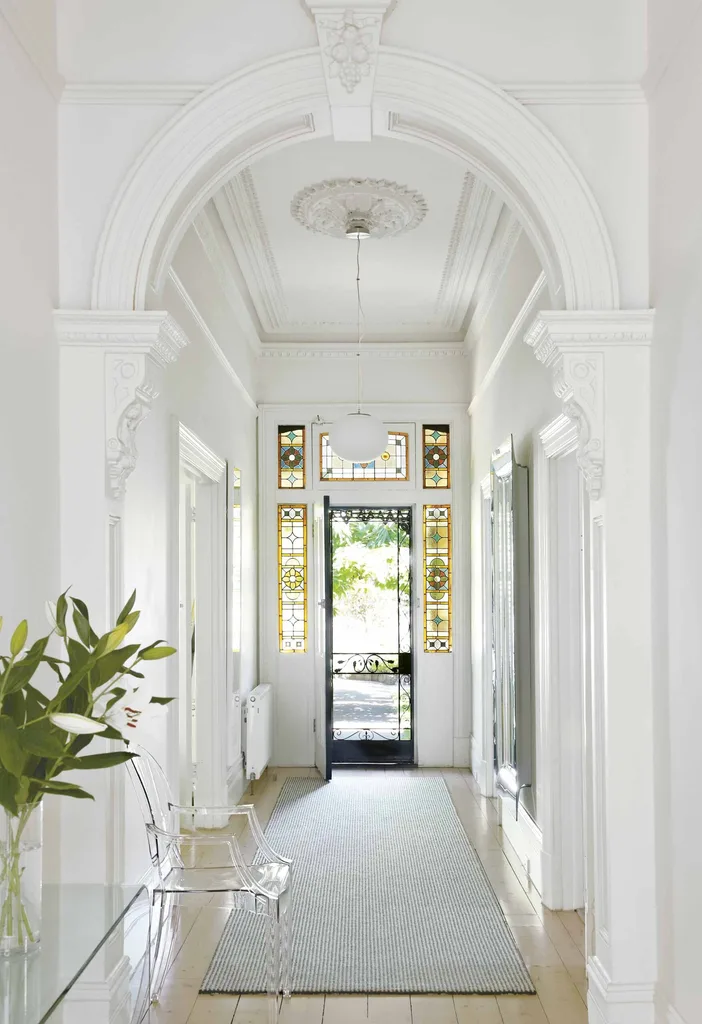
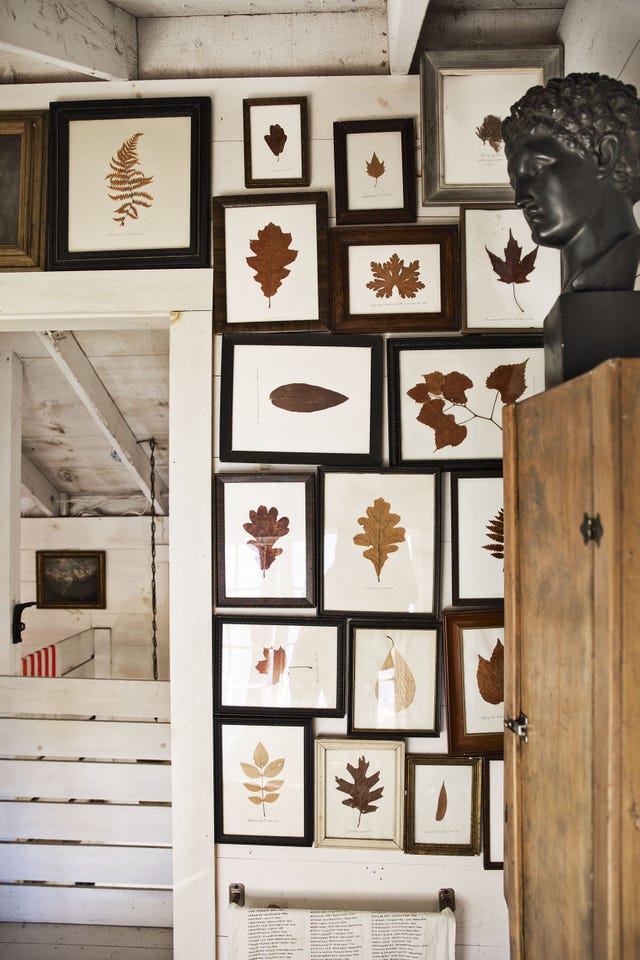
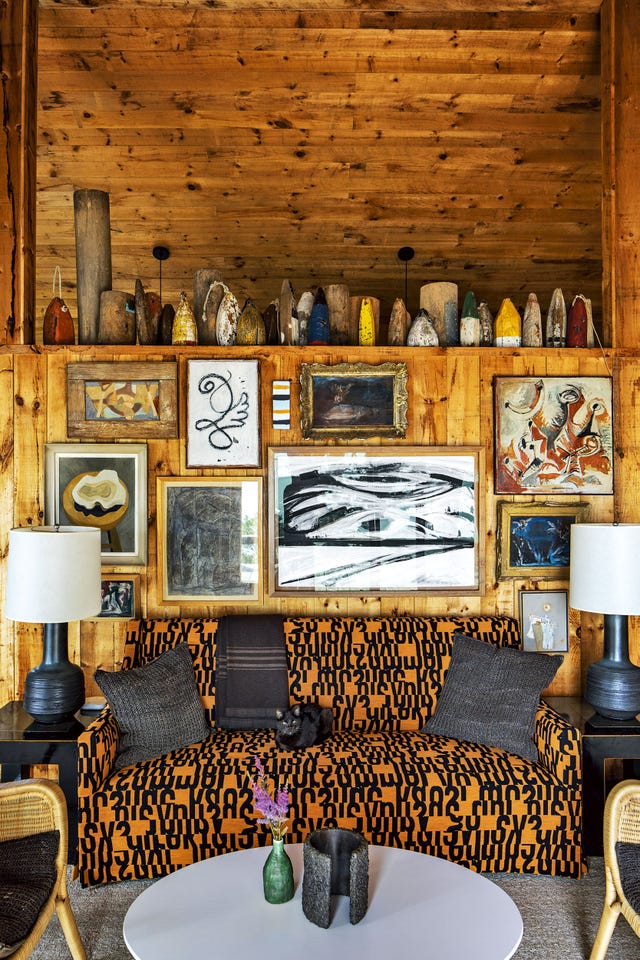
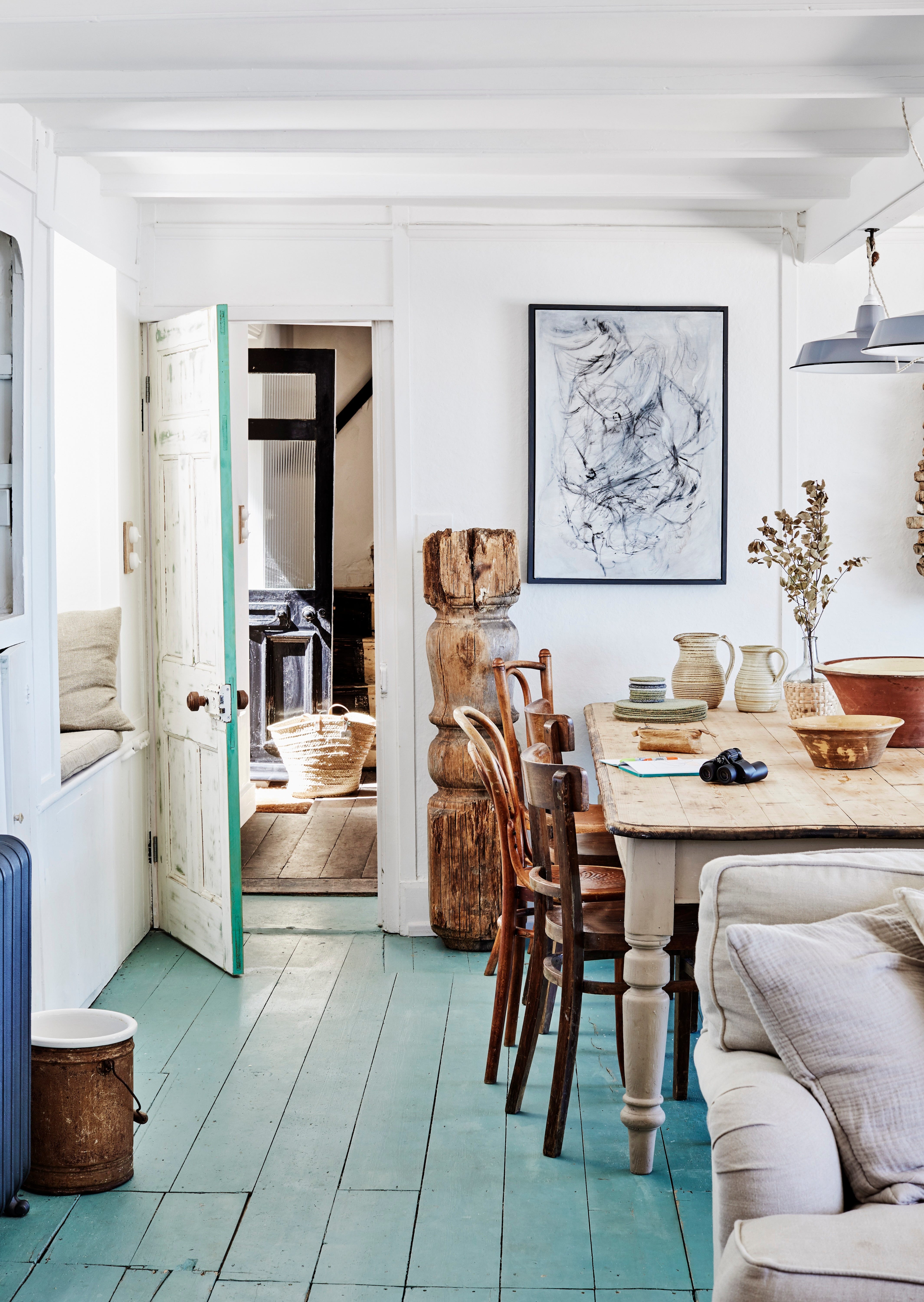
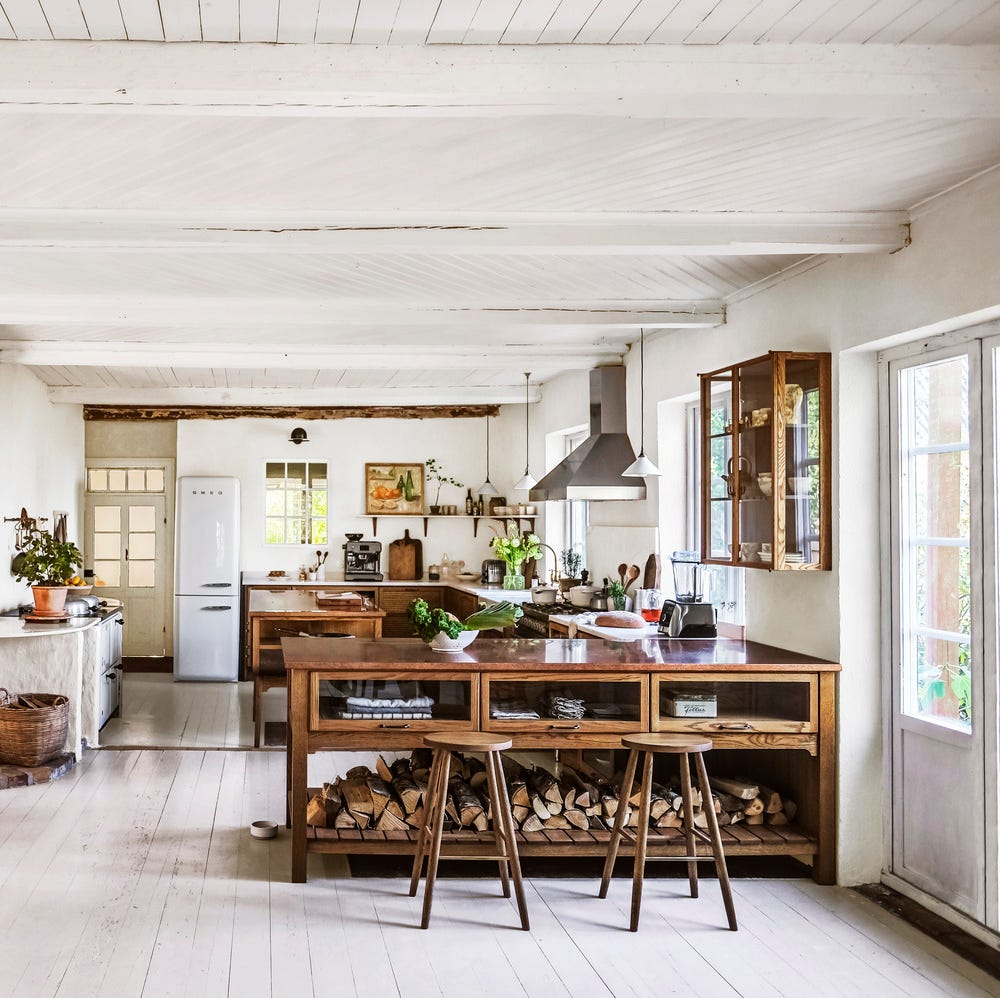
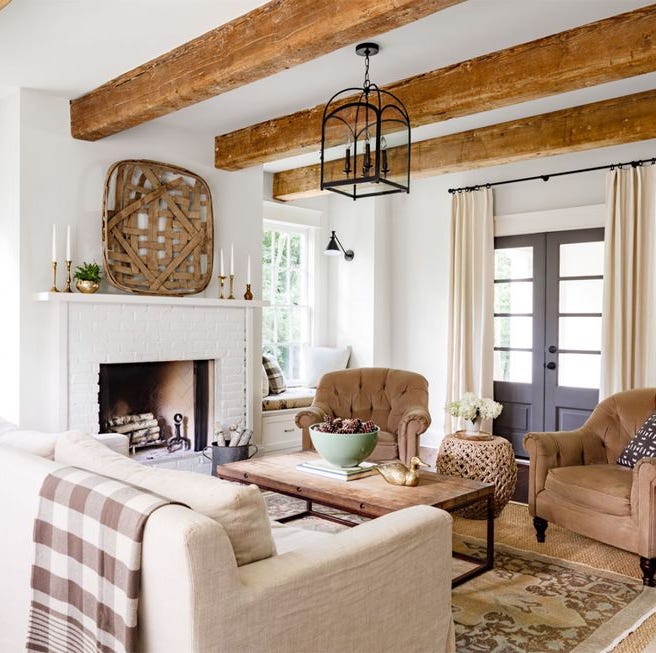
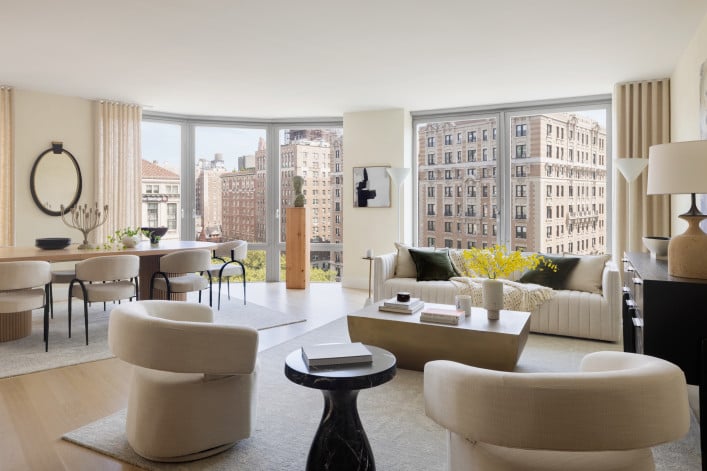
White paint, often misunderstood as plain or lifeless, is a versatile cornerstone in decorating schemes, especially for country homes. These homes inherently possess elements that prevent white from appearing flat. Architectural features such as wooden beams, cottage doors, and exposed brick provide essential texture and dimension, which are crucial in all-white spaces. Layers of soft textiles like gauzy linens and nubbly wool also contribute to softening white's visual sharpness, while brightly painted floorboards can enliven otherwise stark walls.
Selecting the appropriate shade of white is critical, as white is highly responsive to natural light, revealing different undertones throughout the day. Patrick O’Donnell, a color expert at Farrow & Ball, emphasizes considering a room's orientation. South-facing rooms, typically bathed in ample natural light, can accommodate various white undertones, from cool blue-toned to warmer gray or yellow-based shades, without compromising the aesthetic.
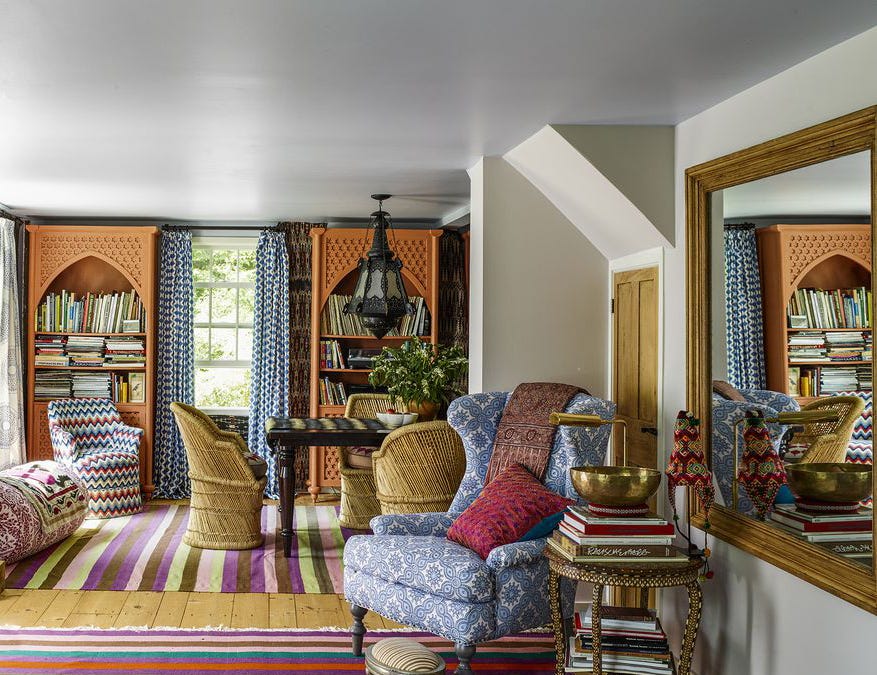
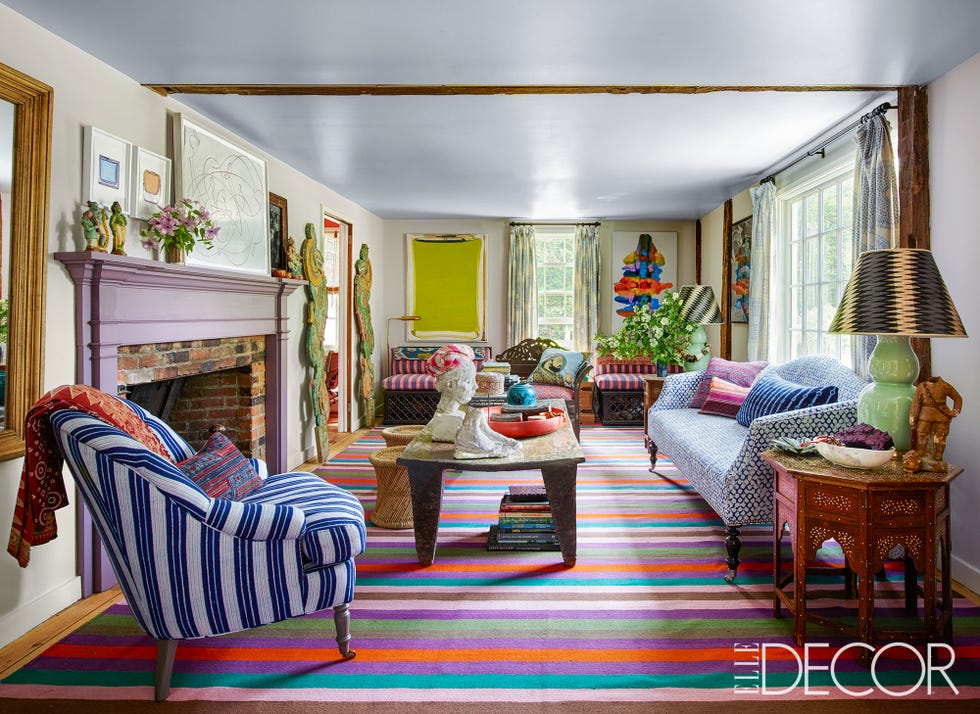
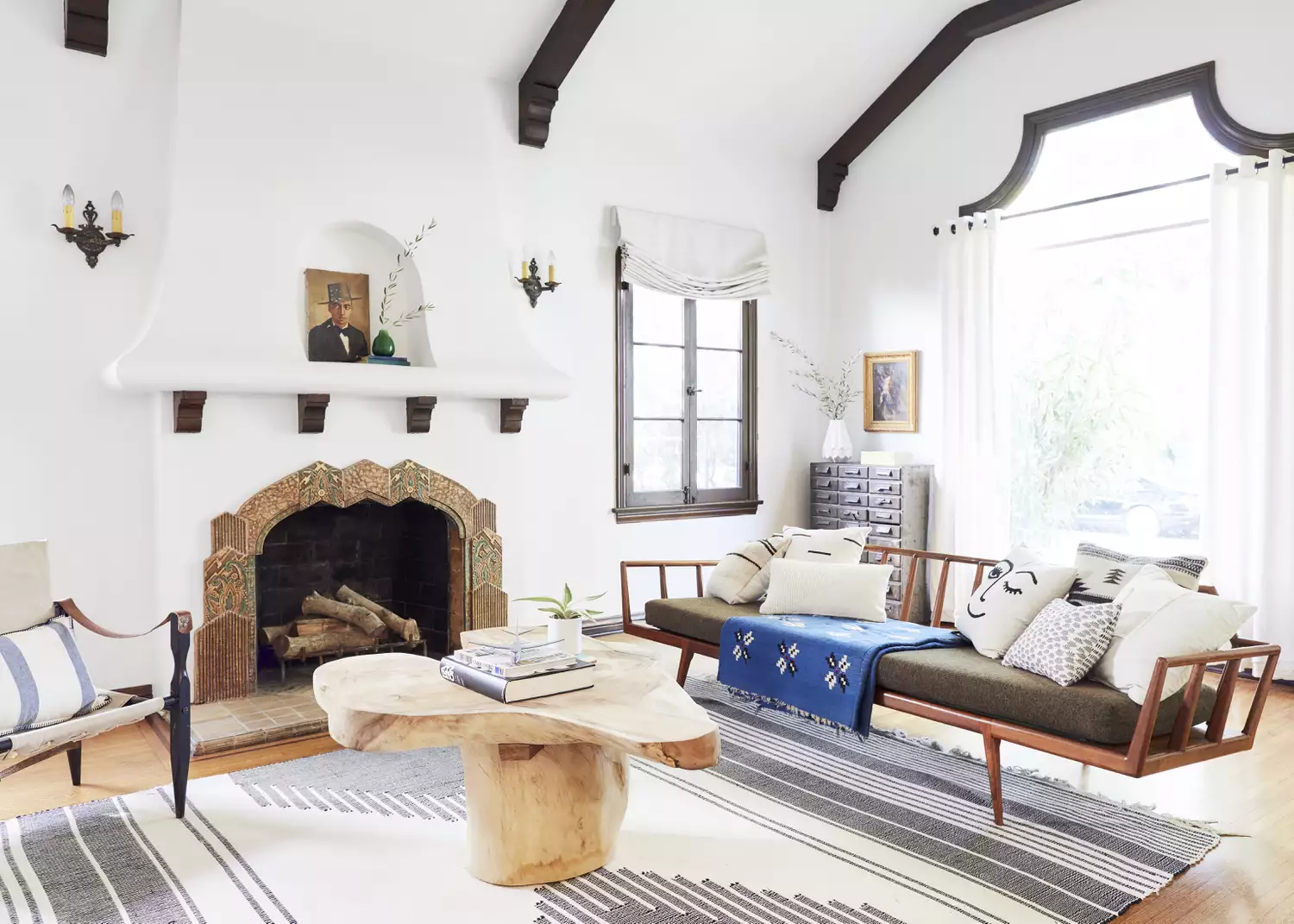
The article explores twelve country homes that demonstrate effective use of white in interior design. It highlights how bright white on uninterrupted surfaces in country homes avoids flatness due to inherent architectural details. For children's rooms, white can serve as a modest backdrop for whimsical decorations like hot air balloons or solar systems, though care should be taken to match undertones when using multiple whites. Incorporating color into an all-white scheme can be achieved by pairing colors with patterns or surface textures, rather than solid blocks of color, to avoid a childlike appearance. Mediterranean influences, with their rugged stone walls, often inspire all-white interiors rich in texture, complemented by coarse wooden surfaces, grainy ceramics, and earthy accents.
White paint can also be used as a visual trick in large, open-plan areas to emphasize height, creating a clear eye-line division. Painted floorboards, though prone to chips and fading, contribute to tempering the polished look of white walls, with blue-toned or aqua-toned whites suggested for east-facing rooms to enhance warmth. White upholstery, often perceived as hard, can be softened with layers of linen and wool, and advancements in easy-clean fabrics reduce concerns about maintenance.
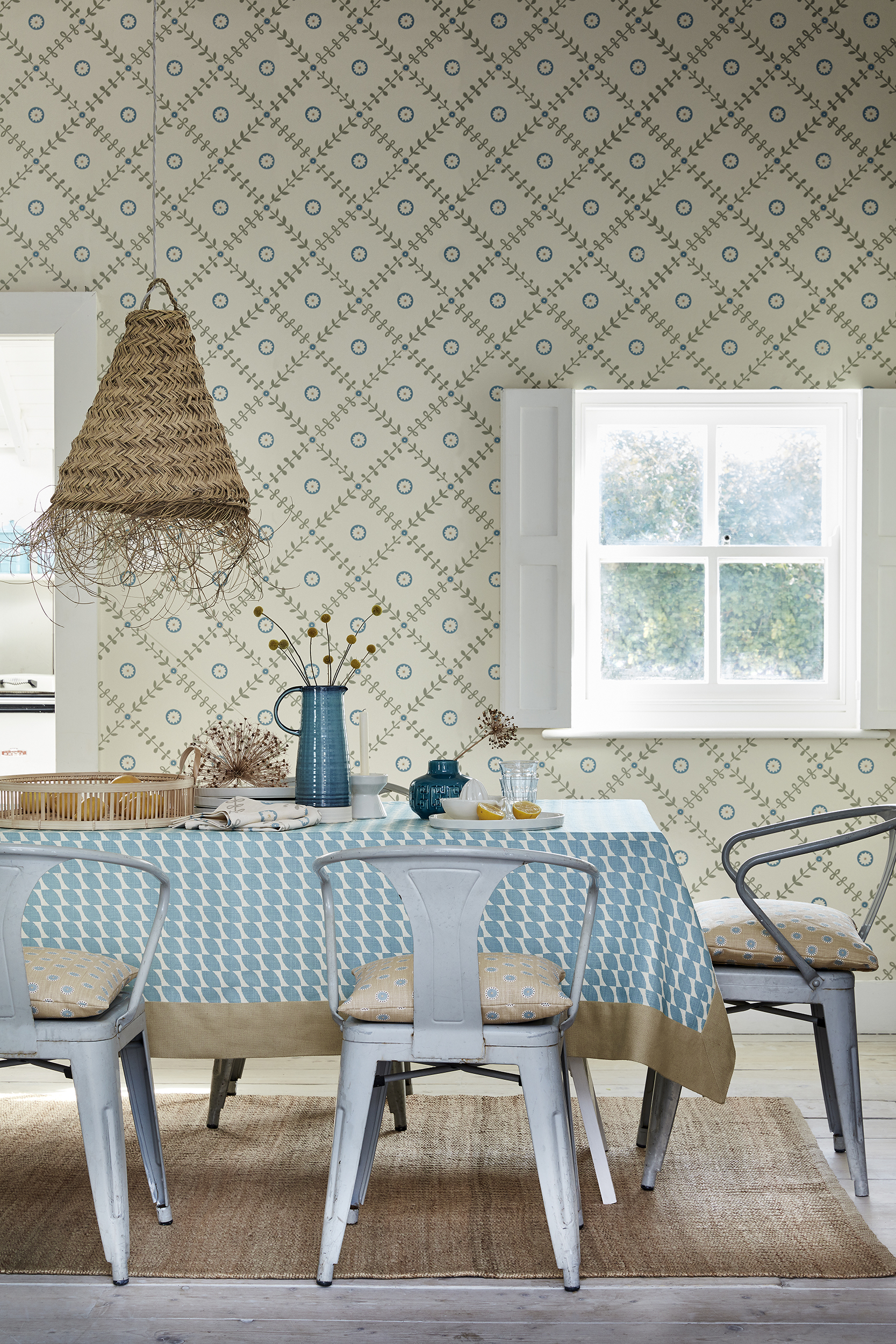
For west-facing rooms, red-toned whites or delicate pinks are recommended to complement the warm afternoon and early evening light. Dark floors, such as mahogany or slate gray, can balance the brilliance of white walls, particularly with reflective or glossy finishes. North-facing rooms, which tend to be poorly lit, benefit from warm-toned whites with yellow or red undertones, like Joa’s White or White Tie, to introduce warmth without appearing overtly yellow or cream. In small white rooms, a subtle pattern can act as a focal point, turning walls into a canvas for motifs like florals or patchwork quilts. Finally, a single contrasting element, such as a brightly painted bath or door frame, can energize an all-white space, making it a clever design strategy for bathrooms with many white surfaces.
#CountryHomeDesign #WhiteInteriorDecor #FarrowAndBall #PaintColors #NaturalLight #InteriorTexture #HomeStyling #DecoratingTips #CountryHomeDesign #WhiteInteriorDecor #FarrowAndBall #PaintColors #NaturalLight #InteriorTexture #HomeStyling #DecoratingTips
0 comment in total
 No comments yet
You may also like
Yes, Your Room Really Does Need a Hit of Red!
14 country homes that have been beautifully styled for Christmas

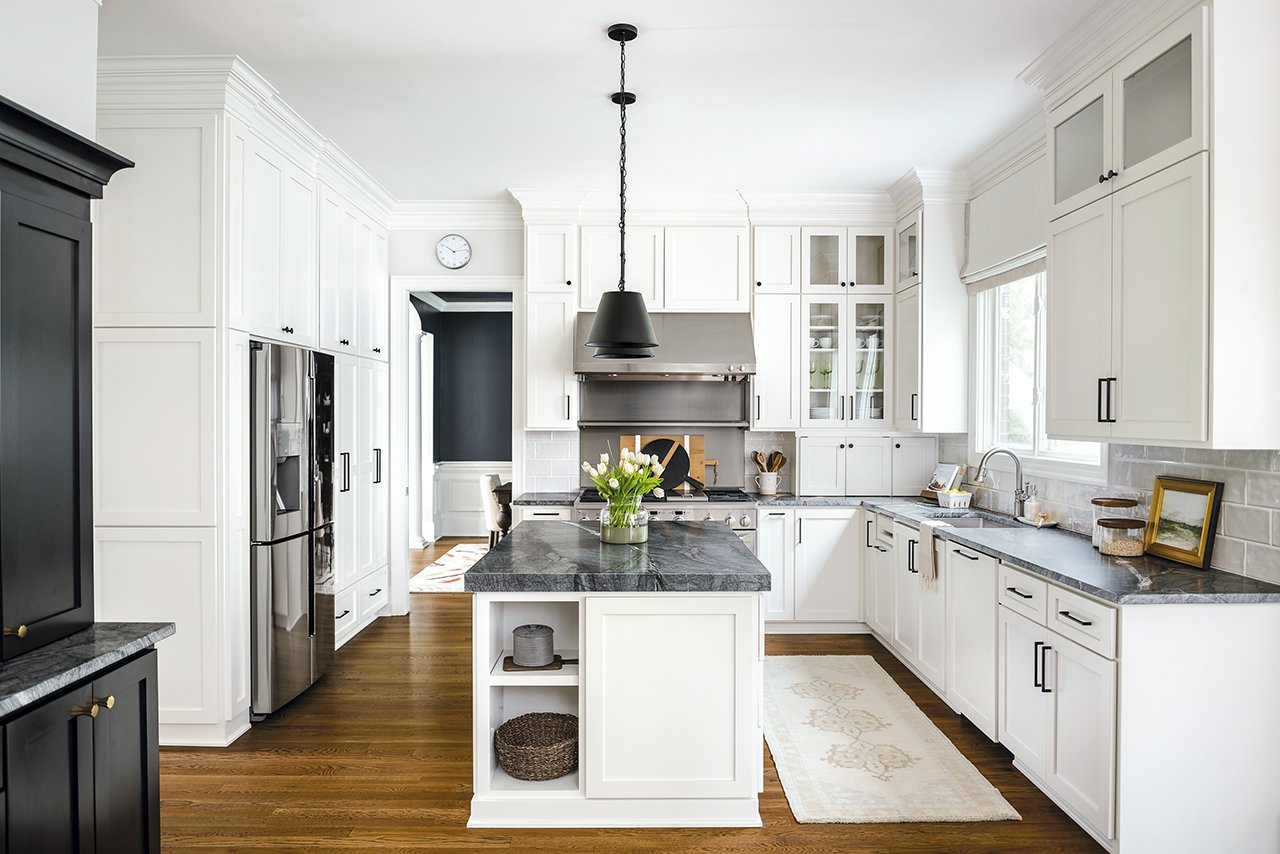
Doing White Right

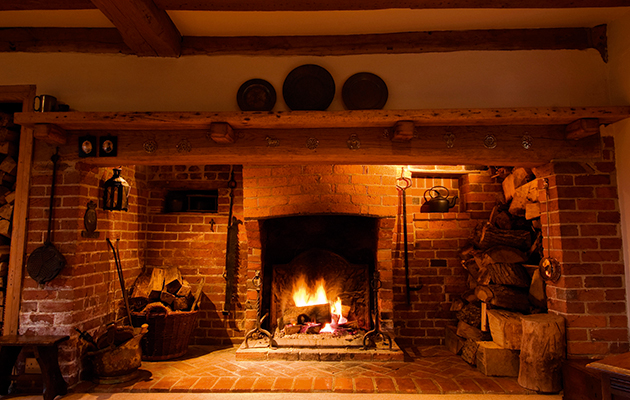
Guide: How to heat your country house
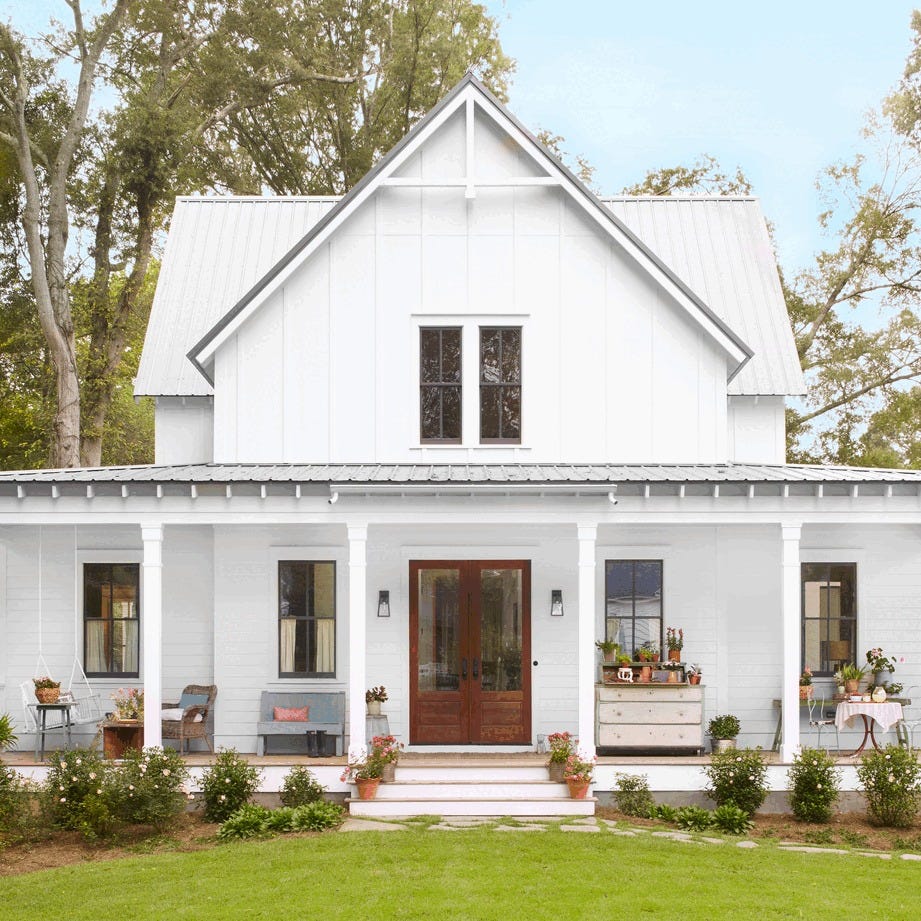
The 25 Best Farmhouse Paint Colors for Timeless Style
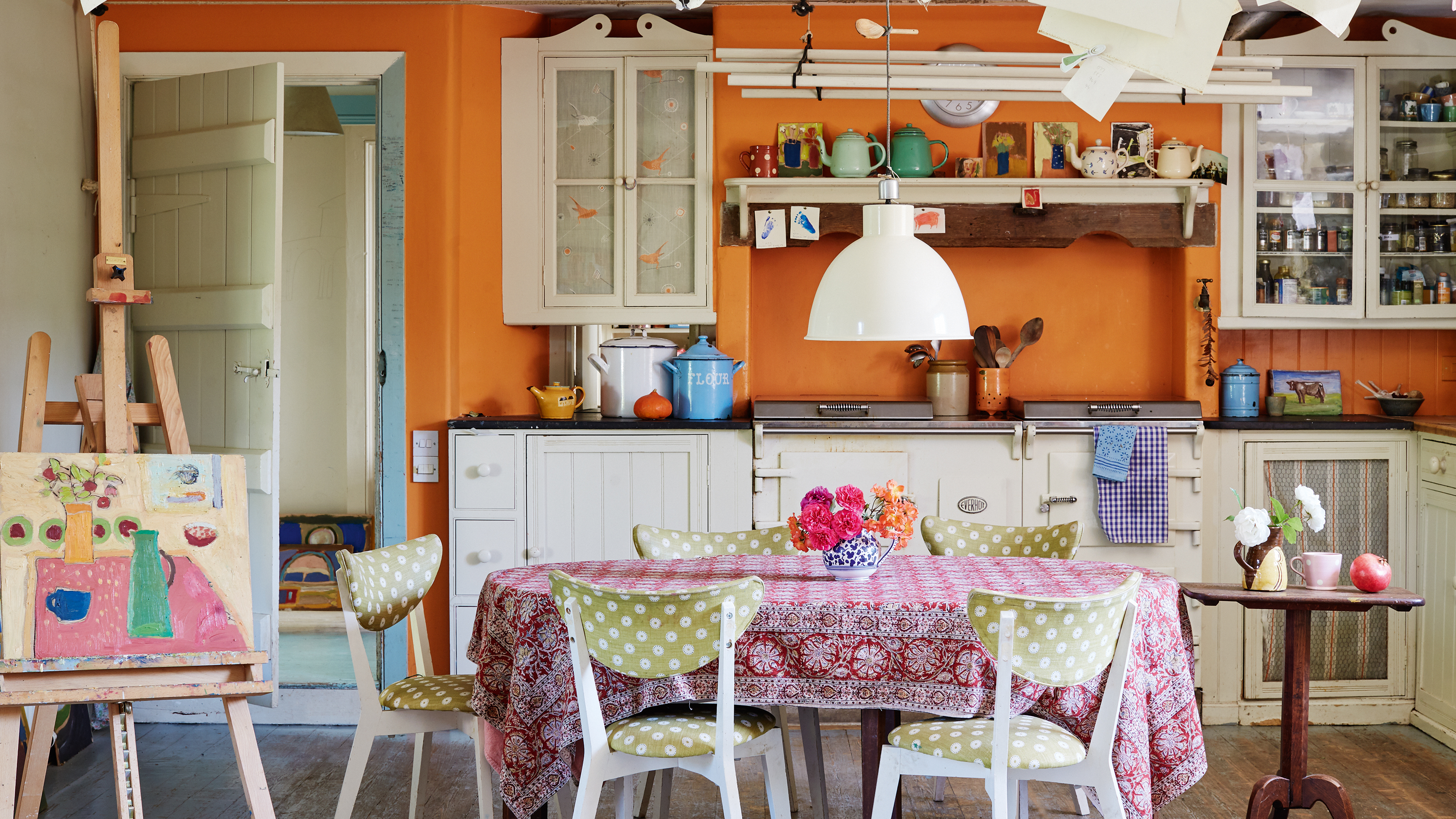
10 new country decorating ideas

The Western Décor Trend Is All About Rustic Touches and Earth Tones—Here's How to Get the Look in Your Home
The Cozy Kitchen Style That's Replacing Modern Farmhouse
A Rustic Tennessee Home That Does White Right
6 Tips for Creating a Cozy, Charming Farmhouse Look
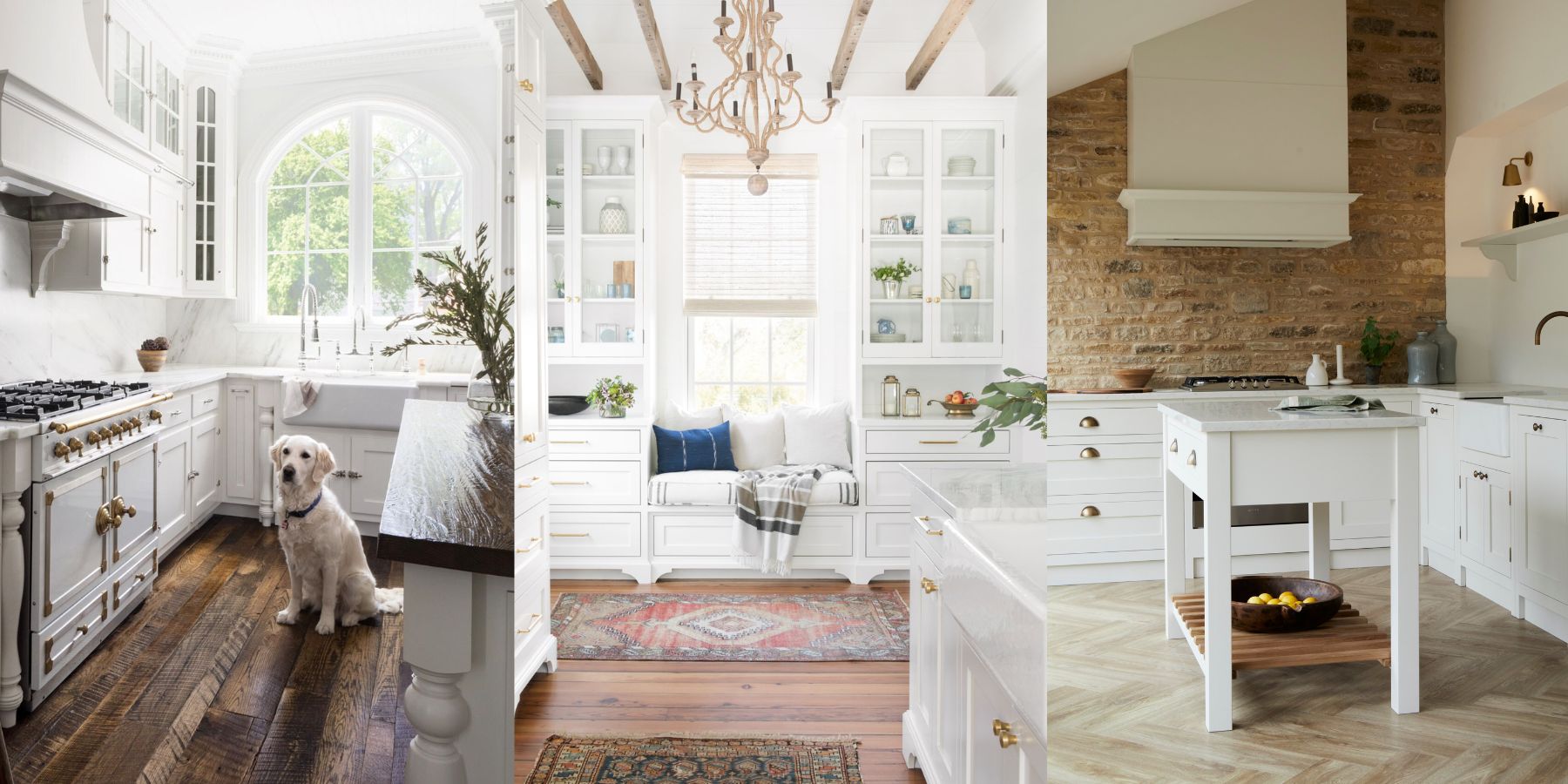
White modern farmhouse kitchen ideas –10 ways to achieve a bright and timeless space

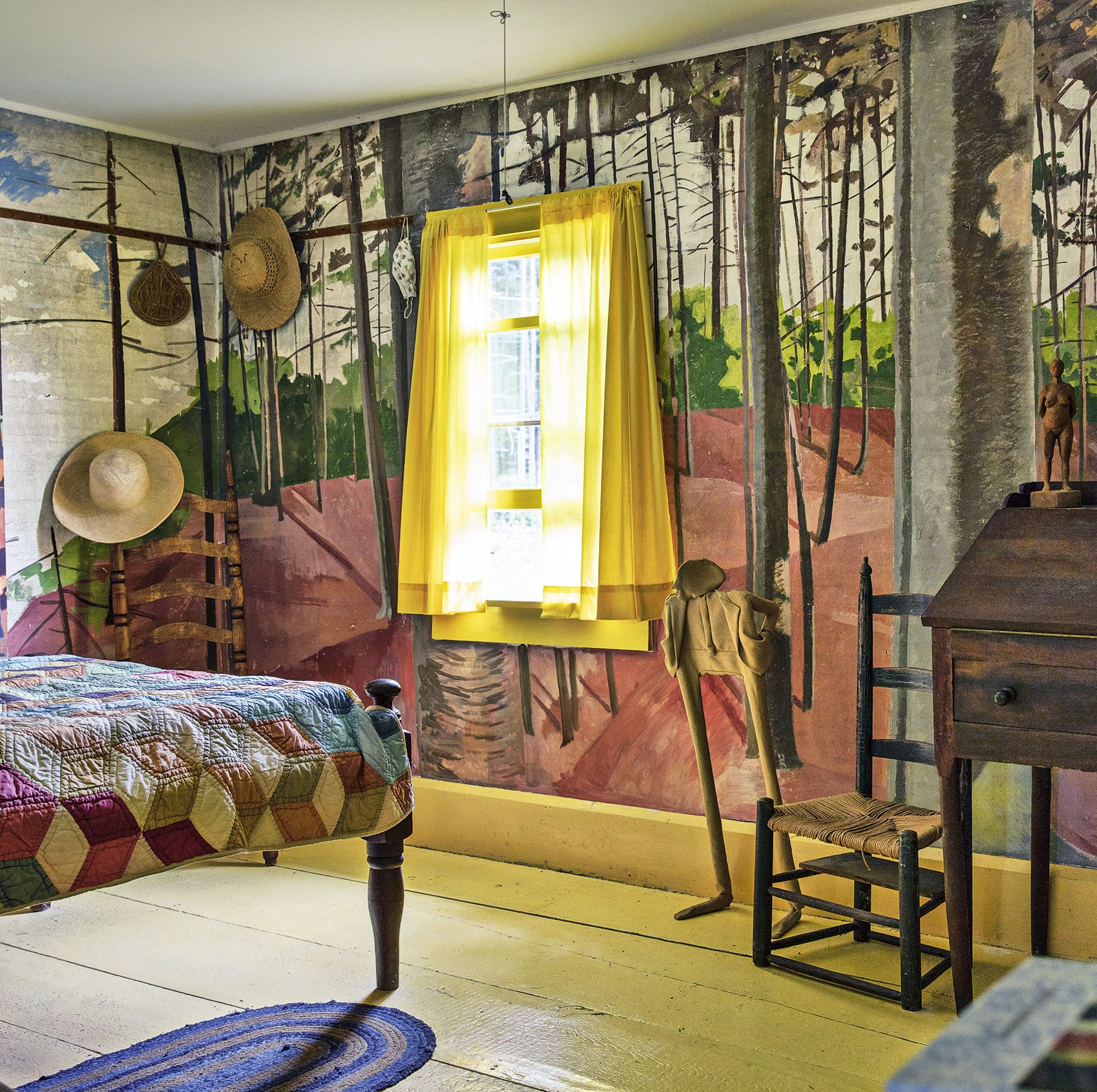
7 Ways to Bring Maine Cottage Style into Your Home
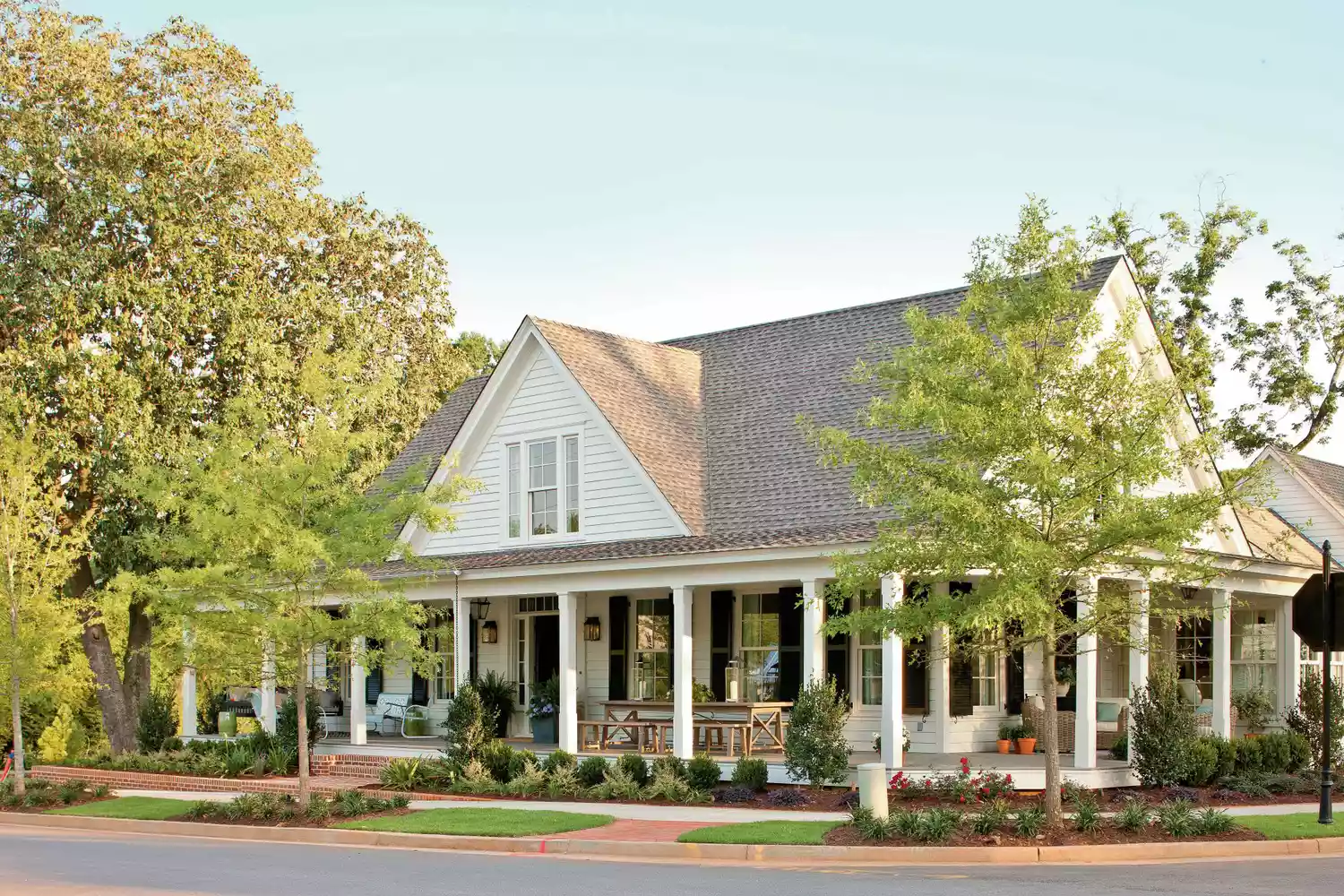
25 Farmhouse Paint Colors That Will Always Be In Style
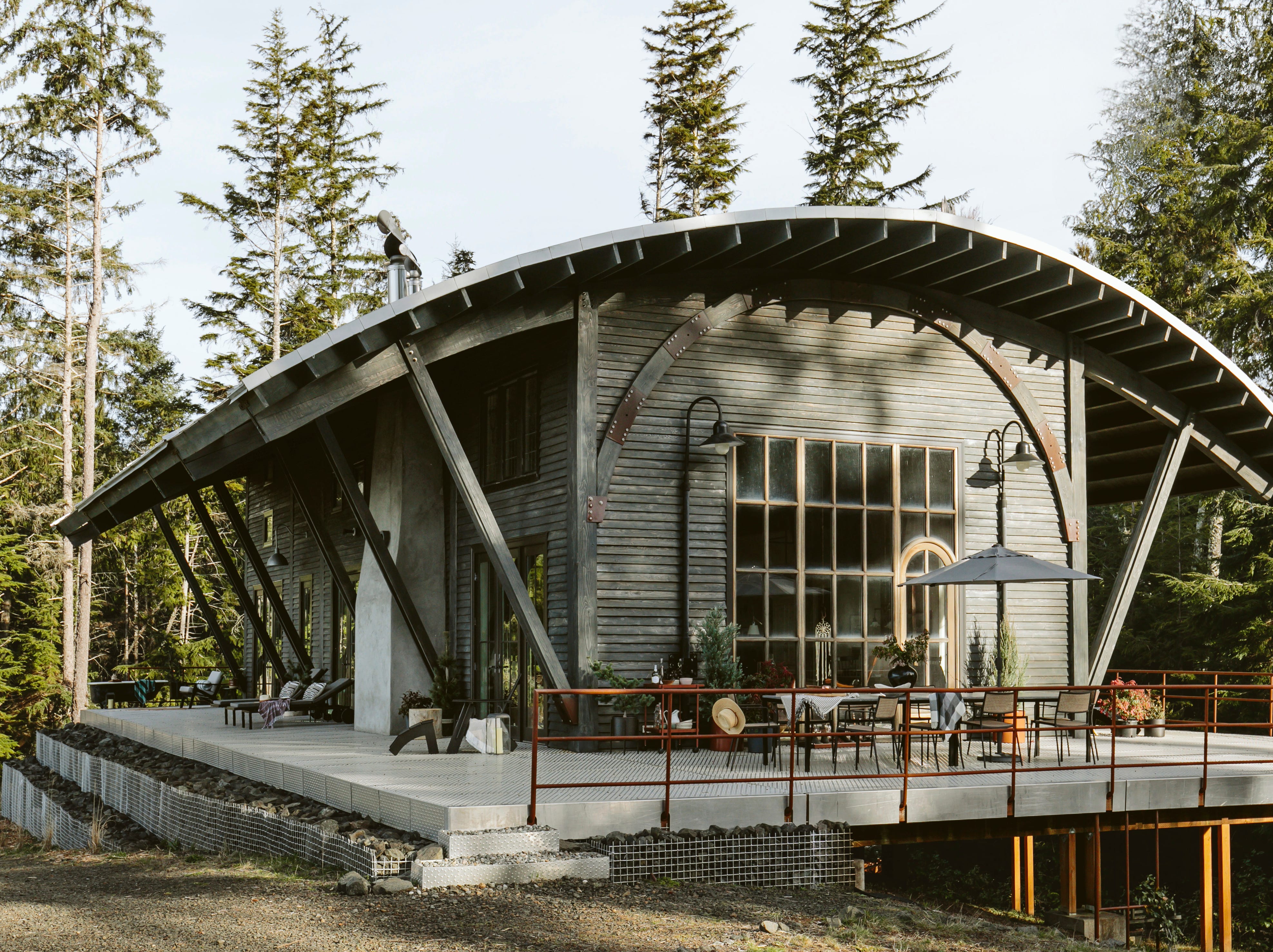
12 Ways to Master the Modern Rustic Look
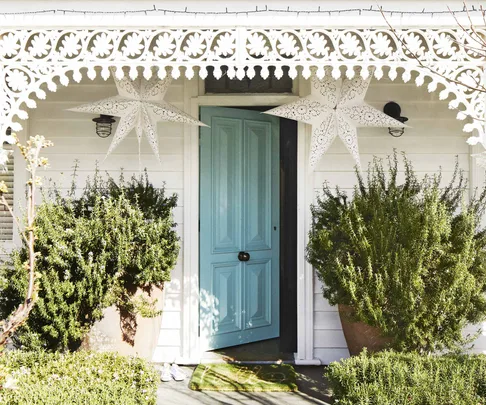
7 tips for restoring heritage homes to their former glory
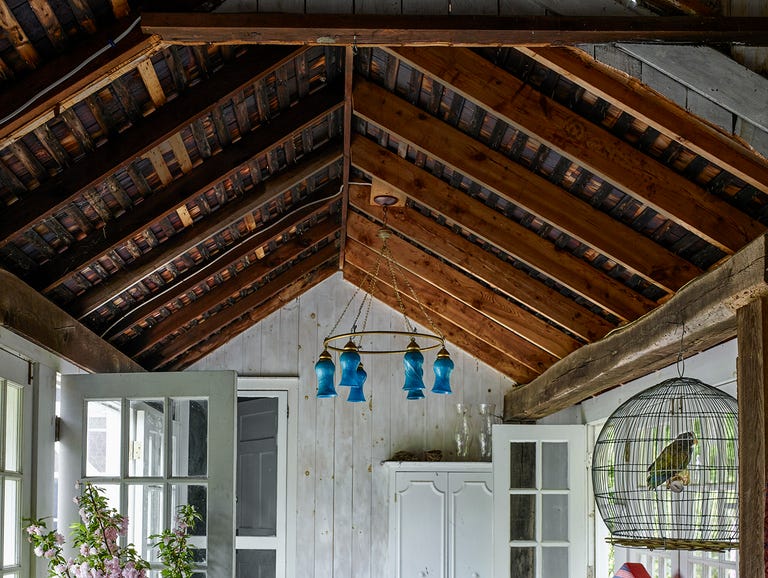
This Is By Far The Most Colorful Country Home We've Ever Seen

12 Ways To Create a More Sustainable Home

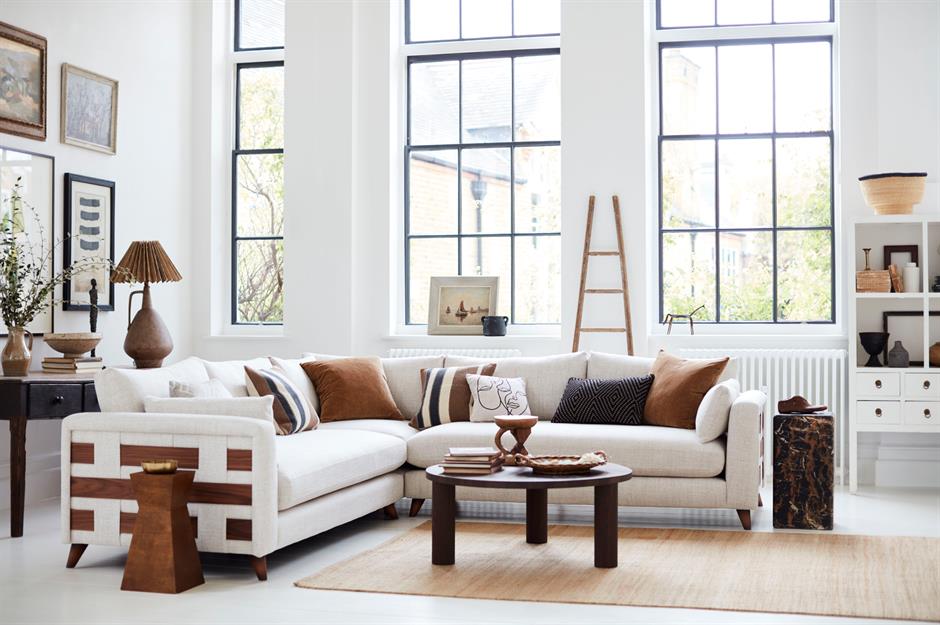
Fresh white decorating ideas for every room | loveproperty.com

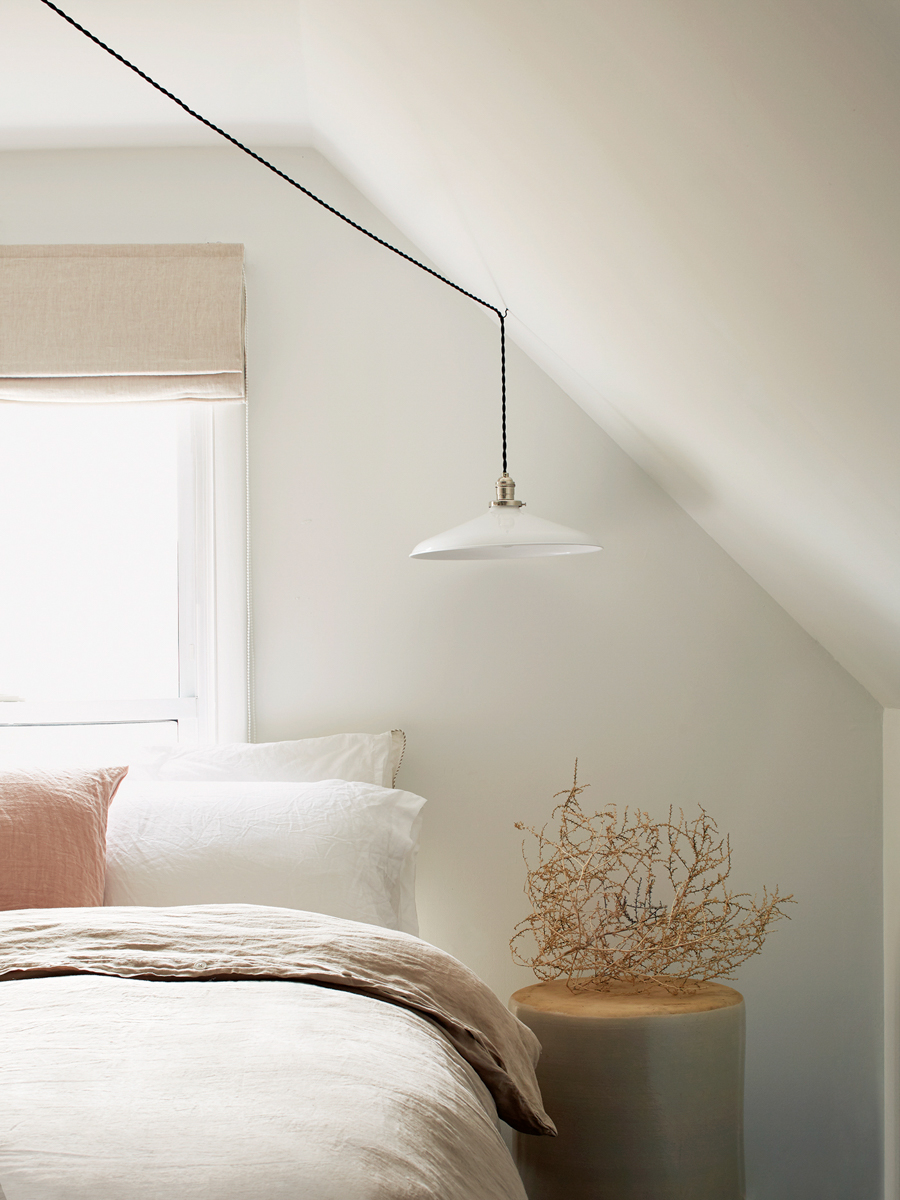
I Sampled 24 White Paints—Here’s the One I Chose for Every Room of My Home

What's the best shade of white to paint your NYC apartment if you're trying to sell?