
1/7
Doing White Right
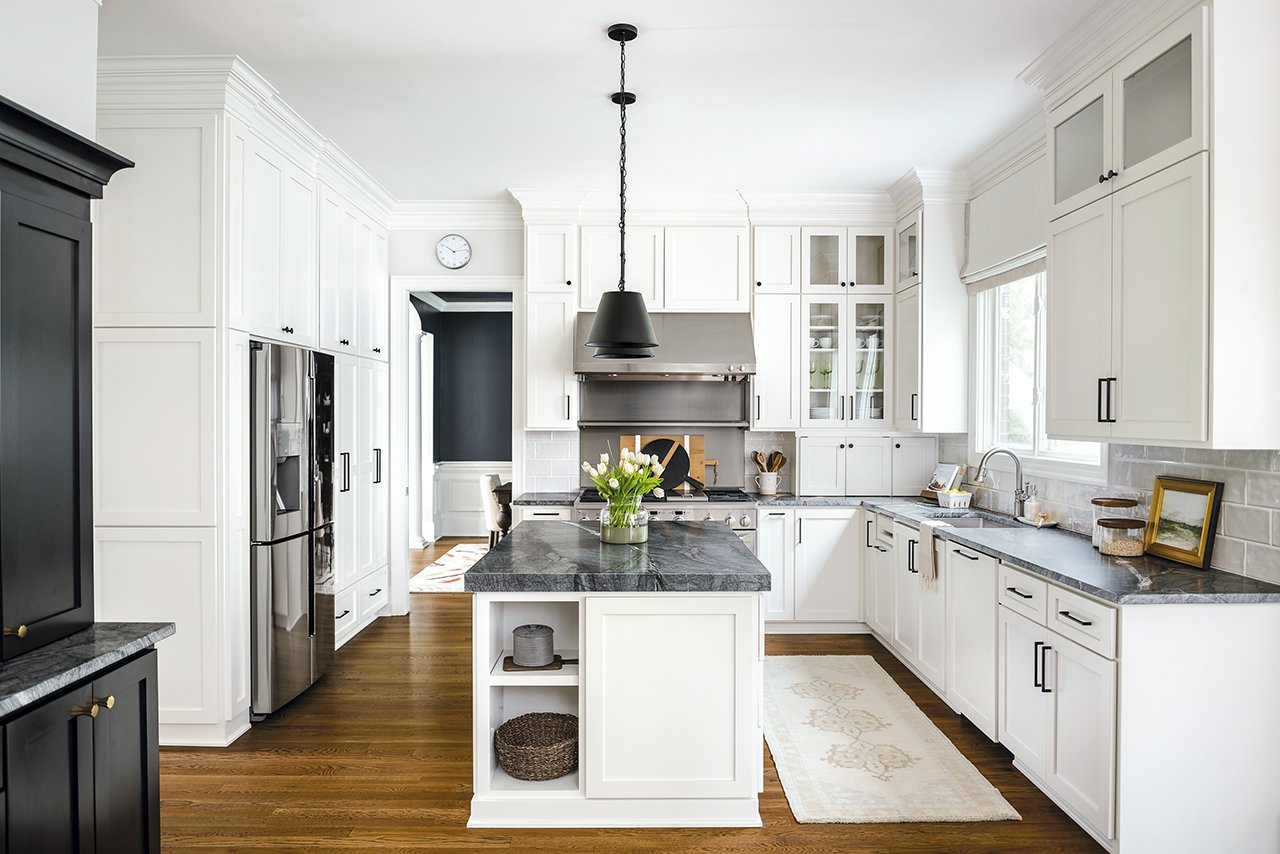
The enduring popularity of white kitchens continues to captivate homeowners, prompting designers to explore innovative ways to prevent these spaces from appearing monotonous or sterile. While white cabinetry often forms the foundational element, contemporary design trends emphasize incorporating diverse textures, materials, and colors to add depth and personality. Designers often encounter client requests for white kitchens, driven by a desire for a light, bright, and airy aesthetic, which many clients associate directly with white. However, the interpretation of 'white' has expanded beyond stark white, now encompassing warm whites and country whites, chosen to harmonize with the overall space and existing color palettes.
A significant shift in modern white kitchen design involves moving away from an entirely white-on-white scheme. Instead, designers are integrating contrasting elements such as darker countertops, varied backsplash materials, and warmer-toned flooring. For instance, designers might pair white shaker cabinets with dark gray quartzite countertops and a warm gray porcelain tile backsplash, introducing tactile and visual dimension. The durability and texture of materials like honed and leathered quartzite are also valued for their functional and aesthetic contributions. Similarly, employing warmer hardwood flooring can provide a balanced contrast to white cabinetry.
Hardware, lighting, and plumbing fixtures are crucial for introducing personality and breaking up the uniformity of white. Dark hardware, unique faucets, and distinctive pendant lights can serve as focal points and add character. Designers often capitalize on the neutrality of white to allow other carefully selected elements to stand out, transforming the white cabinetry into a 'quiet' backdrop. This approach is particularly effective in remodels of older homes, where white cabinetry can modernize a space while allowing features like a custom walnut ventilation hood or dark-stained floors to become prominent design statements. This strategy helps to eliminate the dated appearance of uniform wood tones, such as those found in 1980s oak kitchens.
To avoid a flat, monochromatic look, it is essential to introduce contrast even within white elements. Designers recommend varying tones, textures, and sheens, ensuring that different white components, such as matte cabinetry and glossy subway tile, create definition rather than blend seamlessly. Materials like quartz countertops with subtle veining patterns are preferred over plain white, as the veining allows for the integration of complementary colors, such as a taupe/gray island. Natural elements, including reclaimed wood shelves, custom wood bar tops, and floating shelves, also play a vital role in adding warmth and interest to white kitchens.
Stainless steel appliances are frequently integrated into white kitchen designs, offering a timeless pairing. Additionally, elements like custom hot-rolled steel ventilation hoods and oversized linen-look pendants contribute to a more inviting atmosphere, preventing the space from feeling institutional. The overall goal is to create white kitchens that are timeless, diverse, and rich in character, utilizing a thoughtful combination of materials, finishes, and accents to achieve a sophisticated and personalized aesthetic.
#WhiteKitchens #KitchenDesign #InteriorDesign #DesignTrends #HomeRenovation #KitchenCabinetry #Countertops #Backsplash #KitchenRemodel #WhiteKitchens #KitchenDesign #InteriorDesign #DesignTrends #HomeRenovation #KitchenCabinetry #Countertops #Backsplash #KitchenRemodel
 No comments yet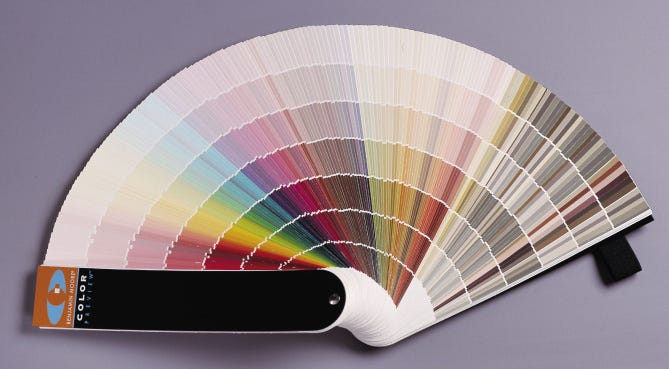
White walls? The trick is choosing the right white