1/18
Interior designers warn against these 17 bookshelf styling mistakes – this is what you should avoid
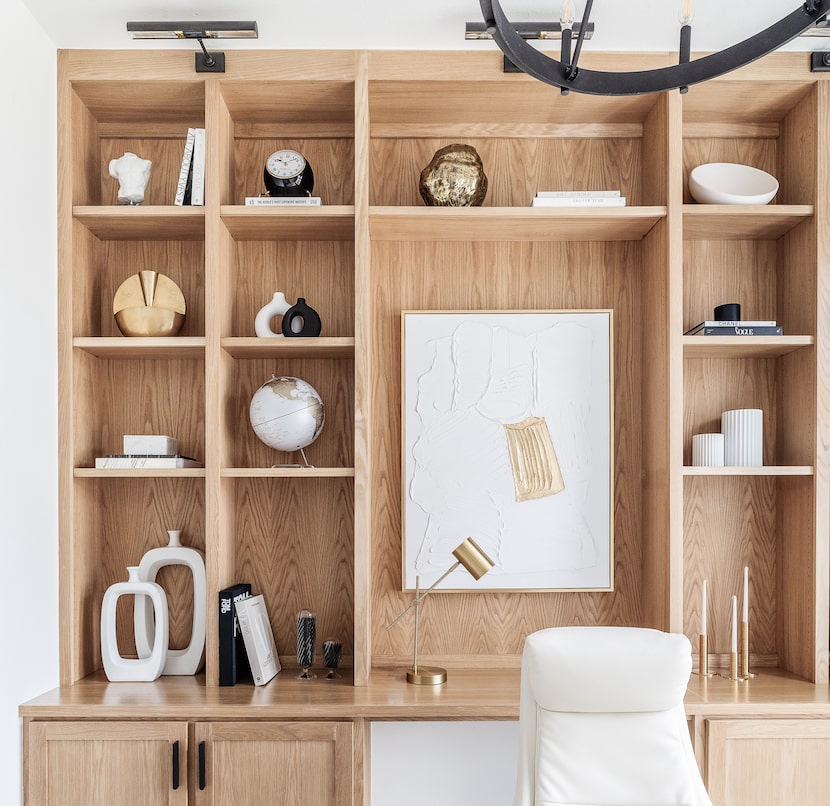
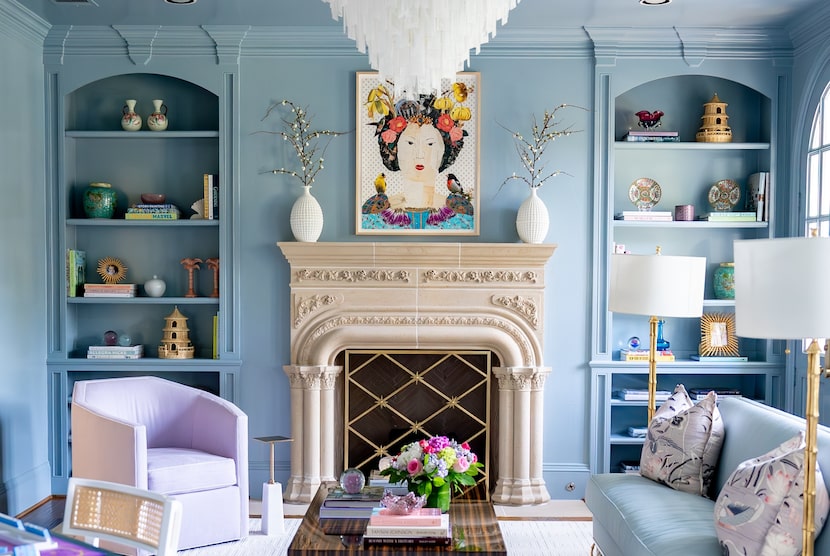
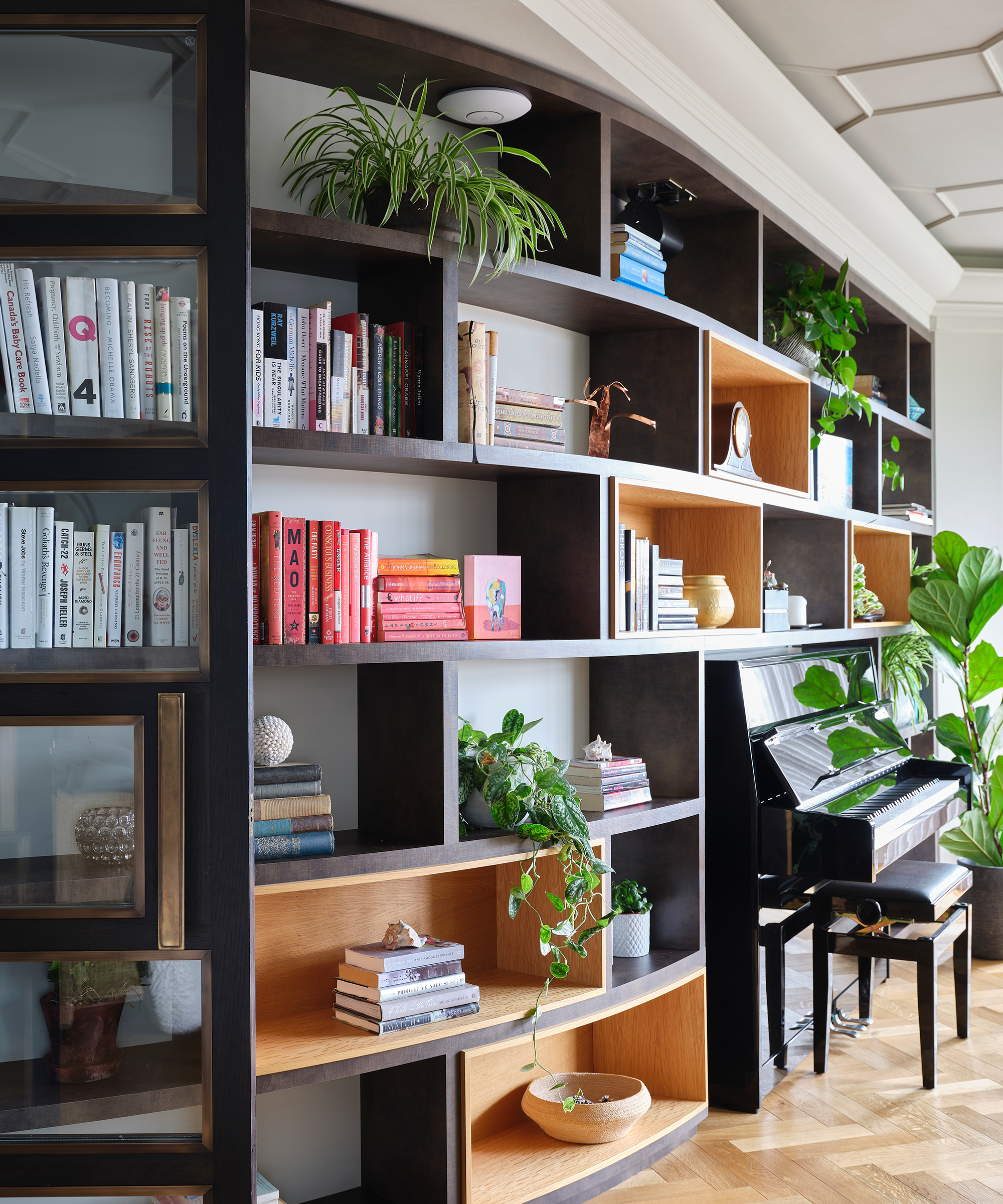
Bookshelf styling has gained significant attention this year, driven by trends like "bookshelf wealth." However, designers note that many common mistakes can hinder achieving a sophisticated and personalized look. These missteps often turn bookshelves into mere storage units rather than dynamic elements that reflect a homeowner's personality and enhance overall decor.
One fundamental error is treating shelves solely as storage. Bookshelves offer an opportunity for storytelling, where carefully chosen items like beloved novels, travel souvenirs, or family heirlooms can imbue a space with authenticity. Incorporating personal mementos transforms shelves into a unique narrative, inviting guests to explore the homeowner's journey and interests. This approach ensures the bookshelf contributes to the home's overall atmosphere and can even positively impact well-being by infusing the space with warmth and personality.
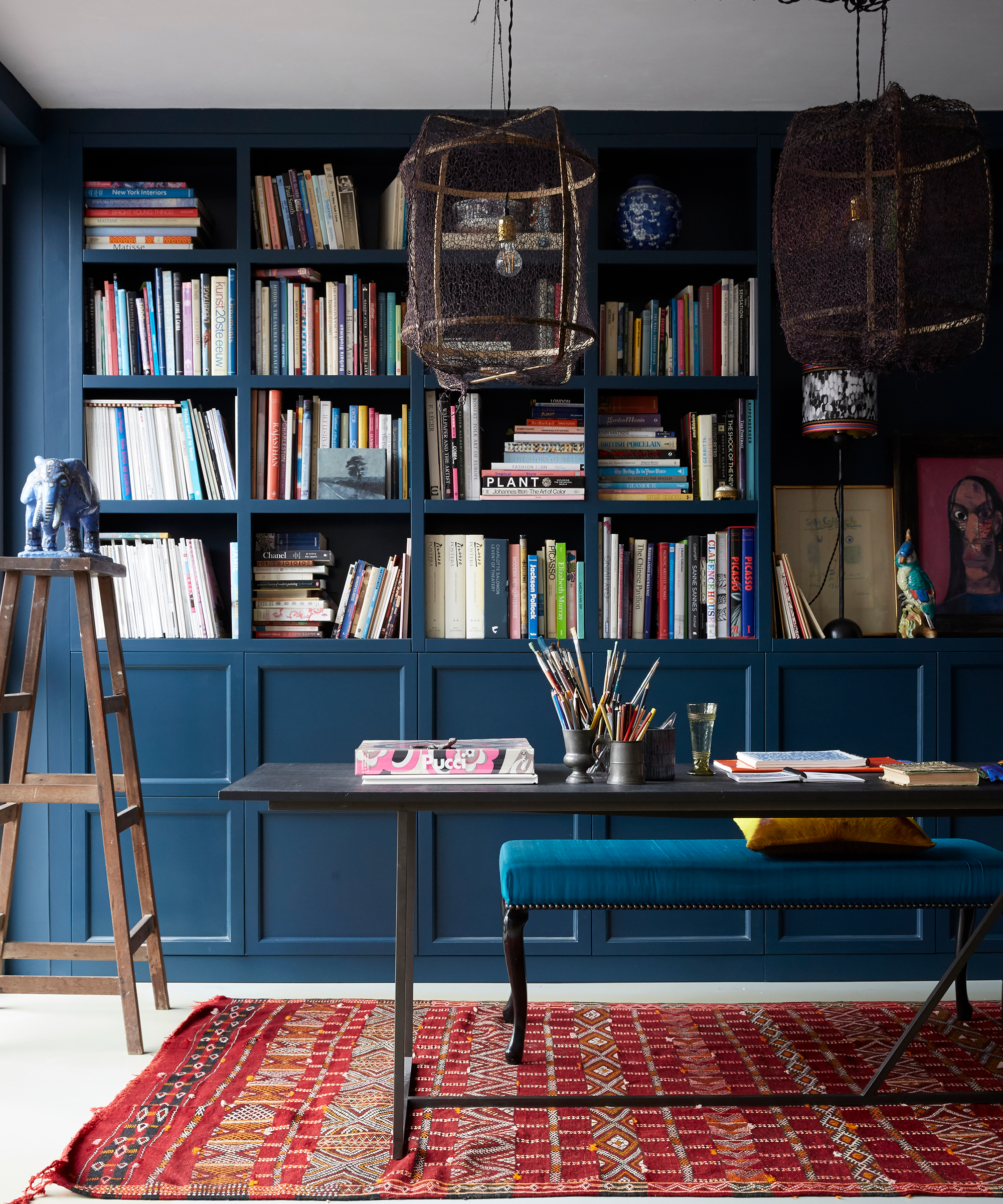
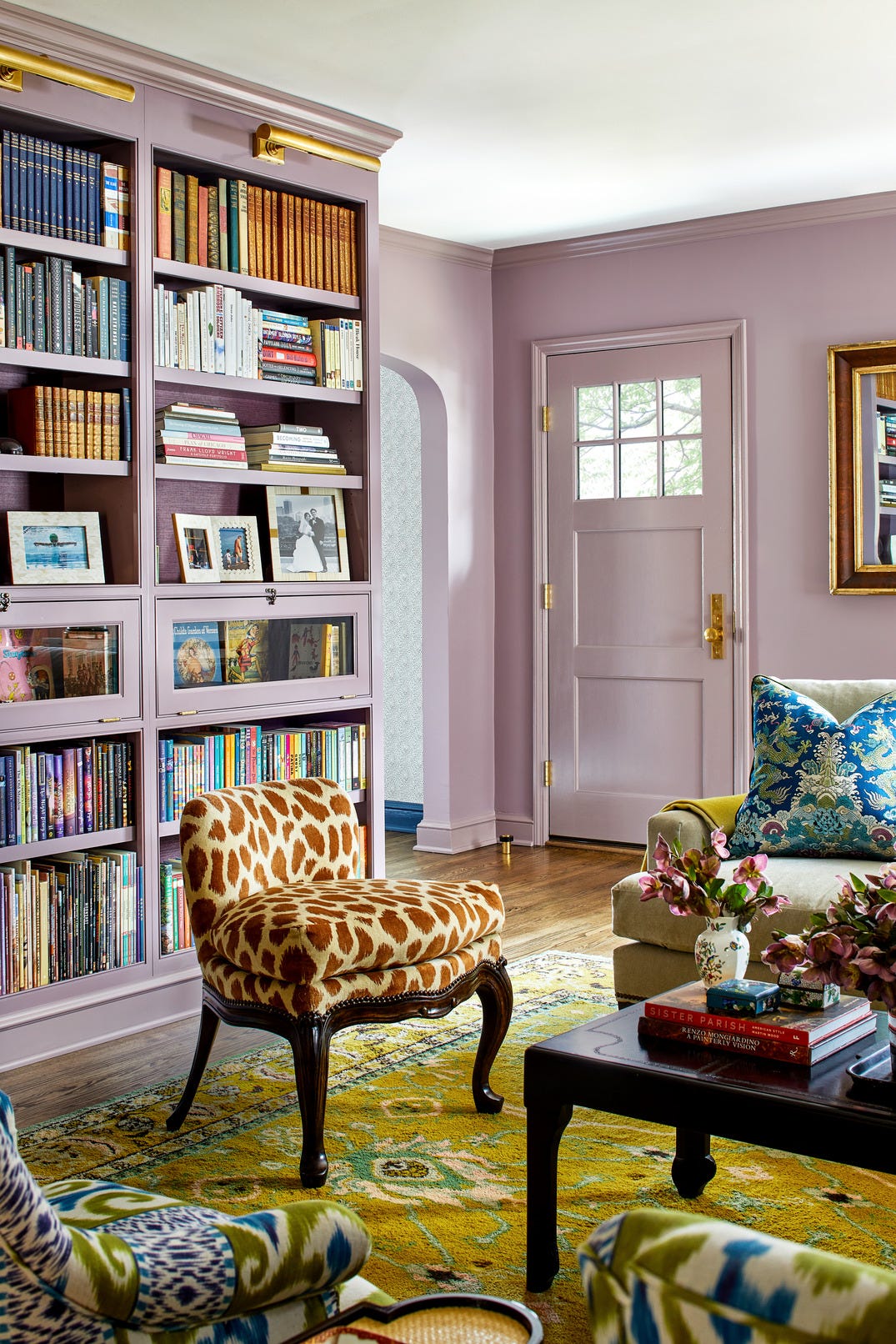
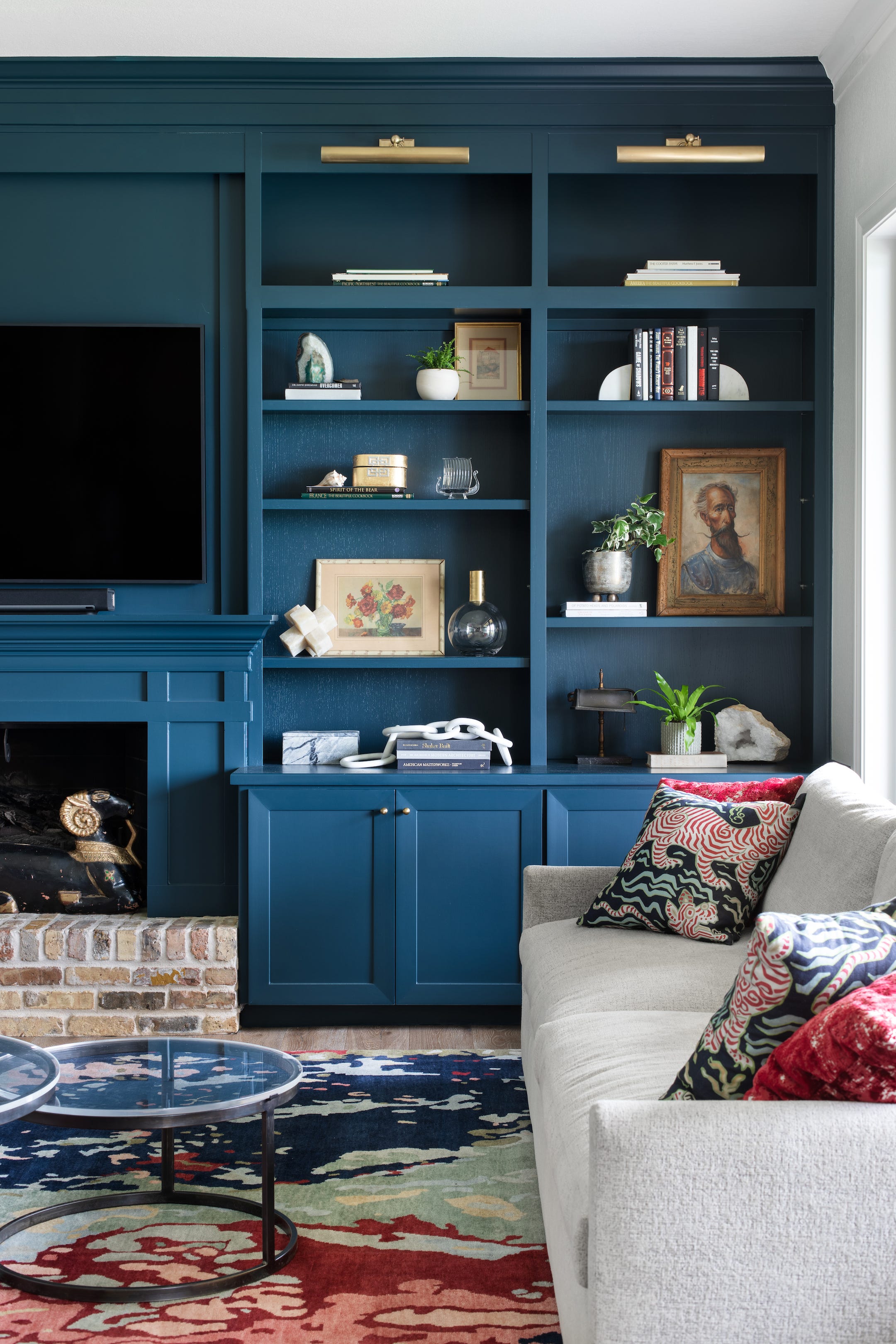
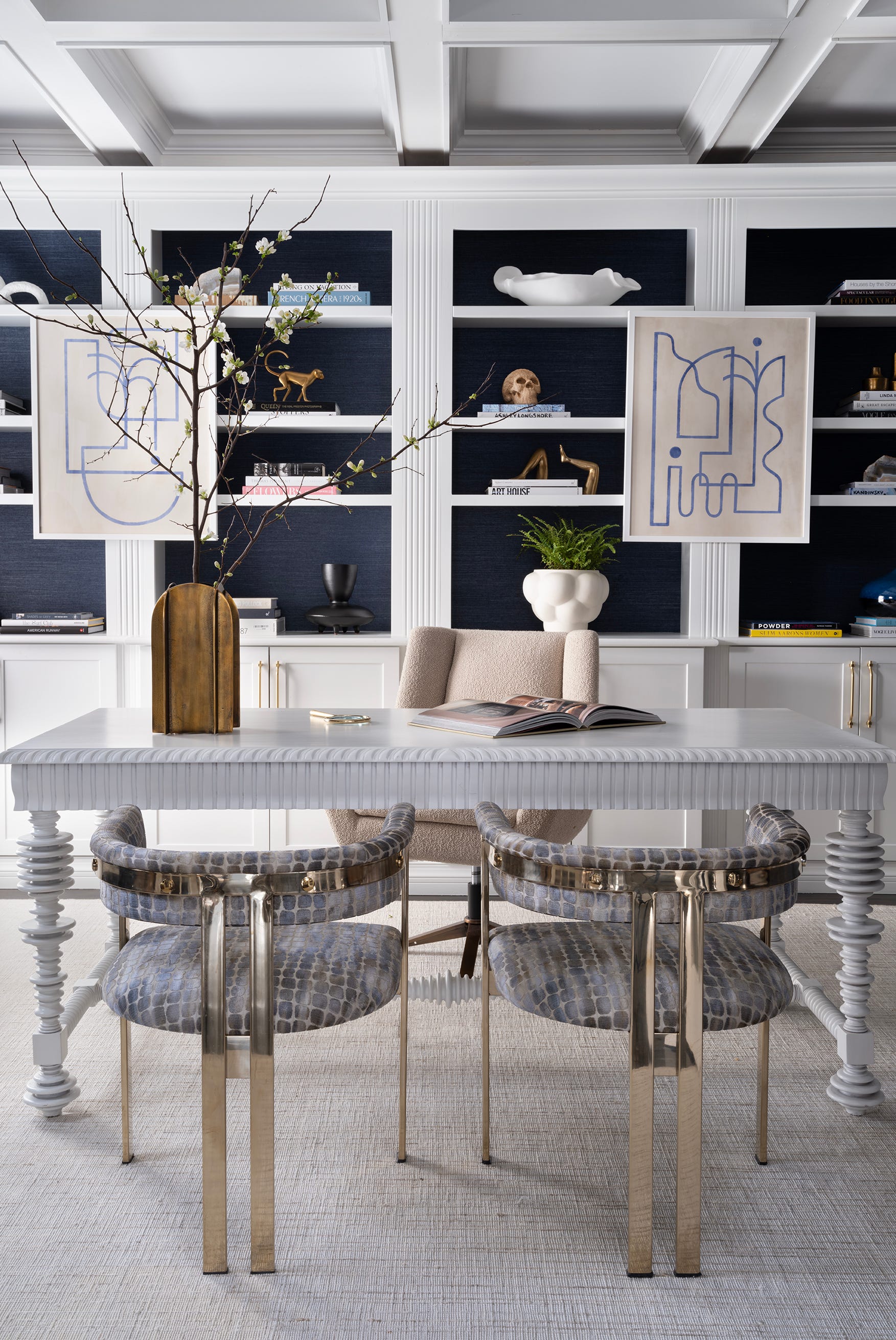
Another frequent mistake is neglecting a cohesive color scheme. Designers advise selecting two or three main colors and distributing darker hues thoughtfully to create visual harmony. A calming color palette, perhaps using whites, creams, and light greys for accessories against a darker bookshelf, can make the display beautiful and dramatic. Adding an unexpected pop of color or natural elements like real or faux greenery can introduce depth and texture, maintaining continuity across different shelf levels.
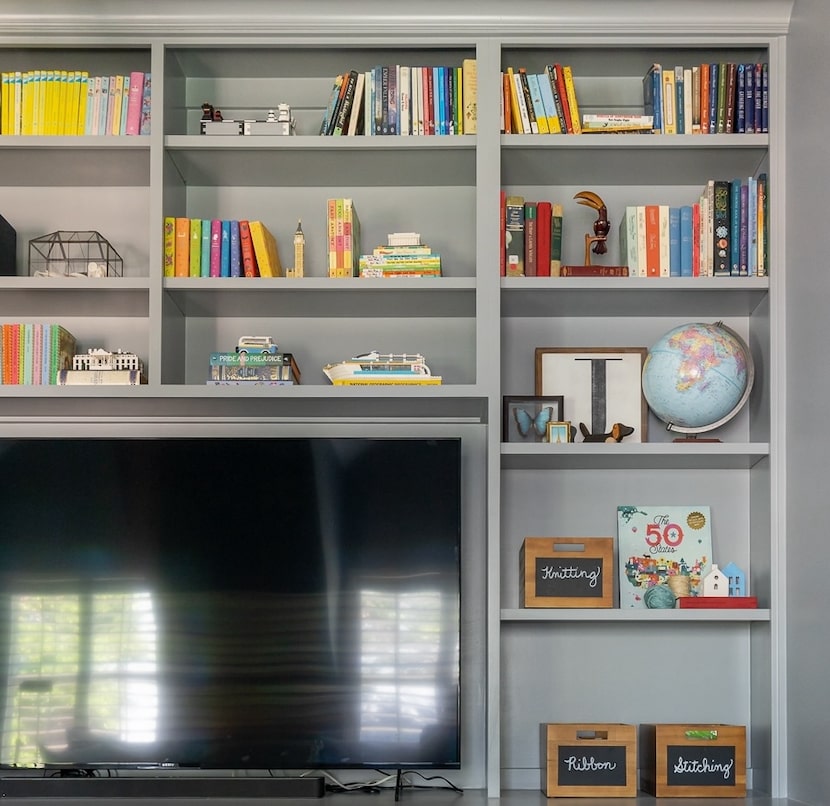
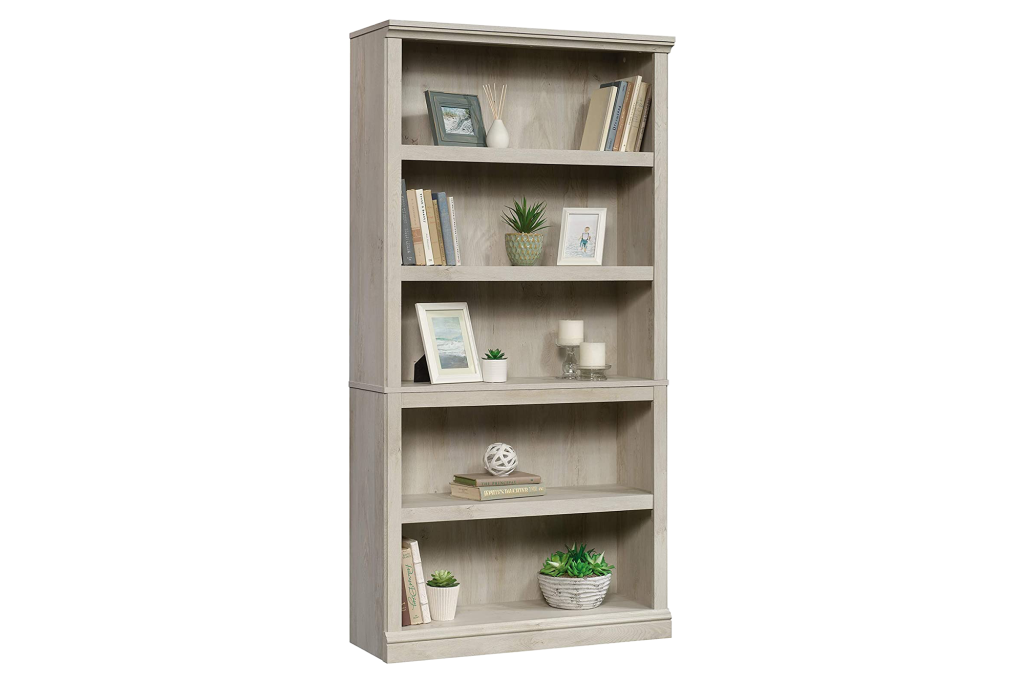
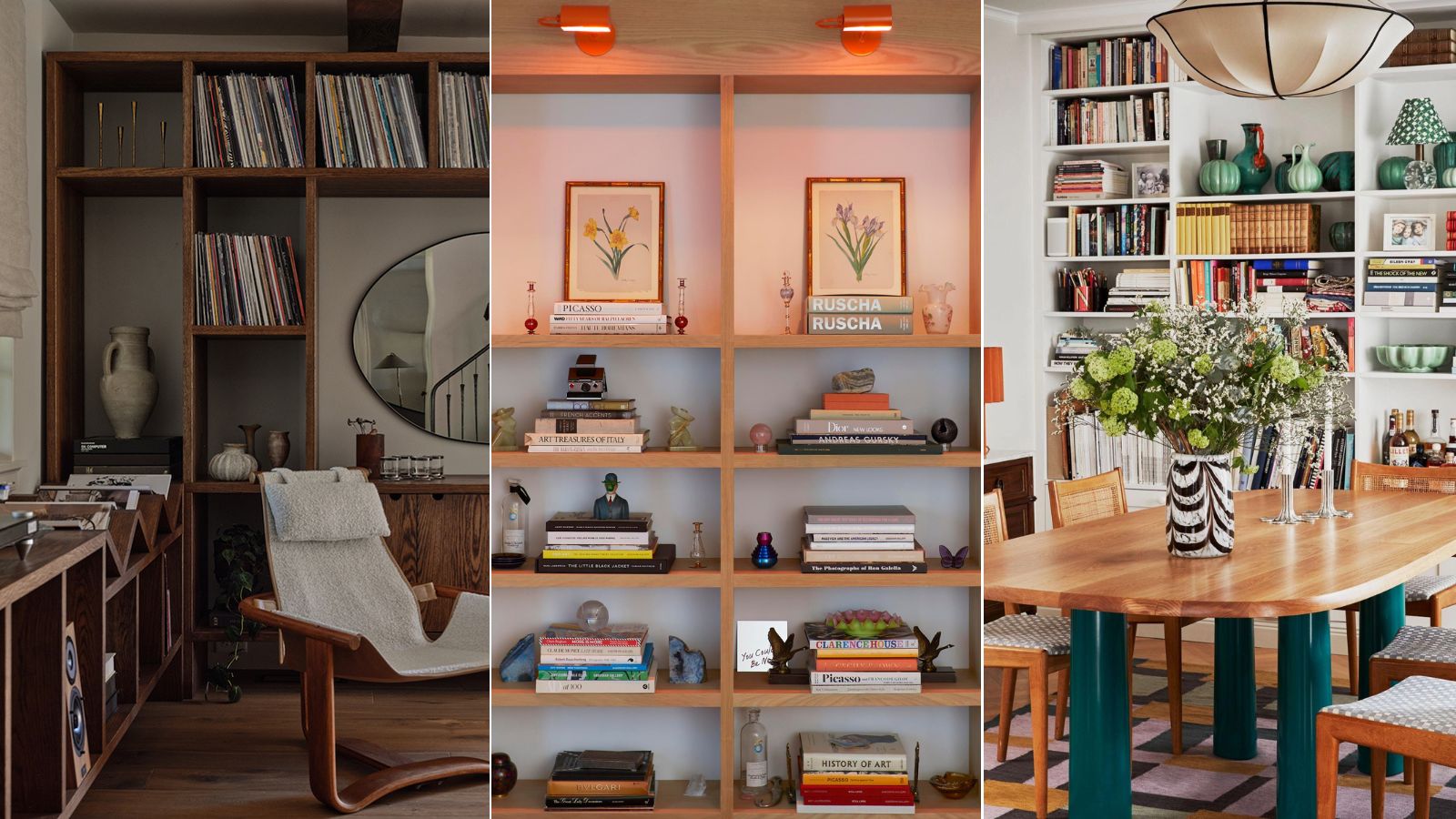
Lack of variety in decor is also a common pitfall. A stylish bookshelf requires a diverse range of items, including books, artwork, and decorative objects of varying shapes and sizes. Mixing round sculptural pieces with linear book stacks, or layering smaller picture frames in front of larger art, creates visual interest. Incorporating trays and larger art pieces leaning against the back wall further enhances depth. Diversifying materials, textures, and heights helps avoid monotony, integrating natural elements like plants to bring life and warmth.
Overfilling shelves with too many books, or any items, leads to clutter. While books are central, an excessive quantity without adequate decorative elements can overwhelm the space. Designers recommend paring back accessories to allow each item to stand out, ensuring a balanced and curated look rather than a messy one. Books that are too large or protrude from the shelf also contribute to a cluttered appearance.
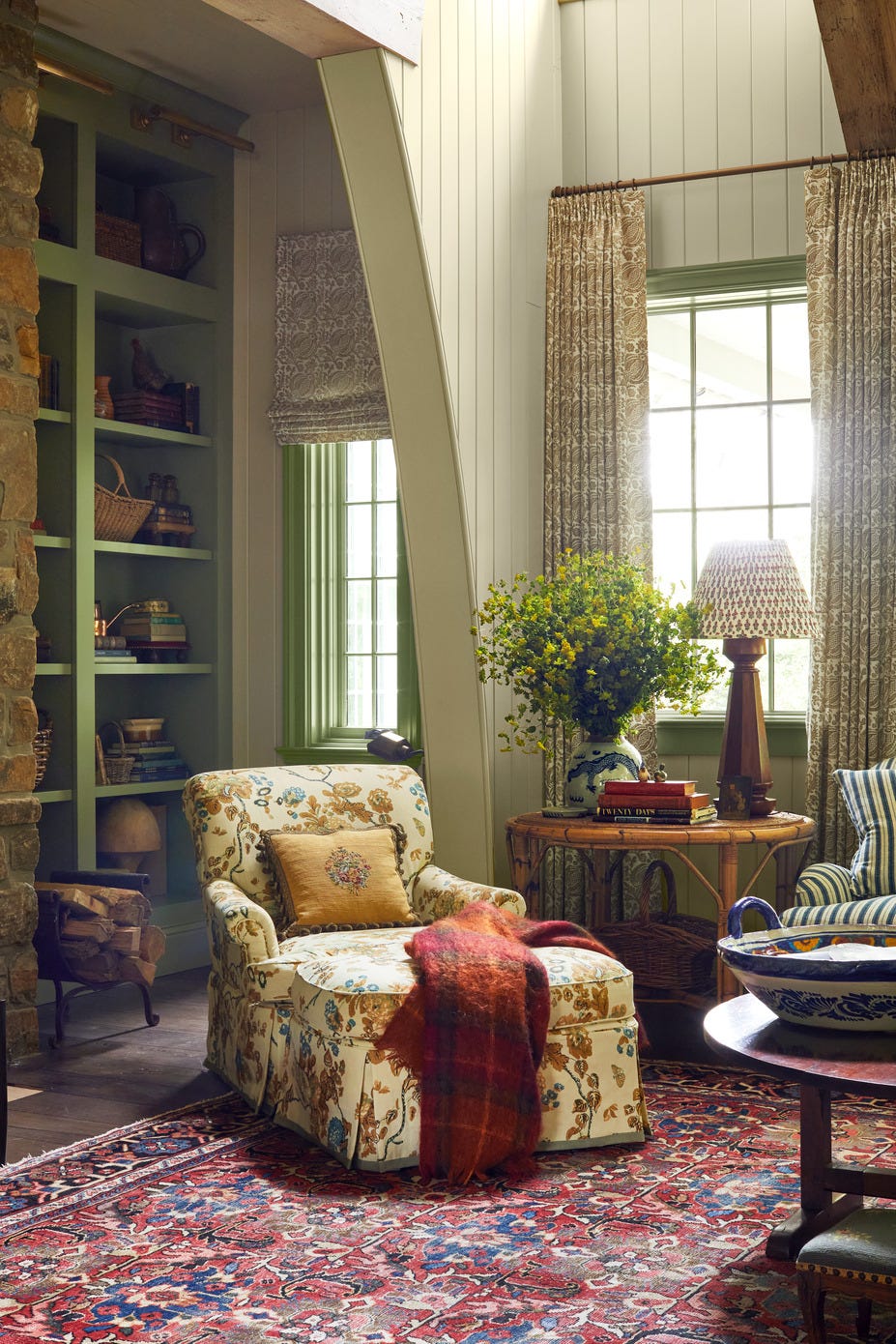
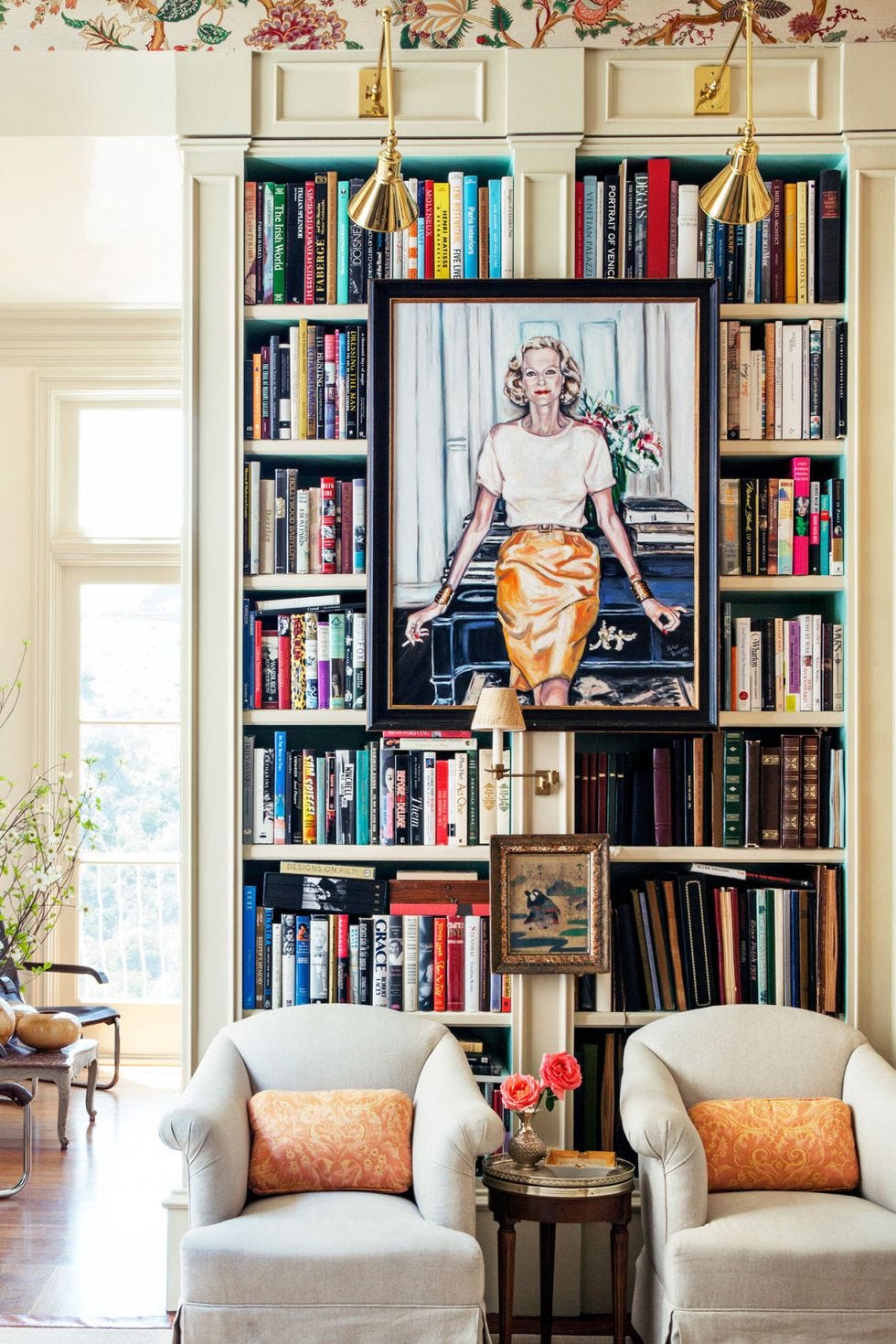
Ignoring personal style is a significant mistake. Bookshelves should be a reflection of the homeowner’s personality, culture, and values, filled with items that bring joy rather than looking impersonal or staged. Displaying family photos, heirlooms, or travel souvenirs adds authenticity and meaning, distinguishing a personal collection from a retail display.
Skipping greenery is another oversight. Plants, whether real or high-quality faux, are considered essential for stunning shelves. They add vibrant color, a touch of nature, and make shelves feel more lively and inviting, contributing to a timeless design style that brings the outdoors in.
Forgetting functionality is impractical. While aesthetically pleasing, bookshelves must remain functional. Overfilling them can hinder access to books and make daily use frustrating. Leaving some empty space allows stand-out pieces to be appreciated and prevents a cluttered appearance.
Cluttering the shelves, even with well-intentioned items, defeats the purpose of a styled display. Less is often more; a minimalist approach focuses on quality over quantity. The best strategy involves removing everything and then carefully rebuilding the display, using photos as a guide to ensure intentional placement and visual appeal.
Sticking rigidly to symmetry is counterproductive. Bookshelf styling benefits from spontaneity and balance rather than strict symmetry. Varying colors, scales, shapes, and types of items creates a dynamic and layered story, making the arrangement feel organic and lived-in. Grouping similar items by color, type, or theme, and using layering techniques, helps achieve this balance.
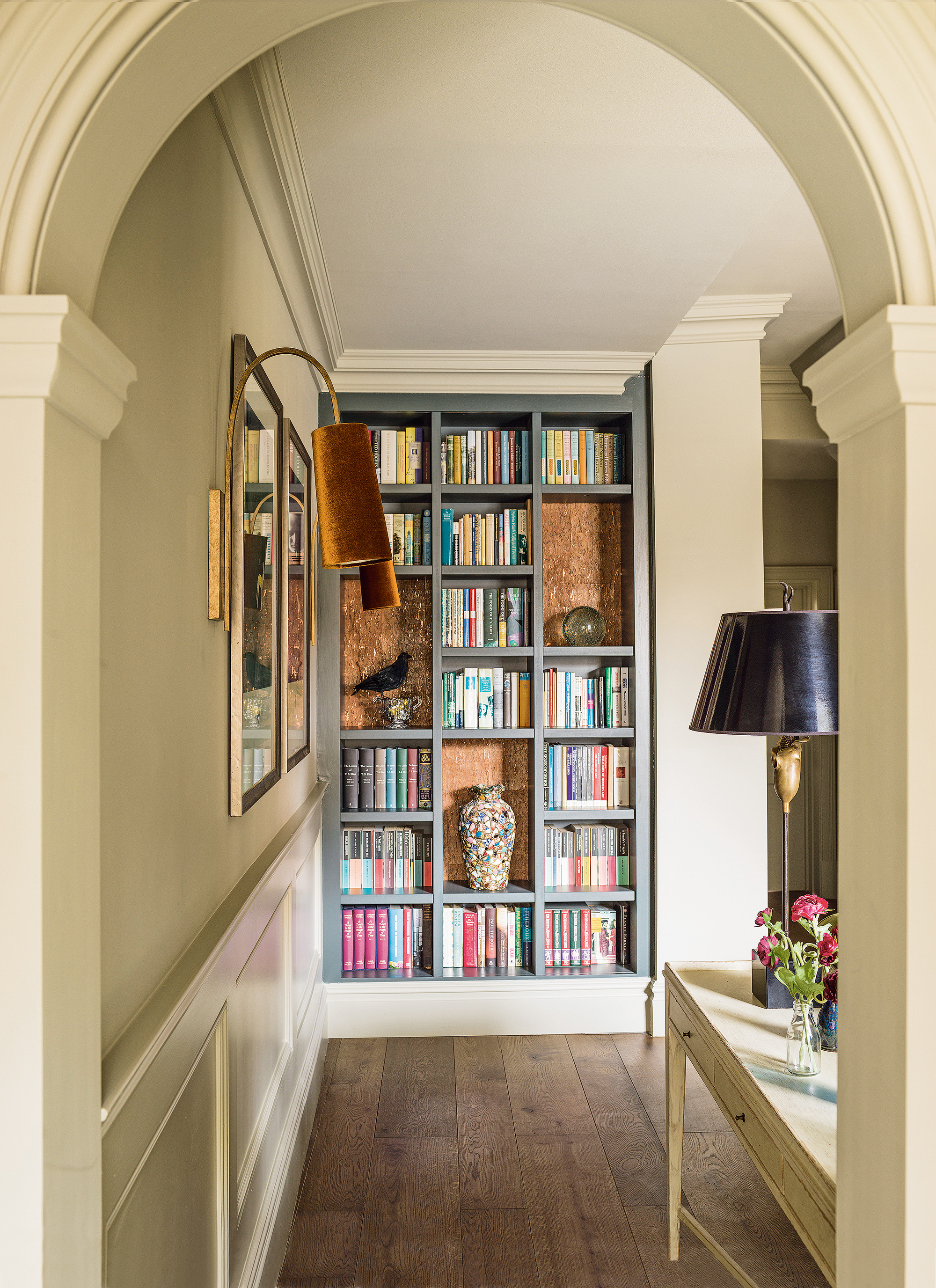
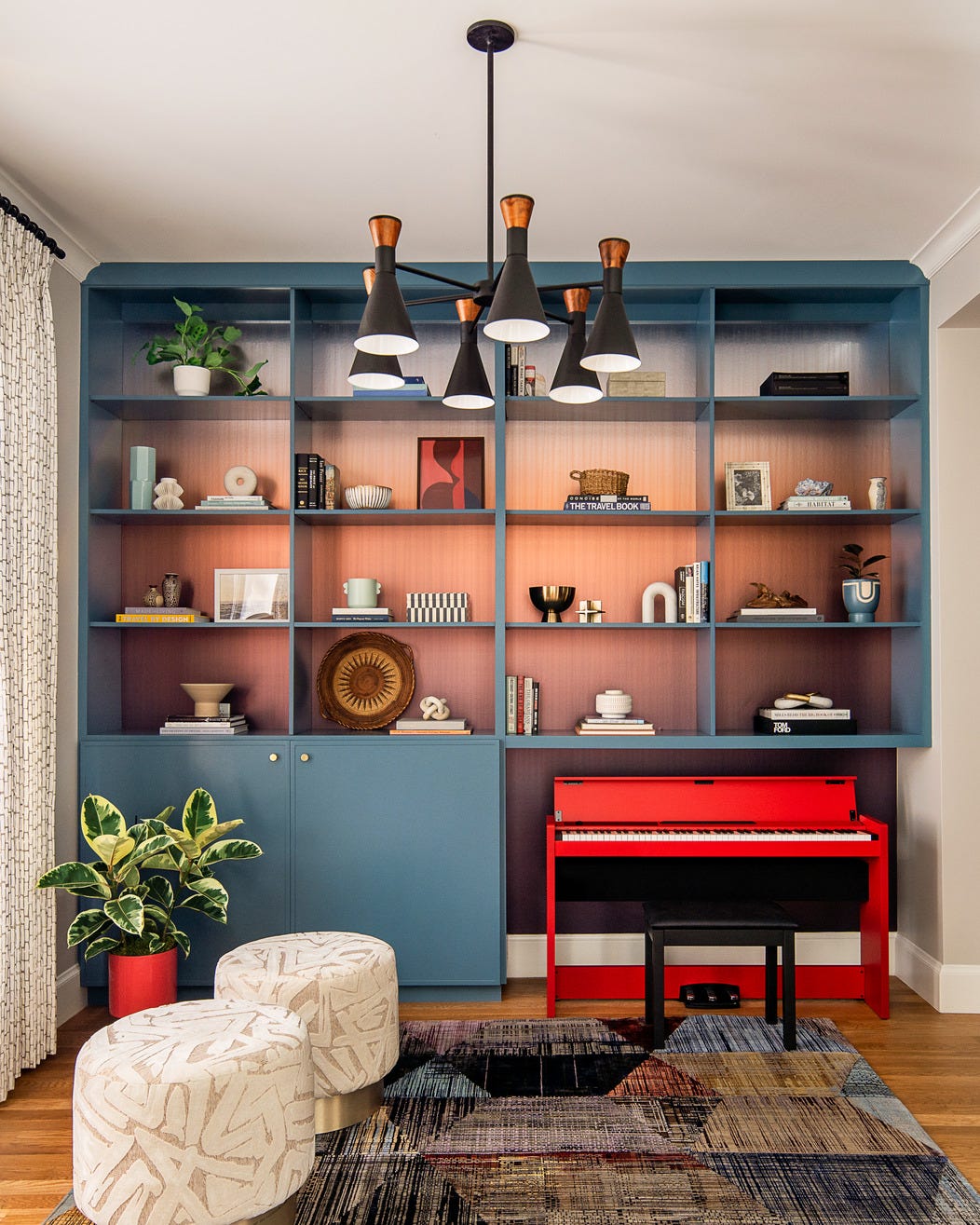
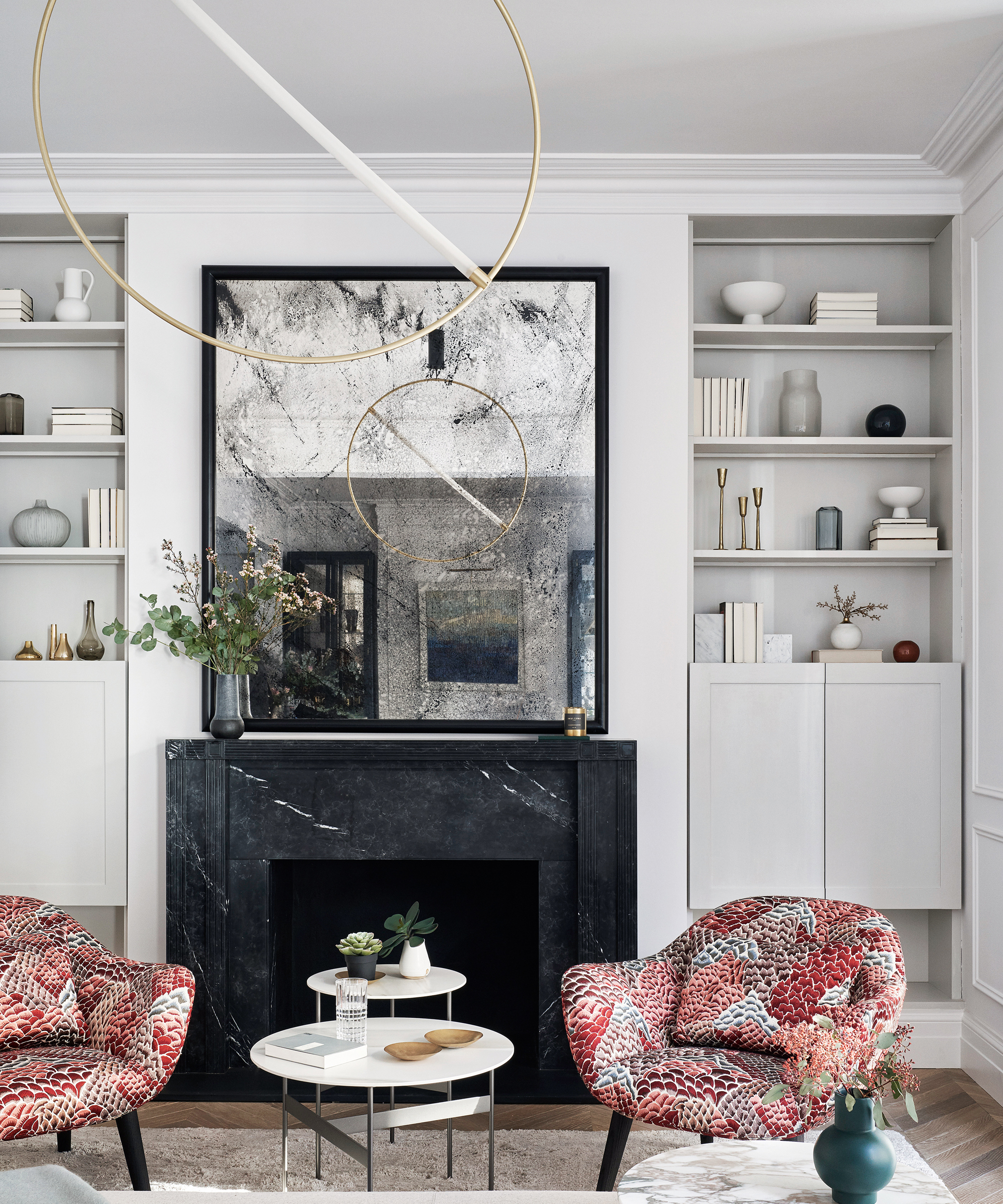
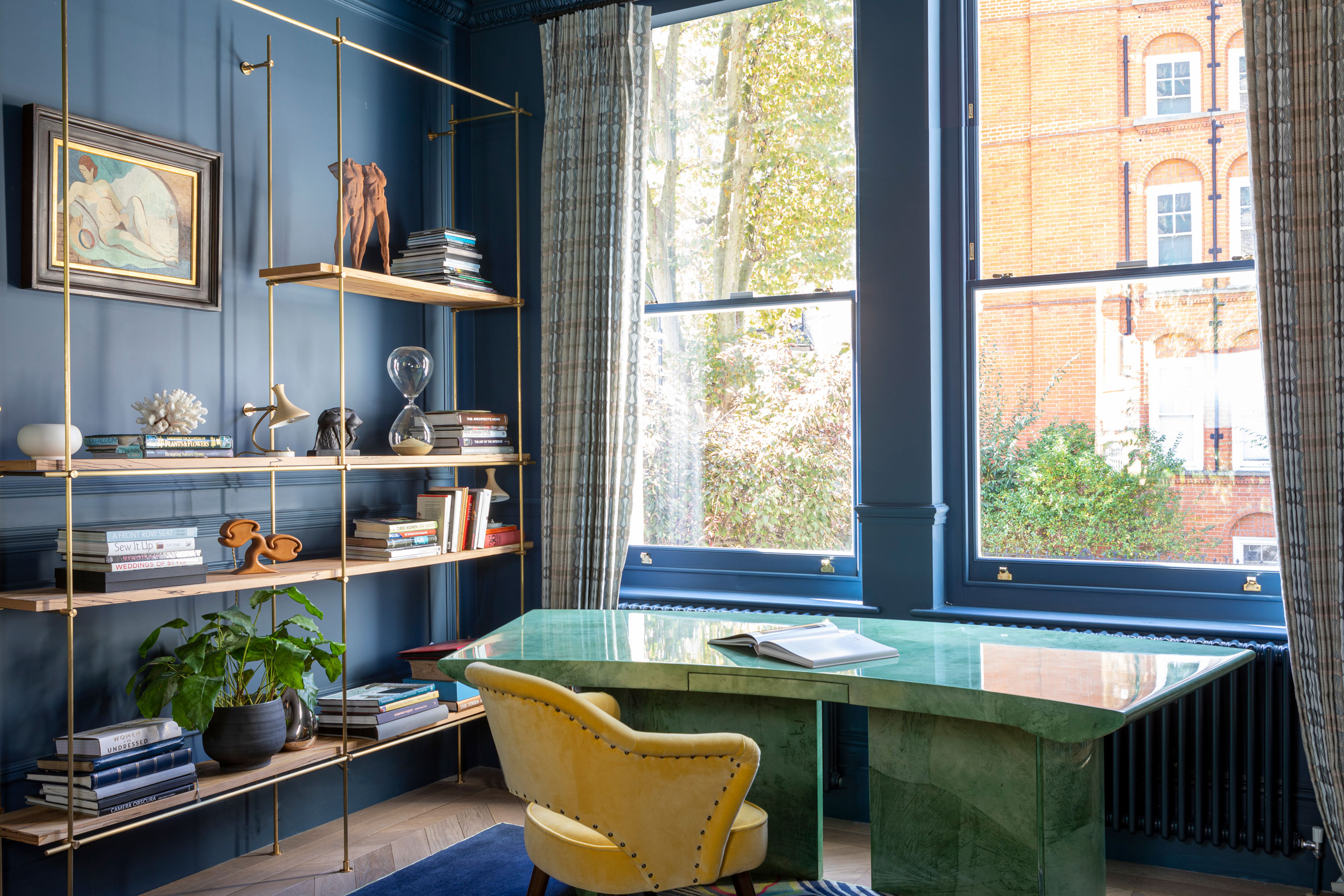
Ignoring the back wall of the bookshelf is a missed opportunity. The background color, depth, and texture of the shelves should inform design decisions. Bold paint colors or wallpaper can provide a stunning backdrop, creating contrast and enhancing the overall interior design style.
Using too many small pieces can make a bookshelf appear busy and cluttered. Larger decorative items, or a combination of one large piece and two smaller ones per book stack, help create a more designed look. Layering bigger decor pieces is an easy fix for this design challenge.
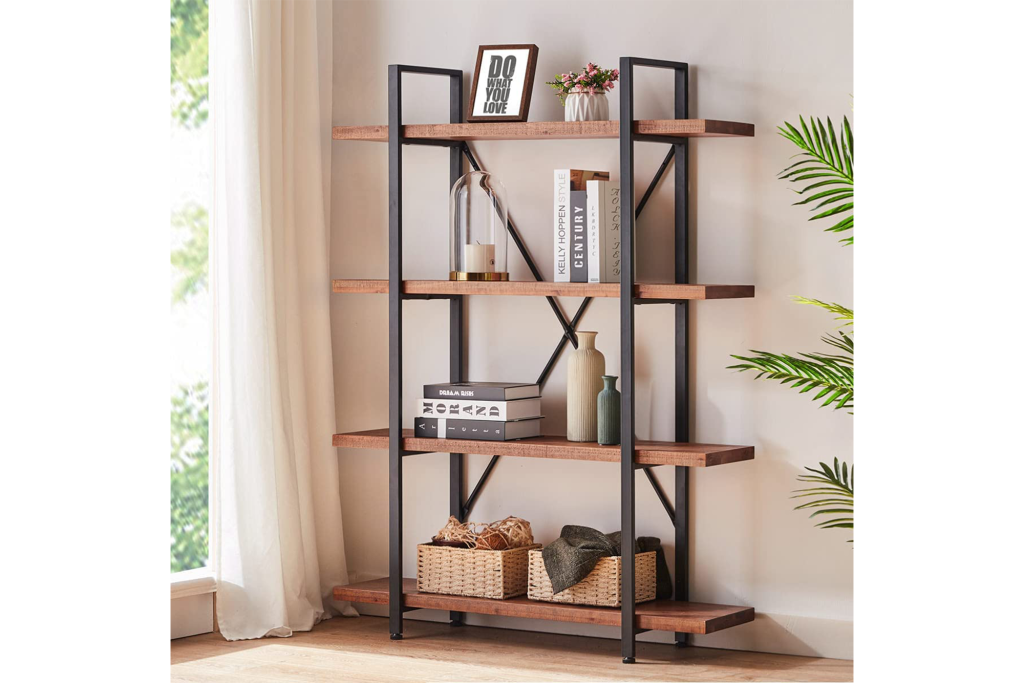
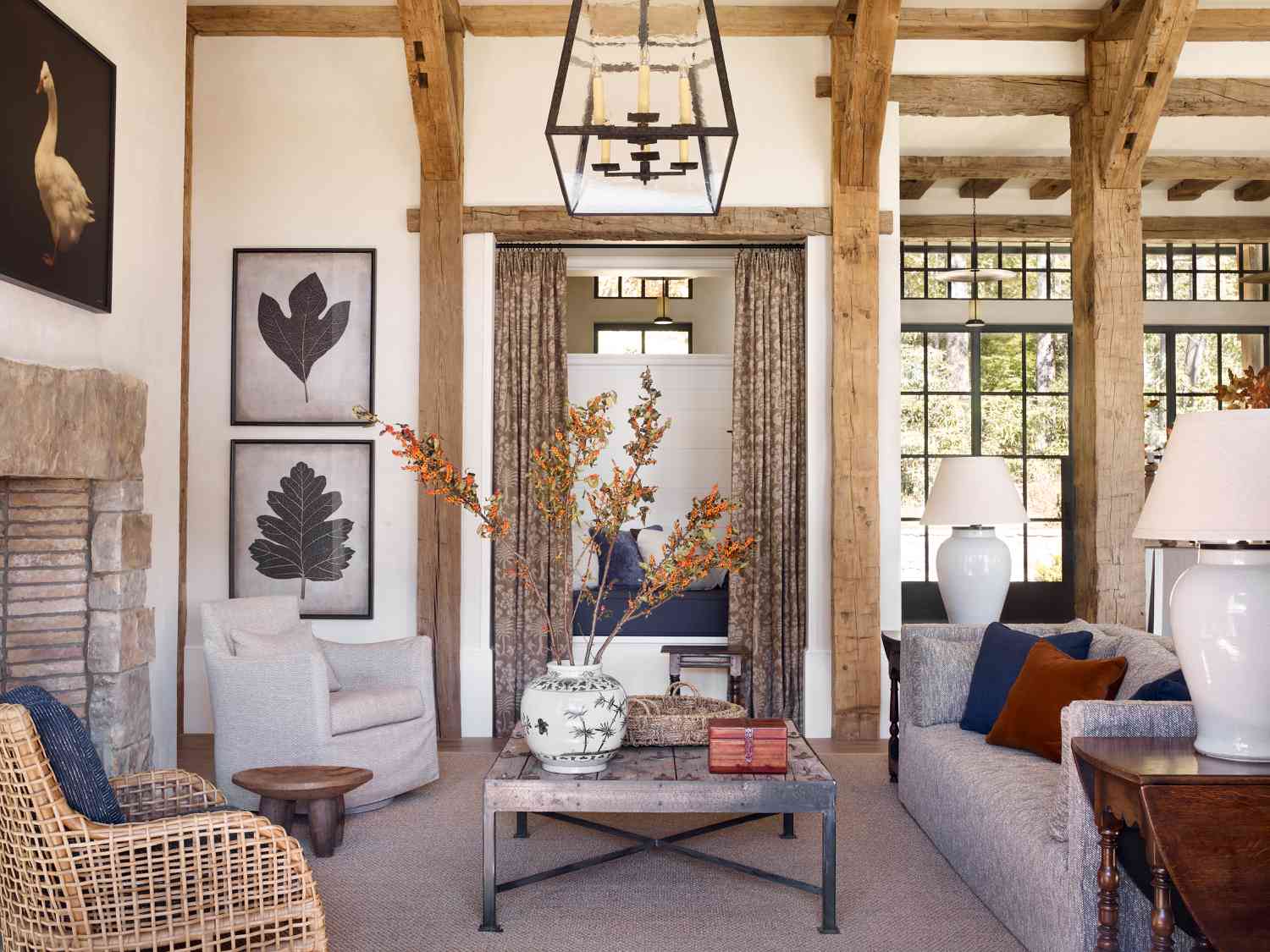
Employing a single texture throughout the display can lead to monotony. Mixing materials like wood, metal, ceramics, woven baskets, or fabric-covered books adds depth, dimension, and tactile interest. This contrast prevents the shelves from feeling flat and enhances the visual richness of the arrangement.
Stacking all books identically can result in an uninteresting, monotonous look. Experimenting with unconventional book storage methods, combining vertical and horizontal stacks, and embracing a more eclectic approach adds character and makes the display more visually engaging.
Not taking photos during the styling process is a common mistake. Snapping pictures allows for an objective view of the arrangement, helping to identify areas that need adjustment and ensuring visual intrigue and dynamism. This technique is invaluable for managing the complexity of layering multiple items.
Wasting vertical space limits the visual impact of a bookshelf. Utilizing tall items such as vases, sculptures, plants, or art maximizes storage and adds height and drama, balancing the display. Varying the heights and sizes of items keeps the eye moving and engaged.
Avoiding empty space is a mistake that leads to overcrowded displays. Negative space is crucial for allowing individual items to be appreciated and preventing a cluttered look. It creates balance, visual interest, and a more dynamic aesthetic.
Finally, overthinking the styling process can detract from the natural charm of a bookshelf. While guidelines are helpful, trusting one's instincts and allowing for a slightly effortless, lived-in feel often produces the most appealing results. The ultimate goal is a characterful bookshelf that sparks conversation and complements the home's unique ambiance.
#BookshelfStyling #InteriorDesign #HomeDecor #DecorTips #BookshelfWealth #StorageSolutions #PersonalStyle #CohesiveDesign #GreeneryInDecor #BookshelfStyling #InteriorDesign #HomeDecor #DecorTips #BookshelfWealth #StorageSolutions #PersonalStyle #CohesiveDesign #GreeneryInDecor
0 comment in total
 No comments yet
You may also like
7 Design Mistakes Interior Designers Always Notice

The 20 best bookshelves, plus tips from an interior designer

How To Style Your Bookshelves Perfectly, According to Designers

How to Style Your Bookshelves, According to Interior Designers and Stagers
Master the art of styling bookshelves with these tips from design experts

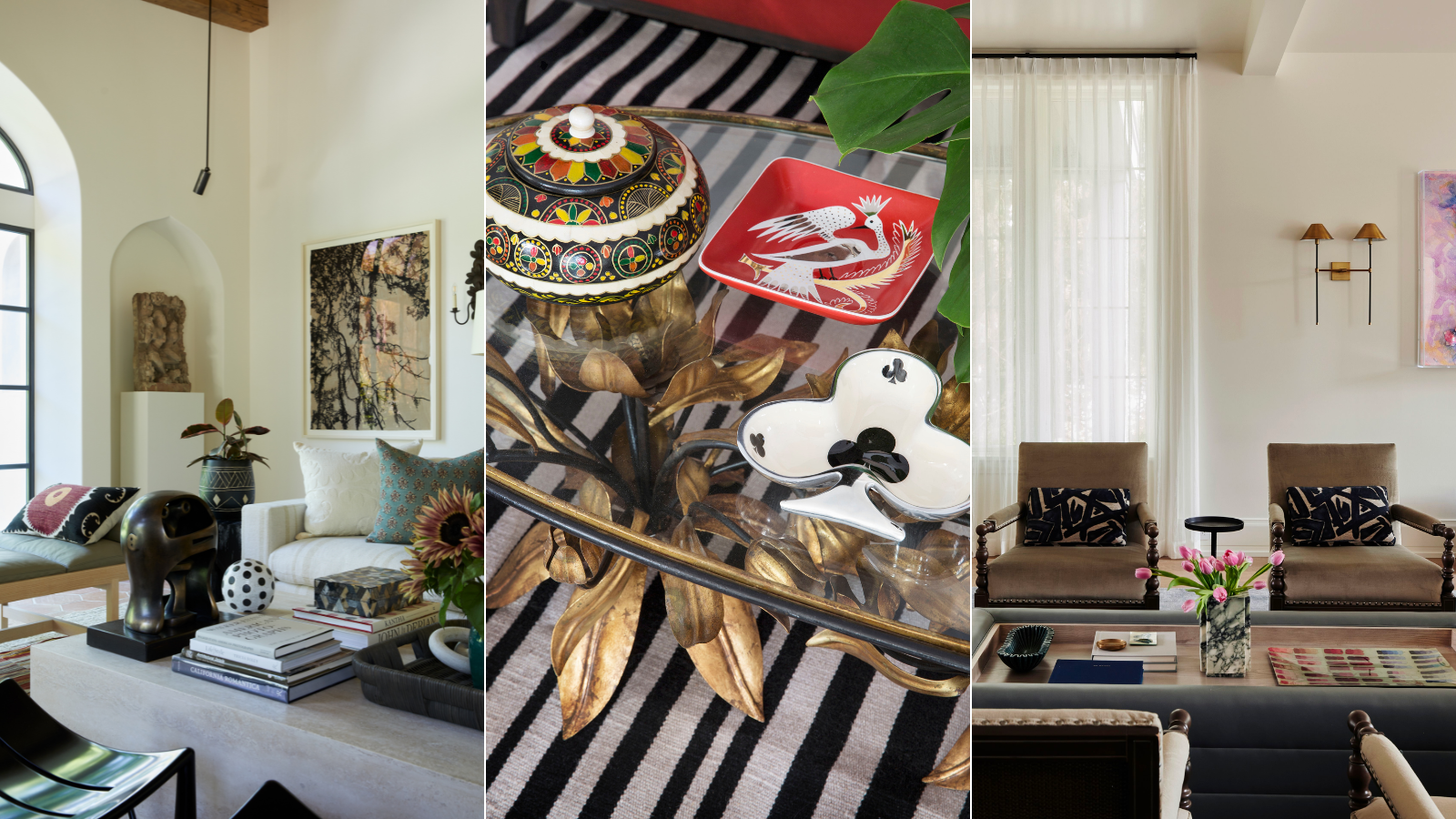
5 coffee table mistakes you should always avoid, according to interior designers
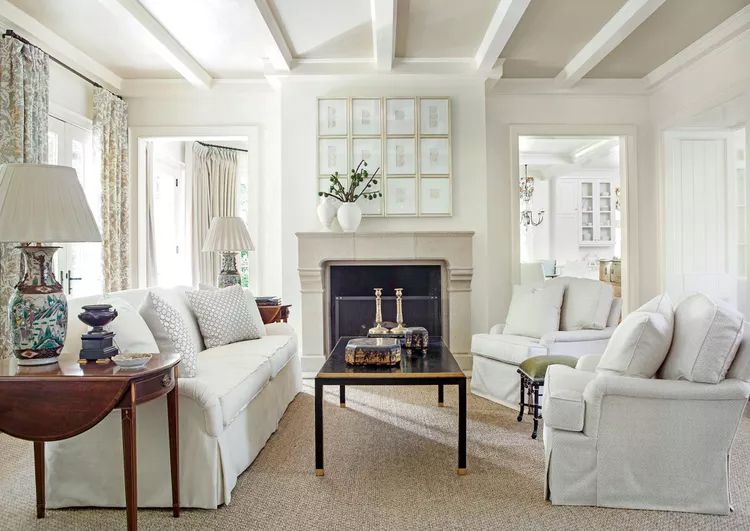
7 Living Room Decorating Mistakes You Should Never Make
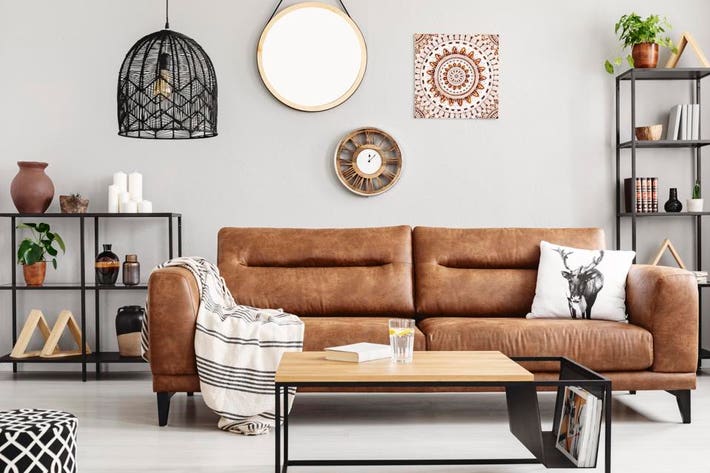
10 Interior Design Mistakes Experts Avoid In Their Own Homes
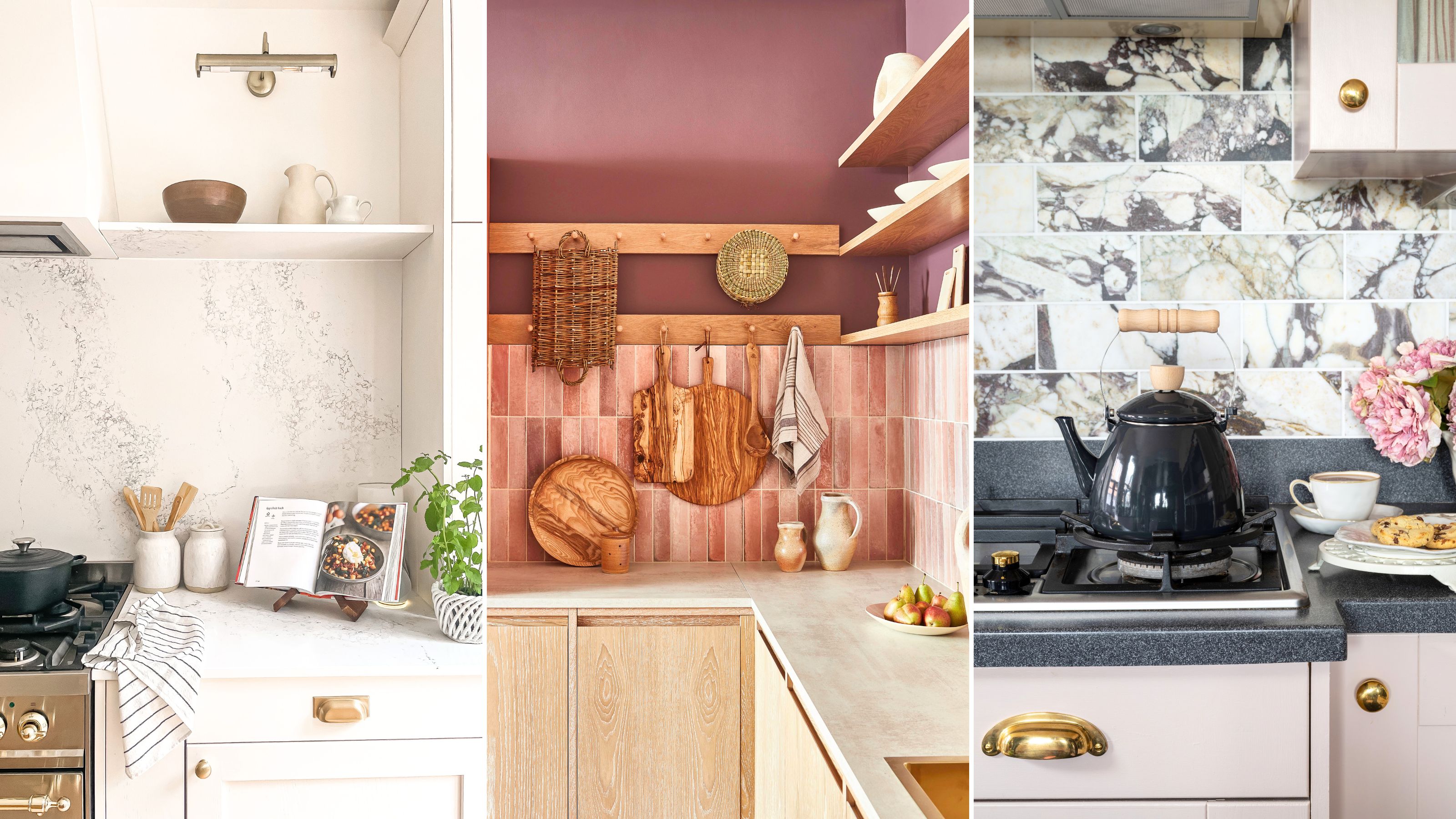
The 5 kitchen storage mistakes interior designers always avoid

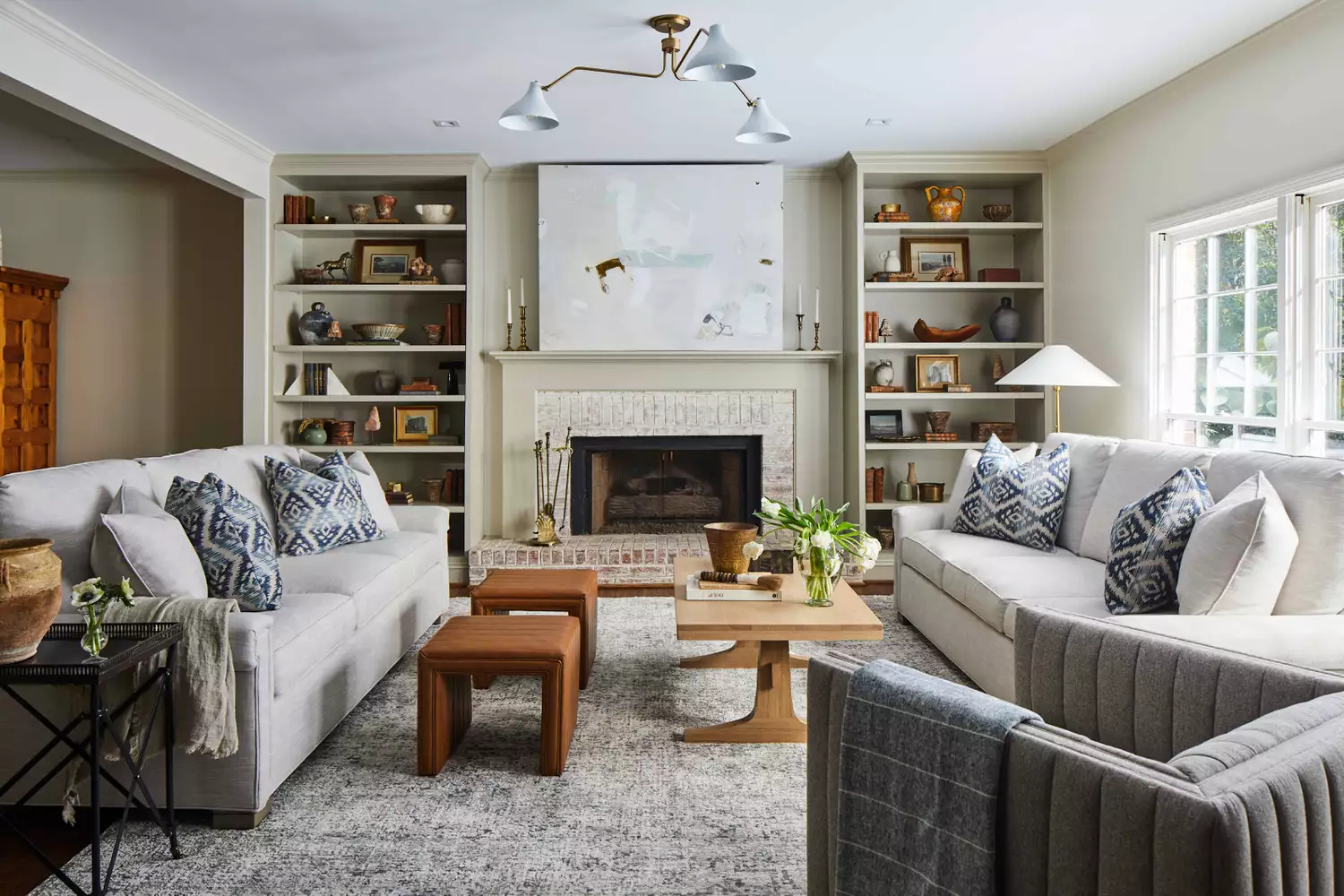
11 Living Room Layout Mistakes Designers Want You To Stop Making
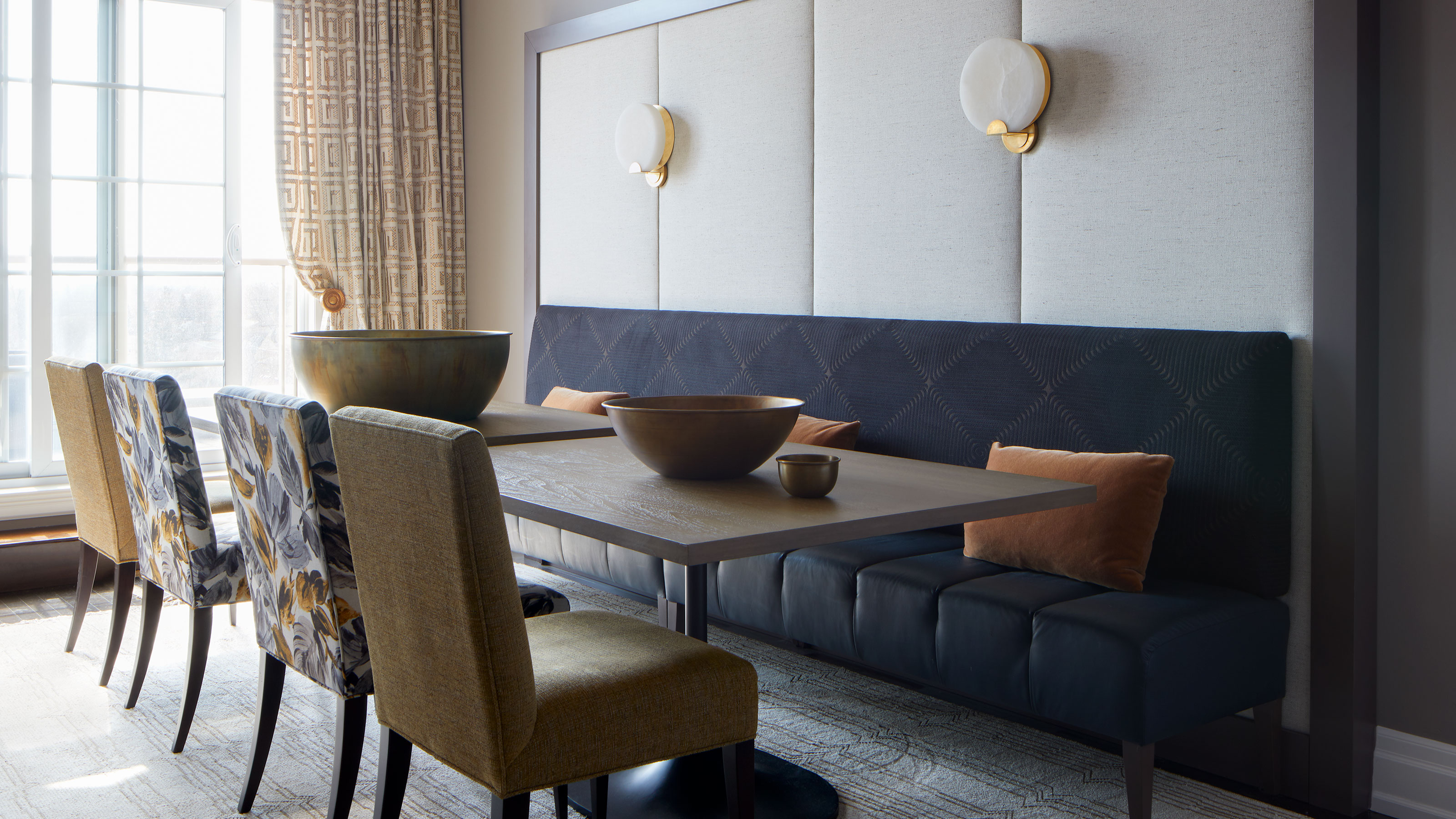
7 major dining room layout mistakes to avoid, according to designers
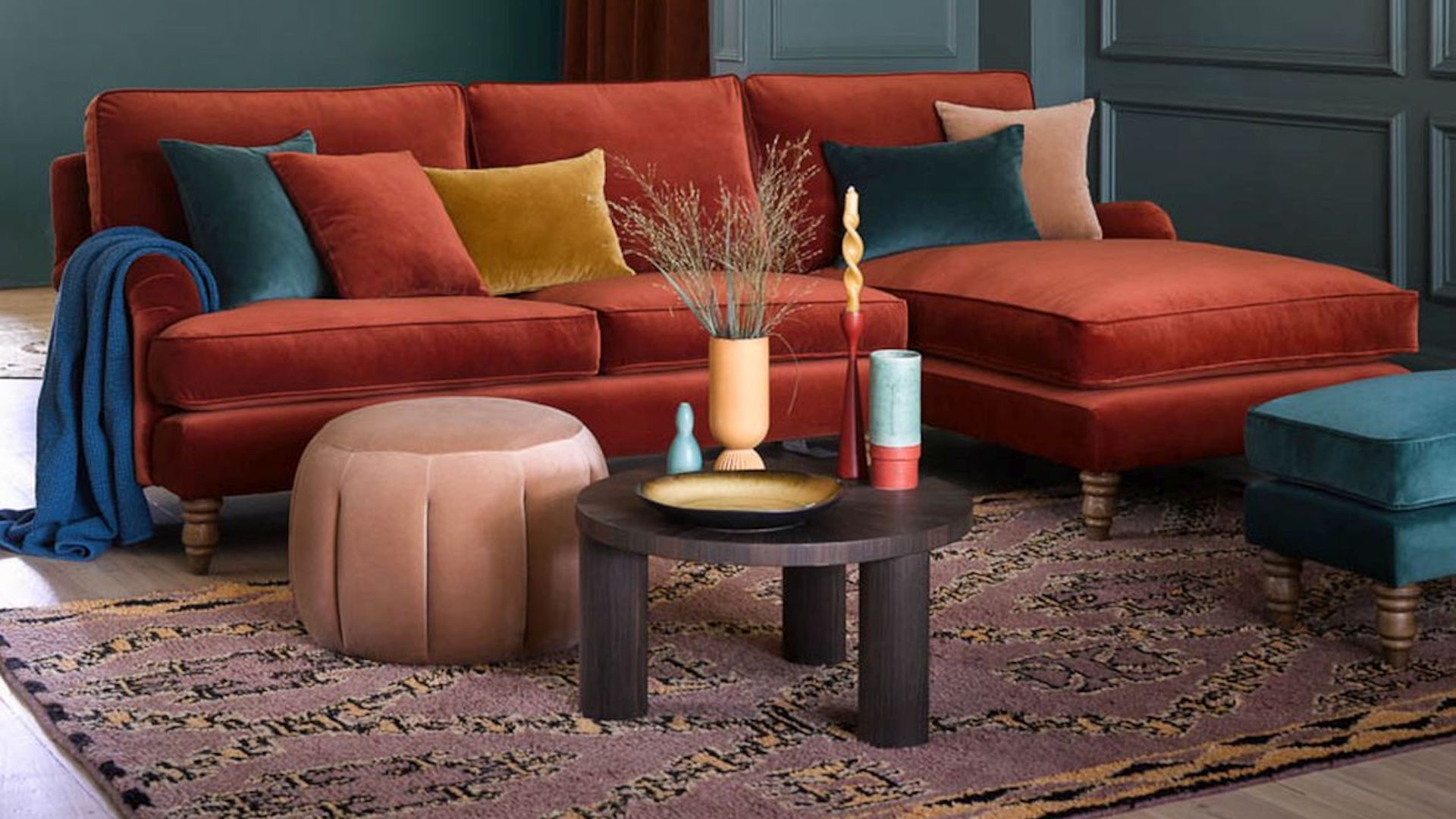
10 common living room design disasters experts warn against falling for
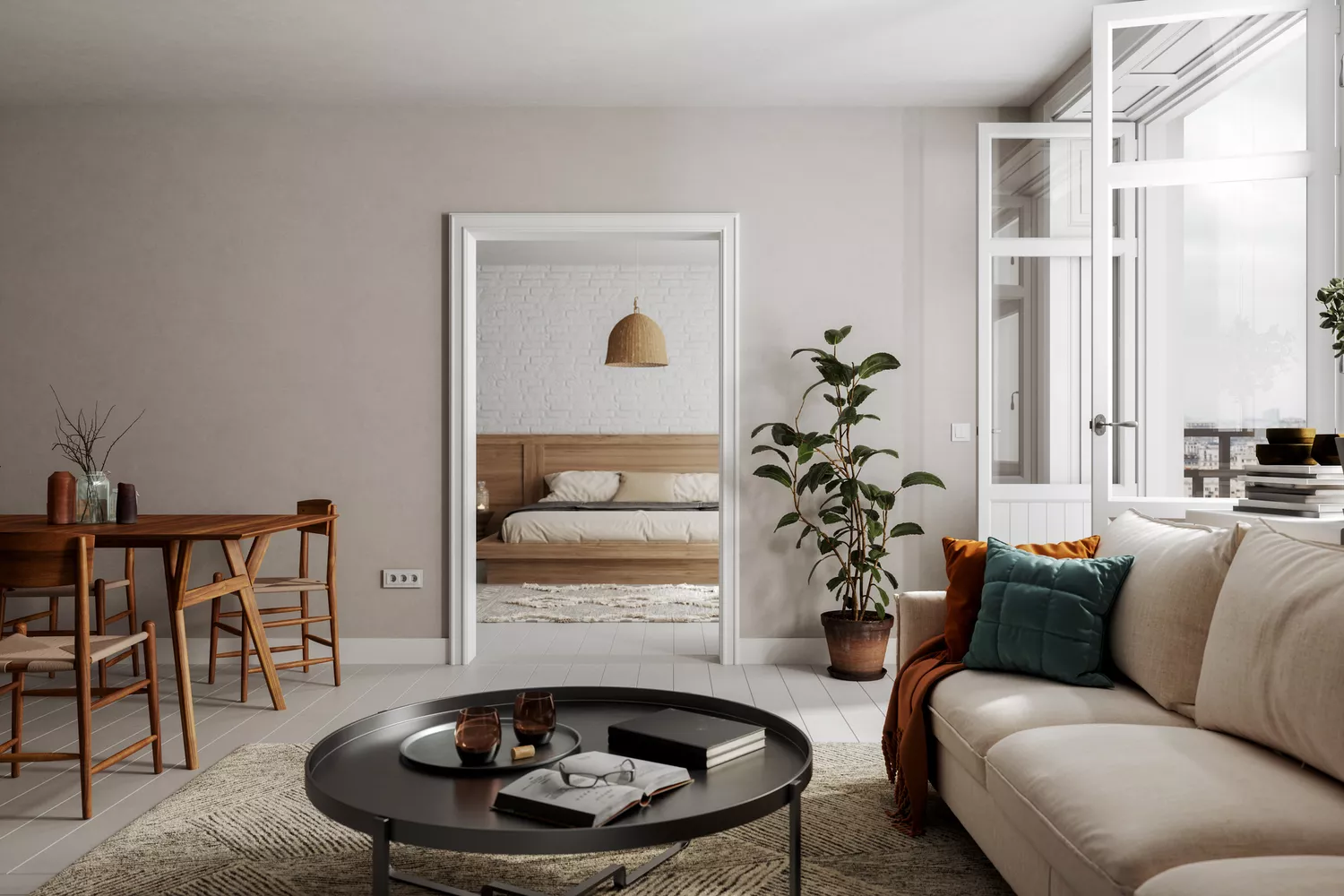
7 Decorating Mistakes That Always Make Interior Designers Cringe

7 Kitchen Storage Trends That Designers say are Best Avoided

9 CONTROVERSIAL Decor Choices Designers Secretly Wish You’d Stop Making

13 Designer Styling Secrets to Elevate Your Bookcases
5 small entryway storage mistakes designers want you to stop making
How to style a bookcase – the 10 rules our decorating editors never break
7 small living room layout mistakes design experts want you to avoid – and what to do instead
14 Mistakes To Avoid When Buying New Furniture, According To Designers