1/10
How to style a bookcase – the 10 rules our decorating editors never break
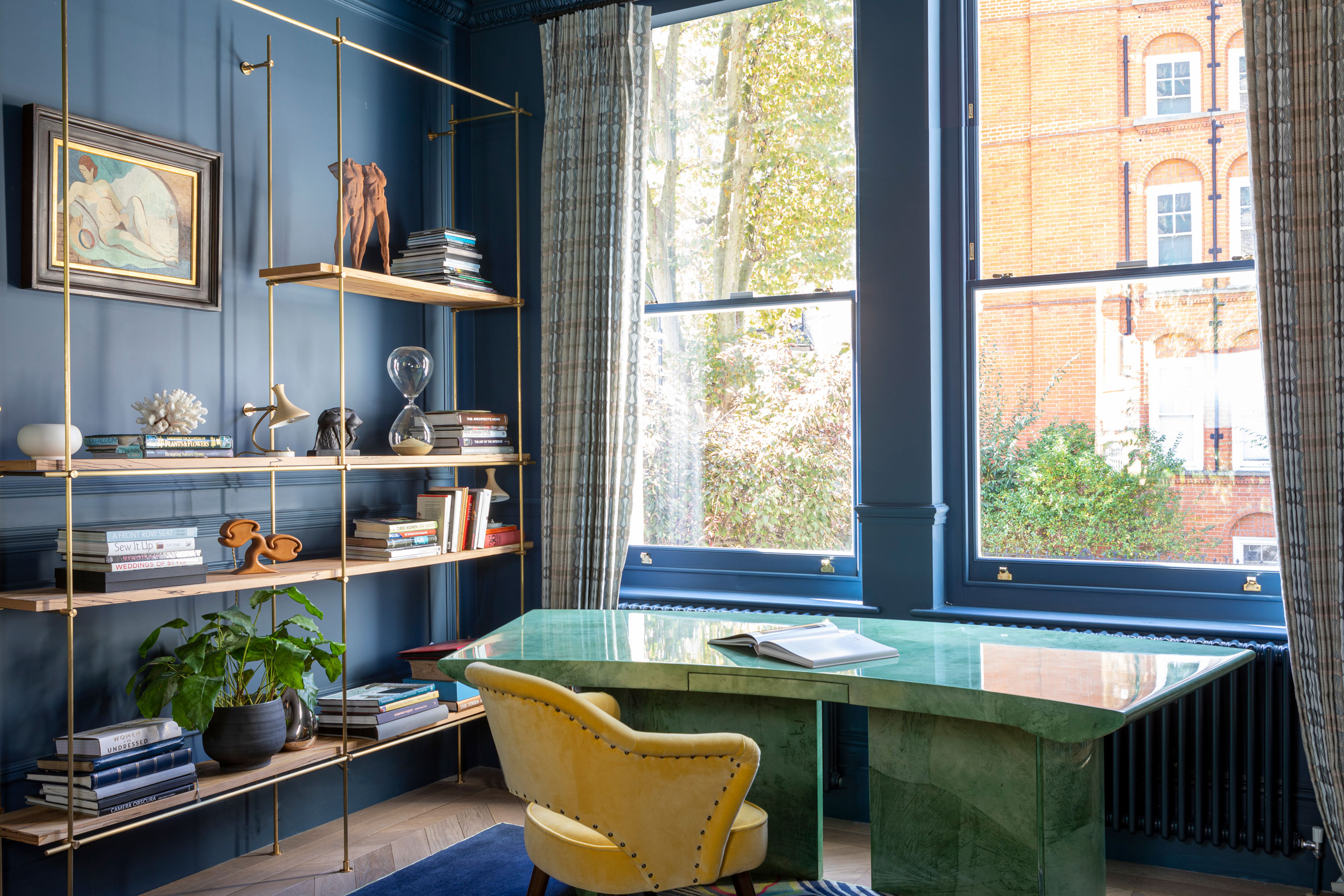
Learning to style a bookcase effectively can transform it from mere storage into an elegant focal point within any room. This guide provides expert advice on artfully arranging books and decorative items, ensuring a visually appealing and cohesive display. Whether individuals are avid book collectors or simply want to enhance their living spaces, these rules offer practical strategies for achieving a curated look.
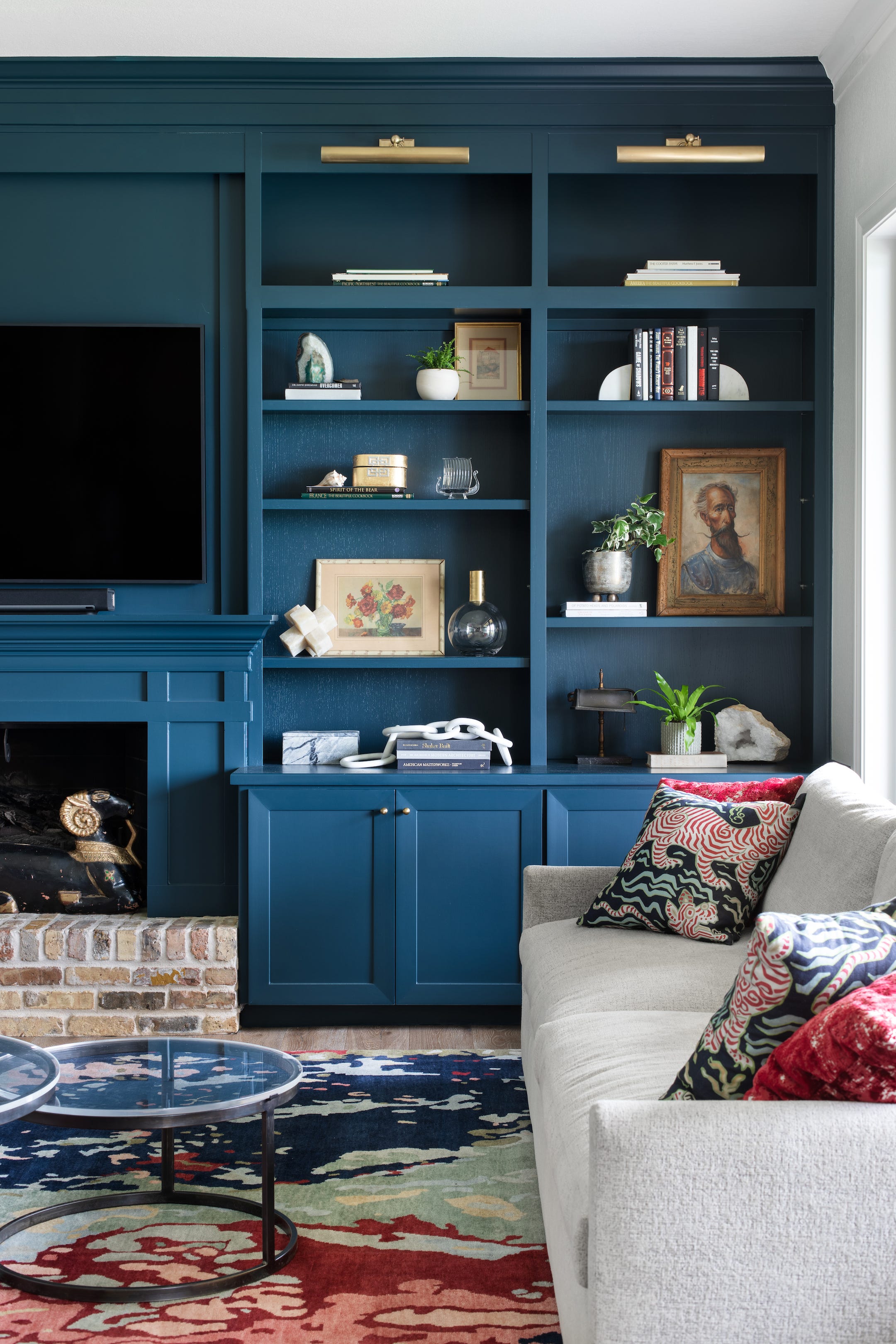
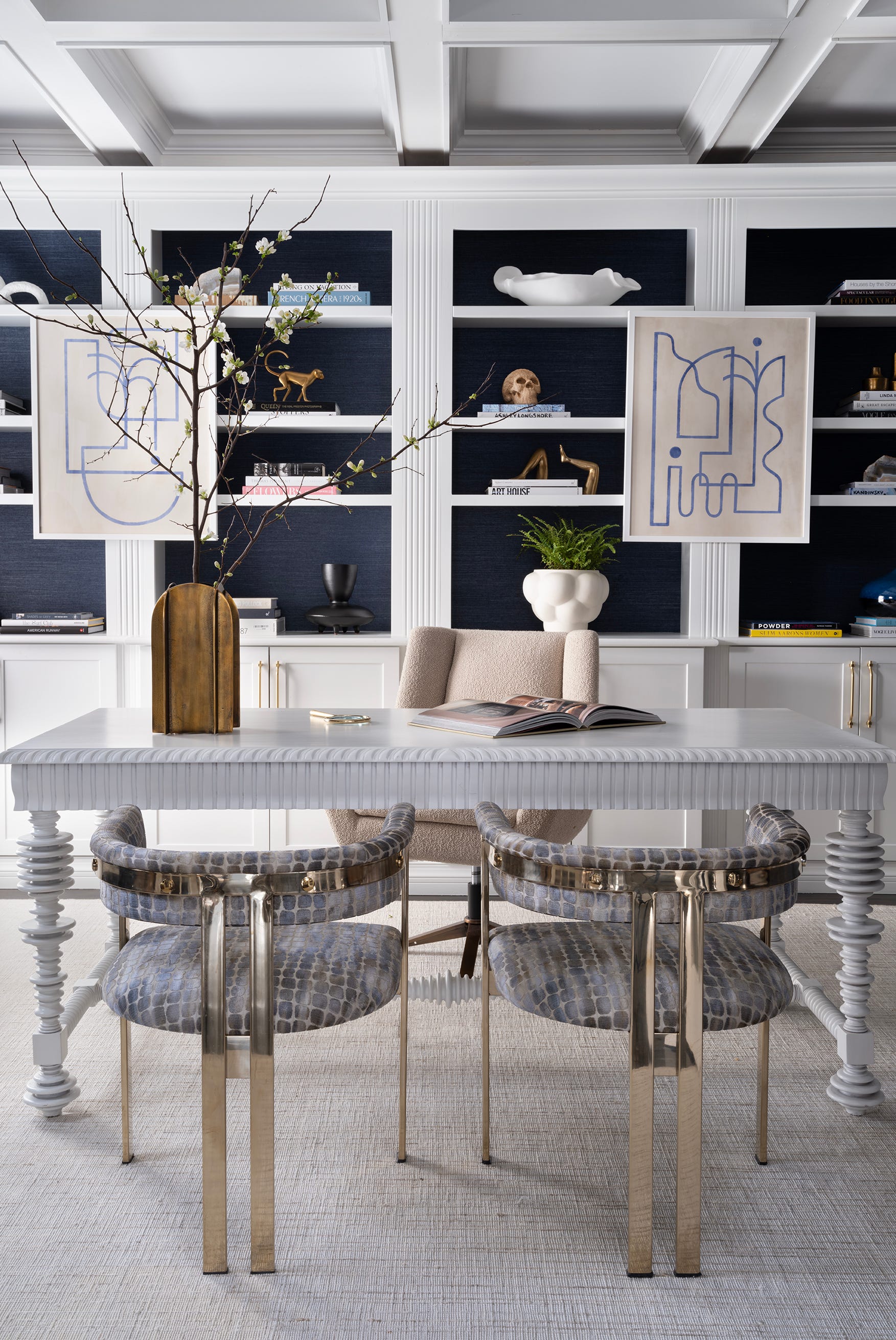
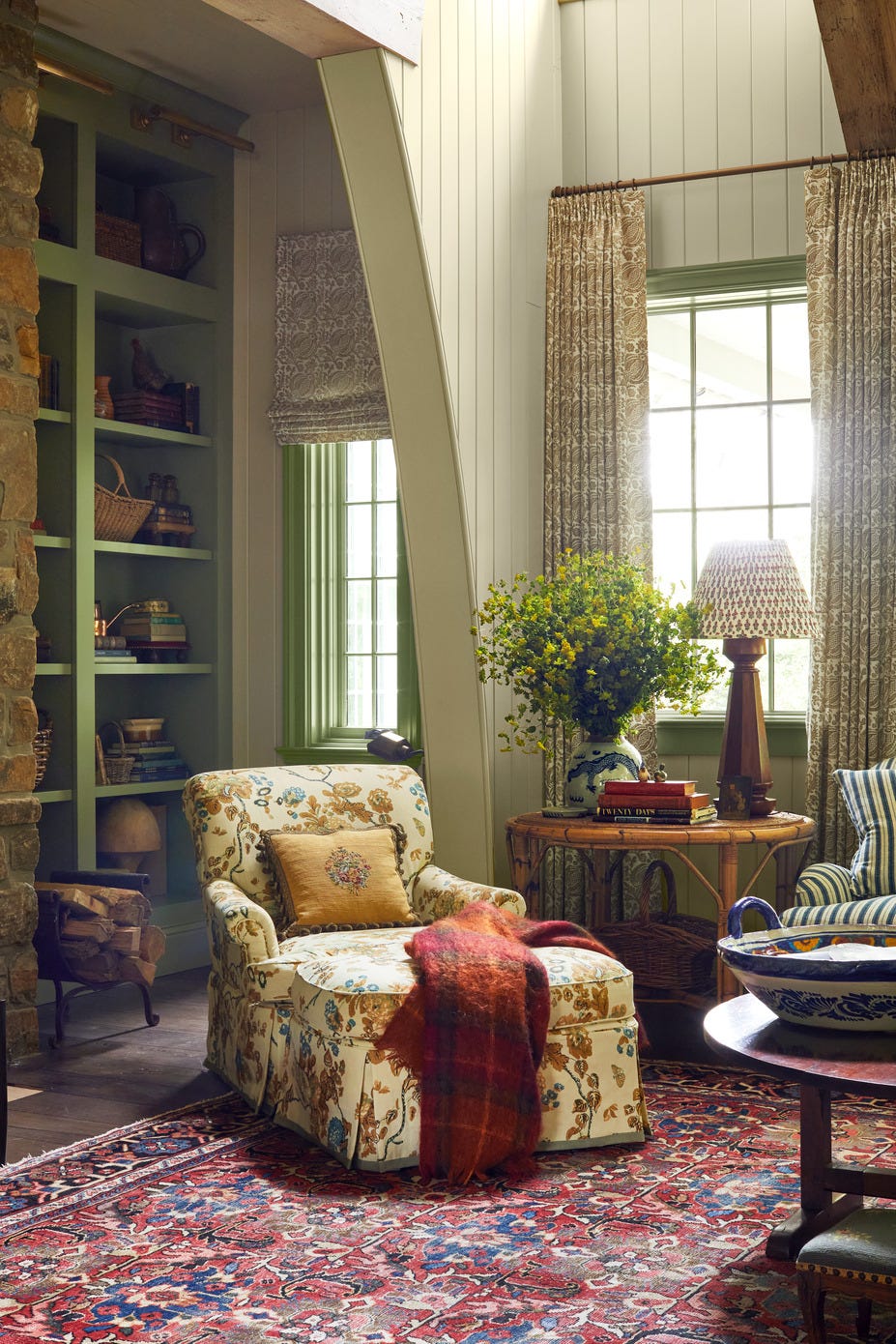
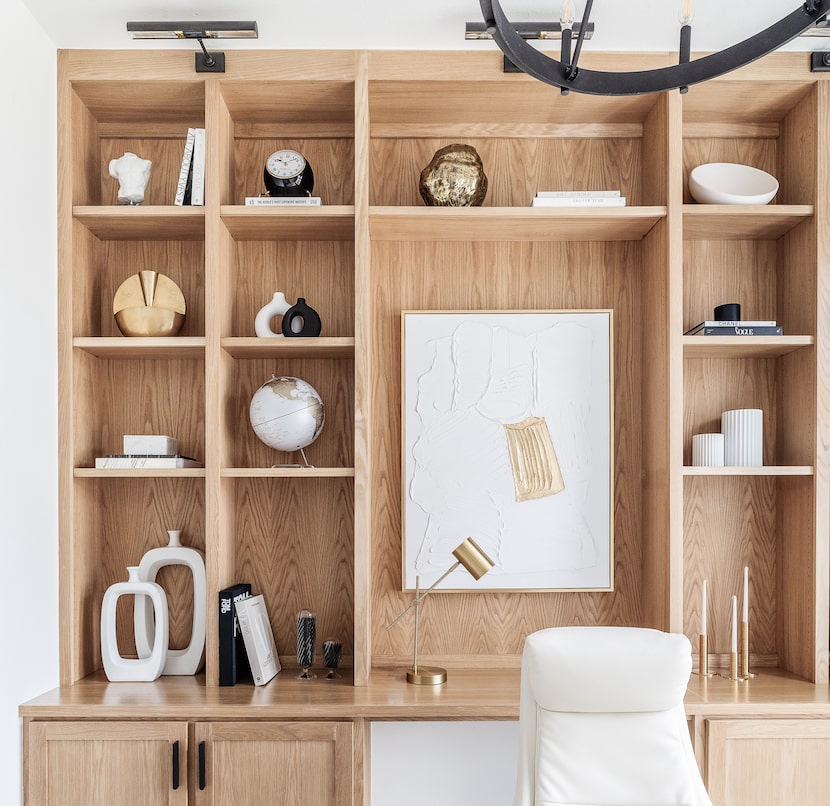
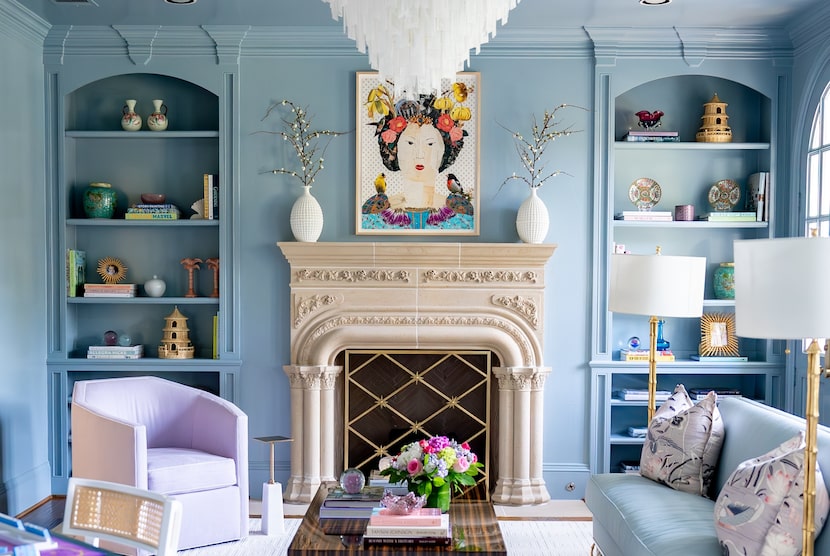
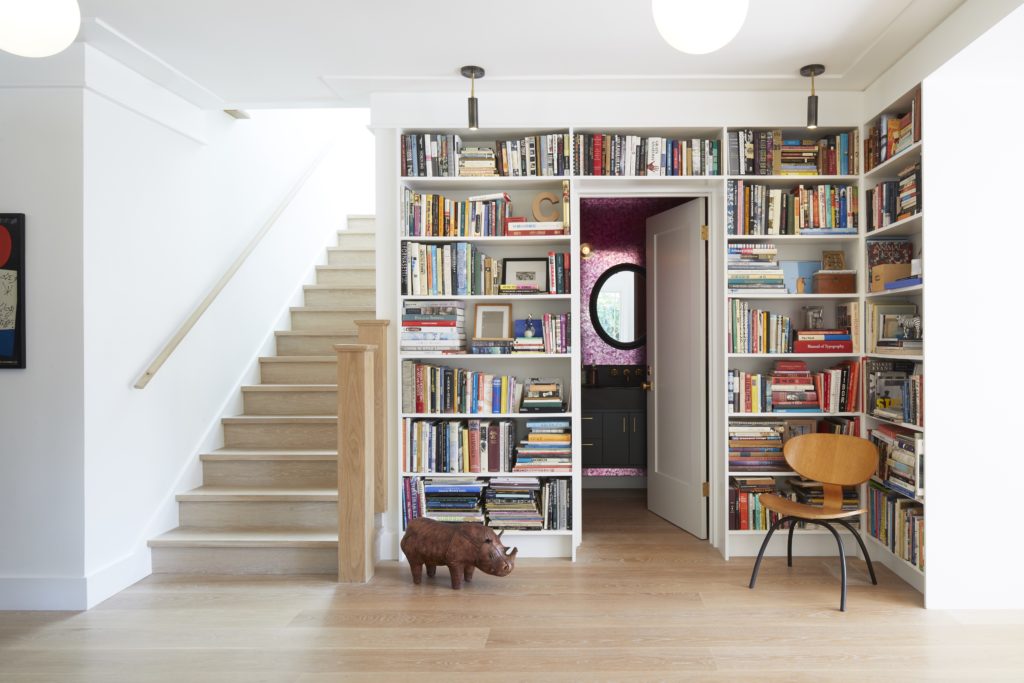
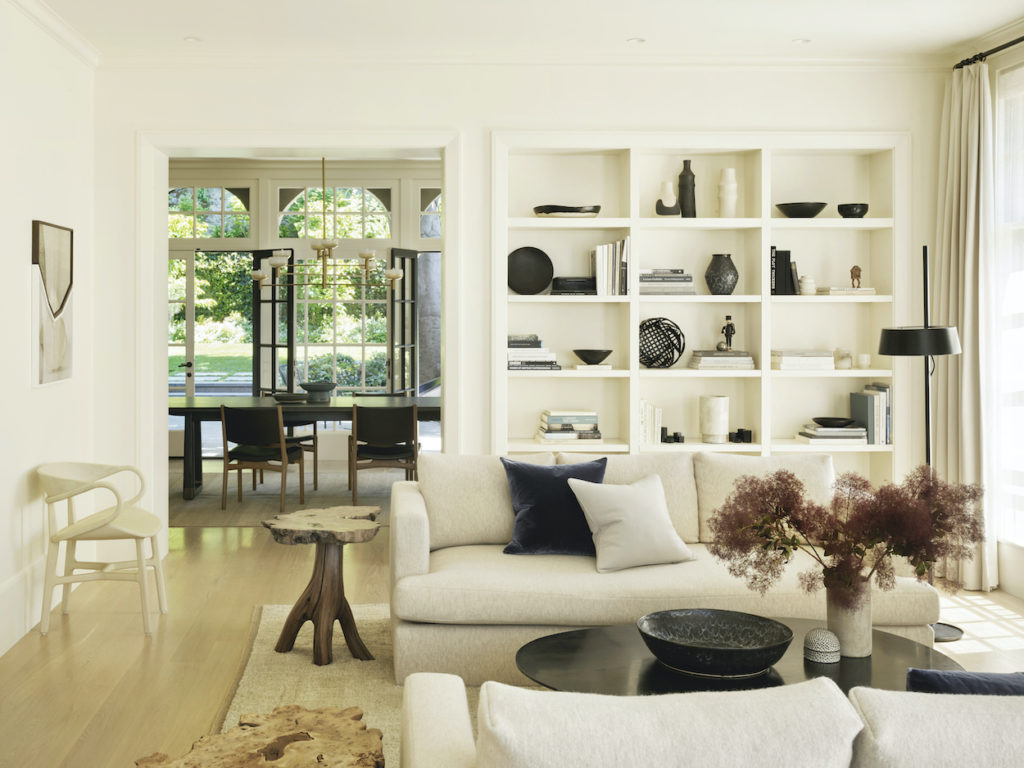
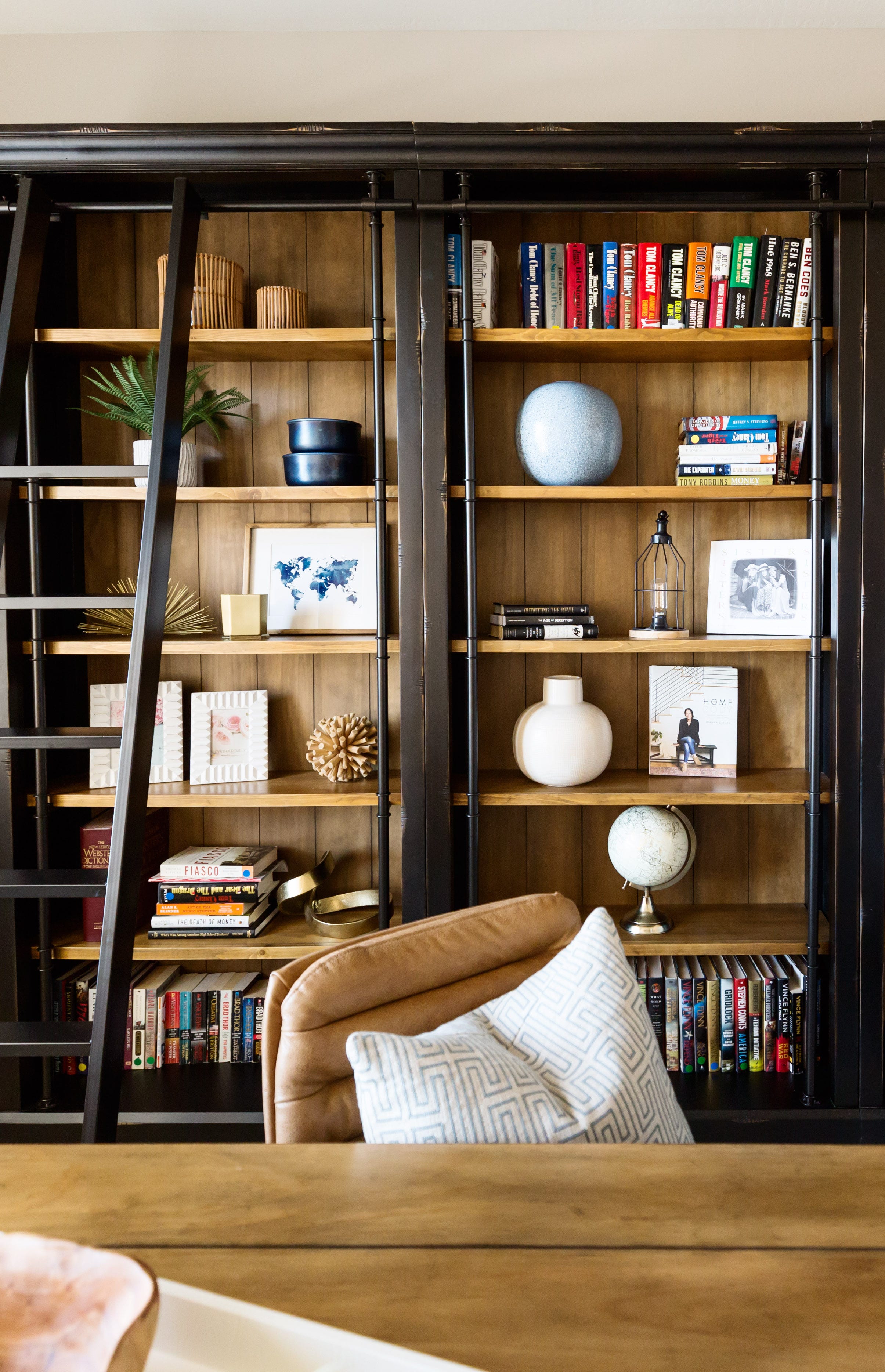
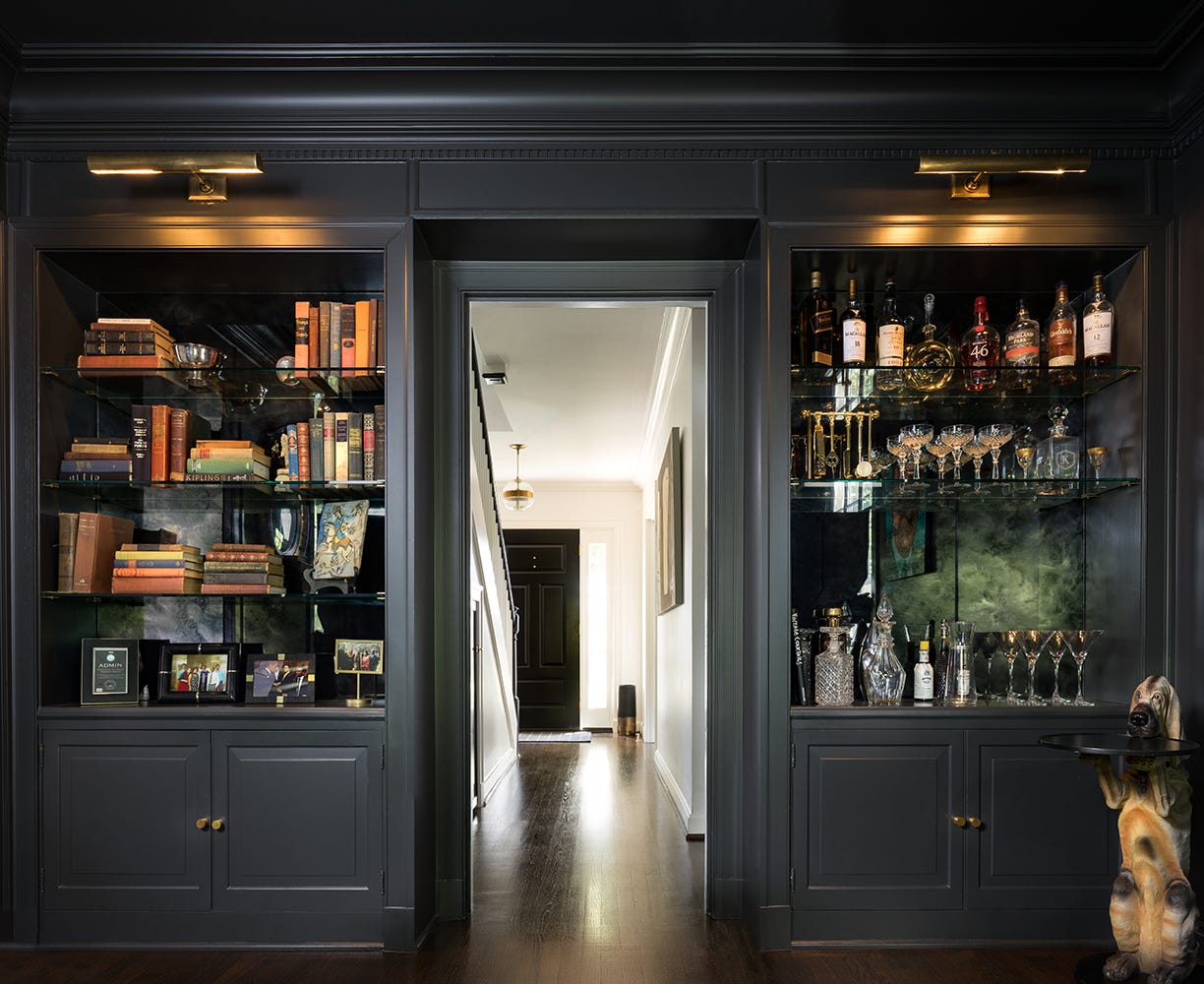
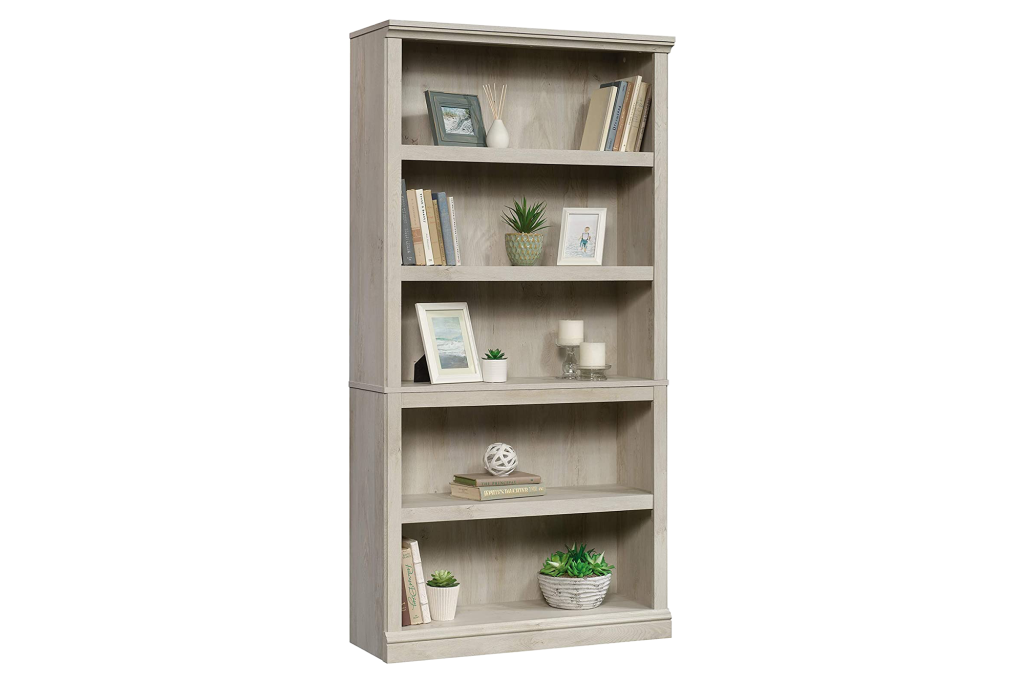
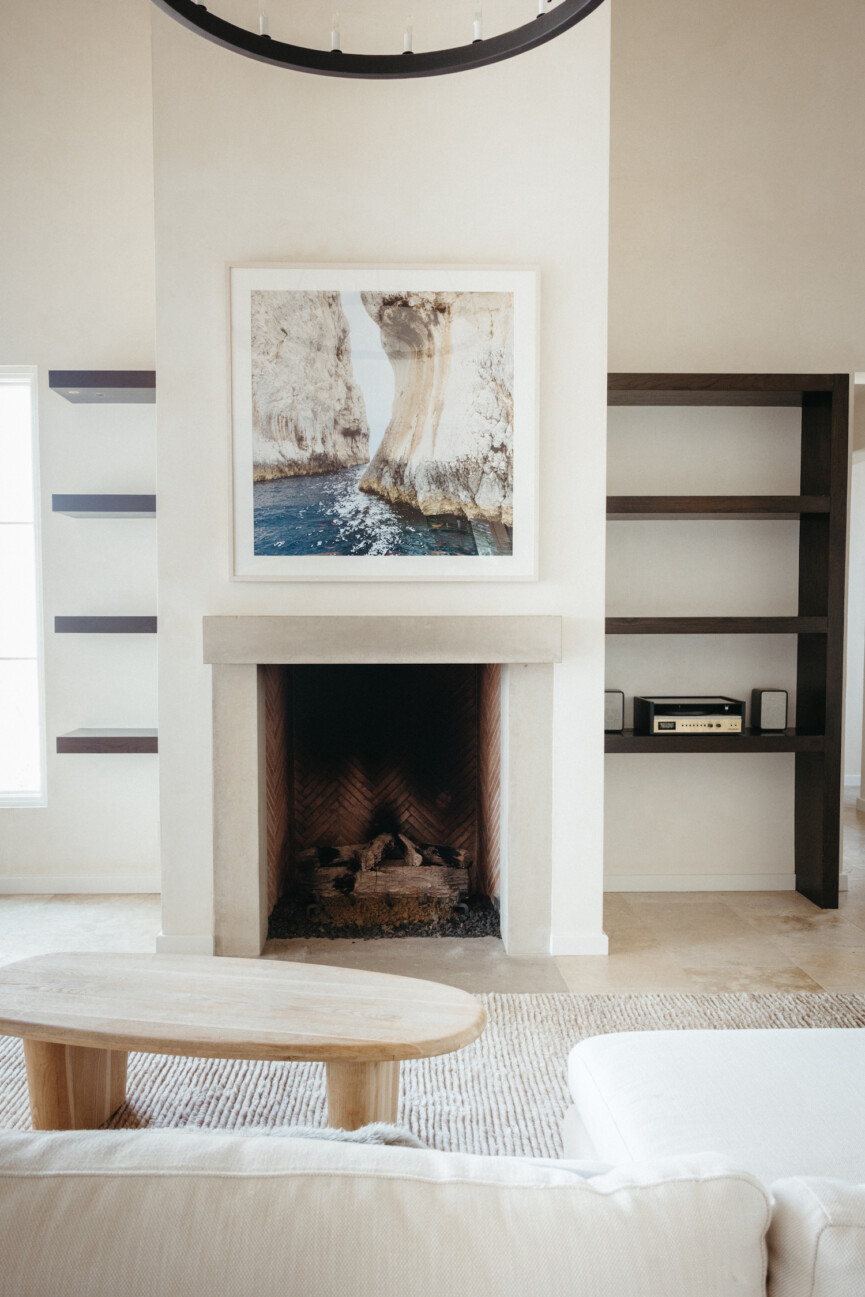
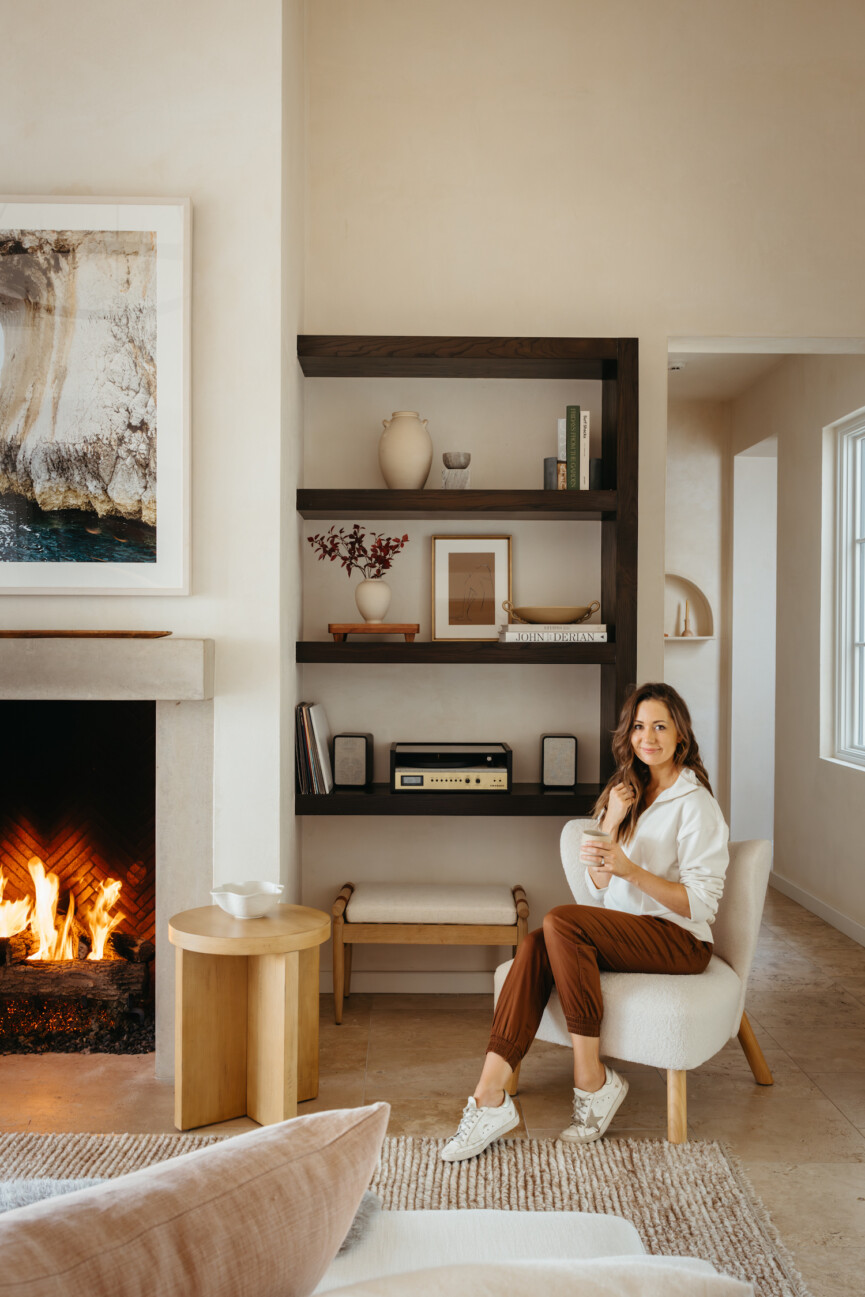
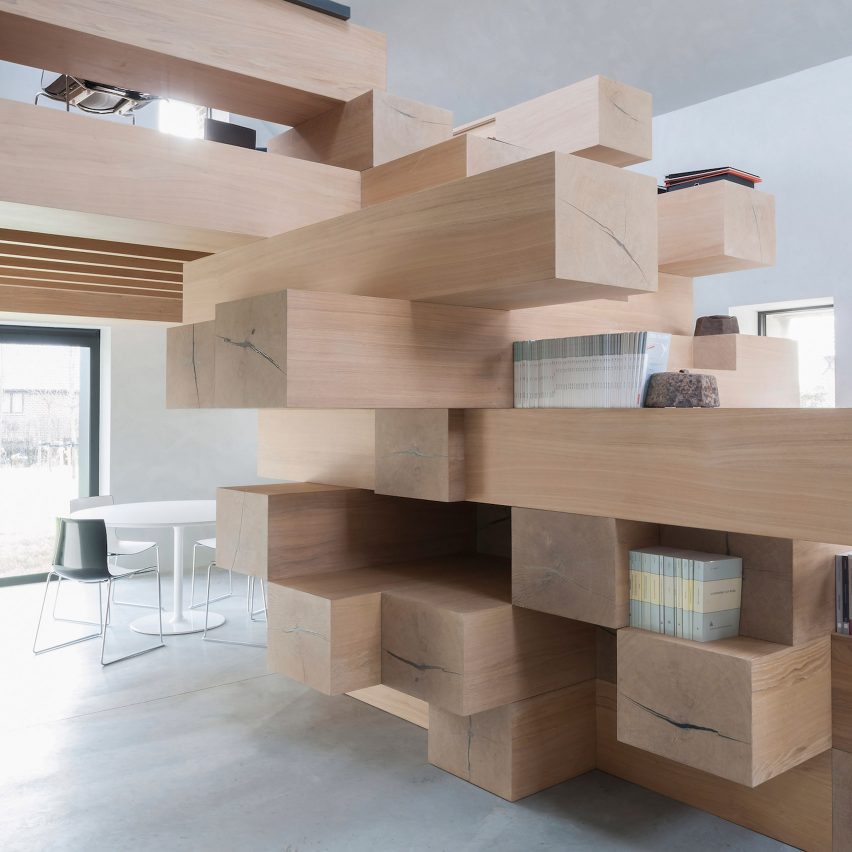
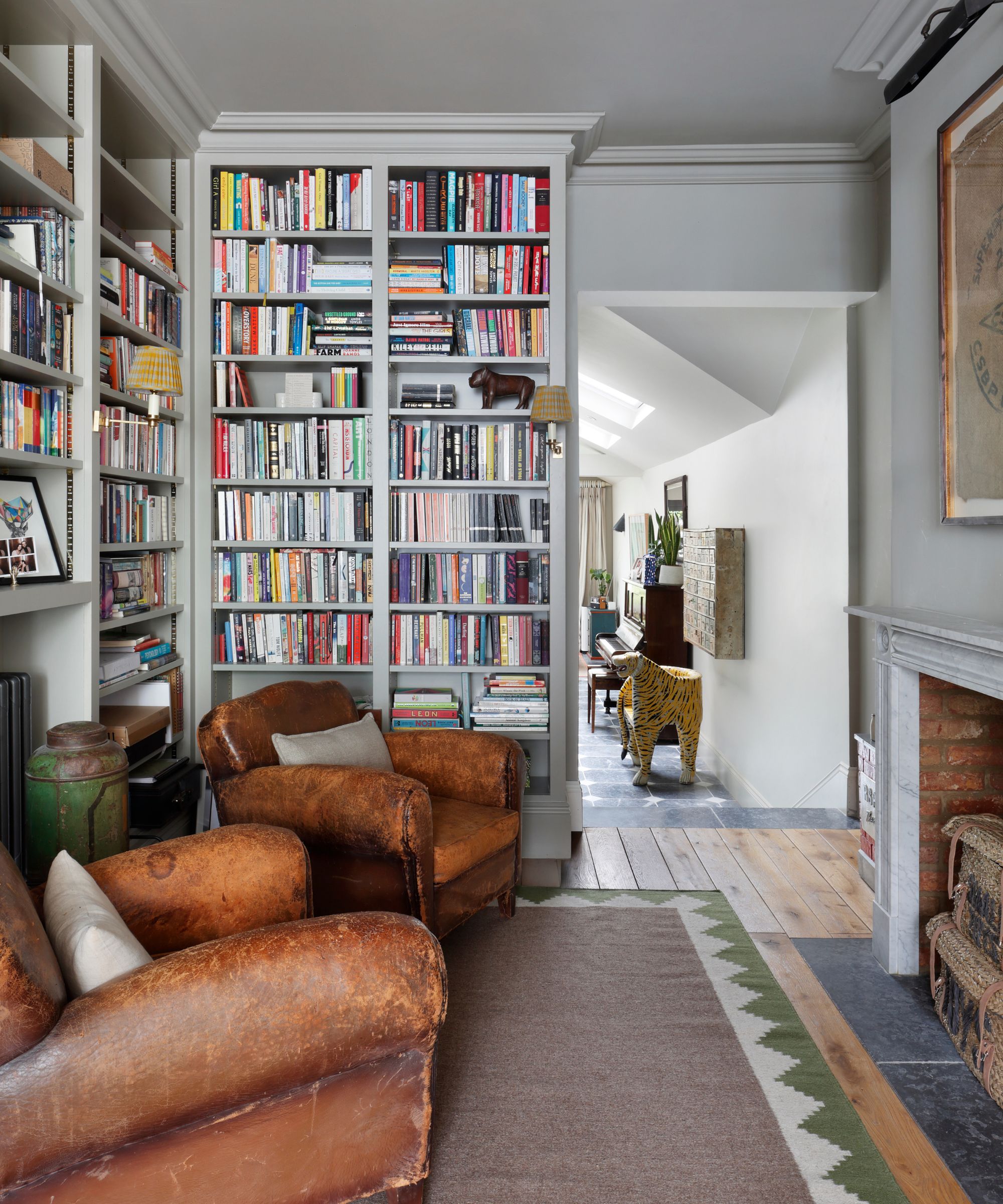
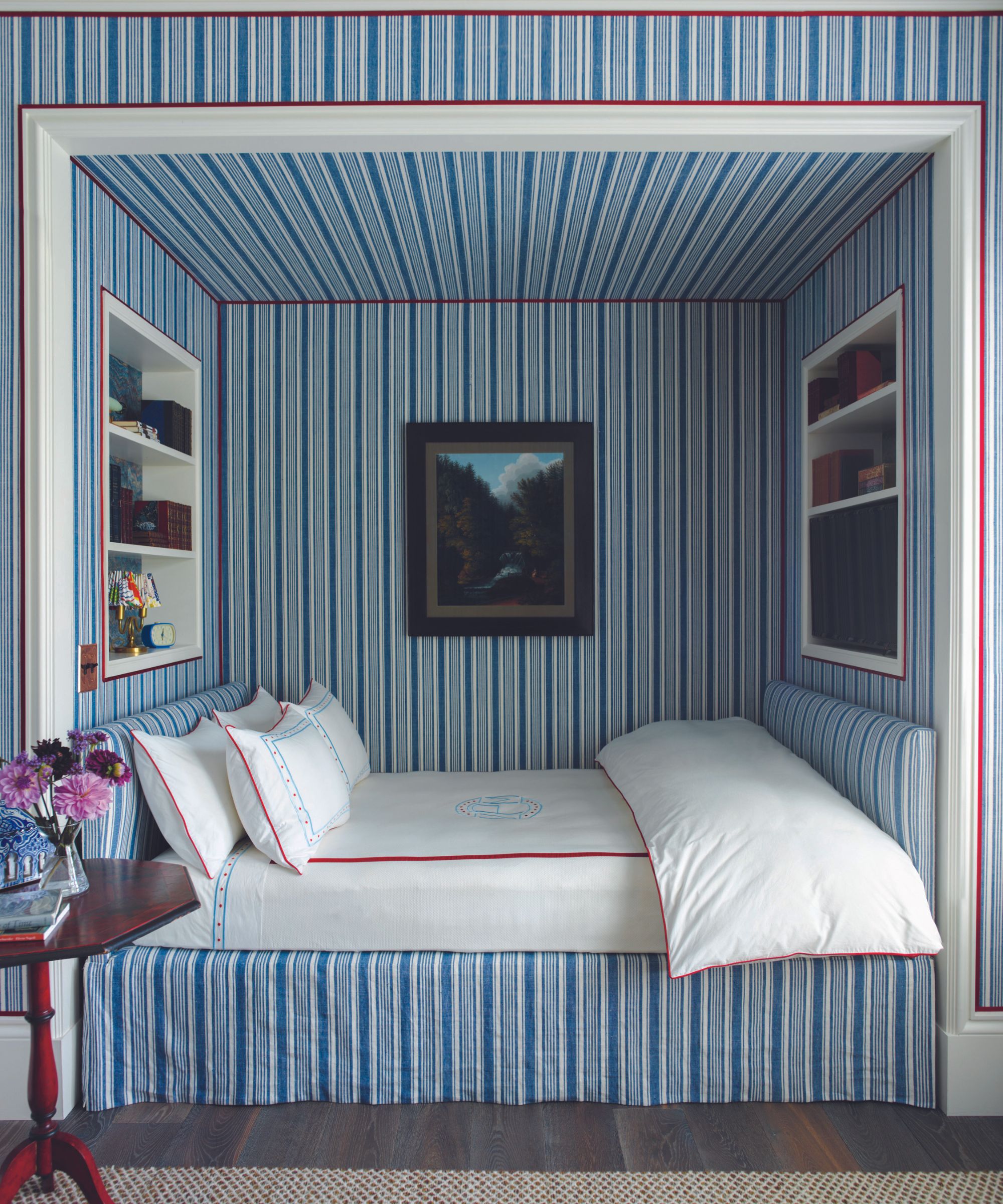
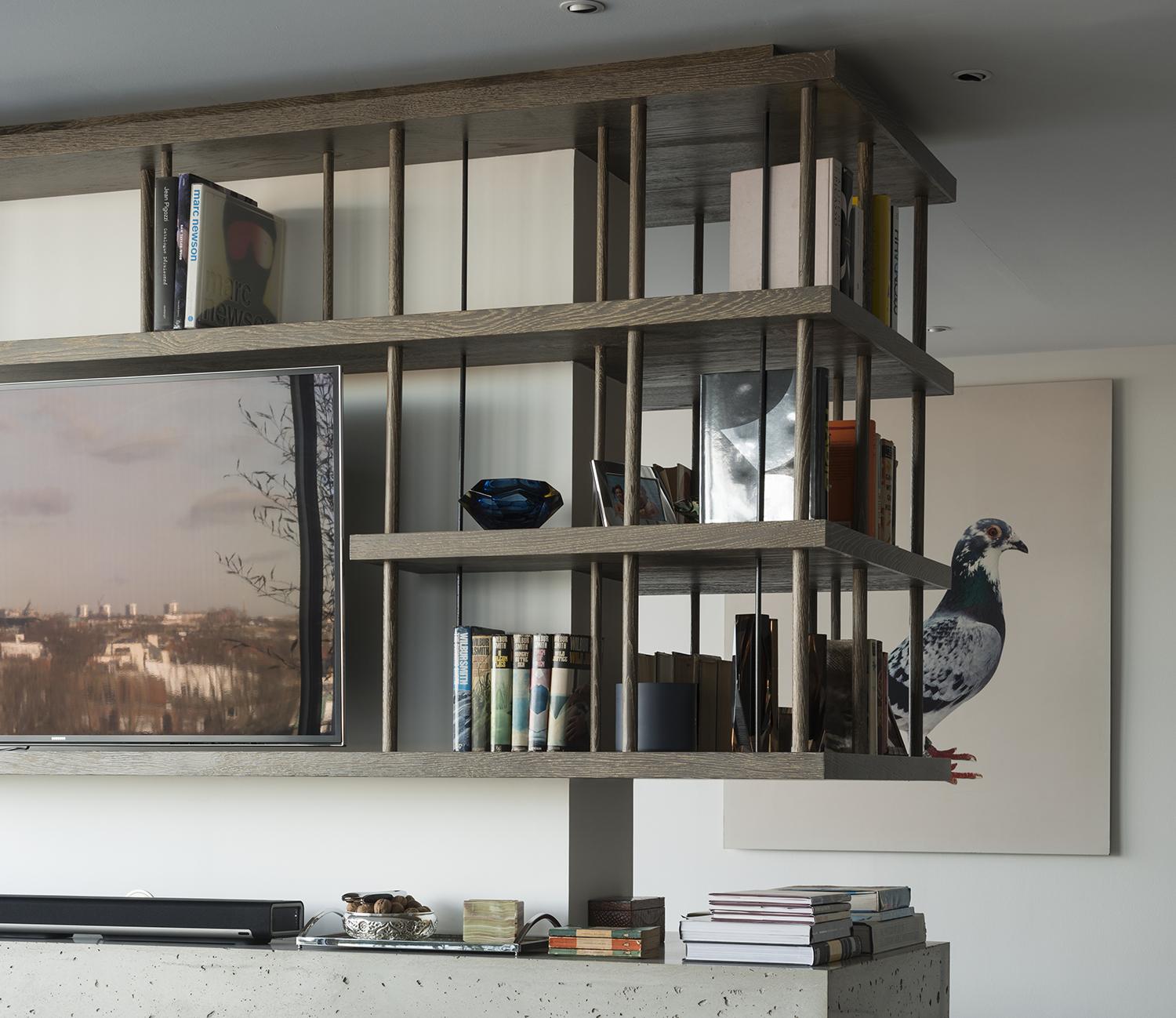
One fundamental principle involves incorporating display space alongside books. While books are central, designers advise against overcrowding shelves. Leaving intentional gaps allows for the display of key decorative pieces that reflect the room's overall style. This approach prevents bookshelves from appearing messy and cluttered, instead creating a balanced aesthetic. For those designing bookshelves from scratch, integrating niches can further enhance styling opportunities, particularly in areas where the bookcase serves as a focal point, such as in a hallway or home office. These niches can house artworks or contrasting backdrops, adding depth and interest.
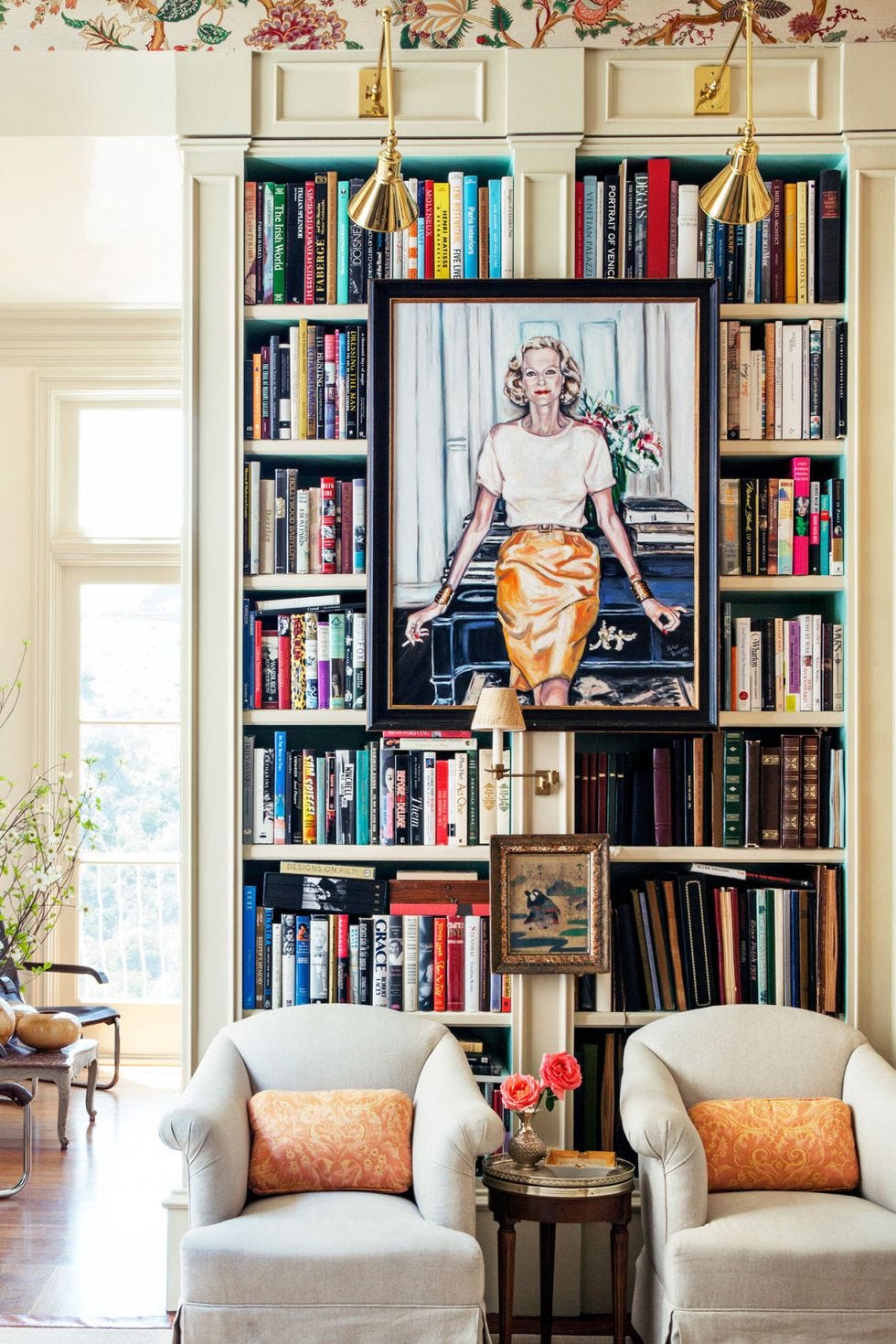
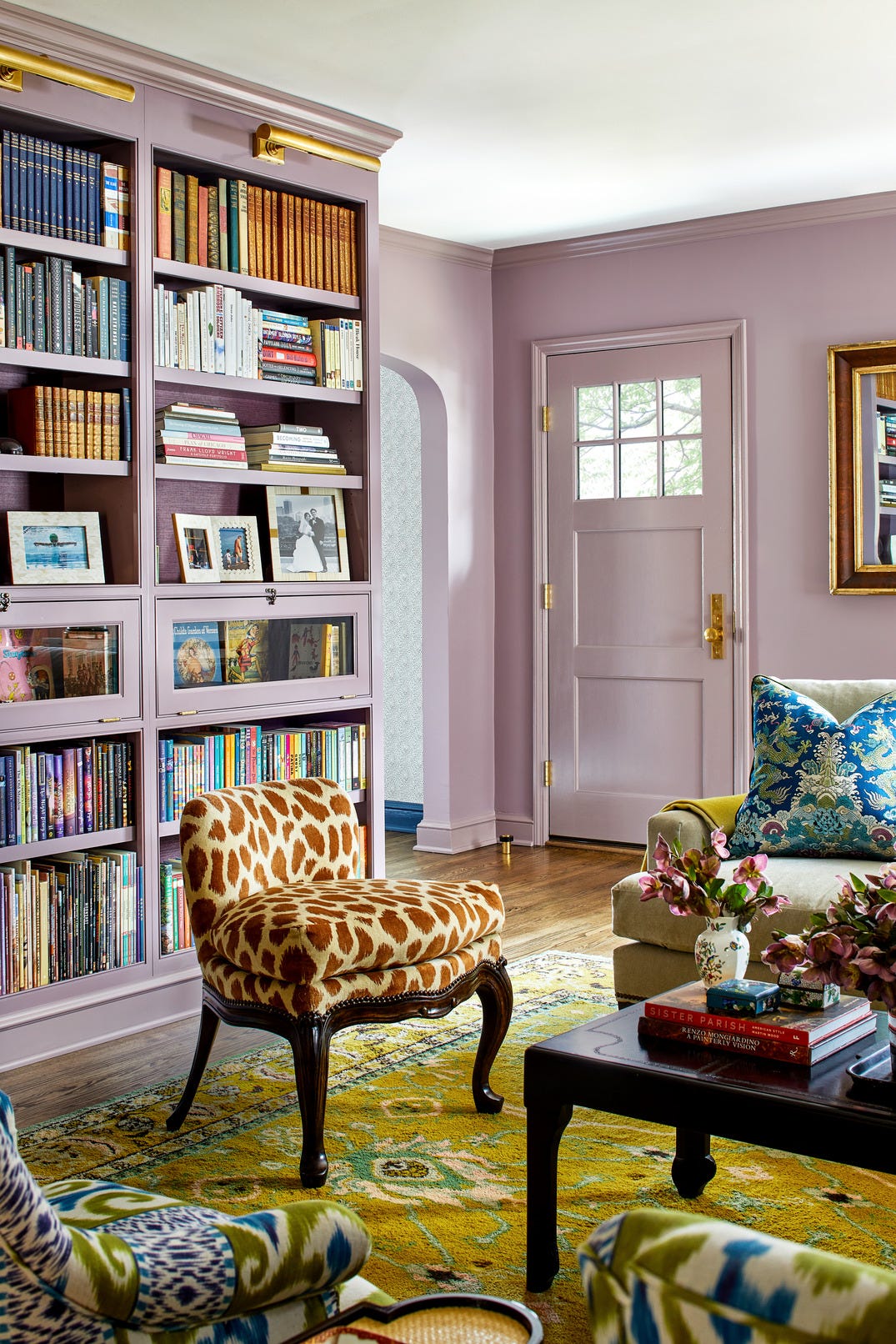
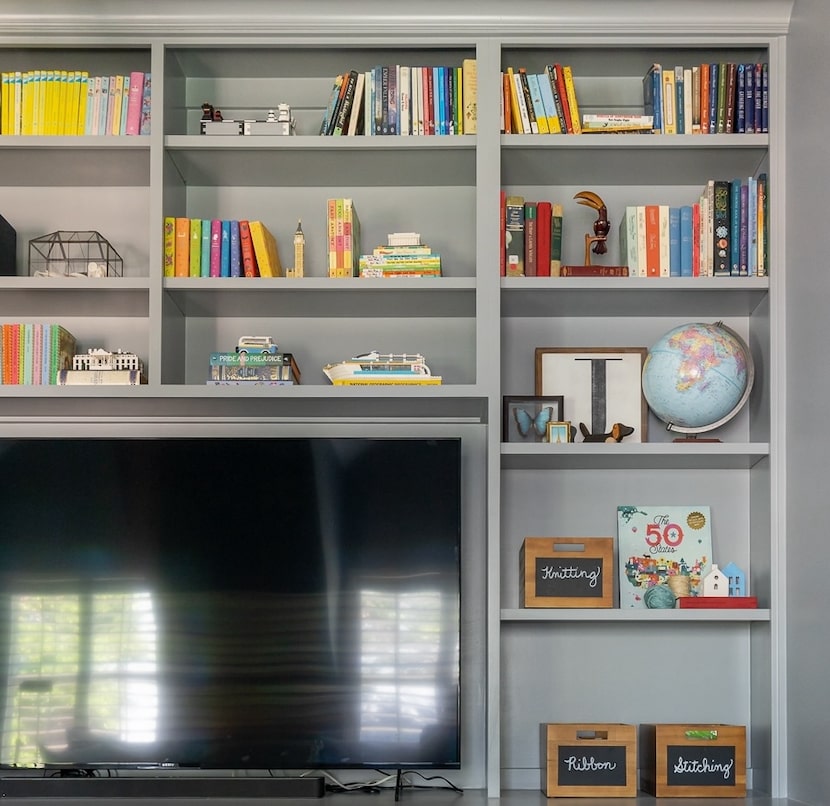
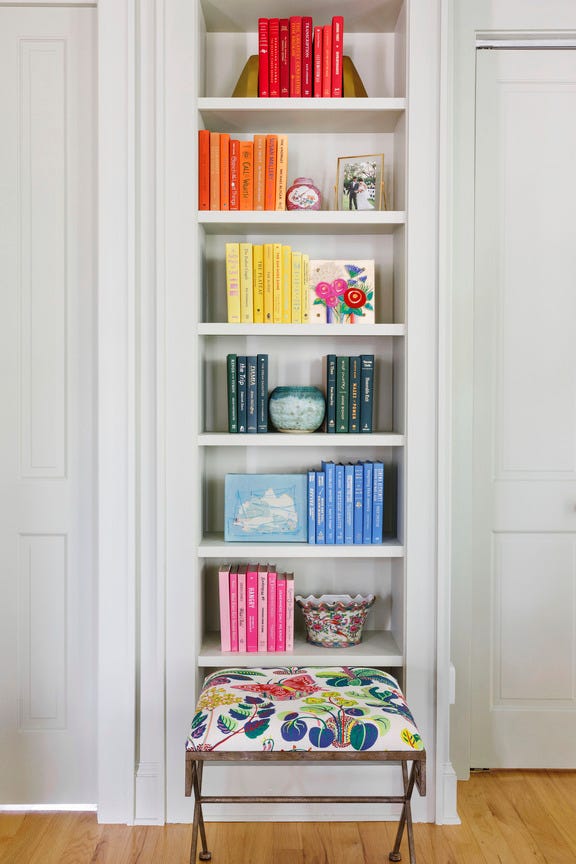
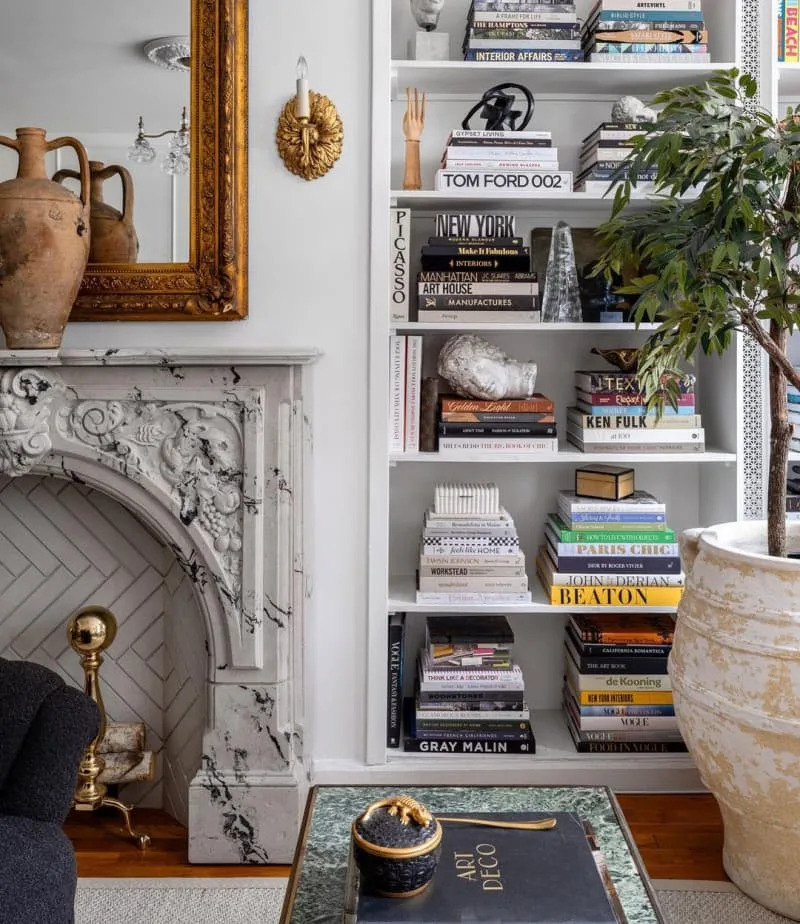
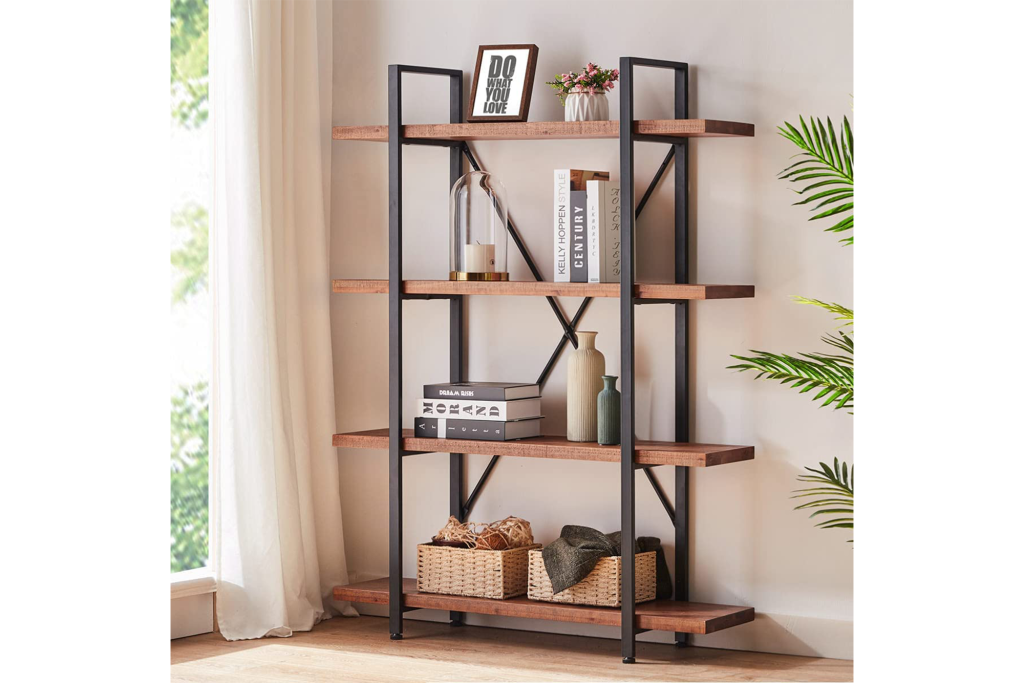
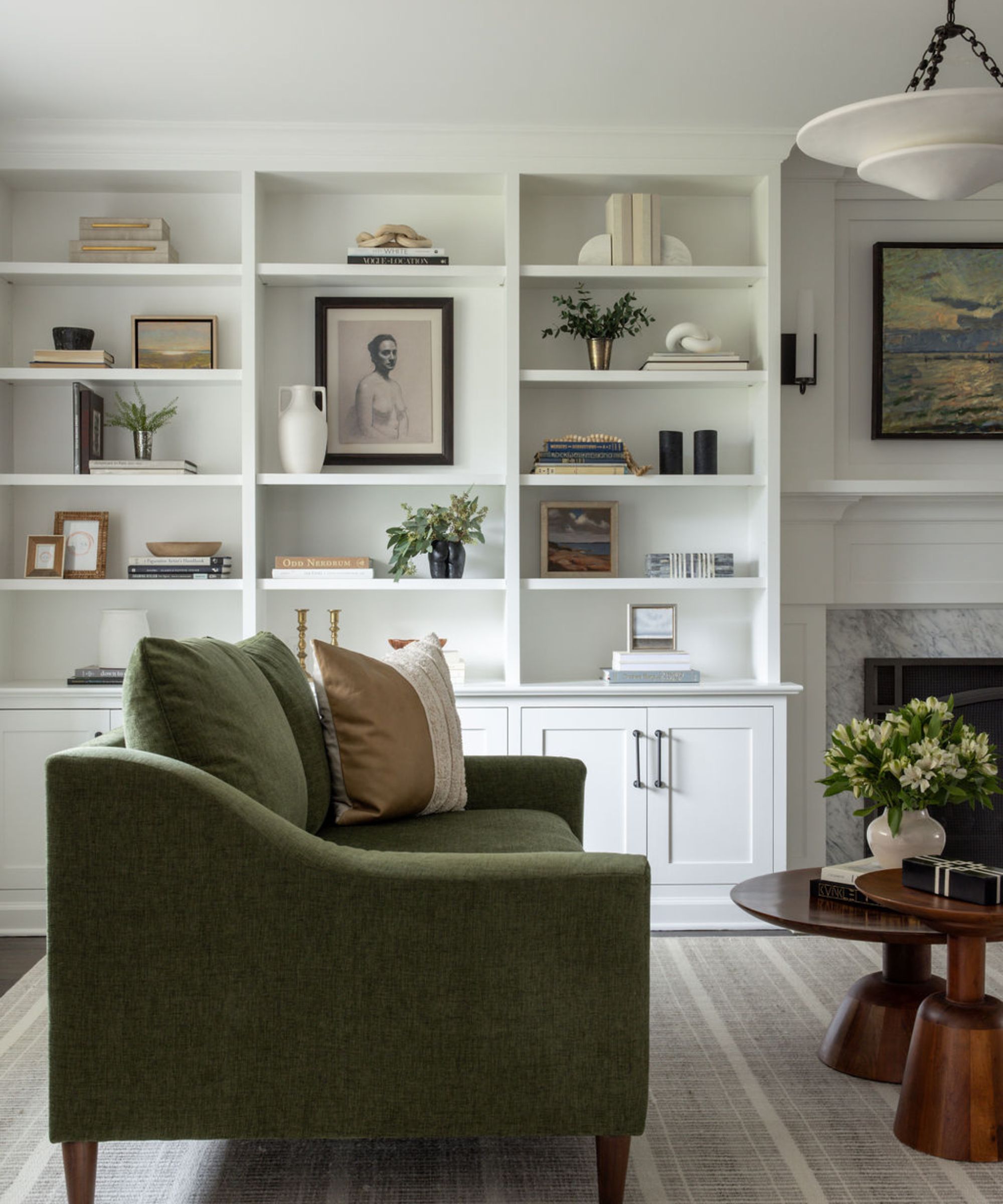
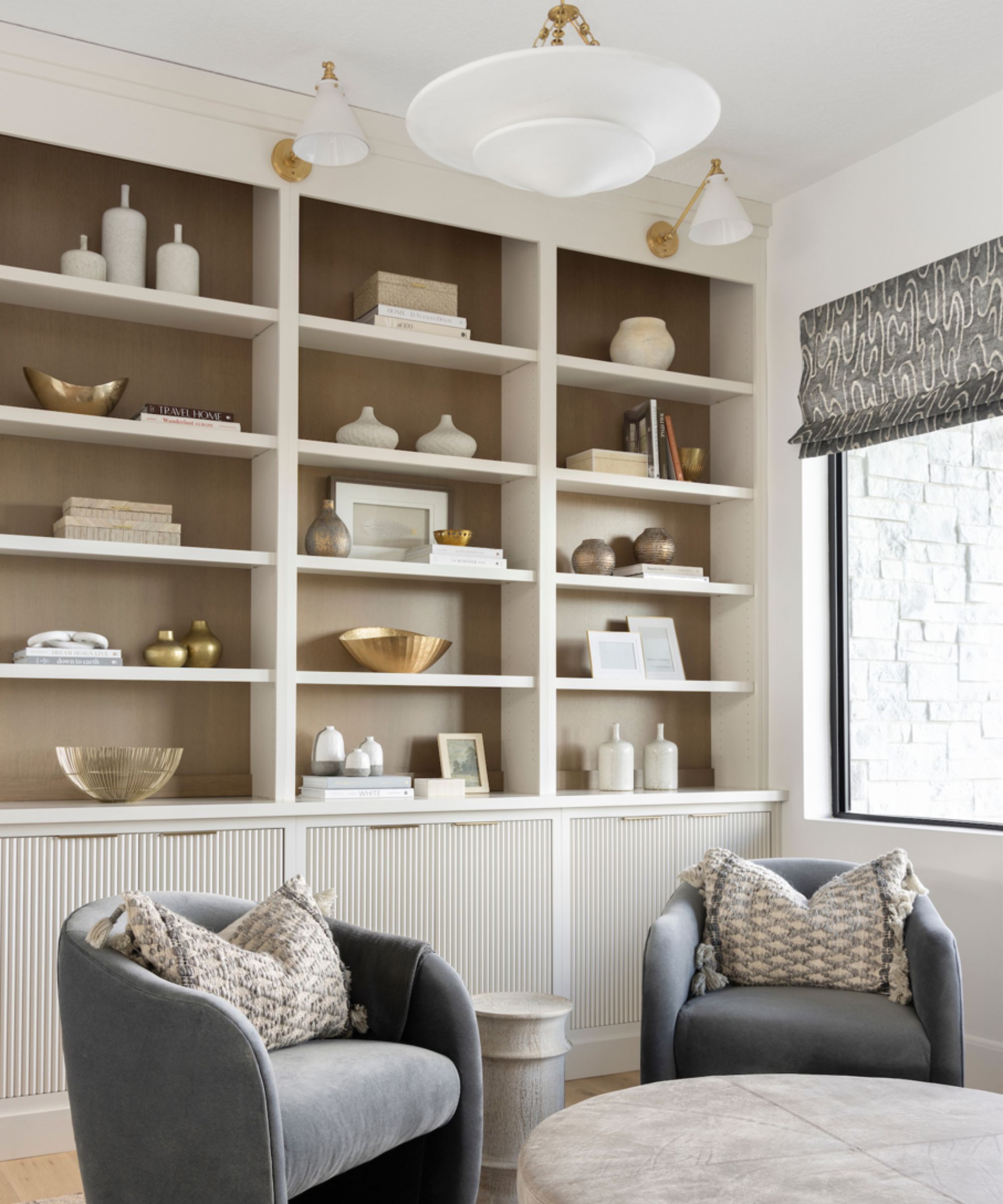
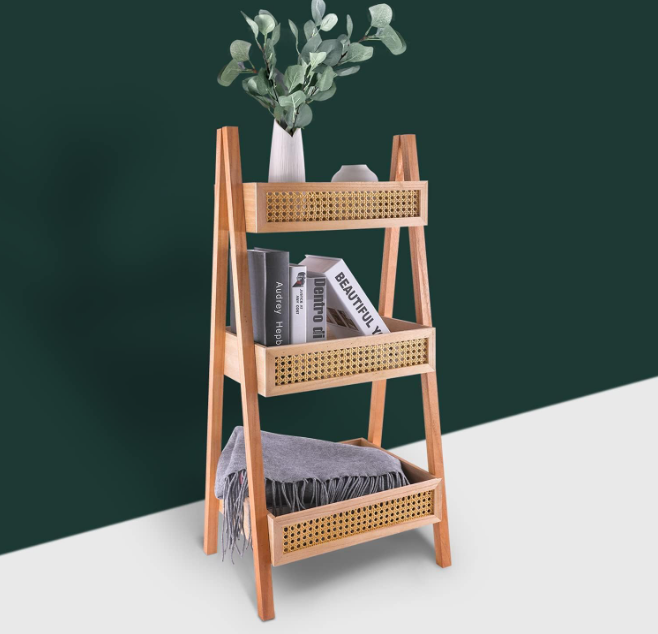
The arrangement of books themselves is also critical. Stacking books in piles, preferably in odd numbers, can create visual interest. It is important to ensure sufficient space around each pile to maintain a neat and deliberate appearance. Books can be grouped by subject matter, color, or even by turning them around to show their neutral pages, depending on the desired aesthetic. Additionally, considering the 'weight' of books is essential for balance: larger, heavier tomes should be placed on lower shelves, with smaller reads positioned higher up. This creates a stable and visually harmonious composition, often complemented by organic-shaped vases or objects to contrast the linear structure of the shelves.
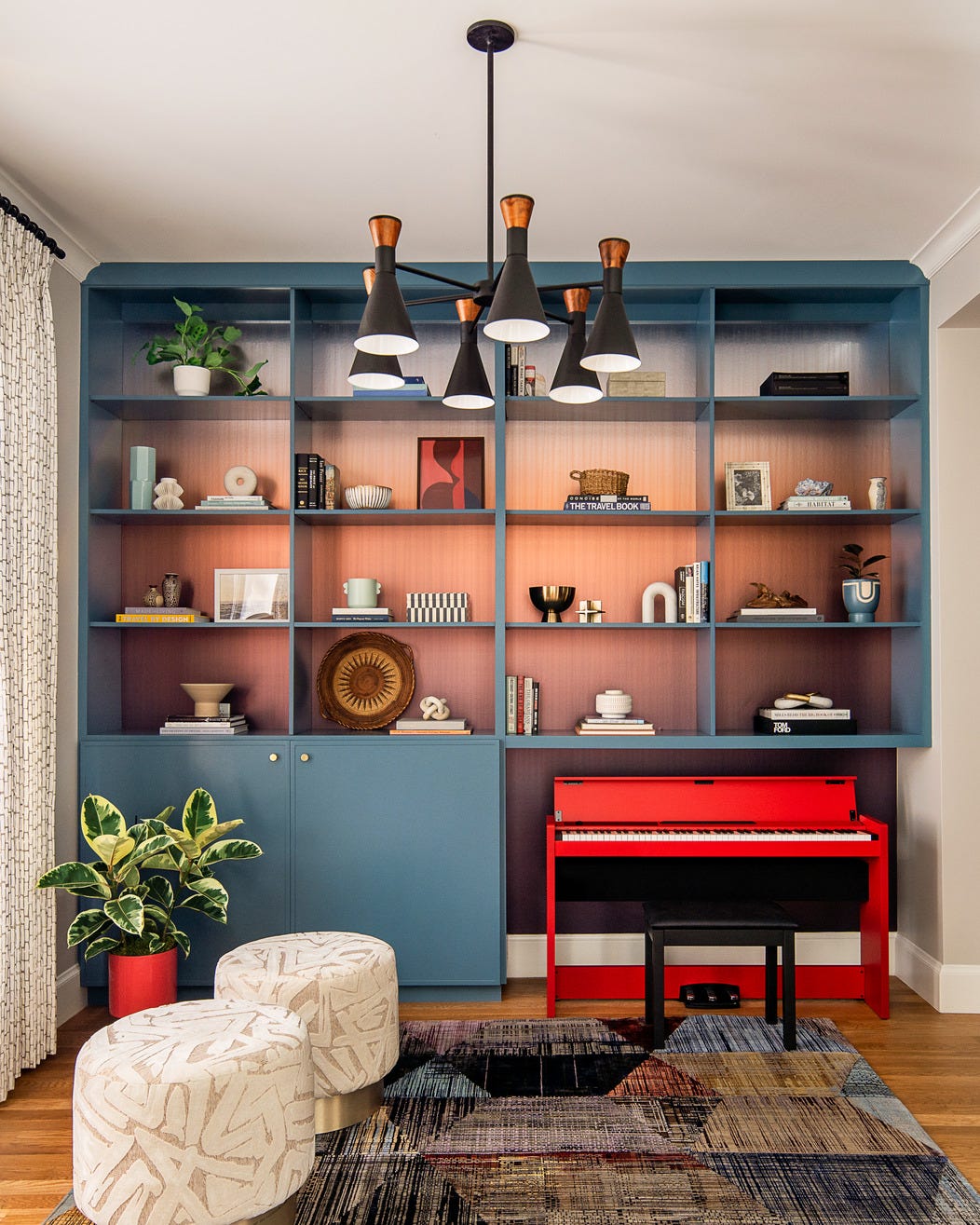
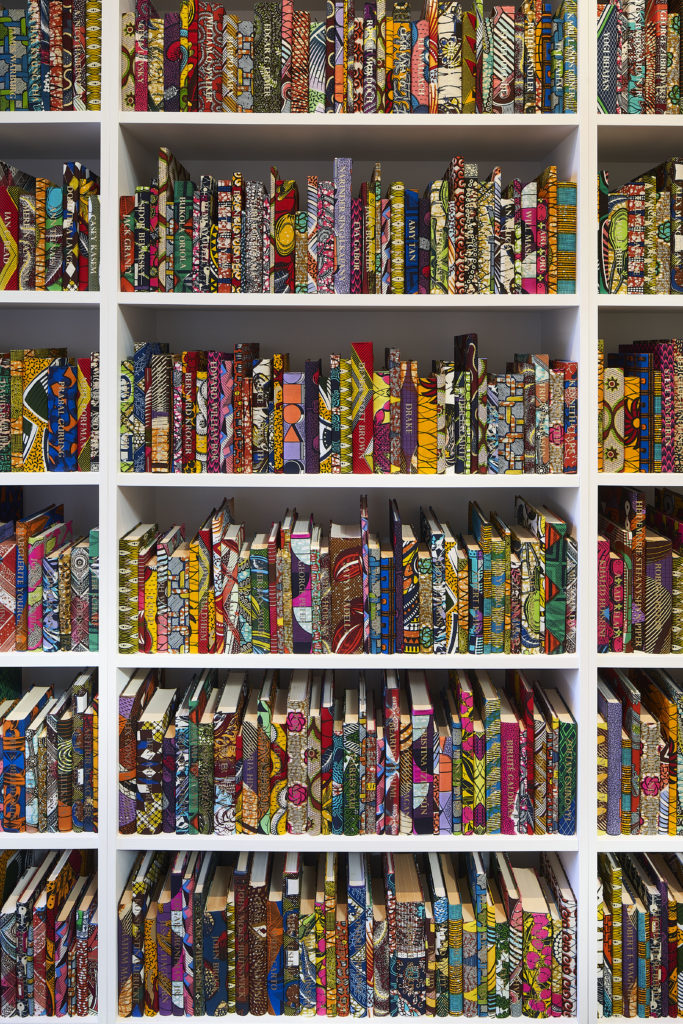
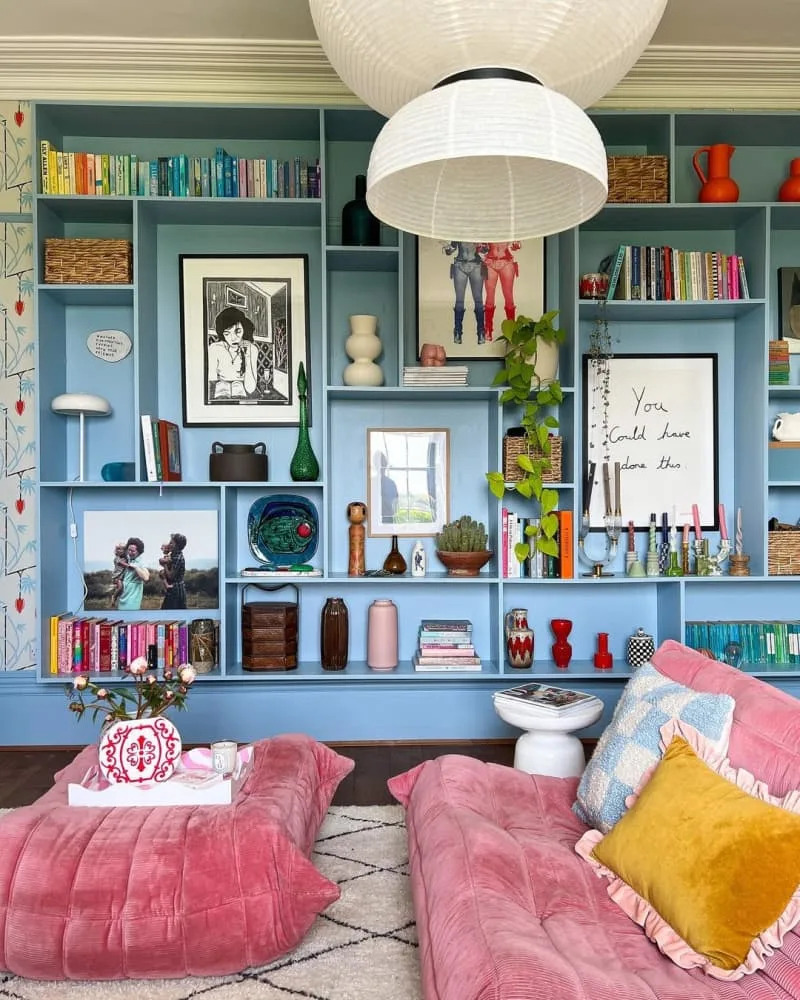
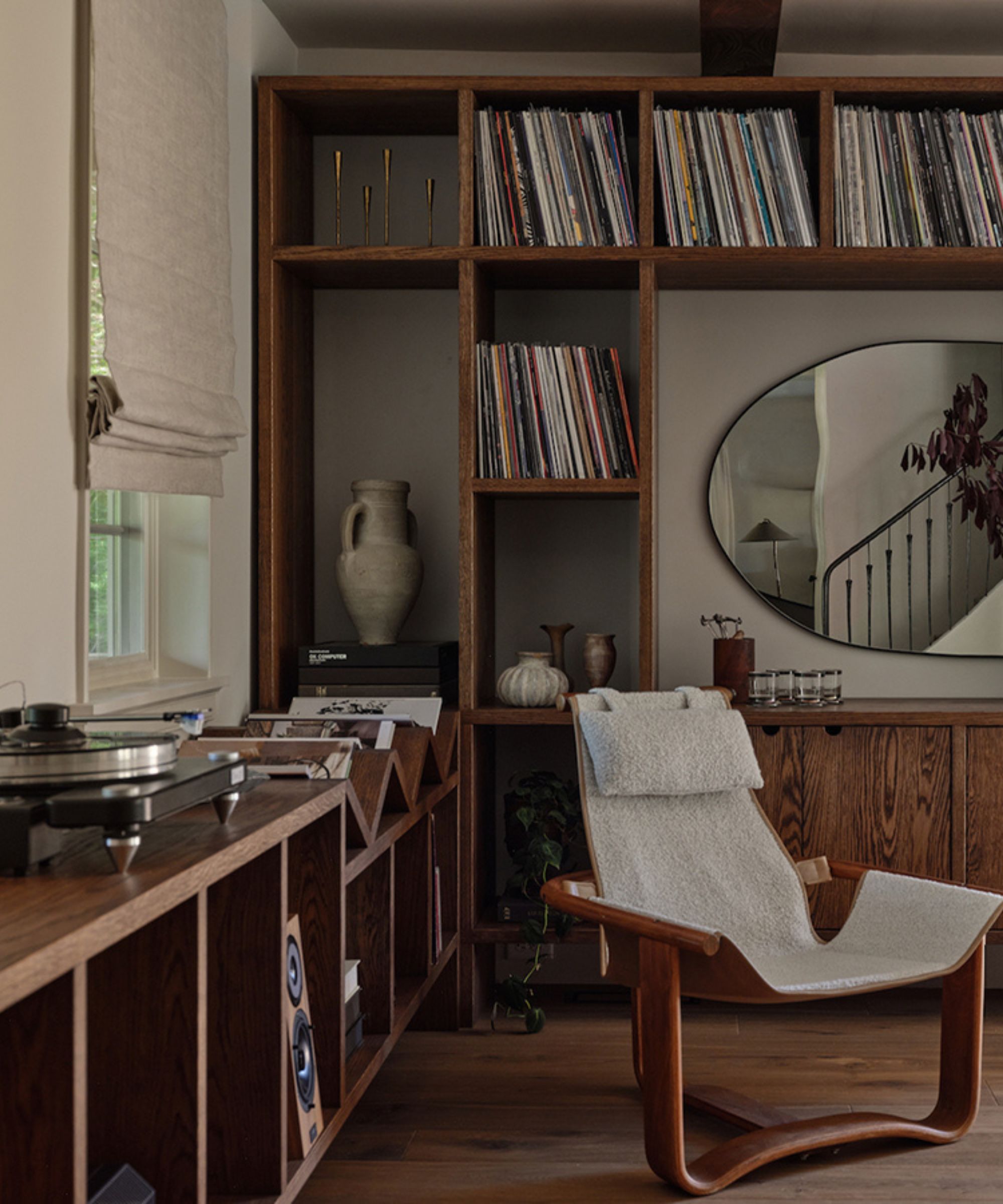
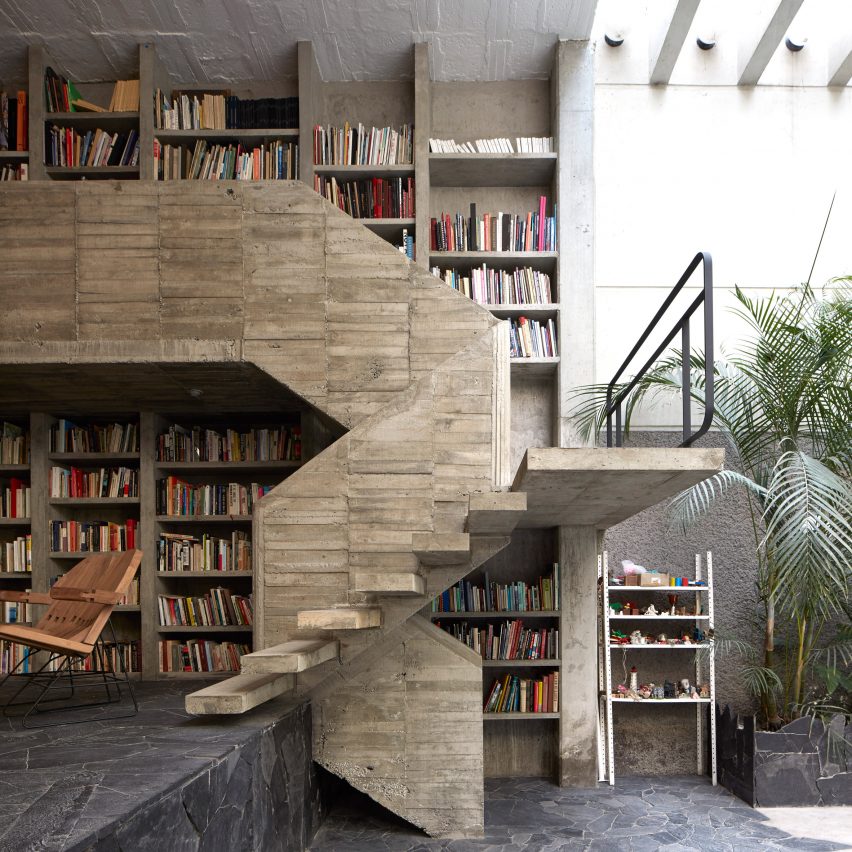
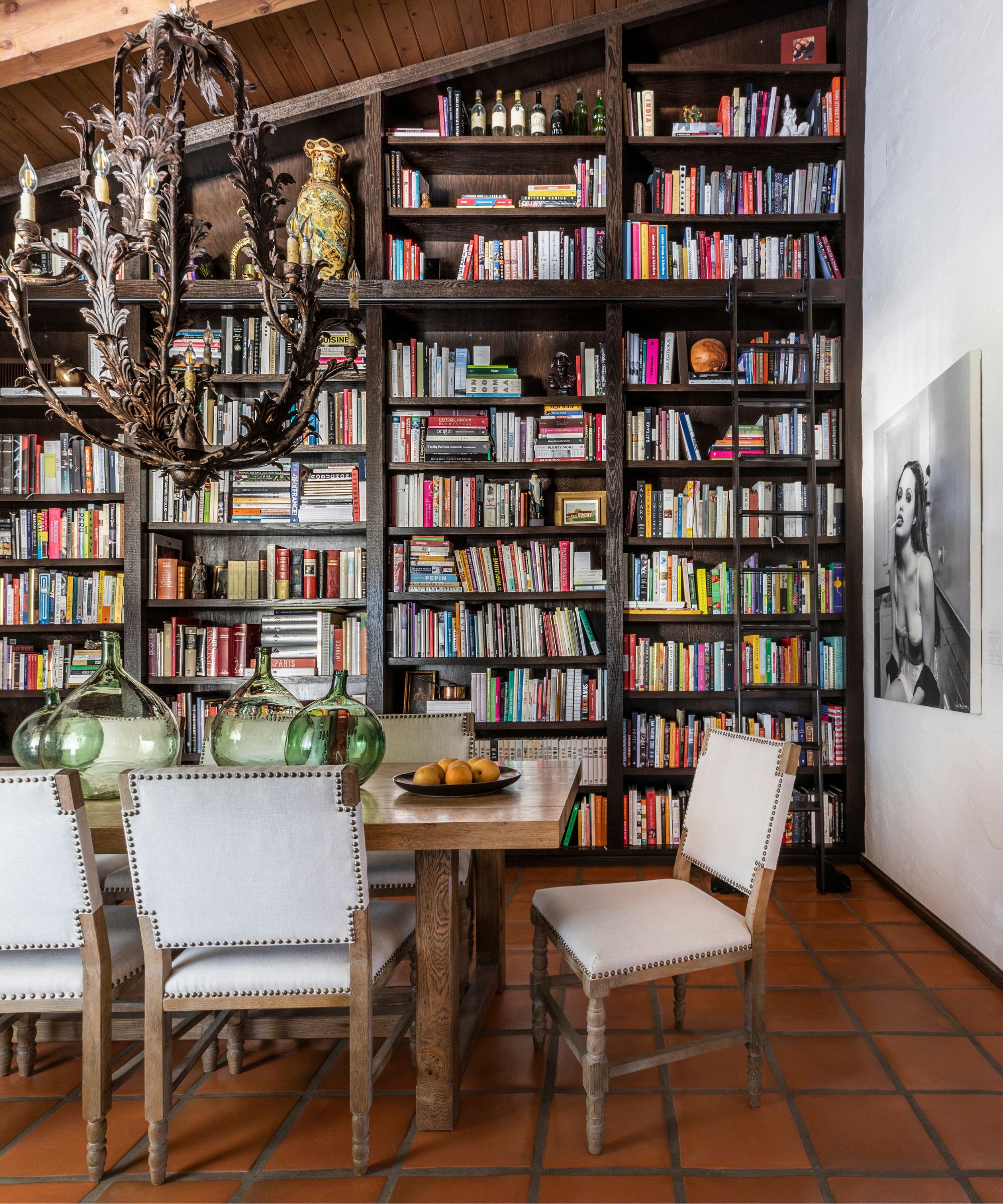
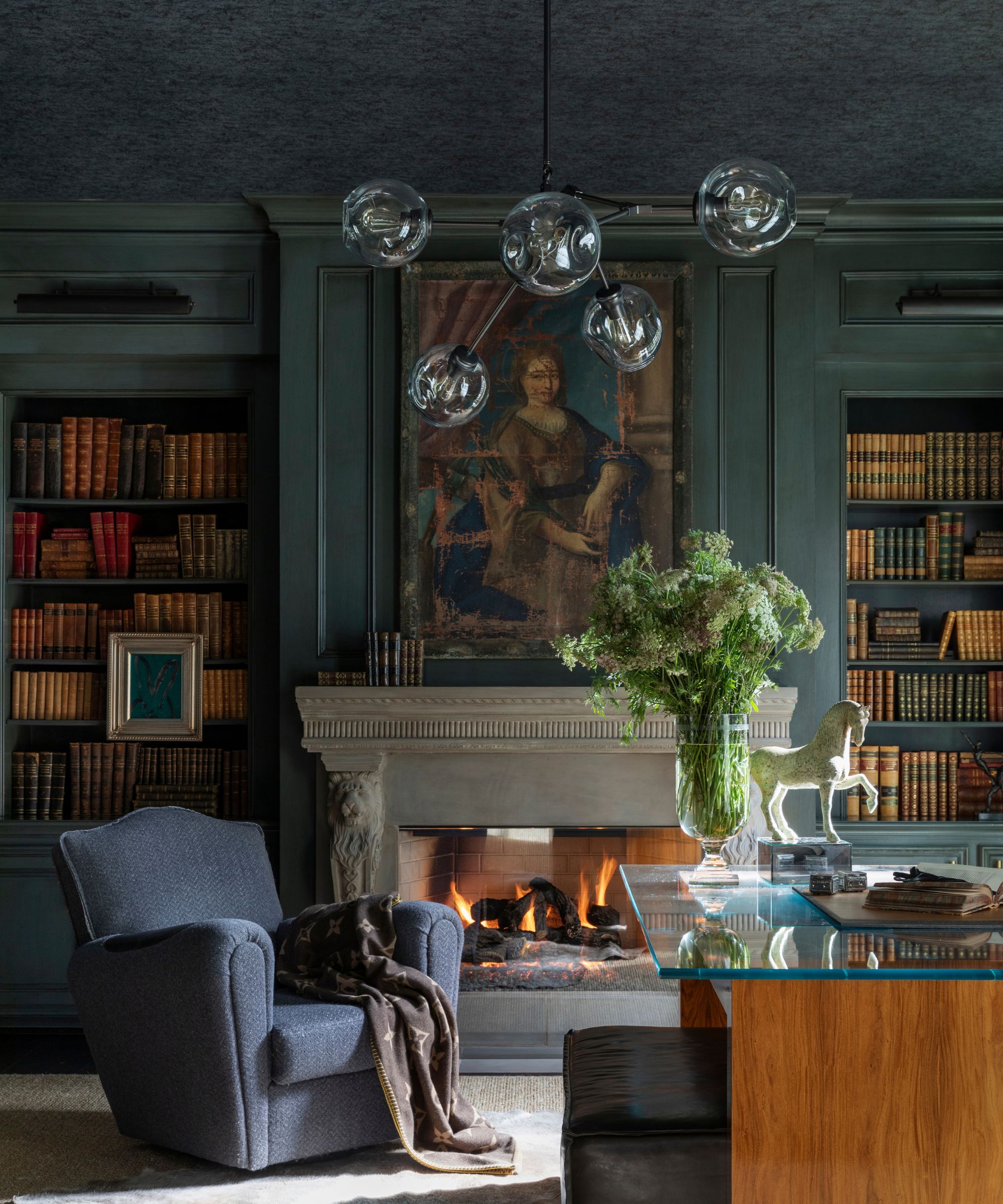
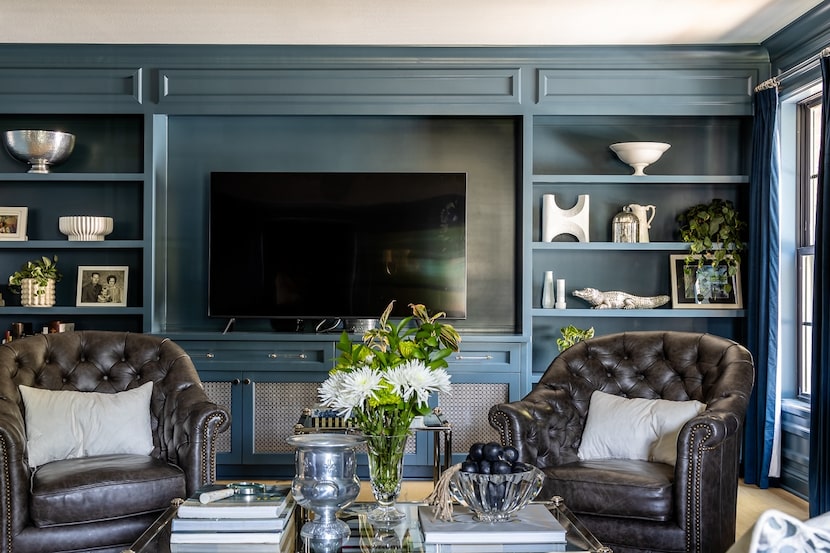
Applying color scheme rules to bookshelves helps integrate them seamlessly into the broader room design. Bookshelves do not always need to be a vibrant focal point; they can act as a neutral background, especially if housing classics with muted spines. For those with colorful books, displaying them against a dark background can make them stand out. Incorporating other items, such as vinyl records, can also add variety and height. Varying the orientation of books – some standing upright, some stacked horizontally – creates a more dynamic and less regimented look. Horizontal stacks can also serve as platforms for small ornaments like scented candles or bud vases.
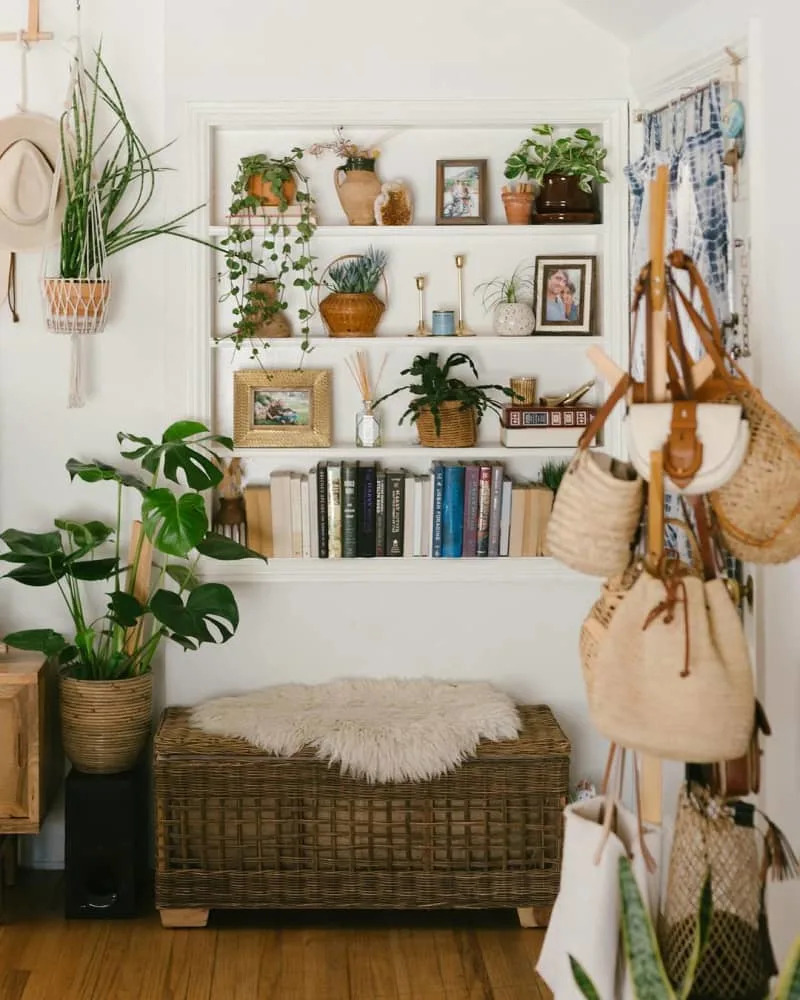
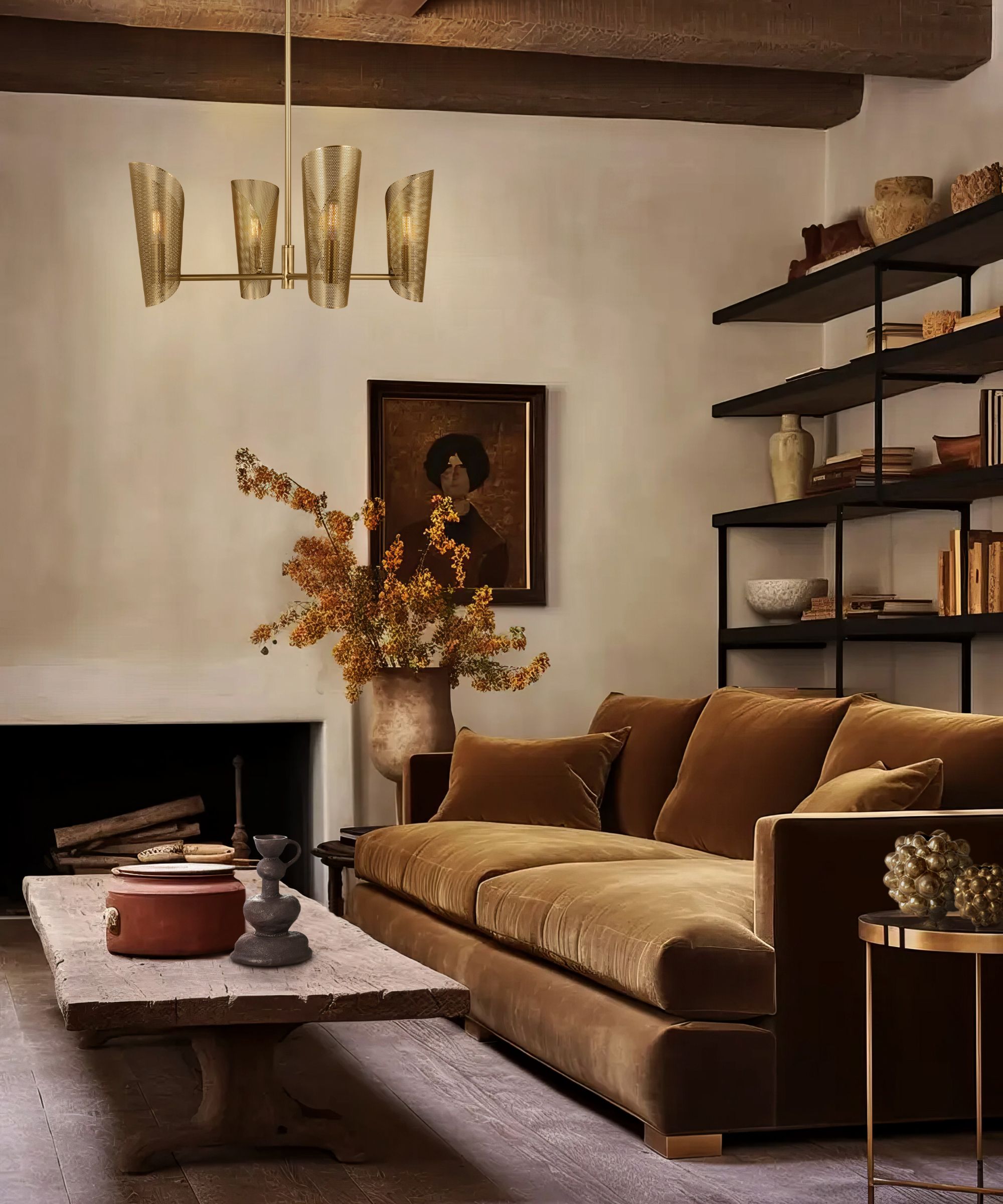
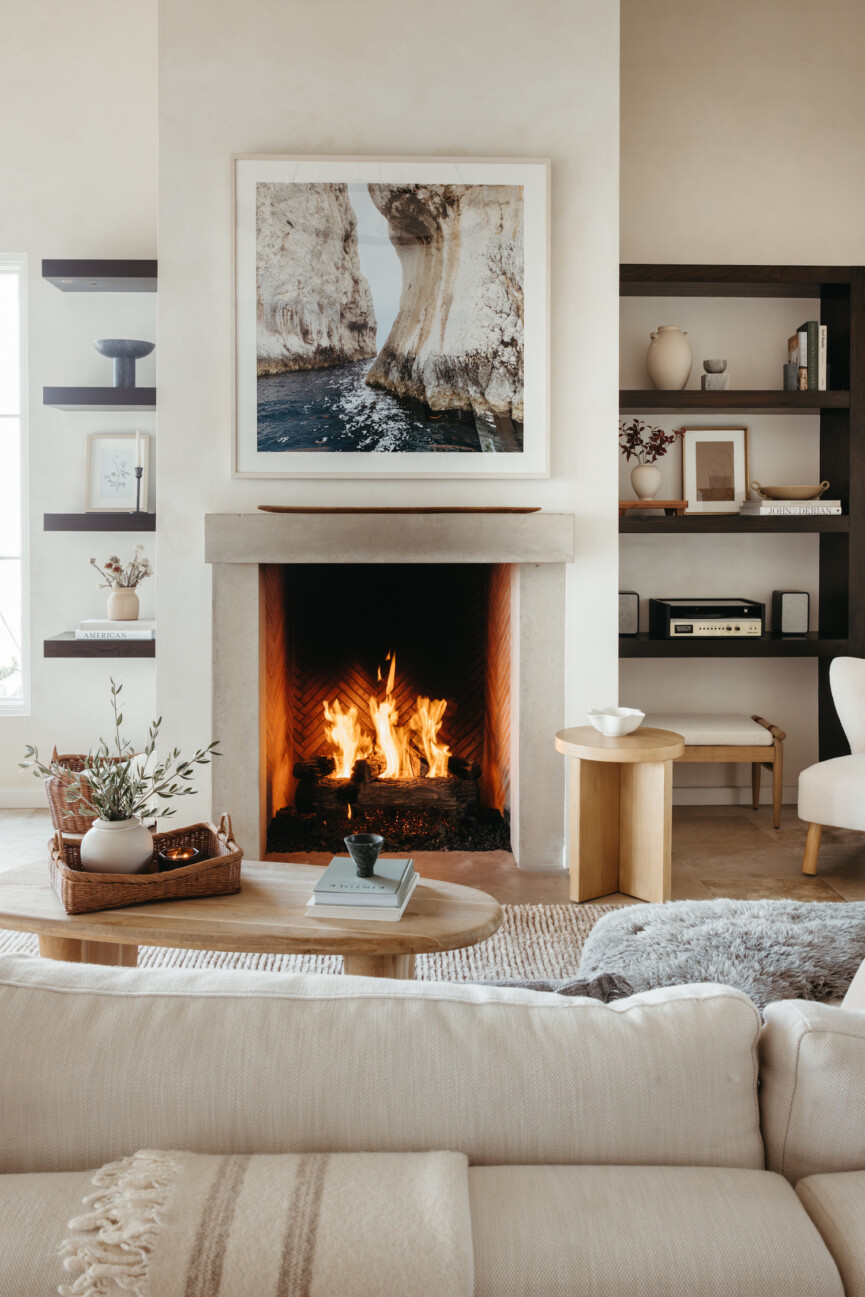
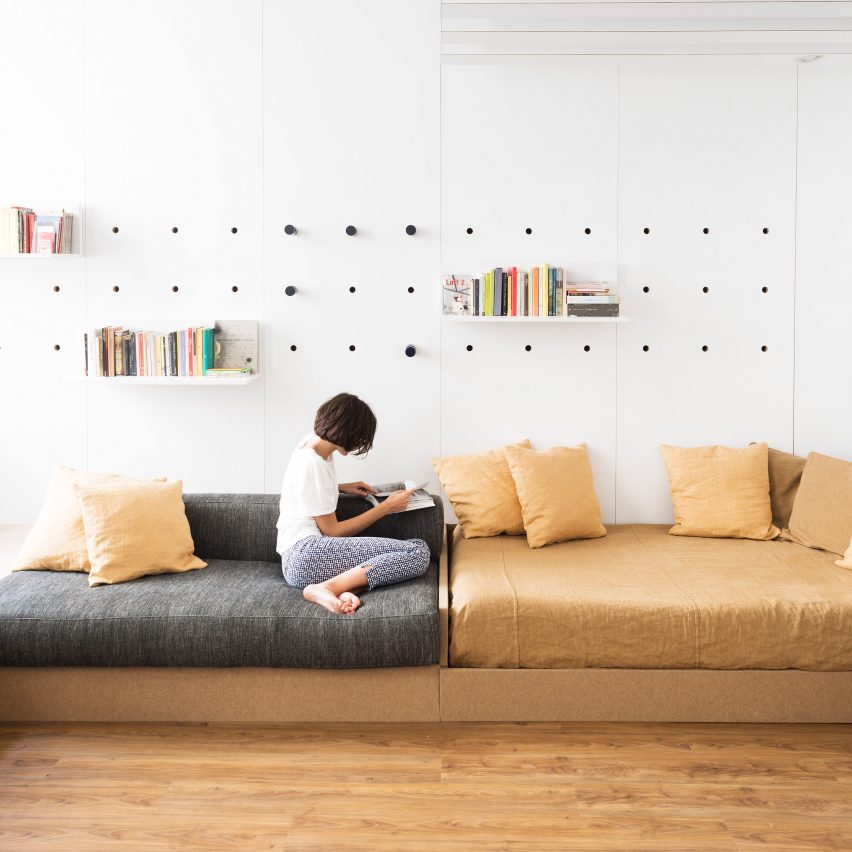
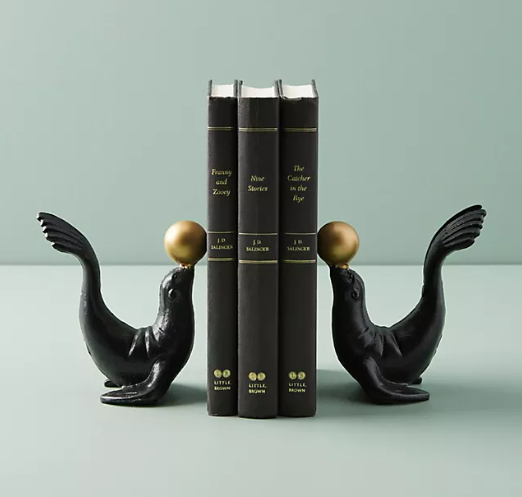
The 'less is more' approach is paramount in bookshelf styling. Overstuffing shelves with too many books and ornaments is a common mistake. Embracing negative space not only allows the background color of the bookcase to show through but also highlights individual items. Incorporating accessories like trailing houseplants, smaller succulents, and statement bookends adds personality and balance. Free-standing bookcases can also be used to zone open-plan areas, connecting spaces while maintaining definition. Ultimately, a well-styled bookcase is decluttered, thoughtfully arranged by size and visual weight, and balanced with accessories, creating a sense of order, character, and texture.
#BookcaseStyling #InteriorDesign #HomeDecor #BookshelfIdeas #Decluttering #DisplayTechniques #VisualBalance #ColorSchemes #HomeLibrary #BookcaseStyling #InteriorDesign #HomeDecor #BookshelfIdeas #Decluttering #DisplayTechniques #VisualBalance #ColorSchemes #HomeLibrary
0 comment in total
 No comments yet
You may also like
13 Designer Styling Secrets to Elevate Your Bookcases

22 Ways to Style Your Bookshelf Like a Designer

Interior designers warn against these 17 bookshelf styling mistakes – this is what you should avoid
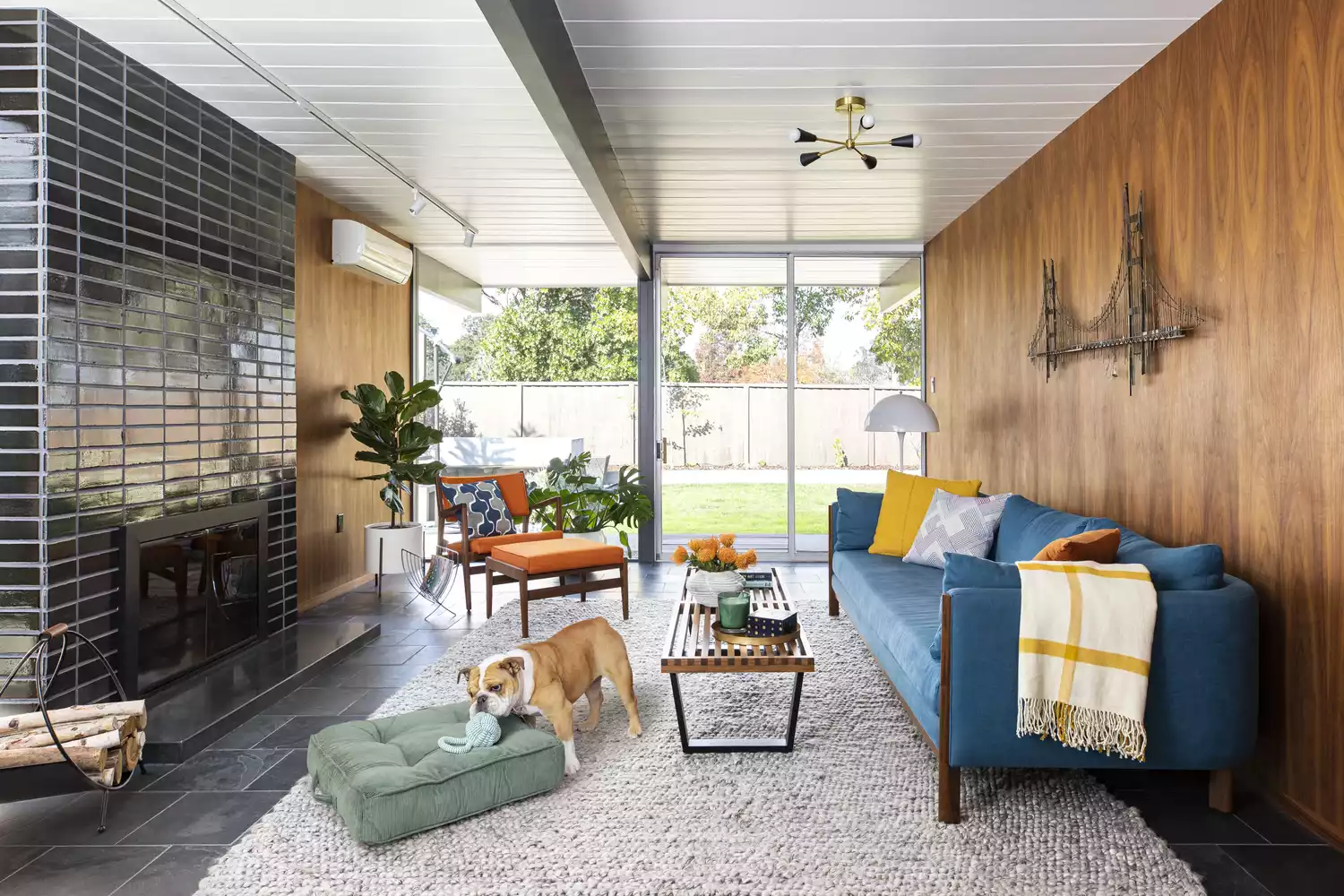
6 Genius Rules for Decorating Your Living Room That Designers Swear By

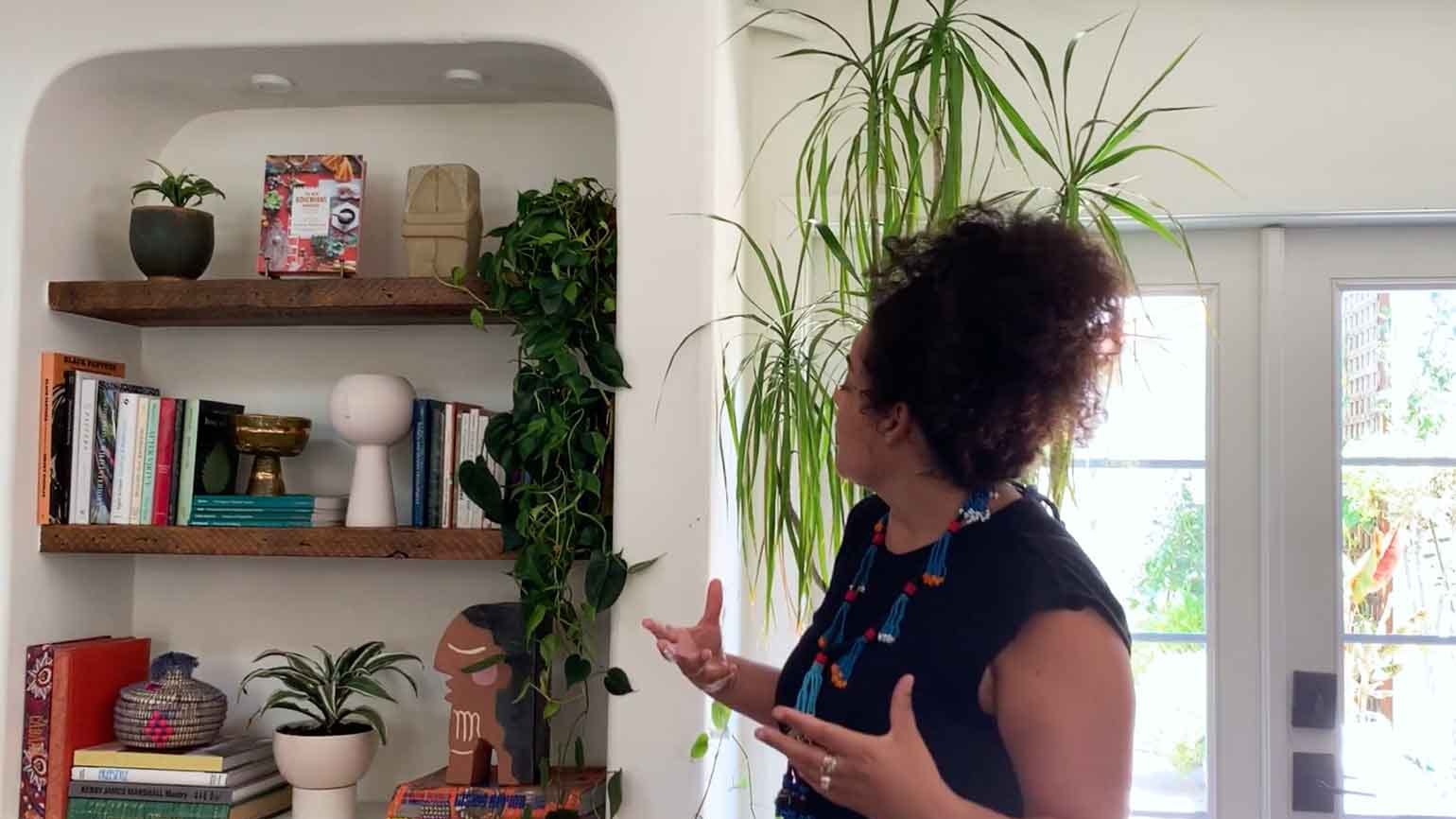
How To Style Your Bookshelves Perfectly, According to Designers
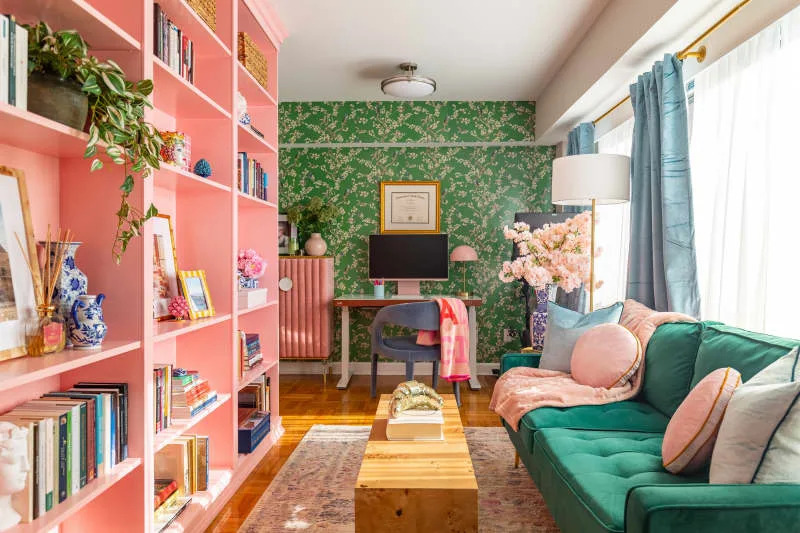
11 Clever Bookshelf Decor Ideas for Styling Your Space Like a Pro

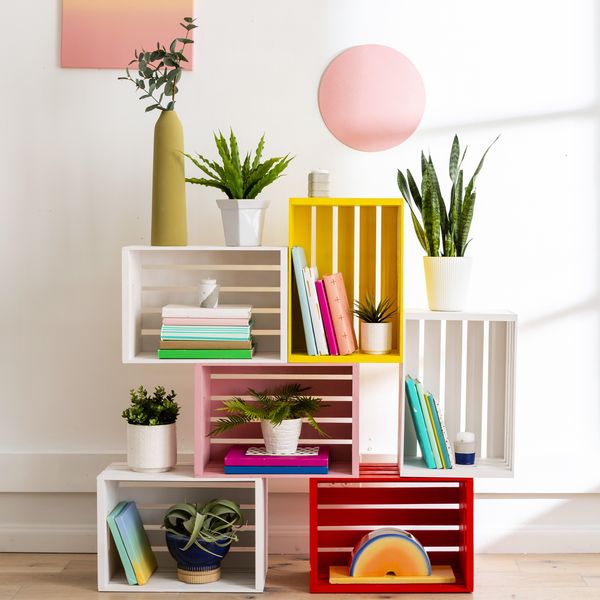
36 Creative & Effortless Ways To Style Your Bookshelf Decor

12 Unique Ways to Style Books — How Designers Use Reading Material to Elevate Decor

Master the art of styling bookshelves with these tips from design experts


Jessica Simpson's bookshelves show us how styling is a fine art – but it's one we can master with these simple tips
The 10 commandments for arranging living room furniture, according to this top designer
7 examples of Bookshelf Wealth that are nailing this timeless trend (and styling tips from the designers behind them)
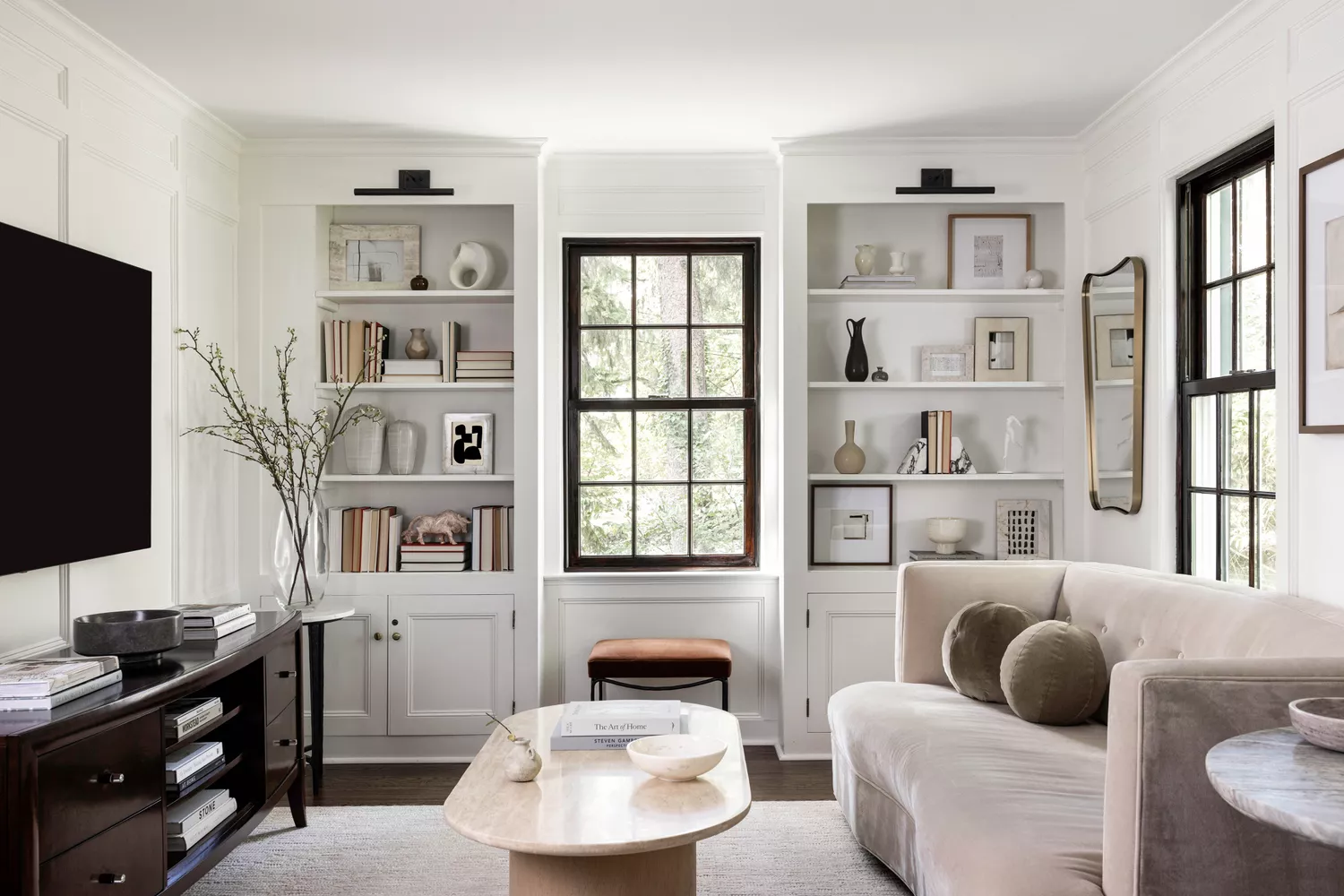
How to Style Your Bookshelves, According to Interior Designers and Stagers
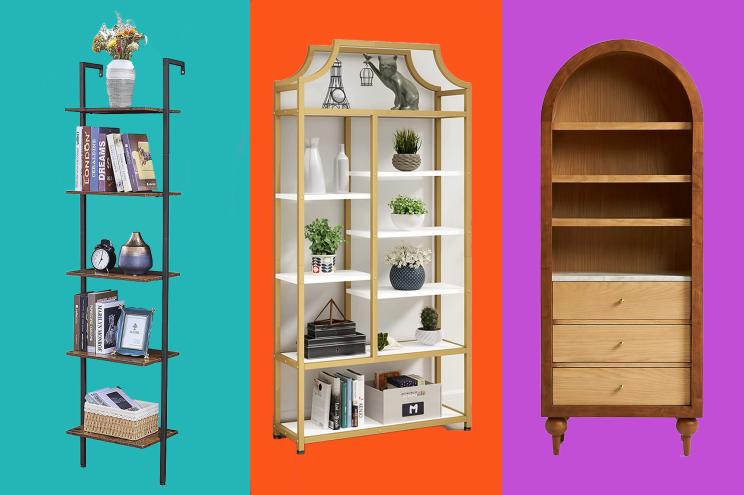
The 20 best bookshelves, plus tips from an interior designer
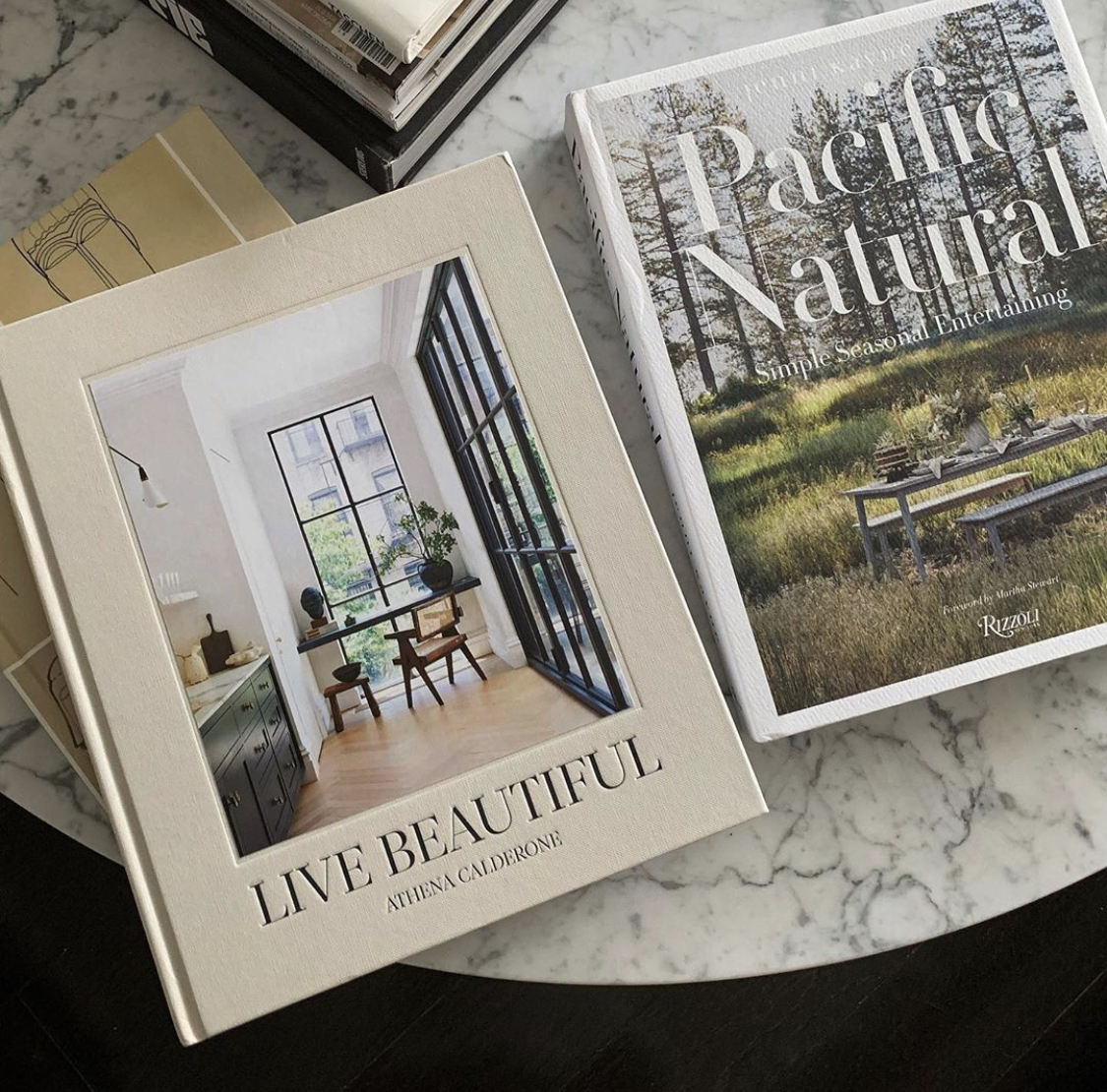
10 Interior Design Books That Belong on Every Aesthete’s Coffee Table

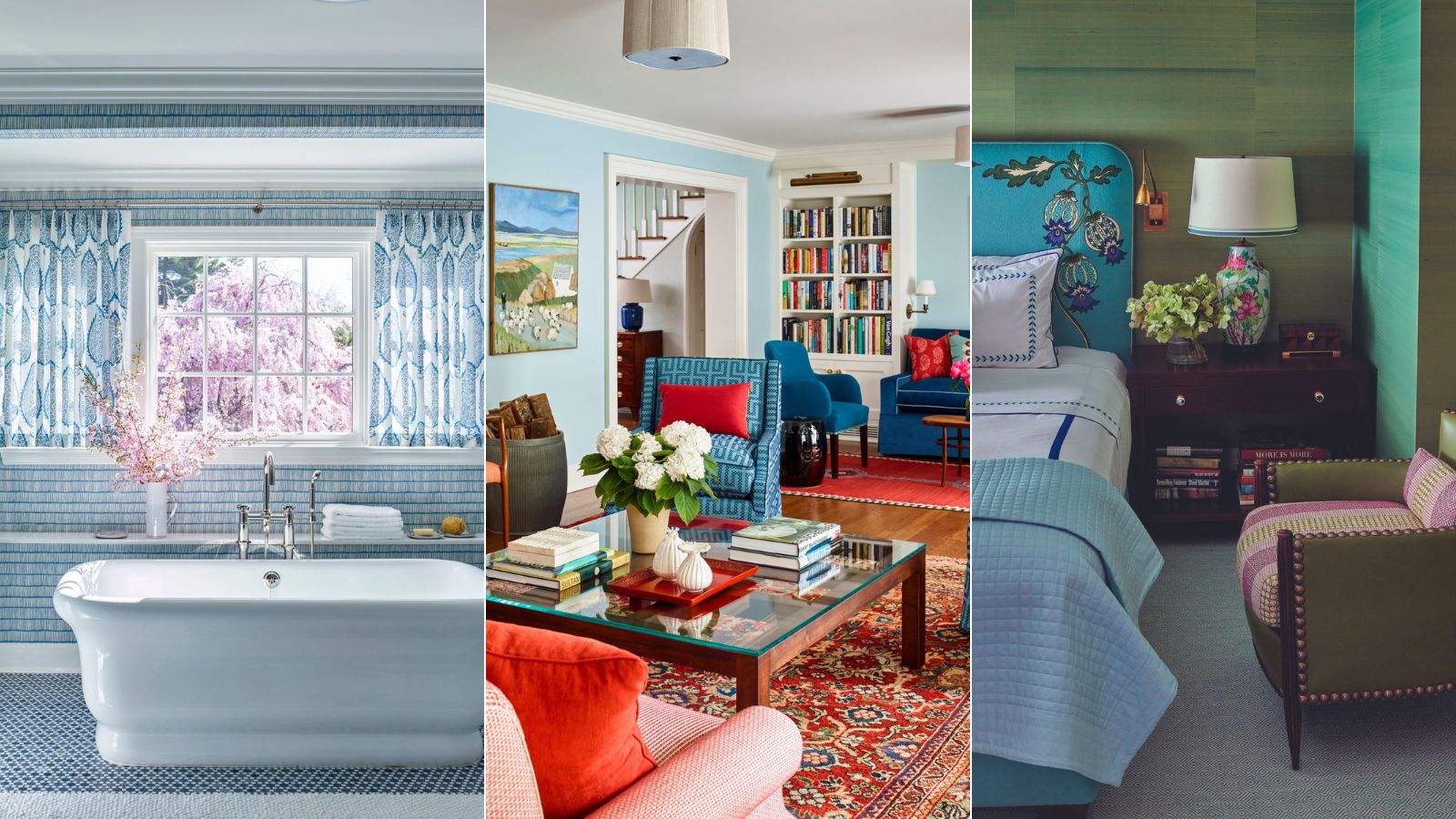
Interior designer Katie Ridder's top 13 decorating rules – for the perfectly finished space
A Book Lover’s Guide to Styling Your Shelves
My Best Bookshelf Styling Tips Ever—Just in Time for Fall

10 shelving designs that are perfect for book lovers
52 Ways To Decorate Your Bookshelf, From Styling Tips To Paint Colors