1/14
Interior designer Katie Ridder's top 13 decorating rules – for the perfectly finished space
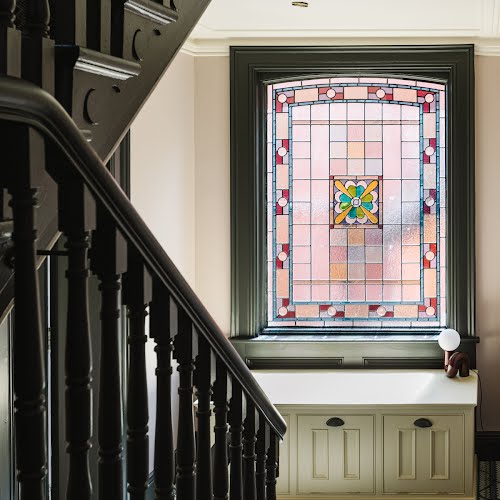
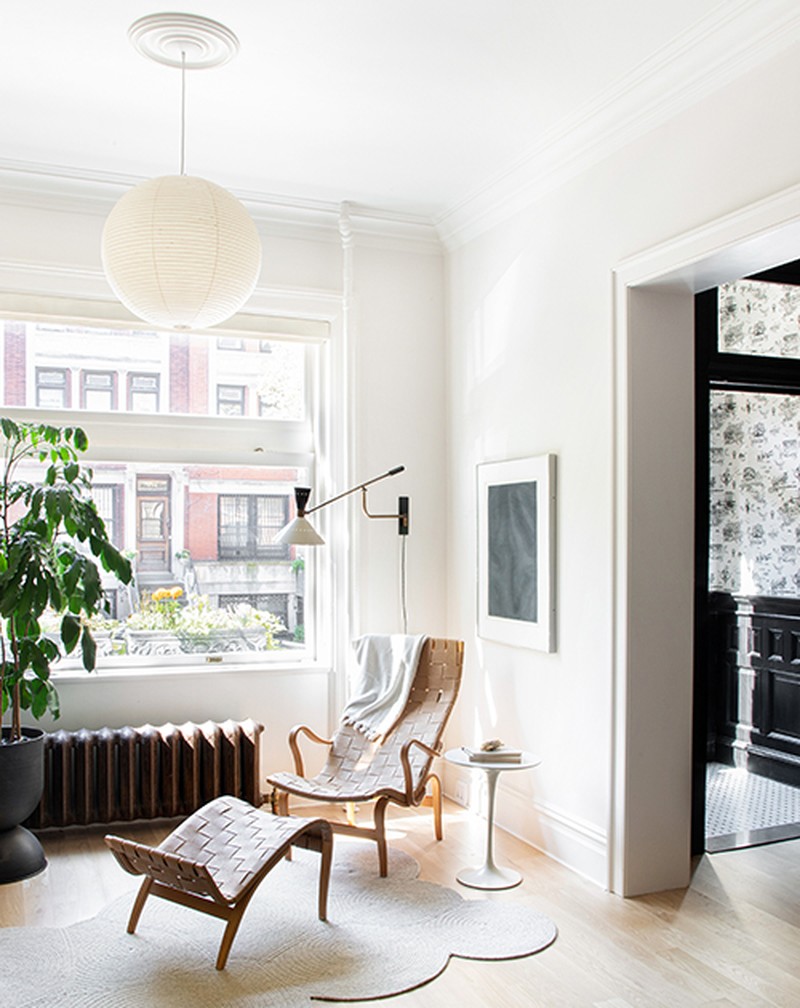
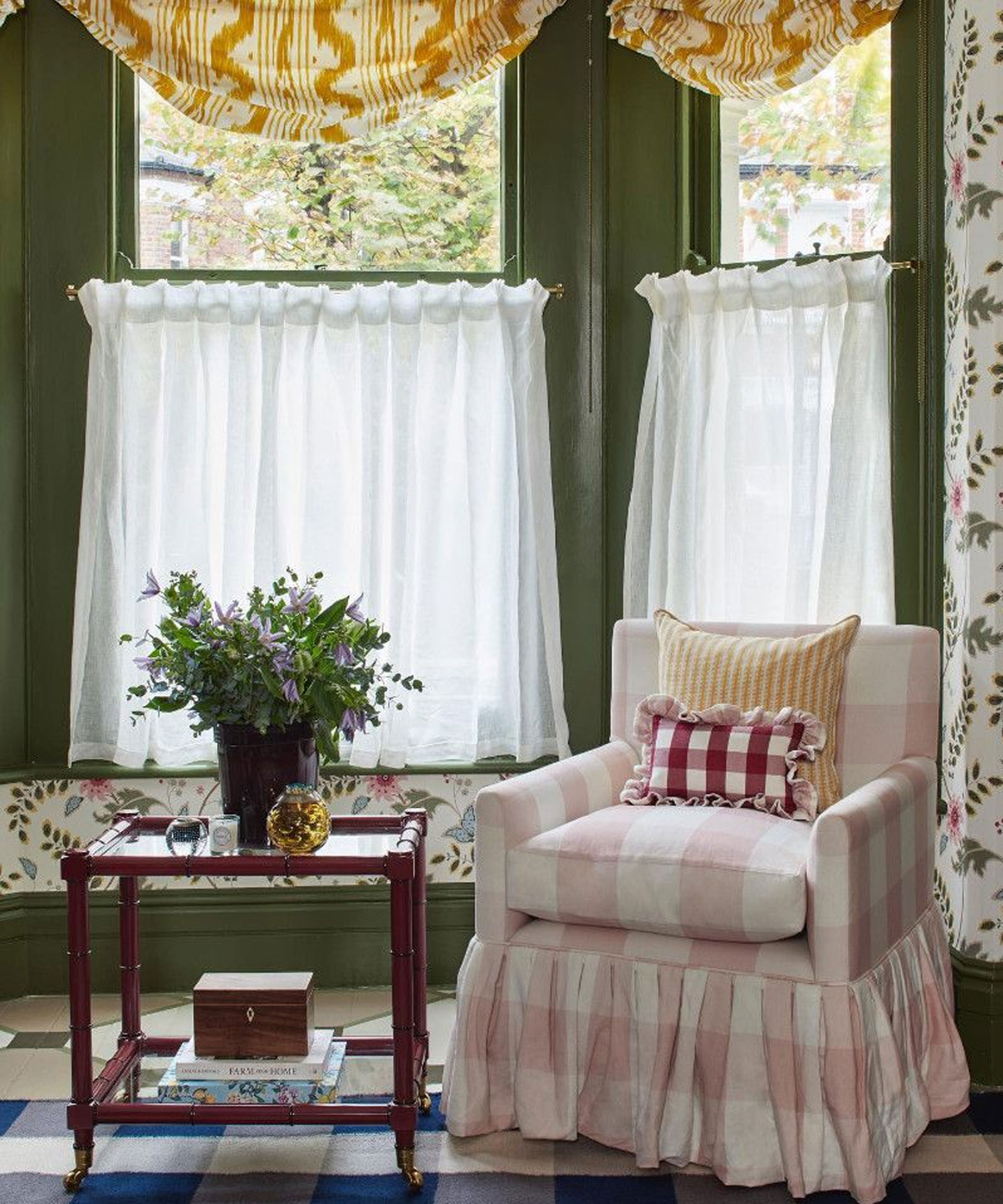
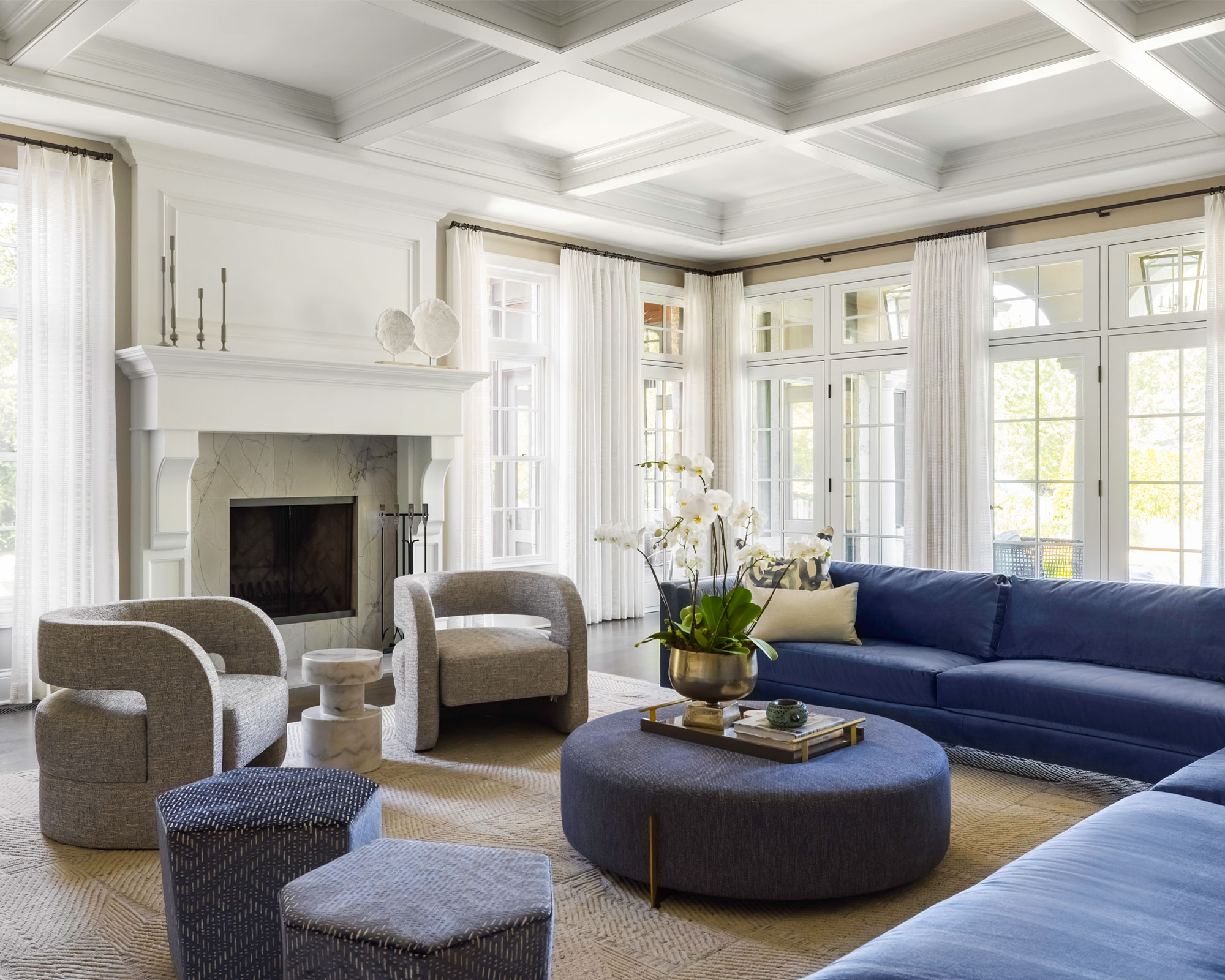
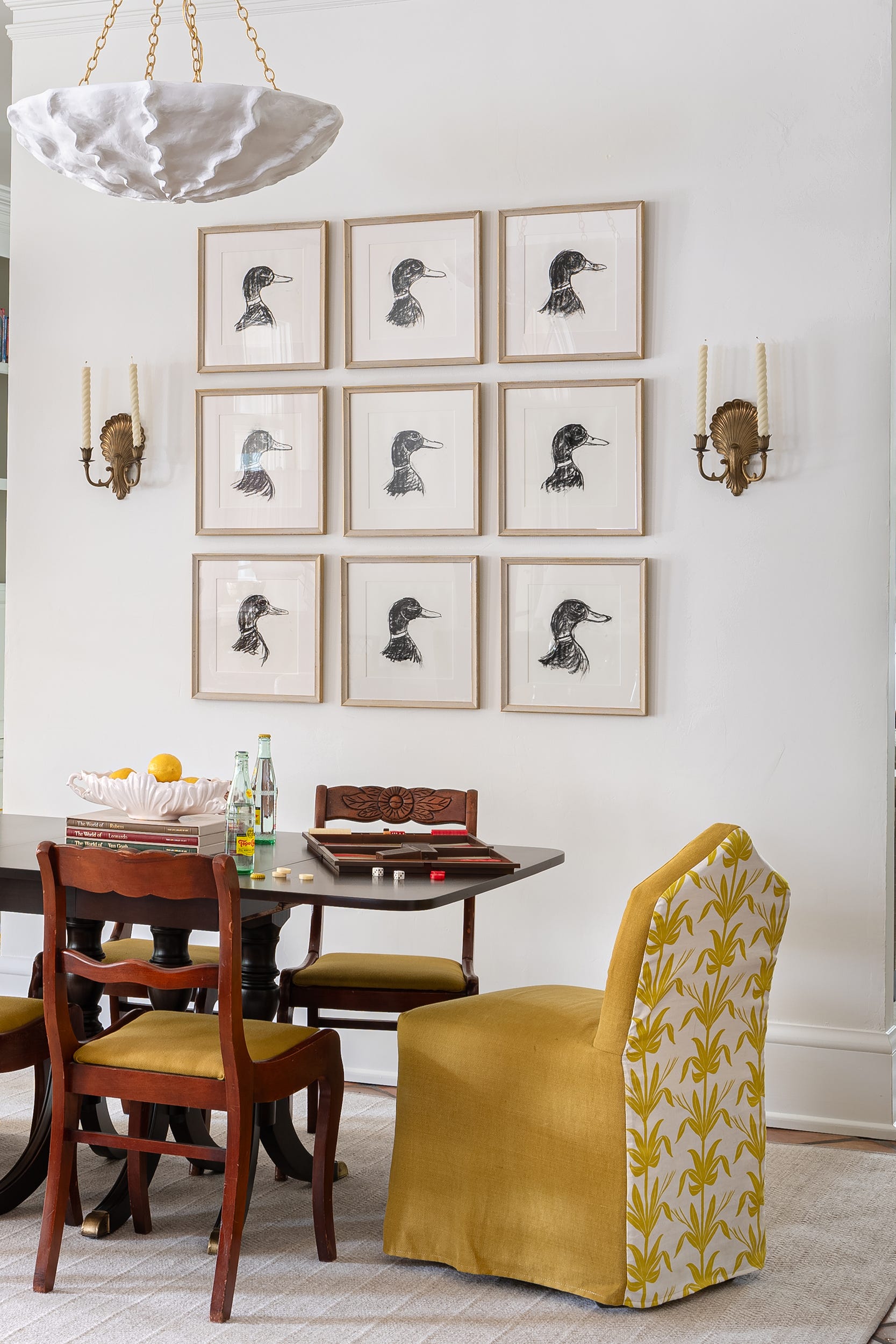
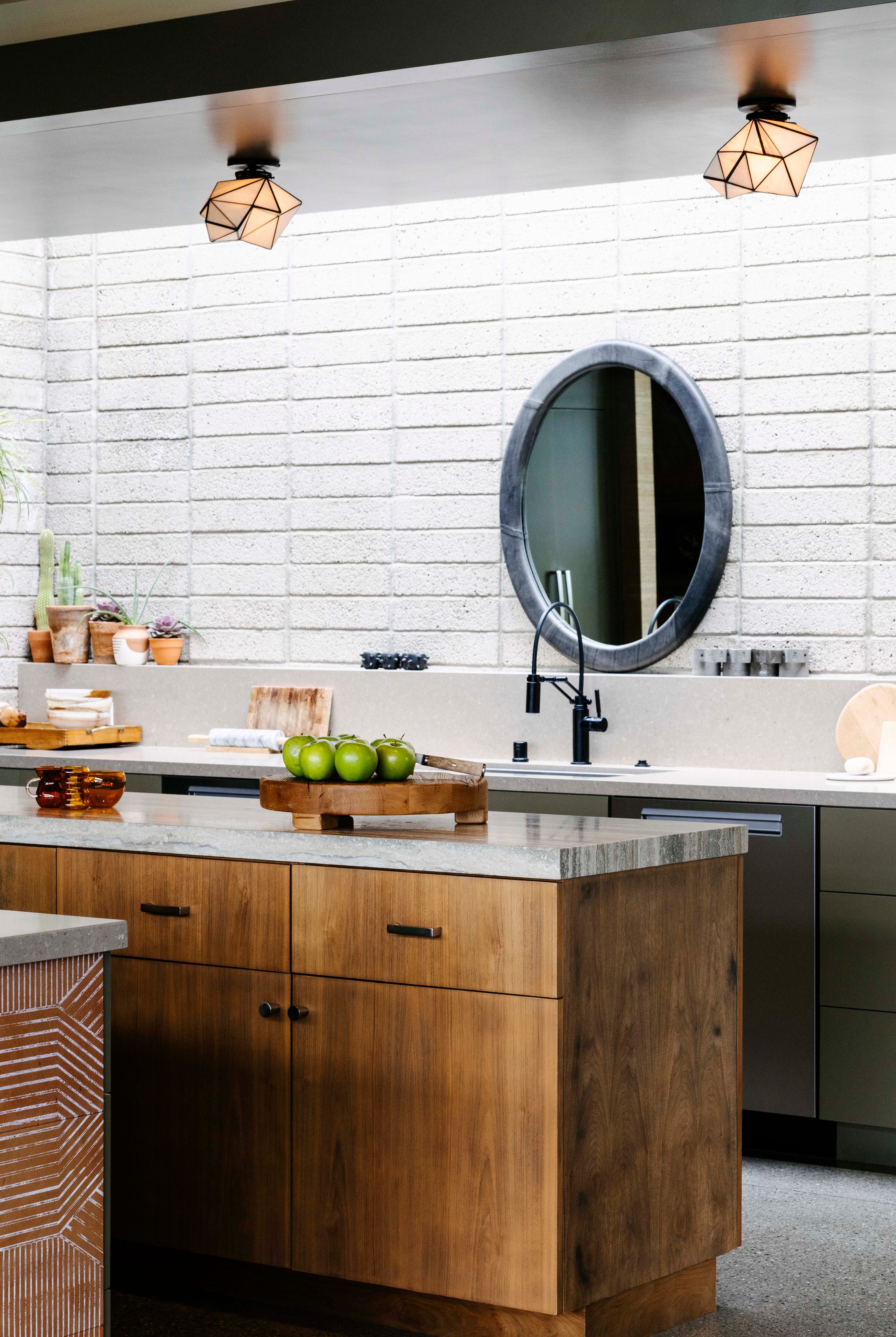
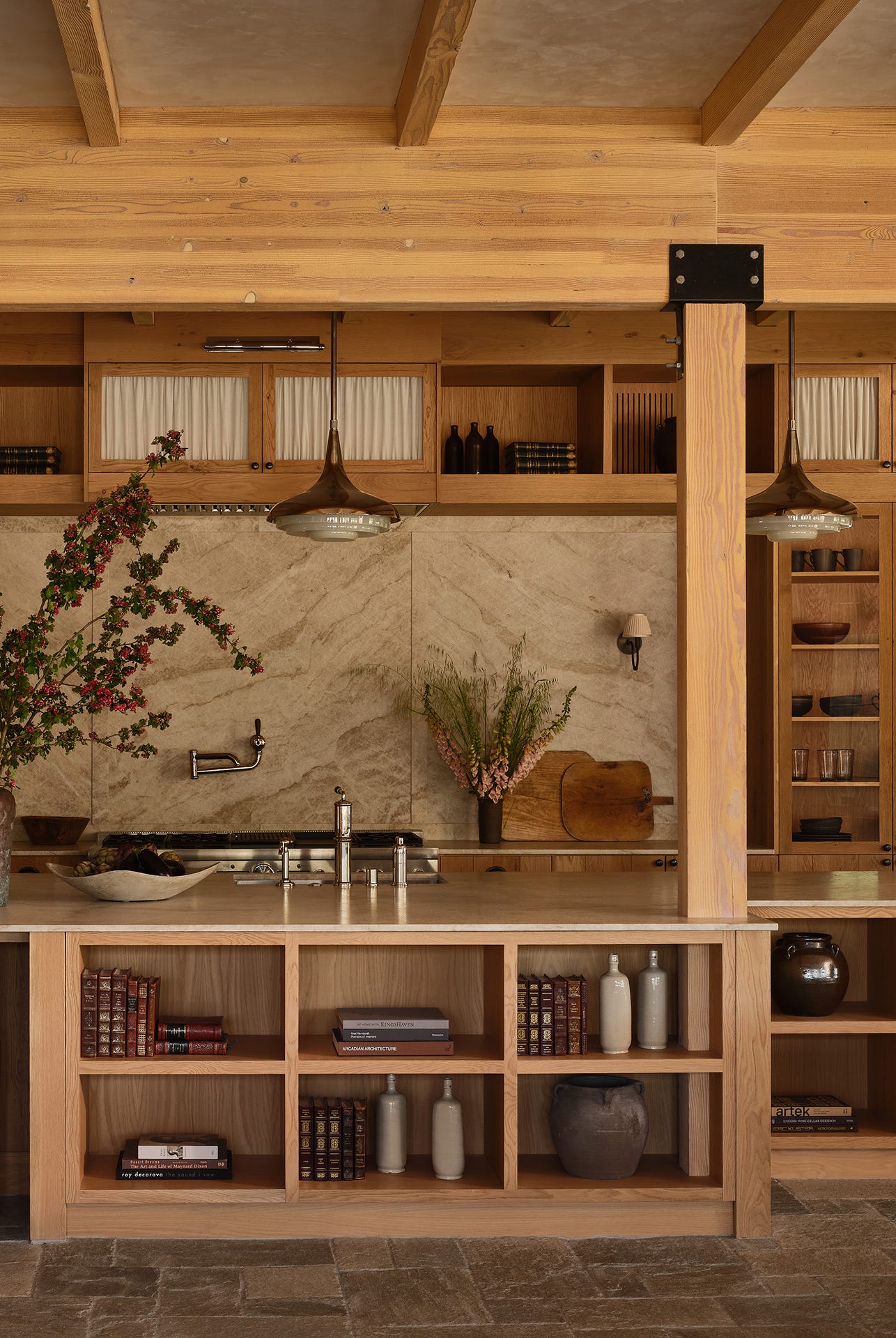
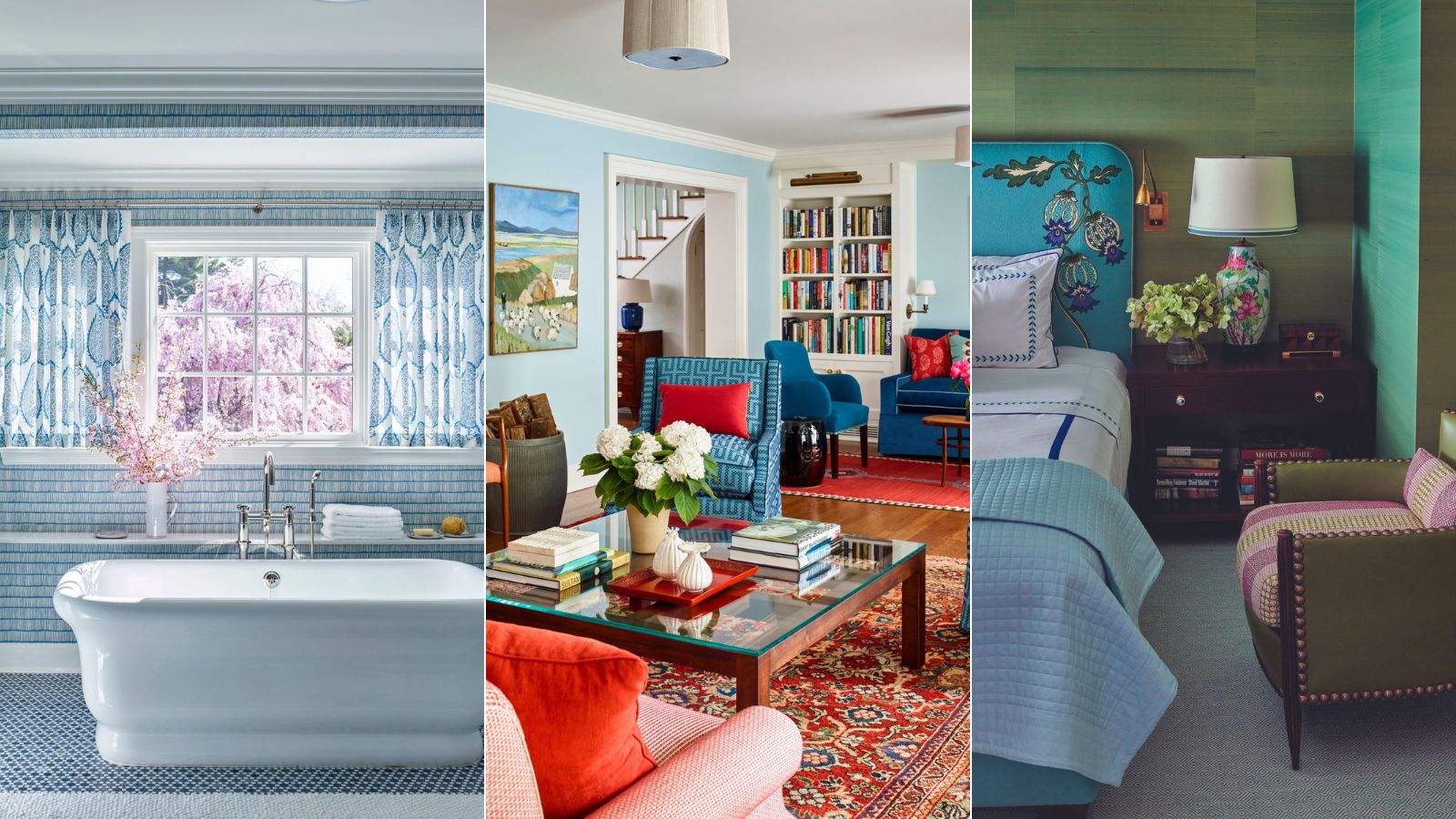
Interior designer Katie Ridder offers 13 essential decorating rules to achieve a perfectly finished space, emphasizing the importance of thoughtful details to elevate a home's aesthetic. Her first rule highlights the impact of tiny, eye-catching details, such as beautiful trims on lampshades or a high-gloss paint finish on unexpected elements, which subtly enhance a room's cohesion and special character. She cites Charlottenhof Palace's blue and white striped room with precisely aligned embroidery as an example of this subconscious impact.
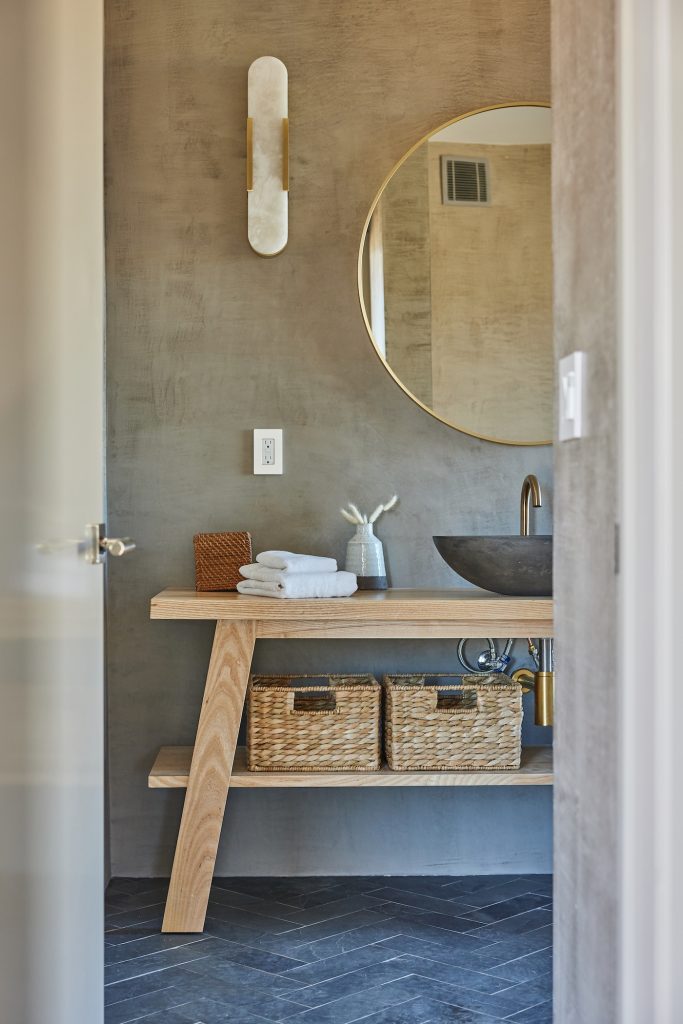
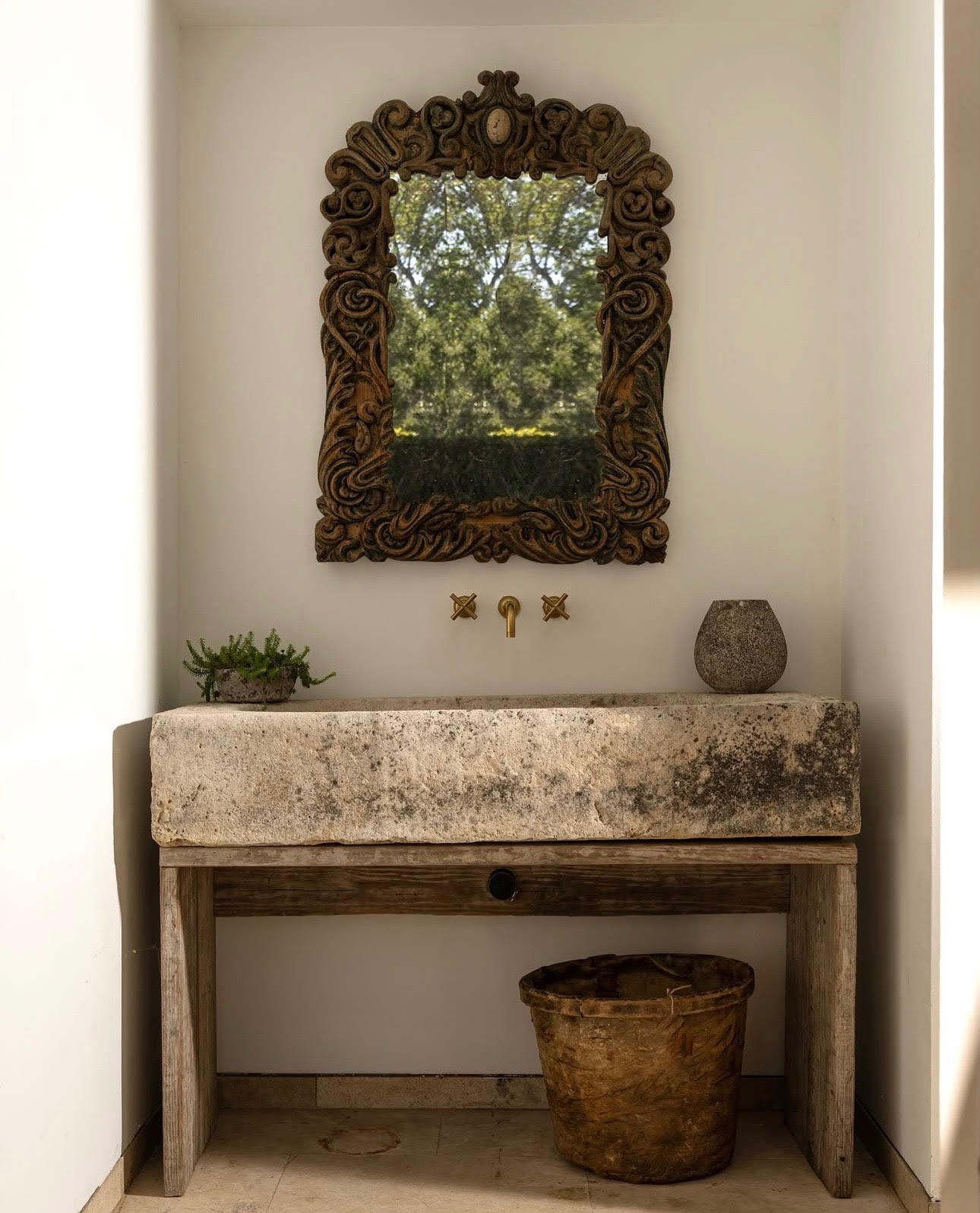
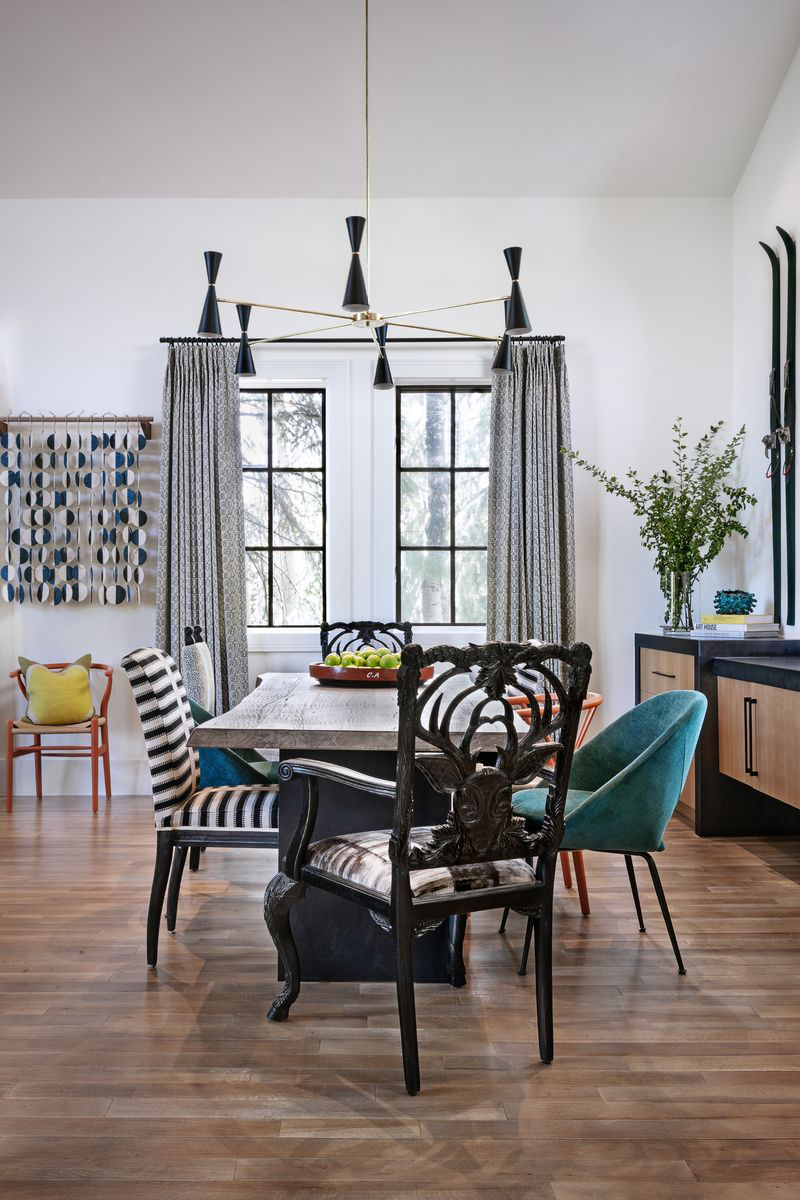
Ridder advocates for incorporating handmade pieces, respecting the artistry and skill of craftspeople. These unique items, whether lampshades, furniture, or woodcraft, bring a distinctive quality to a space that mass-produced items cannot replicate. She gives an example of a client's home where decorative artists painted the floors, adding an unbeatable element of pizzazz.
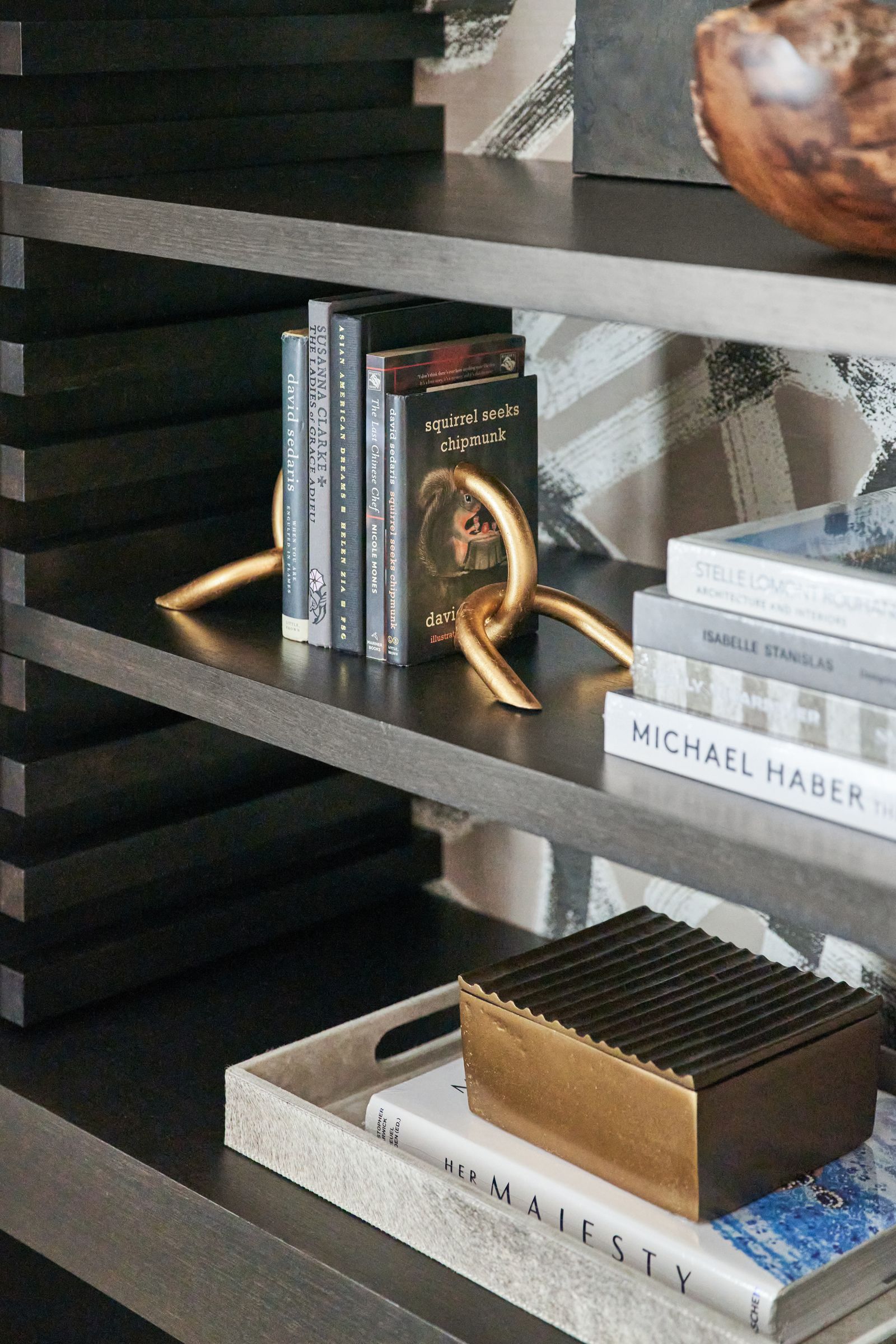
Personal touches are crucial, and Ridder demonstrates that a large budget isn't necessary. She shares how she and her husband stenciled details on furniture and how she lined a bookshelf with marbleized paper in a recent project. These bespoke elements create unique character.
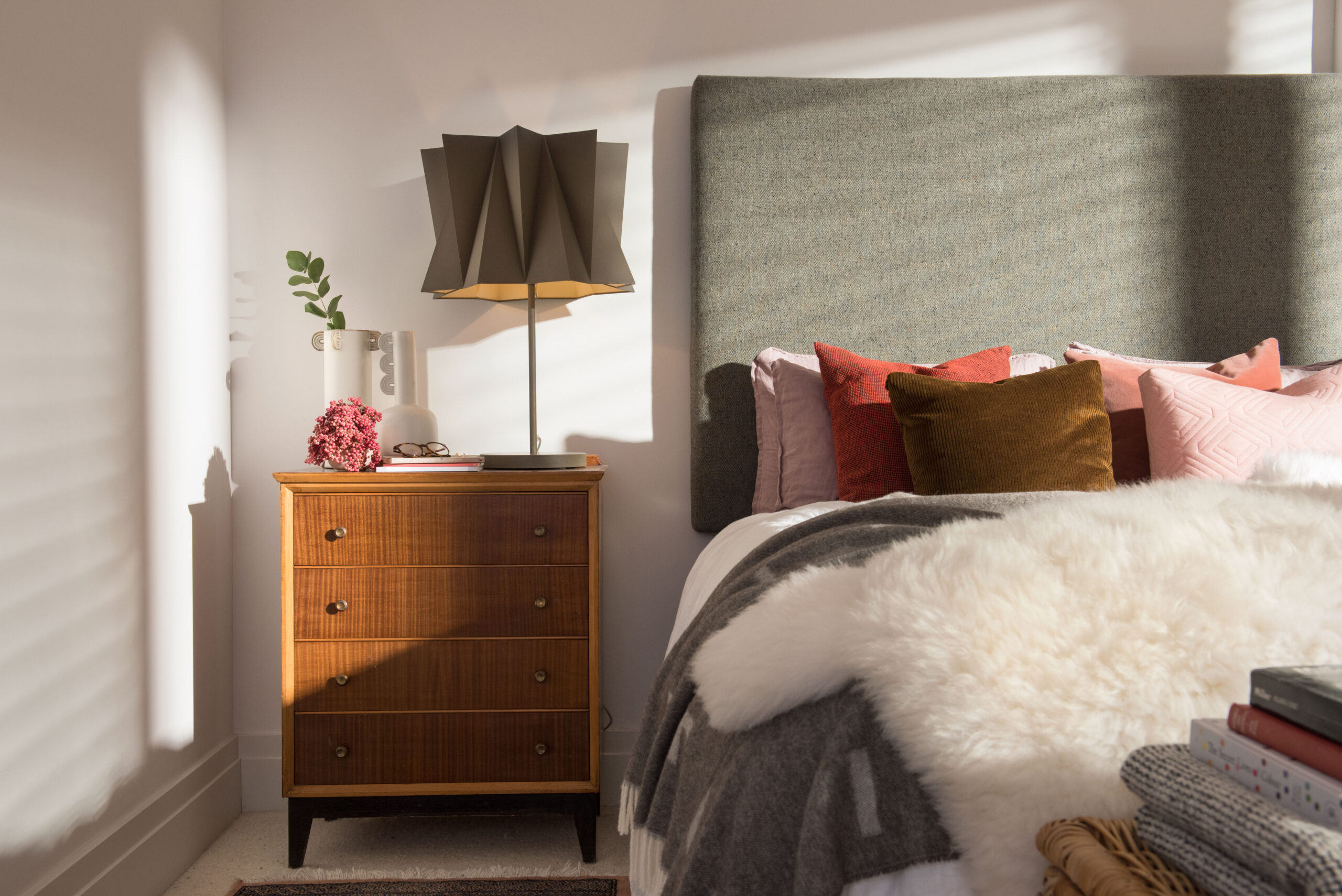
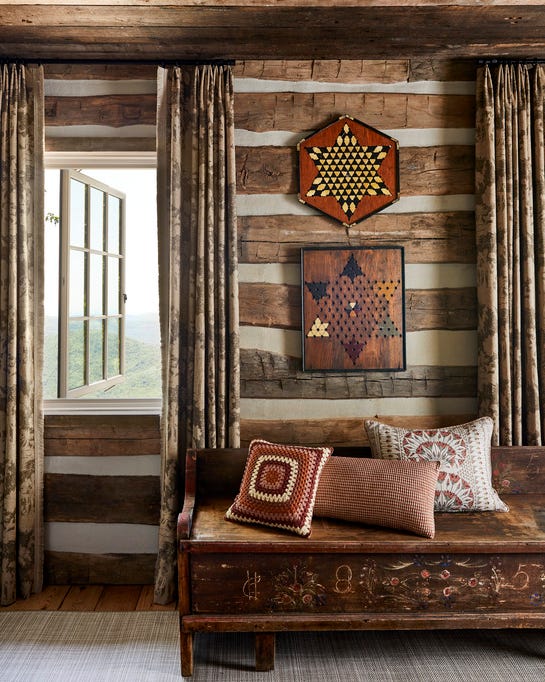
Properly hung drapes are also key to a smart appearance. Ridder shares a technique of tacking curtain ends and the middle of panels to the wall to ensure they remain crisp and straight. Beautifully styled beds are equally important, as they often draw the eye first. Ridder prefers a coverlet tucked in tightly with a folded duvet or blanket at the foot, aiming to make the bed appear less dominant. She avoids overly large mattresses and uses upholstered bed bases instead of dust skirts, also suggesting bed hangings for added elegance.
Repeating design motifs subtly throughout a room creates a cohesive feel. Ridder describes pairing vintage ceramic lamps with a circular design with a fabric featuring embroidered sunbursts, demonstrating how similar elements, even if not identical, can tie a scheme together. For lighting, she recommends crisp white lampshades as a versatile and stylish choice.
Ceiling decoration is often overlooked but offers an additional surface to enhance a room, with wallpaper being a transformative option. Ridder frequently employs red in her designs for its clarity and versatility, and blue for its classic appeal, often combining both. She illustrates how repeating colors strategically, even in small elements like a book or cushion border, can unify a disparate color scheme.
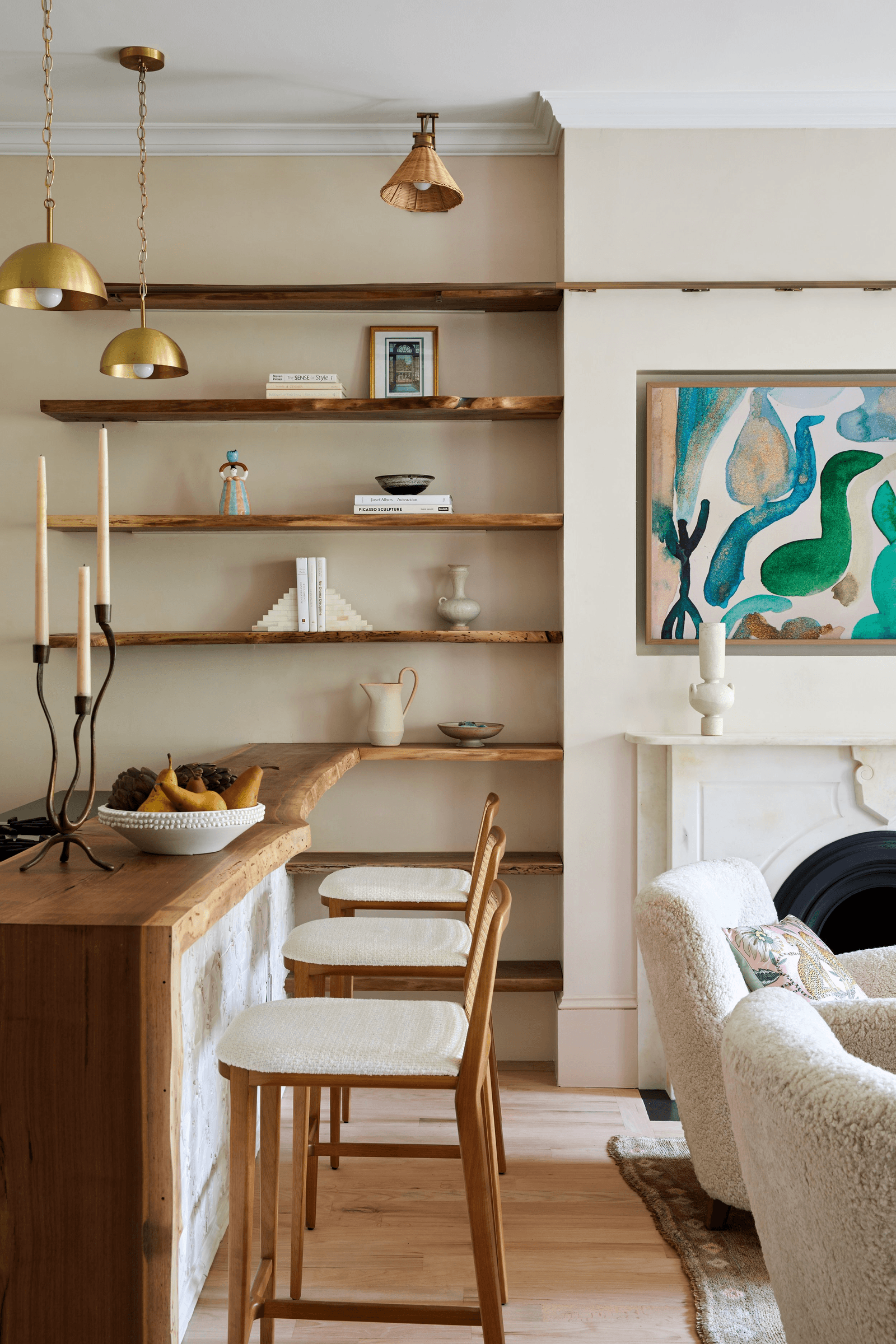
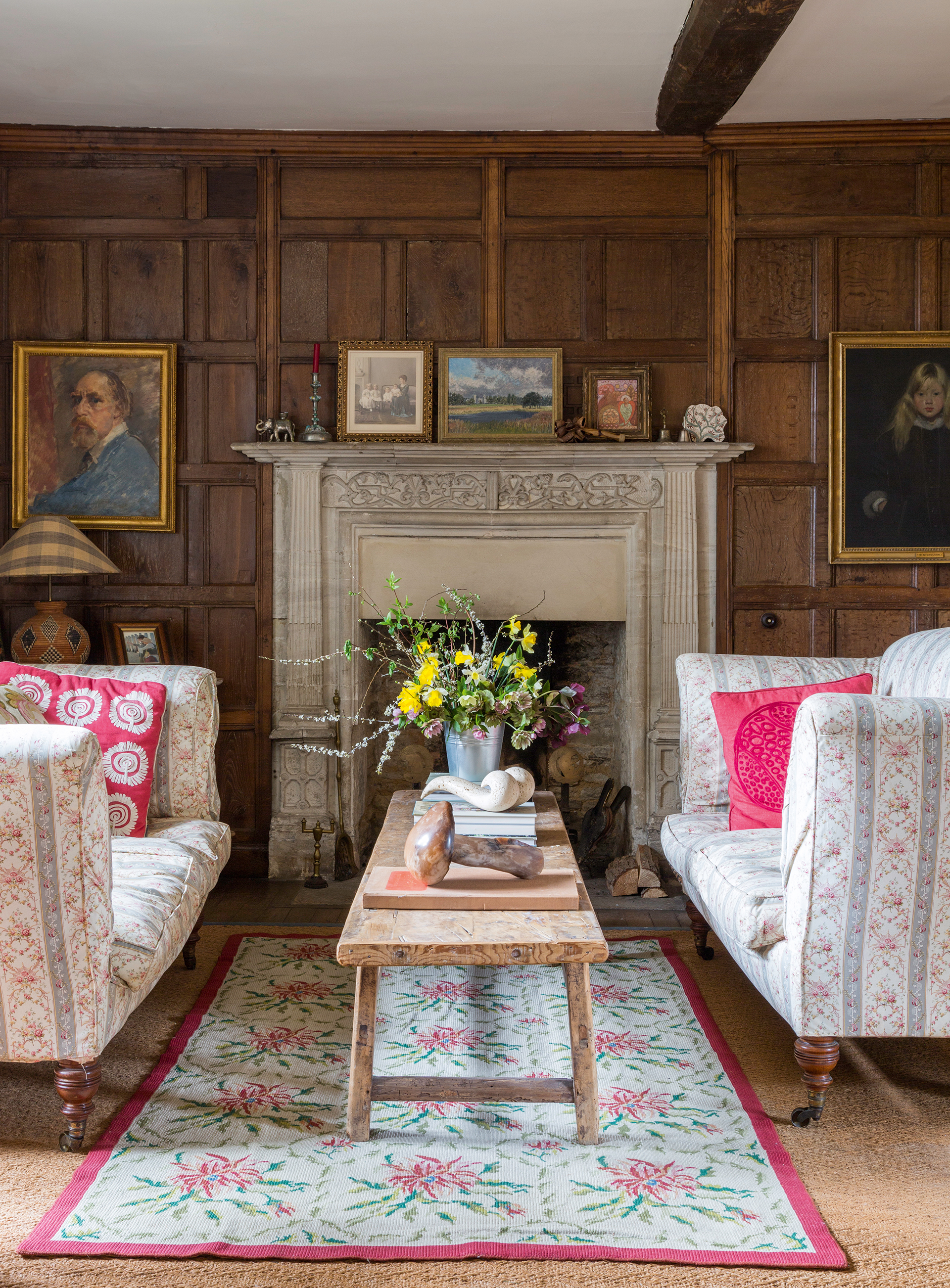
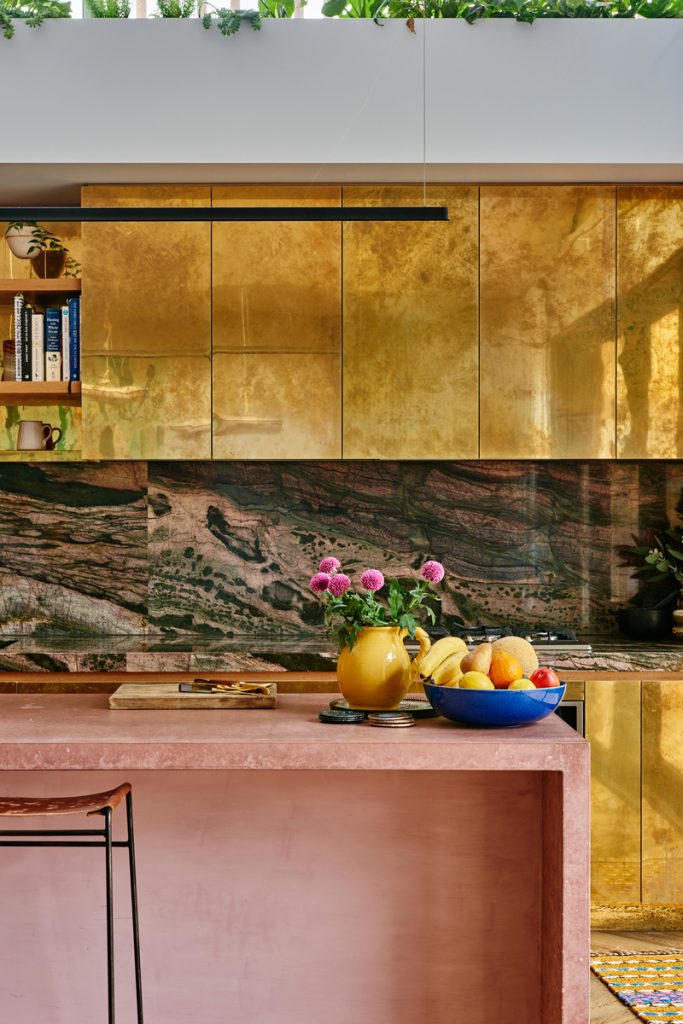
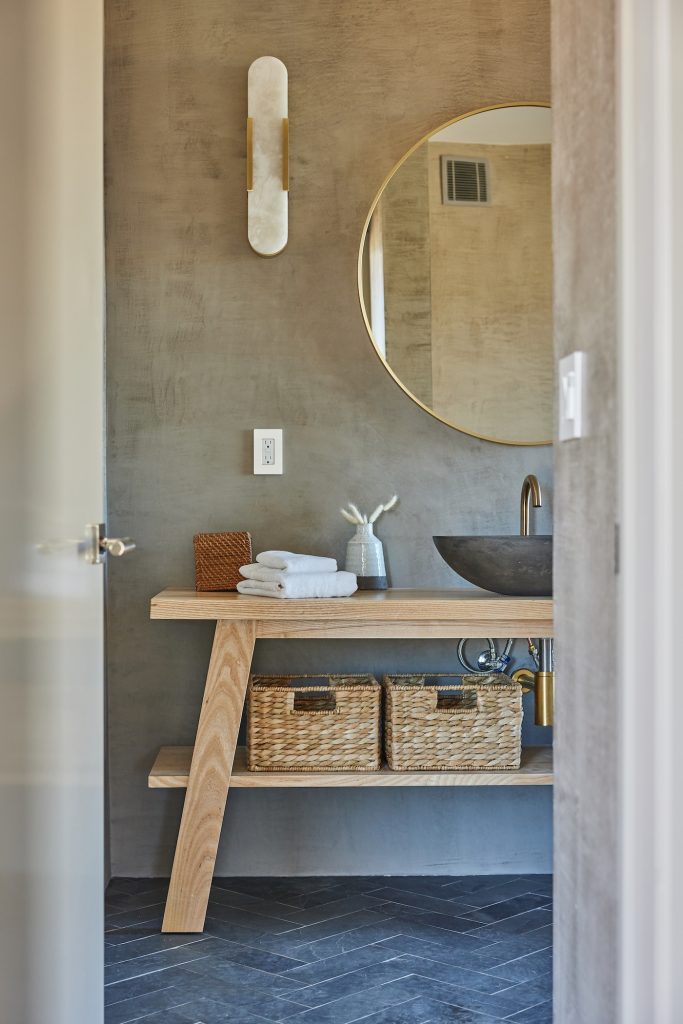
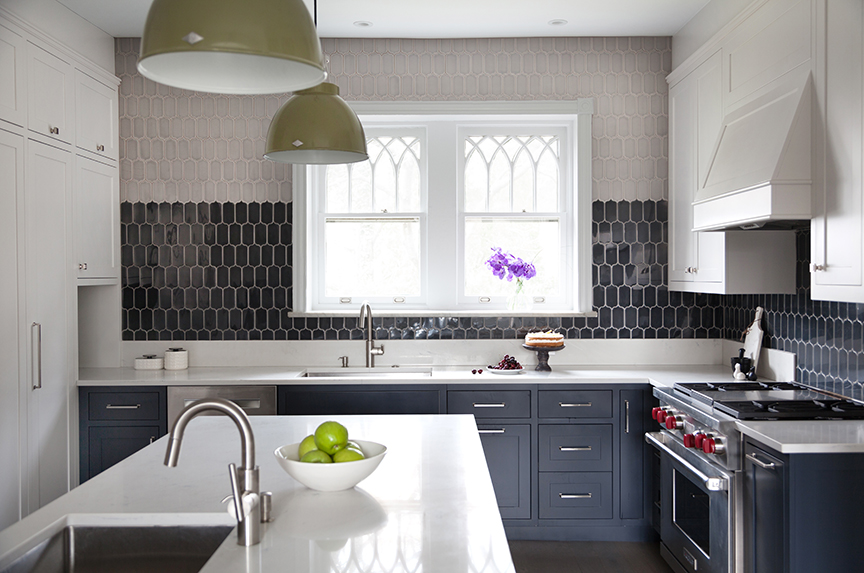
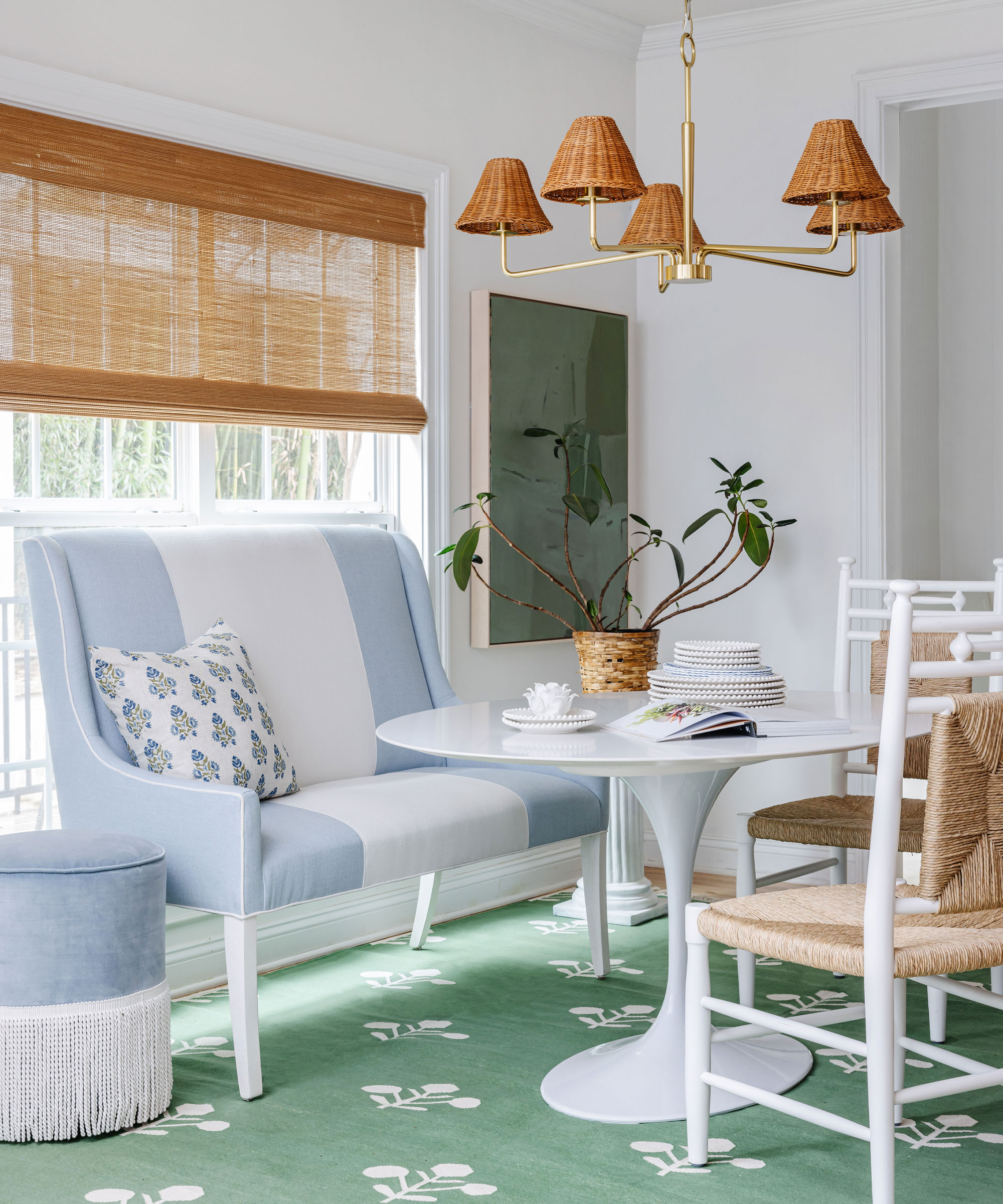
Antique rugs are praised for their ability to add depth, color, and a sense of gravitas and history to a room, setting a unique tone that newer pieces lack. Texture is another vital element for a luxurious feel. Ridder notes the softening effect of fabric on walls, such as the cream fabric with a waxed French glaze in her living room, and the visual interest created by fish-scale patterned tiles in a client's kitchen.
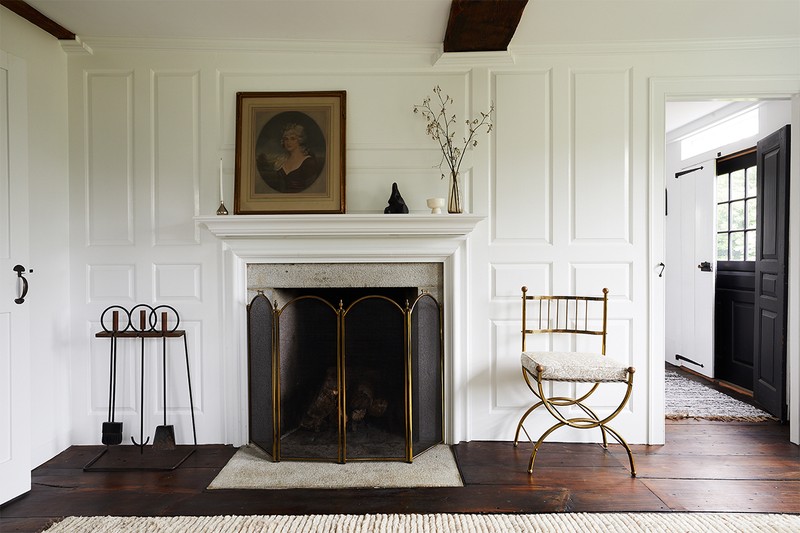
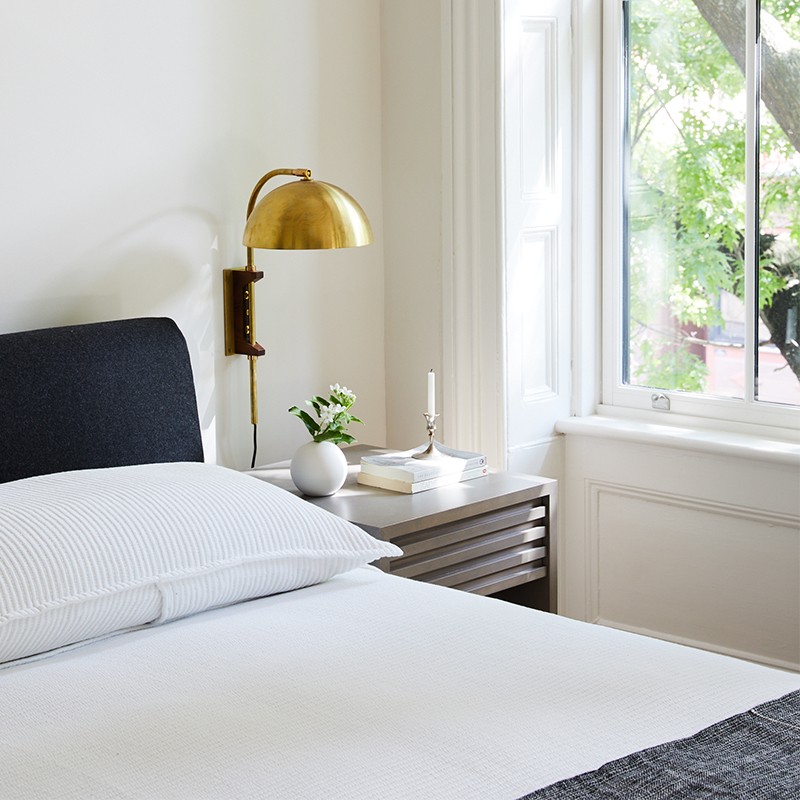
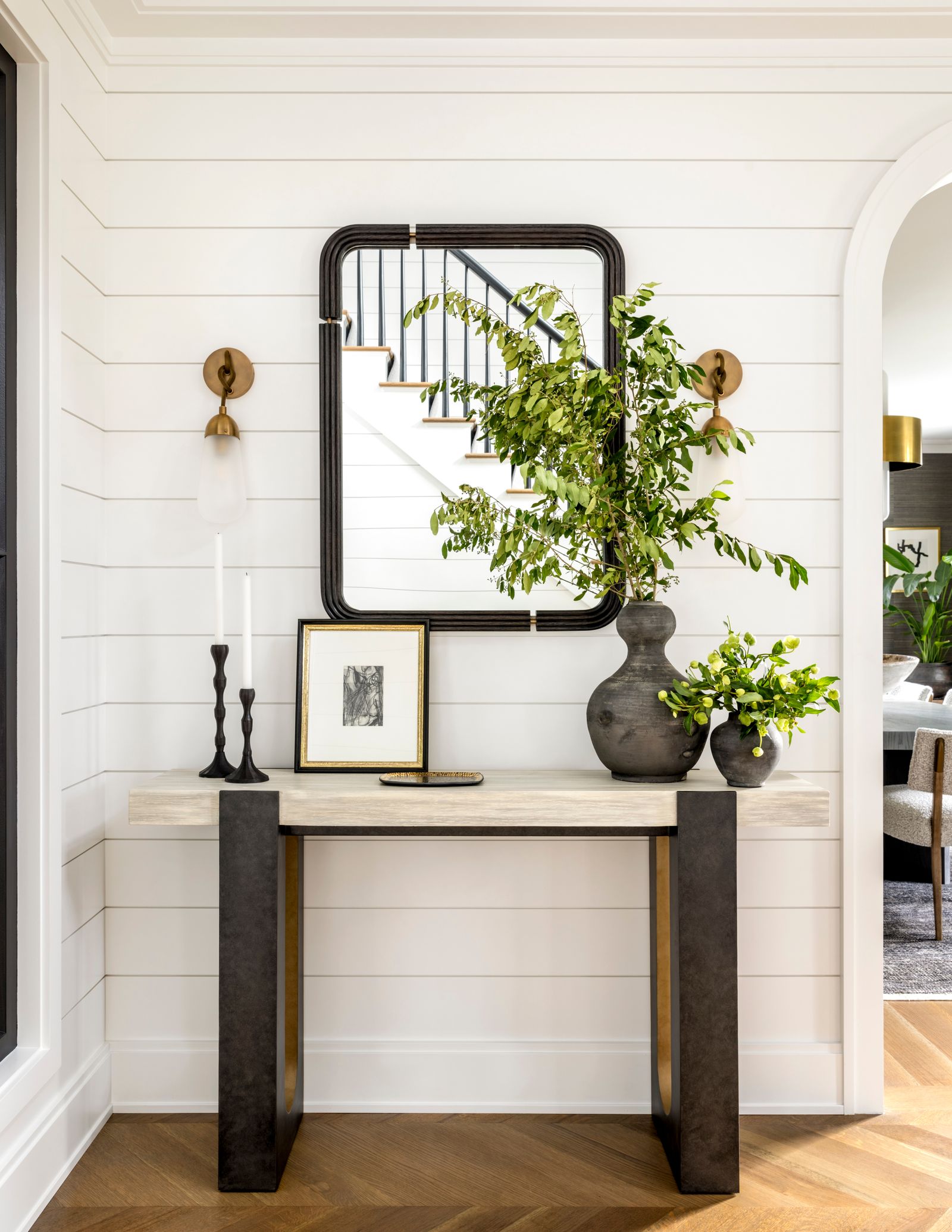
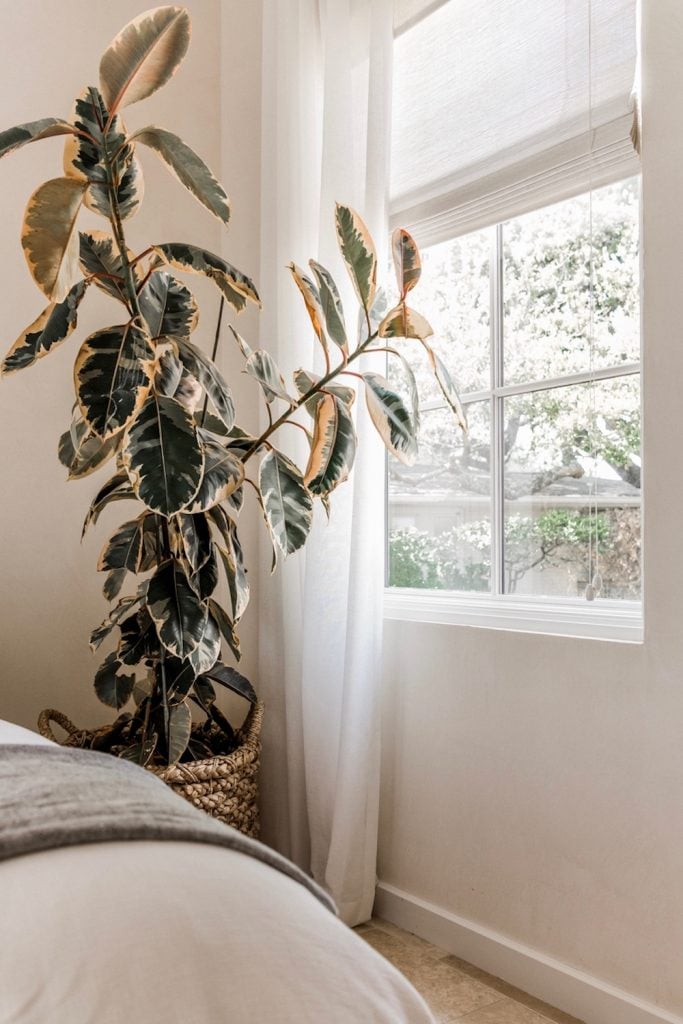
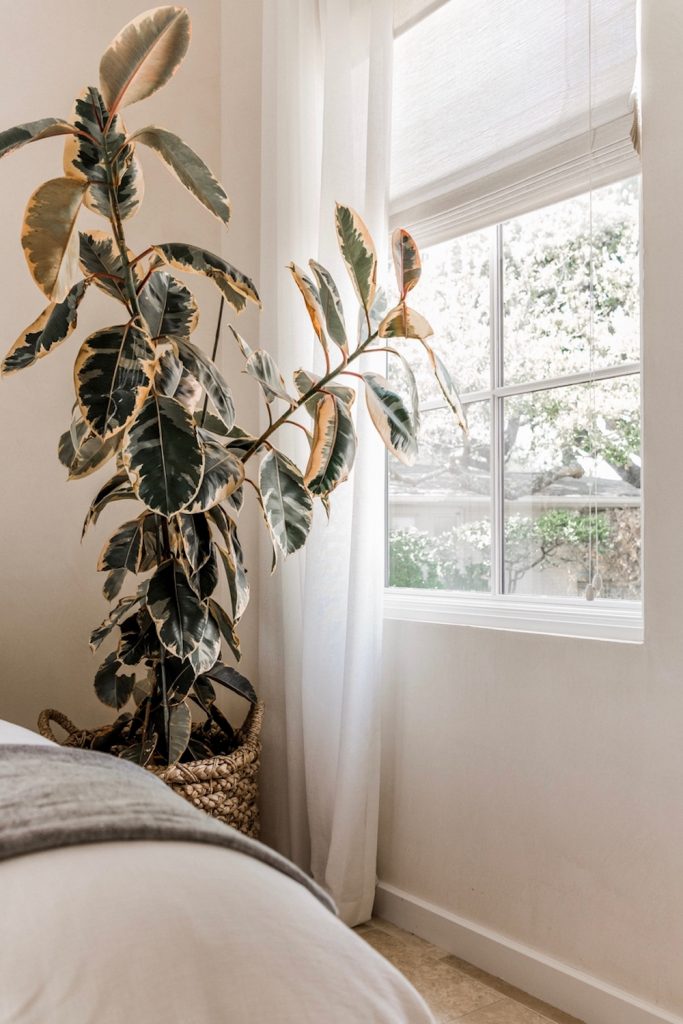
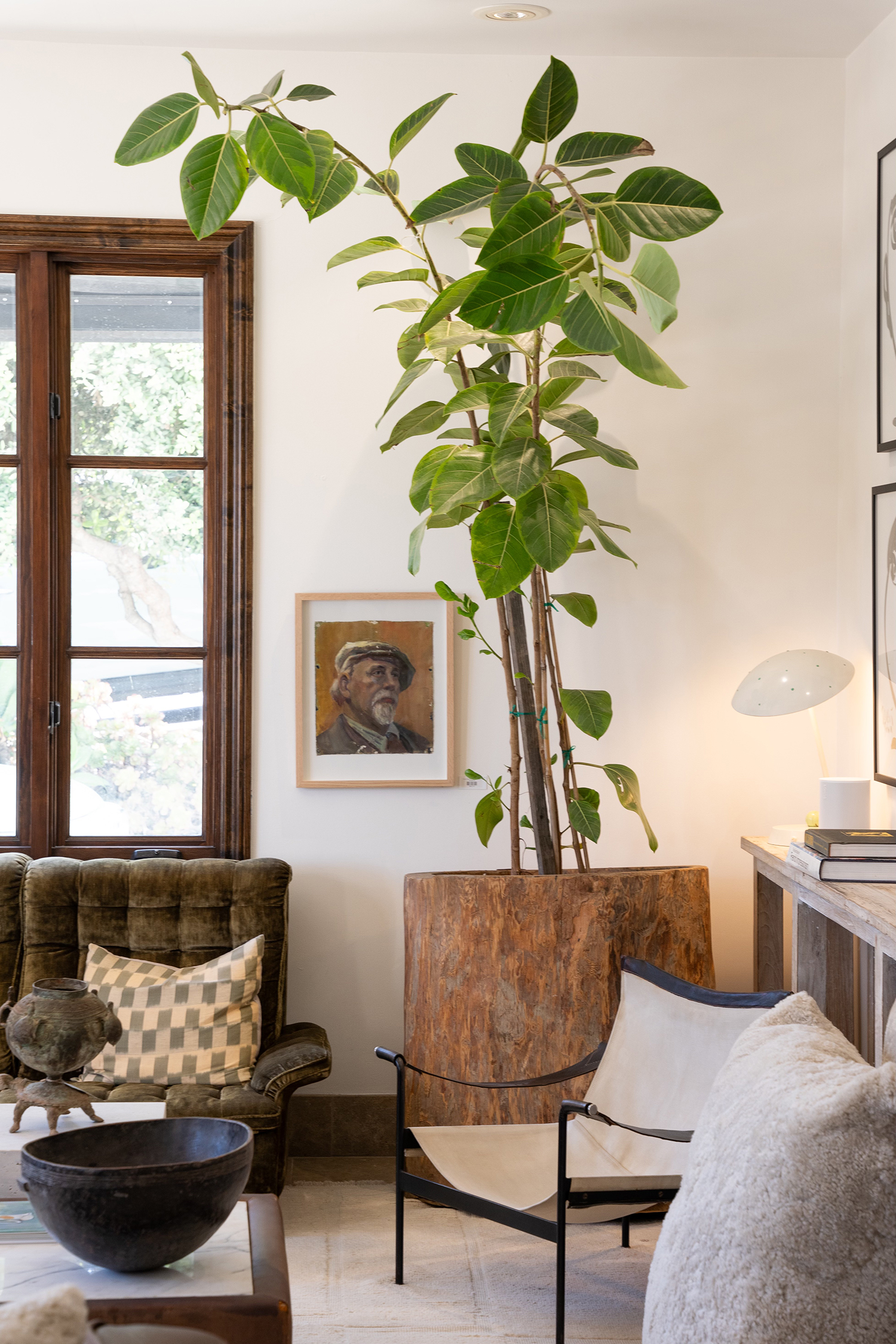
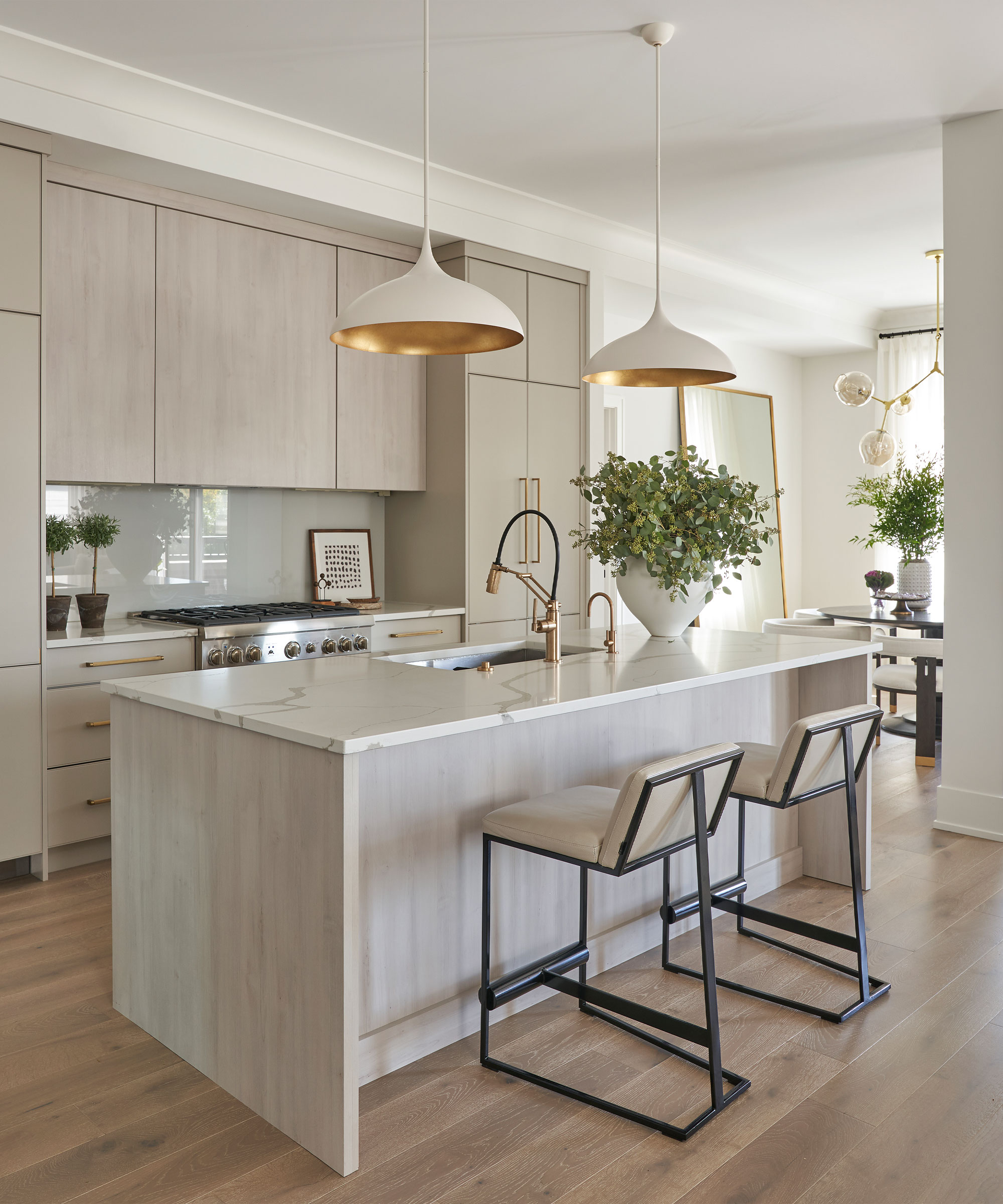
Layered lighting is essential for setting the mood. She suggests combining ceiling downlights with sconces, table lamps, and painting lights to create different heights and moods. Finally, bringing natural elements like flowers or branches into a room makes the space feel friendlier and more alive. Ridder also shares her preferred suppliers for fabrics (Christopher Farr, Christopher Moore, Robert Kime), antiques (Alexander Cohane), paint colors (Benjamin Moore, Farrow & Ball), and lighting (Collier Webb, Charles Edwards).
#InteriorDesign #HomeDecor #DecoratingRules #KatieRidder #PersonalTouches #HandmadeDecor #LightingDesign #TexturalElements #ColorSchemes #AntiqueRugs #CeilingDecor #InteriorDesign #HomeDecor #DecoratingRules #KatieRidder #PersonalTouches #HandmadeDecor #LightingDesign #TexturalElements #ColorSchemes #AntiqueRugs #CeilingDecor
0 comment in total
 No comments yet
You may also like

5 golden rules of home décor from an Irish interior designer

13 tips interior design experts want you to know about decorating your bedroom
The 10 Biggest Interior Design No Nos According to Decorators

Why Designers Use the Rule of Thirds in Every Design Project

19 Tips From A Top Interior Designer

13 interior design styles that everyone needs to know about, according to designers
5 Tacky Home Decor Items That Instantly Make a Home Look Bad, According to Designers
How to create repetition in interior design – 7 ideas for decorating success
8 Expert Tips for Styling Surfaces in Every Room

The Finishing Touch - Decorating Tips from 8 Designers

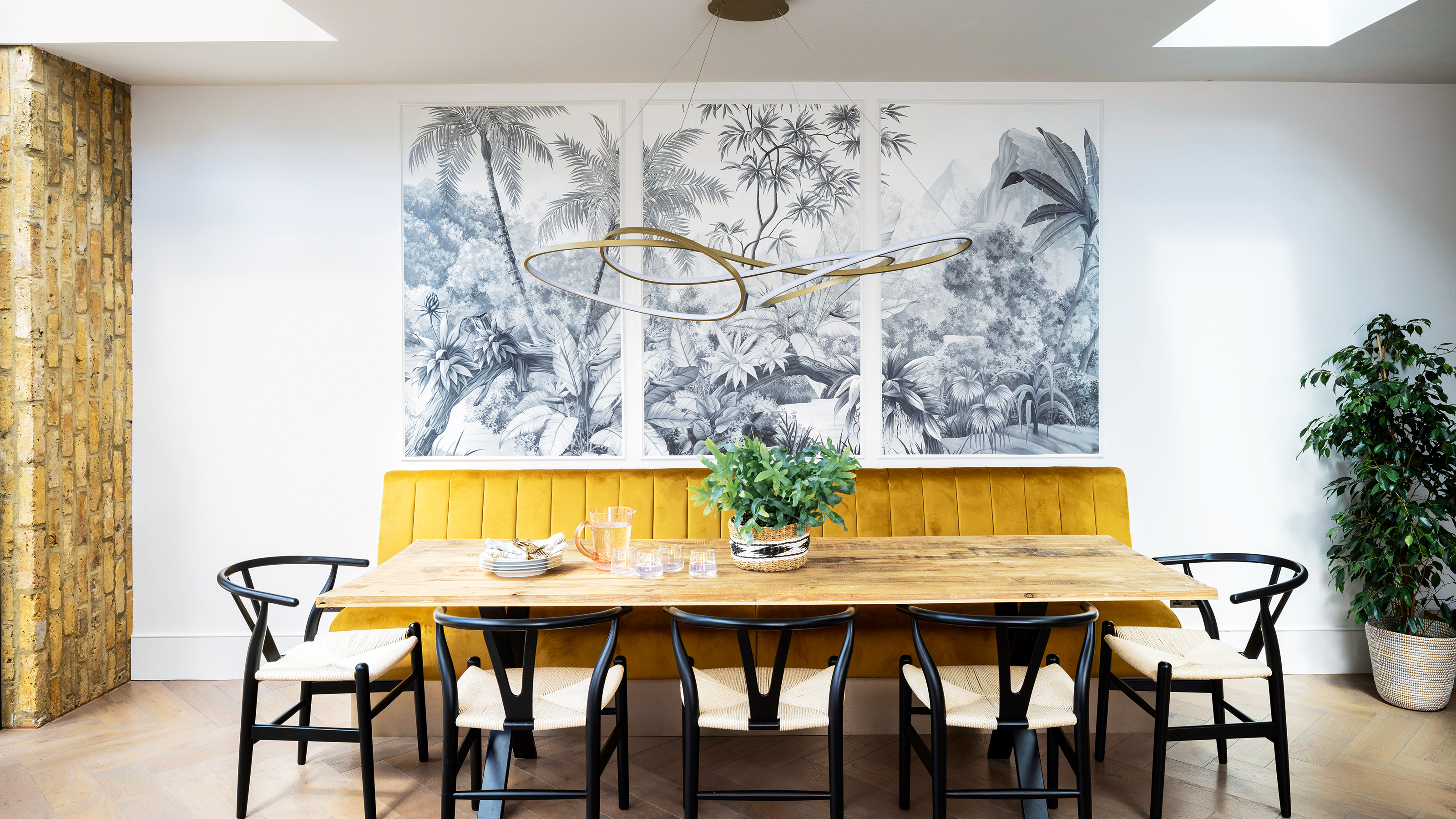
The rule of three is the secret behind every beautiful home - here's how it works

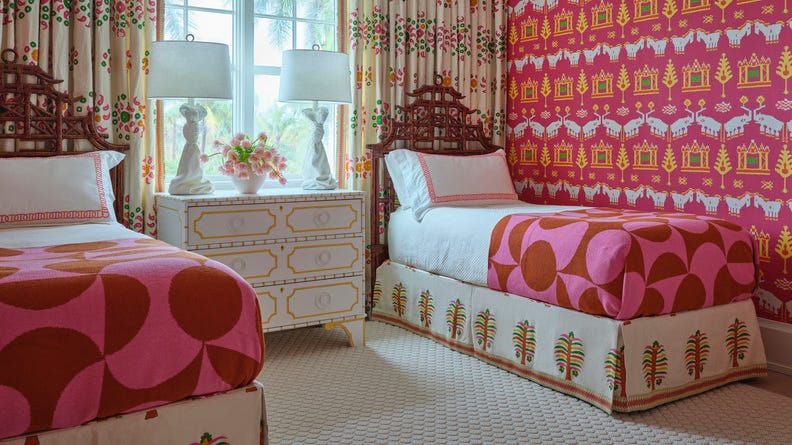
Design Insiders Reveal Their SECRETS to Decorating Your Home Like a Pro


Home Styling Tips: For Gorgeous Interiors

From the Wrong Rug Size to Too-Short Curtains, Interior Designers Share Their Biggest Pet Peeves
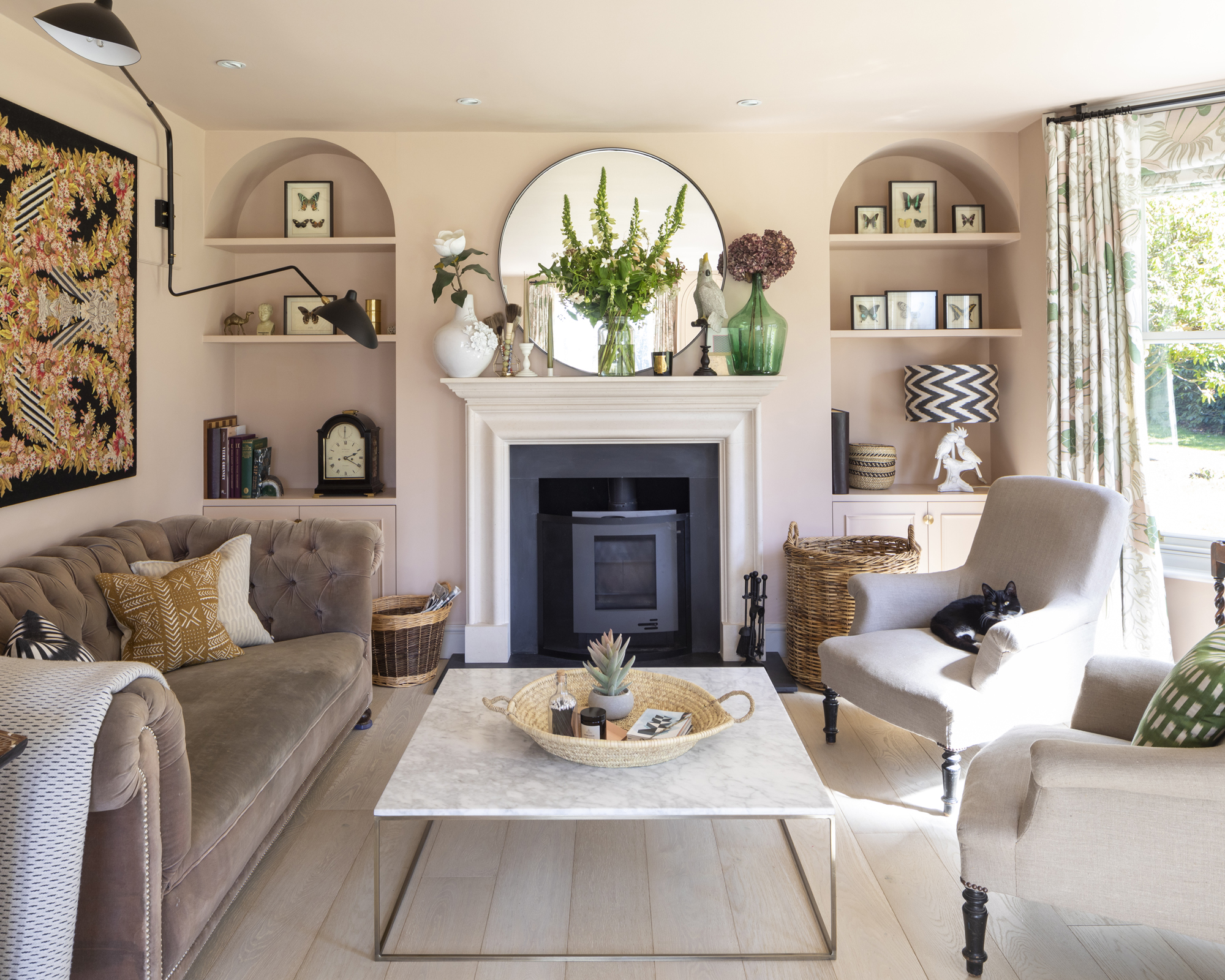
The rule of thirds – how experts use this design trick for successful schemes
"It's Like I'm On An HGTV Acid Trip": People Are Denouncing The Worst Home Design Features

Make Any Room Look Camera-Ready with These Easy Tricks from Stylists
12 top interior painting tips from experts – for a flawless, fabulous finish
The 5 Design Rules That Are Meant to Be Broken—and What to Do Instead
The Differences Between an Interior Designer and an Interior Decorator