1/6
Is Symmetry Out of Style? Designers Reveal the Rule-Breaking Living Room Layout Formula That’s Going to Redefine How We Decorate in 2026
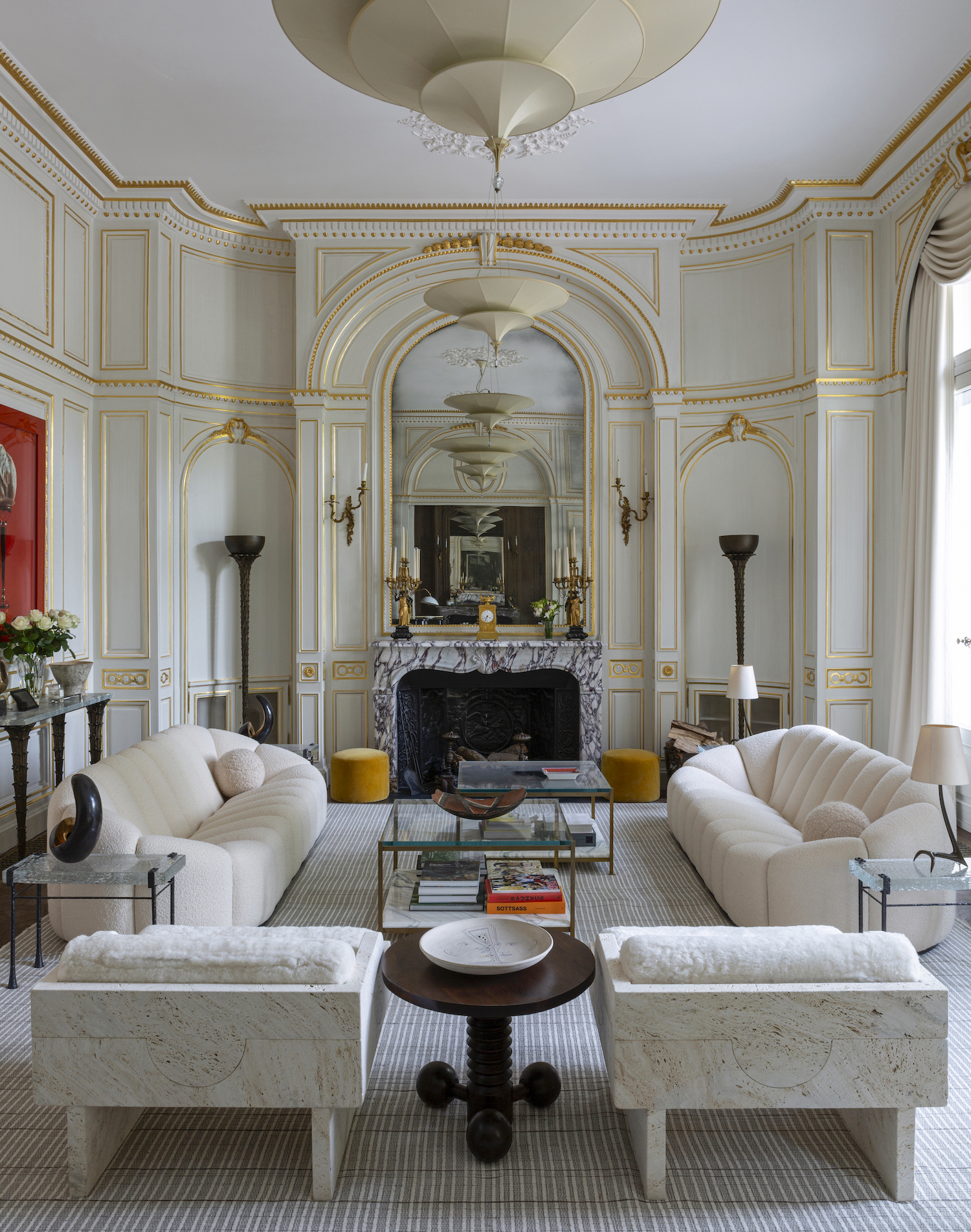
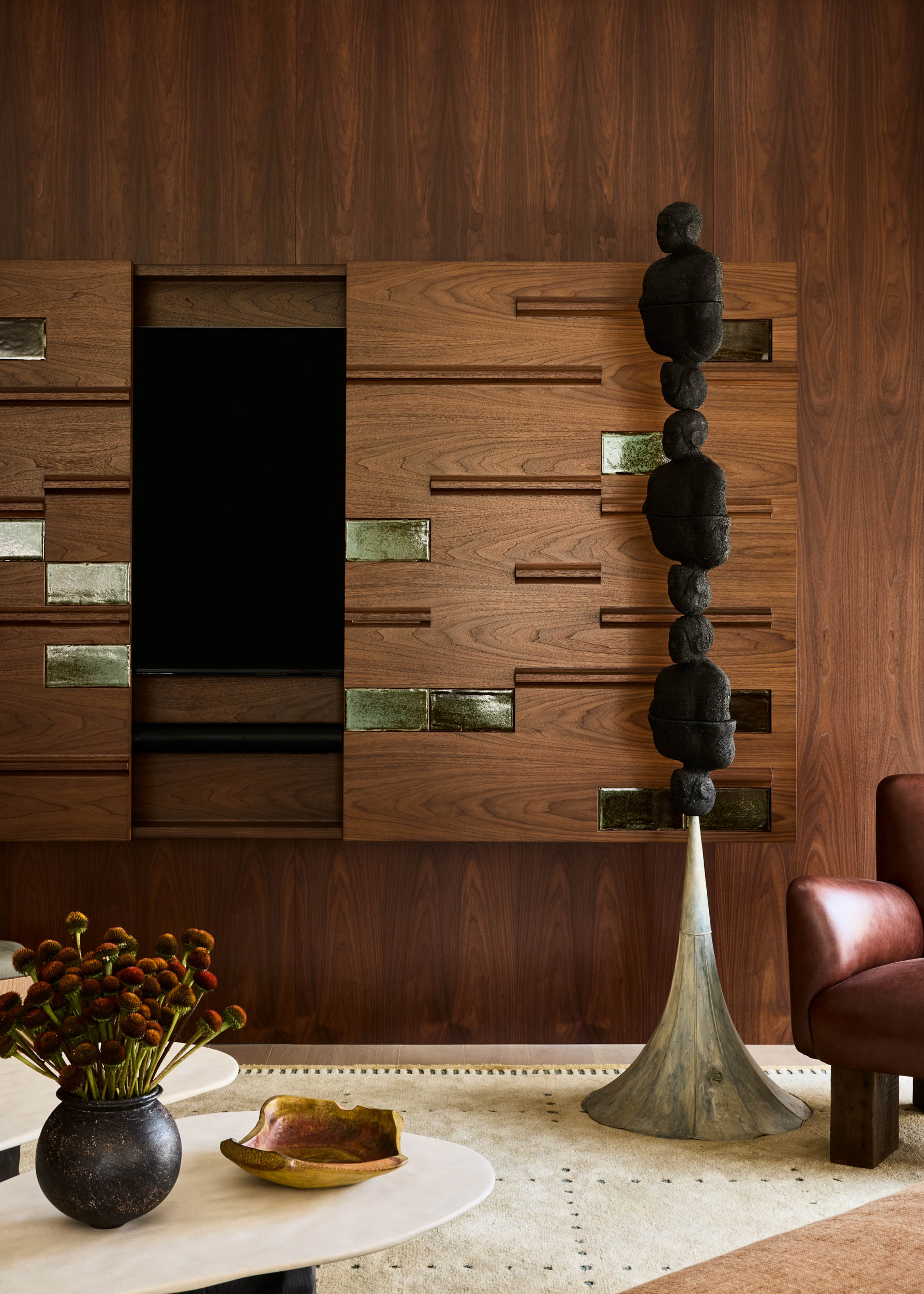
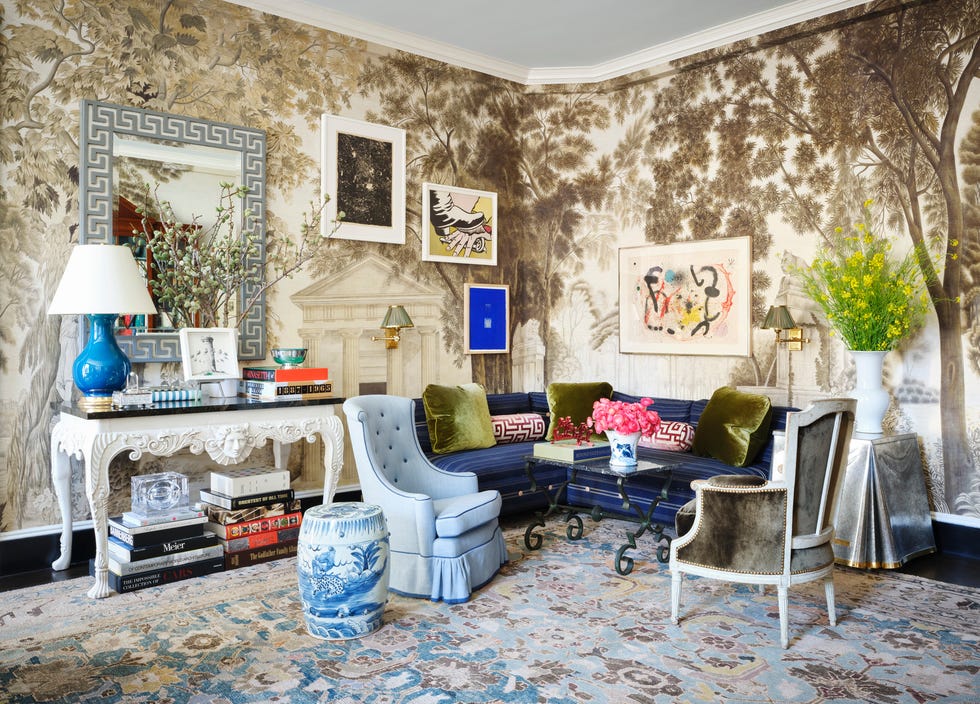
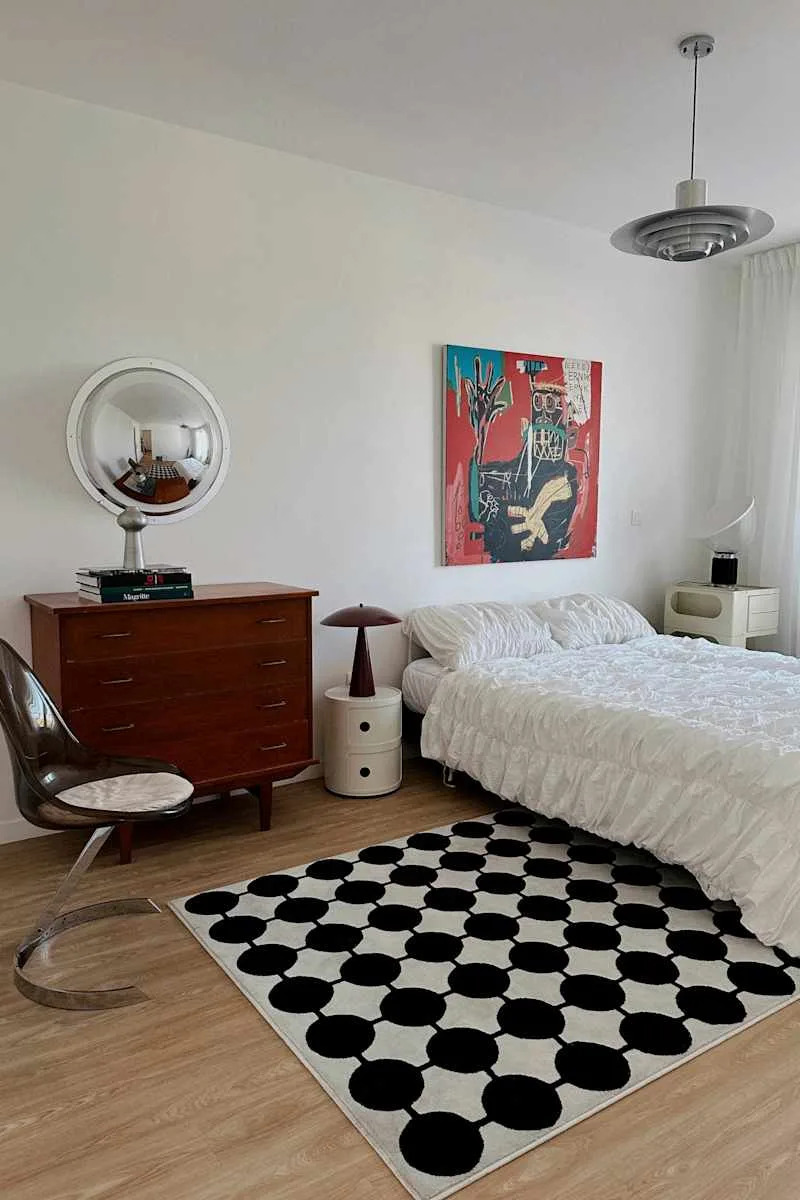
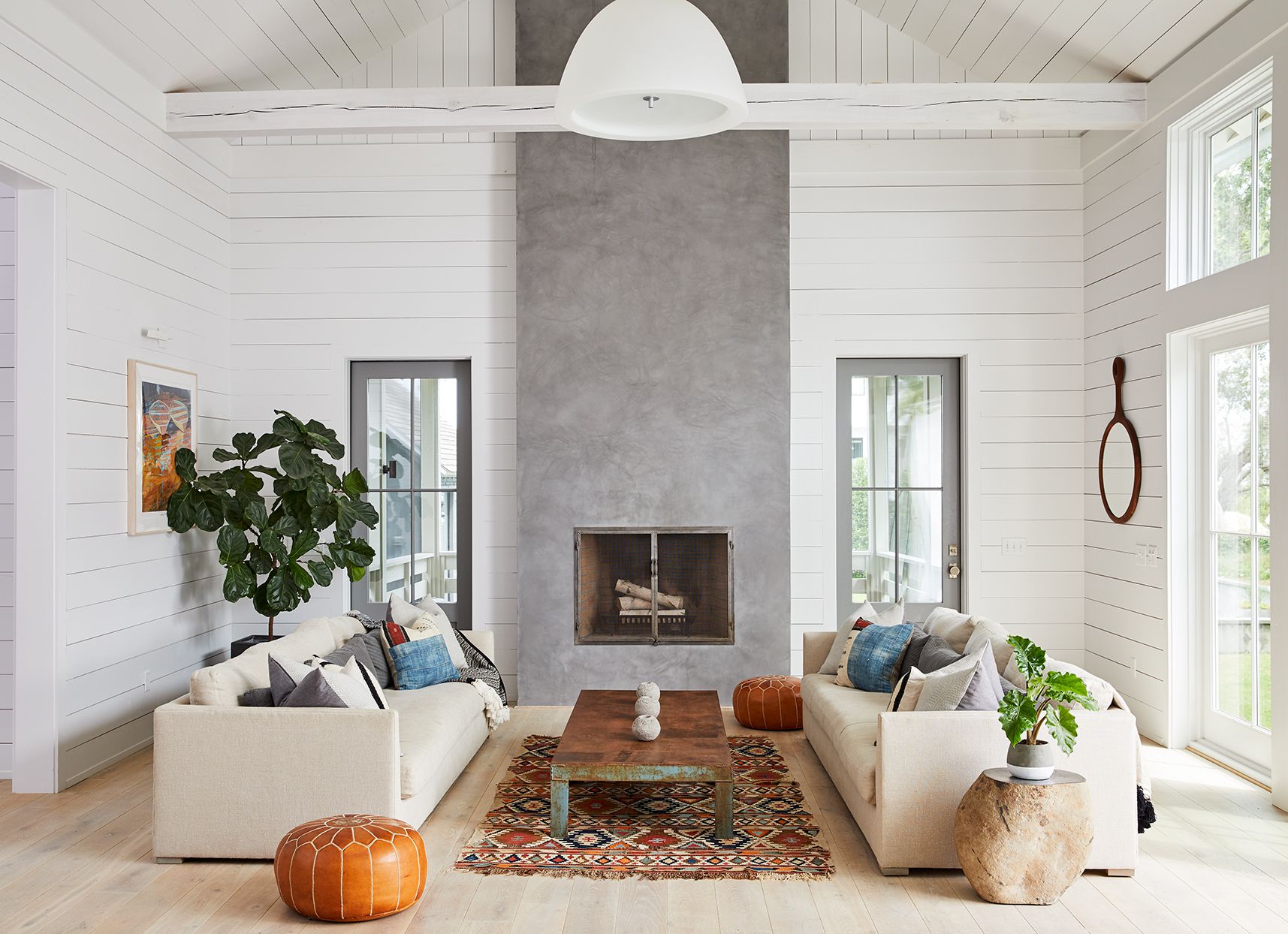
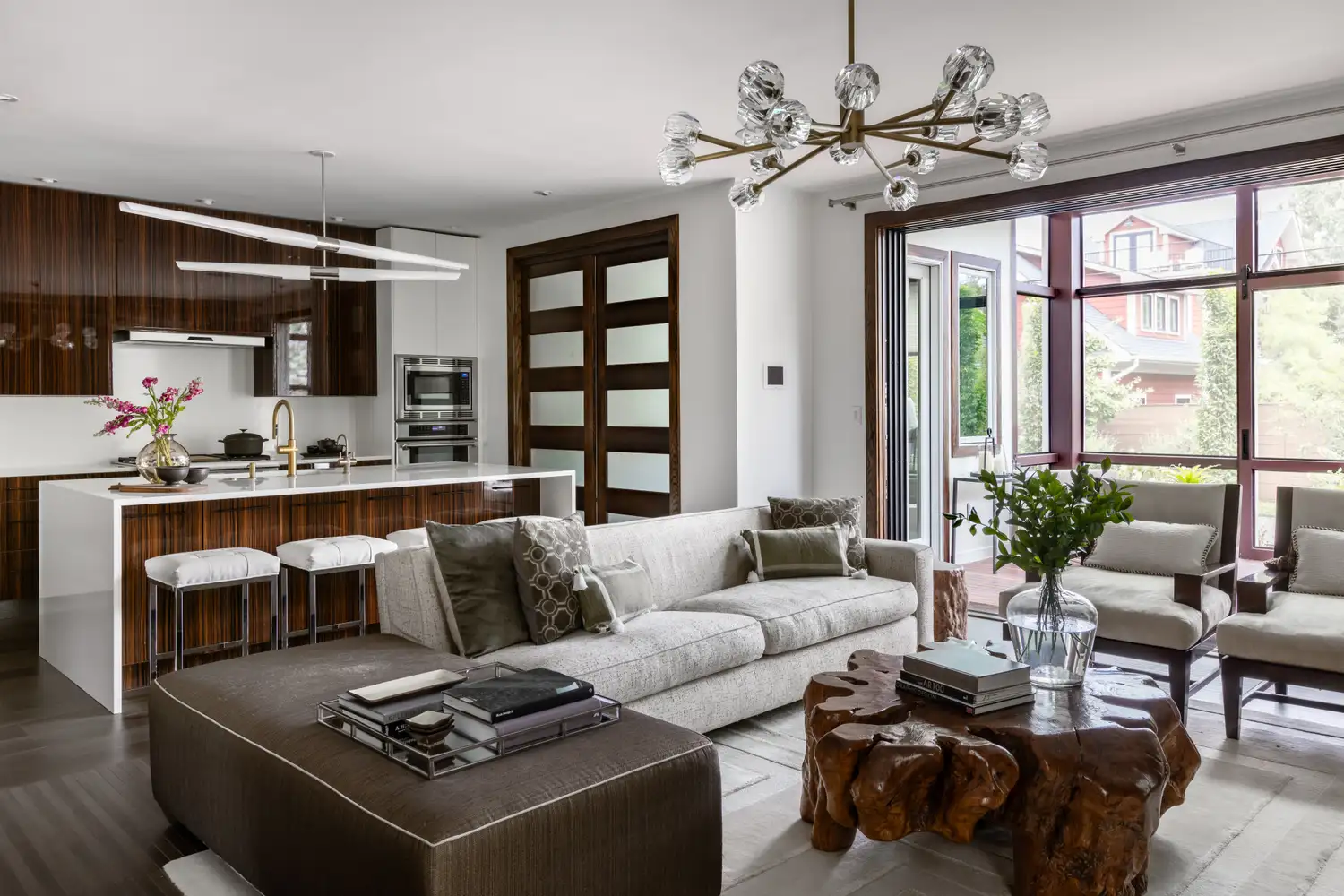
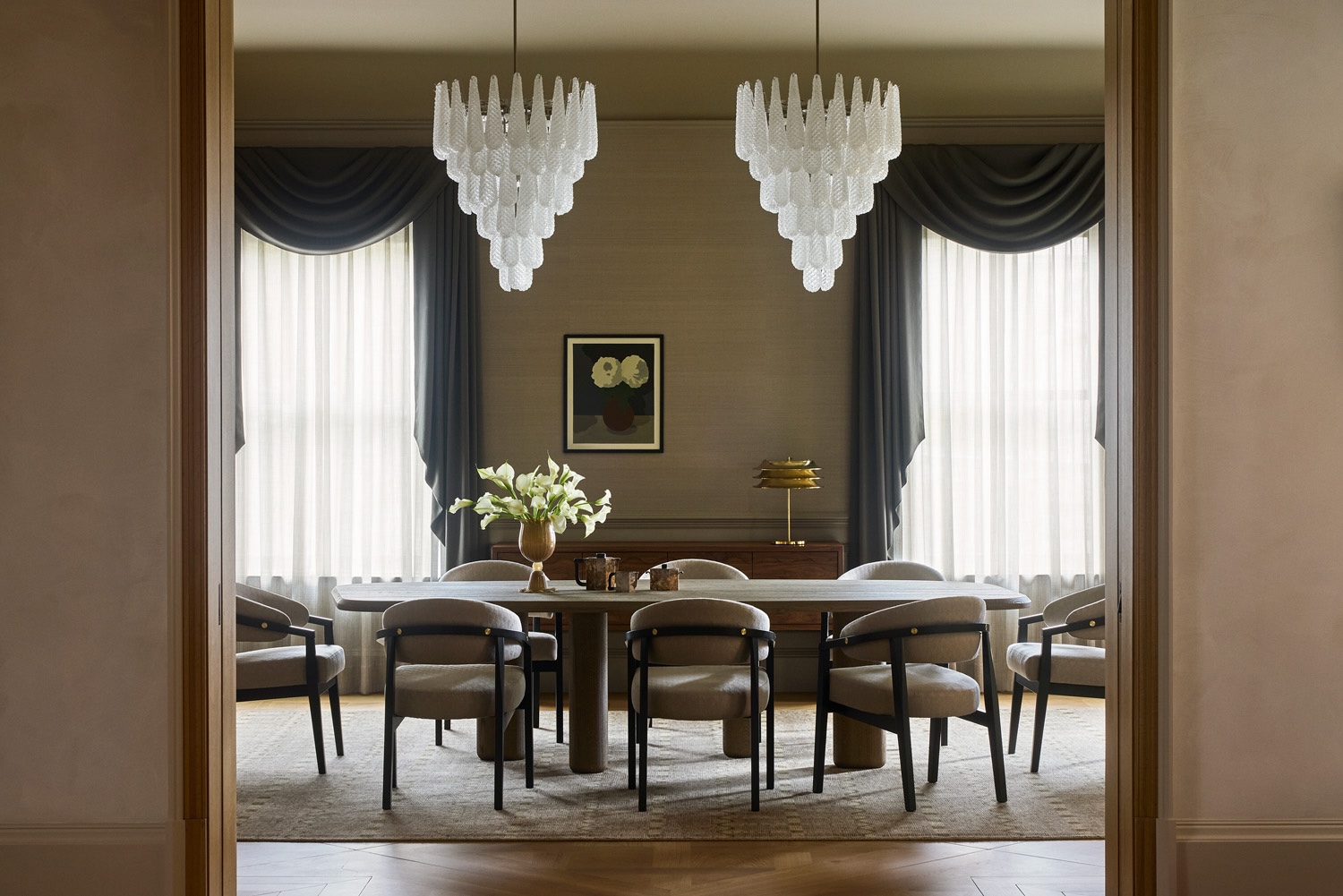
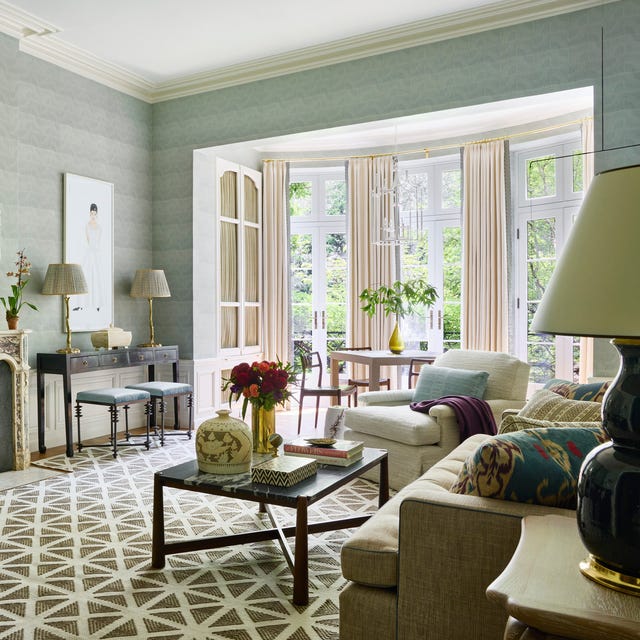
The concept of symmetry in living room layouts has long been a staple for creating a sense of calm and order, often seen through matching furniture sets, paired lamps, and mirrored joinery. However, a noticeable shift is occurring in interior design, moving away from rigid, mirror-image symmetry towards more relaxed and lived-in approaches. While some designers maintain that symmetry is a timeless principle for balance and formality, others argue that a touch of asymmetry injects personality and dynamism into a space. The prevailing sentiment among designers for 2026 and beyond is a blend of both, referred to by some as 'structured asymmetry.'
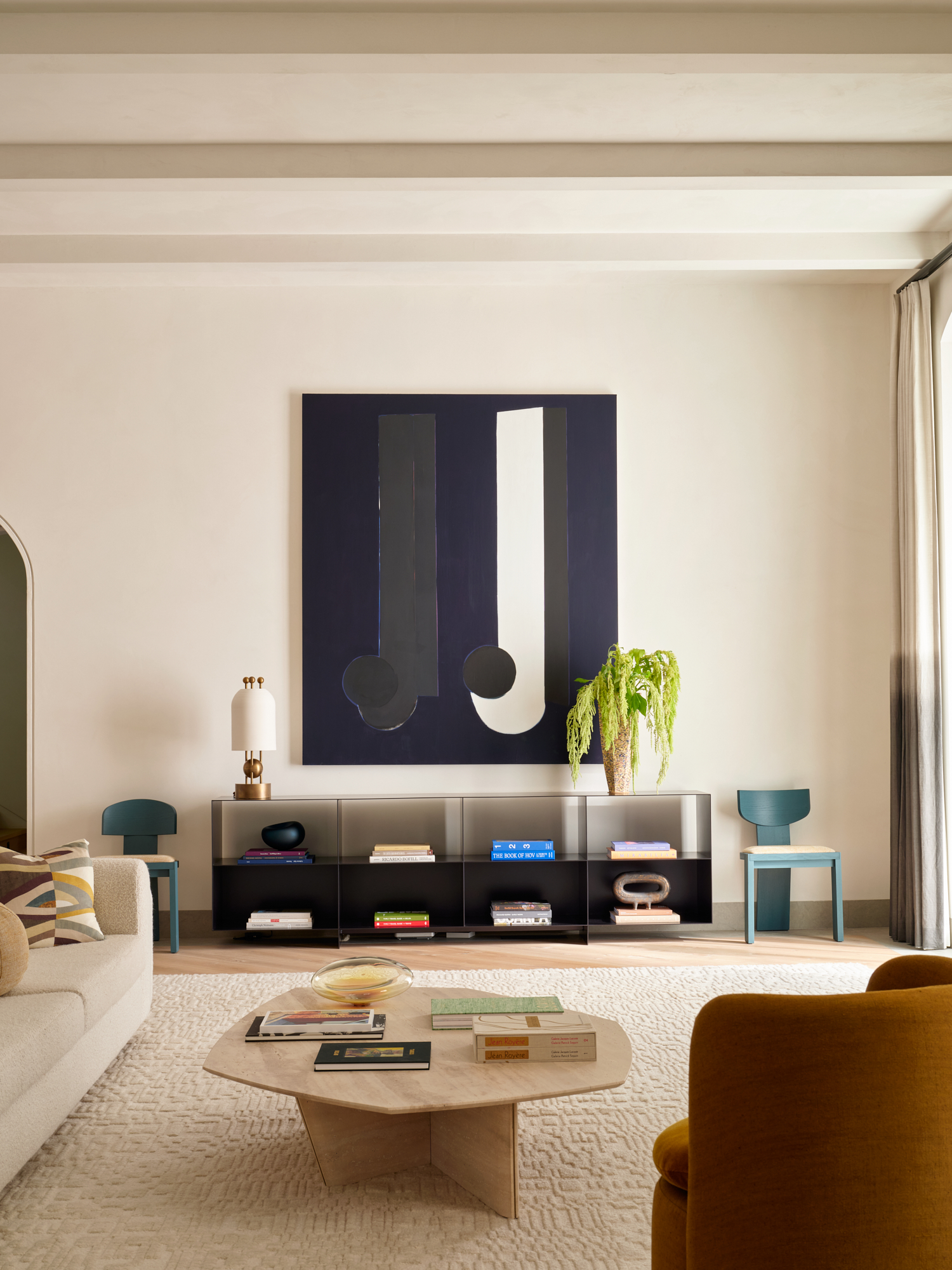
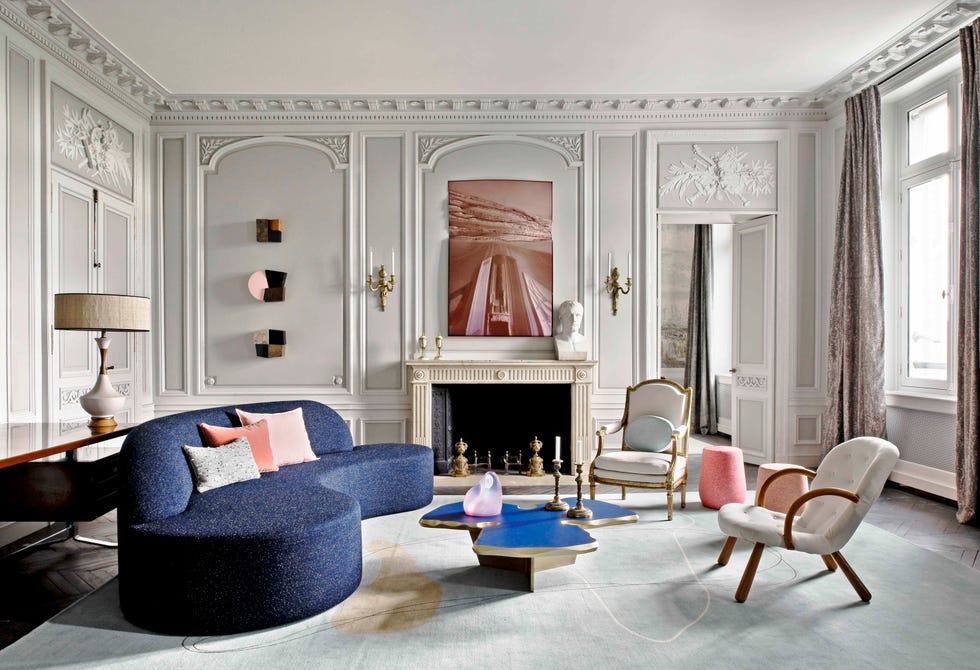
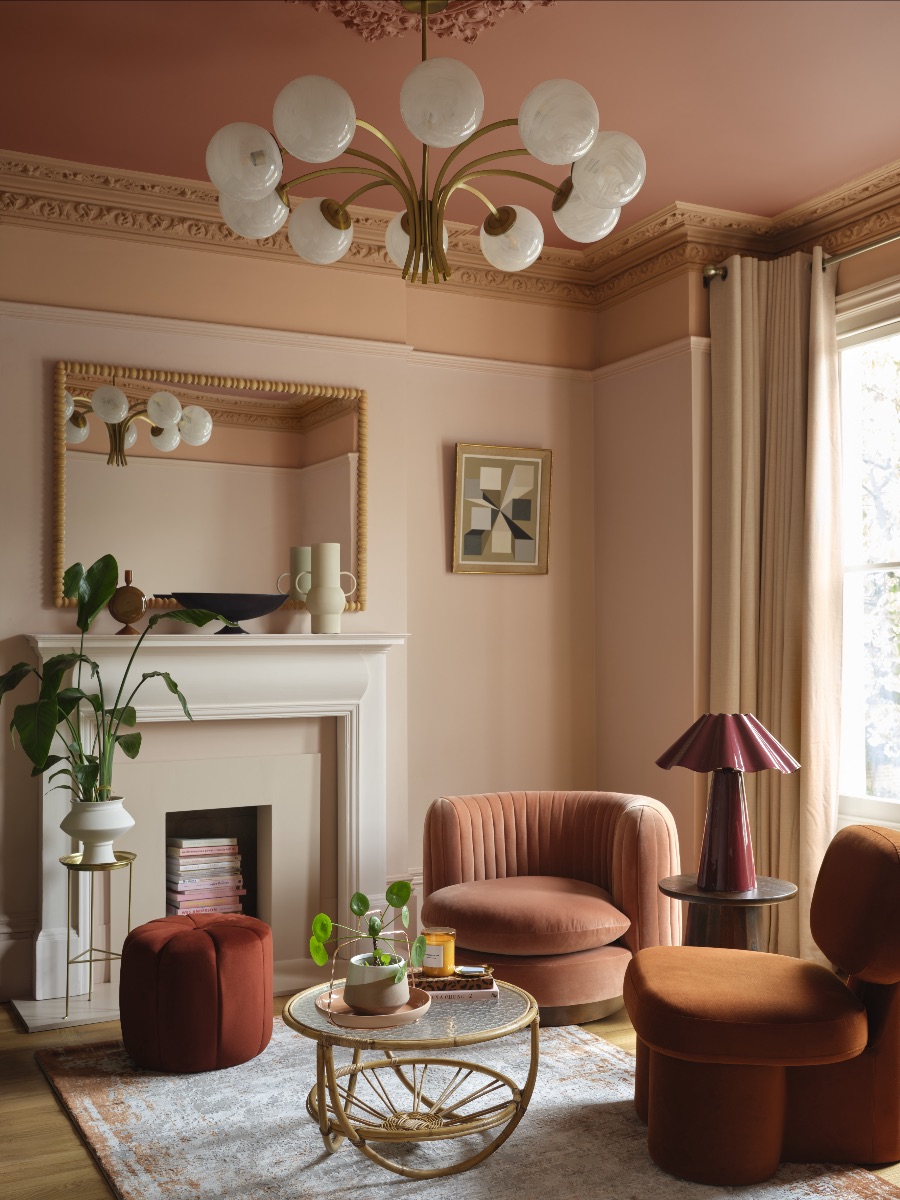
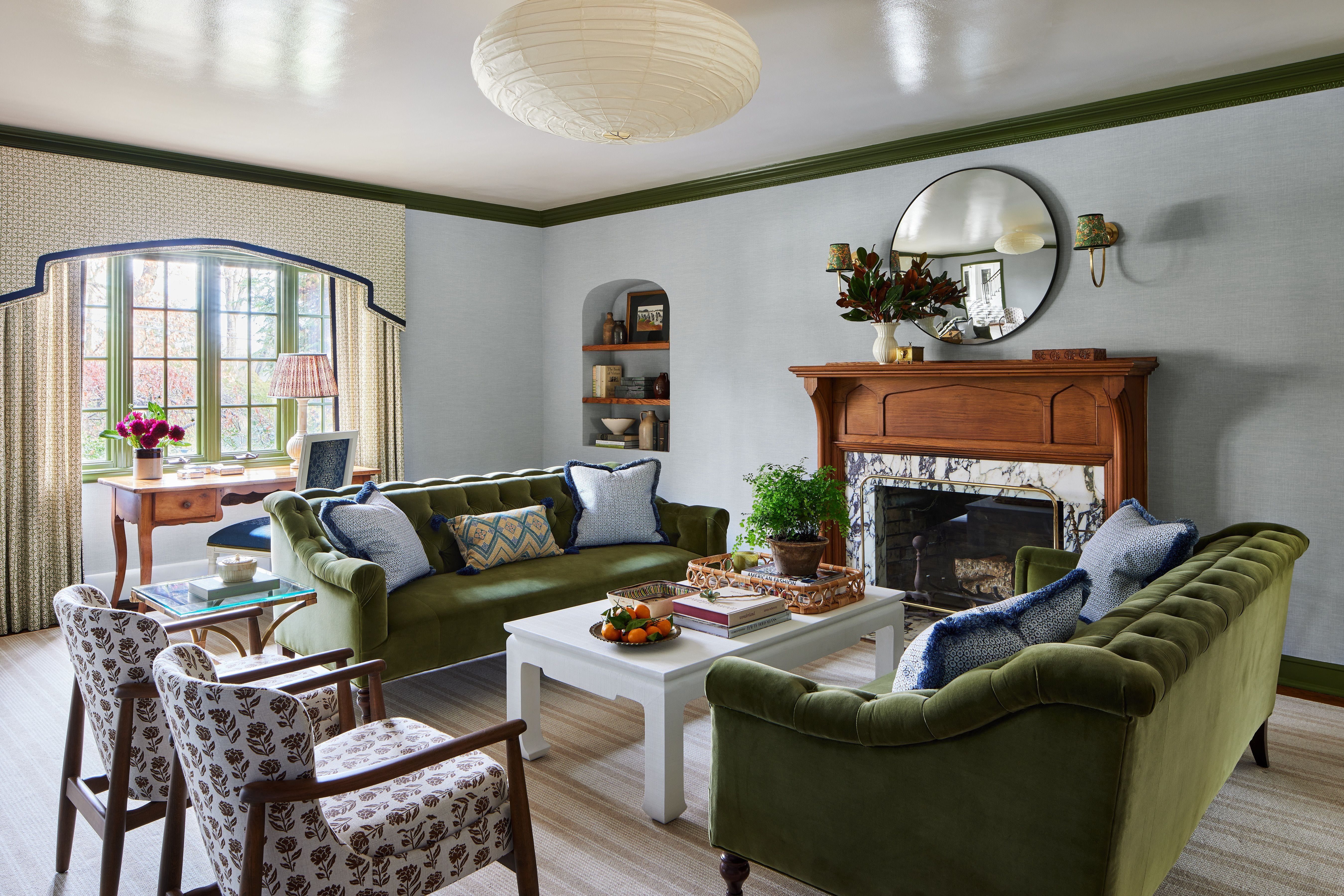
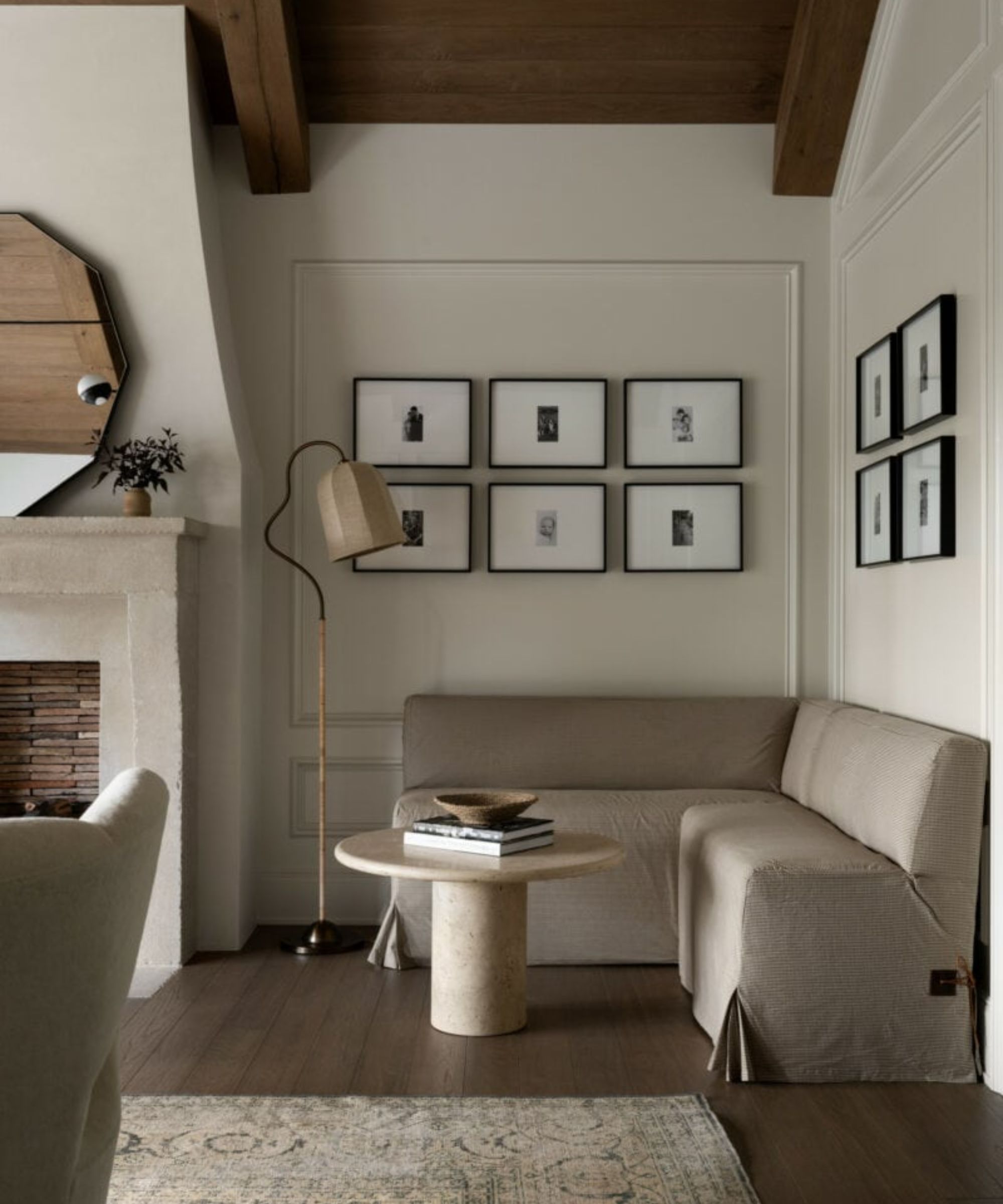
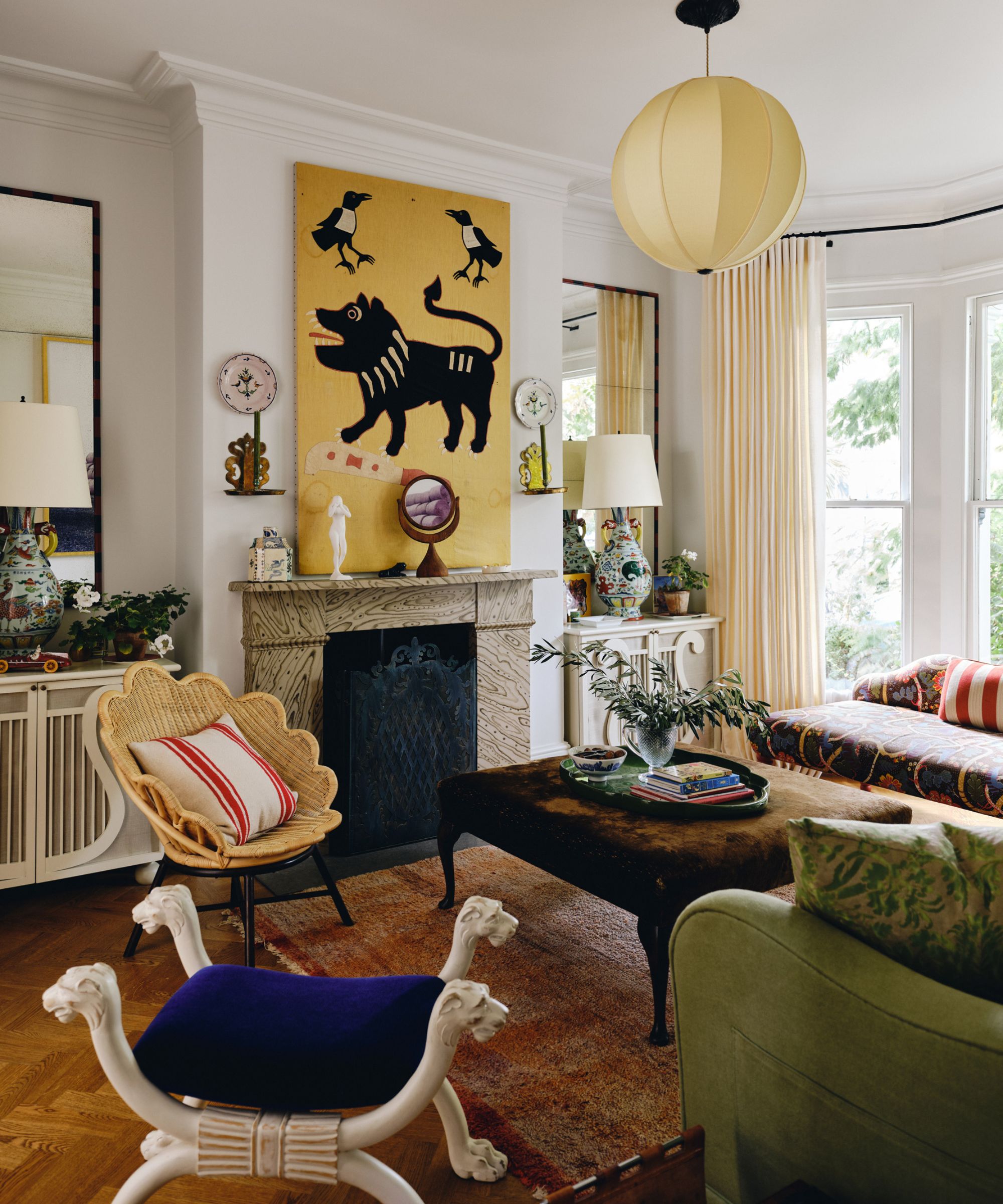
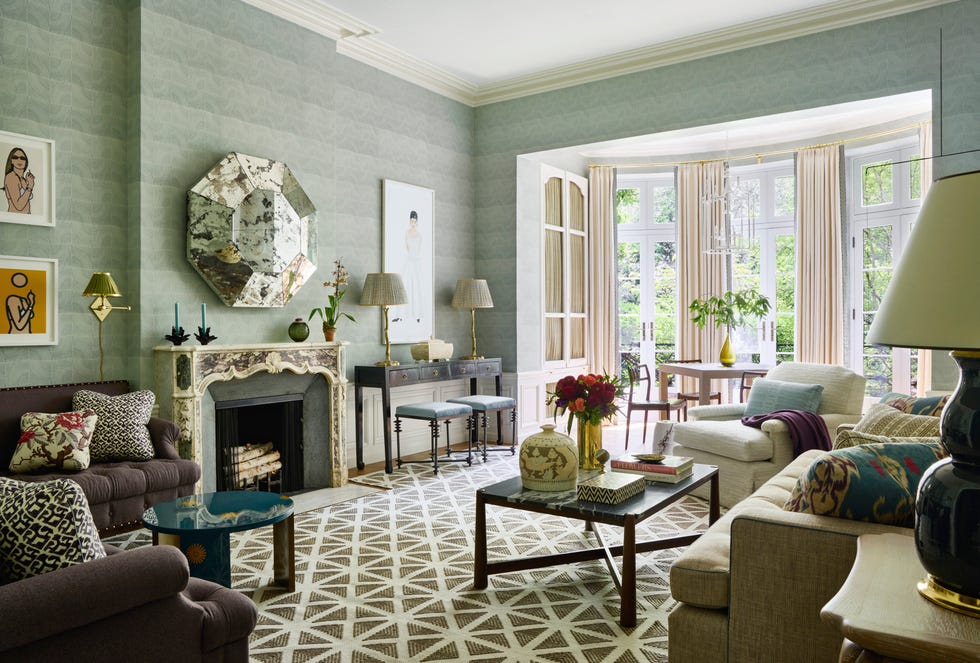
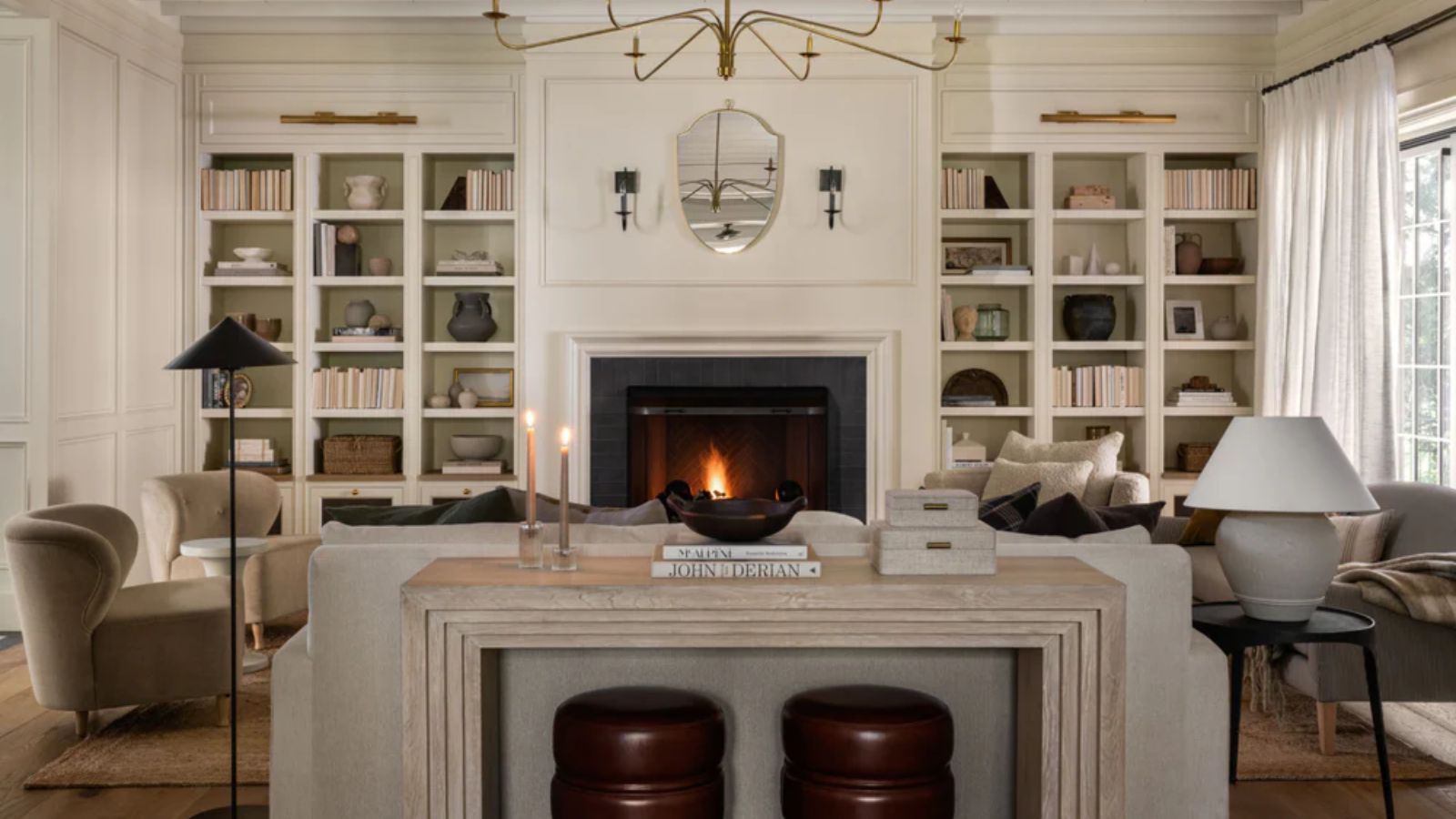
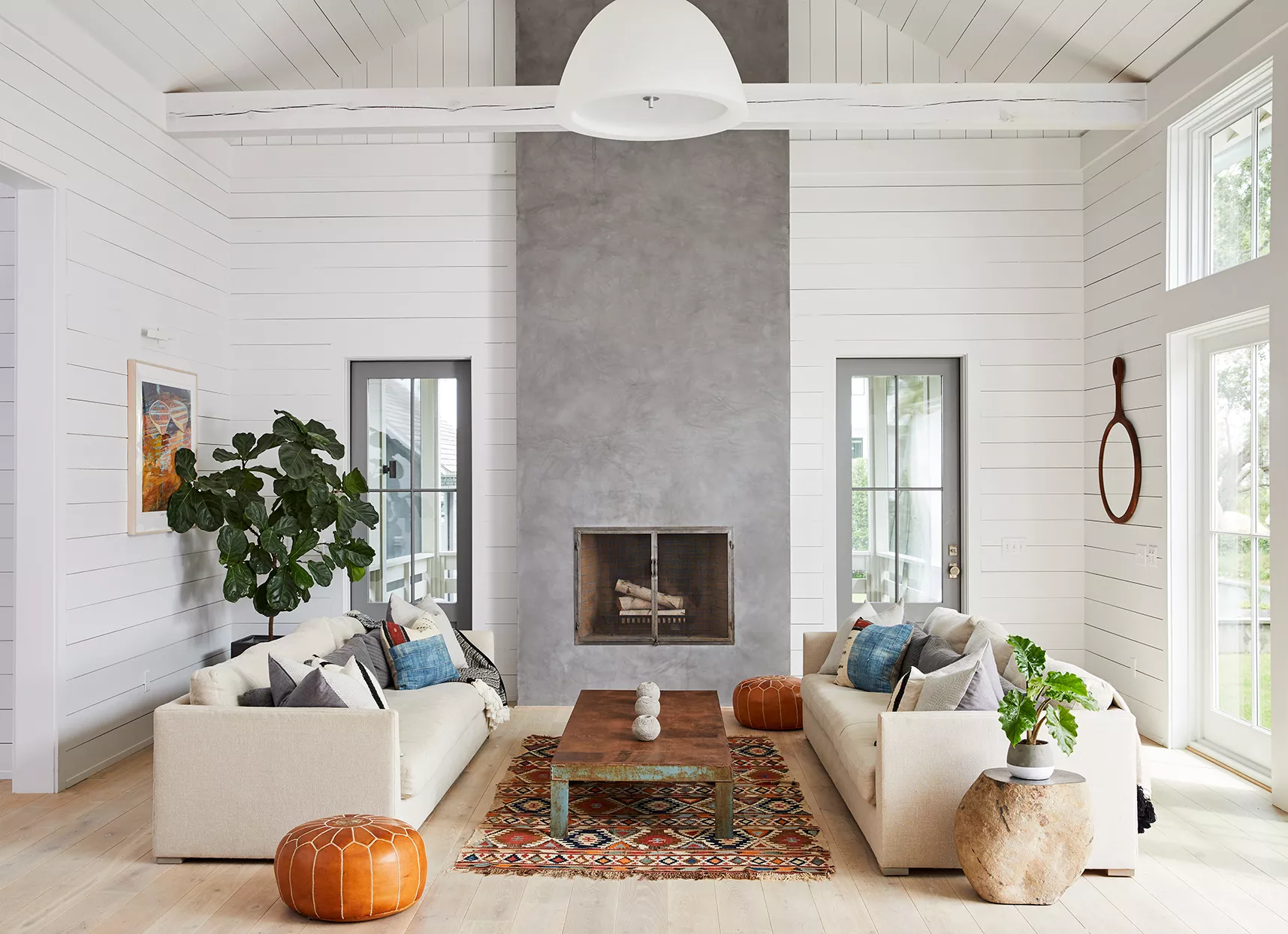
Designers generally agree that symmetry is not entirely out of style but is instead evolving. Sean Symington emphasizes using symmetry as a starting point, then softening it with subtle differences to prevent a too-rigid feel. LTA Interiors describes symmetry as grounding and pleasing, while asymmetry adds life and personality, encouraging the eye to explore. Sarah Ellison of Frank & Faber notes that while symmetry is a classic design building block, its application has become more relaxed. She suggests anchoring a room with a central focal point, like a fireplace or artwork, and then introducing variations in textures, shapes, tones, or furniture angles to create a more lived-in atmosphere rather than an overly formal or predictable one.
The effectiveness of symmetry often depends on the architectural features of the room. Alissa Johnson highlights that spaces with strong central elements, such as a fireplace or large window, naturally benefit from symmetry. Conversely, some rooms feel more vibrant with asymmetry, achieved by mixing seating styles, incorporating varied lighting, or arranging art dynamically. The key lies in reading the room's inherent characteristics and allowing its architecture to guide the design choices. Kathy Kuo echoes this, emphasizing that while symmetrical layouts can foster conversation by naturally aligning seating, they can appear forced and unbalanced if architectural features like a fireplace are offset.
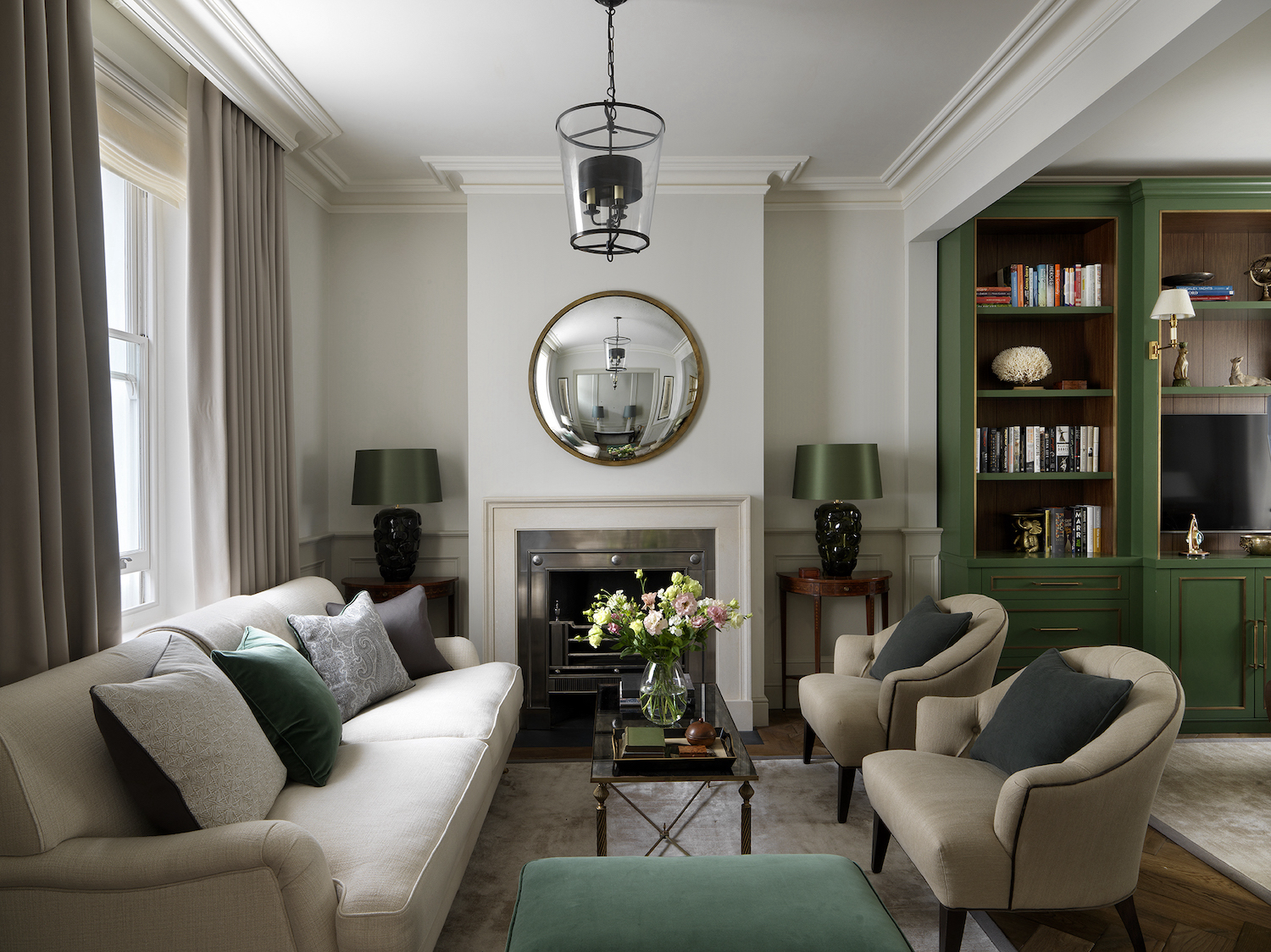
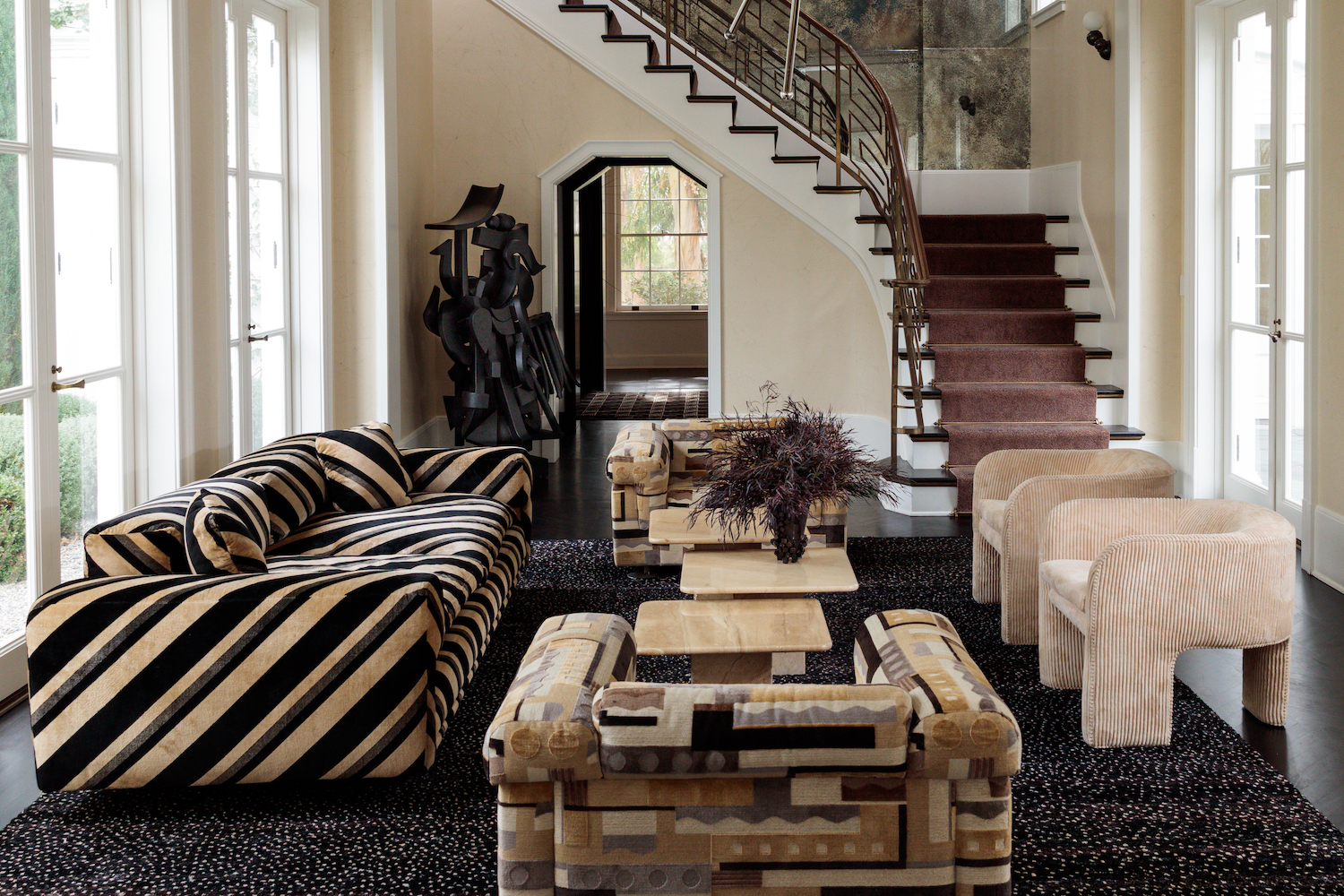
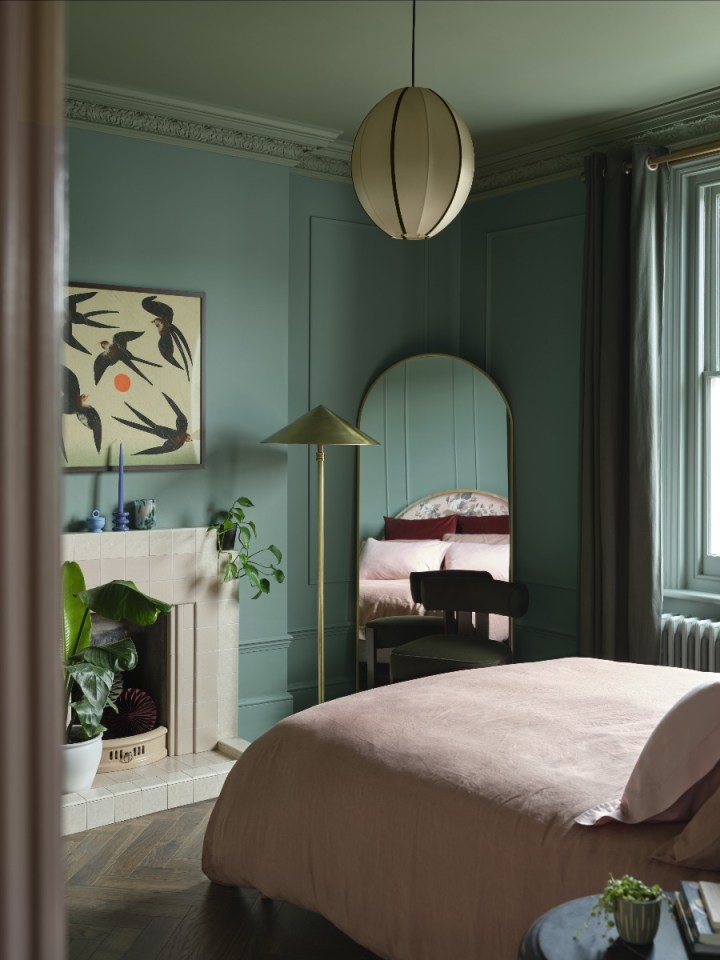
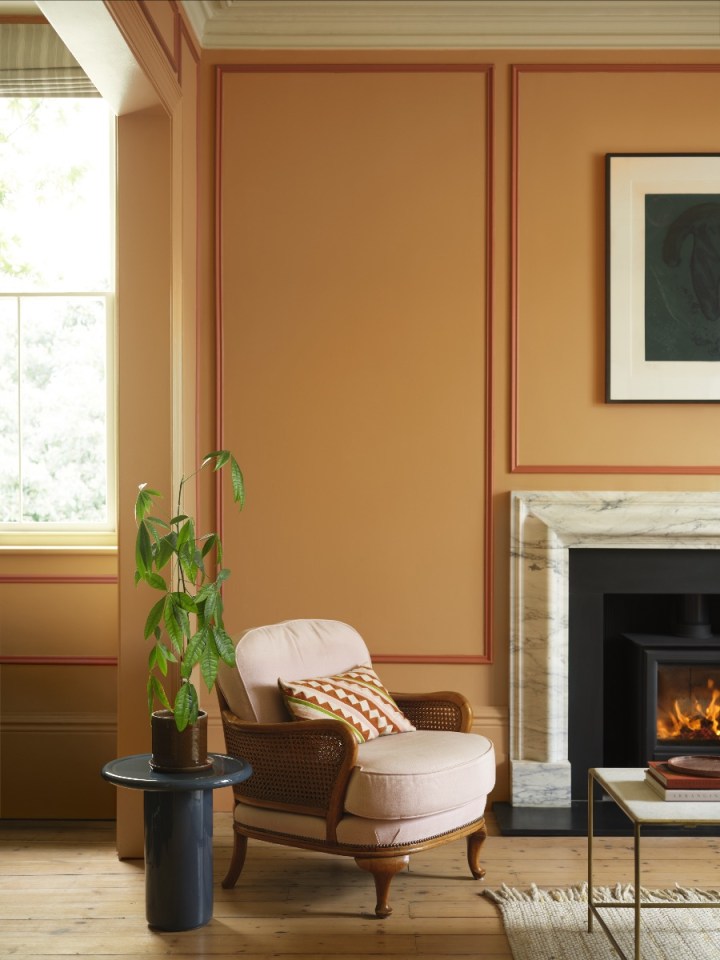
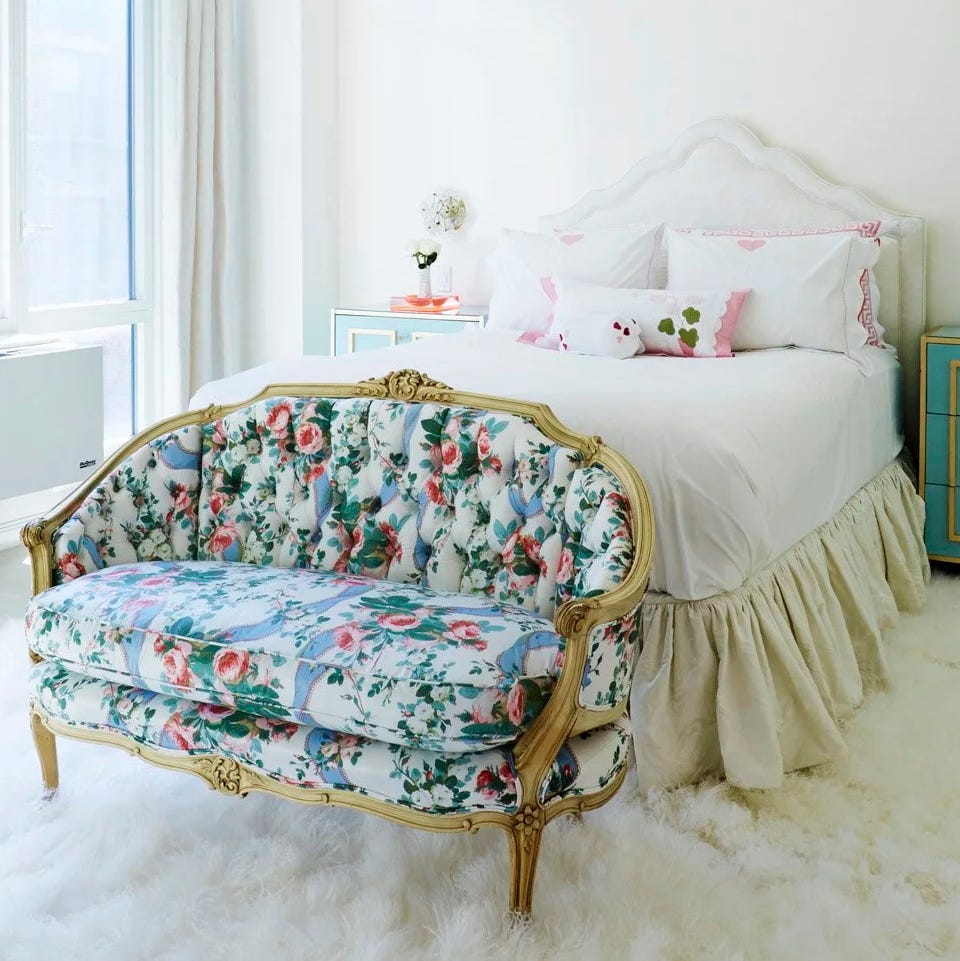
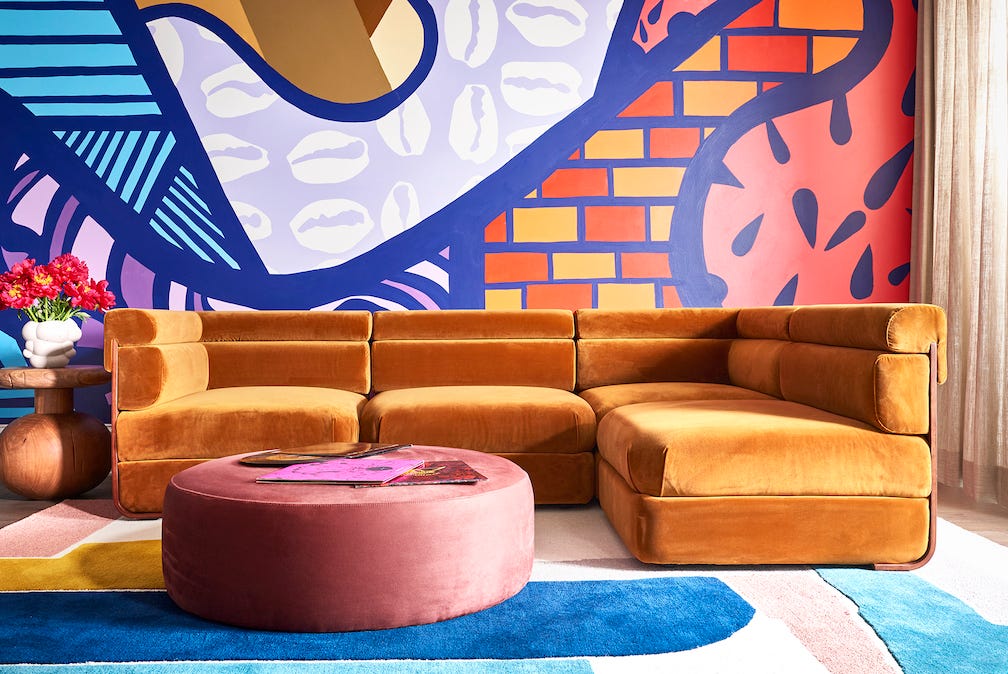
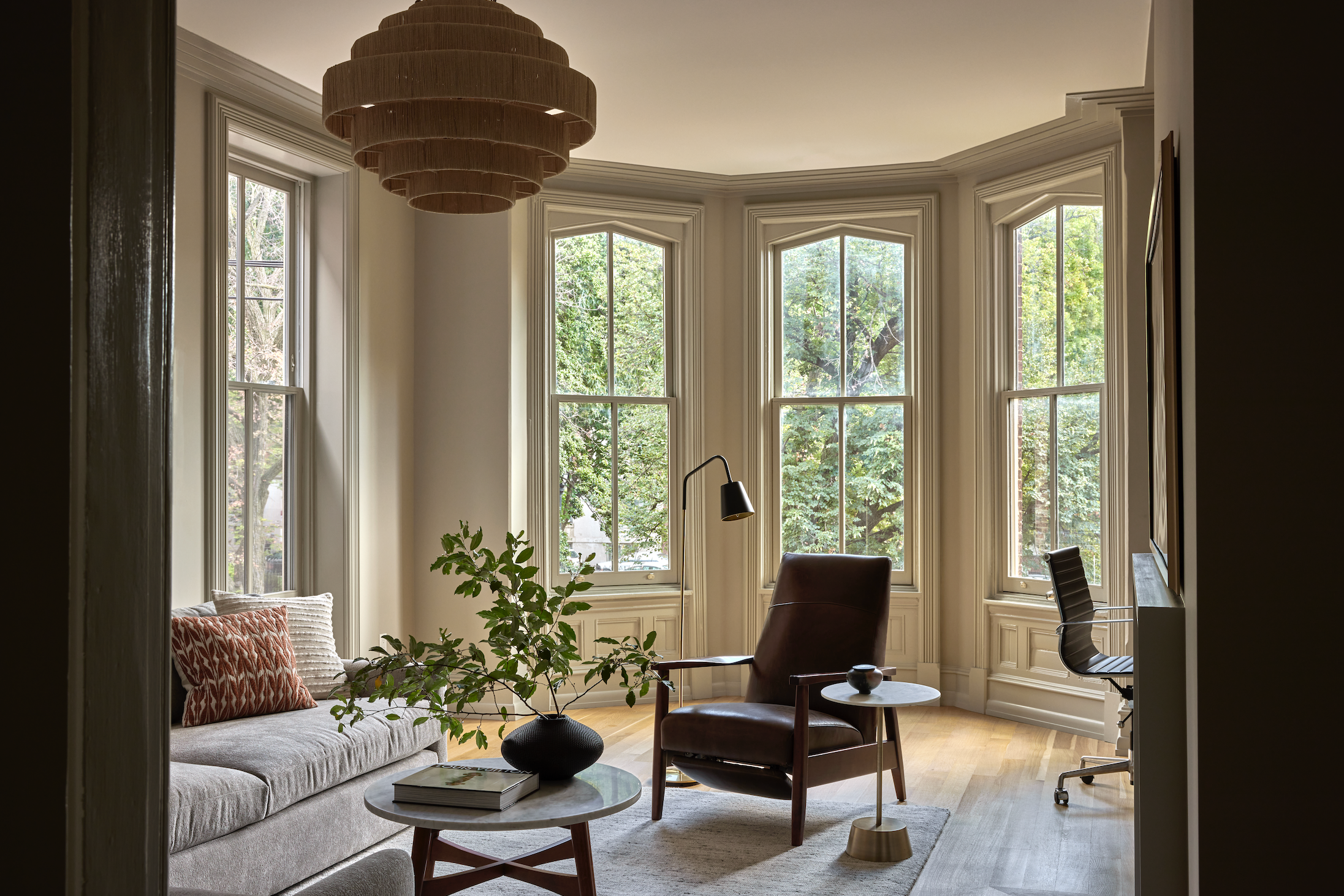
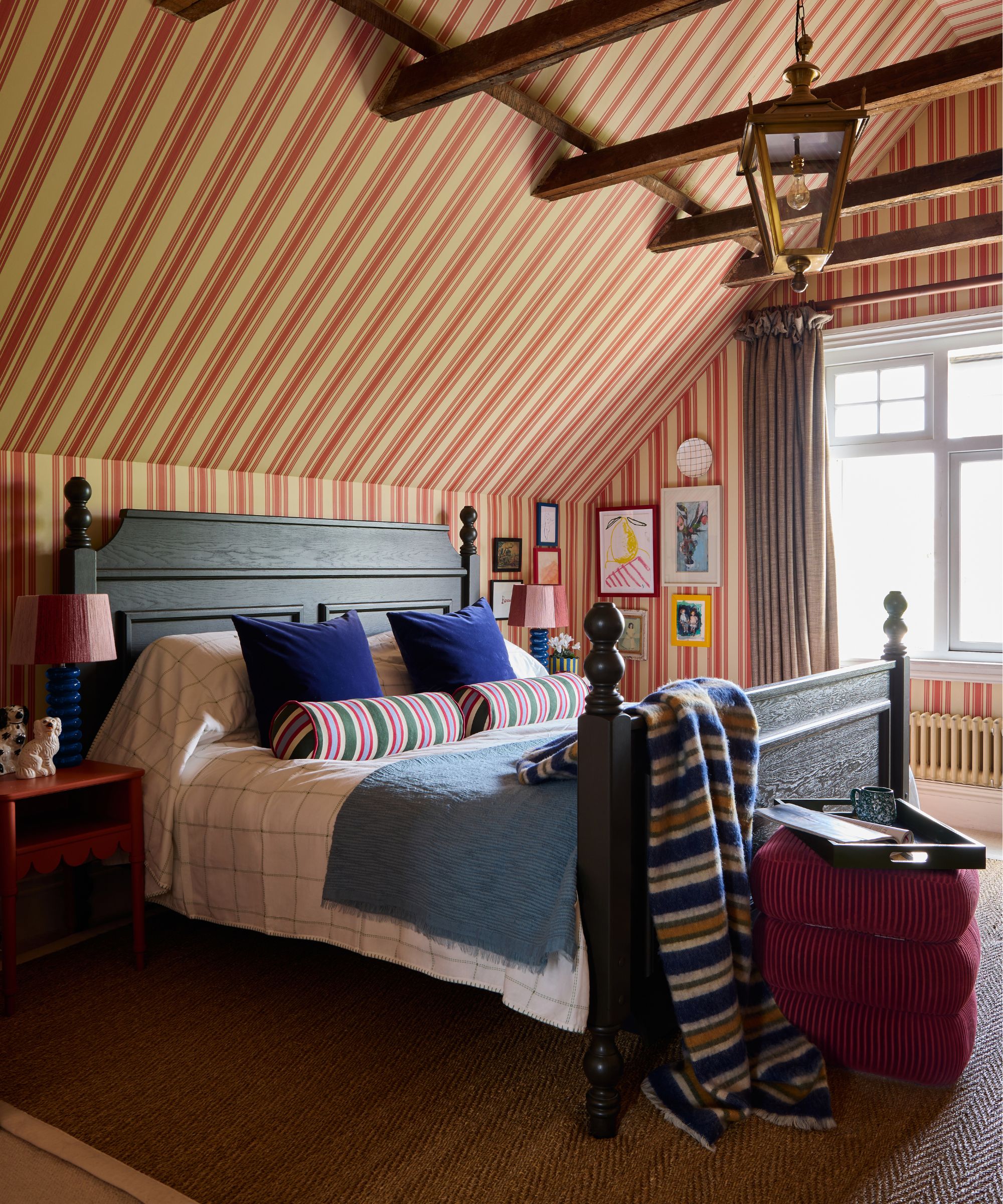
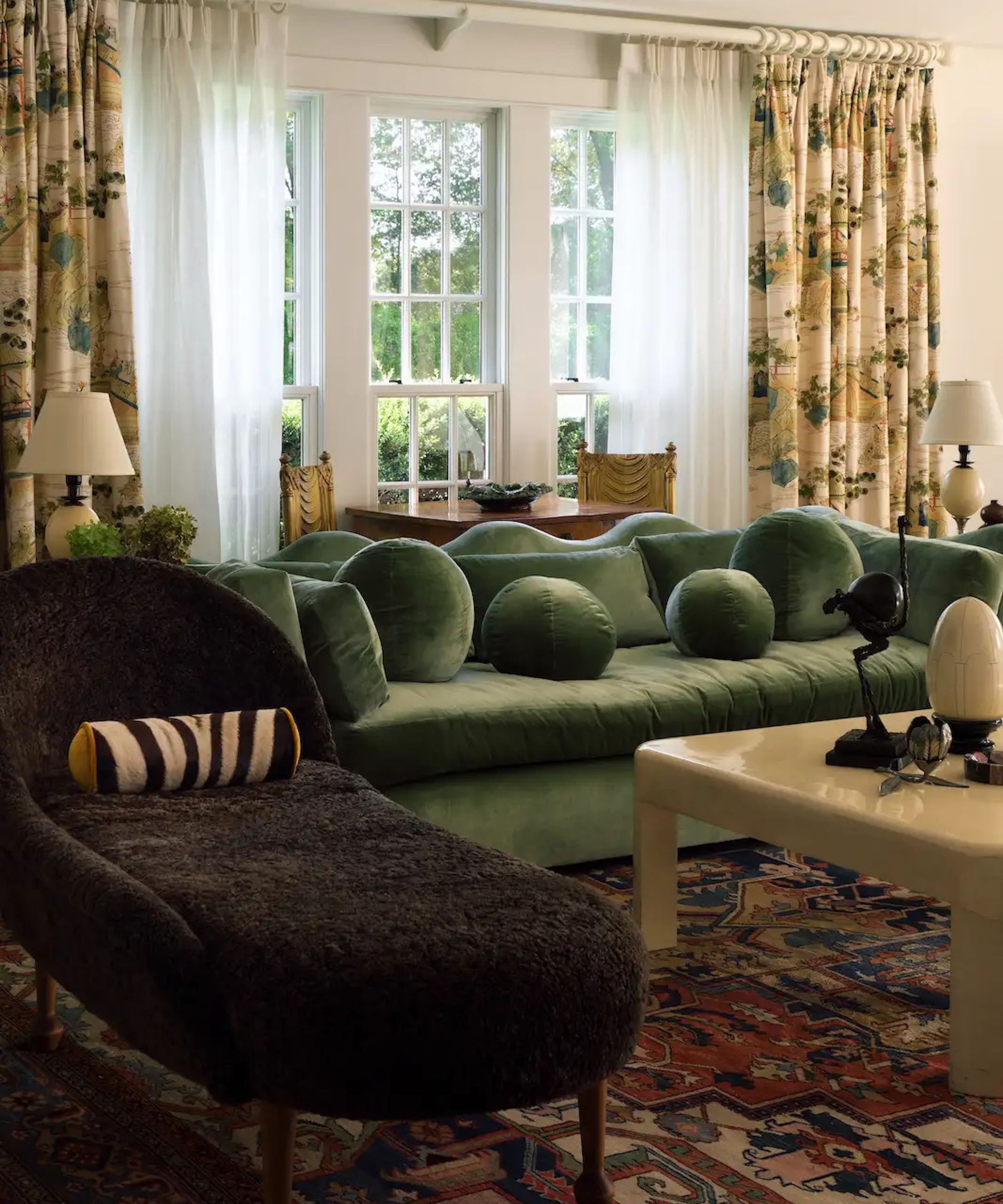
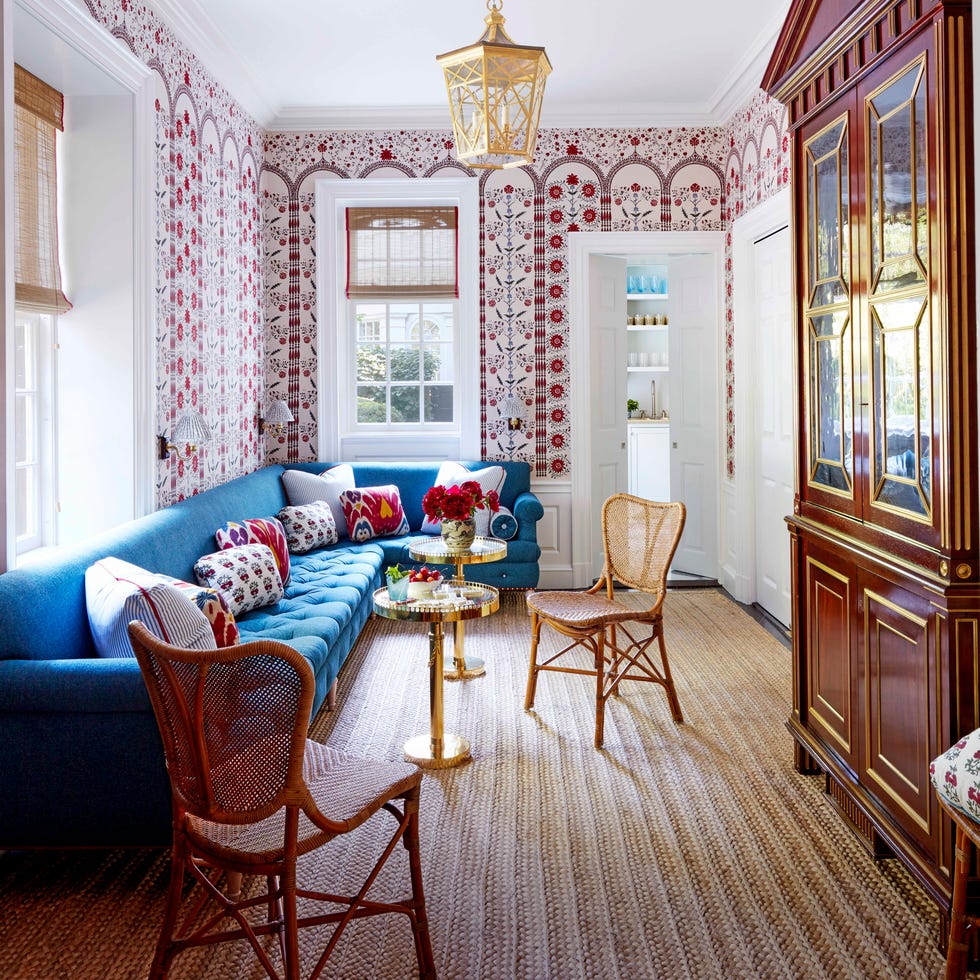
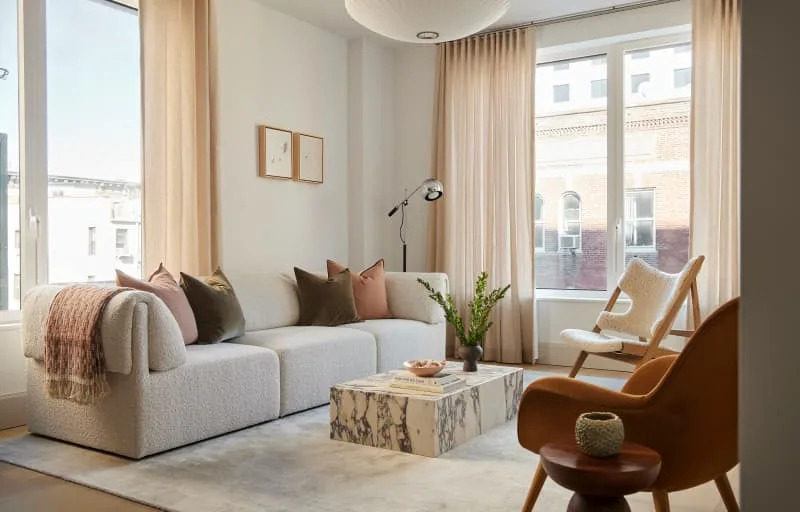
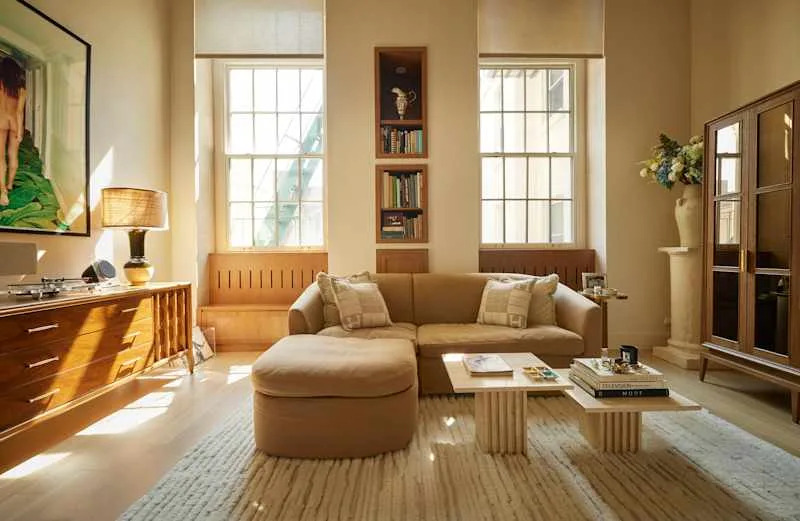
Designers acknowledge that symmetry brings calmness and connection, but asymmetry introduces character and a layered look, making a space feel less staged and more authentic. Michael Tyrrell from OWN LONDON suggests that in family homes, where spaces often serve multiple functions and are inherently asymmetrical, embracing this natural imbalance can lead to more elegant and characterful results through thoughtful finishes and proportions. LTA Interiors and Fern Ford from Project London advocate for combining symmetry for structural elements like windows or fireplaces with asymmetrical accessories such as lighting, art, or side tables. This hybrid approach creates a relaxed yet polished aesthetic, reflecting the room's purpose and the desired ambiance.
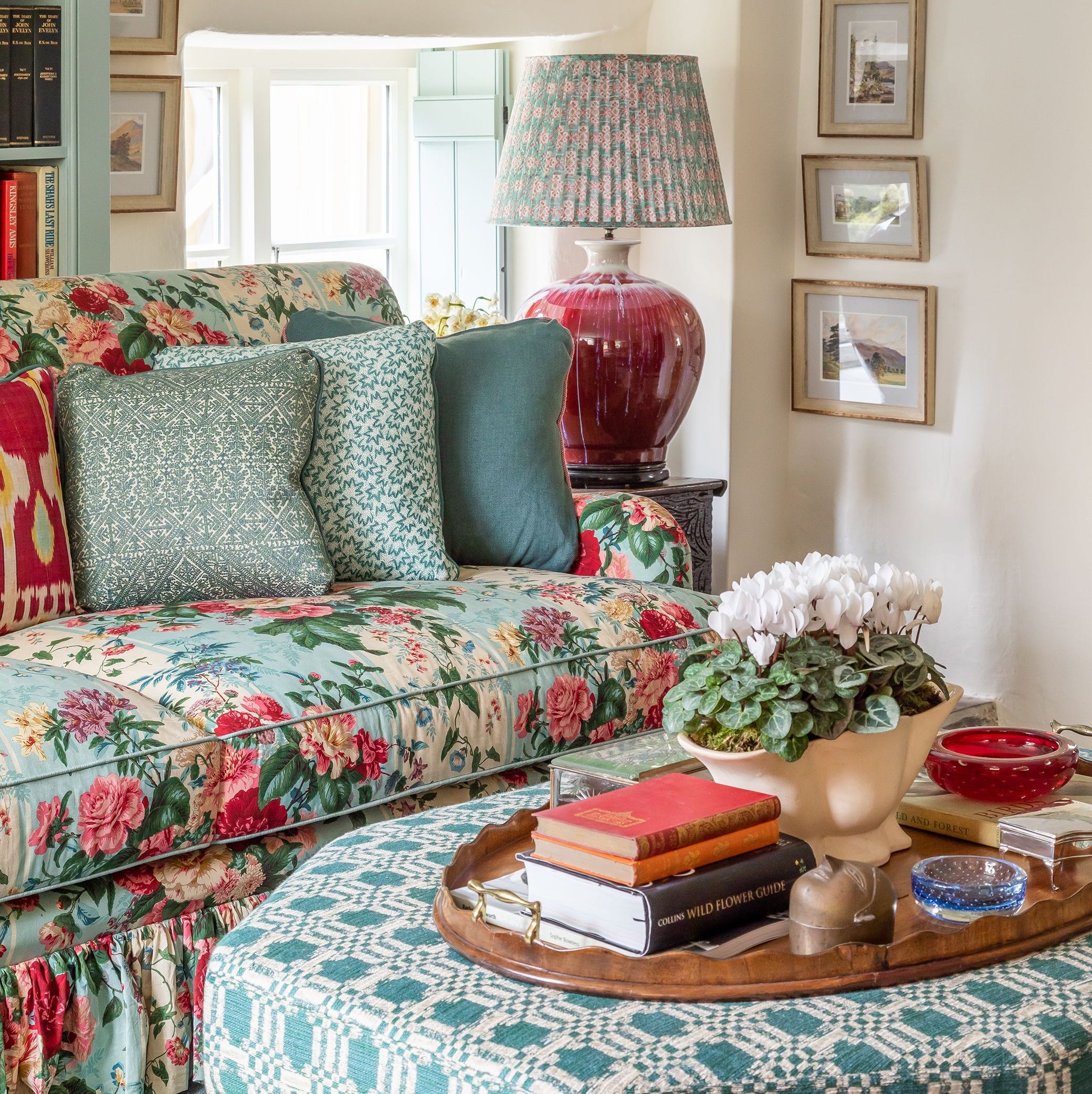
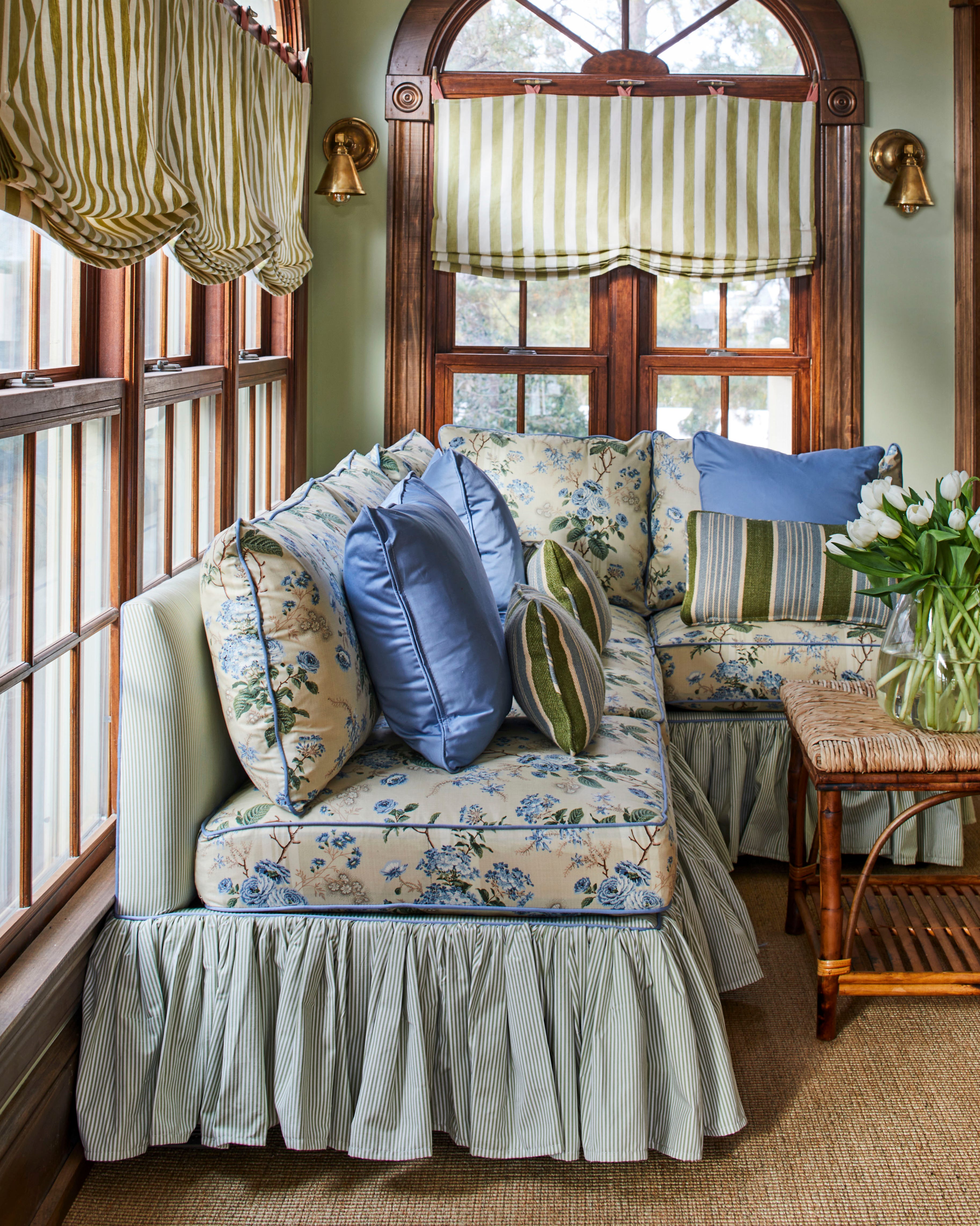
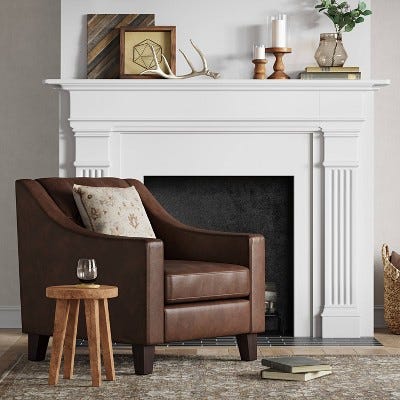
Striking the right balance involves avoiding extremes of either too much symmetry or too much asymmetry. Designers advise using layers of pattern and texture to add warmth and personality to formal symmetrical layouts. For instance, flanking a fireplace with two armchairs but varying their fabrics or cushions, or selecting lamps of different heights, can introduce subtle asymmetry. Laura Lubin of Ellerslie Interiors champions 'structured asymmetry,' aiming for a balanced layout that isn't predictable by anchoring one side with visual weight and allowing the opposite to feel lighter. Ultimately, the goal is not strict uniformity but harmony, resulting in a collected and comfortable space that feels authentic rather than overly designed.
#InteriorDesign #LivingRoomLayouts #SymmetryInDesign #AsymmetryInDesign #HomeDecoration #DesignTrends2026 #FurnitureArrangement #DecoratingTips #InteriorDesign #LivingRoomLayouts #SymmetryInDesign #AsymmetryInDesign #HomeDecoration #DesignTrends2026 #FurnitureArrangement #DecoratingTips
0 comment in total
 No comments yet
You may also like
There's a new way designers are doing symmetrical living rooms and it could be 2023's biggest decorating trend

Designers Predict These 6 Living Room Trends Will Be Everywhere in 2026

Bye Bye Bland Bedrooms, Designers Are Predicting 2026 Trends Are All About Color, Cozy, and Character
7 Living Room Trends Designers Expect To Take Over In 2026
4 Dated Living Room Layouts That Simply Won't Work in 2026

Interior designers reveal the home decor trend that will take over 2026 & why it's time to bin off accent walls

Designers Agree: Homeowners Want This Design Feature in 2026 (For Every Room!)

5 Styles That Will Dominate Home Decor in 2026, According to Experts
Designers Are Calling It: These Interior Design Trends Will Be Everywhere in 2026

This Is the (Unexpected!) Living Room Layout Designers Love for 2025

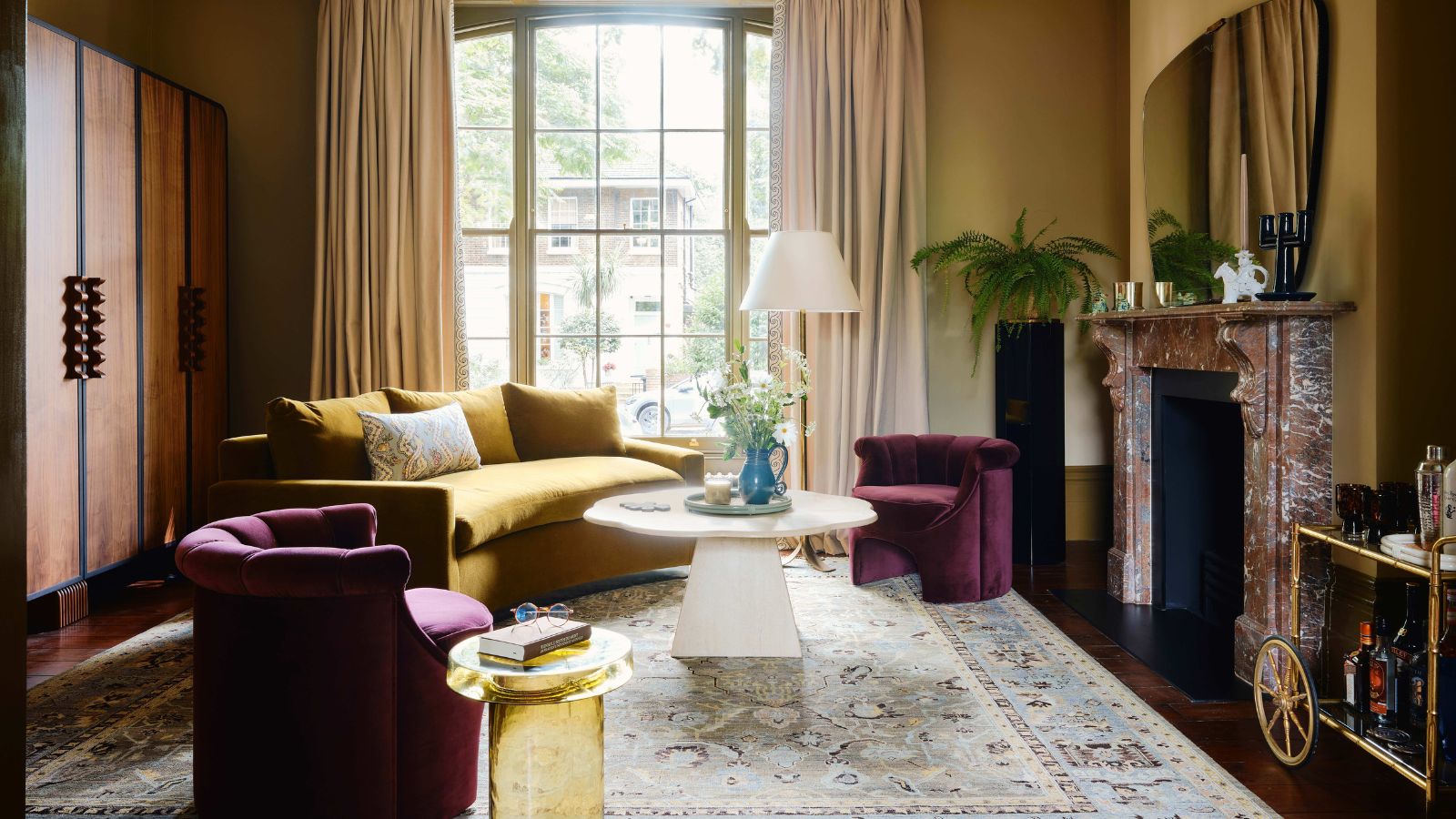
Redecorating Your Living Room in 2026? These Are the Trends Designers Want to See You Use in the New Year
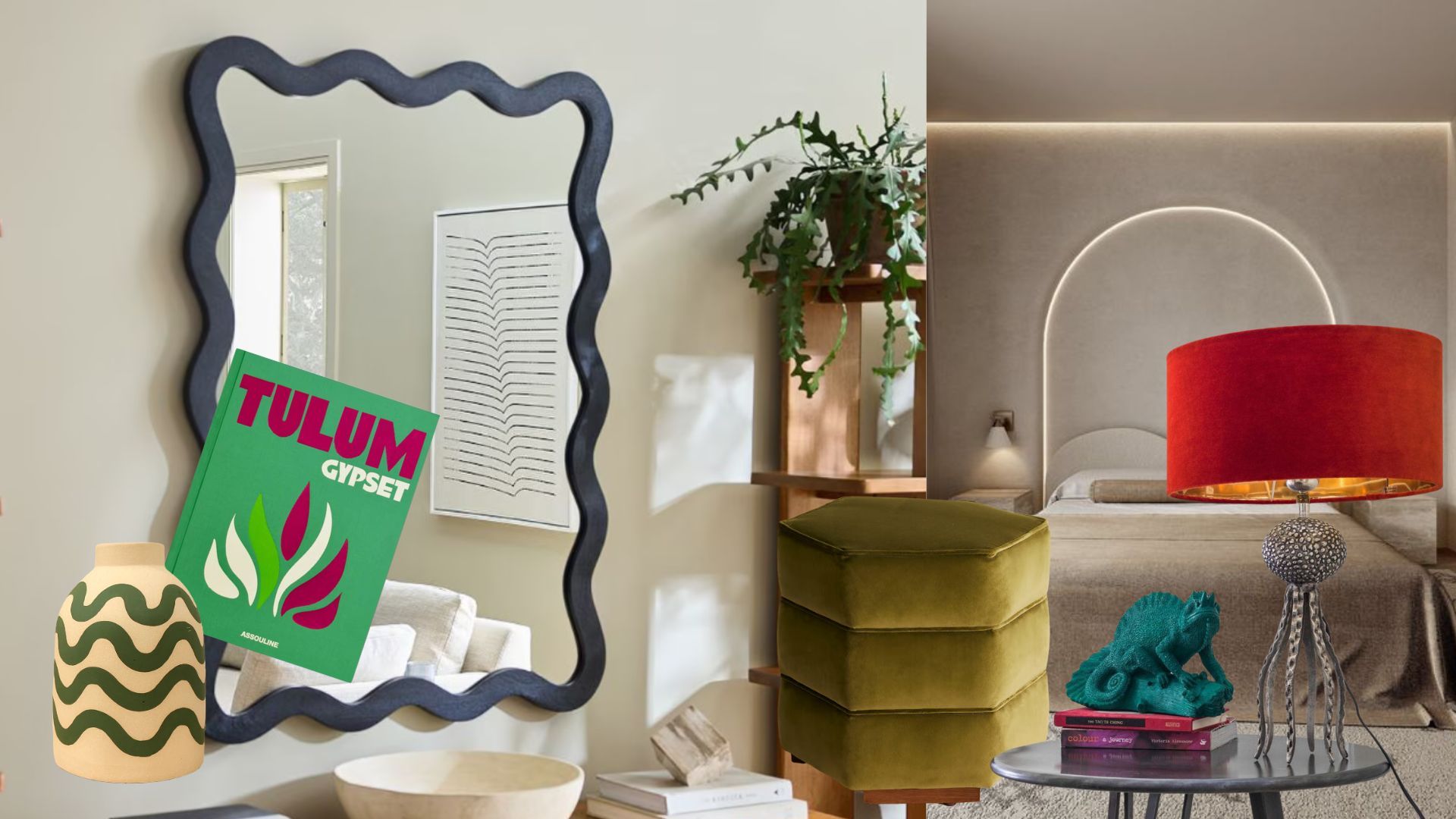
2025 Interiors trends according to an expert and the best pieces to shop now
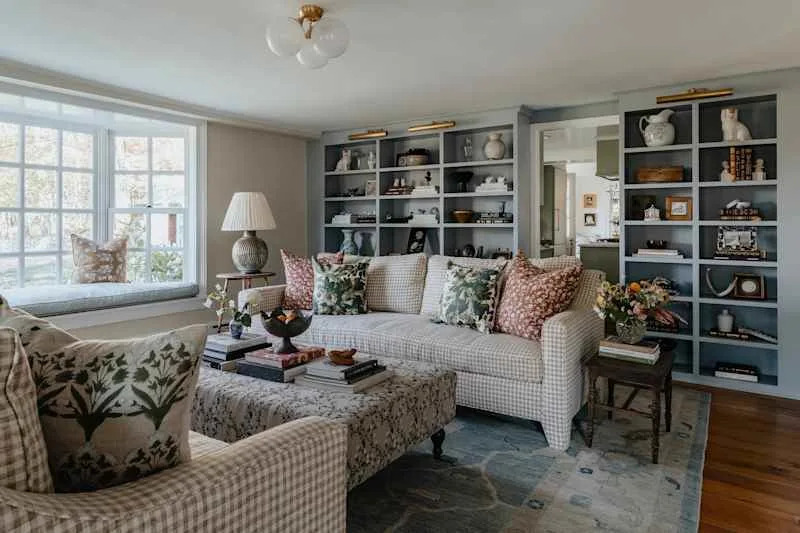
This Is the (Unexpected!) Living Room Layout Designers Love for 2025

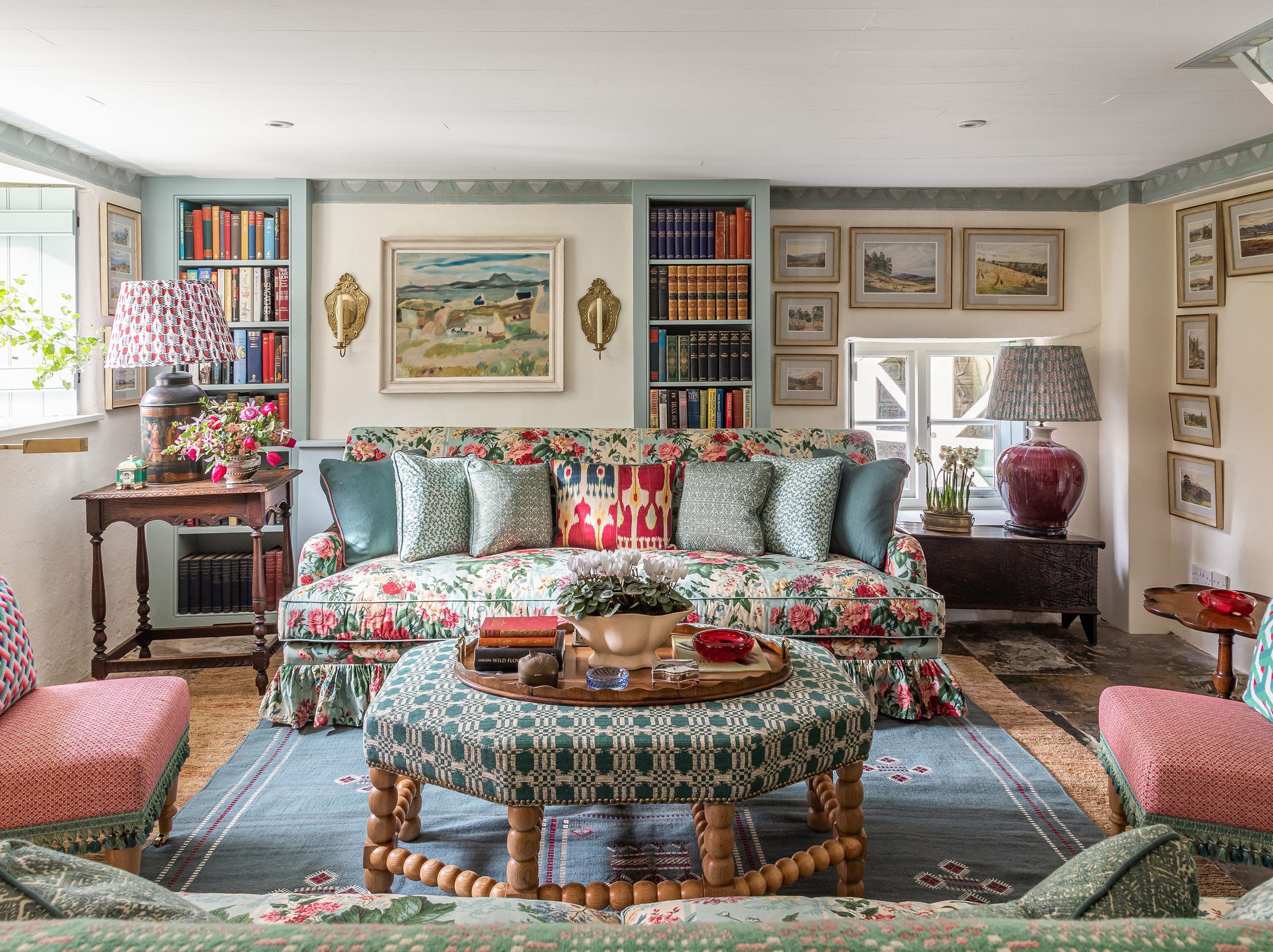
Designers Say This DIVISIVE 1950s Sofa Trend Will Rule 2026
The Vintage Interior Trends Designers Predict Will Define Homes in 2026
Interior Designers Say These Decor Trends Will Be Everywhere in 2024
Designers Are Calling It: These Furniture Trends Will Be Everywhere in 2026

Designers Say This Fabric Will Dominate Living Rooms in 2024

Experts Predict These 6 Living Room Trends Will Be Huge in 2025
6 Living Room Trends That Will Be Big in 2025, According to Designers