Designers Agree: Homeowners Want This Design Feature in 2026 (For Every Room!)
Pocket doors, a common feature in historic homes with closed-plan layouts, are experiencing a significant resurgence in popularity for both new constructions and home renovations. This comeback is largely attributed to substantial advancements in hardware technology, making them more functional, durable, and easier to install and maintain compared to previous iterations. Architects and builders, including Sean Mullin from Anthony Wilder Design/Build, Luke Olson from GTM Architects, and Deborah Sauri from TriVistaUSA Design + Build, note that pocket doors are increasingly integrated into design plans due to their space-saving benefits and improved reliability.
The enhanced hardware available today addresses past issues like doors binding or running off-track. Modern pocket door systems now offer features such as synchronized hardware, allowing two doors to open simultaneously, and soft open-and-close mechanisms, significantly improving user experience. Furthermore, contemporary designs accommodate larger and heavier door panels, expanding their application possibilities. The increased durability and sturdiness make them a dependable choice for various rooms within a home.
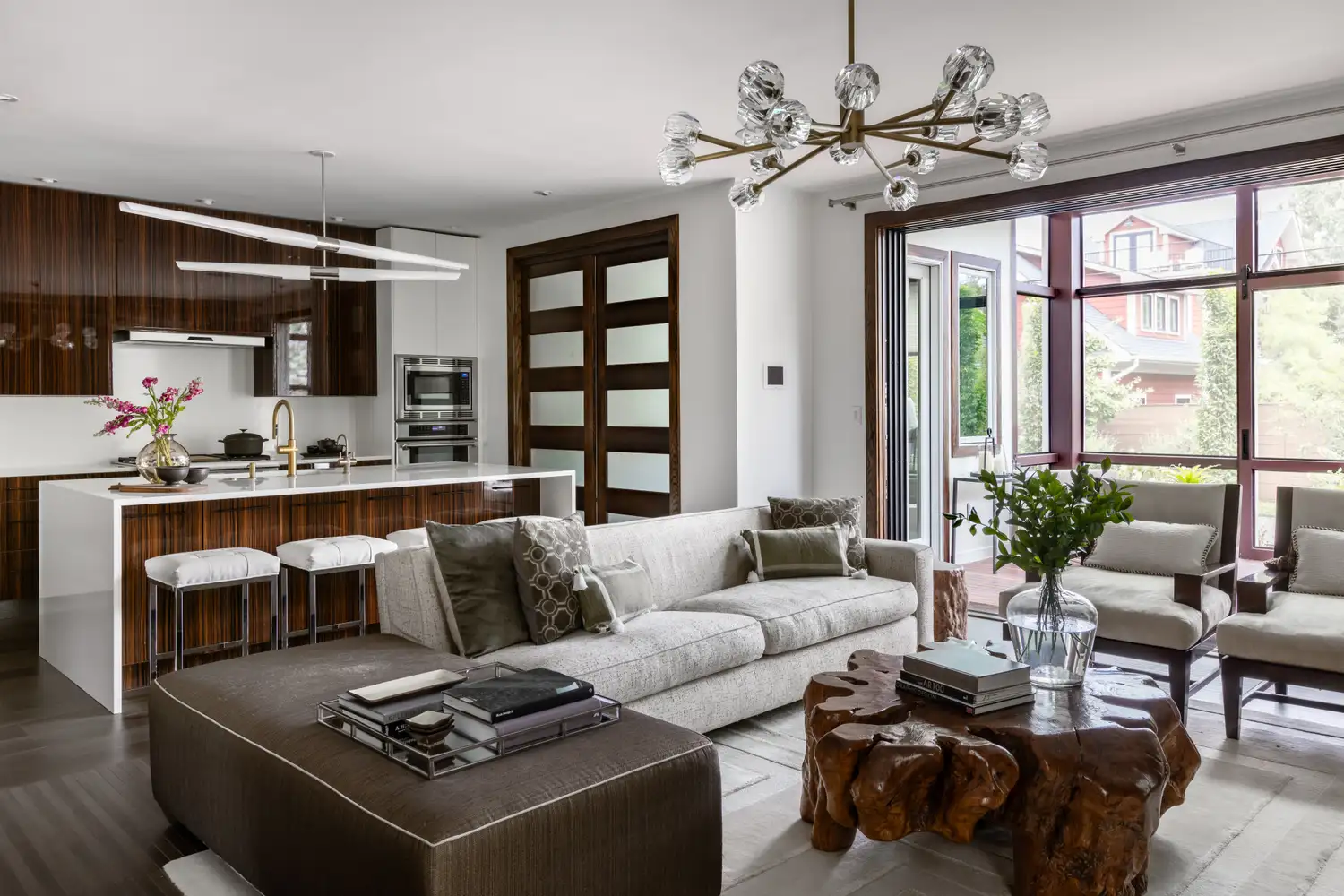
Beyond their functional improvements, pocket doors also offer considerable accessibility advantages. Deborah Sauri highlights their benefit for individuals using wheelchairs, as they can be designed wider than traditional hinged doors and eliminate door swings, which can be an obstruction. This feature makes them an attractive option for homeowners planning to 'age in place.' The design flexibility extends to material choices as well, moving beyond solid wood to include alternatives like frosted or seeded glass, which can introduce new design elements and provide privacy, particularly in spaces like water closets.
Pocket doors are no longer confined to traditional applications like separating main living and dining areas. Their versatility in modern homes allows for their use in small spaces such as bathrooms, clothes closets, and laundry rooms. Designers are also incorporating them creatively to address contemporary needs; for instance, Luke Olson has used them to section off areas from pets, integrating them into pantries or mudrooms. Another innovative application involves using pocket doors to conceal kitchen workspaces, bar areas, coffee stations, or desk nooks. This allows for an open and spacious work area when needed, which can then be discreetly closed off, maintaining a tidy appearance, especially when there's no immediate need to clean up the workspace. This adaptability in placement and purpose underscores their renewed appeal in home design.
#PocketDoors #HomeDesign #InteriorDesign #ArchitecturalTrends #SpaceSaving #Accessibility #HomeRenovation #DesignTrends2026 #ModernHome #PocketDoors #HomeDesign #InteriorDesign #ArchitecturalTrends #SpaceSaving #Accessibility #HomeRenovation #DesignTrends2026 #ModernHome
0 comment in total
 No comments yet
You may also like
Everyone's Putting in a Mudroom—But Designers Say These Specific Features Will Be Everywhere in 2025

Interior designers reveal the home decor trend that will take over 2026 & why it's time to bin off accent walls

Interior Designers Say These Decor Trends Will Be Everywhere in 2024
6 Bedroom Trends That Will Be in Every Home in 2026, According to Designers

Designers Are Calling It: These Interior Design Trends Will Be Everywhere in 2026

Designers Say These Are the Bedroom Trends Actually Worth Trying in 2026
6 Bedroom Trends That Will Be in Every Home in 2026, Designers Say
Designers Agree: These 15 Home Trends Are Officially Out in 2026

Designers Are Calling It: These Furniture Trends Will Be Everywhere in 2026

Real Estate Agents Agree: Every Home Buyer Wants This Vintage Home Feature in 2026
Designers Predict These 6 Living Room Trends Will Be Everywhere in 2026

The decorating trends everyone will be talking about in 2026
Real Estate Agents Agree: This Is the Kitchen Feature Buyers Want Most in 2026
The Vintage Interior Trends Designers Predict Will Define Homes in 2026

6 Trends Defining Home Décor in 2025

Redecorating Your Living Room in 2026? These Are the Trends Designers Want to See You Use in the New Year
2026 Home Design Trends to Watch
Bye Bye Bland Bedrooms, Designers Are Predicting 2026 Trends Are All About Color, Cozy, and Character
Interior Designers Predict These 7 Bedroom Trends Will Be Everywhere in 2026

Bold, Personal Design Is In—These Are the Home Trends Everyone’s Talking About for 2026