1/8
Bathroom lighting trends — from statement pendants to pretty sconces
Effective bathroom lighting is crucial for both functionality and creating a desired atmosphere within the space, often being an overlooked aspect of interior design. Lights serve as a secret weapon for interior enthusiasts, establishing ambiance and providing essential finishing touches. When applied with precision, lighting can influence an individual's mood throughout the day, offering rejuvenation in the morning and promoting relaxation in the evening. Beyond mood, lighting acts as a defining element in an interior scheme, accentuating feature areas and highlighting specific materials or finishes.
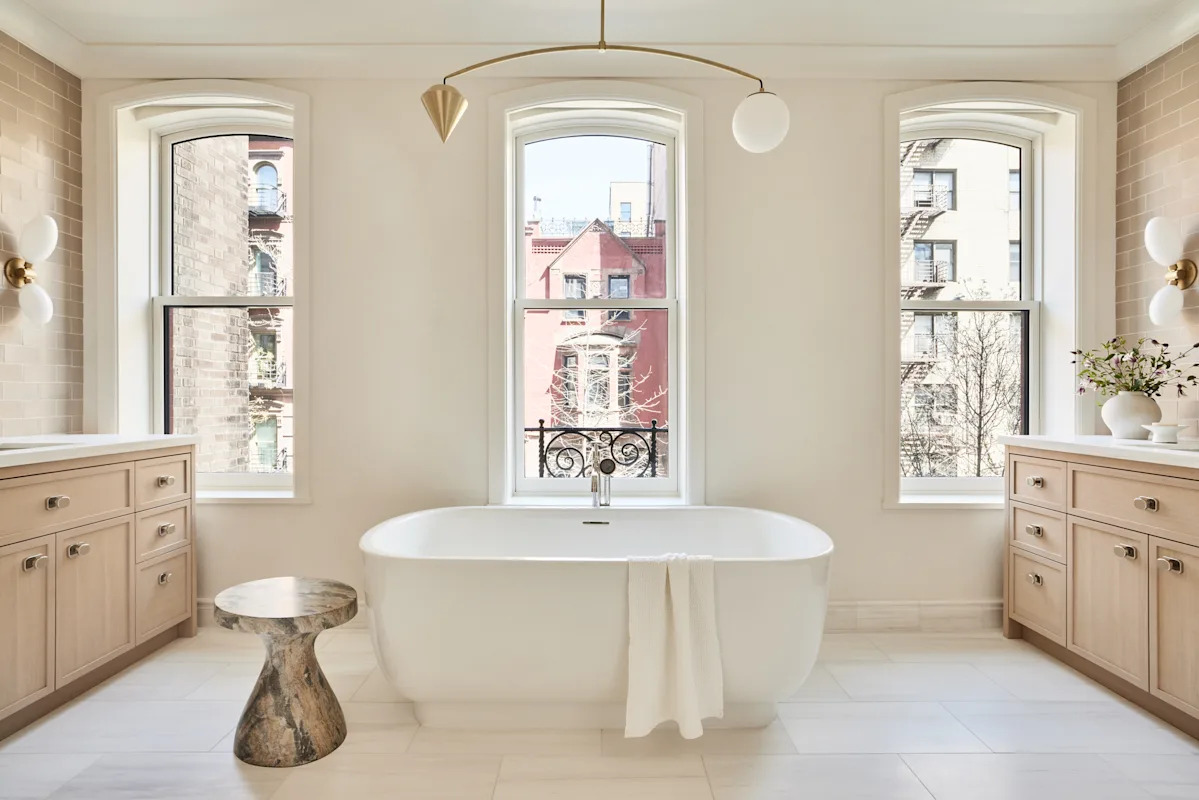
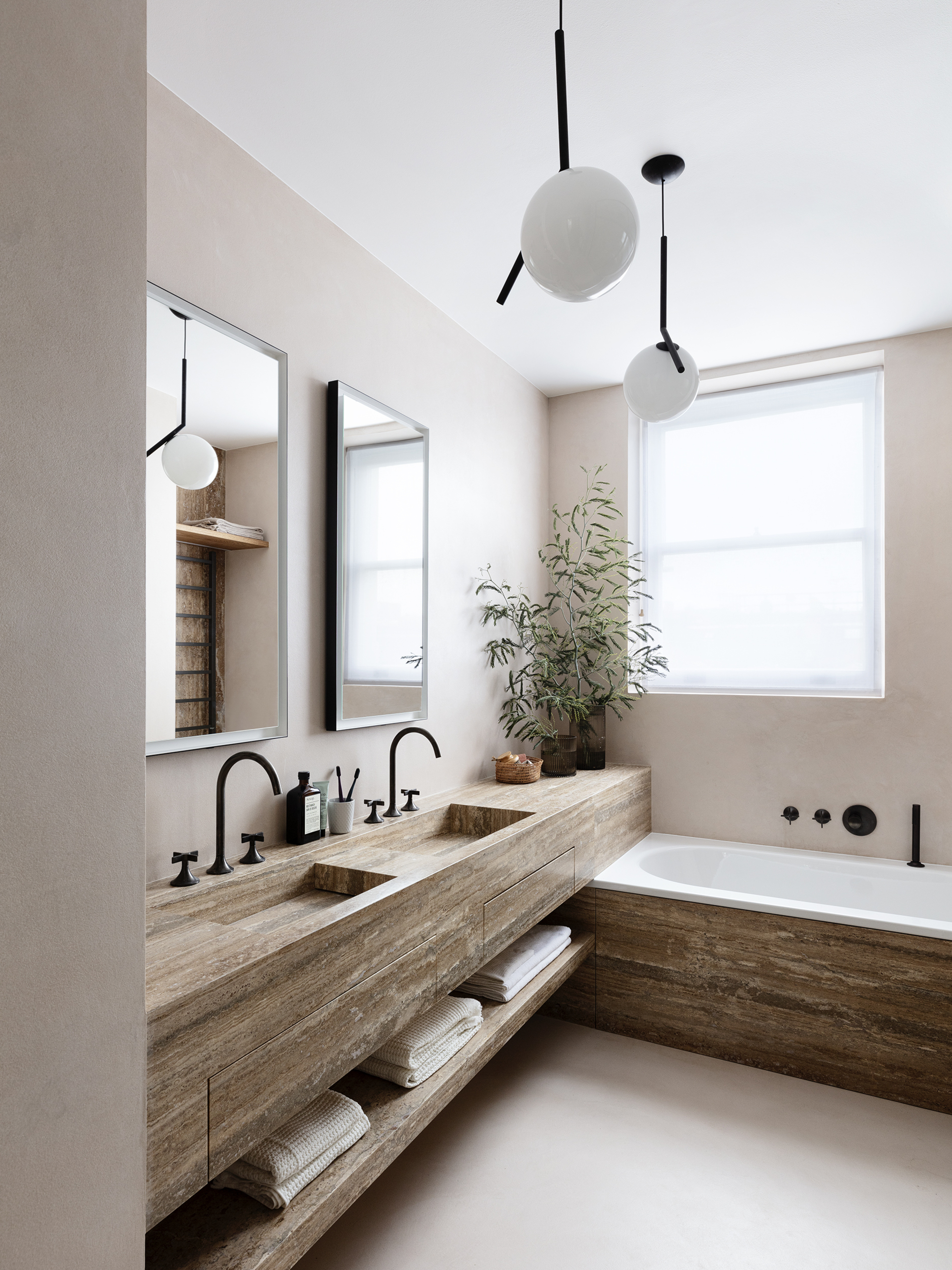
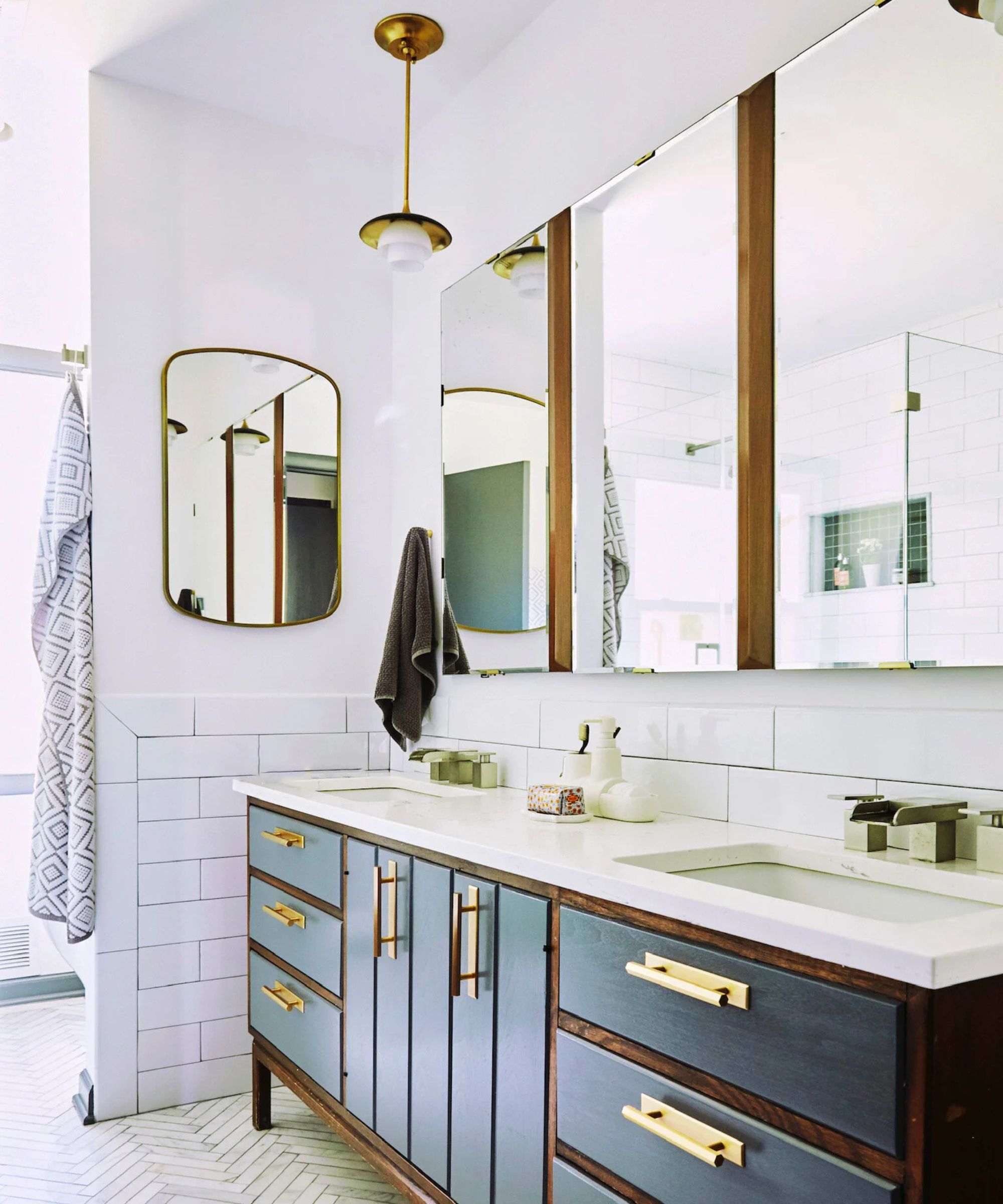
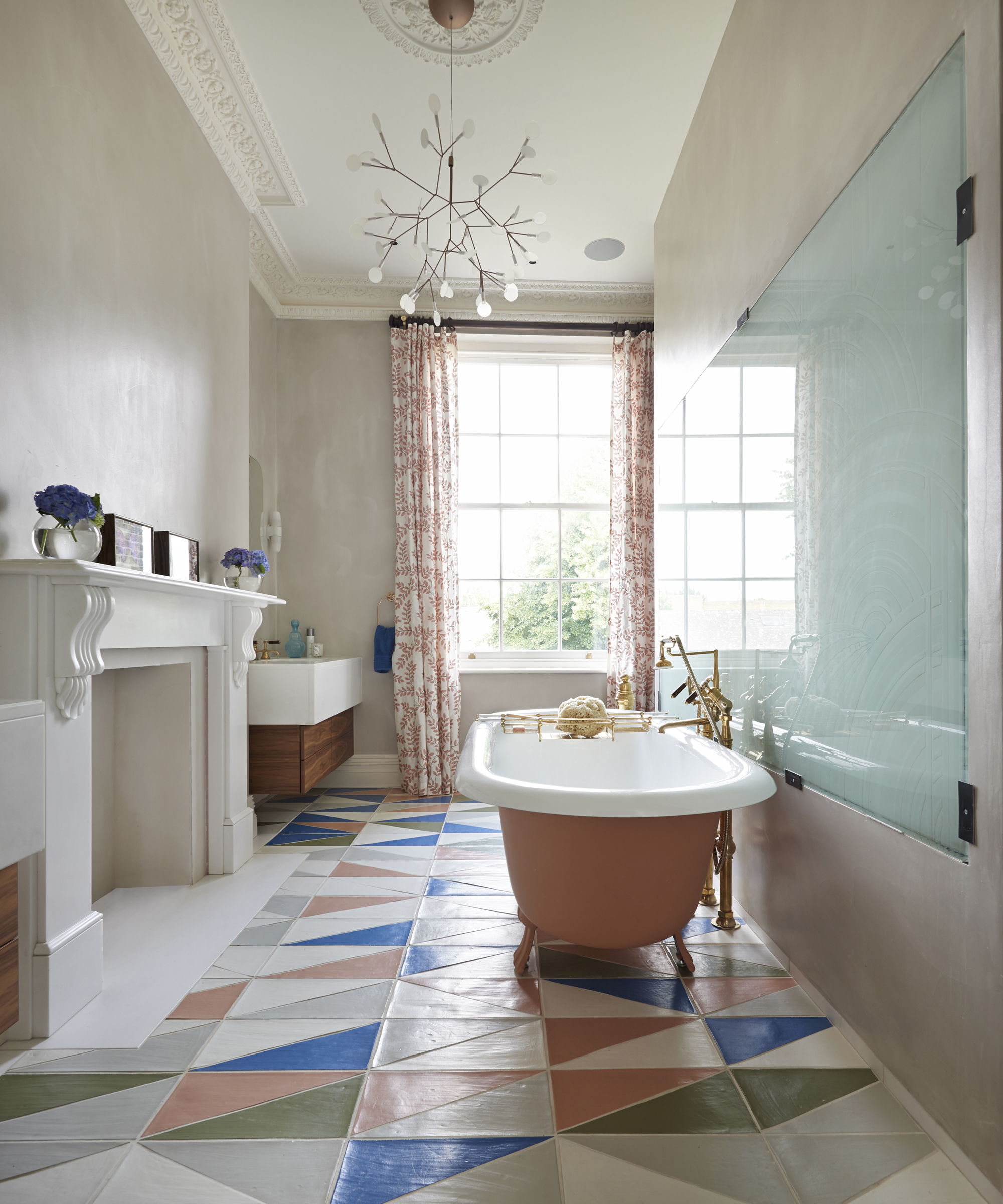
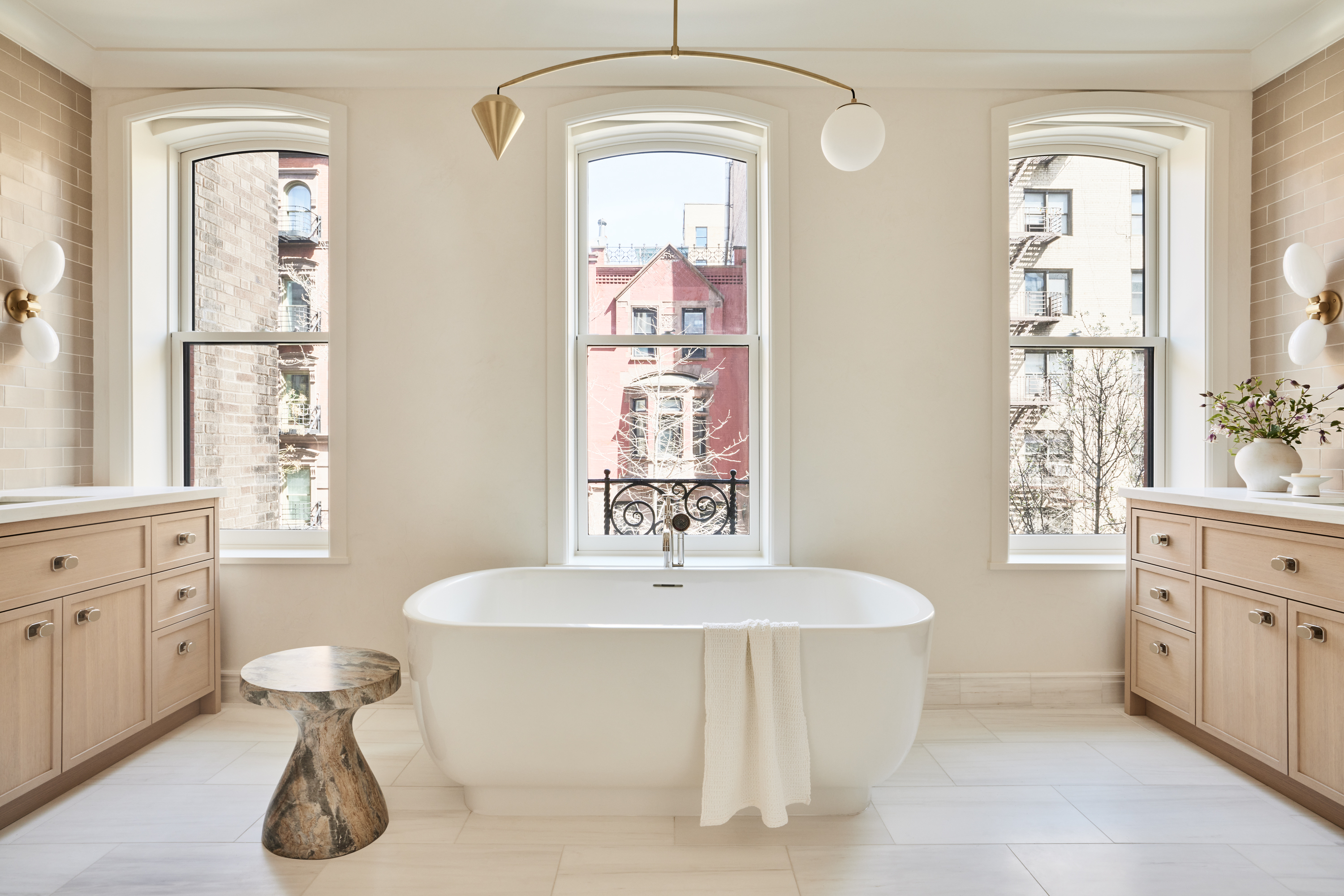
One prominent trend in bathroom lighting is making a modern statement. Interior designers emphasize that lighting design is as vital in a bathroom as in any other room. Incorporating a statement light fitting, typically seen in living areas, into a bathroom demonstrates this trend. For instance, a crisp, modern sputnik light in a gable-roofed bathroom can become the focal point. To enhance this, metallic accents can be echoed elsewhere, and a clean color palette ensures the pendant light remains the star of the show.
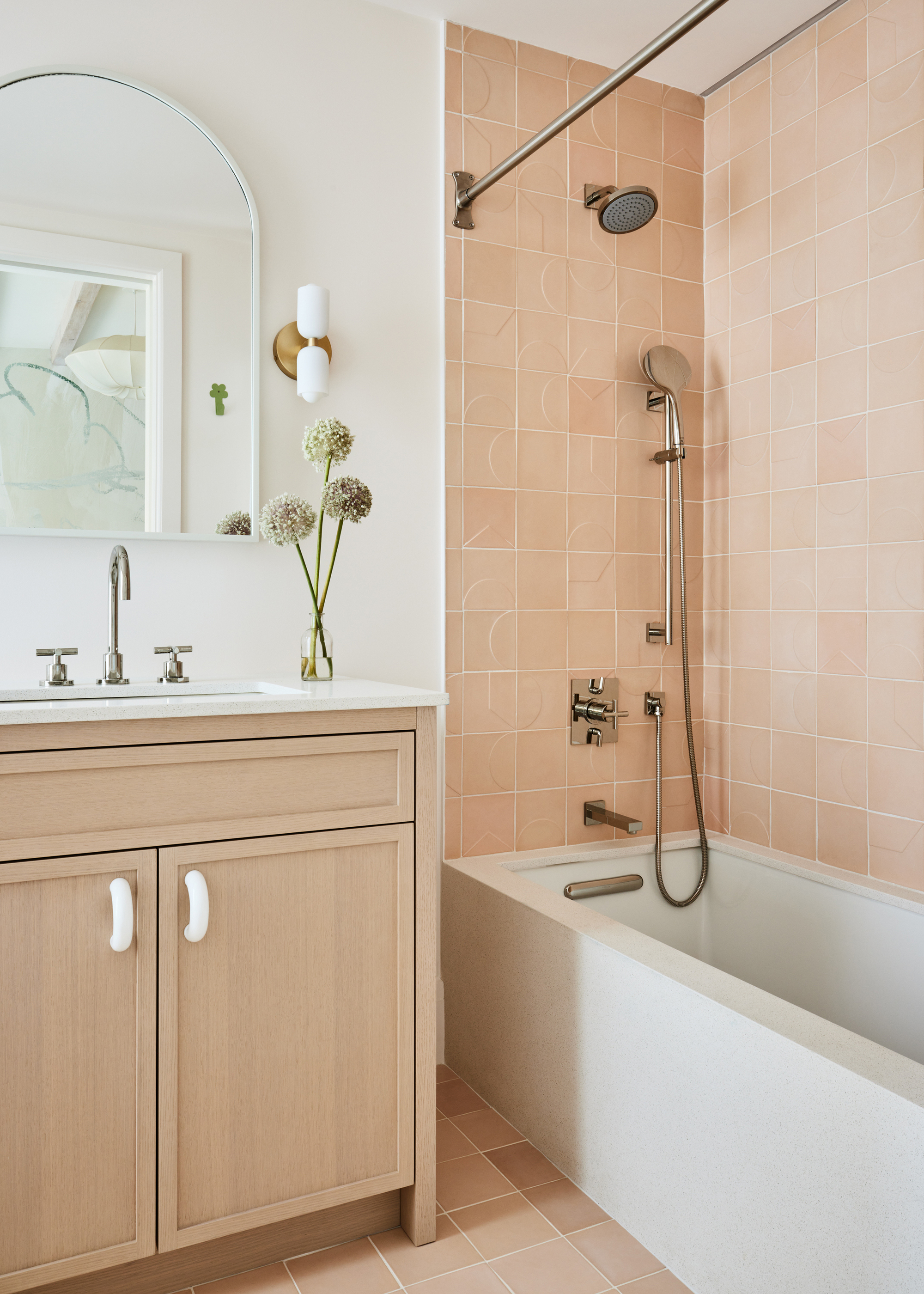
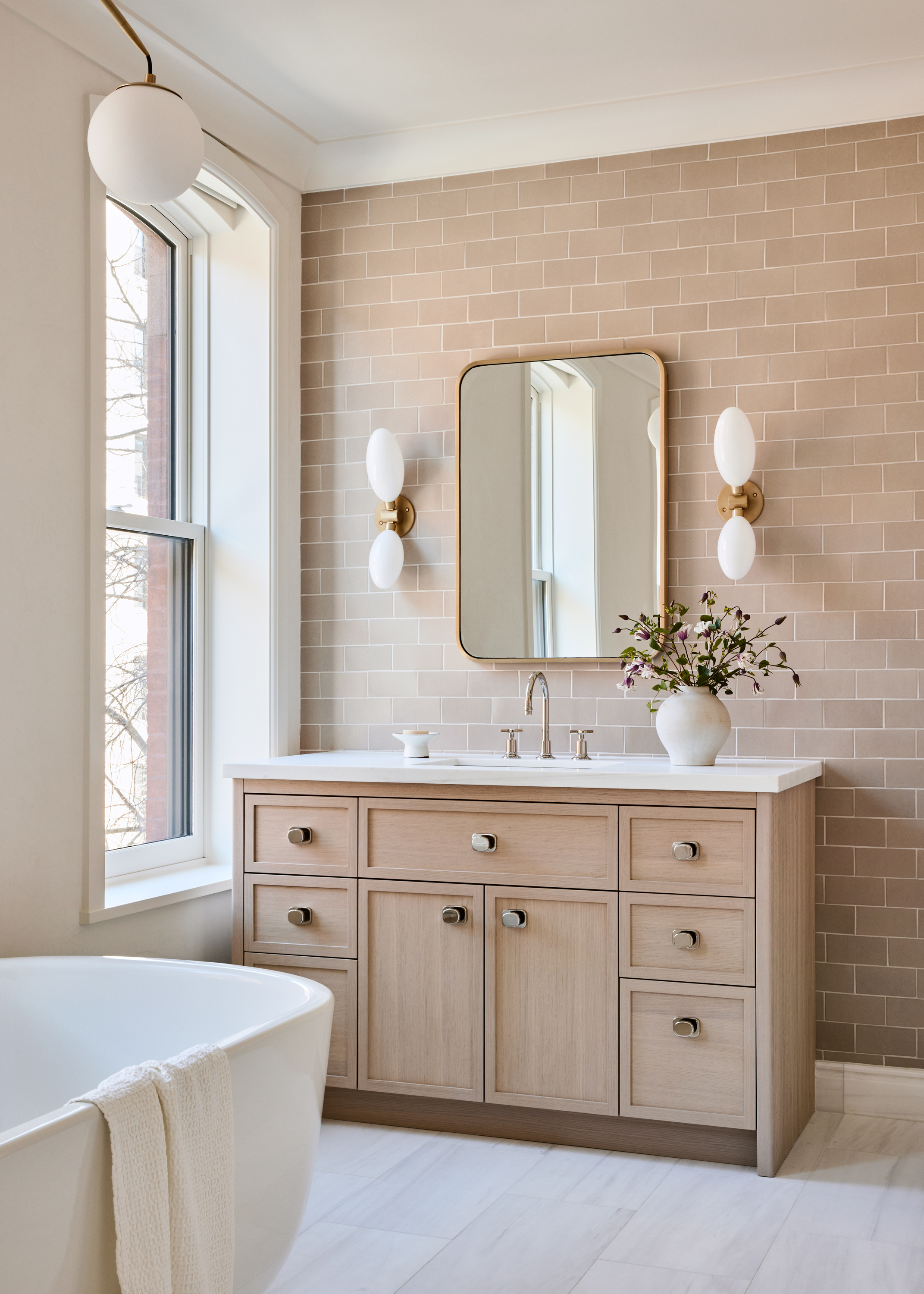
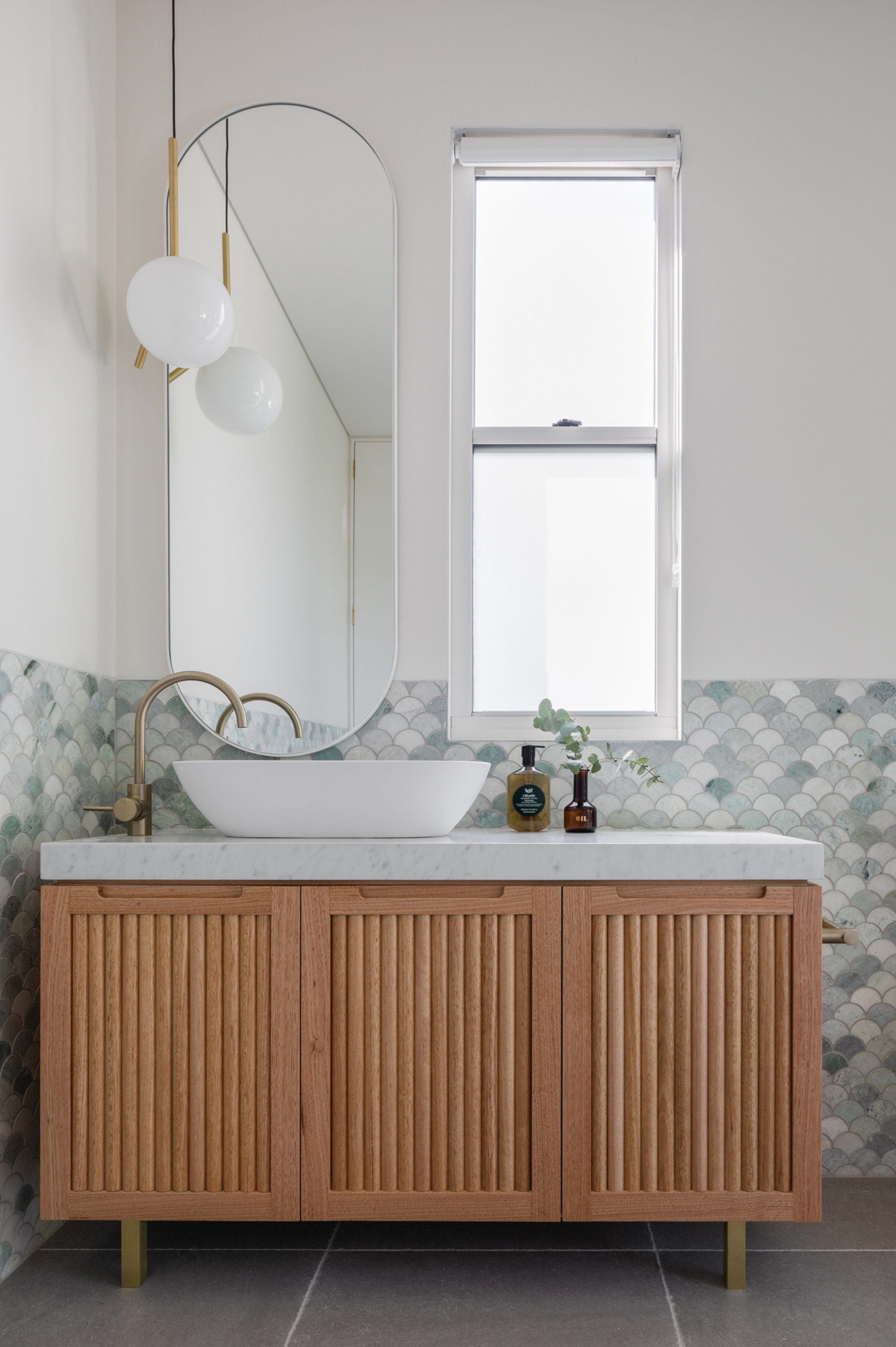
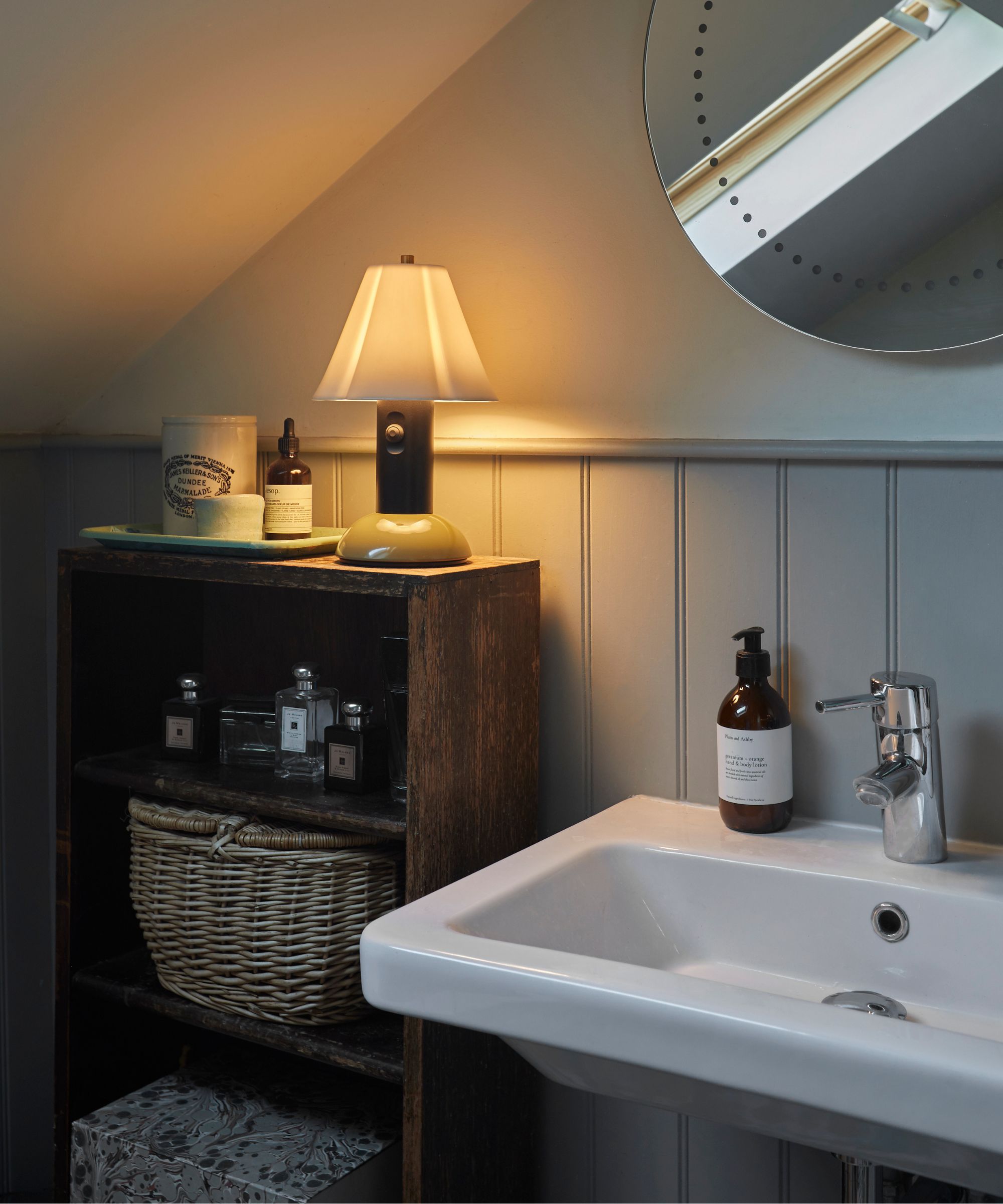
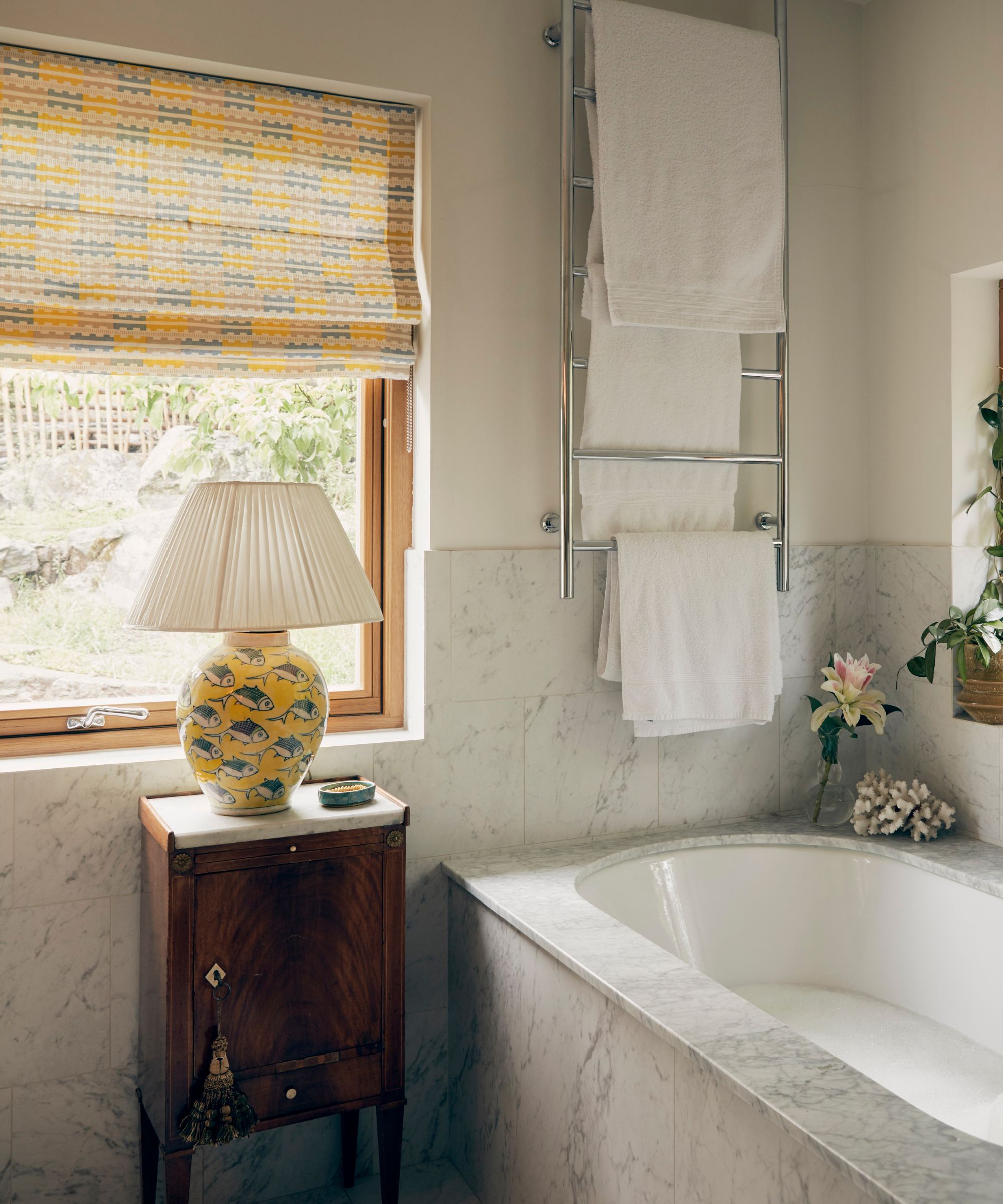
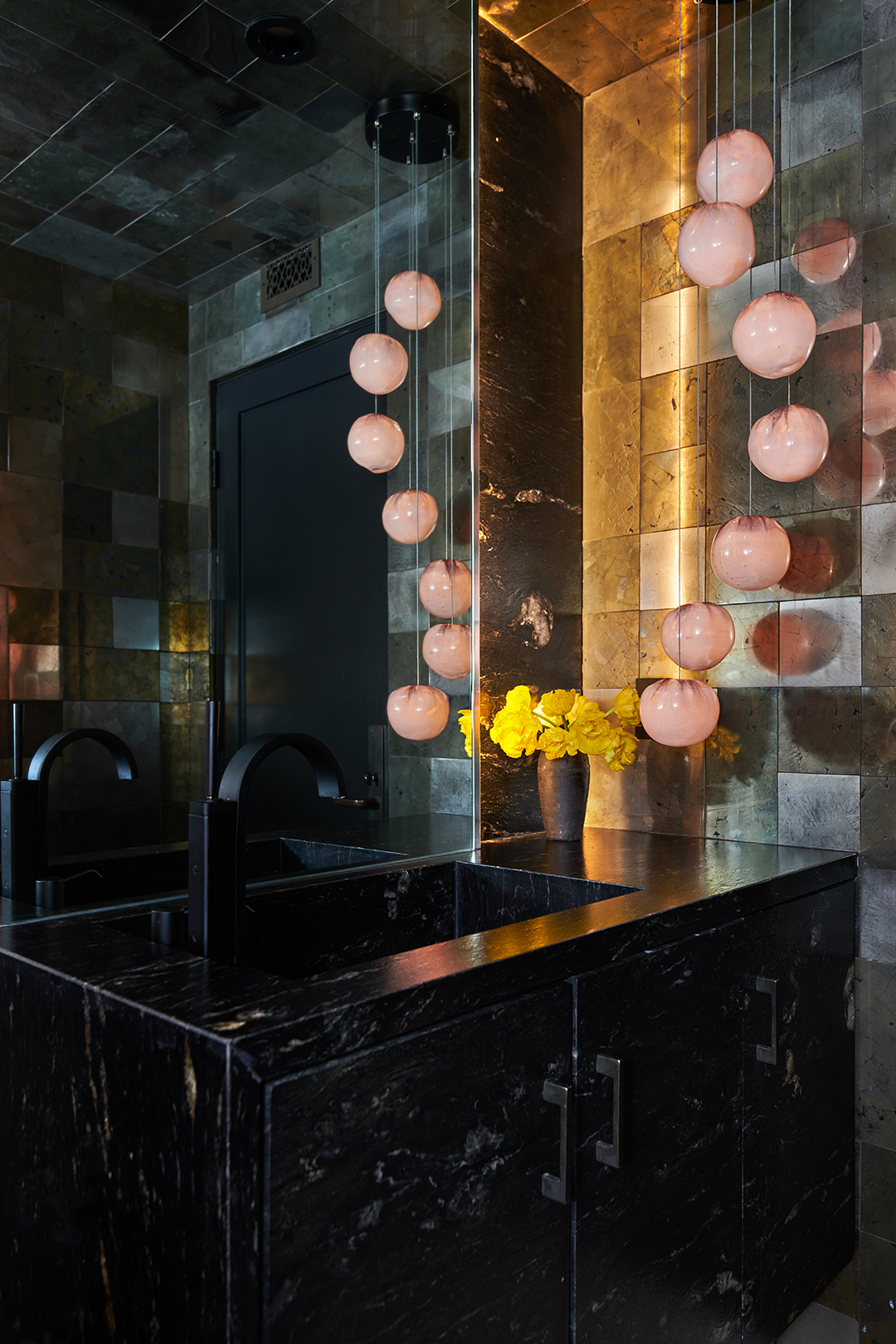
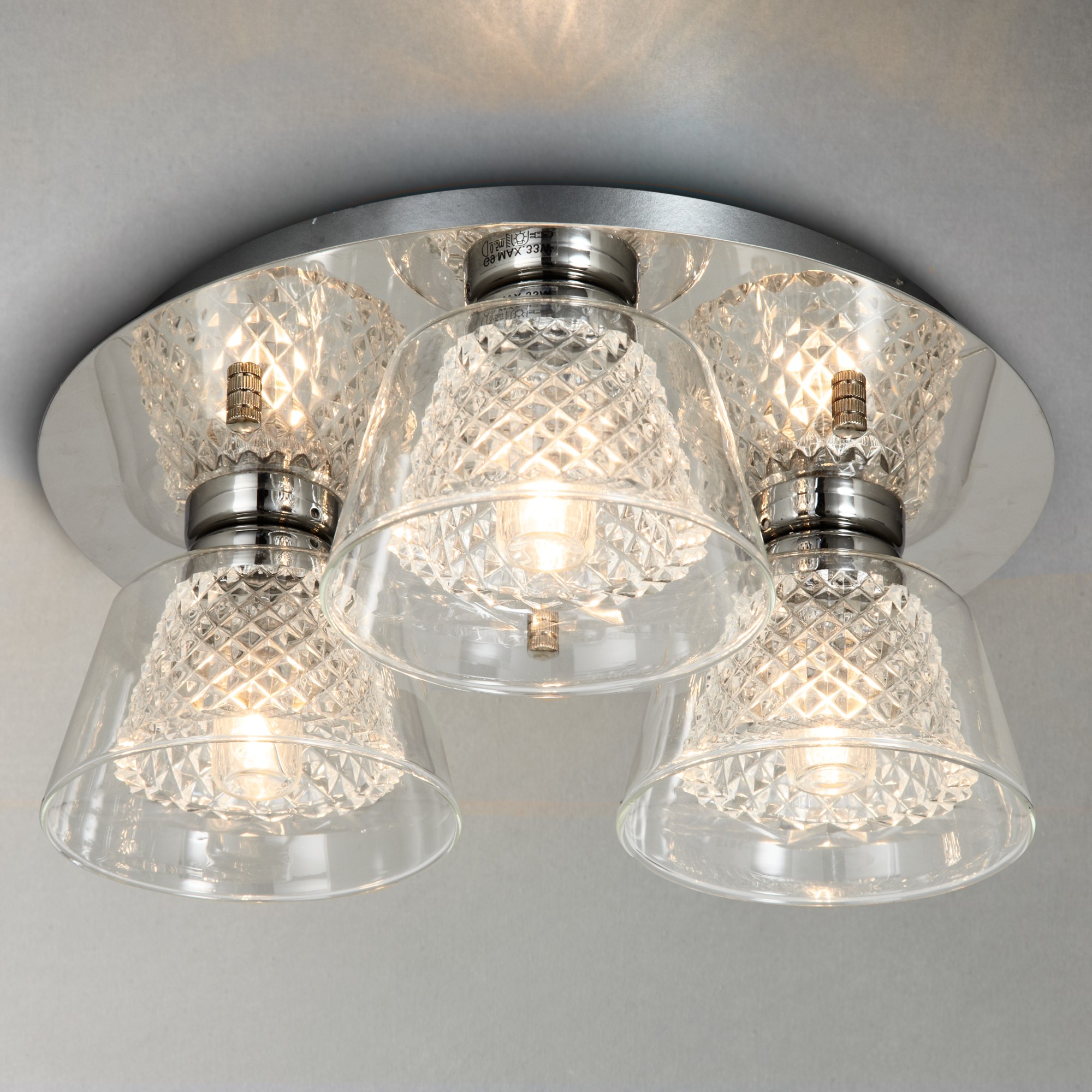
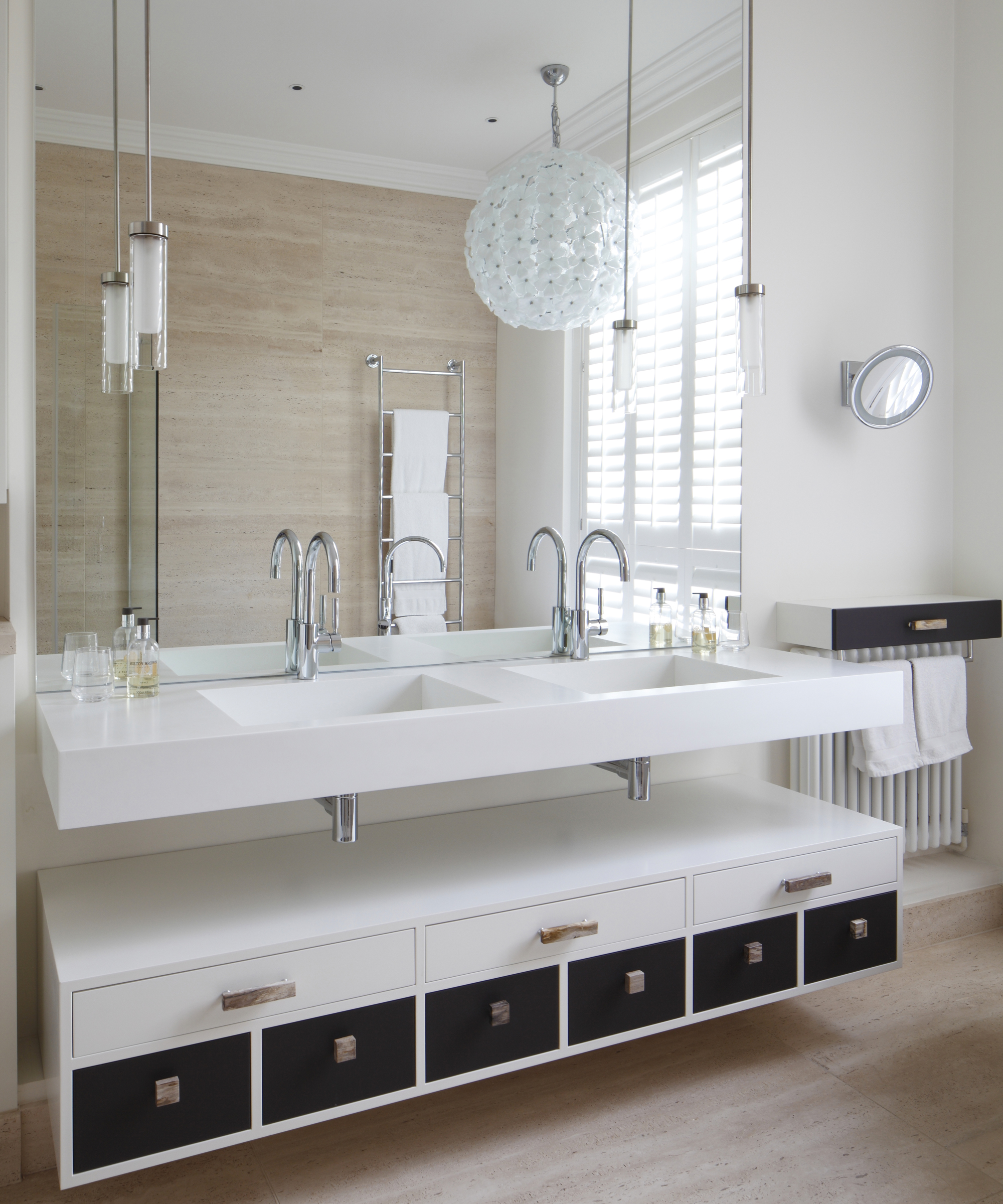
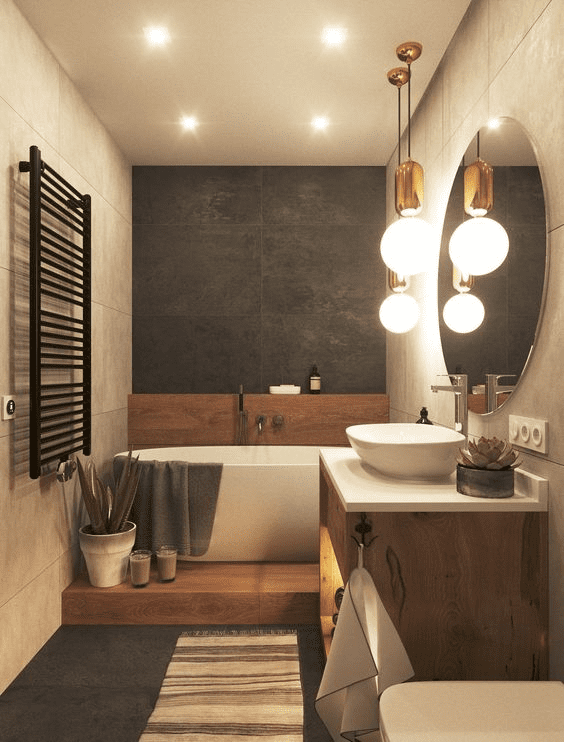
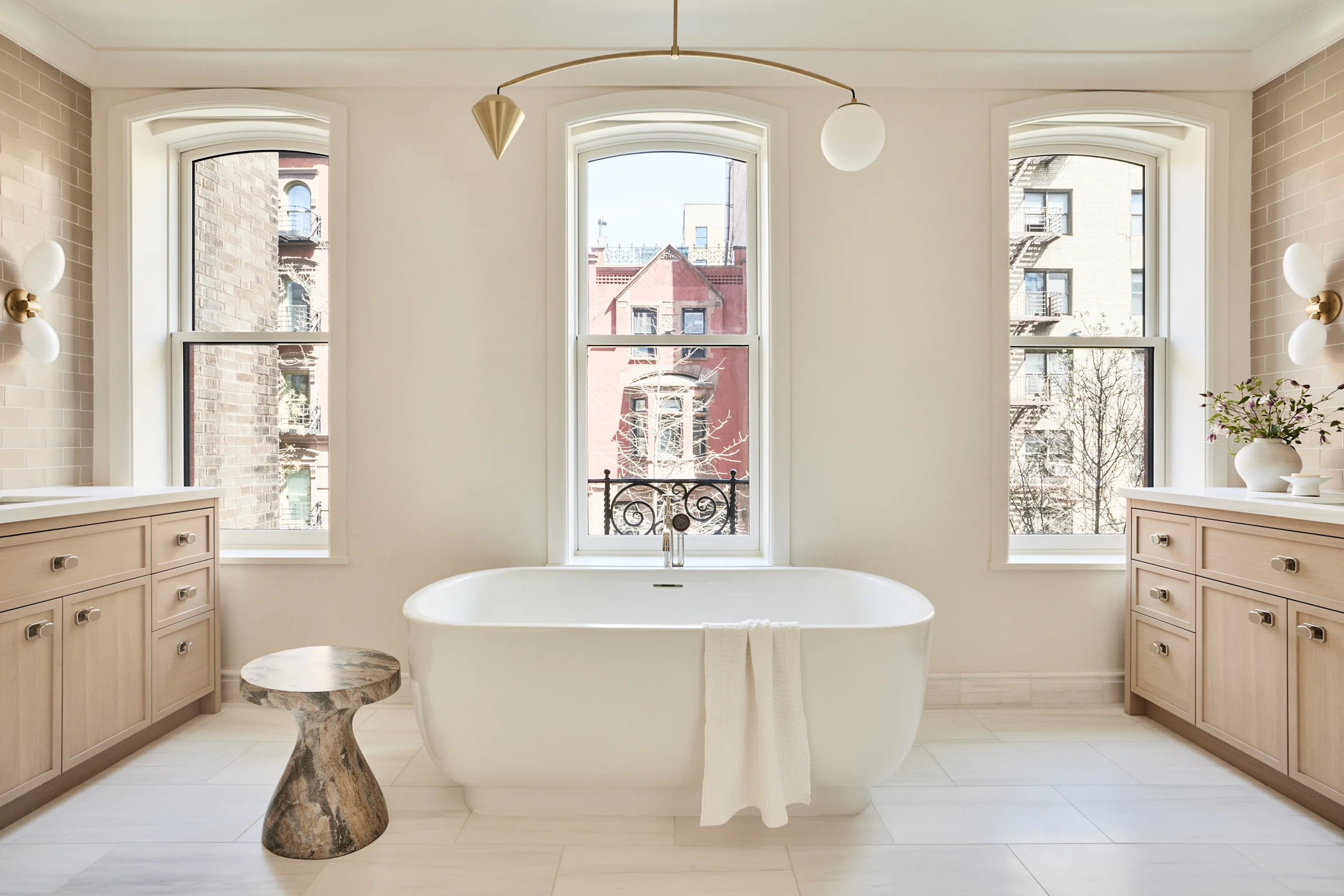
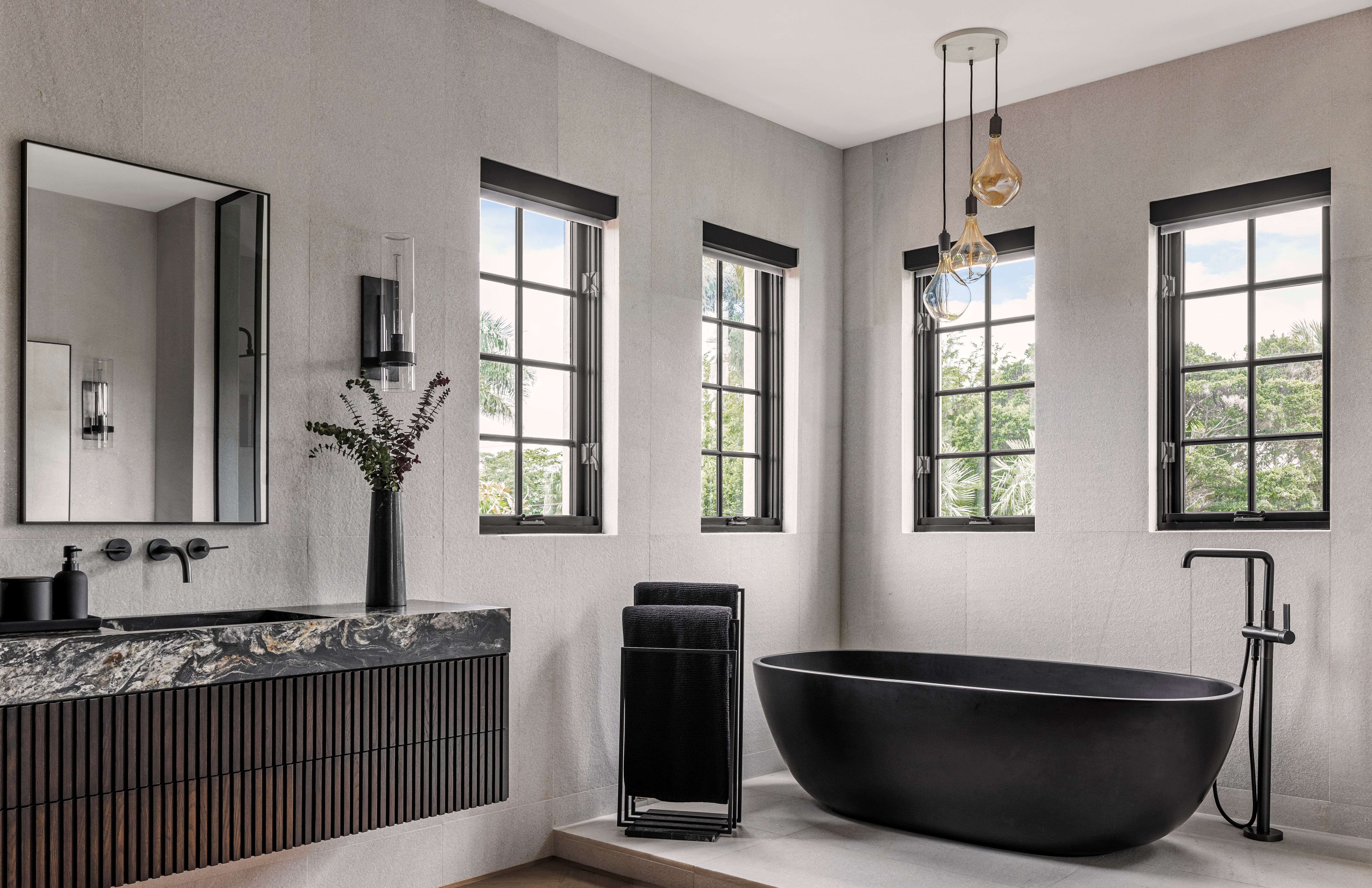
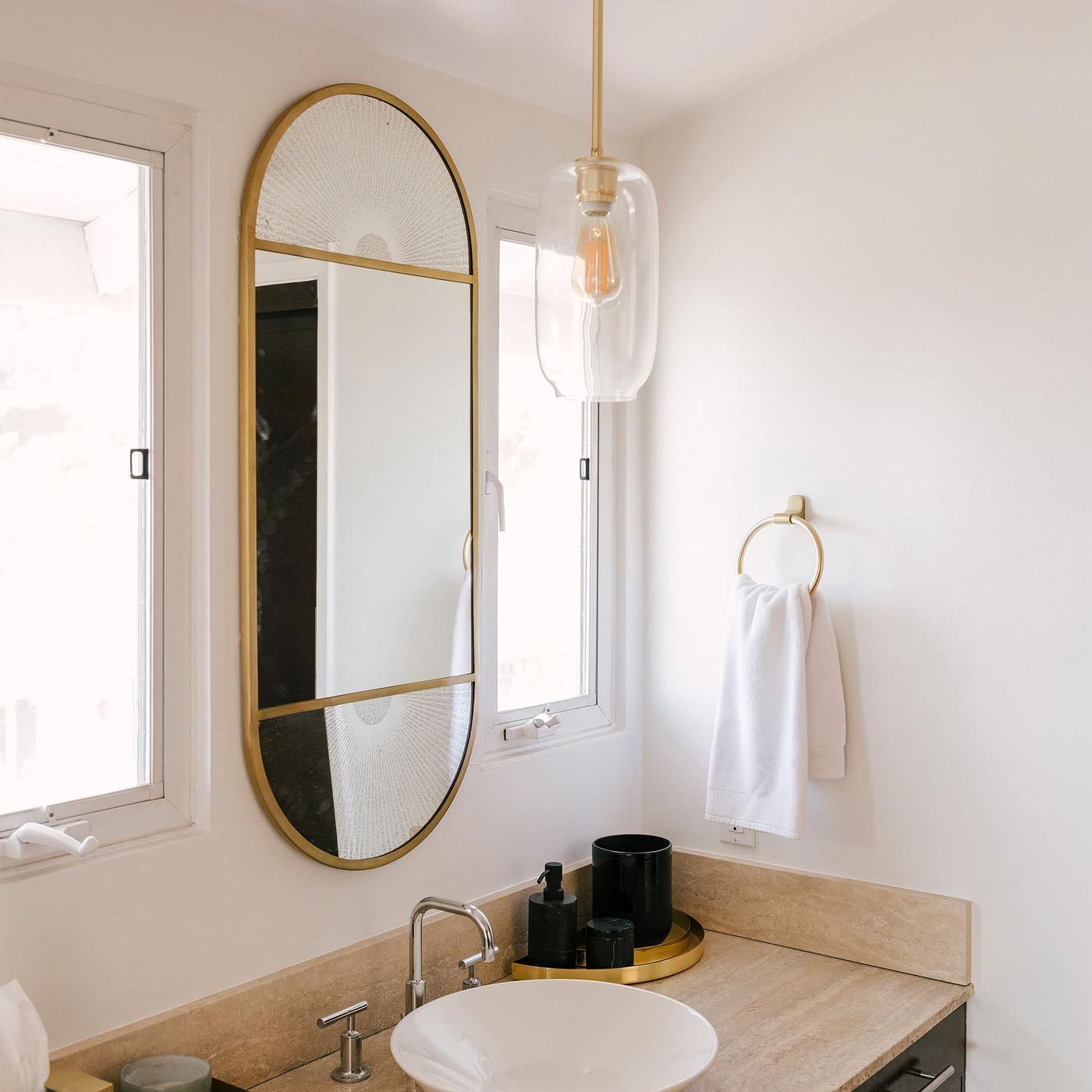
Another trend involves incorporating curved shapes. While functionality is often prioritized in bathroom lighting, designs that blend both practicality and style are gaining traction. Unusual shapes and styles, such as bulbous shades, can add visual interest to simple bathroom color schemes without compromising utility. These fluid and subtle shapes offer adaptability and the potential to create significant visual impact.
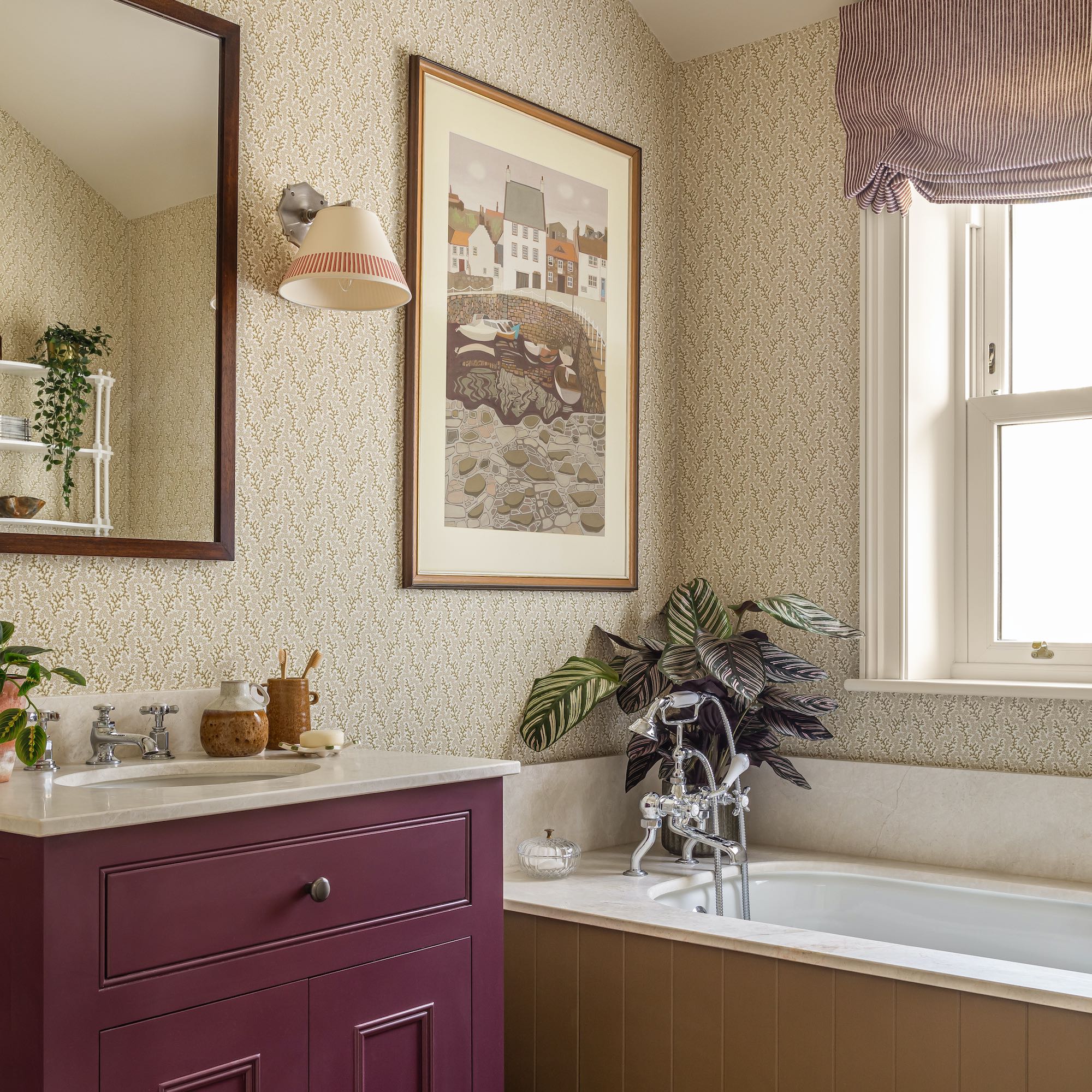
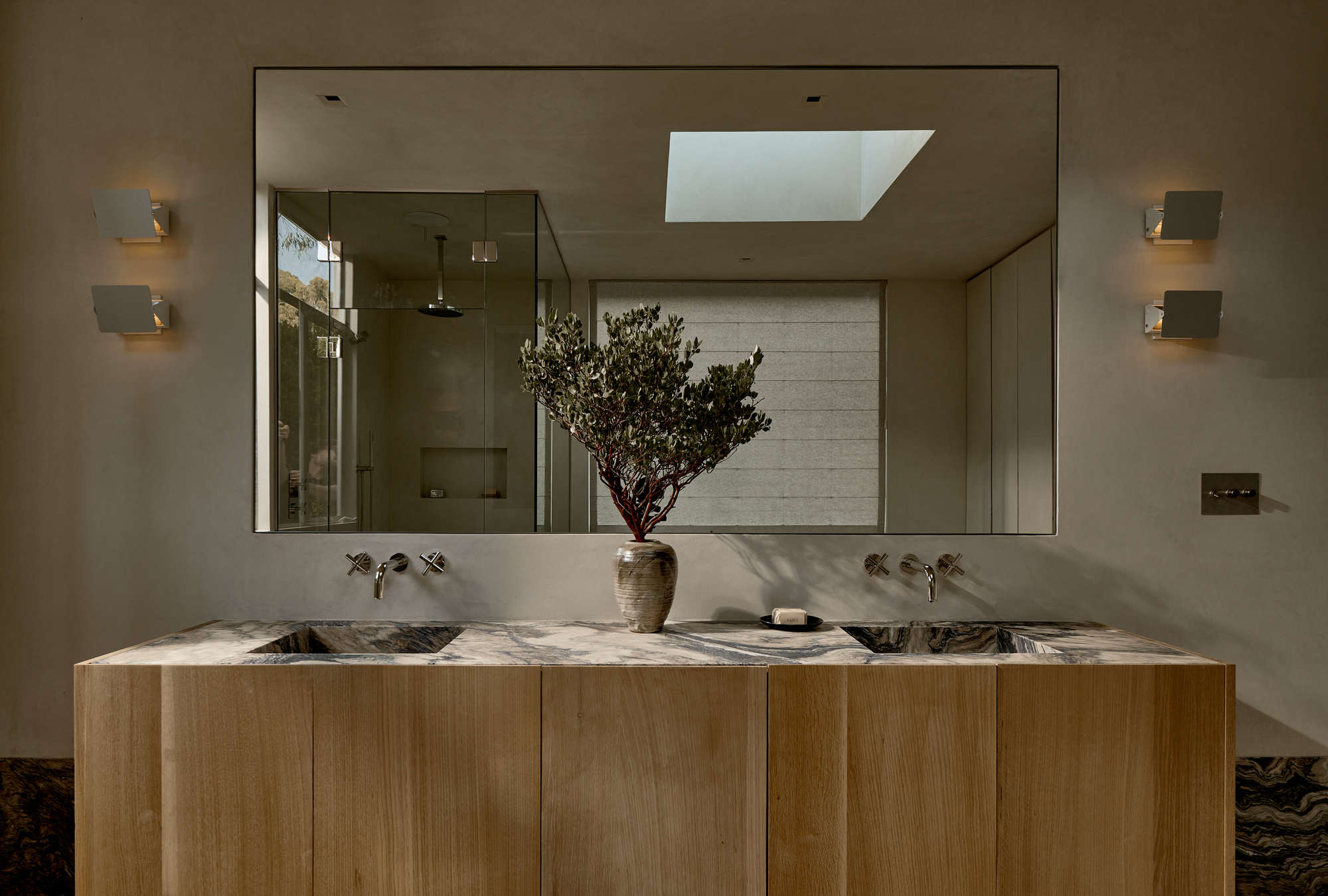
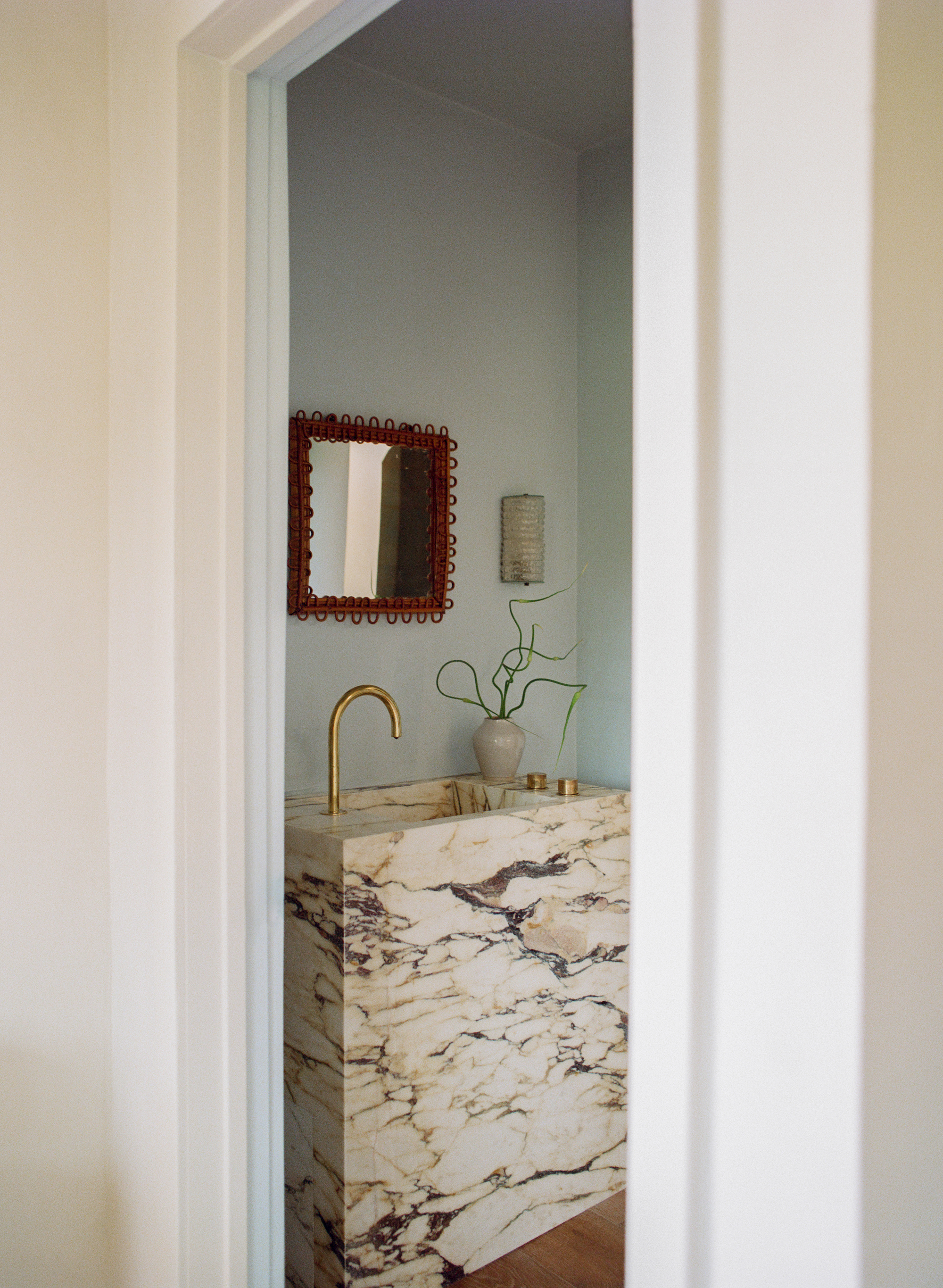
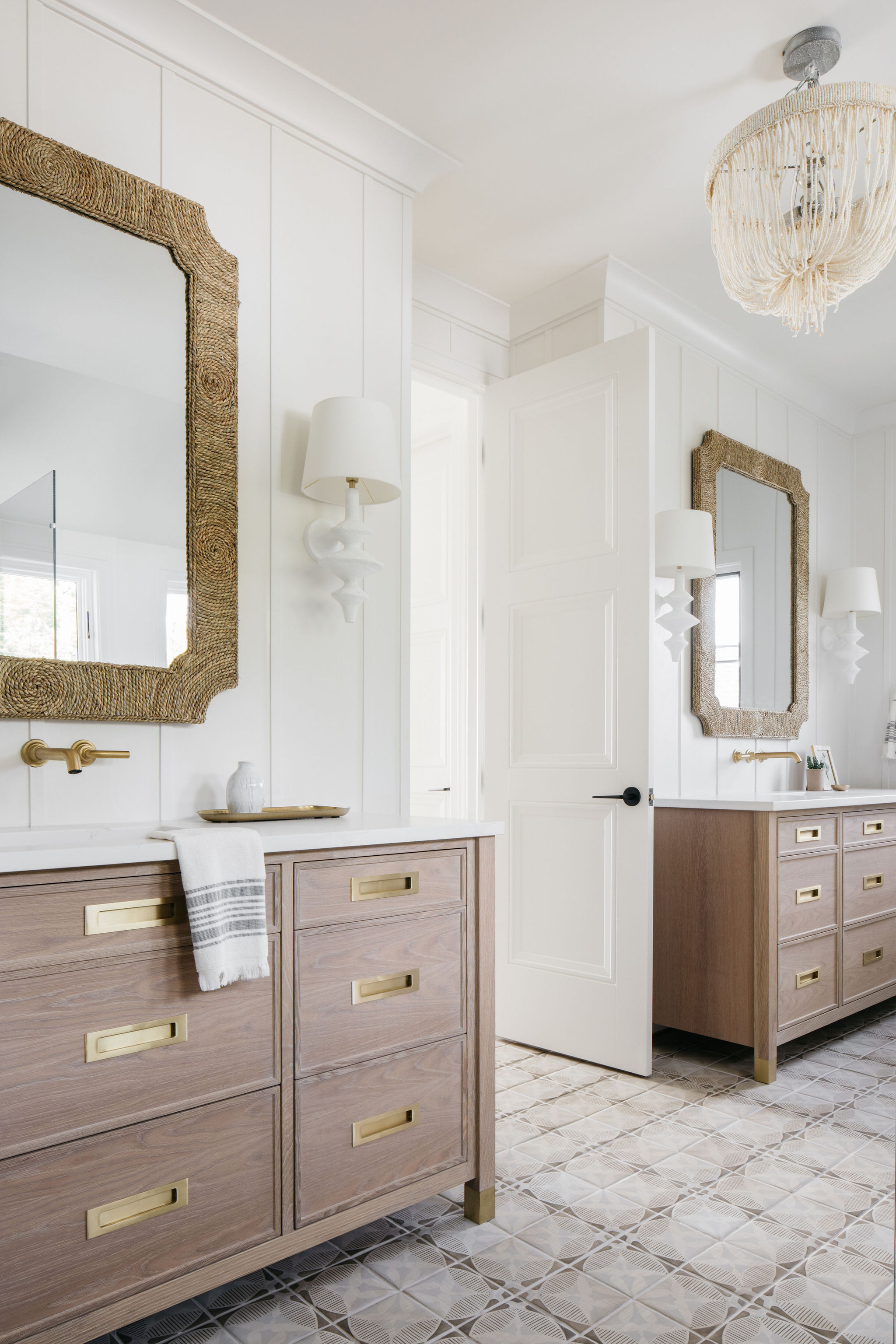
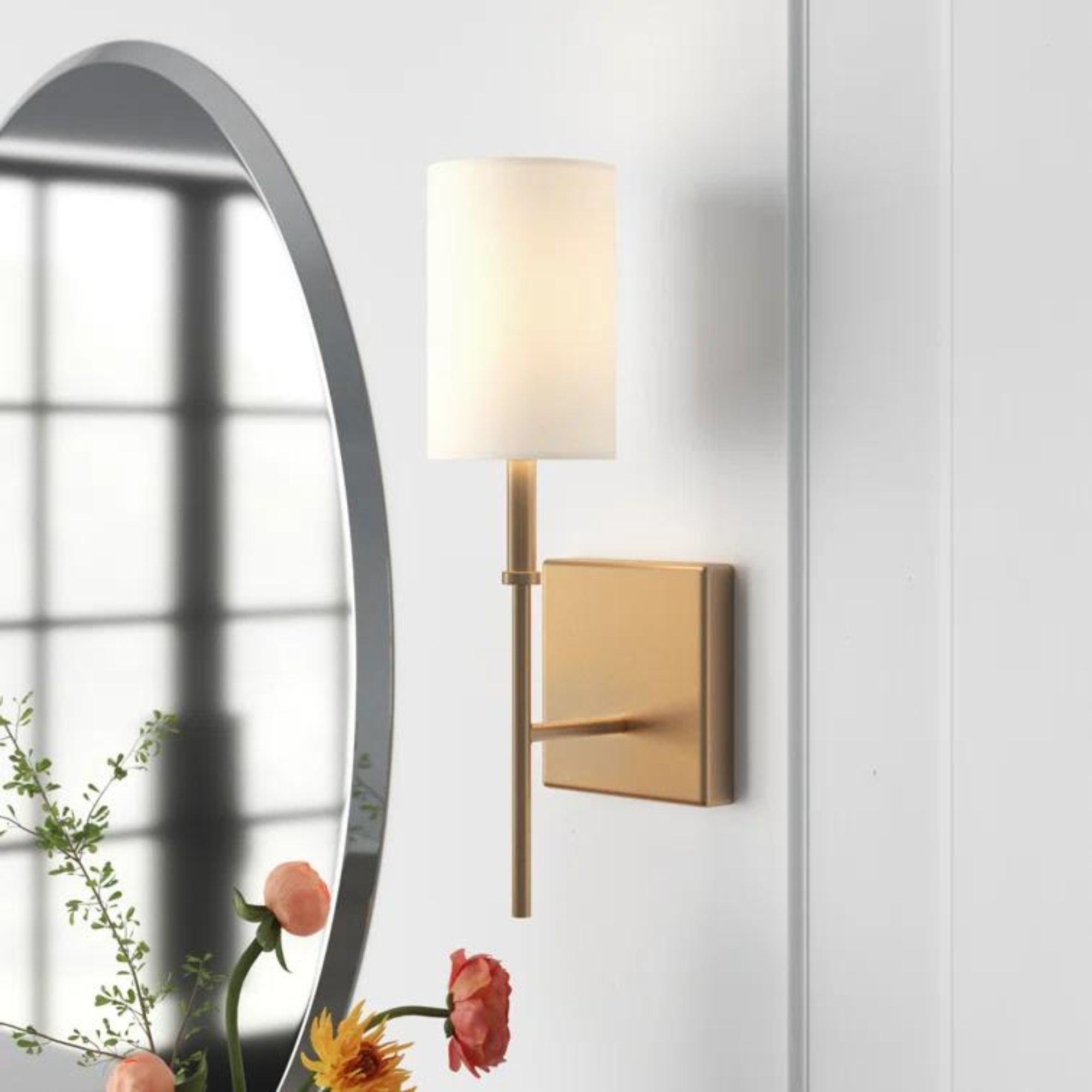
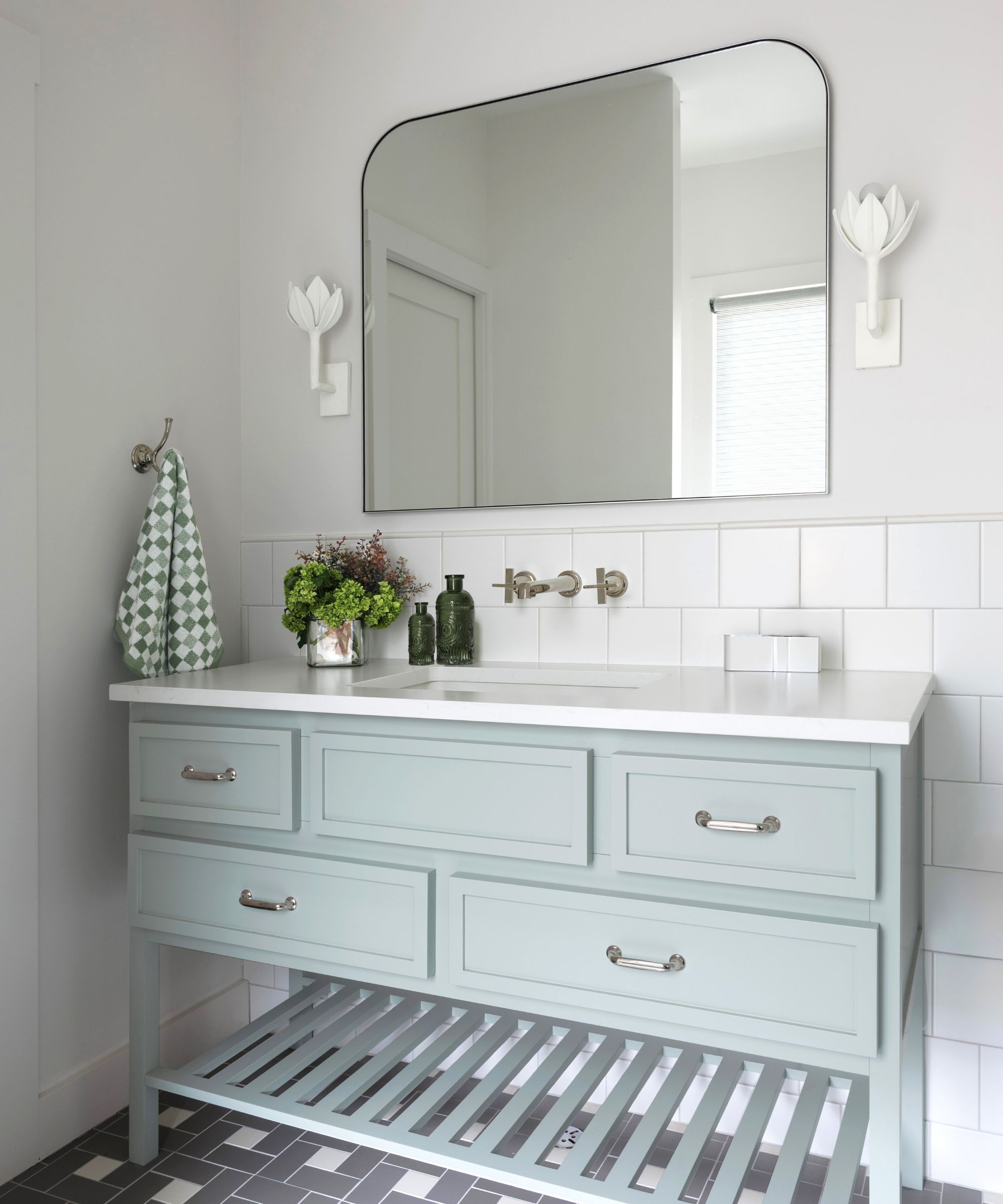
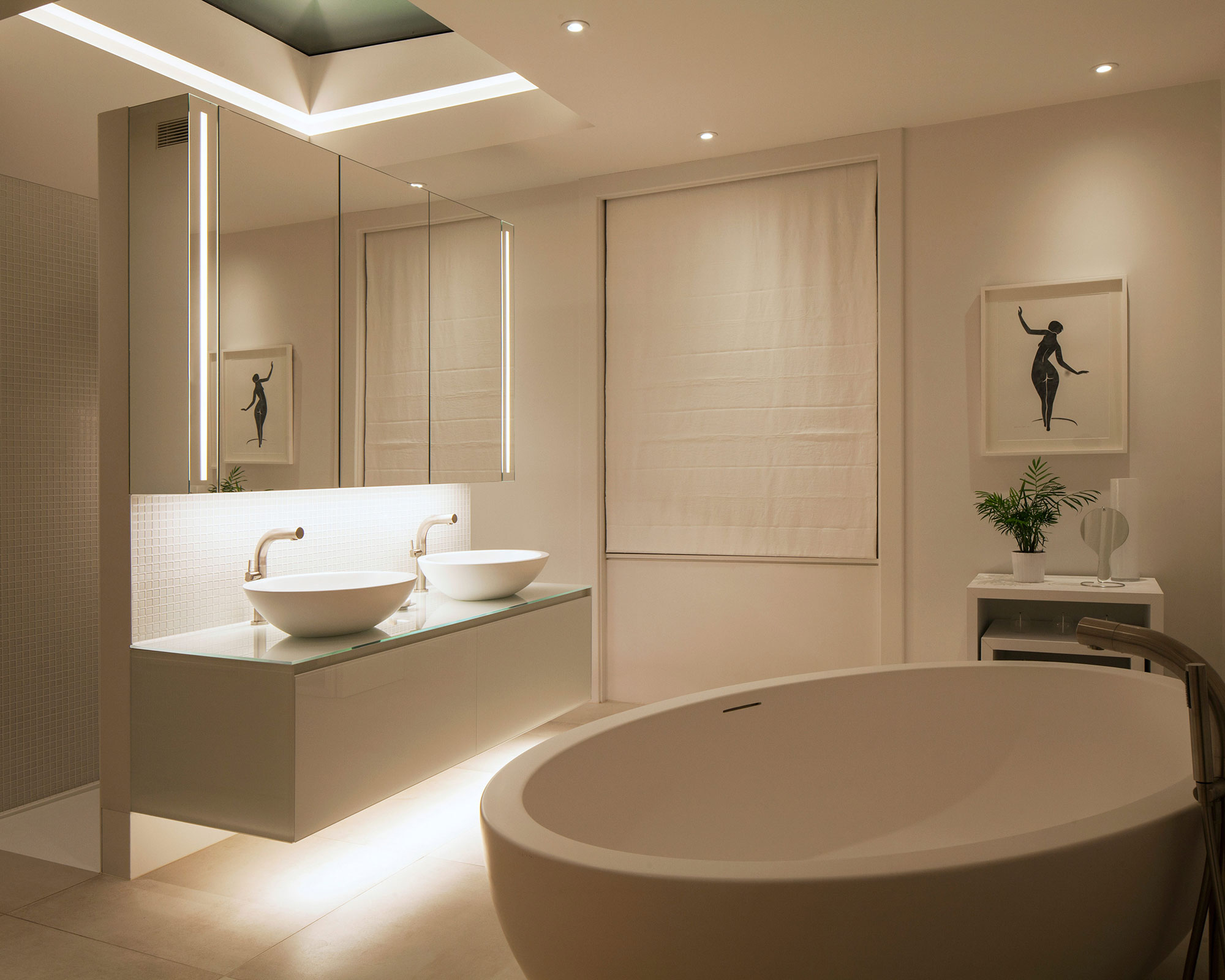
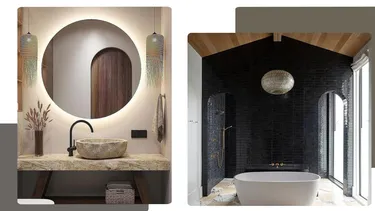
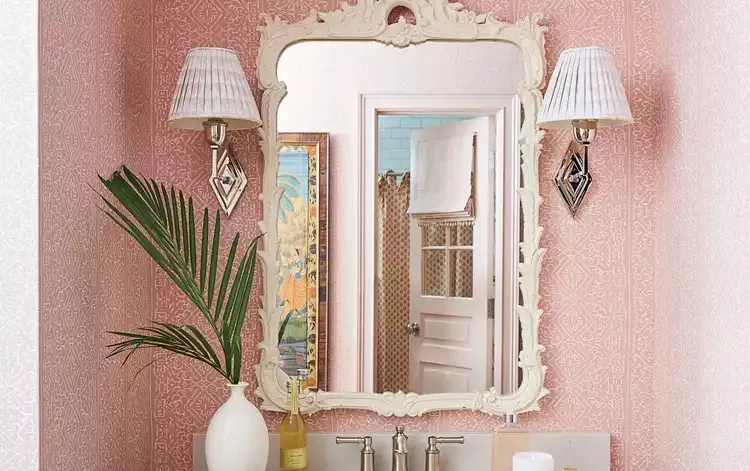
Taking a soft approach to lighting focuses on creating an atmosphere. Wall lights in bathrooms are typically not the primary light source but are used functionally to highlight specific areas, like vanity units, and for decorative purposes. For those seeking a relaxing, spa-like environment, harsh, bright task lighting should be avoided. Instead, softly illuminating options, such as natural translucent stone lights, diffuse the light source, creating a flattering glow that washes walls with a soft light, promoting a calming and tranquil ambiance.

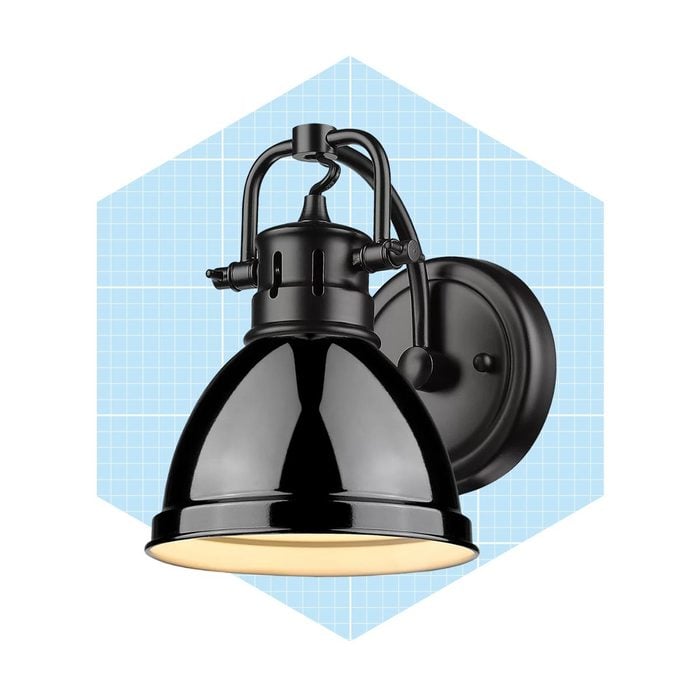
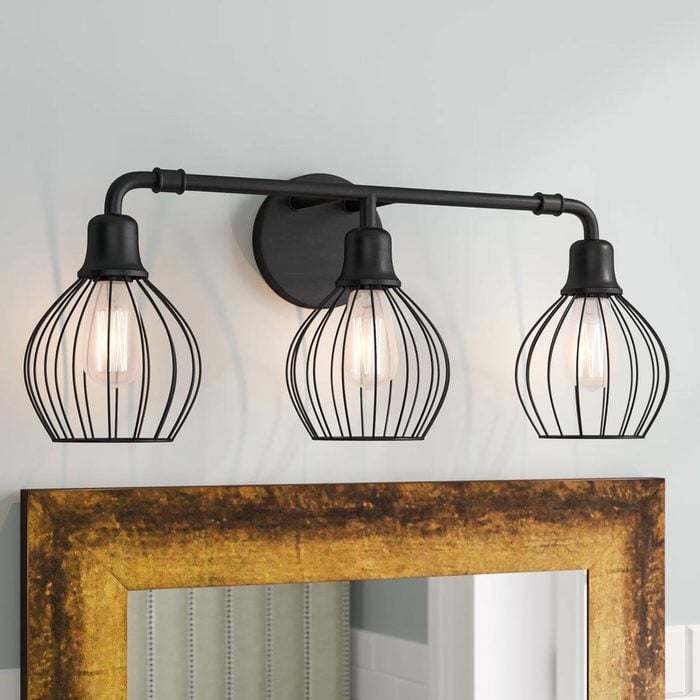
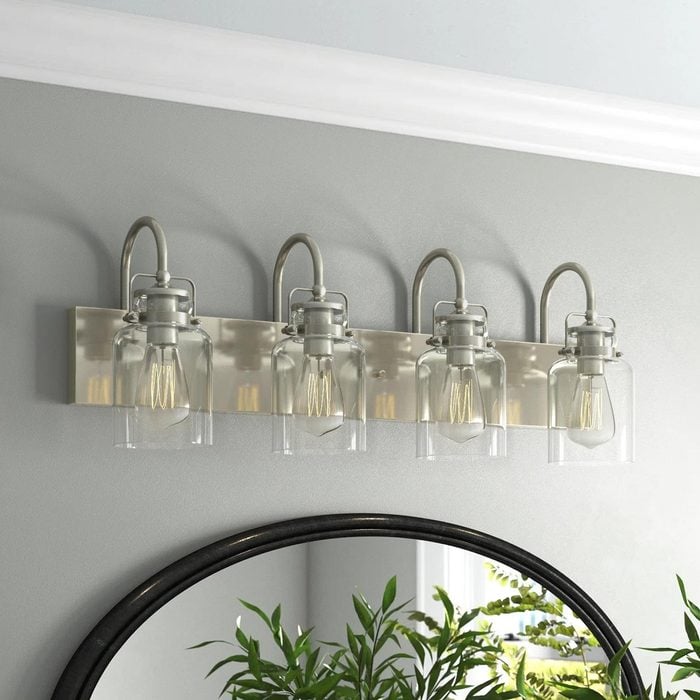
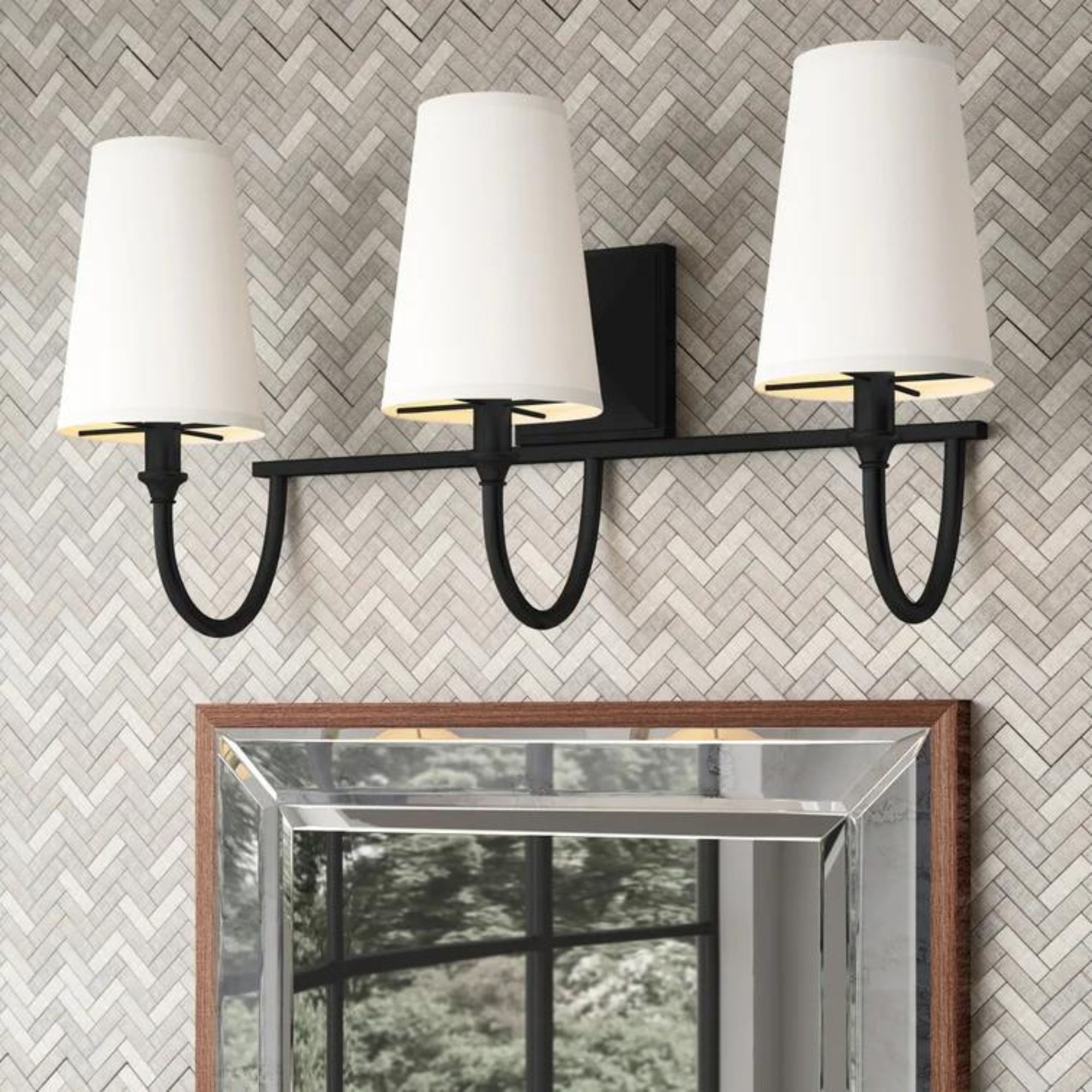
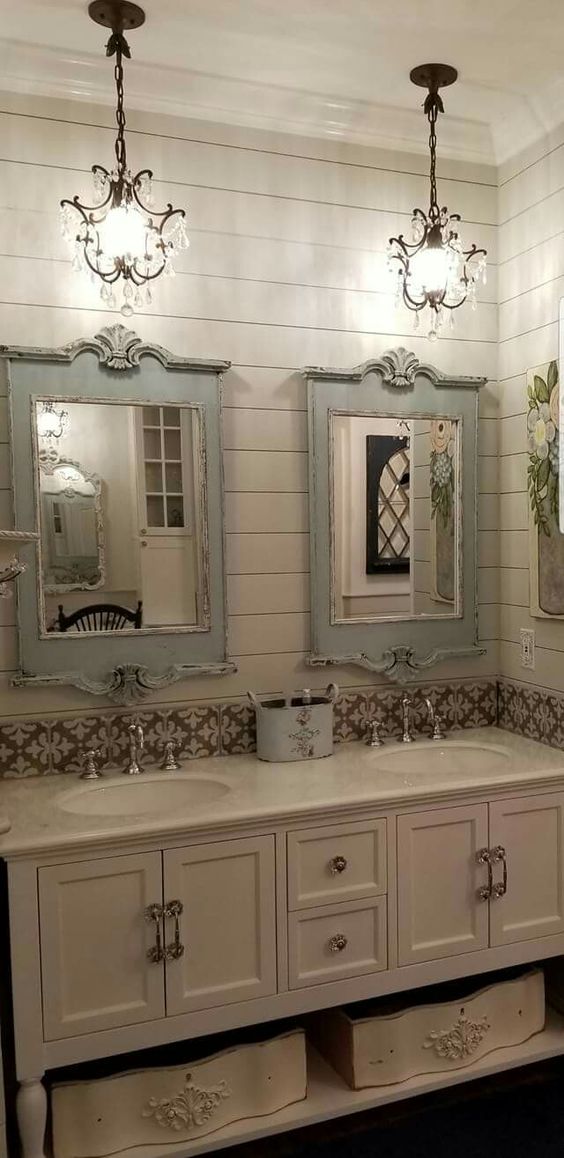
Vintage styles are also making a comeback, especially industrial designs featuring exposed bulbs and metallic cages. These are often paired with vintage-style LED bulbs, which offer a clean, minimalist look and energy efficiency. LED bulbs provide a warm, relaxing glow and can be combined with incandescent bulbs for a polished finish. Safety is paramount, and lights installed in bathrooms must have appropriate IP ratings, or be located at least 60cm from any water source if they lack a specific IP rating.
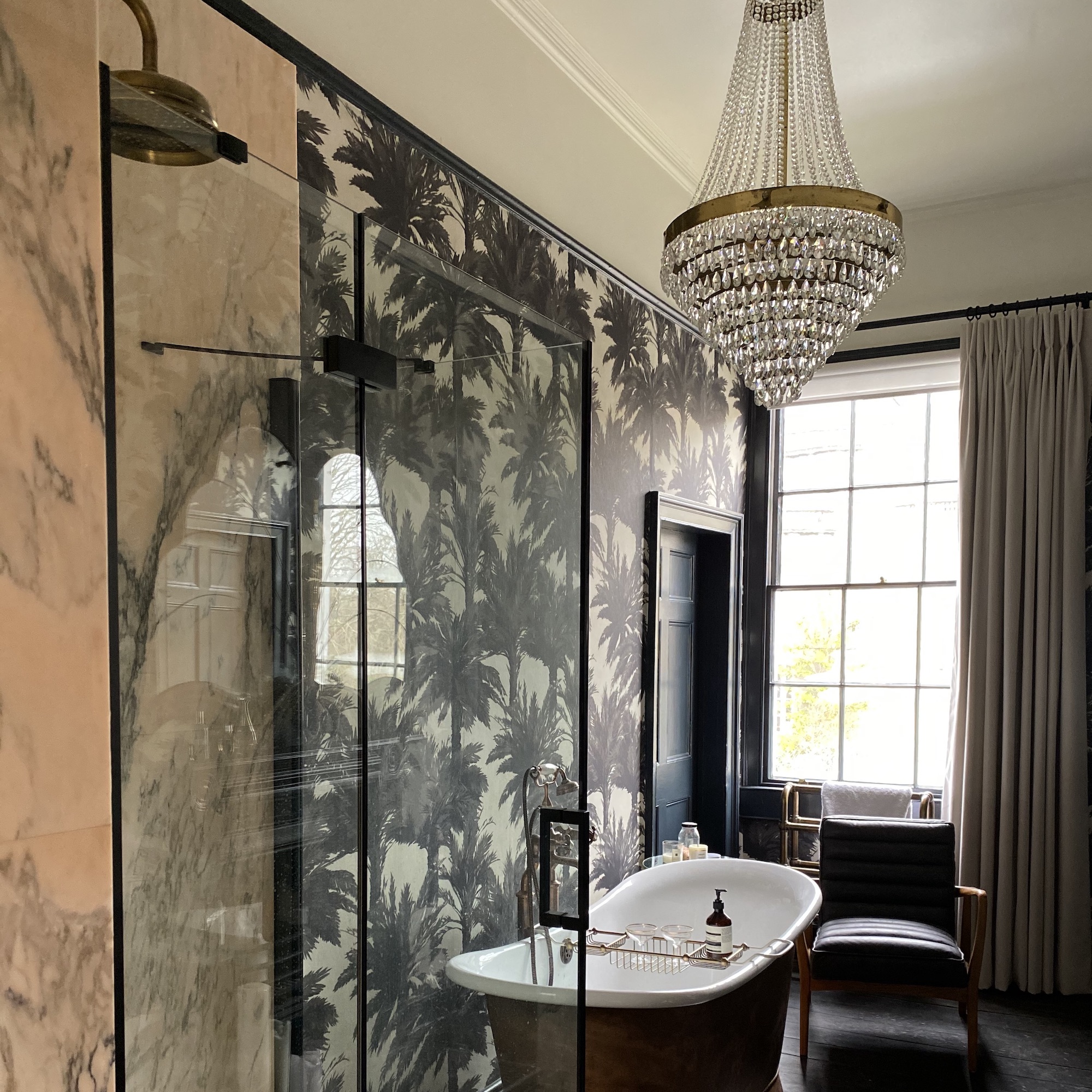
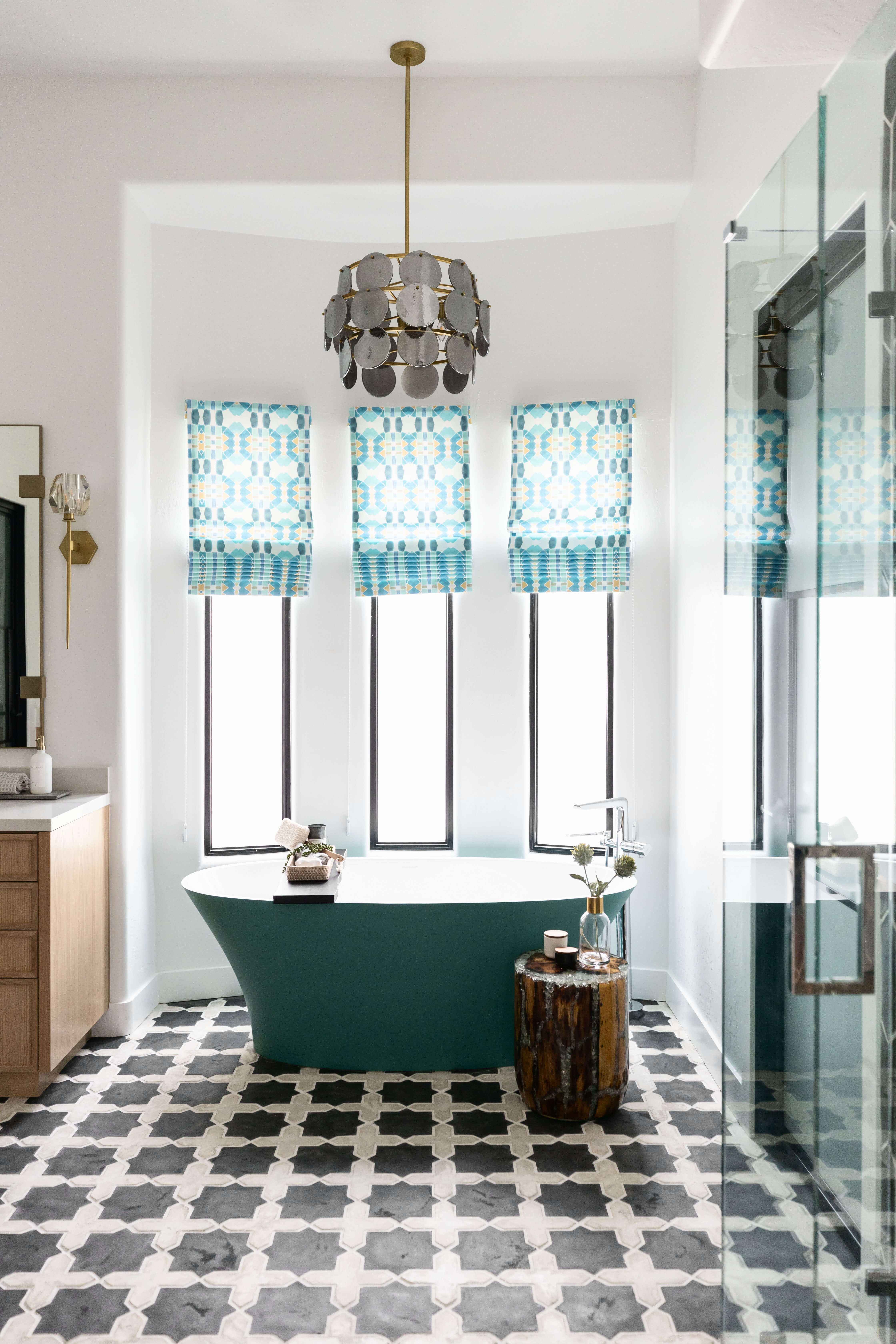
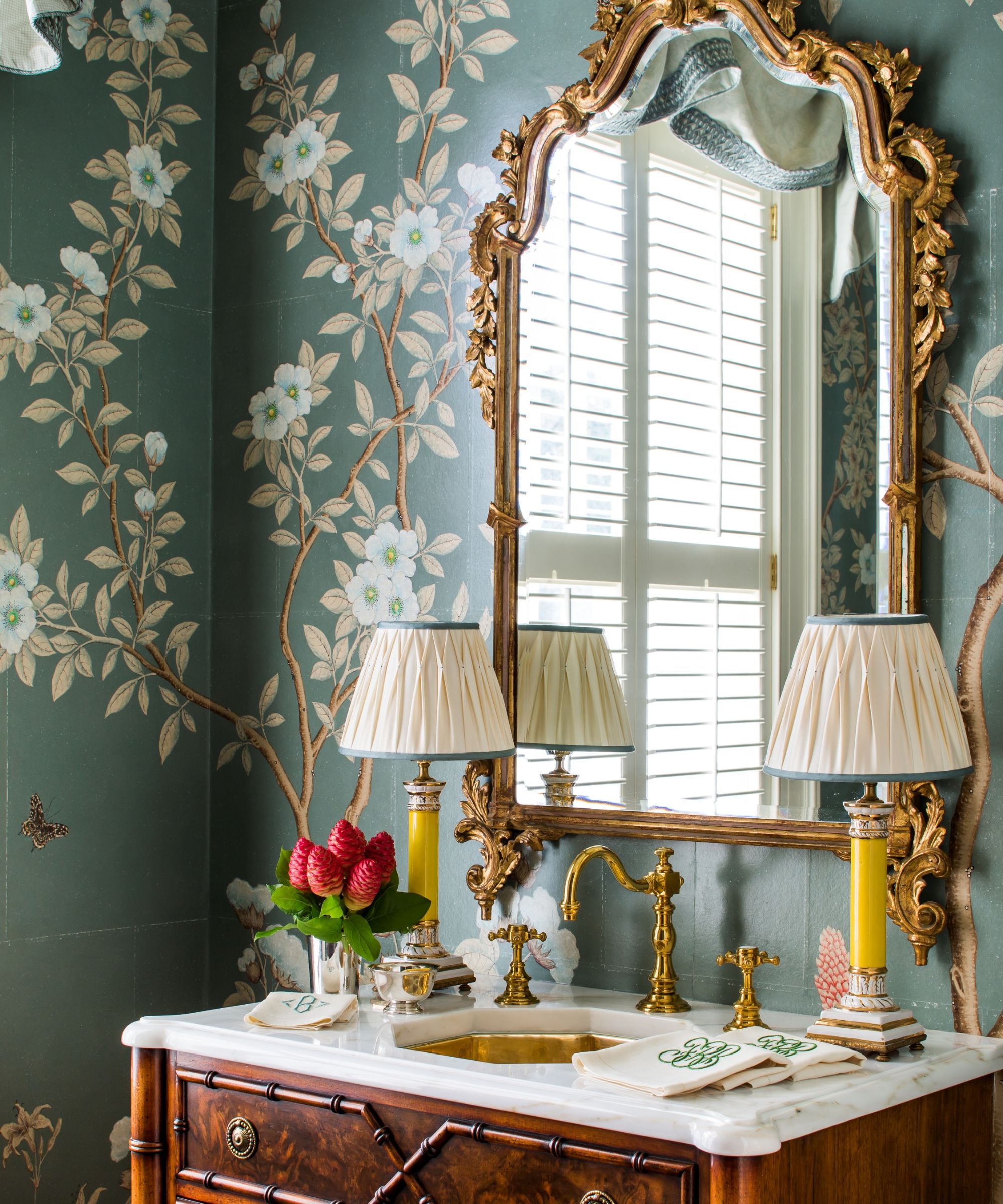
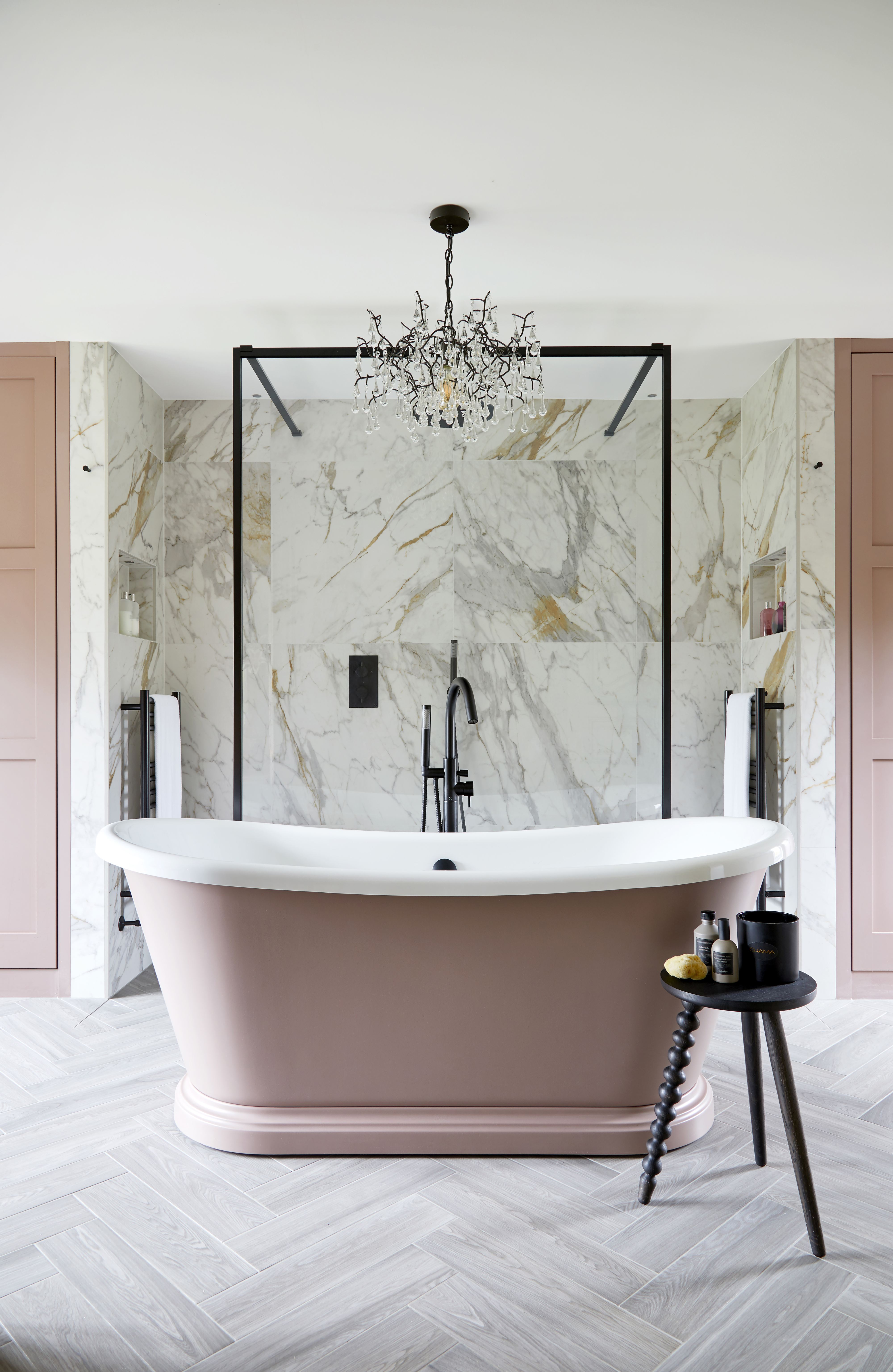
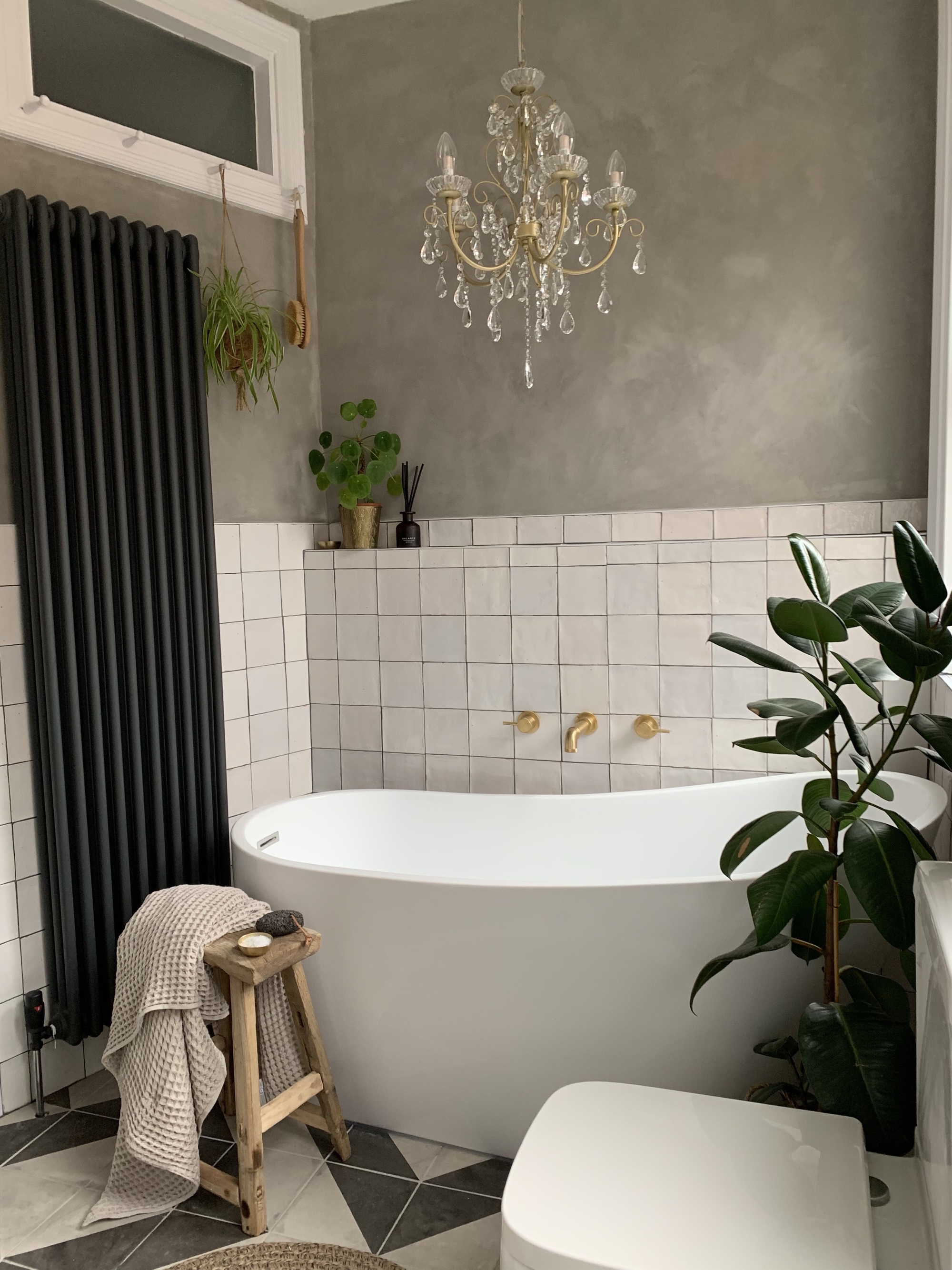
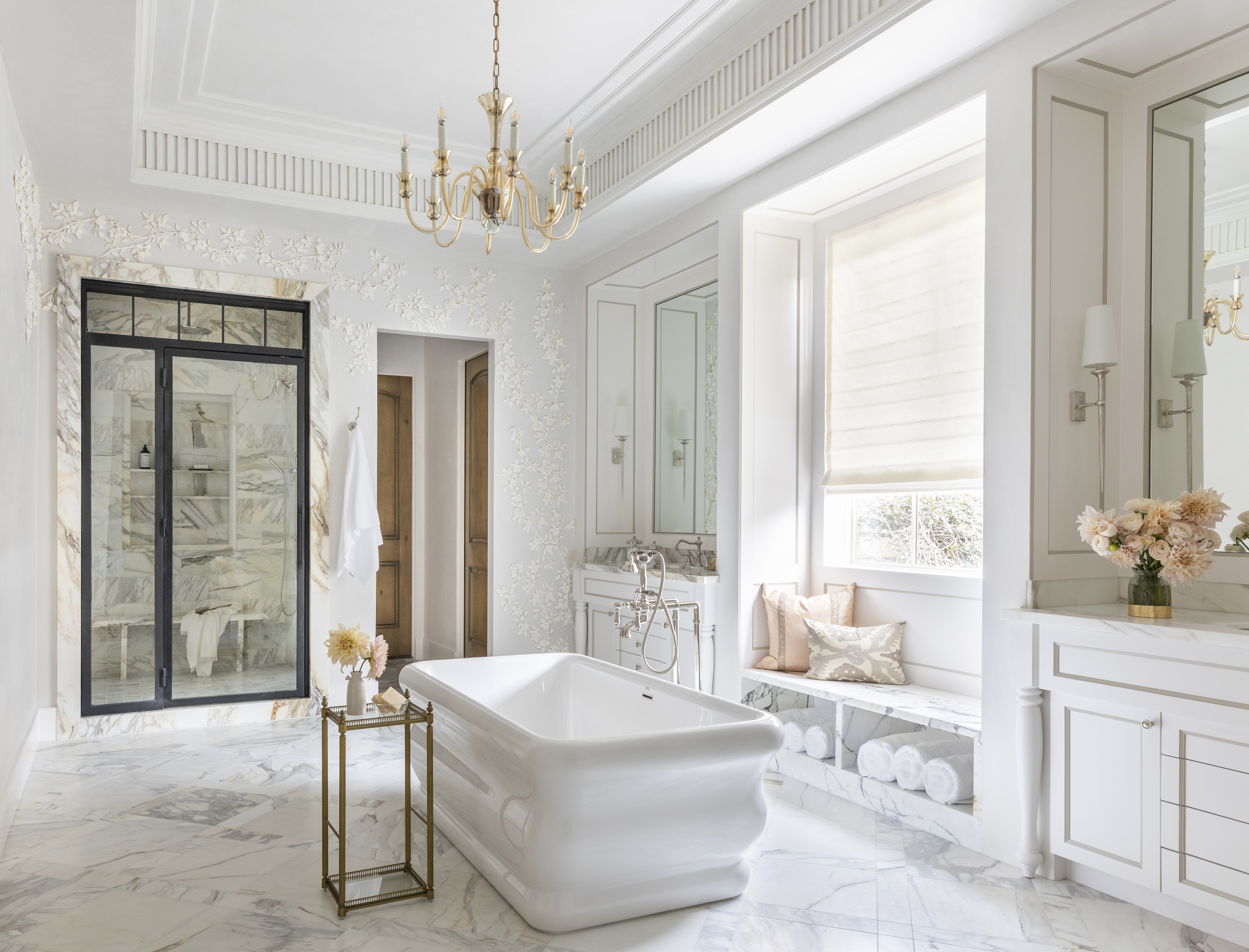
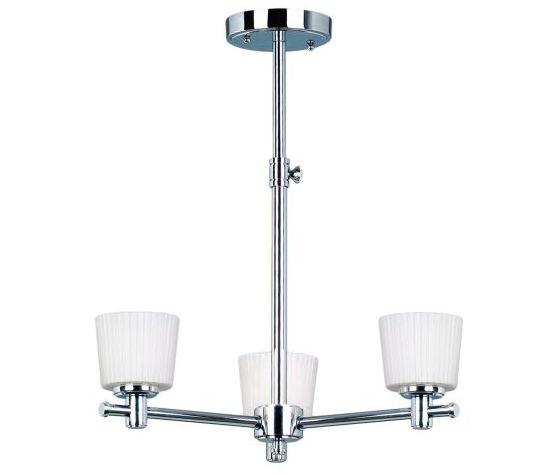
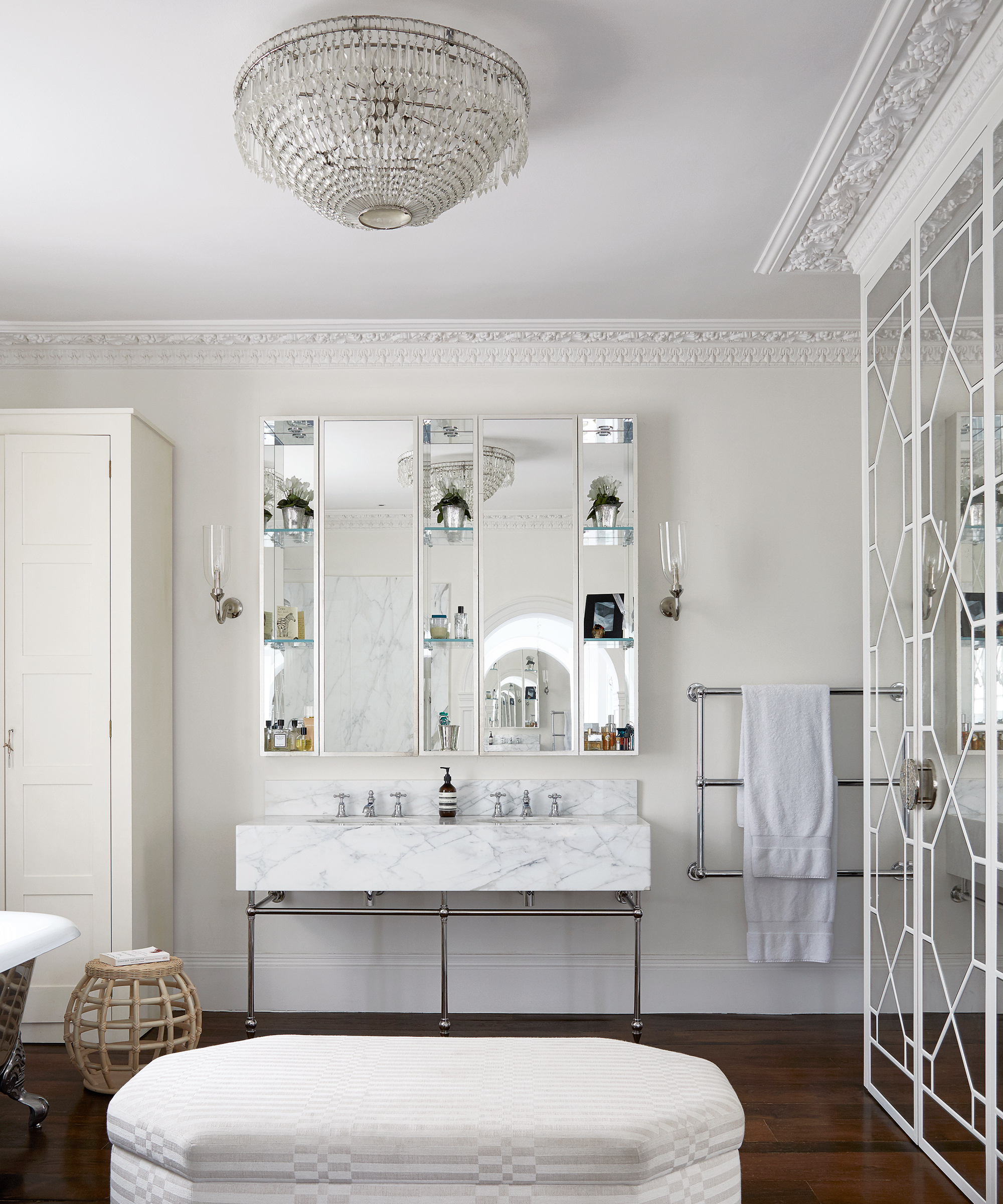
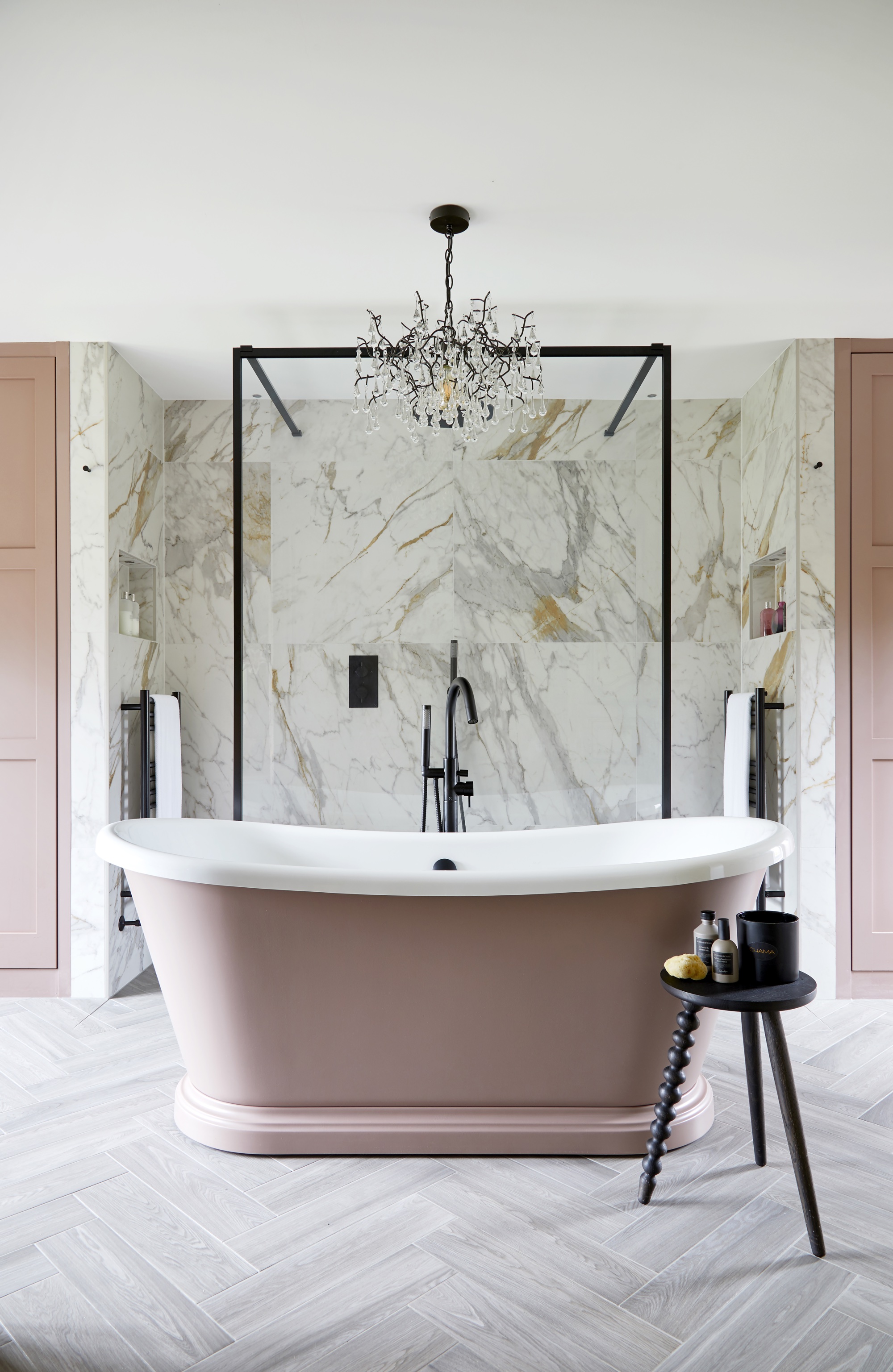
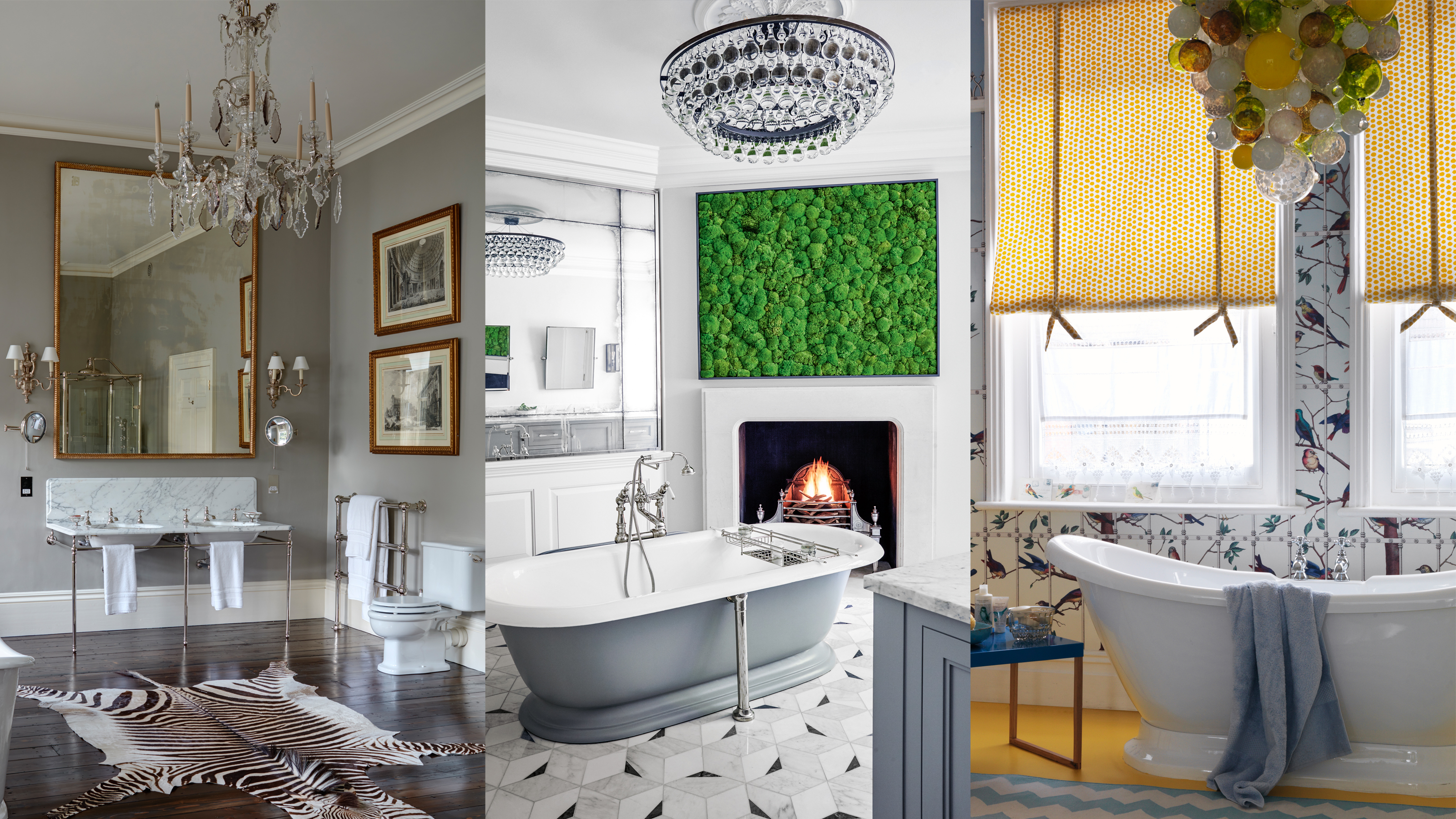
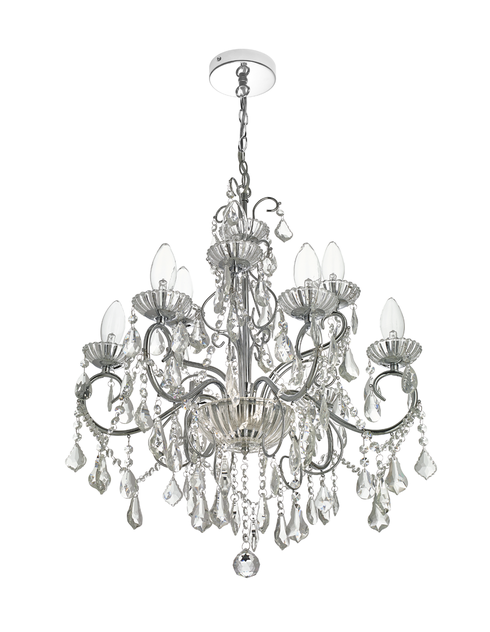
Indulging in glamour with luxurious lighting, such as chandeliers, is another trend. These statement pieces can be visually stunning even when not illuminated. When choosing lights, their scale is important; larger fixtures prevent a 'bitty' appearance and create a more cohesive look, eliminating dark corners. However, feature ceiling lighting should not be the sole light source. Bathrooms require two types of illumination: shadow-free task lighting for functional activities like applying makeup or shaving, and ambient lighting for relaxation.
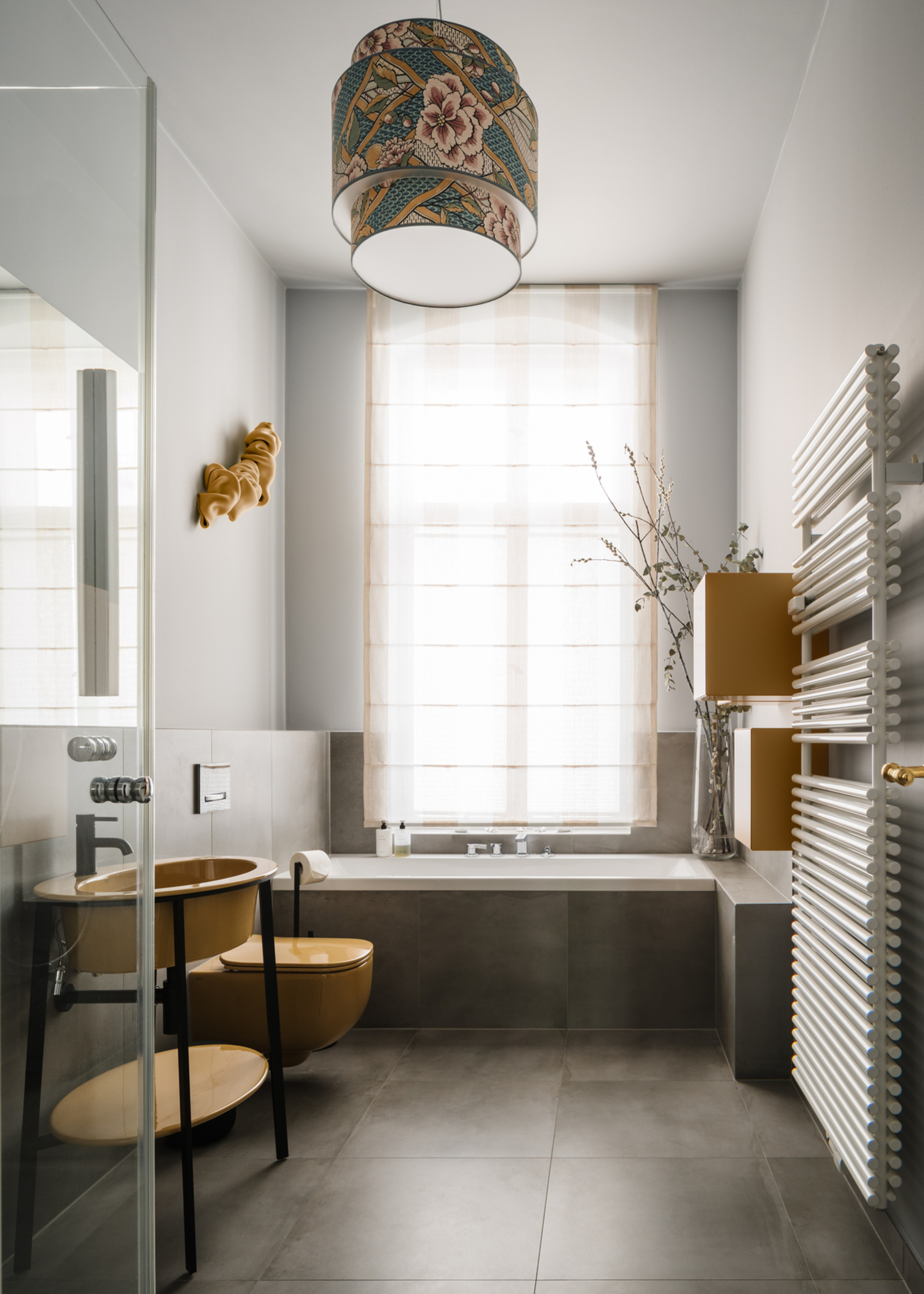
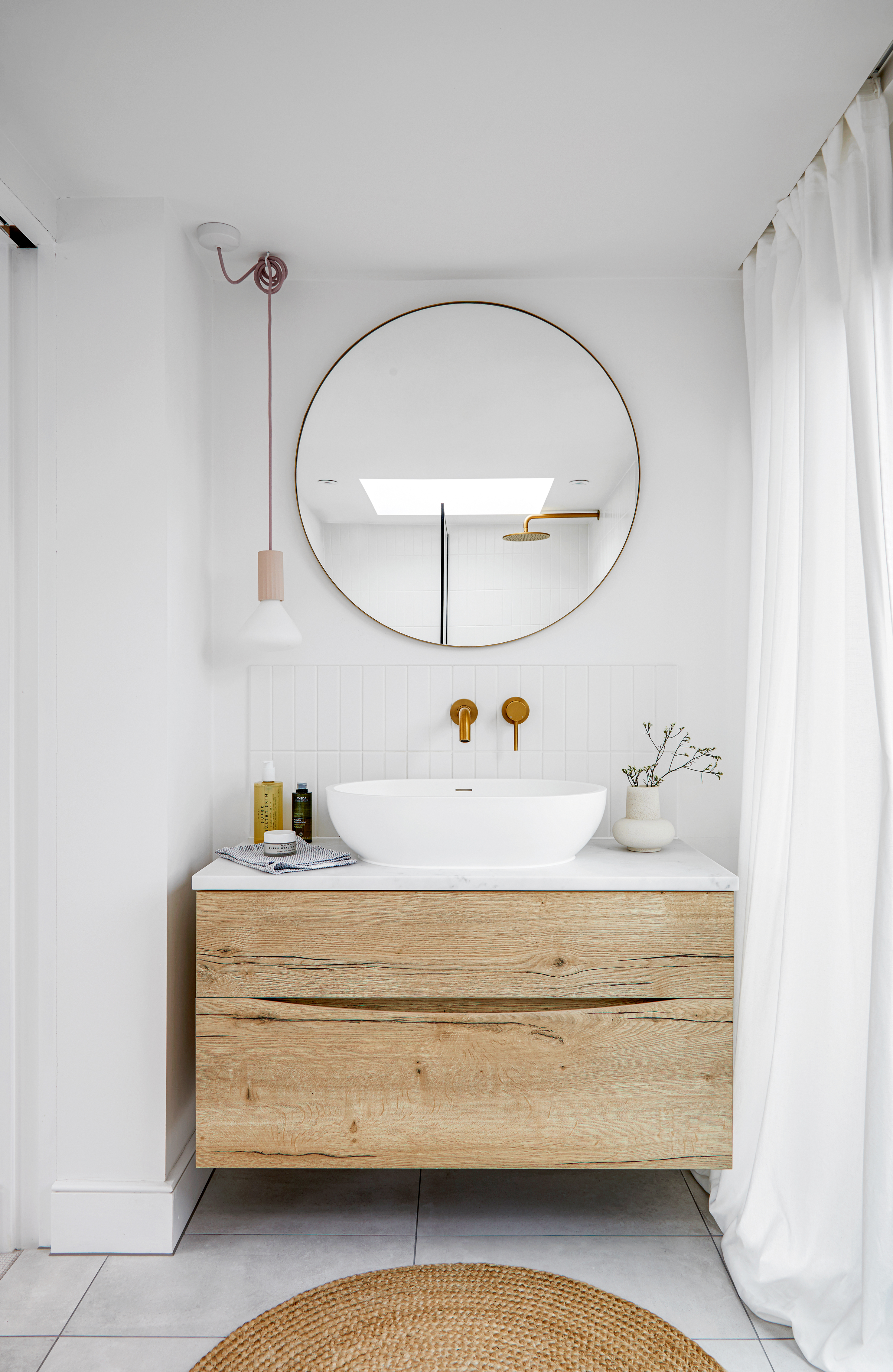
Embracing a playful side involves opting for whimsical lighting styles. Decorative lights can serve as interesting features or 'objets d'art' while still providing illumination. For example, a balloon-style light can add a playful note to a functional space. Such designs often incorporate practical elements, like low-wattage LED pilot lights for gentle nighttime guidance, preventing the need for harsh main lights that can disrupt sleep.
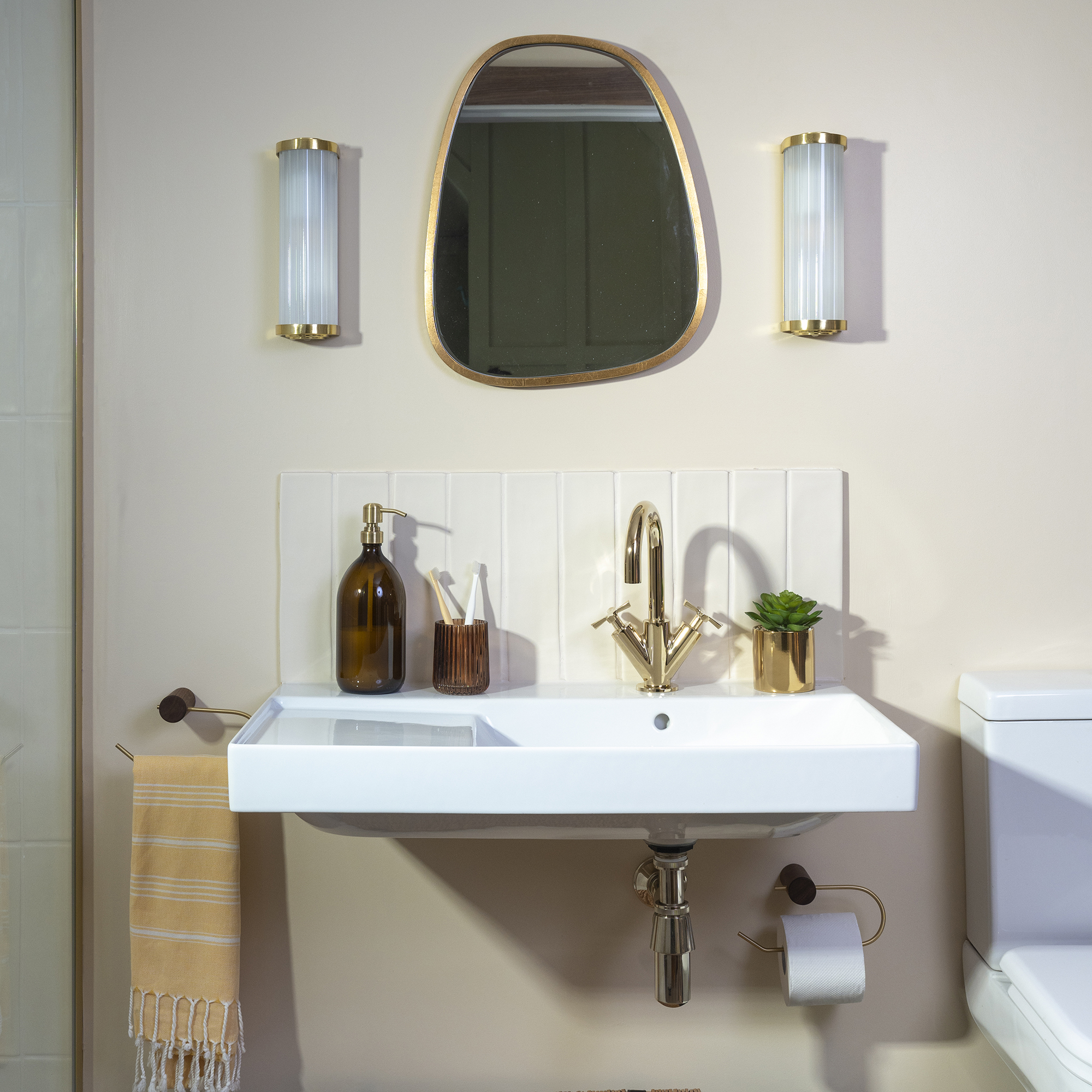
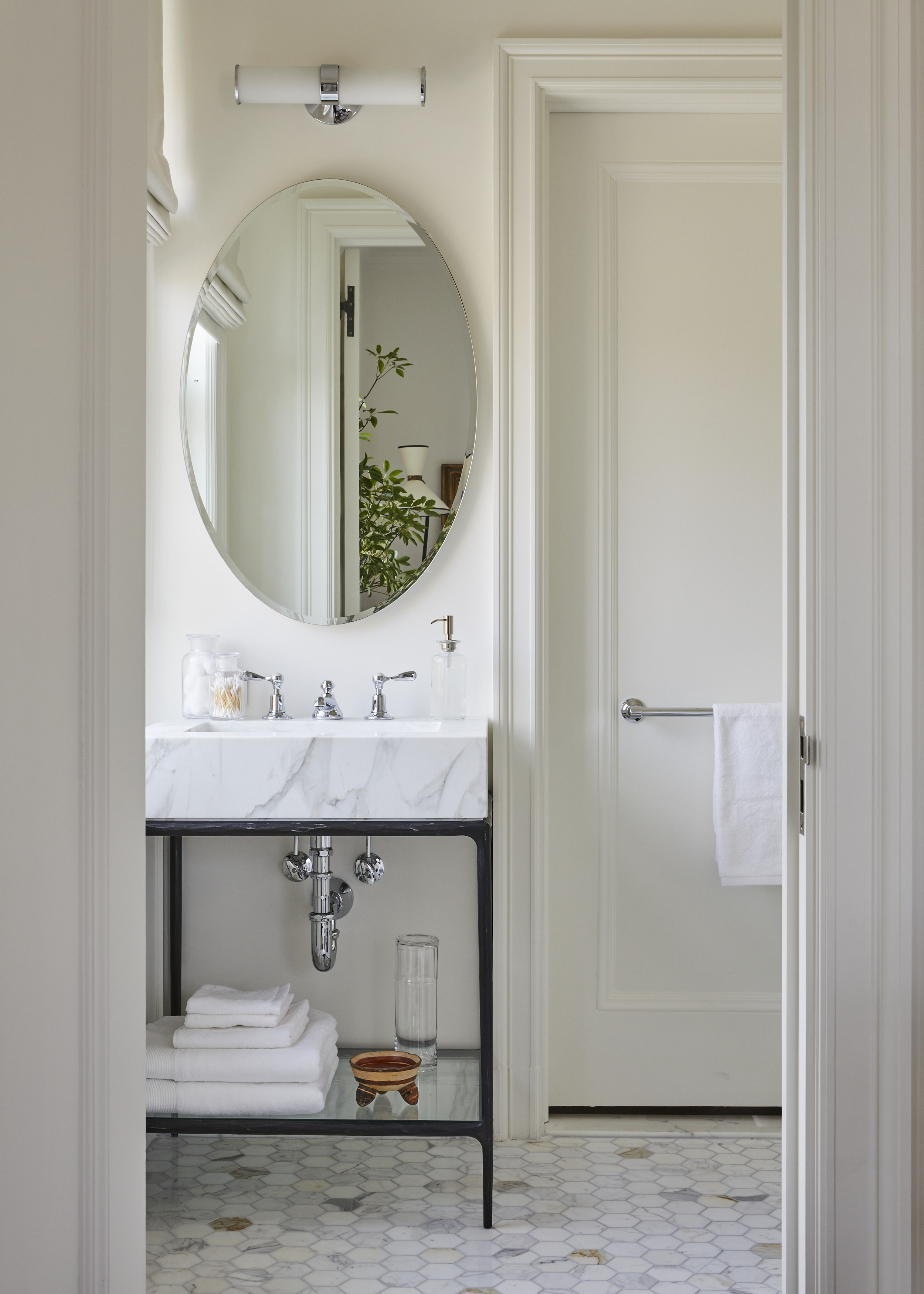
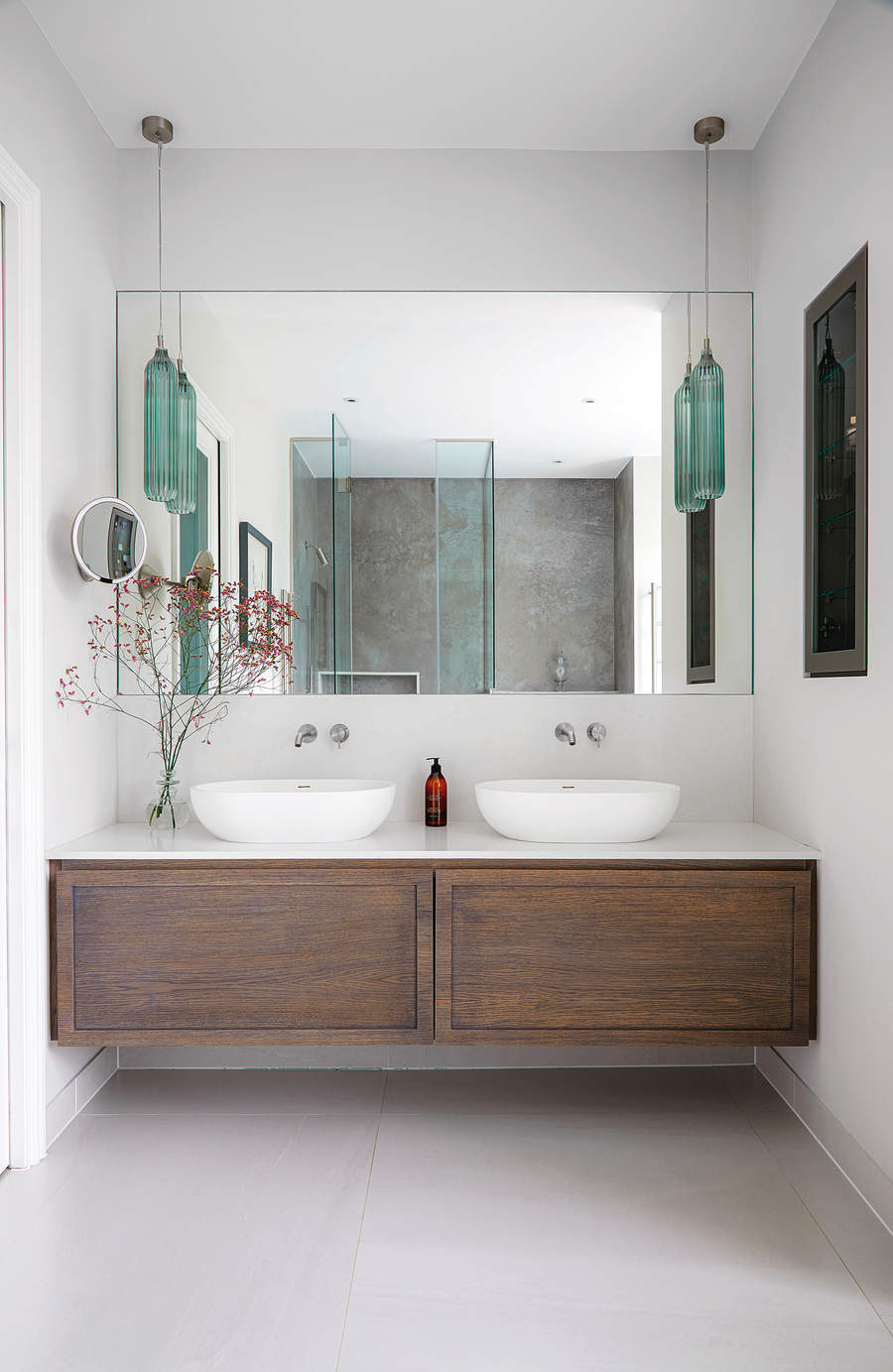
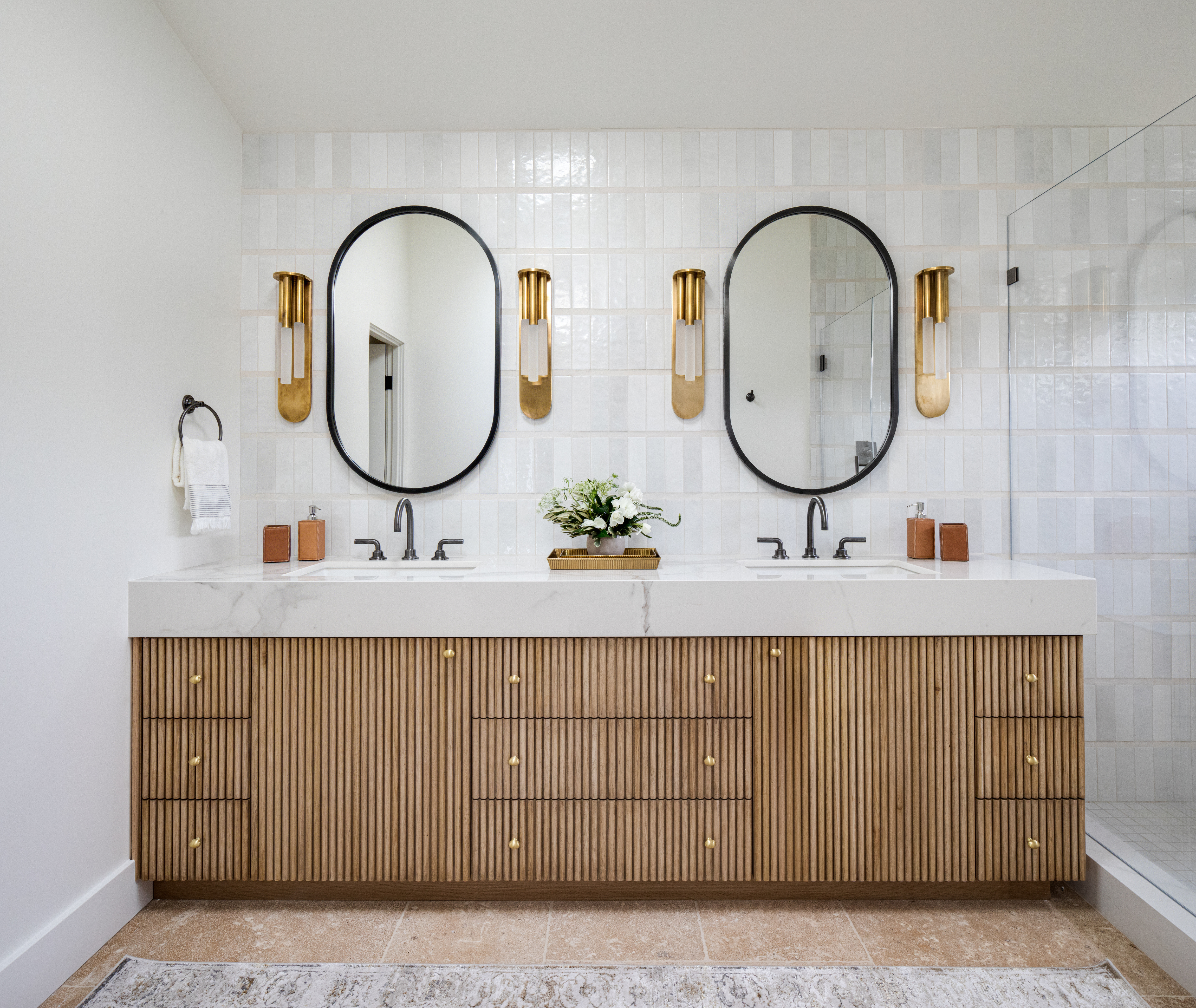
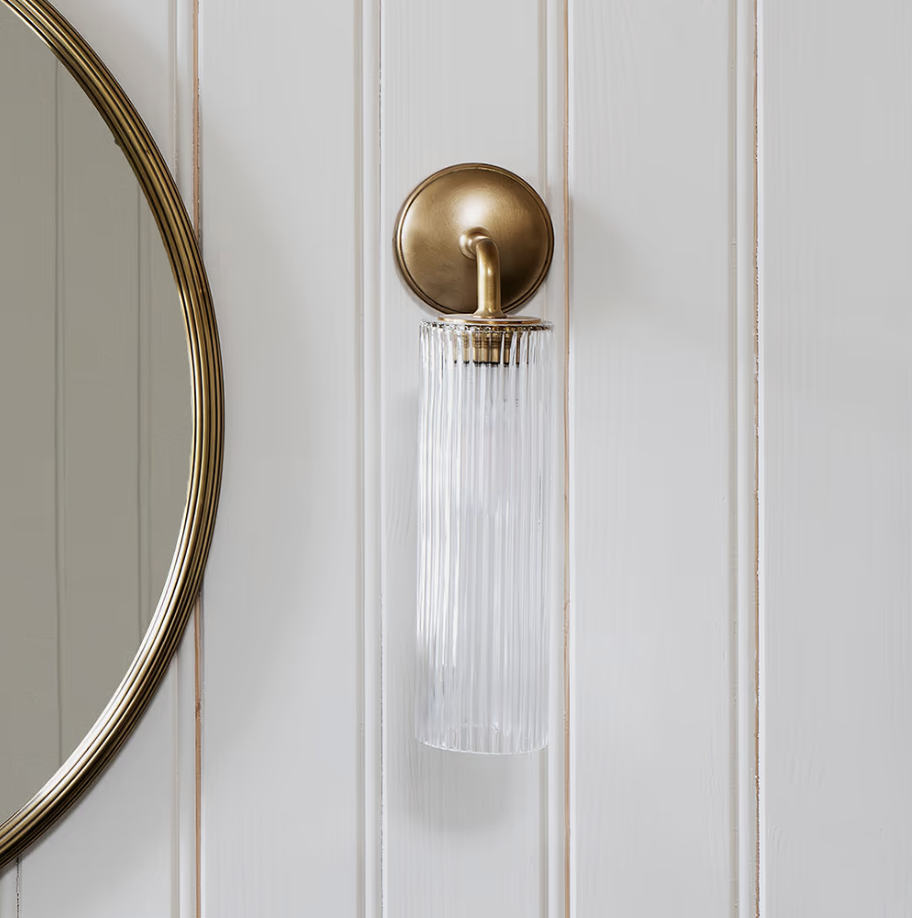
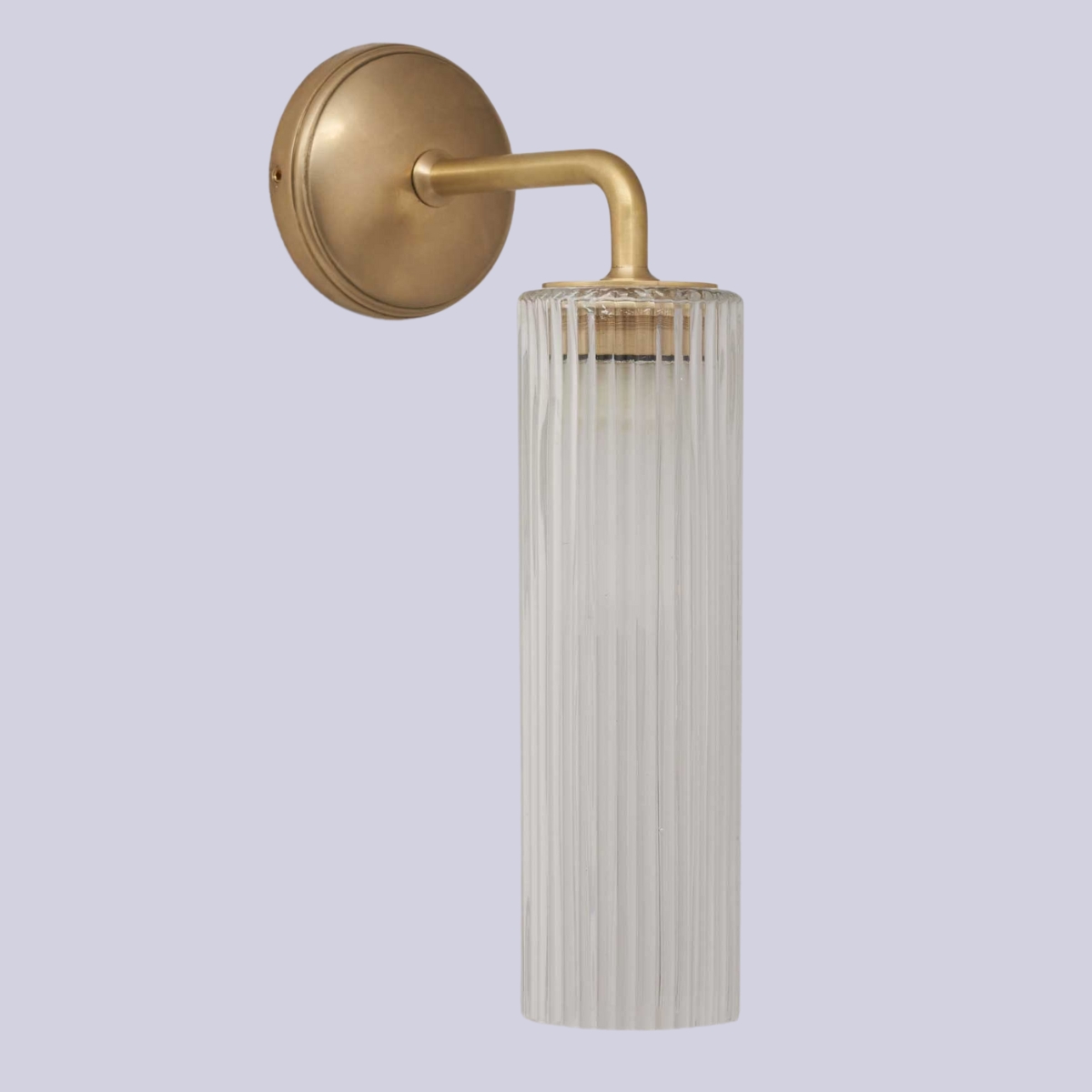
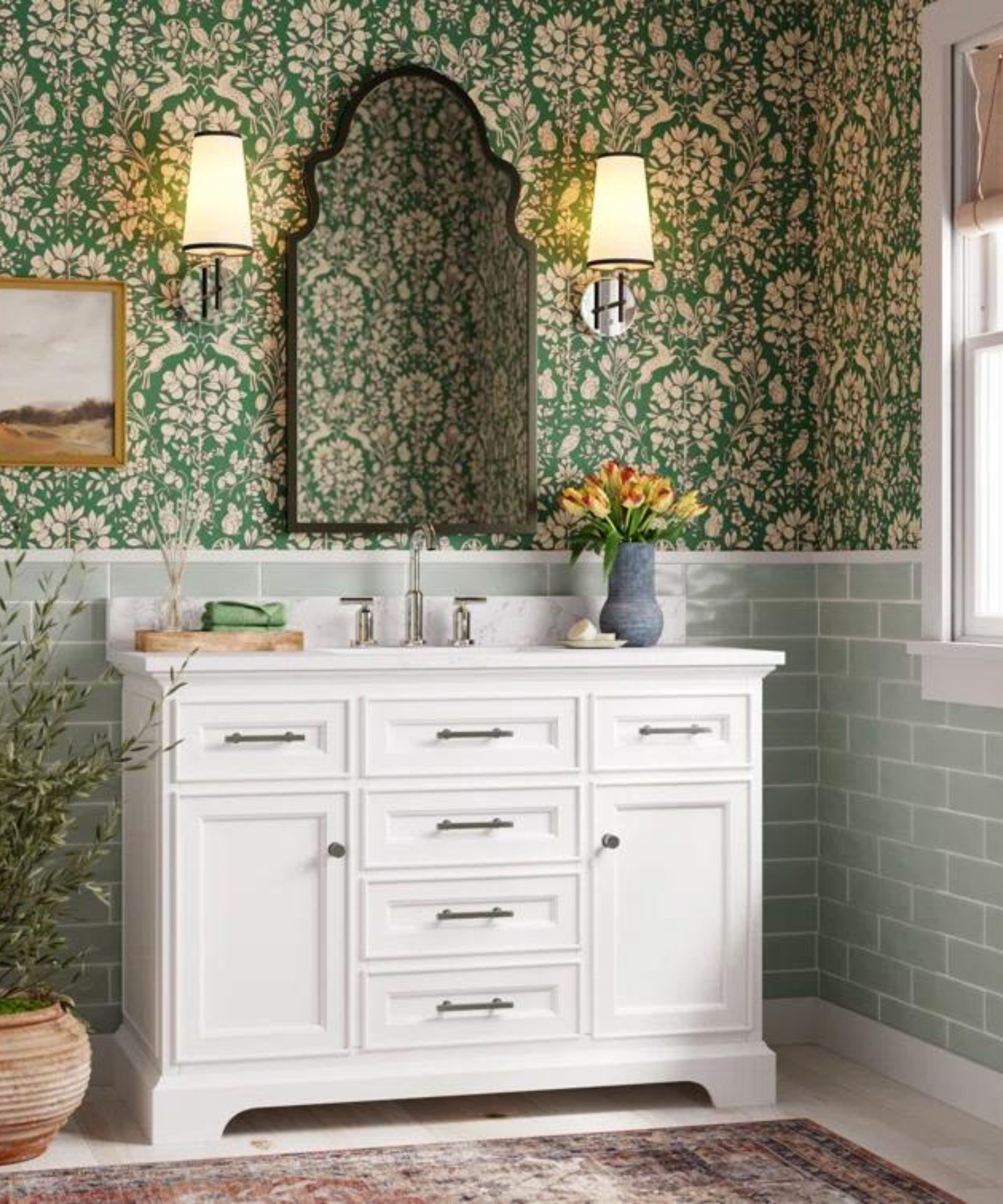
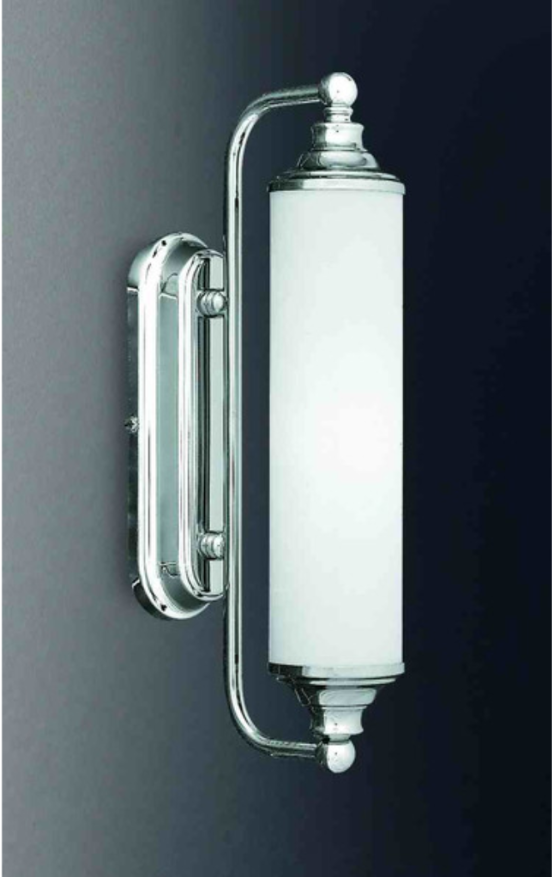
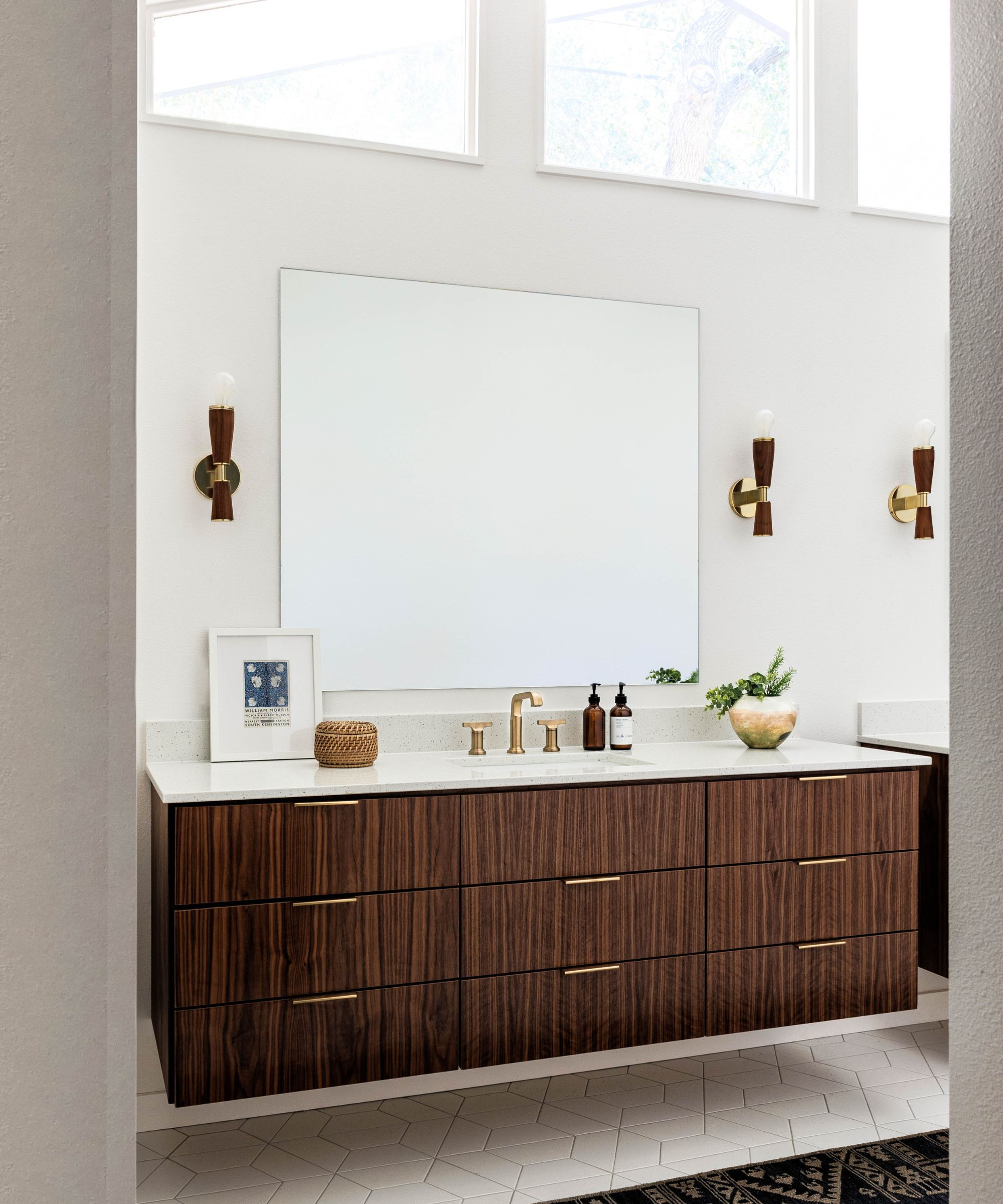
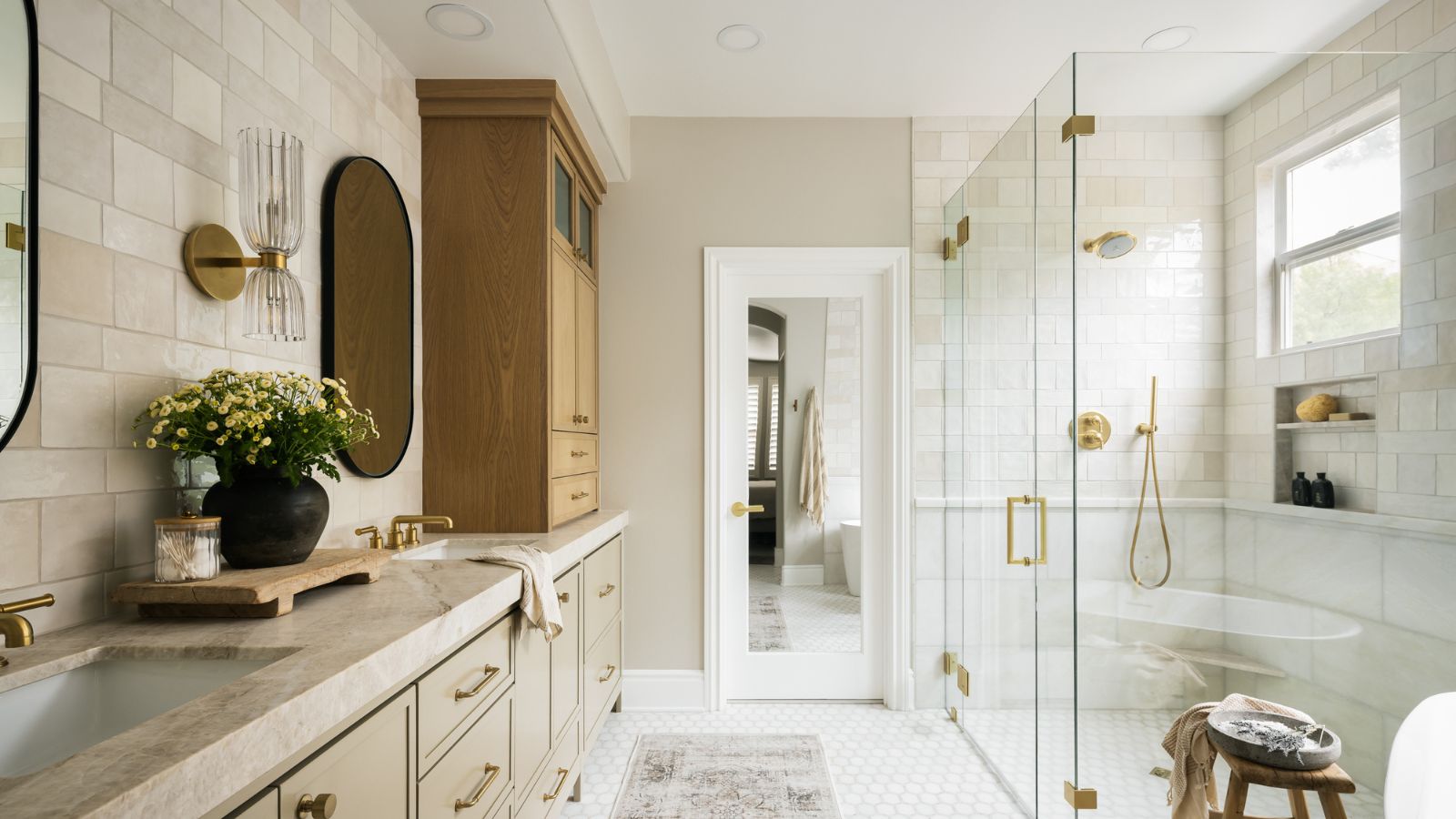
Finally, a revival of Art Deco style is influencing bathroom lighting. This style introduces elegance, often featuring wall lights with classic frosted glass, which are both aesthetically pleasing and practical due to their steam resistance. While a chrome finish can modernize this style, materials like hand-rubbed bronze can exude old-school glamour. Lighting key features is essential for a balanced scheme. Mirrors, often focal points, require flattering and uniform light, achievable through integrated lighting or wall sconces. Task lighting in shower areas should be positioned to avoid shadows, and low-glare, deep-recessed downlights should be centrally placed over bathtubs for comfort. Effective bathroom lighting involves layering task, accent, ambiance, and feature lighting, with safety being a primary concern due to the presence of water, necessitating specific IP ratings depending on the zone within the bathroom.
#BathroomLighting #InteriorDesignTrends #HomeDecor #StatementLighting #VintageStyle #ModernDesign #LEDLighting #AmbianceLighting #ArchitecturalLighting #BathroomLighting #InteriorDesignTrends #HomeDecor #StatementLighting #VintageStyle #ModernDesign #LEDLighting #AmbianceLighting #ArchitecturalLighting
0 comment in total
 No comments yet
You may also like
7 Bathroom lighting trends to illuminate a stylish space in 2025
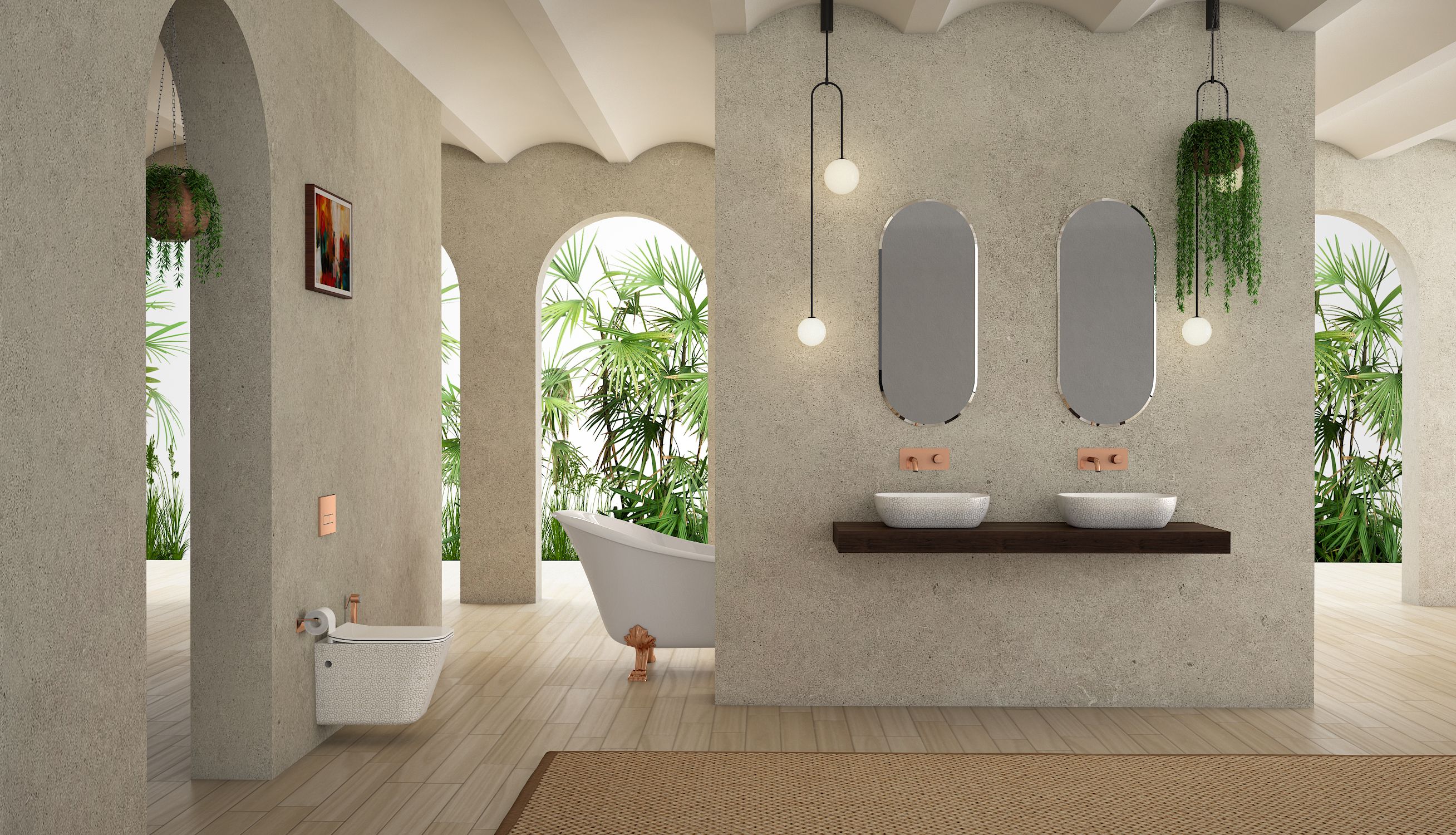
Bathroom pendant lighting ideas – inspiring styles and practical advice

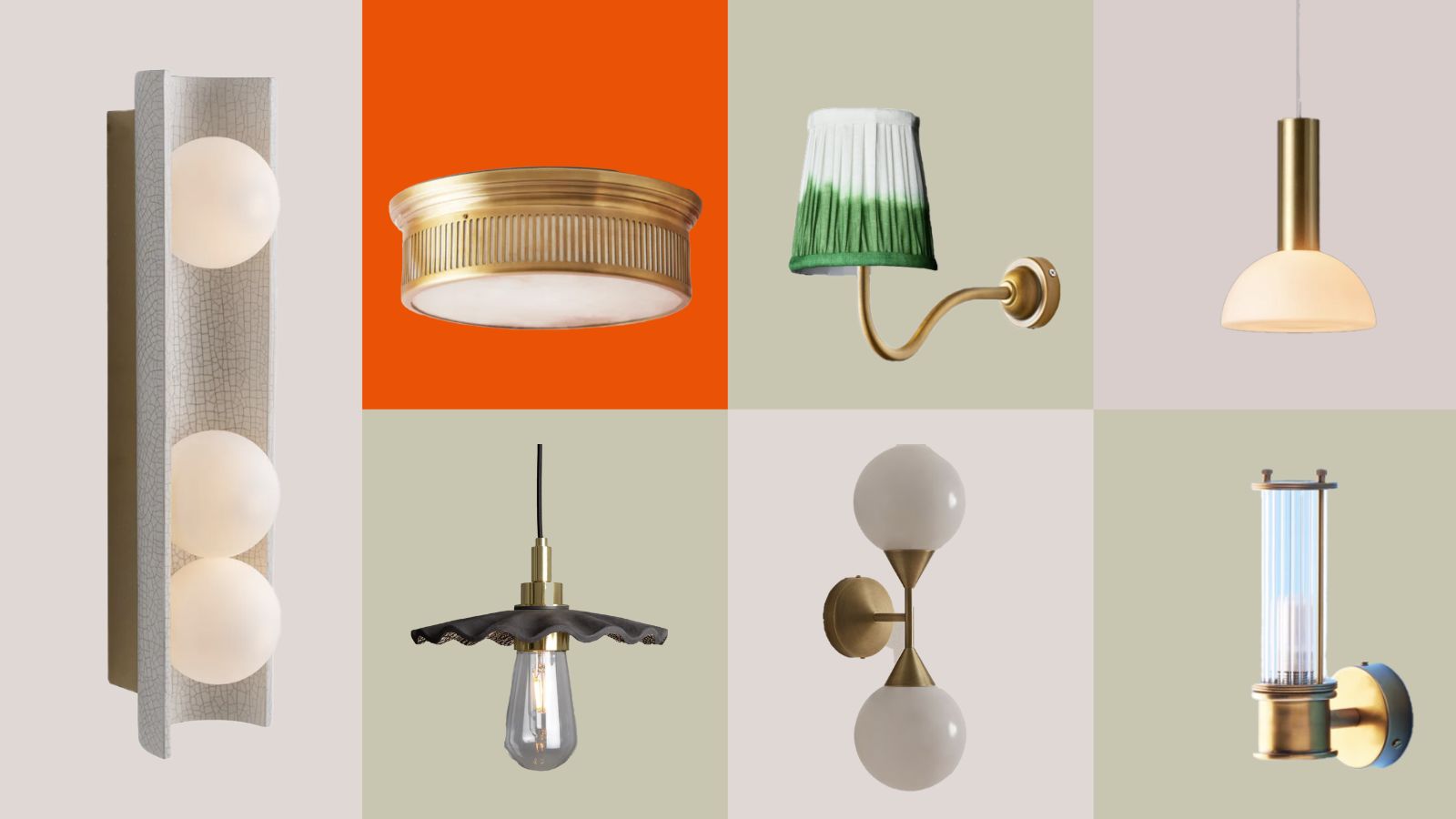
Where to Buy Bathroom Lighting That Actually Looks Good — IP-Rated Designs That You'd Be Happy With in Any Room

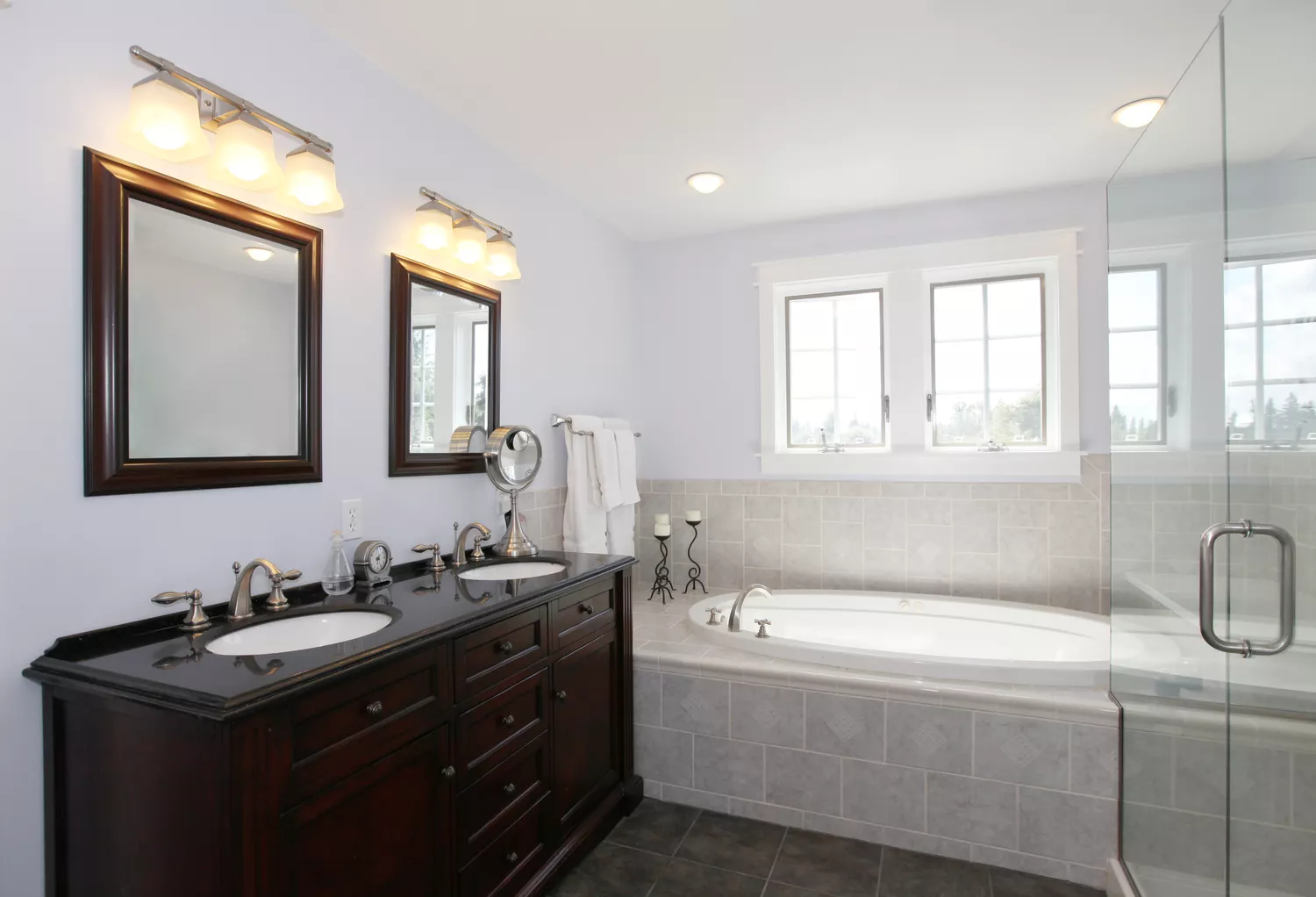
4 Fixtures That Instantly Date Your Bathroom
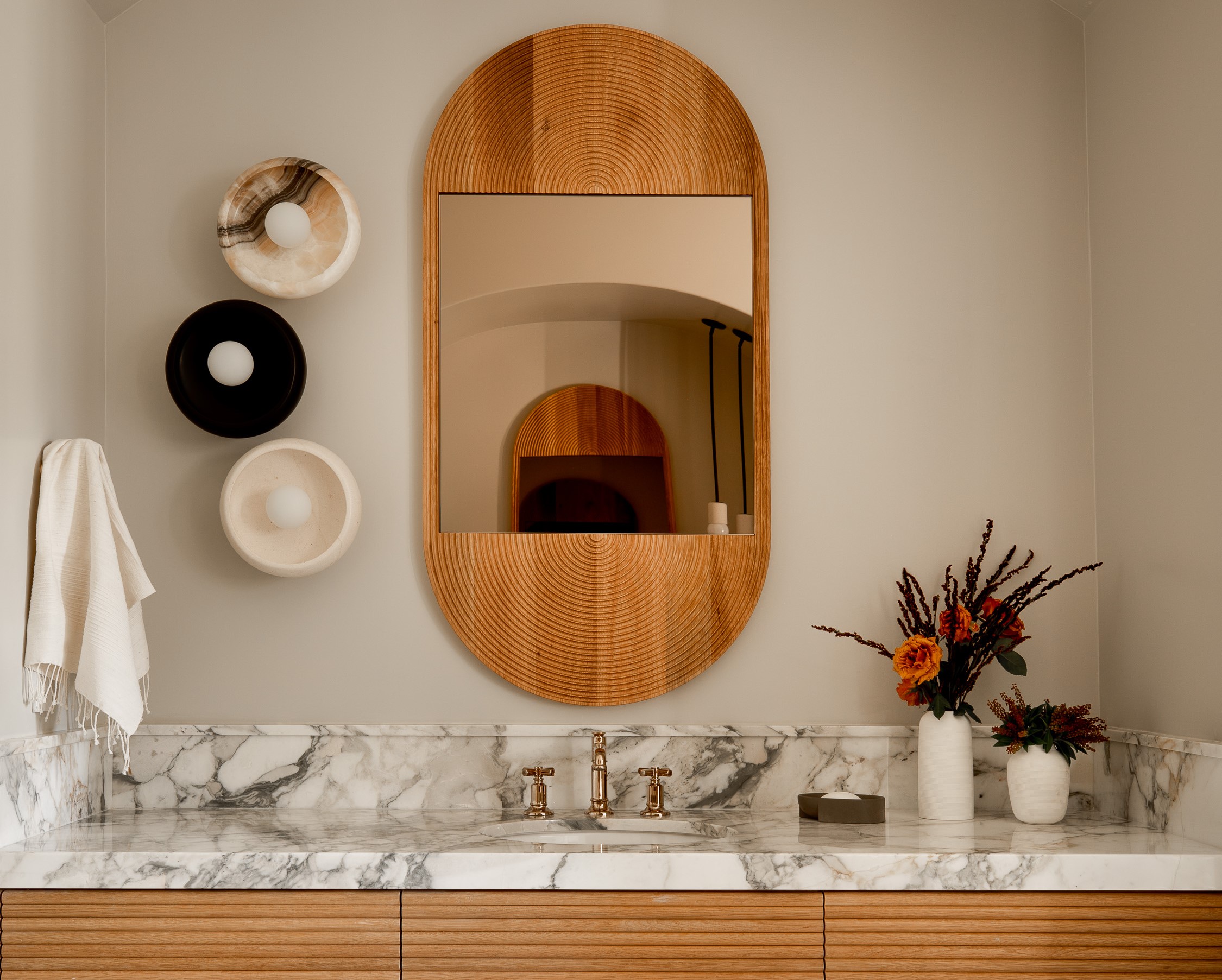
What's the Most Flattering Light For a Bathroom? 7 Designer Tricks to Give Your Space a Glow-Up
Designers Say Your Bathroom is Missing This 1 Thing
These 5 Bathroom Trends Are So Outdated, According to Interior Designers

6 designer-approved bathroom vanity lighting ideas
5 Bathroom Lighting Trends for 2024 — "These Transform The Room Into A Sanctuary of Style and Comfort"
Star-Worthy Bathroom Lighting: 5 Luminous Looks Taking Over Unflattering Fixtures
Bathroom chandelier ideas – 10 looks for decadent and luxurious lighting
Bathroom chandelier ideas – 10 ways to add opulent lighting to your wash space
5 Bathroom Lighting Trends for 2024 — "These Transform The Room Into A Sanctuary of Style and Comfort"

10 of the most beautiful bathroom lighting ideas that will totally elevate your space
Looking for stylish bathroom lighting? These are the brands to shop for the most beautiful designs
Bathroom light ideas for your home
Designers are ditching overhead lighting in the bathroom – and using this flattering source to illuminate spaces instead
12 Best Bathroom Lighting Design Ideas

Bathroom Lighting - Our Pick of the Best

40 Bathroom Lighting Ideas To Brighten Your Space