1/5
Designers are ditching overhead lighting in the bathroom – and using this flattering source to illuminate spaces instead
The article discusses a growing trend in bathroom lighting design, where interior designers are moving away from traditional overhead lighting in favor of more flattering and functional light sources. While acknowledging the foundational role of overhead ambient lighting in most rooms, the article highlights its drawbacks in a bathroom context, particularly concerning its unflattering effect on appearance and potential for creating harsh, unrelaxing environments.
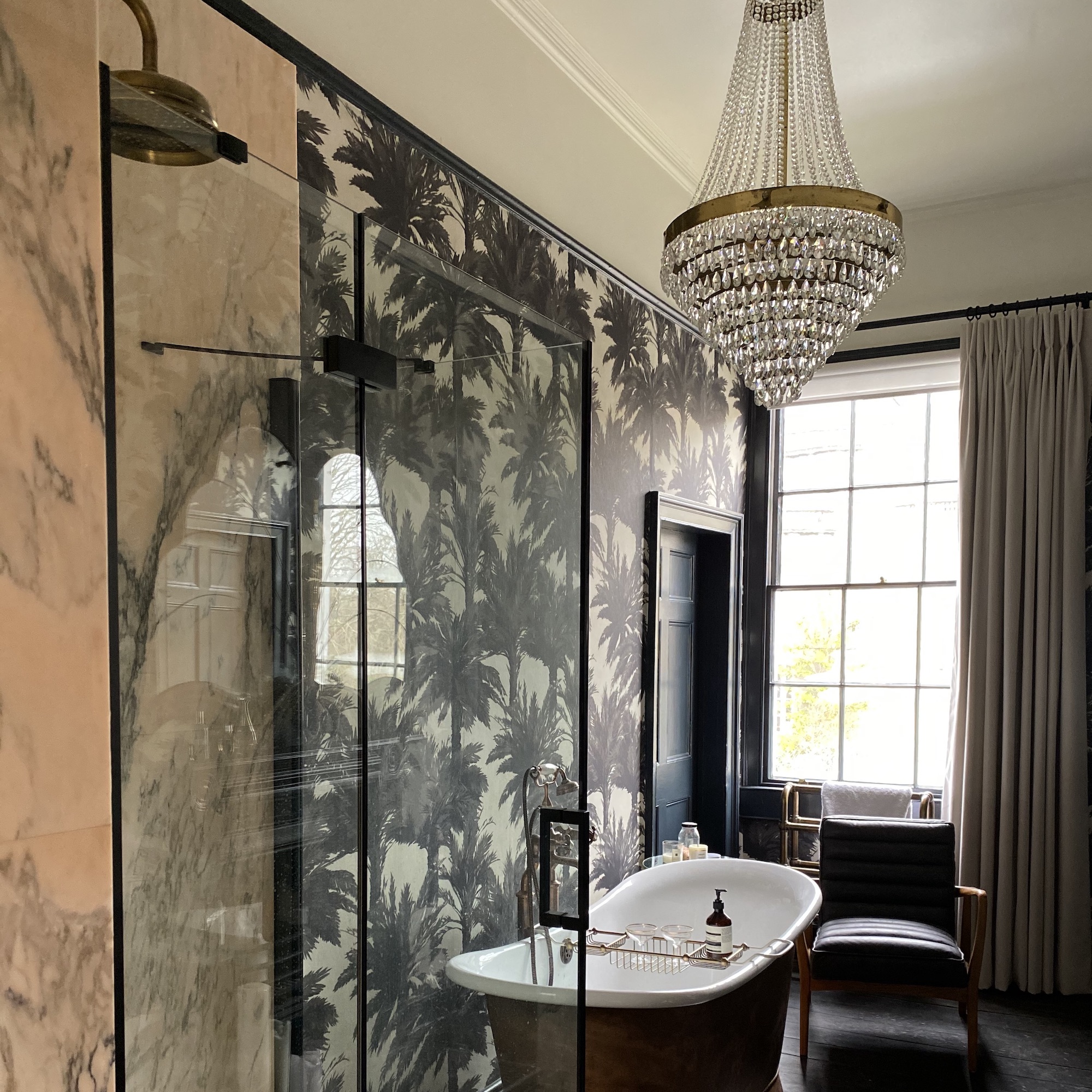
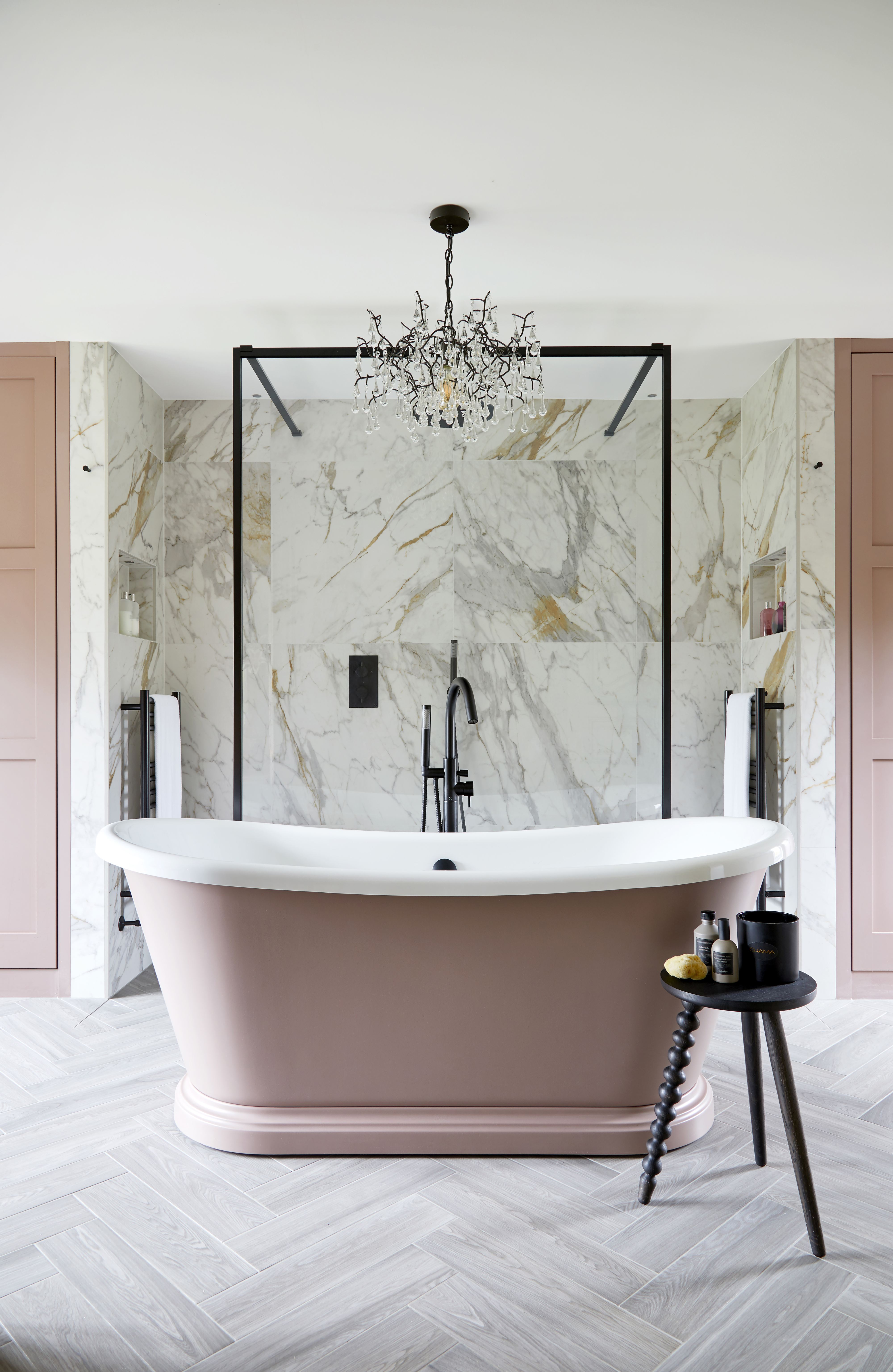
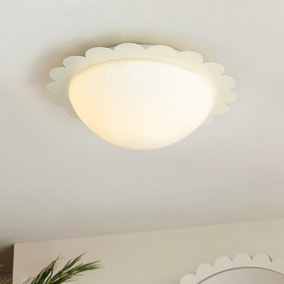
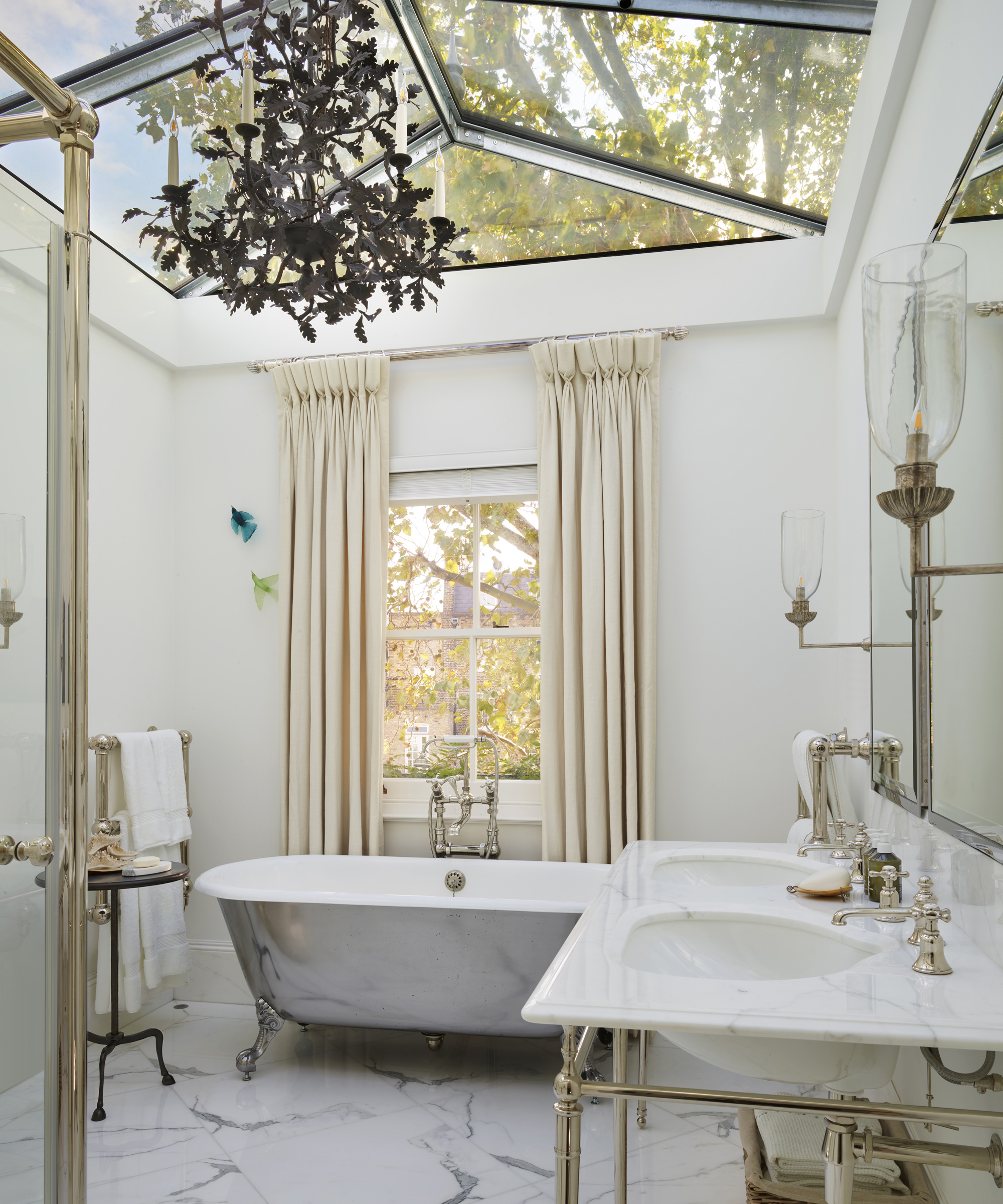
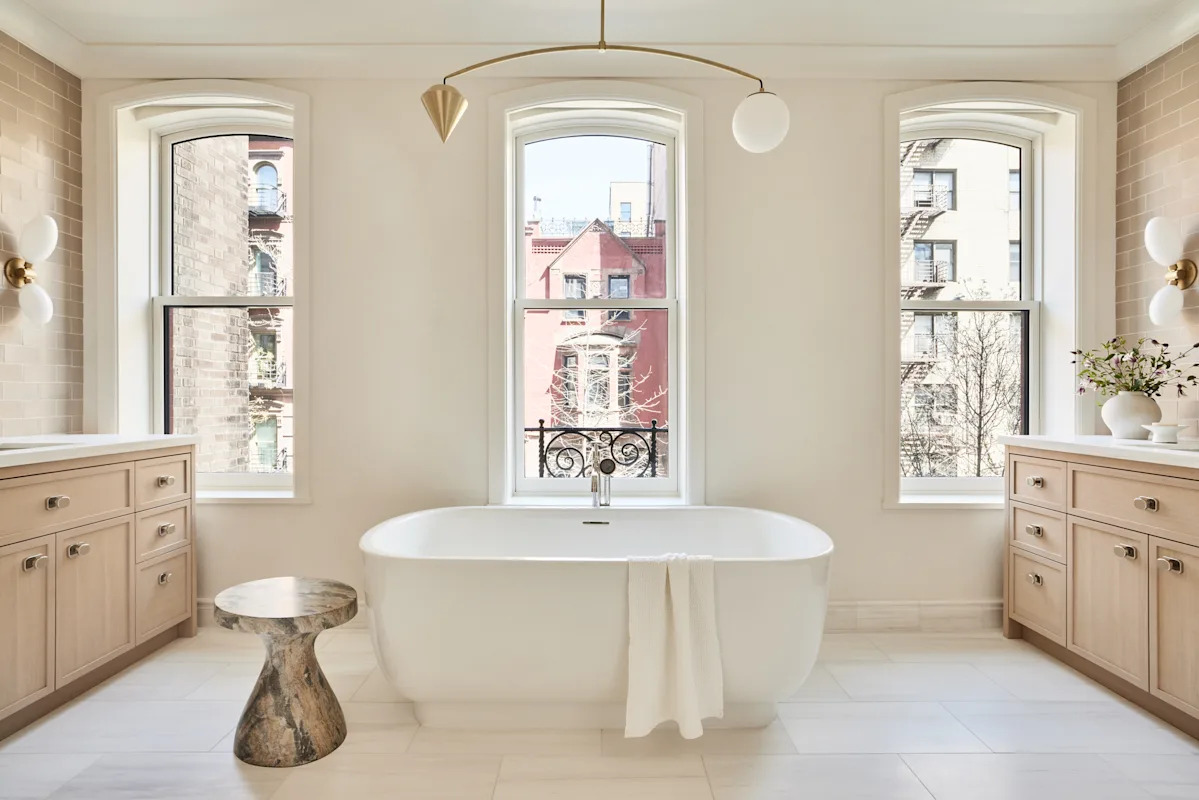
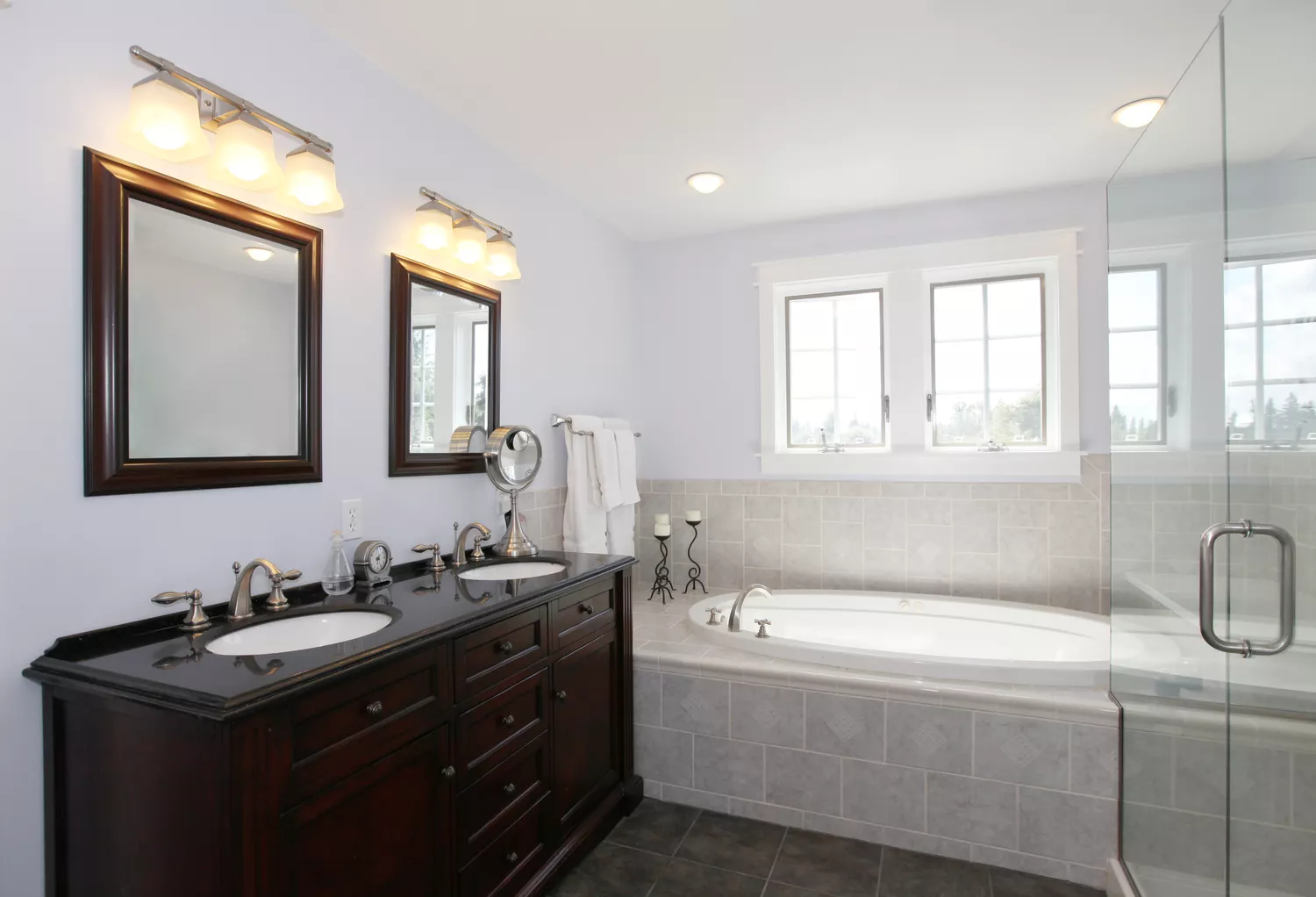
Overhead lighting, often in the form of recessed downlights, ceiling lights, or pendants, has been a common choice for bathrooms due to its ability to provide general ambient light and its versatility in various bathroom styles. Experts like Luki Anderson from Studio Officina point out the availability of affordable, small-diameter LED options that are wet-rated for use above showers and tubs, offering a discreet and modern aesthetic. Jade Diamond-Haggert of The Stylesmiths also notes that recessed lighting is non-intrusive and can add depth to a layered lighting design without affecting aesthetics, especially beneficial in smaller spaces. Natalie Rebuck from Re: Design Architects suggests that while overhead lights are good, they should always be complemented by other forms of lighting to create a well-rounded scheme.
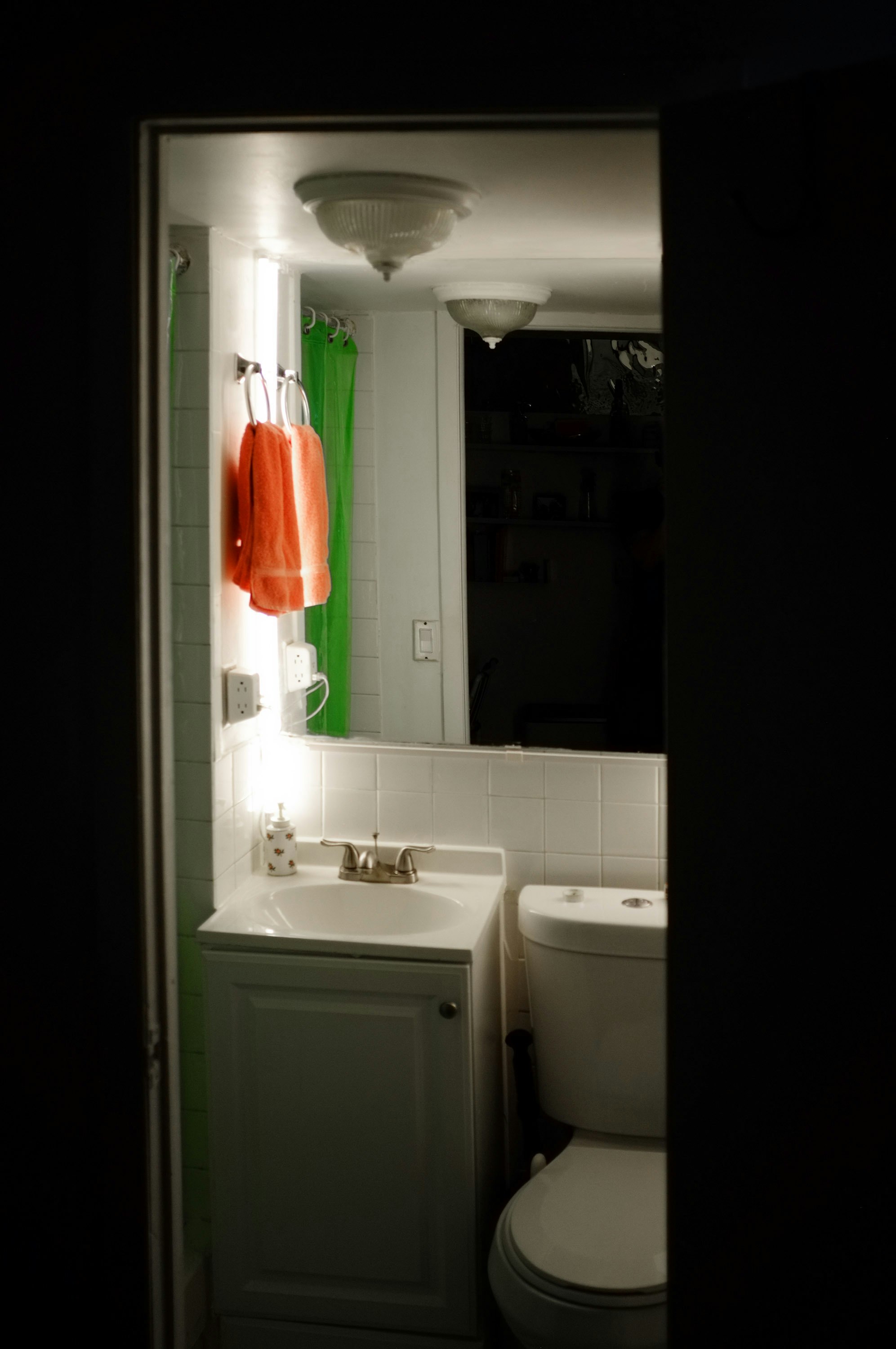
Despite these benefits, the primary concern with overhead bathroom lighting is its unflattering nature. It tends to cast shadows across the face, emphasizing imperfections and creating a harsh, often cold, glow. This is particularly problematic in a space where individuals often begin their day, needing clear and accurate reflections for grooming. Andrew Hodgkinson of Hodgkinson Design states that lighting from directly above is "deeply unflattering," and Anna Popov of Interiors by Popov emphasizes the need for functional lighting that minimizes shadows, suggesting light at eye level or around the mirror's perimeter. Furthermore, incorrectly laid out overhead lighting can result in an unpleasant spotlight effect, and relying solely on a single pendant in a small, naturally dim bathroom can make the space feel gloomy.
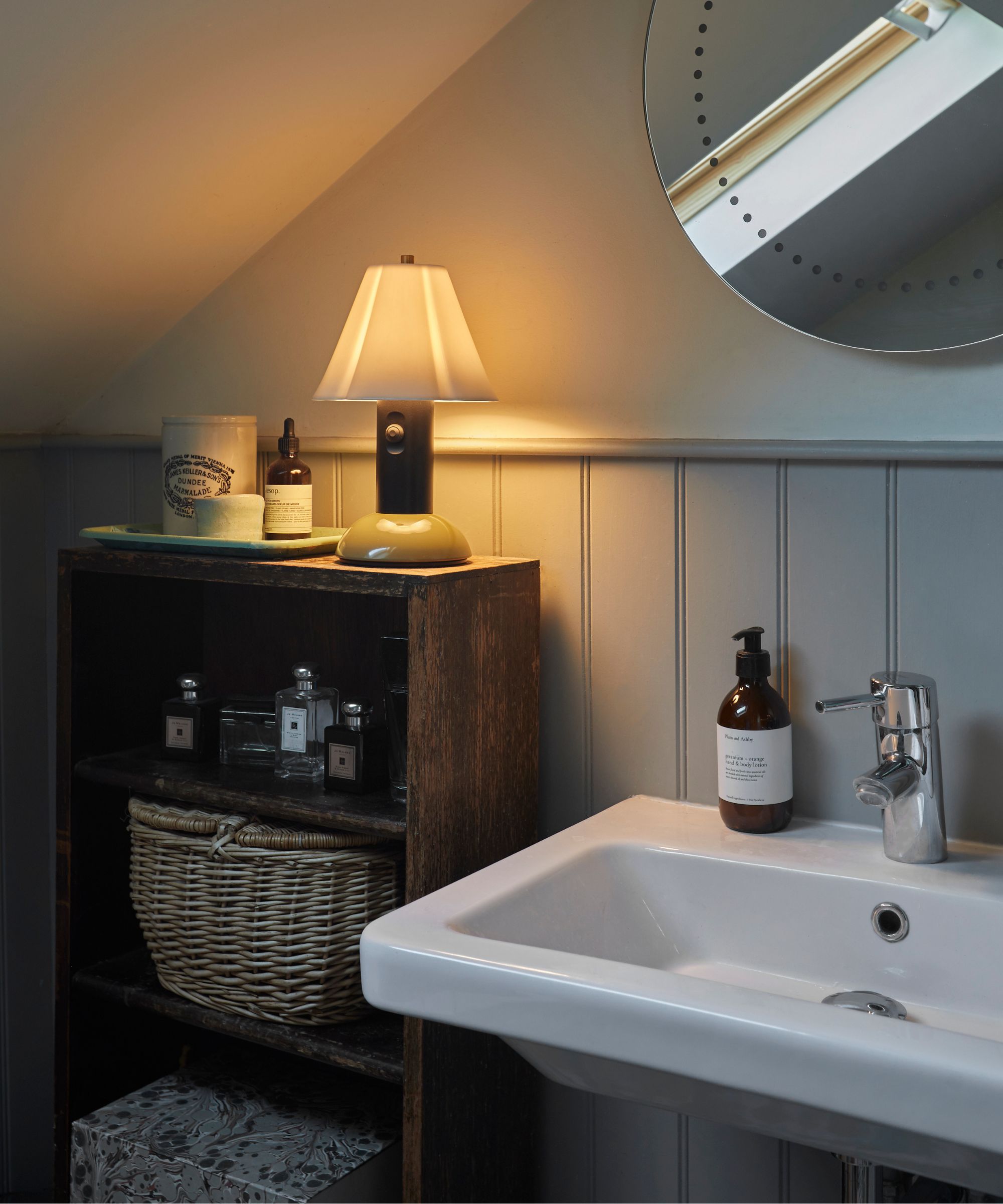
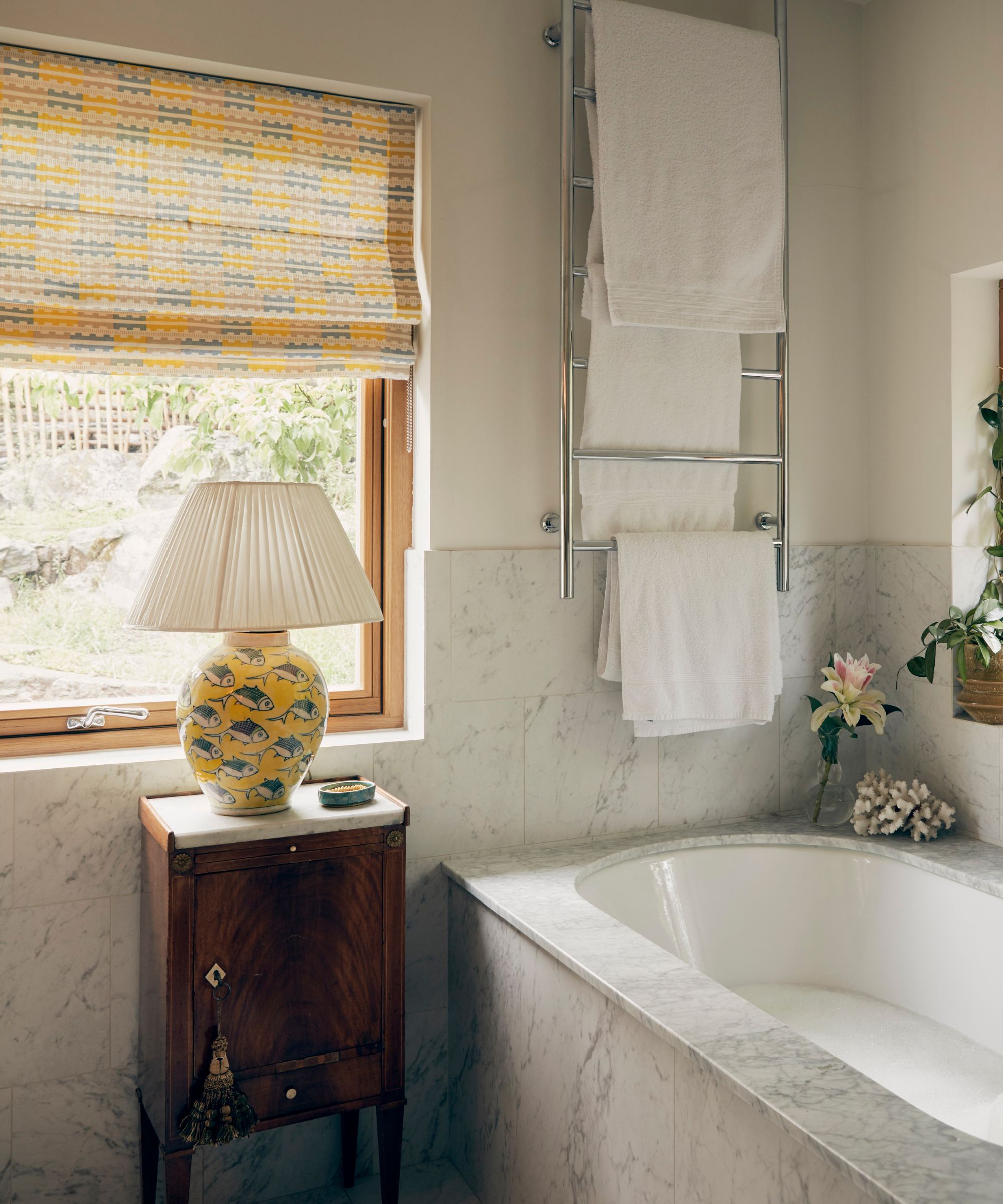
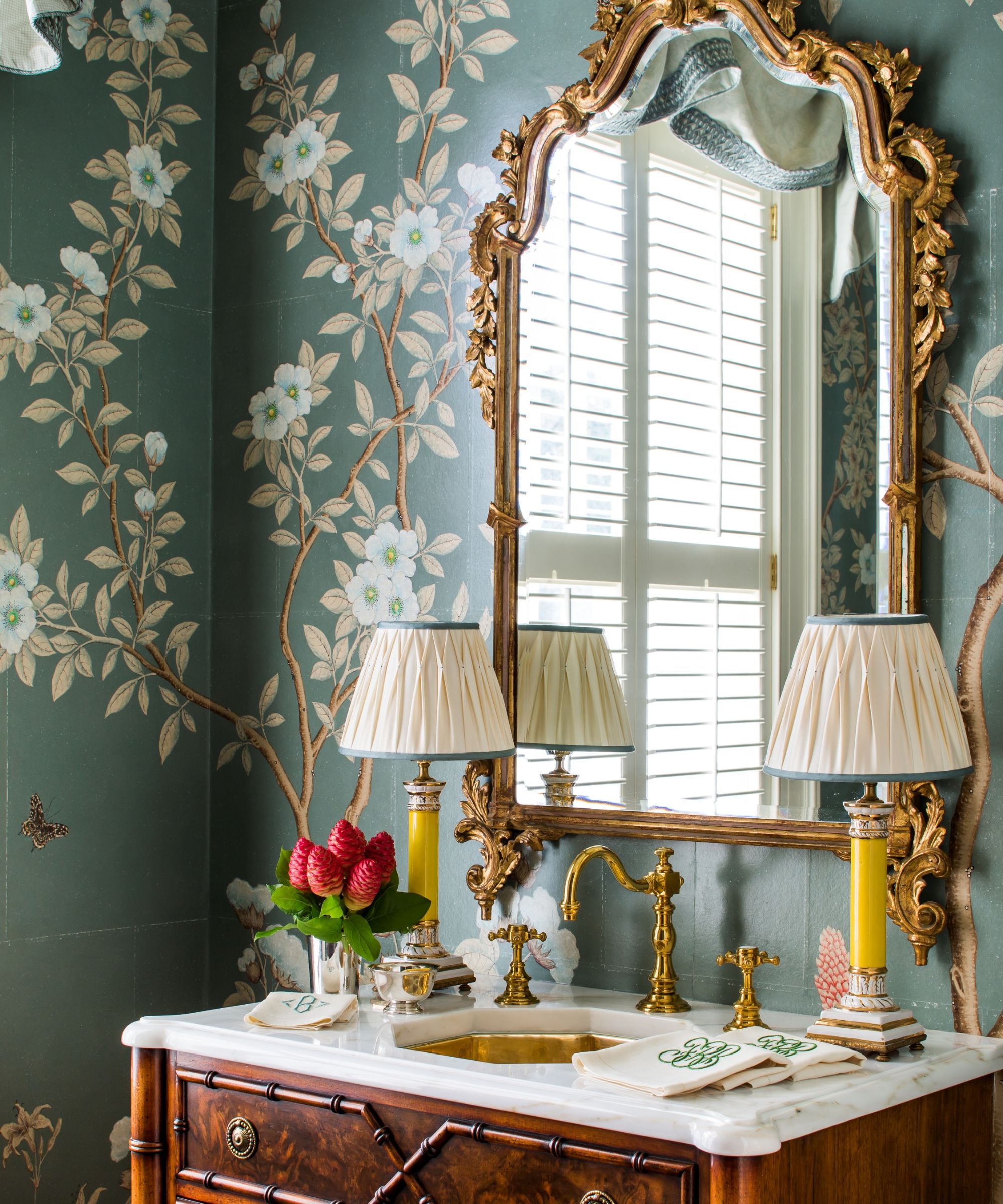
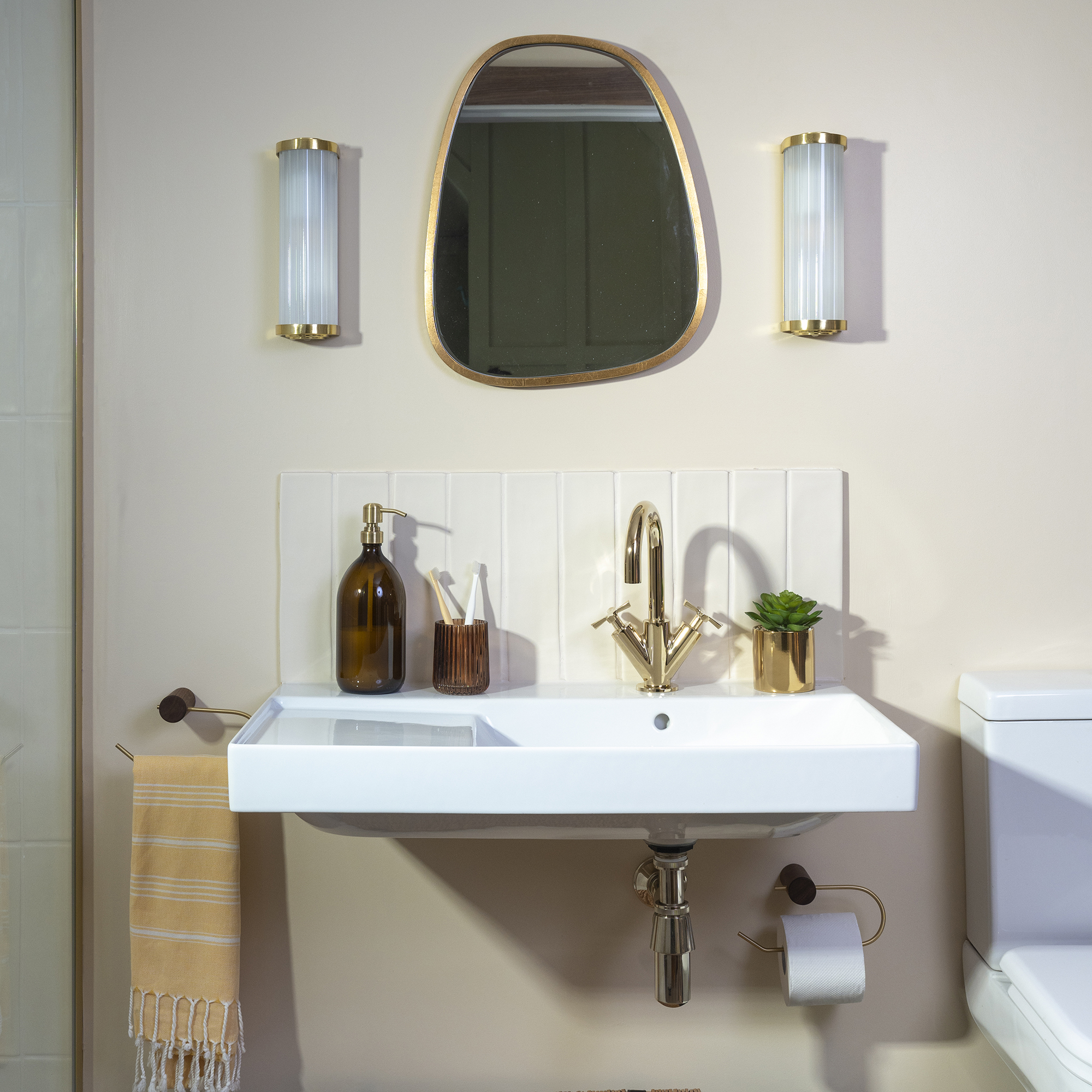
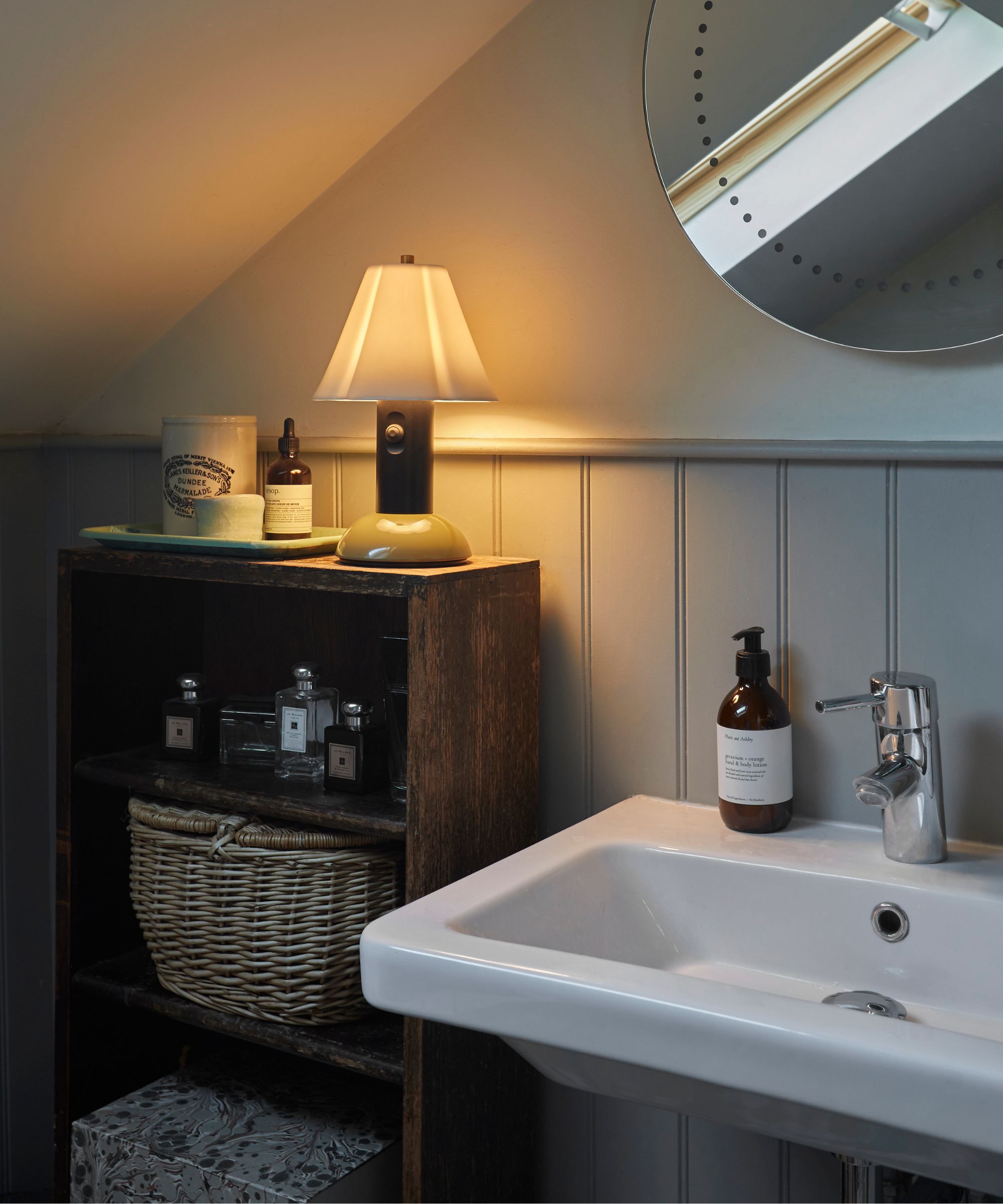
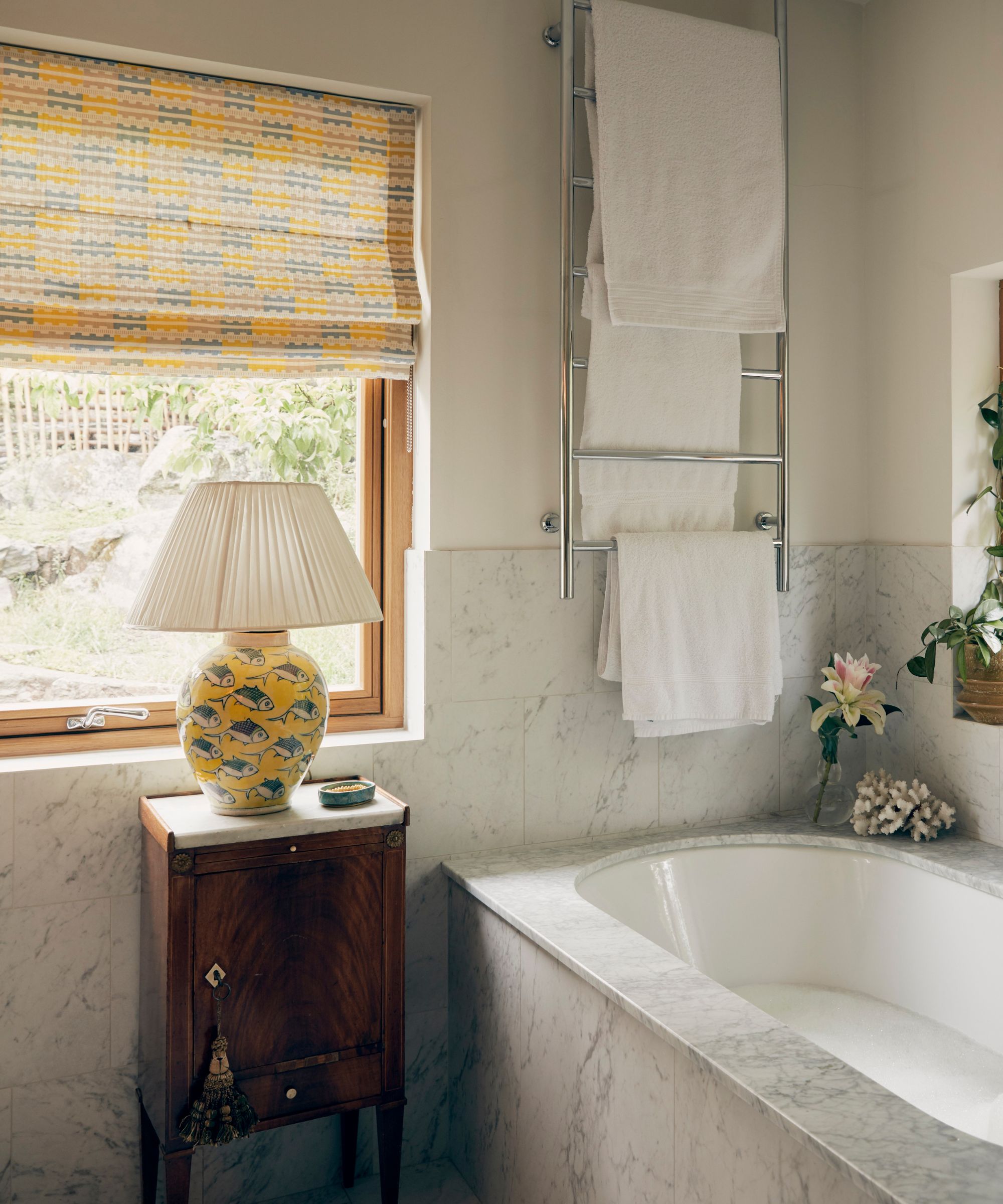
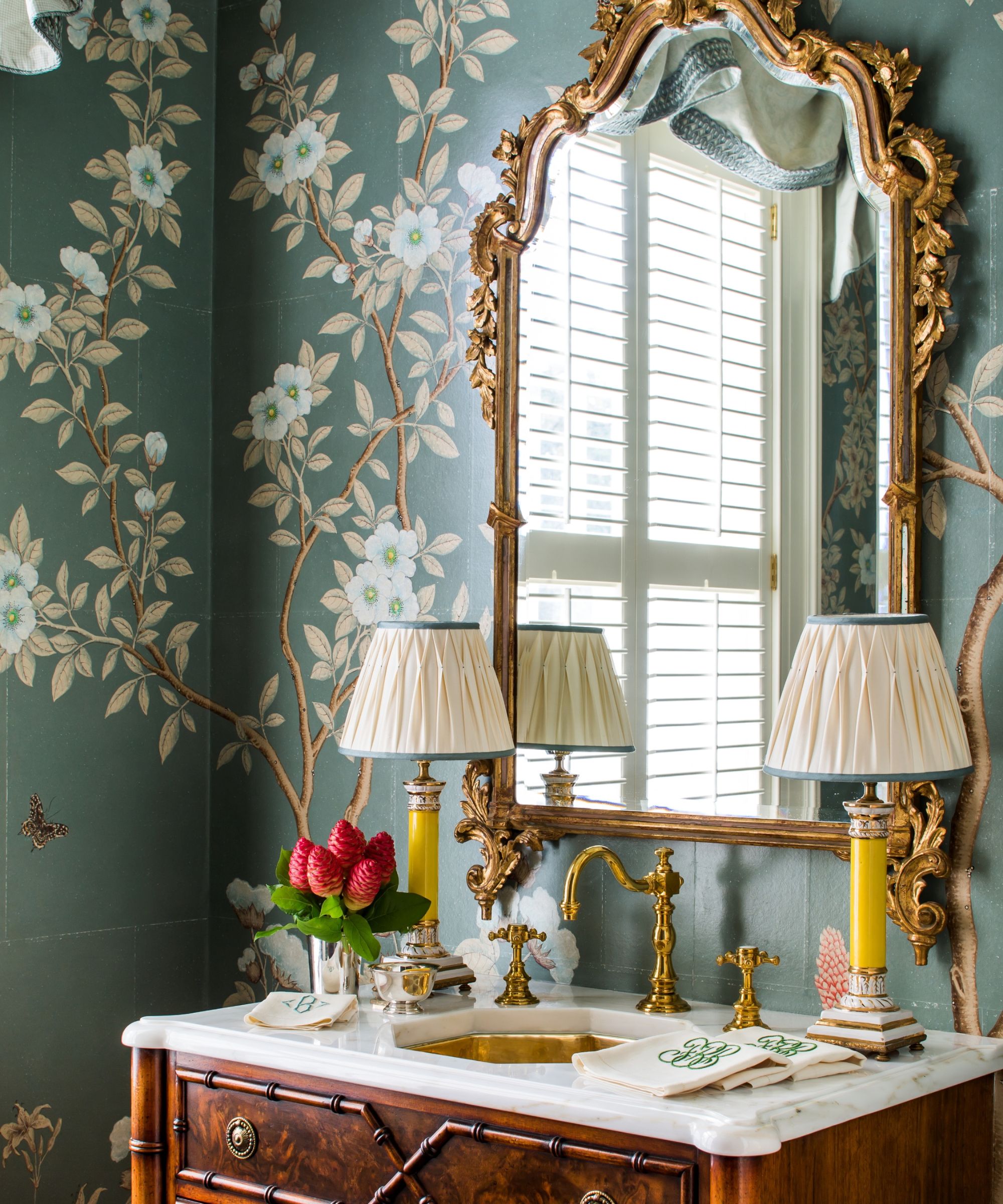
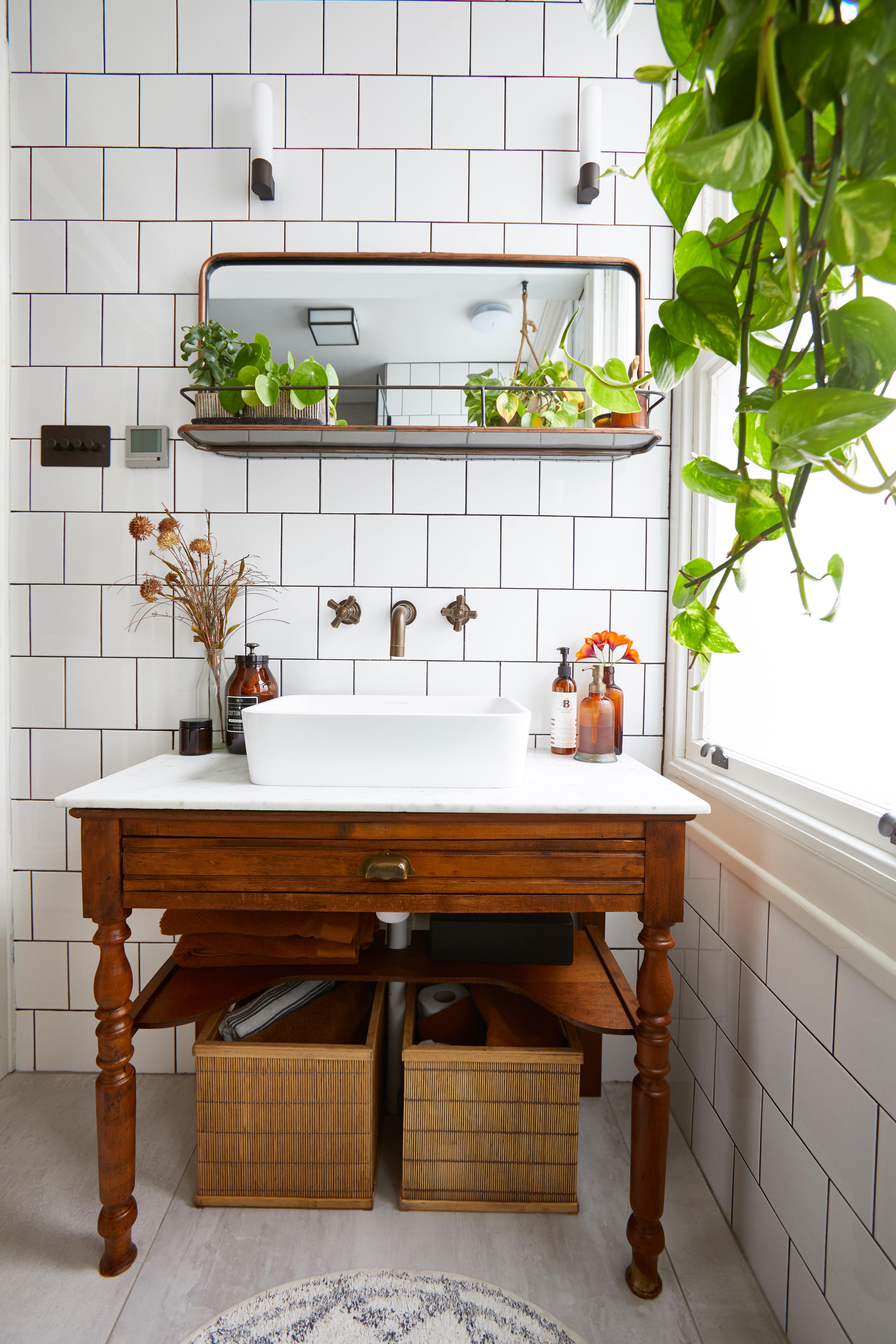
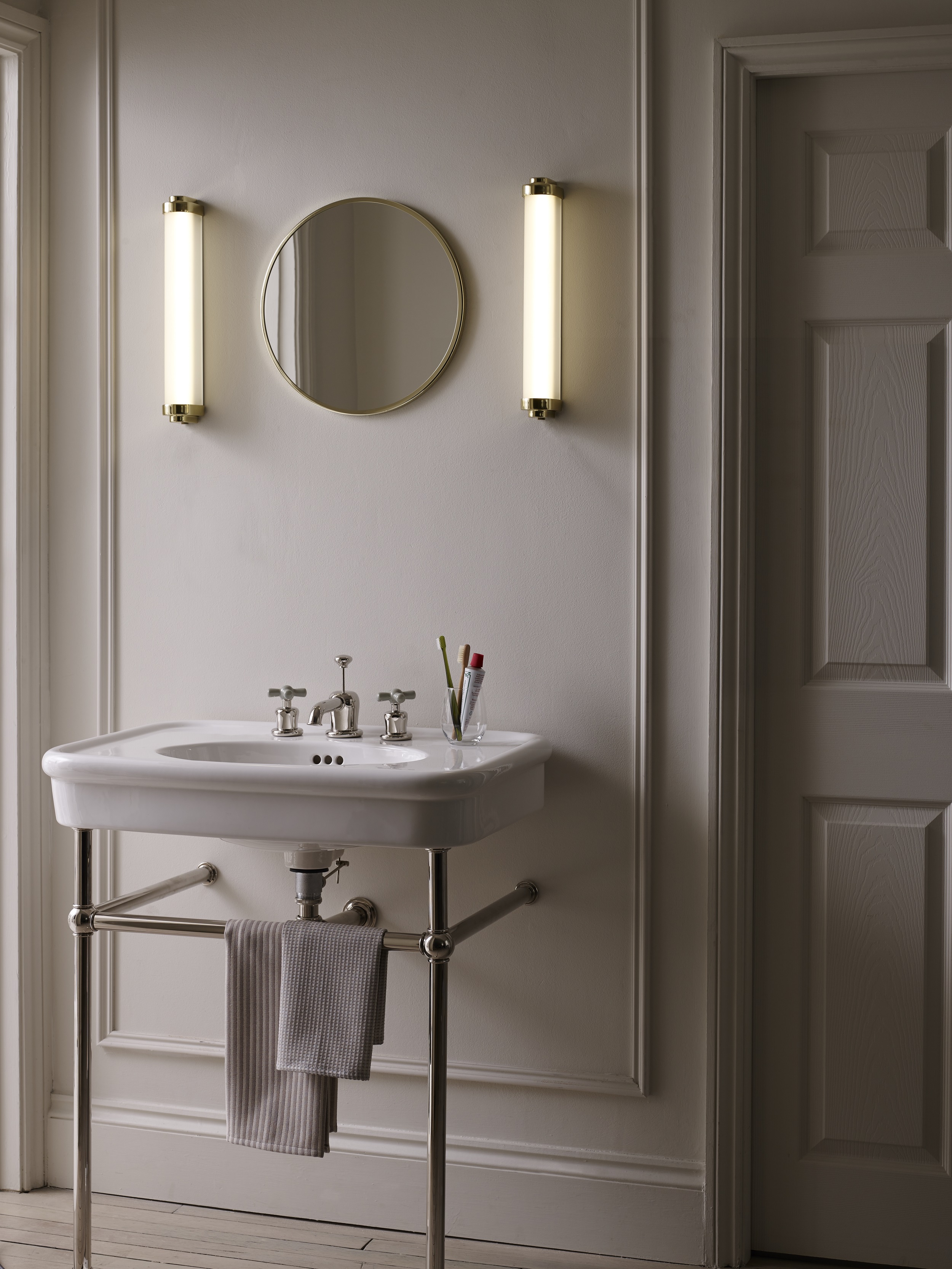
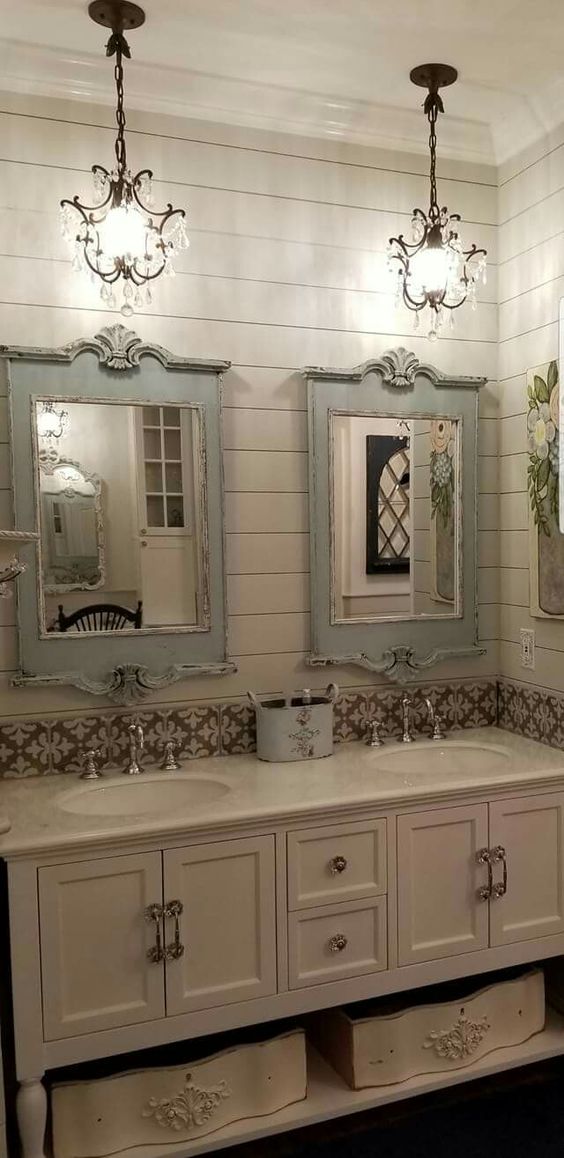
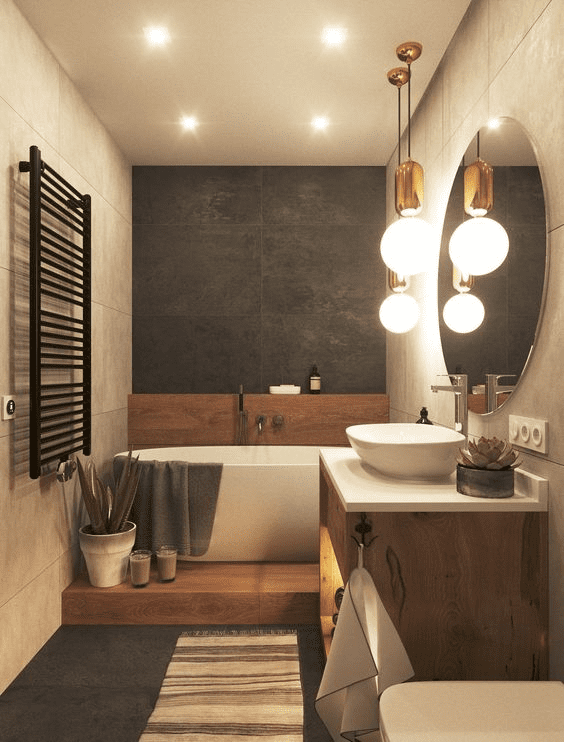
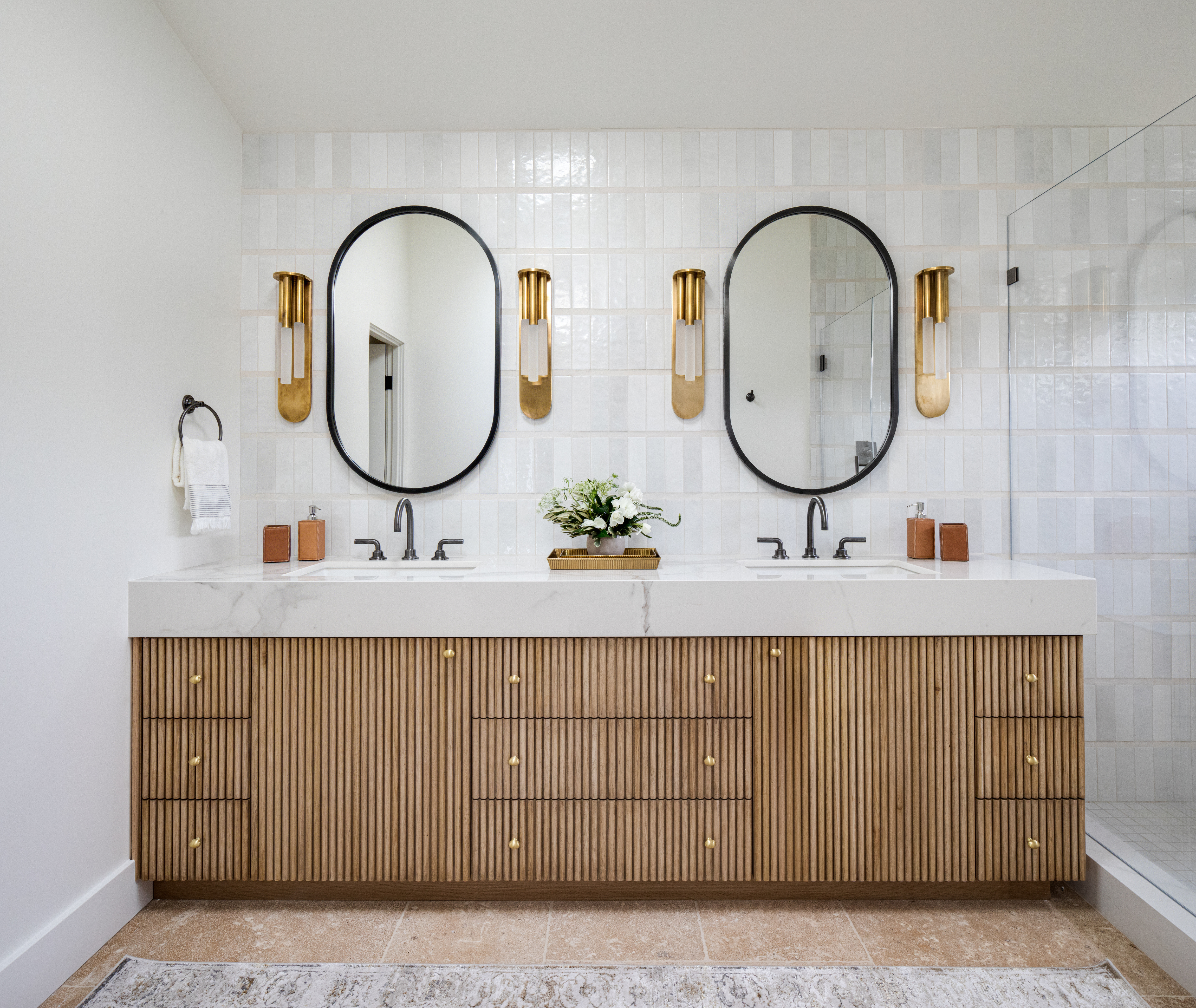
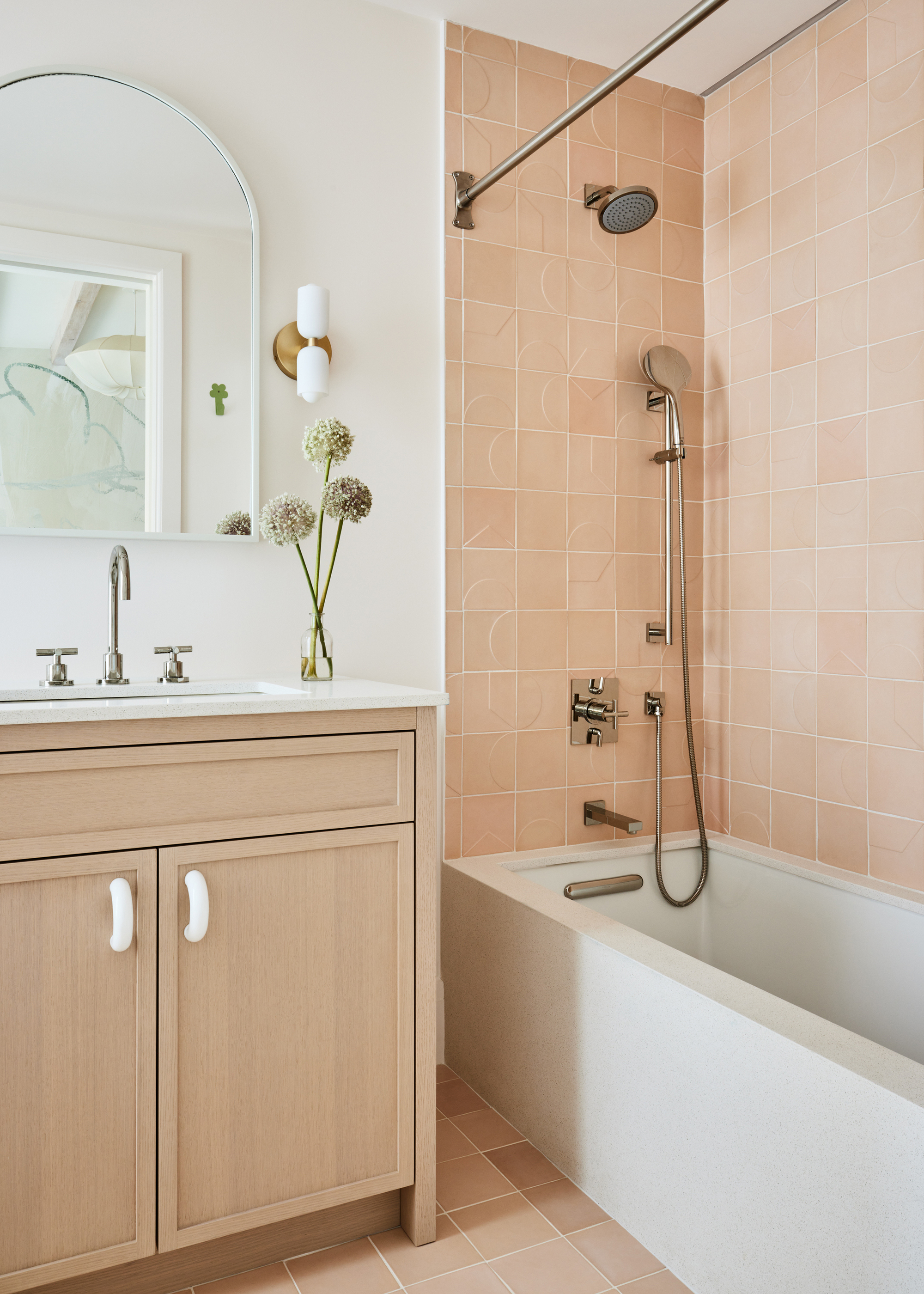
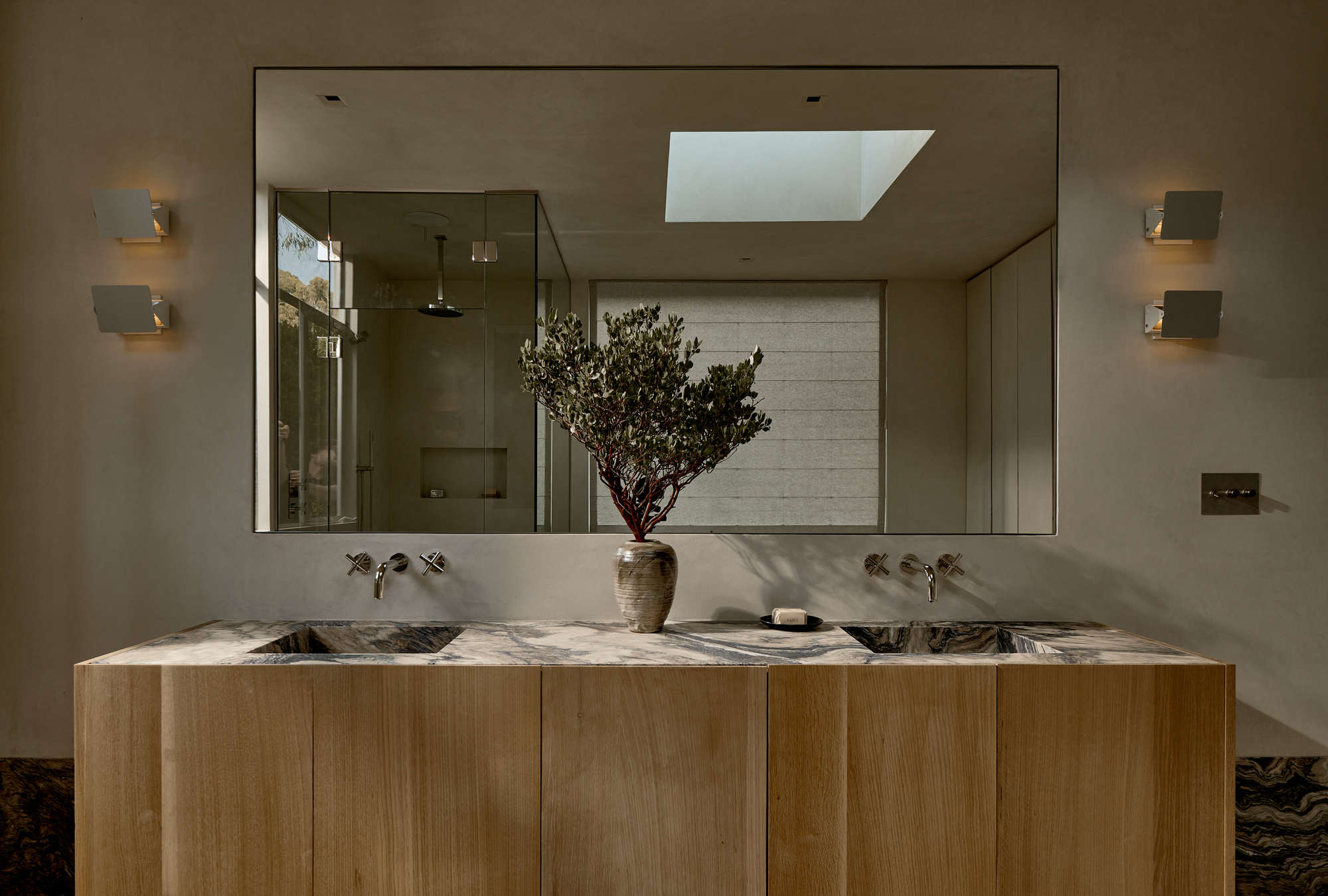
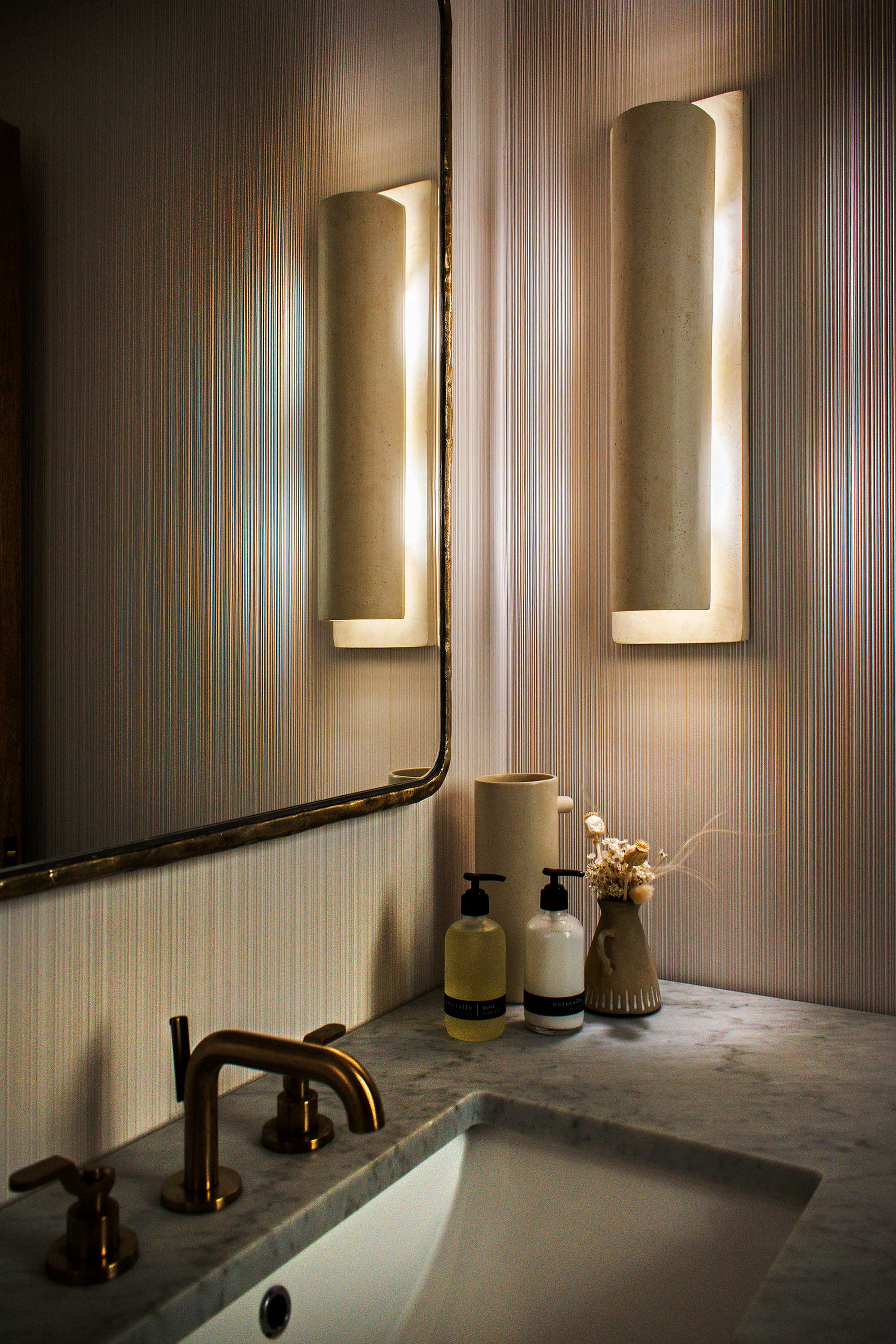
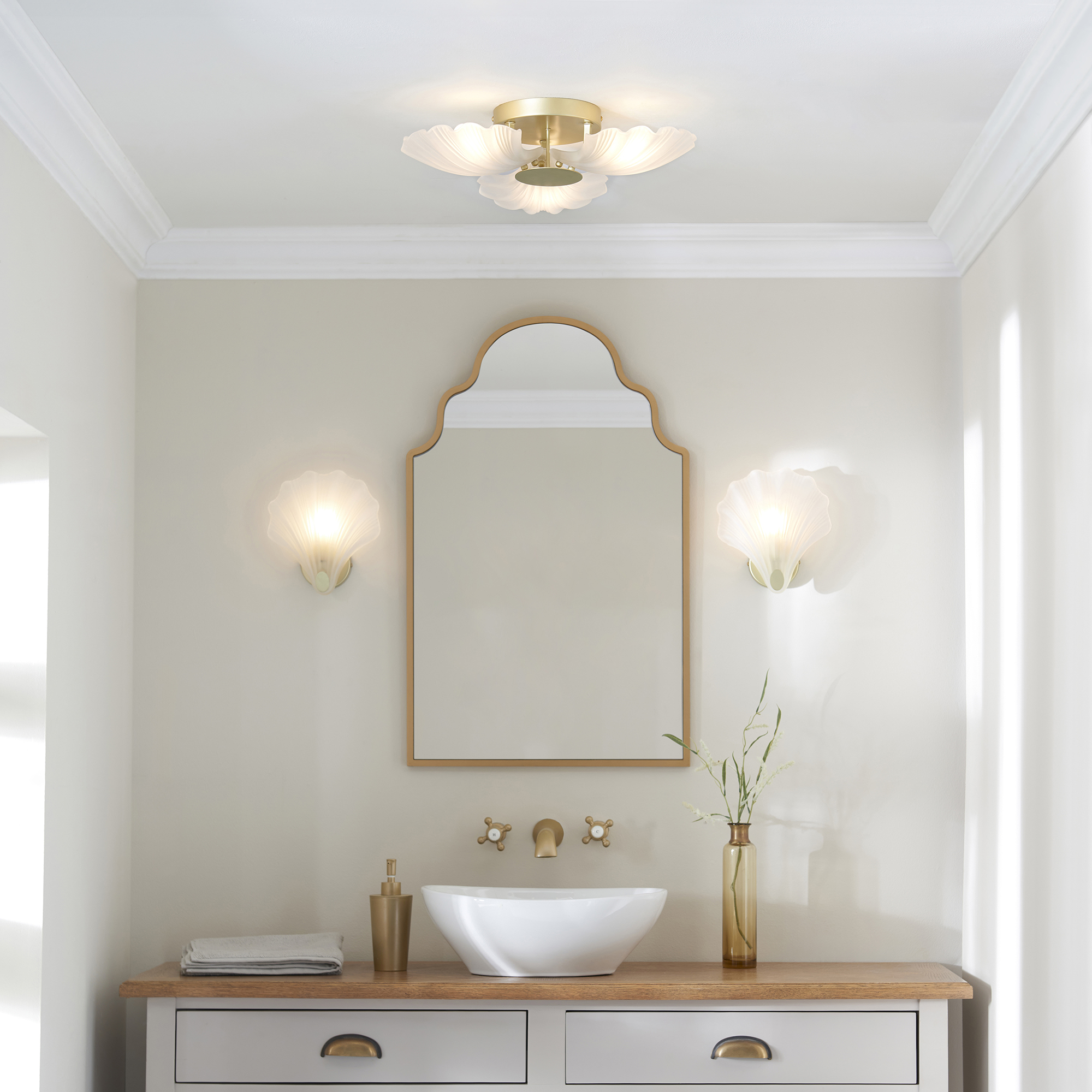
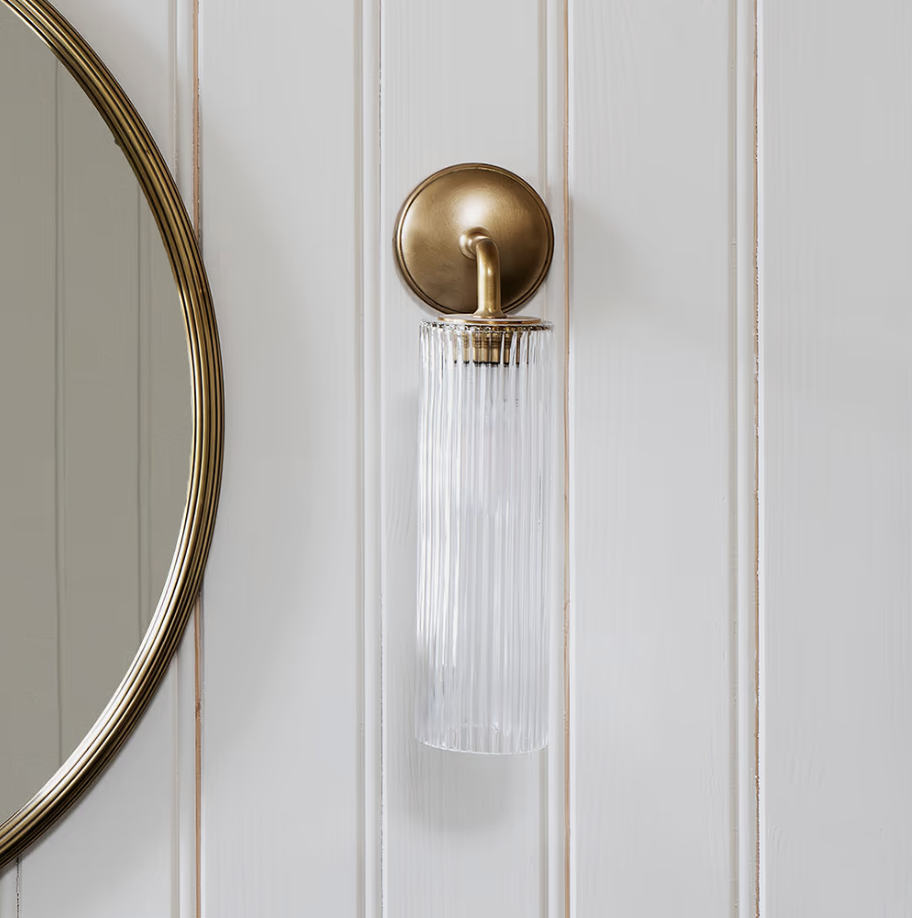
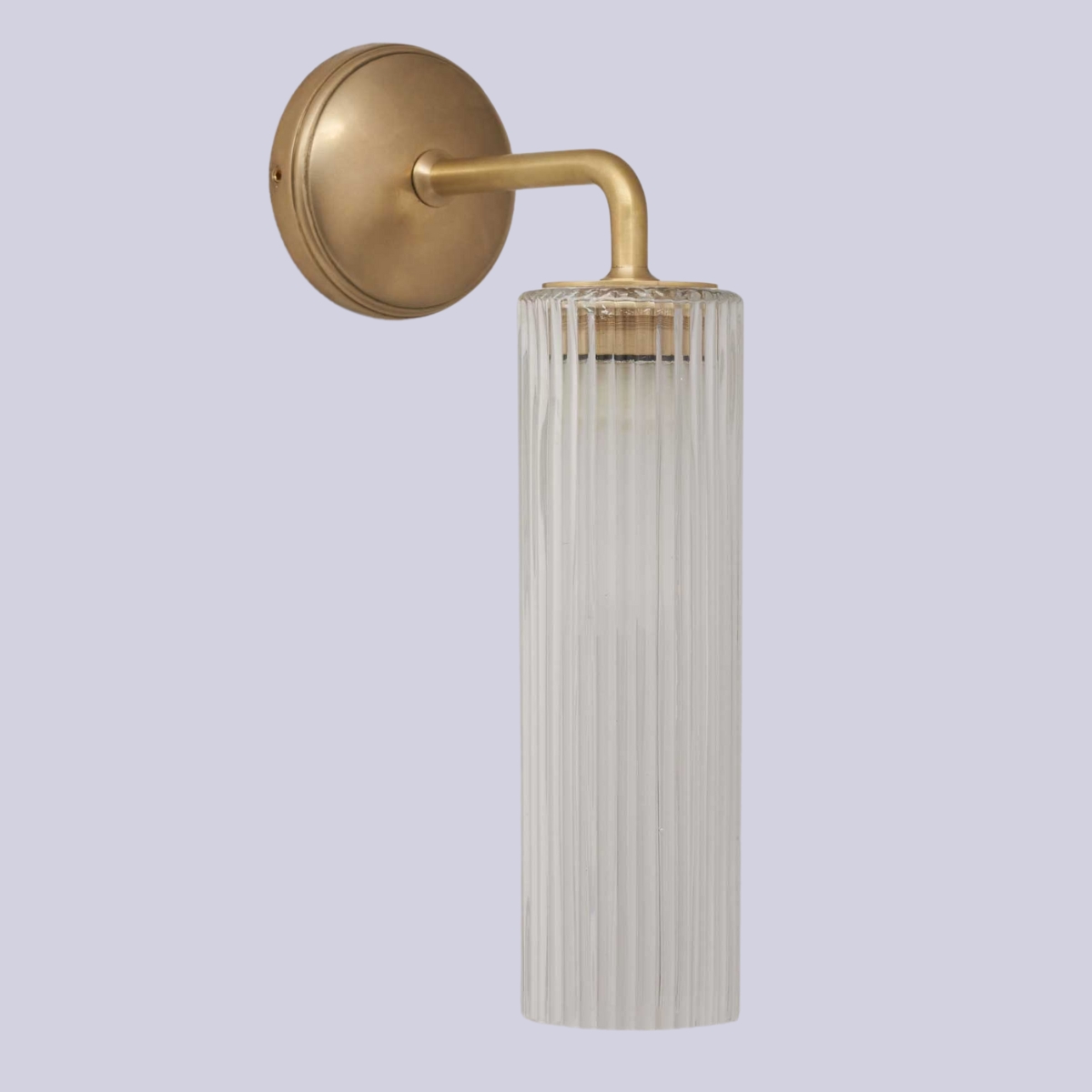
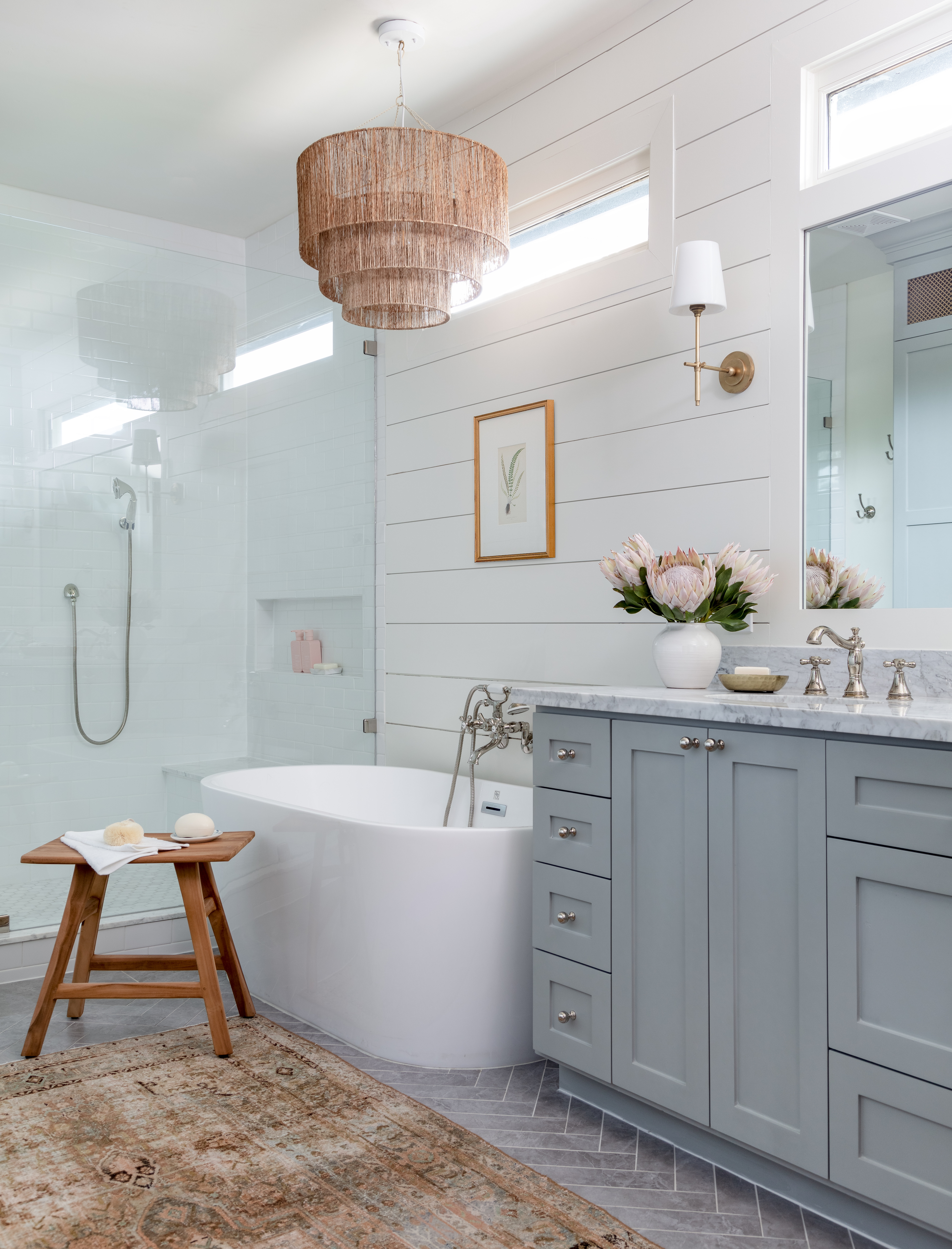
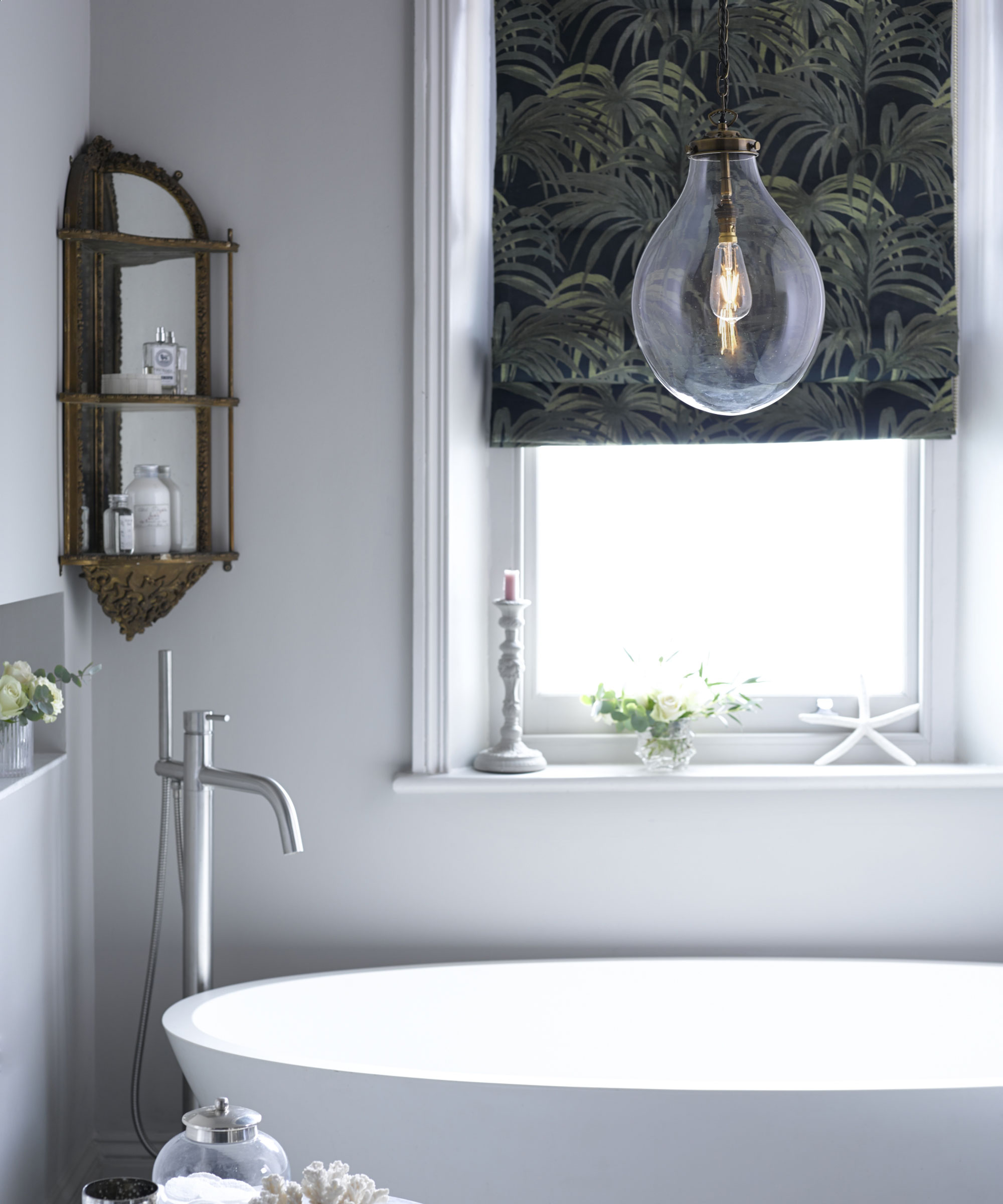
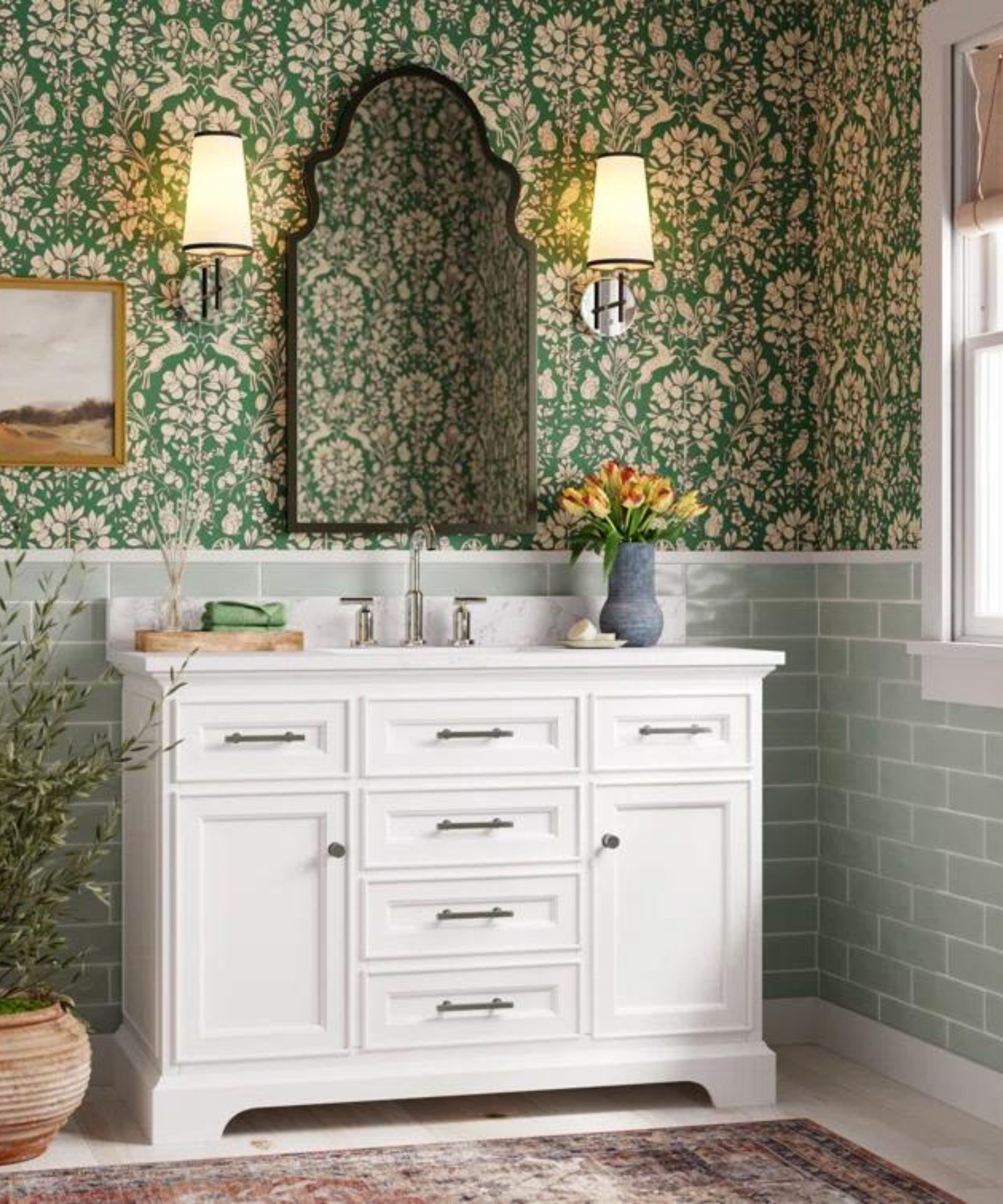
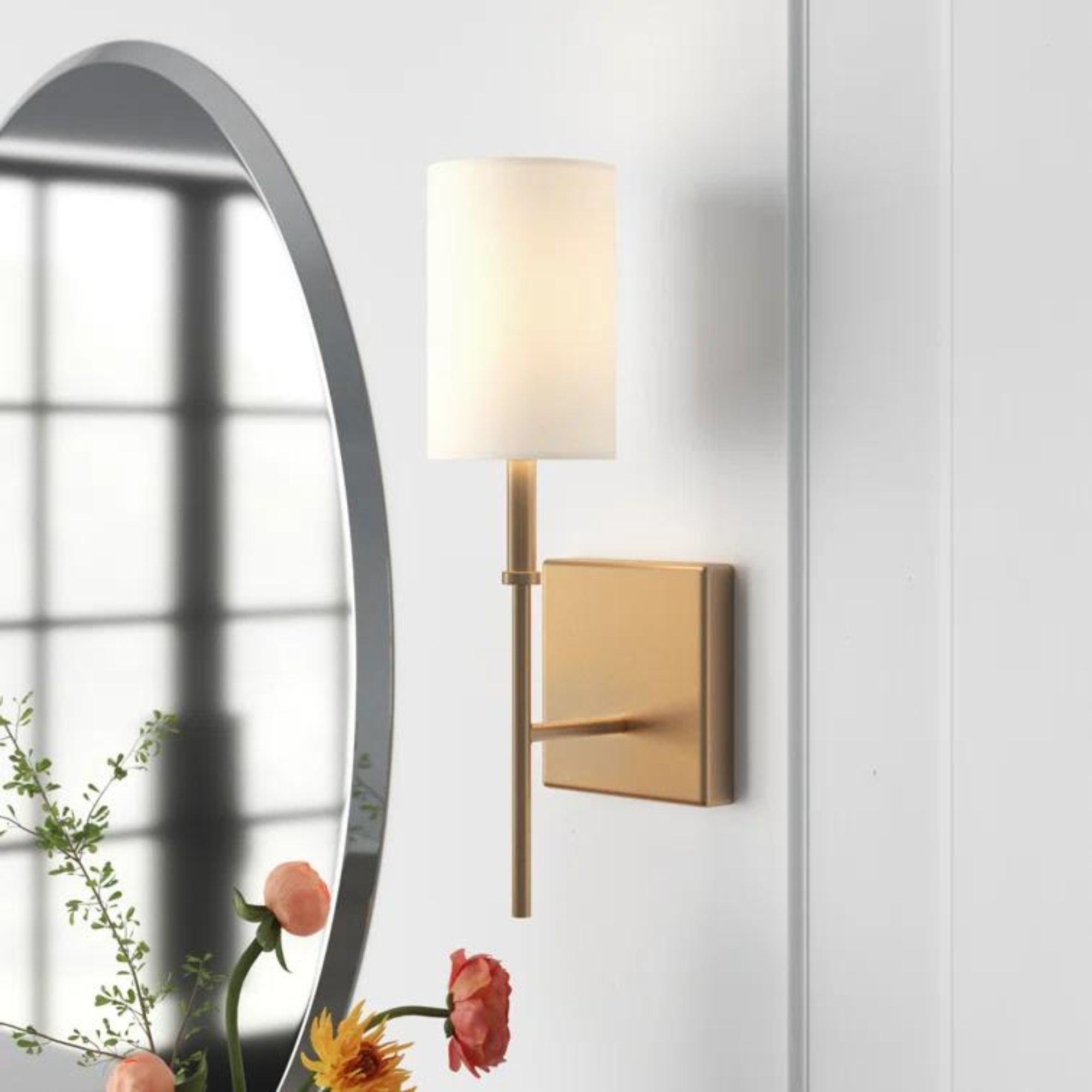
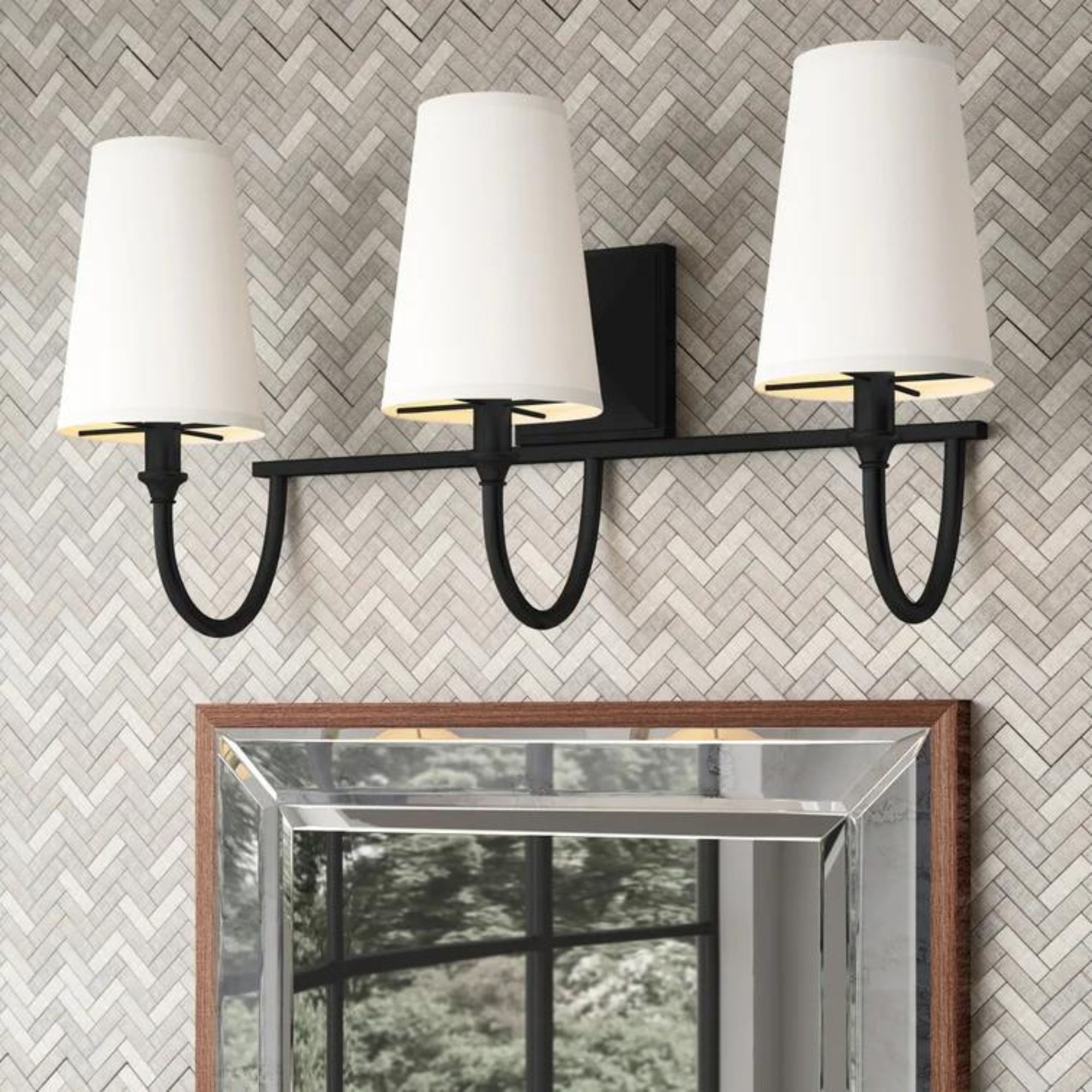
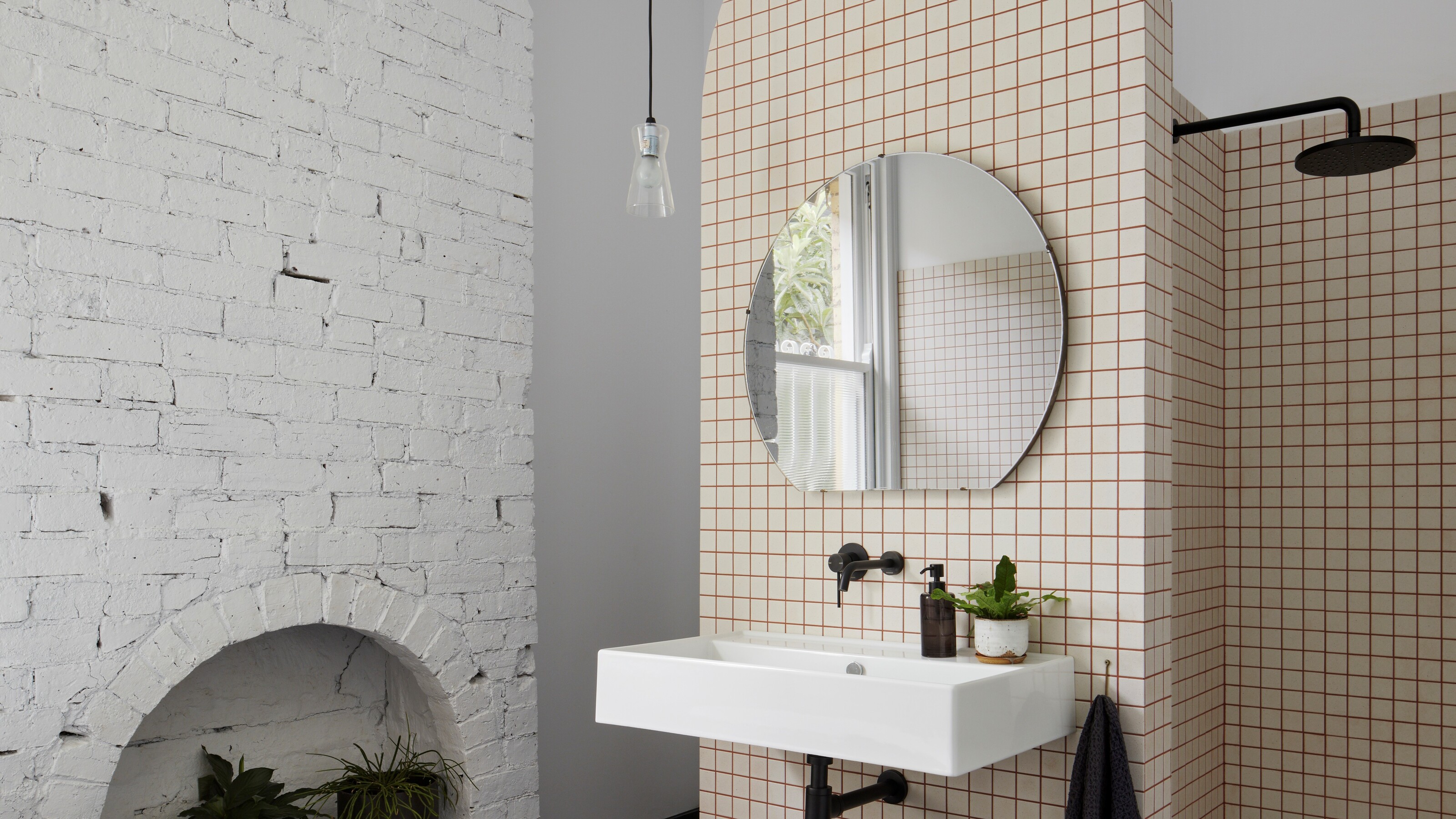
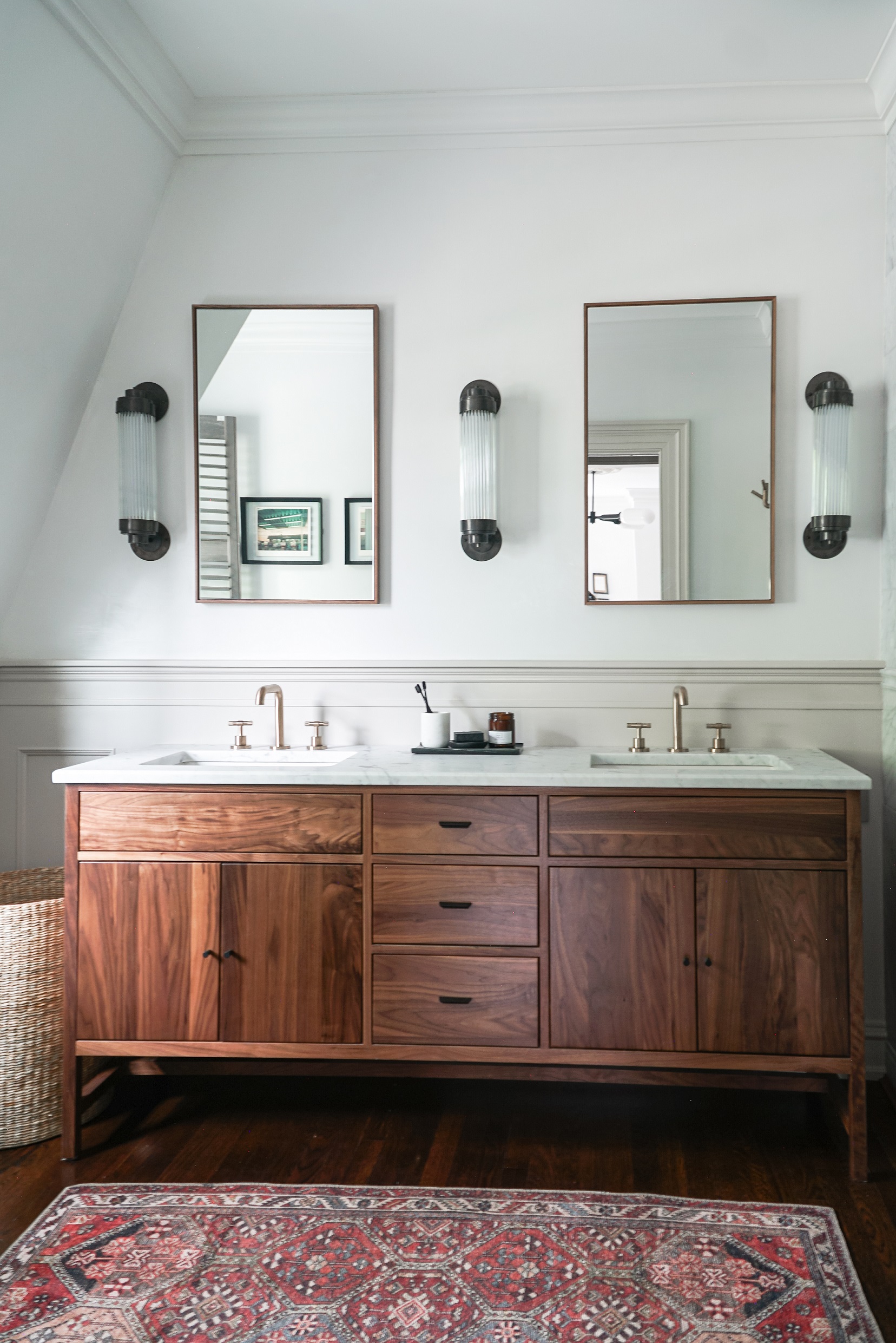
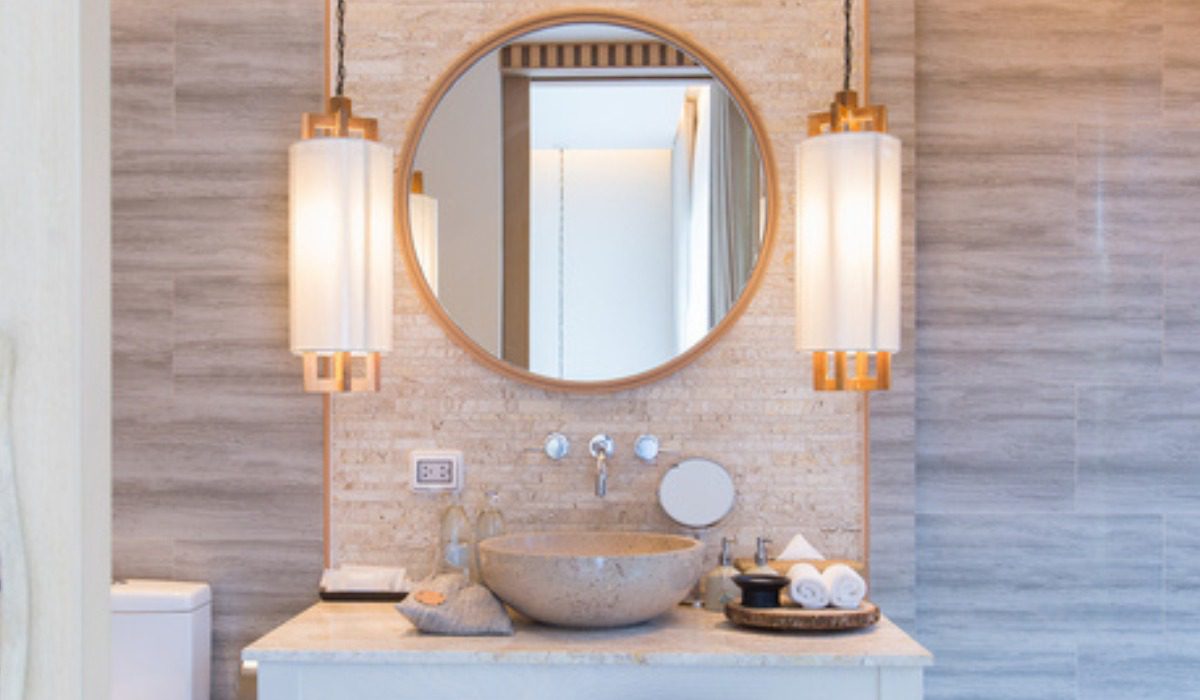
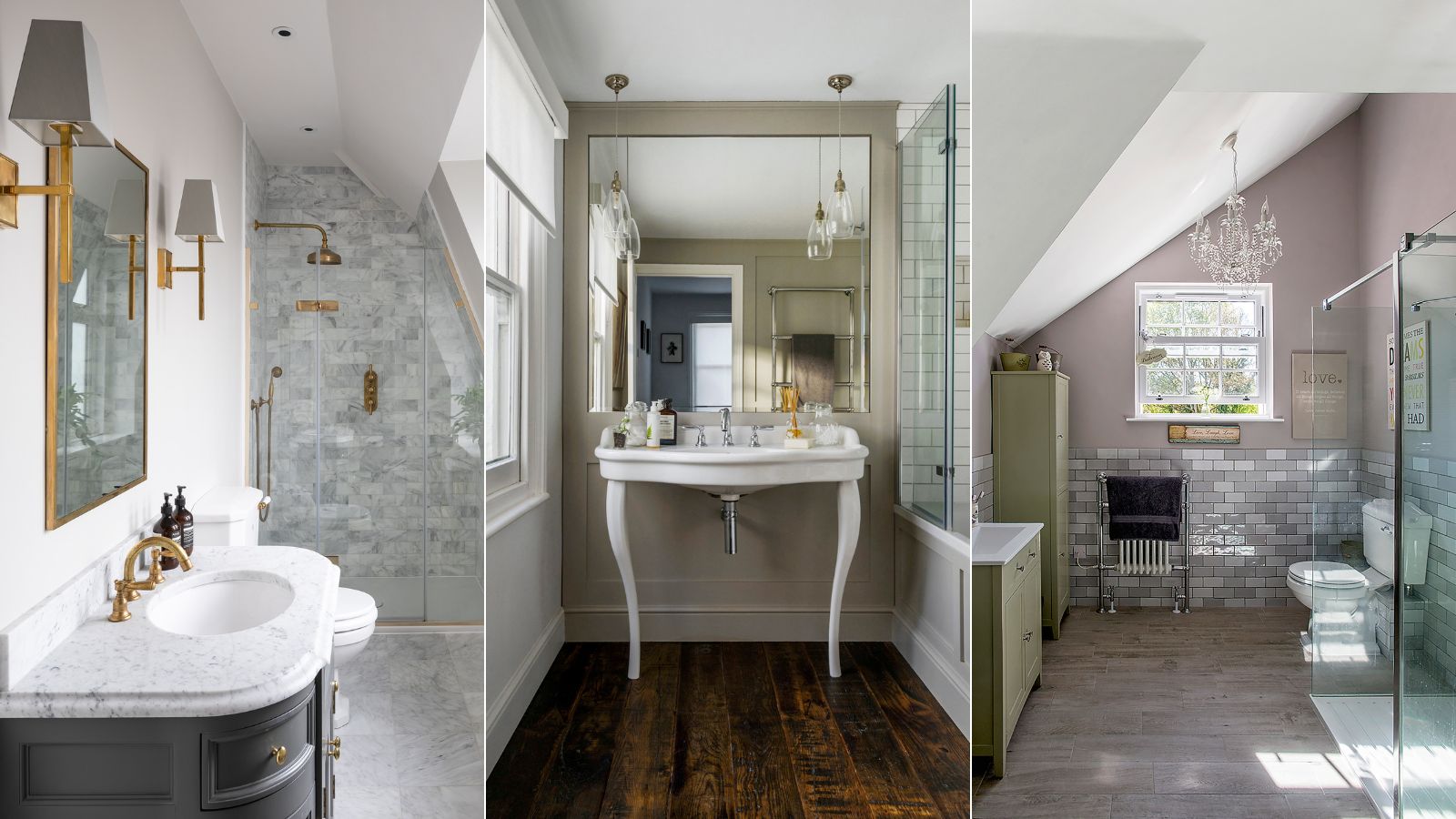
The article advocates for side lighting as the most flattering and effective alternative. Lighting that flanks or encircles the mirror provides an even illumination across the face, eliminating harsh shadows. Designers like Andrew Hodgkinson recommend using vertical fixtures or sconces on both sides of mirrors, always paired with dimmers for adjustable brightness. Low pendants at head height, positioned close to the wall, can also serve this purpose. The type of bulb and glass used is also crucial; frosted glass diffuses light, and bulbs with a correlated color temperature (CCT) around 2700 kelvins (warm light) and a high Color Rendering Index (CRI) of 90-100 are recommended for the most natural and flattering appearance. Emily Brown of Emily Lauren Interiors highlights the importance of multiple light sources for different purposes, combining task lighting with ambient lighting, and using dimmers for flexibility.
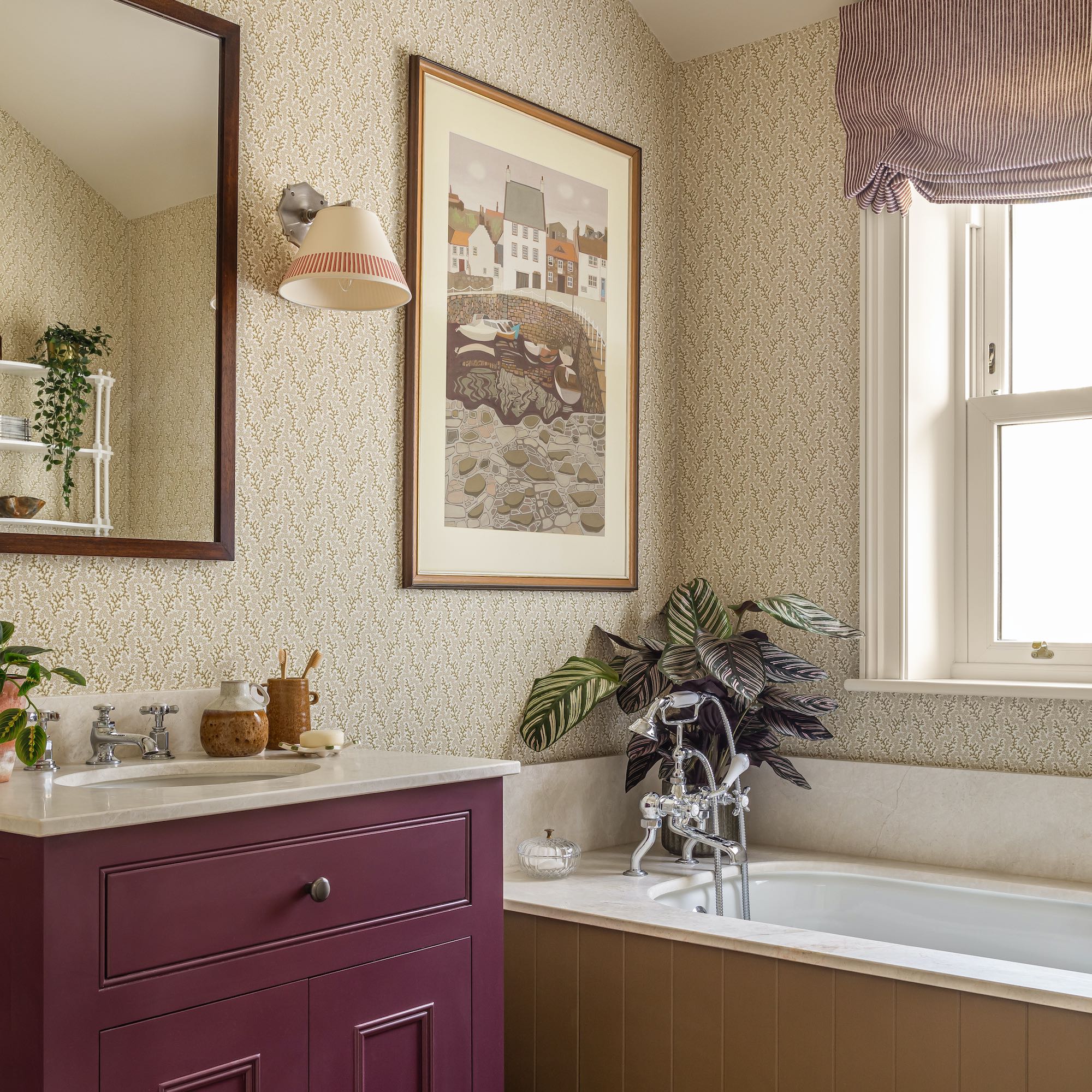
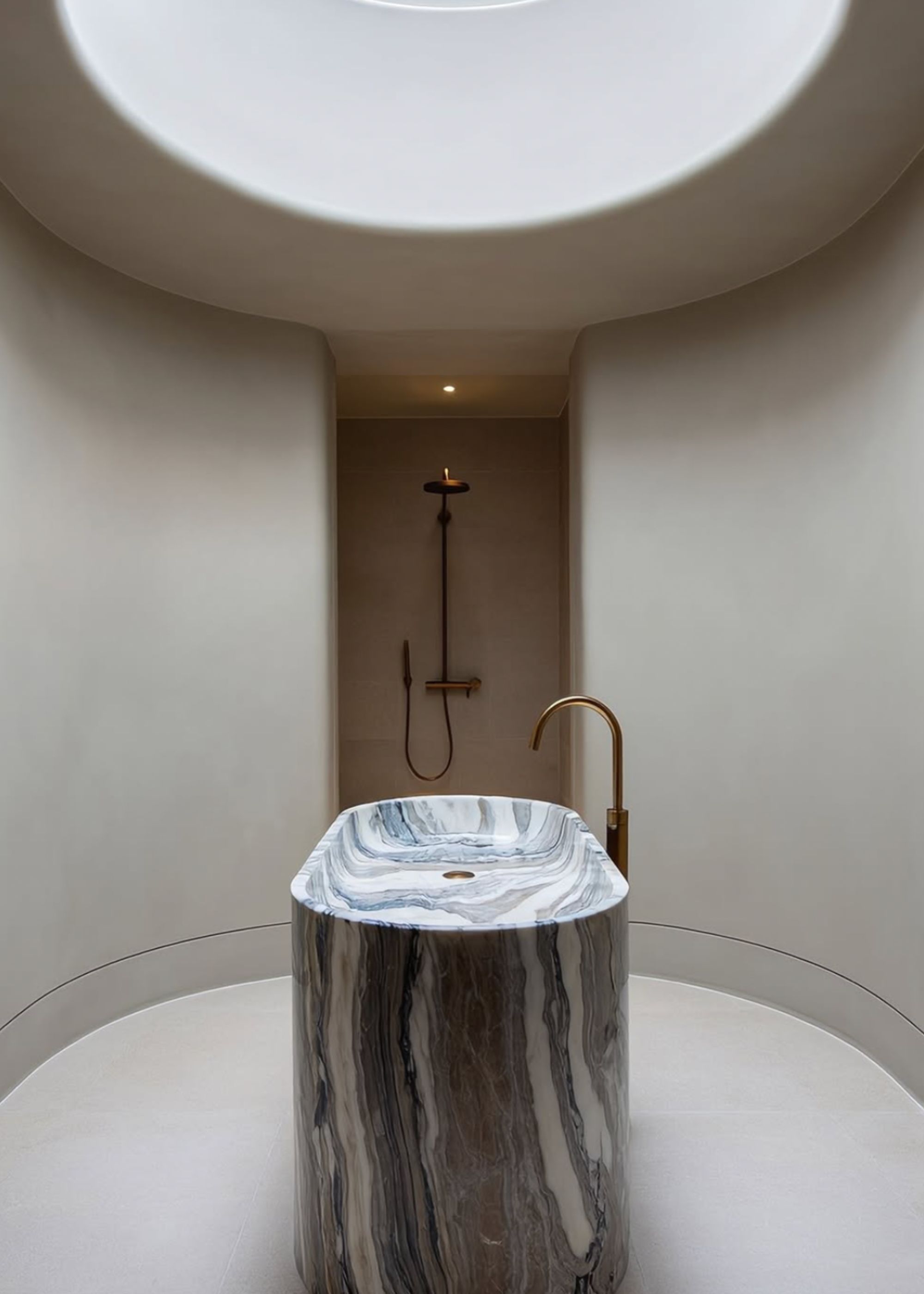
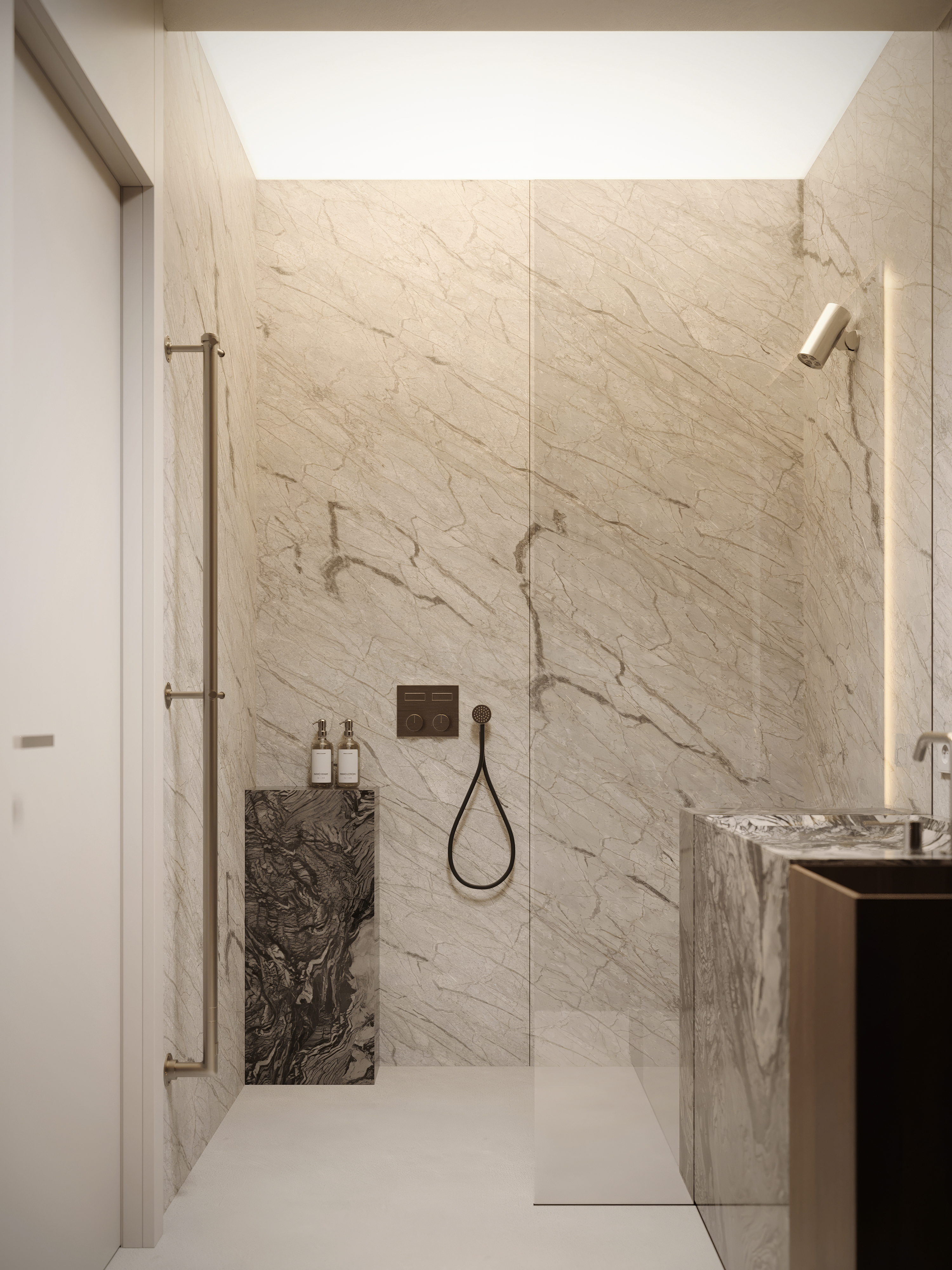
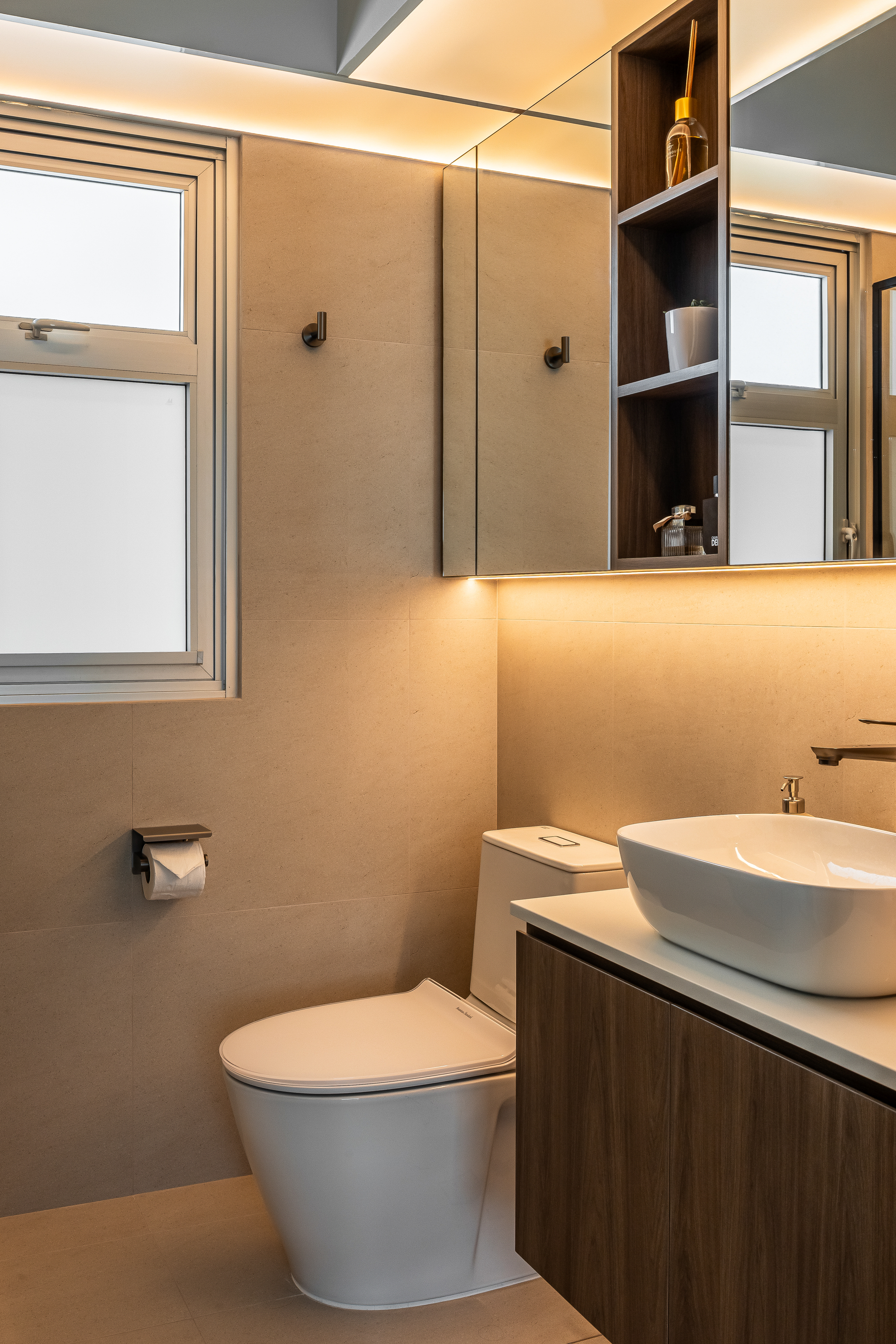
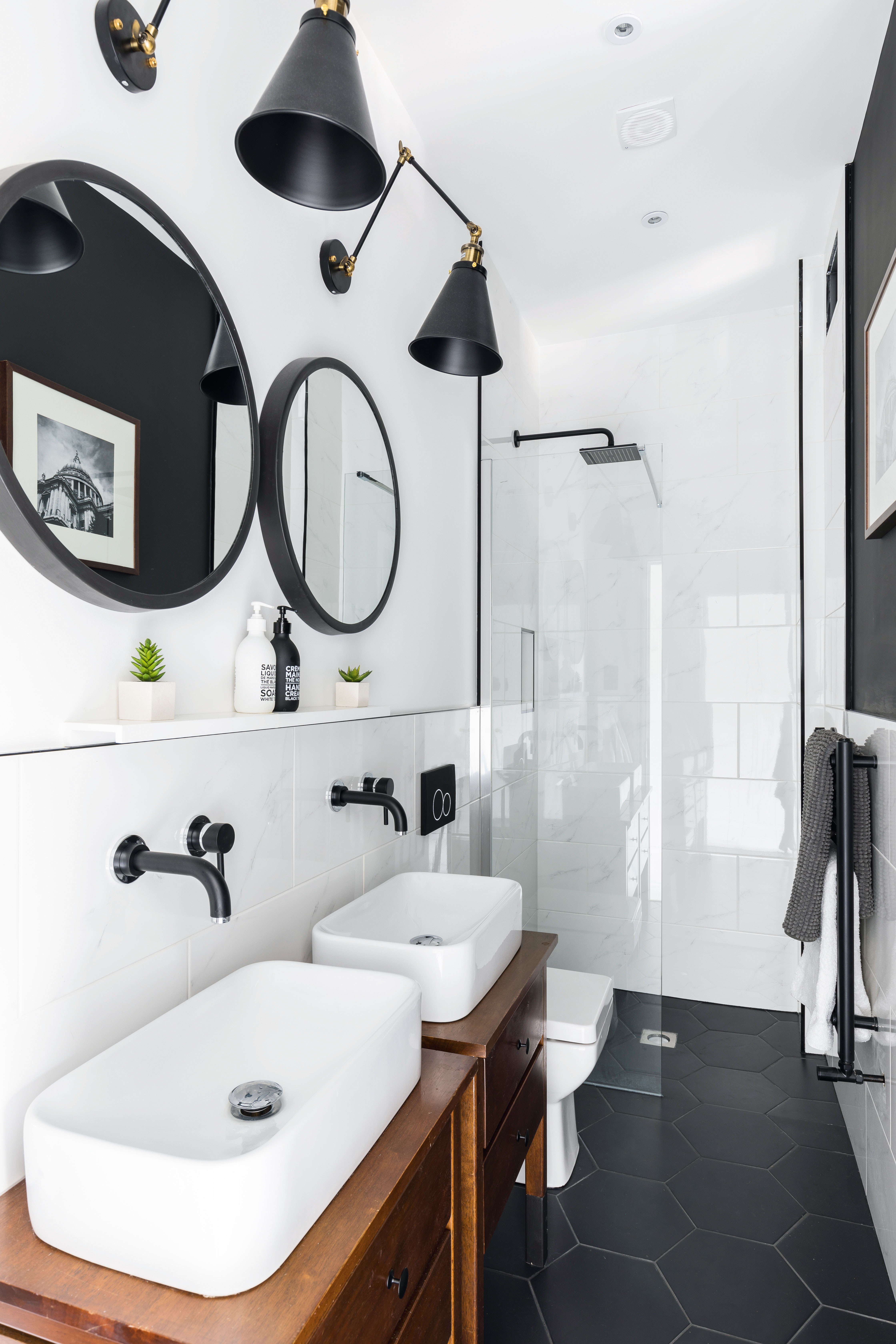
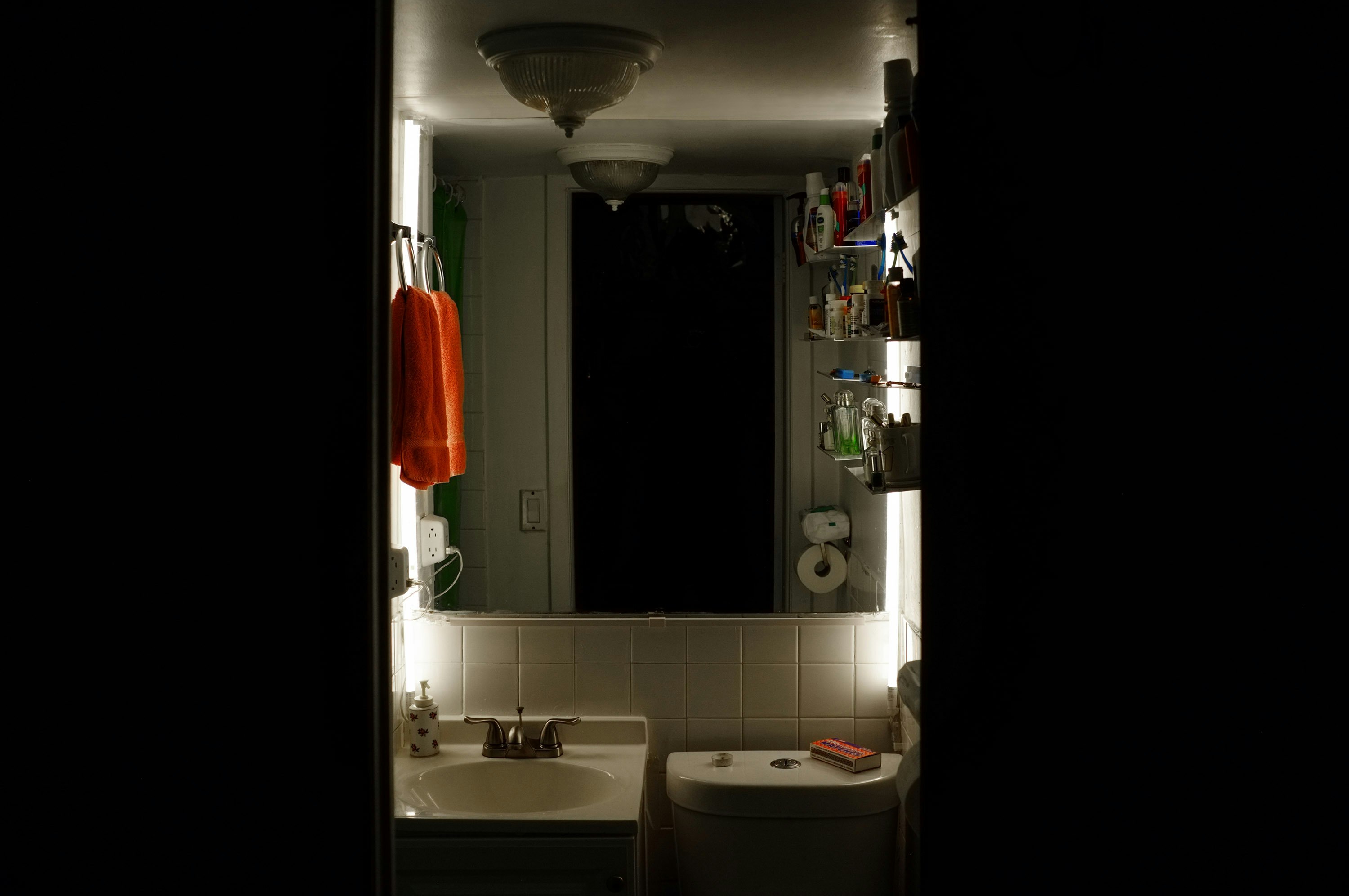
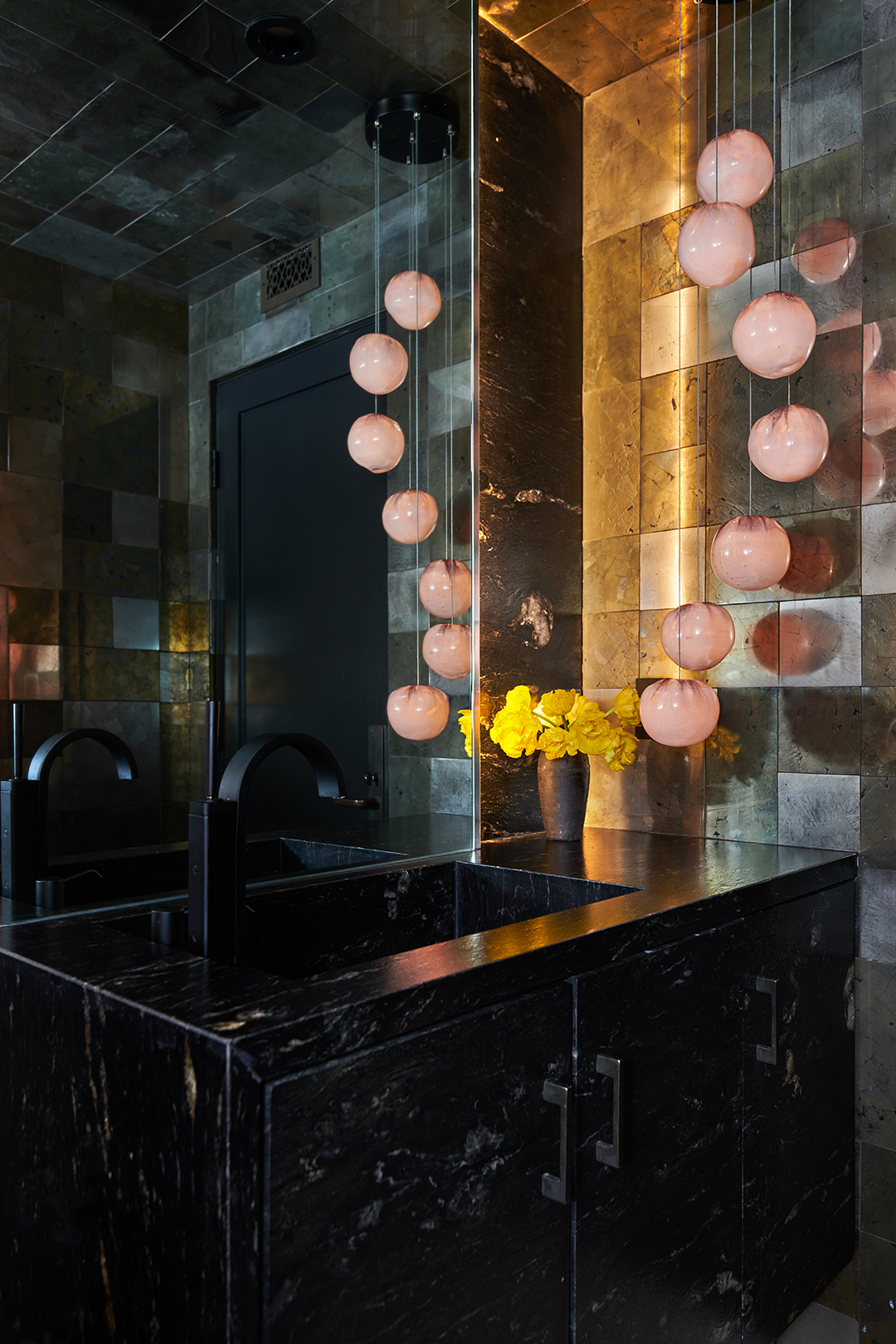
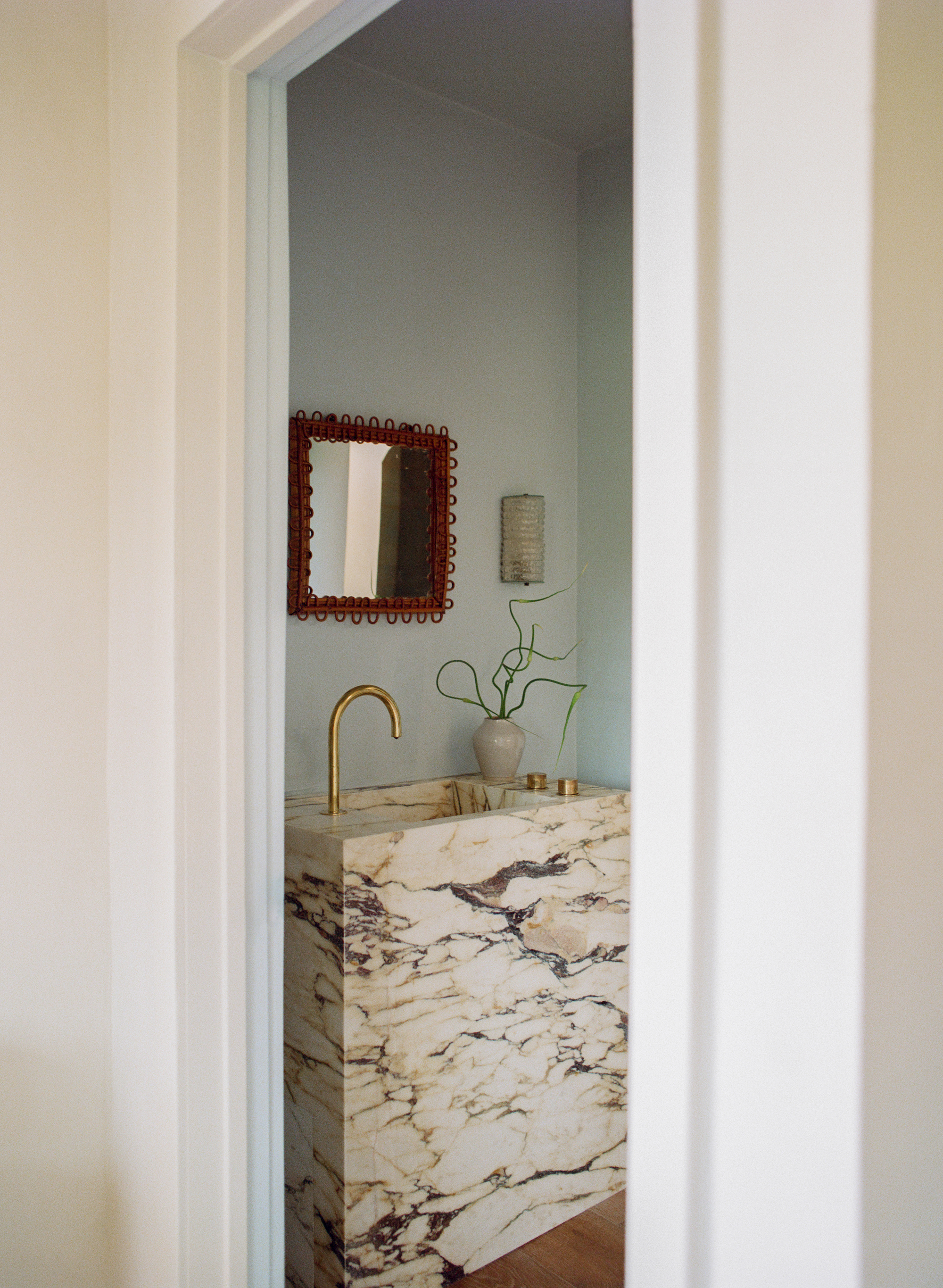
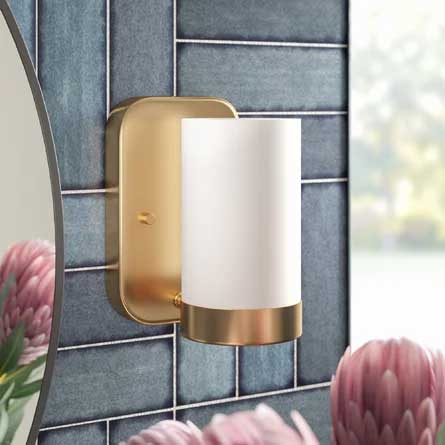
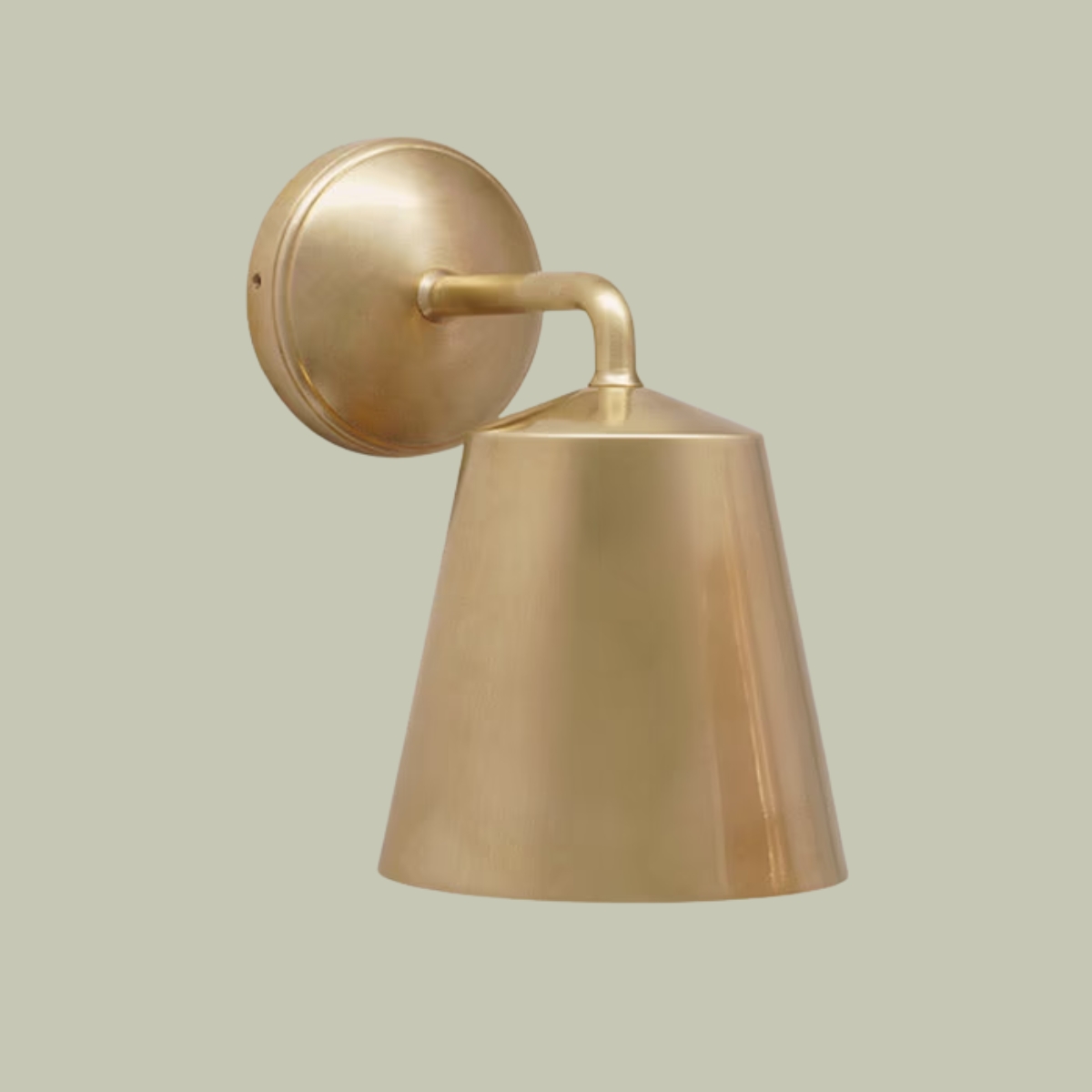

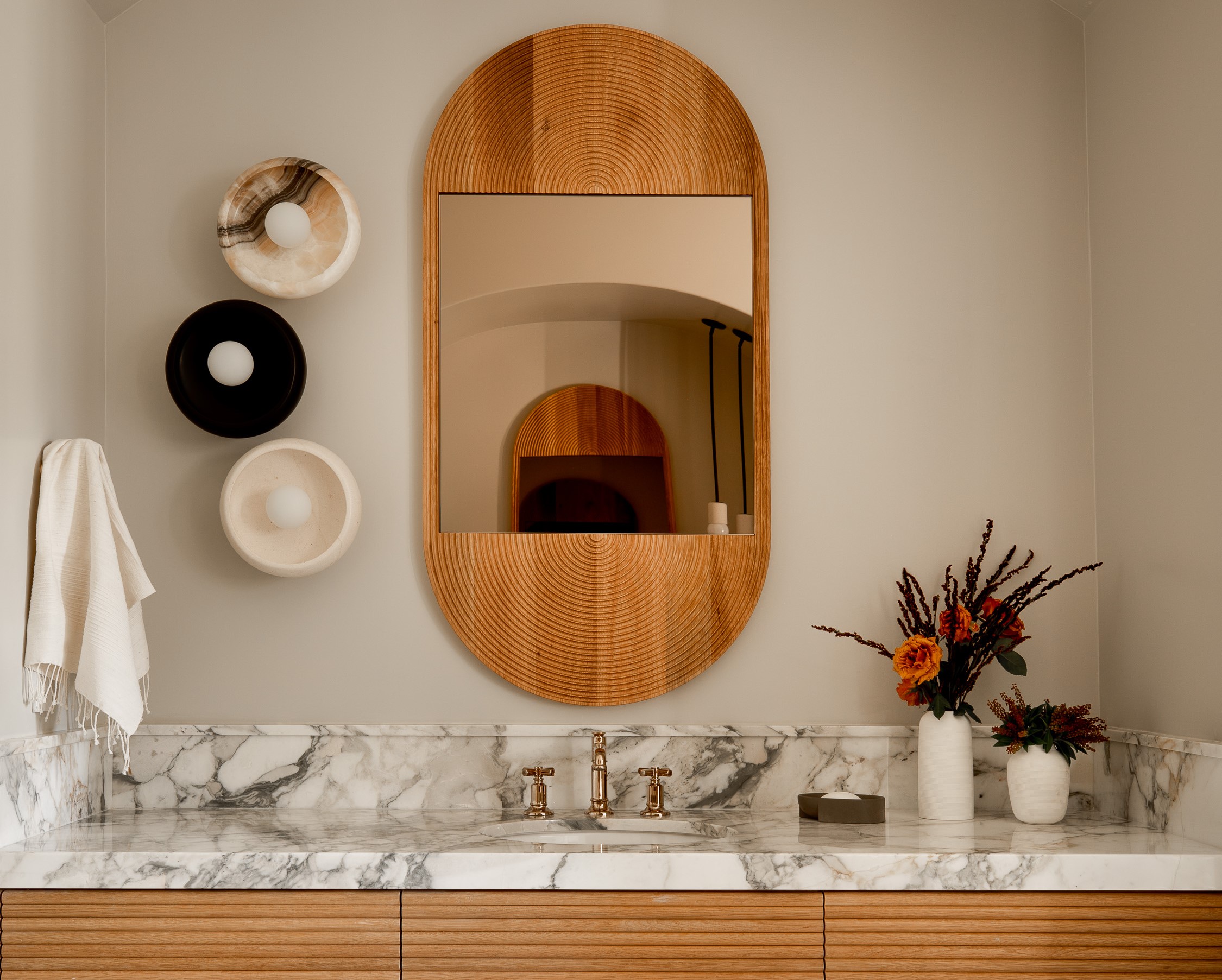
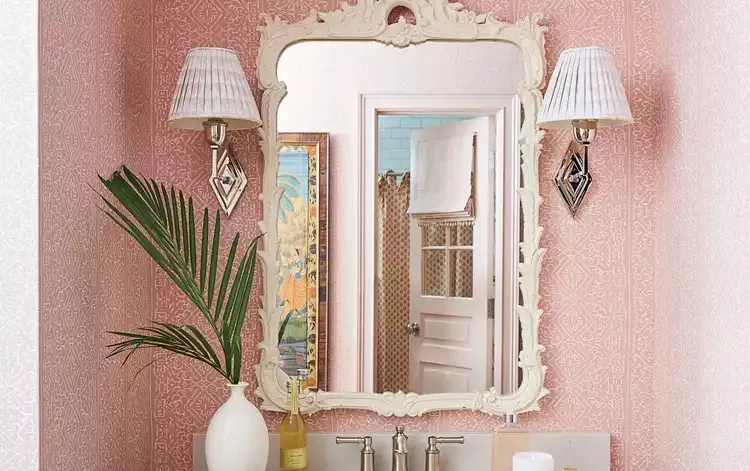
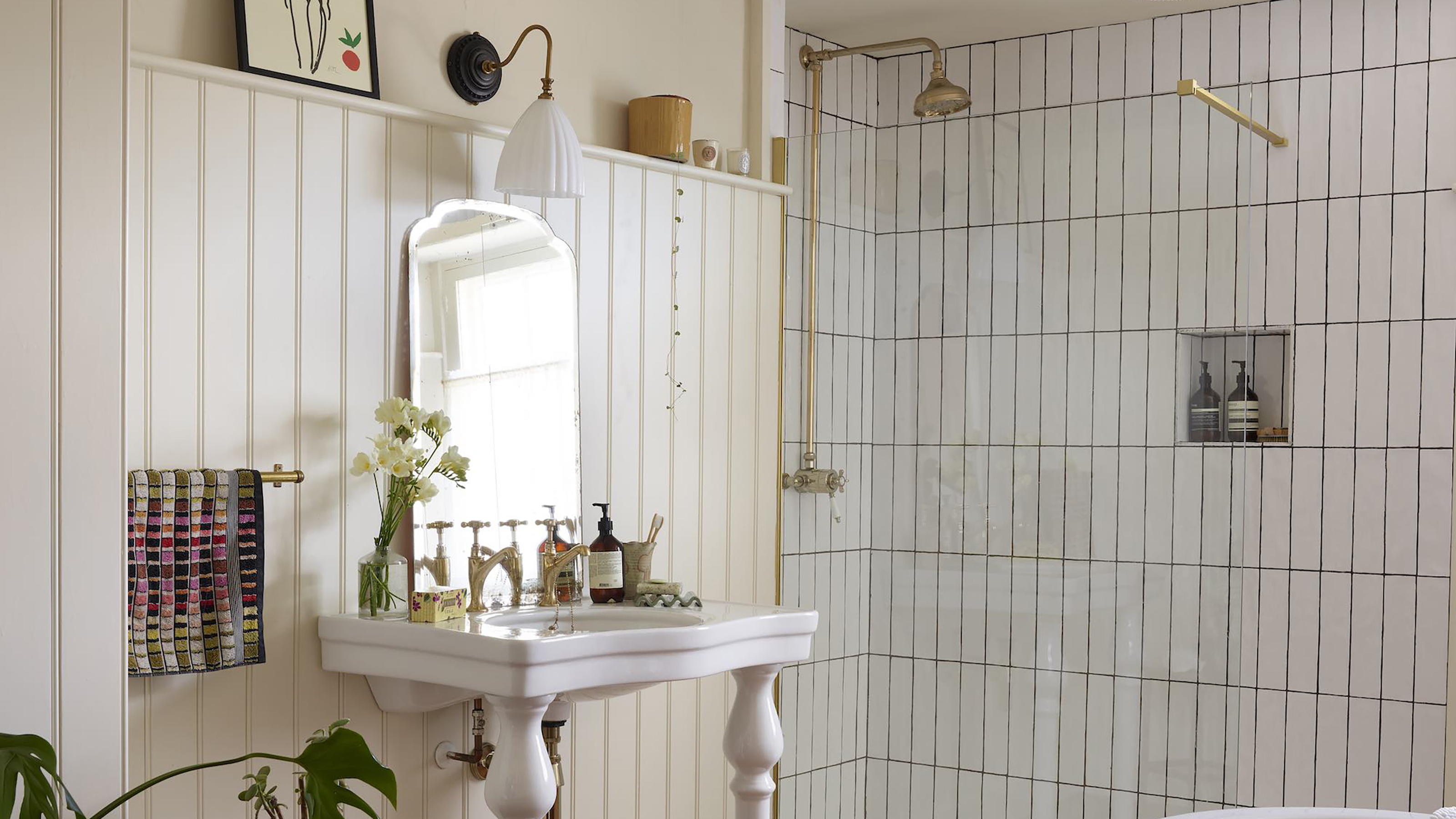
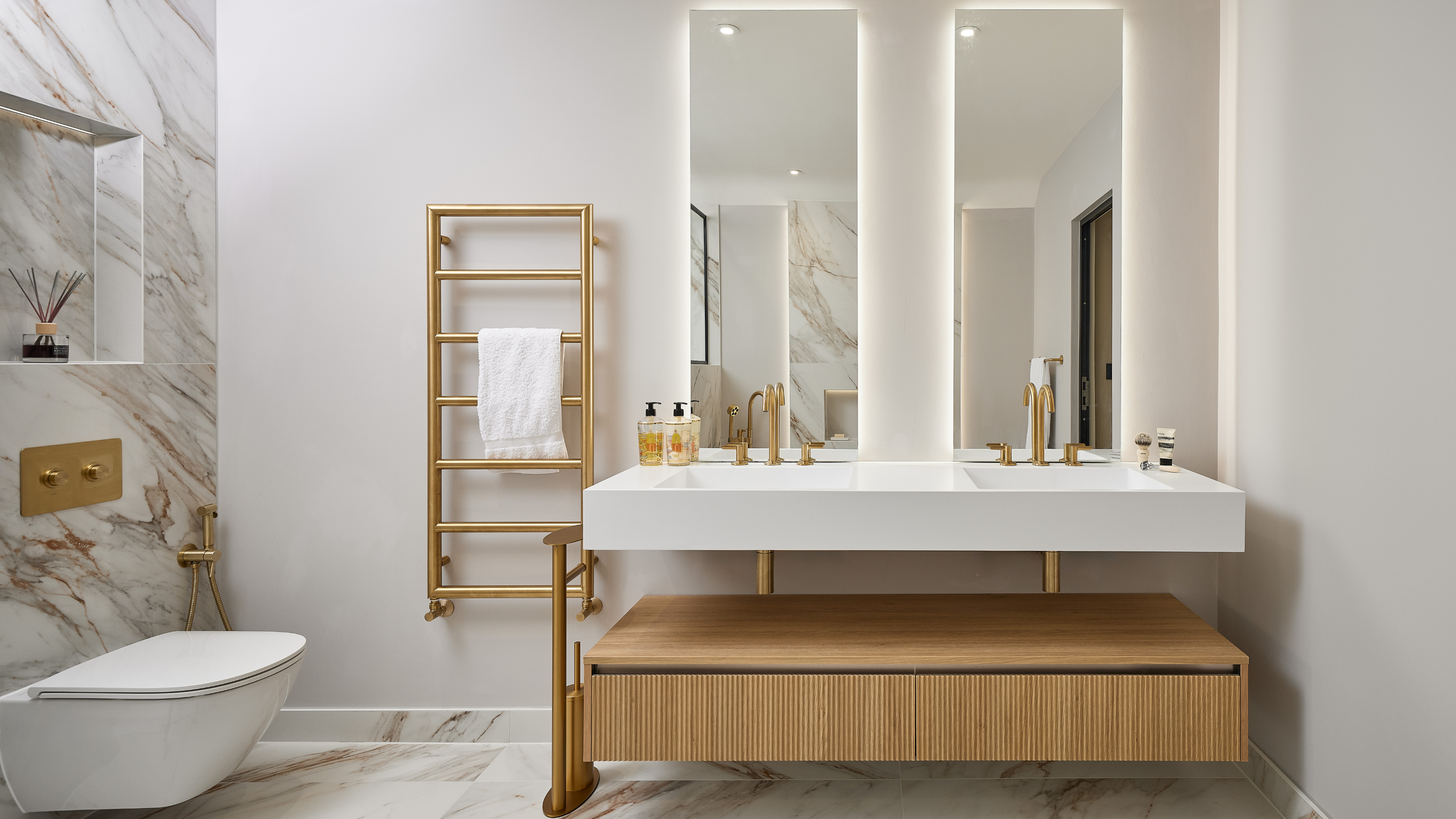
Beyond side sconces and pendants, the article explores other effective lighting solutions. Shaded sconces at head height around the bathroom can soften appearance. Luki Anderson notes the aesthetic potential of interesting wall lights to transform simple tile designs. Anna Popov suggests installing single wall sconces in water closets to create a warm and calming atmosphere. Additionally, hidden LED lighting behind mirrors or within molding offers an invisible yet impactful source of soft, diffused light, further enhancing the bathroom's ambiance and functionality.
#BathroomLighting #InteriorDesignTrends #HomeRenovation #FlatteringLighting #AmbientLighting #TaskLighting #WallSconces #LightingDesign #HomeDecor #BathroomLighting #InteriorDesignTrends #HomeRenovation #FlatteringLighting #AmbientLighting #TaskLighting #WallSconces #LightingDesign #HomeDecor
0 comment in total
 No comments yet
You may also like
Designers Say Your Bathroom is Missing This 1 Thing

20 bathroom lighting ideas – beautiful ways to brighten up your space

What's the Most Flattering Light For a Bathroom? 7 Designer Tricks to Give Your Space a Glow-Up

40 Bathroom Lighting Ideas To Brighten Your Space
7 Bathroom lighting trends to illuminate a stylish space in 2025
Bathroom light ideas for your home
These 5 Bathroom Trends Are So Outdated, According to Interior Designers

Outdated Bathroom Trends 2025 — 7 Style to Avoid and Why
'Light Wells' Are the Trick to Make Your Bathroom Feel Bright
Interior designers share 5 bathroom trends that'll be huge next year and 3 that will be out
5 outdated bathroom trends interior designers are leaving behind that will make your space feel old-fashioned
Types of bathroom lighting – the 3 layers every space needs
4 Fixtures That Instantly Date Your Bathroom
I Hated How I Looked. Then I Fixed My Bathroom Lighting.

Where to buy bathroom lighting - styles for every budget

Looking for stylish bathroom lighting? These are the brands to shop for the most beautiful designs
The One Thing Your Bathroom Is Missing This Winter – Designers Say It's the Simple Answer to a Cozier, Warmer, More Welcoming Space
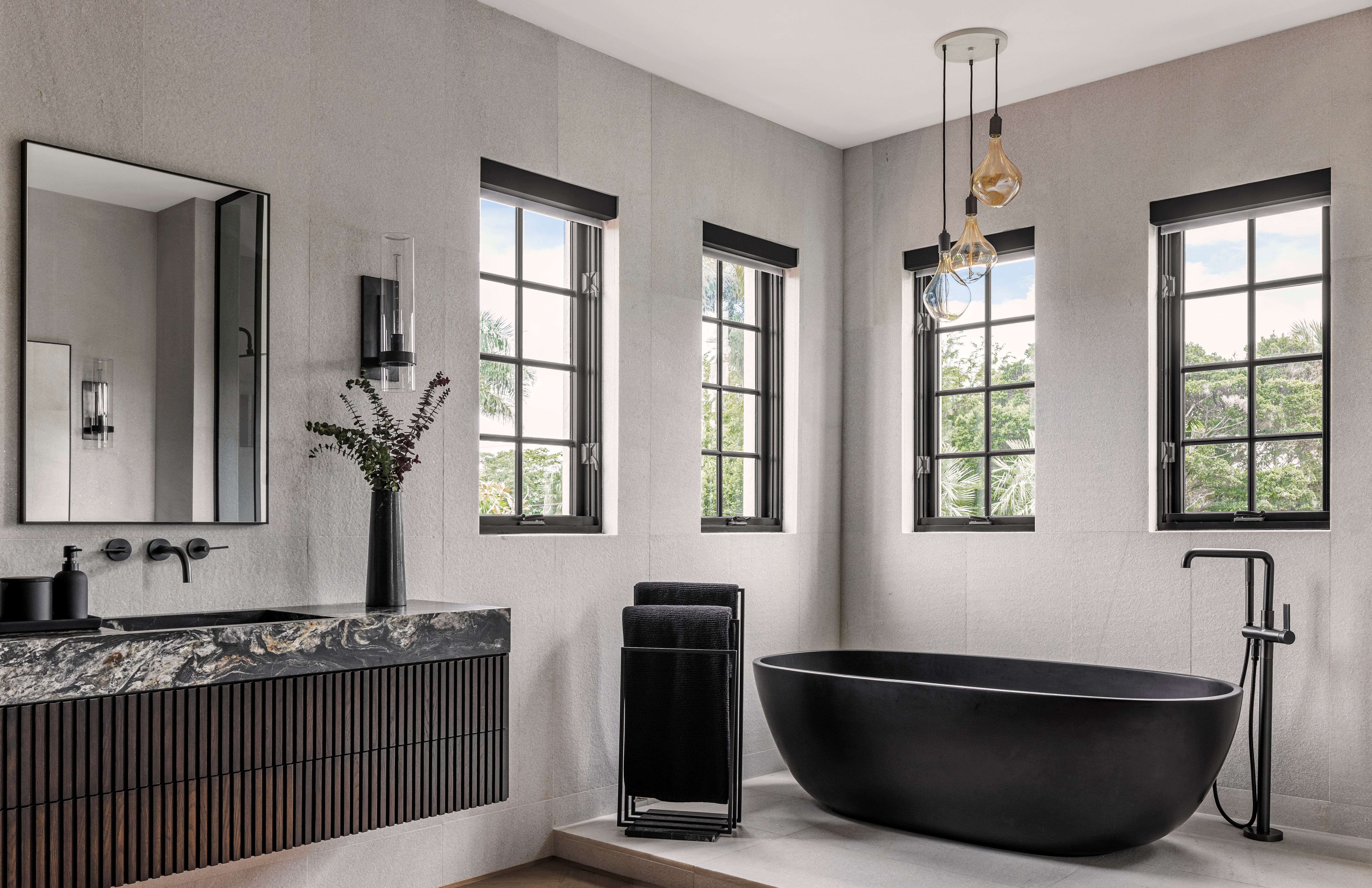
10 of the most beautiful bathroom lighting ideas that will totally elevate your space
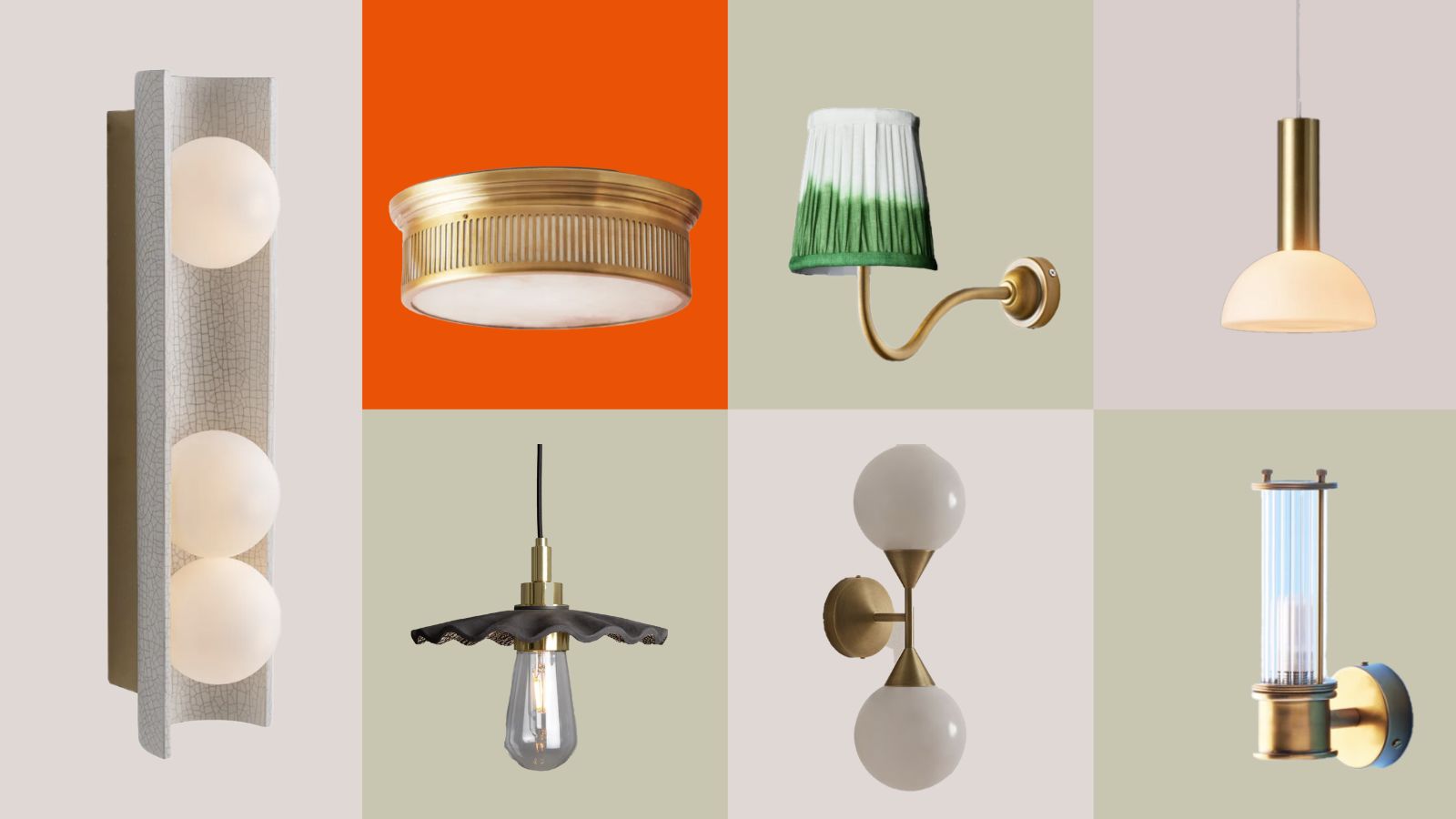
Where to Buy Bathroom Lighting That Actually Looks Good — IP-Rated Designs That You'd Be Happy With in Any Room
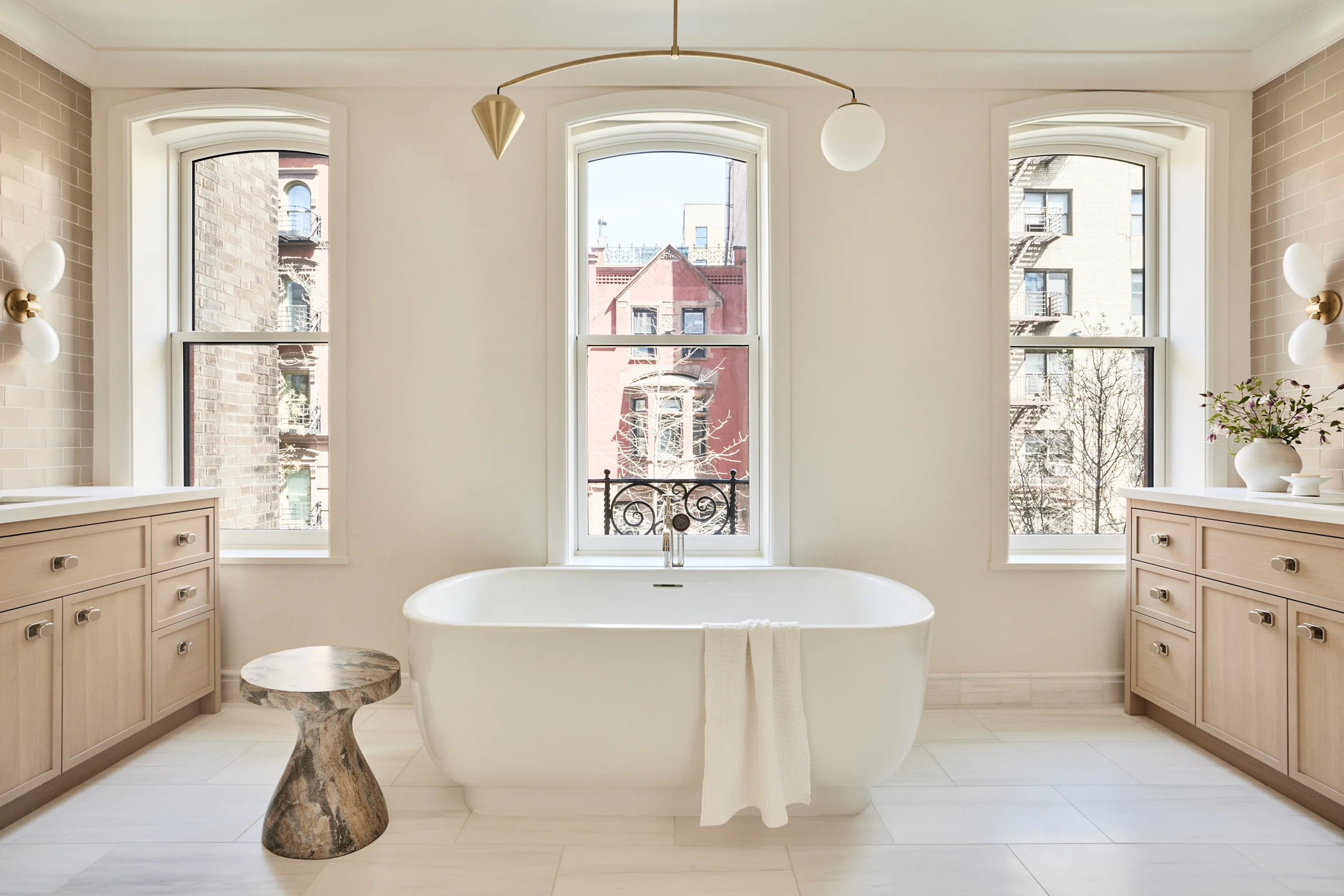
5 Bathroom Lighting Trends for 2024 — "These Transform The Room Into A Sanctuary of Style and Comfort"