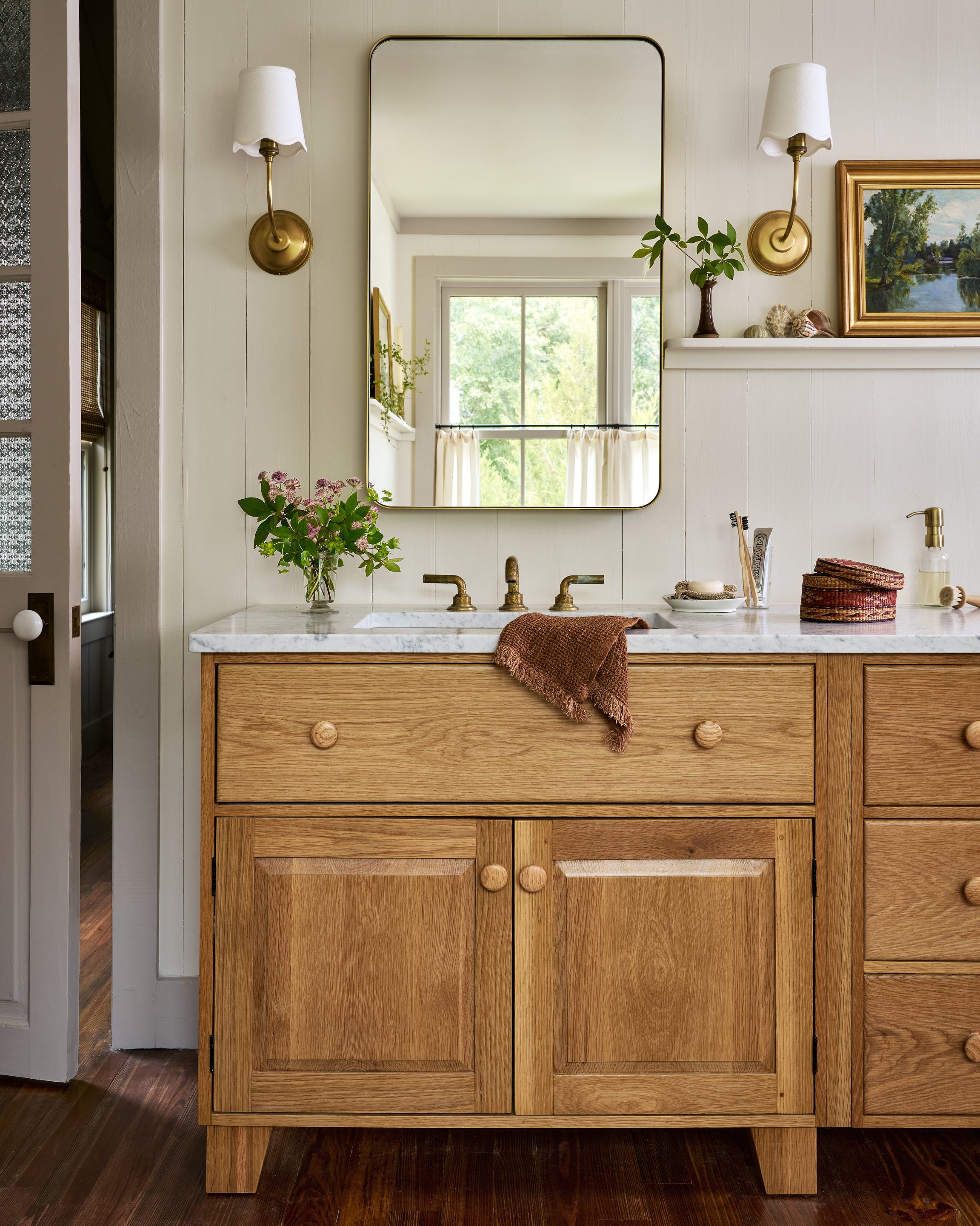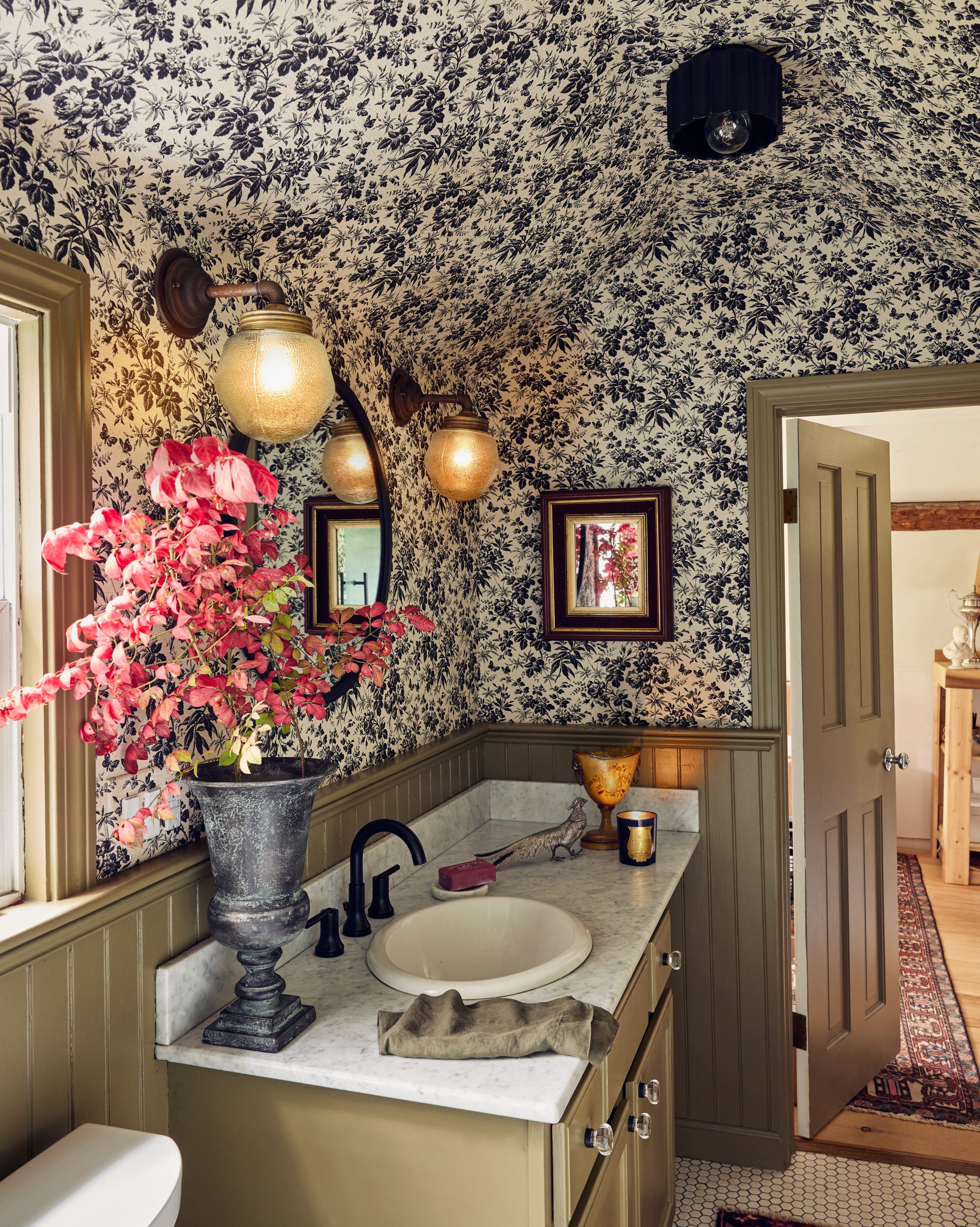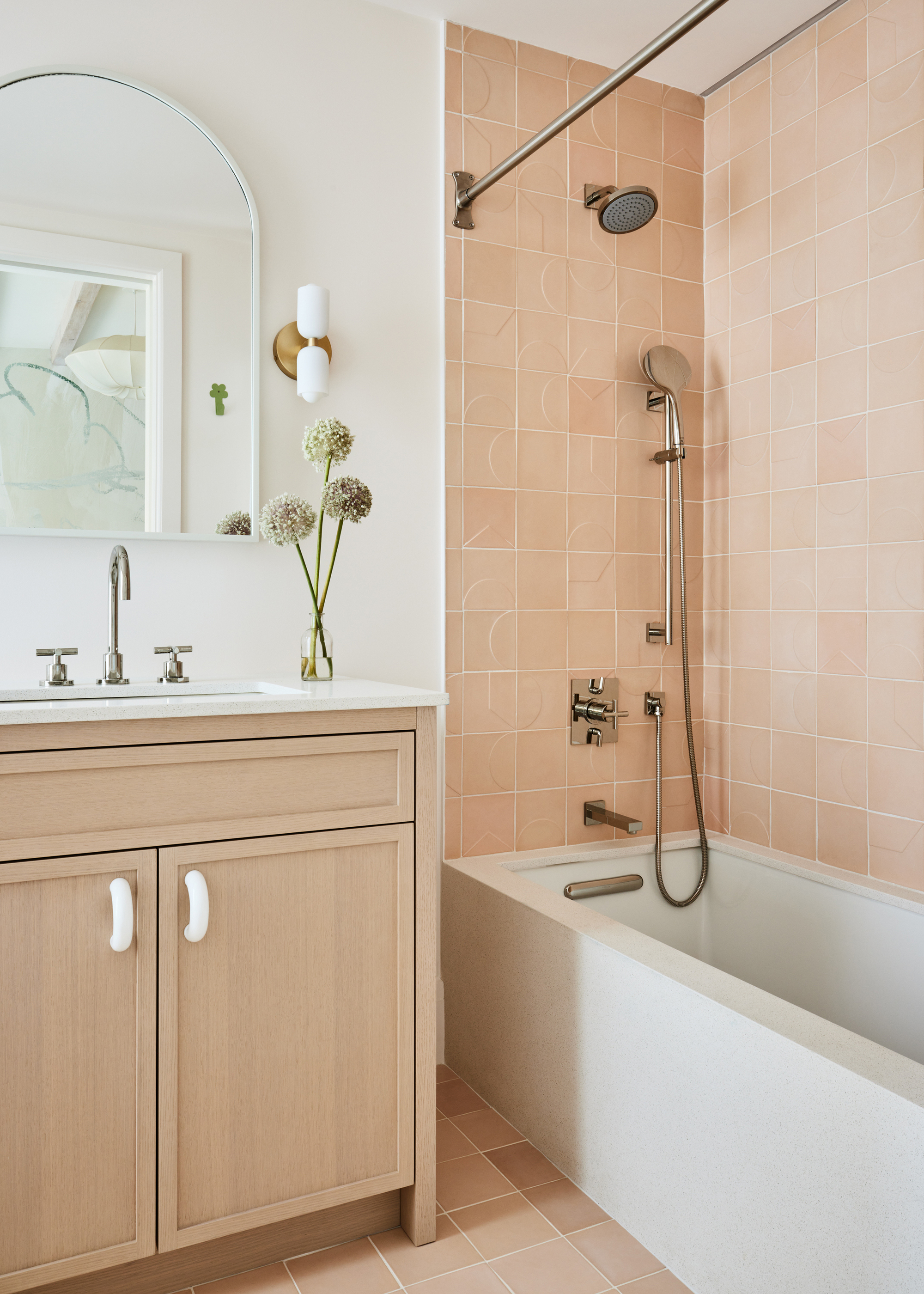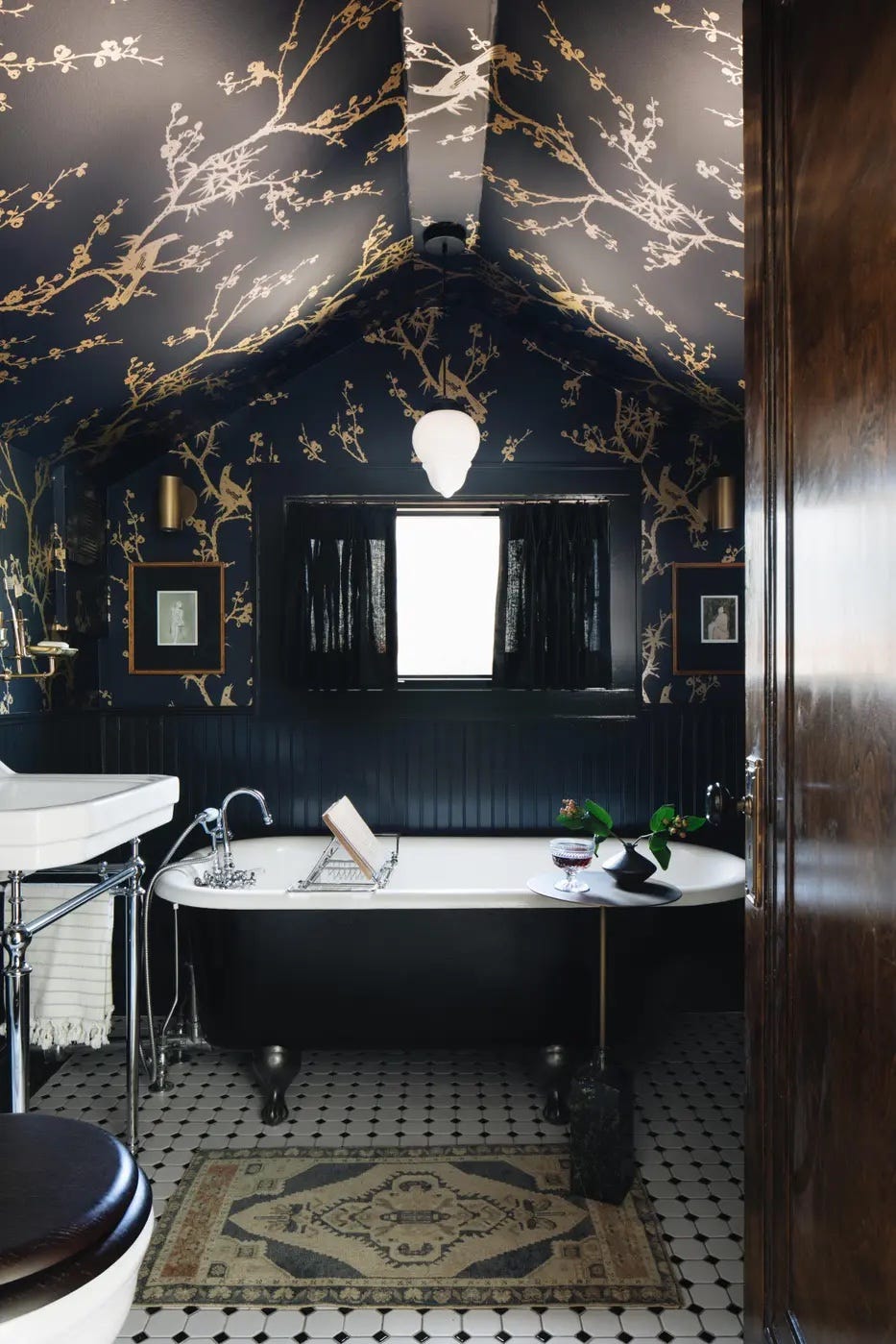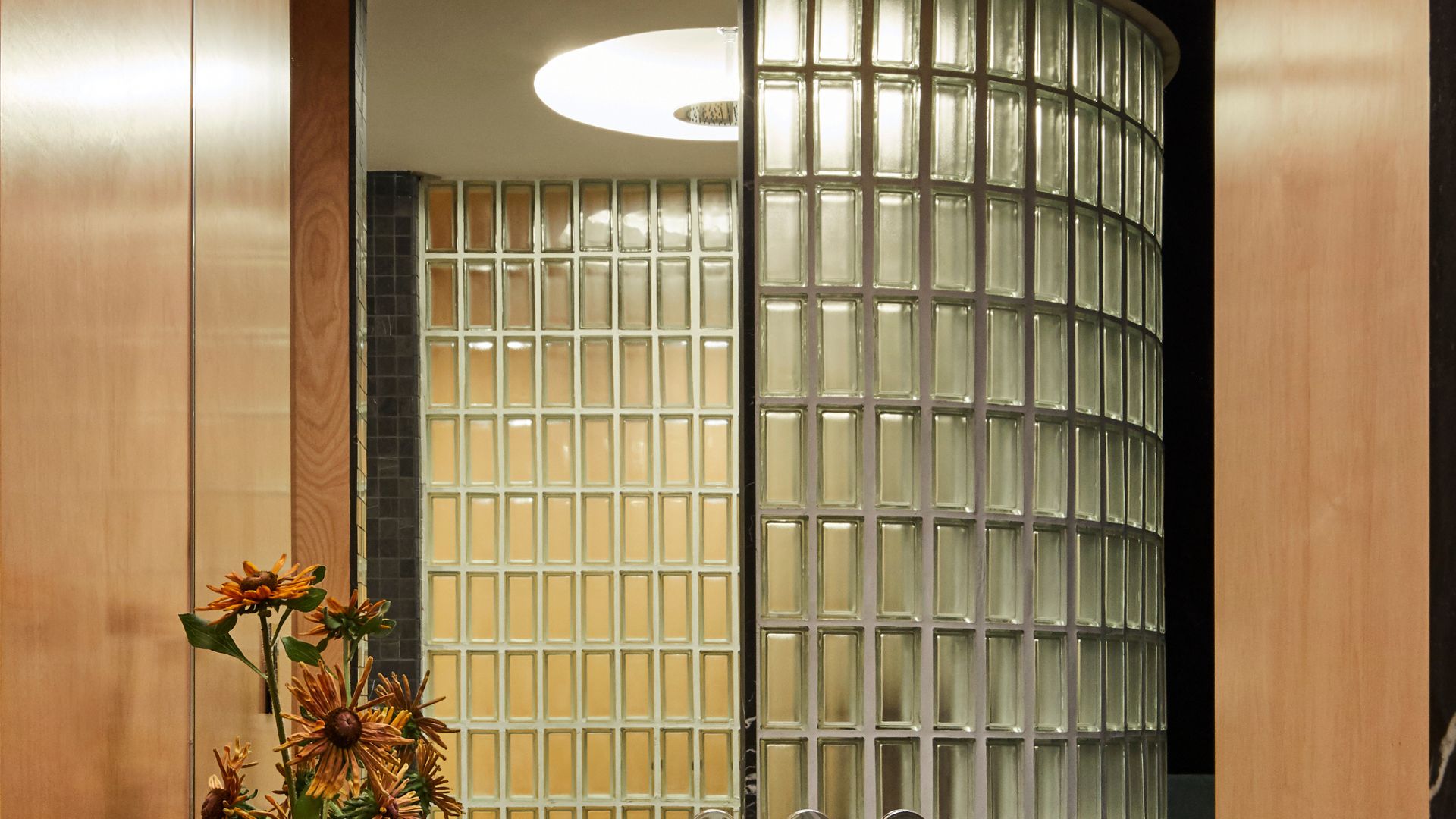
1/5
'Light Wells' Are the Trick to Make Your Bathroom Feel Bright
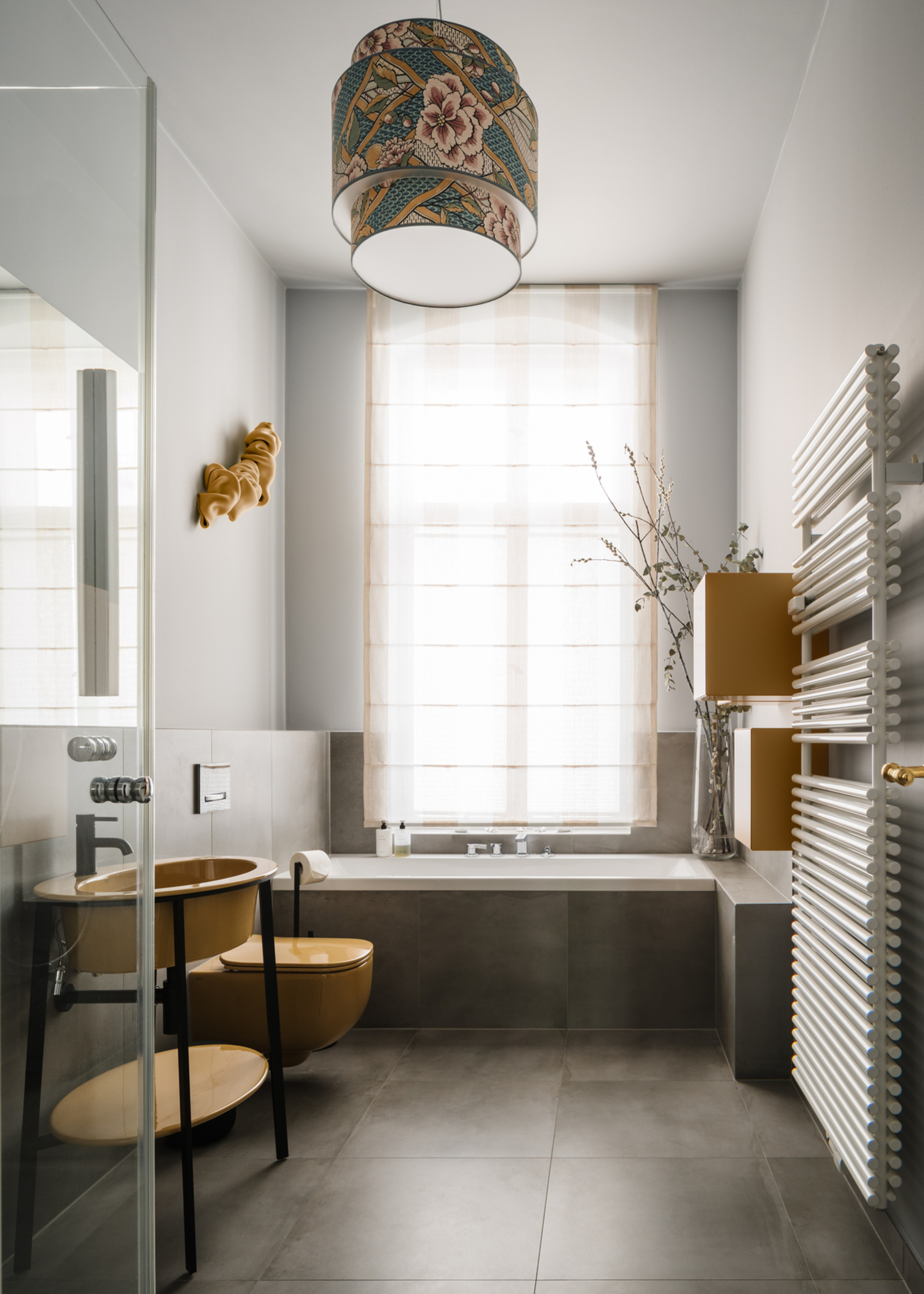
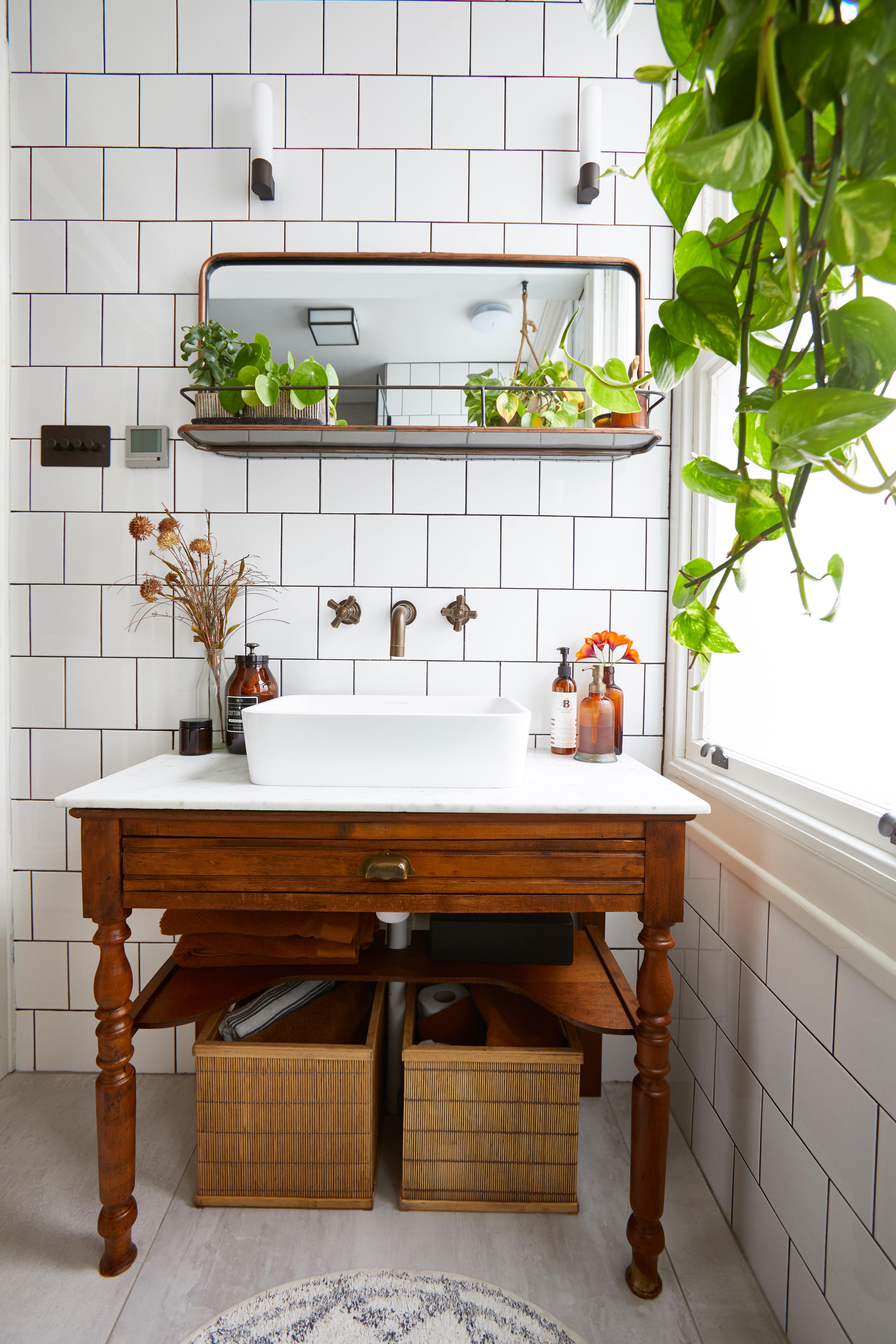
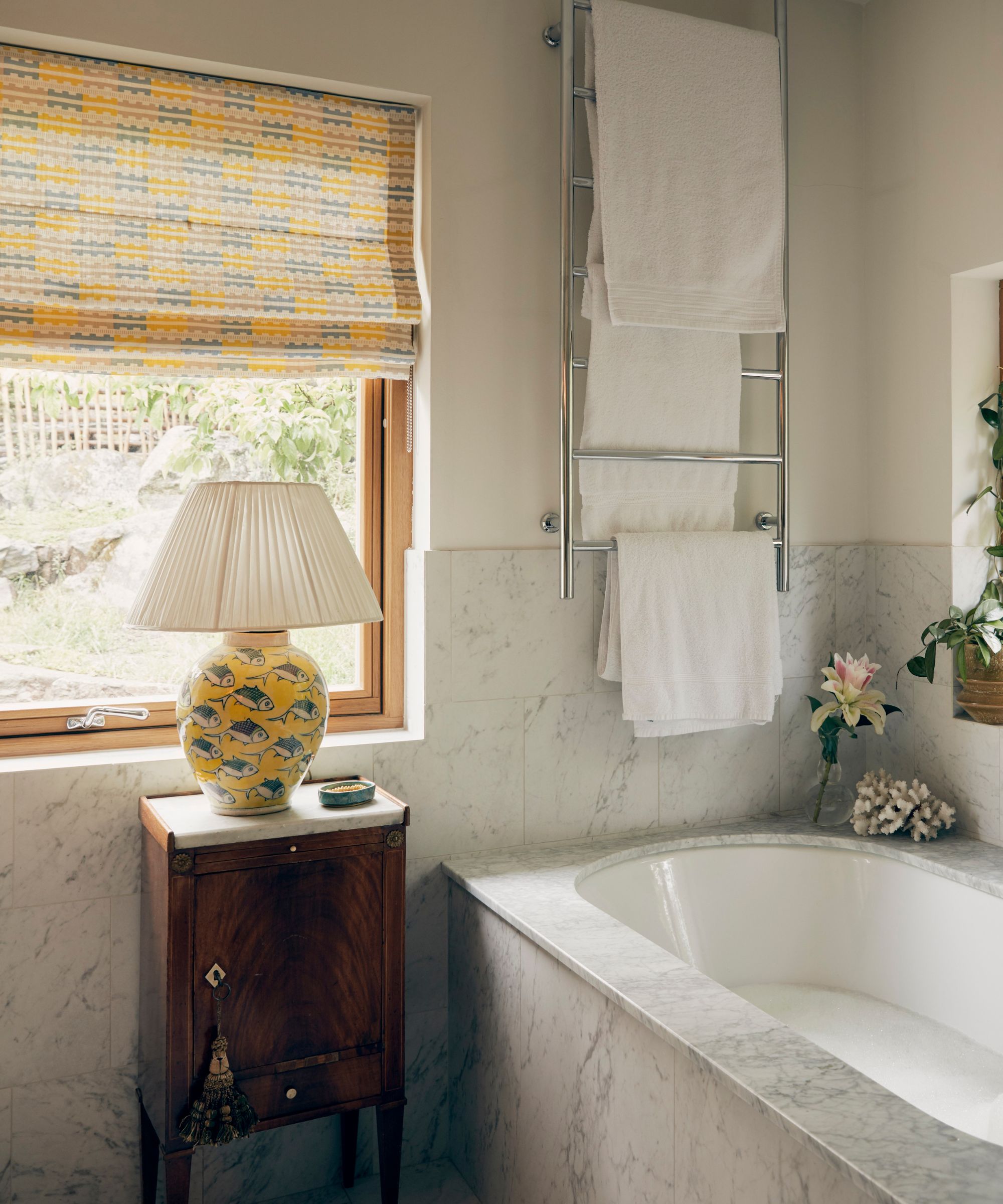
Artificial light wells in bathrooms are gaining popularity as an innovative solution to introduce a sense of natural light and openness into spaces that lack windows or sufficient natural illumination. These systems utilize LED lights or panels strategically installed within ceilings, walls, or alcoves to emulate daylight, providing diffused illumination and creating a more inviting atmosphere. Often designed to mimic natural skylights or sun tunnels, these artificial solutions are surprisingly effective in transforming small, narrow, or windowless bathrooms.
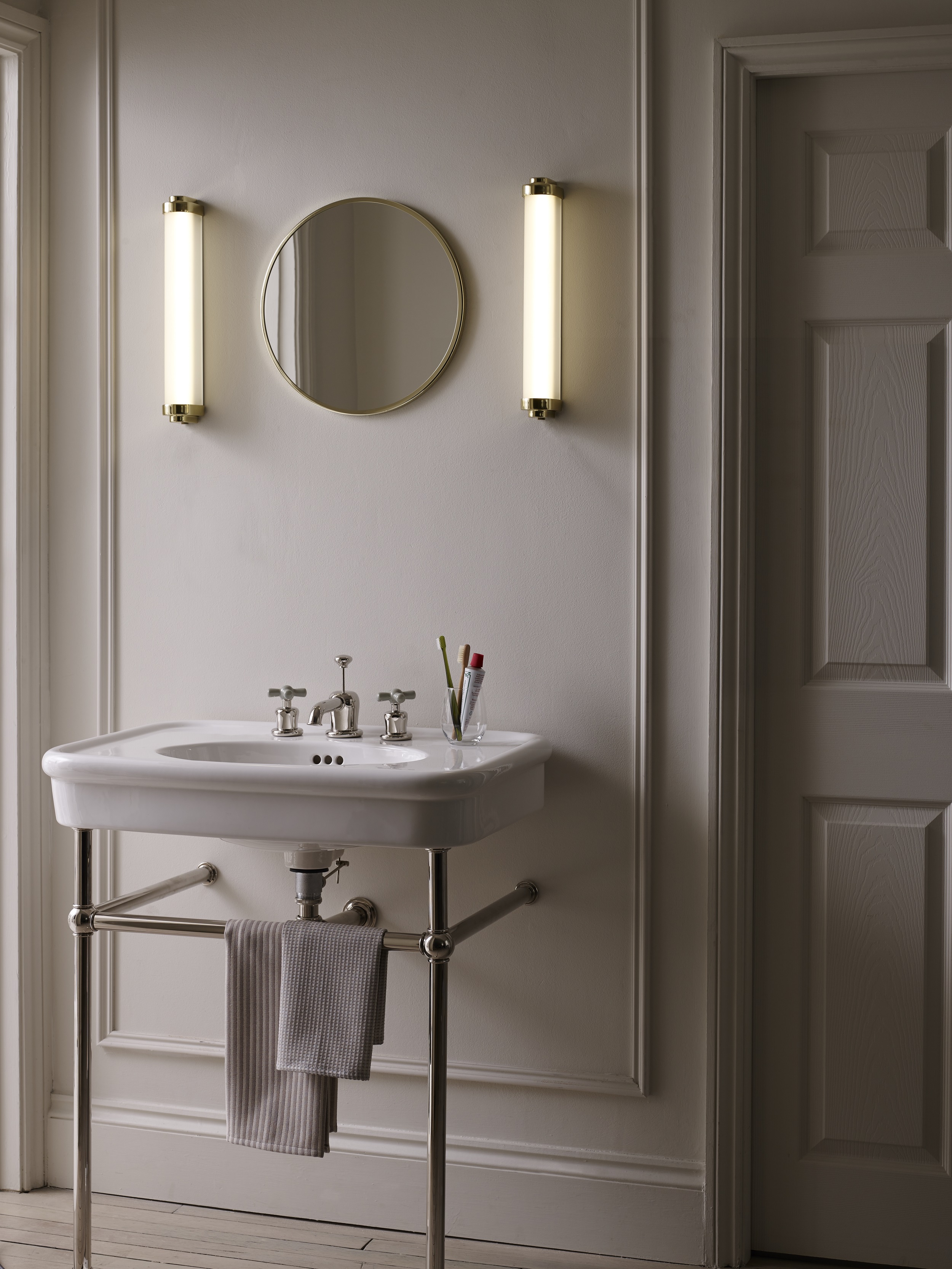
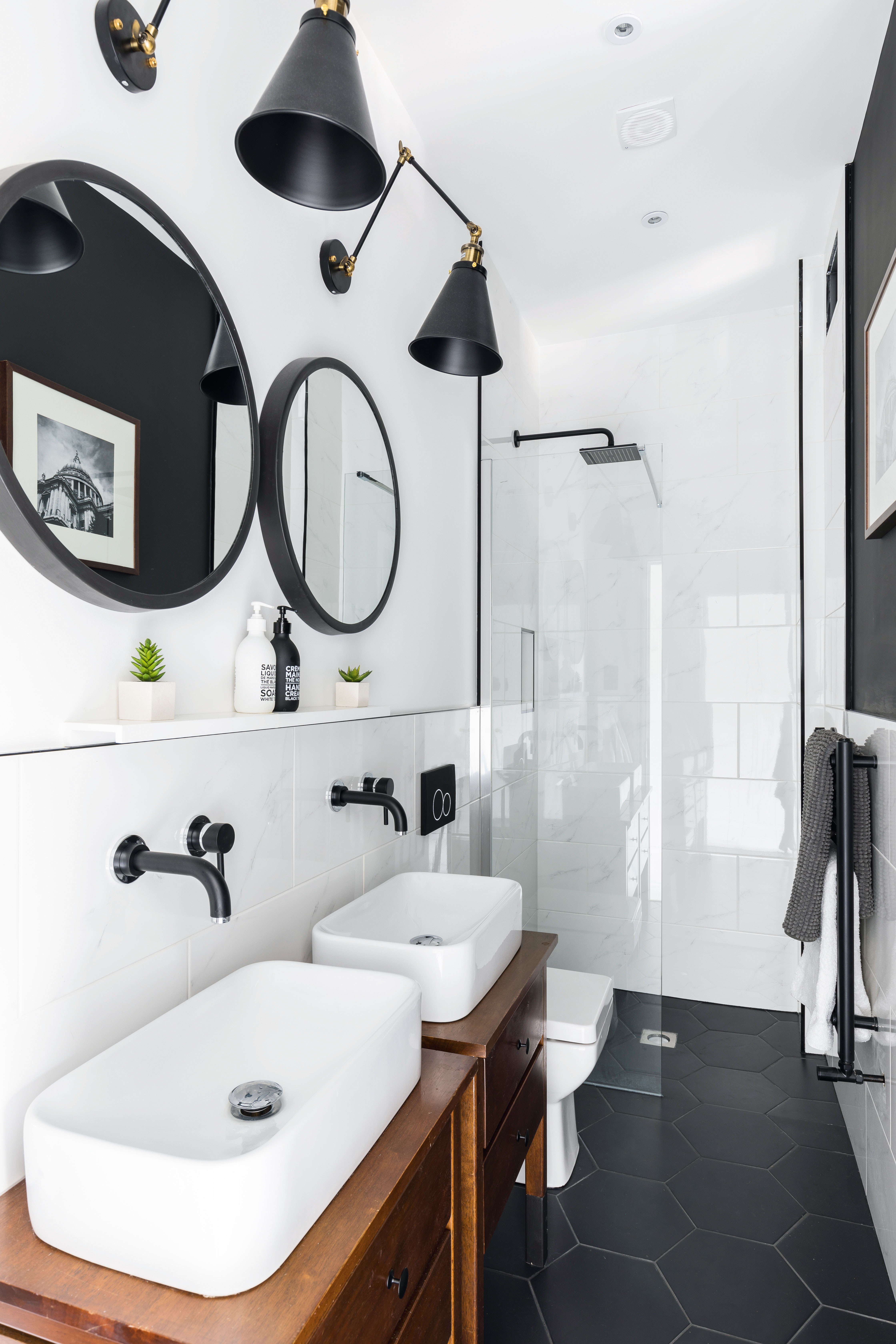
The core concept involves using LED light sources, discreetly placed, to replicate the visual effects of natural light. These can range from ceiling-integrated solutions to bathroom wall lighting, proving particularly beneficial in compact, under-lit, or window-deficient bathrooms. Experts emphasize that artificial light wells are more than just imitations of daylight; they actively contribute to the ambiance of a space. Tunable white LEDs are frequently employed, allowing the light temperature to adjust throughout the day, transitioning from cool and energizing in the morning to warm and calming in the evening. Beyond their functional benefits, these light wells add a sculptural element, creating a sense of architectural depth and elevating the overall mood of the space.
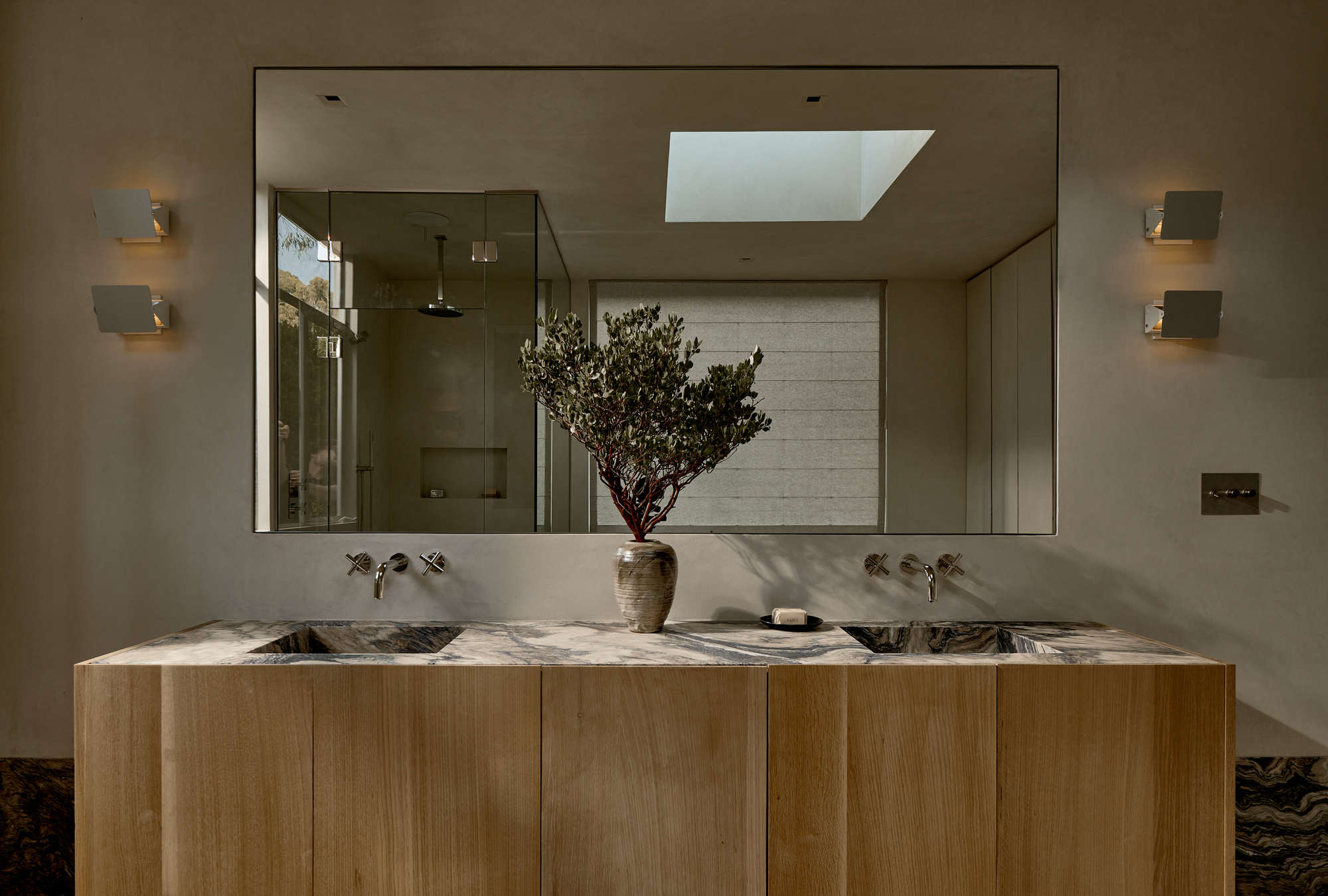
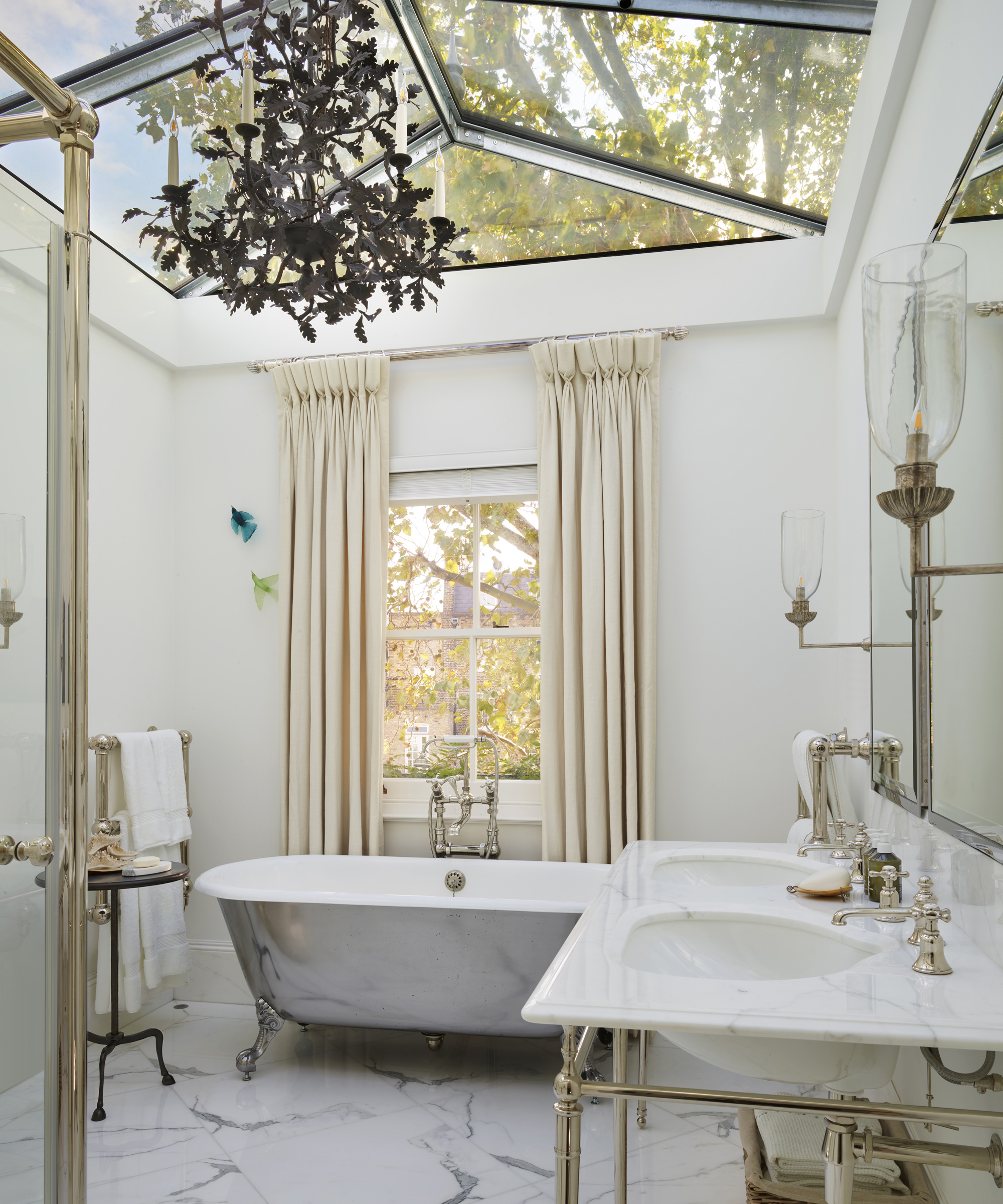
Designers integrate these light wells to foster an illusion of outdoor connectivity. For instance, artificial skylights can enhance this sense of openness, blurring the boundaries between indoor and outdoor environments. In projects where natural skylights are also present, integrated LEDs seamlessly take over as natural light diminishes, ensuring a consistent and layered atmosphere throughout the day. This interplay between natural and artificial light creates a dynamic and comfortable environment, regardless of the time or external conditions.
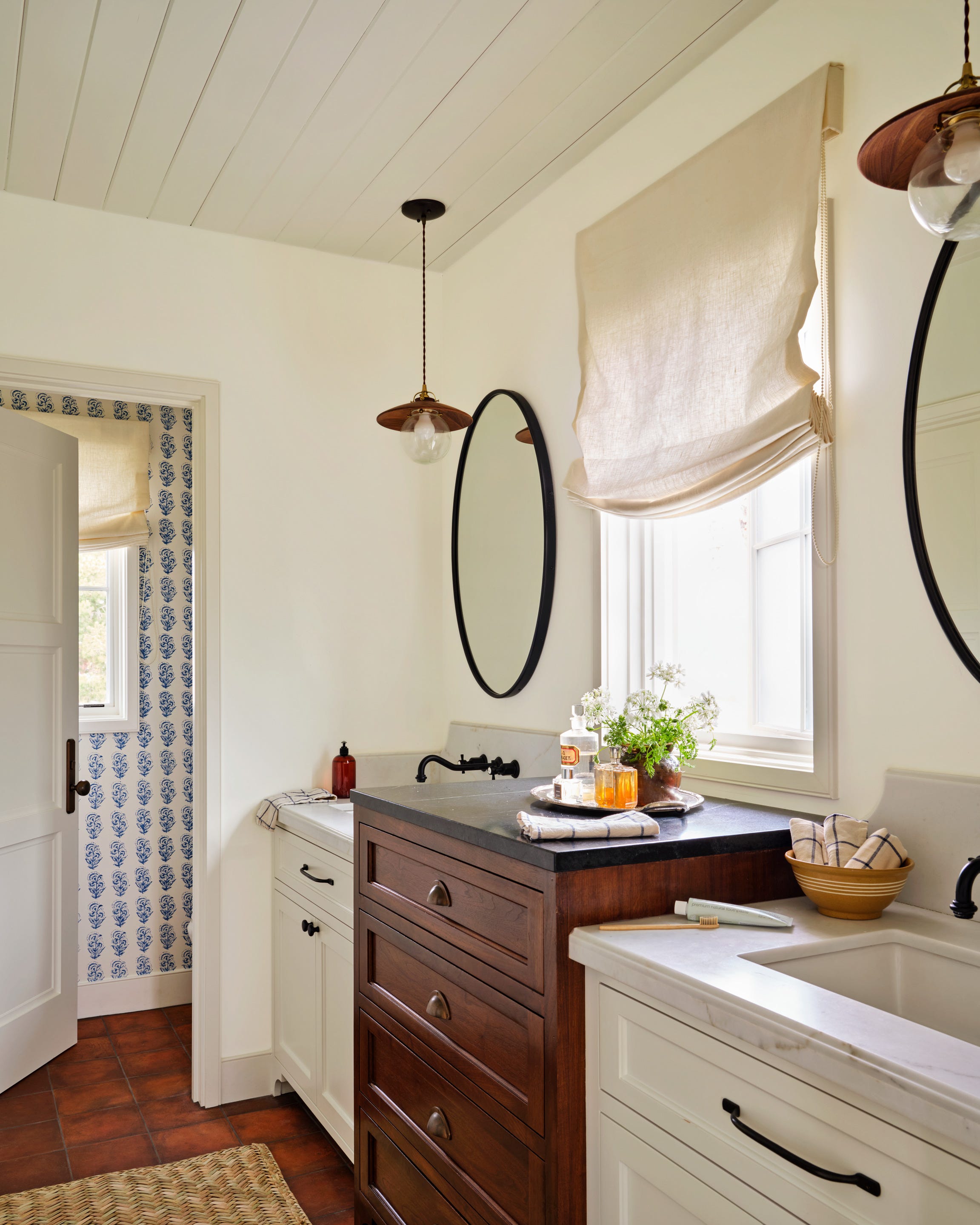
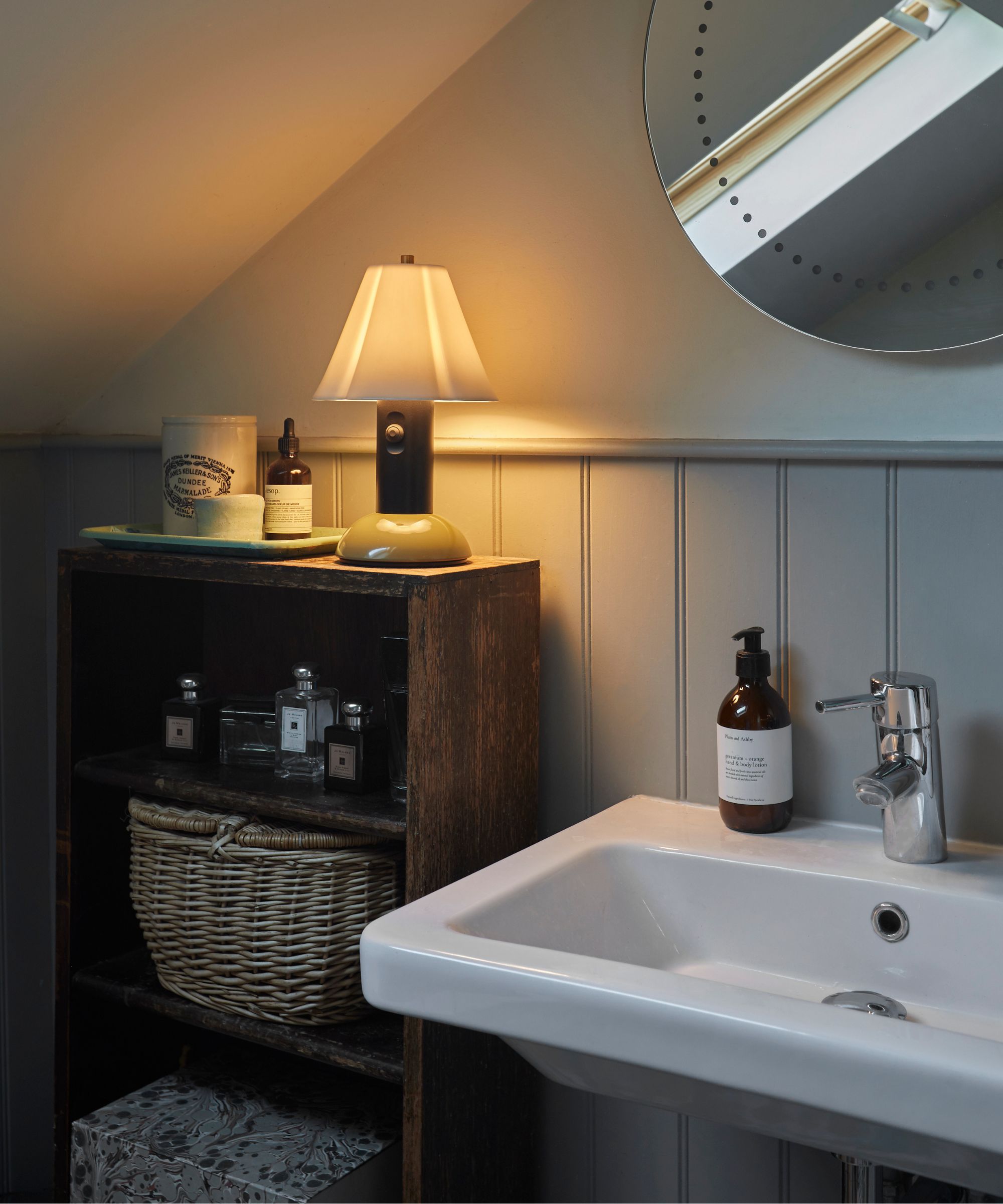
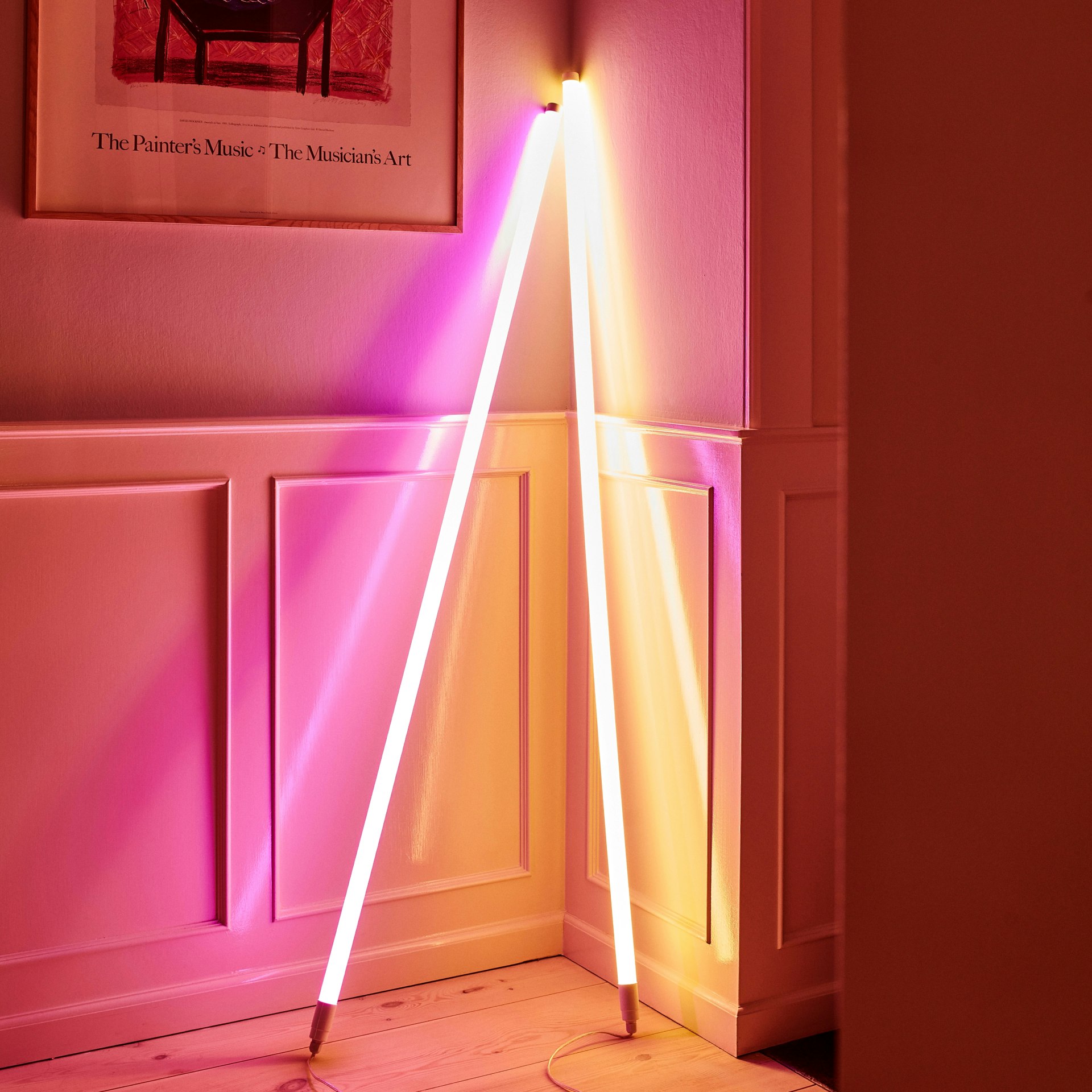
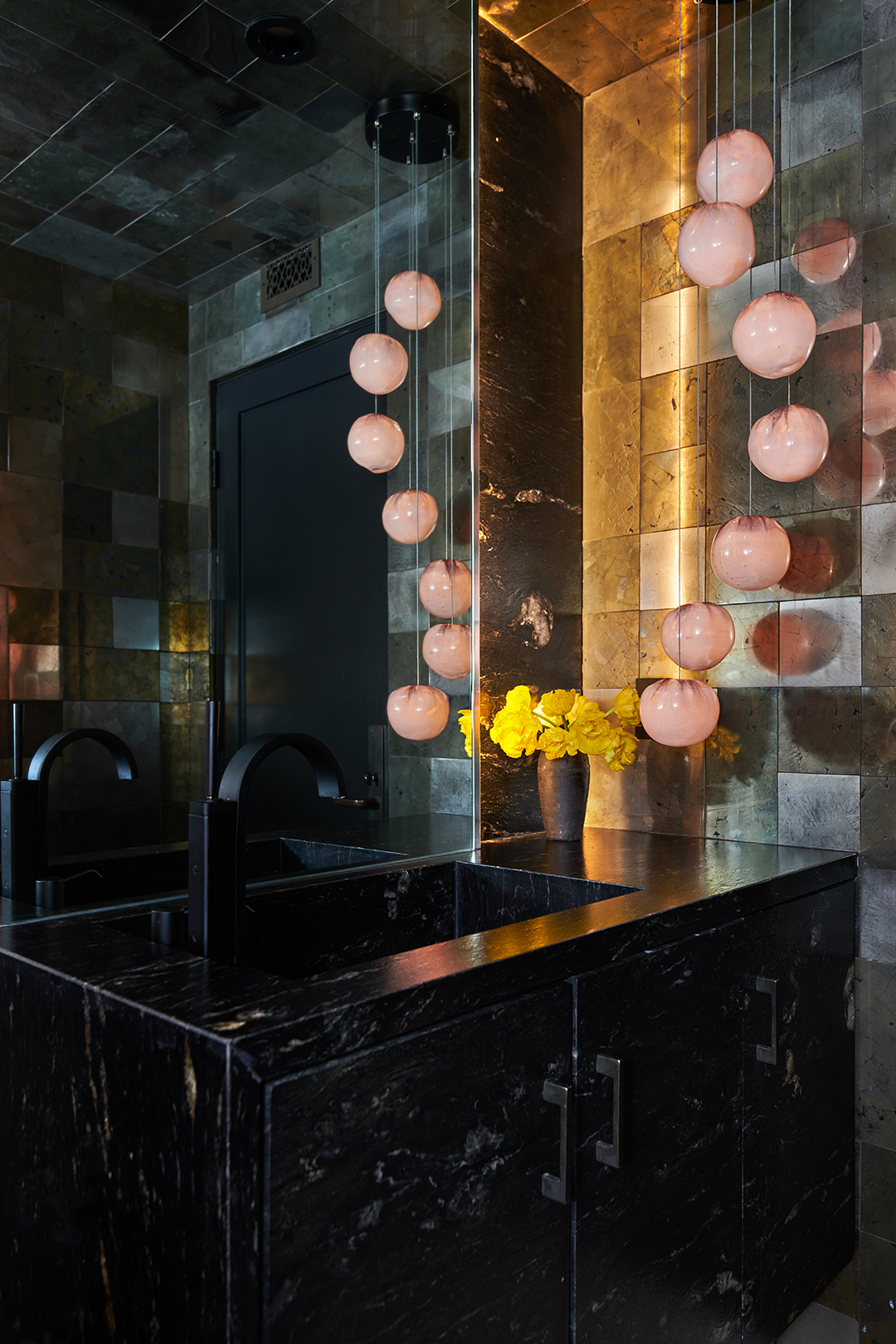
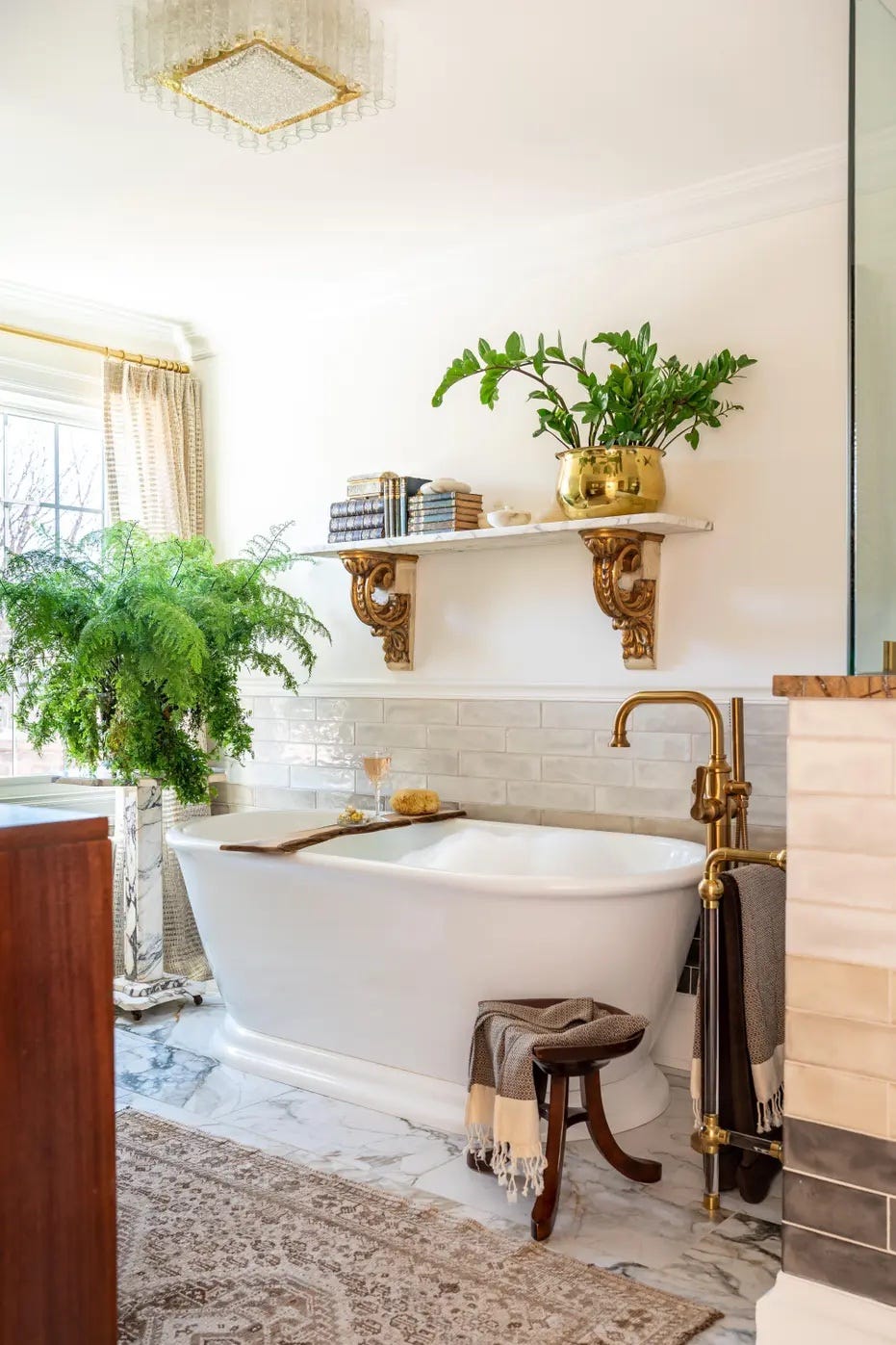
Beyond their practical function of brightening a room, artificial light wells significantly enhance a bathroom's mood and aesthetic. They contribute to a deeply indulgent and spa-like atmosphere, especially since light settings can be adjusted from bright to dim to suit various moods and times of day. Layered, ambient, and rhythmic lighting schemes, often achieved with these light wells, soften hard surfaces and introduce a quiet sense of luxury. For example, a stretch ceiling with integrated LED lighting can simulate daylight, creating a glowing skylight or light portal effect, which is particularly impactful in bathrooms without windows, making the space feel calmer and more serene. Additionally, colorful smart lighting can be incorporated to create a more upbeat atmosphere, offering versatility beyond the "sunlit" effect, especially in the evenings.
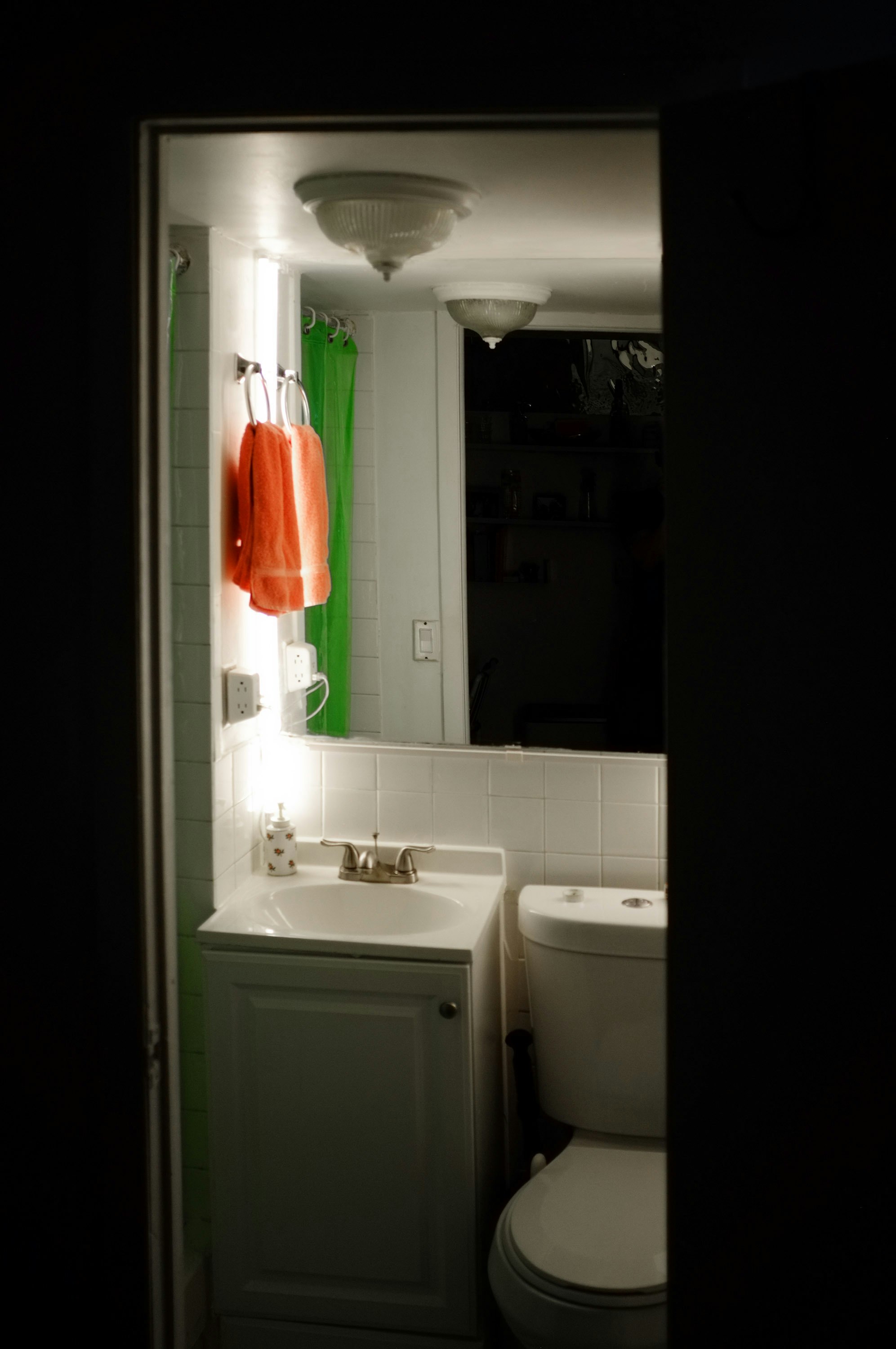
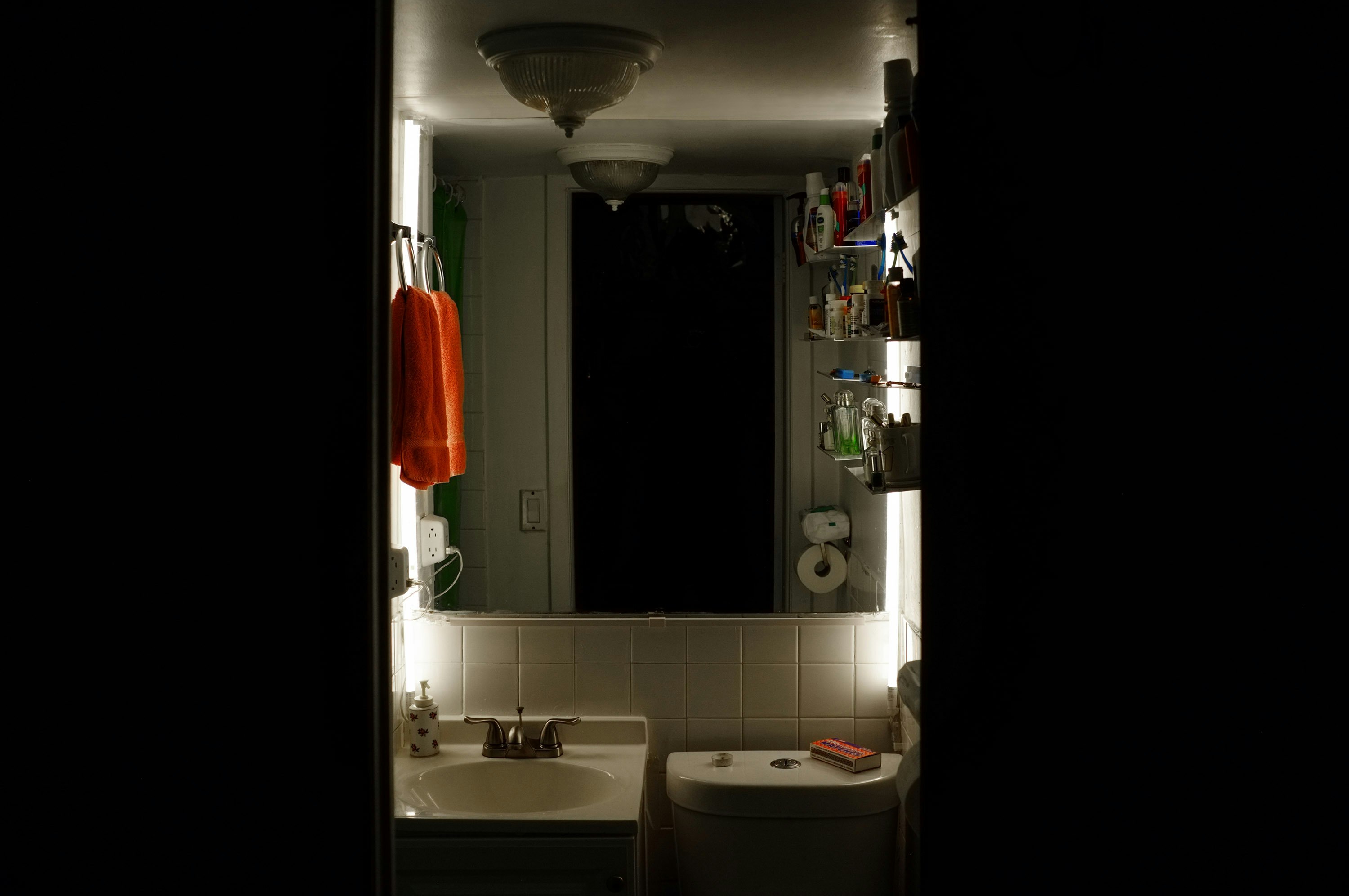
LED strip lights are frequently recommended for creating light wells due to their compact size, enabling them to fit into narrow recesses and hidden coves where traditional bulbs cannot. Their energy efficiency and cool operation make them ideal for continuous use without overheating, while their long lifespan ensures minimal maintenance—a crucial advantage for installations in hard-to-reach areas. LED strips transform light wells into both practical and aesthetically pleasing sources of natural-like illumination. These lights can be hidden under cabinets and along ceilings to produce a "wall washing" effect—a diffused glow similar to natural light. This recessed design maintains a clean and uncluttered ceiling, a practical benefit in smaller bathrooms.
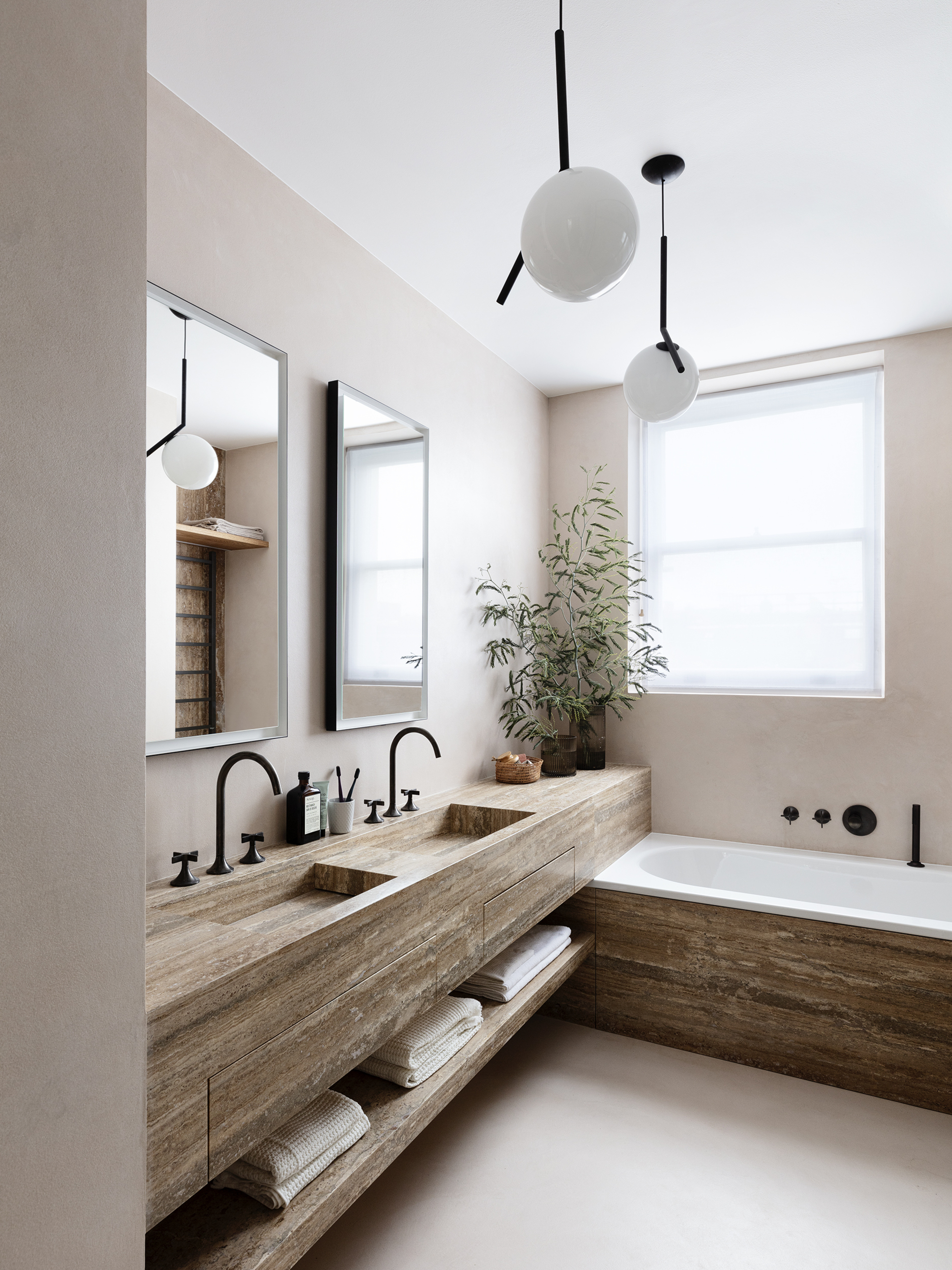
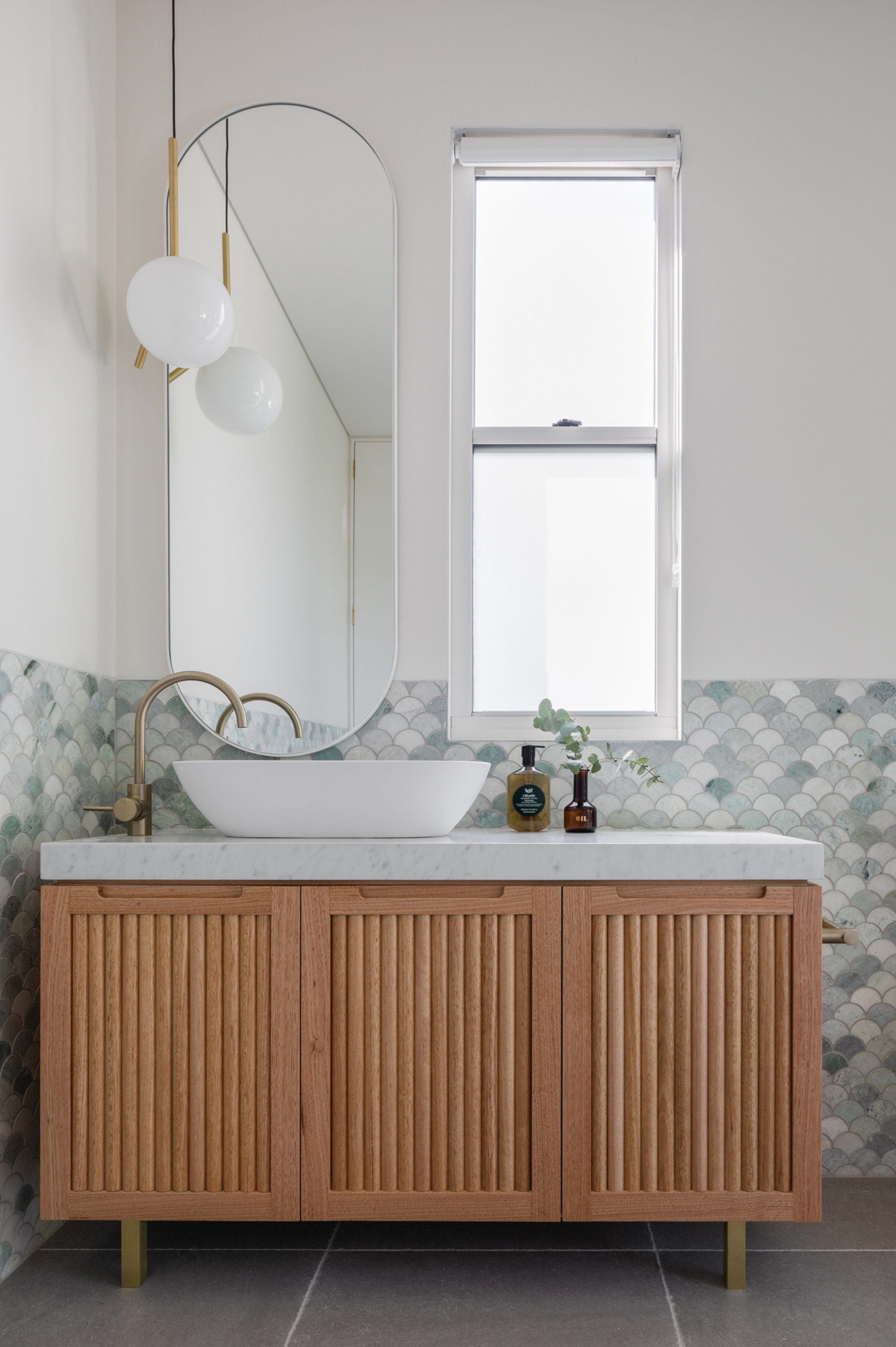
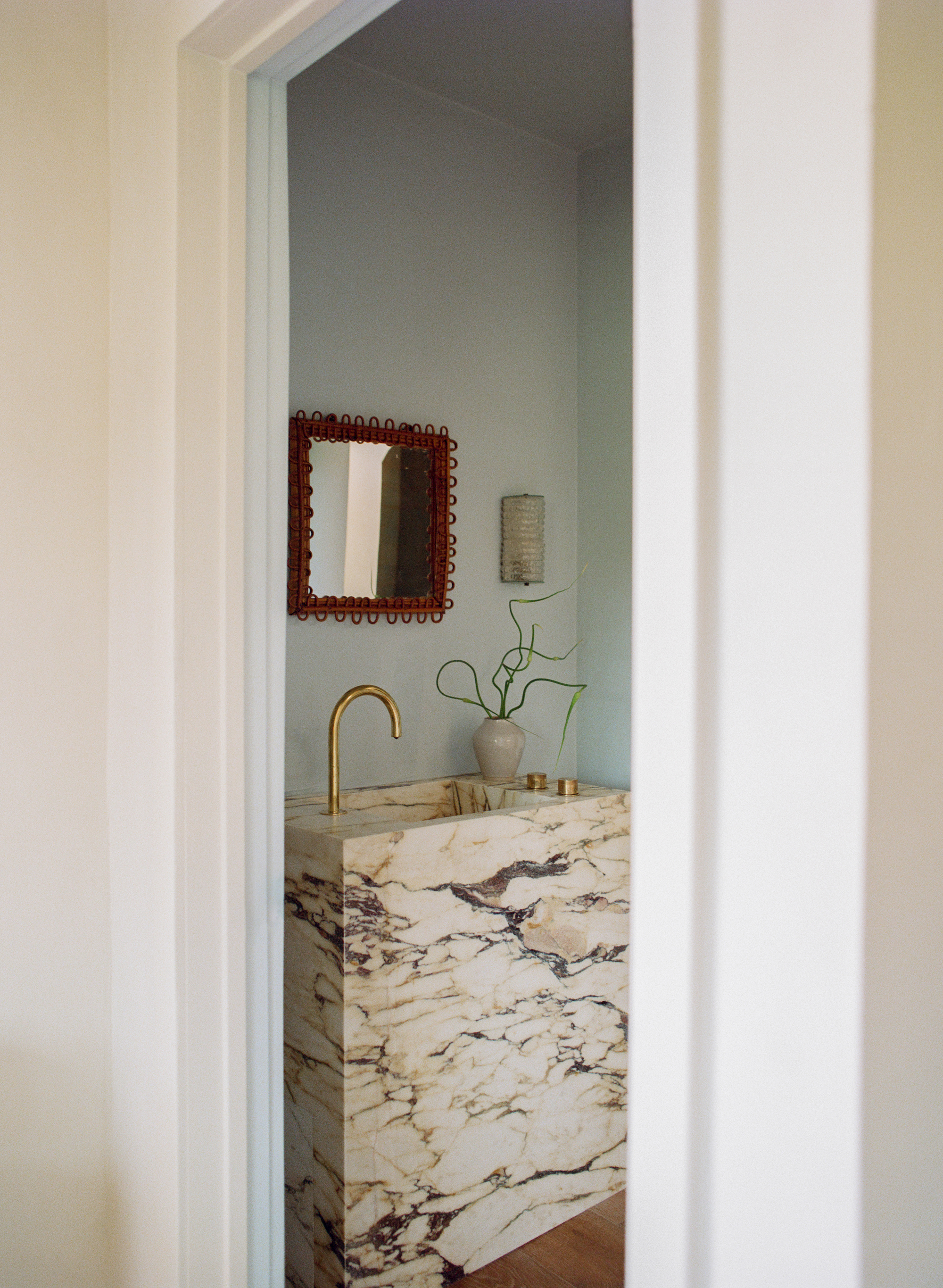
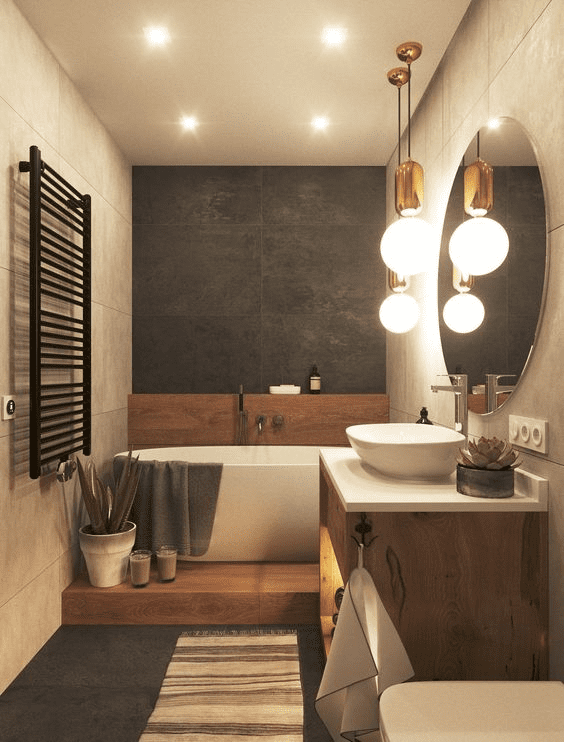
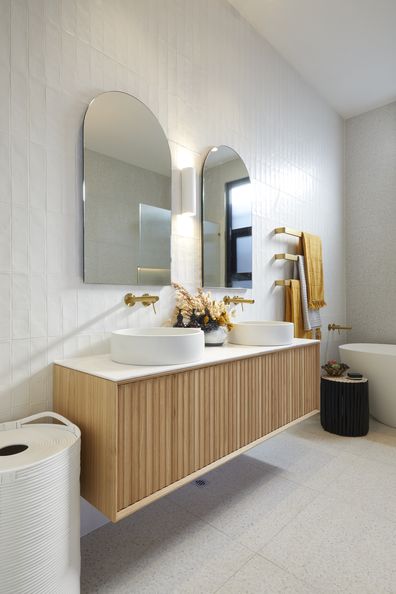
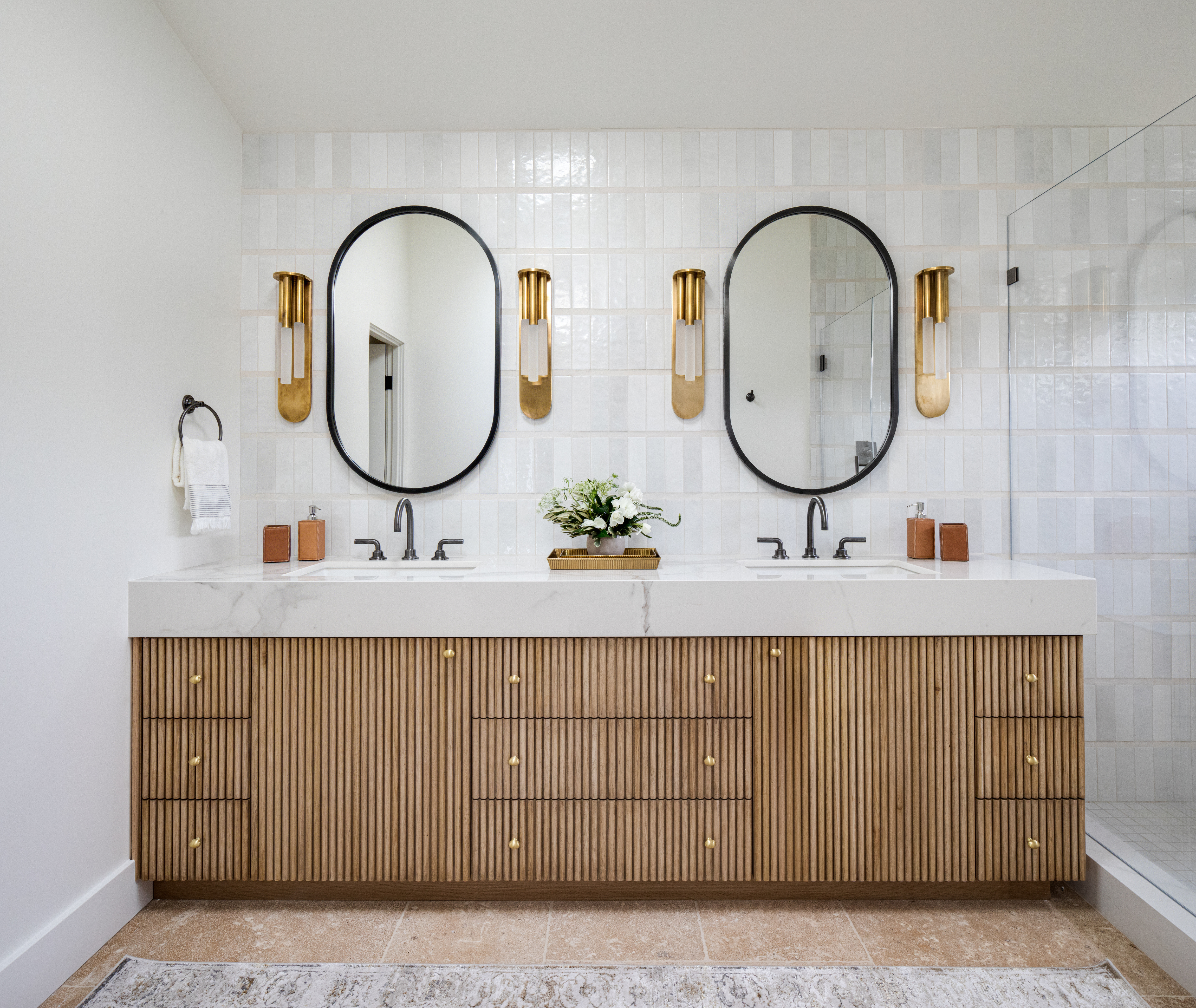
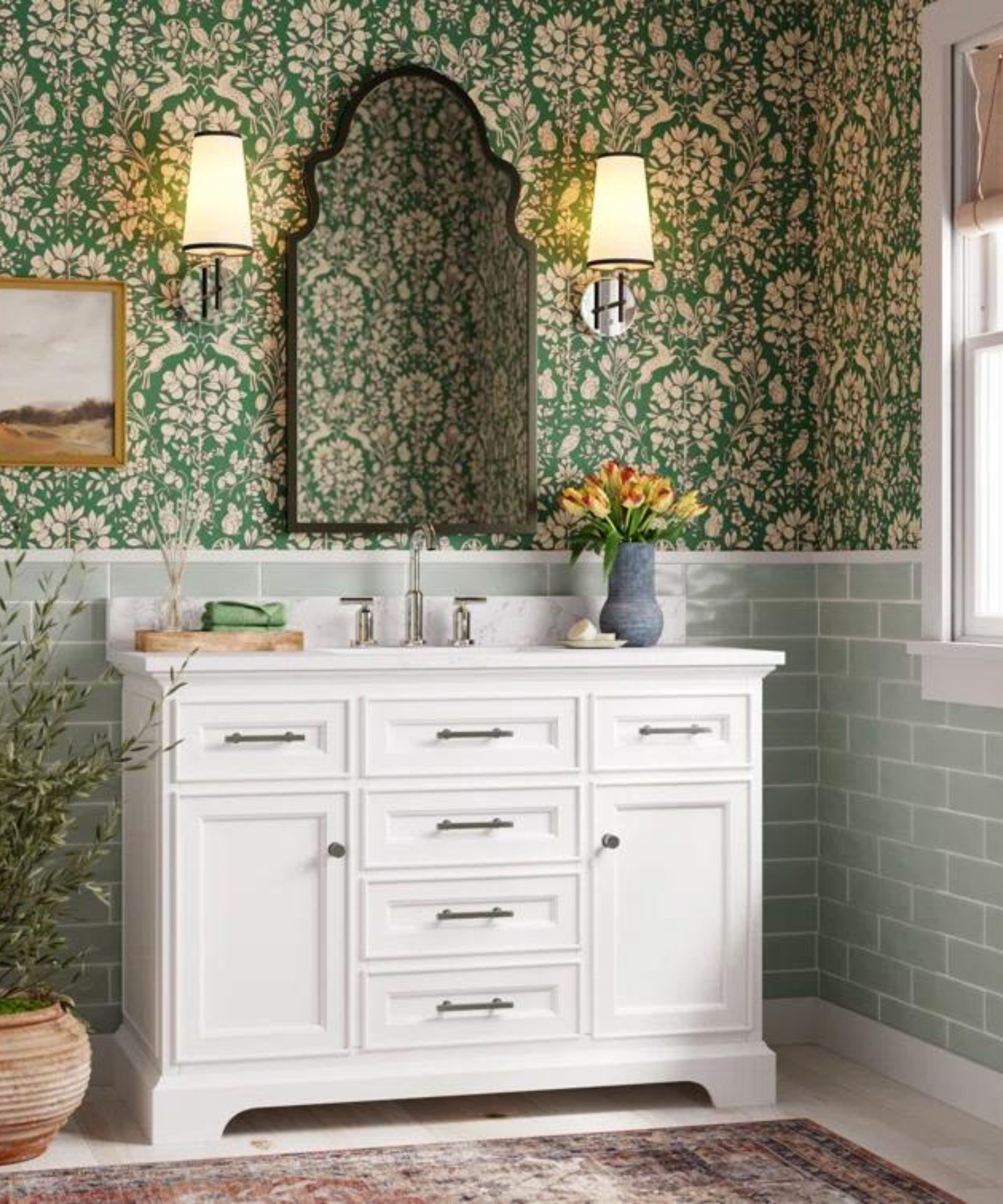
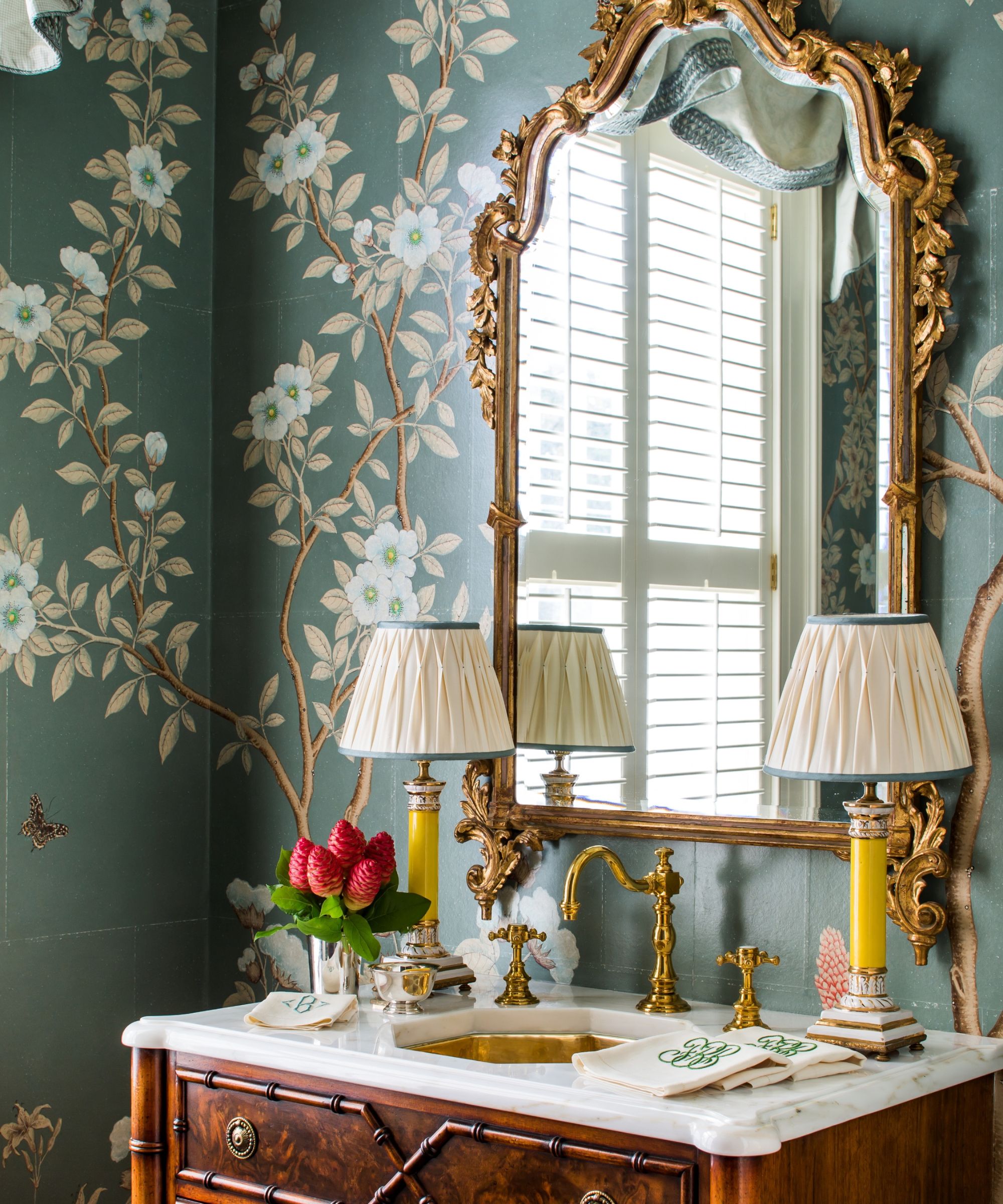
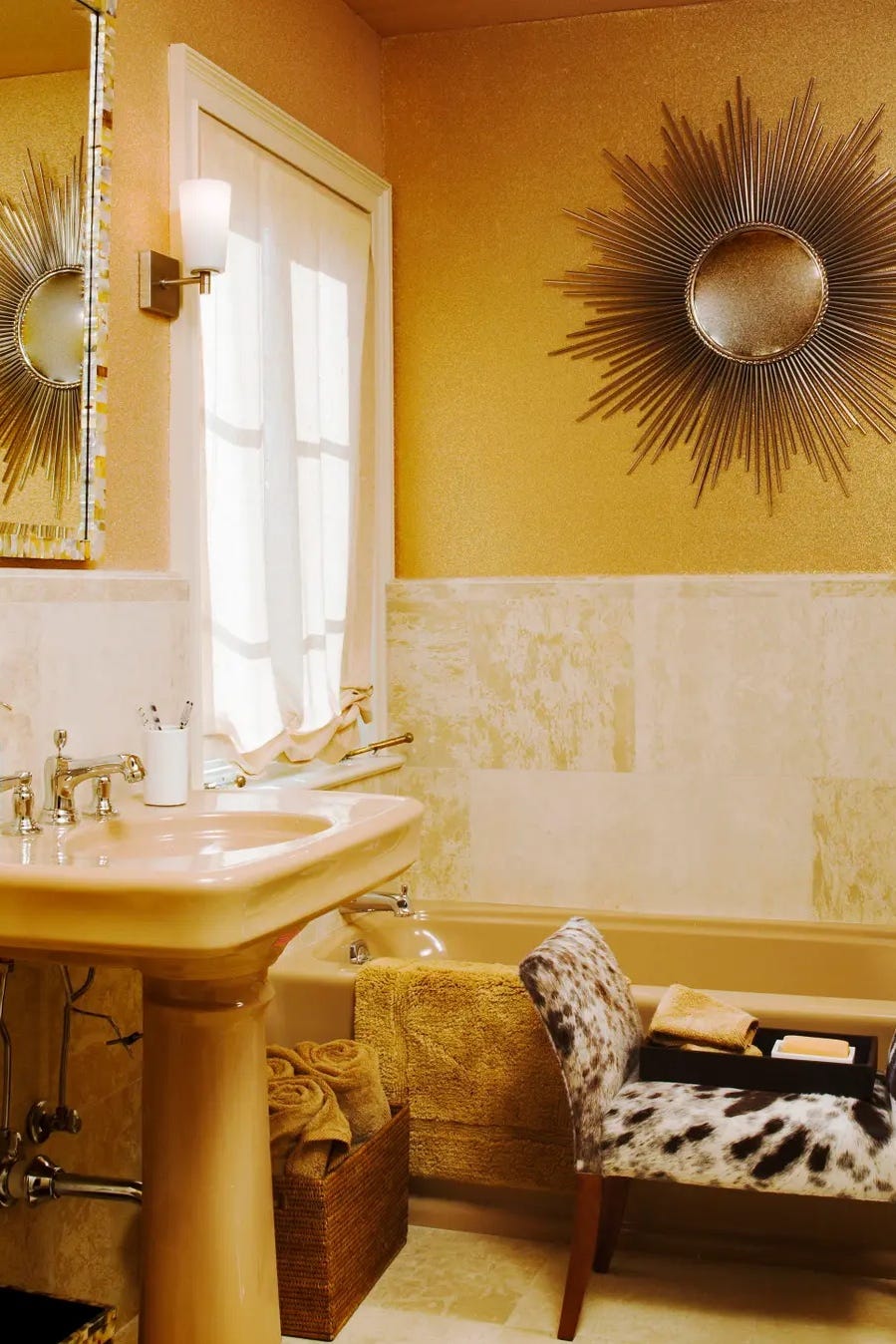
Various methods exist for incorporating artificial light wells into bathroom design. Lighting can be integrated into unexpected architectural features, such as behind floating mirrors, under fluted stone vanities, or recessed into ceiling coves to make spaces appear taller. Shadow gaps lit from within can add depth and movement to walls, and even the base of a bath can be subtly illuminated to create a hovering effect. In shower areas, recessed lighting, or LED strips hidden behind metallic trims or above soffits, can mimic the natural light, creating a "wall washing" effect on feature walls. Warm color tones in these installations enhance the sense of calm and relaxation, making the space feel cozier and more inviting.
Distinguishing between a skylight and a light well is important: a skylight is a roof window admitting natural daylight, whereas a light well, whether architectural or artificial, is designed to replicate daylight. Skylights depend on sunlight and weather, while artificial light wells use LEDs or recessed spots for consistent, diffused illumination. The primary purpose of any light well is to introduce light into naturally dark spaces, thereby enhancing brightness, creating a sense of openness, improving mood, and making interiors more inviting and connected to the outdoors.
#BathroomDesign #ArtificialLighting #LEDLighting #InteriorDesign #HomeImprovement #LightingDesign #ModernBathrooms #SpaBathroom #SpaceSavingSolutions #BathroomDesign #ArtificialLighting #LEDLighting #InteriorDesign #HomeImprovement #LightingDesign #ModernBathrooms #SpaBathroom #SpaceSavingSolutions
0 comment in total
 No comments yet
You may also like
Designers are ditching overhead lighting in the bathroom – and using this flattering source to illuminate spaces instead

20 bathroom lighting ideas – beautiful ways to brighten up your space

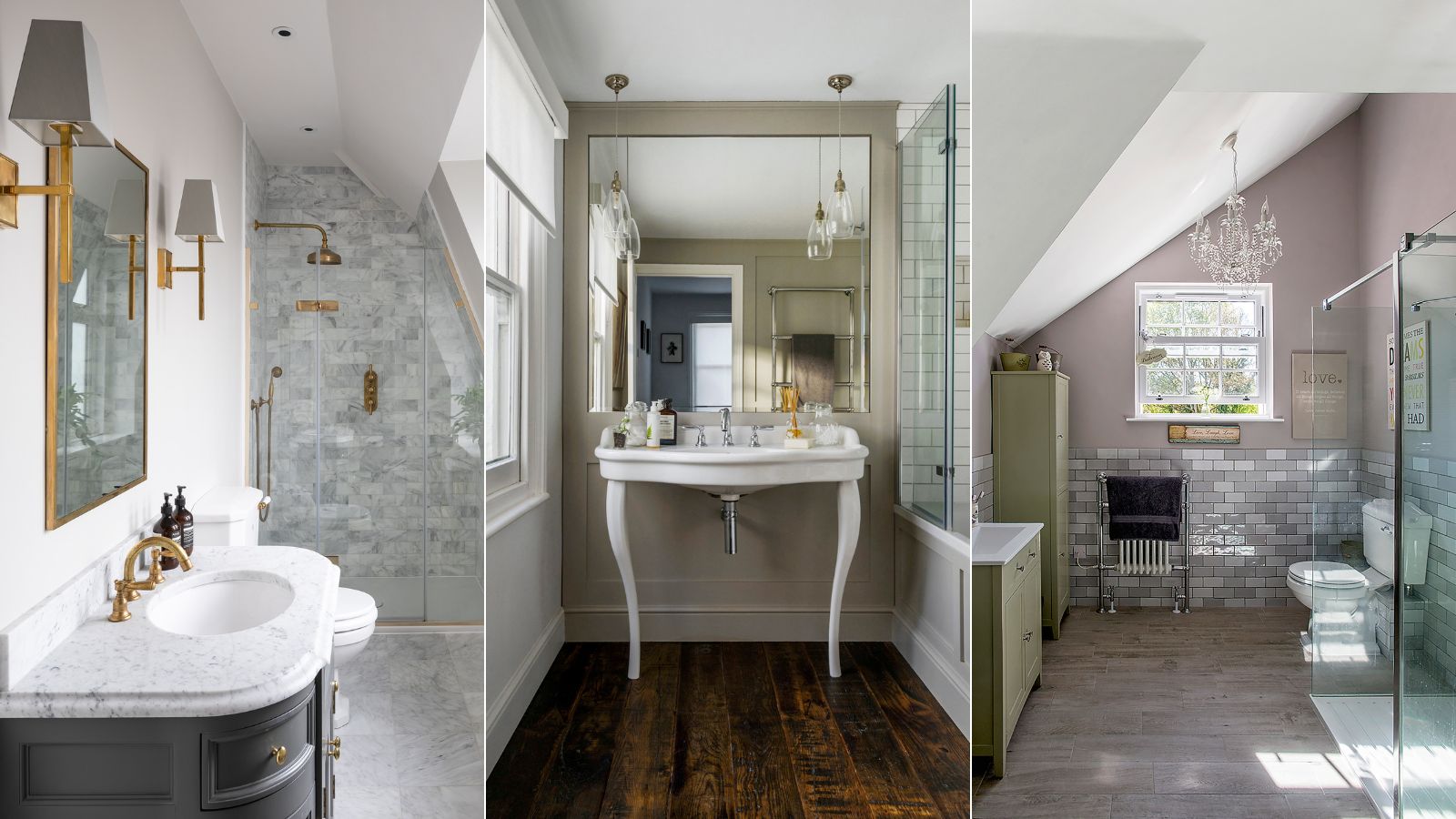
Types of bathroom lighting – the 3 layers every space needs

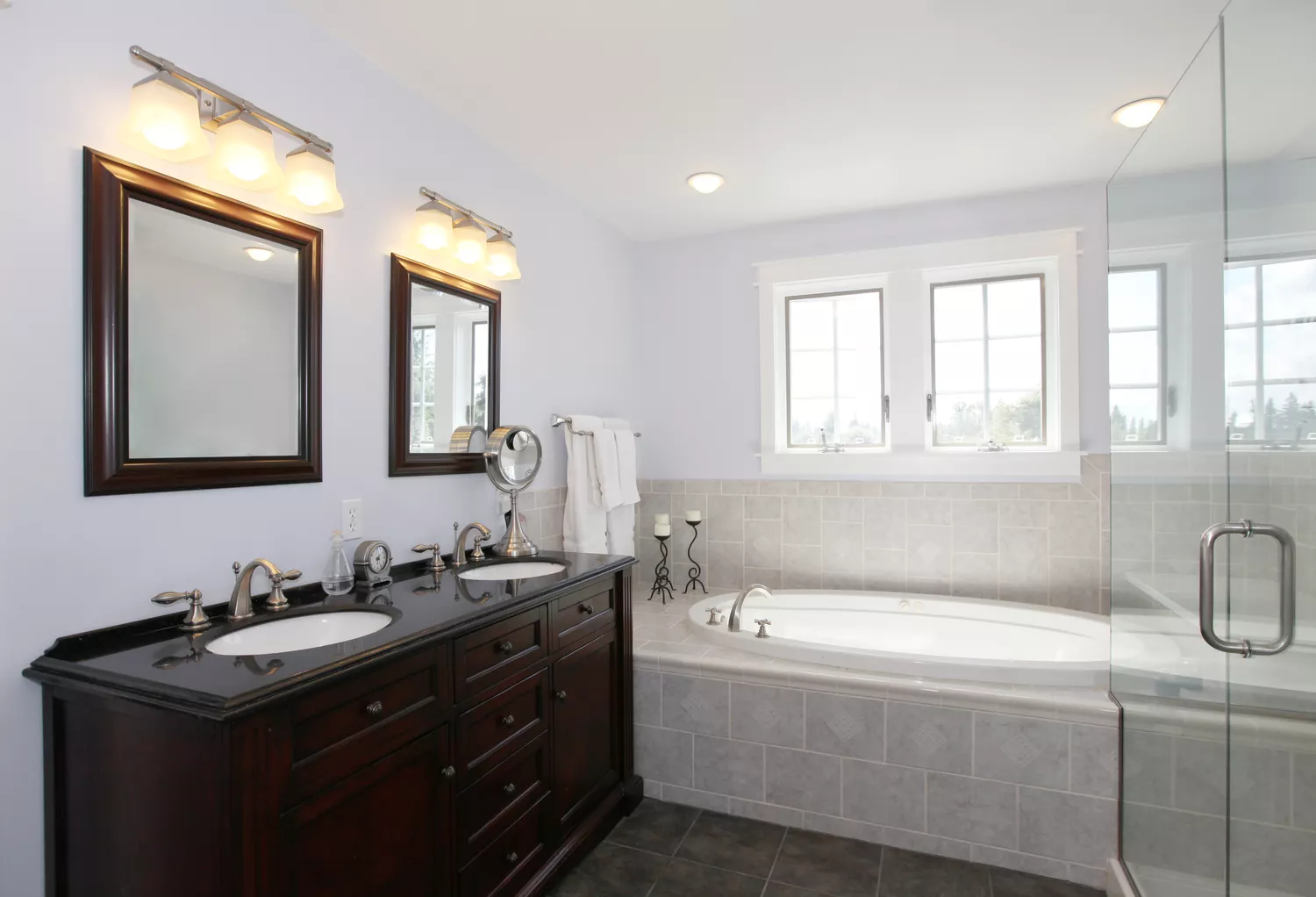
4 Fixtures That Instantly Date Your Bathroom
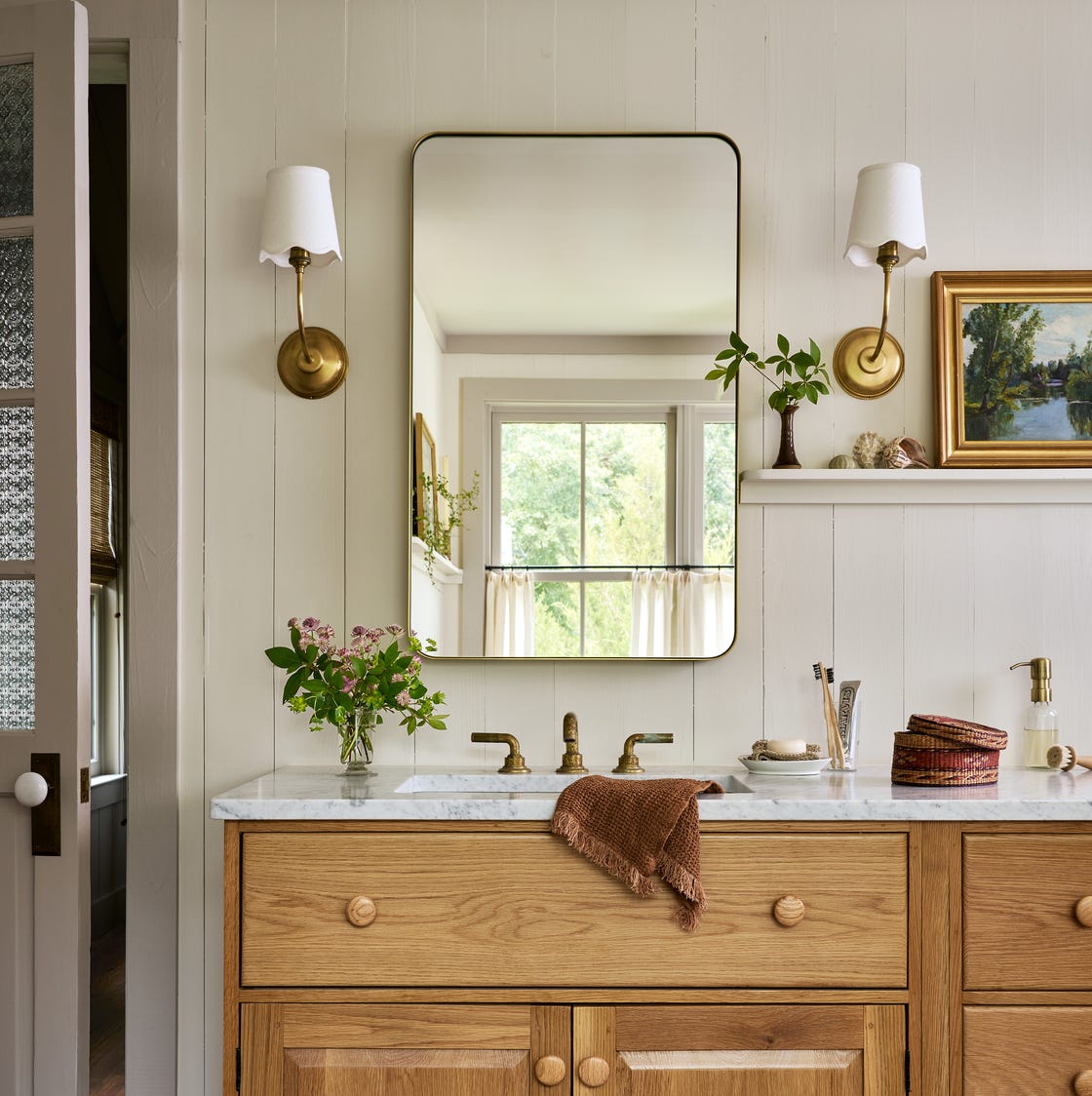
Add Just the Right Finishing Touch to Your Bathroom with Lighting
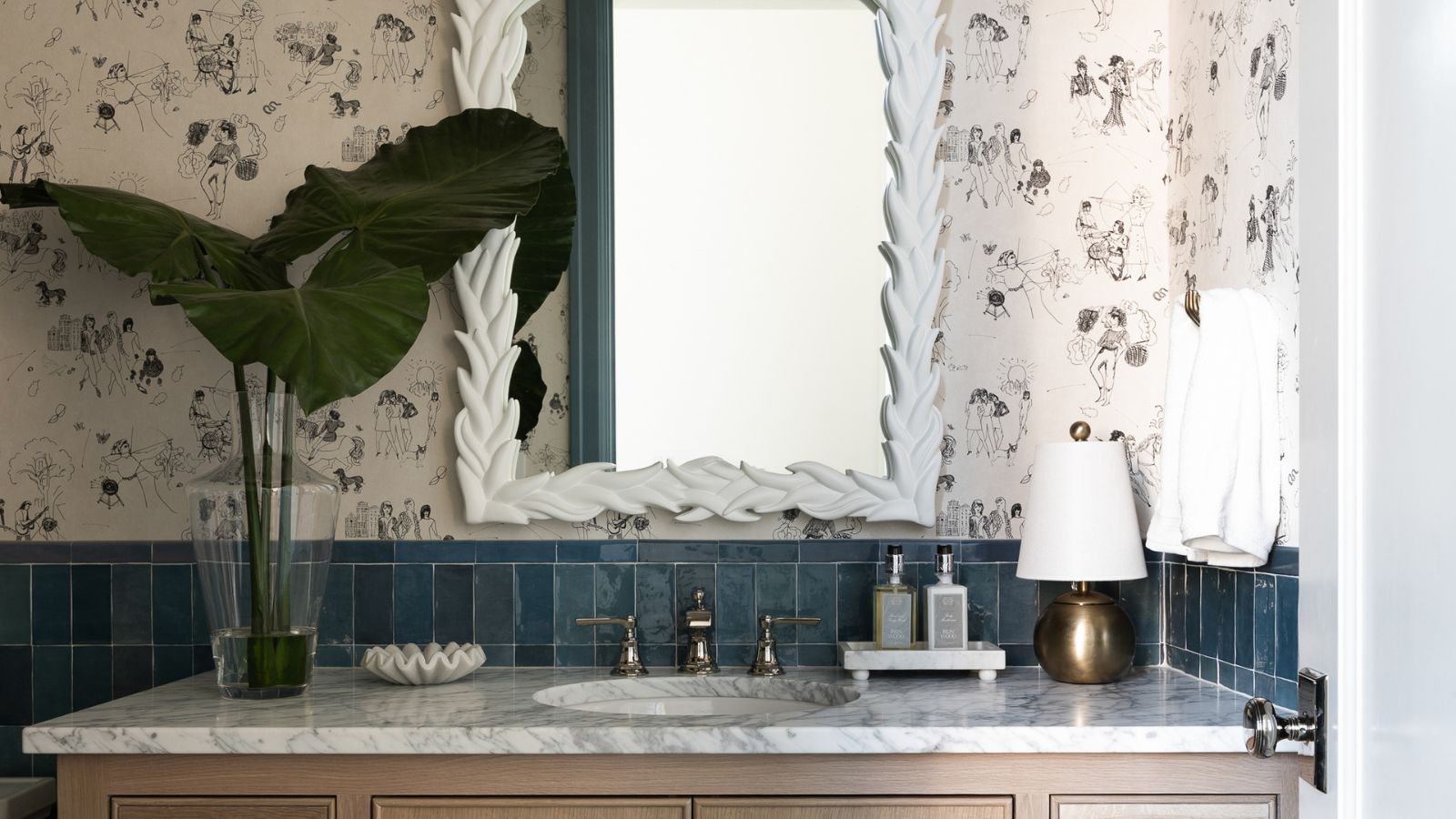
Designers Say Your Bathroom is Missing This 1 Thing
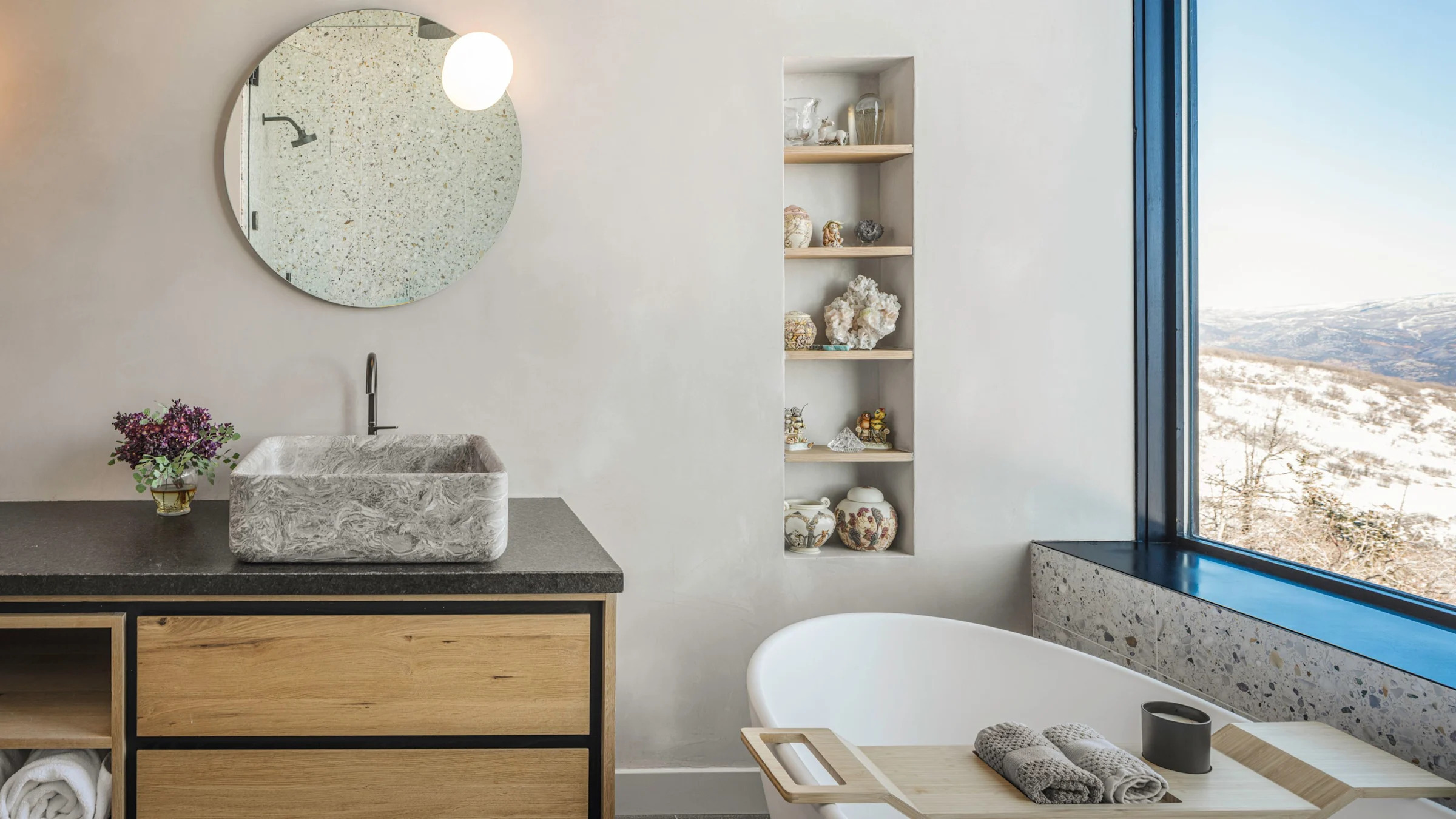
How to Light Your Bathroom Like a Spa — 11 Ideas That Will Take Your Space From Everyday to Luxurious Retreat

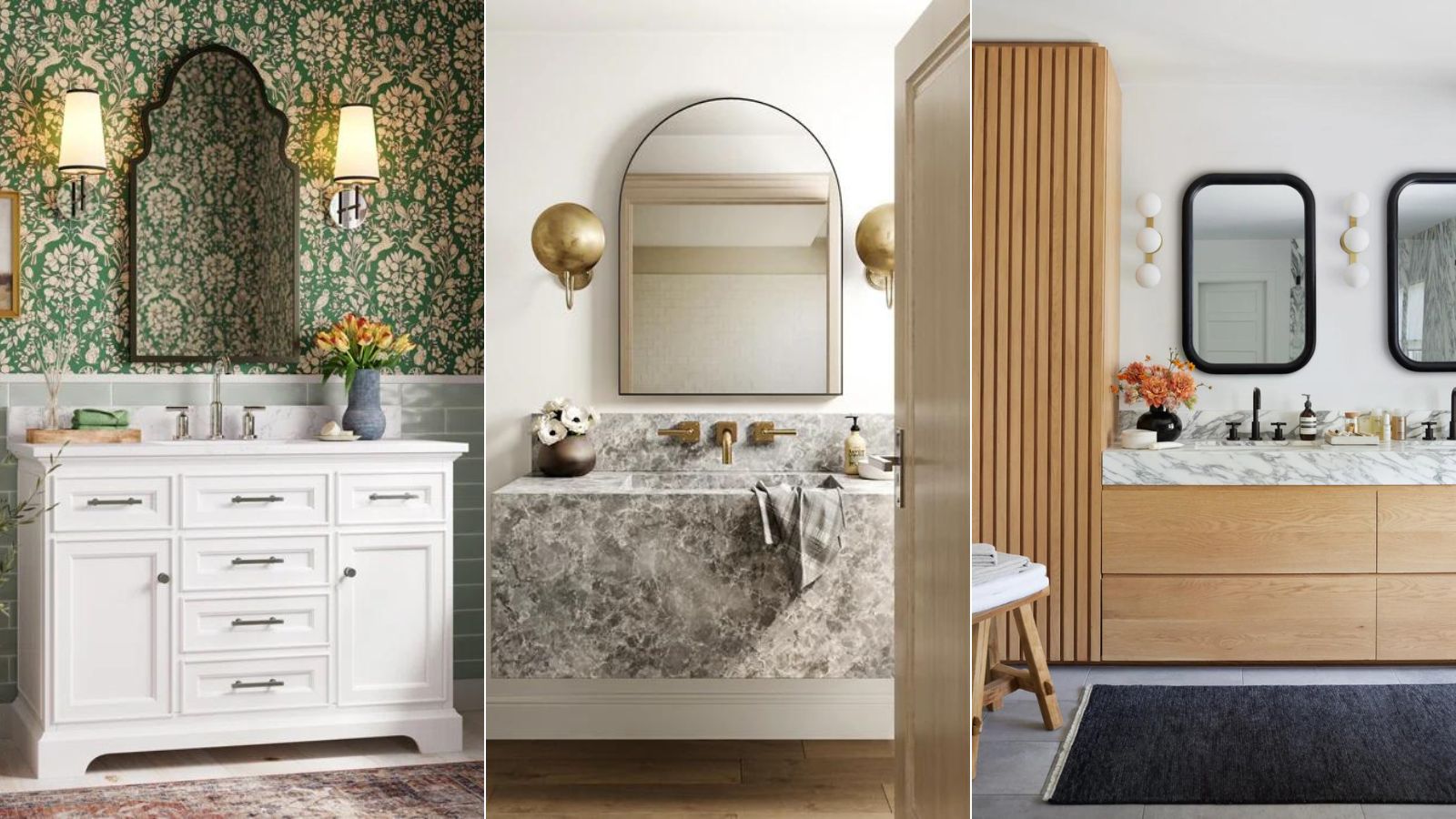
Looking for stylish bathroom lighting? These are the brands to shop for the most beautiful designs
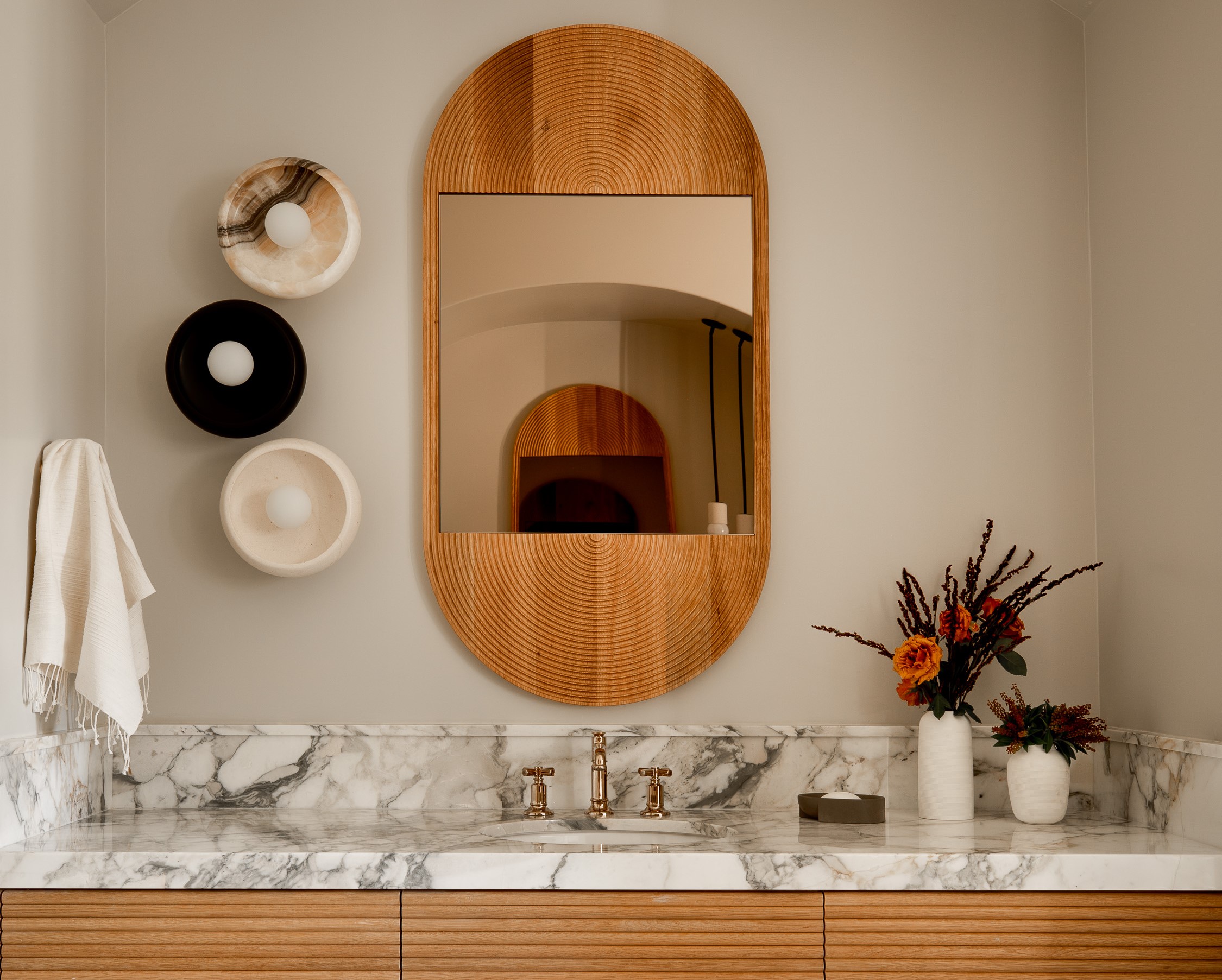
What's the Most Flattering Light For a Bathroom? 7 Designer Tricks to Give Your Space a Glow-Up
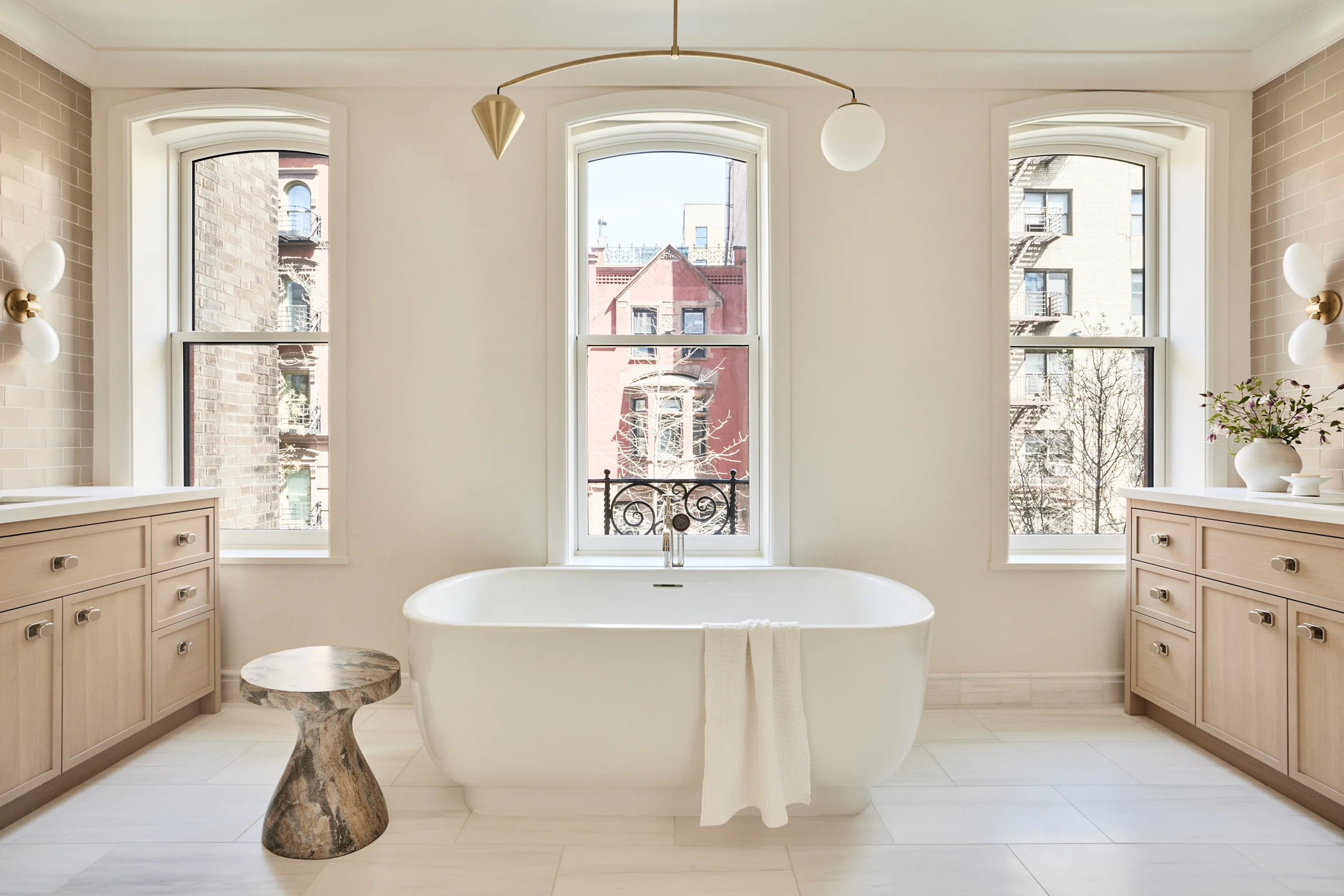
5 Bathroom Lighting Trends for 2024 — "These Transform The Room Into A Sanctuary of Style and Comfort"

The Block judge Shaynna Blaze reveals the secret to perfect bathroom lighting

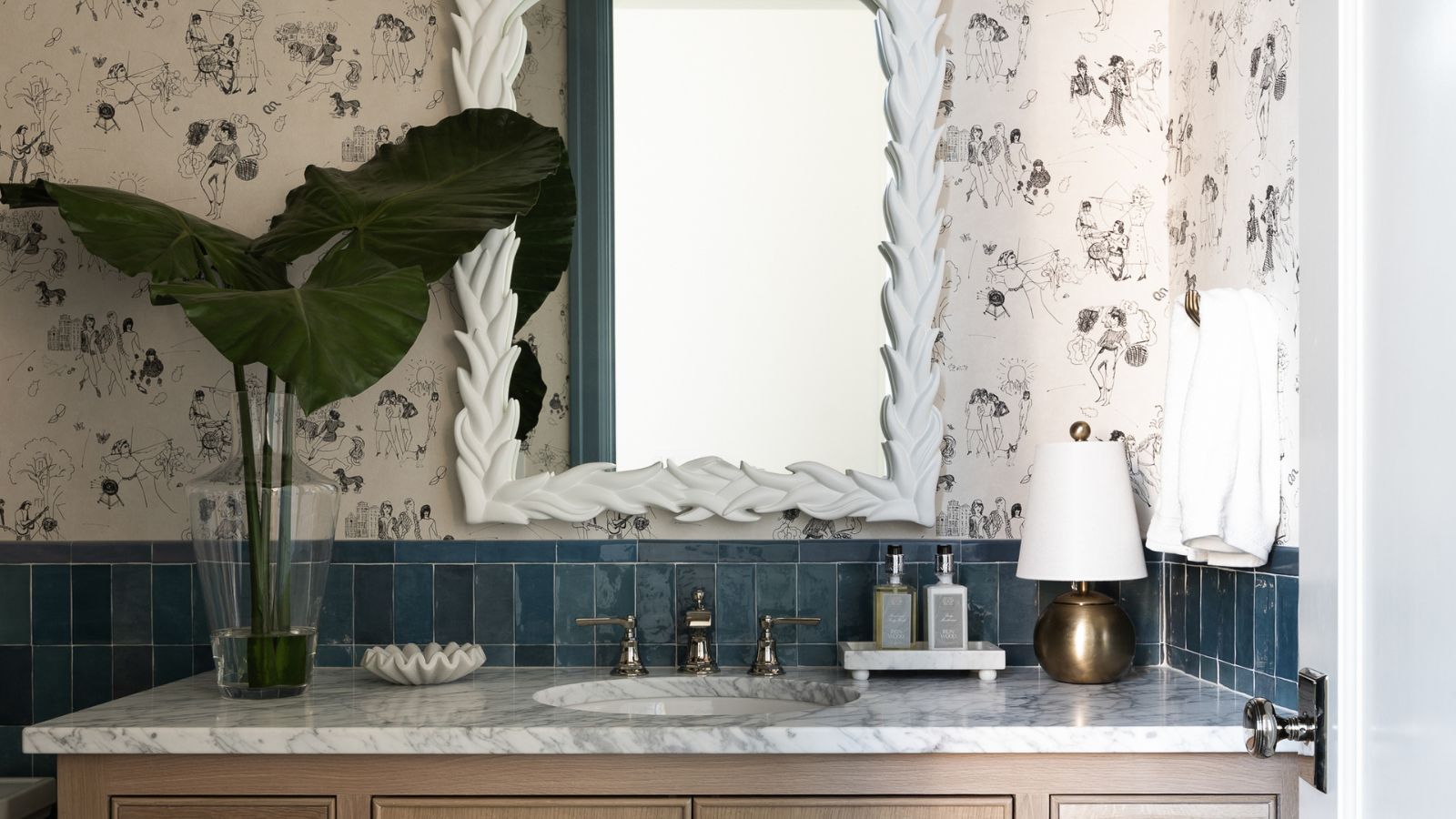
The One Thing Your Bathroom Is Missing This Winter – Designers Say It's the Simple Answer to a Cozier, Warmer, More Welcoming Space
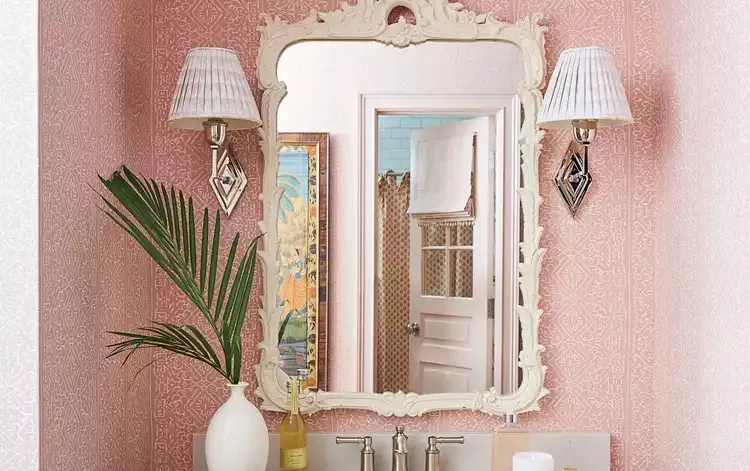
40 Bathroom Lighting Ideas To Brighten Your Space
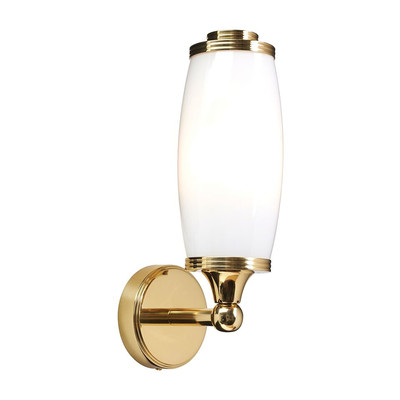
Bathroom Wall Lights – Our Pick of the Best

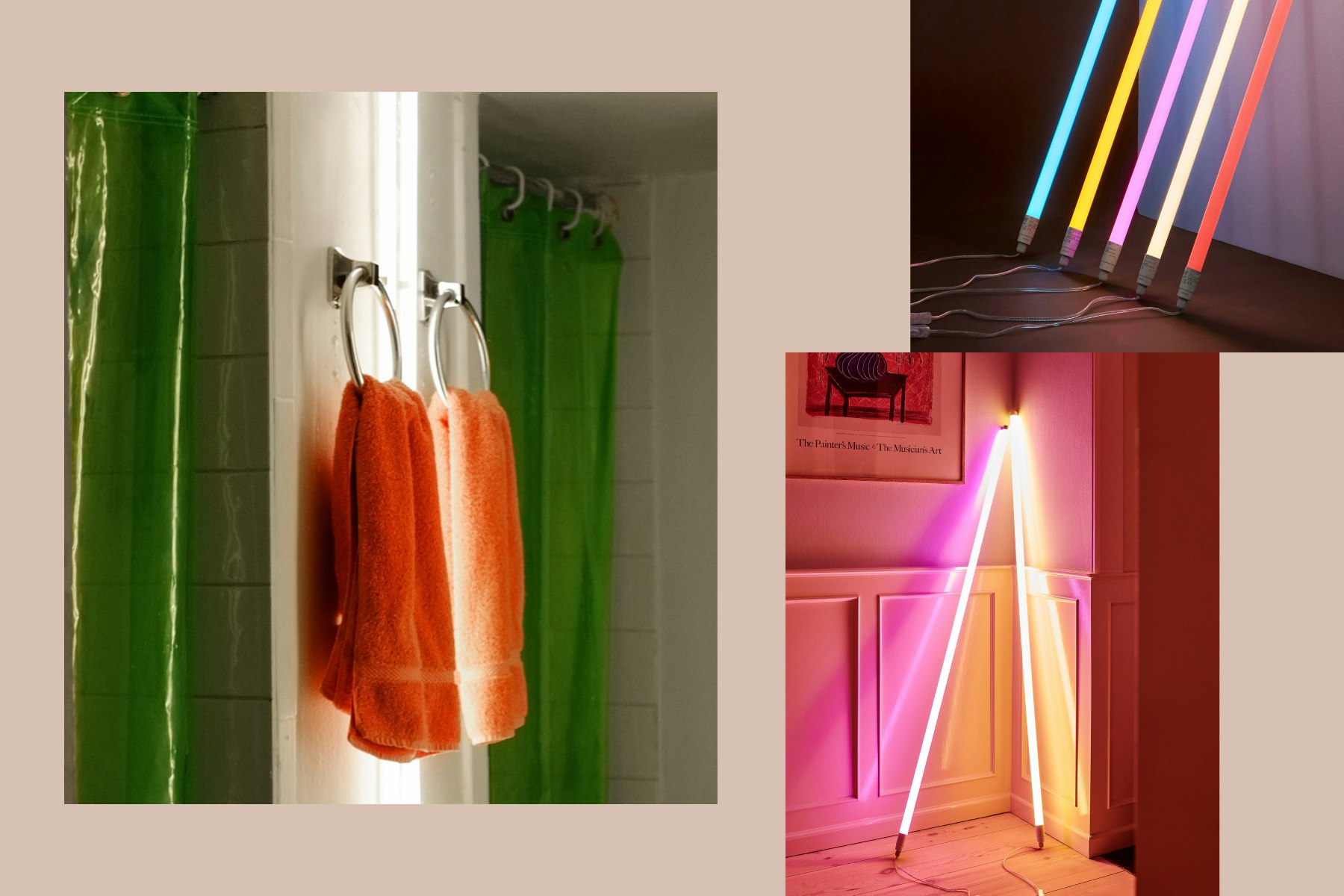
I Hated How I Looked. Then I Fixed My Bathroom Lighting.

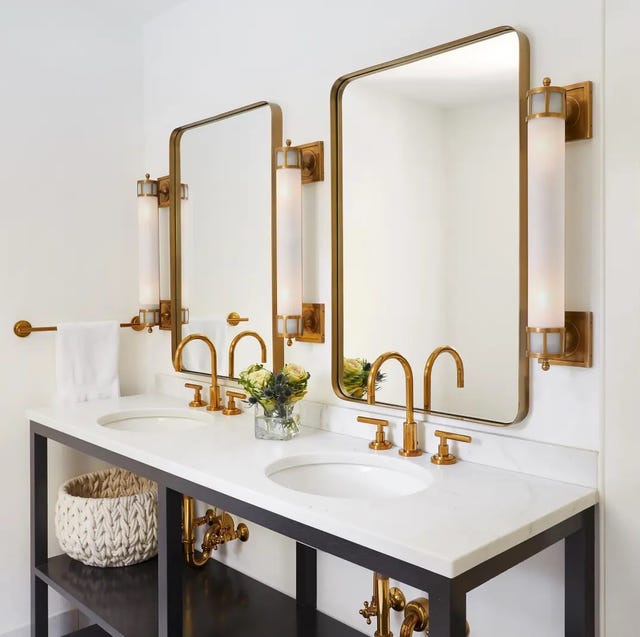
20 Interiors That Display Brilliant Bathroom Lighting Ideas for Every Style

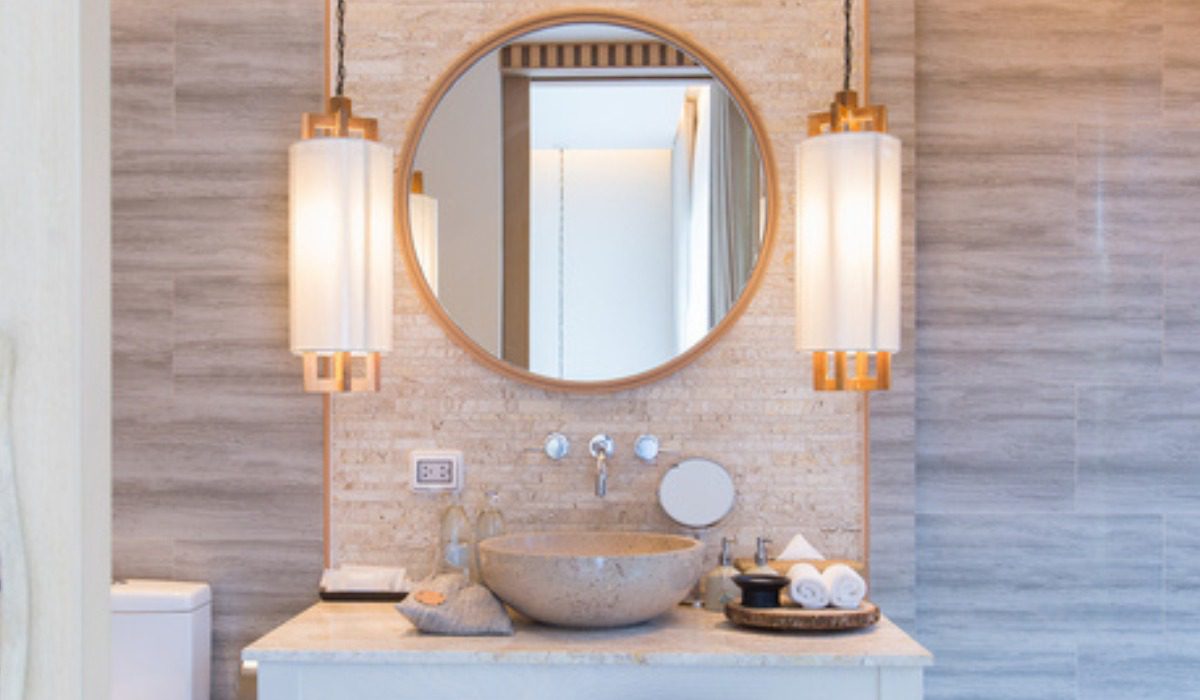
Bathroom light ideas for your home
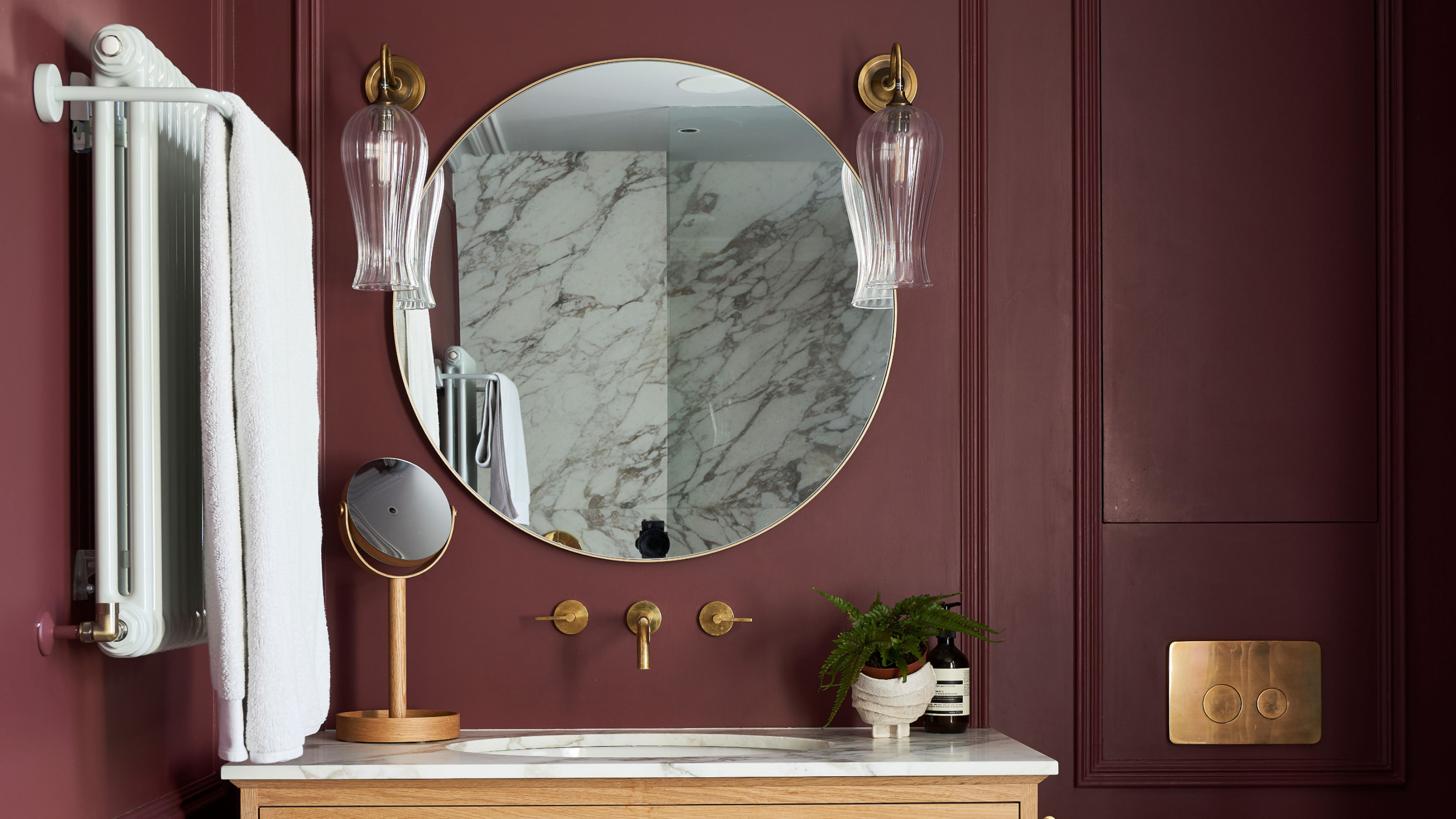
Where to buy bathroom lighting - styles for every budget
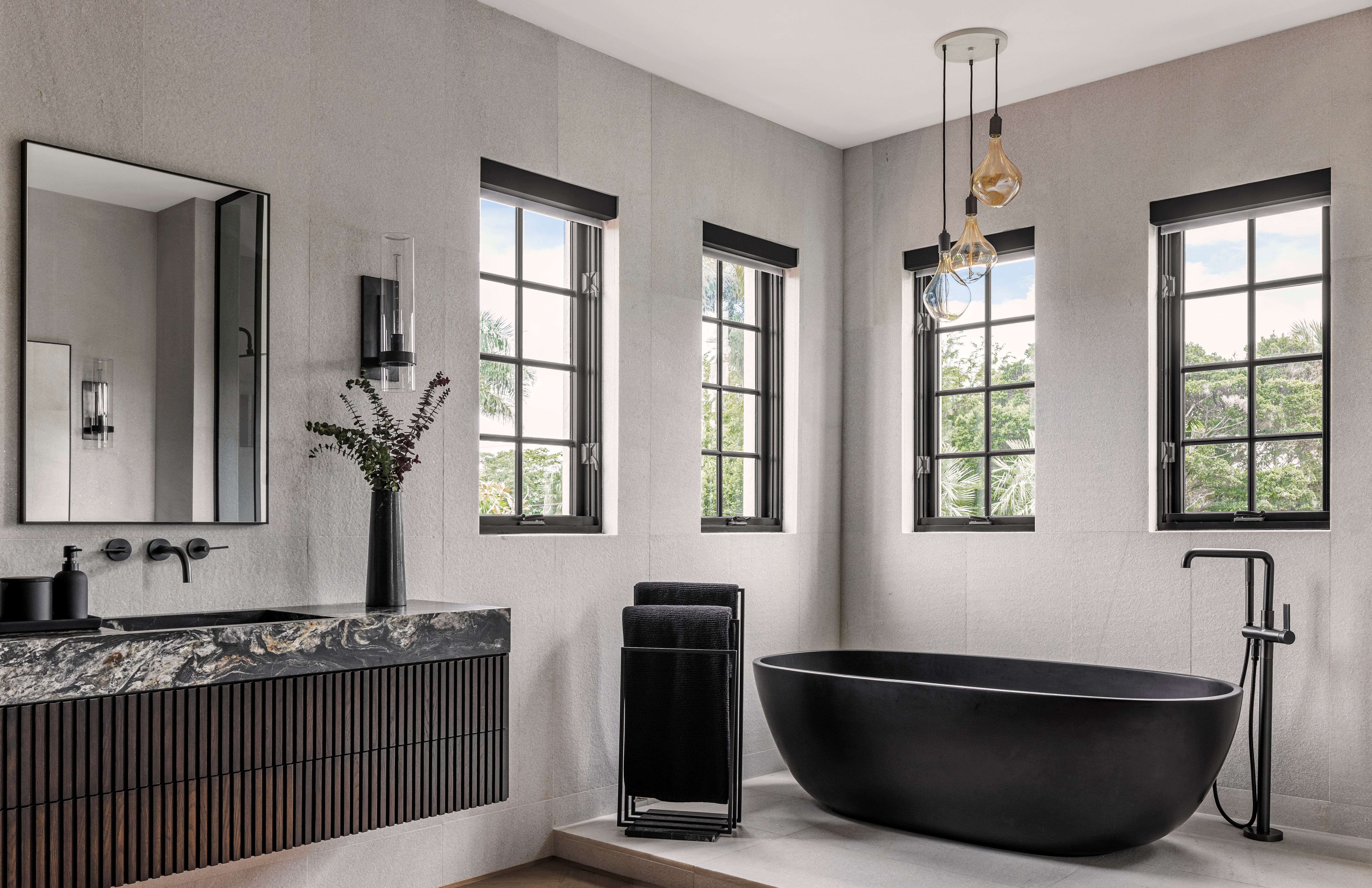
10 of the most beautiful bathroom lighting ideas that will totally elevate your space
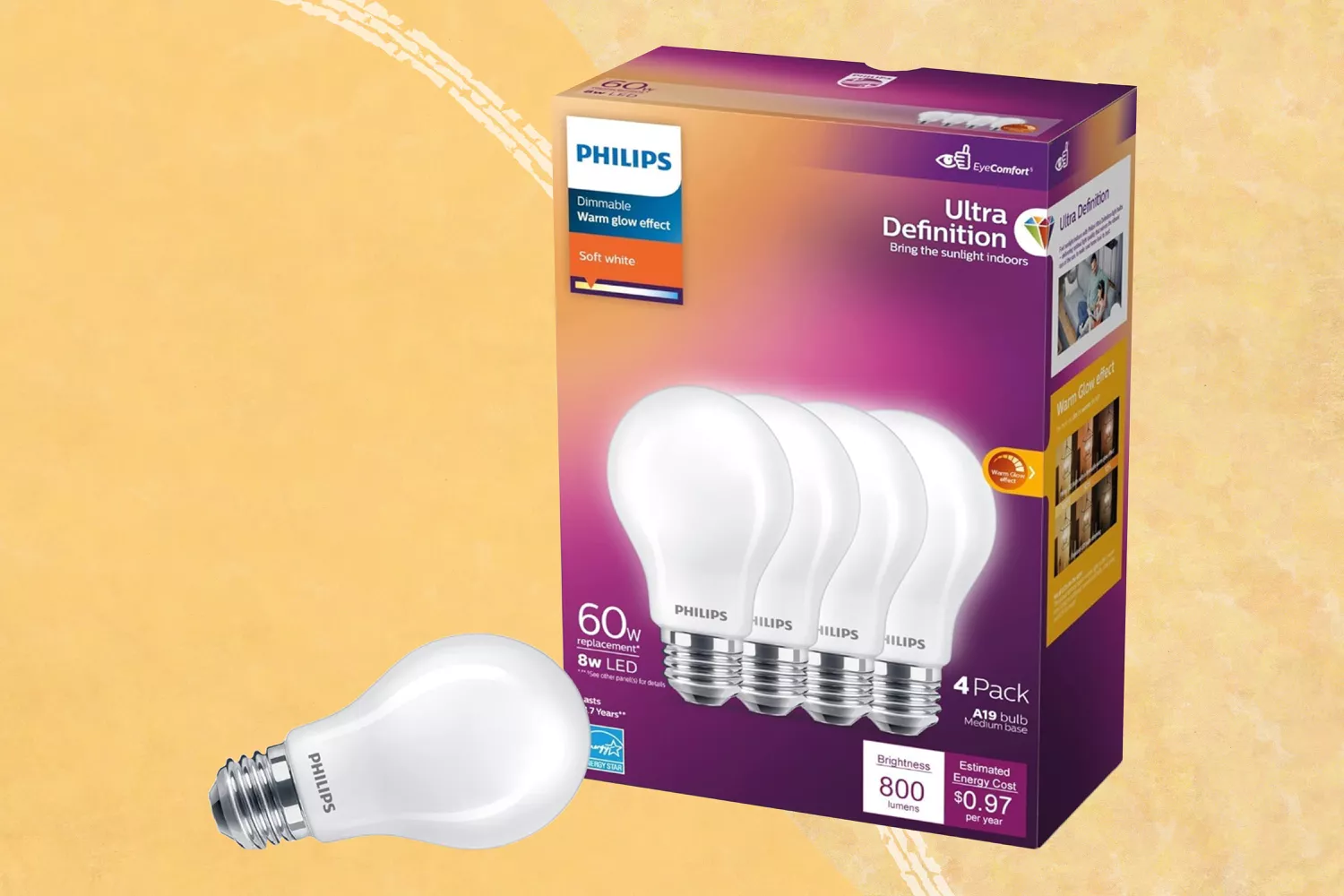
Brighten Up Your Day With the Best Bathroom Bulbs for Every Fixture