1/7
Outdated Bathroom Trends 2025 — 7 Style to Avoid and Why
The article discusses seven bathroom trends that design experts predict will be considered outdated in 2025, offering contemporary alternatives for each. The overarching theme is a shift towards warmer, more textured, and natural aesthetics, moving away from cool, stark, and high-maintenance styles.
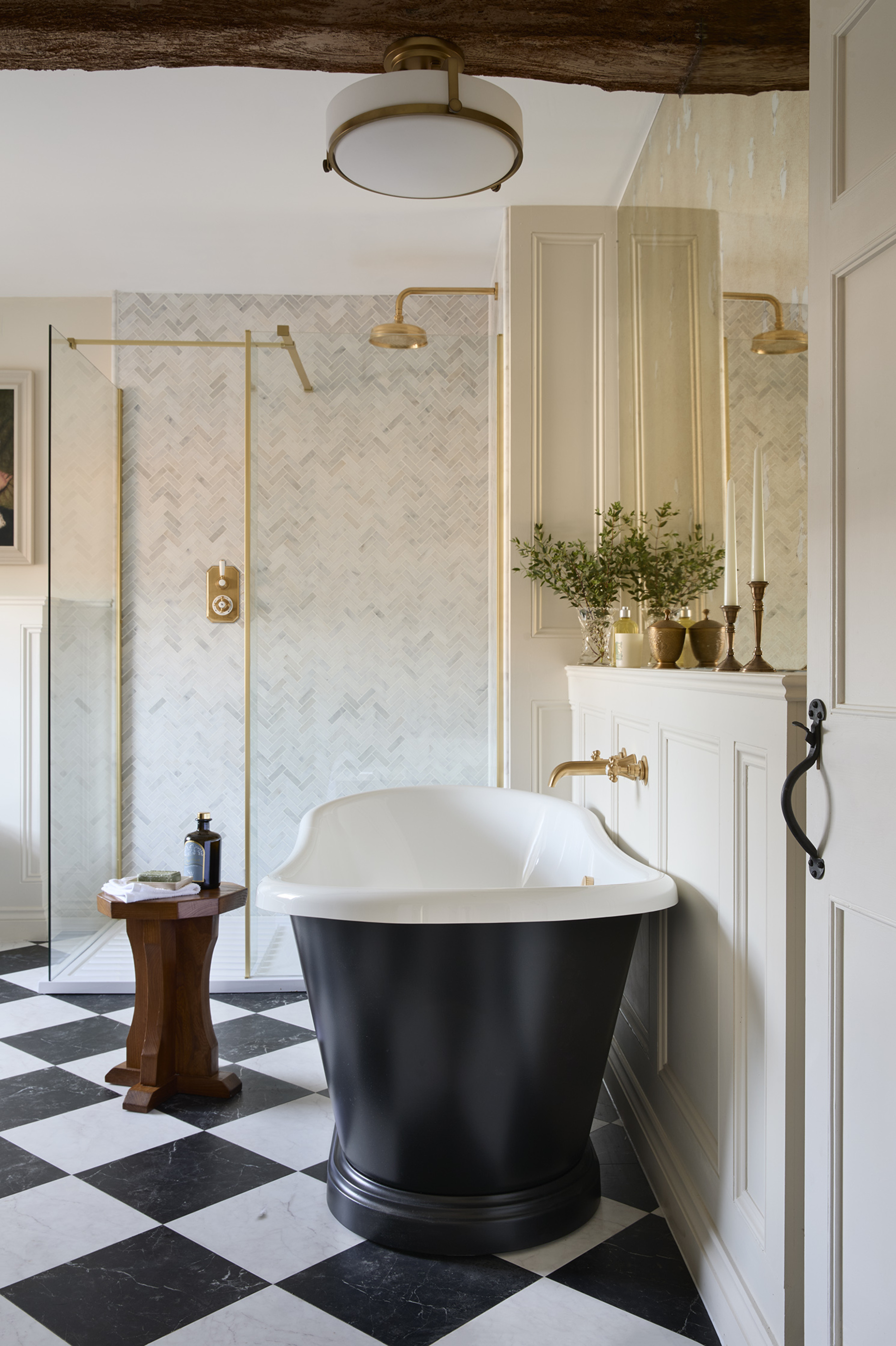
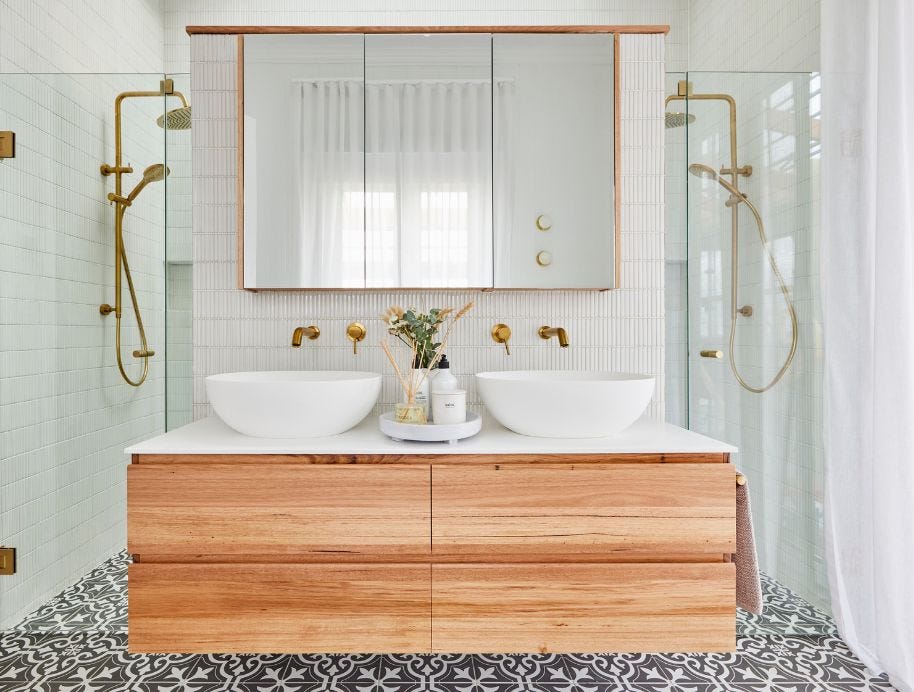
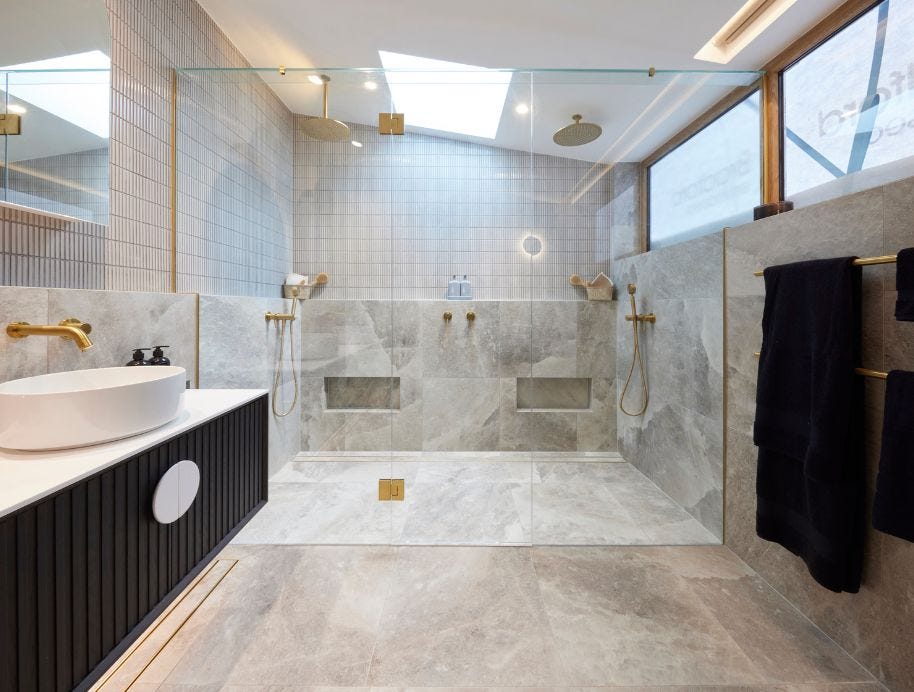
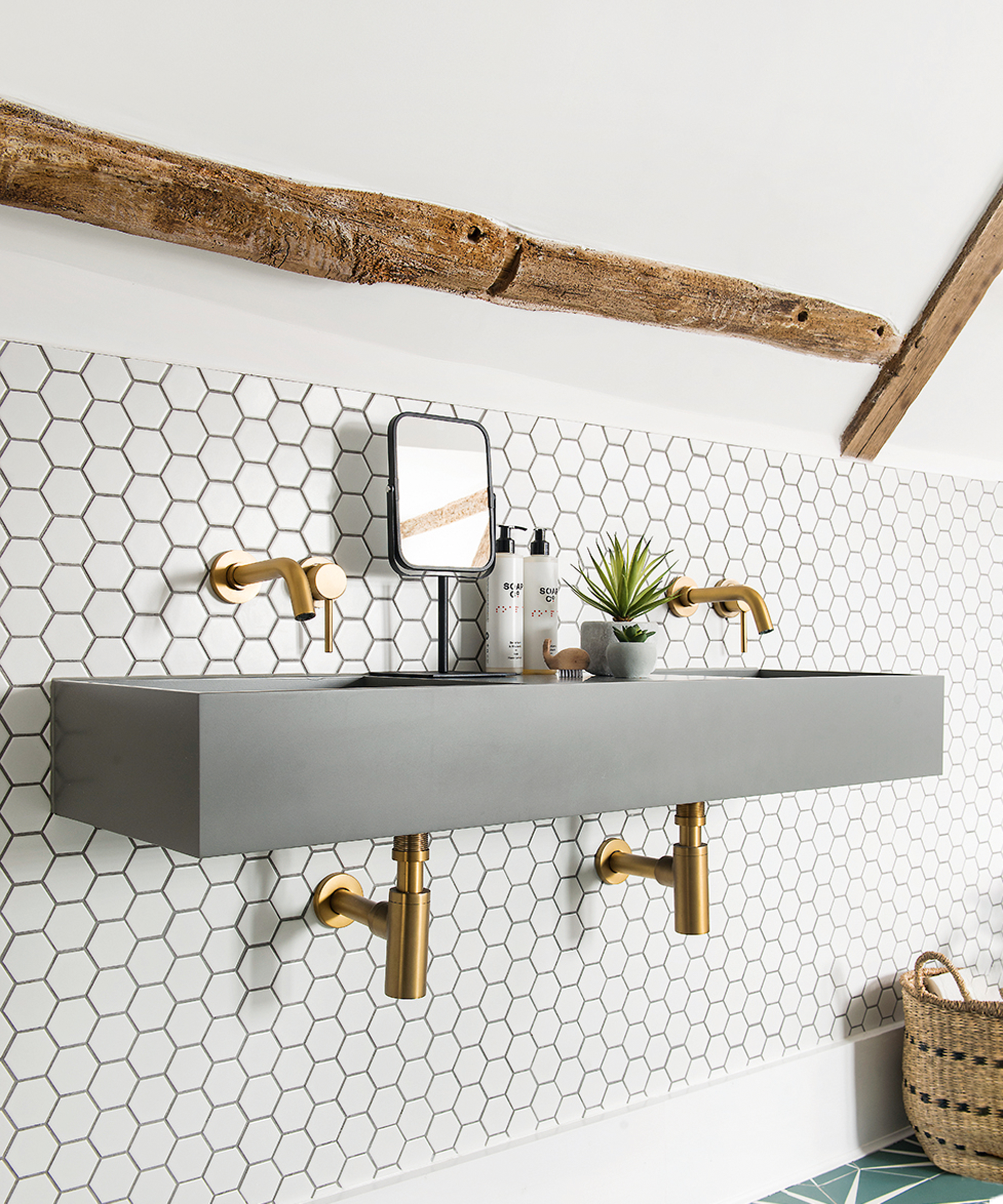
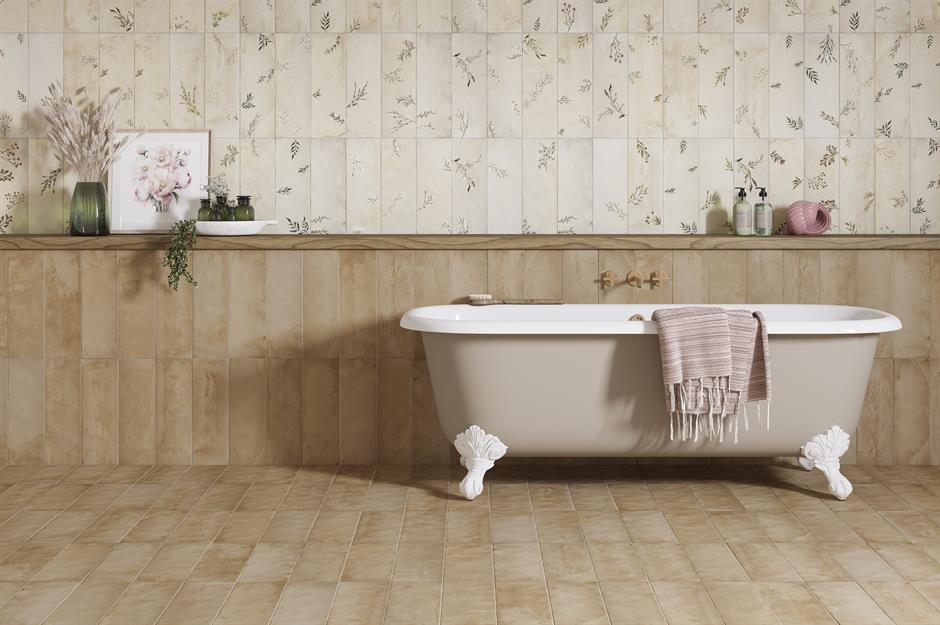
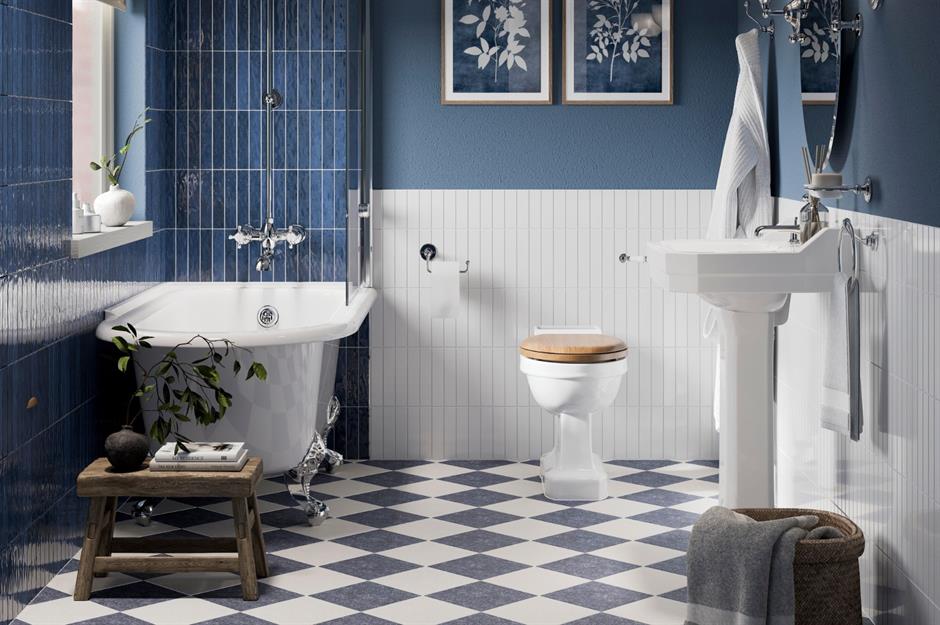
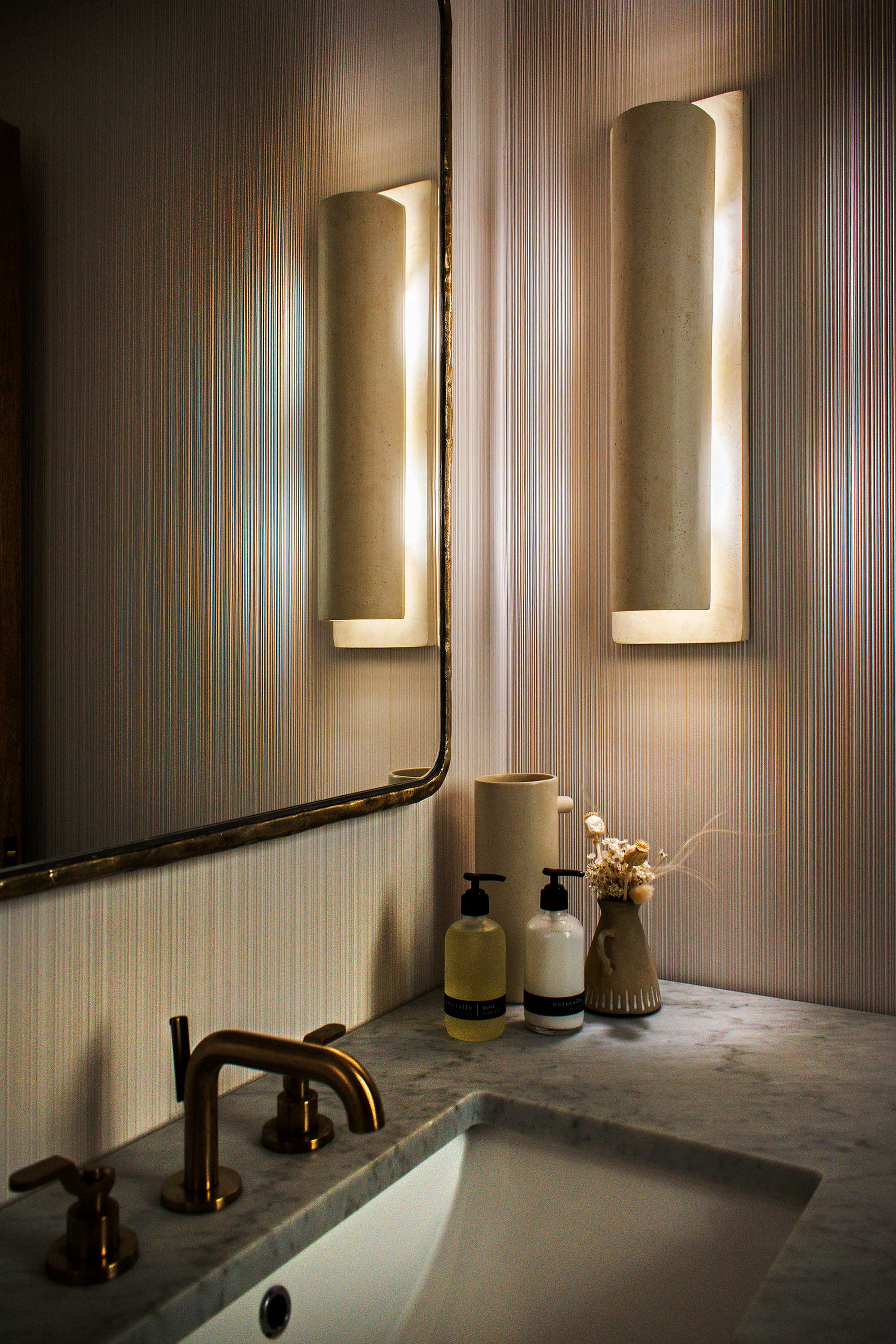
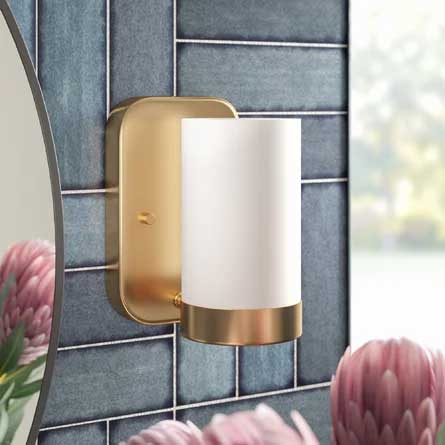
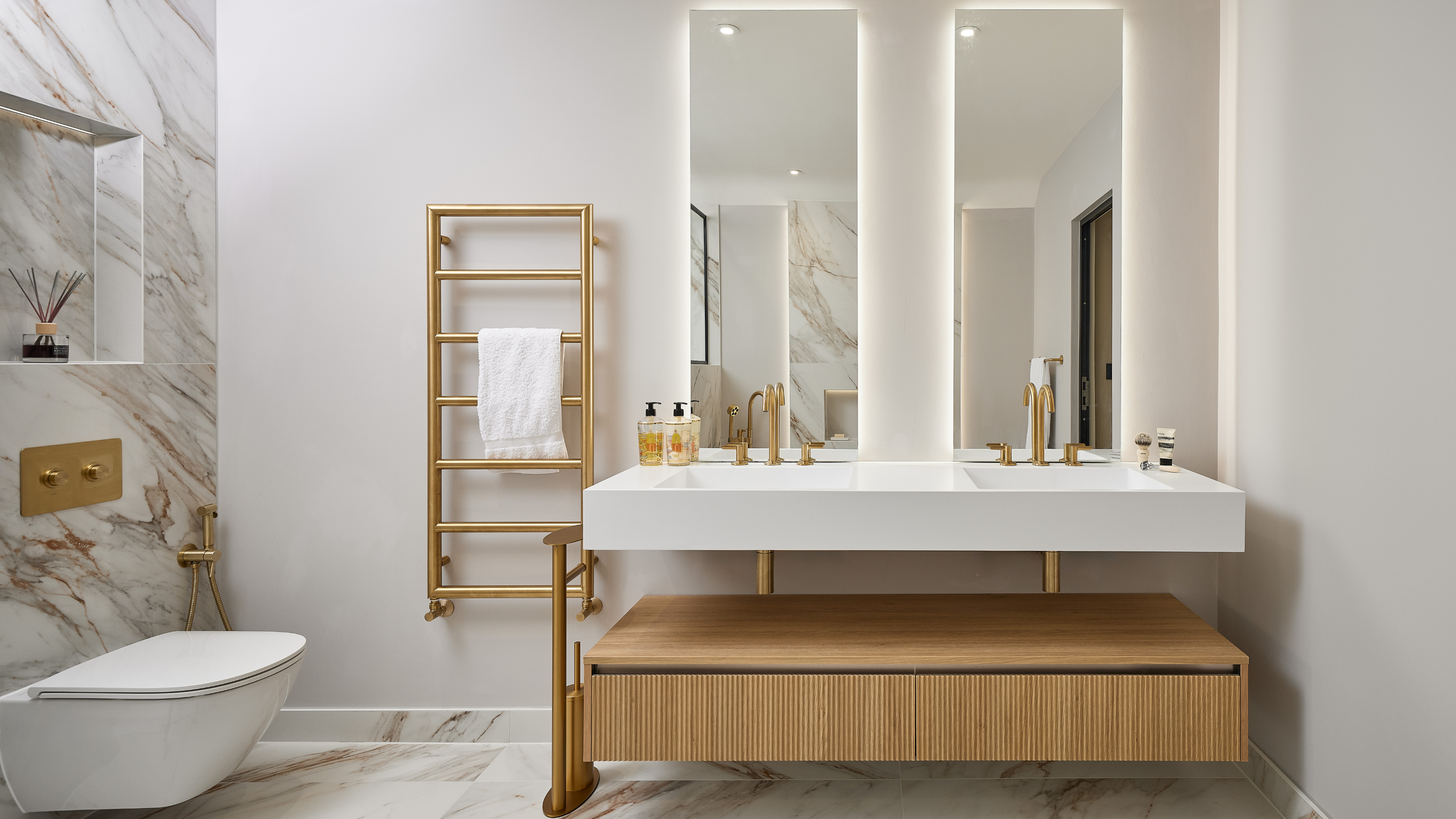
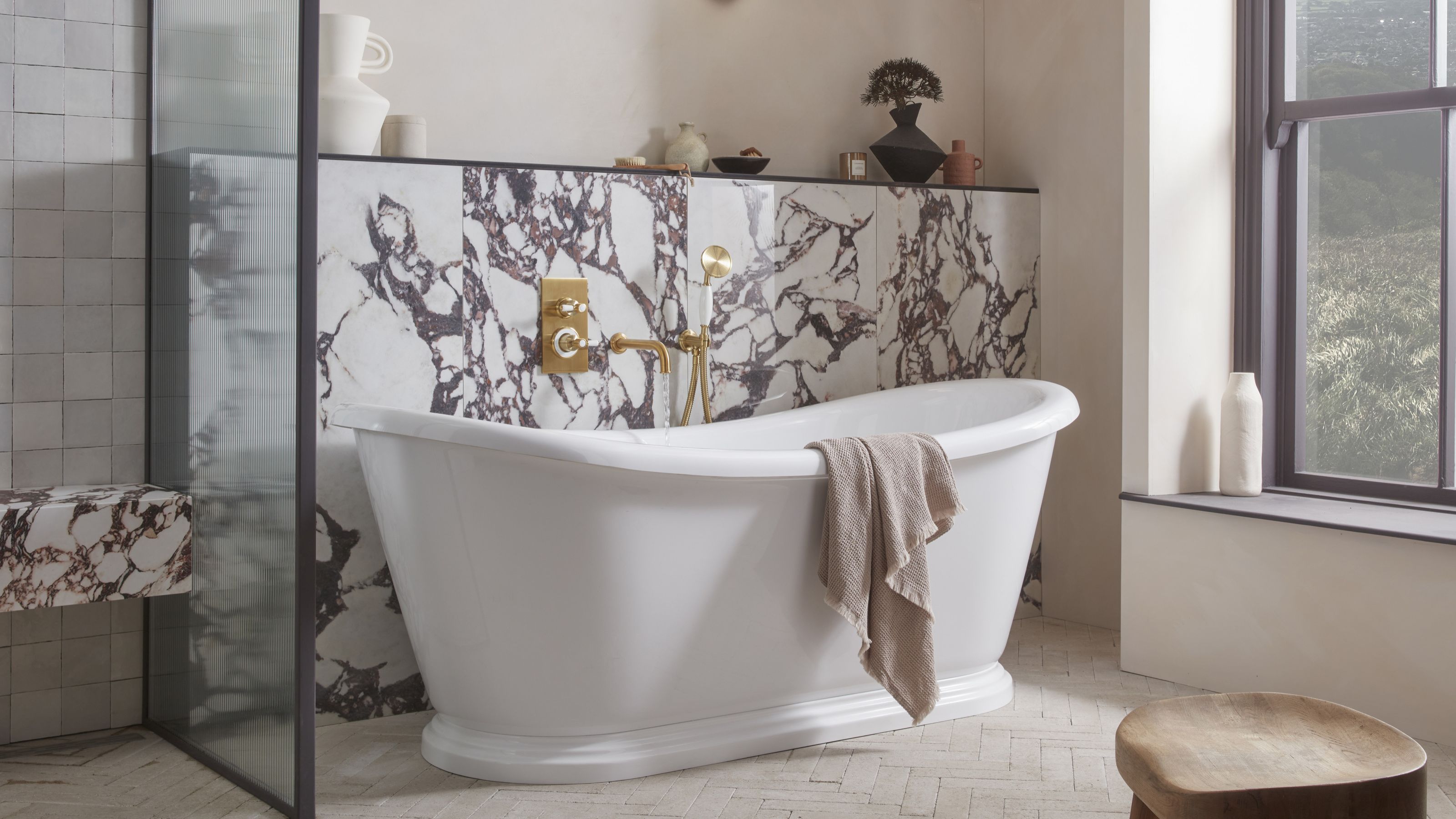
First, brushed brass, a once-popular choice for a luxurious and trendy look, is fading. While it was appreciated for its warm tone and matte finish, its widespread use has made it feel common. The suggested alternative is brushed nickel, which provides a modern twist with a cooler, yet still subtly warm, hue. This finish is considered ideal for bathrooms with warm-toned color palettes like beige, cream, or deep sapphire blue, and its less shiny nature helps resist fingerprints, making it practical for busy bathrooms.
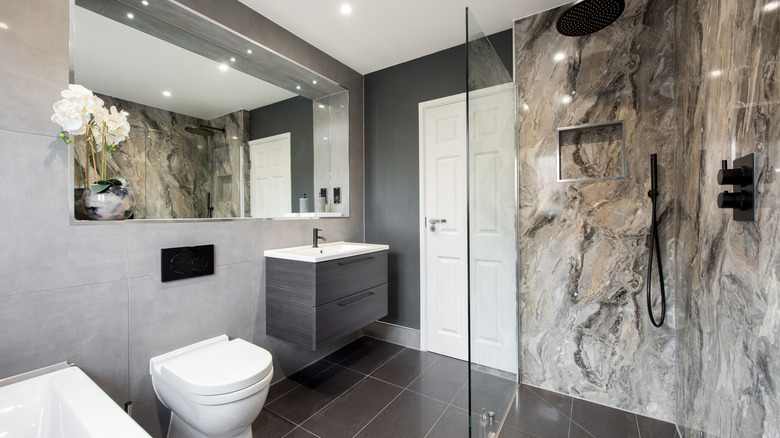
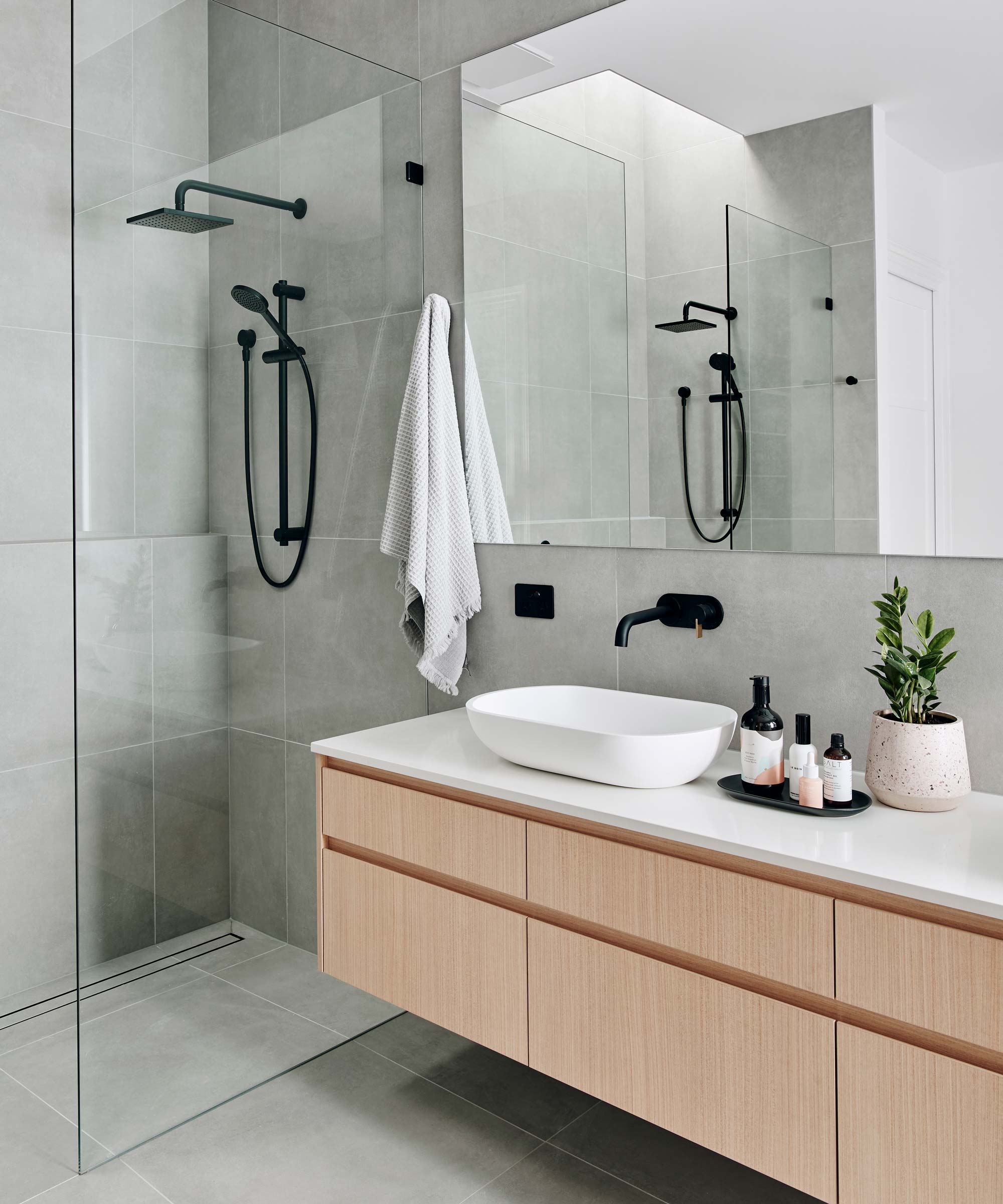
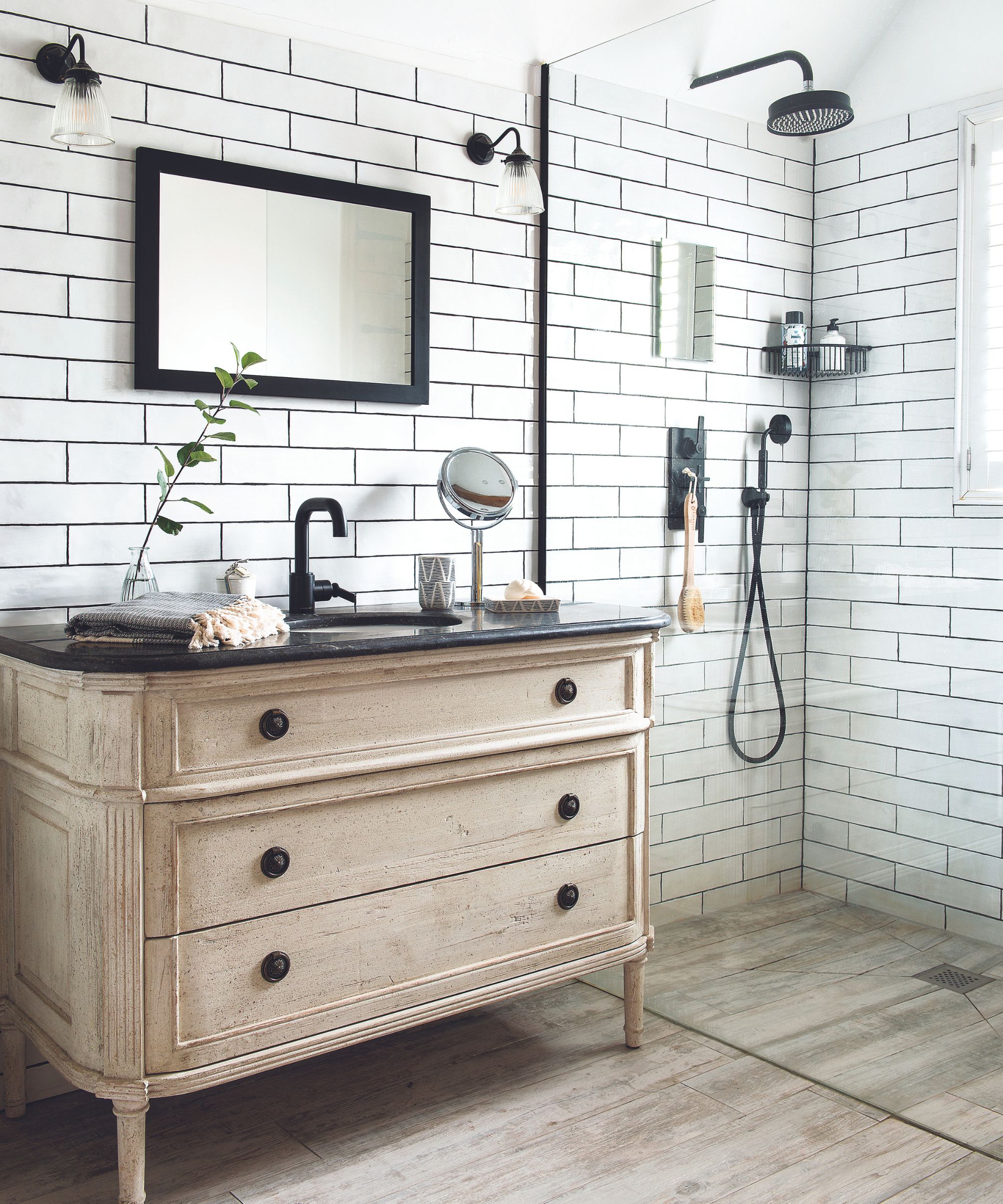
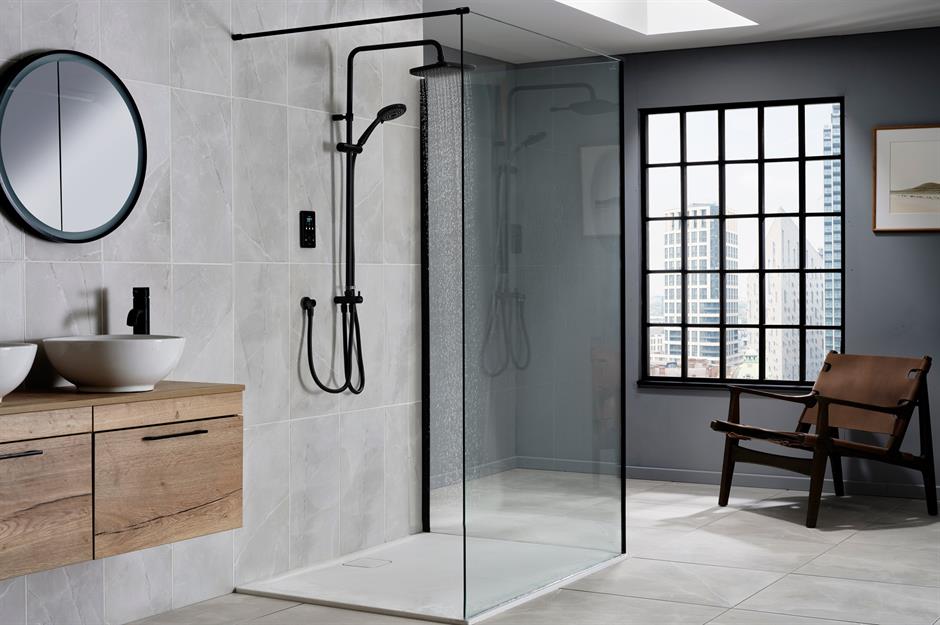
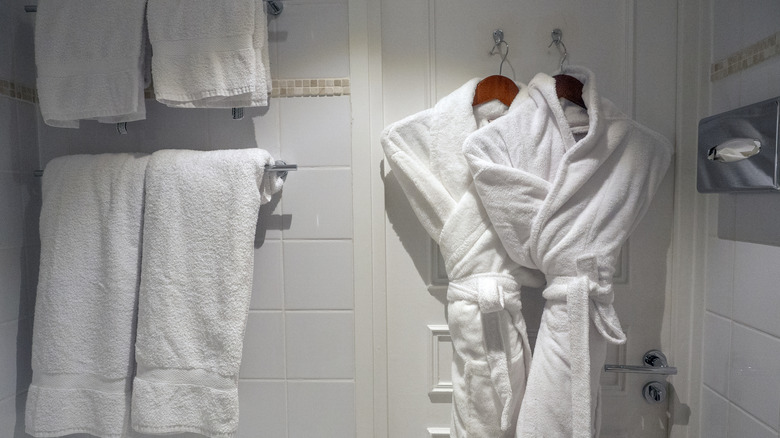
Second, matte black brassware, previously a highlight in bathroom hardware, is also losing favor. Its decline is attributed to its stark contrast in lighter schemes and the significant upkeep required, especially in hard water areas, where it can easily tarnish or scratch. For those still drawn to the aesthetic, the recommendation is to incorporate it in smaller, less-used accents like robe hooks or toothbrush holders to minimize wear and maintenance.
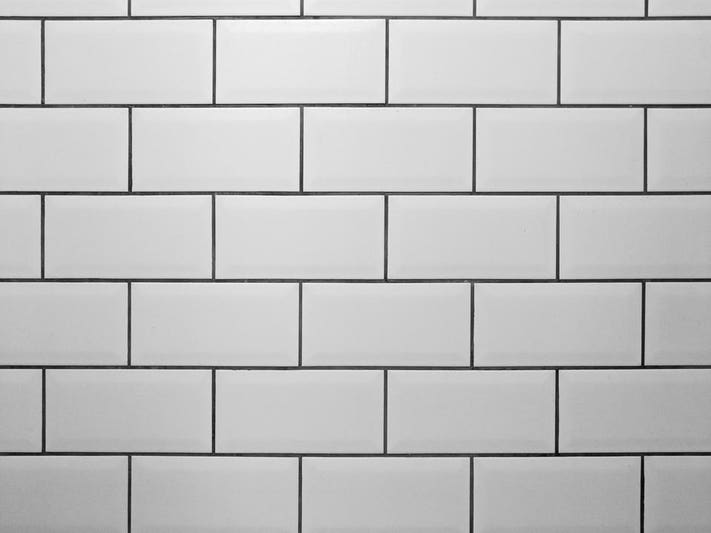
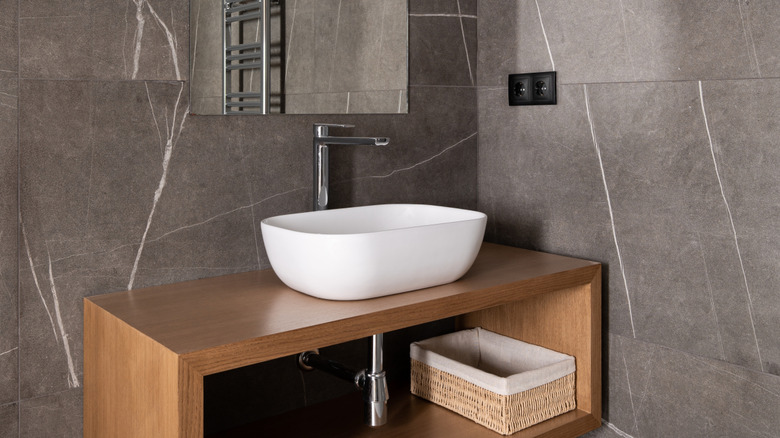
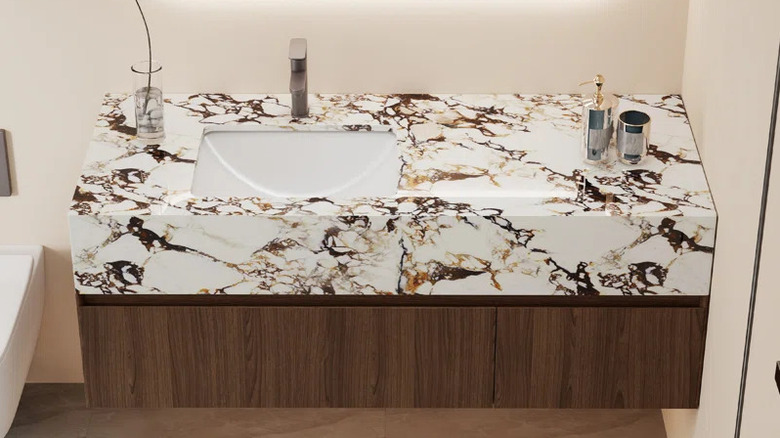
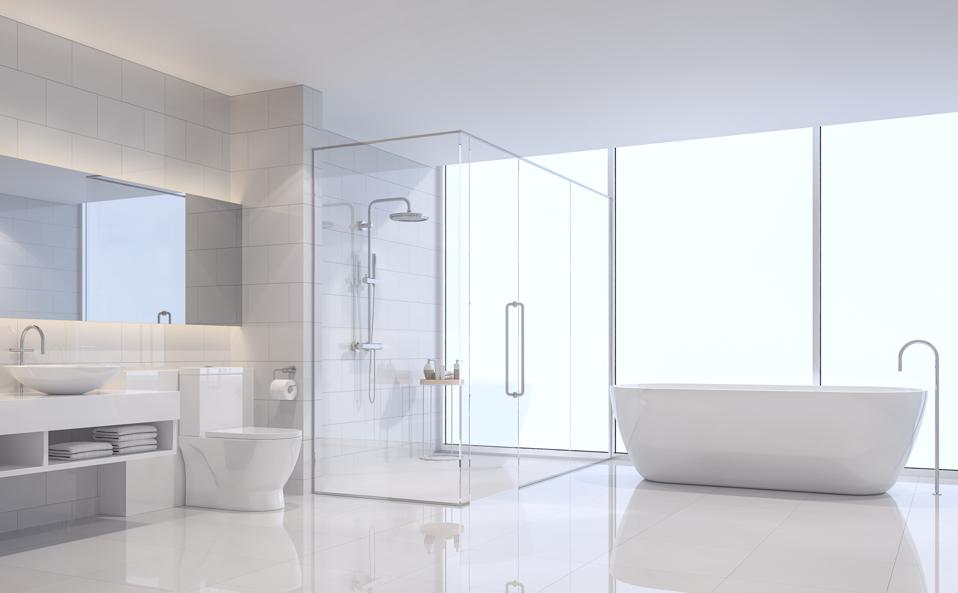
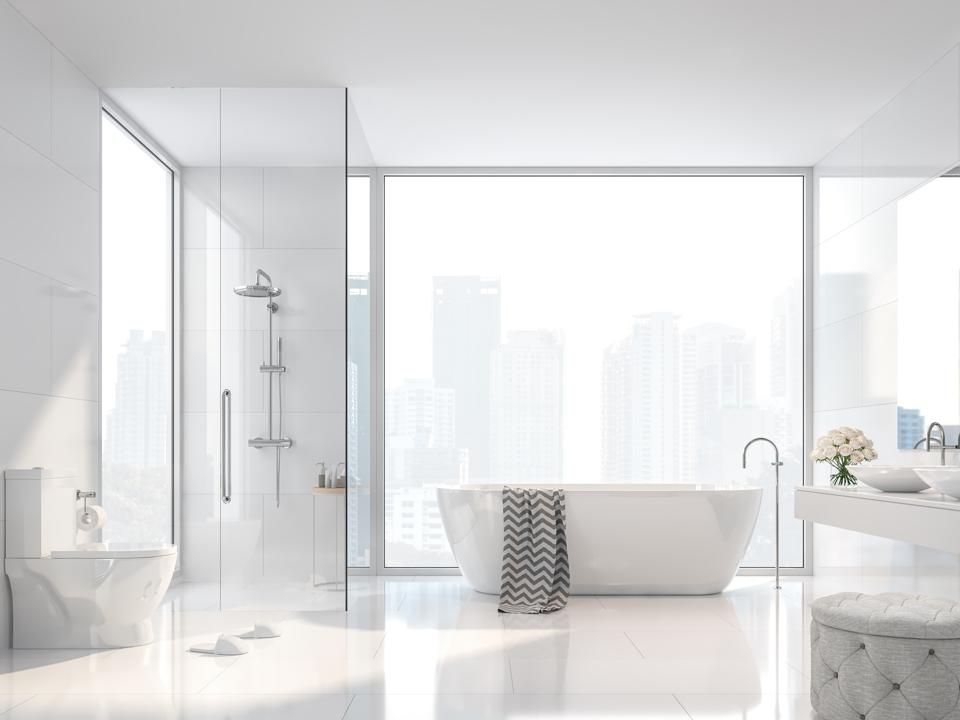
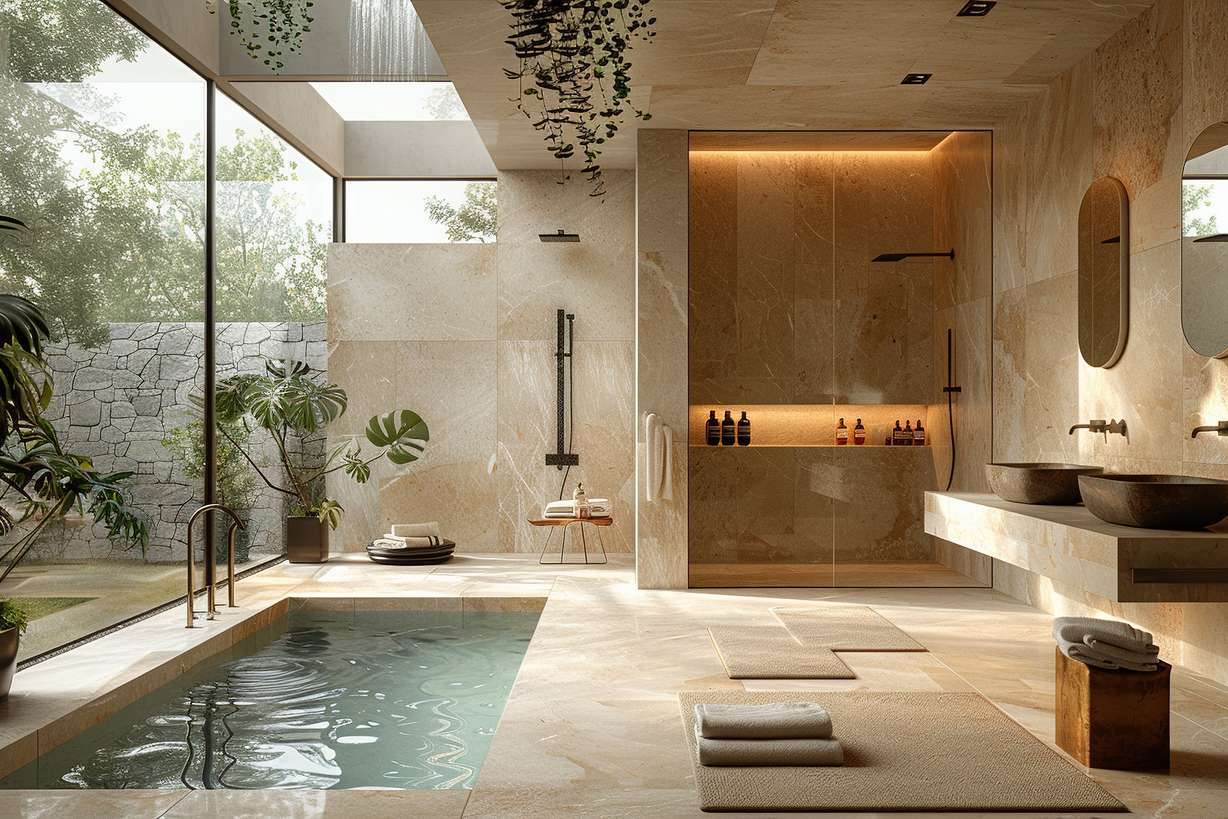
Third, high-gloss tiles are identified as a dated feature that marked a specific time period. These tiles, while once associated with a sleek, modern look, now lack originality and require constant cleaning to maintain their shine. The preferred replacement is natural, textured materials such as terracotta or limestone, which bring warmth and authenticity. Proven classics like richly veined marble or brushed limestone are highlighted as safer, more timeless options.
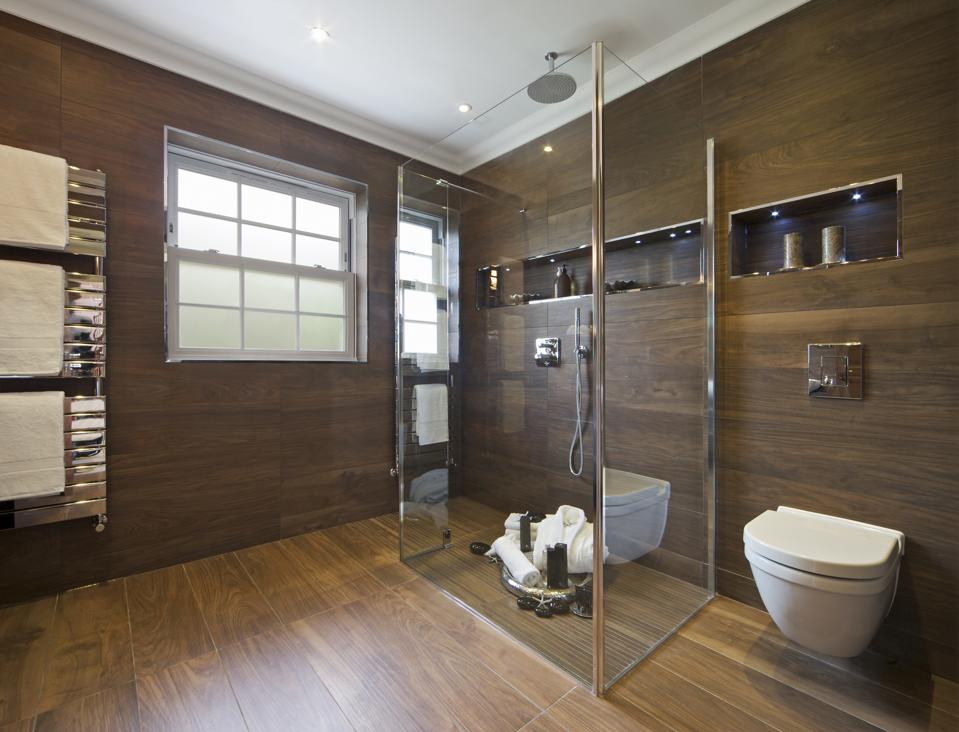
Fourth, spotlit niches, previously common for soft illumination and highlighting architectural details, are being replaced by LED lighting. Spotlights provide a focused light source, while LED strips offer a more evenly distributed and less harsh glow. LED lighting also allows for adjustable color temperatures to create customizable ambiance and is a more budget-friendly choice.
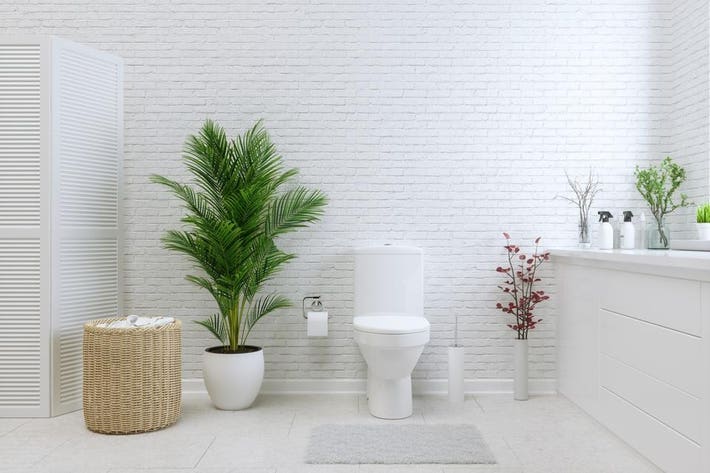
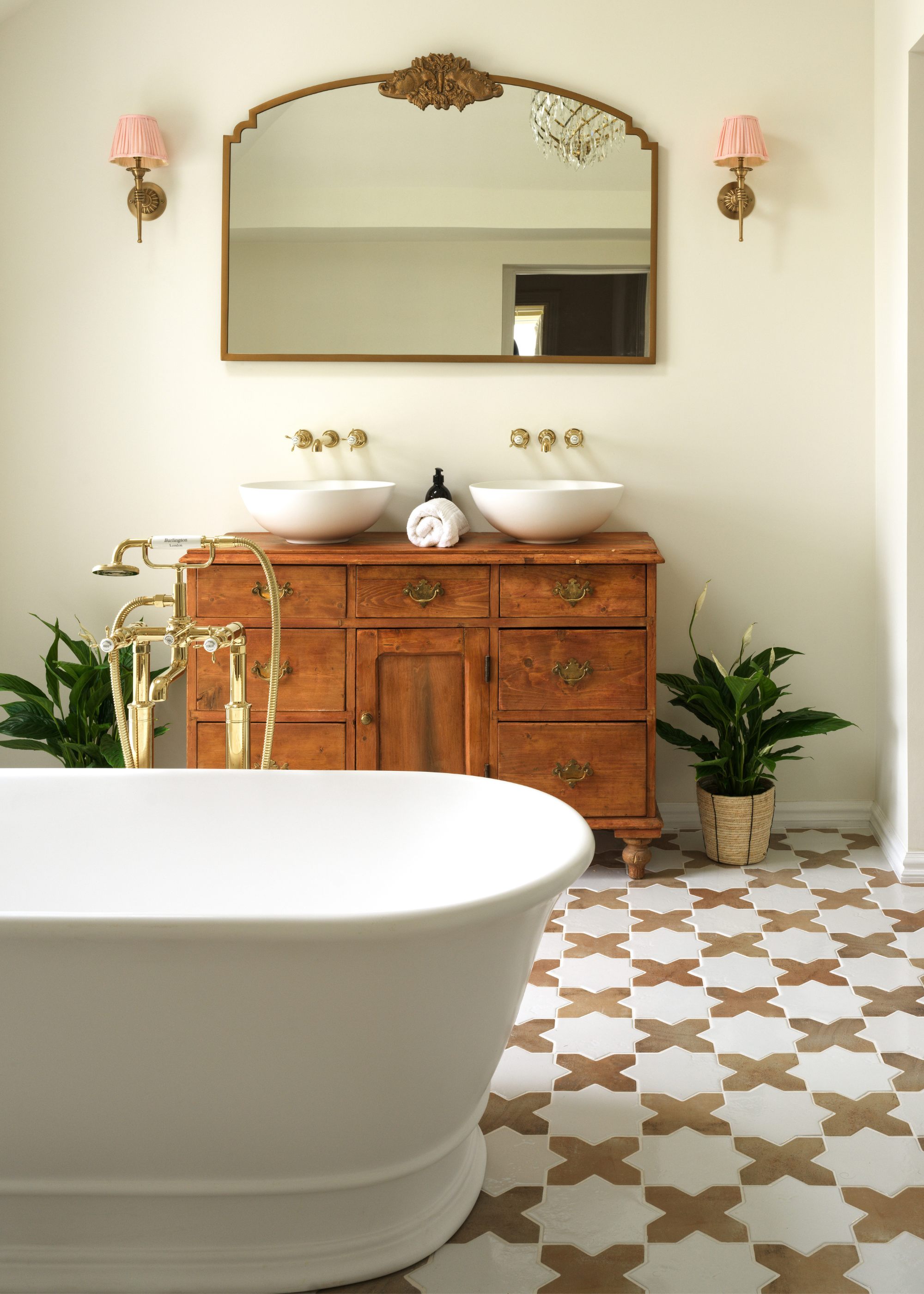
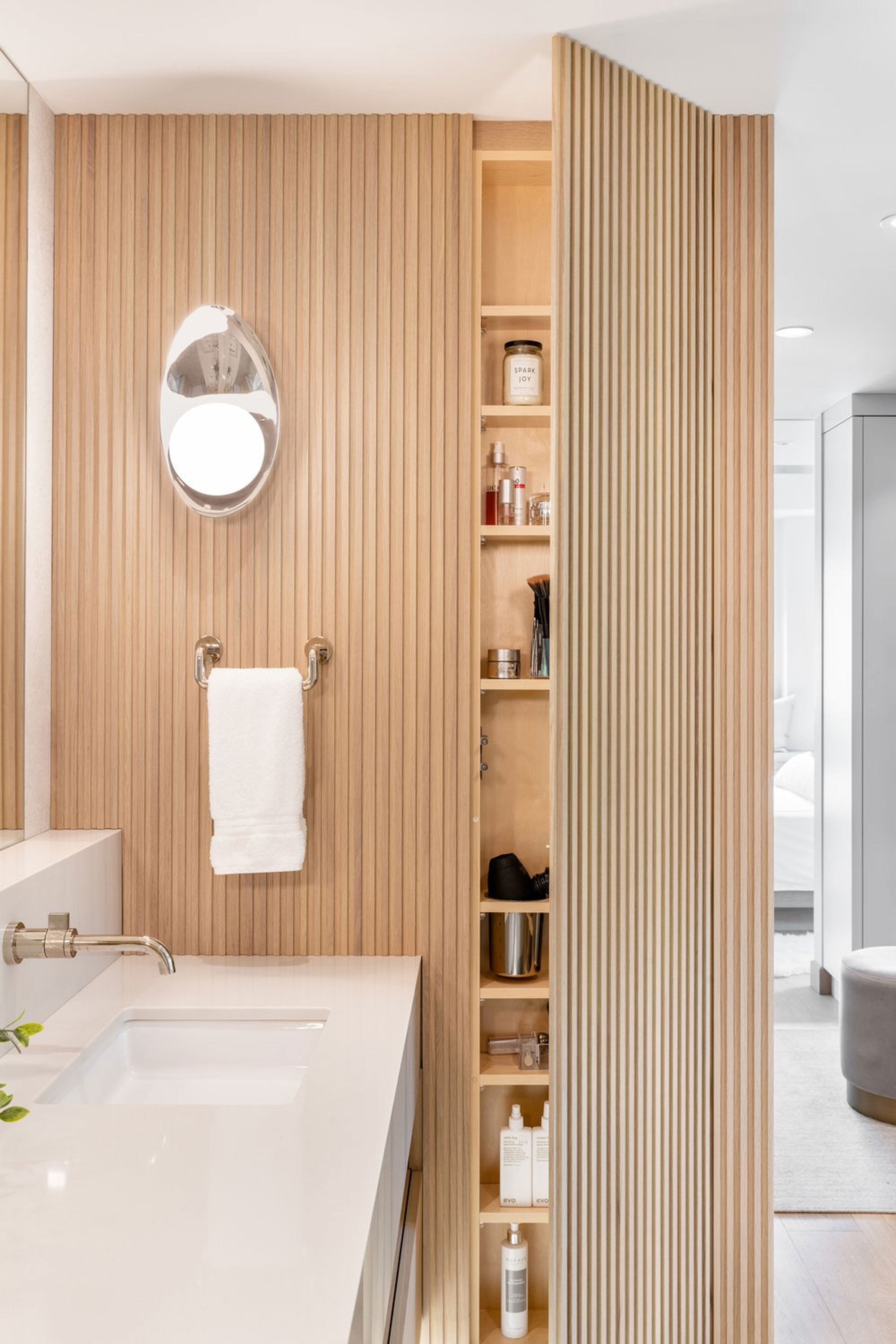
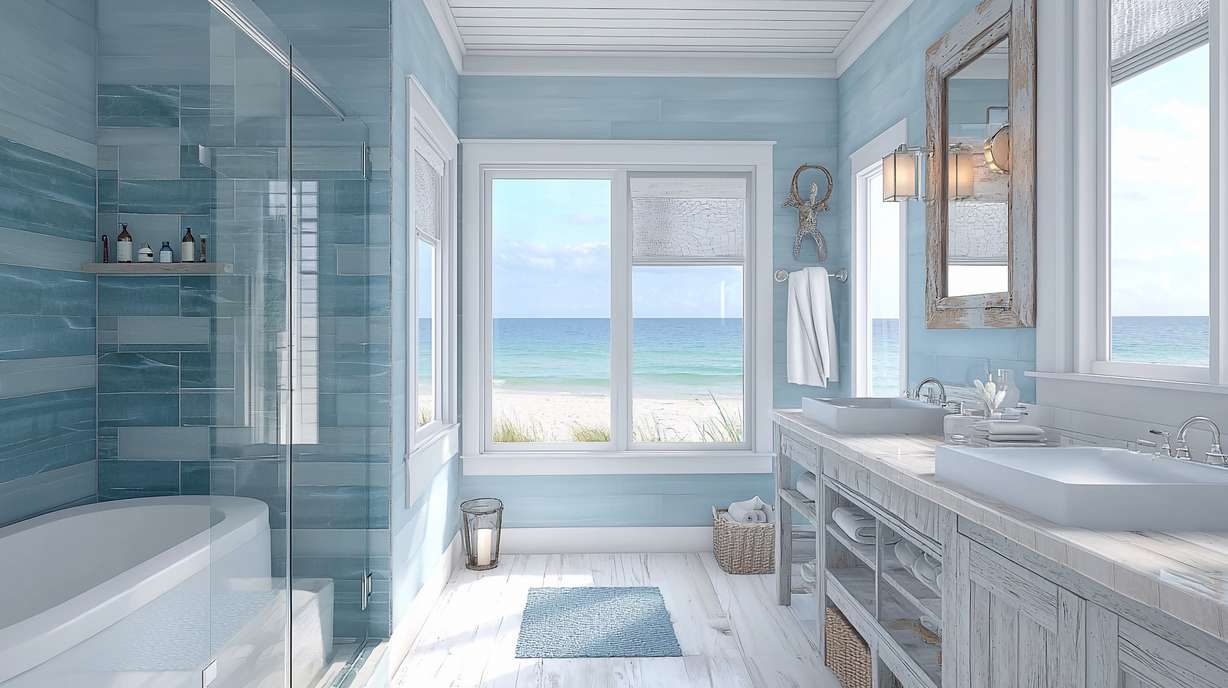
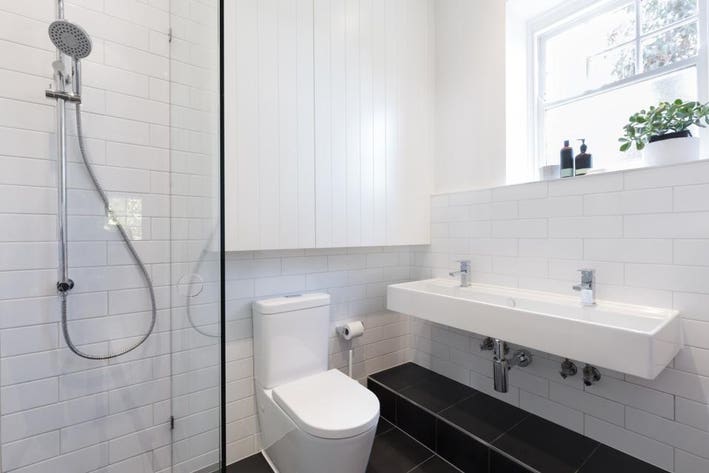
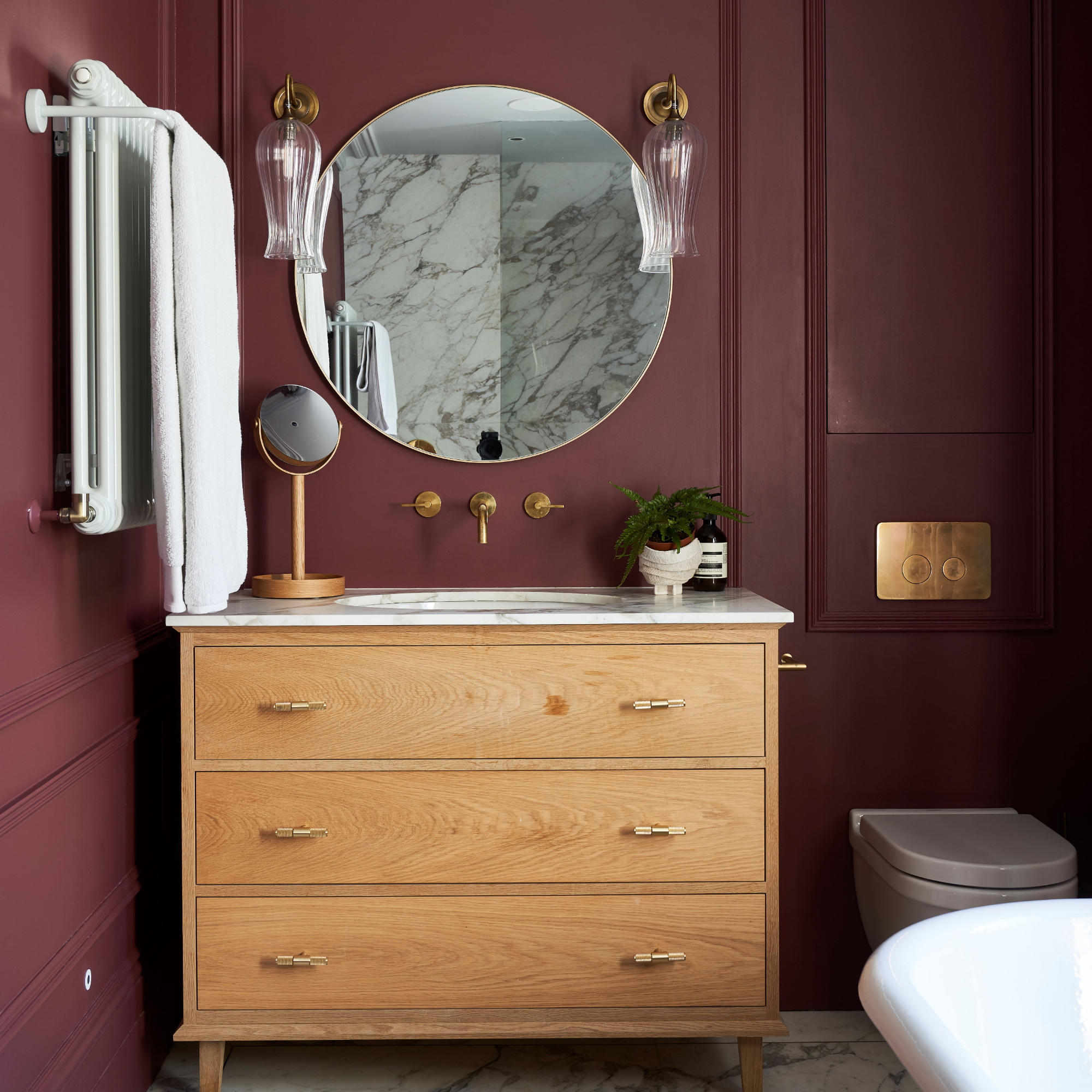
Fifth, cool color palettes, including crisp white, slate gray, and charcoal shades, are on their way out. These tones can make a bathroom feel sterile and unwelcoming. Designers are favoring warmer, more inviting palettes, such as earthy reds, warm browns, and natural timber. This shift complements the move towards natural, textured materials, fostering a cozy and comforting atmosphere. Fluted timber is specifically mentioned for its ability to add warmth, visual interest, and spa-like acoustic benefits.
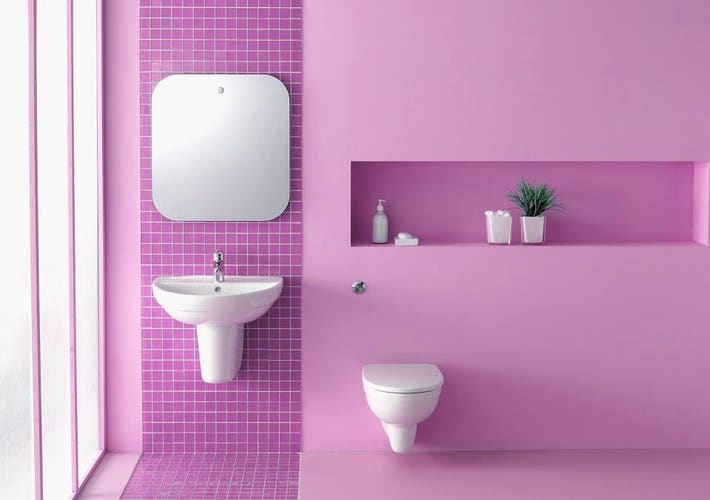
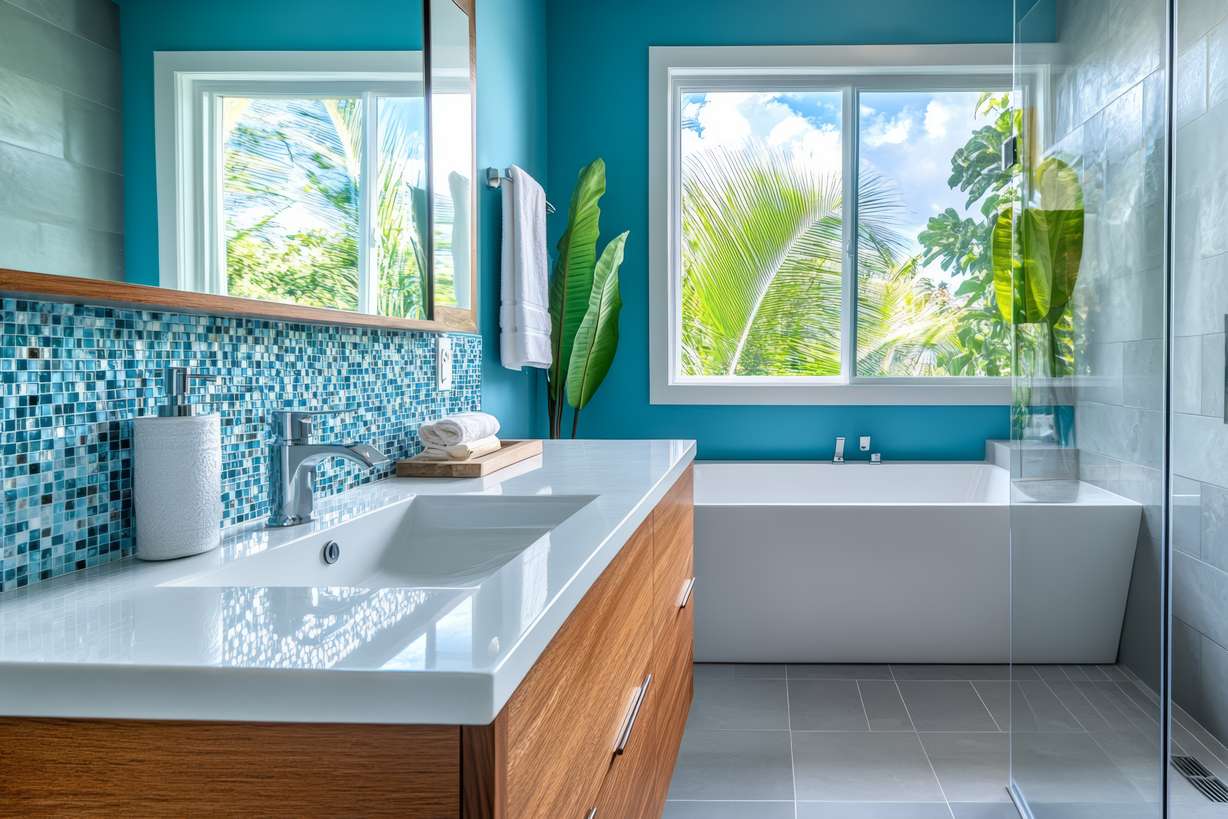
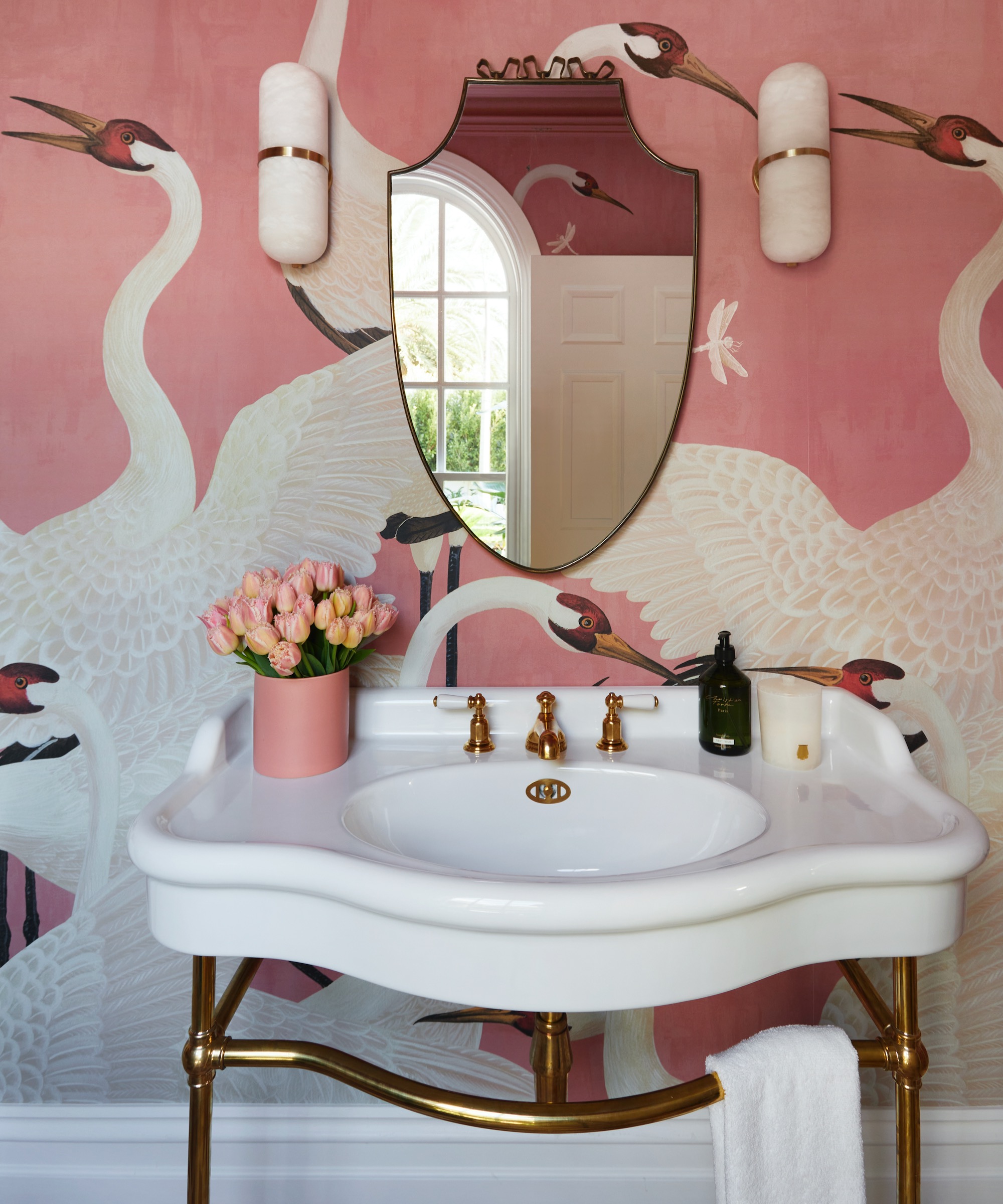
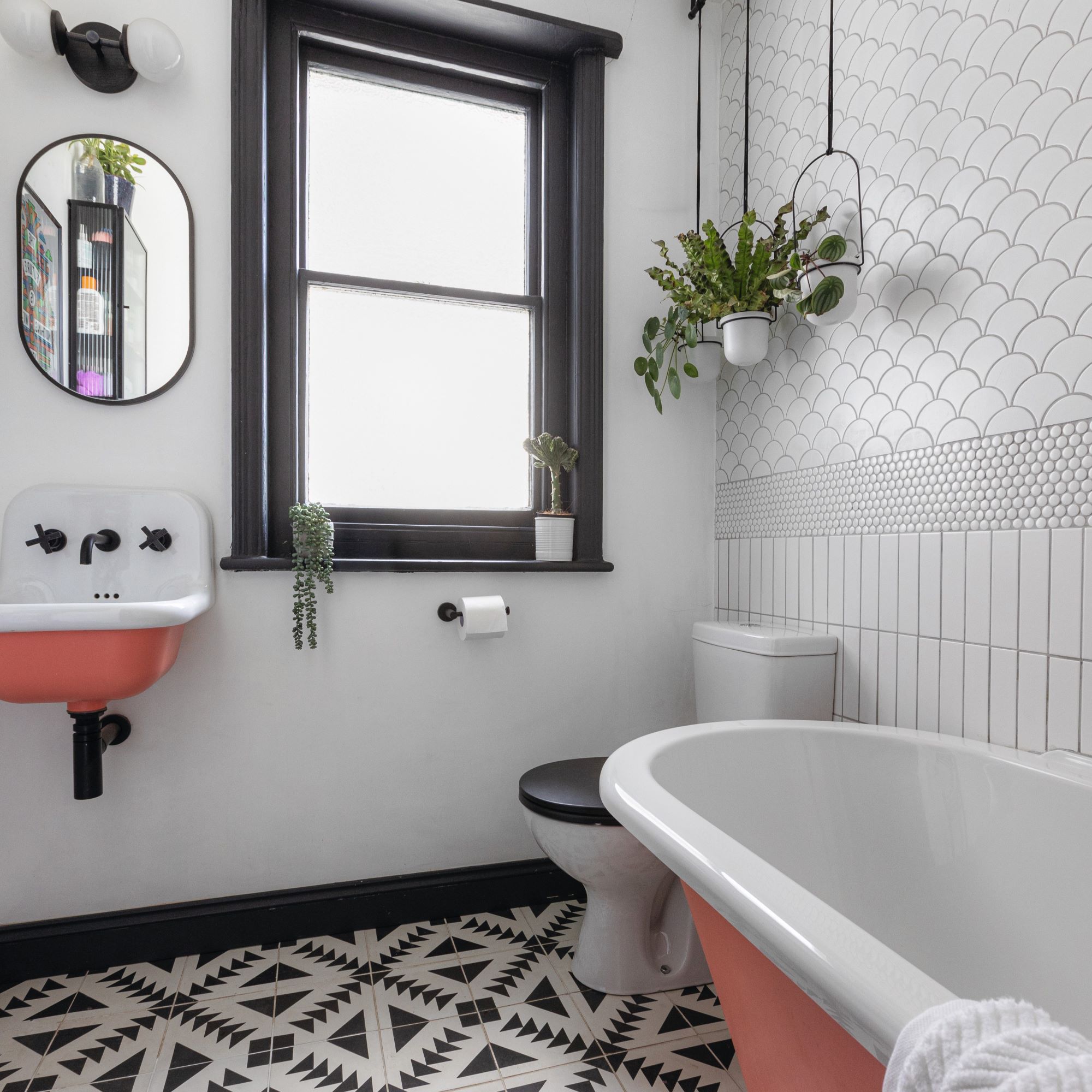
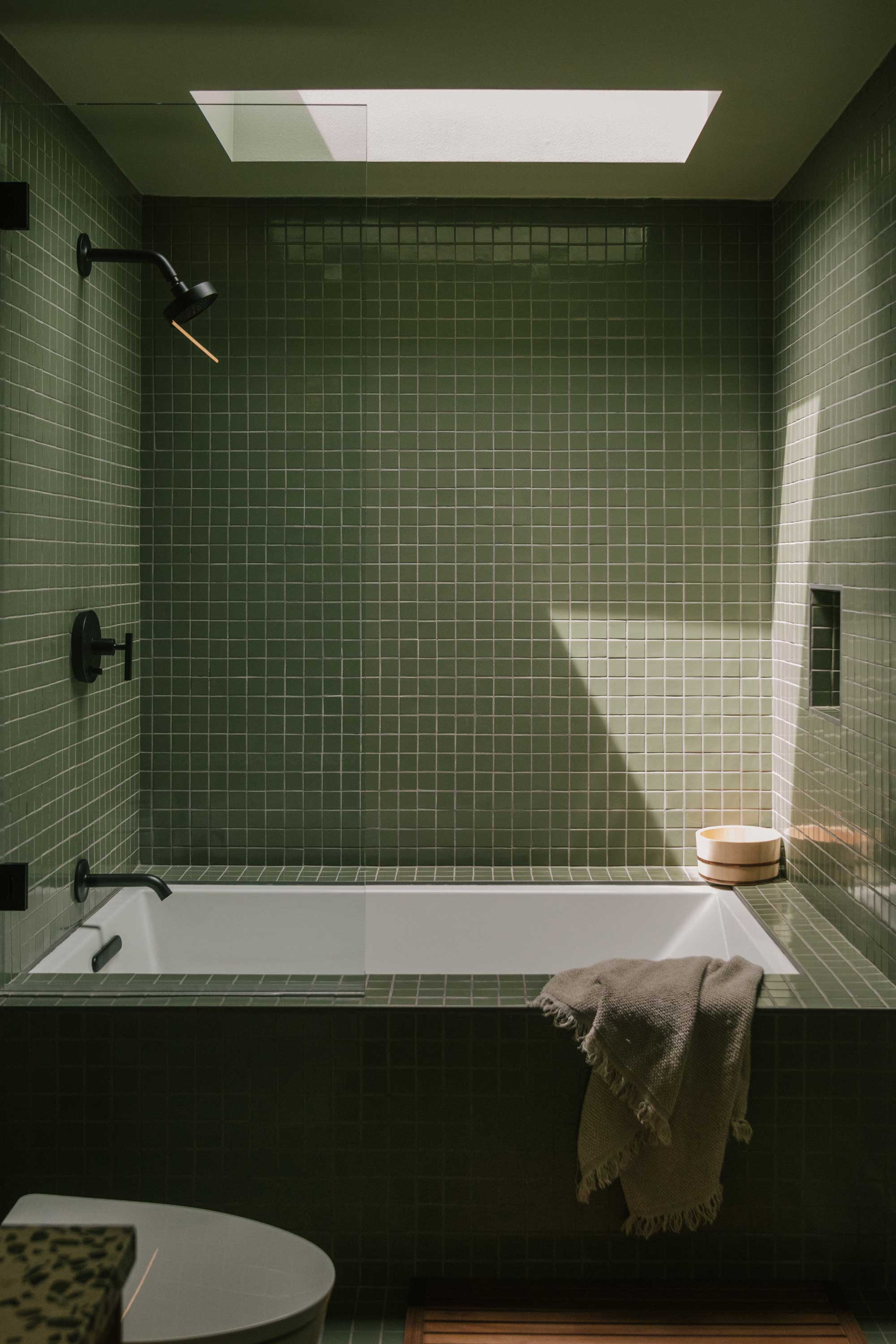
Sixth, minimalism in bathroom design is being challenged. After decades of white and cream dominating for a 'spa-like' feel, there's a renewed embrace of color. The article suggests exploring 'color drenching,' an approach where a single color is used across various materials and textures to create a complex and exciting design. This can be achieved through paint, tiling, or even waterproof wallpaper, allowing for personalization without overwhelming the space.
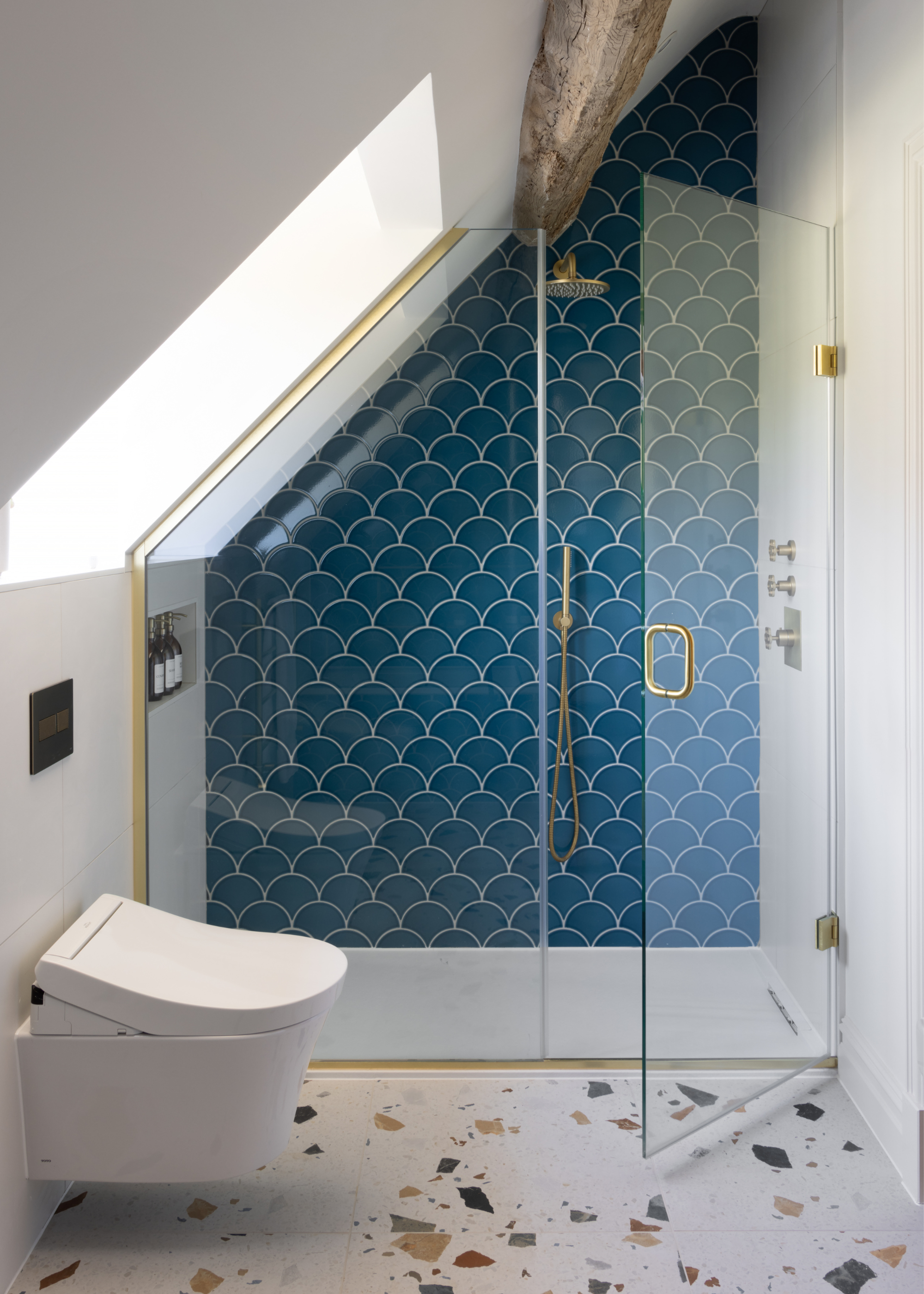
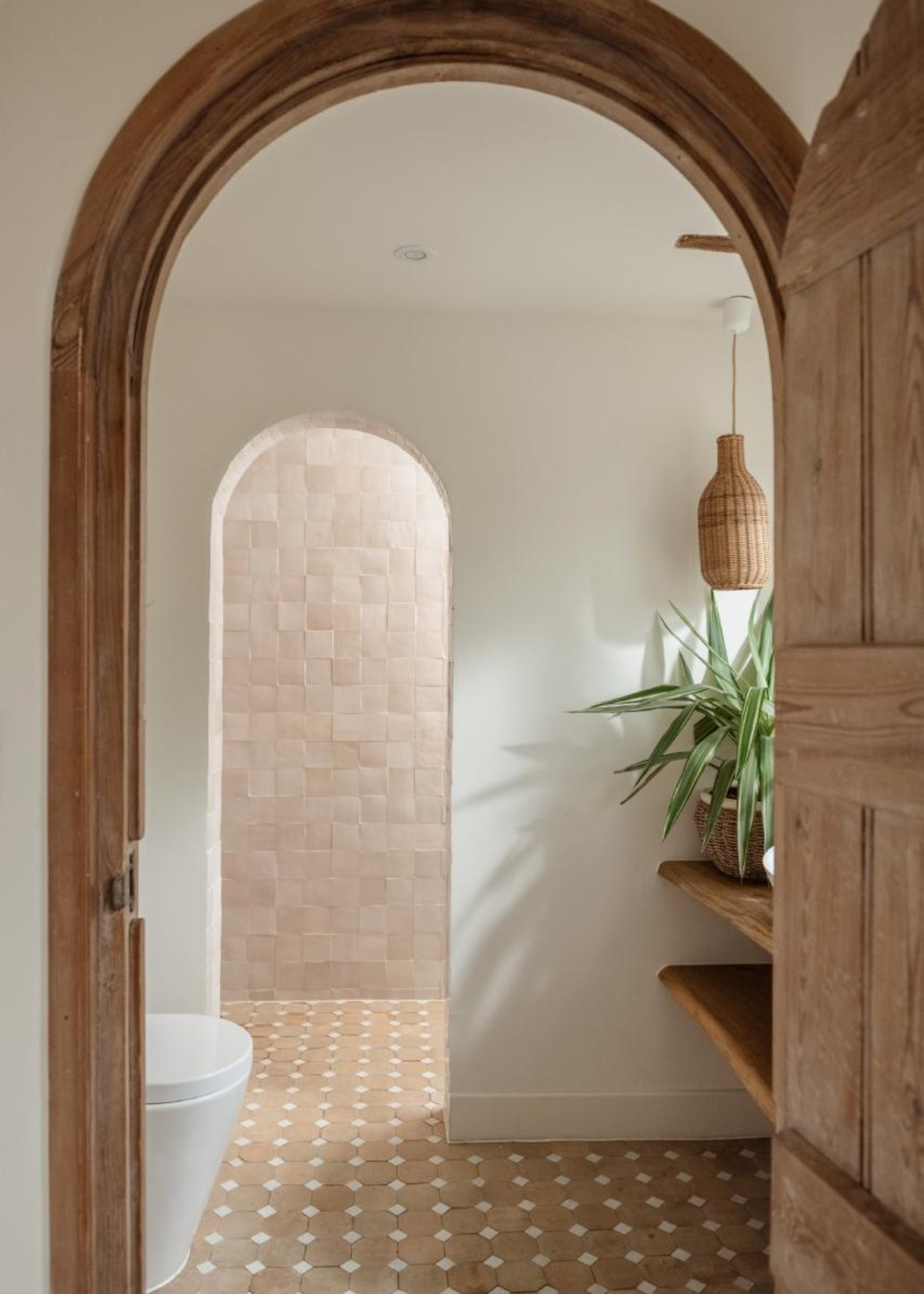
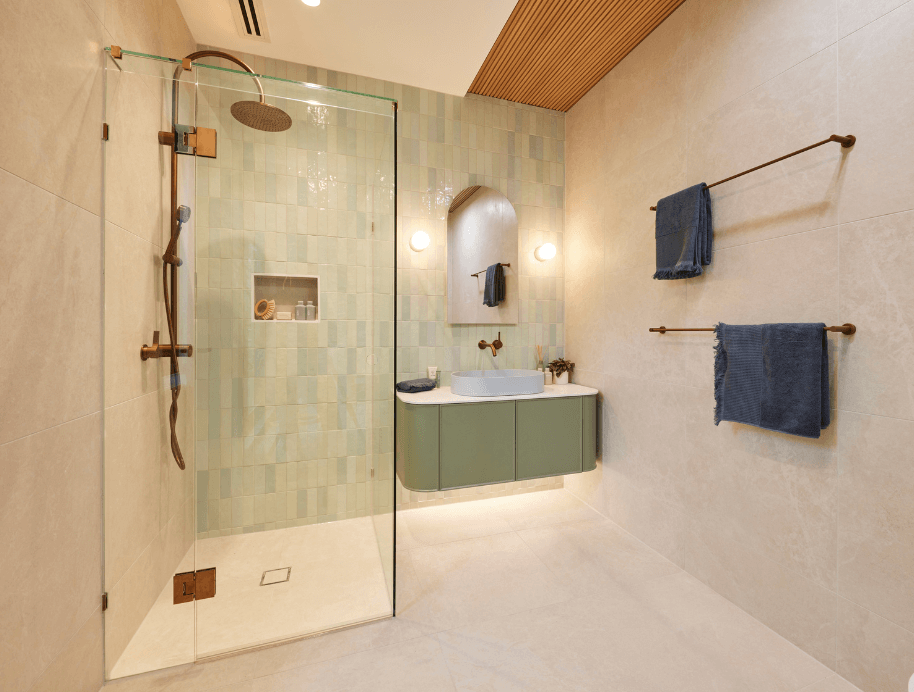
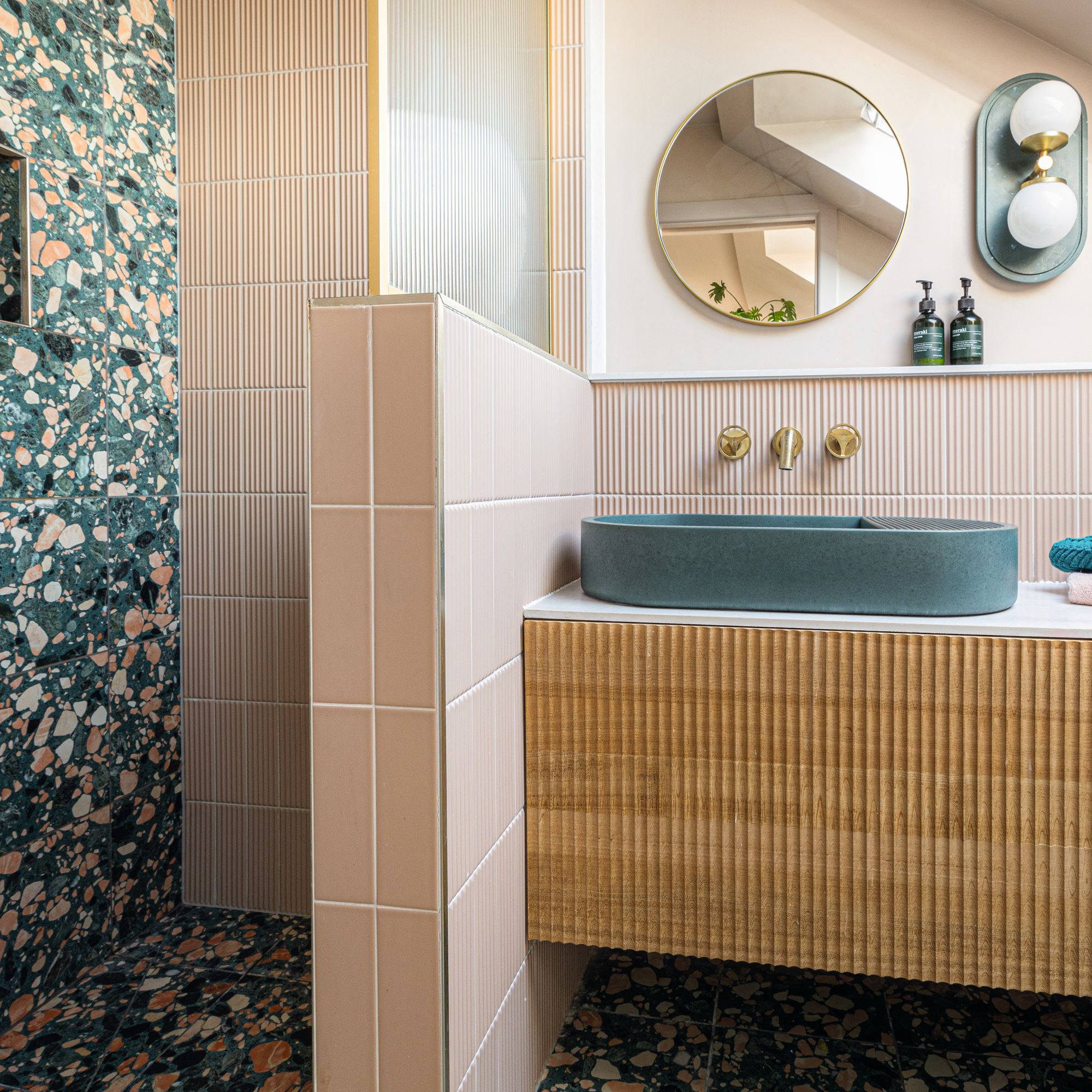
Finally, fluted tiles, a recent trend, are now considered impractical and difficult to clean due to dirt accumulation in their crevices. Their distinctive look also makes them prone to dating quickly. The alternative is a return to classic slab showers and the use of zellige tiles. Zellige tiles, with their irregularity and imperfection, add texture, personality, and character, offering endless customizable options through various colors and finishes, such as a Moroccan-inspired look.
#BathroomTrends #InteriorDesign #DesignTips #HomeRenovation #BathroomDecor #MaterialTrends #ColorPalettes #LightingDesign #BathroomTrends #InteriorDesign #DesignTips #HomeRenovation #BathroomDecor #MaterialTrends #ColorPalettes #LightingDesign
0 comment in total
 No comments yet
You may also like
12 “Outdated” Bathroom Trends That Need To Go In 2025

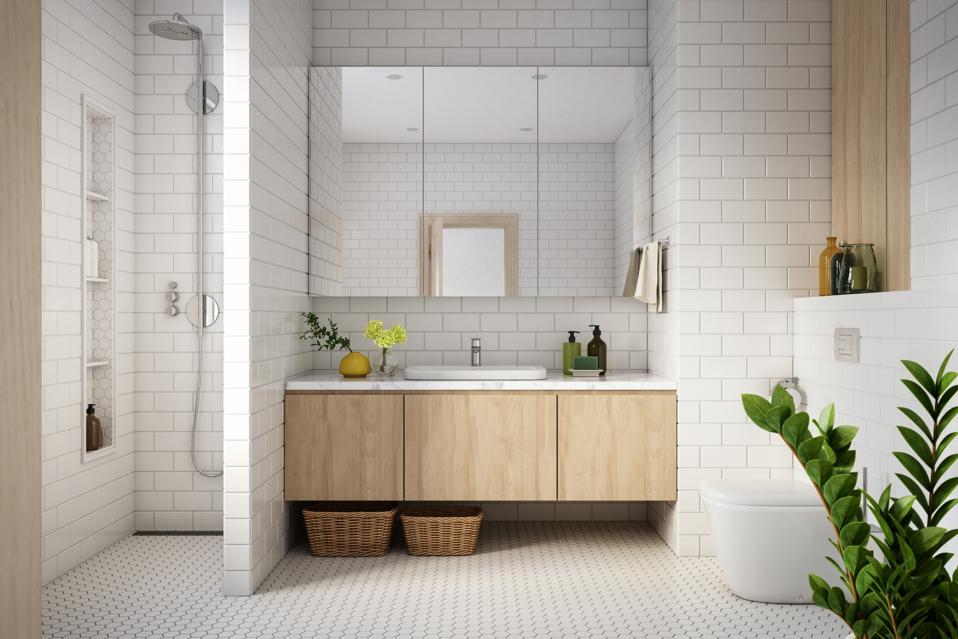
7 Bathroom Design Trends Going Away In 2023

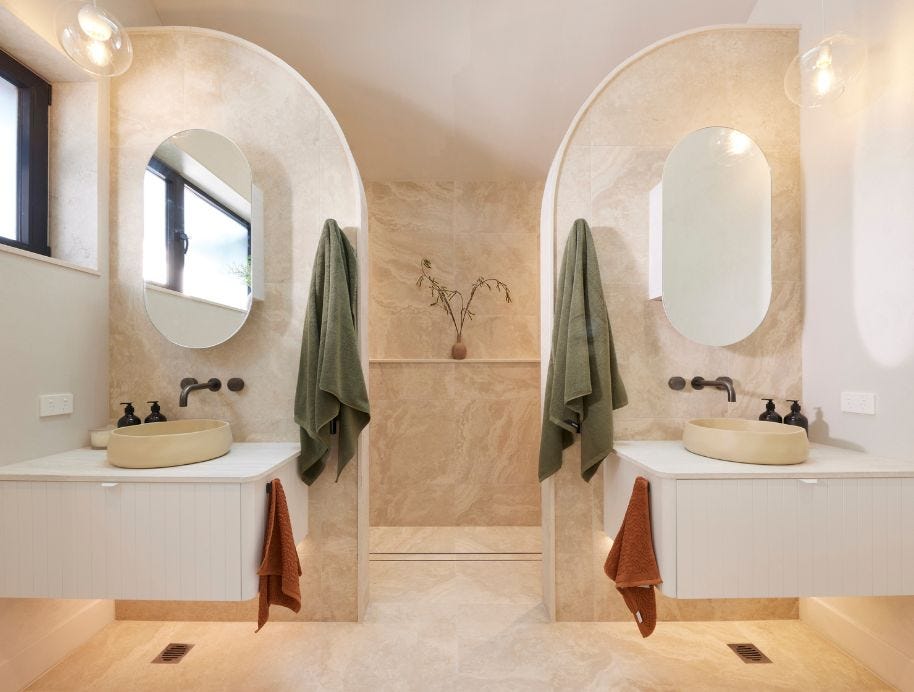
2025 Best Bathroom Trends
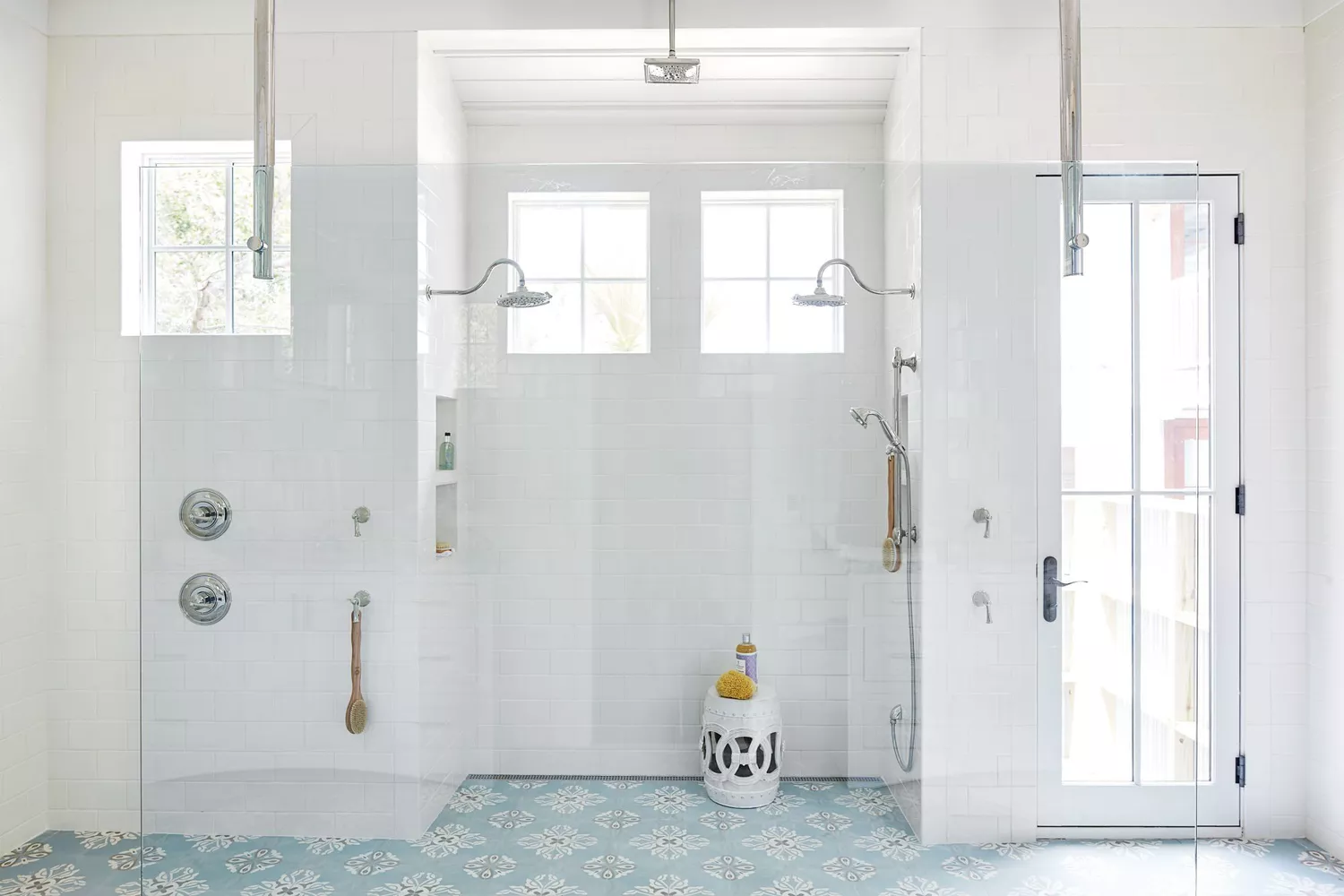
7 Bathroom Trends Designers Are Leaving Behind In 2026
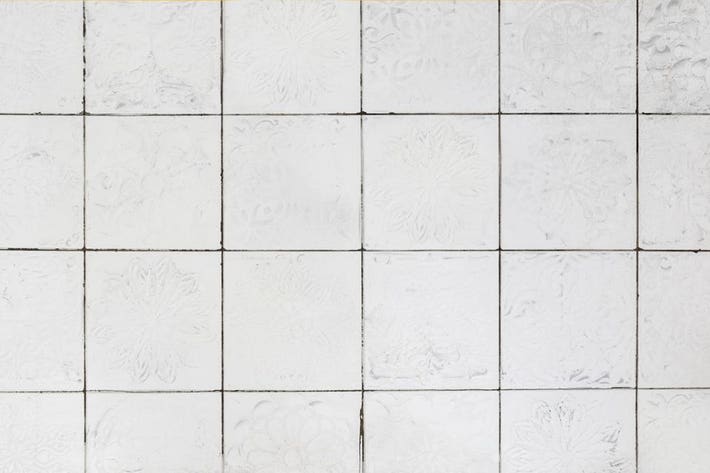
12 Bathroom Design Trends Going Out Of Style In 2025
5 Bathroom Layouts That Look Dated in 2025 and How to Fix Them
These 5 Bathroom Trends Are So Outdated, According to Interior Designers

Outdated bathroom trends - 10 overdone looks to steer clear of, according to experts
Once-Trending Bathroom Designs That Are Being Replaced In 2025

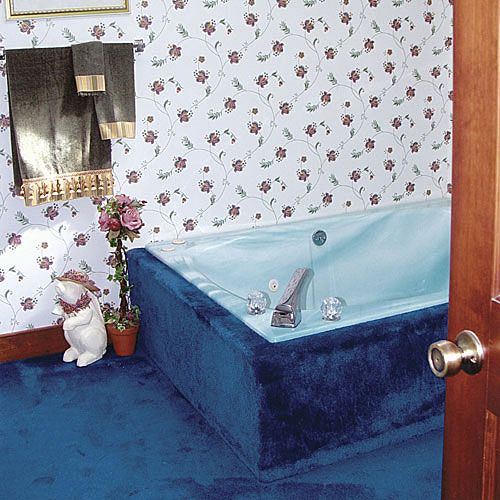
11 Outdated Bathroom Trends We're Retiring In 2024
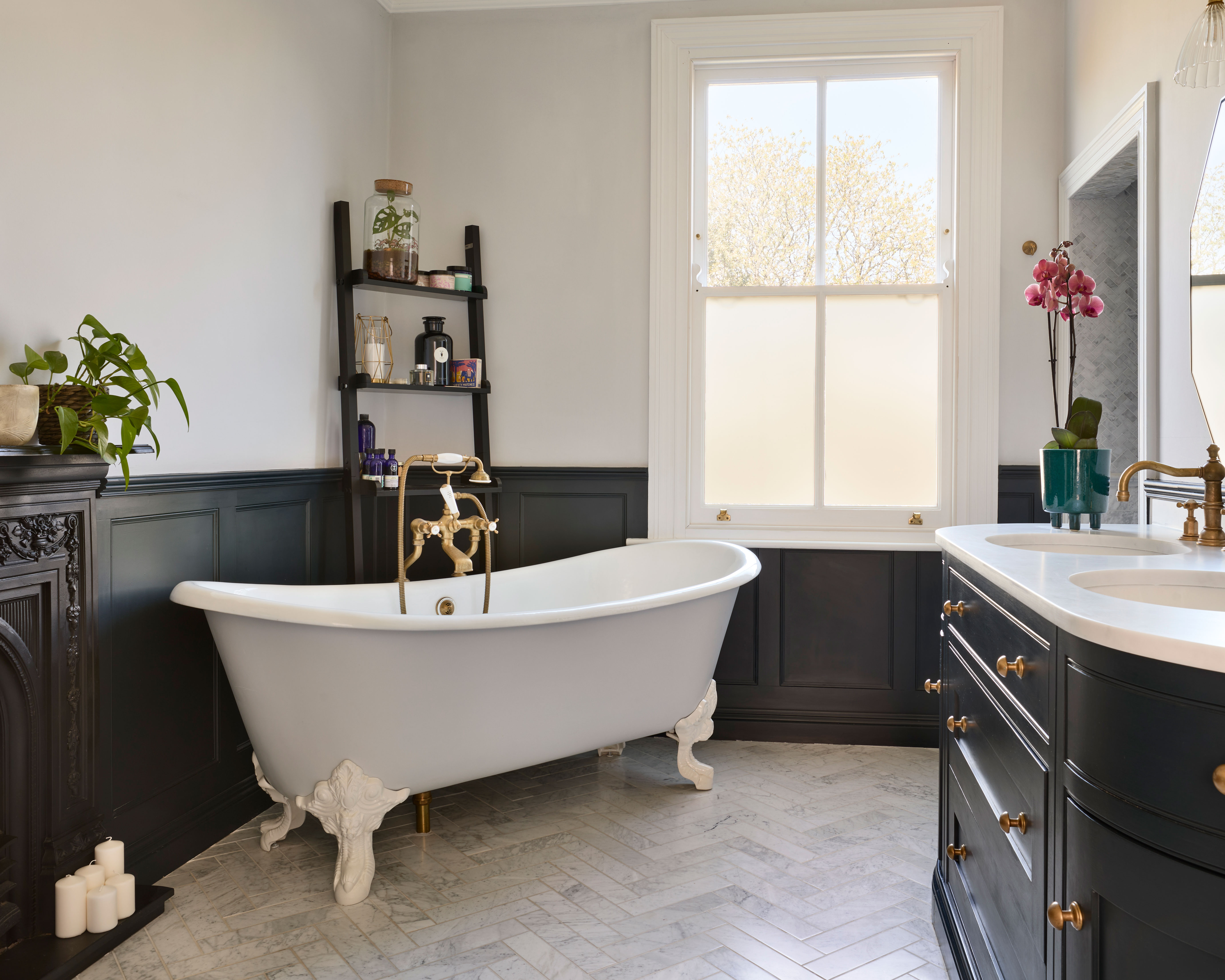
Outdated bathroom trends – 6 overdone looks that designers like to avoid, and here's why you should too

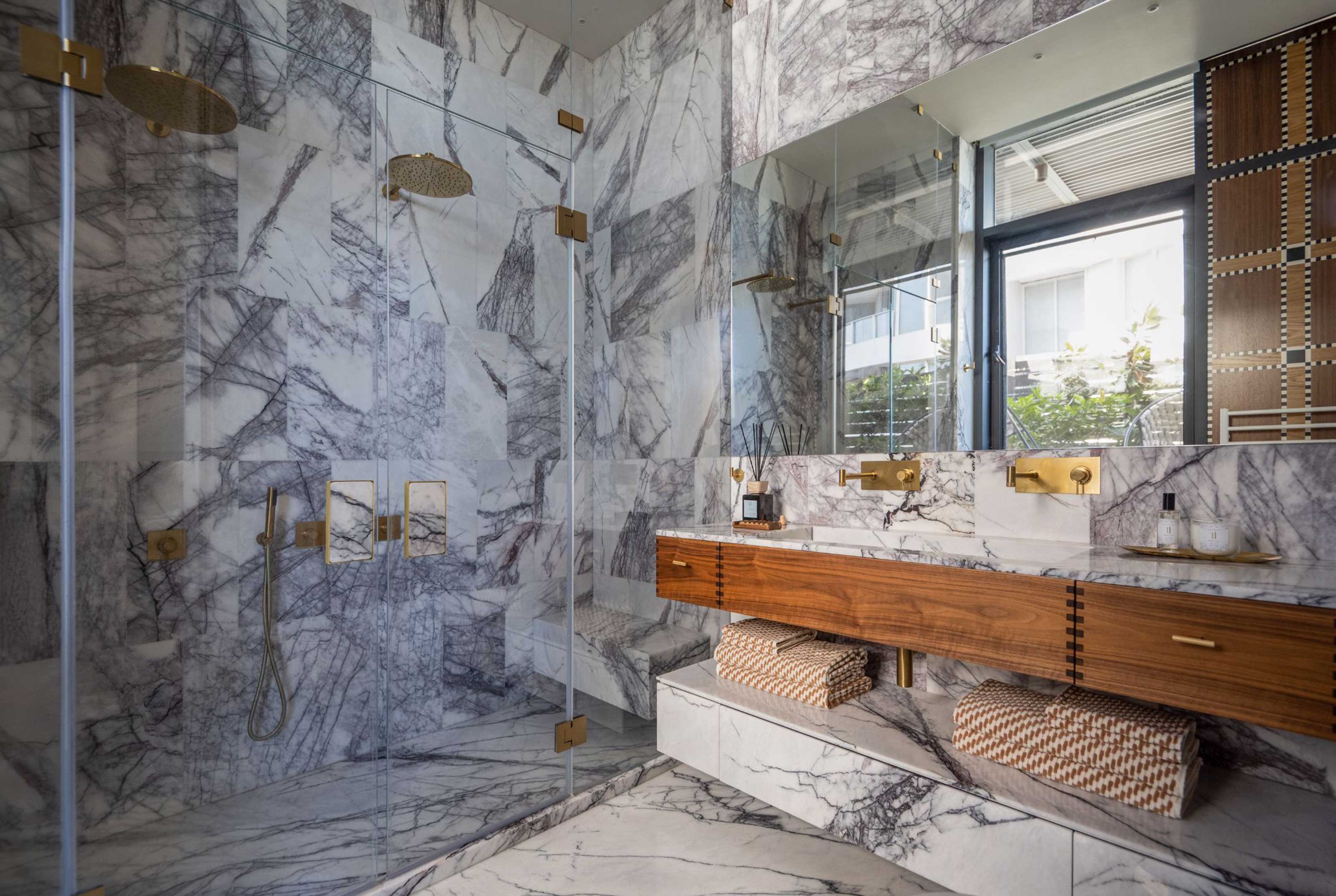
5 outdated bathroom trends interior designers are leaving behind that will make your space feel old-fashioned
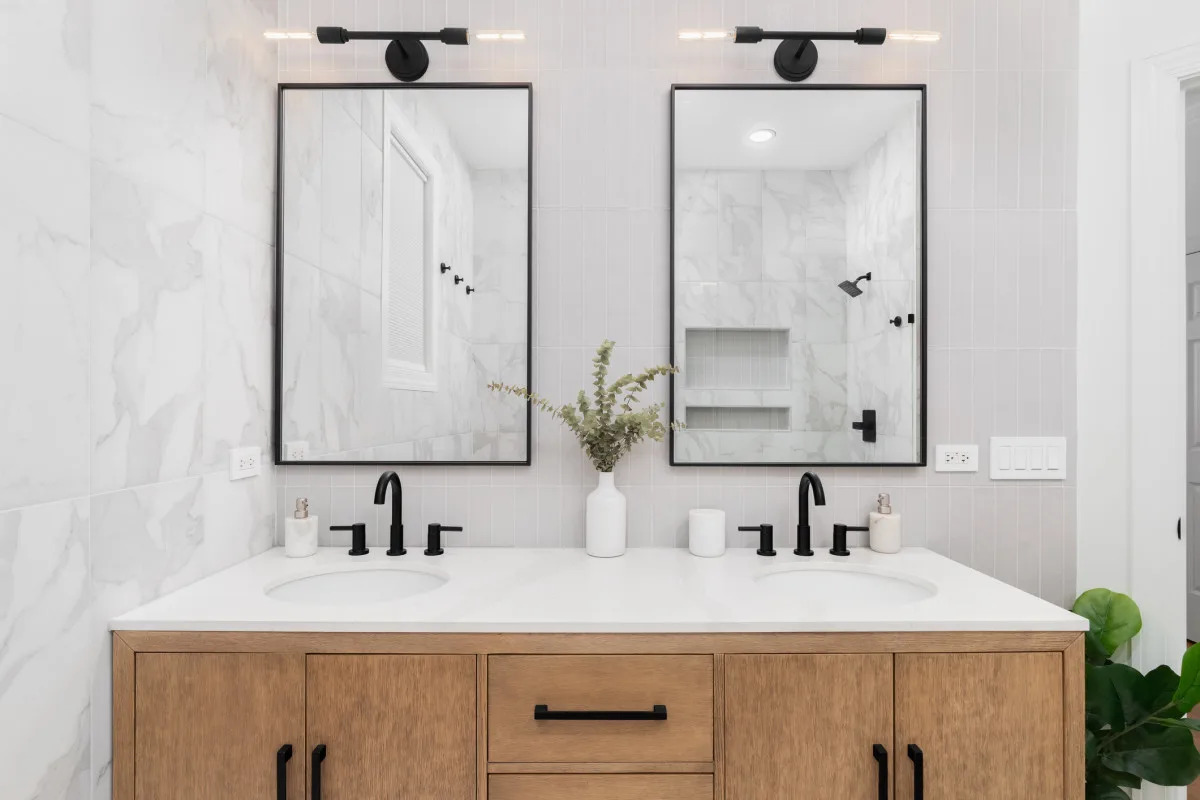
7 Dated Bathroom Trends to Avoid in 2025, According to Designers
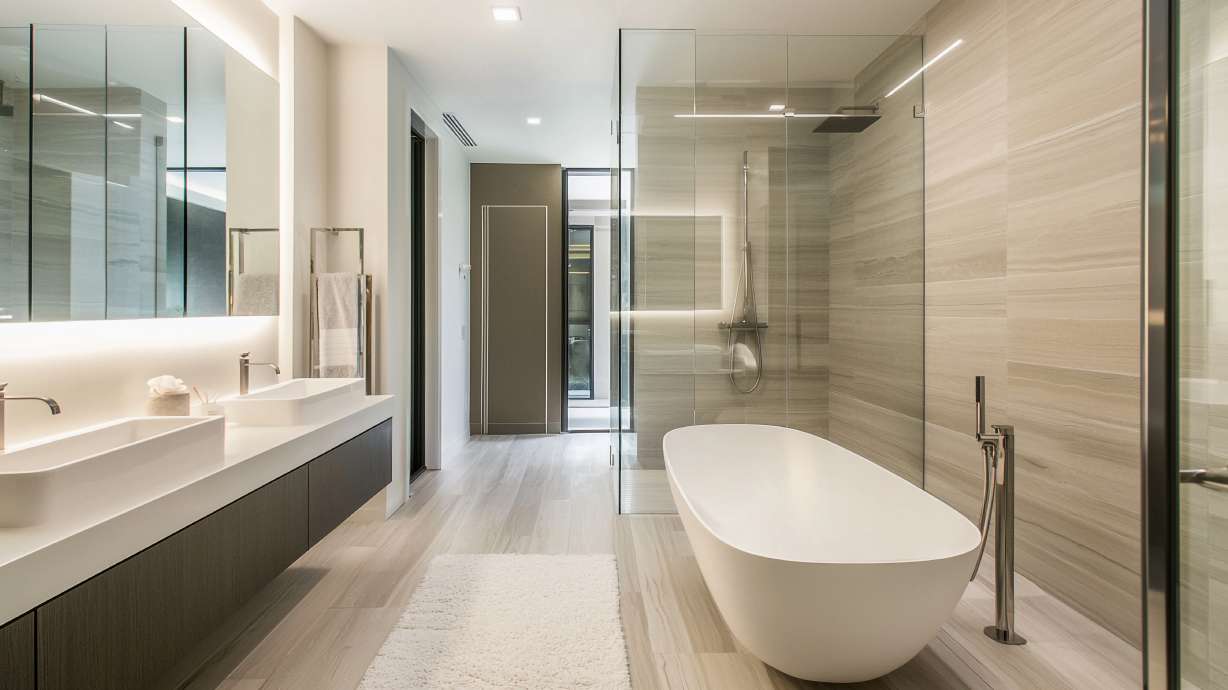
Top bathroom design trends in 2025
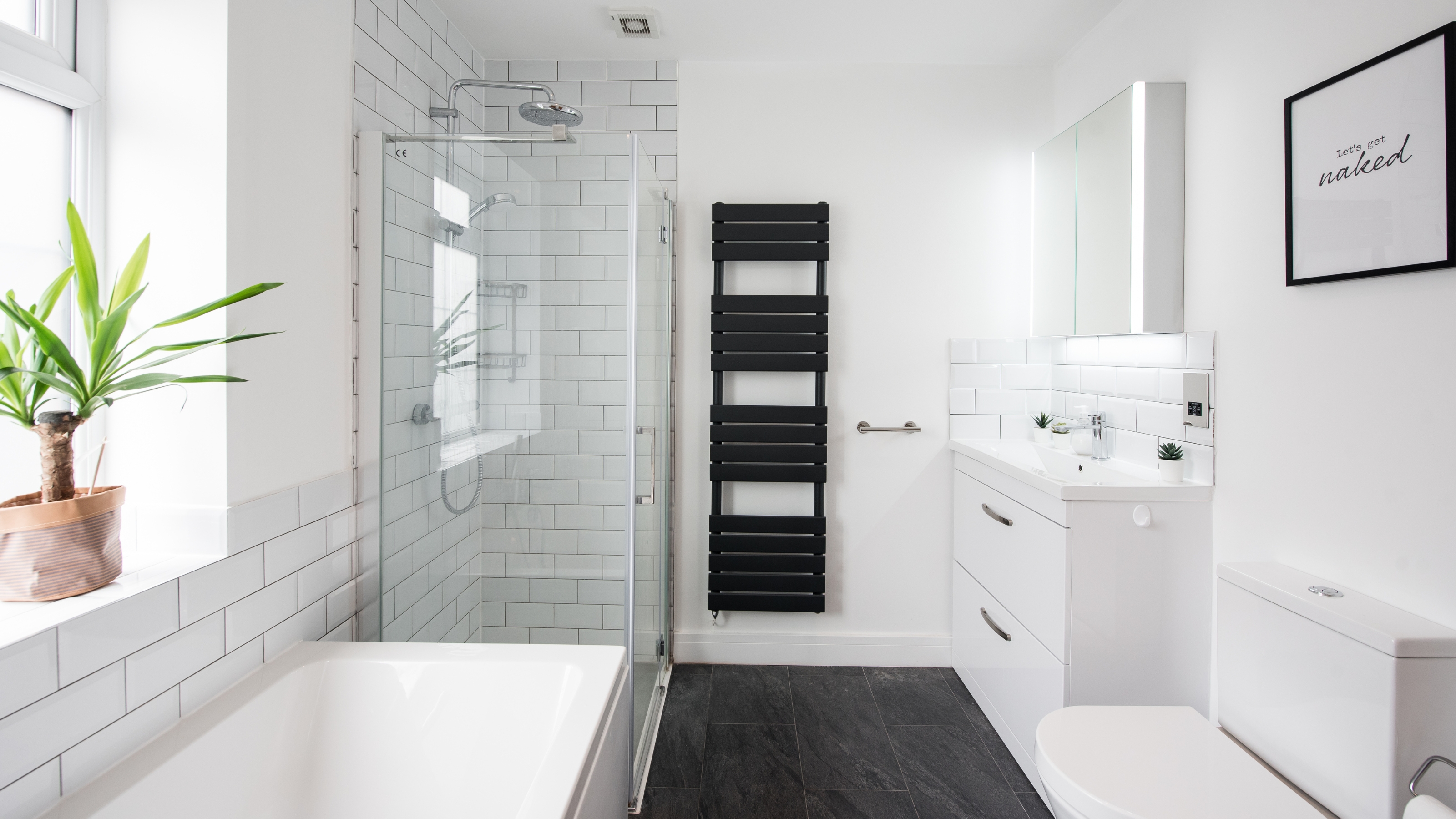
Outdated small bathroom trends to ditch and what to try instead

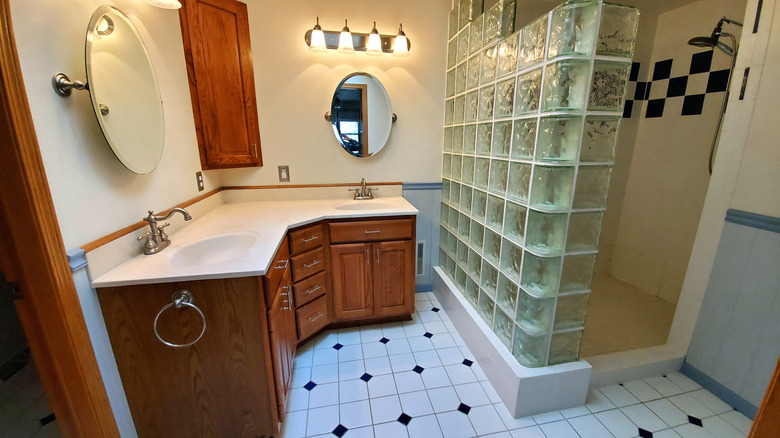
Bathroom Decor Items That Will Look Severely Outdated In 2025
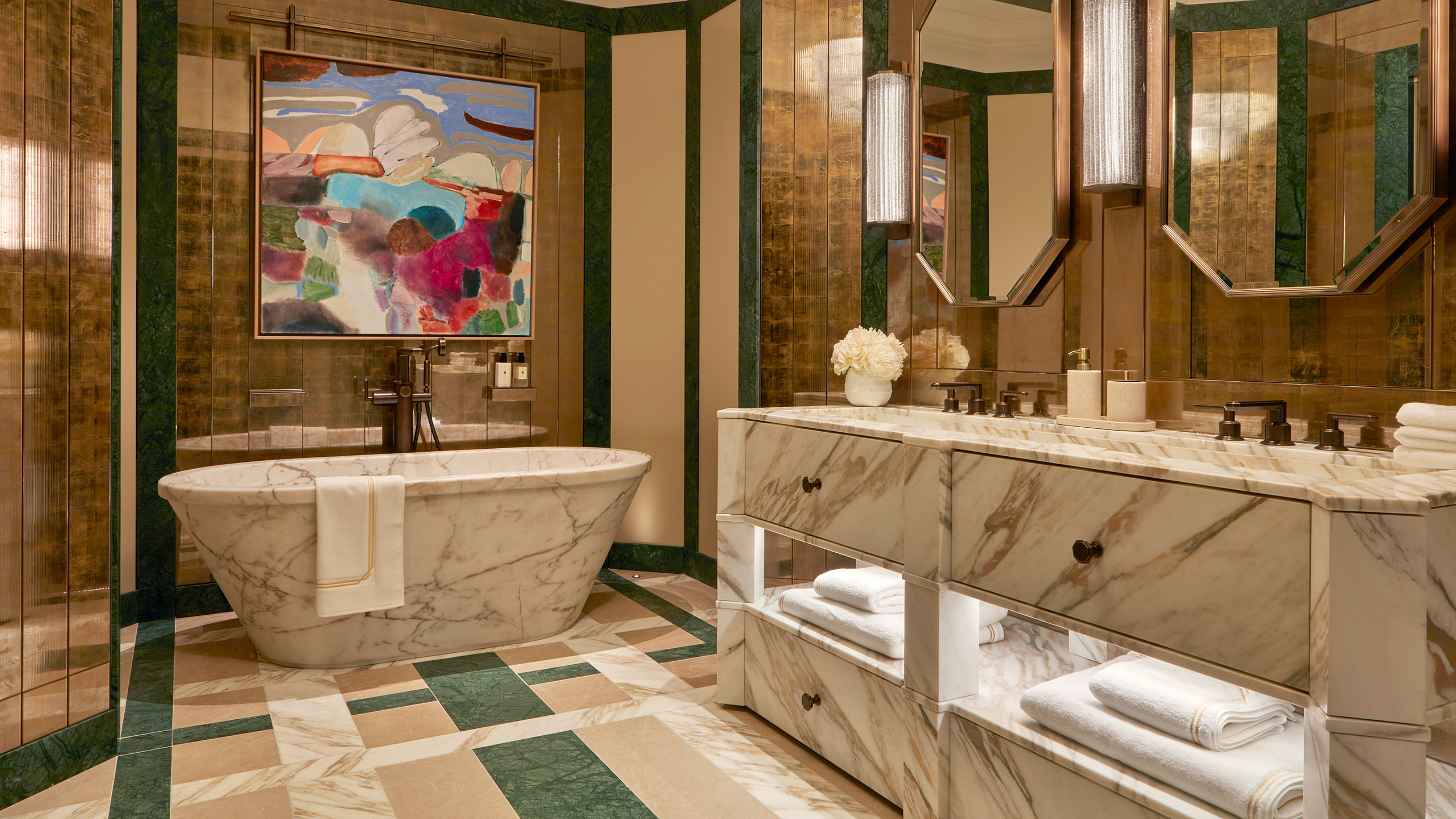
5 Outdated Bathroom Flooring Trends to Avoid in 2025 — Plus the Ones the Experts Want to See More of in Your Home
10 Bathroom Design Trends Going Away In 2024
Beautiful new bathroom trends for 2025 | loveproperty.com
These 7 Trends Are Dating Your Bathroom Big-Time