1/8
Prairie Style Homes — A Detailed Guide to this Iconic Architectural Style
In a society increasingly saturated with technology, a growing number of individuals are seeking refuge in architectural and interior design styles that prioritize natural elements and comfort, while simultaneously embracing modernity and functionality. Prairie style homes exemplify this approach within the American architectural landscape. This article delves into the origins and characteristics of this distinctive style, exploring its continued influence on contemporary design and offering practical advice for decorating such spaces.
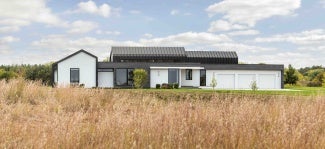
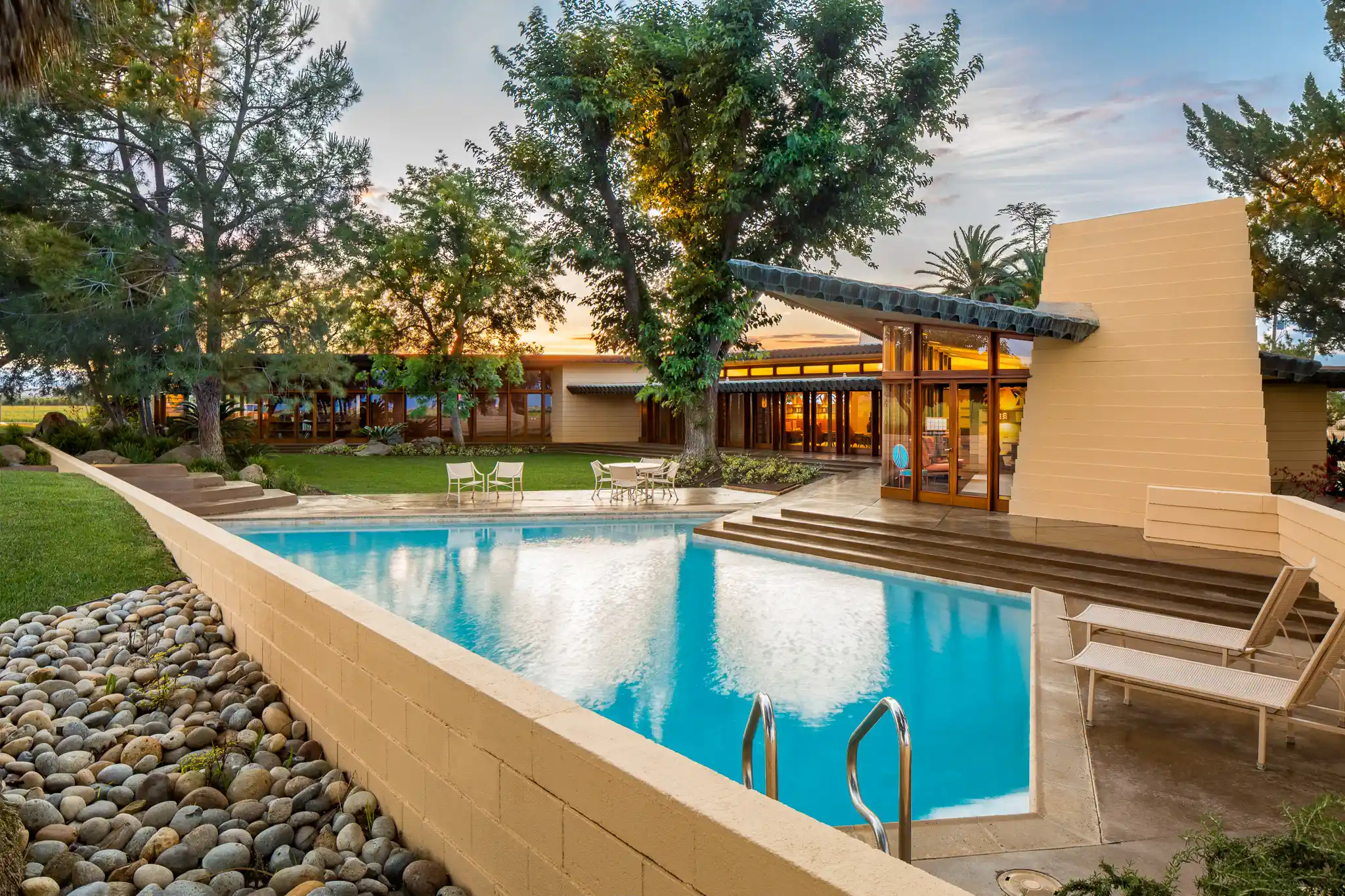
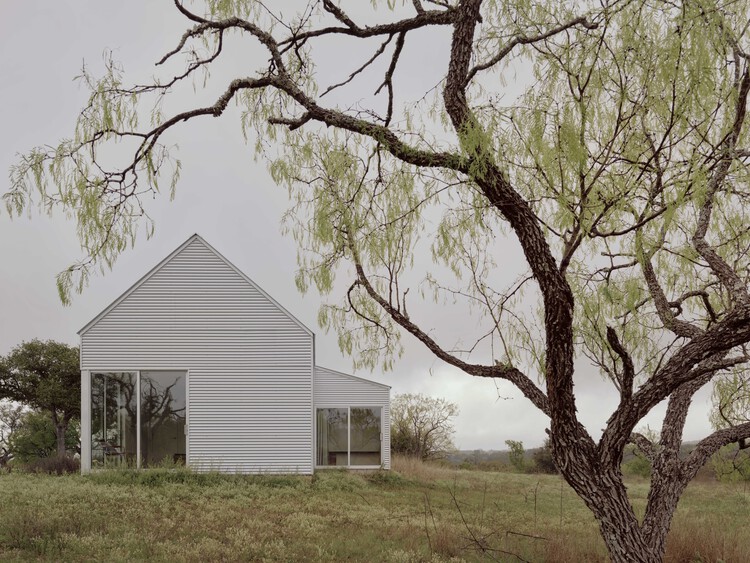
Prairie style, a design and architectural movement, is defined by its strong horizontal emphasis, open layouts, and a profound connection to nature. Experts describe it as an enduring favorite for those who value both elegance and integration with the natural world. This architectural style emerged as a response to the American landscape, particularly the wide, open expanses of the Midwest, and stands in contrast to the classical traditions prevalent at the time. It is considered a uniquely American architectural expression.
The genesis of the Prairie style is largely attributed to Frank Lloyd Wright, a prominent architect whose career coincided with the decline of the Victorian design era. During this period, American design began to diverge from its European classical roots, exploring new styles that harmonized with the local environment. Hints of this style began appearing around 1900 to 1910, with _The Ladies Home Journal_, a Chicago-published magazine, playing a role in its promotion by featuring Wright's designs as exemplary models. The Prairie style consequently evolved from these early influences and publications.
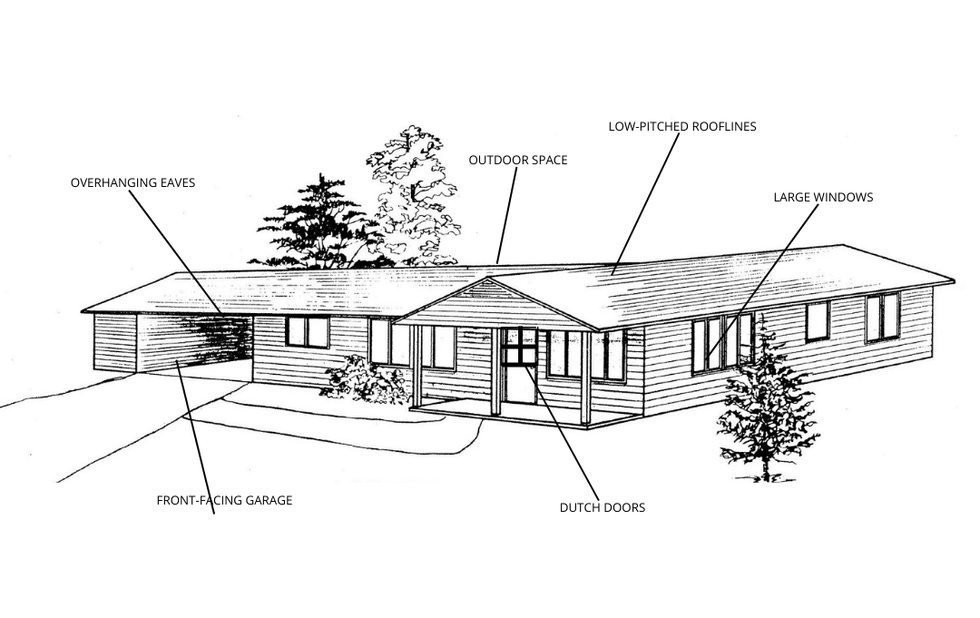
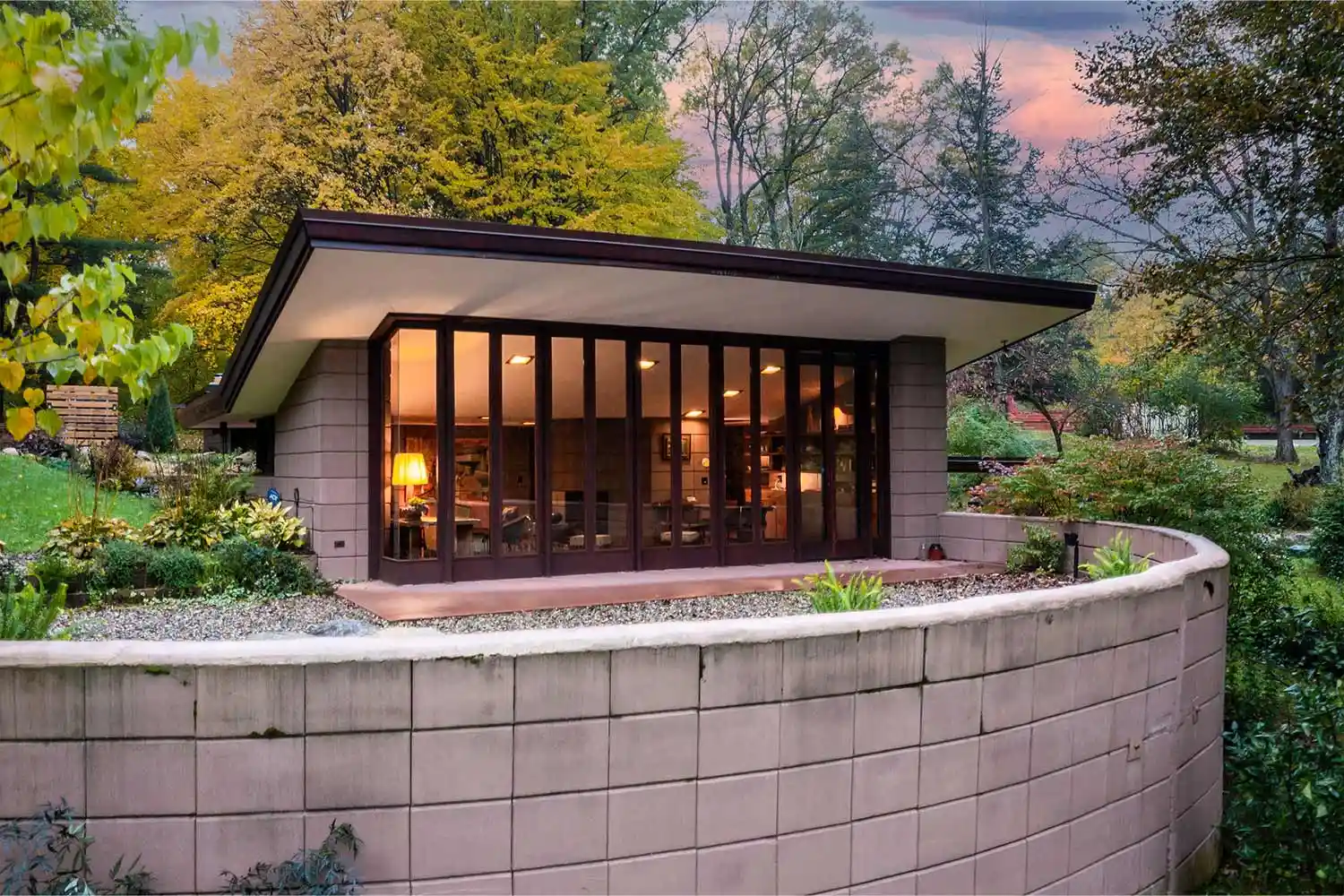
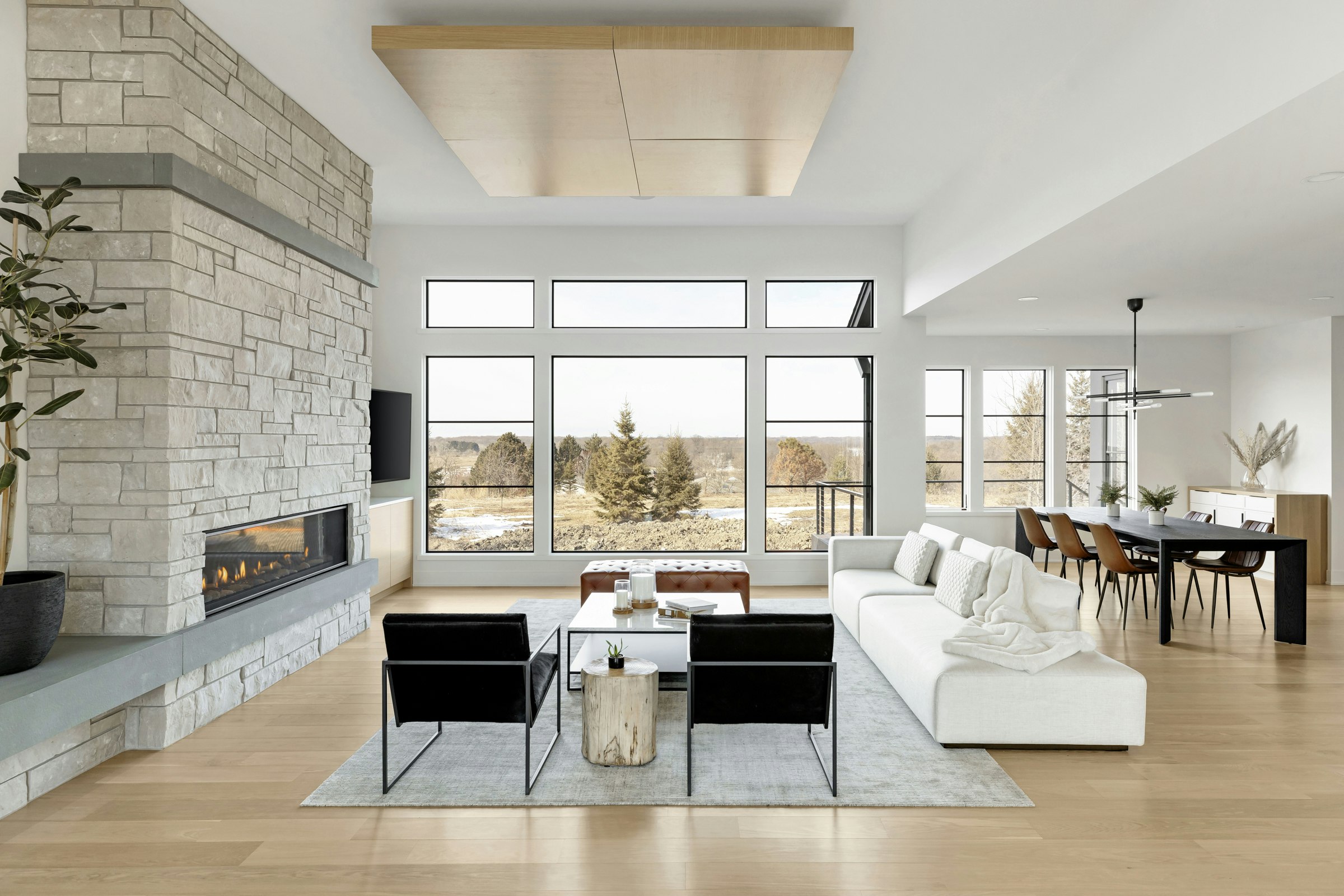
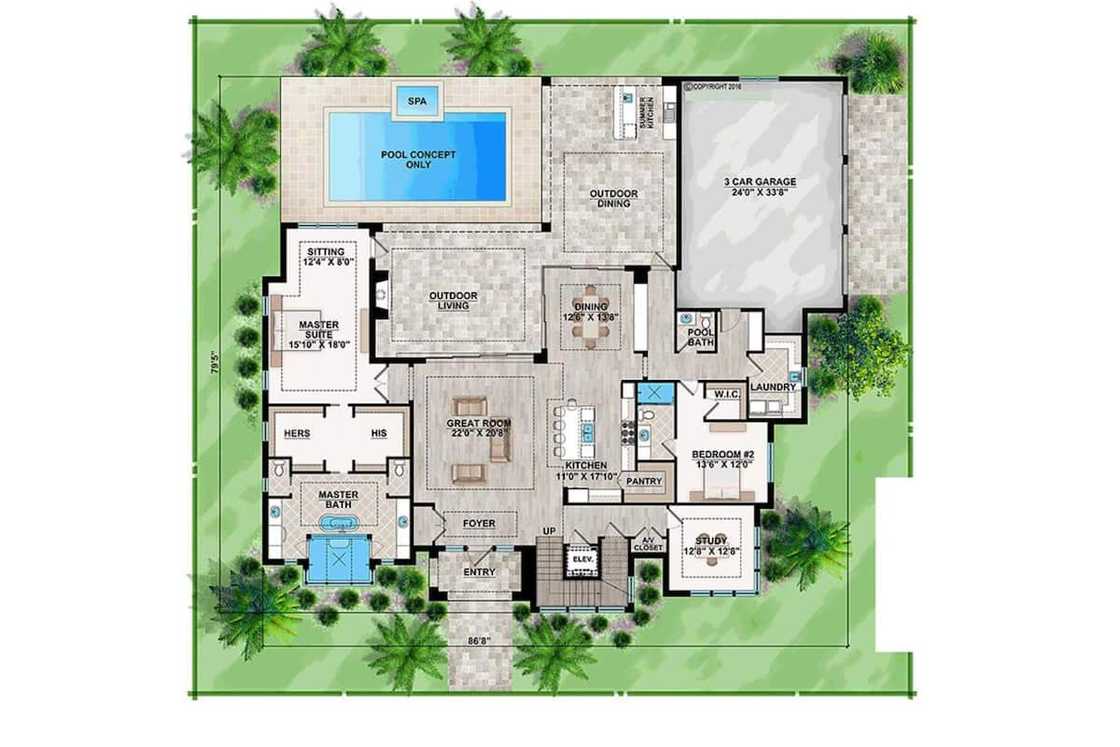
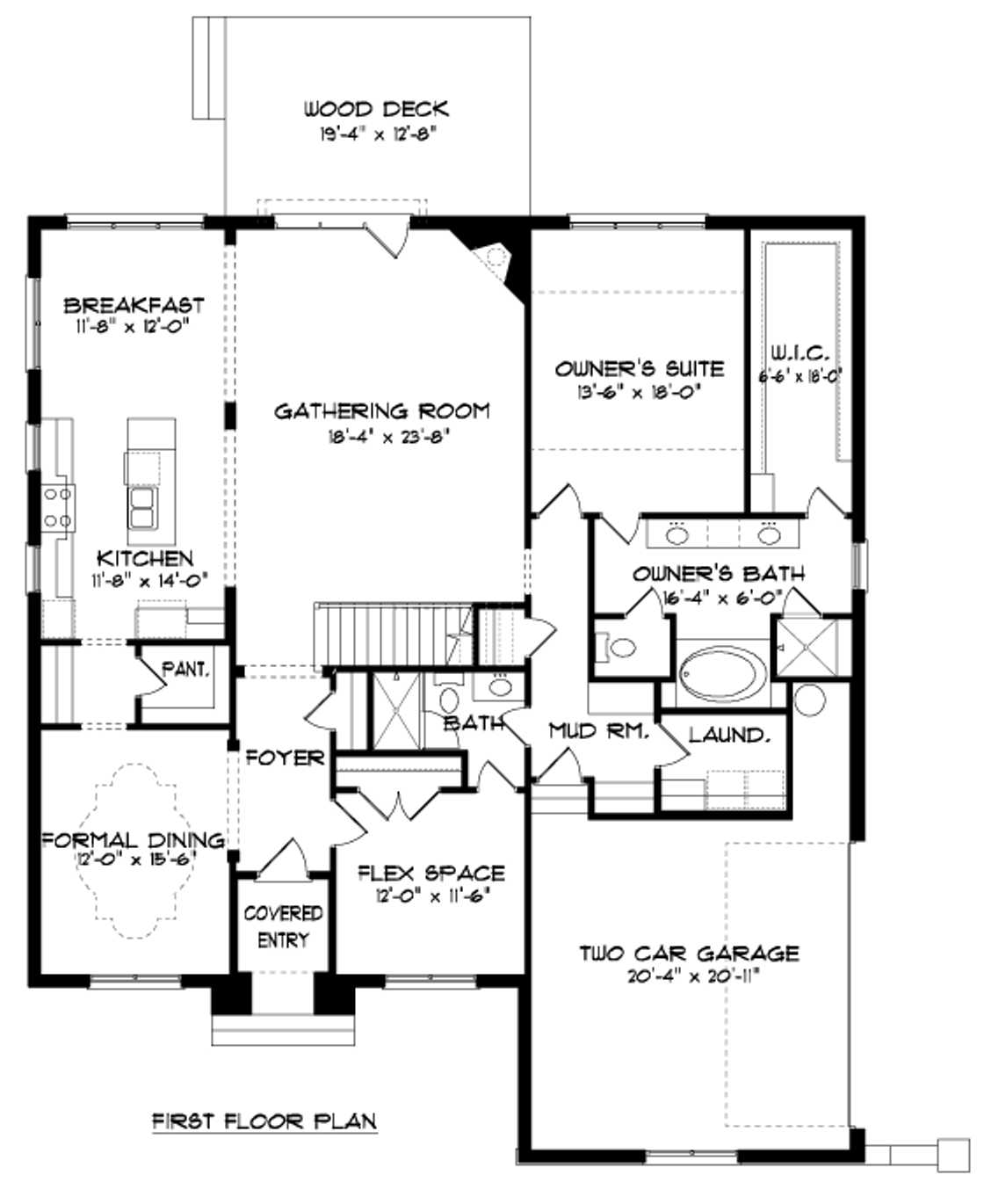
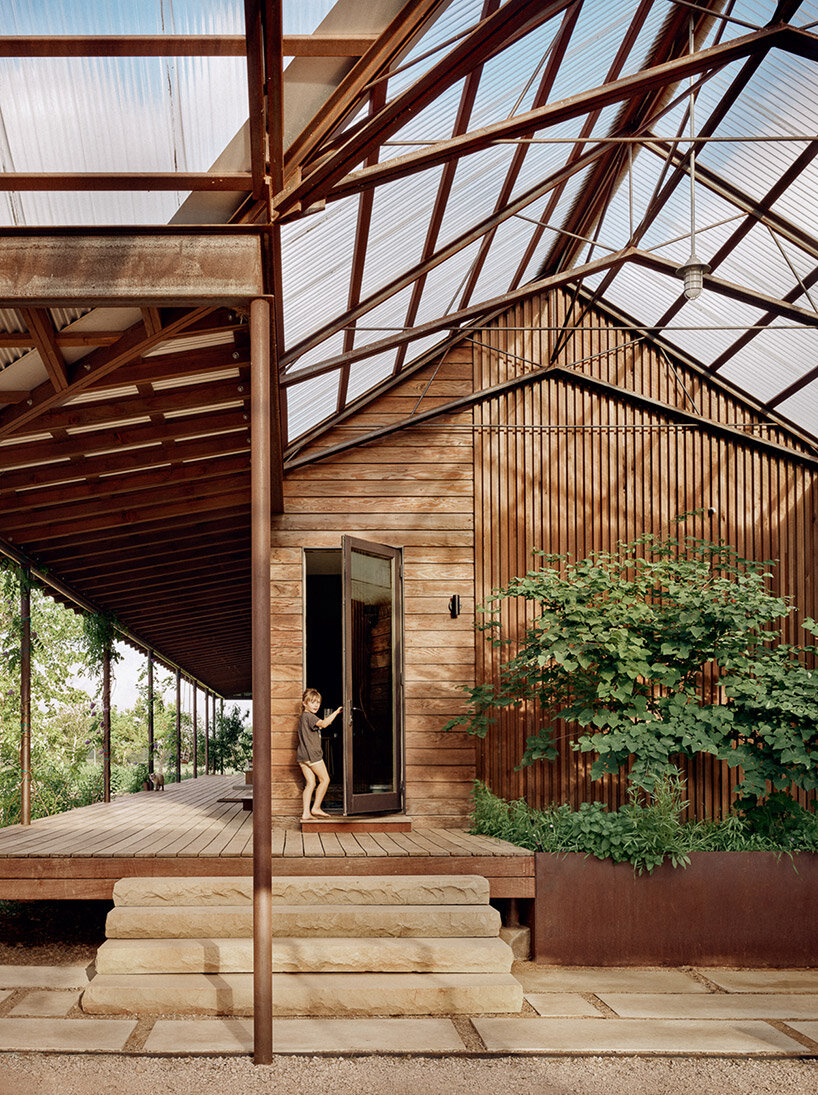
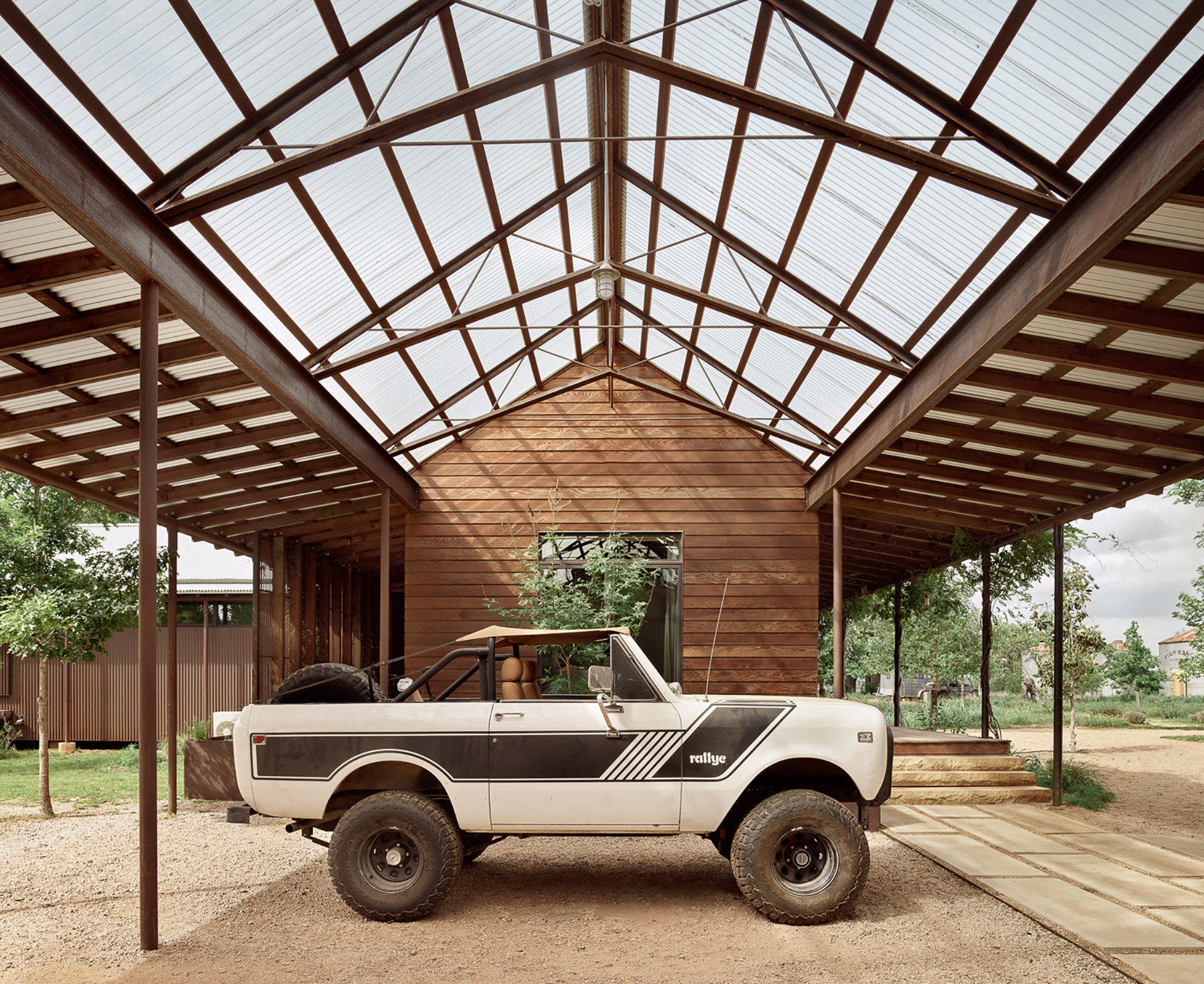
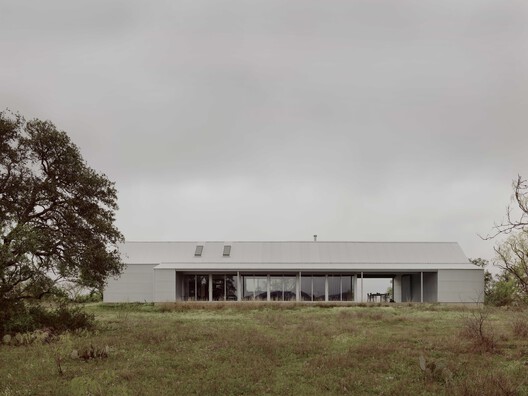
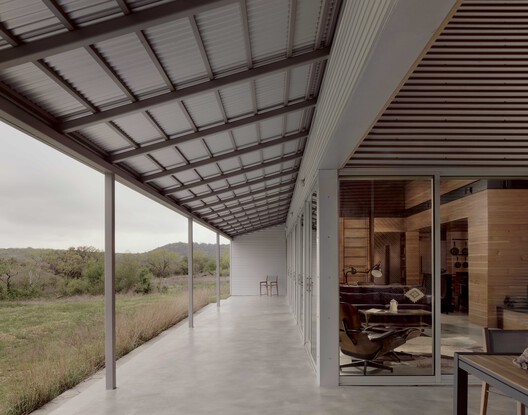
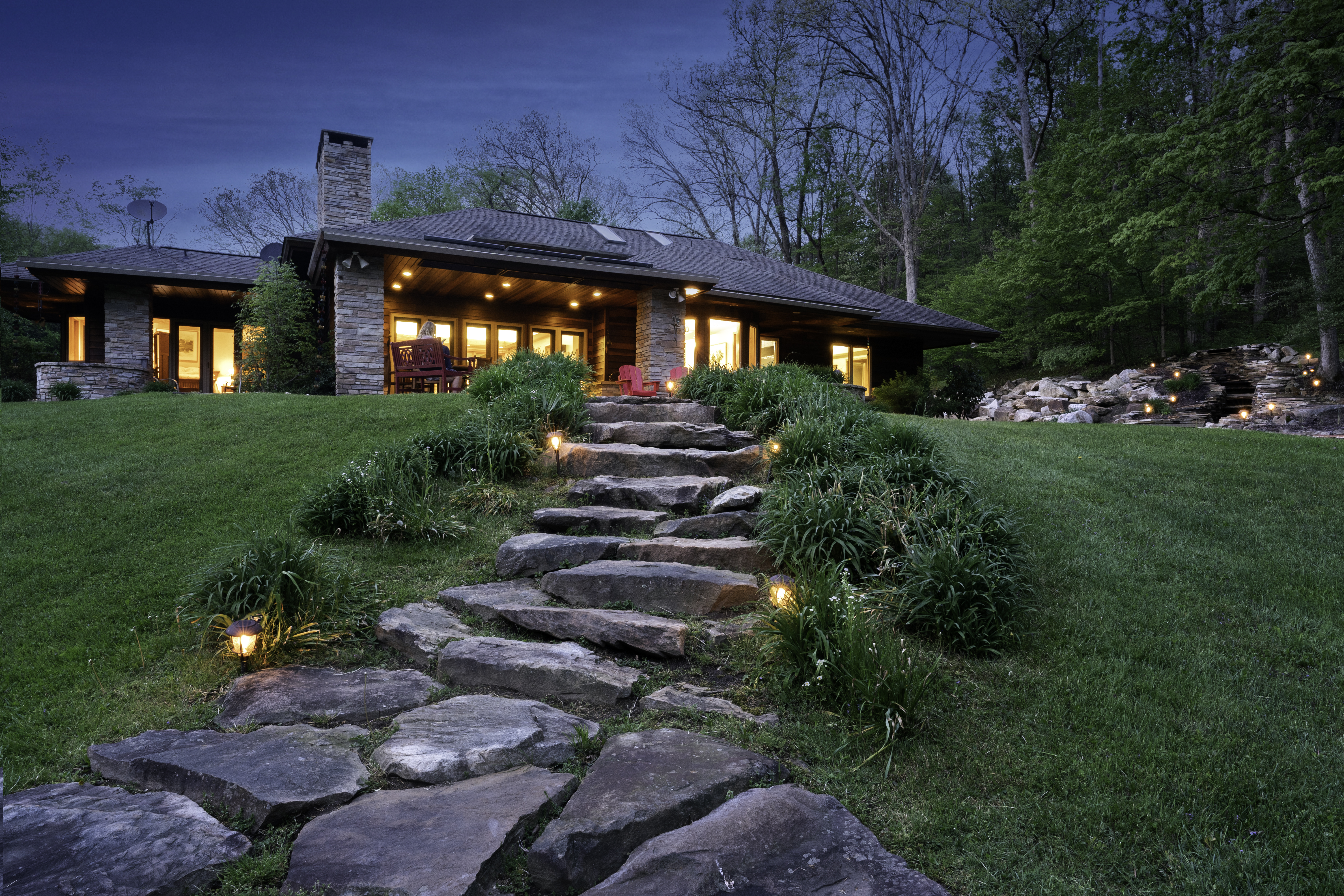
The defining characteristics of Prairie style homes include their open floor plans and the prominent use of horizontal lines, which create a sense of spaciousness and effortless flow. These homes are further recognized by their low-pitched roofs, extended eaves, and the incorporation of natural materials such as wood and stone. These elements work in concert to seamlessly blend the structures with their surrounding environments. Frank Lloyd Wright's 'Winslow House' is often cited as one of the earliest examples, offering valuable insight into the style's foundational principles.
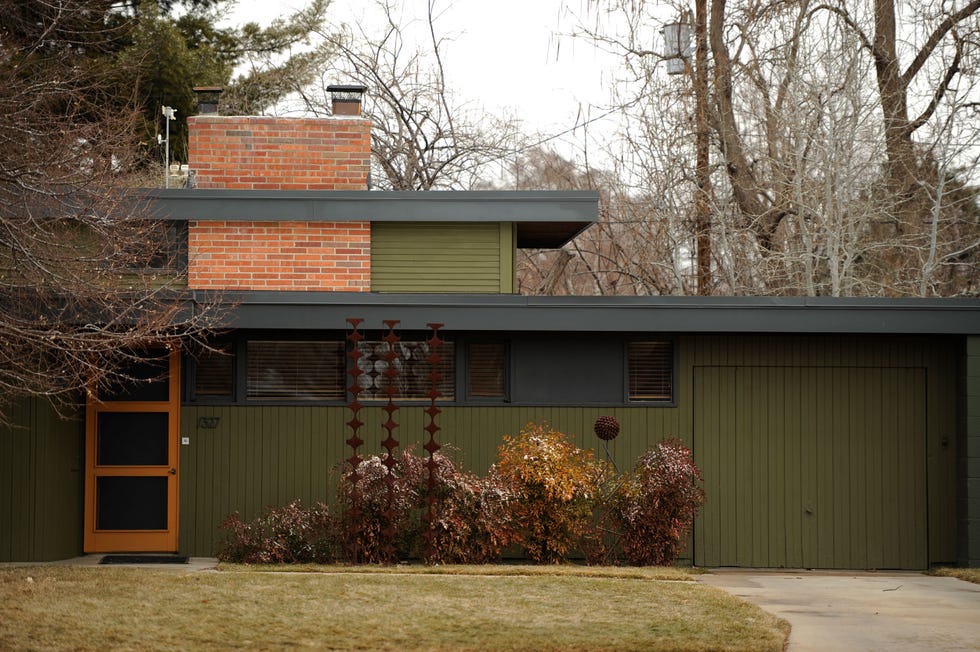
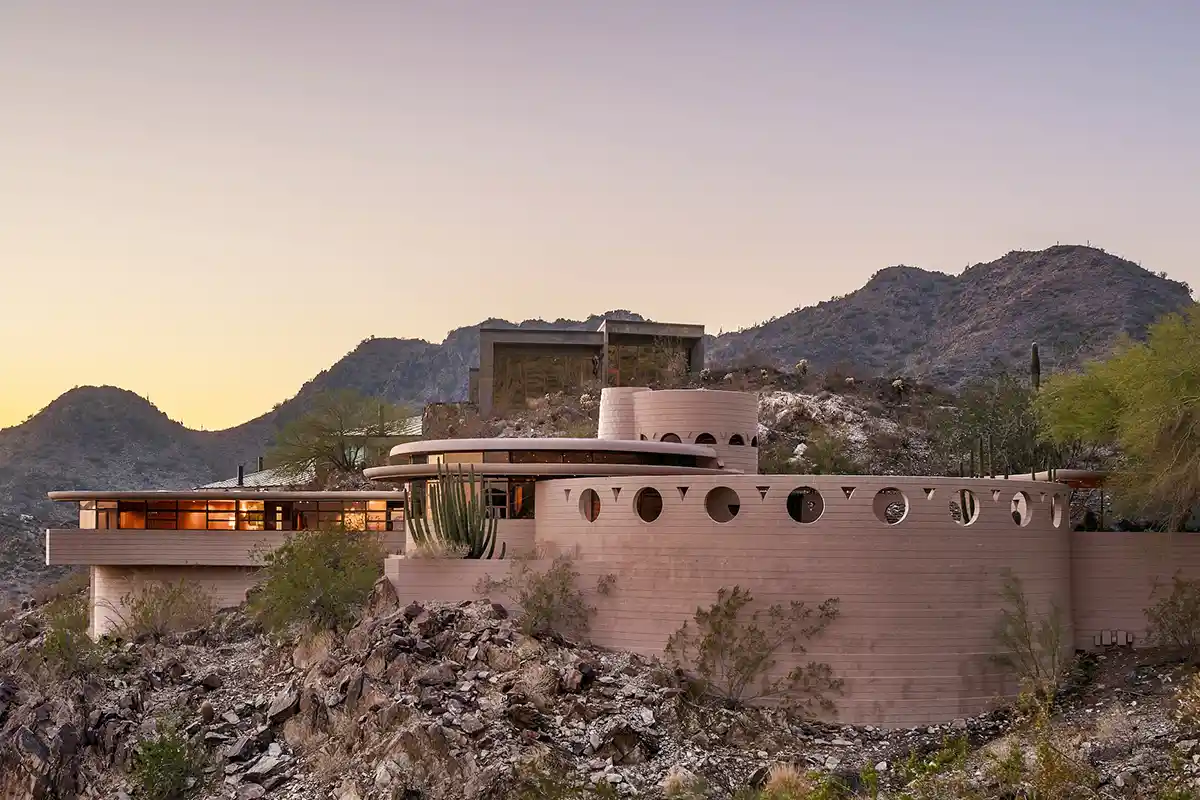
The core principles of Prairie style continue to resonate within American architectural thinking today. Many modern homes incorporate key elements pioneered by this style, often combining them with other contemporary design trends. The Prairie style introduced new forms and shapes that paved the way for later architectural developments in the 20th century. For instance, post-World War II architecture, while utilizing different materials like steel and glass, often drew directly from Prairie-style concepts. Even today, Wright's influence is discernible in many designs, with elements inspired by his work appearing in projects that don't fully embrace the entire Prairie aesthetic.
However, some elements of the original Prairie style have diminished over time. Handcrafted elements, a distinct feature of early Prairie homes, have become less common in modern design due to industrialization and evolving societal contexts. The shift in architectural paradigms was further influenced by events like the relocation of Bauhaus teachers, such as Walter Gropius, to the United States in the 1930s. This introduced a European modernist architectural approach that prompted Wright to adapt his own style, leading to a reduction in decorative, Arts and Crafts techniques in favor of more industrial appearances, characterized by metal frames, steel structures, and cement rendering. This evolution was particularly evident in California during the 1950s and '60s, promoted by publications like _Arts and Architecture_.
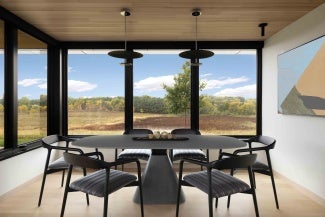
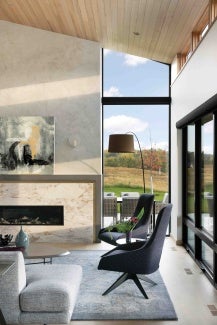
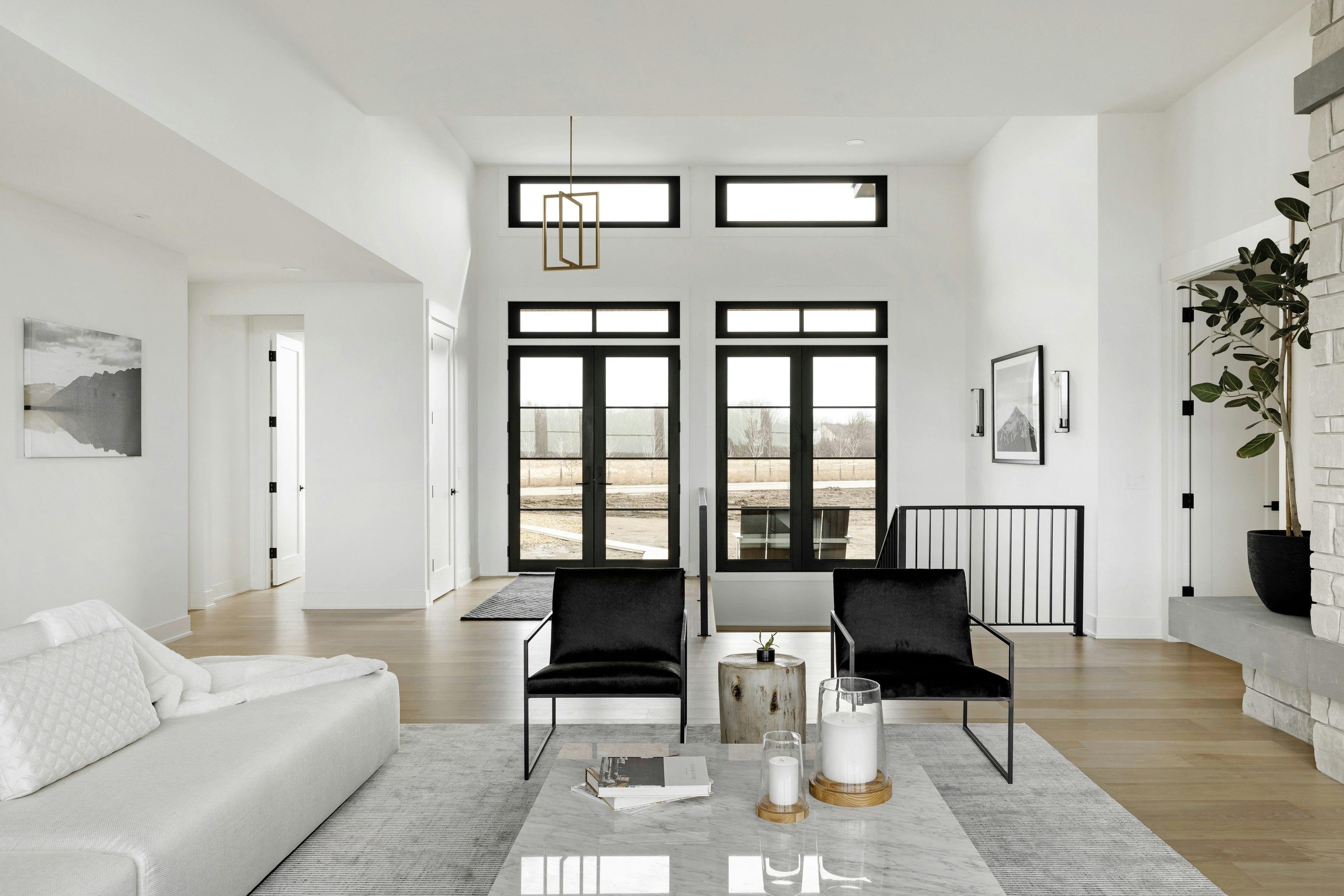
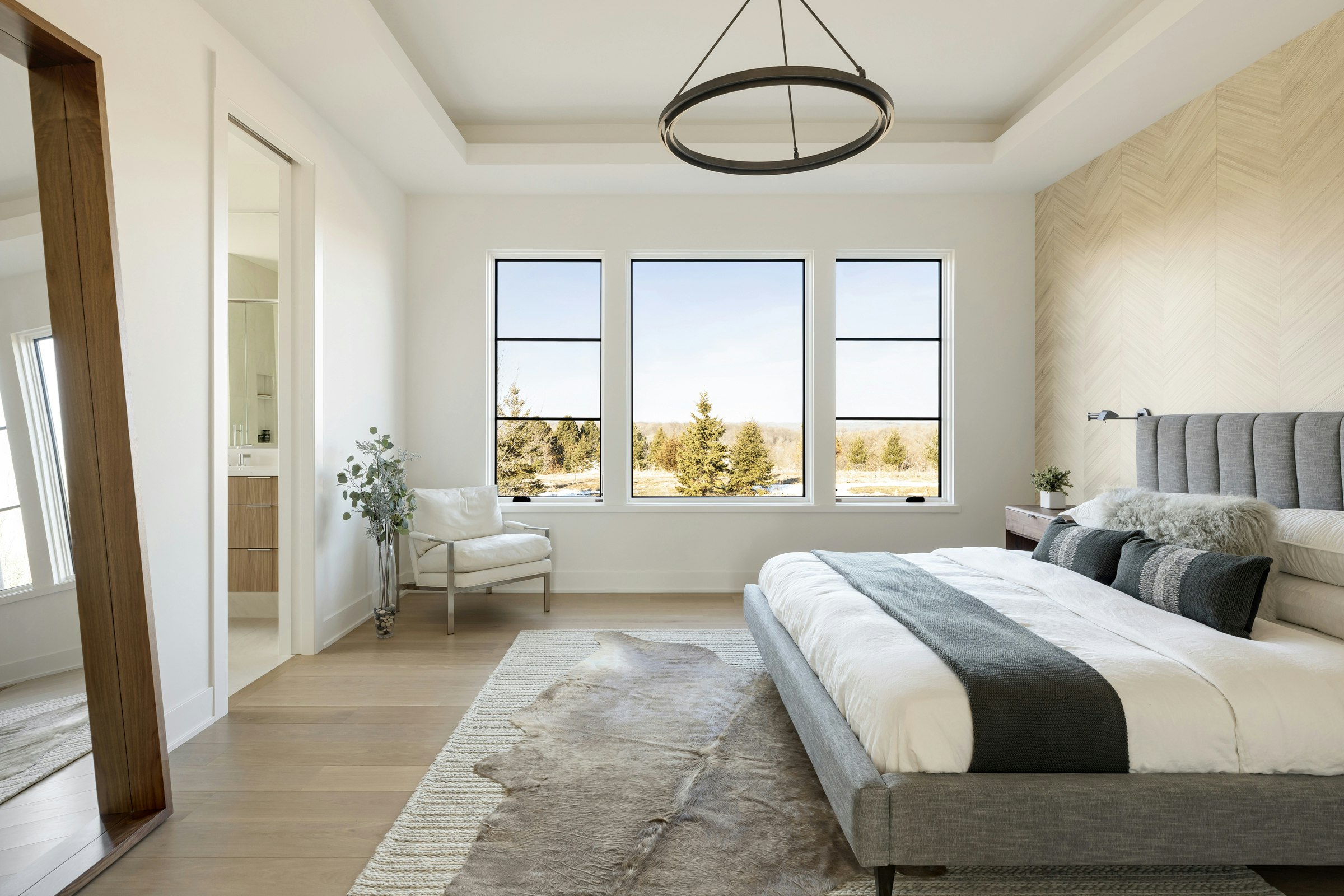
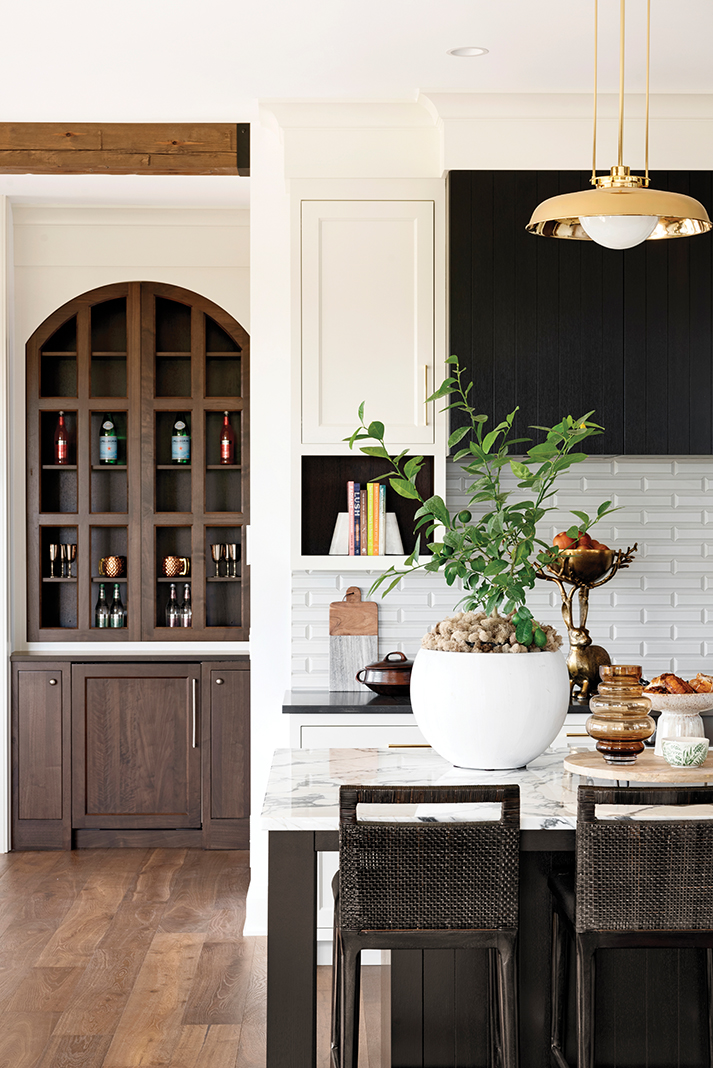
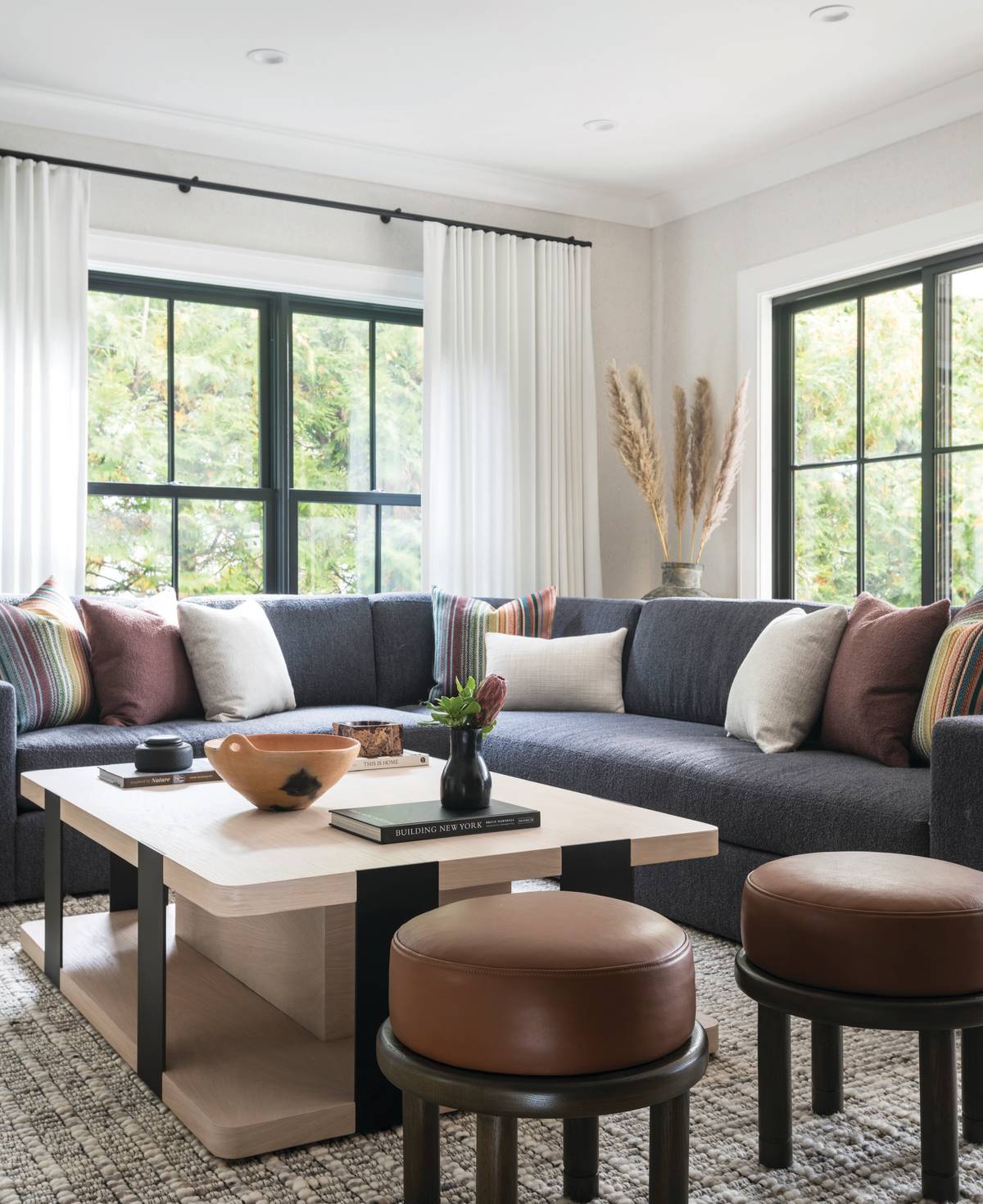
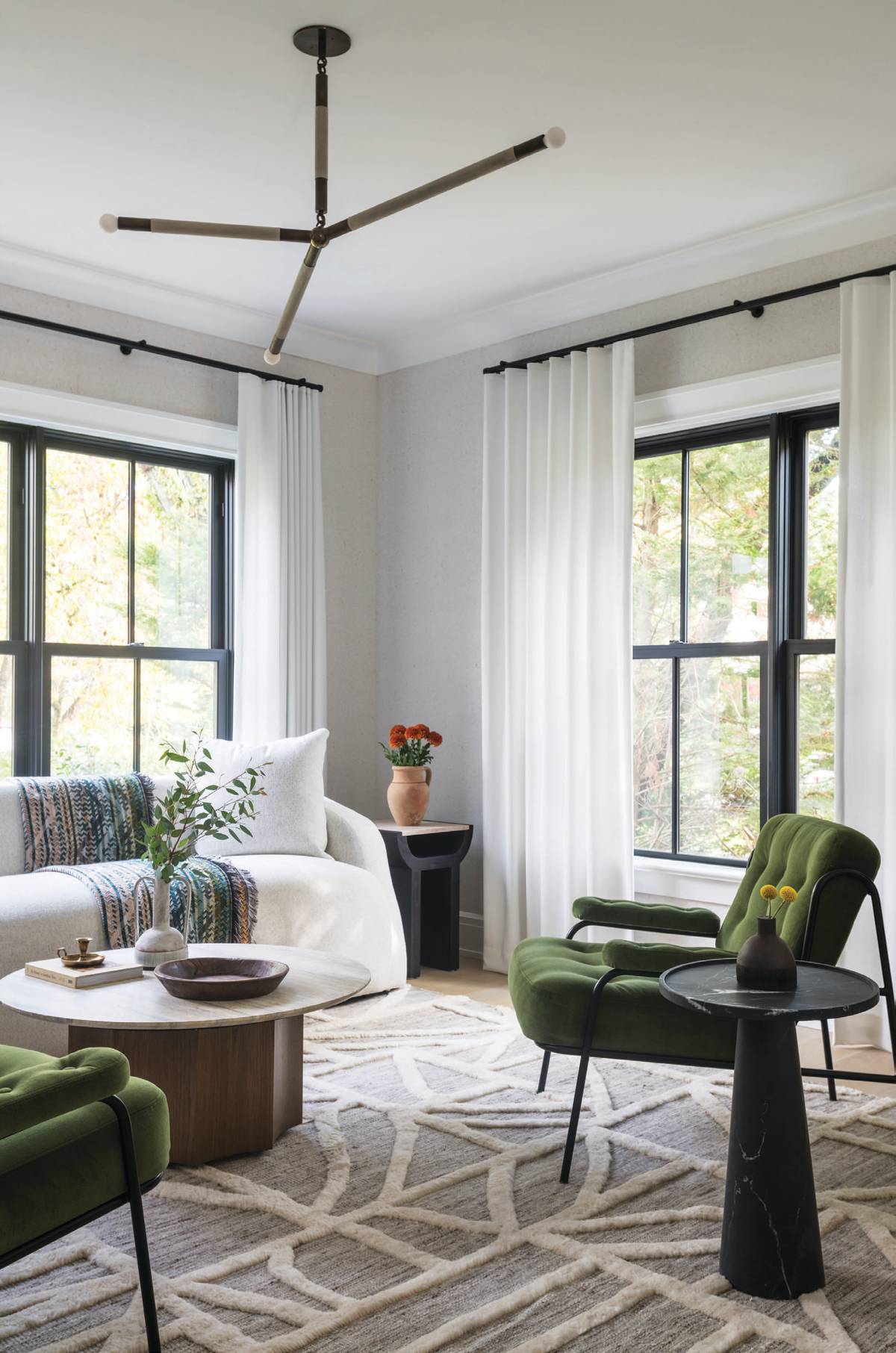
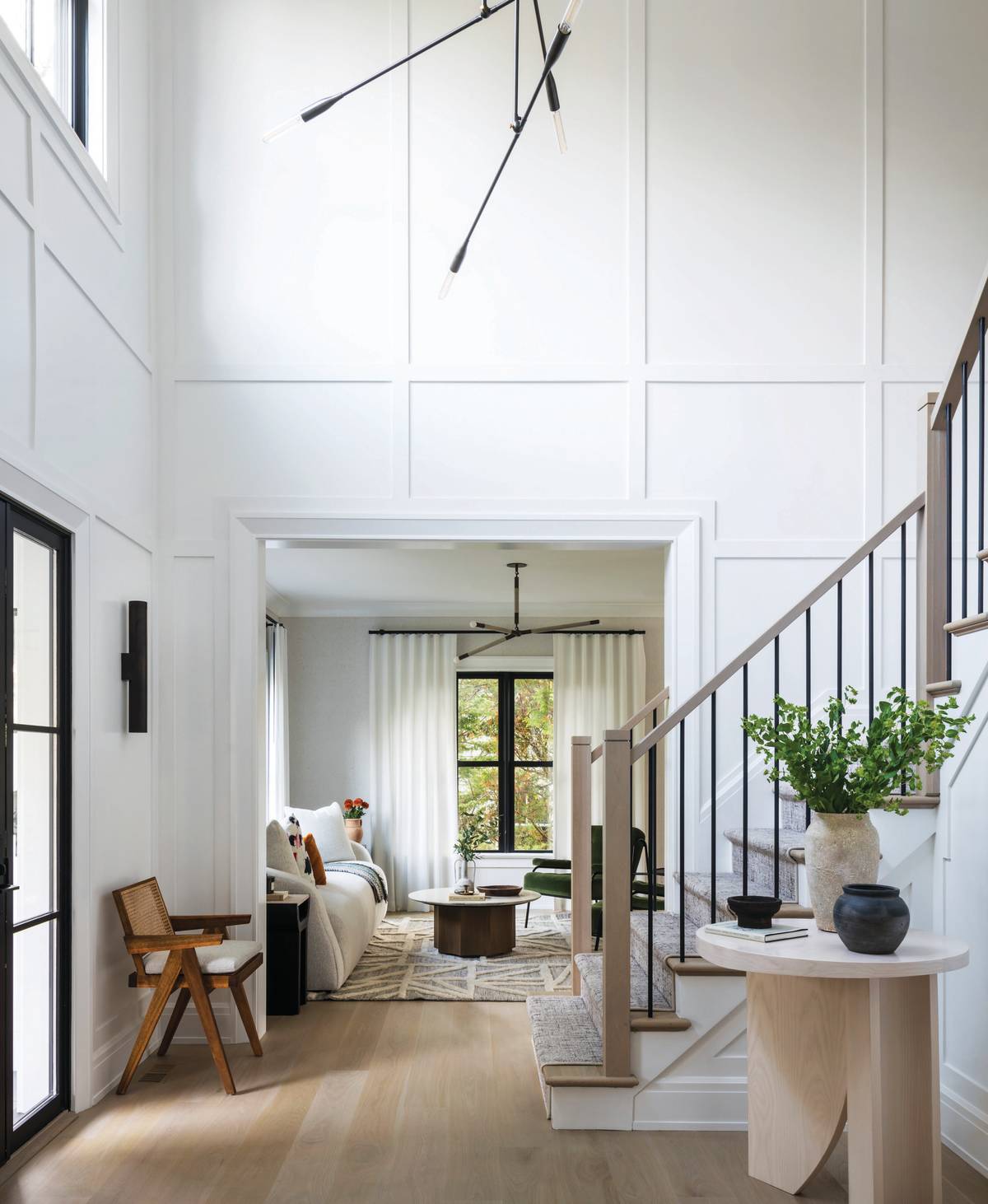
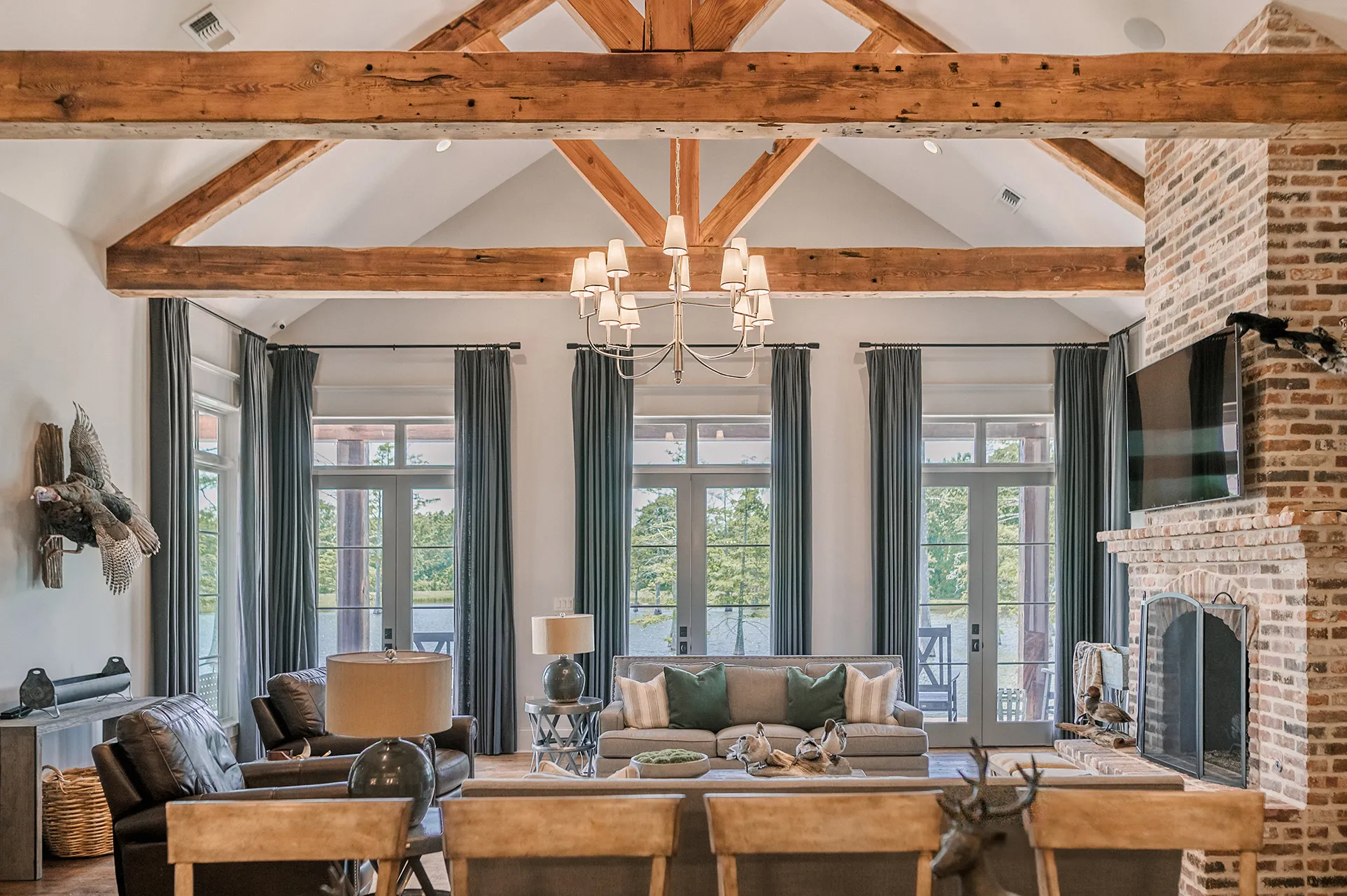
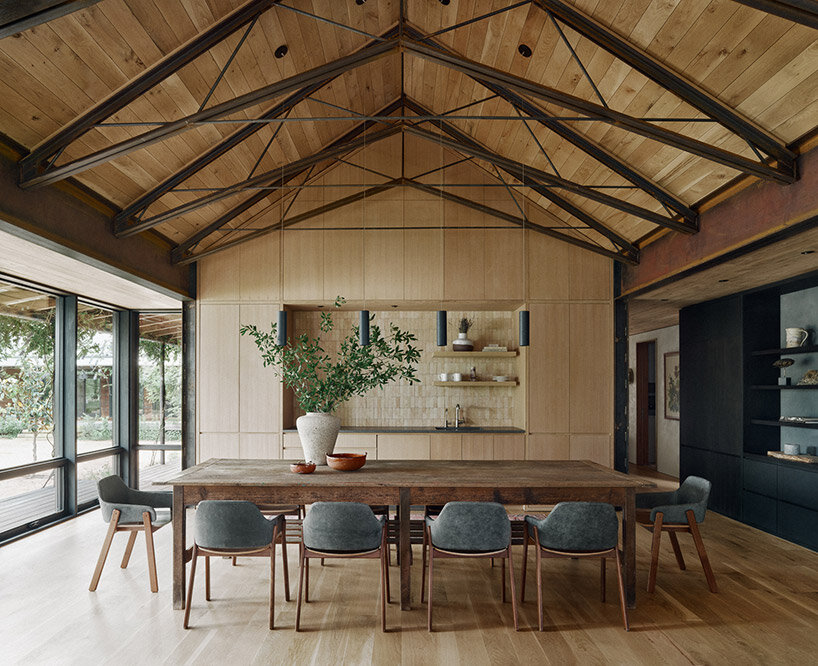
Decorating a Prairie-style home involves integrating earthy paint colors and organic materials like wood, stone, and leather, which align with the architectural visual language. Incorporating abundant greenery and large windows helps connect the interior with the outdoors. Emphasizing horizontal lines through low-profile furniture and layered rugs creates a grounded and cohesive look. Geometric patterns, visible in textiles or stained glass, can further reflect the home's architectural details. Built-in or minimalist furnishings are recommended to maintain a clean and open aesthetic.
The distinction between Prairie-style and Craftsman homes lies primarily in their overall shapes and layouts. Prairie homes are characterized by horizontal lines, low-pitched roofs, and a harmonious relationship with the landscape. In contrast, Craftsman homes feature vertical lines, steeper roofs, and exposed structures. While Prairie style promotes open layouts, Craftsman homes typically offer cozier, more compartmentalized spaces with rich woodwork and detailed trim. These seemingly minor differences significantly impact interiors, influencing how architecture interacts with the landscape. Craftsman homes, despite their timber facades, tend to stand out against nature, whereas Prairie style homes are designed to blend in. The open layout of Prairie-style homes also fundamentally alters the experience of light, sound, and heat, leading to distinct ambiences, reverberation patterns, and ventilation characteristics compared to Craftsman designs.
#PrairieStyle #ArchitecturalHistory #FrankLloydWright #ModernHomes #InteriorDesign #NaturalMaterials #OpenLayouts #HomeDecor #CraftsmanHomes #PrairieStyle #ArchitecturalHistory #FrankLloydWright #ModernHomes #InteriorDesign #NaturalMaterials #OpenLayouts #HomeDecor #CraftsmanHomes
0 comment in total
 No comments yet
You may also like
Designing a contemporary prairie home rooted in place
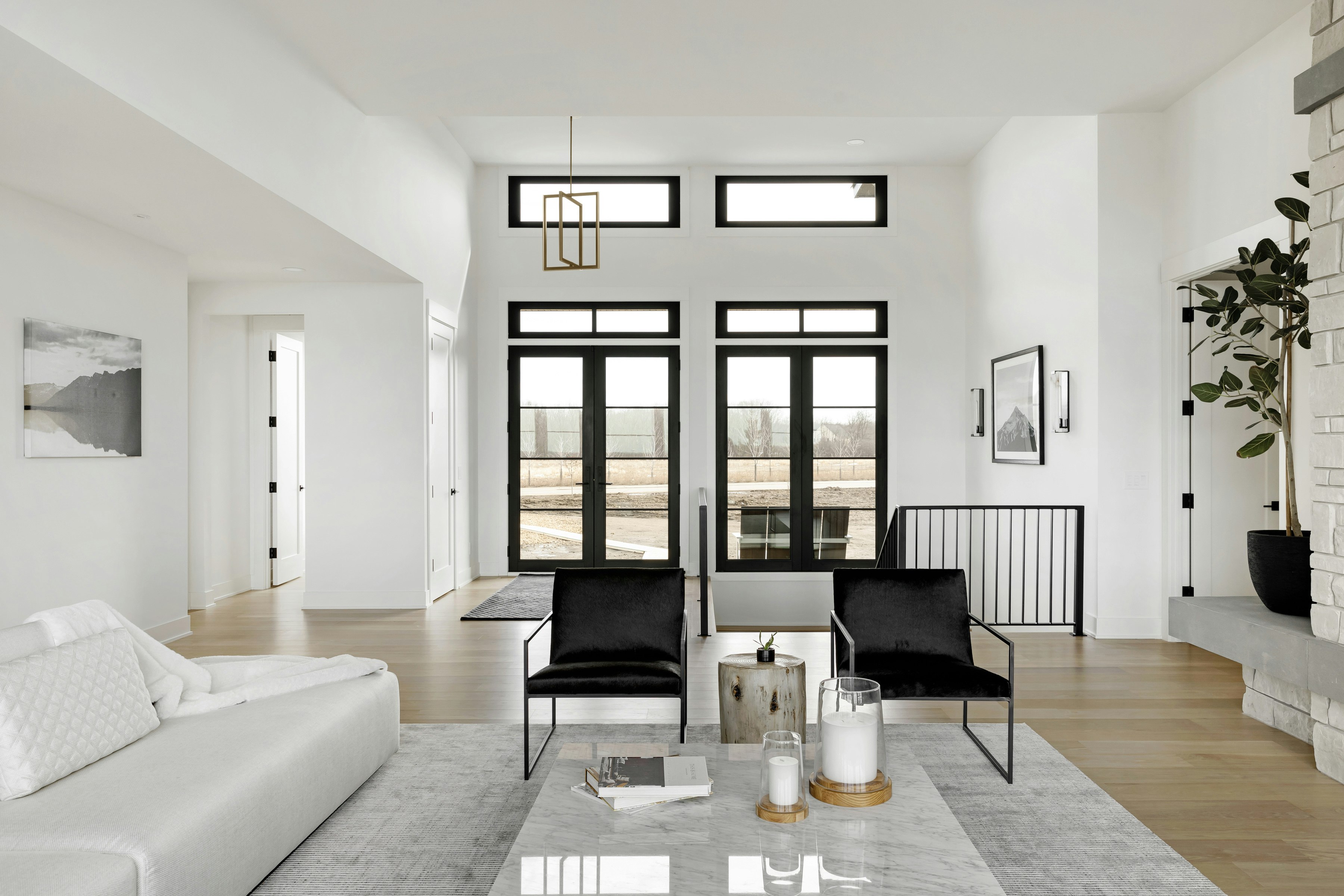
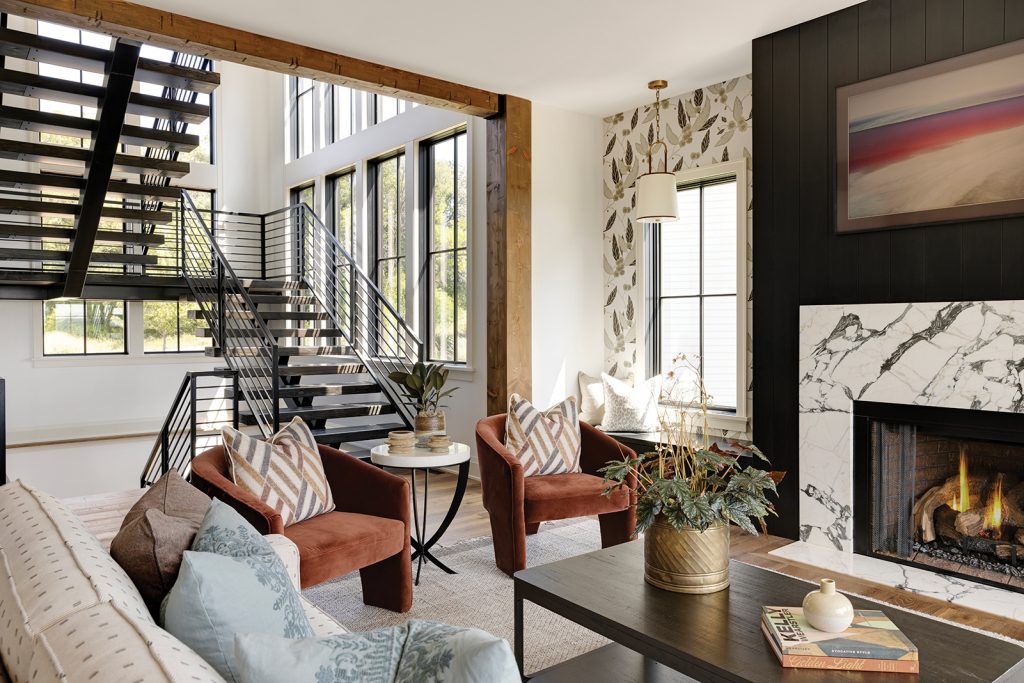
Minnesota’s Native Prairie Landscape Sets the Stage for This Modern Home Near Minneapolis

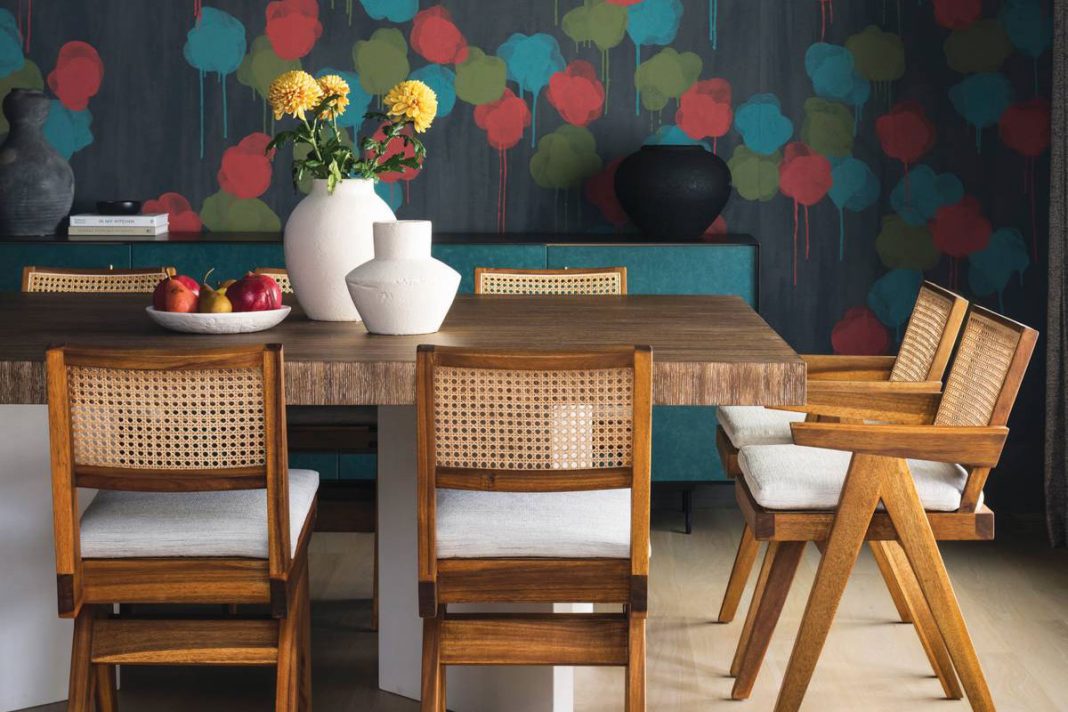
This Rye Home Design Is Sophisticated and Family-Friendly

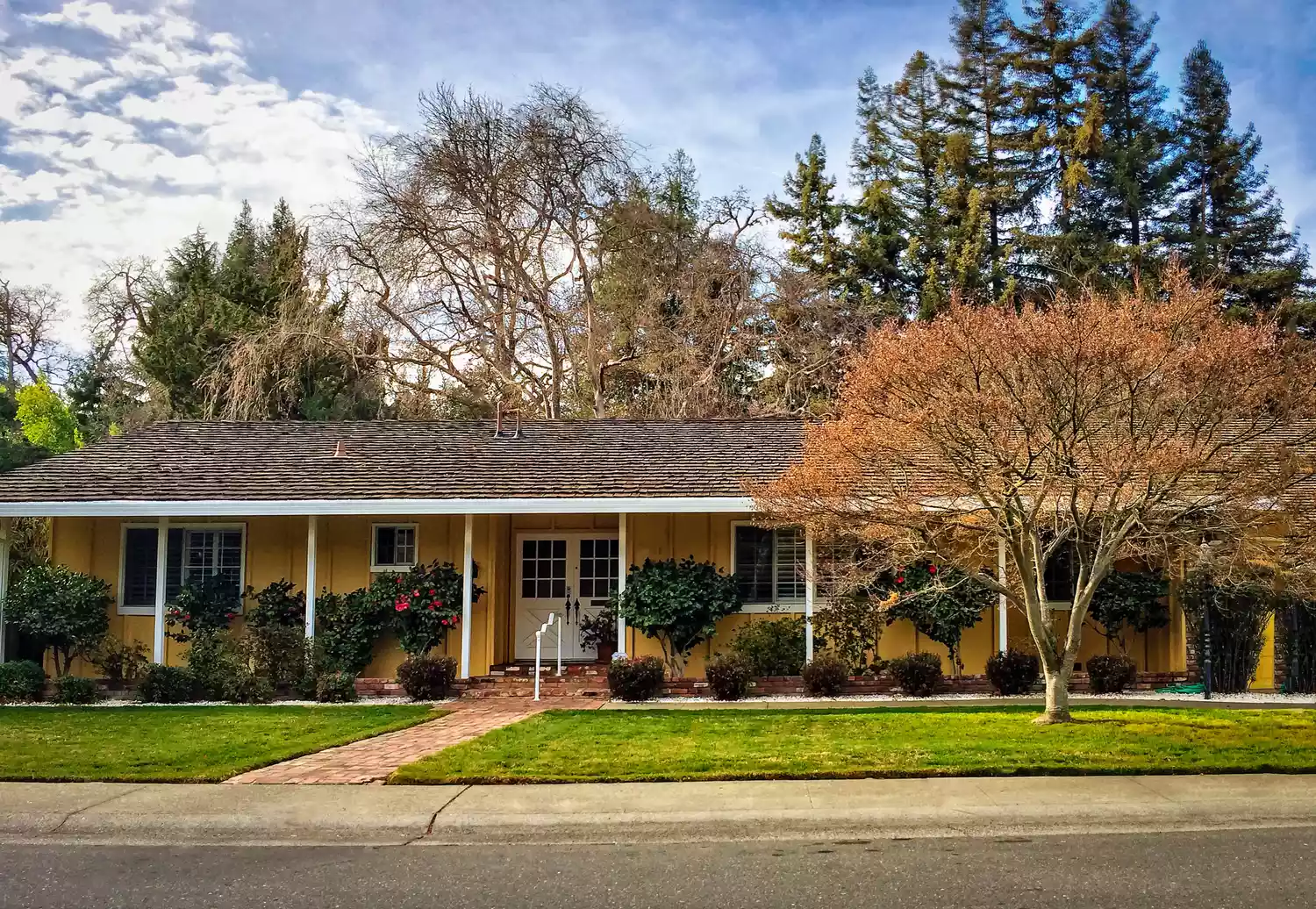
Ranch-Style Houses Are More Popular Than Ever—Here's Why

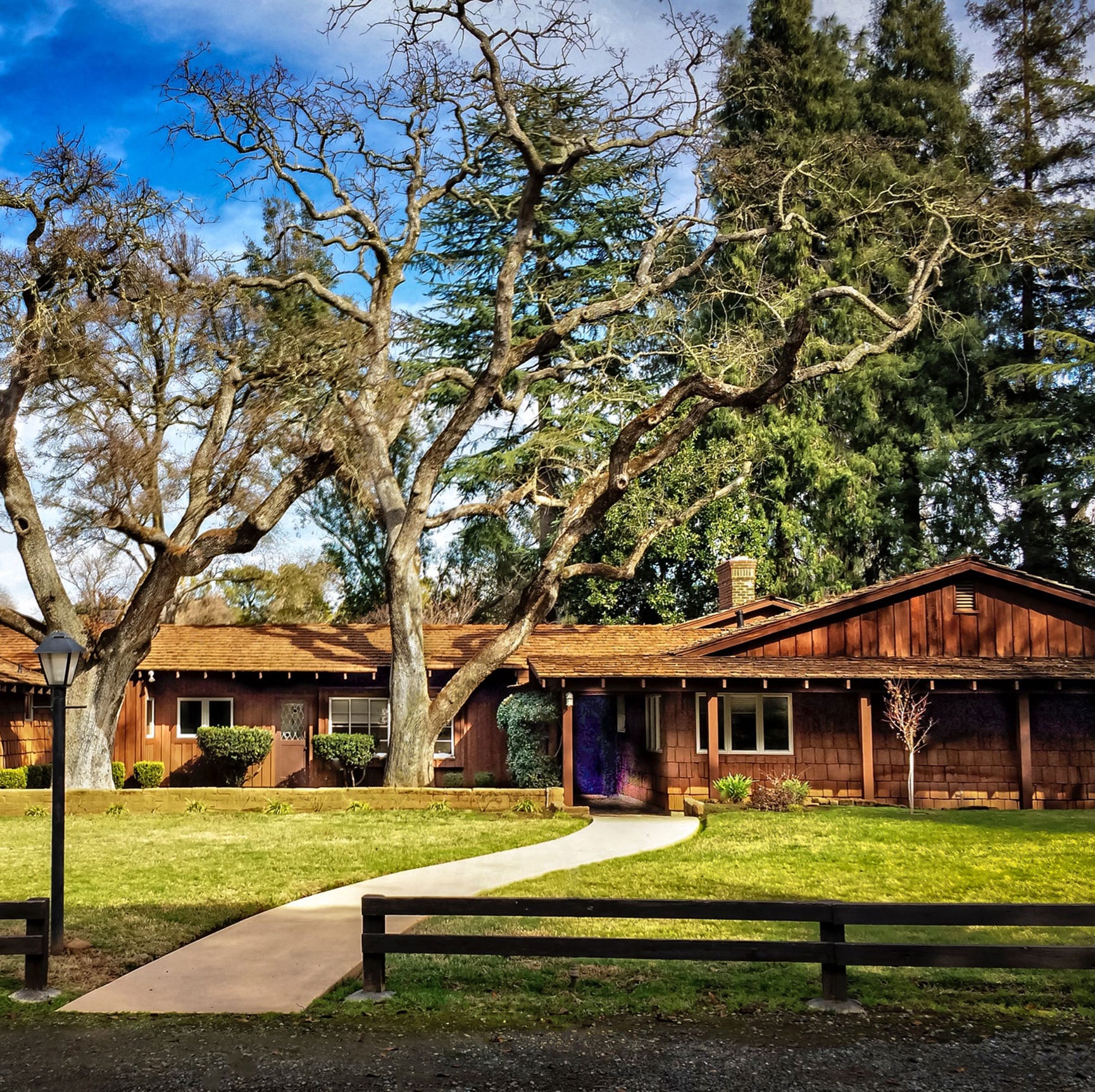
Everything You Need to Know About Ranch-Style Houses

A Midwest Modern Abode by Michael Paul Design + Build

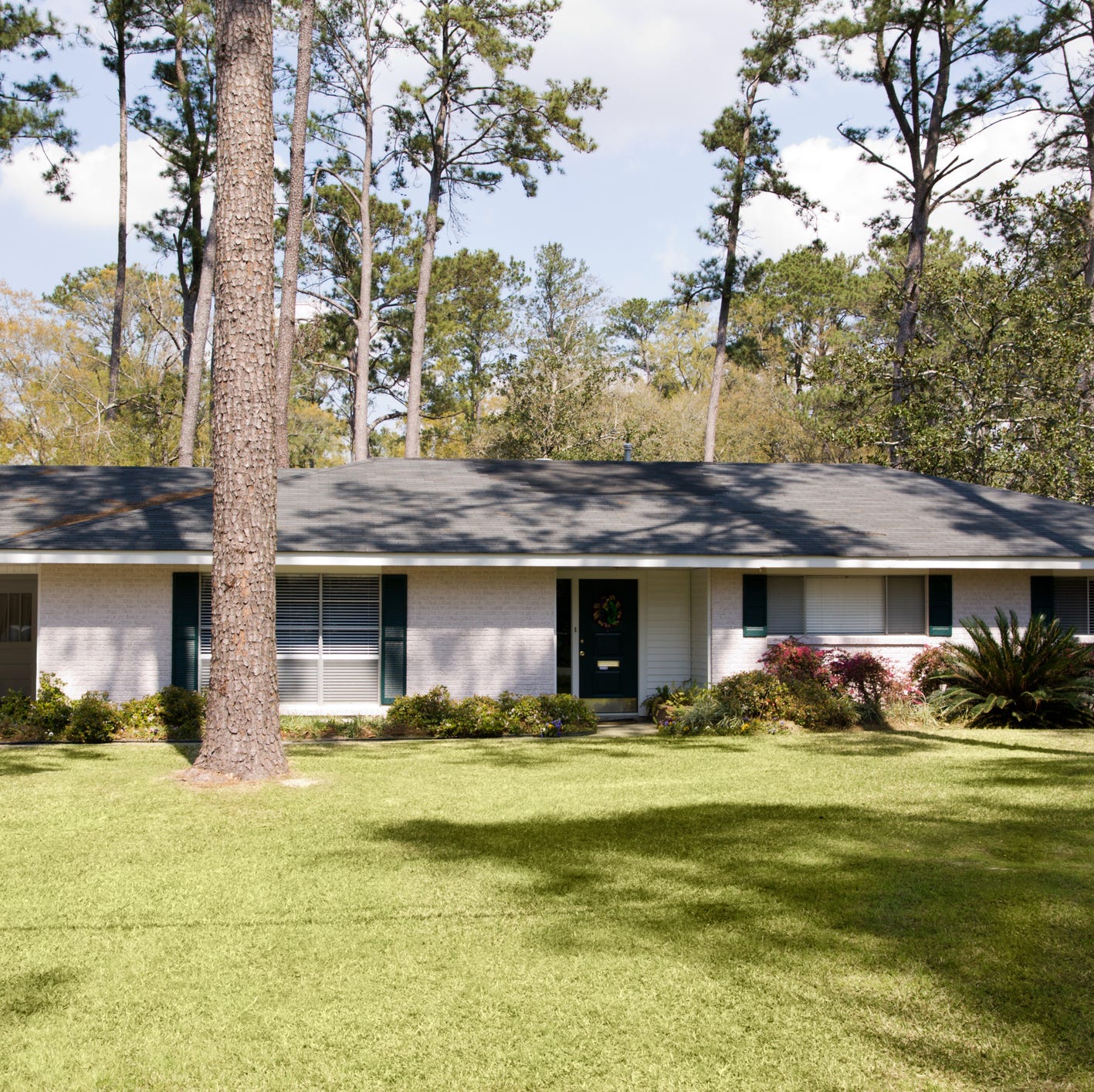
Why This Architect Says Ranch-Style Houses Are ‘Important Historical Artifacts’

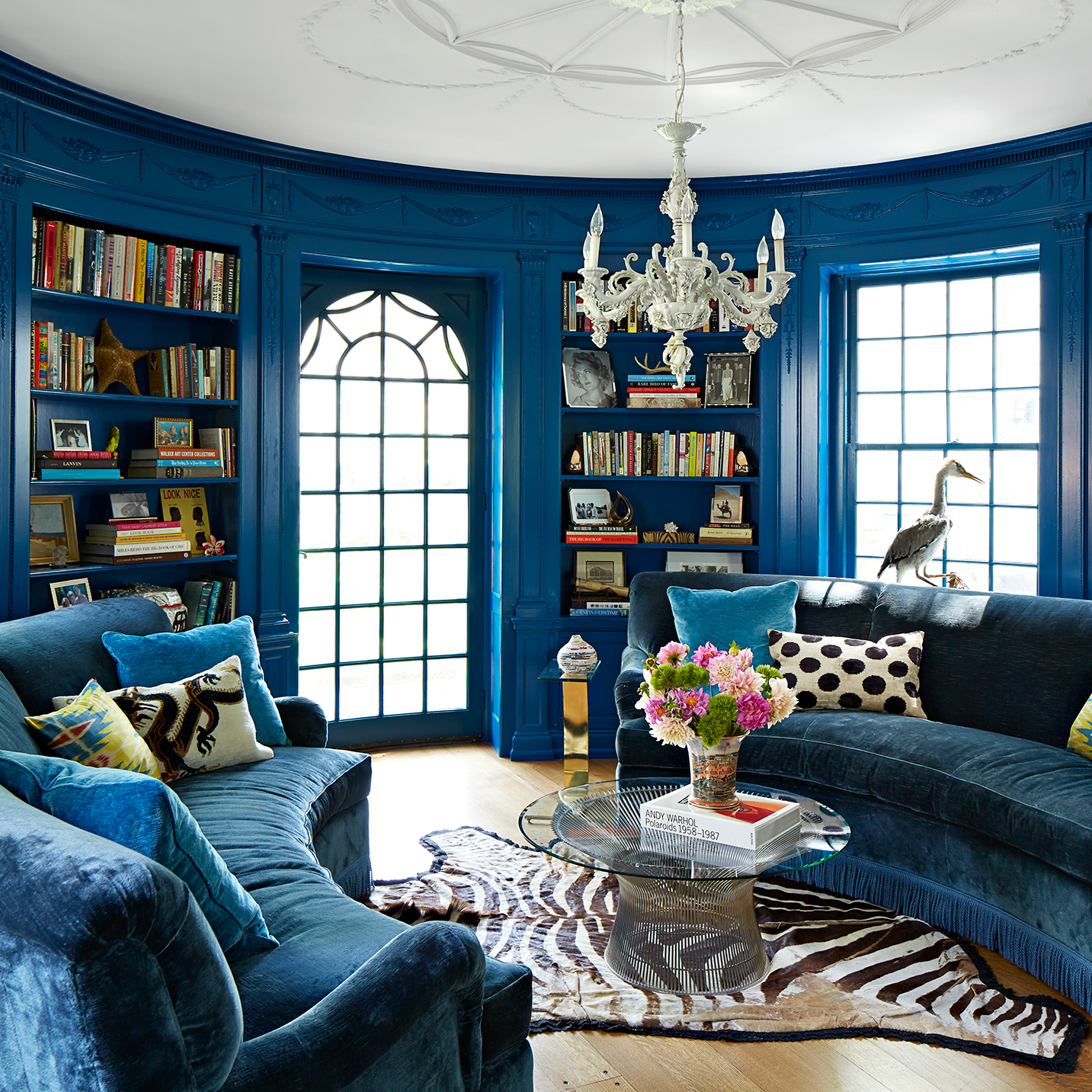
What Exactly Is a Colonial Revival Home?

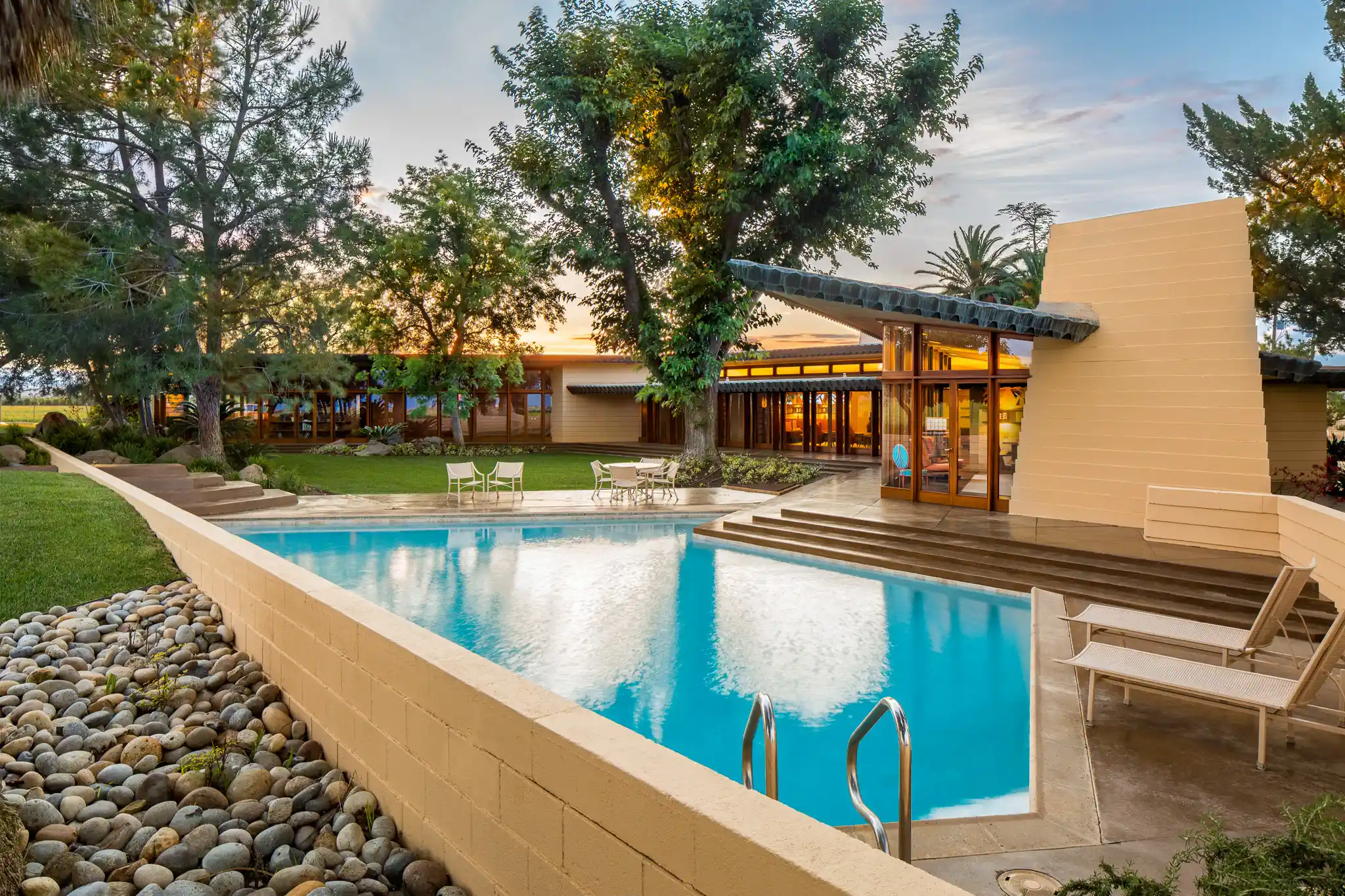
7 Frank Lloyd Wright houses currently up for sale

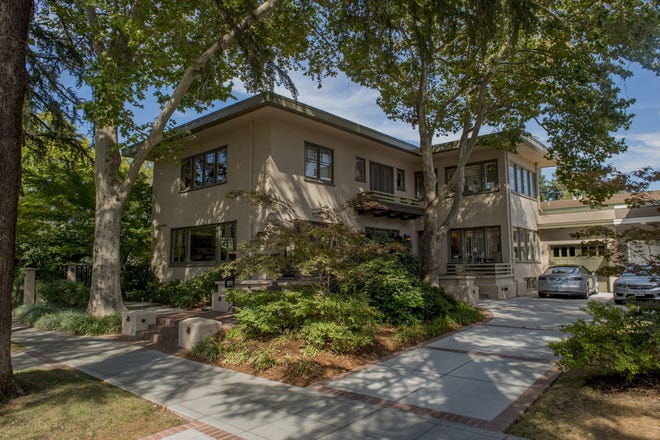
Prairie home is a dream come true
Camp meets couture at a private hunting lodge that serves as an escape from everyday life

These French country houses are a lesson in the classic rustic style – here's what we learned from the designers

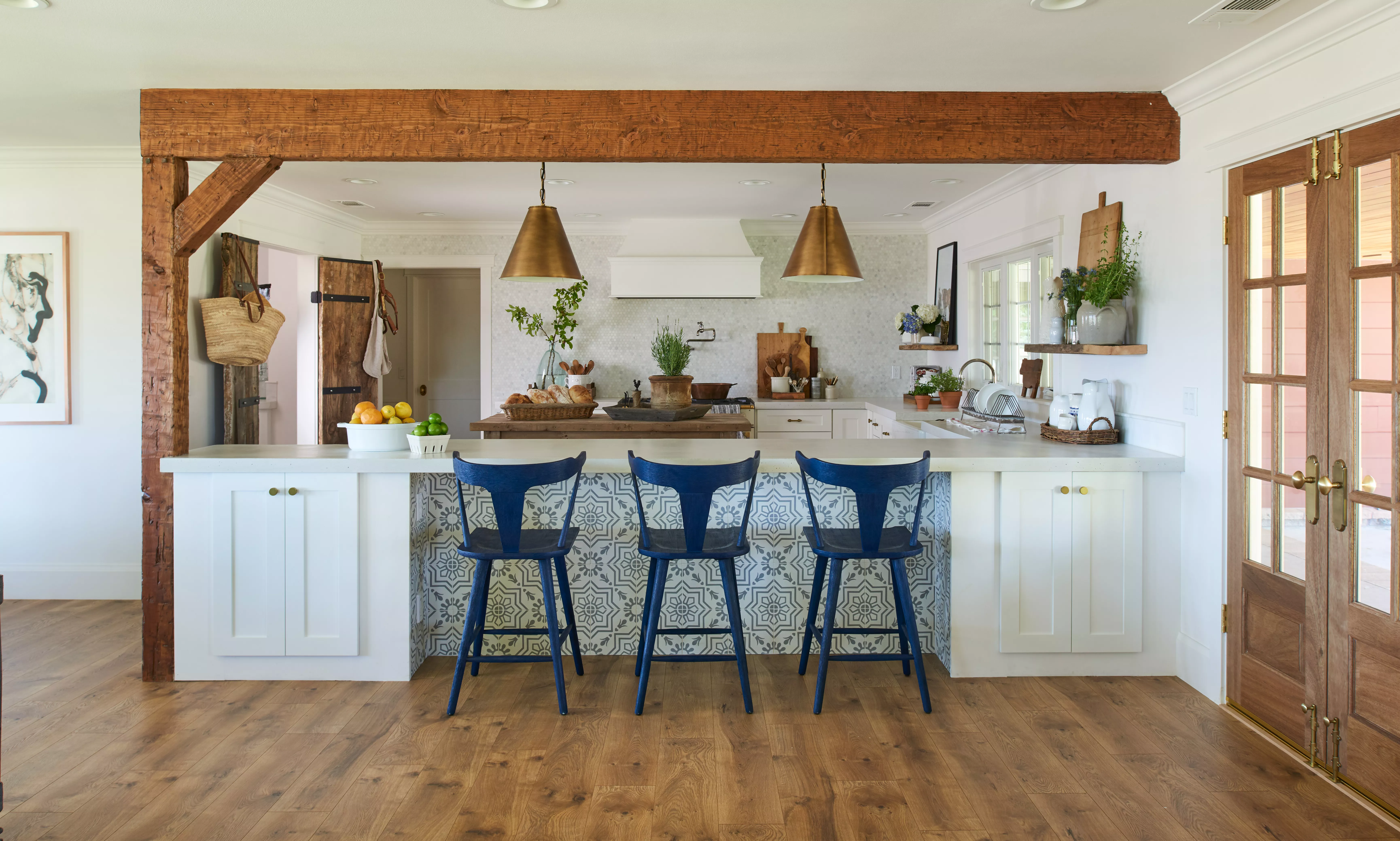
Try The Modern Prairie Style of Interior Design, Which is Rustic Yet Refined

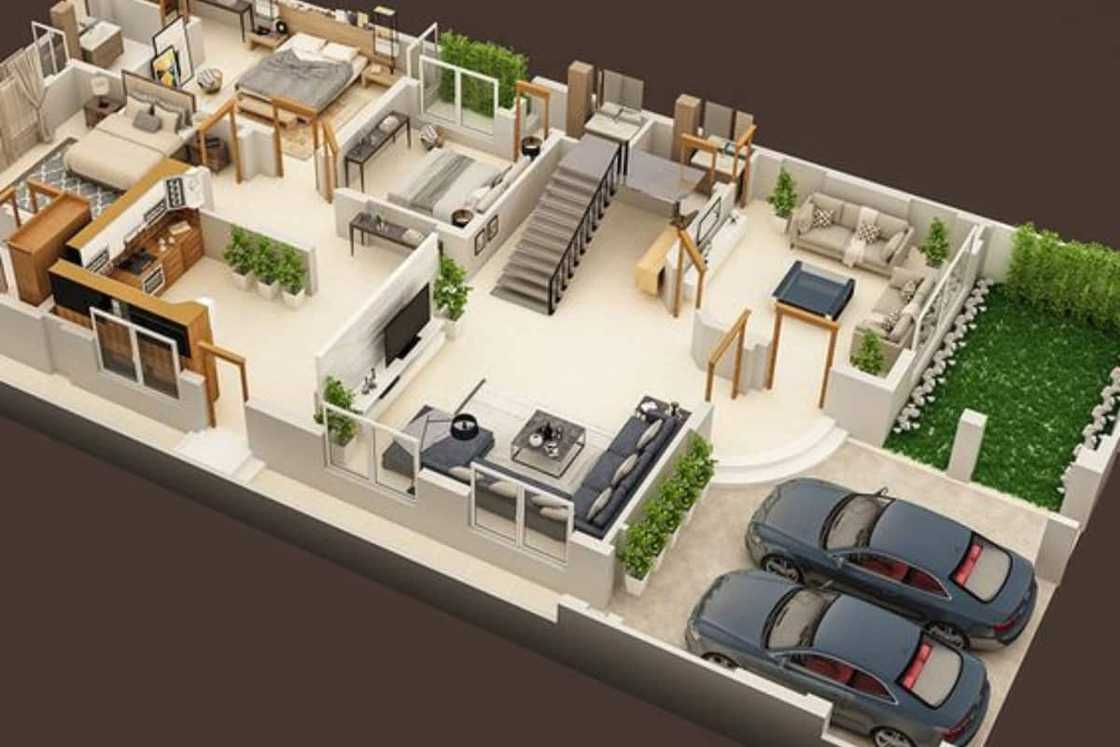
10 inspiring 5 bedroom house plans designs and layouts

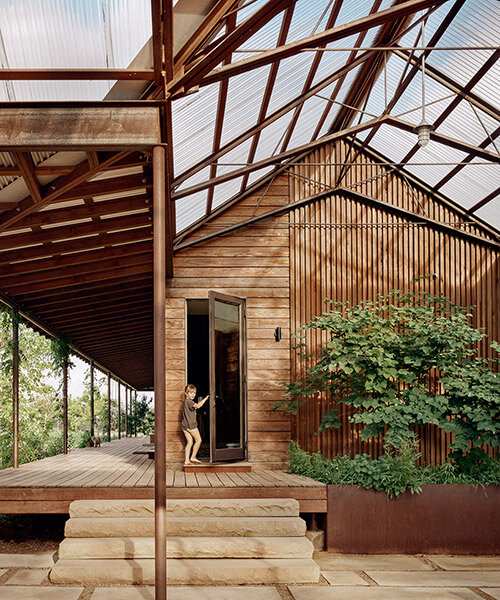
roam ranch: baldridge architects designs modern home for rural texas

20 Old House Styles No Longer Built Today
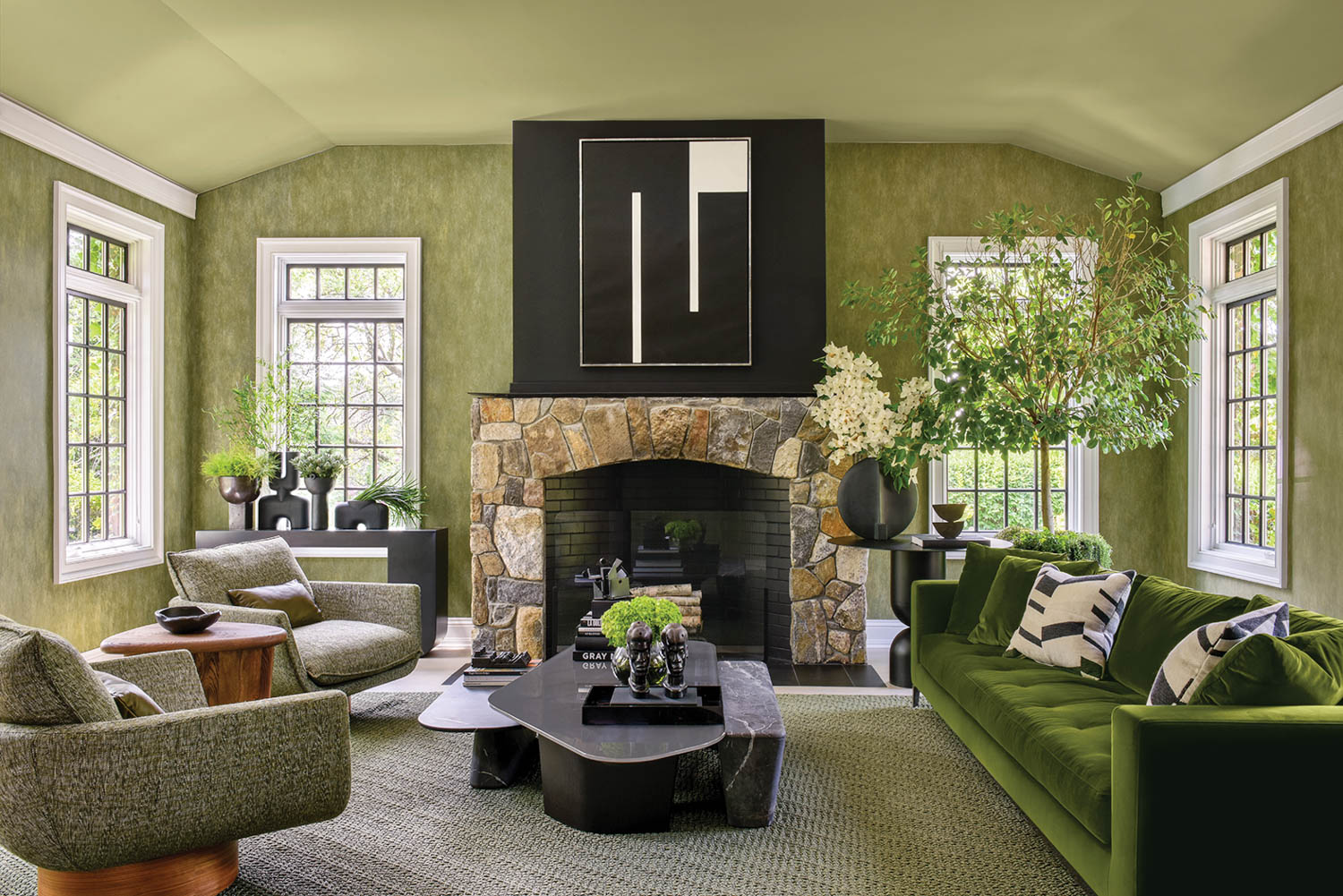
20 Modern Country Houses Designed for R&R


Guide to Buying Older Homes by Decade

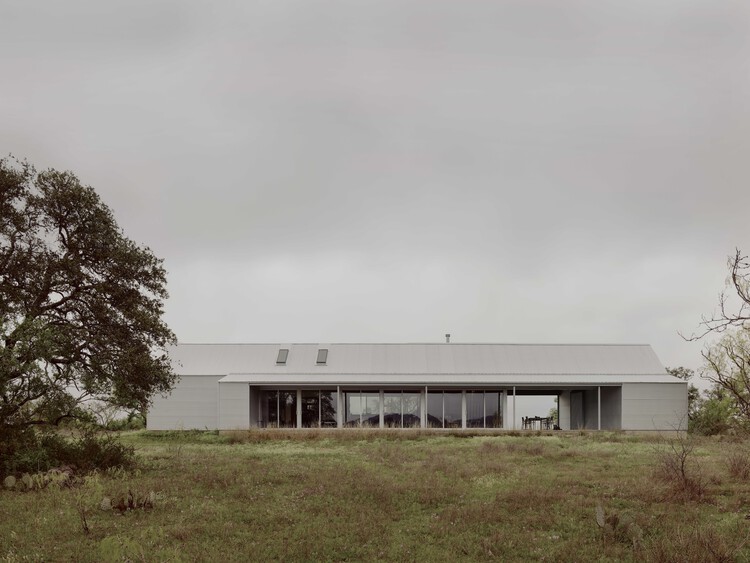
SHED/HOUSE / Side Angle Side

Looking to Buy a New Home? These Are the Most Popular House Styles to Know