1/4
3 Things To Consider When Painting With Bold Colors
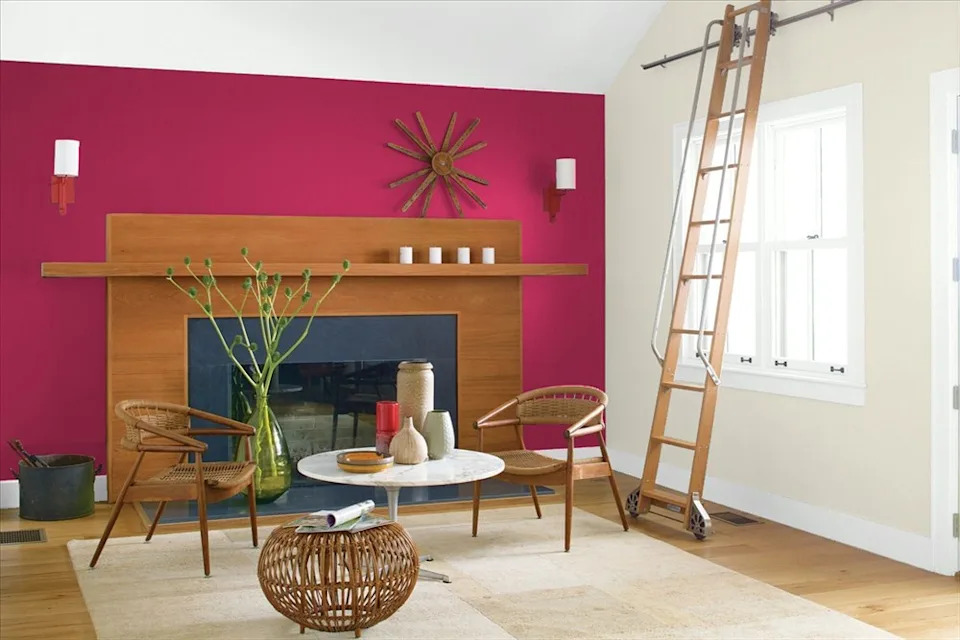
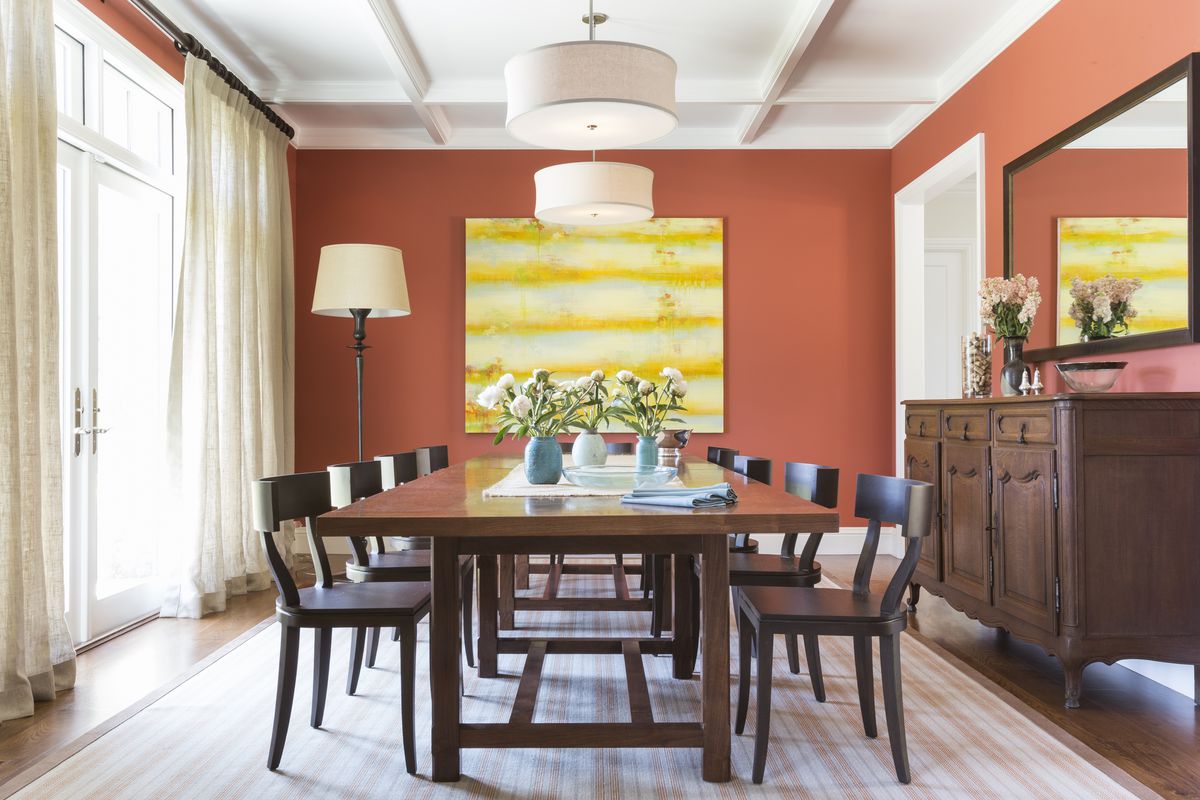
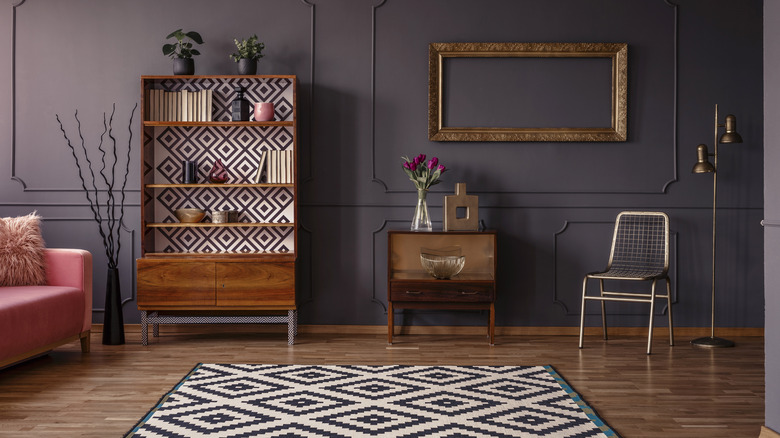
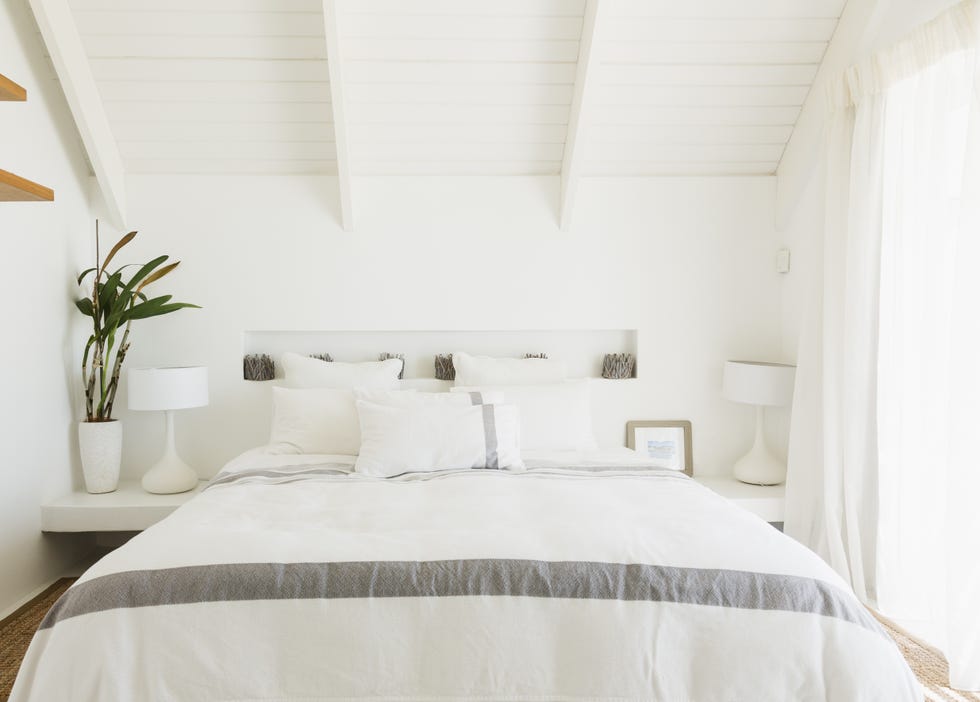
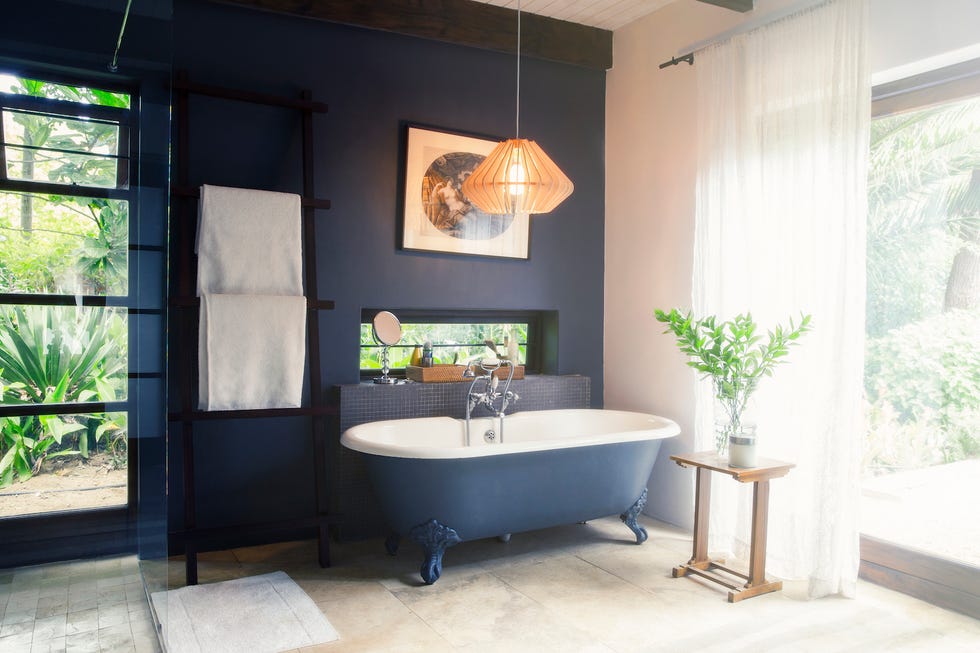
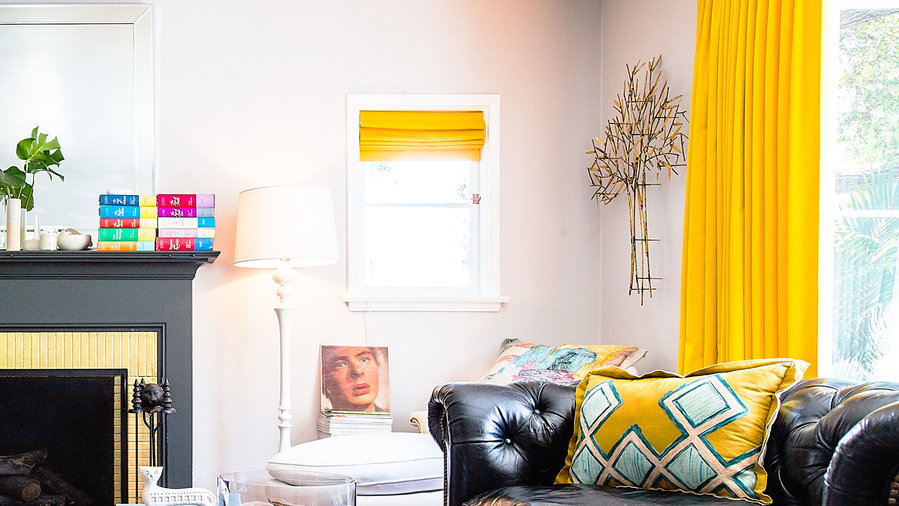
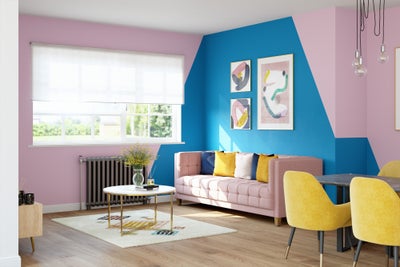
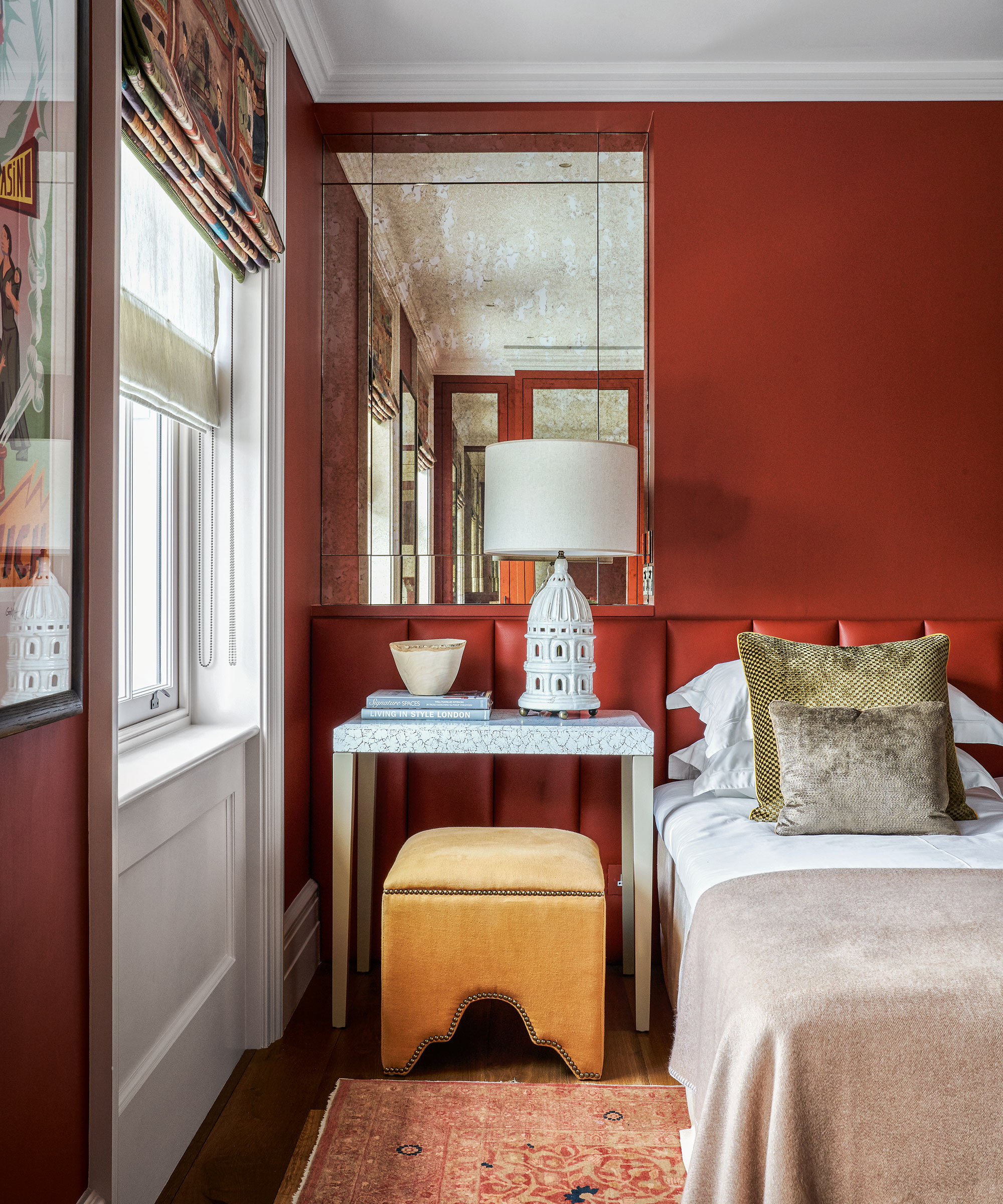
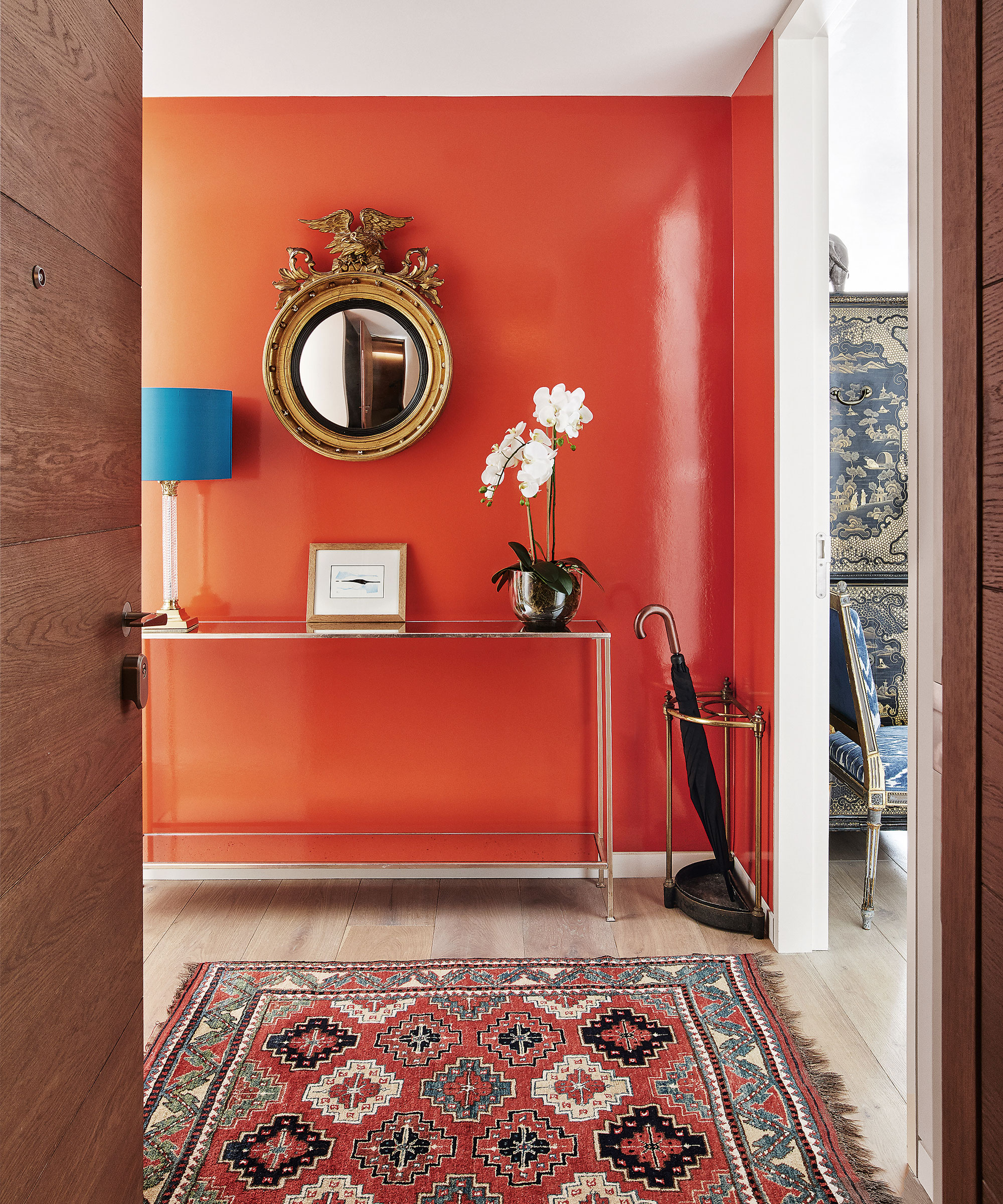
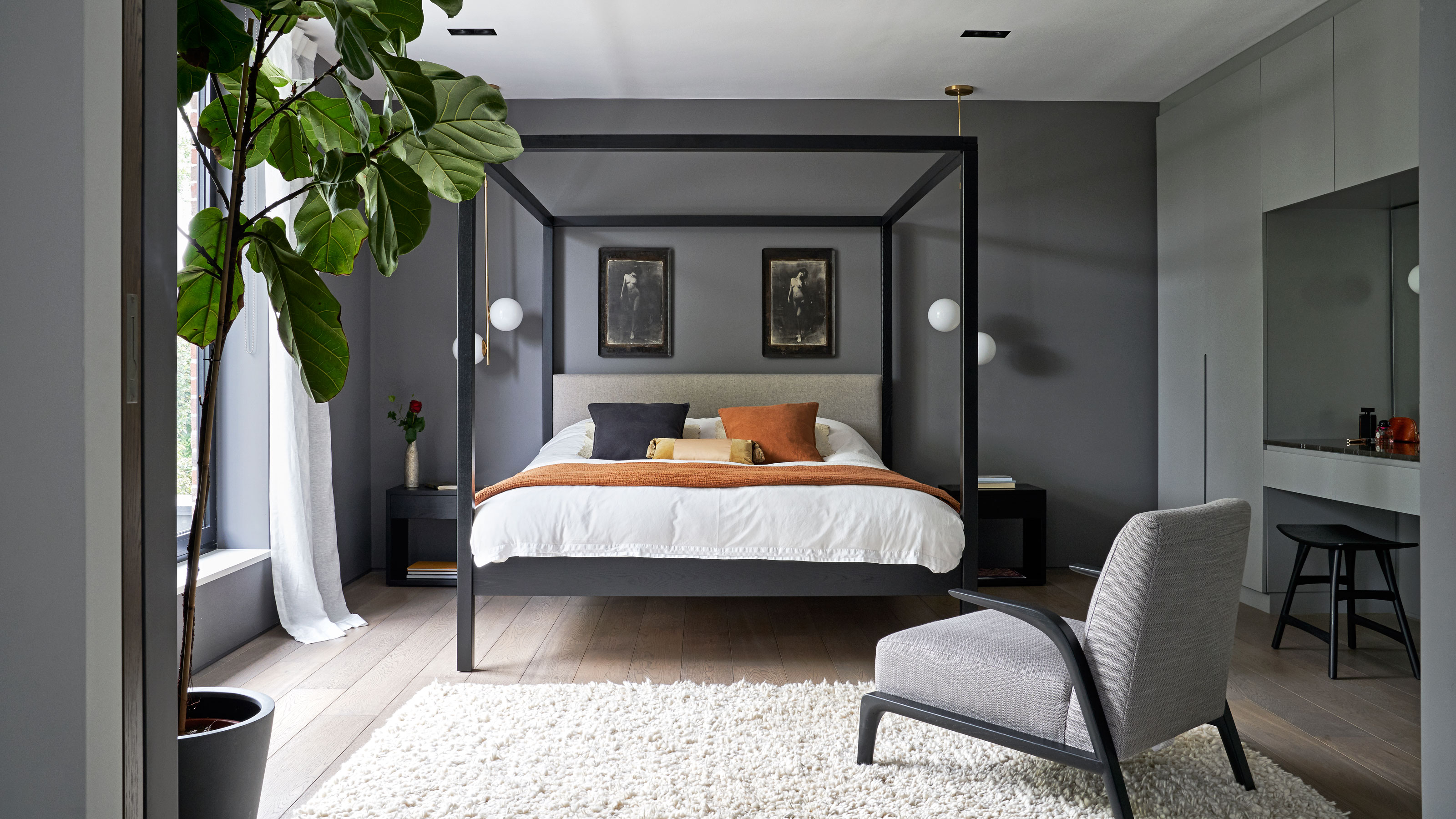
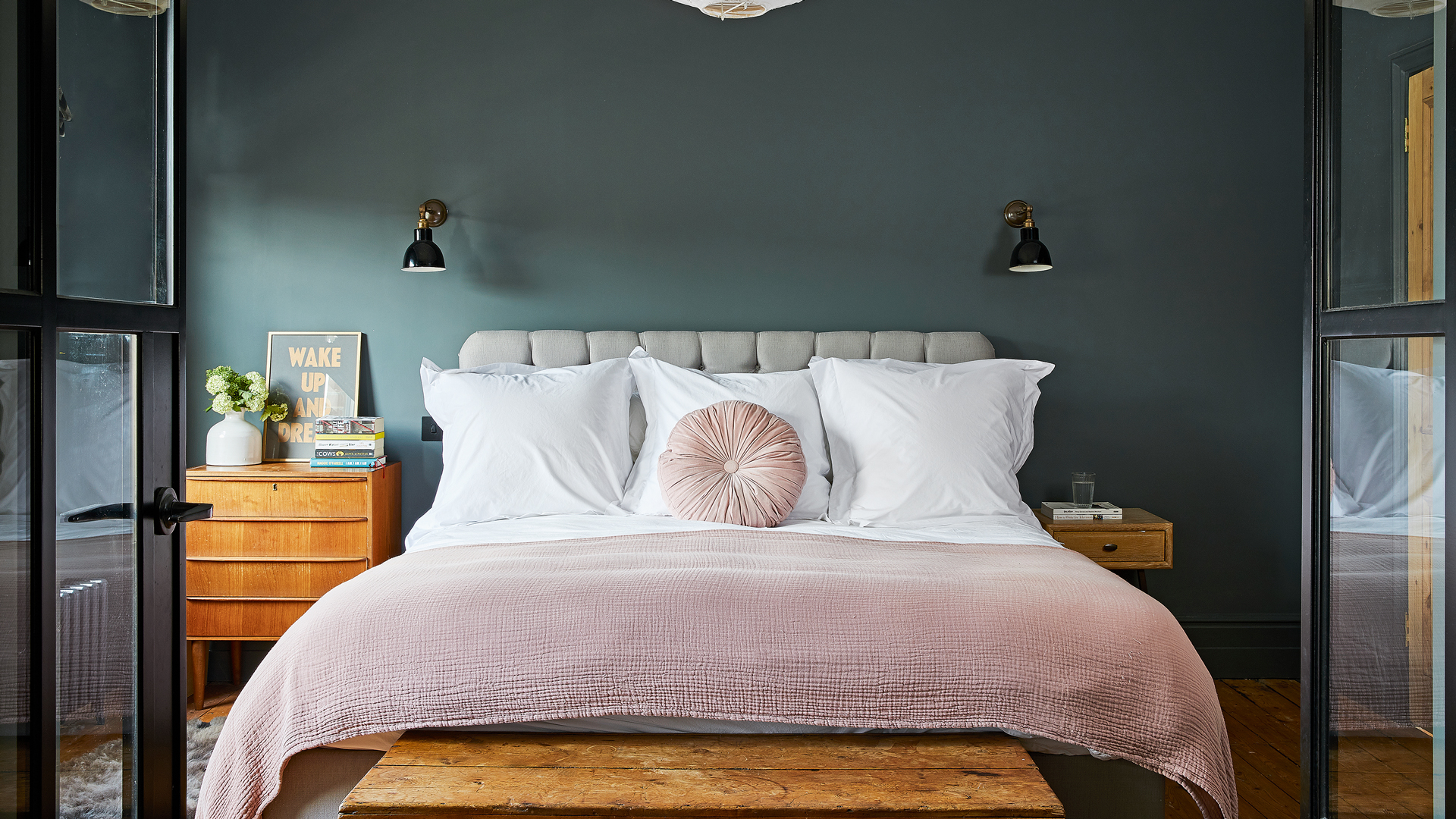
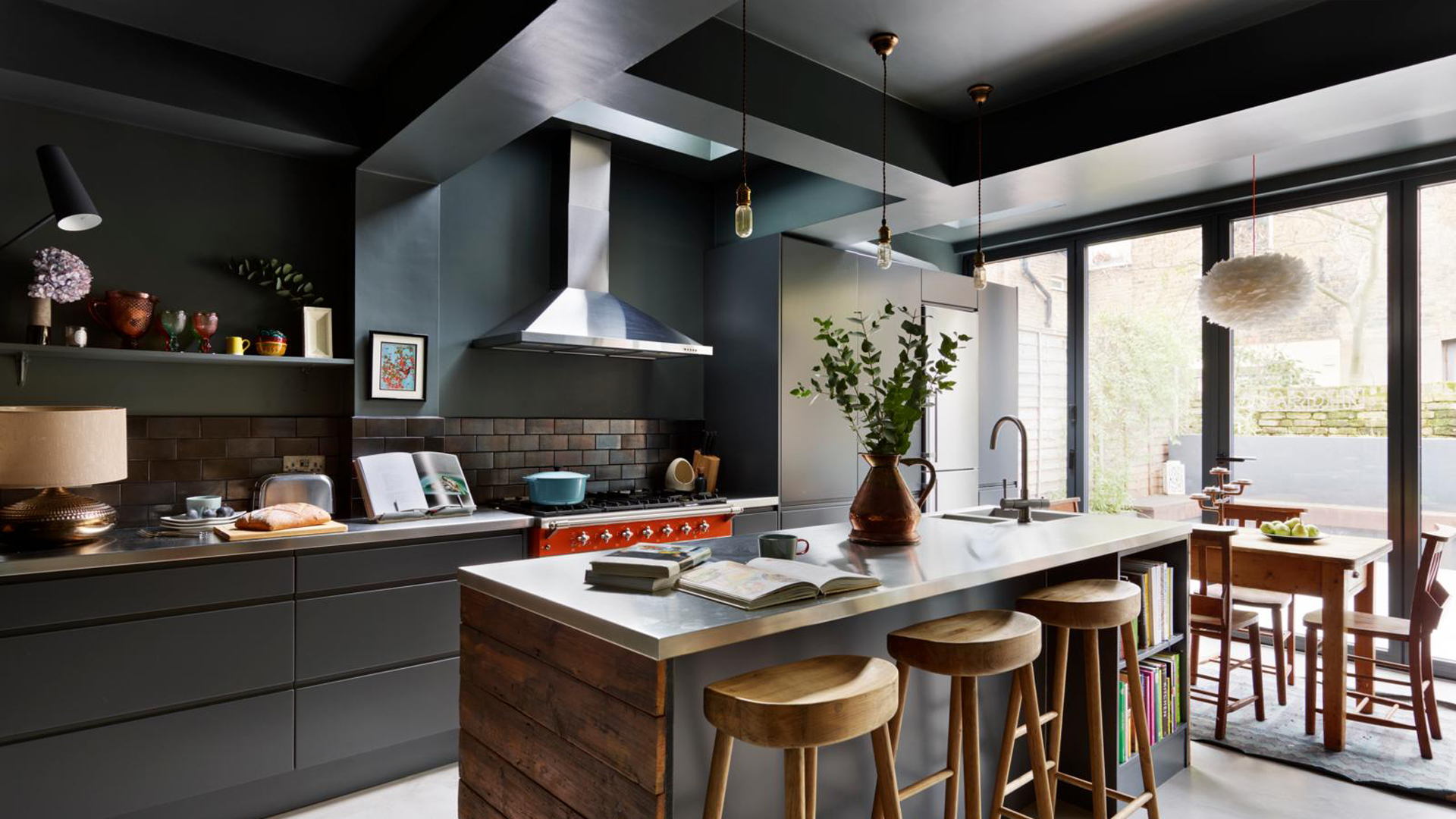
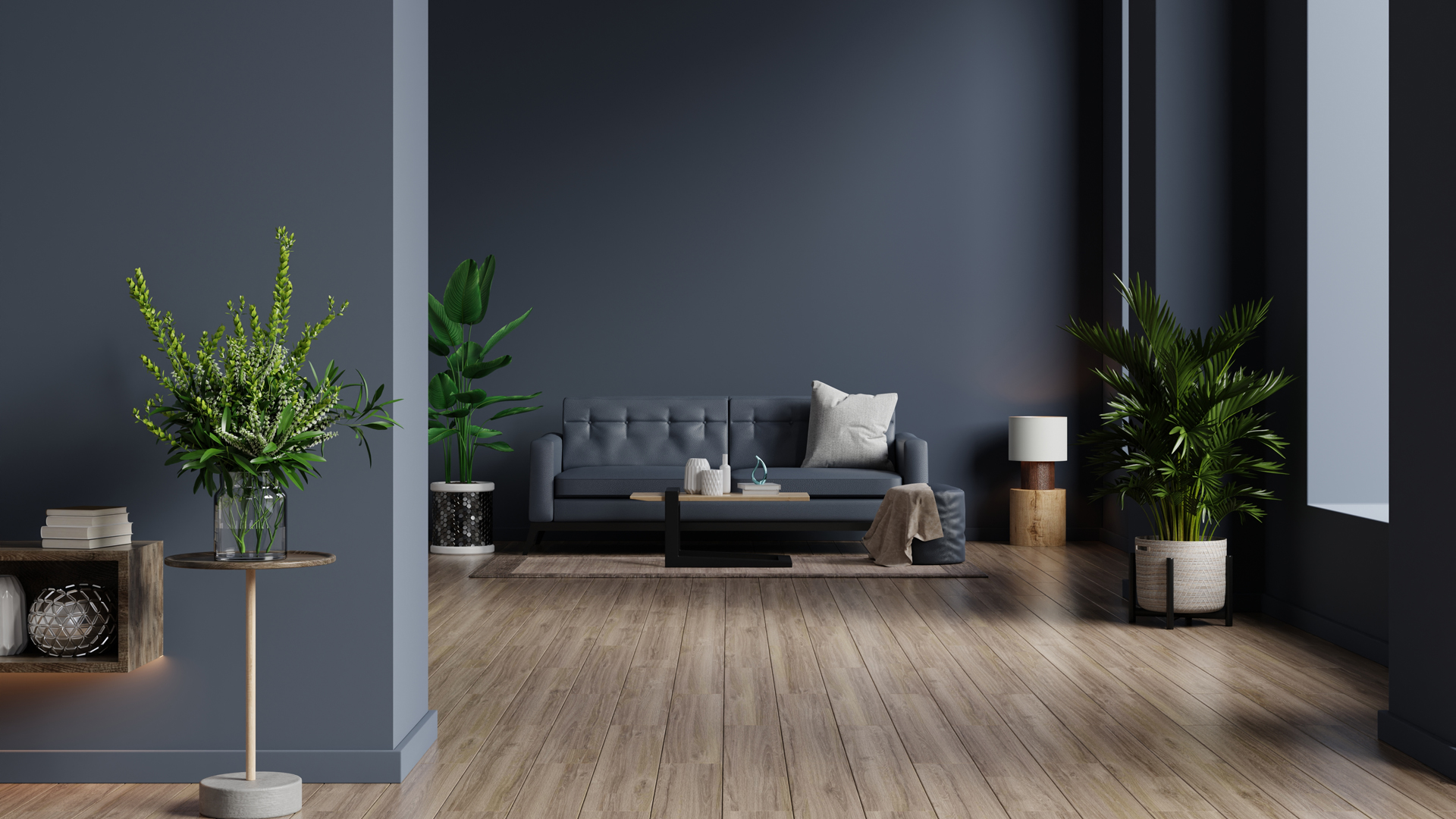
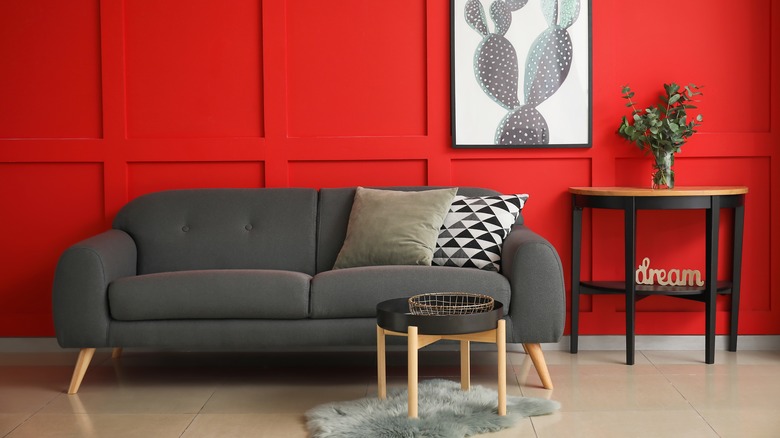
The article discusses the increasing trend of using bolder colors in home interiors, moving away from the previously dominant all-white aesthetic. While white offers a clean and modern look, an excessive amount can result in a cold and impersonal space. The resurgence of color in homes has led many homeowners and renters to incorporate brighter hues. However, choosing and applying bold colors can be daunting, but with certain considerations, anyone can master color usage in their living spaces. Three key factors are presented for consideration when painting with bold colors.
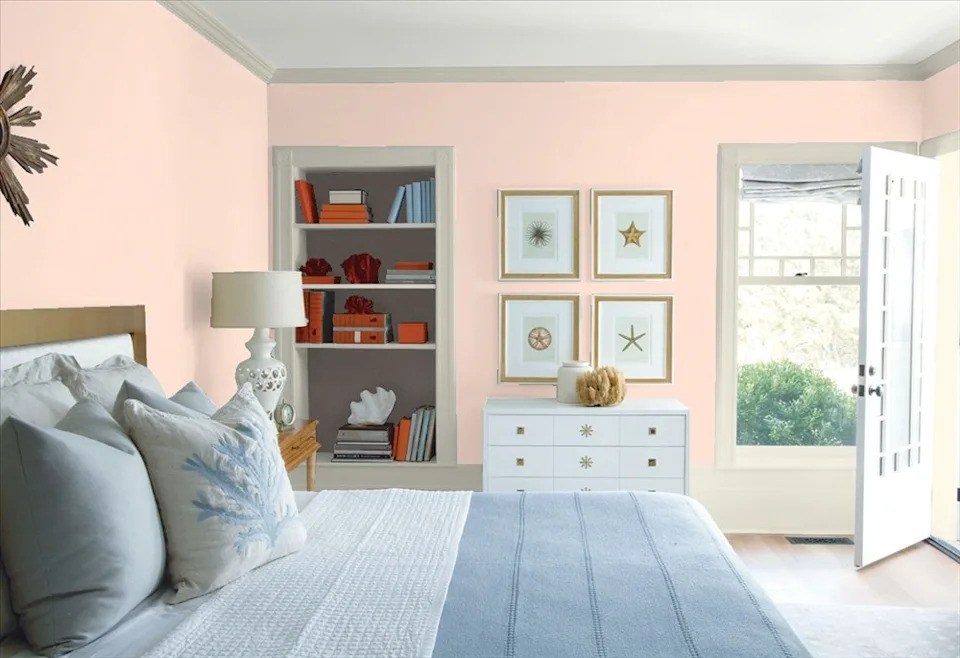
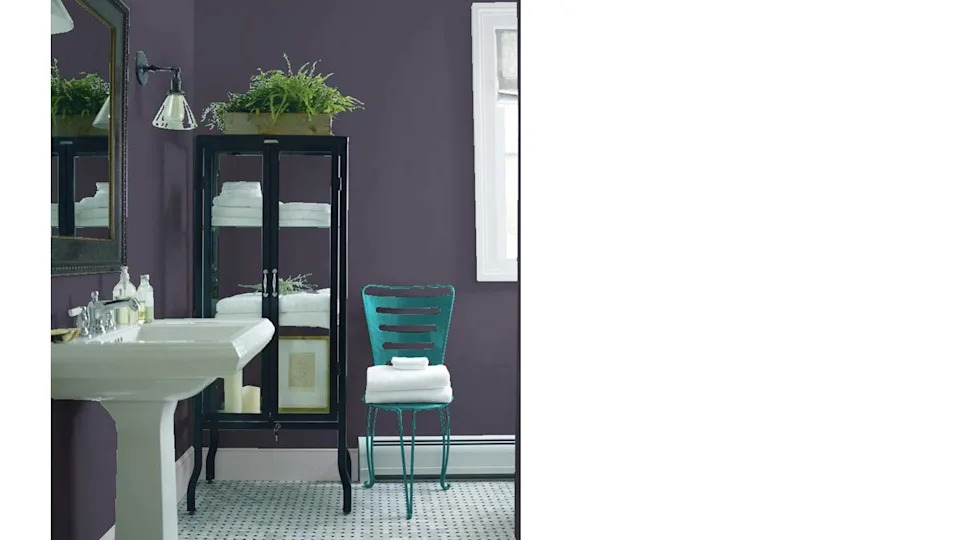
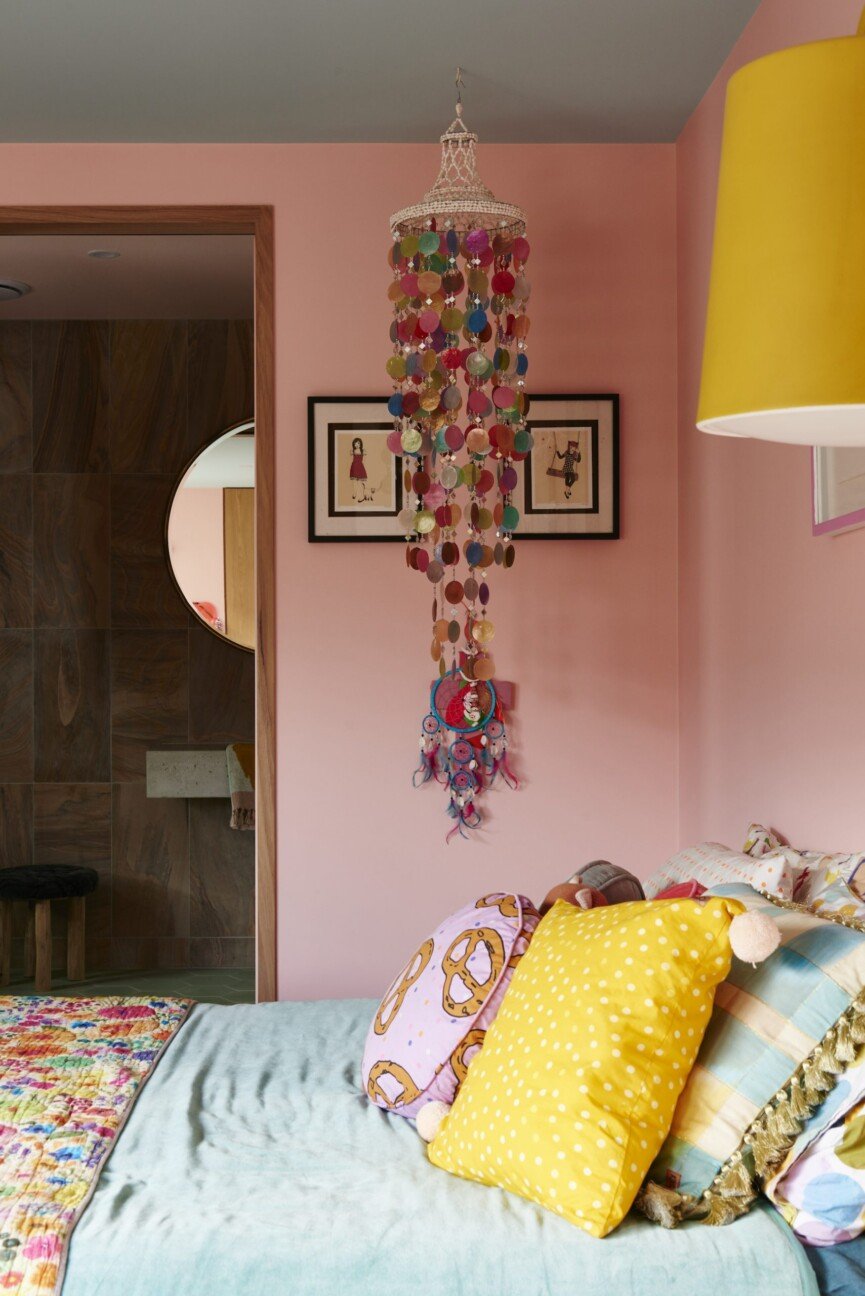
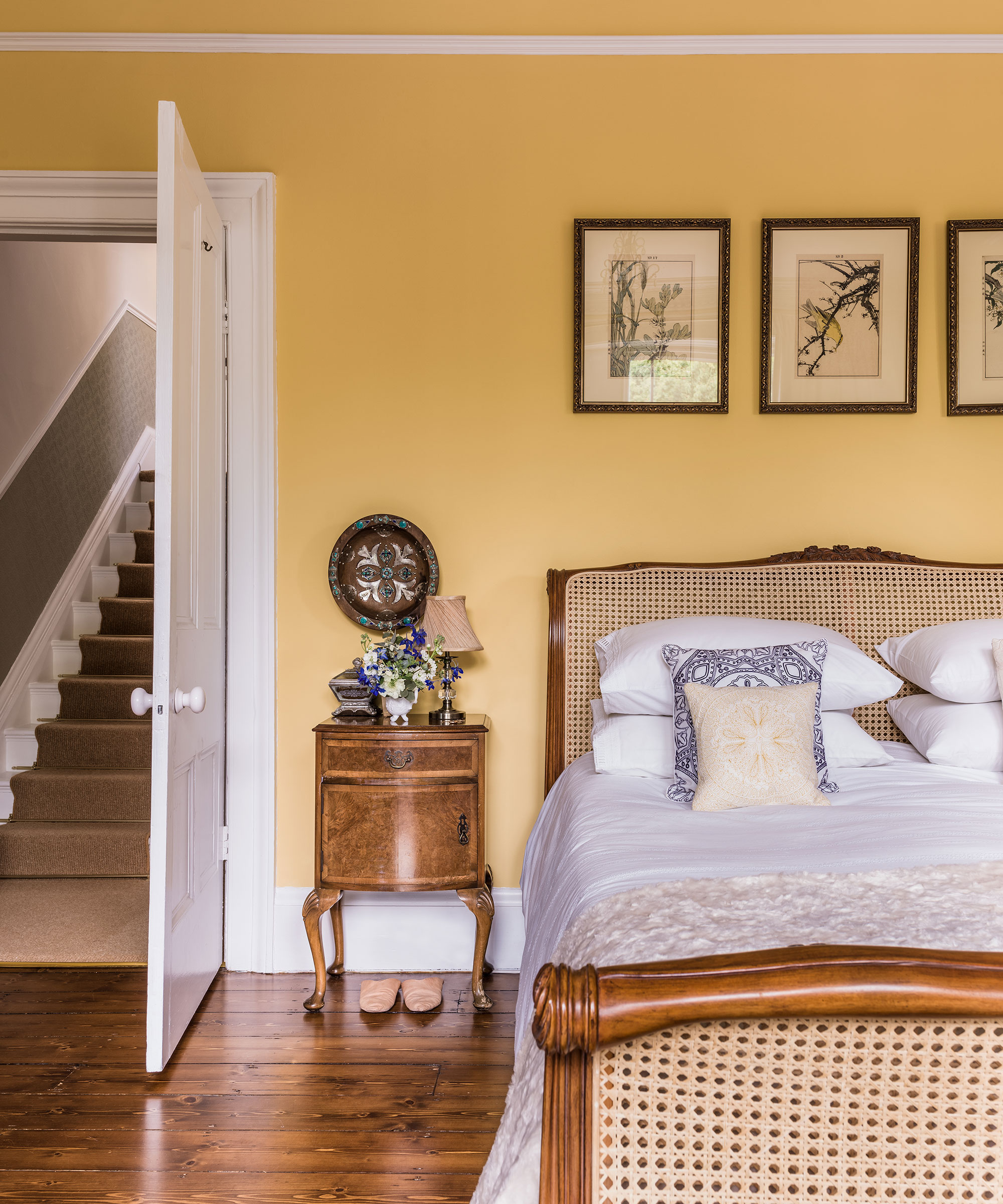
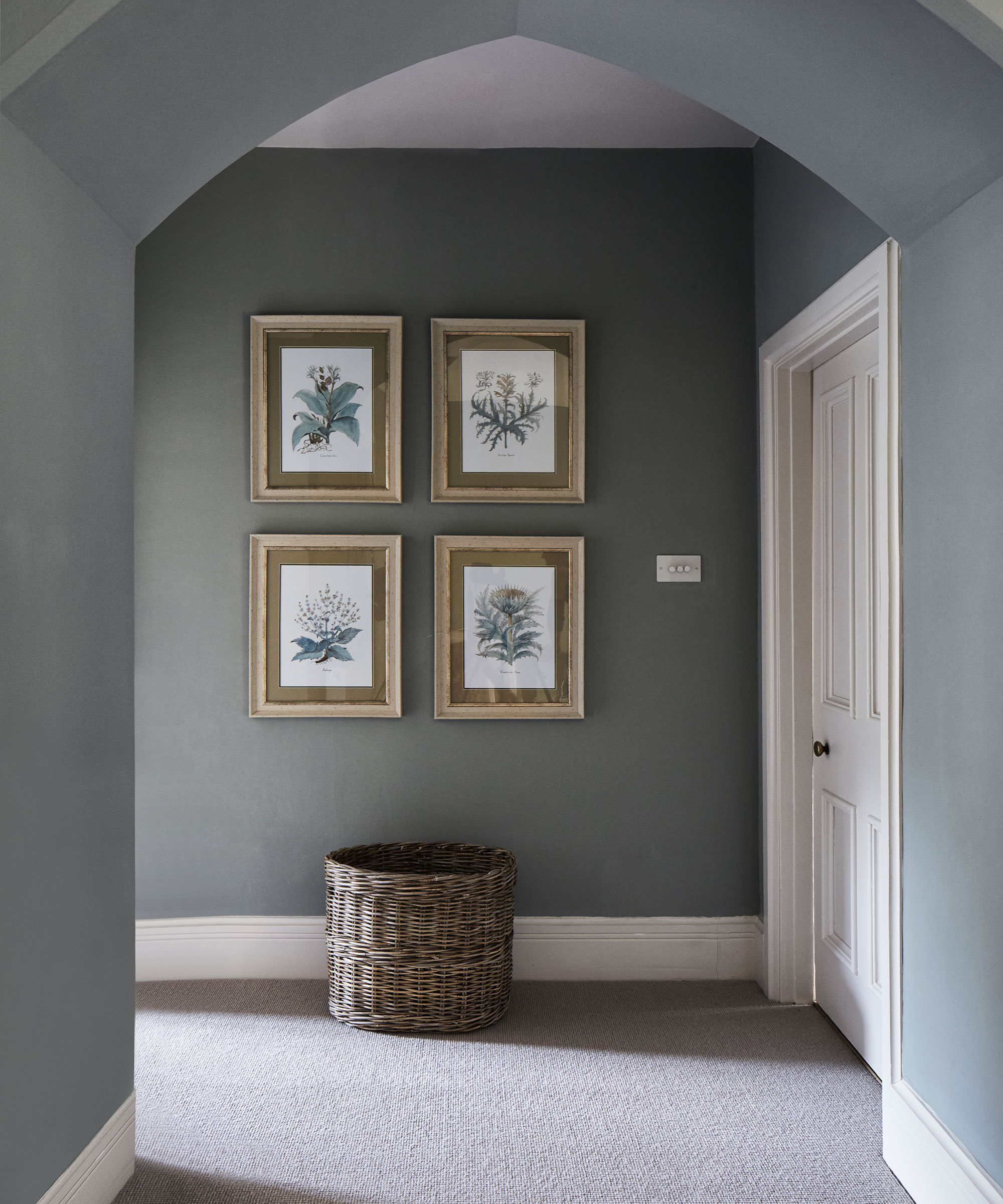
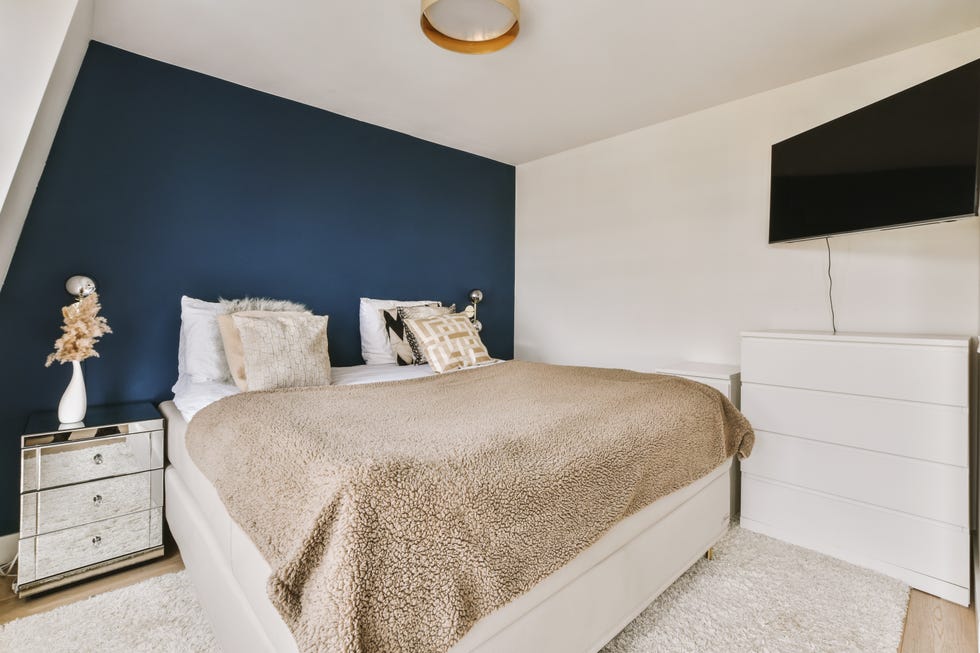
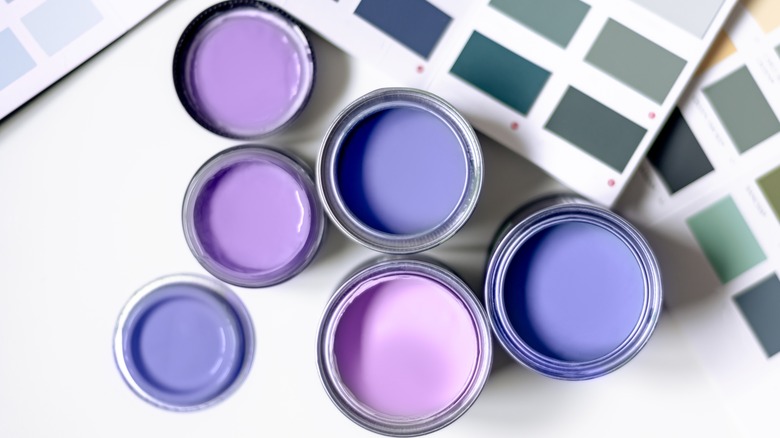
Firstly, understanding hue, tint, and shade is crucial. Bold colors can be intimidating, especially for those new to incorporating color into their design. Experts suggest a gradual approach, starting with painting a single wall or room to acclimate to a more colorful base. A common mistake lies in misunderstanding the hue, which refers to the base color. Adding white creates a tint, while adding black creates a shade. A fundamental grasp of color theory empowers individuals to make confident color selections. This knowledge allows for the selection of bold colors, whether deep, muted, or light, and aids in coordinating other design elements.
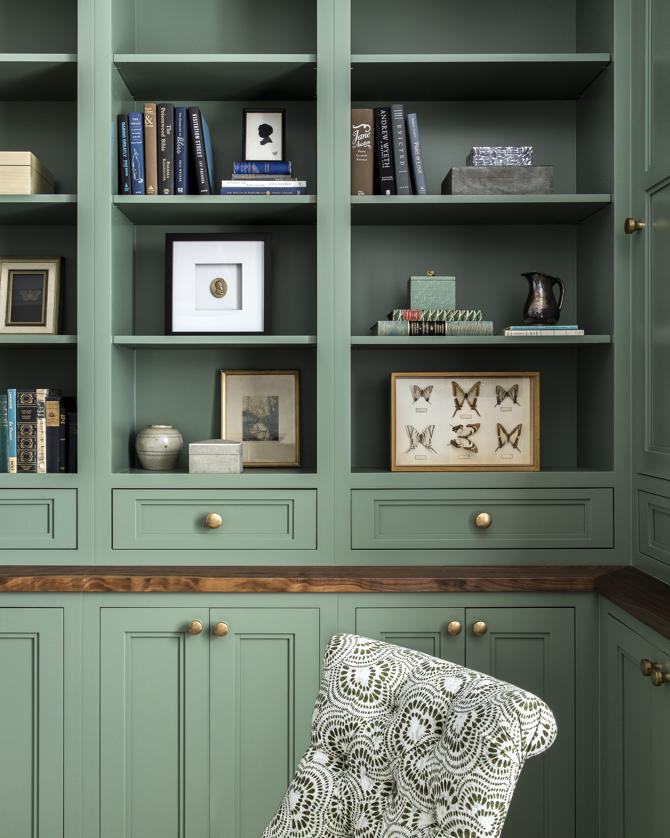
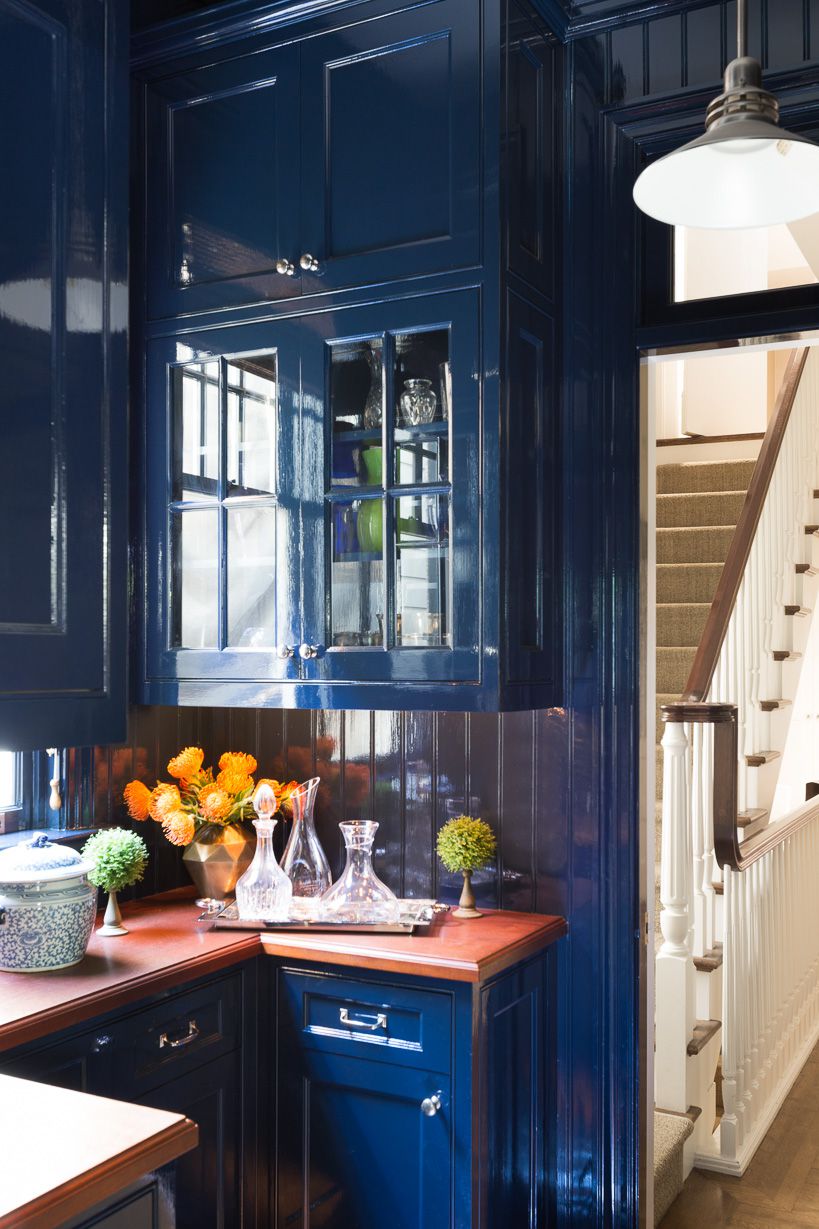
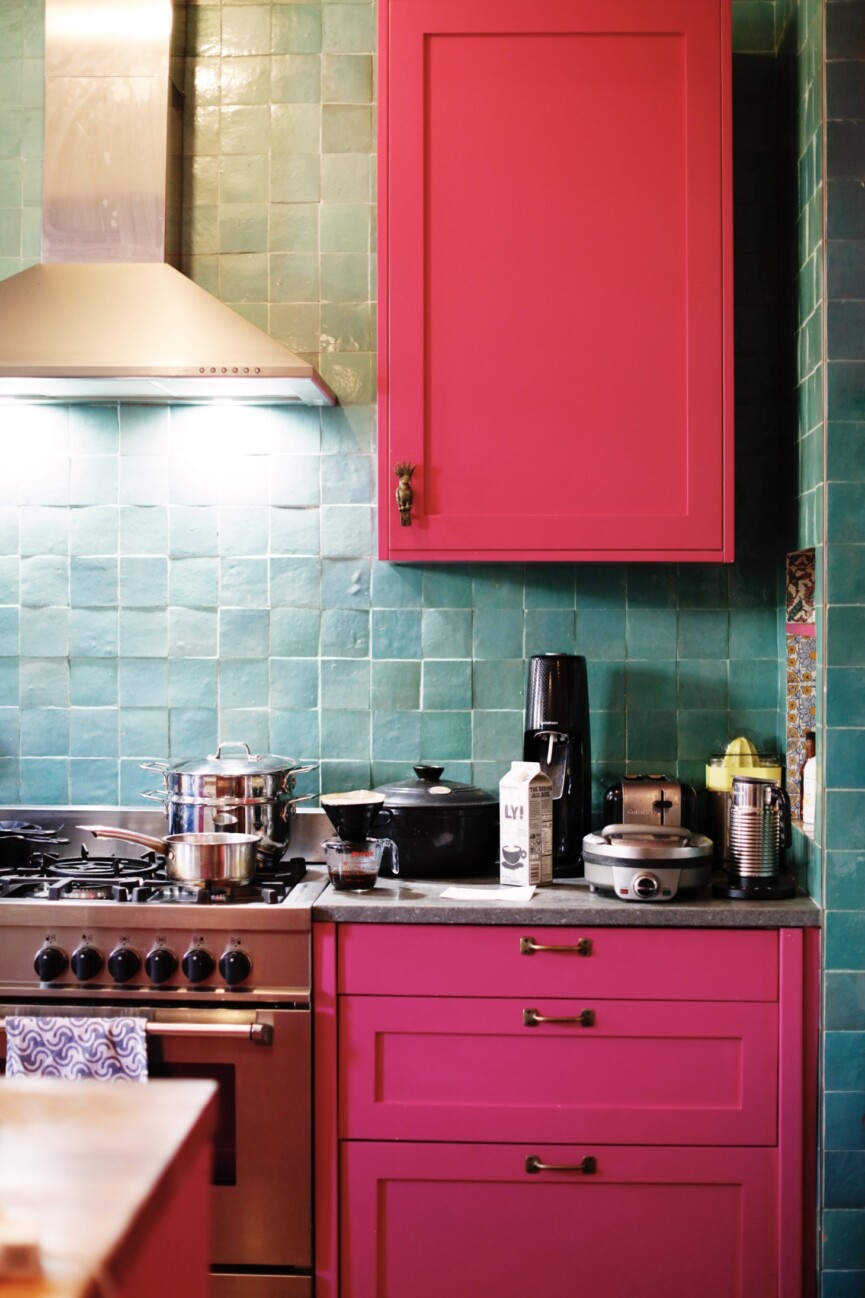
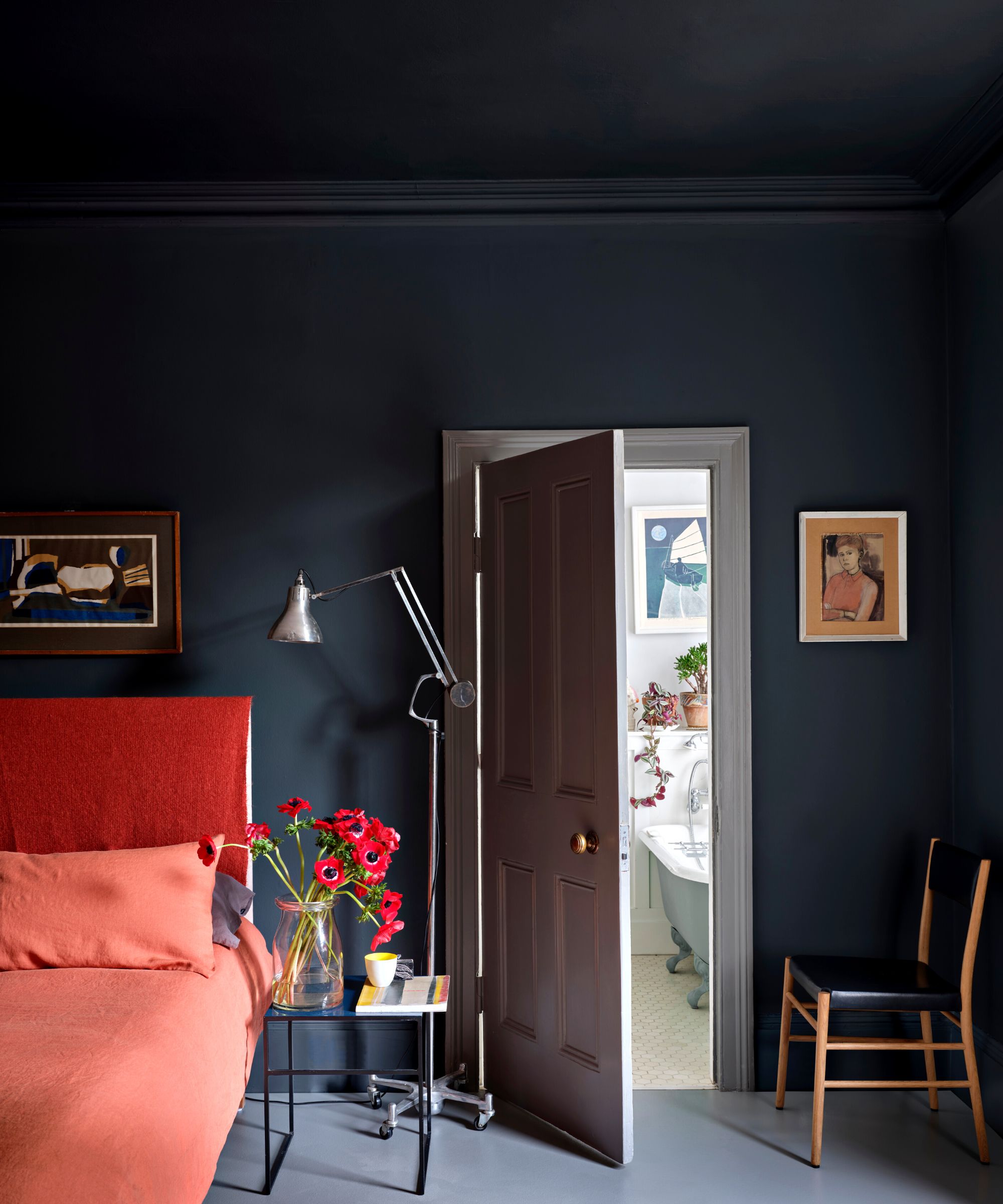
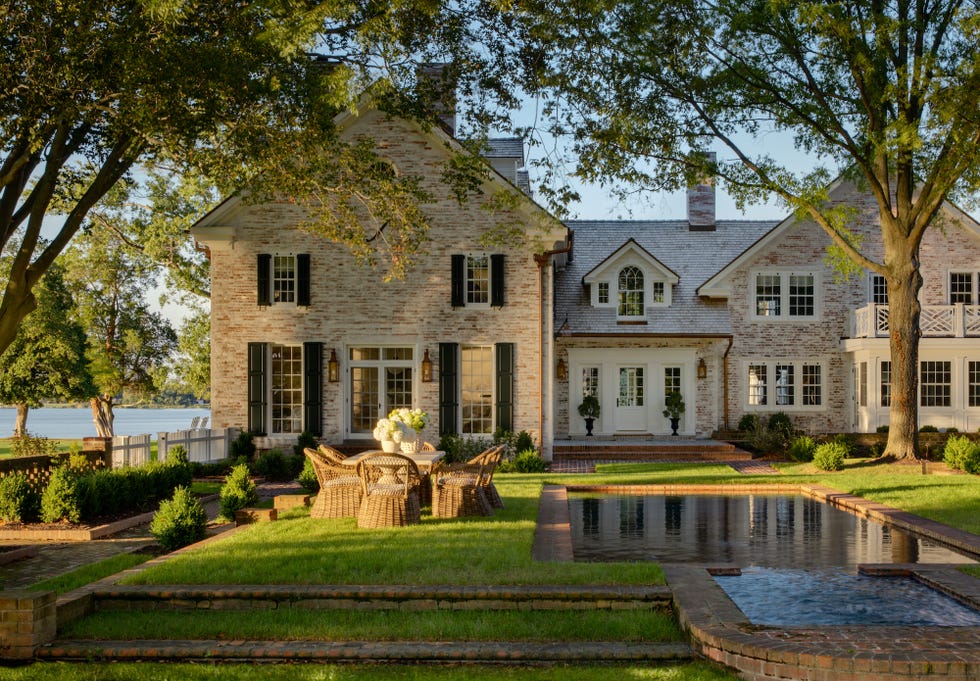
Secondly, the paint's finish significantly impacts the overall aesthetic and can communicate the home's style. Paint sheens vary from flat to high gloss, and their application depends on the area. Flat sheens are recommended for ceilings and low-traffic rooms, while high gloss is suitable for architectural details like door trims, doors, and cabinets. Eggshell, a popular mid-range option, works well for walls in living rooms, dining rooms, and bedrooms. Traditional homes might use a glossy finish to highlight architectural details with bold paint, as gloss reflects light and draws attention. Conversely, modern homes might prefer a matte finish for a contemporary look, as the absence of reflection allows for a deeper appreciation of the color's richness.
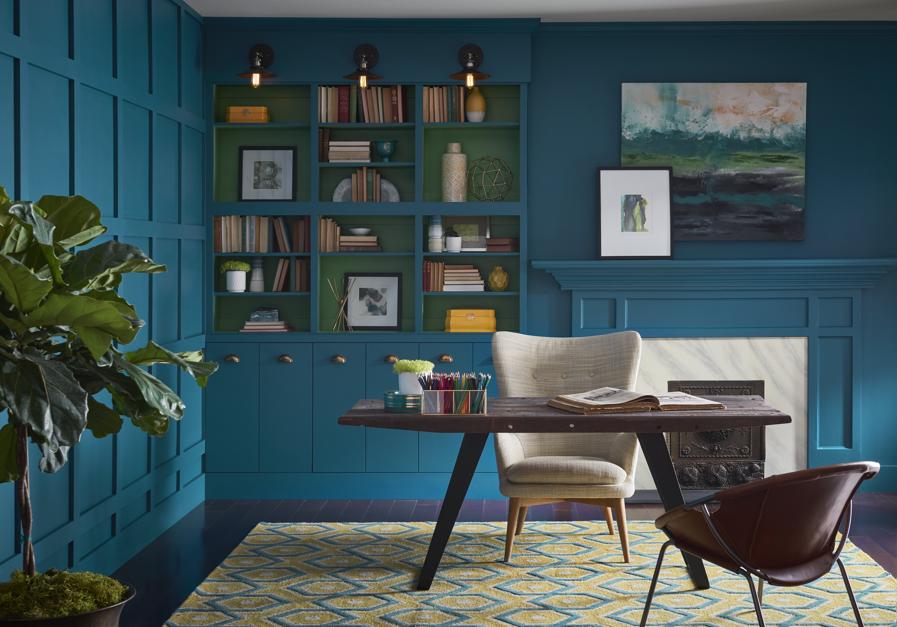
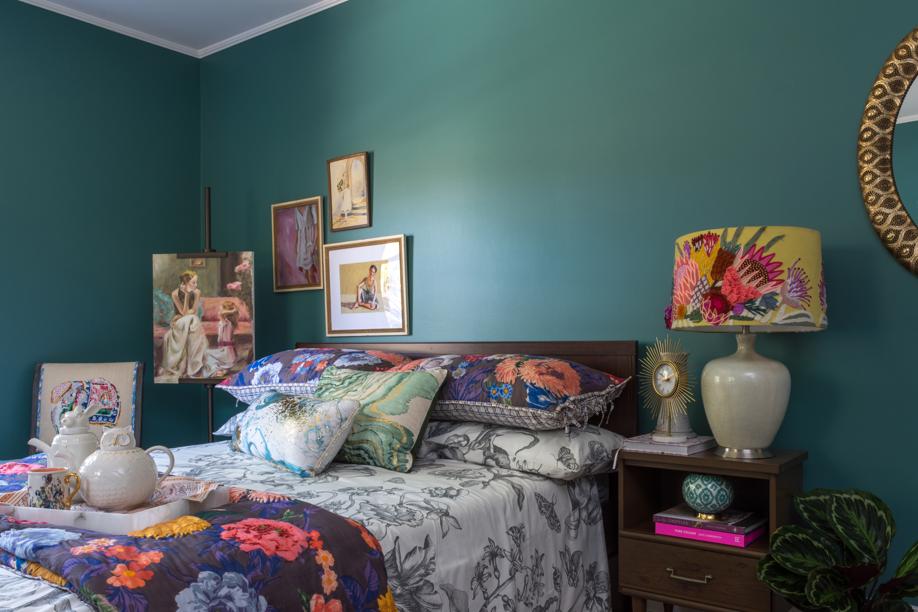
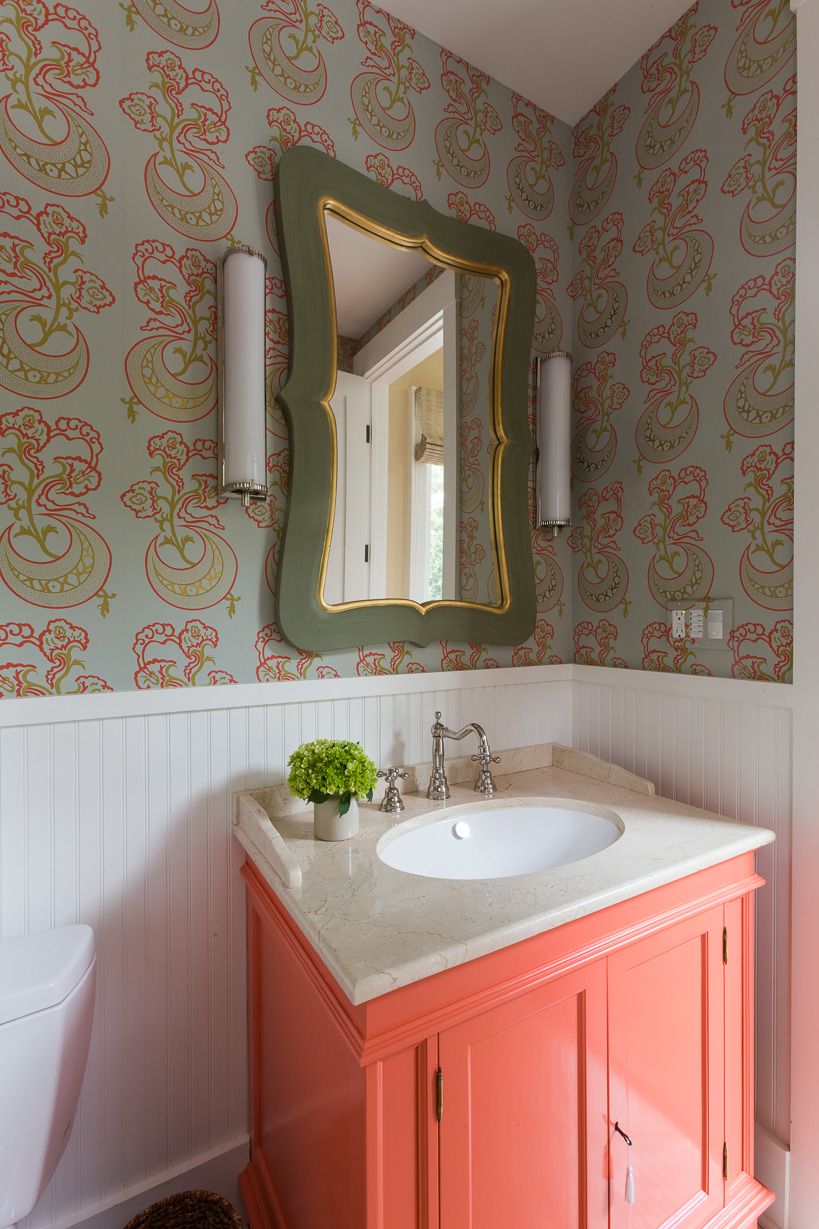
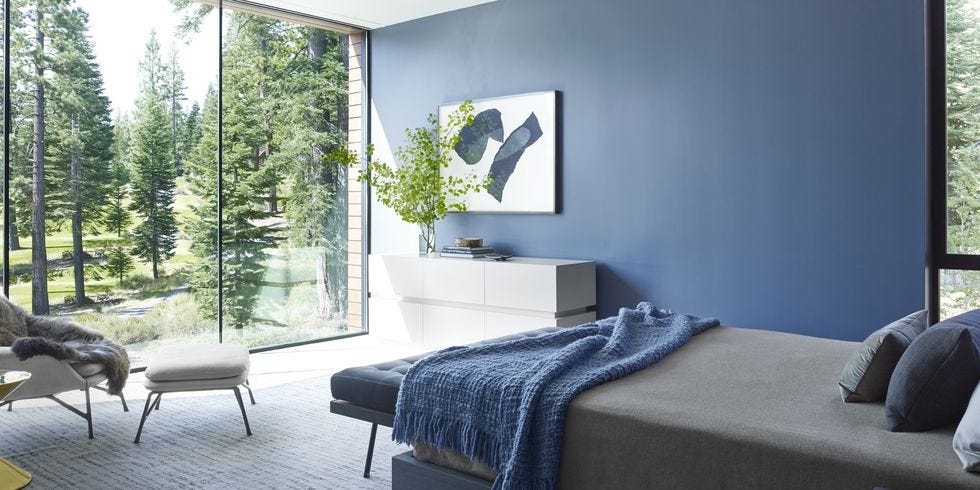
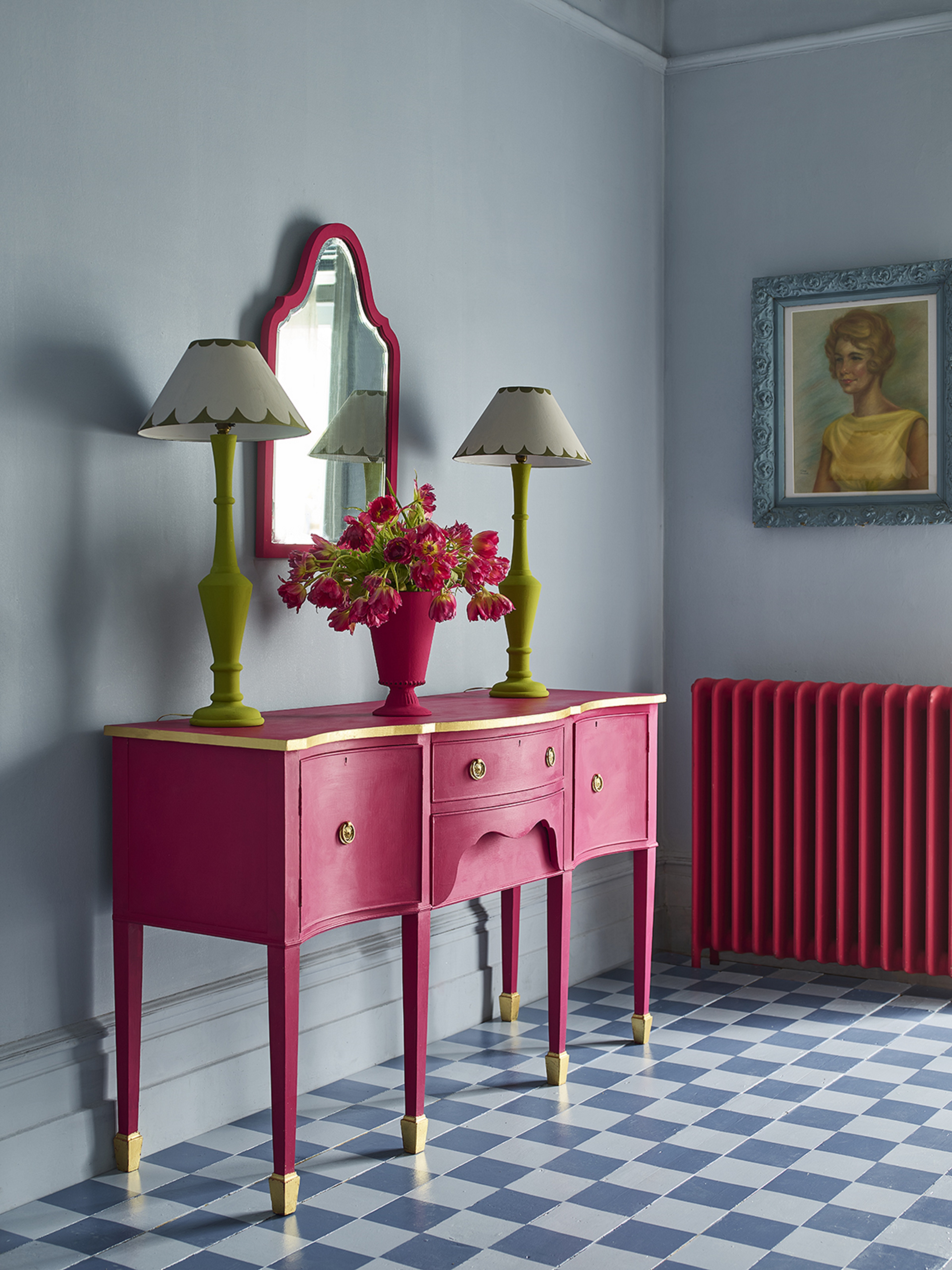
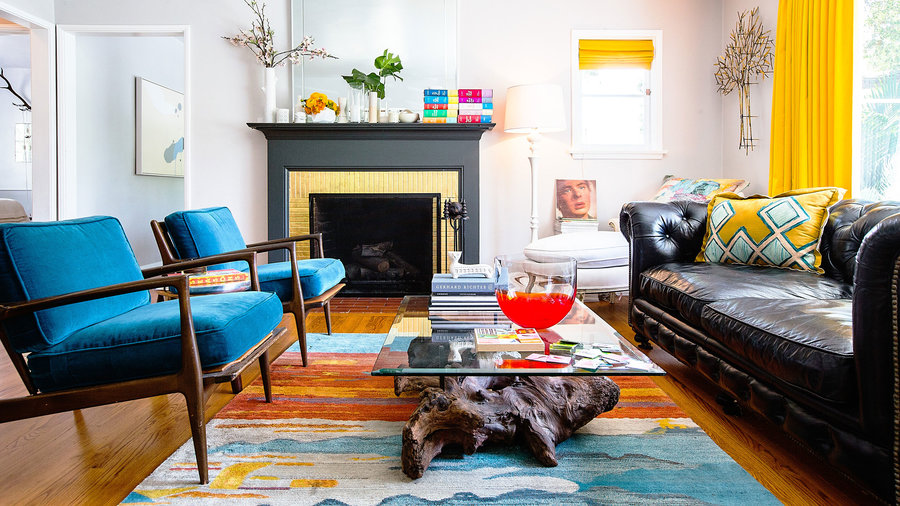
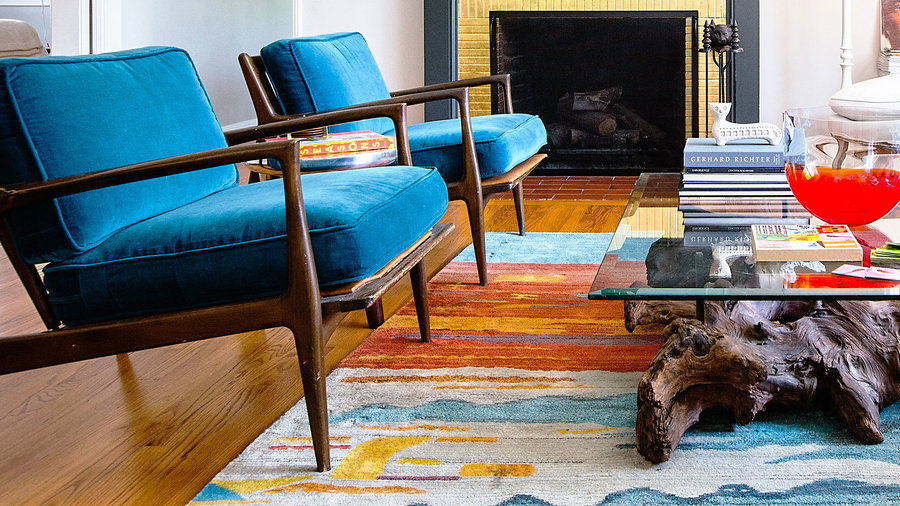
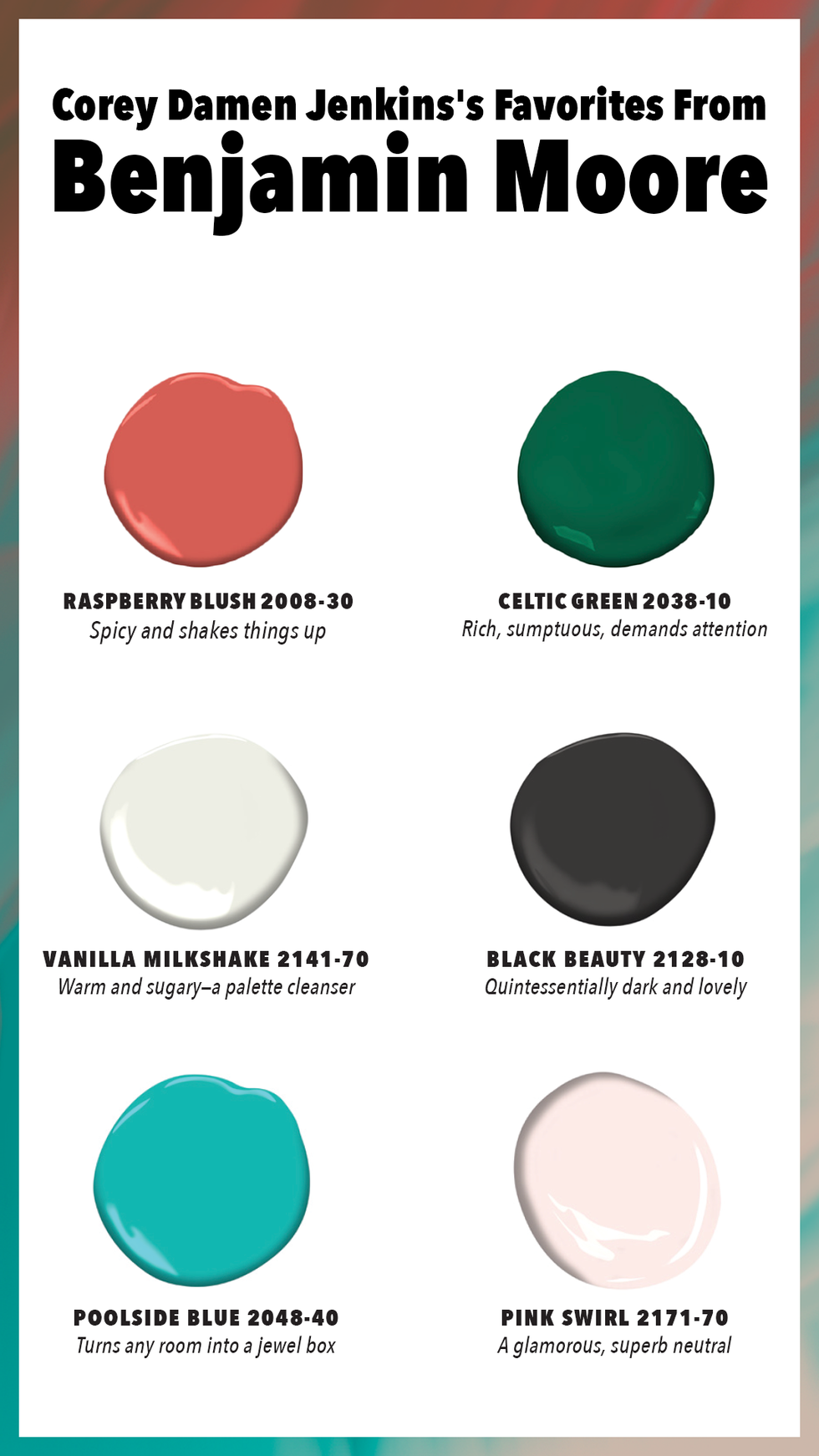
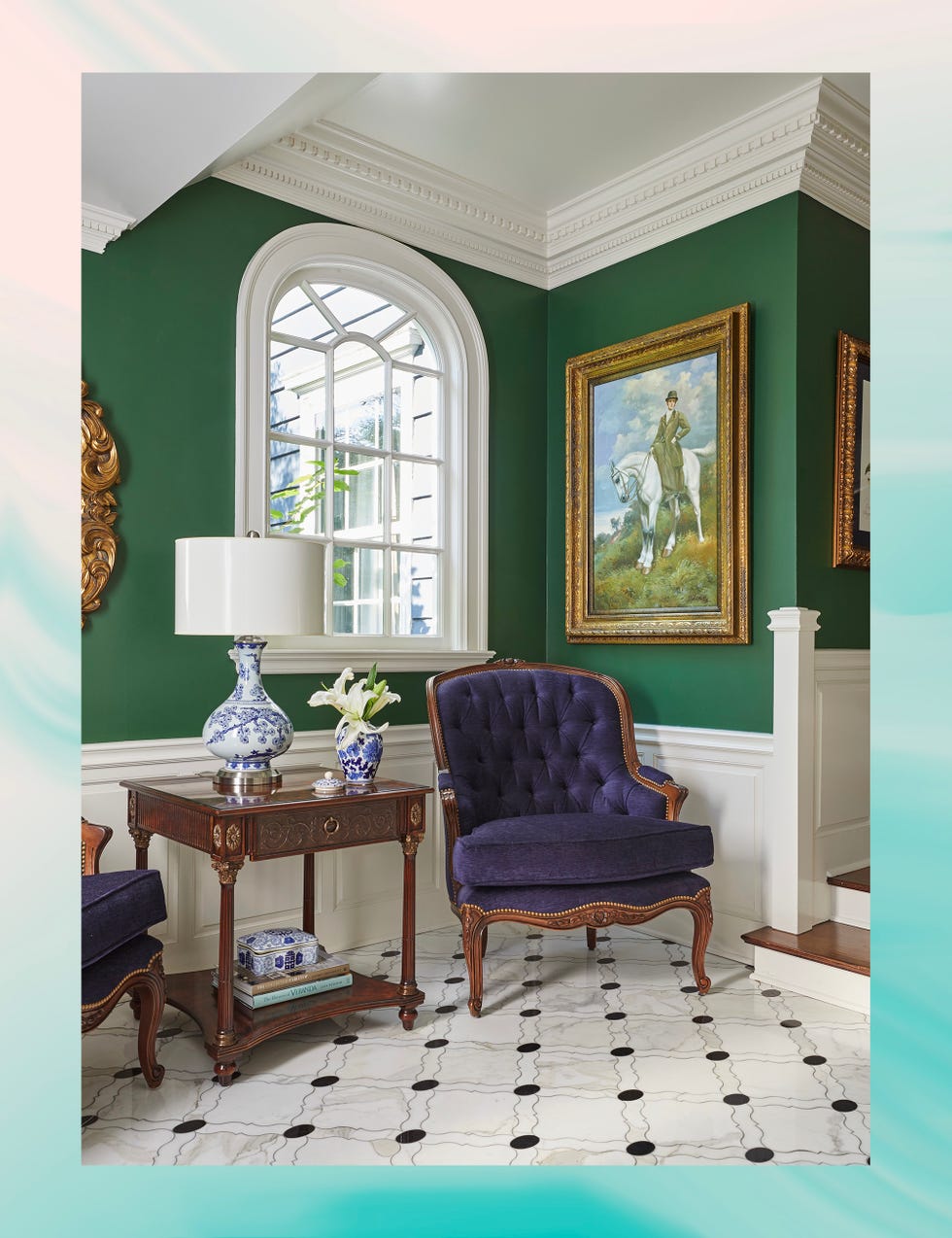
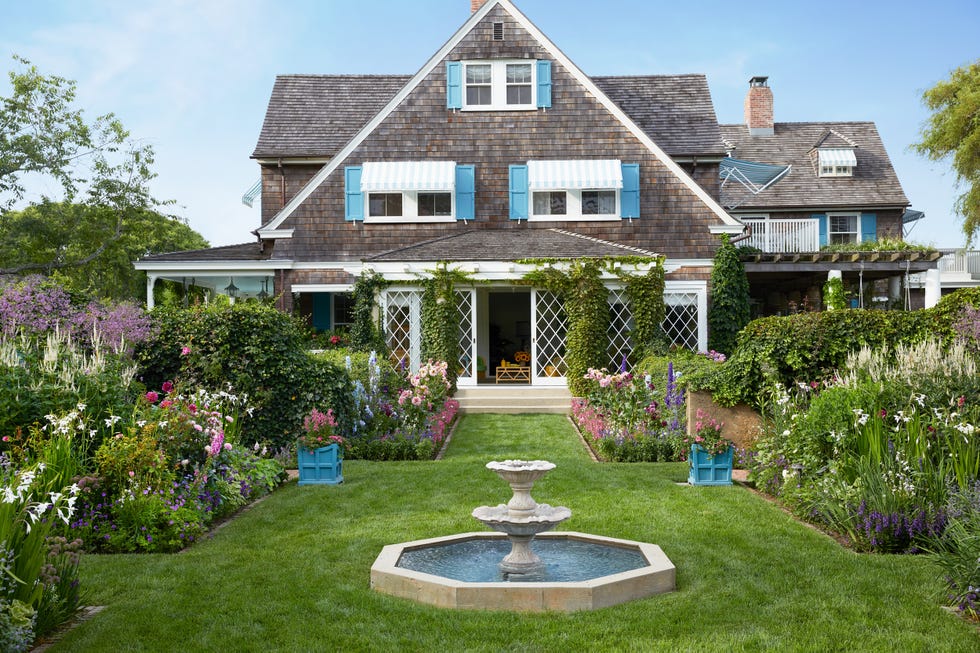
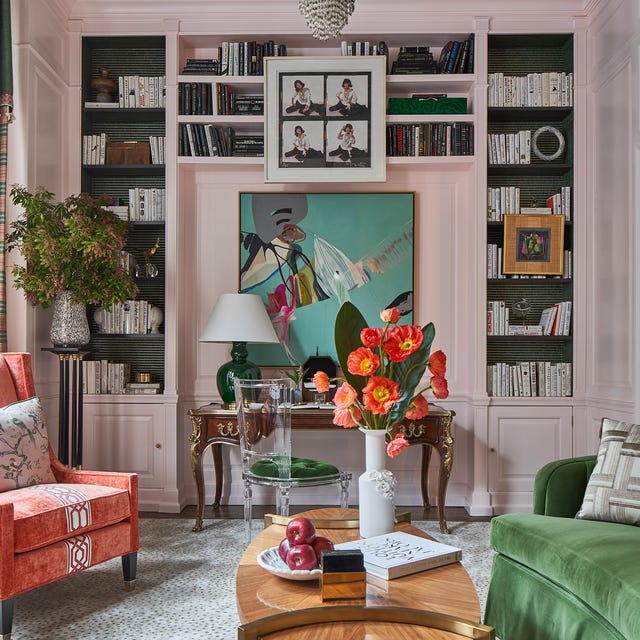
Lastly, it is important to consider the home as a cohesive whole rather than individual rooms. Using a lot of color can make a space feel overwhelming, often leading people to opt for neutral palettes to ensure continuity between rooms. However, a colorful home can still achieve flow by thinking holistically. This involves creating a whole-house color scheme, starting with a white and another neutral (like gray, beige, or black), then selecting two or three main colors. This palette can then be applied in various ways throughout each room. For instance, a living room might feature blue walls with green and pink accents, while a bathroom could reverse this, using green walls with blue and pink as accents. This approach ensures that while each room retains its unique character, the consistent use of the same color collection provides a unified and harmonious flow throughout the entire home.
#BoldColors #InteriorPainting #ColorTheory #PaintFinish #HomeDesign #ColorScheme #HomeImprovement #PaintingTips #BoldColors #InteriorPainting #ColorTheory #PaintFinish #HomeDesign #ColorScheme #HomeImprovement #PaintingTips
0 comment in total
 No comments yet
You may also like
Tips for adding the hottest paint colors to your decor

The Brighter, the Better—These Vibrant Paints Will Infuse Your Home With Positivity

5 colors to avoid painting a landing – and the secret to choosing the right shades

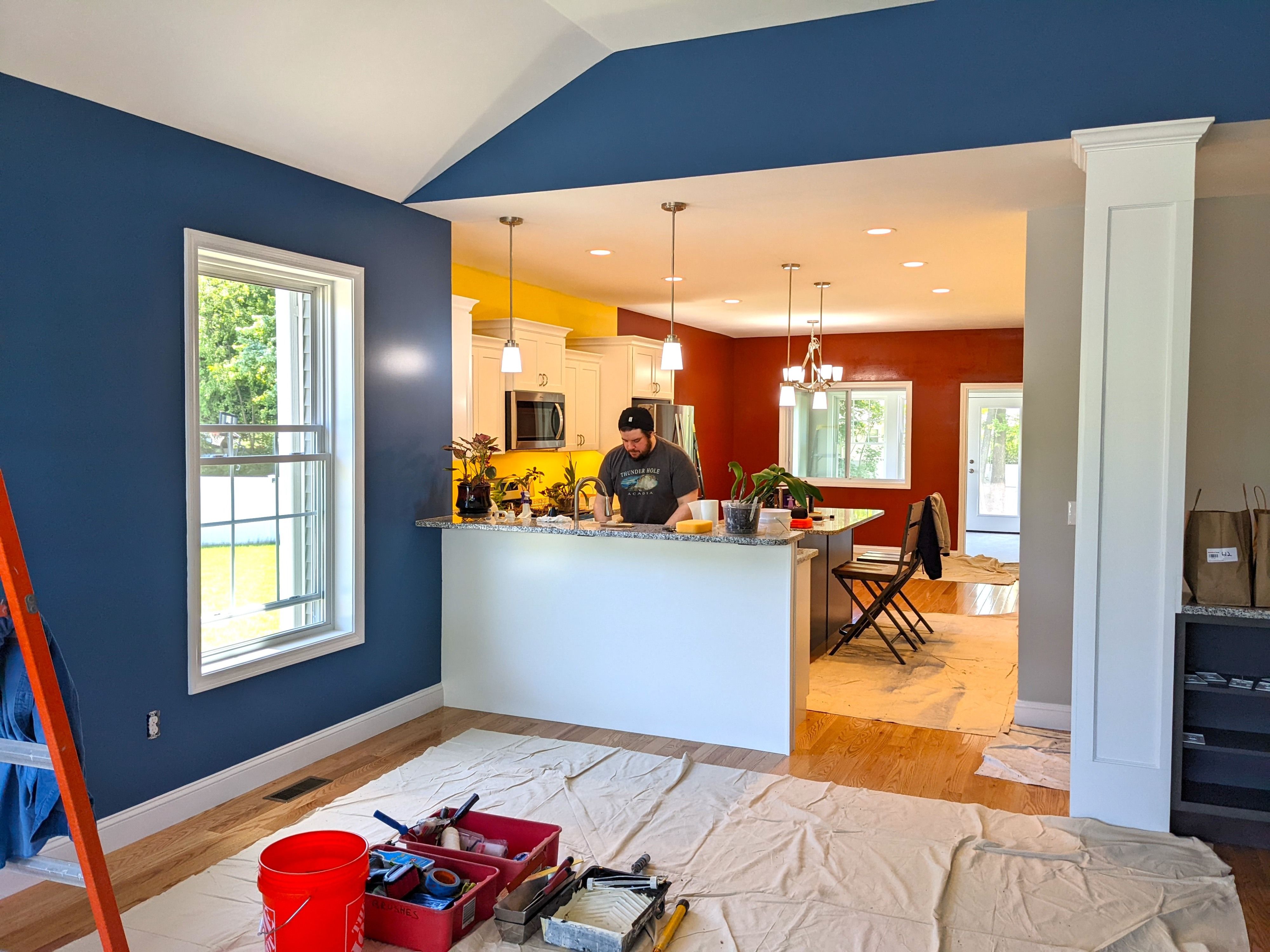
The bold and the beautiful — how brave paint choices can bring your home to life

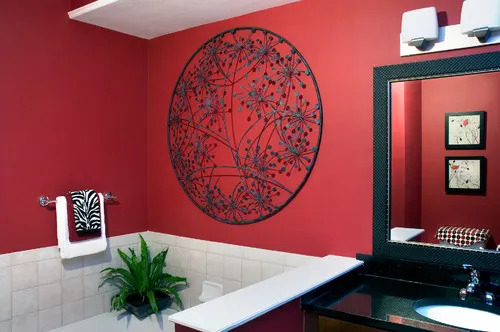
Beige, Begone: Bring Your Walls to Life With These 14 Beautifully Bold Colors

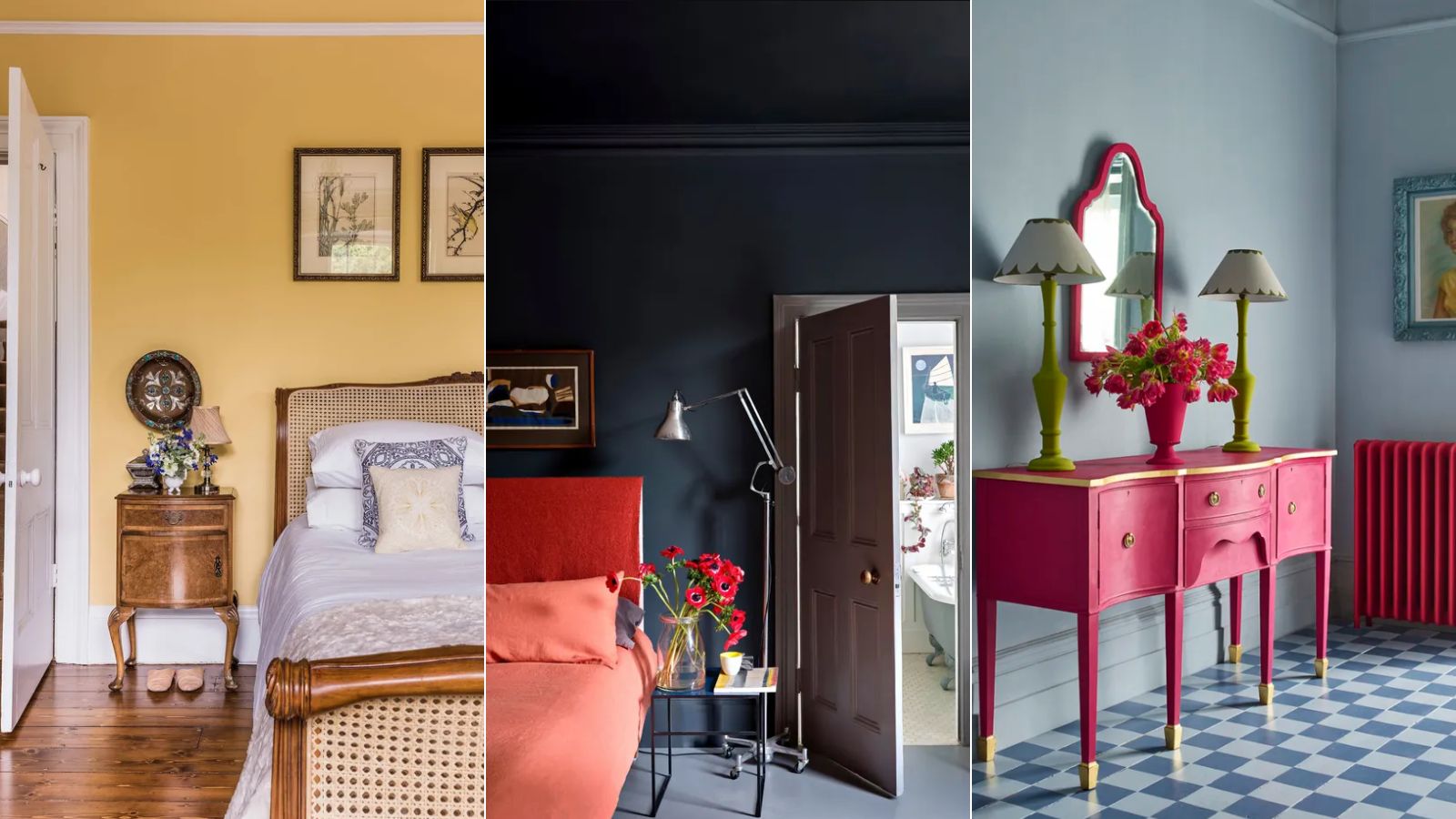
3 'small but impactful' paint updates to try in 2024, according to a color expert
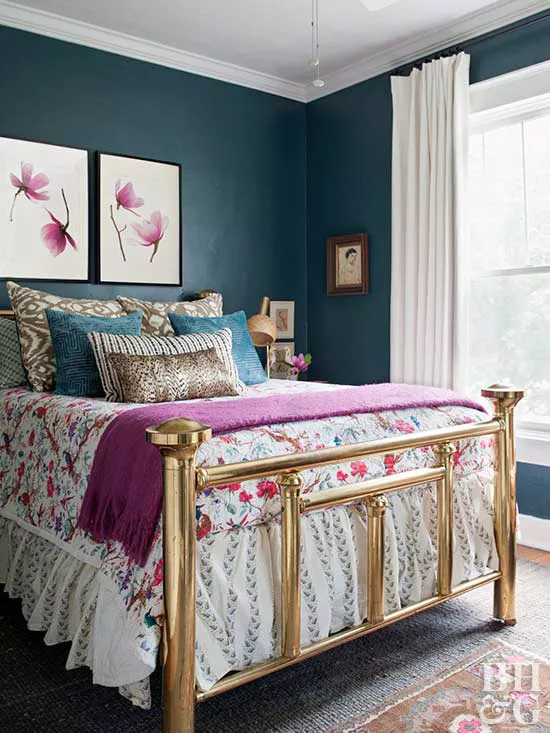
Take a Leap into Bold Color with These Decorating Ideas

An interior designer reveals the 5 mistakes to avoid when painting with dark colours

15 high-risk high-reward paint hues
Color Drenching Is the Bold Paint Trend Taking Over—Here’s How to Nail It
7 Paint Mistakes That Make Designers Instantly Cringe When They Walk Into Someone's Home


David Bromstad-Inspired Paint Rules To Follow When Updating Your Home

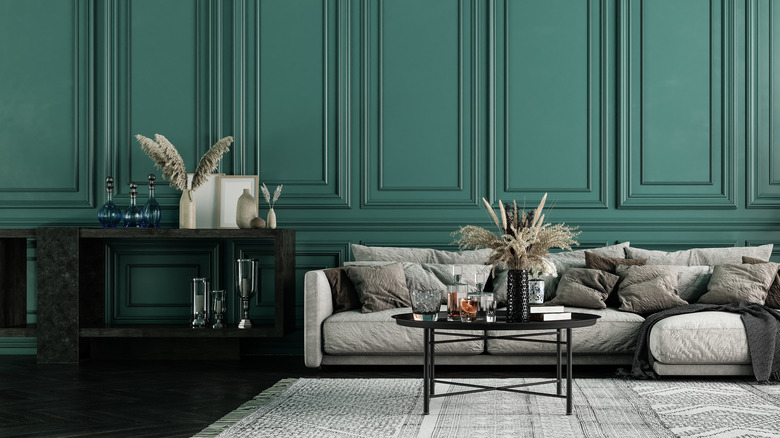
Joanna Gaines' Top Tip For Embracing Bold Paint Colors

15 Ways to Add Bold Color to Your Home
Decorating with paint

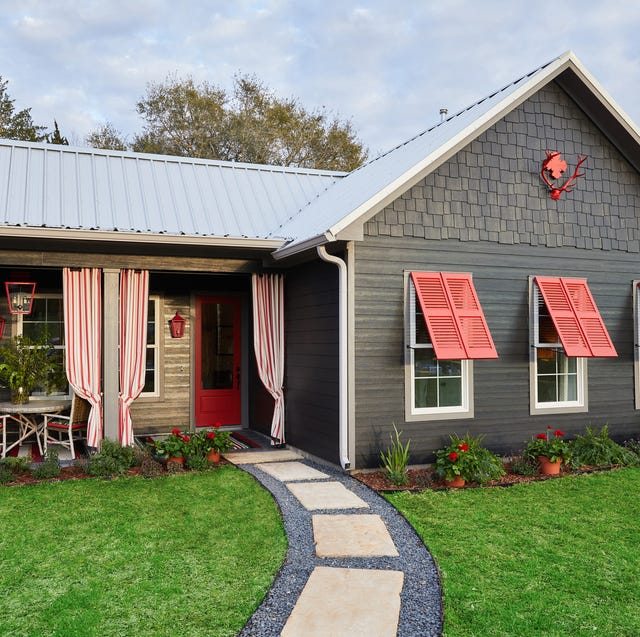
Here's What Colorists Want You to Know About Picking House Paint
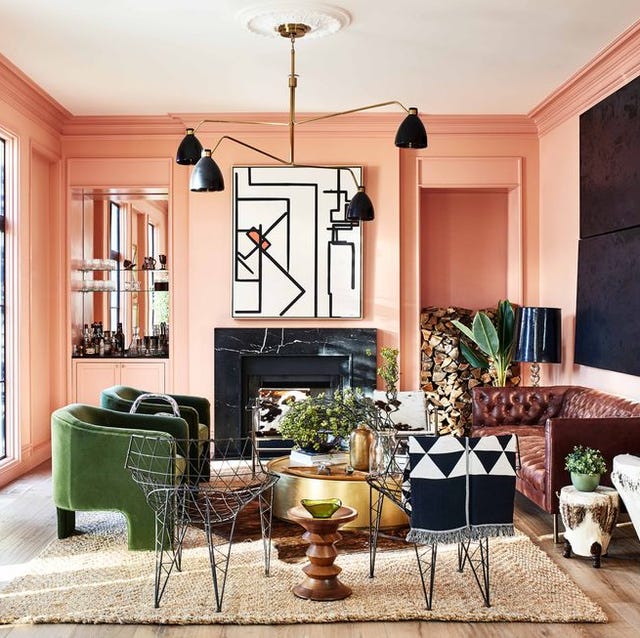
These Master Tips Will Help You Avoid Choosing The Wrong Type Of Paint
An A-List Designer’s Secrets To Picking Perfect Paint Colors

What are the worst colors to paint a room? The shades experts say you should never use
to choose paint colors.