1/7
I Tested Smart Lights for Better Sleep and Here’s What Actually Worked
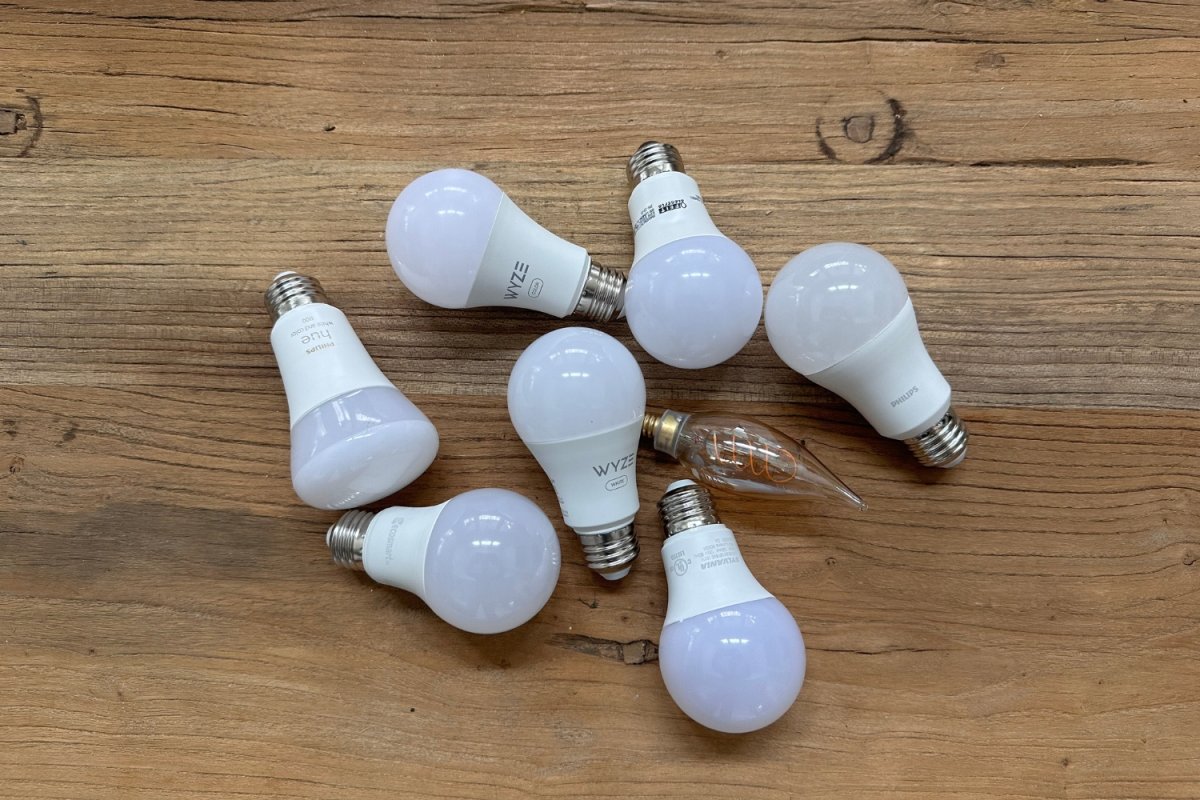
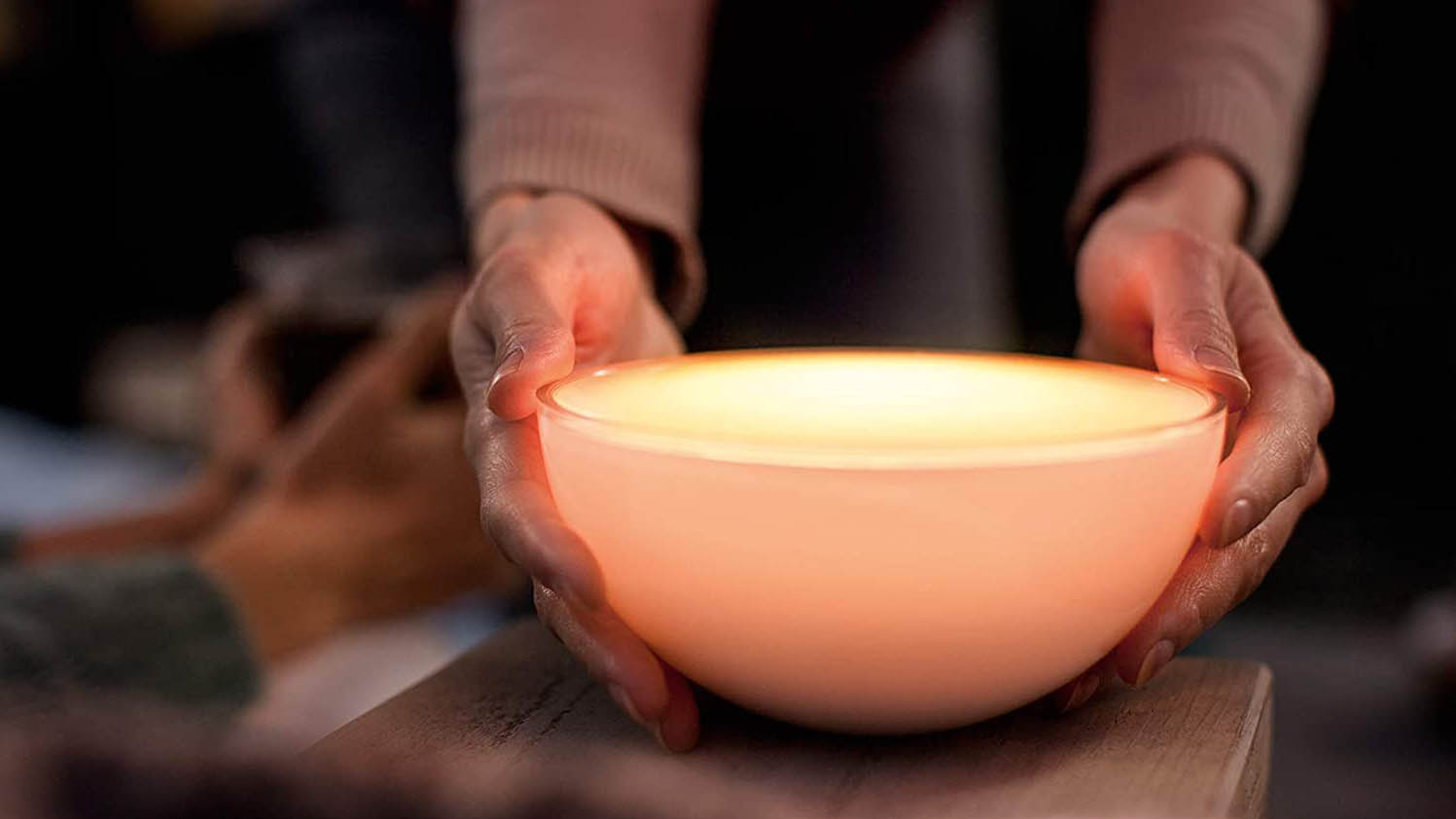
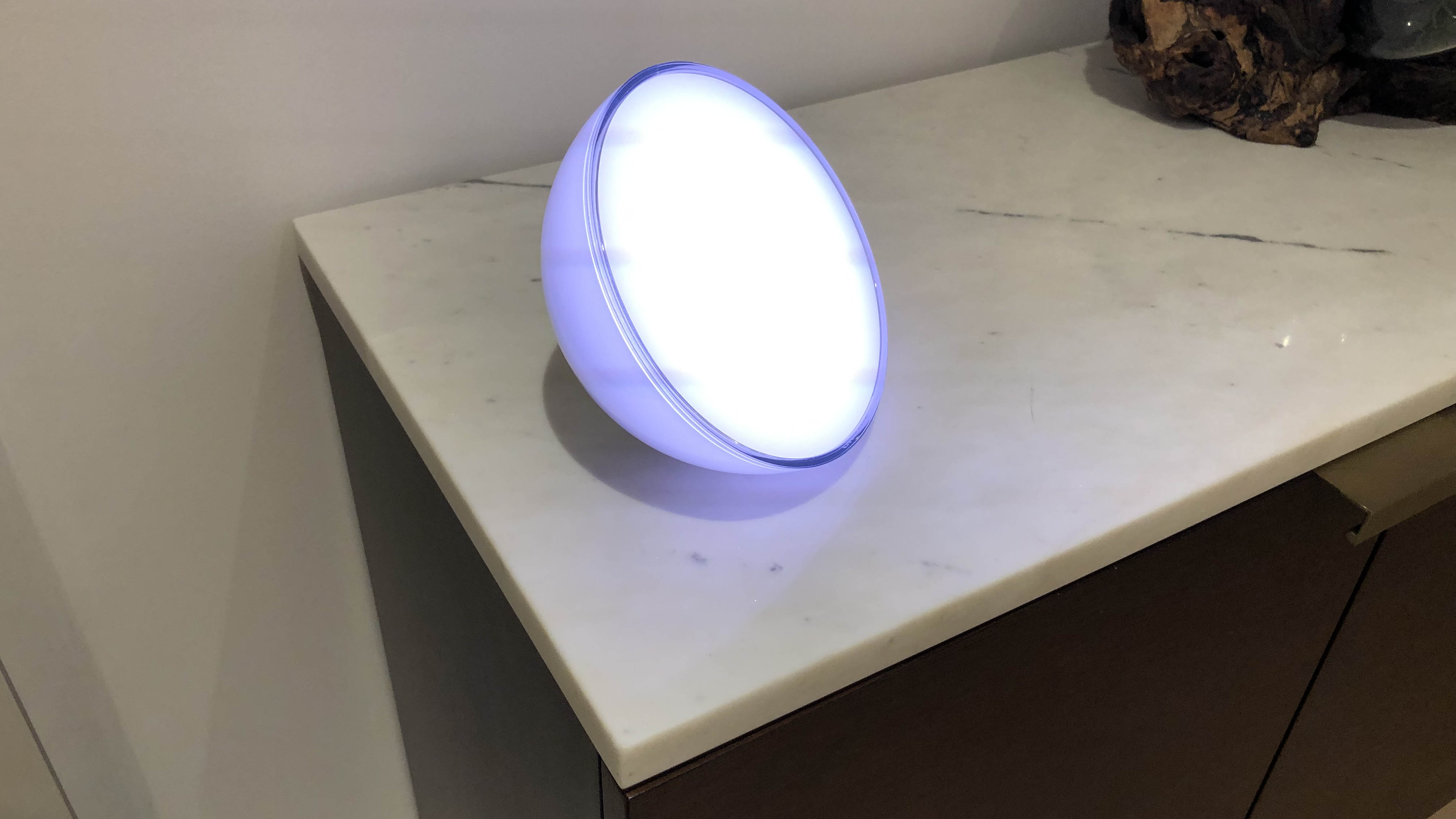
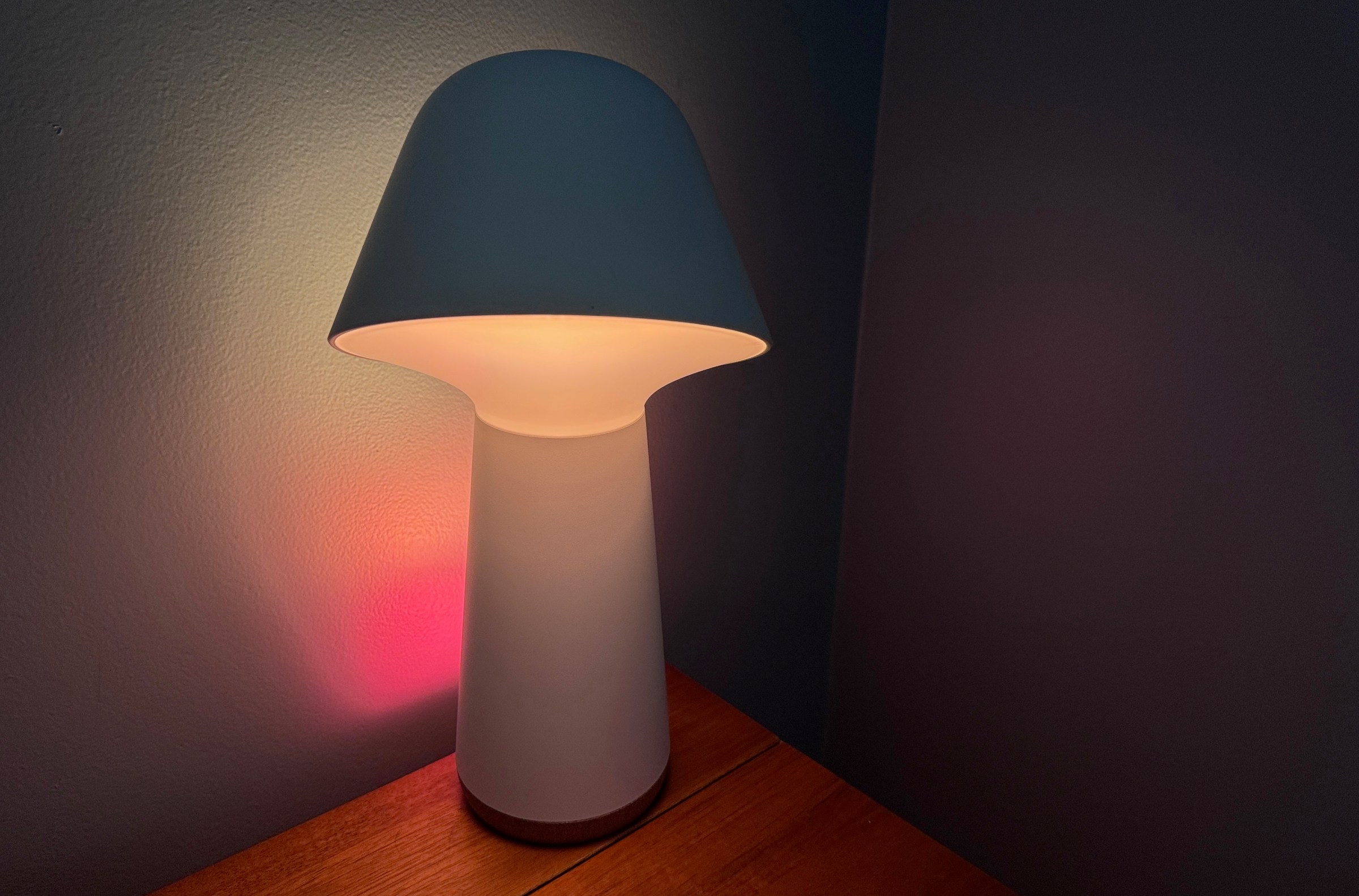
The article explores how smart lighting can significantly improve sleep patterns by creating a more natural sleep environment. It highlights that many individuals struggle with falling asleep and waking up due to overactive minds and disruptive alarm clocks. Natural sunlight is a recognized aid for regulating the body's circadian rhythm, but its availability is often limited. Smart lights offer a viable solution by mimicking natural light cycles, providing sophisticated features like color effects and automated dimming to support healthy sleep.
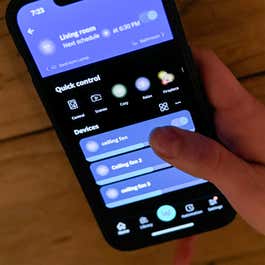
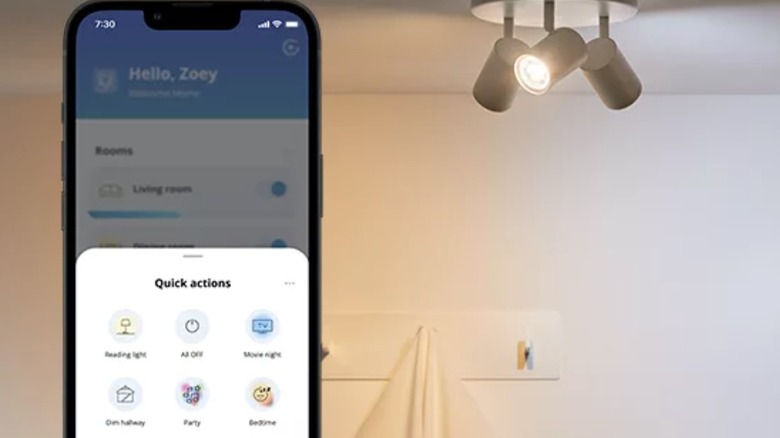
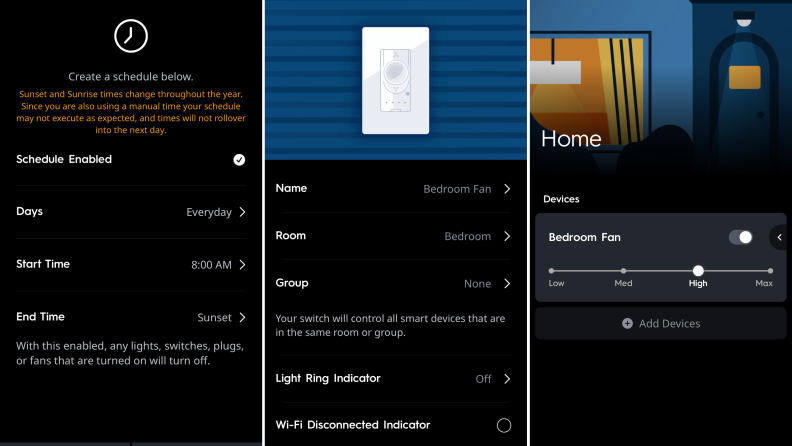
The effectiveness of smart lights lies in their automation capabilities. Users can program lights to dim gradually in the evening, signaling to the brain that it's time to unwind and prepare for sleep. A consistent bedtime routine, including simultaneous light activation, is crucial. For waking up, smart lights can be programmed to gradually increase brightness, starting at a low intensity (5-10%) and slowly reaching full brightness over a set period, such as 45 minutes, with the goal of tricking the brain into a more natural awakening process, akin to a sunrise. This method avoids the abruptness of traditional alarms. Research from the University of Washington supports this approach, explaining that light cues are essential for synchronizing the body's internal clock with the external world. Dr. Catherine McCall notes that light-based alarms can mitigate the impact of jarring awakenings.
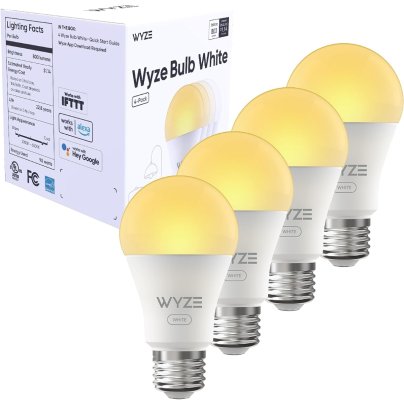
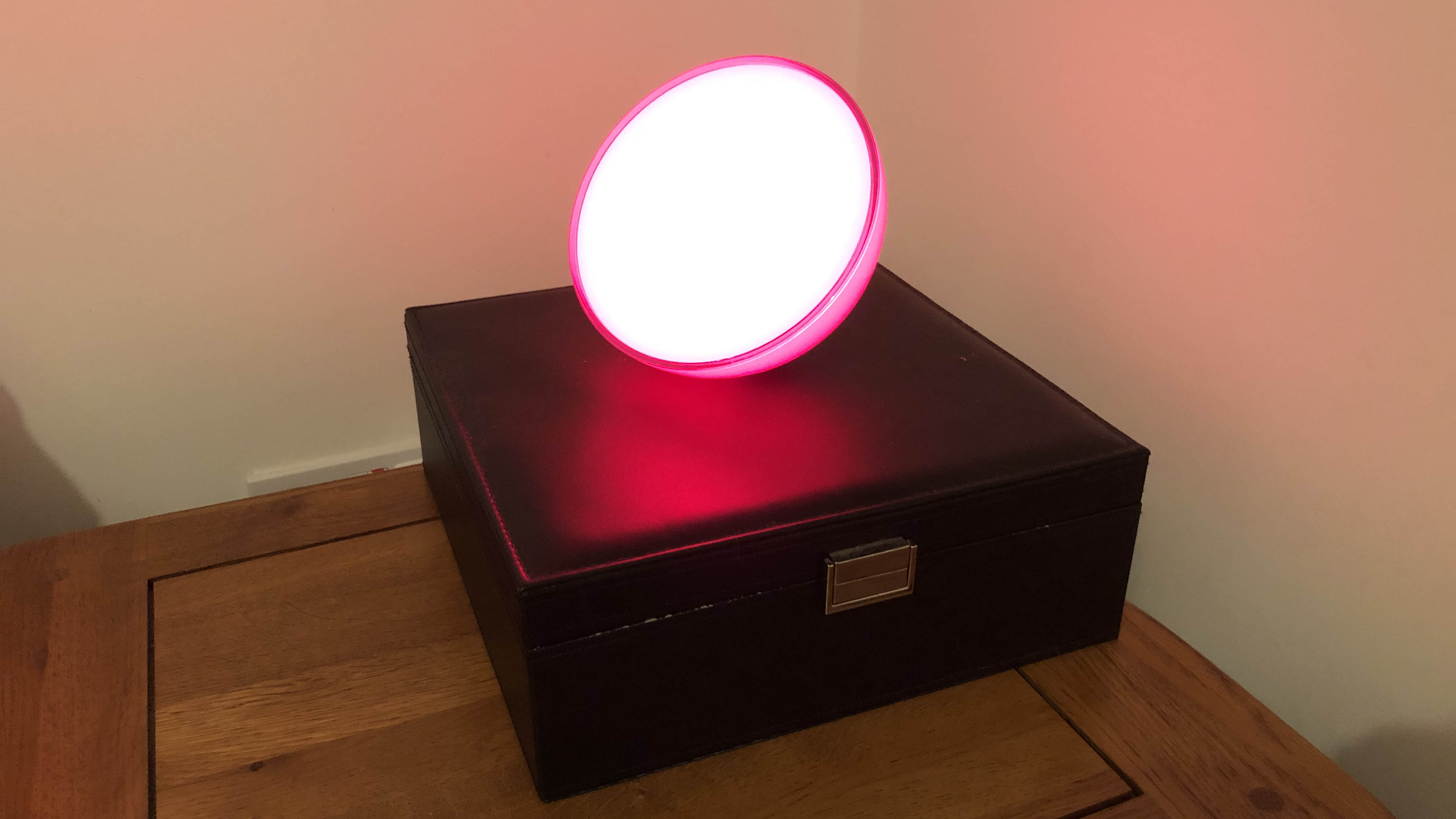
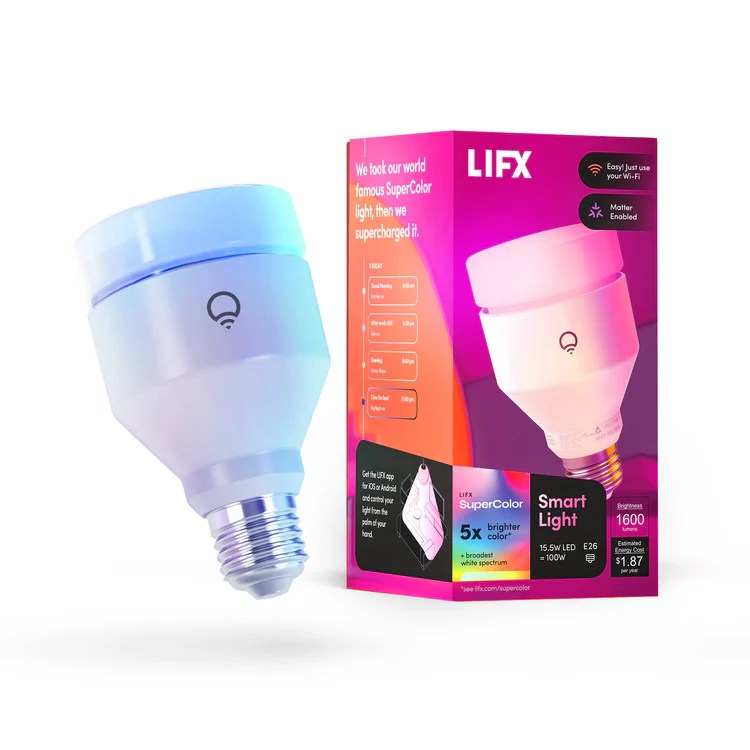
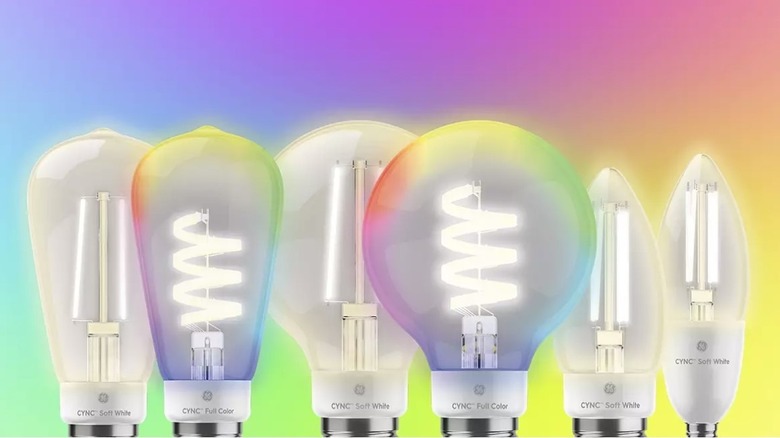
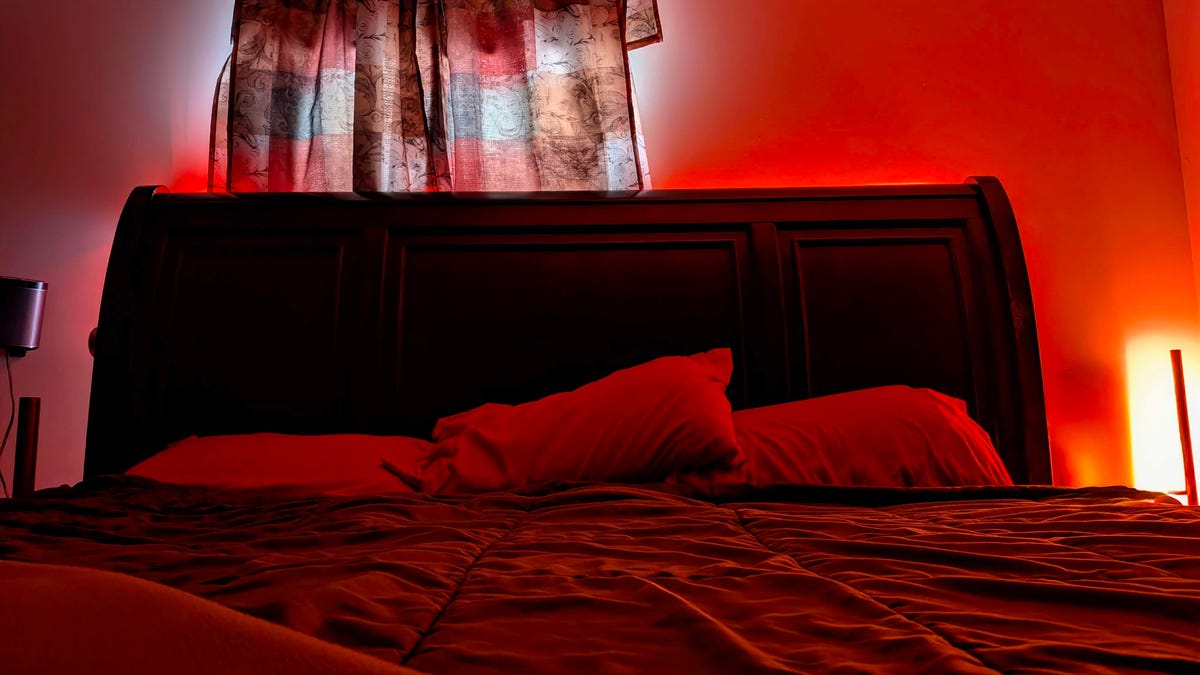
The choice of smart light is also important, with color-changing bulbs being more effective than tunable white bulbs for bedroom routines. Colors play a significant role in mood and sleep regulation. Red light, for instance, has been shown to improve sleep quality and increase melatonin production, while blue light, commonly emitted by screens, can inhibit sleep. Although blue light is effective for shifting sleep periods, sunrise alarms that transition from red-orange to yellow to mimic natural sunrise haven't been as thoroughly studied. However, the principle remains that selecting appropriate colors for evening and morning light automations can enhance the sleep experience.
Beyond lighting, the article suggests that a comprehensive approach to improving sleep involves integrating other smart home solutions. Sound is identified as another critical element, with white noise machines or sleep sound apps offering a more soothing alternative to fans. Personal preferences for sleep sounds, such as rain sounds played through a soundbar, can further enhance the winding-down process. The overall environment of the bedroom is emphasized, and individuals are encouraged to address fundamental issues like an unsupportive mattress, as even optimal lighting cannot fully compensate for discomfort. Ultimately, establishing a consistent sleep routine with smart lighting and sound solutions, coupled with early morning sunlight exposure when possible, is key to achieving vital and restorative sleep.
#SmartHome #Sleep #SmartLighting #SleepAutomation #CircadianRhythm #WellnessTech #BedroomEnvironment #LightTherapy #SmartHome #Sleep #SmartLighting #SleepAutomation #CircadianRhythm #WellnessTech #BedroomEnvironment #LightTherapy
0 comment in total
 No comments yet
You may also like
Sleep experts helped organize my bedroom for better sleep
5 ways you didn't know smart lighting can improve your living space and wellbeing


The Best Bedding to Improve Your Sleep

Light Bulb Moment: 5 Things to Consider When Switching to LED Bulbs
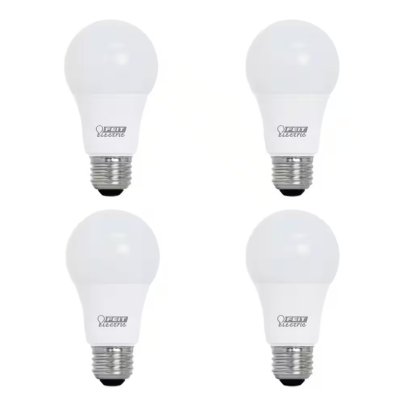
The Best Light Bulbs for All Your Home’s Lighting Needs, Tested

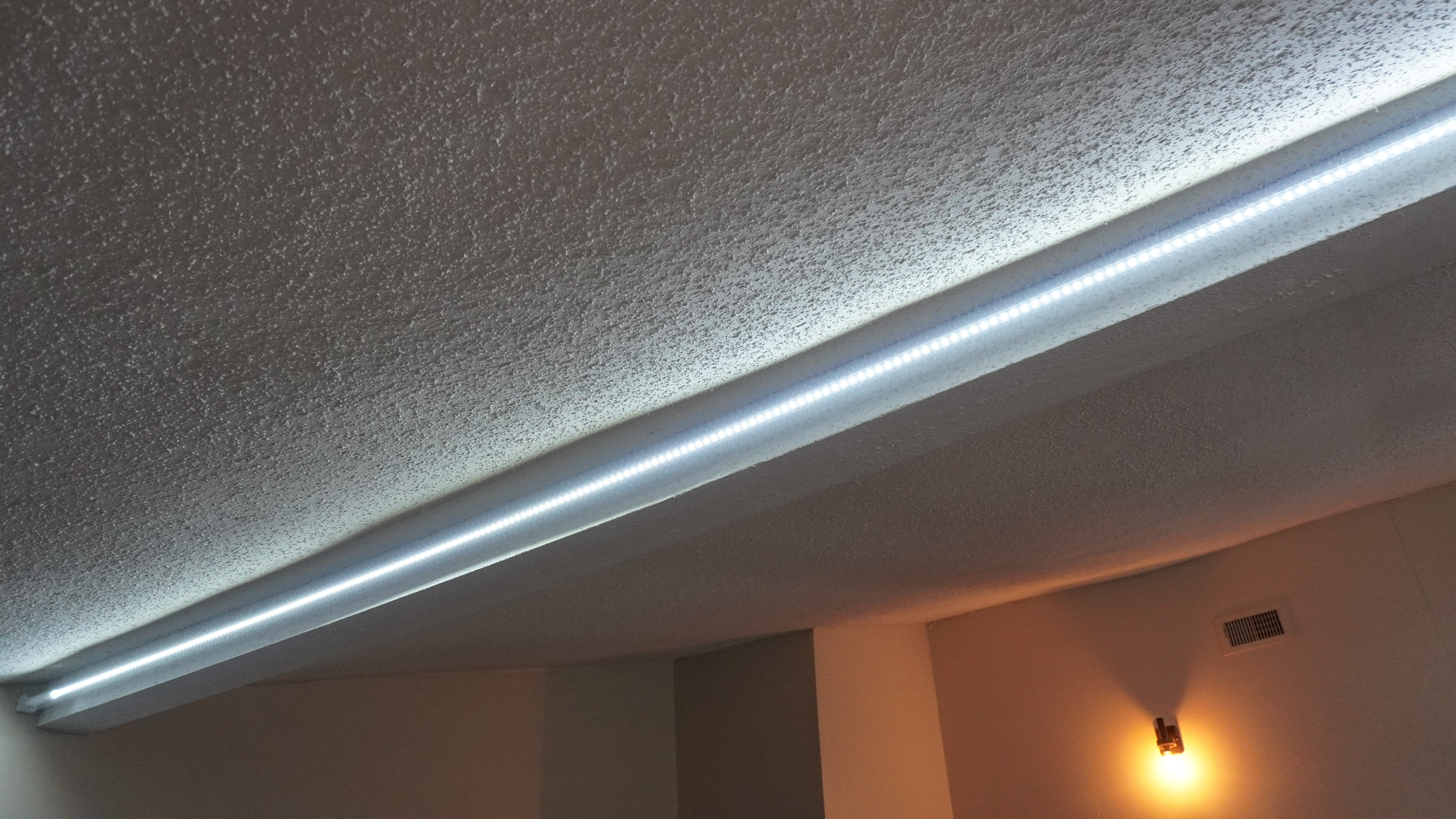
I used this smart light strip to transform my living room — and it's been a game changer for my home

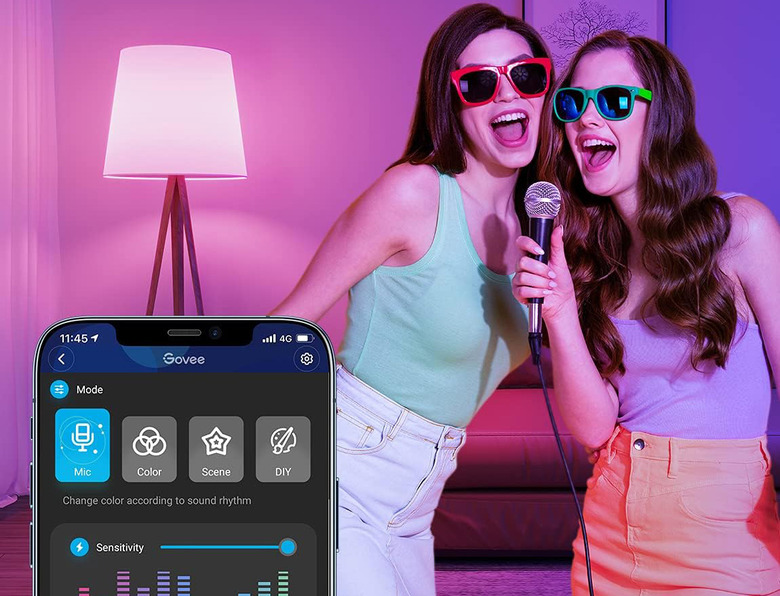
We Tested 52 Different Smart Light Bulbs To Find The Best Ones

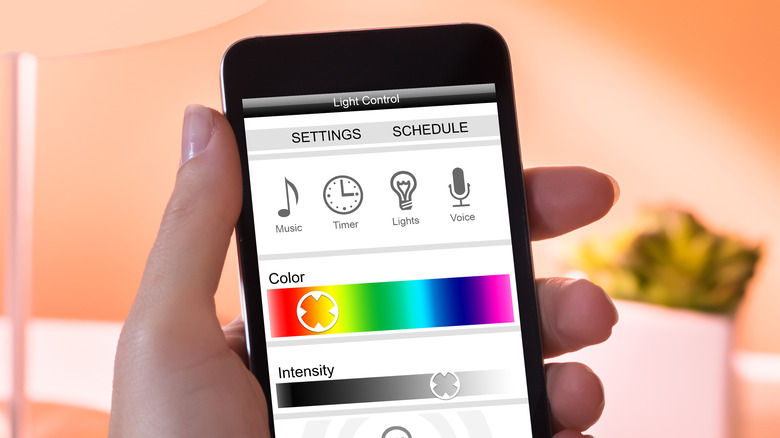
Major Smart Lighting Brands Ranked Worst To Best

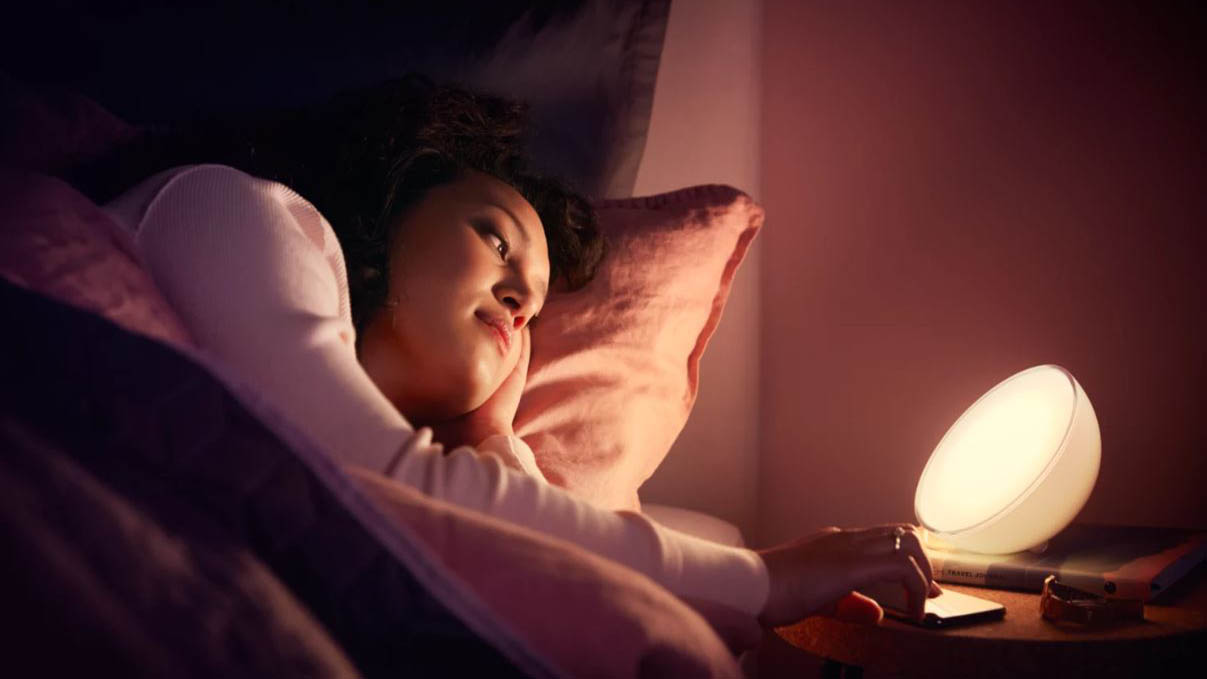
I turned this smart light into a sunrise alarm clock — and it’s a game changer for my mornings
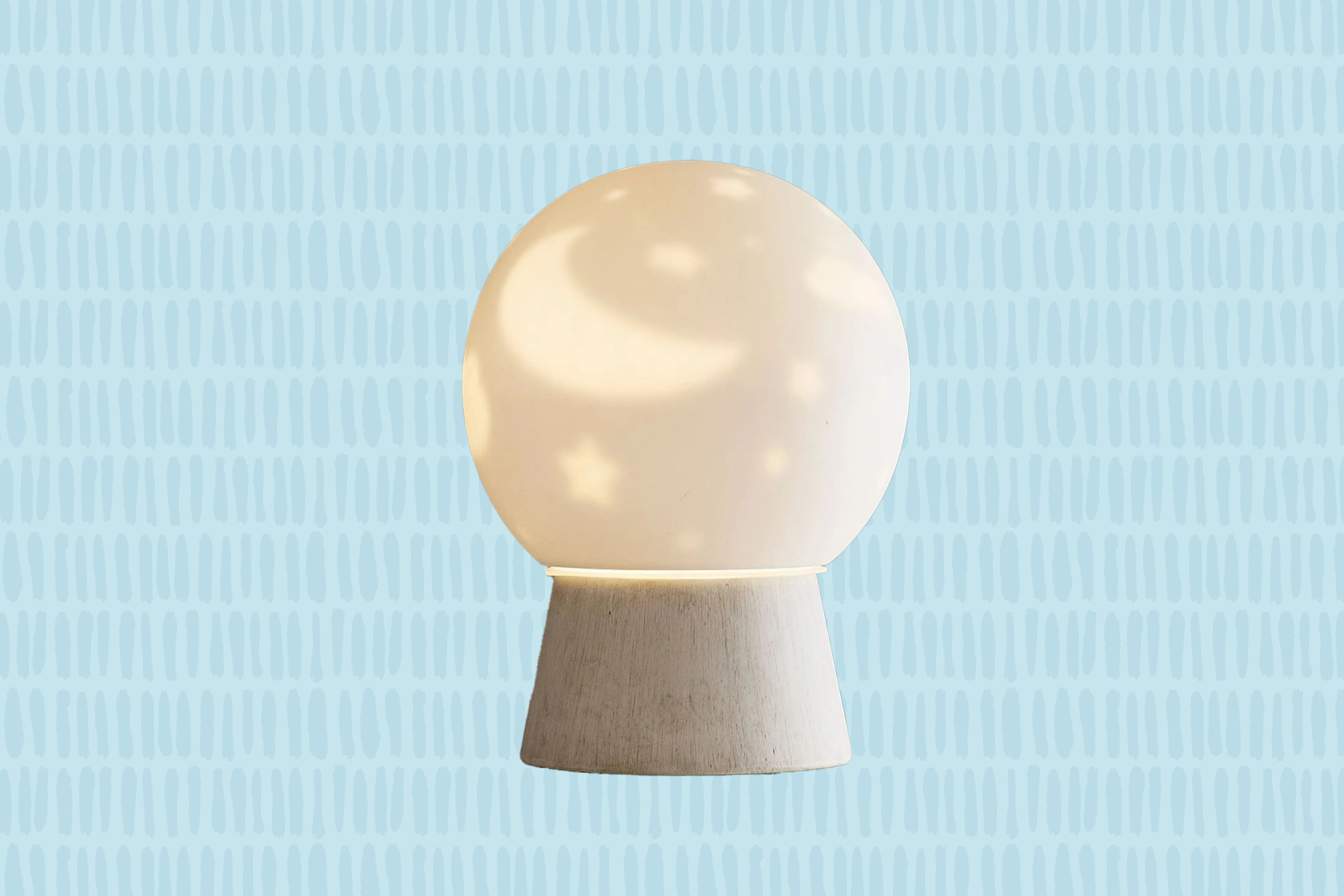
Snooze Soundly with the 5 Best Night Lights, According to Sleep Experts


This Smart Bulb Rescued My Rental Apartment From the Horror of ‘The Big Light’ | Reviews by Wirecutter
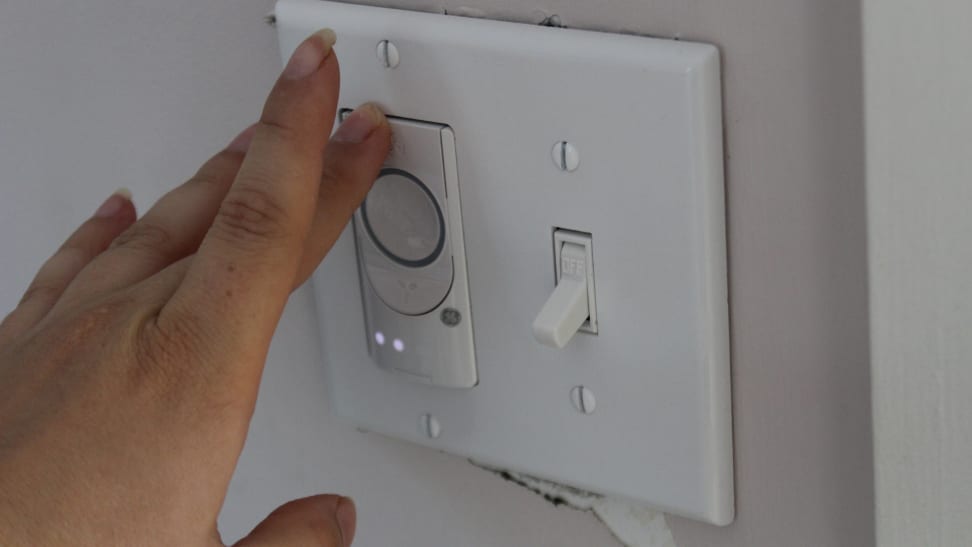
I tried a smart ceiling fan switch—here's how it went

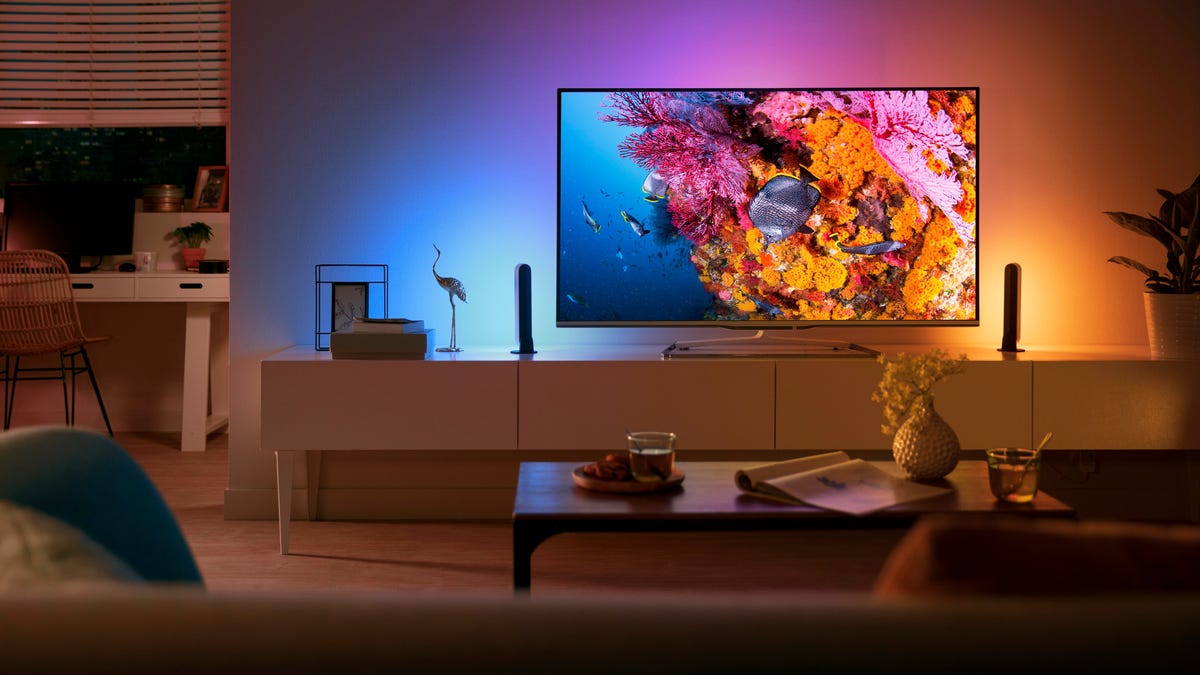
Been sleeping on smart lights? Time to wake up
I used this smart light to illuminate the most awkward part of my house — and it works for every room
I just found out about PIR sensor lighting and it's changed my nightly routine
Days are about to get darker — we recommend these sunrise alarm clocks for brighter mornings and gentle wake-ups
The best smart lights
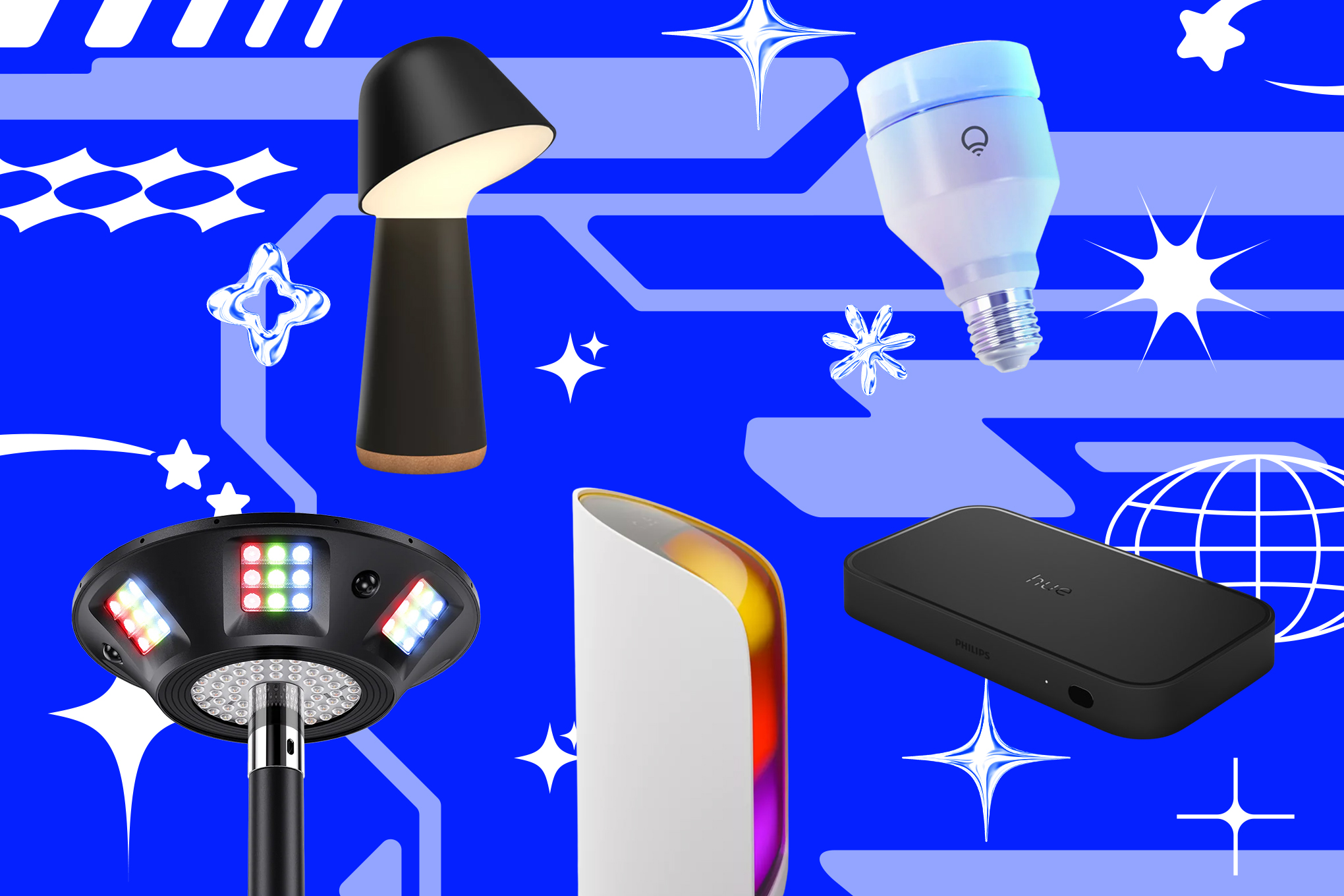
Fall into smarter lighting
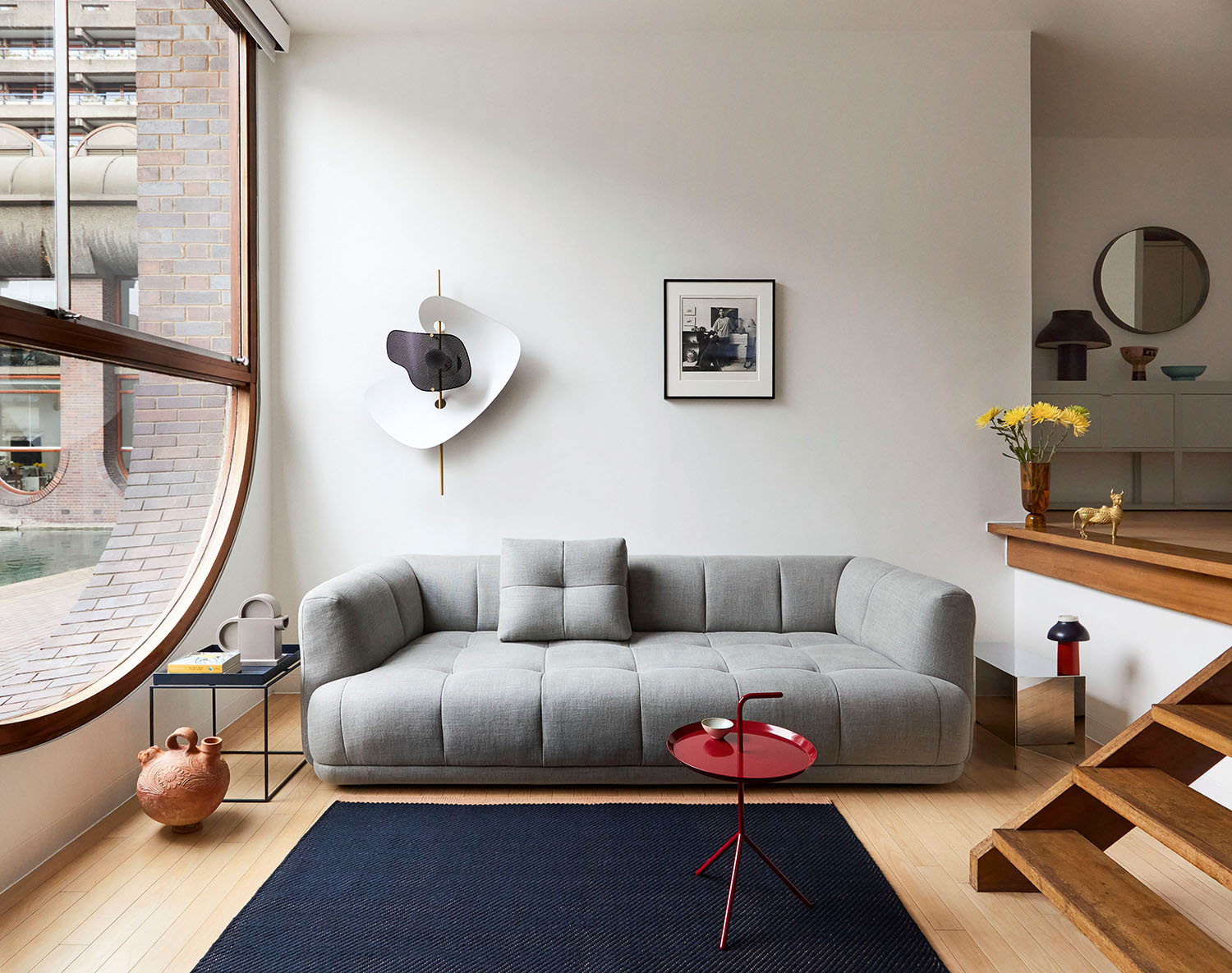
These 7 wall lights have helped me make every room a happier space to live in

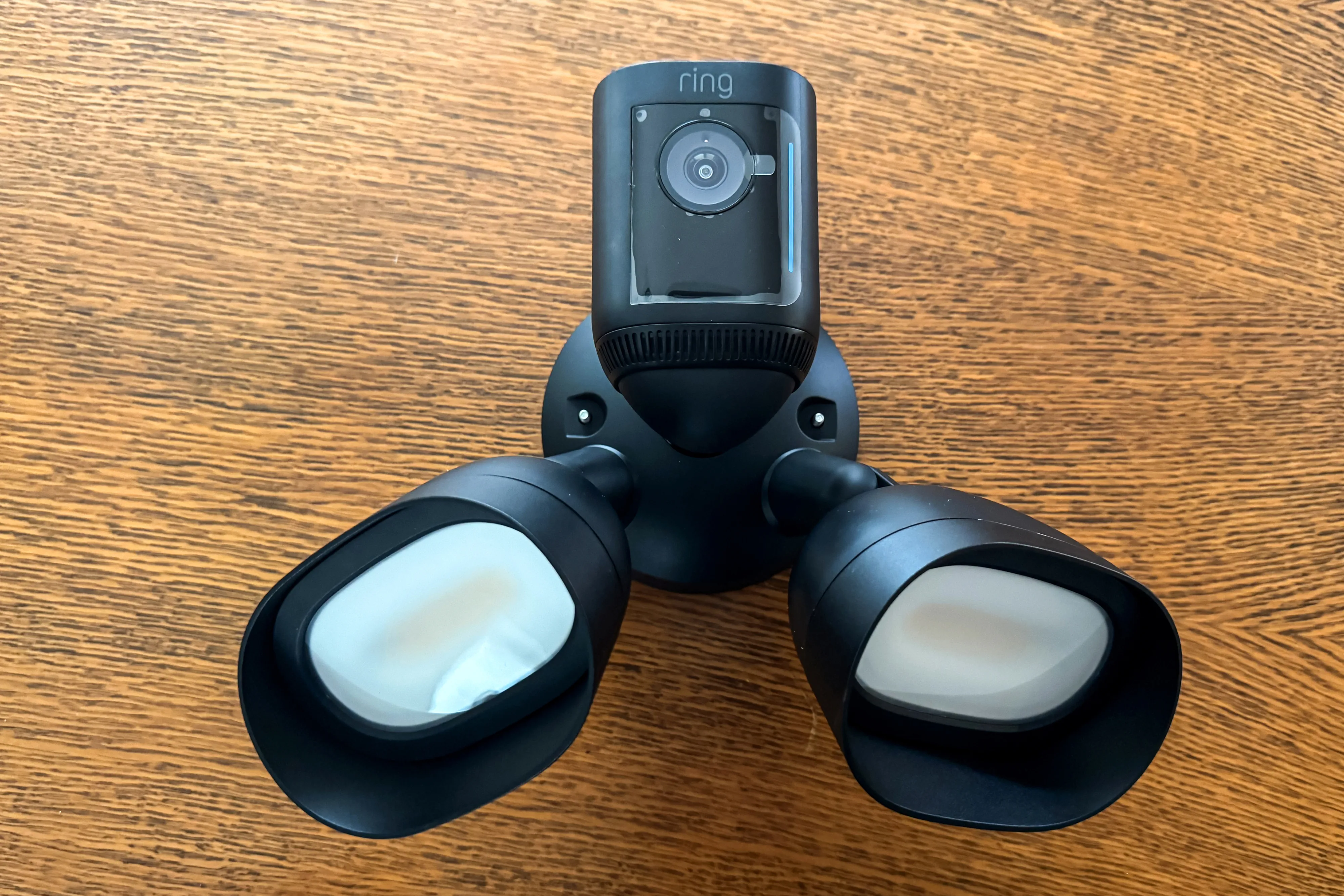
We Installed and Tested Motion-Sensor Lights to Find the Five Best