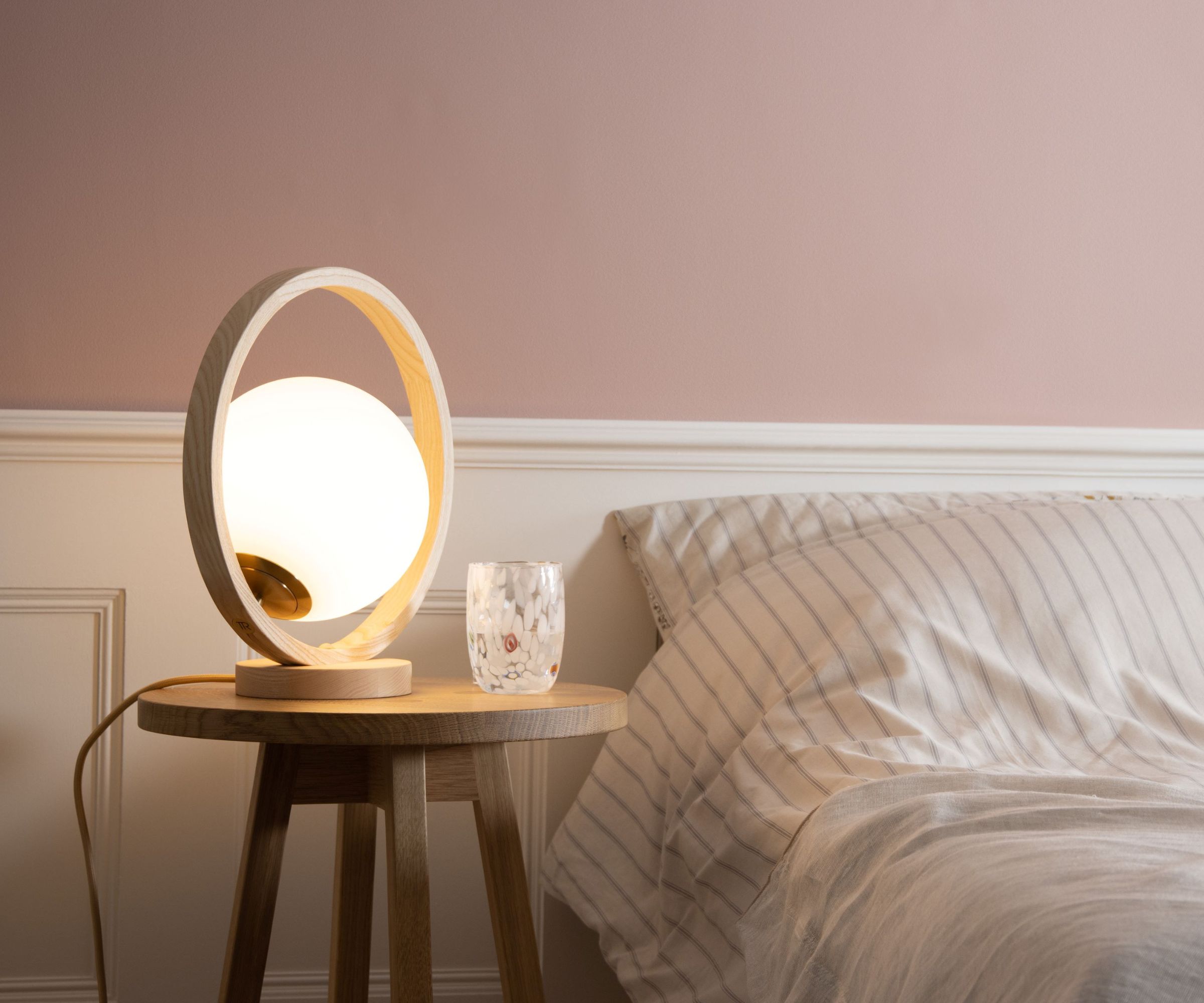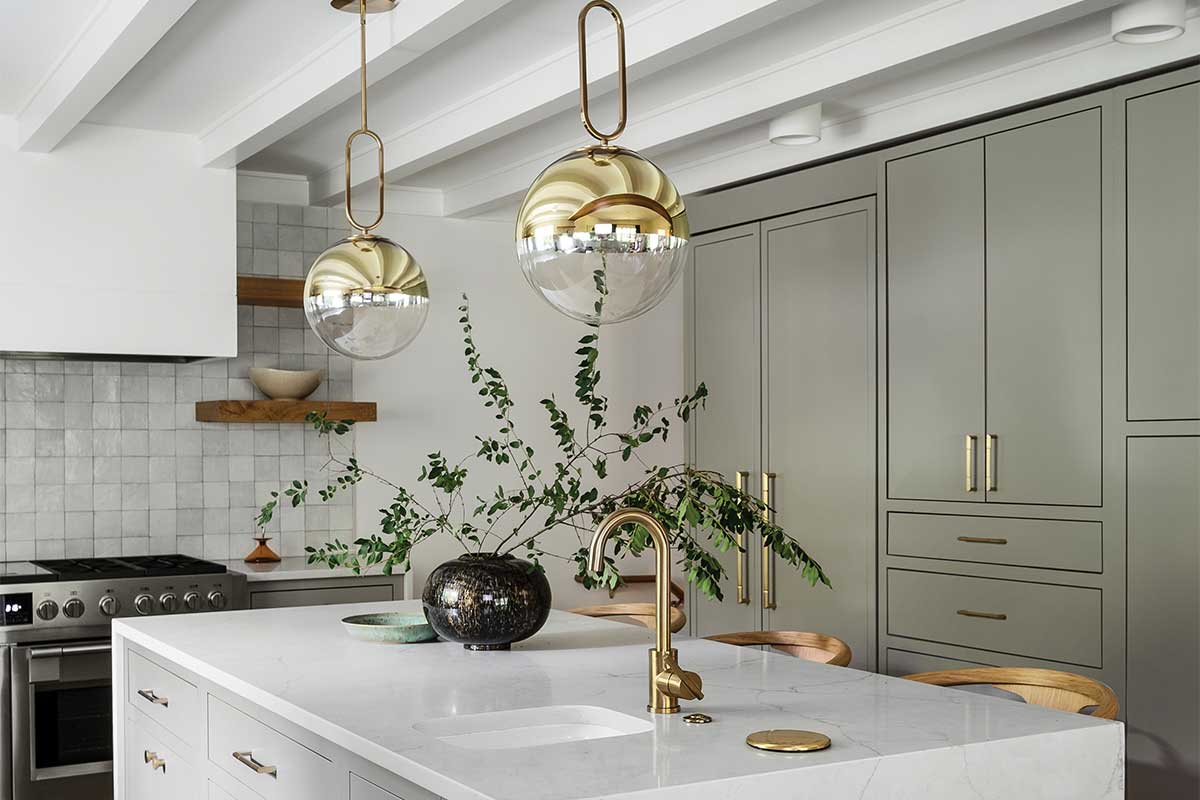
What You Need to Know About Lighting Your Home, from an Expert
Ann Gottlieb, an interior designer and lighting expert, emphasizes the critical role of proper lighting in home renovations, stating that even a significant investment in renovation can be undermined by poor lighting design. Gottlieb, principal of Ann Gottlieb Design, specializes in contemporary styles that integrate natural materials and masterfully uses specific fixtures and light temperatures to illuminate spaces, highlight artwork, and brighten shadowy rooms.
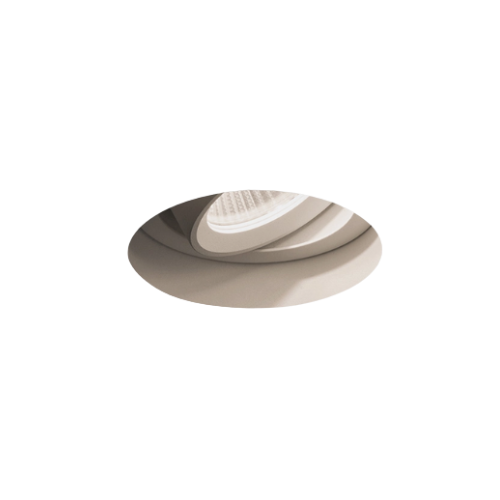
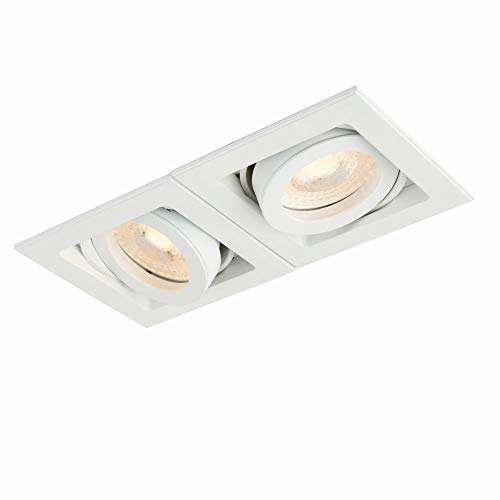
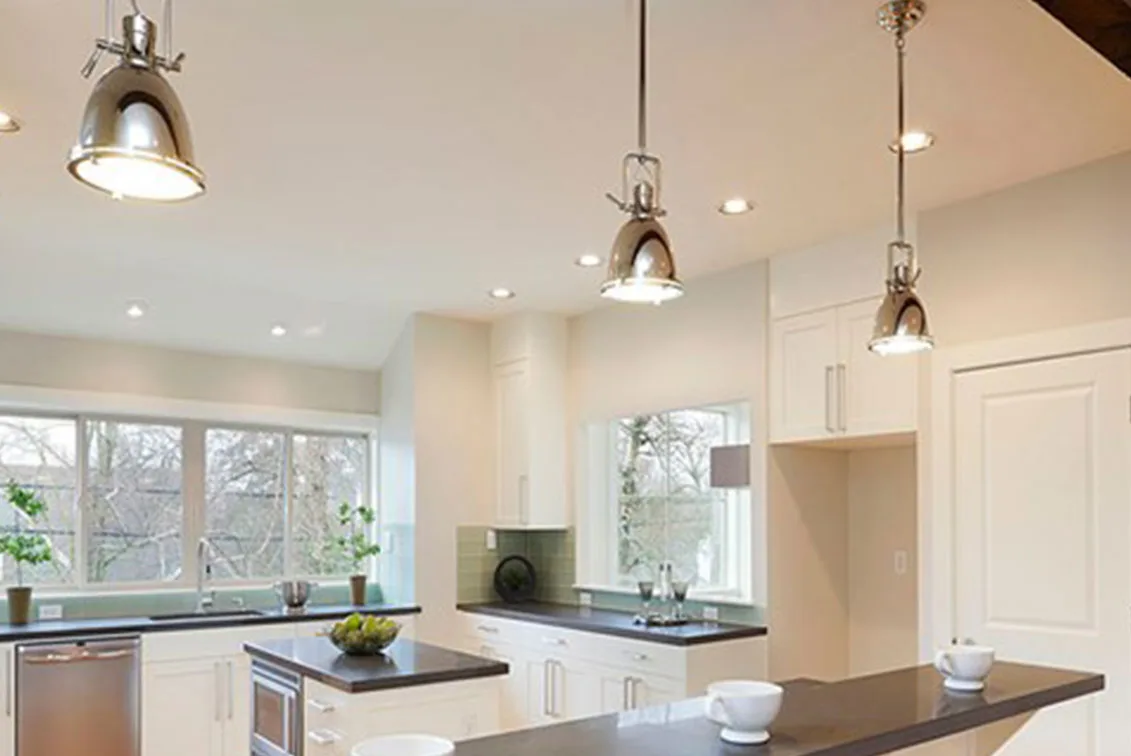
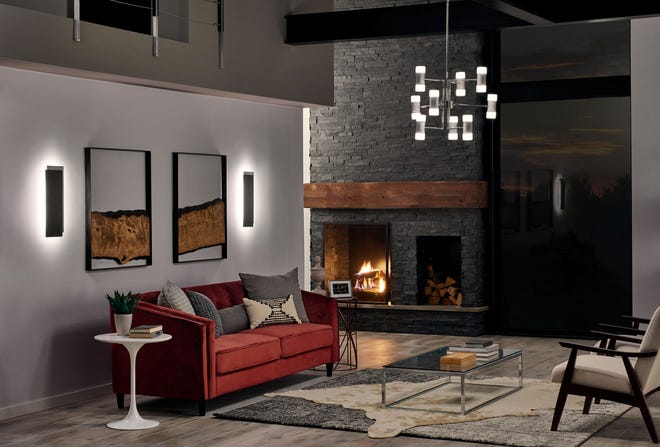
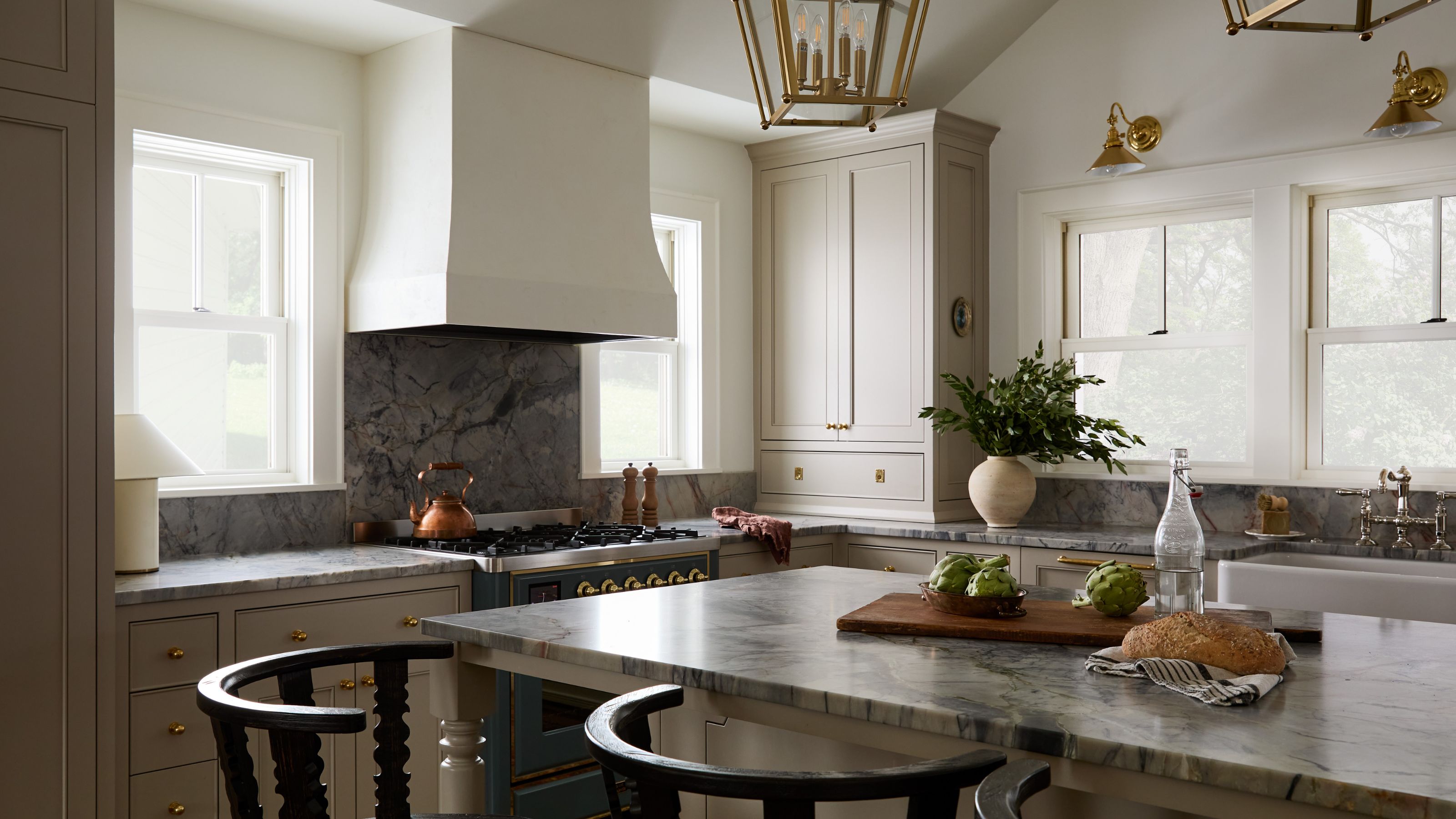
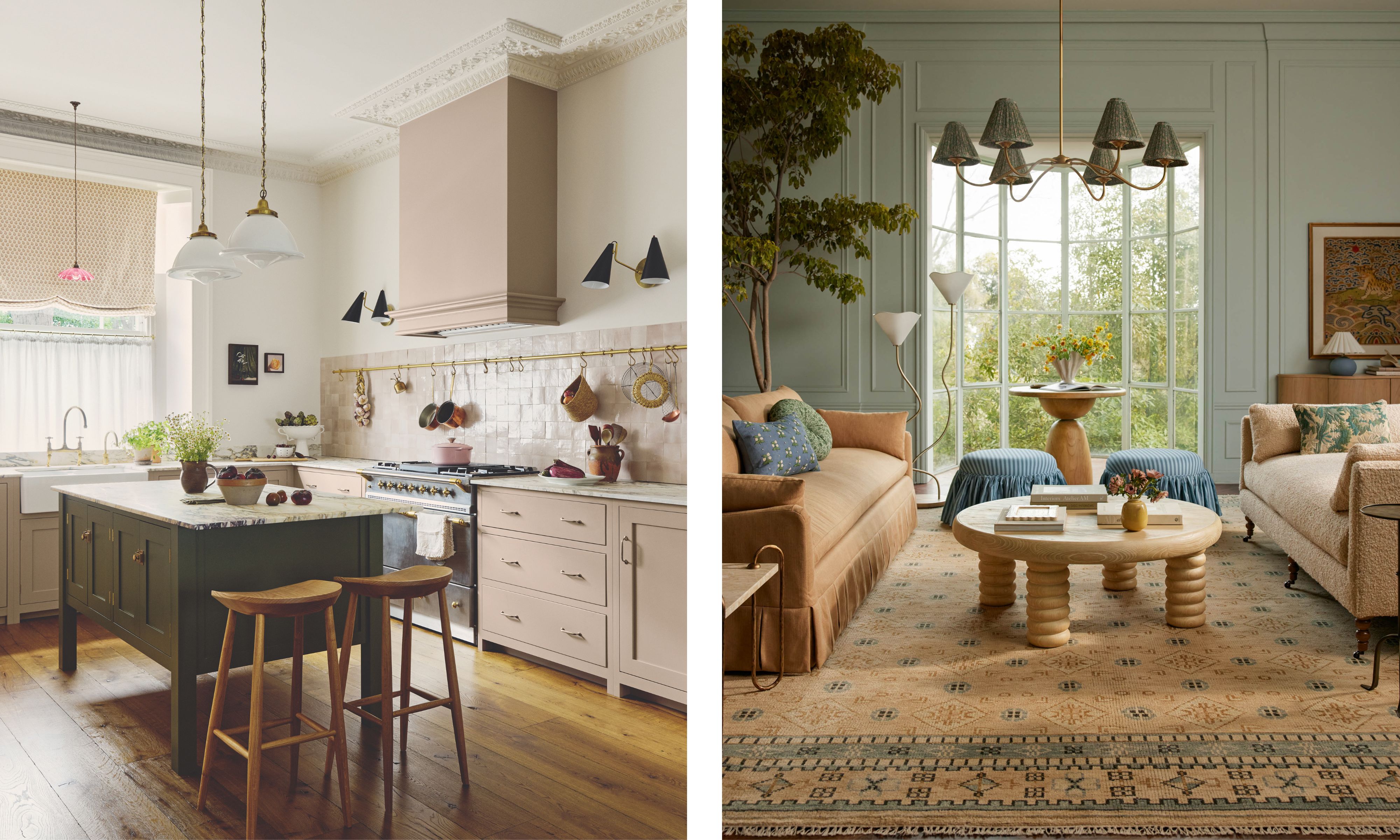
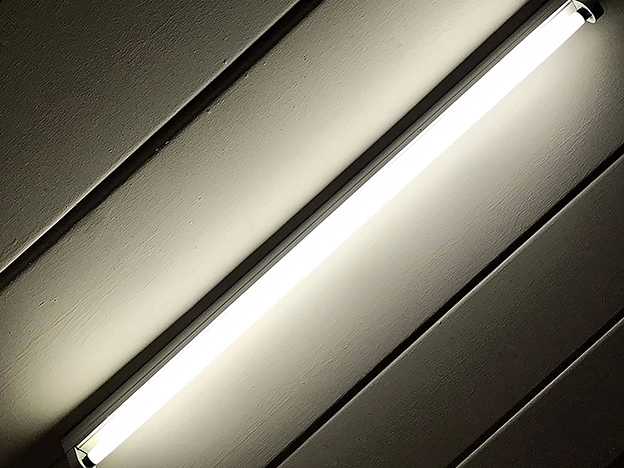
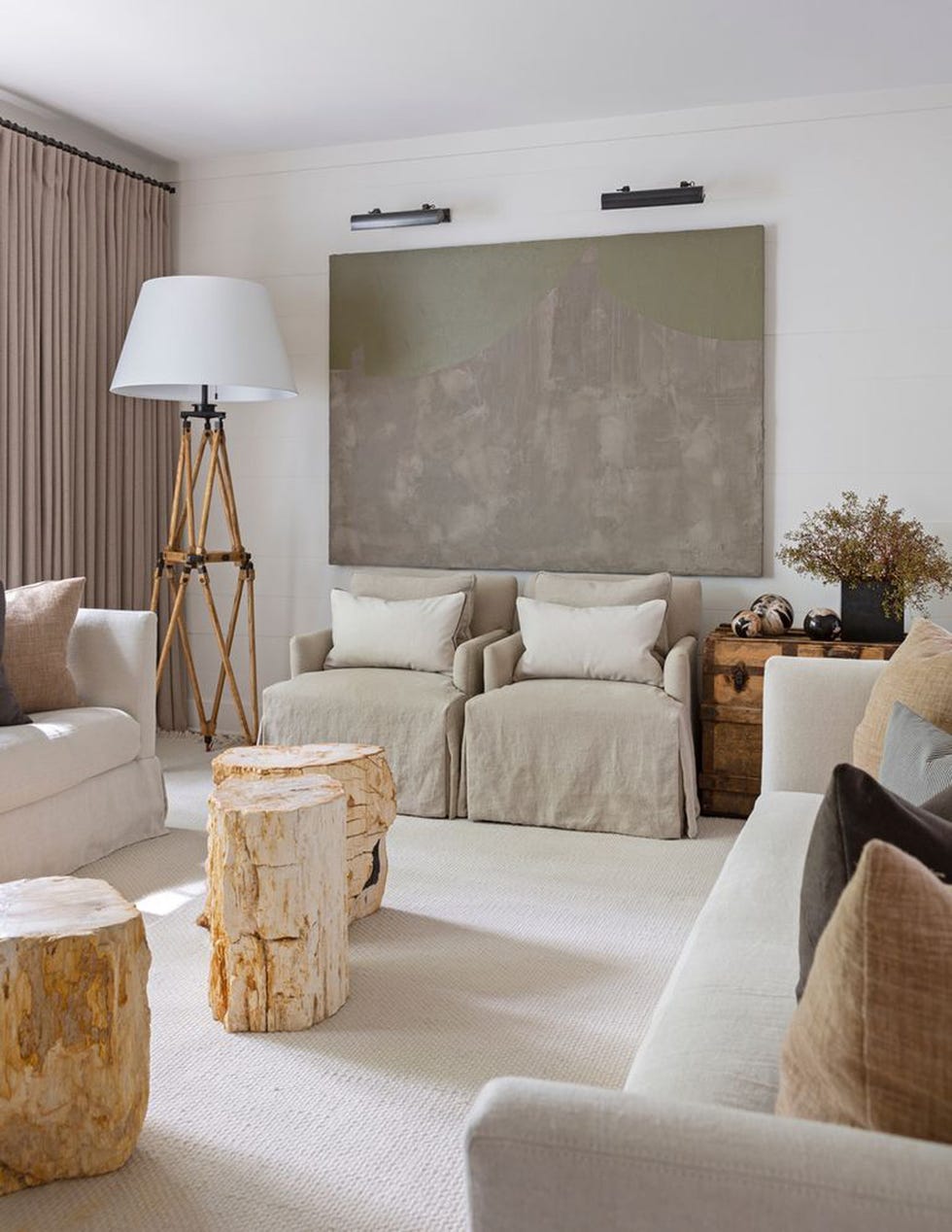
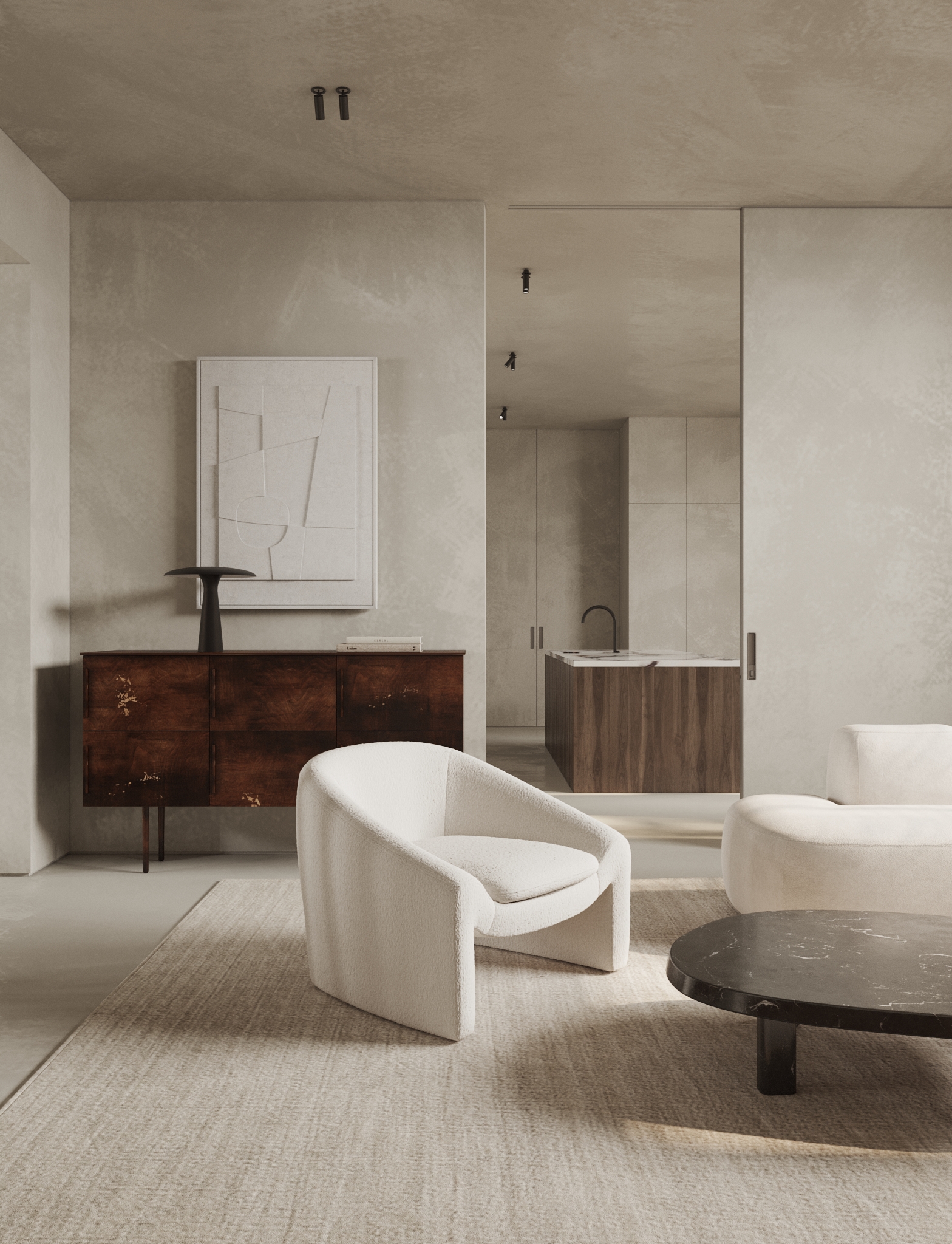
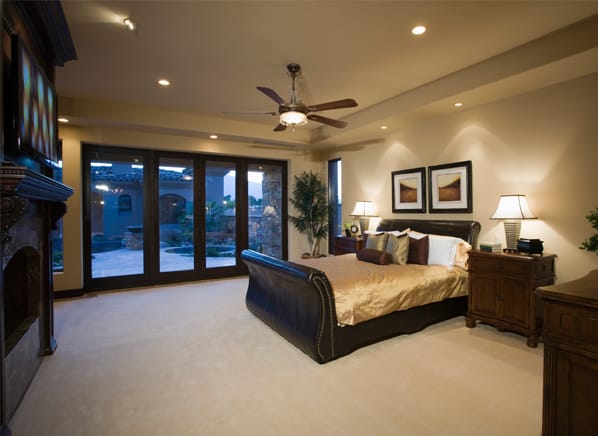
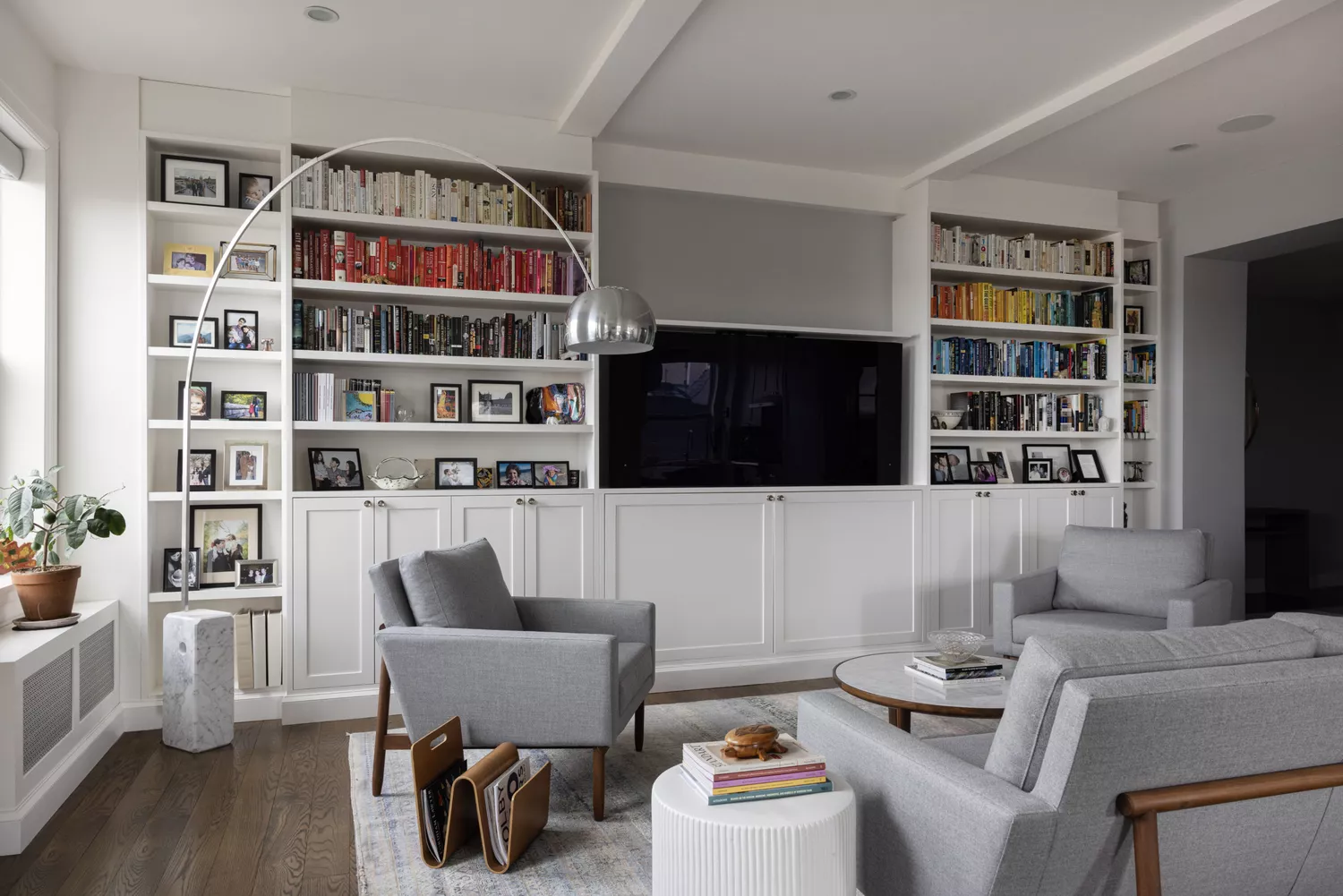
For highlighting special walls, such as built-ins or gallery walls, Gottlieb recommends using smaller, closely spaced downlights to focus on art. For cabinetry or millwork, long, linear recessed lights or Gimbal recessed lights with adjustable heads are suggested. The spacing of recessed downlights varies based on the wall's content; they should be spaced further apart on blank walls. The overall placement of lighting fixtures is determined by the room's function and features.
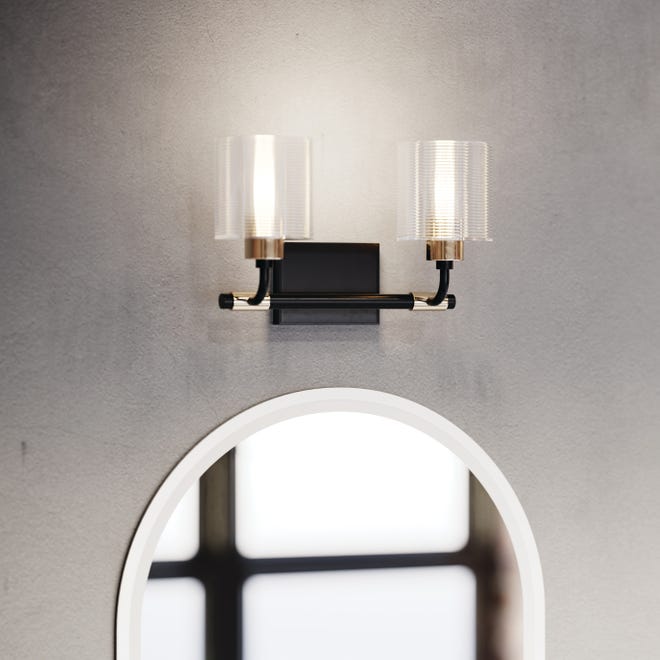
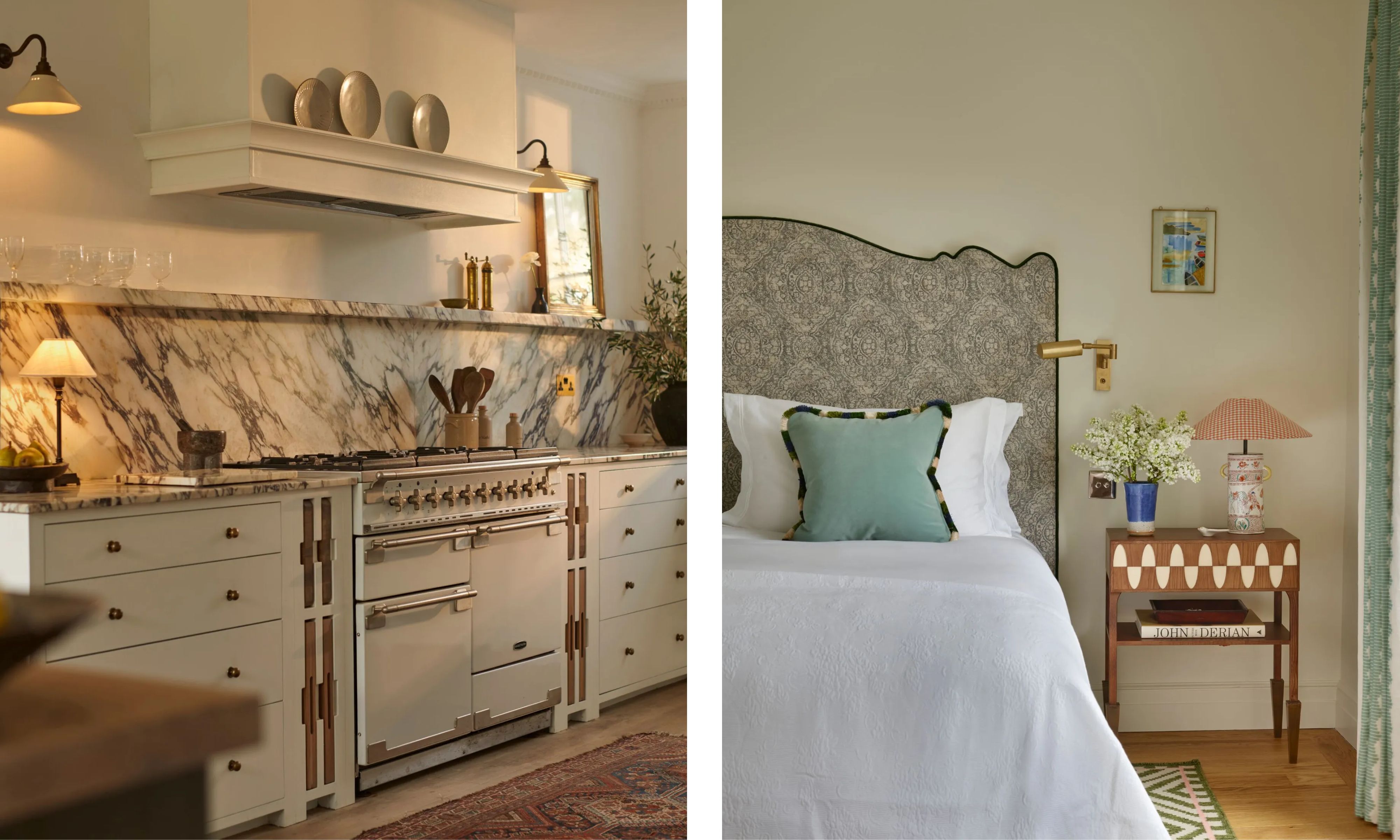
In bathrooms, especially those with uneven natural light, Gottlieb advises a mix of lighting at the vanity wall, rather than relying solely on sconces. This approach allows for flexibility in adjusting light levels regardless of external conditions. She highlights the effectiveness of backlit electric mirrors, which she personally uses, often rendering overhead recessed lights unnecessary.
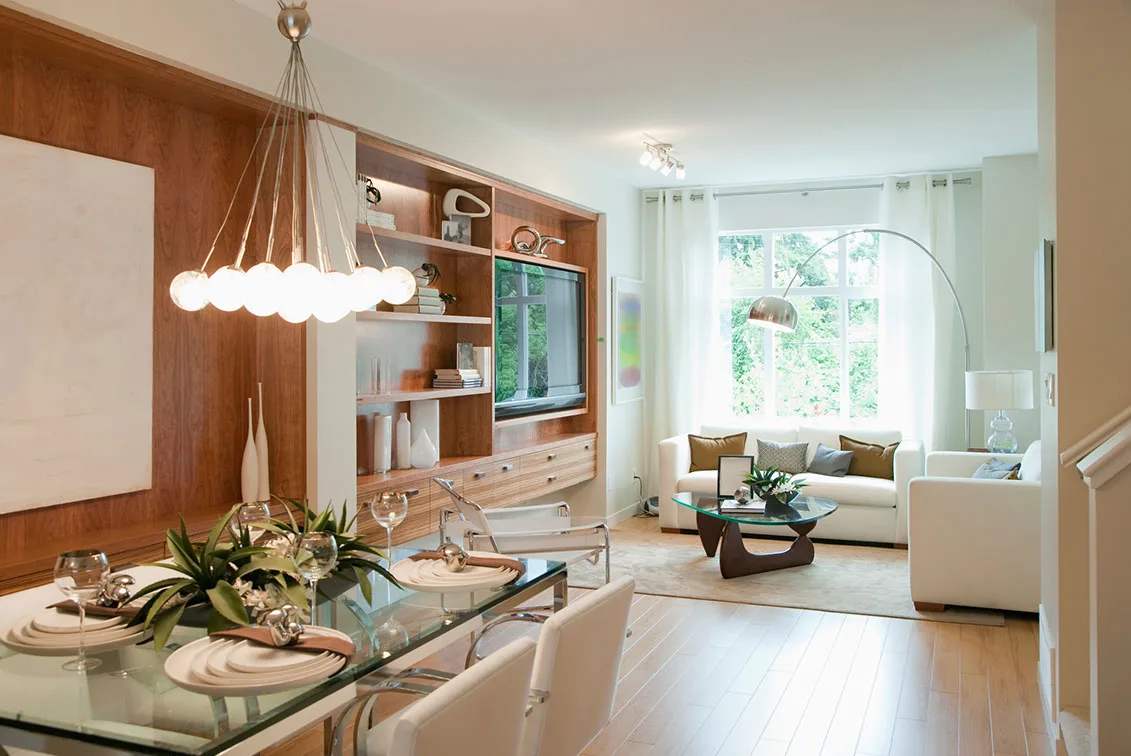
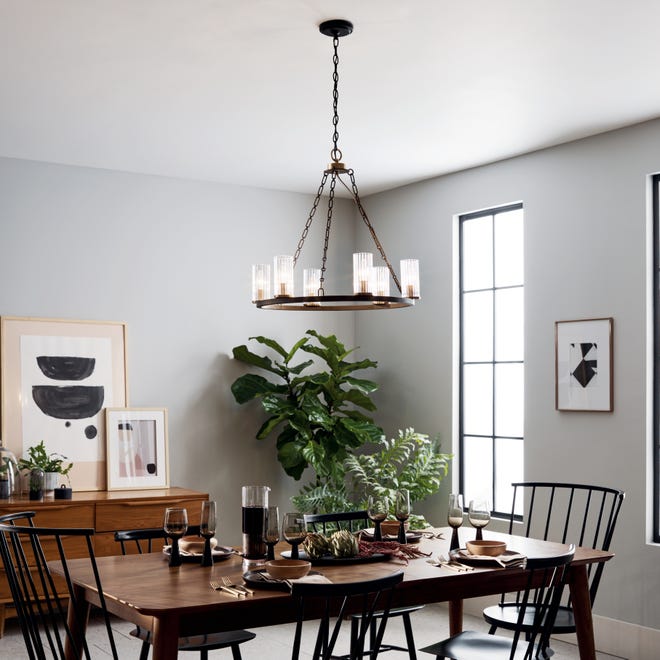
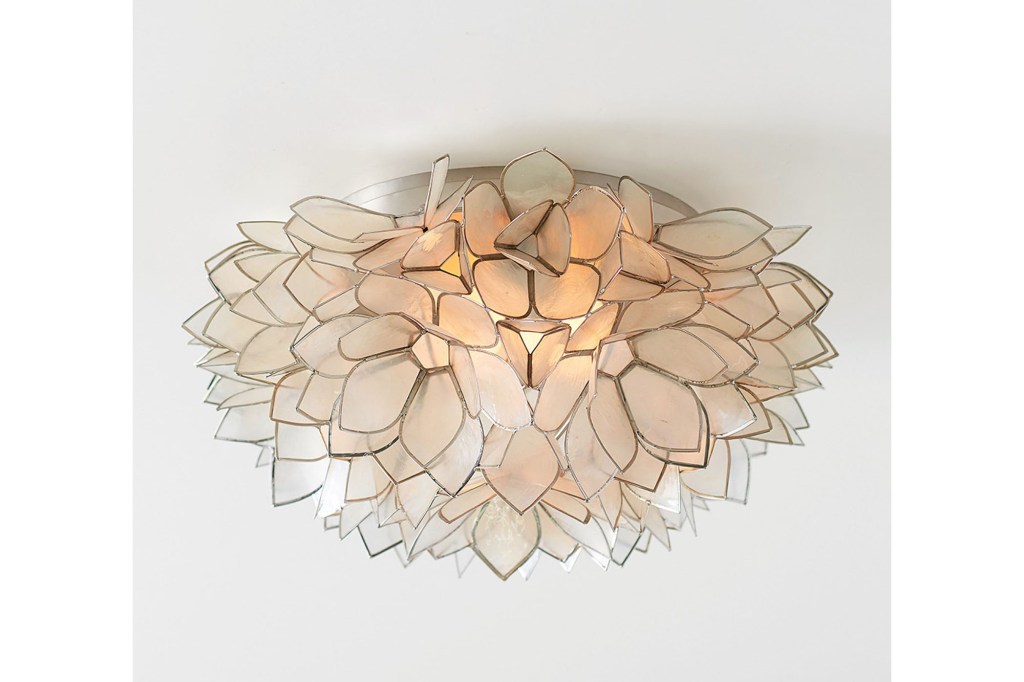
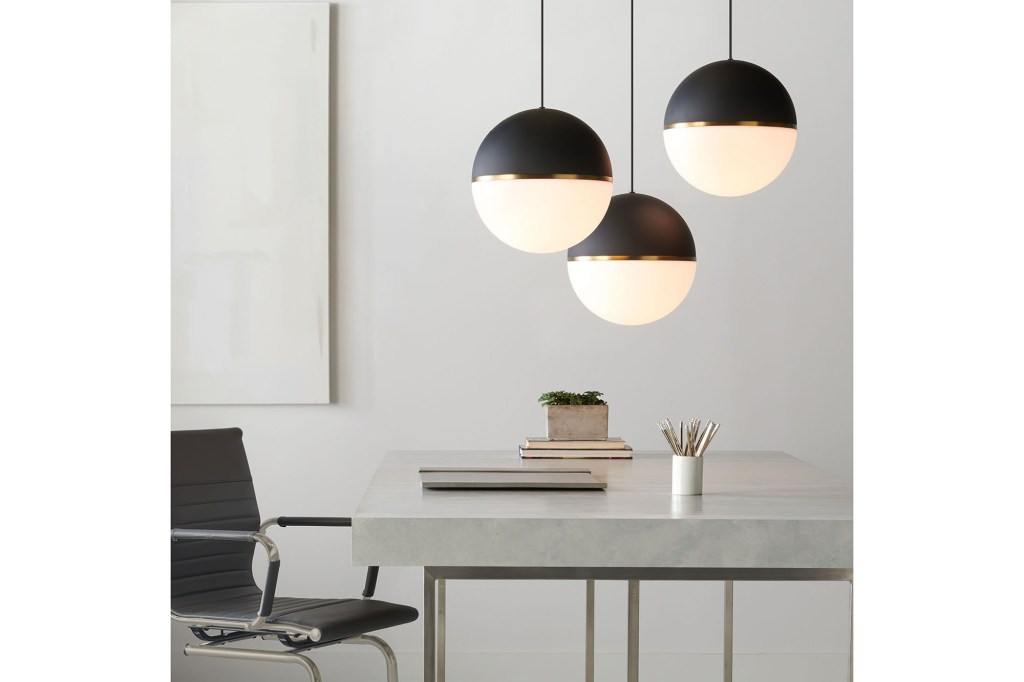
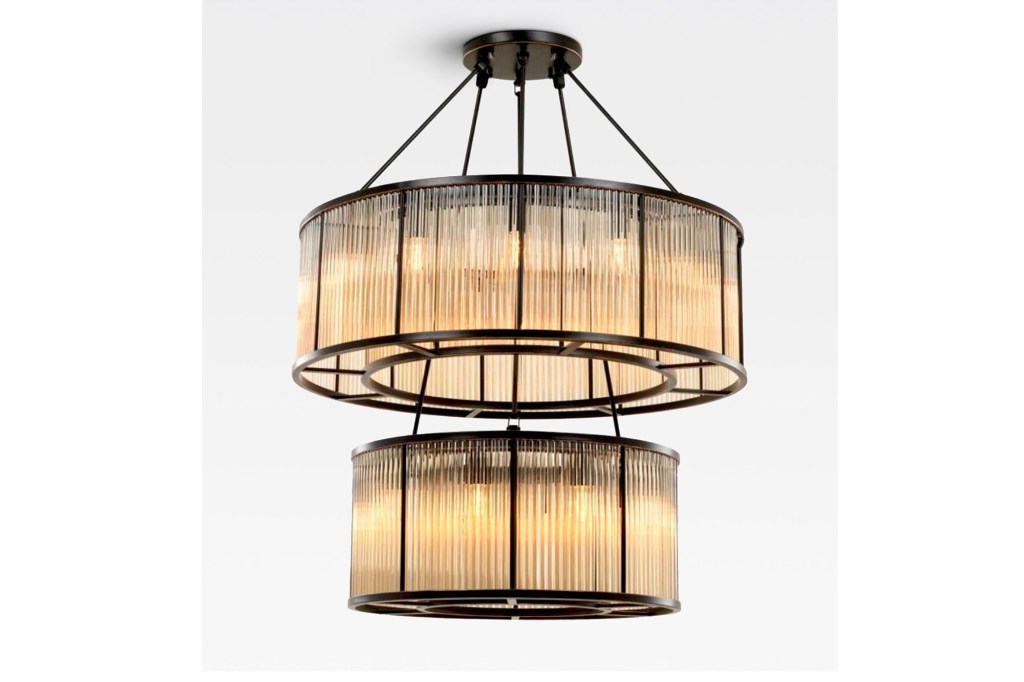
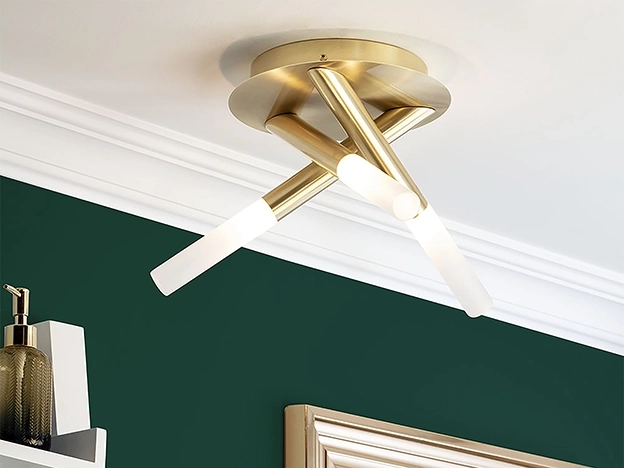
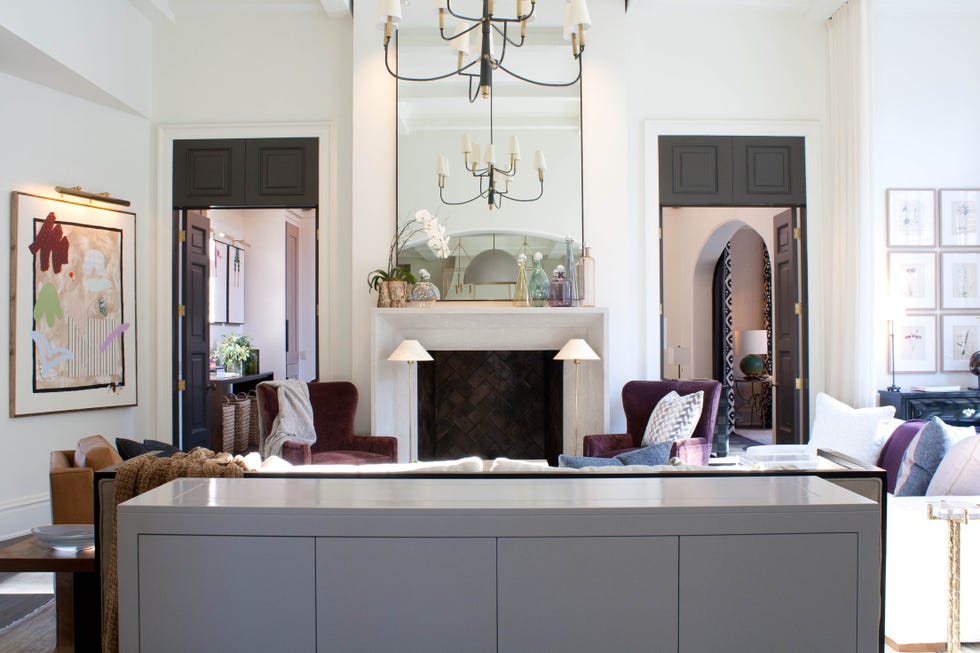
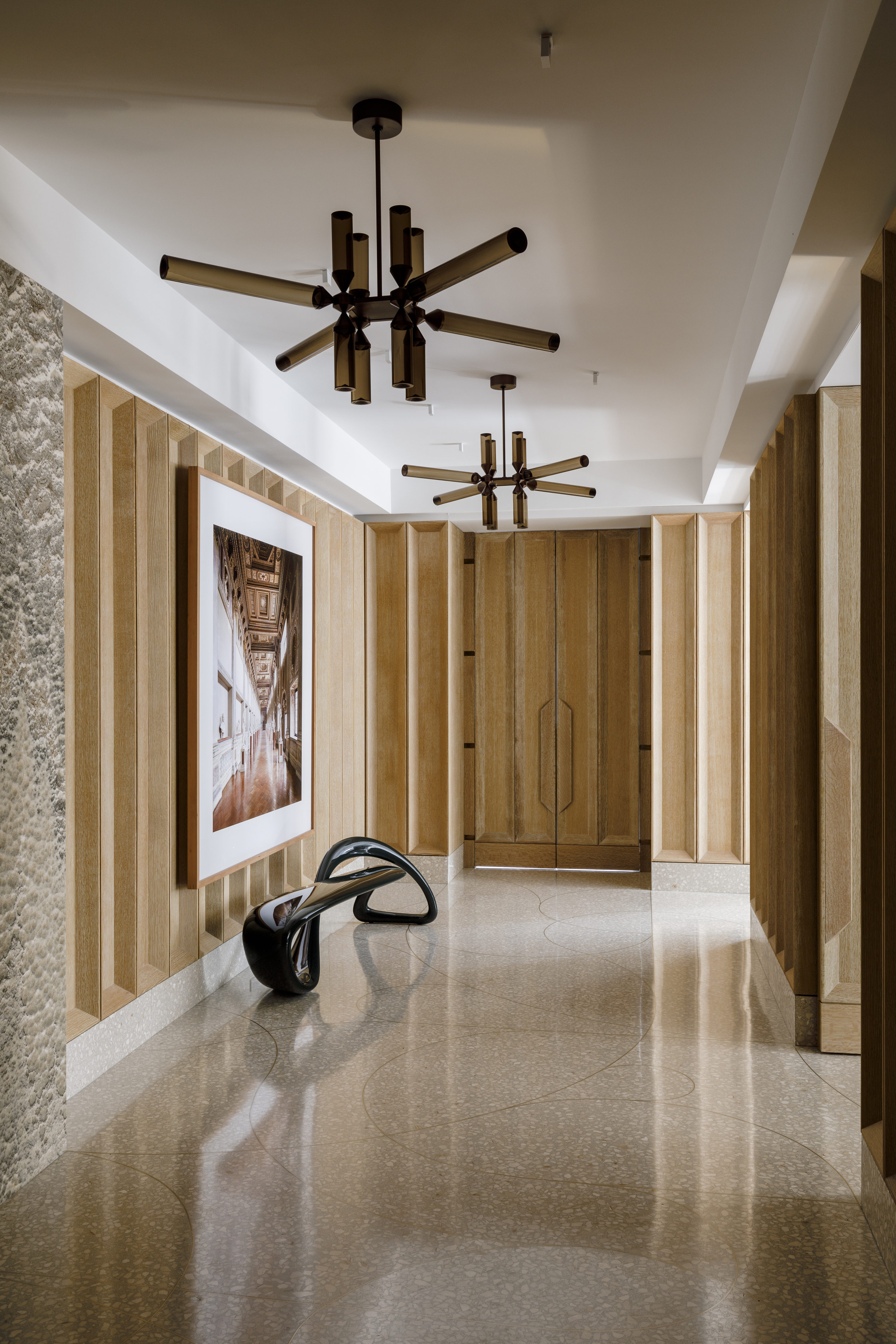
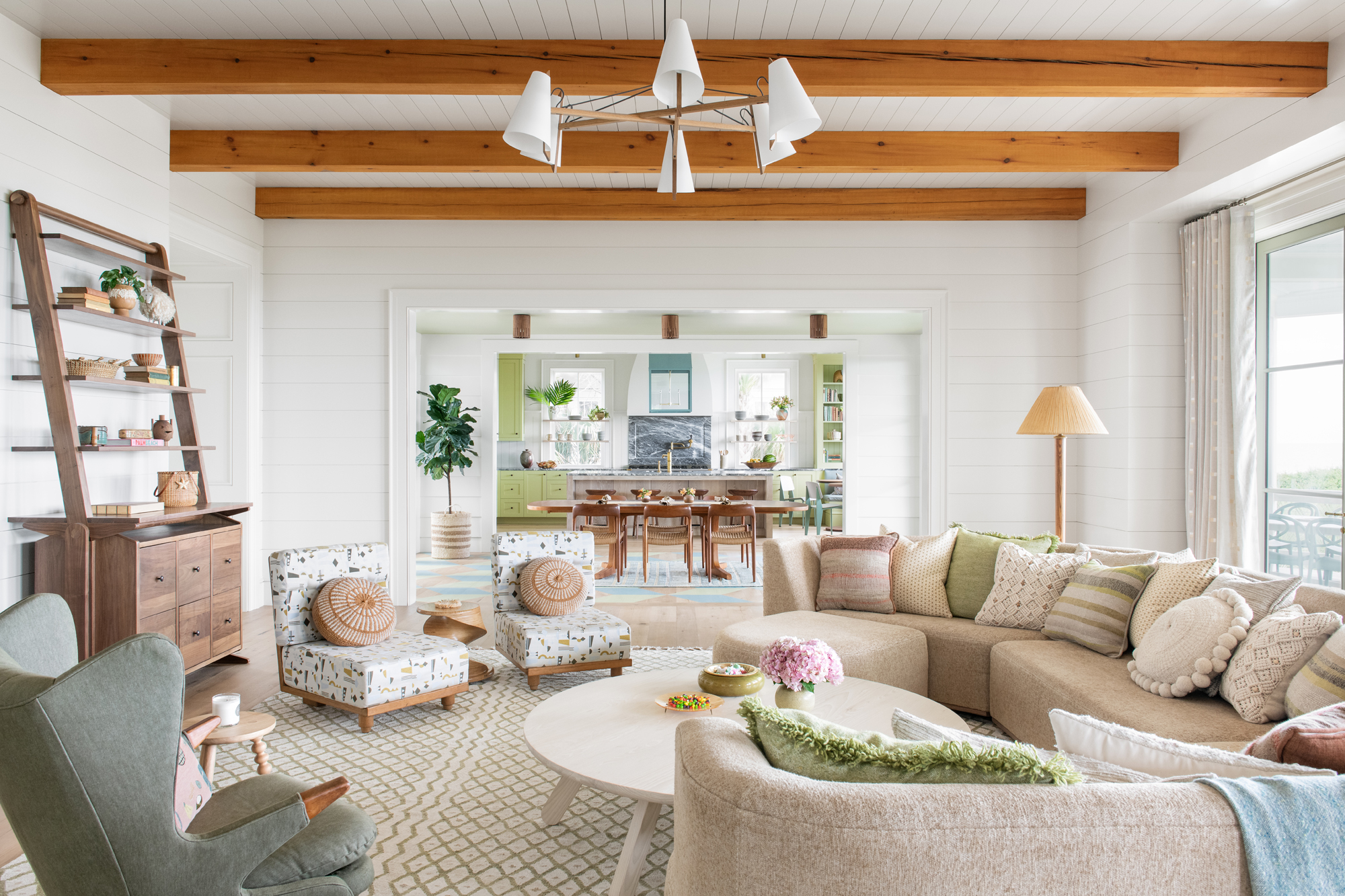
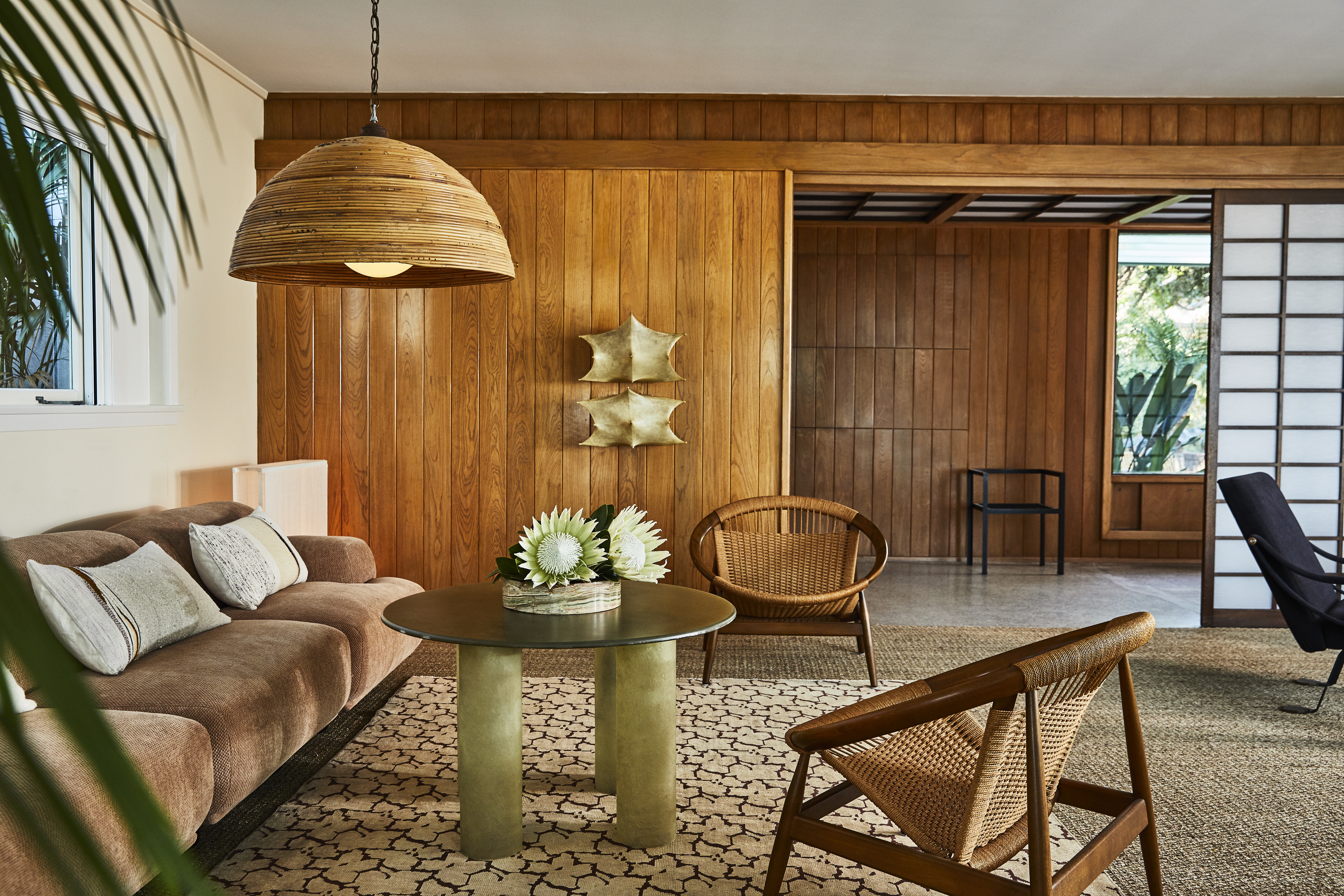
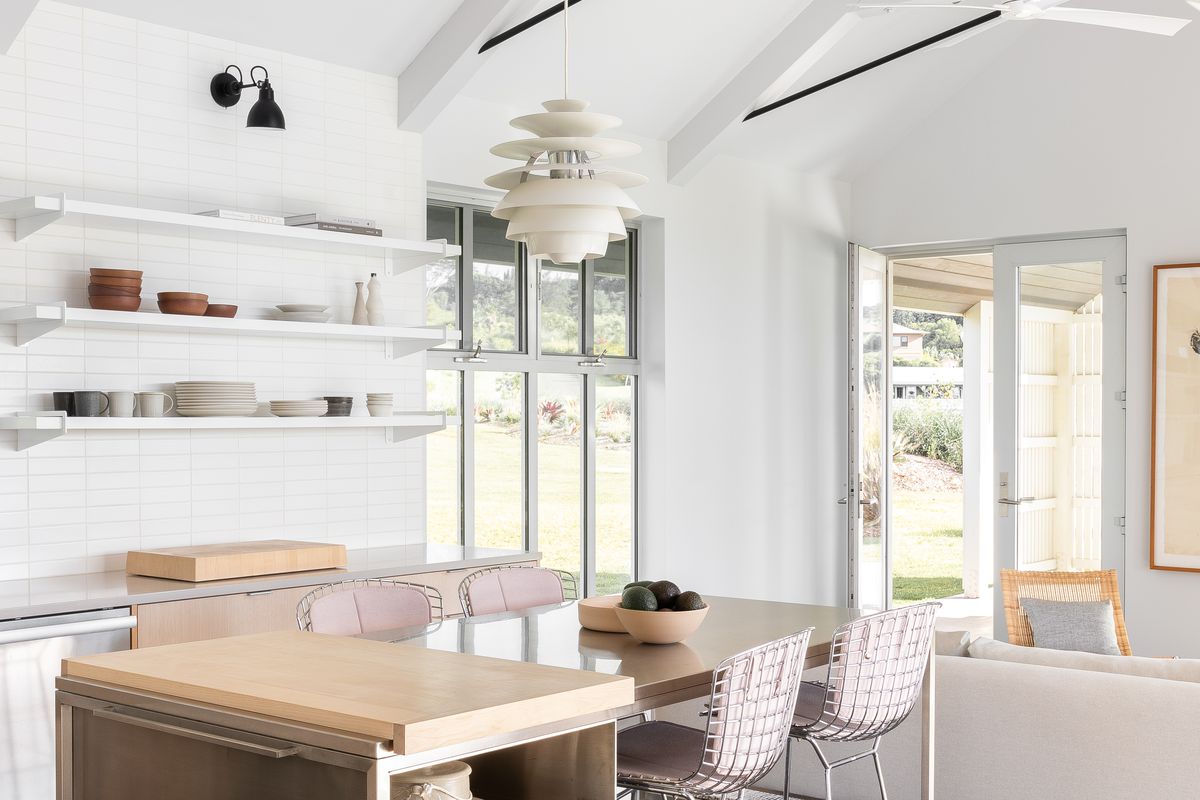
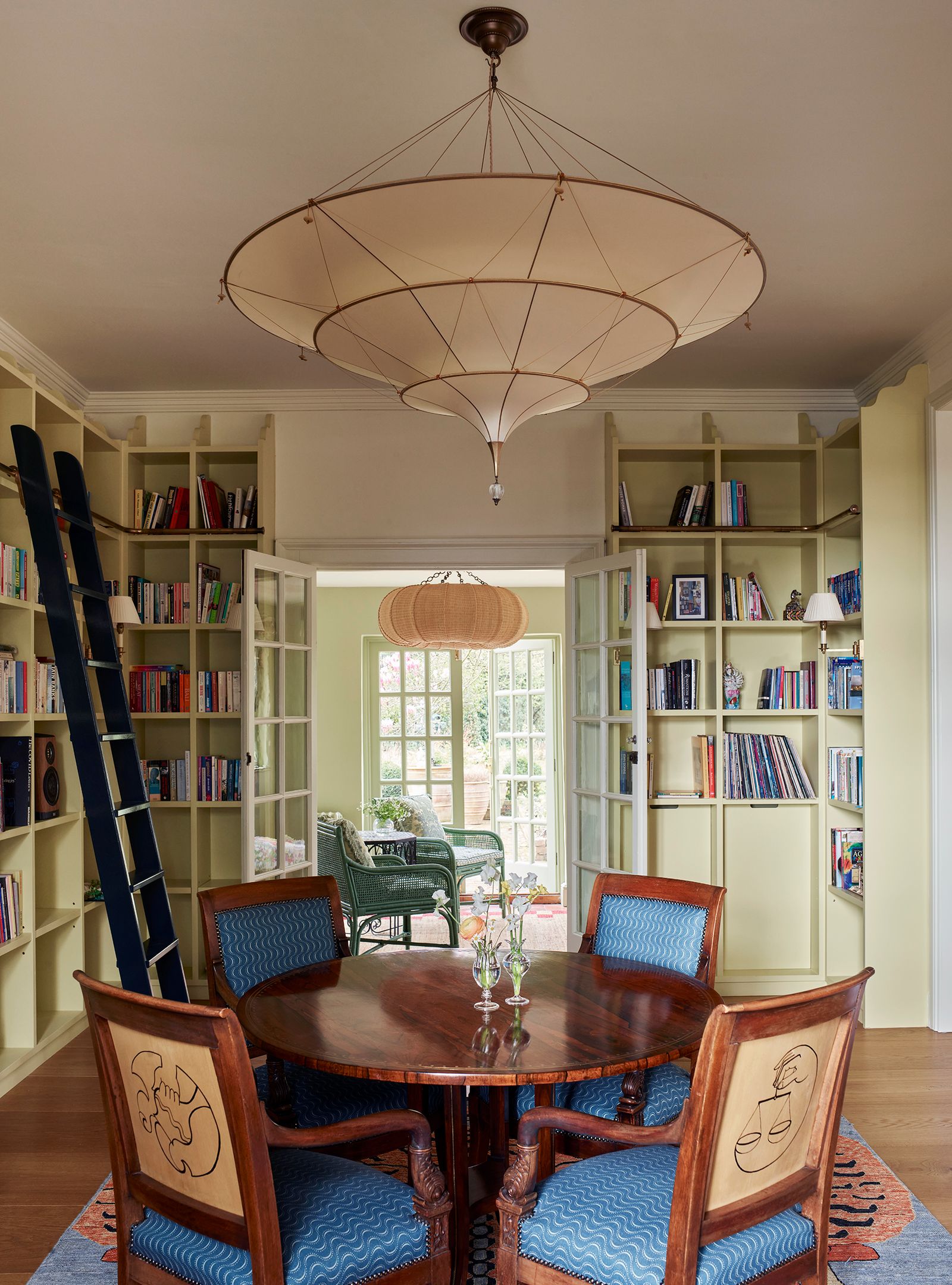
When dealing with high-ceilinged spaces like staircases, hanging fixtures can provide even light distribution, but specific guidelines must be followed. Gottlieb advises that hanging fixtures should not extend below seven feet in a standard bathroom. The diameter of the fixture should be proportionate to the room's size and ceiling height, a determination often made through 3D planning. The designer also considers whether the fixture's purpose is purely decorative or functional, like a pendant hanging approximately 18 inches from the ceiling, and accounts for existing structural conditions and the desired aesthetic sophistication of the space.
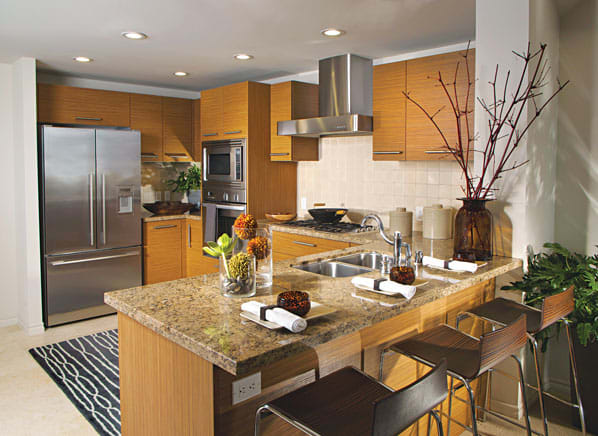
Regarding lightbulbs, Gottlieb prefers LEDs, particularly those with dim-to-warm capabilities that allow for adjusting color temperature. She specifically mentions using WAC Lighting Oculux Dim-to-Warm recessed lighting, which provides a range from 3,000 to 1,800 Kelvin. For residential interior spaces, she recommends bulbs with a color temperature of 3,000 Kelvin or warmer, noting that a warmer light corresponds to a lower Kelvin number. These bulbs are sourced from suppliers like Dominion Lighting.
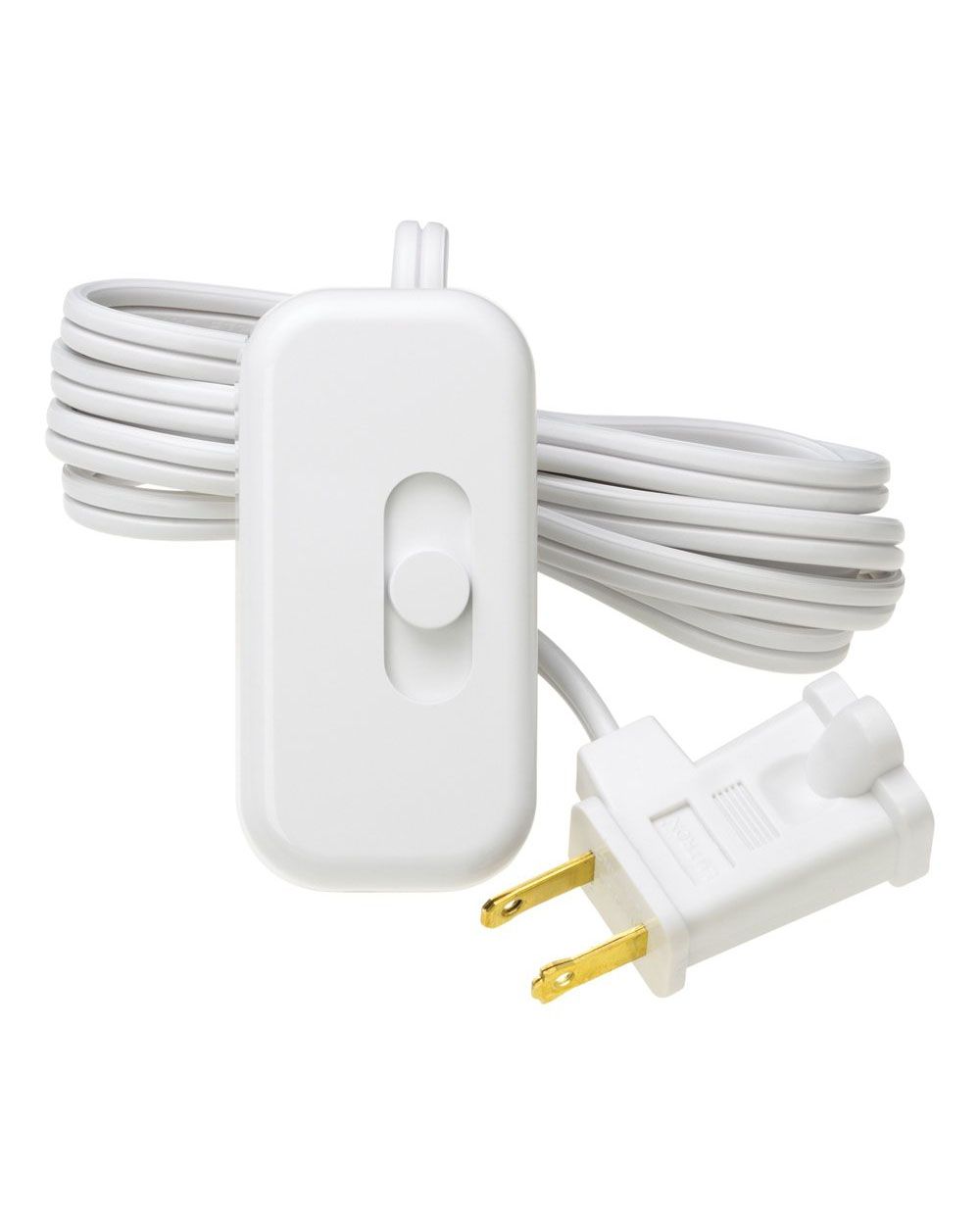
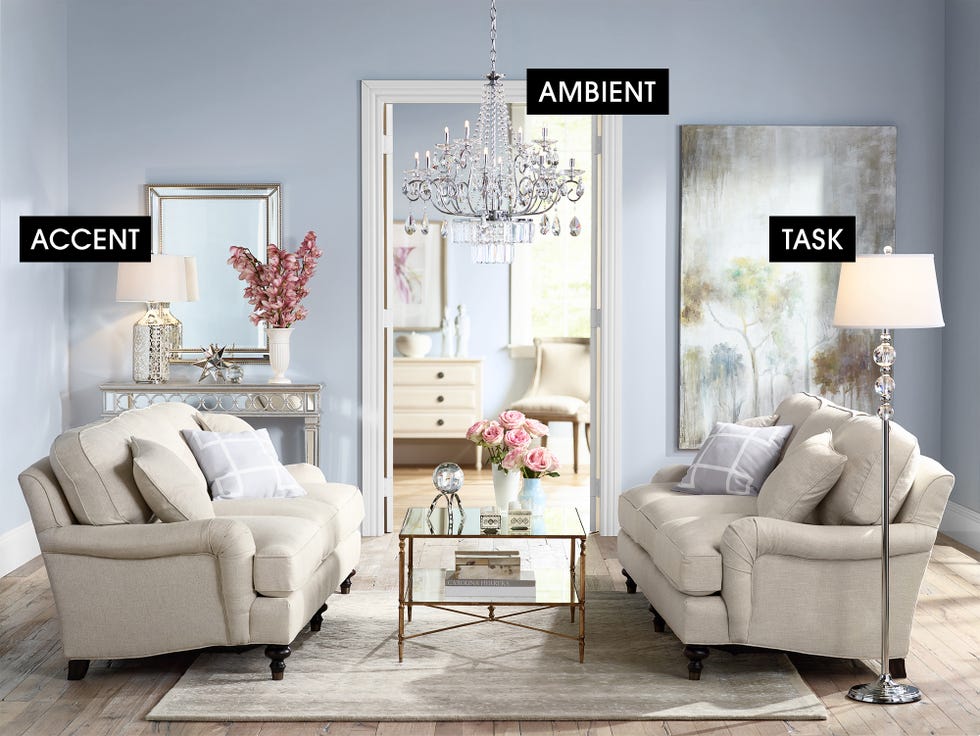
The article also provides a glossary of essential lighting terms. "Accent Lighting" refers to narrow-beam lighting used to draw attention to decorative elements. "Task Lighting" includes fixtures that enhance visibility for specific activities, such as a desk lamp. "Ambient Lighting" is the general illumination of a room, encompassing both artificial and natural light, excluding task or accent lighting. A "Dimmer" is a device that controls light intensity and saves energy, though not all fixtures are compatible with dimmers. "Color Temperature" describes the light's appearance, measured in "Kelvin" (K) degrees, ranging from 1,000 to 10,000 K, with residential interiors typically benefiting from 3,000 K or warmer. This comprehensive guide, based on an expert's insights, aims to help readers make informed decisions about lighting their homes effectively.
#HomeLighting #InteriorDesign #LightingTips #AnnGottliebDesign #LEDLighting #ColorTemperature #AccentLighting #TaskLighting #AmbientLighting #HomeLighting #InteriorDesign #LightingTips #AnnGottliebDesign #LEDLighting #ColorTemperature #AccentLighting #TaskLighting #AmbientLighting
0 comment in total
 No comments yet
You may also like
An interior designer’s guide to lighting your home

5 Types of Lighting Designers Would Never Use —They're Harsh and Unflattering and Here's Why

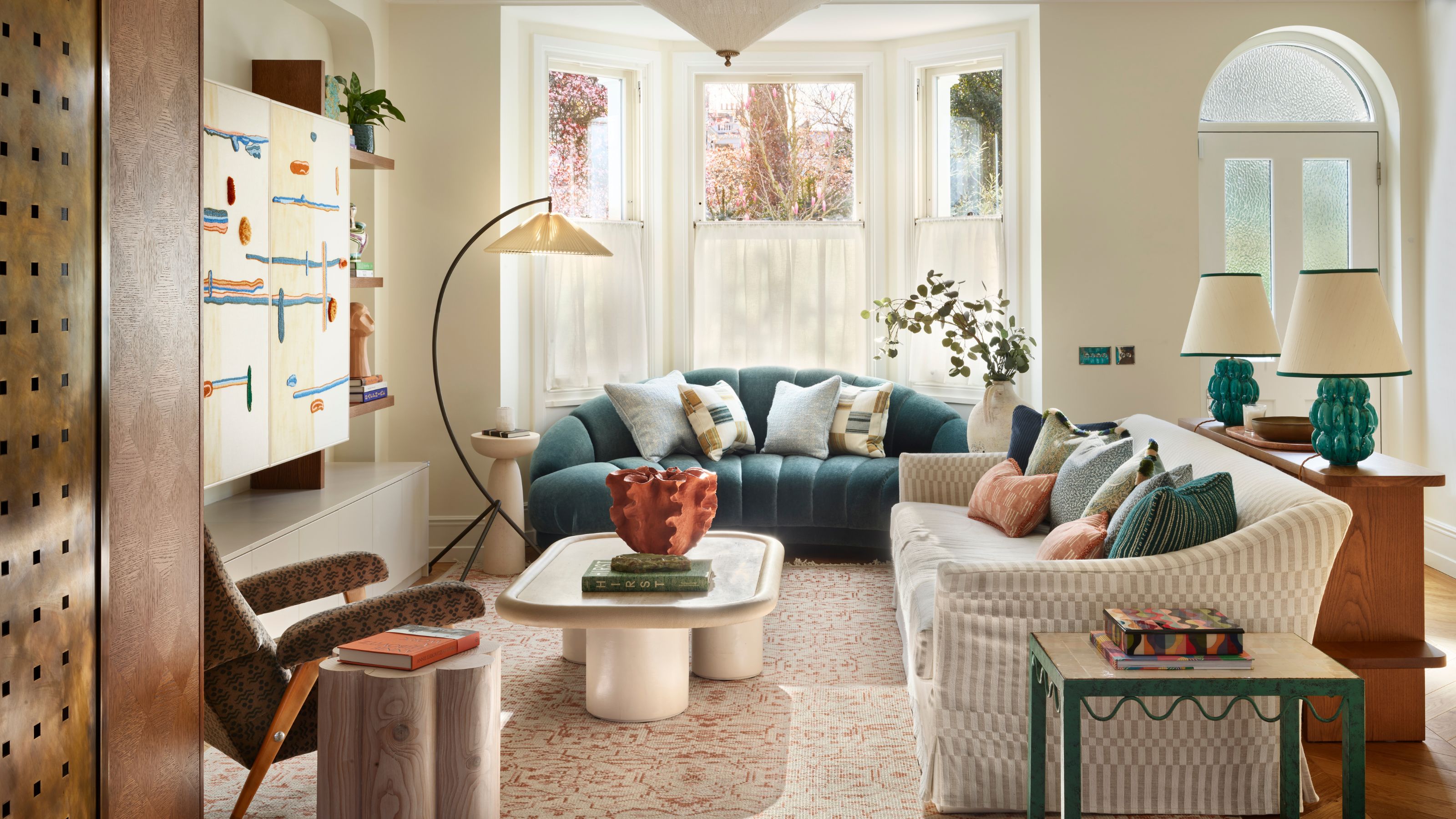
The Library: All the Basics You Need to Know About Lighting Before Starting Your Next Project, According to the Experts

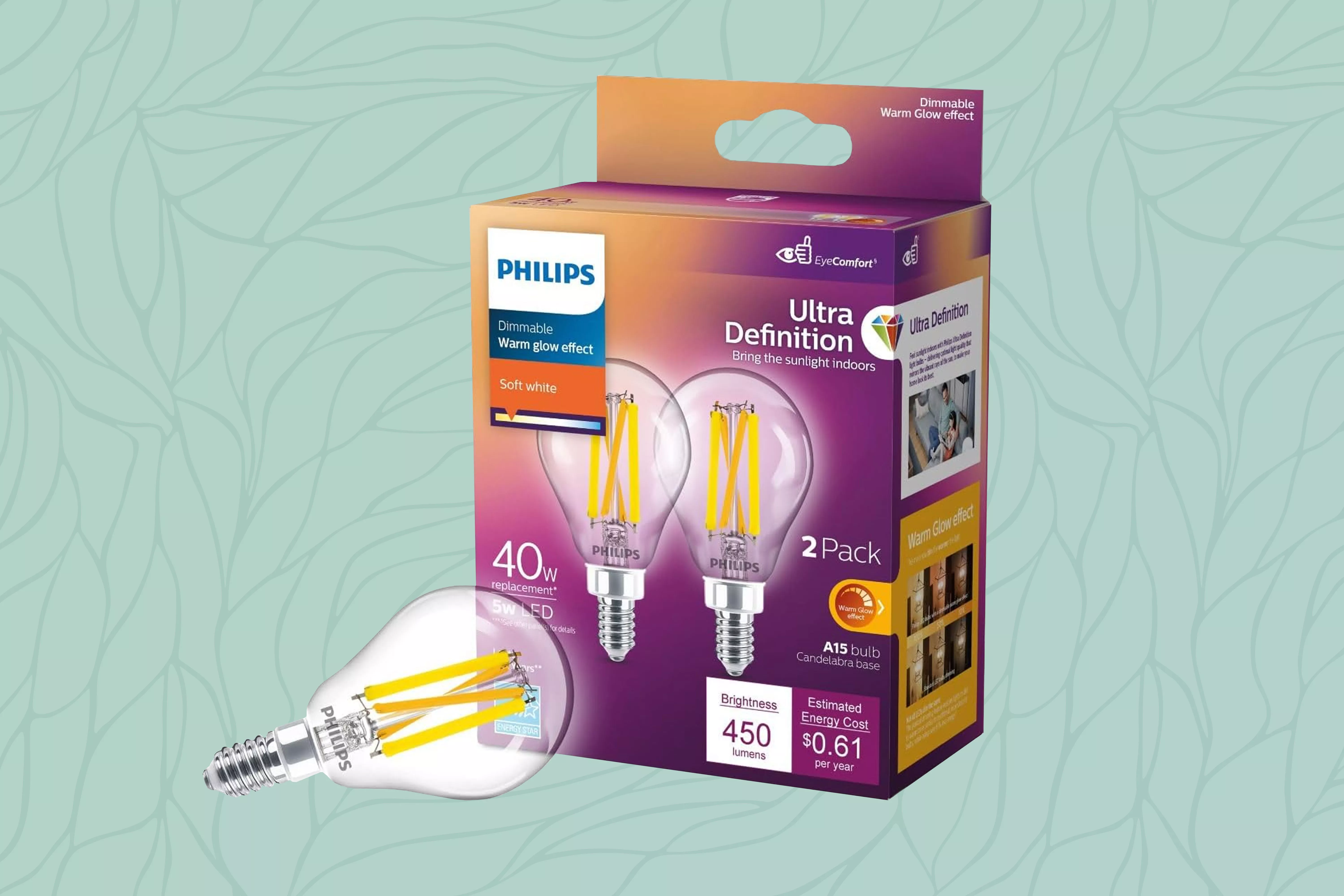
The 9 Best Light Bulbs To Illuminate Your Home

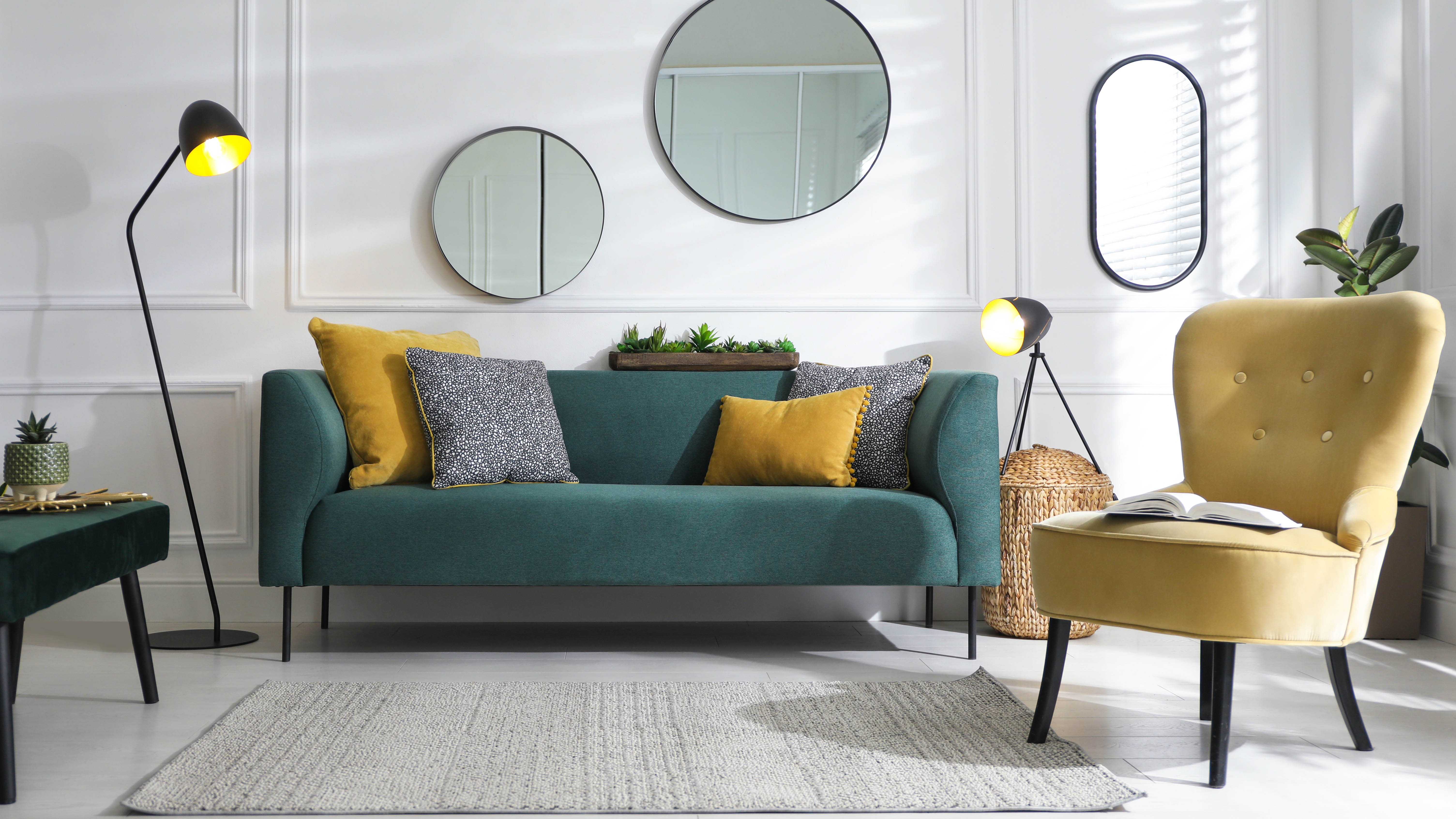
How to brighten any room in your home — 5 tips from a lighting expert

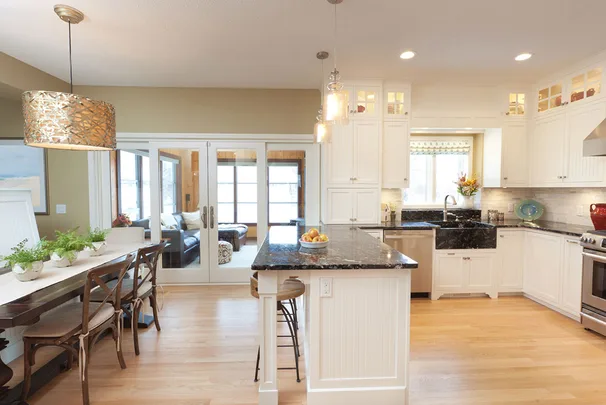
The best lighting for every room in the house

How to Light Your Home So Even the Overhead Haters Are Happy

Should light fixtures match throughout a house? The answer is more nuanced than you'd expect
Get your home's lighting just right: Seven questions answered
The 3 Types Of Lighting Every Room Needs

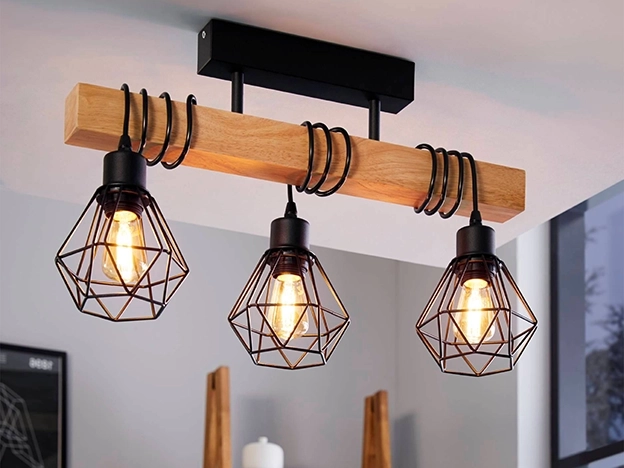
Indoor Lights

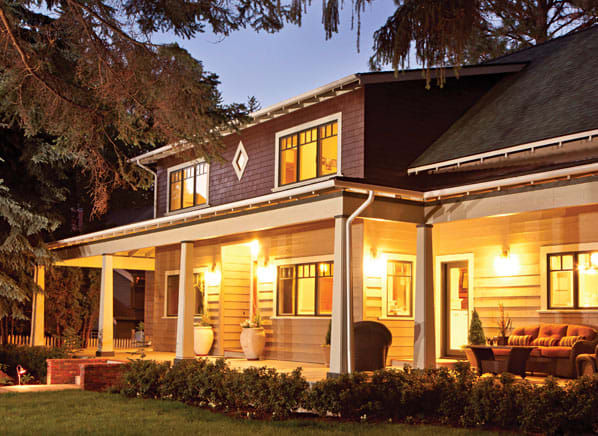
Room-by-Room Lightbulb Guide | Lightbulb Reviews
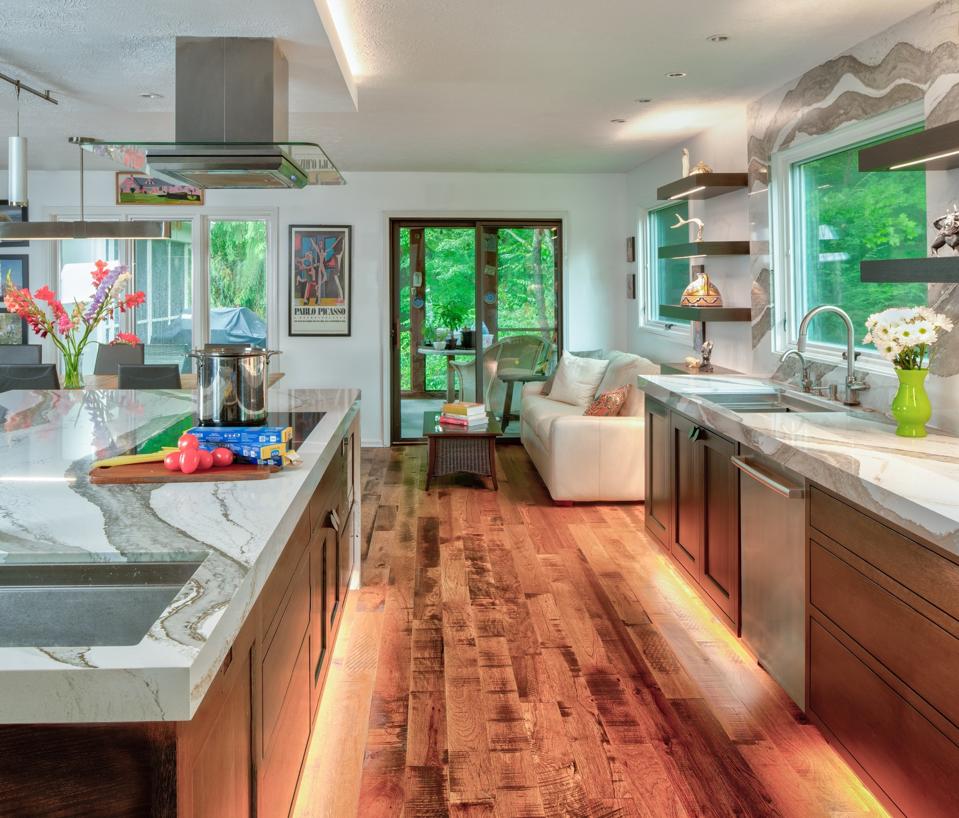
What Design Pros Need You To Know About Lighting Your Home Today

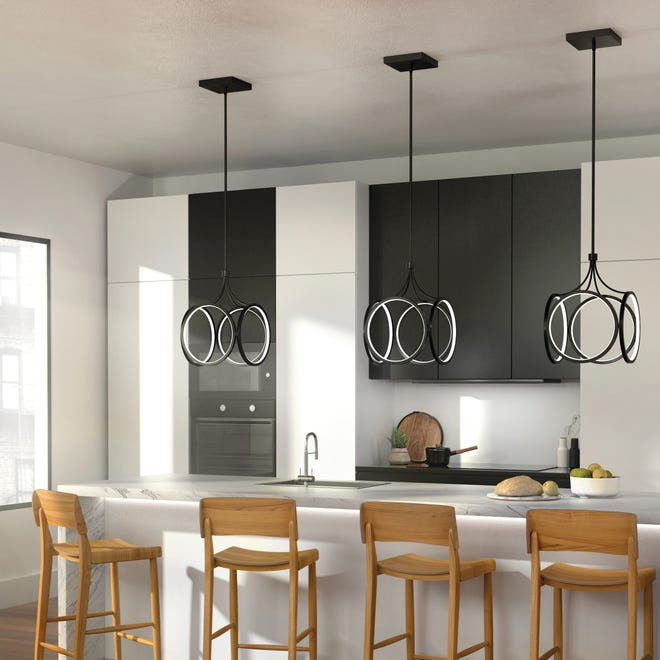
Homestyle: Lighting the way
Pro tips to improve your home’s lighting—without an electrician
5 ways you didn't know smart lighting can improve your living space and wellbeing
The dos and don'ts of lighting your house
The 18 best places to buy light fixtures, with expert recommendations
Designers Share Their Best Tips for Acing Ambience in the Living Room with Lighting
5 Easy, Designer-Approved Lighting Hacks to Brighten Up Your Home