1/9
Wood Paneling Is Back—and Better Than Ever
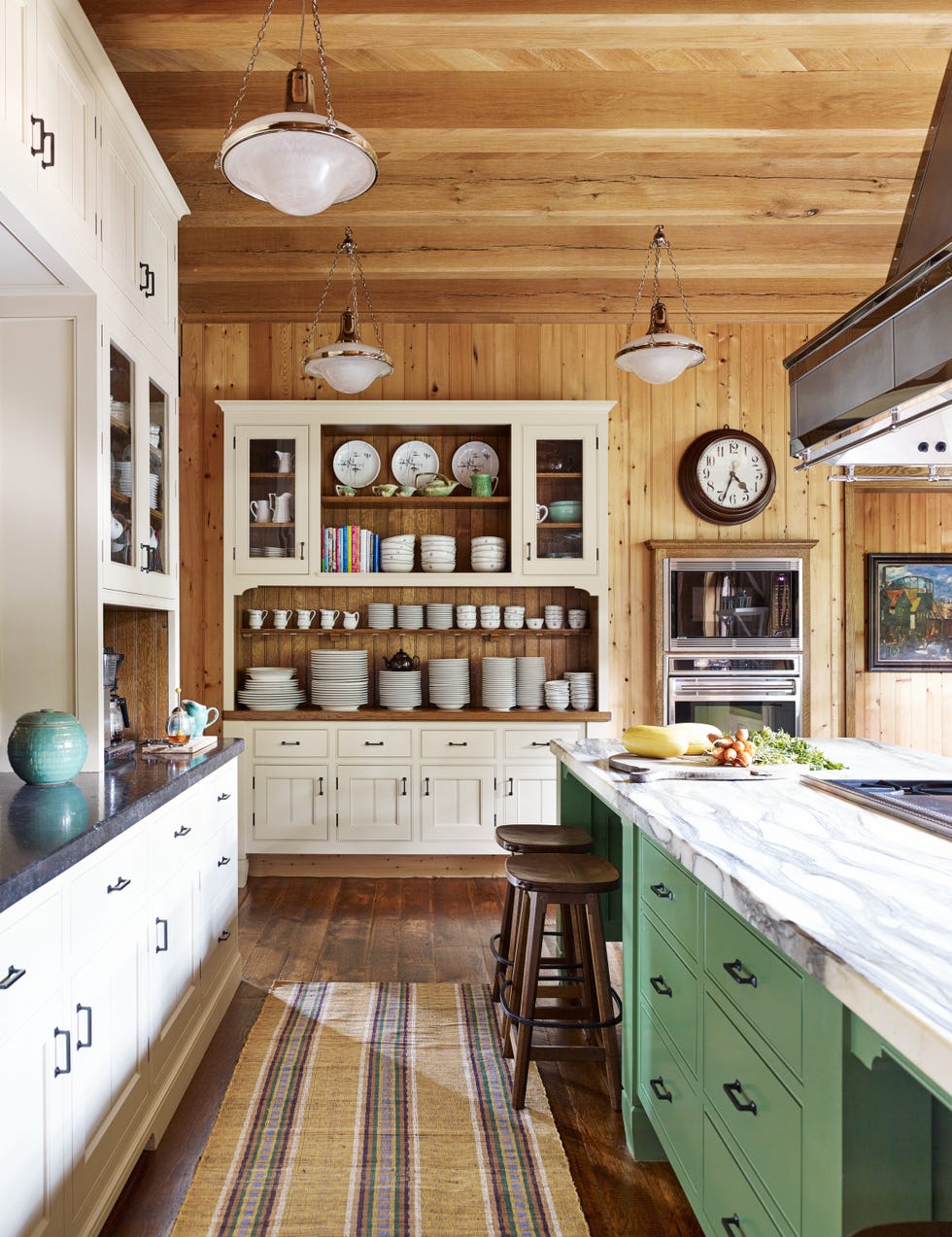
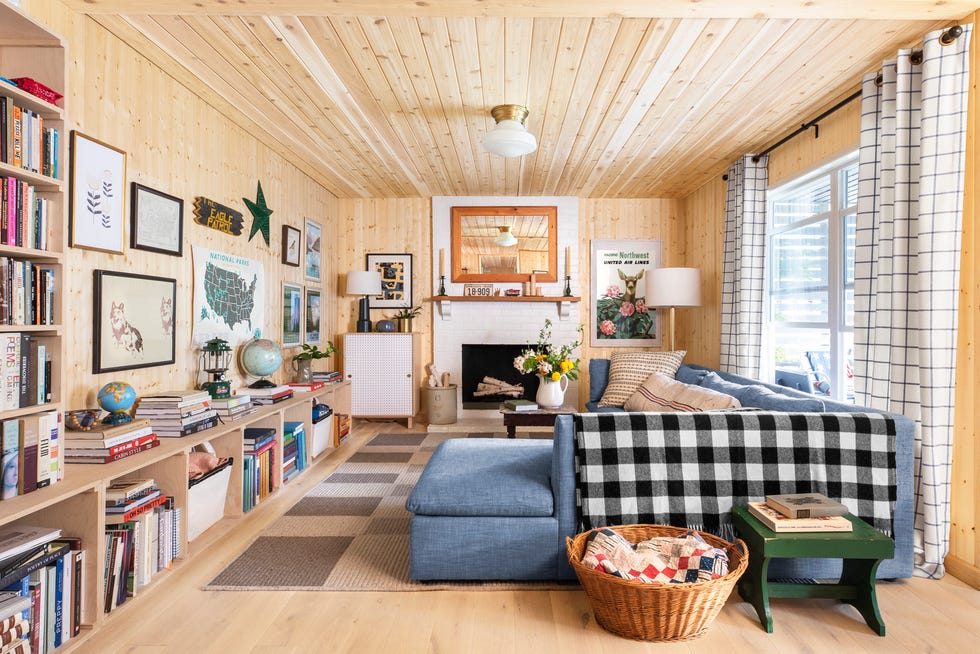
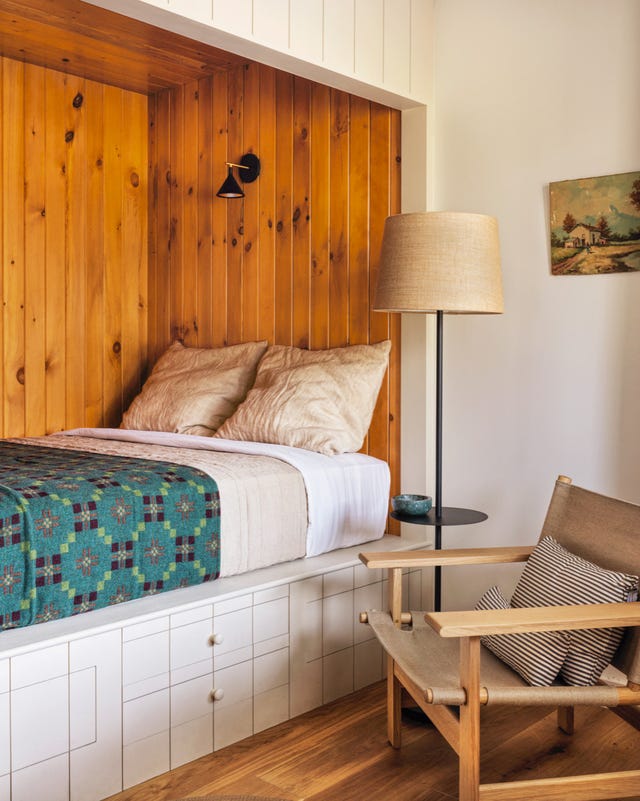
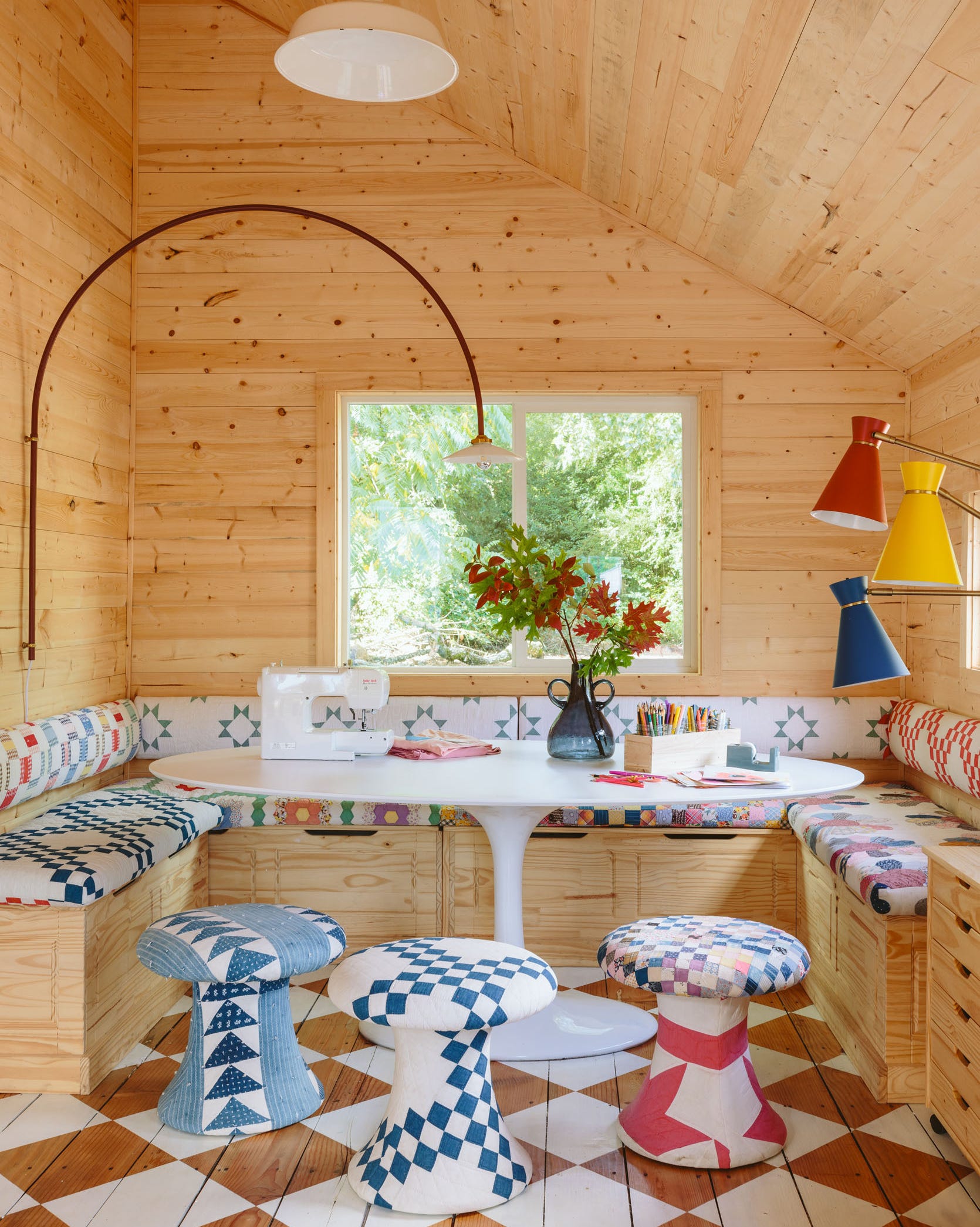
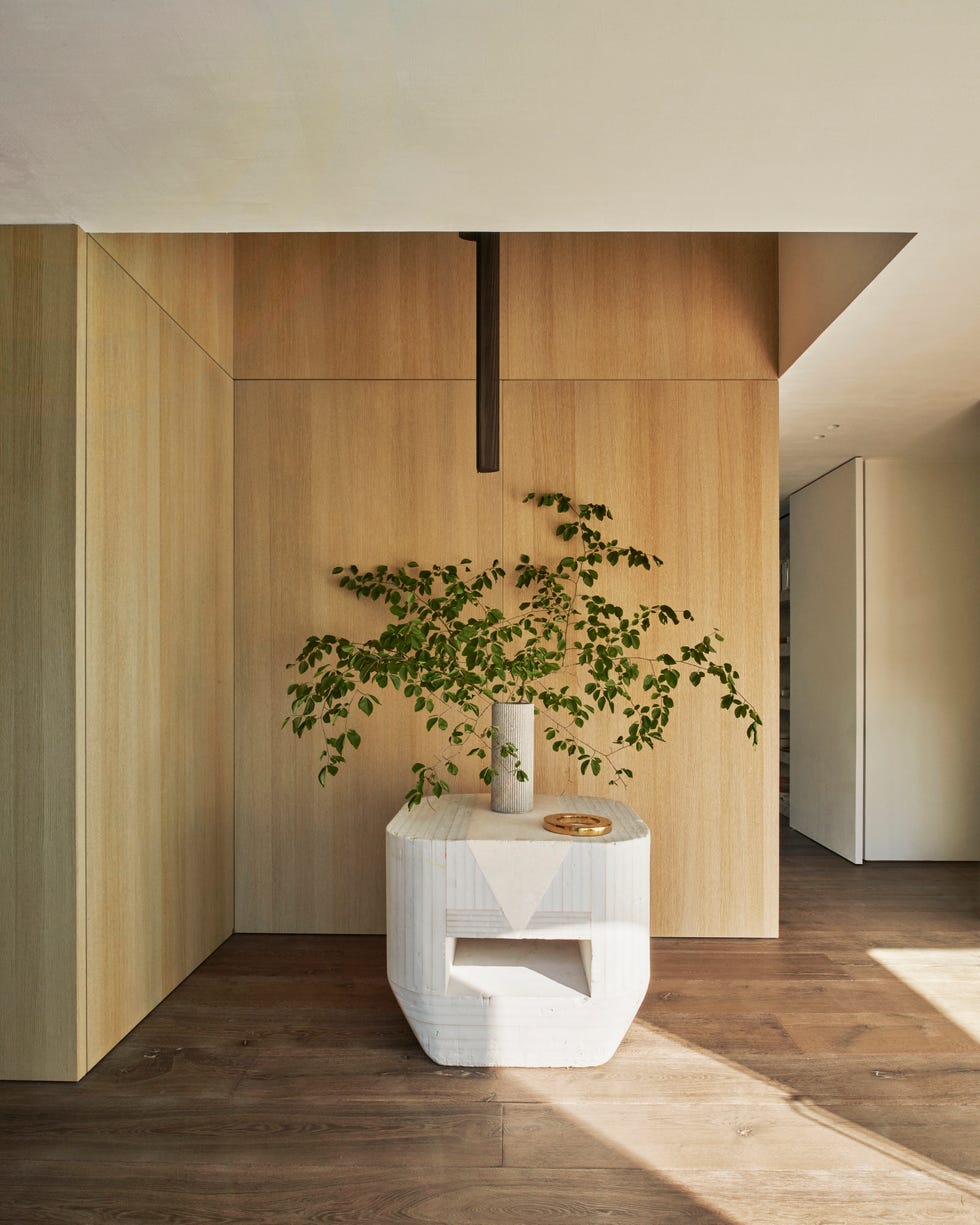
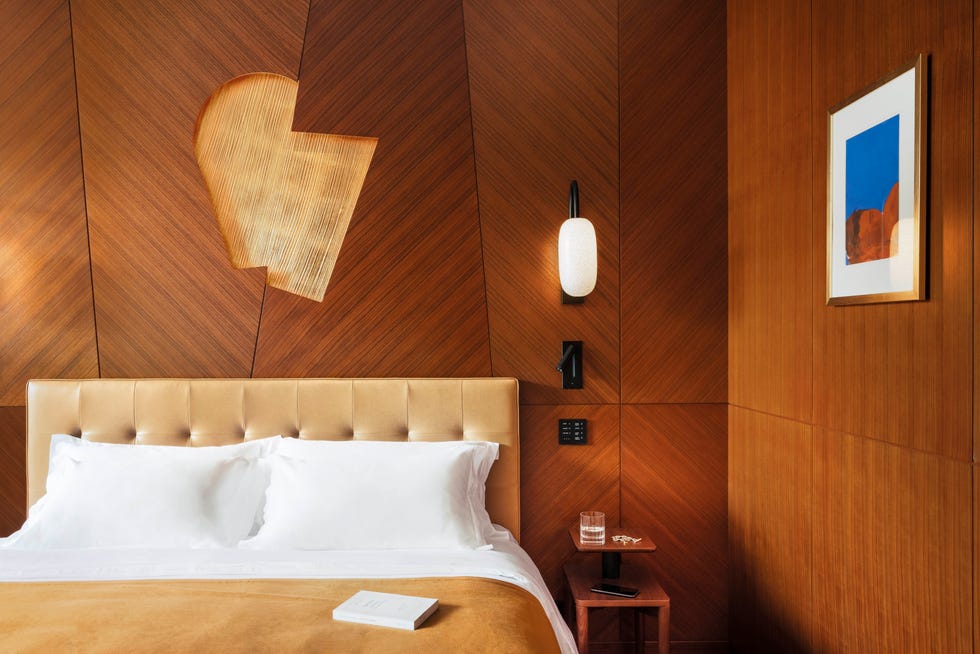
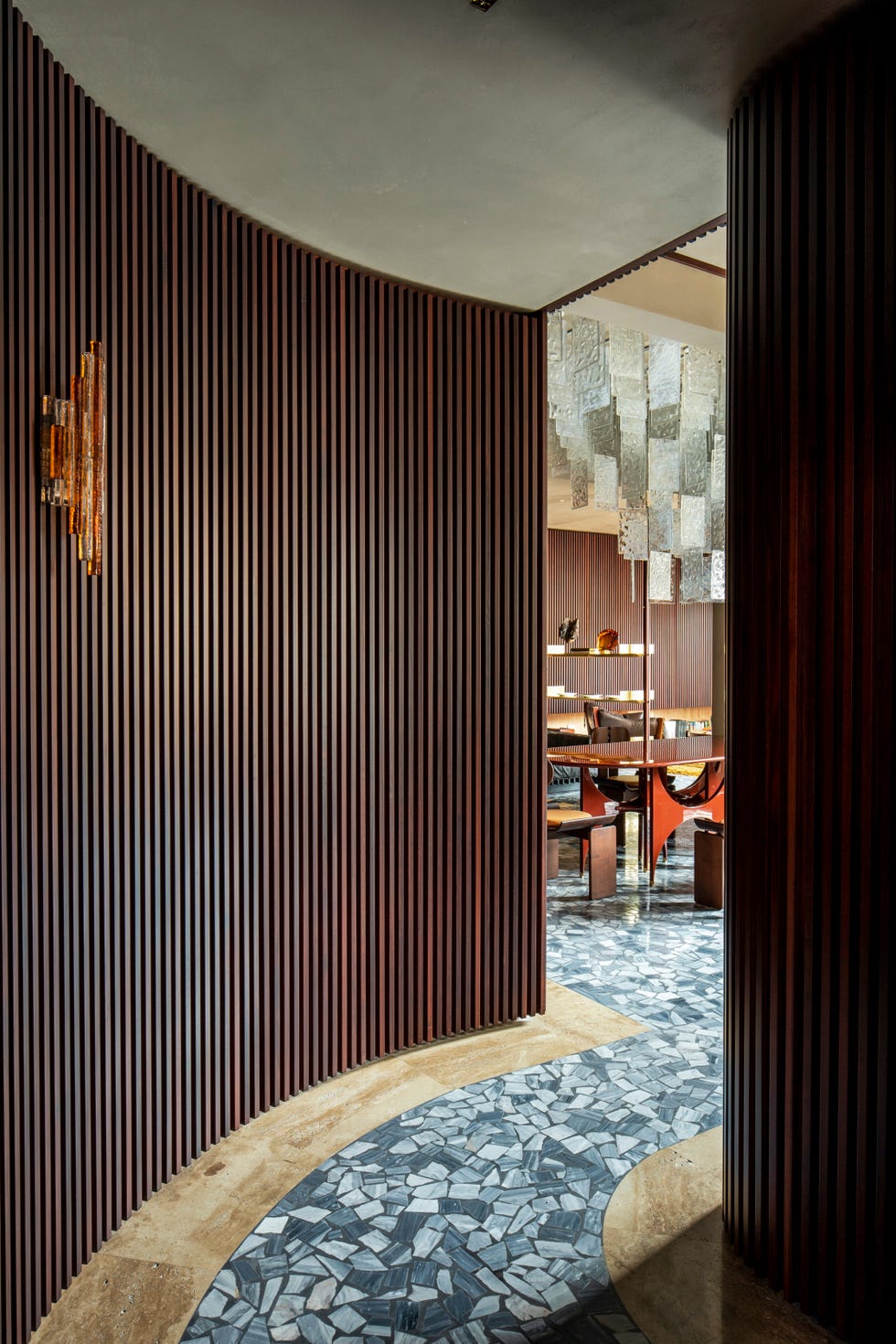
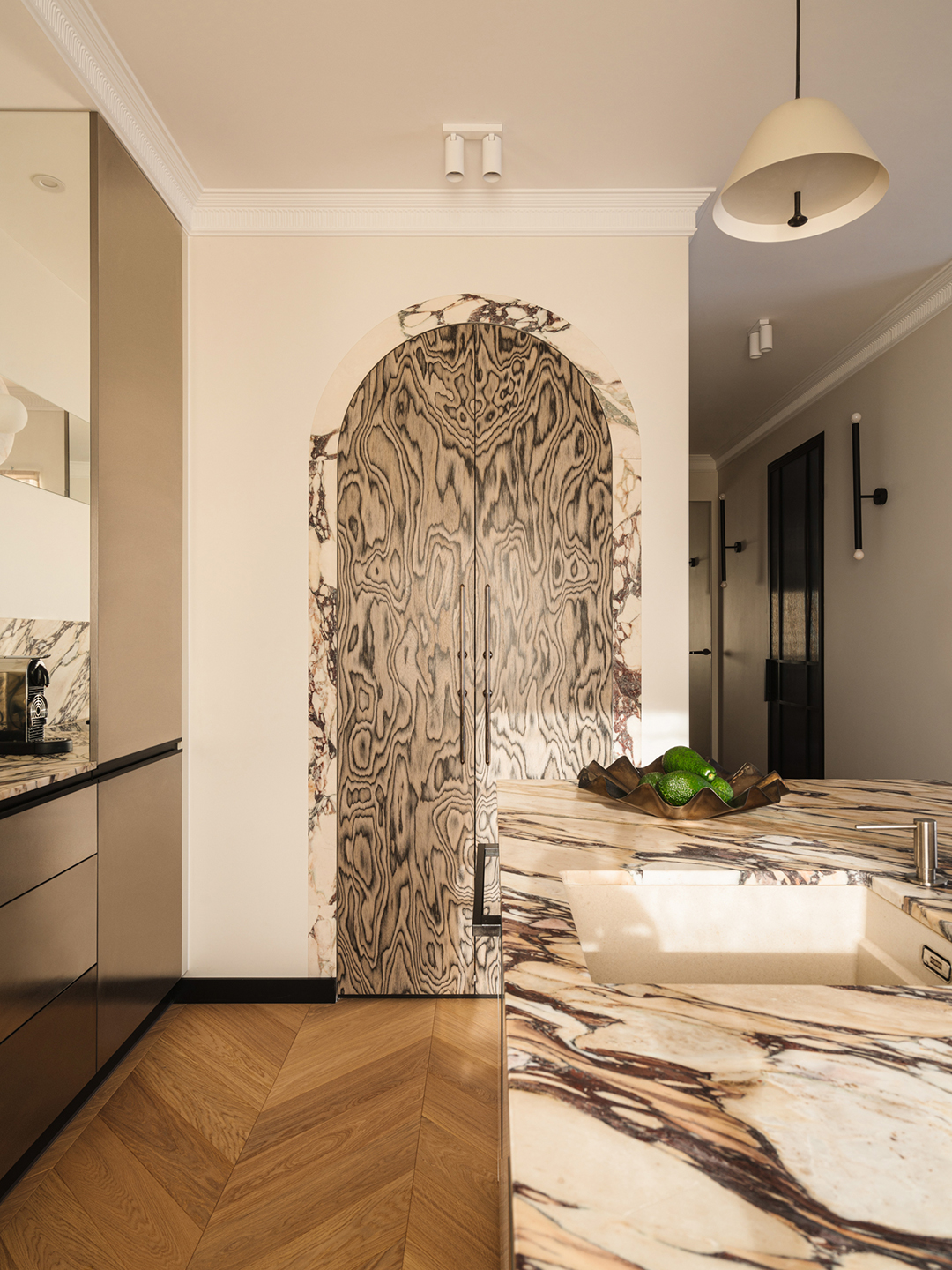
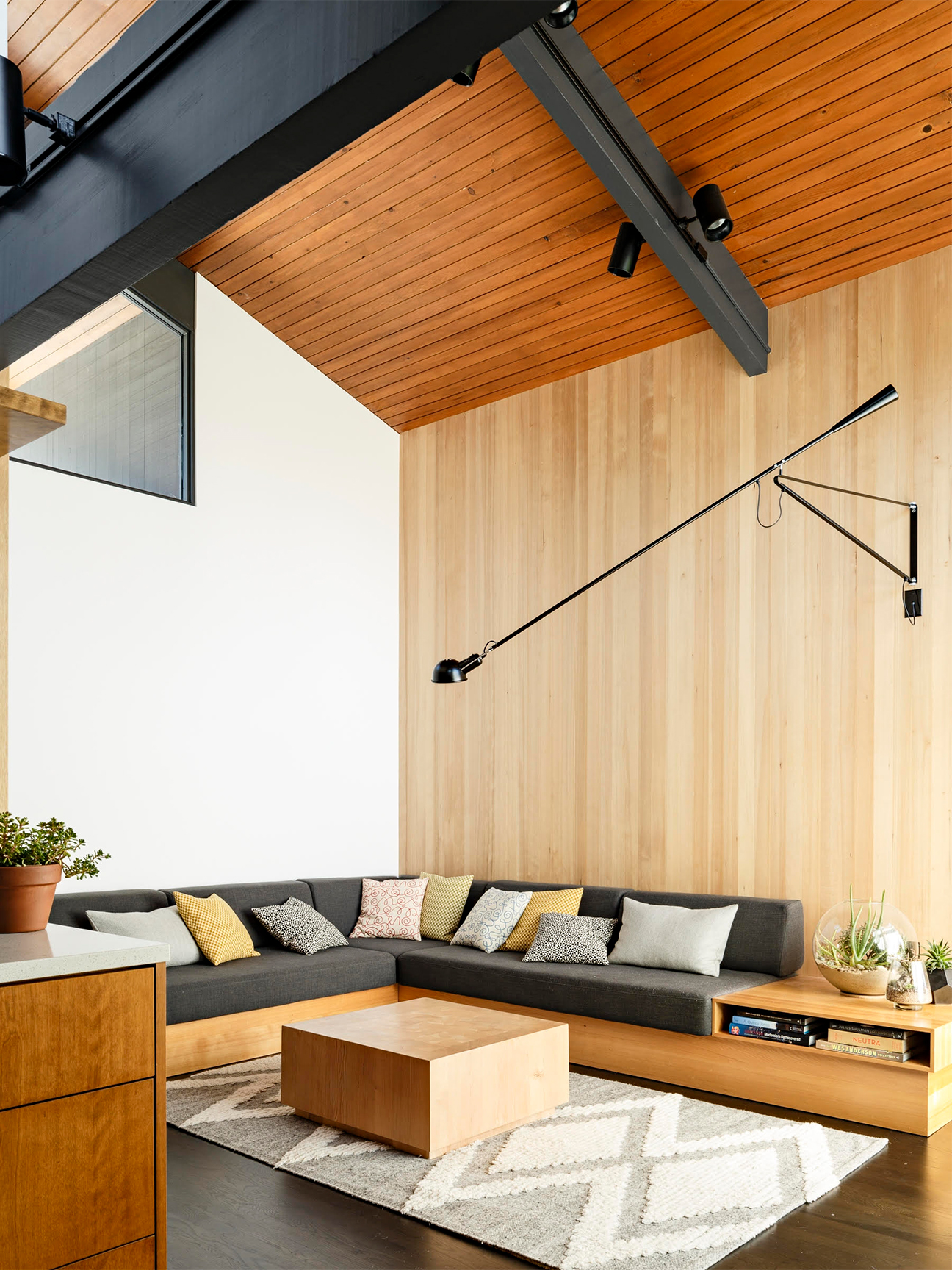
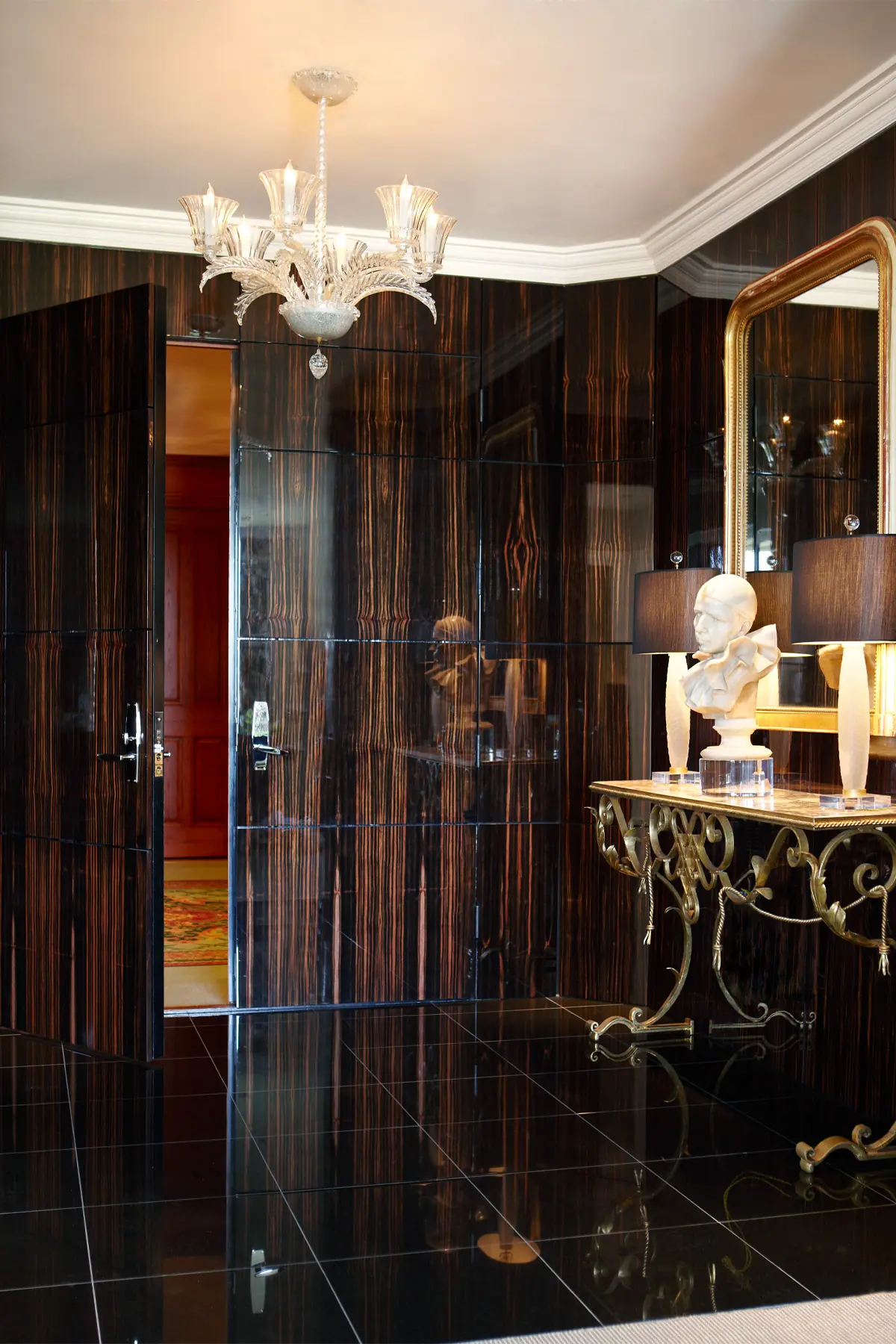
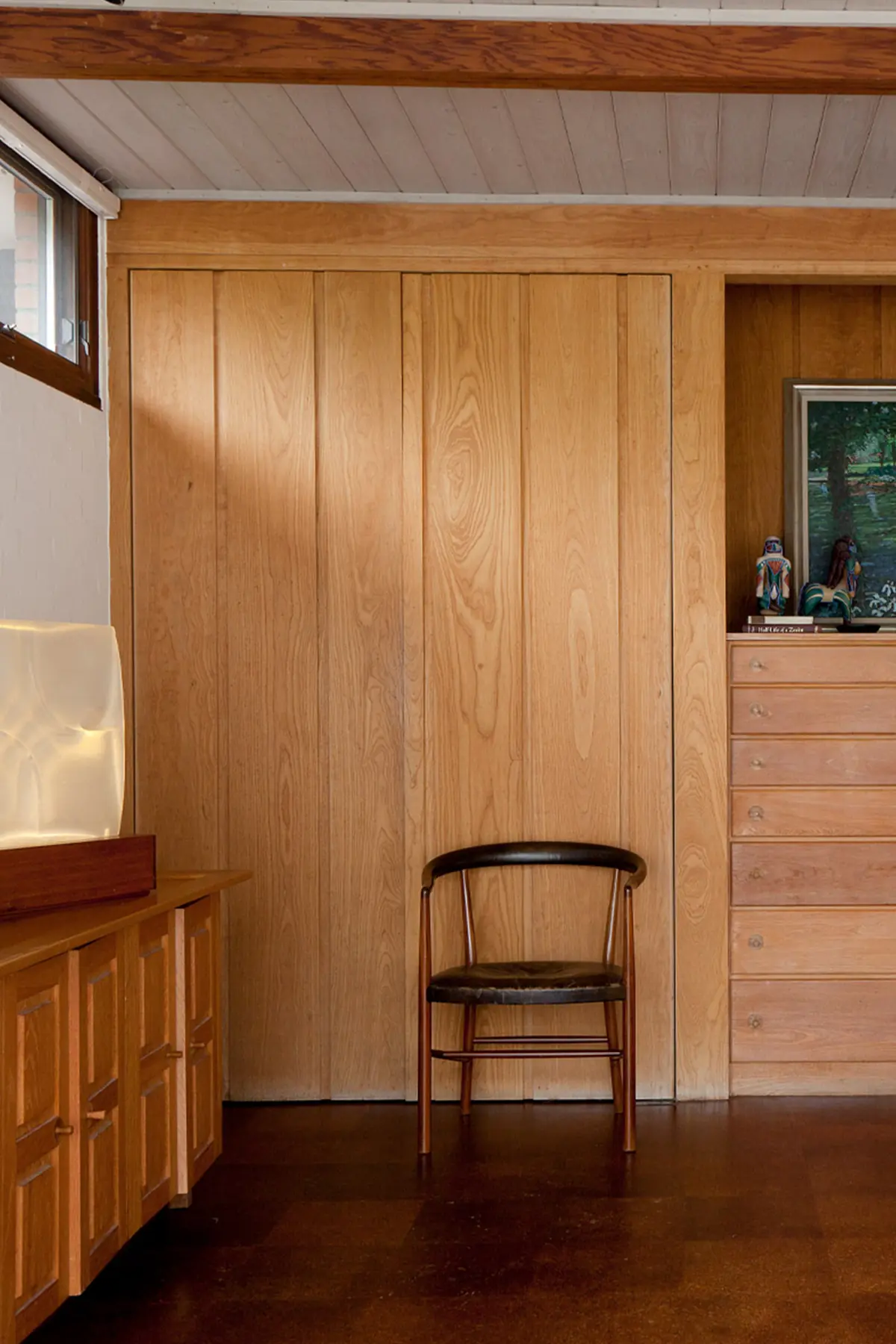
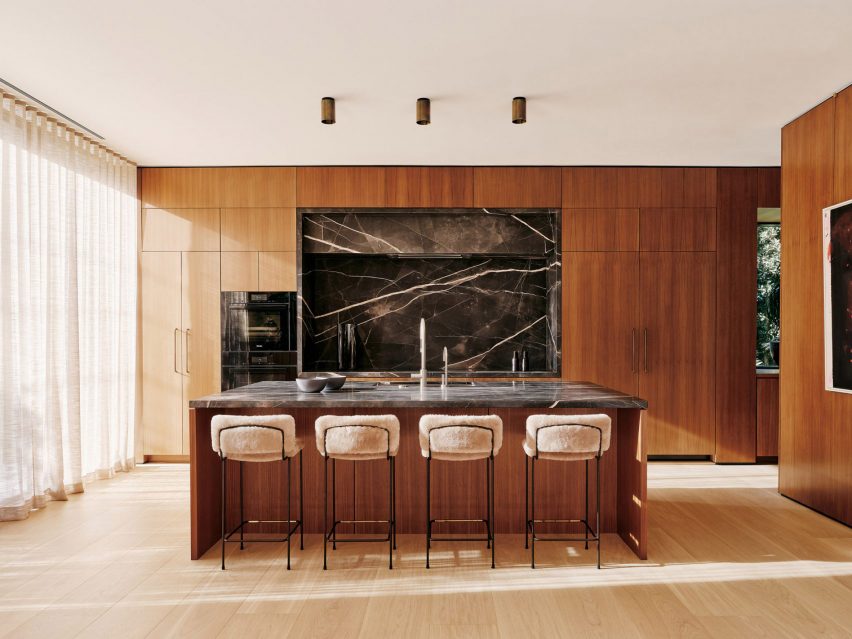
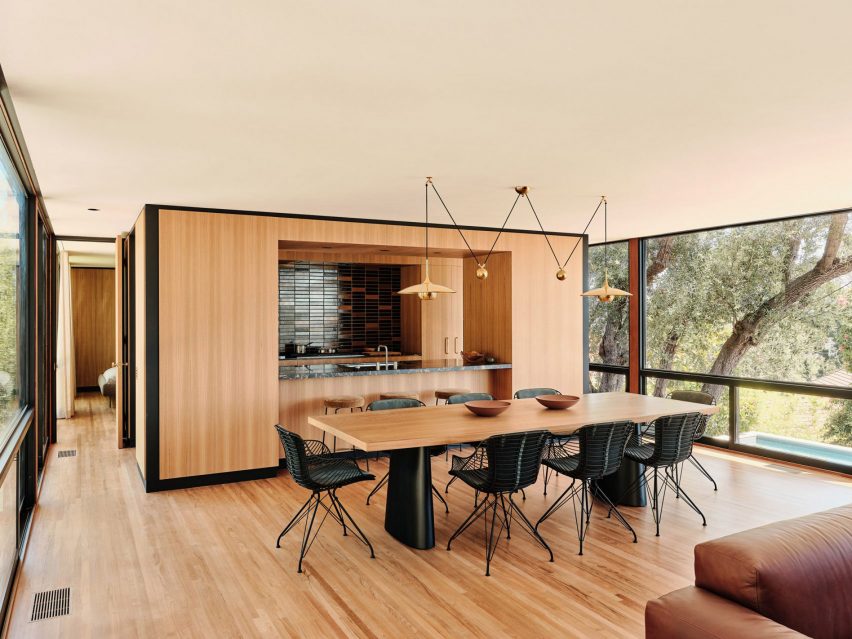
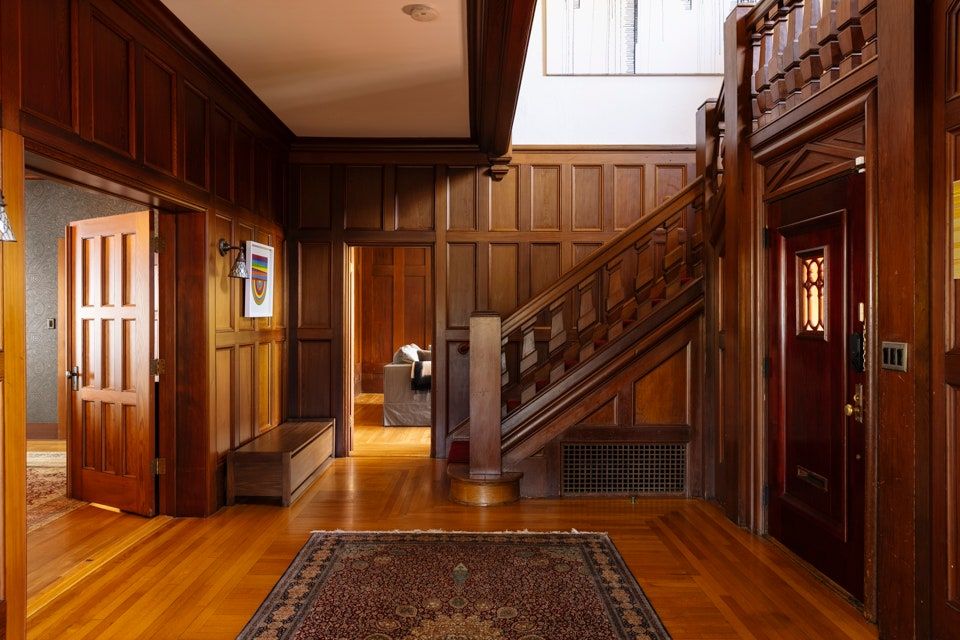
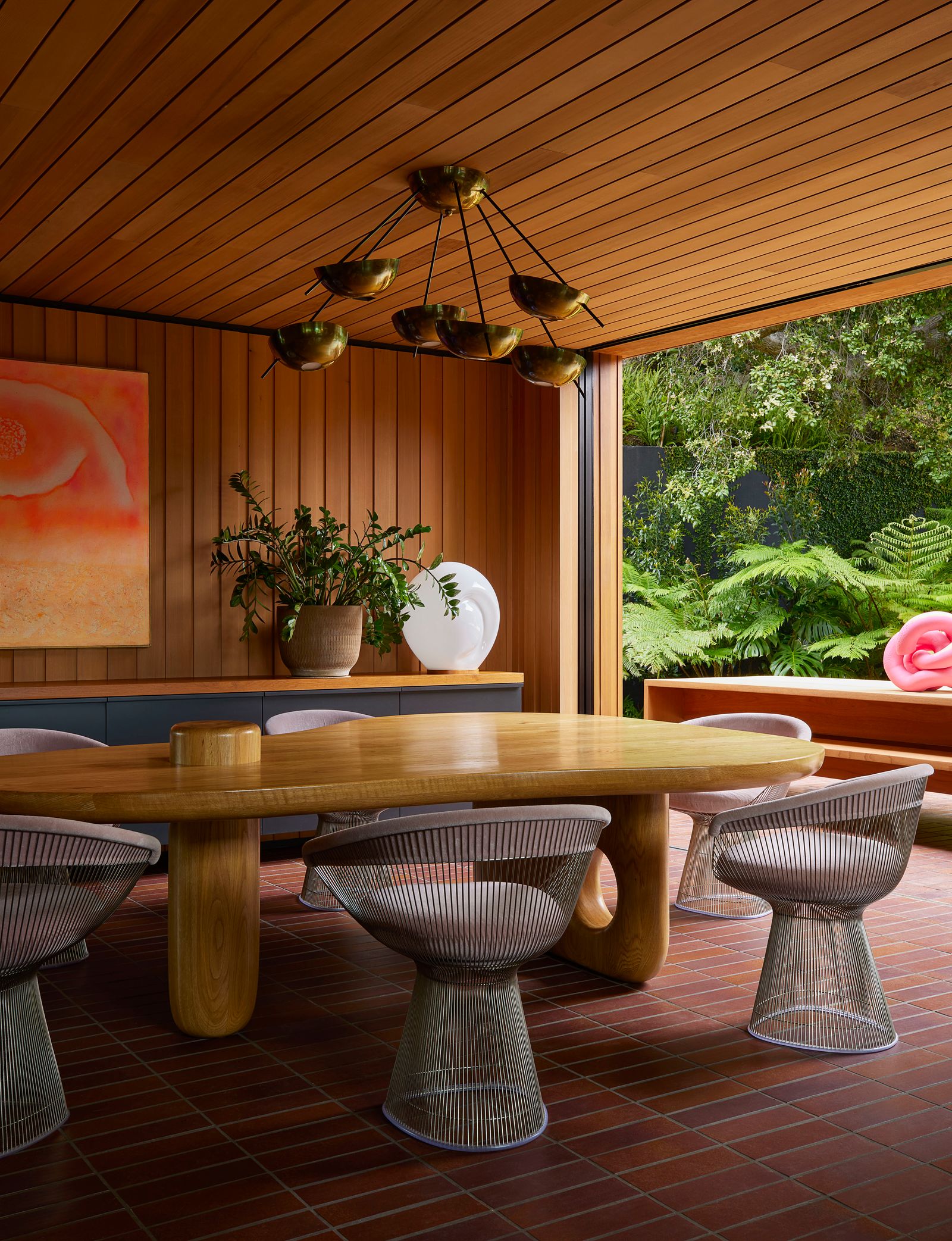
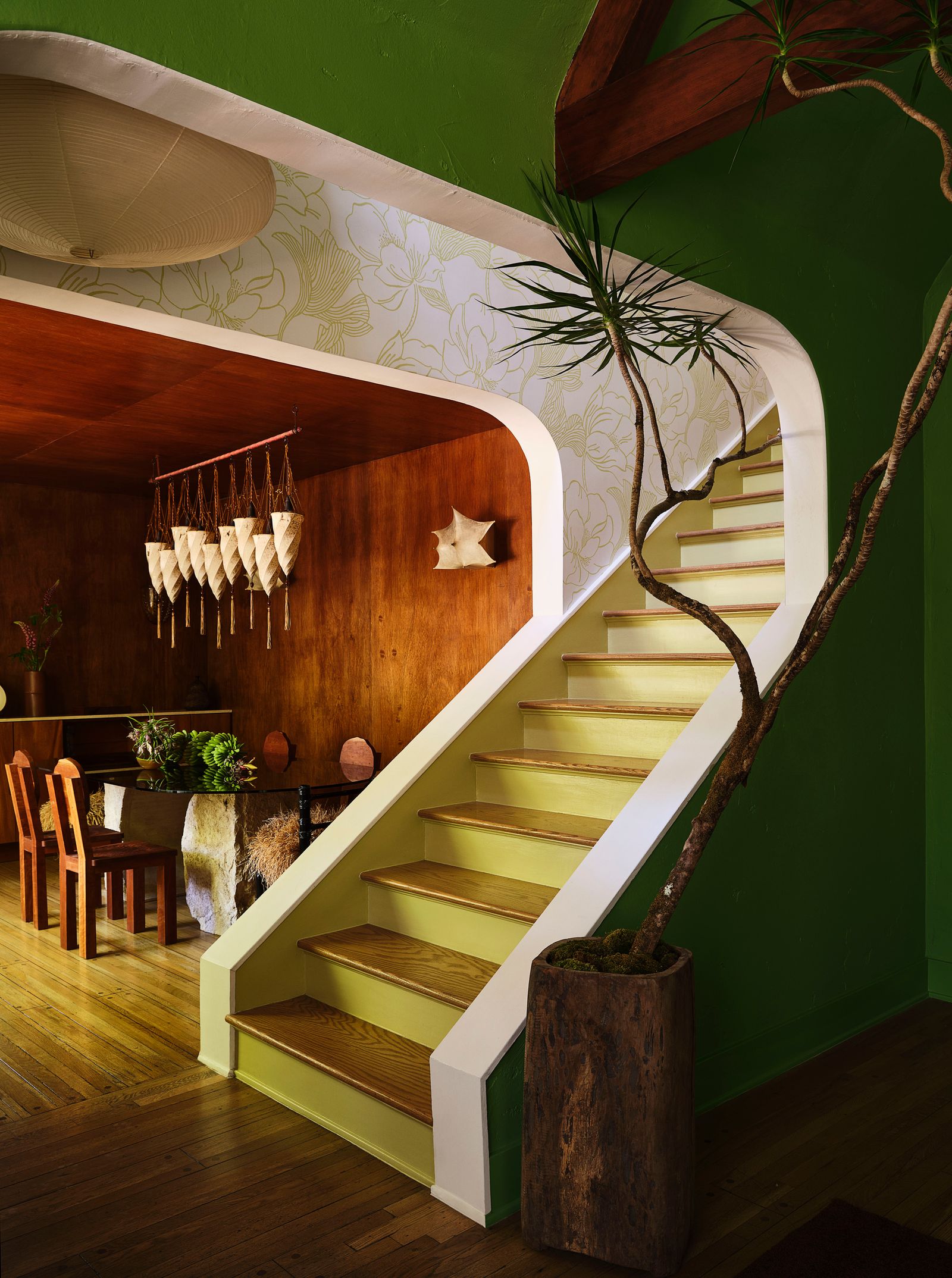
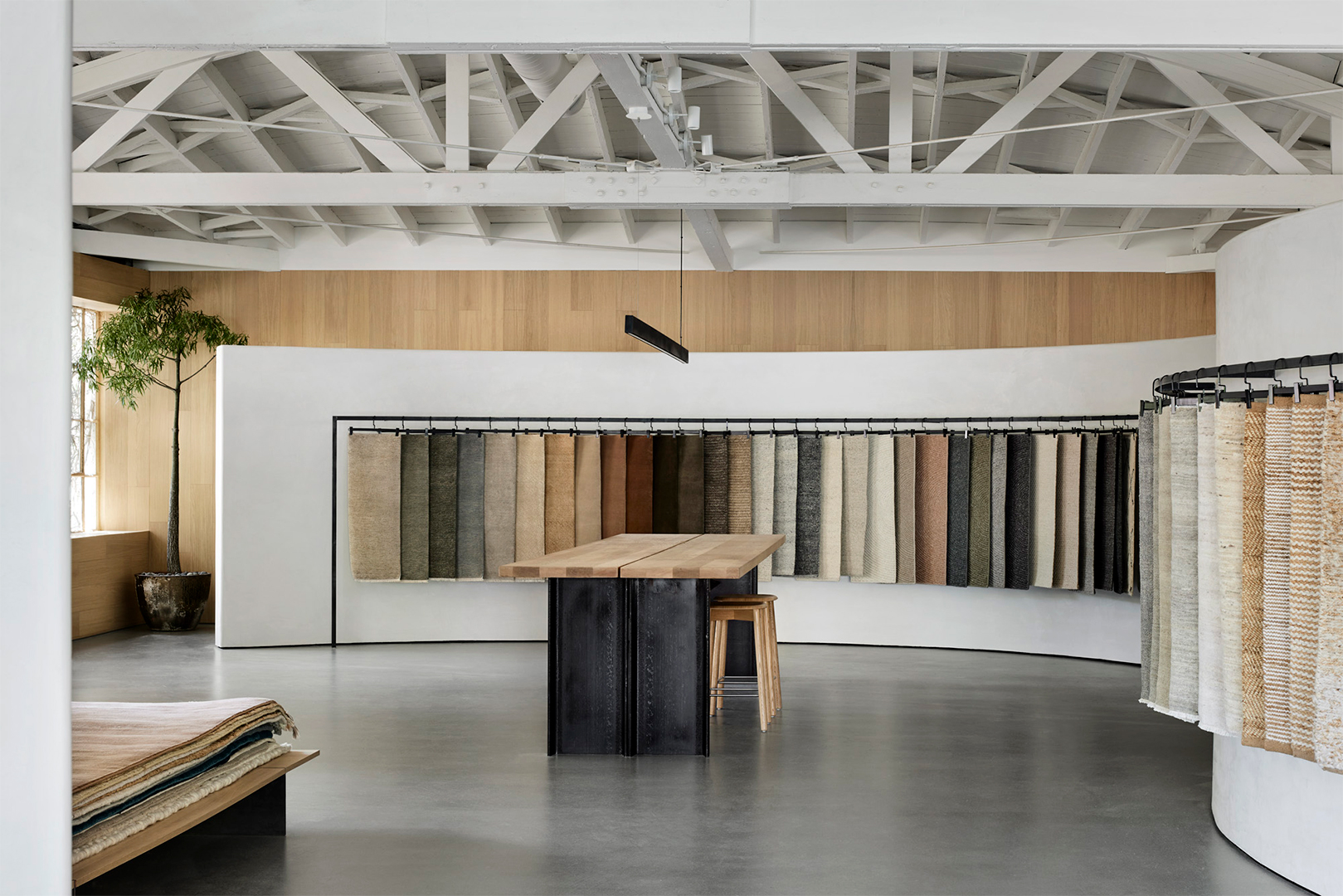
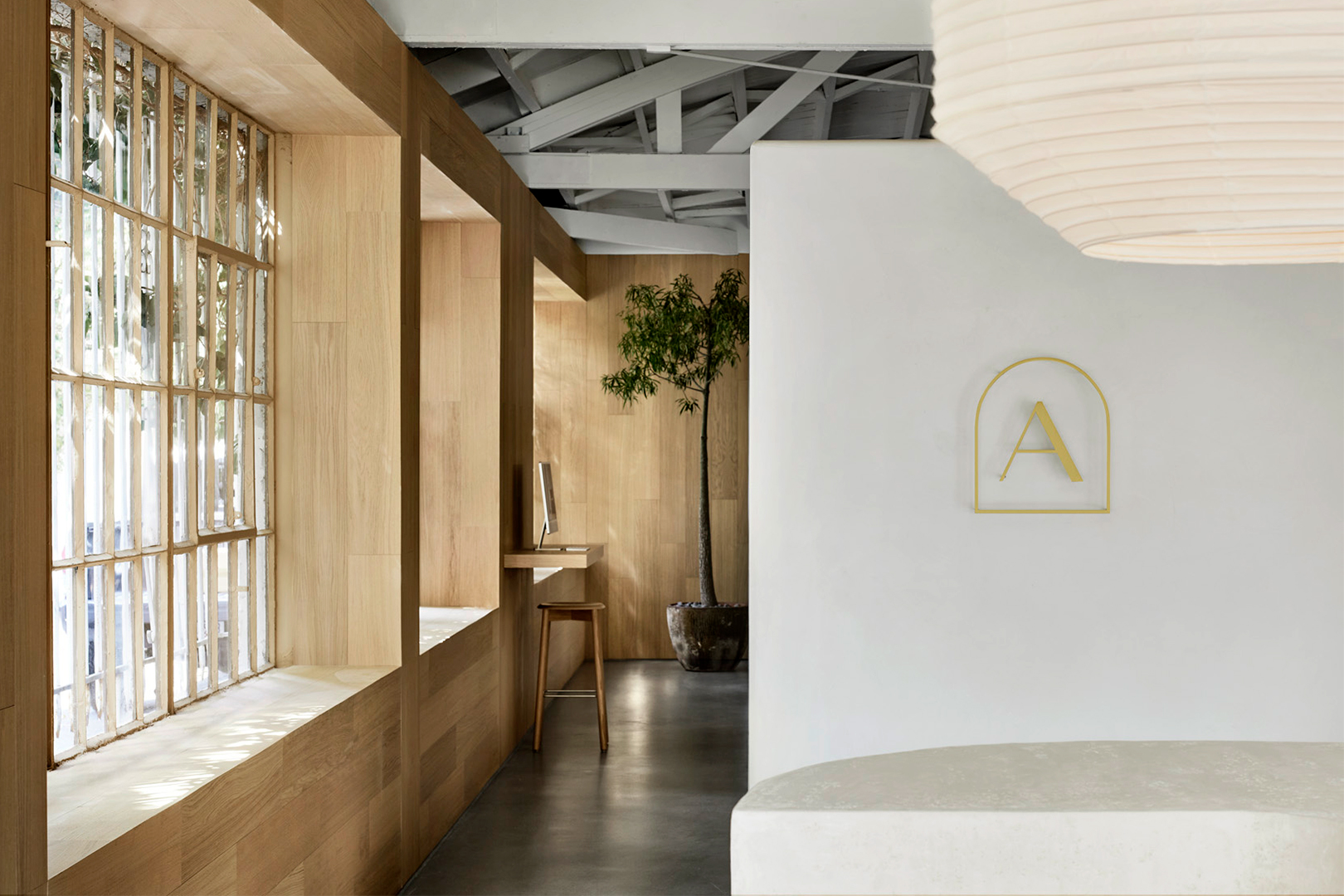
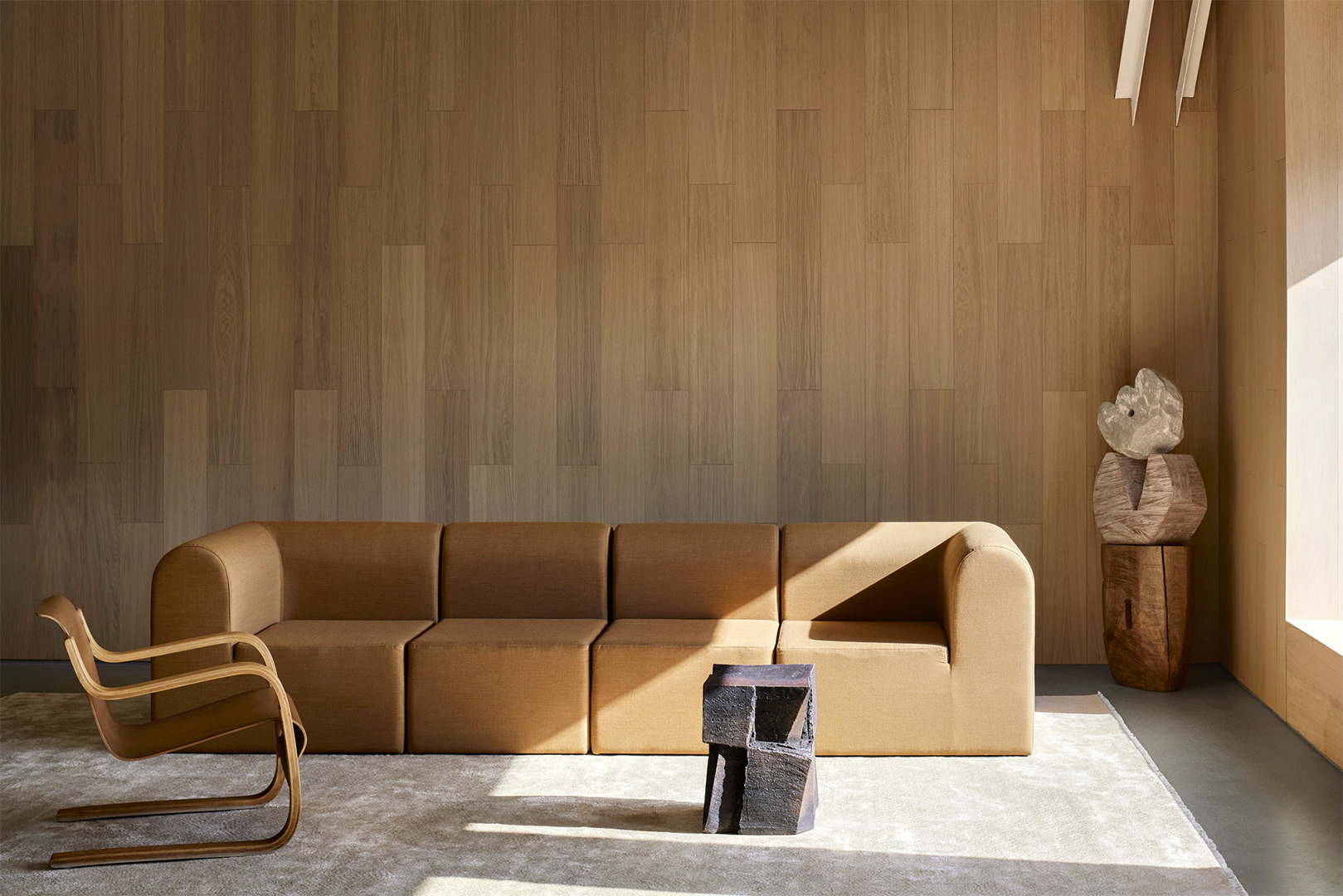
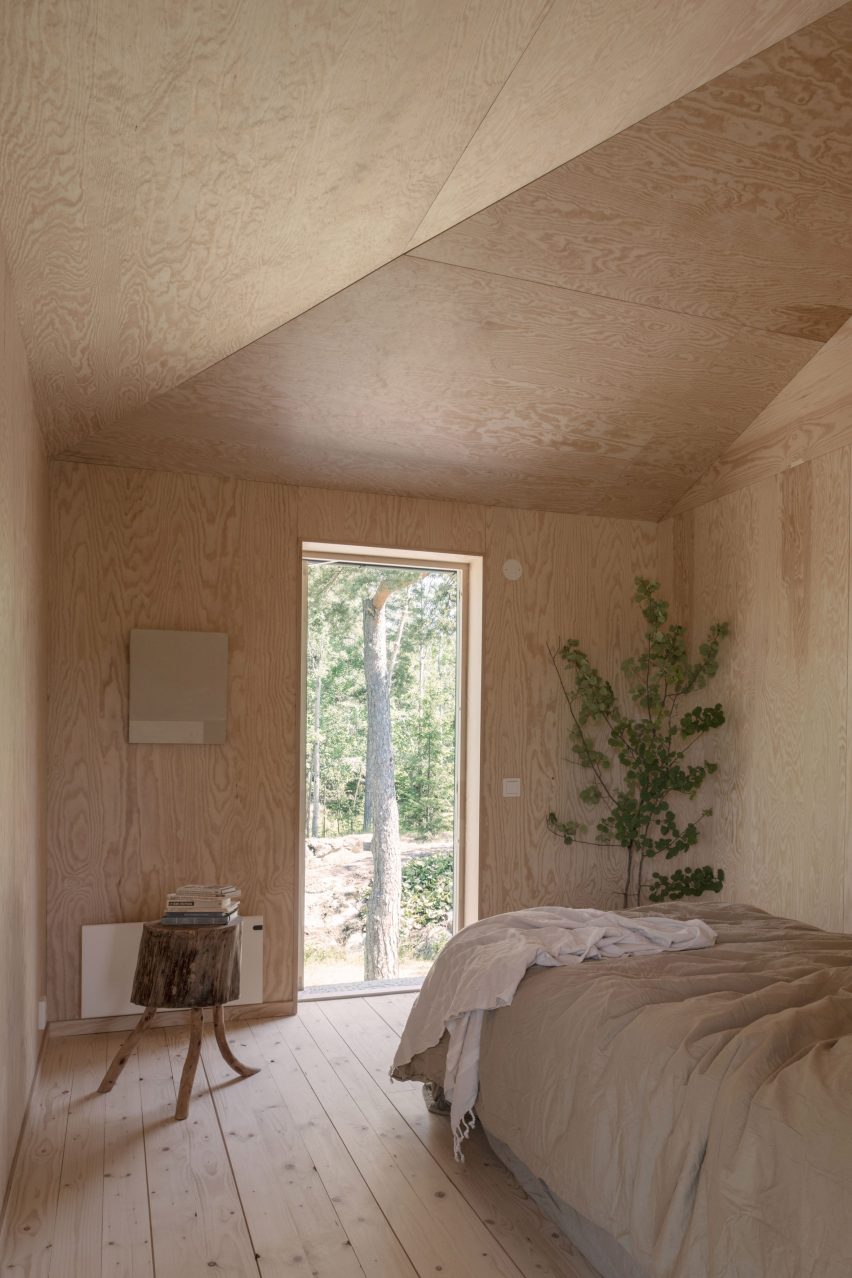
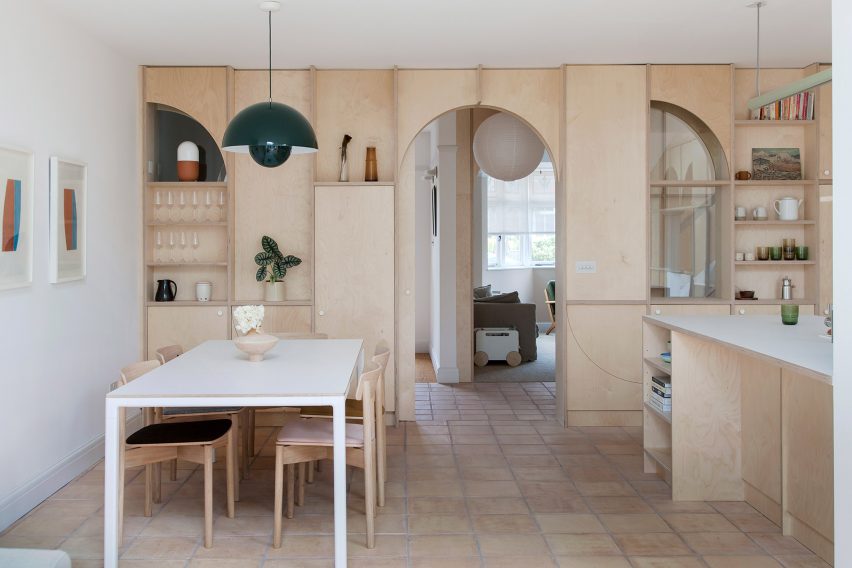
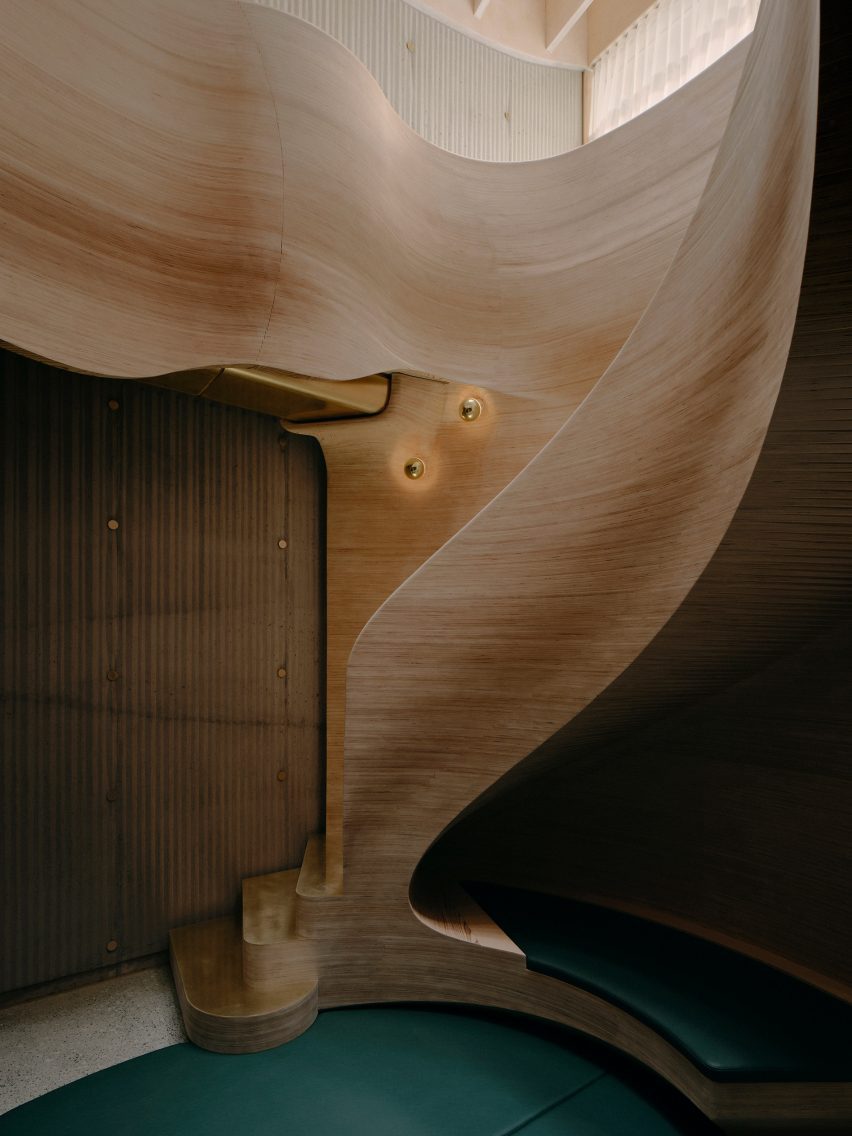

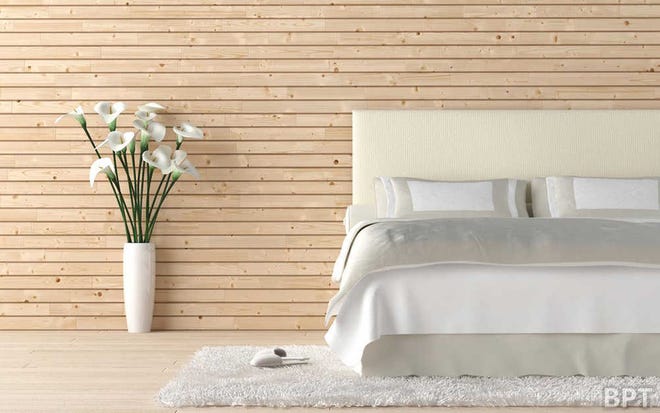
Wood paneling, often associated with outdated 1970s dens or 1990s basements, is undergoing a modern resurgence in interior design. Designers are re-embracing this material to inject warmth, architectural interest, and character into both new constructions and historical homes. Emily Ward of Pierce & Ward notes a shift away from minimalist white interiors, indicating a desire for more textured and character-rich spaces. Austin-based designer Shannon Eddings emphasizes that while wood paneling may have been overused in the past, it remains a classic element that can be refreshed with new paint or stain.
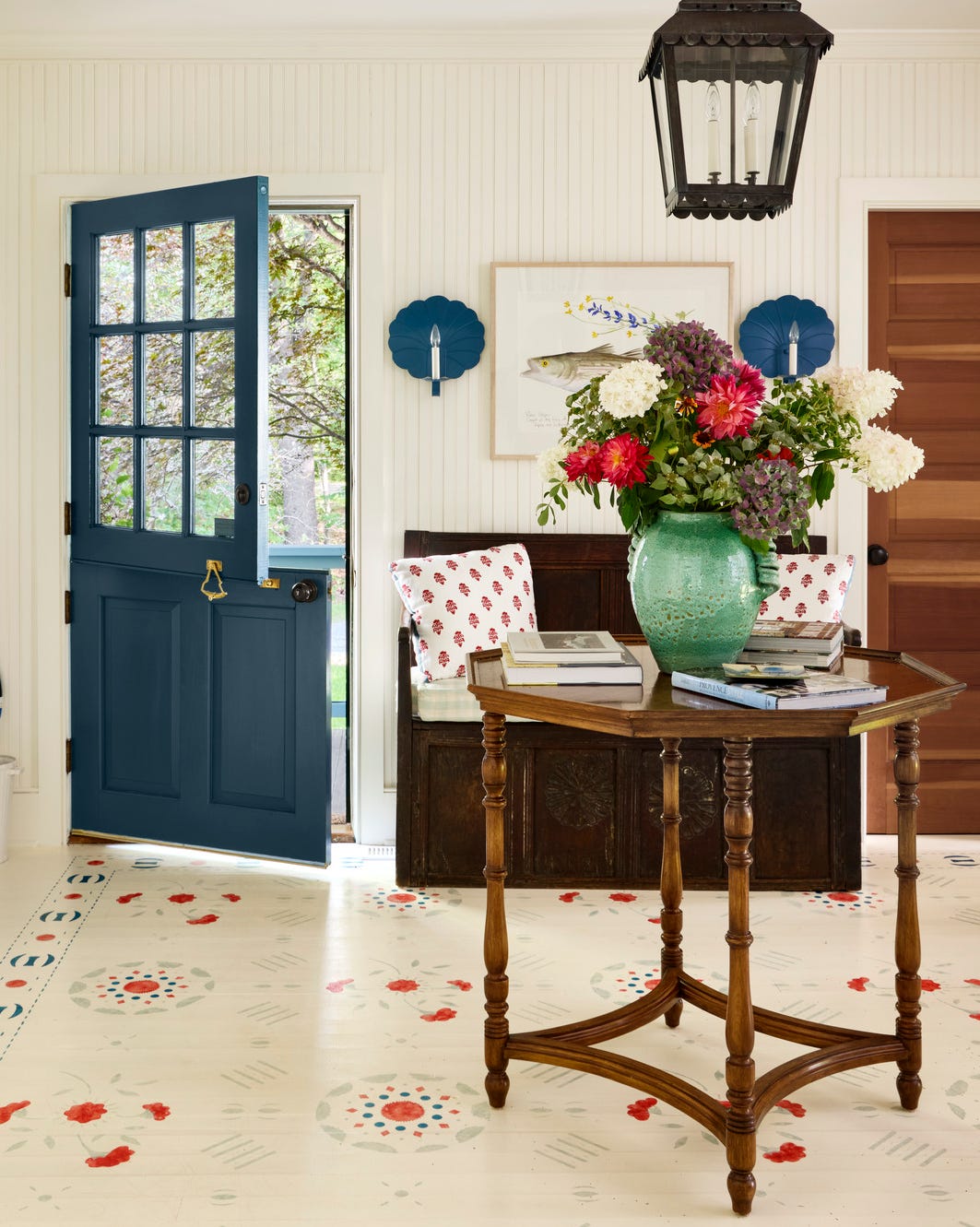
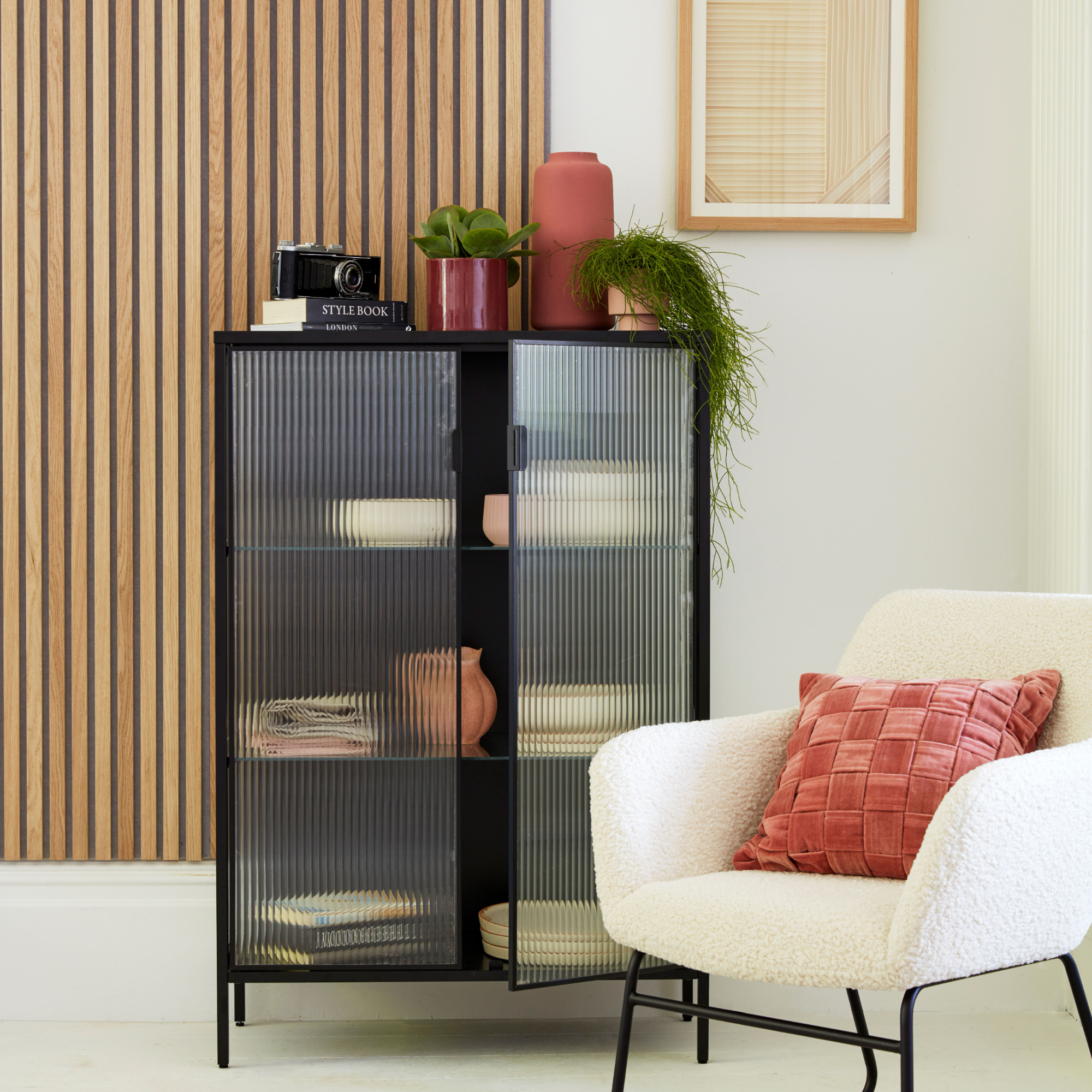
The contemporary approach to wood paneling prioritizes real wood and high-quality craftsmanship, moving away from the laminate and vinyl products that contributed to its dated reputation in the 20th century. Roman Alonso of Commune Design advocates for using local, native woods to connect the interior with its natural surroundings. Various types of wood paneling offer distinct aesthetic possibilities. Beadboard, traditionally characterized by beaded and beveled edges, creates a cottage-like atmosphere and is now available in convenient sheets for easier installation. V-groove paneling, with its chamfered edges forming V-shaped notches, offers a more versatile, formal, and modern alternative, often featuring wider planks than beadboard. Board-and-batten paneling involves flat wood panels with vertical strips (battens) covering the seams, a style originally used for weatherproofing exteriors but now popular in interiors, often made from vinyl or fiber cement board.
Wainscoting refers to decorative paneling typically covering the lower third of a wall, initially serving insulation and protection purposes. This technique can incorporate various paneling styles such as raised panel, V-groove, shiplap, and beadboard. Shiplap, composed of wooden planks fitting together at a 90-degree angle with a distinct nickel gap, traditionally waterproofed ships and now adds a nautical flair to interiors, famously endorsed by Joanna Gaines. Flat paneling, as its name implies, consists of plain wooden strips with minimal decorative elements. Raised paneling creates a grid effect with framed insets and beveled edges, commonly seen in kitchen cabinets and Victorian interiors. Tongue and groove paneling, a system where each board has a ridge (tongue) that fits into a corresponding slot (groove on opposing sides of another board), ensures a snug fit.
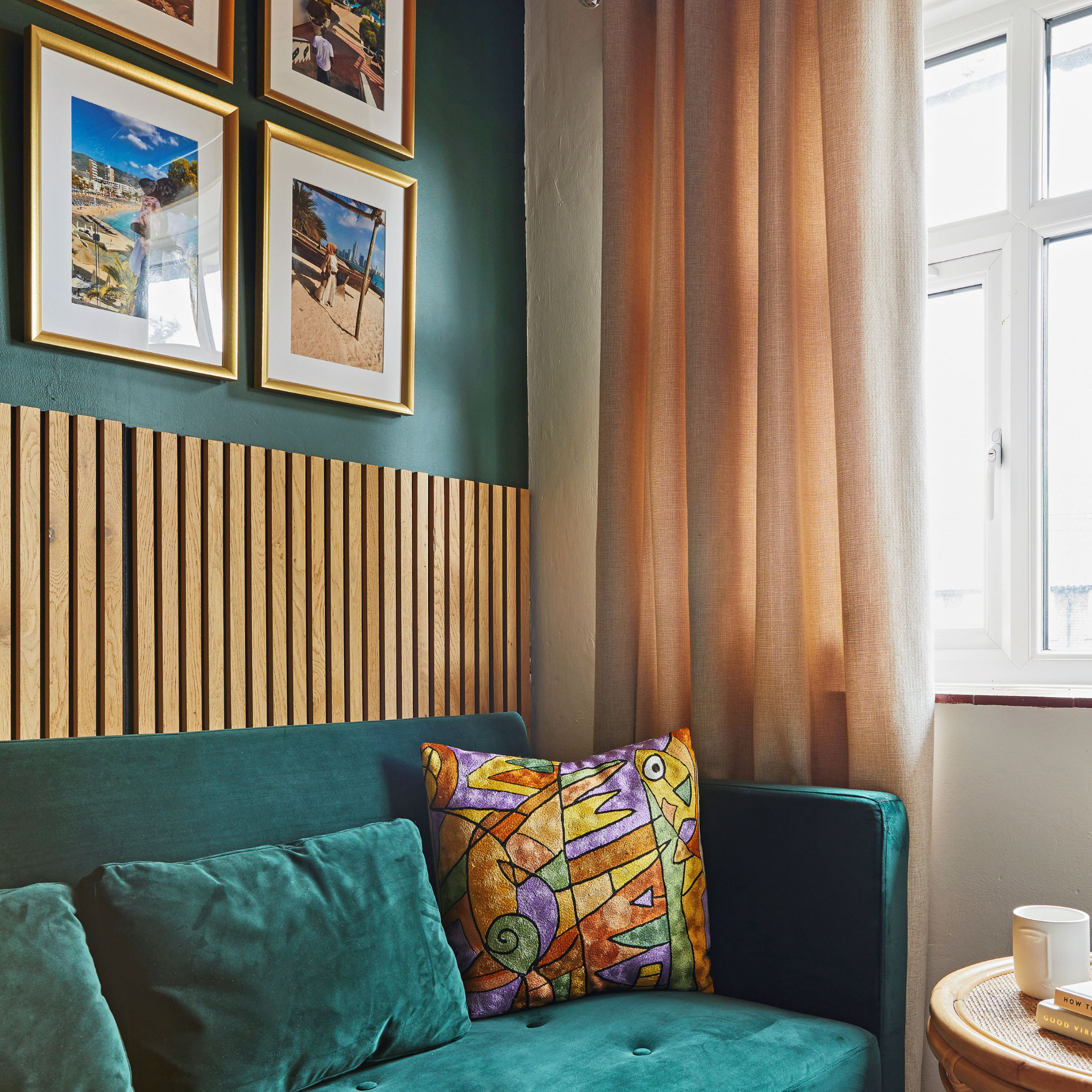
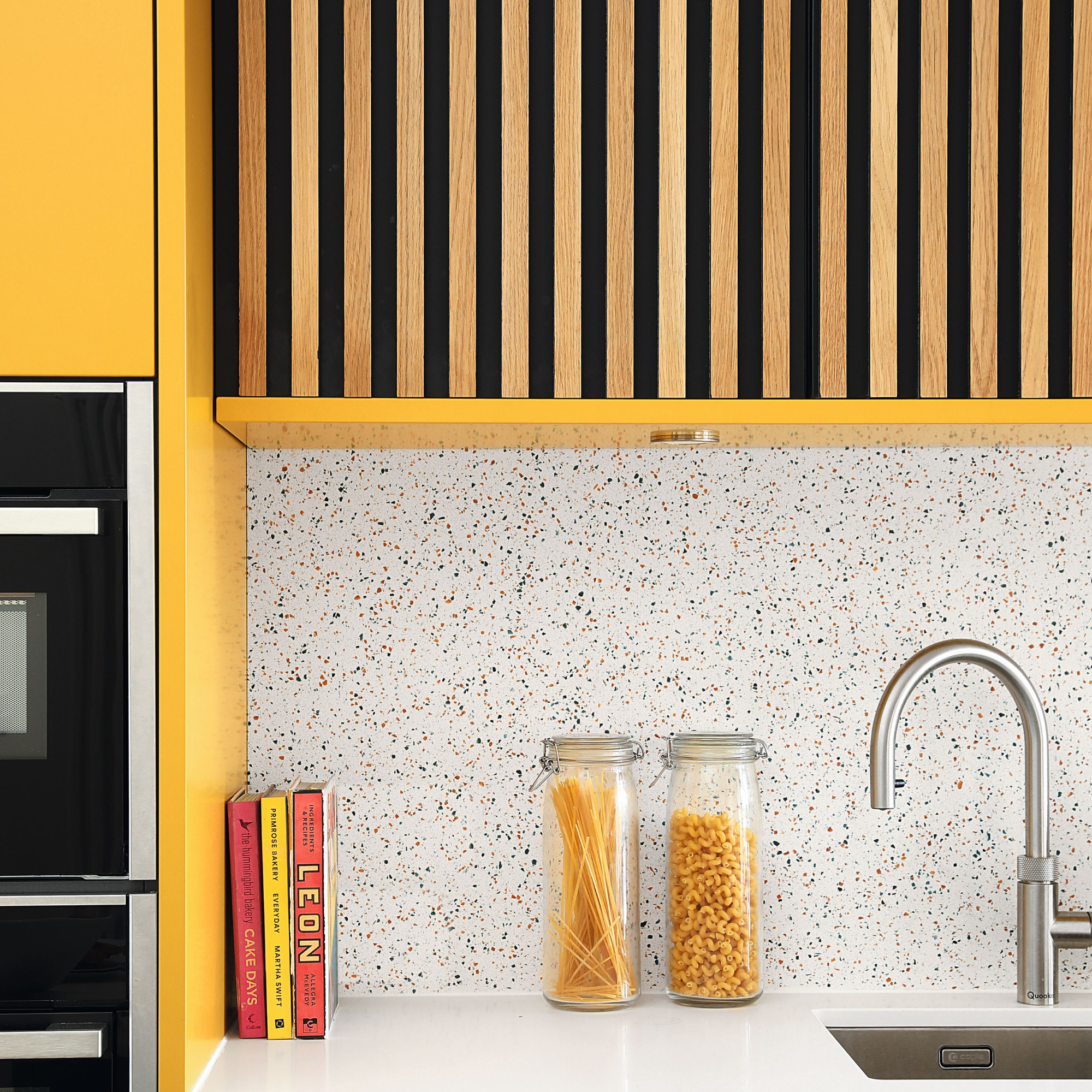
Cost considerations for wood paneling vary significantly. Installing wood paneling in a 12-by-12-foot room can range from $1,000 to $15,000, with real wood being pricier than faux alternatives. MDF or plywood are at the lower end of the real wood spectrum, while exotic woods can exceed $40 per square foot. These costs do not include painting or staining. To modernize wood paneling, designers suggest mixing and matching materials, such as combining wood with metals or incorporating harmonizing color palettes. Choosing the appropriate paneling style is crucial; smaller paneling might evoke a classic or English cottage feel, while wider tongue-and-groove designs lean more modern. The choice of paint color also influences the overall aesthetic. For a glamorous update, Elizabeth Pash recommends high-gloss paint, especially for existing paneling, to add color and drama. Wood paneling can be purchased in sheets for easier installation. While not primarily a noise-canceling solution, its added layer can reduce noise. Wood paneling is generally more expensive than drywall alone, and it is usually installed over drywall, requiring budgeting for both materials.
#WoodPaneling #InteriorDesign #HomeRenovation #HomeDecor #DesignTrends #ArchitecturalDetails #DIYProjects #WallCoverings #MaterialSelection #WoodPaneling #InteriorDesign #HomeRenovation #HomeDecor #DesignTrends #ArchitecturalDetails #DIYProjects #WallCoverings #MaterialSelection
0 comment in total
 No comments yet
You may also like
Trend Alert: Wood Walls Are BACK!
'Potential buyers may see it as a DIY job gone wrong' – this popular interior trend may be devaluing your home
Wood as a Home Design Trend: Through the Archives to Today
Wood Drenching Is a Fresh Take on '70s Paneling—Here's Why Designers Love It

Wood Paneling and 11 More Vintage Decor Trends Making Huge Comebacks

Wood Furniture Is Cool Again, Thanks to This Upcoming Group of Designers
Wood Floors Make (Another) Comeback
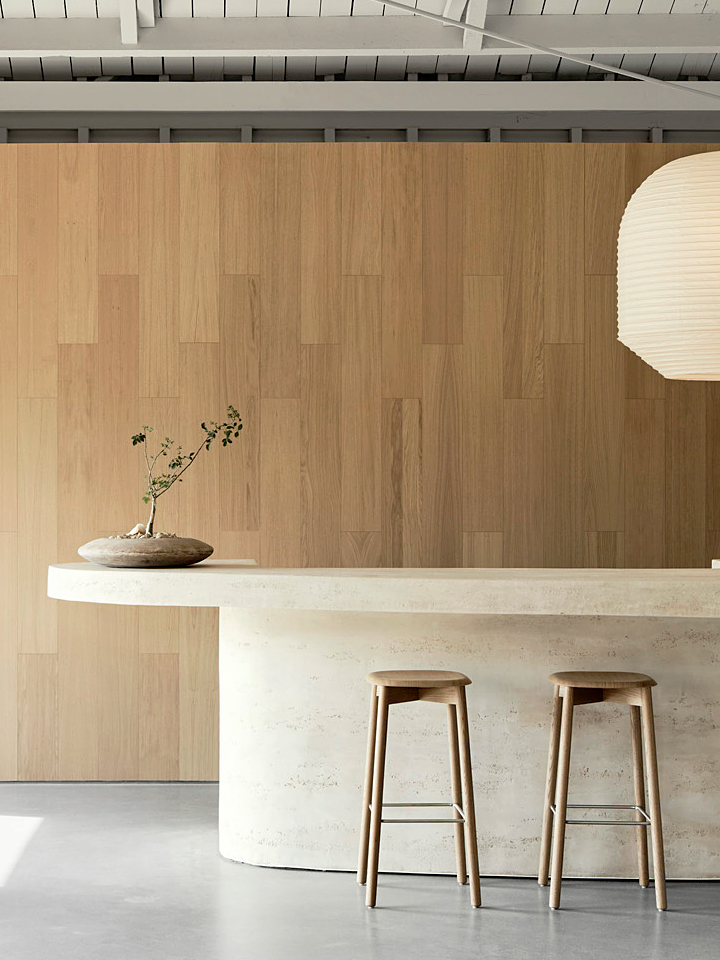
The Wood Paneling Trick That Makes Any Space Feel Instantly Homey

Remember the wood-panelled walls from the 1970s? They're back, with a modern twist
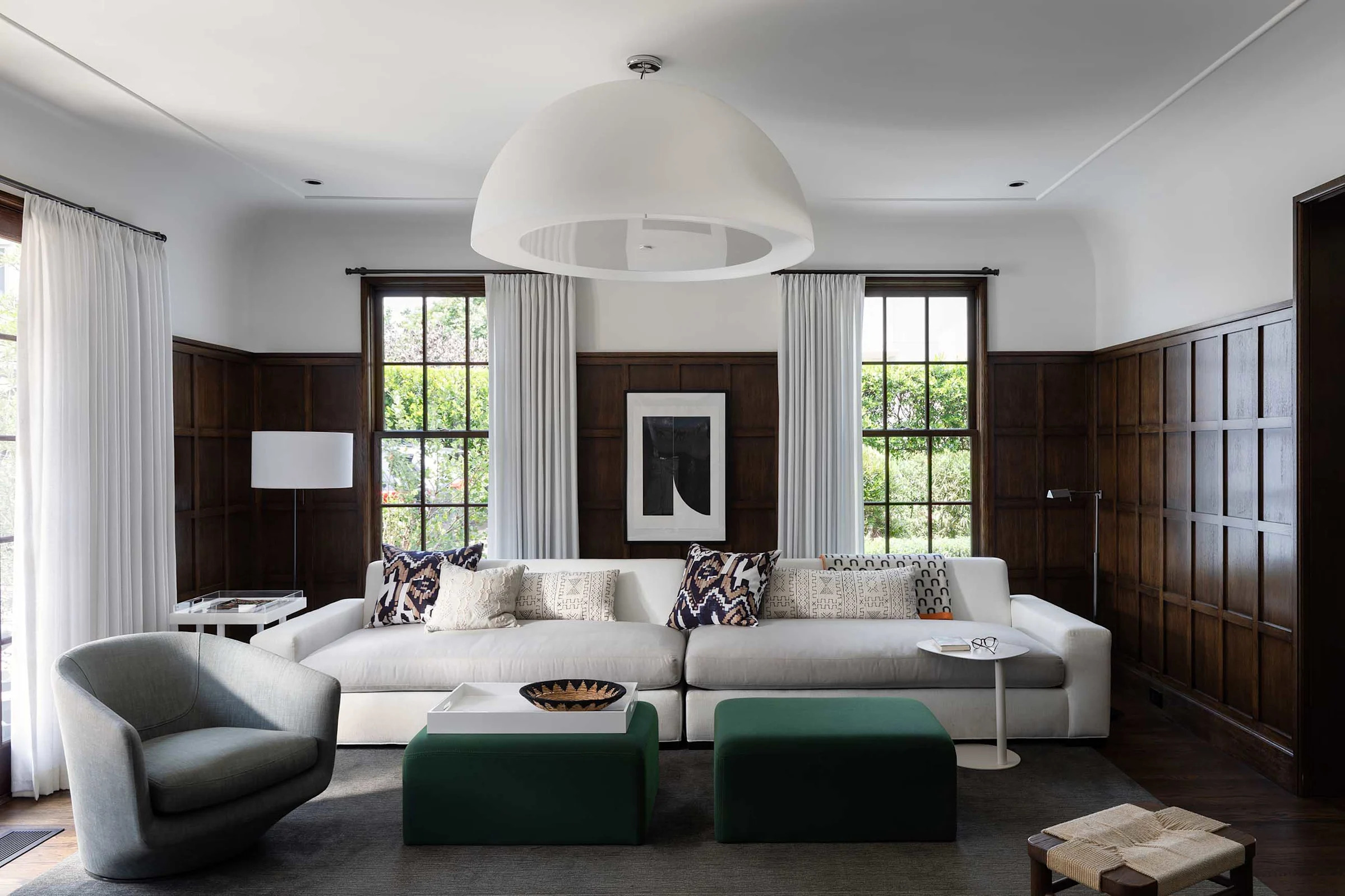
This Once-Dated Wall Paneling is Now Making Homes Look so Elegant and Sophisticated

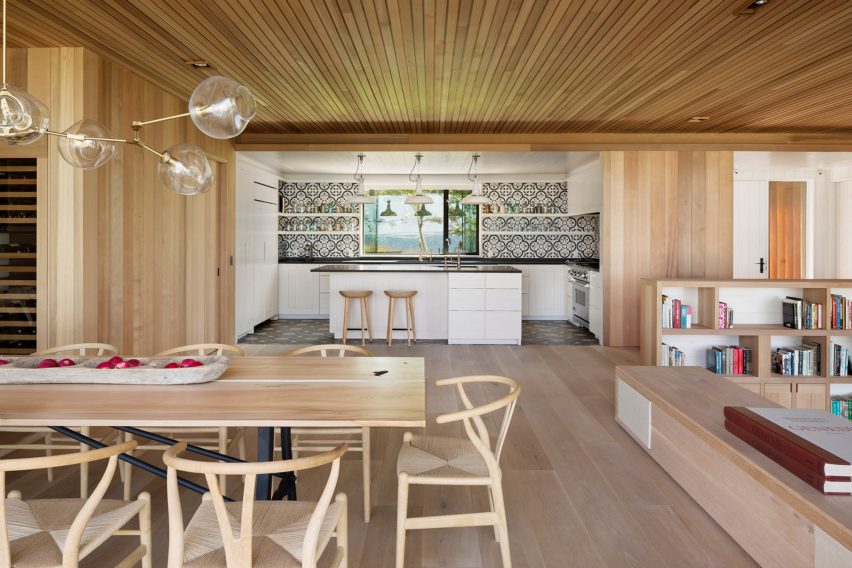
Ten projects that seamlessly integrate wood into the design
Decorative Tiles Are Back, Bigger and Better Than Ever
Wood Paneling Is Officially Cool Again—Here's How Designers Are Using It Now

Move Aside, Ply—Designers Are Loving This Wood for Its Captivating Pattern

Allover Wood Interiors Are Having a Moment

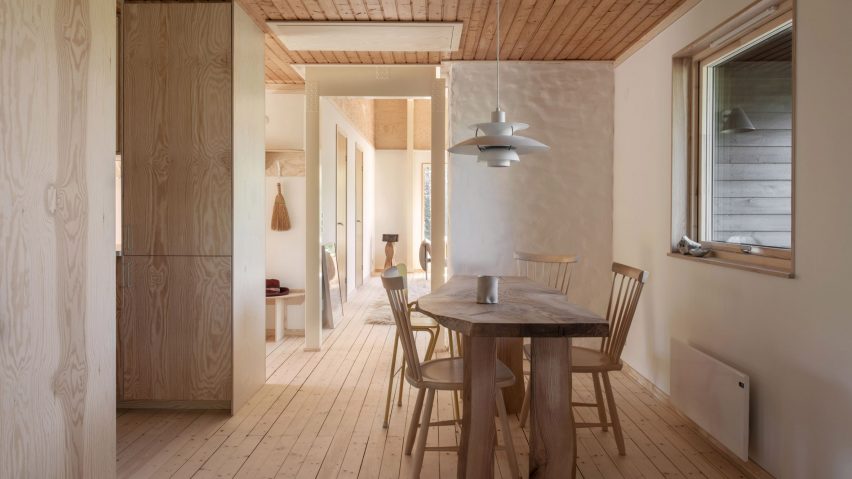
Eight homes where plywood panelling creates warm interiors
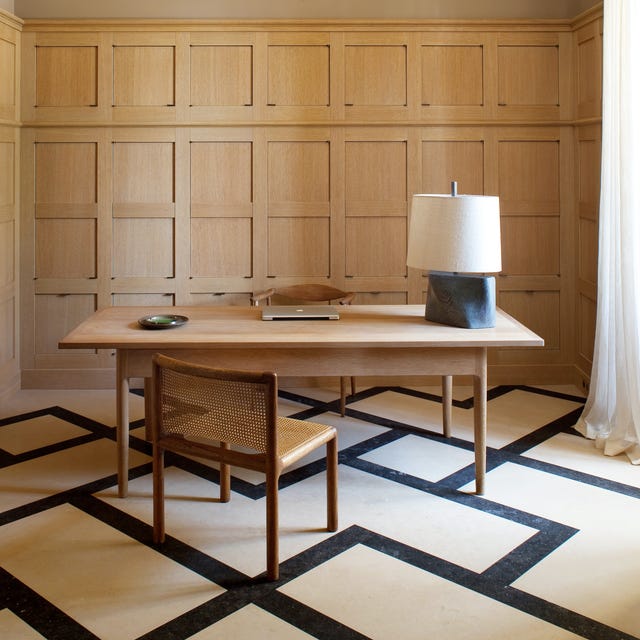
Wood panelling: an essential guide to the big decorating trend

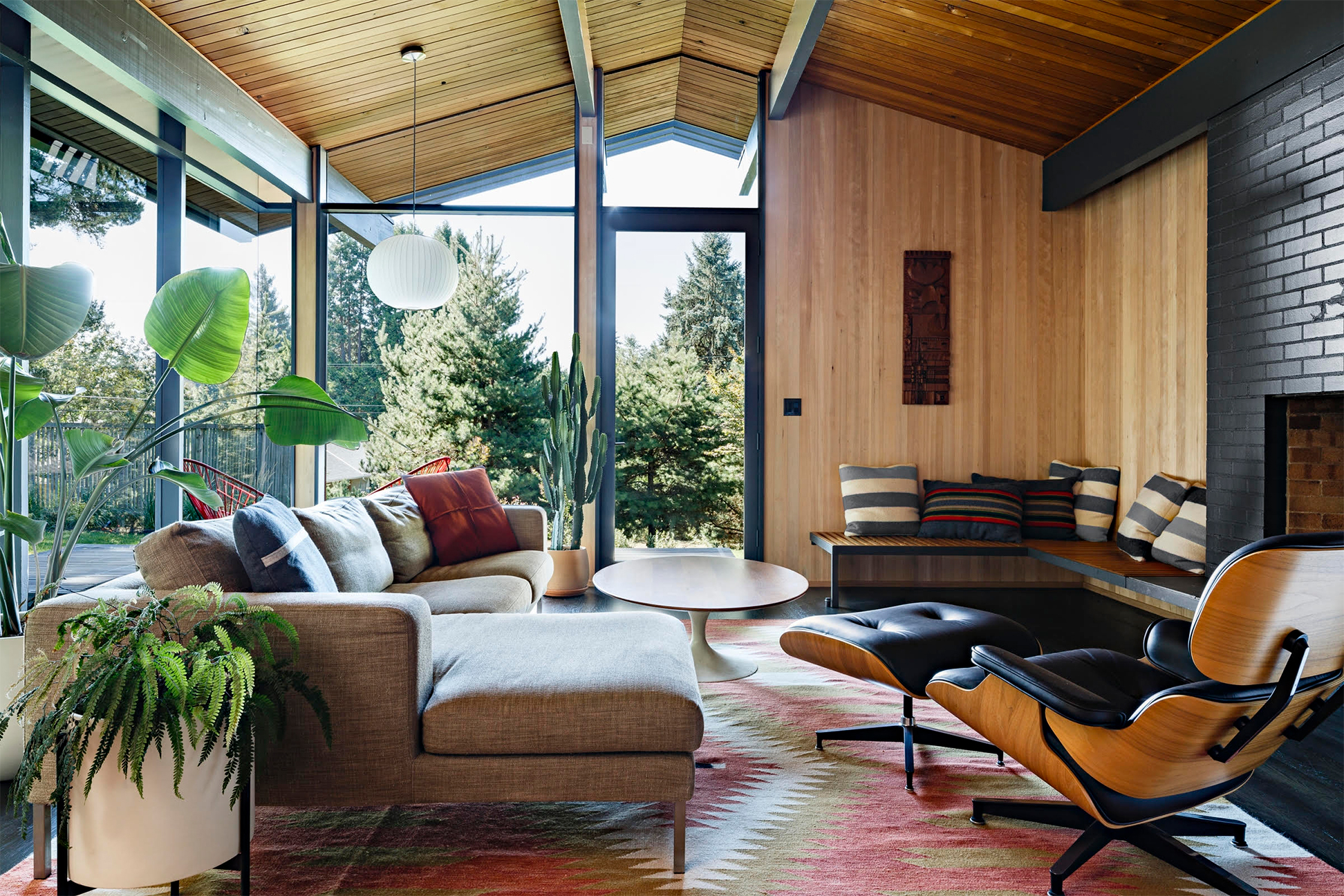
Wood Paneling Doesn’t Have to Remind You of Your Parents’ Basement
Wood Treatments

Five fresh interior design trends using wood