1/9
Wood Paneling Doesn’t Have to Remind You of Your Parents’ Basement
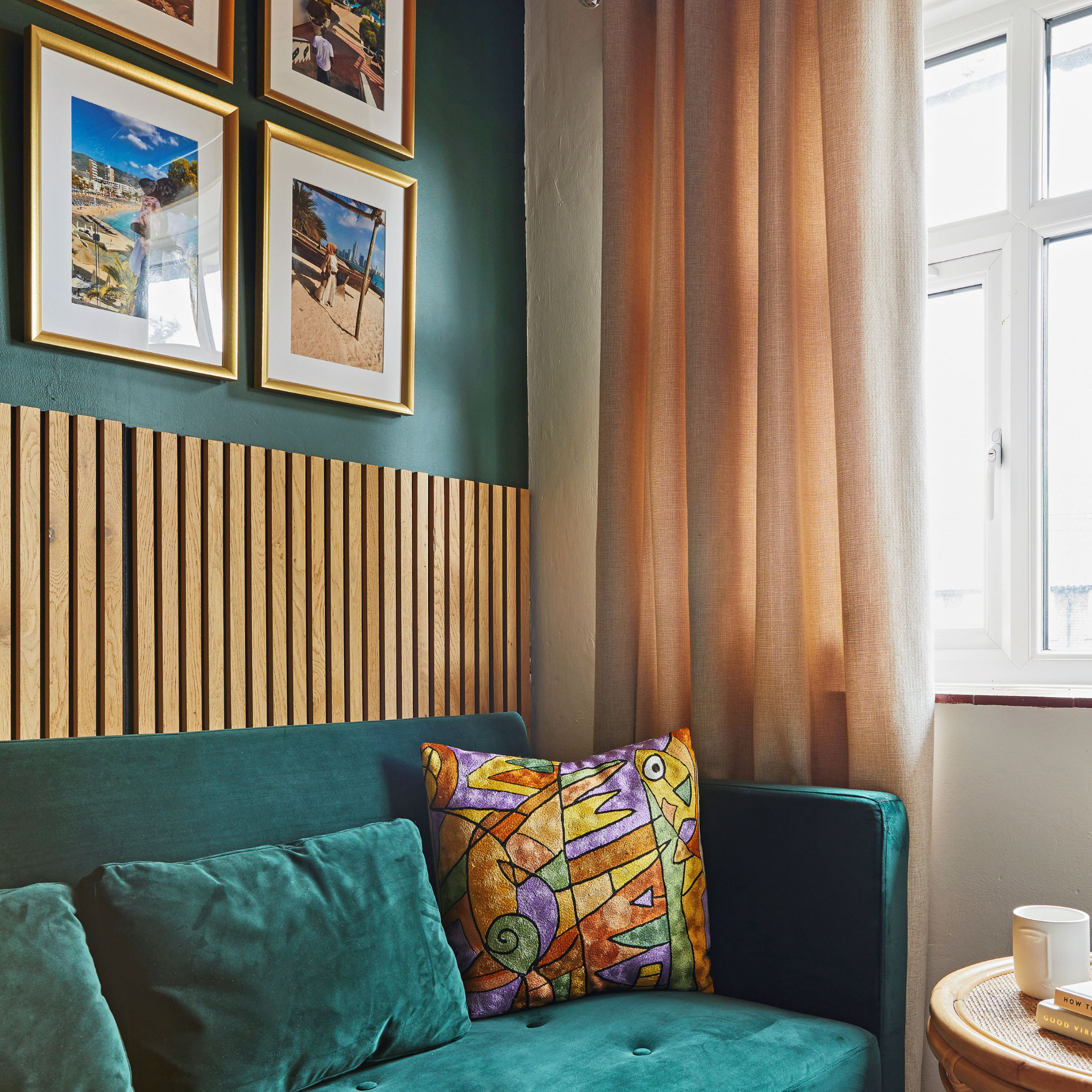
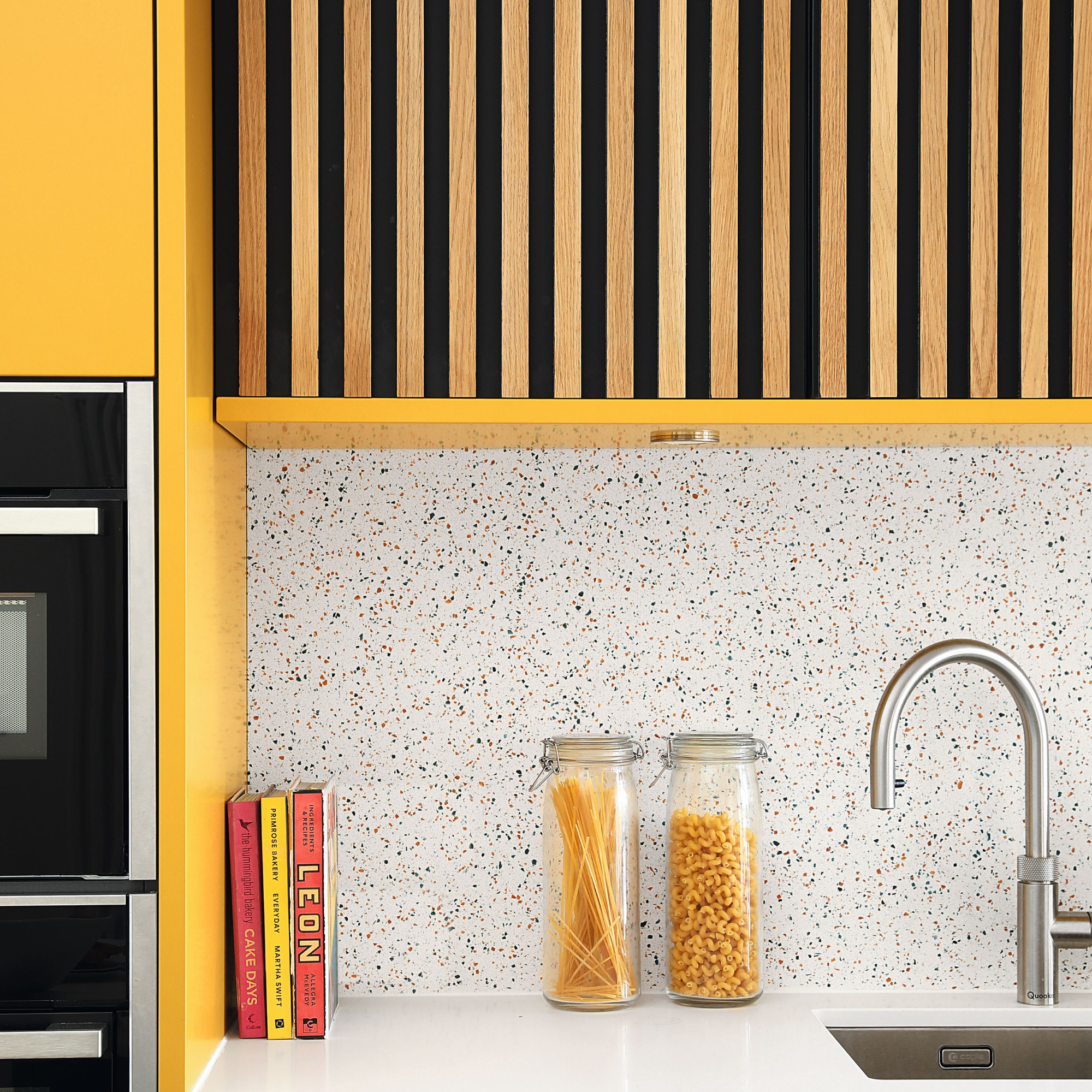
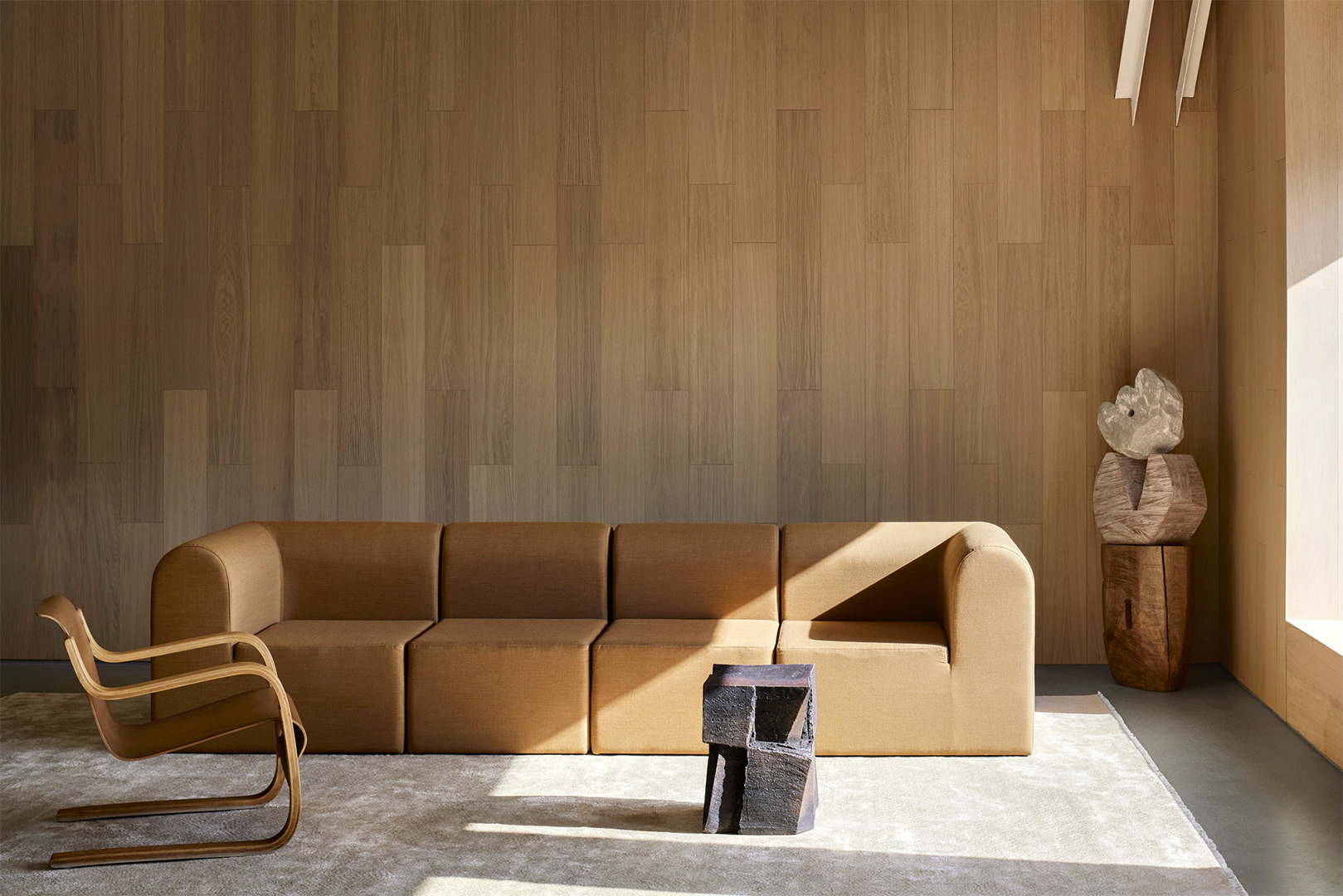
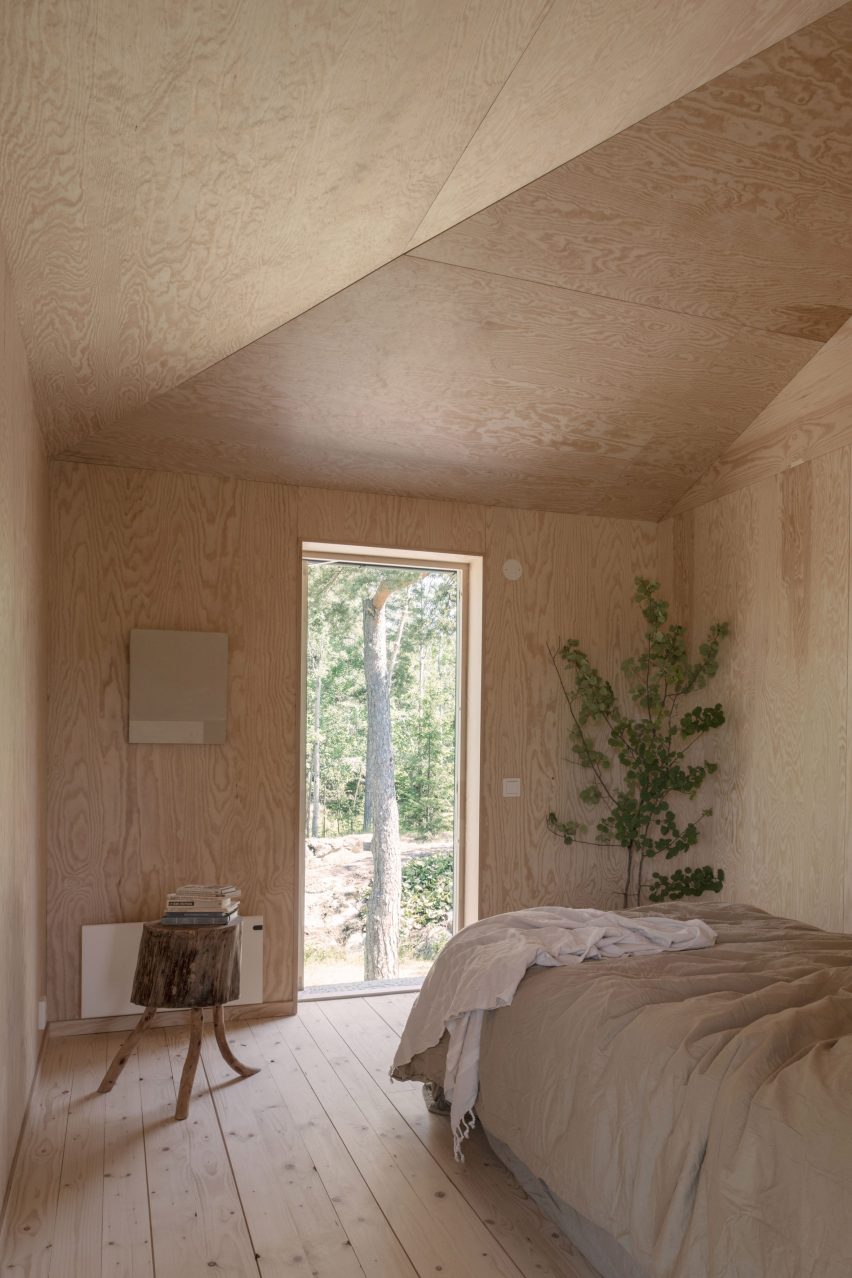
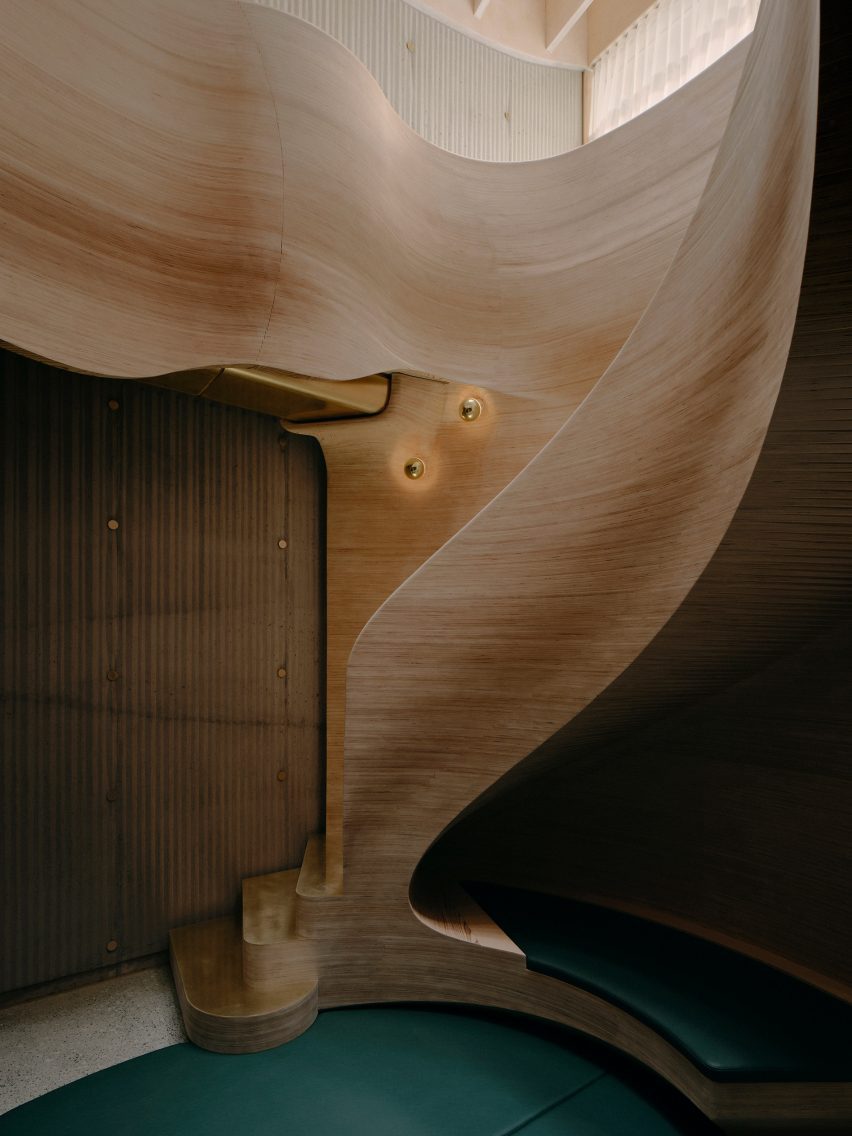
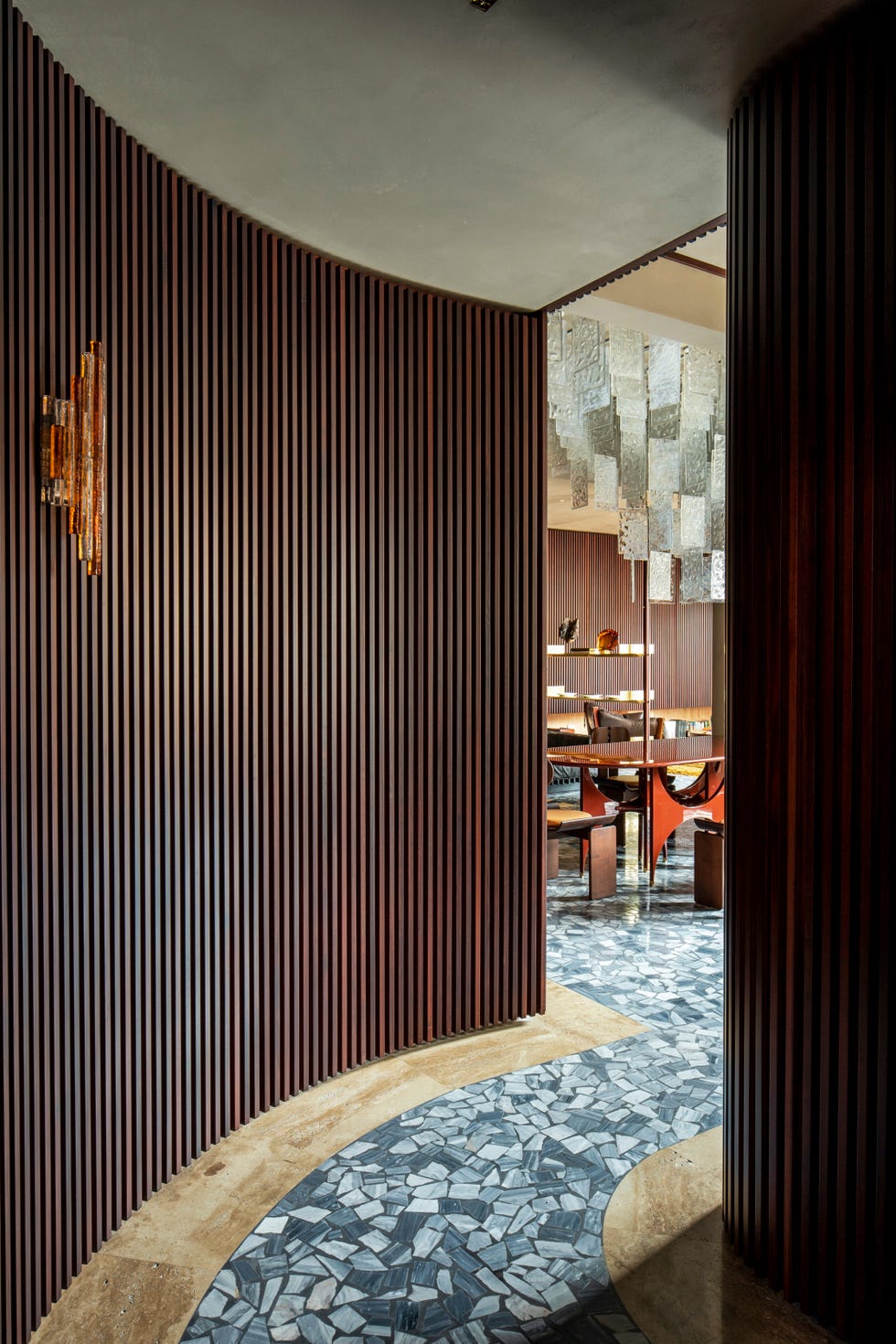
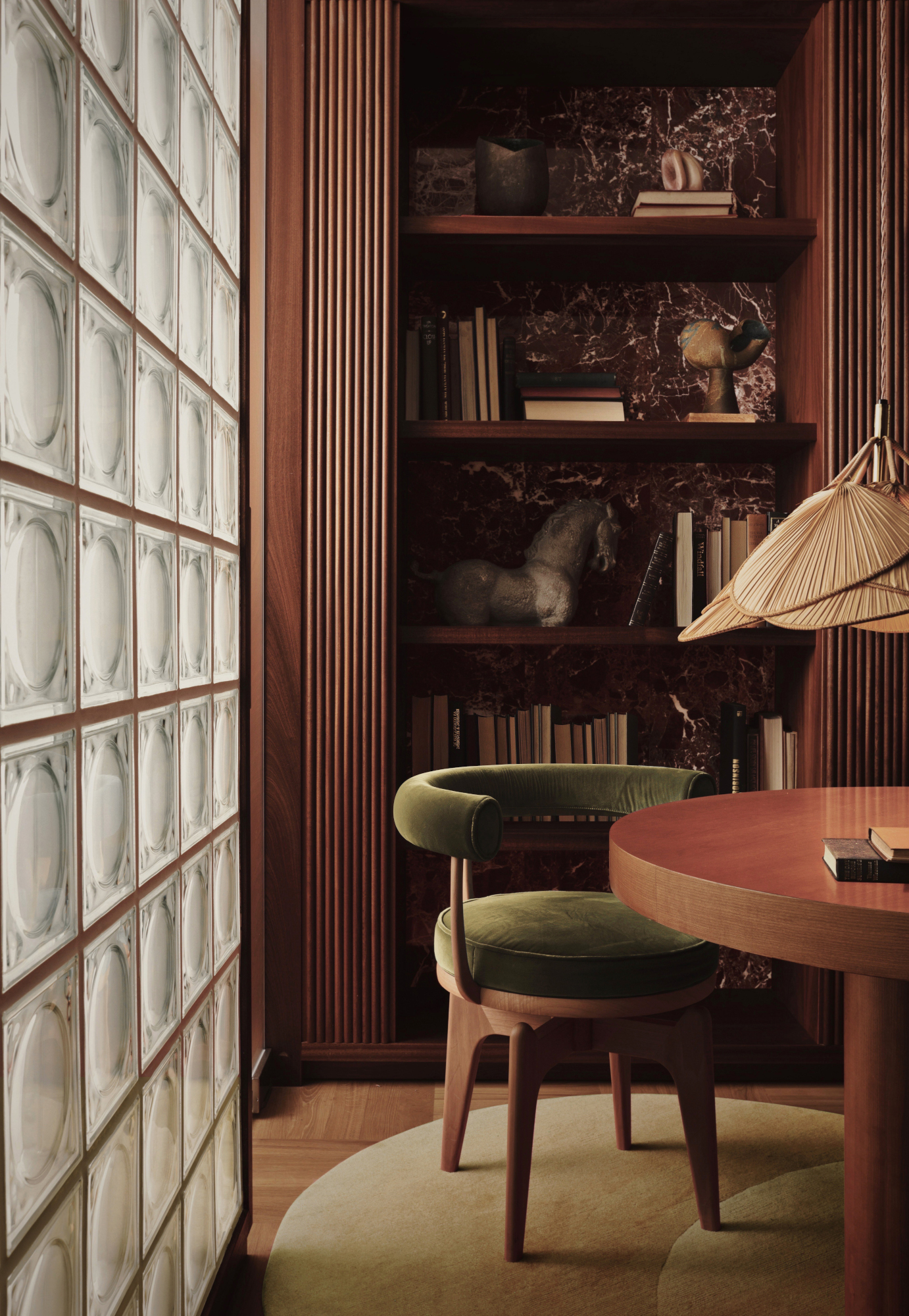
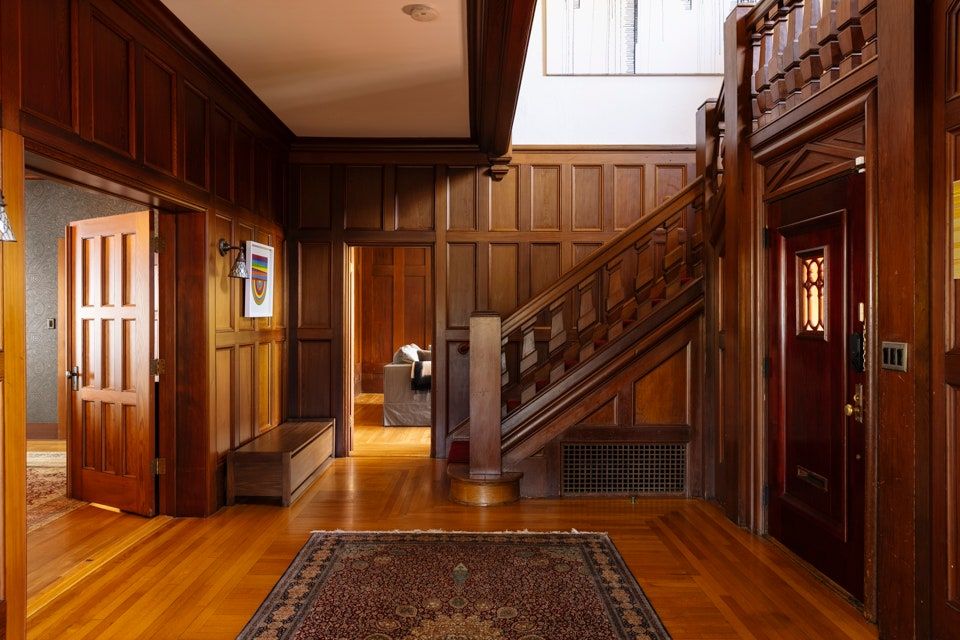
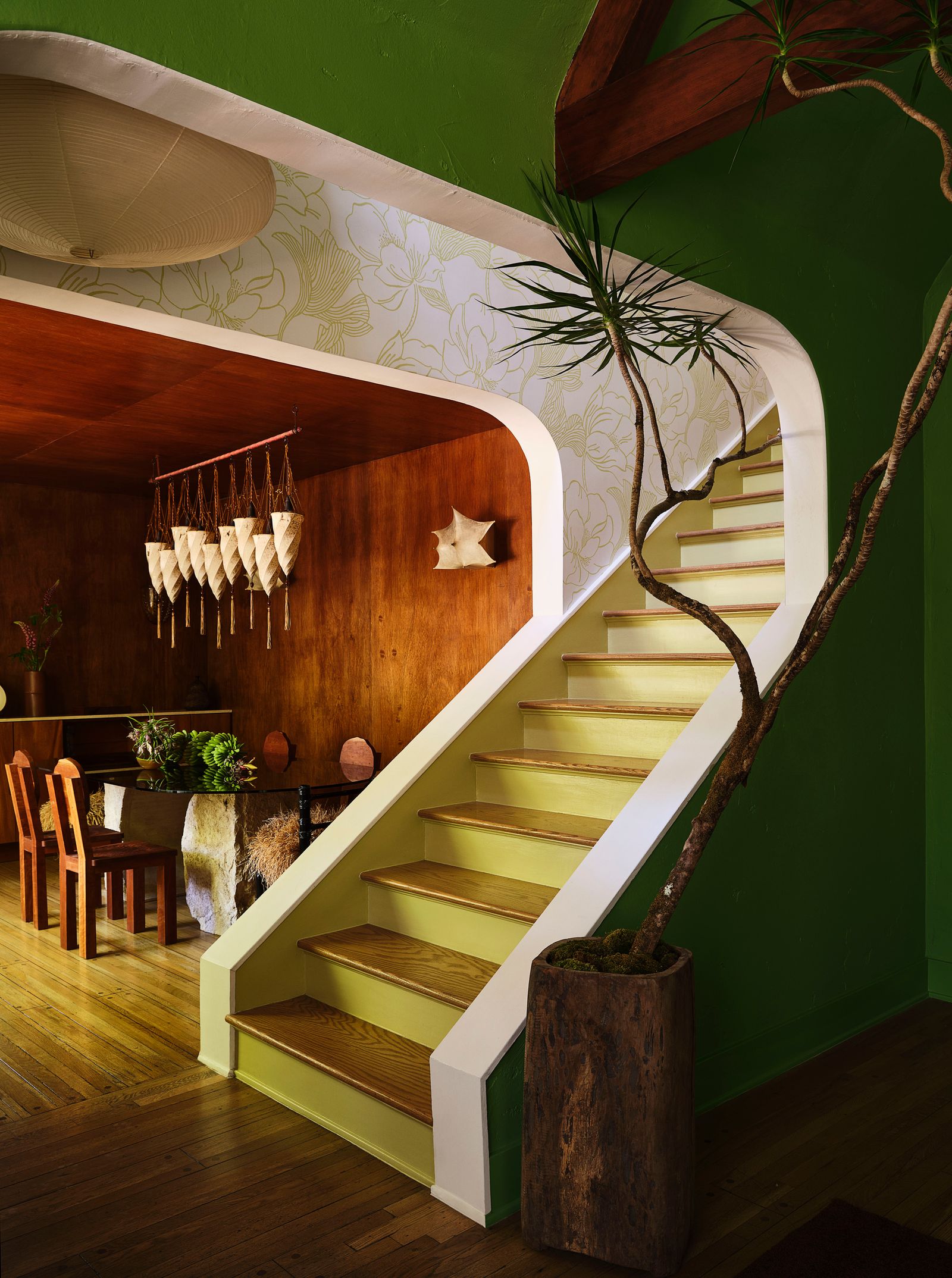
The perception of wood paneling as an outdated or unappealing design element, often associated with dimly lit basements, is being challenged by contemporary interior design trends. Many accents previously scoffed at, such as gingham and kitschy pieces, are experiencing a modern revival, and wood paneling is no exception. When implemented thoughtfully, this traditional style can appear more modern than ever, thanks to a variety of washes and application methods.
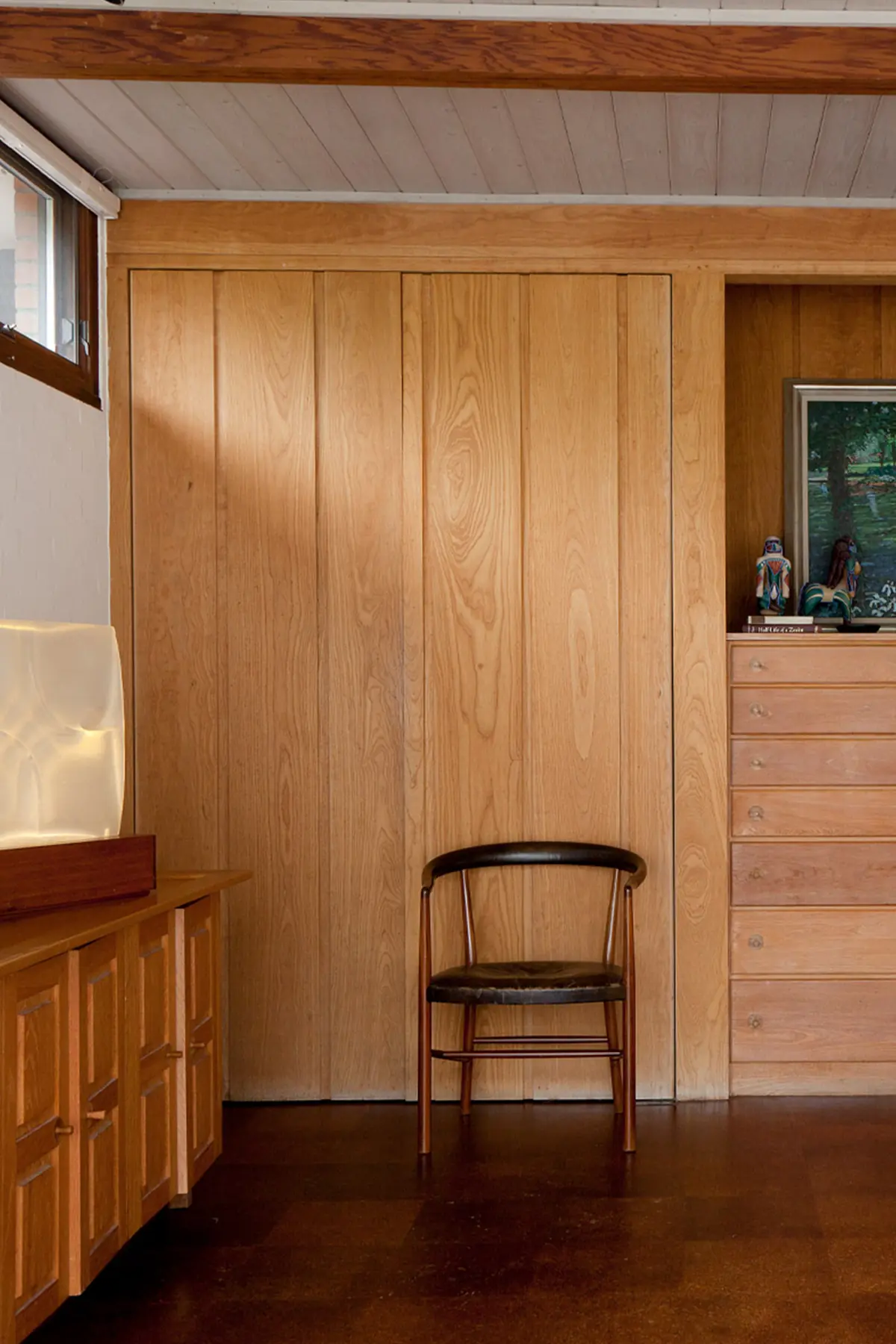
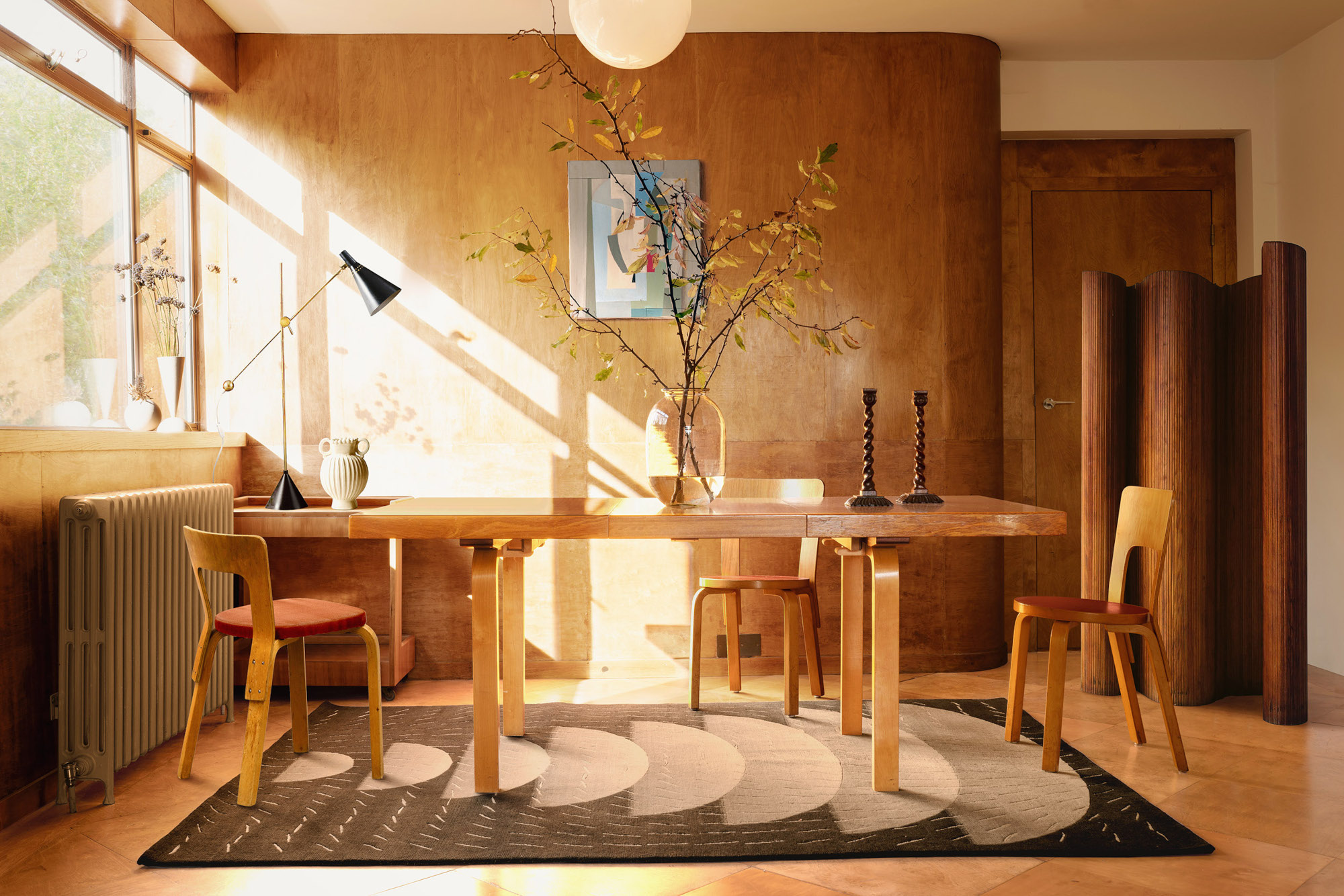
Several innovative approaches demonstrate how wood paneling can be integrated into modern living spaces. One method involves using mixed tones of wood paneling, as seen in a Jessica Helgerson-designed mid-century space. This design avoids clichés by incorporating varied wood shades and balancing the natural material with a clean white wall to introduce light and break up the texture.
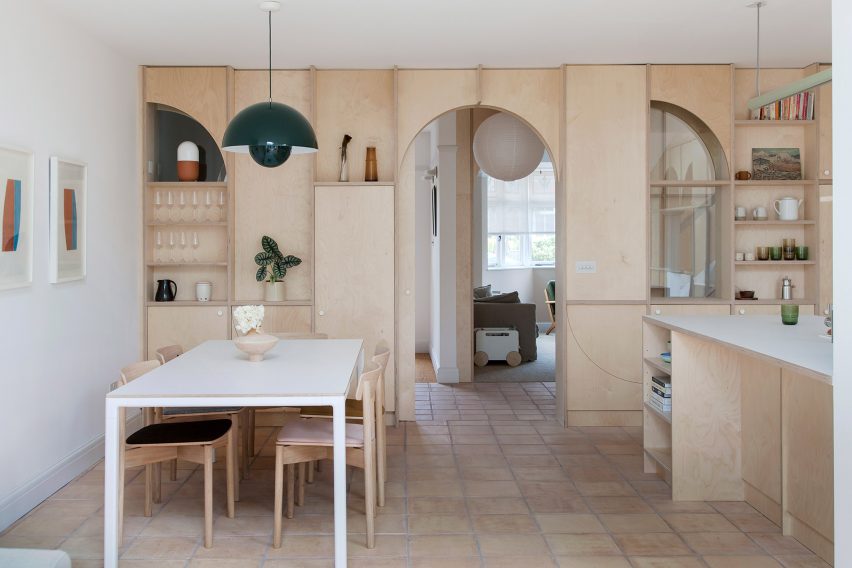
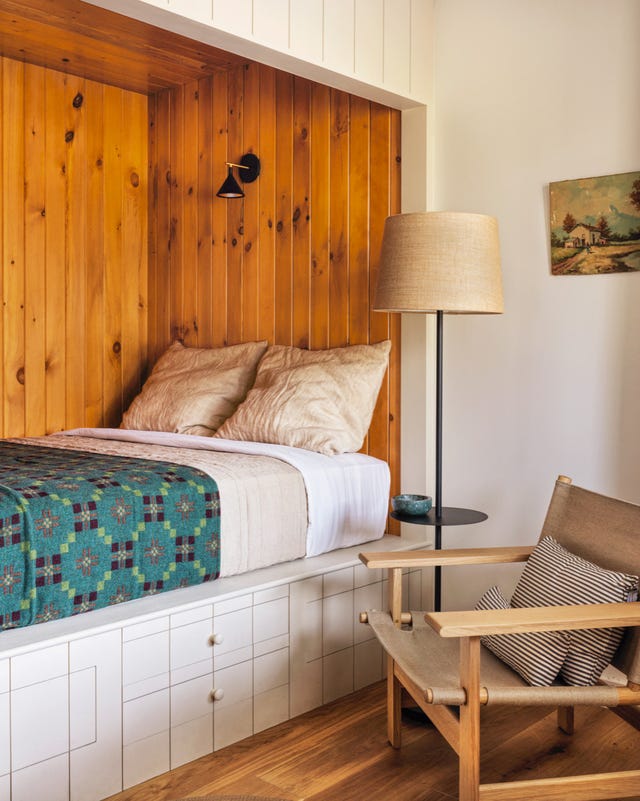
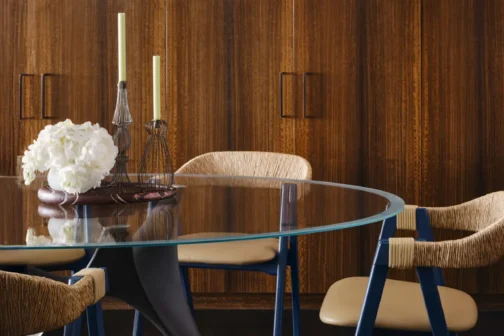
Another contemporary use is integrating wood paneling with built-in furniture. A pink dining room features a built-in wood console that seamlessly blends with an accent wall, adding a natural touch. The careful matching of the dining table to the cabinetry and the inclusion of antique artwork further enhance the room's charm and sophistication, preventing it from appearing overly saccharine.
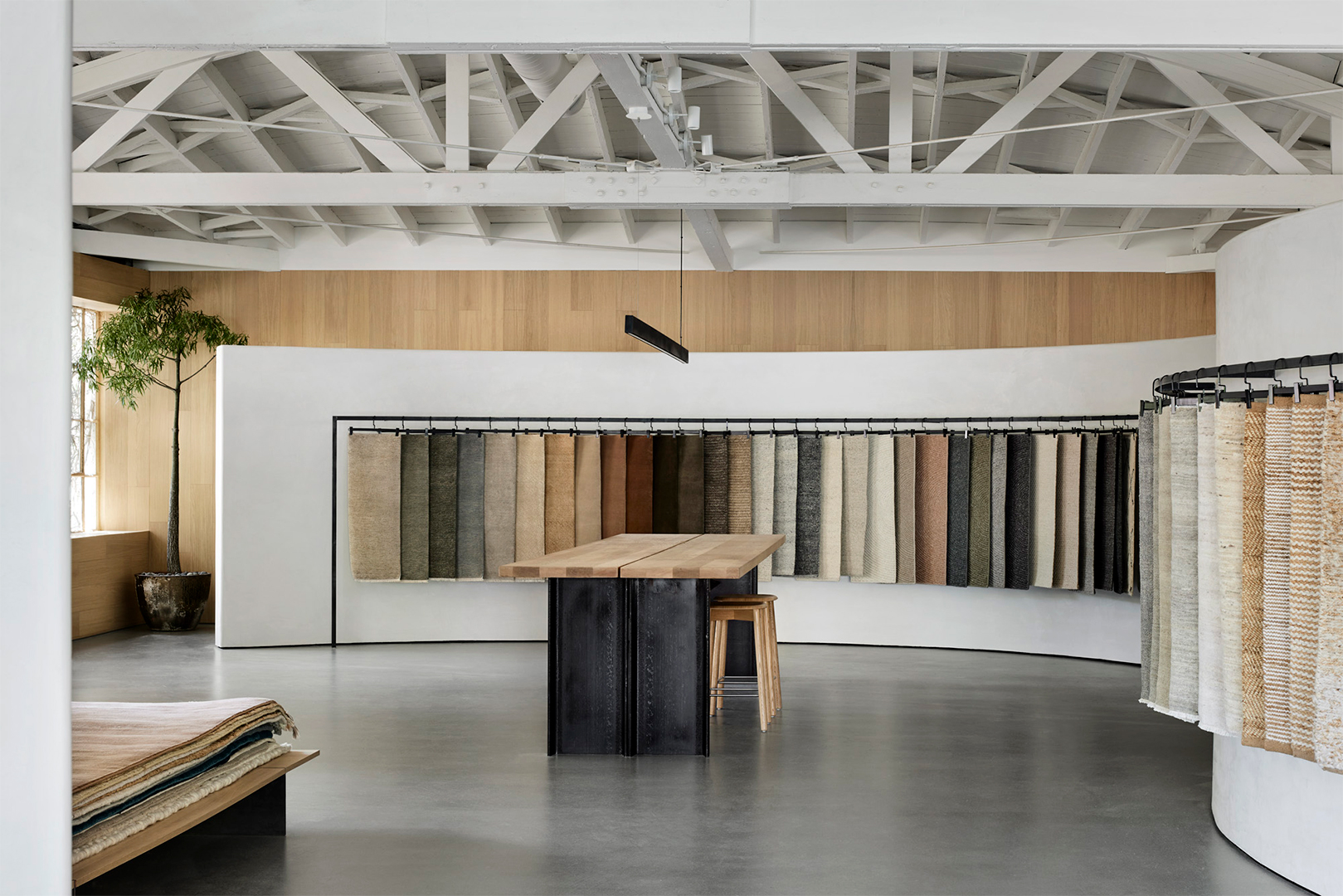
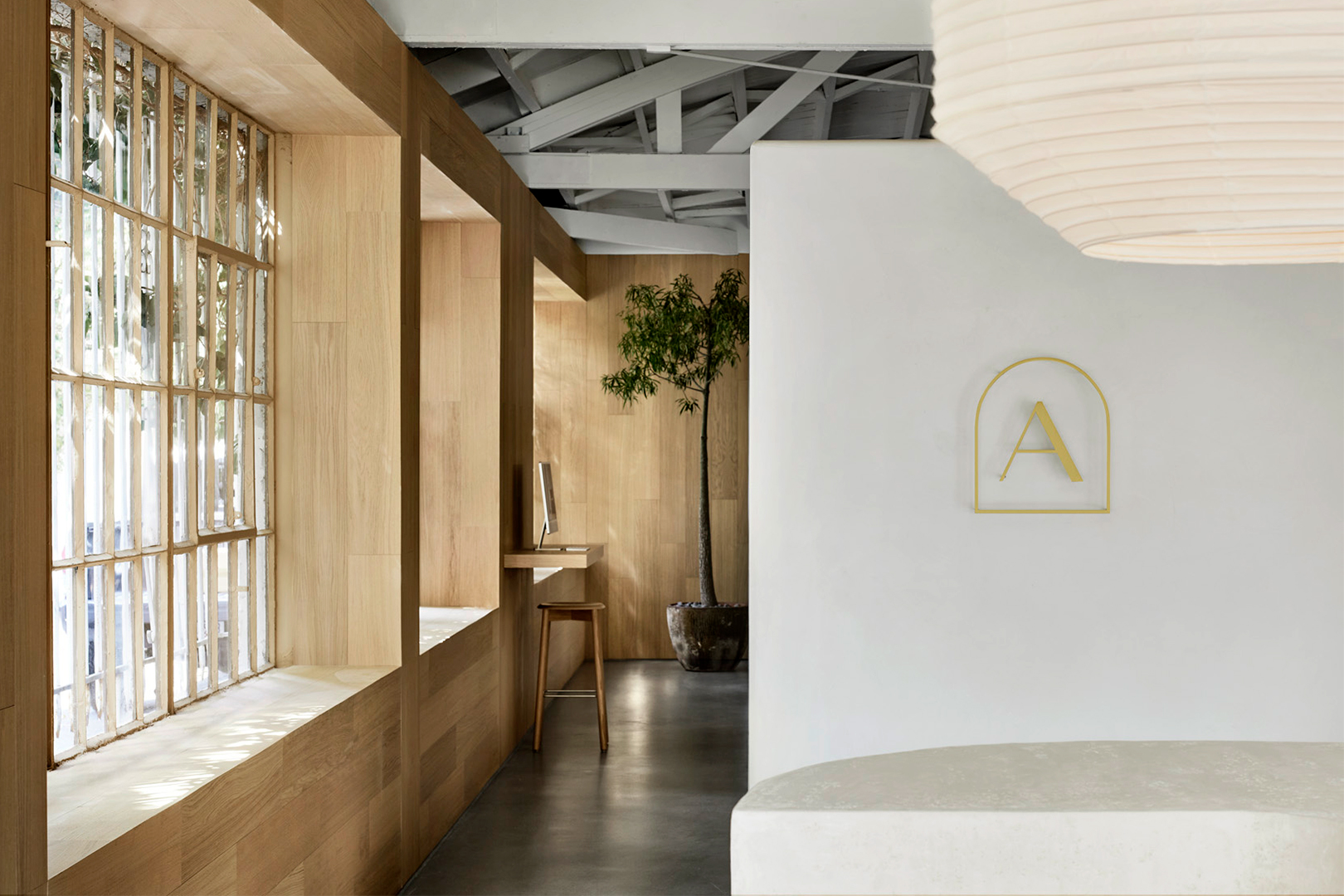
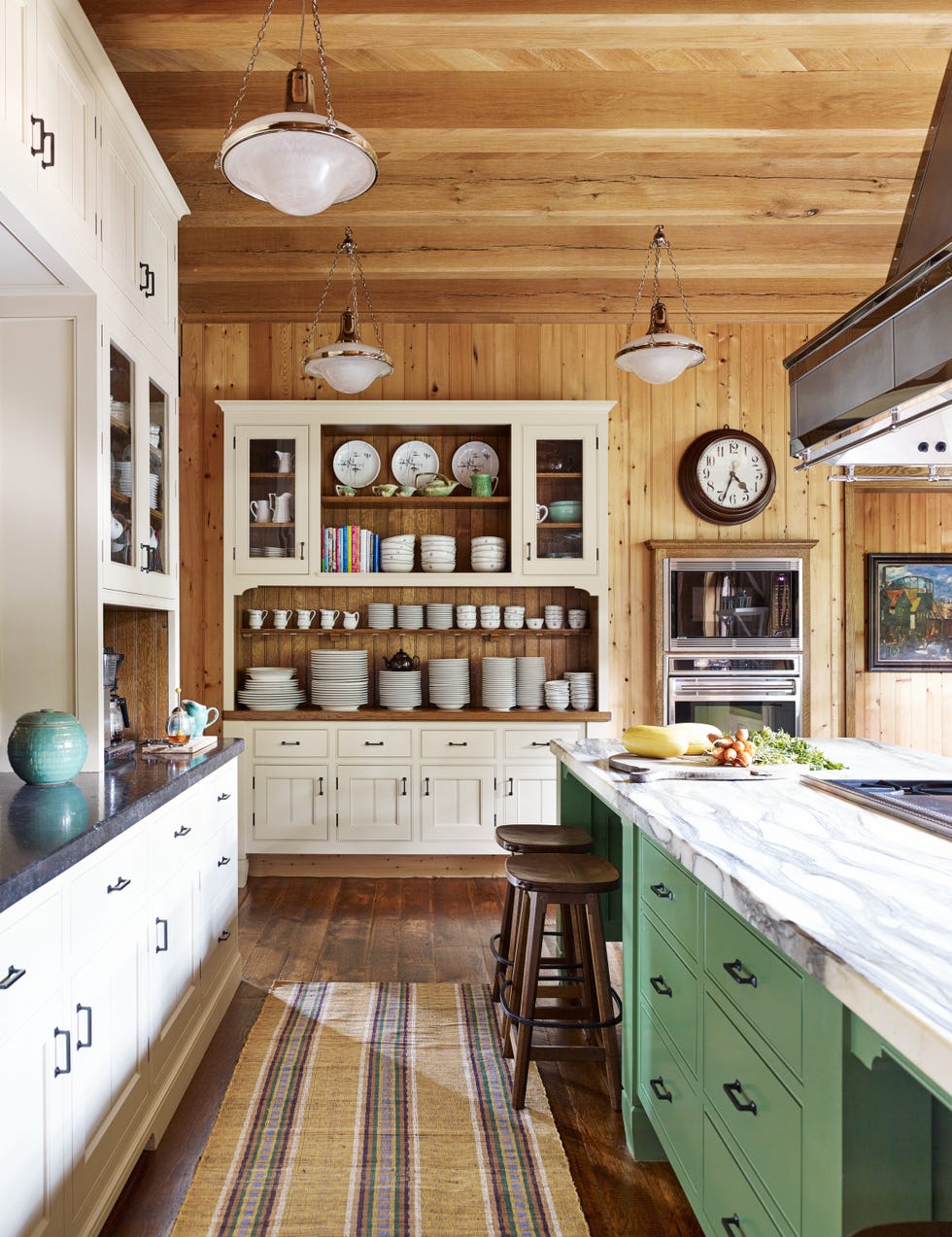
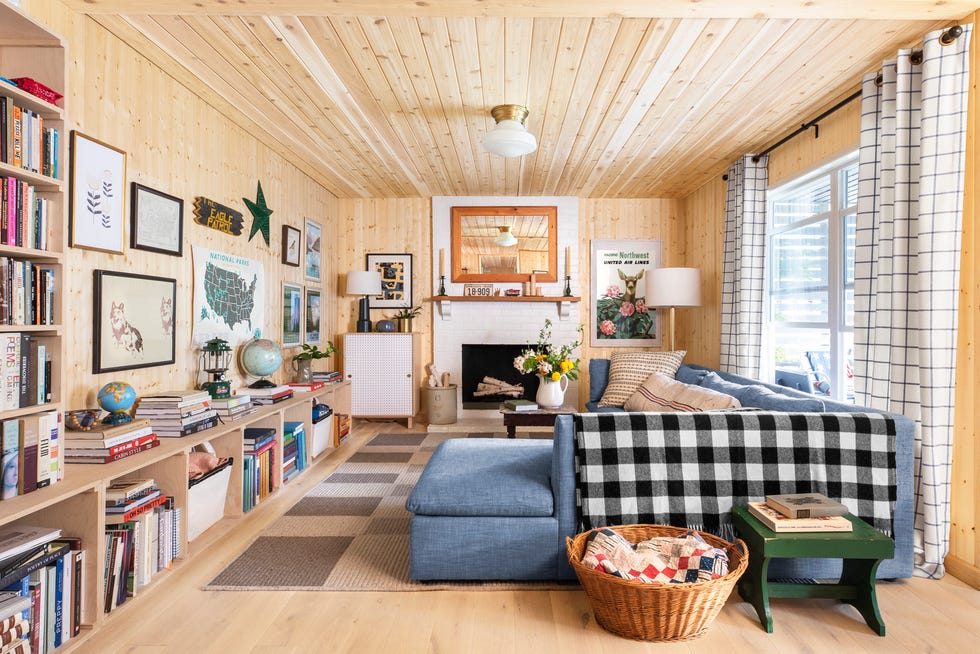
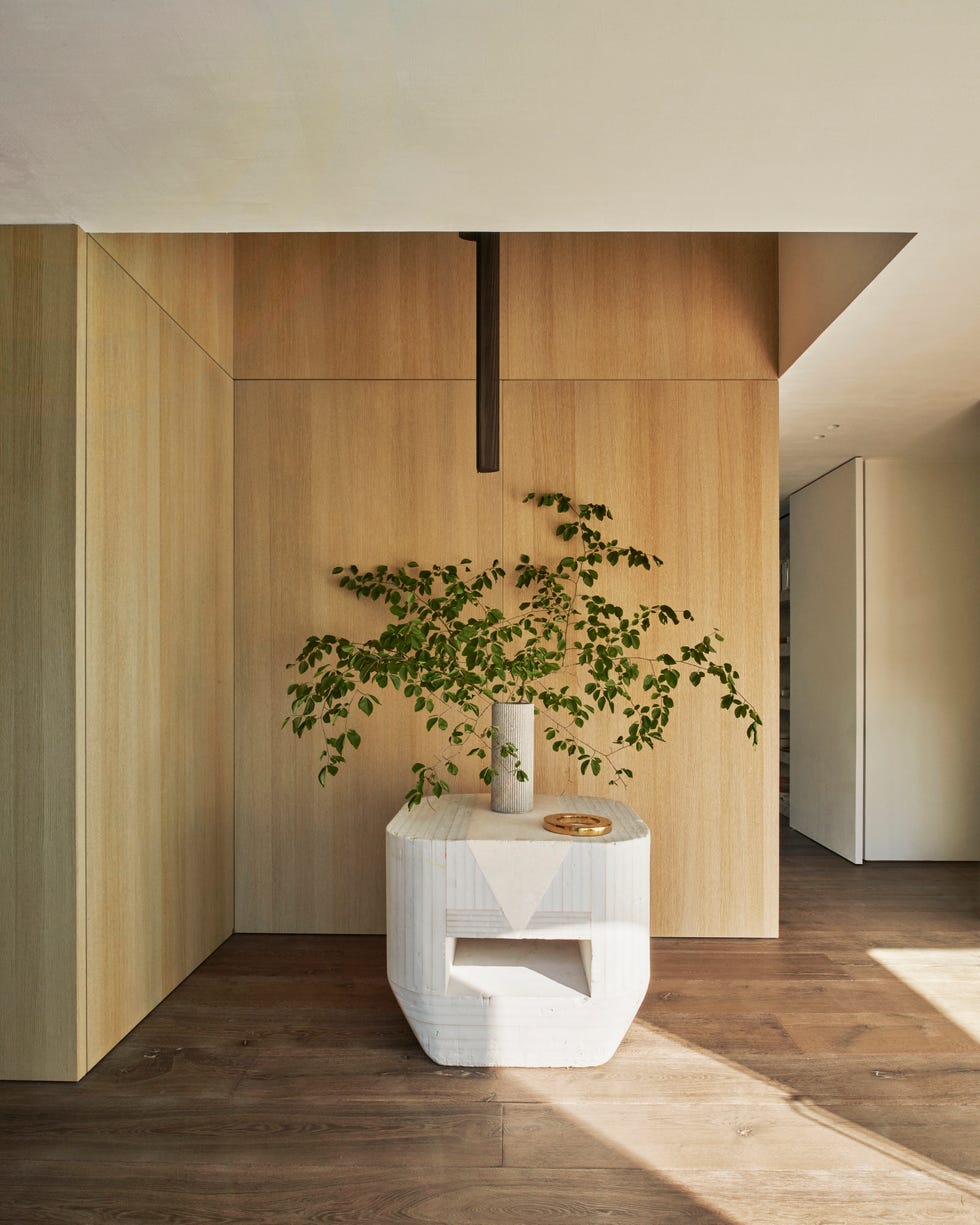
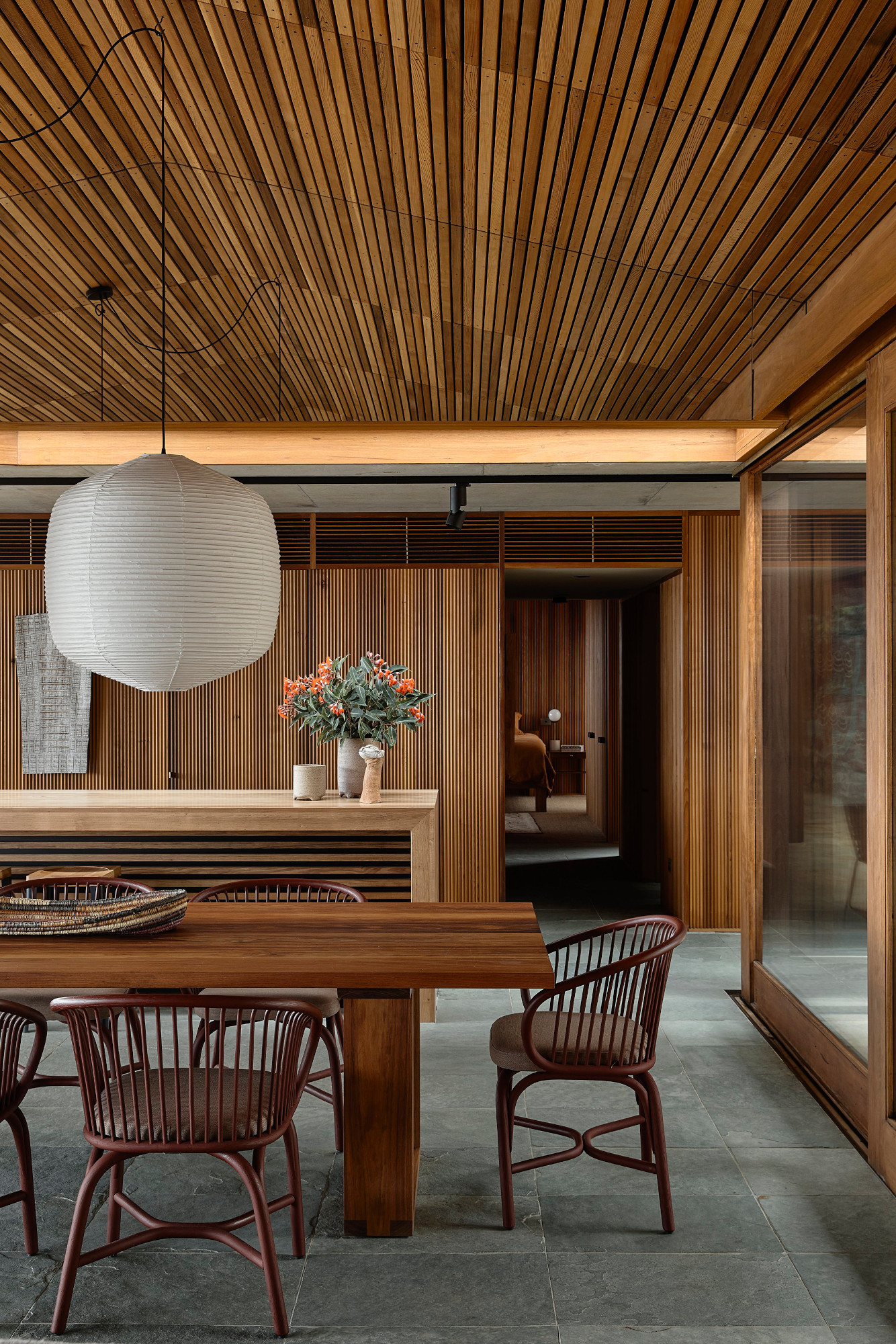
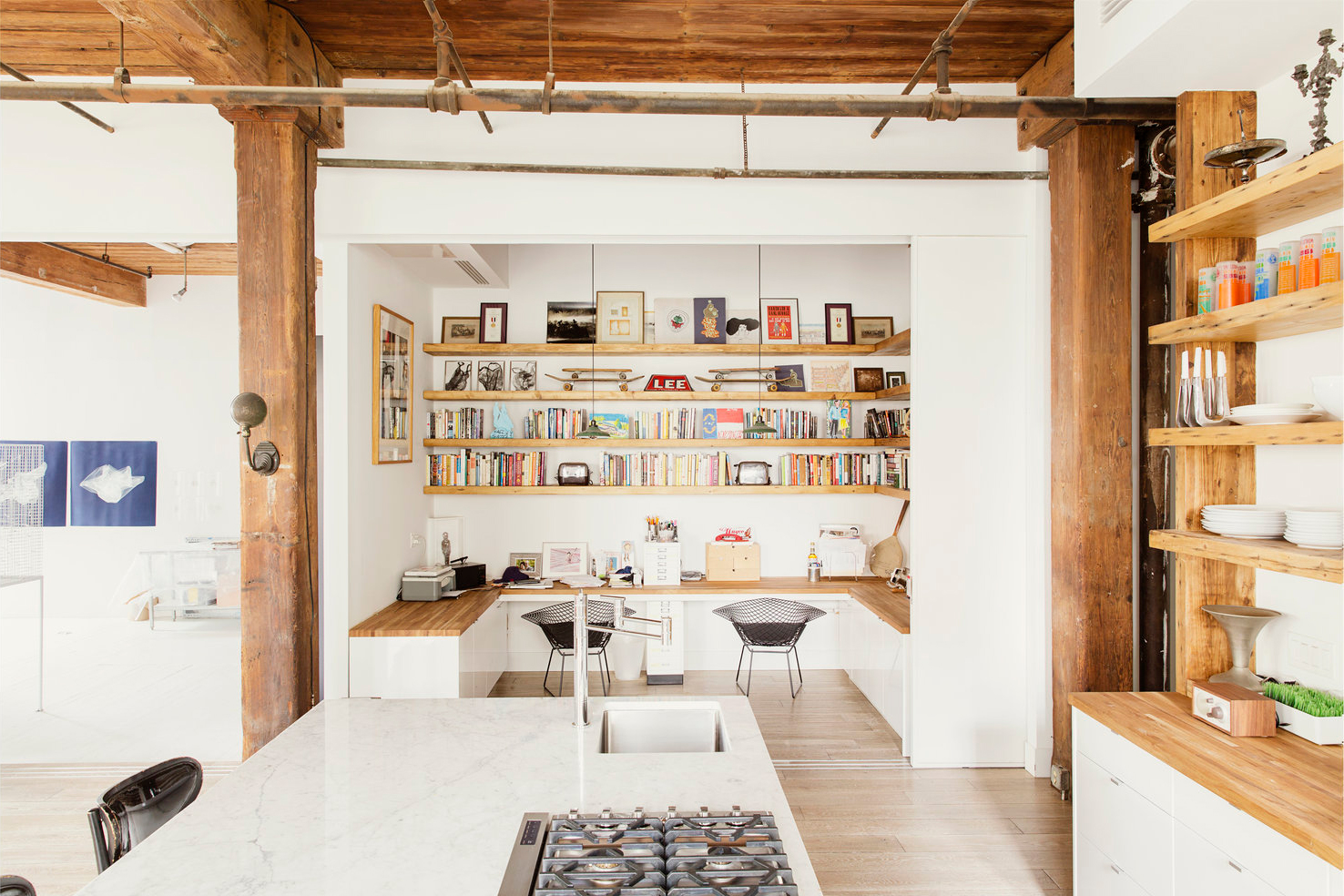
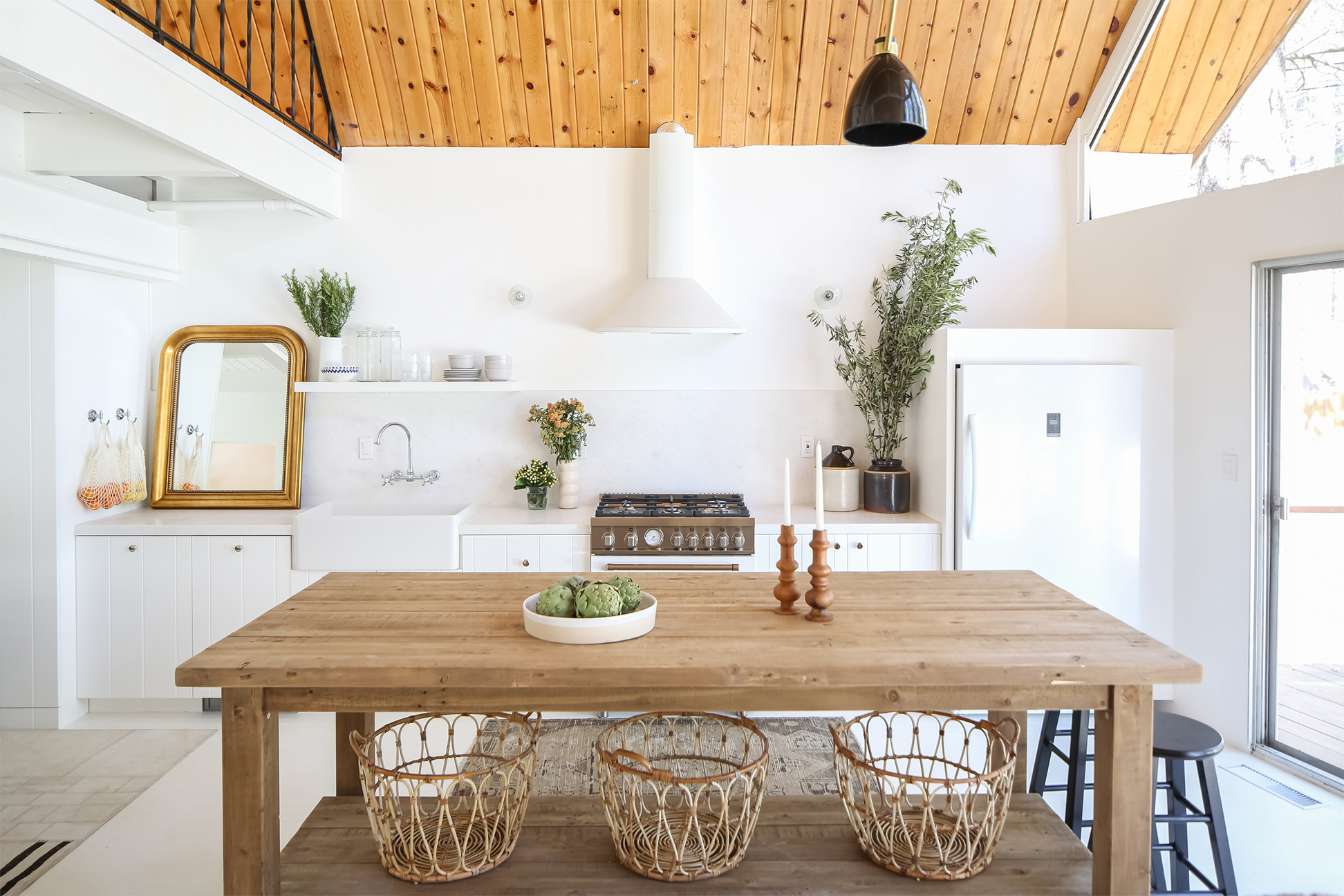
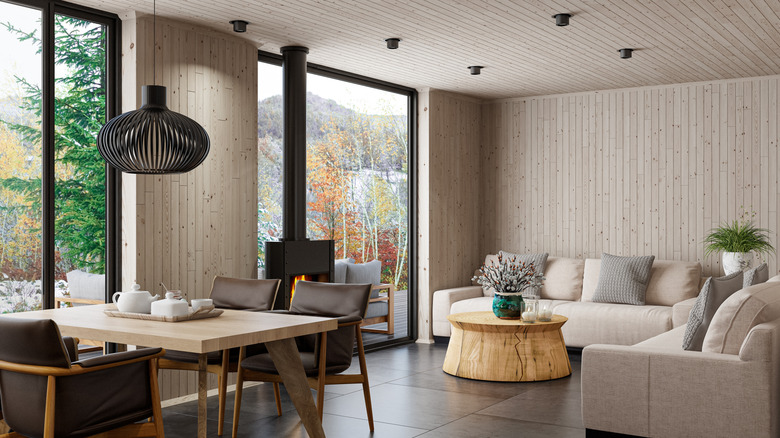
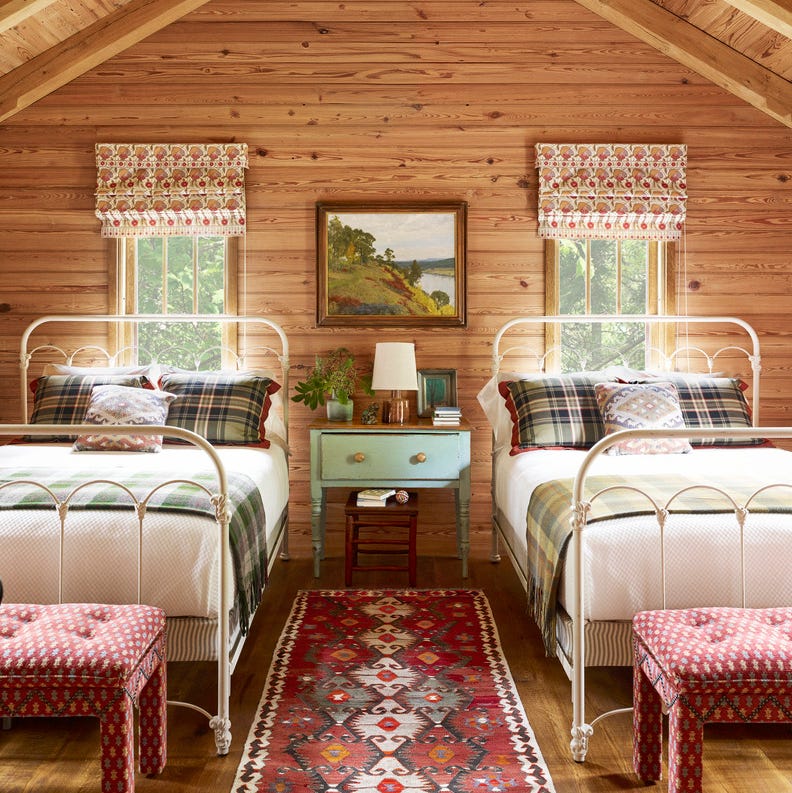
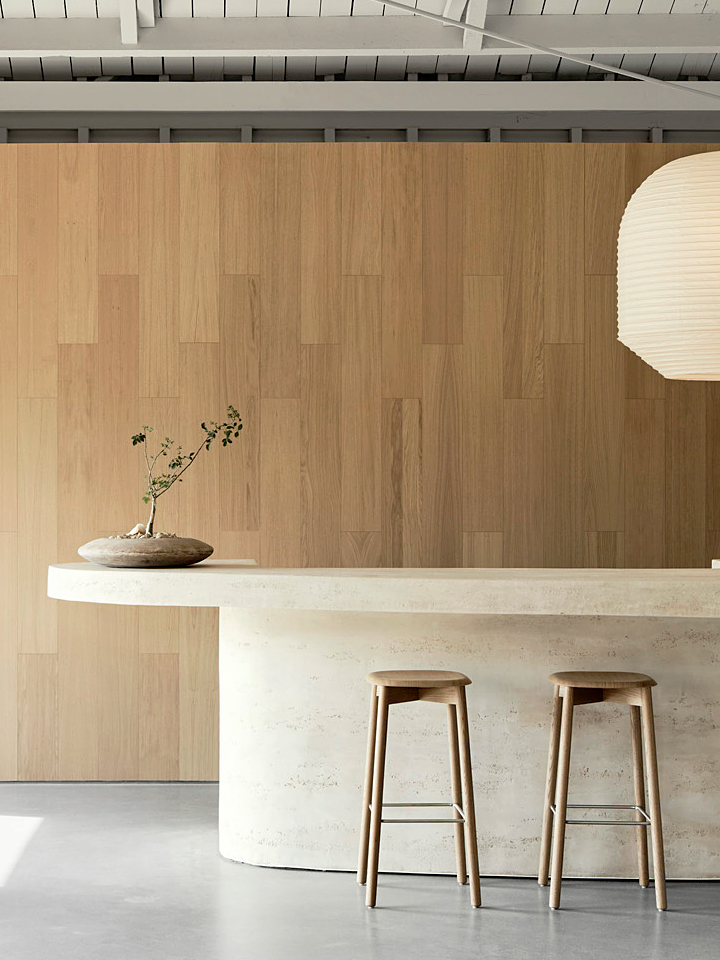
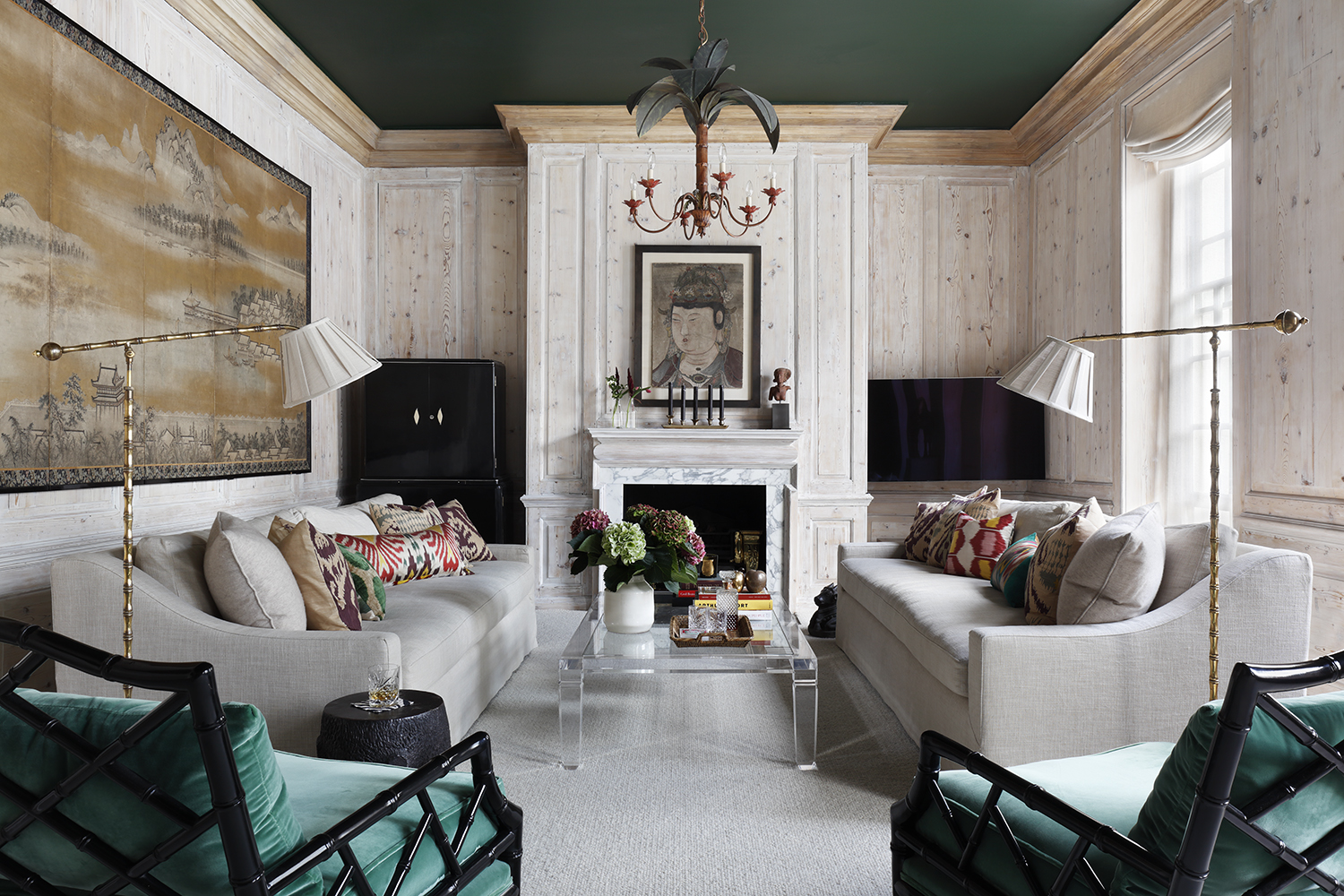
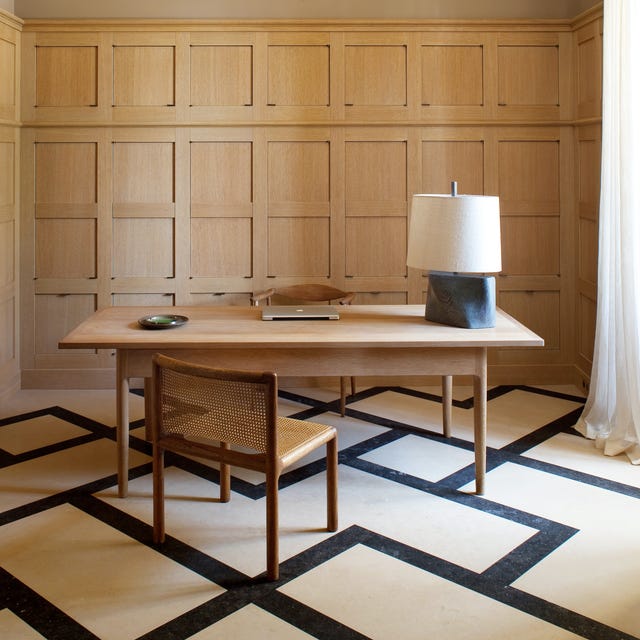
Unfinished raw timber finishes also offer a refreshing take on wood paneling. In one Netherlands home, pale wood ceiling hardwood is matched with kitchen cupboards, creating continuity and an airy, artist-loft ambiance, rather than the heavy feel of a retro A-frame. Similarly, light-washed wood paneling provides a bright and airy backdrop, ideal for showcasing art in spaces like a seaside Connecticut home. This bleached look prevents the area from feeling closed off, a common issue with darker panels.
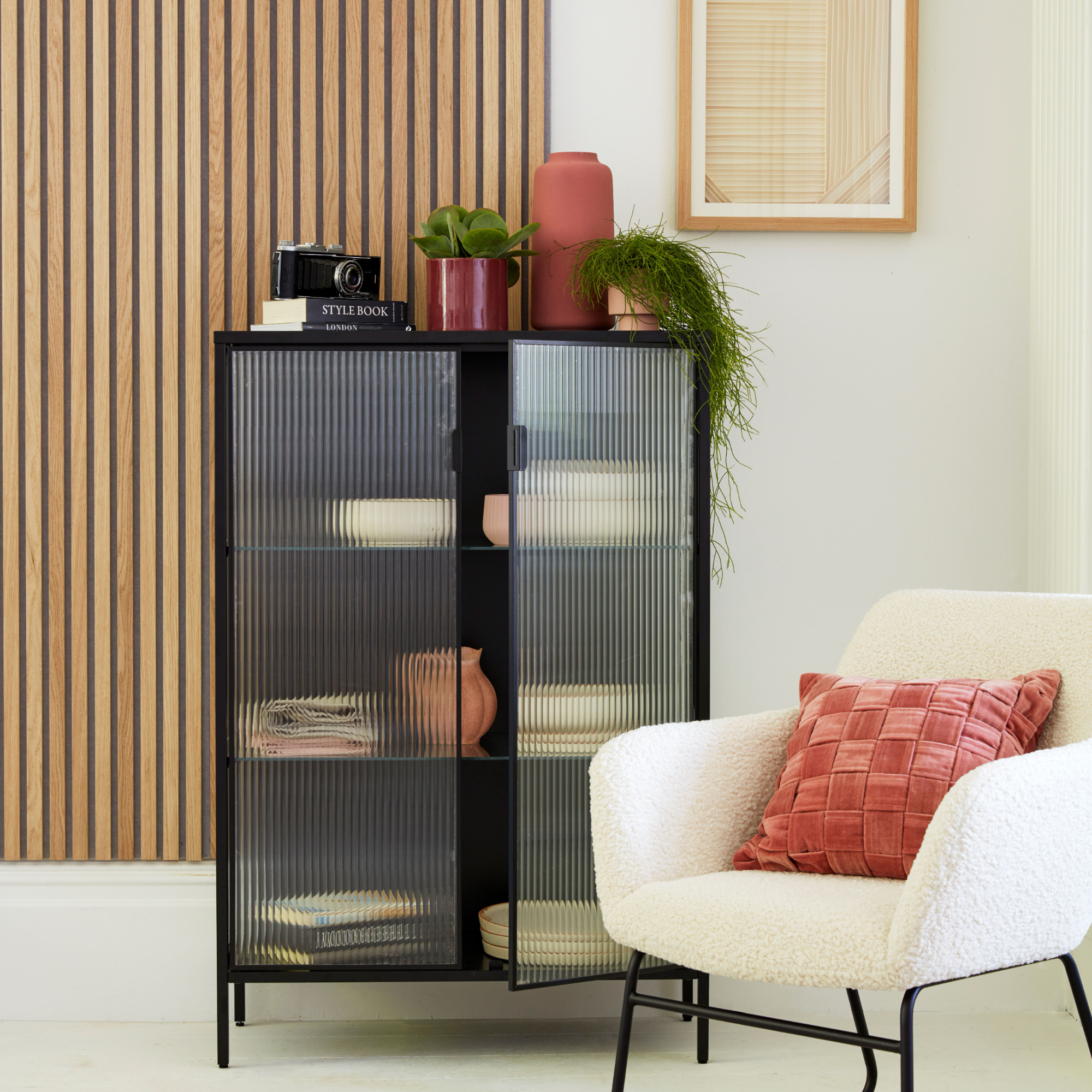
Wood paneling is not limited to walls; it can also be incorporated into furniture. A tall, narrow dresser made with wood panels effectively fills an empty corner in an NYC apartment, demonstrating how the style can be applied in smaller, less permanent ways. This approach allows individuals to experiment with the trend without committing to a full wall installation.
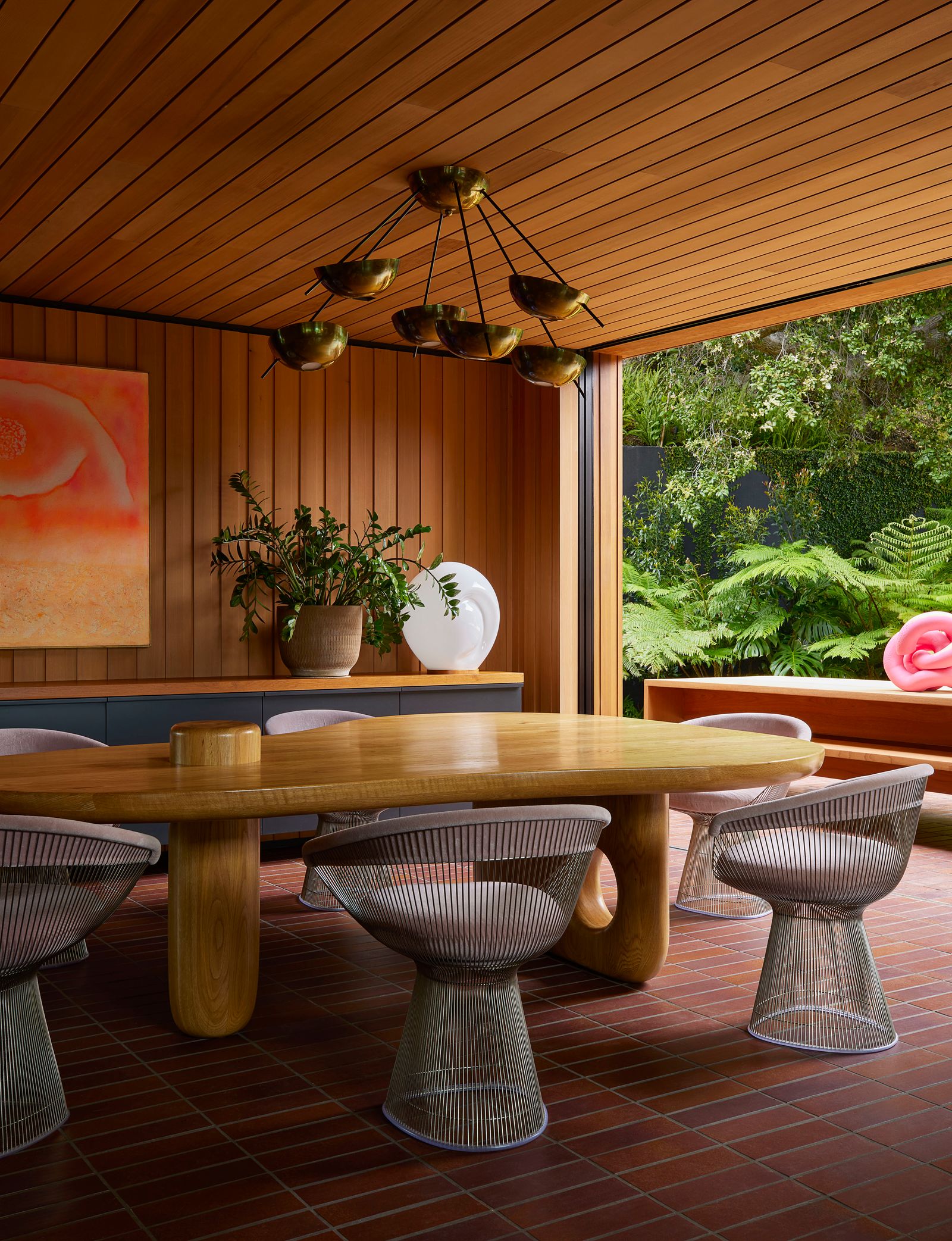
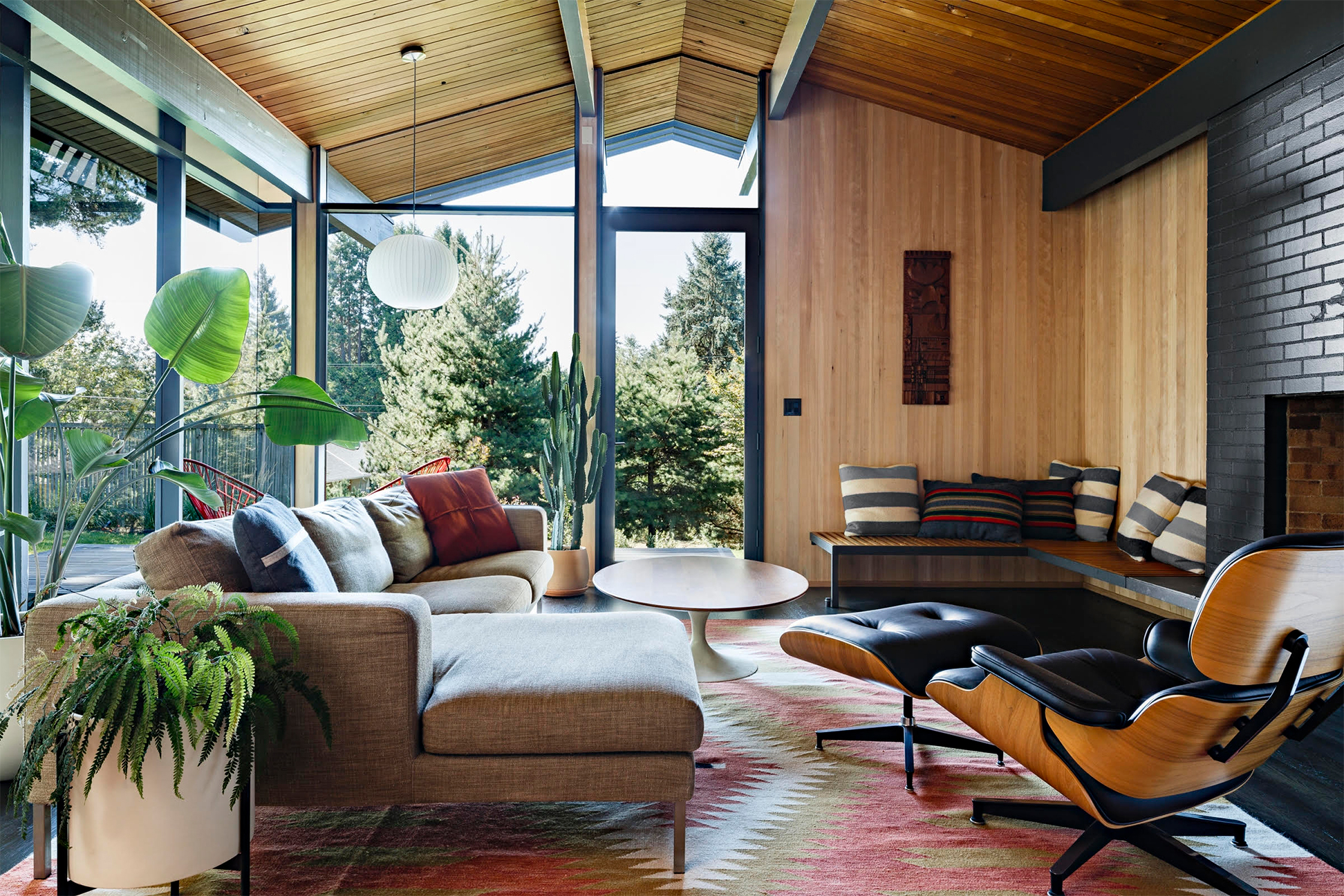
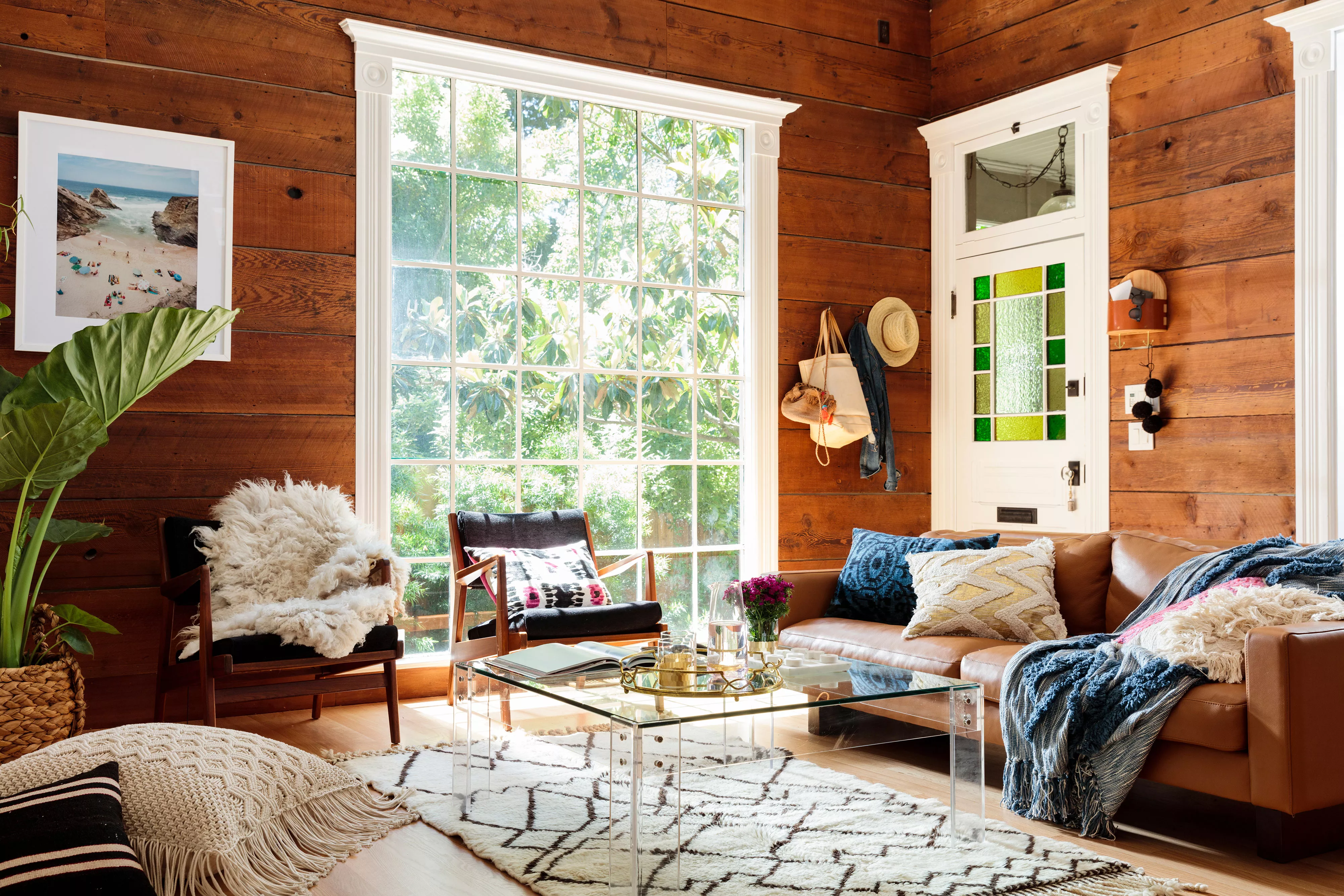
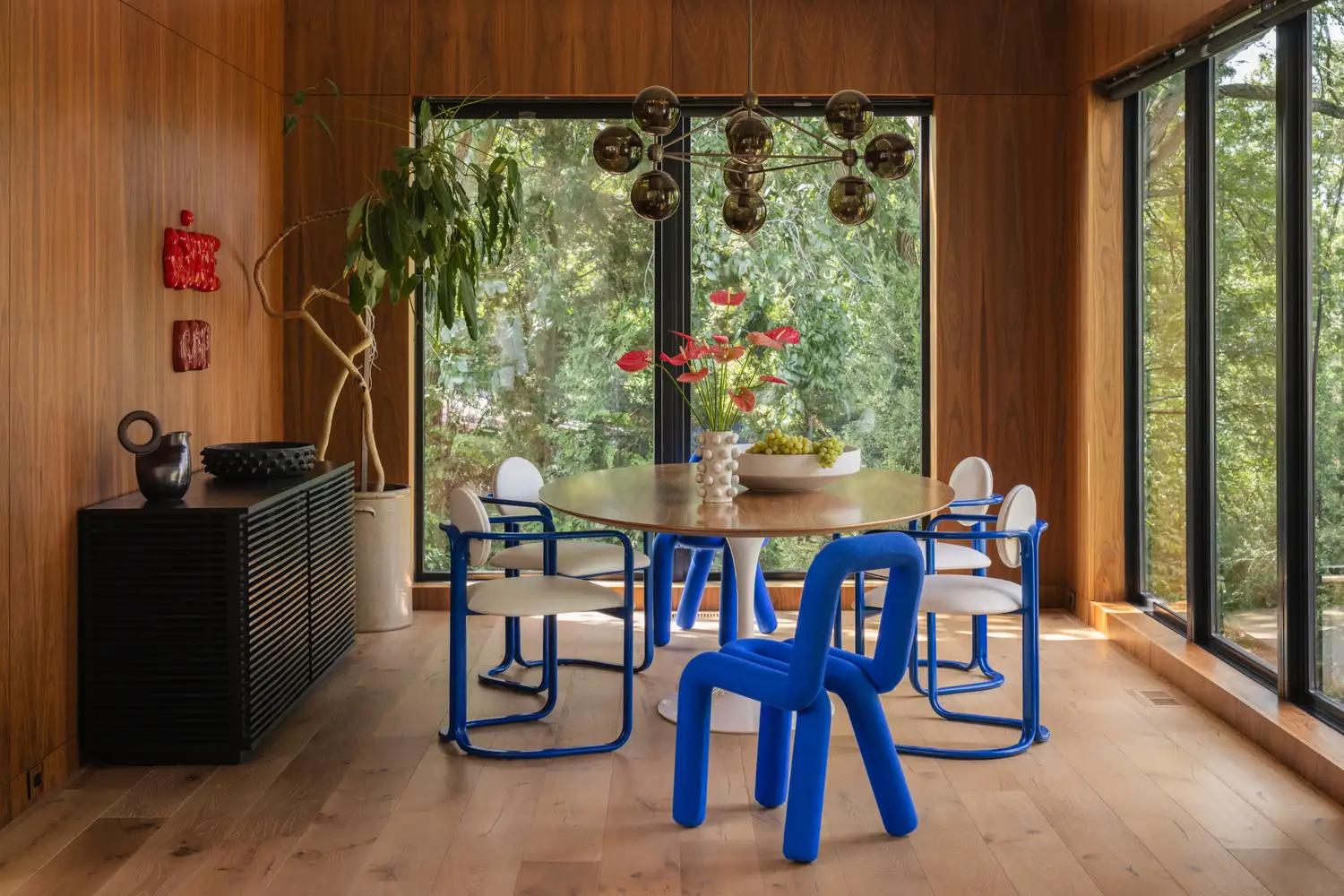
For those seeking a bolder statement, combining superwide wood boards with distinct elements like a sputnik chandelier and a cowhide rug can create a 'total trifecta' effect. The key to making such a vibrant combination work is minimizing clutter, allowing each bold piece to contribute to the focal point without overwhelming the space. Another classic mid-century modern application in a Portland home features wood detail on both walls and ceiling, complemented by a dark brick fireplace. Striped pillows and a patterned rug add a cozy finish to this style.
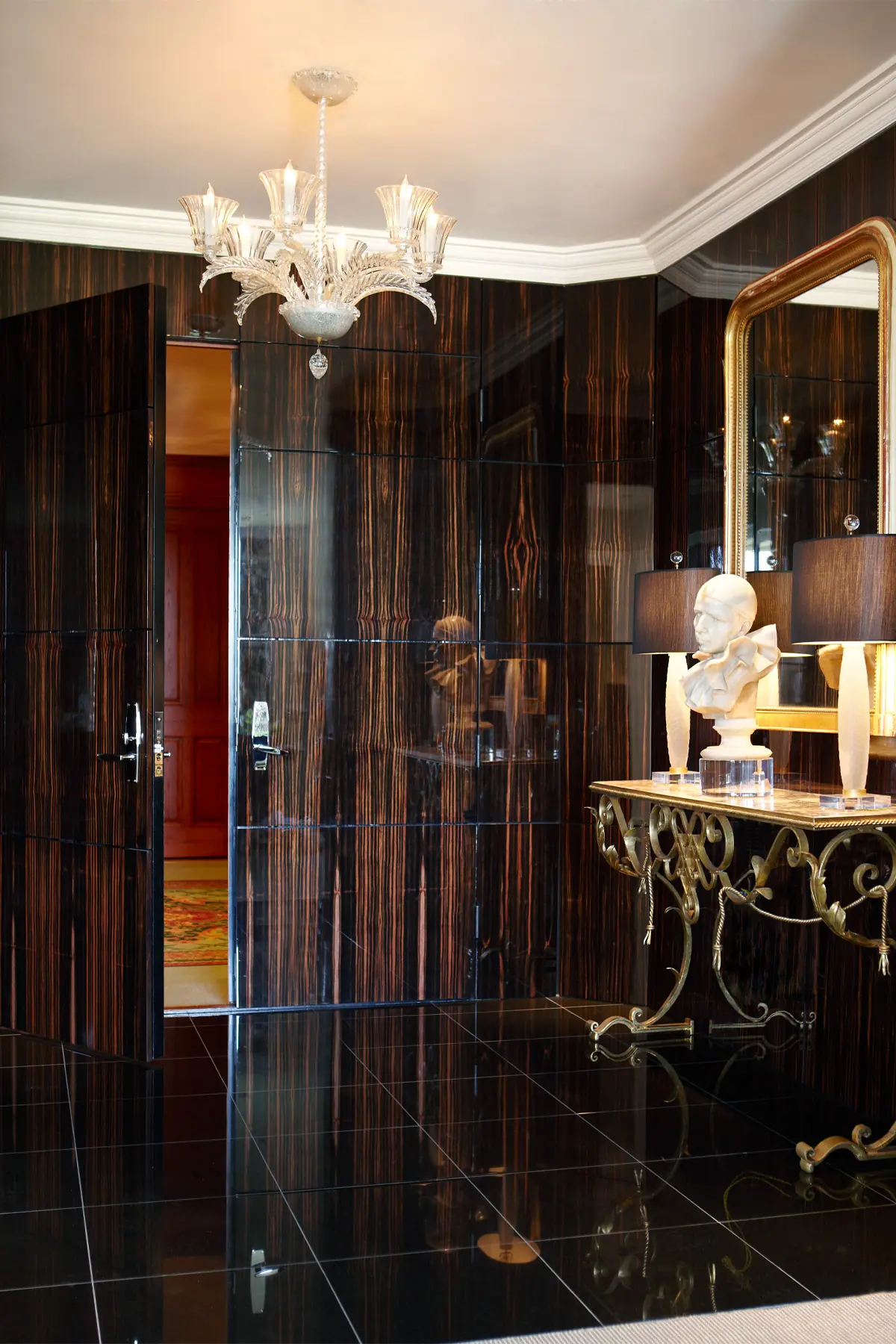
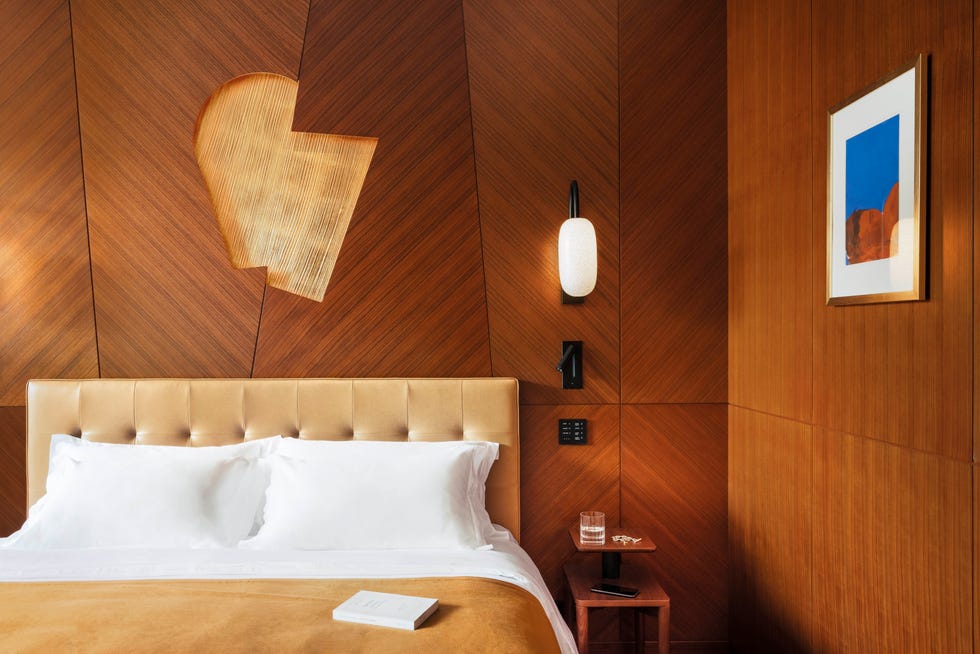
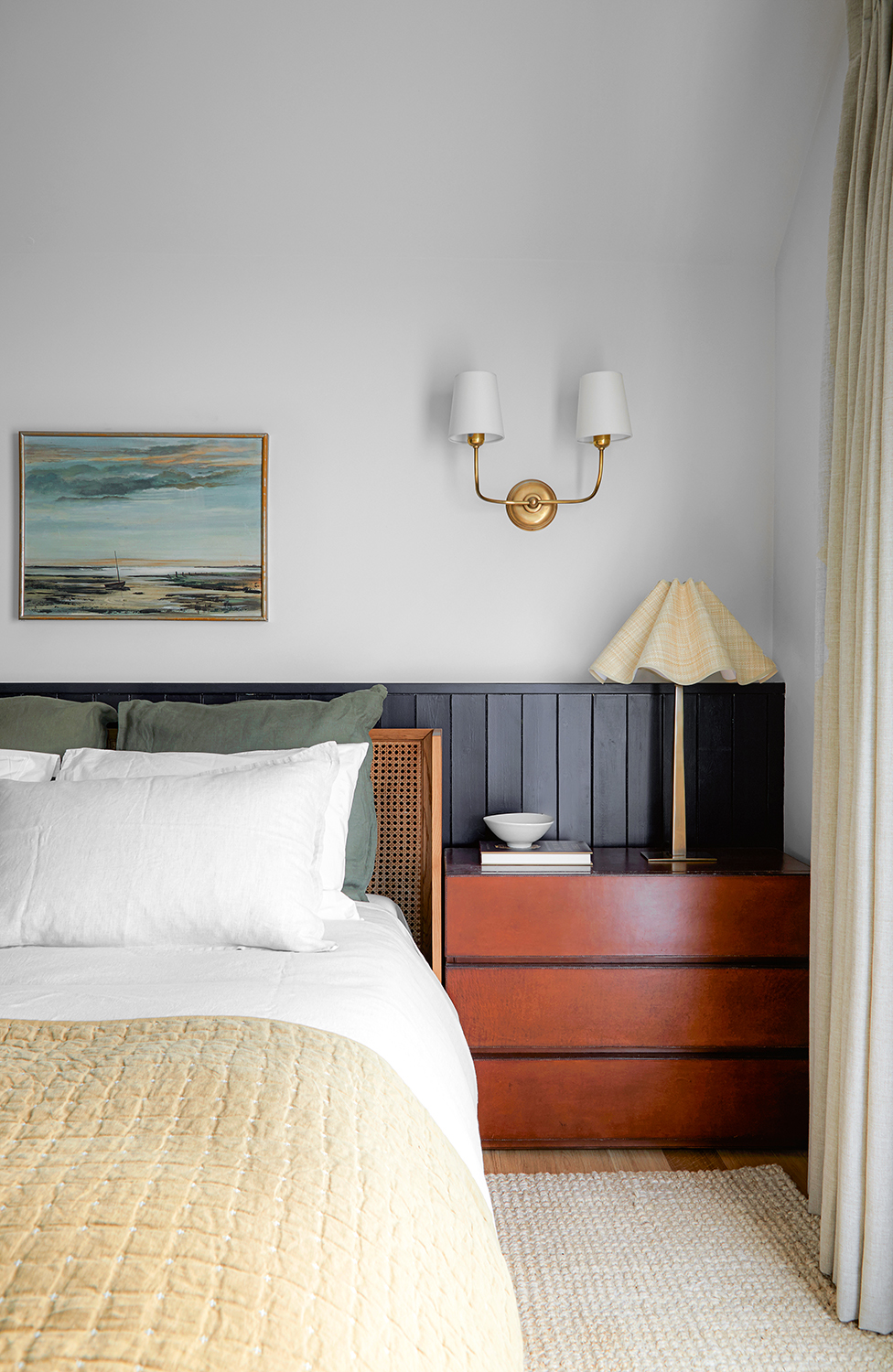
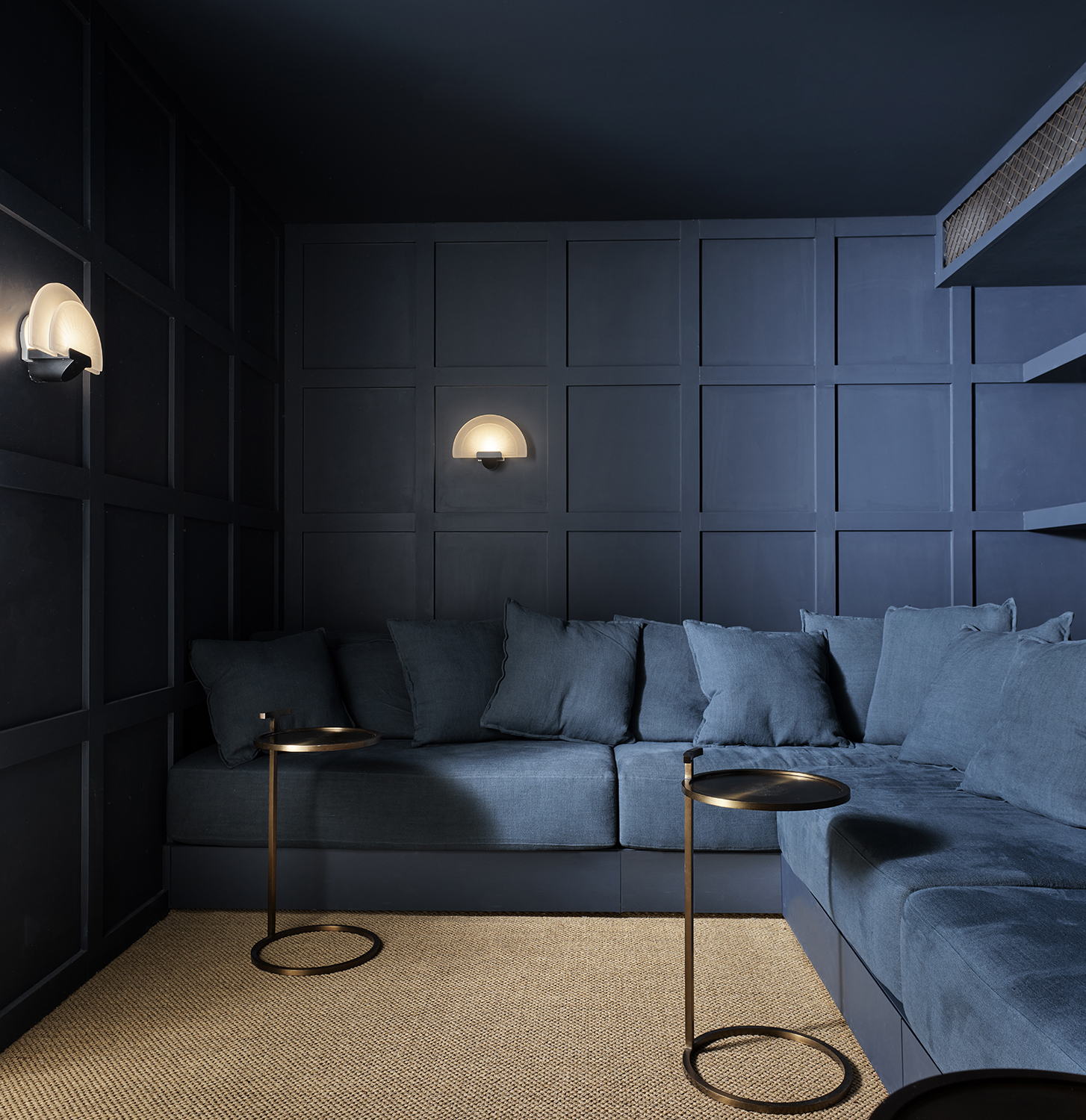

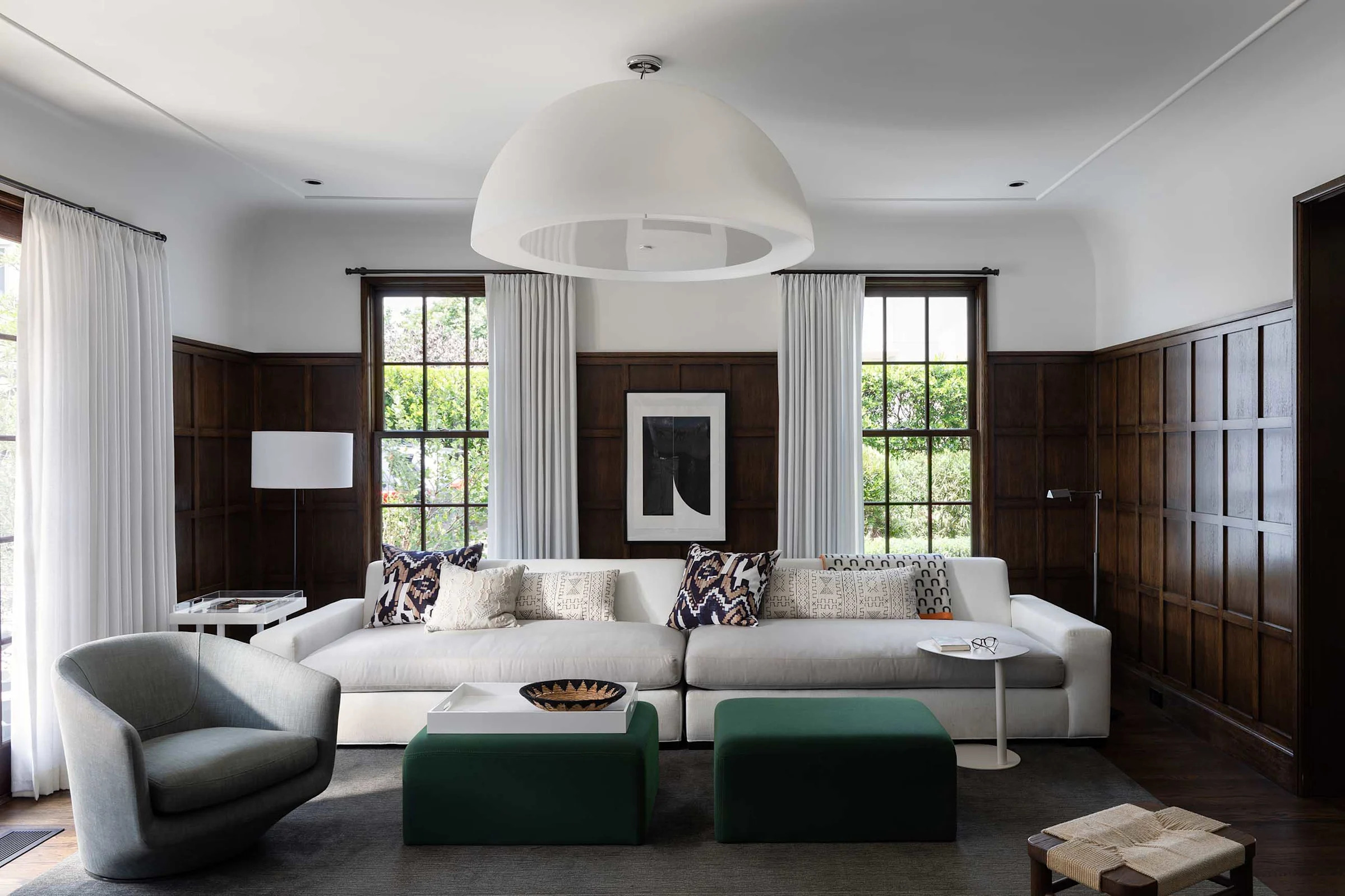
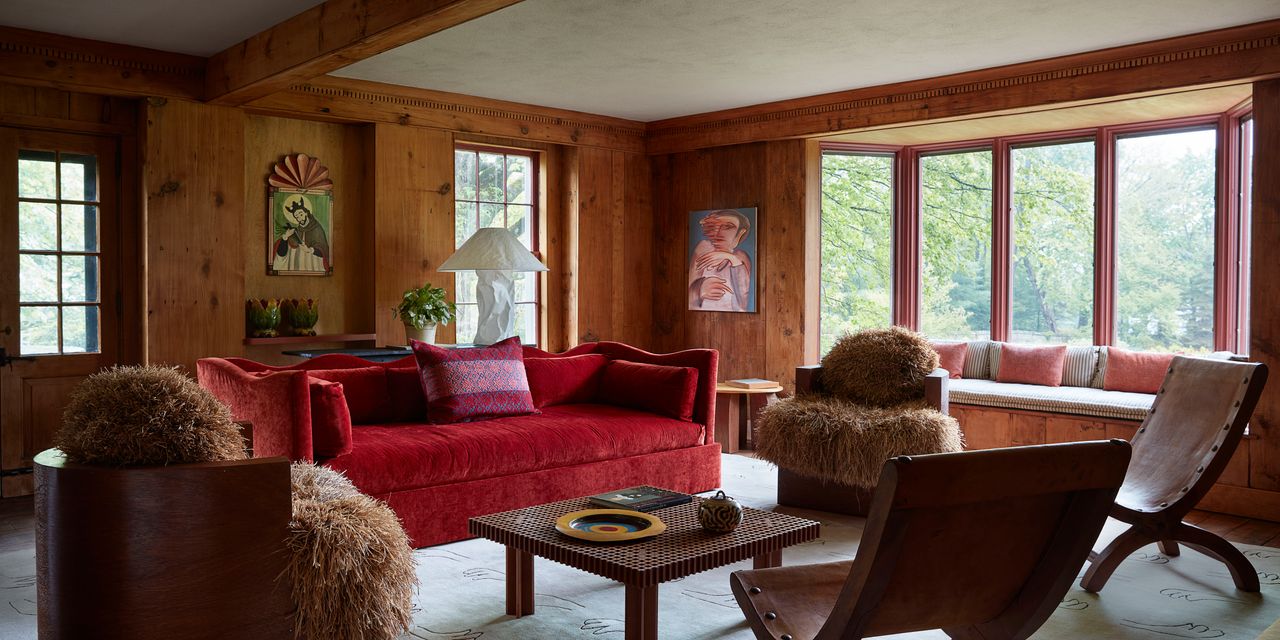
Matte black wood panels introduce a dramatic and moody aesthetic. In a bedroom, black square panels, iron detailing, and an antique brass lamp create a bold and sophisticated space. The interplay of mixed materials and natural light prevents the room from feeling too dark or cave-like. Finally, dark wood walls can serve as a beautiful and unconventional backdrop for art and collectibles. While this maximalist look may not appeal to everyone, it offers an ideal canvas for those who appreciate vibrant colors and an eclectic assortment of decorative items.
These varied examples demonstrate that wood paneling is evolving beyond its traditional, dated image, offering versatile and stylish options for modern interior design.
#WoodPaneling #InteriorDesign #HomeDecor #MidCenturyModern #DesignTrends #ModernInteriors #AccentWalls #HomeRenovation #DIYHomeDecor #WoodPaneling #InteriorDesign #HomeDecor #MidCenturyModern #DesignTrends #ModernInteriors #AccentWalls #HomeRenovation #DIYHomeDecor
0 comment in total
 No comments yet
You may also like
Wood Paneling Is Back—and Better Than Ever

Trend Alert: Wood Walls Are BACK!
Designers Have a New Clever Shortcut To Make Rooms Look More Rich — 5 Spaces That Nail the Look


Erin And Ben Napier Clash Over One Design Trend (& Ben Predicts Its Comeback)
'Potential buyers may see it as a DIY job gone wrong' – this popular interior trend may be devaluing your home
Remember the wood-panelled walls from the 1970s? They're back, with a modern twist
If You Love a Warm, Earthy Space, You Have to Try Wood Drenching

Is colorful woodwork a fresh new take on the classic feature wall?

The Wood Paneling Trick That Makes Any Space Feel Instantly Homey

This Once-Dated Wall Paneling is Now Making Homes Look so Elegant and Sophisticated

Hardwood Isn’t Just for Your Floors Anymore
Wood accent wall ideas - 9 ways to add a luxe yet rustic touch to a modern home
Wood Paneling Is Officially Cool Again—Here's How Designers Are Using It Now

Wood as a Home Design Trend: Through the Archives to Today
Timber

5 rules of thumb for mixing wood tones around your home, shared by interior designers

Eight homes where plywood panelling creates warm interiors
Wood panelling: an essential guide to the big decorating trend

Allover Wood Interiors Are Having a Moment

Five fresh interior design trends using wood