1/3
Shea McGee just shared 4 easy tips for styling open shelving – and explains why the key is to be 'always evolving'
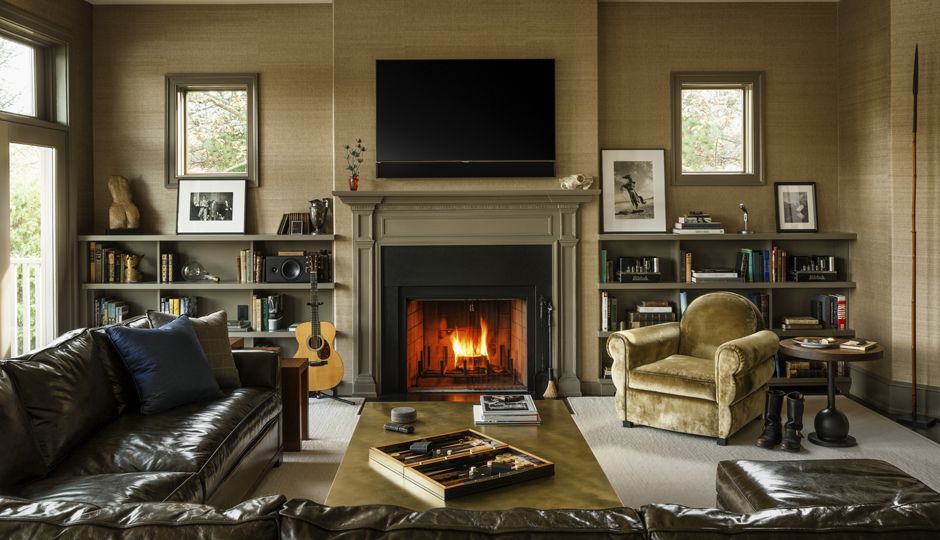
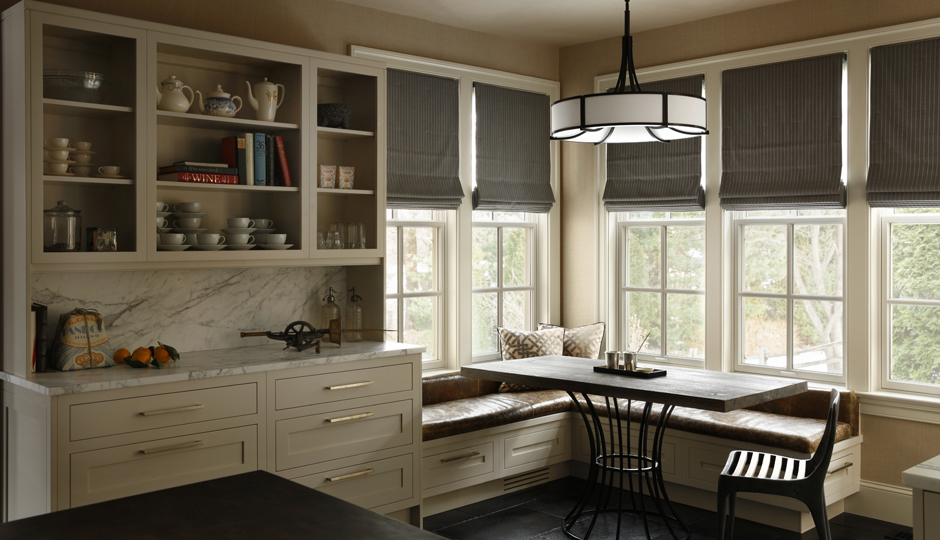
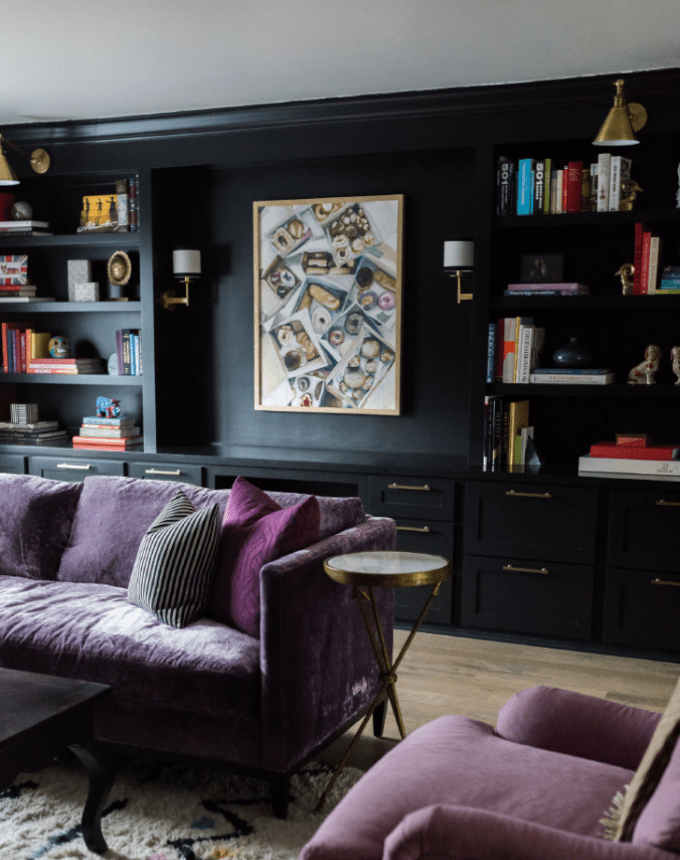
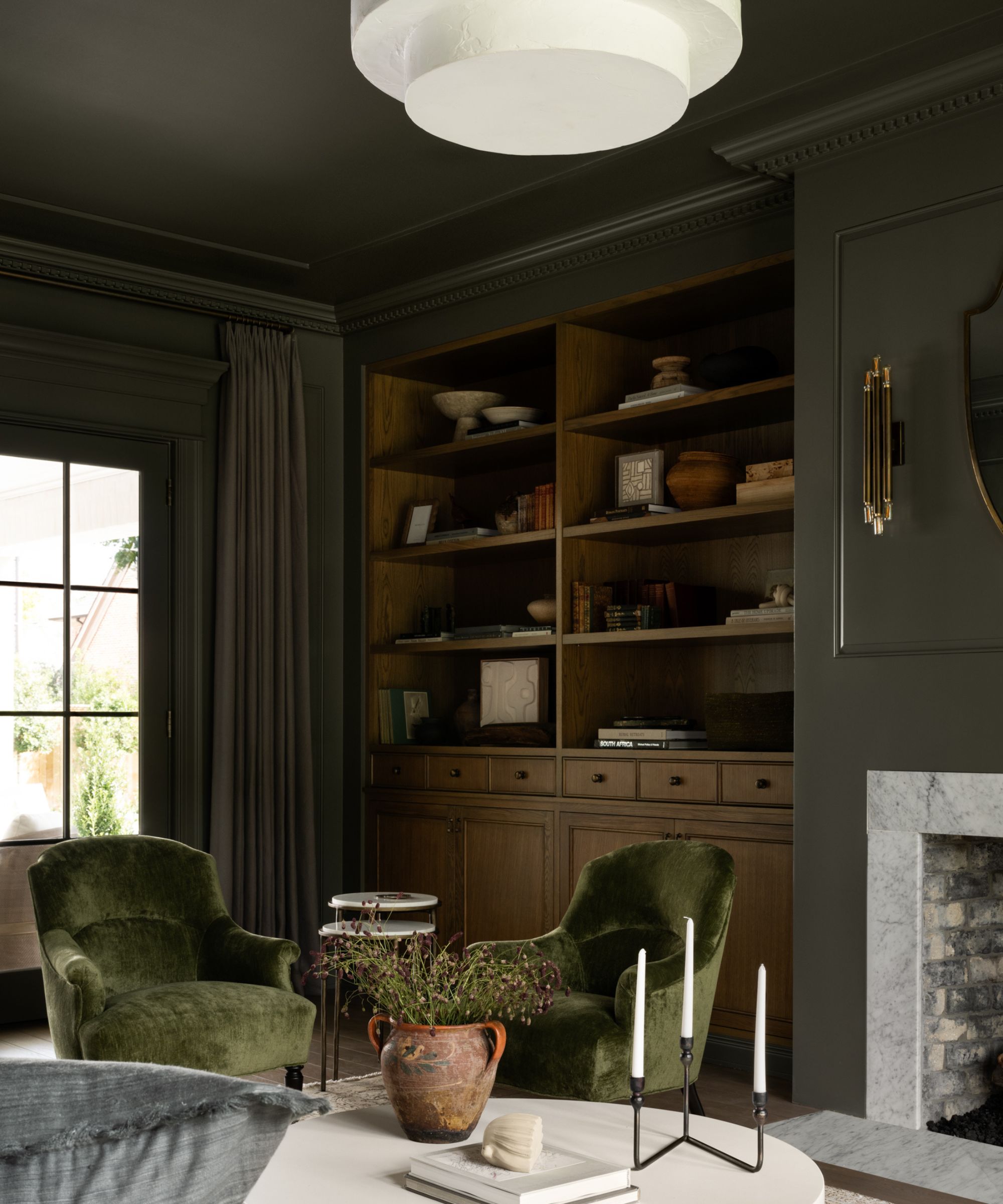
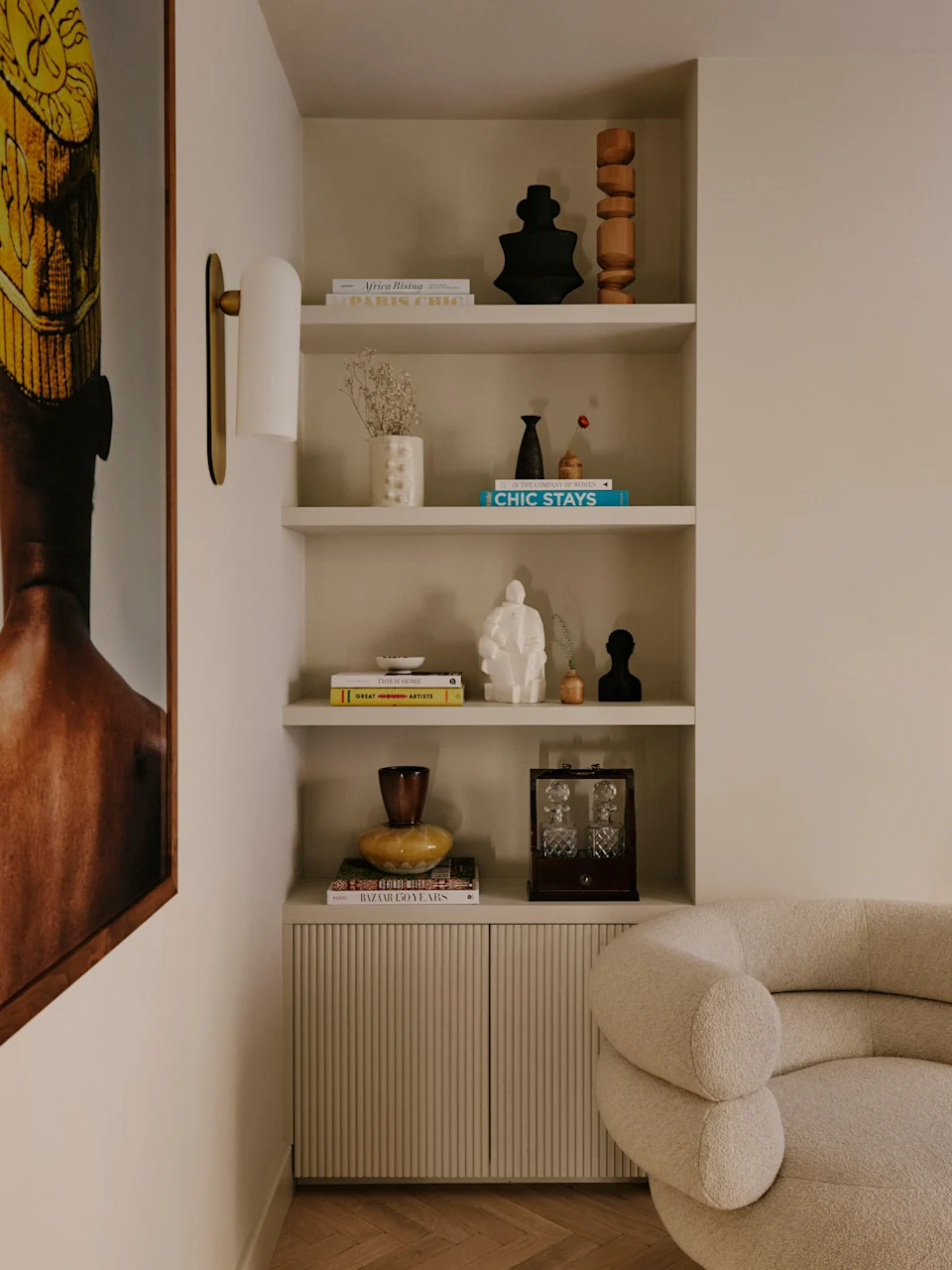
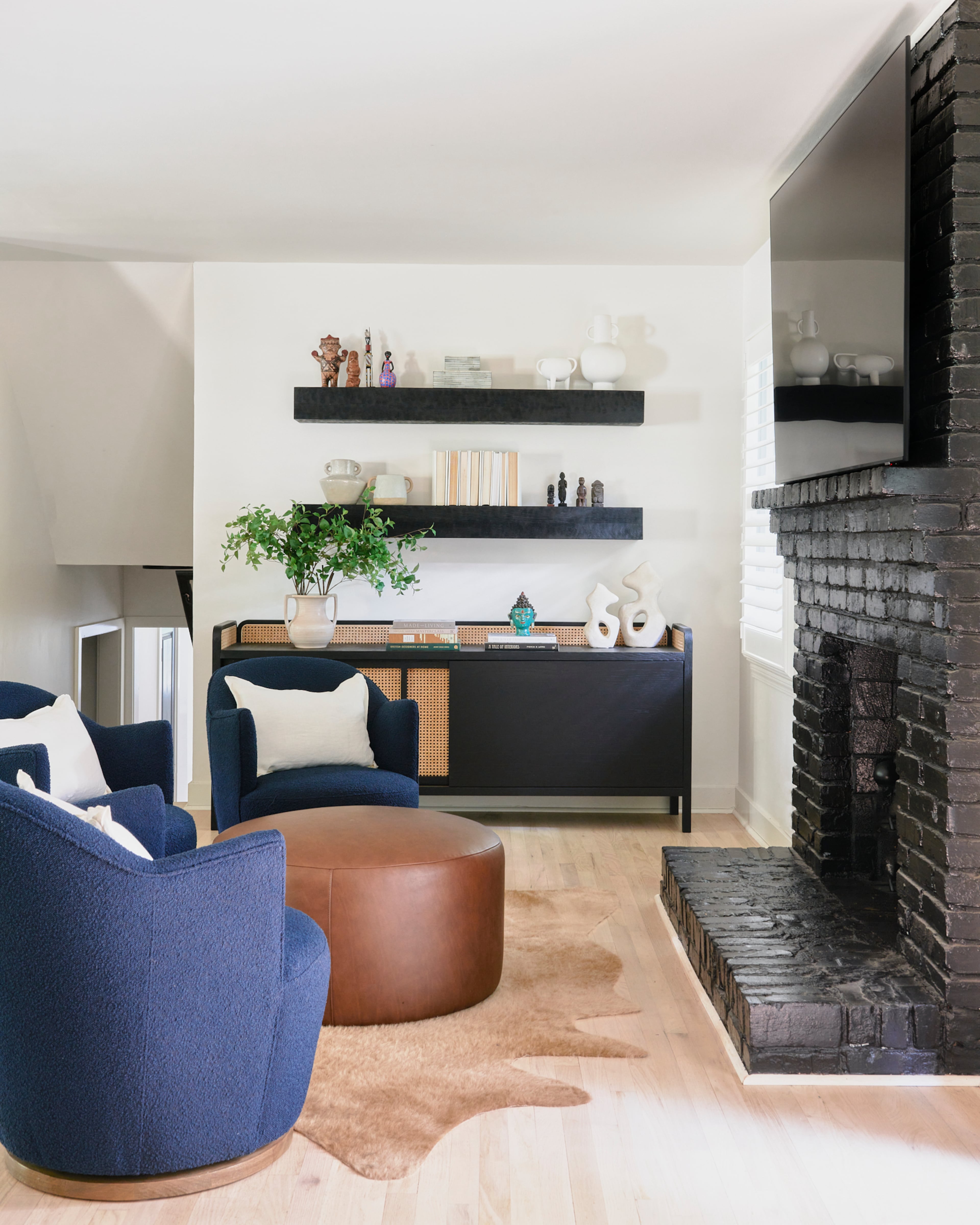
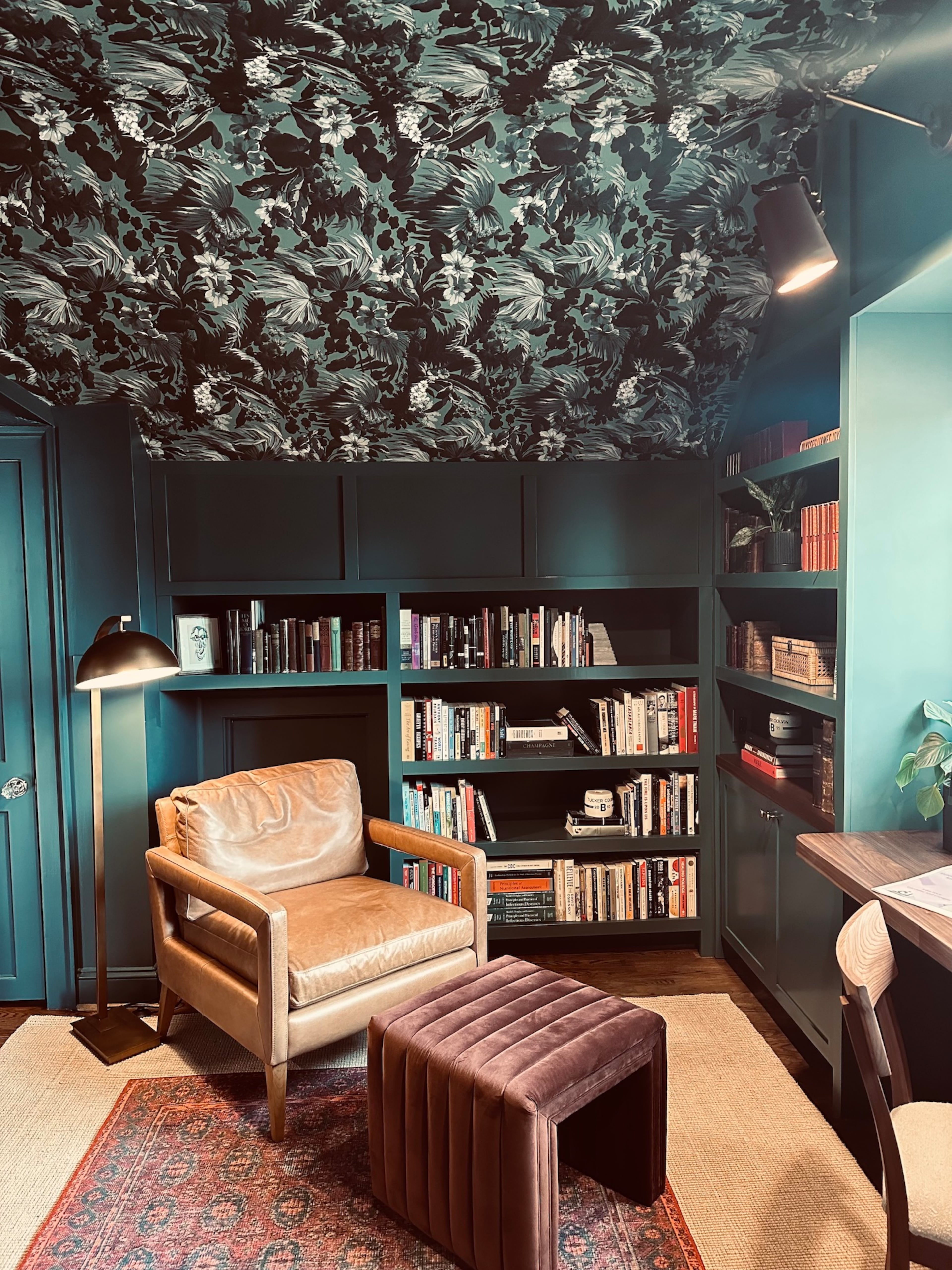
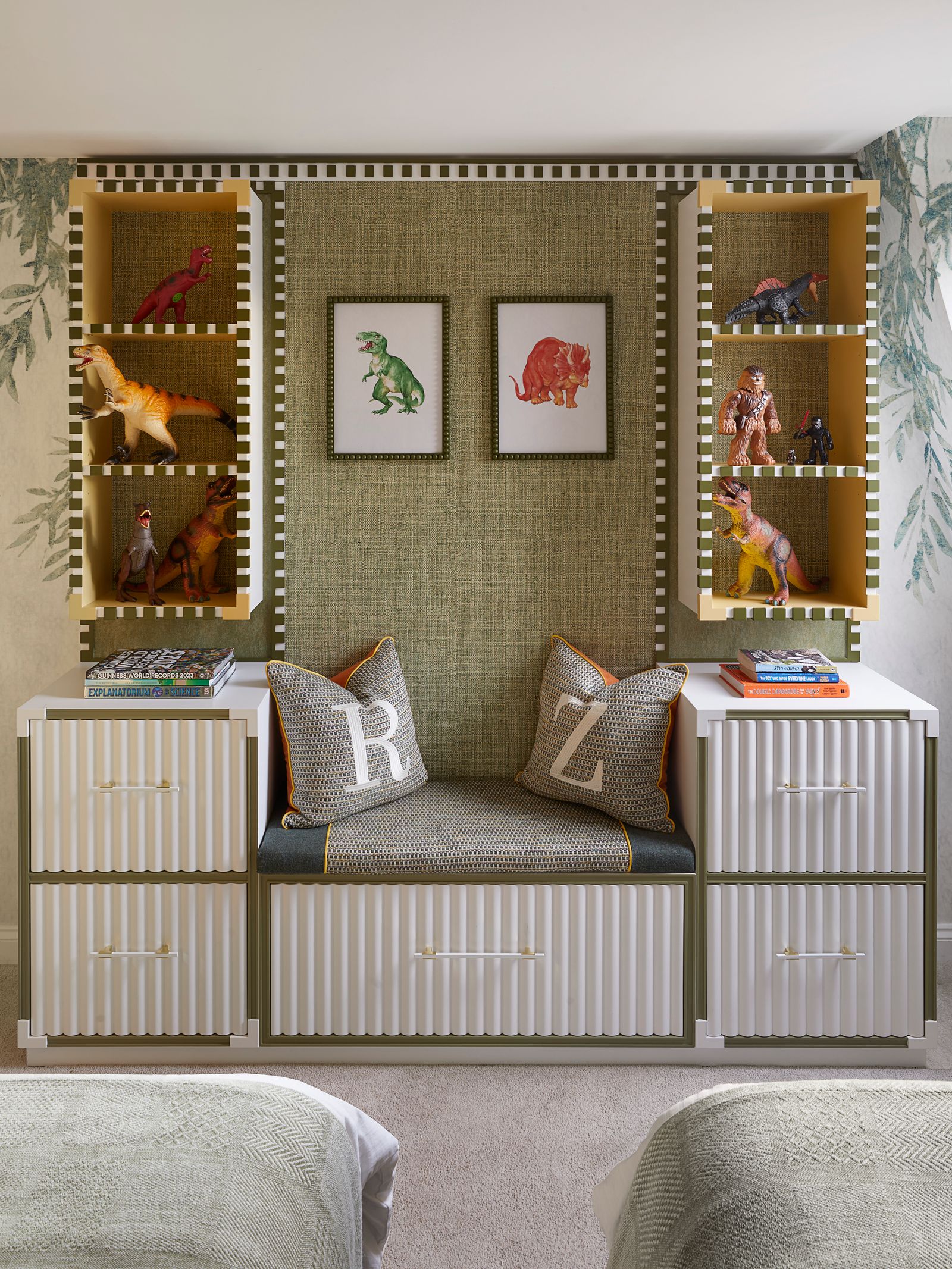
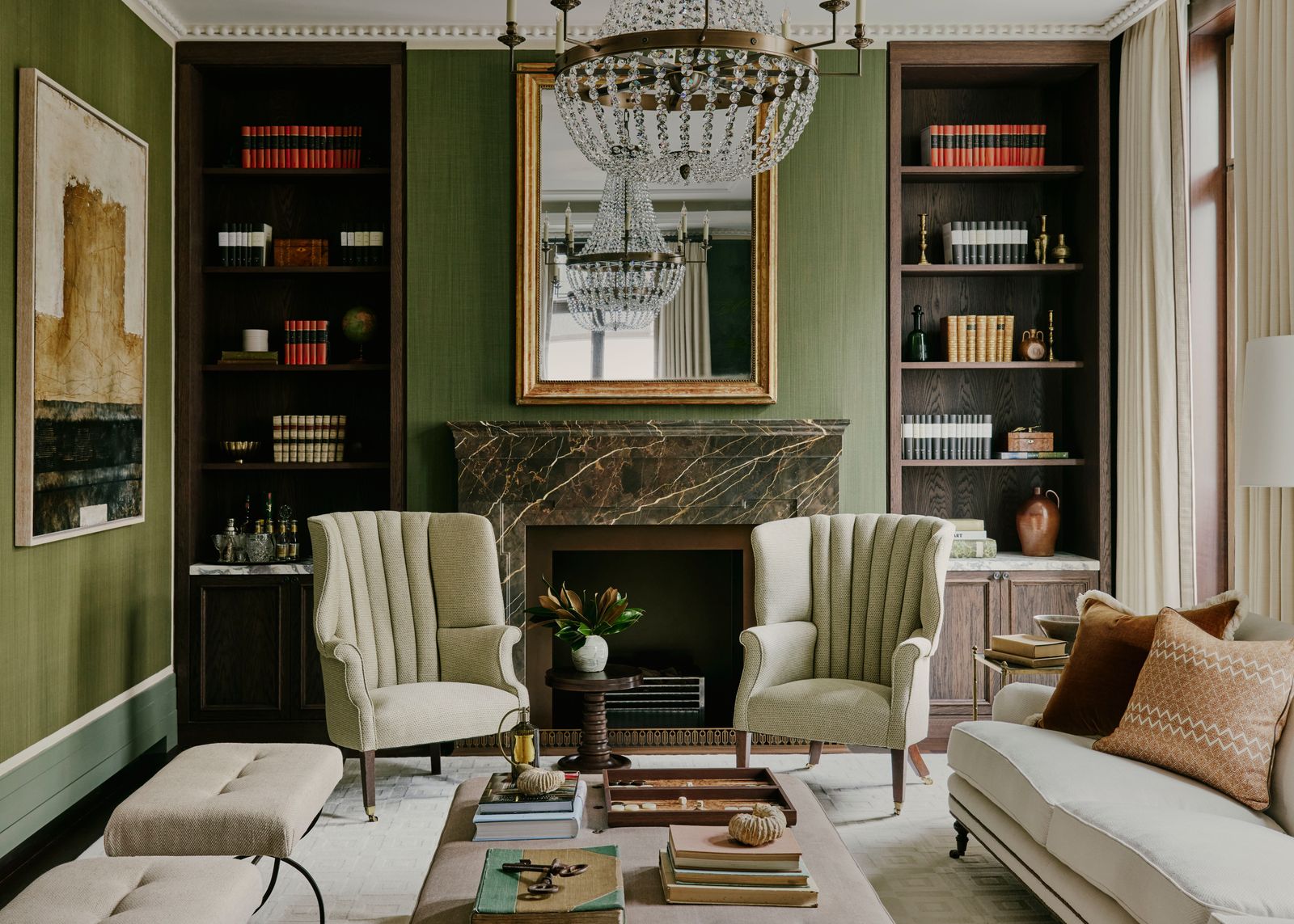
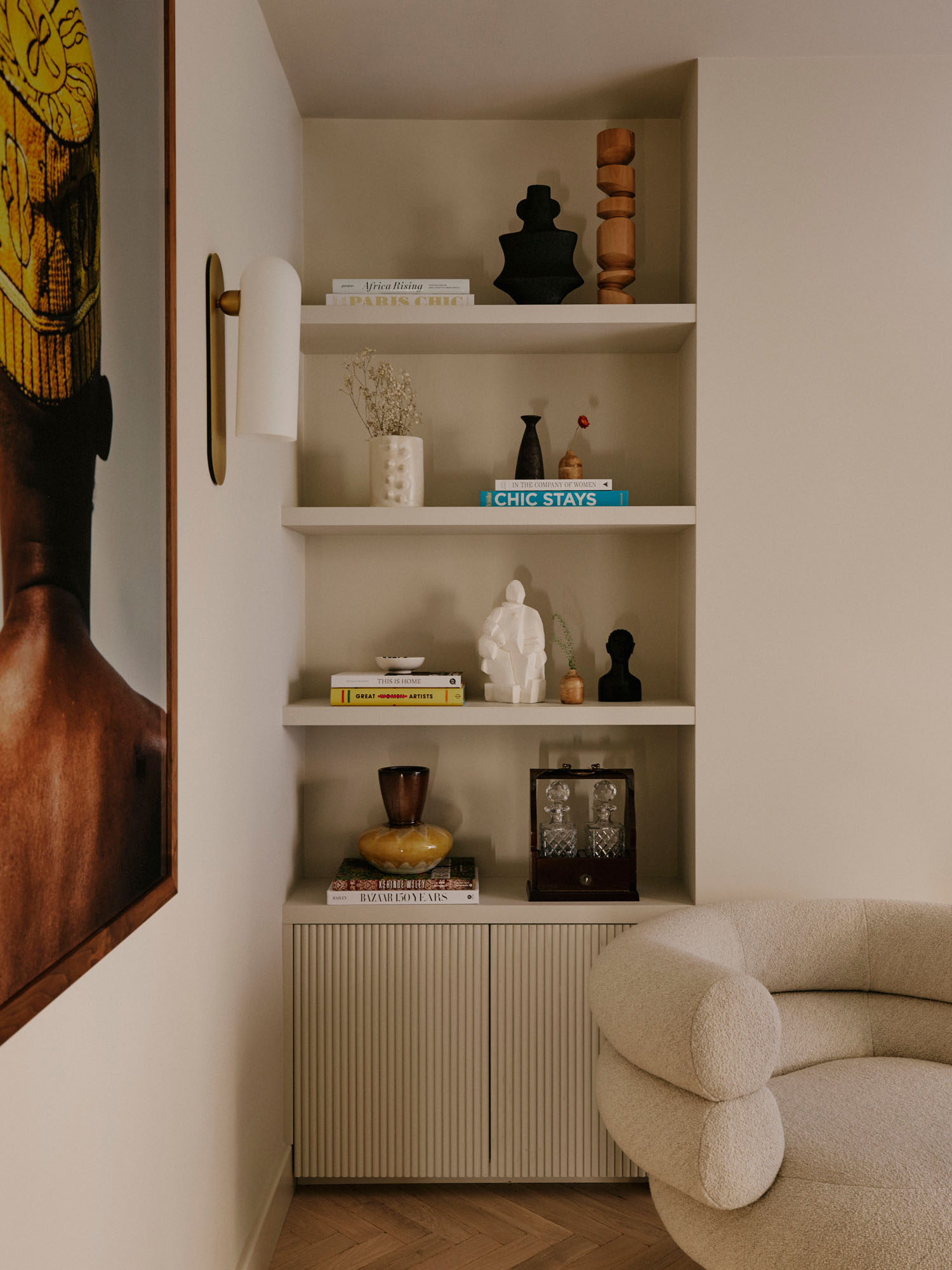
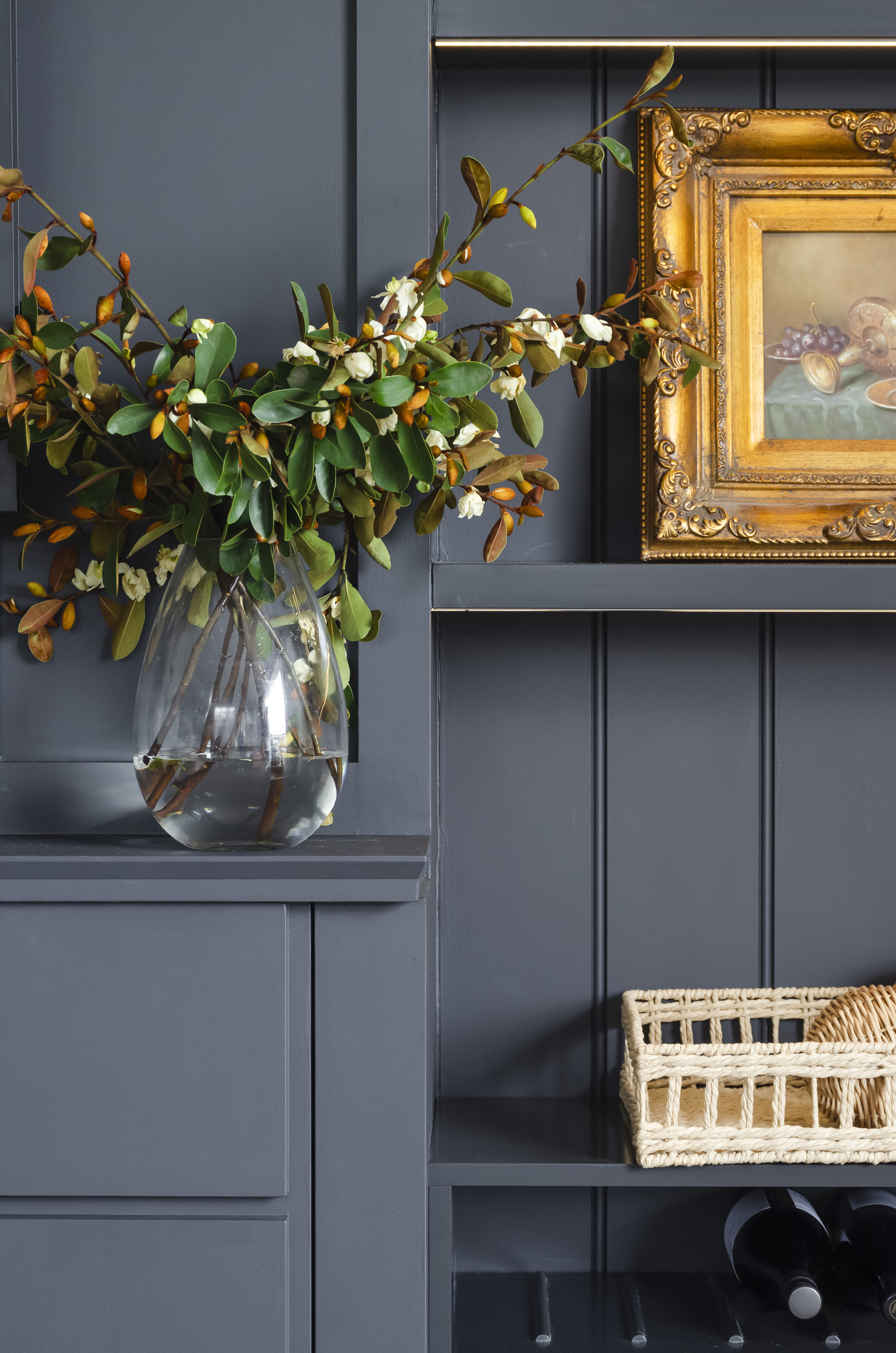
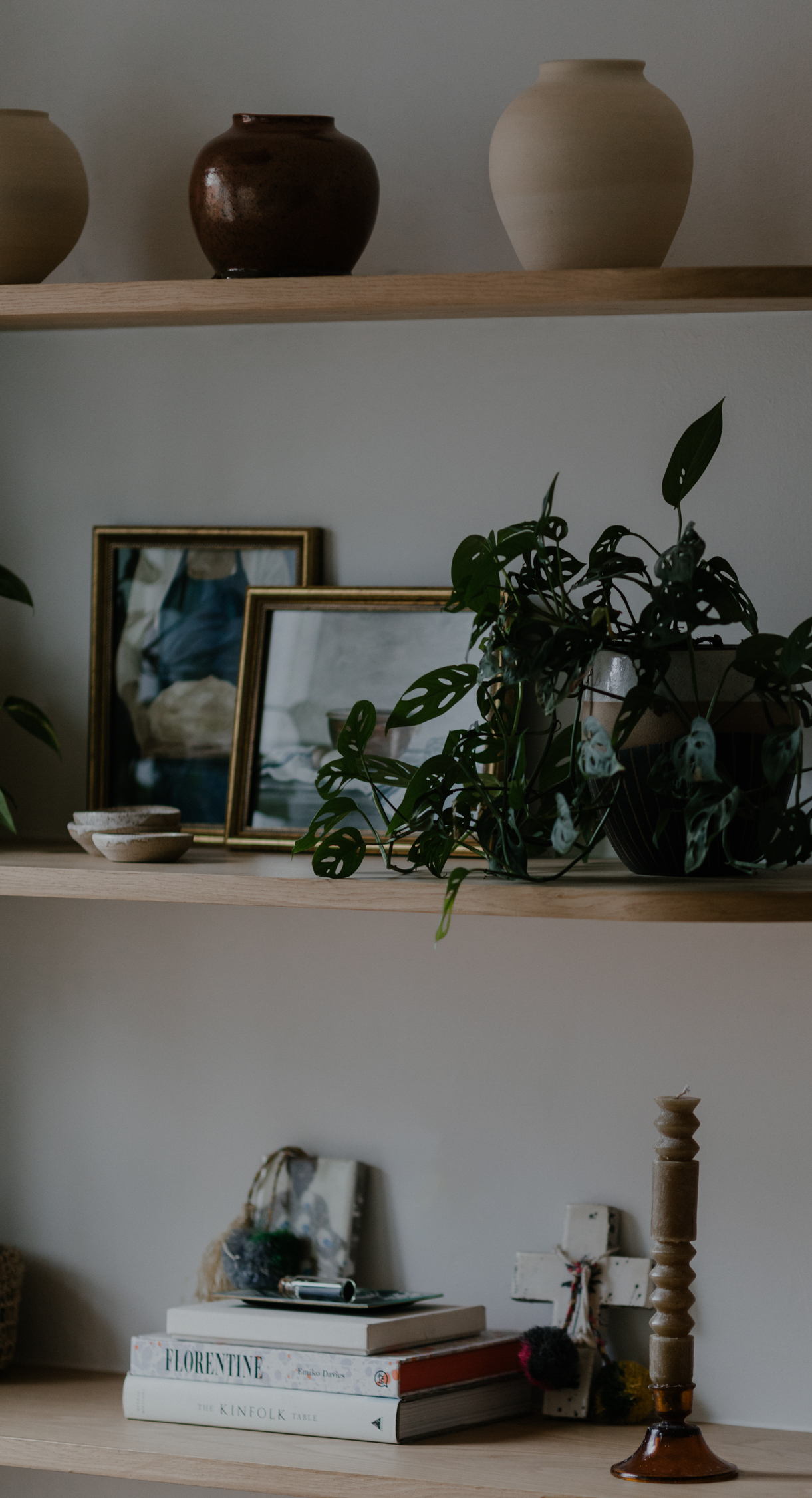
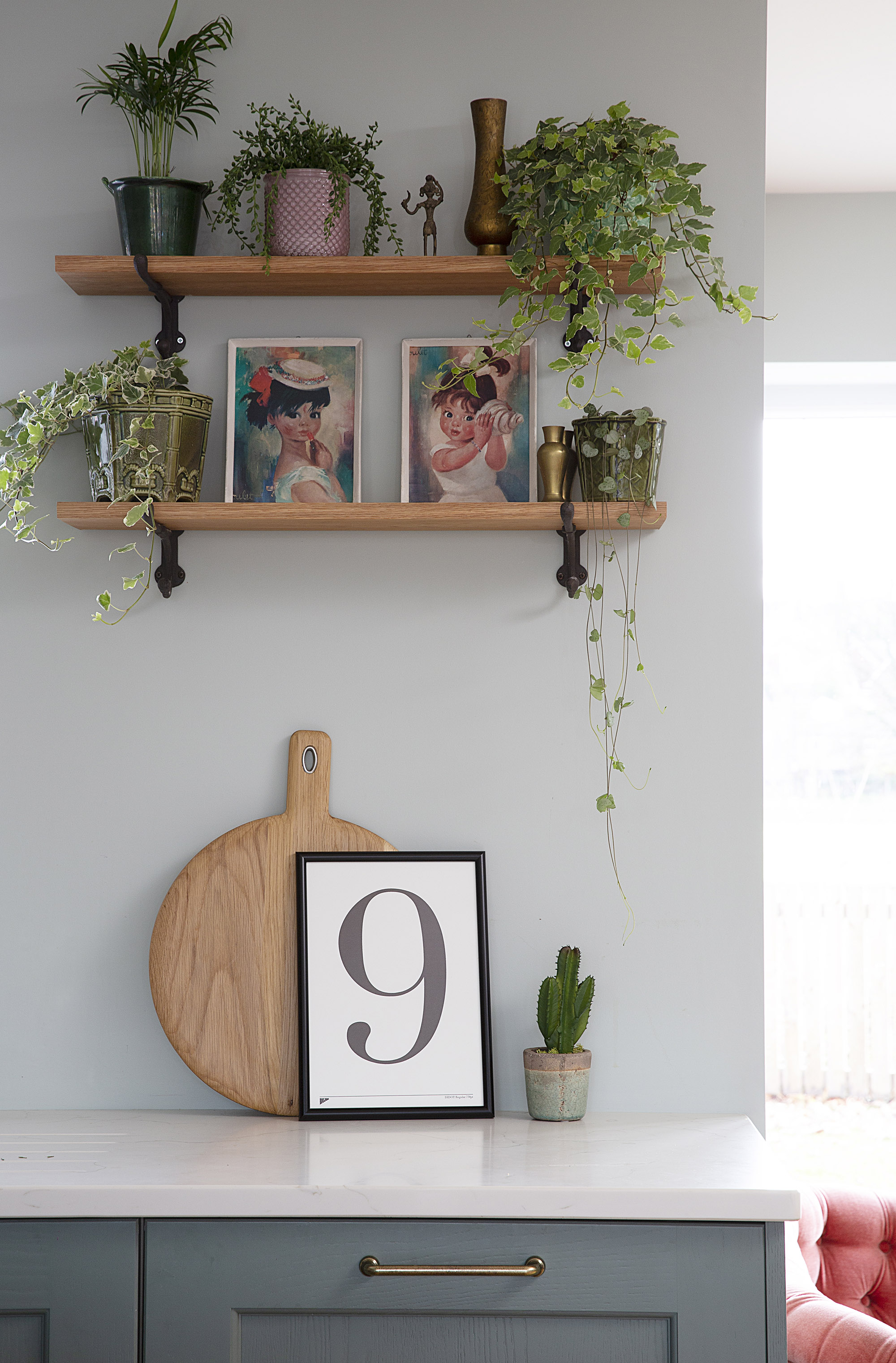
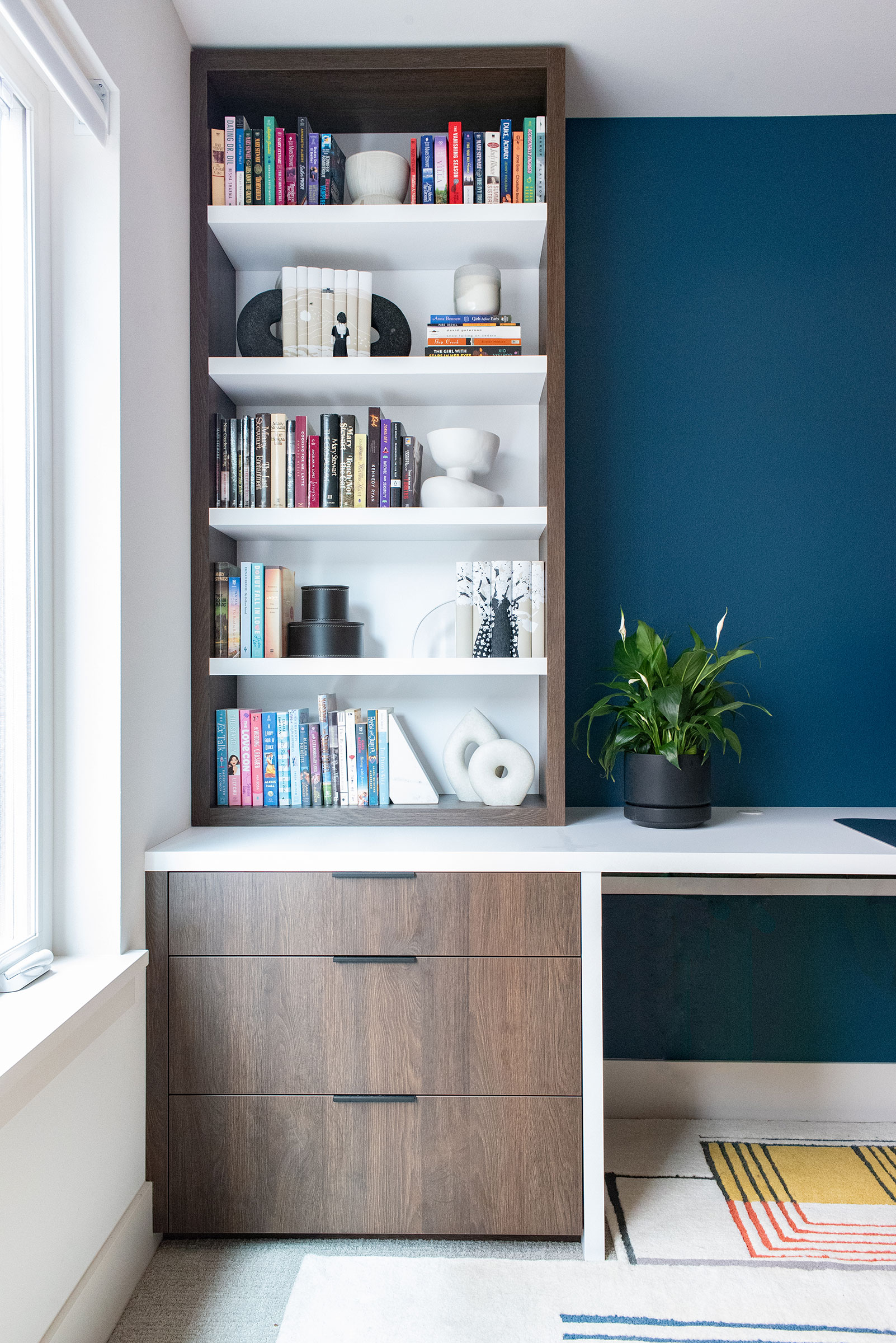
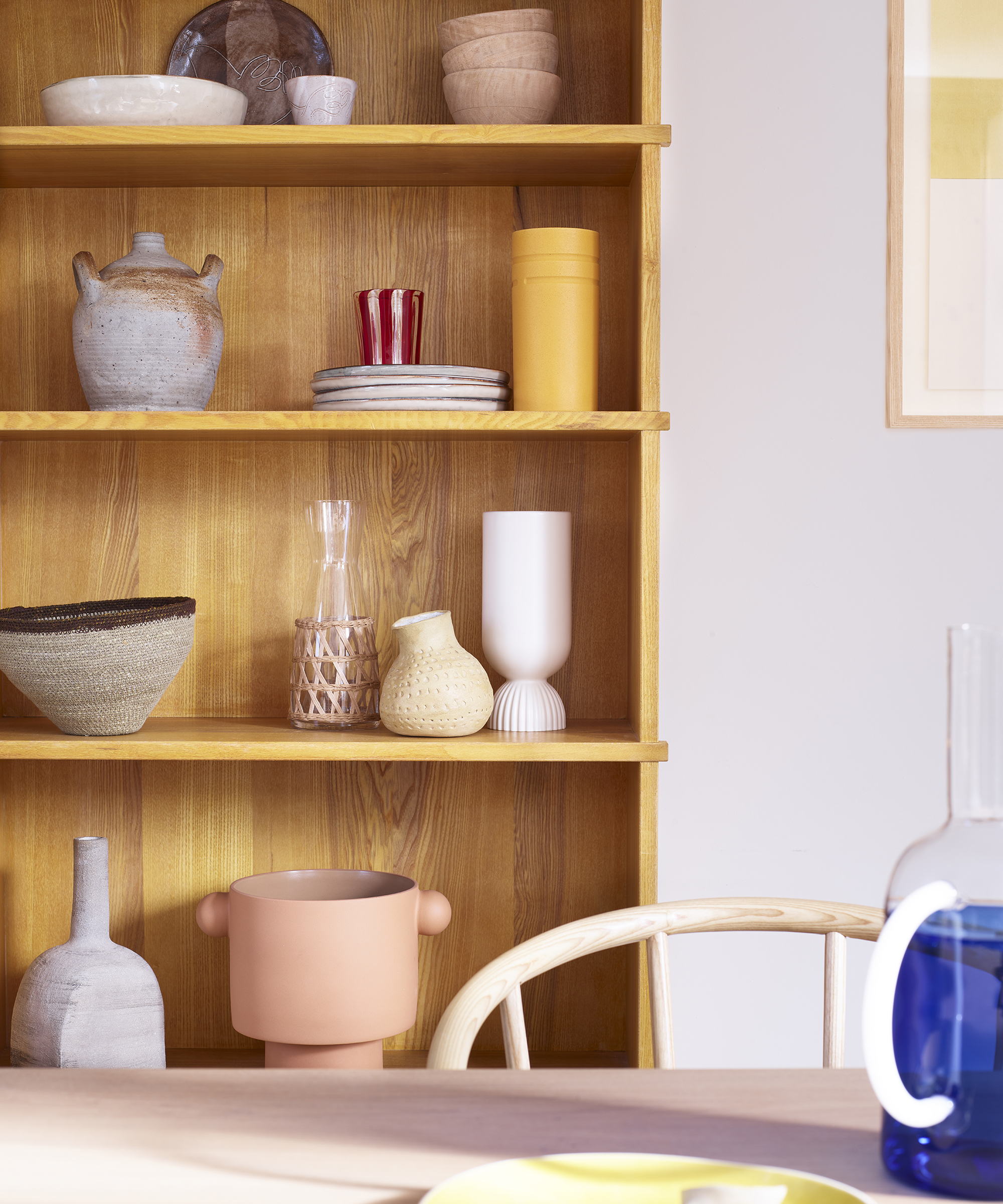
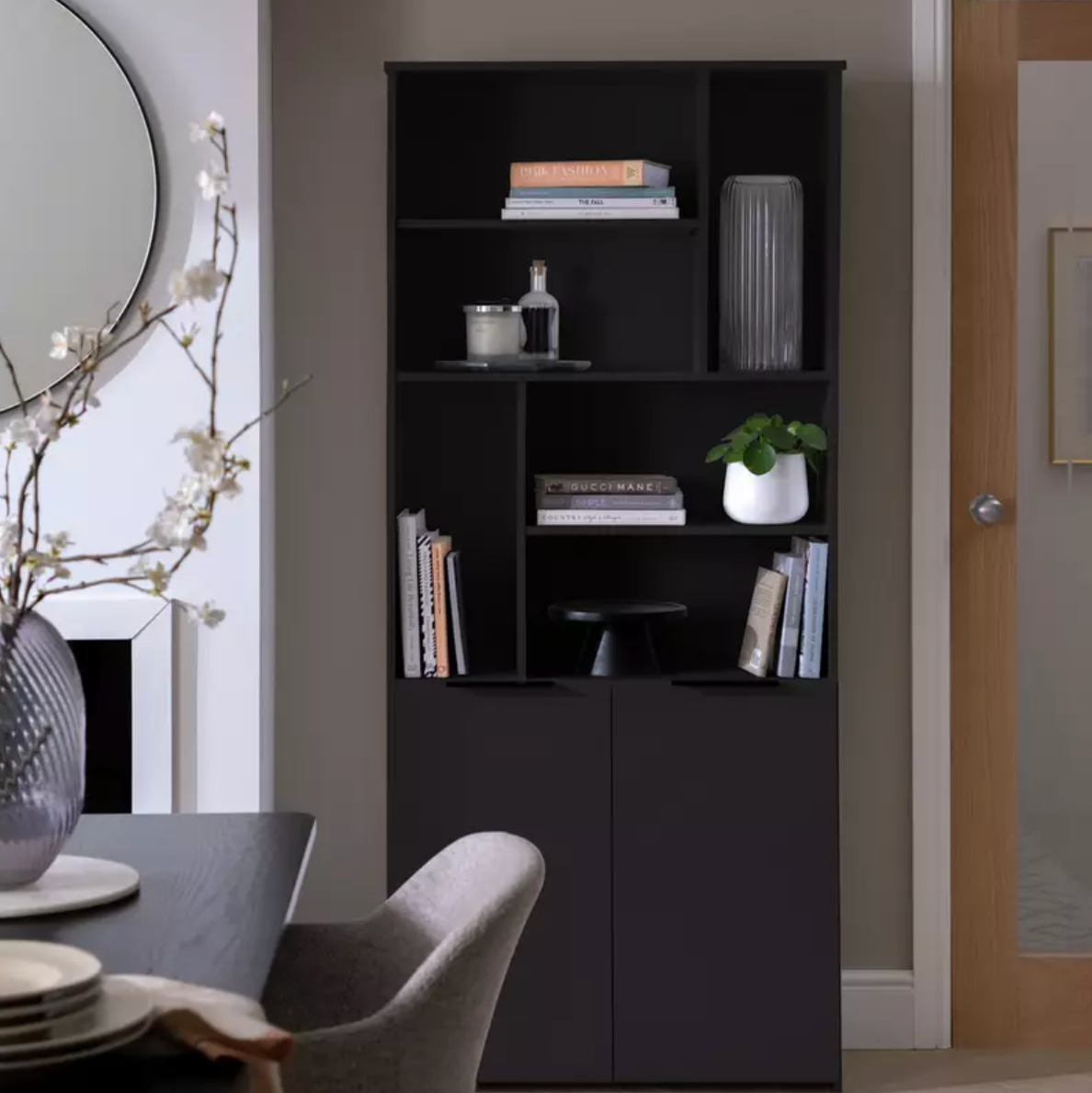
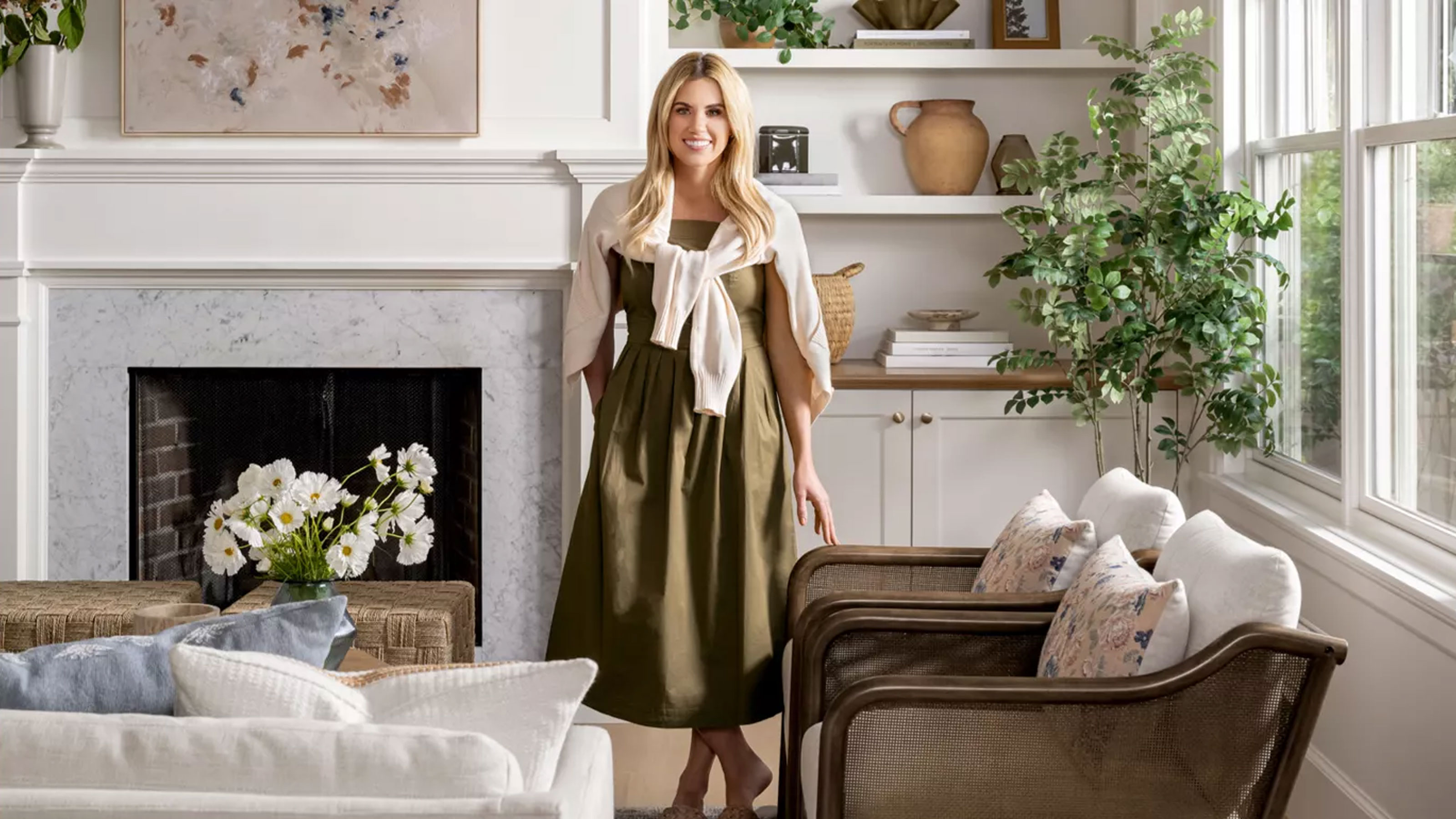
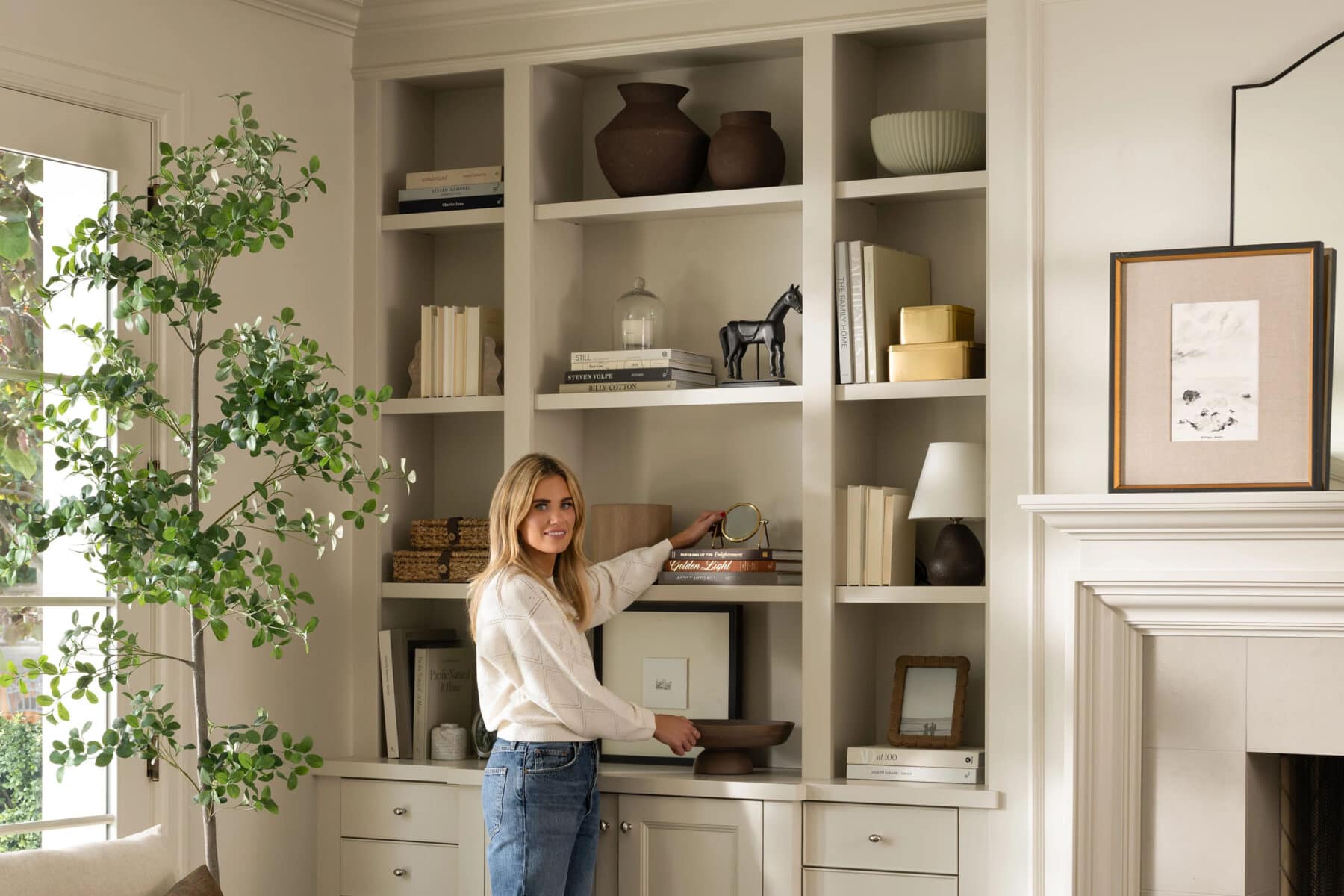
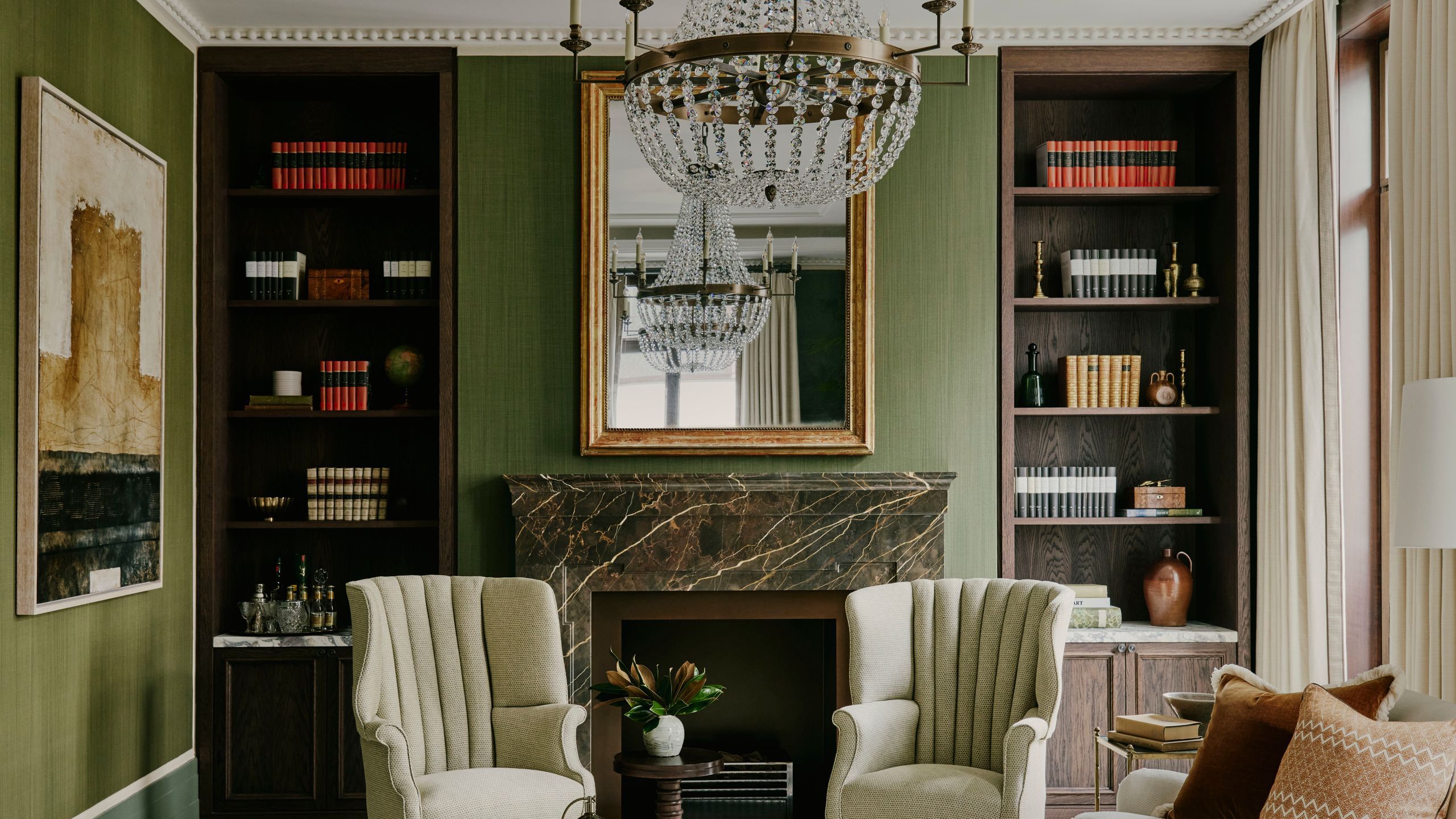
Styling open shelving requires patience, a keen eye, and a curated collection of items. Given that open shelves are prominently displayed, achieving the correct aesthetic is crucial. This involves careful consideration of item selection, quantity, and precise placement to ensure a stylish and refined appearance. Shea McGee, founder of Studio McGee and McGee & Co., has extensive experience in open shelving design and recently shared her expert tips on social media, distilling the process into four straightforward steps.
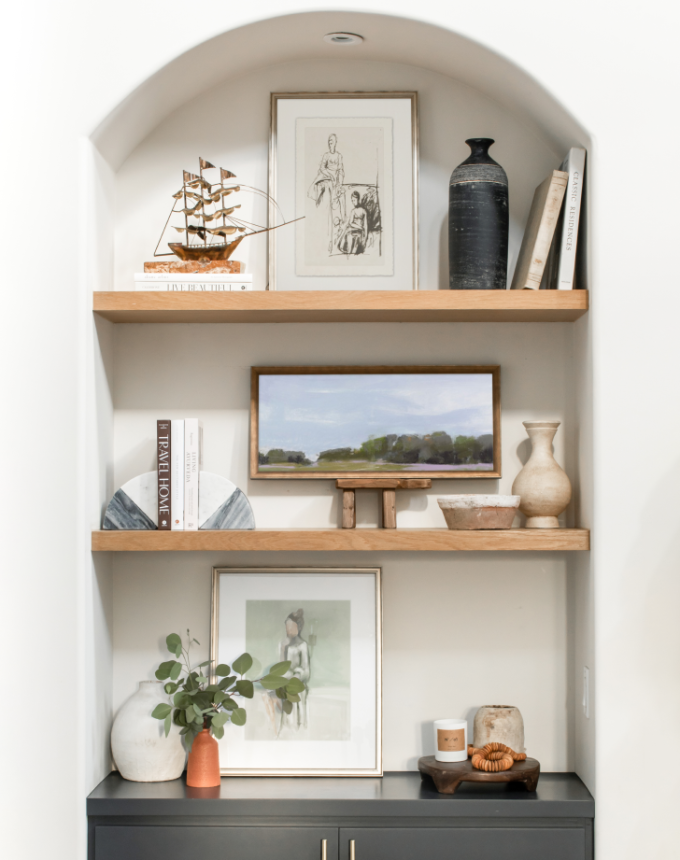
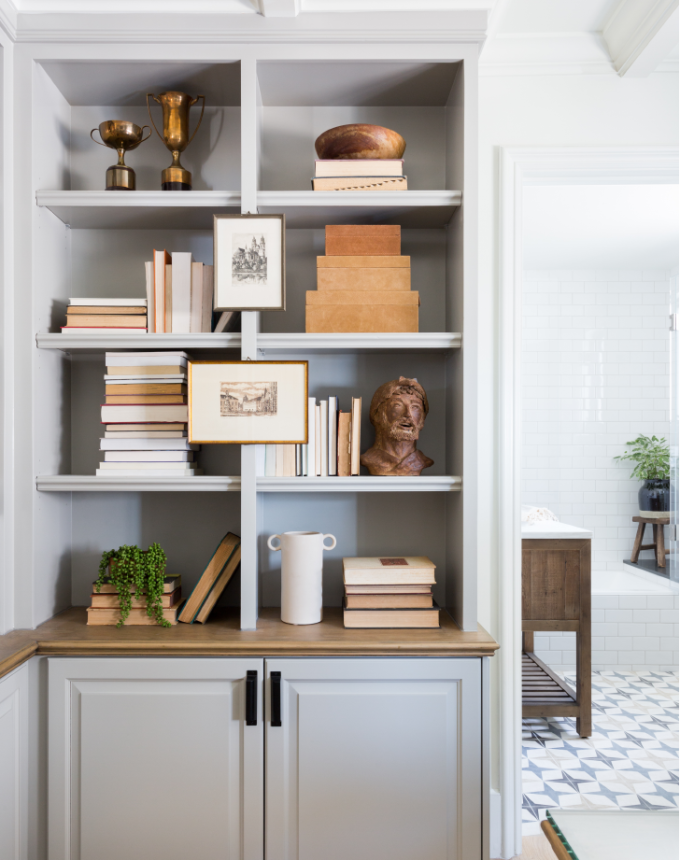
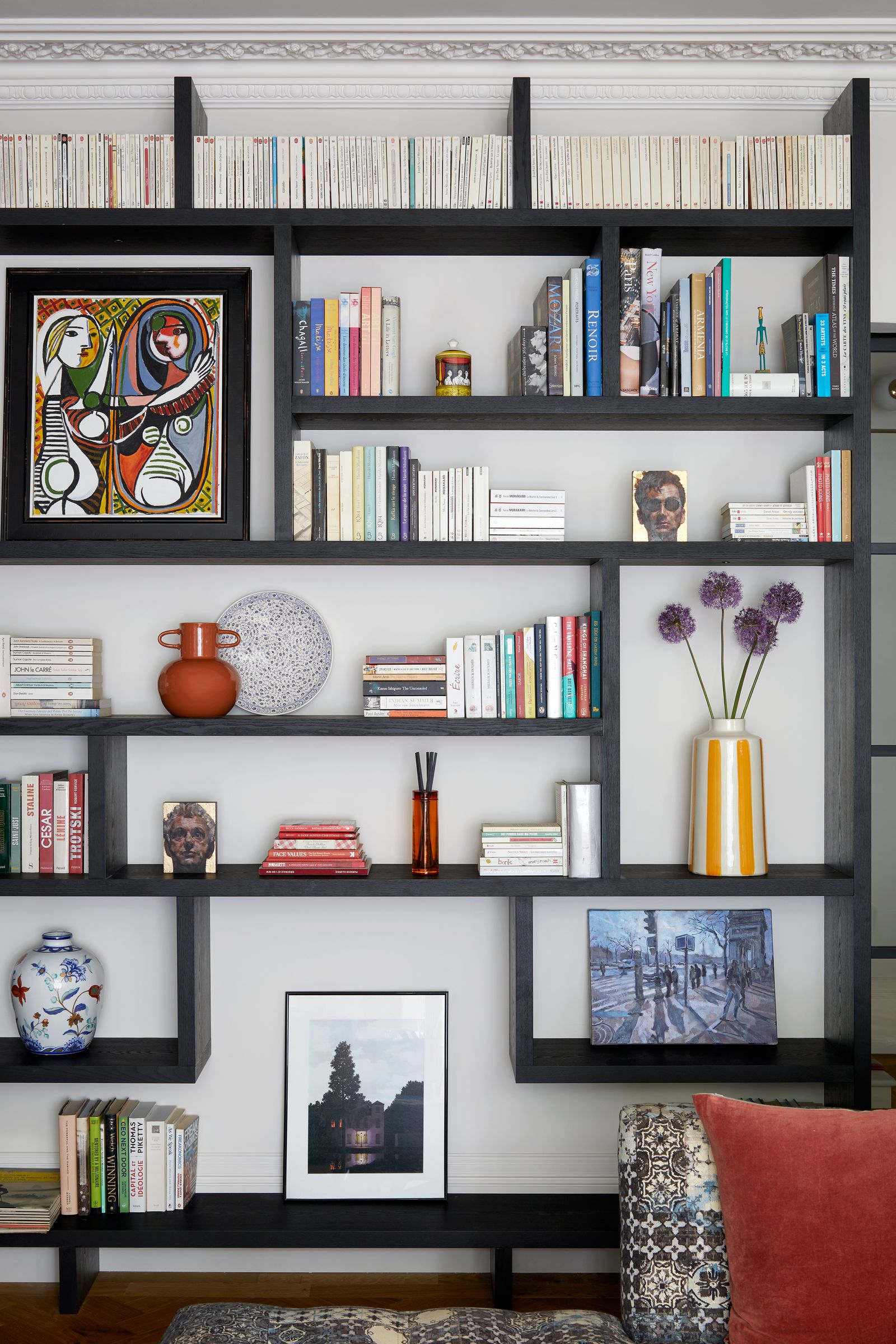
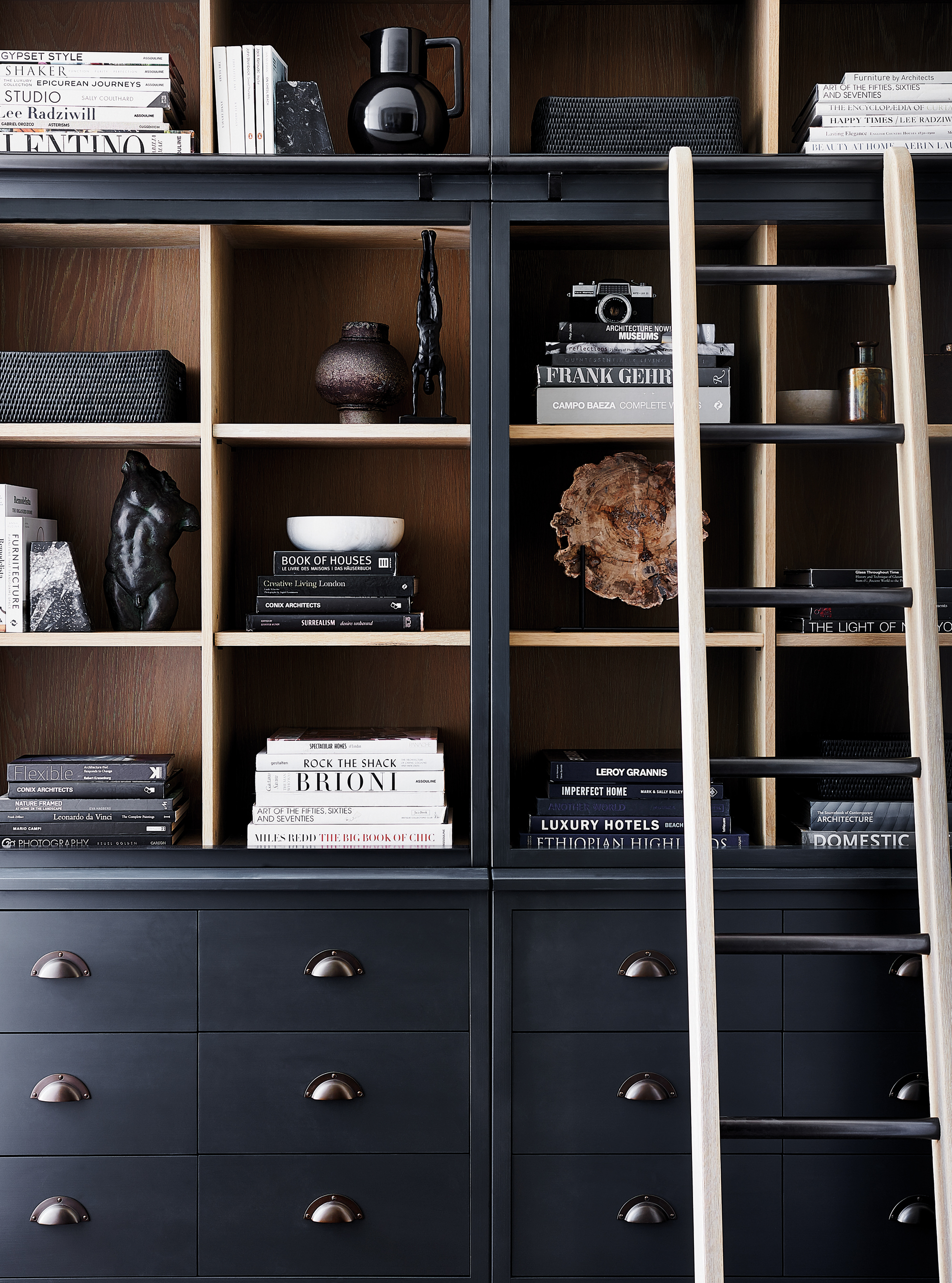
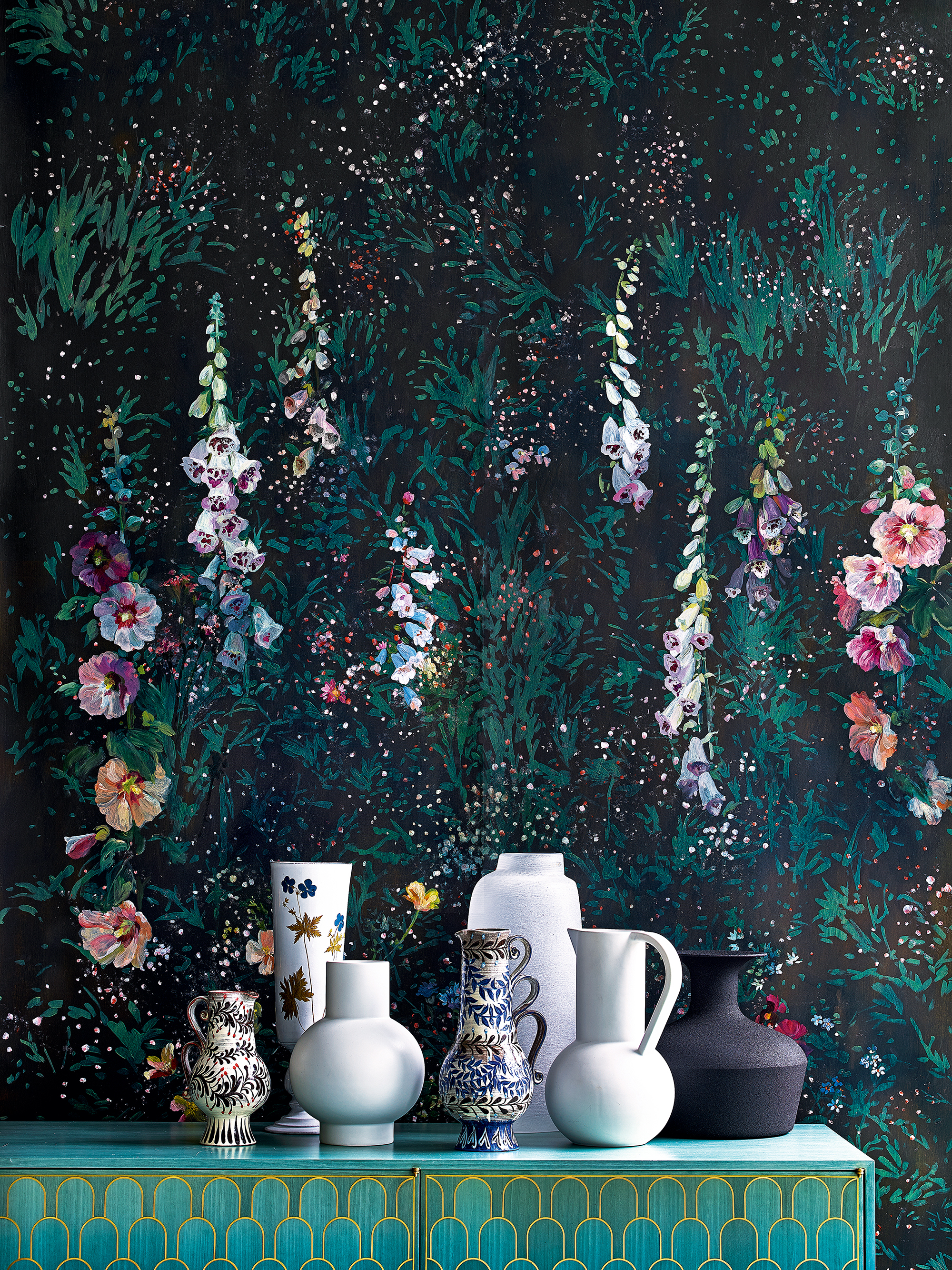
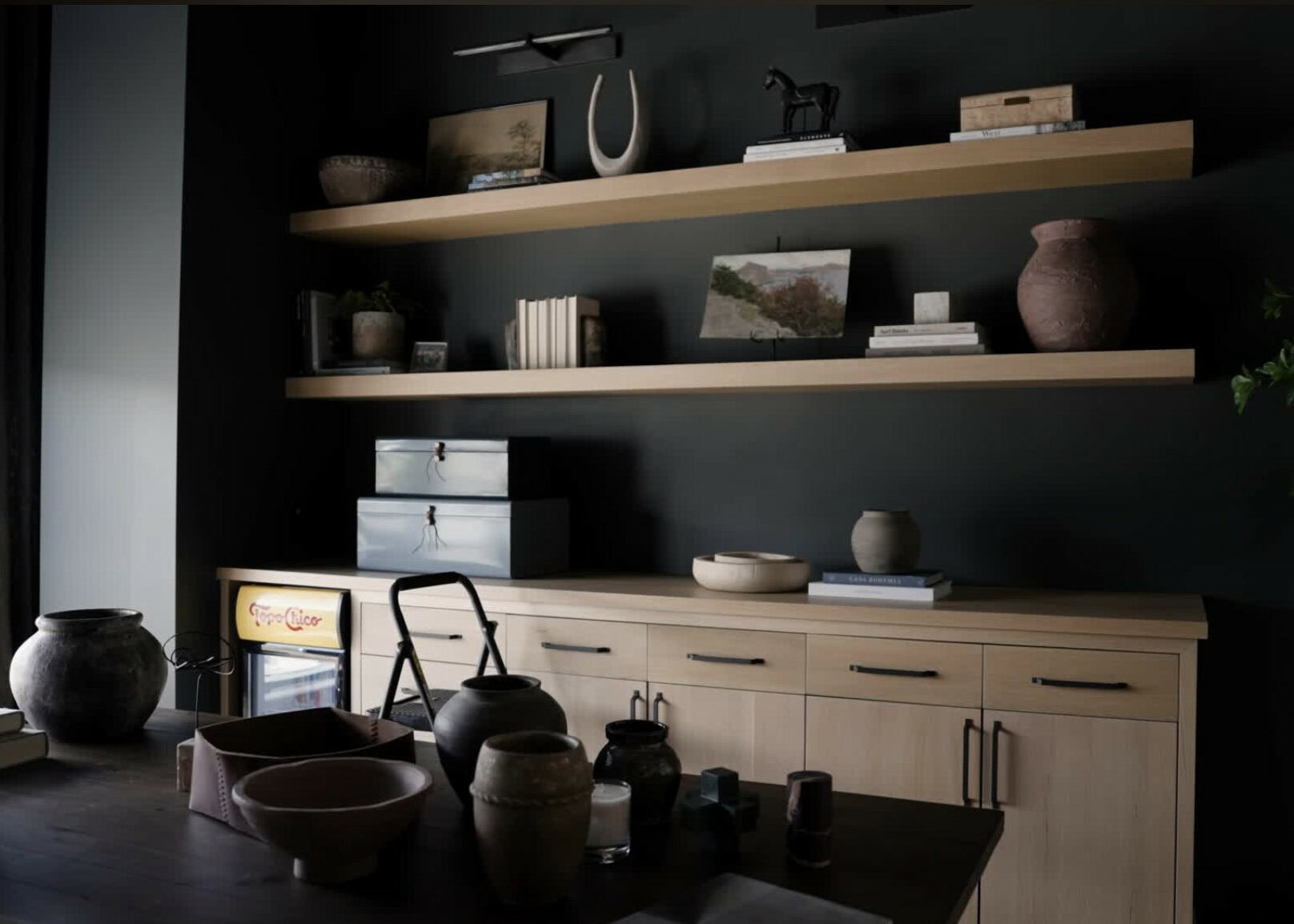
The initial step involves starting with a blank slate and meticulously inventorying all available decor and storage items. By removing everything and laying it out, a clear mental canvas is created, enabling a comprehensive overview of styling possibilities. During this inventory phase, it is essential to ensure a diverse mix of shapes, sizes, and styles among the pieces. This might include coffee table books, decorative boxes, various storage containers, sculptural objects, vases, and leaned artwork. If the inventory reveals an overabundance of similar items, such as many vases, it signals a need to diversify the collection with different forms and textures to prevent monotony.
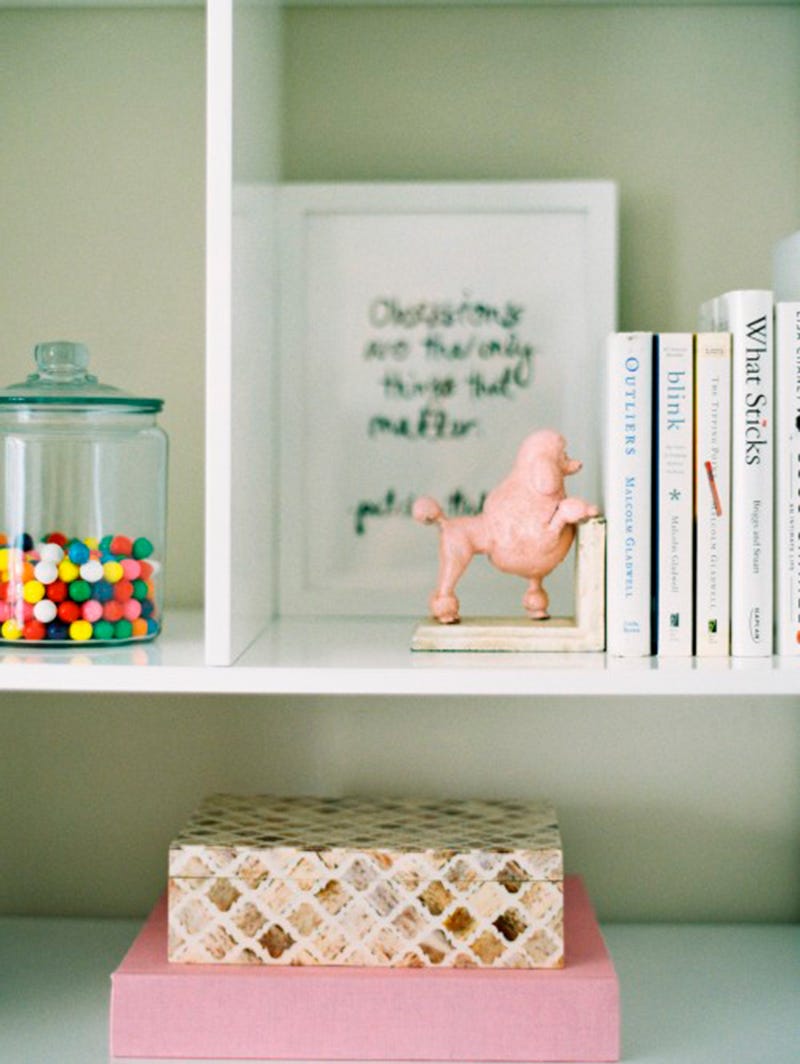
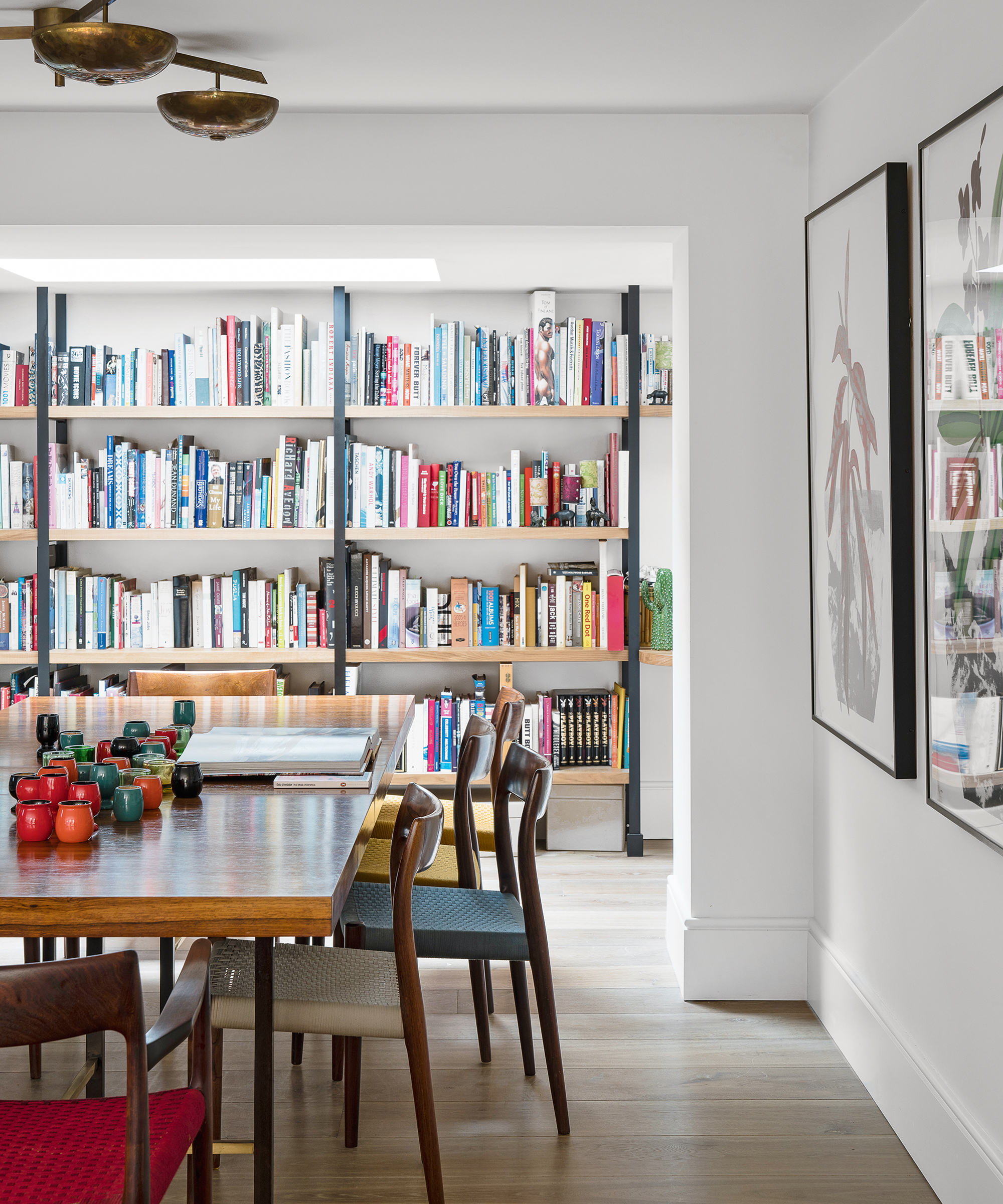
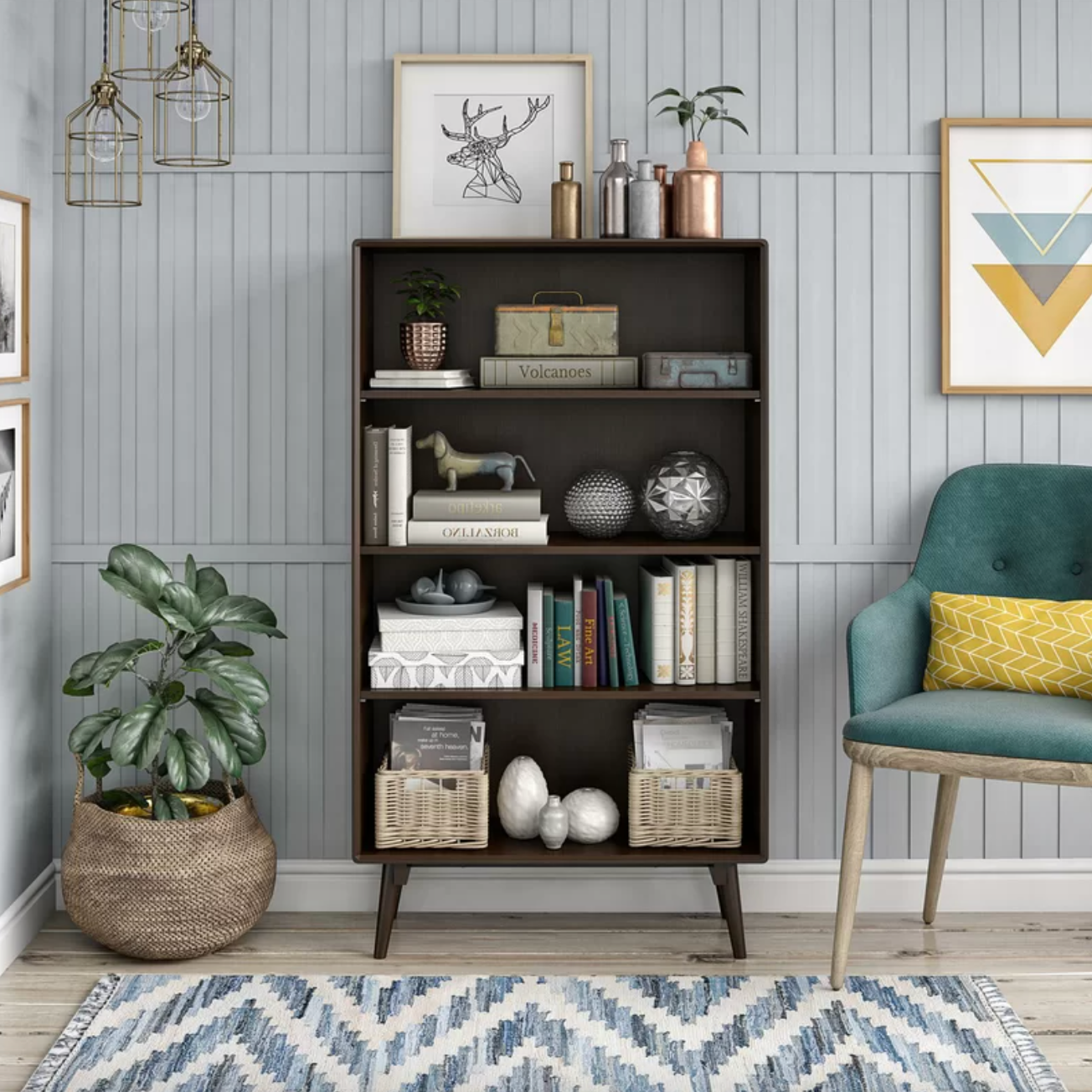
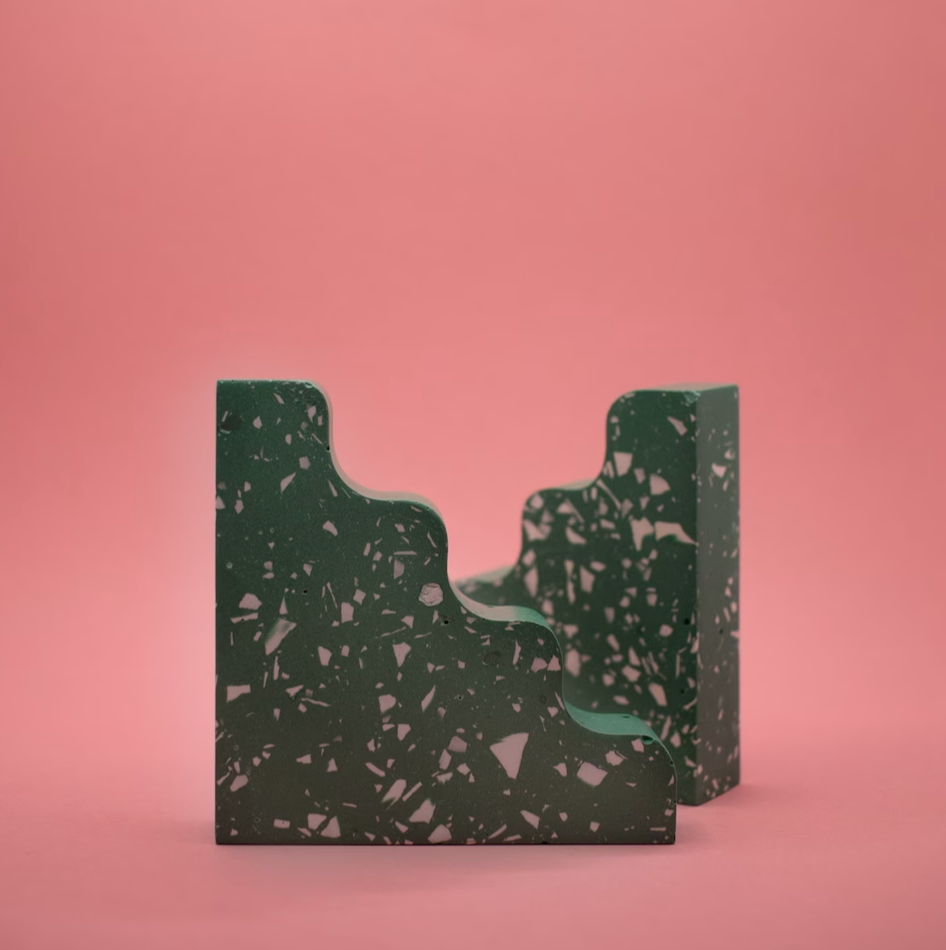
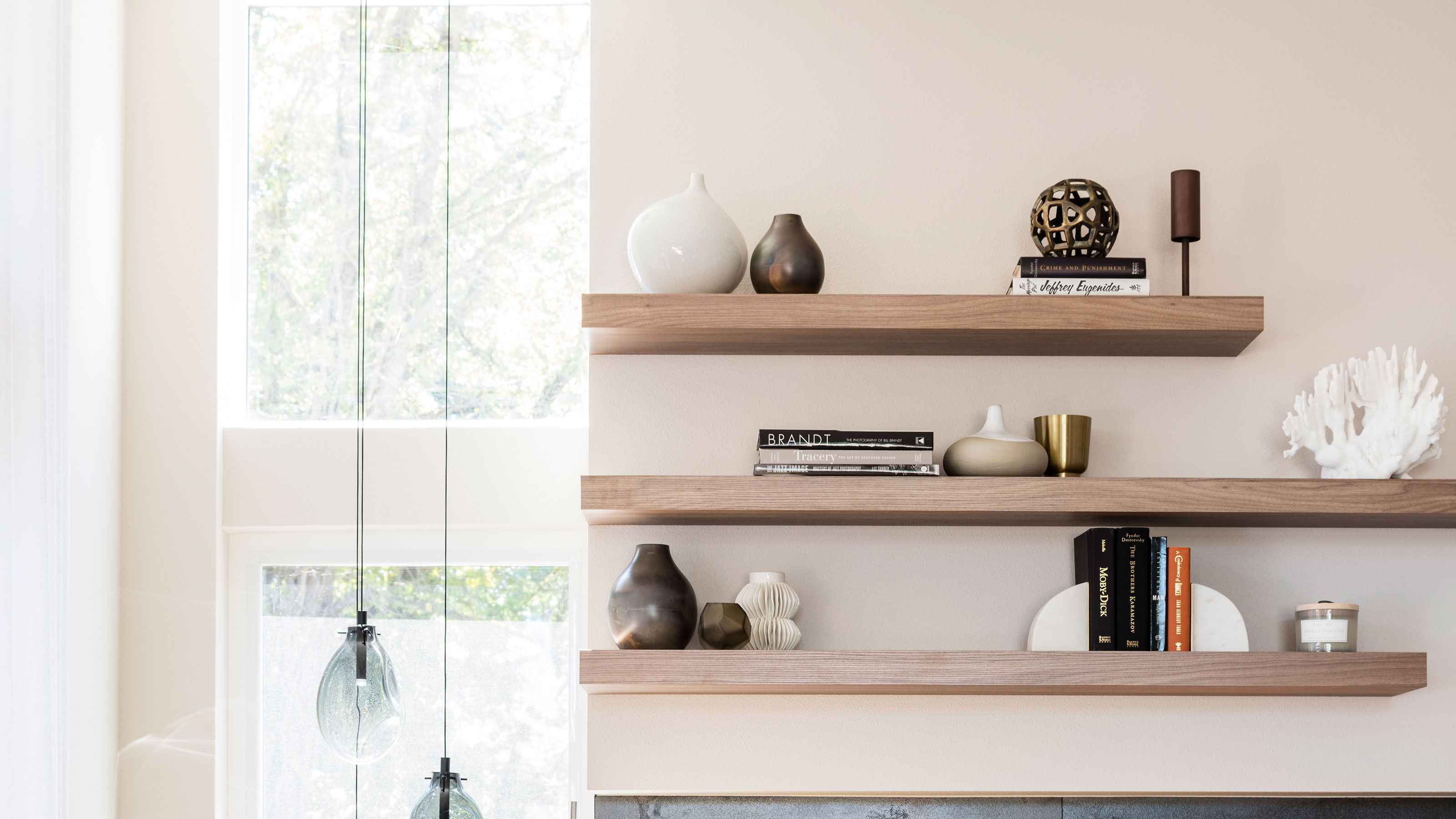
The second step focuses on placing foundational pieces, which are typically the largest decor items. These larger elements, such as metal bins or substantial sculptures, are positioned first to anchor the shelves. The emphasis is on achieving balance rather than strict symmetry. For instance, coffee table books and other reading materials are integral foundational pieces. They should be spread out to create visual balance, with varying display methods, such as stacks of one, two, or three, laid flat or standing upright, or placed between bookends. This approach prevents a uniform look and adds visual interest.
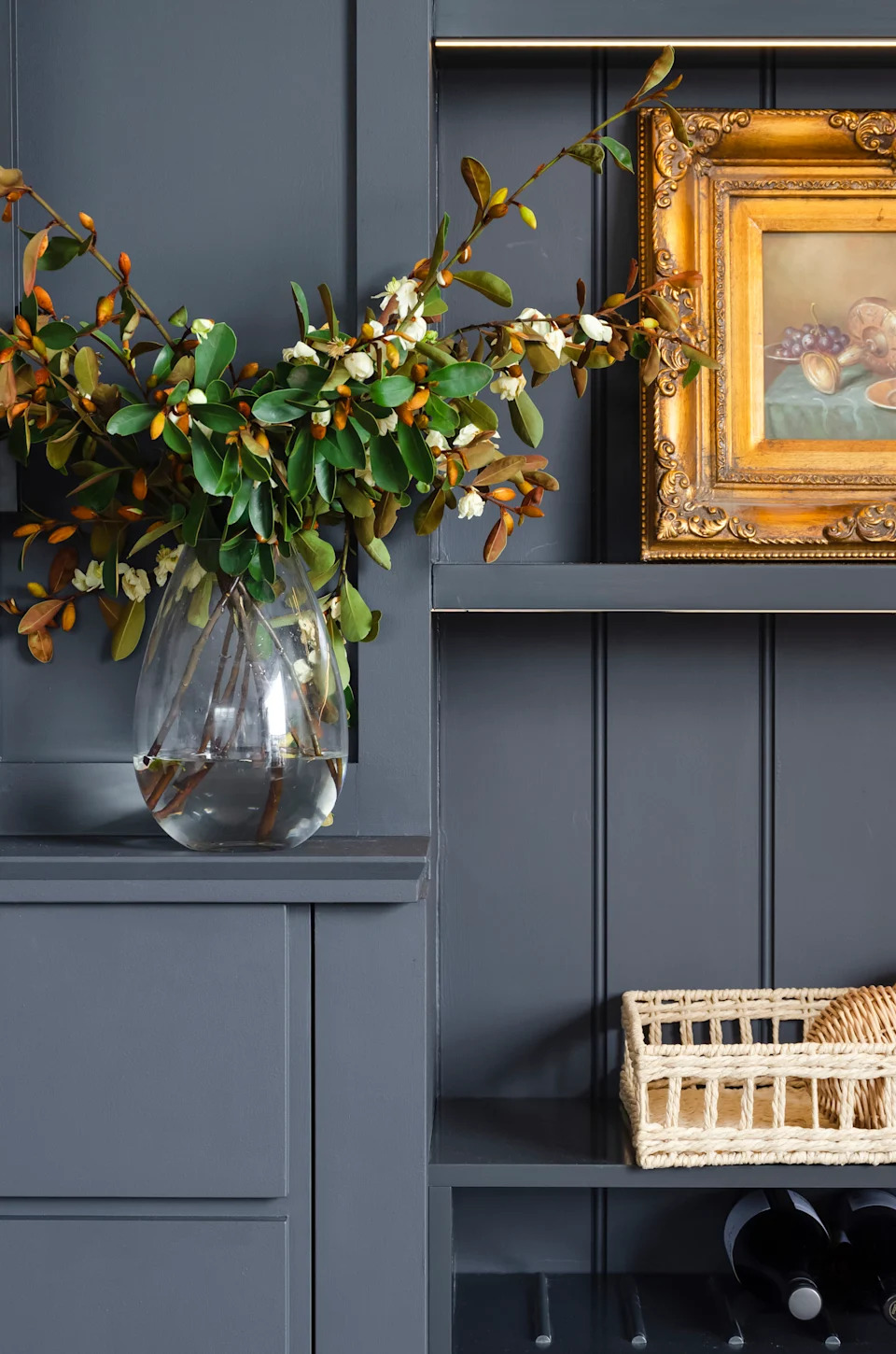
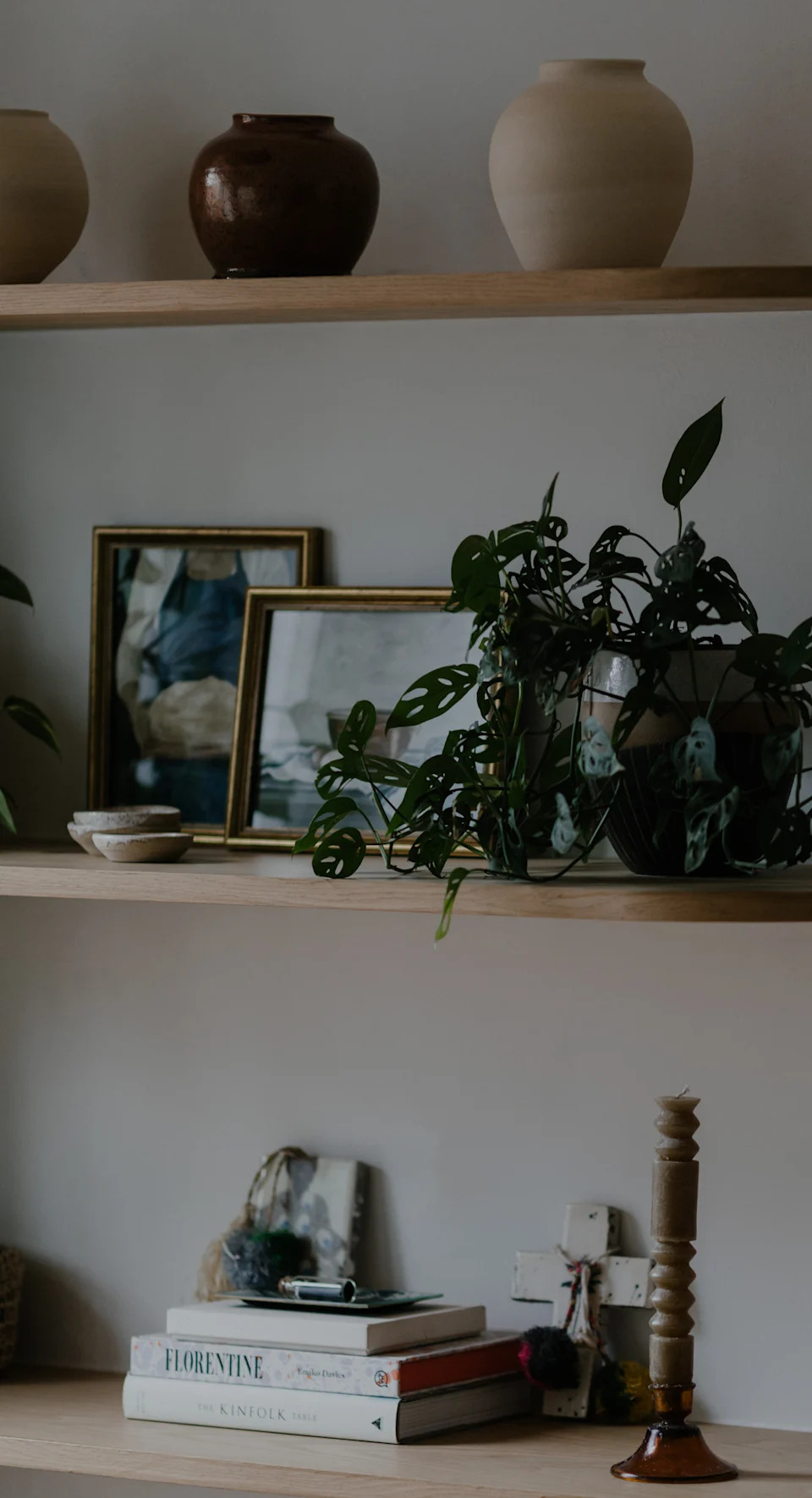
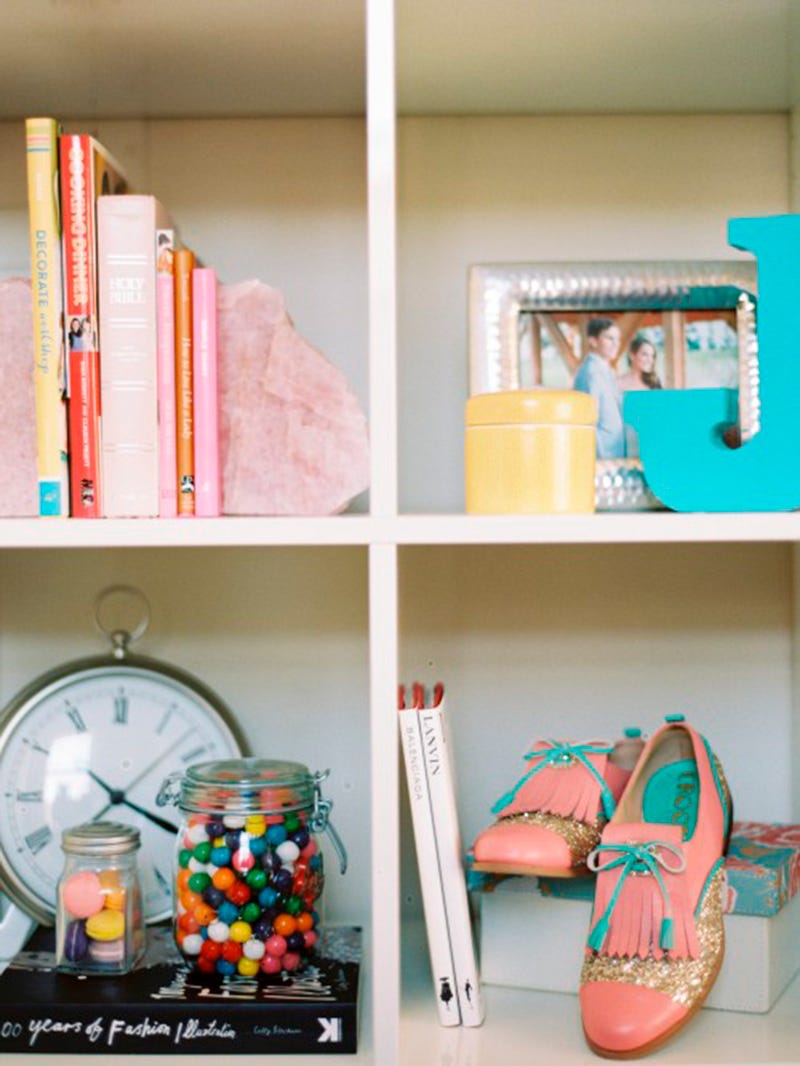
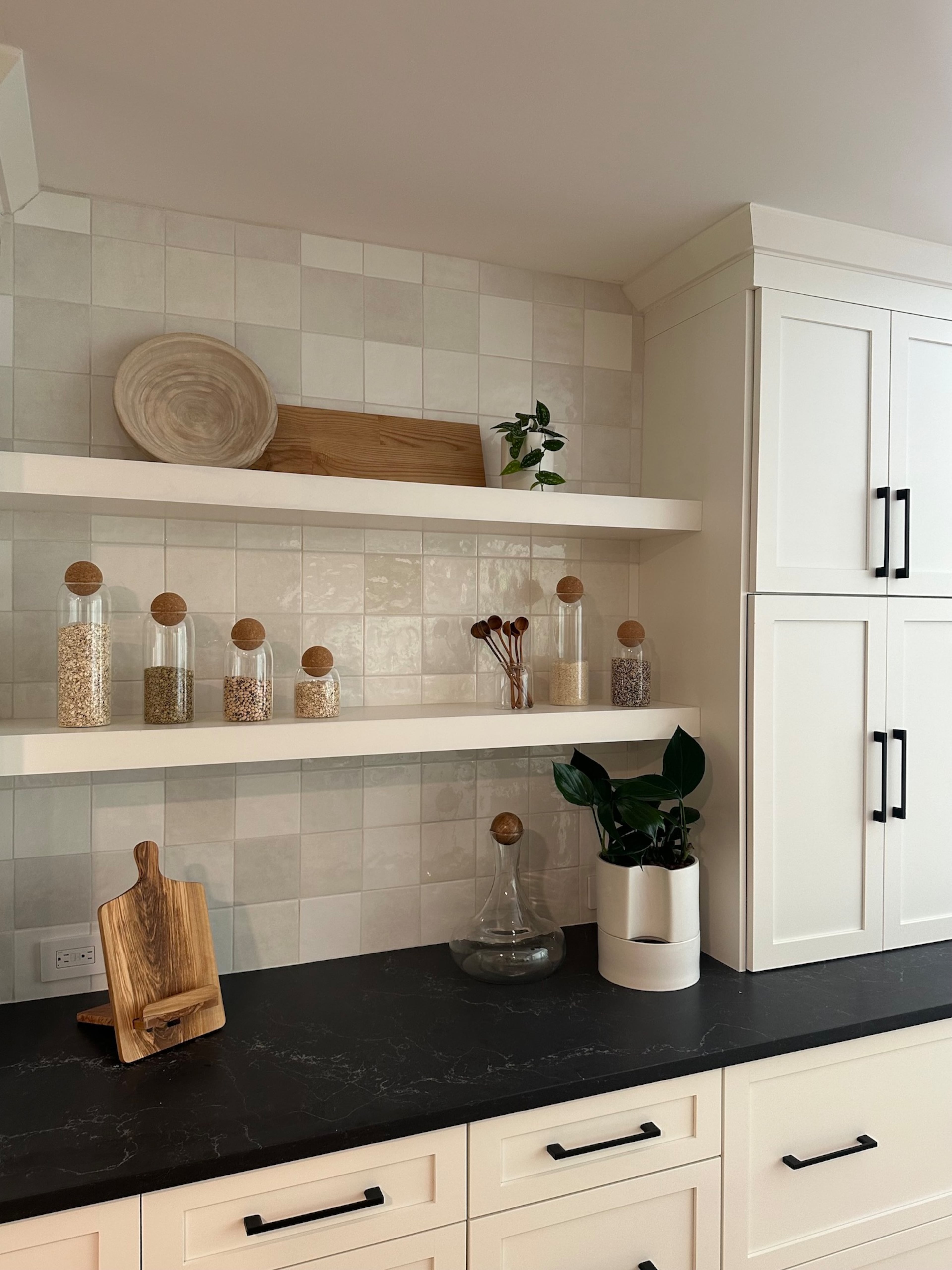
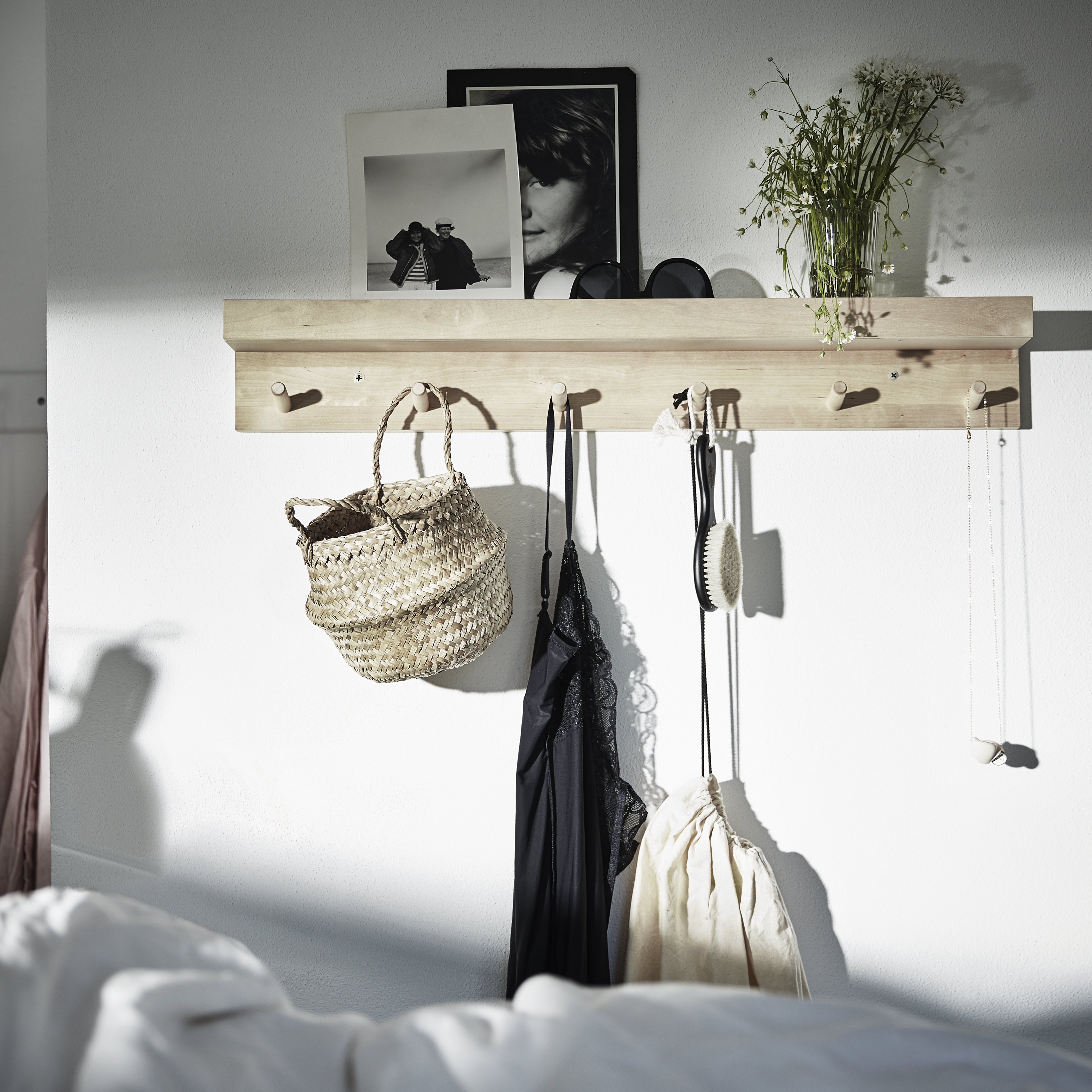
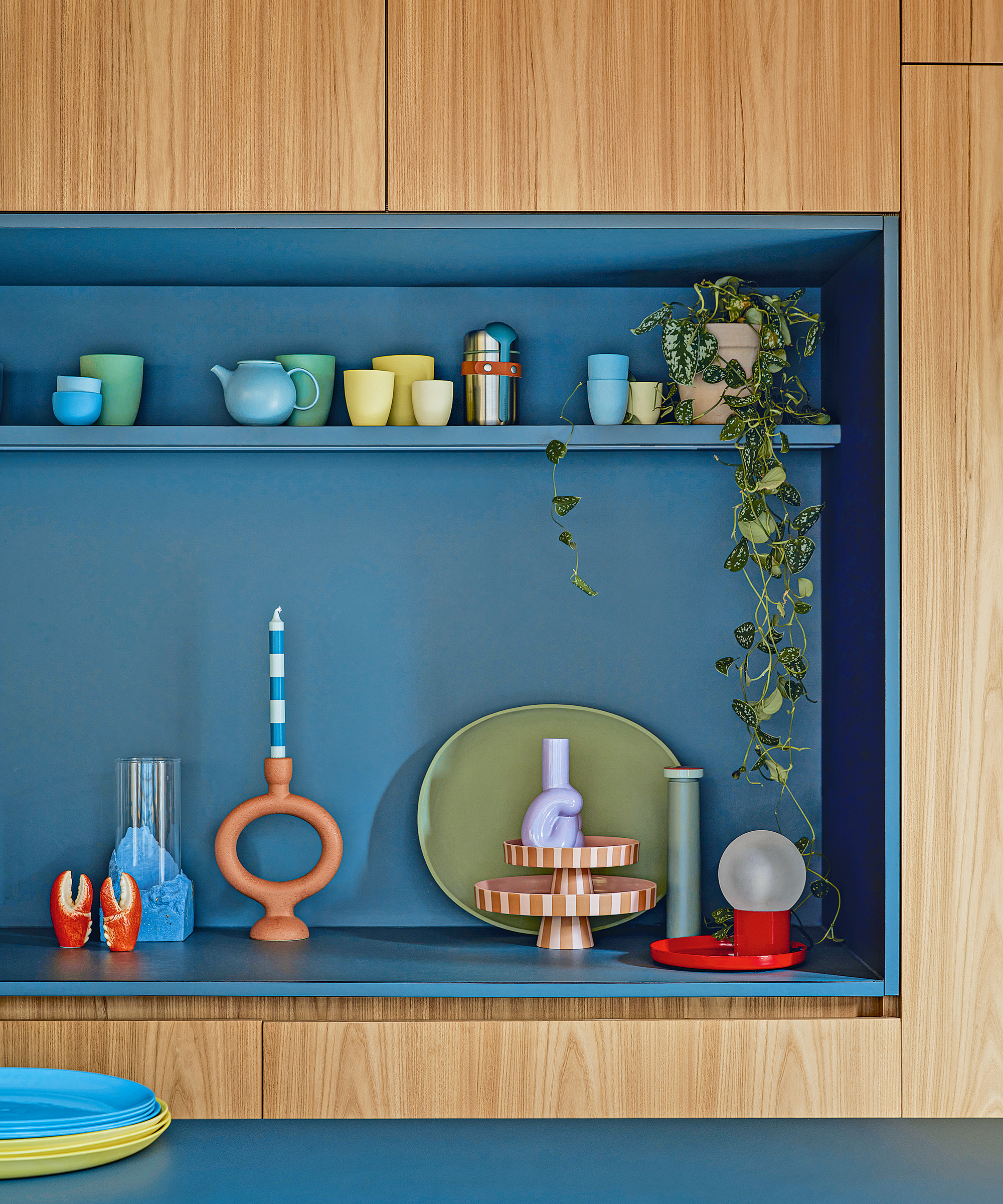
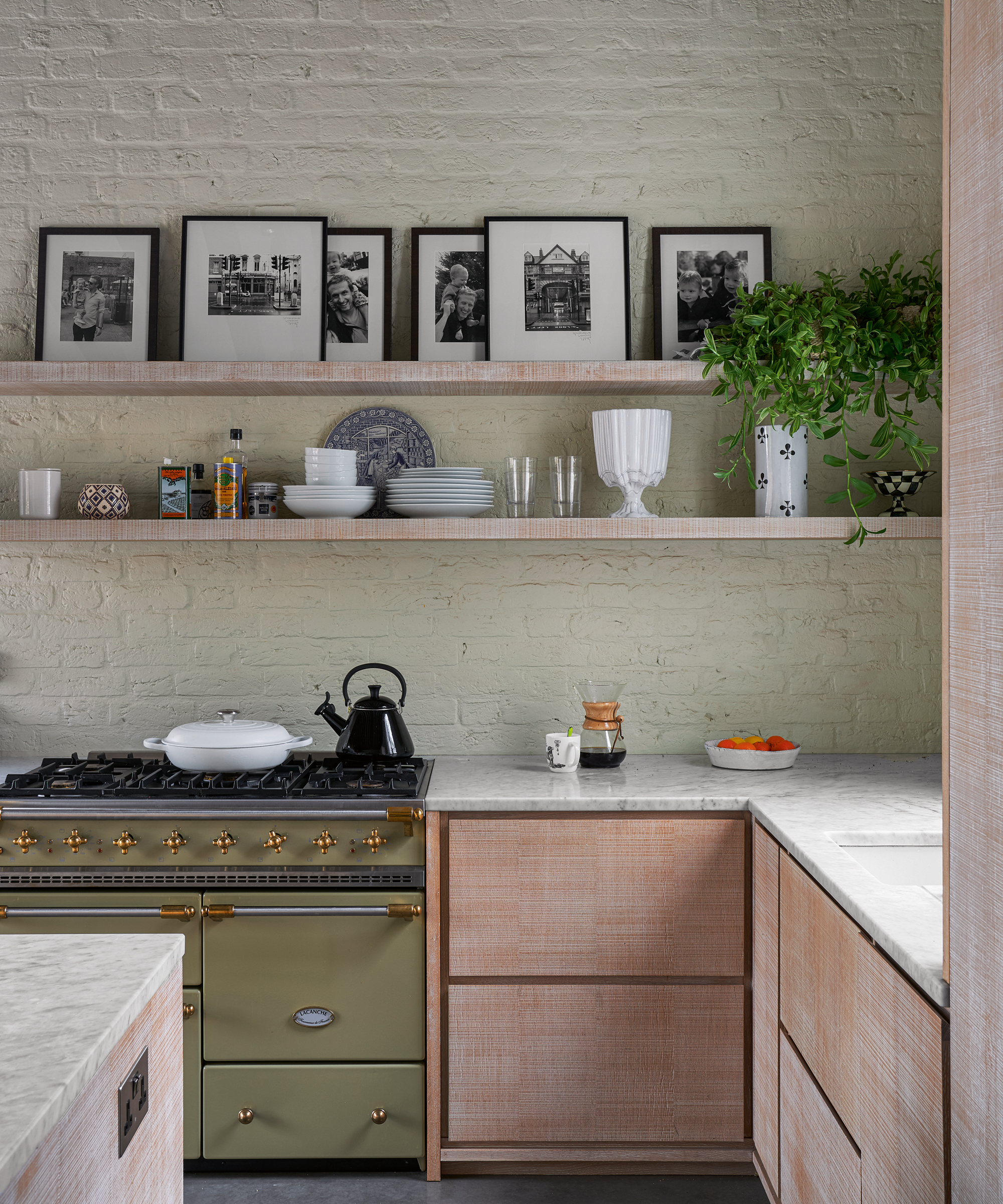
The third step involves creating groupings, or vignettes, with smaller objects once the foundational pieces are in place. Utilizing a selection of decorative items, such as equestrian pedestals, marble cylinders, or small plants like ferns, helps form cohesive and aesthetically pleasing arrangements. The article highlights that good sculptural objects can be challenging to find, but they are crucial for introducing height and texture to the shelves. Keeping a collection of inspiring pieces on hand is recommended for future styling needs. Incorporating artwork, particularly vintage pieces, adds color and dimension. Leaned artwork is preferred over mounted pieces, as it offers flexibility and allows for varying depths, distinguishing the shelves from typical book-box-vase arrangements. Easels can also be used to add vertical visual interest.
The final and often overlooked step is to step back and assess the entire arrangement from a distance. While individual vignettes may appear perfect up close, their overall impact on the shelf as a whole might be off-balance. By viewing the shelves from multiple angles and taking in the complete picture, any necessary adjustments can be identified and made before finalizing placements. Shelf styling is presented as a fluid, evolving process, often requiring breaks to return with a fresh perspective. The key takeaway is that styling is forgiving and continuously adaptable, and it is not necessary to use every available item. Unused items can be stored for future refreshes, as collections evolve over time.
#SheaMcGee #OpenShelving #InteriorDesign #HomeDecor #ShelfStyling #DecorTips #HomeStyling #DesignProcess #DecorInspiration #SheaMcGee #OpenShelving #InteriorDesign #HomeDecor #ShelfStyling #DecorTips #HomeStyling #DesignProcess #DecorInspiration
0 comment in total
 No comments yet
You may also like
7 Pro Tips for Creating Magazine-Worthy Open Shelves
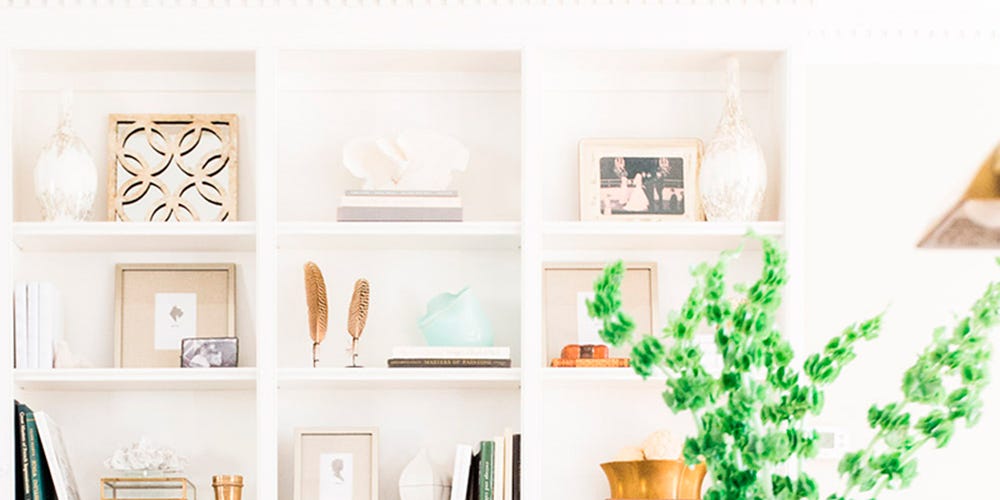
How to style your shelves

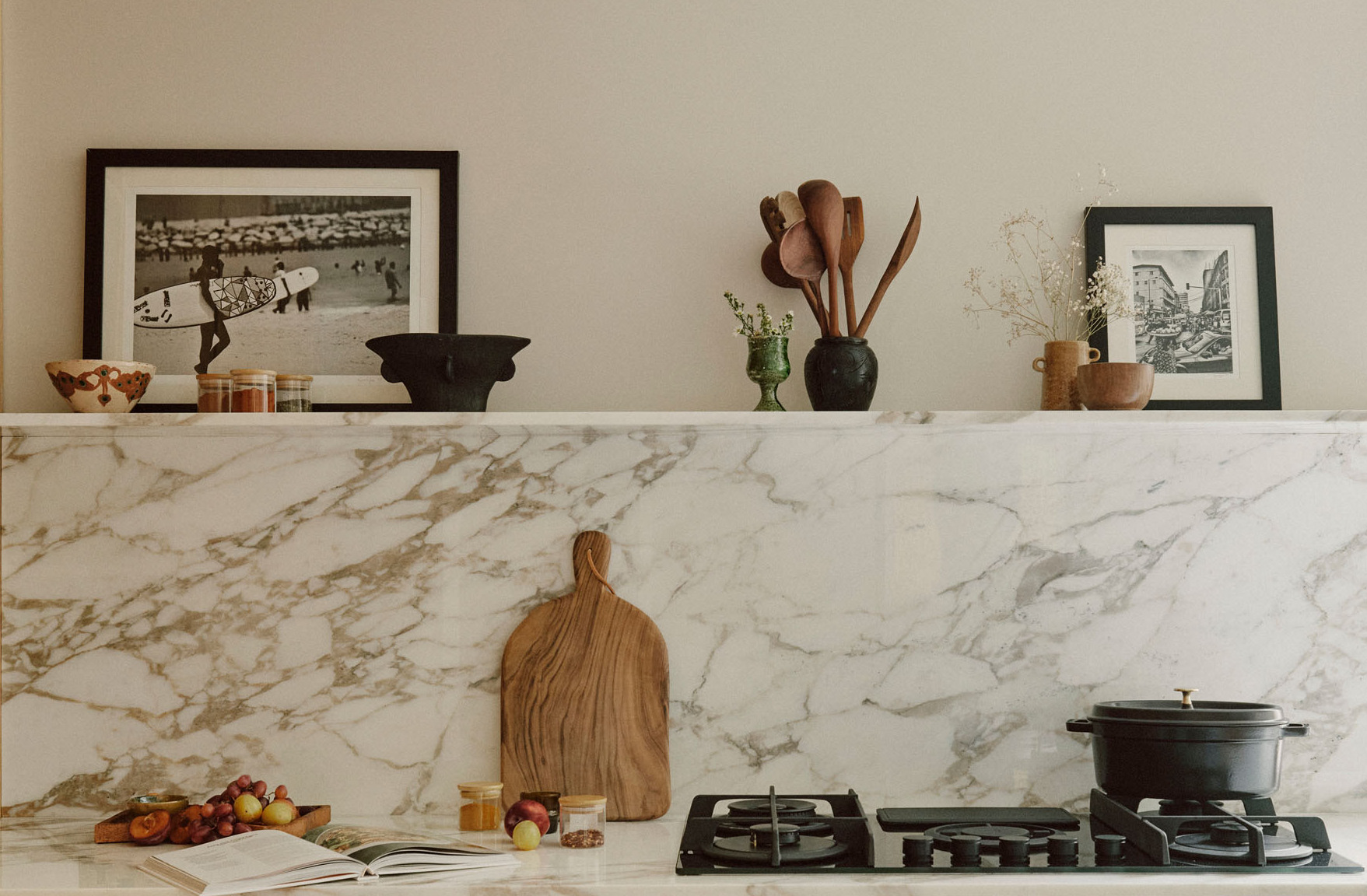
5 shelf styling trends for 2024 designers are using now to create rooms full of personality

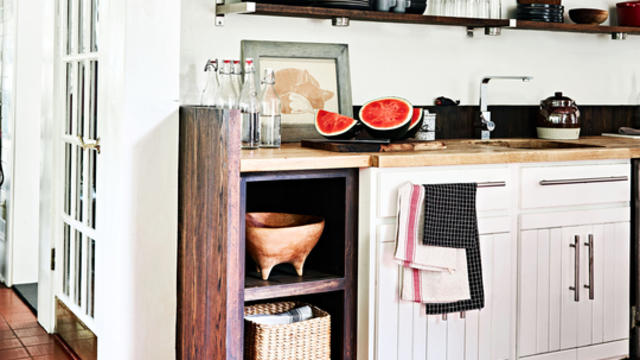
How to Transition from Cabinets to Open Shelves in Your Kitchen
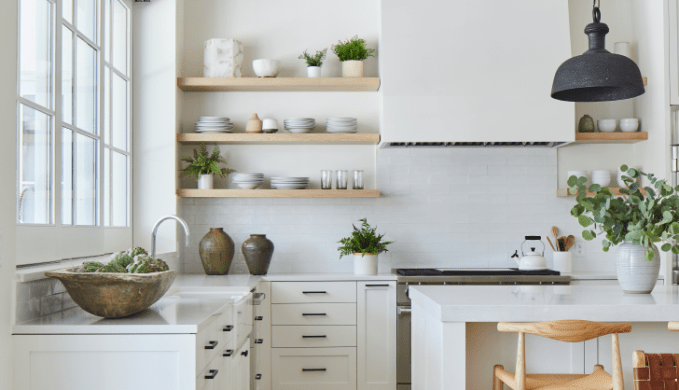
How to Rock Open Shelving in 2021 (Plus, 2 things to Avoid), According to Designers
Experts suggest ways to make your shelfie shine
Restyling Your Shelves With Shea
Shelving ideas – how to add personality, style and storage to any room

Shea McGee just shared how she balances vintage and modern home decor – the key is to always keep new items 'streamlined'
The Art Of Shelf Styling
I asked an interior designer how to style shelves, and I learned 4 awesome tips

Shea McGee's 3 valuable tips to make a kitchen look designer
Shea McGee swears by these flooring transition rules for successful, open plan spaces

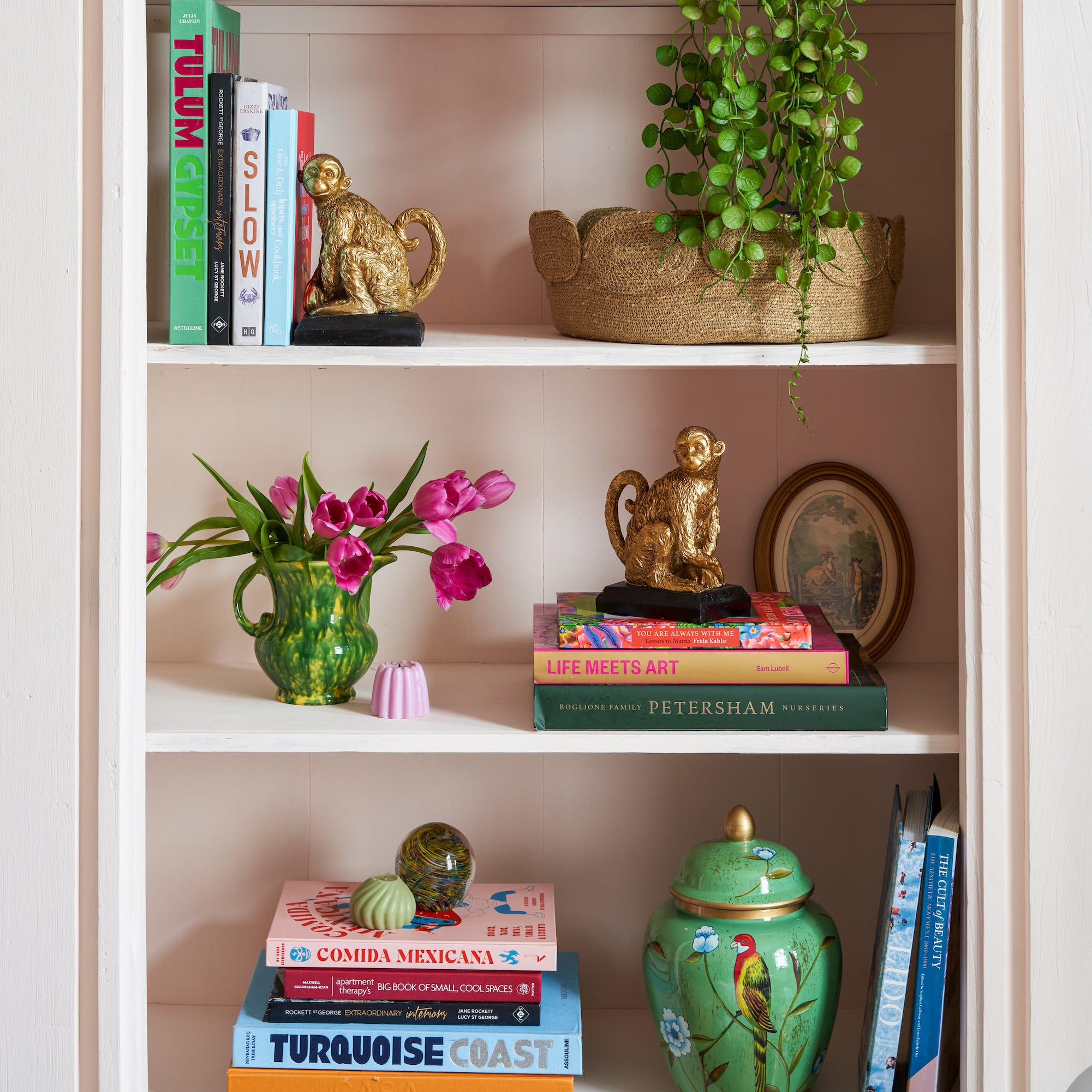
Styling Shelves: Your Expert (Five-Point) Guide
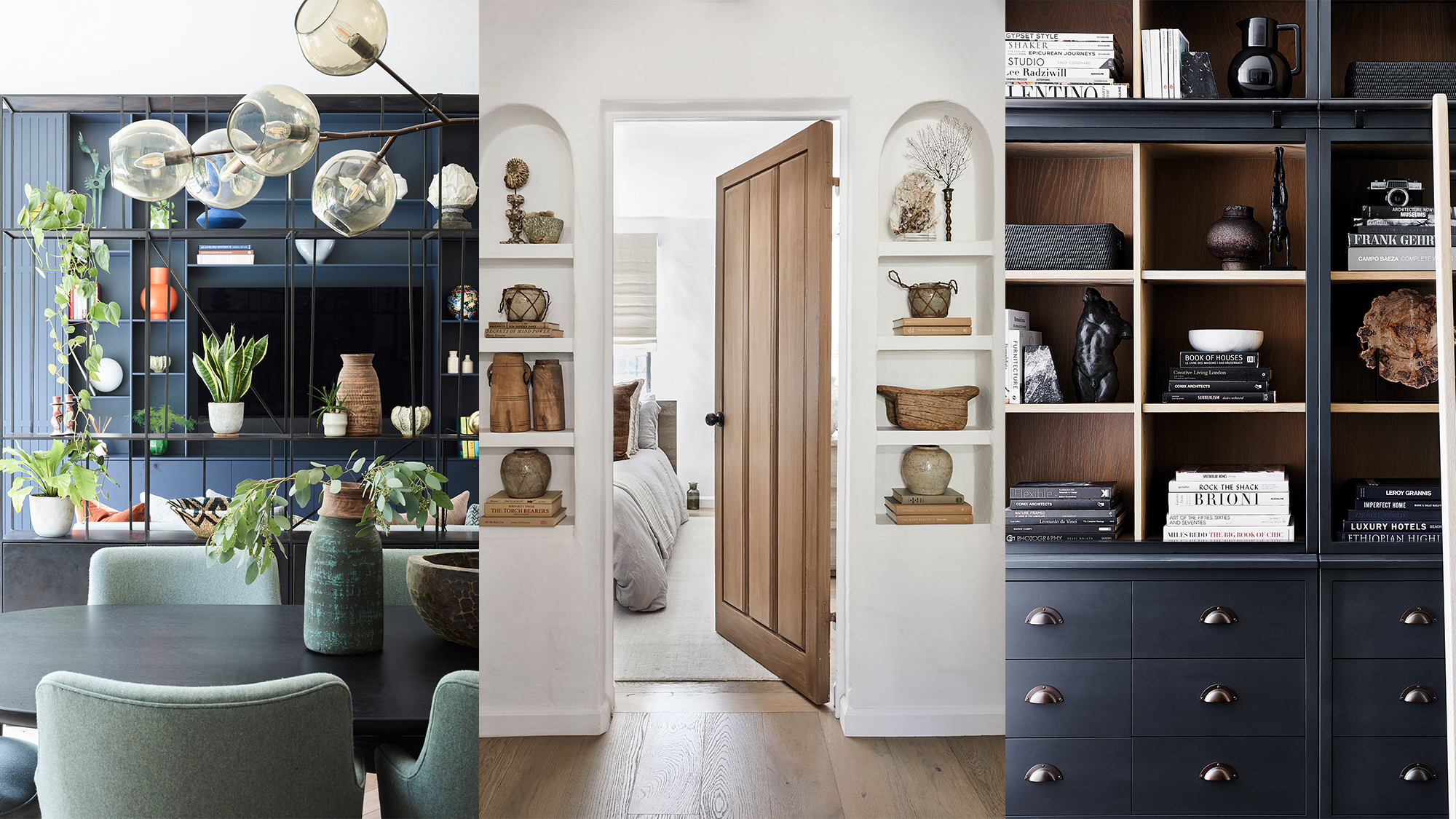
Decorating shelves – 13 ideas for beautiful arrangements
Bookshelf wealth: how to make the new shelfie trend work for you
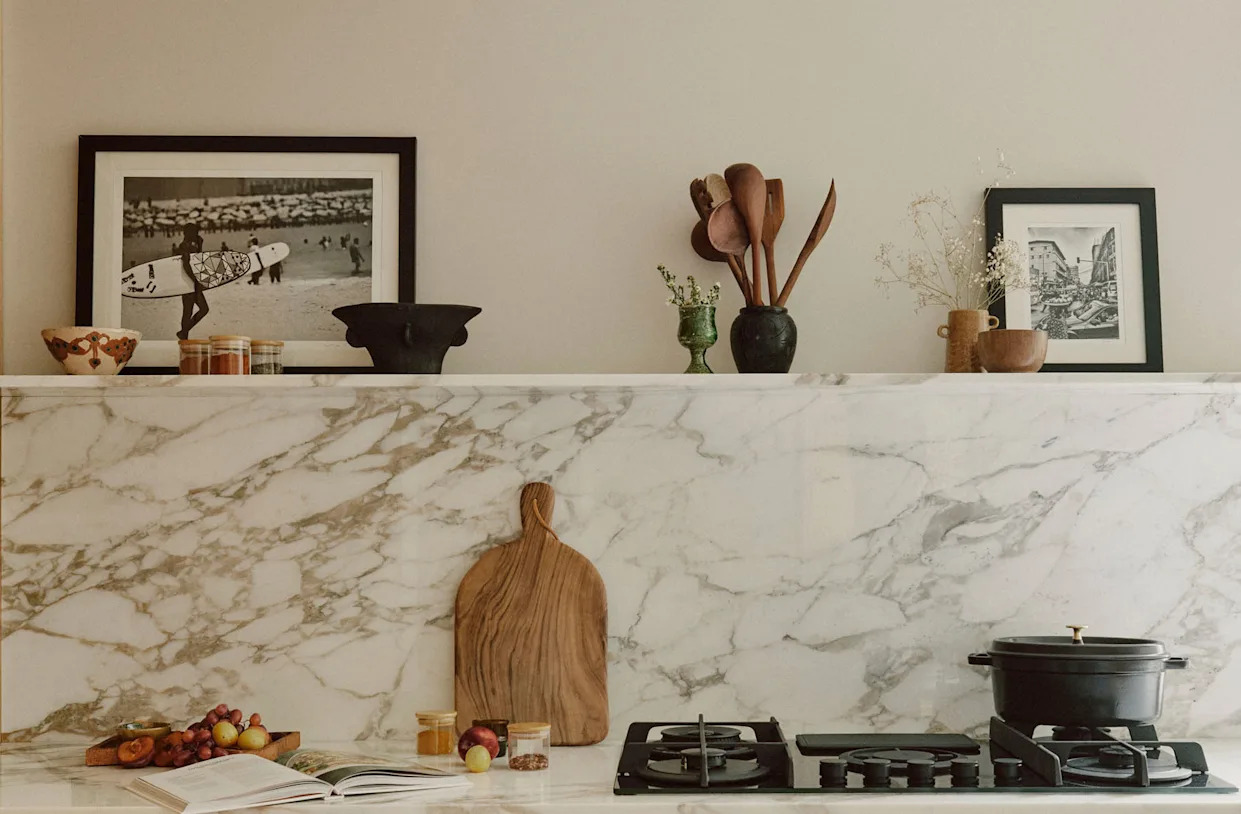
5 shelf styling trends for 2024 designers are using now to create rooms full of personality
Shea McGee proves just how stylish storage solutions can be
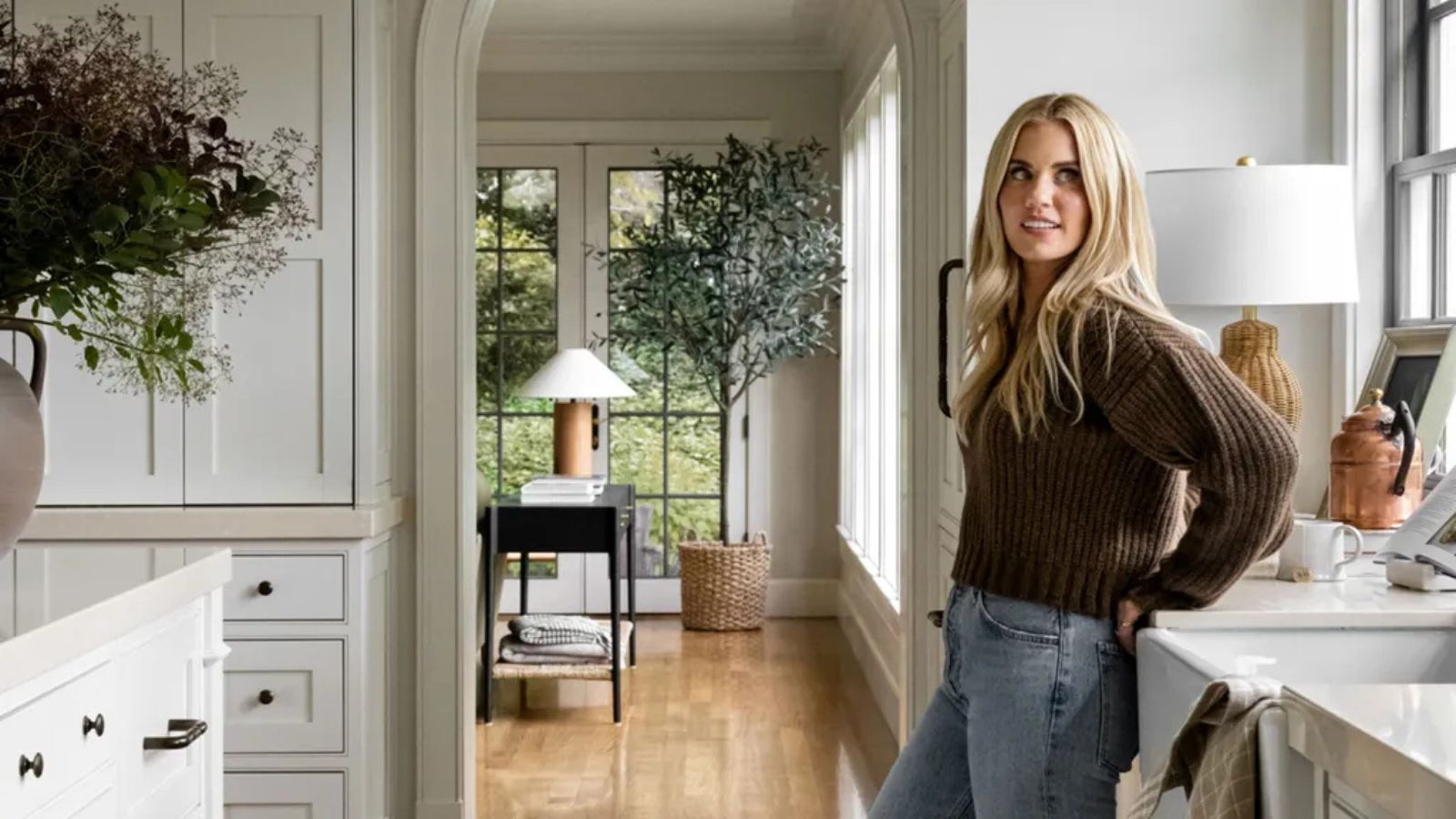
Shea McGee has shared her 4 simple tips for creating her iconic look in a small space
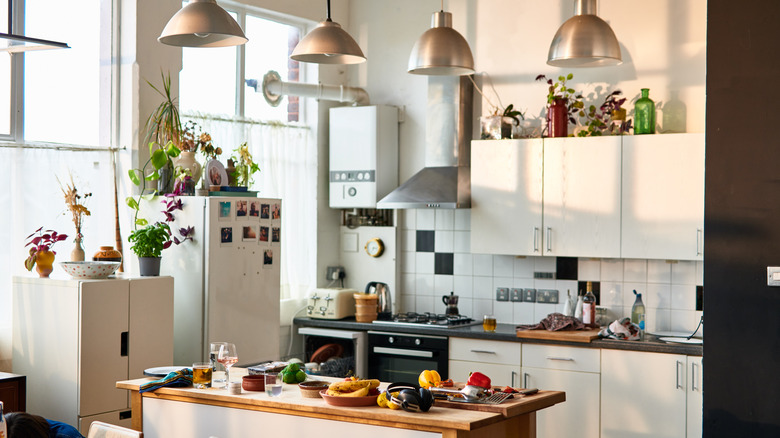
The Classic Kitchen Design Trend That Might Never Go Out Of Style